Applewood Nursing Center, Inc
18500 Van Horn Rd, Woodhaven, MI 48183 (734) 676-7575
For profit - Corporation 150 Beds SYMPHONY CARE NETWORK Data: November 2025 2 Immediate Jeopardy citations
Trust Grade
0/100
#359 of 422 in MI
Last Inspection: April 2025

Within standard 12-15 month inspection cycle. Federal law requires annual inspections.

Overview

Applewood Nursing Center in Woodhaven, Michigan, has received a Trust Grade of F, indicating significant concerns about the quality of care provided. With a state rank of #359 out of 422 facilities and a county rank of #60 out of 63, it falls in the bottom half of both categories. Although the facility is improving, decreasing from 19 issues in 2024 to 10 in 2025, it still has serious deficiencies, including two critical incidents that resulted in severe weight loss for a resident and a cognitively impaired resident eloping due to malfunctioning exit door alarms. Staffing is below average with a rating of 2 out of 5 stars and a turnover rate of 37%, which is better than the state average but still concerning. Additionally, the facility has incurred fines totaling $92,135, which is higher than 78% of Michigan facilities, indicating potential ongoing compliance issues. Overall, while there are some positive trends in staffing and quality measures, the significant issues highlighted in inspections suggest families should proceed with caution.

Trust Score
F
0/100
In Michigan
#359/422
Bottom 15%
Safety Record
High Risk
Review needed
Inspections
Getting Better
19 → 10 violations
Staff Stability
○ Average
37% turnover. Near Michigan's 48% average. Typical for the industry.
Penalties
✓ Good
$92,135 in fines. Lower than most Michigan facilities. Relatively clean record.
Skilled Nurses
⚠ Watch
Each resident gets only 20 minutes of Registered Nurse (RN) attention daily — below average for Michigan. Fewer RN minutes means fewer trained eyes watching for problems.
Violations
⚠ Watch
44 deficiencies on record. Higher than average. Multiple issues found across inspections.
★☆☆☆☆
1.0
Overall Rating
★★☆☆☆
2.0
Staff Levels
★★★★☆
4.0
Care Quality
★☆☆☆☆
1.0
Inspection Score
Stable
2024: 19 issues
2025: 10 issues

The Good

  • 4-Star Quality Measures · Strong clinical quality outcomes
  • Full Sprinkler Coverage · Fire safety systems throughout facility
  • No fines on record
  • Staff turnover below average (37%)

    11 points below Michigan average of 48%

Facility shows strength in quality measures, fire safety.

The Bad

1-Star Overall Rating

Below Michigan average (3.1)

Significant quality concerns identified by CMS

Staff Turnover: 37%

Near Michigan avg (46%)

Typical for the industry

Federal Fines: $92,135

Well above median ($33,413)

Moderate penalties - review what triggered them

Chain: SYMPHONY CARE NETWORK

Part of a multi-facility chain

Ask about local staffing decisions and management

The Ugly 44 deficiencies on record

2 life-threatening 3 actual harm
Apr 2025 8 deficiencies 1 IJ
CRITICAL (J)

Immediate Jeopardy (IJ) - the most serious Medicare violation

Deficiency F0692 (Tag F0692)

Someone could have died · This affected 1 resident

**NOTE- TERMS IN BRACKETS HAVE BEEN EDITED TO PROTECT CONFIDENTIALITY** Based on observation, interview, and record review, the facility failed to ensure a resident (R88) at high-nutritional risk (tub...

Read full inspector narrative →
**NOTE- TERMS IN BRACKETS HAVE BEEN EDITED TO PROTECT CONFIDENTIALITY** Based on observation, interview, and record review, the facility failed to ensure a resident (R88) at high-nutritional risk (tube feeding/multiple wounds) was appropriately assessed and failed to implement interventions resulting in unidentified severe weight loss (10.6% in one month) for one out of three residents reviewed for high nutritional risk. The Immediate Jeopardy (IJ) started on 3/17/25 when R88, a resident at high nutritional risk due to a tube feeding and multiple wounds, was admitted into the facility, and the facility neglected to ensure R88 was appropriately assessed by a qualified nutritional professional and provided adequate nutrition to prevent a severe weight loss of 10.6% in one month. The Nursing Home Administrator (NHA) and Director of Nursing (DON) were notified of Immediate Jeopardy on 4/16/25 at 2:42 PM. The IJ was removed on 4/17/25, but noncompliance remains at a Level 2 due to sustained compliance that has not been verified by the State Agency. Findings include: On 4/14/25 at 7:56 AM, R88 was observed alert and lying in bed. R88 said he received pain medication but was still in a little pain. R88 was observed receiving a tube feeding of Promote 1.0 infusing at 55 cc/hour. On 4/15/25 at 9:55 AM, R88 was observed receiving a tube feeding of Promote 1.0 infusing at 55 cc/hour. During an interview on 4/15/25 at 1:05 PM, Licensed Practical Nurse (LPN) O said R88's family provided the nutrition formula, Promote 1.0. At 1:30 PM, R88 refused to be weighed and said it would cause him pain. LPN O said she would administer an as needed pain medication and check back with R88 in an hour to see if he would consent to be weighed. During an interview on 4/15/25 at 1:35 PM, Station 3 Unit Manager, LPN N reported that she put the order in for monthly weights on 4/8/25. During the previous four-week period, weekly weights were supposed to be obtained. LPN N identified two facility attempts to weigh R88. LPN N said R88 refused to be weighed once and once a clean sling (used with a mechanical lift to weigh a resident) was not available. A review of the clinical record did not reveal an effort to resolve R88's refusal to be weighed or an attempt to weigh R88 when a clean sling was available. A review of R88's April 2025 MAR (Medication Administration Record) revealed the administration of one tablet of hydrocodone-acetaminophen 5-325 (pain) at 12:52 PM on 4/15/25. On 4/15/25 at 2:42 PM, R88 allowed facility staff to obtain a weight. R88 weighed 177 lbs. R88 sustained a 10.6% weight loss from the admission weight of 198 lbs. obtained on 3/18/25. During an interview on 4/15/25 at 4:07 PM, CDM K said the facility has recently had a couple of different registered dietitians (RD). The newest RD, (RD J), started on 4/1/25. CDM K added that RD J works remotely on a part-time basis. CDM K said he had not had any direct contact with RD J about facility residents' clinical concerns. CDM K said residents receiving a tube feeding were at high nutritional risk and should be seen by the RD within the first week of their admission. CDM K acknowledged that he completed the Dietary Profile for R88 on 4/5/25. On the Dietary Profile, CDM K calculated R88's daily estimated caloric and protein needs as 2708 calories and 90 grams respectively. When the calories provided from R88's current tube feeding order was calculated at 1200 calories, CDM K stated, He's getting less than half of his caloric needs. CDM K stated if R88 had pressure ulcers, obviously he would need more grams of protein. CDM K acknowledged he did not factor pressure ulcers into the equation when determining R88's estimated daily protein requirement. CDM K said R88 should have been evaluated by an RD. Review of R88's clinical record revealed no progress notes or nutrition assessment had been completed by a RD. CDM K acknowledged that the Dietary Profile indicated that a dietitian referral was not appropriate and that the correct response should have been yes. CDM K said an affirmative answer would have triggered an RD referral. The registered dietitian is qualified to complete a nutrition assessment on such an individual. A review of the Transfer/Discharge Report for R88 revealed an admission date of 3/17/25 and diagnoses that included dysphagia, hemiplegia, and hemiparesis following cerebral infarction, sacral region pressure ulcer - stage 4, right buttock pressure ulcer - stage 3, left buttock pressure ulcer - stage 3, pressure-induced deep tissue damage of right and left ankles, and gastrostomy status (R88 had a tube inserted into the stomach to provide a means of feeding). A Minimum Data Set assessment dated [DATE] documented severe cognitive impairment and the presence of one stage-4 pressure ulcer and two unstageable pressure ulcers. An additional review of R88's clinical record documented in part the following: 1. Hospital discharge paperwork documented a body weight of 198 lbs. 10.2 ounces. 2. Facility admission body weight of 198.6 lbs. obtained on 3/18/25. 3. Physician orders: A. Order for nutrition consult dated 3/18/25. B. Enteral Feed Order. One time a day Enteral feeding: enteral feeding formula: Promote 1.0, amount: continuous, rate 20 mL/hr. Change tubing with each bottle change. Mechanism of administration: Pump. Auto Flush water: 250 ml every 4 hours. Mechanism of administration: Pump. Start date 3/18/25. End date: 3/21/25. C. Enteral Feed Order. One time a day Enteral feeding: enteral feeding formula: Promote 1.0, amount: continuous, rate 50 mL/hour. Change tubing with each bottle change. Mechanism of administration: Pump. Auto Flush water: 250 ml every 4 hours. Mechanism of administration: Pump. Start date 3/21/25. D. Juven Packet (nutrition supplement) one time a day for nutrition 2 packs. Start date: 3/19/25. End date 3/21/25. E. Juven Packet. Give 1 packet via PEG (Percutaneous Endoscopic Gastrostomy - a tube inserted into the stomach to provide a means of feeding) tube two times a day for Nutritional Supplement Dissolve in 8 oz of warm water. Start Date 3/21/25. F. Weigh weekly and record times 4 weeks one time a day every Tuesday for weight monitoring for 4 Weeks. Start Date 3/18/25. G. Weigh monthly every night shift starting on the 8th and ending on the 8th every month for weight monitoring. Start Date 4/8/25. 4. Dietary Profile, dated 4/5/25, completed by CDM K documented in part the following: Reason for the assessment: Admission Most recent weight: 198.6 lbs. Current diet order: NPO (nothing by mouth) Current nutrition supplement: Enteral feed Estimated calorie needs: 2708 calories Estimated protein needs: 90 grams Estimated fluid needs 2708 ml Pressure related skin condition: Yes. Additional risk factors: Pressure sore and tube feeding Based on this review, a dietitian referral is appropriate: No 5. eMAR (electronic Medication Administration Record) note of 4/8/25: No sling available waiting for laundry. 6. Care plan. Focus: On current diet order - at risk for aspiration. NPO (nothing by mouth). TF (tube feeding) Promote 1.0 formula, cam (sic) at 20 cc/hour to increase q (every) 4 hours until goal rate of 50 cc/hour continuous (around the clock). Initiated and revised on 3/18/25. Interventions: Provide diet as ordered. Registered Dietitian evaluation to make recommendation as needed. An interview was conducted on 4/16/25 at 10:24 AM with Physician L. When Physician L was queried about R88's current tube feeding order, he stated, We have a dietitian on board that makes the recommendations for a resident on a tube feeding. Physician L said that usually the tube feeding is managed by the facility dietitian. Physician L identified the RD as the nutrition expert regarding tube feeding formulas and would go with their recommendation. During an interview on 4/16/25 at 10:46 AM, RD J said she received a message on 4/15/25 indicating that R88 had experienced a weight loss and requested that she complete a nutrition assessment on the resident. RD J said upon admission R88 would be considered at high nutrition risk because he had wounds and was on a tube feeding J said she was unaware of the 3/18/25 order for a nutrition consult because she was not the RD at that time. RD J stated, It would have been good to be notified about R88's pending consult when she started on 4/1/25. RD J said the CDM should have referred the high-risk resident to the RD. RD J said upon admission the standard was to obtain weekly weights for four weeks and if stable, obtain monthly weights thereafter. For residents on a tube feeding weekly weights would help determine if the tube feeding was the right amount. Once the nutrition assessment was completed by the RD, RD J recommended a change in R88's tube feeding order because the current order (of insufficient caloric and protein needs that R88 was on for 28 days) was not meeting his estimated needs. RD J said the facility has contracted her to work (remotely) 40 hours a month. A Dietary Progress Note, completed by RD J dated 4/15/25 at 11:27 PM, revealed in part the following: Weight 177 lbs.; Diet: NPO; Feeding: Osmolite 1.5 70 ml/hour. Supplement: Liquid Protein 30 ml BID (twice a day), Juven 1 packet BID. Skin: Stage 3 pressure injury to right and left outer ankles, stage 4 pressure injury to sacrum (according to) 4-10-25 wound assessment. Nutrition Problem: At risk for malnutrition, increased protein needs and swallowing problem. admitted [DATE]. Current weight shows 21 lb. decrease from admission weight. Estimated kcal needs - 2011 - 2414 kcal. (25 - 30 kcal/kg). Estimated protein needs - 97 - 116 g protein (1.2 - 1.5 g/kg). Recommended feeding change to Osmolite 1.5 as resident had been on a 1.5 calorie formula in the hospital. 70 ml/hour to provide about 2310 kcal., 96.6 g protein. (Based on 22 hour feeding which allows for time off feeding for ADL's [activities of daily living]). Recommended liquid protein 30 ml BID to provide additional 180 kcal. and 36 g protein to enhance wound healing. Requested weekly weights x 4 weeks. On 4/16/25 at approximately 12:00 PM, the NHA indicated that RD M (the RD at the time of R88's admission) was employed by the facility March 1, 2025, to March 31, 2025. During an interview on 4/17/25 at 12:48 PM, the DON said the facility was unable to provide Pivot 1.5 (the tube feeding formula R88 received while hospitalized ). The hospital registered dietitian (RD S) said it was okay to put R88 on Promote 1.0. The DON provided a communication between the hospital RD and the hospital case manager dated 3/17/25 that documented in part the following: - Contacted by CM, (Case Manager P), regarding discharge TF (tube feeding) order for patient as accepting facility unable to provide Pivot 1.5. Changing TF order to Promote 1.0 at goal rate 75 mL/hour + 2 packets Juven BID which accepting facility will be able to provide. - Orders placed this encounter: Enteral feed/tube feeding: Promote 1.0; Route: PEG; Administration: Continuous; Goal rate: 75 mL/hour around the clock + 2 packs Juven. The DON added that the facility's RD was expected to assess residents on a tube feeding upon admission and that was not done. The DON indicated the facility was aware that R88 could receive Promote 1.0 but was unaware that the infusion rate had changed. On 4/17/25 at 1:18 PM, the NHA and DON were asked if they had anything else to provide or add regarding this concern, and they said they did not. A review of a document titled, Certified Dietary Manager, undated but provided by the facility during the survey, revealed in part the following job description: - Coordinates all clinical/dietetic service under the limited direction of the Registered Dietician. - Performs and charts the initial resident assessment and quarterly summary. - Responsible for coordination and participation in the Nutrition at Risk or Wound Weight meeting. A review of a document titled, Consultant Dietitian Responsibilities, undated but provided by the facility during the survey revealed in part the following: - Assess the nutrition needs of clients who have been referred due to having a medical condition which puts them at nutritional risk. - Complete in-depth nutrition assessments for those residents at high risk including significant weight loss, tube feed residents, hemodialysis and pressure injuries. - Based on analysis of the data and input from the healthcare team, the dietitian will exercise clinical judgement to determine the best nutrition approach by recommending interventions appropriate to the individual. A review of a facility document titled, Nutrition Assessment, dated 2021, documented in part the following: - The consultant dietitian provides in-depth nutrition assessments for clients whose medical condition(s) may place them at nutrition risk. - The healthcare community and the dietitian work together in determining level of nutritional risk. Medical conditions which may place clients at nutrition risk includes: Enteral or parenteral tube feeding; Pressure injury; Dialysis; Significant weight loss. A review of the facility document that provides guidelines for weight monitoring, dated June 2021, revealed in part the following: All residents will be weighed on admission, readmission, weekly for the first 4 weeks and then at least monthly. The Immediate Jeopardy that began on 3/17/25 was removed on 4/17/25 when the facility took the following actions to remove the immediacy. The IJ was removed on 4/17/25 based on the on-site verification of the facility's actions to remove the immediacy: 1. R88 was reviewed by the RD (Registered Dietitian) on 4/15/25 and new orders were initiated. Nutritional Assessment was performed on R88. Interventions were implemented including weekly weights and liquid protein. The facility implemented a process for notification of the RD when high nutritional risk residents (residents with tube feeding and multiple wounds) are admitted to the facility by the nurses and education began on 4/16/25. The facility assessment was updated. 2. Education was provided immediately to nursing staff regarding notification of high nutritional risk residents (residents with tube feeding and multiple wounds) upon admission. 3. Education was provided to CDM (Certified Dietary Manager) to make a referral to the RD for any high nutritional risk resident (residents with tube feeding and multiple wounds) upon admission.
CONCERN (D)

Potential for Harm - no one hurt, but risky conditions existed

Resident Rights (Tag F0550)

Could have caused harm · This affected 1 resident

**NOTE- TERMS IN BRACKETS HAVE BEEN EDITED TO PROTECT CONFIDENTIALITY** Based on observation, interview, and record review the facility failed to provide appropriate grooming in the form of hair care ...

Read full inspector narrative →
**NOTE- TERMS IN BRACKETS HAVE BEEN EDITED TO PROTECT CONFIDENTIALITY** Based on observation, interview, and record review the facility failed to provide appropriate grooming in the form of hair care for one resident (R128) of one resident reviewed for dignity, resulting in feelings of shame, embarrassment, and anger. Findings include: On 4/14/25 at 7:47 a.m. R128 was observed in bed awake and alert. R128 was also observed with thick , course hair that was matted. The resident said her hair has not been combed thoroughly since admission into the facility (about 2 months ago). R128 requested assistance with combing the hair, however staff had not offered or provided help. On 4/14/25 at 8:39 a.m. R128 was observed sitting in the dining room for breakfast, wearing a black hair bonnet. R128 was interviewed and stated angrily, If I had my hair done (combed), I wouldn't have to wear the bonnet. I don't want to wear it at the breakfast table, and I am feeling ashamed my hair is not done. They (staff) told me if I wanted my hair done, I would have to pay somebody to get it done. A nurse saw my hair and said that she would help me get my hair together. Before I had the stroke, my hair was always done. My hair on the back and the sides are matted, and I'm going to have to cut my hair off because it's too matted. I cut some of my hair in the back already with my scissors because it was too matted, and I couldn't comb it. I did not want to cut my hair, and I was mad about it. I know a lot about hair, and it is matted because no one had been combing it for me. Review of the clinical record documented R128 was initially admitted into the facility on 2/6/25 with diagnoses that included hemiplegia and hemiparesis following cerebral infarction affecting left non-dominant side, chronic fatigue, muscle weakness and major depressive disorder, recurrent. According to the admission Minimum Data Set assessment dated [DATE], R128 was cognitively intact (BIMS-15) and required extensive one-person assistance with grooming/hygiene. On 4/15/25 at 9:25 a.m. R128 was interviewed and again verbalized frustration and sadness (tears in eyes). R128 stated, My hair is important to me and makes me feel good about myself especially when I look in the mirror with my lip stick on and hair done. I used to comb my own hair. R128 confirmed no one has been in the room to help with am care including hair care. On 4/15/25 at 2:47 p.m. CNA D was interviewed and confirmed being R128's nurse aide for the dayshift (7am-7pm). CNA D acknowledged R128's hair was matted in the back with balls of tangled hair, I couldn't do anything with the back. Probably if I had a pick and some good conditioner, I could have done a better job. CNA D did not notify anyone about the condition of R128's hair. On 4/15/25 at 3:00 p.m. Unit Manager (UM) A was interviewed and asked about the condition of R128's hair. UM A acknowledged R128's hair was matted and stated, I knew about the matted hair. I have not done anything to resolve the matted hair issue because the resident came in with some kind of braids, but hair care should have been given. UM A said there were no other interventions provided to address the resident's hair by staff. On 4/16/25 at 10:20 a.m. the Director of Nursing (DON) was interviewed. The DON was not aware of the condition of the resident's hair or how the resident felt about it. The DON stated the resident should not have been forced to go to the dining room wearing a hair bonnet due hair not being combed. Staff should have attempted to do something. On 4/17/25 at 9:04 a.m. the Social Service Director (SSD) G was interviewed and acknowledged R128's hair care needs at the end of February when the resident was queried about wearing the hair bonnet. SSD G said staff attempted to untangle the resident's hair but could not because it caused pain and discomfort. SSD G said the resident was frustrated and stated, I really need to get my hair done. There was no additional follow up provided. On 4/17/25 at 10:38 a.m. CNA F was interviewed via telephone. CNA F confirmed caring for R128 on a regular basis and had attempted several times to provide hair care. CNA F also said the resident expressed embarrassment about wearing a bonnet and did not want to (wear the bonnet) due to the poor hair care especially with the holiday (Easter) approaching. CNA F who said she has been a regular (aid) with R128 for about a week, explained the resident will be devastated over getting hair cut however does not want the hair to be matted. The resident wants to have hair. Review of the facility's policy titled Dignity, revision date 4/2024, documented in part the following: Each resident shall be cared for in a manner that promotes and enhances quality of life, dignity, respect and individuality . Residents shall be treated with dignity and respect at all times . Treated with dignity means the resident will be assisted in maintaining and enhancing his or her self-esteem and self-worth . Residents shall be groomed as they wish to be groomed (hair styles, nails, facial hair, etc.) .
CONCERN (D)

Potential for Harm - no one hurt, but risky conditions existed

Notification of Changes (Tag F0580)

Could have caused harm · This affected 1 resident

**NOTE- TERMS IN BRACKETS HAVE BEEN EDITED TO PROTECT CONFIDENTIALITY** Based on interview and record review the facility failed to report a significant weight loss to the physician and guardian for o...

Read full inspector narrative →
**NOTE- TERMS IN BRACKETS HAVE BEEN EDITED TO PROTECT CONFIDENTIALITY** Based on interview and record review the facility failed to report a significant weight loss to the physician and guardian for one resident (R1) out of three residents reviewed for a notification of a change in condition, resulting in the potential for missed opportunities to make medical decisions for the resident. Findings include: An observation of R1 on 4/14/25 at 9:10 AM resident lying in bed and did not respond to questions. Record review of R1's electronic medical record (EMR) revealed resident was admitted into the facility on 9/8/22 with pertinent diagnosis of Cerebral Palsy (disorder of movement, muscle tone, or posture), quadriplegia (partial or complete loss of function in all four limbs), and gastrostomy status (method of delivering nutrition into stomach through a tube). Review of Minimum Data Set (MDS) dated [DATE], R1 required total care with all Activities of Daily Living (ADLs). Further review of Brief Interview for Mental Status (BIMS), R1 scored 0 out of 15 (severe cognitive impairment). Review of Weights/Vitals revealed on 12/5/24, R1 was documented as 175 lbs (pounds). A subsequent weight record on 2/15/25 indicated a decrease to 158 lbs., reflecting a total weight loss of 17.8 lbs. (10.1 %) over this period. No weight was documented during January of 2025. Review of Physician Progress Notes dated 12/1/24 - 4/14/25 had no indications for reported weight loss. Review of Progress Notes dated 12/01/2024 - 4/14/25 revealed no documentation that the physician or guardian had been informed of the R1's weight loss. Review of Dietary Progress Notes dated 12/01/24 - 4/14/25 revealed no documentation the physician or guardian had been informed of R1's weight loss. Review of, Partners in Care Documentation, (care conference-held quarterly to discuss residents care needs) dated 3/11/25, had no documentation that indicated the guardian was made aware of the weight loss that had occurred. On 4/15/25 at 3:01 PM an interview with the Director of Nursing (DON), it was reported that residents that have a significant weight loss or any change of condition the Physician, family representative, and guardian should be informed. It was further reported that R1's physician and guardian were not informed of the resident's weight loss. Review of facility's policy Change in Resident's Condition dated 6/21, It was documented, . It is the policy of the facility, except in a medical emergency, to alert the resident, resident's physician/NP (nurse practioner) and resident's responsible party of a change in condition. Further review revealed that 1. Nursing will notify the resident's physician or nurse practitioner when: . b. There is a significant change in the resident's physical, mental or emotional status.
CONCERN (D)

Potential for Harm - no one hurt, but risky conditions existed

Deficiency F0583 (Tag F0583)

Could have caused harm · This affected 1 resident

Based on observation, interview, and record review the facility failed to properly secure protected health information for two residents (R66 and R131) out of two residents reviewed for privacy of med...

Read full inspector narrative →
Based on observation, interview, and record review the facility failed to properly secure protected health information for two residents (R66 and R131) out of two residents reviewed for privacy of medical information, resulting in the potential for unauthorized disclosure, access, and modification. Findings include: On 4/14/25 at 6:18 a.m. the laptop computer on Unit 200 medication cart, located in the back hallway, was observed with the electronic health record (EHR) visible for R66, and a Communication Report form of R131 faced up on the medication cart. The screen displayed personal identifiable information for the residents such as, their name, birthdate, and protected health information. There was no nurse observed near the Unit 200 medication cart however there were other staff in the hallway. On 4/14/2025 at 6:21a.m. Licensed Practical Nurse (LPN) B walked up verifying being the assigned nurse to the 200 Unit medication Cart. When queried about the visible EHR for R66 and R131, LPN B said the computer screen should not have been left open and the resident form should have been turned over. LPN B was asked why the residents' personal information shouldn't be left visible. LPN B stated, Because it a HIPAA (violation occurs when a covered entity, business associate, or individual fails to comply with the rules set by the Health Insurance Portability and Accountability Act. This can include unauthorized access, use, or disclosure of protected health information failure to implement security measures) violation and it's none of other's business. On 4/16/25 at 10:35 a.m., during an interview, the Director of Nursing (DON) stated, The residents personal information should not be open to any readers other than the nurses. The nurse should have locked or closed the computer not having the resident's information left open and turning over any personal information on the top of the medication cart. According to the facility policy, Privacy and Dignity revision date 5/2022, The facility ensures the privacy and dignity of its residents. On 4/17/2025 at approximately 3:00 p.m. upon exiting no additional information was provided related to the facility's privacy concerns and protection of resident's information.
CONCERN (D)

Potential for Harm - no one hurt, but risky conditions existed

ADL Care (Tag F0677)

Could have caused harm · This affected 1 resident

**NOTE- TERMS IN BRACKETS HAVE BEEN EDITED TO PROTECT CONFIDENTIALITY** Based on observation, interview, and record review, the facility failed to provide one resident (R128) with hair grooming out of...

Read full inspector narrative →
**NOTE- TERMS IN BRACKETS HAVE BEEN EDITED TO PROTECT CONFIDENTIALITY** Based on observation, interview, and record review, the facility failed to provide one resident (R128) with hair grooming out of seven residents reviewed for hair care resulting in uncombed, soiled, matted hair (hair tangled into a thick mass) with areas of tight coils of hair attached to the scalp and resident feelings of frustration and embarrassment. Findings include: On 4/14/2025 at approximately 6:18 a.m. a Certified Nursing Assistant (CNA), who wanted to remain anonymous, reported that R128's hair was not being washed, combed and was matted. The anonymous CNA said R128 is constantly asking for assistance to get her hair washed and for someone to assist in detangling R128's hair. The anonymous CNA identified R128's hair had been in that conditon for at least a week that they were aware of. The CNA reported the facility is telling the resident that the resident would have to pay for the services and stated, I am going to try to do something myself for the resident when I come back to work. On 4/14/2025 at 7:47 a.m., R128 was observed lying in bed wearing a black hair bonnet. During the interview R128 took off the hair bonnet to reveal her hair. R128 was observed with matted hair on both sides of the head and with knots of matted hair in the back of her head. There was a notable odor. R128 stated she would feel better if her hair would be washed and groomed. On 04/15/25 at 9:25 a.m., during an interview, R128 verbalized frustration and sadness when stated, I would like to have my hair washed, conditioned and braided because I used to wash my hair every two weeks before I came here (in the facility). My scalp is itching. R128 scratched her scalp and demonstrated what appeared to be dirty particles from the scalp underneath her fingernails with some dark particles falling onto the bed linen. R128 stated, My hair has grown, it's tangled and I know its dirty. When they (CNAs) wash me up in bed I'm not getting my hair washed. R128 confirmed no staff had been in the room to assist with grooming. On 04/15/25 at 2:47 p.m., R128's assigned CNA D confirmed the morning shift started at 7:00 a.m. and ADL care was provided. CNA D was asked what morning care was provided to R128. CNA D said the resident (R128) was given a bed bath, oral care, assisted with dressing, and assisted with getting up from bed in wheelchair. CNA D stated, I poof (fluff) the front of the resident's hair upward some because it was too tangled to comb. The resident's hair is matted in the back. I can only use my fingers because the resident's hair is too matted. I can't use a comb. CNA D explained that R128 had not refused any care during that shift. On 04/15/25 at 3:00 p.m., Unit Manager (UM) A was interviewed regarding R128's soiled and matted hair. UM A was asked if they were aware of R128's matted hair. UM A stated, Yes, I knew about the matted hair. No, I have not done anything to resolve the matted hair issue because they came in with some kind of braids in the facility on 2/6/2025. UM A was asked why there wasn't anything done with the resident's hair. UM A reviewed the resident's Medical Record and reported there was no evidence that R128 refused hair care. UM A agreed hair care should be provided, The beautician comes every Friday. I think the resident's daughter set up an appointment. UM A confirmed they were aware that R128's hair was matted and said, I saw it. However, there was no evidence the facility intervened to assist R128 with her hair concern. Review of the EHR documented R128 was initially admitted into the facility on 2/6/25 with diagnoses that included hemiplegia and hemiparesis following cerebral infarction affecting left non-dominant side, chronic fatigue, muscle weakness and major depressive disorder. According to the admission Minimum Data Set assessment dated [DATE], R128 was cognitively intact (BIMS-15) and required extensive one-person assistance with grooming/hygiene. Review of the 2/6/2025 ADL care plan documented, ADL self-care deficit require assist with ADLS related to limited mobility, debility, and impaired balance. Interventions included: -Person hygiene: I need extensive assistance to help me. There was no documentation of R128's refusal of hair care. There were no care plans or intereventions that addressed R128's concerns with her hair care. On 04/16/25 at 10:20 a.m., the Director of Nursing (DON) said she became aware that R128's hair was matted yesterday (two months after R128's admission.) The DON was asked what should have been done to resolve the R128's hair care concerns. The DON stated, The expectation would have been that staff attempt to 'un-matt' the resident's hair. Wash it, get a hold of the beautician, talk to the family and determine how to prevent the hair from matting again. The DON confirmed that AM care consisted of hair care. The DON said the resident should not have been forced to feel like they have to go out in the dining room wearing a hair bonnet due to their hair not being groomed. On 04/17/25 at 9:04 a.m., during an interview with Social Services (SS) G, it was confirmed there was awareness of R128's matted hair about the end of February 2025. SS G said R128 was asked about the hair bonnet after the resident was admitted into the facility on 2/6/2025 and confirmed that no one had followed up on the R128's matted hair. The facility (undated) Activity Daily Living (ADL) policy, did not address resident hair care.
CONCERN (E)

Potential for Harm - no one hurt, but risky conditions existed

Deficiency F0761 (Tag F0761)

Could have caused harm · This affected multiple residents

Based on observation, interview and record review the facility failed to adequately store medications in three of three medications storage areas. Findings include: On 4/14/25 at 7:15 AM an observati...

Read full inspector narrative →
Based on observation, interview and record review the facility failed to adequately store medications in three of three medications storage areas. Findings include: On 4/14/25 at 7:15 AM an observation of a medication refrigerator on Arlington Station revealed a jar of pickles sitting on a shelf. An interview was conducted on 4/14/25 at 7:16 AM with Licensed Practical Nurse (LPN) Q, it was reported that foods should not be stored in the medication refrigerator. On 4/14/25 at 7:20 AM an observation of a medication refrigerator on Bristol Station revealed a carryout container with a chicken dinner sitting on the shelf. An interview was conducted on 4/14/25 at 7:21 AM with LPN R, it was reported that foods should not be stored in the medication refrigerator. On 4/14/25 at 7:25 AM an observation of the Bristol Pixus System Room revealed door was ajar and not locked. Further observation revealed a large container with a lock that was not engaged and contained multiple intravenous solutions. An interview was conducted on 4/14/25 at 7:26 AM with LPN R, it was reported that the room should be locked and that the container with intravenous solutions should be locked too. An interview was conducted on 4/14/25 at 12:30 PM with the Director of Nursing, it was reported that foods should not be stored in medication refrigerators. Additionally, it was reported that the container with intravenous solutions should have had the lock engaged. Record review of facility's policy Medication Storage in the Facility dated November 2021, it was documented, .N. Only licensed nurses, pharmacy personnel, and those lawfully authorized to administer medications (such as medication aides) permitted to access medications. Medication rooms, cads, and medication supplies are locked when not attended by persons with authorized access. Additionally, it was documented, . K. Refrigerated medications are kept in closed and labeled containers, with internal and external medications separated and separate from fruit juices, applesauce, and other foods used in administering medications. Other foods such as employee lunches and activity department refreshments are not stored in this refrigerator.
CONCERN (F)

Potential for Harm - no one hurt, but risky conditions existed

Food Safety (Tag F0812)

Could have caused harm · This affected most or all residents

Based on observation, interview, and record review, the facility failed to: 1. Consistently document that the dish machine, reach-in coolers, and reach-in freezers were operating properly; 2. Ensure t...

Read full inspector narrative →
Based on observation, interview, and record review, the facility failed to: 1. Consistently document that the dish machine, reach-in coolers, and reach-in freezers were operating properly; 2. Ensure the proper sanitizing solution was obtained for the three-compartment sink; 3. Ensure pans were allowed to air dry before stacking; 4. Properly date-label prepared food stored in the reach-in cooler; and 5. Consistently maintain the kitchen in a sanitary condition. These deficient practices had the potential to affect all residents who consumed food from the kitchen, resulting in the increased potential for food borne illness. Findings include: On 4/14/25 beginning at 6:48 AM, the initial tour of the kitchen began with AM [NAME] H and Dietary Aide (DA) I present in the kitchen. Through observations, [NAME] H and DA I, confirmed a thermometer was not placed inside of reach-in refrigerator #5. Cook H presented a binder containing multiple logs used to document the temperatures and proper sanitizing solutions for multiple pieces of equipment located in the kitchen. A review of the logs documented the following: The last entry on the Dishwashing Machine Temperature Testing Tab Log was 4/11/25 during lunch service The last entry on the Pots & Pans Sanitation Log which documented that a proper sanitizing solution was achieved was 4/11/25 during lunch service The Final Cook and Food Serving temperatures were not available for 4/11/25 dinner, 4/12/25 breakfast, lunch and dinner, and 4/13/25 lunch and dinner The last documented temperature for reach-in refrigerators #2, #3, #4, and #6 and reach-in freezer #1 and #4 was 4/11/25. The last documented temperature for reach-in refrigerator #5 and reach-in freezer #3 was 4/10/25. Four full-size pans and one 1/2 size pans stacked in the clean pot/pan storage area were observed to have droplets of water. An unlabeled and undated 1/2 size pan of ambrosia and 1/2 size pan of cooked rice were observed in reach-in refrigerator #2. There was no liner bag placed in a 35-gallon garbage can observed in the kitchen. Loose trash was observed inside of the garbage can. On 4/17/25 at 12:58 PM, the Nursing Home Administrator said that temperatures should be taken and documented, pans should not be put away wet, and food should be properly dated in the refrigerator. On 4/17/25 at 1:33 PM, Food Service Director (FSD) K stated the ambrosia and rice should have been dated with the date made and expiration date. FSD K said temperatures and sanitizing solutions should be documented on the logs when they are taken. According to the 2013 FDA Food Code: Section 3-101.11 Safe, Unadulterated, and Honestly Presented. Food shall be safe, unadulterated, and, as specified under § 3-601.12, honestly presented. Section 4-901.11 Equipment and Utensils, Air-Drying Required. After cleaning and sanitizing, equipment and utensils shall be air-dried.
CONCERN (F)

Potential for Harm - no one hurt, but risky conditions existed

Garbage Disposal (Tag F0814)

Could have caused harm · This affected most or all residents

Based on observation, interview, and record review, the facility failed to properly dispose of rubbish and maintain cleanliness of the outside garbage area, resulting in a visually unappealing propert...

Read full inspector narrative →
Based on observation, interview, and record review, the facility failed to properly dispose of rubbish and maintain cleanliness of the outside garbage area, resulting in a visually unappealing property and the potential for harborage of pests. Findings include: On 4/14/25 at 6:07 AM, observations and pictures were taken of three eight-yard dumpsters located near the employee entrance on the east side of the facility. Three large garbage bags full of trash were observed on the ground next to the dumpster located closest to the building. At least three other large garbage bags, full of trash, were observed protruding from the top of the same dumpster which prevented closure of the top lid. The top lid of the middle dumpster was flipped open. On 4/17/25 at 12:51 PM, the Nursing Home Administrator (NHA) said in October 2024 the facility changed their commercial trash service company and was able to increase the number of dumpsters from two to three. The NHA stated, I got a third one because I did not want garbage on the ground. When the NHA viewed the photos taken on 4/14/25 at 6:07 AM she said it looked like staff just did not want to use the other dumpsters. The NHA added the bags on the ground was not a good look and the facility wants to keep rodents away.
Feb 2025 2 deficiencies
CONCERN (D) 📢 Someone Reported This

A family member, employee, or ombudsman was alarmed enough to file a formal complaint

Potential for Harm - no one hurt, but risky conditions existed

Safe Environment (Tag F0921)

Could have caused harm · This affected 1 resident

**NOTE- TERMS IN BRACKETS HAVE BEEN EDITED TO PROTECT CONFIDENTIALITY** This citation pertains to intake MI00148149. Based on observation, interview, and record review, the facility failed to provide ...

Read full inspector narrative →
**NOTE- TERMS IN BRACKETS HAVE BEEN EDITED TO PROTECT CONFIDENTIALITY** This citation pertains to intake MI00148149. Based on observation, interview, and record review, the facility failed to provide a clean and sanitary environment for two residents (R102 and R109), out of five residents reviewed for a clean environment, resulting in an unclean and unsanitary environment with a build-up of dried tube feeding formula on tube feeding poles and floor. Findings include: It was reported to the State Agency that the facility was unclean. On 2/18/25 at 10:13 AM and at 1:30 PM, R102 was observed lying in the bed. R102 was observed with an opened tube feeding system which occurs when the formula is poured directly from its container into a feeding bag. A tube feeding pole was positioned partially on a fall mat next to R102's bed. The tube feeding pole and its base, the fall mat, and the floor were observed heavily soiled with encrusted tube feeding formula. On 2/18/25 at 12:28 PM, R109 was observed lying in the bed. R109 was observed with an opened tube feeding system. The tube feeding pole and its base was observed soiled with dried tube feeding formula. On 2/18/25 at 1:30 PM, Unit Manager, Registered Nurse (RN) C was requested to observe R102's tube feeding pole. RN C said the nurses were responsible for cleaning the tube feeding poles. RN C said the dried tube feeding formula on the mat and tube feeding pole/base was not acceptable. RN C stated, This is their home environment. This is not okay. RN C referenced the dried tube feeding formula and stated that it was dark brown in color, like it had been there for a while. Longer than a day. A review of R102's clinical record documented an initial admission on [DATE] and readmission on [DATE]. R102's diagnoses included dysphagia-oropharyngeal phase. A Minimum Data Set (MDS) assessment dated [DATE] documented severe cognitive impairment. R102's physician orders documented a continuous enteral feeding of Glucerna 1.5 at 45 ml/hr (milliliter per hour) via a feeding pump and NPO status (nothing by mouth). A review of R109's clinical record documented an initial admission on [DATE] and readmission on [DATE]. R109's diagnoses included dysphagia-oropharyngeal phase, adult failure to thrive, and gastrostomy status (the presence of a feeding tube inserted in the stomach). A Minimum Data Set (MDS) assessment dated [DATE] documented severe cognitive impairment. R109's physician orders documented the administration of Glucerna 1.5 via a feeding pump at 65 ml/hr for 16 hours and NPO status. On 2/18/25 at 1:15 PM, the Director of Nursing (DON) said it was everyone's responsibility to keep the tube feeding poles clean. The facility uses cans of formula for tube feedings. If the nurses see a spillage, they should clean it. The DON stated, It (the formula) spilled at some point, and it was not cleaned up. The DON added, housekeeping was responsible for cleaning spots on the wall, and this should cover cleaning tube feeding poles because they are to clean spills. On 2/18/25 at 2:22 PM during the exit conference, the Nursing Home Administrator and DON did not offer additional documentation or information pertaining to this deficient practice when asked other than the tube feeding poles had been cleaned.
CONCERN (F) 📢 Someone Reported This

A family member, employee, or ombudsman was alarmed enough to file a formal complaint

Potential for Harm - no one hurt, but risky conditions existed

Menu Adequacy (Tag F0803)

Could have caused harm · This affected most or all residents

This citation pertains to Intake MI00149373. Based on observation, interview, and record review, the facility failed to ensure an adequate supply of emergency food was available. Findings include: It ...

Read full inspector narrative →
This citation pertains to Intake MI00149373. Based on observation, interview, and record review, the facility failed to ensure an adequate supply of emergency food was available. Findings include: It was reported to the State Agency that the facility was using the emergency stock of food as their current, daily supply of food. On 2/18/25 at 11:00 AM, an observation and interview regarding the facility's emergency food supply was conducted with Food Service Director (FSD) B. FSD B said the food items listed on the emergency menu referred to canned and shelf-stable items that are not frozen or do not require refrigeration. The emergency food supply was stored in the dry food storage room. Based upon a review of the emergency menus, the following foods were not available: Day 1 menu: canned kidney beans for chili, canned green beans, canned tuna, and canned beets. Day 2 menu: canned chicken, canned carrots, canned ravioli, and canned waxed beans. Day 3 menu: canned tuna and canned beets. FSD B said the facility uses the emergency menus and guidelines from a company that provide services to the healthcare industry. A review of the facility document titled, Emergency Menu, dated 2019, documented in part the following: - In the event of an emergency or disaster, the facility shall have a plan in place to provide for the subsistence of all persons, including residents, staff, and visitors and/or volunteers. - When the regular menu can no longer be supported by the main food supply, the emergency menu and emergency stock shall be used. - The emergency menu is designed to utilize shelf-stable items needing only minimal preparation, and which do not require refrigeration or cooking. - Emergency Food Stock: -- Food for the emergency menu shall be stored in an area less likely to be affected by an emergency or stored per facility policy and/or state regulation in an area separate from the regular menu items. -- Inventory of the emergency stock shall be taken routinely, and/or per facility policy. The inventory shall include notation of both product quantities and product expiration dates. Any item quantities below par level shall be replenished with the next order. Any items approaching their expiration date or maximum storage time shall be replaced with the next order. - Emergency stock rotation: --Items within the emergency stock (food and water) will need to be replaced periodically according to product expiration date, facility policy, and/or state regulations. To minimize expenditures food items from the emergency stock may be incorporated into and used for the regular menu, once they have been replaced in the emergency stock and prior to their expiration date. When queried about the minimum amount of inventory (par level) of the emergency stock of food, FSD B provided no answer. On 2/18/25 at 2:09 PM, the Nursing Home Administrator (NHA) stated, We should have had the emergency food supply that coordinates with the menu. On 2/18/25 at 2:22 PM, during the exit conference, the NHA and Director of Nursing did not offer additional documentation or information pertaining to this deficient practice when asked.
Oct 2024 1 deficiency
CONCERN (D) 📢 Someone Reported This

A family member, employee, or ombudsman was alarmed enough to file a formal complaint

Potential for Harm - no one hurt, but risky conditions existed

Deficiency F0698 (Tag F0698)

Could have caused harm · This affected 1 resident

Deficiency Text Not Available

Read full inspector narrative →
Deficiency Text Not Available
Sept 2024 5 deficiencies 2 Harm
SERIOUS (G) 📢 Someone Reported This

A family member, employee, or ombudsman was alarmed enough to file a formal complaint

Actual Harm - a resident was hurt due to facility failures

Pressure Ulcer Prevention (Tag F0686)

A resident was harmed · This affected 1 resident

**NOTE- TERMS IN BRACKETS HAVE BEEN EDITED TO PROTECT CONFIDENTIALITY** Based on observation, interview, and record review the facility failed to implement interventions to address a chronic leaking i...

Read full inspector narrative →
**NOTE- TERMS IN BRACKETS HAVE BEEN EDITED TO PROTECT CONFIDENTIALITY** Based on observation, interview, and record review the facility failed to implement interventions to address a chronic leaking indwelling urinary catheter (foley) for one resident (R412) of three residents reviewed for catheter care resulting in the worsening and infection of a sacral Stage 4 pressure ulcer (Full-thickness skin and tissue loss with exposed or directly palpable fascia, muscle, tendon, ligament, cartilage or bone in the ulcer. Slough and/or eschar may be visible. Epibole (rolled edges), undermining and/or tunneling often occur). Findings include: On [DATE] at 11:20 AM R412 was observed in a perimeter air mattress bed with a foley catheter and stated, I have been having problems with my catheter leaking. I have been waiting for my insurance to go through so that I can see the urologist. My catheter keeps leaking and has reopened the wound on my bottom. According to R412's Electronic Health Record (EHR) the resident admitted to the facility on [DATE] with diagnoses that included Multiple Sclerosis (MS), Neuromuscular dysfunction of bladder and Pressure Ulcer of Sacral Region. According to the Minimum Data Set (MDS) assessment dated [DATE], (R412) had intact cognition and required extensive assist of 2 persons for bed mobility. On [DATE] a skin/wound note documented, (R412) sacrum has changed shape and is slightly deeper. Wound has a pink base with a skin bridge. (R412) continues to have a problem with the foley catheter. (R412) has an appt tomorrow with urology. Right ischium wound continues to be closed. On [DATE] a health status note documented, Guest (R412) returned from scheduled urology appointment not seen due to guest not having current insurance. On [DATE] a health status note documented Cancel appointment due to insurance pending. Will reschedule when guest has insurance. Office put in guest chart why appointment was cancelled. On [DATE] the Wound Care Practitioner's note indicated The patient is seen for multiple wounds located on buttocks, hips, sacrum, pain is intermittent, there are no signs and symptoms of infection. (R412) had a Stage 4 pressure ulcer on the right sacral area that measured: 3.0cm (centimeter) x 0.6 cm x 0.3 cm depth with an area of 1.8 sq cm and a volume of .54 cubic cm. Wound bed has 76-100% granulation. The wound is improving. Right ischial recurrent is a chronic stage 3 pressure injury that measured 1.2cm length x 2cm width x 0.1 cm depth, with an area of 2.4 sq cm and a volume of 0.24 cubic cm. Wound bed has 1-25% slough, 76-100% epithelization. The wound is improving. Left sacral is a stage 4 pressure injury pressure ulcer and has received and outcome of resolved. On [DATE] the Wound Care Practitioners note indicated The patient was seen for a follow up wound care visit for the left sacral (reopened) right sacral, right ischial. The sacral wound has yellow slough at the wound bed. The right sacral has deceased in size, however increased in depth. The right ischial has reopened. The patients foley catheter is leaking again which is a contributing factor to wounds stalling. The left sacral recurrent is a stage 4 pressure injury and has received a status of not healed. Measurements are 2.5cm length x 1.7 cm width with no measurable depth with an area of 4.25 sq cm. The wound margin is attached to wound base wound bed has 76-100 slough. The wound is stalled. On [DATE] the Wound Care Practitioners note indicated The patient was seen for a follow up wound care visit for the bilateral sacral wound, right ischial wound. The sacral wounds have conjoined and now one wound. New rigid bone exposure found in sacral wound. Antibiotic therapy initiated; X-ray ordered to rule out osteomyelitis. Bilateral sacral deep tissue injury is a stage 4 injury pressure ulcer with measurements 9cm length x 4.2 cm width x 0.6 cm depth with an area of 37.8 sq cm and a volume of 22.68 cubic cm. Wound bed has 26-50% granulation 26-50% slough. The wound is stalled. Record review of physician's orders for R412 dated [DATE] revealed Bactrim DS Oral Tablet 800-160 MG (Sulfamethoxazole-Trimethoprim). Give 1 tablet by mouth two times a day for wound infection, possible osteomyelitis for 7 Days [DATE] to [DATE]. Review of the care plan revealed, Focus: Potential/at risk for alteration in skin integrity due to risk factors associated with contractures of legs, immobility, incontinence (bowel and bladder), pain MS date initiated [DATE]. Goal: Resident will have no complications thru next review date. Initiated [DATE] revised on [DATE] Interventions included, .Provide peri care after each incontinent episode and apply barrier cream initiated [DATE] and .Keep linens dry and wrinkle free initiated [DATE]. Review of the care plans revealed, Alteration in skin integrity-Resident has pressure injury. Site hx of sacrum, coccyx, bilateral ischial tuberosity left I, healed left lateral foot, healed right ischial open, hx right lateral foot all pressure areas on admission. Factors that may inhibit wound healing immobility, incontinence, MS, contracted initiated [DATE] revised [DATE]. Goal: resident will be free from complications thru next review date initiated [DATE] revision on [DATE]. One of the interventions included, Peri care after each incontinent episode and apply barrier cream [DATE]. The Alteration in skin integrity care plan though initiated prior to R412's wound reopening, did not address the leaking foley catheter. Review of R412's care plan revealed Focus: I am on antibiotic related to sacral wound infection; date initiated [DATE]. Focus: I have an indwelling catheter related to stage 4 pressure ulcer to sacrum and multiple sclerosis, neurogenic bladder. Date initiated [DATE]. On [DATE] at 2:10 PM Registered Nurse (RN) A was interviewed and said (R412) has been on the same size Foley catheter for months and it has been leaking since May/[DATE]. We sent R412 to a urologist to be evaluated in June but the urologist would not see them due to lack of insurance. We are waiting for (R412's) insurance to get approved to send them back to the urologist. RN A stated I notified the Nursing Home Administrator (NHA) and Director of Nursing (DON) and Business Office Manager (BOM) in [DATE] that R412 was refused a urology visit due to lack of insurance and notified the NHA and DON that the foley catheter was leaking. RN A agreed R412's chronic leaking catheter contributed to the wounds not healing and getting infected. On [DATE] at 3:10 PM Business Office Manager (BOM) B was interviewed and said she made the NHA aware of R412's lapsed insurance in [DATE] and was working with R412 to reapply. On [DATE] at 9:45 AM Licensed Practical Nurse (LPN) C was interviewed and said R412 has had a leaking catheter all summer and agreed urine could be affecting the wounds' ability to heal and contributed to an infection. LPN C also said she is in frequent contact with RN A regarding R412's care and was aware of R412 not being seen by urology due to a lack of insurance and said that R412's leaking catheter concern was brought up to the interdisciplinary meeting in [DATE]. On [DATE] at 12:45 PM LPN D was interviewed and said she became aware of the antibiotic ordered for R412 on [DATE] in morning meeting due to R412's sacral wound getting worse and infected. LPN D also said that there was no wound culture performed and did not offer an explanation. A urology appointment was not scheduled for R412 until [DATE]. Record review of a health status note dated [DATE] documented (R412) has been scheduled for urology appointment on [DATE] urology office to be bill facility for visit. On [DATE] at 2:30 PM the DON was interviewed and declined to answer if the facility should have paid for and rescheduled R412's urology appointment. On [DATE] at 3:10 PM the NHA was interviewed and agreed it was the facilities' responsibility to schedule and pay for R412's urology appointment. Review of the facility policy titled Indwelling Catheter care and maintenance reviewed 10/2021 revealed in part .A current diagnosis and physician's order will be required to retain the indwelling catheter. Possible diagnosis to retain an indwelling catheter may include the following: To assist with healing of Stage 3 or 4 sacral injuries. Indwelling catheters, drainage bags and tubing will be changed upon clinical indication of infection, obstruction or when the closed system is compromised.
SERIOUS (G) 📢 Someone Reported This

A family member, employee, or ombudsman was alarmed enough to file a formal complaint

Actual Harm - a resident was hurt due to facility failures

Incontinence Care (Tag F0690)

A resident was harmed · This affected 1 resident

**NOTE- TERMS IN BRACKETS HAVE BEEN EDITED TO PROTECT CONFIDENTIALITY** Based on observation, interview, and record review the facility failed to provide comprehensive foley catheter care for one resi...

Read full inspector narrative →
**NOTE- TERMS IN BRACKETS HAVE BEEN EDITED TO PROTECT CONFIDENTIALITY** Based on observation, interview, and record review the facility failed to provide comprehensive foley catheter care for one resident (R412) of three residents reviewed for catheter care resulting in a chronic leaking foley catheter and resident concerns with reopening a sacral wound. Findings include: On 9/18/2024 at 11:20 AM R412 was observed in a perimeter air mattress bed with a foley catheter and stated, I have been having problems with my catheter leaking. I have been waiting for my insurance to go through so that I can see the urologist. My catheter keeps leaking and has reopened the wound on my bottom. According to R412's Electronic Health Record (EHR) the resident admitted to the facility on [DATE] with diagnoses that included Multiple Sclerosis, Neuromuscular dysfunction of bladder and Pressure Ulcer of Sacral Region. According to the Minimum Data Set (MDS) assessment dated [DATE], R412 had intact cognition and required extensive assist of 2 persons for bed mobility. On 6/10/24 a skin/wound note documented (R412) sacrum has changed shape and is slightly deeper. Wound has a pink base with a skin bridge. R412 continues to have a problem with the foley catheter. R412 has an appt tomorrow with urology. Right ischium wound continues to be closed. On 6/11/24 a health status note documented Guest (R412) returned from scheduled urology appointment not seen due to guest not having current insurance. On 6/14/24 a health status note documented Cancel appointment due to insurance pending. Will reschedule when guest has insurance. Office put in guest chart why appointment was cancelled. On 9/2/24 the Wound Care Practitioners note indicated The patient was seen for a follow up wound care visit for the left sacral (reopened) right sacral, right ischial . The patients foley catheter is leaking again which is a contributing factor to wounds stalling. The left sacral recurrent is a stage 4 pressure injury and has received a status of not healed . The wound is stalled. On 9/9/24 the Wound Care Practitioners note indicated, The wound is stalled. Review of R412's care plan revealed Focus: I am on antibiotic related to sacral wound infection; date initiated 9/10/24. Focus: I have an indwelling catheter related to stage 4 pressure ulcer to sacrum and multiple sclerosis, neurogenic bladder. Date initiated 6/20/23. On 9/18/24 at 2:10 PM Registered Nurse (RN) A was interviewed and said R412 has been on the same size Foley catheter for months and it has been leaking since May/June 2024. We sent R412 to a urologist to be evaluated in June but the urologist would not see them due to lack of insurance. We are waiting for R412's insurance to get approved to send them back to the urologist. RN A stated I notified the Nursing Home Administrator (NHA) and Director of Nursing (DON) and Business Office Manager (BOM) in June 2024 that R412 was refused a urology visit due to lack of insurance and notified the NHA and DON that the foley catheter was leaking. RN A agreed R412's chronic leaking catheter contributed to the wounds not healing and getting infected. On 9/18/24 at 3:10 PM BOM B was interviewed and said she made the NHA aware of R412's lapsed insurance in June 2024 and was working with R412 to reapply. On 9/19/24 at 9:45 AM Licensed Practical Nurse (LPN) C was interviewed and said R412 has had a leaking catheter all summer and agreed urine could be affecting the wounds' ability to heal and contributed to an infection. LPN C also said she is in frequent contact with RN A regarding R412's care and was aware of R412 not being seen by urology due to a lack of insurance and said that R412's leaking catheter concern was brought up to the interdisciplinary meeting in June 2024. On 9/12/24 at 12:45 PM LPN D was interviewed and said she became aware of the antibiotic ordered for R412 on 9/11/24 in morning meeting due to R412's sacral wound getting worse and infected. A urology appointment was not scheduled for R412 until 9/19/24. Record review of a health status note dated 9/19/24 documented (R412) has been scheduled for urology appointment on 9/20/24 urology office to be bill facility for visit. On 9/18/24 at 2:30 PM the DON was interviewed and declined to answer if the facility should have paid for and rescheduled R412's urology appointment. On 9/18/24 at 3:10 PM the NHA was interviewed and agreed it was the facilities' responsibility to schedule and pay for R412's urology appointment. Review of the facility policy titled Indwelling Catheter care and maintenance reviewed 10/2021 revealed in part: . Possible diagnosis to retain an indwelling catheter may include the following: To assist with healing of Stage 3 or 4 sacral injuries. Indwelling catheters, drainage bags and tubing will be changed upon clinical indication of infection, obstruction or when the closed system is compromised.
CONCERN (D) 📢 Someone Reported This

A family member, employee, or ombudsman was alarmed enough to file a formal complaint

Potential for Harm - no one hurt, but risky conditions existed

Deficiency F0557 (Tag F0557)

Could have caused harm · This affected 1 resident

**NOTE- TERMS IN BRACKETS HAVE BEEN EDITED TO PROTECT CONFIDENTIALITY** Based on observation, interview, and record review the facility failed to maintain catheter bag privacy for one (R411) of three ...

Read full inspector narrative →
**NOTE- TERMS IN BRACKETS HAVE BEEN EDITED TO PROTECT CONFIDENTIALITY** Based on observation, interview, and record review the facility failed to maintain catheter bag privacy for one (R411) of three residents reviewed for catheter care. Findings include: On 9/18/24 at 10:00 AM and at 11:25 AM, R411's room door was open, and their catheter bag was observed hanging on the side of the bed facing the doorway clearly visible from the hallway and passersby. The catheter bag was clear and was not in a privacy bag. Yellow-colored urine was visible in the bag. On 9/18/24 at 12:05 PM, R411's catheter bag remained clearly visible from the hallway, uncovered and containing urine. R411's roommates family member entered the room to visit. R411 stated It bothers me that the foley bag isn't covered up. I'm not old enough for a foley and everyone (R411 pointed to her roommate's family member) can see it. I have an issue with it. Review of the Electronic Health Record (EHR) for R411 revealed an admission date of 4/15/24 with diagnoses that included obstructive and reflux uropathy and obesity. The Minimum Data Set (MDS) assessment dated [DATE], revealed a Brief Interview for Mental Status (BIMS) score of 15/15 indicating intact cognition. On 9/18/24 at 12:25 PM, Certified Nursing Assistant (CNA) E was interviewed and agreed R411's foley collection bag did not have a privacy bag on the bed and could be seen from the hallway and visitors in the room. CNA E said catheter bags should be placed in a privacy bag to maintain resident's dignity. On 9/20/24 at 10:02 AM, the facility Director of Nursing (DON) said the expectation is that a catheter bag should be covered by a privacy bag. Review of the facility policy Indwelling Catheter Care and Maintenance reviewed 10/2021 revealed in part .Provide resident dignity by placing the drainage bag in a dignity bag.
CONCERN (D) 📢 Someone Reported This

A family member, employee, or ombudsman was alarmed enough to file a formal complaint

Potential for Harm - no one hurt, but risky conditions existed

Deficiency F0657 (Tag F0657)

Could have caused harm · This affected 1 resident

**NOTE- TERMS IN BRACKETS HAVE BEEN EDITED TO PROTECT CONFIDENTIALITY** Based on interview and record review the facility failed to develop, implement, and revise care plans for one resident (R404) of...

Read full inspector narrative →
**NOTE- TERMS IN BRACKETS HAVE BEEN EDITED TO PROTECT CONFIDENTIALITY** Based on interview and record review the facility failed to develop, implement, and revise care plans for one resident (R404) of four residents reviewed with a tube feeding, resulting in multiple hospital admissions for peg tube reinsertion. Findings include: On 9/18/24 at 9:00 A.M., review of the admission Record for R404 indicated the resident was admitted to the facility on [DATE], with diagnoses of hemiplegia and hemiparesis following a cerebral infraction (stroke) affecting the left non dominant side, vascular dementia, dysphagia with J/G tube (Tube placed in the jejunum/stomach for feeding liquid nutrition), end stage renal disease requiring dialysis and Hypotension. Review of the Minimum Data Set (MDS), dated [DATE], R404 had a BIMs (Brief Interview for Mental Status of 14 (cognitively intact), required two person assist with ADL's (Activities of Daily Living) was NPO (nothing by mouth) and received a tube feeding for nutritional needs. On 9/18/24 at 9:15 A.M., complainant H reported to the State Agency R404 had been transferred to the hospital seven times for the replacement of a peg tube (a tube inserted into the stomach to provide liquid nutrition). The complainant indicated R404 had an ongoing problem with the peg tube malfunctioning and dislodgement. The complainant reported, R404 had aspirated toward the end of 2023 but thought seven transfers to the hospital for the same issue was excessive. On 9/18/24 at 12:30 P.M. and on 1/19/24 at 2:00 P.M., review of the care plan section of R404's electronic Medical Record revealed there were no care plans addressing R404 behavior for manipulating the peg tube or tubing, no identification of the fluid restriction for the enteral feeding and or water flushes. In addition, the care plans did not address any interventions to reduce the frequency of transferring to the hospital for care of the peg tube. The care plan dated 6/4/24, documented, (R404) requires tube feeding related to dysphagia swallowing problem focused on R404 being at risk for aspiration. Noncompliance of head of bed positioning. This care plan had not been updated or revised since the resident's problem was identified. On 9/19/24 at 1:05 P.M. the Director of Nursing indicated the care plans should have been revised after R404 returned for each hospital transfer. The DON acknowledged R404 had multiple transfers but provided no explanation why it wasn't identified as a concern . On 9/19/24 at 3:30 P.M. review of the facility's Care Plan policy dated 5/21, stated in part under #4. Any member of the IDT (Interdisciplinary Team) may request a special care conference if there is an issue that needs to be address.
CONCERN (D) 📢 Someone Reported This

A family member, employee, or ombudsman was alarmed enough to file a formal complaint

Potential for Harm - no one hurt, but risky conditions existed

Quality of Care (Tag F0684)

Could have caused harm · This affected 1 resident

**NOTE- TERMS IN BRACKETS HAVE BEEN EDITED TO PROTECT CONFIDENTIALITY** This citation pertains to MI00144652, MI00145045, and MI00145057 Based on interview and record review the facility failed to imp...

Read full inspector narrative →
**NOTE- TERMS IN BRACKETS HAVE BEEN EDITED TO PROTECT CONFIDENTIALITY** This citation pertains to MI00144652, MI00145045, and MI00145057 Based on interview and record review the facility failed to implement interventions to prevent the dislodgement and manipulation of a percutaneous enteral gastrostomy tube in a timely manner (PEG) for one (R404) of four residents reviewed for quality of care, resulting in ten (10) hospital transfers/admissions for treatment and care of a peg tube/J-tube. Findings include: On 9/18/24 at 9:00 A.M., review of the admission Record for R404 indicated the resident was admitted to the facility on [DATE], with diagnoses of hemiplegia and hemiparesis following a cerebral infraction (stroke) affecting the left non dominant side, vascular dementia, dysphasia with J/G tube (Tube placed in the jejunum/stomach for feeding liquid nutrition), end stage renal disease requiring dialysis and Hypotension. Review of the Minimum Data Set (MDS), dated [DATE], R404 had a BIMS (Brief Interview for Mental Status of 14 (cognitively intact), required two person assist with ADL's (Activities of Daily Living), was NPO (nothing by mouth), and received a tube feeding for nutritional needs. On 9/18/24 at 9:15 A.M., complainant H reported to the State Agency R404 had been transferred to the hospital seven times for the replacement of a peg tube (a tube inserted into the stomach to provide liquid nutrition). The complainant indicated R404 had an ongoing problem with the peg tube malfunctioning and dislodgement. The complainant stated,(R404) had aspirated toward the end of 2023 but thought seven transfers to the hospital for the same issue was excessive. On 9/18/24 at 3:42 P.M. review of the Census List (Form used by the facility to document and track billing/ transfers to the hospital) revealed R404 was transferred to the hospital for dislodgement/blockage of the peg tube on the following listed dates: 9/13/23, 10/24/23, 11/25/23, 12/21/23, 1/3/2024, 2/12/24, 3/25/24, 4/16/24, 5/22/24 and 6/1/2024. There was a total of 11 transfers with eight being repeated issues concerning the PEG tube. On 9/18/24 at 4:00 P.M. review of the Dietitian's Monthly Review dated 1/29/24 and 2/14/24 revealed R404 was NPO, and recommended the facility send for J-tube placement if resident cannot tolerate PEG. Nutrition (NTR) and weight will continue to decline due to tube feeding not meeting needs. Per Dietitian's Monthly Review dated 3/17/24, R404 was finally given J tube. However, R404 continued to manipulate/dislodge the J-tube. On 9/18/24 at 4:10 P.M. the Director of Nursing (DON) was interviewed concerning R404 being transferred to the hospital seven or more times for the same concern of peg tube blockage and or malfunctioning. The DON was asked what interventions were implemented to prevent R404 from being sent to the hospital for the same issue (blockage/dislodgement of the PEG/J-tube) repeatedly? The DON was not sure how many times R404 had been sent to the hospital for the G-tube to be changed to a J tube but, stated, The staff had talked about changing the type of tube feeding pump. When asked, the DON was unable to provide an answer regarding interventions put in place to prevent R404 from manipulating/dislodging feeding which led to the resident being admitted to the hospital multiple times. The DON was not aware and unsure of any other interventions. The DON indicated she would review the EMR (Electronic Medical Record). The DON added that the interventions were part of an investigation that had been completed by the facility after the family made an allegation of neglect. On 9/19/24 at 10:30 A.M., record review of the facility's undated investigation, signed by the DON 6/17/24, pertaining to the seven hospital transfers for the Peg tube malfunction/blockage documented the following as a plan of action upon the resident returning to the facility on 6/4/24. At this time R404 had been transferred to the hospital six times. Resident currently not in facility Continue with kangaroo tube feeding pump . Will attempt a larger abdominal binder upon return with evaluation of tubing to ensure tubing isn't occluded and possibly use during transfer only to secure tube. No explanation was provided why it took seven or more transfers to the hospital before an abdominal binder was identified as an intervention. Further interview with the DON concerning witness statements from the investigation revealed three nurse assistants verified R404 had use of his right hand and potentially was manipulating his bed remote and moving the head of the bed and dislodging/manipulating the tube feeding himself. The use of an abdominal binder was discussed in the past but disregarded due to the risk of occluding the resident's continuous tube feeding. The DON was asked to explain the length of time it took to address R404's PEG tube concerns without the implementation of interventions when the Nurse Aides reported their observations. No explanation was provided. When asked if R404 was referred to psych services, the DON stated the facility did not receive consent for an antidepressant. There was no evidence or documentation of whether R404 was offered or referred for consultation with a psychiatrist. On 9/19/24 at 2:30 P.M. Physician F was interviewed concerning the seven or more transfers to the hospital. The physician indicated staff thought the resident was trying to harm himself. Physician F did not provide any reasons or explanation of why R404 continued to be transferred to the hospital for the same concern. On 9/19/24 at approximately 3:10 p.m., during the exit interview, the Administrator and DON provided no additional information or evidence related to R404.
May 2024 13 deficiencies
CONCERN (D)

Potential for Harm - no one hurt, but risky conditions existed

Deficiency F0583 (Tag F0583)

Could have caused harm · This affected 1 resident

Based on observation, interview, and record review the facility failed to ensure confidentiality of resident's electronic medical records for two residents (R4 and R55) out of six residents reviewed f...

Read full inspector narrative →
Based on observation, interview, and record review the facility failed to ensure confidentiality of resident's electronic medical records for two residents (R4 and R55) out of six residents reviewed for privacy. Findings Include: During an observation on 4/30/24 at 6:30 AM on Station Two, R55's electronic medical record was visible on short hall medication cart computer screen with no nurse in attendance, with the potential for any passerby to see R55's confidential information. Record review R55's electronic medical record revealed admittance into the facility on 1/24/24 with a diagnosis of debility. During an observation on 5/2/24 at 8:45 AM on Station Three, R4's electronic medical record was visible on short hall medication cart computer screen with no nurse in attendance, with the potential for any passerby to see R4's confidential information. It was observed that there were approximately 10 residents in area at the time of observation. Record review R4's electronic medical record revealed admittance into the facility on 4/21/22 with a diagnosis of end stage renal failure. During an interview on 5/2/24 at 8:50 AM with Unit Manager (UM) L, it was reported that residents' electronic medical records should not be visible for others to see. During an interview on 5/2/24 at 1:30 PM with Director of Nursing, it was reported that residents' electronic medical records should be kept confidential. Record review of the policy Confidentiality of the Resident last review 11/22, documented: Access to any and all computer terminals in facility can be gained only via use of a personal code. Terminal should be shut off when not in use.
CONCERN (D)

Potential for Harm - no one hurt, but risky conditions existed

Safe Environment (Tag F0584)

Could have caused harm · This affected 1 resident

**NOTE- TERMS IN BRACKETS HAVE BEEN EDITED TO PROTECT CONFIDENTIALITY** Based on observation, interview, and record review, the facility failed to ensure a clean and clutter free homelike environment ...

Read full inspector narrative →
**NOTE- TERMS IN BRACKETS HAVE BEEN EDITED TO PROTECT CONFIDENTIALITY** Based on observation, interview, and record review, the facility failed to ensure a clean and clutter free homelike environment for two residents (R27 and R88) resulting in soiled and cluttered resident rooms. Finding include: R27 Review of the Electronic Medical Record (EMR) revealed, R27 admitted to the facility on [DATE] with pertinent diagnoses which included muscle weakness, and history of falls. Review of a Minimum Data Set (MDS) assessment, with a reference date of 5/1/2024 revealed R27 had moderately impaired cognition with a Brief Interview for Mental Status (BIMS) score of 11, out of a total possible score of 15. On 4/30/24 at 10 AM R27's room curtain divider was observed soiled with a red stain approximately six by eight inches and a blue fall mat folded in half stored at foot of the bed appeared soiled with numerous cracks in the covering of the mat. When asked how long your bed divider curtain has been stained R27 replied, for a while now. On 5/01/24 at 12:05 PM R27's room curtain divider was observed soiled with a red stain. R27's fall mat was observed soiled with multiple cracks in the covering on the floor next to the bed. On 5/02/24 at 9:03 AM R27's room was observed with Housekeeper M and agreed the bed curtain and floor mat were soiled. Housekeeper M said the curtains are cleaned every two months and that the floor mat should be replaced. On 5/02/24 at 9:30 AM Environmental Supervisor B was interviewed and agreed R27's bed curtain was soiled and needed to be cleaned. On 5/02/24 at 9:36 AM Licensed Practical Nurse (LPN) L agreed R27's fall floor mat was used daily and was soiled and cracked and needed to be replaced. On 5/03/24 at 11:20 AM the Nursing Home Administrator (NHA) was interviewed and agreed soiled items such as curtain dividers and fall mats should be cleaned or replaced timely. On 4/30/24 at 12:10 PM during an observation of R88's double occupancy resident room. The resident's bed was at the entrance to the room. R88's side of the room had stacks of clutter extending from the entrance of the room around the bed ending onto the pathway of R52's (roommate) bed. The clutter was stacked on the floor approximately 4 feet high. The clutter consisted of soiled clothes, bags of ordered groceries, over the counter medications, blankets, shoes, assistive devices: Walker, Wheelchair, Reacher (used to reach items), a trash can, and assorted cardboard boxes under the foot of the bed. The exposed portion of the floor underneath the bed had a sticky substance that was attracting gnats to the room. On 5/1/24 at 1:10 PM R88 was interviewed regarding the last time her room was cleaned and decluttered. R88 said, Environmental Supervisor (ES) B informed her she had to clean the room herself. R88, stated to the surveyor, I have no way of cleaning the room myself. On 5/3/24 at 9:25 AM during interview with ES B concerning the cleaning of R88's room and removing of the clutter ES B acknowledged the room needed cleaning but was unable to provide an alternate location for the storage of clutter. Review of the admission Face Sheet documented R88 was admitted to the facility on [DATE], with pertinent diagnoses of Cerebrovascular accident, Diabetes mellitus, Hypertension, and Gastroesophageal reflux. According to the Minimum Data Set (MDS) dated [DATE], R88 was cognitively intact and ambulated with a wheelchair.
CONCERN (D)

Potential for Harm - no one hurt, but risky conditions existed

Deficiency F0645 (Tag F0645)

Could have caused harm · This affected 1 resident

**NOTE- TERMS IN BRACKETS HAVE BEEN EDITED TO PROTECT CONFIDENTIALITY** Based on interview, and record review, the facility failed to ensure the Preadmission Screening/ Annual Resident Review (PASSAR)...

Read full inspector narrative →
**NOTE- TERMS IN BRACKETS HAVE BEEN EDITED TO PROTECT CONFIDENTIALITY** Based on interview, and record review, the facility failed to ensure the Preadmission Screening/ Annual Resident Review (PASSAR) forms for Mental Illness/ Intellectual Disability/ Related Conditions Identification (DCH-3877) documents were reviewed, revised, and sent to the local state agency for annual evaluation for a Level II determination for two (R7 and R31) of eight residents reviewed for PASSARs, resulting in the potential for unmet psychosocial care needs. Findings include: R7 A review of R7's electronic medical record (EMR) did not reveal a Level ll evaluation. There was not a Mental Illness/Intellectual/Developmental Disability/Related condition exemption Criteria Certification (DCH-3878) form. (The DCH-3878 is a State of Michigan Department of Health and Human Services (MDHHS) form used to claim exemption for level ll screening). R7 was admitted to facility on 5/25/2018 with most recent readmission on [DATE] with pertinent diagnoses of major depressive disorder, anxiety disorder, and bipolar disorder. Review of a Minimum Data Set (MDS) assessment, with a reference date of 3/8/2024 revealed R7 had intact cognition with a Brief Interview for Mental Status (BIMS) score of 15/15. On 5/1/24 at 2:24 p.m., Social Service Director (H) was interviewed and stated, The 3877s were not submitted to the Health Department. The previous social worker was not requesting the Level II evaluation after entering the 3877. I know when the evaluation was done then someone shows up from the health Department. I do not follow up when no one has come to do the evaluation. On 5/03/24 at 11:20 AM the Nursing Home Administrator (NHA) was interviewed and agreed PASARRs should be completed thoroughly and timely. R31 Record review of R31's electronic medical record (EMR) revealed admission into the facility on 9/26/22 and readmitted on [DATE] with pertinent diagnoses of bipolar disorder (mental disorder). According to the MDS (Minimum Data Set) dated 1/5/24, R31 had intact cognition with a BIMs of 15/15 and required assistance with ADLS (Activities of Daily Living). Further review of R31's EMR revealed a Level 2 had not been completed on either admission to the facility. Record review of MI-Login- OBRA screen on the Director of Nursing's (DON) computer screen revealed a 3877-78 form had been submitted on 9/22/23. During an interview on 5/3/24 at 1:15PM, DON reported when it was submitted (3877/78), she was not aware that a request for evaluation had to be requested. It was further reported that a follow-up should have been conducted when a level 2 had not been received in a timely manner. Record review of policy PASARR last revised 7/2018, documented: POLICY: Pre-admission Screening and Resident Review PASARR-GOALS: PASARR will be used on admission as required by the federal government to identify individuals with serious Mental Illness, Mental Retardation, or Developmental Disabilities who are requesting admission to a nursing facility. Further review of policy revealed policy needed to be updated related to changes made in submitting 3877/78 and requesting a Level 2.
CONCERN (D) 📢 Someone Reported This

A family member, employee, or ombudsman was alarmed enough to file a formal complaint

Potential for Harm - no one hurt, but risky conditions existed

Deficiency F0655 (Tag F0655)

Could have caused harm · This affected 1 resident

**NOTE- TERMS IN BRACKETS HAVE BEEN EDITED TO PROTECT CONFIDENTIALITY** This citation pertains to intake MI00137764. Based on interview and record review the facility failed to implement a skin care p...

Read full inspector narrative →
**NOTE- TERMS IN BRACKETS HAVE BEEN EDITED TO PROTECT CONFIDENTIALITY** This citation pertains to intake MI00137764. Based on interview and record review the facility failed to implement a skin care plan upon admission to facility for one resident (R250) out of 37 residents reviewed for care plans. Findings Include: Record review of R250's electronic medical records revealed admission into the facility on 5/26/23 with a pertinent diagnosis of discitis (inflammation of discs) of vertebra (spine). According to the Minimum Data Set (MDS) dated [DATE], R250 had intact cognition and review of Section G of MDS revealed resident was extensive assist with bed mobility and transfers. Record review of admission Assessment dated 5/26/23, R250 had redness to bilateral buttocks documented under skin integrity. Record review of Braden Scale (assessment for potential skin breakdown) dated 5/26/23, R250 scored 13/23 resulting in moderate risk for skin breakdown. Record review of R250's care plans revealed no at-risk base line skin care plan implemented on or during admission to the facility. During an interview on 5/3/24 at 2:10 PM with Director of Nursing, it was reported that related to R250's age, assessments, bed mobility and pertinent diagnosis a base line care plan for skin integrity should have been implemented upon admission to the facility. Record review of policy Care Plans last reviewed 5/21, documented: .Each resident will have a care plan that is current, individualized, and consistent with their medical regimen.
CONCERN (D)

Potential for Harm - no one hurt, but risky conditions existed

Accident Prevention (Tag F0689)

Could have caused harm · This affected 1 resident

Based on observation, interview, and record review the facility failed to provide supervision for two unlocked medication carts out of 9 medication carts. Findings include: During an observation on 4/...

Read full inspector narrative →
Based on observation, interview, and record review the facility failed to provide supervision for two unlocked medication carts out of 9 medication carts. Findings include: During an observation on 4/30/24 at 6:30 AM on Station Two, a medication cart for short hall was seen unlocked and no nursing staff in attendance. Medications drawers could be accessed. During an observation on 5/2/24 at 8:45 AM on Station Three, an unlocked medication cart for short hall was seen with medications on top of the cart. This area had approximately 10 residents during the time of the observation. During an interview on 5/2/24 at 8:50 AM with Unit Manager (UM) L, it was reported that medication carts should be locked, and medications should not be left on top of medication carts when a nurse is not in attendance. It was further reported that there could be the potential for residents to ingest medications accidentally. During an interview on 5/2/24 at 1:30 PM with the Director of Nursing, it was reported that all medications carts should be locked when the nurse is not in attendance. Record review of policy Medication Administration last review date 11/2021, documented: .25. Never leave the medication cart open and unattended.
CONCERN (D)

Potential for Harm - no one hurt, but risky conditions existed

Incontinence Care (Tag F0690)

Could have caused harm · This affected 1 resident

**NOTE- TERMS IN BRACKETS HAVE BEEN EDITED TO PROTECT CONFIDENTIALITY** Based on observation, interview, and record review the facility failed to ensure the foley catheter tubing (a flexible tube for ...

Read full inspector narrative →
**NOTE- TERMS IN BRACKETS HAVE BEEN EDITED TO PROTECT CONFIDENTIALITY** Based on observation, interview, and record review the facility failed to ensure the foley catheter tubing (a flexible tube for draining urine from the bladder) did not drag along the floor during ambulation in a wheelchair for one (R133) of four residents reviewed for catheter/UTI (urinary tract infection). Findings include: On 4/30/24 at 8:28 a.m. R133 was observed in the dining area of station two, sitting in a wheelchair at the dining table. R133 was observed to have a catheter as evidenced by the catheter tube was on the floor. A staff member came to the dining table, adjusted the catheter bag, but did not adjust the tube that remained on the floor. On 4/30/24 at 9:59 a.m. R133 was observed wheeling independently through the hall of station two with the catheter tubing dragging on the floor. The tubing was observed very close to the front wheel of the wheelchair, placing the tubing at risk to get trapped under the wheel. On 5/03/24 at 11:42 a.m. review of the clinical record documented R133 was admitted into the facility on 1/26/24 with diagnoses that included obstructive and reflux uropathy, benign prostatic hyperplasia with lower urinary tract symptoms, retention of urine, and encephalopathy. According to the admission Minimum Data Set assessment dated [DATE], R133 was cognitively impaired, required partial to moderate assistance with activities of daily living care, and able to propel self independently in wheelchair. R133 was also admitted with an indwelling catheter. Review of the care plan for catheter care documented, Resident has an indwelling catheter r/t obstructive uropathy dated 1/31/24. Goal: Resident will remain free of catheter related trauma through next review. On 5/3/24 at 12:55 p.m. Unit Manager G was interviewed and said was uncertain why the tubing was on the floor and the tubing should not have been on the floor. The resident has an anchor but was not certain if not having an anchor would be the reason the tube was on the floor. On 5/3/24 at 1:15 p.m. the Director of Nursing was interviewed and made aware of the catheter tubing. The Director of Nursing said the tubing should never be on the floor.
CONCERN (E)

Potential for Harm - no one hurt, but risky conditions existed

Resident Rights (Tag F0550)

Could have caused harm · This affected multiple residents

Based on observation, interview, and record review the facility failed to ensure dignity for four residents (R15, R87, R88, and R90) out of 64 residents reviewed for resident rights on unit 200. Find...

Read full inspector narrative →
Based on observation, interview, and record review the facility failed to ensure dignity for four residents (R15, R87, R88, and R90) out of 64 residents reviewed for resident rights on unit 200. Findings include: On 4/30/24 at 9:00 A.M. residents on the 200 unit were observed with assorted plastic ware and styrofoam containers. Resident's who ate their meals in their rooms were observed with domes that were not positioned correctly on the entrée items or their food was not covered or protected while being transported from the kitchenette to their rooms. A random observation was conducted during the breakfast and lunch service on the 200 unit. Residents were interviewed concerning the meal experience and the use of plastic ware, Styrofoam plates, and containers. R15 At approximately 9:30 A.M., R15 was observed with assorted plastic ware. The resident was queried about the food service. R15 held up the plastic spoon and responded they gave me this plastic ware; I don't know what I am supposed to use it for. Why can't we get regular silverware like the others? They deliver our food down the halls uncovered, that's a concern for me, I prefer my food covered. R15 was observed again with plastic cutlery and styrofoam plate on 5/3/24 at lunch. R87 On 4/30/24 at 12:05 P.M. resident was observed with plastic ware. The resident was asked how frequently she received assorted plastic ware, R87 responded every day. R88 and R52 On 4/30/24 at 9:35 A.M., during a breakfast observation R88 was asked about the plastic silverware and styrofoam bowl on her tray. R88 indicated her meals were always served with assorted plastic and silverware. The resident commented the plastic ware was not sturdy and you could not use the knife to cut turkey without it breaking. The resident's roommate (R52) joined in the interview said, I don't know why we cannot get regular china and silverware like everyone, we do know the difference. The residents on this end of the hall get plastic even when it's not an emergency. R90 On 4/30/24 at 10:52 A. M. R90 was observed with plastic silverware. The resident was asked how frequently he received plastic ware and/or styrofoam plates or containers? R90 said his food was always served with plastic ware and paper goods because he was last one served. R90 pointed to a wrapped set of stainless-steel utensils on the bedside and explain I got one complete set by accident, I put them up and the aide washes them in the room once they feed me, they are not returned to the kitchen, I won't get them back. On 5/1/24 at 1:30 P.M. during interview with Certified Dietary Manager (CDM) A concerning the use of plastic ware and styrofoam the manger reported sometimes staff ran out of silverware,but was not aware it was a dignity concern for the residents. Review of the policy Dignity revised date: 4/24 did not address dignity as it related to dietary concerns.
CONCERN (E)

Potential for Harm - no one hurt, but risky conditions existed

ADL Care (Tag F0677)

Could have caused harm · This affected multiple residents

**NOTE- TERMS IN BRACKETS HAVE BEEN EDITED TO PROTECT CONFIDENTIALITY** R7 On 4/30/24 at 8:31 AM R7 was interviewed about living conditions in the facility and stated, I buy my own briefs and wipes be...

Read full inspector narrative →
**NOTE- TERMS IN BRACKETS HAVE BEEN EDITED TO PROTECT CONFIDENTIALITY** R7 On 4/30/24 at 8:31 AM R7 was interviewed about living conditions in the facility and stated, I buy my own briefs and wipes because there aren't enough in the building, I wear size 3 extra-large briefs. The aides tell me there are not enough briefs in my size, so I started to buy my own so that I have some. I have been left wet in a brief several times because there aren't enough briefs in my size. Review of the Electronic Medical Record (EMR) revealed, R7 admitted to the facility on [DATE] with most recent readmission on [DATE] with pertinent diagnoses which included Parkinson's, muscle weakness, and difficulty in walking. Review of a Minimum Data Set (MDS) assessment, with a reference date of 3/8/2024 revealed R7 had intact cognition with a Brief Interview for Mental Status (BIMS) score of 15 out of a total possible score of 15. Review of the care plan dated 2/7/2024 revealed focus Potential/at risk for alteration in skin integrity due to risk factors associated with incontinence (bowel/bladder). Interventions provide peri-care after each incontinent episode and apply barrier cream. On 5/1/24 at 2:13 PM Licensed Practical Nurse L was interviewed regarding 3xl briefs and said extra briefs are kept in the shower room and in the storeroom. There were no 3xl briefs observed in the shower room and no 3xl briefs in the storeroom. On 5/2/24 at 11:35 AM Unit Clerk O was interviewed regarding ordering supplies and said 3xl briefs are ordered on Tuesdays and Fridays, there have been no backorders and deliveries have been consistent on Tuesdays and Fridays. On 5/03/24 at 11:18 AM, the Nursing Home Administrator (NHA) was interviewed and agreed it is the responsibility of the facility to provide adequate supplies for patient care and that residents should not be left wet for extensive amounts of time. Based on observation, interview, and record review the facility failed to ensure nail care and provide appropriate briefs for incontinence care for four residents (R7, R15, R25, and R128) of 10 reviewed for activities of daily living for dependent residents, resulting in unmet hygiene needs and residnets being left soiled for extended periods of time. Findings include: R128 On 4/30/24 at 8:14 a.m. R128 was observed in bed resting. R128 was also observed with scratches on the face (left cheek, forehead, and nose). The resident was asked about the scratches to the face. The resident confirmed the scratches were self-inflicted by accident. R128 was observed with long fingernails (estimated quarter inch long) that appeared to have what looked like dried substance (reddish brown in color) and debris underneath them. R128 stated, They don't cut them unless I ask. I need to get them cut. The resident also confirmed nails are supposed to get cleaned and cut during showers which are once a week per request. On 4/30/24 at 11:28 a.m. review of the clinical record documented R128 was initially admitted into the facility on 9/7/23 and readmitted on [DATE] with diagnoses that included aphasia, malaise, dysphasia, and cerebral infarction. According to the quarterly Minimum Data Set assessment dated [DATE], R128 had moderate cognitive impairment (BIMS=11) and dependent for all activities of daily living. Review of the ADL care plan did not address nail care. On 5/03/24 at 1:03 p.m. CENA F was interviewed about R128's nail care and said nail care is typically done on shower days. Nail care consist of cleaning underneath the nails and cutting the nails down. On 5/3/24 at 1:15 p.m. the Director of Nursing was interviewed and said nail care is supposed to occur daily and not just on shower days. R25 On 4/30/24 at 12:30 P.M. during an observation R25 was asked about her care. R25 stated, We are always out of supplies. They have been cleaning us with towels and we never have enough briefs. The aides come and borrow from our packages of briefs to give to somebody else, then when we need to be changed there are none. My roommate (R13) has the same problem. R13 spoke and interrupted the interview commenting, That's right it happens all the time. We have waited as long as five hours before an aide came to see what we needed and, in the meantime, you are wet and sitting in your Bowel Movement (BM), then you hope they find a brief. R25 went on to say there was a shortage of the 2X-large and 3-4 X- large briefs, which she used. On 5/2/24 at 1:52 P.M. during observation of the supply room on the 200 hall it was noted there were no 2X-large or 3-4 x large briefs in the supply room. In a follow up interview at 2:00 P.M. with unit clerk O (who was identified as being responsible for ordering supplies). Unit Clerk O said orders were made twice a week (Tuesdays and Fridays) and generally an order was submitted for 9-10 cases a week. Unit Clerk O explained the order submitted included: 2X large-9-10 cases, 3-4X -large-8 cases. When asked if the amount ordered changed, Unit Clerk O responded no. On 5/2/24 at 3:40 P.M. the linen cart was checked on the 200 Hall. There were no briefs. In a subsequent visit with R25, the resident was asked if a count could be taken of the number of briefs that were on her dresser. R25 indicated staff just delivered the package and there was a total of 9 briefs, 3X-4X large briefs in the package. On 5/3/24 at 10:00 A.M. R25 was asked if she had any briefs? R25 stated, The aides took them, they borrowed them all, I do not have any. The linen cart was observed on the 200 unit , there were no briefs of any size on the cart. Review of the admission Face sheet documented R25 was admitted to the facility 6/8/23, with diagnoses of Diabetes Mellitus, Parkinson Disease, Peripheral Vascular Disease, Acquired Absence of Left Leg Above Knee, Tremors and Urinary Tract Infection. According to the Minimum Data Set (MDS) dated [DATE], R25 had a BIMs (Brief Interview for Mental Status) of 14, indicating intact cognition, no behaviors and one-person physical assist to perform Activities of Daily living (ADL's). R15 On 5/3/24 at approximately 10:50 A.M., R15 requested an interview regarding briefs. R15 stated, The aides never have enough briefs for the residents. The aides take and X-large brief, (if they can find one) tear the middle from a medium brief and make one for me. I deserve to get a brief that fits! Residents on this 200 hall must wait and then you get a brief that belongs to someone else. Its wrong and I can speak for myself, what about the others that cannot voice their concerns and frustration. It's a problem seven days a week, you can check. R15 then gestured toward the closet, I do not have any briefs, pads, or towels. R15 read from her notes of concerns, I am not a big person, I need a medium brief, I should not have to put on a padded X-large brief all the time. The residents deserve better. R15 indicated other residents had the same or similar problems with the briefs. Review of the admission face sheet documented R15 was admitted to the facility on [DATE] with pertinent diagnoses of End Stage Renal Disease, long term insulin usage and Diabetes. According to the Minimum Data Set, dated [DATE], R15 had a BIMs (Brief Interview for Mental Status) of 15 indicating intact cognition.
CONCERN (E) 📢 Someone Reported This

A family member, employee, or ombudsman was alarmed enough to file a formal complaint

Potential for Harm - no one hurt, but risky conditions existed

Deficiency F0804 (Tag F0804)

Could have caused harm · This affected multiple residents

This citation pertains to intake MI00142960. Based on observation, interview and record review the facility failed to ensure meals were served at a preferred and palatable temperature for four sampled...

Read full inspector narrative →
This citation pertains to intake MI00142960. Based on observation, interview and record review the facility failed to ensure meals were served at a preferred and palatable temperature for four sampled residents (R15, R25, R88 and R90) from a total of 64 residents on the 200 unit, resulting in complaints of cold food and dissatisfaction with meals. Findings include: On 4/30/24 at 9:48 A.M. during a breakfast meal observation residents on the 200 unit were asked about the food. R15, R25, R88 and R90 voiced concerns that their meals were delivered to their rooms and the meals were always cold. During the meal observation entrees were observed delivered from the unit kitchen to residents' rooms without domes or coverings. On 4/30/24 at 9:50 A.M., R15 stated, My Food is always cold. It does not matter what food is served or the meal. The resident explained there was no place to have meals reheated or warmed and other residents had expressed to her the same concern about the food. On 4/30/24 at 9:55 A.M. R88 was asked how was the food? R88 responded the meals were served cold and residents could no longer receive hot dogs or hamburgers. The resident stated when able, food was ordered from the outside. At 10:50 A.M., R90 was observed with an untouched breakfast. The resident was asked about the food and if the meals were served at an acceptable temperature, R90 commented they needed assistance to be fed, but the meals were served cold. The resident stated he frequently asked visitors to bring a sandwich or salad, which was saved for the next day or whenever hungry. On 5/3/24 at 12:01 P.M. during an interview, R15 received two grilled cheese sandwiches. The resident was asked about the temperature. R15 reported an allergy to fish, and the nurse aide had ordered an alternate, but the sandwich was cold. R15 said, It's not hot off the grill as indicated on the ALA Carte Menu. R15 stated, I requested a hamburger but was informed later that's no longer available, I consider the hamburger a hot food item. On 5/3/24 at 1:05 P.M. in the presence of Nurse Aide K the lunch meal tray of R25 was used as a test tray, after the resident said the food was cold and refused to eat the meal. Temperatures obtained were: Breaded fish sandwich- 80.4 Degrees Fahrenheit (D.F.), Orange Drink-54.6 D.F., Jello gelatin- not taken. R25 was quired by Nurse aide K concerning and alternate, but the resident refused stating I am sick of peanut butter, that's cold too. Record review for R15, R25, R88, and R90 revealed the residents were all cognitively intact and had a Brief Intellectual Mental Status (BIMs) of 15/15. On 5/3/24 at approximately 1:30 P.M., During an interview with Certified Dietary Manager (CDM) A concerning the complaints of cold food, the manager confirmed the facility no longer offered hamburgers on the A'LA Carte Menu. CDM 'A' was unaware of residents complaints of cold food served.
CONCERN (E)

Potential for Harm - no one hurt, but risky conditions existed

Garbage Disposal (Tag F0814)

Could have caused harm · This affected multiple residents

Based on observation and interview the facility failed to ensure that the garbage storage area was maintained in sanitary conditions resulting in an increased potential for the harborage and feeding o...

Read full inspector narrative →
Based on observation and interview the facility failed to ensure that the garbage storage area was maintained in sanitary conditions resulting in an increased potential for the harborage and feeding of pests. Findings include: On 4/30/24 at 2:18 PM, during a tour of the facility with Environmental Services Director, staff B, the exterior trash dumpsters were observed with lids in the open position, along with a variety of bagged trash and debris in this area. At this time the surveyor inquired with staff B on the current state of the area to which they replied, we can do better. At this time the surveyor asked staff B if the facility had a waste disposal policy to review to which they stated, not that I know of, but I can post a sign to remind people to keep the lids and doors shut. On 5/1/24 at 10:07 AM, during a tour of the facility with Dietary Manager, staff A, the exterior trash dumpsters were observed with lids in the open position, along with a variety of bagged trash and debris in the area. At this time the surveyor inquired with staff A on the current state of the area to which they replied, I think they might have just picked up today, I'm not sure. Review of 2017 U.S. Public Health Service Food Code, Chapter 5-501.113 Covering Receptacles, directs that: Receptacles and waste handling units for REFUSE, recyclables, and returnables shall be kept covered: (2) After they are filled; and (B) With tight-fitting lids or doors if kept outside the FOOD ESTABLISHMENT.
CONCERN (F)

Potential for Harm - no one hurt, but risky conditions existed

Food Safety (Tag F0812)

Could have caused harm · This affected most or all residents

Based on observation, interview, and record review the facility failed to maintain sanitary conditions in the kitchen resulting in an increased potential for cross contamination of food and foodborne ...

Read full inspector narrative →
Based on observation, interview, and record review the facility failed to maintain sanitary conditions in the kitchen resulting in an increased potential for cross contamination of food and foodborne illness, potentially affecting the facility's total census of 129 residents who receive meal services (7 nothing by mouth residents, or NPO) out of the facility's total census of 136 residents. Findings include: On 4/30/24 at 8:16 AM, at 8:32 AM and at 9:05 AM, Dietary aide, staff C, was observed not using a hand barrier to shut off the faucet when done washing their hands. On 4/30/24 at 8:44 AM, the surveyor requested the facility's hand hygiene policy from Dietary Manager, staff A, to review. At this time the surveyor asked staff A if they had conducted any trainings with staff on the proper procedure to wash their hands to which they stated, yes, upon hire and with the normal reminders every so often. On 4/30/24 at 9:12 AM, Dietary Manager, staff A, was observed not using a hand barrier to shut off the faucet when done washing their hands. On 4/30/24 at 9:37 AM, and at 10:08 AM, Cook, staff E, was observed not using a hand barrier to shut off the faucet when done washing their hands. On 5/1/24 at 9:58 AM, Dietary aide, staff D, was observed not using a hand barrier to shut off the faucet when done washing their hands. On 5/1/24 at 10:18 AM, Dietary aide, staff C, was observed not using a hand barrier to shut off the faucet when done washing their hands. On 5/1/24 at 2:24 PM, upon record review by the surveyor of fifteen separate kitchen policies received, none detailed the hand hygiene expectations for staff working with food in this facility. Review of the U.S. Public Health Service 2017 Food Code, Chapter 2-301.12 Cleaning Procedure, directs that: (C) TO avoid recontaminating their hands or surrogate prosthetic Devices, FOOD EMPLOYEES may use disposable paper towels or similar clean barriers when touching surfaces such as manually operated faucet handles on a HANDWASHING SINK or the handle of a restroom door. 2. On 4/30/24 between 8:11 AM, and 9:04 AM, upon a facility tour of the three sub-kitchens with Dietary Manager, staff A the following observations were made: At 8:15 AM, scrambled eggs were observed holding at 120 degrees F in the steamwell at sub-kitchen two. At this time the surveyor asked staff A if they could review the sub-kitchen's temperature recording log. At 8:24 AM, upon record review of the sub-kitchen's temperature recording log, both staff A and the surveyor observed temperatures recorded between 120 and 130 degrees F. At this time the surveyor asked staff A if the staff are aware of what the minimum hot holding temperatures of food are required to be at, to which they stated, yes, they do. I don't know why this was missed. I'll talk to them now. At 8:21 AM, hashbrowns were observed by the surveyor, and staff A, holding at 111 degrees F in the steamwell at sub-kitchen one. At this time staff A stated, hashbrowns are always hard to keep temp with out a covering. I'll talk to them about leaving foil on it and rolling it back as they need more product. On 5/1/24 at 12:03 PM, Dietary aide, staff D, was observed plating meals from the steam well for the days lunch service at sub-kitchen two. At this time the surveyor inquired with staff D if they had the opportunity to take temperatures prior to serving to which they replied, no. At this time the surveyor asked staff D if they wouldn't mind taking temperatures before plating the next meal to verify the foods proper holding temperatures to which Dietary Manager, staff A, stated, Why don't I do that so they can keep serving. On 5/1/24 at 12:05 PM, staff A began taking temperatures of food products in the steam well via a thermometer probe revealing a temperature of 117 degrees F for the pureed broccoli. At this time the surveyor asked staff A what they would normally do in a situation like this to which they replied, we'll pull it and reheat it on the stove in the kitchen to 165 degrees F before serving it. Review of 2017 U.S. Public Health Service Food Code, Chapter 3-501.16 Time/Temperature Control for Safety Food, Hot and Cold Holding directs that: (A) Except during preparation, cooking, or cooling, or when time is used as the public health control as specified under §3-501.19, and except as specified under (B) and in (C ) of this section, TIME/TEMPERATURE CONTROL FOR SAFETY FOOD shall be maintained: (1) At 57oC (135oF) or above, except that roasts cooked to a temperature and for a time specified in 3-401.11(B) or reheated as specified in 3-403.11(E) may be held at a temperature of 54oC (130oF) or above; P or (2) At 5ºC (41ºF) or less. P 3. On 4/30/24 at 8:27 AM, Dietary aide, staff C, was observed donning gloves prior to washing their hands after handling refrigerator door handles, touching their face, food containers, and two food preparation counters. On 4/30/24 at 8:52 AM, Dietary aide, staff C, was observed removing their gloves and donning a new pair of gloves without washing their hands. On 4/30/24 at 10:44 AM, the lack of hand washing was observed as Cook, staff E, was observed not washing their hands prior to donning gloves while conducting meal preparation tasks for the days lunch. On 4/30/24 at 11:40 AM, upon interview with Dietary Manager, staff A, the surveyor inquired what the hand hygiene expectations for staff are when they choose to use gloves as a hand barrier to which they replied, wash their hands before they put them on. On 4/30/24 at 12:00 PM, Dietary aide, staff C, was observed donning gloves after touching food trays, prep counters, the steam table, thermometers, and their clothing prior to handwashing. On 5/1/24 at 12:07 PM, Dietary aide, staff D was observed removing their gloves and donning a new pair of gloves without washing their hands. On 5/1/24 at 2:24 PM, upon record review by the surveyor of fifteen separate kitchen policies received, none detailed the hand hygiene expectations for staff working with food in this facility. Review of the U.S. Public Health Service 2017 Food Code, Chapter 2-301.14 When to Wash directs that: FOOD EMPLOYEES shall clean their hands and exposed portions of their arms as specified under § 2-301.12 immediately before engaging in FOOD preparation including working with exposed FOOD, clean EQUIPMENT and UTENSILS, and unwrapped SINGLE-SERVICE and SINGLEUSE ARTICLES and: and contamination and to prevent cross contamination when changing tasks; (H) Before donning gloves for working with FOOD; and (I) After engaging in other activities that contaminate the hands.
CONCERN (F) 📢 Someone Reported This

A family member, employee, or ombudsman was alarmed enough to file a formal complaint

Potential for Harm - no one hurt, but risky conditions existed

Infection Control (Tag F0880)

Could have caused harm · This affected most or all residents

This citation pertains to intake MI00135948. Based on observation, interview and record review the facility failed to post the appropriate directions for isolation care for one resident (R32) of nine ...

Read full inspector narrative →
This citation pertains to intake MI00135948. Based on observation, interview and record review the facility failed to post the appropriate directions for isolation care for one resident (R32) of nine residents reviewed for infection control. Findings include: On 4/30/24 at 10:52 AM during observation of R32's door and room it was noted there was a sign hung titled Enhanced Barrier Precautions and with directions for cleansing of hands and for PPE (Personal Protective Equipment) use for anyone providing high-contact resident care activities. On 4/30/24 at 10:54 AM during interview R32 mentioned being in isolation for C, Diff. (Clostridium Difficile is a contagious infection of the large intestine.) According to record review R32's admission date was 4/6/24 and according to a MDS (Minimum Data Set) dated 4/6/24 has a BIMS (Brief Interview for Mental Status) score of 14 indicating intact cognition. On 4/30/24 at 11:15 AM further record review revealed a current physician's order which stated, Contact Isolation. R32 had an order for Vancomycin (an antibiotic) for treatment of Clostridium Difficile to end 5/7/24. On 5/1/24 at 8:25 AM during interview with the Infection Preventionist (IP) P discussion of infection control protocol occurred and the policy was reviewed. The Infection Preventionist acknowledged the physician's order for contact isolation and the policy for Clostridium Difficile isolation which did not match up with the precaution sign on the door of R32's room. The IP P also acknowledged that the facility policy for Clostridium Difficile calls for handwashing with soap and water prior to leaving the isolation room. On 5/2/24 at 8:30 AM a new sign was observed hung on the door for R32's room which stated in part Contact Precautions: Everyone Must: Clean their hands, including before entering and when leaving the room. Next to this note was an image indicating the use of hand sanitizer. On 5/3/24 at 2:00 PM during interview the DON (Director of Nursing) acknowledged the need for appropriate instructions for hand cleansing based on the infection precautions policy. On 5/1/24 at 9:00 AM a Contact Precautions sign was observed on R32's door. On 5/01/24 at 12:25 PM, Certified Nursing Assistant (CNA) Q was observed delivering a lunch tray to R32's room. CNA Q was observed walking directly into R32's room and placing lunch tray onto bedside table. CNA Q did not don gloves and or gown prior to entering room. On 5/01/24 at 1:05 PM CNA Q was observed removing lunch trays from residents' rooms and placing items on dirty dish cart. When asked where R32's dirty lunch tray dishes were CNA Q stated I put R32's dishes into the dirty dish cart along with the other residents' dirty dishes and I'm taking them to the kitchen. When asked about R32's contact precautions and how items should be handled CNA Q said R32's dirty dishes should be put in a separate container from other residents' dishes or R32 should use throw away silverware and dishes. CNA Q also said they should don a gown and gloves prior to entering R32's room and should wash hands prior to leaving the room. On 5/2/2024 at 1:00 PM Registered Nurse (RN) P was interviewed and said all staff should wear gowns and gloves when entering a resident room with contact precautions and that R32's dirty utensils, dishes and food trays should be bagged and kept separate from general use to prevent cross contamination. Review of the facility policy Transmission Based/Contact Precautions revised 8/2022 revealed in part .Wear a gown and gloves for all interactions with the patient or potentially contaminated areas in the patient's or resident's environment. Donning personal protective equipment (PPE) upon room entry and discarding before exiting the patient room. Use disposable noncritical patient-care equipment (e.g., blood pressure cuffs) or implement patient dedicated use of such equipment. If common use of equipment for multiple patients is unavoidable, clean and disinfect such equipment before use on another patient or resident. Review of the facility policy titled Clostridiodes Difficile (formally Clostridium Difficile) with a last review date of 2023 states in part, Following hand hygiene practices, including before seeing a resident and after removal of gloves (with soap and water).
MINOR (B)

Minor Issue - procedural, no safety impact

Pressure Ulcer Prevention (Tag F0686)

Minor procedural issue · This affected multiple residents

**NOTE- TERMS IN BRACKETS HAVE BEEN EDITED TO PROTECT CONFIDENTIALITY** Based on observation, interview, and record review the facility failed to consistently administer wound care treatments for one ...

Read full inspector narrative →
**NOTE- TERMS IN BRACKETS HAVE BEEN EDITED TO PROTECT CONFIDENTIALITY** Based on observation, interview, and record review the facility failed to consistently administer wound care treatments for one resident (R109) out of three residents reviewed for wound care. Findings Include: During an interview on 4/30/24 at 9:40 AM, R109 reported a sore on the middle of back. Record review revealed resident was admitted into the facility on [DATE] with diagnoses of Idiopathic scoliosis, lumbar region (Curve in spine) and muscle weakness. According to the Minimum Data Set (MDS) dated [DATE], R109 had intact cognition and required extensive assistance with Activities of Daily Living (ADLS). During a wound care observation on 5/2/24 at 11:02 AM, it was observed that resident had a foam dressing on both heels. The heel dressing was dated 4/27/24. During an interview on 5/2/24 at 11:20 AM with LPN N, it was acknowledged that the dressings on R109's bilateral heels were dated on 4/27/24. During an interview on 5/2/24 at 12:40 PM with Licensed Practical Nurse (LPN) S, it was reported that the treatments on R109's bilateral heels were dated 4/27 but were actually done on 4/28. Record review of Treatment Administration Record (TAR) for the month of April 2024, Apply a border gauze or border foam to left heel for protection, every day shift every other day. Start date 1/17/24 at 7:00 AM. This order documented a missed administration on 4/22/24, documentation of wound care on 4/28/24 (dressing was dated 4/27/24), and wound care administered on 4/30/24. Further review of TAR revealed, Cleanse mid back wound pat dry. Apply Medi honey to wound base. Cover with border gauze. Every dayshift for wound care. Start date 4/10/24 at 7:00 AM. This treatment revealed missed administration on 4/13/24 and 4/22/24. Review of right heel order documented: paint right heel with betadine, allow to dry cover with a bulky dressing. Every day shift every other day for wound care. A missed administration was noted on 4/22/24 and it was noted to be administered on 4/30. During a follow-up interview on 5/3/24 at 12:35 PM with LPN N, it was reported that wound care should be administered as ordered by the Physician. Wound care should not be signed off it was not completed by nursing staff During an interview on 5/3/24 at 3:24 PM with Director of Nursing (DON), It was reported that if a treatment is not signed off it would be considered not done. It was further acknowledged that the treatment signed off on 4/30 could have not been administered if the dressing applied by LPN S was still intact during wound care observation. Record review of policy Dressing Application last reviewed 1/22, documented: ., Document on EHR (Electronic Health Record) or treatment administration record sheet, that dressing was completed.
Sept 2023 1 deficiency 1 Harm
SERIOUS (G) 📢 Someone Reported This

A family member, employee, or ombudsman was alarmed enough to file a formal complaint

Actual Harm - a resident was hurt due to facility failures

Accident Prevention (Tag F0689)

A resident was harmed · This affected 1 resident

**NOTE- TERMS IN BRACKETS HAVE BEEN EDITED TO PROTECT CONFIDENTIALITY** This citation pertains to intake MI00139087. Based on interview and record review the facility failed to ensure adequate assista...

Read full inspector narrative →
**NOTE- TERMS IN BRACKETS HAVE BEEN EDITED TO PROTECT CONFIDENTIALITY** This citation pertains to intake MI00139087. Based on interview and record review the facility failed to ensure adequate assistance during incontinence care (brief change) for one resident (R104) out of four residents reviewed for falls, resulting in a fracture of the right femur (thigh bone) and hospitalization. Findings include: Review of an admission Record revealed, R104 admitted to the facility on [DATE] and readmitted on [DATE] with pertinent diagnosis which included Fracture of Femur, Fracture of Pubis (bones of pelvis), and adjustment disorder with anxiety. Review of a Minimum Data Set (MDS) assessment, with a reference date of 8/23/23 revealed R104 had no cognitive impairment with a Brief interview for Mental Status (BIMS) score of 15, out of a total possible score of 15. R104 required extensive assistance of two staff with bed mobility. Review of an incident report with a date of 8/10/23 revealed, Writer called to room by CNA (Certified Nursing Assistant) to assess guest after rolling out of bed during brief change . Guest stated that she was trying to roll in bed to help CNA. Guest c/o (complained of) pain to right knee, right hip, BL (both) shoulders and neck . Xrays ordered. Responsible party notified, Physician notified. Review of a care plan with focus I need help with my ADL's because I get tired easily, Limited Mobility . Interventions included bed mobility: I need extensive assistance of two persons to help me created on 6/3/22. Review of a progress note with a date of 8/10/23 at 9:27 a.m. revealed, . Pt fell out of bed and suffered a femur fracture of the right LE (lower extremity). Pt was sent out to the EC. Review of a progress note with a date of 8/10/23 at 11:59 a.m. revealed, Incident Note: Objective Description : Writer called into room by CNA to assess guest after rolling out of bed during brief change. Guest observed laying on [NAME] (sic) next to bed . Review of a progress note with a date of 8/10/23 at 1:34 p.m., XR (xray) results show distal right femur fracture. NP (Nurse Practitioner), guardian, and DON (Director of Nursing) made aware. NP ordered guest to be transferred to (Hospital Name). Guardian and guest aware. PRN Norco administered for pain prior to transfer. Review of a Xray with an exam date of 8/10/23 revealed, R104 had a displaced fracture of the right distal femur. In an observation and interview on 9/19/23 at 11:23 a.m. R104 laid in bed in high position. R104 did not recall how many staff assisted on the day of the fall. R104 recalled the date of the incident and stated August 10th. R104 reported rolling out of bed while being changed. R104 stated I just fell out of bed and broke my femur. In an interview on 9/19/23 at12:37 p.m. CNA B reported gathering supplies to begin the brief change when R104 fell out of bed. CNA B reported R104 starting rolling over and fell out of bed. CNA B reported there was no other staff present in R104's room. CNA B reported R104 required two staff assistance with care. In an interview on 9/19/23 at 1:14 p.m., Assistant Director of Nursing (ADON) A reported R104 required two person assistance with ADL care. In an interview on 9/19/23 at 1:30 p.m., the DON reported R104 required two person assist with brief changes. The DON then reported CNA B was on one side of the bed and R104 started rolling over. Review of a Fall Prevention Guideline policy with a revised date of 8/1/23 revealed, It is the intent of this facility to provide residents with assistance and supervision in an effort to minimize the risk of falls and fall related injuries .
Apr 2023 2 deficiencies 1 IJ
CRITICAL (J) 📢 Someone Reported This

A family member, employee, or ombudsman was alarmed enough to file a formal complaint

Immediate Jeopardy (IJ) - the most serious Medicare violation

Safe Environment (Tag F0921)

Someone could have died · This affected 1 resident

**NOTE- TERMS IN BRACKETS HAVE BEEN EDITED TO PROTECT CONFIDENTIALITY** This citation pertains to intake MI00135751 Based on observation, interview, and record review, the facility failed to implement...

Read full inspector narrative →
**NOTE- TERMS IN BRACKETS HAVE BEEN EDITED TO PROTECT CONFIDENTIALITY** This citation pertains to intake MI00135751 Based on observation, interview, and record review, the facility failed to implement interventions to ensure exit door alarms were properly functioning resulting in an immediate jeopardy when one cognitively impaired resident (R101) eloped from the facility unbeknownst to staff and without the exit door alarm sounding on 4/2/23 at approximately 10:40 AM. A visitor alerted facility staff that a resident had exited the facility. Staff observed R101 in his wheelchair on the sidewalk between the facility and the parking lot and returned R101 to the facility without incident. This deficient practice resulted in the likelihood of serious injury or death when R101 eloped from the facility's exit door without a coat that faced toward a two-lane, 45 mph road and the temperature was 42 F (Fahrenheit) degrees. The Immediate Jeopardy started on 3/23/23 when the facility became aware the exit door alarm system was not functioning properly and failed to implement interventions to provide a safe functional environment for the 33 additional residents that were identified as being at risk for elopement. Findings include: The State Agency received a Facility Reported Incident (FRI) dated 4/2/23 that R101 had self-propelled himself through the exit door of the facility and was returned to the facility without injury by staff. The Facility's Investigation Report (IR) dated 4/10/23 indicated R101 was assessed to have severe cognitive impairment and be 'at risk' for elopement. The IR included a progress note dated 4/2/23 at 11:19 AM by Registered Nurse A that indicated R101 went outside through the exit door next to his room, on Station 1 South (S1S) Door and the door alarm system did not go off. Staff brought guest (R101) back into the facility, writer checked alarm, key alarm on. On 4/19/23 at approximately 10:00 AM, during an interview, RN A described what occurred when R101 eloped from the facility, On 4/2/23 at approximately 10:30 AM, a visitor told CNA (certified nurse assistant) B that she felt a rush of cold air and thought that Station 1 South (S1S) exit door had been opened and no alarm went off. CNA B went outside the S1S exit door and found R101 in his wheelchair down the sidewalk about 25 feet from the facility. When I looked at the key alarm it was in the 'off' position, so I turned it back to the 'on' position. RN A could not say when or who had turned the key alarm system off and stated, We do not regularly check to see if the alarm system is on. On 4/19/23 at approximately 10:20 AM observation of the S1S door revealed two different alarm systems in place; 1) a 'badge-reader' alarm system that required a card to be swiped down the reader (like swiping a credit card) to disengage the alarm system which was located on the door jam and 2) a 'key' alarm system that required a notched key to be manually turned to either the 'on' or 'off' position at a switch plate which was located on the wall next to the door. RN A said, the badge-reader alarm system doesn't work. It hasn't been reliable for a while. It works on some of the doors and sometimes it doesn't, but it hasn't worked on the Station 1 doors for a long time. We use the key alarm for this door. When R101 eloped, I noticed the notch on the key alarm was in the 'off' position and not engaged. RN A could not say when the key alarm was shut off. We don't periodically check to see if the door alarm is on. It is hard to tell where the notch should be to turn the key alarm 'on' because it's so small (the notch). Observation of key alarm system revealed it was in the 'on' position. RN A demonstrated that the badge reader alarm did not work. A card was swiped down the badge reader and the green light did not change. RN A opened the S1S door, and a buzzer alarm sounded. RN A explained the buzzer sound was the 'key' alarm sounding off and not the 'badge reader' alarm. The 'badge reader' alarm is a beeping sound. The 'key' alarm is a buzzer sound. RN A said the maintenance director was aware of the door alarm system not working correctly. On 4/19/23 at approximately 10:45 AM the Director of Nursing (DON) confirmed that the alarm did not sound when R101 eloped through the S1S exit door. When asked what interventions the facility used to provide a safe environment for residents at risk for elopement the DON said the facility did not use a wander guard system (a bracelet worn by residents that triggers the door alarm to alert facility staff when a resident is near an exit door) and that facility staff relied solely on the facility's exit door alarm systems to alert staff if an unauthorized person or resident has opened an exit door. The DON confirmed that the facility had an issue with the doors alarm system during the State survey in March 2023. The back door on Station 2 (S2N) had not been working properly at that time but when the security company arrived to repair it, the door was working fine (3/23/23). The DON said after R101 eloped on 4/2/23 all the residents in the facility were assessed for the risk of elopement utilizing the facility's elopement risk assessment tool. Thirty-three residents had been identified to be at risk for elopement with 16 residents at 'high risk' for elopement. The DON confirmed that these residents were located throughout the facility and had the potential to access the facility exit doors. When asked if any additional interventions were implemented to ensure the facility provided a safe environment for residents who were at risk for elopement while the exit door alarm system was not fully functioning the DON said, The exit doors alarms were functioning properly. On 4/19/23 at approximately 11:00 AM during an interview with Maintenance Director (MD) G he said that during the State survey inspection the facility became aware the alarm system at the back entrance door (S2N) was not locking correctly and another door (S3N) was not alarming correctly. MD G said, I had the security system company come out to repair it. When the security company arrived, the back exit door (S2N) was locking properly but the S3N door wasn't alarming properly. Since then (3/23/23) I have been manually checking the exit doors to ensure they are fully closed and locked, and the key alarm is in the 'on' position. I do not actually open the door to check if the alarms work. I don't want to set off the alarm because the badge reader alarm system is still messed up. Sometimes the badge reader will continuously alarm until I reset it at the control panel. The security company said repeatedly resetting the badge reader alarm system at the control panel may be causing the issue. MD G referred to the work order from the security company. According to the security company's work order dated 3/23/23; MD G, called and said a couple of his back doors, one being an emergency door, are not locking even though they are supposed to be badge access only to unlock. There is no alarm going off either The first door he showed me that was non-functional was working properly on my arrival. The second door (S3N) was not sounding the piezo (electric alarm) in the ceiling when opening the door . The staff have been resetting the door alarms by using the reset button on the control panel not by using the card reader. It is suspected that using the reset button may be causing issues with the cards in the panel, and we would need to access the systems software The current system in place is out dated and no longer offers tech support. We wouldn't be able to access the software The customer was presented with a quote to replace the system, but since then the lead of maintenance has changed I recommend getting in touch with our office regarding the quote and to discuss further actions to solve the issue. During interview MD G said he had not received any further instruction or information regarding the facility's plan to repair the exit door alarm system. MD G presented an excel spread sheet labeled Daily Alarm Check initiated on 3/23/23 and said, Since 3/23/23 I have used this sheet to document that I checked all the exit doors. MD G said he put his initials to indicate the date the door checks had been completed. Review of the Daily Alarm Check sheet revealed it was initiated on 3/23/23 and identified seven facility exit doors: Station 1 South (S1S), Station 1 [NAME] (S1W), Station 2 [NAME] (S2W), Station 2 North (S2N), Station 3 North (S3N), Station 3 East (S3E), Golf door (GD). The spread sheet did not identify what the alarm check entailed, only dates and initials. MD G's initials were missing on 3/25/23, 3/26/23, and 4/1/23 (the day prior to R101's elopement). MD G confirmed that he did not check the doors on 3/25/23, 3/26/23, or 4/1/23. On 4/19/23 at approximately 11:15 AM with MD G the Station 2 exit door had an alarm sounding. Staff were attempting to swipe the badge reader alarm with their badge and the alarm would not shut off. The Station 2-unit manager, RN D said, A visitor opened the exit door and the badge reader isn't working again. I tried a couple different badges, and it won't shut off. Can you reset it? At this time MD G went to a utility closet on Station 2 and used the reset button on the control panel to shut the badge reader alarm off. RN D said, This is the main entrance and exit door for staff and visitors. The badge reader alarm system does not work right sometimes, so we have to reset it. RN D said there were no residents at risk for elopement on her station. On 4/19/23 at approximately 11:25 AM during observation of Station 3 exit doors with MD G and Unit Manager Licensed Practical Nurse (LPN) E the Station 3 East (S3E) door alarm did not function properly. The S3E door was opened. The badge reader alarm did not sound. The key alarm sounded but shut off when the door closed. LPN E said, the alarm is not supposed to automatically shut off when the door closes. The door alarm should continue to sound until a staff member inspects and secures the area, then manually turns the key to reset it. LPN E said that R102 was at high risk for elopement. R102's room was at the end of the Station 3 East Hall with her door next to the S3E exit door. R103 was also identified to be at high risk for elopement and resided near the S3E exit door. According to the facility's Elopement policy revised on 8/2022 the purpose of the policy is to provide guidance on elopement management. Guidelines: 5. Access doors on some units are alarmed so that staff can secure the environment rather than the resident and can intercede when a resident wants to leave the unit or safe area. 6. All facility staff are responsible for responding to a door/elevator alarm immediately. On 4/19/23 at 3:40 PM, the Nursing Home Administrator was notified of the Immediate Jeopardy (IJ) that began on 3/23/23 when the facility failed to implement interventions to prevent elopement when they became aware the facility's exit door alarms were not functioning properly. Although the Immediate Jeopardy was removed on 4/19/23, the facility remained out of compliance at a scope of isolated with severity level of no actual harm with the potential for more than minimal harm that is not immediate jeopardy due to sustained compliance had not yet been verified by the State Agency. A written plan of removal for the immediate jeopardy was received and verified on 4/20/23. The facility removal plan documented the following: 1. Education will be provided immediately to the licensed nurses to ensure that they are aware of the door alarms being able to be turned off and that they should be turned on in order for the alarm to sound when opened. If they find a nonfunctioning alarm- they need to notify their supervisor- and will assign staff to monitor door to ensure resident safety and no resident exits facility from that door. 2. No licensed nurses will be allowed to work in the facility until completing the necessary education. 3. Maintenance educated on door alarm checks 4. Staff to monitor door exit by room [ROOM NUMBER]- to ensure resident safety and ensure no residents exits the facility from that door until replacement alarm is installed-expected to be installed on 4/21/23 1. A QA Tool was developed to ensure door alarms are alarming when door is opened and remains alarming until disarmed by staff. 2. Daily QA will continue until the door alarm is replaced to the exit door by room [ROOM NUMBER] 3. Once door alarm is replaced to the exit door by room [ROOM NUMBER], The QA tool will be completed 4x/weekly for the next 30 days to ensure compliance, this will continue to be completed until QAPI has identified facility remains in continued compliance X 4 weeks. 4. The QA Tool will be presented to QAPI and will be continued to be reviewed for on-going compliance and for any further recommendations and or resolutions.
CONCERN (E) 📢 Someone Reported This

A family member, employee, or ombudsman was alarmed enough to file a formal complaint

Potential for Harm - no one hurt, but risky conditions existed

Accident Prevention (Tag F0689)

Could have caused harm · This affected multiple residents

**NOTE- TERMS IN BRACKETS HAVE BEEN EDITED TO PROTECT CONFIDENTIALITY** This citation pertains to intake MI00135751 Based on observation, interview, and record review the facility failed to implement ...

Read full inspector narrative →
**NOTE- TERMS IN BRACKETS HAVE BEEN EDITED TO PROTECT CONFIDENTIALITY** This citation pertains to intake MI00135751 Based on observation, interview, and record review the facility failed to implement interventions to ensure exit door alarms were properly functioning for one resident (R101) of three residents reviewed for elopement risk resulting in the potential for harm. This deficient practice had the potential to affect all 33 residents who were identified by the facility as an elopement risk. Findings include: The State Agency received a Facility Reported Incident (FRI) dated 4/2/23 that R101 had self-propelled himself through the exit door of the facility and was returned to the facility without injury by staff. The Facility's Investigation Report (IR) dated 4/10/23 indicated R101 was assessed to have severe cognitive impairment and be 'at risk' for elopement. The IR included a progress note dated 4/2/23 at 11:19 AM by Registered Nurse A that indicated R101 went outside through the exit door next to his room, on Station 1 South (S1S) Door and the door alarm system did not go off. Staff brought guest (R101) back into the facility, writer checked alarm, key alarm on. On 4/19/23 at approximately 10:00 AM R101 was observed seated in his wheelchair in his room with the door partially open. RN A was present during the observation. On 4/19/23 at approximately 10:00 AM, during an interview, RN A described what occurred when R101 eloped from the facility, On 4/2/23 at approximately 10:30 AM, a visitor told CNA (certified nurse assistant) B that she felt a rush of cold air and thought that Station 1 South (S1S) exit door had been opened and no alarm went off. CNA B went outside the S1S exit door and found R101 in his wheelchair down the sidewalk about 25 feet from the facility. When I looked at the key alarm it was in the 'off' position, so I turned it back to the 'on' position. RN A could not say when or who had turned the key alarm system off and stated, We do not regularly check to see if the alarm system is on. On 4/19/23 at approximately 10:20 AM observation of the S1S door revealed two different alarm systems in place; 1) a 'badge-reader' alarm system that required a card to be swiped down the reader (like swiping a credit card) to disengage the alarm system which was located on the door jam and 2) a 'key' alarm system that required a notched key to be manually turned to either the 'on' or 'off' position at a switch plate which was located on the wall next to the door. RN A said, the badge-reader alarm system doesn't work. It hasn't been reliable for a while. It works on some of the doors and sometimes it doesn't, but it hasn't worked on the Station 1 doors for a long time. We use the key alarm for this door. When R101 eloped, I noticed the notch on the key alarm was in the 'off' position and not engaged. RN A could not say when the key alarm was shut off. We don't periodically check to see if the door alarm is on. It is hard to tell where the notch should be to turn the key alarm 'on' because it's so small (the notch). Observation of key alarm system revealed it was in the 'on' position. RN A demonstrated that the badge reader alarm did not work. A card was swiped down the badge reader and the green light did not change. RN A opened the S1S door, and a buzzer alarm sounded. RN A explained the buzzer sound was the 'key' alarm sounding off and not the 'badge reader' alarm. The 'badge reader' alarm is a beeping sound. The 'key' alarm is a buzzer sound. RN A said the maintenance director was aware of the door alarm system not working correctly. On 4/19/23 at approximately 10:45 AM the Director of Nursing (DON) confirmed that the alarm did not sound when R101 eloped through the S1S exit door. When asked what interventions the facility used to provide a safe environment for residents at risk for elopement the DON said the facility did not use a wander guard system (a bracelet worn by residents that triggers the door alarm to alert facility staff when a resident is near an exit door) and that facility staff relied solely on the facility's exit door alarm systems to alert staff if an unauthorized person or resident has opened an exit door. The DON confirmed that the facility had an issue with the doors alarm system during the State survey in March 2023. The back door on Station 2 (S2N) had not been working properly at that time but when the security company arrived to repair it, the door was working fine (3/23/23). The DON said after R101 eloped on 4/2/23 all the residents in the facility were assessed for the risk of elopement utilizing the facility's elopement risk assessment tool. Thirty-three residents had been identified to be at risk for elopement with 16 residents at 'high risk' for elopement. The DON confirmed that these residents were located throughout the facility and had the potential to access the facility exit doors. When asked if any additional interventions were implemented to ensure the facility provided a safe environment for residents who were at risk for elopement while the exit door alarm system was not fully functioning the DON said, The exit doors alarms were functioning properly. On 4/19/23 at approximately 11:00 AM during an interview with Maintenance Director (MD) G he said that during the State survey inspection the facility became aware the alarm system at the back entrance door (S2N) was not locking correctly and another door (S3N) was not alarming correctly. MD G said, I had the security system company come out to repair it. When the security company arrived, the back exit door (S2N) was locking properly but the S3N door wasn't alarming properly. Since then (3/23/23) I have been manually checking the exit doors to ensure they are fully closed and locked, and the key alarm is in the 'on' position. I do not actually open the door to check if the alarms work. I don't want to set off the alarm because the badge reader alarm system is still messed up. Sometimes the badge reader will continuously alarm until I reset it at the control panel. The security company said repeatedly resetting the badge reader alarm system at the control panel may be causing the issue. MD G referred to the work order from the security company. According to the security company's work order dated 3/23/23; MD G, called and said a couple of his back doors, one being an emergency door, are not locking even though they are supposed to be badge access only to unlock. There is no alarm going off either The first door he showed me that was non-functional was working properly on my arrival. The second door (S3N) was not sounding the piezo (electric alarm) in the ceiling when opening the door . The staff have been resetting the door alarms by using the reset button on the control panel not by using the card reader. It is suspected that using the reset button may be causing issues with the cards in the panel, and we would need to access the systems software The current system in place is out dated and no longer offers tech support. We wouldn't be able to access the software The customer was presented with a quote to replace the system, but since then the lead of maintenance has changed I recommend getting in touch with our office regarding the quote and to discuss further actions to solve the issue. During interview MD G said he had not received any further instruction or information regarding the facility's plan to repair the exit door alarm system. MD G presented an excel spread sheet labeled Daily Alarm Check initiated on 3/23/23 and said, Since 3/23/23 I have used this sheet to document that I checked all the exit doors. MD G said he put his initials to indicate the date the door checks had been completed. Review of the Daily Alarm Check sheet revealed it was initiated on 3/23/23 and identified seven facility exit doors: Station 1 South (S1S), Station 1 [NAME] (S1W), Station 2 [NAME] (S2W), Station 2 North (S2N), Station 3 North (S3N), Station 3 East (S3E), Golf door (GD). The spread sheet did not identify what the alarm check entailed, only dates and initials. MD G's initials were missing on 3/25/23, 3/26/23, and 4/1/23 (the day prior to R101's elopement). MD G confirmed that he did not check the doors on 3/25/23, 3/26/23, or 4/1/23. On 4/19/23 at approximately 11:15 AM with MD G the Station 2 exit door had an alarm sounding. Staff were attempting to swipe the badge reader alarm with their badge and the alarm would not shut off. The Station 2-unit manager, RN D said, A visitor opened the exit door and the badge reader isn't working again. I tried a couple different badges, and it won't shut off. Can you reset it? At this time MD G went to a utility closet on Station 2 and used the reset button on the control panel to shut the badge reader alarm off. RN D said, This is the main entrance and exit door for staff and visitors. The badge reader alarm system does not work right sometimes, so we have to reset it. RN D said there were no residents at risk for elopement on her station. On 4/19/23 at approximately 11:25 AM during observation of Station 3 exit doors with MD G and Unit Manager Licensed Practical Nurse (LPN) E the Station 3 East (S3E) door alarm did not function properly. The S3E door was opened. The badge reader alarm did not sound. The key alarm sounded but shut off when the door closed. LPN E said, the alarm is not supposed to automatically shut off when the door closes. The door alarm should continue to sound until a staff member inspects and secures the area, then manually turns the key to reset it. LPN E said that R102 was at high risk for elopement. R102's room was at the end of the Station 3 East Hall with her door next to the S3E exit door. R103 was also identified to be at high risk for elopement and resided near the S3E exit door. A review of R101's Electronic Health Record (EHR) revealed he had admitted to the facility on [DATE] with multiple diagnoses that included vascular dementia and cerebral vascular accident (stroke) with communication deficit. The Minimum Data Set (MDS) dated [DATE] indicated R101 had severe cognition impairment with physical and verbal behaviors that included rejection of care 1 - 3 times a week. On 3/30/23 R101's elopement risk assessment documented a score of 2 that identified the resident as at risk for elopement. A review of R102's EHR revealed she had admitted to the facility on [DATE] with multiple diagnoses that included chronic hepatitis and mild cognitive impairment. On 2/11/13 R102's elopement risk assessment documented a score of 10 that identified the resident as at high risk for elopement and had attempted to leave the facility unattended. A care plan for elopement was initiated on 6/17/22. A review of R103's EHR revealed she had admitted to the facility on [DATE] with multiple diagnoses that included major depressive disorder and anxiety. On 2/23/23 R103's elopement risk assessment documented a score of 4 that identified the resident as at high risk for elopement and had attempted to leave the facility unattended along with verbalizing wanting to leave the facility. According to the facility's Elopement policy revised on 8/2022 the purpose of the policy is to provide guidance on elopement management. Guidelines: 5. Access doors on some units are alarmed so that staff can secure the environment rather than the resident and can intercede when a resident wants to leave the unit or safe area. When possible, staff is advised to walk with the resident off the unit or area, rather than restrict resident from leaving. 6. All facility staff are responsible for responding to a door/elevator alarm immediately. This response will include visual check of the immediate vicinity surrounding the door/elevator that tripped the alarm, including the stairwells and outside area. 7. If the cause of the alarm is the resident attempting to leave the unit, the following measures will be taken: a. Resident will be redirected to the unit. b. Additional monitoring of the resident as appropriate c. Update care plan as appropriate 8. In the event of a power outage, or any time the system becomes inoperable, any and/ or all of the following measures will be implemented at the discretion of the Social Services Department/Nursing Supervisor: a. Fifteen (15) minute visual checks of residents assessed to be at risk for elopement. b. Staff to monitor doors. c. Gather residents at risk for elopement in one area if possible.
Mar 2023 12 deficiencies
CONCERN (D)

Potential for Harm - no one hurt, but risky conditions existed

Deficiency F0557 (Tag F0557)

Could have caused harm · This affected 1 resident

**NOTE- TERMS IN BRACKETS HAVE BEEN EDITED TO PROTECT CONFIDENTIALITY** Based on interview and record review, the facility failed to ensure resident's personal belongings were inventoried and accounte...

Read full inspector narrative →
**NOTE- TERMS IN BRACKETS HAVE BEEN EDITED TO PROTECT CONFIDENTIALITY** Based on interview and record review, the facility failed to ensure resident's personal belongings were inventoried and accounted for, affecting one resident (#12), of three residents reviewed for dignity, resulting in the potential for missing/unaccounted for items and resident dissatisfaction. Findings include: During an interview on 3/29/2023 at 3:40 PM, Resident #12 (R12) and a concerned family member (CFM) reported the following items had come up missing from R12's room: pants, clock, sweater, body lotion, toothbrush, shampoo, and hand lotion. The CFM said clothes have come up missing even though the family does R12's laundry. A review of the admission Record for R12 documented an admission to the facility on 9/25/2022 with diagnoses that included bladder cancer, chronic kidney disease, and diabetes mellitus-type 2. A Minimum Data Set assessment dated [DATE] documented intact cognition and one person extensive physical assistance for dressing and personal hygiene. During an interview on 3/29/2023 at 11:13 AM, the Director of Nursing (DON) indicated that when a resident comes into the facility, the ward clerk leaves a blank inventory sheet with the resident and family for them to complete. Once the inventory sheet is completed, the ward clerk is responsible for uploading the document in the resident's electronic health record (EHR). A review of R12's EHR with the DON revealed an inventory sheet had not been completed for the resident. The DON stated inventory sheets are necessary so we know what they have and what is missing. A review of the facility policy titled, Guest Inventory of Personal Affects, dated 2/2/2022, documented in part the following: - The purpose of a guest inventory is to protect the facility from loss or liability for a residents belongings. - The inventory shall be completed upon admission and signed by the resident or resident's responsible party. When asked on 3/29/2023 at 3:45 PM during the exit conference, the DON did not offer additional documentation or information regarding this concern.
CONCERN (D)

Potential for Harm - no one hurt, but risky conditions existed

Comprehensive Care Plan (Tag F0656)

Could have caused harm · This affected 1 resident

**NOTE- TERMS IN BRACKETS HAVE BEEN EDITED TO PROTECT CONFIDENTIALITY** Based on interview and record review, the facility failed to develop an individualized comprehensive hemodialysis care plan for ...

Read full inspector narrative →
**NOTE- TERMS IN BRACKETS HAVE BEEN EDITED TO PROTECT CONFIDENTIALITY** Based on interview and record review, the facility failed to develop an individualized comprehensive hemodialysis care plan for one resident (#27) out of four residents reviewed for dialysis, resulting in the potential for unmet care needs related to end stage renal disease. Findings include: On 3/19/2023 at 2:17 PM, Resident #27 (R27) was observed awake and lying in his bed. R27 said last month the power went out in the facility which caused some interruption in his care. A review of the admission Record for Resident #27 (R27) documented an initial admission date of 9/26/2022 and readmission date of 2/7/2023. R27's diagnoses included end stage renal disease, diabetes mellitus-type 2, and chronic obstructive pulmonary disease. A Minimum Data Set assessment dated [DATE] documented intact cognition. A review of R27's electronic health record documented the following: - Physician orders documented in part: In house dialysis (company name). Dialysis Days: M.W.F (Monday, Wednesday, Friday) - Progress note dated 2/25/2023 revealed: Resident and residents family was updated about Dialysis and current power outage status, caused by the ice storm, resident and his family's concerns was addressed. Family nor resident, has no current concerns. - Hemodialysis communication sheet of 2/25/2023 revealed in part: Power outage, unable to dialyze 2/24, no signs of distress During an interview and record review on 3/29/2023 at 11:27 AM, the Director of Nursing (DON) confirmed R27 had a nutritional care plan which indicated R27 had renal disease with dialysis. The DON acknowledged that R27 did not have a care plan which focused on renal disease. The DON said R27 should have a renal disease care plan that would specify the resident's type of hemodialysis access and interventions related to monitoring the access site for bruit and thrill and reporting any abnormalities. A review of the facility document titled, Care Plans, dated 5/2021, revealed in part the following: - Each resident will have a care plan that is current, individualized, and consistent with their medical regimen. - The care plan consists of the following: a. Problems as identified by reviewing the medical record and discussion with the resident and/or significant others. When asked on 3/29/2023 at 3:45 PM during the exit conference, the Director of Nursing did not offer additional documentation or information regarding this concern.
CONCERN (D) 📢 Someone Reported This

A family member, employee, or ombudsman was alarmed enough to file a formal complaint

Potential for Harm - no one hurt, but risky conditions existed

Quality of Care (Tag F0684)

Could have caused harm · This affected 1 resident

**NOTE- TERMS IN BRACKETS HAVE BEEN EDITED TO PROTECT CONFIDENTIALITY** This citation pertains to Intake MI00131944. Based on interview and record review, the facility failed to obtain an x-ray in a t...

Read full inspector narrative →
**NOTE- TERMS IN BRACKETS HAVE BEEN EDITED TO PROTECT CONFIDENTIALITY** This citation pertains to Intake MI00131944. Based on interview and record review, the facility failed to obtain an x-ray in a timely manner for one resident (#291) of nine residents reviewed for accidents, resulting in an unidentified fracture. Findings include: Review of an admission record revealed, Resident #291 (R291) admitted to the facility on [DATE] with pertinent diagnosis which included Displaced Intertrochanteric Fracture of Left Femur, Dementia, Alzheimer's Disease with Late Onset, and Fracture of part of neck of left femur. Review of a Minimum Data Set (MDS) assessment, with a reference date of 8/16/22 revealed R291 had cognitive impairment with a Brief interview for Mental Status (BIMS) score of 1 out of 15. Review of a progress note with a date of 8/23/22 at 11:30 p.m. revealed, Incident Note Objective Description : Writer and CNA (Certified Nursing Assistant) found guest on floor. Guest was on the floor by the bathroom floor, guest laying on right hip .Guest given Norco as ordered . (sic) Review of a progress note with a date of 8/24/22 at 9:17 a.m., Late Entry . Nurse Practitioner Narrative/Physician Assistant . Pt went out to EC (Emergency Care) for fall with hip fracture . Guest had fall last night, guest c/o (complain of) of right hip/leg pain, notified NP (Nurse Practitioner) new order for STAT (immediately) xray. Daughter wants guest to be sent to E.R . transportation called ETA (estimate time of arrival) 3 hours, awaiting arrival. Review of a x-ray report with a date of 8/24/22 at 4:45 p.m. revealed R291 had a right hip femoral neck fracture. Review of progress note with a date of 8/24/22 at 5:18 p.m. revealed, Plan of Care Note Text: x-ray results received impression showed: acute .right femoral neck fracture . In an interview on 3/29/23 at 1:24 p.m., Concerned Family Member (CFM) S reported R291 did not get a x-ray right away after the fall. CFM S reported a caregiver for the family went to the facility and found R291 was holding the right leg and was in pain. CFM S reported the facility did not obtain a x-ray order until the family requested R291 be transferred to the hospital. In an interview on 3/29/23 at 2:15 p.m., Licensed Practical Nurse (LPN) R reported being the nurse the day after R291 fell. LPN R reported R291's fracture came from the fall. LPN R reported R291 started to have pain, as reported by the family and as evidenced by nursing pain assessments, and she got an order for a x-ray. LPN R reported family was present. Review of pain vital signs revealed R291 had pain levels as follows: 5 out of 10 - 8/24/2022 at 8:24 a.m. 5 out of 10 - 8/24/2022 at 2:47 p.m. 5 out of 10 - 8/24/2022 at 4:30 p.m. 8 out of 10 - 8/24/2022 at 4:43 p.m. Review of Physician orders revealed, R291 had orders for STAT RIGHT HIP/LEG XRAY RE: RECENT FALL with an order dated of 8/24/22. In an interview on 3/29/23 at 2:38 p.m., Director of Nursing (DON) confirmed R291 fell on 8/23/22 and a x-ray order was not received until the evening of 8/24/22. The DON failed to offer an explanation as to why the xray was not completed before the family requested R291 be transferred to the hospital.
CONCERN (D) 📢 Someone Reported This

A family member, employee, or ombudsman was alarmed enough to file a formal complaint

Potential for Harm - no one hurt, but risky conditions existed

Pressure Ulcer Prevention (Tag F0686)

Could have caused harm · This affected 1 resident

**NOTE- TERMS IN BRACKETS HAVE BEEN EDITED TO PROTECT CONFIDENTIALITY** Based on interview and record review, the facility failed to ensure that wound care treatments for pressure ulcers (damage to sk...

Read full inspector narrative →
**NOTE- TERMS IN BRACKETS HAVE BEEN EDITED TO PROTECT CONFIDENTIALITY** Based on interview and record review, the facility failed to ensure that wound care treatments for pressure ulcers (damage to skin from prolonged pressure to skin) were consistently provided for one resident (#2) of seven residents reviewed for wound care, resulting in the potential for worsening of pressure ulcers. Findings include: Review of an admission record revealed, Resident #2 (R2) admitted to the facility on [DATE] and readmitted on [DATE] with pertinent diagnosis which included Pressure Ulcer of Sacral region Stage 4 (a wound with muscle, bones, or tendons that are visible) and Vascular Dementia. Review of a Minimum Data Set (MDS) assessment, with a reference date of 2/8/23 revealed R2 had cognitive impairment with a Brief interview for Mental Status (BIMS) score of 7 out of 15. Review of Physician orders for R2 revealed: -Cleanse sacral ulcer with wound cleanser, pat dry, apply silvasorb gel (used to promote wound healing), cover with dry dressing, check daily, change every other day and prn (as needed) with a start date of 11/19/22 and discontinued on 1/5/23. - Cleanse sacral wound: with wound cleanser, pat dry, apply collagen, cover with dry dressing. Check daily, change every other day and prn with a start date of 1/6/23 and dicontinued 2/9/23. -Cleanse sacrum with normal saline, apply medihoney (topical used to promote wound healing) to wound base, cover with foam patch every day shift with a start date of 2/10/23 and discontiued 3/2/23. -Cleanse the sacrum (triangular bone at the base of the spine) wound with wound cleanser, pat dry. Apply Anasept gel (used to promote wound healing) to wound base, cover with a clean dry dressing and change every day shift for wound care with a start date of 3/2/23. Review of a Treatment Administration Record (TAR) from December 2022 through March 2023 revealed wound care for the sacrum had no documentation on 12/3, 12/15, 12/18, 12/19, 12/21, 12/25, 1/1, 1/3, 1/14, 1/16, 1/20, 1/30, 2/1, 2/6, 2/8, 2/10, 2/13, 2/17, 2/19, 2/21, 2/26, 3/5, 3/14, 3/15, 3/18, and 3/25/23. In an interview on 3/28/23 at 9:51 a.m., Wound Nurse (WN) Q reported wound care is completed by the wound nurse every other day and on Thursdays when rounds are completed. WN Q then reported the nurses are responsible for the treatments for their assigned resident on the other days. WN Q reported blank (treatments that were not signed as completed) documentation means the treatment was not completed. In an interview on 3/28/23 at 1:56 p.m., Director of Nursing (DON) reported blank means the nurse did not document the treatment. DON then reported documentation should be completed after wound care is performed. Review of a Skin Management: Dressing Application policy with a revised date of 1/22 revealed, General: Dressings are changed as ordered by the physician or NP (Nurse Practitioner) . 11. Document on EHR (Electronic Health Record) or treatment administration record sheet, that dressing was completed.
CONCERN (D)

Potential for Harm - no one hurt, but risky conditions existed

Incontinence Care (Tag F0690)

Could have caused harm · This affected 1 resident

**NOTE- TERMS IN BRACKETS HAVE BEEN EDITED TO PROTECT CONFIDENTIALITY** Based on observation, interview, and record review, the facility failed to ensure catheter tubing and catheter privacy bags were...

Read full inspector narrative →
**NOTE- TERMS IN BRACKETS HAVE BEEN EDITED TO PROTECT CONFIDENTIALITY** Based on observation, interview, and record review, the facility failed to ensure catheter tubing and catheter privacy bags were off the floor for two residents (#78, #108) and catheter tubing was properly positioned and secured for one resident (#78), out of two residents reviewed for urinary catheters, resulting in resident discomfort, the potential for additional discomfort due to excessive tension and pulling, and the potential for the introduction of infectious microorganisms to the bladder. Findings include: During an observation on 3/27/2023 at 3:27 PM, Resident #78 (R78) and Resident #108 (R108) were sitting in their wheelchairs in the large dining room watching television. The catheter tubing and privacy bags for both R78 and R108 were observed lying on the floor. On 3/27/2023 at 3:44 PM, Activity Director T was observed taking R108 from the dining room towards his residential unit. R108's catheter tubing and privacy bag were dragging along the floor during the transportation. Particles of dust had accumulated and were observed on R108's catheter tubing and privacy bag. During an observation and interview on 3/27/2023 at 3:55 PM, R78 remained in the dining room. R78's catheter tubing and drainage bag were observed hanging beneath his wheelchair still touching the floor. Bright red liquid was noted in the catheter tubing. When an unidentified nurse was queried about the placement of R78's catheter tubing, tape used to anchor the catheter tubing was observed on R78's right upper thigh. R78's catheter tubing was not anchored to his right leg which would have facilitated straight downward flow. The catheter tubing was instead threaded through his shorts, causing a sideways undesirable flow of urine, and was hanging down from the left leg of R78's shorts. The catheter was not anchored to R78s left thigh to prevent pulling and accidental dislodgement. R78 stated, It hurts like hell when queried about his catheter. A review of the clinical record for R78 documented an initial admission date of 5/4/2022 with a diagnosis that included obstructive and reflux uropathy (urine does not adequately flow due to some type of obstruction but instead flows backward into the kidneys). A Minimum Data Set assessment dated [DATE] documented moderate cognitive impairment and the use of an indwelling catheter (a catheter inserted into the bladder to drain urine). Review of a care plan for R78 with a created date of 2/15/2023, revealed Resident has an indwelling catheter. Goal included, Resident will remain free of catheter related trauma through review date, created on 2/15/2023. A review of the clinical record for R108 documented an initial admission date of 4/5/2022 and readmission date of 7/22/2022. R108's diagnoses included obstructive uropathy. A MDS assessment of 2/5/2023 documented moderate cognitive impairment and the use of an indwelling catheter. An interview on 3/29/2023 at 11:37 AM, the Director of Nursing (DON) said that it is an infection control issue when catheter tubing is on the floor because it could pick up anything on the ground. The DON said catheter tubing leg straps should be positioned to ensure the least amount of kinks and turns so that gravity is used to empty the bladder to prevent infections. A facility document titled, Indwelling Catheter Care and Maintenance, dated October 2021, was reviewed and revealed in part the following: - Keep the drainage bag off of the floor. - Keep the catheter tubing free of kinking to prevent blocking the flow of urine in the tubing. When asked on 3/29/2023 at 3:45 PM during the exit conference, the Director of Nursing did not offer additional documentation or information regarding this concern.
CONCERN (D)

Potential for Harm - no one hurt, but risky conditions existed

Respiratory Care (Tag F0695)

Could have caused harm · This affected 1 resident

**NOTE- TERMS IN BRACKETS HAVE BEEN EDITED TO PROTECT CONFIDENTIALITY** Based on observation, interview, and record review the facility failed to assess the effectiveness of a breathing treatment and ...

Read full inspector narrative →
**NOTE- TERMS IN BRACKETS HAVE BEEN EDITED TO PROTECT CONFIDENTIALITY** Based on observation, interview, and record review the facility failed to assess the effectiveness of a breathing treatment and to maintain, change, and store oxygen tubing for two (#10, #62) of two residents reviewed for respiratory care, resulting in the potential for respiratory infections, respiratory distress, and exacerbation (worsening of a disease) of respiratory conditions. Findings include: Resident #10 In an observation on 3/19/23 at 10:58 a.m., Resident #10 (R10) had on a nasal cannula and received oxygen. The tubing had a date of 3/2/23. A nebulizer machine (breathing treatment) sat on R10's bedside stand. The mask tubing had a date of 3/2/23. The mask laid in a basin and not in a bag. Review of an admission record revealed, R10 admitted to the facility on [DATE] with pertinent diagnosis which included Chronic Obstructive Pulmonary Disease, Chronic Respiratory Failure with Hypoxia (absence of oxygen), and Dependence on supplemental oxygen. Review of a Minimum Data Set (MDS) assessment, with a reference date of 2/22/23 revealed R10 had cognitive impairment with a Brief interview for Mental Status (BIMS) score of 9 out of 15 and required oxygen. Review of Physician orders for R10 revealed, change O2 (oxygen) tubing weekly every Sunday night shift and as needed with a start date of 2/16/23. Change nebulizer tubing weekly every Sunday night shift for Infection Control with a start date of 2/16/23. Formoterol Fumarate Inhalation Nebulization Solution 20 MCG/2ML (Formoterol Fumarate) 2 ml (milliliter) inhale orally via nebulizer two times a day for SOB (shortness of breath) with a start date of 2/16/23. In an observation on 3/20/23 at 3:00 p.m., a nebulizer mask laid in a basin on R10's bedside table and was not in a bag. In an interview on 3/20/23 at 3:10 p.m., Licensed Practical Nurse (LPN) P reported oxygen tubing is changed once a week on the midnight shift. In an observation and interview on 3/21/23 at 8:41 a.m., R10 laid in bed and a nebulizer machine was on with a white substance coming out of it. The nebulizer mask was not on R10's face. LPN O reported she came in the room to turn the machine off. LPN O then turned off the nebulizer machine and exited the room without cleaning the device, allowing it to air dry, and protecting it from contamination. In an interview on 3/21/23 at 8:49 a.m., LPN N reported nebulizer treatments are usually supervised but R10 has a habit of taking the mask on and off. LPN N reported the nebulizer mask should be placed in a bag after use. LPN N stated, We haven't had bags for a long time. Resident #62 In an observation on 3/19/23 at 11:54 a.m., R62 had on a nasal cannula and received oxygen. The tubing had a date of 2/27. Review of an admission record revealed, R62 admitted to the facility on [DATE] with pertinent diagnosis which included Chronic Obstructive Pulmonary Disease with exacerbation. Review of a MDS assessment, with a reference date of 12/29/22 revealed R62 had no cognitive impairment with a BIMS score of 14 out of 15 and required oxygen. Review of Physician orders for R62 revealed, change O2 tubing and humidifier weekly every Sunday night shift and as needed with a start date of 8/15/21. In an interview on 3/21/23 at 10:40 a.m., Director of Nursing (DON) reported oxygen and nebulizer tubing is changed weekly. DON reported oxygen tubing and mask should be in a bag when not in use. DON reported nebulizer treatments should be supervised to ensure medication is received. After the treatment the mask and connectors should placed on a barrier to be dried out. Review of an Oxygen Administration policy with a revised date of 2/2023 revealed, General: The purpose of this procedure is to provide guidelines for safe oxygen administration . Infection control issues: 1. The oxygen delivery device (e.g., nasal cannula, mask) will be changed once a week or as needed. The tubing will be dated to assist with tracking of when tubing should be changed) . 3. If nasal cannula/mask/tubing is not in use, it must be stored in a clean bag . Review of an Respiratory Therapy Infection Control with a revised date of 3/17 revealed, Policy: The purpose of this procedure is to guide prevention of infection associated with respiratory therapy tasks and equipment . Infection Control Considerations Related to Medication Nebulizers/Continuous Aerosol: 1. Obtain equipment (i.e., administration set-up, plastic bag, gauze sponges). 2. Wash hands 3. After completion of therapy: a. Remove the nebulizer. b. Rinse the container with fresh tap water; c. Dry on a clean paper towel or gauze sponge. 4. Store the circuit in a bag. Change the bag weekly 5. Wash hands .
CONCERN (E)

Potential for Harm - no one hurt, but risky conditions existed

Deficiency F0561 (Tag F0561)

Could have caused harm · This affected multiple residents

Based on observation, interview, and record review, the facility failed to honor mealtime preferences for five out of five anonymous residents (attending resident council meeting) and one other reside...

Read full inspector narrative →
Based on observation, interview, and record review, the facility failed to honor mealtime preferences for five out of five anonymous residents (attending resident council meeting) and one other resident (#113), resulting in expressed feelings of discontent with meal service. Findings include: A resident group meeting was held on 3/20/2023 at 1:30 PM with five residents, all of whom were alert and oriented and able to express themselves. When queried about meal service, all five residents verbalized displeasure that the beginning of dinner service was changed from 5:00 PM to 6:00 PM. The group attendees said many other residents agree with them. The group attendees said starting dinner at 6:00 PM interferes with other activities such toileting, showers, and bedtimes. The group attendees said their concerns regarding the dinner mealtime change was discussed with the Nursing Home Administrator (NHA) during the February 2023 Resident Council meeting. A review of a facility provided document titled, Resident Council Minutes, dated 2/15/2023, revealed the NHA attended the meeting but the meeting minutes did not document a discussion regarding dinner mealtime. During an interview on 3/21/2023 at 10:30 AM, Ombudsman M said she attended the February 2023 Resident Council meeting and recalled the residents verbalizing discontent with the 6:00 PM dinner time. During an observation and interview on 3/27/2023 at 3:35 PM, Concerned Family Member (CFM) for Resident #113 (R113) and R113 were observed sitting together in the dining room. The CFM said the change to a 6:00 PM dinner time has caused concerns with other late-night activities such as showers and that it needed to be changed back to 5:00 PM. R113 was observed nodding in agreement as the CFM spoke about the change in dinner time. During an interview on 3/28/2023 at 9:59 AM, Food Service Director (FSD) L said he heard of resident complaints about the change in dinner meal service. FSD L stated, I feel we should accommodate the residents in the best manner possible. During an interview on 3/29/23 at 11:20 AM, the Director of Nursing (DON) said the dinner mealtime will probably be switched back to 5:00 PM. A facility document titled, Resident Rights, dated May 2022, was reviewed and revealed in part the following: - Federal and state laws guarantee certain basic rights to all residents of this facility. These rights include the resident's right to: .Voice grievances and have the facility respond to those grievances. - Residents are entitled to exercise their rights and privileges to the fullest extent possible. During the exit conference on 3/29/2023 at 3:45 PM, the DON said that only five residents complained about the dinner change at the February 2023 resident council meeting. When queried, the DON did not provide details or specifics regarding the facility's attempt, since the February meeting, to gather opinions from other residents about the mealtime change.
CONCERN (E)

Potential for Harm - no one hurt, but risky conditions existed

Deficiency F0801 (Tag F0801)

Could have caused harm · This affected multiple residents

Based on observation, interview, and record review the facility failed to train an employee on testing the dish machine to ensure sanitation resulting in the potential for food-borne illness. This def...

Read full inspector narrative →
Based on observation, interview, and record review the facility failed to train an employee on testing the dish machine to ensure sanitation resulting in the potential for food-borne illness. This deficient practice had the potential to affect all residents who consumed food from the kitchen. Findings include: On 3/19/23 at approximately 9:00 AM, Dietary Aid BB was observed to use the dish machine to clean pots and pans and stored them on a rack in the kitchen. Dietary Aid BB was asked how to ensure the dish machine was in proper working condition and stated, The cook does it. Normally I'm on nights. I don't know how to run it (to ensure sanitation). At this time, Chef CC entered the kitchen and was queried regarding the dish machine. Chef CC explained the dish machine sanitized dishware by meeting the temperature of 160 degrees. Chef CC used a temperature disc to test the dish machine. The temperatures reached 145°F (Fahrenheit), 141.9°F, and 145.9°F. Chef CC explained that the dishware that was ran through the dish machine by Dietary Aid BB were not sanitized and stated, We will just use the three-compartment sink to ensure sanitation of the dishware. On 3/29/23 at 10:00 AM, the Food Service Director (FSD) was interviewed regarding the DA BB lack of training in testing the dish machine prior to usage. The Food Service Director explained kitchen staff DA BB should know how to operate the machine to ensure dishware is properly sanitized to decrease the potential of food-borne illness. A review of the 2013 FDA Food Code documented the following: Section 4-302.13 Temperature Measuring Devices, Manual Warewashing: Water temperature is critical to sanitization in warewashing operations. This is particularly true if the sanitizer being used is hot water. The effectiveness of cleaners and chemical sanitizers is also determined by the temperature of the water used. A temperature measuring device is essential to monitor manual warewashing and ensure sanitization.
CONCERN (E) 📢 Someone Reported This

A family member, employee, or ombudsman was alarmed enough to file a formal complaint

Potential for Harm - no one hurt, but risky conditions existed

Deficiency F0804 (Tag F0804)

Could have caused harm · This affected multiple residents

A resident group meeting was held on 3/20/2023 at 1:30 PM with five residents, all of whom were alert, oriented, and able to express themselves. The following resident responses were given regarding f...

Read full inspector narrative →
A resident group meeting was held on 3/20/2023 at 1:30 PM with five residents, all of whom were alert, oriented, and able to express themselves. The following resident responses were given regarding food palatability: The hot food is always cold. The hot food is cold. Pureed food is not served in an appetizing manner. It looks disgusting. When you remove the breading from the fish they serve, there is nothing left. The oatmeal in runny. Based on observation and interview the facility failed to serve food at appropriate temperatures, resulting in dissatisfaction with food served from the sub-kitchens. This deficient practice has the potential to affect all residents who consume food from the facility kitchens. Findings include: On 3/19/23 beginning at approximately 10:50 AM the unit kitchens were inspected: Food temperatures were taken with DA (Dietary Aide) EE at 12:55 PM and yielded the following: ground turkey was 129ºF (Fahrenheit) and (green) peas was 130ºF. Food temperatures were taken with DA DD at 1:35 PM and yielded the following: scalloped potatoes was 110 ºF , mechanical/ground turkey was 97.8 ºF, and green peas was 114 ºF. On 3/20/23 at approximately 9 AM, during an observation of meal tray delivery, staff were overheard to hold the meat and eggs for the puree meal. This was requested by two unidentified staff. DA FF explained that the 4-5 residents who received a puree breakfast meal only wanted the oatmeal. When asked was protein part of the meal offered DA EE explained it was but the residents did not like the pureed meat or pureed eggs. At this time the holding temperatures for the puree meal was requested. The holding temperature for the pureed meat was 110 degrees and the pureed eggs was 113 degrees. On 3/28/23 at approximately 10 AM, the Food Service Director (FSD) was interviewed regarding appropriate holding and serving temperatures. The Food Service Director explained that foods served at improper temperatures can lead to the dissatisfaction of taste for residents. The FSD explained food should be served at temperatures above 135 degrees. In addition, the Food Service Director stated that holding temperatures for food should be at 135 degrees or more.
CONCERN (E)

Potential for Harm - no one hurt, but risky conditions existed

Deficiency F0809 (Tag F0809)

Could have caused harm · This affected multiple residents

Based on interview and record review, the facility failed to ensure an evening snack was consistently offered to five of five residents who attended the resident group meeting and one other resident (...

Read full inspector narrative →
Based on interview and record review, the facility failed to ensure an evening snack was consistently offered to five of five residents who attended the resident group meeting and one other resident (#113), resulting in resident dissatisfaction and the potential for unmet resident nutritional needs. Findings include: A resident group meeting was held on 3/20/2023 at 1:30 PM with five residents, all of whom were alert, oriented, and able to express themselves. When queried about evening snacks, all five residents said that anonymity regarding their answers was not necessary. The following resident responses were given to the question, Are you offered snacks at bedtime?: - Resident #30, No. I have my own. The reason we have our own snacks is because they don't offer us one. - Resident #47, No. - Resident #93, No. I have my own. - Resident #7, I ask for a snack and get it. Resident #7 said she receives ice cream. - Resident #39, I'm never offered a snack. During an observation and interview on 3/27/2023 at 3:35 PM, Concerned Family Member (CFM) for Resident #113 (R113) and R113 were observed sitting together in the dining room. The CFM said R113 does not receive a nightly snack, chuckled, and then said R113 finishes dinner late, around 6:30 PM, and would not need an evening snack. During an interview on 3/28/2023 at 9:59 AM, Food Service Director L said food service provides each unit with a little snack basket which may include items such as cookies, fruit, graham crackers, saltines, and applesauce. The kitchen is closed at 8:30 PM and at that point the CNA (certified nurse aide) or nurse is responsible for going to the kitchenette to pick up and distribute the snacks. A review of the facility document titled, Meal Service, dated 10/2021, revealed in part the following, Meals are served three times per day. Snacks are served as ordered and at bedtime. When asked on 3/29/2023 at 3:45 PM during the exit conference, the Director of Nursing did not offer additional documentation or information regarding this concern.
CONCERN (F) 📢 Someone Reported This

A family member, employee, or ombudsman was alarmed enough to file a formal complaint

Potential for Harm - no one hurt, but risky conditions existed

Food Safety (Tag F0812)

Could have caused harm · This affected most or all residents

Based on observation, interview, and record review the facility failed to prepare meals in a clean and sanitary environment resulting in the potential for food-borne illness. This deficient practice h...

Read full inspector narrative →
Based on observation, interview, and record review the facility failed to prepare meals in a clean and sanitary environment resulting in the potential for food-borne illness. This deficient practice has the potential to affect all residents that consume food from the facility kitchens. Findings include: On 3/19/23 at 8:50 AM upon entry of the kitchen for inspection there was only one staff member present [NAME] AA. [NAME] AA explained that there were a number of tasks to complete in preparation for the lunch meal but [NAME] AA would be available for any questions are concerns regarding the inspection. During the inspection the following was observed: While performing hand hygiene, the hand sink closest to the entry was the eye injury sink. The silver knobs were observed to be have a white-colored film and felt slimy and slippery to touch. A pool of water approximately 3 feet by 2 feet was observed on the floor next to the dish machine. On the base of the dish machine there was green and white colored sediment which did not easily wipe away. This was later identified by the Food Service Director (FSD) as lime. The bread racks were observed to be peppered with dated stickers. The dated stickers noted the following dates; 11/17/20, 12/8/20, 10/5/21, 12/8/?, and 9/7/? There were two storage bins that included shiny ladles and serving utensils. However, both tops of the bins were sticky/slimy to touch. Inside each bin crumbs and debris were observed at the bottom of each container. In the dry storage area a sweater and a coat were hanging next to the tortilla chips. A scoop was stored inside a large container of brown sugar. A spork was stored inside of a small container of brown sugar. Inspection of the industrial-sized can opener revealed a blackened, sticky substance at the base. The knife storage was observed with dust and a slimy substance. The area between refrigerators labeled R4 to R2 was covered with an approximate half inch of gray dust. On 3/19/23 at approximately 10:50 AM the unit sub-kitchens were inspected: The 100 sub-kitchen back splash was observed to be soiled. The 200 sub-kitchen dish machine was observed to have 1/2 inch of moist-like bread material around the enter perimeter of the seal. When Dietary Aid DD was asked regarding the cleaning schedule of the dish machines, DA DD reported being unaware of a cleaning schedule. The 300 sub-kitchen was observed with a soiled backsplash and discolored top to the trash can. Resident #35 reported that the kitchens are in clear view of the residents at all times and that the kitchens should be clean since this is where we eat. Further inspection of the 300 sub kitchen revealed crumbs and dust on top of the ice machine. On 3/28/23 at approximately 10 AM, the above observations, inspections, and interviews were shared with the Food Service Director (FSD). The Food Service Director explained that the kitchen should be cleaned regularly and that food should be prepared in a clean kitchen environment. The Food Service Director acknowledged the pooled water underneath and next to the dish machine and explained the main kitchen dish machine is in disrepair. The FSD acknowledged that staff should not store personal items in the dry food storage area. The Food Service Director explained that scoops should not be stored in the bins and clean ladles and serving utensils should be properly stored in clean bins. A review of the 2013 FDA Food Code documented the following: - Section 4-501.11, Equipment shall be maintained in a state of repair and condition that meets the requirements specified under Parts 4-1 and 4-2. - Section 4-601.11 Equipment, Food-Contact Surfaces, Nonfood-Contact Surfaces, and Utensils. (A) Equipment food-contact surfaces and utensils shall be clean to sight and touch. (C) nonfood-contact surfaces of equipment shall be kept free of an accumulation of dust, dirt, food residue, and other debris. - Section 5-205.11 Using a Handwashing Sink. (B) A handwashing sink may not be used for purposes other than handwashing. - Section 6-501.110 Using Dressing Rooms and Lockers. (B) Lockers or other suitable facilities shall be used for the orderly storage of employee clothing and other possessions. - Section 6-501.12 Cleaning, Frequency and Restrictions. (A) Physical facilities shall be cleaned as often as necessary to keep them clean.
CONCERN (F) 📢 Someone Reported This

A family member, employee, or ombudsman was alarmed enough to file a formal complaint

Potential for Harm - no one hurt, but risky conditions existed

Room Equipment (Tag F0908)

Could have caused harm · This affected most or all residents

Based on observation and interview the facility failed to maintain the kitchen dish machine in working condition. This had the potential to affect all residents who consumed food from the kitchen. Fin...

Read full inspector narrative →
Based on observation and interview the facility failed to maintain the kitchen dish machine in working condition. This had the potential to affect all residents who consumed food from the kitchen. Findings include: On 3/19/23 at approximately 9:00 AM, inspection of the kitchen revealed a pool of water approximately 3 feet by 2 feet on the floor next to the dish machine. On the base of the dish machine there was green and white colored sediment which did not easily wipe away. On 3/19/23 at approximately 10:00 AM, during observation and interview, the Food Service Director (FSD) acknowledged that the dish machine was in need of repair and that lime had accumulated on the dish machine. The FSD explained that a new dish machine had arrived. However, the new dish machine had arrived and was also in need of repair. On 3/28/23 at approximately 10 AM, the The Food Service Director acknowledged the pooled water underneath and next to the dish machine and explained the main kitchen dish machine is in disrepair. A work order or receipt was requested to demonstrate attempts at working to repair the dish machine. However, no additional information was provided prior to exit. A review of the 2013 FDA Food Code documented the following: - Section 4-501.11, Equipment shall be maintained in a state of repair and condition that meets the requirements specified under Parts 4-1 and 4-2.
Understanding Severity Codes (click to expand)
Life-Threatening (Immediate Jeopardy)
J - Isolated K - Pattern L - Widespread
Actual Harm
G - Isolated H - Pattern I - Widespread
Potential for Harm
D - Isolated E - Pattern F - Widespread
No Harm (Minor)
A - Isolated B - Pattern C - Widespread

Questions to Ask on Your Visit

  • "What changes have you made since the serious inspection findings?"
  • "Can I speak with families of current residents?"
  • "What's your RN coverage like on weekends and overnight?"

Our Honest Assessment

Strengths
  • • 37% turnover. Below Michigan's 48% average. Good staff retention means consistent care.
Concerns
  • • Multiple safety concerns identified: 2 life-threatening violation(s), 3 harm violation(s), $92,135 in fines, Payment denial on record. Review inspection reports carefully.
  • • 44 deficiencies on record, including 2 critical (life-threatening) violations. These warrant careful review before choosing this facility.
  • • $92,135 in fines. Extremely high, among the most fined facilities in Michigan. Major compliance failures.
  • • Grade F (0/100). Below average facility with significant concerns.
Bottom line: Trust Score of 0/100 indicates significant concerns. Thoroughly evaluate alternatives.

About This Facility

What is Applewood Nursing Center, Inc's CMS Rating?

CMS assigns Applewood Nursing Center, Inc an overall rating of 1 out of 5 stars, which is considered much below average nationally. Within Michigan, this rating places the facility higher than 0% of the state's 100 nursing homes. A rating at this level reflects concerns identified through health inspections, staffing assessments, or quality measures that families should carefully consider.
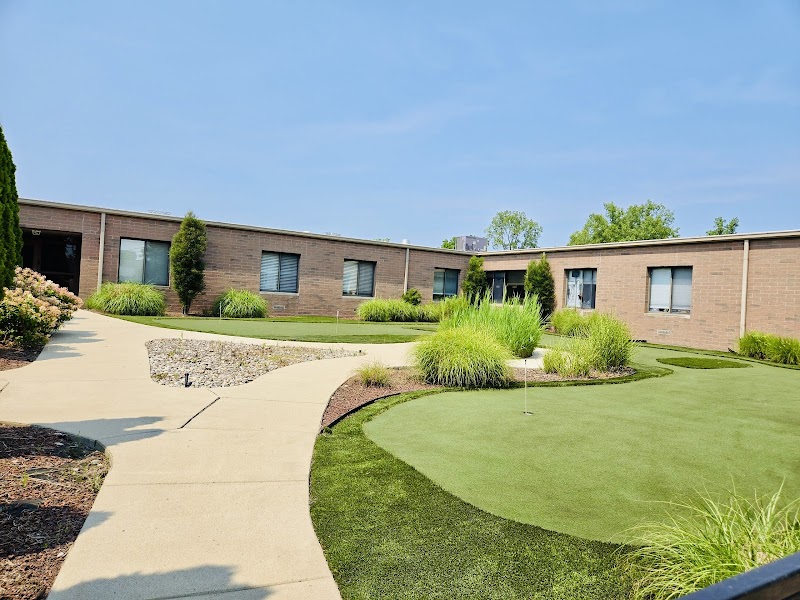
How is Applewood Nursing Center, Inc Staffed?
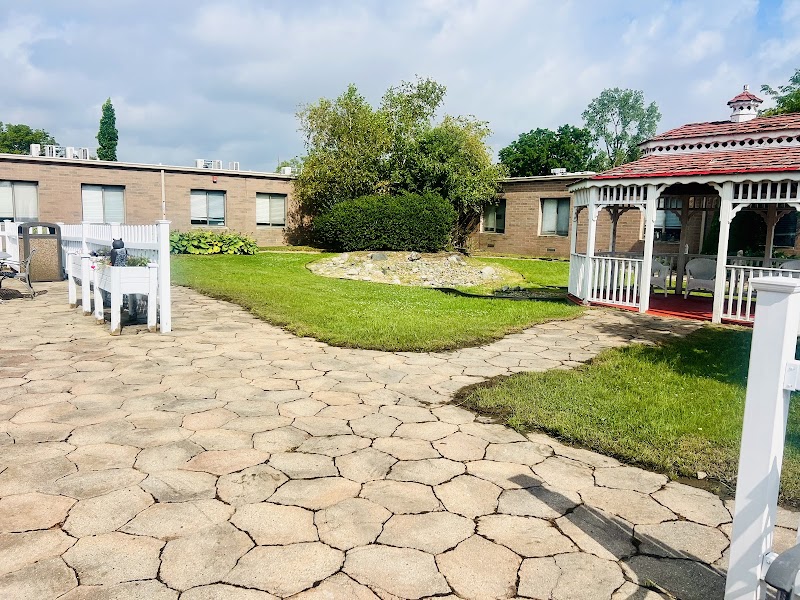
CMS rates Applewood Nursing Center, Inc's staffing level at 2 out of 5 stars, which is below average compared to other nursing homes. Staff turnover is 37%, compared to the Michigan average of 46%. This relatively stable workforce can support continuity of care.

What Have Inspectors Found at Applewood Nursing Center, Inc?

State health inspectors documented 44 deficiencies at Applewood Nursing Center, Inc during 2023 to 2025. These included: 2 Immediate Jeopardy (the most serious level, indicating potential for serious harm or death), 3 that caused actual resident harm, 38 with potential for harm, and 1 minor or isolated issues. Immediate Jeopardy findings are rare and represent the most serious regulatory concerns. They require immediate corrective action.
Who Owns and Operates Applewood Nursing Center, Inc?

Applewood Nursing Center, Inc is owned by a for-profit company. For-profit facilities operate as businesses with obligations to shareholders or private owners. The facility is operated by SYMPHONY CARE NETWORK, a chain that manages multiple nursing homes. With 150 certified beds and approximately 144 residents (about 96% occupancy), it is a mid-sized facility located in Woodhaven, Michigan.

How Does Applewood Nursing Center, Inc Compare to Other Michigan Nursing Homes?

Compared to the 100 nursing homes in Michigan, Applewood Nursing Center, Inc's overall rating (1 stars) is below the state average of 3.1, staff turnover (37%) is near the state average of 46%, and health inspection rating (1 stars) is much below the national benchmark.

What Should Families Ask When Visiting Applewood Nursing Center, Inc?

Based on this facility's data, families visiting should ask: "What changes have been made since the serious inspection findings, and how are you preventing similar issues?" "Can you walk me through typical staffing levels on day, evening, and night shifts?" "Can I visit during a mealtime to observe dining assistance and food quality?" "How do you handle medical emergencies, and what is your hospital transfer rate?" These questions are particularly relevant given the facility's Immediate Jeopardy citations and the below-average staffing rating.

Is Applewood Nursing Center, Inc Safe?

Based on CMS inspection data, Applewood Nursing Center, Inc has documented safety concerns. Inspectors have issued 2 Immediate Jeopardy citations (the most serious violation level indicating risk of serious injury or death). The facility has a 1-star overall rating and ranks #100 of 100 nursing homes in Michigan. Families considering this facility should ask detailed questions about what corrective actions have been taken since these incidents.

Do Nurses at Applewood Nursing Center, Inc Stick Around?

Applewood Nursing Center, Inc has a staff turnover rate of 37%, which is about average for Michigan nursing homes (state average: 46%). Moderate turnover is common in nursing homes, but families should still ask about staff tenure and how the facility maintains care continuity when employees leave.

Was Applewood Nursing Center, Inc Ever Fined?

Applewood Nursing Center, Inc has been fined $92,135 across 3 penalty actions. This is above the Michigan average of $34,000. Fines in this range indicate compliance issues significant enough for CMS to impose meaningful financial consequences. Common causes include delayed correction of deficiencies, repeat violations, or care failures affecting resident safety. Families should ask facility leadership what changes have been made since these penalties.

Is Applewood Nursing Center, Inc on Any Federal Watch List?

Applewood Nursing Center, Inc is not on any federal watch list. The most significant is the Special Focus Facility (SFF) program, which identifies the bottom 1% of nursing homes nationally based on persistent, serious quality problems. Not being on this list means the facility has avoided the pattern of deficiencies that triggers enhanced federal oversight. This is a positive indicator, though families should still review the facility's inspection history directly.