Mission Point Nursing & Physical Rehabilitation Ce
8380 Geddes Road, Ypslianti, MI 48198 (734) 547-7600
For profit - Corporation 94 Beds MISSION POINT HEALTHCARE SERVICES Data: November 2025
Trust Grade
45/100
#313 of 422 in MI
Last Inspection: December 2024

Within standard 12-15 month inspection cycle. Federal law requires annual inspections.

Overview

Mission Point Nursing & Physical Rehabilitation Center has a Trust Grade of D, indicating below-average quality and some concerns regarding care. Ranked #309 out of 422 facilities in Michigan, this places it in the bottom half of the state, while locally it is #5 out of 9 in Washtenaw County, meaning only four facilities in the county are better. The facility is showing improvement, with issues decreasing from 39 in 2024 to just 2 in 2025. Staffing is a relative strength, with a turnover rate of 44%, which is on par with the state average, but there is average RN coverage. Notably, there have been serious concerns regarding care, such as a failure to properly assess and treat pressure ulcers for a resident and a lack of cleanliness in food service areas, which could lead to cross-contamination. While there are no fines on record, the facility still faces challenges that families should consider carefully.

Trust Score
D
45/100
In Michigan
#313/422
Bottom 26%
Safety Record
Moderate
Needs review
Inspections
Getting Better
39 → 2 violations
Staff Stability
○ Average
44% turnover. Near Michigan's 48% average. Typical for the industry.
Penalties
✓ Good
No fines on record. Clean compliance history, better than most Michigan facilities.
Skilled Nurses
○ Average
Each resident gets 34 minutes of Registered Nurse (RN) attention daily — about average for Michigan. RNs are the most trained staff who monitor for health changes.
Violations
⚠ Watch
62 deficiencies on record. Higher than average. Multiple issues found across inspections.
★★☆☆☆
2.0
Overall Rating
★★☆☆☆
2.0
Staff Levels
★★★★☆
4.0
Care Quality
★★☆☆☆
2.0
Inspection Score
Stable
2024: 39 issues
2025: 2 issues

The Good

  • 4-Star Quality Measures · Strong clinical quality outcomes
  • Full Sprinkler Coverage · Fire safety systems throughout facility
  • No fines on record
  • Staff turnover below average (44%)

    4 points below Michigan average of 48%

Facility shows strength in quality measures, fire safety.

The Bad

2-Star Overall Rating

Below Michigan average (3.1)

Below average - review inspection findings carefully

Staff Turnover: 44%

Near Michigan avg (46%)

Typical for the industry

Chain: MISSION POINT HEALTHCARE SERVICES

Part of a multi-facility chain

Ask about local staffing decisions and management

The Ugly 62 deficiencies on record

1 actual harm
Sept 2025 1 deficiency
CONCERN (D) 📢 Someone Reported This

A family member, employee, or ombudsman was alarmed enough to file a formal complaint

Potential for Harm - no one hurt, but risky conditions existed

Quality of Care (Tag F0684)

Could have caused harm · This affected 1 resident

**NOTE- TERMS IN BRACKETS HAVE BEEN EDITED TO PROTECT CONFIDENTIALITY** Based on observation, interview, and record review, the facility failed to administer oral chemotherapy medication as ordered fo...

Read full inspector narrative →
**NOTE- TERMS IN BRACKETS HAVE BEEN EDITED TO PROTECT CONFIDENTIALITY** Based on observation, interview, and record review, the facility failed to administer oral chemotherapy medication as ordered for one (Resident #200) of three reviewed. This citation pertains to intake 2582143.Review of the clinical record revealed R200 was admitted into the facility on 4/23/25 with diagnoses that included: aphasia following cerebral infarction (impaired ability to understand or produce speech following a stroke), malignant neoplasm of upper third of esophagus (throat cancer) and vascular dementia. According to the Minimum Data Set (MDS) assessment dated [DATE], R200 scored 8/15 on the Brief Interview for Mental Status exam (which indicated moderately impaired cognition).On 9/22/25 at 9:59 AM, during an interview with family member (FM) E, when asked to clarify which medication R200 was allegedly not being provided, they reported it was an oral chemotherapy medication and that when family had taken R200 to his oncologist appointment the oncologist could tell that he was not receiving the medication. FM E reported that the medication was not administered for approximately one month and R200's oncologist had not ordered for it to be stopped.Review of R200's Discharge Summary (from the hospital that R200 was at prior to admitting to the facility) documented in part capecitabine 500mg tablet, Take 2 tablets (1,500 mg total) by mouth 2 (two) times a day, Take on Days 1-14, followed by 7 days off, of every 21-day cycle.Review of R200's physician's orders for oral chemotherapy revealed:4/24/25-5/8/25 Capecitabine Oral Tablet 500mg, Give 3 tablet enterally two times a day for Esophageal cancer stage IV for 14 days, 1500mg given enterally. Do not crush, Handle with gloves, Disperse in water for 15 minutes prior to5/9/25-7/4/25 Capecitabine Oral Tablet 500mg, Give 3 tablet enterally two times a day for Esophageal cancer stage IV for 14 days, 1500 mg given enterally. Do not crush, Handle with gloves. Disperse in water for 15 minutes prior to enteral administration, 14 days on; 7 days off, then restart on 5/15/258/5/25-9/30/25 Capecitabine Oral Tablet 500mg, Give 3 tablet via PEG-Tube two times a day for Esophageal cancer for 14 days, dissolve in warm water. Use gloves. DO NOT CRUSH. Give 14 days then 7 days off and then repeat cycle.This review revealed that there was not an active order for R200's oral chemotherapy from 7/5/25 to 8/4/25.A review of R200's Medication Administration Record revealed:July 2025 Capecitabine 1500mg was documented as administered twice a day on the 1st through the 3rd and once on July 4th (no additional doses were documented in July)August 2025 Capecitabine 1500mg was documented as administered twice a day on the 5th through the 18th (medication resumed 7 days later on 8/26/25)This review revealed that the Capecitabine (R200's oral chemotherapy medication) was not administered for a 30-day timespan (spanning from the evening of July 4th through August 4th). Review of a progress note from Nurse Practitioner (NP) C dated 6/10/25 documented in part Principal diagnosis of Esophageal cancer. Pt (patient) is strictly NPO (nothing by mouth) with a peg tube in place.External specialists during regulatory period: Oncology specialist; no new order or papers seen.Medications:.Capecitabine Oral Tablet 500mg Give 3 tablets via PEG-Tube two times a day for Esophageal cancer for 14 days, dissolve in warm water prior to administration.Examined notes from oncology as no noted orders or papers came with pt to appointment. Pt was examined at appointment with no concerns.Follow up appointments with oncology an infusion were added to orders. Pt to continue with capecitabine tablet per peg tube twice daily per orders.Review of progress note from Licensed Practicing Nurse, LPN D, dated 8/4/25 documented in part Resident back from his appointment and continue with his chemo medicine as per NP from hospital- 14 days on and 7 days off and repeat the cycle and continue. On 9/15/25 at 2:44 PM, a request was made for any medication error reports for R200 and 2:51PM ADON reported they did not have any medication error reports for R200. The facility was asked to provide any documentation from R200's oncologist. The only notes that were provided were dated 8/21/25 and 8/25/25. No consult notes prior to the timeframe that R200 did not receive his oral chemotherapy medication were provided. No documentation found to support the medication should have been stopped. On 9/15/25 at 3:17 PM, during an interview with Director of Nursing (DON) and Assistant Director of Nursing (ADON), when asked what the facilities process is to review for any medication changes when a resident goes to an outside appointment, DON reported that paper work (consult report) is sent back to the facility with the resident or whomever accompanied the resident to the appointment. It is the responsibility of the receiving nurse to review for any medication changes. When asked why there was a 30-day period where the resident did not receive his oral chemotherapy medication, DON reported that the resident had went out to the hospital. It was determined by ADON and DON that a hospitalization did not occur around the time the medication was not given. ADON reported that the NP that had written the order that ended in July had been terminated from the facility and no further explanation of why the medication was stopped was provided.
Mar 2025 1 deficiency
CONCERN (E) 📢 Someone Reported This

A family member, employee, or ombudsman was alarmed enough to file a formal complaint

Potential for Harm - no one hurt, but risky conditions existed

Deficiency F0725 (Tag F0725)

Could have caused harm · This affected multiple residents

**NOTE- TERMS IN BRACKETS HAVE BEEN EDITED TO PROTECT CONFIDENTIALITY** This citation pertains to intakes MI00149170, MI00149191, MI00149342 and MI00150300. Based on observation, interview and record ...

Read full inspector narrative →
**NOTE- TERMS IN BRACKETS HAVE BEEN EDITED TO PROTECT CONFIDENTIALITY** This citation pertains to intakes MI00149170, MI00149191, MI00149342 and MI00150300. Based on observation, interview and record review, the facility failed to ensure sufficient nursing staff to meet resident needs timely for four (Resident #2, #3, #8 and #9) of seven reviewed. Findings include: Resident #2 (R2) Review of the medical record reflected R2 admitted to the facility on [DATE] and readmitted [DATE], with diagnoses of chronic obstructive pulmonary disease (COPD), heart failure, unspecified urinary incontinence and overactive bladder. The Quarterly Minimum Data Set (MDS), with an Assessment Reference Date (ARD) of 2/12/25, reflected R2 scored 15 out of 15 (cognitively intact) on the Brief Interview for Mental Status (BIMS-a cognitive screening tool) and was always incontinent of bowel and bladder. On 3/10/25 at 11:18 AM, R2 was observed in bed. R2 reported being incontinent of bowel and bladder, requiring staff to check and change them for incontinence purposes. R2 reported there have been occasions when they were left soiled in urine and feces for extended periods of time. R2 reported the facility was understaffed on all shifts, and they experienced long call light response times. Resident #3 (R3) Review of the medical record reflected R3 admitted to the facility on [DATE], with diagnoses of COPD and dementia. The Quarterly MDS, with an ARD of 12/4/24, reflected R3 scored 15 out of 15 (cognitively intact) on the BIMS. On 3/10/25 at 12:58 PM, R3 reported using their call light at night and often having to wait more than 15 minutes for staff to respond. Resident #8 (R8) Review of the medical record reflected R8 admitted to the facility on [DATE] and readmitted [DATE]. The Quarterly MDS, with an ARD of 12/6/24, reflected R8 scored nine out of 15 (moderate cognitive impairment) on the BIMS, was frequently incontinent of bladder and always incontinent of bowel. On 3/11/25 at 1:58 PM, R8 was observed in bed. R8 reported call light response sometimes took up to two hours around 1:00 PM. R8 reported that two to three times per week, they waited two hours to be cleaned after episodes of bowel and bladder incontinence. R8 stated that morning, around 9:00 AM, their call light was on for about one hour while they were waiting to be cleaned. According to R8, most extended call light response times were on day shift. Resident #9 (R9) Review of the medical record reflected R9 admitted to the facility on [DATE]. The admission MDS, with an ARD of 2/25/25, reflected R9 scored eight out of 15 (moderate cognitive impairment) on the BIMS, was frequently incontinent of bladder and always incontinent of bowel. On 3/11/25 at 2:29 PM, R9 was observed in their room. R9 stated that morning, their call light was on for about four hours, and they were waiting for assistance to transfer out of bed via hoyer lift. R9 reported they were checked and changed due to incontinence. At the time of the interview, R9 reported they were wet with urine and soiled with feces, but they had not notified the staff. R9 reported staff were not regularly checking with them to see if they needed to be changed and waited for the resident to call. In an interview on 3/10/25 at 2:04 PM, Certified Nurse Aide (CNA) F reported CNAs were assigned 14 to 15 residents each on day shift, making it difficult to complete resident care. CNA F reported they were assigned 14 residents that day, with 10 to 12 of them requiring check and change for incontinence. CNA F reported they were supposed to check and change incontinent residents every two hours, however, they may have only been able to check and change residents once or twice in an eight hour shift. In an interview on 3/11/25 at 2:08 PM, CNA H reported having 14 residents on their assignment. Three of those residents required total assistance from staff to consume meals, according to CNA H. They reported they also had many residents that transferred via hoyer lift (mechanical lift), which required assistance of two people. CNA H reported they were able to check and change their incontinent residents two times in an eight hour shift. They reported there were residents that were soaking their beds from to incontinence due to staff not being able to change them often enough. In a phone interview on 3/11/25 at 3:57 PM, CNA J reported being assigned to 14 residents on day shift, with many requiring total assistance with care. CNA J reported there were approximately two days per week when they were only able to check and change incontinent residents one time in an eight hour shift. In an interview on 3/11/25 at 3:02 PM, Director of Nursing (DON) B reported the facility did not have the ability to run reports of call light response times. There were no concerns with call light response time that DON B was aware of. DON B reported check and change of incontinent residents should have been performed every two hours. They were not aware of any concerns pertaining to residents being left wet and/or soiled or their bedding being saturated.
Dec 2024 11 deficiencies
CONCERN (D)

Potential for Harm - no one hurt, but risky conditions existed

Assessment Accuracy (Tag F0641)

Could have caused harm · This affected 1 resident

Based on observation, interview, and record review the facility failed to accurately complete a Minimum Data Set (MDS) assessment for one resident (#39) of 18 residents reviewed for accurate assessmen...

Read full inspector narrative →
Based on observation, interview, and record review the facility failed to accurately complete a Minimum Data Set (MDS) assessment for one resident (#39) of 18 residents reviewed for accurate assessments. Findings Included: Resident #39 (R39) Review of the medical record revealed R39 was admitted to the facility 11/01/2023 with diagnoses that included end stage renal disease, hyperlipidemia (high fat content in blood), diabetes mellitus, congestive heart failure (CHF), legal blindness, hyperkalemia (high potassium), insomnia, dyspepsia (shortness of breath), constipation, protein-calorie malnutrition, renal dialysis, absence of right great toe, and anemia (low red blood cell count). The most recent Minimum Data Set (MDS), with an Assessment Reference Date (ARD) of 11/08/2024, revealed R39 had a Brief Interview of Mental Status (BIMS) of 14 (cognitively intact) out of 15. Section B-Hearing, Speech, and Vision of the MDS, with the same ARD, revealed b1000- Vision - Ability to see in adequate light (with glasses or other visual appliances) was documented as 1. Impaired. During observation and interview on 12/08/2024 at 01:31 p.m. R39 was observed lying down in bed. R39 explained that he could not see and was legally blind. R39 was observed attempting to consume his food that was provided on his lunch tray. During this time Certified Nurse Aide (CNA) N was observed to take R39's left hand and place it in his food that was located on his lunch tray and was heard to explain to R39 where his food was located after putting R39's hand in his food. In an interview on 12/09/2024 at 10:00 a.m. Licensed Practical Nurse (LPN) O explained that R39 was legally blind. LPN O explained that he is able to feed himself and sometimes required direction on where his food was located on his tray. LPN O explained staff guided his hand over his food and explained what type of food was present. In an interview on 12/09/2024 at 10:28 a.m. Minimum Data Set (MDS) Coordinator P explained that she was responsible to complete the Minimum Data Set's for all the Residents at the facilities. MDS Coordinator P confirmed that she had completed R39's MDS with the reference date of 11/08/2024. MDS Coordinator P also confirmed that she had completed section B-Hearing, Speech, and Vision of the MDS, with the same ARD, b1000- Vision - Ability to see in adequate light (with glasses or other visual appliances) and had documented that section as 1. Impaired. When asked to review the MDS manual for how to code this section for someone that is legally blind, MDS Coordinator P confirmed that code documented 1, impaired: if the resident sees large print, but not regular print in newspaper/books and that R39's MDS should have been documented as Code 4, severely impaired: if the resident has no vision, sees only light, colors or shapes, or does not appear to follow objects with eyes. MDS Coordinator P explained that she had coded R39's MDS inaccurately and explained that she was going to complete a corrected MDS for R39.
CONCERN (D)

Potential for Harm - no one hurt, but risky conditions existed

PASARR Coordination (Tag F0644)

Could have caused harm · This affected 1 resident

**NOTE- TERMS IN BRACKETS HAVE BEEN EDITED TO PROTECT CONFIDENTIALITY** Based on observation, interview, and record review the facility failed to coordinate and complete a level II screening for one (...

Read full inspector narrative →
**NOTE- TERMS IN BRACKETS HAVE BEEN EDITED TO PROTECT CONFIDENTIALITY** Based on observation, interview, and record review the facility failed to coordinate and complete a level II screening for one (Resident #59) of one resident reviewed for Preadmission Screening/Annual Resident Review (PASARR). Findings Included: Resident #59 (R59) Review of the medical record revealed R59 was admitted to the facility 10/10/2023 with diagnoses that included rheumatoid arthritis, diabetes mellitus, atrial fibrillation, post-traumatic stress disorder (PTSD), atherosclerotic heart disease (plaque buildup in artery walls), dysphagia (difficulty swallowing), bipolar disorder, paranoid schizophrenia, insomnia, right bundle branch block (disorder of electrical activity affecting heart), chronic headache, vitamin D deficiency, polyarthritis (arthritis affecting greater than five bone joints), depression, anxiety, and osteoporosis (condition making bones weak and brittle). The most recent Minimum Data Set (MDS), with an Assessment Reference Date (ARD) of 10/25/2024, revealed R59 had a Brief Interview of Mental Status (BIMS) of 15 (cognitively intact) out of 15. During observation and interview on 12/08/2024 at 03:01 p.m. R59 was observed lying in bed. R59 explained that he had Post Traumatic Stress Disorder (PTSD) because of the Vietnam War. R59 explained that he did not like to talk about the specifics of his diagnoses of PTSD. Review of R59's medical record demonstrated a 3877- Preadmission Screening (PAS) Annual Resident Review (ARR) completed 09/16/2023. The level II screen of the 3877 demonstrated 1.yes- the person has a current diagnosis of mental illness, 2. Yes the person has received treatment for mental illness., 3) yes the person has routinely received one or more prescribed antipsychotic or antidepressant medication within the last 14 days., 4. Yes - There is presenting evidence of mental illness or dementia, including significant disturbances in thought, conduct, emotions, or judgment. Presenting evident may include, but it not limited to suicidal ideations, hallucinations, delusions, serious difficulty interacting with others. R59's 3877 Preadmission Screen (PAS) Annual Resident Review (ARR) completed 09/16/2023 demonstrated If any answer to items 1-6 in Section II is Yes, send one copy to the local Community Mental Health Services Program (CMHSP), with a copy of form DCH(Department of Community Health)-3878 if an exemption is requested. The nursing facility [NAME] retain the original in the patient record and provide a copy to the patient or legal representative. Review of R59's medical record did not demonstrate a completed CCH-3878 Level II. In an interview on 12/10/2024 at 12:21 p.m. Social Worker (SW) C verified that R59 did not have a level II DCH-3878 in his medical record. SW C explained that it was part of her duties to make sure that the DCH-3878 is completed for all residents that it is necessary. SW C could not explain why R59's DCH-3878 was not completed as required.
CONCERN (D)

Potential for Harm - no one hurt, but risky conditions existed

Deficiency F0657 (Tag F0657)

Could have caused harm · This affected 1 resident

**NOTE- TERMS IN BRACKETS HAVE BEEN EDITED TO PROTECT CONFIDENTIALITY** Resident #39 (R39) Review of the medical record revealed R39 was admitted to the facility 11/01/2023 with diagnoses that include...

Read full inspector narrative →
**NOTE- TERMS IN BRACKETS HAVE BEEN EDITED TO PROTECT CONFIDENTIALITY** Resident #39 (R39) Review of the medical record revealed R39 was admitted to the facility 11/01/2023 with diagnoses that included end stage renal disease, hyperlipidemia (high fat content in blood), diabetes mellitus, congestive heart failure (CHF), legal blindness, hyperkalemia (high potassium), insomnia, dyspepsia (shortness of breath), constipation, protein-calorie malnutrition, renal dialysis, absence of right great toe, and anemia (low red blood cell count). The most recent Minimum Data Set (MDS), with an Assessment Reference Date (ARD) of 11/08/2024, revealed R39 had a Brief Interview of Mental Status (BIMS) of 14 (cognitively intact) out of 15. Section B-Hearing, Speech, and Vision of the MDS, with the same ARD, revealed b1000- Vision - Ability to see in adequate light (with glasses or other visual appliances) was documented as 1. Impaired. During observation and interview on 12/08/2024 at 01:31 p.m. R39 was observed lying down in bed. R39 explained that he could not see and was legally blind. R39 was observed attempting to consume his food that was provided on his lunch tray. During this time Certified Nurse Aide (CNA) N was observed to take R39's left hand and place it in his food that was located on his lunch tray and was heard to explain to R39 where his food was located after putting R39's hand in his food. Review of R39's plan of care demonstrated the problem statement, I have impaired visual function r/t (related to) blindness, which was initiated 02/29/2024. No interventions were listed as to how the staff could assist R39 in the location of items that he could not see related to his blindness. Review of R39's [NAME] (documentation to assist direct care givers with needed care for a Resident) did not list that R39 was blind and did not list any interventions regarding his care for the diagnosis of legally blind. During observation and interview on 12/09/2024 at 09:56 a.m. R39 was observed lying down in bed. R39 explained that he was able to communicate with staff verbally. R39 denied using any communication board device and could not explain how staff would communicate to him regarding issues involving location of items he could not see because of his legal blindness. In an interview on 12/09/2024 at 10:00 a.m. Licensed Practical Nurse (LPN) O explained that R39 was legally blind. LPN O explained that he is able to feed himself and sometimes required direction on where his food was located on his tray. LPN O explained staff guided his hand over his food and explained what type of food was present. LPN O could not demonstrate any interventions to assist R39 with his blindness, list on his plan of care or on his [NAME]. In an interview on 12/09/2024 at 10:28 a.m. Minimum Data Set (MDS) Coordinator P explained that she was responsible to complete the Minimum Data Set's for all the Residents at the facilities. MDS Coordinator P confirmed that she had completed R39's MDS with the reference date of 11/08/2024. MDS Coordinator P explained that once she completed a residents MDS that she would update the residents plan of care. MDS Coordinator P confirmed that R39's plan of care and [NAME] did not list any interventions that should be used by staff to assist R39 with his blindness. MDS Coordinator P stated that the lack of interventions must have been an oversight on her part. In an interview on 12/09/2024 at 10:43 a.m. Director of Nursing (DON) B explained that it was her expectation that if a Resident was legally blind that the Resident should have a problem statement and interventions listed on their plan of care. DON B confirmed that R39 did not have interventions on his plan of care that would assist with his diagnosis of being legally blind. DON B could not explain why interventions were not present for R39's blindness. Based on observation, interview and record review the facility failed to include Resident #181 care plan development and failed to update/revise individualized person-centered care plans to reflect changing care need for one Residents #39 for 2 of 18 reviewed. Findings include: Resident #181 According to the clinical record Resident 181 (R181) was admitted to the facility on [DATE] with a diagnosis infective bursitis right elbow. Review of the Minimum Data Set (MDS) dated [DATE] reflected R181 scored 15 out of 15 (cognitively intact) on the Brief Interview Mental Status (BIMS). On 12/08/24 at 11:00 AM R 181 was observed ambulating around room and was well groomed. R181 reported being at the facility for intravenous antibiotic therapy (IVABT) and was independent with all activity of daily living R181 reported being at the facility over Thanksgiving and was becoming anxious as nobody has told him the stop date of the IVABT may have to stay for Christmas. When queried if the facility discussed a stop date at the care conference , R181 reported he didn't know what a care conference was, R181 elaborated there had no meeting with nursing, social work or any of the staff and he has been provided no information on length of stay nor has he been afforded the opportunity to have in put into the plan of care and discharge plan. On 12/10/24 at 12:20PM during an interview with Social Services Technician C reported she schedules a plan of care meeting with residents and or their family shortly after their admission. Social Services Technician C reported discharge planning and the plan of care are discussed those meetings. Social Services Technician C reviewed R181 medical record and reported R181's care conference had not been scheduled by mistake.
CONCERN (D)

Potential for Harm - no one hurt, but risky conditions existed

Deficiency F0676 (Tag F0676)

Could have caused harm · This affected 1 resident

**NOTE- TERMS IN BRACKETS HAVE BEEN EDITED TO PROTECT CONFIDENTIALITY** Based on observation, interview, and record review the facility failed to provide alternative communication devices related to v...

Read full inspector narrative →
**NOTE- TERMS IN BRACKETS HAVE BEEN EDITED TO PROTECT CONFIDENTIALITY** Based on observation, interview, and record review the facility failed to provide alternative communication devices related to vision for one Resident (#39) that was legally blind out of one resident reviewed for activities of daily living abilities. Findings Included: Resident #39 (R39) Review of the medical record revealed R39 was admitted to the facility 11/01/2023 with diagnoses that included end stage renal disease, hyperlipidemia (high fat content in blood), diabetes mellitus, congestive heart failure (CHF), legal blindness, hyperkalemia (high potassium), insomnia, dyspepsia (shortness of breath), constipation, protein-calorie malnutrition, renal dialysis, absence of right great toe, and anemia (low red blood cell count). The most recent Minimum Data Set (MDS), with an Assessment Reference Date (ARD) of 11/08/2024, revealed R39 had a Brief Interview of Mental Status (BIMS) of 14 (cognitively intact) out of 15. Section B-Hearing, Speech, and Vision of the MDS, with the same ARD, revealed b1000- Vision - Ability to see in adequate light (with glasses or other visual appliances) was documented as 1. Impaired. During observation and interview on 12/08/2024 at 01:31 p.m. R39 was observed lying down in bed. R39 explained that he could not see and was legally blind. R39 was observed attempting to consume his food that was provided on his lunch tray. During this time Certified Nurse Aide (CNA) N was observed to take R39's left hand and place it in his food that was located on his lunch tray and was heard to explain to R39 where his food was located after putting R39's hand in his food. Review of R39's plan of care demonstrated the problem statement, I have impaired visual function r/t (related to) blindness, which was initiated 02/29/2024. No interventions were listed as to how the staff could assist R39 in the location of items that he could not see related to his blindness. Review of R39's [NAME] (documentation to assist direct care givers with needed care for a Resident) did not list that R39 was blind and did not list any interventions regarding his care for the diagnosis of legally blind. Review of R39's plan of care entitled I have a communication problem revealed an intervention which stated Ensure availability and functioning of adaptive communication equipment message board. During observation and interview on 12/09/2024 at 09:56 a.m. R39 was observed lying down in bed. R39 explained that he was able to communicate with staff verbally. R39 denied using any communication board device and could not explain how staff would communicate to him regarding issues involving location of items he could not see because of his legal blindness. In an interview on 12/09/2024 at 10:00 a.m. Licensed Practical Nurse (LPN) O explained that R39 was legally blind. LPN O explained that he is able to feed himself and sometimes required direction on where his food was located on his tray. LPN O explained staff guided his hand over his food and explained what type of food was present. LPN O could not demonstrate any interventions to assist R39 with his blindness, list on his plan of care or on his [NAME]. LPN O denied any type of communication device that was being used with R39. In an interview on 12/09/2024 at 10:28 a.m. Minimum Data Set (MDS) Coordinator P explained that she was responsible to complete the Minimum Data Set's for all the Residents at the facilities. MDS Coordinator P confirmed that she had completed R39's MDS with the reference date of 11/08/2024. MDS Coordinator P explained that once she completed a residents MDS that she would update the residents plan of care. MDS Coordinator P confirmed that R39's plan of care and [NAME] did not list any interventions that should be used by staff to assist R39 with his blindness. MDS Coordinator P stated that the lack of interventions must have been an oversight on her part. In an interview on 12/09/2024 at 10:43 a.m. Director of Nursing (DON) B explained that it was her expectation that if a Resident was legally blind that the Resident should have a problem statement, and interventions listed on their plan of care. DON B confirmed that R39 did not have interventions on his plan of care that would assist with his diagnosis of being legally blind. DON B could not explain why interventions were not present for R39's blindness. DON B could not explain why a communication device was not in use as listed in R39's plan of care.
CONCERN (D)

Potential for Harm - no one hurt, but risky conditions existed

Deficiency F0688 (Tag F0688)

Could have caused harm · This affected 1 resident

Based on observation, interview, and record review the facility failed to provide Range of Motion (ROM) services to prevent the possibility of decreased ROM and mobility in one resident (#59) of one r...

Read full inspector narrative →
Based on observation, interview, and record review the facility failed to provide Range of Motion (ROM) services to prevent the possibility of decreased ROM and mobility in one resident (#59) of one resident reviewed. Findings Included: Resident #59 (R59) Review of the medical record revealed R59 was admitted to the facility 10/10/2023 with diagnoses that included rheumatoid arthritis, diabetes mellitus, atrial fibrillation, post-traumatic stress disorder (PTSD), atherosclerotic heart disease (plaque build up in artery walls), dysphagia (difficulty swallowing), bipolar disorder, paranoid schizophrenia, insomnia, right bundle branch block (disorder of electrical activity affecting heart), chronic headache, vitamin D deficiency, polyarthritis (arthritis affecting greater than five bone joints), depression, anxiety, and osteoporosis (condition making bones weak and brittle). The most recent Minimum Data Set (MDS), with an Assessment Reference Date (ARD) of 10/25/2024, revealed R59 had a Brief Interview of Mental Status (BIMS) of 15 (cognitively intact) out of 15. During observation and interview on 12/08/2024 at 02:57 p.m. R59 was observed lying down in bed. R59 explained that he had been received skilled therapy services but that those services had stopped. R59 denied that he had been receiving any Range of Motion (ROM) for any up his upper or lower extremities. R59 explained that he would like to continue some type of therapy services to increase his ROM. Review of R59's medical record revealed physician orders, written 10/23/2024, which stated, Daily skill care continues to be necessary for the following reason: PT(physical therapy)/OT(occupational therapy) 5 times a week for therapeutic exercise/activities neuromuscular reeducation, gait training, wheelchair training and self-care management . Review of R59's document entitled Physical Therapy PT Discharge Summary, with date of services 10/21/2024 to 11/08/2024 revealed discharge recommendations restorative program established/trained=Range of Motion Program and Range of Motion Program Established/trained: BLE (Bilateral Lower Extremities) ROM (Range of Motion) exs (exercise) in all available plan x15 and as tolerated. In an interview on 12/10/2024 at 03:05 p.m. the Director of Rehabilitation (DOR) Q explained that R59 had received Physical Therapy from the dates of 10/20/24 until 11/07/2024. DOR Q explained that therapy services were discontinued because R59 no longer qualified for those services and Physical Therapy had discharged R59 with recommendations to continue with a restorative program. DOR Q explained that R59 did not receive received a restorative program because one was not available at the facility. In an interview on 12/10/2024 at 03:30 Director of Nursing (DON) B explained that the facility did not have a restorative program for residents put that the Certified Nursing Aides CNA's performed Range of Motion (ROM) during activities of daily living (ADL) with the residents. DON B confirmed that R59 had not received ROM as requested from Physical Therapy at the time of discharge from therapy services. DON B explained that the specific task entitled CNA Maintenance Program: Passive ROM -During ADL care had not been activated prior to the date of 12/10/2024. In an interview on 12/10/2024 at 03;55 p.m. Certified Nursing Aide (CNA) E explained that Range of Motion is completed with residents that have that listed on their Task Care Record. CNA E explained that the task care record is where CNA's would document the care that is provided to the residents. Review of R 59's Task Care Record (location of Certified Aide Documentation) did not demonstrate any dates of completion for CNA Maintenance Program: Passive ROM -During ADL care, in the last thirty days.
CONCERN (D)

Potential for Harm - no one hurt, but risky conditions existed

Accident Prevention (Tag F0689)

Could have caused harm · This affected 1 resident

**NOTE- TERMS IN BRACKETS HAVE BEEN EDITED TO PROTECT CONFIDENTIALITY** Based on observation, interview and record review the facility failed to prevent an elopement for one of one residents (R#74) re...

Read full inspector narrative →
**NOTE- TERMS IN BRACKETS HAVE BEEN EDITED TO PROTECT CONFIDENTIALITY** Based on observation, interview and record review the facility failed to prevent an elopement for one of one residents (R#74) reviewed for elopement. According to the clinical record including the Minimum Data Set (MDS) dated [DATE] reflected Resident # 74 (R74) was admitted to the facility on [DATE] with diagnoses of dementia, R74 scored 5 out of 15 (severe cognitive impairment) on the Brief Interview for Mental Status (BIMS). Record review reflected R74 eloped from the facility on 07/09/2024 in the afternoon and was located approximately 100 yards from the building walking down a sidewalk. Further review of that facility reported incident reflected R74 eloped from the 200 hallway door. Record review completed on the certification survey reflected R74 eloped on 11/16/24 at approximately 4:40 PM. Review of the incident report reflected Certified Nursing Assistant (CNA) C was the first person to become aware of R74's elopement. On 12/10/24 11:56 AM during an interview with CNA C reported on 11/16/24 when she came back from her break she was notified by another resident that R74 exited the facility through the 200 hall door. CNA C stated she reported it immediately to Licensed Practical Nurse (LPN) R then went to the 200 hall door where there was a faint alarm sounding. When queried about the alarm, CNA C stated she could not hear the alarm until she was a few feet away from the 200 hall door. CNA C reported R74 was located behind the facility near the dumpster's. On 12/10/24 12:09 PM during a phone interview with Licensed Practical Nurse LPN R reported she was notified of R74's elopement from CNA C. LPN R stated she too went down the 200 hall where R74 resided and not until approximately 10 feet from the 200 hall door was the alarm audible. On 12/10/24 02:15 PM this surveyor pushed the delayed release bar on the 200 hall door, the door sounded an alarm sounded faintly and could not be heard at the end of the hall where the nurses station and television lounge area was. CNA C, CNA F and LPN G were all at the end of the 200 hall (near the nurses station) and when queried what they heard at the present time, they responded the television, a call light and other people talking. When queried if they could hear the push bar alarm at the opposite end of the 200 hall they all stated No. At this time the surveyor fully opened the 200 hall exit door which had a loud alarm that could easily be hear at the nurses station. CNA C, CNA F and LPN G all stated the louder alarm was not in place on 11/16/24. On 12/11/24 at 9:30 am during an interview with Maintenance Director D he reported on September 10th the alarm company was at the facility and installed a delayed egress alarm to the 200 hall exit door push bar, during that installation the alarm that was in place that would sound extremely loud if the door fully opened was disconnected. When Maintenance Director D was queried why the second alarm was not reconnected, Maintenance Director D stated he thought the alarm that sounded from the push/crash bar was loud enough. On 12/11/24 11:06 AM during an interview with Nursing Home Administrator NHA A he reported he was not aware that the 200 alarm was disassembled until R74 had eloped on 11/16/24. NHA A stated the second alarm was reconnected on 11/16/24 after R74 was located and brought back into the facility. During the onsite survey, past noncompliance (PNC) was cited after the facility implemented actions to correct the noncompliance which included . Element #1 Resident #74 continues to reside within the facility. Skin asses assessment completed. R74 placed on one to one. Head count c facility; all residents accounted for. R74 physician and response emergency exit doors assessed by the Maintenance Director on 11/16/2024 The Maintenance Director installed a secondary alarm on the emergency hall to provide an additional layer of protection in the event the door is op secondary alarm is loud and can be heard from the nursing station and to d keyed off. interventions/actions to correct the past noncompliance). The facility was able to demonstrate monitoring of the corrective action and maintained compliance. Element #2 All residents that are determined to be elopement risk have the potential to be affected. The facility has completed elopement assessments on all current residents. Elopement books reviewed for accuracy and to ensure they are up to date. Any resident identified as an eloper risk will be reviewed and placed in the elopement book if needed, along with a wander guard bracelet to be applied, if needed. Element #3 Facility policy (Elopement and Wandering Residents) reviewed and deemed appropriate. Facility staff provided with reeducation regarding following care plans and increasing supervision if needed. The IDT team will continue to review clinical alerts documentation regarding increase wandering and exit seeking during daily morning meetings. The Facility Maintenance Director given education to ensure facility exit doors function appropriately and if current alarms are not loud enough to ensure an additional alarm is installed to provide a sound that can be heard from the nurses station. Element #4 The Director of Nursing /Designee will complete audits on residents that are at risk for elopement to ensure staff are following the care plan and providing increased supervision if needed related to wandering and/or exit seeking behavior every week x 4 weeks, then every month x 2 months. The results of the monitoring will be brought to the QAPI committee for review. Any concerns will have been addressed. However, any patterns identified and if needed an action plan will be written by the committee. The written action plan will be monitored weekly by the administrator until resolution. Element #5 DON/Designee is responsible for compliance by 11/25/24 The facility was able to demonstrate monitoring of the corrective action and maintained compliance.
CONCERN (D)

Potential for Harm - no one hurt, but risky conditions existed

Pharmacy Services (Tag F0755)

Could have caused harm · This affected 1 resident

Based on observation, interview, and record review the facility failed to follow pharmacy policy and acceptable clinical practice for medication usage and administration for one resident (#54) out of ...

Read full inspector narrative →
Based on observation, interview, and record review the facility failed to follow pharmacy policy and acceptable clinical practice for medication usage and administration for one resident (#54) out of 83 current facility residents. Findings Included: Resident #54 (R54) Review of the medical record revealed R54 was admitted to the facility 06/30/2022 with diagnoses that included chronic obstructive pulmonary disease (COPD), stroke, protein-calorie malnutrition, hypertension, depression, attention-deficit hyperactivity disorder (ADHD), urinary incontinence, bilateral cataracts, dementia, alcohol abuse, and chronic respiratory failure. The most recent Minimum Data Set (MDS), with an Assessment Reference Date (ARD) of 10/01/2024, revealed R54 had a Brief Interview for Mental Status (BIMS) of 15 (cognitively intact) out of 15. During observation and interview on 12/08/2024 at 12:50 p.m. R54 was observed lying in bed. An over the counter breathing inhaler was observed on the over bed table beside R54's bed. The inhaler was observed to be Primatene Mist. R54 explained that his wife had purchased the Primatene Mist inhaler for him and staff at the facility aware that he had the Primatene Mist. R54 explained that he used the Primatene Mist inhaler daily but could not tell how many inhalations or the frequency of those inhalations per day. Review of R54's medical record did not contain any current physician order for Primatene Mist. During an interview on 12/10/2024 The Director of Nursing (DON) B explained that all over the counter medication required a physician order which would include: the name of the medication, the route of the medication, the dosage of the medication, the route of administration, and the frequency of that medication. DON B confirmed that R54 did not have a physician order for the use of Primatene Mist. DON B confirmed that Primatene Mist was defined as an Over the Counter Medication and that Primatene Mist required a physician order. Review of policy entitled IB1: Non-Controlled Medication Order Documentation demonstrated a policy statement which stated, Medications are administered only upon the clear, completed, and signed order of a licensed prescriber. The same policy stated A. Elements of the Medication Order- 1). Mediation orders specify the following: a. Name of medication b. Strength of medication, where indicated c. dose and dosage form d. frequency of administration e. route of administration f. quantity or duration of therapy
CONCERN (D)

Potential for Harm - no one hurt, but risky conditions existed

Deficiency F0761 (Tag F0761)

Could have caused harm · This affected 1 resident

Based on observation, interview, and record review the facility failed to ensure proper medication storage of medications for one Resident (#54) out of 83 current residents residing at the facility. ...

Read full inspector narrative →
Based on observation, interview, and record review the facility failed to ensure proper medication storage of medications for one Resident (#54) out of 83 current residents residing at the facility. Findings Included: Resident #54 (R54) Review of the medical record revealed R54 was admitted to the facility 06/30/2022 with diagnoses that included chronic obstructive pulmonary disease (COPD), stroke, protein-calorie malnutrition, hypertension, depression, attention-deficit hyperactivity disorder (ADHD), urinary incontinence, bilateral cataracts, dementia, alcohol abuse, and chronic respiratory failure. The most recent Minimum Data Set (MDS), with an Assessment Reference Date (ARD) of 10/01/2024, revealed R54 had a Brief Interview for Mental Status (BIMS) of 15 (cognitively intact) out of 15. During observation and interview on 12/08/2024 at 12:50 p.m. R54 was observed lying in bed. An over the counter breathing inhaler was observed on the over bed table beside R54's bed. Another inhaler was observed to be on the over bed table. The first inhaler was observed to be Primatene Mist. The second inhaler was observed to be Albuterol Sulfate. R54 explained that his wife had purchased the Primatene Mist inhaler for him and staff at the facility aware that he had the Primatene Mist. R54 explained that he used the Primatene Mist inhaler daily but could not tell how many inhalations or the frequency of those inhalations per day. R54 explained that the Albuterol Sulfate inhaler was used as a rescue inhaler when he was short of breath but could not explain how many times he used the medication. In an interview on 12/10/2024 at 08:8:46 a.m. Licensed Practical Nurse (LPN) M explained that residents were allowed to keep medication at their bedside if they had a physician's order and their plan of care specified that those medications could not be self-administered by the resident. LPN M could not demonstrate a physician's order to keep medication at R54's bedside or an order for R54 to self-administer any of his mediation. Review of R54's medical record demonstrated a physician's order that stated, Albuterol Sulfate HFA (hydrofluoroalkane) Inhalation Aerosol Solution 108 (90 Base) MCG (micrograms) /ACT (actuation) 2 puff inhale orally every 6 hours as needed for SOB/Wheezing and no order for Primatene Mist. Review of R54's medical record did not demonstrate an evaluation for self-administration of medication. Review of R54's plan of care did not demonstrate a plan of care for self-administration of medication. In an interview on 12/10/2024 at 08:52 a.m. Director of Nursing (DON) B explained that residents could self-administer medication if a self-administration assessment was completed by the facility. DON B explained that residents would then be allowed to keep medication at their bed side, but that medication must be in a locked box. DON B also explained that a physician's order would also be written allowing the residents to self-administer medication and to keep medication at bedside. DON B also explained that the information would be included on the resident's plan of care. DON B could not demonstrate a self-administration assessment, a physician order for self-administration or any plan of care for self-administration of R54's medication that was in R54's medical record. Review of facility policy entitled Resident Self-Administration of Medication, implementation date 11/2012 and last revised 06/2023, revealed A resident may only self-administer medications after the facility's interdisciplinary team (IDT) has determined which medications may be self-administered safely. The same policy demonstrated Policy Explanation and Compliance Guideline which stated: 1. Each resident who self-administers medication will have an assessment completed. 2. The IDT will determine if resident can safely self-administer medications 6. Bedside medication storage is permitted only when it does not present a risk to confused residents who wander into the other resident's rooms or to confused roommates of the resident whose self-administers medication. The following conditions are met for bedside storage to occur: a. The manner of storage prevents access by other residents. b. The medications provided to the resident for bedside storage are kept in the original containers 11. The care plan must reflect resident self-administration and storage arrangements for such medications .
CONCERN (D)

Potential for Harm - no one hurt, but risky conditions existed

Infection Control (Tag F0880)

Could have caused harm · This affected 1 resident

Based on observation, interview, and record review the facility failed to implement infection control practices to change oxygen tubing/nasal cannulas for one resident (#54) of three residents reviewe...

Read full inspector narrative →
Based on observation, interview, and record review the facility failed to implement infection control practices to change oxygen tubing/nasal cannulas for one resident (#54) of three residents reviewed for oxygen usage. Findings included: Resident #54 (R54) Review of the medical record revealed R54 was admitted to the facility 06/30/2022 with diagnoses that included chronic obstructive pulmonary disease (COPD), stroke, protein-calorie malnutrition, hypertension, depression, attention-deficit hyperactivity disorder (ADHD), urinary incontinence, bilateral cataracts, dementia, alcohol abuse, and chronic respiratory failure. The most recent Minimum Data Set (MDS), with an Assessment Reference Date (ARD) of 10/01/2024, revealed R54 had a Brief Interview for Mental Status (BIMS) of 15 (cognitively intact) out of 15. During observation and interview on 12/08/2024 at 12:47 p.m. R54 was observed lying in bed and an oxygen concentrator was observed beside his bed on the floor. It was observed that his nasal cannula was on the floor and that the oxygen tubing was not dated. R54 explained that he only wears his oxygen when he feels it is necessary. During observation and interview on 12/10/2024 at 09:27 a.m. R54 was observed lying in bed and his oxygen tubing was observed beside his bed on the floor. It was also observed that his oxygen tubing was not date. R54 could not explain how often the facility changed his oxygen tubing and responded, I have never see then change the oxygen tubing. In an interview on 12/10/2024 at 09:28 a.m. Licensed Practical Nurse (LPN) M explained that oxygen tubing is replaced once per week and that documentation of the oxygen tubing replacement was recorded on the residents Medication Administration Record (MAR). In an interview on 12/10/2024 at 09:31 a.m. Director of Nursing (DON) B explained that oxygen tubing is replaced weekly and as needed. DON B explained that an order is written to replace the oxygen tubing once per week on the midnight shift and completion of that order is record in the residents Medication Administration Record (MAR). DON B could not demonstrate an order for R54's oxygen tubing to be changed once per week or completion of oxygen tubing change on R54's MAR. Review of policy entitled Oxygen Administration and Concentrator Policy, implementation date of 05/2006 and last revised 06/2024, demonstrated Policy Explanation and Compliance Guidelines: 4. Infection control measure included: . b. Change oxygen tubing and mask/cannula weekly and as needed if it becomes soiled or contaminated and document in the electronic health record.
CONCERN (F)

Potential for Harm - no one hurt, but risky conditions existed

Food Safety (Tag F0812)

Could have caused harm · This affected most or all residents

**NOTE- TERMS IN BRACKETS HAVE BEEN EDITED TO PROTECT CONFIDENTIALITY** Based on observations, interviews, and record reviews the facility failed to clean and maintain food service equipment effecting...

Read full inspector narrative →
**NOTE- TERMS IN BRACKETS HAVE BEEN EDITED TO PROTECT CONFIDENTIALITY** Based on observations, interviews, and record reviews the facility failed to clean and maintain food service equipment effecting 83 residents, resulting in the increased likelihood for cross-contamination and bacterial harborage. Findings include: On 12/09/24 at 09:25 A.M., A comprehensive tour of the food service was conducted with Dietary Manager H and Registered Dietician I. The following items were noted: Walk-In Freezer: The automatic door closer assembly was observed weak, allowing the door to not close completely. Registered Dietician I indicated she would contact maintenance for necessary repairs as soon as possible. The Victory one-door reach-in cooler door gasket was observed (worn, torn, missing). Dietary Manager H indicated she would contact maintenance for necessary repairs as soon as possible. Two fry pans (one 18-inch and one 14-inch) were observed (etched, scored, particulate). Dietary Manager H stated: I will just throw the pans away. The 2017 FDA Model Food Code section 4-501.11 states: (A) EQUIPMENT shall be maintained in a state of repair and condition that meets the requirements specified under Parts 4-1 and 4-2. (B) EQUIPMENT components such as doors, seals, hinges, fasteners, and kick plates shall be kept intact, tight, and adjusted in accordance with manufacturer's specifications. (C) Cutting or piercing parts of can openers shall be kept sharp to minimize the creation of metal fragments that can contaminate FOOD when the container is opened. Dry Storage Room: 2 of 2 overhead light assembly lens covers were observed with (8) dead insect carcasses resting upon the interior plastic lens cover surface. Food Production Kitchen: The overhead light assembly lens covers were observed with dead insect carcasses resting upon the interior plastic lens cover surface. The 2017 FDA Model Food Code section 6-501.12 states: (A) PHYSICAL FACILITIES shall be cleaned as often as necessary to keep them clean. (B) Except for cleaning that is necessary due to a spill or other accident, cleaning shall be done during periods when the least amount of FOOD is exposed such as after closing. Walk-In Freezer: The refrigeration unit was observed with ice [NAME] protruding from the Freon supply lines and unit cabinet. Dietary Manager H indicated she would contact maintenance for necessary repairs as soon as possible. The South Bend convection oven interior and exterior surfaces were observed heavily soiled with accumulated and encrusted food residue. The Vulcan stove/oven exterior was observed soiled with accumulated and encrusted food residue. The Legion tilt kettle exterior was observed soiled with accumulated and encrusted food residue. The Juice Machine was observed heavily soiled with accumulated and encrusted food residue. The interior surfaces were also observed soiled with accumulated and encrusted food residue. The (backsplash, undersplash, drip tray) were further observed soiled with accumulated and encrusted food residue. The Univex stand mixer was observed soiled with accumulated and encrusted food residue. Note: Dietary Manager H indicated she would have dietary staff thoroughly clean and sanitize the soiled food service equipment as soon as possible. The 2017 FDA Model Food Code section 4-601.11 states: (A) EQUIPMENT FOOD-CONTACT SURFACES and UTENSILS shall be clean to sight and touch. (B) The FOOD-CONTACT SURFACES of cooking EQUIPMENT and pans shall be kept free of encrusted grease deposits and other soil accumulations. (C) NonFOOD-CONTACT SURFACES of EQUIPMENT shall be kept free of an accumulation of dust, dirt, FOOD residue, and other debris. The drywall surface was observed (etched, scored, moist, particulate), adjacent to the Evolution steamer. The wall/floor vinyl coving strip was also observed loose-to-mount. The damaged wall/floor vinyl coving strip measured approximately 4-inches-wide by 36-inches-long. Dietary Manager H indicated she would contact maintenance for necessary repairs as soon as possible. The 2017 FDA Model Food Code section 6-501.11 states: PHYSICAL FACILITIES shall be maintained in good repair. Sub-Acute Nutrition Room: The Amana refrigerator interior door gasket was observed soiled with accumulated and encrusted food residue. The Amana refrigerator freezing compartment door gasket was also observed soiled with accumulated and encrusted food residue. Long-Term Care Nutrition Room: The Whirlpool refrigerator and freezing compartments were observed with accumulated and encrusted food residue. The door gaskets were also observed soiled with accumulated and encrusted food residue. Note: Dietary Manager H indicated she would have dietary staff thoroughly clean and sanitize the soiled food service equipment as soon as possible. The 2017 FDA Model Food Code section 4-601.11 states: (A) EQUIPMENT FOOD-CONTACT SURFACES and UTENSILS shall be clean to sight and touch. (B) The FOOD-CONTACT SURFACES of cooking EQUIPMENT and pans shall be kept free of encrusted grease deposits and other soil accumulations. (C) NonFOOD-CONTACT SURFACES of EQUIPMENT shall be kept free of an accumulation of dust, dirt, FOOD residue, and other debris. On 12/11/24 at 04:15 P.M., Record review of the Policy/Procedure entitled: Cleaning Equipment and Utensils dated 01/2024 revealed under Policy: Equipment and utensils will be properly cleaned and sanitized to prevent contamination. Record review of the Policy/Procedure entitled: Cleaning Equipment and Utensils dated 01/2024 further revealed under Purpose: Safe food handling and minimize the risk of cross-contamination. On 12/11/24 at 04:30 P.M., Record review of the Policy/Procedure entitled: Food Safety Requirements dated 01/2021 revealed under Policy: It is the policy of this facility to procure food from sources approved or considered satisfactory by federal, state, and local authorities. Food will also be stored, prepared, and served in accordance with professional standards for food service safety.
CONCERN (F)

Potential for Harm - no one hurt, but risky conditions existed

Safe Environment (Tag F0921)

Could have caused harm · This affected most or all residents

**NOTE- TERMS IN BRACKETS HAVE BEEN EDITED TO PROTECT CONFIDENTIALITY** Based on observations, interviews, and record reviews the facility failed to effectively clean and maintain the physical plant e...

Read full inspector narrative →
**NOTE- TERMS IN BRACKETS HAVE BEEN EDITED TO PROTECT CONFIDENTIALITY** Based on observations, interviews, and record reviews the facility failed to effectively clean and maintain the physical plant effecting 83 residents, resulting in the increased likelihood for cross-contamination, bacterial harborage, and decreased illumination. Findings include: On 12/09/24 at 10:48 A.M., One of two window sashes were observed drafty and leaking air, within resident room [ROOM NUMBER]. The drafty window sash was also observed to not shut completely, creating the cold air draft. On 12/09/24 at 12:13 P.M., The 300 Hall (Point Click Care Kiosk) chair backrest was observed covered with black duct tape. The inner backrest Styrofoam padding was also observed protruding from the black duct taped seams, creating a non-cleanable and non-sanitizable surface. On 12/09/24 at 12:20 P.M., The 300 Hall Shower Room spa tub wastewater connection line was observed detached, allowing wastewater to flow onto the flooring surface. On 12/09/24 at 12:42 P.M., Two base cabinet doors were observed missing, within the 100 Hall Shower Room. The two missing base cabinet doors were additionally observed resting within the hand sink basin base cabinetry. The wall/floor vinyl coving was further observed loose-to-mount, adjacent to the portable shower stall assembly. The two sections of loose-to-mount wall/floor vinyl coving measured approximately 3-feet-long and 4-feet-long respectively. On 12/09/24 at 02:26 P.M., An environmental tour of the facility Laundry Service was conducted with Environmental Services Manager D. The following items were noted: Clean Linen Room: 1 of 2 return-air-ventilation grills were observed heavily soiled with accumulated dust/dirt deposits. Environmental Services Manager D indicated he would have staff thoroughly clean and sanitize the soiled return-air-ventilation grill as soon as possible. Washer/Dryer Room: 2 of 2 desk fans were observed heavily soiled with accumulated dust/dirt deposits. The dryer rear access room was also observed soiled with accumulated dust/dirt deposits. Cobwebs were further observed near the wall/ceiling junctures, adjacent to the two commercial dryers. Environmental Services Manager D indicated he would have staff thoroughly clean the soiled desk fans and dryer rear access room as soon as possible. Soiled Laundry Room: The return-air-ventilation grill was observed heavily soiled with accumulated dust/dirt deposits. Environmental Services Manager D indicated he would have staff thoroughly clean and sanitize the return-air-ventilation grill as soon as possible. On 12/09/24 at 02:40 P.M., An interview was conducted with Environmental Services Manager D regarding the facility maintenance work order system. Environmental Services Manager D stated: We just started the TELS system a couple of months ago. Environmental Services Manager D further stated: We have not totally implemented the TELS program to date. On 12/09/24 at 02:45 P.M., A common area environmental tour was conducted with Environmental Services Manager D. The following items were noted: 100 Hall/200 Hall Soiled Utility Room: 2 of 2 overhead light assemblies were observed with dead insect carcasses resting within the interior plastic protective lens cover. The waste caddy interior surface was also observed heavily soiled with accumulated dust/dirt/grime. Environmental Services Manager D indicated he would have staff thoroughly clean and sanitize the soiled waste caddy and overhead light assembly protective lens covers as soon as possible. 100 Hall/200 Hall Clean Utility Room: Eight base cabinet doors were observed missing. Two landing strips were also observed soiled with accumulated soil and debris. 300 Hall Soiled Utility Room: 2 of 2 overhead light assemblies were observed with dead insect carcasses resting within the interior plastic protective lens cover. 300 Hall/400 Hall Clean Utility Room: 3 of 4 (48-inch-long) fluorescent overhead light bulbs were observed non-functional. Environmental Services Manager D indicated he would have staff replace the faulty light bulbs as soon as possible. 300 Hall/400 Hall Nursing Station: The laminate flooring surface was observed (etched, scored, worn), adjacent to the printer. The damaged flooring surface measured approximately 4-inches-wide by 10-inches-long. Environmental Services Manager D indicated he would make necessary repairs as soon as possible. On 12/11/24 at 05:00 P.M., Record review of the Policy/Procedure entitled: Safe and Homelike Environment dated 01/11/2021 revealed under Policy: In accordance with resident's rights, the facility will provide a safe, clean, comfortable, and homelike environment, allowing the resident to use his or her personal belongings to the extent possible. This includes ensuring that the resident can receive care and services safely and that the physical layout of the facility maximizes resident independence and does not pose a safety risk. Record review of the Policy/Procedure entitled: Safe and Homelike Environment dated 01/11/2021 further revealed under Policy Explanation and Compliance Guidelines: (3) Housekeeping and maintenance services will be provided as necessary to maintain a sanitary, orderly, and comfortable environment.
May 2024 1 deficiency
CONCERN (D) 📢 Someone Reported This

A family member, employee, or ombudsman was alarmed enough to file a formal complaint

Potential for Harm - no one hurt, but risky conditions existed

Free from Abuse/Neglect (Tag F0600)

Could have caused harm · This affected 1 resident

This citation pertains to MI00143905. Based on observation, interview, and record review the facility failed to provide an environment free from physical and verbal abuse for one Resident (#3) of thre...

Read full inspector narrative →
This citation pertains to MI00143905. Based on observation, interview, and record review the facility failed to provide an environment free from physical and verbal abuse for one Resident (#3) of three Residents reviewed for abuse resulting in the potential of physical and mental harm of Residents. Findings included: Resident #3 (R3) Review of the medical record demonstrated R3 was admitted to the facility 03/25/2024 with diagnoses that included Huntington's disease (disease that brain cells break down in brain), dementia, abnormal involuntary movements, protein-calorie malnutrition, anemia (low red blood cells), low back pain, bilateral hearing loss, hyperlipidemia (high fat in blood), history of falls, and hypertension. Review of the Minimum Data Set (MDS), with an Assessment Reference Date (ARD) of 03/11/2024, revealed R3 did not have a Brief Interview for Mental Status (BIMS) because the resident is rarely/never understood. Section E (Behavior) of the MDS, with the same ARD, demonstrated that R3 had physical behavioral symptoms directed toward others (e.g. hitting, kicking, pushing, scratching, grabbing .) had occurred one to three days during the assessment period. Section E also demonstrated that R3's behavior significantly interfered with the resident's care and had rejection of care one to three days during the assessment period. During observation and attempted interview on 05/16/2024 R3 was observed lying down in his bed and appeared well groomed. R3 did not respond to attempted questions regarding care. During an interview on 05/15/2024 at 02:44 p.m. Nursing Home Administrator (NHA) A explained that during an internal audit of Abuse Reporting it had been reported that a staff member had overheard someone discussing an occurrence that involved physical altercation between a staff member and R3. NHA A explained that it had been reported to him on 04/10/2024 at 07:00 a.m. and an investigation was initiated and reported to Michigan Facility Reported Incidents (MI-FRI) system and was given MI-FRI ID: 00055591. NHA explained that Certified Nursing Aide (CNA) G had been terminated on 04/11/2024 for abuse but explained that he had not substantiated abuse in his final report submitted to MI-FRI. NHA A could not explain why he had not substantiated abuse if CNA G was terminated for abuse. Review of the signed statement of Certified Nursing Aide (CNA) E, dated 04/10/2024 at 07:00 a.m., which stated that a couple of weeks back she thought she overhead someone say that (name of CNA G) had pushed away or hit (name of R3) hand. Review of the signed statement of Certified Nursing Aide (CNA) F, dated 04/10/2024 at 09:33 a.m., stated . On March 13th that she and (name of CNA G) did the last check and change on (name of R3). While attempting to provide care to (name of R3) he began swinging his and kicking (name of CNA F), scratching her arm, and kicking her stomach. During this time (name of CNA G) attempted to clean (name of R3) up and he turned his attention to her, swinging and kicking. (Name of CNA F) that she observed (Name of CNA G) with an open brief in her hand strike (Name of R3) 2-3 times in his hand. (Name of CNA F) voiced that (Name of CNA G) told (Name of R3) that he is a bad man and that he is mean. Review of the Weekly Skin Sweeps that were conducted in the month of March 2024 and April 2024 demonstrated no bruising to R3's hands. Review of R3's plan of care demonstrated the problem statement (initiated 03/06/2024) I have potential to demonstrate physical behaviors (hitting, kicking, resistive to care, biting, slapping, repetitive movements) r/t(related to) dx (diagnosis) of Dementia and Huntington's Disease, can be none compliant with ADL (activities of daily living) care. Please approach calmly. Review of R3's Behavior Logs, for March 2024, demonstrated physical aggression on 03/16/2024 at 02:42 p.m Review of Certified Nursing Aide (CNA) Employee Counseling Notice, dated 04/11/2024, signed by CNA G 04/12/2024, demonstrated (Name of CNA G) is terminated related to committing abuse towards a vulnerable adult under her care. Review of Certified Nursing Aide (CNA) Gs personnel file did not demonstrate abuse education, dementia training, or how to take care of a difficult resident. Review of the facility policy entitled Abuse, Neglect, and Exploitation, implemented date of 01/28/2022 and last reviewed date of 06/23, demonstrated Policy: It is the policy of this facility to provide protections for the health, welfare, and rights of each resident by developing and implementing written policies and procedures that prohibit and prevent abuse, neglect, exploitation, and misappropriation of resident property. The same policy demonstrated Definitions: Physical Abuse including, but is not limited to hitting, slapping, punching, biting, and kicking and Verbal Abuse means the use of oral, written, or gestured communication or sounds that willfully includes disparaging and derogatory terms to residents or their families, or within their hearing distance regardless of their age, ability to comprehend, or disability. In an interview on 05/16/2024 at 12:45 p.m. Director of Nursing (DON) B explained that she was not able to provide documentation that Abuse Education, Dementia training, or how to take care of a difficult resident training had been conducted for Certified Nursing Aide (CNA) G during the hiring process. She demonstrated that the last abuse education for CNA G had occurred on February 26, 2024. DON B could not demonstrate that CNA G had received any education for Dementia training or how to take care of a difficult resident.
Jan 2024 22 deficiencies
CONCERN (D)

Potential for Harm - no one hurt, but risky conditions existed

Resident Rights (Tag F0550)

Could have caused harm · This affected 1 resident

**NOTE- TERMS IN BRACKETS HAVE BEEN EDITED TO PROTECT CONFIDENTIALITY** Based on observation, interview and record review, the facility failed to maintain the dignity of one (R34) of 22 sampled reside...

Read full inspector narrative →
**NOTE- TERMS IN BRACKETS HAVE BEEN EDITED TO PROTECT CONFIDENTIALITY** Based on observation, interview and record review, the facility failed to maintain the dignity of one (R34) of 22 sampled residents reviewed for dignity by limiting their clothing to a hospital-style gown, resulting in an undignified appearance for a resident who is able to express clothing choices and preferences. Findings include: Resident #34 (R34) Review of the medical record revealed R34 was admitted to the facility on [DATE] and readmitted to the facility on [DATE] with diagnoses that included difficulty in walking, muscle weakness, type two diabetes with chronic kidney disease, hyperlipidemia, morbid obesity, and type two diabetes with neuropathy. The Minimum Data Set (MDS) with an Assessment Reference Date (ARD) of 11/10/23 revealed R34 scored 15 out of 15 (cognitively intact) on the Brief Interview for Mental Status (BIMS). The same MDS reflected that R34 required one person assistance for most activities of daily living. In an observation and interview on 01/23/24 at 10:01 AM, R34 was in her room seated in her wheelchair and dressed in a hospital gown. R34 reported that she is resident council president, so she likes to stay up to date on resident concerns within the facility and assist when she is able. R34 expressed the concern that she did not have any clean clothing to wear for the day because they are up to their noses in dirty clothes in the laundry department. An observation of inside the closet was made which revealed one fleece jacket, one pair of pants, and two tops. R34 stated that the clothes hanging in her closet no longer fit. R34 reported that at the time of the interview, she had no clean fitting clothing and therefore, had to wear the hospital gown. R34 expressed that choosing her clothing and having her personal items available was very important to her. In an observation and interview on 01/26/24 at 09:11 AM, R34 was in her room sitting on her bed wearing a hospital gown. In conversation, R34 acknowledged that she needed to wear nonskid footwear for transfers, however, out of the seven pairs of nonskid socks that she originally had, only one pair was remaining. When queried where her other pairs of nonskid footwear went, R34 stated that they had all been lost in laundry. Her only pair had been gifted to her during Christmas time but R34 felt that they were not as grippy and effective on the floor. R34 presented the pair of nonskid socks which were labeled with her name, were pink and fuzzy and appeared dark and dirty at the bottom of the socks. R34 stated she was afraid to send the nonskid socks to laundry because they'll never come back . clothes take two to three weeks to come back up, that's why I'm wearing this gown because I have no clothes. In an interview on 01/26/24 at 9:39 AM, Director of Environmental Services (DES) F reported that when he started in the job position two months ago, a lot of processes were missing including a process for missing items and other laundry services such as tracking. When asked what the turnaround time for personal items in laundry was, DES F stated that he was unsure.
CONCERN (D)

Potential for Harm - no one hurt, but risky conditions existed

Deficiency F0558 (Tag F0558)

Could have caused harm · This affected 1 resident

**NOTE- TERMS IN BRACKETS HAVE BEEN EDITED TO PROTECT CONFIDENTIALITY** Based on observation, interview, and record review, the facility failed to accommodate the hearing needs/preferences for one (Re...

Read full inspector narrative →
**NOTE- TERMS IN BRACKETS HAVE BEEN EDITED TO PROTECT CONFIDENTIALITY** Based on observation, interview, and record review, the facility failed to accommodate the hearing needs/preferences for one (Resident #17) of 22 reviewed for accommodation of needs. This deficient practice resulted in feelings of frustration, conflict for the resident residing with R17, and the potential for a suboptimal quality of life. Findings Include: Resident #17 (R17) Review of the medical record revealed R17 was admitted to the facility on [DATE] with diagnoses that included bilateral hearing loss, anemia, repeated falls, essential hypertension (high blood pressure), and major depressive disorder. The Minimum Data Set (MDS) with an Assessment Reference Date (ARD) of 12/10/23 revealed R17 scored 14 out of 15 (cognitively intact) on the Brief Interview for Mental Status (BIMS). The same MDS reflected that R17 required one person assistance for most activities of daily living. In an observation and interview on 01/23/24 at 10:59 AM, R17 was observed in bed resting quietly with no television or radio on. On the dry erase board in R17's room a note was observed that indicated R17 was hard of hearing. R17 reported during the interview that he needed me to speak loudly because he could not hear. R17 stated that he had hearing aids to assist with his hearing but they are busted and had been out of working order for several months. R17 stated that because of his hearing loss, his television volume required to be turned up high which has caused conflict with his roommate. R17 stated it was easier to keep the television off to avoid conflict. When queried if R17 had ever been provided headphones, he stated that he has used a pair of headphones in the past and he really liked them but was unsure where the headphones were located. When asked if R17 would like to have these items available he stated that he would and that he had feelings of anger and frustration because he did not have his hearing devices. On 01/24/24 at 08:53 AM, R17 was observed sitting closely to the television in his room. The television volume was very loud and could be heard down the hallway. Review of R17's Care Plan reflected a focus area which indicated R17 had a communication problem related to a hearing deficit. A listed intervention with the date of 2/22/23 included Ensure availability and functioning of hearing aids and headphones for the TV [television]. Review of an Alert Note dated 3/14/2023 at 6:31 PM reflected .Hearing aids cleaned and adjusted, and resident states he can hear TV without issue, and will keep it down. Review of a Social Services Progress Note dated 3/16/2023 at 08:48 AM revealed .Resident [R17] has been compliant with hearing aids this week and keeping TV volume at more acceptable level. In an interview on 01/25/24 at 2:20 PM, Licensed Practical Nurse (LPN) T stated that R17 did not have hearing aids however, when she checked R17's orders and MDS, LPN T stated that R17 does have hearing aids, but she was unsure of where they were located or what had happened to them. In an interview on 01/24/24 at 2:42 PM, Certified Nursing Assistant (CNA) U stated that she had never known [R17] to wear hearing aids. CNA U confirmed that there had recently been conflict between R17 and R17's roommate over the television volume. In an interview on 01/25/24 at 4:16 PM, CNA V confirmed that R17 did not having hearing aids and that the high volume on the television was causing conflict between R17 and his roommate. In an interview on 01/26/24 8:32 AM, Social Worker Tech (SW) D stated that she had not heard of R17's hearing aids being broken. Regarding the headphones that R17 used to watch television, SW D stated that after the renovations, about a year ago, the facility upgraded televisions. The headphones that R17 used for watching television would not connect to the new televisions via Bluetooth because the new television lacked the capabilities. SW D stated that she had heard that there had been some conflict between R17 and the roommate. The roommate's family has requested that the roommate be moved to another room to avoid the disruption from the television. In an interview on 01/26/24 at 8:49 AM, Family Member (FM) W reported that R17 had hearing aids when he admitted to the facility, however, R17 reported to FM W that the hearing aids were broken and had been for a long time.
CONCERN (D)

Potential for Harm - no one hurt, but risky conditions existed

Deficiency F0561 (Tag F0561)

Could have caused harm · This affected 1 resident

**NOTE- TERMS IN BRACKETS HAVE BEEN EDITED TO PROTECT CONFIDENTIALITY** Based on observation, interview, and record review, the facility failed to honor resident preferences related to showering for 2...

Read full inspector narrative →
**NOTE- TERMS IN BRACKETS HAVE BEEN EDITED TO PROTECT CONFIDENTIALITY** Based on observation, interview, and record review, the facility failed to honor resident preferences related to showering for 2 (Resident #37, #65) of 2 residents reviewed for self-determination/choices, resulting in expressions of frustration and decreased fulfillment of personal autonomy. Findings include: Resident #37 Review of the medical record reflected that Resident #37 (R37) was readmitted to facility 1/2/24 with diagnoses including trigeminal neuralgia, atrial fibrillation, seizures, and benign neoplasm of brain. Review of the Minimum Data Set (MDS) with an Assessment Reference Date (ARD) of 11/5/23 reflected that R37 had a Brief Interview for Mental Status (BIMS-a cognitive screening tool) score of 15 (cognitively intact). Review of the Discharge MDS dated [DATE] reflected that R37 required setup assistance with oral hygiene, personal hygiene, toilet use, and shower/bathing. In an observation and interview on 1/23/24 at 11:29 AM, R37 was observed sitting in wheelchair, at bedside, watching television. R37 stated that he was just waiting for linens so that he could shower, that he was independent with showering once he had the needed linens, and that his preferred shower days were Monday and Thursday mornings but that he would take a shower more often if he could get a hold of linens. R37 further explained that he had planned to shower the day prior, on Monday 1/22/24, had requested towels and washcloths from an aide, was informed that there weren't any available to provide him, and therefore had been unable to shower as still had not been provided any by late that afternoon. R37 stated that he had also requested linens from Licensed Practical Nurse (LPN) Q on 1/22/24, was told the same thing, had requested again the morning of 1/23/24 and was again told by LPN Q that she did not believe any clean linens were available. R37 stated that he repeatedly couldn't shower on Mondays due to lack of supplies and was also unable to shower on some Thursdays for the same reason. R37 did state that when he could not shower on his preferred days of Mondays and Thursdays, that he sometimes showered on other days of the week but was frustrated as he was independent with showering but was unable to shower when he wanted solely due to lack of clean facility towels and washcloths. Resident #65 Review of the medical record reflected that Resident #65 (R65) was admitted to facility 7/10/23 with diagnoses including hypertensive heart disease with heart failure, old myocardial infarction, anxiety disorder, major depressive disorder, and alcohol abuse. Review of the Minimum Data Set (MDS) with an Assessment Reference Date (ARD) of 11/5/23 reflected that R65 had a Brief Interview for Mental Status (BIMS-a cognitive screening tool) score of 15 (cognitively intact). Review of R65's Activities of Daily Living (ADL) Care Plan Focus reflected that R65 was independent with bed mobility, transfers, ambulation, dressing, toilet use and personal hygiene and required supervision to bathe self after set-up of supplies. In an observation and interview on 1/23/24 at 1:56 PM, R65 was observed lying in bed, on back, with HOB elevated at an approximate 30-degree angle. R65 Stated that he was independent with transfers, ambulation, toilet use, and dressing, that his preferred shower days were Monday and Thursday, and that he was able to shower himself after staff provided him with the needed linens. R65 stated that staff would provide him with towels and washcloths, upon request, when they were available, but that last Thursday and again on 1/22/24, had been informed by staff that there weren't any clean towels or washcloths available so had been unable to shower on either day but that was hoping to shower this date. R65 stated that he wasn't picky, didn't really care what time of day he showered, but would like to at least shower on his scheduled days, and didn't like not knowing if he was going to be able to shower on any given day based on clean linen availability. In an interview on 1/24/24 at 7:52 AM, LPN Q stated that she was a full-time nurse on the 200 Unit where both R37 and R65 resided and therefore confirmed familiarity with both residents. LPN Q stated that the 200 Unit had been struggling with not having enough towels and washcloths to provide timely resident care and enough bed linens to change the sheets with increasing frequency over the last couple of months. LPN Q stated that when linens were not available on the hall cart, would check supply room, linen carts on other units, and then with laundry staff but that the staff, at times, had been unable to provide requested clean linens and were informed that they would be getting a clean supply out as quickly as they could. LPN Q stated that both R37 and R65 were essentially independent with showering after being provided towels and washcloths, that both would request supplies when they were ready to shower, but that sometimes the unit did not receive restocked towels and washcloths throughout her 12-hour day shift, so she passed onto the next shift that they were still awaiting clean linens to shower. LPN Q stated that this was a real struggle as although both R37 and R65 could shower themselves, they were not always able to shower when desired as the needed towels and washcloths were unable to be provided, when they requested, as there were just not clean supplies in the facility to provide them. In an interview on 1/24/24 at 8:46 AM, Certified Nurse Aide (CNA) S stated that she was a full-time day shift aide at the facility and confirmed familiarity with the 200 Unit. CNA S stated that lack of adequate towels, washcloths, and bed linens on the 200 Unit had become an increasing problem over the prior month, and that as there frequently was not supplies on the unit, she would be forced to check other units, and then with laundry. CNA S stated that, at times, laundry staff would be able to provide her with a small supply of washcloths, towels, and sheets so that she could start resident care but that at other times was informed that all linens were soiled and in the process of being laundered. CNA S stated that sometimes the 200 Unit went most of her 8-hour shift without these supplies and therefore could not provide residents with requested linens so that they could shower, would have to prioritize care provided based on the limited supplies that were available, and would complete incontinence care with the disposable wipes. In an interview on 1/24/24 at 3:11 PM, Director of Environmental Services (DOES) F stated that he had been employed at the facility since mid-November 2023 and had managed the facility's housekeeping, laundry, and maintenance departments over the last couple months. DOES F stated that he had been informed, upon hire, regarding lack of available clean washcloths and towels in the mornings for the staff to provide resident care, that the prior director had been assisting in laundry but was no longer employed at the facility, and acknowledged that lack of clean towels, washcloths, and bed linens on the units continued to be a facility wide problem. DOES F stated that this problem stemmed from, in part, due to the inability to get soiled linen collected from units, washed, dried, folded and returned to the units in a timely manner due to laundry staff call offs, housekeeping staff that were not familiar with laundry procedures assisting to cover the department, and the current shift start time for laundry personnel. DOES F stated that he was in the process of changing the laundry aide schedule so that first shift started at 5:00 AM, versus the current 8:00 AM start time, so that soiled linen could be collected from units, washed, dried, folded and returned to the units in a more timely manner with the goal of having the unit laundry carts replenished by 7:00 AM so that needed resident care supplies would be available to the CNA's for provision of care at the start of day shift.
CONCERN (D)

Potential for Harm - no one hurt, but risky conditions existed

Safe Environment (Tag F0584)

Could have caused harm · This affected 1 resident

**NOTE- TERMS IN BRACKETS HAVE BEEN EDITED TO PROTECT CONFIDENTIALITY** Based on observation, interview and record review, the facility failed to provide a homelike environment in providing adequate p...

Read full inspector narrative →
**NOTE- TERMS IN BRACKETS HAVE BEEN EDITED TO PROTECT CONFIDENTIALITY** Based on observation, interview and record review, the facility failed to provide a homelike environment in providing adequate personal clothing laundry services including a resolution for missing items in 1 of 22 sampled residents (Resident #28), resulting in feelings of frustration and unmet needs. Findings include: Resident #28 (R28) Review of the medical record revealed R28 was admitted to the facility on [DATE] with diagnoses that included schizophrenia, insomnia, parkinsonism, and repeated falls. The Minimum Data Set (MDS) with an Assessment Reference Date (ARD) of 10/5/23 revealed R28 scored 13 out of 15 (cognitively intact) on the Brief Interview for Mental Status (BIMS). In an observation and interview on 01/23/24 at 12:03 PM, R28 was in her room seated in her wheelchair. R28 reported that she had loads of missing clothing items and had even witnessed other residents wearing her missing clothing. R28 verbalized her extreme frustration with the situation because it has been an ongoing problem, reported several times, and no attempt at a resolution had been made. R28 stated that it had gotten so bad that she had to wear the disgusting as* gowns because of the issue with her personal clothing being missing or soiled for extended periods of time. R28 stated that the facility was well aware of her other missing items, however, recently a pair of powder blue slacks with seams on the front were missing. R28 stated that the missing pants were identical to the ones she was currently wearing, just a powder blue color. She reported them missing to multiple staff members weeks ago. R28's pants she currently had on were stretchy dress slacks with a raised seam down the front of each pant leg. In an interview on 01/26/24 at 8:36 AM, Social Work (SW) D stated that the process for missing items involved going to the laundry and looking for the missing item. If the item cannot be located, a concern form will be generated, and the Nursing Home Administrator will reimburse or replace the item if it cannot be located after a few days. In an interview on 01/26/24 at 9:39 AM, Director of Environmental Services (DES) F reported that when he started in the job position two months ago, a lot of processes were missing including a process for missing items and other laundry services such as tracking, including turnaround time and inventory. DES F stated for missing clothing items, the employees in the laundry service will look for the item. In an interview on 01/26/24 at 09:59 AM, DES F reported that he was able to locate the missing pair of pants in R28's closet. In an observation on 01/26/24 at 11:16 AM, R28's closet was observed and the blue pants hanging in the closet were not the described missing pants. The pants hanging in the closet were a light blue pair of sweatpants with no raised seams down the front of the pant legs.
CONCERN (D)

Potential for Harm - no one hurt, but risky conditions existed

Report Alleged Abuse (Tag F0609)

Could have caused harm · This affected 1 resident

**NOTE- TERMS IN BRACKETS HAVE BEEN EDITED TO PROTECT CONFIDENTIALITY** Based on observation, interview and record review, staff failed to report an injury of unknown origin timely to the Nursing Home...

Read full inspector narrative →
**NOTE- TERMS IN BRACKETS HAVE BEEN EDITED TO PROTECT CONFIDENTIALITY** Based on observation, interview and record review, staff failed to report an injury of unknown origin timely to the Nursing Home Administrator and as a result to the State Agency for one (Resident #24) of four residents reviewed potentially resulting in the resident not being protected from abusive individuals. Findings include: Resident #24 (R24) Review of the Face Sheet and Minimum Data Set (MDS) dated [DATE] revealed R24 admitted to the facility on [DATE] and had diagnoses of hypertension, type 2 diabetes, depression, anxiety, and adult failure to thrive. Brief Interview for Mental Status (BIMS) score was a 10 which indicated her cognition was moderately impaired (8-12 moderately impaired). During an interview on 01/23/2024 at 10:52 AM, R24 was lying in bed with a sleeveless shirt on and it was observed that she (R24) had bruises/discoloration on both her arms. Bruising on her right upper extremity looked newer. When asked what the bruises/discoloration was from, R24 said she didn't know. Review of R24's electronic medical record (EMR) revealed she wasn't on an anticoagulant medication (blood thinner). On 01/24/2024 at 1:56 PM, an email was sent to Nursing Home Administrator (NHA) A asking for the incident report for R24's bruising/discoloration. NHA A responded with, We do not have an incident report related to her skin discoloration to her right upper extremities. We are completing it now and investigating. When NHA A was asked if he was aware of the area on her right arm prior to the email from the surveyor, NHA A said he didn't know and the Director of Nursing (DON) B didn't know either. On 01/24/2024 at 3:11 PM, an email was received from NHA A which stated, The nurse performed a skin assessment. We are completing the incident report, and I will report to MI-FRI (State Agency) as injury of unknown origin. The resident is unable to voice how she received the skin discoloration. During an interview on 01/24/2024 at 2:50 PM, Certified Nursing Assistant (CNA) X stated that she gave R24 a bath the day before and noticed a bruise on her right arm. CNA said that she filled out a shower sheet and let the nurse know {Licensed Practical Nurse (LPN) Z}. Review of the Bath/Shower Skin Sheet dated 1/23/2024 revealed R24 had a bruise on her right upper arm. During an interview on 01/24/2024 at 3:03 PM, Unit Manager (UM) Y stated that she was just told about R24's bruise and she didn't know about it before today. During an interview on 01/24/2024 at 4:40 PM, LPN Z stated that CNA X told her about the bruise on her right arm the day before. LPN Z was asked if she told NHA A or DON B about it yesterday and she said, I told the NHA today and assessed the area with him today. LPN Z said she was filling out the incident report right then. Review of the Abuse, Neglect and Exploitation Policy with an implementation date of 1/28/2022 and revision date of 6/2023 under VII. Reporting/Response revealed, 2. Reporting of all alleged violations to the Administrator, state agency, adult protective services and to all other required agencies (e.g., law enforcement) within specific timeframes: a. Immediately, but not later than 2 hours after the allegation is made, if the events that cause the allegation involve abuse or result in serious bodily injury.
CONCERN (D)

Potential for Harm - no one hurt, but risky conditions existed

Deficiency F0625 (Tag F0625)

Could have caused harm · This affected 1 resident

**NOTE- TERMS IN BRACKETS HAVE BEEN EDITED TO PROTECT CONFIDENTIALITY** Based on observation, interview and record review, the facility failed to ensure the bed hold policy was provided for 1 (Residen...

Read full inspector narrative →
**NOTE- TERMS IN BRACKETS HAVE BEEN EDITED TO PROTECT CONFIDENTIALITY** Based on observation, interview and record review, the facility failed to ensure the bed hold policy was provided for 1 (Resident #479) of 5 residents reviewed for hospital transfer, resulting in the potential for resident's and/or representatives to be uninformed of the facility's bed hold policy. Findings include: Review of the medical record reflected that Resident #479 (R479) was readmitted to facility 1/9/24 with diagnoses including acute respiratory failure with hypoxia, chronic obstructive pulmonary disease, hypertension, and acute on chronic congestive heart failure. Review of the Minimum Data Set (MDS) with an Assessment Reference Date (ARD) of 12/27/23 reflected that R479 had a Brief Interview for Mental Status (BIMS-a cognitive screening tool) score of 15 (cognitively intact). Review of the Discharge MDS dated [DATE] reflected that R479 had an unplanned discharge to an acute care hospital and that her return to the facility was anticipated. In an observation and interview on 1/23/24 at 10:39 AM, R479 was observed lying in bed, on right side, with oxygen in place per nasal cannula. R479 stated that she had originally been admitted to facility for rehabilitation following hospitalization, developed difficulty breathing while at the facility, was transferred back to the hospital and then readmitted to the facility for ongoing rehabilitation. R479 denied recollection that facility staff had reviewed a bed hold policy or transfer notice with her prior to rehospitalization. R479's physician order dated 12/30/23 stated, Transfer out to ER for evaluation to [sic] SOB [shortness of breath] and hypoxia. Review of the SBAR Communication Form, SNF/NF to Hospital Transfer Form, and Nursing Progress Notes dated 12/30/23 all indicated that R479 was transferred to the hospital for respiratory symptoms with no indication that the facility's bed hold policy was reviewed or provided to R479 or her responsible party at the time of her 12/30/23 hospital transfer. Review of the Documents section of R479's electronic medical record (EMR) was not noted to include a completed bed hold policy. In an interview on 1/24/24 at 4:35 PM, Director of Nursing (DON) B stated that the process for preparing a resident for hospital transfer included completing and sending the SBAR Communication Form, SNF/NF to Hospital Transfer Form, face sheet, and medication list with the resident as well as reviewing and providing the facility's bed hold policy. DON B stated that with a non-emergent hospital transfer, the facility's bed hold policy would be reviewed with the resident, the resident would sign if able but if unable the form would indicate a verbal review, and a copy would be provided to the resident. Per DON B, in cases when the bed hold policy could not be reviewed with the resident, the responsible party would be contacted via phone and the policy would be reviewed and the form would be completed to reflect verbal review. DON B denied that a written copy of the bed hold policy was then mailed, or provided in any other way, to the responsible party. In the same interview, DON B stated that upon completion of the bed hold policy, a copy would be forwarded to Business Office Manager (BOM) R for tracking and scanning into the Documents tab of the EMR. DON B confirmed that she could not locate R479's completed bed hold within the EMR but would locate and provide it. In a follow-up interview on 1/25/24 at 2:07 PM, DON B stated that R479's completed bed hold for the 12/30/23 hospital transfer was located in BOM R's office with review of the form noted to include R479's printed name on the line titled Signature of Resident, Legal Representative, or Responsible Party. DON B stated that as R479 was in respiratory distress at the time of her 12/30/23 hospital transfer, R479's spouse had been contacted via phone to review the policy. DON B confirmed that neither R479 or her spouse had been provided with a written copy, that only verbal notification was provided to R479's spouse, and that the form had not been mailed to her spouse following telephone review. DON B stated that she was not aware of the need to provide the bed hold policy in writing as thought that verbal review was sufficient. In a telephone interview on 1/25/24 at 2:35 PM, BOM R confirmed that upon completion of a bed hold, a copy of the form was forwarded to her, that she reviewed the form to ensure completion, and then scanned the form into the EMR. BOM R denied that she had provided a written copy of the bed hold policy to R479's spouse, or that she had ever provided a written copy to any other responsible party post completion, as confirmed that her only role in the bed hold process was tracking and scanning the forms. Review of the facility policy titled, Notice of Bed Hold Policy, with a revised date of 12/2020 stated, .On admission and before transferring out of the facility for medical reasons or therapeutic leave, the facility must inform the resident or responsible party, of provisions for holding the bed until re-admission to the facility .In case of emergency transfer at the time of transfer means that the family, advocate or representative are provided written notification within 24 hours of the transfer or next business day by various methods that could include email, fax or mailed certified USPS .
CONCERN (D)

Potential for Harm - no one hurt, but risky conditions existed

Deficiency F0692 (Tag F0692)

Could have caused harm · This affected 1 resident

**NOTE- TERMS IN BRACKETS HAVE BEEN EDITED TO PROTECT CONFIDENTIALITY** Based on interview and record review, the facility failed to prevent weight loss in one (Resident #3) of five residents reviewed...

Read full inspector narrative →
**NOTE- TERMS IN BRACKETS HAVE BEEN EDITED TO PROTECT CONFIDENTIALITY** Based on interview and record review, the facility failed to prevent weight loss in one (Resident #3) of five residents reviewed for nutritional status resulting in significant weight loss of 16.9 percent and inadequate nutrition. Findings include: Resident #3 (R3) Review of the Face Sheet and Minimum Data Set (MDS) dated [DATE] revealed R3 admitted to the facility on [DATE] and had diagnoses of spastic quadriplegic cerebral palsy (condition that affects movement), dysphagia (difficulty swallowing), constipation and depression. Brief Interview for Mental Status (BIMS) score was a 13 which indicated his cognition was intact (13-15 cognitively intact). During an interview with R3 on 01/24/2024 at 8:30 AM, R3 was lying in bed and stated that he wasn't sure what his current weight was and whether he lost weight. Review of R3's electronic medical record (EMR) revealed Registered Dietitian (RD) assessment on 12/5/2023 which stated, 25-100% intake. meds/labs reviewed. receiving anti-depressants, which may stimulate appetite. resident with poor appetite and varied intake at this time, receiving assistance with meals. And at risk for weight loss r/t (related to) dysphagia, quadriplegic cerebral palsy, varied intake with poor appetite. Recommend adding magic cup (supplement) with lunch (290kcal, 9g pro) {290 calories and 9 grams protein}. Review of R3's EMR revealed another RD note on 12/29 RD which stated Noted covid(+). Good appetite and intake at this time. Increased needs r/t (related to) covid diagnosis, which can lead to decreased appetite/intake and weight loss. At risk for weight loss r/t (related to) covid diagnosis. Will add prostat x1 daily (100kcals, 15g pro) {100 calories and 15 grams protein} for increased needs x (for) 7 days. Will continue to follow and honor preferences as able. Weights were not discussed in the note. Review of R3's task related to weights in the EMR revealed on 12/28/2023, 1/4/2024, 1/11/2024 and 1/18/2024 that not applicable was checked. Review of R3's weights in the EMR on 11/30/2023, revealed R3 weighed 178 pounds and on 01/23/2024 weighed 147.9 pounds which was a 16.91 percent weight loss. R3's EMR revealed a weight that was struck out on 12/6/2023 with instruction to obtain a reweight. The reweight was not obtained until 1/23/2024, 25 days later and during the survey. During an interview on 01/25/2024 at 10:36 AM, RD K was asked what the process was for obtaining weights and she stated that when a resident was admitted an admission weight should be done and then weekly for four weeks afterwards and then monthly if they are stable. RD K said she wasn't familiar with R3 and did not know why weights were not obtained per policy. During an interview on 01/25/2024 at 10:56 AM, Director of Nursing (DON) B stated that staff should get weights monthly. DON B looked into R3's EMR and said she didn't see a weight. DON B stated that staff reviews weights so there must be a legitimate reason of why it wasn't done. During an interview on 01/25/2024 at 11:26 AM, DON B stated R3's weight was obtained on 1/23/2024 and was not documented until 01/25/2024. Discussed that R3 had a weight on 11/30/2023 and the next one was obtained on 1/23/2024. DON B confirmed R3's weights were not obtained weekly for four weeks after admission per policy. Review of the Policy titled Weight Monitoring with an implementation date of 06/2007 and a review date of 1/2021 under Compliance guidelines revealed, Weight can be a useful indicator of nutritional status. Significant unintended changes in weight (loss or gain) or insidious weight loss (gradual unintended loss over a period of time) may indicate a nutritional problem. Under step 5, Weight will be obtained upon admission, readmission and weekly for the first four weeks after admission and at least monthly unless ordered by a physician. Under step 6, Weight Analysis: The newly recorded resident weight should be compared to the previous recorded weight to determine if a reweight is necessary.
CONCERN (D)

Potential for Harm - no one hurt, but risky conditions existed

Deficiency F0726 (Tag F0726)

Could have caused harm · This affected 1 resident

Based on interview and record review, the facility failed to ensure staff had appropriate competencies and skill sets to provide nursing related services for one of four staff reviewed for competency,...

Read full inspector narrative →
Based on interview and record review, the facility failed to ensure staff had appropriate competencies and skill sets to provide nursing related services for one of four staff reviewed for competency, resulting in the potential for decreased quality of care and resident safety. Findings Include: Review of Nursing Home Administrator (NHA) A's employee file revealed that his date of hire was 5/28/2019. NHA A has a current Licensed Practical Nurse (LPN) license. He (NHA A) did not have an annual nursing competency completed. During an interview on 1/25/2024 at approximately 4:30 PM, Assistant Director of Nursing (ADON) C stated that NHA A didn't have a competency because he works as a NHA and not as an LPN in the facility. During an interview on 1/26/2024 at 10:06 AM, NHA A revealed that he was an LPN and helps staff out on the floor sometimes. NHA A stated he assisted with transferring residents with the use of lifting equipment and had not had a competency evaluation completed at the facility. NHA A said that he should have had a competency evaluation completed annually. On 1/26/2024 at 10:19 AM, NHA A was emailed and asked for the facility's Annual Competency Policy and he responded that they did not have a written policy regarding nurse competencies and they followed State Regulations.
CONCERN (D)

Potential for Harm - no one hurt, but risky conditions existed

Drug Regimen Review (Tag F0756)

Could have caused harm · This affected 1 resident

**NOTE- TERMS IN BRACKETS HAVE BEEN EDITED TO PROTECT CONFIDENTIALITY** Resident #37 Review of the medical record reflected that Resident #37 (R37) was readmitted to facility 1/2/24 with diagnoses inc...

Read full inspector narrative →
**NOTE- TERMS IN BRACKETS HAVE BEEN EDITED TO PROTECT CONFIDENTIALITY** Resident #37 Review of the medical record reflected that Resident #37 (R37) was readmitted to facility 1/2/24 with diagnoses including trigeminal neuralgia, atrial fibrillation, seizures, and benign neoplasm of brain. Review of the Minimum Data Set (MDS) with an Assessment Reference Date (ARD) of 11/5/23 reflected that R37 had a Brief Interview for Mental Status (BIMS-a cognitive screening tool) score of 15 (cognitively intact). In an observation and interview on 1/23/24 at 11:29 AM, R37 was observed sitting in wheelchair, at bedside, watching television. R37 stated that he had been hospitalized approximately 3 weeks ago for intense headaches, that the headaches had made him nervous due to a history of both cysts on the brain and seizures for which he continued to take anti-seizure medication for, and that although the headaches had continued since, they had decreased in both frequency and intensity. Review of R37's Electronic Medical Record (EMR) revealed Pharmacy Progress Notes dated 5/24/23, 7/29/23, 8/27/23, and 11/28/23 which reflected Medication Regimen Review (MRR) and indicated See report for any noted irregularities. Further review of R37's EMR included no nursing or physician progress notes on or around the indicated dates to reflect that the recommendations were addressed by either a nurse or physician. Review of a scanned note within the Documents section of R37's EMR reflected a Note to Attending Physician/Prescriber with an MRR Date of 8/26/23 which indicated Recommend a baseline CARBAMAZINE [sic] level and repeat routinely while resident is taking CARBAMAZINE [sic]. Within the RESPONSE section of the same form, it was indicated to Obtain the following lab work: with a handwritten indication on the provided line for Carbamazine [Carbamazepine/Tegretol-an anticonvulsant medication used to treat seizures] level & HgA1C [glycosylated hemoglobin-a test that measures average blood sugar level over the previous 3 months] & TSH [thyroid-stimulating hormone]. A physician signature was noted on the signature line at the bottom of the form with the corresponding date line noted to be blank. Additional review of the Documents section of R37's EMR was not noted to include the scanned May, July, or November 2023 MRRs. Review of R37's physician orders was noted to include a Carbamazepine lab order on both 8/15/23 and 9/11/23 (MRRs were dated 5/24/23, 7/29/23, 8/27/23, and 11/28/23) although lab results within the Results tab of R37's EMR was only noted to include lab results from 9/13/23 with no indication that a Carbamezepine level was ever drawn. In an interview on 1/26/24 at 7:44 AM, Director of Nursing (DON) B stated that the consulting pharmacist completed the facility's monthly medication regimen reviews, provided all reviews to her via electronic mail upon completion, and that she then printed them out the following day, placed them inside the appropriate physician binder at the subacute rehab nurses station, and alerted the physicians that the monthly recommendations were in and ready to be reviewed and signed. Per DON B, after review by the physician the recommendation was forwarded to the designated unit manager for review and completion of any physician orders, and then the completed recommendation was forwarded to Medical Records for scanning into the resident's EMR. Per DON B, the expectation was for the physician to review/sign and forward the recommendation to the manager within 72 hours and for the manger to then complete any physician orders that same day. DON B denied that the facility had an audit process in place to assure timely follow-up of the monthly recommendations. During the same interview, DON B stated that she had reviewed the monthly pharmacy reports since September 2023, noted that the pharmacist had made a recommendation for R37 in November of 2023 but verbalized that she was unable to locate the completed form. Review of the blank form titled Note To Attending Physician/Prescriber with a MRR date of 11/27/23 indicated Recommend a baseline CARBAMAZINE [sic] level and repeat routinely while resident is taking CARBAMAZINE [sic]. Upon review of R37's EMR, DON B confirmed that no nursing or physician progress notes nor physician orders on or around the indicated date, could be located to reflect that the recommendation was followed up on or that any lab results could be located in R37's EMR to reflect that the lab was ever drawn, or results received. In a follow-up interview on 1/26/24 at 9:58 AM, DON B provided blank monthly reviews dated 8/26/23, 7/26/23, and 5/24/23 all of which were noted to state, Recommend a baseline CARBAMAZINE [sic] level and repeat routinely while resident is taking CARBAMAZINE [sic]. DON B stated that unfortunately there was no indication within R37's EMR that any of the recommendations had been followed up on by the facility and that there were no lab results in the EMR to reflect that the lab was ever drawn, or results received and therefore the pharmacist had continued to make the same recommendation for consecutive months. DON B stated that as R37 remained on Carbamazepine, and since a level was never drawn based on any of the recommendations, that a physician order for a level would be obtained and the level would be drawn that date as the lab technician was currently in the building. Review of R37's EMR post 1/26/24 interview with DON B reflected a physician order dated 1/26/24 at 10:07 AM which stated, Keppra and Tegretol level x (times) 1 now. Review of the facility policy titled Medication Regimen Review with an effective date of 08-2020 stated, .Procedures .6. Resident-specific irregularities and/or clinically significant risks resulting from or associated with medications are documented in the resident's active record and reported to the Director of Nursing, Medical Director, and/or prescriber as appropriate .7. Recommendations are acted upon and documented by the facility staff and/or the prescriber . Based on interview and record review, the facility failed to address pharmacist recommendations timely in three of five reviewed for medications (Resident #26, #31, & #37), resulting in the potential for adverse effects and decreased quality of care. Findings include: Resident #26 (R26) R26's Minimum Data Set (MDS) dated [DATE] revealed she was admitted to the facility on [DATE] and had the diagnoses of hypothyroidism (underactive thyroid), Diabetes, Depression, and chronic embolism and thrombosis (blood clots). R26 had a Brief Interview for Mental Status (BIMS), a short performance based cognitive screener, score of 11 (08-12 Moderate Cognitive Impairment). In review of R26's electronic medical record, pharmacy recommendations 5/24/23 recommended laboratory blood draw for R26 due to medication Levothyroxine and underactive thyroid; and was not addressed or signed by the physician until 1/25/24. Pharmacy recommendation dated 6/27/23 indicated to consider a gradual dose reduction of R26's antidepressant medication; the physician did not sign the recommendation until 1/25/24. Pharmacy recommendation dated 9/25/23, indicated R26 was taking a proton pump inhibitor medication (reduces amount of stomach acid in stomach), that could reduce bone mineral density and increase fracture risk and recommended to change that medication; the recommendation was signed by the physician 1/25/24. Resident #31 (R31) R31's care plan indicated she was admitted to the facility on [DATE] and had the diagnoses of diabetes and depression. In review of R31's electronic medical record, pharmacy recommendations dated 2/16/23 recommended to review need for insulin per sliding scale; the recommendation was not signed by the physician until the week of survey on 1/25/24. Pharmacy recommendation dated 6/27/23 indicated to consider a gradual dose reduction of R31's antidepressant medication; the physician did not sign the recommendation until 1/25/24. Director of Nursing (DON) B was interviewed on 1/26/24 at 10:49 AM and stated the pharmacist sent the recommendations via electronic mail, they are printed for the physician, and the physician forwards the reports to the unit managers. The unit manager makes changes as needed. DON B stated she had not completed any audits regarding the pharmacy recommendations/irregularity reports. Medication Regimen Review policy dated 8/2020 indicated at least monthly, the consultant pharmacist reported any irregularities to the attending physician, medical director, and DON at a minimum.
CONCERN (D)

Potential for Harm - no one hurt, but risky conditions existed

Unnecessary Medications (Tag F0759)

Could have caused harm · This affected 1 resident

**NOTE- TERMS IN BRACKETS HAVE BEEN EDITED TO PROTECT CONFIDENTIALITY** Based on observation, interview and record review, the facility failed to ensure the medication error rate was less than 5% when...

Read full inspector narrative →
**NOTE- TERMS IN BRACKETS HAVE BEEN EDITED TO PROTECT CONFIDENTIALITY** Based on observation, interview and record review, the facility failed to ensure the medication error rate was less than 5% when four medication errors were observed from a total of 35 opportunities for three residents (Resident #56, #71 and #281) of seven reviewed for medication administration, resulting in a medication error rate of 11.43% and the potential for reduced efficacy of medications and increased risk of adverse reactions/side effects. Findings include: Resident #71 (R71) R71's Minimum Data Set (MDS) dated [DATE] revealed he admitted to the facility on [DATE], had end-stage renal disease, and a Brief Interview for Mental Status (BIMS), a short performance-based cognitive screener, score of 14 (13-15 Cognitively Intact). In review of R71's January 2024 Medication Administration Record (MAR) and January 2024's Physician orders, Renvela 800 milligrams (mg) was ordered three times a day with meals scheduled at 8:00 AM, 12:00 PM and 6:00 PM starting on 1/17/24. During a medication pass observation with R71 on 1/25/24 at 11:39 AM, Licensed Practical Nurse (LPN) O administered Renvela 800 mg. The lunch cart for R71 was delivered to the unit on 1/25/24 at 12:18 PM. The Dialysis center website at Phosphorus Binders (Phosphate Binders) and the Dialysis Diet - Managing High Phosphorus Foods - DaVita; indicated phosphorus binders help to pass excess phosphorus out of the body in the stool, reducing the amount of phosphorus that gets into the blood. Usually, phosphate binders were taken within 5 to 10 minutes before or immediately after meals. During an interview on 1/26/24 at 10:16 AM R71 stated he could not recall if he was educated to take Renvela with meals. Resident #281 (R281) On 1/26/24 at 8:35 AM LPN P was observed administering R281's medication. LPN P handed R281 bottle of Flonase, LPN P did not instruct what nostril to administer the spray, R281 sprayed the medication into both nostrils. Following the observation, LPN P stated she had administered all R281's medications. R281 did not receive Miralax 17 grams (gm). In review of R281's January 2024 MAR/Physician orders revealed Flonase Allergy Relief Nasal Suspension 50 micrograms (mcg), one spray alternating nostrils in the morning for allergic rhinitis. The same documents revealed an order for Miralax oral packet 17 grams by mouth in the morning for constipation. Resident #56 (R56) During a medication pass observation on 1/26/24 at 9:02 AM, LPN O held the Humalog insulin pen horizontally to prime the pen prior to R56's medication administration. The Cleveland Clinic website at Insulin Pen Injections (clevelandclinic.org), instructed to prime the insulin pen (remove air bubbles from the needle) before each injection. The same source instructed to prime the insulin pen: turn the dosage knob to 2 units with the pen pointing upward.
CONCERN (D)

Potential for Harm - no one hurt, but risky conditions existed

Deficiency F0761 (Tag F0761)

Could have caused harm · This affected 1 resident

Based on observation, interview and record review, the facility failed to properly store and secure controlled drugs in one of four medication carts reviewed for medication storage and properly dispos...

Read full inspector narrative →
Based on observation, interview and record review, the facility failed to properly store and secure controlled drugs in one of four medication carts reviewed for medication storage and properly dispose of non-controlled medications, resulting in the increased likelihood for diversion. Findings include: During a medication observation on 1/26/24 at 8:24 AM with Licensed Practical Nurse (LPN) P, Tramadol (opioid pain medication), 50 milligram (mg) tablet was dropped during medication pass preparation. LPN P picked up the Tramadol tablet, placed it into a medication cup, and locked it in the medication cart prior to administering a resident's medications. The Tramadol tablet was not double-locked. During an interview on 1/26/24 at 8:45 AM, LPN P stated she did not know if there was a drug buster (instantly breaks down medications into safe solution for disposal) or other system in the medication cart or medication room; and stated she was going to have to ask another nurse. Director of Nursing (DON) B was interviewed on 1/26/24 at 10:34 AM and stated controlled medication must be destroyed with a witness. DON B stated drug busters were located in the DON's office and unit managers office. DON B stated if there was medication that needed to be destroyed and the unit managers and DON were not in the building, then the staff could waste the medication into the sharp's container on the medication cart.
CONCERN (D)

Potential for Harm - no one hurt, but risky conditions existed

Deficiency F0849 (Tag F0849)

Could have caused harm · This affected 1 resident

**NOTE- TERMS IN BRACKETS HAVE BEEN EDITED TO PROTECT CONFIDENTIALITY** Resident #72 (R72) Review of the medical record revealed R72 was admitted to the facility on [DATE] and readmitted to the facili...

Read full inspector narrative →
**NOTE- TERMS IN BRACKETS HAVE BEEN EDITED TO PROTECT CONFIDENTIALITY** Resident #72 (R72) Review of the medical record revealed R72 was admitted to the facility on [DATE] and readmitted to the facility on [DATE] with diagnoses that included repeated falls, Parkinsons Disease without dyskinesia (involuntary, erratic movements), lack of coordination, dementia, and glaucoma (damage to optic nerve which can result in vision impairment). The Minimum Data Set (MDS) with an Assessment Reference Date (ARD) of 11/2/23 revealed R72 was rarely or never understood on the Brief Interview for Mental Status (BIMS). The same MDS reflected that R72 was a total assist with most activities of daily living, including feeding. In an observation on 1/23/24 at 11:43 AM, R72 was in his bed fiddling with his comforter. R72 was not easily understood. R72 appeared to have food residue on his shirt and on his face. In an interview on 01/23/24 at 02:07 PM, Family Member (FM) DD stated that she R72 had signed into Hospice Services on 11/6/23 and has visiting Hospice staff multiple times a week. In an interview on 1/25/24 at 4:17 PM, Certified Nursing Assistant (CNA) V reported that there is little no communication from the visiting Hospice aide, leaving her unaware of the day she visits and the care and services that were provided. CNA V was unsure where documentation regarding the visits were documented. In an interview on 1/25/24 at 10:02 AM, Hospice Licensed Practical Nurse (LPN) BB stated that she had been coming weekly to provide care to R72. LPN BB stated that she documents her visit in the facilities software but that the Hospice aide uses the hospice software to document solely in the hospice system. In an interview on 1/26/24 at 09:23 AM, Hospice Aide (HA) CC reported that she comes into the facility and provides care for R72 twice a week. When asked where she documents on R72, HA CC stated that she does not use a binder and documents in the Hospice system on her tablet device. 1/26/24 10:56 AM, Unit Manager (UM) Y stated that the hospice nurse documents in the facility's software system but the hospice aides document in the binder at the nurse's station. When asked to locate the schedule, notes, or care plan in the hospice binder for R72, UM Y was unable to locate the information. In an interview on 01/26/24 at 11:54 AM, Director of Nursing B indicated that the hospice aide should be providing documentation in the binder at the nurse's station, however, when DON B attempted to locate the documentation she was unsuccessful. Based on observation, interview, and record review, the facility failed to demonstrate effective 24-hour communication and coordination of care and services for two hospice Residents (R26 and R72) of two hospice residents reviewed, resulting in an incomplete medical record of hospice visits, plan of care, progress notes, care coordination and the potential for care needs to go unaddressed. Findings include: Resident #26 (R26) Review of the medical record revealed Resident #26 (R26) was admitted to the facility originally on 03/23/15 then readmitted on [DATE] with diagnoses that included Parkinsonism, Metabolic Encephalopathy, Heart Disease, Spinal Stenosis, Kidney Disease, Diabetic, Osteophyte Vertebrae, Corticobasal Degeneration, Left Degeneration, Right Cervical Degeneration, Unspecified Cervical Region. According to Resident #26 (R26)'s Minimum Data Set (MDS) dated [DATE], revealed R26 scored 11 out of 15 (moderate cognitive impairment) on the Brief Interview for Mental Status (BIMS- a cognitive screening tool) and had no behaviors. R26 was dependent on all care provided, showers, repositioning, toileting, two-person mechanical lift transfers between surfaces. During an interview on 01/24/24 at 08:30 AM, Director of Nursing (DON) B stated the hospice documentation was now in the resident's electronic medical records. DON B stated they used to use a hospice binder but now everything is in the electronic medical records under documentation tab. During an interview on 01/24/24 at 08:37 AM, CNA AA stated there was a binder at the nurses' station for hospice patients. Writer asked CNA AA when the resident received a shower. CNA AA stated the hospice aide comes in two times a week to give the bathes, and if they cannot come, then facility CNA's give them. Writer clarified that hospice provided the two showers weekly unless they cannot make it then facility CNA's do it. Writer went through the hospice binder and there was no calendar, care plan, plan of care or progress notes from all caregivers seeing that resident. Record review revealed the facility uploaded hospice documentation into the resident's electronic medical records after the request was made, on 01/24/24. Prior documentation from hospice in the electronic medical record was dated back from 06/23. During an observation on 01/25/24 at 08:16 AM, CNA AA was feeding R26 breakfast. R26 was staring at the TV while being fed. Writer asked R26 if she enjoyed people coming in to visit with her. R26 stated she liked it quiet. R26 had crust in the corners of her eyes from not having am care. During an interview on 01/25/24 at 08:19 AM, CNA H stated there is a list of hospice patients at the nurse's desk. CNA H stated they knew the hospice aide comes in on Monday, Wednesday, and Fridays to give showers. If the hospice CNA couldn't come in to shower the residents, then the facility CNA's will give them a bath. CNA H stated that is the way it had always been. Writer asked for clarification and CNA H stated that the hospice aides provide the showers for the hospice residents not the facility CNA's. During an interview on 01/26/24 at 08:07 AM, ADON C stated the hospice process was no different from other residents. ADON C stated they cared for them the same, keeping them comfortable. Stated both CNAs are providing baths. ADON C also stated the hospice binders had the schedule of visits, progress notes, care plan in it. Writer asked ADON C to locate them, there were not in the binder, nothing since 10/23. During an interview on 01/26/24 at 11:22 AM, NHA A stated facility care doesn't change, hospice is extra care. Record review did not reveal any collaboration of care with a joined case conference or Interdisciplinary Team meeting. Record review did not reveal a hospice care plan, a plan of care from last certification period, nor progress notes from all disciplines making visits to see R26. There was not a calendar to show which discipline was assigned to see R26.
CONCERN (D)

Potential for Harm - no one hurt, but risky conditions existed

Deficiency F0947 (Tag F0947)

Could have caused harm · This affected 1 resident

Based on interview and record review, the facility failed to ensure continuing competence of nurse assistants for one of three nurse assistants reviewed for staff competency resulting in the potential...

Read full inspector narrative →
Based on interview and record review, the facility failed to ensure continuing competence of nurse assistants for one of three nurse assistants reviewed for staff competency resulting in the potential for unmet resident care needs. Findings include: Review of employee file Certified Nursing Assistant (CNA) AA revealed that her date of hire was 12/20/2022. CNA AA didn't have any documentation of educational hours completed between 12/20/2022 and 12/20/2023. During an interview on 1/25/2024 at 10:14 AM, Assistant Director of Nursing (ADON) C stated that CNA AA didn't complete 12 hours of education from hire date of 12/20/2022 to anniversary date of 12/20/2023. On 1/26/2024 at 10:19 AM, NHA A was emailed and asked for the facility's policy regarding CNA education. He replied that they followed the State regulations related to 12 hours of continuing education for CNA's.
CONCERN (E)

Potential for Harm - no one hurt, but risky conditions existed

Comprehensive Care Plan (Tag F0656)

Could have caused harm · This affected multiple residents

**NOTE- TERMS IN BRACKETS HAVE BEEN EDITED TO PROTECT CONFIDENTIALITY** Findings include: Resident #3 (R3) Review of the Face Sheet and Minimum Data Set (MDS) dated [DATE] revealed R3 admitted to the ...

Read full inspector narrative →
**NOTE- TERMS IN BRACKETS HAVE BEEN EDITED TO PROTECT CONFIDENTIALITY** Findings include: Resident #3 (R3) Review of the Face Sheet and Minimum Data Set (MDS) dated [DATE] revealed R3 admitted to the facility on [DATE] and had diagnoses of dysphagia (difficulty swallowing), constipation and depression. Brief Interview for Mental Status (BIMS) score was a 13 which indicated his cognition was intact (13-15 cognitively intact). During an interview on 01/23/2024 at 10:05 AM, R3 was lying in bed and had difficulty forming words. Questions had to be asked several times and R3 needed time to respond back. It was also noted that R3 had to be asked to repeat himself several times to understand what he was saying. On 01/23/2024 during R3's record review in the electronic medical record (EMR), it was noted that the Social Service admission Note dated 12/1/2023 stated, How do they communicate? Are they able to answer questions? What communication tools are in place?: Resident is able to communicate both verbally and nonverbally. Resident speech is slow but given time he can answer simple questions appropriately. Review of R3's care plan revealed that there wasn't a communication care plan. Review of R3's [NAME] revealed that there wasn't information related to communicating with R3. During an interview on 01/24/2024 at 2:36 PM, Social Worker Tech (SWT) D looked in the EMR and stated that R3 didn't have a communication care plan and therefore nothing was on the [NAME]. SWT D said that she should have done a care plan on communication. When asked how R3's communication style was communicated to staff, SWT D said it wasn't communicated by her to staff but they talked about it in morning meeting. After conversation with SWT D it was noted that the care plan and [NAME] were updated in the EMR. Based on observation, interview, and record review, the facility failed to develop and implement comprehensive care plans for 5 (Resident #3, #14, #26, #34, #56) of 22 reviewed, resulting in the potential for unmet care needs. Findings include: Resident #14 (R14) Review of the medical record revealed R14 was admitted to the facility on [DATE] and readmitted to the facility on [DATE] with diagnoses that included spastic quadriplegic cerebral palsy (loss of use of whole body), dysphagia (inability to produce normal language), aphasia (inability to comprehend normal language), and multiple sclerosis (disease in which the immune system attacks the central nervous system). The Minimum Data Set (MDS) with an Assessment Reference Date (ARD) of 11/6/23 revealed R14 was rarely or never understood on the Brief Interview for Mental Status (BIMS). The same MDS reflected that R14 was a total assist with most activities of daily living. In an observation on 1/23/24 at 12:15 PM, R14 was in bed with her eyes open. R14 traced my movements in the room with her eyes but was nonverbal. There was no television or radio on at the time of observation. In an observation on 1/23/24 at 2:24 PM, R14 was in bed with her eyes open. R14 traced my movements in the room with her eyes but was nonverbal. There was no television or radio on at the time of observation. In an observation on 01/23/24 at 4:08 PM, R14 was in bed with her eyes open. R14 traced my movements in the room with her eyes but was nonverbal. There was no television or radio on at the time of observation. In an observation on 01/24/24 at 9:19 AM, R14 was in her chair with her eyes open. R14 traced my movements in the room with her eyes but was nonverbal. There was no television or radio on at the time of observation. 1/24/24 4:19 PM R14 was in bed with her eyes open. R14 traced my movements in the room with her eyes but was nonverbal. There was no television or radio on at the time of observation. In an observation on 01/25/24 at 10:00 AM, R14 was in bed with her eyes open. R14 traced my movements in the room with her eyes but was nonverbal. There was no television or radio on at the time of observation. In an observation on 01/25/24 at 12:52 PM, R14 was in bed with her eyes open. R14 traced my movements in the room with her eyes but was nonverbal. There was no television or radio on at the time of observation. In an observation on 1/25/23 at 3:13 PM, R14 was in bed with her eyes open. R14 traced my movements in the room with her eyes but was nonverbal. There was no television or radio on at the time of observation. Review of R14's Activity Care Plan revealed interventions such as .I enjoy being in groups around other residents for stimulation and I like to watch television: BET, [NAME], Family Feud, and Hallmark Channel. I like to listen to praise and worship music. In an interview on 01/26/24 at 8:41 AM Director of Nursing (DON) B stated that R14 enjoyed being around other people, music, and being able to listen to her surroundings. Resident #34 (R34) Review of the medical record revealed R34 was admitted to the facility on [DATE] and readmitted to the facility on [DATE] with diagnoses that included difficulty in walking, muscle weakness, type two diabetes with chronic kidney disease, hyperlipidemia, morbid obesity, and type two diabetes with neuropathy. The Minimum Data Set (MDS) with an Assessment Reference Date (ARD) of 11/10/23 revealed R34 scored 15 out of 15 (cognitively intact) on the Brief Interview for Mental Status (BIMS). The same MDS reflected that R34 required one person assistance for most activities of daily living. In an observation and interview on 01/23/24 at 10:01 AM, R34 was in her room seated in her wheelchair and dressed in a hospital gown. During the interview process, R34 stated that she had recently gone to the hospital after experiencing a fall. R34 stated that her legs go out from underneath of her. She was able to accurately describe fall interventions that were in place to prevent her from falling, which included the use of nonskid footwear/socks. Review of R34's Fall's Care Plan reflected a focus area initiated on 5/15/21 which stated ensure that I am wearing non-skid footwear. In an observation and interview on 01/26/24 at 09:11 AM, R34 was in her room sitting on her bed wearing a hospital gown. In conversation, R34 again acknowledged that she needed to wear nonskid footwear for transfers, however, out of the seven pairs of nonskid socks that she originally had, only one pair was remaining. When queried where her other pairs of nonskid footwears went, R34 stated that they had all been lost in laundry. Her only remaining pair had been gifted to her during Christmas time but R34 felt that they were not as grippy and effective. R34 presented the pair of nonskid socks which were labeled with her name, were pink and fuzzy and appeared dark and dirty at the bottom of the socks. R34 stated she was afraid to send the nonskid socks to laundry because they'll never come back . clothes take two to three weeks to come back up, that's why I'm wearing this gown because I have no clothes. In an interview on 01/26/24 at 9:39 AM, Director of Environmental Services (DES) F reported that when he started in the job position two months ago, a lot of processes were missing including a process for missing items and other laundry services such as tracking, including turnaround time and inventory. When asked what the turnaround time for personal items in laundry was, DES F stated that he was unsure. In an observation and interview on 01/26/24 at 11:34 AM, Director of Nursing (DON) B stated that she was familiar with R34 and was aware of the falls that R34 had experienced. DON B stated that a factor in her falls may be because she slipped or moved too fast . lost her grip. When asked if the facility provided nonskid socks, DON B stated that the facility would provide nonskid footwear for residents who benefited from it and that R34 should have the nonskid socks. After a walk to R34's room, DON B interviewed R34 who revealed to DON B that she had them six pair but I never seen them again since they got sent to laundry. R34 stated that she had only one pair remaining which she washes herself because she is afraid to send them to laundry. Resident #26 (R26) R26's Minimum Data Set (MDS) dated [DATE] revealed she was admitted to the facility on [DATE] and had the diagnoses of hypothyroidism (underactive thyroid), Diabetes, Depression, and chronic embolism and thrombosis (blood clots). R26 had a Brief Interview for Mental Status (BIMS), a short performance based cognitive screener, score of 11 (08-12 Moderate Cognitive Impairment). In review of R26's January 2024 physician orders, Xarelto (blocks blood clots from forming) was ordered at night daily. In review of R26's care plans, there were no care plans addressing risk of bleeding more easily. Resident #56 (R56) In review of R56's MDS dated [DATE], he was admitted to the facility on [DATE] and had a BIMS score of 12 (08-12 Moderate Impairment). R56 was observed lying in bed on 1/26/24 at 9:02 AM. R56 stated he was not sleeping well because of the noise at night and pointed at his roommate's television, and stated it was always on. Psychiatric note dated 12/14/23 revealed R56 had a diagnosis of insomnia, and the plan was to continue melatonin and Trazodone (antidepressant that causes sleep) at night. The same note instructed to monitor R56's sleep patterns and document changes. Director of Nursing (DON) B was interviewed on 1/26/24 at 10:50 AM and was unable to provide sleep pattern documentation for R56.
CONCERN (E)

Potential for Harm - no one hurt, but risky conditions existed

ADL Care (Tag F0677)

Could have caused harm · This affected multiple residents

**NOTE- TERMS IN BRACKETS HAVE BEEN EDITED TO PROTECT CONFIDENTIALITY** Resident #14 (R14) Review of the medical record revealed R14 was admitted to the facility on [DATE] and readmitted to the facili...

Read full inspector narrative →
**NOTE- TERMS IN BRACKETS HAVE BEEN EDITED TO PROTECT CONFIDENTIALITY** Resident #14 (R14) Review of the medical record revealed R14 was admitted to the facility on [DATE] and readmitted to the facility on [DATE] with diagnoses that included spastic quadriplegic cerebral palsy (loss of use of whole body), dysphagia (inability to produce normal language), aphasia (inability to comprehend normal language), and multiple sclerosis (disease in which the immune system attacks the central nervous system). The Minimum Data Set (MDS) with an Assessment Reference Date (ARD) of 11/6/23 revealed R14 was rarely or never understood on the Brief Interview for Mental Status (BIMS). The same MDS reflected that R14 was a total assist with most activities of daily living. In an observation on 1/23/24 at 12:15 PM, R14 was in bed, dressed in a hospital gown with her eyes open. R14 traced my movements in the room with her eyes but was nonverbal. There was a noticeable body odor smell coming from R14. An observation of R14's hair was made which appeared to have [NAME] of crusty material in it. There was an easily observable buildup of ear wax in R14's left ear. In an observation on 01/24/24 at 9:19 AM R14 was in her chair with her eyes open. R14 traced my movements in the room with her eyes but was nonverbal. R14'S appearance appeared the same. In an observation on 1/24/24 at 4:19 PM R14 was in bed with her eyes open. R14's appearance appeared the same. In an observation on 01/25/24 at 10:00 AM R14 was in bed with her eyes open. R14's appearance appeared the same. In an observation on 1/25/23 at 3:13 PM R14 was in bed with her eyes open. R14's appearance appeared the same. Review of the Shower Task for the past 30 dates revealed R14 had received 6 bed baths, one bath, and one refusal. In an interview on 01/24/24 02:51 PM, Certified Nursing Assistant (CNA) U reported that staffing shortages were a problem at the facility, especially certified nursing assistants. CNA U reported that she is unable to provide full activities of daily living care on the residents, including showers, grooming, and oral care. In an interview on 01/25/24 at 4:24 PM, Certified Nursing Assistant (CNA) V reported that R14 is able to go into the shower room and take showers with staff assistance. When asked to identify the substance in R14's ear, CNA V confirmed it was accumulated ear wax and went to obtain a cotton swabbed stick to clean R14's ear. Resident #72 (R72) Review of the medical record revealed R72 was admitted to the facility on [DATE] and readmitted to the facility on [DATE] with diagnoses that included repeated falls, Parkinsons Disease without dyskinesia (involuntary, erratic movements), lack of coordination, dementia, and glaucoma (damage to optic nerve which can result in vision impairment). The Minimum Data Set (MDS) with an Assessment Reference Date (ARD) of 11/2/23 revealed R72 was rarely or never understood on the Brief Interview for Mental Status (BIMS). The same MDS reflected that R72 was a total assist with most activities of daily living, including feeding. In an observation on 1/23/24 at 11:43 AM, R72 was in his bed fiddling with his comforter. R72 was not easily understood. R72 appeared to have food residue on his shirt and on his face. In an interview on 01/23/24 at 02:07 PM, Family Member (FM) DD stated that she R72 had signed into Hospice Services within the past few months. FM DD reported some concerns with the care that R72 was receiving at the facility. She reported that occasionally when she came in to visit R72, his sheets would be soiled and dried with what appeared to be urine. Additionally, R72's face would be caked with old food debris. FM DD stated that obtaining linens from the facility to wash up R72 was also a problem, so, she was bringing in washcloths from home to wash up R72. In an observation on 1/24/24 at 11:13 AM food residue was on the bedsheets of R72, similar to the food residue stains observed the day prior. Review of an admission MDS dated [DATE] revealed R72 was coded as always incontinent of urine and bowel. In an interview on 1/25/24 at 10:02 AM, Hospice Licensed Practical Nurse (LPN) BB reported she has observed and had reported to her from the Hospice Aide concerns such as stains on sheets, linens dirty and not regularly being changed, and R72 left saturated in his brief. In an interview on 1/26/24 at 09:23 AM, Hospice Aide (HA) CC reported that she comes into the facility and provides care for R72 twice a week. HA C stated that occasionally when she comes in, R72's bed, clothing and brief will be nasty from R72 being drenched in urine. HA CC stated that of the two times she comes in weekly, one of the days will require a total bed change and wash up from R72 being left in a saturated and soiled brief. Based on observation, interview, and record review, the facility failed to ensure and provide appropriate personal hygiene care was completed for four (R9, R31, R72 and R14) of five residents reviewed for Activities of Daily Living, of a total sample of 22, resulting in unshaven facial hair, unkept nails, missed showers and dissatisfaction with the care provided. Findings include: Resident #9 (R9) Review of the medical record revealed Resident #9 (R9) was admitted to the facility originally on 01/25/19 then readmitted on [DATE] with diagnoses that included Pneumonia, Respiratory failure, Kidney failure, Dementia, Major Depression, Anxiety, Muscle Weakness, Difficulty in Walking. According to Resident #9 (R9)'s Minimum Data Set (MDS) dated [DATE], revealed R9 scored 08 out of 15 (moderate cognitive impairment) on the Brief Interview for Mental Status (BIMS- a cognitive screening tool) and had no behaviors. R9 was dependent on all care provided, showers, repositioning, toileting, two-person mechanical lift transfers between surfaces. During an interview on 01/23/24 at 10:51 AM, R9 stated she did not get her showers, they wipe her down in bed but wants to be showered. Observation of many chin hairs on R9's face. Writer asked R9 if the chin hairs bothered her and R9 stated yes they do, can you help me with that? Record review did not reveal anyone asking R9 about her chin hairs or offering to shave them off for her. During an interview on 01/25/24 at 09:10 AM, R9 stated she is getting her hair done this morning. Writer asked R9 if she had had a shower yet. R9 stated she had not had one yet. During an interview on 01/25/24 at 09:24 AM, Certified Nursing Assistant (CNA) I stated she was getting R9 up in her chair for a hair appointment. Writer asked about her getting a shower, CNA I acted surprised she had not had a shower in 6 days. Writer asked CNA I if they shave facial hair. CNA I stated they did shave her facial hair, however R9 looked at CNA I and stated, You never do. R9 was visibly upset by what the CNA I said. CNA I took writer to the clean utility room to show writer the shavers and shaving cream they used. Observation of the clean utility room did not have any shavers or shaving cream in stock. CNA I had to go to central supply to get shaving supplies. R9 has facial hair longer than a fingernail length. R9 had not been shaved in some time. During an observation on 01/25/24 at 09:29 AM of Nursing Home Administrator (NHA) A taking the mechanical lift into the room of R9 with CNA I. R9 was a mechanical lift transfer with two people. R9 stated she did not get her shower prior to going to the beauty shop. NHA A remained in the room until R9 came out with CNA I and was carrying a bag of dirty laundry with him. During an observation on 01/25/24 at 09:43 AM, Assistant Director of Nursing (ADON) C going into R9's room with a white cream in her left hand, that appeared to be lotion. ADON C then took two footrests into R9's room for the wheelchair to transfer R9 to the chair. Appeared that R9 did not have regular standardized equipment to use when she was out of her bed. During an observation on 01/25/24 at 09:58 AM, CNA I transferred R9 to the beauty shop, and R9's chin hairs were shaved. During an interview on 01/25/24 at 10:10 AM, R9 stated she wanted to cry, visible tears in her eyes. The beautician put her hand on R9's shoulder to comfort her. R9 stated they didn't take care of me, and she could no longer do it. Observation of her fingernails, free edge extended over the fingertip, all 10 nails were packed with a dried dark matter. Writer asked R9 what was under her nails, and she stated probably food and who knows what else. Writer asked R9 if she gets her nails cleaned when they shower her. R9 stated they aren't showering me so no; they are not getting cleaned. Record review revealed the care plan for R9 is to receive baths/showers two times a week and as needed to include nail care. During an interview on 01/26/24 at 07:52 AM, ADON C stated she always tried to verbalize or put the thought in the staff's head, how do they want to be seen, what's the first thing they do in the morning. ADON C stated to give residents a wipe down, shower them on their shower day. ADON C also stated to set the resident up in their room, eat breakfast there, then get ready for the day. Writer asked if they track showers. ADON C stated there was a shower sheet that shows when the residents were scheduled. ADON C also stated it was on their care plan/task sheet to tell CNA's what day to shower. ADON C then stated the shower sheet was transferred to the resident's electronic medial chart. ADON C stated when a shower is missed, it should be given once it is acknowledged. ADON C stated R9 sometimes refused, but they ask three times, that R9 doesn't like to get up in the morning so staff should have documented that she is refusing. ADON C looked in R9's electronic medical record and verified this resident had not received a shower in six days with no documentation of R9 refused the shower. ADON C stated that facial shaving is upon the residents' request, not on the care plan. Record review revealed that R9 had not received a shower in six days, had not had her chin hairs shaved, or why nail care was not provided with no documentation as why this was missed. Resident #31 (R31) Review of the medical record revealed Resident #31 (R31) was admitted to the facility originally on 12/03/16 then readmitted on [DATE] with diagnoses that included Stroke, Dysphagia, Aphasia, hemiplegia, and hemiparesis on left non-dominant side, Vascular Dementia, Muscle weakness, difficulty walking, Enteral feeding via g-tube and nothing by mouth. According to Resident #31 (R31)'s Minimum Data Set (MDS) dated [DATE], revealed R31 scored 00 out of 15 (severe impairment) on the Brief Interview for Mental Status (BIMS- a cognitive screening tool) and had no behaviors. R31 requires extensive assistance with toileting, transfers, bathing, activities, and communication. During an observation on 01/24/24 at 09:04 AM, R31 was sitting in her wheelchair in the common room, it was noted that six out of ten fingers had dark brown harden substance under the nails. During an observation on 01/25/24 at 11:05 AM, R31 had the same dried dark brown harden substance under her nails. During an interview on 01/26/24 at 08:22 AM, ADON C stated R31 ate with her hands at times, she is showered and bathed often, but uses her hands. Record review revealed R31 had received a shower on Monday January 22, 2024, and Wednesday January 25, 2024. R31 received nail care on January 8, 2024, and January 16, 2024. Nail care was not completed on the shower days as evidence of the dark brown hardened substance under nails following the showers.
CONCERN (E)

Potential for Harm - no one hurt, but risky conditions existed

Deficiency F0679 (Tag F0679)

Could have caused harm · This affected multiple residents

**NOTE- TERMS IN BRACKETS HAVE BEEN EDITED TO PROTECT CONFIDENTIALITY** Resident #74 (R74) Review of the Face Sheet and Minimum Data Set (MDS) dated [DATE] revealed R74 admitted to the facility on [DA...

Read full inspector narrative →
**NOTE- TERMS IN BRACKETS HAVE BEEN EDITED TO PROTECT CONFIDENTIALITY** Resident #74 (R74) Review of the Face Sheet and Minimum Data Set (MDS) dated [DATE] revealed R74 admitted to the facility on [DATE] and had diagnoses of hypertension (high blood pressure) and chronic obstructive pulmonary disease (lung disease). Brief Interview for Mental Status (BIMS) score was a 12 which indicated her cognition was moderately impaired (8-12 moderately impaired). During an interview on 01/23/2024 at 10:42 AM, R74 was sitting in her wheelchair and the television was on in her room. There weren't any activities observed in her room. R74 said she just sits in her room. When asked what activities she likes to do in her room, R74 replied with, I just sit here and Do you see anything in here for me to do?. R74 stated she asked her son to bring yarn in for her but she hasn't received it yet. She (R74) said that they don't come to get her for activities because of her oxygen and they don't give her things to do in her room. Review of R74's electronic medical record (EMR) revealed a Recreation assessment dated [DATE] stating, I enjoy activities such as watching tv/movies, listening to music and spending time with my family & friends and reading. Review of the Activity Task in the EMR revealed R74 didn't have any 1:1 (one to one) activity participation or attend any activities for the last 30 days (12/27/2023 to 1/26/2024) Review of 74's activities care plan initiated 11/3/2024 had a goal, I will participate in group activities such as arts and crafts, playing cards and bingo. Under Interventions/Tasks, For 1:1 visits, I would enjoy arts and crafts, playing cards, listening to music, spending time with family. During an interview on 01/25/2024 at 4:15 PM, Activities Director (AD) G stated that R74 has been invited to group activities before. When asked what activities R74 liked, he said he was going to talk to her again and I have some crafts I will take to her today. Resident #34 (R34) Review of the medical record revealed R34 was admitted to the facility on [DATE] and readmitted to the facility on [DATE] with diagnoses that included difficulty in walking, muscle weakness, type two diabetes with chronic kidney disease, hyperlipidemia, morbid obesity, and type two diabetes with neuropathy. The Minimum Data Set (MDS) with an Assessment Reference Date (ARD) of 11/10/23 revealed R34 scored 15 out of 15 (cognitively intact) on the Brief Interview for Mental Status (BIMS). The same MDS reflected that R34 required one person assistance for most activities of daily living. In an observation and interview on 01/23/24 at 10:01 AM, R34 was in her room seated in her wheelchair and going through some papers she kept in her room. R34 explained that she was Resident Council President, so she frequently met with other residents in the facility to discuss concerns. R34 stated that one of the newest concerns which was impacting all the residents was the recent budget cuts and the large decrease in the activity schedule. R34 presented two activity calendars, one from November 2023 which appeared to have a daily activity schedule of up to 6 activities and compared it to the January 2024 calendar, which showed a significant decrease in scheduled activities with only 2 scheduled during the week and no planned activities on the weekend. R34 stated that she was very involved in activities and the decrease has led to extreme boredom in her and others. R34 stated that she is bored four out of seven days a week. In an interview on 01/24/24 at 4:43 PM, Activities Director (AD) G reported that he had two activity assistants in the past, but they had been let go. AD G stated that he attempts to provide one on one interaction with the residents and provide an activity but is unable to reach every resident regularly. AD G stated that he has no additional staff, no budget and has purchased supplies for activities out of pocket. In an interview on 01/24/24 at 02:51 PM, Certified Nursing Assistant U reported that the recent budget cuts impacted the activity department negatively and she observed residents being bored, especially on the weekend. In an interview on 01/26/24 at 11:43 AM, Director of Nursing (DON) B reported that the budget cuts have impacted multiple departments, including activities. DON B stated that AD G still has all the responsibilities required of the Activities Director including planning and holding activities, screening new admissions, completing Minimum Data Sets, and Quarterly reviews which has resulting in AD G cutting his time with the residents to allow time for the other responsibilities. Based on observation, interview, and record review, the facility failed to provide consistent, daily, meaningful, individualized activities for four Residents (R9, R31, R34, R74) of four residents reviewed for care, of a total sample of 22 residents, resulting in a loss of interaction, sense of wellbeing, boredom, lack of meaning/quality of life. Findings include: Resident #31 (R31) Review of the medical record revealed Resident #31 (R31) was admitted to the facility originally on 12/03/16 then readmitted on [DATE] with diagnoses that included Stroke, Dysphagia, Aphasia, hemiplegia, and hemiparesis on left non-dominant side, Vascular Dementia, Muscle weakness, difficulty walking, Enteral feeding via g-tube and nothing by mouth. According to Resident #31 (R31)'s Minimum Data Set (MDS) dated [DATE], revealed R31 scored 00 out of 15 (severe impairment) on the Brief Interview for Mental Status (BIMS- a cognitive screening tool) and had no behaviors. R31 requires extensive assistance with toileting, transfers, bathing, activities, and communication. During an observation on 01/24/24 at 09:12 AM, R31 was sitting in her wheelchair in the common room placed in front of the TV. There were three other residents sitting in front of the TV as well. One resident was sleeping with her head hung forward. [NAME] and the Chipmunks cartoon was playing on the tv. During an observation on 01/24/24 at 10:08 AM, R31 was sitting in her wheelchair in the common room placed in front of the TV with [NAME] and the Chipmunks on. [NAME] and the Chipmunks was a series on Netflix and it went from one episode to another. No visible paper and drawing utensils on her over the bed table as an activity she enjoys per her care plan. During an interview on 01/24/24 at 04:43 PM, Activity Director (AD) G stated he was not aware of the need for a certification for his role. AD G also stated he had two activity assistants but when the change came/new management came in, they were let go. AD G stated he knows one of the resident's favorite activities is Bingo and has about 10 residents attend. AD G stated he had an activity cart that he goes around and gives out things for people to do. AD G also stated he provides one on one activity with residents but cannot reach everyone like he used to. AD G also stated he has 3 groups of volunteers starting Sunday. AD G stated those volunteers would work with the Dementia residents one on one. AD G stated that it is challenging to buy prizes, popcorn, or anything for the events because of having no budget for his department. During an observation on 01/25/24 at 0930AM, R31 was sitting in her wheelchair facing the TV, sleeping with her head hanging down toward her chest. During an interview on 01/26/24 at 08:18 AM, ADON C stated before budget cuts, AD G had 4-5 activities daily, vocal residents would ask to do certain things, those who cannot choose, are involved in movies, TV shows, etc. ADON C stated that since the budget cut, they can only provide two activities daily and nothing on the weekends. Record review revealed R31 liked certain TV shows, music in her room, write/draw when given paper and utensils. Record review also revealed that R31 did not receive any one-on-one activities, nor was R31 involved in a group activity in the last 30 days. During an observation on 01/26/24 at 09:59 AM, R31 was sitting in her wheelchair in front of the TV in the common area, no activity materials on her over the bed table to engage in. During an interview on 01/26/24 at 11:24 AM, NHA A stated they were getting volunteers to assist with activities. NHA A also stated that the Dementia population had supplies to use. Resident #9 (R9) Review of the medical record revealed Resident #9 (R9) was admitted to the facility originally on 01/25/19 then readmitted on [DATE] with diagnoses that included Pneumonia, Respiratory failure, Kidney failure, Dementia, Major Depression, Anxiety, Muscle Weakness, Difficulty in Walking. According to Resident #9 (R9)'s Minimum Data Set (MDS) dated [DATE], revealed R9 scored 08 out of 15 (moderate cognitive impairment) on the Brief Interview for Mental Status (BIMS- a cognitive screening tool) and had no behaviors. R9 was dependent on all care provided, showers, repositioning, toileting, two-person mechanical lift transfers between surfaces. Record review of R9's care plan stated R9 enjoys reading, word search, watching tennis, news and Hallmark channels for independent activity. Also documents that R9 would like to be reminded of the manicures on Thursdays in the activity room. R9 prefers the following groups: card games, table games, music events, movies, and manicures. Record review also revealed R9 had no one on one activity in the last 30 days, nor did she receive and group activities in the last 30 days. During an interview on 01/26/24 at 11:00AM, R9 stated she stays in bed and does nothing or sits in her wheelchair staring at the tv doing nothing.
CONCERN (E)

Potential for Harm - no one hurt, but risky conditions existed

Deficiency F0725 (Tag F0725)

Could have caused harm · This affected multiple residents

Based on observation, interview and record review, the facility failed to maintain sufficient staff necessary to provide care for seven out of eight anonymous resident council group from a total sampl...

Read full inspector narrative →
Based on observation, interview and record review, the facility failed to maintain sufficient staff necessary to provide care for seven out of eight anonymous resident council group from a total sample of 22, with the potential of affecting all 87 residents in the facility resulting in extended call light wait times, missed showers, and avoidable incontinence. During an observation on 01/24/24 at 08:09 AM, One CNA on 400 hall picking up breakfast trays, while two call lights were on for over 25 minutes before getting answered. During an interview on 01/24/24 at 0820 AM, anonymous CNA EE stated they used to have two CNAs on each hall before the budget cuts, now they have one to one and a half CNA's per hall. CNA EE stated hall 400 had six mechanical lift residents that require two people to transfer. CNA EE also stated there is no way they could complete the task assigned to them on a heavy hall like that one without additional help. During a resident council meeting on 01/24/24 at 11:00 AM, anonymous residents voiced concerns with facility being short staffed. Five of eight residents reported call light answer time was between two and three hours on the night shift and weekends. Two of eight residents stated that turning the call light on is a joke. Staff would tell these residents they would catch them on the next rounding. Four of eight stated they could hear staff visiting out in the hall and not answering the call lights. During this same resident council meeting, residents voiced they were not getting their showers. CNA's telling them there was no clean linings to change beds. Three of eight residents stated they are being asked to take a shower in the middle of the night. Also stated who wanted to get up at 4:00AM in the morning to shower and go back to bed.
CONCERN (E)

Potential for Harm - no one hurt, but risky conditions existed

Deficiency F0808 (Tag F0808)

Could have caused harm · This affected multiple residents

**NOTE- TERMS IN BRACKETS HAVE BEEN EDITED TO PROTECT CONFIDENTIALITY** Based on observation, interview and record review, the facility failed to provide appropriate snacks for a resident with a diabe...

Read full inspector narrative →
**NOTE- TERMS IN BRACKETS HAVE BEEN EDITED TO PROTECT CONFIDENTIALITY** Based on observation, interview and record review, the facility failed to provide appropriate snacks for a resident with a diabetic diet for one Resident (#34) of 22 sampled, with the potential to affect 30 diabetic residents residing in the facility, reviewed for therapeutic diets, resulting in uncontrolled blood glucose levels with the potential need to have additional administered insulin and complications of hyperglycemia. Findings Include: Review of the medical record revealed R34 was admitted to the facility on [DATE] and readmitted to the facility on [DATE] with diagnoses that included difficulty in walking, muscle weakness, type two diabetes with chronic kidney disease, hyperlipidemia, morbid obesity, and type two diabetes with neuropathy. The Minimum Data Set (MDS) with an Assessment Reference Date (ARD) of 11/10/23 revealed R34 scored 15 out of 15 (cognitively intact) on the Brief Interview for Mental Status (BIMS). The same MDS reflected that R34 required one person assistance for most activities of daily living. In an observation and interview on 01/23/24 at 10:01 AM, R34 was in her room seated in her wheelchair and dressed in a hospital gown. R34 reported that she had a concern that some of the nurses don't fully understand my insulin routine. R34 stated that she is a brittle diabetic and can recognize when her blood glucose levels are skewed, however, feels that the nurses do not take her concerns seriously or provide the appropriate snack for her to consume at night. R34 stated that the largest hurdle is at night because she doesn't consume much of her dinner and prefers a snack before bed. The snacks she is offered at night consist of snacks with high sugar content such as graham crackers, oatmeal stuffed cookies and rice Krispy treats. The option that has been suggested for her as a low sugar snack is a peanut butter and jelly sandwich with diet sugar, however, R34 does not like peanut butter and jelly sandwiches. R34 stated she would love to have sugar free options that would suite her needs better such as sugar free Jello, sugar free pudding, and other sugar free or low sugar options. On 1/25/24 at 12:56 PM, an observation of the snack container at the nurse's station was made. In the container were items such as [NAME] Krispy treats, Fudge Rounds, [NAME] Doon shortbread cookies, [NAME] cracker Bunnies, bakery squares, peanut butter and jelly sandwiches and cheese crackers. Review of the nutritional value of these items revealed that all snack items contained sugar. Review of R34's Blood Glucose reading revealed the following: 1/25/2024 6:56 AM 142.0 mg/dL (milligrams per deciliter) 1/24/2024 5:06 PM 217.0 mg/dL 1/24/2024 7:14 AM 140.0 mg/dL 1/23/2024 5:24 PM 167.0 mg/dL 1/23/2024 8:35 AM 180.0 mg/dL 1/22/2024 5:28 PM 194.0 mg/dL 1/22/2024 8:31 AM 198.0 mg/dL 1/21/2024 4:53 PM 329.0 mg/dL 1/21/2024 9:06 AM 229.0 mg/dL 1/20/2024 4:55 PM 184.0 mg/dL 1/18/2024 5:56 AM 141.0 mg/dL 1/17/2024 5:53 PM 260.0 mg/dL 1/16/2024 6:06 AM 245.0 mg/dL 1/15/2024 4:46 PM 143.0 mg/dL 1/14/2024 5:07 PM 199.0 mg/dL 1/13/2024 5:12 PM 226.0 mg/dL Review of R34's Blood Glucose readings revealed consistent episodes of hyperglycemia (blood glucose greater than 125 mg/dL) in the morning. In an interview on 01/25/24 at 1:33 PM Dietary Manager (DM) J reported that snacks are stored in bins at the nurse's station with the option of half of a peanut butter and diet jelly for diabetics. If the diabetics did not want the peanut butter and jelly as an option, they could choose things such as shortbread cookies or cheese crackers which were not low sugar or sugar free. When queried about ordering sugar free or low sugar snacks, DM J stated that those snack options are blocked out from her order guide. DM J reported that it was probably because of the budget. In an interview on 01/26/24 at 11:38 AM, Director of Nursing (DON) B acknowledged that R34 is a brittle diabetic and had episodes of hyperglycemia. DON B confirmed that there are not low sugar or sugar free options for a snack available to the residents aside from half of a peanut butter and jelly sandwich.
CONCERN (E)

Potential for Harm - no one hurt, but risky conditions existed

Deficiency F0809 (Tag F0809)

Could have caused harm · This affected multiple residents

Based on interview, and record review, the facility failed to ensure that eight of eight anonymous residents from the resident council meeting, with the potential of affecting all 87 residents in the ...

Read full inspector narrative →
Based on interview, and record review, the facility failed to ensure that eight of eight anonymous residents from the resident council meeting, with the potential of affecting all 87 residents in the facility, who were not offered a nourishing HS (nighttime) snacks on a regular basis, resulting in residents verbalizing going to bed hungry, and diabetic residents verbalizing not receiving a HS snack and the potential for low Blood Glucose levels in the morning. Findings include: During a resident council meeting on 01/24/24 at 11:00 AM, anonymous residents voiced concerns with facility not providing nourishing snacks for diabetics. One resident stated she was a Diabetic and she asked for seconds because she was still hungry, and they ran out of food. This resident ordered food to be delivered to the facility. Anonymous resident also stated they run out of bread and cheese to make them grilled cheese sandwiches and chicken noodle soup. Anonymous residents reported the snacks they do offer were not for Diabetic residents. The facility offered graham crackers, oatmeal cakes, cheese crackers, rice crispy treats or a 1/2 peanut butter & jelly sandwich if they have any made up. Anonymous resident on the 200 hall asked for a night snack and never did receive it, she ended up falling asleep waiting for it.
CONCERN (E)

Potential for Harm - no one hurt, but risky conditions existed

Food Safety (Tag F0812)

Could have caused harm · This affected multiple residents

**NOTE- TERMS IN BRACKETS HAVE BEEN EDITED TO PROTECT CONFIDENTIALITY** Based on observations, interviews, and record reviews, the facility failed to: (1) effectively maintain the walk-in freezer refr...

Read full inspector narrative →
**NOTE- TERMS IN BRACKETS HAVE BEEN EDITED TO PROTECT CONFIDENTIALITY** Based on observations, interviews, and record reviews, the facility failed to: (1) effectively maintain the walk-in freezer refrigeration unit, (2) effectively maintain the food production kitchen flooring and wall surfaces, (3) effectively clean the mechanical dish machine ventilation hood and return-air-exhaust ventilation grill, and (4) effectively maintain the overhead spray arm valve handle rubberized deflector orifice effecting 85 residents, resulting in the increased likelihood for cross-contamination, bacterial harborage, and erratic water discharge patterns. Findings include: On 01/23/24 at 10:00 A.M., An initial tour of the food service was conducted with Dietary Manager J. The following items were noted: Walk-In Freezer: The refrigeration unit was observed with accumulated ice [NAME], located on the front and sides of the unit. The garbage disposal overhead spray arm valve handle rubberized deflector orifice was observed broken and missing, allowing the water spray pattern to extend beyond the manufacturer's specifications. The 2017 FDA Model Food Code section 4-501.11 states: (A) EQUIPMENT shall be maintained in a state of repair and condition that meets the requirements specified under Parts 4-1 and 4-2. (B) EQUIPMENT components such as doors, seals, hinges, fasteners, and kick plates shall be kept intact, tight, and adjusted in accordance with manufacturer's specifications. (C) Cutting or piercing parts of can openers shall be kept sharp to minimize the creation of metal fragments that can contaminate FOOD when the container is opened. Storage Room: The flooring surface was observed (etched, scored, particulate), creating a non-cleanable and non-sanitizable surface. Ten 12-inch-wide by 12-inch-long vinyl tiles were observed (etched, scored, worn, missing). The drywall surface was also observed (etched, scored, particulate), creating a non-cleanable and non-sanitizable surface. The damaged drywall surface measured approximately 6-feet-wide by 6-feet-long and 7-feet-wide by 6-feet-long respectively. Dietary Manager J indicated she would contact maintenance for necessary repairs as soon as possible. The food production kitchen flooring surface was observed (etched, scored, missing), adjacent to the floor drains, and the grease trap door opening. The damaged flooring surface measured approximately 24-inches-wide by 48-inches-long, 24-inches-wide by 36-inches-long, and 48-inches-wide by 60-inches-long respectively. Dietary Manager J indicated she would contact maintenance for necessary repairs as soon as possible. The drywall surface, located directly behind the hotel pan storage rack, was observed (etched, scored, particulate). The damaged drywall surface measured approximately 60-inches-wide by 72-inches-high. Dietary Manager J indicated she would contact maintenance for necessary repairs as soon as possible. One 6-inch-wide by 6-inch-high corner [NAME] tile was observed broken and missing, within the mechanical dish machine room. Dietary Manager J indicated she would contact maintenance for necessary repairs as soon as possible. The 2017 FDA Model Food Code section 6-501.11 states: PHYSICAL FACILITIES shall be maintained in good repair. The mechanical dish machine ventilation hood and return-air filter were observed soiled with accumulated dust and dirt deposits. The 2017 FDA Model Food Code section 6-501.14 states: (A) Intake and exhaust air ducts shall be cleaned, and filters changed so they are not a source of contamination by dust, dirt, and other materials. (B) If vented to the outside, ventilation systems may not create a public health HAZARD or nuisance or unlawful discharge. On 01/26/24 at 01:00 P.M., Record review of the Policy/Procedure entitled: Cleaning Equipment and Utensils dated 01-2021 revealed under Policy: Equipment and utensils will be properly cleaned and sanitized to prevent contamination. Record review of the Policy/Procedure entitled: Cleaning Equipment and Utensils dated 01-2021 further revealed under Purpose: Safe food handling and minimize the risk of cross contamination.
CONCERN (F)

Potential for Harm - no one hurt, but risky conditions existed

Safe Environment (Tag F0921)

Could have caused harm · This affected most or all residents

**NOTE- TERMS IN BRACKETS HAVE BEEN EDITED TO PROTECT CONFIDENTIALITY** Based on observations, interviews, and record reviews, the facility failed to effectively clean and maintain the physical plant ...

Read full inspector narrative →
**NOTE- TERMS IN BRACKETS HAVE BEEN EDITED TO PROTECT CONFIDENTIALITY** Based on observations, interviews, and record reviews, the facility failed to effectively clean and maintain the physical plant effecting 87 residents, resulting in the increased likelihood for cross-contamination, bacterial harborage, potential cross-connections between the potable (drinking) and non-potable (non-drinking) water supplies, and decreased illumination. Findings include: On 01/23/24 at 02:43 P.M., An interview was conducted with Director of Environmental Services F regarding current facility staffing levels. Director of Environmental Services stated: I have 2 full time Laundry Aides, 5 full time Housekeeping Aides, and I am the only Maintenance person. Director of Environmental Services F also stated: I currently have no part time Laundry Aides or Housekeeping Aides. Director of Environmental Services F additionally stated: I am allowed 4 full time Housekeeping Aides per day on first shift only. I have no Housekeeping Aides on second or third shift. Director of Environmental Services F further stated: I have one Laundry Aide on first shift and one Laundry Aide on second shift. On 01/23/24 at 04:19 P.M., The entrance door lockset strike plate assembly was observed broken within resident room [ROOM NUMBER], allowing the door to not secure properly. On 01/24/24 at 09:08 A.M., One cushioned upholstered chair was observed soiled with accumulated and encrusted bodily waste (fecal matter and urine stains) on both the seat and backrest cushions. The upholstered chair was also observed in the corner of the Long-Term Care Television Lounge facing the wall and widow. On 01/24/24 at 09:11 A.M., An interview was conducted with Director of Environmental Services F regarding a facility upholstery soil extractor device. Director of Environmental Services F stated: No we don't have an extractor. I can clean the chair cushions manually using specific cleaning chemicals. On 01/24/24 at 09:18 A.M., A common area environmental tour of the facility was conducted with Director of Environmental Services F. The following items were noted: Beauty Shop: 1 of 2 chairs were observed (etched, scored, particulate), exposing the inner Styrofoam padding. The damaged seam measured approximately 4-5-inches-long. Long-Term Care Television Lounge: One cushioned upholstered chair was observed soiled with accumulated and encrusted bodily waste (fecal matter and urine stains) on the seat and backrest cushions. The upholstered chair was also observed in the corner of the Television Lounge facing the wall and widow. 300 Hall Shower Room: The return-air exhaust ventilation grill was observed soiled with accumulated dust and dirt deposits. The 300 Hall Certified Nursing Assistant (CNA) computer workstation chair was observed (etched, worn, torn), within the backrest pad. The damaged area measured approximately 6-inches-long bilaterally, exposing the inner Styrofoam padding. Housekeeping Closet: The return-air exhaust ventilation grill was observed soiled with accumulated dust and dirt deposits. Soiled Utility Room: The return-air exhaust ventilation was observed non-existent, providing no fresh air exchange within the room. The room was also observed extremely malodorous. The room was further observed equipped with only two fresh air supply grills. Theatre Lounge: The popcorn machine interior surfaces were observed soiled with accumulated and encrusted food and oil residue deposits. 1 of 2 hinged doors were also observed missing on the popcorn machine. Long Term Care Nursing Station Soiled Utility Room: The return-air exhaust ventilation was observed non-existent, providing no fresh air exchange within the room. The room was also observed extremely malodorous. The room was further equipped with only two fresh air supply grills. On 01/24/24 at 10:10 A.M., Director of Environmental Services F stated: I have only five full time housekeepers. Director of Environmental Services F additionally stated: I can only use four of the housekeepers at a time on first shift only. Director of Environmental Services F further stated: I currently have no housekeepers on second or third shift. On 01/24/24 at 10:13 A.M., Director of Environmental Services F stated: I only have two full time laundry aides. Director of Environmental Services F additionally stated: The first shift laundry aide is in the facility from 8:00 AM - 4:30 P.M. The second shirt laundry aide is in the facility from 1:00 P.M. - 9:30 P.M. Activity Room: The hand sink was observed heavily soiled with accumulated water-based paint and encrusted dirt deposits. The hand sink faucet assembly was also observed soiled with accumulated and encrusted dirt deposits. Two 2-feet-wide by 2-feet-long white acoustical ceiling tiles were observed stained from a previous moisture leak, directly outside of the Family Dining Room. Sub-Acute Nursing Station 1 of 3 chairs were observed (etched, scored, particulate), within the Sub-Acute Nursing Station. Employee Restroom: The hand sink basin was observed loose-to-mount, creating a gap between the hand sink basin and drywall surface. The gap measured approximately 0.5-1.0 inches-wide by 24-inches-long. 200 Hall Clean Utility Room: 1 of 2 overhead light assemblies were observed non-functional. 8 of 11 base cabinet doors were also observed missing. Soiled Utility Room (100-200 Hall): The return-air exhaust ventilation was observed non-existent, providing no fresh air exchange within the room. The room was also observed extremely malodorous. The room was further observed equipped with only two fresh air supply grills. 100 Hall Shower Room: The sit-down shower stall wand assembly was observed missing an atmospheric vacuum. The return-air exhaust ventilation grill was also observed heavily soiled with dust and dirt deposits. Telecom Room: 3 of 4 forty-eight-inch-long fluorescent overhead light bulbs were observed non-functional. Storage Room: 1 of 2 overhead light assemblies were observed non-functional. Numerous boxes of seasonal items were also observed stored, directly in front of the Mechanical Room entrance door blocking access to the room. On 01/24/24 at 11:15 A.M., An interview was conducted with Director of Environmental Services F regarding the facility maintenance work order system. Director of Environmental Services F stated: We have the Maintenance Care Software System. On 01/24/24 at 01:43 P.M., An environmental tour of the facility Laundry Service was conducted with Director of Environmental Services F. The following items were noted: The flooring surface was observed (etched, scored, particulate), adjacent to the two commercial washing machines. The damaged flooring surface measured approximately 5-feet-wide by 10-feet-long and 2-feet-wide by 3-feet-long respectively. The threshold flooring surface, located between the clean linen room and commercial washer/dryer room, was observed missing. The missing flooring surface measured approximately 12-inches-wide by 24-inches-long. The (4-feet-wide by 8-feet-long) plastic resin folding table was observed (etched, scored, particulate). The damaged area measured approximately 18-20-inches-long. Gray duct tape was also observed covering the damaged table perimeter surface. The return-air exhaust ventilation grill was observed heavily soiled, within the Soiled Laundry Room. On 01/24/24 at 02:10 P.M., An environmental tour of sampled resident rooms was conducted with Director of Environmental Services F. The following items were noted: 103: The restroom hand sink was observed draining slowly. 109: The restroom hand sink was observed draining slowly. 202: The restroom hand sink was observed draining slowly. 301: The restroom return-air ventilation grill was observed soiled with accumulated dust and dirt deposits. 304: The restroom return-air ventilation grill was observed soiled with accumulated dust and dirt deposits. The return-air ventilation grill, adjacent to the entrance door, was also observed soiled with accumulated dust and dirt deposits. 305: The restroom flooring surface was observed severely soiled and extremely sticky. The restroom return-air ventilation exhaust was also observed non-functional. A 4-inch-wide by 4-inch-long single-ply piece of toilet tissue was held directly over the return-air-ventilation exhaust grill. The amount of return-air exhaust flow could not support the toilet tissue. The entire resident room was further observed extremely malodorous (urine and bowel movement odors). 307: The wall paneling, located adjacent to Bed 1, was observed loose-to-mount at the seam. On 01/25/24 at 10:25 A.M., An environmental tour of sampled resident rooms was continued with Director of Environmental Services F. The following items were noted: 402: The return-air exhaust ventilation grill was observed soiled with accumulated dust and dirt deposits. The Bed 1 landing strip was also observed soiled with accumulated and encrusted soil residue. 404: The restroom hand sink basin was observed soiled with accumulated dirt and food residue. The Bed 2 waste receptacle interior was also observed soiled with dirt and food residue. The Bed 2 waste receptacle was further observed without a plastic bag liner. 406: The restroom commode base was observed loose-to-mount. The commode base could be moved from side to side approximately 4-6 inches, creating an increased likelihood for water leaks and personal injury. 407: [NAME] plastic tape was observed covering the interior restroom entrance door handle/latch assembly. On 01/26/24 at 11:00 A.M., Record review of the Policy/Procedure entitled: Safe and Homelike Environment dated 01-11-2021 revealed under Policy: In accordance with resident's rights, the facility will provide a safe, clean, comfortable, and homelike environment, allowing the resident to use his or her personal belongings to the extent possible. This includes ensuring that the resident can receive care and services safely and that the physical layout of the facility maximizes resident independence and does not pose a safety risk. Record review of the Policy/Procedure entitled: Safe and Homelike Environment dated 01-11-2021 further revealed under Policy Explanation and Compliance Guidelines: (3) Housekeeping and maintenance services will be provided as necessary to maintain a sanitary, orderly, and comfortable environment. (4) The facility will provide and maintain bed and bath linens that are clean and in good condition. On 01/26/24 at 11:15 A.M., Record review of the Policy/Procedure entitled: Routine Cleaning and Disinfection dated 01-11-2021 revealed under Policy: It is the policy of this facility to ensure the provision of routine cleaning and disinfection in order to provide a safe, sanitary environment, and to prevent the development and transmission of infections to the extent possible. On 01/26/24 at 11:30 A.M., Record review of the Maintenance Care Work Orders for the last 30 days revealed no specific entries related to the aforementioned maintenance concerns.
MINOR (B)

Minor Issue - procedural, no safety impact

Transfer Notice (Tag F0623)

Minor procedural issue · This affected multiple residents

**NOTE- TERMS IN BRACKETS HAVE BEEN EDITED TO PROTECT CONFIDENTIALITY** Based on observation, interview, and record review, the facility failed to ensure that written notification required for facilit...

Read full inspector narrative →
**NOTE- TERMS IN BRACKETS HAVE BEEN EDITED TO PROTECT CONFIDENTIALITY** Based on observation, interview, and record review, the facility failed to ensure that written notification required for facility-initiated transfers were provided to residents or resident representatives for 2 (Resident #37 and #479) of 5 residents reviewed for hospitalization, resulting in the potential of residents and/or representatives being un-informed of the reason for transfer and their appeal rights. Findings include: Resident #37 Review of the medical record reflected that Resident #37 (R37) was readmitted to facility 1/2/24 with diagnoses including trigeminal neuralgia, atrial fibrillation, seizures, and benign neoplasm of brain. Review of the Minimum Data Set (MDS) with an Assessment Reference Date (ARD) of 11/5/23 reflected that R37 had a Brief Interview for Mental Status (BIMS-a cognitive screening tool) score of 15 (cognitively intact). Review of the Discharge MDS dated [DATE] reflected that R37 had an unplanned discharge to an acute care hospital and that his return to the facility was anticipated. In an observation and interview on 1/23/24 at 11:29 AM, R37 was observed sitting in wheelchair, at bedside, watching television. R37 stated that he had been hospitalized approximately 3 weeks ago for intense headaches, that the headaches had made him nervous due to a history of both cysts on the brain and seizures, that he had remained in the hospital at least a week before returning to the facility, and did not recall his nurse or anyone else at the facility reviewing or providing him with a written notice pertaining to the hospital transfer. R37's physician order dated 12/18/23 stated, Send to ER [emergency room] RT [related to] increased BP [blood pressure]. Review of both the SBAR (situation, background, assessment, recommendation) Communication Form and SNF/NF (Skilled Nursing Facility/Nursing Facility) to Hospital Transfer Form dated 12/18/23, within R37's EMR, both indicated that R37 was transferred to the hospital for elevated blood pressure with no indication within either record that a written notice of hospital transfer was provided to R37 at the time of his 12/18/23 hospital transfer. In an interview on 1/24/24 at 2:49 PM, Licensed Practical Nurse (LPN) Q stated that when preparing a resident for a hospital transfer, she would obtain/write physician order, prepare paperwork including the SBAR Communication Form and SNF/NF to Hospital Transfer Form, face sheet, and medication list to send with resident to the hospital as well as review and provide the bed hold policy. LPN Q denied knowledge of any written notice of hospital transfer that she would review with a resident or responsible party prior to hospital transfer or ever having sent a form such as this with a resident to the hospital. LPN Q further stated that she had prepared and sent R37 to the hospital on [DATE] and confirmed that she did not review or provide a written notice of hospital transfer to R37 or to his responsible party at the time of the transfer. Resident #479 Review of the medical record reflected that Resident #479 (R479) was readmitted to facility 1/9/24 with diagnoses including acute respiratory failure with hypoxia, chronic obstructive pulmonary disease, hypertension, and acute on chronic congestive heart failure. Review of the Minimum Data Set (MDS) with an Assessment Reference Date (ARD) of 12/27/23 reflected that R479 had a Brief Interview for Mental Status (BIMS-a cognitive screening tool) score of 15 (cognitively intact). Review of the Discharge MDS dated [DATE] reflected that R479 had an unplanned discharge to an acute care hospital and that her return to the facility was anticipated. In an observation and interview on 1/23/24 at 10:39 AM, R479 was observed lying in bed, on right side, with oxygen in place per nasal cannula. R479 stated that she had originally been admitted to facility for rehabilitation following hospitalization, developed difficulty breathing while at the facility, was transferred back to the hospital and then readmitted to the facility for ongoing rehabilitation. R479 denied recollection that facility staff had reviewed a bed hold policy or transfer notice with her prior to rehospitalization. R479's physician order dated 12/30/23 stated, Transfer out to ER for evaluation to [sic] SOB [shortness of breath] and hypoxia. Review of the SBAR Communication Form, SNF/NF to Hospital Transfer Form, and Nursing Progress Notes dated 12/30/23 all indicated that R479 was transferred to the hospital for respiratory symptoms with no indication that the facility's bed hold policy or hospital transfer notice was reviewed or provided to R479 or her responsible party at the time of her 12/30/23 hospital transfer. In an interview on 1/24/23 at 4:35 PM, Director of Nursing (DON) B stated that the process for preparing a resident for hospital transfer included completing and sending the SBAR Communication Form, SNF/NF to Hospital Transfer Form, face sheet, and medication list with the resident as well as reviewing and providing the facility's bed hold policy. When queried regarding the facility's written notice of hospital transfer, DON B stated that she was unfamiliar with that form, was uncertain as to what it looked like, and denied that the nursing staff completed the form with any resident or responsible party at the time of a hospital transfer but stated that that Social Worker (SW) D or Business Office Manager (BOM) R may have additional information regarding the facility's written notice of hospital transfer. In an interview on 1/24/24 at 4:57 PM, SW D confirmed familiarity with both R37 and R479, denied that she had any role in their hospital transfer and denied that she had ever completed the facility's bed hold or transfer notice with any resident or responsible party at the time of a hospital transfer. In a telephone interview on 1/24/24 at 5:08 PM, BOM R denied knowledge of what the facility's hospital transfer notice was or that she had any role in its completion. On 1/24/24 at 5:42 PM, received emailed notification from Nursing Home Administrator A that the facility's bed hold and notice of hospital transfer policies were both included within policy titled, Notice of Bed Hold Policy. Review of the facility policy titled, Notice of Bed Hold Policy, with a revised date of 12/2020 stated, .On admission and before transferring out of the facility for medical reasons or therapeutic leave, the facility must inform the resident or responsible party, of provisions for holding the bed until re-admission to the facility .In case of emergency transfer at the time of transfer means that the family, advocate or representative are provided written notification within 24 hours of the transfer or next business day by various methods that could include email, fax or mailed certified USPS .
Jan 2024 5 deficiencies
CONCERN (D) 📢 Someone Reported This

A family member, employee, or ombudsman was alarmed enough to file a formal complaint

Potential for Harm - no one hurt, but risky conditions existed

Deficiency F0578 (Tag F0578)

Could have caused harm · This affected 1 resident

**NOTE- TERMS IN BRACKETS HAVE BEEN EDITED TO PROTECT CONFIDENTIALITY** This citation pertains to intake MI00141324 Based on interview and record review, the facility failed to honor an advance direct...

Read full inspector narrative →
**NOTE- TERMS IN BRACKETS HAVE BEEN EDITED TO PROTECT CONFIDENTIALITY** This citation pertains to intake MI00141324 Based on interview and record review, the facility failed to honor an advance directive and the resident's right to refuse treatment in 1 (Resident #9) of 4 residents reviewed for Advanced Directives, resulting in CPR (Cardiopulmonary Resuscitation) being performed on a resident with a DNR (Do not Resuscitate) status. Findings include: Review of the medical record revealed that Resident #9 (R9) was admitted to facility [DATE] with diagnoses including acute on chronic congestive heart failure, cerebral infarction, stage 3 chronic kidney disease, chronic obstructive pulmonary disease, chronic atrial fibrillation, malignant neoplasm of right lung, left femur fracture, and COVID-19. Review of the Minimum Data Set (MDS) with an Assessment Reference Date (ARD) of [DATE] reflected that R9 was understood by and able to understand others with a Brief Interview for Mental Status (BIMS-a cognitive screening tool) score of 14 (cognitively intact). Review of a second MDS dated [DATE] reflected that R9 deceased on [DATE] while at the facility. Review of R9's electronic medical record (EMR) completed with the following findings noted: Order dated [DATE] at 1838 (6:38PM) stated, ! FULL CODE with same order noted to be discontinued on [DATE] at 1541 (3:41PM). Medical Treatment Decision Form, scanned into Documents section of R9's EMR, reflected selection of DNR with form noted to be signed and dated by R9, 2 witnesses, and physician all on [DATE]. Order dated [DATE] at 1541 stated, ! FULL CODE-YES-HOSPITALIZATION, IV [intravenous] TREATMENT, PAIN MANAGEMENT, ABT [antibiotic] TREATMENT, BLOOD TRANSFUSION, OXYGEN TREATMENT NO-,ARTIFICIAL FEEDING, [sic]. Care Plan Focus with a [DATE] date of initiation by Social Services Staff (SSS) C stated, Advanced Directive established: I wish to remain a FULL CODE. Nursing Progress Note entered by Licensed Practical Nurse (LPN) I on [DATE] at 0255 (2:55AM) stated, Noted observed, [sic] pt. [patient] at 2245 [10:45PM] Nonresponsive while completing my Rolls [sic], in his bed, Call light within reach, 0 Respiration, 0 Heart Beat. Nurse Call CODE Blue [used to indicate a patient requiring resuscitation or otherwise in need of immediate medical attention, most often as the result of respiratory or cardiac arrest]. PT. [patient] FULL Code, CPR Started at 2250 [10:50PM], Called 911, 3 Nurses and 2 CNA [Certified Nurse Aide]. AED [automatic external defibrillator] was Set up, however not used. Paramedics arrived and took over the process. Continued until 2330 [11:30 PM], Physician Called, DON [director of nursing], and reached out to the Daughter. [R9's daughters name] called the Facility At 2345 [11:45PM] and was that her Dad was deceased . The Medical Examiner arrived, said the pt. will be taken to [name of local hospital] for further Study [sic]. Order dated [DATE] at 0300 (3:00AM) stated, May release body to [name of local hospital]. In an interview on [DATE] at 3:10PM, Social Services Staff (SSS) C stated that she was responsible for meeting with, explaining, and completing the facility's code status paperwork titled Medical Treatment Decision Form with a resident within 72 hours of admission. SSS C stated that upon explaining the difference between the Full Code and DNR option and reviewing the additional treatment options (hospitalization, artificial feeding, intravenous fluids, pain management, antibiotic treatment, blood transfusions, oxygen therapy), a resident would choose either the Full Code or DNR option and then select whether the additional treatment options were desired. SSS C stated that if the DNR option was chosen, resident would sign the form in the presence of two witnesses and then she would forward the form to the physician for a signature. SSS C stated that upon receipt of the completed form, she would scan the form and enter the updated code status order into the resident's EMR, alert the floor nurse or the unit manager so that the new order could be reviewed and confirmed, and the prior code status order discontinued. Per SSS C, she started entering code status orders into the EMR herself toward the end of [DATE] and prior to that, would scan the form into the EMR and then provide a copy of the form to either the DON or unit manager and they would then enter the code status order in the EMR. SSS C confirmed familiarity with R9, stated that he was a Full Code at initial admission, but when she met with him on [DATE] to review and complete the facility's Medical Treatment Decision Form he opted to transition to a DNR and signed the form in the presence of 2 witnesses on that same date. SSS C further stated that she was also able to have the physician review and sign the form on [DATE], proceeded to scan the completed Medical Treatment Decision Form reflecting R9's desire to be a DNR into his EMR, and emailed a copy of the form to DON B so that she would change R9's code status order from a Full Code to a DNR. SSS C stated that she would have generally handed DON B a copy of the form but as DON B had already left the faciity on that date, she opted to email it to her to ensure that she received it. SSS C stated that she did not alert DON B or any other nurse that R9's code status had changed on or after the [DATE] date, did not review R9's EMR to verify that the code status order had been changed and when R9 coded on [DATE], CPR was performed as the active code order in R9's EMR on [DATE] remained a Full Code although he had completed the facility's Medical Treatment Decision Form on [DATE] to reflect his desire to be a DNR. In the same interview, upon review of R9's Advanced Directive Care Plan with a [DATE] date of initiation, SSS C confirmed that she had formulated the care plan herself on [DATE] and was confused as to way she had documented I wish to remain a FULL CODE as had also completed the facility's Medical Treatment Decision Form with R9 herself the day prior, on [DATE], at which time he had opted to transition to a DNR. In an interview on [DATE] at 3:38PM, Director of Nursing (DON) B confirmed familiarity with R9, recalled receipt of an email from SSS C at approximately 3:30PM on [DATE] with R9's Medical Treatment Decision Form but stated that as she had already left the building that date, reviewed and clarified R9's code status order on [DATE]. DON B stated that at that time, the facility had recently revised the Medical Treatment Decision Form to include the treatment options of hospitalization, artificial feeding, intravenous fluids, pain management, antibiotic treatment, blood transfusions, and oxygen therapy in addition to the CPR and DNR options, and when she received R9's emailed form, did not see the change on the form which indicated R9's transition to a DNR and therefore updated the order to include his desire for all specific treatment options with the exception of artificial feedings but maintained his Full Code status. DON B further stated that as she was notified by the facility's assistant director of nursing (ADON) in the late evening of [DATE] that R9 had coded and died, R9's EMR documentation was reviewed during the [DATE] interdisciplinary team meeting to ensure that the facility's CPR policy was accurately followed. DON B stated that upon review and discussion amongst the team members, it was realized that R9 was supposed to be a DNR based on the Medical Treatment Decision Form that SSS C had completed with R9 on [DATE], that R9's code status had not been changed to reflect his DNR status on [DATE] or after, and that when R9 coded on [DATE], CPR was completed as R9's active code status order on [DATE] remained Full Code. In an interview on [DATE] at 8:37AM, Licensed Practical Nurse (LPN) I confirmed some familiarity with R9 as stated that he had recently transferred to a private room on the 100 hall, that she frequently worked, and therefore was his assigned nurse on [DATE]. LPN I stated that as R9 was medically compromised she checked on him routinely, and that sometime during the night on [DATE], with a routine check, noticed from his doorway that he didn't seem to be breathing, entered room to fully assess, immediately verified that he wasn't breathing, exited room and proceeded to the nurses station to check code status while notifying the other nurse on the unit of R9's status. LPN I stated that upon confirming R9's Full Code status in his EMR, she retrieved the AED off the wall, returned to R9's room at which time CPR was initiated and rotated amongst the three nurses present until EMS arrived and assumed care. LPN I stated that she then exited the room to process R9's paperwork in preparation for hospital transfer, notify physician, the facility's ADON, and R9's family and upon reentering room was notified by EMS that they had been unable to resuscitate R9. LPN I stated that on some date following R9's code she was notified by facility management that R9 had actually been a DNR but stated that she would have had no way of knowing as reiterated that on [DATE], when she had verified his code status order prior to initiating CPR, that R9's EMR reflected that he was a Full Code. During onsite survey, past noncompliance (PNC) was cited after the facility implemented actions to correct the noncompliance which included: Element #1 Facility failed to ensure that a resident code status was updated resulting in a Full Code being initiated when the resident wanted to be a DNR. Element #2 All residents have the potential to be affected. A baseline audit for all residents to ensure all code status were identified as accurate in PCC (PointClickCare), an active order, and the Medical Treatment form was uploaded into PCC documents. Element #3 The facility reviewed the Residents Rights Regarding Treatment and Advanced Directive policy and deemed appropriate. The facility implemented a system change, this change now has the Social Worker ensuring once the code status is completed, verified and/or changed, they are to input the order into PCC, ensure if needed, the old code status order is discontinued, ensure that the correct code status is observed on the resident home page in PCC, and the Medical Treatment is uploaded in the residents electronic record. The Social Worker have been provided with education regarding the new changes and will have demonstrated their ability to implement the new changes. Element #4 The facility will complete audits regarding resident code status for accuracy and implementation 5 times a week x (times) 4 weeks, then monthly 1 x month x 2 months to ensure compliance is being maintained. Element #5 Compliance date - [DATE]. The facility was able to demonstrate monitoring of the corrective action and maintained compliance.
CONCERN (D) 📢 Someone Reported This

A family member, employee, or ombudsman was alarmed enough to file a formal complaint

Potential for Harm - no one hurt, but risky conditions existed

Report Alleged Abuse (Tag F0609)

Could have caused harm · This affected 1 resident

**NOTE- TERMS IN BRACKETS HAVE BEEN EDITED TO PROTECT CONFIDENTIALITY** This citation pertains to Intake MI00141825. Based on interview and record review, the facility failed to report an allegation ...

Read full inspector narrative →
**NOTE- TERMS IN BRACKETS HAVE BEEN EDITED TO PROTECT CONFIDENTIALITY** This citation pertains to Intake MI00141825. Based on interview and record review, the facility failed to report an allegation of abuse to the State Agency for one (Resident #8) of three reviewed, resulting in an allegation that was not reported to the State Agency and the potential for further allegations to go unreported. Findings include: Review of the medical record revealed Resident #8 (R8) was admitted to the facility on [DATE]. The Minimum Data Set (MDS) with an Assessment Reference Date (ARD) of 10/26/23 revealed R8 scored 15 out of 15 (cognitively intact) on the Brief Interview for Mental Status (BIMS-a cognitive screening tool), required assistance with self-care and was frequently incontinent of bowel and bladder. Review of the complaint submitted to the State Agency revealed This morning he [R8] disclosed he had been touched inappropriately by a staff member .Caller claims the victim told her that when someone came to change him this morning, while doing so, they inserted fingers/hand into his rectum without saying why or asking for consent. This has left the victim feeling violated. In a telephone interview on 1/2/24 at 3:32 PM, Complainant D reported the alleged event occurred the morning of 10/30/23 when staff were getting R8 ready to go to the Program of All-Inclusive Care for the Elderly (PACE-a Medicare and Medicaid program that helps people meet their health care needs in the community instead of going to a nursing home or other care facility). Complainant D reported the PACE provider staff informed the facility of R8's allegation that he was inappropriately touched. In a telephone interview on 1/3/24 at 3:06 PM, PACE Provider Staff E reported on 10/30/23, R8 reported a Certified Nursing Assistant (CNA) was rough while cleaning his genitals, aggressively turned him onto his side, and inserted two fingers into his rectum. PACE Provider Staff E reported she arrived to the facility on [DATE] and reported the allegations face to face to Unit Manager (UM) F who was a Licensed Practical Nurse (LPN). PACE Provider Staff E reported UM F requested that she speak with R8 along with and Social Services Staff (SSS) C. PACE Provider Staff E reported R8 again alleged that a CNA was rough while providing care and shoved two fingers up his rectum like she was shoving the poop back up my butt. Review of the Social Service Progress Note dated 10/30/23 at 4:42 PM revealed a struck out note that read Writer was asked to go talk to resident with PACE. Resident had made some allegations against a [facility name] staff member. Resident was stating that the aid was very rough during patient care when the aid was cleaning him in the front and in the back. Event occurred during AM care. This was residents' perspective. PACE social work is aware, and they feel he is safe. Administrator was informed of the possible allegations. In an interview on 1/3/24 at 10:21 AM, SSS C reported the Social Services Note dated 10/30/23 was struck out because it was addressed on a concern form. In an interview on 1/4/24 at 9:45 AM, UM F reported R8 alleged a CNA was rough with him while providing care and inserted fingers into his rectum. UM F reported Nursing Home Administrator (NHA) A was notified immediately. Review of the Resident Assistance Form dated 10/31/23 revealed The CNA [CNA H's name] was rough with me on 10/30/23 when getting me ready for my appointment [with] PACE. She knew I had an appointment but waited until the last second to get me ready and had to hurry [with] my care. She did not tell me what she was doing and was just rolling me around and wiped my groin area hard and my butt crack hard. She hurt my butt crack and my rectum when she was wiping it like she was scraping in there. In an interview on 1/4/24 at 10:50 AM, NHA A reported the allegation was not reported to the State Agency.
CONCERN (D) 📢 Someone Reported This

A family member, employee, or ombudsman was alarmed enough to file a formal complaint

Potential for Harm - no one hurt, but risky conditions existed

Deficiency F0645 (Tag F0645)

Could have caused harm · This affected 1 resident

This citation pertains to intake MI00141324 Based on observation, interview, and record review, the facility failed to ensure residents received annual Level 1 PAS/ARR (Preadmission Screening/Annual R...

Read full inspector narrative →
This citation pertains to intake MI00141324 Based on observation, interview, and record review, the facility failed to ensure residents received annual Level 1 PAS/ARR (Preadmission Screening/Annual Resident Review) in 1 (Resident #4) of 4 residents reviewed for PAS/ARR, resulting in the potential for unmet mental health treatment and services. Findings include: Review of the medical record revealed that Resident #4 (R4) was initially admitted to facility 1/26/2021 with diagnoses including unspecified depression and mood disorder. Review of the Minimum Data Set (MDS) with an Assessment Reference Date (ARD) of 11/28/23 revealed that R4 had clear speech and was both understood by and able to understand others with a Brief Interview for Mental Status (BIMS-a cognitive screening tool) score of 8 (moderate cognitive impairment). Section N of the same MDS reflected that R4 was taking an antidepressant medication. In an observation and interview on 1/2/24 at 12:09 PM, R4 was observed lying in bed, dressed in a facility gown, with head of bed positioned at an approximate 90-degree angle. R4 was noted to be alert and conversant, denied concerns when questioned, and was observed to be consuming lunch meal, positioned on over the bed table directly in front of him, independently. Review of R4's electronic medical record completed with the following findings noted: PAS/ARR dated 3/7/22 indicated an Annual Resident Review and reflected that R4 had a diagnosis of major depressive disorder and received antidepressant medication. A document titled OBRA (Omnibus Budget Reconciliation Act) PASARR CORRESPONDENCE dated 3/8/22, stated .The recipient may be admitted to or remain in the nursing facility and receive mental health services. Further PASARR Level II Evaluations (Annual Resident Reviews) are not required unless a significant change has been reported by the nursing facility. This does not alter the nursing facility's requirement for completing the annual Level 1 . Further review of R4's medical record revealed no PASARR Level 1 screening for 2023. In an interview on 1/3/24 at 9:20 AM, Director of Nursing (DON) B reported that the PAS/ARR should be located under the documents tab in a resident's record, was unaware of any information pertaining to R4's 2023 PAS/ARR Level 1 but would follow up with additional information. In a follow-up interview on 1/3/24 at 9:50 AM, DON B stated that R4's 2023 PAS/ARR Level 1 was due in 3/2023, that the facility's social worker had resigned at about that time, and that she as the facility's new DON and a new social service assistant were both covering, were both new to their roles, and that the ball was dropped and unfortunately R4's 2023 PAS/ARR Level 1 was never completed. DON B further stated that she had just completed an updated PAS/ARR Level 1 for R4 and scanned it into his EMR. Further review of R4's EMR revealed a PAS/ARR Level 1 dated 1/3/24.
CONCERN (D) 📢 Someone Reported This

A family member, employee, or ombudsman was alarmed enough to file a formal complaint

Potential for Harm - no one hurt, but risky conditions existed

Pressure Ulcer Prevention (Tag F0686)

Could have caused harm · This affected 1 resident

**NOTE- TERMS IN BRACKETS HAVE BEEN EDITED TO PROTECT CONFIDENTIALITY** This citation pertains to Intake MI00141825. Based on interview and record review, the facility failed to provide pressure ulce...

Read full inspector narrative →
**NOTE- TERMS IN BRACKETS HAVE BEEN EDITED TO PROTECT CONFIDENTIALITY** This citation pertains to Intake MI00141825. Based on interview and record review, the facility failed to provide pressure ulcer treatments as ordered for one (Resident #8) of 4 reviewed, resulting in the potential of a worsened pressure ulcer. Findings include: Review of the medical record revealed Resident #8 (R8) was admitted to the facility on [DATE] with diagnoses that included pressure ulcer of the right heel. Review of the admission Minimum Data Set (MDS) with an Assessment Reference Date (ARD) of 10/26/23 revealed R8 had a stage 4 pressure ulcer present on admission. R8 was discharged from the facility on 11/15/23. Review of the Wound assessment dated [DATE] revealed R8 had a right heel vascular wound, and the treatment was to cleanse with wound cleanser and apply a dry dressing. Review of the Physician's order dated 10/19/23 revealed cleanse the wound with wound cleanser, pat dry with gauze, apply dry dressing, and wrap with ABD pad and kerlix. This order was not scheduled to appear on the Medication Administration Record (MAR) or the Treatment Administration Record (TAR), therefore, the treatment was not documented as being completed as ordered. Review of the Weekly Skin Sweep dated 10/25/23 revealed ongoing treatment [to] right heel. Review of the Weekly Skin assessment dated [DATE] revealed vascular wound to right heel. Review of the Physician's Order dated 10/30/23 revealed to cleanse the wound with wound cleanser, pat dry with gauze, apply dry dressing, and wrap with ABD pad and kerlix. Change every other day on night shift and as needed for soiling and drainage. Review of the MAR revealed this treatment was completed on 10/30/23 and 11/1/23. The order was discontinued on 11/2/23. Review of the wound consult note dated 11/2/23 revealed R8 had a stage 4 pressure ulcer to his right heel. The treatment order was to cleanse with normal saline, betadine impregnated gauze for a primary dressing, border gauze as a secondary dressing, change daily and as needed. Review of R8's order history revealed this order was written, but then struck out. The order was never scheduled on the MAR or TAR and therefore not documented as completed as ordered. Review of the wound consult note dated 11/9/23 revealed R8's pressure ulcer treatment was changed to medi honey. Review of the Physician's Order dated 11/10/23 revealed cleanse with wound cleanser, pat dry, apply medi honey, wrap with ABD pad and kerlix. This order was not scheduled on the MAR or TAR and therefore not documented as completed as ordered. While R8 was in the facility from 10/18/23 until 11/15/23, he had only two documented pressure ulcer treatments completed on 10/30/23 and 11/1/23. In an interview on 1/4/24 at 9:45 AM, Licensed Practical Nurse (LPN) F reported she was a Unit Manager. LPN F reported all treatments should be documented on the MAR. LPN F agreed that R8's only documented dressing changes were on 10/30/23 and 11/1/23. In an interview on 1/4/23 at 10:15 AM, Director of Nursing (DON) B reported she did not see any additional documented dressing changes on the MAR and reported it appeared that the orders were not scheduled to appear on the MAR.
CONCERN (D) 📢 Someone Reported This

A family member, employee, or ombudsman was alarmed enough to file a formal complaint

Potential for Harm - no one hurt, but risky conditions existed

Pharmacy Services (Tag F0755)

Could have caused harm · This affected 1 resident

**NOTE- TERMS IN BRACKETS HAVE BEEN EDITED TO PROTECT CONFIDENTIALITY** This citation pertains to Intake MI00141570. Based on observation, interview, and record review, the facility failed to maintain...

Read full inspector narrative →
**NOTE- TERMS IN BRACKETS HAVE BEEN EDITED TO PROTECT CONFIDENTIALITY** This citation pertains to Intake MI00141570. Based on observation, interview, and record review, the facility failed to maintain a system to account for the accurate usage and reconciliation of all controlled medications for one (Resident #6) of three reviewed, resulting in the potential for medication errors and drug diversion. Findings include: Review of the medical record revealed Resident #6 (R6) was admitted to the facility on [DATE] with diagnoses that included anxiety disorder and major depressive disorder. The Minimum Data Set (MDS) with an Assessment Reference Date (ARD) of 10/1/23 revealed R6 scored 15 out of 15 (cognitively intact) on the Brief Interview for Mental Status (BIMS-a cognitive screening tool) and received scheduled and as needed pain medications. On 1/2/24 at 11:22 AM, R6 was observed lying in bed. Review of the Control Substance Records for hydromorphone 2 milligrams (2mg) (Dilaudid-opiod pain medication) and the Medication Administration Records (MARs) revealed the following: On 10/5/23 at 8:00 PM, three tablets of hydromorphone were removed, but not signed by the nurse on the Control Substance Record. On 10/6/23 at an undocumented time and not signed out by a nurse, three tablets of hydromorphone were removed. The MAR reflected a dose was signed as administered at 3:10 AM. On 10/6/23 at 6:50 AM, three tablets of hydromorphone were removed, but not signed by the nurse on the Control Substance Record. The MAR revealed two tablets were administered at 6:40 AM. There was no documentation as to what happened with the third tablet. Another dose of three tablets were removed on 10/6/23 without a time or nurse signature documented. There was no documentation on the MAR that coincided with this dose. On 10/18/23 at 5:00 AM, 10/19/23 at 5:00 AM, 10/20/23 at 6:29 AM, and 10/22/23 at 10:30 AM, 11/9/23 at 5:19 PM, 11/10/23 at 5:00 PM, and 11/12/23 at 9:00 PM, three tablets were removed, but not documented as administered on the MAR. On 11/10/23 at 1:15 PM, three tablets were documented as administered on the MAR, but not documented as removed on the Control Substance Record. In an interview on 1/3/24 at 1:04 PM, Director of Nursing (DON) B was not able to explain the discrepancies.
Aug 2023 2 deficiencies
CONCERN (D) 📢 Someone Reported This

A family member, employee, or ombudsman was alarmed enough to file a formal complaint

Potential for Harm - no one hurt, but risky conditions existed

Quality of Care (Tag F0684)

Could have caused harm · This affected 1 resident

**NOTE- TERMS IN BRACKETS HAVE BEEN EDITED TO PROTECT CONFIDENTIALITY** Resident #2 (R2) Review of the medical record reflected Resident #2 (R2) admitted to the facility on [DATE] with diagnoses that ...

Read full inspector narrative →
**NOTE- TERMS IN BRACKETS HAVE BEEN EDITED TO PROTECT CONFIDENTIALITY** Resident #2 (R2) Review of the medical record reflected Resident #2 (R2) admitted to the facility on [DATE] with diagnoses that included type one diabetes mellitus, end stage renal disease, heart failure, and anxiety disorder. The Minimum Data Set (MDS), with an Assessment Reference Date (ARD) of 2/23/23, reflected R2 scored 15 out of 15 (cognitively intact) on the Brief Interview for Mental Status (BIMS-a cognitive screening tool). R2 no longer resided in the facility. Review of a Nursing Progress Note dated 4/1/23 at 12:06 PM revealed .writer called to patient room. bs (blood sugar) 69 and in and out of consciousness. Health shake with added sugar packets given and bs (blood sugar) 55. Patient losing consciousness. Unable to locate glucagon (emergency medication given to residents experiencing a hypoglycemic emergency). Review of the Physicians Order revealed R2 had an order for Glucagon Emergency Kit 1 MG (milligram); Inject 1 mg intramuscularly one time a day for BS (blood sugar) 70 or less. Review of the Electronic Medical Record revealed on 4/1/23 at 12:06 PM revealed R2 had a blood sugar reading of 55. Review of the April Medication Administration Record reviewed R2 had a 9 marked on the section for Glucagon administration dated 4/1/23 which indicated other, see nurse note. In a interview on 7/31/23 at 1:31 PM, Licensed Practical Nurse (LPN) E reported that residents with low blood sugars were given an oral medication to assist in raising blood sugar levels or an injection called Glucagon to raise blood sugar during a hypoglycemic emergency. When asked if either medications were in the cart, LPN E was unsuccessful in locating the medications. In a telephone interview on 7/31/23, Pharmacist/Director of Quality D reported that Glucagon was kept in the facility's medication bank under the name of Gvoke (generic glucagon medication). In a telephone interview on 8/2/23 9:00 AM, Licensed Practical Nurse (LPN) F reported that she had never observed the Glucagon medication in the medication cart. In a telephone interview on 8/2/23 at 10:17 AM Licensed Practical Nurse (LPN) G reported that she had never observed the Glucagon medication in the medication cart. In an interview on 8/2/23 at 9:47 AM, Director of Nursing (DON) B reported that the Glucagon should be located in the backup box (medication box) but if someone was a brittle diabetic, the Glucagon should be stored in the medication cart. DON B reported that R2 was a brittle diabetic, and the expectation would be that the Glucagon be stored in the medication cart where it would be readily available in case of a hypoglycemic emergency. This citation pertains to Intake Numbers MI00135032 and MI00136796. Based on interview and record review, the facility failed to administer medications and ordered by the physician for two (Resident #2 and Resident #5) of three reviewed, resulting in missed medications and the potential for worsening medical conditions. Findings include: Resident #5 (R5) Review of the medical record revealed R5 admitted to the facility on [DATE]. The Minimum Data Set (MDS) with an Assessment Reference Date (ARD) of 5/12/23 revealed R5 scored 14 out of 15 (cognitively intact) on the Brief Interview for Mental Status (BIMS). R5 discharged home from the facility on 5/18/23. Review of R5's hospital Discharge summary dated [DATE] revealed R5 had an exposure to scabies and was started on Ivermectin per dermatology recommendations. R5 also had maceration of his toes for which dermatology recommended Ketoconazole cream. The discharge medications list revealed to start taking Ivermectin 16,500 micrograms (mcg) once per week starting on 5/9/23 and Ketoconazole 2% cream applied topically two times per day for 28 days. Review of the Physician's Order dated 5/7/23 revealed an order for Ivermectin 3 milligrams (mg) give 5.5 tablets by mouth one time per day every Wednesday for supplement. Review of the Physician's Order dated 5/7/23 revealed an order for Ketoconazole 2% cream apply to skin two times per day topically for itching, rash for 28 days. Review of the Medication Administration Record (MAR) revealed Ivermectin was not administered as scheduled/ordered on 5/10/23 or 5/17/23. Review of the eMAR Medication Administration Notes dated 5/10/23 and 5/17/23 revealed Ivermectin was on order and not available to administer to R5. The MAR revealed Ketoconazole 2% cream was scheduled for 22 opportunities of administration. Ketoconazole was documented as applied 11 of the 22 opportunities. Review of the eMAR Medication Administration Notes revealed the missed opportunities either had no documented reason as to why the Ketoconazole was not administered or reflected on order or not available. In a telephone interview on 7/31/23 at 1:20 PM, Pharmacist/Director of Quality D reported the facility electronically transmitted R5's order for Ivermectin on 5/7/23. Pharmacist D reported the pharmacist who reviewed the order questioned the dose, frequency, and indication of use because Ivermectin was not a supplement. Pharmacist D reported the pharmacist called the facility, was transferred to the unit, but was unable to speak with staff or leave a message. Pharmacist D reported there was no other documentation of communication between the facility and the pharmacist, but they would look further. On 7/31/23 at 4:18 PM, Pharmacist D reported they did not have record of the facility contacting the pharmacy about the Ivermectin not being delivered. Pharmacist D reported the Ketoconazole was also not delivered to the facility because the areas of application were not listed on the order transmitted to the pharmacy by the facility. In an interview on 8/1/23 at 2:39 PM, Director of Nursing (DON) B reported she was not aware of any issues with receiving medications from the pharmacy and was not aware that R5's Ivermectin and Ketoconazole were not delivered. When asked why R5's Ketoconazole was documented as applied 11 times, DON B reported she would investigate. On 8/2/23 at 8:43 AM, DON B confirmed that R5's Ivermectin and Ketoconazole were never delivered from the pharmacy. DON B reported she would expect staff to reach out to the pharmacy if a medication was not available or not delivered. DON B reported it was possible staff were using Ketoconazole that was prescribed for another resident and that was why it was documented as administered 11 times to R5.
CONCERN (D) 📢 Someone Reported This

A family member, employee, or ombudsman was alarmed enough to file a formal complaint

Potential for Harm - no one hurt, but risky conditions existed

Deficiency F0883 (Tag F0883)

Could have caused harm · This affected 1 resident

**NOTE- TERMS IN BRACKETS HAVE BEEN EDITED TO PROTECT CONFIDENTIALITY** Based on observation, interview, and record review, the facility failed to administer pneumococcal immunizations per consent and...

Read full inspector narrative →
**NOTE- TERMS IN BRACKETS HAVE BEEN EDITED TO PROTECT CONFIDENTIALITY** Based on observation, interview, and record review, the facility failed to administer pneumococcal immunizations per consent and Centers for Disease Control and Prevention(CDC) recommendations for two (Resident #6 and Resident #7) of five reviewed, resulting in the potential for serious illness and complications from pneumococcal disease. Findings include: Resident #6 (R6) Review of the medical record revealed R6 admitted to the facility on [DATE] with diagnoses that included diabetes and atrial fibrillation. The Minimum Data Set (MDS) with an Assessment Reference Date (ARD) of 5/23/23 revealed R6 scored 10 out of 15 (moderate cognitive impairment) on the Brief Interview for Mental Status (BIMS). On 7/31/23 at 10:14 AM, R6 was observed lying in bed. Review of R6's immunization history revealed she received the Pneumococcal polysaccharide vaccine (PPSV23) on 10/17/17. Review of the Resident Vaccination History and Consent Form revealed R6 received the PPSV23 on 10/17/17 and consented to a pneumonia vaccine. R6 signed the form but did not date her signature. The facility representative signed and dated the form on 5/17/23. According to the CDC's PneumoRecs VaxAdvisor found at https://www2a.cdc.gov/vaccines/m/pneumo/pneumo.html, it was recommended that R6 receive one dose of PCV15 or PCV20 at least 1 year after their last dose of PPSV23. The facility did not administer a PCV15 or PCV20 vaccine to R6. Resident #7 (R7) Review of the medical record revealed R7 admitted to the facility on [DATE] with diagnoses that included chronic obstructive pulmonary disease (COPD), atrial fibrillation, and chronic ischemic heart disease. Review of R7's immunization history revealed he received the PPSV23 on 4/6/20. Review of the Resident Vaccination History and Consent Form revealed R7 received the PPSV23 on 4/6/20 and consented to a pneumonia vaccine. R7 and a facility representative signed the form on 7/11/23. According to the CDC's PneumoRecs VaxAdvisor found at https://www2a.cdc.gov/vaccines/m/pneumo/pneumo.html, it was recommended that R7 receive one dose of PCV15 or PCV20 at least 1 year after their last dose of PPSV23. The facility did not administer a PCV15 or PCV20 vaccine to R7. In an interview on 8/1/23 at 1:24 PM, Infection Preventionist (IP) H agreed that CDC recommended R6 and R7 receive one dose of PCV15 or PCV20. On 8/1/23 at 2:24 pm, IP H reported she contacted pharmacy for a expedited deliver of PCV20 for R6 and R7.
Mar 2023 2 deficiencies
CONCERN (E) 📢 Someone Reported This

A family member, employee, or ombudsman was alarmed enough to file a formal complaint

Potential for Harm - no one hurt, but risky conditions existed

Safe Environment (Tag F0584)

Could have caused harm · This affected multiple residents

Based on observations, interviews, and record reviews, the facility failed to effectively provide ambient room heat to: (1) The Long-Term Care Dining Room, (2) The Rehabilitation Dining Room, (3) The ...

Read full inspector narrative →
Based on observations, interviews, and record reviews, the facility failed to effectively provide ambient room heat to: (1) The Long-Term Care Dining Room, (2) The Rehabilitation Dining Room, (3) The Family Dining Room, and (4) The Hallway Corridor adjacent to the Dining Rooms effecting 70 residents, resulting in the increased likelihood for resident decreased comfort. Findings include: On 03-22-23 at 09:30 A.M., An interview was conducted with Environmental Services Manager H and Superintendent (Contractual Firm) I regarding an overall summary of the current renovation beautification project. Environmental Services Manager H stated: Phase I (100 Hall) and Phase II (200 Hall) have been completed. Phase III (300 Hall) began yesterday (03-21-23). On 03/22/23 at 12:25 P.M., An interview was conducted with Nursing Home Administrator (NHA) A and Environmental Services Manager H regarding the facility heating system. (NHA) A stated: Heating Unit 10 is currently not working. Environmental Services Manager H also stated: Heating Unit 10 services the main dining rooms. On 03/22/23 at 01:05 P.M., Ambient room temperatures were monitored utilizing an Etekcity Lasergrip Model 1080 Infrared Thermometer. The following temperatures were recorded: Main Dining Room (Currently Occupational/Physical Therapy): 68.1-73.0 degrees Fahrenheit Rehabilitation Dining Room (Currently Storage Space for the Beautification Project): 60.0-63.0 degrees Fahrenheit Hallway Corridor (Rehabilitation Dining Room): 69.3-70.8 degrees Fahrenheit Family Dining Room: 65.0-67.0 degrees Fahrenheit (*) SOM Appendix PP (F584) states: The resident has a right to a safe, clean, comfortable, and homelike environment, including but not limited to receiving treatment and supports for daily living safely. The facility must provide- §483.10(i)(1) A safe, clean, comfortable, and homelike environment, allowing the resident to use his or her personal belongings to the extent possible. §483.10(i)(6) Comfortable and safe temperature levels. Facilities initially certified after October 1, 1990 must maintain a temperature range of 71 to 81°F. On 03/22/23 at 02:10 P.M., An interview was conducted with Environmental Services Manager H regarding the estimated time of repair for RTU (Roof Top Unit) 10. Environmental Services Manager H stated: Monday March 27th. On 03/23/23 at 08:45 A.M., An interview was conducted with Environmental Services Manager H regarding the specific date RTU (Roof Top Unit) 10 failed. Environmental Services Manager H stated: The heating unit failed on March 16th. Environmental Services Manager H also stated: We replaced a worn belt on Unit 10 the same day the heating unit failed. Environmental Services Manager H additionally stated: The repair technician should be here sometime this morning. On 03/23/23 at 09:05 A.M., Ambient room temperatures were monitored utilizing an Etekcity Lasergrip Model 1080 Infrared Thermometer. The following temperatures were recorded: Family Dining Room: 64.8-66.0 degrees Fahrenheit Hallway Corridor (Rehabilitation Dining Room): 67.4-70.9 degrees Fahrenheit Rehabilitation Dining Room (Currently Storage Space for the Beautification Project): 64.2-68.0 degrees Fahrenheit Main Dining Room (Currently Occupational/Physical Therapy): 69.8-73.2 degrees Fahrenheit (*) SOM Appendix PP (F584) states: The resident has a right to a safe, clean, comfortable, and homelike environment, including but not limited to receiving treatment and supports for daily living safely. The facility must provide- §483.10(i)(1) A safe, clean, comfortable, and homelike environment, allowing the resident to use his or her personal belongings to the extent possible. §483.10(i)(6) Comfortable and safe temperature levels. Facilities initially certified after October 1, 1990 must maintain a temperature range of 71 to 81°F. On 03/23/23 at 11:35 A.M., An interview was conducted with Environmental Services Manager H regarding the specific heating contractual firm arrival date for repairs to (RTU) 10. Environmental Services Manager H stated: The heating contractor arrived this morning at 09:44 AM. Environmental Services Manager H also stated: The heating contractor should finish today unless they have a problem. On 03/23/23 at 11:50 A.M., Environmental Services Manager H entered the Family Dining Room and stated: The heating contractor is finished, and the heat has been turned back on. On 03/23/23 at 03:30 P.M., Record review of the (Heating Contractual Firm) estimated replacement proposal (dated 03/15/23) revealed under Unit(s) Down? If Yes, how long?: Yes, 03/14/23. Record review of the (Heating Contractual Firm) estimated replacement proposal (dated 03/15/23) further revealed under Explanation of Repairs Needed: This proposal is for all labor & materials needed to remove and replace cracked heat exchanger, all necessary safeties and sensors along with the inducer assembly.
CONCERN (F) 📢 Someone Reported This

A family member, employee, or ombudsman was alarmed enough to file a formal complaint

Potential for Harm - no one hurt, but risky conditions existed

Deficiency F0925 (Tag F0925)

Could have caused harm · This affected most or all residents

Based on interviews, and record reviews, the facility failed to provide an effective pest control program effecting 70 residents, resulting in the increased likelihood for pest attraction, harborage, ...

Read full inspector narrative →
Based on interviews, and record reviews, the facility failed to provide an effective pest control program effecting 70 residents, resulting in the increased likelihood for pest attraction, harborage, and resident discomfort. Findings include: On 03-22-23 at 09:45 A.M., An interview was conducted with Environmental Services Manager H regarding the facility Pest Control Service Agreement. Environmental Services Manager H stated: (Contractual Service Name) is our pest control company. On 03/22/23 at 12:22 P.M., An interview was conducted with Nursing Home Administrator (NHA) A regarding the facility Pest Control Service Agreement. (NHA) A stated: We have not had any service for at least a year, due to lack of payment. On 03/23/23 at 04:00 P.M., Record review of the Policy/Procedure entitled: Pest Control Program dated 01/11/2021 revealed under Policy: It is the policy of this facility to maintain an effective pest control program that eradicates and contains common household pests and rodents. Record review of the Policy/Procedure entitled: Pest Control Program dated 01/11/2021 further revealed under Definition: Effective Pest Control Program is defined as measures to eradicate and contain common household pests (e.g., bed bugs, lice, roaches, ants, mosquitos, flies, mice, and rats). On 03/23/23 at 04:15 P.M., Record review of the latest (Pest Control Contractual Firm Name) Pest Elimination Division invoice number 5702821 revealed under Service Date: 11/02/2021. (*) SOM Appendix PP (F925) states: §483.90(i)(4) Maintain an effective pest control program so that the facility is free of pests and rodents.
Oct 2022 17 deficiencies 1 Harm
SERIOUS (G)

Actual Harm - a resident was hurt due to facility failures

Pressure Ulcer Prevention (Tag F0686)

A resident was harmed · This affected 1 resident

**NOTE- TERMS IN BRACKETS HAVE BEEN EDITED TO PROTECT CONFIDENTIALITY** Based on observation, interview and record review, the facility failed to accurately stage and regularly assess pressure ulcers ...

Read full inspector narrative →
**NOTE- TERMS IN BRACKETS HAVE BEEN EDITED TO PROTECT CONFIDENTIALITY** Based on observation, interview and record review, the facility failed to accurately stage and regularly assess pressure ulcers for one (Resident #57) of four reviewed for pressure ulcers, resulting in the inaccurate staging of pressure ulcers and the ineffective treatment and unrecognized worsening of wounds. Findings include: Review of the medical record reflected R57 was admitted to the facility on [DATE], with diagnoses that included cerebrovascular disease, heart disease and stage 3 pressure ulcer (full thickness skin loss; subcutaneous fat, slough and/or eschar may be present but do not obscure wound depth) of unspecified site. The Quarterly MDS, with an Assessment Reference Date (ARD) 9/20/22, reflected R57 scored two out of 15 (severe cognitive impairment) on the Brief Interview for Mental Status (BIMS-a cognitive screening tool). The same MDS reflected R57 required extensive to total assistance of one person for activities of daily living. The admission MDS, with an ARD of 6/20/22, reflected one stage 2 pressure ulcer (partial-thickness skin loss, presenting as shallow ulcer) that was present on admission, one stage 3 pressure ulcer that was present on admission and one unstageable pressure injury presenting as a deep tissue injury (intact skin with non-blanchable deep red, maroon or purple discoloration) that was present on admission. The 6/10/22 admission Assessment reflected pressure ulcers of the coccyx and right hip. The assessment did not reflect any descriptive wound information or wound characteristics. During an interview on 10/19/22 at 2:51 PM, Licensed Practical Nurse/Unit Manager (LPN) G reported the admission Skin Assessment should have included the type of wound, the location, if infection was present, if the doctor had been notified, the treatment and the normal assessment. That assessment should have included measurements, wound characteristics and staging. Floor nurses did skin assessments, and if there were any issues, she (LPN G) went down to see them and get started. That usually occurred within 24 hours. LPN G stated the admitting nurse probably did not stage the wounds and did not know how. The first assessment of R57's wounds was documented on 6/13/22. The assessment reflected a stage 3 pressure ulcer to the coccyx, measuring 3.0 centimeters (cm) x 2.2 cm x 0.3 cm with 100% granulation tissue (pink to red tissue that fills a wound bed as it starts to heal). A stage 2 right trochanter (hip) pressure ulcer measured 1.7 cm x 1.6 cm x 0.1 cm with 90% slough (yellow, tan, gray, green or brown non-viable tissue). According to the Wound Assessment, a stage 2 pressure ulcer was classified as partial thickness loss of dermis, presenting as a shallow open ulcer, with a red/pink wound bed, without slough. R57's 6/20/22 Wound Assessment reflected the right trochanter wound was a stage 2 with 100% eschar in the wound bed. According to the Wound Assessment, an unstageable wound was full-thickness tissue loss with the base of the ulcer covered by slough and/or eschar. During the interview with LPN G on 10/19/22 at 2:51 PM, she reported a stage 1 pressure ulcer was red and non-blanchable. A stage 2 was any kind of opening with granulation tissue. A stage 3 was full tissue loss, and a stage 4 was to the bone and cartilage. If there was any eschar and slough and a depth could not be determined, the pressure ulcer was unstageable, if you could not see the wound bed. A suspected deep tissue injury was usually darkening of the skin, and there was no wound bed. When queried about the staging of the right trochanter pressure ulcer for 6/13/22, LPN G stated it was not a stage 2, and she may have been going by what Hospice put in. Regarding the staging of the right trochanter pressure ulcer on 6/20/22, LPN G reported she probably didn't change the staging. On 10/17/22 at 11:44 AM, R57 was observed lying in bed, with a Hospice staff member providing care. A dressing was observed to R57's right hip and was dated 10/14. R57's October 2022 Treatment Administration Record (TAR) reflected the dressing to the right hip was to be changed every other day and was scheduled for odd numbered days of the month. The treatment was signed out as being performed on 10/15/22. R57's Wound Assessments were reviewed and reflected the following dates: 6/13/22, 6/20/22, 6/27/22, 7/5/22 (8 days between assessments), 7/11/22, 7/20/22 (9 days between assessments), 8/15/22 (26 days between assessments), 8/22/22, 8/29/22, 9/12/22 (14 days between assessments), 9/19/22, 9/26/22 and 10/17/22 (21 days between assessments). During an interview with LPN G on 10/19/22 at 2:51 PM, when queried on the absence of Wound Assessments between 7/20/22 to 8/15/22, she stated it was probably because when they did the monthly rounds, they did not put the wound assessment in. When asked if there would be wound documentation anywhere else between that time, LPN G stated it could have been in the Hospice Notes. Regarding the lack of Wound Assessments between 8/27/22 and 9/12/22, LPN G acknowledged her Wound Assessment was not in the medical record. When queried on the absence of Wound Assessments between 9/26/22 and 10/17/22, LPN G stated what she had was there and what she had done. Since they were doing monthly rounds, they probably didn't do the wound documentation, according to LPN G. During the interview on 10/19/22 at 2:51 PM, LPN G reported she had been doing the facility's wounds for about two and a half to three months. LPN G reported Hospice was very involved in R57's wounds, and a wound Nurse Practitioner (NP) saw R57 monthly. The frequency of wound assessments was weekly, and they were documented under the Assessments tab of the Electronic Medical Record, according to LPN G. When queried if wound assessments would be in another location, LPN G stated it would be in the Orders and on the Care Plan, and the wound NP documented in the Progress Notes. The assessment included the type of wound, if it was stageable or unstageable, pressure or non-pressure, the location, any pain, drainage, odor, measurements, appearance of surrounding tissue and determining if the treatment was effective or if it needed to be updated. R57's medical record did not reflect documentation of comprehensive wound assessments in the Hospice Notes for the time periods that were absent on the Wound Assessments. Review of R57's Wound Assessment for 9/26/22 reflected a stage 4 coccyx pressure ulcer, a stage 4 right trochanter pressure ulcer; multiple, scattered suspected deep tissue injuries to the both legs, a resolved stage one pressure ulcer to the right ischium, a stage one pressure ulcer to the right iliac crest, an unstageable pressure ulcer to the left knee and a suspected deep tissue injury to the left trochanter. The next Wound Assessment was dated 10/17/22 and reflected suspected deep tissue injury to the left toes, an unstageable pressure ulcer to the left lateral (outside aspect) knee, a suspected deep tissue injury to the left heel, a stage 4 pressure ulcer to the coccyx, a stage 4 pressure ulcer to the right trochanter, a stage one pressure ulcer to the left lateral foot, a stage one pressure ulcer to the right first toe, a stage one pressure ulcer to the right fifth toe and stage one pressure ulcer of the right lateral foot. A left trochanter pressure ulcer was not documented on the 10/17/22 assessment. R57's October 2022 TAR reflected an order with a start date of 7/13/22 and a discontinue date of 10/18/22 for applying border foam to the stage one pressure injury (intact skin with non-blanchable redness) on the left trochanter every three days. An order with a start date of 10/26/22 reflected to cleanse the left posterior (back) hip/gluteal fold hip wound with wound cleanser, then apply medihoney gel onto the wound bed and cover with border foam every other day and as needed. On 10/25/22 at 10:23 AM, LPN G was observed performing wound care on two pressure ulcers for R57, with Graduate Nurse (GN) H assisting with resident positioning. R57 was turned to her right side, and a left hip wound was observed to be open to air. The wound bed was covered with eschar (dead or devitalized tissue). LPN G performed hand hygiene with soap and water for less than 10 seconds. She stated they performed hand hygiene for 15 to 30 seconds to the ABC song. She then stated hand hygiene was to be performed for 30 seconds to one minute. LPN G put on (donned) gloves, sprayed wound cleanser on 4 x 4 gauze, then cleansed the left hip wound. She then sprayed skin prep around the edges of the wound. Medihoney was applied to a comfort border foam that was applied to the left hip. No hand hygiene was observed between cleansing the left hip wound and applying the new dressing. LPN G removed (doffed) her gloves and washed her hands with soap and water for less than 20 seconds before donning new gloves. The coccyx dressing, dated 10/24/22, was removed. LPN G described the coccyx wound as having slough and exposed bone. LPN G doffed her gloves and performed hand hygiene for 20 seconds in the bathroom. She donned new gloves and applied wound cleanser to the wound bed. LPN G removed her gloves, and without performing hand hygiene, donned new gloves. Skin prep was sprayed around the edges of the wound. LPN G then applied Medihoney to the new comfort border foam dressing that was applied to the wound. The October 2022 TAR reflected an order with a start date of 10/26/22 to cleanse the coccyx wound with wound cleanser, apply medihoney gel onto the wound bed and cover with border foam every other day and as needed. During an interview regarding wound care on 10/25/22 at 11:23 AM, LPN G reported the facility had skin prep pads, in addition to the spray. She used the skin prep spray on R57 because there was less touching, which caused R57 pain. When queried on how she ensured she was not spraying skin prep inside the wound, LPN G stated that was why she made sure she went around the circumference of the wound. She reported she tilted to bottle to go around the wound. When asked if Medihoney was to be applied to the entire wound bed, LPN G stated it was, and that was how the order was written. When queried on how she ensured the Medihoney covered the entire wound bed (when only applying it to the center of the comfort border foam), LPN G stated she used a lot of Medihoney and watched as she applied the dressing, going from the bottom up.
CONCERN (D)

Potential for Harm - no one hurt, but risky conditions existed

Free from Abuse/Neglect (Tag F0600)

Could have caused harm · This affected 1 resident

**NOTE- TERMS IN BRACKETS HAVE BEEN EDITED TO PROTECT CONFIDENTIALITY** This citation pertains to intake MI00131563. Based on interview and record review, the facility failed to provide a facility fre...

Read full inspector narrative →
**NOTE- TERMS IN BRACKETS HAVE BEEN EDITED TO PROTECT CONFIDENTIALITY** This citation pertains to intake MI00131563. Based on interview and record review, the facility failed to provide a facility free from physical abuse for two residents (#3 and #72) of six reviewed for abuse, resulting in R3 being physically abused by R72. Findings include: Review of the facility's Abuse, Neglect, and Exploitation Guidelines implemented on 1/28/2002 and revised on 6/22 revealed Three definitions abuse means the willful infliction of injury, unreasonable confinement, intimidation, or punishment with resulting physical harm, pain or mental anguish. Abuse also includes the deprivation by an individual, including a caretaker, of goods or services that are necessary to attain or maintain physical, mental, and psychosocial wellbeing. Instances of abuse of all residents, irrespective of any mental or physical condition, cause physical harm, pain or mental anguish. It includes verbal abuse, sexual abuse, physical abuse, and mental abuse including abuse facilitated or enabled through the use of technology. Willful means the individual must have acted deliberately, not that the individual must have intended to inflict injury or harm. Verbal abuse means the use of oral, written or gestured communication or sounds that willfully includes disparaging and derogatory terms to residents or their families, or within their hearing distance regardless of their age, ability to comprehend, or disability. Resident #3 Review of the admission Report dated 8/19/2022 revealed R3 was a [AGE] year old male, admitted to the facility on [DATE], with diagnoses that included vascular dementia and cerebrovascular accident. The MDS revealed R3 scored a 13 out of 15 on the Brief Interview for Mental Status (BIMS) which indicated that R3 was cognitively intact. The Minimum Data Set (MDS) revealed that R3 did not exhibit any behavioral symptoms. R3 no longer resided in the facility. Resident #72 Review of the admission Report revealed R72 was a [AGE] year old male, admitted to the facility on [DATE], with diagnoses that included cerebrovascular accident. The MDS revealed R72 scored 13 out of 15 on the BIMS which indicated that R72 was cognitively intact. The MDS revealed that R72 did not exhibit any behavioral symptoms. R72 no longer resided in the facility. Review of the facility's investigation revealed '0n 9/9/22 [sic] at approximately 2:25 PM staff heard yelling in room [ROOM NUMBER]. When they [staff] entered the room (R3) was sitting on the ground on his roommate side of the room with blood running down the left side of his face and his roommate (R72) was sitting on his bed (R72). Staff immediately called for his assistance and escorted (R72) out of the room and to the social workers office. A nurse went into the room and assessed and treated (R3's) injuries noting a laceration to the left side of his head. Family and physician of both residents were notified. The County sheriff was notified of the event and arrived at the facility at 3:15 PM. After meeting with (R72) the deputy arrested (R72) and took him to the county jail.' Review of the facility's investigation revealed at 9/8/2022 staff interviewed (R3) who stated he was struck by (R72) on the right side of his head. (R3) stated that his wife put a bag of clean clothes in the corner by the closet at around noon. (R3) stated that (R72) threw the bag of clothes at him (R3) and threatened to hit him (R3) with his cane. (R3) reportedly stated what are you gonna do hit me? Then (R3) stated that (R72) hit him several times with his metal cane. (R3) fell to the ground while being hit. Record Review of the facility's investigation also revealed the following; On 9/8/2022 the County Sheriff's office deputies decided to take (R72) into custody after reviewing probationary record and finding just cause. R3 was taken to the hospital and treated for his injuries. On 9/11/2022 R3 was readmitted to the facility from the hospital and R3 reported to social services that he was feeling 'fine and safe' at the facility. On 9/12/2022 social services met with R3. (R3) denied having any feeling of fear or distress. On 9/13/2022 social services again met with R3. (R3) reported, regarding the incident, 'things happen.' Social services reports (R3) stated he 'was fine' and denied having feelings of fear or distress. In an interview on 10/26/22 at 01:02 PM, Certified Nursing Assistant (CNA) O stated that she occasionally took take of R3 and R72. R72 was never combative, but he did express to CNA O that he (R72) was getting tired of R3 'pooping everywhere.' CNA O also reported that he (R72) expressed that R3's family member kept putting items on his (R72's) side of his room. CNA O inquired with R72 and asked him why (R72) would strike R3 with his cane. CNA O said R72 said I got tired of him (R3); he was pooping everywhere. CNA O reported that she did not see or hear the incident. She happened to walk by and observe blood on the floor in the room. She found a nearby employee to wait with R3 and R72 so she could go get additional help. CNA O reported that she filed a report with the Sherriff's Department. During an interview on 10/126/22 at 01:32 PM with CNA N revealed that CNA N reported that she regularly took care of R3 and R72. CNA N admitted that R72 had reported to her that (R3) had been 'using the bathroom all over the toilet and (R3's) wheelchair was on his (R72's) side, and one time his (R3's) wife said he (R3) is sick give him a break.' CNA N denied ever hearing R3 and R72 arguing but reported According to CNA N, R72 stated he was going to have a discussion with social work about changing rooms. An interview conducted on 10/26/22 at 01:59 PM with staff member I revealed that staff member I was aware of the interaction between R3 and R72. Staff member I claimed R72 was brought into staff member I's office in an attempt to separate R3 and R72. Staff member I did not recall ever having a conversation with R72 about a request in room change. Staff member I denied hearing about R3 or R72 complaining about their living situation.
CONCERN (D)

Potential for Harm - no one hurt, but risky conditions existed

Report Alleged Abuse (Tag F0609)

Could have caused harm · This affected 1 resident

**NOTE- TERMS IN BRACKETS HAVE BEEN EDITED TO PROTECT CONFIDENTIALITY** Based on interview and record review, the facility failed to report an allegation of abuse to the Nursing Home Administrator (NH...

Read full inspector narrative →
**NOTE- TERMS IN BRACKETS HAVE BEEN EDITED TO PROTECT CONFIDENTIALITY** Based on interview and record review, the facility failed to report an allegation of abuse to the Nursing Home Administrator (NHA) and State Agency for two (Resident #64 and #67) of six reviewed for abuse, resulting in an allegation that was not reported and the potential for further allegations being unreported. Findings include: Resident #64 (R64): Review of the medical record reflected R64 was admitted to the facility on [DATE] and readmitted [DATE], with diagnoses that included cerebral infarction and dementia. The Quarterly Minimum Data Set (MDS), with an Assessment Reference Date (ARD) of 9/30/22, reflected R64 scored one out of 15 (severe cognitive impairment) on the Brief Interview for Mental Status (BIMS-a cognitive screening tool). The same MDS reflected R64 did not walk and required extensive to total assistance of one to two or more people for activities of daily living. Resident #67 (R67): Review of the medical record reflected R67 was admitted to the facility on [DATE], with diagnoses that included myelodysplastic syndrome, anemia, depression and dementia. The Quarterly MDS, with an ARD of 9/28/22, reflected R67 scored five out of 15 (severe cognitive impairment) on the BIMS. The same MDS reflected R67 required supervision to extensive assistance of one person for activities of daily living. A Progress Note for 9/12/22 at 7:49 AM reflected, .writer arrived on shift and rounded to find patient in bed with another patient next room over. when [sic] staff attempted to get patient up he [R67] became combative and displayed s/s [signs and symptoms] pain while holding penis . During an interview on 10/25/22 at 3:11 PM, Director of Nursing (DON) B reported being unaware that R67 had been observed in another resident's bed. DON B reported she would have expected to be notified. When asked what she would have done with that information, DON B stated she would have called the Social Worker and NHA to follow-up, investigate and report to the State Agency because they had to make sure everything was thoroughly investigated and that no harm was done. During a phone interview on 10/26/22 at 9:20 AM, Licensed Practical Nurse (LPN) K reported arriving on shift, counting narcotics and doing walking rounds with the midnight nurse. A Certified Nurse Aide (CNA) indicated R67 was in another resident room (R64), and they needed help getting him out. R64 was under the blankets, and R67 was on top of the blankets. R67 was combative with staff when they were attempting to redirect him, according to LPN K. R67 was confused, in a lot of pain and holding his private parts due to pain. LPN K reported there was no undressing and nothing other than R67 lying in bed with somebody where he should not have been. LPN K did not believe R67 knew he was in another resident's bed. R64 did not say anything regarding the situation, according to LPN K. LPN K reported she did not believe it to be a situation of abuse. In an interview on 10/26/22 at 11:55 AM, NHA A reported he did not know anything pertaining to R67 being observed in R64's bed until 10/25/22. NHA A reported he had since spoken with the staff that worked at the time, regarding the Progress Note (for 9/12/22). R67 had been hurting in the pelvic/groin area. R67 was found in the room next door, in another resident's bed. R64 was under the blankets, and R67 was on top of the blankets. R67 was fully clothed, and nothing inappropriate was going on, according to NHA. NHA A reported he would have expected staff to notify him and the DON if there were any improprieties going on. He stated he would want to know about it, to investigate it, to make sure no wrongdoing was going on. When asked what steps he would have taken if the situation were reported to him, NHA A stated he would have done exactly what he had done (since being notified), which was interview everyone that was there, see what was going on with the patient and do his investigation like that. NHA A stated he would not have reported to the State Agency related to the circumstances of what he found out. There was no intent to do harm, according to NHA A. According to the facility's Abuse, Neglect and Exploitation policy, with a reviewed/revised date of 06/22, .Reporting/Response .Reporting of all alleged violations to the Administrator, state agency, adult protective services and to all other required agencies (e.g., law enforcement when applicable) within specified timeframes: a. Immediately, but not later than 2 hours after the allegation is made, if the events that cause the allegation involve abuse or result in serious bodily injury, or b. Not later than 24 hours if the events that cause the allegation do not involve abuse and do not result in serious bodily injury .
CONCERN (D)

Potential for Harm - no one hurt, but risky conditions existed

Investigate Abuse (Tag F0610)

Could have caused harm · This affected 1 resident

**NOTE- TERMS IN BRACKETS HAVE BEEN EDITED TO PROTECT CONFIDENTIALITY** Based on interview and record review, the facility failed to conduct a thorough and timely investigation for an allegation of ab...

Read full inspector narrative →
**NOTE- TERMS IN BRACKETS HAVE BEEN EDITED TO PROTECT CONFIDENTIALITY** Based on interview and record review, the facility failed to conduct a thorough and timely investigation for an allegation of abuse for two (Resident #64 and #67) of six reviewed for abuse, resulting in an allegation of a male resident being observed in bed with a female resident that was not thoroughly investigated timely and the potential for further investigations not being thoroughly investigated. Findings include: Resident #64 (R64): Review of the medical record reflected R64 was admitted to the facility on [DATE] and readmitted [DATE], with diagnoses that included cerebral infarction and dementia. The Quarterly Minimum Data Set (MDS), with an Assessment Reference Date (ARD) of 9/30/22, reflected R64 scored one out of 15 (severe cognitive impairment) on the Brief Interview for Mental Status (BIMS-a cognitive screening tool). The same MDS reflected R64 did not walk and required extensive to total assistance of one to two or more people for activities of daily living. Resident #67 (R67): Review of the medical record reflected R67 was admitted to the facility on [DATE], with diagnoses that included myelodysplastic syndrome, anemia, depression and dementia. The Quarterly MDS, with an ARD of 9/28/22, reflected R67 scored five out of 15 (severe cognitive impairment) on the BIMS. The same MDS reflected R67 required supervision to extensive assistance of one person for activities of daily living. A Progress Note for 9/12/22 at 7:49 AM reflected, .writer arrived on shift and rounded to find patient in bed with another patient next room over. when [sic] staff attempted to get patient up he [R67] became combative and displayed s/s [signs and symptoms] pain while holding penis . In an email on 10/25/22 at 2:59 PM, Nursing Home Administrator (NHA) A reported they did not have an investigation for R67 (for 9/12/22 or around that time). During an interview on 10/25/22 at 3:11 PM, Director of Nursing (DON) B reported being unaware that R67 had been observed in another resident's bed. DON B reported she would have expected to be notified. When asked what she would have done with that information, DON B stated she would have called the Social Worker and NHA to follow-up, investigate and report to the State Agency because they had to make sure everything was thoroughly investigated and that no harm was done. During a phone interview on 10/26/22 at 9:20 AM, Licensed Practical Nurse (LPN) K reported arriving on shift, counting narcotics and doing walking rounds with the midnight nurse. A Certified Nurse Aide (CNA) indicated R67 was in another resident room (R64), and they needed help getting him out. R64 was under the blankets, and R67 was on top of the blankets. R67 was combative with staff when they were attempting to redirect him, according to LPN K. R67 was confused, in a lot of pain and holding his private parts due to pain. LPN K reported there was no undressing and nothing other than R67 lying in bed with somebody where he should not have been. LPN K did not believe R67 knew he was in another resident's bed. R64 did not say anything regarding the situation, according to LPN K. LPN K reported she did not believe it to be a situation of abuse. In an interview on 10/26/22 at 11:55 AM, NHA A reported he did not know anything pertaining to R67 being observed in R64's bed until 10/25/22. NHA A reported he had since spoken with the staff that worked at the time regarding the Progress Note (for 9/12/22). R67 had been hurting in the pelvic/groin area and was found in the room next door, in another resident's bed. R64 was under the blankets, and R67 was on top of the blankets. R67 was fully clothed, and nothing inappropriate was going on, according to NHA. NHA A reported he would have expected staff to notify him and the DON if there were any improprieties going on. He stated he would want to know about it, to investigate it, to make sure no wrongdoing was going on. When asked what steps he would have taken if the situation were reported to him, NHA A stated he would have done exactly what he had done (since being notified), which was interview everyone that was there, see what was going on with the patient and do his investigation like that. NHA A stated he would not have reported to the State Agency related to the circumstances of what he found out. There was no intent to do harm, according to NHA A. According to the facility's Abuse, Neglect and Exploitation policy, with a reviewed/revised date of 06/22, .Investigation of Alleged Abuse, Neglect and Exploitation .An immediate investigation is warranted when suspicion of abuse, neglect or exploitation, or reports of abuse, neglect or exploitation occur .Investigations may include but not limited to: .Identifying and interviewing all involved persons, including the alleged victim, alleged perpetrator, witnesses, and others who might have knowledge of the allegations .Focusing the investigation on determining if abuse, neglect, exploitation, and/or mistreatment has occurred, the extent, and cause; and .Providing complete and thorough documentation of the investigation .
CONCERN (D)

Potential for Harm - no one hurt, but risky conditions existed

Deficiency F0625 (Tag F0625)

Could have caused harm · This affected 1 resident

**NOTE- TERMS IN BRACKETS HAVE BEEN EDITED TO PROTECT CONFIDENTIALITY** Based on interview and record review, the facility failed to ensure the bed hold policy was provided upon transfer to the hospit...

Read full inspector narrative →
**NOTE- TERMS IN BRACKETS HAVE BEEN EDITED TO PROTECT CONFIDENTIALITY** Based on interview and record review, the facility failed to ensure the bed hold policy was provided upon transfer to the hospital for one (Resident #30) of three reviewed for hospitalization, resulting in the potential for the resident and/or their responsible party being uninformed of their bed hold rights. Findings include: Review of the medical record reflected Resident #30 (R30) admitted to the facility on [DATE] and readmitted [DATE]. The Quarterly Minimum Data Set (MDS), with an Assessment Reference Date (ARD) of 8/9/22, reflected R30 scored 15 out of 15 (cognitively intact) on the Brief Interview for Mental Status (BIMS-a cognitive screening tool). R30's Progress Notes reflected they were sent to the hospital on 9/11/22 for a change in condition and returned to the facility on 9/20/22. R30's medical record did not reflect evidence that the bed hold policy had been provided to their responsible party. In an interview on 10/26/22 at 1:51 PM, Licensed Practical Nurse/Unit Manager (LPN) G reported a bed hold policy was included in the information that was to be sent to the hospital with a resident. If a resident had a responsible party, they should have been offered the bed hold policy. LPN G reported there had been confusion on that because the bed hold policy was provided on admission also. LPN G acknowledged that R30's medical record did not reflect that the bed hold policy was provided.
CONCERN (D)

Potential for Harm - no one hurt, but risky conditions existed

Assessment Accuracy (Tag F0641)

Could have caused harm · This affected 1 resident

**NOTE- TERMS IN BRACKETS HAVE BEEN EDITED TO PROTECT CONFIDENTIALITY** Based on observation, interview and record review, the facility failed to accurately code pressure ulcers on the Minimum Data Se...

Read full inspector narrative →
**NOTE- TERMS IN BRACKETS HAVE BEEN EDITED TO PROTECT CONFIDENTIALITY** Based on observation, interview and record review, the facility failed to accurately code pressure ulcers on the Minimum Data Set (MDS) for one (Resident #57) of 15 reviewed for MDS, resulting in inaccuracy of the MDS and the potential for inaccurate Care Plans and unmet care needs. Findings include: Review of the medical record reflected R57 was admitted to the facility on [DATE], with diagnoses that included cerebrovascular disease, heart disease and stage 3 pressure ulcer (full thickness skin loss; subcutaneous fat, slough and/or eschar may be present but do not obscure wound depth) of unspecified site. The Quarterly MDS, with an Assessment Reference Date (ARD) 9/20/22, reflected R57 scored two out of 15 (severe cognitive impairment) on the Brief Interview for Mental Status (BIMS-a cognitive screening tool). The same MDS reflected R57 required extensive to total assistance of one person for activities of daily living. On 10/25/22 at 10:23 AM, Licensed Practical Nurse/Unit Manager (LPN) G was observed performing wound care on two pressure ulcers for R57, with Graduate Nurse (GN) H assisting with resident positioning. R57 was turned to her right side, and a left hip wound was observed to be open to air. The wound bed was covered with eschar (dead or devitalized tissue), and wound care was performed. R57's coccyx wound dressing was changed. LPN G described the coccyx wound as having slough (yellow, tan, gray, green or brown non-viable tissue) and exposed bone. The Quarterly MDS, with an ARD of 9/20/22, reflected one stage 4 pressure ulcer (full-thickness skin and tissue loss with exposed or palpable fascia, muscle, tendon, ligament, cartilage or bone) that was present on admission and three unstageable pressure injuries presenting as deep tissue injury (intact skin with non-blanchable deep red, maroon or purple discoloration) that were present on admission. Wound Assessments, dated 9/19/22 and 9/26/22, reflected R57 had two stage 4 pressure ulcers, three suspected deep tissue injuries, two stage 1 pressure ulcers (intact skin with non-blanchable redness) and one unstageable pressure ulcer (full-thickness skin and tissue loss with wound bed obscured by slough or eschar). During an interview on 10/26/22 at 3:47 PM, LPN/MDS Nurse (LPN) M reported the look-back period for coding wounds on the MDS was seven days, and information for coding wounds on the MDS came from the Nurse Practitioner's wound assessments. Upon discussing the documentation in R57's nursing wound assessments, dated 9/19/22 and 9/26/22, LPN M stated those assessments were within the window for coding on the MDS.
CONCERN (D)

Potential for Harm - no one hurt, but risky conditions existed

Comprehensive Care Plan (Tag F0656)

Could have caused harm · This affected 1 resident

**NOTE- TERMS IN BRACKETS HAVE BEEN EDITED TO PROTECT CONFIDENTIALITY** Based on observation, interview and record review, the facility failed to formulate comprehensive Care Plans for one (Resident #...

Read full inspector narrative →
**NOTE- TERMS IN BRACKETS HAVE BEEN EDITED TO PROTECT CONFIDENTIALITY** Based on observation, interview and record review, the facility failed to formulate comprehensive Care Plans for one (Resident #269) of 15 reviewed for Care Plans, resulting in the potential for unsafe smoking practices and unmet care needs. Findings include: Review of the medical record reflected R269 was admitted to the facility on [DATE], with diagnoses that included chronic obstructive pulmonary disease, heart failure, peripheral vascular disease, diabetes and osteomyelitis of the right foot and ankle. The admission Minimum Data Set (MDS), with an Assessment Reference Date (ARD) of 10/10/22, reflected R269 scored 15 out of 15 (cognitively intact) on the Brief Interview for Mental Status (BIMS-a cognitive screening tool). The same MDS reflected R269 performed activities of daily living with independence to supervision. On 10/17/22 at 11:17 AM, R269 was observed in his room, with a pack of cigarettes in his possession. On 10/17/22 at 11:30 AM, R269 self-propelled his wheelchair into the hallway and was reminded by a staff member that cigarettes needed to be locked up. The cigarettes were removed from R269's possession. A Safe Smoking Assessment, dated 10/6/22, reflected a response of No for, .Resident smokes safely? i.e. Does not allow ashes or lit material to fall on self or others while smoking, remains alert and aware while smoking, does not endanger self or others while smoking, does not burn furniture [sic], clothing, skin, self or others while smoking. There was notation that no cigarettes were available to R269 at that time, and the assessment was deferred. The assessment reflected R269 could smoke independently. R269's medical record was not reflective of a smoking Care Plan. The activities Care Plan reflected R269 was a smoker, however, there were no interventions pertaining to smoking. During an interview on 10/26/22 at 1:51 PM, Licensed Practical Nurse/Unit Manager (LPN) G reported smoking was a separate Care Plan. When asked if R269 had a smoking Care Plan, LPN G stated that as far as she knew, he did. After review of R269's medical record, LPN G stated R269 did not have a smoking Care Plan. According to the facility's Resident Smoking policy, reviewed/revised 12/20, .Safe smoking measures will be documented on each resident's care plan and communicated to all staff, visitors, and volunteers who will be responsible for supervising residents while smoking. Supervision will be provided as indicated on each resident's care plan .
CONCERN (D)

Potential for Harm - no one hurt, but risky conditions existed

Deficiency F0657 (Tag F0657)

Could have caused harm · This affected 1 resident

**NOTE- TERMS IN BRACKETS HAVE BEEN EDITED TO PROTECT CONFIDENTIALITY** Based on interview and record review, the facility failed to ensure care plans were revised based on changes in care needs for o...

Read full inspector narrative →
**NOTE- TERMS IN BRACKETS HAVE BEEN EDITED TO PROTECT CONFIDENTIALITY** Based on interview and record review, the facility failed to ensure care plans were revised based on changes in care needs for one out of 15 residents (R62) who had repeated falls, resulting in the potential for falls to continue and harm or serious injury to occur. Findings Included: Per the facility's face sheet R62 was recently admitted to the facility on [DATE]. Diagnoses included dementia, difficulty in walking, and lack of coordination. R62's diagnoses list also revealed that R62 had a history of Repeated Falls that was added to her diagnoses list on 8/15/2018. In an observation on 10/17/2022 at 3:50 PM, R62 was heard yelling, and upon observing out a window that gave view of the courtyard area R62 was observed sitting on the ground in the courtyard on the sidewalk. Staff were observed to respond to R62 at 3:52 AM. Record review of R62's progress notes, dated 10/17/2022, revealed a notation that R62, .was found in the courtyard area sitting on the ground . Continued review of R62's progress notes revealed that on 10/14/2022, it was noted that, .Resident (R62) continue to stand and ambulate by themselves during the shift. Staff had to constantly remind resident not to ambulate without any help. Review of the progress notes dated 10/7/2022 revealed, .resident (R62) was noted lying on the carpet in the lobby. she was facing up, with her back, buttocks and back of head touching on the floor. she was bending her knees, socks on. her W/C (wheelchair) was locked and standing beside her legs . Review of progress notes dated 9/24/2022 revealed R62 was .found sitting on the floor in her bathroom in front of her walker. When asked how she got there she stated I fell . Further review of progress notes revealed that on 9/9/2022, .resident (R62) was noted lying on the floor in the lobby. her W/C was beside her. she was facing up, the back of head was touching the floor. resident was wearing socks and slippers . Continued review of R62's progress notes dated 8/17/2022 revealed, .resident (R62) was noted sitting on floor in her bathroom. the wheelchair was beside her. she had her slippers and socks on . Review of another progress notes dated 8/3/2022 revealed, .Resident (R62) was sitting in her wheelchair, tried to ambulated on her own without help or any aid from staff to another chair and fall. Incident was unwitnessed and resident obtained a small abrasion on her left elbow . Another progress note dated 6/21/2022 identified that R62 was a fall risk when alone, and when in her room would stand on her own. The note revealed that non pharmacological interventions of giving R62 her baby doll, putting her in the recliner, and activities were helpful, but R62 could not be monitored all the time. A progress note dated 6/12/2022 revealed, R62 required constant monitoring by staff to prevent any falls/injuries. Continued review of R62's progress notes dated 6/10/22 revealed, R62 was noted to be sitting on the floor, which resulted in a small skin tear on her right elbow with mild bleeding. Another progress note dated 6/1/2022 revealed R62 was found on the floor in the hallway. The progress note revealed that the fall was reviewed and documented as the following, Root Cause(s) of Fall:: Resident confused, Prior Interventions:: Reminded resident not to get up, New Interventions:: Reminded resident not to get up . The new intervention that was put into place after R62's fall was the same intervention that was already in place prior to her fall, Reminded resident not to get up . Review of R62's fall incident reports, from 6/1/2022 through 10/17/2022, revealed that an incident report was filled out on 6/1, 6/15, 6/26, 8/3, 8/17, 9/9, 9/24, 10/7, and 10/17/2022, however only the incident report dated 9/24/2022 had documented new interventions put in place after R62's fall on 9/24/2022. The interventions were, R62's bed confirmed in the lowest position, check on R62 every 15 minutes, toilet regulary (sic), floor matt next to bed, and walker removed from bedside and replaced with R62's wheelchair. For R62's falls that occurred on 6/21/2022 and 10/14/2022 no incident report was received or noted in R62's medical records, and the incident report dated 6/15/2022 there were no progress notes pertaining to the fall found in R62's medical record. Review of a fall care plan in place for R62 revealed a Focus of I (R62) am at risk for falls r/t (related to) cognitive deficit: dementia, Deconditioning, Gait/balance problems, Poor communication/comprehension, Psychoactive drug use , Unaware of safety needs, and Schizoaffective DO (disorder), repeated falls. The care plan had the date of 10/18/2022 for the date the care plan was initiated. Review of interventions in place for R62's plan of care for falls revealed that only after R62's falls on 8/17/2022 and 10/17/2022 were new interventions put into place for fall prevention, which were, Anticipate residents needs for toileting, dated 8/18/2022, Anticipate and meet the resident's needs., and Place in high traffic areas during hours of awakening. both dated 10/18/2022. No other new interventions were put into place on R62's plan of care after each above-mentioned falls. Further reviewed of R62's fall care plan revealed an intervention to, Review information on past falls and attempt to determine cause of falls. Record possible root causes. Alter remove any potential causes if possible. Educate resident/family/caregivers/IDT (Interdisciplinary Team) as to causes., dated 5/29/2017. R62's medical record revealed no documentation of these interventions after each of R62's fall, other than the documented root cause after R62's fall on 6/1/2022. The interventions of, R62's bed confirmed in the lowest position, check on R62 every 15 minutes, toilet regulary (sic), floor matt next to bed, and walker removed from bedside and replaced with R62's wheelchair. listed on the incident report dated 9/24/2022 were not added to R62's care plan after her fall on 9/24/2022. Furthermore, an intervention of, Floor mats to right side of bed. dated 05/08/2020, was listed on the care plan as RESOLVED and was not an active intervention. Review of the facility's policy and procedure titled, Fall Reduction Policy, dated 2/14/2002, and last revised on 8/2021 revealed under, Policy Explanation and Compliance Guidelines, #5 When any resident experiences a fall, the facility will: a. Assess the resident. b. Complete a post-fall assessment. c. Complete an incident report . e. IDT review of the resident's care plan and update as indicated. f. Document assessments and actions . In an intervention on 10/19/2022 at 11:05 AM, Licensed Practical Nurse (LPN) F, who was the Unit Manager for the 300 and 400 halls, stated that he had been responsible for incident reports since July 2022. LPN F said incident reports were completed by the nurses, and the nurses were to put an immediate intervention in place when a resident had a fall. LPN F said he would review all the incident reports every morning, which was then discussed in the morning team meetings. LPN F said the team would review the resident's care plan, and then decide on and appropriate and best intervention for the resident. In a follow up interview on 10/19/2022 at 11:44 AM, LPN F stated here were no IDT notes for any of R62's falls. In an interview on 10/20/2022 at 12:15 PM, Certified Nurse Aid (CNA) P stated that R62 was to be toileted every shift but stated that the toileting every shift had not stopped R62's falls. CNA P said R62 needed to be a one on one, and that staff would keep R62 in the common areas and in activities as much as possible but stated R62 would still have falls. CNA P stated that the nurses would tell the CNAs what new interventions were put into place after each of R62's falls, however stated that the same intervention to keep a closer eye on R62 was always used after each of R62's falls.
CONCERN (D)

Potential for Harm - no one hurt, but risky conditions existed

Deficiency F0658 (Tag F0658)

Could have caused harm · This affected 1 resident

**NOTE- TERMS IN BRACKETS HAVE BEEN EDITED TO PROTECT CONFIDENTIALITY** Based on observation, interview, and record review, the facility failed to provide services that met the acceptable standards of...

Read full inspector narrative →
**NOTE- TERMS IN BRACKETS HAVE BEEN EDITED TO PROTECT CONFIDENTIALITY** Based on observation, interview, and record review, the facility failed to provide services that met the acceptable standards of clinical professional standards related to; (1. medications via PEG (percutaneous endoscopic gastrostomy) tube; (2. use of multidose inhaler, and (3. follow physician orders for 2 resident (R270 and R269), from a total sample of six resident reviewed for medication administration. The deficient practice resulted in medication errors, oral thrush(yeast infection), increased likelihood for medication interactions, and/or aspiration. Findings include: The protocol Lippincott procedures-Enteral tube drug instillation, long-term care, reviewed 11/19/21, revealed, .Introduction An enteral tube enables direct administration of medication into the GI system of residents who can't ingest medications orally. You must check the enteral tube's patency and positioning and assess the resident's GI (gastrointestinal) status, including bowel sounds, before administration, because the procedure is contraindicated if the tube is obstructed or improperly positioned, the resident is vomiting around the tube, the resident has a GI fistula, or the resident's bowel sounds are absent because of a condition such as mesenteric ischemia, small-bowel obstruction or paralytic ileus. Administering medications via the enteral route carries potential risks, because most medications weren't originally formulated to be administered directly into the GI tract .You must administer them separately .elevate the head of the bed to at least 30 degrees .verify proper enteral tube placement .after verifying proper tube placement, flush the tube with at least 15 ml of purified water .Clinical alert: Don't mix different medications intended for administration together through the enteral tube .Administer the medication .Flush the enteral tube again with at least 15 ml of purified water .repeat .Clamp the enteral tube and detach the syringe . Review of the Advair Diskus Manufacturer Recommendations, dated 8/2020, reflected, Candida albicans infection of the mouth and pharynx may occur. Monitor patients periodically. Advise the patient to rinse his/her mouth with water without swallowing after inhalation to help reduce the risk . Resident #270(R270) Review of the Face Sheet, reflected R270 was a [AGE] year old female admitted to the facility on [DATE], with diagnoses that included Alzheimer, hypertension (high blood pressure), heart disease, diabetes, kidney disease, cerebral infarct, and dysphagia. During an observation and interview on 10/18/22 at 8:09 AM, Registered Nurse(RN) C was observed standing at 100 hall medication cart. RN C reported planned to administer R270's morning medications who received medication through a PEG tube. RN C was observed preparing the following: -Keppra 100mg/ml, 7.5mg liquid in a medication cup -Clonidine 0.2mg 1 tablet placed in separate medication cup -Colace 100mg tablet placed in separate medication cup -Metoprolol 50mg 1 tablet placed in separate medication cup After RN C had prepared prior mentioned medication, trainee RN D joined RN C at the medication cart and reported was training with RN C. RN D then prepared the following: -Nystatin 100,000 units/ml, 5ml liquid in a separate medication cup RN C informed RN D to start crushing R270 medications while RN C obtained Norvasc from the pharmacy back up in the medication room and walked down the hall. RN D crushed Clonidine, Colace and Metoprolol and placed all three crushed medications in one medication cup at 8:26 a.m. RN C returned the the 100 medication cart at 8:33 a.m. with 2 tablets and reported were Norvasc 5mg each and gave to RN D who crushed the 2 tablets and placed in same medication cup with crushed Clonidine, Colace, and Metroprolol tablets.(with RN C observing). RN D reported planned to administer the following medication and placed on pink tray with prepared liquid and crushed medication: -Flonase nasal spray -Advair Diskus 500/50 inhaler Both RN C and RN D entered R270 room and permission was obtained for this surveyor to observe. RN D used a pink disposable oral sponge swab to administer R270 Nystatin solution in the mouth. Then handed R270 the Advair Diskus(R270 unable to administer on own) and RN D assisted and instructed R270 to place lips on Diskus inhaler and inhale(RN D did not offer or instruct R270 to rinse after oral steroid administered). RN D disconnected R270 running tube feeding, added approximately 20cc of water to medication cup with all four crushed medication(Clonidine, Colace, and Metroprolol and Norvasc) and administered through R270 PEG tube with use of large syringe with plunger(RN D did not check placement or flush PEG tube prior to administering medications). RN D flushed R270 PEG tube with approximately 10cc water by gravity and administered liquid Keppra followed by approximately 10cc water flush and re-connected R270 tube feeding. RN D assisted and instructed R270 with one spray in each nostril of Flonase nasal spray. RN C was observing RN D during entire medication administration and both exited R270 room and returned to the 100 medication cart. RN D documented all medication as administered including Miralax(not observed given). RN D was queried if Miralax was administered after RN D documented as given and RN D responded she did not prepare the medications and reported though it was. RN C reported Miralax was not administered because it was not available in the cart and thought RN C should have recognized that. During an interview at 8:55 a.m. RN C reported same nurse who prepares medication should administer and document to decrease medication errors. Review of R270 Medication Administration Record (MAR), dated 10/1/22 through current(10/19/22), reflected, Fluconazole Tablet 200 MG Give 2 tablet via PEG-Tube one time a day for antifungal until 10/19/2022 23:59-Start Date-10/06/2022 0900 documented as given by RN D on 10/18/22 9:00 a.m. dose(This surveyor did not observe as given during medication pass on 10/18/22 between 8:09 a.m. and 8:55 a.m.) Continued review of the MAR reflected, Loratadine Tablet 10 MG Give 10 mg by mouth one time a day for congestion-Start Date-10/06/2022 0900, documented as given by RN D on 10/18/22 9:00 a.m. dose.(This surveyor did not observe as given during medication pass on 10/18/22 between 8:09 a.m. and 8:55 a.m.). Continued review of the MAR reflected, Docusate Sodium Liquid 50 MG/5ML Give 10 ml via PEG-Tube two times a day for Constipation-Start Date-09/09/2022 0900 documented as given by RN D on 10/18/22 9:00 a.m. dose.(This surveyor observed Colace 100mg tablet crushed administered via PEG tube on 10/18/22 between 8:09 a.m. and 8:55 a.m. without Physician order for tablet form.) Continued review of the MAR for R270 did not received Physician ordered Miralax, and Physician was not notified, as indicated by linked notes. Review of the Physician orders, dated 10/1/22 through current(10/19/22), reflected R270 had an order for daily Flonase Nasal Spray that was discontinued on 10/6/22.(observed given on 10/18/22). Resident #269(R269) Review of the Face Sheet, reflected R269 was a [AGE] year old male admitted to the facility on [DATE], with diagnoses that included heart disease, hypertension, diabetes, diabetic ulcer, osteomyelitis, chronic obstructive pulmonary disease, and peripheral vascular disease. During an observation on 10/18/22 at 1:50 p.m., RN C reported plan to disconnect R269's Intravenous(IV) medication. RN C entered R269 room, disconnected the IV tubing, flushed the peripherally inserted central catheter (PICC) line with 10 cc of normal saline followed by 5cc of heparin. Review of the Physician Orders, dated 10/1/22 to current(10/19/22), reflected R269 did not have an order for heparin flush. During an interview on 10/20/22 at 9:05 AM Director of Nursing (DON) B reported expected nurses to check tube placement prior to PEG tube medication administration by auscultation and reported would expect staff to administer medications individually with 5cc water. DON B reported would expect staff to have residents rinse and spit water after administering Advair Diskus and follow physician orders. During an interview on 10/25/22 at 3:20 PM, DON B reported would expect the same nurse who prepared medication to administer and document the medication as given because if not that would increase risk for medication errors. During an interview on 10/26/22 at 11:00 AM, Unit Manager F verified R269 did not have an order for heparin flush for the PICC line. During an interview on 10/26/22 at 11:05 AM, DON B reported would expect staff to complete entire medication pass including prep, administration, and documentation to decrease risk for errors. DON B reported would expect medication given via PEG should be given one at a time with flush in between per facility protocol. DON B reported nurses are expected to follow manufacturer directions for Advair to rinse mouth after use and follow physician orders. DON B verified R270 had duplicate orders for Claritin 10mg and appeared had been given both doses for several days and should have been given one time daily. DON B reported would expect nurse mentor to correct or advised nurse trainee if facility policy was not followed prior to errors. DON B verified R270 did not have an order for Flonase nasal spray on 10/18/22. DON B verified R270 was currently in the hospital. DON B reported R269 did not have an order for heparin flush and nurses should not administer heparin without an order.
CONCERN (D)

Potential for Harm - no one hurt, but risky conditions existed

Quality of Care (Tag F0684)

Could have caused harm · This affected 1 resident

**NOTE- TERMS IN BRACKETS HAVE BEEN EDITED TO PROTECT CONFIDENTIALITY** Resident #75 (R75): Review of the admission Record revealed R75 was admitted to the facility on [DATE], with diagnoses that incl...

Read full inspector narrative →
**NOTE- TERMS IN BRACKETS HAVE BEEN EDITED TO PROTECT CONFIDENTIALITY** Resident #75 (R75): Review of the admission Record revealed R75 was admitted to the facility on [DATE], with diagnoses that included cerebral infarction, epilepsy, and altered mental status. R75 no longer resided in the facility at the time of the survey. A nursing progress note dated 8/21/2021 at 09:42 AM revealed R75 was distressed and crying, complaining of stomach pain and nausea. R75 then began to experience 'seizure jerking, rigidity of upper extremities eyes rolling back.' Staff called 911 and R75 was transferred to the emergency room. According to the Medication Administration Record, R75 was prescribed the following Epilepsy medication: Phenytoin Suspension 100 Milligram (MG)/4 Milliliter (ML); Give 7ML via PEG (Percutaneous Endoscopic Gastrostomy) tube two times a day for seizure. To be administered at 11:00AM and 11:00PM. Phenobarbital Tablet 34.4MG; Give one tablet via PEG tube two times a day for seizure. To be administered at 9:00AM and 9:00PM. Keppra solution 100MG/ML (levetiracetam) Give 7.5 ML via PEG tube two times a day for seizure. To be administered at 9:00AM and 9:00PM. In an interview conducted on 10-15-2022 at 12:46 PM, DON B reported that the parameters for scheduled medication administration were an hour before or an hour after scheduled time. R75's Medication Administration Audit Report for 8/2/21 through 8/20/21 reflected medications that were administered more than one hour late, at times, between 8/4/21 and 8/20/21 (16 days). The medications, dates and times included but were not limited to the following: On 8-4-2022, R75's 11:00AM Phenytoin was administered at 12:48 PM. On 8-14-2022, R75's 11:00AMPhenytoin was administered at 01:13PM. On 8-15-2022, R75's 11:00AM Phenytoin was administered at 12:48PM. On 8-18-2022, R75's 11:00AM Phenytoin was administered at 1:57PM. On 8-19-2022, R75's 11:00 AM Phenytoin was administered at 12:56PM. On 8-20-2022, R75's 11:00PM Phenytoin was administered at 12:17AM. On 8-4-2022, R75's 9:00AM Phenobarbital was administered at 10:40AM. On 8-5-2022, R75's 9:00AM Phenobarbital was administered at 11:50 AM. On 8-6-2022, R75's 9:00AM Phenobarbital was administered at 11:18AM. On 8-7-2022, R75's 9:00AM Phenobarbital was administered at 10:48AM. On 8-8-2022, R75's 9:00AM Phenobarbital was administered at 10:33AM. On 8-9-2022, R75's 9:00AM Phenobarbital was administered at 10:38AM. On 8-10-2022, R75's 9:00 AM Phenobarbital was administered at 12:00PM. On 8-11-2022, R75's 9:00AM Phenobarbital was administered at 10:59AM. On 8-12-2022, R75's 9:00AM Phenobarbital was administered at 11:16AM. On 8-13-2022, R75's 9:00 AM Phenobarbital was administered at 11:11AM. On 8-14-2022, R75's 9:00AM Phenobarbital was administered at 11:15AM. On 8-18-2022, R75's 9:00PM Phenobarbital was administered at 11:43PM. On 8-19-2022, R75's 9:00AM Phenobarbital was administered at 11:43AM. On 8-20-2022, R75's 9:00AM Phenobarbital was administered at 11:42AM. On 8-20-22, R75's 9:00PM Phenobarbital was administered at 1:17AM. On 8-4-2022, R75's 9:00AM Keppra was administered at 10:40AM. On 8-4-2022, R75's 9:00PM Keppra was administered at 11:43PM. On 8-5-2022, R75's 9:00AM Keppra was administered at 11:47AM. On 8-16-2022, R75's 9:00AM Keppra was administered at 11:13AM. On 8-7-2022, R75's 9:00AM Keppra was administered at 10:46AM. On 8-7-2022, R75's 9:00PM Keppra was administered at 10:31PM. On 8-8-2022, R75's 9:00AM Keppra was administered at 10:33AM. On 8-8-2022, R75's 9:00PM Keppra was administered at 10:56PM. On 8-9-2022, R75's 9:00AM Keppra was administered at 10:40AM. On 8-9-2022, R75's 9:00PM Keppra was administered at 10:56PM. On 8-10-2022, R75's 9:00AM Keppra was administered at 12:01PM. On 8-11-2022, R75's 9:00AM Keppra was administered at 10:59AM. On 8-11-2022, R75's 9:00PM Keppra was administered at 11:41PM. On 8-12-2022, R75's 9:00AM Keppra was administered at 11:29AM. On 8-13-2022, R75's 9:00 AM Keppra was administered at 11:11AM. On 8-14-2022, R75's 9:00AM Keppra was administered at 11:17AM. On 8-15-2022, R75's 9:00AM Keppra was administered at 11:06AM. On 8-15-2022, R75's 9:00PM Keppra was administered at 10:44PM. On 8-17-2022, R75's 9:00AM Keppra was administered at 10:47AM. On 8-18-2022, R75's 9:00PM Keppra was administered at 11:43PM. On 8-19-2022, R75's 9:00AM Keppra was administered at 12:37PM. On 8-20-2022, R75's 9:00AM Keppra was administered at 11:42AM. On 8-20-2022, R75's 9:00 PM Keppra was administered at 1:17AM. This citation pertains to MI00122241. Based on observation, interview and record review, the facility failed to 1) ensure seizure medication was administered within scheduled time parameters for one (Resident #75) of ten reviewed for quality of care; and 2) failed to ensure treatment was in place for a surgical wound for one (Resident #269) of ten reviewed for quality of care, resulting in late administration of medication and the potential for medication side effects, wound infection and delayed wound healing. Findings include: Resident #269 (R269): Review of the medical record reflected R269 was admitted to the facility on [DATE], with diagnoses that included chronic obstructive pulmonary disease, heart failure, peripheral vascular disease, diabetes and osteomyelitis of the right foot and ankle. The admission Minimum Data Set (MDS), with an Assessment Reference Date (ARD) of 10/10/22, reflected R269 scored 15 out of 15 (cognitively intact) on the Brief Interview for Mental Status (BIMS-a cognitive screening tool). The same MDS reflected R269 performed activities of daily living with independence to supervision. On 10/17/22 at 11:17 AM, R269 was observed in his room, with a pack of cigarettes in his possession. A post-operative shoe was observed on his right foot. R269 reported having the bone from his fifth toe (pinky toe) removed. According to R269, his bandage had been changed at a follow-up appointment on 10/13/22. According to R269's medical record, he was receiving intravenous (IV) antibiotics for a wound infection. Hospital Records reflected R269's right foot had a toe amputation incision with a dressing consisting of an ABD pad, Ace wrap and gauze, which was documented as being in place on 10/5/22 at 8:15 PM. An admission Skin Assessment for 10/6/22 reflected a surgical incision on the right lateral (outer side/edge) foot, measuring 1.4 centimeters (cm) x 2.6 cm x 0.3 cm (length x width x depth). A Wound Assessment for 10/7/22 reflected the right lateral foot surgical incision measured 1.4 cm x 2.6 cm x 0.3 cm. There was notation of treatment daily, as ordered. A Progress Note for 10/12/22 at 1:25 PM reflected R269 was at the facility for intravenous (IV) therapy. According to the note, R269 had a diabetic foot ulcer with treatment in place and a wound care appointment scheduled for 10/13/22. During an interview on 10/26/22 at 1:51 PM, Licensed Practical Nurse/Unit Manager (LPN) G reported R269 admitted on IV antibiotics and an infected diabetic foot wound with sutures was present. R269 was followed by a wound clinic for his surgical incision and was last there on 10/17/22, according to LPN G. When asked what orders had been in place for the surgical incision, LPN G reported the treatment was betadine soaked gauze to the foot, wrapped with Kerlix and an Ace bandage. The treatment was performed daily on night shift. When queried if those were the orders that R269 admitted with, LPN G stated they were, then she reported she needed to verify. When asked how the nurses would know the treatment orders, LPN G stated the orders would be on the Treatment Administration Record (TAR). LPN G reported the Wound Assessment for 10/7/22 reflected daily treatment to the surgical incision, but she could not provide an answer for what that treatment was. According to LPN G, there was a dry ABD in place that was wrapped (upon admission), and the referral from the hospital reflected a dry ABD and Kerlix. When R269's sutures were removed on 10/17/22, his treatment orders were updated, according to LPN G. R269's October 2022 TAR did not reflect that treatment to his right foot had been ordered until 10/17/22 (11 days after admission). The dressing changes for 10/17/22 and 10/21/22 were not documented as being completed. Wound Clinic consults were requested but were not received prior to the exit of the survey.
CONCERN (D)

Potential for Harm - no one hurt, but risky conditions existed

Accident Prevention (Tag F0689)

Could have caused harm · This affected 1 resident

**NOTE- TERMS IN BRACKETS HAVE BEEN EDITED TO PROTECT CONFIDENTIALITY** Resident #45 (R45): Review of an admission Record revealed Resident #45 (R45) admitted to the facility on [DATE] with pertinent ...

Read full inspector narrative →
**NOTE- TERMS IN BRACKETS HAVE BEEN EDITED TO PROTECT CONFIDENTIALITY** Resident #45 (R45): Review of an admission Record revealed Resident #45 (R45) admitted to the facility on [DATE] with pertinent diagnoses which included dementia and fracture of shaft of right fibula sustained from a fall in her prior residence. The admission Minimum Data Set (MDS), with an Assessment Reference Date (ARD) of 9/7/22, reflected R45 scored two of out 15 (severe cognitive impairment) on the Brief Interview for Mental Status (BIMS-a cognitive screening tool). The same MDS reflected R45 did not walk and required extensive to total assistance of one to two or more people to perform most activities of daily living. Review of R45's Care Plan, which was initiated 9/2/2022 and revised 9/13/22, reflected that R45 had an increased risk for falls. An intervention that was initiated 9/13/22 included keeping the call light in reach and encouraging it's use for assistance as needed, as well as needing a prompt response to all requests for assistance. An intervention which was initiated 9/13/22 reflected to educate R45, family and caregivers about safety reminders and what to do if a fall occurred. During an observation and interview on 10/17/22 at 12:00 PM, R45 was seen ambulating in her room unassisted with no assistive devices. A wheelchair was observed near the head of the bed in the room. A hard cast was also observed on R45's right foot. When asked if she was supposed to get up unassisted, she responded that she has been. R45 was noted to have no gripper sock over the cast, and one standard sock on unaffected left foot. R45 stated she did not know what happened and could not recall why she had the cast on or for how long it had been in place. R45 reported she did not know how to let the staff know if she needed anything. Review of R45's After Visit Summary Note dated 8/25/2022 at 2:52 PM revealed activity instructions included non-weight bearing (NWB) to right lower extremity (RLE). Review of a Nurses Note dated 9/2/2022 at 1:36 PM revealed R45 was alert and responsive and noted to be walking down the hallway. R45 was redirected, and it was explained that she was non-weight bearing on her right lower extremity (right leg) to promote healing. According to the note, R45 remained in the common area. Review of a Nurse's Note dated 9/4/2022 revealed a fall occurred on 9-4-22 Root Cause of Fall . ambulating without assistance and is NWB .new interventions:: frequent checks. R45's Care Plan did not reflect an intervention for frequent checks. Review of a Nurse's Note dated 10/9/22 at 6:29 AM revealed Writer was administering medication to resident's roommate when writer her a noise such as a fall. Writer looked over and seen resident laying on her right side of her body near her bed and wheelchair. Writer went to get help. Writer and CNA staff came back to assist resident. Writer asked resident what she was trying to do, resident said she was standing up to put on her shoe. R45's Care Plan did not reflect that an intervention had been added after the fall on 10/9/22. During an observation on 10/17/22 at 12:14 PM, R45 was being transported via wheelchair with no Wheelchair foot pedals. A hard cast was present on her right lower limb. The cast appeared to extend up to the shin. One standard sock was on the left foot, and a hard cast with no sock was observed to the right lower limb. During an observation on 10/20/22 at 01:14 PM, R45 was seated in a wheelchair near the nurse's station. R45 was observed to be looking around while two staff members at nurse's station were speaking to each other with their backs turned to R45. R45 was observed to momentarily place her right leg on the ground to stand up and shift weight in her wheelchair. A gripper sock was observed to the right leg over the hard cast, and a standard sock was observed on the left foot. During an observation on 10/26/22 at 09:52 AM, R45 was observed seated in a loveseat in the hall. No assistive devices, wheelchair, or staff in were observed in the hallway. When inquiring how R45 got to the loveseat R45 said I walked from my bedroom to here. R45 was noted to have gripper socks on both feet (over the cast and non-casted foot). When asked if she used a cane, wheelchair or if a staff member assisted her to the loveseat, R45 reported that she walked by herself, did not use cane or walker and just walked from there to here. Certified Nursing Assistant (CNA) R approached R45 and reminded her to use a chair, not to walk by herself. CNA R walked R45 back to her room and assisted her to her wheelchair. CNA R then wheeled R45 to the nurses' station and again reminded her to ask for help and reminded R45 of her (staff) name. During an Interview on 10/25/22 at 12:56 PM, Director of Nursing (DON) B reported post fall reports briefly and objectively described what occurred, the date and if it [the fall] was witnessed or unwitnessed. The post fall report also included a physical assessment, vital signs, current medication use, physical findings, call light; devices, such as if they had a wheelchair or were in bed, any equipment involved and what they had on their feet. DON B stated after R45's fall on 10/9/22, they added educate R45 to her care plan which was added was on 9/13/22 during the risk assessment. During the interview DON B confirmed that she would expect a fall risk resident to be using gripper socks. This citation has two Deficient Practice Statements: DPS A and DPS B DPS A) Based on observation, interview and record review, the facility failed to assess for safe smoking for one (Resident #269) of one reviewed for smoking, resulting in the potential for unsafe smoking practices and injury. Findings include: Resident #269 (R269): Review of the medical record reflected R269 was admitted to the facility on [DATE], with diagnoses that included chronic obstructive pulmonary disease, heart failure, peripheral vascular disease, diabetes and osteomyelitis of the right foot and ankle. The admission Minimum Data Set (MDS), with an Assessment Reference Date (ARD) of 10/10/22, reflected R269 scored 15 out of 15 (cognitively intact) on the Brief Interview for Mental Status (BIMS-a cognitive screening tool). The same MDS reflected R269 performed activities of daily living with independence to supervision. On 10/17/22 at 11:17 AM, R269 was observed in his room, with a pack of cigarettes in his possession. On 10/17/22 at 11:30 AM, R269 self-propelled his wheelchair into the hallway and was reminded by a staff member that cigarettes needed to be locked up. The cigarettes were removed from R269's possession. A Safe Smoking Assessment, dated 10/6/22, reflected a response of No for, .Resident smokes safely? i.e. Does not allow ashes or lit material to fall on self or others while smoking, remains alert and aware while smoking, does not endanger self or others while smoking, does not burn funiture [sic], clothing, skin, self or others while smoking. There was notation that no cigarettes were available to R269 at that time, and the assessment was deferred. The assessment reflected R269 could smoke independently. R269's medical record was not reflective of a smoking Care Plan. The activities Care Plan reflected R269 was a smoker, however, there were no interventions pertaining to smoking. During an interview on 10/26/22 at 1:51 PM, Licensed Practical Nurse/Unit Manager (LPN) G reported that to be a smoker, a resident had to be independent with smoking. They had to be able to appropriately light cigarettes and be independent with the process. The facility did not have designated smoking times, and cigarettes and lighters were to be kept in the nurse's cart. When queried on how residents were evaluated for smoking, LPN G stated they had to do the assessment with the resident, and the resident had to show they could appropriately smoke. When asked what that meant, she reported it meant not dropping ashes on themselves and not shaking. LPN G reported they went down the questions (on the Safe Smoking Assessment) with the resident to make sure they could smoke safely. When asked if that consisted of asking the questions of the resident or observing them smoking, LPN G stated R269 did not have cigarettes at the time of his Safe Smoking Assessment, and she believed they were brought in the following day. When asked where the documentation was that R269 was observed for safe smoking, LPN G stated it was around October 10th when his cigarettes were brought in, and the nicotine patch was discontinued. LPN G reported another Smoking Assessment or a note should have been done on October 10th. She reported it was documented that R269 was smoking, but there was not another assessment. LPN G reported residents were permitted to smoke in the middle of the courtyard, and R269 liked to try to sit by the door. She reported she had to tell him to go out farther. DPS B) Based on observation, interview, and record review the facility failed to ensure appropriate interventions were in place for prevention of falls for two out of five residents (Residents 45 and 62), resulting in further falls occurring and the potential for injury/harm. Findings Include: Resident #62 (R62): Per the facility's face sheet R62 was recently admitted to the facility on [DATE]. Diagnoses included dementia, difficulty in walking, and lack of coordination. R62's diagnoses list also revealed that R62 had a history of Repeated Falls that was added to her diagnoses list on 8/15/2018. In an observation on 10/17/2022 at 3:50 PM, R62 was heard yelling, and upon observing out a window that gave view of the courtyard area R62 was observed sitting on the ground in the courtyard on the sidewalk. Staff were observed to respond to R62 at 3:52 AM. Record review of R62's progress notes, dated 10/17/2022, revealed a notation that R62, .was found in the courtyard area sitting on the ground . Continued review of R62's progress notes revealed that on 10/14/2022, it was noted that, .Resident (R62) continue to stand and ambulate by themselves during the shift. Staff had to constantly remind resident not to ambulate without any help. Review of the progress notes dated 10/7/2022 revealed, .resident (R62) was noted lying on the carpet in the lobby. she was facing up, with her back, buttocks and back of head touching on the floor. she was bending her knees, socks on. her W/C (wheelchair) was locked and standing beside her legs . Review of progress notes dated 9/24/2022 revealed R62 was .found sitting on the floor in her bathroom in front of her walker. When asked how she got there she stated I fell . Further review of progress notes revealed that on 9/9/2022, .resident (R62) was noted lying on the floor in the lobby. her W/C was beside her. she was facing up, the back of head was touching the floor. resident was wearing socks and slippers . Continued review of R62's progress notes dated 8/17/2022 revealed, .resident (R62) was noted sitting on floor in her bathroom. the wheelchair was beside her. she had her slippers and socks on . Review of another progress notes dated 8/3/2022 revealed, .Resident (R62) was sitting in her wheelchair, tried to ambulated on her own without help or any aid from staff to another chair and fall. Incident was unwitnessed and resident obtained a small abrasion on her left elbow . Another progress note dated 6/21/2022 identified that R62 was a fall risk when alone, and when in her room would stand on her own. The note revealed that non pharmacological interventions of giving R62 her baby doll, putting her in the recliner, and activities were helpful, but R62 could not be monitored all the time. A progress note dated 6/12/2022 revealed, R62 required constant monitoring by staff to prevent any falls/injuries. Continued review of R62's progress notes dated 6/10/22 revealed, R62 was noted to be sitting on the floor, which resulted in a small skin tear on her right elbow with mild bleeding. Another progress note dated 6/1/2022 revealed R62 was found on the floor in the hallway. The progress note revealed that the fall was reviewed and documented as the following, Root Cause(s) of Fall:: Resident confused, Prior Interventions:: Reminded resident not to get up, New Interventions:: Reminded resident not to get up . The new intervention that was put into place after R62's fall was the same intervention that was already in place prior to her fall, Reminded resident not to get up . Review of R62's fall incident reports, from 6/1/2022 through 10/17/2022, revealed that an incident report was filled out on 6/1, 6/15, 6/26, 8/3, 8/17, 9/9, 9/24, 10/7, and 10/17/2022, however only the incident report dated 9/24/2022 had documented new interventions put in place after R62's fall on 9/24/2022. The interventions were, R62's bed confirmed in the lowest position, check on R62 every 15 minutes, toilet regulary (sic), floor matt next to bed, and walker removed from bedside and replaced with R62's wheelchair. For R62's falls that occurred on 6/21/2022 and 10/14/2022 no incident report was received or noted in R62's medical records, and the incident report dated 6/15/2022 there were no progress notes pertaining the to fall found in R62's medical record. Review of a fall care plan in place for R62 revealed a Focus of I (R62) am at risk for falls r/t (related to) cognitive deficit: dementia, Deconditioning, Gait/balance problems, Poor communication/comprehension, Psychoactive drug use, Unaware of safety needs, and Schizoaffective DO (disorder), repeated falls. The care plan had the date of 10/18/2022 for the date the care plan was initiated. Review of interventions in place for R62's plan of care for falls revealed that only after R62's falls on 8/17/2022 and 10/17/2022 were new interventions put into place for fall prevention, which were, Anticipate residents needs for toileting, dated 8/18/2022, and Anticipate and meet the resident's needs., and Place in high traffic areas during hours of awakening. both dated 10/18/2022. No other new interventions were put into place on R62's plan of care after the above-mentioned falls. Further reviewed of R62's fall care plan revealed an intervention to, Review information on past falls and attempt to determine cause of falls. Record possible root causes. Alter remove any potential causes if possible. Educate resident/family/caregivers/IDT (Interdisciplinary Team) as to causes., dated 5/29/2017. R62's medical record revealed no documentation of this intervention other than the documented root cause dated 6/1/2022. The interventions of, R62's bed confirmed in the lowest position, check on R62 every 15 minutes, toilet regulary (sic), floor matt next to bed, and walker removed from bedside and replaced with R62's wheelchair. listed on the incident report dated 9/24/2022 were not added to R62's place of care after her fall on 9/24/2022. Furthermore, an intervention of, Floor mats to right side of bed. dated 05/08/2020, was listed on the care plan as RESOLVED and was not an active intervention. Review of the facility's policy and procedure titled, Fall Reduction Policy, dated 2/14/2002, and last revised on 8/2021 revealed under, Policy Explanation and Compliance Guidelines, #5 When any resident experiences a fall, the facility will: a. Assess the resident. b. Complete a post-fall assessment. c. Complete an incident report . e. IDT review of the resident's care plan and update as indicated. f. Document assessments and actions . In an intervention on 10/19/2022 at 11:05 AM, Licensed Practical Nurse (LPN) F, who was the Unit Manager for the 300 and 400 halls, stated that he had been responsible for incident reports since July 2022. LPN F said incident reports were completed by the nurses, and the nurses were to put an immediate intervention in place when a resident had a fall. LPN F said he would review all the incident reports every morning, which was then discussed in the morning team meetings. LPN F said the team would review the resident's care plan, and then decide on and appropriate and best intervention for the resident. In a follow up interview on 10/19/2022 at 11:44 AM, LPN F stated here were no IDT notes for any of R62's falls. On 10/19/202 at 12:19 PM, LPN F also stated that no increase in supervision for R62 had been put into place, and staff just kept her in the common area and checked on her. In an interview on 10/20/2022 at 12:15 PM, Certified Nurse Aid (CNA) P stated that R62 was to be toileted every shift but stated that the toileting every shift had not stopped R62's falls. CNA P said R62 needed to be a one on one, and that staff would keep R62 in the common areas and in activities as much as possible but stated R62 would still have falls. CNA P stated that the nurses would tell the CNAs what new interventions were put into place after each of R62's falls, however stated that the same intervention to keep a closer eye on R62 was always used after each of R62's falls.
CONCERN (D)

Potential for Harm - no one hurt, but risky conditions existed

Pharmacy Services (Tag F0755)

Could have caused harm · This affected 1 resident

Based on observation, interview, and record review, the facility failed to pass medications in a timely manner and per physician's orders and standards of practice for one sampled Resident (R53) resul...

Read full inspector narrative →
Based on observation, interview, and record review, the facility failed to pass medications in a timely manner and per physician's orders and standards of practice for one sampled Resident (R53) resulting in the potential for adverse side effects and decreased efficacy of medication. Findings include: Lippincott's Nursing Center 2021 online professional nursing reference reflects the following 8 rights of medication administration: right patient, right medication, right dose, right route, right time, right documentation, right reason and the right response. During an observation and interview on 10/17/22 at 11:15 AM, R53 was laying in bed with hospital gown on and able to answer questions appropriately. R53 complained of late routine pain medications frequently that cause pain to get out of control and takes longer for pain to get under control. R53 reported when pain in out of control reported changes in sleep and appetite. During an interview on 10/19/22 at 4:18 PM, Social Service Director(SSD) I reported R53 was own person and able to express needs. Review of the Medication Administration Record(MAR), dated 10/1/22 through current(10/20/22), reflected R53 had an order for Dilaudid 8mg every 4 hours with start date 10/12/22 from 4mg every 4 hours for pain. The Record reflected R53 had two occasions of 8 out of 10 on pain scale. During an interview on 10/20/22 at 11:58am R53 verified nurse had given pain medication about 10 minutes prior and reported usually at night staff get behind and are late reported last night 1 hour late each time. Review of the facility, Medication Admin Audit Report, dated 10/1/22 through 10/20/22, reflected 19 occasions that R53 received scheduled Dilaudid between 1.5 hour to 4.5 hours late as evidence by documented administration time. The Reported reflected 2 occasions R53 received a duplicate dose of Dilaudid according to 10/4/22 and 10/20/22 documented administration times. Report reflect R53 received 20mg of Dilaudid in a 3 hour time frame on 10/14/22. Review of the Controlled Substance Proof of use Records, dated 10/1/22 through 10/20/22, reflected R53 had Records labeled Dilaudid 4mg one tablet every hour as needed for pain that did not match physician orders. The Control sheets reflected several discrepancies including between 10/9/22 and 10/13/22 the records reflected three entries(physician order for every 4 hours and documented on MAR every 4 hours). The Record reflected no evidence that R53 received Dilaudid on 10/10/22(MAR reflected R53 received 6 doses). The Narcotic Record reflected discrepancies on 10/14/22 times that included R53 was given Dilaudid 8 mg at 4 pm and 8 pm and 4mg at 6:45 pm(MAR reflected Dilaudid 8mg at 4:32 pm and 7:19 pm and 4mg at 6:45 pm.) During an interview on 10/20/22 at 12:07 PM, Licensed Practical Nurse(LPN) S reported when finished with Controlled Substance card and sheet two nurses are required to sign and give to Director of Nursing(DON) B. During an interview on 10/20/22 at 12:25 PM, DON B reported she keeps all old Controlled Substance Records in office and was unable to locate R53's Dilaudid record prior to 10/18/22 and would check in medical records. During an interview on 10/20/22 at 2:00 PM, DON B reported was unable to locate Controlled Substance Record between 9/21/22 and 10/8/22 and provided 10/8 to 10/18/22. DON B reported reported nurses are expected to document medication at time medications are administered after given. DON B verified 10/14/22 dose for R53 was written on Controlled Substance Record for 4pm, 6:45pm, and 8pm and documented in R53's MAR at 4:32pm, 6:45pm, and 7:19pm. DON B reported increased risk of medication overdose and diversion related to that practice. 10/26/22 11:05 AM DON reported pharmacy usually sends stickers to correct Controlled Substance Records and cards if dose change occurs and verified had not been done for R53 Dilaudid. DON B verified several discrepancies between R53 controlled substance record and MAR and was unable to answer why.
CONCERN (D)

Potential for Harm - no one hurt, but risky conditions existed

Unnecessary Medications (Tag F0759)

Could have caused harm · This affected 1 resident

**NOTE- TERMS IN BRACKETS HAVE BEEN EDITED TO PROTECT CONFIDENTIALITY** Based on observation, interview and record review the facility failed to ensure that the medication error rate was less than 5% ...

Read full inspector narrative →
**NOTE- TERMS IN BRACKETS HAVE BEEN EDITED TO PROTECT CONFIDENTIALITY** Based on observation, interview and record review the facility failed to ensure that the medication error rate was less than 5% (percutaneous endoscopic gastrostomy tube medication administration, incorrect route, ommited orders, did not follow physician orders, administration without physician orders) for 2 residents (R269 and R270) of 6 residents observed during medication pass, resulting in a medication error rate of 24.14%. Findings include: Resident #270(R270) Review of the Face Sheet, reflected R270 was a [AGE] year old female admitted to the facility on [DATE], with diagnoses that included Alzheimer, hypertension (high blood pressure), heart disease, diabetes, kidney disease, cerebral infarct, and dysphagia with percutaneous endoscopic gastrostomy(PEG) tube. During an observation and interview on 10/18/22 at 8:09 AM, Registered Nurse(RN) C was observed standing at 100 hall medication cart. RN C reported planned to administer R270's morning medications who received medication through a PEG tube. RN C was observed preparing the following: -Keppra 100mg/ml, 7.5mg liquid in a medication cup -Clonidine 0.2mg 1 tablet placed in separate medication cup -Colace 100mg tablet placed in separate medication cup -Metoprolol 50mg 1 tablet placed in separate medication cup After RN C had prepared prior mentioned medication, trainee RN D joined RN C at the medication cart and reported was training with RN C. RN D then prepared the following: -Nystatin 100,000 units/ml, 5ml liquid in a separate medication cup RN C informed RN D to start crushing R270 medications while RN C obtained Norvasc from the pharmacy back up in the medication room and walked down the hall. RN D crushed Clonidine, Colace and Metoprolol and placed all three crushed medications in one medication cup at 8:26 a.m. RN C returned the the 100 medication cart at 8:33 a.m. with 2 tablets and reported were Norvasc 5mg each and gave to RN D who crushed the 2 tablets and placed in same medication cup with crushed Clonidine, Colace, and Metroprolol tablets.(with RN C observing). RN D reported planned to administer the following medication and placed on pink tray with prepared liquid and crushed medication: -Flonase nasal spray -Advair Diskus 500/50 inhaler Both RN C and RN D entered R270 room and permission was obtained for this surveyor to observe. RN D used a pink disposable oral sponge swab to administer R270 Nystatin solution in the mouth. Then handed R270 the Advair Diskus(R270 unable to administer on own) and RN D assisted and instructed R270 to place lips on Diskus inhaler and inhale(RN D did not offer or instruct R270 to rinse after oral steroid administered). RN D disconnected R270 running tube feeding, added approximately 20cc of water to medication cup with all four crushed medication(Clonidine, Colace, and Metroprolol and Norvasc) and administered through R270 PEG tube with use of large syringe with plunger(RN D did not check placement or flush PEG tube prior to administering medications). RN D flushed R270 PEG tube with approximately 10cc water by gravity and administered liquid Keppra followed by approximately 10cc water flush and re-connected R270 tube feeding. RN D assisted and instructed R270 with one spray in each nostril of Flonase nasal spray. RN C was observing RN D during entire medication administration and both exited R270 room and returned to the 100 medication cart. RN D documented all medication as administered including Miralax(not observed given). RN D was queried if Miralax was administered after RN D documented as given and RN D responded she did not prepare the medications and reported though it was. RN C reported Miralax was not administered because it was not available in the cart and thought RN C should have recognized that. During an interview at 8:55 a.m. RN C reported same nurse who prepares medication should administer and document to decrease medication errors. Review of R270 Medication Administration Record (MAR), dated 10/1/22 through current(10/19/22), reflected, Fluconazole Tablet 200 MG Give 2 tablet via PEG-Tube one time a day for antifungal until 10/19/2022 23:59-Start Date-10/06/2022 0900 documented as given by RN D on 10/18/22 9:00 a.m. dose(This surveyor did not observe as given during medication pass on 10/18/22 between 8:09 a.m. and 8:55 a.m.) Continued review of the MAR reflected, Loratadine Tablet 10 MG Give 10 mg by mouth one time a day for congestion-Start Date-10/06/2022 0900, documented as given by RN D on 10/18/22 9:00 a.m. dose.(This surveyor did not observe as given during medication pass on 10/18/22 between 8:09 a.m. and 8:55 a.m.). Continued review of the MAR reflected, Docusate Sodium Liquid 50 MG/5ML Give 10 ml via PEG-Tube two times a day for Constipation-Start Date-09/09/2022 0900 documented as given by RN D on 10/18/22 9:00 a.m. dose.(This surveyor observed Colace 100mg tablet crushed administered via PEG tube on 10/18/22 between 8:09 a.m. and 8:55 a.m. without Physician order for tablet form.) Continued review of the MAR for R270 did not received Physician ordered Miralax, and Physician was not notified, as indicated by linked notes. Review of the Physician orders, dated 10/1/22 through current(10/19/22), reflected R270 had an order for daily Flonase Nasal Spray that was discontinued on 10/6/22.(observed given on 10/18/22). Resident #269 (R269) Review of the Face Sheet, reflected R269 was a [AGE] year old male admitted to the facility on [DATE], with diagnoses that included heart disease, hypertension, diabetes, diabetic ulcer, osteomyelitis, chronic obstructive pulmonary disease, and peripheral vascular disease. During an observation on 10/18/22 at 1:50 p.m., RN C reported plan to disconnect R269's Intravenous(IV) medication. RN C entered R269 room, disconnected the IV tubing, flushed the peripherally inserted central catheter (PICC) line with 10 cc of normal saline followed by 5cc of heparin. Review of the Physician Orders, dated 10/1/22 to current(10/19/22), reflected R269 did not have an order for heparin flush. During an interview on 10/20/22 at 9:05 AM Director of Nursing (DON) B reported expected nurses to check tube placement prior to PEG tube medication administration by auscultation and reported would expect staff to administer medications individually with 5cc water. DON B reported would expect staff to have residents rinse and spit water after administering Advair Diskus and follow physician orders. During an interview on 10/25/22 at 3:20 PM, DON B reported would expect the same nurse who prepared medication to administer and document the medication as given because if not that would increase risk for medication errors. During an interview on 10/26/22 at 11:00 AM, Unit Manager F verified R269 did not have an order for heparin flush for the PICC line. During an interview on 10/26/22 at 11:05 AM, DON B reported would expect staff to complete entire medication pass including prep, administration, and documentation to decrease risk for errors. DON B reported would expect medication given via PEG should be given one at a time with flush in between per facility protocol. DON B reported nurses are expected to follow manufacturer directions for Advair to rinse mouth after use and follow physician orders. DON B verified R270 had duplicate orders for Claritin 10mg and appeared had been given both doses for several days and should have been given one time daily. DON B reported would expect nurse mentor to correct or advised nurse trainee if facility policy was not followed prior to errors. DON B verified R270 did not have an order for Flonase nasal spray on 10/18/22. DON B verified R270 was currently in the hospital. DON B reported R269 did not have an order for heparin flush and nurses should not administer heparin without an order.
CONCERN (D)

Potential for Harm - no one hurt, but risky conditions existed

Deficiency F0883 (Tag F0883)

Could have caused harm · This affected 1 resident

Based on interview and record review the facility failed to administer influenza and pneumococcal vaccines for 3 of 5 residents reviewed for immunizations (Residents #26, 39 and 55), resulting in incr...

Read full inspector narrative →
Based on interview and record review the facility failed to administer influenza and pneumococcal vaccines for 3 of 5 residents reviewed for immunizations (Residents #26, 39 and 55), resulting in increased risk of acquiring, transmitting or experiencing complications from pneumococcal and influenza. Findings include: Review of the clinical record for Resident 39 (R39) reflected a signed consent dated 08/08/22 requesting the influenza vaccine be administered. Further review of the clinical record reflected the influenza vaccine was not administered or attempted to be administered. There was no documentation on the Medication Administration Record (MAR) or in the progress notes that contradicted the signed consent from 08/08/22. Review of R26's clinical record reflected a signed consent dated 9/29/22 that requested pneumococcal vaccine be administered. Under the immunization tab in the facility's electronic medical record reflected R26 was not eligible for the Prevnar13 (PCV13) vaccine, there was no indication that R26 was ineligible for 23-valent pneumococcal polysaccharide vaccine (PPSV23, Pneumovax 23), which was not administered. Review of R55's clinical record reflected a singed consent dated 08/08/22 that requested the pneumococcal vaccine be administered. Under the immunization tab in the facility's electronic medical record reflected R55 was not eligible for the Prevnar13 (PCV13) vaccine, there was no indication that R55 was ineligible for 23-valent pneumococcal polysaccharide vaccine (PPSV23, Pneumovax 23), which was not administered. On 10/25/22 at 2:39pm, during in interview with Director Of Nursing (DON) B the above concerns were discussed, DON B stated she needed additional time to look into the matter. On 10/26/22 at 10:20 AM, DON B was interviewed again, she reported R39 verbally refused the influenza vaccine in September or October and the MAR should reflect that. Both September and October MAR was reviewed with DON B who agreed there was no documentation to support that R39 refused the influenza vaccine. Of note, R39 had a Brief Interview Status score of 3 (severe cognitive impairment) and was not able to be interviewed. When queried if the facility was offering the PPSV23 vaccine to residents, DON B reported she had access to the vaccine and could administer it.
CONCERN (D)

Potential for Harm - no one hurt, but risky conditions existed

Deficiency F0887 (Tag F0887)

Could have caused harm · This affected 1 resident

Based on interview and record review the facility failed to provide a vaccination for Covid-19 in one of five residents reviewed for vaccinations (Resident 26), resulting in an increased risk for infe...

Read full inspector narrative →
Based on interview and record review the facility failed to provide a vaccination for Covid-19 in one of five residents reviewed for vaccinations (Resident 26), resulting in an increased risk for infections, and the potential spread of Covid-19 infection to other residents, staff, and visitors. Findings include: Review of R26's clinical record reflected a signed consent dated 9/29/22 that requested a Covid-19 booster vaccine be provided. Review of R26's clinical record reflected the Covid-19 booster was not administered to R26. On 10/26/2022 at 10:20 am during an interview with Director of Nursing (DON) B, she offered no explanation as to why the Covid-19 vaccine booster had not been administered to R26. According to the facility policy titled Covid-19 Vaccinations dated 12/15/2020 with a most recent review/revision date of 9/22 page 3 read in part: People can self-attest to their moderately or severely immunocompromised status and receive COVID-19 vaccine doses wherever offered. Vaccinators should not deny COVID-19 vaccination to a person due to lack of documentation. People should receive the recommended age-appropriate vaccine dosage based on their age on the day of vaccination. If a person moves from a younger age group to an older age group during the primary series or between the primary series and receipt of the booster dose(s), they should receive the vaccine product and dosage for the older age group for all subsequent doses. COVID-19 vaccinations will be offered to residents when supplies are available, as per CDC and/or FDA guidelines unless such immunization is medically contraindicated, the individual has already been immunized during this time period, or refuses to receive the vaccine.
CONCERN (E)

Potential for Harm - no one hurt, but risky conditions existed

Deficiency F0761 (Tag F0761)

Could have caused harm · This affected multiple residents

**NOTE- TERMS IN BRACKETS HAVE BEEN EDITED TO PROTECT CONFIDENTIALITY** Resident #270 (R270): Review of the medical record reflected R270 admitted to the facility [DATE] and readmitted [DATE], with di...

Read full inspector narrative →
**NOTE- TERMS IN BRACKETS HAVE BEEN EDITED TO PROTECT CONFIDENTIALITY** Resident #270 (R270): Review of the medical record reflected R270 admitted to the facility [DATE] and readmitted [DATE], with diagnoses that included acute and chronic respiratory failure with hypoxia, diabetes and Alzheimer's. The Quarterly/5 Day Medicare Minimum Data Set (MDS), with an Assessment Reference Date (ARD) of [DATE], reflected R270 scored two out of 15 (severe cognitive impairment) on the Brief Interview for Mental Status (BIMS-a cognitive screening tool). R270's October Medication Administration Record (MAR) reflected Advair Diskus Aerosol Powder Activated 500-50 microgram per dose (Fluticasone-Salmeterol), two sprays inhaled orally, was scheduled for 9:00 AM, daily. On [DATE] at 11:52 AM, R270 was observed lying in bed. A Fluticasone (Advair) Diskus inhaler was observed in a box on the over-bed table. No staff were present in the room. On [DATE] at 12:06 PM, Registered Nurse (RN) C reported R270 did the Advair herself, if they told her to. According to RN C, R270 was alert and oriented times one to two, depending on the day. Some days, R270 did not know where she was. The medication was supposed to be kept in the medication cart, according to RN C. She stated if there was a medication left in the room, it was not supposed to be. RN C did not go to R270's room to investigate or remove the medication. On [DATE] at 12:10 PM, RN D stated she gave the medication (Advair) twice that day. She removed the medication from R270's room upon notification that it was at the bedside. During an interview on [DATE] at 2:49 PM, Director of Nursing (DON) B reported R270 was not permitted to keep medication at the bedside. Based on observation, interview, and record review, the facility failed to 1. ensure multi-dose insulin pens were dated upon opening in 2 of 4 medication carts; 2. label open multi-dose tuberculin vial with open date in 1 of 2 medication room reviewed for labeling, dating and expiration of medications; and 3. ensure medications were not left at the bedside for 1 of 1 resident(R270), resulting in the potential for medications given to residents to have decreased potency, reduced strength, effect, medication errors and missed medications. Findings include: Medication vials should always be discarded whenever sterility is compromised or questionable. In addition, the United States Pharmacopeia (USP) General Chapter 797 [16] recommends the following for multi-dose vials of sterile pharmaceuticals: ?If a multi-dose has been opened or accessed (e.g., needle-punctured) the vial should be dated and discarded within 28 days unless the manufacturer specifies a different (shorter or longer) date for that opened vial. ?If a multi-dose vial has not been opened or accessed (e.g., needle-punctured), it should be discarded according to the manufacturer ' s expiration date. The manufacturer ' s expiration date refers to the date after which an unopened multi-dose vial should not be used. The beyond-use-date refers to the date after which an opened multi-dose vial should not be used. The beyond-use-date should never exceed the manufacturer ' s original expiration date. Retrieved from http://www.cdc.gov/injectionsafety/providers/provider_faqs_multivials.html During an observation and interview on [DATE] at 8:30 am, Licensed Practical Nurse(LPN) S unlocked the 200 hall medication cart. An open, undated, bottle of Flonase with no packaging or resident name was located in the the medication cart with Manufacturer expiration date of 2019. Continued review of the 200 medication cart revealed an open undated bottle of eye drops for R23. LPN S reported was unsure what resident the Flonase belonged to and verified it was expired and reported eye drops should be dated when open and planed to dispose of both the Flonase and the eye drops. During an interview on [DATE] at 9:05 AM, Director of Nursing (DON) B reported working at facility for six months. DON B reported expected nurses to date medication when opened and stated, when in doubt through it out. During an observation on [DATE] at 9:48 AM, Registered Nurse(RN) T unlocked the 400 medication cart. Open, undated, Brimonidine Tartarate Timolol Maleate ophthalmic solution 0.2%/0.5%, with directions, 1 drop every 12 hour each eye for R33 was observed. RN T verified delivered date was [DATE] and was unable to locate open date. RN T reported resident received last dose [DATE]. RN T reported medications should be dated when opened and if they did not have date should be disposed of because only good for 30 days. Continued review of the Medication cart revealed the following: -Open, undated, Novolog insulin pen for R24. RN T reported appeared staff had been using insulin syringes to access Novolog solution related to pen needle supply issues. RN T reported pen needles frequently not available. -Open, undated, Novolog insulin pen for R16. -Open, undated, Lantus insulin pen with no name. RN T verified three insulin pens were opened and undated in Medication cart and should have been dated when opened because facility policy to dispose of 28 days after opening. During an observation on [DATE] at 11:00 AM, RN T unlocked the 300/400 medication room. Tuberculin solution was observed open and undated in the refrigerator. RN T reported floor nurses administer Tuberculin for new admissions. RN T verified the Tuberculin vial was open with no open date and reported was unsure when opened. RN T reported Tuberculin should have been dated when opened.
MINOR (C)

Minor Issue - procedural, no safety impact

Infection Control (Tag F0880)

Minor procedural issue · This affected most or all residents

**NOTE- TERMS IN BRACKETS HAVE BEEN EDITED TO PROTECT CONFIDENTIALITY** Resident #57 (R57): Review of the medical record reflected R57 was admitted to the facility on [DATE], with diagnoses that inclu...

Read full inspector narrative →
**NOTE- TERMS IN BRACKETS HAVE BEEN EDITED TO PROTECT CONFIDENTIALITY** Resident #57 (R57): Review of the medical record reflected R57 was admitted to the facility on [DATE], with diagnoses that included cerebrovascular disease, heart disease and stage 3 pressure ulcer (full thickness skin loss; subcutaneous fat, slough and/or eschar may be present but do not obscure wound depth) of unspecified site. The Quarterly MDS, with an Assessment Reference Date (ARD) 9/20/22, reflected R57 scored two out of 15 (severe cognitive impairment) on the Brief Interview for Mental Status (BIMS-a cognitive screening tool). The same MDS reflected R57 required extensive to total assistance of one person for activities of daily living. On 10/25/22 at 10:23 AM, Licensed Practical Nurse/Unit Manager (LPN) G was observed performing wound care on two pressure ulcers for R57, with Graduate Nurse (GN) H assisting with resident positioning. R57 was turned to her right side, and a left hip wound was observed to be open to air. The wound bed was covered with eschar (dead or devitalized tissue), and wound care was performed. LPN G performed hand hygiene with soap and water for less than 10 seconds. She stated they performed hand hygiene for 15 to 30 seconds to the ABC song. She then stated hand hygiene was to be performed for 30 seconds to one minute. LPN G put on (donned) gloves, sprayed wound cleanser on 4 x 4 gauze, then cleansed the left hip wound. She then sprayed skin prep around the edges of the wound. Medihoney was applied to a comfort border foam and applied to the left hip. No hand hygiene was observed between cleansing the left hip wound and applying the new dressing. LPN G removed (doffed) her gloves and washed her hands with soap and water for less than 20 seconds before donning new gloves. The coccyx dressing, dated 10/24/22, was removed. LPN G described the coccyx wound as having slough (yellow, tan, gray, green or brown non-viable tissue) and exposed bone. LPN G doffed her gloves and performed hand hygiene for 20 seconds in the bathroom. She donned new gloves and applied wound cleanser to the wound bed. LPN G removed her gloves, and without performing hand hygiene, donned new gloves. LPN G then applied a new comfort border foam dressing with Medihoney to the coccyx wound. During an interview on 10/25/22 at 11:23 AM, LPN G reported she should have cleansed the wounds, performed hand hygiene, donned new gloves, then applied the new dressings. According to the facility's Hand Hygiene policy, reviewed/revised 12/20, .The use of gloves does not replace hand hygiene. If your task requires gloves, perform hand hygiene prior to donning gloves, and immediately after removing gloves . Resident #270 (R270) Review of the Face Sheet, reflected R270 was a [AGE] year old female admitted to the facility on [DATE], with diagnoses that included Alzheimer, hypertension (high blood pressure), heart disease, diabetes, kidney disease, cerebral infarct, and dysphagia. During an observation and interview on 10/18/22 at 8:09 AM, Registered Nurse(RN) C was observed standing at 100 hall medication cart. RN C reported planned to administer R270's morning medications who received medication through a PEG tube. RN D joined RN C at the Medication cart. RN D reported planned to administer Flonase nasal spray and Advair Diskus and placed on a pink tray. Both RN C and RN D entered R270 room and permission was obtained for this surveyor to observe. RN D placed Advair from pink tray onto soiled bedside table. RN D donned gloves and used a pink disposable oral sponge swab to administer R270 Nystatin solution in the mouth. Then handed R270 the Advair Diskus (R270 unable to administer on own) and RN D assisted and instructed R270 to place lips on Diskus inhaler and inhale. RN D disconnected R270 running tube feeding, administered medication through R270 PEG tube and re-connected R270 tube feeding. RN D assisted and instructed R270 with one spray in each nostril of Flonase nasal spray and RN D place Flonase directly on soiled bedside table and removed gloves(RN D wore same gloves through out entire medication pass). RN C was observing RN D during entire medication administration and both exited R270 room and returned to the 100 medication cart at 8:52 a.m. RN D moved Advair from pink tray to inside medication cart and placed Flonase directly on top of medication cart and then inside mediation cart with out cleaning. Resident #269(R269) Review of the Face Sheet, reflected R269 was a [AGE] year old male admitted to the facility on [DATE], with diagnoses that included heart disease, hypertension, diabetes, diabetic ulcer, Osteomyelitis, chronic obstructive pulmonary disease, and peripheral vascular disease. During an observation on 10/18/22 at 1:15 p.m., RN C reported plan to administer R269's Intravenous(IV) Ampicillin-Sulbactam Sodium Solution. RN C donned gloves, used alcohol swab and swiped across tip of peripherally inserted central catheter (PICC) line cap less than 2 seconds. RN C administered Normal Saline(NS) flush, and connected the IV medication. During an observation on 10/18/22 at 1:50 p.m., RN C reported plan to disconnect R269's Intravenous(IV) medication. RN C entered R269 room, disconnected the IV tubing, swiped an alcohol swab over PICC cap, flushed line with 10 cc of NS, and followed by 5cc of Heparin. During an interview on 10/25/22 at 2:55 PM, Director of Nursing (DON) B reported would expect staff to use barrier with use of all multi-use medications including inhalers, nasal sprays and insulin's and clean prior to placing back in medication cart. During an interview on 10/26/22 at 11:05 AM, DON B reported PICC ports should be cleaned with alcohol wipe for at least 15 seconds with circular motion to decrease risk of infections. Based on observation, interview, and record review the facility failed to ensure infection control procedures were maintained for three out of three residents (Residents 57, 269, & 270), and ensure an effective surveillance program that included investigating and controlling the spread of infections for all 72 residents who resided at the facility. Findings Included: In an interview on 10/26/2022, at 12:50 PM, Director of Nursing (DON) B, and Assistant Director of Nursing (ADON) Q, DON B stated that ADON Q was overall responsible for the infection control program. ADON Q said she used a map of resident rooms to color code the rooms where residents resided who had infections, and also to identify clusters (several of the same infection in same areas of the facility). ADON stated that when she would identify clusters of the same infection occurring in the same area, she would educate all staff, and use an audit tool to audit staff for proper infection control practices. ADON Q said nine residents had test positive for Covid 19 in September of 2022 and stated that staff were educated. ADON Q was requested to provide documentation of audits, staff education, other interventions used after the first resident tested positive for Covid 19 to mitigate the spread of Covid 19. In an interview on 10/26/2022, 3:41 PM, DON B stated that the first two residents tested positive on 9/14/2022. Review of the mapping for September 2022 revealed that nine residents had tested positive for Covid 19 and had been placed in the identified Covid area. Review of the residents who tested positive for Covid 19 revealed the following dates resident tested positive, two residents on 9/14/2022, one resident on 9/17/2022, two residents on 9/21/2022, one resident on 9/24/2022, two residents on 9/27/2022, one resident on 9/28/2022, and one resident on 10/5/2022. Review of an in-service titled Covid Inservice, with staff signatures dated 9/19/2022, revealed no subject matter or topic of what was covered in the Covid in-service. Another in-service dated 9/26/2022, revealed the topic was about the Covid policy and instructions for the Covid unit. In-services dated 9/27 and 9/29/2022 had no topic or subject matter listed on the sign in sheet, just had staff signatures. An in-service dated 9/27/2022, revealed that therapy staff were educated on putting on and taking off personal protective equipment or PPE. Another in-service with the documented topic of Covid instructions and hand hygiene revealed the in-service was not conducted unit 10/6/2022. DON B and ADON Q did not provide any further documentation that investigating and controlling the stop of Covid 19 had been conducted upon the first two residents testing positive on 9/14/2022, nor when the other seven residents tested positive. Review of the facility's Infection Prevention and Control Program dated 4/2017 and revised on 12/2020, revealed under, Policy Explanation and Compliance Guidelines: .3. Surveillance: a. A system of surveillance is utilized for prevention, identifying, reporting, investigating, and controlling infections, ectoparasites and communicable diseases for all residents, staff, volunteers, visitors, and other individuals providing services under a contractual arrangement based upon a facility assessment and accepted national standards. b. The Infection Preventionist serves as the leader in surveillance activities, maintains documentation of incidents, findings, and any corrective actions made by the facility and reports surveillance findings to the facility's QAPI committee.
Understanding Severity Codes (click to expand)
Life-Threatening (Immediate Jeopardy)
J - Isolated K - Pattern L - Widespread
Actual Harm
G - Isolated H - Pattern I - Widespread
Potential for Harm
D - Isolated E - Pattern F - Widespread
No Harm (Minor)
A - Isolated B - Pattern C - Widespread

Questions to Ask on Your Visit

  • "Can I speak with families of current residents?"
  • "What's your RN coverage like on weekends and overnight?"

Our Honest Assessment

Strengths
  • • No fines on record. Clean compliance history, better than most Michigan facilities.
  • • 44% turnover. Below Michigan's 48% average. Good staff retention means consistent care.
Concerns
  • • 62 deficiencies on record, including 1 serious (caused harm) violation. Ask about corrective actions taken.
  • • Grade D (45/100). Below average facility with significant concerns.
Bottom line: Trust Score of 45/100 indicates significant concerns. Thoroughly evaluate alternatives.

About This Facility

What is Mission Point Nursing & Physical Rehabilitation Ce's CMS Rating?

CMS assigns Mission Point Nursing & Physical Rehabilitation Ce an overall rating of 2 out of 5 stars, which is considered below average nationally. Within Michigan, this rating places the facility higher than 0% of the state's 100 nursing homes. A rating at this level reflects concerns identified through health inspections, staffing assessments, or quality measures that families should carefully consider.
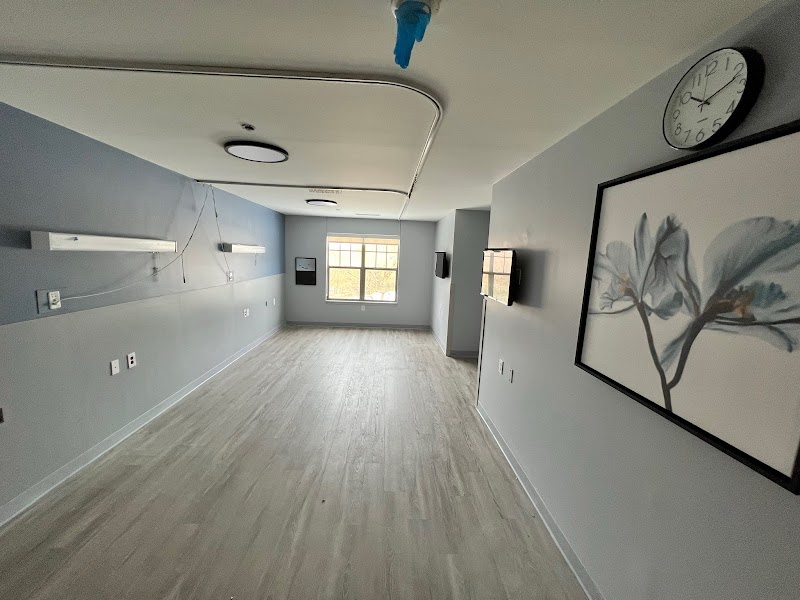
How is Mission Point Nursing & Physical Rehabilitation Ce Staffed?
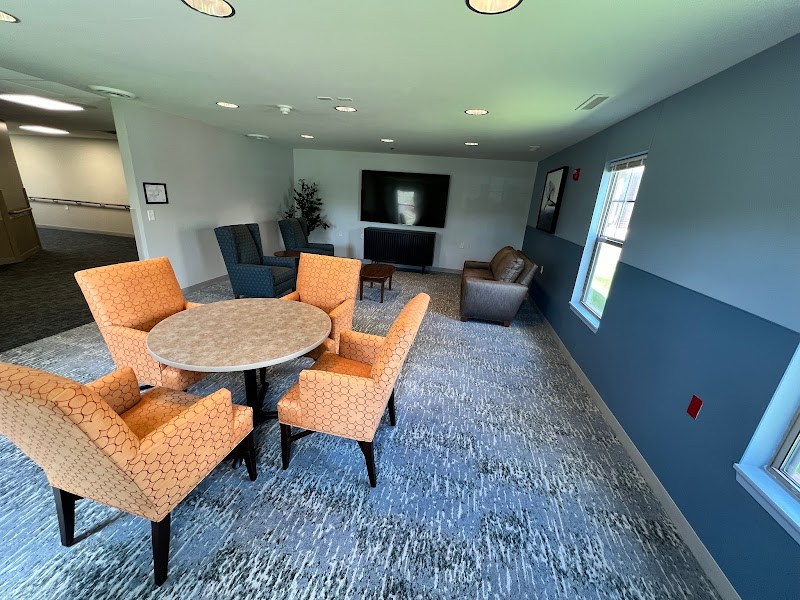
CMS rates Mission Point Nursing & Physical Rehabilitation Ce's staffing level at 2 out of 5 stars, which is below average compared to other nursing homes. Staff turnover is 44%, compared to the Michigan average of 46%. This relatively stable workforce can support continuity of care.

What Have Inspectors Found at Mission Point Nursing & Physical Rehabilitation Ce?

State health inspectors documented 62 deficiencies at Mission Point Nursing & Physical Rehabilitation Ce during 2022 to 2025. These included: 1 that caused actual resident harm, 59 with potential for harm, and 2 minor or isolated issues. Deficiencies causing actual harm indicate documented cases where residents experienced negative health consequences.
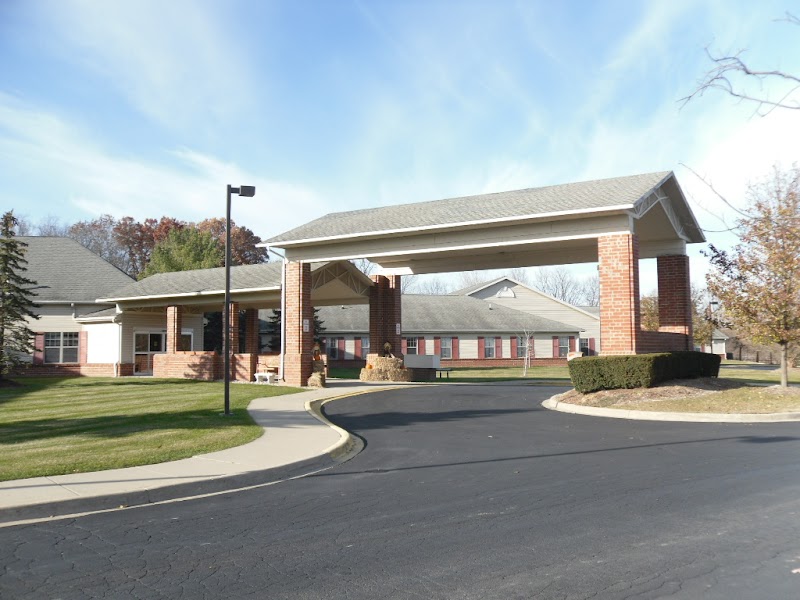
Who Owns and Operates Mission Point Nursing & Physical Rehabilitation Ce?

Mission Point Nursing & Physical Rehabilitation Ce is owned by a for-profit company. For-profit facilities operate as businesses with obligations to shareholders or private owners. The facility is operated by MISSION POINT HEALTHCARE SERVICES, a chain that manages multiple nursing homes. With 94 certified beds and approximately 83 residents (about 88% occupancy), it is a smaller facility located in Ypslianti, Michigan.

How Does Mission Point Nursing & Physical Rehabilitation Ce Compare to Other Michigan Nursing Homes?

Compared to the 100 nursing homes in Michigan, Mission Point Nursing & Physical Rehabilitation Ce's overall rating (2 stars) is below the state average of 3.1, staff turnover (44%) is near the state average of 46%, and health inspection rating (2 stars) is below the national benchmark.

What Should Families Ask When Visiting Mission Point Nursing & Physical Rehabilitation Ce?

Based on this facility's data, families visiting should ask: "Can you walk me through typical staffing levels on day, evening, and night shifts?" "Can I visit during a mealtime to observe dining assistance and food quality?" "How do you handle medical emergencies, and what is your hospital transfer rate?" "Can I speak with family members of current residents about their experience?" These questions are particularly relevant given the below-average staffing rating.

Is Mission Point Nursing & Physical Rehabilitation Ce Safe?

Based on CMS inspection data, Mission Point Nursing & Physical Rehabilitation Ce has a clean safety record: no substantiated abuse findings (meaning no confirmed cases of resident harm), no Immediate Jeopardy citations (the most serious violation level indicating risk of serious injury or death), and is not on the Special Focus Facility watch list (a federal program monitoring the lowest-performing 1% of nursing homes). The facility has a 2-star overall rating and ranks #100 of 100 nursing homes in Michigan. While no facility is perfect, families should still ask about staff-to-resident ratios and recent inspection results during their visit.

Do Nurses at Mission Point Nursing & Physical Rehabilitation Ce Stick Around?

Mission Point Nursing & Physical Rehabilitation Ce has a staff turnover rate of 44%, which is about average for Michigan nursing homes (state average: 46%). Moderate turnover is common in nursing homes, but families should still ask about staff tenure and how the facility maintains care continuity when employees leave.

Was Mission Point Nursing & Physical Rehabilitation Ce Ever Fined?

Mission Point Nursing & Physical Rehabilitation Ce has no federal fines on record. CMS issues fines when nursing homes fail to meet care standards or don't correct problems found during inspections. The absence of fines suggests the facility has either maintained compliance or corrected any issues before penalties were assessed. This is a positive indicator, though families should still review recent inspection reports for the full picture.

Is Mission Point Nursing & Physical Rehabilitation Ce on Any Federal Watch List?

Mission Point Nursing & Physical Rehabilitation Ce is not on any federal watch list. The most significant is the Special Focus Facility (SFF) program, which identifies the bottom 1% of nursing homes nationally based on persistent, serious quality problems. Not being on this list means the facility has avoided the pattern of deficiencies that triggers enhanced federal oversight. This is a positive indicator, though families should still review the facility's inspection history directly.