Essentia Health Northern Pines Medical Center
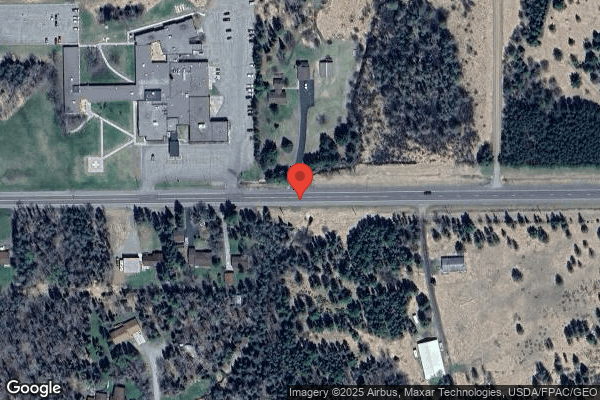
5211 HIGHWAY 110, AURORA, MN 55705 (218) 229-2211
Non profit - Corporation 33 Beds ESSENTIA HEALTH Data: November 2025
Trust Grade
90/100
#23 of 337 in MN
Last Inspection: January 2025

Within standard 12-15 month inspection cycle. Federal law requires annual inspections.

Overview

Essentia Health Northern Pines Medical Center has received a Trust Grade of A, indicating it is an excellent facility that is highly recommended for care. It ranks #23 out of 337 nursing homes in Minnesota, placing it in the top half of facilities in the state, and #5 out of 17 in St. Louis County, meaning there are only four local options that are better. The facility is improving, having reduced its issues from 5 in 2023 to none in 2025. Staffing is a strength, with a 3 out of 5 rating and a remarkable 0% turnover, well below the state average. There have been no fines, which is a positive sign of compliance, and RN coverage is better than 75% of facilities in the state, ensuring that residents receive attentive care. However, there are some concerns. In recent inspections, the facility failed to submit required staffing data, which could impact all residents. Additionally, they did not consistently measure food temperatures correctly, risking safety, and personal privacy was compromised when resident information was displayed in public areas. These issues highlight areas for improvement, but the overall strengths of the facility, including its excellent ratings and low staff turnover, make it a solid choice for families considering care options.

Trust Score
A
90/100
In Minnesota
#23/337
Top 6%
Safety Record
Low Risk
No red flags
Inspections
Getting Better
5 → 0 violations
Staff Stability
○ Average
Turnover data not reported for this facility.
Penalties
✓ Good
No fines on record. Clean compliance history, better than most Minnesota facilities.
Skilled Nurses
✓ Good
Each resident gets 61 minutes of Registered Nurse (RN) attention daily — more than 97% of Minnesota nursing homes. RNs are the most trained staff who catch health problems before they become serious.
Violations
○ Average
8 deficiencies on record. Average for a facility this size. Mostly minor or procedural issues.
★★★★★
5.0
Overall Rating
★★★☆☆
3.0
Staff Levels
★★★★★
5.0
Care Quality
★★★★★
5.0
Inspection Score
Stable
2023: 5 issues
2025: 0 issues

The Good

  • 5-Star Quality Measures · Strong clinical quality outcomes
  • Full Sprinkler Coverage · Fire safety systems throughout facility
  • No fines on record

Facility shows strength in quality measures, fire safety.

The Bad

Chain: ESSENTIA HEALTH

Part of a multi-facility chain

Ask about local staffing decisions and management

The Ugly 8 deficiencies on record

Oct 2023 5 deficiencies
CONCERN (D)

Potential for Harm - no one hurt, but risky conditions existed

Deficiency F0578 (Tag F0578)

Could have caused harm · This affected 1 resident

**NOTE- TERMS IN BRACKETS HAVE BEEN EDITED TO PROTECT CONFIDENTIALITY** Based on interview and document review, the facility failed to ensure resident resuscitation wishes were correctly identified in...

Read full inspector narrative →
**NOTE- TERMS IN BRACKETS HAVE BEEN EDITED TO PROTECT CONFIDENTIALITY** Based on interview and document review, the facility failed to ensure resident resuscitation wishes were correctly identified in the electronic health record (EHR) based on signed advanced directives for 1 of 16 residents (R8) who's advance directives were reviewed. Findings include: R23's significant change Minimum Data Set (MDS) dated [DATE], identified R8 had mild cognitive impairment and no terminal diagnoses. R8's Provider Orders for Life-Sustaining Treatment (POLST) dated [DATE], identified R8 chose Do Not Attempt Resuscitation/DNR (allow natural death). This directed staff that in the event of acute or impending respiratory arrest, no resuscitation or sustained ventilation would be initiated. R8's electronic health record (EHR) banner identified R8 was a full code. The undated, facility handwritten Full Code list, identified three residents who were full code. R8 was not listed. During an interview on [DATE] at 6:03 p.m., R8 stated she would not want cardiopulmonary resuscitation (CPR). During an interview on [DATE] at 6:15 p.m., registered nurse (RN)-B stated she would look at the handwritten note at the nurses desk. If the resident was listed, it meant a full code and staff started CPR. During an interview on [DATE] at 6:20 p.m., RN-A stated she would look at the handwritten list to determine a resident's code status in the case of an emergency. During an interview on[DATE] at 3:08 p.m., social services (SS)-A stated she reviewed code status and the resident's wishes upon admission. A POLST was always signed by the resident or resident's representative upon admission so the facility had an immediate plan. SS-A mistakenly had not corrected R8's EHR banner but would do so immediately. During an interview on [DATE] at 3:23 p.m., the director of nursing (DON) stated she expected a resident medical record to be accurate in order to reflect the resident's wishes. The faciliy advanced directives policy was requested but not received.
CONCERN (D)

Potential for Harm - no one hurt, but risky conditions existed

ADL Care (Tag F0677)

Could have caused harm · This affected 1 resident

**NOTE- TERMS IN BRACKETS HAVE BEEN EDITED TO PROTECT CONFIDENTIALITY** Based on observation, interview, and document review, the facility failed to provide assistance with morning cares for 1 of 4 re...

Read full inspector narrative →
**NOTE- TERMS IN BRACKETS HAVE BEEN EDITED TO PROTECT CONFIDENTIALITY** Based on observation, interview, and document review, the facility failed to provide assistance with morning cares for 1 of 4 residents (R23) reviewed for activities of daily living (ADLs) and who was dependent on staff for care. Findings include: R23's quarterly Minimum Data Set (MDS) dated [DATE], identified R23 had moderate cognitive impairment and required partial/moderate assistance with cares. R23's care plan revised 10/23/23, identified R23 had a self-care deficit problem related to cerebrovascular accident (stroke), R23 was at risk for falls, and not getting needs met. Interventions included: - R23 was very methodical during care and had rituals she liked to follow such as washing her knees and rubbing them. R23 liked her back washed a certain way and her hair adjusted a certain way. The facility staff were aware of these nuances. - R23 had no teeth. Set up for oral cares. - Provide assist of one with dressing, undressing, and grooming. Encourage R23 to participate in self-care skills to promote greatest independence as possible. R23 used a wheelchair at all times, propelled by staff or self (able to lift feet on demand/ bilateral wheelchair pedals) and R23 fed self after set up. During an observation on 10/23/23 at 2:39 p.m., R23 was seated in her wheelchair in her room looking out the window. R23's long hair was greasy and disheveled. R23 was wearing pajamas. During an observation on 10/25/23 at 7:02 a.m., R23's room and bathroom door was open, and the bathroom lights were on. R23 was in the bathroom sitting on the toilet. R23 was wearing a long-sleeved t-shirt and R23's pants and brief were around her ankles. R23's wheelchair was in reach and the sink faucet was running. R23 had a wet washcloth draped over her right knee and R23 had a wool ball she was rubbing over the washcloth. R23 stated she was fine, and her joints were finally moving that morning. R23 began rubbing the knuckles of her hands. No staff were with R23. - At 7:10 a.m., nursing assistant (NA)-A entered the room and stated, hey girlie, were you just going to call me? R23 made no comment and continued to rub her knees. NA-A assisted R23 to pick out her clothes and assisted R23 to change from her pajama top to a clean t-shirt. R23 required verbal cues and physical assistance to lift arms and to place arms in sleeves. NA-A assisted R23 to stand and began pulling up R23's pants. R23 stated wait, reached down into her pants, and pulled out the wool ball. R23 stated there's water there and I have to sit. NA-A assisted R23 to turn and sit down in her wheelchair. - At 7:16 a.m., NA-A assisted R23 to sit in front of her sink. The faucet was running, and NA-A set up R23's toiletries and placed a washcloth on the edge of the sink and a dry hand towel on the towel bar. NA-A gathered R23's soiled clothing and trash and left the room. R23 wet her washcloth and draped it over the sink edge, repetitively smoothing the washcloth down. R23 then cleaned the sink with the washcloth and then placed it back on the sink edge to repeat the process. - At 7:22 a.m., R23 dipped the corner of the washcloth into mouthwash and ran it along her tongue, gums, nose, chin, and forehead. R23 took a sip and mouthwash, swished and spit into an empty cup, poured it into the sink then rinsed mouth with water. R23 repeated this process. - At 7:27 a.m., R23 dipped her toothbrush in mouthwash and ran the toothbrush along her eyebrows, hairline and over her eyes. R23 rinsed the toothbrush with water and used the toothbrush along her tongue and gums. - At 7:29 a.m., R23 again picked up her washcloth and used an approximately 1-inch corner of the washcloth to run along her face. R23 used the washcloth to tuck her hair behind her ears. R23 picked up her comb and combed her eyebrows. R23 then rinsed her mouth with mouthwash and repeated the process of combing her eyebrows then rinsing her mouth with mouthwash. R23 used her comb to comb her tongue. - At 7:45 a.m., NA-A stepped into the room and told R23 she was just checking on R23 and asked if she needed help. R23 stated she did not know yet and NA-A reminded R23 she had a dry hand towel on the towel bar. NA-A left the room. - At 7:47 a.m., R23 continued to have dark brown debris embedded under her fingernails. R23 picked up her toiletry bottles and read the labels out loud, but placed each bottle down and did not use the products. R23 began to fold her washcloth, hand towel, three paper towels and a personal wipe in a stack on her lap. - At 7:55 a.m., R23 rolled out of the bathroom into her room where NA-A delivered her breakfast tray. NA-A told R23 she had perfect timing but did not ask R23 if she needed any assistance to complete her morning cares. During an interview on 10/25/23 at 7:57 a.m., NA-A stated R23 was pretty much an extensive assist with dressing but R23 was very peticular. Staff just set R23 up and let her do her thing. If not, R23 would get mad. R23 would use her words but would never hit or scream. R23 would say things like staff didn't listen and might call staff names. Staff just had to let her do her thing, otherwise staff would just be there for hours. During an interview on 10/25/23 at 8:01 a.m., licensed practical nurse (LPN)-A stated R23 used to be able to toilet herself and do all her cares, but hadn't been able to do that for some time. R23 would turn on her call light and ask for staff help. R23 could wash herself but it took a really long time. R23 had pretty bad OCD (obsessive compulsive disorder) and wanted things a certain way. Staff could leave her alone in her bathroom because R23 would sit and fuss a really long time. For example, R23 had to sit and rub her legs for a certain number of times and if she messed up, she had to start all over again. During an interview on 10/25/23 at 10:11 a.m., registered nurse (RN)-B stated she completed all the residents' assessments, new admissions and quarterly. Because of this, she knew the residents in and out. RN-B stated she was not the best care planner, because it could become all-consuming, but she tried to stay up to date on what a resident's needs were. RN-B completed the R23's cares one day and it was time consuming. R23 required limited to extensive assist. R23 would sit in her bathroom and do her rituals. R23 would rub her legs and wash what she could. Staff couldn't stay with her the whole time and walk away for a little bit. R23 was not independent or set up only because she required staff assistance but wanted it her way. R23 could wash what she could reach. Staff needed to wash her bottom for example. Ultimately, R23 dictated what she let staff do and how they do it. However, if staff stayed in the room the whole time it would be at least an hour and the other residents would not receive the care they needed. Certainly, staff had to make a great effort to assist her, but it was difficult. RN-B never cared for someone so ritualistic. R23 was very set in what she would do, how she would do it and needed more monitoring. Staff never considered to obtain a psych consult for R23. R23 was just one of those ladies that when she was at home, everything had to be a certain way. No matter what staff did it just did not match up with what R23 was thinking. During an interview on 10/25/23 at 10:41 a.m., the director of nursing (DON) stated assistance of one with grooming meant the resident required assist of one. Staff needed to be with R23 to assist her with her grooming. The DON never assisted R23 with cares but had been told it was 45 minutes because R23 was ritualistic and required things in a certain way and a certain order. R23 did not have a diagnosis of OCD and had not been evaluated by a mental health provider, but R23 was very particular. The DON stated she expected staff to follow the care plan. The facility policy SNF Activities of Daily Living (ADLs) Standards of Care approved 10/12/22, defined partial/moderate assistance as the helper did less than half the effort. The helper lifted, held, or supported trunk or limbs, but provided less than half the effort. The policy identified fingernails would be kept clean and manicured. Nail care would be provided a minimum of weekly with bathing. Morning and evening cares would include washing face and hands, peri care, oral care and changing clothing.
CONCERN (D)

Potential for Harm - no one hurt, but risky conditions existed

Incontinence Care (Tag F0690)

Could have caused harm · This affected 1 resident

**NOTE- TERMS IN BRACKETS HAVE BEEN EDITED TO PROTECT CONFIDENTIALITY** Based on observation, interview, and document review, the facility failed to ensure urinary catheter care was provided, to preve...

Read full inspector narrative →
**NOTE- TERMS IN BRACKETS HAVE BEEN EDITED TO PROTECT CONFIDENTIALITY** Based on observation, interview, and document review, the facility failed to ensure urinary catheter care was provided, to prevent contamination and potential urinary tract infection (UTI) for 1 of 1 residents (R22) reviewed for catheter cares. Findings include: R22's annual Minimum Data Set (MDS) dated [DATE], identified R22 had no cognitive impairment and had a indwelling catheter. R22's care plan revised 10/23/23, identified R22 used an indwelling catheter due to a neurogenic bladder. R22 had the potential for concerns related to indwelling catheter use such as: infection, leakage, skin breakdown, pain, injury, and/or embarrassment. Interventions included: Empty bag every shift and as needed; and AM & PM Care: Cleanse cath insertion site BID with soap and water, pat dry. Monitor skin at insertion site for increased redness, odor, pain, or change in character of urine. During an observation on 10/24/23 at 11:30 a.m., nursing assistant (NA)-A applied a gown and gloves and obtained R22's graduate from his bathroom. NA-A placed the graduate directly on the floor under R22's catheter's bag port, opened the port and drained the bag. NA-A cleaned the catheter bag port with an alcohol swab and closed the port, then laid the catheter bed bag on the floor. NA-A poured the urine into the toilet and rinsed the graduate with water. NA-A picked up R22's catheter bed bag off the floor, threaded it through R22's pants leg and placed the catheter bed bag on the end of R22's bed. NA-A then left R22's room. During interview on 10/24/23, at 11:47 a.m., NA-A stated she was nervous and dropped the catheter bed bag on the floor. NA-A figured it was already on the floor and there was nothing she could do about it. Further, the port should have been cleaned before and after opening and there should have been a barrier between the graduate and the floor. During an interview on 10/24/23 at 1:11 p.m., the director of nursing (DON) stated during catheter cares there should be a barrier between the graduate and the floor, the port should be cleaned before and after opening, and the catheter bed bag should not lie directly on the floor because it increased the risk for infection. A facility catheter care policy was requested but not received.
CONCERN (D)

Potential for Harm - no one hurt, but risky conditions existed

Deficiency F0883 (Tag F0883)

Could have caused harm · This affected 1 resident

**NOTE- TERMS IN BRACKETS HAVE BEEN EDITED TO PROTECT CONFIDENTIALITY** Based on interview and document review, the facility failed to provide the most recent Centers for Disease and Prevention (CDC) ...

Read full inspector narrative →
**NOTE- TERMS IN BRACKETS HAVE BEEN EDITED TO PROTECT CONFIDENTIALITY** Based on interview and document review, the facility failed to provide the most recent Centers for Disease and Prevention (CDC) education regarding the potential risks and benefits of the pneumococcal vaccine for 2 of 5 residents (R8, R10) reviewed for pneumococcal and influenza immunizations Findings include: R8's significant change in status MDS dated [DATE], identified R8 was admitted to the facility on [DATE], was [AGE] years old and had diagnoses that included hypertension, thyroid disorder, and metabolic encephalopathy (brain dysfunction caused by problems with metabolism) R8's Preventative Health Care vaccination record undated, identified R8 received an PPSV23 on 11/23/16. R8's medical record did not include evidence R8 or R8's representative received education regarding pneumococcal vaccine booster and there was no indication R8 was offered the pneumococcal vaccine per CDC guidance. R10's quarterly MDS dated [DATE], identified R10 was admitted to the facility on [DATE], was [AGE] years old, and had diagnoses that included hypertension. R10's Preventative Health Care vaccination record undated, identified R10 received a PPSV23 on 2/24/11 and on 9/26/16 and received a pneumococcal conjugate vaccine (PCV13) on 9/26/16. R10's medical record did not include evidence R10 or R10's representative received education regarding pneumococcal vaccine booster and there was no indication R10 was offered the pneumococcal vaccine per CDC guidance. During an interview on 10/24/23 at 1:18 p.m., the director of nursing (DON) stated she was responsible for the facility's infection control program and was aware of new pneumococcal vaccine guidance but was unable to recall the specifics. The facility's focus was COVID-19 and influenza vaccinations, but would be addressing pneumococcal vaccines soon. The facility had not yet reviewed residents' eligibility for pneumococcal vaccines or boosters. During an interview on 10/24/23 at 1:45 p.m., the health unit coordinator (HUC) stated she did not have residents sign a vaccination consent form when they refused. The facility's Influenza/Pneumococcal Immunization policy reviewed 2/14/23, identified resident vaccinations were reviewed upon admission. Residents were offered immunization against influenza annually as well as offered the pneumococcal vaccine as the need was assessed. The facility followed the recommendations for the CDC and the influenza vaccinations were offered in the facility October 1 through March 31 annually unless the immunization was medically contraindicated, already immunized or after the provision of education on risks and benefits the resident continued to refuse.
CONCERN (F)

Potential for Harm - no one hurt, but risky conditions existed

Staffing Data (Tag F0851)

Could have caused harm · This affected most or all residents

Based on interview and document review, the facility failed to submit the payroll-based journal system (PB&J) staffing data to Centers for Medicare and Medicaid Services (CMS). This had the potential ...

Read full inspector narrative →
Based on interview and document review, the facility failed to submit the payroll-based journal system (PB&J) staffing data to Centers for Medicare and Medicaid Services (CMS). This had the potential to affect all 30 residents residing in the facility. Findings included: The facilty's PB&J report 1705D dated 10/11/23, identified the facility failed to submit data for quarter 3 (April 1 - June 30) of fiscal year 2023. During an interview with the administrator and the director of nursing (DON) on 10/23/23 at 2:04 p.m., the DON stated they attempted to submit data for the PB&J but had technical difficulties and believed they had until the 15th of the month to complete it. However, the submission closed at midnight on the 14th and they were unable to submit anything. They had tried to fix it but it was too late and there was nothing they could do.
Dec 2022 3 deficiencies
CONCERN (E)

Potential for Harm - no one hurt, but risky conditions existed

Deficiency F0583 (Tag F0583)

Could have caused harm · This affected multiple residents

Based on interview, observation, and documentation the facility failed to ensure personal privacy and confidentiality by posting resident names and diet information in a public area viewable by other ...

Read full inspector narrative →
Based on interview, observation, and documentation the facility failed to ensure personal privacy and confidentiality by posting resident names and diet information in a public area viewable by other residents and visitors. This deficient practice impacted 5 of 5 residents (R14, R6, R8, R7 and R12). Findings include: On 12/05/22, at 6:05 p.m. the dining room steam table had notes taped on both sides. The steam table side facing the nursing station, viewable from hallway, had the following notes: 1. No scrambled eggs for [R14's name]. 2. Document titled Diet Spreadsheet had R8's first name written in red, and notes on spread sheet. 3. No chicken, full name of resident R6. 4. No asparagus with 3 resident names listed below including R7's full name. 5. No Beets with five names listed below The following notes were on the front side of the steam table facing out into the general dining area. 1. Resident R11's full name Skim milk only (only underlined 3 times) note was dated 11/6. 2. R19's first name and room number skim milk at meals, note was dated 7/28. 3. Resident first name no eggs at breakfast give yogurt and cold cereal at breakfast. 4. Highlighted in yellow: Please, please, please do not give R12 (full name) any milk products: no regular milk, no chocolate ensure, no ice cream, no pudding, no cream soups thanks. Two notes were on the fridge in the in the dining area: 1. Resident's first name and last initial, give ensure at supper meal 2. R8 first name last initial, has her own bagels to use for her breakfast please thank you. On 12/06/22, at 9:06 a.m. all notes were still posted on steam table and fridge. On 12/08/22, at 12:09 p.m. all notes were still posted in dining area. On 12/08/22, at 12:14 p.m. dietary Aide (DA)-A and cook-(A) were at steam table. During interview, cook-A stated the notes on the nursing station side of steamtable were used to communicate resident preferences, changes to diet, and dislikes. Cook-A stated the dietary manager posted the notes on the front side for dietary and nursing staff to get updated on resident dietary changes. 12/08/22, at 12:18 p.m. DA-A stated she did not see a concern with posting dietary information about residents on the steamtable and her manager should be asked about the notes. She hadn't thought about privacy or how the notes could get in the way of washing the steam table. 12/08/22, at 12:17 p.m. nursing assistant (NA)-B stated the notes on the dining side of the steam table helped workers get food ready and the notes were in a good place because that is where staff stand when they get juice and milk ready. 12/08/22, at 12:28 p.m. dietary manager (DM)-A stated she takes notes down in care areas when she sees them. DM-A identified some of the notes as nurse notes and some as notes she had posted on the kitchen communication board. DA-A stated the notes from the kitchen should not be on the steam table. She had asked nursing/kitchen staff to send change requests to her because the information should be in the electronic medical record instead of posted somewhere. DM-A pulled notes off steam table and stated it's okay to leave notes about cleaning, but notes with resident names and diet information should not be posted on the steam table. During a interview on 12/08/22, at 12:44 p.m. the director of nursing (DON) stated she was not aware there were notes with resident dietary information posted in the dining area where anyone could see them. The DON stated it was unlikely any harm was caused by the posted notes, but looking at the Health Insurance Portability Act (HIPPA), having the notes posted would be a violation of the rule. The DON stated she would be addressing the notes immediately. During interview on 12/8/22, at 2:30 p.m. R8 stated if there was a note with their name on it about what they do or do not eat, R8 raised voice and stated, no I don't want my name out there for people to see anything about me, that's not needed. The document titled Resident Rights found in the facility admit folder included the right, residents have the right to have one's health status and other personal information kept confidential. The document titled Notice of Privacy Practices dated 9/13 located in the admit folder included the notification: Essentia facilities are required to follow both state and federal laws and regulations that protect health information and if they are different, Essentia must follow the rules that provide the greatest protection of health information and grant greater rights.
CONCERN (E)

Potential for Harm - no one hurt, but risky conditions existed

Accident Prevention (Tag F0689)

Could have caused harm · This affected multiple residents

**NOTE- TERMS IN BRACKETS HAVE BEEN EDITED TO PROTECT CONFIDENTIALITY** Based on observation, interview and document review, the facility failed to ensure residents were supervised by nursing staff du...

Read full inspector narrative →
**NOTE- TERMS IN BRACKETS HAVE BEEN EDITED TO PROTECT CONFIDENTIALITY** Based on observation, interview and document review, the facility failed to ensure residents were supervised by nursing staff during dining for 4 of 6 residents (R12, R13, R14, and R81). Findings include: R12's annual Minimum Data Set (MDS) dated [DATE], indicated R12 had severe cognitive impairment, severe vision impairment and required assistance of one for eating. R12's care plan edited on 12/22/22, indicated he had altered cognitive impairment, dysphagia [difficulty swallowing] and required a mechanical altered diet, was legally blind, and needed staff assistance to be fed, he had problems with swallowing and chewing. Approaches were for staff to assist him with eating at meals. R12's Physician Order Report dated 11/8/22, through 12/8/22, indicated orders for a consistent carb/heart healthy, soft bite sized food with special instructions: bread okay, regular thin liquids, fully upright for meals and 30 minutes after, close supervision with meals. During a continuous observation on 12/8/22, which started at 9:52 a.m. and ended at 10:34 a.m. R12 was observed seated in the dining room with one half of a sandwich in front of him; he had an Ensure Plus on his place mat. There were no nursing staff present in the dining room. - at 10:00 a.m. R12 remained seated in the dining room at the table. He had finished his beverage, the sandwich remained in front of him. - at 10:09 a.m. there were two staff at the nurses's station off of the dining room. The dining room was in view of the nurse's station. -at 10:12 a.m. a staff approached R12 and put his hearing aides in and then left. -at 10:15 a.m. no nursing staff were present in the dining room. -at 10:17 a.m. there were no nursing staff at the nurse's station. -at 10:18 a.m. a staff member approached R12 and poured the rest of his Ensure into his glass and reminded him he had a sandwich in front of him which R12 then picked up and started eating it, the staff member left the area. -at 10:21 a.m. R12 was eating his sandwich on his own; no staff were present. -at 10:22 a.m. R12 remained at the table; no nursing staff were in the dining room. The activities director was running an exercise program in the dining room. During an interview on 12/8/22, at 10:29 a.m. nursing assistant (NA)-A was at the nurse's station, she stated R12 was not a good eater, would not let staff feed him. NA-A stated R12 liked to eat sandwiches, she was unaware if there were any special instructions for R12 during dining. During an interview on 12/8/22, at 10:34 a.m. trained medication aide (TMA)-A stated she thought staff were supposed to be present in the dining area when residents were eating. TMA-A verified nursing staff had not been consistently present during dining. TMA-A stated we're there as much as we can. R13's Face Sheet printed on 12/8/22, indicated diagnoses which included dementia and macular degeneration (an eye disease that causes vision loss). R13's quarterly MDS dated [DATE], indicated R13 was cognitively intact. R14's Face Sheet printed on 12/8/22, indicated diagnoses which included heart disease, heart failure, and type 2 Diabetes Mellitus. R14's quarterly MDS dated [DATE], indicated R14 had moderately impaired cognition and had severely impaired vision. R81's Face Sheet printed on 12/8/22, indicated diagnoses which include dysthymic disorder (depression) and vitreous degeneration of left eye (an eye disease which results in dark specs, floaters, or flashing lights). R81's quarterly MDS dated [DATE], indicated he had moderately impaired cognition. During a continuous observation on 12/8/22, which started at 12:05 p.m. and ended at 12:47 p.m. -at 12:14 p.m. NA-A performed hand hygiene, pulled up a chair and sat down next to R12 and attempted to try to assist him with eating. R12 would say no and spit out the food. He was however drinking a red beverage on his own. NA-A asked R12 if he wanted a bite of cake, he ate this and NA-A left the dining room. -at 12:38 p.m. there were six residents in the dining room; four of them were still eating (R12, R13, R14, R81). -at 12:40 p.m. NA-A poured R12 some juice and then left the dining room. -at 12:44 p.m. staff took R12 out of the dining room. -at 12:45 p.m. nursing staff left the dining room, R13 remained in the dining room eating cake. -at 12:46 p.m. R14 was taken out of the dining room. -at 12:47 p.m. R81 finished eating and wheeled himself out of the dining room. During an interview on 12/8/22, at 2:00 p.m. the director of nursing (DON) verified she would expect nursing staff to remain in the dining room while residents were still eating. A facility policy on residents in the dining room was requested but not provided.
CONCERN (F)

Potential for Harm - no one hurt, but risky conditions existed

Food Safety (Tag F0812)

Could have caused harm · This affected most or all residents

Based on observation, interview and document review the facility failed to ensure food temperatures were measured upon removing food from the oven. In addition, the facility failed to ensure food item...

Read full inspector narrative →
Based on observation, interview and document review the facility failed to ensure food temperatures were measured upon removing food from the oven. In addition, the facility failed to ensure food items and medical equipment (ice packs) were not mixed together in the freezer compartment of the refrigerator in the dining room. This had the potential to affect all 37 residents who resided in the facility. Finding include: During an observation on 12/7/22, at 11:24 a.m. cook (C)-A was in the process of measuring food temperatures of food which had already been removed from the oven and were in the steam table. The stewed tomatoes were 170 degrees Fahrenheit (F), kielbasa slices were 208 degrees F, the hot German potato salad was 185 degrees F, the chopped meat kielbasa was 150 degrees F. Initially C-A stated all the temperatures are okay, when questioned further she stated the temperature for the chopped kielbasa was too low and she would be microwaving it. Dietary manager (DM)-B stated the kielbasa was cooked from raw slices. At 12/7/22, at 11:30 a.m. cook (C)-A re-measured the temperature for the chopped kielbasa after removing it from the microwave. The temperature was 185 degrees F. C-A stated the kielbasa had been chopped up from the cooked kielbasa slices which were cooked from raw. C-A stated she did not check the temperature of the kielbasa slices when they were removed from the oven, she said it was cooked thoroughly and it cooled off because it sits funny in the steam table. C-A stated she just knew the kielbasa was cooked. During an observation on 12/8/22, at 12:23 p.m. the refrigerator and freezer in the dining room were checked. In the freezer compartment ice packs were found loose and not in the zip lock bag which contained several other ice bags. In addition, the zip lock bag containing several ice packs was not sealed shut, the ice pack were mixed in with other food items including (bread, an omelet [dated 7/3/22], a quart of ice cream, a purple silicone mold uncovered [no names or dates]). In the freezer door there were ice packs not in zip lock bags, there were three individual ice creams next to the ice packs. In the refrigerator there was cream cheese, sweet and sour sauce, mustard, no name or dates. There were two unopened whole milk half gallon containers, and one opened fat free milk container and juices with no open dates. On 12/8/22, at 12:28 p.m. the temperatures log located on the side of the refrigerator had temperatures missing for most dates in October and November; the current temperature was 29 degrees F. During an interview on 12/8/22, at 12:46 p.m. DM-B stated she expected the cooks to measure the temperature of foods when they were removed from the oven and before they were placed in the steam table. DM-B stated she thought the cooks were doing this. During an interview on 12/8/22, at 2:00 p.m. the director of nursing (DON), acting for the administrator, stated she would expect to see cold packs in bags and separated from food in the freezer. In addition, she stated she would expect the food to have resident names and dates on them. The DON stated she would expect the kitchen staff to follow regulations for measuring food temperatures after cooking. A policy for measuring the temperatures of food after cooking was requested but not provided. The facility policy titled Food Safety Requirements-Use and Storage of Food and Beverage Brought in For Residents, Food Procurement dated 1/14/21, indicated inadequate cooking and improper holding temperatures may cause food borne illness. The policy further indicated staff would label and date items brought in and leftover foods would be used within three days or discarded.
Understanding Severity Codes (click to expand)
Life-Threatening (Immediate Jeopardy)
J - Isolated K - Pattern L - Widespread
Actual Harm
G - Isolated H - Pattern I - Widespread
Potential for Harm
D - Isolated E - Pattern F - Widespread
No Harm (Minor)
A - Isolated B - Pattern C - Widespread

Questions to Ask on Your Visit

  • "Can I speak with families of current residents?"
  • "What's your RN coverage like on weekends and overnight?"

Our Honest Assessment

Strengths
  • • Grade A (90/100). Above average facility, better than most options in Minnesota.
  • • No major safety red flags. No abuse findings, life-threatening violations, or SFF status.
  • • No fines on record. Clean compliance history, better than most Minnesota facilities.
Concerns
  • • No significant concerns identified. This facility shows no red flags across CMS ratings, staff turnover, or federal penalties.
Bottom line: Generally positive indicators. Standard due diligence and a personal visit recommended.

About This Facility

What is Essentia Health Northern Pines Medical Center's CMS Rating?

CMS assigns Essentia Health Northern Pines Medical Center an overall rating of 5 out of 5 stars, which is considered much above average nationally. Within Minnesota, this rating places the facility higher than 99% of the state's 100 nursing homes. This rating reflects solid performance across the metrics CMS uses to evaluate nursing home quality.

How is Essentia Health Northern Pines Medical Center Staffed?

CMS rates Essentia Health Northern Pines Medical Center's staffing level at 3 out of 5 stars, which is average compared to other nursing homes.

What Have Inspectors Found at Essentia Health Northern Pines Medical Center?

State health inspectors documented 8 deficiencies at Essentia Health Northern Pines Medical Center during 2022 to 2023. These included: 8 with potential for harm.

Who Owns and Operates Essentia Health Northern Pines Medical Center?

Essentia Health Northern Pines Medical Center is owned by a non-profit organization. Non-profit facilities reinvest revenue into operations rather than distributing to shareholders. The facility is operated by ESSENTIA HEALTH, a chain that manages multiple nursing homes. With 33 certified beds and approximately 31 residents (about 94% occupancy), it is a smaller facility located in AURORA, Minnesota.

How Does Essentia Health Northern Pines Medical Center Compare to Other Minnesota Nursing Homes?

Compared to the 100 nursing homes in Minnesota, Essentia Health Northern Pines Medical Center's overall rating (5 stars) is above the state average of 3.2 and health inspection rating (5 stars) is much above the national benchmark.

What Should Families Ask When Visiting Essentia Health Northern Pines Medical Center?

Based on this facility's data, families visiting should ask: "Can I visit during a mealtime to observe dining assistance and food quality?" "How do you handle medical emergencies, and what is your hospital transfer rate?" "Can I speak with family members of current residents about their experience?"

Is Essentia Health Northern Pines Medical Center Safe?

Based on CMS inspection data, Essentia Health Northern Pines Medical Center has a clean safety record: no substantiated abuse findings (meaning no confirmed cases of resident harm), no Immediate Jeopardy citations (the most serious violation level indicating risk of serious injury or death), and is not on the Special Focus Facility watch list (a federal program monitoring the lowest-performing 1% of nursing homes). The facility has a 5-star overall rating and ranks #1 of 100 nursing homes in Minnesota. While no facility is perfect, families should still ask about staff-to-resident ratios and recent inspection results during their visit.

Do Nurses at Essentia Health Northern Pines Medical Center Stick Around?

Essentia Health Northern Pines Medical Center has not reported staff turnover data to CMS. Staff turnover matters because consistent caregivers learn residents' individual needs, medications, and preferences. When staff frequently change, this institutional knowledge is lost. Families should ask the facility directly about their staff retention rates and average employee tenure.

Was Essentia Health Northern Pines Medical Center Ever Fined?

Essentia Health Northern Pines Medical Center has no federal fines on record. CMS issues fines when nursing homes fail to meet care standards or don't correct problems found during inspections. The absence of fines suggests the facility has either maintained compliance or corrected any issues before penalties were assessed. This is a positive indicator, though families should still review recent inspection reports for the full picture.

Is Essentia Health Northern Pines Medical Center on Any Federal Watch List?

Essentia Health Northern Pines Medical Center is not on any federal watch list. The most significant is the Special Focus Facility (SFF) program, which identifies the bottom 1% of nursing homes nationally based on persistent, serious quality problems. Not being on this list means the facility has avoided the pattern of deficiencies that triggers enhanced federal oversight. This is a positive indicator, though families should still review the facility's inspection history directly.