Good Samaritan Society - Comforcare
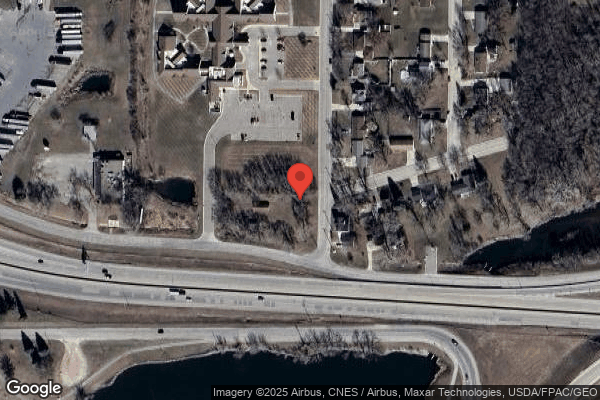
1201 17TH STREET NE, AUSTIN, MN 55912 (507) 434-8537
Non profit - Corporation 45 Beds GOOD SAMARITAN SOCIETY Data: November 2025 1 Immediate Jeopardy citation
Trust Grade
63/100
#115 of 337 in MN
Last Inspection: November 2024

Within standard 12-15 month inspection cycle. Federal law requires annual inspections.

Overview

Good Samaritan Society - Comforcare in Austin, Minnesota has a Trust Grade of C+, indicating it is slightly above average in quality. It ranks #115 out of 337 facilities in Minnesota, placing it in the top half, and #1 out of 4 in Mower County, meaning only one local facility is better. However, the facility is experiencing a worsening trend, with issues increasing from 2 in 2024 to 4 in 2025. Staffing is a strength, rated at 5 out of 5 stars with a 36% turnover rate, which is below the state average. Notably, there have been no fines, which is a positive sign. On the downside, there have been specific concerns highlighted by inspections. A critical finding revealed that the facility failed to provide the correct diet texture for a resident at risk of choking, which could have serious implications for their safety. Additionally, there were reports of meals not being served at a warm temperature, which could impact residents' nutritional intake, and a lack of cleanliness in resident rooms, raising concerns about hygiene. While the high staffing rating is a plus, these issues indicate that families should carefully consider both strengths and weaknesses when researching this nursing home.
Trust Score
C+
63/100
In Minnesota
#115/337
Top 34%
Safety Record
High Risk
Review needed
Inspections
Getting Worse
2 → 4 violations
Staff Stability
○ Average
36% turnover. Near Minnesota's 48% average. Typical for the industry.
Penalties
✓ Good
No fines on record. Clean compliance history, better than most Minnesota facilities.
Skilled Nurses
✓ Good
Each resident gets 61 minutes of Registered Nurse (RN) attention daily — more than 97% of Minnesota nursing homes. RNs are the most trained staff who catch health problems before they become serious.
Violations
⚠ Watch
15 deficiencies on record. Higher than average. Multiple issues found across inspections.
★★★★☆
4.0
Overall Rating
★★★★★
5.0
Staff Levels
★★★☆☆
3.0
Care Quality
★★★☆☆
3.0
Inspection Score
Stable
2024: 2 issues
2025: 4 issues

The Good

  • 5-Star Staffing Rating · Excellent nurse staffing levels
  • Full Sprinkler Coverage · Fire safety systems throughout facility
  • No fines on record
  • Staff turnover below average (36%)

    12 points below Minnesota average of 48%

Facility shows strength in staffing levels, fire safety.

The Bad

Staff Turnover: 36%

10pts below Minnesota avg (46%)

Typical for the industry

Chain: GOOD SAMARITAN SOCIETY

Part of a multi-facility chain

Ask about local staffing decisions and management

The Ugly 15 deficiencies on record

1 life-threatening
Mar 2025 1 deficiency 1 IJ
CRITICAL (J) 📢 Someone Reported This

A family member, employee, or ombudsman was alarmed enough to file a formal complaint

Immediate Jeopardy (IJ) - the most serious Medicare violation

Menu Adequacy (Tag F0803)

Someone could have died · This affected 1 resident

**NOTE- TERMS IN BRACKETS HAVE BEEN EDITED TO PROTECT CONFIDENTIALITY** Based on observation, interview, and record review the facility failed to ensure a system to provide the correct physician order...

Read full inspector narrative →
**NOTE- TERMS IN BRACKETS HAVE BEEN EDITED TO PROTECT CONFIDENTIALITY** Based on observation, interview, and record review the facility failed to ensure a system to provide the correct physician ordered diet texture for 1 of 3 residents (R1) who was at risk for choking and had a history of dysphagia. This resulted in an Immediate Jeopardy (IJ) for R1 and had the likelihood to effect current and future residents who required changes to textured diets to prevent choking/aspiration. Additionally, the facility failed to include on the diet slip the complete dietary allergies for 1 of 1 residents (R3) who had a severe peanut allergy. The IJ began on 3/19/25, when R1 was served an International Dysphagia Diet Standard Initiative (IDDSI) Level 7 regular textured diet for breakfast instead of the recommended IDDSI Level 6. The Administrator and director of nursing (DON) were notified of the PNC IJ on 3/27/25 at 3:22 p.m. The facility had implemented corrective action on 3/24/25 to prevent recurrence, so the IJ was issued at past non-compliance. Findings include: IDDSI Level 5 Minced and Moist Diet tool dated January 2019, identified foods that are soft and moist but with no liquid leaking/dripping from the food, biting is not required, minimal chewing is required, lumps of 4 millimeters (mm) in size, lumps can be mashed with tongue, foods can easily be mashed with just a little pressure from the fork, and should be able to scoop food onto the fork with no liquid dripping and no crumbles falling off the fork .may be used if you are not able to bite off pieces of food safely but have some basic chewing ability. Some people may be able to bite off a large piece of food but are not able to chew it down into little pieces that are safe to swallow. Minced and Moist foods only need a small amount of chewing and for the tongue to 'collect' the food into a ball and bring it to the back of the mouth for swallowing. It is important that Minced and Moist foods are not too sticky because this can cause the food to stick to the cheeks, teeth, roof of the mouth or in the throat. These foods are eaten using a spoon or a fork. IDDSI Level 6 Soft and Bite-Sized Diet tool dated January 2019, identified Level 6 Soft and Bite-Sized food may be used if you are not able to bite off pieces of food safely but are able to chew bite-sized pieces down into little pieces that are safe to swallow. Soft and Bite-Sized foods need a moderate amount of chewing, for the tongue to 'collect' the food into a ball and bring it to the back of the mouth for swallowing. The pieces are 'bite-sized' to reduce choking risk. Soft and Bite-Sized foods are eaten using a fork, spoon, or chopsticks. NO regular dry bread due to high choking risk. Foods that are soft, tender, and moist, but with no thin liquid leaking/dripping from the food. Ability to 'bite off' a piece of food is not required. Ability to chew 'bite-sized' pieces so that they are safe to swallow is required. Bite-sized pieces are no bigger than 1.5 centimeter (cm) x 1.5 cm in size. Food can be mashed/broken down with pressure from a fork. A knife is not required to cut this food. IDDSI Level 7 Regular: meant for individuals who do not have issues chewing or swallowing. R1's face sheet dated 3/26/25, identified R1 admitted 2/2025. Diagnoses included left sided hemiplegia (paralysis on the left side of the body due to a stroke), hypoxemia (low levels of oxygen in the blood), dyspnea (shortness of breath), and dysphagia (difficulty swallowing). R1's admission Minimum Data Set (MDS) dated [DATE], identified R1 had no cognitive deficits. R1 was able to use suitable utensils to bring food and/or liquid to mouth and swallow food and/or liquid once the meal was placed. R1 was able to insert and remove dentures into and from the mouth. R1 had no identified swallowing disorders, and required a mechanically altered diet. R1 had no broken or loose dentures, no mouth or facial pain, and no discomfort or difficulty with chewing. R1's hospital Discharge summary dated [DATE], identified R1 required a diet of minced and moist textured foods, mildly thick liquids via spoon, no straws, and a recommendation of direct supervision assistance anytime R1 was ingesting something by mouth. R1's nursing care plan dated 2/28/25, identified R1 was able to feed himself with staff supervision. R1's speech therapy evaluation and treatment plan dated 3/3/25, identified R1 reported swallowing difficulty with meat and some breads, some coughing with liquids along with trouble swallowing for the past four years. Trialed thin and mildly thick liquids. Had a significant coughing episode with coleslaw (IDDSI level 7), no overt signs or symptoms of aspiration with IDDSI level 6 Soft and Bite-Sized textures. Needed occasional cues to use swallow strategies and required line of sight supervision. R1 had full upper dentures and partial lower. R1's diet notification form dated 3/3/25, completed by the speech therapist indicated R1 required IDDSI level 6 Soft and Bite-Sized diet texture, thin fluid consistency, line of sight supervision, no straws. R1's dietary care plan dated 3/3/25, identified R1 started a trial of IDDS 6 soft and bite sized food with extra moisture and food cut into small pieces. No coleslaw or breads. No straws. R1 had choking/aspiration (when something swallowed enters the airway or lungs) precautions which included: small bites, one bite at a time, chew thoroughly, eat slowly, and line of sight supervision. On 3/6/25, advance to thin liquids. R1's diet tray slips (used to ensure correct diet/food is plated and delivered to residents) dated 3/4/25 through 3/19/25, identified diet texture changed from Minced and Moist to Soft and Bite-Sized. The diet slip did not include, no coleslaw, no breads, no straws, and line site supervision according to SLP recommendation. R1's speech therapy treatment encounter note dated 3/19/25, identified speech language pathologist (SLP)-A witnessed R1 in the dining room towards the end of the meal. R1 had a sausage patty, and toast with butter and jelly. R1 had already eaten half of sausage patty, all of eggs and half of his toast. R1 did not have dentures in mouth. (Speech therapist) Grabbed dentures and was about to put in R1's mouth when R1 stated he still felt something there. The note indicated even after SLP-A provided swallowing cues and interventions, R1 regurgitated food and continued to have difficulty so SLP-A notified nursing. Nursing provided a breathing nebulizer treatment and identified R1's oxygen saturations were in 80's (normal is 95-100%) so oxygen was applied at 3 liters via nasal cannula. R1 was then sent to the emergency room for further evaluation. R1's progress notes dated 3/19/25, identified SLP-A observed R1 not wearing dentures while eating. SLP-A went to R1's room and retrieved dentures and when coming back to dining room seen R1 was coughing. R1 stated something feels like it is stuck in his throat. R1 vomited up food and mucous/saliva. Nurse called to room and evaluated. Oxygen decreased to low 80's and R1 complained of chest pain/tightness and shortness of breath. Supplemental oxygen applied and increased to 3 liters per minute to get saturations to 90%. R1 continued to complain of chest pain/tightness and was being sent to the emergency room after a possible aspiration at breakfast. R1's hospital Discharge summary dated [DATE], identified R1 had a hospital stay from 3/19/25-3/21/25 with diagnoses of hypoxia, dysphagia, and aspiration event. Active issues that required follow-up were dysphagia resulting in aspiration event and recommendation of IDDSI level 5 Minced and Moist texture with thin liquids. R1 was started on IV antibiotics for suspected aspiration pneumonia but discontinued by admitting physician. Discharge diet included IDDSI level 5 Minced and Moist diet. R1's diet notification form dated 3/21/25, informed R1 required IDDSI level 5 Minced and Moist diet texture, thin liquids, line of sight supervision, no straws. R1's dietary care plan dated 3/21/25, included IDDS 5 minced and moist textured foods, thin consistency for liquids. The facility Focus Audit, dated 3/22/35, identified licensed practical nurse (LPN)-A completed an audit of a meal for R1. The question was the resident receiving the correct diet per physician orders was marked as NO. The diet slip was marked as being correct. During an interview on 3/27/25 at 8:45 a.m., LPN-A explained she audited R1 at supper on 3/22/25. The cook provided R1 with a regular grilled cheese sandwich. That is what triggered LPN-A when she looked at the diet slip and it said no bread. LPN-A removed the meal prior to R1 consuming it and provided immediate education to the cook and dietary aide. Notification was made to DON, Administrator, and FNS-A of the error. During an interview on 3/26/25 at 8:39 a.m., R1 was leaned back in a recliner with a blanket on in his room. R1 indicated he had been working with SLP-A for his swallowing difficulty. R1 explained on 3/19/25, he was just eating, and the food went down the wrong pipe. R1 recalled he ate the sausage but could not remember if he had the toast. It was a little different diet, It just would not go down. When he took a sip of fluids it wanted to come back up. R1 wore dentures normally but could not recall if he had them in on 3/19/25, they hurt his mouth, but he has worn them all the time now since he returned from the hospital. During a phone interview on 3/26/25 at 10:33 a.m., cook (C)-A stated on 3/19/25, R1's diet slip had Soft and Bite-Sized food with no special instruction or restrictions so she plated and served R1 a regular meal of sausage patty, eggs, and toast. C-A explained his tray card should have addressed no bread and salads but it was missed. After the incident R1's diet slip was updated. C-A explained the diet slips were completed by the Supervisor of Food and Nutrition Services (FNS)-A. They contain pertinent information such as how the residents eat and drink, and if the residents need supervision at meals. FNS-A was the only one that had access to the software to update the diet slips so if anything changed after the diet slips were printed, the cook would have to manually write on them and put the information in their communication book. During a phone interview on 3/26/25 at 10:53 a.m., dietary aide (DA)-A stated on 3/19/25 he worked with C-A. C-A passed out the meals and DA-A passed out the drinks. DA-A did not notice that C-A provided R1 with the wrong diet. Any changes to meals would be on the diet slips. During an interview on 3/26/25 at 9:02 a.m., SLP-A stated R1 began speech therapy on 3/3/25. On 3/3/25, SLP-A evaluated R1 at lunch with a variety of textured foods; R1 had significant coughing toward the end of the evaluation which SLP-A attributed to the coleslaw. SLP-A upgraded R1 to IDDSI level 6 Soft and Bite-Sized diet texture with no bread and no coleslaw and advance to thin liquids with no straws and line of sight supervision. On 3/19/25, breakfast time, R1 was in the dining room, food was at the table and R1 was already eating. There were no staff members present. R1 had on his plate half a slice of toast and a sausage patty that was not cut up and was on his fork approximately half gone. This was not Soft and Bite-Sized, it was IDDSI level 7 regular textured food. SLP-A noticed that R1 did not have his upper denture or his bottom partial in his mouth and went to his room and got them and brought them to him. SLP-A returned to the dining room and noted that R1 had finished the sausage patty. R1 began coughing. R1 stated he felt something was stuck in his throat. SLP-A indicated she had provided verbal cues for swallowing, however R1 continued to cough and regurgitated thicker mucous mixed with small pieces of sausage. R1 stated it still felt like something was stuck and was feeling lightheaded. R1 kept having intermittent coughing so SLP-A notified nursing staff to assess R1. During a follow-up phone interview on 3/27/25 at 9:33 a.m., SLP-A indicated R1 required a modified diet and was at risk for choking and aspiration. SLP-A expected the staff to provide the diet as ordered. SLP-A explained if a resident was given the wrong textured diet they have an increased risk of choking, and aspiration. During a phone interview on 3/26/25 at 10:59 a.m., registered nurse (RN)-A stated she was R1's nurse on 3/19/25. RN-A went to R1's room to assess R1 after the incident on 3/19/25. R1 was sitting in his wheelchair and was alert, orientated, and able to follow directions during the assessment. R1 told RN-A that he was having a hard time breathing and did not feel good. R1's upper lung sounds were okay but lower lung sounds were so diminished, and he could not take a deep breath. RN-A gave a nebulizer treatment, and R1's oxygen was not at an acceptable level so oxygen was provided at 3 liters per minute via nasal cannula. The physician was notified of the changes of R1. RN-A was not aware at the time that R1 consumed a regular textured food but was made aware after talking with SLP-A. During an interview on 3/26/25 at 9:37 a.m., FNS-A explained when residents got dietary orders, he was responsible to update the diet slip and care plan, review the information with dietary staff, and write a progress note. The information was also added to the white board on the wall in the kitchen and put in the dietary communication book. FNS-A stated on 3/3/25, R1's diet order changed to Soft and Bite-Sized and thin liquids with no coleslaw, no breads, and no straws. FNS-A did not work on 3/19/24, but became aware of the incident. FNS-A indicated he should have updated the diet slip on 3/3/25 per the SLP-A's recommendations. During an interview on 3/27/25 at 9:08 a.m., DA-A stated they only put the diet slips on the plates or trays that are not given to a resident so the nursing staff can identify the meals. During an interview on 3/26/25 at 4:23 p.m., DA-B stated all pertinent dining information for residents were on the diet slips and that is what she would look at to confirm the correct diet was served. During an interview on 3/26/25 at 12:42 p.m., DA-C stated resident diets were listed on the diet slips. The only other way dietary staff would know pertinent information would be if it was written in the communication book. FNS-A made changes to the diet slips and would print them in advance. If FNS-A was not at work the information would go in the communication book. During an interview on 3/26/25 at 12:36 p.m., C-B stated R1 did not have no bread, no coleslaw, or that he required supervision on his diet slip on 3/19/25. During an interview on 3/27/25 at 9:57 a.m., RN-B stated she was familiar with the residents and aware of what resident diets were. RN-B assumed the dietary staff would provide the residents with the correct meals. If a resident was served a wrong diet it could cause choking and aspiration. If a resident started choking the Heimlich may need to be done which would probably scare other residents. During an interview on 3/27/25 at 8:33 a.m., RN-C stated if a resident received the wrong diet texture they could aspirate and lots of other things could go wrong. Line of sight supervision means that someone needs to be able to see the residents when they are eating. This can be done by nursing. During an interview on 3/27/25 at 10:19 a.m., DON stated if a resident was given the wrong textured food or beverage the person could aspirate, choke, experience unpleasant meal times, dignity issues, but ultimately it could lead to death. Any resident that has specific supervision requirements by speech language pathologist should be implemented. It was the expectation that residents were served the meals prescribed to them, and diet slips are completed accurately. The past non-compliance IJ began on 3/19/25. the IJ was removed, and the deficient practice corrected by 3/24/25, after the facility implemented a systemic plan that included the following actions: -completed a dining assessment on all residents who had not had one in the last quarter. Those that had one completed in the last quarter were reviewed for accuracy. This was completed on 3/24/25. -education that someone from nursing had to always be in the dining room during meal service. This was completed on 3/20/25 and 3/21/25. -dietary staff have been educated on diet slips, re-educated on process of how diets are communicated. This was completed on 3/22/35. -all kitchenettes have a binder with all of the IDDSI diets that any staff can reference and know appropriate foods that can be served to the resident/s. This was completed on 3/24/25. -DON and nurse managers will work daily with the interdisciplinary team to review new diet changes and updating the diet slips. -auditing of all process began on 3/20/25 and continue. R3 R3's face sheet dated 3/27/25, identified personal history of anaphylaxis (serious life-threatening allergic reaction that involves hives, swelling, sudden drop in blood pressure, and sometimes shock) reaction. Allergies included peanuts. R3's quarterly MDS dated [DATE], identified no cognitive deficits. R3's care plan dated 11/3/24, identified an allergy to peanuts. During an interview on 3/26/25 at 11:44 a.m., R3 stated she had a horrible peanut allergy and just smelling it could put her in anaphylactic shock. For a long time R3 did not go to the dining room because she was afraid peanut butter would be served. R3 had signs on her room and bathroom doors taped up that said peanut allergy. During an interview on 3/26/25 at 12:36 p.m., C-B stated R3 had an allergy to peanuts. C-B observed R3's diet slip and verified peanut allergy was not listed under the allergies. During an interview on 3/26/25 at 12:42 p.m., DA-C stated R3 had a peanut allergy and it was not listed on the diet slip. We just do not serve her anything with peanuts or peanut butter. During an interview on 3/26/25 at 12:52 p.m., FNS-A stated R3 had peanut allergies. It is posted in the kitchen and if cooking with peanuts it would be done separately. Staff alert R3 when something with peanuts will be served and R3 usually chose to eat in her room for those meals. FNS-A verified that peanut allergy was not listed on R3's diet slip and at 3:30 p.m. it was corrected. During an interview on 3/27/25 at 10:19 a.m., DON stated if a resident was given the wrong diet could affect them significantly. It was the expectation that residents were served the meals prescribed to them, and diet slips are completed accurately. The [NAME] job description reviewed 2/23/23, identified the cook should have accuracy and attention to detail, ability to provide, prepare and serve meals, supplements, and menu selection services. The Food Service Assistant job description reviewed 2/23/23, identified ability to distribute meals in a safe and timely manner consistent with prescribed diets.
Mar 2025 3 deficiencies
CONCERN (D) 📢 Someone Reported This

A family member, employee, or ombudsman was alarmed enough to file a formal complaint

Potential for Harm - no one hurt, but risky conditions existed

Quality of Care (Tag F0684)

Could have caused harm · This affected 1 resident

**NOTE- TERMS IN BRACKETS HAVE BEEN EDITED TO PROTECT CONFIDENTIALITY** Based on observation, interview, and record review the facility failed to comprehensively assess, monitor, and implement interve...

Read full inspector narrative →
**NOTE- TERMS IN BRACKETS HAVE BEEN EDITED TO PROTECT CONFIDENTIALITY** Based on observation, interview, and record review the facility failed to comprehensively assess, monitor, and implement interventions for 1 of 1 (R1) resident following a fall. Findings include: R1's face sheet dated 3/5/25, identified an admission date of 1/20/25 and diagnoses of obesity (a condition of having too much body fat), diabetes mellitus ( a condition that affects how the body uses sugar as fuel), and heart failure (condition in which heart doesn't pump blood as well as it should). R1's admission Minimum Data Set (MDS) dated [DATE], identified R1 was cognitively intact and dependent for transfers. R1's activities of daily living (ADL) focus care plan dated 1/21/25, identified R1 was assist of two using total mechanical lift for bed mobility and assist of two with sit to stand mechanical lift for toilet use. ADL care plan revised on 1/27/25 to transfer between surfaces: stand pivot transfers with front wheeled walker from edge of bed to wheelchair with contact guard assist of one staff. The care did not identify specifically when to use the sit-to-stand vs full body mechanical lift for safe transfers. Review of R1's incident report on 2/4/25 at 10:30 p.m., identified nursing description: nursing assistant went into resident room and found resident on the floor on the side of the bed. Assisted of two with total mechanical lift into wheelchair. Stated resident refused vital signs, skin assessment, range of motion and neurologic exam. Incident report identified R1's provider was not notified of fall until 11:53 p.m. Review of R1's progress notes on 2/4/25, did not identify that a fall had occurred on 2/4/25 at 10:30 p.m., nor any education provided to resident about the risks of not allowing vitals, range of motion (ROM), or neurological exam or provider notification of the refusal. Additionally did not identify a mobility assessment for safe transfers after a fall. During an interview on 3/6/25 at 10:29 a.m., R1 stated since her fall on 2/4/25 where she fractured her clavicle, she has had pain and feel like this has made her go backwards. R1 stated she was supposed to return to the assisted living the week she fell and now she is not able to return until she is able to do things for herself and is using the total mechanical lift now. During an interview on 2/28/25 at 1:40 p.m., licensed practical nurse (LPN)-A stated she completed the incident report for a fall that occurred on 2/4/25 at 10:30 p.m., that was reported to her. LPN-A did not observe R1 on the floor nor perform a comprehensive assessment after the fall. During an interview on 2/28/25 at 4:23 p.m., nursing assistant (NA)-B stated prior to the fall on 2/4/25 at 10:30 p.m., R1 was sleeping in her wheelchair and he assisted her bed and she appeared weak and was having difficulty with the transfers. NA-B had R1 sit on the edge of the bed and left the room to retrieve the sit to stand mechanical lift to transfer her to the bathroom and when he returned R1 was seated on the floor near her bed. He stated he informed licensed practical nurse (LPN)-C of the fall, and she entered the room, but unsure if she assessed R1 prior to getting her off the floor. During a follow up interview on 3/5/25 at 11:19 a.m., NA-B stated he did not inform the nurse that R1 was weak prior to attempting a transfer before the first fall at 10:30 p.m., he also stated, I should have told the nurse she was weak before she fell at 10:30 p.m., but did not do this. During an interview on 3/4/25 at 2:37 p.m., LPN-C stated she was informed by NA-B that R1's fall on 2/4/25 at 10:30 p.m. and when she entered R1's room she was on the floor. LPN-C stated she did not perform any assessments because R1 would not allow assessments following the fall and did not document the refusals of assessments. LPN-C instructed staff to use the mechanical lift to get her in her wheelchair and she was not present in the room when staff transferred her off the floor. LPN-C stated, I am not sure why I would have not done an assessment. She stated normal practice in the facility if the nurse is informed of a fall to do vital signs, ROM, and neurological exam before the nursing assistants can transfer a person off the floor. During an interview on 3/4/25, registered nurse (RN)-B stated if a nurse finds a resident had fallen, they will assess the resident, perform range of motion, and if unwitnessed do neurological exam. If a resident refuses this assessment, the nurse should provide education to that resident, and notify the provider. During an interview on 3/4/25, at 11:23 a.m. interim director nursing (IDON) stated the nurse should have assessed R1 her before getting her off the floor. During an interview on 3/5/25 at 11:40 a.m., medical doctor (MD) stated her expectation would be that nursing should perform an assessment on any resident following a fall, paying close attention to range of motion and vitals. If a resident refused a comprehensive assessment, she would expect the provider to be notified of such refusal. Review of the facility's Fall Prevention and Management policy dated 7/29/24, identified procedure for a fallen resident: -Do not move resident. -A nurse must observe the resident and perform a full-body exam to determine if there may be suspected injury and direct whether to move the resident. -Obtain blood pressure, pulse, respiratory rate, pulse oximetry and temperature. Check blood sugar if resident is symptomatic of blood glucose issues. -If the fall was not witnessed, neurological checks are required and must be documented in the medical record. -Continue to monitor the resident's condition; communicate updates as needed. -Review resident's medications for recent changes or medication that could contribute to a fall. -If teaching is done, it must be documented in the medical record. -Review and update care plan with any changes/new interventions.
CONCERN (D) 📢 Someone Reported This

A family member, employee, or ombudsman was alarmed enough to file a formal complaint

Potential for Harm - no one hurt, but risky conditions existed

Accident Prevention (Tag F0689)

Could have caused harm · This affected 1 resident

**NOTE- TERMS IN BRACKETS HAVE BEEN EDITED TO PROTECT CONFIDENTIALITY** Based on observation, interview and document review the facility failed to comprehensively assess each fall, identify causal fac...

Read full inspector narrative →
**NOTE- TERMS IN BRACKETS HAVE BEEN EDITED TO PROTECT CONFIDENTIALITY** Based on observation, interview and document review the facility failed to comprehensively assess each fall, identify causal factors to determine the reason for fall, identify appropriate individualized interventions to prevent or decrease the risk of future falls for 2 of 3 residents (R1 and R5) reviewed for falls. Findings include: R1's face sheet dated 3/5/25, identified an admission date of 1/20/25 and diagnoses of obesity (a condition of having too much body fat), diabetes mellitus ( a condition that affects how the body uses sugar as fuel), and heart failure (condition in which heart doesn't pump blood as well as it should). R1's admission Minimum Data Set (MDS) dated [DATE], indicated R1 was cognitively intact and dependent for transfers and toileting. Always continent of bladder and frequently incontinent of bowel. R1's MDS indicated she had falls in the last two to six months prior to admission. R1's activities of daily living (ADL) focus care plan dated 1/21/25, identified R1 was assist of two using total mechanical lift for bed mobility and assist of two with sit to stand mechanical lift for toilet use. R1's care plan dated 1/21/25 did not address a bowel/bladder focus that would identify R1's individualized toileting plan/schedule. ADL care plan revised on 1/27/25 to transfer between surfaces: stand pivot transfers with front wheeled walker from edge of bed to wheelchair with contact guard assist of one staff. R1's fall focus care plan initiated on 1/21/25, identified at risk for fall related to (left blank). Goal to be free from falls. Interventions included ensure that resident is wearing appropriate footwear when ambulating or mobilizing in wheelchair. R1's admission fall risk assessment dated [DATE], identified low risk for fall. R1's fall risk assessments dated 1/27/25, 2/1/25, and 2/9/25, identified low risk for falls. R1's fall risk assessment dated [DATE], completed due to fall, identified medium risk for falls. R1's fall risk assessment dated [DATE], identified high risk for falls. Review of facility's incident report log on 2/27/25, identified R1 had seven falls between 1/23/25 and 2/26/25. R1 had an additional fall on 3/4/25. R1's incident report on 1/23/25 at 11:55 p.m., identified R1 was found seated on the floor and slipped from bed. R1 had pain in her inner part of her right leg, but no signs of evidence of concerns. No open skin areas or redness. Immediate action taken: was assisted to bed with total mechanical lift, vital signs and neurological exams began. New intervention to remind R1 to use call light for assistance with sitting on edge of bed. Facility investigation form undated, identified cause of incident was that R1 self-transferred from laying to sitting on edge of bed without assistance. Slippery nightgown was felt to be cause of R1 slipping from edge of bed, however, there was no indication interventions were developed and implemented to decrease falls related to R1's slippery night gown. R1's care plan was updated on 1/24/25 educate R1 to use call light for assistance with sitting on the edge of bed. R1's incident report on 1/27/25 at 2:30 a.m., identified R1 was found on the floor. Door was closed, and call light not turned on. Call light was within reach. R1 was attempting to get up and go to the bathroom by herself. The incident report did not identify if R1 was incontinent or continent. Immediate action taken was assisted off the floor to the bed. Once in bed, R1 was transferred to the bathroom. New intervention added to keep door partially open. Facility investigation form undated, identified causal factor as R1 self-transferred to edge of bed without calling staff for assistance. There was no indication the investigation included an assessment to determine if R1's toileting needs were met prior to the fall and/or if R1's toileting care plan was appropriate. R1's care plan was revised on 1/27/25 with the addition of keep door partially open. R1's incident report dated 2/1/25 at 3:00 a.m., identified R1 was found sitting on the floor, resting her back near her bed. R1's bed in lowest position and call light within reach. R1 was assisted to go to the bathroom around midnight. R1 stated she was trying to go to the bathroom. Immediate interventions taken was assisted back to bed with mechanical lift. New intervention: colorful signs put in room to friendly remind/encourage resident to use call light and wait for assistance with all transfers. Facility investigation form dated 2/4/25, identified cause of fall as self-transfer attempt by resident. This is the third fall from the edge of bed due to self-transfers. Facility form did not identify R1's needs to use the bathroom prior to the fall. Facility form was unsigned by director of nursing, administrator, social worker, and medical director. R1's incident report dated 2/4/25 at 10:30 p.m., identified R1 was found on the floor on the side of the bed. Immediate action taken was assist of two with total mechanical lift into wheelchair. R1 refused vital signs, skin assessment, range of motion, and neurological exam. Facility investigation form undated, identified cause of fall that R1 often sits self-up on the edge of the bed and then slips from bed to the floor. Although the report identified she slips off the edge of the bed, there was nothing implemented to prevent this from reoccurring. R1's incident report dated 2/4/25 at 10:41 p.m., identified R1 was in her wheelchair and two nursing assistants assisted R1 to the bathroom by sit to stand mechanical lift. R1 was not standing, and left arm went up and slid out of sling, while she kept hanging on with right arm, being two inches off the ground and landed her bottom on the bathroom floor. R1 had pain in right shoulder. Immediate action taken was ambulance called for transport to hospital. Facility investigation form undated, identified cause of incident that R1 let go of sit to stand mechanical lift with left hand leaving all her weight on the right arm. R1 heard a pop and was lowered to the ground. R1's progress note dated 2/5/25 at 12:06 a.m., identified R1 left facility via ambulance at 11:20 p.m. R1's progress note dated 2/5/25 at 2:10 a.m., identified R1 returned from emergency department (ED) with diagnosis of fracture of clavicle closed initial right. Review of hospital medical records dated 2/5/25, identified R1 was seen in ED due to pain in right shoulder after a fall and imaging showed an acute mildly displaced fracture of the right mid clavicle. R1 to wear sling on right arm and non-weight bearing for six weeks. R1's incident report dated 2/26/25 at 1:54 a.m., identified R1 was found sitting on the floor by the doorway in her room. R1 stated she slid out of bed after attempting to adjust herself in bed. Immediate action taken was vital signs, range of motion, neurological exam, and skin observation. Assisted back to bed with total mechanical lift. Intervention: colorful signs put in room to friendly remind/encourage resident to please use call light when needs assistance-we are here to help you. Although the analysis identified root cause of sliding out of bed there was no indication R1's care plan was revised to address the causal factors. R1's care plan previously amended on 2/1/25 for colorful signs put in room to friendly/encourage resident to please use call light and wait for staff assistance/help with all transfers. R1's incident report dated 3/4/25 at 2:32 a.m., identified R1 was found on the floor with back scratcher in hands. Resident stated, I slid out of bed, same as always, went on the floor on my buttocks. Immediate action taken was vital signs, neurological check, skin observation, range of motion. Assisted back to bed via total mechanical lift. Facility investigation form dated 3/4/25, identified cause of fall stated she fell asleep while sitting on the edge of bed. New intervention added to care plan of one-hour checks while in bed. Although the incident report identified causal factor of sliding out of bed per R1 there was no indication R1's care plan was revised to include an intervention for sliding out of bed. During an interview on 2/28/25 at 4:23 p.m., nursing assistant (NA)-B stated prior to the fall on 2/4/25, shortly before 10:30 p.m., NA-B went into R1's room to find her sleeping in her wheelchair. NA-B pushed R1 next to her bed to complete a stand pivot transfer. However, during the transfer to the edge of the bed R1 seemed really weak and had difficulty standing. R1 stated she had to go to the bathroom so NA-B left the room to get the sit-to-stand mechanical lift because R1 was having too much difficulty with standing. NA-B explained staff could use mechanical lifts when residents suddenly became unable to complete transfers. This was also care planned for R1. When NA-B returned to the room R1 was seated on the floor next to her bed. NA-B stated trained medication aide (TMA)-A and himself assisted R1 from the floor using a full body mechanical lift and placed R1 in her wheelchair. LPN-C was not in the room during the transfer. NA-B indicated once R1 was in her wheelchair she requested to use the bathroom. TMA-A and NA-B used a sit-to-stand mechanical lift to transfer R1 from the wheelchair to the toilet. They raised R1 up in the lift, pushed her towards the bathroom, and as they were turning toward the toilet, R1 became weak in the legs and began hanging in the lift after letting go with her left hand and was hanging on to the lift bar with her right hand. R1 then reported she had pain then she heard a pop at which point she let go with her right arm. NA-B stated we then lowered R1 to the ground. NA-B informed LPN-C of the R1's fall and she came into R1's bathroom. R1 was then sent to the hospital. During a follow up interview on 3/5/25 at 11:19 a.m., NA-B stated he did not inform the LPN-C that R1 was weak and unable to stand prior to the fall from side of the bed at 10:30 p.m. NA-B stated, I should have told the nurse she was weak before she fell at 10:30 p.m., but did not do this. During an interview on 3/4/25 at 2:37 p.m., LPN-C stated she was informed by NA-B of R1's fall on 2/4/25 at 10:30 p.m., When LPN-C entered R1's room R1 was seated on the floor next to her bed. LPN-C instructed staff to use the total mechanical lift to transfer her from the floor to her wheelchair. During an interview on 3/4/25 at 11:45 a.m., interim director of nursing (IDON) stated R1's falls were not investigated thoroughly to determine if R1's basic needs were met such as toileting and indicated the cause of R1's falls on 1/27/25, 2/1/25 and 2/4/25 was that she was attempting to go to the bathroom each time and that a toileting plan should have been added at that time due to R1 being dependent on staff with toileting. During an interview on 3/6/25 at 10:29 a.m., R1 stated since her fall on 2/4/25, where she fractured her right clavicle, and has gone backwards. R1 stated she was supposed to return to the assisted living now she was not able to return until she was able to do things for herself and was using the total mechanical lift now for all transfers. R5's face sheet dated 3/5/25, identified diagnoses of fracture of left lower leg (broken bone in leg), Alzheimer's disease (progressive disease the destroys memory), history of falling, and bipolar disorder (disorder with episodes of mood swings). R5's admission MDS dated [DATE], identified R5 had severe cognitive impairment and dependent for transfers and had 1 fall since admission without injury. R5's ADL focus care plan dated 1/28/25, identified self-care deficit related to Alzheimer's disease and recent falls at home. Goal to improve current level of functioning. Interventions dated 1/28/25 identified for toilet use assist of two with total mechanical lift. Revised on 2/28/25 to use assist of one and gait belt. Transfer assist of one and gait belt stand pivot (please use total mechanical lift as needed to transfer into bed or wheelchair) not putting weight on left lower extremity. R5's fall focus care plan dated 1/28/25, identified R5 is at risk for falls due to history of falls, weakness, and unsteady gait/balance. Goal will be free from falls. No interventions identified. R5's focus care plan dated 1/29/25, identified R5 had impaired cognition. Goal will be able to communicate basic needs on daily basis. Interventions were to check on frequently due to self-transfer attempts for safety and to help potentially reduce falls. Fall Risk Assessments completed on 2/8/25, 2/11/25, and 2/15/25, identified R5 was at high-risk for falls. Falls tool action plan not marked as initiated. No fall risk assessment was provided on admission. Review of Facility's incident report log on 2/27/25, identified R5 had five falls between 1/29/25 to 2/22/25. R1 had two additional falls on 3/1/25 and 3/4/25. The falls are identified as follows: R5's incident report dated 1/29/25, identified a fall at 4:20 a.m., R5 was found seated on the floor with her back resting on the side of the bed. Bed was in lowest position and call light within reach. Immediate action taken was a fall mat placed on side of bed. Care plan intervention initiated on 1/29/25 with fall mat placed next to bed and frequent check due to self-transfer attempts for safety to help potentially reduce falls. R5's incident report dated 2/11/25, identified a fall at 7:45 p.m., R5 was in doorway of room. Immediate action taken was to remind resident on importance of using the call light when needing assistance and to not self-transfer. R5's fall record did not include a comprehensive analysis of fall nor identify possible root cause. R5's care plan revised on 2/11/25 to remind frequently to not self-transfer. R5's incident report dated 2/15/25/25, identified a fall at 4:02 p.m., R5 was found on the floor in her room seated on her knees. Immediate action taken was assisted off the floor, vital signs, taken to the bathroom, and then placed in wheelchair. Facility fall investigation form dated 2/15/25, identified cause of incident was resident yelling for help, she was leaving her room to find help, and the care plan was amended to remind resident to put on the call light and a sign was put on her table. R5's incident report dated 2/18/25 at 8:50 p.m., identified a fall when R5 was found scooting out of her room on her bottom. Immediate action taken was a skin assessment, vital signs, and range of motion. R5 was assisted by two staff using the total mechanical lift to bed. Facility investigation form dated 2/19/25, did not include a comprehensive fall analysis however identified causal factor of fall as resident was scooting on buttocks out of her room and she stated she was going to the movies. The care plan amended: if awake in room, encourage to come to commons area for better supervision. R5's care plan intervention revision on 2/19/25 if awake in bed, encourage to get up in wheelchair and come out of room into commons area for better supervision. R5's incident report dated 2/22/25 at 12:00 a.m., identified R5 was found scooting on buttocks on the floor near her doorway. R5's fall record did not include a comprehensive analysis of the fall nor identify root cause and it was not evident R5's care plan was revised. R5's incident report dated 3/1/25 at 9:45 p.m., identified R5 was found on floor scooting self on floor in the direction of the bathroom. Immediate action taken was vital signs, neurological exam, range of motion, and skin observation. R1 was incontinent of urine. Assisted by two staff with total mechanical lift to bed. Intervention added colorful signs placed in room reminding resident to use call light for help. R5's care plan revised on 3/2/25, to place colorful signs placed in room to remind resident to call for help. R5's fall record did not include a comprehensive analysis of the fall that included and addressed R5's toileting needs. R5's incident report dated 3/3/25 at 9:15 pm., identified R5 was found lying on the floor. Immediate action taken was vital signs, neurological exam, body exam, range of motion. Assisted with two staff back to bed with total mechanical lift. Intervention of soft touch call light put in place. R5's care plan updated on 3/4/25 to soft touch call light put in place. R5's fall record did not include a comprehensive fall analysis nor identify potential root cause. During an interview on 3/6/25 at 1:03 p.m., IDON stated R5's care plan interventions to remind to use the call light/signs would not be appropriate with her cognition. IDON further stated the falls for R1 and R5, a thorough investigation was not performed to determine if basic needs were met and to determine a root cause. We tried to put interventions in place, but they are not always related to the root cause and should have been. DON also stated when the interdisciplinary team meets each week to discuss falls, we should be adding a summary in the resident's chart, but this has not happened lately. The care plan should be updated timely with any changes of new interventions/changes so staff are aware. Review of the facility's Fall Prevention and Management policy dated 7/29/24, identified procedure for a fallen resident: -Do not move resident. -A nurse must observe the resident and perform a full-body exam to determine if there may be suspected injury and direct whether to move the resident. -Obtain blood pressure, pulse, respiratory rate, pulse oximetry and temperature. Check blood sugar if resident is symptomatic of blood glucose issues. -If the fall was not witnessed, neurological checks are required and must be documented in the medical record. -Continue to monitor the resident's condition; communicate updates as needed. -Review resident's medications for recent changes or medication that could contribute to a fall. -If teaching is done, it must be documented in the medical record. -Review and update care plan with any changes/new interventions. Review of facility's Care Plan Policy dated 12/2/24, identified the care plan will be modified to reflect the care currently required/provided for the resident.
CONCERN (D) 📢 Someone Reported This

A family member, employee, or ombudsman was alarmed enough to file a formal complaint

Potential for Harm - no one hurt, but risky conditions existed

Infection Control (Tag F0880)

Could have caused harm · This affected 1 resident

Based on observation, interview, and document review the facility failed to ensure enhanced barrier precautions (EBP-where gown and gloves used for high contact resident care activities) was used for ...

Read full inspector narrative →
Based on observation, interview, and document review the facility failed to ensure enhanced barrier precautions (EBP-where gown and gloves used for high contact resident care activities) was used for 1 of 3 residents(R3) observed for EBP. In addition, the facility failed to ensure handwashing/hand hygiene was implemented for 2 of 7 residents (R6, R7) observed for handwashing/hand hygiene. Findings include R3's face sheet dated 3/6/25, identified heart failure (condition in which heart does not pump blood as well as it should), and calculus of bile duct (bile duct stones). R3's care plan focus dated 4/16/24, identified enhanced barrier precautions indicated due to indwelling medical device (biliary drainage tube). Interventions to use gown and gloves when performing high contact activities (dressing, transferring, providing hygiene, repositioning, device care or wound care). During an observation on 2/27/25, at 11:15 am, R3 was in her room where nursing assistants (NA)-A and NA-C placed socks and pants on R3 with dressing, then applied a lift sling under her while turning her side to side. NA-A and NA-C then performed a transfer. NA-A and NA-C did not wear gown or gloves during cares or during the transfer. During an interview on 2/28/25 at 9:21 a.m., NA-A stated gown and gloves should be worn when performing any close contact care for any resident that is on EBP. R7's face sheet dated 3/5/25, identified diabetes mellitus (condition that affects how the body uses sugar as fuel), heart failure, and absence of left leg below knee. During an observation on 3/4/25 at 9:12 a.m., R7 was in bathroom seated on the toilet, NA-D applied gloves, however, did not perform hand hygiene before applying. NA-D then instructed R7 to stand and cleansed her perineal area (region located between the anus and genitals), NA-D then adjusted R7's clothing and adjusted R7's oxygen tubing on her face. NA-D did not remove gloves or perform hand hygiene after perineal cares. R6's face sheet dated 3/6/25, identified diabetes mellitus and kidney disease (condition where kidneys have been damaged). During an observation and interview on 3/4/25 at 9:30 a.m., R6 was seated on the toilet in the bathroom, NA-D entered R6's room and applied gloves. NA-D did not perform hand hygiene prior to applying gloves. NA-D washed R6's back and cleansed her perineal area. NA-D removed gloves and applied a new pair of gloves. Hand hygiene/handwashing was not performed prior to applying new gloves. NA-D assisted R6 with a transfer to her wheelchair, then opened up R6's drawer and removed a shirt and placed it on R6's upper body. NA-D then took R6's drinking cup and left room to fill in the facility kitchenette, however, did not remove gloves or perform hand hygiene. NA-D stated hand hygiene should be done before and after entering a resident's room, before and after cares, before touching drinkware, and before and after removal of gloves. During an interview on 3/4/25 at 12:33 p.m., director of nursing (DON) stated her expectation for staff to use EBP (gown and gloves) for any personal cares for a resident identified on these precautions and to perform handwashing/hand hygiene before and after leaving a room, before and after cares, after removal of gloves. Review of the facility's Standard and Transmission Based Precautions dated 4/2/24, identified that enhanced barrier precautions (gown and gloves) needed during high-contact resident care activities for residents with chronic wounds, indwelling medical devices (central lines, urinary catheter, feeding tubes and tracheostomies). Review of the facility's Hand Hygiene policy dated 3/29/22, identified all employees in patient care areas will adhere to the 4 Moments of Hand Hygiene. 1. Entering room. 2. Before clean task 3. After bodily fluid/glove removal 4. Exiting room
Nov 2024 2 deficiencies
CONCERN (D)

Potential for Harm - no one hurt, but risky conditions existed

Deficiency F0582 (Tag F0582)

Could have caused harm · This affected 1 resident

**NOTE- TERMS IN BRACKETS HAVE BEEN EDITED TO PROTECT CONFIDENTIALITY** Based on interview and document review, the facility failed to ensure the Skilled Nursing Facility Advanced Beneficiary Notice-C...

Read full inspector narrative →
**NOTE- TERMS IN BRACKETS HAVE BEEN EDITED TO PROTECT CONFIDENTIALITY** Based on interview and document review, the facility failed to ensure the Skilled Nursing Facility Advanced Beneficiary Notice-Centers for Medicare and Medicaid-10055 (SNFABN-CMS-10055) was provided to 2 of 3 residents (R99, R100) reviewed for beneficiary notices. Findings include: R99's discharge Minimum Data Set (MDS) dated [DATE], indicated R99 was admitted [DATE] and discharged [DATE]. R99's Notice of Medicare non-coverage form CMS-10123 (NOMNC-CMS-10123), undated, indicated R99's services would end 7/29/24. However, R99 remained in the facility until 8/15/24. R99's medical record lacked evidence the SNFABN-CMS-10055 was provided to R99 or their representative as required. R100's discharge MDS dated [DATE], indicated R100 was admitted [DATE] and discharged [DATE]. R100's NOMNC-CMS-10123, undated, indicated R100's services would end 8/12/24. However, R100 remained in the facility until 8/14/24. R100's medical record lacked evidence the SNFABN-CMS-10055 was provided to R100 or their legal representative as required. During interview on 11/6/24 at 10:46 a.m., social worker (SW)-A stated he had a flow sheet to aide with figuring out which forms to provide for residents prior to discharge. They stated R99 was probably provided with the NOMNC-CMS-10123 before they were aware the SNFABN-CMS-10055 also needed to be provided for residents who stayed in the facility after services ended. The discharge for R100 was delayed due to coordination with the assisted living facility R100 was being discharged too. Therefore, R100 stayed after services ended. During interview on 11/6/24 at 11:14 a.m., administrator stated the SNFABN-CMS-10055 should be given if a resident remains in the facility after being discharged from Medicare services. The administrator confirmed R99 was discharged from services on 7/29/24 and remained in the facility until 8/15/24 and the SNFABN-CMS-10055 should have been completed if Medicare days remained. The administrator confirmed R100 was discharged from services on 8/12/24 and remained in the facility until 8/14/24 and the SNFABN-CMS-10055 should have been completed if Medicare days remained. The administrator stated it was important to provide the SNFABN-CMS-10055 so residents would be aware of the private pay charges. Email provided by office manager (OM)-B sent 11/6/24 at 12:43 p.m., confirmed both R99 and R100 had remaining Medicare days when they were discharged from services. Facility policy titled SNF Medicare Part A Advanced Beneficiary Notice of Non-Coverage (SNFABN) included the SNFABN-CMS-10055 would be completed with the beneficiary to notify them that the extended care services would no longer be covered by Medicare before those services are provided and the beneficiary would be personally responsible for payment of services furnished.
CONCERN (D) 📢 Someone Reported This

A family member, employee, or ombudsman was alarmed enough to file a formal complaint

Potential for Harm - no one hurt, but risky conditions existed

Safe Environment (Tag F0584)

Could have caused harm · This affected 1 resident

**NOTE- TERMS IN BRACKETS HAVE BEEN EDITED TO PROTECT CONFIDENTIALITY** Based on observation, interview, and document review, the facility failed to ensure necessary maintenance services were performe...

Read full inspector narrative →
**NOTE- TERMS IN BRACKETS HAVE BEEN EDITED TO PROTECT CONFIDENTIALITY** Based on observation, interview, and document review, the facility failed to ensure necessary maintenance services were performed for 1 of 5 residents (R4) reviewed for a home-like environment. Findings include: R4's quarterly Minimum Data Set (MDS) dated [DATE], indicated R4 had intact cognition , required assistance with catheter care and was on hospice. During an interview and observation on 11/04/24 at 2:49 p.m., R4 stated her window shade had not worked for several months, and she told staff she would like it fixed. Further, R4 stated the last time she had her urinary catheter replaced; the nurse had to put a blanket over the window because the window shade would only go down enough to cover the top half of the window. R4 stated the broken window shade didn't bother her too much during the day, but it bothered her a night because she didn't know if someone was outside her window looking in. R4 stated her daughter had called the administrator about this prior but couldn't remember the date. R4's bed was positioned with the head of the bed facing the ground-level window. During an interview and observation on 11/05/24 at 3:09 p.m., nursing assistant (NA)-A stated R4's window shade had been broken for a while. NA-A stated they had to cover it with a blanket at the last catheter change. NA-A attempted to lower the window shade and confirmed the shade could not be lowered further than the middle of the window. During an interview and observation on 11/05/24 at 3:11 p.m., the administrator stated she was not aware R4 had a broken window shade. The administrator entered R4's room, confirmed the broken window shade, and requested maintenance to come to the room via walkie talkie. The administrator stated the facility did not have a maintenance tracking system; maintenance requests or issues were discussed during daily interdisciplinary team (IDT) meetings, during resident care conferences, during resident council, and during quality assurance and performance improvement (QAPI) meetings. During an observation on 11/05/24 at 3:16 p.m., maintenance (M)-A arrived to R4's room and confirmed the window shade was broken. During an interview on 11/05/24 at 3:20 p.m., M-A stated staff notify him of issues via walkie talkie. He stated he was unaware the window shade was broken until today. During an interview on 11/7/24 at 8:45 a.m., the hospice nurse stated she replaced R4's catheter on 10/10/24 and confirmed the shade was not working properly. She reported the broken shade to a nursing assistant but could not remember who. A policy regarding maintenance requests titled Environmental Services Overview, Resource packet was received; the policy did not address an expected timeline for completing maintenance requests.
Dec 2023 8 deficiencies
CONCERN (D)

Potential for Harm - no one hurt, but risky conditions existed

Deficiency F0578 (Tag F0578)

Could have caused harm · This affected 1 resident

**NOTE- TERMS IN BRACKETS HAVE BEEN EDITED TO PROTECT CONFIDENTIALITY** Based on interview and document review, the facility failed to ensure wishes and directives for emergency treatment (i.e., cardi...

Read full inspector narrative →
**NOTE- TERMS IN BRACKETS HAVE BEEN EDITED TO PROTECT CONFIDENTIALITY** Based on interview and document review, the facility failed to ensure wishes and directives for emergency treatment (i.e., cardio-pulmonary resuscitation) were obtained upon admission and kept readily-accessible to ensure appropriate care would be provided for 1 of 1 resident (R96) reviewed for advanced directives. Findings Include: R96's admission Minimum Data Set (MDS) assessment, dated [DATE], indicated R96 had impaired cognition and diagnoses included hypertension (high blood pressure), mild cognitive impairment, shortness of breath, anemia (low red blood cells), and gastrointestinal hemorrhage (a bleed in the digestive tract). Further, the MDS indicated he was independent with mobility, personal hygiene, and eating; and admitted to the care center on [DATE]. Review of R96's physician orders on [DATE], lacked evidence of a code status (type of emergent treatment a person would or would not receive if their heart or breathing were to stop) for R96. In addition, R96's care plan, dated [DATE], and his electronic medical record (EMR) both also lacked evidence of R96 health care wishes being addressed or listed (i.e., code status). The EMR had a banner along the top which listed R96's name, date of birth , and age along with a space which read, Code Status:, however, this space was left blank. R96's medical record was reviewed and lacked evidence to ensure R96's wishes and directives were assessed upon admission. There was no evidence the facility had assessed R96 to determine what, if any, measures he would want implemented during an emergency situation. Further, the record lacked any scanned information or physical order for a code status which could be easily identified should an emergent situation happen and R96 would be unable to speak for himself. During interview on [DATE], at 3:01 p.m., registered nurse unit manager (RN)-A verified in the EMR there is no code status listed for R96. RN-A stated if a code status is not listed, then the facility would do CPR and start compressions. RN-A indicated there is a red-colored folder with code status for each person listed, but upon review then verified that R96 was not listed and again stated they would start CPR. Registered nurse (RN)-C then joined the interview and indicated the nurse who does admission should complete POLST (physician order for life-sustaining treatment: a form which residents complete to ensure their healthcare wishes are upheld), question a resident code status and record it in EMR so it shows on banner. RN-A and RN-C indicated the code status is likely not in progress note but directly on banner at the top of the EMR and reiterated the admission nurse should have conversation with them on admission about this, and record it directly into the EMR banner and medical record. On [DATE], at 3:15 p.m., RN-A reviewed EMR and was unable to locate code status via hospital, verified R96 was cognitively impaired, and no health care directive listed. RN-A then started to review a complied stack of paperwork in the nurses' station which had multiple residents, including R96's, information within. RN-C verified would check EMR banner if a resident is found unresponsive, if the banner is blank, would start CPR. RN-C stated if unable or poor cognition to verify code status, then would visit with family and paperwork placed in charting room until scanned. RN-C verified R96 admitted [DATE], and the code status remains blank adding it shouldn't be. RN-C verified if a resident was DNR (do not resuscitate) then would get CPR which could possibly be against their wishes. RN-C reviewed hospital paperwork and unable to locate code status. During interview on [DATE] at 3:19 p.m., R96 indicated that he of course would want CPR done if unresponsive. R96 was unable to recall if the facility asked about his wishes. R96 stated his son was so-so involved. On [DATE], at 3:21 p.m., RN-A presented back to the surveyor and reported they had found and provided a hospital report that listed R96 as a Full code status. RN-A verified it was located after doing extensive review of the stack of paperwork and other binders in the office and was not located in a typical place a nurse would check for a code status and verified it should be in the EMR. During an interview on [DATE], at 1:37 p.m., family member (FM)-A stated that the facility had not consulted with them on health care directive or code status of their family member. They stated that R96 was their own person, and the code status should be what R96 wants. FM-A stated they are working on making a legal document (health care directive) with a lawyer on [DATE]th. During an interview on [DATE], at 2:37 p.m., director of nursing (DON) stated the admission nurse reviews a resident's code status, discusses a resident wish, and have the resident or representative sign a POLST which then goes to the physician to sign. This occurs on the day of admission. DON stated the code status is entered into the EMR. During an interview on [DATE], at 8:33 a.m., licensed practical nurse (LPN)-A stated residents code statuses are discussed upon admission. The code statuses are entered into the EMR system. LPN-A verified code statuses are verified in the EMR prior to administering CPR. The facility policy titled Advance Directive including Cardiopulmonary Resuscitation (CPR) and Automated External Defibrillator, dated [DATE], was provided. The policy indicated the purpose is to provide each resident the opportunity to make decisions related to medical care and select a provide and to define a process to make resident decisions known.
CONCERN (D)

Potential for Harm - no one hurt, but risky conditions existed

Deficiency F0637 (Tag F0637)

Could have caused harm · This affected 1 resident

**NOTE- TERMS IN BRACKETS HAVE BEEN EDITED TO PROTECT CONFIDENTIALITY** Based on interview and document review, the facility failed to ensure the significant change in status Minimum Data Set (MDS; i....

Read full inspector narrative →
**NOTE- TERMS IN BRACKETS HAVE BEEN EDITED TO PROTECT CONFIDENTIALITY** Based on interview and document review, the facility failed to ensure the significant change in status Minimum Data Set (MDS; i.e., a comprehensive assessment) was completed in a thorough manner to ensure areas of cognition and depressive symptoms were fully evaluated for 1 of 4 residents (R13) reviewed for MDS accuracy. Findings include: The Centers for Medicare and Medicaid Services (CMS) Long-Term Care Facility Resident Assessment Instrument (RAI) 3.0 User's Manual, dated 10/2023, identified the RAI consists of three basic components including the MDS, the Care Area Assessment (CAA) and the utilization guidelines and this process (i.e., use of the entire RAI) was mandated by CMS. The manual included a section labeled, Comprehensive Assessments, which included a significant change in status (SCSA) and outlined such assessments would yield corresponding CAA(s) to be completed which were triggered from conditions and responses marked on the MDS. The manual included a section labeled, SECTION C: COGNITIVE PATTERNS, which outlined the section would be used to help determine the resident's attention, orientation and ability to register or recall information adding, These items are crucial factors in many care-planning decisions; with provided methods and instructions to ensure accurate, thorough coding of the MDS. Further, the manual included another section labeled, SECTION D: MOOD, which outlined the section would be used to help address mood distress and social isolation adding, Mood distress is a serious condition that is under diagnosed and under treated in the nursing home and is associated with significant morbidity, and again, the manual provided methods and instructions to ensure the comprehensive evaluation of these conditions. R13's significant change MDS, dated [DATE], identified R13 admitted to the care center in 12/2022 and had several medical diagnoses including renal disease, high blood pressure, and a history of stroke. The 'Section C - Cognitive Patterns' was reviewed and the spacing to record a completed Brief Interview for Mental Status (BIMS) was left blank and not completed and, in addition, the subsequent section for the staff assessment (used if the resident is rarely or never understood) was also left blank and not completed. In total, section C0200 to C1000 was left blank and not completed. The 'Section D - Mood' was reviewed and the spacing to record a mood interview, including with symptom presence of frequency of depression, was left blank and not completed and, in addition, the subsequent section for the staff assessment (also used if the resident is rarely or never understood) was left blank and not completed. In total, section D0150 to D0600 was left blank and not completed or addressed. R13's medical record was reviewed and lacked evidence either of these sections and corresponding evaluations (i.e., BIMS, PHQ-9) had been completed during the SCSA assessment reference date (ARD; from 11/11/23 to 11/18/23) to determine what, if any, complications or issues R13 demonstrated with those corresponding areas. On 12/27/23 at 12:34 p.m., registered nurse (RN)-B was interviewed and verified they completed the MDS(s) for the campus. RN-B verified they had reviewed R13's medical record, including the SCSA MDS (dated 11/18/23), and expressed all the areas had been dashed and not completed. RN-B explained the facility' did not have a social worker for many months and, as a result, the assessments used for the MDS (i.e., BIMS and PHQ-9) were being left to the nurse managers who could not always complete them timely, if at all. RN-B stated, as a result, they had to dash the corresponding MDS areas. RN-B expressed they had not delegated any of these assessments to the floor nurses' to complete, either, adding, I don't know if we could or not. RN-B stated an MDS not completed thoroughly, including the applicable evaluations for mental status and mood, could cause various CAA items to not trigger adding, It might. Further, RN-B stated going forward they were going to block out more time to get the evaluations completed for the MDS' and expressed it was important to ensure MDS(s) were completed accurately and thoroughly so we know where their [resident] cognitive levels are. When interviewed on 12/27/23 at 12:51 p.m., the director of nursing (DON) stated he was aware RN-B being pulled to work on other things (i.e., the floor) was slowing [them] down on MDS' workload, however, he was unaware they were just being dashed and not thoroughly completed as a result. DON stated they had recently hired a social worker who was still in training and were hopeful such hire would improve the situation. However, DON stated it was important to ensure all areas on the MDS were thoroughly completed as they help determine how we care for our patients and they help develop better care plans, too. A provided MDS 3.0 (Minimum Data Set) RAI (Resident Assessment Instrument) - Rehab/Skilled & Therapy and Rehab policy, dated 6/2023, identified a purpose to complete the RAI within the federally mandated timeline(s). The policy outlined, The interviews must be conducted during the designated observation period. The [BIMS] . will be completed during the observation period. The [PHQ-9] and Pain Assessment are preferably completed the day before or day of the ARD. Complete means that the interview questions have been saved, signed and locked. Further, the policy outlined, If any discipline is unable to complete its section ., the RN coordinator will assign another person to complete this section within the time frame.
CONCERN (D)

Potential for Harm - no one hurt, but risky conditions existed

Deficiency F0638 (Tag F0638)

Could have caused harm · This affected 1 resident

**NOTE- TERMS IN BRACKETS HAVE BEEN EDITED TO PROTECT CONFIDENTIALITY** Based on interview and document review, the facility failed to ensure the quarterly Minimum Data Set (MDS) was completed in a th...

Read full inspector narrative →
**NOTE- TERMS IN BRACKETS HAVE BEEN EDITED TO PROTECT CONFIDENTIALITY** Based on interview and document review, the facility failed to ensure the quarterly Minimum Data Set (MDS) was completed in a thorough manner to ensure areas of cognition and depressive symptoms were screened and, if needed, fully evaluated for 2 of 4 residents (R3, R28) reviewed for MDS accuracy. Findings include: The Centers for Medicare and Medicaid Services (CMS) Long-Term Care Facility Resident Assessment Instrument (RAI) 3.0 User's Manual, dated 10/2023, identified the RAI consists of three basic components including the MDS, the Care Area Assessment (CAA) and the utilization guidelines and this process (i.e., use of the entire RAI) was mandated by CMS. The manual outlined a quarterly assessment was a non-comprehensive assessment which was to be completed every 92 days and was used to track a resident' status between comprehensive assessments . to ensure critical indicators of gradual change in a resident's status are monitored. The manual included a section labeled, SECTION C: COGNITIVE PATTERNS, which outlined the section would be used to help determine the resident's attention, orientation and ability to register or recall information adding, These items are crucial factors in many care-planning decisions; with provided methods and instructions to ensure accurate, thorough coding of the MDS. Further, the manual included another section labeled, SECTION D: MOOD, which outlined the section would be used to help address mood distress and social isolation adding, Mood distress is a serious condition that is underdiagnosed and undertreated in the nursing home and is associated with significant morbidity, and again, the manual provided methods and instructions to ensure the comprehensive evaluation of these conditions. R3's quarterly MDS, dated [DATE], identified R3 had several medical conditions including high blood pressure, depression, and a history of stroke. The 'Section C - Cognitive Patterns' was reviewed and the spacing to record a completed Brief Interview for Mental Status (BIMS) was left blank and not completed and, in addition, the subsequent section for the staff assessment (used if the resident is rarely or never understood) was also left blank and not completed. In total, section C0200 to C1000 was left blank and not completed. The 'Section D - Mood' was reviewed and the spacing to record a mood interview, including with symptom presence of frequency of depression, was left blank and not completed and, in addition, the subsequent section for the staff assessment (also used if the resident is rarely or never understood) was left blank and not completed. In total, section D0150 to D0600 was left blank and not completed or addressed. R3's medical record was reviewed and lacked evidence either of these sections and corresponding evaluations (i.e., BIMS, PHQ-9) had been completed during the quarterly assessment reference date (ARD; from 12/1/23 to 12/7/23) to determine what, if any, complications or issues R3 demonstrated with those corresponding areas. R28's quarterly MDS, dated [DATE], identified R28 had several medical conditions including history of stroke. The 'Section C - Cognitive Patterns' was reviewed and the spacing to record a completed BIMS was left blank and not completed and, in addition, the subsequent section for the staff assessment was also left blank and not completed. In total, section C0200 to C1000 was left blank and not completed. The 'Section D - Mood' was reviewed and the spacing to record a mood interview, including with symptom presence of frequency of depression, was left blank and not completed and, in addition, the subsequent section for the staff assessment was left blank and not completed. In total, section D0150 to D0600 was left blank and not completed or addressed. R28's medical record was reviewed and lacked evidence either of these sections and corresponding evaluations (i.e., BIMS, PHQ-9) had been completed during the quarterly ARD (from 11/22/23 to 11/29/23) to determine what, if any, complications or issues R28 demonstrated with those corresponding areas. On 12/27/23 at 12:34 p.m., registered nurse (RN)-B was interviewed and verified they completed the MDS(s) for the campus. RN-B verified they had reviewed R3 and R28 medical record, including the completed MDS(s), and expressed all the areas had been dashed and not completed. RN-B explained the facility' did not have a social worker for many months and, as a result, the assessments used for the MDS (i.e., BIMS and PHQ-9) were being left to the nurse managers who could not always complete them timely, if at all. RN-B stated, as a result, they had to dash the corresponding MDS areas. RN-B expressed they had not delegated any of these assessments to the floor nurses' to complete, either, adding, I don't know if we could or not. Further, RN-B stated going forward they were going to block out more time to get the evaluations completed for the MDS' and expressed it was important to ensure MDS(s) were completed accurately and thoroughly so we know where their [resident] cognitive levels are. When interviewed on 12/27/23 at 12:51 p.m., the director of nursing (DON) stated he was aware RN-B being pulled to work on other things (i.e., the floor) was slowing [them] down on MDS' workload, however, he was unaware they were just being dashed and not thoroughly completed as a result. DON stated they had recently hired a social worker who was still in training and were hopeful such hire would improve the situation. However, DON stated it was important to ensure all areas on the MDS were thoroughly completed as they help determine how we care for our patients and they help develop better care plans, too. A provided MDS 3.0 (Minimum Data Set) RAI (Resident Assessment Instrument) - Rehab/Skilled & Therapy and Rehab policy, dated 6/2023, identified a purpose to complete the RAI within the federally mandated timeline(s). The policy outlined, The interviews must be conducted during the designated observation period. The [BIMS] . will be completed during the observation period. The [PHQ-9] and Pain Assessment are preferably completed the day before or day of the ARD. Complete means that the interview questions have been saved, signed and locked. Further, the policy outlined, If any discipline is unable to complete its section ., the RN coordinator will assign another person to complete this section within the time frame.
CONCERN (D)

Potential for Harm - no one hurt, but risky conditions existed

Comprehensive Care Plan (Tag F0656)

Could have caused harm · This affected 1 resident

**NOTE- TERMS IN BRACKETS HAVE BEEN EDITED TO PROTECT CONFIDENTIALITY** Based on interview and document review, the facility failed to ensure a comprehensive care plan was developed to reflect residen...

Read full inspector narrative →
**NOTE- TERMS IN BRACKETS HAVE BEEN EDITED TO PROTECT CONFIDENTIALITY** Based on interview and document review, the facility failed to ensure a comprehensive care plan was developed to reflect resident' condition with assessed bowel incontinence and consumed, high-risk medications to promote continuity of care and reduce the risk of complication for 1 of 2 residents (R95) reviewed for care planning. Findings include: R95's Medicare - 5 Day Minimum Data Set (MDS), dated [DATE], identified sections to record R95's cognition, however, these were left blank and not completed (see F637, F638). On 12/26/23 at 11:27 a.m., R95 was interviewed and expressed concerns over his bowels adding, I haven't had a regular bowel movement in months. R95 stated his bowel movements, as of late, had been very loose and he had no control over it so staff were changing his incontinence products often. R95's most recent Bowel Evaluation, dated 12/20/23, identified R95 had been assessed as having bowel incontinence which existed for months with a listed frequency, Daily, but some control is present. The sections to record history, contributing factors, and cognition were left blank and not completed. Further, the assessment listed a section labeled, Care Planning, with corresponding options to check to represent what, if any, problem statements or goals or interventions would be completed or implemented for R95's incontinence; however, these were all left blank and not completed. R95's POC (Point of Care) Response History, printed 12/28/23, identified a 14-day look back period and recorded R95's bowel continence episodes. This identified R95 had 10 episodes of bowel incontinence recorded during the period. R95's Order Summary Report, printed 12/28/23, identified R95's had several medical conditions including anemia, diabetes mellitus, atrial fibrillation, and chronic kidney disease. The report listed R95's physician-ordered medications which included apixaban (an anti-coagulant medication), lorazepam (an anti-anxiety medication) bumetanide (a diuretic medication), mirtazapine (an anti-depressant medication), oxycodone (a narcotic medication), and senna-docusate sodium (a laxative medication). However, R95's care plan, dated 12/26/23, identified R95 admitted to the care center on 12/20/23 but lacked any identified problem statements, goals, or subsequent interventions for R95's bowel incontinence or consumed high-risk medications (i.e., side effect monitoring, associated risk factors). Further, the medical record, including Treatment Administration Record (TAR), was reviewed and lacked evidence of ongoing psychotropic medication use monitoring or how such would be completed (i.e., care planned); in addition, the medical record lacked evidence a baseline care plan had been completed or initiated upon R95's re-admission nearly a week prior. On 12/27/23 at 2:25 p.m., nursing assistant (NA)-B was interviewed and verified they had worked with R95 prior. NA-B explained R95 was most of the time in bed and rarely used the toilet so, as a result, would call for staff assistance when he was incontinence of bowel. NA-B stated R95's stool were putty like most of the time, however, they never report that to the nurses rather just charted it. NA-B stated they were unaware what, if any, other interventions for R95's bowel were being done aside from just checking and changing him with each incontinence episode. Further, NA-B stated they had not noticed or seen by behavior issues or depressive symptoms from R95 to their recall. On 12/28/23 at 8:34 a.m., registered nurse unit manager (RN)-B was interviewed and verified they had reviewed R95's medical record. RN-B explained R95 had originally been admitted back in November 2023; however, he was then re-hospitalized and the family elected to not hold the bed so, as a result, on 12/20/23 he was considered a new admission adding R95 had a primary diagnosis of cancer and anemia and, as a result of those, would get routine blood transfusions. RN-B explained a 24 hour care plan was developed upon admission which included basic information for the NA(s) to use for care with evaluations are completed. RN-B verified a formal 'baseline care plan' was not done, rather the care center just started building the comprehensive care plan right away and added to it as things were evaluated. RN-B reviewed R95's care plan and verified it lacked problem statements, goals, or interventions for R95's assessed bowel incontinence or what, if any, interventions or monitoring would be completed for the high-risk medication consumption (i.e., any psychotropic medication monitoring). RN-B stated they were going to repeat the bowel evaluation as they want to do the full assessment since the nurse who completed the original one (dated 12/20/23) obviously didn't complete everything. RN-B acknowledge the information on the care plan pulled to the NA [NAME] (tool used to know what cares to provide) and expressed they were going to add certain items to help guide R95's care (i.e., monitor for bruising, depression symptoms). RN-B stated it was important to ensure a care plan was developed as it helps address what you're [staff] actually doing through your assessment. A policy on care plan development was requested, however, none was received.
CONCERN (D)

Potential for Harm - no one hurt, but risky conditions existed

Accident Prevention (Tag F0689)

Could have caused harm · This affected 1 resident

**NOTE- TERMS IN BRACKETS HAVE BEEN EDITED TO PROTECT CONFIDENTIALITY** Based on observation, interview and document review, the facility failed to comprehensively reassess and develop interventions t...

Read full inspector narrative →
**NOTE- TERMS IN BRACKETS HAVE BEEN EDITED TO PROTECT CONFIDENTIALITY** Based on observation, interview and document review, the facility failed to comprehensively reassess and develop interventions to provide adequate interventions and supervision for 1 of 1 residents (R96) after found smoking in the facility. Findings include: R96's admission Record printed 12/28/23, indicated R96 was admitted on [DATE], and R96's diagnoses included tobacco use, mild cognitive impairment, shortness of breath, and hypertension (high blood pressure). R96's admission Minimum Data Set (MDS) assessment dated [DATE], indicated R96 had impaired cognition. R96's MDS indicated R96 wanders daily and places resident at significant risk of getting into a potentially dangerous place. R96's MDS indicated that a current tobacco user, independent with mobility, personal hygiene, and eating. A Nursing Admit Re-Admit Data Collection assessment, dated 12/11/23, indicated R96 was a current tobacco user. Assessment indicated resident received education, cognitive barriers to learning and resident outcome was unable to understand. A Tobacco Use Evaluation, dated 12/16/23, was completed. It indicated that R96 was a current everyday tobacco (smoking/vaping) user, current using 10+ times per day, and uses throughout the day. Evaluation identified R96 is severely impaired, and resident is unable to know that he can't smoke in the building. Evaluation indicated that resident has exit seeking behaviors .does not understand where he is .confused/agitated. R96's care plan, dated 12/28/23, identified R96 wished to quit smoking and to apply nicotine patch per physician order on 12/26/23. R96's care plan lacked any evidence for interventions related to smoking, cigarettes, or recent use or interventions. R96's Order Summary, dated 12/28/23, indicated an order for Nicoderm CQ Transdermal Patch 21 mg (milligram)/24 hour: Apply 1 patch transdermally (via skin) one time a day for smoking cessation and remove per schedule. The order had a start date of 12/14/23, which was 3 days after admission. The orders lacked any order for any non-pharmalogical intervention for smoking cessation. A progress note, dated 12/25/23, indicated R96 was found smoking in his room. The note further indicates the cigarette was put out .resident educated can't smoke in facility confiscated lighter .placed in locked med drawer opened window notified director of nursing notified R96's son .explained R96 can't have lighter in facility. Review of electronic medical record (EMR) through 12/27/23, lacked evidence of any additional assessments, progress notes or follow up related to tobacco use. On 12/27/23, at 8:25 a.m., R96 was observed sitting on the edge of his bed with an empty breakfast tray. R96 had a pack of Marlboro cigarettes in the pocket of his shirt. During an interview on 12/27/23, at 11:08 a.m., R96 indicated that he had one cigarette in the facility since he had been there. R96 indicated he understands that he can not do that since there is oxygen and it is a fire hazard. R96 stated he has smoked for many years. He stated he is wearing a nicotine patch but isn't sure if it is helpful. It is observed that he has a pack of Marlboro cigarettes in his shirt pocket during the interview. During an interview with licensed practical nurse (LPN)-A, they indicated that a smoking assessment is completed upon admission, and this is a smoke free facility. If a resident is a smoker, they must be able to independently leave the property and smoke safely. They indicated that smoking cessation is encouraged with nicotine patches or nicotine inhalers. They stated that if a resident brings tobacco products in the facility, the tobacco products and lighters are locked in the medication drawer. They stated it is important to properly assess residents as we don't want residents to accidentally burn themselves or start a fire. They indicated that if a resident was found smoking in the facility, they would immediately stop the resident, lock up the contraband, notify management (director of nursing and administer), do a tobacco use assessment and put in a progress note. They indicated management would follow up as well with the resident and family. LPN-A stated that more cigarettes were found on R96 as they are sitting on the nursing desk. It is unknown when they were obtained from R96. LPN-A indicated they are not aware of R96 having a lighter or matches. During an interview on 12/28/23 at 9:26 a.m., with director of nursing (DON) indicated it was a smoke free facility and residents must leave the property to smoke. He stated that if residents bring tobacco products into the facility, the lighter and cigarettes are locked in the medication drawer and the admissions agreement is reviewed. He stated that a smoking assessment is completed upon admission to assess a resident need. He stated if a resident is found smoking on the grounds or within the facility, the administer would follow up after the issue was immediately addressed. He stated the family would be notified and a tobacco assessment would be completed as soon as possible. He indicated it would be added to the care plan and ensure that smoking cessation is offered, and education provided. DON verified that a follow up tobacco assessment had not been completed for R96 after he was found smoking. DON verified no additional progress notes or additional information/interventions in the EMR was available regarding tobacco use for R96. A facility policy titled Smoking and Tobacco use, dated 10/11/23, was provided. The policy indicated all residents/clients who smoke or use tobacco products will be assessed and care plans will be updated as needed.
CONCERN (D)

Potential for Harm - no one hurt, but risky conditions existed

Deficiency F0883 (Tag F0883)

Could have caused harm · This affected 1 resident

**NOTE- TERMS IN BRACKETS HAVE BEEN EDITED TO PROTECT CONFIDENTIALITY** Based on interview and document review, the facility failed to ensure recommended pneumococcal vaccinations, as outlined by the ...

Read full inspector narrative →
**NOTE- TERMS IN BRACKETS HAVE BEEN EDITED TO PROTECT CONFIDENTIALITY** Based on interview and document review, the facility failed to ensure recommended pneumococcal vaccinations, as outlined by the Centers for Disease Control (CDC), were offered and/or provided in a timely manner to reduce the risk of severe disease for 2 of 5 residents (R13, R27) reviewed for immunizations. Findings include: A CDC Pneumococcal Vaccine Timing for Adults feature, dated 3/2023, identified several tables with corresponding recommendations when to receive various versions (i.e., PPSV23, PCV13, PCV20) of the pneumococcal vaccine. The graph labeled, Adults 19-[AGE] years old with specified immunocompromising conditions ., listed multiple columns to reference with which vaccine(s) had already been given and, from that, which were now recommended. The graph contained various conditions which were considered immunocompromising including, Chronic renal failure, and the graph identified with a previous administration of PPSV23, to wait at least one year then provide either a PCV15 or PCV20 vaccine. R13's significant change Minimum Data Set (MDS), dated [DATE], identified R13 admitted to the nursing home in December 2022, was less than [AGE] years old, and had several medical conditions including anemia and chronic kidney disease (CKD). However, the section to record R13's cognition was left blank and not completed (see F637, F638). R13's Vaccine Consent - Multiple Vaccines form, illegibly (handwritten) dated, identified multiple vaccines listed with a corresponding space to circle consent or refusal via a yes or no response. This identified a space which read, Pneumococcal (PCV15, PCV20; PPSV23) with the affirmative response (i.e., yes) circled as his choice. However, there were no written date of administration listed as there were with the other recorded vaccines. R13's electronic medical record (EMR) Immunizations listing, undated, identified all of R13's complete immunizations per the care center' record. This included a PPSV23 vaccine on 11/2008 with dictation, Historical, however, lacked evidence any of the other pneumococcal immunizations were offered, provided or refused. Further, R13's entire medical record, including the scanned Minnesota Immunization Information Connect (MIIC) information, was reviewed and lacked evidence any of the other pneumococcal vaccinations, including PCV15 or PCV20, had been offered, refused or provided despite being recommended due to history of CKD. When interviewed on 12/27/23 at 11:04 a.m., R13 stated he was unable to recall if anyone, including his physician, had ever discussed the subsequent vaccinations with him adding, I don't remember. R13 verified he had CKD and diabetes and voiced he was open to getting the vaccinations, if needed. A CDC Pneumococcal Vaccine Timing for Adults feature, dated 3/2023, identified several tables with corresponding recommendations when to receive various versions of the pneumococcal vaccine. The graph labeled, Adults 19-[AGE] years old with chronic health conditions ., listed multiple columns to reference with which vaccine(s) had already been given and, from that, which were now recommended. The graph contained various health conditions which were considered chronic (i.e., high risk) including diabetes mellitus and cigarette smoking, and the graph identified with a previous administration of PCV13, to wait at least one year then provide either a PCV20 or PPSV23 with dictation, Review pneumococcal vaccine recommendations again when your patient turns [AGE] years old. R27's quarterly MDS, dated [DATE], identified R27 had diabetes mellitus. However, the section to record R27's cognition was left blank and not completed (see F637, F638). R27's Vaccine Consent - Multiple Vaccines form, dated 12/28/23, identified R27 was less than [AGE] years old and outlined multiple vaccines with a corresponding space to circle consent or refusal via a yes or no response. This identified a space which read, Pneumococcal (PCV15, PCV20; PPSV23) with the affirmative response (i.e., yes) circled as his choice. R27's EMR Immunizations listing, undated, identified all of R27's complete immunizations per the care center' record. This included a PCV13 on 8/2015 with dictation, Historical, however, lacked evidence any of the other pneumococcal immunizations were offered, provided or refused. Further, R27's entire medical record, including the scanned Minnesota Immunization Information Connect (MIIC) information, was reviewed and lacked evidence any of the other pneumococcal vaccinations, including PPSV23 or PCV20, had been offered, refused or provided prior to the recertification survey when his consent was obtained (dated 12/28/23) despite being recommended due to a history of diabetes. When interviewed on 12/27/23 at 11:06 a.m., R27 stated he had diabetes and was a current smoker. R27 stated he was unable to recall anyone from the care center, including his physician, discussing the subsequent pneumococcal vaccinations with him and added he was open to discussing them further, if needed. On 12/28/23 at 9:20 a.m., registered nurse unit manager (RN)-A was interviewed and verified they were the infection preventionist (IP) for the campus. RN-A explained immunizations were discussed upon admission but admitted the process had kind of varied lately with personnel whom were responsible to do it. RN-A stated they typically reviewed EPIC (hospital charting) and the MIIC for data and, based on those sources, would offer applicable vaccines as needed adding the process was kind of like a group effort. RN-A reviewed R13 and verified his medical conditions. RN-A stated R13 had signed a consent previously in November 2023 for the subsequent pneumococcal vaccine but there had been a delay in getting it due to a needed prior authorization from an insurance payer then an illness-related episode happened so they were going to wait awhile before giving it. As a result, RN-A stated they had just given R13 the vaccine last evening (on 12/27/23) after being questioned about it by the surveyor, and acknowledged the medical record lacked any information explaining the delay in administration. RN-A then reviewed R27 and verified his medical conditions and being a current smoker. RN-A stated the facility had just recently ordered more PCV20 doses and had received them to provide to residents, including R27, however, had not done so yet. RN-A stated they were unsure why there was such a delay in offering any of the subsequent vaccines (i.e., PPSV23) to R27 since he had admitted several months prior. As a result, RN-A stated they had just discussed the remaining series of vaccines with R27 the day prior (on 12/27/23) after being questioned about it by the surveyor, and verified R27 did indeed want the vaccination. RN-A stated the lack of timely administration was very frustrating and attributed it to being short-staffed and, subsequently, constantly being pulled to work the floor adding the immunization process, as a whole, was still a work in progress and they were working with an outside group to help them streamline it for the better. However, RN-A stated it was important to ensure the timely administration of vaccines to protect them [residents]. A facility' provided Immunizations/Vaccinations for Residents, Pneumococcal, Influenza, COVID-19, Other policy, dated 3/2022, identified each new admission to the care center would be given the Vaccination Information Statements (VIS) for influenza and pneumococcal vaccines. If they consented, then a physician order and written consent would be obtained, and the vaccine administered. The policy outlined a section labeled, Pneumococcal Vaccination, which outlined directions for adults 65 years or older, however lacked information on recommendations for adults less than [AGE] years of age.
CONCERN (E)

Potential for Harm - no one hurt, but risky conditions existed

Deficiency F0804 (Tag F0804)

Could have caused harm · This affected multiple residents

**NOTE- TERMS IN BRACKETS HAVE BEEN EDITED TO PROTECT CONFIDENTIALITY** Based on observation, interview, and document review, the facility failed to ensure meals were served in a warm, palatable manne...

Read full inspector narrative →
**NOTE- TERMS IN BRACKETS HAVE BEEN EDITED TO PROTECT CONFIDENTIALITY** Based on observation, interview, and document review, the facility failed to ensure meals were served in a warm, palatable manner to promote quality of life and nutritional intake for 2 of 2 residents (R95, R100) reviewed on the short-term stay (i.e., TCU) unit. This had potential to affect a total 11 of 11 residents identified to reside on the unit where the meals were served. Findings include: A provided Resident Listing Report, printed 12/26/23, identified all residents and their room number within the care center. This outlined a total of 11 residents, including R95 and R100, resided on the TCU. R95's Daily Skilled Note - V2, dated 12/24/23, identified multiple sections to recorded R95's various health issues or concerns. This note included a section labeled, Summary of Skilled Services, which identified R95 was alert and oriented to person, place, and time. On 12/26/23 at 11:07 a.m., R95 was interviewed. R95 stated he didn't care for the meal service at the care center. R95 stated he was rarely, if ever, allowed to have a choice on the meal served and expressed the only meal he enjoyed was the breakfast meal. R95 explained the rest of the meals, such as lunch and supper, were typically lacking in flavor and cool when served to him in the room. R95 added, Both [taste and temperature] are very unsatisfying. R95 stated he had not reported this to anyone at the care center but rather was just trying to eat a bigger breakfast meal so there was one meal that more or less satisfies me. R100's admission Minimum Data Set (MDS) dated [DATE], which indicated she was cognitively intact and independent with eating after set-up. On 12/26/23 at 1:19 p.m., R100 stated that the food is always cold when it is served. She stated she eats meals her meals in her room. On 12/27/23, the following observations were made: -11:36 a.m. steam table arrives to Healing Grace Unit. The staff set up empty trays in preparation for the food to be plated to be served to rooms. The items on the steam table are covered with tin foil which included pizza slices (pepperoni and hamburger) and cut up lettuce (for salad). -11:39 a.m. two residents in the dining room waiting for lunch to be served -11:41 a.m. the staff asked both residents sitting in the dining room what type of pizza they want and were served lunch -11:45 a.m. the food was plated onto the trays and two unidentified nursing staff delivered the food trays resident rooms. The food items (two pieces of pieces and lettuce) are placed onto a plate and then covered with a plate cover. The plate is then placed on the tray. -11:52 a.m. the last resident tray finished being plated -11:52 a.m. a sample plate was requested from the steam table -11:54 a.m. the sample tray was sampled by nursing assistant (NA)-A who stated there is not much seasoning room temperature could be warmer. NA-A stated the sample tray was mediocre. During interview on 12/27/23, at 12:27 p.m., NA-A stated there have been some complaints from resident about the temperature, flavor, and amount of food. The complaints are written down and given to the dietary manager and director of nursing for follow up. During interview on 12/27/23, at 12:36 p.m., dietary manager (DM) stated he had received complaints about flavoring about food and is addressing it. DM stated they got a new steam table a couple of weeks ago to help ensure temperatures are holding as he had received complaints. He stated they are monitoring food temperatures. DM stated that when he receives a complaint, he follows up on the complaint by meeting with the resident to see how it can be addressed. On 12/27/23 at 2:28 p.m., director of nursing (DON) stated that complaints regarding food get passed along to dietary and the administrator will follow up when needed. DON indicated he provides education when needed if it is related to a health concern or impacting a resident's health. A facility policy titled, Dining Service Standard-Food and Nutrition Services, review date of 7/21/23 was provided. It indicated that residents will be provided meals that are nourishing, attractive, and palatable and are served at a safe and appetizing temperature.
MINOR (C)

Minor Issue - procedural, no safety impact

Staffing Information (Tag F0732)

Minor procedural issue · This affected most or all residents

Based on observation, interview and document review, the facility failed to ensure the required nurse staffing information was posted on a daily basis. This had the potential to affect all 35 resident...

Read full inspector narrative →
Based on observation, interview and document review, the facility failed to ensure the required nurse staffing information was posted on a daily basis. This had the potential to affect all 35 residents residing in the facility and/or visitors who may wish to view the information. Findings include: During observation, document review, and interview on 12/26/23 at 10:10 a.m., the nursing staff posting was observed in the main lobby near the entrance and was dated 12/19/23 with a resident population of 36. The staff posting indicated the morning shift began at 6:00 a.m. The staffing coordinator (SC) stated she had not updated the nursing staff posting for the day yet. During an interview on 12/28/23 at 10:26 a.m., the SC stated she oversaw the staff posting and had not updated the staff posting over the weekend or the holiday. The SC stated she updated the staff postings when she arrived at 9:30 a.m., but she did not have a process to update the staff posting at the beginning of the morning shift. The SC stated during the weekend and the holidays, the facility did not have a process to update the staff posting, but this would have been helpful. During an interview on 12/28/23 at 10:34 a.m., the director of nursing (DON) stated that the SC oversaw staffing and would better answer questions regarding this top but, he expected the staffing coordinator to update the staff posting every day in the morning when she arrived. A facility policy regarding the nursing staff posting was not provided.
Jun 2023 1 deficiency
CONCERN (E) 📢 Someone Reported This

A family member, employee, or ombudsman was alarmed enough to file a formal complaint

Potential for Harm - no one hurt, but risky conditions existed

Safe Environment (Tag F0921)

Could have caused harm · This affected multiple residents

**NOTE- TERMS IN BRACKETS HAVE BEEN EDITED TO PROTECT CONFIDENTIALITY** Based on observation, interview, and document review, the facility failed to provide a clean and sanitary environment which was ...

Read full inspector narrative →
**NOTE- TERMS IN BRACKETS HAVE BEEN EDITED TO PROTECT CONFIDENTIALITY** Based on observation, interview, and document review, the facility failed to provide a clean and sanitary environment which was free of dust and debris in 7 of 7 rooms (Rooms 209, 301, 306, 311, 315, 405 and 408) and hallways hallways reviewed for environment. In addition, the facility failed to provide routine maintenance of cabinetry in 1 of 3 kitchenettes. Findings include: A review of facility grievances from January 2023 through June 2023 indicated 8 grievances related to resident's rooms needing to be cleaned and or mopped and one related to bugs in the room. A review of the June housekeeper's schedule identified only one housekeeper that was scheduled from 6:00 a.m.-1:30p.m. Monday through Friday. During an observation on 6/26/23, at 1:38 p.m. dust and scraps of small white paper textured items along the walls and floorboards of the 300 hallway and in residents rooms that had their doors open. During an observation and interview on 6/26/23, at 2:01 p.m. R4 stated she was unsure how often her room was cleaned and mopped but believed her room was sometimes overlooked in the cleaning routine. Underneath R4's bed clumps of dust and hair along with M&M type candy pieces were observed. During an observation and interview on 6/27/23, at 9:33 a.m. a R5 stated her room ha not been cleaned in about 2 weeks. R5's room had dust and white scraps scattered throughout the room. During an observation on 6/27/23, at 9:05 a.m. on the 400 unit there was littered with food crumbs and scraps around floorboards in the hallway and in the kitchenette. The kitchenette cabinets to be in disrepair, one door missing and drawer fronts missing. During an observation on 6/27/23, at 9:10 a.m. on the 200 wing there was dust and scraps of unknown debris along the hallway floorboards and around the cylinder pedestal under the counter in the kitchenette. During an observation on 6/27/23, at 9:14 a.m. in room [ROOM NUMBER] scraps and dust was observed around the floor, more so on the edges of the room. During an observation on 6/27/23, at 9:17 a.m. in room [ROOM NUMBER] there were numerous smaller white paper like debris scraps approximately the size of a dime on the floor. Additionally dirt/dust build up under the bed, along base boards, in corners and on top of room furnishings. During an observation on 6/27/23, at 12:31 p.m. the 300 wing had a dried food like splatter about 3 feel long on the carpet between room [ROOM NUMBER] and 310. room [ROOM NUMBER] had dust and food crumbs on the floor and room [ROOM NUMBER] had bowel movement on the toilet seat with dust build up, paper like scraps and crumbs on the floor. During an interview on 6/26/23, at 3:19 p.m. with family member (FM)-A indicated when her family member at the facility she would frequently visit the facility. FM-A stated she had concerns with the cleanliness of the facility; her family member's room was filthy dirty. She had taken pictures of a filthy toilet that was in the room that R1 had not been able to use for weeks, dirty food splatter on the wall and dirt and scraps throughout the room. FM-A indicated she had asked from staff however they had directed her to speak to housekeeping; housekeeping never did help her clean the room up before out of town family arrived to see R1. During an interview on 6/26/23, at 1:46 p.m. nursing assistant (NA)-A stated housekeeping had left for the day. NA's were responsible for cleaning in the absence of housekeepers and would only clean when things need to be taken care of immediately; NA-A gave the examples of a spill and/or a bowel movement mess. During an interview on 6/26/23, at 1:53 p.m. registered nurse (RN)-A stated she normally worked on the 200 wing. RN-A indicated she believed the wing was was cleaned once a week, but was unable to recall the last time the it was cleaned. During an interview on 6/27/23, at 9:19 a.m. housekeeper (HSK)-A stated she has been employed at the facility for a few years. HSK-A stated she was currently the only housekeeper employed at the facility and normally the facility had 2 or 3 housekeepers. HSK-A did not have a cleaning schedule/checklist, was not documenting when or what areas she cleaned; she was keeping it in her head. HSK-A stated nursing rarely cleaned up any messes including bowel movement and or spills and would wait for her to arrive in the facility for the messes to be cleaned. During an interview on 6/26/23, at 2:57 p.m. administrator stated she was going to attempt to locate a cleaning schedule. administrator stated the maintenance supervisor was also the supervisor of housekeeping. administrator stated, I know they are supposed to have a schedule for cleaning. Administrator was unable to provide a routine cleaning/housekeeping schedule. During an interview on 6/27/23, at 10:43 a.m. housekeeping supervisor (HS) indicated he would get complaints about housekeeping from over weekends or after the housekeeper left for the day. HS explained he did not feel the current housekeeper had enough time to complete her job daily; she was doing the job of 2.5 people. HS stated HSK-A was trying to complete 5 resident rooms a day and she kept a list of people that need their rooms cleaned more often. The facility did not have a routine cleaning schedule, the staff knew what to do. HS reported he did not complete audits and/or verify when and how rooms were being cleaned. HS provided Good Samaritan Comfort Care Resident Room Cleaning Process forms. The forms included Healing grace room [ROOM NUMBER]-215, The Lodge rooms 301-315, The Garden 401-415. These forms identified the suggested way to clean the rooms along with spaces to date, time, and initial as completed. HS stated he did not have any completed sheets for the month of June and May's sheets had many holes making it difficult to identify when resident's rooms had last been cleaned. Facility policy entitled, Standard or Light Cleaning-Rehab/Skilled, dated 3/29/23, included standard or light cleaning should occur on a daily basis in occupied rooms. If not scheduled daily, the schedule should be adjusted for daily cleaning in rooms where resident is under transmission precautions or conditions that may require more frequent cleaning.
Understanding Severity Codes (click to expand)
Life-Threatening (Immediate Jeopardy)
J - Isolated K - Pattern L - Widespread
Actual Harm
G - Isolated H - Pattern I - Widespread
Potential for Harm
D - Isolated E - Pattern F - Widespread
No Harm (Minor)
A - Isolated B - Pattern C - Widespread

Questions to Ask on Your Visit

  • "What changes have you made since the serious inspection findings?"
  • "Can I speak with families of current residents?"
  • "What's your RN coverage like on weekends and overnight?"

Our Honest Assessment

Strengths
  • • No fines on record. Clean compliance history, better than most Minnesota facilities.
  • • 36% turnover. Below Minnesota's 48% average. Good staff retention means consistent care.
Concerns
  • • Multiple safety concerns identified: 1 life-threatening violation(s). Review inspection reports carefully.
  • • 15 deficiencies on record, including 1 critical (life-threatening) violation. These warrant careful review before choosing this facility.
Bottom line: Mixed indicators with Trust Score of 63/100. Visit in person and ask pointed questions.

About This Facility

What is Good Samaritan Society - Comforcare's CMS Rating?

CMS assigns Good Samaritan Society - Comforcare an overall rating of 4 out of 5 stars, which is considered above average nationally. Within Minnesota, this rating places the facility higher than 99% of the state's 100 nursing homes. This rating reflects solid performance across the metrics CMS uses to evaluate nursing home quality.

How is Good Samaritan Society - Comforcare Staffed?
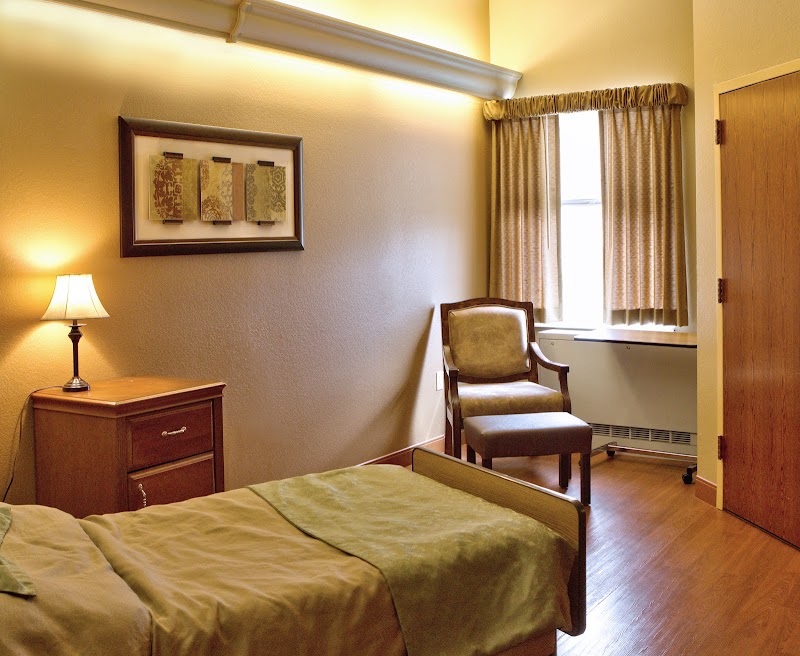
CMS rates Good Samaritan Society - Comforcare's staffing level at 5 out of 5 stars, which is much above average compared to other nursing homes. Staff turnover is 36%, compared to the Minnesota average of 46%. This relatively stable workforce can support continuity of care.

What Have Inspectors Found at Good Samaritan Society - Comforcare?

State health inspectors documented 15 deficiencies at Good Samaritan Society - Comforcare during 2023 to 2025. These included: 1 Immediate Jeopardy (the most serious level, indicating potential for serious harm or death), 13 with potential for harm, and 1 minor or isolated issues. Immediate Jeopardy findings are rare and represent the most serious regulatory concerns. They require immediate corrective action.

Who Owns and Operates Good Samaritan Society - Comforcare?

Good Samaritan Society - Comforcare is owned by a non-profit organization. Non-profit facilities reinvest revenue into operations rather than distributing to shareholders. The facility is operated by GOOD SAMARITAN SOCIETY, a chain that manages multiple nursing homes. With 45 certified beds and approximately 41 residents (about 91% occupancy), it is a smaller facility located in AUSTIN, Minnesota.

How Does Good Samaritan Society - Comforcare Compare to Other Minnesota Nursing Homes?

Compared to the 100 nursing homes in Minnesota, Good Samaritan Society - Comforcare's overall rating (4 stars) is above the state average of 3.2, staff turnover (36%) is significantly lower than the state average of 46%, and health inspection rating (3 stars) is at the national benchmark.

What Should Families Ask When Visiting Good Samaritan Society - Comforcare?

Based on this facility's data, families visiting should ask: "What changes have been made since the serious inspection findings, and how are you preventing similar issues?" "Can I visit during a mealtime to observe dining assistance and food quality?" "How do you handle medical emergencies, and what is your hospital transfer rate?" "Can I speak with family members of current residents about their experience?" These questions are particularly relevant given the facility's Immediate Jeopardy citations.

Is Good Samaritan Society - Comforcare Safe?

Based on CMS inspection data, Good Samaritan Society - Comforcare has documented safety concerns. Inspectors have issued 1 Immediate Jeopardy citation (the most serious violation level indicating risk of serious injury or death). The facility has a 4-star overall rating and ranks #1 of 100 nursing homes in Minnesota. Families considering this facility should ask detailed questions about what corrective actions have been taken since these incidents.

Do Nurses at Good Samaritan Society - Comforcare Stick Around?

Good Samaritan Society - Comforcare has a staff turnover rate of 36%, which is about average for Minnesota nursing homes (state average: 46%). Moderate turnover is common in nursing homes, but families should still ask about staff tenure and how the facility maintains care continuity when employees leave.

Was Good Samaritan Society - Comforcare Ever Fined?

Good Samaritan Society - Comforcare has no federal fines on record. CMS issues fines when nursing homes fail to meet care standards or don't correct problems found during inspections. The absence of fines suggests the facility has either maintained compliance or corrected any issues before penalties were assessed. This is a positive indicator, though families should still review recent inspection reports for the full picture.

Is Good Samaritan Society - Comforcare on Any Federal Watch List?

Good Samaritan Society - Comforcare is not on any federal watch list. The most significant is the Special Focus Facility (SFF) program, which identifies the bottom 1% of nursing homes nationally based on persistent, serious quality problems. Not being on this list means the facility has avoided the pattern of deficiencies that triggers enhanced federal oversight. This is a positive indicator, though families should still review the facility's inspection history directly.