Sacred Heart Care Center
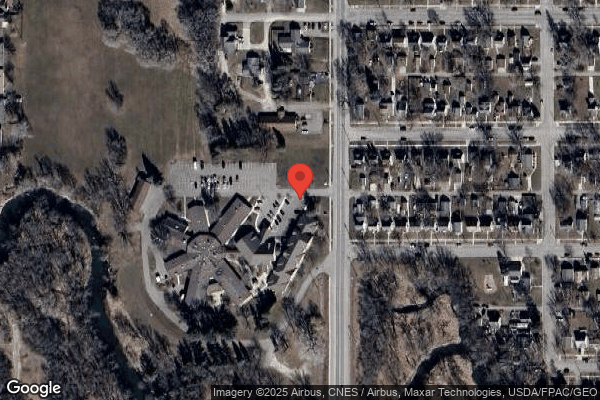
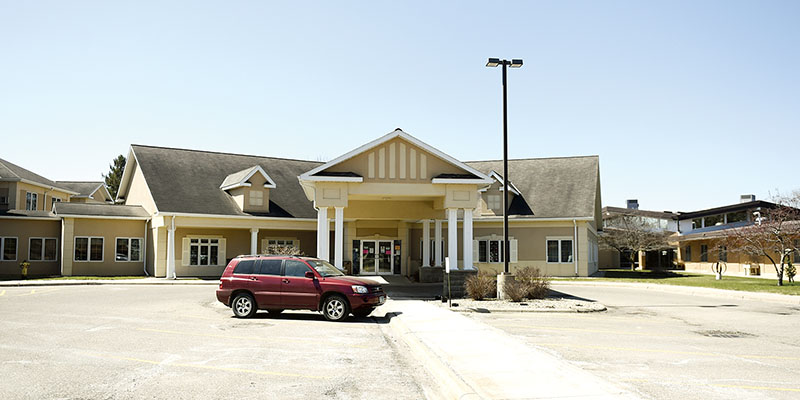
1200 12TH STREET SOUTHWEST, AUSTIN, MN 55912 (507) 433-1808
Non profit - Corporation 59 Beds Independent Data: November 2025
Trust Grade
60/100
#199 of 337 in MN
Last Inspection: July 2025

Inspected within the last 6 months. Data reflects current conditions.

Overview

Sacred Heart Care Center has a Trust Grade of C+, which means it is slightly above average but not exceptional. In Minnesota, it ranks #199 out of 337 nursing facilities, placing it in the bottom half, while it is #2 out of 4 in Mower County, indicating limited local competition. The facility is improving, with issues decreasing from 14 in 2024 to 8 in 2025. Staffing is a strength with a rating of 4 out of 5 stars, although the turnover rate is 51%, which is average for the state. It has no fines on record, which is a positive sign, but it has less RN coverage than 91% of other facilities, raising concerns about adequate nursing oversight. Specific incidents noted include a failure to ensure staff were adequately trained on mechanical lift maintenance, which could risk the safety of residents who rely on these devices. Additionally, there were two instances where the facility lacked RN coverage for eight consecutive hours, which could lead to inadequate care during those times. While there are clear strengths in staffing and a lack of fines, families should be aware of the training gaps and RN coverage issues that could affect resident safety.

Trust Score
C+
60/100
In Minnesota
#199/337
Bottom 41%
Safety Record
Low Risk
No red flags
Inspections
Getting Better
14 → 8 violations
Staff Stability
⚠ Watch
51% turnover. Above average. Higher turnover means staff may not know residents' routines.
Penalties
✓ Good
No fines on record. Clean compliance history, better than most Minnesota facilities.
Skilled Nurses
✓ Good
Each resident gets 51 minutes of Registered Nurse (RN) attention daily — more than average for Minnesota. RNs are trained to catch health problems early.
Violations
⚠ Watch
29 deficiencies on record. Higher than average. Multiple issues found across inspections.
★★★☆☆
3.0
Overall Rating
★★★★☆
4.0
Staff Levels
★★★☆☆
3.0
Care Quality
★★★☆☆
3.0
Inspection Score
Stable
2024: 14 issues
2025: 8 issues

The Good

  • 4-Star Staffing Rating · Above-average nurse staffing levels
  • Full Sprinkler Coverage · Fire safety systems throughout facility
  • No fines on record

Facility shows strength in staffing levels, fire safety.

The Bad

3-Star Overall Rating

Near Minnesota average (3.2)

Meets federal standards, typical of most facilities

Staff Turnover: 51%

Near Minnesota avg (46%)

Higher turnover may affect care consistency

The Ugly 29 deficiencies on record

Jul 2025 5 deficiencies
CONCERN (D)

Potential for Harm - no one hurt, but risky conditions existed

Deficiency F0645 (Tag F0645)

Could have caused harm · This affected 1 resident

**NOTE- TERMS IN BRACKETS HAVE BEEN EDITED TO PROTECT CONFIDENTIALITY** Based on observation, interview, and document review, the facility failed to ensure a Level II Pre-admission Screening and Resid...

Read full inspector narrative →
**NOTE- TERMS IN BRACKETS HAVE BEEN EDITED TO PROTECT CONFIDENTIALITY** Based on observation, interview, and document review, the facility failed to ensure a Level II Pre-admission Screening and Resident Review (PASARR) was completed for 1 of 2 resident (R3) reviewed for PASARR R3's Minimum Data Set (MDS) assessment dated , 4/23/25, indicated R3 had intact cognition, adequate hearing, clear speech, can understand others, and able to make needs known.R3 was admitted on [DATE] with diagnoses of Personality Disorder (a mental health condition where people have a lifelong pattern of seeing themselves and reacting to others in ways that cause problems), Suicidal Ideation ((SI) thinking about or planning to harm yourself), Major Depressive Disorder (mental health disorder characterized by persistently depressed mood or loss of interest in activities, causing significant impairment in daily life), Generalized Anxiety Disorder (mental health condition characterized by persistent and excessive worry about a variety of events or activities), and Post-traumatic Stress Disorder (mental health condition that can develop after experiencing or witnessing a traumatic event).R'3 current medications include hydroxyzine for general anxiety disorder and imipramine for major depressive disorder.Facility document titled, Senior 'LinkAge Line dated 1/30/2023, indicated R3 had a primary diagnosis of severe major depressive disorder. Yes for R3 having a current diagnosis of a mental illness. Yes for R3 having a mental illness as the primary diagnosis for hospitalization. Yes for R3 having a mental illness that has significantly interfered with functioning. Yes for R3 needing supportive services or interventions due to a mental illness. The document indicated R3's provided information met criteria for Mental Illness (MI) and needed to be referred to lead agency for further evaluation (level 2 PASARR).During interview on 7/24/25 at 9:19 a.m., assistant director of nursing (ADON) confirmed R3's level 1 PASARR was completed on 1/30/23; indicating R3 met criteria for a level 2 PASARR. ADON confirmed R3's level 2 PASARR had not been completed.During interview on 7/24/25 at 9:29 a.m., director of nursing (DON) and regional consulting registered nurse (RC-RN) confirmed R3's admission diagnosis and R3 met the criteria for completing a level 1 PASARR. DON and RC-RN confirmed R3 had a completed level 1 PASARR dated 1/30/23. DON and RC-RN confirmed the level 1 PASARR indicated R3 should have a level 2 PASARR. DON and RC-RN confirmed the level 2 PASARR had not been completed.An undated facility policy titled Mood and Behavior Policy, the facility will complete a level 1 PASARR for all new admissions, completing a level 2 PASARR as indicated before admission to the facility.
CONCERN (D)

Potential for Harm - no one hurt, but risky conditions existed

Deficiency F0699 (Tag F0699)

Could have caused harm · This affected 1 resident

**NOTE- TERMS IN BRACKETS HAVE BEEN EDITED TO PROTECT CONFIDENTIALITY** Based on interview and document review, the facility failed to comprehensively assess past trauma and implement individualized c...

Read full inspector narrative →
**NOTE- TERMS IN BRACKETS HAVE BEEN EDITED TO PROTECT CONFIDENTIALITY** Based on interview and document review, the facility failed to comprehensively assess past trauma and implement individualized care plan interventions utilizing a trauma-informed approach for 1 of 2 residents (R3) reviewed who had post-traumatic stress disorder (PTSD) symptoms.Findings include:R3's Minimum Data Set (MDS) assessment dated [DATE] indicated R3 had intact cognition, adequate hearing, clear speech, can understand others, adequate hearing, and able to make needs known.R3 was admitted on [DATE] with diagnoses of Personality Disorder ((PD) a mental health condition where people have a lifelong pattern of seeing themselves and reacting to others in ways that cause problems), Suicidal Ideation ((SI) thinking about or planning to harm yourself), Major Depressive Disorder ((MDD) mental health disorder characterized by persistently depressed mood or loss of interest in activities, causing significant impairment in daily life), Generalized Anxiety Disorder ((GAD) mental health condition characterized by persistent and excessive worry about a variety of events or activities), and Post-traumatic Stress Disorder ((PTSD) mental health condition that can develop after experiencing or witnessing a traumatic event).R'3 current medications include hydroxyzine for general anxiety disorder and imipramine for major depressive disorder.R3's care plan dated 2/7/23, identified a potential for altered mood related to PTSD, MDD, GAD, SI, and PD. R3's interventions for altered mood included opportunity to express self, contact family, contact provider, encourage activity participation, medicate as ordered, monitor side effects, monitor changes/declines in mood, and redirect/reorient/reassure as needed.R3's care plan dated 2/7/23, lacked individualized trauma-informed approaches or interventions and lacked identification of triggers to avoid potential re-traumatization.During interview on 7/24/5 at 8:59 a.m., R3 stated the sign on her door was because she does not like loud noises; they scare her. She prefers visitors and staff knock softly so she does not get scared. R3 stated she believes this was due to her past trauma; she just doesn't like loud startling noises. R3 stated facility staff have not asked her about her past trauma, so she is unsure if they know anything.During interview on 7/24/25 at 9:14 a.m., infection preventionist (IP) who was immediately outside resident room, stated she did not believe R3 had a diagnosis of PTSD. IP stated she does not think R3 had any other mental health diagnosis.During interview on 7/24/25 at 9:16 a.m., nursing assistant (NA)-A stated, to her knowledge, the resident does not have a PTSD diagnosis. NA-A stated R3 does not have any PTSD-related triggers.During interview on 7/24/25 at 9:19 a.m., assistant director of nursing (ADON) stated resident does have a diagnosis of PTSD, anxiety, and depression. ADON confirmed R3 does not have a PTSD-specific care plan with related interventions to prevent re-traumatization. ADON confirmed R3 should have a PTSD-specific care plan.During interview on 7/24/25 at 9:29 a.m., director of nursing (DON) and regional consulting registered nurse (RC-RN) confirmed R3's admission diagnosis of PTSD. DON and RC-RN confirmed R3 does not have a PTSD-specific care plan with related interventions to prevent re-traumatization. ADON confirmed R3 should have a PTSD-specific care plan.A facility policy titled Trauma Informed Care and Culturally Competent Care dated August 2022, the facility will address the needs of trauma survivors by minimizing triggers and/or re-traumatization by developing individualized trauma-based care plans that address past trauma.
CONCERN (D)

Potential for Harm - no one hurt, but risky conditions existed

Infection Control (Tag F0880)

Could have caused harm · This affected 1 resident

Based on interview and document review, the facility failed to ensure employee illnesses were tracked to identify when employees would be able to return to work after an illness, dependent upon their ...

Read full inspector narrative →
Based on interview and document review, the facility failed to ensure employee illnesses were tracked to identify when employees would be able to return to work after an illness, dependent upon their symptoms for 2 of 3 sampled staff (certified nursing assistant (NA)-Y and dietary aide (DA)-A). This had the potential to affect all 50 residents, staff and visitors. Findings include: Review of Employee Illness logs from May through July 2025 identified the following areas of documentation: department, employee name, job title, symptom onset, illness reported, last shift worked, resolution date, return to work, specimen source, and treatment results. However, the facility did not accurately complete the logs to ensure all necessary information was monitored or identified how staff were cleared to return to work. Review of Centers for Disease Control (CDC) article, Norovirus, located at https://www.cdc.gov/norovirus/about/index.html, identified Norovirus is a contagious virus that spreads through direct contact with another person. Symptoms develop 12 to 48 hours after being exposed to norovirus. Prevention was to wash your hands, often, clean and disinfect contaminated surfaces and stay home when sick for 2 days after symptoms stop. Symptoms improve after 1 to 3 days, however, there is no treatment to alleviate norovirus symptoms. Review of the Centers for Disease Control (CDC) article, Clinical Guidance for Group A Streptococcal Pharyngitis, located at https://www.cdc.gov/group-a-strep/hcp/clinical-guidance/strep-throat.html, identified Strep is spread through close contact with another person. Crowded settings can increase the risk for spreading the bacteria. Treatment with an appropriate antibiotic for 12 hours or longer limits the person's ability to transmit Strep. Persons infected should stay home from work until both conditions are met: 1) They are without fever. 2) At least 12-24 hours after starting an appropriate antibiotic. Review of June 2025, employee illness log identified DA-A was noted to have called in to work with symptoms of nausea and an upset stomach related to an unknown gastro-intestinal (GI) illness on 6/13/25. Review of DA-A timesheet identified DA-A had worked on 6/13/25 from 7:02 a.m. to 7:12 a.m., for a total of 15 minutes. The log further identified DA-A worked in the kitchen and rarely had exposure to residents. Review of June 2025, employee illness log identified NA-Y was noted to have called in to work with symptoms of sore throat on 6/20/25. Review of NA-Y timesheet identified NA-Y had worked on 6/20/25 from 8:00 a.m. to 10:45 a.m., for a total of 2.75 hours. The log identified NA-Y was found positive with strep throat. NA-Y returned to work on 6/25/25. Review of June 2025, resident infection log identified no residents with outbreak of strep or GI illnesses. Review of July 2025, employee illness log identified NA-Y was noted to have called in to work with symptoms of diarrhea on 7/07/25. Review of NA-Y timesheet identified NA-Y had worked on 7/07/25 from 4:06 p.m. to 10:51 p.m. The log further identified NA-Y was on break for one hour with symptoms of diarrhea and returned back to work the same day to finish her shift.Overall, there was no mention when DA-A and NA-Y symptoms resolved prior to returning to work. Review of July 2025, resident infection log identified no resident with GI illnesses. Interview on 7/25/25 at 08:54 a.m., with registered nurse (RN)-C identified her process to track employee illnesses was to receive a copy of each departments staff call-ins, review and identify staff who reported sick and to and discuss at the facility's morning meetings. RN-C was to call those employees who was sick, identify the illnesses reported and determine if further evaluation was needed, depending on the employee's symptoms and risk of transmission. RN-C identified both DA-A and NA-Y lacked appropriate tracking and surveillance of DA-A and NA-Y illnesses to determine if DA-A and NA-Y was appropriate to return back to work. Interview on 7/25/25 at 0:29 a.m., with director of nursing (DON) expectations was for the infection preventionist (IP) or designee, to track, monitor and identify when employee's symptoms resolved and when it was appropriate for employees to return to work. Review of December 2024, Communicable/Contagious Disease, Employee policy identified facility staff who was active with communicable infections, was not to be in contact with residents, resident environment, residents care items and equipment until they were no longer contagious. The IP was to oversee employee health practices, including work restrictions and return to work criteria. In addition, employees was responsible to report suspected or confirmed infections with communicable or infectious disease to their supervisor upon onset and/or prior to reporting to their scheduled shifts. Review of April 2025, Facility assessment identified the facility's infection prevention department was to implement protocols to execute and ensure accurate tracking and mapping of the spread of infections and complete screenings to identify when staff was a potential transmitter of infections and/or communicable diseases.
CONCERN (E)

Potential for Harm - no one hurt, but risky conditions existed

Accident Prevention (Tag F0689)

Could have caused harm · This affected multiple residents

**NOTE- TERMS IN BRACKETS HAVE BEEN EDITED TO PROTECT CONFIDENTIALITY** Based on observation, interview and document review, the facility failed to ensure a process was in place to maintain 4 of 4 Med...

Read full inspector narrative →
**NOTE- TERMS IN BRACKETS HAVE BEEN EDITED TO PROTECT CONFIDENTIALITY** Based on observation, interview and document review, the facility failed to ensure a process was in place to maintain 4 of 4 MedCare mechanical lifts and 2 of 4 MedCare sit to stands. This practice had the potential for unsafe transfers of 11 of 11 residents (R6, R16, R19, R23, R27, R35, R38, R42 R4, R20, R33) when it was identified the equipment used was missing safety parts used to help prevent accidents and hazards and equipment was not routinely maintained per manufacturer's recommendation.Finding includes:R6, R16, R19, R23, R27, R35, R38, R42, R4, R20 and R33, care plans included nursing staff to provide 2-person assistance for transfers and mobility either with a mechanical lift or a sit to stand lift.During an observation and interview on [DATE] at 1:42 p.m., nursing assistant (NA)-B identified 2 mechanical lifts labeled 31, 32 and a sit to stand lift numbered 30 missing rubber sling stoppers on the 4-point sling support hook. NA-B indicated a few of the mechanical lifts in the facility had rubber sling stoppers in place and nursing staff are directed to use the mechanical lifts for resident transfers. NA-B acknowledged the rubber sling stopper were to prevent the slings from sliding out of the sling support bar during transfers and to prevent resident falls from the lift, if not properly secured.During an interview on [DATE] at 8:32 a.m., maintenance technician identified the facility administration informed him the rubber sling stoppers were to be ordered and placed on the mechanical lifts. Several of the lifts had received rubber sling stoppers, however, the facility was awaiting delivery of additional rubber sling stoppers to be applied to the remainder of the lifts. He was aware the nursing staff were to use the mechanical lifts and identified routine maintenance checks and cleaning was needed for all lifts on a routine basis.Further observation on [DATE] at 9:22 a.m., wing three (3) had two (2) mechanical lifts with number 26, 27, and a sit to stand numbered 28, all included serial numbers on the labels, and all missing rubber sling stoppers.During an observation on [DATE] at 9:48 a.m., NA-C and NA-Z went in to assist R27. NA-B and NA-Z applied a yellow sling sheet under R27's back. The mechanical lift number 31 was used and was noticed to be missing the rubber sling stoppers. R27 was lifted off the bed and was transferred to R27's wheelchair. Review of a Check off List for Lifts 2025, identified number 26, 27, 31, and 32, had a routine safety check completed in the month of July.Review of Check off list for Stands 2025, identified 28 and 30 had a routine safety check completed in the month of July.Prior months Check off List for January through [DATE] lacked evidence safety checks were completed on the mechanical lifts to determine if the equipment was appropriate for resident use.Interview on [DATE] at 1:03 p.m., maintenance director who had been employed for two months had no formal training of lift maintenance, upon hire. The mechanical lifts safety check was completed once after he started and was for the month of [DATE]. In addition, the facility records lacked documentation of a lift maintenance program. He identified the facility had no process in place to ensure the mechanical lift devices were checked monthly for resident use.Interview on [DATE] at 2:34 p.m., MedCare sales representative identified the facility's mechanical lift with serial number 0203LF0412 labeled #32, was manufactured in 2002 and was [AGE] years old. She identified mechanical lifts was designed to last 20 years, however, after 10 years they recommend the lift to be replaced. Although after 10 years, the mechanical lift may continue to be used, provided routine maintenance was performed to ensure the integrity of the structure and function of the lift. If, routine maintenance was not performed on a routine basis, the mechanical lift was to be pulled out of service. In addition, the company stopped providing routine maintenance checks on mechanical lifts in 2018, however, the company would need to make arrangements for an authorized dealer in the local area to provide checks upon request from the facility.Follow up interview on [DATE] at 4:32 p.m., with maintenance director identified he was not aware one of the mechanical lifts was expired and had no knowledge of how to verify when a lift was expired. He previously, sent an email to the manufacture to verify information of the lifts used at the facility and had not received a reply, however the lift remained on the unit for use. When asked about the expired mechanical lift that had not received routine safety checks, was it safe for resident use, he had no response. He acknowledged he recently created a checklist based on the MedCare Manufacturer's preventative checklist for lift maintenance and safety check. However, his checklist did not include the manufacturer's recommendation to contact a safe patient handling consultant for lifts beyond the life expectancy of 10 years. Interview on [DATE] 5:32 p.m., with LPN-B and NA-D both identified the rubber sling stoppers was not placed on all the mechanical lifts.Interview on [DATE] at 10:37 a.m., with director of nursing (DON) identified, several months prior, the facility lacked a thorough training plan for new hires that was to include components of nursing care, including use of facility equipment that was used for residents. The facility implemented a performance improvement project (PIP) to identify current training processes and improve onboarding practices and staff knowledge to safely provide quality care to residents. During a follow up interview on [DATE] at 10:49 a.m., MedCare sales representative identified the rubber sling stoppers was an added safety precaution that was implemented for all mechanical lifts to prevent the slings from sliding off. In addition, she identified residents who use the full body mechanical lift was at a higher risk of falling out of the lift when the rubber sling stoppers was missing from the mechanical lift. Notification regarding discontinuation of lifts, services, and parts availability was sent in a mass email to all facilities on record.Interview on [DATE] 4:40 p.m., the administrator was unsure if the facility had reached out to the mechanical lift manufacturer to provide a mechanical service part evaluation on the lifts prior to their employment. She was aware the facility had a monthly checklist for routine maintenance to be completed on all lifts that was implemented by the maintenance director. However, she had no knowledge the facility had an older lift, not routinely checked for maintenance and remained in service on the units. The facility held a mandatory skills training in [DATE] for nursing staff to be educated on the mechanical lifts, however, she identified nursing staff could return to work and continue to transfer residents with the mechanical lifts, even though the mandatory training was not completed for all employees. She acknowledged, it would be difficult for nursing staff to identify and voice maintenance concerns when they have not received appropriate training on equipment use. Review of 2014 MedCare Operational Manual identified under Routine Maintenance Overview that periodic maintenance was a vital component in keeping mechanical lift in safe operating condition and a manufactured checklist was attached in the manual. Equipment that was not properly maintained would create potentially hazardous situations for nursing staff and residents. If, the equipment did not pass the maintenance test, it was to be removed from service. Periodic testing included general visual inspection of the external parts and functions to ensure no adverse damage has occurred. Recommended service of lifts identified lifts had an expected life of 10 years. In addition, the serial number was posted on the lift had identified the month and date when the product was manufactured. The medical director was contacted during survey visit; however, a call was not received back.
CONCERN (F)

Potential for Harm - no one hurt, but risky conditions existed

Deficiency F0726 (Tag F0726)

Could have caused harm · This affected most or all residents

Based on observation, interview and document review, the facility failed to ensure staff were appropriately trained and educated on how to identify and report mechanical lift maintenance concerns to p...

Read full inspector narrative →
Based on observation, interview and document review, the facility failed to ensure staff were appropriately trained and educated on how to identify and report mechanical lift maintenance concerns to prevent accidents and hazards. This practice had the potential to affect 11 of 11 residents who were assessed to use the mechanical lifts and stands.Findings include:Review of July 2025 mandatory training skills fair attendance sheet identified 27 of 88 nursing staff had completed the competency checklist.During an observation and interview on 7/21/25 at 1:42 p.m., nursing assistant (NA)-B identified 2 mechanical lifts labeled 31, 32 and 30 a sit to stand lift was missing rubber sling stoppers on the 4-point sling support hook. NA-B identified only a few of the mechanical lifts in the facility had rubber sling stoppers in place and nursing staff was directed to use the mechanical lifts for resident transfers. NA-B acknowledge the rubber sling stopper was to prevent the slings from sliding out of the sling support bar during transfers and to prevent resident falls from the lift, if not properly secured.Further observation on 7/22/25 at 9:22 a.m., identified on wing 3 had 2 mechanical lifts labeled 26, 27 and 28 a sit to stand lift was missing rubber sling stoppers.During an interview on 7/22/25 at 5:30 p.m., licensed practical nurse (LPN)-A confirmed the mechanical lifts did not have rubber sling stoppers in place and verified unawareness the reason for the rubber sling stoppers. Interview on 07/22/25 at 5:34 p.m., with NA-E identified the mechanical lifts was to have rubber stoppers in place and had not seen them on all of the lifts. NA-E identified when he uses a mechanical lift with no rubber stopper in place he would double loop the strap to prevent the sling from sliding off. Interview on 07/23/2025 at 6:54 a.m., with registered nurse (RN)-A and NA-G identified the mechanical lift required 2 nursing staff to assist residents with transfers. Both RN-A and NA-G was unsure of the reason for the rubber sling stoppers. However, NA-G identified the rubber sling stoppers was not important and the lift could still be used to transfer residents.Interview on 07/23/2025 at 7:04 a.m., with RN-B was unsure of the reason for rubber sling stoppers on the mechanical lift. Interview on 7/23/25 at 10:37 a.m., with director of nursing (DON) identified the facility implemented a performance improvement project (PIP) to identify current training processes and improve onboarding practices and staff knowledge to safely provide quality care to residents.Review of April 2025 facility assessment identified the facility utilized corporate resources to train and hire employees, based on experience and competency to ensure continuity of care across all departments, when needed. The facility was to provide information and training that was consistent with standards of practice and facility management was to meet to consider standards of care to ensure nursing staff was knowledgeable to safely care for residents. Education for nursing staff was vital in providing the highest level of care to residents and was to include Client Mobility: Exercise and Ambulation, Lifting and Safe Transfers, Positioning and Range of motion and Minnesota Safe Patient Handling, upon hire. Ongoing annual training of nursing staff was to include Accident prevention and safety measures by Occupational Safety and Health Administration (OSHA). In addition, the medical director was responsible of resident care policies and procedures and was an active participant of all staff education meetings.Interview on 7/23/2025 4:40 p.m., the administrator was hired March 2025 and was unsure if the facility had reached out to the mechanical lift manufacturer to provide a mechanical service part evaluation on the lifts. She was aware the facility had a monthly checklist for routine maintenance to be completed on all lifts implemented by the maintenance director. However, she had no knowledge the facility had an older lift, not routinely checked for maintenance and was in service on the units. The facility held a mandatory skills training in July 2025 for nursing staff to be educated on the mechanical lifts, however, she identified nursing staff could return to work and continue to transfer residents with the mechanical lifts, even though the mandatory training was not completed for all employees. She acknowledged, it would be difficult for nursing staff to identify and voice maintenance concerns when they have not received appropriate training on equipment use. Review of revised July 2025 Lifting Machine, Using a Mechanical policy identified the nursing staff was to demonstrate competency to ensure safe lifting practices when using the mechanical device in the facility.Review of revised July 2025 General Orientation Policy for Staff identified nursing staff was to receive a comprehensive orientation to promote regulatory compliance and enhance resident safety. All employees, regardless of their role or classification was to participate in a structured orientation program before assuming independent responsibilities when caring for residents.
Apr 2025 3 deficiencies
CONCERN (D) 📢 Someone Reported This

A family member, employee, or ombudsman was alarmed enough to file a formal complaint

Potential for Harm - no one hurt, but risky conditions existed

Abuse Prevention Policies (Tag F0607)

Could have caused harm · This affected 1 resident

Based on interview and document review the facility failed to implement their abuse prohibition policy when there was an allegation of misappropriation of resident property for 1 of 1 resident (R1) re...

Read full inspector narrative →
Based on interview and document review the facility failed to implement their abuse prohibition policy when there was an allegation of misappropriation of resident property for 1 of 1 resident (R1) reviewed for drug diversion. Findings include: R1's face sheet dated 4/29/25, identified diagnoses of dementia (memory loss), bipolar disorder (disorder associated with episodes of mood swings), and chronic kidney disease (damage to the kidneys). R1's hospice orders dated 3/18/25, identified morphine sulfate (a medication used for pain) and lorazepam (medication used for anxiety). Licensed practical nurse (LPN)-E sent an email on 4/11/25 at 10:57 p.m.,to registered nurses (RN)-B, RN-C, RN-D, and interim director of nursing (IDON) identifying R1's liquid morphine bottle was way off. There were 16.5 milliliters (ml) in the bottle and at the end of her shift there was 12 ml left in the morphine bottle. LPN-E requested the nurse managers to look into the situation and identifed the narcotic page number. Follow up email dated 4/11/25 at 10:59 p.m., identified RN-B replied to LPN-E asking if that's what it was at when you did narcotic checks coming on shift. There was no evidence of an email follow up on RN-B's question to LPN-E. LPN-E sent another email to RN-B on 4/12/25 to report that R1's lorazepam count was off as well and was at 10 ml and was supposed to be at 12 ml. LPN-E responded to RN-B question about the liquid morphine stating, I can't remember what the bottle was at the start of the shift, but I did not spill, when I left last Friday, everything was on track. During an interview on 4/29/25 at 12:31 p.m., registered nurse (RN)-B stated she received an email on 4/11/25 at around 11:00 p.m. to inform her of R1's narcotic count not being correct. RN-B stated she did not complete a facility narcotic count to ensure if other narcotics were missing. She called the facility the next day and the nurse that was working believed the loss of narcotic was due to spillage or evaporation and RN-B did not think anything of it. after talking to the nurse. RN-B did not report R1's narcotic count being incorrect until 4/14/25 or start an investigation as a result of the missing medication. During an interview on 4/29/25 at 2:31 p.m., the Administrator stated she had not received a report about R1's narcotic count being off until the afternoon on 4/14/25. However, she did not initiate an investigation at that time attributing the discrepancies to spillage or evaporation. The Administrator further noted that an investigation into R1's missing narcotics was only initiated after she received an anonymous note under her door on April 17, 2025, alleging narcotic diversion involving R1. The note specifically suggested investigating the destruction of R1's narcotics on April 15, 2025, as the counts had been inaccurate at the time of destruction. After she received the anonymous note on 4/17/25 she had the nurse managers perform a count of all the liquid narcotics in the facility on 4/17/25. Administrator stated, they were unable to pinpoint missing narcotics to just one nurse, since it had been multiple nurses recording R1's amounts incorrectly. The facility was unable to provide an investigation into the incident but provided documentation of training for the nurses on performing narcotic counts. However, this training did not include guidance on reconciling narcotics. Review of the facility's Abuse, Neglect, Mistreatment and Misappropriation of resident property policy dated 3/14/24, identified the following: Investigation regarding misappropriation -Complete an active search for missing item(s) including documentation of investigation. -The investigation will consist of at least the following: A review of the completed complaint report An interview with the person or persons reporting the incident. Interviews with any witnesses to the incident A review of the resident medical record if indicated. A search of resident room (with resident permission) An interview with staff members having contact with the resident during the relevant periods or shifts of the alleged incident. Interviews with the resident's roommate, family members, and visitors A root-cause analysis of all circumstances surrounding the incident.
CONCERN (D) 📢 Someone Reported This

A family member, employee, or ombudsman was alarmed enough to file a formal complaint

Potential for Harm - no one hurt, but risky conditions existed

Report Alleged Abuse (Tag F0609)

Could have caused harm · This affected 1 resident

Based on interviews and document review the facility failed to report to state agency (SA) potential misappropriation of resident property (missing narcotics) no later than twenty-four after an allega...

Read full inspector narrative →
Based on interviews and document review the facility failed to report to state agency (SA) potential misappropriation of resident property (missing narcotics) no later than twenty-four after an allegation was made for 1 of 3 resident (R1) reviewed for narcotic diversion. Findings included: R1's face sheet dated 4/29/25, identified diagnoses of dementia (memory loss), bipolar disorder (disorder associated with episodes of mood swings), chronic kidney, and chronic kidney disease (damage to the kidneys). R1's hospice orders dated 3/18/25, identified morphine sulfate (a medication used for pain) and lorazepam (medication used for anxiety). During an interview on 4/29/25 at 12:31 p.m., registered nurse (RN)-B stated she received an email on 4/11/25 at around 11:00 p.m., from one of the nurses stating that one of R1's narcotic count was not correct in the narcotic record. RN-B stated she responded via email on 4/11/25, however, did not call the facility until the next day to begin determination of the missing narcotics. RN-B stated she did not report R1's missing medication to the Administrator until the afternoon on 4/14/15, because she did not think it was a concern. During a follow up interview at 4:54 p.m., registered nurse (RN)-B stated she was unsure of the timeframe for reporting a possible drug diversion to the SA but believes it would be within 24 hours and she should have notified the administrator on 4/11/25. During an interview on 4/29/25 at 2:31 p.m., the Administrator stated she had not received a report about R1's narcotic count being off on 4/11/25 until the afternoon on 4/14/25, however did not report this to the state agency at that time, because the investigation determined it was not a drug diversion, however the investigation was not completed until 4/18/25. During an interview on 4/29/25 at 11:56 a.m., RN-A stated if a medication is missing, she would notify the administration immediately and it would need to be reported within 24 hours to the SA. Review of the facility's Abuse, Neglect, Mistreatment and Misappropriation of Resident Property Policy dated 3/13/24, identified that all alleged violations of misappropriation of resident property are reported no later than 24 hours, to the administrator of the facility and to other officials (including to the State Survey Agency and adult protective services where state law provides for jurisdiction in long-term care facilities) in accordance with State law through established procedures.
CONCERN (D) 📢 Someone Reported This

A family member, employee, or ombudsman was alarmed enough to file a formal complaint

Potential for Harm - no one hurt, but risky conditions existed

Pharmacy Services (Tag F0755)

Could have caused harm · This affected 1 resident

Based on observation, interview, and document review the facility failed to implement policies and procedures to ensure accurate reconciliation of controlled substances to ensure rapid detection of po...

Read full inspector narrative →
Based on observation, interview, and document review the facility failed to implement policies and procedures to ensure accurate reconciliation of controlled substances to ensure rapid detection of potential narcotic diversion for 2 of 3 residents (R1, R3) reviewed for medication pass who received narcotic medications. Findings include: R1's face sheet dated 4/29/25, identified diagnoses of dementia (memory loss), bipolar disorder (disorder associated with episodes of mood swings), and chronic kidney disease (damage to the kidneys). R1's hospice orders dated 3/18/25, identified morphine sulfate (a medication used for pain) and Lorazepam (medication used for anxiety). Review of R1's Individual Narcotic Record for morphine sulfate concentrate (RX#233843) identified the following: -Page 69 of the narcotic record identified on 3/18/25 (RX# 2333843) 30 milliliters (ml) was received from pharmacy. On 4/1/25 remaining amount was 22.50 ml and was transferred to page 79. -Page 79 of the narcotic record identified on 4/1/25 (RX# 2333843) 22.50 ml moved from page 69. On 4/13/25 remaining amount of 14.75 ml was transferred to page 97. -Page 97 of the narcotic record identified on 4/13/25 (RX# 2333843) 14.75 ml transferred from page 79. On 4/15/25 at 1:35 p.m., the narcotic record identified that remaining amount was 13 ml. On 4/15/25, the narcotic record identified that 13 ml was wasted, with two nurses signatures on page. However, there was a correction note on 4/15/25 that identified 9 ml were destroyed with three initials, one was the director of nursing (DON). However, there was no indication for the change. Review of R1's Individual Narcotic Record for Lorazepam identified the following: -Page 86 of narcotic record identified on 4/14/15 remaining amount was 10.5 ml. On 4/15/25 the amount destroyed was 8.5 ml, signed by two nurses. However there was no indication why 8 ml were wasted instead of 10.5 ml as identified in the narcotic record. During an interview on 4/29/25 at 10:40 a.m., licensed practical nurse (LPN)-B stated narcotics are counted at the beginning and end of each shift by two nurses. LPN-B stated R1's morphine and Lorazepam counts had been off for a while; however, could not identify how long. She and other nurses continued to document what the count was supposed to be with the doses given and not what was present in the bottle. LPN-B further stated she had been told by the nurse managers the counts could be off due to spillage or evaporation. LPN-B stated LPN-E had send an email to the nurse managers on 4/11/25 to notify that R1's counts were not correct, but was unsure what occurred. LPN-B reviewed R1's narcotic record on April 15, 2025, and noted the recorded amount was 13 ml of morphine. However, when she physically checked the bottle at 1:35 p.m. that same day, she found only 9 ml left. To align with the narcotic log, she documented an incorrect remaining amount. LPN-B did not notify the nurse managers about the discrepancy since another nurse had already done so. During an interview on 4/29/25 at 12:31 p.m., registered nurse (RN)-B stated that nurses had not been recording the correct amount in R1's narcotic record during shift-to-shift narcotic count because they may be off due to spillage or evaporation. The liquid Lorazepam was kept in a locked refrigerator in the front of the wings and was unsure if the nurses were performing the counts on these bottles at shift change. R3's face sheet dated 4/29/25, identified diagnoses of dementia, chronic kidney disease, diabetes (disease where the body use sugar as fuel). Review of R3's individual narcotic record for morphine sulfate concentrate identified the following: -Page 19 of the narcotic record identified on 4/6/25 that 26.50 ml of morphine sulfate 20 mg/ml was transferred from old book. On 4/29/25 R1's morphine count was recorded at 26.50 ml at shift change. During an observation and interview on 4/29/25 at 11:49 a.m., LPN-C removed R3's morphine sulfate (20 mg/ml) bottle out of locked medication cart and held R3's morphine bottle in the air stating R3's morphine bottle had around 25 ml in the bottle. LPN-C then placed R3's bottle on the top of the medication cart and leaned over to read the side of the bottle on the cart and stated R3's morphine bottle was closer to 24 ml mark. Observation of R3's morphine sulfate 20 mg/ml bottle had a blue liquid substance in it with lines on one side with measurements and the blue liquid substance was at the 24 ml mark. LPN-C stated R3's bottle had been off for quite some time and the previous director of nursing had talked to the consulting pharmacist and stated the liquid bottles can appear to have less in the due to spillage or evaporation. LPN-C stated R3's narcotic record had not been corrected to the correct amount and nurses have been recording in the log what the amount is supposed to be not what was in the bottle. LPN-C further stated when she performs narcotic counts at the beginning or end of her shift and the count would not be correct then she would contact the nurse managers immediately, however had not informed the nurse managers about the R3's count being off. During an interview on April 29, 2025, at 1:02 p.m., the interim director of nursing (IDON) stated that she assisted in the destruction of R1 ' s morphine and Ativan alongside a second nurse on April 15, 2025. Initially, both nurses documented the expected amount in the narcotic log, but later corrected the wasted amount upon discovering discrepancies in the medication count. IDON reported that she contacted the consulting pharmacist about the discrepancy. She had been told about possible spillage or evaporation but could not recall the exact date of the discussion. IDON stated her expectation would be for nurses to do narcotic counts at the beginning or end of their shifts and if the counts are not correct they should notify the director of nursing or administrator immediately and not sign the narcotic record until the medication can be accounted for. During a phone interview on 4/30/25 at 8:17 a.m., consulting pharmacist (Pharm) stated she was not aware of R1's narcotic counts being incorrect until the medications were destroyed on 4/15/25. She had received a call from the IDON to discuss R1's counts being off and suggestions of how this could have occurred. Pharm further stated when a resident's narcotic count are not correct during count, then administration and pharmacist should be notified immediately to account for the medication loss and ensure a diversion had not occurred. Pharm further stated she does not perform routine reconciliation of the narcotics and the facilities will do this. She stated liquid narcotics can show slight discrepancies in volume due to various factors, including the type of syringe used, errors in dosage measurement, and loss from spillage or evaporation as staff frequently access the medication bottles. When the facility noticed the liquid narcotics being incorrect then they should have provided education to the nurses on proper reconciliation of narcotics and what to do when the counts are incorrect. Review of the facility's Medications-Controlled Policy and Procedure dated 1/13/25 and unsigned by DON or Medical Director, identified the following: - narcotics are to be counted at the change of each shift by the off-going and the on-coming nurse and both sign the change of shift count record. -if the count is incorrect, and you cannot resolve the count, notify the supervisor. -Both nurses must stay until the supervisor tells them that they may leave. -Do not adjust the count of leave spaces in the book. -Only those nurses who do the actual count should sign that the count is correct.
May 2024 13 deficiencies
CONCERN (D)

Potential for Harm - no one hurt, but risky conditions existed

Deficiency F0554 (Tag F0554)

Could have caused harm · This affected 1 resident

**NOTE- TERMS IN BRACKETS HAVE BEEN EDITED TO PROTECT CONFIDENTIALITY** Based on observation, interview, and document review, the facility failed to ensure a self-administration of medications (SAM) a...

Read full inspector narrative →
**NOTE- TERMS IN BRACKETS HAVE BEEN EDITED TO PROTECT CONFIDENTIALITY** Based on observation, interview, and document review, the facility failed to ensure a self-administration of medications (SAM) assessment was completed to allow residents to safely administer their own medications for 1 of 1 resident (R32) observed with medications at bedside. Findings include: R32's significant change Minimum Data Set (MDS) assessment dated [DATE], identified R32 had intact cognition and required assistance with all activities of daily living (ADL)'s. R32's diagnoses included Parkinson's disease with dyskinesia (uncontrollable and involuntary movements of the body), heart failure, hypertension (high blood pressure), renal failure (condition in which the kidneys can no longer adequately filter waste products from the blood), Alzheimer's disease (brain disorder that causes problems with memory, thinking and behavior) and depression. R32's care plan dated 3/20/24, indicated R32 did not want to self-administer or was not currently self-administering medications. During observation and interview on 4/30/24 at 7:17 p.m., R32 was in his room without staff present sitting in his recliner. There was a bottle of nasal spray on the bedside table and a medicine cup with four unidentified pills. During observation and interview on 4/30/24 at 7:17 p.m., licensed practical nurse (LPN)-A confirmed the presence of the nasal spray and oral medications at R32's bedside. LPN-A identified the oral medications as Quetiapine, Senna, Sinemet (Carbidopa-Levodopa). LPN-A stated there was no residents on wing one who could self-administered medications and medications are never supposed to be left in resident's rooms. LPN-A stated R32 asked her to leave the medications on his bedside table as he was in the bathroom. LPN-A stated R32 is alert but she did not know him that well yet and assumed he would not touch them. LPN-A verified R32 did not have a current order for SAM. R32's order dated 5/2/23, indicated saline nasal spray solution 0.65%, 1 spray in both nostrils two times a day for dry and stuffy nose. R32's order dated 4/29/24, indicated quetiapine fumarate 25 mg, 0.25 tablet by mouth one time a day for anxiety/restlessness, give at 6pm. R32's order dated 2/6/24, indicated Senna-S 8.6-50mg, two tablets by mouth at bedtime for constipation. R32's order dated 8/16/23, indicated Carbidopa-Levodopa 25-100 mg, two tables by mouth four times a day related to Parkinson's disease. R32's medical record lacked a self-administration of medications (SAM), a physician's order for SAM or a SAM assessment. During interview on at 5/2/24 at 12:42 p.m., registered nurse (RN)-B stated residents must have an order and assessment for SAM and it should also be care planned. RN-B verified R32 did not have a current order or assessment for SAM. RN-B stated medications should not be left at the bedside without the appropriate order and assessment in place. During interview on 5/2/24 at 3:48 p.m., director of nursing (DON) stated expectation was a resident would have an order and an assessment for SAM and it would be care planned to ensure a resident could safely self-administer medications. DON stated it was not appropriate for medications to be left in R32's room at bedside. The facility Self-Administration of Medications policy, dated 5/2/24, indicated if the resident chooses that the resident should self-administer medications, the clinical manager or designee conducts an initial assessment before the initial care conference, or sooner if the resident requests, or if nursing staff feels it is needed. The team will assess the resident's cognitive, physical, and visual ability to carry out this responsibility. The licensed nursing staff will obtain a physician's order for self-administration, and the name and dose of medications to self-administer. Nursing staff will update the care plan. The resident's ability to self-administer medications should be reviewed at the quarterly care conference.
CONCERN (D)

Potential for Harm - no one hurt, but risky conditions existed

Deficiency F0561 (Tag F0561)

Could have caused harm · This affected 1 resident

Based on observation, interview, and document review the facility failed to provide opportunities for participation in the activities of choice (walking outside) for 1 of 1 residents (R44), reviewed f...

Read full inspector narrative →
Based on observation, interview, and document review the facility failed to provide opportunities for participation in the activities of choice (walking outside) for 1 of 1 residents (R44), reviewed for choices. Findings include: R44's initial Minimum Data Set (MDS) assessment, completed on 8/3/23, indicated her medical diagnoses included coronary artery disease, hypertension, and anxiety and was cognitively impaired. MDS also identified R44 was able to express herself and be understood, and was able to understand others. R44's responses regarding her preferences for customary and routine activities identified R44 consistently responded it was very important for her to be around animals and to go outside to get fresh air when the weather was good. R44's care plan, last reviewed on 3/20/24, identified the following diagnoses; impaired mobility due to lower back pain; anxiety; frailty; age related physical debility; and cognitive deficit due to dementia. The care plan identified a strength of R44 was her ability to walk independently with a four wheeled walker. Although it was identified walking was a strength, the care plan lacked direction, and identification, that it was very important for R44 to walk outside when the weather was good. The care plan also identified a potential for alteration in mood stated related to admission and directed staff to encourage activity participation for social/mental stimulation. R44's care plan goal was to participate in activities of choice one to three times a week, yet lacked direction as to what her interests were. During interview on 4/30/24, at 12:49 p.m. R44 stated she has always enjoyed being outside, and expressed frustration about not being outside and stated she wished to be outside on more walks. R44 stated she feels she is getting weaker and weaker. On 5/1/24, at 1:32 p.m. activity aide (AA)-B was observed interacting with R44. R44 was observed sitting with her sunglasses on during their visit. Once the visit was completed, AA-B was interviewed and asked if she had been outside with R44. AA-B stated she had not, and identified they had just been visiting. AA-B stated last week she had gone outside with R44 in the gated courtyard and walked around. AA-B stated she had not walked with R44 outside of the gated courtyard. While speaking with AA-B, R44 was observed to stop by and visit with unidentified staff at the front desk in the day room area. R44 could be heard expressing frustration about not being allowed to go for walks outside. The conversation between R44 and the staff member was observed in it's entirety and lasted approximately ten minutes. R44 progress notes identified, R44 expressing the desire to be outside: On 2/16/24, a call was received from R44's family member (FM)-A to inform the facility that R44 had told her that she planned to leave the facility unattended at times. The note indicated R44 had not expressed this to staff, and had not made any attempts. FM-A requested R44 be directed to stay within the nursing home area and not walk to the reception desk, as that was near the exit door. A discussion was held regarding the potential for R44 to leave the facility unattended, as well as the potential use of a wander guard (an electronic alarm worn by the resident to alert staff of attempts to leave unattended) but family member chose not to use the wander guard at that time. On 3/7/24, the progress notes identified Resident talked about how she loves to go outside and how she was a big walker back in the days. On 3/12/24, the progress notes identified resident had again expressed desire to go outside. Resident told nurse that she feels like she is in a prison because she can't go outside on her own. Comfort and reassurance given. SW notified and activity director brought resident outside with her. On her way outside, she thanked nurse with a smile on her face. Will monitor. On 4/4/24, the record reflected SW stopped in to do a weekly visit with resident. She talked about how she use to walk around town with her dog. On 4/14/24, the progress notes indicated: Very emotional this shift. A lot of crying noted. Resident states she is going to break a window to get out of here, and go for a long walk. States she is going nuts never being able to leave. On 4/17/24, the note read: Resident said that she is sick of being inside all the time. SW let her know that when it is nice out that one of the aides is going to be walking with her otherwise Activities will be walking with her outside. Resident replied, good because I love to walk. Resident talk about the things she use to due back in the days when she was littler. SW asked if she had any issues. She said no just the walking outside would be nice. On 4/18/24, the notes indicated She has not talked about wanting to go outside or how she feels she's in a prison. On 4/19/24, notes indicated: She stated she felt like she was in a prison. She brought up how everyone yelled at her when she was trying to walk up front where it is quiet. She stated she didn't know how much longer she could take this. She also mentioned a resident who recently passed which was her best friend and was 'with the program' unlike others here. On 4/20/24, (R44) expressed concerns about declining mentally and physically d/t being confined in a place like this. Comfort and reassurance given. On 4/24/24, narrative notes reflected: Nurse told her she would see her later and she said, Well I'm not going anywhere! Nurse said she wasn't either, and resident said to nurse, You're lucky you have freedom! and how that's a big word with big meaning. During interview on 5/1/24, at 3:44 p.m. , registered nurse (RN)-B stated R44 was able to walk around the facility, and added staff will walk outside if it is nice. (RN)-B stated R44 also walked in the assisted living area with staff. The assisted living area is beyond the reception area. The (RN)-B was asked about family concerns identified in February regarding R44 going to the reception area. (RN)-B stated this area was not always staffed so request was made for her not to walk there. (RN)-B responded R44 would most probably return if she was taken for a walk outside of the gated areas with staff. (RN)-B stated R44 also went out on day leaves with family with no concerns regarding a return to the facility. On 5/2/24, at 9:42 a.m. the activity director (AD) stated the staff were aware of R44's desire to go outside on walks, as had been informed by staff and family members. AD stated R44 had gone outside with the activity aides and walked in the gated courtyards. AD stated she was aware family had requested R44 not go beyond nursing home doors. A review of care plan was completed at this time and AD identified R44's request to walk outside was not indicated in the care plan. AD stated this was reflected in the MDS. A review of the R44's activity attendance identified R44 had walked outdoors with activity staff four days out of 30 days in April on 4/15/24, 4/18/24, 4/23/24, and 4/25/24. It was noted none of these dates corresponded with the above indicated times R44 expressed extreme frustration and desire to be outside. A review of the Complete Activity Assessment, completed 8/3/23, indicated in a handwritten notation enjoys sitting outdoors. A request was made for the policies for assessment and care plan development. A policy, reviewed 1/5/16, titled Assessment and Care Plan System-Care Plan and Conference-Interdisciplinary was provided. The policy directed staff to complete a written assessment and evaluation of the resident prior to the care conference. The policy directed staff to work with members of the team to initiate, develop, review, and update each individual's plan of care.
CONCERN (D)

Potential for Harm - no one hurt, but risky conditions existed

Deficiency F0625 (Tag F0625)

Could have caused harm · This affected 1 resident

**NOTE- TERMS IN BRACKETS HAVE BEEN EDITED TO PROTECT CONFIDENTIALITY** Based on interview and document review, the facility failed to provide the resident or their representative a written bed hold p...

Read full inspector narrative →
**NOTE- TERMS IN BRACKETS HAVE BEEN EDITED TO PROTECT CONFIDENTIALITY** Based on interview and document review, the facility failed to provide the resident or their representative a written bed hold policy at the time of hospital transfer for 1 of 3 residents (R21) who was reviewed for hospitalization. Findings include: R21's quarterly Minimum Data Set (MDS) assessment dated [DATE], identified R21 had intact cognition and required assistance with all activities of daily living (ADL)'s. R21's diagnoses included schizoaffective disorder (mental disorder characterized by abnormal though processes and an unstable mood), heart failure, hypertension, peripheral vascular disease (vascular disorder that causes abnormal narrowing of arteries other than those that supply the heart or brain), renal failure, schizophrenia (mental disorder characterized by reoccurring episodes of psychosis that are correlated with a general misperception of reality), and chronic obstructive pulmonary disease (progressive lung disease). R21's progress notes indicated R21 was hospitalized on [DATE] and returned to the facility on [DATE]. R21's medical record lacked evidence of a bed hold was provided at the time of transfer for hospitalization. During interview on 5/2/24 at 11:23 a.m., director of nursing (DON) stated she expected when a resident was transferred out of the facility that a bed hold was initiated by the nurse. DON stated she expected the case manager/social worker to follow up to determine if the resident wanted to continue holding the bed. DON confirmed she had not found communication with the resident in regard to a bed hold for R21 hospitalization. DON stated it was important for the bed hold to be obtained as the facility needs to know from the resident/representative if they wished to hold the bed and/or return to the facility. The facility Bed Hold Notice at the Time of Transfer policy, dated 3/21/24, indicated each resident and the responsible party were to be fully informed about our bed-hold policies and associated costs whenever the resident is hospitalized or on a therapeutic leave from Sacred Heart Care Center. Any time a resident was transferred to the hospital, a copy of our Bed-Hold Policy was to be sent to the hospital with the hospital transfer form. The reason for transfer was to be written on the Bed-Hold Policy form. If it was unknown at the time of the transfer whether the resident was to be admitted , a copy of the Bed-Hold Policy was to be sent with the resident or responsible party. A copy of the Bed-Hold Policy was also be provided to a family member or responsible party at the time the resident was transferred to the hospital. If the appropriate person was at the facility at the time of transfer, the Bed-Hold Policy might be handed to them. If they were not at the facility, the Bed-Hold Policy and accompanying letter was to be placed in a stamped envelope, address, and mailed to them. The nurse who arranged the hospital transfer was to document in the progress note that the Bed-Hold Policy was sent with the resident to the hospital and/or was given/mailed to a family member, including the name of the person to whom it was given or sent. A Bed-Hold Policy was also to be provided to the resident and a responsible party whenever the resident goes on a therapeutic leave exceeding 24 hours. In most cases, a family member would have been transporting the resident, and a Bed-Hold Policy was to be given to them at the time. If this was not the situation, a copy was to be mailed to the appropriate person. The nurse who had released the resident's medications was responsible for providing these notices and for documenting on the Nurses Notes that they were given, as well as to whom they were given. During extended hospitalizations, the Director of Nursing or Social Worker was to make personal contact with the resident or responsible part to ascertain their wishes regarding a bed hold.
CONCERN (D)

Potential for Harm - no one hurt, but risky conditions existed

Quality of Care (Tag F0684)

Could have caused harm · This affected 1 resident

**NOTE- TERMS IN BRACKETS HAVE BEEN EDITED TO PROTECT CONFIDENTIALITY** Based on observation, interview, and record review, the facility failed to consistently follow orders for application of splints...

Read full inspector narrative →
**NOTE- TERMS IN BRACKETS HAVE BEEN EDITED TO PROTECT CONFIDENTIALITY** Based on observation, interview, and record review, the facility failed to consistently follow orders for application of splints for 1 of 2 residents (R15) reviewed for limited range of motion. Findings include: R15's quarterly minimum data set (MDS) assessment dated [DATE] indicated R15 was moderately cognitively impaired, had no history of rejection of care/behaviors, was dependent on staff for all activities of daily living (ADL's), and had limited range of motion on both upper extremities. R15's Careplan dated 3/14/2024 indicated staff were to put on white hand splints in the morning and remove them at 3 pm. R15's care plan further indicates resident was dependent for showering/bathing, upper and lower body cares. R15's skin integrity care plan indicated R15 had bilateral hand contractures (tightening of muscles and ligaments causing joint deformity). R15's provider orders, active as of 5/1/2024, indicated please place hand rolls (bilateral) from morning AM till 3 pm daily. Watch for redness. R15's occupational therapy note, dated 8/11/2023, indicated please put on new white hand splints in the morning and take off around 3 pm, instead of blue hand rolls During observation and interview on 4/30/2024, at 11:47 a.m., R15 was noted to have both hands clenched tight. R15 was able to straighten thumb and index finger on right hand. R15 made no attempt to straighten remaining fingers on right hand or fingers on left hand. An impression was noted in R15's left hand from left thumbnail. [NAME] powder was noted in thumb/hand crease. R15 denied discomfort. R15's fingernails on both hands were ¼ to ½ inch long. R15's Record review , indicated R15 participated in rehab exercises including shoulder, elbow, forearm, wrist, and finger exercises as resident tolerated. There were no documented refusals. R15's medication/treatment administration record lacked indication of refusal of splints. During observation on 5/01/2024, at 8:00 a.m., R15 was observed seated in broda chair (specialized wheelchair to assist with positioning) and was dressed for the day. R15 did not have hand splints on. During interview on 5/1/2024 at 10:00 a.m., licensed practical nurse (LPN-A) stated R15 wore hand braces to both hands. Braces were put on in the morning and taken off by 3 pm. LPN-A stated staff washed R15's hands and applied powder to prevent skin issues. R15 received pain cream and oral pain relievers for discomfort. LPN-A stated R15 never refused her hand splints. LPN-A indicated the splints were important for comfort prevention of skin issues. LPN-A stated she would look into R15's long nails and hand splints. During observation on 5/1/2024, at 10:30 a.m., R15 was noted to be wearing hand splints to both hands and fingernails were cut. R15 denied discomfort. During interview on 5/1/2024, at 3:35 p.m., registered nurse (RN-C) stated R15 wore hands splints from the morning until 3 p.m. RN-C stated staff checked R15's hands for redness. RN-C stated she had noted R15's nails had dug into her hands at times. RN-C stated she had never had an issue with R15 refusing cares or treatments. During interview on 5/2/2024, at 8:40 a.m., nursing assistant (NA-A) stated splints were put on in the morning and taken off at 3pm. NA-A stated she had not experienced R15 refusing to wear splints. During interview on 5/2/2024 at 9:54 a.m., clinical manager (CM-A) stated R15 had been enrolled in hospice, however family decided to disenroll R15. R15 was started on therapies to assist with ROM upon disenrollment from hospice. CM-A stated R15 wore splints to both hands in the morning, which were removed at 3 pm. CM-A stated R15 never refused to wear them, however, R15's husband (another resident) did remove them at times. CM-A stated when R15's husband removed them, staff offered to put them back on if R15 is agreeable. During an interview on 5/2/2024 at 1:48 p.m., the director of nursing stated she did not know why R15 did not have her hand braces on and confirmed R15 should have been wearing them if agreeable. A policy titled Physical Device and Restraint Policy dated 4/10/2024, made no mention of assisting with application of hand splints. A policy titled Activities of Daily living (Daily Life Functions) reviewed 4/3/2024, made no mention of assisting with applying hand splints.
CONCERN (D)

Potential for Harm - no one hurt, but risky conditions existed

Respiratory Care (Tag F0695)

Could have caused harm · This affected 1 resident

**NOTE- TERMS IN BRACKETS HAVE BEEN EDITED TO PROTECT CONFIDENTIALITY** Based on observation, interview, and document review, the facility failed to ensure respiratory equipment was changed weekly acc...

Read full inspector narrative →
**NOTE- TERMS IN BRACKETS HAVE BEEN EDITED TO PROTECT CONFIDENTIALITY** Based on observation, interview, and document review, the facility failed to ensure respiratory equipment was changed weekly according to professional standards to prevent infection for 1 of 1 resident (R29) reviewed for respiratory care. Findings include: R29's quarterly Minimum Data Set (MDS) dated [DATE], identified R29 had intact cognition and was independent with all activities of daily living (ADL)'s. R29's diagnoses included dyspnea (feeling that you can't get enough air into your lungs), anxiety disorder, depression, Post Traumatic Stress Disorder (PTSD) and slow transit constipation. R29's care plan dated 4/3/24, indicated R29 had potential for altered airway clearance related to sleep apnea and dyspnea. Interventions indicated SPO2 (pulse oximeter reading which indicates what percentage of your blood is saturated) as ordered and prn. The care plan lacked interventions related to oxygen tubing, bubbler, or humidified oxygen. R29's orders dated 2/8/24, indicated R29 received humidified oxygen two liters per minute via nasal cannula continuously during sleep. The orders lacked indication for changing R29's oxygen tubing, bubbler or humified oxygen. During observation and interview on 4/29/24 at 5:04 p.m., R29 was sitting in recliner with two liter per minute (lpm) of oxygen being delivered by nasal cannula. The oxygen tubing lacked a label to indicate when it was last changed. The nasal cannula was connected to a bubbler and the canister lacked a date to indicate when it was last changed. Nasal cannula tubing was a brown-tinged color and was stretched out by the prongs that insert into nares causing tubing to hang on R29's face. R29 stated she wore the oxygen at all times and stated she did not know when the tubing or humidifier was changed last, verified there was no date on tubing or humidifier, and indicated she had to ask staff to have tubing changed when it got too loose. During observation on 4/30/24 at 5:24 p.m., R29 was sitting in a recliner in her room with nasal cannula oxygen tubing. The tubing lacked a date to indicate when it was last changed. During observation on 5/1/24 at 10:00 a.m., R29 was sitting in a recliner in her room with nasal cannula oxygen tubing. The tubing lacked a date to indicate when it was last changed. During interview on 5/2/24 at 8:43 a.m. registered nurse (RN)-A verified R29's electronic medical record (EMR) lacked an order to change R29's oxygen tubing and humidifier bi-weekly and therefore, could not verify when they had last been changed. During interview on 5/2/24 at 12:46 p.m., registered nurse clinical manager (CM)-B stated oxygen tubing should be changed every 2 weeks and as needed. CM-B stated when tubing is changed, staff document it on the treatment administration record (TAR) and write date of change on the tubing and/or humidifier. CM-B verified R29's EMR lacked an order to change R29's oxygen tubing and humidifier bi-weekly and therefore, could not verify when they had last been changed. During interview on 5/2/24 at 3;48 p.m., director of nursing (DON) stated there should have been an order for the licensed nursing staff to complete the change of the oxygen tubing and humidifier on a scheduled basis. DON stated it was important to ensure that the tubing and humidifier was changed for infection prevention. A facility Oxygen tubing and humidifier policy was requested but was not received.
CONCERN (D)

Potential for Harm - no one hurt, but risky conditions existed

Antibiotic Stewardship (Tag F0881)

Could have caused harm · This affected 1 resident

**NOTE- TERMS IN BRACKETS HAVE BEEN EDITED TO PROTECT CONFIDENTIALITY** Based on interview and document review, the facility failed to develop an antibiotic stewardship program which included the deve...

Read full inspector narrative →
**NOTE- TERMS IN BRACKETS HAVE BEEN EDITED TO PROTECT CONFIDENTIALITY** Based on interview and document review, the facility failed to develop an antibiotic stewardship program which included the development of protocols and a system to monitor antibiotic use for 1 of 1 resident (R27) who was prescribed antibiotics prophylactically. Findings include: R27's quarterly Minimum Data Set (MDS) assessment dated [DATE], identified R27 had intact cognition and required supervision/assistance with all activities of daily living (ADL)'s. R27's diagnoses included type 1 diabetes mellitus, cancer, hypertension, renal failure, anxiety disorder, Waldenstrom macroglobulinemia (rare, slow-growing type of cancer that affects white blood cells called plasma cells and lymphoplasmacytoid cells), encephalitis (inflammation of the active tissues of the brain caused by an infection or an autoimmune response), auditory and visual hallucinations. The MDS also indicated that R29 received an antibiotic. R27's physician orders, printed 5/2/24, indicated R27 received Bactrim 400-80 mg tablet once daily at bedtime for infection prevention related to kidney transplant status. This order was implemented on 6/21/2021, and lacked an end date for antibiotic use. During interview on 5/2/24 at 1:33 p.m., infection preventionist (IP) stated R27 was admitted to facility with orders for prophylactic antibiotics for chronic conditions. IP confirmed the physician orders did not have an end date. IP stated residents on prophylactic antibiotics were not monitored with infection monitoring charting or tracking, and confirmed she had not followed up on R27's prophylactic antibiotic use with the provider. IP stated that prophylactic use of antibiotics was not reviewed or discussed at the facility's quality assurance and performance improvement (QAPI) team meetings. The facility Antibiotic Stewardship Program policy, revised 3/20/24, indicated the facility aimed to monitor antibiotic (ATB) use amongst residents and ensure ATB were prescribed and used appropriately throughout the facility to decrease the changes of MDRO development amongst residents. It also identified the facility aimed to ensure proper education was provided to employees and physicians regarding meeting criteria for antibiotic use ATB were requested and prescribed. The policy also indicated the facility aimed to monitor residents throughout their treatment and assess for any development of MDROs and/or adverse effects from ATB use. The Centers for Disease Control and Prevention's (CDC) undated, The Core Elements of Antibiotic Stewardship for Nursing Homes state antibiotic prescribing and use policies must, Specify dosing (including route), duration (i.e., start date, end date, and planned days of therapy), and indication, which includes both rationale (i.e., prophylaxis vs. therapeutic) and treatment site (i.e., urinary tract, respiratory tract), for every course of antibiotics.
CONCERN (F)

Potential for Harm - no one hurt, but risky conditions existed

Deficiency F0727 (Tag F0727)

Could have caused harm · This affected most or all residents

Based on interview and record review the facility failed to ensure a registered nurse (RN) was on duty a minimum of 8 consecutive hours per day on 10/7/23 and 10/21/23. Findings include: A review of...

Read full inspector narrative →
Based on interview and record review the facility failed to ensure a registered nurse (RN) was on duty a minimum of 8 consecutive hours per day on 10/7/23 and 10/21/23. Findings include: A review of the facility schedule was completed for the dates of 10/1/23 through 12/31/23. Upon this review, it was identified there was a lack of RN coverage for eight consecutive hours on 10/7/23 and 10/21/23. During interview on 5/2/23, at 3:20 p.m. the director of nursing (DON) stated she had been unaware of any days where there was not an RN on the schedule for a minimum of eight consecutive hours. DON stated she had reviewed the schedules for those dates identified, and verified there was not RN coverage for eight consecutive hours on the dates listed. During interview on 5/2/23, at 4:00 p.m. the administrator stated she had been unaware of the any days where the facility lacked eight consecutive hours with RN coverage. The administrator stated she had reviewed the schedules as outlined above, and verified both with the schedules and time card entries there was not eight consecutive hours of RN coverage on those dates. A policy was requested for staff scheduling but was not received.
CONCERN (F)

Potential for Harm - no one hurt, but risky conditions existed

Deficiency F0865 (Tag F0865)

Could have caused harm · This affected most or all residents

Based on interview and document review the facility failed to provide policies and procedures for their quality assurance and quality improvement committee (QAPI). This had the potential to effect all...

Read full inspector narrative →
Based on interview and document review the facility failed to provide policies and procedures for their quality assurance and quality improvement committee (QAPI). This had the potential to effect all 49 residents currently residing in the facility. Findings include: During entrance conference on 4/29/24, at 1:44 p.m. a copy of the facilities QAPI plan was requested from the director of nursing (DON). The facility provided a Quality Assurance and Performance Improvement (QAPI) Plan Sacred Heart Care Center, Inc. document, reviewed and updated on 9/10/21. This document included the following: Vision Statement, Mission Statement, QAPI statement, QAPI Guiding Principles, and the Scope of QAPI. The document identified the QAPI program; assessed quality in all areas, aimed for safety and high quality with all clinical interventions, used the best available evidence to determine appropriate care, and defined measures and goals. The document indicated the QAPI program provided guidelines for supervisors and the nursing home board. The document also listed the resources available for QAPI, the outline of the QAPI leadership process, reporting of QAPI activities to the Board of Directors, also the resources for feedback, data systems, and monitoring. The document lacked policies and procedure on; the QAPI committee's responsibilities and the process' on how the committee would conduct activities necessary to identify and correct quality deficiencies; including how they would track and measure performance, establish goals and thresholds, identify and prioritize quality deficiencies, systemically analyze underlying causes, develop and implement corrective action or performance improvement activities, and monitor and evaluate the effectiveness and revise as needed. During interview on 5/2/24, at 3:55 p.m. the administrator stated that QAPI meetings were held monthly, and QA (Quality Assurance) meetings were held quarterly. Those in attendance at the quarterly meetings included the medical director, environmental services, social workers, infection control preventionist (ICP), the clinical dietary manager, activities director, clinical managers, staff development coordinator, director of nursing, and the administrator. Upon request for the meeting minutes of those meetings held, a hand written copy of a meeting titled Orientation Meeting Agenda, dated 5/2/24 was provided. Upon review of recurrent citations, the administrator stated they did track and trend the information for infection control, and this information was provided by the Infection Control Preventionist (ICP). The administrator stated this process was not included in the meeting minutes, but was managed by ICP. The administrator stated previous performance improvement plans (PIP) included the admission process, which was now complete. The administrator stated their newest identified PIP was for the staff orientation process. A request was made for additional documentation to reflect meeting minutes, information regarding performance improvement processes, attendance rosters, and notification process of the information for those not in attendance, including the information provided. This information was not provided.
CONCERN (F)

Potential for Harm - no one hurt, but risky conditions existed

Infection Control (Tag F0880)

Could have caused harm · This affected most or all residents

**NOTE- TERMS IN BRACKETS HAVE BEEN EDITED TO PROTECT CONFIDENTIALITY** Based on observation, interview and document review, the facility failed to ensure appropriate hand hygiene and donning/doffing ...

Read full inspector narrative →
**NOTE- TERMS IN BRACKETS HAVE BEEN EDITED TO PROTECT CONFIDENTIALITY** Based on observation, interview and document review, the facility failed to ensure appropriate hand hygiene and donning/doffing of personal protective equipment (PPE) were put into place for 4 of 4 residents (R10, R16, R22, and R45) In addition, the facility failed to complete contact source tracing during two outbreaks (norovirus and COVID-19). This deficient practice had the potential to affect all 49 residents who resided in the facility. Further, the facility failed to perform hand hygiene and PPE audits to ensure proper technique. Findings include: ENHANCED BARRIER PRECAUTIONS, (an infection control intervention designed to reduce transmission of multidrug-resistant organisms that employs targeted gown and glove use during high contact resident care activities), PPE USE AND HAND HYGIENE Review of CDC guidance, dated 4/1/24, Implementation of Personal Protective Equipment (PPE) Use in Nursing Homes to Prevent Spread of Multidrug-Resistant Organisms (MDROs) indicated examples of high-contact resident care activities requiring gown and glove use for Enhanced Barrier Precautions include: dressing, bathing/showering, transferring, providing hygiene, changing linens, changing briefs or assisting with toileting, device care or use: central line, urinary catheter, feeding tube, tracheostomy/ventilator and wound care: any skin opening requiring a dressing. R10's significant change Minimum Data Set (MDS) assessment dated [DATE], identified R10 had severe cognitive impairment and was dependent with all activities of daily living (ADL's) and had an indwelling catheter. R10's diagnoses included: heart failure, peripheral vascular disease (condition that affects the blood vessels outside of the brain and heart), renal failure (condition in which the kidneys can no longer adequately filter waste products from the blood), and Alzheimer's disease (brain disorder that causes problems with memory, thinking and behavior). R10's care plan dated 3/13/24, indicated R10 required staff assistance with all ADL's and had an indwelling catheter. During observation on 4/30/24 at 1:27 p.m., R10 did not have cart with PPE or hand hygiene in or outside of room, nor did they have signage posted indicating that R10 was on enhanced barrier precautions. R16's significant change MDS assessment dated [DATE], identified R16 had moderate cognitive impairment, required assistance with all activities of daily living (ADL)'s and had an indwelling catheter. R16's diagnoses included hereditary ataxia (group of rare, complex diseases that affect the cerebellum, spinal cord, and peripheral nerves), atrial fibrillation, hypertension, renal failure, neurogenic bladder (urinary tract condition that causes a person to lack bladder control due to nerve, spinal cord, or brain damage), thyroid disorder and depression. R16's care plan dated 3/19/24, indicated R16 required staff assistance with all ADL's and had an indwelling catheter. During observation on 4/30/24 at 11:39 a.m., R16 did not have cart with PPE or hand hygiene in or outside of room, nor did they have signage posted indicating that R16 was on enhanced barrier precautions. R22's admission MDS assessment dated [DATE], identified R22 had intact cognition, required assistance with all activities of daily living (ADL)'s and had an indwelling catheter. R22's diagnoses included heart failure, hypertension, renal failure, benign prostatic hyperplasia, pneumonia, chronic obstructive pulmonary disorder and respiratory failure. R22's care plan dated 4/11/24, indicated R22 required staff assistance with all ADL's and had an indwelling catheter. During observation on 4/29/24 at 3:24 p.m , R22 did not have cart with PPE or hand hygiene in or outside of room, nor did they have signage posted indicating that R22 was on enhanced barrier precautions. R45's quarterly MDS dated [DATE], identified R45 had moderately impaired cognition, required assistance with all activities of daily living (ADL)'s and had an indwelling catheter. R45's diagnoses included hypertension, peripheral vascular disorder, renal failure, Alzheimer's disease, stroke and depression. R45's care plan dated 5/1/24, indicated R45 required staff assistance with all ADL's and had an indwelling catheter. During observation on 4/30/24 at 1:16 p.m , R45 did not have cart with PPE or hand hygiene in or outside of room, nor did they have signage posted indicating that R45 was on enhanced barrier precautions. During review of infection control, it was identified the facility had an outbreak of COVID in January and February 2024 and an outbreak of Norovirus in March of 2024. Documentation lacked evidence that infection control audits (hand hygiene and PPE) had been completed. Documentation lacked evidence that source contact tracing had been completed with both outbreaks. During interview on 5/2/24 at 1:33 p.m., infection preventionist (IP) stated enhanced barrier precautions (EBP) had not been implemented and confirmed R10, R16, R22 and R45 should be on EBP due to each of them having a catheter. IP stated hand hygiene and PPE audits had not been completed and confirmed that they should have been done during the norovirus outbreak and COVID outbreak to ensure staff were using proper technique to prevent the spread of infection. IP stated she did not go in depth with contact tracing and could not provide documentation of conversations with staff. During interview on 5/2/24 at 3:48 p.m., director of nursing (DON) confirmed that EBP precautions had not been implemented. DON stated she was aware that the facility could have done a better job with this. DON stated EBP precautions were important for both resident and staff safety. DON stated source tracing should have been started with the resident identified with the infection and continued with every staff that assisted positive resident. The tracing should have been done with other residents those staff had cared for. DON stated she had expected IP to document all conversations that occurred regarding the infection control process, including plans for and implementation of tracking and tracing. DON stated it was important to document tracing so that facility had all the information in the event another resident or staff tested positive. DON stated if conversations were not documented, it wasn't completed. DON stated it was her expectation infection control audits had been completed, and potentially increased during the outbreaks to ensure proper infection control practices. Facility Enhanced Barrier Precautions policy and procedures, infection control audits and source contact tracing policies were requested but were not received.
MINOR (C)

Minor Issue - procedural, no safety impact

Staffing Information (Tag F0732)

Minor procedural issue · This affected most or all residents

Based on observation, interview and document review, the facility failed to ensure the required and complete nurse staffing information was posted and readily available for viewing by the residents an...

Read full inspector narrative →
Based on observation, interview and document review, the facility failed to ensure the required and complete nurse staffing information was posted and readily available for viewing by the residents and visitors. Additionally, the facility failed to maintain the staffing logs for 18 months, as required, in the event this information was needed for review. This had the potential to affect all 49 residents and visitors who wanted to review the information. Findings include: On 4/29/24, the nurse staff posting was observed to be in place in main entrance area. On 4/30/24, at 12:04 p.m. the nurse staff posting was noted to remain in place for staffing of 4/29/24, and had not been updated to reflect staffing for 4/30/24. Upon follow up observation on 4/30/24, at 2:00 p.m. it was noted to have been updated and reflected information for 4/30/24. At this time, the nurse staff posting information was present for 4/29/24, 4/30/24, and 5/1/24. On 5/1/24, at 8:34 a.m. the nurse staffing information posted was dated as 4/29/24. Additional nurse staffing information was present for 5/1/24, however the nurse staff posting for 4/30/24 was no longer posted. An attempt was made to interview the staff scheduler in follow up, however, she was not in the facility at this time. On 5/1/24, at 10:41 a.m. registered nurse (RN)-B was interviewed in follow up, as RN-B stated she was responsible to oversee scheduling. RN-B stated the current nurse staffing information posted was reflective of 4/29/24, and not the current date. Upon review of the information, RN-B identified there also had not been any changes in the nurse staff posting information from 4/29/24 to reflect changes related to staff call ins or staff updates of 4/29/24. A request was made at this time for additional staff posting information to complete the Payroll-Based Journal (PBJ) staffing review. On 5/1/24, at 11:18 a.m. RN-B stated she was unable to provided the staff postings from prior to 12/8/23 as they were unavailable. RN-B stated the staff posting information prior to 12/8/24 had not been retained as the facility was unaware of the need to retain this information for an extended period. On 5/2/24, at 3:20 p.m. the director of nursing (DON) stated she was unaware the nurse staff posting information was to be maintained for a period of 18 months. A policy was requested for retention of staff schedules and nurse staff posting information but was not provided.
MINOR (C)

Minor Issue - procedural, no safety impact

Staffing Data (Tag F0851)

Minor procedural issue · This affected most or all residents

Based on interview and document review, the facility failed to submit complete and accurate direct care staffing information during 1 of 1 quarters (Quarter 1) reviewed for payroll based journal (PBJ)...

Read full inspector narrative →
Based on interview and document review, the facility failed to submit complete and accurate direct care staffing information during 1 of 1 quarters (Quarter 1) reviewed for payroll based journal (PBJ). Findings include: A review of the PBJ Staffing Data Report from fiscal year (FY) Quarter 1 2024 (October 1-December 31, 2023) identified there were no registered nurse (RN) hours for the time period from 10/1/23 through 12/31/23. In addition, the facility was also triggered for a lack of licensed nursing coverage 24 hours/day for the time period from 10/1/23 through 12/31/23. On 4/29/24, at 1:44 p.m., a request was made for the staff schedules for the time frame of 10/1/23 through 12/31/23. A review of the licensed staffing schedules for these dates was completed. A comparison of the staff schedules in correlation to the nursing staff postings from 12/8/23-12/31/23 was also completed. A comparison was unable to be completed prior to 12/8/23 as the postings had not been retained by the facility. The following discrepancies were noted. RN coverage was noted to be in place for all of the above dates with the following exceptions initially identified: 10/7/23, 10/21/23, 11/4/23,11/5/23, 11/18/23, 11/19/23, 11/23/23, 12/24/23, 12/26/23, and 12/27/23. On 5/1/24, at approximately 4:00 p.m., copies of the licensed staff time card logs for the above listed dates were provided for review in correlation to the staff schedules/nursing staff posting. The records were reviewed in correlation with the dates reported on the PBJ report, staff schedules, and time card logs. Upon completion of review, it was noted the facility lacked RN coverage for eight consecutive hours on 10/7/23 and 10/21/23. Upon review of the hours identified on the PBJ report as having a deficit for licensed nursing coverage 24 hours/day during the period of 10/1/23 through 12/31/23, it was noted this was found to be an error in submission. The review of the nursing staff schedules for this period lacked identification of insufficient licensed nursing staff for the 24 hour per day. During interview on 5/2/23, at 3:20 p.m. the director of nursing (DON) stated the PBJ submission is currently completed by the administrator. The DON stated they were aware the PBJ reports were not submitted in a timely process, and the person who had been completing this task was no longer on staff. The DON stated she was unaware of any days where there was not an RN on the schedule for a minimum of eight consecutive hours. During interview on 5/2/23, at 4:00 p.m. the administrator stated she was currently responsible for submission of the information for the PBJ reports. The administrator was unaware of the any days where the facility lacked eight consecutive hours with RN coverage. Additionally, the administrator stated she was unaware of any time where there was not licensed nursing coverage for the entire 24 hour period per day. The administrator stated she was unaware of any areas triggered in the PBJ report, with the exception of timely submission. The administrator stated she was now responsible for submission of all PBJ reports. The administrator stated there was not an officially a facility policy for completion of the PBJ submission, however, the process is completed as outlined on the CMS (Centers for Medicaid and Medicare Services) website.
MINOR (C)

Minor Issue - procedural, no safety impact

QAPI Program (Tag F0867)

Minor procedural issue · This affected most or all residents

Based on interview and document review the facility failed to ensure infection control data and performance improvement plans were incorporated into the facility-wide Quality Assurance and Performance...

Read full inspector narrative →
Based on interview and document review the facility failed to ensure infection control data and performance improvement plans were incorporated into the facility-wide Quality Assurance and Performance Improvement (QAPI) Plan. In addition, the facility failed to provide documentation to reflect systems management, tracking and trending of infection control program, and performance improvement plan process and progress. This had the potential to effect all 49 residents currently residing in the facility. Findings include: During entrance conference on 4/29/24, at 1:44 p.m. a copy of the facilities QAPI plan was requested from the director of nursing (DON). The facility provided a Quality Assurance and Performance Improvement (QAPI) Plan Sacred Heart Care Center, Inc. document, reviewed and updated on 9/10/21. This document included the following: Vision Statement, Mission Statement, QAPI statement, QAPI Guiding Principles, and the Scope of QAPI. The document identified the QAPI program; assessed quality in all areas, aimed for safety and high quality with all clinical interventions, used the best available evidence to determine appropriate care, and defined measures and goals. The document identified the QAPI program provided guidelines for supervisors and the nursing home board. The document also indicated the resources available for QAPI, the outline of the QAPI leadership process, reporting of QAPI activities to the Board of Directors, and feedback, data systems, and monitoring. The Facility Assessment provided for review was last reviewed and updated on 9/19/22. A review of the information in the Facility Assessment related to infection prevention and control was completed. The overview identified the process of preadmission screening for infections and communicable diseases, as well as review of immunization status. The assessment indicated in the event of more than one case of an infection or communicable disease, a line listing was created to ensure accurate tracking and mapping of the spread of infections and/or disease. The assessment indicated protocols were executed to ensure the outbreak was contained to a section or unit within the building to the extent possible. During interview on 5/2/24, at 3:55 p.m. the administrator stated that QAPI meetings were held monthly, and QA (Quality Assurance) meetings were held quarterly. Upon request for the meeting minutes, a hand written copy of a meeting titled Orientation Meeting Agenda, dated 5/2/24 was provided. Upon review of recurrent citations for infection control, the administrator stated they did track and trend information for infection control within the QA/QAPI documentation, and this information was provided by the Infection Control Preventionist (ICP) during the meetings. The The administrator stated she was unaware the tracking, trending, and contact tracing for infections/illness was not tracked in consistent formatting. A request was made for additional documentation to reflect meeting minutes, information regarding performance improvement processes, attendance rosters, and notification process of the information for those not in attendance, including the information provided. This information was not provided for review.
MINOR (C)

Minor Issue - procedural, no safety impact

Deficiency F0868 (Tag F0868)

Minor procedural issue · This affected most or all residents

Based on document review and interview, the facility failed to demonstrate routine attendance and participation in the QA/QAPI process for 1 of 1 medical director (MD) required to be in attendance qua...

Read full inspector narrative →
Based on document review and interview, the facility failed to demonstrate routine attendance and participation in the QA/QAPI process for 1 of 1 medical director (MD) required to be in attendance quarterly at Quality Assurance Performance Improvement (QAPI) meetings. Findings include: Review of the 9/10/21, Quality Assurance and Performance Improvement (QAPI) Plan Sacred Heart Care Center, Inc. identified the QAPI committee members required to be present consisted of the administrator, the Director of Nursing (DON), the Consultant Pharmacist, the Medical Director, the Infection Preventionist (IP), Director of Social Services, Environmental Services Director, Dietary Manager, Activity Director, Financial Managers, Clinical managers, Quality Assurance Coordinator, and other staff when expertise is needed. Review of the quarterly QAPI meeting attendance roster was completed for the following dates: 6/28/23, 10/25/23, and 1/31/24. Upon review of the attendance roster, it was identified the MD was present only at the meeting on 10/25/23. The attendance lacked evidence of the presence of the MD on both 6/28/23 and 1/31/24 On 5/2/24, at 3:50 p.m. the administrator stated the QAPI meetings were held monthly, and Quality Assurance meetings were held quarterly. A review of the attendance was completed as noted above. The administrator stated the meetings were held on the dates the MD was present in the facility. The administrator stated the MD was in house weekly. In addition to this, the facility also corresponded via emails and Zoom meetings. A request was made for any communication with MD regarding quarterly meetings not attended, with updates of the information reviewed. This information was not provided in follow up.
Feb 2024 1 deficiency
MINOR (C) 📢 Someone Reported This

A family member, employee, or ombudsman was alarmed enough to file a formal complaint

Minor Issue - procedural, no safety impact

Abuse Prevention Policies (Tag F0607)

Minor procedural issue · This affected most or all residents

Based on interview and document review the facility failed to have a policy consistent with federal requirements for reporting allegations of abuse to the State Agency immediately but no later than tw...

Read full inspector narrative →
Based on interview and document review the facility failed to have a policy consistent with federal requirements for reporting allegations of abuse to the State Agency immediately but no later than two (2) hours. This had the potential to affect all residents that reside at this facility. Findings include: Review of the facility's Abuse Prevention and Vulnerable Adult Procedure Program Policy with a revision date of 11/21/2022 included: External Reporting: Each covered individual shall report to the State Agency (SA) and one or more law enforcement entities for the political subdivision in which the facility is located, any reasonable suspicion of a crime against any individual who is a resident of or is receiving care from, the facility, and each covered individual shall report immediately, but not more than 2 hours after forming the suspicion, if the events that caused suspicion result in serious bodily injury or not later than 24 hours if the events that caused the suspicion do not result in serious bodily injury. All reports of suspected crime and/or alleged sexual abuse must be immediately reported to local law enforcement to be investigated. Initial reporting of allegations: If an incident or allegation is considered reportable, the Administrator or designee will make the initial (immediate or within 24 hours) report to the SA. During an interview on 2/28/24 at 10:21 a.m., social worker (SW) stated her understanding was any physical, verbal, financial, maltreatment or neglect abuse allegations needed to be reported immediately to the state agency but immediately was with in 24 hours if abuse did not involve physical harm or bodily injury. During an interview on 2/28/24 at 10:45 a.m., director of nursing (DON) stated abuse needs to be reported immediately. DON identified she was aware the facility policy stated immediately meant 24 hours if no serious bodily injury. DON stated she was aware the policy needed to be updated for accuracy and was likely outdated. DON stated she was recently made aware any abuse accusations should be reported to SA within 2 hours per regulation During an interview on 2/28/24 at 11:13 a.m., the administrator verified the facility Abuse, Neglect, Exploitation, Mistreatment and Misappropriation of Resident Property Policy, did not include the current regulatory language. Further stated, the policy and current abuse education provided to staff by the facility, directed any allegation of abuse not having serious bodily injury reporting was not to exceed 24 hours and did not meet the current 2-hour regulator guidelines for abuse to SA. Administrator indicated the facility policy would be revised immediately to meet regulation and new education would be provided to staff. State Operations Manual Appendix PP - (Rev. 211, 02-03-23) included §483.12(c)(1) Ensure that all alleged violations involving abuse, neglect, exploitation or mistreatment, including injuries of unknown source and misappropriation of resident property, are reported immediately, but not later than 2 hours after the allegation is made, if the events that cause the allegation involve abuse or result in serious bodily injury, or not later than 24 hours if the events that cause the allegation do not involve abuse and do not result in serious bodily injury, to the administrator of the facility and to other officials (including to the State Survey Agency and adult protective services where state law provides for jurisdiction in long-term care facilities) in accordance with State law through established procedures.
Jul 2023 7 deficiencies
CONCERN (D)

Potential for Harm - no one hurt, but risky conditions existed

Safe Environment (Tag F0584)

Could have caused harm · This affected 1 resident

**NOTE- TERMS IN BRACKETS HAVE BEEN EDITED TO PROTECT CONFIDENTIALITY** Based on observation, interview, and document review, facility failed to ensure a comfortable environment, having hot water avai...

Read full inspector narrative →
**NOTE- TERMS IN BRACKETS HAVE BEEN EDITED TO PROTECT CONFIDENTIALITY** Based on observation, interview, and document review, facility failed to ensure a comfortable environment, having hot water available for 2 of 2 residents (R3, R21), who were reviewed for concerns with cold water to resident bathroom sinks. Findings include: R3's quarterly Minimum Data Set (MDS) assessment, dated 6/10/23, indicated intact cognition and required extensive assistance by 1 staff for personal hygiene cares. R3's care plan indicated washes face and hands after given a prepared cloth, staff completes bathing including peri-area, partial bed bath on alternate days. R21's significant change in status MDS assessment, dated 7/5/23, indicated intact cognition and required extensive assistance by 1 staff for personal hygiene cares. R21's care plan indicated washes face and hands after given a prepared cloth, staff completes bathing including peri-area. During observation and interview on 7/10/23 at 2:24 p.m., R21 indicated did not have hot water to bathroom sink since admission to facility on 4/19/23, stated would like bathroom sink to have warmer water, warm water unavailable due to room being at end of hallway. R21 indicated staff aware hot water to bathroom sink was cold and remains cold Surveyor noted water to R21's bathroom sink initially cold when turned on, remained cool after running hot water for 10 minutes. During an observation and interview, on 7/10/23 at 2:37 p.m., R3 indicated hot water in her bathroom sink was cold, stated water should be warm when staff assist with bathing and personal hygiene cares. R3 indicated hot water in bathroom sink had been cold for approximately 6 months, had informed staff of concerns, maintenance had looked at hot water temperature to bathroom sink on several occasions,. R3 stated hot water to bathroom sink remains cold. Surveyor noted water to R3's bathroom sink was initially cold when turned on, hot water ran for 10 minutes, temperature of hot water ran after 10 minutes increased to luke warm. While interviewed, on 7/12/23 at 7:49 a.m., nursing assistant (NA)-C indicated awareness of hot water to R3 and R21's bathroom sinks being cold, had been a concern for approximately 2 months. NA-C stated she had informed nursing staff of cold-water concerns to R3 and R21's bathroom sinks, maintenance requested to further evaluate hot water temperature to R3 and R21's bathroom sinks, hot water to R3 and R21's bathroom sinks remained cold. NA-C indicated would try to run R3 and R21's hot water to bathroom sinks for approximately . 15-20 minutes prior to personal hygiene and bathing cares, as water would get warmer. NA-C stated hot water to R3 and R21's bathroom sinks occasionally had remained cooler temperature after running water for 15-20 minutes, would then go to other resident rooms on unit to get hot water for R3 and R21's personal hygiene and bathing cares. During an interview, on 7/12/23 at 7:58 a.m., NA-D indicated awareness hot water to resident bathroom sinks were unavailable to all residents on unit, affected mainly residents that resided at end of hallway on unit, R3 and R21 bathroom sinks. NA-D stated unavailability of hot water to resident bathroom sinks had been a concern since NA-D started working at facility approximately. 9 months ago, had brought concerns to nursing staff's attention, was informed per nursing staff to let water run for a while as would eventually become warm. NA-D indicated would run water for a while, occasionally hot water would still be cold, would then go to other resident rooms on unit to get hot water for R3 and R21's personal hygiene and bathing cares. While interviewed, on 7/12/23 at 8:32 a.m., with maintenance director (M)-A, indicated working for facility for 2 years, was a licensed nurse, and recently took over maintenance director position. M-A stated duties included daily check of temperatures for boilers and tanks, valve checks, performing monthly water temperatures to resident rooms. M-A indicated awareness of abnormal water temperatures to boilers, storage tanks, and to various resident rooms, stated some residents' bathroom sinks did not have hot water available. M-A indicated nursing staff had brought to her attention of abnormal water temperatures to resident bathroom sinks, abnormal water temperature throughout entire facility had been a concern for past 2 years, during time had tried adjusting valves to increase water temperature to residents' bathroom sinks. M-A stated had contacted [NAME] Mechanical, plumbing/heating/air company, for further evaluation of facility's abnormal water temperatures several months ago, confirmed had not contacted any water/plumbing/heating companies recently with known continued abnormal water temperatures and should have. M-A verified facility did not have interventions for correcting abnormal water temperature in place at time and should have. During an interview, on 7/12/23 at 9:10 a.m., administrator confirmed awareness of abnormal water temperatures within facility, stated had an assessment completed per [NAME] Mechanical on 6/15/23, informed boilers for hot water were the original boilers placed when facility was built and needed replacement, as well as hot water pumps needed to be replaced. Administrator verified facility did not have interventions for correcting abnormal water temperatures in place at time, in process of applying for assistance with state for financial grant to assist with building expansion project. Facility policies for home-like/comfortable environment and water temperatures was requested, but not received.
CONCERN (D)

Potential for Harm - no one hurt, but risky conditions existed

Deficiency F0661 (Tag F0661)

Could have caused harm · This affected 1 resident

**NOTE- TERMS IN BRACKETS HAVE BEEN EDITED TO PROTECT CONFIDENTIALITY** Based on interview and document review the facility failed to ensure an appropriate discharge summary had been completed for 1 o...

Read full inspector narrative →
**NOTE- TERMS IN BRACKETS HAVE BEEN EDITED TO PROTECT CONFIDENTIALITY** Based on interview and document review the facility failed to ensure an appropriate discharge summary had been completed for 1 of 1 resident (R51) who was discharged to home. Findings include: R51's face sheet, printed 7/13/23, identified R51 was admitted to the facility on [DATE], with diagnosis including pneumonia, pulmonary fibrosis (lung disease that causes scarring and thickening of the tissue around the air sacs) and rheumatoid arthritis. R51's progress note dated 4/14/23 at 10:10 a.m., identified R51 was discharged to home on 4/14/23 at 10:10 a.m. via private transportation with son. R51 left in a wheelchair from the wing, but left wheelchair at the front door. R51 took front wheeled walker and medications with her. R51 also took a portable oxygen tank and will return to facility once oxygen supplies delivered to home. A discharge note dated 4/12/23 at 11:07 a.m., identified R51 as alert and oriented with a brief interview for mental status (BIMS) score of 10 indicated moderate impairment. Resident scheduled to discharge to her home on 4/14/23. R51 stated she will have a helper for her laundry, cleaning her apartment, and getting her to medical appointments. R51 is interested in Meals on Wheels. Family member or helper will help R51 pack her pill packs. R51 stated if she has to use oxygen at home, she will use it. A progress note dated 4/13/23 at 10:36 p.m., indicated R51 was alert, pleasant and cooperative. Oxygen was being titrated down as possible and currently on 0.5 liters per minutes via nasal cannula. R51 is able to use her call light and communicate needs. R51 is independent with transfers in room and to her bathroom. Eats and drinks per self and ate 100% of supper meal after tray set up. No cough, congestion, shortness of breath or edema noted. No discharge summary that included a recapitulation of R51's stay and a final summary of R51's status at the time of discharge was found in the medical record. During interview on 7/13/23 at 9:18 a.m., registered nurse (RN)-D indicated the recapitulation is done electronically in the medical record and after review indicated this one wasn't completed. RN-D added looks like this one was missed. During interview on 7/13/23 at 9:40 a.m., the director of nursing confirmed the recapitulation was not completed and should have been. The facility Discharge and Transfer Documentation policy dated 2/6/14, included: -We will provide sufficient preparation and orientation to residents to ensure safe and orderly transfer or discharge from the facility -Documentation will include who was instructed in resident's care -Discharge summary must include date/time of transfer, reason for transfer, diagnoses and condition at time of discharge. -A post discharge plan of care with the participation of the resident and his/her family which assist the resident to adjust to her/her living environment will be completed. -A recapitulation of the resident's stay must be completed within five days of discharge. Final summary of resident's status that includes items at the time of discharge that is available to authorized persons and agencies with the consent of the resident or legal guardian.
CONCERN (D)

Potential for Harm - no one hurt, but risky conditions existed

Deficiency F0688 (Tag F0688)

Could have caused harm · This affected 1 resident

**NOTE- TERMS IN BRACKETS HAVE BEEN EDITED TO PROTECT CONFIDENTIALITY** R16's significant change in status MDS assessment, dated 6/9/22, indicated severely impaired cognition, no behaviors, no rejecti...

Read full inspector narrative →
**NOTE- TERMS IN BRACKETS HAVE BEEN EDITED TO PROTECT CONFIDENTIALITY** R16's significant change in status MDS assessment, dated 6/9/22, indicated severely impaired cognition, no behaviors, no rejection of cares. R16 had functional limitations in ADLs and required total assistance from 2 staff with bed mobility, transfers, toileting, total assistance of 1 staff with eating, locomotion on and off unit, and for personal hygiene. R16 had impairment of left upper and lower extremity, did not ambulate, used a wheelchair for mobility. The MDS further indicated R16 had medically complex conditions, diagnoses included, atrial fibrillation (irregular heartbeat), heart failure (HF), arthritis (inflammation, pain, stiffness of joints), hemiplegia/hemiparesis (paralysis), and depression (mood disorder). R16's admission face sheet printed 7/12/23, listed additional diagnosis to include, obesity, chorea (involuntary muscle movements). R16's client coordination note, dated 5/18/22, indicated was evaluated per provider for nursing home placement, was receiving hospice services and required higher level of skilled nursing care than could be met at place resided. Client coordination note further indicated R16 had suffered a cerebral vascular accident ((CVA), stroke), which resulted in left-sided weakness, functional decline/debility, left hand tremor, and left foot disorder of muscle tone with contracture. R16's order summary report, printed on 7/12/23, indicated orders for OT to evaluate and treat. R16's care plan, reviewed on 6/14/23, indicated broda chair for positioning, footrests on broda wheelchair at all times. Review of progress notes, indicated on 6/9/23, R16 had graduated from hospice and a significant change in status MDS assessment was completed, functional status was assessed and no changes from baseline. Progress notes indicated on 6/20/23, nursing staff contacted R16's family member for approval to receive OT services, orders requested and approved per provider. Progress notes further indicated on 7/11/23, orders requested and approved per provider for bilateral hand rolls from morning AM till 3 PM daily, watching for redness. Review of OT Evaluation and Plan of Treatment note, dated 6/26/23, indicated an initial assessment of musculoskeletal system, R16 had functional limitations to bilateral hands due to contracture. An assessment of bilateral lower extremities, with known left foot contracture, was not noted. Review of OT Treatment Encounter Note, indicated on 6/26/23, staff forgot to apply hand rolls, OT educated staff on importance of donning (applying) hand rolls and following wear schedule. OT Treatment Encounter Note, dated 6/30/23, indicated staff did not don R16's hand rolls in morning per wear schedule, OT to train staff on appropriate wear schedule for hand rolls and importance of compliance with schedule. OT Treatment Encounter Note, dated 7/3/23, indicated staff did not don R16's hand rolls in morning per wear schedule, OT completed caregiver training and education with staff on importance of donning hand rolls and following wear schedule. OT Treatment Encounter Note, dated 7/5/23, indicated R16 had hand rolls donned at time of visit. During an observation and interview, on 7/10/23 at 3:50 p.m., R16 observed to have all fingers of R16's bilateral hand curled inward towards palm of hand, skin to bilateral palm of hand slightly reddened, skin intact, roll/splint to bilateral hand not noted at time of observation. R16's bilateral foot was observed to be covered with socks, resting on elevated footrests. Bilateral foot visualized as stiff, rigid, and flexed inwards. Right foot slightly flexed inwards, left foot observed to be moderately flexed inwards, brace/splint to bilateral foot not in place at time. R16 indicated staff apply hand rolls to bilateral hand for support, although not applied consistently by staff daily, stated did not have any brace/splint for bilateral foot, was working with OT. While interviewed, on 7/11/23 at 1:06 p.m., NA-E indicated had worked at facility for 2.5 yrs., was aware of R16's care needs, stated care needs could be found in care plan, NA daily task assignment check off in point click care (PCC) electronic medical record (EMR) system, and NA resident information sheet. NA-E indicated awareness of contracture to bilateral hand and foot, stated R16 had blue hand rolls to be applied to bilateral hand during day, at night would float bilateral foot on cushion. NA-E indicated unawareness of any brace/splint application to bilateral foot, not aware of any therapy exercises nursing staff were responsible to ensure completion of, stated PT working with R16. During an interview, on 7/11/23 at 1:37 p.m., LPN-A indicated had worked at facility for 15 years aware of R16's care needs, stated care needs could be found in care plan and in PCC. LPN-A indicated R16 had contracture of bilateral hand and foot since admission to facility, stated R16 recently graduated from hospice approximately 1 month ago. LPN-A indicated cares for R16's contracture to bilateral hand consisted of applying palm protectors, was not aware of any braces/splints for bilateral foot or restorative therapy exercises in place at time. LPN-A reviewed R16's care plan and orders in PCC, verified R16 did not have treatment orders to address contracture of bilateral hand and bilateral foot noted in PCC, care plan, or in R16's hard chart when reviewed. LPN-A stated R16 had been working with OT, staff were informed of treatment needs per OT, staff were to apply hand rolls to bilateral hand in morning and remove in afternoon. LPN-A indicated when residents received therapy services, if therapy staff wanted nursing to complete any treatments for residents, therapy staff would verbally discuss orders wanted for therapy treatment with charge nurse, charge nurse would communicate resident therapy needs with staff during shift and again with staff at shift report, and charge nurse would place a note in PCC communication tab of resident new orders. LPN-A stated therapy staff would also provide a copy of facility Rehab Communication form to unit case manager (CM) for order entry. While interviewed, on 7/12/23 at 8:47 a.m., occupational therapy assistant (OTA)-F indicated had evaluated R16 on 6/26/23, confirmed contracture to bilateral hand, ordered to continue to wear palm protectors. OTA-F stated therapy orders for R16's bilateral hand palm protectors had been communicated verbally with nursing staff. OTA-F indicated R16's Rehab Communication form with written treatment orders was provided to nursing staff, unable to locate form at time. OTA-F stated had not evaluated R16's contracture of bilateral foot, PT managed. During an interview, on 7/12/23 at 8:50 a.m., PT-G indicated awareness R16's contracture to bilateral hand and left foot, had not assessed contracture as was on hospice. PT-G stated awareness R16 had recently graduated from hospice, therapy staff do not automatically assess residents when graduating from hospice to determine need for therapy services, nursing staff to notify therapy department if noticing resident needed therapy evaluation based on nursing assessment findings. PT-G confirmed R16 had not been evaluated per PT department for any contracture in last 2 months. While interviewed, on 7/12/23 at 10:26 a.m., RN-D, also known as unit CM, indicated R16 was admitted to facility with contracture of bilateral hand and left foot, was receiving hospice services at time of admission until approx. 1 month ago when graduating from hospice. RN-D stated R16 had a significant change of condition MDS assessment completed due to graduating from hospice, assessment completed on 6/9/23. RN-D indicated when R16's nursing assessment was completed on 6/9/23, nursing staff would have assessed contracture of bilateral hand and left foot, nursing staff would have requested OT/PT evaluation at time. RN-D stated remembering a discussion had with nursing staff regarding R16's contracture to bilateral hand and left foot, and need for OT/PT services, not sure if follow-up from discussion occurred. RN-D confirmed after review of R16's medical record, a request was made for OT evaluation on 6/20/23, request for PT evaluation missed and will follow-up on. During an interview, on 7/12/23 at 12:53 p.m., the DON indicated R16 was transferred from an assisted living facility (ALF) to skilled nursing facility (SNF) over a year ago as R16's medical condition had been declining and required increase in skilled nursing cares, R16 was on hospice and had bilateral palm protectors at time of SNF admission, but unknown for provision of bilateral palm protectors. The DON indicated R16's medical condition improved, graduating from hospice services in May '23, and a significant change in condition assessment was completed 6/9/23. The DON stated nursing assessments were completed for residents at time of admission, quarterly, change in condition, and at time of discharge; nursing assessments included review of resident's functional limitation, including history of contracture. The DON indicated any concerns identified or restorative services to be implemented, nursing staff should request an evaluation from therapy department. The DON verified upon R16's medical record review, nursing requested OT evaluation on 6/20/23, nursing had not requested PT evaluation and should have. The DON confirmed since time of R16's admission to facility, R16 did not have orders for use of bilateral palm protectors until 7/12/23. The facility Contracture Management policy reviewed last on 7/12/23, indicated to maintain optimum level of resident comfort in the presence of contracture. Licensed nursing staff, with input from the NAs, will assure residents with contractures are positioned and receive care to maintain mobility to the affected joint. Procedure: Recommend PT and OT evaluation if the safety of the procedure is questionable, or if further consultation is needed to position a severely contracted limb(s). Contracture of Hand (Fingers): Clean hand with soap and water at least daily, dry well. Trim fingernails closely and keep clean, (Moisture collection and long nails may result in breakdown of skin and infection). Check hand daily for odors and breakdown of skin. Place a clean hand roll in the hand daily/or apply splint. ROM and/or restoration devices per PT recommendations and/or MD orders. Maintain cleanliness of splint or device. Scheduled removal of device will be maintained per physician order. Based on observation, interview, and document review, the facility failed to reassess residents for restorative services and provide restorative services to maintain and/or prevent loss of range of motion (ROM) with and without contractures for 3 of 3 residents (R9, R35 and R16 ) reviewed for limited ROM. Findings include: R9's facesheet printed on 7/13/23 included diagnoses of cerebral infarction (stroke), generalized muscle weakness, arthritis of both shoulders, dementia, and Alzheimer's disease. R9's annual Minimum Data Set (MDS) assessment dated [DATE], indicated severe cognitive impairment. R9 who did not walk, required extensive assistance or was totally dependent upon one or two staff for all activities of daily living (ADLs). R9's physician orders and care plan did not include or identify restorative nursing services or ROM exercises. During an interview on 7/10/23 at 5:19 p.m., family member (FM)-C stated she did not know if R9 received ROM exercises or therapy, adding, I sure hope he is getting it. FM-C stated R9 had left-sided weakness since his stroke and was not able to move on his own, adding R9 needed exercises to avoid stiffness in his joints. R9 was observed in his wheelchair, not speaking, or moving during interview with FM-C. During an interview on 7/11/23 at 2:39 p.m., nursing assistant (NA)-A stated she did not provide ROM exercises to residents and was aware of only one person, (NA)-B, who provided restorative nursing services to residents. During an interview on 7/11/23 at 2:48 p.m., in the rehab (rehabilitation) department, NA-B stated she had been providing restoratives nursing services at the facility for years and was currently the only employee providing the services. NA-B stated restorative services stopped during the Covid-19 pandemic and just recently started up again with NA-B resuming services in May of this year. NA-B stated she had received training for the role of restorative aide years ago. NA-B stated she does ROM for R9 on the days she worked which were Tuesday, Thursday, and Friday one week and Tuesday, Wednesday, Friday, Saturday, and Sunday the next week. NA-B stated she was usually able to provide restorative services to all residents who needed it each day she worked. NA-B stated she performed R9's ROM in the morning while he was in bed, doing ROM to both his upper and lower extremities. NA-B was not able to provide documentation of the specific restorative recommendations from OT (occupational therapy) and/or PT (physical therapy), stating, I just know what I'm supposed to do. When asked to see her documentation of the ROM exercises she provided to R9, NA-B picked up an iPad, pressed some buttons and set the iPad down without displaying documentation. During an interview on 7/11/23 at 3:04 p.m., licensed practical nurse (LPN)-C who was also the clinical manager for the wing on which R9 resided, was not aware of a specific restorative nursing program for R9, but provided printed documentation from the electronic medical record (EMR) of restorative services provided to R9 in June and July. LPN-C stated the documentation was entered into the EMR by NA-B. Review of documents indicated R9 received restorative services on the following dates: --In June, bilateral lower extremity and bilateral upper extremity ROM was provided on only three days: 6/13/23, 6/15/23 and 6/16/23. --In July, bilateral lower extremity and bilateral upper extremity ROM was provided on only three days: 7/8/23, 7/9/23 and 7/11/23. Along with the documentation provided by LPN-C was a document indicating R9 was to have rehab 5 days/week. LPN-C did not know how or who determined the frequency and admitted rehab 5 days a week was not realistic with only one restorative aide providing the service. LPN-C stated the facility had been looking to build the restorative nursing program, but staffing was a challenge. LPN-C stated she was not aware of R9's specific restorative nursing recommendations, including frequency, but stated they could be found in R9's hard chart. During record review in R9's hard chart, two paper documents both titled PT/OT/Speech Recommendations were found. One was dated 10/17/17, and one dated 12/23/16. Both addressed R9's restorative program recommendations. Based upon R9's current condition, he would not have been able to perform the program as indicated in 2016 and 2017, such as standing and a riding stationary bike. No recommendations were found for R9's current restorative program (PROM exercises) being performed by NA-B. R35's facesheet printed on 7/13/23 included diagnoses of Parkinson's disease and Alzheimer's disease. R35's quarterly MDS assessment dated [DATE], indicated intact cognition. R35 had clear speech, could understand others, and was usually understood. R35 required extensive assistance of two staff for all ADL's, except could eat independently. R35's CAA (Care Area Assessment) dated 12/21/22, for ADL functional and rehabilitation potential indicated R35 had impaired sitting, standing balance, incomplete performance, needed verbal cues, sequencing problems, history of right hip and femur fracture. R35's physician orders dated 7/7/22, indicated to ensure R35 used stationary pedal bike in his room everyday x 10 minutes. R35's care plan dated 10/11/21, indicated impaired mobility related to poor balance and coordination due to Parkinson's disease and history of right hip and femur fracture. Interventions included to walk with FWW (forward wheeled walker) with assist of two staff, twice a day. The care plan did not include restorative services. During an interview on 7/10/23 at 3:42 p.m., in R35's room with FM-E present, FM-E stated the facility used to have a restorative program, but with the Covid pandemic, it ended. Finally, after many months, FM-E stated R35 was now supposed to receive restorative services three days a week, however it had not been three days a week for over a month. FM-E stated the facility had only one staff member providing restorative services. FM-E stated she wanted R35 to maintain balance and ROM of joints and did not want R35 to lose mobility due to Parkinson's -- adding he had been doing so well for so long. R35, who was sitting in a wheelchair next to FM-E stated yes, when asked if he agreed with FM-E. FM-E stated she recently filed a formal grievance with the facility after speaking to the DON and administrator about this and seeing no changes. Facility grievances were reviewed. One dated 7/6/23 from FM-E indicated, lack of consistent therapy (restorative). Affects mental and physical well-being. Lack of exercise causes decrease in muscle tone. Has talked to administrator, DON and SW. Recently three weeks has passed with no changes and no therapy of restoration. Residents decline with lack of. Concerned we aren't getting help to maintain levels. During an interview on 7/11/23 at 2:55 p.m., NA-B stated she did quite a bit with R35. NA-B stated R35 was brought to the rehab department for restorative services which included cane exercises, upper and lower extremity bike, reaching for cones, standing at paralleled bar, and kicks with weights. NA-B stated R35 tolerated it well and he liked doing it. NA-B stated on her days off or when on vacation, restorative services were not provided to residents. NA-B was not able to provide documentation of the specific restorative recommendations from OT and/or PT, stating, I just know what I'm supposed to do. When asked to see her documentation of the ROM exercises she provided to R35, NA-B picked up an iPad, pressed some buttons and set the iPad down without displaying documentation. During an interview on 7/11/23 at 3:04 p.m., licensed practical nurse (LPN)-C who was also the clinical manager for the wing on which R35 resided, was not aware of a specific restorative nursing program for R35, but provided printed documentation from the electronic medical record (EMR) of restorative services provided to R35 in June and July. LPN-C stated the documentation was entered into the EMR by NA-B. Review of documents indicated R35 received restorative services on the following dates: --In June, dowel exercise, upper extremity cycling, seated cone exercise, stand at rail, strengthening exercises with weights, was provided on only three days: 6/13/23, 6/15/23 and 6/16/23. --In July, dowel exercise, upper extremity cycling, seated cone exercise, stand at rail, strengthening exercises with weights, was provided on only three days: 7/8/23, 7/9/23 and 7/11/23. Along with the documentation provided by LPN-C was a document indicating R35 was to have rehab 5 days/week. LPN-C did not know how or who determined the frequency and admitted rehab 5 days a week was not realistic with only one restorative aide providing the service. LPN-C stated the facility had been looking to build the restorative nursing program, but staffing was a challenge. LPN-C stated she was unaware of R35's specific restorative nursing recommendations, including frequency, but stated they could be found in R35's hard chart. During record review in R35's hard chart, there was one document titled PT/OT/ST (speech therapy) Recommendations to Nursing, dated 7/7/22. This document indicated use of a floor bike in R35's room each day for 10 minutes. The document also indicated R35 should remain on the walk list. These activities were completed by NA's working on the unit where R35 resided. There was no documentation regarding the restorative nursing program NA-B had been providing to R35 such as dowel exercise, upper extremity cycling, seated cone exercise, stand at rail, and strengthening exercises with weights. During an interview on 7/13/23 at 8:15 a.m., the DON was informed of findings: 1) restorative services had been provided to R9 and R35 without PT and/or OT recommendations, and 2) restorative services had not been provided on a regular and consistent basis according to documentation provided by LPN-C. The DON was aware of and acknowledged R9 and R35 had not received restorative nursing services on a regular and consistent basis. According to the DON, providing restorative services to residents had been difficult due to having only one employee providing the service. The DON stated the facility had planned to hire and train additional staff, but that had not occurred yet. The DON acknowledged the importance of a restorative program to assess residents for limitations of ROM and provide services to improve and/or maintain joint mobility. Further, the DON stated rehab services had recently changed to a new company and was aware documentation from the previous company had not been available. A facility policy on restorative services was requested, and the DON stated the facility did not have one.
CONCERN (D)

Potential for Harm - no one hurt, but risky conditions existed

Deficiency F0813 (Tag F0813)

Could have caused harm · This affected 1 resident

**NOTE- TERMS IN BRACKETS HAVE BEEN EDITED TO PROTECT CONFIDENTIALITY** Based on observation and interview, the facility failed to ensure food brought in from home was dated and stored separately from...

Read full inspector narrative →
**NOTE- TERMS IN BRACKETS HAVE BEEN EDITED TO PROTECT CONFIDENTIALITY** Based on observation and interview, the facility failed to ensure food brought in from home was dated and stored separately from facility food for 2 of 2 residents (R32, R202) reviewed for food storage. Findings include: During an interview on 7/12/23 at 2:21 p.m., dietary manager (DM)-A stated the facility did not encourage food to be brought in from home for residents and did not have a designated refrigerator for this purpose. DM-A stated if food was brought in from home for residents, it might be stored in refrigerators located in the nurses stations. During observations on 7/13/23 at 10:25 a.m., observations were made of dormitory-sized refrigerators in each of the three nurses stations. --Wing 2 refrigerator had facility food and beverages in it, such as juice and applesauce. Also observed were two small plastic containers of food. One container had a hand-written note taped to the lid which indicated, R32, 117 for supper. Mac Salad. The container contained a bow-tie pasta salad. There was no date on the container indicating when it was brought to the facility. Another plastic container had a typed address label affixed to the lid indicating R202's name, spouse's name, and address. Inside the container were two boiled eggs and pieces of cooked bacon. There was no date on the container indicating when the food was brought to the facility. Registered nurse (RN)-B stated food brought in from home should be labeled with the date it was brought to the facility and acknowledged the containers had not been dated. RN-B stated she would throw the food away. In addition, there was a jar of pickles and a sealed bag of baby carrots in the refrigerator without names; RN-B thought they belonged to residents. Further, RN-B had a personal plastic container of egg salad in the refrigerator and removed it, stating she was aware staff food should not be in the refrigerator with resident food and beverages. --Wing 3 refrigerator had facility food and beverages in it. Also observed was a clear, plastic disposable container with a piece of pie in it, without a name or date. In addition, there were Snickers brand candy bars, a box of Turtle brand candies and a container of [NAME] brand candies -- all with resident names on them. Further, there was a large bottle of a sports drinks in the refrigerator which (RN)-A stated belonged to a staff person. During an interview on 7/13/23 at 10:35 a.m., registered nurse (RN)-C who was also the infection preventionist, was informed of food brought in from home and staff food and beverages in refrigerators on wings 2 and 3. RN-C stated food brought in from home needed to be labeled with a residents name and date and should not be stored with facility food due to potential food safety issues. Further, RN-C stated staff were not permitted to store food in refrigerators on the nursing units. During an interview 7/13/23 at 10:41 a.m., the administrator stated if food was brought from home for a resident, it was likely stored in refrigerators on the nursing units or in the kitchen. Informed of findings in the refrigerators in the nurses station on wings 2 and 3 and of the regulation that food brought in from home needed to be dated and not stored with facility food. The administrator stated, I get that and understand why due to potential food safety concerns. The administrator had been unaware this had been taking place and stated she would discuss it with the leadership team. During an interview on 7/13/23 at 10:56 a.m., DM-A was informed of findings in refrigerators on the nursing units. DM-A stated the facility had been planning a remodel of the dining area and she had asked for space for residents and families to store food from home. DM-A stated the remodeling project would not occur for a while and therefore would need to figure something out in the meantime for storage of food brought in from home. The facility Food from Outside Sources policy dated 2008, indicated food from outside sources was discouraged due to problems with food safety and infection control. All food brought in was to be checked by the charge nurse or food service manager and placed in a plastic container with a tight-fitting lid. Food brought in would be labeled with the individual's name and dated if it needed to be stored. Added to the policy in handwriting: Homemade food would be stored on the wing (nursing units) and not in the kitchen.
CONCERN (E)

Potential for Harm - no one hurt, but risky conditions existed

Deficiency F0761 (Tag F0761)

Could have caused harm · This affected multiple residents

Based on observation and interview, the facility failed to ensure doses of controlled substances were stored in a manner to reduce the risk of theft and/or diversion in 1 of 1 refrigerators and emerge...

Read full inspector narrative →
Based on observation and interview, the facility failed to ensure doses of controlled substances were stored in a manner to reduce the risk of theft and/or diversion in 1 of 1 refrigerators and emergency kit (E-kit) observed for medication storage. This had the potential to affect all residents in the facility. Findings include: During tour of the facilities only medication room on 7/12/23 at 9:30 a.m., licsensed practical nurse (LPN)-B entered the medication room without use of key. LPN-B indicated the ice machine is in this room so the room is not locked. LPN-B opened the refrigerator with one key. Inside the refrigerator were 7 square metal boxes with a key lock on the top. LPN-B removed each metal box from the refrigerator and opened each without using a key. LPN-B indicated they aren't locked even though a lock is present. LPN-B attempted using a key to try to lock them, but no key on her key ring worked. In 5 of the metal containers, a liquid bottle of lorazepam intensol (benzodiazepine used to treat seizures, decrease anxiety) 2 mg/ml (a schedule IV, controlled medication) was present. The metal containers containing lorazepam were labeled with residents name, which included R14, R19, R20, R47 and R10. LPN-B confirmed the lorazepam medications are not double locked in the refrigerator. An emergency kit (e-kit) was in a metal wall unit and double locked. LPN-B indicated the pharmacy restocks, reconciles and ensures medications are present in the e-kit. If nurses use medications out of the e-kit, they are responsible for faxing a form to the pharmacy for notification. This form includes resident name, date of birth and physician along with medication used and nurses signature, date and time. Also included was red tag number taken off and red tag nurse used to reseal the kit. LPN-B indicated nursing staff are not reconciling the e-kit. The pharmacy is responsible and she was unsure how often they come if the kit is not used. The Emergency Medication Kit Reorder form included the following medications: -Morphine 20mg/ml oral syringes 0.5 ml (10mg) each. -Hydromorphone 2 mg tablet -Oxycodone 5 mg tabs (immediate release). During observation and interview on 7/12/23, at 9:42 a.m., the director of nursing (DON) entered the medication room without a key and confirmed the entrance door is not locked. the DON confirmed their is only one lock to access the lorazepam (controlled medication) stored in the refrigerator as the metal containers are not locked nor are they affixed to the refrigerator. The DON opened the door for the e-kit which was double locked. There were 2 tackle boxes present and both had a yellow numbered tag present securing them. The DON confirmed controlled substances are present in one of the e-kits and staff only go into the locked cupboard if they need to take something out of one of the kits. The DON indicated pharmacy is responsible to reconcile if the e-kit has been accessed and what medications are present or missing. The DON confirmed the pharmacy only comes approximately monthly to do this. During interview on 7/12/23 at 11:14 a.m., the consulting pharmacist (CP)-A indicated, the nursing staff should check to ensure e-kits have not been opened daily and to minimally ensure a yellow tag is intact on each e-kit. The facility Provider Pharmacy Requirements policy undated, indicated the provider pharmacy is responsible for providing, maintaining, and replenishing an emergency medication supply in a sealed and properly labeled container in a timely manner.
CONCERN (E)

Potential for Harm - no one hurt, but risky conditions existed

Deficiency F0883 (Tag F0883)

Could have caused harm · This affected multiple residents

**NOTE- TERMS IN BRACKETS HAVE BEEN EDITED TO PROTECT CONFIDENTIALITY** Based on interview and document review the facility failed to provide evidence pneumococcal vaccinations were up to date for 4 o...

Read full inspector narrative →
**NOTE- TERMS IN BRACKETS HAVE BEEN EDITED TO PROTECT CONFIDENTIALITY** Based on interview and document review the facility failed to provide evidence pneumococcal vaccinations were up to date for 4 of 5 residents (R11, R20, R22, R28, R202) reviewed for vaccinations. Findings include: R11's quarterly Minimum Data Set (MDS) assessment, dated 5/10/23, indicated an admission date of 10/4/21, was [AGE] years of age, had moderately impaired cognition, updated pneumococcal vaccination status had not been assessed. The MDS further indicated R11's diagnoses included Alzheimer's disease (brain disorder causing memory loss/mental impairment), heart failure, and renal insufficiency (kidney impairment). R20's significant change in status MDS assessment, dated 5/26/23, indicated an admission date of 12/12/22, was [AGE] years of age, had moderately impaired cognition and medically complex health conditions, updated pneumococcal vaccination status had not been assessed. The MDS further indicated R20's diagnoses included congestive heart failure (CHF), renal insufficiency, Alzheimer's disease, chronic pulmonary edema (swelling of lung). R22's quarterly MDS assessment, dated 5/10/23, indicated an admission date of 10/17/22, was [AGE] years of age, had severely impaired cognition and medically complex health conditions, updated pneumococcal vaccination status had not been assessed. The MDS further indicated R22's diagnoses included epilepsy (seizure disorder), peripheral vascular disease (abnormal circulation of blood vessels to arms/legs), and neurogenic bladder (bladder dysfunction). R28's quarterly MDS assessment, dated 6/28/23, indicated an admission date of 4/25/22, was [AGE] years of age, had intact cognition and medically complex health conditions, updated pneumococcal vaccination status had not been assessed. The MDS further indicated R28's diagnosis included chronic kidney disease. R202's admission MDS assessment, dated 7/12/23, indicated an admission date of 7/12/23, was [AGE] years of age, had intact cognition and medically complex health conditions, updated pneumococcal vaccination status had not been assessed. The MDS further indicated R202's diagnoses included cancer and renal insufficiency. During an interview, on 7/13/23 at 8:23 a.m., registered nurse (RN)-C, also infection control preventionist (ICP), indicated managing review of immunizations for influenza and Covid-19, rounding nursing home physician manages review of all other immunizations including pneumococcal. RN-C stated recent awareness of residents not being up to date on pneumococcal vaccinations, was brought to her attention approximately 1 week ago per nursing staff rounding nursing home physician indicated had not been reviewing residents' vaccination status, rounding nursing home physician thought facility nursing staff were managing all resident vaccination needs. RN-C indicated management of resident's vaccinations will be discussed with rounding nursing home physician at next visit, will plan to review all residents' vaccination records, provide any needed immunizations to residents including pneumococcal; ensuring all residents' vaccination status is up to date. While interviewed, on 7/13/23 at 10:01 a.m., the director of nursing (DON), indicated resident's immunization status was reviewed upon admission, provider visits, and as needed. DON stated licensed nursing, including case managers (CMs), and rounding nursing home physicians were responsible for reviewing immunization status to ensure up to date. DON confirmed ineffective communication amongst facility staff and rounding nursing home physician regarding management of resident's immunization status, will plan to further discuss responsibility and management of residents' immunization with facility staff and rounding nursing home physician to correct. The facility Pneumococcal policy undated, indicated all residents will be offered the appropriate pneumococcal vaccine to aid in preventing infection. Policy interpretation and implementation consisted of: 1. Prior to or upon admission, residents will be assessed for eligibility to receive the Pneumovax (pneumococcal vaccine), and when indicated, will be offered the vaccination unless medically contraindicated or the resident has already been vaccinated. 2. Assessments of pneumococcal vaccination status will be conducted within thirty (30) working days of the resident's admission if not conducted prior to admission. 3. Before receiving the Pneumovax, the resident or legal representative shall receive information and education regarding the benefits and potential side effects of the pneumococcal vaccine. Provision of such education shall be documented in the resident's medical record. 4. Pneumococcal vaccinations will be administered to residents (unless medically contraindicated, already given, or refused) per our facility's physician-approved pneumococcal vaccination protocol. 5. Residents/representatives have the right to refuse vaccination. If refused, appropriate entries will be documented in each resident's medical record indicating the date of the refusal of the pneumococcal vaccination. 6. For residents who receive the vaccine, the date of vaccination, lot number, expiration date, person administering, and the site of vaccination will be documented in the resident's medical record. 7. Administration of the pneumococcal vaccination or revaccinations will be made in accordance with current Centers for Disease Control and Prevention (CDC) recommendations at the time of vaccination. 8. Inquiries concerning our facility's policies governing pneumococcal vaccinations should be referred to the Infection Control Coordinator or Director of Nursing Services.
CONCERN (F)

Potential for Harm - no one hurt, but risky conditions existed

Infection Control (Tag F0880)

Could have caused harm · This affected most or all residents

**NOTE- TERMS IN BRACKETS HAVE BEEN EDITED TO PROTECT CONFIDENTIALITY** Based on observation, interview, and document review, the facility failed to adequately follow water management program to consi...

Read full inspector narrative →
**NOTE- TERMS IN BRACKETS HAVE BEEN EDITED TO PROTECT CONFIDENTIALITY** Based on observation, interview, and document review, the facility failed to adequately follow water management program to consistently monitor water temperatures and implement corrective action when water temperatures were out of range for Legionella (a bacteria causing pneumonia and flu-like symptoms) prevention, which had the potential to affect all 52 residents residing within facility. Findings include: On 7/12/23 at 10:44 a.m., during observation and interview of boilers/storage tanks completed with maintenance (M)-A; temperature to boiler #1- 175 degrees Fahrenheit (F), temperature to boiler #2- 205 degrees F, temperature to storage tank #1- 144 degrees F, temperature to storage tank #2- 114 degrees F. M-A indicated water was heated from boilers and passed to storage tanks, storage tank #1 to have a temperature maintained at 180 degrees F, tank #2 to have a temperature maintained at 115 degrees F. Record review of facility temperature checks to boilers and storage tanks, reviewed from 1/1/23-7/12/23, indicated inconsistent completion of daily temperature checks and abnormal temperature ranges. Daily temperature checks to boilers and storage tanks was observed completed 12 out of 31 days for Jan/23, 7 out of 28 days for 2/23, 1 out of 31 days for 3/23. No record of daily temperature checks to boilers and storage tanks were noted for months 4/23, 6/23, 7/23. During review period from 1/23-3/23, maintained temperature for tank #1 ranged from 140-170 degrees F, maintained temperature for tank #2 ranged from 110-112 degrees F. Record review of facility monthly water temperatures of resident rooms, reviewed from 1/4/23-6/14/23, noted to have hot water temperatures ranging from 79-118 degrees F. During an interview, on 7/12/23 at 8:32 a.m. with maintenance director (M)-A, indicated working for facility for 2 years, was a licensed nurse, recently took over maintenance director position. M-A stated was a part of water management team, duties included daily check of temperatures for boilers and tanks, valve checks, performing monthly water temperatures to resident rooms, ensuring flushing of toilets, and running showers to resident rooms not used, ensuring ice machine and drinking fountains are deep cleaned and filters changed every 6 months. M-A indicated awareness of abnormal water temperatures to boilers, storage tanks, and to various resident rooms, stated some residents' bathroom sinks did not have hot water available. M-A indicated abnormal water temperatures had been a concern for past 2 years, during time had tried adjusting valves to increase water temperature to acceptable range, stated acceptable temperature range to reduce growth of Legionella needed to be between 106-108 degrees. M-A confirmed had not reviewed water management plan for acceptable water temperature controls, unaware of resources provided in facility water management plan could refer to, stated previous maintenance director drew line to mark appropriate temperature range for boilers and storage tanks for M-A to rely on. M-A indicated contacting [NAME] Mechanical, plumbing/heating/air company, for further evaluation of facility's abnormal water temperatures several months ago, confirmed had not contacted any water/plumbing/heating company recently with known continued abnormal water temperatures. M-A unaware of any Legionella testing performed within facility, verified facility did not have interventions for correcting abnormal water temperature in place at time and should have. While interviewed, on 7/12/23 at 9:10 a.m., administrator confirmed awareness of abnormal water temperatures within facility, stated had an assessment completed per [NAME] Mechanical on 6/15/23, informed boilers for hot water were the original boilers placed when facility was built and needed replacement, as well as hot water pumps needed to be replaced. Administrator unaware of Legionella testing performed within facility, verified facility did not have interventions for correcting abnormal water temperatures in place at time, in process of applying for assistance with state for financial grant to assist with building expansion project. The facility Sacred Heart Care Center Water Management policy dated 7/21, indicated to reduce the risk of growth and spread of Legionella and other opportunistic pathogens in its building water systems through the development and implementation of water management program and consisted of: -Key elements of a water management program included identifying areas where Legionella could grow and spread, decide where control measures should be applied and how to monitor them, establish ways to intervene when control limits are not met, make sure the program is running as designated and is effective, document and communicate all related activities. -Water management team members may contact other individuals, as needed, for their expertise in water management. This may include representatives of: Equipment or chemical suppliers, City of [NAME] water department, Environmental health specialists, Minnesota Department of Health. -A number of factors are required to increase the risk of acquiring Legionellosis (pneumonia type disease caused by Legionella bacteria), namely: condition of the water and existence of suitable conditions for the organism to grow and multiply in the storage and distribution systems, i.e. water temperatures between 77-108 degrees Fahrenheit, and a source of nutrients, e.g. organic matter such as sludge, scale, rust, or algae; the presence of people to expose, particularly the vulnerable such as residents of a nursing home, a means of creating a aerosol or small breathable droplet such as from a shower, the presence of bacteria. -Centers for Medicare and Medicaid Services (CMS) has identified the following as possible control measures in a water management program: physical controls, temperature management, disinfectant level control, visual inspections, and environmental testing for pathogens. With the exception of testing for pathogens, Sacred Heart Care Center uses the other control methods. -In all cases, when staff or residents notice that something is wrong (temperature, color, smell) with the facility's water, the Environmental Services Supervisor will be notified and will investigate to determine the cause of the problem, will contact appropriate professionals, if needed, to resolve the problem. Maintenance documents monthly the water temperature at the tap in six resident rooms on each of the three nursing wings, is reviewed and would investigate any discrepancies from the 105-115-degree range required by the Minnesota Department of Health.
Understanding Severity Codes (click to expand)
Life-Threatening (Immediate Jeopardy)
J - Isolated K - Pattern L - Widespread
Actual Harm
G - Isolated H - Pattern I - Widespread
Potential for Harm
D - Isolated E - Pattern F - Widespread
No Harm (Minor)
A - Isolated B - Pattern C - Widespread

Questions to Ask on Your Visit

  • "Can I speak with families of current residents?"
  • "What's your RN coverage like on weekends and overnight?"

Our Honest Assessment

Strengths
  • • No major safety red flags. No abuse findings, life-threatening violations, or SFF status.
  • • No fines on record. Clean compliance history, better than most Minnesota facilities.
Concerns
  • • 29 deficiencies on record. Higher than average. Multiple issues found across inspections.
Bottom line: Mixed indicators with Trust Score of 60/100. Visit in person and ask pointed questions.

About This Facility

What is Sacred Heart Care Center's CMS Rating?

CMS assigns Sacred Heart Care Center an overall rating of 3 out of 5 stars, which is considered average nationally. Within Minnesota, this rating places the facility higher than 0% of the state's 100 nursing homes. This mid-range rating indicates the facility meets federal standards but may have areas for improvement.

How is Sacred Heart Care Center Staffed?

CMS rates Sacred Heart Care Center's staffing level at 4 out of 5 stars, which is above average compared to other nursing homes. Staff turnover is 51%, compared to the Minnesota average of 46%.

What Have Inspectors Found at Sacred Heart Care Center?

State health inspectors documented 29 deficiencies at Sacred Heart Care Center during 2023 to 2025. These included: 24 with potential for harm and 5 minor or isolated issues.

Who Owns and Operates Sacred Heart Care Center?

Sacred Heart Care Center is owned by a non-profit organization. Non-profit facilities reinvest revenue into operations rather than distributing to shareholders. The facility operates independently rather than as part of a larger chain. With 59 certified beds and approximately 54 residents (about 92% occupancy), it is a smaller facility located in AUSTIN, Minnesota.

How Does Sacred Heart Care Center Compare to Other Minnesota Nursing Homes?

Compared to the 100 nursing homes in Minnesota, Sacred Heart Care Center's overall rating (3 stars) is below the state average of 3.2, staff turnover (51%) is near the state average of 46%, and health inspection rating (3 stars) is at the national benchmark.

What Should Families Ask When Visiting Sacred Heart Care Center?

Based on this facility's data, families visiting should ask: "Can I visit during a mealtime to observe dining assistance and food quality?" "How do you handle medical emergencies, and what is your hospital transfer rate?" "Can I speak with family members of current residents about their experience?"

Is Sacred Heart Care Center Safe?

Based on CMS inspection data, Sacred Heart Care Center has a clean safety record: no substantiated abuse findings (meaning no confirmed cases of resident harm), no Immediate Jeopardy citations (the most serious violation level indicating risk of serious injury or death), and is not on the Special Focus Facility watch list (a federal program monitoring the lowest-performing 1% of nursing homes). The facility has a 3-star overall rating and ranks #100 of 100 nursing homes in Minnesota. While no facility is perfect, families should still ask about staff-to-resident ratios and recent inspection results during their visit.

Do Nurses at Sacred Heart Care Center Stick Around?

Sacred Heart Care Center has a staff turnover rate of 51%, which is about average for Minnesota nursing homes (state average: 46%). Moderate turnover is common in nursing homes, but families should still ask about staff tenure and how the facility maintains care continuity when employees leave.

Was Sacred Heart Care Center Ever Fined?

Sacred Heart Care Center has no federal fines on record. CMS issues fines when nursing homes fail to meet care standards or don't correct problems found during inspections. The absence of fines suggests the facility has either maintained compliance or corrected any issues before penalties were assessed. This is a positive indicator, though families should still review recent inspection reports for the full picture.

Is Sacred Heart Care Center on Any Federal Watch List?

Sacred Heart Care Center is not on any federal watch list. The most significant is the Special Focus Facility (SFF) program, which identifies the bottom 1% of nursing homes nationally based on persistent, serious quality problems. Not being on this list means the facility has avoided the pattern of deficiencies that triggers enhanced federal oversight. This is a positive indicator, though families should still review the facility's inspection history directly.