Belgrade Nursing Home
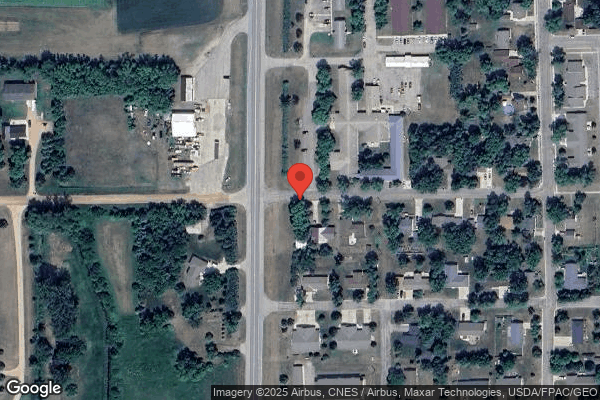
103 SCHOOL STREET, BELGRADE, MN 56312 (320) 254-8215
Non profit - Corporation 34 Beds Independent Data: November 2025
Trust Grade
80/100
#94 of 337 in MN
Last Inspection: February 2025

Within standard 12-15 month inspection cycle. Federal law requires annual inspections.

Overview

Belgrade Nursing Home has received a Trust Grade of B+, indicating it is above average and generally recommended for families considering care options. Ranked #94 out of 337 facilities in Minnesota, it falls in the top half, but it is #5 out of 10 in Stearns County, suggesting that there are better local options available. The facility's trend is worsening, with the number of identified issues increasing from 2 in 2023 to 6 in 2025. Staffing is rated 4 out of 5 stars, but the turnover rate is 49%, which is average, meaning some staff may not stay long-term. Notably, there have been no fines, which is a positive sign. However, there are some concerning incidents. The facility failed to properly disinfect shared medical equipment, risking infection spread among residents. Additionally, there was a lack of input from residents and families in creating care assessments, and a plan for staff recruitment and retention was not in place. Furthermore, there were periods without registered nurse coverage for several consecutive days, which could impact the quality of care. While the overall ratings are decent, families should weigh these concerns carefully.

Trust Score
B+
80/100
In Minnesota
#94/337
Top 27%
Safety Record
Low Risk
No red flags
Inspections
Getting Worse
2 → 6 violations
Staff Stability
⚠ Watch
49% turnover. Above average. Higher turnover means staff may not know residents' routines.
Penalties
✓ Good
No fines on record. Clean compliance history, better than most Minnesota facilities.
Skilled Nurses
✓ Good
Each resident gets 47 minutes of Registered Nurse (RN) attention daily — more than average for Minnesota. RNs are trained to catch health problems early.
Violations
○ Average
10 deficiencies on record. Average for a facility this size. Mostly minor or procedural issues.
★★★★☆
4.0
Overall Rating
★★★★☆
4.0
Staff Levels
★★★☆☆
3.0
Care Quality
★★★★☆
4.0
Inspection Score
Stable
2023: 2 issues
2025: 6 issues

The Good

  • 4-Star Staffing Rating · Above-average nurse staffing levels
  • Full Sprinkler Coverage · Fire safety systems throughout facility
  • No fines on record

Facility shows strength in staffing levels, fire safety.

The Bad

Staff Turnover: 49%

Near Minnesota avg (46%)

Higher turnover may affect care consistency

The Ugly 10 deficiencies on record

Jun 2025 2 deficiencies
CONCERN (D) 📢 Someone Reported This

A family member, employee, or ombudsman was alarmed enough to file a formal complaint

Potential for Harm - no one hurt, but risky conditions existed

Deficiency F0577 (Tag F0577)

Could have caused harm · This affected 1 resident

**NOTE- TERMS IN BRACKETS HAVE BEEN EDITED TO PROTECT CONFIDENTIALITY** Based on observation, interview and document review the facility failed to ensure survey results were provided to 1 of 1 residen...

Read full inspector narrative →
**NOTE- TERMS IN BRACKETS HAVE BEEN EDITED TO PROTECT CONFIDENTIALITY** Based on observation, interview and document review the facility failed to ensure survey results were provided to 1 of 1 residents (R4) upon request. Findings include: R4's quarterly Minimum Data Set, dated [DATE], identified intact cognition. During interview on 6/12/25 at 4:05 p.m., R4 stated she had requested the results from the last re-certification survey and said they tell me they don't have the results yet. R4 stated she had concerns about infection control practices as she had been sick three times this year already, and wanted to know the facility had been dinged for infection control. R4 said she had asked the activity director most recently at the resident council meeting the previous week. During interview on 6/12/25 at 4:32 p.m. the director of nursing stated the survey results were available and hanging on a bulletin board near the dining room. During observation on 6/12/25 at 4:35 p.m., the survey results posted on the bulletin board only contained the results of the recertification survey from 2024 and started on page 9. (The most recent re-certification survey was completed 2/20/25). During an interview on 6/13/25 at 9:32 a.m., the activity director stated on 6/10/25, R4 had asked if the most recent survey results had been posted. The activity director stated she had passed on the request to the social services designee and the administrator. Facility policy Resident Rights dated 12/17/24, indicated federal and stated laws guarantee certain basic right to all residents in the facility. These rights include the resident's right to: Examine survey results.
CONCERN (D) 📢 Someone Reported This

A family member, employee, or ombudsman was alarmed enough to file a formal complaint

Potential for Harm - no one hurt, but risky conditions existed

Accident Prevention (Tag F0689)

Could have caused harm · This affected 1 resident

**NOTE- TERMS IN BRACKETS HAVE BEEN EDITED TO PROTECT CONFIDENTIALITY** Based on observation, interview and document review the facility failed to supervisor 1 of 3 residents (R1) at risk for elopemen...

Read full inspector narrative →
**NOTE- TERMS IN BRACKETS HAVE BEEN EDITED TO PROTECT CONFIDENTIALITY** Based on observation, interview and document review the facility failed to supervisor 1 of 3 residents (R1) at risk for elopement when R1 was able to leave the facility (remained on campus) without staff knowledge despite wearing a working wander guard device. Findings include: R1's admission Record indicated he admitted to the facility 9/11/20. Diagnosis included anxiety, unsteadiness on feet, history of falls and weakness. R1's quarterly Minimum Data Set (MDS) dated [DATE], identified severe cognitive impairment and indicated he did not wander. The MDS indicated R1 required supervision to stand and ambulate and did not require the use of personal alarms. R1's facility Progress Notes indicated on 5/9/25, R1 was pleasantly confused, telling everyone he did not live at the facility and had just arrived the previous day. 5/11/25, The first time R1 went outside, nursing assistant (NA) was alerted he was outside the building. The NA said he was on his way back in so NA assisted him into the building. The second time R1 went outside he made it to the parking lot before he was returned back inside the building. Facility Incident Investigation dated 5/10/25, indicated R1 was seen leaving the building out the front door two times. Each time R1 was seen by another resident who alerted staff. R1's Elopement/Wandering Risk assessment dated [DATE], identified severe cognitive impairment and indicated he could ambulate without assistance and was able to communicate. The assessment indicated R1 did not wander aimlessly and did not have a history of wandering. The assessment indicated prior to 5/10/25 had not attempted to leave the facility, however, on 5/10/25, R1 walked out the front door twice. It was felt R1 became confused. A wander alert device was placed on 5/10/25. R1's care plan dated 5/13/25, indicated he was at risk to wander related to confusion, cognitive impairment and impaired safety awareness. The care plan directed staff to locate wander alert device each shift on body, wheelchair or walker and test each night to ensure divide was in working condition. The care plan identified the use of a wander alert on his left wrist. R1's Progress Note created 6/5/25, indicated on 6/4/25, physical therapy aide (PTA)-A alerted nurse that resident was outside of facility at 4:20 p.m. The wander alert alarm malfunctioned and did not alert staff when resident exited the facility. When nurse returned resident back inside the facility the alarm was working. The administrator was notified at 4:30 p.m., that the wander guard did not work when he exit the facility but worked when he returned to the facility. The administrator replaced the wander alert device. Facility Incident Investigation dated 6/9/25, indicated on 6/4/25, at approximately 3:15 p.m., PTA-A notified licensed practical nurse (LPN)-A that R1 was outside alone. Wander alert in place at the time but malfunctioned and was replaced. A facility report titled Full Event Report, Call Statistics printed 6/10/25, indicated the following: 6/4/25 at 3:21 p.m., Peripheral Disc (R1) at room [ROOM NUMBER], indicating the wander alert device on R1's wrist triggered the alarm. 6/4/25 at 3:21 p.m., messages sent to five alert boxes. 6/4/25 at 3:26 p.m., messages sent to the same five boxes. 6/4/25 at 3:28 p.m., Peripheral Disc (R1) canceled at 134, indicating it was canceled at the device on his wrist. During interview on 6/12/25 at 12:32 p.m., PTA-A stated she was in the therapy room and saw R1 wheeling himself in the parking from the main entrance to the south. PTA-A said he was alone so she found LPN-A and reported it. During interview on 6/12/25 at 1:14 p.m., the director of nursing (DON) stated staff ensured the wander alert was working by pushing the button on the device on the residents arm or chair. The DON said the device displayed a blinking red light. She said if a resident was near a door with an alarm box the boxes would display who was near the door and beep quietly. The DON said after 30 seconds the beep would get louder. The DON said staff tested the individual devices placed on the resident but they did not test to ensure the individual alarm boxes were working. During interview on 6/12/25 at 1:34 p.m., the social services designee (SSD) states she assisted in the investigation following R1's elopement. The SSD stated she had interviewed NA-A who had checked the R1's device that day and confirmed the device had been working properly and PTA-A. The SSD said none of the other staff who worked that shift had been interviewed. During interview on 6/12/25 at 1:44 p.m., a representative (R)-A from Ideacom (company who installs and maintains the wander alert system) stated the company installs and maintains the system. R-A said if there were any issues they would trouble shoot remotely and if needed would send someone out. R-A said the last ticket submitted at the facility had been 47 days prior due to the report software. R-A said in order for the alarm to fail, the battery would have to be low or if the device was hidden (meaning the resident would have removed the device). R-A said if there was a low battery, the device would signal a low battery alert. R-A said if the door did not alarm when R1 went outside it would not have alarmed when he went back in the door. R-A further stated he would recommend testing of the gingival alarm boxes located at the doors. During interview on 6/12/25 at 2:03 p.m., NA-A stated at the time of the elopement, she had been working in another resident room and only heard about the incident from other staff. NA-A stated R1 liked to pack up his belongings and did that a lot. During interview on 6/12/25 at 1:58 p.m., NA-B said the wander alert device were checked daily. NA-C was present and said staff located the device on the resident and pushed the button on the device. NA-C said a blinking light indicated it was working. During interview on 6/12/25 at 2:13 p.m., NA-D said she had been working when R1 had eloped. NA-D said she was in a resident room and was unable to hear any alarms. During interview on 6/12/25 at 2:14 p.m., LPN-A stated the wander alert was tested by bringing the resident near the door and said if the device was working, the alarm would sound. LPN-A said she never saw a low battery warning on the device. During interview on 6/12/25 at 2:20 p.m., NA-E said he had been working when R1 exited the building. NA-E said he had been down the hall in a room at the time and was unable to hear an alarm from the room he was in. NA-E said he heard about the incident an hour after it happened. During interview on 6/13/25 at 9:26 a.m., registered nurse (RN)-A stated she was in the facility the day R1 exited the building. RN-A stated she had been down the south hall and when she returned to the office she heard PTA-A tell LPN-A that R1 was outside. LPN-A said she had not heard the alarm until R1 was returned to the building. RN-A said R1 returned willingly with LPN-A and said LPN-A turned off the alarm about a minute after they re-entered the building. During observation on 6/12/25 at 3:02 p.m., an observation using R1's old wander alert device (the one he was wearing at the time of the elopement) was completed with the DON. The DON brought the old device to each door that had an alarm box. When brought to all five door that had a wandering alert box, each time the device signaled an alarm, indicating the battery in the device was working. During interview on 6/13/25 at 9:51 p.m., the DON stated they felt R1's device had malfunctioned. The DON said she was unable to explain why the old device was still functioning properly or why it would signal only when R1 returned inside the building. The DON further stated she did not know why it would have taken seven minutes to shut the alarm off after R1 returned. The DON further stated the facility had not implemented and increased supervision or staff training because if the alarm had malfunction, staff did everything correctly. Facility policy Elopement/Missing Resident/Wander Management dated 10/23/21 and reviewed 6/13/21, indicated staff will check and document the testing of the wander management alarms that are in use daily. If the systems failed, staff will contact the plant operations manager or licensed nursing staff. The systems will be maintained under the manufacturers recommendations. An operation manual for the wander alert system was requested however the facility was unable to provide one.
Feb 2025 4 deficiencies
CONCERN (D)

Potential for Harm - no one hurt, but risky conditions existed

Incontinence Care (Tag F0690)

Could have caused harm · This affected 1 resident

**NOTE- TERMS IN BRACKETS HAVE BEEN EDITED TO PROTECT CONFIDENTIALITY** Based on observation, interview, and record review the facility failed to comprehensively assess and provide timely treatment of...

Read full inspector narrative →
**NOTE- TERMS IN BRACKETS HAVE BEEN EDITED TO PROTECT CONFIDENTIALITY** Based on observation, interview, and record review the facility failed to comprehensively assess and provide timely treatment of suspected urinary tract infection (UTI) for 1 of 1 residents (R20) who reported UTI symptoms and had repeated infections. Findings include: R20's quarterly minimum data set (MDS) dated [DATE], indicated R20 had a brief interview for mental status (BIMS) score of 15 indicating R20 was cognitively intact. R20 required substantial/maximal assistance with toileting including toilet transfers, incontinent of bladder but was not on a scheduled toileting program. R20's face sheet printed 2/20/25 indicated R20 had the following diagnoses of Type II Diabetes, high blood pressure, and a history of acute cystitis (a sudden inflammation of the bladder, commonly known as a urinary tract infection (UTI)), and history of UTI's. During interview on 2/18/25 at 12:57 p.m., R20 stated she had been having pain and burning when she urinated. R20 stated she had told facility staff 'over the weekend' but nothing had been done and she was still experiencing pain. R20 stated she had UTI's in the past and recognized when she was experiencing related symptoms. R20's historical care plan printed 2/20/25, indicated R20 required extensive staff assistance with toileting to include staff performing peri cares. The care plan also indicated R20 had a history of urinary tract infections with interventions including monitoring for signs and symptoms such as urgency, frequency, pain and dysuria (discomfort or burning during urination). The care plan further indicated R20 had mixed bladder incontinence and required assistance to clean peri area after each incontinent episode. Progress note dated 2/15/25 at 09:48 a.m., indicated R20 reported complaints of discomfort and burning during urination. Progress note dated 2/15/25 at 9:52 a.m., revealed staff nurse requested an order for a urinalysis and urine culture (UA/UC-a test that identifies a urinary tract infection). Progress note dated 2/18/25 at 04:02 a.m., indicated R20 continued to report burning and itching with urination and staff would update physician with change in status via fax to check for possible UTI. Progress note dated 2/18/25 at 10:15 a.m., indicated the physician had approved an order for a UA/UC to check R20 for UTI. During interview on 2/19/25 at 04:22 p.m., licensed practical nurse (LPN)A stated if a resident had complaints of burning or pain with urination the physician would be updated of the resident's change, and a request would be made for an order for a UA/UC. LPN-A stated the process is the same on the weekend as during the week. LPN-A went on to state a UA/UC is included in standing orders if a resident is symptomatic. LPN-A stated this was to ensure no delay in identifying or treatment if a provider was not immediately available. LPN-A stated she collected the urine sample on the evening shift of 2/18/25, however this was not taken to the lab until sometime the next day. During interview on 2/20/25 at 09:53 a.m. director of nursing (DON) stated staff were expected to assess a resident using LOEB's criteria (a set of clinical guidelines used to help healthcare providers determine when to initiate antibiotic therapy in long term care facilities) for residents reporting signs or symptoms of a UTI, and document those findings in the medical record for other staff would have access to that information. DON confirmed R20's chart did not contain documentation of LOEB's criteria being completed. DON stated staff could contact a provider over the weekend to obtain orders and could also transport a urine sample to the lab for analysis. DON confirmed R20's medical record lacked any follow up from the initial request for a UA/UC on 2/15/25 and stated four days was too long to wait to do anything. DON stated it was important to take immediate action with reported symptoms to prevent sepsis related to a bladder infection. Facility document titled Belgrade Nursing Home Standing orders included the following: Suspect urinary tract infection or resident has symptoms: Cath PRN for UA/UC urine specimen.
CONCERN (D)

Potential for Harm - no one hurt, but risky conditions existed

Deficiency F0757 (Tag F0757)

Could have caused harm · This affected 1 resident

**NOTE- TERMS IN BRACKETS HAVE BEEN EDITED TO PROTECT CONFIDENTIALITY** Based on interview and document review, the facility failed to identify indications (reason) for medications for 1 of 5 resident...

Read full inspector narrative →
**NOTE- TERMS IN BRACKETS HAVE BEEN EDITED TO PROTECT CONFIDENTIALITY** Based on interview and document review, the facility failed to identify indications (reason) for medications for 1 of 5 residents (R14) reviewed for unnecessary medications. Findings include: R14's admission Minimum Data Set (MDS) dated [DATE], included R14 had moderate cognitive impairment and diagnoses of hypertension, depression, and schizoaffective disorder. R14's order summary report dated 2/14/25, included amlodipine besylate (used to treat high blood pressure) 10 milligrams (mg) one tab by mouth every morning, lisinopril (used to treat high blood pressure) 10 mg one tab by mouth every morning, and psyllium (often used to treat constipation) 400 mg capsule give one by mouth at bedtime. All medication orders failed to include reason for use or associated diagnosis. During interview on 2/20/25 at 9:29 a.m., registered nurse (RN) case manager (CM)-A stated all orders were entered either by the case manager or a floor nurse with a new admission. Orders are then checked by two additional staff members. Orders should have had an associated diagnosis or reason for use. The provider should have been updated for clarification for any missing diagnosis. CM-A confirmed R14 did have multiple medications missing a reason for use associated with them. CM-A confirmed this should have been noticed and corrected within 14 days of admission. During interview on 2/20/25 at 12:26 p.m., director of nursing (DON) stated new admission orders were typically entered by case manager upon admission. Any missing diagnosis or order confusion should have been clarified by a provider. All orders should have been double or triple checked after being entered. The DON confirmed some of the orders for R14 were missing a diagnosis. The DON stated it was important to have the diagnosis in the order so everyone would know why the medication was being given. Facility policy transcribing/processing doctor's orders dated 2/20/25, included to remember the diagnosis with all orders received and to call to clarify orders with a provide.
CONCERN (D)

Potential for Harm - no one hurt, but risky conditions existed

Medication Errors (Tag F0758)

Could have caused harm · This affected 1 resident

**NOTE- TERMS IN BRACKETS HAVE BEEN EDITED TO PROTECT CONFIDENTIALITY** Based on interview and document review, the facility failed to identify indications (reason) for medications for 1 of 5 resident...

Read full inspector narrative →
**NOTE- TERMS IN BRACKETS HAVE BEEN EDITED TO PROTECT CONFIDENTIALITY** Based on interview and document review, the facility failed to identify indications (reason) for medications for 1 of 5 residents (R14) reviewed for unnecessary psychotropic medications. Findings include: R14's admission Minimum Data Set (MDS) dated [DATE], included R14 had moderate cognitive impairment and diagnoses of hypertension, depression, and schizoaffective disorder. R14's order summary report dated 2/14/25, included deutetrabenazine 18 mg one tab by mouth every morning, risperidone 3 mg give one tablet by mouth two times a day, and trazodone 100 mg give one tablet by mouth at bedtime. All medication orders failed to include reason for use or associated diagnosis. During interview on 2/20/25 at 9:29 a.m., registered nurse (RN) case manager (CM)-A stated all orders were entered by the case manager or a floor nurse with a new admission. Orders are then checked by two additional staff members. Orders should have had an associated diagnosis or reason for use. The provider should have been updated for clarification for any missing diagnosis. CM-A confirmed R14 did have multiple medications missing a reason for use associated with them. CM-A confirmed this should have been noticed and corrected within 14 days of admission. During interview on 2/20/25 at 12:26 p.m., director of nursing (DON) stated new admission orders are typically entered by case managers upon admission. Any missing diagnosis or order confusion should have been clarified by a provider. All orders should have been double, or triple checked after being entered. The DON confirmed some of the orders for R14 were missing a diagnosis. The DON stated it was important to have the diagnosis in the order so everyone would know why the medication was being given. Facility policy transcribing/processing doctor's orders dated 2/20/25, included to remember the diagnosis with all orders received and to call to clarify orders with a provide.
CONCERN (F)

Potential for Harm - no one hurt, but risky conditions existed

Deficiency F0838 (Tag F0838)

Could have caused harm · This affected most or all residents

Based on record review, and interview the facility failed to conduct and document a comprehensive facility-wide assessment which included all necessary components to provide adequate care and services...

Read full inspector narrative →
Based on record review, and interview the facility failed to conduct and document a comprehensive facility-wide assessment which included all necessary components to provide adequate care and services to the residents in the facility. The deficient practice had the potential to affect all 22 residents in the facility. Findings include: Review of the facility's facility assessment on 2/19/25, showed it did not include the following requirements: 1) No input received or requested from the residents or resident families during the creation of the assessment. 2) No recruitment or retention plan for employees. 3) No contingency plan for staffing that does not evoke the emergency preparedness plan. On 2/19/25 at 5:15 p.m., the administrator confirmed they did not use or request input from residents or residents families to help create and complete their facility assessment. Furthermore, the administrator confirmed they did not have a recruitment and retention plan, or contingency staffing plan in place. A facility assessment policy was requested, and none was provided.
Dec 2023 2 deficiencies
CONCERN (D)

Potential for Harm - no one hurt, but risky conditions existed

Deficiency F0688 (Tag F0688)

Could have caused harm · This affected 1 resident

**NOTE- TERMS IN BRACKETS HAVE BEEN EDITED TO PROTECT CONFIDENTIALITY** Based on observation, interview, and document review the facility failed to ensure restorative nursing care was provided for 2 o...

Read full inspector narrative →
**NOTE- TERMS IN BRACKETS HAVE BEEN EDITED TO PROTECT CONFIDENTIALITY** Based on observation, interview, and document review the facility failed to ensure restorative nursing care was provided for 2 of 2 residents (R28 & R9) reivewed for restorative care. Findings included: R28's Significant change Minimum Data Set (MDS) dated [DATE], indicated fully intact cognition (able to fully understand). Diagnoses of depression and displaced Tri-malleolar fracture of left lower leg (Broken Ankle). R28 walked in corridor once or twice and required one staff physical assistance. R28 needed assistive devices of a walker and wheelchair. Care Plan identified R28 had a restorative nursing walking program and was to be walked once daily with a front wheeled walker and wheelchair with the assistance on 1 staff and gait belt. R28 was to walk as far as tolerated. This intervention was to restore R28's activities of daily living (ADL). During observation on 12/19/23 at 12:16 p.m., R28 was seated in recliner with feet elevated, covered with blanket, and watching tv. No staff observed in room with R28. Interview on 12/20/23 at 1:32 p.m., trained medical assistance (TMA-A) stated R28 didn't walk often because she got tired, but R28 was to be walked every morning and evening. Walks were recorded in R28's [NAME]. Interview on 12/20/23 at 2:11 p.m., R28 stated she was doing well and that she had not been walked today. Interview on 12/20/23 at 2:45 p.m., certified nursing assistant, (CNA-B) stated that she worked both halls and was familiar with R28. CNA-B continued that R28 was back in therapy and should be walked in morning and evening, and that R28 usually walked more in the evening. Facility Document, titled, Belgrade Nursing Home Survey Report, dated 12/21/23, indicated documentation for restorative nursing walking program had been completed 2 out of 40 opportunities total between AM shift and PM shift for month of December, with the others entries showing NA. Interview on 12/21/23 at 11:15 a.m., TMA-A stated transferring was recorded in the [NAME] form. The survey report showing 2 out of an available 40 opportunities was the correct space and document where walking would be offered. TMA-A stated the documentation did not show restorative walking had been done, nor did it show a refusal by the resident. The documentation appeared correct. TMA-A continued, if R28 had refused then it should be charted as refused and not NA. Interview on 12/21/23 at 11:22 a.m., R28 stated that she had been walked more over the last couple days, but that was it. R28 stated she had brought it up to go for walks to staff, but that it often did not occur. Interview on 12/21/23 at 1:07 p.m., registered nurse (RN-A) stated she was aware of the walking program for R28 and staff recorded in the [NAME]. RN-A stated she wasn't sure how much R28 had walked and did believe R28 would often refuse. R9's MDS dated [DATE], indicated resident was cognitively intact. R9's care plan indicated resident had limited physical mobility. Interventions included NuStep for 10 minutes, arm bike for 10 minutes, and the use of TheraBands (stretchy elastic bands used for resistance exercises). This intervention was ordered as part of the Restorative and Wellness Nursing Program by therapy. Facility report titled Documentation Survey Report created 12/20/23, for R9 indicated the arm bike was charted as NA or not charted on for 6 of 13 possible days in November. NuStep was charted NA or not charted on for 16 of 17 days in November. Arm bike was charted as NA or not charted on for 8 of 9 days in November. NuStep was charted as NA or not charted on for 10 of 10 days in December. On 12/18/23 at 1:12 p.m., R9 stated staff were supposed to walk with her and they did not. One aide brought her down to therapy but the other staff did not offer. On 12/21/23 at 1:37 p.m., director of nursing (DON) stated the wellness task was shared by both day and evening shift. Staff documented refused when the resident refused. If the staff documented not applicable or NA, she assumed the task was not completed. DON stated completion of Wellness and Restorative nursing was important as it was in the best interest of the resident. DON stated she had reviewed the documentation for R28 and R9. Staff had the option to document when a resident refused. DON confirmed the restorative program was not offered appropriately and documentation was an issue. Facility document titled, Nursing Activities of Daily Living with date of 9/11/2023, indicated the facility will provide a maintenance and restorative program to assist the resident in achieving and maintain the highest practicable outcome based on comprehensive assessment. Document failed to identify need for proper documentation of activities of daily living. Facility provided Document, titled, Nursing Activities of Daily Living with date of 9/11/2023, indicated the facility will provide a maintenance and restorative program to assist the resident in achieving and maintain the highest practicable outcome based on comprehensive assessment. Document failed to identify need for proper documentation of activities of daily living.
CONCERN (F)

Potential for Harm - no one hurt, but risky conditions existed

Infection Control (Tag F0880)

Could have caused harm · This affected most or all residents

Based on observation, interview and record review, the facility failed to complete proper disinfection of multi-use equipment (pulse oximeter) was implemented to prevent the spread of infection for 4 ...

Read full inspector narrative →
Based on observation, interview and record review, the facility failed to complete proper disinfection of multi-use equipment (pulse oximeter) was implemented to prevent the spread of infection for 4 of 4 residents (R3, R24, R27, R29). This had the potential to affect all 30 residents and staff. Findings include: On 12/20/23 at 7:26 a.m., trained medication aide (TMA)-A was observed placing pulse oximeter (blood oxygen level) on R24's finger and did not disinfect equipment following use. Continuous observation initiated. At 7:50 a.m., TMA-A was observed in process of placing un-sanitized equipment on R3's finger prior to surveyor interrupting process. TMA-A stated all shared equipment was cleaned with an alcohol disinfecting wipe between resident use. However, she had not sanitized the oximeter after using it on R24 and prior to R3. Disinfecting equipment was important to prevent spreading germs . On 12/20/23 at 7:59 a.m., TMA-B was observed placing pulse oximeter on R29's finger and did not disinfect equipment following use. Continuous observation initiated. At 8:22 a.m., TMA-B placed the un-sanitized pulse oximeter on R27's finger. At 8:23 a.m., TMA-B stated the pulse oximeter needed to be sanitized between residents. However, she had not done so. It was important to prevent the spread of germs. On 12/21/23 at 1:08 p.m., director of nursing (DON) stated facility had recent COVID-19 outbreak, with seven residents and eight staff testing positive for COVID-19 from 11/17/23 through 12/19/23. DON stated the facility was performing resident vital checks every shift to monitor for COVID-19 due to recent outbreak. DON expected staff to disinfect equipment between resident use, specifically the oximeter because it was placed directly on resident fingers, and it was important to prevent infection control issues. The facility's Cleaning Guidelines and Environmental Services policy, reviewed 12/12/2022, indicated it was important that a clean, safe and sanitary environment was maintained for residents.
Nov 2022 2 deficiencies
CONCERN (F)

Potential for Harm - no one hurt, but risky conditions existed

Deficiency F0727 (Tag F0727)

Could have caused harm · This affected most or all residents

Based on interview and document review, the facility failed to ensure registered nurse (RN) coverage for 8 consecutive hours per day, 7 days per week. This had the potential to affect all 28 residents...

Read full inspector narrative →
Based on interview and document review, the facility failed to ensure registered nurse (RN) coverage for 8 consecutive hours per day, 7 days per week. This had the potential to affect all 28 residents. Findings include On 11/3/22, review of the schedule revealed no RN coverage existed for 8/27/22, 8/28/22, 9/10/22, 9/11/22, 9/24/22, 9/25/22, 10/8/22, 10/9/22, 10/22/22, and 10/23/22. On 11/03/22, at 12:44 p.m. administrator stated facility was occasionally without RN coverage for 8 hours. RN was available on-call during hours lacking RN in the facility. Administrator confirmed no RN coverage existed for 8/27/22, 8/28/22, 9/10/22, 9/11/22, 9/24/22, 9/25/22, 10/8/22, 10/9/22, 10/22/22, and 10/23/22. Further, the facility did not have a staffing waiver. Review of schedule indicated when no RN was scheduled in the facility, there was an RN on-call to consult as needed.
CONCERN (F)

Potential for Harm - no one hurt, but risky conditions existed

Food Safety (Tag F0812)

Could have caused harm · This affected most or all residents

**NOTE- TERMS IN BRACKETS HAVE BEEN EDITED TO PROTECT CONFIDENTIALITY** Based on observation, interview, and document review the facility failed to have a system in place to monitor and record refrige...

Read full inspector narrative →
**NOTE- TERMS IN BRACKETS HAVE BEEN EDITED TO PROTECT CONFIDENTIALITY** Based on observation, interview, and document review the facility failed to have a system in place to monitor and record refrigerator temperatures for resident personal food items. This had the potential to affect all 28 residents. The facility also failed to have a process in place to indicate proper food storage of butter blend product and cheese products. This had the potential to affect 27 of 28 residents who receive food prepared with the butter product and cheese products. Findings include: During an observation and interview on 11/2/22, at 5:01 p.m. temperature log on refrigerator designated for resident food items indicated temperatures at 42 degrees and 44 degrees on 10/16/22. Temperature log lacked temperature verification from 10/17/22 through 11/2/22. Further, the refrigerator contained three Ativia yogurt containers with an expiration date of 10/1/22 and a piece of pie without resident name or date. Certified dietary manager (CDM) stated nurses were responsible to monitor and log resident personal food items and refrigerator temperatures. During an interview on 11/2/22, at 6:10 p.m. Administrator stated the nurses were responsible to monitor and log the temperature of the refrigerator designated for resident personal food items twice daily. Administrator confirmed the temperatures on 10/16/22 were outside of the policy temperatures for safe food handling. Administrator confirmed temperature monitoring and logging had not been documented from 10/17/22 through 11/2/22. During observation on 11/2/22, at 1:55 p.m. butter blend was on kitchen counter and labeled KEEP REFRIGERATED on the cover. CDM confirmed this product was taken out of the refrigerator each morning, at approximately 5:30 a.m. and returned to the refrigerator by the evening cook each afternoon at approximately 1:30 p.m. CDM stated this product was used within approximately three days, once opened. CDM removed cover to reveal approximately 25% of the product remained. During an interview on 11/02/22, at 2:51 p.m. Cook-A stated if she wasn't going to use the butter blend, she would put it away when she arrived at noon. If she had food prep to complete, she would put the butter in the fridge at approximately 1:30 p.m. During an interview on 11/2/22, at 2:27 p.m. food distributor representative at [NAME]. Distributing, provided product information which indicated to keep refrigerated, left out at four hours maximum. During observation on 11/2/22, at 5:01 p.m. four opened plastic bags labeled as: -[NAME] cheese dated 10/22/22, -Swiss American cheese dated 9/29/22 and 10/24/22, -shredded cheddar cheese dated 10/23/22. [NAME] (CK)-A referenced chart on outside of refrigerator used to determine length of time food safely stored in refrigerator. Chart has three columns: food item, first date mark, use-by. CK-A stated American cheese was to be discarded seven days after opening. Shredded cheese was discarded within seven days after opening. [NAME] disposed of cheese in garbage can. Review of policy on 11/02/22, at 6:33 p.m. labeled 6.173 SUBJECT: Food Storage indicated #13 Leftover food is stored in covered containers or wrapped carefully and securely. Each item is clearly labeled and dated before being refrigerated. Leftover food is used within 7 days or discarded. Check state regulations for more detail. #14 Refrigerated Food Storage: #2: PHF/TCS foods must be maintained at or below 41 degrees F unless otherwise specified by law. Periodically take temperatures of refrigerated foods to assure temp are maintained at or below 41 degrees F. Temp for refrigerators should be between 35-41F. Thermometers should be checked at least daily to two times per day. Check for proper functioning of the unit at the same time. #3: Every refrigerator must be equipped with an internal thermometer. #4: Every nursing unit with a refrigerator/freezer unit will be supplied with thermometers and monitored for appropriate temperatures. #6: all foods must be covered, labeled, and dated. All foods will be checked to assure that foods (including leftovers) will be consumed by their safe use by dates, or frozen (where applicable), or discarded.
Understanding Severity Codes (click to expand)
Life-Threatening (Immediate Jeopardy)
J - Isolated K - Pattern L - Widespread
Actual Harm
G - Isolated H - Pattern I - Widespread
Potential for Harm
D - Isolated E - Pattern F - Widespread
No Harm (Minor)
A - Isolated B - Pattern C - Widespread

Questions to Ask on Your Visit

  • "Can I speak with families of current residents?"
  • "What's your RN coverage like on weekends and overnight?"

Our Honest Assessment

Strengths
  • • Grade B+ (80/100). Above average facility, better than most options in Minnesota.
  • • No major safety red flags. No abuse findings, life-threatening violations, or SFF status.
  • • No fines on record. Clean compliance history, better than most Minnesota facilities.
Concerns
  • • No significant concerns identified. This facility shows no red flags across CMS ratings, staff turnover, or federal penalties.
Bottom line: Generally positive indicators. Standard due diligence and a personal visit recommended.

About This Facility

What is Belgrade Nursing Home's CMS Rating?

CMS assigns Belgrade Nursing Home an overall rating of 4 out of 5 stars, which is considered above average nationally. Within Minnesota, this rating places the facility higher than 99% of the state's 100 nursing homes. This rating reflects solid performance across the metrics CMS uses to evaluate nursing home quality.

How is Belgrade Nursing Home Staffed?

CMS rates Belgrade Nursing Home's staffing level at 4 out of 5 stars, which is above average compared to other nursing homes. Staff turnover is 49%, compared to the Minnesota average of 46%.

What Have Inspectors Found at Belgrade Nursing Home?

State health inspectors documented 10 deficiencies at Belgrade Nursing Home during 2022 to 2025. These included: 10 with potential for harm.

Who Owns and Operates Belgrade Nursing Home?

Belgrade Nursing Home is owned by a non-profit organization. Non-profit facilities reinvest revenue into operations rather than distributing to shareholders. The facility operates independently rather than as part of a larger chain. With 34 certified beds and approximately 26 residents (about 76% occupancy), it is a smaller facility located in BELGRADE, Minnesota.

How Does Belgrade Nursing Home Compare to Other Minnesota Nursing Homes?

Compared to the 100 nursing homes in Minnesota, Belgrade Nursing Home's overall rating (4 stars) is above the state average of 3.2, staff turnover (49%) is near the state average of 46%, and health inspection rating (4 stars) is above the national benchmark.

What Should Families Ask When Visiting Belgrade Nursing Home?

Based on this facility's data, families visiting should ask: "Can I visit during a mealtime to observe dining assistance and food quality?" "How do you handle medical emergencies, and what is your hospital transfer rate?" "Can I speak with family members of current residents about their experience?"

Is Belgrade Nursing Home Safe?

Based on CMS inspection data, Belgrade Nursing Home has a clean safety record: no substantiated abuse findings (meaning no confirmed cases of resident harm), no Immediate Jeopardy citations (the most serious violation level indicating risk of serious injury or death), and is not on the Special Focus Facility watch list (a federal program monitoring the lowest-performing 1% of nursing homes). The facility has a 4-star overall rating and ranks #1 of 100 nursing homes in Minnesota. While no facility is perfect, families should still ask about staff-to-resident ratios and recent inspection results during their visit.

Do Nurses at Belgrade Nursing Home Stick Around?

Belgrade Nursing Home has a staff turnover rate of 49%, which is about average for Minnesota nursing homes (state average: 46%). Moderate turnover is common in nursing homes, but families should still ask about staff tenure and how the facility maintains care continuity when employees leave.

Was Belgrade Nursing Home Ever Fined?

Belgrade Nursing Home has no federal fines on record. CMS issues fines when nursing homes fail to meet care standards or don't correct problems found during inspections. The absence of fines suggests the facility has either maintained compliance or corrected any issues before penalties were assessed. This is a positive indicator, though families should still review recent inspection reports for the full picture.

Is Belgrade Nursing Home on Any Federal Watch List?

Belgrade Nursing Home is not on any federal watch list. The most significant is the Special Focus Facility (SFF) program, which identifies the bottom 1% of nursing homes nationally based on persistent, serious quality problems. Not being on this list means the facility has avoided the pattern of deficiencies that triggers enhanced federal oversight. This is a positive indicator, though families should still review the facility's inspection history directly.