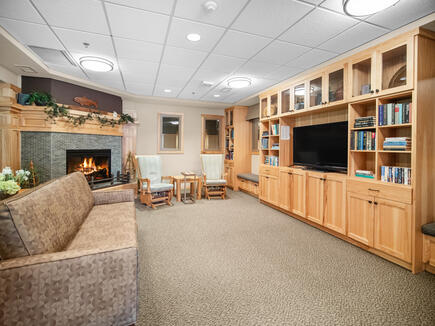
Neilson Place

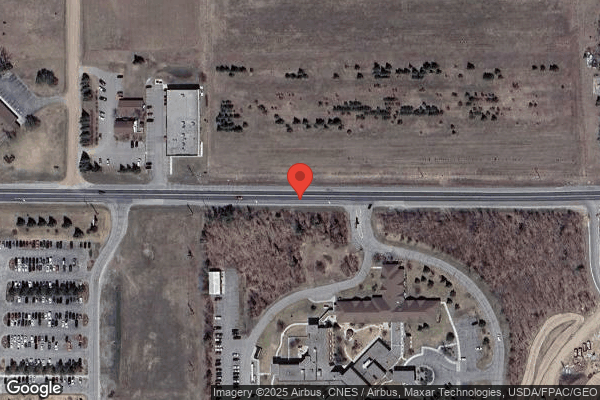
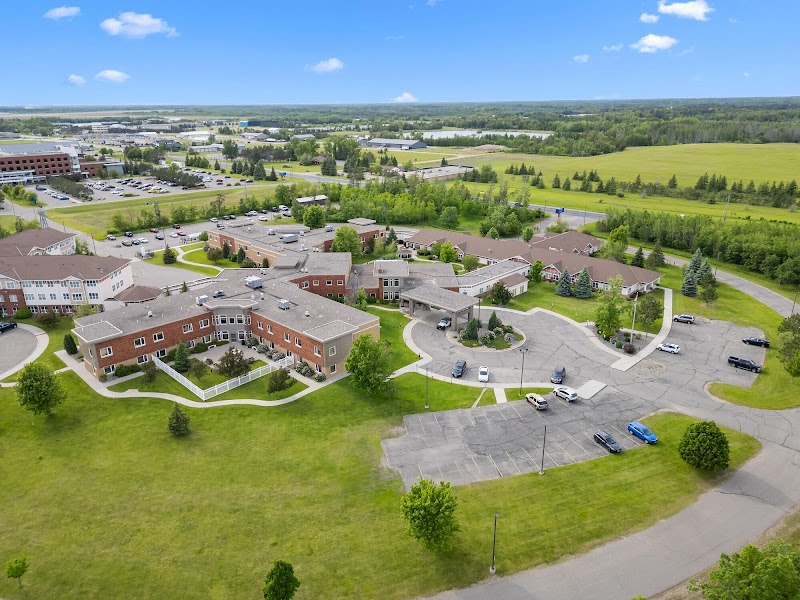
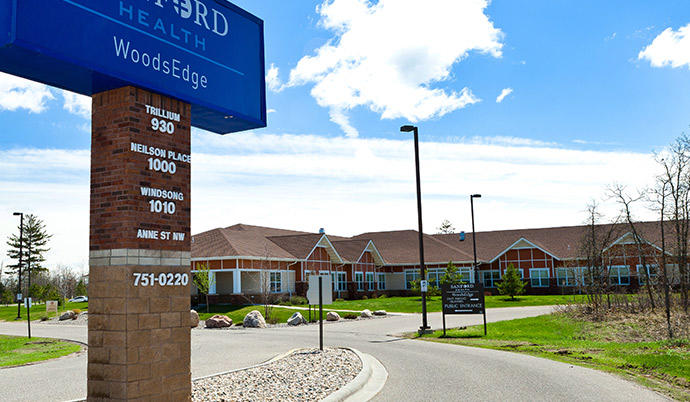
1000 ANNE STREET NORTHWEST, BEMIDJI, MN 56601 (218) 751-0220
Non profit - Corporation 77 Beds SANFORD HEALTH GOOD SAMARITAN (PROSPERA) Data: November 2025 1 Immediate Jeopardy citation
Trust Grade
0/100
#308 of 337 in MN
Last Inspection: December 2024

Within standard 12-15 month inspection cycle. Federal law requires annual inspections.

Overview

Neilson Place in Bemidji, Minnesota, has received a Trust Grade of F, which indicates significant concerns about the quality of care provided at the facility. It ranks #308 out of 337 nursing homes in the state, placing it in the bottom half, and #4 out of 4 in Beltrami County, meaning there are no better local options. The facility is improving, with issues decreasing from 19 in 2024 to 5 in 2025, but it still reported $36,342 in fines, which is higher than 83% of Minnesota facilities, suggesting ongoing compliance problems. While staffing is a relative strength with a rating of 4 out of 5 stars, the turnover rate of 50% is average and shows that staff stability could be better. However, there have been serious incidents, including a resident suffering critical health issues due to a lack of timely care and another resident experiencing psychosocial harm from being restricted from using her power wheelchair, leading to increased depression and isolation. Families should weigh these strengths and weaknesses carefully when considering this facility for their loved ones.

Trust Score
F
0/100
In Minnesota
#308/337
Bottom 9%
Safety Record
High Risk
Review needed
Inspections
Getting Better
19 → 5 violations
Staff Stability
⚠ Watch
50% turnover. Above average. Higher turnover means staff may not know residents' routines.
Penalties
✓ Good
$36,342 in fines. Lower than most Minnesota facilities. Relatively clean record.
Skilled Nurses
✓ Good
Each resident gets 59 minutes of Registered Nurse (RN) attention daily — more than average for Minnesota. RNs are trained to catch health problems early.
Violations
⚠ Watch
43 deficiencies on record. Higher than average. Multiple issues found across inspections.
★☆☆☆☆
1.0
Overall Rating
★★★★☆
4.0
Staff Levels
★★☆☆☆
2.0
Care Quality
★☆☆☆☆
1.0
Inspection Score
Stable
2024: 19 issues
2025: 5 issues

The Good

  • 4-Star Staffing Rating · Above-average nurse staffing levels
  • Full Sprinkler Coverage · Fire safety systems throughout facility
  • No fines on record

Facility shows strength in staffing levels, fire safety.

The Bad

1-Star Overall Rating

Below Minnesota average (3.2)

Significant quality concerns identified by CMS

Staff Turnover: 50%

Near Minnesota avg (46%)

Higher turnover may affect care consistency

Federal Fines: $36,342

Above median ($33,413)

Moderate penalties - review what triggered them

Chain: SANFORD HEALTH GOOD SAMARITAN (PROS

Part of a multi-facility chain

Ask about local staffing decisions and management

The Ugly 43 deficiencies on record

1 life-threatening 4 actual harm
Jul 2025 2 deficiencies 1 Harm
SERIOUS (G) 📢 Someone Reported This

A family member, employee, or ombudsman was alarmed enough to file a formal complaint

Actual Harm - a resident was hurt due to facility failures

Deficiency F0603 (Tag F0603)

A resident was harmed · This affected 1 resident

**NOTE- TERMS IN BRACKETS HAVE BEEN EDITED TO PROTECT CONFIDENTIALITY** Based on observation, interview and document review the facility failed to ensure 1 of 3 residents (R1) reviewed for use of elec...

Read full inspector narrative →
**NOTE- TERMS IN BRACKETS HAVE BEEN EDITED TO PROTECT CONFIDENTIALITY** Based on observation, interview and document review the facility failed to ensure 1 of 3 residents (R1) reviewed for use of electric wheelchairs in the community was free from involuntary seclusion. This resulted in actual psychosocial harm for R1 when the facility took away her personal mobile equipment (power wheelchair), which restricted R1's access to her community (including family), causing increased depressive symptoms, isolation and withdrawal from usual activities. Findings include: R1's admission Record indicated she admitted to the facility on [DATE]. Diagnosis included diabetes, arthritis, right above the knee amputation, post-traumatic stress disorder, depression and anxiety. R1's significant change Minimum Data Set (MDS) dated [DATE], identified intact cognition and indicated she displayed no behaviors during the assessment period. The MDS indicated R1 was independent with transfers. 4/8/25, PHQ-9 (patient health questionnaire) assessment (a self-report tool used to assess the severity of depression) score was 11 which indicated moderate depression. 6/27/25, PHQ-9 score was 16 which indicated moderate to moderately severe depression. R1's care plan dated 5/9/25, indicated she had a history of utilizing her motorized wheelchair off campus. The care plan identified the following approaches:1. R1 will notify staff when leaving facility and expected return time.2. R1 will utilize safety features when using wheelchair: Flag, seat belt, horn, reflectors.3. Staff to assist R1 to get in wheelchair.4. Staff to assist R1 in charging wheelchair.5. R1 will not leave facility without battery fully charged.6. If Resident had a change in condition facility would reevaluate R1's ability to safely operate wheelchair.7. R1 will operate wheelchair in low speed only.8. If R1 utilized wheelchair in an unsafe or reckless manor or under the influence of any alcohol or non-prescription drugs the facility had ability to prohibit the use of the wheelchair in facility and campus. R1's Progress Notes indicated the following:-4/30/25, Occupation therapy note: R1 received her power wheelchair this date and demonstrated ability to transfer from manual chair to power chair, power chair to toilet and power chair to bed. R1 demonstrated appropriate use of controls. At this time R1 was instructed to keep the speed set at level one. R1 demonstrated ability to maneuver the wheelchair in her room, bathroom, up to table, in hallway, on/off elevator and with use of elevator controls. R1 used dressing stick to aid with getting the leg rest out of the way. R1 had a sensor system on the wheelchair which alerted her if she came too close to an object (due her limited neck range of motion). Plan to further assess R1 outdoors, R1 was instructed to only use the power wheelchair indoors at this time, until outdoor assessment and recommendations could be completed. -5/8/25. R1 told staff that she had a dentist appointment and she was planning on taking her wheelchair over so staff could cancel Medivan. Staff did not have appointment on the calendar for R1 and therefore no Medivan was set up. R1 was informed of this and that she had not been assessed to take her wheelchair outside of the facility. Resident then went down to therapy to ask about this. Administrator, therapy staff and writer attempted to talk to R1 about concerns and safety of crossing a busy highway with a new chair. R1 stated that she didn't have battery issues, and it was a new wheelchair so there should be no issues. She was informed that there still could be issues. Staff also brought up concerns about the lack of shoulder on the road and how she would deal with it if she got herself in a position where she tipped the wheelchair. Resident again stated she didn't think that would happen as she wasn't stupid and would not get herself in that situation. Staff attempted to explain to resident that we had concerns for safety. She stated she had taken it to the store the previous day and didn't have issues. When asked what store she just stated, the store. R1 felt the facility was just trying to be controlling. Resident did relent to taking Medivan to appointment, but later facility received a call from Medivan that she had not stayed for pickup. R1 was already back at the facility at that time. Therapy has now said that R1 was safe outside of building on facility grounds. -5/9/24, Writer and registered nurse (RN)-A reviewed R1's care plan with her regarding use of electric chair. It was read to her, she signed care plan and stated she understood what was read to her. -5/13/25, R1 left at 1:00 p.m. for appointment via Medivan to go to behavior health and had not returned. Attempted to call personal cell phone. R1 did not answer and voicemail was full. -5/13/25, Writer received call from unit nurse at 7:00 p.m. reporting that R1 had not returned from 1:00 p.m. appointment. Nurse reported R1 took Medivan to her appointment with her electric wheelchair and stated there was no indication or communication that R1 was going elsewhere after her appointment. Directed staff to attempt to reach R1 via number listed on her face sheet. Arrived at facility, confirmed R1 was not on the campus, confirmed location of her appointment, and called police department. A different staff member called to report R1 was spotted in town south of the facility and that R1 reported to staff she was headed back to facility. R1 returned to facility at 8:30 pm and reported no concerns to unit staff.5/14/25, While R1 was out of the building for a procedure, management team discussed issues they were having with R1. Since receiving her electric scooter, R1 had been leaving the facility without letting staff know and had left an appointment before transportation arrived to pick her up. The previous day R1 had not returned after an appointment. Staff had located her, and she did return. After reviewing it was decided to remove R1's electric scooter. -5/14/25, R1 returned from appointment and went to her room. R1 came out of her room crying, stated she was leaving and told staff they could throw away all of her stuff. -5/14/25, at approximately 12:15 p.m. R1 had gone to the therapy room and accused them of having her scooter They let her know they didn't have it. She talked with her therapist and requested a meeting. Administrator, director of nursing (DON) and social worker met with R1 who was demanding to leave against medical advice (AMA). R1 wanted her scooter and wanted to go out when she wanted. Staff tried multiple times and ways to go over safety concerns, but she refused to listen. R1 left the room stating she was leaving. R1 wheeled down the driveway toward the street. The administrator stayed with her. After a few minutes R1 returned to the building. Facility had staff sitting and watching R1's door so staff would know if she came out of her room. -5/15/25, R1 left her room and went to the elevator. Nurse on the unit asked to ride with her and said R1 would not speak to her. Writer went to the lower floor and R1 was going outside so activity director (AD) was asked to follow R1 who went to the cookie food truck in the parking lot. R1 was talking to people outside who were identified as R1's family. When R1 saw the AD, she asked if she was spying on her. 5/20/25- IDT weekly review: R1 had been approved for electric scooter but then was non-complaint with guidelines for leaving facility. R1 was aware she was to come back after appointments and not cancel transportation. She twice did not return in a timely manner, nor did she let staff know she wasn't returning. R1 had stayed in her room most of time since placed back in regular wheelchair but had gone to appointments and returned without issues. R1's Outpatient Supportive and Palliative Care Progress Note dated 6/25/25, indicated R1's priority was making sure her kids were safe and increase her independence. If she saw her kids, she had hope and drive to become independent. When she didn't see her kids, she became depressed, hopeless and lost her drive to improve. The note indicated there was conflict at the facility currently and it caused R1 much emotional distress, depression and anger. R1 had thought if becoming homeless would be a better option since she would have freedom. R1 confirmed she was not currently planning to leave the facility AMA, she just feels desperate and hopeless and thinks about it because she feels she has no other options. R1 was not suicidal but had a serious mental health history and there was concern about her current state of her mental health with the increasing stress of the situation. During interview on 7/1/25 at 10:44 a.m., the interim DON stated he had only been at the facility for three weeks and said he was familiar with the situation. The DON said R1 was appropriate for independent living with services and the facility was actively working on it. In regard to the removal of R1's power chair, the DON said he would rather have a rights violation than have her out overdosing or getting hit by a bus. During observation and interview on 7/1/25 at 11:08 a.m., R1 was lying in bed watching television. There was a manual wheelchair next to her bed. R1 said the facility had taken her scooter away on May 15th while she was out of the facility for a medical procedure. R1 said she had gone to visit her kids and had taken the bus there and drove her wheelchair back to the facility. R1 said she used the cross walks, pushed the buttons and did everything safe the way she should have. R1 said the facility told her they had taken her chair away because she hadn't signed out. R1 said she had not had any accidents with the scooter and said she had passed the facility driving test. During interview on 7/1/25 at 1:52 p.m., occupational therapist (OT)-A stated they had pursued getting R1 the power chair because she had so many problems getting around in the manual chair outside the facility. OT-A said R1 was assessed as safe to use the power chair and was able to use the controls, navigate, make turns and move around stationary objects. OT-A said they did not assess specifically for safety in the community but said R1's chair had a flag, lights and if she got too close to an object her chair would vibrate. OT-A said R1 did quite well and said she thought R1 would do okay in the community. During interview on 7/1/25 at 2:05 p.m., NA-A and NA-B were interviewed. NA-B said he was working the day R1's chair had been taken away. NA-B said he had seen R1 out the window in the manual wheelchair, outside, and R1 was allegedly leaving the premises. NA-B said he was asked to stay late that day to be a sitter because they were worried she would elope. NA-B said R1 told him she felt her wheelchair had been wrongfully taken away. NA-B said he had noticed R1 was secluding herself more and said she used to come out and initiate her needs. NA-A said R1 used to come out to meals and had not been coming out since the chair was taken away. NA-A said R1 indicated she felt more isolated. During interview on 7/1/25 at 2:10 p.m., licensed social worker (LSW)-A stated R1 had been using her power chair to go to appointments and said she had been evaluated by therapy. LSW-A said R1 was upset about not having her chair and said she could tell R1 was more withdrawn. LSW-A said, it was a nice piece of independence for her and said she had noticed R1 had not been coming out of her room.During interview on 7/1/25 at 2:23 p.m., the social services coordinator said she had completed the PHQ-9 assessment for R1 and said the most recent one was focused on R1 not having her power chair. During interview on 7/1/25 at 2:38 p.m., RN-B stated the decision to take R1's chair away had been made by the administrator, DON and corporate staff and it was taken away because R1 had gone to an appointment and had not return after. RN-B said R1 was not happy about it. RN-B said R1 was not cognitively impaired and had been assessed as safe to use the chair in the facility and on the grounds. During interview on 7/1/25 at 2:56 p.m., the administrator stated R1 had gone through the process of getting the power chair and in mid-May she was planning to go across the street for a dentist appointment. The administrator said they did not feel it was safe and R1 agreed to take the Medivan but when the van went back to pick R1 up she had already left. The administrator said the next incident was when R1 had gone to see her kids and had driven back to the facility in the chair. The administrator said at that point the interdisciplinary team met with corporate leadership and they felt R1 was not making safe decisions. When asked about less restrictive alternatives, the administrator said she felt R1 had the ability to be as independent in a manual chair as she was in the power chair but said with the power chair she could go further away. In regard to the sitter outside R1's door, the administrator said they were afraid R1 would leave AMA. The administrator acknowledged R1 was her own decision maker and could leave the facility if she wanted to. The administrator said she aware R1 was very upset. During interview on 7/1/25 at 3:56 p.m., the DON stated he knew the chair had been taken away after R1 did not return from an appointment and a second incident when staff had to convince her not to leave. The DON acknowledged R1 had tried to leave because they took her chair. The DON said there was no question of R1's ability to operate the chair appropriately, and said the problem was more about her not communicating where she was going to be. The DON said there was a concern about her history of drug use and the prevalence in this area but said he was not aware of any drug use while at the facility. When asked about less restrictive alternatives, the DON said R1 was still able to have the same independence in the manual chair as she had in the power chair, but she covered more distance in the power chair. During interview on 7/2/25 at 12:22 p.m., mental health practitioner (P)-A stated R1 had a delicate mental health balance and had been sober for quite a while. P-A said R1 suffered from depression and said when she last saw R1 she could see it all over her that something really bad was happening. P-A said R1 was not currently suicidal but said it could happen if her back continued to be up against the wall. P-A said R1 had felt her only option was to leave AMA and become homeless. During interview on 7/2/25 at 11:28 a.m., the administrator said she had no reason to believe R1 would go out into the community to seek illegal substances. Facility policy Restraints dated 10/29/24, indicated residents were free from any physical or chemical restraint imposed for the purpose of discipline or convenience and not required to treat the residents' medical condition. Convenience was described as any action taken by the location to control a residents' behaviors or manage a resident's behavior with a lesser amount of effort by the location and not in the resident's best interest.
CONCERN (D) 📢 Someone Reported This

A family member, employee, or ombudsman was alarmed enough to file a formal complaint

Potential for Harm - no one hurt, but risky conditions existed

Deficiency F0557 (Tag F0557)

Could have caused harm · This affected 1 resident

**NOTE- TERMS IN BRACKETS HAVE BEEN EDITED TO PROTECT CONFIDENTIALITY** Based on observation, interview and document review the facility failed to ensure respect and dignity for 1 of 3 residents (R1) ...

Read full inspector narrative →
**NOTE- TERMS IN BRACKETS HAVE BEEN EDITED TO PROTECT CONFIDENTIALITY** Based on observation, interview and document review the facility failed to ensure respect and dignity for 1 of 3 residents (R1) reviewed when her personal power chair was removed from her room and use without her consent. Findings include: R1's admission Record indicated she admitted to the facility on [DATE]. Diagnosis included diabetes, arthritis, right above the knee amputation, post-traumatic stress disorder, depression and anxiety. R1's significant change Minimum Data Set (MDS) dated [DATE], identified intact cognition and indicated she displayed no behaviors during the assessment period. The MDS indicated R1 was independent with dressing, personal hygiene and transfers and did not ambulate. R1's care plan dated 5/9/25, indicated she had a history of utilizing her motorized wheelchair off campus. The care plan identified the following approaches: 1. R1 will notify staff when leaving facility and expected return time. 2. R1 will utilize safety features when using wheelchair: Flag, seat belt, horn , reflectors. 3. Staff to assist R1 to get in wheelchair. 4. Staff to assist R1 in charging wheelchair. 5. R1 will not leave facility without battery fully charged. 6. If Resident had a change in condition facility would reevaluate R1's ability to safely operate wheelchair. 7. R1 will operate wheelchair in low speed only. 8. If R1 utilized wheelchair in an unsafe or reckless manor or under the influence of any alcohol or non-prescription drugs the facility had ability to prohibit the use of the wheelchair in facility and campus.R1's Progress Notes indicated the following:-5/8/25, R1 told staff that she had a dentist appointment and she was planning on taking her wheelchair over so staff could cancel Medivan. Staff did not have appointment on the calendar for R1 and therefore no medivan had been set up. R1 was informed of this and that she had not been assessed to take her wheelchair outside of the facility. R1 went to therapy to ask about it and administrator, therapy staff and writer attempted to talk to R1 about concerns and safety of crossing a busy highway with a new chair. R1 stated that she didn't have battery issues and it was a new wheelchair so there should be no issues. She was informed that there still could be issues. Staff also brought up concerns about the lack of shoulder on the road and how she would deal with it if she got herself in a position where she tipped the wheel chair. Resident again stated she didn't think that would happen as she wasn't stupid and would not get herself in that situation. Staff attempted to explain to R1 that we had concerns for safety. She stated she had taken it to the store the previous day and didn't have issues. When asked what store she just stated, the store. R1 felt that staff was just trying to be controlling. R1 did relent to taking medivan to appointment but staff received a call from Medivan that she had not stayed for pickup. R1 was already back at the facility at that time. Therapy has now said that R1 was safe outside of building on facility grounds.5/13/25, Writer received a call from unit nurse at 7:00 p.m. reporting that R1 had not returned from 1:00 p.m. appointment. Nurse reported R1 took medivan to appointment with her electric wheelchair and stated there was no indication or communication that she was going elsewhere after her appointment. Directed staff to attempt to reach R1 via number listed on her face sheet. Writer arrived at facility, confirmed R1 was not on the campus, confirmed location of her appointment, and called police department. A different staff member called to report resident was spotted in town south of facility and that resident reported to staff she was headed back to facility. 5/14/25, While R1 was out of the building for a procedure, management team discussed issues they were having with R1. Since receiving her electric scooter, R1 had been leaving the facility without letting staff know and had left appointment before transportation arrived to pick her up. The previous day R1 had not returned after an appointment. Staff had located her and she did return. After review it was decided to remove R1's electric scooter. During interview on 7/1/25 at 10:44 a.m., the interim DON stated he had only been at the facility for three weeks and said he was familiar with the situation. The DON said R1 was appropriate for independent living with services and the facility was actively working on it. In regard to the removal of R1's power chair, the DON said he would rather have a rights violation than have her out over dosing or getting hit by a bus. During observation and interview on 7/1/25 at 11:08 a.m., R1 was lying in bed watching television. There was a manual wheelchair next to her bed. R1 said the facility had taken her scooter away on May 15th while she was out of the facility for a medical procedure. R1 said she had gone to visit her kids and had taken the bus there and took her wheelchair back to the facility. R1 said she used the cross walks, pushed the buttons and did everything safe the way she should have. R1 said the facility told her they took her chair away because she hadn't signed out. R1 said she had not had any accidents with the scooter and said she had passed the facility driving test. During interview on 7/1/25 at 2:38 p.m., RN-B stated the previous DON, administrator and corporate staff made the decision to take R1's chair away and said R1 was not happy about it. RN-B said the chair was taken away because R1 went to an appointment and took the bus somewhere after and used her wheelchair for transport and no one knew where she was. RN-B said R1 had intact cognition and had been assessed safe to use the power chair in the facility and outside on the grounds. RN-B said R1 was her own decision maker. RN-B said R1 did not follow the rules of signing out and the facility was responsible for her when she left the facility so she was considered an elopement risk. During interview on 7/1/25 at 2:56 p.m., the administrator said the day R1 did not return immediately after her appointment she had received a call that R1 had not returned and did not answer her phone. She said minutes later she got another call that R1 was seen driving back to the facility in her chair. The administrator said the next morning they met as a team along with the corporate administrator and they determined she was not making safe decisions so the chair was taken away. The administrator said she aware R1 was very upset. During interview on 7/1/25 at 3:56 p.m., the DON stated he knew the chair had been taken away after R1 did not return from an appointment and a second incident when staff had to convince her not to leave. The DON acknowledged R1 had tried to leave because they took her chair. The DON said there was no question of R1's ability to operate the chair appropriately but more about her not communicating where she was going to be. The DON said there was a concern about her history of drug use and the prevalence in this area but said he was not aware of any drug use while at the facility. When asked about less restrictive alternatives, the DON said R1 was still able to have the same independence in the manual chair as she had in the power chair but she covered more distance in the power chair.A resident rights policy was requested but not received.
Apr 2025 1 deficiency
CONCERN (D) 📢 Someone Reported This

A family member, employee, or ombudsman was alarmed enough to file a formal complaint

Potential for Harm - no one hurt, but risky conditions existed

Infection Control (Tag F0880)

Could have caused harm · This affected 1 resident

Based on observation, interview and document review the facility failed to ensure cleaning of shared glucometers between patient use for 3 of 3 residents (R3, R4, R5) reviewed for infection control. ...

Read full inspector narrative →
Based on observation, interview and document review the facility failed to ensure cleaning of shared glucometers between patient use for 3 of 3 residents (R3, R4, R5) reviewed for infection control. Findings include: R4's Resident Face Sheet included a diagnosis of diabetes mellitus (DM) and long-term use of insulin. R4's Physician Order Report dated 4/4/25, identified an order for blood glucose monitoring before meals and at bedtime. R4's Vitals Report identified a blood glucose check was done 4/4/25 at 12:20 p.m. R3's Resident Face Sheet included a diagnosis of DMII. R3's Physician Order Report dated 4/4/25, identified an order for blood glucose monitoring four times a day and as needed. R4's Vitals Report identified a blood glucose check was done 4/4/25 at 11:54 a.m. R5's Resident Face Sheet included a diagnosis of DMII and long-term use of insulin. R5's Physician Order Report dated 4/4/25, identified an order for blood glucose monitoring before meals and at bedtime. R4's Vitals Report identified a blood glucose check was done 4/4/25 at 12:04 p.m. During observation on 4/4/25 at 11:52 a.m., registered nurse (RN)-A used a glucometer and checked R5's blood sugar in the dining room. RN-A then returned to the medication cart. No disinfectant wipes were observed on the medication cart. At 12:00 p.m., RN-A walked down the hall to R6's room with a glucometer in his hand. When RN-A returned to the medication cart, the glucometer was not in his hand. At 12:16 p.m. RN-A went to R4's room with a glucometer. RN-A returned to the medication cart and pulled two glucometers from his pocket and placed them on the medication cart. During interview on 4/4/25 at 12:27 p.m., RN-A confirmed he had checked blood glucose levels for R4, R5 and R6. RN-A said the residents did not have their own glucometers and they were shared between the residents. RN-A stated he had not been instructed to clean the glucometers between use. During interview on 4/4/25 at 1:05 p.m., the infection preventionist (IP) stated nurses were trained to clean the glucometers between uses during orientation. The IP said every resident should have their own glucometers assigned to them and should have been kept in their room or in the medication cart. The IP said glucometers should be cleaned between uses whether they were shared or not. Facility policy Blood Glucose Monitoring, Disinfecting and Cleaning dated 9/25/24, indicated blood glucose meters should be cleaned and disinfected after each use whether the meter is shared between residents or assigned to a resident. Cleaning and disinfecting can be completed by using a commercially available environmental protection agency registered disinfectant or germicide wipe.
Feb 2025 2 deficiencies
CONCERN (D) 📢 Someone Reported This

A family member, employee, or ombudsman was alarmed enough to file a formal complaint

Potential for Harm - no one hurt, but risky conditions existed

Comprehensive Care Plan (Tag F0656)

Could have caused harm · This affected 1 resident

**NOTE- TERMS IN BRACKETS HAVE BEEN EDITED TO PROTECT CONFIDENTIALITY** Based on interview and document review the facility failed to develop and implement care planned interventions to address refusa...

Read full inspector narrative →
**NOTE- TERMS IN BRACKETS HAVE BEEN EDITED TO PROTECT CONFIDENTIALITY** Based on interview and document review the facility failed to develop and implement care planned interventions to address refusal of cares for 1 of 3 residents (R1) reviewed for deteriorating skin condition. Findings include: R1's Resident Face Sheet indicated he admitted to the facility on [DATE], with diagnosis that included congestive heart failure, hypertension, cellulitis of right lower limb, Esysipelis and mild cognitive impairment. R1's Skin Risk Assessment with Braden Scale dated 11/2/24, indicated he required assistance of a mechanical lift and was frequently incontinent. The assessment identified open lesions on the foot, edema and reduced urinary output. R1's Braden evaluation for risk of skin breakdown indicate he was at risk. R1's care plan dated 11/18/24, identified a self-care deficit due to weakness. The care plan directed staff to encourage participation in grooming and indicated he required substantial assistance for grooming and toileting. The care plan identified incontinence and directed staff to keep skin dry and intact. The toileting plan indicated before and after meals and at bedtime and directed staff to check for incontinence at night with repositioning. The care plan was updated 2/5/25, to include an alteration in behavioral state as evidenced by refusal of cares, choosing to stay in soiled brief, chucks. The care plan directed staff to document refusals of care and re-approach R1 when refused care. R1's Resident Progress Note dated 12/15/24, indicated power of attorney (POA) in this evening. POA reported that R1 would refuse care and sit for days in feces. POA reported if R1 refused care, staff should call and POA would get on phone to have him wash up. R1's Physician Progress Note dated 2/5/25, indicated pubic area rash, appears resident had been incontinent for an extended period. See attached photos. Abrasions, multiple, scattered. Erythema and rash present. Significant maceration to genitals and bilateral posterior upper thighs. The note indicated R1 was started on Amoxicillin 500 milligrams three times daily for seven days with extension if needed. R1's discharge Minimum Data Set (MDS) dated [DATE], identified intact cognition and indicated he displayed rejection of care behaviors 1-3 days during the assessment period. The MDS indicated R1 required substantial to maximal assistance for transfers and was dependent on staff for toileting and bathing. During interview on 2/21/25 at 10:50 a.m., POA-A said one time while R1 was at the facility he sat in the same soiled incontinent brief for at least 48 hours. POA-A said she had told staff to call if R1 was non-compliant, but no one ever called. POA-A stated a few days before they took R1 home the smell was so bad coming down the hall they decided to take R2 home out of the facility. POA-A stated there was a concern for bed sores and said R1's buttocks was purple, like leather and had multiple wounds on it. During interview on 2/21/25 at 2:18 p.m., registered nurse (RN)-B stated R1 did not like to use a urinal and would urinate in a cup. RN-B said it was hit or miss whether he would allow treatments to be done or not. RN-B said when R1 was incontinent, staff tried to change him, but he would say no. RN-B said staff should have re-approached R1 or let a nurse know if he refused and said, part of the time they did. Regarding calling the POA for assistance, RN-B stated, I honestly can't say we did, but was not sure why. RN-B stated the care plan was updated on 2/5/25, because she had not realized the refusal of cares were not on the care plan. During interview on 2/21/25 at 3:52 p.m., Nursing assistant (NA)-A stated she would offer cares to R1 but said he did not want her to provide care. NA-A stated she helped with R1's care here and there. NA-A said almost every time she arrived to work her shift, R1 was wet and/or soiled and said there was a very strong odor in the hall that bothered other residents. NA-A stated staff never received any interventions related to refusals until R1 was scheduled to discharge. During interview on 2/21/24 at 4:00 p.m. RN-A stated R1 had been very hard to deal with at times and stated he had behaviors in which he would yell and scream and kick staff out of his room. RN-A stated she had only worked with R1 a couple times and said he could be very nice. RN-A said only certain staff were able to get R1 to stand up and get cleaned up. RN-A said if R1 had been refusing cares staff would get her but said it did not work. RN-A stated she was unaware R1's POA's could be called if he refused cares. During interview on 2/25/25 at approximately 2:00 p.m. the interim director of nursing (as of 2/25/25) stated the facility tried to acknowledge resident preferences but said if refusals put a resident at risk, interventions should have been implemented along with physician notification. Facility policy Care Plan dated 12/2/24, indicated each resident will have an individualized, person-centered, comprehensive plan of care that will include measurable goals and timetables directed toward achieving and maintaining the resident ' s optimal medical, nursing, physical, functional, spiritual, emotional, psychosocial, and educational needs. Any problems, needs and concerns identified will be addressed through use of departmental assessments, the Resident Assessment Instrument (RAI) and review of the physician ' s orders.
CONCERN (D) 📢 Someone Reported This

A family member, employee, or ombudsman was alarmed enough to file a formal complaint

Potential for Harm - no one hurt, but risky conditions existed

Quality of Care (Tag F0684)

Could have caused harm · This affected 1 resident

**NOTE- TERMS IN BRACKETS HAVE BEEN EDITED TO PROTECT CONFIDENTIALITY** Based on interview and document review the facility failed to ensure toileting and hygiene tasks were performed for 1 of 3 (R1) ...

Read full inspector narrative →
**NOTE- TERMS IN BRACKETS HAVE BEEN EDITED TO PROTECT CONFIDENTIALITY** Based on interview and document review the facility failed to ensure toileting and hygiene tasks were performed for 1 of 3 (R1) residents reviewed resulting in worsening skin condition that required physician ordered treatment. Findings include: R1's Resident Face Sheet indicated he admitted to the facility on [DATE], with diagnosis that included congestive heart failure, hypertension, cellulitis of right lower limb, Esysipelis and mild cognitive impairment. R1's Skin Risk Assessment with Braden Scale dated 11/2/24, indicated he required assistance of a mechanical lift and was frequently incontinent. The assessment identified open lesions on the foot, edema and reduced urinary output. R1's Braden evaluation for risk of skin breakdown indicate he was at risk. R1's care plan dated 11/18/24, identified a self-care deficit due to weakness. the care plan directed staff to encourage participation in grooming and indicated he required substantial assistance for grooming and toileting. The care plan identified incontinence and directed staff to keep skin dry and intact. The toileting plan indicated before and after meals and at bedtime and directed staff to check for incontinence at night with repositioning. Alteration in behavioral state as evidenced by refusal of cares and choosing to stay in soiled brief, chucks was added 2/5/25. R1's Point of Care History dated 1/5/25 through 2/5/25, identified rejection of care behavior four times over a period of 30 days/ 90 shifts: 1/27/25, 1/29/25, 2/1/25 and 2/5/25. R1's Physician Progress Note dated 2/5/25, indicated pubic area rash, appears resident had been incontinent for an extended period. See attached photos. Abrasions, multiple, scattered. Erythema and rash present. Significant maceration to genitals and bilateral posterior upper thighs. The note indicated R1 was started on Amoxicillin 500 milligrams three times daily for seven days with extension if needed. R1's discharge Minimum Data Set (MDS) dated [DATE], identified intact cognition and indicated he displayed rejection of care behaviors 1-3 days during the assessment period. The MDS indicated R1 required substantial to maximal assistance for transfers and was dependent on staff for toileting and bathing. During interview on 2/21/25 at 10:50 a.m., power of attorney (POA)-A stated R1 had a number of visitors, and a few times had received complaints from his friends. POA-A said one-time R1 sat in the same soiled incontinent brief for at least 48 hours. POA-A said she had told staff to call if R1 was non-compliant, but no one ever called. POA-A stated a few days before they took R1 home the smell was so bad coming down the hall they decided to take home out of the facility. POA-A stated there was a concern for bed sores and said R1's buttocks was purple, like leather and had multiple wounds on it. POA-A stated she brought R1 a planner to write things down every day because staff contradicted everything, he told them and was getting paranoid. During Interview on 2/21/25 at 11:17 a.m., POA-B stated R1 was known to be non-complaint with care but said I do believe some staff didn't care. POA-B stated R1's room stunk like body odor and yeast and said R1 would urinate in a plastic cup and put it into a urinal. POA-B said R1 was not always the most helpful patient. POA-B said when R1 discharged , most of his groin and thighs were a red, irritated mess, really red and irritated. POA-B said when R1 was at the facility, if the door to his room was open, he could smell him coming down the hall and said it was not out of the ordinary to find R1 sitting in an incontinent brief in his own feces. POA-B further said he told staff if R1 was not compliant to call. During interview on 2/21/25 at 1:36 p.m., an anonymous staff member stated had never had a problem with R1 refusing cares and stated had a hard time believing R1 would adamantly refuse care. Anonymous staff member stated instead of completing cares and treatment staff would just mark that he refused. The staff member stated there were nursing assistant (NA)'s that would not go check on R1 and said one day R1 sat in a wet brief and chair until approximately 10:00 p.m. and a second time R1 was still sitting in a urine soaked brief at 3:30 p.m., even though staff had been asked to provide care at 1:30 p.m. During interview on 2/21/25 at 2:18 p.m., registered nurse (RN)-B stated R1 did not like to use a urinal and would urinate in a cup. RN-B said it was hit or miss whether he would allow treatments to be done or not. RN-B said when R1 was incontinent, staff tried to change him, but he would say no. RN-B said staff should have re-approached R1 or let a nurse know if he refused and said, part of the time they did. Regarding calling the POA for assistance, RN-B stated, I honestly can't say we did, but was not sure why. RN-B stated she had observed the odor coming from R1's room when the door was open but said, he was okay with the door being closed. RN-B stated on 2/5/25, the provider told her she need to come to R1's room and after getting him up, the provider took photos and left the room. RN-B stated R1 had redness in his groin and on his upper thighs and had stool between his butt cheeks. RN-B said the brief was definitely wet along with the chucks and the chair underneath. RN- B stated she had not seen R1's skin prior to that. RN-B further stated the provider seemed upset. During interview on 2/21/25 at 3:08 p.m., nursing assistant (NA)-C stated she had never had any trouble getting R1 to wash up. NA-C stated R1 would holler and was cantankerous but said she would re-approach him and explain she needed to provide cares he would allow it. NA-C stated frequently when she started her shift, she would find R1 saturated and said you could wring out his brief. NA-C stated some of the staff just did not go in an offer to help him because they did not want to deal with him. NA-C stated before R1 discharged she saw his skin and said, oh my word. During interview on 2/21/25 at 3:52 p.m., NA-A stated R1 required a stand lift to do cares and never wanted to get up and go to the dining room. NA-A stated she would offer cares to R1 but said he was not a fan of her. NA-A said she stayed away from R1 after an incident when she brought him disposable cups because he would urinate in them and R1 grabbed onto her shirt and yelled at her. NA-A stated she helped with R1's care here and there and said R1 was kind of icky. NA-A said R1 hardly ever kept a brief on and sat with a sheet over him. NA-A said staff would come in and find R1 wet and soiled and while cleaning him, he would start urinating. NA-A said she fully believed R1 had some control and thought maybe it was done on purpose. NA-A said almost every time she arrived to work her shift, R1 was wet and/or soiled and said there was a very strong odor in the hall that bothered other residents. NA-A stated staff never received any interventions related to refusals until R1 was scheduled to discharge. During interview on 2/21/24 at 4:00 p.m. RN-A stated R1 had been very hard to deal with at times and stated he had behaviors in which he would yell and scream and kick staff out of his room. RN-A said R1 had been sexually inappropriate and said NAs told her he was looking at their butts and down their shirts and would masturbate while they were in the room. RN-A stated she had only worked with R1 a couple times and said he could be very nice. RN-A said only certain staff were able to get R1 to stand up and get cleaned up. RN-A said if R1 had been refusing cares staff would get her but said it did not work. RN-A stated she was unaware R1's POA's could be called if needed. RN-A further stated other residents were complaining of the smell in the hallway and said it was horrendous. During interview on 2/25/25 at 11:19 a.m., R1 stated he felt his care at the facility had been satisfactory but said when it came to keeping him clean, he did not get the help he needed. R1 said he needed the assistance of a machine to stand and when he asked staff for assistance, by the time they came back he had already soiled himself. R1 stated he did not refuse care and said when staff came to assist him, he said yes, but said they took 2-3 hours to come back. R1 said regarding bathing, staff would ask him after supper and he would agree, then no one would return until around 10:00 p.m. R1 said staff did not offer or provide cares every two hours as directed by the plan of care. During interview on 2/25/25 at 11:52 a.m., anonymous resident (AR)- A stated oof-[NAME], the smell coming down the hallway. AR- A stated it went on for weeks and said it smelled like R1 was rotting. AR said staff told him R1 was the cause of the smell and told him R1 did not shower. AR-A sated the smell was offensive. During interview on 2/25/25 at 11:57 a.m., AR-B stated there used to be a resident at the end of the hall who lived in his recliner, pooped in it, and said the stink coming out of the room was unbearable. AR-B said his room was next door. AR-B stated he told R1 to keep his door shut and said the smell was so bad he would almost gag. AR-B said the NA's told him what had been happening. During interview on 2/25/25 at 1:10 p.m., NA-B said R1 never asked for anything other than breakfast and lunch. NA-B stated right before R1 discharged she took care of him and said she asked two other staff to assist her and said that was the only time she had ever seen staff change R1. NA-B said she had never heard R1 tell staff no and said staff just had not gone in and checked on him. During interview on 2/25/25 at 1:17 p.m., photos of R1's skin dated 2/25/25, were observed with RN-B. RN-B described R1's skin as follows: Lower abdomen, groin and inner thigh were red from moisture. Buttocks impacted stool in rectum, redness from moisture and pressure of sitting covering both buttocks from upper thighs to just above his knees. RN-B stated staff had not reported the condition of R1's skin to her. During interview on 2/25/25 at approximately 2:00 p.m. the interim director of nursing (as of 2/25/25) stated the facility tried to acknowledge resident preferences but said if refusals put a resident at risk, interventions should have been implemented along with physician notification. Facility policy Refusal of Treatment, Right to Choose dated 10/15/24, indicated refusal of treatment will be documented consistently in the medical record and will be countered by discussion with the resident regarding the health and safety consequences of the refusal and the availability of any therapeutic alternatives that may exist. When a resident chooses not to follow treatment which is prescribed by the physician or a member of the healthcare team, appropriate employees should attempt to determine why the resident is making this choice. Inform the resident about the health risk/benefit and safety consequences, as well as the availability of other existing therapeutic alternatives. Inform the resident ' s physician of the resident ' s choice. If the physician changes an order to align with the resident ' s desire, employees are to comply with the new order. However, if the physician is not able to change the order to align with the resident ' s wishes, employees should continue to offer the treatment as ordered and document all attempts.
Dec 2024 1 deficiency 1 Harm
SERIOUS (G) 📢 Someone Reported This

A family member, employee, or ombudsman was alarmed enough to file a formal complaint

Actual Harm - a resident was hurt due to facility failures

Accident Prevention (Tag F0689)

A resident was harmed · This affected 1 resident

**NOTE- TERMS IN BRACKETS HAVE BEEN EDITED TO PROTECT CONFIDENTIALITY** Based on interview and document review the facility failed to follow care planned intervention for the use of a gait belt for 1 ...

Read full inspector narrative →
**NOTE- TERMS IN BRACKETS HAVE BEEN EDITED TO PROTECT CONFIDENTIALITY** Based on interview and document review the facility failed to follow care planned intervention for the use of a gait belt for 1 of 3 residents (R1) reviewed. This resulted in actual harm when R1 fell while ambulating with staff assistance and sustained bilateral sacral fractures (a break in the bone at the back of the pelvis). The deficient practice was corrected prior to the start of the survey therefore, was issued at past non-compliance. Findings include: R1's Resident Face Sheet identified an admission date of 10/18/22 and a latest return date of 12/16/24. R1's diagnosis included osteoarthritis, age related osteoporosis and impaired mobility. R1's care plan dated 10/25/22, identified a self care deficit due to morbid obesity and pain in right knee. The care plan indicated R1 was not ambulating and chose not to get out of bed and indicated a history of sitting in chair at home and not walking much. R1's annual Minimum Data Set (MDS) dated [DATE], identified intact cognition. The MDS indicated R1 had upper and lower extremity impairments, required substantial to maximal assistance to stand, supervision or touching assistance for transfers and did not ambulate. An untitled care guide dated 12/12/24, indicated R1 required assistance from one staff using a gait belt and walker, following with wheelchair to ambulate. A facility Live Event report dated 12/20/24, indicated on 12/15/24 at 1:40 p.m., R1 fell while ambulating with staff assistance and was sent to the emergency department (ED). Injuries indicated fracture/dislocation. The report indicated R1 was ambulating with a nursing assistant (NA) to her left side and was using a walker. A licensed nurse was behind her with a wheelchair. R1 got to the nurses station desk and reached for a pen, the walker fell forward to the ground and the resident landed on top of it. R1 complained of pain rated 8/10 and was sent to the ED. R1's Resident Progress Notes identified the following: 12/15/24, R1 was walking next to the nurses station with NA. R1 reached for a pen on the desk and the walker went forward. R1 fell on top of the walker. The walker was removed from beneath her. R1 complained of hip pain rated 8/10 and was sent to the ED for assessment. 12/15/24, R1's family member called and updated facility R1 remained in the hospital with a right sacrum fracture and possible left sacrum fracture. R1's hospital Discharge summary dated [DATE], indicated R1 presented to the ED after a a fall. Fell at facility when her walker got placed away from her and when trying to reach her walker she fell down. Found to have bilateral sacral insufficiency fractures. Orthopedics recommended conservative management, partial weight bearing to her right lower extremity and weight as tolerated as she progresses and pain tolerates. During observation on 12/20/24 at 8:54 a.m., R1 was lying in bed in her room with the lights off. During interview on 12/20/24 at 9:01 a.m., R1 was asked about her fall and said I let go of the walker and then I went. R1 stated at the time of the fall staff had not used a gait belt when assisting her to walk. R1 stated her bottom was sore and she was unable to get up and walk. R1 stated, it hurts and said even turning to the side hurt the one leg. During interview on 12/20/24 at 9:13 a.m., physical therapist (PT)-A stated the purpose of a gait belt was to help with stability and reduce the risk for falls. PT-A stated when using a gait belt, staff were able to support or correct moments of instability or loss of balance and said if a resident leaned too far forward or to the left or right the belt could help prevent a fall. During interview on 12/20/24 at 10:54 a.m., NA-A stated prior to the fall R1 was able to transfer with supervision and was care planned to walk with assistance using a transfer belt and the wheelchair following behind her. NA-A stated since the fall R1 was wanting to stay in bed and not getting up. NA-A was unsure but said it was due to either the pain or the fear of falling. NA-A stated staff had received education on the care plan and use of the gait belts after the incident. During interview on 12/20/24 at 12:19 p.m. NA-B stated she had been walking with R1 in the hallway and had seen two pens on the floor so she had picked them up. NA-B stated R1 reached for one of the pens and fell and landed on top of the walker. NA-B stated she had not used a gait belt when ambulating with R1 and said, I don't know why. NA-B stated she had received education related to use of the gait belt, reviewing the care plan daily and following the care plan. During interview on 12/20/24 at 1:17 p.m., registered nurse (RN)-A stated the day R1 fell, she received a call from staff who reported staff were walking with R1 who reached to grab a pen off the desk and fell forward onto the walker. RN-A stated staff had not been following the care plan intervention to use the gait belt. RN-A stated if the gait belt had been used staff would have been able to grab onto the belt and prevent the fall. RN-A stated care planned interventions were listed on the care plan and stated staff should have been aware. RN-A stated any resident who required and kind of touching assistance required the use of a gait belt. During interview on 12/20/24 at 11:35 a.m. RN-B stated on the day R1 fell she had seen NA-B walking with her in the hall and assisted with pushing the wheelchair behind. RN-A stated she had noticed R1 was wearing a robe and had been shuffling her feet. RN-B stated she did not see R1 reach over for the pen and said all she had seen was the walker. RN-A said R1 flipped over the walker and landed on her back with the walker underneath her. RN-B stated she had not noticed if a gait belt had been used but said unless a resident was independent the staff should know to always use a gait belt. Facility policy Mobility Support and Positioning dated 5/6/24, indicated unless contraindicated, a gait belt should be used for all residents who require assistance with ambulation. The caregiver should walk in step with the resident holding onto the gait belt with palm up. The purpose of the gait belt is to ensure the caregiver can control the residents center mass if he or she loses their balance. Prior to the start of the survey the facility initiated education related to the transfer belt policy and use of gait belts and completed an audit of care guides to ensure accuracy. The education was verified through interview and document review.
Dec 2024 10 deficiencies
CONCERN (D)

Potential for Harm - no one hurt, but risky conditions existed

ADL Care (Tag F0677)

Could have caused harm · This affected 1 resident

**NOTE- TERMS IN BRACKETS HAVE BEEN EDITED TO PROTECT CONFIDENTIALITY** Based on observation, interview, and document review, the facility failed to provide routine oral care and shaving assistance to...

Read full inspector narrative →
**NOTE- TERMS IN BRACKETS HAVE BEEN EDITED TO PROTECT CONFIDENTIALITY** Based on observation, interview, and document review, the facility failed to provide routine oral care and shaving assistance to 1 of 5 residents (R23) reviewed for activities of daily living (ADLs) and who were dependent on staff for their care. Findings include: R23's quarterly Minimum Data Set (MDS) dated [DATE], identified R23 was cognitively intact, had a diagnosis that included hemiplegia (one side paralysis or weakness) due to a history of a stroke. R23 had an indwelling catheter and a feeding tube. R23 was dependent on staff for all care activities. R23's care plan revised 12/3/24, identified R23 had a self-care deficit due to left sided hemiparesis related to a history of stroke. Staff were directed to provide assist of one for grooming. The care plan did not direct shaving on certain days or how often and when oral cares would be completed. During an observation on 12/3/24 at 4:31 p.m., R23 was lying in bed with his head of bed elevated 45 degrees. R23 had a sheet covering R23 to his waist and R23 was not wearing a shirt. R23 was unshaven with approximately a ¼ inch of beard growth. During an observation on 12/5/24 at 9:46 a.m., nursing assistant (NA)-A and NA-B entered R23's room. After putting on a gown and gloves NA-A and NA-B provided morning care assistance to R23. - At 10:08 a.m., NA-A and NA-B removed their gowns and gloves to exit R23's room, however, R23 was not offered shaving assistance or oral cares. NA-B stated R23 was always shaved on his bath day and sometimes R23 would shave on his own, but shaving should have been offered. NA-A stated they do oral cares for R23 throughout the day because R23 had a feeding tube, but oral cares should have been offered. During an interview on 12/5/24 at 11:23 a.m., registered nurse (RN)-A stated all residents should be offered shaving and oral care assistance during cares. During an interview on 12/5/24 at 2:33 p.m., the director of nursing stated shaving and oral cares should have been offered during cares. During an interview on 12/5/24 at 4:59 p.m., the administrator stated shaving and oral cares should be offered during cares per policy. The facility policy Activities of Daily Living revised 12/4/23, identified the facility would ensure any resident who was unable to carry out activities of daily living would receive necessary services to maintain good nutrition, grooming and personal and oral hygiene.
CONCERN (D)

Potential for Harm - no one hurt, but risky conditions existed

Deficiency F0692 (Tag F0692)

Could have caused harm · This affected 1 resident

**NOTE- TERMS IN BRACKETS HAVE BEEN EDITED TO PROTECT CONFIDENTIALITY** Based on interview and document review the facility failed to comprehensively assess and develop interventions to reduce or prev...

Read full inspector narrative →
**NOTE- TERMS IN BRACKETS HAVE BEEN EDITED TO PROTECT CONFIDENTIALITY** Based on interview and document review the facility failed to comprehensively assess and develop interventions to reduce or prevent continued weight loss for 1 of 1 resident (R30) reviewed for nutrition. We should also righ notification to he Dr at F580 . jsut need peices of it the record showing weight losss and interviews they should notify dr. Findings include: R30's quarterly Minimum Data Set (MDS) dated [DATE], identified R30 had severe cognitive impairment and required moderate to maximum assist with all activities of daily living (ADLs). R30's weight was 114 pounds, Diagnoses included Alzheimer's and congestive heart failure. R30's MDS IDT assessment dated [DATE], identified R30 had no difficulty with chewing or swallowing and required one person assist to eat at times. R30's height, weight, weight loss or gain and appetite was not completed on the assessment form. R30's care plan dated 12/2/24, identified R30 had a potential for weight loss. R30 was to receive a regular diet and offer point of service choice of foods. R30 was weighed weekly with the following weights documented: - 6/7/24 123 lbs. - 7/12/24=117 lbs. (a 4.88% wt loss in one month) - 8/16/24=112 lbs. - 9/20/24=110 lbs. (a 13% wt loss in three months) -10/18/24=107 lbs. -11/15/24=106 lbs. R30's medical record lacked evidence her ongoing weight loss was assessed and evaluated. There was no evidence dietary assessments were completed at admission, quarterly or with a identified decrease in weight. On 12/04/24, at 12:10 PM R30 was seated in dining room eating her lunch. R30 had eaten all her desert of cake and was trying to eat some of the lunch meal provided. R30 attempted to use her fork and poke two slices of bread and bring it to her mouth to eat. The bread was too heavy for the fork and kept dropping onto R30's lap. After several attempts, R30 picked the bread up with her hands and took two bites. Staff were in the dining room; however, did not offer R30 assistance to eat. When interviewed on 12/4/24, at 11:20 a.m. trained medical assistant (TMA)-A stated staff could not do much to get R30 to eat. It just depended on what kind of day R30 was having. Some days she would not eat a thing and other days she would. During interview on 12/4/24, at 5:50 p.m. registered nurse (RN)-D stated they had a dietician on staff that the facility shared with other facilities. The dietician did a lot of her documentation on paper and not sure where any of it was. The facility just hired a new dietician in the past three or four weeks and the new dietician was reviewing all the resident charts to see where all the residents were at. RN-D stated the nursing assistants obtained resident weights weekly on their bath days. They were supposed to notify the nurse when a weight loss was noted; however, the aides did not get a good look at all the resident weights and so would not necessarily know when a weight loss occurred week to week. The nurses inputted the weights on the resident's medication administration record (MAR) and when they brought up the MAR to enter the weight, the residents previous wt was listed. The nurses were also able to click on the history and review more weights for a quick look back. RN-D was not sure why the weight los was not noted by the nurses when they entered them on the MAR weekly. The nurses should have noted the significant weight discrepancies and requested the nursing assistants to reweigh the patient. If determined accurate, the nurses should have reported to the unit manager and/or dietary. On review now, RN-D did see R30 had lost weight. During interview on 12/5/24, at 11:22 a.m. the dietician stated she monitored resident weights on a monthly basis. R30's quarterly assessment identified a 7.5% weight loss, which would have put her on high risk. When the dietician identified a high-risk resident, she monitored them at least monthly and documented a progress note for resident. Dietary assessments were required on admission and with quarterly MDS assessments. The dietician did not see a dietary assessment had been completed at all for R30, so she assessed R30 today and documented a progress note. The progress note dated 11/5/24, identified a review of R30's weights and intakes, with possible consideration of initiating a nutritional supplement. When interviewed on 12/5/24, at 11:50 a.m. RN-C stated the floor nurses were supposed to be evaluating resident weights when they entered them in to the resident's MAR. RN-C was surprised dietary assessments were not completed as one should have been done when R30 was admitted . The previous dietician was keeping an eye on resident weights and RN-C would collaborate with the dietician and discuss new interventions as well as notifying the residents primary care provider. RN-C would have also expected a dietary assessment to have been completed during R30's quarterly review in September. The previous dietician would discuss weight loss with residents or residents that should be monitored but the previous dietician did not always document her findings in the resident's charts. During interview on 12/5/24, at 4:13 p.m. RN-D stated she generally notified the physician as soon as she noticed a resident's weight was going down. The weight loss did not even have to be significant, as she just wanted to give the provider a heads up, even if it was just noticing their food intake had declined. When interviewed on 12/5/24, at 4:27 p.m. the director of nursing (DON) stated she would have expected nurses to evaluate a resident's weight weekly and notify the provider for resident weight loss or gains. R30's weight loss should have been addressed during her quarterly reassessment. The facility expected residents to have dietary assessments to be completed on admission and with quarterly reassessments at the minimum. During interview with the administrator and administrator designee on 12/5/24, at 4:50 p.m. the administrator stated he would expect dietary assessments to be completed on admission and with all reassessments. The facility expected nurses to monitor resident weights and report any concerns to dietary. The facility policy Weight and Height dated 10/15/24, identified the purpose was to ensure the resident maintained acceptable parameters of nutritional status regarding weight. Based on comprehensive assessment the facility would ensure that a resident would maintain appeasable parameters of nutritional status such as body weight, unless their clinical condition demonstrated it was not possible. The licensed nurse would notify the director of food and nutrition (DFN) within 24 hours regarding any significant weight change. A significant weight change was defined as five percent in 30 days, 7.5% in 90 days and 10% in 180 days. The licensed nurse should immediately notify the medical provider of any significant weight change.
CONCERN (D)

Potential for Harm - no one hurt, but risky conditions existed

Staffing Information (Tag F0732)

Could have caused harm · This affected 1 resident

Based on observation, interview, and document review, the facility failed to ensure required nurse staffing information was consistently posted on a daily basis. This had potential to affect all 72 re...

Read full inspector narrative →
Based on observation, interview, and document review, the facility failed to ensure required nurse staffing information was consistently posted on a daily basis. This had potential to affect all 72 residents, staff, and visitors who could wish to review this information. Findings include: On 12/3/24, at 6:45 a.m. adjacent to the front doors was a wall-mounted, particle board which had a paper document hung with a thumbtack titled Daily Staffing for Tuesday November 26, 2024 and identified a census of 70. The document listed staff scheduled hours per shift for each nursing job class. However, the posting was dated 11/26/24, seven days prior. When interviewed on 12/5/24, at 2:40 p.m. medical records (MR)-I stated she was responsible for the daily staffing posting. MR-I thought she had posted for the holiday weekend but must not have done so. MR-I was working on system to ensure she did not forget to post staffing daily. It was important to have the posting updated every day so staff, family and state knew how many residents were in the building and that the facility was sufficiently staffed. On 12/5/24, at 4:27 p.m. the director of nursing stated the facility expected the daily staff posting to be posted consistently every day. A joint intervew with the administrator and administrator designee was conducted on 12/5/24, at 4:49 p.m. The administrator stated the staff posting was expected to be posted and updated daily. It was important as a way to communicate with family, visitors, and residents for staff ratio and census. A policy regarding the nurse staff posting was requested but not received.
CONCERN (D)

Potential for Harm - no one hurt, but risky conditions existed

Drug Regimen Review (Tag F0756)

Could have caused harm · This affected 1 resident

**NOTE- TERMS IN BRACKETS HAVE BEEN EDITED TO PROTECT CONFIDENTIALITY** Based on interview and document review, the facility failed to ensure the consulting pharmacist (CP) identified the need for a g...

Read full inspector narrative →
**NOTE- TERMS IN BRACKETS HAVE BEEN EDITED TO PROTECT CONFIDENTIALITY** Based on interview and document review, the facility failed to ensure the consulting pharmacist (CP) identified the need for a gradual dose reduction (GDR) or medical justification of use for 1 of 5 residents (R3) reviewed for unnecessary medication. Findings include: R3's significant change Minimum Data Set (MDS) dated [DATE], identified R3 had severe cognitive impairment and R3 received antipsychotic medication daily. The MDS identified GDR was not attempted and there was no documentation that a GDR was contraindicated from R3's physician. Diagnoses included Alzheimer's, bipolar disorder, drug induced subacute dyskinesia (define), heart disease, and kidney failure. R3's most recent Physician Order Report dated 12/5/24, identified R3's current physician ordered medications. These included olanzapine five milligrams (mg) at bedtime for bipolar disorder with start date 3/31/22. R3's most recent Physician Progress note dated 10/25/24, identified R3 received olanzapine 5 mg daily for a diagnosis of bipolar. All medications were reviewed; however, the olanzapine was not identified to have medical justification of continued use by the physician. R3's Pharmacy Monthly Reviews were reviewed from 12/2023 to 11/2024, with no irregularities identified. R3's medical record was reviewed and lacked evidence a GDR had been attempted or identified a medical justification for continued use and R3 was at the lowest effective does within the past calendar year of R3's received olanzapine. During interview on 12/5/24, at 3:37 p.m. registered nurse (RN)-D stated there had been no pharmacy recommendation for a gradual dose reduction on R3's olanzapine. During telephone interview on 12/5/24, at 4:00 p.m. the consultant pharmacist (CP) stated he conducted monthly medication reviews for the residents. He should have asked the physician to review R3's dose of olanzapine to ensure minimal effective dosing. The pharmacy was trying to be more assertive with their recommendations to physicians and so he should have recommended to consider a GDR on R3's medication. When interviewed on 12/5/24, at 4:35 p.m. the director of nursing (DON) stated she would have expected the provider to have been notified of the need for GDR consideration of R3's olanzapine. A GDR for psychotropic medications was expected to be addressed annually. A joint interview with the administrator and administrator designee on 12/5/24, at 4:50 p.m. The administrator stated he would have expected CP to have reviewed and requested a GDR on R3's medication olanzapine. It was important to review for a GDR to make sure the resident was receiving the lowest optimal dose. The facility policy Psychotropic Medications dated 12/6/23, identified a gradual dose reduction was the step wise tapering of a medication to determine whether symptoms, conditions, or risks could be managed by a lower dose or whether the medication could be discontinued. Based on comprehensive assessment of the resident, the facility must ensure residents who use psychotropic drugs receive gradual dose reductions and behavior interventions, unless clinically contraindicated, in an effort to discontinue those drugs.
CONCERN (D)

Potential for Harm - no one hurt, but risky conditions existed

Medication Errors (Tag F0758)

Could have caused harm · This affected 1 resident

**NOTE- TERMS IN BRACKETS HAVE BEEN EDITED TO PROTECT CONFIDENTIALITY** Based on observation, interview and document review, the facility failed to ensure a gradual dose reduction (GDR) was attempted ...

Read full inspector narrative →
**NOTE- TERMS IN BRACKETS HAVE BEEN EDITED TO PROTECT CONFIDENTIALITY** Based on observation, interview and document review, the facility failed to ensure a gradual dose reduction (GDR) was attempted and/or medical justification was provided to support ongoing use of an antipsychotic medication for1 of 5 residents (R3) reviewed for unnecessary medication use. Findings include: R3's significant change Minimum Data Set (MDS) dated [DATE], identified R3 had severe cognitive impairment and R3 received antipsychotic medication daily. A gradual dose reduction was not attempted and there was no documentation that a GDR was contraindicated from R3's physician. R3 was dependent with most activities of daily living (ADLs) and maximum assist with mobility. Diagnoses included Alzheimer's, bipolar disorder, drug induced subacute dyskinesia (a movement disorder associated with long term exposure to certain medications) , heart disease and kidney failure. R3's care plan dated 12/2/24, identified a potential problem related to psychotropic medication use with a goal for medication effectiveness with minimal side effects and long-term goal for reduction in targeted behaviors. The care plan listed interventions to help R3 meet this goal which included to administer medication as ordered, to monitor for side effects as well as adverse behaviors and periodic pharmacist review. R3's most recent Physician Order Report dated 12/5/24, identified R3's current physician ordered medications. These included olanzapine five milligrams (mg) at bedtime for bipolar disorder started 3/31/22. R3's Physician Progress note dated 10/25/24, identified R3 received olanzapine 5 mg daily for a diagnosis of Bipolar. All medications were reviewed; however the continued daily use of olanzapine was not discussed. R3's Pharmacy Monthly Reviews were reviewed from 12/2023 to 11/2024, with no irregularities identified. R3's medical record was reviewed and lacked evidence a GDR was attempted within the past calendar year R3 received olanzapine. Further, the medical record lacked evidence the ongoing use of olanzapine had been addressed by the medical provider to provide adequate medical justification. During observation on 12/03/24 at 4:46 p.m. R3 was seated in dining room at a table with another resident, eating supper. R3 was fully dressed and groomed and was eating her meal independently. No visible medication side effects were noted and R3 appeared comfortable. During interview on 12/5/24, at 3:37 p.m. registered nurse (RN)-D stated there had been no pharmacy recommendation for a gradual dose reduction on R3's olanzapine. Nursing had not requested a GDR either. It would be expected to ask R3's physician to review her psychotropic medication and consider a dose reduction. RN-D stated RN-C completed the resident psychotropic medication program and would be the one to follow when GDR's were required. During telephone interview on 12/5/24, at 4:00 p.m. the consultant pharmacist (CP) stated he conducted monthly medication reviews for the residents. He should have asked the physician to review R3's dose of olanzapine to ensure minimal effective dosing. The pharmacy was trying to be more assertive with their recommendations to physicians and so he should have recommended to consider a GDR on R3's medication. During interview on 12/5/24, at 4:30 p.m. RN-C stated she was responsible to review residents' psychotropic medication use. RN-C usually relied on pharmacist recommendations to prompt her to ask the provider to consider a GDR for residents. Because the pharmacist had not made the recommendation to consider a GDR for R3, RN-C had not reviewed R3's psychotropic medication use with the provider and/or requested he consider a GDR for R3's olanzapine. RN-C did not have a process to track when resident's were due for consideration of a GDR and just relied on her chart review during her quarterly assessments to monitor for this. When interviewed on 12/5/24, at 4:35 p.m. the director of nursing (DON) stated she would have expected the provider to have been notified of the need for GDR consideration of R3's olanzapine. A GDR for psychotropic medications was expected to be addressed annually. A joint interview with the administrator and administrator designee was conducted on on 12/5/24, at 4:50 p.m. the administrator stated he would have expected nursing and/or the CP to have reviewed and requested a GDR on R3's medication olanzapine. It was important to review for a GDR to make sure the resident was receiving the lowest optimal dose. The facility policy Psychotropic Medications dated 12/6/23, identified a gradual dose reduction was the step wise tapering of a medication to determine whether symptoms, conditions, or risks could be managed by a lower dose or whether the medication could be discontinued. Based on comprehensive assessment of the resident, the facility must ensure residents who use psychotropic drugs receive gradual dose reductions and behavior interventions, unless clinically contraindicated, in an effort to discontinue those drugs.
CONCERN (D)

Potential for Harm - no one hurt, but risky conditions existed

Unnecessary Medications (Tag F0759)

Could have caused harm · This affected 1 resident

**NOTE- TERMS IN BRACKETS HAVE BEEN EDITED TO PROTECT CONFIDENTIALITY** R54's significant change MDS dated [DATE], identified R54 had severe cognitive impairment. Diagnoses included high blood pressur...

Read full inspector narrative →
**NOTE- TERMS IN BRACKETS HAVE BEEN EDITED TO PROTECT CONFIDENTIALITY** R54's significant change MDS dated [DATE], identified R54 had severe cognitive impairment. Diagnoses included high blood pressure and hypokalemia (low potassium). R54's Physician Order Report dated 12/5/24, included an order for vitamin D3 50 micrograms (mcg) two tablets daily by mouth daily. During observation of medication pass on 12/4/24, at 8:08 a.m. RN-E was preparing R54's medications for morning medication administration. RN-E took out a bottle labeled with R54's name. The label identified the medication was vitamin D3 50 mcg with instructions to administer two tablets by mouth daily. RN-E placed one tablet into the medication cup and continued to dispense the remaining morning medications ordered for R54. RN-E locked the medication cart and prepared to walk to R54's room to administer her medications. When asked to count how many pills were dished up for R54. RN-E identified the count was one pill short. RN-E checked each medication in the cup and had difficulty identifying what medication was missing. RN-E reviewed the label on the vitamin D3 label and compared the label to R54's Medication Administration Record (MAR). RN-E stated she should have dispensed two tablets of vitamin D3 and had only dispensed one tablet. RN-E then added another vitamin D3 tablet to R54's medication cup and administered R54's medications as ordered. When interviewed on 12/5/24 at 9:05 a.m. RN-E stated it was important to check medication labels and cross check the labels with the resident's MAR. This was done to ensure to administer the correct ordered dose. RN-E stated she had not crossed checked the bottle of D3 with R54's MAR and that was something she should have done. When interviewed on 12/5/24, at 4:24 p.m. the DON stated she would expect nurses to check prescription bottle labels and compare the bottle with the resident's MAR and to administer medications as ordered. A oint interview with the administrator and administrator designee on 12/5/24, at 4:49 p.m. The administrator stated he would expect nurses to go through the rights of medication administrations and administer all medications accordingly and as ordered. The facility policy Medication Administration dated 5/21/24, identified all medications were administered to residents according to the six rights: right medication, right dose, right resident, right route, right time and right documentation. Before medication administration staff were to perform three checks. Read the label on medication container and compare with the resident's MAR when removing the medication from the supply drawer, when placing the medication in the resident's medication cup and just before administering the medication. The facility policy Medication: Administration Including Scheduling and Medication Aides revised 5/21/24, directed staff to follow the Six Rights: right medication, right dose, right resident, right route, right time and right documentation. However, the policy failed to identify how staff were to administer a topical medication per manufacturer's instructions Based on observation, interview and document review, the facility failed to ensure medications were administered in accordance with physician orders and/or manufacturer guidelines for 2 of 6 residents (R23, R54) observed to receive medication during the survey. This resulted in a facility medication administration error rate of 6.9 percent (%). Findings include: R23's quarterly Minimum Data Set (MDS) dated [DATE], identified R23 was cognitively intact and included a had diagnosis of hemiplegia (one side paralysis or weakness) due to a history of a stroke. R23 exhibited pain and received scheduled and as needed pain medications. R23's Physician Order Report dated 12/8/23 identified R23 received Voltaren Arthritis Pain (diclofenac sodium) (an anti-inflammatory topical pain medication) gel 1%. Apply 4 gram (g) to affected area 4 times a day for back pain. During an observation on 12/4/24 at 6:52 p.m., registered nurse (RN)-B took R23's tube of Voltaren gel and apply approximately 1 inch to RN-B's gloved hand and then applied it to R23's left thigh/knee where R23 was complaining of discomfort. - At 7:11 p.m., RN-B stated R23's dose of Voltaren gel was 3 mg, but RN-B had no idea how to know the correct dose had been dispensed. RN-B then stated there was a dosing chart in the box. However, R23's Voltaren gel had been removed from the box and the box and/or dosing chart was no longer available. RN-B stated Voltaren gel could be hard on a person's kidneys if they were given too much. During an interview on 12/5/24 at 2:49 p.m., the director of nursing (DON) stated staff were expected to measure Voltaren gel per the manufacturer's instructions and apply the correct dosage because it's different dosages for different concerns. The Voltaren Gel Manufacturer's Instructions for Use dated 2023, instructed to use the provided dosing card to apply the following amounts: - Upper body areas (hand, wrist, elbow): 2.25 inches - Lower body areas (foot, ankle, knee): 4.5 inches
CONCERN (D)

Potential for Harm - no one hurt, but risky conditions existed

Menu Adequacy (Tag F0803)

Could have caused harm · This affected 1 resident

**NOTE- TERMS IN BRACKETS HAVE BEEN EDITED TO PROTECT CONFIDENTIALITY** Based on observation, interview, and document review, the facility failed to ensure the correct diet texture was served to 1 of ...

Read full inspector narrative →
**NOTE- TERMS IN BRACKETS HAVE BEEN EDITED TO PROTECT CONFIDENTIALITY** Based on observation, interview, and document review, the facility failed to ensure the correct diet texture was served to 1 of 5 residents (R38) reviewed for pressure ulcers; and failed to accommodate dietary preferences of 1 of 1 resident (R58) reviewed for food choices. Findings include: R38 R38's quarterly MDS dated [DATE], identified R38 had severe cognitive impairment and a diagnosis of Alzheimer's disease. R38 was dependent on staff for all care activities. R38's care plan revised 12/26/23, identified R23 required a mechanically altered diet related to chewing and swallowing abilities. Staff were directed to encourage oral intake of food and fluids. R38's dietary order dated 8/23/24, identified R38 required a minced and moist texture (a minced and moist diet consists of soft and moist foods that are easy to chew and swallow. The food was minced or mashed before serving, with no big lumps, and requires little or no biting. Lumps should be no more than 4 millimeter (mm) in size for adults. Foods in this diet should be easy to form into a ball and must not contain any hard lumps) with thin liquids without a straw. R38's In-Patient Speech Therapy Clinical Swallow Evaluation Initial Evaluation dated 7/22/24, identified R23's food recommendations were a level 6 Soft & Bite Sized (NDD3) (This diet consists of many ordinary foods that are soft and easy to chew. Foods can be eaten with a fork or spoon. Foods are soft and fork-tender; they are moist, but there is no separate thin liquid present. Solid food pieces are 8mm or smaller for children or 15mm (about 1-2 inch) for adults) diet and thin liquids. Guidelines: alternate one bite solid with one sip liquid; assist with feeding; R23 was to sit fully upright for all oral intakes; reduce environmental distractions during oral intake; and provide frequent, thorough oral cares (slow rate, small bites/sips). During a meal service observation on 12/4/24 at 11:26 a.m., dietary aide (DA)-A placed pork on a plate and diced the pork with a fork and spoon. No sauce was added to the pork. DA-A then placed steamed broccoli and hot potato salad on R38's plate and served the meal to R38. R38's pork with stringy, with pieces approximately larger than 1 inch and the broccoli nor hot potato salad were minced. - At 12:13 p.m., DA-A provided a printed stack of dietary orders and stated staff went by those to determine what residents needed for meals. For example, some residents needed minced and moist. DA-A stated minced and moist meant staff chop it up and put either a sauce or a gravy on it. DA-A did not put a sauce or a gravy on R38's pork, but stated DA-A was dependent on the kitchen for what was available, and the kitchen did not send a sauce or gravy for this meal. Nursing assistant (NA)-A was observed to assist R38 with his meal. R38 did cough while eating but had no signs or symptoms of choking. R38's medical record did not idenify R38 had any choking episodes in the past. During an interview with the facilities manager (F)-A and DA-B on 12/5/24 at 10:22 a.m., DA-B stated preparation of the minced and moist diets would require the use of a food processer and some type of liquid to make the food moist. The kitchenettes had chicken or beef stock and homemakers would use that. During an interview on 12/5/24 at 11:09 a.m., the registered dietitian (RD) stated a minced and moist diet was a dysphagia (difficulty swallowing) diet, a step before a pureed diet. R38's food should have been pulse in the food processer and a liquid added to it, hence the moist. Not doing this could potentially increase the risk of a choking incident and/or aspiration. The RD stated R38's meal should have been prepped in the kitchenette and presented to R38 as prescribed. During an interview on 12/5/24 at 11:32 a.m., registered nurse (RN)-A stated she expected staff to be aware of resident dietary orders and to send the meal back if incorrect to prevent a risk for choking or aspiration. During an interview on 12/5/24 at 2:48 p.m., the director of nursing (DON) stated she expected nursing staff to report an incorrect meal type to dietary staff and request the correct meal. Additionally, the DON stated dietary staff had a list of prescribed resident diets and the DON expected dietary staff to follow that list during meal service to prevent the risk for choking or aspiration. R58 R58's admission Minimum Data Set (MDS) dated [DATE], identified R58 had a severe cognitive impairment and had diagnoses that included Type 2 diabetes. R58's care plan dated 11/18/24, identified R58 was at nutrition risk related to use of multiple medications, R58 was an ovo pescetarian (a dietary practice in which seafood and eggs were consumed in an otherwise vegetarian diet), and R58's weight was below his ideal body weight. Interventions included: 1. Regular diet per order - ovo pescatarian (will eat eggs, dairy and fish) 2. Monitor weight, labs, and intakes 3. Encourage fluids 4. Meals to the area dining room per his preference 5. Assist with meal set up as needed 6. Request addition of a dietary supplement to help meet his protein needs related to R58 did not eat meat 7. R58 liked cottage cheese, yogurt, peanut butter, eggs, chocolate or white milk, all vegetables, and all fruits 8. RD to make changes to his nutrition plan as needed. Additionally, R58's care plan identified R58 was hearing impaired. Staff were directed to speak slowly, clearly, explain and allow participation in all tasks and procedures. R58's physician order dated 10/25/24, directed to provide a regular vegetarian diet. Special instructions: R58 liked eggs and hashbrowns, wheat toast, fruits and vegetables and fish. R58's physician order dated 11/21/24, directed to provide 8 ounces (oz) of a dietary supplement around 3:00 pm. to help meet R58's protein needs. R58's nutrition note dated 11/27/24, identified R58 remained on a regular diet and was noted to be a vegetarian. Family member (FM)-A felt R58's appetite/intakes had decreased lately. R58's current weight was 149.1 pounds (lbs) on 11/26/24 and was stable in comparison to his admission weight. Order for a dietary supplement was received and was being provided. 100% intakes noted the past 3 days. FM-A voiced concern that R58 was not receiving adequate protein. FM-A was aware of options that could be offered with meals that R58 liked in place of the meat options but also knew R58 would not request any additional items. Discussed option of FM-A filling out a menu for R58 that would include foods of preference and FM-A agreed with this plan. Informed neighborhood foodservice staff of this request and they indicated they would post the menu on the unit to assure everyone was aware of R58's preferences. Would continue to monitor weight, labs, and intakes. Follow for changes. R58's Woodsedge Senior Living Menus undated, identified the following meal selections for R58: - 12/4/24 lunch: seasoned broccoli, wheat roll and cheese with banana cream pie. - 12/4/24 supper: garden rice seasoned zucchini, wheat bread, mandarin oranges, and cottage cheese with peaches. During an interview on 12/3/24 at 8:30 a.m., FM-A stated R58 was a vegetarian and that must be something new for the facility. FM-A had provided a list of food that R58 like to eat, but R58 did not always received those types of food. For example, when the facility had a chicken sandwich and carrots, the dietary staff removed the meat and gave R58 a bun and carrots. Dietary staff did not know what to provide. This must all be new for them. During a meal service observation on 12/4/24 at 11:26 a.m., DA-A asked R58 what he wanted to eat. R58 stared at DA-A and did not respond. - At 11:51 a.m., DA-A placed a scoop of hot potato salad and a scoop of broccoli onto a plate with a glass of milk and served the meal to R58. During an interview on 12/4/24 at 12:13 p.m., DA-A stated he always used a black scoop for all side dishes. You just look at the portion size and know how much to give. DA-A pulled out a stack of printed resident dietary orders and stated it showed what each resident needed. However, DA-A did not look at the list while serving. DA-A stated, for R58, staff gave him vegetables. If R58 did not want the vegetables, DA-A could call the kitchen and ask what was available for R58. However, R58 had not eaten his meal and DA-A did not attempt to provide another meal for R58. DA-A then stated staff never gave R58 protein, only vegetables. During an observation on 12/4/24 at 4:06 p.m., R58 was sitting in his wheelchair at the dining room table with FM-A. R58 was served a grilled cheese sandwich with a peeled mandarin orange. During an interview on 12/4/24 at 6:43 p.m., DA-C stated R58 was a vegetarian and did not want to eat meat. However, staff needed to give R58 something more filling than just vegetables. FM-A was good about telling staff what to give R58. Usually, DA-C made a grilled cheese sandwich and there was always some fruit available. Also, R58 like to eat dessert or some bread. Something that I know will fill R58 up for the night. During an interview on 12/5/24 at 11:13 a.m., the RD stated the facility had brought in the assistance of FM-A regarding R58's meal choices. FM-A made a menu selection for R58 that was posted in the kitchen. R58 liked grilled cheese sandwiches, cottage cheese, yogurt, eggs, and fish. FM-A brought nuts and those types of things for R58 as well. The RD stated staff should follow R58's food choices and ensure R58 received adequate nutrition. During an interview on 12/5/24 at 2:40 p.m., the DON stated staff were expected to provide all residents with their dietary needs as ordered. During an interview on 12/5/24 at 4:59 p.m., the administrator stated the dietary staff were expected to follow dietary menus and choices selected to allow resident rights and to prevent choking and/or aspiration. The facility policy Diet Orders revised 9/11/24, identified the facility would provide food and nutrition to encourage adequate nutrition intake for residents by promoting a liberalized diet approach while maintaining compliance with physician-ordered diets and accepted standards of menu planning. Procedure: 1. A list of diets an menu extensions available in the location is maintained with food and nutrition services and given to the nursing department. The list of diets available may vary from location to location based on community standards and practices. 2. The location's approved diet manual and the Society Menu Program Standards can be used as a guide in developing the list of diets available in the location. The list reflects liberalization of diets as recommended in current practice. Rehabilitation/skilled care ocations and assisted living locations that use the Society Menu Program can generate a custom diet spreadsheet. Diets and Nutritional Supplements is used for maintaining the list of diets at rehabilitation/skilled care locations. 4. Employees ensure that residents receive the most liberal approach their condition can tolerate. Ass:ss the risk/benefit of the liberalized approach. Stricter diets should only be considered based on resident outcome goals. a. Stricter diets are not shown to improve outcomes in long term care. b. Stricter diets may be required for some residents in the post-acute care setting (e.g., congestiV= heart failure, insulin-dependent diabetes). 5. There should not be diet as tolerated or thickened liquids as tolerated orders. 6. All orders for thickened liquids should identify texture: 1 Slightly Thick 2 Mildly Thick 3 Moderately Thick 4 Extremely Thick 7. Physician's orders must include the name of the diet, including any therapeutic restrictions and texture alterations. a. Revised diet orders are complete and include any previous diet orders that are to remain. 8. When a physician request!: a diet order that is required for the plan of care but is not on the list of diets, location employees contact the dietitian for assistance with determining the course of action. a. The dietitian writes the initial menu extension or approves such menu extension. The dietitiar evaluates the menu extension using the menu planning guides in the approved diet manual or another reputable source. 9. If an individualized meal pan developed for any resident is in conflict with the current diet order, the director of food and nutrition services (DFN) requests a change in the diet order before implementing the meal plan. If an individualized meal plan is within the parameters for the physician ordered diet, no action is required prior to implemertation. 10. When a new diet order is received or an existing order is changed, food and nutrition services is notified, a. Rehabilitation/skilled care: The Diet Notification Form is completed and given to the food and nutrition department and other departments as needec. Any diets not listed can be written under Other using the appropriate terminology from the approved diet manual. Any orders for enteral (tube) feeding, medical nutritional supplements and any special requests are also communicated on the form. 11. AII pertinent records inducing diet lists, care plans, medication sheets, charts and diet tray cards must b: updated with the revised diet order. 12. A roster/list of physician-o-dered diets is maintained in the food and nutrition department. The diet list report from Society-approved software is acceptable for this purpose. 13. On a monthly basis, the diet roster should be compared to the physician's orders, diet tray cards and menu extensions to monitor compliance with the physician's diet order. If a discrepancy is found, correct it and check the care plan for accuracy. Update .:md/or correct the care plan as needed. 14. The DFN, dietitian or dietetic technician (NDTR) provides in-service education to employees on the diets ottered in the location as needed.
CONCERN (D)

Potential for Harm - no one hurt, but risky conditions existed

Deficiency F0883 (Tag F0883)

Could have caused harm · This affected 1 resident

**NOTE- TERMS IN BRACKETS HAVE BEEN EDITED TO PROTECT CONFIDENTIALITY** Based on interview and document review, the facility failed to provide offer and provide risk vs benefits of receiving or declin...

Read full inspector narrative →
**NOTE- TERMS IN BRACKETS HAVE BEEN EDITED TO PROTECT CONFIDENTIALITY** Based on interview and document review, the facility failed to provide offer and provide risk vs benefits of receiving or declining immunizations per Center for Disease Control and Prevention (CDC) guidance for 1 of 5 residents (R38) reviewed for immunizations. Findings include: R38's quarterly Minimum Data Set (MDS) dated [DATE], identified R38 was [AGE] years old and had severe cognitive impairment with a diagnosis of malignant neoplasm of the prostate (cancer). R38's immunization record dated 12/8/23, identified the following immunizations were received at an outside care setting, COVID-19 vaccination on 2/23/21 and on 2/2/21; pneumococcal vaccinations on 7/13/16 and 1/1/99, however, did not indentify the type of pneumococcal vaccination received. R38's medical record lacked evidence the following vaccinations were offered/ in conjunction with the medical provider and educated on the risk versus benefits of the vaccination: most recent booser for COVID-19, annual influenza, and pneumococcal vaccinations including PCV15, PCV20 and or PCV21. During an interview on 12/5/24 at 4:49 p.m., licensed practical nurse (LPN)-B (the infection preventionist) identified the process for reviewing immunizations was upon admission and on a regular basis. When immunizations were discussed the resident or resident's representative theu document they received education regarding the immunizations and a consent form would be signed whether to receive or decline the immunizations. The consent form would have identified the education given and if the resident or resident's representative would agree to the immunizations. LPN-B stated she missed offering the immunizations and education the COVID-19 vaccination, influenza vaccination, or pneumococcal vaccinations and did not get a consent signed. During an interview on 12/5/24 at 5:31 p.m. the director of nursing (DON) expected the policy for immunizations would be followed. The facility's Immunizations/Vaccinations for Residents, Pneumococcal, Influenza, COVID-19, and other policy dated 11/20/24, identified the purpose is to provide the resident the opportunity to receive immunizations and provide guidance recommenced immunizations. Each resident's immunizations will be reviewed upon admission and on an ongoing basis. Provide the Vaccination Information Statement (VIS) for influenza, pneumococcal, and COVID-19. Document education on the benefits and potential side effects of the vaccinations for which the resident was eligible.
CONCERN (F)

Potential for Harm - no one hurt, but risky conditions existed

Food Safety (Tag F0812)

Could have caused harm · This affected most or all residents

**NOTE- TERMS IN BRACKETS HAVE BEEN EDITED TO PROTECT CONFIDENTIALITY** On 12/4/24, at 4:03 p.m. a brief tour of the kitchenette located on Elderberry Neighborhood was conducted. Dietary aide (DA)-E w...

Read full inspector narrative →
**NOTE- TERMS IN BRACKETS HAVE BEEN EDITED TO PROTECT CONFIDENTIALITY** On 12/4/24, at 4:03 p.m. a brief tour of the kitchenette located on Elderberry Neighborhood was conducted. Dietary aide (DA)-E was preparing the area to begin supper service and had placed the supper food in the unit's steam tables. DA-E had short black hair and was not wearing a hair net to cover his hair. DA-E immediately took a hairnet from the container at the kitchenette entrance and put it on. DA-E stated he usually wore a hairnet and had just forgotten. The facility policy Employee Hygiene and Dress revised 6/12/24, identified hairnets or hair restraints and beard nets or beard restraints are used when cooking, preparing, assembling food or ingredients. This includes dish rooms and storage areas. Hair is to be covered completely. The 2022 FDA Food Code, identifies shall wear hair restraints such as hats, hair coverings or nets, beard restraints, and clothing that covers body hair, that are designed and worn to effectively keep their hair from contacting exposed food. Based on observation, interview and document review, the facility failed to maintain clean and sanitary conditions of kitchen equipment and ensure hairnets were worn when preparing resident meals, to prevent the spread of food born illness. This had the potential to affect 69 out of 69 residents that received food out of the kitchen or kitchenette. Findings include: Mixer: During an initial tour of the main kitchen on 12/3/24 at 7:02 a.m., a large industrial mixer was on the counter. The underside of the mixer head, which sat over the mixing bowl, was coated in a tan colored food debris on the underside. There was a white dust covering the mixing bowl arms. During an observation of the large industrial mixer on 12/5/24 at 11:20 a.m., the underside of the mixer head continued to be coated with a tan colored food debris. DA-B stated, that's bad, really bad and equipment should be thoroughly cleaned after every use to prevent contamination of food. During an interview on 12/5/24 at 4:59 p.m., the administrator stated staff were expected to clean kitchen equipment after every use to prevent contamination of food and to prevent foodborne illness. Ice and Water Dispenser: During an observation on 12/4/24 at 11:26 a.m., the [NAME] units kitchenette's ice and water dispenser was dribbling water. Inside the clear acrylic spout was a black colored tar-like substance stuck to the ridges and corners. DA-A stated he did not how often the ice and water dispenser were cleaned because it was done by the maintenance department. DA-A stated he had no idea how long the black colored substance was in the spout and stated he was only responsible for cleaning the drip tray. During an interview with the facilities manager (F)-A and DA-B on 12/5/24 at 10:20 a.m., F-A stated the ice and water dispensers were cleaned by a contracted service quarterly; however, the front of the machine, including the spout was cleaned by dietary staff. The spout was removable and should be cleaned at least every couple of days. DA-B stated she was unaware the spout was removable and stated dietary staff would need education how to clean the ice and water dispenser. During an interview on 12/5/24 at 4:59 p.m., the administrator stated she expected a policy/procedure directing cleaning of the ice and water dispenser and staff education so that everyone was aware to complete the task to prevent transmission of foodborne illness. The facility policy Sanitation for Hosp and NH Kitchens revised 1/30/24, identified the facility would ensure a sanitary environment for storage of food in the floor kitchens by Weekly; an assigned NFS employee will clear all kitchenettes including a weekly sanitation checklist of the following: - Removing any outdated foods and ensuring all foods are labeled and dated. - Cleaning and sanitizing refrigerators, including freezer compartment. - Cleaning and sanitizing microwave. - Straightening and sanitizing cupboards, drawers, and counter tops. - Restocking assigned items. - Coffee / hot water machine is cleaned per vendor recommendation. - Food belonging to a specific patient or resident will meet the same requirements as listed above. However, the policy failed to identify the cleaning procedure of the mixer and/or the ice and water dispenser. Hairnets During the initial tour of the main kitchen on 12/3/24 at 7:02 a.m., dietary aide (DA)-D was wearing a baseball cap with her long hair not fully contained under the cap and was not wearing a hairnet. DA-D was preparing bacon and potatoes. DA-D went into the bathroom and put her hair in a bun and covered with a hairnet and stated, every morning I put my hair up in a bun and the one time I don't of course state shows up. DA-D proceeded to pack up the bacon and potatoes to take the units for breakfast service. During an interview with the facilities manager (F)-A and DA-B on 12/5/24 at 10:22 a.m., DA-B stated staff were expected to wear a hairnet when preparing food to prevent foodborne illness.
CONCERN (F)

Potential for Harm - no one hurt, but risky conditions existed

Infection Control (Tag F0880)

Could have caused harm · This affected most or all residents

**NOTE- TERMS IN BRACKETS HAVE BEEN EDITED TO PROTECT CONFIDENTIALITY** MASKS: On 12/3/24 at 7:03 a.m., registered nurse (RN)-B stated there was one staff member and one resident that tested positive ...

Read full inspector narrative →
**NOTE- TERMS IN BRACKETS HAVE BEEN EDITED TO PROTECT CONFIDENTIALITY** MASKS: On 12/3/24 at 7:03 a.m., registered nurse (RN)-B stated there was one staff member and one resident that tested positive for COVID over the weekend. The facility tested the units where the staff member worked including [NAME], [NAME] and Strawberry. The three units were in outbreak status due to the positive staff member. All residents on these units tested negative on 12/1/24. One resident was positive prior to admission [DATE]. An email to all facility staff from licensed practical nurse (LPN)-B dated 11/18/24, identified all neighborhoods/units remained in COVID outbreak status due to continued staff and resident positive cases and identified all staff were required to wear a mask in all neighborhoods. During interview on 12/4/24 at 11:36 a.m., LPN-B stated the facility was currently in a COVID outbreak due to multiple staff and a resident being positive. The most recent positive result was a staff member who completed a home test over the past weekend. During observation on 12/5/24 at 9:23 a.m., dietary aide (DA)-A was in the [NAME] unit kitchenette pouring drinks and dishing food onto a plate for a resident. DA-A's face mask was under the chin and not covering the mouth or nose. DA-A proceeded to carry the drink and plate of food to the table where residents were seated, returned to the kitchenette, poured a cup of liquid from the dispenser and carried the cup to the resident. DA-A was not observed to pull the mask over nose prior to dishing up or delivering the food, or upon returning to the kitchenette. On 12/5/24 at 9:25 a.m., DA-A was standing in the kitchenette and as state surveyor (SA) approached, DA-A pulled the mask over his mouth and nose. DA-A stated staff were supposed to wear face masks that securely covered the mouth and nose all the times including during prepping, cooking, dishing, and serving food, and when in close proximity to residents. DA-A stated he worked on all units in the facility and was aware that three of the units were required to wear PPE because of a COVID outbreak. DA-A stated he recently worked on [NAME], which was COVID positive at the time, but did not answer when asked the date he last worked on [NAME]. DA-A stated staff were to wear face masks to prevent the spread of germs to residents, themselves, and other staff. DA-A stated he worked on all units prepping, cooking and serving food to the residents. Further, DA-A stated he was not wearing his face mask over the mouth or nose while pouring drinks, prepping, or delivering food to residents and had only pulled the mask up because SA had approached. On 12/5/24 at 10:33 a.m., RN-A stated the facility was currently in COVID outbreak and all staff, including dietary staff, were required to wear face masks under the chin and over the nose whenever working at the facility. RN-A stated all staff had been trained on how to appropriately wear PPE including face masks. On 12/5/24 at 10:43 a.m., the facilities manager (F)-A stated the facility followed recommendations from the infection preventionist regarding when to wear PPE including face masks. Staff were directed to wear face masks at all times and to ensure the mask was under their chin and over their nose. the F-A stated dietary staff were educated and instructed to wear face masks at all times including when prepping, cooking, dishing food, serving food, at all times when they were in the kitchen/kitchenette and where residents were and especially now since the facility was currently in a COVID outbreak. A policy on mask use while in COVID outbreak status was requested and not received. Based on observation, interview and document review, the facility failed to develop and implement an infection control surveillance plan for identifying, tracking, monitoring for 2 of 2 residents (R277, R278) who had diarrhea; and failed to ensure all resident potential infection symptoms were tracked along with providing a monthly written analysis of infections; and failed to ensure enhanced barrier precautions (EBP) were followed for 1 of 1 residents (R10, R2) with wound care and indwelling medical devices; and failed to ensure staff utilized masks in the appropriate manner on 1 of 3 units affected by COVID-19 in an effort to reduce the potential spread of illness. This had the potential to affect 71 residents residing in the facility. Findings include: SURVEILANCE/ ANALYSIS: R277's admission Minimum Data Set (MDS) dated [DATE], identified no cognitive impairment. R277's diagnosis included UTI. R277's progress note dated 11/22/24, identified was having loose stools. During an interview on 12/5/24 at 4:46 p.m., registered nurse (RN)-B stated R277 had been having loose stools since the weekend and just received an order for loperamide (a medication used to treat various forms of diarrhea). The consistency of a bowel movement should be documented by either the nursing assistant or the nurse. It was not a required thing but should have been documented. Information regarding loose stools should have been reported to the day nurse. Then the day nurse would have reported them to the infection control nurse. R278's admission MDS dated [DATE], identified no cognitive impairment. R278 was continent of bowel and bladder. R278's diagnoses identified sepsis (severe infection in the body), UTI, and respiratory failure. R278's progress notes and bowel documentation lacked any identification of the consistency of bowel movements During an interview on 12/5/24 at 4:50 p.m., licensed practical nurse (LPN)-B (the infection preventionist) stated R278 was seen by a provider in the facility and ordered a lab test for C. Diff. due to R278 having loose stools. She was surprised because she was unaware of R278 had loose stools and was not documented. Further, LPN-B was not aware R277 was having loose stools the past few days. Both residents resided on the same unit. The facility provided monthly infection control (line list) the form identified the unit, resident name, type of infection, date of onset, testing performed and results, antibiotic or antimicrobial used, length of therapy, if criteria was met and time out was performed, and if it was facility acquired or community acquired. - The monthly infection control log (line list) for September 2024, identified six residents with pneumonia, four residents with a urinary tract infection (UTI), two residents with a tooth infection, two residents with a skin infection, one resident with a blood infection, one resident with a lower respiratory infection, one resident received a prophylactic antibiotic, three residents fromprevious month and carried forward but did not identify reason for antibiotic. All the residents were treated with an antibiotic. It identified eight residents with COVID and one was treated with an antimicrobial. There were no listed infections or resident infection symptoms which were not treated with antibiotics (i.e. common cold symptoms, viral infections). The facility failed provide an analysis of the infections to include patterns or what interventions were implemented to reduce incidences of further infection related to the COVID, pneumonia, or UTIs. The monthly infection control log (line list) for October 2024, identified eight residents with a UTI, three with osteomyelitis (a serious infection in the bone), two with pneumonia, one resident with clostridioides difficile (C. Diff) (a bacteria that causes diarrhea and colitis (an inflammation of the colon) and can be life-threatening), one resident with a lower respiratory infection. All the residents were treated with an antibiotic. It identified one resident with COVID and was treated with an antimicrobial. There were no listed infections or resident infection symptoms which were not treated with antibiotics (i.e. common cold symptoms, viral infections). The facility failed to provide an analysis of the infections to include patterns or what interventions were implemented to reduce incidences of further infection related to UTIs, or osteomyelitis. The monthly infection control log (line list) for November 2024, identified nine residents with a UTI, two with a skin infection, two with a COPD exacerbation, one with pneumonia, 4 on prophylaxis. All the residents were treated with an antibiotic. It identified three residents with COVID and were treated with an antimicrobial. There were no listed infections or resident infection symptoms which were not treated with antibiotics (i.e. common cold symptoms, viral infections). The facility failed to provide an analysis of the infections to include patterns or what interventions were implemented to reduce incidences of further infection including UTI's, respiratory, skin infections and COVID. The monthly infection control log (line list) for December 2024 was requested, but not received. During an interview on 12/5/24 at 4:50 p.m., (LPN)-B stated she did the infection prevention surveillance on a spreadsheet form. LPN-B tracked antibiotic usage and tracked COVID on the same form. There was a different spread sheet she would track high risk symptoms on, (a copy of the spread sheet was requested but not received). LPN-B got information daily from the day nurses on each of the units, by reading progress notes and looking for new antibiotics prescribed. LPN-B would have expected staff would chart pertinent information regarding resident showing sign or symptoms of illness. Which included fever, nausea, vomiting, diarrhea, cough. There were not any high-risk symptoms happening at this time and she was not tracking anything. It was important to monitor for loose stools when resident had been on antibiotics because they were at a higher risk to develop C. Diff. which is very contagious. LPN-B was not aware R277 was having loose stools the past few days and would have expected staff to share the information with her. She did not know of the residents who had loose stools and was not monitoring them. During an interview on 12/5/24, at 5:31 p.m., the director of nursing (DON) stated she would have expected staff to document signs and symptoms of infection and for the infection preventionist to have followed up to ensure health of all residents. The facility's Surveillance policy dated 9/3/24 identified surveillance is designed to identify and report evidence of infection. Collecting, documenting and analyzing data will be done by the infection preventionist or the designated staff member. EBP: R10's significant change MDS dated [DATE], identfiied R10 was cognitively intact and had diagnoses that included quadriplegia, type 2 diabetes, and neuromuscular dysfunction of bladder. R10 had a stage 4 pressure ulcer, a colostomy and an indwelling catheter and was receiving intravenous medications. R10's care plan revised 11/19/24, identified R10 had an infection to a sacral wound (a region located at the base of the spine in the pelvic area) wound and had a need for enhanced barrier precautions due to indwelling urinary catheter and chronic wound. The following interventions were identified: - Post signage on door or wall outside of resident room - PPE available immediately outside of resident room. Staff to wash their hands upon entering and leaving room. PPE to be doffed prior to leaving resident room. - Provide education to resident or representative on the need for and duration of EBP. Encourage resident or representative to discuss feelings reoardino EBP. - Physical and occupational therapy to use EBP in common areas when therapy activities have risk for repeated contact, including but not limited to transfer practice, ambulation, balance training, toileting practice. - Standard precautions along with gown and gloves during high contact resident care activities such as: dressing bathing/showering, transferring, providing hygiene, changing linens, changing briefs or assisting with toileting, repositioning, device care or use (central line, urinary catheter, feeding tube, tracheostomy, etc.) and wound care (any skin opening requiring a dressing). PPE to be doffed prior to exiting room. R2's quarterly MDS dated [DATE], identified R2 had a severe cognitive impairment and diagnoses that included traumatic brain injury and quadriplegia. R2 used a feeding tube for all his nutritional needs. R2's care plan revised 10/16/24, identified R2 had a need for enhanced barrier precautions do to having a feeding tube. The following interventions were identified: - Post signage on door or wall outside of resident room - PPE available immediately outside of resident room. Staff to wash their hands upon entering and leaving room. PPE to be doffed prior to leaving resident room. - Provide education to resident or representative on the need for and duration of EBP. Encourage resident or representative to discuss feelings reoardino EBP. - Physical and occupational therapy to use EBP in common areas when therapy activities have risk for repeated contact, including but not limited to transfer practice, ambulation, balance training, toileting practice. - Standard precautions along with gown and gloves during high contact resident care activities such as: dressing bathing/showering, transferring, providing hygiene, changing linens, changing briefs or assisting with toileting, repositioning, device care or use (central line, urinary catheter, feeding tube, tracheostomy, etc.) and wound care (any skin opening requiring a dressing). PPE to be doffed prior to exiting room. During an observation on 12/4/24 at 10:39 a.m., there was an enhanced barrier sign and a plastic three drawer cart containing gowns outside R10's door. Nursing assistant (NA)-C entered R10's room without donning a gown and provided R10 with assistance for morning cares, emptied R10's colostomy bag into a graduate lined with a trash bag, provided catheter care came into close contact with R10 and R10's bed, wheelchair and belongings. - At 10:41 a.m., NA-C picked up R10's ceiling lift sling from the floor and placed the sling under R10. - At 10:56 a.m., NA-C provided R10 his call light and left the room. - At 10:58 a.m., NA-C returned to the room accompanied by NA-A. Neither NA-C or NA-A donned a gown and assisted to transfer R10 into his wheelchair via a full body mechanical lift. NA-C and NA-A came into close contact with R10 and R10's bed and wheelchair. - At 11:10 a.m., NA-C and NA-A left the room and went to R2's room. There was a enhanced barrier precautions sign and a plastic three drawer cart containing gowns outside R2's door. Neither NA-C or NA-A donned a gown. NA-C and NA-A assisted with repositioning R2 and NA-C left the room while NA-A assisted R2 with his hand/arm braces. - At 11:12 am., NA-C pointed to the enhanced barrier precautions sign hanging outside R2's door and stated whenever staff went into a room with that sign and there was a cart available, staff needed to put on a gown and gloves during cares. Staff always donned a gown and gloves every time, however, NA-C stated she must have forgot to donn a gown prior to entering R10 or R2's room. - At 11:16 a.m., NA-A pointed to the enhanced barrier sign outside R2's door and stated the only time staff needed to wear a gown was when staff changed R2's incontinent brief or something where you're going to have contact with bodily fluids. NA-A did not donn a gown prior to going into R10 or R2's room because I didn't get into anything like that. However, NA-A then pointed to the sign again and stated according to that, evidently you need to wear a gown for everything. During an interview on 12/5/24 at 8:09 a.m., licensed practical nurse (LPN)-A stated, when a resident was placed on enhanced barrier precautions, staff were expected to wear a gown and gloves whenever they're going to be in contact with the residnet; like cares. Anything where they're going to touch the resident. During an interview on 12/5/24 at 11:34 a.m., registered nurse (RN)-A stated staff were expected to follow enhanced barrier precautions guidelines to the prevent the potential transmision of microorganisms. During an interview on 12/5/24 at 2:35 p.m., the director of nursing (DON) stated staff were expected to follow enhanced barrier precautions guidelines for any resident with an invasive device, wound care and/or an multi-drug resistant organism (MDRO). Gowns and gloves were expected any time a resident needed care that required contact with the resident. The facility provided Multidrug-Resistant Organisms, MRSA VRE CRE and ESBL policy revised 4/12/24, identified Enhanced Barrier Precautions would be used for all residents with any of the following: - wounds an/or indwelling medical devices (e.g. central line, urinary catheter, feeding tube, tracheostomy/ventilator) regardless of MDRO colonization status - infection or colonization with a [NAME] or targeted MDRO when Contact Precautions did not apply Facilities may consider applying Enhanced Barrier Precautions to residents infected or colonized with other epidemiologically important MDROs based on facility policy The personal protective equipment (PPE) would be used during high contact resident care activities: - dressing - bathing/showering - transferring - providing hygiene - changing linens - changing briefs or assisting with toileting - device care or use: central line, urinary catheter, feeding tube, tracheostomy/ventilator) - wound care: any skin opening requiring a dressing The policy identified the PPE required included gown and glove prior to high contact care activity (change PPE before caring for another resident) (Face protection may also be needed if performing activity with risk of splash or spray)
Sept 2024 1 deficiency 1 IJ
CRITICAL (J) 📢 Someone Reported This

A family member, employee, or ombudsman was alarmed enough to file a formal complaint

Immediate Jeopardy (IJ) - the most serious Medicare violation

Deficiency F0678 (Tag F0678)

Someone could have died · This affected 1 resident

**NOTE- TERMS IN BRACKETS HAVE BEEN EDITED TO PROTECT CONFIDENTIALITY** Based on interview and document review the facility failed to immediately identify code status and act on resident wishes for 1 ...

Read full inspector narrative →
**NOTE- TERMS IN BRACKETS HAVE BEEN EDITED TO PROTECT CONFIDENTIALITY** Based on interview and document review the facility failed to immediately identify code status and act on resident wishes for 1 of 3 residents (R1) reviewed for resuscitation status. This resulted in an immediate jeopardy for R1 when staff initiated cardiopulmonary resuscitation (CPR) against R1's wishes. The IJ began on [DATE], at approximately 5:40 p.m. when R1 was found by a nursing assistant (NA)-A in the common area of the unit. R1 was pale, lips blue and unable to speak. R1 was administered the Heimlich Maneuver, CPR was initiated and was sent to the hospital where she subsequently required mechanically assisted ventilation. The IJ was identified on [DATE], and the administrator was notified of the IJ on [DATE], at 11:13 a.m. The immediate jeopardy was removed on [DATE], as the deficient practice was corrected prior to the start of the survey and was therefore issued at past noncompliance. Findings include: R1's Advance Health Care Directive dated [DATE], indicated R1 wanted CPR attempted if R1's heart or breathing stopped based on current health. However, in the future if her health changed her agent or R1, if able, would discuss CPR with the health care team. R1's hospital history and physical dated [DATE], identified patient is DNR (do not resuscitate). R1's Physician Order Report dated [DATE], identified a code status: DNR, dated [DATE]. R1's annual Minimum Data Set (MDS) dated [DATE], identified intact cognition. R1's care plan dated [DATE], identified an advanced directive of DNR. Long term goal identified an advance directive would be followed. The care plan directed staff to determine code status upon admission and quarterly thereafter. R1's undated, Resident Face Sheet indicated R1 was re-admitted to the facility on [DATE]. Diagnosis included respiratory failure, chronic obstructive pulmonary disease and dysphagia (difficulty swallowing). R1's face sheet identified a DNR status. R1's Resident Progress Note dated [DATE], identified at approximately 5:40 p.m. writer was alerted to watch R1 in the dining room. R1 was having dyspnea (shortness of breath) and was slouched to the side with green stuff draining out of her nose and mouth. Writer tipped R1's head up to open the airway and called another nurse. R1 was removed from the dining room and 911 was called. The team assisted R1 to the floor and initiated CPR as advance directives indicated full code. Emergency services (EMS) worked on R1 and brought her to the emergency department. During interview on [DATE] at 11:07 a.m., registered nurse (RN)-A stated she received a phone call at home on [DATE], and staff reported to RN-A, R1 had coded [heart and breathing stopped] and CPR was initiated. R1 had been DNR for a long time. RN-A stated the facility previously utilized a resuscitation form but transitioned to use a Provider Orders for Life Sustaining Treatment (POLST) form a few months prior. RN-A stated the paper chart was the fastest place to find the code status and said the next place to look was the banner in the electronic record. (When the electronic record was accessed for a resident, a banner presented at the tope of the record which included the resident name and just below was the residents code status). R1 had a care conference on [DATE], at which time her code status was reviewed, and the director of nursing (DON) attended the care conference. During interview on [DATE] at 11:27 a.m., licensed practical nurse (LPN)-A stated she was working on a different unit the evening of [DATE]. The phone on the unit alerted a 911 call had been placed. LPN-A looked at the phone to determine which unit had placed the 911 call and immediately called the unit. LPN-A stated the (former) DON answered the phone and said the call was made on behalf of R1. When LPN-A arrived on the unit LPN-A asked why staff was administering CPR as R1 was DNR and the DON said there was no POLST in the chart'; although, the code status was easily found on the banner in the electronic record and said the information was manually entered by staff. Further, R1 recently had a care conference, attended by the DON and R1's DNR status had been discussed. During interview on [DATE] at 11:47 a.m., RN-B (interim DON) stated she was working on [DATE] and one of the nurses came to her and reported what was happening. RN-B stated R1's status was DNR. When RN-B arrived on the unit staff had not yet started CPR. The DON was holding R1's advance directive and despite multiple staff telling the DON R1 was DNR, the DON insisted staff initiate CPR. RN-B stated when the POLST form could not be found, staff should have looked at the banner in the electronic record to verify the code status. RN-B said following the incidents, three ring binders were implemented that contained each resident's POLST document for immediate verification. During interview on [DATE] at 2:30 p.m., the (former) DON stated she was working on [DATE], and explained the following events. DON was working on the unit when a nursing assistant asked her to keep an eye on R1 while she grabbed an emesis bag. The DON went to the dining room and found R1 gasping and gagging with green stuff coming out of her mouth and nose. The DON called LPN-B for help, and they brought R1 to the nurse's station from the dining room. The DON retrieved R1's paper chart while LPN-B was performing the Heimlich maneuver and could not find a POLST form in the chart. R1's chart contained an advance directive that indicated CPR. The DON showed the advance directive to LPN-B who said she thought R1 was DNR. The DON reiterated she also thought R1 had been DNR but said, this is what we got, referring to the advance directive in the chart. The DON stated another nurse came to the unit and also questioned R1's status being full code. When emergency services arrived, DON pulled a document from R1's electronic record that identified R1 had requested DNR. EMS did chest compressions and used the LUCAS ([NAME] University Cardiopulmonary Assist System device provides mechanical chest compressions to patients in cardiac arrest). The DON confirmed she had not verified R1's code status with the electronic record but, a few weeks prior, the DON was involved in a conversation with R1 about a hospice consult so the DON was confused on what the status was. On [DATE] at 2:55 p.m., the licensed nursing home administrator (LNHA) and campus administrator (CA) were interviewed. The LNHA stated when the incident occurred on [DATE], the DON had looked in R1's paper chart for the code status. The LNHA was not sure if any other staff looked in other locations for the code status. The LNHA stated there had been inconsistent information as to what should have been done. The CA stated R1 had a signed document in the paper chart as well as the banner and physician's orders in the electronic record identifying a DNR status. The CA stated the DON had erred on the side that it was better to do CPR and she had to make a split decision. The CA said the DON had been out a few weeks and thought R1 had changed her mind during that time. The CA stated moving forward, staff were directed to use the banner as the primary source of information that was fed by the POLST form. The CA stated POLST forms were now in binders on each unit and readily available. The CA stated staff received education and daily audits were being performed to ensure accuracy. During interview on [DATE] at 3:12 p.m., LPN-B stated she had been working on [DATE] and the DON had asked her to come to the dining room. When LPN-B got to R1, her lips were blue/purple and LPN-B tried to lift R1's head and arm up. Staff brought R1 to the nurses' station from the dining room and placed R1 on the floor to check her pulse and initiate CPR. LPN-B stated the DON looked for R1's code status. During interview on [DATE] at 8:07 a.m., doctor of nursing practice (DNP)-A stated she had been part of the discussions with R1 and her family regarding code status. DNP-A stated the situation was unfortunate and felt it could have been prevented. R1 had been DNR for over a year and said, what if the advance directive had said DNR and the banner said full code? DNP-A stated there was no excuse for what happened and R1 having to go through that process and family having to live though that too. DNP-A reviewed R1's chart which identified R1's DNR wishes in multiple places. DNP-A stated the whole time R1 was hospitalized she was on a ventilator, was vomiting and had to be suctioned continuously. When asked about LUCAS, DNP-A stated there was nothing left of her and said there was a potential for bruising and broken bones. The facility policy Advance Directive including Cardiopulmonary resuscitation and Automated External Defibrillator dated [DATE], indicated the following: If cardiac arrests occurs, CPR must be initiated unless the resident has: a. A valid DNR order on file that includes the medical order issued by a physician or other authorized non-physician practitioner. b. A valid Advanced Direction on file that includes written instructions such as a living will or durable power of attorney for healthcare, recognized under state law (whether statutory or a recognized by the courts of the state), and relating to the provision of healthcare when the individual is incapacitated. The policy indicated each day the nursing staff will print a report of all advance directive orders and keep them in a three-ring binder easily accessible to nursing staff. Any advance directive forms will also be kept in this binder. The IJ that began on [DATE], was removed on [DATE], when it was verified through interview and document review the facility had reviewed their policy for advance directives, educated staff to the policy and procedure for immediate verification of advance directives and initiated the use of a binder for immediate verification of code status along with a daily audit process to ensure accuracy.
Jul 2024 2 deficiencies
CONCERN (D) 📢 Someone Reported This

A family member, employee, or ombudsman was alarmed enough to file a formal complaint

Potential for Harm - no one hurt, but risky conditions existed

Deficiency F0740 (Tag F0740)

Could have caused harm · This affected 1 resident

**NOTE- TERMS IN BRACKETS HAVE BEEN EDITED TO PROTECT CONFIDENTIALITY** Based on observation, interview, and document review, the facility failed to develop a comprehensive care plan with person cente...

Read full inspector narrative →
**NOTE- TERMS IN BRACKETS HAVE BEEN EDITED TO PROTECT CONFIDENTIALITY** Based on observation, interview, and document review, the facility failed to develop a comprehensive care plan with person centered interventions for food seeking behaviors for 1 of 3 residents (R1) reviewed for behavioral health needs. Findings include: R1's annual Minimal Data Set (MDS) dated [DATE], indicated R1 had diagnoses which included dementia, and type 2 diabetes mellitus with hyperglycemia. Further, MDS revealed R1 had moderately impaired cognition and did not exhibit any behaviors. R1's Progress Notes revealed the following: -On 6/25/24, R1 was seen by staff taking half gallon of milk from the kitchen. Staff spoke with R1 and R1 returned the gallon while saying this is bullshit. -On 6/21/24, R1 had been restless all night and had been out to nursing station numerous times looking for and requesting food. R1 had also made attempts to enter kitchen to sneak food. R1 was offered snacks and redirected when attempts were made to enter kitchen. -On 6/19/24, R1's care plan was reviewed and updated with completed of the MDS. -On 6/17/24, R1 was walking from his room to the kitchen area in his briefs, staff declined to give him snacks. R1 got mad at staff. -On 6/16/24 at 10:17 p.m., R1 went inside the kitchen for the 3rd time, took 2 Boosts, staff spoke with resident and reminded R1 he was not allowed in the kitchen area. R1 ignored staff. -On 6/16/24 at 8:23 p.m., R1 was seen walking out of the kitchen door with 2 chocolate Boosts. -On 6/15/24 at 10:25 p.m., R1 was awake and kept asking staff for snacks. -On 6/14/24 at 9:07 p.m., R1 was observed by staff walk inside the kitchen door and took 3 cups of ice cream. When staff approached R1 he stated he was hungry and needed some snacks. R1's care plan dated 6/27/24, indicated R1 had diabetes mellitus and the goal was identified as R1 will have blood glucose ranging between 80-180 and absence of signs of hypoglycemia and hyperglycemia. Interventions included to monitor blood glucose as ordered and monitor for signs of hyperglycemia which included increased appetite. Further, R1's care plan indicated R1 had an alteration in behavioral state which was exhibited by yelling at staff or other residents and making comments about wanting to die. R1's care plan lacked evidence of identifying R1 had behaviors related to food which included eating and drinking excessive amounts, and lacked interventions directing staff what to implement to minimize these behaviors as R1 was at risk due to diagnosis of diabetes. R1's Emergency Department (ED) Provider Notes dated 6/21/24, indicated R1 was evaluated due to hyperkalemia and has had potassium of around 5.8 for a few weeks and was now up to 6.2 and glucose was elevated on morning labs also. R1 was given insulin prior to arrival at the ED. Further, labs revealed normal renal functioning and was noted R1's elevated potassium was almost certainly due to Spironolactone, which R1 takes for history of congestive heart failure. R1 was also noted to be drinking several cans of Boost, which does have a small amount of potassium. Further, history provided by patient and family, who reported R1 had taken 6 protein shakes that morning. Family would take steps to see that R1 does not have access to Boost. On 6/27/24 at 12:08 p.m., family member (FM)-A stated R1 had short term memory deficits and no safety awareness. FM-A stated R1 would break into the cabinets and drink Boosts, syrup, or whatever he could get his hands on. Further, FM-A stated she has spoke with registered nurse (RN)-A multiple times regarding this concern and the impact this behavior had on R1's blood sugars and potassium levels, the concerns were brought up a couple weeks ago at R1's care conference and family requested another care conference on that day, 6/27/24. On 6/27/24 at 12:43 p.m., during an observation an unidentified female nursing staff uses a key to unlock a cabinet in the dining room area, grabs a Boost shake from the cabinet, closes and locks the door again. The unidentified staff then grabs a cup and pours the Boost into the cup with a straw for another resident in the dining room. On 6/27/24 at 3:37p.m, during an observation of the dining room, there was a large metal pull down door to close off the kitchen and all the cabinets appeared to have a lock already installed on the outside of them. There was no visible food, beverages, or fridge visible. On 6/27/24 at 3:42 p.m., nursing assistant (NA)-A stated R1 had impaired cognition and was able to independently ambulate through out the unit without any assistive devices. NA-A stated R1 had exhibited behaviors of stealing food or beverages from the kitchen when staff were not around, and for approximately two months the cabinets had been locked and the kitchen door had just had a keypad installed on that day, 6/27/24, due to R1's behaviors. NA-A stated staff would redirect R1 if they observed R1 in the kitchen but there were no other interventions for R1's behavior at that time. On 6/27/24 at 4:15 p.m., FM-B stated there was a [NAME] Krispy Treat wrapper and an empty Boost container in his garbage can just a little while ago. FM-B was frustrated and stated she was not sure where R1 was getting the extra snacks. On 6/27/24 at 4:58 p.m., RN-B stated R1 was alert and exhibited behaviors of sneaking into the kitchen and taking all the snacks such as a half-gallon of chocolate milk or 6 bottles of Boosts. Further, RN-B stated she would educate R1 related to his blood sugars and potassium levels, visual checks on R1 frequently, as well as staff locked the cabinets and the pull-down kitchen door to help decrease R1 from sneaking snacks. However, RN-B stated R1 will forcefully open the cabinets, and go through the back door of the kitchen, and still have access to the snacks and boosts. Further, RN-B stated RN-A and the director of nursing were aware of R1's behaviors. RN-B stated as of 6/27/24, the back door to the kitchen was now locked with a keypad. On 6/28/24 at 9:55 a.m., licensed practical nurse (LPN)-A stated she noticed R1 does not eat much of his meals but prefers to have snacks and will often ask staff multiple times for different snacks such as chocolate milk or [NAME] Krispy Treats. LPN-A stated she was not sure what the kitchen has for healthy snack choices for residents who are diabetic and stated as of the last two days the kitchen had been locked in attempt to prevent R1 from obtaining snacks. On 6/28/24 at 10:04 a.m, NA-B stated R1 was independent with activities of daily living (ADLs) and was often forgetful. NA-B stated since admission, R1 had a history of going into the kitchen and taking multiple snacks, and NA-B stated recently R1's behaviors have got worse. NA-B stated staff would attempt to redirect R1 back to his room and staff had moved the snacks and closed the big pulldown door to the kitchen, but R1 figured out to use the back door to obtain the snacks now. Further, NA-B stated depending on the dietary staff working there are different healthier snack options to offer R1. On 6/28/24 at 10:23 a.m., NA-C stated R1 was independent and would often be up in the middle of the night wanting snacks and would go into the kitchen without staff's knowledge and grab cookies Boosts, pop, and unlimited coffee. NA-C stated staff started locking some of the cabinets in the kitchen but now R1 was going through the back kitchen door to obtain the snacks. Further, NA-C stated as of 6/27/24, the back kitchen door was now locked. NA-C stated R1's family was upset regarding R1's behaviors and being able to obtain the snacks without staff's knowledge and have now brought it healthier snack options for R1 to keep in his room. On 6/28/24 at 11:12 a.m., RN-C stated R1 had impaired cognition and was often forgetful. RN-C stated R1 had been going into the kitchen and taking Boosts and was taking a ton of them and his blood sugars were ridiculous. RN-C stated R1 had a history of alcoholism and now was bit into eating sweets. RN-C stated R1 has had these behaviors since admission but over the last three months had increased and staff were directed to lock the main pull-down door to the kitchen but R1 now had been using the back door to the kitchen to obtain the snacks. On 6/28/24 at 11:45 a.m., nurse practitioner (NP)-A stated R1 had cognitive impairments and would exhibit behaviors such as the certain food he was choosing to eat as well as the quantity. Further, NP stated the facility staff were lacking monitoring or restricting R1 to those types of food, especially Boosts, and had been an ongoing issue for 6 or more months. NP-A stated these concerns have been brought to administration multiple times and had not been addressed. NP-A expressed frustration and puts a wrench in treating some of R1's medical concerns he had been experiencing when R1 had access to Boosts and would consume 6 bottles in a quick manner. NP-A stated conversations related to R1's behaviors had been an ongoing discussing with facility management every time NP-A was onsite and had been aware of R1's behaviors months ago and were discussed at interdisciplinary team (IDT) meetings. On 6/28/24 at 12:59 p.m., RN-D stated she was furious with management related to R1's behaviors as staff have reported multiple times R1 was going into the kitchen and taking packs of oatmeal cookies, cartons of milk, 12 cups of ice crema at a time, and multiple Boosts. RN-D stated R1 has had a history of this since the day he admitted to the facility approximately a year ago and there had been no other interventions attempted until 6/27/24, when management locked the door to the kitchen. On 7/2/24 at 10:51 a.m., RN-A stated R1 was admitted to the facility following a hospitalization related to a stroke and R1 had cognitive impairment and complications with short term memory. Further, RN-A stated R1 had a history of helping himself to anything in the kitchen that he could find to eat or drink, and staff would close the pull-down kitchen door and lock the cabinets but R1 was still able to get access through the back door of the kitchen. RN-A stated R1's behavior had been occurring since admitting to the facility. Further, RN-A stated as of 7/2/24, registered dietician (RD)-A was now involved and assisting with interventions to manage R1's behaviors. RN-A stated staff would be aware of these behaviors by reviewing R1's care plan and interventions for staff to implement to reduce R1's behaviors would be listed in R1's care plan or the NA's care guide sheets. RN-A confirmed she had failed to update R1's care plan with these behaviors and could not recall interventions that had been attempted to reduce R1's behaviors, as well as the behaviors were not listed on the NA's care guide sheet. RN-A denied knowing of R1's ongoing behaviors despite multiple staff interviews reporting management was aware. At 1:30 p.m., RN-A confirmed she could not locate R1's behavior monitoring sheets for the last couple months. On 7/2/24 at 12:07 p.m., RD-A stated she has been working part time at the facility since December of 2023, and does not attend resident's care conferences. RD-A stated she was first made aware of R1's behaviors related to going into the kitchen and consuming large quantities of food on the morning of 7/2/24. Further, RD-A stated she was blindsided and was not aware of any active concerns and had been scrambling that morning to meet with the dietary team. RD-A then stated she did receive a report from staff related to R1 consuming 6 bottles of Boost last week and these behaviors had been an issue for a long time. In addition, RD-A stated now the kitchen was totally locked. On 7/2/24 at 12:32 p.m., director of nursing (DON) stated she has been the interim DON at the facility since May of 2024, and recently within the last two weeks, became aware of R1's food seeking behaviors. DON reported she was informed by a dietary staff member by email related to his concerns about R1 being able to access the kitchen and helping himself to the food and beverages. DON stated a keypad was implemented on the back door to the kitchen on 6/27/24, and staff were provided a key to be able to access the kitchen when needed. Further, DON stated concerns related to resident would be expected to be discussed in IDT meetings by staff, and DON stated she did not recall R1's name ever being brought up regarding any concerns. Review of facility policy titled Behavioral Causes and Interventions revised 2/22/24, revealed the purpose of the policy was to use an IDT approach to determine probable causes of the behavior and understand the meaning behind the behavior. Further, policy indicated when a nursing home accepts a resident for admission, the facility assumes the responsibility of ensuring the safety and well-being of the resident and it was the facility's responsibility to ensure that all staff were trained and knowledgeable in how to reach and respond appropriately to resident behavior. However, the facility lacked evidence and staff guidance as to how the resident's would be assessed and determining appropriate interventions to prevent or decrease the behaviors, as well as how the determined interventions would be communicated to staff to implement.
CONCERN (D) 📢 Someone Reported This

A family member, employee, or ombudsman was alarmed enough to file a formal complaint

Potential for Harm - no one hurt, but risky conditions existed

Deficiency F0760 (Tag F0760)

Could have caused harm · This affected 1 resident

**NOTE- TERMS IN BRACKETS HAVE BEEN EDITED TO PROTECT CONFIDENTIALITY** Based on observation, interview, and document review, the facility failed to obtain blood sugar checks and administer insulin ti...

Read full inspector narrative →
**NOTE- TERMS IN BRACKETS HAVE BEEN EDITED TO PROTECT CONFIDENTIALITY** Based on observation, interview, and document review, the facility failed to obtain blood sugar checks and administer insulin timely, as ordered by physician, for 3 of 3 residents (R1, R2,R3) who had a diagnosis of diabetes. Findings include: R1's annual Minimal Data Set (MDS) dated [DATE], indicated R1 had diagnoses which included dementia, and type 2 diabetes mellitus with hyperglycemia. R1's Medication Administration History dated 6/1/24 through 6/27/24, indicated physician ordered blood glucose monitoring four times a day which was administered late 5 days. Further, physician order revealed insulin aspart once a morning which was administered late 8 days and Novolog FlexPen per sliding scale before meals and at bedtime which was administered late 9 days. R2's quarterly MDS dated [DATE], indicated R2 had diagnosis of diabetes mellitus. R2's Medication Administration History dated 6/1/24 through 6/27/24, indicated physician ordered blood glucose monitoring before meals and at bedtime which was administered late 11 days. Further, physician order revealed Humalog Insulin per sliding scale before meals which was administered late 18 days. R3's quarterly MDS dated [DATE], indicated R3 had diagnoses which included Alzheimer's disease and diabetes mellitus. R3's Medication Administration History dated 6/1/24 through 6/27/24, indicated physician ordered blood glucose monitoring before meals and at bedtime which was administered late 11 days. Further, physician order revealed Humalog solution per sliding scale before meals and at bedtime which was administered late 18 days. On 6/27/24 at 12:08 p.m., family member (FM)-A stated she requested R1's medical records and noticed from March 2024-until date there were several times where R1's insulin was administered late and not according to physician orders. On 6/27/24 at 4:15 p.m., registered nurse (RN)-B and licensed practical nurse (LPN)-A knock on R1's door and check his blood sugar level which was 192 and administers 8 units of insulin per physician orders. R1 was pleasant and compliant with interaction. On 6/27/24 at 4:58 p.m., RN-B stated insulin was expected to be administered before a resident would eat. On 6/28/24 at 7:58 a.m., LPN-A knocked on R1's door and entered room. LPN-A stated she had obtained R1's blood sugar reading at 7:45 a.m., and it was 133 so R1 did not require the sliding scale insulin. LPN-A stated R1 ate his breakfast at 6:30 a.m. that morning. At 9:55 a.m., LPN-A stated blood sugars were expected to be obtained before meals however, she was a little late administering R1's insulin on that day due to computer issues. On 6/28/24 at 11:12 a.m., RN-C stated blood sugars were expected to be obtained 30 minutes prior to a resident eating and then administer the insulin once they are eating. On 6/28/24 at 11:45 a.m., nurse practitioner (NP)-A stated blood sugars were expected to be obtained prior to any oral consumption and if the blood sugars were not obtained prior to the resident eating then the nursing staff would not be treating them appropriate as the blood sugar would not be accurate, and the insulin would not be accurate. Further, NP-A stated staff had reported that R1's insulin was administered late in the mornings and NP-A would ask staff what was planned for the noon meal because R1's blood sugar reading was now inaccurate for the noon meal check due to the morning insulin being administered late. NP-A expressed frustration as now the inaccurate blood sugar reading falls on my plate and NP-A had to gauge how much R1 would eat for the noon meal to ensure enough insulin would be given to cover him because the staff unfortunately did not follow physician orders for timely administration of insulin. Further, NP-A stated RN-A approached her at the facility and stated, just so you know it looks like [R1]'s blood sugar was taken late and NP-A stated RN-A laughs about it. In addition, NP-A stated, we are failing him. On 6/28/24 at 12:59 p.m., RN-D stated she would check resident's blood sugars as soon as possible, first thing in the morning however, if an emergency occurs then RN-A may get to them later than usual. RN-A stated to be honest there had been times I don't get to the blood sugar and insulin administration until 10:00 a.m. Further when asked what the process was for late administration, RN-D stated she had never completed a medication error and was not sure if there was a process to follow. On 7/2/24 at 10:51 a.m., RN-A stated staff were expected to obtain blood sugar readings prior to the resident eating and administering the insulin shortly after. RN-A stated she was aware of times where the blood sugar readings slip through the cracks insulin was administered later than it should have been. RN-A stated staff had not been completing medication errors when that occurs but we should be as completing the medication error would assist the management with tracking and trending. RN-A confirmed she was not aware R1, R2, and R3 had late administrations of insulin per their administration records. On 7/2/24 at 12:32 p.m. director of nursing (DON) stated staff were expected to obtain a blood sugar reading prior to a resident eating and administer the insulin prior to the meal or within 15 minutes of starting to eat the meal. Further, DON stated staff were expected to complete a medication error if the insulin was administered late as well as notifying the resident's physician. DON stated completing a medication error was important for resident's safety especially for insulin as there was a risk for hypoglycemia and hyperglycemia, as well as obtaining guidance from the resident's physician and leadership would be able to identify patterns and trends. Review of facility policy titled Medication Errors revised 3/29/24, indicated if a medication error occurs it would be reported promptly to the attending physician, resident and or responsible party and documented. The policy defines medication error as the observed or identifier preparation or administration of medications which was not in accordance with the prescriber's order, manufactures specifications regarding the preparation and administration of the medication. Further, policy identifies wrong time, the failure to administer a medication to a resident within a predefined interval from its scheduled administration time (before meal or after meal), as a type of medication error.
Feb 2024 5 deficiencies 2 Harm
SERIOUS (G) 📢 Someone Reported This

A family member, employee, or ombudsman was alarmed enough to file a formal complaint

Actual Harm - a resident was hurt due to facility failures

Pressure Ulcer Prevention (Tag F0686)

A resident was harmed · This affected 1 resident

**NOTE- TERMS IN BRACKETS HAVE BEEN EDITED TO PROTECT CONFIDENTIALITY** Based on observation, interview and document review the facility failed monitor and develop and implement interventions to reduc...

Read full inspector narrative →
**NOTE- TERMS IN BRACKETS HAVE BEEN EDITED TO PROTECT CONFIDENTIALITY** Based on observation, interview and document review the facility failed monitor and develop and implement interventions to reduce the risk of pressure ulcers for 2 of 3 residents (R1,R4) reviewed. This resulted in actual harm to R1 who developed new and worsening pressure ulcers. Findings include: R1 admission Observation dated 1/2/24, identified bruises and pressure sores. The observation did not identify location, size or stage of pressure sores. R1's Skin Risk assessment dated [DATE] indicated a Braden Scale for predicting pressure ulcer risk identifed a score of 13, inidcating he was at moderate risk for skin breakdown. R1's Physician Order Report dated 1/2/24 through 2/29/24, identified an order dated 1/2/24, that indicated: weekly skin check. Special instructions: Use wound management module to document wounds/ulcers. R1's admission Minimum Data Set (MDS) dated [DATE], identified intact cognition and indicated he did not display rejection of care behaviors. The MDS indicated R1 had upper and lower extremity impairments and required substantial/maximal assistance with toileting, had an indwelling catheter and was continent of bowel. R1's pressure ulcer care plan created 2/19/24, indicated R4 had deep tissue injuries, pressure ulcers, and areas of maceration. the care plan directed staff to turn and reposition every two hours, perform wound observations as ordered and as needed, assess the pressure ulcer for location, stage, size (length, width,and depth), presence/absence of granulation tissue and epithelia at least weekly or as ordered and avoid friction and shearing forces during transfers or position changes. R1's Progress Notes identified the following: 1/2/24, indicated R1 had a stage II (arterial thickness loss of dermis presenting as a shallow open ulcer with a red or pink wound bed, without slough [type of nonviable tissue that occurs as a byproduct of the inflammatory process] or bruising) pressure sore to his coccyx that measured approximately 1 centimeter (cm) x 0.4 cm, wound bed red with minimal slough noted, surrounding skin had bleachable redness, R1 to be turned every two hours or as needed, heels were boggy and had blanchable redness. A correlating Wound Management Report identified a stage II pressure ulcer on R1's coccyx measuring 1 cm x .4 cm with a light amount of exudates. Tissue type indicated slough. 1/11/24, Wound on coccyx is covered with Mepilex. Nurse did not get measurements of wound. Wound has Sanguineous drainage (refers to the leakage of fresh blood produced by an open wound) absent edema and redness. The note lacked evidence a skin assessment was completed. 1/22/24, New Mepilex placed to coccyx and heels. The note lacked evidence a skin assessment was completed. 1/30/24, R1 continued with wound on coccyx, new Mepilex dressing applied to both coccyx and heels. The note lacked evidence a skin assessment was completed. 2/16/24. indicated R1's skin was assessed with physician and hospice nurse. R1 had a deep tissue injury (pressure ulcer in which area of skin may look purple or dark red, or there may be a blood-filled blister) to right calf that measure 9.5 cm x 0.5 cm, right heel had a non-stageable ulcer (full-thickness pressure injuries in which the base is obscured by slough and/or eschar) that measured 4.5 cm x 3 cm, left calf had a deep tissue injury that measured 6 cm x 1 cm, deep tissue injury to left ankle measuring 3.5 cm x 0.5 cm, left heel had a non-stageable wound that measured 2.5 cm x 3 cm, right shin had a deep tissue injury measuring 5.5 cm x 1.2 cm, stage II pressure ulcer noted to left side of back measuring 1.5 cm x 1.8 cm, coccyx has non-blanchable redness/maceration, two open areas to coccyx that measured 1.5 cm x 0.7 cm with a depth of 0.2 cm, non-blanchable area to right gluteal cleft 1 cm x 1 cm. Each area cleansed with normal saline, Mepilex dressing applied to both heels, both calves, and on back, protective barrier applied to coccyx. physician ordered to wash resident up twice daily, change shirt daily, reposition-side to side every two hours and as needed. Correlating Wound Management Detail Reports dated 2/16/24, identified wounds to R1's left heel, right and left calves and coccyx. 2/22/24, Written by registered nurse (RN)-B Resident had a bed bath this morning, given by hospice nurse. Wounds were measured and Mepilex placed on his heels, back and right shin,. The other areas were left open to air. The areas measured as follows: Right calf 9.5 cm x 0.5 cm, right heel 4.5 cm x 4 cm, left calf 6 cm x 0.8, left ankle 3 cm x 0.5 cm, left heel 2 cm x 3 cm, right shin 5.4 cm x 1.2 cm , back 1 cm x 0.8 cm, coccyx scattered small openings, right gluteal cleft 0.8 cm x 0.7 cm. Other areas of his body are clear, no other open areas. Resident did not tolerate the treatment well, it was very painful. 2/22/24, written by RN-B, this nurse called hospice nurse to find out more extensive information about the wounds on this resident and her findings. Wound Management section charted. Correlating Wound Management Detail Reports dated 2/22/24, identified wounds to R1's left heel, right and left calves and coccyx. During observation on 2/27/24, at 10:07 a.m. R1 was laying in bed watching television. R1 had an air mattress on his bed and had protective boots on his feet. During interview on 2/28/24 at 7:59 a.m., nurse practitioner (NP)-A stated on 2/16/24, she was in the facility and was called in to do a skin assessment on R1. NP-A stated she had seen some changes in R1's skin integrity and a lapse of treatment prevention interventions. NP-A said R1 was not wearing his heel protectors and had a pillow behind him but said the repositioning wedges had been shoved under a television stand. NP-A stated R1 had a lot of new skin integrity issues and said things were not being done. NP-A said with R1's condition she would have expected some decline but not to the degree she saw. NP-A said she questioned if R1 was being repositioned, received adequate hygiene assistance and said he should have had an air mattress. On 2/28/24 at 2:04 p.m., the director of nursing stated R1 had come from the hospital with a wound on his coccyx and had a treatment plan in place. The DON stated she knew R1's heels had been boggy upon admission but said prior to the assessment on 2/16/24, she had not been aware the wounds had progressed. The DON stated on 2/16/24, they had found wounds on R1's heels had opened and he had wounds on his shins, calves and back. The DON stated routine skin inspections had not been completed and documentation was lacking following the identification of the wounds and the care plan lacked interventions. The DON stated when a wound was noted, the nurse should have completed an incident report and immediate interventions should have been implemented. The DON stated they were working on education for staff. The DON stated after R1's wounds were assessed the facility made sure all residents had skin assessments completed. During interview on 2/29/24 at 10:30 a.m., nursing assistant (NA)-D stated R1's skin could breakdown very easily if he was not repositioned every two hours. NA-D stated R1 was not able to make significant changes in his position on his own. During interview on 2/29/24 at 10:38 a.m., RN-B stated she had documented the skin assessment on 2/22/24, but stated she had not actually seen R1's skin. RN-B stated she had received the information from the hospice nurse to complete the documentation. R4's quarterly MDS dated [DATE], identified severe cognitive impairment and indicated she was dependent on staff for toileting, repositioning and transfers. R4's MDS identified a stage II pressure ulcer. R4's care plan dated 11/21/23, indicated potential for alteration in skin integrity due to limited mobility, pain, incontinence and diabetes. The care plan identified a history of pressure ulcers to R4's coccyx. The care plan directed staff to assist R4 to turn and reposition every two hours while sitting and while lying down. During continuous observation on 2/28/24, at 8:56 a.m. R4 was seated in the dining room in her wheelchair finishing breakfast. Underneath R4 in her chair was a mechanical lift sling. At 9:07 a.m. a staff member escorted R4 to her room and placed her in front of the television. At 9:52 a.m. a nurse entered the room to administer insulin then left. At 9:58 a.m. NA-A looked into the room but did not enter. At 11:26 a.m. R4 remained seated in her wheelchair in her room with no offers of repositioning. During interview and continuos observation at 11:31 a.m., NA-A stated R4 required total assistance from staff. NA-A stated R4 usually hung out in her wheelchair between breakfast and lunch then laid down after lunch. NA-A said R4 had a sore on her bottom and said her care plan indicated she should be repositioned every two hours. NA-A stated the last time R4 had been repositioned was around 8:00 a.m. At 11:37 a.m. NA-A and RN-A assisted R4 to lay down on the bed. RN-A removed an adhesive dressing from R4's buttocks performed a skin inspection which revealed a large area of scarring from previous ulcers and a scabbed over area approximately 1 cm x .5 cm. RN-A said R4 had a history of pressure ulcers that come and go. NA-A stated R4 should be repositioned every two hours. Facility Policy Pressure Ulcers dated 2/1/24,identified guidelines for the care of existing pressure ulcers and the prevention of additional pressure ulcers and indicated the following information should be recorded in the resident ' s medical record: All assessment data (i.e., color, size, pain, drainage, etc.) when inspecting the wound.
SERIOUS (G) 📢 Someone Reported This

A family member, employee, or ombudsman was alarmed enough to file a formal complaint

Actual Harm - a resident was hurt due to facility failures

Accident Prevention (Tag F0689)

A resident was harmed · This affected 1 resident

**NOTE- TERMS IN BRACKETS HAVE BEEN EDITED TO PROTECT CONFIDENTIALITY** Based on observation, interview and document review the facility failed to assess, develop and implement interventions to reduce...

Read full inspector narrative →
**NOTE- TERMS IN BRACKETS HAVE BEEN EDITED TO PROTECT CONFIDENTIALITY** Based on observation, interview and document review the facility failed to assess, develop and implement interventions to reduce the risk for falls for 1 of 3 residents (R2) who had repeated falls with fractures. This resulted in actual harm for R2 who sustained a fractured nasal bone, fractured vertebrae and fractured rib. In addition, the facility failed to ensure safe use of mechanical lift devices for 3 of 3 residents (R2, R4, R5) reviewed. This resulted in further harm to R2 who fell from a EZ Lift Stand and sustained a broken clavicle (collarbone). Findings include: R2's significant change Minimum Data Set (MDS) dated [DATE], identified intact cognition and indicated he was independent with transfers, toileting, and dressing. The MDS indicated he required moderate assistance for showers. R2's MDS further identified a fall with fracture prior to admission and indicated he had not had a fall since the prior assessment. R2's care plan dated 1/26/24, identified a potential for falls due to history of falls, medications, pain, weakness, heart and kidney disease. Interventions included: 12/15/23, keep wheelchair at bedside when not in use.,1/5/24, initiate and reinforce safety teaching, 1/5/24, walker, urinal at bedside. 1/26/22, frequent purposeful rounding. make sure resident has pendent call light. R2's medical record lacked evidence of a comprehensive assessment of his falls. Facility Healthcare Safety Zone (incident report) dated 12/14/23, indicated R2 called for staff assistance around 4:45 a.m R2 was seated on the floor next to his bed with his wheelchair behind him. There was a pool of blood next to R2, his nose was bleeding, he had a large skin tear by his left elbow and his right big toe was bleeding. R2 reported he had a nightmare, rolled over and woke up on the floor. Interventions placed prior to the fall included: personal items in reach, evaluate for environmental hazards, remind to call for assistance, personal alarm in bed and ensure wheel chair brakes are locked at all times. Interventions placed following the fall included bed/chair alarms and education. R2' facility Progress Note dated 12/14/23, indicated R2 returned from the emergency department (ED) around 6:30 p.m. R2 returned with a cervical thoracic orthosis (CTO) brace. (A neck brace that has an extension support to also protect the thoracic spine). Healthcare Safety Zone dated 12/19/23, indicated R2 slid off his shower bench to the shower floor. R2 called out for help and was found on the floor. R2 had old bruising under his eyes and a skin tear from his previous fall. The report did not include interventions following the fall. Healthcare Safety Zone dated 12/25/23, indicated R 2 was found on the floor in the bathroom at 5:30 a.m. It appeared his wheelchair brakes were not locked as chair was across the room. No injuries noted at the time. R2 did not have call light on and no gripper socks on his feet. The fall report did not include interventions following the fall. R2's Progress Note dated 12/26/23, indicated he slid off his bench in the shower. Nurse educated from now on staff needed to sit with R2 for safety purposes. Care plan lacked evidence interventions were implemented. R2's Event Report dated 1/19/24, identified a fall at 2:30 a.m. The report indicated R2 was found on the bathroom floor and complained of pain in his ribs on the left side. R2 was reminded to use his call light for assistance with transfers and toileting. R2's Progress Note dated 1/19/24, indicated he returned from the ED at approximately 2:20 p.m. R2 was diagnosed with a rib fracture. Encourage use of brace and to deep breath and cough every hour to prevent collapse of lungs and use pillow to help ease pain. R2's Progress Note dated 1/27/24, indicated he self-transferred to his bed and fell. R2 hit his call light and it got disconnected. Staff in next room responded and found R2 on the floor with his upper body leaning on the bed. R2's right toes were stuck under his wheel chair. R2 complained of pain in his knees which were red and swollen with an indent in the right knee. No intervention noted. During interview on 2/27/24 at 3:08 p.m., R2's falls were reviewed with the director of nursing (DON). The DON stated when a resident fell, the nurse in charge should place immediate interventions, then the interdisciplinary team (IDT) would review and update care plans and care sheets. The DON stated when R2 fell on [DATE], he sustained a fractured vertebrae and broke his nose. The DON said at that time they discussed therapy because R2 had become more weak and had been hospitalized multiple times. The DON stated the care plan was updated to include increased supervision and to have his wheel chair next to his bed. The DON stated on 12/19/23, R2 slid off his shower bench and staff were directed not to leave him alone in the shower. (Record lacked evidence this was care planned). The DON stated R2 was found on the floor in his bathroom on 12/25/23, and said his wheelchair brakes were not locked and he did not have non slip footwear on. The DON said they encouraged the use of non slip socks. The DON stated when R2 fell off the shower bench the second time on 12/26/23, there was no evidence the IDT had reviewed the fall. Following the fall on 1/19/24, the DON stated R2 was hospitalized for respiratory failure and COVID. The DON said R2 returned to the facility on 1/24/24, and said he was still able to move around the facility and was given a pendant style call light and reminders to use it. Following the fall on 1/27/24, the DON stated there was no evidence the fall was reviewed. The DON stated there was missing documentation in progress notes and the Health Safety Zone reports and confirmed a comprehensive assessment of R2's fall had not been completed. Fall from lift Healthcare Safety Zone dated 2/5/24, indicated staff was assisting R2 to the bathroom using a mechanical stand. R2 let go of the handles and began to slide out of the stand. Staff was able to guide R2 to the floor. R2 sustained a skin tear and complained of pain in his right shoulder. R2 was sent to the emergency department after dialysis. During observation and interview on 2/27/24 at 1:10 p.m., R2 was laying on his back in bed. R2 was asked how he was doing and replied terrible, I have a broken collarbone, and a broken rib. R2 stated when he broke his collar bone, they raised me up in the lift and it dropped. Not sure what happened, I probably slid out of it. R2 stated before he came to the facility he could walk with a walker and now he couldn't do anything. He sated he couldn't stand and used a machine to transfer. R2 said, If I break another bone they might as well shoot me. During interview on 2/27/24 at 2:23 p.m., trained medication aide (TMA)-A stated most of R2's falls had been on his dialysis days when staff were getting him up. TMA-A said the last one was from the mechanical stand and said he was not sure of the details but said that was how R2 got the broken clavicle. TMA-A said R2 now required a mechanical lift to transfer. TMA-A said prior to the fall from the stand they kept his wheel chair close, did frequent rounding and made sure his call light was in reach. TMA-A stated before R2 began falling he had been very independent. TMA-A said R2 had not been walking but was independent with transfers and toileting. During interview on 2/27/24 at 3:08 p.m., the DON stated when R2 fell from the mechanical stand on 2/5/24, it looked like he let go of the handles and staff guided him to the floor. The DON stated R2 sustained a skin tear and a broken collarbone. The DON stated an investigated into the details of the fall had not been completed. During interview on 2/27/24 at approximately 3:45 p.m., licensed practical nurse (LPN)-A stated normally R2 required assistance from one to two staff but had been having a hard time so on 2/5/24, she transferred him to the bathroom using the mechanical stand. LPN-A stated when she was bringing R2 to the bathroom his arms lifted and he fell through the lift. LPN-A said she had the harness secured around R2 but said it may have loosened when he was stood up. LPN-A stated she had not secured the calf strap when R2 was in the lift. LPN-A said no one from the facility had asked her about the details of the incident but said she did not feel the lift had malfunctioned in any way. LPN-A said R2 now required the use of a ceiling lift for transfers. R4's care plan dated 2/12/24, identified a self care deficit due to cerebral vascular accident with left sided weakness. The care plan directed staff to provide assist of one staff and Sara Steady (a manual sit-to-stand transfer aid) or easy mover (mechanical stand aid) to transfer R4 to the toilet. An untitled facility care sheet dated 2/14/24, indicated R4 used a mechanical lift for transfers. The care sheet did not specify a sling size for R4. During observation and interview on 2/28/24 at 11:37 a.m., nursing assistant (NA)-A and registered nurse (RN)-A assisted R4 to transfer from wheelchair to bed using a mechanical lift. While lifting R4 up in the lift, the sling appeared too big. The sling was a split leg design but instead of bringing each strap under R4's legs and crossing them in the middle, each strap was brought under both of R4's legs and hooked to the lift. After R4 was laying on the bed NA-A and RN-A were asked about the sling size. NA-A looked at the sling and stated it was size large. NA-A stated the slings were based on weight and when asked if she knew if R4's sling was correct based on her weight she stated should would have to ask the nurse how much R4 weighed. When asked about the position of the leg straps, RN-A stated she would have to do some research. NA-A and RN-A then transferred R4 back to the chair the same way. During interview on 2/28/24 at 12:36 p.m., the facilities EZ- Lift representative stated if a fall occurred from a mechanical stand it could have been the straps were not properly attached. The representative said if the harness was still attached, likely the resident was not properly situated in the sling. The representative stated a resident should never slide out of the harness if it was the correct size and attached properly to the lift and the patient. In regard to the mechanical lift slings, the representative stated the slings should be used the way they were designed and said if they were not applied properly or not the correct size it could cause accidents. R5's care plan dated 2/14/24, identified a self care deficit due to dementia and directed staff to assist with transfer using one staff and a Sara Steady. An untitled, undated facility care sheet, received on 2/28/24, indicated R5 used a mechanical lift for transfer. The sheet indicated make sure medium lift sling is used. During observation on 2/28/24 at 1:30 p.m., NA-B and NA-C transferred R5 from wheelchair to bed using a ceiling lift. R5 was using a mesh, split leg sling with blue straps. The label on the sling was missing. NA-B stated the sling was a large and said the medium slings had yellow straps. NA-B further stated he thought a medium sling would be good for R5 and said, this one is a little big. During interview on 2/28/24 at 1:52 p.m., RN-A stated the sling used to transfer R4 had been the wrong size and said the strap positioning was not done according to manufacturers instruction. An undated facility document titled EZ-Stand Transfer, directed staff to bring the lift as close to the patient as possible. Place the harness around the patient, fasten the safety harness, secure the strap and pull it tight to fit. Place feet on the foot plate and attach the shin strap. When lifting the patient up simultaneously tighten the safety strap fastened around the patients torso. A facility document titled kwikpoint Patient Lifts Safety Guide undated, indicated using the wrong sling or attaching the sling incorrectly may cause serious injury to the caregiver or patient. Facility policy Fall Prevention And Management dated 3/29/23, indicated if the fall involves a medical device secure the device and any parts or accessories for follow up investigation and report to the administrator.
CONCERN (D) 📢 Someone Reported This

A family member, employee, or ombudsman was alarmed enough to file a formal complaint

Potential for Harm - no one hurt, but risky conditions existed

Grievances (Tag F0585)

Could have caused harm · This affected 1 resident

Based on interview and document review the facility failed to operationalize their policy for prompt resolution of grievances for 1 of 1 residents (R3) reviewed who filed a grievance related to care c...

Read full inspector narrative →
Based on interview and document review the facility failed to operationalize their policy for prompt resolution of grievances for 1 of 1 residents (R3) reviewed who filed a grievance related to care concerns in the facility. Findings include: R3's Physician Orders dated January 2024, were reviewed. The orders did not include an order for Nitroglycerine tablets. A facility document titled Healthcare Safety Zone dated 2/1/24, indicated R3's family member (FM)-A spoke about a medication (Nitroglycerine) they received a bill for. FM-A stated R3 did not have an order for the medication and said R3 told her the medication was in her medication cupboard and a nurse had tried to give her the medication but R3 had refused. FM-A further identified concerns related to supplies and a skin issue and the nurse on duty, when the skin issue was identified, stated she did not have time to look at. During interview on 2/29/24 at 11:08 a.m., FM-A stated the facility had not followed up with her about concerns as she had requested. During interview on 2/29/24 at 11:42 a.m., licensed social worker (LSW)-A stated the grievance was routed to the nurse manager, registered nurse (RN)-A for follow up because the concerns were clinical in nature. During interview on 2/29/24 at 12:45 p.m., RN-A stated she had looked into the concerns but did not have any supporting documentation. RN-A stated she was just putting the information into the follow up section of the grievance form today. During interview on 2/29/24 at 12:59 p.m., the administrator stated she thought RN-A was going to follow up with FM-A. The administrator stated she should have reviewed the grievance to ensure follow up. Facility Policy Resident Grievances dated 6/6/23, indicated a resident has the right to voice grievance to the facility or other agency. Such grievances include those with respect to care and treatment which has been furnished as well as that which has not been furnished. A written grievance or an oral grievance which the resident or resident representative states he/she wishes to be handled as a written grievance will be written and responded to in writing within seven days of receipt.
CONCERN (D) 📢 Someone Reported This

A family member, employee, or ombudsman was alarmed enough to file a formal complaint

Potential for Harm - no one hurt, but risky conditions existed

Report Alleged Abuse (Tag F0609)

Could have caused harm · This affected 1 resident

Based on interview and document review the facility failed to report a fall from a mechanical stand that resulted in a broken clavicle (collarbone) to the state agency (SA) for 1 of 3 residents (R2) r...

Read full inspector narrative →
Based on interview and document review the facility failed to report a fall from a mechanical stand that resulted in a broken clavicle (collarbone) to the state agency (SA) for 1 of 3 residents (R2) reviewed for falls. Findings include: R2's care plan dated 1/26/24, identified a risk for falls and directed staff to offer assistance with activities of daily living and transfers. R2's Progress Note dated 2/5/24, indicated staff was assisting R2 to the bathroom using a mechanical stand. R2 let go of the handles and began to slide out of the stand. Staff was able to help guide R2 to the floor. R2 complained of right shoulder pain. R2 agreed to go to the emergency department after dialysis. During interview on 2/27/24 at 3:08 p.m., the director of nursing (DON) stated R2 sustained a skin tear and a broken clavicle. The DON stated the incident was not reported to the SA because staff had identified a decline in condition that contributed to his falls. During interview on 2/27/24 at approximately 3:30 p.m., the administrator stated R2's fall from the lift was not reported to the SA because staff assisted R2 during the fall. During interview on 2/28/24 at 12:36 p.m., the facilities EZ- Lift representative stated if a fall occurred from a mechanical stand it could have been the straps were not properly attached. The representative said if the harness was still attached, likely the resident was not properly situated in the sling. The representative stated a resident should never slide out of the harness if it was the correct size and attached properly to the lift and the patient. In regard to the mechanical lift slings, the representative stated the slings should be used the way they were designed and said if they were not applied properly or not the correct size it could cause accidents. Facility policy Fall Prevention And Management dated 3/29/23, indicated if the fall involves a medical device secure the device and any parts or accessories for follow up investigation and report to the administrator. Report to the state regulatory agency when appropriate. A policy related to reporting to the SA was requested but not received.
CONCERN (D) 📢 Someone Reported This

A family member, employee, or ombudsman was alarmed enough to file a formal complaint

Potential for Harm - no one hurt, but risky conditions existed

Investigate Abuse (Tag F0610)

Could have caused harm · This affected 1 resident

Based on interview and document review the facility failed to investigate a fall from a mechanical stand that resulted in a broken clavicle (collarbone) for 1 of 3 residents (R2) reviewed for falls. F...

Read full inspector narrative →
Based on interview and document review the facility failed to investigate a fall from a mechanical stand that resulted in a broken clavicle (collarbone) for 1 of 3 residents (R2) reviewed for falls. Findings include: R2's care plan dated 1/26/24, identified a risk for falls and directed staff to offer assistance with activities of daily living and transfers. R2's Progress Note dated 2/5/24, indicated staff was assisting R2 to the bathroom using a mechanical stand. R2 let go of the handles and began to slide out of the stand. Staff was able to help guide R2 to the floor. R2 complained of right shoulder pain. R2 agreed to go to the emergency department after dialysis. During interview on 2/27/24 at 3:08 p.m., the director of nursing (DON) stated R2 sustained a skin tear and a broken clavicle when he fell from the mechanical stand. The DON stated the fall had not been investigated. During interview on 2/27/24 at approximately 3:30 p.m., the administrator stated a formal investigation into the fall had not been completed. During interview on 2/27/24 at approximately 3:45 p.m., licensed practical nurse (LPN)-A stated she had been transferring R2 with the mechanical stand when he fell. LPN-A said R2 had been having a hard time transferring so she used the mechanical stand to bring him to the bathroom. LPN-A said R2 lifted his arms and fell through the lift. LPN-A said the harness was secured around R2 but said it may have loosened when he stood up. LPN-A further stated R2's feet were on the platform but the calf straps had not been secured. LPN-A stated she had not been questioned by the facility following the fall. Facility policy related to thorough investigation of and incident was requested but not received.
Nov 2023 3 deficiencies
CONCERN (D) 📢 Someone Reported This

A family member, employee, or ombudsman was alarmed enough to file a formal complaint

Potential for Harm - no one hurt, but risky conditions existed

Free from Abuse/Neglect (Tag F0600)

Could have caused harm · This affected 1 resident

**NOTE- TERMS IN BRACKETS HAVE BEEN EDITED TO PROTECT CONFIDENTIALITY** Based on interview and document review the facility failed to develop and implement interventions to prevent sexual abuse for 1 ...

Read full inspector narrative →
**NOTE- TERMS IN BRACKETS HAVE BEEN EDITED TO PROTECT CONFIDENTIALITY** Based on interview and document review the facility failed to develop and implement interventions to prevent sexual abuse for 1 of 2 residents (R1) who was being sexually abused by another resident (R4). Findings include: A report to the state agency dated 11/1/23, indicated on 10/29/23, Staff reported that they saw R4 touching R1's face, legs, thighs and head then tried putting his hands down her pants. The report indicated staff stepped in and stopped R4 and told him he needed to go to his room. An undated, untitled document provided by the facility in response to request for the investigation of the allegation indicated the incident was isolated. The document indicated three residents were interviewed by the facility with no identified concerns. Summary of interviews with witnesses indicated: It was reported on 11/1/23, that on 10/29/23, staff member had seen R4 touching R1 on her legs and face and also tried to put his hands down her brief. The document however, lacked evidence of interviews with staff members. Summary of interview with R4 indicated he stated he had not touched anyone or been near R1. R4 then sated who reported me [R4]?, Oh, wait she can't talk. An untitled document dated 10/29/23, written 11/1/23, by (NA-B indicated R1 was sitting in her wheel chair in the living room and R4 went up to her and was rubbing her face, legs, thighs and head then proceeded to try to put his hands down R1's pants. R1's significant change Minimum Data Set (MDS) dated [DATE], identified severe cognitive impairment and indicated she did not ambulate. R1's care plan dated 8/11/23, identified a self care deficit and cognitive loss/dementia. The care plan indicated R1 had difficulty making her needs known due to Alzheimer's. R4's quarterly MDS identified intact cogitation and indicated he ambulated independently. R4's care plan dated 9/18/23, identified an alteration in cognition due to dementia and indicated he could be impulsive. R4's care plan indicated he ambulated independently. R4 Progress Notes identified the following: 10/24/23, R4 was making sexual comments to another resident (R1). R4 asked R1, Do you want me to come into your room tonight? 10/25/23, R4 was witnessed attempting to expose himself to another resident (R1) in the dining room. Report from the dietary aid was that R4 approached R1 in the dining room and looked around then stood up and began to unzip his pants. He attempted this two times and was redirected each time. R4's response to redirection was I am just trying to make her happy. 10/26/23, Writer was contacted from unit staff reporting R4 may have been in R1's room. R4 had had a history of sexual inappropriateness which had been progressively getting worse. This writer contacted the director of nursing (DON) who requested this writer contact on call physician to send R4 to the emergency department (ED) for evaluation. 11/1/23, Writer was notified by nursing assistant (NA) that she had seen R4's hand down R1's pants at the table on 10/29/23. NA stated to writer that resident was rubbing R1's arm and asking if she was okay. NA stated that this was not the first incidence with R4 and R1. NA stated that there had been an incident the week prior. R1 was not able to speak for herself. NA was concerned because R4 had been seen on multiple occasions going in and coming out of R1's room. When R4 was near R1, R1 often had had a very fearful look and grimace on her face and kept shaking her head when R4 came near her. During interview on 11/8/23, at 2:46 p.m. the DON stated she had received the report that R4 had exposed himself to R1 and said he was trying to make her happy. The DON stated that was the first incident she had been aware of. The DON said she then heard that R4 had exposed himself to R1 on the 26th or had attempted to. The DON said she had spoken to R4 the next day and told him to stay away from R1. The DON said on the 26th she had received a call from the nurse who reported the NA's had gone to check on R1 and her legs were out of bed, her brief was partially undone and her gown was partway up. The DON stated R4 was sent to the ED due to the initial report of him exposing himself and she had wanted to rule out any medical cause. The DON said after she got the phone call on 11/1/23, about R4 touching R1's face and putting his hand down her pants, she sent him out to the ED again. During interview on 11/8/23, at 3:31 p.m. registered nurse (RN)-A stated on 10/26/23, she received a call from staff saying they had gone into R1's room, found her door partway open, legs hanging off the bed and her gown pulled up. RN-A stated she called the DON who said to send R4 in to the ED. RN-A said the DON said they were not going to have R1 evaluated because there was no proof R4 had been in her room. During interview on 11/9/23, at 4:06 p.m. NA-B stated on 10/29/23, she had seen R4 come out of his room and approach R1 and was telling her she was beautiful and had his hands on her face and was rubbing her thigh. NA-B said R4 had moved his hand up R1's thigh and NA-B told him to go back to his room. Facility policy Abuse, Neglect, Mistreatment and Misappropriation of Resident Property dated 11/2/22, indicated The facility leadership will assess the needs of the residents in the facility to be able to identify concerns in order to prevent potential abuse. If the resident could be at risk in the same environment (i.e Resident to resident altercation), evaluate the situation and consider options (i.e room change, assessment and care plan interventions).
CONCERN (D) 📢 Someone Reported This

A family member, employee, or ombudsman was alarmed enough to file a formal complaint

Potential for Harm - no one hurt, but risky conditions existed

Report Alleged Abuse (Tag F0609)

Could have caused harm · This affected 1 resident

Based on interview and document review the facility failed to timely report an allegation of sexual abuse to the state agency for 1 of 1 residents (R1) reviewed who was allegedly being abused by anoth...

Read full inspector narrative →
Based on interview and document review the facility failed to timely report an allegation of sexual abuse to the state agency for 1 of 1 residents (R1) reviewed who was allegedly being abused by another resident (R4) in the facility. Findings include: A report to the state agency dated 11/1/23, indicated on 10/29/23, Staff reported that they saw R4 touching R1's face, legs, thighs and head then tried putting his hands down her pants. The report indicated staff stepped in and stopped R4 and told him he needed to go to his room R4 Progress Notes identified the following: 10/24/23, R4 was making sexual comments to another resident (R1). R4 asked R1, Do you want me to come into your room tonight? 10/25/23, R4 was witnessed attempting to expose himself to another resident (R1) in the dining room. Report from the dietary aid was that R4 approached R1 in the dining room and looked around then stood up and began to unzip his pants. He attempted this two times and was redirected each time. R4's response to redirection was I am just trying to make her happy. 10/26/23, Writer was contacted from unit staff reporting R4 may have been in R1's room. R4 had had a history of sexual inappropriateness which had been progressively getting worse. This writer contacted the director of nursing (DON) who requested this writer to contact on call physician to send R4 to the emergency department (ED) for evaluation. 11/1/23, Writer was notified by nursing assistant (NA) that she had seen R4's hand down R1's pants at the table on 10/29/23. NA stated to writer that resident was rubbing R1's arm and asking if she was okay. NA stated that this was not the first incidence with R4 and R1. NA stated that there had been an incident the week prior. R1 was not able to speak for herself. NA was concerned because R4 had been seen on multiple occasions going in and coming out of R1's room. When R4 was near R1, R1 often had had a very fearful look and grimace on her face and kept shaking her head when R4 came near her. On 11/8/23, at 2:46 p.m. the DON stated she had received a report that R4 seemed to be talking to R1 at the table, incident where he exposed himself and made a comment he was trying to make her happy. The DON said that was the first report she was aware. The DON said apparently on 10/24/23, R4 had asked R1 if she wanted to go to this room and said on 10/25/23, he had exposed himself to R1. The DON said the next day she spoke with R4 and told him to stay away from R1. The DON said on 10/26/23, she received a call that staff had reason to believe R4 had been in R1's room, but said no staff seen him in there. The DON said R4 had been sent to the emergency departement (ED). The DON said she received a call again on 11/1/23, that staff had witnessed R4 touching R1's face and that he put his hands in her pants so she sent him to the ED again. The DON said they found out then the alleged incident had occurred on 10/29/23. The DON said the incident was not reported until 11/1/23 when she learned about it. When asked if the staff member who reported the incident late was educated the DON stated she had not been because because a training was planned for a later date. Facility policy Abuse, Neglect, Mistreatment and Misappropriation of Resident Property dated 11/2/22, indicated it is the policy of this facility that abuse allegations (abuse, neglect, exploitation or mistreatment, including injuries of unknown source and misappropriation of resident property) are reported per Federal and State Law. The facility will ensure that all alleged violations involving abuse, neglect, exploitation or mistreatment, including injuries of unknown source and misappropriation of resident property, are reported immediately, but not later than 2 hours after the allegation is made, if the events that cause the allegation involve abuse or result in serious bodily injury, or not later than 24 hours if the events that cause the allegation do not involve abuse and do not result in serious bodily injury, to the administrator of the facility and to the State Agency in accordance with State law through established procedures.
CONCERN (D) 📢 Someone Reported This

A family member, employee, or ombudsman was alarmed enough to file a formal complaint

Potential for Harm - no one hurt, but risky conditions existed

Investigate Abuse (Tag F0610)

Could have caused harm · This affected 1 resident

Based on interview and document review the facility failed to thoroughly investigate an allegation of resident to resident sexual abuse for 1 of 1 residents (R1) who was being abused by another reside...

Read full inspector narrative →
Based on interview and document review the facility failed to thoroughly investigate an allegation of resident to resident sexual abuse for 1 of 1 residents (R1) who was being abused by another resident (R4). Findings include: A report to the state agency dated 11/1/23, indicated on 10/29/23, Staff reported that they saw R4 touching R1's face, legs, thighs and head then tried putting his hands down her pants. The report indicated staff stepped in and stopped R4 and told him he needed to go to his room. R4 Progress Notes identified the following: 10/24/23, R4 was making sexual comments to another resident (R1). R4 asked R1, Do you want me to come into your room tonight? 10/25/23, R4 was witnessed attempting to expose himself to another resident (R1) in the dining room. Report from the dietary aid was that R4 approached R1 in the dining room and looked around then stood up and began to unzip his pants. He attempted this two times and was redirected each time. R4's response to redirection was I am just trying to make her happy. 10/26/23, Writer was contacted from unit staff reporting R4 may have been in R1's room. R4 had had a history of sexual inappropriateness which had been progressively getting worse. This writer contacted the director of nursing (DON) who requested this writer to contact on call physician to send R4 to the emergency department (ED) for evaluation. 11/1/23, Writer was notified by nursing assistant (NA) that she had seen R4's hand down R1's pants at the table on 10/29/23. NA stated to writer that resident was rubbing R1's arm and asking if she was okay. NA stated that this was not the first incidence with R4 and R1. NA stated that there had been an incident the week prior. R1 was not able to speak for herself. NA was concerned because R4 had been seen on multiple occasions going in and coming out of R1's room. When R4 was near R1, R1 often had had a very fearful look and grimace on her face and kept shaking her head when R4 came near her. An undated, untitled document provided by the facility in response to request for the investigation of the allegation indicated the incident was isolated. The document indicated three residents were interviewed by the facility with no identified concerns. Summary of interviews with witnesses indicated: It was reported on 11/1/23, that on 10/29/23, staff member had seen R4 touching R1 on her legs and face and also tried to put his hands down her brief. The document however, lacked evidence of interviews with staff members. Summary of interview with R4 indicated he stated he had not touched anyone or been near R1. R4 then sated who reported me [R4]?, Oh, wait she can't talk. An untitled document dated 10/29/23, written 11/1/23, by (NA-B indicated R1 was sitting in her wheel chair in the living room and R4 went up to her and was rubbing her face, legs, thighs and head then proceeded to try to put his hands down R1's pants. On 11/8/23, at 2:46 p.m. the director of nursing (DON) and licensed social worker (LSW)-A were interviewed. The DON stated she had received a report that R4 seemed to be talking to R1 at the table, incident where he exposed himself and made a comment he was trying to make her happy. The DON said that was the first report she was aware. The DON said apparently on 10/24/23, R4 had asked R1 if she wanted to go to this room and said on 10/25/23, he had exposed himself to R1. The DON said the next day she spoke with R4 and told him to stay away from R1. The DON said on 10/26/23, she received a call that staff had reason to believe R4 had been in R1's room, but said no staff seen him in there. The DON said R4 had been sent to the emergency departement (ED). The DON said she received a call again on 11/1/23, that staff had witnessed R4 touching R1's face and that he put his hands in her pants so she sent him to the ED again. When asked about interviews with staff who reported concerns, LSW-A stated she had not interviewed NA-B who had made the initial report. LSW-A stated the night of the report they had talked to the licensed practical nurse on the shift but had no documentation of staff interviews. LSW-A stated the written statement completed by NA-A was done when the police arrived on site following the report. Facility policy Abuse, Neglect, Mistreatment and Misappropriation of Resident Property dated 11/2/22, indicated when an incident or suspected incident of abuse is reported, Social Services or a designee will investigate the incident with the assistance of appropriate personnel. The investigation may include but is not limited to: a. Who was involved b. Residents ' statements a. For non-verbal residents, cognitively impaired residents or residents who refuse to be interviewed, attempt to interview resident first. If unable, observe resident, complete an evaluation of resident behavior, affect and response to interaction, and document findings. c. Involved staff and witness statements of events d. A description of the resident ' s behavior and environment at the time of the incident e. Injuries present including a resident assessment f. Observation of resident and staff behaviors during the investigation g. Environmental considerations
Oct 2023 8 deficiencies
CONCERN (D)

Potential for Harm - no one hurt, but risky conditions existed

Resident Rights (Tag F0550)

Could have caused harm · This affected 1 resident

**NOTE- TERMS IN BRACKETS HAVE BEEN EDITED TO PROTECT CONFIDENTIALITY** Based on observation, interview and document review, the facility failed to ensure dignity was maintained for 1 of 1 residents (...

Read full inspector narrative →
**NOTE- TERMS IN BRACKETS HAVE BEEN EDITED TO PROTECT CONFIDENTIALITY** Based on observation, interview and document review, the facility failed to ensure dignity was maintained for 1 of 1 residents (R18) who utilized an indwelling catheter. Findings include: R18's annual Minimum Data Set (MDS) dated [DATE], identified R18 had intact cognition and had diagnosis which included: anxiety disorder, asthma, and Neurogenic bladder (condition in which a person lack's bladder control). Identified R18 required staff assistance with activities of daily living (ADL's) which included bed mobility, transfers, and toileting. R18's annual Care Area Assessment (CAA) dated 8/11/23, identified R18 required assistance with toileting. Indicated R18 had an indwelling catheter related to a neurogenic bladder. R18's care plan reviewed 8/21/23, identified R18 had an indwelling catheter due to neurogenic bladder. Care plan instructed staff to position catheter bag below level of the bladder. Care plan lacked direction on covering the catheter bag. Care plan indicated R18 required extensive staff assistance for toilet use. During an observation on 10/23/23 at 1:33 p.m., R18 was seated in her room in her motorized wheelchair with the door open as a visitor walked by. R18's indwelling catheter bag which contained yellow urine was positioned below R18's motorized wheelchair, not in a privacy bag and was visible to anyone who walked by. During an observation on 10/23/23 at 5:50 p.m., R18 was seated in her motorized wheelchair in the dining room where five other residents were also seated. R18's indwelling catheter bag which contained yellow urine continued to be positioned below the motorized wheelchair, not in a privacy bag and was visible to all other five residents who were in the dining room and anyone who walked by. During an observation on 10/24/23 at 10:20 a.m., R18 was seated in her room in her motorized wheelchair with the door open. R18's indwelling catheter drainage bag which was approximately a quarter full yellow urine was positioned below R18's motorized wheelchair, not in a privacy bag and was visible to anyone who walked by. During an interview on 10/24/23 at 10:30 a.m., R18 stated she would prefer her catheter bag had a cover so that it would not be visible to everyone who walked by. During an interview on 10/24/23 at 10:36 a.m., nursing assistant (NA)-D verified R18's indwelling catheter drainage was uncovered and was visible to other residents and visitors. NA-D indicated it was not dignified for R18's catheter bag to be visible and the expectation was that indwelling catheter bags were covered. During an interview on 10/24/23 at 10:50., nurse manager (NM) verified R18's indwelling catheter drainage bag was not covered and was visible to other resident's and visitors. NM stated it was not dignified for R18's catheter drainage bag to be visible and her expectation was R18's bag would have been covered. During an interview on 10/25/23 at 11:19 a.m., director of nursing (DON) confirmed R18 required staff assistance with her indwelling catheter drainage bag . DON stated her expectation was that all indwelling catheter bags were covered and not visible to other residents or visitors. Review of a facility policy titled Resident Dignity revised 11/2/22, identified all resident's dignity would be maintained. Policy stated to maintain a resident's dignity may include refraining from practices demeaning to residents such as keeping urinary catheter bags uncovered (when the resident is outside their room or per resident request). .
CONCERN (D)

Potential for Harm - no one hurt, but risky conditions existed

Deficiency F0578 (Tag F0578)

Could have caused harm · This affected 1 resident

**NOTE- TERMS IN BRACKETS HAVE BEEN EDITED TO PROTECT CONFIDENTIALITY** Based on interview and document review, the facility failed to ensure resident current wishes for resuscitation status were accu...

Read full inspector narrative →
**NOTE- TERMS IN BRACKETS HAVE BEEN EDITED TO PROTECT CONFIDENTIALITY** Based on interview and document review, the facility failed to ensure resident current wishes for resuscitation status were accurately documented in the medical record for 2 of 27 residents (R8 and R25) reviewed for advanced directives. Findings include: R8 R 8's quarterly Minimum Data Set (MDS) dated [DATE], indicated R8 had mild cognitive impairment and had diagnosis which included end stage renal disease, hyperlipidemia (elevated cholesterol) and hypertension (elevated blood pressure). Identified R8 was independent with activities of daily living (ADL's) which included bed mobility, toileting, and transfers. During an interview on [DATE] at 10:00 a.m., R8 stated he had decided a few months ago that he did not wish to be resuscitated. R8's current care plan revised [DATE], identified R8's advance directives were for full resuscitation (full code) status. Review of R8's paper health record identified the following: -R8's Resuscitation status form dated [DATE], identified R8 requested to change his code status to Do Not Resuscitate (DNR). Review of R8's electronic health record (EHR) identified the following: -R8's physician orders dated [DATE], identified R8 had an order for full code status. -R8's dashboard profile on the computer screen identified R8's status was DNR. -R8's face sheet identified R8 was a DNR status. The electronic health record identified a discrepancy of R8's wishes for resuscitation. R25 R25's annual Minimum Data Set, dated [DATE], identified R25 had moderate cognitive impairment and had diagnosis which included dementia, chronic kidney disease, and heart failure. Identified R25 required staff assistance with activities of daily living (ADL's) which included bed mobility, toileting and transfers. R25's current care plan revised [DATE], identified R25's advance directives indicated R25 wishes were full code. Review of R25's paper health record identified the following: -R25's Provider Orders for Life Sustaining Treatment (POLST) identified dated [DATE], identified R25's status was full code status Review of R25's electronic record identified the following: - R25's physician orders dated [DATE] identified R25 had an order for modified DNR. -R25's dashboard profile on computer screen identified R25's status was resuscitation. -R25's face sheet identified R25 was a full code. The electronic health record identified a discrepancy of R25's wishes for resuscitation. During an interview on [DATE] at 10:25 a.m., licensed practical nurse (LPN)-B stated her usual practice in verifying a resident's code status was to refer to the dashboard profile on the computer screen. LPN-B stated there was also a resuscitation status form or a POLST located in the front of the resident's paper chart. During an interview on [DATE] at 10:30 a.m., registered nurse (RN)-A stated her usual practice in verifying a resident's code status was to review the dashboard profile on the computer screen or the resuscitation/POLST sheet in the paper chart depending where she was at the time. During an interview [DATE] at 10:38 a.m., nurse manager (NM) stated her usual practice in verifying a resident's code status was to review the dashboard profile on the computer screen. NM stated there was also a resuscitation status form or a POLST located in the front of the resident's paper chart. NM verified R8's dashboard profile on the computer screen and the resuscitation form in the paper chart identified R8's wishes were DNR and the physician orders in the electronic medical record indicated R8's wishes were to be a full code. NM verified R25's dashboard profile on the computer screen and the POLST in the paper chart identified R25's wishes were to be a full code and the physician orders in the electronic medical record indicated R25's wishes were modified DNR. NM verified R8's and R25's medical records revealed discrepancies in R8's and R25's wishes for resuscitation. NM stated she had attended R8's care conference on [DATE], when R8 had changed his code status to a DNR and was uncertain why the physician orders in the medical record had not been updated to reflect R8's and R25's resuscitation wishes. During an interview on [DATE] at 10:55 a.m., director of nursing (DON) confirmed there were discrepancies in R8's and R25's medical records related to advance directive wishes. DON stated the facility's process in determining a resident's code status was to review the dashboard profile on the computer screen or the resuscitation sheet or POLST in the paper chart. DON stated the physician orders in the electronic medical record would have been a secondary place to look. DON stated her expectation would have been the dashboard profile on the computer, the resuscitation form/POLST and the physician orders in the electronic medical record all matched to accurately reflect resident wishes. DON stated the discrepancies had the potential to cause the staff to not follow the wishes of the residents of whether to perform cardiopulmonary resuscitation (CPR) or not in the event of an emergency situation. A facility policy titled Advance Directives revised [DATE], indicated each resident had the opportunity to make decisions related to advance directives. Policy identified physicians would be contacted for orders that reflected the resident's wishes and the orders would have been placed in the resident's medical record. .
CONCERN (D)

Potential for Harm - no one hurt, but risky conditions existed

Deficiency F0679 (Tag F0679)

Could have caused harm · This affected 1 resident

**NOTE- TERMS IN BRACKETS HAVE BEEN EDITED TO PROTECT CONFIDENTIALITY** Based on observation, interview and document review, the facility failed to provide meaningful and engaging activities for 1 of ...

Read full inspector narrative →
**NOTE- TERMS IN BRACKETS HAVE BEEN EDITED TO PROTECT CONFIDENTIALITY** Based on observation, interview and document review, the facility failed to provide meaningful and engaging activities for 1 of 1 residents (R7) with visual and hearing impairments reviewed for activities. Findings include: R7's quarterly Minimum Data Set (MDS) dated [DATE], identified R7 was cognitively intact and was independent with transfers, mobility and activities of daily living (ADLs). R7's face sheet identified diagnoses of Nonexudative age-related macular degeneration, bilateral (dry eye disease in both eyes) and sensorineural hearing loss, bilateral (nerve related hearing loss in both ears). R7's Activity assessment dated [DATE], indicated R7 preferred day/activity room and independent activities in her room. R7's preferred program style was small groups and independent at times. Indicated R7's preferences were crafts/arts, music, spiritual/religious, watching TV, talking or conversing, and helping others. R7's focus of programing was creative/expressive, independent, relaxation, religious, social interaction, and talk-orientated activities. R7's care plan reviewed 8/22/23, identified R7 had a long term goal to not exhibit boredom/isolation as evidenced by: visiting with other residents as she liked. Indicated R7 was to be informed of upcoming activities via activities calendar and verbal reminders. During an observations on 10/23/23 at 5:47 p.m., bingo was being played in the dining room. R7 was in her recliner in her room sleeping. During observations on 10/24/23, -Activities Calendar dated 10/24/23, revealed the following activities available: 9:00 a.m., men's coffee, 10:15 a.m., movin & groovin, 1:30 p.m., movie in Windsong, 1:30 p.m., bingo, 2:45 p.m., popcorn-bistro, 8:00 p.m., MN wild game, and one on one's throughout the day. -At 11:14 a.m., guitar music was being played in the day room outside of R7's room. R7 was in her room and was not provided a verbal reminder of the activity and did not actively participate in the activity. The activity calendar lacked documentation guitar music was going to be offered 10/24/23. -At 1:53 p.m., R7 was sleeping in the recliner in her room. R7's glasses were on and R7 was covered with a blanket, R7's lights were on and television was shut off. During an observation on 10/25/23 at 8:00 a.m., R7 was seated in the dining room at a table with three residents. The three residents were approached by the recreational therapist (RT)-A who had discussed the voting time and place that was taking place on 10/25/23. R7 was not provided a verbal reminder of the voting time or location. During an interview on 10/23/23 at 2:29 p.m., R7 indicated she was not able to read the activity chart due to her blindness. R7 stated that no one read the activity calendar to her and she had not been provided verbal reminders of daily activities. R7 stated, They went outside today and no one told me about it. During an interview on 10/24/23 on 2:21 p.m., R7 indicated she had not attended any activities for the day. R7 expressed that she had not been verbally reminded of the activities for the day other than attending resident council. During an interview on 10/25/23 at 1:19 p.m., RT-A confirmed the above findings and indicated R7 used to come to bingo however no longer did due to not being able to see the bingo card as well as before. RT-A stated she had not thought about enhancing the size of the bingo card to assist R7. RT-A indicated R7 would attend routine activities she remembered however R7 was not made aware of the new daily activities. RT-A stated R7 was asked if she would like an activities calendar in larger print and RT-A never provided an larger print calendar to R7. RT-A confirmed R7 had not been verbally reminded of daily activities. During an interview on 10/25/23 at 1:42 p.m., director of nursing (DON) indicated she was not aware R7 had not been provided verbal reminders of daily activities. DON stated her expectations were residents would be asked to join activities daily by activities staff and verbal reminders were to be given. Facility policy titled Activity Program revised 11/3/23, based on the comprehensive assessment and care plan and the preferences of each resident, the location provided ongoing programs to support residents in their activities of choice. Both location-sponsored group and individual activities and independent activities were designed to meet the interests of and support the physical, mental and psychosocial well-being of each resident, encouraging both independence and interaction in the community. Activity programming that enabled the resident to participate in opportunities that help achieve the highest practicable level of functioning. Because leisure and recreation were important components of daily life and an integral part of holistic care, therapeutic approaches to activities and programs were implemented and offered to each resident.
CONCERN (D)

Potential for Harm - no one hurt, but risky conditions existed

Quality of Care (Tag F0684)

Could have caused harm · This affected 1 resident

**NOTE- TERMS IN BRACKETS HAVE BEEN EDITED TO PROTECT CONFIDENTIALITY** Based on observation, interview, and document review, the facility failed to comprehensively assess, monitor, and provide necess...

Read full inspector narrative →
**NOTE- TERMS IN BRACKETS HAVE BEEN EDITED TO PROTECT CONFIDENTIALITY** Based on observation, interview, and document review, the facility failed to comprehensively assess, monitor, and provide necessary care 1 of 1 residents (R62) with a port-a-cath (an implanted device in the chest with direct access to a vein. It is used to administer medication or fluids that are unable to be taken by mouth or would harm a smaller peripheral vein, obtain blood tests, and measure central venous pressure) in the facility. R62 was at risk for injury or an infection. Findings include: R62's admission Minimum Data Set (MDS) assessment dated [DATE], identified R62 had independent decision making skills for activities of daily living and had no memory impairment. Indicated R62 had diagnoses of anemia, coronary artery disease, diabetes mellitus, and depression. R62's care plan dated 9/22/23, indicated R62 had a self-care deficit due to deconditioned status. R62's care plan listed various interventions with included assist of one to two to ambulate with walker, assist of one for bathing and dressing, and assist of one with set-up for personal hygiene. R62's care plan lacked identification of a port-a-cath, and had no identified interventions to provide necessary care, or monitoring of R62's port-a-cath. During an observation on 10/24/23 at 1:27 a.m., R62 was laying on her back on her bed with her shirt on. R62 requested to have her port-a-cath removed. R62 had a two lumen port-a-cath accessed (a needle with tubing had been inserted into the site), transparent dressing over the insertion site, and date on dressing was illegible. R62 indicated the bandages itched and she was tired of having it in. -At 1:48 p.m., R62 continued to have the same dressing in place. Unable to see around the accessed port insertion site. Port-a-cath had two lumens which continue to hang down the right side of her chest just above the right breast. -At 5:08 p.m., R62 continued the same as above Review of R62's progress notes from 9/16/23 to 10/23/23, revealed the following: -9/26/23, Resident was picked up at 7 a.m. to have a new dialysis port placed then receive dialysis after procedure as her port was not working yesterday. She has dialysis Monday, Wednesdays and Fridays normally. Port to upper right chest. Same day surgery called, dialysis cath taken out of right chest, another dialysis cath port placed right below prior cath, having no pain or nausea, will have 7:30 a.m. run tomorrow morning. -9/27/23, Had a new dialysis port to upper right chest that was placed yesterday. -10/2/23, Skin check: The resident had a dialysis port on her right upper chest. -10/13/23, Dialysis called and said resident did not need to have dialysis today as her labs were ok, dialysis changed on Monday to 11 a.m If labs were still ok Monday resident would most likely not have to have dialysis on Monday. -10/16/23, Called dialysis, resident did not need dialysis today, tech will come over to do catheter care. If labs come back ok, will not need dialysis today. -10/18/23, Provider reviewed labs and did not feel that she needed to return to dialysis. -10/23/23, the resident had a two lumen dialysis port in upper mid right chest. R 62' s' progress notes lacked documentation of any flushing, monitoring or dressing changes completed of the port-a-catch Review of R 62' s' unsigned Physician Order Report dated 10/23/23, lacked orders for flushing, monitoring and dressing changes for the port-a-catch. Review of R 62' s' electronic Medication Administration Record (EMAR) and electronic Treatment Administration Record (EAR) from 9/15/23, to 10/15/23, lacked documentation of accessing, flushing, monitoring or necessary care for R 62' s' port-a-catch. During an interview on 10/25/23 at 11:18 a.m., licensed practical nursing infection preventionist (IP)-A confirmed the above findings and indicated R 62 had not seen the dialysis physician since 10/9/23, which was the last day of dialysis. IP-A indicated dialysis had been completing the flushing, monitoring and dressing changes when R 62 had been receiving dialysis. IP-A stated she did not know when R 62' s' dressing over the port-a-catch had last been changed. IP-A revealed port-a-cats were not flushed at the facility and it was unknown when R 62' s' port-a-catch had last been flushed. IP-A confirmed R 62' s' electronic health record (HER) and hard chart lacked documentation of ongoing care of the port-a-catch. During an interview on 10/25/23 at 1:34 p.m., director of nursing (DON) confirmed the above findings and indicated the dressing label appeared to read 10/16/23. DON confirmed that would have been the last day R 62' s' dressing had been changed. DON stated dialysis managed dressings and flushes. DON indicated her expectations were for staff to review when a dressing had last been changed and communicate with dialysis for regular maintenance. DON stated staff were to complete skin assessments and when needed obtain orders from the provider for dressing care. Review of facility policy titled Hemodialysis Catheter Dressing Change for Adult Patient - Dialysis Enterprise revised 12/21/22, Hemodialysis catheters (tunneled or non-tunneled) should have Steadier CHG dressing changed every seven days and PRN if dressing becomes loose, soiled or compromised in any way.
CONCERN (D)

Potential for Harm - no one hurt, but risky conditions existed

Menu Adequacy (Tag F0803)

Could have caused harm · This affected 1 resident

**NOTE- TERMS IN BRACKETS HAVE BEEN EDITED TO PROTECT CONFIDENTIALITY** Based on observation, interview and document review, the facility failed to ensure menus and individual resident food plans met ...

Read full inspector narrative →
**NOTE- TERMS IN BRACKETS HAVE BEEN EDITED TO PROTECT CONFIDENTIALITY** Based on observation, interview and document review, the facility failed to ensure menus and individual resident food plans met the nutritional needs and preferences for 2 of 2 residents (R4 and R7) reviewed for food. Findings include: R4 R4's quarterly Minimum Data Set (MDS) dated [DATE], indicated R4 had intact cognition and had diagnosis which included diabetes mellitus (DM) , chronic kidney disease, and heart failure. Identified R4 required staff assistance with activities of daily living (ADL'S) which included bed mobility, toileting and transfers. A nutritional assessment dated [DATE],indicated R4 preferred lettuce salads and disliked salmon. R4's care plan revised 7/18/23, instructed staff to encourage protein at breakfast (eggs, yogurt, cottage cheese). During an interview on 10/23/23 at 2:59 p.m., R4 stated her preferences were fried eggs for breakfast and a lettuce salad at lunch. R4 stated that up until a few months ago, she had received a fried egg and lettuce salad however is no longer able to request those items at meals. During an observation on 10/24/23 at 8:40 a.m., R4 was seated in her wheelchair in her room with her meal tray in front of her. R4 had eaten 25% of an omelette and 25% of a sausage. R 4 stated she asked for a fried egg and bacon and received an omelette and sausage. R4 stated staff informed her she was not able to have a fried egg as they did not have any eggs on the unit. During an observation on 10/24/23 at 6:05 p.m., R4 was seated in her wheelchair in her room with her meal tray in front of her. Meal tray contained a full plate of spaghetti and meatballs. R4 stated she asked for a lettuce salad and was brought spaghetti and meatballs and as a result decided to just eat some snacks she had in her room instead of the spaghetti and meatballs. During an interview on 10/24/23 at 2:14 p.m., nursing assistant (NA)-D stated she was unaware of R4's food preferences and indicated the facility was very limited in food alternatives to offer residents if they did not want what was being served. During a resident council meeting on 10/24/23 at 3:00 p.m., three residents were present; R7, R15, and R54. R7 stated staff would no longer go to the main kitchen to obtain more food if they ran out on the units. R4 indicated she really enjoyed fried eggs and she was no longer able to order fried eggs since they were not stocked in the kitchens on the units. Review of resident council meeting minutes dated 10/16/23, identified six residents were present and the residents were waiting for fried eggs to return to the menu again. During an interview on 10/24/23 at 4:46 p.m., nurse manager (NM) stated she was aware of R4's preference of fried eggs and lettuce salads. NM stated staff were no longer able to make fried eggs for the residents because all of the food came from the main kitchen and the supply of the food on the units was very limited. NM stated her expectation would have been R4's preferences would have been honored. During an interview on 10/25/23 at 8:16 a.m., dietary manager, (DM) stated all residents were asked food preferences upon admission. DM stated he was aware several residents were unhappy with the recent changes made regarding food choices. DM indicated there were very limited food choices right now and his expectation was that all resident food preferences would have been honored within reason. During an interview on 10/25/23 at 11:19 a.m., director of nursing (DON) stated she was aware several residents were unhappy with the recent changes in food choices. DON stated her expectation would have been that resident food preferences were honored. A facility policy titled Initial Nutrition Assessment reviewed 7/25/18, identified the registered dietician in conjunction with the nursing staff and practioner's would conduct a nutritional assessment for each resident upon admission and any change of condition. Indicated the nutritional assessment would identify food preferences and dislikes. .
CONCERN (E)

Potential for Harm - no one hurt, but risky conditions existed

Deficiency F0804 (Tag F0804)

Could have caused harm · This affected multiple residents

**NOTE- TERMS IN BRACKETS HAVE BEEN EDITED TO PROTECT CONFIDENTIALITY** Based on observation, interview, and document review, the facility failed to ensure food was served at a palatable and appetizin...

Read full inspector narrative →
**NOTE- TERMS IN BRACKETS HAVE BEEN EDITED TO PROTECT CONFIDENTIALITY** Based on observation, interview, and document review, the facility failed to ensure food was served at a palatable and appetizing temperature for 1 of 1 resident (R7) who had food concerns. Findings include: R7's quarterly Minimum Data Set (MDS) dated [DATE], identified R7 was cognitively intact and was independent with mobility and eating. R7's care area assessment (CAA) dated 11/14/22 triggered for nutritional status. During an observation on 10/24/23 a 4:48 p.m., R7 was seated at the table with three other residents. R7 indicated the meat sauce and noodles were on the chilly side. R15 agreed with R7 and stated, It is always like this. R7 pushed her plate in front of her and indicated she could not eat the dinner. R7 indicated her son had brought her some snacks that she would eat later in her room. During an observation on 10/25/23 at 8:16 a.m., R7 was seated at the dining room table for breakfast with four other residents and indicated the sausage links were not really warm and expressed they never were. R7 stated You just learn to eat them. R7 was talking with the other residents who revealed the egg bake was not very warm either. During an observation 10/24/23 on 4:53 p.m., food service worker (FSW)-A was serving red sauce with meatballs over noodles for dinner on the [NAME] unit. FSW-A placed a scoop of red sauce and meat balls into a bowl for checking the temperature when the last plate was being served to the residents. Temperature check obtained revealed the following: - Red sauce and meatballs temperature was 122.5 degrees Fahrenheit (F) by digital thermometer. During an interview on 10/24/23 at 5:08 p.m., FSW-A confirmed the findings on the [NAME] unit and indicated food being served to resident should have been greater than 135 degrees F. FSW-A indicated she was unaware ground meats needed to be served at 155 degrees F. FSW-A stated food should have been warmed to correct temperatures before serving to residents. FSW-A revealed the food had not been checked for appropriate temperature prior to serving the dinner meal to residents on the [NAME] unit. During an interview on 10/25/23 at 8:16 a.m., dietary manager (DM) indicated he was unaware food temperatures were not routinely checked prior to serving food. DM stated his expectations were for ground meat temperatures to be at least 140 to 155 degrees F prior to being served. During an interview on 10/25/23 at 1:38 p.m., director of nursing (DON) confirmed residents have had complaints about the food being served cold. DON indicated each kitchenette was required to have a list of responsibilities and an area where food temperatures were to be written. DON indicated she was unaware foods were being served without routinely checking the temperature or when the temperatures were outside of the required range. DON stated her expectations were FSW's to take the temperatures prior to serving the meals and if the results were low, the meal would not be served to the residents until it reached the correct temperature. DON indicated she would expect FSW's to speak with their manager if foods were not being served at the required temperatures. Facility policy titled Food Temperatures revised 8/17/2018, all hot foods items must be cooked to appropriate internal temperature, held and served at a temperature of at least 140 F. Cooking temperature must be reached and maintained according to the Minnesota Food Code. At [NAME] Place, all food was cooked to a minimum internal temperature of 165 degrees F or greater. Hot food items may not fall below 140 degrees F after cooking, unless it was an item that was to be rapidly cooled to below 41 degrees F. Temperature should have been taken periodically to ensure hot foods stay at 140 degrees F during hot food storage.
CONCERN (F)

Potential for Harm - no one hurt, but risky conditions existed

Infection Control (Tag F0880)

Could have caused harm · This affected most or all residents

Based on interview and document review, the facility failed to maintain an on-going infection control program, which included comprehensive surveillance of resident infections to identify and analyze ...

Read full inspector narrative →
Based on interview and document review, the facility failed to maintain an on-going infection control program, which included comprehensive surveillance of resident infections to identify and analyze possible patterns of infection in the facility, including identification of any patterns in residents, locations or pathogens in real time to prevent the spread of communicable disease and infections. This deficient practice had the potential to affect all 69 residents who resided in the facility. Findings include: Review of the facility's infection control surveillance program was conducted on 10/25/23 at 11:18 a.m., with licensed practical nurse infection preventionist (IP)-A. The infection logs lacked the following columns: resident name, room number, admit date , type of infection, surveillance definition met, symptoms, onset date, antibiotic name, class, dose, route, frequency provider, antibiotic start date, antibiotic end date, transmission on based precautions required, and date symptoms resolved. The infection logs lacked necessary documentation for adequate surveillance of illnesses in the facility which should include: identification of all illnesses tracked, diagnostics performed, test dates, type of tests, specimen source, results, if antibiotic resistant organism, time outs preformed, and dates resolved were not identified. A staff surveillance log was requested to determine possible communicable diseases in the facility, however was not provided. During an interview on 10/25/23 at 11:18 a.m., a review of the facility's infection control plan and surveillance log was completed with IP-A. IP-A indicated she was using OneNote for surveillance, tracking and trending. IP-A confirmed she was not able to accurately track and trend resident or staff illnesses. IP-A verified a surveillance log was not kept up to date and no other staff member was responsible for tracking infections in the building. IP-A verified she had not been tracking viral or other illnesses not treated with anti-infective agents. Additionally, IP-A confirmed she had not tracked any of the staff illnesses in an ongoing surveillance log. Requested three months of surveillance logs for residents and staff, however logs were not provided. During an interview on 10/25/23 at 1:46 p.m., director of nursing (DON) confirmed IP-A was responsible for tracking and trending all infection in the facility. DON verified there was not sufficient surveillance tracking and trending for staff and residents. DON indicated her expectation was all illnesses would be tracked and trended on a surveillance log to help prevent ongoing infections. She stated the information would have been used during Quality Assurance and Performance Improvement (QAPI) plan and future meetings. The facility policy titled Antibiotic Stewardship Rehab/Skilled revised 12/15/22, provided guidance for Good Samaritan Society locations on antibiotic stewardship plans. To decrease the incidence of multi-drug resistance organisms (MDROs). Promote appropriate use while optimizing the treatment of infections and reducing the possible adverse events associated with antibiotic use. To provide standard definitions to be used as guidelines when initiating antibiotics. Facility policy on infection control surveillance was requested however one was not provided.
MINOR (C)

Minor Issue - procedural, no safety impact

Abuse Prevention Policies (Tag F0607)

Minor procedural issue · This affected most or all residents

**NOTE- TERMS IN BRACKETS HAVE BEEN EDITED TO PROTECT CONFIDENTIALITY** Based on observation and interview, the facility failed to ensure the posting of conspicuous signage of employee rights related ...

Read full inspector narrative →
**NOTE- TERMS IN BRACKETS HAVE BEEN EDITED TO PROTECT CONFIDENTIALITY** Based on observation and interview, the facility failed to ensure the posting of conspicuous signage of employee rights related to retaliation against the employee for reporting a suspected crime. This deficiency had the potential to affect all 69 residents currently residing in the facility. Findings include: During an observation on 10/25/23, a tour of the facility revealed the facility lacked signage of employee rights related to retaliation prohibition for reporting suspicions of a suspected crime posted within the facility. During an interview on 10/25/23 at 8:31 a.m., nursing assistant (NA)-A, could not identify where employee rights related to retaliation were posted. During an interview on 10/25/23 at 8:31 a.m., NA-B could not verify where employee rights related to retaliation were posted. During an interview on 10/25/23 at 8:55 a.m., licensed practical nurse (LPN)-A, could not verify where employee rights related to retaliation were posted. During an interview on 10/25/23 at 12:22 p.m., trained medical assistant (TMA)-A, was unable to verify where employee rights related to retaliation were posted. During an interview on 10/25/23 at 12:45 social worker (SW)-A, verified employee rights related to retaliation were not posted. During an interview on 10/25/23 at 1:04 p.m., director of nursing (DON) verified the facility did not have the required postings in the facility and was not aware of the requirements. During an interview on 10/25/23 at 1:54 p.m., the administrator verified the facility did not have the required postings in the facility and was not aware of the requirements. Review of facility policy titled Abuse, Neglect, Mistreatment and Misappropriation of Resident Property-[NAME] Place dated 11/2/22, identified the facility was prohibited from retaliating against a mandated reporter who made a report in good faith.
Oct 2023 3 deficiencies
CONCERN (D) 📢 Someone Reported This

A family member, employee, or ombudsman was alarmed enough to file a formal complaint

Potential for Harm - no one hurt, but risky conditions existed

Accident Prevention (Tag F0689)

Could have caused harm · This affected 1 resident

**NOTE- TERMS IN BRACKETS HAVE BEEN EDITED TO PROTECT CONFIDENTIALITY** Based on observation, interview and document review the facility failed to perform root cause analysis and failed to provide sta...

Read full inspector narrative →
**NOTE- TERMS IN BRACKETS HAVE BEEN EDITED TO PROTECT CONFIDENTIALITY** Based on observation, interview and document review the facility failed to perform root cause analysis and failed to provide staff education to reduce the risk for burns after 1 of 1 residents (R9) reviewed sustained a burn from a hot plate. Findings include: R9's annual Minimum Data Set (MDS) dated [DATE], identified intact cognition. R9's care plan dated 10/3/23, identified a Self Care deficit due to quadriplegia and indicated he had some function in upper extremities. The care plan directed staff to set up R9's food and cut up food as needed. R9's Resident Progress Note dated 9/28/23, indicated R9 was eating breakfast in his room and had placed plate on bare abdomen. When plate was removed it was found that R9 had a 4 centimeter (cm) x 5 cm red area and 1 cm x 2 cm blistered burn from the plate. Provider was notified and orders received for treatment. Dietary was talked too about this and thought that the new plaid clothing protectors would be appropriate coverage for abdomen. A supply was placed in residents room and he was told of this plan. During interview on 10/18/23, at 4:32 p.m. the DON stated R9's burn was discussed in the interdisciplinary team meeting. The DON said the facility did not have plate warmers and said there was a policy against heating food in the microwave because you never knew how hot the plate got. The DON stated they felt the burn was attributed to R9 having bare skin. The DON said the incident was not investigated further. During observation on 10/19/23, at 8:52 a.m. breakfast was being served in the Strawberry dining room. Food was on a steam table and plates were in a bin. No plate warmer was observed. During interview on 10/19/23, at 9:04 a.m. nursing assistant (NA)-A was asked if she knew how R9 was burned. NA-A said they probably microwaved it, referring to R9's plate of food. Registered Nurse (RN)-A was present and said he was not present when R9 was burned but said I know the plate was really hot. RN-A said he really did not know how the plate got that hot and said he thought the food was microwaved to heat it up as R9 usually ate a late breakfast. RN-A said R9 was paralyzed and did not have much feeling in his belly so staff now used a clothing protector to protect him from burns. RN-A further stated staff should be able to feel if a plate was steaming hot. During interview on 10/19/23, at 9:09 a.m. RN-B stated the day R9 was burned the NA came out of his room and said a nurse was needed. RN-B said she went and looked at the burn and measured it and got treatment orders. RN-B said the nurse was supposed to complete an incident report but it had not been done. RN-B stated she spoke with the dietician who recommended using a clothing protector. RN-B said the only thing I can think of is they microwaved it. During interview on 10/19/23, at 9:18 a.m. NA-B stated she had not microwaved any food and was not sure it had ever come up whether or not they were allowed to. NA-B said she had served R9 his breakfast the day he got burned. NA-B said the plate came from the kitchen and was already on a tray so she had not noticed if the plate was hot. NA-B said when she later removed the plate she saw the redness and said R9 typically ate a late breakfast. During interview at 9:24 a.m., NA-C said said they had a resident on her unit that got up late and said they heat food in the microwave. NA-C stated another residents family brought in food and that also got heated up. During interview at 12:54 p.m., NA-D was observed to heat a plate of food in the microwave and bring it to a room. NA-D said she heated the food for 15-20 seconds because the food was already pretty hot. NA-D said if the plate was too hot when she touched it it was too hot to serve. NA-D said soup and coffee got tempted but said she had not received any guidance on heating food in the microwave. On 10/19/23, at 1:18 p.m. the DON said there was no policy for heating food in the microwave but said it was not typically their practice. The DON said if staff were heating food she would expect them to heat in 15 second increments and temp the food in between.
CONCERN (E) 📢 Someone Reported This

A family member, employee, or ombudsman was alarmed enough to file a formal complaint

Potential for Harm - no one hurt, but risky conditions existed

Report Alleged Abuse (Tag F0609)

Could have caused harm · This affected multiple residents

**NOTE- TERMS IN BRACKETS HAVE BEEN EDITED TO PROTECT CONFIDENTIALITY** Based on interview and document review the facility failed to report an allegation of neglect to the state agency (SA) which had...

Read full inspector narrative →
**NOTE- TERMS IN BRACKETS HAVE BEEN EDITED TO PROTECT CONFIDENTIALITY** Based on interview and document review the facility failed to report an allegation of neglect to the state agency (SA) which had the potential to affect all residents who resided on the Elderberry unit of the facility. Findings include: A report to the SA dated 7/17/23, indicated on 7/15/23, a nursing assistant (NA) was sent to the Elderberry unit of the facility at 1:30 a.m. to relieve licensed practical nurse (LPN)-A for a break. Upon arriving to the unit LPN-A was nowhere to be seen, the NA checked every room and bathrooms and was still unable to find LPN-A. At 3:00 a.m. LPN-A still had not returned to the unit. The on call nurse instructed staff to check the parking lot to see if LPN-A was asleep in her car. A second nurse went to the second floor to assist with the search and found LPN-A asleep in the sunroom. The report indicated there was only one staff on each unit on the overnight shift so staff were not to leave the unit unattended. During interview on 10/18/23, at 3:58 p.m. registered nurse (RN)-A stated there was only one NA on the units during the overnight shift so she sent a staff member over to give LPN-A a break and the NA could not find her. RN-A stated LPN-A left the whole unit unattended for over two hours. RN-A said at one point she asked the NA to return to the Elderberry unit and remain until LPN-A could be located. RN-A said LPN-A was later found sleeping. RN-A stated she had reported the incident to facility management. A review of the facility's call light report indicated on 7/15/23, resident in room [ROOM NUMBER] pushed the call light at 1:44 a.m. The report indicated the call light was answered 41 minutes later. the resident in room [ROOM NUMBER] pressed the call light at 2:12 a.m. The light was answered 50 minutes later. During interview on 10/18/23, at 4:32 p.m. the director of nursing (DON) stated it was reported that LPN-A had been missing for several hours. The DON said the incident was not reported to the SA because the facility call light log did not identify any large gaps and said from the time staff last saw LPN-A to the time someone went to the unit was only 15-30 minutes. Facility policy Abuse, Neglect, Mistreatment and Misappropriation of Resident Property dated 11/2/22, indicated it is the policy of this facility that abuse allegations (abuse, neglect, exploitation or mistreatment, including injuries of unknown source and misappropriation of resident property) are reported per Federal and State Law. The facility will ensure that all alleged violations involving abuse, neglect, exploitation or mistreatment, including injuries of unknown source and misappropriation of resident property, are reported immediately, but not later than 2 hours after the allegation is made, if the events that cause the allegation involve abuse or result in serious bodily injury, or not later than 24 hours if the events that cause the allegation do not involve abuse and do not result in serious bodily injury, to the administrator of the facility and to the State Agency in accordance with State law through established procedures.
CONCERN (E) 📢 Someone Reported This

A family member, employee, or ombudsman was alarmed enough to file a formal complaint

Potential for Harm - no one hurt, but risky conditions existed

Investigate Abuse (Tag F0610)

Could have caused harm · This affected multiple residents

**NOTE- TERMS IN BRACKETS HAVE BEEN EDITED TO PROTECT CONFIDENTIALITY** Based on interview and document review the facility failed to thoroughly investigate and allegation of neglect of care which had...

Read full inspector narrative →
**NOTE- TERMS IN BRACKETS HAVE BEEN EDITED TO PROTECT CONFIDENTIALITY** Based on interview and document review the facility failed to thoroughly investigate and allegation of neglect of care which had the potential to affect all residents who resided on the Elderberry unit of the facility. Findings include: A report to the SA dated 7/17/23, indicated on 7/15/23, a nursing assistant (NA) was sent to the Elderberry unit of the facility at 1:30 a.m. to relieve licensed practical nurse (LPN)-A for a break. Upon arriving to the unit LPN-A was nowhere to be seen, the NA checked every room and bathrooms and was still unable to find LPN-A. At 3:00 a.m. LPN-A still had not returned to the unit. The on call nurse instructed staff to check the parking lot to see if LPN-A was asleep in her car. A second nurse went to the second floor to assist with the search and found LPN-A asleep in the sunroom. The report indicated there was only one staff on each unit of the overnight shift so staff were not to leave the unit unattended. During interview on 10/18/23, at 3:58 p.m. registered nurse (RN)-A stated there was only one NA on the units on the overnight shift so she sent a staff member over to give LPN-A a break and the NA could not find her. RN-A stated LPN-A left the whole unit unattended for over two hours. RN-A said at one point she asked the NA to return to the Elderberry unit and remain until LPN-A could be located. RN-A said LPN-A was later found sleeping. RN-A stated she had reported the incident to facility management. A review of the facility's call light report indicated on 7/15/23, resident in room [ROOM NUMBER] pushed the call light at 1:44 a.m. The report indicated the call light was answered 41 minutes later. the resident in room [ROOM NUMBER] pressed the call light at 2:12 a.m. The light was answered 50 minutes later. During interview on 10/18/23, at 4:32 p.m. the director of nursing (DON) stated the initial report was that LPN-A was missing for several hours. The DON said she asked someone the last time LPN-A had been seen and indicated it was in the 12:00 hour. The DON said staff went to break LPN-A and could not find her. The DON stated she pulled the call light report and saw lights were being answered up to about 12:50 a.m. and felt there was only 15-30 minutes that the unit was left unattended. The DON stated she was unable to find documentation of an investigation into the incident. Facility policy Abuse, Neglect, Mistreatment and Misappropriation of Resident Property dated 11/2/22, indicated when an incident or suspected incident of abuse is reported, Social Services or a designee will investigate the incident with the assistance of appropriate personnel. The investigation may include but is not limited to: a. Who was involved b. Residents ' statements a. For non-verbal residents, cognitively impaired residents or residents who refuse to be interviewed, attempt to interview resident first. If unable, observe resident, complete an evaluation of resident behavior, affect and response to interaction, and document findings. c. Involved staff and witness statements of events d. A description of the resident ' s behavior and environment at the time of the incident e. Injuries present including a resident assessment f. Observation of resident and staff behaviors during the investigation g. Environmental considerations
Mar 2023 1 deficiency
CONCERN (D) 📢 Someone Reported This

A family member, employee, or ombudsman was alarmed enough to file a formal complaint

Potential for Harm - no one hurt, but risky conditions existed

Accident Prevention (Tag F0689)

Could have caused harm · This affected 1 resident

**NOTE- TERMS IN BRACKETS HAVE BEEN EDITED TO PROTECT CONFIDENTIALITY** Based on observation, interview and document review the facility failed to develop and implement interventions for 1 of 2 reside...

Read full inspector narrative →
**NOTE- TERMS IN BRACKETS HAVE BEEN EDITED TO PROTECT CONFIDENTIALITY** Based on observation, interview and document review the facility failed to develop and implement interventions for 1 of 2 residents (R2) with a history of placing non-food items in his mouth. Findings include: R2's significant change Minimum Data Set (MDS) identified severe cognitive impairment. The MDS indicated R2 displayed physical and verbal behaviors, rejection of care behaviors, and required extensive assistance to eat. R2's care plan dated 2/9/23, identified behavioral symptoms that included restlessness, combativeness, history of calling out, history of hallucinations of men in his room or wires, resistive to cares, and a history of eating bars of soap in previous facility. The care plan failed to include interventions to prevent eating inappropriate items. During observation on 3/17/23, at 10:34 a.m. R2 was seated at a table in the dining room. Staff brought R2 water, pancakes and bacon. At 11:29 a.m. R2 was observed in the dining area in a wheel chair. R2 had a bulge in his right cheek. Staff were asking what was in his mouth. Staff brought R2 to his room to extract the item. During interview and approximately 11:35 a.m. nursing assistant (NA)-A stated R2 had put a binder clip (also known as known as a paper clamp or fold over clip or [NAME] clip or clasp, a simple device for binding sheets of paper together) in his mouth. NA-A stated R2 was pretty new to the facility and said he eats anything. NA-A further stated she was not aware of any interventions to prevent R2 from putting things in his mouth. During interview on 3/17/23, at 2:28 p.m. NA-B stated she had observed R2 eating inappropriate objects and said you can't put anything in front of him. NA-C was present and stated R2 had tried to eat a cap from a supplement container and had eaten lots of paper. During interview on 3/17/23, at 2:41 p.m. licensed practical nurse (LPN)-A stated R2 had gotten the binder clip off the menu boards on the dining room tables. LPN-A said the binder clips were used to hold the clothing protectors closed. LPN-A stated at his previous facility R2 ate paper and I don't know what. LPN-A said you can't leave anything on the table he might be able to grab. During interview on 3/17/23, at 3:23 p.m. the director of nursing (DON) stated R2 should not have items such as the binder clip in his room due to his level of dementia. The DON stated staff needed to keep an eye on what was around R2 and what he put in his mouth. The DON stated at one point R2 had been putting paper in his mouth and said staff could not give him magazines because he put them in his mouth. The DON further stated staff should be aware of the potential for R2 to put things in his mouth and said it should be addressed on his care plan and care sheets. A facility Care Plan policy dated 9/22/22, indicated Residents will receive and be provided the necessary care and services to attain or maintain the highest practicable well-being Each resident will have an individualized, person-centered, comprehensive plan. The policy indicated any problems, needs and concerns identified will be addressed.
Sept 2022 4 deficiencies
CONCERN (D)

Potential for Harm - no one hurt, but risky conditions existed

ADL Care (Tag F0677)

Could have caused harm · This affected 1 resident

**NOTE- TERMS IN BRACKETS HAVE BEEN EDITED TO PROTECT CONFIDENTIALITY** Based on observation, interview and document review, the facility failed to provide oral cares for 1 of 1 resident (R34) who was...

Read full inspector narrative →
**NOTE- TERMS IN BRACKETS HAVE BEEN EDITED TO PROTECT CONFIDENTIALITY** Based on observation, interview and document review, the facility failed to provide oral cares for 1 of 1 resident (R34) who was dependent on staff and reviewed for activities of daily living (ADL's.) Findings include: R34's Significant Change of Status Assessment (SCSA) Minimum Data Set (MDS) dated [DATE], revealed R34 had diagnoses which included Alzheimer's disease, paranoid schizophrenia, and drug induced dyskinesia (uncontrolled, involuntary muscle movement, such as with the mouth.) The MDS indicated R34 had severe cognitive impairment, required extensive assistance with eating and was dependent on staff for dressing, personal hygiene and bathing. The MDS identified R34 had difficulty making herself understood and had difficulty understanding others. The MDS revealed R34 received hospice care and had a terminal prognosis (less than six months to live.) R34's SCSA Care Area Assessment (CAA) dated 9/1/22, identified R34 received hospice services, was not able to communicate her needs, and required assistance with ADL's. The CAA revealed R34 had severe cognitive impairment and required staff to anticipate her needs. R34's care plan revised 9/6/22, revealed R34 required assistance with ADL's of dressing, grooming and bathing. The care plan indicated R34 required assistance with oral cares daily and as needed. On 9/26/22, at 6:44 p.m. R34 was observed lying in bed on her back and she was covered with a blanket from her feet to her chest. R34's eyes were closed, her mouth was open and revealed dry mucosa with white sticky matter on her tongue, around her teeth and her lips. R34 made a chewing motion with her mouth (dyskinesia), her lips stuck together when closed and peeled away when re-opened. R34 moved her tongue out towards her lips, stuck to her lower lip and she moved her tongue back in her mouth. A sign was posted on R34's wall above her bed dated 7/21, which revealed a note to offer fluids with cares. On 9/27/22, at 8:27 a.m. R34 was observed lying in bed on her back, her mouth was opened to reveal dry oral mucosa, flakes of skin along her lips, and white, thick, pea sized particles were in her mouth along her gums, inner cheeks and tongue. -at 3:45 p.m. R34 was observed lying in bed on her back and she was covered with a blanket from her feet to her upper chest. R34's eyes were closed, her mouth was open and revealed dry mucosa with white sticky matter on her tongue, around her teeth and her lips On 9/28/22, at 7:10 a.m. R34 was observed lying in bed on her back, her mouth was opened, her lips and mouth had flaking skin. -at 8:15 a.m. R43 remained lying in bed on her back and she was covered with a blanket from her feet to her chest. R34's mouth was open, she had dry flaky skin around her lips and and white, thick, pea sized particles were in her mouth along her gums, inner cheeks and tongue. On 9/28/22, at 9:37 a.m. during an observation, R34 was lying on her back in bed, her mouth was open and revealed dry oral mucosa, dry flaky skin around her lips and her tongue had grooves along the length of her tongue. At that time, nursing assistants (NA)-C and NA-E entered R34's room and proceeded to assist her with a mechanical lift out of bed, into her wheelchair. NA-E assisted R34 with braiding her hair and indicated she would get her something to drink. NA-C then proceeded to wheel R34 out of her room, towards the dining room. R34 was not observed to be offered or provided oral cares. During an interview on 9/28/22, at 2:31 p.m. NA-C indicated R34 was totally dependent for all ADL's which included dressing, transfers and bathing. NA-C indicated R34 was not able to verbalize her needs and her needs were to be anticipated. NA-C stated R34 required assistance with oral cares and should have her mouth swabbed out with toothettes (foam stick applicator used to provide oral cares) with cares. NA-C confirmed he had not provided oral cares for R34 with her morning cares. During an interview on 9/28/22, at 3:00 p.m. NA-E stated R34 was not able to verbalize her needs and was dependent on staff for her ADL's, which included oral cares. NA-E confirmed she had not provided oral cares or offered oral cares to R34 when she assisted her up earlier that morning. NA-E indicated R34's mouth was routinely dry and required routine moisturizing and cleansing. During an interview on 9/29/22, at 10:15 a.m. clinical nurse manager (CM)-A stated she expected R34 to have oral cares completed at least twice daily. CM-A stated she would expect staff to routinely swab R34's mouth with a toothette to remove any debris and to moisten her mouth as needed. During an interview on 9/29/22, at 10:46 a.m. the director of nursing (DON) stated she would expect R34's oral cares to be offered and provided daily and would expect her mouth would be routinely swabbed to prevent dryness. Review of a facility policy titled Denture and Oral Care, Dental Health Assessment, Dental Services, revised 5/26/22, revealed it was the purpose of the policy to ensure good oral hygiene, and to provide comfort and well-being. The policy revealed procedures for providing oral cares to residents which included using a foam stick (toothettes) applicator moistened with water or mouth wash mixture to wipe gums, teeth, tongue, and inside the roof of mouth.
CONCERN (D)

Potential for Harm - no one hurt, but risky conditions existed

Deficiency F0697 (Tag F0697)

Could have caused harm · This affected 1 resident

**NOTE- TERMS IN BRACKETS HAVE BEEN EDITED TO PROTECT CONFIDENTIALITY** Based on observation, interview and document review, the facility failed to provide an as needed analgesic to ensure routine pai...

Read full inspector narrative →
**NOTE- TERMS IN BRACKETS HAVE BEEN EDITED TO PROTECT CONFIDENTIALITY** Based on observation, interview and document review, the facility failed to provide an as needed analgesic to ensure routine pain management for 1 of 1 resident (R104) who reported severe pain without timely relief. Findings include: R104's admission Minimum Data Set (MDS) dated [DATE], identified R104 had diagnoses which included quadriplegia, anxiety and depression. The MDS identified R104 was cognitively intact and required extensive assistance with activities of daily living (ADL's) of bed mobility, dressing, toileting and personal hygiene. The MDS revealed R104 received scheduled and as needed pain relieving medications during the look back period. The MDS identified R104 had no reports of pain in the last seven days. Further, the MDS identified R104 had received opioid medication (pain relieving medication) seven of seven days during the look back period. R104's admission Care Area Assessment (CAA) dated 9/22/22, identified R104 had diagnoses of quadripareses (quadriplegia), history of polysubstance abuse and required assistance with ADL's. The CAA lacked any information R104 had pain or was receiving any type of pain management. Review of R104's current care plan dated 9/22/22, revealed R104 had pain due to quadriplegia, required narcotic analgesic and received hydrocodone (narcotic pain relieving medication) as needed. The care plan indicated R104 was encouraged to request pain medication before his pain became unbearable and was to have pain medications offered prior to activities. The care plan revealed other medications such as baclofen (medication used to decrease muscle spasms) gabapentin (medication used to help with nerve pain) and ibuprofen (medication used to decrease inflammation) were to be administered and their effectiveness assessed. Review of R104's physician orders undated, revealed the following orders: -acetaminophen tablet; 325 milligrams (mg), 650 mg by mouth, for mild pain, moderate pain every six (6) hours. -hydrocodone-acetaminophen - tablet; 5-325 mg, one tablet by mouth for severe pain every eight (8) hours. -baclofen tablet; 10 mg three times daily at 9:00 a.m., 4:00 p.m. and 9:00 p.m., started 9/21/22. Review of R104's September Medication Administration record from 9/16/22, to 9/28/22, revealed R104 received as needed hydrocodone-acetaminophen at least once daily with varying effectiveness of effective, somewhat effective and not effective. During an observation on 9/26/22, at 6:11 p.m. R104 was lying in bed, on his back, his eyes were shut tightly, his jaw was clenched tightly while he made a low groaning sound. R104 opened his eyes, and indicated he was having strong pain from spasms and had requested pain medication. R104 indicated he oftentimes waited a long time for the nurse to give him his medications for pain. R104 indicated, the pain would become severe before he received any medication. At 6:20 p.m. R104 received a hydrocodone and a mediation for anxiety. During an observation on 9/27/22, at 10:09 a.m. R104 was observed lying on his back in bed and he was covered with a white sheet from his feet to his abdomen. At that time, R104 stated he was in severe pain, was not able to visit. R104's eyes and jaw were clenched, his breathing was labored and his lower body was making twitching, jerking movements when his legs spasmed. During an interview on 9/28/22, at 7:07 a.m. R104 stated he was in significant pain, his legs were jumping from spasms. R104 stated he had regular leg spasms from his paralysis and indicated they could become extremely painful. He stated he received a few different medications for pain, such as baclofen and hydrocodone. R104 stated he felt the baclofen worked the best for pain, though indicated the hydrocodone worked well for breakthrough pain from the spasms. R104 stated he routinely had to wait for his pain medication when he asked, and felt if he received the medication timely, his pain would not escalate to a severe level. R104 indicated he had pain daily which interfered with his sleep and made it difficult to stay comfortable. He stated the facility recently increased his baclofen dosage, though stated he used to take it more frequently at four times a day vs the current three times a day. R104 stated he did not feel his pain was managed when he had to wait a long time, such as 30 minutes, for pain medications. Further, R104 stated he was not aware of any non-pharmacological interventions the staff offered for pain relief. On 9/28/22, during continuous observation from 7:12 a.m. to 8:27 a.m. the following was observed: -at 7:12 a.m. R104 was lying in his bed on his back, his lower body was covered with a sheet, his eyes were closed. R104 was whimpering, his lower body was twitching which would jerk his upper body in the opposite movement. At that time, R104 placed his call light on. -at 7:14 a.m. R104 remained lying in bed, his eyes opened, he was whimpering and groaning when his lower body twitched with spasms. -at 7:17 a.m. R104 remained lying in bed, his eyes were opened, he continued to groan and whimper, his hands and jaw were clenched. -at 7:18 a.m. R104 remained lying in bed, his call light remained on, his eyes were open, he was whimpering and groaning. At that time, NA-D entered his room, took his water mug off of his over the bed table, and exited his room. -at 7:19 a.m. R104 remained lying in his bed on his back, he continued to whimper and groan. At that time, NA-D re-entered R104's room with the water mug full of ice water, placed the water on his over the bed table, and turned to leave the room. R104 asked NA-D to stop and told her he was in pain and requested pain medication. NA-D indicated she would let the nurse know and then proceeded to turn off R104's call light. NA-D was observed to walk up to the nurses station and informed licensed practical nurse (LPN)-A R104 requested pain medication and walked away. LPN-A was not observed to move from her position at the nurses station. -at 7:32 a.m. R104 remained lying in bed on his back, his jaw was tightened, brow furrowed, he continued to moan and groan, his lower body repeatedly jerked/twitched when his legs spasmed. -at 7:42 a.m. R104 remained lying in bed on his back, his eyes were closed, his jaw was clenched tightly, brows were furrowed, he could be heard moaning and groaning from the hallway adjacent to his room. R104's lower body continued to twitch and jerk from repeated leg spasms. At that time, LPN-A walked past his room, made no attempt to answer his call light or made any indication she heard him moaning and groaning. -at 7:50 a.m. R104 remained lying on his back, he continued to make low guttural groaning sounds while his lower body was jerking in sudden movements. R104 repeatedly moaned which could be heard from the hallway adjacent to his room. At that time, clinical nurse manager (CM)-A walked past R104's room, made no indication she heard him and was not observed to enter his room. -at 7:54 a.m. R104 remained lying on his back, he continued moaning and groaning, and cried out in pain and his lower body was wracked with twitching movements. At that time, LPN-A was observed to leave a room near R104's, she walked past his room and made no indication she heard his moans. - at 8:03 a.m. R104 remained lying in bed, he continued to moan and groan, the pitch and frequency of the sounds increased with less rest in between. R104's eyes were shut, his jaw was clenched and his lower body jerked with spastic movements. R104 cried out when his lower body abruptly jerked. -at 8:08 a.m. R104 remained in bed on his back, he turned on his call light, as his room number displayed on the marquee above the nurses station. R104 continued moaning and groaning. -at 8:12 a.m. R104 remained lying in bed on his back, consistently moaning and groaning. At that time, LPN-A walked out of another residents room, kiddy corner from R104's room. She made no attempt to answer his call light and made no indication she heard R104's moaning and groaning. -at 8:19 a.m. R104 remained lying on his back, consistently moaning and groaning with his jaw clenched tightly. R104's lower body jerked with spastic movements, his call light remained on. -at 8:23 a.m. R104 remained on his back, at that time, NA-E entered R104's room walked over to his left side, offered to reposition him. R104 stated he was in pain and requested pain medication. NA-E indicated she would reposition him and would then get the nurse with his medication. R104's eyes were closed tightly, his jaw was clenched he nodded his head in agreement. NA-E helped R104 tilt to his right side, NA-E abruptly yanked a pillow out from underneath R104's back. R104 gasped, made a deep, low guttural groan and reached for the grab bar on the right side of his bed. At that time, NA-C entered his room and both NA-E and NA-C proceeded to assist R104 to position on his right side. R104 was observed to loudly moan and groan with each movement, while reporting pain to both NA's. R104's lower body consistently jerked with spastic movements, which he cried out in pain with each spasm. At that time, NA-E asked R104 what level his pain was, he indicated it was an eight (8) on a numeric pain scale (0-10, 0 no pain, 10 worst pain imaginable.) NA-E then proceeded to walk to the nurses station, and was observed to inform LPN-A of R104's pain. -at 8:27 a.m. R104 was lying in bed on his right side, he was covered with a bed sheet from his feet to his mid chest. His eyes were opened, his jaw was tight, his lower body continued to jerk with spastic movements, each time R104 would gasp. -at 8:31 a.m. LPN-A entered R104's room, he indicated he was in severe pain, she administered as needed hydrocodone. R104 was observed for a total of one (1) hour and 15 minutes with symptoms and reports of pain, without being provided with any pain relieving interventions. During an interview on 9/28/22, at 7:23 a.m. NA-D stated R104 required extensive assistance of two staff with bed mobility, toileting of checking and changing and was able to verbalize his needs and wishes. NA-D stated R104 reported pain on a daily basis and indicated she had observed his lower body, legs exhibit spastic movements which would jerk his body. NA-D stated she had just told LPN-A R104 was having pain and had been told she would give him some medication. During a follow up interview on 9/28/22, at 8:29 a.m. R104 stated he had severe pain which routinely woke him up out of his sleep. He indicated he would like to speak to the doctor again to request an increase in baclofen as his leg spasms were so severe, they would cause his body to jerk and jump. R104 stated when he received his medication, it would take approximately 20 minutes to start to work and would try to ask for his pain medication before it became severe, however he indicated he would wait that long, on average, for any medication. R104 stated a few days prior, he was in so much pain, another resident from across the hallway had come to his room to see if he needed help and then went to the nurses station to tell them he was in pain. He indicated he felt, had it not been for that resident, he would have likely stayed in agony waiting for them to answer his call light. R104 indicated he did not feel his pain was managed routinely. During an interview on 9/28/22, at 8:43 a.m. LPN-A indicated R104 had pain daily and received several routine and as needed medications for varying types of pain. She indicated R104 also received hydrocodone for pain as needed and was able to request the medication. LPN-A confirmed she had been told by NA-D, R104 was having pain earlier that morning, but was side tracked and had forgotten. LPN-A stated R104 would verbalize pain and would also moan and groan in pain routinely throughout the day. She indicated she had not heard R104 moaning or groaning earlier that morning, prior to her entering his room. She stated her usual practice would be to assess R104's pain, offer pain medications as needed, or requested. During an interview on 9/28/22, at 2:49 p.m. NA-E indicated R104 was alert and able to verbalize his needs and wishes. NA-E stated R104 required extensive assistance with all of his ADL's, was able to use his call light without difficulty. NA-E indicated R104 reported pain daily, with his lower back, body and legs. She indicated R104 had frequent leg spasms which would jerk his entire body and cause R104 to cry out in pain. NA-E stated, at those times, R104 would request pain medication, which she would inform the nurse of. NA-E stated she had not heard R104 report any concerns about not receiving his medication timely. During a telephone interview on 9/29/22, at 8:39 a.m. R104's primary medical doctor, (MD)-A indicated he had recently started seeing R104 since his admission to the facility. MD-A indicated he had been notified within the last week, R104 had complained of spasms and requested his baclofen to be increased, which it had been. MD-A indicated R104 had a complex medical history and had complex pain needs. He indicated he had worked with very few quadriplegic patients in the past and was not very familiar with treating the leg spasms associated with the paralysis. MD-A indicated he would expect R104 to have his pain assessed and to receive pain medication or intervention in a timely manner, such as within 15-30 minutes if the nurse was not busy elsewhere. MD-A indicated he would look at increasing R104's baclofen again in the future. During an interview on 9/29/22, at 10:17 a.m. CM-A indicated when R104 reported he was in pain, she would have expected his pain to be assessed and interventions implemented timely. She indicated R104 had been reporting and showing signs of pain since his admission along with some symptoms of anxiety. CM-A stated she felt R104's pain was related to leg spasms from his paralysis and had recently had his baclofen dosage increased on 9/21/22. She indicated she was not aware if there had been any improvement in R104's pain or any decrease in the intensity and/or duration of his leg spasms. During an interview on 9/29/22, at 10:47 a.m. the director of nursing (DON) indicated she would expect R104's pain to be assessed to include type, location, intensity, characteristics and what interventions, to include non-pharmacological, were effective. The DON stated she would have expected R104's pain to be addressed and an intervention offered as soon as possible for pain level higher than 5-6 (moderate.) A facility policy titled, Pain Management - reviewed 12/7/21, identified it was the purpose of the policy to provide residents assistance in pain management, promote well-being by ensuring residents were comfortable, consistently collect data related to pain, determine what pain relief interventions specific to the resident could be used to aid in maintaining a comfortable level of of function and quality of life. The policy revealed the residents would be assessed for pain levels, monitor for pain, observe for effectiveness of both non-pharmacological and pharmacological pain relieving interventions. Further, the policy revealed residents with a history of pain or with a diagnosis that was oftentimes painful, would be reviewed weekly by the RN to update the residents MD as needed.
CONCERN (D)

Potential for Harm - no one hurt, but risky conditions existed

Medication Errors (Tag F0758)

Could have caused harm · This affected 1 resident

**NOTE- TERMS IN BRACKETS HAVE BEEN EDITED TO PROTECT CONFIDENTIALITY** Based on interview and document review, the facility failed to ensure a resident was reassessed for continued use of an as neede...

Read full inspector narrative →
**NOTE- TERMS IN BRACKETS HAVE BEEN EDITED TO PROTECT CONFIDENTIALITY** Based on interview and document review, the facility failed to ensure a resident was reassessed for continued use of an as needed (PRN) antipsychotic medication (medication used for a variety of mental health disorders), beyond the 14 days for 1 of 5 residents (R48) who received an as needed antipsychotic medication reviewed for unnecessary medications. In addition, the facility failed to complete timely tardive dyskinesia (TD) screenings (assessment for involuntary movements) for 2 of 5 residents (R44, R28) reviewed for unnecessary medications, who received a routine dose of an antipsychotic medication. Findings Include: R48 R48's quarterly Minimum Data Set (MDS) dated [DATE], identified R48 had severe cognitive impairment and diagnoses which included: stroke, Alzheimer's disease, and dementia. R48's MDS indicated R48 received extensive assistance with bed mobility, transfers, dressing, personal hygiene and eating. R48's MDS identified R48 had no behaviors and received antipsychotic medications on a routine and PRN basis. R48's care plan last reviewed/revised 9/16/22, identified R48 had a potential problem related to psychotropic (any drug capable of affecting the mind, emotions and behavior) drug use, including the use of Haldol (antipsychotic medication) 2 milligrams (mg) three times a day as needed for agitation. R48's care plan identified diagnoses of dementia with behaviors, target behaviors of sadness, insomnia, crying and hallucinations. R48's care planned interventions included monitoring effectiveness of the program and periodic review by pharmacist. R48's Physician Order Report signed 8/26/22, identified: -Haldol 2 mg by mouth three times a day PRN, with a start date of 8/6/22, and no end date. Review of R48's medical record identified R48 was last seen 8/26/22, by R48's physician. R48's physician visit note dated 8/26/22, identified R48 had vascular dementia with agitation which had improved. R48's physician note medication listing included Haldol 2 mg by mouth three times a day as needed for agitation. R48's physician progress note identified no new orders. The note lacked documentation of an evaluation and an extension date beyond the 14 day renewal date of the PRN Haldol medication order. R48's medical administration record (MAR) dated 8/30/22, to 9/29/22, identified the following: -9/18/22, R48 received Haldol 2 mg at 4:19 p.m. -9/23/22, R48 received Haldol 2 mg at 4:37 p.m. -9/28/22, R48 received Haldol 2 mg at 4:01 p.m. R48's MAR identified R48 received Haldol PRN 3 times, up to 19 days after R48 was seen by his physician. Review of R48's pharmacy consultant Summary Reports dated 8/13/22, and 9/19/22, indicated no irregularities identified. The report lacked documentation to ask for reneal of the prn Haldol. During an interview on 9/29/22, at 8:28 a.m. clinical manager (CM)-A confirmed R48's last provider visit was completed on 8/26/22. CM-A confirmed R48 had received Haldol PRN three times since 8/30/22, and indicated R48's PRN Haldol order should have been renewed every 14 days. During a telephone interview on 9/29/22, at 8:57 a.m. consultant pharmacist (CP)-A indicated PRN antipsychotic medications were not advised and a rationale for use should have been provided. CP-A stated antipsychotic medications used PRN required an order renewal after 14 days, unless the prescribing practitioner provided a stop date and a rationale. During an interview on 9/29/22, at 12:07 p.m. director of nursing (DON) confirmed R48 continued to receive Haldol PRN without the prescribing provider re-evaluating the continued use. DON indicated R48's Haldol PRN order should have been for 14 days, unless it was specified by the provider for a longer period of time. DON stated review of antipsychotic PRN medications use was important to assure the facility was not administering unnecessary medications when the residents did not require them since there were many possible side effects associated with antipsychotic medication use. R44 R44's Significant Change MDS dated [DATE], identified R44 had severe cognitive impairment and diagnoses which included: non-traumatic brain dysfunction, dementia, and manic depression. R44's MDS indicated R44 required limited assistance with bed mobility, transfers, and personal hygiene, as well as extensive assistance with dressing. R44's MDS identified R44 received routine antipsychotic medication. R44's Significant Change Care Area Assessment (CAA) dated 9/13/22, identified R44 had diagnoses of bi-polar disease (mental health condition marked by extreme shifts in mood) and dementia and received psychotropic medications which included: paliperidone (antipsychotic medication) and risperidone (antipsychotic medication) whose dosages had not changed in the past quarter. R44's CAA identified R44's physician had noted drug induced Parkinsonism (neurological condition that causes difficulty with movement such as slow movement, stiffness and tremors) on 10/19/20, and had since documented this. R44's CAA indicated a trial to reduce antipsychotic medication failed on 6/21, and the care plan was updated to monitor for side effects and effectiveness. R44's care plan last reviewed/revised 9/13/22, identified R44 had a potential problem related to psychotropic drug use, with reason for drug use as bi-polar disease with paliperdone and risperidone with daily target behaviors of fearfulness and delusions. R44's care plan interventions included to provide medication as ordered by provider and use side effects monitoring tools, report side effects to provider and to monitor effectiveness, with periodic review by pharmacist. R44's Physician Order Report signed 9/19/22, identified: -paliperidone tablet extended release 1.5 mg tablet by mouth once a day -risperidone 0.5 mg tablet by mouth at bed time R44's Abnormal Involuntary Movement Scale (AIMS) (tardive dyskinesia screening tool) form dated 4/14/21, identified a score of 0.000 and indicated no changes since last assessment, no referrals necessary and continue current plan of care. Review of R44's health record identified no further AIMS had been completed since 4/14/21. Review of R44's pharmacy consultant Summary Reports dated 7/18/22, 8/13/22, and 9/19/22, lacked recommendations for staff to complete an AIMS assessment on R44. R28 Findings include: R28's quarterly Minimum Data Set (MDS) dated [DATE], identified R28 was moderately cognitively impaired and had diagnoses which included diabetes mellitus, post-traumatic stress disorder and psychotic disorder. The MDS indicated R28 required extensive assistance with bed mobility, transferring, dressing, toileting, and hygiene. R28's MDS identified R28 received antipsychotic medication. R28's care plan revised on 8/22/22, identified R28 had potential problems related to use of psychotropic drug use of Quetiapine for behaviors, hallucinations, and delusions. R28's care plan had various interventions which included to monitor and report any side effects. Review of R28's signed physician orders dated 8/9/22, identified R28 had an order for Quetiapine 25 mg take three tablets (75mg) by mouth every night at bedtime. Review of R28's medication administration record (MAR) from 7/1/22, to 9/29/22, revealed R28 received 75 mg of Quetiapine at bedtime daily. Review of R28's health record lacked an AIMS screening had been completed. During an interview on 9/29/22, at 11:50 a.m. CM-A confirmed the above findings and indicated R28 had started Quetiapine with his last hospital stay in August 2022. The CM-A indicated R28 should have had an AIMS completed when he returned from the hospital and indicated she would expect staff to follow the facility policy to ensure sure it had been completed. During an interview on 9/29/22, at 12:18 p.m. the DON confirmed the above finding and indicated an AIMS assessment should have been completed initially when starting the medication, every six months and with any changes in the antipsychotic medication. The DON indicated she would have expected staff to follow the facility policy to ensure the AIMS had been completed as scheduled. During a telephone interview on 9/29/22, at 12:31 p.m. the CP-A confirmed the above findings and indicated a baseline AIMS assessment for involuntary movements should have been completed for R28 and R44. CP-A indicated staff were expected to complete the AIMS when an antipsychotic medication had been started, every six months and with any changes in the medication. The CP-A indicated he would expect staff to follow the facility's policy. During a follow-up interview on 9/29/22, at 12:36 p.m. DON confirmed R44's last AIMS assessment had been completed on 4/14/21, over 17 months ago. DON indicated her expectation was staff completed AIMS assessments every six months or more frequently if the resident had any changes in their condition, behaviors, mood, or any new changes were noted in antipsychotic medications. DON stated it was important to complete AIMS assessments to see if the resident had any side effects related to the use of antipsychotic medication which may affect their quality of life. The facility policy titled Psychotropic Medications-Rehab/Skilled reviewed 12/1/21, identified the purpose was to evaluate behavior interventions and alternatives before using psychotropic medications and to eliminate unnecessary psychotropic medications. The policy identified if the physician prescribed an antipsychotic medication for the resident, a registered nurse (RN) must complete the Initial Antipsychotropic Medication Assessment and the Abnormal Involuntarily Movement Scale (AIMS) . The policy indicated if the resident was on an antipsychotic, the RN must complete the AIMS every 6 months. The policy identified PRN orders for anti-psychotic drugs were limited to 14 days and could not be renewed unless the attending physician or prescribing practitioner evaluated the resident for the appropriateness of the medication.
CONCERN (D)

Potential for Harm - no one hurt, but risky conditions existed

Antibiotic Stewardship (Tag F0881)

Could have caused harm · This affected 1 resident

**NOTE- TERMS IN BRACKETS HAVE BEEN EDITED TO PROTECT CONFIDENTIALITY** Based on interview and document review, the facility failed to help reduce unnecessary antibiotic use and reduce potential drug ...

Read full inspector narrative →
**NOTE- TERMS IN BRACKETS HAVE BEEN EDITED TO PROTECT CONFIDENTIALITY** Based on interview and document review, the facility failed to help reduce unnecessary antibiotic use and reduce potential drug resistance for 1 of 1 residents (R49) reviewed for urinary tract infection (UTI) as part of their antibiotic stewardship program. Findings include: The Center's for Disease Control and Prevention (CDC)'s Core Elements Of Antibiotic Stewardship For Nursing Homes, dated 2015, included recommendations to identify clinical situations which may be driving inappropriate use of antibiotics such as UTI prophylaxis and implement specific interventions to improve use. R49's Significant Change of Status Assessment (SCSA) Minimum Data Set (MDS) dated [DATE], identified R49 had diagnoses which included Alzheimer's disease, depression, bipolar disorder and anxiety. The MDS identified R49 was cognitively intact and was independent with activities of daily living (ADL's) which included toileting, dressing and bathing. The MDS revealed R49 received an antibiotic medication daily during a seven (7) day look back. The MDS did not identify R49 had a current UTI or had one within the last 30 days. R49's quarterly MDS dated [DATE], identified R49 had diagnoses which included Alzheimer's disease, depression, bipolar disorder and anxiety. The MDS identified R49 was cognitively intact and was independent with ADL's of toileting, dressing and bathing. The MDS revealed R49 received an antibiotic medication daily during the 7 day look back. The MDS did not identify R49 had a current UTI or had one within the last 30 days. R49's SCSA Care Area Assessment (CAA) dated 3/15/22, identified R49 had a diagnosis of Alzheimer's disease, had overall intact cognition and was independent with her ADL's. The CAA did not address R49's antibiotic use or any history of current concerns with a UTI. Review of R49's Physician Order Report dated 8/29/22, to 9/29/22, revealed the following: -an order dated 6/2/21, Cephalexin (a Cephalosporins, broad spectrum antibiotic - one that is effective against a wide range of bacteria) capsule, 250 milligrams (mg) by mouth daily for recurrent UTI. During an interview on 9/26/22, at 4:07 p.m. R49 indicated she had recurrent UTI's and had been on an antibiotic since she arrived at the facility, approximately 20 months ago. She indicated when she had her last UTI, approximately a year ago, she had been quite sick with a fever and had urinary frequency and burning. R49 stated she was independent with all of her ADL's, was continent of urine and indicated she had not had symptoms of a UTI, (such as burning, pain, urgency or fever) for several months. During an interview on 9/29/22, at 8:40 a.m. clinical manager (CM)-A confirmed R49 received Cephalexin daily for UTI prevention. CM-A indicated R49 had been colonized with ESBL bacteria and felt this was the rationale for continued daily antibiotic use. She stated R49 had received intravenous antibiotics when she was admitted to the facility, over a year ago, and had been on oral antibiotics shortly thereafter. Review of R49's most recent urinalysis (analysis of urine by physical, chemical, and microscopic means to test for the presence of disease, drugs, etc.) and culture (a lab test to check for bacteria and other germs in a urine sample by incubation) dated 9/10/21, revealed R49 had mixed microflora (contains more than one organism and is highly indicative of a contaminated sample.) Review of R49's Consultant Pharmacist's Medication Review dated 2/15/22, indicated the pharmacist identified the following; due to the increased incidence of antibiotic resistance - the long term, indefinite use of antibiotics for UTI prophylaxis is generally not recommended. UTI treatment guidelines recommend against indefinite use of antibiotics. The pharmacist review revealed suggested course of action included considering re-assessing the chronic use of Cephalexin, consider discontinuing, if appropriate and included a request to provide clinical rationale if the current benefits outweighed the risks. The form was signed by the pharmacy consultant. The form lacked any follow up from facility staff or R49's doctor. Review of R49's bi-monthly physician progress notes from 12/20/22, to 8/26/22, lacked documention or evidence R49's medical doctor addressed the continued prophylactic use of Cephalexin for recurrent UTI's. During a telephone interview on 9/29/22, at 9:00 a.m. the facility's consulting pharmacist (CP) confirmed R49 had a physician order to receive Cephalexin daily for recurrent UTI, since 6/2021. The CP stated the most recent pharmacy recommendation regarding R49's use of the antibiotic was 2/15/22, with a request for R49's provider to re-assess the choric use of Cephalexin. He was not aware of any follow up or response from R49's MD and confirmed he had not requested R49's antibiotic use be addressed since then. The CP indicated the risks of continued prophylactic antibiotic use placed R49 at risk for antibiotic resistance. During a follow-up interview on 9/29/22, at 10:24 a.m. CM-A confirmed R49's medical record lacked a rationale for continued use of the prophylactic antibiotic. She confirmed R49's most current urinalysis was a year ago and did not identify any specific bacteria's. During an interview on 9/29/22, at 10:40 a.m. the director of nursing (DON) stated R49 had been found colonized (the presence of bacteria in the body without causing disease in the person) with ESBL in 2019. The DON confirmed R49 received Cephalexin for UTI prevention, despite colonization. The DON stated the facility had brought it to the attention of their consulting pharmacist and R49's primary physician. The DON stated the facility's antibiotic stewardship committee had discussed R49's use of the antibiotic in July of 2022, however she was not aware of a rationale for continuing the antibiotic. The DON stated she would expect the facility's infection control committee and antibiotic stewardship program to routinely address R49's continued use of the antibiotic, such as quarterly. Further, the DON confirmed there was no documentation R49's Cephalexin had been reviewed by the committee or by R49's MD within the last year. During a telephone interview on 9/29/22, at 12:35 p.m. R49's primary medical doctor's nurse confirmed R49 had been ordered an antibiotic (Cephalexin) daily for recurrent UTI's since June of 2021. The nurse confirmed R49 last had a urinalysis completed in September of 2021, and at that time, no culture had been completed to see what type of bacteria was present in the sample. The nurse indicated R49's doctor had spoken to her regarding the risks and benefits of using an antibiotic routinely in the past, however she confirmed there was no documentation of the education and she was not aware of when the conversation had taken place. She indicated she was not aware of when the last time, R49's medical doctor had last addressed the continued use of the prophylactic antibiotic. Review of a facility policy titled, Antibiotic Stewardship revised 11/29/21, revealed it was the purpose of the policy to: -provide guidance for antibiotic stewardship plans -decrease the incidence of multi-drug resistance organisms (MDROs) -promote appropriate use while optimizing the treatment of infections and reducing the possible adverse events associated with antibiotic use -provide standard definitions to be used as guidelines when initiating antibiotics The policy listed revealed a template plan for use to determine criteria for the initiation of antibiotics.
Understanding Severity Codes (click to expand)
Life-Threatening (Immediate Jeopardy)
J - Isolated K - Pattern L - Widespread
Actual Harm
G - Isolated H - Pattern I - Widespread
Potential for Harm
D - Isolated E - Pattern F - Widespread
No Harm (Minor)
A - Isolated B - Pattern C - Widespread

Questions to Ask on Your Visit

  • "What changes have you made since the serious inspection findings?"
  • "What safeguards are in place to prevent abuse and neglect?"
  • "Can I speak with families of current residents?"
  • "What's your RN coverage like on weekends and overnight?"

Our Honest Assessment

Strengths
  • • Licensed and certified facility. Meets minimum state requirements.
Concerns
  • • Multiple safety concerns identified: Federal abuse finding, 1 life-threatening violation(s), 4 harm violation(s), $36,342 in fines. Review inspection reports carefully.
  • • 43 deficiencies on record, including 1 critical (life-threatening) violation. These warrant careful review before choosing this facility.
  • • $36,342 in fines. Higher than 94% of Minnesota facilities, suggesting repeated compliance issues.
  • • Grade F (0/100). Below average facility with significant concerns.
Bottom line: This facility has a substantiated abuse finding. Extreme caution advised. Explore alternatives.

About This Facility

What is Neilson Place's CMS Rating?

CMS assigns Neilson Place an overall rating of 1 out of 5 stars, which is considered much below average nationally. Within Minnesota, this rating places the facility higher than 0% of the state's 100 nursing homes. A rating at this level reflects concerns identified through health inspections, staffing assessments, or quality measures that families should carefully consider.

How is Neilson Place Staffed?

CMS rates Neilson Place's staffing level at 4 out of 5 stars, which is above average compared to other nursing homes. Staff turnover is 50%, compared to the Minnesota average of 46%.

What Have Inspectors Found at Neilson Place?

State health inspectors documented 43 deficiencies at Neilson Place during 2022 to 2025. These included: 1 Immediate Jeopardy (the most serious level, indicating potential for serious harm or death), 4 that caused actual resident harm, 37 with potential for harm, and 1 minor or isolated issues. Immediate Jeopardy findings are rare and represent the most serious regulatory concerns. They require immediate corrective action.

Who Owns and Operates Neilson Place?

Neilson Place is owned by a non-profit organization. Non-profit facilities reinvest revenue into operations rather than distributing to shareholders. The facility is operated by SANFORD HEALTH GOOD SAMARITAN (PROSPERA), a chain that manages multiple nursing homes. With 77 certified beds and approximately 71 residents (about 92% occupancy), it is a smaller facility located in BEMIDJI, Minnesota.

How Does Neilson Place Compare to Other Minnesota Nursing Homes?

Compared to the 100 nursing homes in Minnesota, Neilson Place's overall rating (1 stars) is below the state average of 3.2, staff turnover (50%) is near the state average of 46%, and health inspection rating (1 stars) is much below the national benchmark.

What Should Families Ask When Visiting Neilson Place?

Based on this facility's data, families visiting should ask: "What changes have been made since the serious inspection findings, and how are you preventing similar issues?" "What safeguards and monitoring systems are in place to protect residents from abuse or neglect?" "Can I visit during a mealtime to observe dining assistance and food quality?" "How do you handle medical emergencies, and what is your hospital transfer rate?" These questions are particularly relevant given the facility's Immediate Jeopardy citations and the substantiated abuse finding on record.

Is Neilson Place Safe?

Based on CMS inspection data, Neilson Place has documented safety concerns. The facility has 1 substantiated abuse finding (meaning confirmed case of resident harm by staff or other residents). Inspectors have issued 1 Immediate Jeopardy citation (the most serious violation level indicating risk of serious injury or death). The facility has a 1-star overall rating and ranks #100 of 100 nursing homes in Minnesota. Families considering this facility should ask detailed questions about what corrective actions have been taken since these incidents.

Do Nurses at Neilson Place Stick Around?

Neilson Place has a staff turnover rate of 50%, which is about average for Minnesota nursing homes (state average: 46%). Moderate turnover is common in nursing homes, but families should still ask about staff tenure and how the facility maintains care continuity when employees leave.

Was Neilson Place Ever Fined?

Neilson Place has been fined $36,342 across 2 penalty actions. The Minnesota average is $33,442. While any fine indicates a compliance issue, fines under $50,000 are relatively common and typically reflect isolated problems that were subsequently corrected. Families should ask what specific issues led to these fines and confirm they've been resolved.

Is Neilson Place on Any Federal Watch List?

Neilson Place is not on any federal watch list. The most significant is the Special Focus Facility (SFF) program, which identifies the bottom 1% of nursing homes nationally based on persistent, serious quality problems. Not being on this list means the facility has avoided the pattern of deficiencies that triggers enhanced federal oversight. This is a positive indicator, though families should still review the facility's inspection history directly.