BUFFALO LAKE HEALTH CARE CENTER
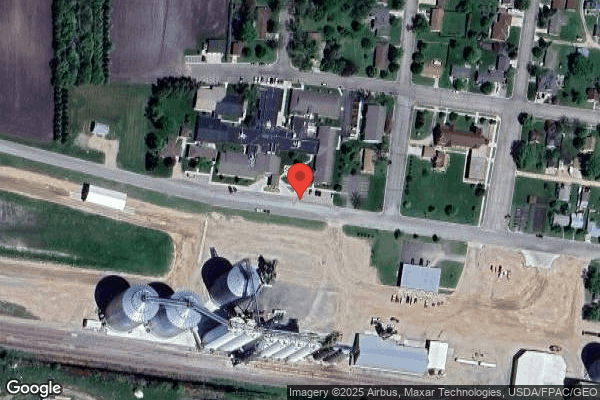
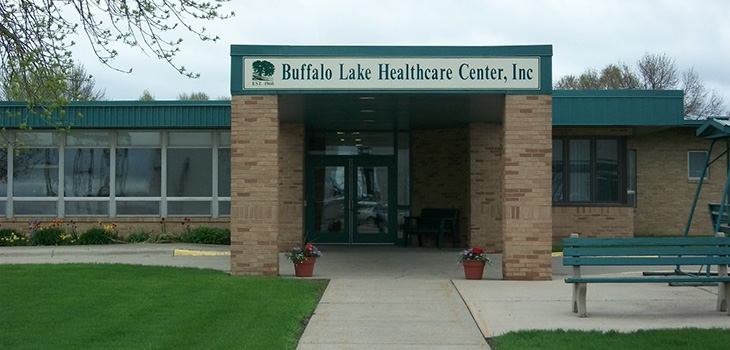
703 WEST YELLOWSTONE TRAIL, BUFFALO LAKE, MN 55314 (320) 833-5364
Non profit - Corporation 49 Beds Independent Data: November 2025
Trust Grade
90/100
#8 of 337 in MN
Last Inspection: November 2024

Within standard 12-15 month inspection cycle. Federal law requires annual inspections.

Overview

Buffalo Lake Health Care Center has an excellent Trust Grade of A, indicating they are highly recommended and performing well. They rank #8 out of 337 facilities in Minnesota, placing them in the top tier of care options, and they are the best choice among the four nursing homes in Renville County. The facility shows an improving trend, having reduced issues from five in 2023 to none in 2024. Staffing is rated at 4 out of 5 stars, with a turnover rate of 45%, which is average compared to the state average of 42%. However, there are concerns about RN coverage, as it is lower than 85% of Minnesota facilities, which may affect the quality of care. While there have been no fines recorded, which is a positive sign, recent inspections revealed some concerning incidents. For example, the facility did not report allegations of abuse involving a nursing assistant threatening a resident, and they failed to notify a physician about significant drops in a resident's blood pressure. Additionally, there were issues regarding the confidentiality of a resident's health conditions, as staff did not adequately protect private information. Overall, while there are commendable strengths, these weaknesses highlight areas that need attention.

Trust Score
A
90/100
In Minnesota
#8/337
Top 2%
Safety Record
Low Risk
No red flags
Inspections
Getting Better
5 → 0 violations
Staff Stability
⚠ Watch
45% turnover. Above average. Higher turnover means staff may not know residents' routines.
Penalties
✓ Good
No fines on record. Clean compliance history, better than most Minnesota facilities.
Skilled Nurses
✓ Good
Each resident gets 45 minutes of Registered Nurse (RN) attention daily — more than average for Minnesota. RNs are trained to catch health problems early.
Violations
✓ Good
Only 5 deficiencies on record. Cleaner than most facilities. Minor issues only.
★★★★★
5.0
Overall Rating
★★★★☆
4.0
Staff Levels
★★★☆☆
3.0
Care Quality
★★★★★
5.0
Inspection Score
Stable
2023: 5 issues
2024: 0 issues

The Good

  • 4-Star Staffing Rating · Above-average nurse staffing levels
  • Full Sprinkler Coverage · Fire safety systems throughout facility
  • No fines on record

Facility shows strength in staffing levels, fire safety.

The Bad

Staff Turnover: 45%

Near Minnesota avg (46%)

Higher turnover may affect care consistency

The Ugly 5 deficiencies on record

Dec 2023 1 deficiency
CONCERN (D) 📢 Someone Reported This

A family member, employee, or ombudsman was alarmed enough to file a formal complaint

Potential for Harm - no one hurt, but risky conditions existed

Report Alleged Abuse (Tag F0609)

Could have caused harm · This affected 1 resident

**NOTE- TERMS IN BRACKETS HAVE BEEN EDITED TO PROTECT CONFIDENTIALITY** Based on interview and document review, the facility failed to ensure allegations of abuse were reported immediately, within two...

Read full inspector narrative →
**NOTE- TERMS IN BRACKETS HAVE BEEN EDITED TO PROTECT CONFIDENTIALITY** Based on interview and document review, the facility failed to ensure allegations of abuse were reported immediately, within two hours, to the State Agency (SA) for 1 of 3 residents (R1) reviewed for allegations of abuse. R1's significant change Minimum Data Set (MDS) dated [DATE] indicated R1 had impaired cognition, and exhibited physical and verbal behaviors directed towards others daily that significantly interfered with R1's care. On 12/20/23 at 2:00 p.m. a Facility Reported Incident (FRI) submitted to the SA indicated nursing assistant (NA)-A had threatened to hit R1. On 12/28/23 at 12:10 p.m., registered nurse (RN)-A stated she was the charge nurse on 12/19/23. At approximately 10:30 p.m. on 12/19/23, NA-B told RN-A she had observed NA-A place her hands on R1 shoulders while speaking harshly to R1. RN-A could not remember what the exact words were reported to her. RN-A reported the incident to the director of nursing (DON) via text at approximately 10:45 p.m. on 12/19/23. On 12/28/23 at 1:03 p.m., the DON stated she received a text from RN-A the night of 12/19/23 indicating a staff member wanted to meet with her the next day. The DON she was not aware of the reason why. The DON stated this incident should have been reported to her right away after it occurred. The DON stated NA-A continued working with residents the evening of 12/19/23. On 12/28/23 at 1:27 p.m., the social worker (SW)-A stated she interviewed NA-B at 10:30 a.m. on 12/20/23. SW-A stated NA-B told her during cares on 12/19/23 at 4:15 p.m. she observed NA-A grab R1's shoulders and shout at R1. SW-A stated she was told NA-A said to R1, If you keep hitting me, I'm going to hit you back. The facility's Vulnerable Adult Policy dated 1/26/22 directed the facility will ensure all alleged violations including abuse, neglect exploitation or mistreatment, including injuries of unknown source and misappropriation of resident property, that may constitute reasonable suspicion of a crime are reported immediately, but not later than 2 hours after the allegation is made, if the events that cause the allegation involve abuse.
Dec 2023 4 deficiencies
CONCERN (D)

Potential for Harm - no one hurt, but risky conditions existed

Notification of Changes (Tag F0580)

Could have caused harm · This affected 1 resident

Based on interview and document review, the facility failed to notify a provider of a drop in blood pressure for 1 of 1 residents (R4) reviewed for orthostatic blood pressure (a measure of blood press...

Read full inspector narrative →
Based on interview and document review, the facility failed to notify a provider of a drop in blood pressure for 1 of 1 residents (R4) reviewed for orthostatic blood pressure (a measure of blood pressure before and after a change in position). Findings include: R4's face sheet printed 12/20/23, noted diagnoses included hypertension and type 2 diabetes mellitus. R4's signed physician's orders dated 12/6/23, included an order to check orthostatic blood pressure (blood pressure checked first when lying, then sitting, then standing) every four weeks. The order failed to provide instructions for updating the physician. Review of R4's orthostatic blood pressure results 10/2023-12/2023 were as follows: - 10/8/23 lying 154/89, sitting 147/54 - 11/5/23 sitting 167/74, standing 94/48 - 12/3/23 lying 138/65, sitting 151/112 R4's nurse notes for 10/2023 thru 12/20/23 failed to note changes in R4's orthostatic blood pressures or action taken as a result. On 12/20/23 at 9:23 a.m., R4's primary provider stated she did not recall being notified of the change in R4's blood pressure on 11/5/23, if she had, she would have made changes to R4's medications. She expected to be notified with any change in condition, including orthostatic blood pressures with a 20 point or greater drop in the systolic blood pressure (top number- measurement taken when the pressure on the walls of the artery is at the highest). On 12/20/23 at 11:13 a.m., registered nurse (RN)-A explained the process to check orthostatic blood pressure included initially checking the blood pressure while the resident is lying, then have the resident sit up for at least one minute before checking the blood pressure again, finally have the resident stand for at least one minute before checking the blood pressure for a third time. If the resident is unable to remain in either the sitting or standing position it is acceptable to check the blood pressure after only one change in position. The purpose of the orthostatic blood pressure was to monitor for a drop in the systolic. RN-A considered a big drop to be 10-15 points. If a big drop occurred, RN-A would update the charge nurse and document in the residents record if there were signs of dizziness, feeling faint or unsteady and what the actions were taken. When asked to review R4's orthostatic blood pressures from 11/5/23, RN-A stated R4's provider should have been notified of this drop as it was a big drop and was concerning. RN-A noted there was no documentation is R4's nurse notes regarding the change in blood pressure or actions. On 12/20/23 at 11:29 a.m., director of nurse (DON) stated a change of 20 points or great in the systolic blood pressure, the provider should have been updated. DON left it up to the nurse completing the orthostatic blood pressure to decide if they blood pressure should be rechecked later. DON expected the results and actions taken following the results were documented in the nurses' notes. DON confirmed there were not nurse notes in R4's record regarding the orthostatic blood pressures taken on 11/5/23. The facility did not have a policy that provided direction for rechecking orthostatic blood pressure. With R4's history of falls, the different from sitting to standing was concerning as it could increase R4's risk for falling. Facility policy titled Change of Condition- Physician, Resident, Family/Responsible Party Notification with a review date 10/2023, instructed to notify the physician any time there is a change in condition.
CONCERN (D)

Potential for Harm - no one hurt, but risky conditions existed

Deficiency F0583 (Tag F0583)

Could have caused harm · This affected 1 resident

**NOTE- TERMS IN BRACKETS HAVE BEEN EDITED TO PROTECT CONFIDENTIALITY** Based on observation, interview and document review, the facility failed to ensure confidentiality of health conditions for 1of ...

Read full inspector narrative →
**NOTE- TERMS IN BRACKETS HAVE BEEN EDITED TO PROTECT CONFIDENTIALITY** Based on observation, interview and document review, the facility failed to ensure confidentiality of health conditions for 1of 1 residents (R42) who was reviewed for right to privacy. Findings include: R42's admission MinimumData Set (MDS) dated [DATE], identified resident as having intact cognition and frequent incontinence of bowel and bladder. R42's order summary report dated 12/20/23, indicated resident was taking Vancomycin (an antibiotic medication) for enterocolitis (inflammation of the inner lining of the small intestine and colon) due to clostridium Difficile (C. diff- an infection in the colon). R42's care plan dated 12/18/23 indicated the potential for complications r/t (C.diff) and instructed staff contact precautions were in place due to C. diff infection. During observations 12/18/23 at 2:33 p.m., 12/19/23 at 9:24 a.m., and 12/20/23 at 8:56 a.m., a cart with personal protective (PPE) supplies was present in the hall outside R42's room door and signage was hung on the outside of R42's door. The hung signage included the type of isolation precautions staff should use when entering the resident room for cares, how to don and doff PPE, and to stop and check with the nurse before entering. One posted sign on the door was titled Contact Precautions with instructions to remove the sign after the room was cleaned and listed Common conditions and If patient has diarrhea (C. difficile) use contact enteric precautions highlighted in yellow. Posted on the wall in the hall next to R42's door was a typed paper sign titled Reminders for C. Diff Precautions and included bullet points regarding where residents should shower and use the bathroom. When interviewed on 12/20/23 at 8:11 AM, trained medication aide (TMA)-A stated when a resident need to be on isolation protocol is to place a cart with PPE outside the room and to put signage on the door directing staff which type of precautions to use during cares depending on which infection the resident had. The signage should include the type of precautions necessary to assist with resident cares. When interviewed on 12/20/23 at 9:07 a.m., the director of nursing (DON) stated when isolation precautions are implemented for a resident with an active infection the charge nurse placed the carts and signage. The signage should instruct staff to the type of precautions to use, the PPE necessary for cares and should not indicate the specific infection the resident has. The DON reviewed the signage on R42's door and confirmed the two signs specifying C. diff were visible to other residents and visitors to the facility and did not need to be there. The DON stated there was a verbal and written shift report system where staff were notified of the type of infection a resident had and their personal information should be protected from those who did not need to know. The facility policy Transmission Based Precautions Policy and Procedure Buffalo Lake Healthcare Center dated October 2023, identified Signage can either indicate the CDC category of Transmission-based Precautions and must comply with resident's rights to confidentiality and privacy.
CONCERN (D)

Potential for Harm - no one hurt, but risky conditions existed

Deficiency F0625 (Tag F0625)

Could have caused harm · This affected 1 resident

**NOTE- TERMS IN BRACKETS HAVE BEEN EDITED TO PROTECT CONFIDENTIALITY** Based on interview and document review, the facility failed to provide the resident or their representative a written bed hold p...

Read full inspector narrative →
**NOTE- TERMS IN BRACKETS HAVE BEEN EDITED TO PROTECT CONFIDENTIALITY** Based on interview and document review, the facility failed to provide the resident or their representative a written bed hold policy at the time of hospital transfer for 2 of 2 residents (R24 and R40) who was reviewed for hospitalization. Findings include: R24's significant change Minimum Data Set (MDS) dated [DATE], indicated R24 had moderately impaired cognition. R24's progress notes indicated R24 was hospitalized on [DATE] and returned to the facility on [DATE]. R24 was re-hospitalized on [DATE] and returned to the facility on [DATE]. R24's medical record lacked evidence a bed hold was provided at the time of transfer for either hospitalization. R40's MDS dated [DATE], indicated R40 had moderately impaired cognition. R40's progress notes indicated R40 was hospitalized on [DATE] and returned to the facility on [DATE]. R40's medical record lacked evidence a bed hold was provided at the time of transfer for hospitalization. During an interview on 12/20/23 at 9:40 a.m., the director of nursing (DON) expected when a resident was transferred out of the facility a bed hold was initiated by the charge nurse and was sent with to the hospital. DON stated she expected the social worker to follow up to determine if the resident wanted to continue holding the bed. If staff had asked the resident and or family it would be documented in the progress notes. DON confirmed that she could not find communication with the resident and or family in regard to a bed hold for R24 or R40's hospitalizations. During interview on 12/20/23 at 9:45 a.m. DON stated she followed up with her social worker to see what exactly the process was with the social worker stating when a bed hold was sent with the resident, SW assumed that the resident wanted their bed held and did not follow up the following day to discuss. DON stated it is important for the resident and/or family to be aware and have a written notice of a bed hold so they are aware of what they may have to pay for and that they have a spot to come back to. A facility policy titled Bed Hold and Return to Facility with a date of 3/2017, identified the resident or their representative will be provided with bed hold and return information at admission and before a hospital transfer or therapeutic leave. The facility will maintain in contact with the resident and representative while the resident is absent from the facility and arrange for their return if appropriate. Nursing and social work staff are educated about the resident's bed hold and return rights to ensure that required information is provided at the time the resident leave the facility. The facility will provide the resident or resident representative a written notice which specifies the duration of the bed-hold policy at the time of transfer for hospitalization or therapeutic leave. In cases or emergency transfer, notice at the time of transfer means that the facility will send the notice along with the necessary paperwork to the receiving setting and the resident representative will be notified the next business day. The social worker will contact the resident or the representative on the next business day to ensure that they understand the bed hold and return to facility information. Documentation of bed hold notice will be filed in the individual medical record.
CONCERN (D)

Potential for Harm - no one hurt, but risky conditions existed

Deficiency F0883 (Tag F0883)

Could have caused harm · This affected 1 resident

**NOTE- TERMS IN BRACKETS HAVE BEEN EDITED TO PROTECT CONFIDENTIALITY** Based on interview and document review, the facility failed to ensure 3 of 5 residents (R26, R31 and R40) reviewed for immunizat...

Read full inspector narrative →
**NOTE- TERMS IN BRACKETS HAVE BEEN EDITED TO PROTECT CONFIDENTIALITY** Based on interview and document review, the facility failed to ensure 3 of 5 residents (R26, R31 and R40) reviewed for immunizations were offered and/or provided the pneumococcal vaccine series as recommended by the Centers for Disease Control (CDC) to help reduce the risk of associated infection(s). Findings include: A CDC Pneumococcal Vaccine Timing for Adults feature, dated 3/15/2023, identified various tables when each (or all) of the pneumococcal vaccinations should be obtained. This identified when an adult over [AGE] years old had received the complete series (i.e., PPSV23 and PCV13; see below) then the patient and provider may choose to administer Pneumococcal 20-valent Conjugate Vaccine (PCV20) for patients who had received Pneumococcal 13-valent Conjugate Vaccine (PCV13) at any age and Pneumococcal Polysaccharide Vaccine 23 (PPSV23) at or after [AGE] years old. R26's face sheet, dated 12/20/23, indicated he was [AGE] years old. The immunization record, dated 12/20/23, indicated he received a PPSV23 on 6/22/2012 followed by the PCV13 on 10/17/2014. The record lacked evidence of shared clinical decision making with the physician for PCV20 at least 5 years after the last pneumococcal dose. The record lacked evidence that R26 was offered or received PCV20. R31's face sheet, dated 12/20/23, indicated she was [AGE] years old. The immunization record, dated 12/20/23, indicated she received a PCV13 on 10/14/2007 followed by a PCV13 on 9/25/2013 and a PCV13 on 10/30/2015. The record lacked evidence of shared clinical decision making with the physician for PCV20 at least 5 years after the last pneumococcal dose. The record lacked evidence that R31 was offered or received PCV20. R40's face sheet, dated 12/20/23, indicated he was [AGE] years old. The immunization record, dated 12/20/23, indicated he received a PCV13 on 10/31/2006 followed by a PCV13 on 11/22/2011 and a PCV13 on 8/22/2017. The record lacked evidence of shared clinical decision making with the physician for PCV20 at least 5 years after the last pneumococcal dose. The record lacked evidence that R40 was offered or received PCV20. During record review, the Vaccine Consent Form offered residents the following vaccinations: PCV13, PPSV23, Influenza and COVID-19. PCV20 is not mentioned on this form for residents to receive. During an interview with infection preventionist (IP) on 12/20/2023 at 9:55 a.m., the IP indicated immunizations were verified upon admission through MIIC (Minnesota Immunization Information Connection). IP stated residents and/or their families were asked and consents are obtained if immunizations are needed. IP stated IP is using the immunization hand dial for pneumococcal immunizations. IP verified R26, R31, and R40's pneumococcal immunizations as listed above. IP stated that IP was just recently made aware of the PCV20 and stated that it has not been implemented or offered by the facility. IP verified they had not been offered or provided education on PCV20. IP verified there had been no shared clinical decision making with the provider regarding pneumococcal immunizations for R26, R31 and R40. A facility policy titled Pneumococcal, Influenza, COVID Vaccines with a review date of 10/23 was provided. Policy indicated: Resident/legal representative will receive and sign or provide a verbal consent for vaccines for influenza, pneumococcal and COVID vaccination on/or during the admission process or during the flu season. They will also receive a copy of the current vaccine information statement (VIS) related to the risks and benefits of receiving the immunization at the time of the immunization. Each resident wishing to receive the immunization will receive it as soon as possible.
Understanding Severity Codes (click to expand)
Life-Threatening (Immediate Jeopardy)
J - Isolated K - Pattern L - Widespread
Actual Harm
G - Isolated H - Pattern I - Widespread
Potential for Harm
D - Isolated E - Pattern F - Widespread
No Harm (Minor)
A - Isolated B - Pattern C - Widespread

Questions to Ask on Your Visit

  • "Can I speak with families of current residents?"
  • "What's your RN coverage like on weekends and overnight?"

Our Honest Assessment

Strengths
  • • Grade A (90/100). Above average facility, better than most options in Minnesota.
  • • No major safety red flags. No abuse findings, life-threatening violations, or SFF status.
  • • No fines on record. Clean compliance history, better than most Minnesota facilities.
  • • Only 5 deficiencies on record. Cleaner than most facilities. Minor issues only.
Concerns
  • • No significant concerns identified. This facility shows no red flags across CMS ratings, staff turnover, or federal penalties.
Bottom line: Generally positive indicators. Standard due diligence and a personal visit recommended.

About This Facility

What is Buffalo Lake Health's CMS Rating?

CMS assigns BUFFALO LAKE HEALTH CARE CENTER an overall rating of 5 out of 5 stars, which is considered much above average nationally. Within Minnesota, this rating places the facility higher than 99% of the state's 100 nursing homes. This rating reflects solid performance across the metrics CMS uses to evaluate nursing home quality.

How is Buffalo Lake Health Staffed?

CMS rates BUFFALO LAKE HEALTH CARE CENTER's staffing level at 4 out of 5 stars, which is above average compared to other nursing homes. Staff turnover is 45%, compared to the Minnesota average of 46%. This relatively stable workforce can support continuity of care.

What Have Inspectors Found at Buffalo Lake Health?

State health inspectors documented 5 deficiencies at BUFFALO LAKE HEALTH CARE CENTER during 2023. These included: 5 with potential for harm.

Who Owns and Operates Buffalo Lake Health?

BUFFALO LAKE HEALTH CARE CENTER is owned by a non-profit organization. Non-profit facilities reinvest revenue into operations rather than distributing to shareholders. The facility operates independently rather than as part of a larger chain. With 49 certified beds and approximately 44 residents (about 90% occupancy), it is a smaller facility located in BUFFALO LAKE, Minnesota.

How Does Buffalo Lake Health Compare to Other Minnesota Nursing Homes?

Compared to the 100 nursing homes in Minnesota, BUFFALO LAKE HEALTH CARE CENTER's overall rating (5 stars) is above the state average of 3.2, staff turnover (45%) is near the state average of 46%, and health inspection rating (5 stars) is much above the national benchmark.

What Should Families Ask When Visiting Buffalo Lake Health?

Based on this facility's data, families visiting should ask: "Can I visit during a mealtime to observe dining assistance and food quality?" "How do you handle medical emergencies, and what is your hospital transfer rate?" "Can I speak with family members of current residents about their experience?"

Is Buffalo Lake Health Safe?

Based on CMS inspection data, BUFFALO LAKE HEALTH CARE CENTER has a clean safety record: no substantiated abuse findings (meaning no confirmed cases of resident harm), no Immediate Jeopardy citations (the most serious violation level indicating risk of serious injury or death), and is not on the Special Focus Facility watch list (a federal program monitoring the lowest-performing 1% of nursing homes). The facility has a 5-star overall rating and ranks #1 of 100 nursing homes in Minnesota. While no facility is perfect, families should still ask about staff-to-resident ratios and recent inspection results during their visit.

Do Nurses at Buffalo Lake Health Stick Around?

BUFFALO LAKE HEALTH CARE CENTER has a staff turnover rate of 45%, which is about average for Minnesota nursing homes (state average: 46%). Moderate turnover is common in nursing homes, but families should still ask about staff tenure and how the facility maintains care continuity when employees leave.

Was Buffalo Lake Health Ever Fined?

BUFFALO LAKE HEALTH CARE CENTER has no federal fines on record. CMS issues fines when nursing homes fail to meet care standards or don't correct problems found during inspections. The absence of fines suggests the facility has either maintained compliance or corrected any issues before penalties were assessed. This is a positive indicator, though families should still review recent inspection reports for the full picture.

Is Buffalo Lake Health on Any Federal Watch List?

BUFFALO LAKE HEALTH CARE CENTER is not on any federal watch list. The most significant is the Special Focus Facility (SFF) program, which identifies the bottom 1% of nursing homes nationally based on persistent, serious quality problems. Not being on this list means the facility has avoided the pattern of deficiencies that triggers enhanced federal oversight. This is a positive indicator, though families should still review the facility's inspection history directly.