Franklin Restorative Care Center
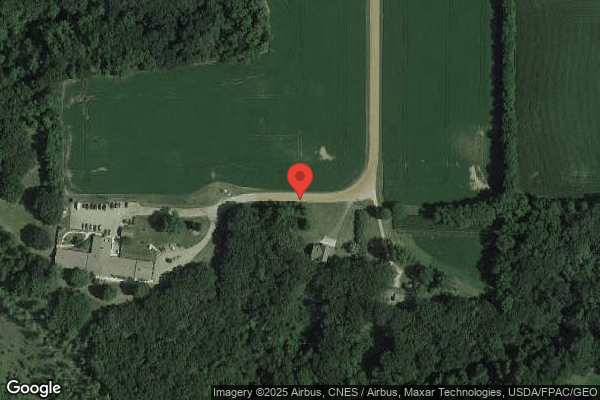
900 3RD STREET SOUTH, FRANKLIN, MN 55333 (507) 557-2211
For profit - Corporation 40 Beds Independent Data: November 2025
Trust Grade
25/100
#291 of 337 in MN
Last Inspection: May 2025

Inspected within the last 6 months. Data reflects current conditions.

Overview

Franklin Restorative Care Center has received a Trust Grade of F, indicating significant concerns about its care and operations. This facility ranks #291 out of 337 in Minnesota, placing it in the bottom half, and #3 out of 4 in Renville County, meaning only one local option is better. The situation appears to be worsening, as the number of issues reported increased from 7 in 2024 to 20 in 2025. Staffing is a major concern, with a rating of 1 out of 5 stars and a high turnover rate of 77%, which is significantly above the state average of 42%. On a positive note, the facility has not incurred any fines, but the RN coverage is below average, with less coverage than 88% of state facilities. Specific incidents noted by inspectors include a failure to properly investigate falls, resulting in a resident suffering a fractured rib, and inadequate RN staffing, which could negatively impact care for residents. Additionally, the facility did not provide all required staffing information daily, which could mislead residents and their families. Overall, while there are some strengths, such as no fines, the numerous weaknesses raise significant concerns for families considering this nursing home for their loved ones.

Trust Score
F
25/100
In Minnesota
#291/337
Bottom 14%
Safety Record
Moderate
Needs review
Inspections
Getting Worse
7 → 20 violations
Staff Stability
⚠ Watch
77% turnover. Very high, 29 points above average. Constant new faces learning your loved one's needs.
Penalties
✓ Good
No fines on record. Clean compliance history, better than most Minnesota facilities.
Skilled Nurses
○ Average
Each resident gets 33 minutes of Registered Nurse (RN) attention daily — about average for Minnesota. RNs are the most trained staff who monitor for health changes.
Violations
⚠ Watch
37 deficiencies on record. Higher than average. Multiple issues found across inspections.
★☆☆☆☆
1.0
Overall Rating
★☆☆☆☆
1.0
Staff Levels
★☆☆☆☆
1.0
Care Quality
★☆☆☆☆
1.0
Inspection Score
Stable
2024: 7 issues
2025: 20 issues

The Good

  • Full Sprinkler Coverage · Fire safety systems throughout facility
  • No fines on record

Facility shows strength in fire safety.

The Bad

1-Star Overall Rating

Below Minnesota average (3.2)

Significant quality concerns identified by CMS

Staff Turnover: 77%

31pts above Minnesota avg (46%)

Frequent staff changes - ask about care continuity

Staff turnover is very high (77%)

29 points above Minnesota average of 48%

The Ugly 37 deficiencies on record

1 actual harm
May 2025 17 deficiencies
CONCERN (D)

Potential for Harm - no one hurt, but risky conditions existed

Deficiency F0554 (Tag F0554)

Could have caused harm · This affected 1 resident

**NOTE- TERMS IN BRACKETS HAVE BEEN EDITED TO PROTECT CONFIDENTIALITY** Based on observation, interview, and document review the facility failed to ensure a self-administration of medications assessme...

Read full inspector narrative →
**NOTE- TERMS IN BRACKETS HAVE BEEN EDITED TO PROTECT CONFIDENTIALITY** Based on observation, interview, and document review the facility failed to ensure a self-administration of medications assessment was completed, and orders obtained, for all medications kept at bedside for 1 of 1 residents (R24) observed with medications at their bedside. Findings include: R24's quarterly MDS, dated [DATE], indicated R24 was cognitively intact, and diagnoses included diabetes, heart failure, and chronic obstructive pulmonary disease (COPD). On 5/20/25 at 7:39 a.m., licensed practical nurse (LPN)-B was observed setting up R24's morning medications but was unable to locate R24's fluticasone-salmeterol (Advair) inhaler in the medication cart. Trained medication assistant (TMA)-A suggested LPN-B look on R24's bedside table to see if the inhaler had been left in R24's room the previous night. On 5/20/25 at 7:59 a.m., when LPN-B entered R24's room to administer his medications, R24's Advair discus was observed on R24's bedside table and was within R24's reach. When LPN-B asked R24 about the Advair discus, R24 stated, yeah, they never put that away last night. R24's order summary report, dated 5/20/25, indicated an order with a start date of 4/4/24, for Advair 500-50 mcg/act 1 puff inhale orally two times a day related to COPD. R24's self-administration of medications (SAM) assessment dated [DATE], indicated R24 was safe to self-administer Bio Freeze and nicotine gum as needed (PRN), and would be left at bedside table for resident to take. However, the SAM assessment did not indicate R24 was determined to safely self-administer Advair. R24's care plan report printed 5/20/25, indicated R24's safety was at risk and there was a potential for abuse due to current medical condition, use of medications, need for assistance with cares and mobility. On 5/28/25 at 3:54 p.m., the director of nursing (DON) confirmed R24's SAM did not indicate it was safe for R24 to keep Advair at bedside to self-administer. DON stated the only medications that were to be left at bedside were those a SAM identified as safe to do so after a nurse evaluation. DON stated she expected staff to store all medication appropriately for the safety of the resident and other residents. The facility's Person-Centered Medication Administration policy, dated 2024, indicated residents had the right to choose the medication goals and preferences, and the facility would determine if the residents' choices presented a risk or safety challenge to the resident or other residents.
CONCERN (D)

Potential for Harm - no one hurt, but risky conditions existed

Deficiency F0582 (Tag F0582)

Could have caused harm · This affected 1 resident

**NOTE- TERMS IN BRACKETS HAVE BEEN EDITED TO PROTECT CONFIDENTIALITY** Based on interview and record review the facility failed to ensure the Skilled Nursing Facility Advanced Beneficiary Notice (SNF...

Read full inspector narrative →
**NOTE- TERMS IN BRACKETS HAVE BEEN EDITED TO PROTECT CONFIDENTIALITY** Based on interview and record review the facility failed to ensure the Skilled Nursing Facility Advanced Beneficiary Notice (SNFABN-CMS-10055) was provided to 1 of 3 residents (R143) reviewed for beneficiary notification. Findings include: R143's discharge minimum data set (MDS) dated [DATE], indicated R143 was admitted on [DATE] and discharged on 3/27/2025, and their Medicare part A services ended on 2/19/2025. R143's SNFABN-CMS-10055 signed on 2/19/25, informed them services would end on 2/19/2025. However, this notice was given outside of the 48 hours prior to services ending requirement, and was provided the same day as services ending. On 5/19/25 at 2:41 p.m., the office manager (OM) stated they were responsible for completing the Medicare SNFABN-0CMS-10055 forms, and they were expected to provide them to the resident 48 hours prior to the end of services. OM stated they were typically informed by therapies or the MDS nurse when someone's services were ending. OM confirmed R143 was given their SNFABN-CMS-10055 outside of the required 48 hours prior to end of services. OM stated the SNFABN-CMS-10055 were important to provide to the resident so they were aware they will need to cover the cost of services at that time. On 5/22/25 at 10:054 a.m., the administrator stated their expectation was for the staff member responsible to complete and provide the notices to the resident and to follow the guidelines of their policy related to the time frame. The administrator stated it was important to provide these notices because it was part of the Medicare process. The facility policy dated 2024, indicated to ensure the resident or representative has enough time to make a decision whether or not to receive the services in question and assume financial responsibility, the notice shall be provided at least two days before the end of a Medicare part A stay or when all of Part B therapies are ending.
CONCERN (D)

Potential for Harm - no one hurt, but risky conditions existed

Safe Environment (Tag F0584)

Could have caused harm · This affected 1 resident

**NOTE- TERMS IN BRACKETS HAVE BEEN EDITED TO PROTECT CONFIDENTIALITY** Based on observations, interviews and document review, the facility failed to ensure resident living areas were free from unwant...

Read full inspector narrative →
**NOTE- TERMS IN BRACKETS HAVE BEEN EDITED TO PROTECT CONFIDENTIALITY** Based on observations, interviews and document review, the facility failed to ensure resident living areas were free from unwanted noise for 3 of 4 residents (R3, R14, R22) reviewed for uncomfortable sound levels. This had the potential to affect residents in surrounding rooms, visitors and facility staff. Findings include: R3's annual Minimum Data Set (MDS), dated [DATE], indicated R3 was cognitively intact, and diagnoses included schizophrenia, anxiety disorder, major depressive disorder, bipolar disorder, and delusional disorders. R14's significant change MDS, dated [DATE], indicated R14 was cognitively intact, and diagnoses included major depressive disorder, mood affective disorder, and diabetes. R22's quarterly MDS, dated [DATE], indicated R22 was cognitively intact, and diagnoses included chronic tension-type headache, major depressive disorder, and anxiety disorder. On 5/20/25 at 7:39 a.m., during a medication administration observation, a continuous, loud, high-pitched, obstructive noise was heard repeatedly for long lengths of time in the hallway outside the residents' rooms. Trained medication aide (TMA)-A stated the noise was from the call light system that was located at the nurses' station. The nurses' station was in the center of the building, between the 3 resident hallways, and adjacent to the resident common area. It was noted that the noise could be heard down the length of the resident hallways. The call light system was activated for long periods of time, frequently, throughout the survey period. A sample of activation time lengths were as follows: On 5/20/25 at 10:39 a.m., the noise from the call light sounded non-stop for 24 minutes. On 5/20/25 at 1:21 p.m., the noise from the call light sounded non-stop for 20 minutes. On 5/21/25 at 11:48 a.m., the noise from the call light sounded non-stop for 34 minutes. On 5/21/25 at 3:10 p.m., the noise from the call light sounded non-stop for 19 minutes. On 5/22/25 at 2:29 p.m., the noise from the call light sounded non-stop for 9 minutes. On 5/22/25 at 3:02 p.m., the noise from the call light sounded non-stop for 19 minutes. On 5/27/25 at 2:32 p.m., the noise from the call light sounded non-stop for 8 minutes. On 5/28/25 at 8:35 a.m., the noise from the call light sounded non-stop for 13 minutes. On 5/28/25 at 2:46 p.m., the noise from the call light sounded non-stop for 18 minutes. On 5/20/25 at 10:32 a.m., R22 stated the call light alarms go off a lot for long periods of time until a staff person turns them off. The noise was irritating. R3 and R14 agreed with R22's statement. R14 stated the call light noise occurred even at night and the loud noises affected sleep. On 5/22/25 at 1:31 p.m., registered nurse (RN)-A and licensed practical nurse (LPN)-C stated they have been frustrated because it was hard to work with the noise from the call light system and they found it incredibly hard to focus on what they were doing. RN-A stated residents have complained about the noise and have yelled, shut that [expletive] thing up. RN-A stated the frequent noise has caused more severe negative resident behaviors, and it has been a concern the entire time RN-A has worked at the facility. RN-A and LPN-C stated they had reported the concern about the noise level's effect on residents, but were told nothing can be done. On 5/28/25 at 3:54 p.m., the director of nursing (DON) stated an environment that was not calm could contribute to challenging resident behaviors and had identified loud noises as a trigger for residents. DON stated concern the frequent call light noise throughout the day and night in common areas and rooms negatively affected resident quality of life. DON acknowledged the constant distraction from the loud noise could negatively affect staff performance and their ability to concentrate. DON stated a call light system was required for safety, but a quieter sounding alarm would be better for the residents. On 5/28/25 at 5:31 p.m., the administrator stated background noise could be difficult for residents with dementia to sort out, too much noise could be overstimulating, and it was important to maintain a calm environment. The facility's call light system is old, and the board, located at the nursing station, rings until the call is answered and shut off. The facility's General Information document, undated, provided with the facility's admission packet, indicated quiet hours were from 10:00 p.m. to 6:00 a.m., and to be considerate of the rights of other residents, including noise control. The facility's Resident Rights policy, dated 2024, indicated the resident has a right to a safe, clean, comfortable and homelike environment. The facility's Resident Environmental Quality policy, dated 2024, indicated the facility would be designed, constructed, equipped, and maintained to provide a safe, functional, sanitary and comfortable environment for residents, staff and the public.
CONCERN (D)

Potential for Harm - no one hurt, but risky conditions existed

Deficiency F0605 (Tag F0605)

Could have caused harm · This affected 1 resident

**NOTE- TERMS IN BRACKETS HAVE BEEN EDITED TO PROTECT CONFIDENTIALITY** Based on interview and document review the facility failed to ensure ordered as needed (PRN) antipsychotic medications were limi...

Read full inspector narrative →
**NOTE- TERMS IN BRACKETS HAVE BEEN EDITED TO PROTECT CONFIDENTIALITY** Based on interview and document review the facility failed to ensure ordered as needed (PRN) antipsychotic medications were limited to a 14-day time period and clinical rational indicated continuation past the 14-day time period. Additionally, the facility failed to ensure a gradual dose reduction (GDR) or appropriate indication for use for medications was documented for 2 of 4 residents (R15, and R27) reviewed for unnecessary medications. Findings include: R15's admission MDS dated [DATE], indicated R15 was admitted on [DATE], was moderately cognitively impaired, and had the following diagnoses: anemia (low iron count in the bloodstream), heart failure (failure of the heart to pump blood efficiently), renal insufficiency (kidneys inability to filter blood efficiently), diabetes, HLD, and anxiety. R15's order summary report dated 5/20/25, indicated R15 was currently prescribed alprazolam (benzodiazepine) 0.5 mg (milligrams)-give two tablets by mouth every 6 hours PRN, with a start date of 2/14/2025. R15's medical record lacks any evidence of clinical indication or rational to continue past the required 14-day time frame. R15's monthly pharmacy reconciliation for March 2025, indicated the pharmacist requested the clinical rational for surpassing the 14-day time frame. R15's medical record lacked any evidence of a rationale, or any evidence the facility responded to the pharmacist request. R27's significant change MDS dated [DATE], indicated R27 was admitted on [DATE], was severely cognitively impaired, and had the following diagnoses: peripheral vascular disease (PVD) (inability of the blood vessels and capillaries in the extremities to constrict enough to send the blood back to the heart), arthritis, Alzheimer's, and anxiety. R27's order summary report date 5/20/25, indicated R27 was currently prescribed the following medications: 1. Haloperidol (antipsychotic) inject 0.25 ml intramuscularly (IM) every 24 hours PRN, with a start date 3/21/25. 2. Lexapro (antidepressant) give 10 mg my mouth daily with a start date of 8/6/24. 3. Olanzapine (antipsychotic) give 10 mg three times daily (TID) and every 4 hours PRN with a start date of 3/21/25. 4. Morphine (analgesic) give 5 mg by mouth every 4 hours PRN with the indication of dementia. R27's medical record lacks any evidence of clinical indication or rational to continue past the 14-day time frame for both Haloperidol and/or Olanzapine. Furthermore, R27's medical record lacked any evidence of a GRD being completed or attempted for Lexapro. R27's monthly pharmacy reconciliation for January 2025, indicated the pharmacist requested the clinical rational for Haloperidol surpassing the 14 days, for a second time. R27's medical record lacked any evidence of the facility responded to the pharmacist request. R27's monthly pharmacy reconciliation for April 2025, indicated the pharmacist requested the clinical rationale for Olanzapine, a third request for the rationale for Haloperidol, and requested a GDR for Lexapro. R27's medical record lacked any evidence of the rationale, the GDR, or if the facility responded to the pharmacist requests. R27's monthly pharmacy reconciliation for May 2025, indicated the pharmacist had send a fourth request for haloperidol clinical rationale, and a second request for Olanzapine clinical rational. R27's medical record lacked any evidence the facility responded to the pharmacist request. On 5/28/25 at 1:56 p.m., the consulting pharmacist (O)-D stated their expectation was if the psychotropic medication needed to be continued, the provider should have provided a clinical rational explaining why and a duration. The pharmacist confirmed both R15 and R27's medical records lacked any clinical rational to support the continuance of their above listed medications. The pharmacist stated their expectation for a GDR was to be completed within 6 months after starting the medication and then yearly. The pharmacist stated the importance of completing GDR's, as the side effects of these meds can be harmful and it was important to keep them on the lowest effective dose. The Pharmacist reviewed the indication of R27's morphine order, and confirmed dementia was not an acceptable indication for this medication. Lastly, the pharmacist confirmed they had attempted to address all of the above issues in R15 and R27's monthly pharmacy reviews, however they had not received any response from the facility. On 5/28/25 at 3:54 p.m., the director of nursing (DON) confirmed R15 and R27 did not have documented clinical rational to continue use of PRN medications beyond 14 days. The DON stated their expectation was the clinical rational be documented in the residents medical records. The DON confirmed no GDR had been attempted for R27's Lexapro, and the DON expected one to have been completed within 6 months of starting the mediation, and then yearly, GDR's were important to keep the resident on the lowest possible does as some of these medications have a black box warning. The DON confirmed the indication for R27's morphine of dementia was not appropriate and should have been more personalized. Lastly, the DON confirmed they were unsure who was responsible for completing the monthly pharmacy reviews for the facility. The previous DON had left unexpectedly, and the current DON stated they assumed the pharmacy reviews had been sent to the previous DON and now they were unsure who was completing them,. The DON stated the importance of responding and following up on pharmacy's recommendations to ensure safe medication usage and ensuring the residents were getting their appropriate mediations for the right reasons. The facility policy Use of Psychotropic medications last reviewed 3/5/25, indicated PRN orders for psychotropic medications, excluding antipsychotics, shall be limited to no more than 14 days unless the physician believe it appropriate to extend beyond 14 days. The medical record should include documentation from the physician for the rationale for the extended time period and indicate a specific duration. Residents who use psychotropic medication shall receive gradual dose reductions, unless clinically contraindicated, in an effort to discontinue these drugs. Lastly, the residents medical record shall include documentation of the rationale for chosen treatment options.
CONCERN (D)

Potential for Harm - no one hurt, but risky conditions existed

Deficiency F0657 (Tag F0657)

Could have caused harm · This affected 1 resident

**NOTE- TERMS IN BRACKETS HAVE BEEN EDITED TO PROTECT CONFIDENTIALITY** Based on record review and interviews the facility failed to update the care plan for 1 of 2 residents (R31) reviewed for pressu...

Read full inspector narrative →
**NOTE- TERMS IN BRACKETS HAVE BEEN EDITED TO PROTECT CONFIDENTIALITY** Based on record review and interviews the facility failed to update the care plan for 1 of 2 residents (R31) reviewed for pressure ulcer interventions. Findings include: R31's significant change minimum data set (MDS) dated [DATE], indicated R31 was cognitively intact and had the following diagnoses: osteoporosis (deterioration of bone structure), thyroid disorder, malnutrition, and depression. R5's care plan last reviewed 4/21/25, indicated R31 has the potential for nutrition/hydration problems and an intervention listed was Arginaid Oral packet (Nutritional Supplements) give one packet by mouth two times daily to aid with wound healing. R5's physician orders accessed 5/27/25, indicated following order: Arginaid Oral Packet (Nutritional Supplements) give 1 packet by mouth two times daily was stated on 2/14/2024 and discontinued on 8/26/2024. On 5/27/25 at 1:48 p.m., the licensed practical nurse (LPN)-A stated the charge nurse on duty was responsible for updating the care plans when necessary. LPN-A stated there was no set schedule of when to complete the updates but they typically happened the same day or as soon as possible after. On 5/28/25 at 3:54 p.m., the director of nursing (DON) stated their expectation was the care plans should be updated at least quarterly and with all changes of condition. The DON confirmed they would have expected R31's care plan to have been updated prior to present day as the order was discontinued in August of 24'. The DON stated the importance of updating care plans to provide consistent and current care for the residents. The facility policy was requested and not provided.
CONCERN (D)

Potential for Harm - no one hurt, but risky conditions existed

Quality of Care (Tag F0684)

Could have caused harm · This affected 1 resident

**NOTE- TERMS IN BRACKETS HAVE BEEN EDITED TO PROTECT CONFIDENTIALITY** Based on record review and interview the facility failed to accurately implement physician orders for 1 of 1 resident (R5) revie...

Read full inspector narrative →
**NOTE- TERMS IN BRACKETS HAVE BEEN EDITED TO PROTECT CONFIDENTIALITY** Based on record review and interview the facility failed to accurately implement physician orders for 1 of 1 resident (R5) reviewed for weekly weight monitoring. Findings include: R5's annual minimum data set (MDS) dated [DATE], indicated R5 was cognitively intact, and had the following diagnoses: neurogenic bladder, paraplegia (has lost use of some of their limbs), malnutrition, and depression. R5's physician order list accessed 5/22/25, indicated a physician order which started on 12/27/23 indicated weekly weights and vitals on bath day as an active order. R5's care plan last reviewed 3/14/25, indicated R5 was at risk for potential nutrition/hydration problems, and to monitor weights per MD order and/or facility policy. R5's electronic medical administration record (eMAR) and treatment administration record (TAR) were reviewed from December 2024 through May 2025, and the last documented weight for R5 was on 12/25/24. On 5/27/25 at 1:48 p.m., licensed practical nurse (LPN)-A stated the nurse on duty was responsible for collecting weights which need to be completed, or when appropriate delegating the task to a certified nursing assistant (CNA). LPN-A stated the weights to be completed, show up in the MAR and TAR, or they will receive and email from the dietician or dietary requesting one. LPN-A confirmed there were no further weights charted since December 2024 and was unsure why they were not completed. LPN-A further noted the R5 was agreeable to taking their weight and stated it would not be charted in any other locations. On 5/28/25 at 3:54 p.m., the Director of nursing (DON) stated they expected weights to be collected based on each resident's specific physician orders or at a minimum monthly, until deemed not necessary. The DON confirmed the no weights had been charted or completed since December 2024 for R5. The DON stated it was important to follow physician orders because it was the facility's responsibility to complete, was in the nurse's scope of practice to complete or explain why it was not completed and was part of the care plan. The facility policy Weight Monitoring dated 2023, indicated the facility will ensure all residents maintain acceptable parameters of nutritional status, such as usual body weight or desirable body weight range.
CONCERN (D)

Potential for Harm - no one hurt, but risky conditions existed

Deficiency F0761 (Tag F0761)

Could have caused harm · This affected 1 resident

Based on observation and interview, the facility failed to maintain separately locked and permanently affixed compartments for storage of controlled medications in the medication room refrigerator rev...

Read full inspector narrative →
Based on observation and interview, the facility failed to maintain separately locked and permanently affixed compartments for storage of controlled medications in the medication room refrigerator reviewed for medication storage. Findings include: On 5/20/25 at 10:00 a.m., a vial of Lorazepam Oral Concentrate USP 2 mg/ml (2 milligrams of medication/per milliliter of liquid) a schedule IV (four) controlled Substance was observed in the door of the refrigerator outside of the double lock box. The lock box was not permanently secured to the refrigerator and had a key in the lock. Licensed practical nurse (LPN)-B stated they were agency staff and confirmed the unaffixed lock box, with key, had been there since they had started working in the facility. LPN-B confirmed the key was always left in the box. LPN-B confirmed the Ativan should have been stored and locked in the lock box. Next, writer and LPN-B went to confirm the Ativan medication count in the narcotic box, which was correct, and the Director of nursing (DON) passed by. At 10:14 a.m., the DON came into the medication room and confirmed the Ativan was inappropriately stored and not locked in the refrigerator door and confirmed it should have been double locked in the locked box. The DON confirmed the box had the key stored in the lock and stated it should have been locked at all times with the key having been kept with the charge nurse, and not left in the box. On 5/28/25 at 1:56 p.m., the consultant pharmacist (O)-D stated their expectation was Lorazepam Oral Concentrate USP should be stored double locked in an affixed structure/compartment within a refrigerator. On 5/28/25 at 3:54 p.m., the DON stated their expectation was Lorazepam Oral Concentrate should have been double locked and stored in affixed structure/compartment within the refrigerator. The DON stated the importance of storing narcotics properly to prevent misappropriation and have a process for safe medication storage in place. The facility Medication Policy dated 2024, indicated schedule II (two) drugs and back-up stock of schedule III (three), IV (four), and V(five) medications are stored under double-lock and key. Schedule II controlled medications are to be stored within a separately locked permanently affixed compartment when other medications are stored in the same area, such as in a refrigerator.
CONCERN (D)

Potential for Harm - no one hurt, but risky conditions existed

Deficiency F0883 (Tag F0883)

Could have caused harm · This affected 1 resident

**NOTE- TERMS IN BRACKETS HAVE BEEN EDITED TO PROTECT CONFIDENTIALITY** Based on interview and document review, the facility failed to ensure 3 of 5 residents (R10, R27, R31) reviewed for immunization...

Read full inspector narrative →
**NOTE- TERMS IN BRACKETS HAVE BEEN EDITED TO PROTECT CONFIDENTIALITY** Based on interview and document review, the facility failed to ensure 3 of 5 residents (R10, R27, R31) reviewed for immunizations were offered and/or provided the pneumococcal vaccine series as recommended by the Centers for Disease Control (CDC) to help reduce the risk of associated infection(s). Findings include: A CDC Pneumococcal Vaccine Timing for Adults feature, dated 10/24, identified various tables when each (or all) of the pneumococcal vaccinations should be obtained. This identified when an adult over [AGE] years old had received the complete series (i.e., PPSV23 and PCV13; see below) then the patient and provider may choose to administer Pneumococcal 20-valent Conjugate Vaccine (PCV20) for patients who had received Pneumococcal 13-valent Conjugate Vaccine (PCV13) at any age and Pneumococcal Polysaccharide Vaccine 23 (PPSV23) at or after [AGE] years old. R10's significant change Minimum Data Set (MDS), dated [DATE], indicated R10 was [AGE] years old and diagnoses included dementia, diabetes, rheumatoid arthritis, epilepsy. R10's immunization report, dated 5/21/25, indicated R10 received PPSV23 on 3/22/10, and PCV13 on 3/2/16. R10's immunization consent form indicated R10's guardian signed consent to receive the pneumococcal vaccine on 4/25/24. However, R10's record lacked evidence R10 received PCV20 or PCV21. R27's significant change MDS, dated [DATE], indicated R27 was [AGE] years old and diagnoses included Alzheimer's disease, anxiety disorder, and peripheral vascular disease (PVD). R27's immunization report, dated 5/21/25, indicated R27 received PCV15 on 8/12/22. R27's immunization consent form indicated R27's guardian signed consent to receive pneumococcal vaccine on 4/24/24. However, R27's record lacked evidence R27 received PPSV23, PCV20 or PCV21. R31's significant change MDS, dated [DATE], indicated R31 was [AGE] years old and diagnoses included adult failure to thrive, depression, and osteoporosis. R31's immunization report, dated 5/21/25, indicated R31 had not received any pneumococcal vaccinations. However, R31's record lacked evidence R31 was offered or received PCV15, PCV20, or PCV21. On 5/28/25 at 3:54 p.m., director of nursing (DON) verified the facility failed to administer R10 and R27 requested/consented pneumococcal vaccinations. Additionally, DON verified R31 had not been offered the pneumococcal vaccine. The DON stated it was important to keep resident immunizations up to date to prevent the spread of infection. The facility's Pneumococcal Vaccine policy, reviewed 5/2024, indicated the facility offered residents immunization against pneumococcal disease in accordance with current CDC guidelines and recommendations.
CONCERN (D)

Potential for Harm - no one hurt, but risky conditions existed

Deficiency F0887 (Tag F0887)

Could have caused harm · This affected 1 resident

Based on interview and document review, the facility failed to ensure 1 of 5 residents (R26) reviewed for immunizations were offered and/or provided the COVID-19 vaccine to help reduce the risk of ass...

Read full inspector narrative →
Based on interview and document review, the facility failed to ensure 1 of 5 residents (R26) reviewed for immunizations were offered and/or provided the COVID-19 vaccine to help reduce the risk of associated infection(s). Findings include: R26's annual Minimum Data Set (MDS), indicated R26 diagnoses included mild cognitive impairment, transient ischemic attack (TIA) and cerebral infarction (stroke), and aortic valve stenosis. R26's immunization report, dated 5/21/25, indicated R26 had not received any COVID-19 vaccinations. R26's immunization consent form indicated R26 was offered and signed consent to receive the COVID-19 vaccine on 4/26/24. However, R26's record lacked evidence the facility provided the requested COVID-19 vaccine. On 5/28/25 at 3:54 p.m., director of nursing (DON) verified R26's clinical record lacked evidence the facility provided the COVID-19 vaccine to R26. DON stated the COVID-19 vaccine was important to prevent the spread of infection and staff were expected to review and offer immunizations upon admission and quarterly at care conferences. The facility's COVID-19 Vaccination Policy and Procedure, revised 5/2024, indicated it is the policy of the facility to minimize the risk of acquiring, transmitting or experiencing complications from COVID-19 by educating and offering COVID-19 vaccination to our residents and staff members.
CONCERN (E)

Potential for Harm - no one hurt, but risky conditions existed

Deficiency F0552 (Tag F0552)

Could have caused harm · This affected multiple residents

**NOTE- TERMS IN BRACKETS HAVE BEEN EDITED TO PROTECT CONFIDENTIALITY** Based on interview and document review, the facility failed to obtain informed consent, including risks and benefits, for 4 out ...

Read full inspector narrative →
**NOTE- TERMS IN BRACKETS HAVE BEEN EDITED TO PROTECT CONFIDENTIALITY** Based on interview and document review, the facility failed to obtain informed consent, including risks and benefits, for 4 out of 4 residents (R8, R15, R22, R27) reviewed for use of psychotropic medications. Findings include: R8's quarterly minimum data set (MDS) dated [DATE], indicated R8 was admitted [DATE], was moderately cognitively impaired, and had the following diagnoses: hypertension (HTN) (high blood pressure), hyperlipidemia (HLD) (high level of fat content in the bloodstream), dementia, and depression. R8's order report summary dated 5/20/25, indicated R8 was currently prescribed mirtazapine (antidepressant) with a start date of 4/23/2025, and Olanzapine (antipsychotic) start date 9/5/2024. R8's Order recap report dated 5/21/25, indicated original start dates for the Mirtazapine was 11/3/2023, and olanzapine was 7/2/2024. Additionally, R8 has a discontinued order for lorazepam (benzodiazepine) start date 7/12/2024 end date 9/5/2024 and paroxetine (antidepressant/anti-panic) original start date 11/3/23 and discontinue date 5/1/24. R8's medical record lacked evidence of informed consents regarding risk and benefits for any of the above listed medications being completed. R15's admission MDS dated [DATE], indicated R15 was admitted on [DATE], was moderately cognitively impaired, and had the following diagnoses: anemia (low iron count in the bloodstream), heart failure (failure of the heart to pump blood efficiently), renal insufficiency (kidneys inability to filter blood efficiently), diabetes, HLD, and anxiety. R15's order summary report dated 5/20/25, indicated R15 was currently prescribed alprazolam (benzodiazepine) with a start date of 2/14/2025, and Zoloft (antidepressant) start date 5/13/25. R15's order recap report dated 5/21/25, indicated original start dates for alprazolam was 2/4/25, original start date for Zoloft was 3/19/25. Additionally, R15 has a discontinued order for duloxetine (antidepressant) start date 2/14/25 end date 3/18/25. R15's medical record lacked evidence of informed consents regarding risk and benefits for any of the above listed medications being completed. R22's significant change MDS, dated [DATE], indicated R22 was cognitively intact, and diagnoses included major depressive disorder, generalized anxiety disorder, and hoarding disorder. During the review period, R22 was taking the following high-risk drug classes: antidepressant, diuretic, opioid, and hypoglycemic. R22's order summary report, dated 5/20/25, indicated R22 was currently prescribed the following psychotropic medications: Trazodone (antidepressant) 50mg by mouth at bedtime with a start date of 2/26/25, Venlafaxine (antidepressant) 37.5 mg by mouth every morning with a start date of 4/11/25, and Venlafaxine (antidepressant) 75 mg by mouth two times a day (BID) with a start date of 8/28/24. R22's record lacked evidence R22 had been informed of the risks and benefits and obtained informed consent for prescribed psychotropic medications. R27's significant change MDS dated [DATE], indicated R27 was admitted on [DATE], was severely cognitively impaired, and has the following diagnoses: peripheral vascular disease (PVD) (inability of the blood vessels and capillaries in the extremities to constrict enough to send the blood back to the heart), arthritis, Alzheimer's, and anxiety. R27's order summary report date 5/20/25, indicated R27 was currently prescribed buspirone (psychotropic) with a start date of 11/27/24, and haloperidol (antipsychotic) start date 3/21/25, Lexapro (antidepressant) start date 8/6/24, and olanzapine (antipsychotic) start data 3/21/25. R27's order recap report dated 5/21/25, indicated original start date for buspirone was 5/25/23, original start date for haloperidol was 12/4/24, original start date for Lexapro was 1/18/23, original start date for olanzapine was 3/14/25. Additionally, R27 has discontinued orders for lorazepam (benzodiazepine) start date 12/15/24 end date 2/19/25, Namenda (psychotropic) start date 3/13/25 end date 3/20/25, risperidone (antipsychotic) start date 8/15/24 end date 8/19/24, and Seroquel (antipsychotic) start date 2/19/25 end date 3/14/25. R27's medical record lacked evidence of informed consents regarding risk and benefits for any of the above listed medications being completed. On 5/19/25 at 4:47 p.m., the regional director of nursing (O)-E, stated they do not have any consents for psychotropics, they had not been completed, and whatever was provided for information was all they had. On 5/28/25 at 1:56 p.m., consulting pharmacist (PharmD) stated the facility was expected to obtain consent for all psychotropic medication, and it was important for residents/resident representatives to be informed of the risks and potential side effects prior to initiating the psychotropic. On 5/28/25 at 3:54 p.m., the director of nursing (DON) stated staff were expected to obtain consent after residents/resident representatives were informed of the risk and benefits before a psychotropic medication was administered. The facility's Use of Psychotropic Medications policy, last reviewed 3/5/25, indicated prior to initiating or increasing the psychotropic medication, the resident, family and/or resident representative, must be informed of the benefits, risks, and alternatives for the medication, including any black box warnings for antipsychotic medication, in advance of such an initiation or increase. The resident had the right to accept or decline the initiation or increase of a psychotropic medication. The facility will document the resident or resident representative was informed in advance of the risk and benefits of the purpose are, the treatment alternatives, or other options, and the preferred options to accept or decline in a format that facility deems to use i.e.; consent forms, or narrative notes.
CONCERN (E)

Potential for Harm - no one hurt, but risky conditions existed

Pharmacy Services (Tag F0755)

Could have caused harm · This affected multiple residents

Based on observation, interview and document review, the facility failed to implement a system to monitor stored narcotics to prevent diversion. This had the potential to affect all 16 residents presc...

Read full inspector narrative →
Based on observation, interview and document review, the facility failed to implement a system to monitor stored narcotics to prevent diversion. This had the potential to affect all 16 residents prescribed Schedule II-V medications. Findings include: On 5/21/25 at approximately 11:00 a.m., assistant director of nursing/infection preventionist (ADON/IP) confirmed the following: 1. The facility's West Individual Narcotic Record's Index page indicated the last narcotic entered on the Index page was Lyrica entered on page 55. However, the narcotic book had medications documented through page 127. 2. The facility's East Individual Narcotic Record's Index page indicated the last narcotic entered on the Index page was Lyrica entered on page 55. However, the narcotic book had medications documented through page 127. On 5/28/25 at 11:07 a.m., registered nurse (RN)-A and licensed practical nurse (LPN)-C were observed completing a medication cart narcotic count. LPN-C had the narcotic book. RN-A unlocked the narcotic box in the medication cart, pulled out the first card, called out the number noted at the top of the card, LPN-C turned to the corresponding page in the narcotic book, LPN-C stated the number of remaining doses listed in the narcotic book, RN-A held up the card and both nurses verified that the number of doses that remained in the medication card matched the number indicated in the narcotic book. The nurses stated they followed the same procedure for each narcotic, and after the procedure was completed, they both signed and dated the task was completed in the back of the narcotic book. On 5/28/25 at 11:12 a.m., RN-A stated a C was noted in the resident's medication administration record (MAR) which indicated that medication was a controlled substance and needed to be secured in the locked narcotic drawer and the count maintained in the narcotic book. RN-A stated narcotic counts were completed at every shift change. RN-A stated the facility no longer used the Index pages located at the front of each book to log when a new medication was received and place in the locked narcotic drawer, and they did not use the Index pages to determine which pages to review during each shift change narcotic count. RN-A stated staff knew what medications should be maintained the drawer from repetition and we would just know if a narcotic card was missing. On 5/28/25 at 3:54 p.m., director of nursing (DON) confirmed the facility did not use the index pages at the front of the narcotic books to track and monitor each narcotic, and no other method or list was maintained that indicated what medications should be kept in each locked narcotic drawer. DON stated records needed to be maintained to account for every narcotic that entered the facility. DON stated the facility did not have a clearly refined system in place to monitor stored narcotics to prevent diversion. The facility's handwritten Controlled Medications document, undated, provided on 5/28/25, indicated 9 controlled medications for 6 residents were in the facility's East medication cart, and 14 controlled medications for 10 residents were in the facility's [NAME] medication cart. However, the document failed to indicate the corresponding narcotic book page number for each medication listed. The facility's Controlled Substance Administration and Accountability policy, dated 2024, indicated the facility would have safeguards in place to prevent loss or diversion of controlled substances.
CONCERN (E)

Potential for Harm - no one hurt, but risky conditions existed

Drug Regimen Review (Tag F0756)

Could have caused harm · This affected multiple residents

**NOTE- TERMS IN BRACKETS HAVE BEEN EDITED TO PROTECT CONFIDENTIALITY** Based on interview and document review, the facility failed to ensure pharmacist consultant recommendations were acted upon for ...

Read full inspector narrative →
**NOTE- TERMS IN BRACKETS HAVE BEEN EDITED TO PROTECT CONFIDENTIALITY** Based on interview and document review, the facility failed to ensure pharmacist consultant recommendations were acted upon for 5 of 5 residents (R8, R15, R22, R24, R27) reviewed for unnecessary medications. Findings include: R8's quarterly minimum data set (MDS) dated [DATE], indicated R8 was admitted [DATE], was moderately cognitively impaired, and had the following diagnoses: hypertension (HTN) (high blood pressure), hyperlipidemia (HLD) (high level of fat content in the bloodstream), dementia, and depression. R8's order report summary dated 5/20/25, indicated R8 was currently prescribed the following medications: 1. Mirtazapine (antidepressant) take 2 tablets by mouth daily, and take 1 tablet 7.5 mg by mouth daily 2. Olanzapine (antipsychotic) 2.5 mg by mouth twice daily (BID) R8's monthly pharmacy reconciliations were reviewed for the last 6 months. Of those, the corresponding months had the following recommendations: 1. April 2025-Pharmacist requested laboratory work up for Olanzapine, as none had been completed since 2024. 2. May 2025- Pharmacist requested order clarification for Mirtazapine, order stated dosage as two tabs, but order also listed one tab, and no change has been made to the order. R8's medical record lacked any evidence the facility ever responded to or updated the physician regarding the pharmacist recommendations. R15's admission MDS dated [DATE], indicated R15 was admitted on [DATE], was moderately cognitively impaired, and had the following diagnoses: anemia (low iron count in the bloodstream), heart failure (failure of the heart to pump blood efficiently), renal insufficiency (kidneys inability to filter blood efficiently), diabetes, HLD, and anxiety. R15's order summary report dated 5/20/25, indicated R15 was currently prescribed the following medications: 1. Alprazolam (benzodiazepine) 0.5 mg (milligrams)-give two tablets by mouth every 6 hours PRN 2. Sertraline (Antidepressant) 50 mg by mouth once daily. R15's monthly pharmacy reconciliations were reviewed for the last 6 months. Of those, the corresponding months had the following recommendations: 1. March 2025- Pharmacist requested clinical rational for Alprazolam, it was overdue for 14-day review. 2. April 2025- Pharmacist requested a second request for rationale for Alprazolam, and Sertraline, both were over the 14-day review mark. 3. May 2025- Pharmacist requested a third request for rationale for Alprazolam, and a second request for Sertraline R15's medical record lacked any evidence the facility ever responded to or updated the physician regarding the pharmacist recommendations. R22's significant change MDS, dated [DATE], indicated R22 was admitted on [DATE], was cognitively intact, and diagnoses included diabetes, PVD, and pancreatic insufficiency. R22's order summary report, dated 5/20/25, indicated R22 was currently prescribed the following medications: 1. Nystatin cream (used to treat fungal or yeast infections) 100000 unit/gm topically BID 2. Atorvastatin (used to lower cholesterol levels) 40 mg by mouth daily R22's monthly pharmacy reconciliations were reviewed for the last 6 months. Of those, the corresponding months had the following recommendations: 1. March 2025-pharmacist recommended Nystatin cream be changed from scheduled BID to PRN. 2. May 2025-pharmacist noted R22's last lipid panel in 2024 was within normal limits (WNL), recommended another lipid panel and discontinue (d/c) atorvastatin if the lipid panel results were still WNL to reduce interactions and effects of polypharmacy. R22's record lacked evidence the facility updated the physician regarding the 3/13/25 and 5/7/25 pharmacist recommendations. R24's quarterly MDS, dated [DATE], indicated R24 was admitted on [DATE], was cognitively intact, and diagnoses included diabetes, heart failure, and chronic obstructive pulmonary disease (COPD). R24's order summary report, dated 5/20/25, indicated R24 was currently prescribed the following medications: 1. Calcipotriene cream (used to treat psoriasis) 0.005% topically BID 2. Lantus (long-acting insulin) 100 unit/mL - inject 18 unit subcutaneously daily 3. Humalog (rapid-acting insulin) 100 unit/mL - inject 5 units subcutaneously with meals 4. Humalog (rapid-acting insulin) 100 unit/mL - inject as per sliding scale subcutaneously before meals 5. Hydrocodone-Acetaminophen (used to treat moderate to severe pain) 5-325 mg by mouth three times R24's monthly pharmacy reconciliations dated 4/11/25, indicated the following: 1. Pharmacist recommended the 2/11/25 order for calcipotriene cream be changed from scheduled BID to PRN. 2. Pharmacist noted R24 was receiving long-acting [NAME] and had a continuous glucose monitor. Beer's criteria high risk drug: sliding scale insulin produces high rates of hypoglycemia without adequate control of blood sugars or outcome benefit. Pharmacist recommended an increased dose of basal insulin and d/c sliding scale to establish control and outcome benefit. 3. Pharmacist recommended reducing Hydrocodone frequency or changing to PRN. R24's record lacked evidence the facility updated the physician regarding the 4/11/25 pharmacist recommendations. R27's significant change MDS dated [DATE], indicated R27 was admitted on [DATE], was severely cognitively impaired, and has the following diagnoses: peripheral vascular disease (PVD) (inability of the blood vessels and capillaries in the extremities to constrict enough to send the blood back to the heart), arthritis, Alzheimer's, and anxiety. R27's order summary report date 5/20/25, indicated R27 was currently prescribed the following medications: 1. Haloperidol (antipsychotic) inject 0.25 ml intramuscularly (IM) every 24 hours PRN, with a start date 3/21/25. 2. Lexapro (antidepressant) give 10 mg my mouth daily with a start date of 8/6/24. 3. Olanzapine (antipsychotic) give 10 mg three times daily (TID) and every 4 hours PRN with a start date of 3/21/25. R27's monthly pharmacy reconciliations were reviewed for the last 6 months. Of those, the corresponding months had the following recommendations: 1. January 2025- pharmacist requested the clinical rational for Haloperidol surpassing the 14 days, for a second time. 2. April 2025- Pharmacist was requesting the clinical rationale for Olanzapine, a third request for the rationale for Haloperidol, and requested a gradual dose reduction (GDR) for Lexapro. 3. May 2025- Pharmacist had send a fourth request for haloperidol clinical rationale, and a second request for Olanzapine clinical rational. R27's medical record lacked any evidence the facility ever responded to or updated the physician regarding the pharmacist recommendations. On 5/28/25 at 1:56 p.m., the consulting pharmacist (PharmD) stated the facility was expected to resolve monthly medication review recommendations prior to the next monthly pharmacist visit. PharmD stated the facility was responsible for ensuring the recommendations were reviewed by the providers. On 5/28/25 at 3:54 p.m., the director of nursing (DON) stated the regional director of nursing had to contact the consulting pharmacist to obtain the pharmacist recommendations that were missing, and confirmed that R8, R15, R22, R24, and R27's pharmacist recommendations had not been acted upon by the facility. DON stated staff were expected to manage pharmacist recommendation prior to the next consulting pharmacist visit (one month), and it was important to ensure resident medication safety. The facility's Medication Regimen Review, dated 2024, indicated the drug regimen of each resident was reviewed at least once a month by a licensed pharmacist with the goal of promoting positive outcomes and minimizing adverse consequences and potential risks associated with medications, and facility staff would act upon all recommendation according to procedures for addressing medication regimen review irregularities.
CONCERN (E)

Potential for Harm - no one hurt, but risky conditions existed

Safe Environment (Tag F0921)

Could have caused harm · This affected multiple residents

Based on document review, interview, and observation the facility failed to ensure shared resident refrigerator 1 of 1 was kept in sanitary conditions and 2 of 2 (shared resident refrigerator and medi...

Read full inspector narrative →
Based on document review, interview, and observation the facility failed to ensure shared resident refrigerator 1 of 1 was kept in sanitary conditions and 2 of 2 (shared resident refrigerator and medication refrigerator) reviewed for temperature control were monitored. Findings include: On 5/19/25 at 11:03 a.m. a shared resident refrigerator was observed to contain multiple open, and undated bottles, and a container of milk. Two bottles of pepsi, a bottle of flavored water, and a container of chocolate milk. All opened and undated in the refrigerator. In the freezer, there was a large box of orange popsicles with had melted. There was a large amount of sticky orange substance on the floor of the freezer which encompassed a Tupperware container containing an unknown item. The container was affixed to the floor of the refrigerator by the orange substance. The certified dietary manager (CDM) confirmed the residents used this refrigerator and freezer. Both were unsanitary and unappealing. The CDM was unsure of the last time the refrigerator had been cleaned. The temperature logs of the shared refrigerator were reviewed and the CDM confirmed the temperature log for May of 2025 was missing significant amounts of information, and they were unsure who was responsible for checking and maintaining the temperatures. The temperature log for the shared resident refrigerator dated May 2025, indicated there was no temperature information noted for 9/20 days listed. The monthly deep cleans log dated January 2025, indicated the shared resident refrigerator cleaning schedule, there was no date listed to indicate the last time the refrigerator was cleaned. On 5/20/25 at 1:17 p.m., the administrator provided the above listed temp logs and cleaning schedule, and confirmed they had no evidence of the last time the refrigerator was cleaned. On 5/20/25 at 10:00 a.m., the medication refrigerator in the medication room had five small see-through containers on a shelf, each held insulin pens. The insulin pens were inside of a plastic bag, and then placed in the see through container, each of the 5 containers and bags had water inside the bags and within the containers. The freezer compartment of the refrigerator was covered in a hard block of white ice and was leaking down into the insulin bags and containers. Additionally, the temp log on the refrigerator was reviewed, and was found to be missing significant amounts of information. The Medication/Insulin temperature logs were reviewed for March, April and May of 2025, and the following information was noted: March 2025-26/62 shifts had no temperature noted. April 2025-16/60 shifts had no temperature noted. May 2025-44/62 shifts had no temperature noted. On 5/20/25 at 10:00 a.m., Licensed practical nurse (LPN)-B confirmed there was water within the bags, and containers and confirmed no water should be in them. LPN-B stated the nurse on duty was responsible for reviewing the temperature logs, and they are expected to complete the logs daily. On 5/20/25 at 10:14 a.m., the Director of nursing (DON) confirmed there should be no water within the bags or containers which store medications, and the refrigerator needed to be defrosted. On 5/28/25 at 1:36 p.m , the consultant Pharmacist stated their expectation was insulin should be stored and temperature controlled between 36 degrees Fahrenheit(F) to 46 degrees F, and the condition listed above was unsanitary and there should be no water within their storage compartments for medications, and temperatures logs should be completed per facility policy. The pharmacist stated it was important to store medications in appropriate conditions and temperatures to ensure effectiveness, and to ensure the product does not breakdown. On 5/28/25 at 3:54 p.m., the DON their expectation was for insulin pens to be stored in sanitary conditions, and temperature logs were to be completed every 24 hours. The DON stated the importance of storing medications in sanitary conditions and completing temperature logs to have safe storage process in place and prevent spoiling of contents of the refrigerator. On 5/22/25 at 10:05 a.m., the administrator stated housekeeping was responsible for weekly cleaning and temperature tracking of the shared resident refrigerator, and confirmed it had not been cleaned since January 2025. It was important to keep the refrigerator clean and the temperature logs maintained to safely store the resident's food. The facility policy Refrigerators and Freezers last revised 2014, indicated food service supervisors or designated employee will check and record refrigerator and freezer temperatures daily with first opening and at closing in the evening. The facility policy Medication storage dated 2024, indicated temperatures are maintained within 36-46 degrees F. Charts are kept ton each refrigerator and temperature levels are recorded daily by the charge nurse or other designee.
CONCERN (F)

Potential for Harm - no one hurt, but risky conditions existed

Deficiency F0727 (Tag F0727)

Could have caused harm · This affected most or all residents

I'm not sure if this is correct, I used other surveyors tags as guidiance, and their tag from last year. Let me know if you want me to change anything. Based on interview and document review the faci...

Read full inspector narrative →
I'm not sure if this is correct, I used other surveyors tags as guidiance, and their tag from last year. Let me know if you want me to change anything. Based on interview and document review the facility failed to ensure a registered nurse (RN) was scheduled for at least 8 consecutive hours a day, seven days a week. This had the potential to affect at 35 residents who reside in the facility. Findings include: The Facility's PBJ Staffing report 1705D dated quarter 1 2025 October 1st-Decemeber 31st, indicated the facility had triggered the following staffing concerns: 1. One star staffing rating. 2. Excessively low weekend staffing. 3. No RN hours. Review of the facility's license staff schedule for May 10th, 2025, and May 24th, 2025, confirmed they was no consecutive eight hours of RN coverage in the facility. The Daily Timecards Log dated 5/6/25 -5/10/25, listed punch in and outs times for licensed employees from 5/6/25 -5/10/25, and 5/23/25-5/26/25. These logs confirmed there was no RN coverage on 5/10/25, and 5/24/25. On 5/28/25 at 9:59a.m., the administrator and health unit coordinator (HUC) stated both were responsible for and completed the schedule. They attempt to conduct block scheduling when possible and have been struggling with call ins for scheduled shifts. On an average day they aim to have one charge nurse, 2-trained medication administrators (TMA), 2-3 nursing assistants, and on nights 1-2 nurses, and 1-2 aides. The administrator and HUC confirmed they attempt to check and verify they have RN coverage by reviewing the schedule and time cards, however they confirmed sometimes it did not happen. The Administration confirmed they did not have consecutive RN coverage on 5/10/25 and 5/24/25. Furthermore, the administrator stated it was important to have RN coverage in the facility because it was a requirement of skilled nursing. A Staffing policy was requested, and none was provided.
CONCERN (F)

Potential for Harm - no one hurt, but risky conditions existed

Staffing Information (Tag F0732)

Could have caused harm · This affected most or all residents

Based on record review and interviews, the facility failed to ensure all required data were included on the nurse staffing information posted daily. This had the potential to affect all 35 residents r...

Read full inspector narrative →
Based on record review and interviews, the facility failed to ensure all required data were included on the nurse staffing information posted daily. This had the potential to affect all 35 residents residing in the facility and their visitors who may wish to view the information. Findings include: The Facility's PBJ Staffing report 1705D dated quarter 1 2025 October 1st-December 31st, indicated the facility had triggered the following staffing concerns: 1. One star staffing rating. 2. Excessively low weekend staffing. 3. No RN hours. The staff schedule and posting documentation dated from October 2024 through May 2025, was reviewed and the following dates failed to include any or all of the following requirements for the daily staff posting: 1. Facility name. 2. Current date. 3. Facility Census. 4. Total number and actual hours worked by licensed staff. 5. Total number of licensed staff, and their designation or title. October 2024: 10/5/24, 10/12/24,10/13/24, 10/15/24,10/19/24, 10/20/24, 10/24/24, 10/28/24 December 2024: 12/19/24, 12/31/24 February 2025: 2/6/25, 2/17/25, 2/23/25, 2/24/25 March 2025: 3/2/25, 3/3/25, 3/9/25, 3/1025, 3/16/25, 3/17/25, 3/23/25, 3/24/25, 3/3025, 3/31/25 April 2025: 4/6/25, 4/7/25, 4/13/25, 4/14/25, 4/16/25 through 4/30/25. May 2025: 5/1/25 through 5/16/25, and 5/18/25 through 5/28/25. On 5/28/25 at 9:59 a.m., the administrator and the health unit coordinator (HUC) stated the HUC prepared the staff posting and the night nurses were responsible for listing any staff changes, and posting it in the morning. The administrator and the HUC stated they believed the posting was required to have the name of the facility, census, name of staff, the shift they worked, and the hours they worked. The administrator and the HUC confirmed the above listed staff postings were missing some or all of the required information. The administrator stated the importance of posting all of the correct information, so the facility and residents were aware of how many staff were working. A staff posting policy was requested and none was provided.
CONCERN (F)

Potential for Harm - no one hurt, but risky conditions existed

Food Safety (Tag F0812)

Could have caused harm · This affected most or all residents

**NOTE- TERMS IN BRACKETS HAVE BEEN EDITED TO PROTECT CONFIDENTIALITY** Based on observation, interview and document review the facility failed to ensure dishwasher temperatures were within the manufa...

Read full inspector narrative →
**NOTE- TERMS IN BRACKETS HAVE BEEN EDITED TO PROTECT CONFIDENTIALITY** Based on observation, interview and document review the facility failed to ensure dishwasher temperatures were within the manufactures minimum temperatures to ensure resident dishes were sanitized. In addition, the facility failed to ensure temperatures were monitored in 4 of 4 refrigerators and 2 of 2 freezers reviewed for the kitchen. This had the potential to affect all 35 residents who resided in the facility. Findings include: On 5/18/25 at 1:50 p.m., during the initial walk through of the kitchen the dishwashing machine was being used by a nursing assistant (NA)-A, the machine was labeled a [NAME] Temp star Dishwasher with temperature requirements as follows: wash temperature 150 degrees Fahrenheit (F), and rinse temperature of 180 degrees F. The actual temperatures observed were as follows: 1. 2:02 p.m., wash -165 degrees F, rinse -170 degrees F 2. 2:03 p.m., wash -164 degrees F, rinse -168 degrees F 3. 2:04 p.m., wash -165 degrees F, rinse -170 degrees F 4. 2:05 p.m., wash -154 degrees F, rinse -160 degrees F NA-A confirmed the temperatures for the rinse were not reaching the required 180 degrees F, and stated they were responsible for checking the machines temperatures were within range each mealtime or at least three times a day. NA-A confirmed they had conducted the temperature check when they arrived to work, and it had been working correctly. However, had not noticed the low temperatures until they were pointed out by surveyor. NA-A then notified their supervisor unprompted, and stated they would use paper material until the machine could be repaired. On 5/18/25 at 2:08 p.m. the certified dietary manager (CDM) arrived onsite and confirmed the dishwasher was not reaching the required temperatures and stated maintenance had been updated and confirmed they would be using paper products until the issue had been resolved, which was confirmed by observation at the next meal time. The [NAME] Warewashing Systems: Tempstar series installation, operation, and service manual last revised 11/30/15, indicated the facility's machine was a Tempstar S Steam Heated Model with the follow minimum temperature requirements: 1. Wash temperature (minimum): 150 degrees F 2. Rinse temperature (minimum): 180 degrees F On 5/21/25 at 1:12 p.m., the maintenance director (M)-A stated the machine had maintenance conducted on 4/30/25 and had been in working order since then. The refrigerator and freezer temperature logs were reviewed from March through May for the 2 freezers, and 4 refrigerators in the kitchen. The logs information showed the following: 1. Small Freezer: a. March: 15/62 opportunities were documented. b. April: 40/60 opportunities were documented. c. May: 21/44 opportunities were documented. 2. Big Freezer a. March: 14/62 opportunities were documented. b. April: 36/60 opportunities were documented. c. May: 20/44 opportunities were documented. 3. Refrigerator Number 2: a. March: 12/62 opportunities were documented. b. April: 38/60 opportunities were documented. c. May: 23/44 opportunities were documented. 4. Refrigerator Number 3: a. March: 13/62 opportunities were documented. b. April: 41/60 opportunities were documented. c. May: 21/44 opportunities were documented. 5. Refrigerator Number 4: a. March: a March log was requested for refrigerator number 4; however, none was provided. b. April: 41/60 opportunities were documented. c. May: 21/44 opportunities were documented. 6. Refrigerator Number 5: a. March: 13/62 opportunities were documented. b. April: 42/60 opportunities were documented. c. May: 23/44 opportunities were documented. On 5/22/25 at 10:03 a.m., the CDM stated their expectation was for the dishwasher wash cycle to meet 150 degrees F and the rinse cycle to meet 180 degrees F, and it was important to ensure the dishwasher was functioning properly, so all of the items were sanitized properly. Furthermore, the CDM confirmed the four refrigerator logs, and two freezer logs were missing information. The CDM stated the cooks were typically responsible for completing them, and they were expected to be done in the morning and the evening, and it was important to store food appropriately and keep the food safe. On 5/22/25 at 10:05 a.m., the administrator stated they expected the dishwasher to be meeting manufacturers temperature requirements, and it was important to ensure the safety of the residents and proper sanitation of the dishes. Furthermore, they expected the refrigerator and freezer temperature logs to be completed daily, and it was important to ensure the safety of the food they are giving the residents. The facility Dishwashing Machine Use policy revised march of 2010, indicated dishwashing machines that use hot water to sanitize must maintain the following wash solution temperatures: 150 degrees F and dishwashing machines that use hot water sanitation rinse may not be more than 194 degrees F or less than 180 degrees F. The facility Refrigerators and Freezers policy last revised 2014, indicated food service supervisors or designated employee will check and record refrigerator and freezer temperatures daily with first opening and at closing in the evening.
CONCERN (F)

Potential for Harm - no one hurt, but risky conditions existed

QAPI Program (Tag F0867)

Could have caused harm · This affected most or all residents

Based on interview and document review, the facility failed to ensure the Quality Assurance and Performance Improvement (QAPI) program effectively sustained ongoing compliance related to repeat citati...

Read full inspector narrative →
Based on interview and document review, the facility failed to ensure the Quality Assurance and Performance Improvement (QAPI) program effectively sustained ongoing compliance related to repeat citations from past surveys regarding immunizations. This had the potential to affect all 35 residents residing in the facility. Findings include: Review of the facility CASPER Report dated 4/16/25, indicated the facility was cited F883 for influenza and pneumococcal immunizations on the survey exited 3/28/24. See F883: Based on interview and document review, the facility failed to ensure 3 of 5 residents (R10, R27, R31) reviewed for immunizations were offered and/or provided the pneumococcal vaccine series as recommended by the Centers for Disease Control (CDC) to help reduce the risk of associated infection(s). The facility's Quality Assessment and Assurance (QAA) committee meeting minutes from April 2024 through May 2025 lacked ongoing data related to the above repeat citation. On 5/28/25 at 5:31 p.m., the administrator acknowledged the importance of continued monitoring of prior Performance Improvement Projects (PIPS). The facility's Quality Assurance and Performance Improvement policy, dated 2024, indicated the facility monitors the effectiveness of its performance improvement activities to ensure improvements are achieved and sustained.
May 2025 2 deficiencies
CONCERN (D) 📢 Someone Reported This

A family member, employee, or ombudsman was alarmed enough to file a formal complaint

Potential for Harm - no one hurt, but risky conditions existed

Pressure Ulcer Prevention (Tag F0686)

Could have caused harm · This affected 1 resident

**NOTE- TERMS IN BRACKETS HAVE BEEN EDITED TO PROTECT CONFIDENTIALITY** Based on interview and document review, the facility failed to ensure physician orders were followed for pressure ulcer (PU) wou...

Read full inspector narrative →
**NOTE- TERMS IN BRACKETS HAVE BEEN EDITED TO PROTECT CONFIDENTIALITY** Based on interview and document review, the facility failed to ensure physician orders were followed for pressure ulcer (PU) wound care for 3 of 3 resident (R1, R4, and R5) reviewed for wound care. Findings include: Stage II pressure ulcer: partial-thickness loss of skin with exposed dermis. The wound bed is viable, pink or red, moist, and may also present as an intact or ruptured serum-filled blister. Adipose (fat) is not visible and deeper tissues are not visible. Granulation tissue, slough and eschar are not present. Stage III pressure ulcer: full-thickness loss of skin, in which adipose (fat) is visible in the ulcer and granulation tissue and epibole (rolled wound edges) are often present. Slough and/or eschar may be visible. The depth of tissue damage varies by anatomical location; areas of significant adiposity can develop deep wounds. Undermining and tunneling may occur. Fascia, muscle, tendon, ligament, cartilage and/or bone are not exposed. Stage IV pressure ulcer: full-thickness skin and tissue loss with exposed or directly palpable fascia, muscle, tendon, ligament, cartilage or bone in the ulcer. Slough and/or eschar may be visible. Epibole (rolled edges), undermining and/or tunneling often occur. Depth varies by anatomical location. R1's Face Sheet dated 3/1/23, indicated R1 had paraplegia, stage IV pressure ulcer of sacral region, and protein-calorie malnutrition. R1's annual Minimum Data Set (MDS) assessment dated [DATE], indicated R1 was cognitively intact, needed supervision with cares, and had one stage III and one stage IV pressure ulcers. R1's care plan dated 9/6/23, indicated R1 had a stage IV pressure ulcer on his coccyx and a stage III pressure ulcer on his left ankle. Interventions included the facility would administer treatments as ordered and monitor for effectiveness. R1's provider orders dated 4/1/25 through 4/30/25, indicated R1 had the following orders: - right heel pressure ulcer would be cleansed with wound cleanser, skin prep would be applied to surrounding skin, collagen (natural fibrous protein) to wound bed, and dressing would be applied daily. - sacrum pressure ulcer would be cleansed with wound cleanser, skin prep would be applied to peri wound, iodosorb gel (inhibits growth of microorganisms) to wound bed, lightly soak kerlix with vashe (wound cleanser) wound solution, pack the wound, and cover with a dressing two times a day. R1's treatment administration record dated 4/1/25 through 4/30/25, indicated R1's right heel pressure ulcer lacked documentation that dressing changes was completed on 4/6/25, 4/8/25, 4/10/25, 4/11/25, 4/15/25, 4/16/25, 4/19/25, and 4/22/25. R1's treatment administration record dated 4/1/25 through 4/30/25, indicated R1's sacrum pressure ulcer lacked documentation that dressing change was completed on day shift on 4/6/25, 4/8/25, 4/10/25, 4/11/25, 4/12/25, 4/15/25, 4/16/25, 4/19/25, and 4/22/25. R1's sacrum pressure ulcer lacked documentation that dressing change was completed on evening shift 4/13/25 and 4/30/25. R4's Face Sheet dated 9/28/23, indicated R4 had adult failure to thrive and muscle weakness. R4's significant change MDS assessment dated [DATE], indicated R4 was cognitively intact, needed extensive assistance with bed mobility and personal hygiene, and had a stage III pressure ulcer. R4's care plan dated 9/20/24, indicated R4 had a stage II pressure ulcer on her coccyx. Interventions indicated the facility would follow policies and protocols for skin breakdown. R4's provider orders dated 4/1/25 through 4/30/25, indicated R4 had the following orders: - right glute wound would be cleansed with wound cleanser, packed with vasche soaked gauze, and covered with adhesive foam dressing daily. - left ischial tuberosity would be cleansed with wound cleanser, skin prep applied around edges, and a bordered silicone dressing would be applied every two days. R4's treatment administration record dated 4/1/25 through 4/30/25, indicated R4's right glute wound lacked documentation that dressing changes was completed on 4/4/25, 4/6/25, 4/8/25, 4/10/25, 4/11/25, 4/16/25, 4/19/25, and 4/24/25. R4's treatment administration record dated 4/1/25 through 4/30/25, indicated R's left ischial tuberosity wound lacked documentation that dressing change was completed on 4/22/25 and 4/24/25. R5's Face Sheet dated 1/4/25, indicated R5 had type 2 diabetes mellitus. R5's significant change MDS assessment dated [DATE], indicated R5 was cognitively intact, had a stage III pressure ulcer, and needed extensive assistance with cares. R5's care plan dated 3/31/25, indicated R5 had a pressure ulcer to his left elbow. Interventions indicated the facility would follow policies and protocols for skin breakdown and would monitor left elbow dressing. R5's provider orders dated 4/1/25 through 4/30/25, indicated R5 had the following orders: - left elbow stage III pressure ulcer would be cleansed with wound cleanser and covered with foam adhesive bandage daily R5's treatment administration record dated 4/1/25 through 4/30/25, indicated R5's left elbow stage III pressure ulcer lacked documentation that dressing changes was completed on 4/2/25, 4/5/25, 4/6/25, 4/7/25, 4/8/25, 4/10/25, 4/11/25, 4/12/25, 4/15/25, 4/19/25, and 4/22/25. During an interview on 4/30/25 at 11:18 a.m., R1 stated there had been several times in the last month that his dressings have not been changed. He stated he was not sure what dates or why, but the nurse never came to complete them, and he did not ask for his dressings to be changed. During an interview on 4/30/25 at 3:14 p.m., R5 stated staff do the best they can to get dressings done but it does not happen every day. R5 stated he was not sure what dates his dressings were not completed in the last month. During an interview on 5/1/25 at 9:52 a.m., R4 stated there have been several times her dressings have not been completed but she was not sure what dates or why. During an interview on 5/1/25 at 11:32 a.m., licensed practical nurse (LPN)-A stated if she did a resident's dressings she would have documented the completion in the record. She stated there has been several times in the last month that she was not able to complete dressing changes for the residents, but she reported this to the director of nursing (DON). LPN-A stated she was not sure if the dressing changes were completed on those days. She stated she does not recall the dates or who the residents were that did not get their dressings changed. During an interview on 5/1/25 at 11:57 a.m., LPN-B stated if she did not document in the residents' records that a dressing was completed, she would not have done it. She stated there were times she was unable to get wounds done but she would report to the DON when she was not able to complete the dressings. There were days where wounds were just not done for the residents, but I always told the DON. During an interview on 5/1/25 at 12:38 p.m., infection preventionist (IP)-A stated she if she was in charge of completing dressing orders for the day, she would have charted the ones she completed in the residents' medical record if she had completed them. IP-A stated she was not sure why dressing orders were not completed on several occasions in the last month. During an interview on 5/1/25 at 1:33 p.m., registered nurse (RN)-A stated when she has worked at the facility, she was never in charge of completing dressing changes. She stated if she were to do a dressing change, she would have documented in the resident's medical record. During an interview on 5/1/25 at 1:55 p.m., interim DON stated staff were expected to follow provider orders when it came to wound care. Facility wound treatment management policy reviewed 2/2025, indicated wound treatments would be completed according to physician orders.
CONCERN (D) 📢 Someone Reported This

A family member, employee, or ombudsman was alarmed enough to file a formal complaint

Potential for Harm - no one hurt, but risky conditions existed

Infection Control (Tag F0880)

Could have caused harm · This affected 1 resident

**NOTE- TERMS IN BRACKETS HAVE BEEN EDITED TO PROTECT CONFIDENTIALITY** Based on observation, interview, and record review the facility failed to ensure proper hand hygiene was performed during wound ...

Read full inspector narrative →
**NOTE- TERMS IN BRACKETS HAVE BEEN EDITED TO PROTECT CONFIDENTIALITY** Based on observation, interview, and record review the facility failed to ensure proper hand hygiene was performed during wound care for 2 of 3 residents (R4 and R5) reviewed for wound care. Findings include: R4's significant change Minimum Data Set (MDS) dated [DATE], indicated R4 was cognitively intact and needed extensive assistance with bed mobility and personal hygiene. R4's provider orders dated 4/17/25, indicated R4 had a dressing order to cleanse R4's laceration on her left lower buttock with wound cleanser, apply skin barrier prep around edges, and apply a bordered silicone dressing every 2 days. R5's significant change MDS dated [DATE], indicated R5 was cognitively intact and needed extensive assistance with bed mobility and personal hygiene. R5's provider orders dated 2/18/25, indicated R5 had a dressing order to cleanse R5's left elbow with wound cleanser and cover with foam adhesive bandage daily. During an observation on 4/30/25 at 10:47 a.m., the infection preventionist (IP)-A entered R4's room after sanitizing her hands. IP-A applied gown and gloves. IP-A explained to R4 that IP-A was going to complete R4's dressing changes. IP-A removed soiled dressing from R4's left lower buttock with a small amount of pink colored drainage. IP-A cleansed the left lower buttock with wound cleanser and gauze. IP-A did not remove her gloves and wash her hands. IP-A applied a clean bordered silicone dressing to R4's left lower buttock wound. IP-A removed her gloves and gown, sanitized her hands, and left the room. During an observation on 4/30/25 at 1:53 p.m., IP-A entered R5's room and explained to R5 she would be completing his dressing to his left elbow due to the dressing falling off. IP-A washed her hands with soap and water and applied gown and gloves. IP-A cleansed R5's left elbow with wound cleanser and gauze. IP-A did not remove her gloves and wash her hand. IP-A removed a border foam dressing from its packaging and applied it to R5's left elbow wound. IP-A removed her gown and gloves and washed her hands with soap and water. During an interview on 4/30/25 at 2:04 p.m., IP-A stated when she provides wound care she was expected to remove gloves and wash hands after any dirty tasks such as removing a soiled dressing and cleansing a wound. IP-A stated she did not do that with R4 or R5 when changing their dressings. IP-A stated she should have taken off her gloves and washed her hands after cleansing R4 and R5's wounds. During an interview on 5/1/25 at 1:55 p.m., the interim director of nursing (DON) stated staff were expected to wash their hands before a dressing change, after removing the soiled dressing, after cleansing the wound, and after placing a new dressing on the wound. The facilities Hand Hygiene policy reviewed 2/2025, indicated hand hygiene would be completed before and after handling clean or soiled dressings and when moving from a contaminated body site to a clean body site.
Apr 2025 1 deficiency 1 Harm
SERIOUS (G) 📢 Someone Reported This

A family member, employee, or ombudsman was alarmed enough to file a formal complaint

Actual Harm - a resident was hurt due to facility failures

Accident Prevention (Tag F0689)

A resident was harmed · This affected 1 resident

**NOTE- TERMS IN BRACKETS HAVE BEEN EDITED TO PROTECT CONFIDENTIALITY** Based on interview, observation, and document review the facility failed to thoroughly investigate falls, establish adequate fal...

Read full inspector narrative →
**NOTE- TERMS IN BRACKETS HAVE BEEN EDITED TO PROTECT CONFIDENTIALITY** Based on interview, observation, and document review the facility failed to thoroughly investigate falls, establish adequate fall prevention interventions, and follow care planned fall interventions for 2 of 3 residents (R1 and R5) reviewed for falls. This resulted in actual harm when R1 fell and required a visit to the emergency department resulting in a fractured left tenth rib. Findings include: R1's Face Sheet dated 9/30/24, indicated R1 had hemiplegia affecting her right dominant side, dementia, disorientation, and muscle weakness. R1's Fall Risk assessment dated [DATE], indicated R1 was a high risk for falls. R1's quarterly Minimum Data Set (MDS) dated [DATE], indicated R1 had severe cognitive impairment, had two or more falls without injury, and needed limited assistance with transfers, toilet use, and bed mobility. R1's care plan undated, indicated R1 was at high risk for falls and to ensure R1 was wearing appropriate footwear: non-skid socks or tennis shoes when ambulating or mobilizing in wheelchair. Other interventions included to educate R1 not to stand without assistance, anticipate needs, ensure call light was within reach, encourage call light usage, prompt response to all requests for assistance, and therapy would evaluate and treat as ordered. R1's unwitnessed fall document dated 12/20/24, indicated R1 was found on the floor next to her wheelchair due to trying to self-transfer to the bathroom. No interventions were identified on the document. R1's witnessed fall document dated 2/4/25, indicated R1 had fallen trying to stand from wheelchair alone. No interventions were identified on the document. R1's unwitnessed fall document dated 2/27/25, indicated R1 had fallen from her wheelchair when trying to stand alone. Intervention indicated R1 was re-educated not to stand up alone. R1's progress note dated 3/22/25 at 6:34 a.m., indicated R1 had fallen as she was trying to use the bathroom at 5:15 a.m., with no injury noted. R1's progress note dated 3/22/25 at 10:00 a.m., indicated R1 was crying in pain at her left lower rib and left hip area. R1 was sent to the emergency department for evaluation. R1's progress note dated 3/22/25 at 1:43 p.m., indicated R1 had a nondisplaced tenth left rib fracture. R1's investigation report undated, indicated R1 would have a call don't fall sign placed in room, care plan would be updated, and staff would be educated on call light times and anticipating the needs of residents who are at risk for falls. R1's care sheet undated, lacked any fall interventions. R1's medical record lacked IDT review, root cause analysis, or appropriate fall interventions after each fall. R5's Face Sheet dated 1/17/23, indicated R1 has Alzheimer's disease, dementia, mild neurocognitive disorder, and muscle weakness. R5's fall risk assessment dated [DATE], indicated R1 was at high risk for falls. R5's significant change MDS dated [DATE], indicated R5's memory was not assessed, had 2 or more falls with no injury, and one fall with minor injury. R1 needed extensive assistance with toileting. R5's care plan dated 1/17/23, indicated R1 was at moderate risk for falls. Interventions included anticipate residents needs, currently on hospice to manage end of life care, wear appropriate footwear such as rubber soled skid- free shoes, slippers, or non skid socks when ambulating. R5's unwitnessed fall document dated 3/9/35, indicated R1 missed his chair when attempting to sit down and fell. No interventions were identified on the document. R5's witnessed fall document dated 3/19/25, indicated R1 slid out of his wheelchair and was on the floor. No interventions were identified on the document. R5's fall with suspected head injury document dated 3/29/25 at 12:00 a.m., indicated R1 was found on the floor next to his bed with bowel movement in his brief. Had an injury to the top of his scalp. No interventions were identified on the document. R5's unwitnessed fall dated 3/29/25 at 2:40 a.m., R1 was found on the floor next to his bed. No interventions were identified on the document. R5's care sheet undated, lacked any fall interventions. R5's medical record lacked IDT review, root cause analysis, or appropriate fall interventions after each fall. During an observation on 4/2/25 at 11:18 a.m., R1 did not have a call don't fall sign in her room. During an observation on 4/3/25 at 8:29 a.m., R1 was in the common area with blue star socks on that did not have grip on the bottoms of them and no shoes on. During an interview on 4/3/25 at 8:40 a.m., nursing assistant (NA)-A stated residents fall interventions would be on the resident care sheets or care plans. NA-A stated she was not aware of what the current interventions were for R1 or R5. On 4/3/25 at 9:10 a.m., NA-B stated fall interventions for R1 and R5 were on the care sheet NA-B keeps in her pocket. NA-B stated currently there were no fall interventions in place for R1 or R5 according to the care sheets. NA-B stated she was not aware of any fall intervention in place for R1 or R5 at this time. On 4/3/25 at 9:15 a.m., licensed practical nurse (LPN)-A stated she assisted R1 and R5 with cares the morning of 4/3/25 but had not looked at their care plans to see what fall interventions are currently in place. LPN-A stated she put socks on R1 and thought they were gripper socks but was not aware they are not. LPN-A stated R1 should have had gripper socks or shoes on. LPN-A stated there was a process issue with who was responsible for producing interventions after a residents fall. LPN-A stated the director of nursing (DON) and interdisciplinary team (IDT) are the ones who would assign the interventions and put them in the care plans. LPN-A stated she was not sure why interventions had not been put into place after residents had fallen. On 4/3/25 at 10:10 a.m., registered nurse-(RN)-A stated the DON used to be the one who put fall interventions in the care plans, but she was not sure who would be responsible for that now. R1 was expected to have shoes or gripper socks on when she was in her wheelchair. RN-A stated she was not sure why fall interventions were not being put into place or care planned. On 4/3/25 at 10:29 a.m., the DON stated RN-A was expected to update the care plans with fall interventions for R1 and R5. Staff were expected to look at the care plans to find fall interventions. DON stated she was not sure why fall interventions were not being put into place after every fall, but she expected this to be completed. DON stated there were no fall interventions care planned for R1 or R5's falls. On 4/3/25 at 12:20 p.m., the medical director (MD)-A stated he was concerned there were no interventions care planned for R1 and R5 after their falls. MD-A stated he would have expected interventions to be put into place right after the fall. If R1 had interventions in place after prior falls the potential for falls could have been decreased and could have helped prevent her fracture. The facility should have followed the facility policy in regard to falls. The facility Fall Prevention Program policy reviewed 8/2024, indicated when a resident experienced a fall the facility would review and update the care plan as needed and document all assessments and actions. Interventions would be monitored for effectiveness.
Mar 2024 7 deficiencies
CONCERN (D) 📢 Someone Reported This

A family member, employee, or ombudsman was alarmed enough to file a formal complaint

Potential for Harm - no one hurt, but risky conditions existed

PASARR Coordination (Tag F0644)

Could have caused harm · This affected 1 resident

Based on interview and document review, the facility failed to notify the county (designated State Mental Health Authority (SMHA)) when 1 of 1 resident (R15) with new on-set of mental illness. Finding...

Read full inspector narrative →
Based on interview and document review, the facility failed to notify the county (designated State Mental Health Authority (SMHA)) when 1 of 1 resident (R15) with new on-set of mental illness. Findings include: R15's 6/6/23, nursing progress note identified R15 required law enforcement along with emergency medical services (EMS) to transport him to the local hospital emergency department for behavioral issues. He was later transported from the hospital to a mental health inpatient facility. R15's current physician's orders identified a diagnosis of Post Traumatic Stress Disorder (PTSD) and Paranoid Personality Disorder. R15's 8/20/23 quarterly MDS identified R15 re-entered the facility on 6/28/23, and had a new diagnoses of PTSD and Paranoid Personality Disorder. R15's 6/21/23 Pre-admission Screening (PAS) (following his behavioral health inpatient stay), indicated R15 had no diagnosis of mental illness, had no symptoms of mental illness that significantly interfered with functioning in life activities, or caused the person significant distress within the past 6 months, and had not needed supportive services or interventions due to mental illness to maintain functioning within the past 2 years. Interview on 3/27/24 at 2:00 p.m., with social service designee (SSD) identified R15 returned to the facility 6/28/23 with new diagnoses of PTSD and Paranoid Personality Disorder. These diagnoses should have been identified on the 6/21/23 PAS. The SSD reports she did not review R15's PAS for accuracy, nor had she referred it to the SMHA for review. A policy was requested but none was provided by end of survey.
CONCERN (D)

Potential for Harm - no one hurt, but risky conditions existed

Deficiency F0883 (Tag F0883)

Could have caused harm · This affected 1 resident

**NOTE- TERMS IN BRACKETS HAVE BEEN EDITED TO PROTECT CONFIDENTIALITY** Based on interview and document review, the facility failed to offer and/or administer the most recent Centers for Disease Contr...

Read full inspector narrative →
**NOTE- TERMS IN BRACKETS HAVE BEEN EDITED TO PROTECT CONFIDENTIALITY** Based on interview and document review, the facility failed to offer and/or administer the most recent Centers for Disease Control (CDC) pneumococcal vaccine for 2 of 5 residents (R22 and R32) reviewed for immunizations. Furthermore, the facility failed to have a method or system to ensure the facility offer or provided any initial or updated vaccine to residents per Centers for Disease Control (CDC) vaccination recommendations. Findings include: Review of the current CDC pneumococcal vaccine guidelines located at https://www.cdc.gov/vaccines/vpd/pneumo/hcp/pneumo-vaccine-timing.html, identified for: 1) Adults 19-[AGE] years old with specified immunocompromising conditions, a) the PCV-20 at least 1 year after prior PCV-13, b) the PPSV-23 (dose 1) at least 8 weeks after prior PCV-13 and PPSV-23 (dose 2) at least 5 years after first dose of PPSV-23. Staff were to review the pneumococcal vaccine recommendations again when the resident turns [AGE] years old. 2) Adults [AGE] years of age or older, a) If NO history of vaccination, offer and/or provide: aa) the PCV-20 OR bb) PCV-15 followed by PPSV-23 at least 1 year later. b) For PPSV-23 vaccine ONLY (at any age): aa) PCV-20 at least 1 year after prior PPSV-23 OR bb) PCV-15 at least 1 year after prior PPSV-23 c) For PCV-13 vaccine ONLY (at any age): aa) PCV-20 at least 1 year after prior PCV13 OR bb) PPSV-23 at least 1 year after prior PCV13 d) For PCV-13 vaccine (at any age) AND PPSV-23 BEFORE 65 years: aa) PCV-20 at least 5 years after last pneumococcal vaccine dose OR bb) PPSV-23 at least 5 years after last pneumococcal vaccine dose e) Received PCV-13 at Any Age AND PPSV-23 AFTER age [AGE] Years aa) Use shared clinical decision-making to decide whether to administer PCV20. If so, the dose of PCV-20 should be administered at least 5 years after the last pneumococcal vaccine. R22's diagnosis list printed 3/28/24, identified R22 was [AGE] years old and had the diagnoses of stroke affecting the left side, hyperlipidemia, spinal stenosis, iron deficiency anemia, hypotension, bipolar disorder, and major depressive disorder. R22's Immunization record printed 3/28/24, identified R22 had received the pneumococcal polysaccharide vaccine (PPSV-23) on 10/12/17. R22's medical record did not include evidence R22 or R22's representative received education regarding the pneumococcal conjugated vaccine (PCV-13) or the pneumococcal vaccine booster. Furthermore, R22's medical record had no mention that the physician had been consulted, or indication that R22 was offered the PCV-20 at least 5 years after the PPSV-23 per CDC guidance. R32's diagnosis list printed 3/28/24, identified R32 was [AGE] years old and had the diagnoses of type 2 diabetes mellitus, cirrhosis of liver, chronic viral hepatitis C, traumatic brain injury, muscle weakness, peripheral vascular disease, and major depressive disorder. R32's 2/21/24, Immunization Consent form identified R32 had accepted vaccinations of pneumococcal conjugate 13, 15, 20, or 23. R32 and R32's representative had received education of risk/benefits. R32's Immunization record printed 3/28/24, identified R32 had received the pneumococcal conjugated vaccine (PCV-13) on 9/25/19 and the pneumococcal polysaccharide vaccine (PPSV-23) on 1/7/2000. R32's medical record did not include evidence the physician had been consulted, or indication R32 was offered the PCV-20 at least 5 years after prior pneumococcal vaccine per CDC guidance. Interview on 3/27/24 at 8:28 a.m., with director of nursing (DON) identified the facility had not been offering the PCV-15 or the PCV-20 but they had been talking about it and will be offering the vaccination to residents going forward. Review of the October 2019, Pneumococcal Vaccine policy identified all residents would be offered pneumococcal vaccines in accordance with current CDC recommendations. Residents would be assessed for eligibility and when indicated would be offered vaccinations they were eligible to receive unless contraindicated.
CONCERN (F)

Potential for Harm - no one hurt, but risky conditions existed

Deficiency F0727 (Tag F0727)

Could have caused harm · This affected most or all residents

The facility's request for a waiver was accepted and approved by the State Agency following the survey dated 12/22/22. The tag was re-issued however NO plan of correction is required. This will remain...

Read full inspector narrative →
The facility's request for a waiver was accepted and approved by the State Agency following the survey dated 12/22/22. The tag was re-issued however NO plan of correction is required. This will remain in effect until such time as the registered nurse (RN) coverage can be filled and the facility achieves compliance. F727: CFR 483.35 (b)(1), RN coverage 8 consecutive hours a day, 7 days a week. Findings include: Review of 10/1/2023 through 3/15/24 nursing schedule identified 8 days of no registered nurse (RN) had been scheduled on Saturdays or Sundays. Interview on 3/28/24 at 5:00 p.m., with the administrator identified they were aware of the lack of coverage, they are working to stagger hours and have utilized an RN from a sister facility (in-network facility) in an attempt to meet the requirement. Review of the current advertisements in various sources per their waiver plan for available positions identified the facility was actively attempting to hire full time RN for coverage to meet the requirement.
CONCERN (F)

Potential for Harm - no one hurt, but risky conditions existed

Staffing Data (Tag F0851)

Could have caused harm · This affected most or all residents

Based on document review and interview, the facility failed to submit complete and accurate direct care staffing information, based on payroll and other verifiable and auditable data, during 1 of 1 qu...

Read full inspector narrative →
Based on document review and interview, the facility failed to submit complete and accurate direct care staffing information, based on payroll and other verifiable and auditable data, during 1 of 1 quarter reviewed (Quarter 1) 2024 (October 1 - December 31) to the Centers for Medicare and Medicaid Services (CMS) according to specifications established by CMS. Findings include: Review of the Payroll Based Journal Report (PBJ) [NAME] Report 1705 D identified the following dates triggered for review 10/07/23, 10/8/23, 11/18/23, 12/16/23, 12/17/23 for failure to have licensed nurse coverage 24 hours per day. Review of staffing schedules and staff timecards identified the facility had 1 or more licensed nursing staff present on the above identified dates and therefore data submitted through PBJ to CMS was inaccurate. Interview on 3/28/24, at 5:00 p.m., with administrator identified they have a person offsite that enters the PBJ data, and she would have to reach out to him for more information. No other information was provided by the end of the survey. A policy was requested and was not provided by the end of the survey.
CONCERN (F)

Potential for Harm - no one hurt, but risky conditions existed

Deficiency F0865 (Tag F0865)

Could have caused harm · This affected most or all residents

Based on interview and document review, the facility failed to ensure data submitted to the Quality Assurance and Performance Improvement (QAPI) committee was analyzed and documented to ensure areas i...

Read full inspector narrative →
Based on interview and document review, the facility failed to ensure data submitted to the Quality Assurance and Performance Improvement (QAPI) committee was analyzed and documented to ensure areas identified had oversight for their perspective outcomes brought forth. This had the potential to affect all 34 residents. Findings include: Review of the monthly QAPI meeting minutes from June 2023 through March 2024 identified department heads were bringing data forth to QAPI on various topics such as infection control, falls, grievance reports, other committee meeting minutes, and incident reports etc., however, there was no documented benchmarks for goals the facility was trying to achieve, nor analysis of data brought forth, identified actions the facility was going to take to achieve their goals, and monitoring to determine if goals were met or QAPI needed to continue monitoring to ensure compliance. Interview on 3/28/24 at 3:10 p.m., with the administrator identified the facility had changed their format for QAPI meetings about a year ago. She revealed that the committee did discuss concerns however they had not been documenting the information. She agreed the QAPI documentation lacked identification of a goal for areas of concern that were brought forward to the meeting, an action plan, and analysis of any data collected. She reported the prior format was much better as there was a table to fill out that included what the goal was, what the action plan was, and results of the analysis. She was unsure why the facility had changed the format. Review of the March 2020, Quality Assurance and Performance Improvement (QAPI) Program identified the QAPI committee would oversee area's for improvement, develop a action plan, and analyze the results of the plan.
CONCERN (F)

Potential for Harm - no one hurt, but risky conditions existed

QAPI Program (Tag F0867)

Could have caused harm · This affected most or all residents

Based on interview and document review, the facility failed to have evidence of 1 of 1 Performance Improvement Project (PIP) which focused on high risk or problem-prone areas identified thorough and a...

Read full inspector narrative →
Based on interview and document review, the facility failed to have evidence of 1 of 1 Performance Improvement Project (PIP) which focused on high risk or problem-prone areas identified thorough and appropriate data collection and analysis and evaluation of the identified concern(s) during QAPI. This had the potential to affect all 34 residents. Findings include: Interview on 3/28/24 at 2:57 p.m., with director of nursing identified the facility did not have a formal PIP however, each department would do their own thing. Interview on 3/28/24 at 4:10 p.m., with trained medication aide (TMA)-A identified she had training on the computer of what QAPI was but other than that she knew nothing about QAPI. She revealed that the facility did not tell the staff what the committee was working on. Interview on 3/28/24 at 4:15 p.m., with the administrator who confirmed the facility did not have a formal PIP they were working on. There was no policy related to QAPI or a PIP provided by the end of the survey.
CONCERN (F)

Potential for Harm - no one hurt, but risky conditions existed

Deficiency F0944 (Tag F0944)

Could have caused harm · This affected most or all residents

Based on interview and document review, the facility failed to provide mandatory training on 1 of 1 facility specific Quality Assurance Performance Improvement (QAPI) Program to include goals and vari...

Read full inspector narrative →
Based on interview and document review, the facility failed to provide mandatory training on 1 of 1 facility specific Quality Assurance Performance Improvement (QAPI) Program to include goals and various elements of the program, how the facility intends to implement the program, staff's role in the facility's QAPI program, or how to communicate concerns, problems, or opportunities for improvement to the facility's QAPI program. Findings include: Interview on 3/28/24 at 4:00 p.m., with dietary aide identified she had never had any type of training on QAPI however, maybe other staff did she was unsure. She was not sure how to bring a concern to the QAPI committee and she was unaware if the facility was working on any problems. Interview on 3/28/24 at 4:10 p.m., with trained medication aide (TMA)-A identified she had training on the computer of what QAPI was but other than that she knew nothing about QAPI. She revealed that the facility did not tell the staff what the committee was working on. Interview on 3/28/24 at 4:15 p.m., with the administrator identified the facility staff completed Relias training (online general training) on QAPI programs in nursing facilities as a whole. She reported staff were trained on what QAPI was for through the facilities stand up meeting as there was always a nursing assistant in attendance of that stand-up meeting, but not the facility's specific plan from their program or their part in the QAPI program There was no policy related to QAPI training provided by the end of the survey.
Sept 2023 1 deficiency
CONCERN (D) 📢 Someone Reported This

A family member, employee, or ombudsman was alarmed enough to file a formal complaint

Potential for Harm - no one hurt, but risky conditions existed

Report Alleged Abuse (Tag F0609)

Could have caused harm · This affected 1 resident

**NOTE- TERMS IN BRACKETS HAVE BEEN EDITED TO PROTECT CONFIDENTIALITY** Based on interview and document review the facility failed to report an allegation of injury of unknown origin with serious bodi...

Read full inspector narrative →
**NOTE- TERMS IN BRACKETS HAVE BEEN EDITED TO PROTECT CONFIDENTIALITY** Based on interview and document review the facility failed to report an allegation of injury of unknown origin with serious bodily injury timely to the State Agency (SA) for 1 of 1 resident (R1) reviewed who had injury of unknown origin. Findings include: A facility Reported Incident (FRI) submitted to the State Agency (SA) on 9/14/23 3:52 p.m., alleged physical abuse and injury of unknown origin when R1 complained of pain with standing, was unable to stand on his own, and had outward rotation of the left foot. R1 was transferred to the hospital for further evaluation. The report identified on 8/27/23 at 8:30 a.m. staff had become aware of the injury. R1's quarterly minimum data set (MDS) dated [DATE], indicated R1 was severely cognitively impaired and was independent with ambulating, transferring, and bed mobility. During an interview on 9/21/23 at 12:10 p.m., the director of nursing (DON) stated she was notified by the phone of R1's injury and transfer to the emergency department (ED) on 8/27/23 at approximately 8:30 a.m. Indicated she was aware of the reporting guidelines but stated, really didn't know if this one [incident] was reportable or not. The DON verified the incident of R1's injury of unknown origin was not reported until the corporate legal department was consulted on 9/14/23. The DON was then instructed to complete an incident report and report to the SA. During an interview on 9/21/23 at 12:30 p.m., the administrator indicated he was aware of R1's injury of unknown origin on 8/27/23 but did not know if the incident was reportable until he consulted the corporate legal team on 9/14/23. The Abuse Investigation and Reporting Policy dated 7/2017, indicated the facility was to report all alleged violations involving abuse, neglect, exploitation, or mistreatment, including injuries of an unknown source will be reported immediately, but no later than two (2) hours if the alleged violation involves abuse OR has resulted in serious bodily injury.
Aug 2023 1 deficiency
CONCERN (D) 📢 Someone Reported This

A family member, employee, or ombudsman was alarmed enough to file a formal complaint

Potential for Harm - no one hurt, but risky conditions existed

Free from Abuse/Neglect (Tag F0600)

Could have caused harm · This affected 1 resident

**NOTE- TERMS IN BRACKETS HAVE BEEN EDITED TO PROTECT CONFIDENTIALITY** Based on interview and document review, the facility failed to ensure residents were free from abuse for 1 of 3 residents (R2) r...

Read full inspector narrative →
**NOTE- TERMS IN BRACKETS HAVE BEEN EDITED TO PROTECT CONFIDENTIALITY** Based on interview and document review, the facility failed to ensure residents were free from abuse for 1 of 3 residents (R2) reviewed for abuse. Findings include: A facility reported incident (FRI) to State Agency (SA) dated 8/5/23 at 8:20 p.m., indicated a staff member heard a commotion down the east hallway and found R1 punching R2. R1 punched R2 three times before staff was able to get to the residents. R2's quarterly Minimum Data Set (MDS) dated [DATE], indicated R2 was cognitively intact. R2's diagnoses included paraplegia (paralysis of the legs) and chronic pain. The MDS further indicated R2 used a wheelchair. On 8/6/23 at 2:00 a.m., a progress note indicated staff heard a commotion coming from the east wing. When staff looked down the hallway they could see R1 punching/hitting R2 in the face and shoulder. Staff saw R1 hit R2 three times before getting R1 to stop. Trained medication aide (TMA)-A came over and removed R2, and another staff member took R1 to his room. R2 did not sustain any visible injuries. R1's quarterly MDS dated [DATE], indicated R1 had moderate cognitive impairment with continuous disorganized thinking and inattention. R1's diagnoses included Parkinson's Disease, post-traumatic stress disorder (PTSD) and paranoid personality disorder. R1 was independent with his activities of daily living (ADLs). R1's care plan revised 8/10/23, indicated R1 would yell and swear at others, as well as occasionally being physical with others, pushing his table, throwing items, following staff, swearing, and yelling at them. Interventions included staff to anticipate and meet R1 needs, assist R1 to develop more appropriate methods of coping and interacting, encourage R1 to express feelings appropriately, intervene as necessary to protect the rights and safety of others, approach/speak in a calm manner, divert attention, remove from situation and take to alternative location as needed. On 8/5/23 at 7:59 p.m., R1's progress notes indicated staff overheard a commotion in the east wing, and saw R1 punching/hitting R2 in the face and shoulder. Staff saw R1 hit R2 three times before getting R1 to stop by holding R1's hands. R1 looked at staff and tried to explain why he was hitting R2. Staff took R1 to his room. R1 was noted to have a skin tear to his left forearm measuring 2 centimeters (cm) x 1 cm. Area was not able to be cleansed by the time the ambulance and police arrived took R1 to emergency department (ED) for psychologic evaluation. On 8/6/23 at 2:11 a.m., indicated R1 returned to the facility with an order for risperidone (antipsychotic medication) 0.5 milligrams (mg) and to separate R1 and R2. On 8/17/23 at 1:11 p.m., social worker (SW)-A stated she investigated the incident where R1 hit R2. SW-A stated she had tried to find a geriatric psych facility for R1 to go to as his behaviors seems to have escalated the past two weeks. SW-A stated other residents had told her they felt safe around R1. On 8/17/23 at 2:12 p.m., TMA-A stated on 8/5/23, R1 was sitting in the hallway outside his room when R2 went out of his room and down the hallway. R1 grabbed R2 and started to hit R2. R2 grabbed onto R1's wheelchair arms and would not let go until staff intervened and R1 stopped hitting him. TMA-A stated she took R2 to the lobby and the nurse took R1 to his room. On 8/17/23 at 3:00 p.m. R2 stated on 8/5/23, he was going to have a cigarette when R1 stopped him. R2 stated R1 put a finger in his face and when he told R1 to remove it, R1 grabbed R2's ponytail and started to hit him. Staff intervened immediately. R2 denied any injury. R2 stated he felt safe in the facility, he just did not know what he had done to provoke R1. The facility policy Abuse, Neglect, Exploitation and Misappropriation- Reporting and Investigation directed upon receiving any allegations of abuse, neglect, exploitation, misappropriation of resident property or injury of unknown source, the administrator is responsible for determining what actions, if any, are needed for the protection of residents.
May 2023 8 deficiencies
CONCERN (D) 📢 Someone Reported This

A family member, employee, or ombudsman was alarmed enough to file a formal complaint

Potential for Harm - no one hurt, but risky conditions existed

Free from Abuse/Neglect (Tag F0600)

Could have caused harm · This affected 1 resident

**NOTE- TERMS IN BRACKETS HAVE BEEN EDITED TO PROTECT CONFIDENTIALITY** Based on observation, interview, and document review, the facility failed to ensure 2 of 2 residents (R8 and R18) were free of p...

Read full inspector narrative →
**NOTE- TERMS IN BRACKETS HAVE BEEN EDITED TO PROTECT CONFIDENTIALITY** Based on observation, interview, and document review, the facility failed to ensure 2 of 2 residents (R8 and R18) were free of physical abuse by 1 of 1 resident (R1) when staff failed to assess, monitor, and intervene when R1 had increased behaviors. Findings include: Review of the 3/27/23, report to the State agency (SA) identified R1 wanted a regular whole sandwich during snack time, and staff told him he could not eat that due to needing his pureed diet. R1 became angry, grabbed the straws and cups off the East medication cart and chased the staff attempting to hit the staff. The facility identified they had failed to store the snack cart behind a locked door when staff were not in attendance. R8 was seated in his wheelchair in front of the snack cart. When R1 became angry over the sandwich, R1 punched R8 (who was seated next to R1 by the nurses desk) on his right cheek. There was no injury noted. There was no mention staff analyzed R1's behaviors or identified interventions to be placed to minimize and recognize when R1 would begin to show agitation and aggression and prevent future escalation of behaviors from occurring. Review of the 4/29/23 report to the SA identified R18 was seated in the dayroom, and R1 reached for a box of Kleenex on the table, but R18 moved it away. R1 reached over and pinched her on the right upper arm. She screamed, Oh, it hurt. Nurse removed his hands from R18 and redirected him away from R18. She did complain of pain rated at 5/10, but no red marks, or bruises were noted. The action identified to prevent reoccurrence was to continue to monitor R1's and R18's behavior and interactions with one another. R1's 1/25/23, quarterly Minimum Data Set (MDS) assessment identified he had severe cognitive impairment, required limited assistance of one staff for dressing, toileting, and personal hygiene, but was independent with ambulation and required supervision with meals. R1 had diagnosis of dementia, anxiety, depression, and schizophrenia (serious mental disorder in which people interpret reality abnormally) and received both an anti-depressant and narcotic pain medication daily. R1's current, undated nurse aide care sheet and care plan identified he had behaviors related to food and would grab items off the meal cart and was known to become upset when there was an attempt to take the items away from him. There was no identification of R1's requiring close supervision around mealtime, due to attempts to take food items off other resident's plates, the medication cart, and/or the snack cart. R1 also had a history of verbal and physical aggression directed toward staff and other residents when he was not able to have the items he was attempting to take. R1's Behavior progress notes identified on: 1) 11/27/22 at 9:52 p.m., R1 was digging in the trash for food to eat, when staff attempted to take the spoiled food and provide a fresh snack, he threw the food items at the unidentified staff and raised his fist as if to strike the staff person. 2) 12/9/22 at 2:31 a.m., R1 was observed eating sugar packets while still in the wrapper. Staff attempted to trade opened sugar packets for the ones in his mouth, but he refused to give them to staff and swallowed the packets. 3) 12/19/22 at 10:13 p.m., R 1 was attempting to take cookies off the snack cart, and an unidentified trained medication aide (TMA) asked him to wait so she could check his diet. R1 responded by grabbing her hand and twisted her fingers. R1 was then offered apple sauce which he declined, but when staff crushed the cookies and placed them in the applesauce R1 accepted the snack. 4) 1/15/23 at 5:52 p.m., R1 was upset the supper meal was not being served and was pounding on the kitchen door. Unidentified kitchen staff responded to see what R1 wanted. R1 became angry and pointed to the time listed on the sheet posted by the kitchen door which listed supper was to be served at 5:30 p.m. The supper meal was not ready to be served at that time. Staff offered R1 a snack, but he refused. Staff attempted to redirect R1 back to a table. R1 raised his fists as if to strike the staff member. R1 continued to yell at the kitchen staff member and continued to point at the paper. The staff member removed the paper and attempted to redirect R1 by advising R1 he could potentially go back to his room for a few minutes until supper was able to be served or sit at his table. Staff then closed the kitchen door. There was no mention staff had made nursing aware of R1's increasing agitation or if any residents who may have been in the dining room were supervised for safety from R1. 5) 2/1/23 at 5:32 p.m., R1 attempted to take a container of apple sauce, pudding and an Ensure meal supplement drink from the medication cart. 6) 4/30/23 at 1:21 p.m. R1 was in his room and came out of his room to request snacks and other foods frequently. Staff would continue to monitor. 7) 5/3/23 at 9:58 a.m., R1 was agitated and requesting to eat prior to the breakfast meal being served. He walked across the room to R18 seated at a table and pinched her on her upper right arm. Staff intervened and redirected R1 to a different table. R1's breakfast tray was retrieved, and staff sat with him as he ate his meal to encourage him to stay focused on eating his meal and prevent aggression. There was no mention staff had analyzed R1's behaviors to identify interventions and possibly prevent or minimize his behaviors when they would occur. There was also no mention of when staff should anticipate R1's aggression to occur or any interventions specific to R18 and R8 to ensure their safety from R1. R8's 2/22/23, Significant Change MDS, identified his cognition was intact, he had no behaviors, and he required limited assistance of 1 staff for personal hygiene, toileting, dressing, and was independent with other areas. R8 was not able to walk and utilized an electric wheelchair for mobility. R8 had diagnoses of chronic pain syndrome, paraplegia (paralysis in legs or lower half of body), a history of Stage 4 pressure ulcers, adjustment disorder with depressed mood, alcohol abuse, nicotine dependence, adjustment disorder with mixed anxiety and depressed mood. R8's current care sheets and undated care plan identified he had a safety risk with the potential for abuse due to his medical conditions and was easily manipulated. R8 required the assistance of 1-2 staff for personal cares and mobility if not in his electric wheelchair. R8 had chronic pain related to paraplegia from a gunshot wound and received pain medication daily. Interview on 5/1/23 at 1:40 p.m., with R8 identified he had been punched by R1 because he had been in the wrong place. R1 was angry about not being able to take a sandwich off the cart and had been yelling and swinging his arms towards staff, who told him he could not have the sandwich. He was not injured and did not believe R1 had meant to strike him . he had just been in the way when R1 was swinging his arms. Observation on 5/3/23, at 7:51 a.m., of R1 identified he was walking back and forth in the hall from his room to the day room where he ate his meals. He was rubbing his stomach and stated he was so hungry and had passed staff and other residents. Unidentified staff members responded to R1 that breakfast would be ready shortly and encouraged him to sit down at a table, but he continued to pace back and forth repeating, so hungry. R18 was seated at a table with her back to the wall not visible from the nursing station as she waited for her meal. She had a box of Kleenex and a wadded tissue on the table in front of her. R1 proceeded to the table where R18 was at. R18 said owww. R1 was observed beside R18 with his right thumb and first finger holding onto her right forearm, pinching R18. Multiple staff immediately responded and pulled R1's hand away from R18 and redirected him to a table where no other residents were seated. Staff assessed R8 who was found to have a slight reddened area on her right arm below her elbow. R18 reported she was unharmed and agreed with staff to be moved from the day room to the main dining room to eat her breakfast. R18's 1/24/23, Significant change MDS, identified her cognition was intact, and she required extensive assistance from two staff for bed mobility, transfers, dressing, toileting, and personal hygiene. She required limited assistance from 1-2 staff for mobility in her room and hall and ate independently. R18 had diagnoses of unspecified intellectual disabilities, mood affective disorder, obesity, diabetes, and arthritis. She utilized a wheelchair for mobility and was assisted with locomotion using a walker. R18's, current, undated nurse aide care sheet and care plan identified R18 had a safety risk potential due to intellectual disabilities and major depressive disorder. Staff were to anticipate and meet her needs and remove her from potentially dangerous situations. Neither the Care sheets or care plan identified R18 had been targeted by R1 previously and should be supervised when in the day room/dining room when R1 was present. Observation and interview on 5/03/23 at 7:49 a.m., with licensed practical nurse (LPN)-C as R1 wandered back and forth from his room to the day room. He was known to become more aggressive at mealtimes, and she thought it was possibly due to him being more territorial and aggressive related to his medical history and food issues. R1 was usually monitored when he was in the dining room but confirmed at the time of the incident with R18, there was no staff in the room. She reported R1 was to be seated at a table by himself due to his behavior of attempting to take other resident's food. LPN-C reported she had received education on Abuse, vulnerable adults and reporting and would be notifying the director of nursing (DON) of the observation of R1 pinching R18 as soon as she arrived at the facility and would complete a report of the incident. Interview on 5/03/23 at 8:01 a.m., with R18 who was seated in the main dining room with 3 other residents identified she felt safe from R1 when she was with her friends who were at the table with her. R18 denied any pain in her right arm but did have a slightly pink area was noted on the outer aspect of her right arm where R1 had pinched her. R1 had pinched her before but she was not able to recall a date when that occurred. Interview on 5/03/23 at 8:14 a.m., with the activity director (AD) reported she was coming down the hall when she heard the commotion in the dining room after pinching R18. Upon arrival staff had retrieved R1's breakfast tray and LPN-C had redirected him to the table to eat. The AD sat at the table with R1 encouraging him to slow down as he was rapidly spooning food into his mouth. She reported staff attempted diversion actives for R1. R1 enjoyed BINGO and table games with staff assistance. R1 was able to understand and responded somewhat, but due to his dementia he was not always clear in what he wanted or needed. The AD was unaware of any other identified interventions non-activity related for R1. Interview on 5/03/23 at 8:22 a.m., with trained medication aide (TMA)-D reported she had not observed R1 display aggressive behavior in the current dining/day room but reported he had been moved to this dining area from another due to his anxiety and agitation when he had to wait for food in the main dining room. The day room was beside the kitchen, and he was able to be served as soon as the meal was ready. TMA-D reported she had observed R1 attempt to interact with R18 previously by offering her his food or drink, but he had not previously attempted to harm her that she was aware of. There was usually staff at the nurses station located across from the dining/day room and usually was staff in the dining room assisting another resident to eat. There were no specific times to check on R1, but staff often checked on him as they passed by his room or wandering in the hall. R1 would attempt to take food items from the medication or snack cart, and sometimes he would stop and take a bite from the container that was located on the medication cart. As a result, staff were not supposed to leave food items on top of the carts unattended. TMA-D was unaware of interventions if R1 showed increasing behaviors to ensure the safety of other residents residing at the facility. Interview on 5/3/23 at 9:49 a.m., with the DON reported she had been informed of the incident between R1 and R18 as soon as she had arrived about 8:00 a.m. Appropriate notifications had been made, and an investigation initiated with a report to the SA. Immediate interventions included offering R18 the option to move to the main dining room with other residents. Additional interventions to be implemented included continuous supervision when R1 was wandering. Staff were to offer a diversion of food/drink while waiting for meal trays to be served. R1's diet had been advanced from pureed to regular soft to allow him a larger variety of acceptable food options. The DON reported her expectation was R1 was to be supervised when he was in the dining room during meals and snack times to avoid a repeat of the incident. R1 had approached R18 on 4/29/23, reached for her tissue box, and when R18 moved it out of his reach he had pinched the top of her hand, but there was no injury. She confirmed neither the care sheet or care plan had been updated with revised interventions and there was no assessment or documentation if the interventions were effective. She agreed there had been no documentation of analysis or identified interventions on the care plan or care sheets of R1's specific behaviors towards R8 and R18 to ensure their safety or the safety of other residents. Interview on 5/3/23 at 3:41 p.m. with the medical director identified he had been notified of the incidents which took place on 4/29/23 and again on 5/3/23. R1 was [AGE] years old and had a history of dementia and food-related behaviors. R1 had demonstrated physical and verbal behaviors toward staff and other residents and was being seen by mental health services. He agreed R1, R8, and R18's care plans and nurse aide care sheets needed to be revised and updated to address the increased agitation and verbal and physical aggression and an analysis of R1's behaviors should have occurred so interventions could be identified. Staff should provide increased supervision to R1 to avoid reoccurrence of behaviors directed toward staff and residents. Review of the 6/9/19, Abuse Prevention Policy identified physicians (MD) and staff were to assist in identification of all risk factors for abuse. Both management and staff were to institute measures to identify resident needs to decrease the possibility of abuse or neglect and make a timely report of any incidents. Both the MD and staff were to address probable causes of behaviors whenever possible. The medical director was to be part of the Quality Assurance process for revision of treatment, interventions, and response to incidents involving abuse and neglect. Training was to be provided to all staff and practioner's on how to appropriately resolve conflicts and deal with resident verbal or physical aggression. Residents with identified behavior problems were to have care plans developed to address their behavior issues. Review of the 6/9/19, Abuse Investigation policy identified a suspected incident of resident abuse or mistreatment was to be reported to the administrator or their designee who would then designate a person to complete the investigation. The individual conducting the investigation was to: 1.) Review the completed documentation forms. 2.) Review the medical record to determine events which led up to the incident. 3.) Interview the person(s) who reported the incident. 4.) Interview any witnesses. 5.) Interview the resident. 6.) Interview the attending MD to determine the resident's current level of cognition and medical condition. 7.) Interview staff members on all shifts that had contact with the resident during the time of the incident. 8.) Interview any roommates, family members, and visitors who may have been in attendance. 9.) Review all events leading up to the alleged incident. The administrator was to provide a written report of the results of all abuse investigations and appropriate action taken to the SA, the local police department, the ombudsman, and others as required by state laws, within five (5) working days of the reported incident.
CONCERN (D) 📢 Someone Reported This

A family member, employee, or ombudsman was alarmed enough to file a formal complaint

Potential for Harm - no one hurt, but risky conditions existed

Comprehensive Care Plan (Tag F0656)

Could have caused harm · This affected 1 resident

Based on observation, interview and record review, the facility failed to implement the care plan for positioning for on 1 of 1 resident (R28) when up in wheelchair and identify behaviors of verbal or...

Read full inspector narrative →
Based on observation, interview and record review, the facility failed to implement the care plan for positioning for on 1 of 1 resident (R28) when up in wheelchair and identify behaviors of verbal or physical aggression for 1 of 4 residents (R1) reviewed for resident to resident abuse. Findings include: R28 Observations of R28 while in his wheelchair identified on: 1. 5/2/23 at 11:28 a.m. of R28 in wheelchair and wedge not placed in wheelchair. 2. 5/2/23 at 11:35 a.m. of R28 in wheelchair and wedge not placed in wheelchair. Wedge noted in R28's closet. 3. 5/3/23 at 7:27 a.m. during R28 morning cares when resident was placed in his wheelchair his wedge was not placed in his chair. R28's 2/28/23, quarterly Minimum Data Set (MDS) identified R28 had an intact cognition and was dependent of staff for transferring and bed mobility and required assistance of 2 staff. R28's current, undated, care plan identified staff were to ensure R28's wedge cushion was in their wheelchair when in use. Staff were to also ensure a neck pillow was utilized while R28 was in bed or sitting up per recommendations made by occupational therapy (OT). R28's current, undated nurse aide care sheet identified there was no mention staff were to ensure R28 was to have his wedge cushion or neck pillow while up in his wheelchair. Interview and document review on 5/3/23 at 1:06 p.m., with physical therapy assistant (PTA)-A of R28's positioning identified occupational therapy progress notes included staff were to place the neck pillow and wedge cushion on R28's left side while in his wheelchair in order to improve his positioning. PTA-A agreed OT's recommendations should be followed and entered on the nurse aide care sheets to ensure R28's positioning would be maintained to R28's highest practicable physical well-being. Interview on 5/3/23 at 1:21 p.m., with nurse aide (NA)-B agreed the care plan identified staff were to place the neck pillow and wheelchair cushion was to be placed to support his left side when in bed and his wheelchair and was not consistently implemented. Interview on 5/3/23 at p.m., with the DON confirmed if a care was specified on the care plan, it should be on the staff's Care Sheet and those interventions implemented. R1 Review of the 3/27/23, report to the State agency (SA) identified R1 wanted a regular whole sandwich during snack time, and staff told him he could not eat that due to needing his pureed diet. R1 became angry, grabbed the straws and cups off the East medication cart and chased the staff attempting to hit the staff. The facility identified they had failed to store the snack cart behind a locked door when staff were not in attendance. R8 was seated in his wheelchair in front of the snack cart. When R1 became angry over the sandwich, R1 punched R8 (who was seated next to R1 by the nurses desk) on his right cheek. There was no injury noted. There was no mention staff analyzed R1's behaviors or identified interventions to be placed to minimize and recognize when R1 would begin to show agitation and aggression and prevent future escalation of behaviors from occurring. Review of the 4/29/23 report to the SA identified R18 was seated in the dayroom, and R1 reached for a box of Kleenex on the table, but R18 moved it away. R1 reached over and pinched her on the right upper arm. She screamed, Oh, it hurt. Nurse removed his hands from R18 and redirected him away from R18. She did complain of pain rated at 5/10, but no red marks, or bruises were noted. The action identified to prevent reoccurrence was to continue to monitor R1's and R18's behavior and interactions with one another. R1's 1/25/23, quarterly Minimum Data Set (MDS) assessment identified he had severe cognitive impairment, required limited assistance of one staff for dressing, toileting, and personal hygiene, but was independent with ambulation and required supervision with meals. R1 had diagnosis of dementia, anxiety, depression, and schizophrenia (serious mental disorder in which people interpret reality abnormally) and received both an anti-depressant and narcotic pain medication daily. R1's current, undated nurse aide care sheet and care plan identified he had behaviors related to food and would grab items off the meal cart and was known to become upset when there was an attempt to take the items away from him. There was no identification of R1's requiring close supervision around mealtime, due to attempts to take food items off other resident's plates, the medication cart, and/or the snack cart. R1 also had a history of verbal and physical aggression directed toward staff and other residents when he was not able to have the items he was attempting to take. R1's Behavior progress notes identified on: 1) 11/27/22 at 9:52 p.m., R1 was digging in the trash for food to eat, when staff attempted to take the spoiled food and provide a fresh snack, he threw the food items at the unidentified staff and raised his fist as if to strike the staff person. 2) 12/9/22 at 2:31 a.m., R1 was observed eating sugar packets while still in the wrapper. Staff attempted to trade opened sugar packets for the ones in his mouth, but he refused to give them to staff and swallowed the packets. 3) 12/19/22 at 10:13 p.m., R 1 was attempting to take cookies off the snack cart, and an unidentified trained medication aide (TMA) asked him to wait so she could check his diet. R1 responded by grabbing her hand and twisted her fingers. R1 was then offered apple sauce which he declined, but when staff crushed the cookies and placed them in the applesauce R1 accepted the snack. 4) 1/15/23 at 5:52 p.m., R1 was upset the supper meal was not being served and was pounding on the kitchen door. Unidentified kitchen staff responded to see what R1 wanted. R1 became angry and pointed to the time listed on the sheet posted by the kitchen door which listed supper was to be served at 5:30 p.m. The supper meal was not ready to be served at that time. Staff offered R1 a snack, but he refused. Staff attempted to redirect R1 back to a table. R1 raised his fists as if to strike the staff member. R1 continued to yell at the kitchen staff member and continued to point at the paper. The staff member removed the paper and attempted to redirect R1 by advising R1 he could potentially go back to his room for a few minutes until supper was able to be served or sit at his table. Staff then closed the kitchen door. There was no mention staff had made nursing aware of R1's increasing agitation or if any residents who may have been in the dining room were supervised for safety from R1. 5) 2/1/23 at 5:32 p.m., R1 attempted to take a container of apple sauce, pudding and an Ensure meal supplement drink from the medication cart. 6) 4/30/23 at 1:21 p.m. R1 was in his room and came out of his room to request snacks and other foods frequently. Staff would continue to monitor. 7) 5/3/23 at 9:58 a.m., R1 was agitated and requesting to eat prior to the breakfast meal being served. He walked across the room to R18 seated at a table and pinched her on her upper right arm. Staff intervened and redirected R1 to a different table. R1's breakfast tray was retrieved, and staff sat with him as he ate his meal to encourage him to stay focused on eating his meal and prevent aggression. There was no mention staff had analyzed R1's behaviors to identify interventions and possibly prevent or minimize his behaviors when they would occur. There was also no mention of when staff should anticipate R1's aggression to occur or any interventions specific to R18 and R8 to ensure their safety from R1. There was no policy specific to care plans provided by the end of survey.
CONCERN (D)

Potential for Harm - no one hurt, but risky conditions existed

Medication Errors (Tag F0758)

Could have caused harm · This affected 1 resident

Based on interview and record review, the facility failed to ensure as needed (PRN) anti-psychotic medication was not ordered beyond 14 days without a prescribing practitioner face to face evaluation ...

Read full inspector narrative →
Based on interview and record review, the facility failed to ensure as needed (PRN) anti-psychotic medication was not ordered beyond 14 days without a prescribing practitioner face to face evaluation for appropriateness and need for continued use of the PRN medication for 2 of 2 residents (R27 and R34). Findings include: R27's April's 2023, medication administration record (MAR) identified haloperidol lactate (anti-psychotic) oral concentrate 2 milligrams/milliliters (mg/ml), give 0.25 ml by mouth as needed with no end date identified. R27's medical record identified R27 had only 1 face to face provider visit on 4/6/23 by a nurse practitioner. R34's April 2023, MAR identified Seroquel (anti-psychotic) 12.5 mg by mouth every 6 hours PRN for unspecified dementia. Review of R34's MAR identified R34 was administered Seroquel during the following months and times administered: 1) February 2023, R34 received Seroquel 19 times. 2) March 2023, R34 received Seroquel 18 times. 3) April 2023, R34 received Seroquel 14 times. R34's review of progress notes revealed R34 had been seen by a nurse practitioner (NP) on the following dates 3/21/23, 4/6/23, and 4/24/23. The NP notes did not identify Seroquel had been reviewed for appropriateness of continuation. R34's medical record had no indication R34 had been evaluated every 14 days by a medical provider. Interview on 5/3/23 at 11:08 a.m. with Pharmacist (RPh)-A, identified if a resident was on a PRN antipsychotic medication, they need to be seen in person every 14 days and have a rational for continuing the medication. Interview on 5/3/23 at 1:39 p.m., with director on nursing (DON), identified R34 and R27 did not get a face-to-face visit by a physician every 14 days and should have had a rational documented to continue the medication. If a resident was on a PRN anti-psychotic medication, the expectation would be the provider would evaluate them face to face every 14 days and document a rational for continued use of the medication. Review of the July 2022, Psychotropic Medication Use policy identified if a person was on a PRN antipsychotic medication there needed to be an evaluation with a medical provider every 14 days with written rational for continuation of the medication.
CONCERN (D)

Potential for Harm - no one hurt, but risky conditions existed

Deficiency F0868 (Tag F0868)

Could have caused harm · This affected 1 resident

Based on document review and interview, the facility failed to ensure Quality Assurance Performance Improvement (QAPI) meetings were held on a quarterly basis. The facility also failed to ensure the m...

Read full inspector narrative →
Based on document review and interview, the facility failed to ensure Quality Assurance Performance Improvement (QAPI) meetings were held on a quarterly basis. The facility also failed to ensure the medical director had attended the quarterly QAPI meeting. Findings include: Review of the QAPI meeting minutes and agenda identified a QAPI meeting in October 2022, and the most recent meeting on March 30, 2023. There was no additional documentation of QAPI meetings provided for the 2022 year. The record of members in attendance failed to include the medical director who was required to be in attendance at the quarterly QAPI meetings. Members required to be present at the quarterly QAPI meetings included the director of nursing services; the Medical Director or his/her designee; at least three other members of the facility's staff, at least one of who must be the administrator, owner, a board member or other individual in a leadership role; and the infection preventionist. Interview on 5/1/23 at 2:37 p.m., with the facility administrator identified he did not know if the facility had previously had QAPI meetings prior to his arrival at the facility in March 2023, but he was not able to provide any documentation of meetings having occurred.
CONCERN (D)

Potential for Harm - no one hurt, but risky conditions existed

Infection Control (Tag F0880)

Could have caused harm · This affected 1 resident

Based on observation, interview, and document review, the facility failed to ensure a multi-resident use Assure Platinum glucose monitor was appropriately disinfected between use during 1 of 1 observa...

Read full inspector narrative →
Based on observation, interview, and document review, the facility failed to ensure a multi-resident use Assure Platinum glucose monitor was appropriately disinfected between use during 1 of 1 observation of blood glucose testing. Findings include: Observation, interview, and label review on 5/2/23 at 11:04 a.m., with trained medication aide (TMA)-A during a blood glucose (blood sugar (BS) check) identified she removed the glucose meter from the medication cart, retrieved and retrieved items for checking BS. She proceeded to R18's room where she obtained a test strip and inserted it into the meter to check R18's BS which was 302. TMA-A disposed of the used supplies and returned to the medication cart. TMA-A reported there were not any disinfectant wipes on the cart at that time, so she retrieved a new canister of Micro-Kill One germicidal alcohol wipes, removed a wipe from the container, and wiped over the surface of meter. She then tossed the used wipe in the trash, recorded BS reading. She then obtained a second wipe, wiped over the surface of the meter and tossed that wipe in the trash. TMA-A replaced the BS meter in the plastic container, closed the lip and placed it back into the drawer of the medication cart. The disinfectant wipe label directed staff to ensure a wet contact time of one minute. TMA-A reported she was unaware of the need for the surface to remain wet for a minute for appropriate disinfection to occur according to the manufacture's directions. She agreed she had not appropriately disinfected the BS meter. Interview on 5/2/23 at 11:52 a.m. with the director of nursing (DON) reported it was her expectation for staff to follow the facility policy and the manufacture's recommendations to ensure appropriate disinfection was completed for BS meters. Review of the current, undated Infection Prevention and Control Manual Cleaning and Disinfecting Blood Glucose Meters policy identified staff were to follow the manufacturer's directions for cleaning and disinfecting BS meters. The policy identified the use of disinfectants, antiseptics, and germicides were to be used according to the manufacture's instructions to ensure effectiveness. All staff were to be trained in the proper procedure, the use of protective equipment needed and safety precautions. A note at the end of the policy directed staff to review the required contact time. The expectation was for understanding and demonstration of the required contact time to achieve disinfection and to be aware of different products required different lengths of time to achieve the results.
CONCERN (E)

Potential for Harm - no one hurt, but risky conditions existed

Deficiency F0761 (Tag F0761)

Could have caused harm · This affected multiple residents

Based on observation, interview and document review the facility failed to ensure 4 of 9 insulin pens used for 4 of 9 residents (R9, R18, R22, and R33) were appropriately labeled according to facility...

Read full inspector narrative →
Based on observation, interview and document review the facility failed to ensure 4 of 9 insulin pens used for 4 of 9 residents (R9, R18, R22, and R33) were appropriately labeled according to facility policy and manufacture's guidelines. Findings include: Observation and interview on 5/2/23 at 11:23 a.m. with licensed practical nurse (LPN)-B as he prepared to administer R18's order for Novolog Flex Pen sliding scale insulin identified a R18 had a physician order for 20 units of Novolog insulin in addition of a sliding scale (SS) dose ( addition of regularly scheduled insulin determined by blood glucose (sugar) levels) to be administered. R18 was to receive 8 units of sliding scale insulin for a total of 28 units of Novolog insulin. LPN-B cleaned the surface of the pen (#1) with an alcohol wipe, attached the needle and primed the pen. LPN-B reported there was not adequate insulin remaining in the pen for the ordered dose of 28 units, and obtained a new pen (#2) from the refrigerator in the medication room, and repeated the above process for the remainder of the insulin to be administered. LPN-B took both pens and attempted to administer the insulin to R18. The administration was postponed and LPN-B was asked by the surveyor to identify if the insulin in pen #1 was appropriate to administer as there was no date identified on the pen to when the medication would expire after opening. LPN-B was uncertain, but thought it may have been opened approximately 5 days ago. LPN-B confirmed he could not be certain as to when the date the insulin pen had been opened due to no date labeled on the pen. Continued observation and interview with LPN-B identified LPN-B administered R18's insulin with the new pen (#2), but failed to write a date of opening or use-by date on the #2 pen before returning it to the drawer before concluding the medication administration. When asked how long the Novolog Flex Pen could be used before discarding it, he was observed turning the pen to read the manufacture's expiration date. He then reported the pen would be good for 1 year per the manufacturer's expiration date. He was unaware the manufacture required use-by dating which would require the insulin remaining in the pen be discarded after 28 days from opening. LPN-B agreed the pen should be labeled according to manufacturer's instructions to ensure opened insulin was discarded appropriately. Review of the current, undated manufacturer's instructions identified once staff had opened the Novolog Flexpen, the pen was to be discarded after 28 days, even if insulin remained in the pen. Review of the remainder of insulin pens currently in use for the 9 residents currently receiving insulin revealed 3 of the other 9 pens observed (currently in use for R9, R22 and R33) had also not been dated with a use-by date according to manufacturer's instructions. Interview on 5/2/23 at 11:51 a.m. with the director of nursing (DON) reported it was her expectation for all insulin pens and/or vials of insulin to be dated when they were opened according to facility policy and the manufacture's recommendation. She reported the Novolog Flexpen was good for 28 days from the date it was opened and should be discarded even if there was still insulin left in the pen. Review of the September 2014, Insulin Administration policy identified the type of insulin, ordered dose, strength and method of administration was to be verified before the insulin was administered. Steps in the procedure for administration identified staff were to check the expiration date, and if opening a new pen or vial, the [used by] date was to be recorded on the pen or vial. Staff were to follow the manufacture's recommendations for the date of expiration following opening of the pen or vial.
CONCERN (F)

Potential for Harm - no one hurt, but risky conditions existed

Deficiency F0712 (Tag F0712)

Could have caused harm · This affected most or all residents

**NOTE- TERMS IN BRACKETS HAVE BEEN EDITED TO PROTECT CONFIDENTIALITY** R19's medical record identified that R19 had been admitted on [DATE]. R19's 9/7/22, Physician Round Summary identified that R19...

Read full inspector narrative →
**NOTE- TERMS IN BRACKETS HAVE BEEN EDITED TO PROTECT CONFIDENTIALITY** R19's medical record identified that R19 had been admitted on [DATE]. R19's 9/7/22, Physician Round Summary identified that R19 had been seen by his primary physician. The medical record lacked identification that R19 had been seen by a physician following the 9/7/22 visit. R19's 9/22/22, 10/6/22, 11/17/22, 2/8/23, and 3/2/23, progress notes identified certified nurse practitioner (CNP)-E had seen R19 and reviewed diagnoses, labs, care plan, and medications. The progress notes lacked identification that a MD had seen R19 since September of 2022. R27's admission Record identified R27 had been admitted to the facility on [DATE]. R27 had diagnoses of chronic obstructive pulmonary disease, opioid dependence, and major depressive disorder. R27's 4/2/23, progress note identified CNP-E had seen R27 and reviewed diagnoses, labs, the care plan, and medication. The progress notes lacked identification that R27 had been seen by a physician every 30 days for the first 90 days. The progress notes further lacked identification that R27 had been seen by a physician at least every other visit thereafter. R28's medical record identified that R28 was admitted on [DATE]. R28's 11/18/22, Order Summary Report identified that R28 had been seen by a physician. R28's medical record lacked any further provider visits after November 2022. R34's admission Record identified R34 had been admitted to the facility on [DATE]. R34 had diagnoses of Dementia with agitation, Alzheimer's disease, diabetes and a history of falling. R34's 1/26/23, Consultation/Clinic Referral form identified R34 had been seen in the clinic for a follow up physical examination. The form was signed by Certified Nurse Practitioner (CNP)-D. The medical record lacked identification that a physician had seen R34 every 30 days for the first 90 days. The medical record further, lacked documentation that a physician had seen R34 at least every other visit thereafter. R34's 3/21/23, 4/6/23, and 4/27/23, progress notes identified CNP-E had seen R34 and reviewed diagnoses, labs, the care plan, and medications. The progress notes lacked identification that R34 had been seen by a medical provider in the month of March or that a MD visit had occurred. R33's admission Record identified she had been admitted on [DATE], with diagnoses of high blood pressure, stroke, diabetes, degenerative joint disease, spinal stenosis (narrowing of the spine), long term use of anti-coagulants (blood thinners). R33's progress notes identified R33 had been seen by her primary physician on 2/1/23, and had been seen by the nurse practitioner (CNP)-E on 1/19/23, 3/2/23, 4/6/23, and 4/27/23,. R33's medical record lacked any documentation identifying that she had any other physician visits since 2/1/23. R14's admission Record identified she had been admitted on [DATE], with diagnoses of diabetes, celiac disease (disease in which people can't eat gluten because it will damage their small intestine), high blood pressure, rheumatoid arthritis, low thyroid hormone, depression, dementia, anxiety, and epilepsy (seizures). R14's physician progress notes identified the last physician visit was on 9/7/22, and had been seen by the CNP-E on 10/20/22, 11/3/22, 11/17/22, 1/12/23, 1/19/23, and 3/2/23. R14's medical record lacked any documentation identifying they she had been seen by a physician after the 9/7/22 visit. R11's 1/28/23, quarterly Minimum Data Set (MDS) assessment identified R11 had diagnosis that included chronic pain, mental and behavioral disorders, heart failure, high blood pressure, diabetes, low sodium levels in the blood, high cholesterol, and Alzheimer's disease. R11's physician progress notes identified R11 had last been seen by a physician on 6/7/22, and was seen by a CNP-E on 9/15/22, 10/6/22, 11/3/22, 11/22/22, 1/19/23, and 4/13/23. The medical record lacked any indication he had been seen by a physician after the 6/7/22 visit. R15's progress notes identified he had been admitted on [DATE], with diagnoses of traumatic brain injury, tremors, alcohol dependence, high blood pressure, chronic pain, difficulty swallowing, and gastroesophageal reflux disease (GERD). Review of R15's electronic medical record identified R15 had last been seen via a required visit by a physician on 9/15/22. R30's admission Record identified he was admitted to the facility on [DATE], with diagnoses of diabetes, high cholesterol, heart murmur, high blood pressure, irregular heartbeat, heart disease, enlarged prostate with urinary tract symptoms, dementia, and macular degeneration (eye disease that leads to blindness). Review of R30's electronic medical record identified he had last been seen by his primary physician on 9/7/22, and had been seen by CNP-E on 10/20/22,11/3/22, 11/22/22, 3/2/23. The medical record lacked any documentation identifying R30 had been seen by a physician after 9/7/22. Interview on 5/3/23 at 1:30 p.m., assistant director of nursing (ADON) identified the facility had been aware of the lack of doctor visits at the facility. Management had a meeting with the medical director and completed an audit but had not implemented a plan to ensure all residents were seen by a physician in the required timeframe. Interview on 5/3/23 at 2:00 p.m., director of nursing (DON) and Administrator identified they agreed with the above findings and would expect physician visits to be completed every 30 days for 90 days following a new admission and every 60 days thereafter. Based on interview and document review the facility failed to ensure a physician visit was provided every 30 days for the first 90 days for 2 of 2 residents (R27 and R34) and ensure alternating visits every 60 days thereafter were provided by a physician for 11 of 11 residents (R1, R7, R11, R14, R15, R19, R27, R28, R30, R33, and R34). Findings include: R1's medical record identified his date of admission as 10/20/17, with diagnoses of spinal stenosis, bilateral hearing loss, chronic pain syndrome, restlessness/agitation, age related physical disability, Major depressive disorder, and degenerative disease of the nervous system. R1's 9/1/22, 9/15/22, 10/13/22, 10/20/22, 11/17/22 and 4/20/23, progress notes identified certified nurse practioner (CNP)-E saw R1 for review of diagnoses, labs results, care plan and medications. The medical record lacked documentation of R1 being seen by a physician for at least every other visit. R7's medical record identified her date of admission as 8/7/18 with diagnoses of Bipolar disorder, Type 2 diabetes, high blood pressure and dementia. R7's 1/19/23, and 4/13/23 progress notes identified certified nurse practioner (CNP)-E saw R7 for review of diagnoses, labs results, care plan and medications. The medical record lacked documentation of any provider visits between January and April and there was no record of R7 being seen by a physician between CNP-E visits. Interview on 5/3/23 at 3:36 p.m., with the director of nursing (DON) reported there were no signed physician documented visits for the residents on record for the past 6 months. She reported CNP-E had been coming to the facility and making provider visits, but there had not been alternating physician visits performed since the fall of 2022. Interview on 5/3/23 at 3:41 p.m. with the medical director reported his expectation for physician visits to be completed on a monthly schedule for the first 90 days after admission, and then according to the required every other month visitation schedule. Also the visits were to be documented in the medical record with the signed recertification for review of the plan of care, medications, and treatments.
MINOR (C)

Minor Issue - procedural, no safety impact

Deficiency F0727 (Tag F0727)

Minor procedural issue · This affected most or all residents

The facility's request for a waiver was accepted and and approved by the State Agency following following the survey dated 12/22/22. The tag was re-issued at PAST NON-COMPLIANCE; therefore NO plan of ...

Read full inspector narrative →
The facility's request for a waiver was accepted and and approved by the State Agency following following the survey dated 12/22/22. The tag was re-issued at PAST NON-COMPLIANCE; therefore NO plan of correction is required. This will remain in effect until such time as the registered nurse (RN) coverage can be filled and the facility achieves compliance. F727: CFR 483.35 (b)(1), RN coverage 8 consecutive hours a day, 7 days a week. Findings include: Review of 12/29/22 through 5/3/23 nursing schedule identified no registered nurse (RN) had been scheduled on Saturdays or Sundays. Interview on 5/2/23 at 11:15 a.m., with the administrator identified they had obtained a waiver for RN coverage and the facility was currently working on filling the positions through advertisement on web based hiring platforms and offering a sign on bonus. The facility had hired an additional RN to fill the assistant director of nursing position, however she is currently scheduled on the same days and shifts as the director of nursing. He agreed it may be beneficial to stagger the director of nursing and assistant director of nursing schedules to provide better RN coverage on the weekends. Review of the current advertisement for available positions identified the facility was actively attempting to hiring full time RN for coverage to meet the requirement.
Understanding Severity Codes (click to expand)
Life-Threatening (Immediate Jeopardy)
J - Isolated K - Pattern L - Widespread
Actual Harm
G - Isolated H - Pattern I - Widespread
Potential for Harm
D - Isolated E - Pattern F - Widespread
No Harm (Minor)
A - Isolated B - Pattern C - Widespread

Questions to Ask on Your Visit

  • "Why is there high staff turnover? How do you retain staff?"
  • "Can I speak with families of current residents?"
  • "What's your RN coverage like on weekends and overnight?"

Our Honest Assessment

Strengths
  • • No fines on record. Clean compliance history, better than most Minnesota facilities.
Concerns
  • • 37 deficiencies on record, including 1 serious (caused harm) violation. Ask about corrective actions taken.
  • • Grade F (25/100). Below average facility with significant concerns.
  • • 77% turnover. Very high, 29 points above average. Constant new faces learning your loved one's needs.
Bottom line: Trust Score of 25/100 indicates significant concerns. Thoroughly evaluate alternatives.

About This Facility

What is Franklin Restorative Care Center's CMS Rating?

CMS assigns Franklin Restorative Care Center an overall rating of 1 out of 5 stars, which is considered much below average nationally. Within Minnesota, this rating places the facility higher than 0% of the state's 100 nursing homes. A rating at this level reflects concerns identified through health inspections, staffing assessments, or quality measures that families should carefully consider.

How is Franklin Restorative Care Center Staffed?

CMS rates Franklin Restorative Care Center's staffing level at 1 out of 5 stars, which is much below average compared to other nursing homes. Staff turnover is 77%, which is 31 percentage points above the Minnesota average of 46%. High turnover can affect care consistency as new staff learn residents' individual needs. RN turnover specifically is 83%, which is notably high. RNs provide skilled clinical oversight, so turnover in this role can affect medical care quality.

What Have Inspectors Found at Franklin Restorative Care Center?

State health inspectors documented 37 deficiencies at Franklin Restorative Care Center during 2023 to 2025. These included: 1 that caused actual resident harm, 35 with potential for harm, and 1 minor or isolated issues. Deficiencies causing actual harm indicate documented cases where residents experienced negative health consequences.

Who Owns and Operates Franklin Restorative Care Center?

Franklin Restorative Care Center is owned by a for-profit company. For-profit facilities operate as businesses with obligations to shareholders or private owners. The facility operates independently rather than as part of a larger chain. With 40 certified beds and approximately 36 residents (about 90% occupancy), it is a smaller facility located in FRANKLIN, Minnesota.

How Does Franklin Restorative Care Center Compare to Other Minnesota Nursing Homes?

Compared to the 100 nursing homes in Minnesota, Franklin Restorative Care Center's overall rating (1 stars) is below the state average of 3.2, staff turnover (77%) is significantly higher than the state average of 46%, and health inspection rating (1 stars) is much below the national benchmark.

What Should Families Ask When Visiting Franklin Restorative Care Center?

Based on this facility's data, families visiting should ask: "How do you ensure continuity of care given staff turnover, and what is your staff retention strategy?" "Can you walk me through typical staffing levels on day, evening, and night shifts?" "Can I visit during a mealtime to observe dining assistance and food quality?" "How do you handle medical emergencies, and what is your hospital transfer rate?" These questions are particularly relevant given the facility's high staff turnover rate and the below-average staffing rating.

Is Franklin Restorative Care Center Safe?

Based on CMS inspection data, Franklin Restorative Care Center has a clean safety record: no substantiated abuse findings (meaning no confirmed cases of resident harm), no Immediate Jeopardy citations (the most serious violation level indicating risk of serious injury or death), and is not on the Special Focus Facility watch list (a federal program monitoring the lowest-performing 1% of nursing homes). The facility has a 1-star overall rating and ranks #100 of 100 nursing homes in Minnesota. While no facility is perfect, families should still ask about staff-to-resident ratios and recent inspection results during their visit.

Do Nurses at Franklin Restorative Care Center Stick Around?

Staff turnover at Franklin Restorative Care Center is high. At 77%, the facility is 31 percentage points above the Minnesota average of 46%. Registered Nurse turnover is particularly concerning at 83%. RNs handle complex medical decisions and coordinate care — frequent RN changes can directly impact care quality. High turnover means new staff may not know residents' individual needs, medications, or preferences. It can also be disorienting for residents, especially those with dementia who rely on familiar faces. Families should ask: What is causing the turnover? What retention programs are in place? How do you ensure care continuity during staff transitions?

Was Franklin Restorative Care Center Ever Fined?

Franklin Restorative Care Center has no federal fines on record. CMS issues fines when nursing homes fail to meet care standards or don't correct problems found during inspections. The absence of fines suggests the facility has either maintained compliance or corrected any issues before penalties were assessed. This is a positive indicator, though families should still review recent inspection reports for the full picture.

Is Franklin Restorative Care Center on Any Federal Watch List?

Franklin Restorative Care Center is not on any federal watch list. The most significant is the Special Focus Facility (SFF) program, which identifies the bottom 1% of nursing homes nationally based on persistent, serious quality problems. Not being on this list means the facility has avoided the pattern of deficiencies that triggers enhanced federal oversight. This is a positive indicator, though families should still review the facility's inspection history directly.