OLIVIA RESTORATIVE CARE CENTER
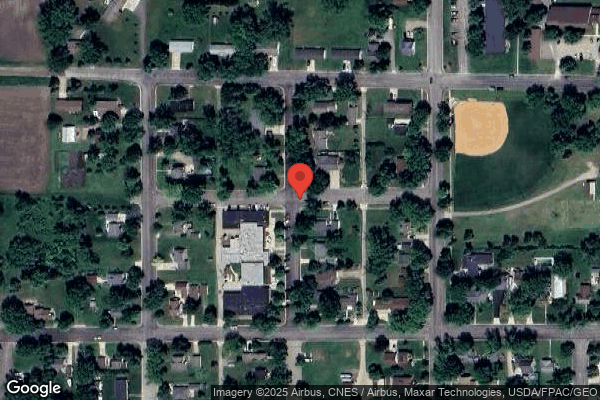
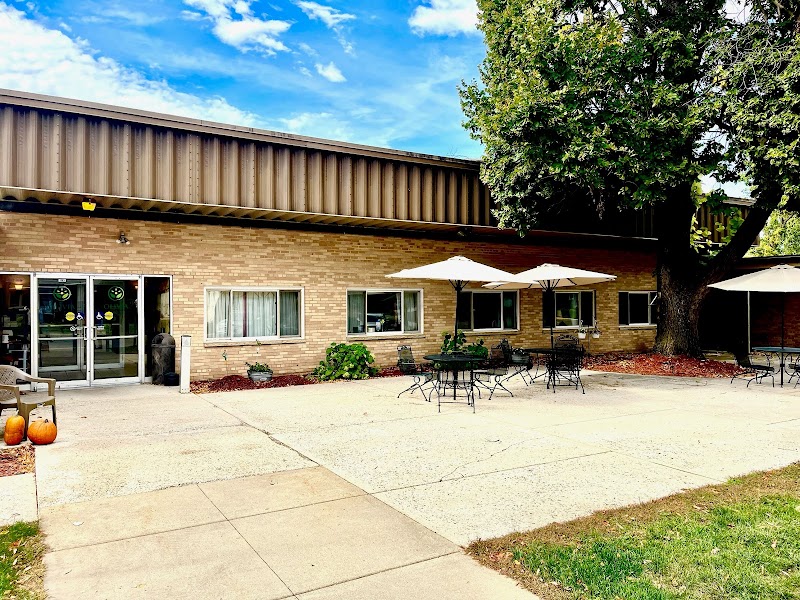
1003 WEST MAPLE AVENUE, OLIVIA, MN 56277 (320) 523-1652
For profit - Corporation 60 Beds Independent Data: November 2025 4 Immediate Jeopardy citations
Trust Grade
0/100
#312 of 337 in MN
Last Inspection: July 2025

Inspected within the last 6 months. Data reflects current conditions.

Overview

Olivia Restorative Care Center has received a Trust Grade of F, indicating significant concerns about the quality of care provided. With a state rank of #312 out of 337, this facility is in the bottom half of nursing homes in Minnesota and is the lowest-ranked in Renville County. The facility's situation is worsening, with reported issues increasing from 10 in 2024 to 19 in 2025. Staffing is a concern here, with a rating of 2/5 and a turnover rate of 61%, significantly higher than the state average, which could impact the consistency of care. While the facility has not incurred any fines, which is a positive aspect, the RN coverage is lower than 97% of state facilities, potentially compromising the quality of medical oversight. Recent critical incidents include a failure to implement infection control measures that led to an outbreak of Respiratory Syncytial Virus (RSV) affecting multiple residents, and significant lapses in supervision that allowed a resident to leave the facility undetected, posing serious safety risks. Overall, while there are some areas without fines, the numerous critical issues and low staffing ratings raise serious red flags for families considering this home for their loved ones.

Trust Score
F
0/100
In Minnesota
#312/337
Bottom 8%
Safety Record
High Risk
Review needed
Inspections
Getting Worse
10 → 19 violations
Staff Stability
⚠ Watch
61% turnover. Above average. Higher turnover means staff may not know residents' routines.
Penalties
✓ Good
No fines on record. Clean compliance history, better than most Minnesota facilities.
Skilled Nurses
⚠ Watch
Each resident gets only 28 minutes of Registered Nurse (RN) attention daily — below average for Minnesota. Fewer RN minutes means fewer trained eyes watching for problems.
Violations
⚠ Watch
39 deficiencies on record. Higher than average. Multiple issues found across inspections.
★☆☆☆☆
1.0
Overall Rating
★★☆☆☆
2.0
Staff Levels
★☆☆☆☆
1.0
Care Quality
★☆☆☆☆
1.0
Inspection Score
Stable
2024: 10 issues
2025: 19 issues

The Good

  • Full Sprinkler Coverage · Fire safety systems throughout facility
  • No fines on record

Facility shows strength in fire safety.

The Bad

1-Star Overall Rating

Below Minnesota average (3.2)

Significant quality concerns identified by CMS

Staff Turnover: 61%

15pts above Minnesota avg (46%)

Frequent staff changes - ask about care continuity

Staff turnover is elevated (61%)

13 points above Minnesota average of 48%

The Ugly 39 deficiencies on record

4 life-threatening 2 actual harm
Aug 2025 1 deficiency 1 Harm
SERIOUS (G) 📢 Someone Reported This

A family member, employee, or ombudsman was alarmed enough to file a formal complaint

Actual Harm - a resident was hurt due to facility failures

Deficiency F0760 (Tag F0760)

A resident was harmed · This affected 1 resident

**NOTE- TERMS IN BRACKETS HAVE BEEN EDITED TO PROTECT CONFIDENTIALITY** Based on interview, and document review, the facility failed to correctly transcribe medication orders according to physician in...

Read full inspector narrative →
**NOTE- TERMS IN BRACKETS HAVE BEEN EDITED TO PROTECT CONFIDENTIALITY** Based on interview, and document review, the facility failed to correctly transcribe medication orders according to physician instructions, for 2 of 4 (R10 and R11) residents reviewed for transcription of orders. This error resulted in R10 missing four doses of her long- acting insulin that led to her re hospitalization to intensive care units (ICU) due to diabetic ketoacidosis (DKA), a serious complication of diabetes. Findings include:R10's face sheet, undated, identified she was admitted to the facility on [DATE] with diagnoses of type one diabetes (dependent on insulin to control blood sugars).R10's hospital Discharge summary dated [DATE], indicated R10 was admitted to ICU on 8/11/25, for DKA and septic shock from a urinary tract infection (UTI). R10's insulin regime was readjusted at discharge.R10's hospital discharge orders dated 8/14/25, indicated to inject subcutaneously (SQ) 25 units of insulin glargine (Lantus)100 units/milliliter, every evening.R10's electronic medical record (eMAR), dated for August 2025, identified the following orders:-8/1/25 thru 8/14/25 Lantus (insulin glargine) Solostar inject 20 units SQ in the morning. R10's eMAR lacked any order for Lantus 25 units every evening at bedtime, upon R10's return from the hospital to the facility on 8/14/25. R10's physician orders included the following:-check blood sugar five times daily at 8:00 a.m., 11:00 a.m., 4:30 p.m., 7:00 p.m. and 10:00 p.m., start date 7/7/25,Novolog (fast-acting insulin) scheduled as followed:-4 unit at 8:00 a.m., start date 8/1/25-9 units at 12:00 p.m. and 5:00 p.m., start date 8/1/25 Novolog sliding scale, dated 8/1/25, five four times daily at 8:00 a.m., 12:00 p.m., 5:00 p.m., and 9:00 p.m. -If blood sugar (bs) 191-220 give 2 units (u) SQ,-If bs 221-250 give 3units SQ,-If bs 251-280 give 4units SQ,-If bs 281-310 give 5units SQ,-If bs 311-340 give 6units SQ,-If bs 341-700 give 7units SQ, call physician with blood sugar over 400 mg/dl. Novolog 4 units one time dose, dated 8/15/25 at 11:00 p.m. R10's eMAR blood sugars and Novolog insulin administration reviewed from 8/14/25 through 8/18/25, identified the following:8/14/25 at 4:30 p.m., blood sugar was 308 mg/deciliter (dl), received scheduled 9 units, plus sliding scale 5 units of Novolog, 8/14/25 at 7:00 p.m., blood sugar was 222 mg/dl, received no sliding scale insulin, 8/14/25 at 10:00 p.m., blood sugar was 186 mg/dl, received no sliding scale insulin, there was no indication the 25 unit insulin glargine was given.8/15/25 at 8:00 a.m., blood sugar was 394 mg/dl, received scheduled 4 units and 7 units of sliding scale Novolog,8/15/25 at 11:00 a.m., blood sugar was 419 mg/dl, received scheduled 9 units and 7 units of sliding scale Novolog,8/15/25 at 4:30 p.m., blood sugar was 574 mg/dl, received schedules 9 units and 7 units of sliding scale Novolog, physician notified at 5:41 pm of elevated blood sugar, 8/15/25 at 7:00 p.m., blood sugar was 395 mg/dl, received no sliding scale insulin, 8/15/25 as 10:00 p.m., blood sugar was 293 mg/dl, received no sliding scale insulin, there was no indication the 25 unit insulin glargine was given.8/16/25 at 8:00 a.m., blood sugar was 313 mg/dl, received scheduled 4 units and 6 units of sliding scale Novolog8/16/25 at 11:00 a.m., blood sugar was 542 mg/dl, received scheduled 9 units and 7 units of sliding scale Novolog,8/16/25 at 4:30 p.m., blood sugar was 389 mg/dl, received scheduled 9 units and 7 units of sliding scale Novolog, 8/16/25 at 7:00 p.m., blood sugar was 279 mg/dl, received no sliding scale insulin, 8/16/25 at 10:00 p.m., blood sugar was 260 mg/dl, received 4 units of sliding scale Novolog, there was no indication the 25 unit insulin glargine was given.8/17/25 at 8:00 a.m. blood sugar was 355 mg/dl, received scheduled 4 units and 7 units of sliding scale Novolog,8/17/25 at 11:00 a.m., blood sugar was 185 mg/dl, received scheduled 9 units and no sliding scale Novolog,8/17/25 at 4:30 p.m., blood sugar was 225 mg/dl, received scheduled 9 units and no sliding scale Novolog,8/17/25 at 7:00 p.m., blood sugar was 248 mg/dl, received no sliding scale Novolog, 8/17/25 at 10:00 p.m. blood sugar was 346 mg/dl, received 7 units of sliding scale Novolog. there was no indication the 25 units insulin glargine was given. R10's progress notes identified the following:-8/14/25 at 10:11 p.m., criteria not met for sliding scale,-8/15/25 at 7:20 a.m., R10 HS blood sugar was 186 mg/dl and at 3:00 a.m. was 319. Record lacked any intervention for BS of 319. -8/15/25 at 5:41 p.m. phone call to nurse practitioner (NP)-A, R10's blood sugar was 574 and given 9 scheduled and 7 units per sliding scale. R10 asymptomatic. -8/15/25 at 10:10 p.m., R10's blood sugar was HI, phone call to provider and R10 was administered 7 units per sliding scale plus 4 extra units per order. there was no indication the 25 unit insulin glargine was given.-8/17/25 at 6:53 a.m., R10 blood sugar was high most of the night, pushed water with effectiveness. R10 is alert and no hyperglycemia symptoms.-8/18/25 at 6:05 a.m. R10 was lethargic due to Hi blood glucose, with blood pressure (b/p) of 86/42, temperature (t)of 101.2, respirations (R) of 22, pulse (p) of 78 and oxygen saturations (O2 sat).During an interview on 8/19/25 at 2:40 p.m., RN-H indicated she had miss read the orders as discontinue medications instead of discharge medications. RN-H remembered talking to LPN-E about the hospital sending R10 back without any long-acting insulin, but did not call the physician for verification of the orders.During an interview on 8/20/25 at 9:35 a.m., LPN-C indicated she questioned R10's lack of order for long-acting insulin but did not call for verification of order.During an interview on 8/20/25 at 10:30 a.m., LPN-D indicated she had questioned why R10 did not have long-acting insulin but did not call for verification.During an interview on 8/19/25 at 5:35 p.m., NP-A, indicated was not made aware of the omission of R10's long-acting insulin and the missed doses led to her re-admission to the ICU with DKA. R11R11's face sheet indicated R11 was admitted to the facility on [DATE], with the following diagnoses end stage renal disease, on dialysis, atrial fibrillation, type 2 diabetes, and chronic obstructive pulmonary disease.R11's hospital discharge orders dated 8/15/25, included the following:-cinacalcet (Sensipar-medication used to help manage parathyroid and calcium disorders) 0-180 milligrams (mg) by mouth on Monday, Wednesday, and Friday,-metoprolol (medication used to treat conditions affecting the heart rate and blood pressure) 50 mg (three tabs) daily,-Stiolto (an inhalation spray used to manage symptoms of COPD) 2 puffs daily,-calcium acetate 667 mg (medication used to help manage high phosphate level in patient undergoing dialysis) take three capsules three times daily at mealtime,-famotidine (medication used to reduce stomach acid) 20 mg by mouth every other day. R11's eMAR date 8/15/25 to 8/19/25 indicated the following:-Cinacalcet 90 mg daily Monday, Wednesday and Friday, the admission order was not clarified to read how much to take, received one dose of this order,-Metoprolol 50 mg daily, 100 mg less than ordered dose, received four doses of this order,-Stiolto 1 puff daily, 1 puff less than ordered, received 4 doses of this order,-Calcium acetate 667mg instead of 2,001 mg total before meals as the physician ordered. -Famotidine was not found listed on the eMAR, even though R11 had an order for this medication.During an interview with DON on 8/19/25 at 2:25 p.m. and subsequent interview at 4:25 p.m., DON indicated it was her expectation that all medication orders are transcribed correctly for the correct medication, dose, route, and time and all orders double checked per facility policy by two different nurses. DON further stated that she put in the orders and LPN-C had double checked but neither of them had caught the five medication omission errors. During an interview on 8/20/25 at 9:35 a.m., LPN-C stated she had double checked R11'd admission orders and did not see the medication errors. During an interview on 8/19/25 at 5:35 p.m., NP-A was made aware of these medication errors during his visit add today (8/19/25) DON. He reviewed R11's the medication list with the director of nursing (DON) for accuracy and changed to medications to read as per physician hospital discharge orders dated 8/15/25. NP-A stated R11 was to have dialysis the following day and they would check his lab for calcium and phosphate levels as R10 did not receive the correct amount of calcium acetate for 8 doses. NP-A further stated it was his expectation that staff transcribed and verify medication orders as written by physician and if questions contact NP-A or MD for clarification.Review of facility undated procedure titled MD order process was reviewed and identified the following: 2. enter order with diagnoses/indication in electronic health record10. Sign and date order11. Put in SECOND CHECK BOX for second nurse to double check14. Second nurse signs and dates order15. put in scan bin for health unit coordinator. Review of facility undated policy titled Medication Orders indicated the following:3. Elements of the medication order:b. name of medication, c. dose of medicatione. time or frequency of administrationg. route of administrationi. hour of administration 4. Documentation of Medication Orders:a. each medication order should be documented with the date, time, and signature of the person receiving the order. The order should be recorded on the physician order sheet, and the medication administration record (MAR).b. clarify the orderf. transcribe newly prescribed medications on the MAR, ensure the order is in the electronic MAR correctly.
Jul 2025 7 deficiencies
CONCERN (D)

Potential for Harm - no one hurt, but risky conditions existed

Deficiency F0678 (Tag F0678)

Could have caused harm · This affected 1 resident

**NOTE- TERMS IN BRACKETS HAVE BEEN EDITED TO PROTECT CONFIDENTIALITY** Based on observation, interview, and document review, the facility failed to update code status for 1 of 16 resident (R40) who r...

Read full inspector narrative →
**NOTE- TERMS IN BRACKETS HAVE BEEN EDITED TO PROTECT CONFIDENTIALITY** Based on observation, interview, and document review, the facility failed to update code status for 1 of 16 resident (R40) who requested to have his code status changed.Findings include:Document review on [DATE] at 4:51 p.m., R40 was identified to be a full code (Cardiopulmonary Resuscitation (CPR)) noted on his electronic medical record dashboard. Review of R40's Provider Orders for Life-Sustaining Treatment (POLST) signed by the resident and the physician identified he had changed his code status on [DATE] from CPR to Do not resuscitate (DNR).Interview on [DATE], at 2:00 p.m., with licensed practical nurse (LPN)-A identified if a resident's heart stops, they look at the dashboard to check code status, she explained the dashboard is at the top of a resident's main page in Point Click Care (PCC). PCC is the electronic system the facility uses for resident medical records. LPN-A opened R40's PCC main page and identified his code status is CPR. She identified when a resident is admitted they complete a Provider Orders for Life-Sustaining Treatment (POLST) form. A registered nurse updates the residents EMR in PCC and has the POLST reviewed and signed by the physician. LPN-A clicked a button next to the code status on the dashboard next to the code status to pull up R40's POLST. R40's most recent POLST identified he had requested to be DNR. LPN-A confirmed his code status listed on the dashboard in PCC was incorrect. Interview on [DATE] at 2:15 p.m., with the director of nursing identified if someone codes (heart stops beating) staff were to check the dashboard in PCC to check code status. Staff also have access to the POLST through the dashboard. She agreed R40's code status on the PCC dashboard was incorrect. At his last appointment, R40 requested to have his code status changed from CPR to DNR because he was considering hospice. Nursing should have put the new order in, but it must have been missed. She identified she does audits on code status a couple times a year and the last one completed was about 2 days prior to R40's change. Review of the facility provided undated Residents' Rights Regarding Treatment and Advance Directives policy identified the facility would determine code status upon admission. Advance directive documents provided to the facility would be placed in the medical record. During the care planning process, the facility would identify, clarify, and review with the resident or legal representative whether they desire to make any changes related to any advance directives. Any decision making regarding the resident's choices will be documented in the resident's medical record and communicated to the interdisciplinary team and staff responsible for the resident's care. The policy made no mention how staff were to confirm code status should a resident require CPR if elected while living at the facility.
CONCERN (F)

Potential for Harm - no one hurt, but risky conditions existed

Deficiency F0725 (Tag F0725)

Could have caused harm · This affected most or all residents

Based on interview and document review, the facility failed to have licensed nursing coverage on staff for 24 hours a day, based on payroll and other verifiable, auditable data during 1 of 1 quarter r...

Read full inspector narrative →
Based on interview and document review, the facility failed to have licensed nursing coverage on staff for 24 hours a day, based on payroll and other verifiable, auditable data during 1 of 1 quarter reviewed - Quarter 2, 2025, (January 1 to March 31st), to the Centers for Medicare and Medicaid Services (CMS), according to specifications established by CMS. This had the potential to affect all 39 residents living in the facility.Findings include: Review of the 2/09/25, Daily Assignment Sheet identified 1 charge nurse was assigned for the day and 1 charge nurse for the evening shift (minimum 12 hr. shifts). Licensed practical nurse (LPN)-E was listed as having worked the day shift. Registered nurse (RN)-C was listed as having worked the night shift. Review of 2/09/25, Individual Daily Staffing [NAME] Report 1702D identified the facility data submitted for Provider Based Journal (PBJ) noted of the floor staff working that day, there was noted to be 1 registered nurse (RN-C), and 1 contract LPN (LPN-E) captured for hours worked. Review of 2/09/25, staff timesheet punches provided by the facility identified only RN-C was clocked in as having worked. There was no way to verify LPN-E had worked the hours documented on the assignment sheet and as captured in the PBJ. Interview on 7/10/25 at 9:53 a.m., with director of nursing (DON) identified the facility had revised staffing hours according to resident care needs. Nursing staff hours was reviewed and discussed every day at their interdisciplinary team (IDT) meetings and communicated with the administrator. The DON would expect nursing schedules to be reviewed daily, identify gaps of nursing coverage, and communicate those concerns effectively to reduce inadequate staffing on the units. Interview on 7/10/25 at 9:58 a.m., with administrator identified the facility's new administration team implemented tracking of RN coverage and nursing staff shortage on the units. The facility currently overstaffs their employees on the units above the required allotted hours needed daily to ensure services and care needs for the resident population. Review of April 2025, facility assessment staffing plan portion identified it was based on the facility and community risk assessments, in addition to patient per day (PPD) methodology to determine the maximum number of hour available per day. Staffing assignments and variances was managed by moving staff, calling staff off, or calling in relief or extra staff, after staffing requirements was completed. Direct care staffing hours identified to be required were: 1 RN or LPN per day shift and 1 RN or LPN per evening/night shift. A copy of contract staff timesheets was requested but not received.
CONCERN (F)

Potential for Harm - no one hurt, but risky conditions existed

Deficiency F0727 (Tag F0727)

Could have caused harm · This affected most or all residents

Based on interview and record review, the facility failed to ensure a registered nurse (RN) was on duty a minimum of 8 consecutive hours per day, 7 days per week, for 6 of 90 days reviewed. This had t...

Read full inspector narrative →
Based on interview and record review, the facility failed to ensure a registered nurse (RN) was on duty a minimum of 8 consecutive hours per day, 7 days per week, for 6 of 90 days reviewed. This had the potential to affect all 39 residents living in the facility.Findings include: Review of the facility schedule and timesheets for January 2025, February 2025, and March 2025 identified on:1) January, there was no RN coverage for 2 of 31 days: 1/24/25 and 1/31/25.2) February, there was no RN coverage for 3 of 28 days: 2/09/25, 2/14/25, 2/15/25.3) March, there was no RN coverage for 1 of 31 days: 3/02/25. Interview on 7/10/25 at 9:53 a.m., with director of nursing (DON) identified the facility had revised staffing hours according to resident care needs. Nursing staff hours was reviewed and discussed every day at their interdisciplinary team (IDT) meetings and communicated with the administrator. DON would expect nursing schedules to be reviewed daily, identify gaps of nursing coverage, and communicate those concerns effectively to reduce inadequate staffing on the units. Interview on 7/10/25 at 9:58 a.m., with administrator identified the facility's new administration team implemented tracking of RN coverage and nursing staff shortage on the units. The facility currently overstaffs their employees on the units above the required allotted hours needed daily to ensure services and care needs for the resident population. Review of March 2025 Nursing Services-Registered Nurse (RN) policy identified the facility was to utilize the services of an RN 8 consecutive hours per day, 7 days per week. The director of nursing (DON) may service as a charge nurse when the facility had a daily occupancy of 60 or fewer residents. In addition, the facility, was to submit timely and accurate staffing data through CMS payroll-based Journal (PBJ) system.
CONCERN (F)

Potential for Harm - no one hurt, but risky conditions existed

Food Safety (Tag F0812)

Could have caused harm · This affected most or all residents

Based on observation, interview, and document review, the facility failed to ensure infection control practices were maintained to ensure dietary staff were wearing a hair net and/or beard nets while ...

Read full inspector narrative →
Based on observation, interview, and document review, the facility failed to ensure infection control practices were maintained to ensure dietary staff were wearing a hair net and/or beard nets while in 1 of 1 kitchen and during meal services. The facility also failed to ensure 1 of 2 dining room refrigerators remained clean, and food was dated within the refrigerator to ensure it was not used beyond expiration. Additionally, the facility failed to ensure all Chlorine test strips for monitoring the dishwasher chemical level were not expired. Findings include:Observation and interview on 7/7/25 at 11:32 a.m., identified upon entrance to the kitchen for initial tour, dietary aide (DA)-A was preparing drinks for transportation to the dining rooms for the noon meal. DA-A had no hair net on. DA-A reported she was supposed to be wearing a hair net and there was no reason she did not have it on. Observation and interview on 7/7/25 at 11:40 a.m., cook (C)-A was standing behind the steam table outside of the north dining room and dishing up food for residents' noon meal. C-A had a hair net on but no beard net on. C-A had a mustache and beard. C-A reported he had never worn a beard net before; he was unaware he needed to wear one and was not even sure if the facility had any. Observation on 7/7/25 at 12:07 p.m., of the refrigerator in the central dining room which contained 2 large metal bins of individually wrapped 1/2 sandwiches that were undated. There was something pink spilled all over the bottom of the refrigerator and on the inside door of the refrigerator. The floor directly in front of the refrigerator was extremely sticky and dark brown/black in color. Observation on 7/7/25 at 5:24 p.m., C-A was standing behind the steam table in the central dining room dishing up food for the resident evening meal. C-A had a hair net on and no beard net on. Observation on 7/8/25 at 9:40 C-A just finished serving breakfast and had no beard net on. Observation and interview on 7/8/25 at 10:00 a.m., of the dishwasher cycle and DA-A testing the dishwasher chemical level with Hydrion Chlorine Test strips identified that the test strips had expired on 6/1/25. DA-A was unaware the test strips had expired and discarded the testing strips and obtained a new packet. Observation on 7/9/25 at 8:36 a.m., of the refrigerator in the central dining room with DA-A and maintenance director who confirmed pink juice had been spilled all over the bottom of the refrigerator and the inside part of the refrigerator door. The floor area just in front of the refrigerator was dirty with dark brown/black sticky substance on the floor. C-A reported she believed that housekeeping was responsible for cleaning the refrigerator and floor. The maintenance director agreed that the floor was very sticky, and the refrigerator was dirty and needed to be cleaned. Observation and interview on 7/9/25 at 8:45 a.m. with dietary manager assistant (DMA)-A removed items from the bottom shelf of the refrigerator in the central dining room and agreed that the refrigerator was dirty with some sort of juice spilled all over the bottom of the refrigerator and the inside door of the refrigerator. She reported that it was dietary responsibility to clean the inside of the refrigerator and housekeeping responsibility to clean the outside and the floors in the dining room. She further confirmed that all dietary staff should be wearing hair nets and beard net if needed in the kitchen and when serving food. If there are no beard nets available staff can use a hair net to cover their beard. Staff should be checking the expiration date on the chemical test strips prior to checking the chemical level in the dishwasher. Interview on 7/9/25 at 9:02 a.m., with dietician identified all food in the refrigerators should be dated. The dietary staff should be monitoring the refrigerators for expired foods and cleaning on a regular basis. Her expectation was that staff would be wearing hair net and/or beard nets when in the kitchen and during food service. The chemical strips should be monitored for expiration and new ones ordered when needed. Review of undated, Dietary Employee Personal Hygiene policy identified all dietary staff must wear hair restraints including beard restraints to prevent hair from contacting food. Review of undated, Routine Cleaning and Disinfection policy identified routine cleaning, and disinfection was maintained to ensure safe, sanitary environment and to prevent transmission or development of infections to the extent possible. Cleaning of visible soil from objects and surfaced and frequently touched surfaces would be performed. Review of undated, Low Temperature Dish Machine Guidelines identified the wash and rinse cycle should be maintained between 120-145 Fahrenheit. The low temperature sanitizer level should be checked daily with the Chlorine test strip with an acceptable range from 50-100 ppm.
CONCERN (F)

Potential for Harm - no one hurt, but risky conditions existed

Deficiency F0838 (Tag F0838)

Could have caused harm · This affected most or all residents

Based on interview and document review, the facility failed to implement 1 of 1 facility assessment and ensure the required nursing staff were scheduled and working to provide care and services to res...

Read full inspector narrative →
Based on interview and document review, the facility failed to implement 1 of 1 facility assessment and ensure the required nursing staff were scheduled and working to provide care and services to residents. Findings include: Review of the 2/09/25, Daily Assignment Sheet identified 1 charge nurse was assigned for the day and 1 charge nurse for the evening shift (minimum 12 hr. shifts). Licensed practical nurse (LPN)-E was listed as having worked the day shift. Registered nurse (RN)-C was listed as having worked the night shift. Review of 2/09/25, Individual Daily Staffing [NAME] Report 1702D identified the facility data submitted for Provider Based Journal (PBJ) noted of the floor staff working that day, there was noted to be 1 registered nurse (RN-C), and 1 contract LPN (LPN-E) captured for hours worked. Review of 2/09/25, staff timesheet punches provided by the facility identified only RN-C was clocked in as having worked. There was no way to verify LPN-E had worked the hours documented on the assignment sheet and as captured in the PBJ. Review of the facility schedule and timesheets for January 2025, February 2025, and March 2025 identified on:1) January, there was no RN coverage for 2 of 31 days: 1/24/25 and 1/31/25.2) February, there was no RN coverage for 3 of 28 days: 2/09/25, 2/14/25, 2/15/25.3) March, there was no RN coverage for 1 of 31 days: 3/02/25. Interview on 7/10/25 at 9:53 a.m., with director of nursing (DON) identified the facility had revised staffing hours according to resident care needs. Nursing staff hours was reviewed and discussed every day at their interdisciplinary team (IDT) meetings and communicated with the administrator. The DON would expect nursing schedules to be reviewed daily, identify gaps of nursing coverage, and communicate those concerns effectively to reduce inadequate staffing on the units. Interview on 7/10/25 at 9:58 a.m., with administrator identified the facility's new administration team implemented tracking of RN coverage and nursing staff shortage on the units. The facility currently overstaffs their employees on the units above the required allotted hours needed daily to ensure services and care needs for the resident population. Review of April 2025, facility assessment staffing plan portion identified it was based on the facility and community risk assessments, in addition to patient per day (PPD) methodology to determine the maximum number of hour available per day. Staffing assignments and variances was managed by moving staff, calling staff off, or calling in relief or extra staff, after staffing requirements was completed. Direct care staffing hours identified to be required were: 1 RN or LPN per day shift and 1 RN or LPN per evening/night shift. A copy of contract staff timesheets was requested but not received.
CONCERN (F)

Potential for Harm - no one hurt, but risky conditions existed

Staffing Data (Tag F0851)

Could have caused harm · This affected most or all residents

Based on interview and document review, the facility failed to submit accurate staffing data based on payroll and other verifiable, auditable data during 1 of 1 quarter reviewed - Quarter 2, 2025, (Ja...

Read full inspector narrative →
Based on interview and document review, the facility failed to submit accurate staffing data based on payroll and other verifiable, auditable data during 1 of 1 quarter reviewed - Quarter 2, 2025, (January 1 to March 31st), to the Centers for Medicare and Medicaid Services (CMS), according to specifications established by CMS. This had the potential to affect all 39 residents living in the facility.Findings include: JANUARYReview of the 1/24/25, Daily Assignment Sheet identified 1 charge nurse as noted to be on the day shift, 1 charge nurse on the evening shift, and 1 nurse for RN coverage. Review of 1/24/25, staff timesheets identified:1) Licensed practical nurse (LPN)-B had worked 06:59 a.m. to 11:36 a.m. and 11:59 a.m. to 9:06 p.m., for a total of 13.62 hours.2) LPN-C had worked 06:00 a.m. to 7:40 p.m., for a total of 12.67 hours.3) RN-C had worked 06:03 p.m. to 06:30 a.m., the next day for a total of 11.45 hours. Review of the 1/24/25, Individual Daily Staffing- 1702D [NAME] Report identified 1 LPN with 13.62 captured hours, and 1RN with 13.0 captured hours. FEBRUARYReview of the 2/21/25, Daily Assignment Sheet identified 1 charge nurse on the day shift and 1 nurse for RN coverage. The sheet lacked evidence a charge nurse was assigned on the evening shift. Review of 2/21/25, staff time sheets identified: 1) The director of nursing (DON) had worked 8:00 a.m. to 5:00 p.m., for a total of 8.50 hours. 2) RN-B had worked from 8:09 a.m. to 12:42 a.m., the next day for a total of 16.05 hours. 3) RN-C had worked from 6:05 p.m., to 7:33 a.m., the next day for a total of 12.97 hours. Review of the 2/21/25, Individual Daily Staffing- 1702D [NAME] Report identified only 1 LPN with 14.23 captured hours, the director of nursing for 8 hours, and 1 registered nurse with 12.35 captured hours. Review of the 2/28/25, Daily Assignment Sheet identified 1 RN was assigned to the day shift (RN-B) who was the Minimum Data Set (MDS nurse) and 1 RN was assigned to the evening/night shift. Review of 2/28/25, staff time sheets identified:1) The DON had worked 08:00 a.m. to 5:00 p.m., for a total of 8.50 hours.2) RN-C had worked 08:08 a.m. to 7:43 p.m., for a total of 11.08 hours.3) LPN-B had worked from 6:13 a.m. to 11:53 a.m. and again from 11:53 a.m. to 7:58 p.m., for a total of 13.23 hours captured.4) LPN-D had worked 5:59 p.m. to 06:57 a.m., for a total of 12.47 hours. Review of 2/28/25, Individual Daily Staffing- 1702D [NAME] Report identified 1 RN with administrative duties only worked for 11.08 hours. No other floor RN staff were noted. 3 LPN's were submitted. 1 LPN with 13.23 hours, 1 LPN with 12.43, and 1 contracted LPN with 14.38 hours. The DON had 8 hours captured. MARCH Review of the 3/21/25, Facility Daily assignment sheet identified 1 LPN (LPN-E) worked the day shift, and also on days was RN-B (the MDS nurse), who was assigned as RN coverage. There was no nurse listed for the evening/night shift. Review of 3/21/25, staff timesheets identified: 1) LPN-B had worked from 7:59 a.m. to 09:55 a.m. and again from 10:38 a.m. to 7:16 p.m., for a total of 10.57 hours. 2) The DON had worked from 8:00 a.m. to 5:00 p.m., for a total of 8.50 hours. 3) RN-B classified as RN with administrative duties, worked from 8:53 a.m. to 12:16 p.m., for a total of 3.38 hours.4) RN-C had worked 7:13 p.m. to 06:29 a.m., for a total of 10.77 hours. Review of 3/21/25, 1702D [NAME] report identified 1 RN with administrative duties worked 3.38 hours, the DON hours captured were 8.0, 1 RN hours were captured as 10.85, and 2 LPN's (1 contract and 1 exempt) were captured with 10.57 and 13.72 hours respectively. There was no additional RN with any captured hours submitted. There was no indication the above-mentioned data submitted had been checked for accuracy prior to their respective submissions. Interview on 7/10/25 at 9:53 a.m., with director of nursing (DON) identified the facility had revised staffing hours according to resident care needs and reviewed PBJ hours weekly before submission. Nursing staff hours was reviewed and discussed every day at their interdisciplinary team (IDT) meetings and communicated with the administrator. DON would expect nursing schedules to be reviewed daily, identify gaps of nursing coverage, and communicate those concerns effectively to reduce inadequate staffing on the units. Interview on 7/10/25 at 9:58 a.m., with administrator identified the facility's new administration team implemented tracking of RN coverage and nursing staff shortage on the units. The facility currently overstaffs their employees on the units above the required allotted hours needed daily to ensure services and care needs for the resident population. Review of the July 2024, Electronic Staffing Data Submission Payroll-Based Journal (PBJ) Frequently Asked Questions, located at https://www.cms.gov/medicare/quality-initiatives-patient-assessment-instruments/nursinghomequalityinits/downloads/pbj-policy-manual-faq-11-19-2018.pdf, identified reporting shall be based on the employee's primary role. It is understood that most roles have a variety of non-primary duties that are conducted throughout the day (e.g., helping out when needed). Facilities shall still report just the total hours of that employee based on their primary role. However, CMS recognizes that staff may completely shift their primary role in a given day. For example, a nurse who spends the first four hours of a shift as the unit manager, and the last four hours of a shift as a floor nurse. In these cases, facilities can change the designated job title and report four hours as a nurse with administrative duties, and four hours as a nurse (without administrative duties). Review of March 2025 Payroll Based Journal policy identified the facility was to submit timely and accurate direct care staffing information according to specifications established by CMS. In the addition, the facility was to ensure staffing data was auditable and able to verify through either payroll, invoices, and/or tied back to contract staff.
CONCERN (F)

Potential for Harm - no one hurt, but risky conditions existed

Infection Control (Tag F0880)

Could have caused harm · This affected most or all residents

Based on observation and interview the facility failed to disinfect 1of 2 glucometers (capillary blood glucose sampling device) after use to prevent transmission of blood borne diseases. Additionally,...

Read full inspector narrative →
Based on observation and interview the facility failed to disinfect 1of 2 glucometers (capillary blood glucose sampling device) after use to prevent transmission of blood borne diseases. Additionally, the facility failed to complete accurate staff illness surveillance for 2 of 2 staff. Findings include: Observation on 7/9/25 at 7:43 a.m., with registered nurse (RN)-A identified RN-A gathered the glucometer from the treatment cart to check R15’s blood sugar. RN-A used a lancet to prick R15’s finger to obtain a blood sample to test R15’s blood sugar with the glucometer. RN-A exited R15’s room and walked back to the treatment cart where she placed the used lancet in the sharp’s container and the glucometer back in the drawer next to another resident’s glucometer without first disinfecting it. She walked back to the nurse’s station to chart the blood sugar and check to see if R15 required any sliding scale insulin. Interview on 7/9/25 at 7:55 a.m., RN-A stated she had meant to disinfect the glucometer, but she had gotten “nervous and forgot”. RN-A then opened the treatment cart and pulled both glucometers out of the drawer. She used purple top Sani-cloth disinfecting wipes and briefly wiped off both glucometers and then returned the glucometers to the drawer. RN-A did not allow any “wet” contact time per the Sani-cloth instructions prior to returning glucometers to the treatment cart drawer. The General Guidelines for Use undated, (purple top) Super Sani-cloth germicidal disposable wipes instructions identified: 1) to unfold the wipe and thoroughly wet the surface 2) allow treated surface to remain wet for two minutes. Let air dry. 3) Do not reuse towelette. Dispose of used towelette in trash. Interview on 7/9/25 at 9:37 a.m., with director of nursing (DON) identified the glucometer should be cleaned after each use with an alcohol wipe for 60 seconds and thought the purple top sanitizer was to remain wet for 3 minutes. She was unsure of the exact time and stated she would check on that. She would expect the glucometer would be disinfected after each use, prior to placing in the co-mingled medication cart. She identified there was a high potential for cross contamination without appropriate disinfection having been performed. Review of the undated, Glucometer Disinfection policy identified cleaning was the removal of visible soil from the objects and surfaces and disinfection was the process that eliminate many or all pathogenic microorganisms, except bacterial spores on objects. Staff were to clean and disinfect glucometers after each use. Staff were to obtain 2 disinfectant wipes and clean the surface of the glucometer with the first wipe and then use the second wipe to disinfect the glucometer thoroughly and allow to air dry. EMPLOYEE SURVEILLANCE Review of the facilities staff illness logs from 2/21/25 through 6/30/25 noted the following categories: Department, First/Last name, absent date, type, reason, number of unexcused absences, illness testing/type, results, and number of days off. The illness logs identified the following: 1.) Activity Aid (AA)-A called off sick on 4/16/25, with influenza. The staff illness log did not identify what day AA-A returned to work, how they were cleared to return, or how many days she was out. 2.) Nursing assistant (NA)-A called off sick on 6/23/25, the type of call in was “personal”, and the reason was “unknown”. The log did not identify a return-to-work date, how they were cleared to return to work, or number of days off. Interview on 7/7/25 at 3:40 p.m., with the facilities infection preventionist identified she keeps a staff illness log for surveillance and in addition they use a form called Staff Call-In/Illness Report. The form is filled out by the charge nurse when a staff calls off. Review of the facility staff call in/illness reports identified the following: 1.) AA-A called off on 4/16/25, the reason for her absence was influenza, the report did not identify a return-to-work date, how they were cleared to return to work, or number of days absent. 2.) (NA)-A called off on 6/23/25 at 4:00 a.m., the reason was “feeling sick”. The report did not indicate symptoms, how they were cleared to return to work, or a return-to-work date. Interview on 7/9/25 at 10:46 a.m., with the director of nursing identified she agreed with the above finding. The facility has had a major turn over in staff and they are working on improving their staff surveillance program. She was unable to provide documentation of any additional training she had completed with the infection preventionist or other staff regarding staff surveillance. Review of the facilities undated Infection Surveillance policy identified the facility would collect data to properly identify possible communicable diseases or infections among residents and staff before the spread by identifying infections, signs and symptoms, location, number of residents or staff who developed infections, observation of staff, trends, and patterns. The policy made no mention that staff would document the return-to-work date in the staff illness surveillance.
May 2025 3 deficiencies 1 IJ
CRITICAL (J) 📢 Someone Reported This

A family member, employee, or ombudsman was alarmed enough to file a formal complaint

Immediate Jeopardy (IJ) - the most serious Medicare violation

Accident Prevention (Tag F0689)

Someone could have died · This affected 1 resident

**NOTE- TERMS IN BRACKETS HAVE BEEN EDITED TO PROTECT CONFIDENTIALITY** Based on observation, interview, and document review, the facility failed to provide assessed supervision needs for 2 of 3 resid...

Read full inspector narrative →
**NOTE- TERMS IN BRACKETS HAVE BEEN EDITED TO PROTECT CONFIDENTIALITY** Based on observation, interview, and document review, the facility failed to provide assessed supervision needs for 2 of 3 residents (R1, R4) who were at risk for elopement. R1 was able to leave the facility undetected for one hour despite having a wander guard on, which resulted in an immediate jeopardy (IJ). The IJ began on 5/21/25, when R1, while wearing a wander guard bracelet, successfully eloped from the building without the alarm sounding. R1 was allowed out of the locked front entrance by an unknown responsible party (had the pin code to the locked door), crossed a highway, and was found by community members approximately one mile from the facility an hour later, winded but unharmed. The administrator, director of nursing (DON), and nurse consultant were notified of the immediate jeopardy on 5/29/25 at 9:30 a.m. The immediate jeopardy was removed on 5/29/25, but noncompliance remained at the lower score and severity of D, which indicated no actual harm with potential for more than minimal harm which is not immediate jeopardy. Findings include: R1's quarterly Minimal Data Set (MDS) dated [DATE], indicated R1 required a walker for mobility and had moderately impaired cognition. R1's care plan, as of 5/27/25, indicated R1 was at risk for elopement related to diagnoses of disorientation, dementia, weakness and as evidenced by comments and attempts to leave the facility, anger outbursts, use of a wander guard, impaired safety awareness, and independence with ambulation. Further, R1's care plan directed staff to: distract resident from wandering by offering pleasant diversions, structured activities of interest, food/fluids, conversation, television books and personalization of resident room. To reduce likelihood of R1 removing wander guard, remove sharp objects from room such as razors, toe nail clippers, forks, knives, and do not allow him to have scissors; resident is on a one-to-one staff until further notice starting on 5/21/25; rights is a high risk elopement; resident was able to leave the property with direct supervision and was not able to leave the facility alone; resident needs direct supervision when outside; and wander guard placed on resident's ankle. Review of facility report number 360612 to the State Agency dated 5/21/25, revealed R1 was looking to acquire a ride to the VA (Veteran Affairs) office to get his benefits. The VA office was on [NAME] (a street located in Minneapolis) and the VA office was in the Government Center. The facility investigation, revealed R1 had left the facility after 9:30 a.m. and walked to the Government Center. The Government Center notified staff of R1 being there at roughly 10:15 a.m. R1 was in the building. R1 returned to the facility agitated, was assessed for injury, and none noted. Further, R1 eloped as he removed himself from the facility and made his way out of the safe zone to a building in town. Conclusion was R1 left the building at the same time as another resident being brought out for an appointment, despite being on 15 minute checks R1's Visual Check Sheet every 15-minutes dated 5/21/25, revealed at 9:30 a.m., R1 was observed to be in his bedroom and then the front door. From 9:45 a.m. until 10:45 a.m., there was no record of R1's 15 minute checks being conducted. On 5/27/25 at 3:42 p.m., licensed practical nurse (LPN)-A stated R1 was at risk for elopement, wore a wander guard and often put on his jacket and stated he wanted to go home. LPN-A stated R1 had recently eloped from the facility and walked to the courthouse which was on the highway. LPN-A stated the front entrance was locked and staff were the only ones who know the code to unlock the door to let a visitor or resident out of the building. On 5/27/25 at 4:06 p.m., community member (CM)-A stated one of the custodians at the government center brought R1 into her office and stated he was in the hallway and needed a ride. CM-A stated R1 appeared to be tired and was provided a chair and a glass of water. CM-A stated CM-B called the facility to inform them he was at the Government Center. On 5/27/25 at 4:12 p.m., CM-B stated R1 appeared to be out of breath and tired when he got to the Government Center, he had on shoes but did not have a walker with him. CM-B stated she informed the Sheriff's department at 10:11 a.m. on 5/21/25, and asked if they had any missing persons reports, which they did not. CM-B stated she then called the facility and asked if R1 was a resident there and they confirmed he was. CM-B stated she then informed the facility R1 was at the government center to which staff replied, Oh he is there? We will send someone right there. CM-B stated the facility staff was not aware R1 was not at the facility at the time, which was approximately at 10:30 a.m. On 5/27/25 at 5:12 p.m., DON stated R1 had impaired cognition, was at risk for elopement, and required staff supervision while out of the facility. DON stated she was informed at approximately 10:15 a.m. on 5/21/25, that R1 was not in the building. Further, R1 was on 15-minute safety checks and was last seen by staff at approximately 9:30 a.m., confirming 15-minute checks were not being completed. DON indicated the facility's internal investigation for R1's incident revealed R1 speculated he had to have left with the transportation services as they were in the facility around that time; she also confirmed staff were the only ones who knew the code to open the door, so staff would have had to let the transportation services out of the door and would have seen R1 exit, however no staff would confess. On 5/28/25 at 8:31 a.m., LPN-B stated R1's cognition and safety awareness were impaired. R1 required a walker while ambulating to help stability and was determined to be at high risk for eloping and had a wander guard on his ankle. LPN-B stated she was working with R1 on 5/21/25, the day of the incident, and she last observed R1 at 9:00 a.m. in his room not exhibiting any exit seeking behavior. LPN-B stated she was not aware R1 was missing from the facility until the administrator was notified. Further, LPN-B indicated R1 required 15-minute safety checks due to his exit seeking behaviors and elopement history, and she had been completing those safety checks until 9:00 a.m. until NA-D was assigned to R1's care but added, NA-D was not aware R1 required 15-minute checks. In addition, LPN-B stated R1 had reported he waited for staff to unlock the front entrance for the transportation driver and he followed the driver out the front door. On 5/28/25 at 9:17 a.m., NA-D stated she was assigned to R1's care on 5/21/25, and that day was also her first shift working at the facility, as she was a contracted agency staff. NA-D stated she was late for her shift that day and arrived at the facility at approximately 6:30 a.m The previous overnight aid was in a rush to get off her shift, so NA-D stated she did not get any verbal report regarding R1 or his safety checks. NA-D also stated she did not receive training prior to the start of her shift and did not have access to any resident's care plans until management arrived at the facility at approximately 9:00 a.m. NA-D confirmed there was a lack communication by facility staff to NA-D regarding which residents were high risk for elopement. Further, NA-D stated she was unsure of the exact time she last saw R1, but did last see him in his room making his bed prior to taking a break. NA-D was not aware R1 was out of the facility until staff received a call from the government center. Observation on 5/28/25 at 10:01 a.m., R1 was in his room making his bed with a staff member sitting outside in a chair directly outside his room. R1 stated he had been a bad boy and lifted his pant leg to reveal a wander guard on his ankle. Further, R1 stated he had walked right out of the building on 5/21/25 and if he sat and watched long enough staff would open the door and he could take off. R1 stated he walked to the government center, was unsure how far away it was, but denied getting hurt. On 5/28/25 at 11:16 a.m., administrator stated he was made aware of R1's elopement and went to the government center to pick up R1 himself. He indicated the facility's internal investigation determined R1 exited through the front entrance with a visitor or vendor. Administrator stated staff were the only ones who were provided the code, and the only way a visitor or vendor would know the code was if a staff shared it or if they watched a staff input the code. Staff are expected not to share the door codes. On 5/28/25 at 2:17 p.m., NA-E stated she was a contracted agency staff and had worked since 5/21/25. NA-E stated she had not been provided with education recently regarding elopements, residents at risk for elopement or who to not unlock the entrance for. On 5/28/25 at 3:33 p.m., LPN-A stated she had not been provided with education recently regarding elopements, residents at risk for elopement or who to not unlock the entrance for since the incident with R1 had occurred. LPN-A stated she was not here the day of the incident but worked on 5/26/25. On 5/28/25 at 3:40 p.m., DON stated she had sent a text message to staff regarding completing the elopement training but had missed sending the message to LPN-A. DON stated she did not provide a date to the staff to have the education completed by, and would be expected to track and ensure all staff have completed the education, but did not have a process in place to do so at this time. The immediate jeopardy that began on 5/21/25, was removed on 5/29/25, and was verified through observation, interview, and document review when the facility implemented the following interventions: -R1's care plan was updated to include interventions to deter elopement such as putting on a war movie and talk about farming and [NAME]. -R1 was currently on a one-to-one staff 24 hours a day -Other 8 residents who were identified as high risk of elopement with wandering tendencies would be updated with wandering interventions and identification of exit seeking behaviors. Care planned interventions would be reviewed with interdisciplinary team and floor staff from all departments on 5/29/25. -Kardex's with interventions for staff who missed the meeting would be printed and distributed to the department managers or designee to review prior to the start of their next shifts -All staff will be educated on Missing Persons, Elopements, Interventions for wandering and door alarms by education video or in-person meeting before their next shift. Education would be completed in the building with all staff members on 5/29/25. Quiz was attached to the video for staff members to submit electronically. -Agency staff members received an educational video that needed to be completed prior to starting the floor. The educational video included Missing Persons, Elopements, Interventions and what to do if the door alarms. Agency staff would notify DON of this being completed prior to their shift. -List of High-Risk Elopement residents would be attached to competency checklists for agency staff to have on their person for information. -A list of high-risk elopement resident was distributed to all departments electronically weekly and with changes for the managers to distribute to their staff members. R4's quarterly MDS dated [DATE], indicated R4 had diagnoses that included dementia, and cognitive communication deficit. R4 had no cognitive impairments and did not exhibit wandering behaviors. R4's care plan dated as of 5/27/25, indicated R4 was an elopement risk and R4 had a history of attempting to leave the facility. Further, R4's care plan identified R4 as a high risk for elopement, required direct supervision while outside and directed staff to ensure sign in/out log when family was taking resident out of building. R4 had a wander guard on his ankle. Observation on 5/27/25 at 1:42 p.m., an unidentified male resident approached dietary cook (DC)- A and asked DC-A to assist him with unlocking the front door to go outside. DC-A agreed and using a code on the front door, let the resident out of the building along with R4,who followed behind with his walker and was wearing a jacket. The alarm on the door sounded. DC-A closed the door and walked away. DON came out of office, looked outside through the glass door and headed directly outside where she was observed talking to R4 and visitors. Upon her return, DC-A turned around and stated what, was he not supposed to be outside? and continued to walk down the hallway. At 1:45 p.m., DON approached DC-A and stated R4 had family outside but otherwise he was not allowed outside unsupervised. DC-A responded with he was suited up and ready to go, I didn't know. On 5/27/25 at 1:47 p.m., DON stated R4 was assessed to be an elopement risk and required supervision while outside the facility. Today R4 happened to have family sitting outside so was not put at risk when he was let out of the building by DC-A. Further, DON stated elopement risk and interventions were identified in each resident's care plan, however dietary or housekeeping staff do not have access to resident care plans and would need to be notified verbally by their supervisors of residents who were at risk for elopement and required supervision. Review of facility policy titled Elopement and Wandering Residents, undated, indicated the facility ensure that residents who exhibit wandering behavior and/or were at risk for elopement received adequate supervision to prevent accidents, and received care in accordance with their person-centered plan of care addressing the unique factors contributing to wandering or elopement risk. The facility was equipped with door locks/alarms to help avoid elopements, but alarms were not a replacement for necessary supervision. Staff were to be vigilant in responding to alarms in a timely manner. Further, the facility shall establish and utilize a systemic approach to monitoring and managing residents at risk for elopement or unsafe wandering, including identification and assessment of risk, evaluation and analysis of hazards and risks, implementing interventions to reduce hazards and risks, and monitoring for effectiveness and modifying interventions when necessary.
CONCERN (D) 📢 Someone Reported This

A family member, employee, or ombudsman was alarmed enough to file a formal complaint

Potential for Harm - no one hurt, but risky conditions existed

Resident Rights (Tag F0550)

Could have caused harm · This affected 1 resident

**NOTE- TERMS IN BRACKETS HAVE BEEN EDITED TO PROTECT CONFIDENTIALITY** Based on observation, interview, and document review, the facility failed to have a system to ensure residents who were cognitiv...

Read full inspector narrative →
**NOTE- TERMS IN BRACKETS HAVE BEEN EDITED TO PROTECT CONFIDENTIALITY** Based on observation, interview, and document review, the facility failed to have a system to ensure residents who were cognitively intact, and not an elopement risk could freely enter and exit the facility for 1 of 1 residents (R5) reviewed for resident rights. Findings include: R5' Face sheet dated 5/27/25, indicated R5 was admitted to the facility on [DATE] and his diagnoses included osteonecrosis (death of bone tissue due to a lack of blood supply) and alcohol dependence. R5's Elopement Risk Evaluation dated 5/23/25, indicated R1 was not at risk for elopement and current interventions included a check in and out log. R5's care plan dated 5/23/25, indicated resident was a low elopement risk and was a smoker. Further, R5's care plan indicated he was independent with locomotion in his wheelchair. On 5/27/25 at 11:50 a.m., upon entering the facility, the entrance door was observed to be locked and there was a doorbell to ring. Staff appeared and typed in a code to unlock the door. On 5/29/25 at 9:49 a.m., R5 was observed sitting the entry way of the front door in his wheelchair waiting for staff to come unlock the door to come back into the facility. Writer went to grab the health unit coordinator (HUC) to let R5 into the facility. On 5/27/25 at 2:13 p.m., R5 approached writer and appeared to be frustrated. R5 stated the facility was like a psych ward, its locked and he had to sign in and out like prisoner. On 5/27/25 at 5:12 p.m., director of nursing (DON) stated the front entrance used to be unlocked, however since admitting more wanderers, we now always lock the front door and require the assistance of staff typing in a code to unlock it, or it will release after 15 seconds as well per fire code. Further, DON stated for cognitively intact residents who were not at risk for eloping, those residents would need to seek out staff assistance to unlock the door. Review of facility policy titled Restraint Free Environment revised 4/21/25, indicated each resident shall attain and maintain his/her highest practical well-being in an environment that prohibits the use of physical or chemical restraints for discipline or convenience and limits restraint use to circumstances in which the resident has medical symptoms that warrant the use of such restraints. Further, the policy indicated the resident has the right to be treated with respect and dignity, including the right to be free from any physical or chemical restraint imposed for the purpose of discipline or staff convenience, and not required to treat the resident's medical symptoms.
CONCERN (D) 📢 Someone Reported This

A family member, employee, or ombudsman was alarmed enough to file a formal complaint

Potential for Harm - no one hurt, but risky conditions existed

Deficiency F0726 (Tag F0726)

Could have caused harm · This affected 1 resident

Based on interview and document review, the facility failed to ensure contracted resident care staff were competently trained on facility resident procedures, as well as provided access to electronic ...

Read full inspector narrative →
Based on interview and document review, the facility failed to ensure contracted resident care staff were competently trained on facility resident procedures, as well as provided access to electronic medical records (EMR) to implement person-centered resident care needs, interventions related to resident care to ensure safety and reduce the risk of complication (i.e. elopement). This had the potential to affect all 46 residents currently residing in the facility. Findings include: On 5/28/25 at 9:17 a.m., nursing assistant (NA)-D stated her first shift working at the facility was on 5/21/25. NA-D stated she received no training for the facility prior to the start of her shift and did not have access to any of the resident's care plans until management arrived at the facility at approximately 9:00 a.m. On 5/28/25 at 3:40 p.m. director of nursing (DON) stated contracted agency staff were expected to complete the packet that was printed and placed at the front desk before they would start working on the floor. Further, DON stated they would be assigned a staff member to assist them with completing the packet and would be given access to the EMR at the beginning of their shift as well. In addition, DON confirmed NA-D did not complete the required training prior to working her shift on 5/21/25. Review of facility policy titled Contract Employees Emergency Preparedness Training, not dated, indicated the facility was to share appropriate information from the facility's emergency plan with contracted employee, however policy did not address receiving access to EMR or education related to other facility policies such as elopements.
May 2025 3 deficiencies 1 IJ
CRITICAL (J) 📢 Someone Reported This

A family member, employee, or ombudsman was alarmed enough to file a formal complaint

Immediate Jeopardy (IJ) - the most serious Medicare violation

Accident Prevention (Tag F0689)

Someone could have died · This affected 1 resident

**NOTE- TERMS IN BRACKETS HAVE BEEN EDITED TO PROTECT CONFIDENTIALITY** Based on observation, interview, and document review, the facility failed to comprehensively assess supervision needs, develop i...

Read full inspector narrative →
**NOTE- TERMS IN BRACKETS HAVE BEEN EDITED TO PROTECT CONFIDENTIALITY** Based on observation, interview, and document review, the facility failed to comprehensively assess supervision needs, develop individualized person-centered interventions to mitigate risks and hazards for 1 of 3 residents (R1) reviewed for elopement risk. This resulted in an immediate jeopardy (IJ) when R1 left the facilty without staff knowledge and was found 12 blocks away, unharmed by a community member. The immediate jeopardy began on 5/5/25 when R1 left the facility and was found by a community member several blocks away confused, and returned to the facility by local police. The IJ was identified on 5/8/25. The administrator, director of nursing (DON), director of operations, and director of clinical operations were notified of the immediate jeopardy on 5/8/25 at 5:10 p.m. The immediate jeopardy was removed on 5/12/25, but noncompliance remained at the lower scope and severity level of D, which indicated no actual harm with potential for more than minimal harm that is not immediate jeopardy. Findings include: R1's hospital Discharge Placement Referral dated 1/14/25, indicated R1 required long term care placement due to not being safe or able to care for self at home. The referral further indicated R1's memory is poor, thinking is delusional, and family was in the process of getting power of attorney and working with Adult Protective Services on placement. R1's Medical Diagnoses report dated 1/15/25, identified R1 had diagnoses of lumbar spondylosis (degeneration of the lumbar spine), disorientation, moderate dementia with behavioral disturbance, hypertension, weakness, right shoulder arthritis, and macular degeneration (medical condition that causes blurred vision or no vision in the center field). R1's Care Plan Report focus initiated 1/17/25, identified R1 has moderate dementia with behavioral disturbance and was an elopement risk/wanderer related to impaired safety awareness. Intervention history included on 2/4/25, Wanderguard was placed on R1's right ankle to alert staff if attempting to leave the building on his own; on 4/17/25, Wanderguard placed on R1's walker. In review of R1's record between 1/17/25 through 4/17/25, the record did not include an assessment or notation of rationale for the implementation of the Wanderguard that was placed on 2/4/25 on R1's right ankle nor why it was changed to his walker on 4/17/25. During an interview on 5/9/25 at 2:35 p.m., police officer (PO) indicated R1 had eloped from the facility previously on 2/23/25 but the facility found him before the police responded so the facility cancelled the call. PO stated the report indicated R1 was very confused, eloped from the facility, a nurse followed R1's walker tracks in the snow and were able to locate him. No other information was available due to the call being cancelled by the facility. Review of R1's record did not identify an accounting of this incident, nor were there updated interventions reflected in the care plan after R1 eloped in February 2025. Further there was no indication the facility completed an incident report with an investigation. R1's Fall Risk assessment dated [DATE], indicated R1 was at high risk for falls due to R1's intermittent confusion, balance problem while walking and standing, use of assistive devices, and took three to four high risk medications. R1's ROM (range of motion) and Mobility assessment dated [DATE], identified R1 had impairment of one upper extremity, was steady with walking at all times, and used a walker. R1's Elopement Risk assessment dated [DATE], indicated R1 was at risk for elopement related to R1's habit of wandering or attempting to leave the building, asking to go home or other specific destinations, diagnoses of dementia, eloping from this setting or a previous setting. R1's family voicing concerns that the resident may have a tendency to wander or elope, and taking medications that could cause confusion. Interventions implemented were recreational activities of interest, check in and out log, staff awareness of elopement risk, personalization of room and Wanderguard (bracelet wander management system that ensures resident safety with customizable door access) in place on R1's ankle. R1's quarterly Minimum Data Set (MDS) dated [DATE], indicated R1 had moderate cognitive impairment, was independent with activities of daily living and mobility, did not have any behaviors of wandering, exit seeking, and did not wear any exit alarms even though the facility elopement assessment identifed R1 was at risk and had a wanderguard alarm. R1's progress notes dated 5/1/25, at 11:56 a.m., R1 was exit seeking in the morning, stating he wanted to go home, needed to go to the bank. At 10:00 a.m., had coat on and attempted to leave facility when another resident opened the front door. Staff redirected and told social service designee (SSD). R1 stated he was going to walk to the (out of town] bank. R1 did have a Wanderguard on and door did lock when resident was walking to chair by front entry. Review of R1's record did not include a comprehensive assessment of R1's risk for elopement for appropriate interventions including level of supervision following the elopement attempt on 5/1/25. Further, no indication R1's care plan interventions were re-evaluated for effectiveness and/or new interventions were developed and implemented to prevent or mitigate the risk for R1 to elope. In addition, R1's record did not include a comprehensive cognitive assessment that would identify R1's functional capacity for safe decision making and/or identify R1's ability to be safe in the community independently. A vulnerable adult report submitted to the State Agency dated 5/6/25 indicated on the morning on 5/5/25 R1 had been walking on a sidewalk looking lost as he crossed an intersection. R1 had planned to walk back to his home (approximately 30 miles away). Local law enforcement was contacted. Review of Facility event/incidents reports did not include a report nor an investigation for R1's elopement on 5/5/25. Furthermore, there was no accounting of the elopement in R1's record nor evident a comprehensive assessment completed and there was no care plan updates/revisions prior to the start of the survey on 5/7/25. During observation and interview on 5/7/25 at 3:45 p.m., R1 was observed lying in bed with a Wanderguard on his left ankle under his sock. R1 indicated a couple of days ago (5/5/25) he was able to flee the facility and was gone for about an hour before the cops busted him and made him go back to the facility. R1 used a fingernail file to cut his bracelet (Wanderguard) off his ankle and went for breakfast. No one had noticed his bracelet was off. He watched the door until no one was watching, he pushed the door open, and seized the opportunity. R1 had intended to walk to a neighboring town about thirty miles away to a place where he knew a friend would be and then get the friend to take him home. R1 did not like being in the facility and had no intention of ever returning to the facility, but the cops made him go back. Then the facility put another bracelet on his ankle to keep him in, but he had gotten out before and was planning to attempt it again. The next time he would bring a club so no one could get close enough to take him back to the facility. R1 further explained a couple of months prior he had cut his Wanderguard off and got out and that time he was gone for about 20 minutes before the staff noticed. R1 then stated, they don't like me here, I am trouble, and I am very angry about having to be here [in the facility]. During an interview on 5/8/25 at 10:47 a.m., community member (CM) indicated on 5/5/25 at approximately 8:45 a.m., she noted an elderly gentleman, later identified as R1, walking in a residential area about a block away from a major highway. CM stated, R1 looked lost and approached him as he was crossing the street. CM further indicated R1 was determined to get to [NAME] [neighboring town about 30 miles away] by walking along that highway. The CM walked about a block visiting with R1 and learned that he was a resident of the facility and did not intend to go back to the facility. CM then called the police, and they were unaware of any missing persons from the facility. CM identified the residential neighborhood that R1 was found in was about 12 blocks from the facility and the route included crossing over a busy major highway and a railroad tracks. During an interview on 5/9/25 at 2:35 p.m., police officer (PO) identified on 5/5/25 at 8:50 a.m., the police department received a call that an elderly man (identified as R1) walking about 12 blocks away from the facility while attempting to walk to [NAME]. R1 did not want to go back to the nursing home but, the PO did not feel R1 was safe to be walking in the community without his walker. R1 would have had to cross the railroad tracks and the major highway to get to that location he was found at. During an interview on 5/8/25 at 8:45 a.m., family member (FM)-A denied notification by the facility of R1's elopement on 5/5/25 and this was her first knowledge of the incident. FM-A stated, I am not surprised, it's not his first time escaping the facility. FM-A indicated the first time R1 eloped, it was winter, and staff found him about 7-8 blocks from the facility and further stated, he [R1] is absolutely not safe to be out of the building [facility] on his own. FM-A identified R1 was admitted to the facility because he was having delusional thoughts, paranoia, and erratic behavior due to his dementia. R1 was not safe to live independently anymore and needed 24-hour supervision. During an interview on 5/7/25 at 12:40 p.m., nursing assistant (NA-C) indicated R1 was not safe to go outside without staff supervision. R1 liked to sit by the front entry and when a family member or another resident went outside, R1 would go out too and staff would bring him back in. During an interview on 5/7/25 at 1:10 p.m., NA-A, indicated R1 was an elopement risk and not able to be outside without staff. R1 wore a Wanderguard and cannot go outside alone but stated, he [R1] is sneaky and would sit by the door until another resident went out and would try to get out with them. On 5/5/25, R1 was last seen eating breakfast but not sure what time that was. When NA-B was going to administer his medications, she could not find him. A search of the facility was done. The police called the facility to inform them R1 was found by someone in the community. During an interview on 5/7/25 at 1:45 p.m., NA-B identified on 5/5/25 at approximately 8:40 a.m., she was looking for R1 to administer his morning medications and could not find him but noted R1's walker to be parked by the front door. The director of nursing got a phone call at 8:50am - 8:55 a.m. that someone had found R1 on the other side of town and called the police. NA-B further stated R1 was an elopement risk and had a Wanderguard bracelet on but did not have the Wanderguard on him when the police brought him back. NA-B stated two nail clippers were found in R1's room so he must have cut off his Wanderguard again. NA-B further explained R1 had almost cut it off on the evening shift a while ago but could not recall when it happened. NA-B sated R1 had gotten very, very, very far from the facility this last time and it was a long way to walk. During an interview on 5/7/25 at 1:19 p.m., licensed practical nurse (LPN)-A, indicated the morning of 5/5/25, maintenance staff told her R1 was gone and we needed to look for him. LPN-A could not remember the time this was reported to her. LPN-A identified R1 wore a Wanderguard which meant he had to be supervised if he goes out of the facility. The police returned R1 to the facility and R1 was on 15-minute checks but was not sure where those checks were documented or who did them. During an interview on 5/7/25 at 2:00 p.m., registered nurse (RN)-A indicated she was not in the facility when R1 eloped on 5/5/25 but interdisciplinary team (IDT) discussed the incident on 5/6/25 and a Wanderguard had been put back on R1. RN-A indicated R1 always wanted to go home but was an elopement risk and not safe to go outside without supervision. During an interview on 5/7/25 at 2:20 p.m., health unit coordinator (HUC) indicated on 5/5/25 at approximately 8:10 a.m. the DON told him to look for R1, so he drove his car around town to try to find him, but the police brought R1 back. HUC further identified R1 was an elopement risk and could not go outside independently so R1 wore a Wanderguard so the doors would alarm if he left the facility. During an interview on 5/7/25 at 3:07 p.m., RN-B indicated on 5/5/25, R1 was at breakfast and, all of a sudden he was gone. R1 talked to her when he returned to the facility, he was very upset. R1 explained to RN-B that he wanted to get home so he went downtown and crossed the highway with the intention to walk to his hometown. RN-B further identified R1 had been planning this [elopement] and watched the door until no one was around and booked it. The only intervention that was communicated after the elopement was that another Wanderguard was placed on R1's ankle and some forks and a razor were taken out of his room. During an interview on 5/8/25 at 4:18 p.m., NA- D identified R1 could not go outside unsupervised because R1 was not safe alone in the community because he may fall with no one around to help. During an interview on 5/8/25 at 4:28 p.m., NA-E indicated R1 can go outside only if staff are with him because if R1 were to go outside by himself, he could take off again and get confused, dehydrated, or get hit by a car. During an interview on 5/8/25 at 4:52 p.m., NA-G indicated R1 has a Wanderguard bracelet on his ankle which meant he could not go outside without staff. R1 was not safe to go outside, he could elope again and not be found. During an interview on 5/8/25 at 1:45 a.m., the social service designee (SSD) indicated R1 signed his name in the sign out book, so SSD did not consider R1 leaving the facility unsupervised and without staff knowledge an elopement. SSD identified R1 as an elopement risk but did not consider him a high elopement risk and stated, everyone in the facility is an elopement risk. The SSD then indicated she did not know whether R1 had an assessment completed to determine if he was safe in the community without supervision and did not know why R1 wore a Wanderguard. The SSD said R1 has the right to be out in the community and he had intentions of returning to his hometown to be on the planning committee for the hometown celebration and parade. SSD stated it was not safe for anyone to walk the highway, not even herself. During an interview on 5/8/25 at 4:24 p.m., director of nursing (DON) indicated on 5/5/25 at approximately 8:45 a.m., she was alerted by staff that R1 was not in the building. The DON further explained R1 signed his name in the sign-out book but did not have a time or date when he left so they started to get worried about him and the police returned him to the facility shortly after they realized R1 was gone. The DON stated the IDT team debated about it during a meeting on 5/6/25 and it was determined R1 had a BIMS (brief interview for mental status) of 12 [moderately impaired cognition], was able to make his needs known, signed out in the book so did not feel it was an elopement. The Wanderguard was just to alert staff that he was going outside by himself because he will try to leave without signing out approximately monthly. The DON indicated the IDT has debated on whether R1 was safe to be outside on his own and it was not clear. DON indicated there was not an assessment completed to determine if R1 was safe in the community without supervision. During an interview on 5/8/25 at 9:45 a.m., the administrator indicated the facility notified him by phone on 5/5/25 at approximately 8:45 a.m. that they were looking for R1, but the police found him and brought him back to the facility. R1 had cut his Wanderguard off but he could sign himself out and go out of the facility independently. Administrator indicated he did not consider the incident an elopement because R1 was returned by police shortly after the staff noticed him missing and stated, it [elopement] wasn't on my radar. The administrator indicated he did not know the details of R1 getting out of the facility unnoticed, but they removed the fingernail clippers from R1's room, changed the door code, and have the front door always locked now. The administrator did clarify a resident leaving the facility without staff knowledge would be an elopement and reportable to the state agency (SA) but the elopement was not reported and was unaware of any of R1's previous elopements from the facility and did not know if nursing did an assessment to determine if R1 was safe to be outside unsupervised. The undated facility policy titled Elopement and Wandering Residents, included the facility ensures residents who exhibit wandering behavior and/or are at risk for elopement receive adequate supervision to prevent accidents, and receive care in accordance with their person-centered plan of care addressing the unique factors contributing to wandering or elopement risk. The policy defines elopement as occurring when a resident leaves the premises or a safe area without authorization (i.e., an order for discharge or leave of absence) and/or any necessary supervision to do so. Compliance guidelines include alarms are not a replacement for necessary supervision. Staff are to be vigilant in responding to alarms in a timely manner. The facility shall establish and utilize a systemic approach to monitoring and managing residents at risk for elopement or unsafe wandering, including identification and assessment of risk, evaluation and analysis of hazards and risks, implementing interventions to reduce hazards and risks, and monitoring for effectiveness and modifying interventions when necessary. Monitoring and Managing Residents at Risk for Elopement or Unsafe Wandering a. Residents will be assessed for risk of elopement and unsafe wandering upon admission and throughout their stay by the interdisciplinary care plan team. b. The interdisciplinary team will evaluate the unique factors contributing to risk in order to develop a person-centered care plan. c. Interventions to increase staff awareness of the resident's risk, modify the resident's behavior, or to minimize risks associated with hazards will be added to the resident's care plan and communicated to appropriate staff. d. Adequate supervision will be provided to help prevent accidents or elopements. e. Charge nurses and unit managers will monitor the implementation of interventions, response to interventions, and document accordingly. f. The effectiveness of interventions will be evaluated, and changes will be made as needed. Any changes or new interventions will be communicated to relevant staff. Procedure post-elopement a. A nurse will perform a physical assessment, document, and report findings to physician. b. Any new physician orders will be implemented and communicated to the family/authorized representative. c. A social service designee will re-assess the resident and make any referrals for counseling or psychological/psychiatric consults. d. The resident and family/authorized representative will be included in the plan of care. e. Staff may be educated on the reasons for elopement and possible strategies for avoiding such behavior. f. When repeated elopement attempts occur, after the facility has exhausted possible care approaches, the resident may be referred for alternate placement in an appropriate facility. g. Documentation in the medical record will include findings from nursing and social service assessments, physician/family notification, care plan discussions, and consultant notes as applicable. The immediate jeopardy that began on 5/5/25, was removed on 5/12/25, when the facility reviewed R1 for a Safety Plan through determination of an elopement risk assessment and a SLUMS; review by IDT, R1 received 1:1 staff supervision; R4 remained in the facility until cognitive and safety assessments and interventions had been determined and a safety plan implemented; reviewed elopement assessments of all residents; care plan were reviewed for appropriate interventions; resident care plans reviewed and revised; DON or designee educated staff on procedures pertaining to residents leaving the facility, missing persons, elopement, and Wanderguard system; nurses received education on comprehensively assessing and reviewing residents for safety in regards to elopement, falls, and cognitive impairment prior to working their next shift. , but the noncompliance remained at the lower scope and severity level of D which indicated no actual harm with potential for more than minimal harm that is not immediate jeopardy.
CONCERN (D) 📢 Someone Reported This

A family member, employee, or ombudsman was alarmed enough to file a formal complaint

Potential for Harm - no one hurt, but risky conditions existed

Abuse Prevention Policies (Tag F0607)

Could have caused harm · This affected 1 resident

**NOTE- TERMS IN BRACKETS HAVE BEEN EDITED TO PROTECT CONFIDENTIALITY** Based on interview and document review, the facility failed to implement their Abuse, Neglect, and Exploitation and Elopements a...

Read full inspector narrative →
**NOTE- TERMS IN BRACKETS HAVE BEEN EDITED TO PROTECT CONFIDENTIALITY** Based on interview and document review, the facility failed to implement their Abuse, Neglect, and Exploitation and Elopements and Wandering Resident policy for 1 of 3 (R1) residents reviewed for elopement. Findings include: R1's quarterly Minimum Data Set (MDS) dated [DATE], indicated R1 had moderate cognitive impairment, was independent with activities of daily living and mobility, did not have any behaviors of wandering, exit seeking, and did not wear any exit alarms. During observation and interview on 5/7/25 at 3:45 p.m., R1 was observed lying in bed with a wanderguard on his left ankle under his sock. R1 indicated a couple of days prior he was able to flee the facility and was gone for about an hour before the cops busted him and made him go back to the facility. R1 further identified, he used a fingernail file to cut his bracelet (wanderguard) off his ankle; had breakfast, no one had noticed his bracelet was off and he watched the door until no one was watching; he pushed the door open, and stated, he seized the opportunity. R1 stated he intended to walk to a neighboring town about thirty miles away to a place where he knew a friend would be, and then get the friend to take him home. R1 further stated he did not like being in the facility, and had no intention of ever returning to the facility, but the cops made him go back. R1 further identified the facility put another bracelet on his ankle to keep him in, but he had gotten out before and was planning to attempt it again. But the next time he would bring a club so no one could get close enough to take him back to the facility. R1 further explained a couple of months prior he had cut his wanderguard off and got out. He stated he was gone for about 20 minutes before the staff noticed. R1 then stated, They don't like me here, I am trouble, and I am very angry about having to be here [in the facility]. R1's medical record was reviewed and lacked any documentation related to the reported elopement attempts. Review of facility incident reports did not include any risk management, incident reports, or investigations related to the reported elopement attempts. The State Agencies Minnesota Adult Abuse Reporting Center did not contain any facility reported incidents related to R1's reported elopement attempts on 2/23/25 or 5/5/25. During an interview on 5/7/25 at 1:10 p.m., nursing assistant (NA)-A stated R1 was an elopement risk and not able to be outside without staff. On 5/5/25, staff last saw R1 eating breakfast, but not sure what time that was. When NA-B was going to administer his medications, she could not find him. Staff searched the facility, and police called in to say someone in the community found him and called them. R1 wears a wanderguard and cannot go outside alone but stated, He [R1] is sneaky and will sit by the door until another resident goes out and try to get out with them. During an interview on 5/7/25 at 1:45 p.m., NA-B stated on 5/5/25 at approximately 8:40 a.m., she was looking for R1 to administer his morning medications and could not find him. She noted R1's walker to be parked by the front door. The director of nursing (DON) got a phone call about 8:50a.m. - 8:55 a.m. that someone had found R1 on the other side of town and called the police. NA-B sated R1 had gotten very, very, very far from the facility and it was a long way to walk. During an interview on 5/7/25 at 3:07 p.m., regisitred nurse (RN)-B stated on 5/5/25, R1 was at breakfast and all of a sudden he was gone. R1 talked to her when he returned and was upset. R1 explained to RN-B that he wanted to get home, so he went downtown and crossed the highway with the intention to walking to his hometown. RN-B further identified R1 had been planning this [elopement] and watched the door until no one was around and booked it. RN-B identified she did not know if the facility filed a report to the SA. During an interview on 5/8/25 at 10:47 a.m., community member (CM) stated on 5/5/25 at approximately 8:45 a.m., she noted an elderly gentleman, later identified as R1, walking in a residential area about a block away from a major highway. CM stated R1 looked lost and approached him as he was crossing the street. CM further stated R1 was determined to get to [NAME] [neighboring town about 30 miles away] by walking along that highway. The CM walked about a block visiting with R1, and learned that he was a resident of the facility and did not intend to go back to the facility. The CM then stepped away to call the police department and they were unaware of any missing persons from the facility. The CM identified the residential neighborhood that R1 was found in was about 12 blocks from the facility, and the route included crossing over a busy major highway and a railroad track, and R1 wanted to get to another highway to walk thirty miles to his destination. During an interview on 5/9/25 at 2:35 p.m., police officer (PO) stated on 5/5/25 at 8:50 a.m., the police department received a call that an elderly man (identified as R1) was walking about 12 blocks away from the facility while attempting to walk to [NAME]. The PO also indicated R1 had eloped from the facility previously on 2/23/25, but the facility found him before the police responded, so the facility cancelled the call. From the police notes, it indicated R1 was very confused, eloped from the facility, a nurse followed R1's walker tracks and footprints in the snow and was able to locate him. No other information was available due to the facility cancelling the call before the officers responded. The facility polic Abuse, Neglect, and Exploitation dated 4/25/25, defines neglect as the failure of the facility, its employees, or service providers to provide goods and services to a resident that are necessary to avoid physical harm, pain, mental anguish, or emotional distress. The policy also identified the facility will have written procedures that include reporting of all alleged violations to the administrator, state agency, adult protective services and all other required agencies withing specified timeframes of immediately, but not later than 2 [two] hours after the allegation is made, if the events of the allegation involves abuse or result in serious bodily injury or not later that 24 hours if the events that cause the allegation do not involve abuse and no not result in serious bodily injury. The administrator will follow up with the government agencies, during business hours, to the confirm the initial report was received, and to report the results of the investigation when final withing 5 [five] working days of the incident, as required by state agencies. During an interview on 5/8/25 at 4:24 p.m., director of nursing (DON) indicated on 5/5/25 at approximately 8:45 a.m., she was alerted by staff that R1 was not in the building. The DON further explained R1 signed his name in the sign-out book but did not have a time or date when he left so they started to get worried about him and the police returned him to the facility shortly after they realized R1 was gone. The DON stated the IDT team debated about reporting the elopement to the SA during a meeting on 5/6/25 and it was determined R1 did not elope so did not investigate or report it to the SA. The DON indicated she was not aware of R1's 2/23/25 elopement attempt and did not know if it was investigated or reported to the SA. During an interview on 5/8/25 at 9:45 a.m., the administrator indicated the facility notified him by phone on 5/5/25 at approximately 8:45 a.m. that they were looking for R1, but the police found him and brought him back to the facility. R1 had cut his wanderguard off. The administrator indicated he did not consider the incident an elopement because R1 was returned by police shortly after the staff noticed him missing and stated, it [elopement] wasn't on my radar. The administrator did clarify a resident leaving the facility without staff knowledge would be an elopement and reportable to the state agency (SA) but the elopement was not investigated or reported and was unaware of any of R1's previous elopements from the facility. Review of the facility's policy titled, Abuse, Neglect, and Exploitation dated 4/25/25 defines neglect as the failure of the facility, its employees, or service providers to provide goods and services to a resident that are necessary to avoid physical harm, pain, mental anguish, or emotional distress. The policy identified the following: An immediate investigation is warranted when suspicion of abuse, neglect or exploitation, or reports of abuse, neglect, or exploitation occur. • Investigate different types of alleged violations. • Identify and interview all involved persons, including the alleged victim, alleged perpetrator, witnesses, and others who might have knowledge of the allegations. • Focusing the investigation on determining if abuse, neglect, exploitation, and/or mistreatment has occurred, the extent, and cause; and • Providing complete and thorough documentation of the investigation. Protection of the Resident to include: • Examining the alleged victim for any sign of injury, including physical examination or psychosocial assessment if needed. • Increased supervision of the alleged victim and residents • Room or staffing changes, if necessary, to protect the residents • Providing emotional support and counseling the resident during and after the investigation, as needed; • Revision of the resident's care plan if the resident's medical, nursing, physical, mental, or psychosocial needs or preferences change as a result of an incident of abuse. Reporting/Response to include: • the facility will have written procedures that include reporting of all alleged violations to the administrator, state agency, adult protective services and all other required agencies withing specified timeframes of immediately, but not later than 2 [two] hours after the allegation is made, if the events of the allegation involves abuse or result in serious bodily injury or not later than 24 hours if the events that cause the allegation do not involve abuse and no not result in serious bodily injury. The administrator will follow up with the government agencies, during business hours, to the confirm the initial report was received, and to report the results of the investigation when final withing 5 [five] working days of the incident, as required by state agencies. • Take all necessary actions as a result if [of] the investigation, which may include, but are not limited to the following: • Analyzing the occurrence(s) to determine why abuse, neglect, occurred and what changes are needed to prevent further recurrences. • Defining how care provision will be changed and/or implemented to protect residents receiving services. • Training of staff on changes made and demonstration of staff competency after training is implemented. • Identification of person responsible for monitoring implementation of the plan. • The administrator will follow up with government agencies, during business hours, to confirm the initial report was received, and to report the results of the investigation when final within 5 working days of the incident, as required by state agencies.
CONCERN (D) 📢 Someone Reported This

A family member, employee, or ombudsman was alarmed enough to file a formal complaint

Potential for Harm - no one hurt, but risky conditions existed

Report Alleged Abuse (Tag F0609)

Could have caused harm · This affected 1 resident

**NOTE- TERMS IN BRACKETS HAVE BEEN EDITED TO PROTECT CONFIDENTIALITY** Based on observation, interview, and document review, the facility failed to ensure an elopement from the facility was recognize...

Read full inspector narrative →
**NOTE- TERMS IN BRACKETS HAVE BEEN EDITED TO PROTECT CONFIDENTIALITY** Based on observation, interview, and document review, the facility failed to ensure an elopement from the facility was recognized and reported to the State Agency (SA) for 1 of 1 resident (R1) reviewed for elopement. Findings include: During observation and interview on 5/7/25 at 3:45 p.m., R1 was observed lying in bed with a WanderGuard (a bracelet wander management system that ensures resident safety with customizable door access) on his left ankle under his sock. R1 stated a couple of days prior he was able to flee the facility, and was gone for about an hour before the cops busted him and made him go back to the facility. He used a fingernail file to cut his bracelet (WanderGuard) off his ankle; had breakfast, and no one had noticed his bracelet was off. He watched the door until no one was watching, and pushed the front entry door open. I seized the opportunity and walked out. He intended to walk to a neighboring town about thirty miles away, to a place where he knew a friend would take him home. He did not like being in the facility, and had no intention of ever returning to the facility, but the cops made him go back. The facility put another bracelet on his ankle to keep him in, but he had gotten out before, and was planning to attempt it again. The next time he would bring a club so no one could get close enough to take me back to the facility. A couple of months prior, he had cut off his WanderGuard and gotten out of the facility. He was gone for about 20 minutes and made it about 8 blocks in the snow before the staff noticed he was gone. R1's medical record was reviewed and lacked any documentation related to the reported elopement attempts. Review of facility incident reports lacked any risk management or incident reports related to the reported elopement attempts. The Minnesota Adult Abuse Reporting Center did not contain any facility reported incidents related to R1's reported elopement attempts on 2/23/25 or 5/5/25. R1's Elopement Risk assessment dated [DATE] indicated R1 was at risk for elopement related to his habit of wandering or attempting to leave the building, asking to go home or other specific destinations, diagnoses of dementia, and eloping from this setting or a previous setting. Other risks included R1's family voicing concerns he may have a tendency to wander or elope, and he took medications that could cause confusion. Interventions implemented were recreational activities of interest, check in and out log, staff awareness of elopement risk, personalization of room and WanderGuard in place on R1's ankle. During an interview on 5/7/25 at 1:10 p.m., nursing assistant (NA)-A stated R1 was an elopement risk and not able to be outside without staff. On 5/5/25, R1 was last seen eating breakfast and when NA-B was going to administer his medications, she could not find him. A search of the facility was done, and police called in to say someone in the community had found R1 and called them. R1 wore a WanderGuard and could not go outside alone but he is sneaky and will sit by the door until another resident goes out and try to get out with them. During an interview on 5/7/25 at 1:45 p.m., NA-B stated on 5/5/25 at approximately 8:40 a.m., she was looking for R1 to administer his morning medications and could not find him. She noted R1's walker to be parked by the front door. The director of nursing (DON) received a phone call about 8:50 a.m. to 8:55 a.m. which said someone had found R1 on the other side of town, and called the police. R1 had gotten very, very, very far from the facility, and it was a long way to walk. During an interview on 5/7/25 at 3:07 p.m., RN-B stated on 5/5/25 R1 was at breakfast and all of a sudden he was gone. R1 talked to her when he returned, and he was upset. He explained to her he wanted to get home, so he went downtown and crossed the highway with the intention to walking to his hometown. R1 had been planning this [elopement] and watched the door until no one was around and booked it. She did not know if the facility filed a report to the SA. During an interview on 5/8/25 at 4:24 p.m., the DON stated on 5/5/25 at approximately 8:45 a.m., she was alerted by staff R1 was not in the building. R1 signed his name in the sign-out book, but did not have a time or date when he left. They started to get worried about him, and the police returned him to the facility shortly after they realized he was gone. The IDT team debated about reporting the elopement to the SA during a meeting on 5/6/25, and it was determined R1 did not elope, so it was not reported. She was not aware of R1's 2/23/25 elopement attempt, and did not know if a report to the SA was filed. During an interview on 5/8/25 at 9:45 a.m., the administrator stated the facility notified him by phone on 5/5/25 at approximately 8:45 a.m. they were looking for R1, but the police found him and brought him back to the facility. R1 had cut his WanderGuard off. He did not consider the incident an elopement because R1 was returned by police shortly after the staff noticed him missing and stated, it [elopement] wasn't on my radar. He did clarify a resident leaving the facility without staff knowledge would be an elopement and reportable to the SA, but the elopement was not reported. He was unaware of any of R1's previous elopements from the facility, and did not know if nursing did an assessment to determine if R1 was safe to be outside unsupervised. The undated facility policy Elopement and Wandering Residents defined elopement as occurring when a resident leaves the premises or a safe area without authorization (i.e., an order for discharge or leave of absence) and/or any necessary supervision to do so. Compliance guidelines include alarms are not a replacement for necessary supervision. The facility policy Abuse, Neglect, and Exploitation dated 4/25/25, defined neglect as the failure of the facility, its employees, or service providers to provide goods and services to a resident that are necessary to avoid physical harm, pain, mental anguish, or emotional distress. The policy also identified the facility will have written procedures that include reporting of all alleged violations to the administrator, state agency, adult protective services and all other required agencies within specified time frames of immediately, but not later than 2 [two] hours after the allegation is made, if the events of the allegation involves abuse or result in serious bodily injury, or not later that 24 hours if the events that cause the allegation do not involve abuse and no not result in serious bodily injury. The administrator will follow up with the government agencies, during business hours, to the confirm the initial report was received, and to report the results of the investigation when final within 5 [five] working days of the incident, as required by state agencies.
Apr 2025 2 deficiencies 2 IJ (1 facility-wide)
CRITICAL (J) 📢 Someone Reported This

A family member, employee, or ombudsman was alarmed enough to file a formal complaint

Immediate Jeopardy (IJ) - the most serious Medicare violation

Accident Prevention (Tag F0689)

Someone could have died · This affected 1 resident

**NOTE- TERMS IN BRACKETS HAVE BEEN EDITED TO PROTECT CONFIDENTIALITY** Based on observation, interview, and document review the facility failed to comprehensively assess falls for root cause, revise ...

Read full inspector narrative →
**NOTE- TERMS IN BRACKETS HAVE BEEN EDITED TO PROTECT CONFIDENTIALITY** Based on observation, interview, and document review the facility failed to comprehensively assess falls for root cause, revise the care plan and implement appropriate interventions to prevent and/or reduce the risk of falls with major injury for 2 of 3 residents (R20, R22) who had falls. This resulted in an immediate jeopardy for R20 who had a history of traumatic brain injuries and sustained a fall that resulted in a subdural hematoma and was hospitalized . The IJ began on 3/28/25 after R20 had a fall, the facility failed to assess and implement appropriate interventions to prevent/mitigate risk for falls which resulted in R20's fall on 4/4/25 in which R20 suffered an intercranial brain injury and hospitalization. The Administrator, director of nursing (DON) were notified of the IJ on 4/8/25 at 6:32p.m. The immediate jeopardy was removed on 4/9/25 at 4:40 p.m., but non-compliance remained at the lower scope and severity level D, which indicated no actual harm with the potential for more that minimal harm that is not immediate jeopardy. Findings include: R20's face sheet dated 4/9/25, identified R20 was admitted on [DATE] with diagnoses including subarachnoid hemorrhage (bleeding in the space between the brain and the tissue covering the brain), fracture of skull, and intracranial injury. R20's Brief Interview for Mental Status (BIMS) dated 3/27/25 identified R20 had severe cognitive impairment. R20's fall risk assessment dated [DATE], identified R20 was high risk which identified risk factors of disorientation at all times; three or more falls in the past three months; poor vision; balance problem while walking; requires assistive device; and required 1-2 medications that could cause lethargy or confusion. The report also identifed R20 had 1-2 predisposing diseases that increased R20's risk for falls but did not specify which pertained; the listing of risk diagnoses included circulatory, neuromuscular/functional, orthopedic, perceptual, psychiatric/cognitive, infection, pain/headache, fatigue/weakness, weight loss, vitamin D deficiency and history of falls. R20's progress note dated 3/26/25, director of nursing (DON) identified R20 was admitted with multiple facial fractures and a traumatic brain injury. Report from the hospital said his blood pressure runs low most of the time, does not remember this and gets up alone, wanders outside of his room, and goes to the bathroom alone. R20's progress note dated 3/27/25 at 11:07 a.m., identified R20 can use the bathroom independently. R20's progress note dated 3/28/25 at 12:57 a.m., identified R20 was independent with toileting, transfers, and ambulating. R20's record between 3/26/25 through 4/3/25 did not include a care plan for falls despite R20's high risk for falls identified on the fall risk assessment completed on 3/26/25. R20's unwitnessed fall incident report dated 3/28/25 at 6:00 a.m., identified R20 was found sitting on the floor by his bathroom. Intact range of motion. Denied pain and alert and oriented x 1 with some confusion. Unable to use the call light. R20 was given gripper socks which he had taken off. Staff to check often (frequency not specified). The report did not identify if R20 was incontinent and/or he was attempting to use the toilet. Although the report identified potential causal/risk factors of confusion, unable to use the call the call light, and had taken off gripper socks, the report did not include a comprehensive fall analysis. The report indicated on 3/31/25 the facility developed a fall intervention to add a soft touch call light and gripper socks. However, R20's care plan did not identify R20's high risk for falls or include the interventions of soft touch call light, gripper socks, and staff to check often. Further, R20's record did not include a comprehensive assessment that identified the level or frequency of supervision that corresponded with the intervention of staff to check often. R20's progress note dated 3/29/25 at 11:52 a.m., included R20 had wandered into hallway three times and needed to be redirected back to room. R20's physical therapy noted dated 3/31/25, included R20 was a fall risk and ambulates to the bathroom without asking for assistance. R20 was educated on the call light and coordination with nursing. The note did not identify what was coordinated with nursing. R20's unwitnessed fall incident report dated 4/1/25 at 10:00 p.m., identified nursing assistant went to check on resident per nurse request and R20 was found on floor by television. R20 was towards the door and head by the bedside table with head of bed elevated. R20 stated he missed his bed walking backwards. No other information was included. R20's record did not include a comprehensive fall assessment/analysis that identified probable causal factors/root cause with corresponding individualized interventions to prevent and/or mitigate the risk of falls. Interventions that were identified included room was re-arranged and bed moved against the wall and frequent (was not specified) checks at night initiated. However, R20's care plan for falls was not developed (there was no care plan) and the record did not include a comprehensive assessment that identified the level or frequency of supervision that corresponded with the intervention frequent checks at night. R20's progress note dated 4/4/25 at 4:25 a.m. indicated R20 had an unwitnessed fall in his room. Staff heard a loud noise and found R20 leaning on the wall by the television. R20 reported he hit his head and was complaining of pain in both lower and upper extremities, R20 was given Tylenol, vital signs were taken. and he was sent to the emergency room (ER) R20's hospital imagining report dated 4/4/25, identifed a head computed tomography (CT) was performed following a fall with head injury with a critical result of a new intercranial hemorrhage or herniation. R20's hospital emergency department to hospital Discharge summary dated [DATE], identified R20 admitted to hospital on [DATE] to 4/5/25, following a fall and was noted to have a subdural hematoma on computed tomography (CT) scan. R20 was discharged back to facility on 4/5/25. R20's unwitnessed fall incident report dated 4/4/25 at 4:20 a.m., identified a loud noise heard from room and R20 found leaning on the wall by the television. R20 stated he hit his head and complaining of pain in ribs and left arm. R20 sent to emergency room for evaluation. R20's record did not include a comprehensive fall assessment/analysis that included potential causal factors/root cause for the development of individualized interventions to prevent or mitigate the risk of falls and/or falls with major injury. Additionally, no additional fall interventions were documented in the fall report. R20's progress note dated 4/5/25, identified R20 returned to facility after being sent to the hospital following a fall and sustaining a subdural hematoma and report from the hospital there will be no changes. Review of R20's record did not identify the care plan was revised/updated upon or after R20's return from the hospital. R20's progress note dated 4/7/25 at 9:09 a.m., identified R20 was walking to the bathroom and staff witnessed R20 falling by his closet door, and he was then assisted to ground. R20 had been seen less than 15 minutes before the fall. R20 reported he became dizzy while self-transferring. R20 was wearing gripper socks. Immediate intervention was orthostatic blood pressures and prompted to use the toilet. Pharmacy was notified for medication review. Review of R20's physician orders/treatments identified the directive to obtain orthostatic blood pressure was not transcribed until 4/8/2025. Additionally, review of R20's record did not identify a comprehensive analysis for causal factors/root cause. Further, R20's record identified although the care plan had been revised on 4/8/25 to include every 1-2 hours prompting for toilet use, the record did not include a corresponding comprehensive bowel/bladder assessment that would identify the appropriateness of the intervention to meet R20's individualized toileting needs. Although the facility developed and implemented R20's fall care plan on 4/4/25, the care plan did not include the interventions of 'soft touch call light', and 'staff to check often' that were identified on 3/28/25 fall report and did not include 'frequent checks at night' and bed up against the wall that was identified on the 4/1/25 fall report. R20's fall focus care plan initiated on 4/4/25, identified R20 was high risk for falls related to unspecified intracranial injury, anxiety disorder, traumatic subarachnoid hemorrhage, atrial fibrillation and incontinence. R20 will often get up on his own, not use the call light to alert staff even with numerous staff reminders and encouragement. Interventions included: anticipate resident's needs, be sure call light is within reach and encourage to use it for assistance, prompt responses for all requests for assistance, and ensure wearing appropriate non-slip/non-skid footwear when ambulating or mobilizing in wheelchair. During an interview on 4/8/25 at 10:15 a.m., nursing assistant (NA)-K stated R20 did not use his call light and has attempted to self-transfer many times since admission due to being confused at times. Staff have been doing frequent checks, however at times when NA-K was busy assisting other residents he could not check on R20 as frequently as he should. NA-K also stated R20's care plan did not identify a timeframe of how often the frequent checks should be done. NA-K explained frequent checks means for staff to just look in [R20's] room to see what he was doing, NA-K was unable to define the time frame of frequent checks as the care plan was not specific. NA-K indicated he thought there was a form for R20's checks staff were supposed to complete, however, was not aware of the location of where it was kept so had not completed the form. During an interview on 4/8/25 at 10:50 a.m., trained medication aide (TMA)-D stated since admission R20 will self-transfer and had been found wandering in the hallway; staff would then assist him back to his room. Staff check on R20 often to ensure he was not self-transferring. TMA-D further explained to her check often meant look in R20's room every time she would passed by. TMA-D could not define a specific timeframe of how often checks were supposed to be completed and was not aware how often staff pass by R20's room. TMA-D was unaware of any other fall interventions in place for R20. During an interview on 4/8/25 at 11:12 a.m., licensed practical nurse (LPN)-C stated R20 would self-transfer to the bathroom on his own without asking for help. LPN-C stated a visual every 15-minute paper checklist was implemented for R20 on 4/8/25, it was kept in a binder at the nurse's station. LPN-C reviewed the checklist for 4/8/25 and noted the checks were not consistently completed so far today (4/8/25). LPN-C then reviewed the care plan and noted the intervention for every 15-minute checks was not identified on R20's care plan. During an interview on 4/9/25 at 12:57 p.m., registered nurse (RN)-C stated she completed the care plans for all of the residents in the facility upon admission. RN-C verified R20's admission fall risk assessment identified him as a high fall risk and that R20's fall risk care plan had not been initiated until ten days after admission. RN-C indicated fall causal analysis was completed by the interdisciplinary team (IDT). RN-C used to be a part of that team but no longer was. When she was part of the team she would assist in determining the appropriate interventions and then would add them to the care plan. During a phone interview on 4/4/25 at 12:38 p.m., emergency room medical doctor (MD)-H reported concerns pertaining to falls. R20 had been seen in the emergency department (ED) due to a fall in the facility and sustained a subdural hematoma and needed to be transferred to another hospital for further evaluation. During an interview on 4/9/25 at 4:23 p.m., certified nurse practitioner (CNP) stated R20 was extremely elevated risk for falls due to confusion and ability to transfer independently. CNP's expectation would have been for the facility to put fall prevention interventions in place on admission to the facility. CNP also stated due to R20's history of previous brain injuries prior to admission with any future falls with head injury could have the likelihood of serious injury, harm, impairment or even death. During an interview on 4/8/25 at 12:40 p.m., director of nursing (DON) identified R20 did not have a fall prevention care plan until after his fall on 4/4/25. DON stated R20 should have had a baseline care plan completed during the first forty-eight hours to identify his fall risk and had interventions in place at admission. DON also stated a comprehensive assessment of his falls, causal analysis, or root case of the falls to add appropriate interventions to prevent further falls had not been completed for any of R20's falls and should have been done. The IJ began on 3/28/25. was removed on 4/9/25 at 4:40 p.m., when it was verified, the facility implemented the following: 1. Facility reviewed and revised fall program and policies to define protocols for documentation with new templates developed and implemented. The revisions included role/responsibilities for the IDT. 2. Facility provided education with knowledge check to nurses on the fall program process, completing the falls checklist, completing the implemented documentation, implantation of interventions, reviewing the effectiveness of the intervention, and updating the care plan. A knowledge test was attached to the fall education. 3. Facility provided education NAs on care plan and roles in the facility's fall program. 4. Facility provided education to IDT on roles and responsibilities pertaining to the fall program. 5. Facility reviewed R20's chart for fall incidences and fall analyzes. Care plan were reviewed and updated with fall interventions. Interdisciplinary team reviewed R20 to see if other modifiable risk factors can be implemented for resident. 6. Like residents were identified, facility completed comprehensive analysis, reviewed and revised care plans as appropriate. R22 R22's face sheet dated 4/10/25, identified R22 was admitted on [DATE] with diagnoses of fracture of right fibula, fracture of right rib, degeneration of nervous system, and schizoaffective disorder. R22's fall risk assessment dated [DATE], identified R22 was high risk for falls with 1-2 fall in past 3 months, chair bound, with predisposing disease or circulatory/heart, neuromuscular/functional, orthopedic, psychiatric/cognitive, infection, pain, weakness, and history of falls. R22's fall incident report dated 3/23/25 at 4:10 p.m., identified R22 was found on the floor next to his bed. R22 stated he was attempting to reach his remote to the television and slid from the bed. Incident report was not completed to include mental status, predisposing physiological/environmental factors/situation factors. On 3/31/25 incident report identified new intervention of reached out to pharmacist of new recommendations. R22's care plan did not identify a fall focus care plan had been initiated, or any fall prevention interventions added. A post-fall root cause analysis worksheet was provided for R22's fall on 3/23/25, identified R22 was found on floor next to his bed, R22 was laying in bed watching television and dropped the remote and wanted to get it from the floor, call light was in reach, last toileted at 3:50 p.m., was not incontinent at time of fall, and had gripper socks on. Interventions put in place of frequent call light checks and request nursing assistants to check on resident often. Although the worksheet identified possible causal factors of the fall, no conclusion of the data was identified in the medical record to determine the root cause of the fall. R22's fall incident report dated 3/24/25 at 9:30 p.m., identified R22 was being assisted with transfer from bed to wheelchair and resident became weak and was lowered to the ground. Incident report was not completed to include mental status, predisposing physiological/environmental factors/situation factors. R22's care plan did not identify a fall care plan focus medical record did not identify comprehensive assessment, causal analysis, or root cause of the fall. R22's fall care plan focus dated 3/25/25, identified R22 was high risk for falls related to non-weight bearing of right foot, repeated falls, schizoaffective disorder bipolar type, spondylosis, inability to follow directions and impulsivity. Interventions included: anticipate and meet the resident's needs, be sure call light is within reach and encourage and remind the resident to use it for assistance as needed. R22's activities of daily living (ADL) focus care plan dated 3/25/25, identified R22 required assist of two for all transfers and not able to follow directions for non-weight bearing of right foot. R22's consultant pharmacist review on 3/29/25, a medication review done due to frequent falls and recommended adjustments to fall risk medications. Review of R22's progress notes from 3/29/25 to 4/7/25 did not identify physician notification of consulting pharmacist recommendations until 4/8/25. R22's fall incident report dated 3/26/25 at 5:30 p.m., identified R22 was on floor sliding to the bathroom attempting to toilet himself. R22 was in bed prior to the fall and call light was on the bed. R22 was last toileted at 2:30 p.m., repositions self and had a large loose bowel movement. Fall mat was place on the floor and frequent checks to assure needs are met, and soft touch call light. R22's post-fall causal analysis worksheet dated 3/26/25, identified the aforementioned fall description and identified R22 was incontinent at time of fall. Although the worksheet identified possible causal factors of the fall including R22 was incontinent, no conclusion of the nor evident comprehensive assessment completed that addressed R22's toileting needs. Further R22's care plan did not identify the new interventions of fall mat, frequent checks, nor soft touch call light that were identified on fall report. Furthermore, R22's record identified although the care plan had been revised on 4/8/25 to include frequent checks-15 min checks. R22's record did not include a comprehensive assessment that identified the level or frequency of supervision that corresponded with the intervention frequent checks. R22's progress note dated 4/7/25, identified R22 was found sitting on the fall mat because he slipped due to slippery floor. R22 was coming back from bathroom. Immediate intervention to offer toileting every hour. R22's care plan was not revised on 4/7/25 to include offer toilet every hour. R22's record identified although the care plan had been revised on 4/9/25 to include every 2 hours prompting for toilet use, the record did not include a corresponding comprehensive bowel/bladder assessment that would identify the appropriateness of the intervention of either every one hour or two hours to meet R20's individualized toileting needs. During an interview on 4/9/25 at 1:17 p.m., director of nursing (DON) stated R22's medical record did not identify a comprehensive analysis of his falls nor identify a root cause of the falls. DON further stated a root cause analysis work sheets had not been consistently completed for each fall to better determine the root cause of falls and ensure appropriate fall prevention interventions were in place. Review of the facility's Fall Prevention Program undated, identified each resident will be assessed for fall risk and will receive care and services in accordance with their individualized level of risk to minimize the likelihood of falls. -Upon admission, the nurse will complete a fall risk assessment along with the admission assessment to determine the resident's level of fall risk. -The nurse will indicate on the (area left blank) the resident's fall risk and initiate interventions on the resident's baseline care plan, in accordance with the resident's level of risk. The nurse will refer to the facility's High Risk of Low/Moderate Risk protocols when determining primary interventions. -High Risk Protocols: -Indicate fall risk on care plan. -Place fall prevention indicator (such as star, color coded sticker) on the name plate to resident's room. -Place fall prevention indicator on resident's wheelchair.
CRITICAL (L) 📢 Someone Reported This

A family member, employee, or ombudsman was alarmed enough to file a formal complaint

Immediate Jeopardy (IJ) - the most serious Medicare violation

Infection Control (Tag F0880)

Someone could have died · This affected most or all residents

⚠️ Facility-wide issue

**NOTE- TERMS IN BRACKETS HAVE BEEN EDITED TO PROTECT CONFIDENTIALITY** Based on observation, interview, and document review the facility failed to implement infection control strategies for respirato...

Read full inspector narrative →
**NOTE- TERMS IN BRACKETS HAVE BEEN EDITED TO PROTECT CONFIDENTIALITY** Based on observation, interview, and document review the facility failed to implement infection control strategies for respiratory protection to mitigate the risk and spread of Respiratory Syncytial Virus (RSV- an infection of the respiratory tract). As a result, the facility developed an outbreak where 8 residents (R10, R13, R14, R11, R12, R17, R6, and R16) tested positive for RSV and 3 residents were suspected to have RSV (R15, R7, R18); 2 residents (R10 and R12) were seen in the emergency department (ED) and 3 residents (R11, R13, and R14) were hospitalized at a higher level of care. This resulted in a system wide failure in infection control procedures to prevent the spread of illness within the facility resulting in an immediate jeopardy (IJ) which placed all residents at a high likelihood of serious illness and/or death by contracting a communicable respiratory disease. The Immediate Jeopardy (IJ) began on 3/23/25 when R10 tested positive for RSV and the facility failed to implement infection control strategies to mitigate the risk and spread of RSV in the facility. The Administrator and director of nursing (DON), were notified of the IJ on 4/4/25 at 3:30 p.m. The IJ was removed on 4/8/25 at 6:32 p.m., but noncompliance remained at the lower scope and severity level F, which indicated no actual harm with the potential for more than minimal harm that is not immediate jeopardy. Findings include: Definitions: Isolation: Isolation separates sick people with a contagious disease from people who are not sick. Quarantine separates and restricts the movement of people who were exposed to a contagious disease to see if they become sick. Personal protective equipment (PPE): Personal protective equipment (PPE) refers to protective items or garments worn to protect the body or clothing from hazards that can cause injury and to protect residents from cross-transmission. These items may include a gown, gloves, eye protection and face mask. Enhanced barrier precautions (EBP): refer to an infection control intervention designed to reduce transmission of multidrug-resistant organisms that employs targeted gown and glove use during high contact resident care activities. Gowns and gloves are used as PPE. Transmission based precautions (TBP): refer to actions (precautions) implemented in addition to standard precautions that are based upon the means of transmission (airborne, contact, and droplet) to prevent or control infections. Airborne, contact, and droplet are the three subcategories under TBP. Contact precautions: refer to measures that are intended to prevent transmission of infectious agents which are spread by direct or indirect contact with the resident or the resident's environment. Use with gloves, and gowns as PPE. Droplet precautions: refer to actions designed to reduce/prevent the transmission of pathogens spread through close respiratory or mucous membrane contact with respiratory secretions, masks are used as PPE. Upon entrance to the facility on 4/1/25 at 11:15 a.m., there was no signage posted alerting that the facility had an RSV outbreak. Surveyor was informed the facility had one case of RSV in the building and resident (R12) was on precautions. This was observed on 4/1/25 at 11:54 a.m., of the south hallway with signage on R12's door. Trained medication aide (TMA)-F was using PPE when entering the room to administer medications. R10 symptom onset 3/16/25; positive RSV on 3/16/25 R10's face sheet dated 4/11/25, identified diagnoses of morbid (severe) obesity with hypoventilation, obstructive sleep apnea, heart failure, chronic obstructive pulmonary disease (COPD- lung diseases that cause persistent airflow obstruction and breathing difficulties). R10's record reviewed between 3/11/25 through 3/15/25 did not identify any symptoms of respiratory illness. R10's progress note dated 3/16/25 at 12:45 p.m., indicated R10 stated he was not feeling well and thinks he has COVID. Lung sounds with noted rhonchi (rattling lung sounds). COVID test performed with negative results. R10's medical record did not identify R10 was placed on isolation precautions (droplet/contact precautions) when respiratory symptoms were identified. R10's record did not indicate droplet/contact precautions were initiated at symptom onset. R10's progress notes dated 3/16/25 at 1:22 p.m., indicated R10 had not been feeling well for four days with coughing. R10's lung sounds with rhonchi and cough and R10 agreed to be sent to emergency department (ED). R10's hospital emergency department (ED) note dated 3/16/25, identified R10 was seen for evaluation for an ongoing cough over past few weeks and increasing shortness of breath. R10's ED record identified lung sounds to be diffuse rhonchi (sounds like snoring or gurgling) throughout and tested positive for RSV. R10's diagnoses at discharge from the ED included RSV bronchiolitis (swelling, irritation, and buildup of mucus in the small airway of the lung) and acute exacerbation of COPD. R10 discharged back to the facility with nebulizers and steroids. R10's progress note dated 3/16/25 at 4:56 p.m., identified paperwork from hospital reviewed and R10 diagnosis of RSV and COPD exacerbation. Staff updated on airborne (sic) precaution, reminded to wear masks, gloves, and wash hand. However, review of R10's record did not identify a physician order for precautions nor was TBP identified in R10's care plan. R10's record reviewed between 3/17/25 through 4/4/25 did not identify ongoing symptom monitoring, isolation, transmission precautions, or removal of isolation. During an interview on 4/3/25 at 11:12 a.m., director of nursing (DON) stated if a resident is positive for RSV they are put on precautions and isolation and encouraged to wear a mask when coming outside of their room. DON stated they did not have any protocols for nurses to follow for monitoring residents for any symptoms to identify new cases immediately. DON confirmed facility had not done any active screening of residents to identify illness and had not completed comprehensive respiratory assessments for residents with suspected/confirmed RSV cases. During a subsequent interview on 4/4/25 at 11:11 a.m. DON confirmed R10 was removed from isolation on 3/23/25, R10 did not have a respiratory assessment to determine if symptoms resolved prior to removing from isolation, R10 was removed from isolation because he no longer needed nebulizer treatments. DON further stated after research on the Centers for Disease Control and Prevention (CDC) website for RSV, a resident should have been in isolation and precautions for ten days, however, the facility did not follow CDC guidelines and removed R10 at seven days. R13 symptom onset 3/25/25; positive on 4/3/25 R13's face sheet date 4/10/25, indicated diagnoses of dementia and weakness. R13's record between 3/16/25 through 3/26/25 did not identify any respiratory symptom screening, even though the facility had RSV cases. R13's progress note dated 3/27/25, identified R13 complained of sore throat for two days. R13 was given cough drop and COVID test performed with negative results no other tests were completed. R13's progress noted dated 3/30/25, identified R13 received cough syrup for cough. R13's progress note dated 4/2/25 at 12:37 a.m., identified R13 was coughing with congestion and feeling cold/chills. At 3:56 p.m. R13 was feeling weak and complaining not feeling good. Lung sounds wheezing with crackles was coughing with congestion and feeling cold and chills. R13 was given a nebulizer with no relief. R13 was placed on oxygen. Physician notified of change in condition and recommendation to monitor in facility and will reassess next day. R13's progress note dated 4/3/25 at 9:50 a.m., identified R13 became short of breath (SOB) while on toilet and unable to stand. Oxygen was placed on R13 and given a nebulizer with oxygen saturations going as low as 80% (normal ranges are 92 to 100%). Provider was notified. At 10:28 a.m. R13 was seen by the nurse practitioner who ordered RSV test, antibiotics, and steroids. At 10:59 a.m. R13 was short of breath with low oxygen saturations and was sent to the ED. R13's record between 3/25/25 through 4/3/25, identified despite R13 demonstrated respiratory symptoms TBP was not implemented. During an observations on 4/1/25 through 4/3/25 at 11:00 a.m., R13 did not have TBP precaution signs on his door. During an observation and interview on 4/3/25 at 11:00 a.m., trained medication aide (TMA)-D came out of R13's room without PPE and stated R13 was being sent to ED due to difficulty breathing and possible RSV. TMA-D stated R13 had been sick since 3/30/25, and he complained of a sore throat and was not put on precautions or isolation when he developed symptoms. During an interview on 4/3/25 at 11:21 a.m., registered nurse (RN)-B stated R13 was sent by ambulance for possible RSV. RN-B stated R13's roommate, R14 was in the hospital for unknown reason. RN-B also stated the facility had three known cases of RSV, R10, R11 and R12. RN-B stated R12 was the only resident currently on isolation for RSV in the facility. RN-B stated if a resident became symptomatic a comprehensive respiratory assessment should be completed daily, however a nursing order was not in the charts to direct staff on what to monitor for. RN-B further stated symptomatic residents should be put on droplet precautions, notify physician, and tested for RSV. R13's ED hospital record dated 4/3/25, indicated R13 was seen in ED for shortness of breath. R13 required supplemental oxygen to maintain oxygen level greater than 92%. R13 indicated that he had not been feeling well for the past 3 weeks. R13 lung sounds revealed right and left wheezing through with decreased lung sounds in right middle and bilateral lower fields. R13's heart rate was 90-150 (normal range is 60 - 100) with no known history of atrial fibrillation. R13 was admitted to the local hospital and started on intravenous antibiotics (IV) and IV cardiac medications were started also. R13 tested positive for RSV and was transferred to higher level of care for further care with diagnoses of respiratory failure, sepsis, and Atrial fib with rapid ventricular response. R13 returned to the facility on 4/7/25, with hospital diagnoses of pneumonia of right lower lobe due to infectious organism and was started on oral antibiotics. R14 symptom onset 3/25/25, positive for RSV on 4/1/25 R14's face sheet dated 4/10/25, indicated diagnoses of CHF and chronic respiratory failure with hypoxia. R14's record between 3/16/25 through 4/1/25 did not identify any respiratory symptom screening, even though the facility had RSV cases. R14's progress notes dated 3/8/25, identified R14 required continuous oxygen to keep saturations greater than 90%. R14's progress notes dated 3/25/25, identified R14 had complaints of not being able to breathe from his nose being stuffy, however R14's medical record did not identify implementation of TBP when symptoms identified. R14's progress notes dated 4/1/25, R14 received two puffs of albuterol inhaler (medication to help open airway) as R14 was struggling to breathe, wheezing and had congestion. R14 had chills and was shaking. Vital signs were blood pressure 155/104 (normal is less than 120/80), pulse 105, respirations 22 (normal range is 12-22) and oxygen saturations 72% on three liters of oxygen. R14 was transported to local ED via ambulance. R14's hospital ED note dated 4/1/25, indicated R14 presented per ambulance, unresponsive after sudden onset of shortness of breath. R14's lung sound indicated chest lung congestion bilaterally with mottling (bluish/graying skin color meaning lack of oxygen). R14 was intubated emergently (a tube is inserted into the trachea to help person breathe). R14's temperature was 103 degrees (normal is 96.4 to 98.6). R14 was tested positive for RSV and was transferred via air ambulance to higher level of care with diagnoses of septic shock (a life-threatening condition) and acute respiratory failure. R14's hospital pulmonology noted dated 4/2/25, identified R14 was on mechanical ventilation and had a diagnosis of acute on chronic hypoxemic hypercapnic respiratory failure -improving and RSV pneumonia complicated by left lower lobe pneumonia. R14's progress notes dated 4/3/25, identified social worker at hospital called and R14 was sedated, on a ventilator, and positive for RSV. R14's hospital note dated 4/9/25, R14 remained at a higher level of care, on three liters of oxygen, with no return dated noted. During an interview on 4/3/25 at 1:00 p.m., DON stated R14 was in the hospital for aspiration pneumonia but had been negative for RSV. During an interview on 4/4/25 at 10:58 a.m., assistant director of nursing/infection preventionist (ADON -IP) stated she was not aware of R14's positive RSV test result until 4/3/25 after looking at the hospital records. ADON-IP stated R14's onset of RSV began on 4/1/25 with the positive test and was unaware of symptom onset of a stuffy nose on 3/25/25. R11 symptom onset 3/28/25, positive 3/28/25 R11's face sheet dated 4/10/25, indicated diagnoses of congestive heart failure (condition where heart does not pump as well as it should), respiratory failure (condition where the lungs are unable to adequately exchange gases, resulting in either insufficient oxygen intake and/or inadequate carbon dioxide removal) with hypoxia (lack of oxygen), and morbid obesity. R11's record between 3/16/25 through 3/28/25 did not identify any respiratory symptom screening, even though the facility had RSV cases. R11's record did not identify R28 had symptoms prior to 3/28/25. R11's progress note dated 3/28/25 at 1:32 p.m., identified R11 was not feeling well after 12:00 p.m., and appeared to be shaky, unable to transfer self, and needed supplemental oxygen, and 911 was called. Note at 2:16 p.m., identified R11 was transferred to hospital via ambulance. R11's progress note dated 3/28/25 at 4:44 p.m., identified hospital called and R11 had tested positive for COVID and RSV. R11's hospital ED note dated 3/28/25, indicated R11 presented via EMS for evaluation of difficulty breathing, shaking, nausea, tachycardia, and low blood pressure. Heart rate in 140's with oxygen sats in the 70's and temperature of 100.4. R11's lung sounds were decreased with wheezing and rales present. R11 was transferred to higher level of care due to hypoxia secondary to new diagnosis of RSV and COVID. R11's progress notes dated 4/7/25, indicated R11 remained in ICU, was hallucinating, and was restless and needing supplemental oxygen at 4 liters per nasal cannula. R12 symptom onset 3/31/25, positive 3/31/25 R12's face sheet dated 4/10/25, indicated diagnoses of cancer of the prostate, CHF and dementia. R12's record between 3/16/25 and 3/30/25 did not identify any respiratory symptom screening and did not have symptoms of illness prior to 3/31/25. R12's progress notes dated 3/31/25, indicated R12 was showing decline in health, slightly diaphoretic (sweaty) and slightly elevated blood pressure. R12 was sent to ED for evaluation. R12's ED progress notes dated 3/31/25, indicated R12 was seen in ED following a fall and had mentation changes. R12 had a cough and nursing home staff reported increased lethargy. R12's assessment indicated a congested cough with rhonchi (abnormal lung sounds caused by secretions or obstruction of airway) in left lower lobe. R12 tested positive for RSV in ED and was discharged back to the nursing home by private vehicle. R12's progress note dated 3/31/25 at 3:01 p.m., identified R12 returned to facility with a diagnosis of RSV. R12's record did not identify if and when TBP were implemented after return from ED. R12's progress notes from 3/31/25 through 4/8/25 lacked an ongoing symptom monitoring and utilization of TBP. During an observation on 4/1/25 at 5:07 p.m., R12 was noted in the hallway outside conference room without a mask on. Three staff walked by him. Nursing assistant (NA)-P stopped, applied gloves, and turned R12's wheelchair around, explained to R12 he needed to stay in his room as he was sick. NA-P was not wearing a mask and did not apply or offer one to R12 as he took him back to his room. During an observation on 4/3/25, at 5:12 p.m., approximately 15 residents were eating in the main dining room, 3-5 residents per table, without masks on. Resident were seated two to three feet apart. R12, who was RSV positive on 3/31/25, was seated a few feet from R15, neither one had mask on. Multiple staff were in the dining room, serving the meals and did not identify R12 should have been eating in his room. DON entered dining room and applied a mask to R12 and walked him out to his room from the main dining room. DON stated R12 should have been eating in his room and not in the main dining room. During an interview on 4/3/25 at 5:25 p.m., NA-H stated R12 was supposed be eating in his room due to RSV, and if staff noticed him coming out of his room, staff walked him back to his room. During an interview on 4/4/25 at 10:58 a.m., ADON-IP stated she was not employed in the facility when the first case of RSV was detected and had not implemented contact tracing since she had started, however had started a map of the positive cases. ADON was not aware how many cases constituted an outbreak, but thought it was three or more. R12, R13, and R14 all ate meals together and she believed this was part of the spread and had just made that determination today on 4/4/25. If residents were exposed to another positive resident who had RSV they should have been kept in isolation, monitored closely for symptoms, and tested if symptoms develop. R17 symptom onset 4/4/25; positive for RSV on 4/9/25 R17's face sheet dated 4/10/25, indicated diagnoses of diabetes, paraplegia (paralysis of the legs and lower body), and diabetes. R17's record between 3/16/25 through 4/7/25 did not identify any respiratory symptom screening and did not have symptoms of illness prior to 4/4/25. R17's progress note dated 4/4/25, R17 had reported he did not feel good but was not ill. R17's record did not include respiratory assessments until 4/8/25. R17's record did not identify a respiratory assessment/screener between 4/5/25 to 4/7/25. R17's progress note dated 4/8/25, indicated R17 had cough with congestion. However, the record indicated R17 was not tested for respiratory illness until 4/9/25. R17's laboratory report dated 4/9/25, indicated R17 tested positive for RSV. R6 symptom onset 4/6/25; positive for RSV on 4/9/25 R6's face sheet dated 4/10/25, indicated diagnoses of cerebrovascular accident (stroke), hemiplegia or hemiparesis (weakness on one side of the body). R6's record between 3/16/25 and 4/5/25 did not identify any respiratory symptom screening and did not have symptoms of illness prior to 4/6/25. R6's progress note dated 4/6/25 at 8:45 p.m., R6 requested an RSV test as he was having a sore throat and raspy voice. R6's progress note dated 4/8/25, identified R6 was on quarantine due to unspecified outbreak. R6's progress notes dated 4/9/25, identified lab results received by facility and tested positive for RSV. R16 symptom onset 4/7/25; positive for RSV on 4/9/25 R16's face sheet date 4/10/25, indicated diagnoses of CHF, Parkinson's Disease (a progressive neurological disorder characterized by gradual loss of nerve cells in the brain, leading to tremors, slow movements, and rigidity), obstructive sleep apnea, myasthenia gravis an autoimmune disorder) and respiratory failure. R16's record between 3/16/25 and 4/6/25 did not identify any respiratory symptom screening and did not have symptoms of illness prior to 4/7/25. R16's progress note on 4/7/25 identified R16 had developed a cough with wheezing. R16 was placed on precautions and tested. R16's laboratory results dated [DATE], indicated R16 tested positive for RSV. R15 symptom onset 4/7/25 R15's face sheet dated 4/10/25, indicated diagnoses of chronic viral hepatitis C and sheltered homelessness. R15's record between 3/16/25 and 4/6/25 did not identify any respiratory symptom screening and did not have symptoms of illness prior to 4/7/25. R15's progress note 4/7/25, identified R15 had developed sore throat. R15's laboratory report dated 4/9/25, indicated R15 tested negative for RSV, COVID and influenza. R7 symptom onset 4/8/25 R7's face sheet dated 4/10/25, indicated diagnoses of multiple sclerosis (MS- a chronic autoimmune disease that affects the brain and spinal cord). R7's record between 3/16/25 and 4/7/25 did not identify any respiratory symptom screening and did not have symptoms of illness prior to 4/8/25. R7's progress notes dated on 4/8/25, R7 had developed a sore throat, and hoarse voice. R7's laboratory results dated [DATE], indicated R7 tested negative for RSV, COVID and influenza. R18 symptom onset 4/8/25 R18's face sheet dated 4/10/25, indicated diagnoses of obstructive sleep apnea. R18 ' s record between 3/16/25 and 4/7/25 did not identify any respiratory symptom screening and did not have symptoms of illness prior to 4/8/25. R18's progress notes dated 4/8/25, R18 was noted to be coughing, stated it was his normal and respiratory assessment completed without any other symptoms noted. R18 was put on droplet/contact precautions, however refused to be tested for COVID, influenza and RSV. During an interview on 4/4/25 at 8:57 a.m., licensed practical nurse (LPN)-B stated monitoring for respiratory symptoms would include lung sounds, looking for symptoms like runny nose or cough. If new symptoms were found then the provider would be notified, the resident tested, and precautions put into place. LPN-B was not aware of any symptom monitoring being done for any residents at this time and this should be done. During an interview on 4/3/25 at 3:24 p.m., registered nurse (RN)-B stated if staff call in sick with respiratory symptoms, they would be asked to test for COVID, however, if negative then it must just be a cold, and could work while wearing a mask. If a resident became symptomatic then staff would test and monitor symptoms, however, was not aware if the facility was doing that. RN-B stated she believed full facility masking and monitoring of all the residents for symptoms of RSV should have been initiated after the first case of RSV was in the facility. During an interview on 4/3/25 at 1:00 p.m., DON stated if there was a respiratory outbreak, the following would need to be initiated: staff masking, encourage resident masking, reduce the number of residents in activities, and limit numbers in dining room for meals. However, none of these activities had been done at this time, due to not identifying the cases of RSV as an outbreak. DON also stated not all the RSV cases had been added to a surveillance log to track the cases. DON stated a map of the cases in the facility had not been completed at this time to allow the facility track trend the infection. Staff illness was tracked, and no cases of respiratory illness had been identified. During an interview on 4/4/25 at 10:31 a.m., medical director (MD)-A stated was not aware of the facility's RSV outbreak until 4/3/25. His expectations during a respiratory outbreak would be for the facility to follow their policies on infection control/respiratory illnesses, notify the medical director, and follow recommendations from CDC/MDH on TBP. Any type of respiratory illness with a resident with other contributing factors, such as COPD, could lead to the likelihood of serious harm, impairment, or even death. The immediate jeopardy that began on 3/16/25, was removed on 4/8/25. when it was verified, the facility implemented the following: -Facility provided education to all staff pertaining to PPE, implementation and removal of TBP, physician notification, active screening, and staff illness. -Facility updated the surveillance log -Facility implemented and developed a tracking log for staff illness. -Facility developed screening and monitoring tools for respiratory illnesses. -Facility developed and implemented a process for implementing and removing TBP's and physician notification. -Facility developed and implemented a process for testing residents. -Facility identified high risk exposures to RSV and placed those residents on isolation, -Facility implemented active screening on all residents to identify early symptoms and implemented TBP as applicable. -Implemented mask use for staff and visitors. -Facility provided education to all staff pertaining to PPE, implementation and removal of TBP, physician notification, active screening, and staff illness. -Facility updated the surveillance log -Facility implemented and developed a tracking log for staff illness. Review of facility's Infection Outbreak Response and Investigation Policy undated, identified an outbreak generally refers to the occurrence of more cases of a communicable disease than expected in a given area or among a specific group of people over a particular period of time. If a condition is rare or has serious health implications, an outbreak may involve only one case. Prompt recognition of an outbreak: The following triggers shall prompt an investigation as to whether an outbreak exist: -A sudden cluster of infections in a unit or during a short period of time. -A single case of a rare or serious infection. Implementation of infection control measures: -symptomatic residents will be considered potentially infected, assessed for immediate need, and placed on empiric precautions while awaiting physician orders. -symptomatic employees will be screened by the Infection Preventionist/or designee. -In the event of a known communicable disease outbreak, the facility should screen visitors for signs and symptoms of the communicable disease in accordance with national standards. -Transmission based precautions will be implemented as indicated for the particular organism. -Surveillance activities will increase to daily for the duration of the outbreak. Outbreak investigation: -Last page was not provided Review of facilities undated and unsigned, Transmission Based (Isolation Precautions) Type and Duration of transmission-Based Precautions Recommended for Selected Infections and Conditions, chart dated 2024, indicated for RSV infection in immunocompromised adults, contact precautions was needed for duration of illness and to wear a mask according to standard precautions. Review of facility policy, dated 3/24/25, Infection Prevention and Control Program, indicated the following: 3. Surveillance: a. a system of surveillance is utilized for prevention, identifying, reporting, investigating, and controlling infections and communicable diseases for all residents, staff, volunteer, visitors, and other individuals providing services under a contractual arrangement based upon a facility assessment and accepted national standards. c. The registered and licensed practical nurses participate in surveillance through assessment of residents and reporting changes in condition to the resident's physicians and management staff, per protocol for notification of changes and in house reporting of communicable diseases and infections. 13. Resident/Family/Visitor Education and Screening a. Residents, family members and visitors are provided information relative to the rationale for the isolation, behaviors required of them in observing these precautions, and conditions for which to notify the nursing staff. 19. Respiratory Illness Reporting: a. The facility must input the following information into the NHSN reporting module weekly: 3. confirmed resident cases of COVID 19, influenza, and RSV; 4. hospitalized residents with confirmed cases of COVID 19, influenza, and RSV (overall and by vaccination status).
Feb 2025 3 deficiencies 1 Harm
SERIOUS (G) 📢 Someone Reported This

A family member, employee, or ombudsman was alarmed enough to file a formal complaint

Actual Harm - a resident was hurt due to facility failures

Quality of Care (Tag F0684)

A resident was harmed · This affected 1 resident

**NOTE- TERMS IN BRACKETS HAVE BEEN EDITED TO PROTECT CONFIDENTIALITY** Based on interview and document review, the facility failed to complete an assessment including, vital signs and general conditi...

Read full inspector narrative →
**NOTE- TERMS IN BRACKETS HAVE BEEN EDITED TO PROTECT CONFIDENTIALITY** Based on interview and document review, the facility failed to complete an assessment including, vital signs and general condition, when a change in condition was reported to a nurse for 1 of 3 (R1) residents reviewed for quality of care. This resulted in harm for R1 who continued to decline and later that day required emergency medical care and passed away. Findings include: R1's admission Minimum Data Set (MDS), dated [DATE], indicated R1 had diagnoses of multiple sclerosis, sepsis (a serious infection), and acute ischemia of the intestine (when the blood flow to the intestine is suddenly cut off). R1's MDS indicated she required substantial assistance with all activities of daily living (ADLs) and was cognitively intact. R1's care plan, dated [DATE], indicated R1 was dependent on staff assistance for bed mobility, dressing and personal hygiene. R1's care plan indicated she was dependent on the assistance of staff to pivot transfer to/from the bed to the wheelchair or commode. A Physicians Order for Life Sustaining Treatment (POLST), dated [DATE], indicated R1 wanted cardiopulmonary resuscitation (CPR) attempted, if she had no pulse and was not breathing. A progress note on [DATE] at 4:15 p.m., indicated R1 was ill that morning with nausea and vomiting and did not keep her pills down. R1 continued to have vomiting and diarrhea throughout the day. R1 refused all meals and told nursing assistant (NA)-A she did not feel well. When NA-A provided cares around 1:00 p.m., R1 was alert and talking. NA-B observed R1 to have a nosebleed around 3:30 p.m. and became unresponsive. 911 was called. At 3:44 p.m. R1 became blue and had no pulse. Registered nurse (RN)-A started CPR. RN-A began CPR and sent staff to get the AED (automated external defibrillator, device used to analyze heart rhythm and deliver electric shock to restore normal rhythm during cardiac arrest). AED was applied and shock was not advised. CPR resumed for three cycles of CPR and analyzing via the AED. R1 still didn't have a pulse and was bleeding from the nose and mouth. CPR ceased when ambulance arrived. Emergency medical services (EMS) staff hooked resident up to their monitor. R1 was asystole (a cardiac arrest rhythm where the heart's electrical and mechanical activity stops completely). RN-A indicated she notified the director of nursing (DON) of the R1's death. R1's progress notes lacked notification to the provider of R1's deterioration in condition prior to her death. On [DATE] at 1:33 p.m., NA-C stated he was working on [DATE]. NA-C stated he assisted RN-A and NA-B in CPR efforts for R1. NA-C stated he could not remember how long they performed CPR. NA-C stated EMS staff asked RN-A why they stopped CPR and RN-A replied, she died. On [DATE] at 2:04 p.m., RN-A stated she worked from 6:00 a.m. to 6:30 p.m. on [DATE]. R1 had nausea, vomiting, and diarrhea all day. RN-A stated she became aware of R1's change in condition around 7:45 a.m. when R1 vomited after taking her morning medications. RN-A stated R1 refused breakfast and lunch. She did not contact R1's provider because it was a Saturday. She did not do a physical assessment to further investigate R1's change in condition and did not take her vital signs (blood pressure, temperature, pulse, and respiratory rate) even though R1 was ill. RN-A stated there was a virus going around the building, where other residents had similar symptoms of nausea, vomiting and diarrhea. RN-A stated R1 had a nosebleed and became unresponsive around 3:00 p.m. RN-A stated she called 911 and then started CPR. RN-A stated she could not recall a timeline. The staff completed two-to-three cycles of CPR with AED in place. RN-A stated, When they (EMS) got there, we kind of stopped. RN-A stated CPR should not have been stopped prior to EMS arrival. On [DATE] at 3:09 p.m., the DON stated she was informed CPR was performed on R1 on [DATE]. The DON stated RN-A told her EMS staff took over when they arrived. The DON stated she would not expect CPR to cease prior to EMS taking over. On [DATE] at 3:45 p.m., EMS-A stated a NA met the EMS staff at the door, upon their arrival, stating CPR was in progress. EMS-A stated when they entered R1's room, nobody was doing CPR and RN-A was removing her gloves and stated, I am done doing CPR. She is gone. EMS-A stated the AED was out and the pads were on R1's chest. EMS-A stated she would not have expected CPR to cease prior to their arrival. On [DATE] at 4:18 p.m., EMS-B stated as she was entering the facility with equipment, EMS-A met her in the hall to inform her staff discontinued CPR. EMS-B stated she was surprised CPR was discontinued as it is usually continued until EMS takes over. EMS-B stated RN-A told her 5 cycles of CPR were completed, which would be approximately ten minutes. EMS-B stated they applied the pads of their equipment to determine R1 was asystole and pupils were fixed and dilated. On [DATE] at 5:35 p.m. nursing assistant (NA)-A stated, on [DATE], he informed RN-A around 7:00 a.m., R1 was not feeling well. NA-A informed RN-A, R1 had vomiting and diarrhea. R1 had several more episodes of vomiting and diarrhea. R1 refused her breakfast and her lunch. NA-A stated he informed RN-A of these concerns throughout his shift (6:00 a.m. - 2:30 p.m.). NA-A stated he observed RN-A enter the room to provide R1 her medications around 7:45 a.m. NA-A was not advised by RN-A to obtain vital signs for R1. On [DATE] at 10:12 a.m., NA-B stated she checked on R1 around 3:30 p.m. on [DATE]. NA-B observed blood coming from R1's nose. RN-A came into the room and said she was going to call 911, without completing vital signs or an assessment. NA-B stated she was preparing to wash R1 to get her ready to go to the hospital when she observed R1 was no longer breathing. While NA-B and RN-A were both in R1's room, NA-B informed RN-A R1 was not breathing. NA-B stated the head of R1's bed was lowered, and she went to gather the crash cart and AED. When she returned to the room, RN-A was performing CPR on R1. NA-B stated she applied the AED pads and the AED said not to shock R1. They performed two cycles of analyzing with the AED. RN-A was using the ambu-bag (a device used to deliver breaths to a person) to deliver breaths while NA-C did compressions. NA-B stated she exited R1's room when she saw the ambulance in the parking lot and met the EMS staff at the door. NA-B informed EMS staff CPR was in progress. When NA-B and EMS staff returned to R1's room, the staff were no longer performing CPR. NA-B stated she did not know why CPR was stopped. RN-A just stated they stopped. NA-B stated she heard EMS staff asking RN-A why they stopped doing CPR. NA-B stated R1 was on a hospital bed, with a mattress, while CPR was performed. NA-B stated there was a CPR board on the crash cart, but it was never placed under R1. She stated nobody thought to grab it. On [DATE] at 10:53 a.m., the director DON stated RN-A should have updated the provider with R1's change in condition on [DATE] after she vomited her morning medications. The DON stated she expected vital signs and assessment should have been completed more than once throughout the day. On [DATE] at 2:39 p.m. the medical director (MD) stated he would have expected RN-A to have completed an assessment and vital signs when she started to show signs of illness. Based on the findings, he would expect RN-A would have had communication with the provider to evaluate R1's condition. On [DATE] at 2:50 p.m., the nurse practitioner (NP) stated he saw R1 on [DATE] and she did not have any of the symptoms noted in the progress note dated [DATE]. The NP stated he would have expected RN-A to complete and assessment with vital signs. He stated RN-A did not inform him of R1's change in condition on [DATE]. The NP stated there is always a provider on-call to address the needs of the residents. A facility document, Notification of Changes, dated 8/24, directed the facility promptly informs the resident, consults the physician; and notifies, consistent with his or her authority, the resident's representative when there is a change requiring notification. 2) Significant change in the resident's physical, mental, or psychosocial condition such as a deterioration in health, mental, or psychosocial status. This may include clinical complications. 3) Circumstances that require need to alter treatment. This may include acute condition. A facility document, Cardiopulmonary Resuscitation, dated 2023, directed the facility will follow current American Heart Association (AHA) guidelines regarding CPR. The AHA Adult Basic Life Support Algorithm for Healthcare Providers, dated 2020, directed to start CPR if no breathing and no pulse felt, use AED as it is available, check for shockable rhythm, resume CPR immediately for 2 minutes (until prompted by AED), and continue until ALS (advanced Life Support) providers take over or victim starts to move.
CONCERN (E) 📢 Someone Reported This

A family member, employee, or ombudsman was alarmed enough to file a formal complaint

Potential for Harm - no one hurt, but risky conditions existed

Deficiency F0940 (Tag F0940)

Could have caused harm · This affected multiple residents

Based on interview and document review, the facility failed to provide training to individuals providing services under a contractual agreement, consistent with their expected roles. This had the oppo...

Read full inspector narrative →
Based on interview and document review, the facility failed to provide training to individuals providing services under a contractual agreement, consistent with their expected roles. This had the opportunity to affect all 36 residents of the facility. Findings include: On 2/13/25 at 2:04 p.m. registered nurse (RN)-A, who worked at the facility through an agency, stated she was not provided orientation to the facility or the facility policies and procedures. She stated she was thrown in on her first shift. RN-A stated she was the only nurse in the building on the shifts she worked. On 2/13/25 at 2:24 p.m. RN-B, who worked at the facility through an agency, stated the facility did not provide orientation. RN-B stated he was frequently the only nurse in the building, when he worked. On 2/13/25 at 2:43 p.m., RN-C who worked at the facility through an agency, stated the facility did not provide orientation. RN-C stated sometimes she is the only nurse in the building. On 2/13/25 at 3:09 p.m., the director of nursing (DON) stated the agency nurses should get orientation from the nurse who is reporting off to them. When asked if the facility provided agency staff with training on facility policies, she stated, I'm sure they do, but I'm not 100% sure. On 2/14/25 at 10:53 a.m., the DON stated she was not sure if there was an exact process for providing orientation to the agency nurses. On 2/14/25 at 1:11 p.m., the administrator stated agency staff should be provided orientation, a review of policies and tour on their first shift at the facility. The administrator stated he was not able to locate evidence of orientation for the agency nurses. A facility document, Orientation policy, dated 2023, directed it is the policy of this facility to develop, implement, and maintain an effective orientation process for all staff, individuals providing services under contractual agreement, and volunteers consistent with their roles. General orientation must be completed prior to the employee's formal contact with facility residents. All documentation to support completion of the orientation process shall be maintained in the employees personnel file. Evidence of facility orientation for agency staff was requested, but not received.
CONCERN (F) 📢 Someone Reported This

A family member, employee, or ombudsman was alarmed enough to file a formal complaint

Potential for Harm - no one hurt, but risky conditions existed

Deficiency F0727 (Tag F0727)

Could have caused harm · This affected most or all residents

Based on observation and interview the facility failed to employ a full-time director of nursing (DON). This had the opportunity to affect all 36 residents. Findings include: During observations on ...

Read full inspector narrative →
Based on observation and interview the facility failed to employ a full-time director of nursing (DON). This had the opportunity to affect all 36 residents. Findings include: During observations on 2/13/25 and 2/14/25, the DON was not present in the facility. On 2/13/25 at 3:09 p.m., the DON stated she came to the facility two to three times per week. On 2/14/25 at 10:53 a.m., the DON stated her responsibility for the facility was to manage the staff and make sure everybody is complying with what they are supposed to. The DON stated the facility struggled with management and leadership. The DON stated, I am not in the building everyday. I live a long way away. On 2/14/25 at 2:39 p.m., the DON stated she was in the facility one to two times per week, but did not track how frequently she was in the building. The DON stated she was in the facility twice during the week of 2/10/25 through 2/14/25. On 2/14/25 at 2:56 p.m., the administrator stated he was aware the facility was supposed to have a full-time DON.
Sept 2024 7 deficiencies
CONCERN (D)

Potential for Harm - no one hurt, but risky conditions existed

Resident Rights (Tag F0550)

Could have caused harm · This affected 1 resident

Based on observation and interview the facility failed to ensure residents were assisted with their meal in a dignified manner for 3 of 6 residents (R1, R11, R23) who were dependent on staff to assist...

Read full inspector narrative →
Based on observation and interview the facility failed to ensure residents were assisted with their meal in a dignified manner for 3 of 6 residents (R1, R11, R23) who were dependent on staff to assist them with meal intake. Findings include: Observation on 9/23/24 at 12:10 p.m., while in the center dining room nursing assistant (NA)-B was observed to stand next to R1 and give him bites of food. NA-B left R1 and proceeded to obtain another meal for a different resident at which time NA-A was observed to walk over and stand next to R1 and give him bites of food. NA-B returned with R23's meal and proceeded to stand next to her and support her head (she was shaking) while giving her a bite of her food. NA-B and NA-A were observed to visit amoungst each other while standing and giving bites of food to R1 and R23. At 12:24 p.m., NA-C was observed to stand between 2 residents at the table and assist R11 to take a bite of her food. During the meal service NA-A, NA-B, and NA-C were observed to stand the entire time they assisted the residents to eat their meal. R1's 8/3/24, quarterly Minimum Data Set (MDS) identified R1 had functional limitations of bilateral upper and lower extremities, he used a wheelchair, and was dependent on staff for eating and all other cares. R1 had diagnoses of hypertension, peripheral vascular disease, and multiple sclerosis. R1 was on scheduled pain medication, was identified to have loss of liquids/solids from mouth when eating or drinking. R1 had weight loss that was not physician prescribed and had a mechanically altered diet. R1's 4/9/10, nutritional care plan identified R1 would be provided pleasure foods per request. A decline was anticipated with hospice services in place. Staff were to help set up meal, wash his hands, dispense condiments, and allow to eat meal at own pace. Staff were to provide supervision as needed. R1 had a regular diet with puree texture and nectar thick consistency. He used a lipped plate and nosey cups at meals to assist with independence while eating. The care plan had no mention that R1 was dependent on staff to assist him with his meal intake. R11 7/28/24 quarterly MDS identified R11 had severe cognitive impairment, she required substantial assistance for eating and was dependent on staff for all other cares. R11 had diagnoses of hypertension, hyperlipidemia, seizure disorder, anxiety, depression, and Alzheimer's disease. R11 had no nutritional concerns. R11 took a daily antipsychotic and antidepressant. R11's 11/14/19, nutritional care plan identified R11 received assistance as needed at mealtimes. R11 was on a heart healthy diet, regular texture, and regular consistency. R23's 9/13/24, admission MDS identified her cognition was intact, she had no behaviors, she was dependent on staff for eating and all other cares. R23's diagnoses included multiple sclerosis, seizure disorder, malnutrition risk, anxiety, on scheduled pain medication. R23 took a daily antianxiety, antidepressant, and took antibiotic. R23 was being seen by occupational and physical therapy. R23's revised 9/23/24, nutritional care plan identified R23 was on a regular diet with regular texture and regular consistency. Staff were to assist by holding resident in position to eat. Interview on 9/23/24 at 12:45 p.m., with NA-B identified she stood to feed residents as it made it easier if she had to do something else or assist someone else quick with something. She was unaware of any protocol that staff should sit while assisting residents with eating their meal. Interview on 9/23/24 at 12:53 p.m., with director of nursing (DON) identified she chose not to answer if staff should be seated while assisting residents to eat their meal for a more dignified experience or if staff could stand while assisting resident during the entire meal, and reported she would provide me with the facility's policy. She then reported there were times when it would be appropriate for staff to stand and feed a resident such as if the staff are short and the wheelchair was tall. Typically though, she noted, staff should not stand to feed residents. She reported the facility was in process of changing the seating around and that might have had something to do with staff standing to feed residents. She reported there were a lot of residents who need assistance with eating, and the facility staff had just rearranged things and there might have been some confusion that day and felt that may have played a part in staff standing while feeding residents. Additional interview on 9/26/24 at 11:11 a.m., with DON identified the process for R23 was for staff to stand to assist her with her meal intake because of the way staff must support her head while she eats. The DON reported that she added that to R23's care plan. For all other residents staff were to bring them into the dining room and sit down to assist them with their meal intake. Review of undated, Meal Supervision and Assistance policy identified residents would be provided adequate supervision and assistance to prevent accidents, provide adequate nutrition, and assure an enjoyable event. The facility would develop and implement, and individualized care plan based on the resident assessment to address the resident's needs and goals. Staff were not to serve the meal until the attendant was ready to assist the residents. Staff were to feed residents slowly allowing plenty of time between bites. Staff were to provide a relaxing, enjoyable environment during mealtimes. Staff were to encourage the resident to participate with their meal as much as possible. Staff should continue to feed residents until the resident has had enough food or until the meal was finished. There was no mention staff should provide dignity to residents while assisting them with meals.
CONCERN (D)

Potential for Harm - no one hurt, but risky conditions existed

Assessment Accuracy (Tag F0641)

Could have caused harm · This affected 1 resident

**NOTE- TERMS IN BRACKETS HAVE BEEN EDITED TO PROTECT CONFIDENTIALITY** Based on interview and document review, the facility failed to ensure the Minimum Data Set (MDS) was accurately coded to reflect...

Read full inspector narrative →
**NOTE- TERMS IN BRACKETS HAVE BEEN EDITED TO PROTECT CONFIDENTIALITY** Based on interview and document review, the facility failed to ensure the Minimum Data Set (MDS) was accurately coded to reflect a discharge record for 1 of 12 residents (R37) reviewed for MDS accuracy. Findings include: The Centers for Medicare & Medicaid (CMS) Long-Term Care Facility Resident Assessment Instrument 3.0 User's Manual, dated 10/2023, identified a purpose to offer clear guidance on how to use (i.e., code) the RAI which was divided in multiple sections. The manual outlined, Section A: Identification Information and within that section under A2105, directed an intent to record the discharge status location. The manual outlined Home/Community, Nursing Home, skilled nursing facility, short-term general hospital, long-term hospital, inpatient rehabilitation facility, inpatient psychiatric facility, intermediate care facility, hospice home, hospice facility, critical access hospital, home under care of organized home health services organization, and deceased , as options. R37's [DATE], discharge-return not anticipated MDS identified in section A2105 discharge status marked as resident discharged to a short-term general hospital. R37's [DATE], care plan identified she wished to move back home and live in her with spouse, in the meantime R37 may need to transfer to another skilled nursing facility to be closer to home. Interview on [DATE] at 2:23 p.m., with registered nurse (RN)-A who identified she was responsible for completing the MDS. She reported R37 discharged to an Assisted Living facility. She revealed she must have miss coded the MDS and checked discharge to the hospital verses assisted living. She reported that she would need to complete a correction on that MDS to identify R37 discharged to an assisted living and re-submit that. Interview on [DATE] at 11:11 a.m., with administrator identified she would expect the MDS to be accurate and reflect the status of the resident. There was no policy related to accuracy of the MDS provided by the end of survey.
CONCERN (D)

Potential for Harm - no one hurt, but risky conditions existed

Deficiency F0685 (Tag F0685)

Could have caused harm · This affected 1 resident

Based on observation, interviews, and document review, the facility failed to ensure that 1 of 1 resident (R29) had hearing aids appropriately replaced when staff failed to remove her hearing aid duri...

Read full inspector narrative →
Based on observation, interviews, and document review, the facility failed to ensure that 1 of 1 resident (R29) had hearing aids appropriately replaced when staff failed to remove her hearing aid during bathing, causing it to be damaged by water, and assist R29 with replacement due to staff negligence. Findings include: R29 had an admission date of October 2023. Review of R29's 10/25/23, Nurse Admission-readmission and baseline care plan identified she was hearing impaired and had used bilateral hearing aids. Review of R29's 6/15/24, quarterly Minimum Data Set (MDS) identified she had a severe cognitive impairment and had a diagnosis of Post Traumatic Stress Disorder (PTSD), anxiety and depression. Section O under the MDS identified she had hospice services. There was no mention that R29 had impaired hearing and used hearing aids. Observation and interview on 9/23/24 at 3:59 p.m., with R29 identified she had worn bilateral hearing aids during her stay at the facility and had purchased the hearing aides for $3,000.00. She was assisted in the shower room (unknown date) by a staff member (unknown), who did not take out her right hearing aid during her shower and had caused it to get wet. R29 voiced concerns she was upset that she could not hear well out of her right ear. R29 picked up a blue and white tin near her bedside table, that stored her left hearing aid and battery. She stated the right was no longer in her possession and she was unsure where the right hearing aid was located. Interview on 9/24/24 at 1:52 p.m., with the social services designee identified R29 had informed her that she had a hearing aid missing and was under hospice services but was unsure when R29 had made the initial comment. She stated she had informed the administration and was unsure if administration had addressed R29's concern. She stated she was not aware if an inventory sheet had been completed for R29 upon admission to the facility. Interview on 9/25/24 at 1:00 p.m., with director of nursing (DON) stated R29 had a single hearing aid when she was admitted to the facility and was informed by R29's family, R29 does not wear her hearing aids on a routine basis. The facility did not provide a personal inventory sheet during admission for R29 and was not aware of the duration of time that had lapsed when R29 had made the complaint. She informed R29's hospice services of her missing hearing aid and did not have a facility procedure in place for damage of resident hearing devices in place when she was informed of R29's concern. She stated she would put a plan in place to provide education to staff of handing and storing hearing aids for residents. In addition, she stated the facility would pay for R29's hearing aids to be replaced. Interview on 9/25/24 at 3:20 p.m., with administrator stated her expectations would be for any resident who make a report of missing items to staff to file a grievance on behalf of the resident, so the facility would complete a thorough investigation of the lost items, and if not found the facility the facility would replace the residents' missing items in a timely manner. Interview on 9/25/24 at 3:27 p.m., with the activity director identified they were unaware R29 had worn hearing aids. Review of 8/2022 Personal Property policy identified the facility representative would advise the resident prior to or upon admission the amount of personal clothing and possession that the resident would keep in his or her room. In addition, complaints of misappropriation or mistreatment of resident property would be promptly investigated. There was no policy related to hearing provided by the end of the survey.
CONCERN (D)

Potential for Harm - no one hurt, but risky conditions existed

Pharmacy Services (Tag F0755)

Could have caused harm · This affected 1 resident

Based on observation, interview, and document review, the facility failed to obtain and administer ordered pain medication patched (lidocaine) medication for 1 of 6 residents (R189). Findings include:...

Read full inspector narrative →
Based on observation, interview, and document review, the facility failed to obtain and administer ordered pain medication patched (lidocaine) medication for 1 of 6 residents (R189). Findings include: R189's face sheet identified she was admitted to the facility in September of 2024, with diagnosis of Wernicke's encephalopathy (a disease that affects the brain), chronic pain syndrome, and dementia. Observation and interview on 9/25/24 at 8:32 a.m., with the medication aide (TMA)-A, who was preparing R189's medication identified he was unable to locate R189's lidocaine (pain) patches. He looked in the medication cart drawers and checked the medication room. TMA-A identified that R189's lidocaine patches had not been delivered. R189 had not received her lidocaine patches for the past 9 days. R189's administration record identified staff were to apply 4 lidocaine 4% external patches daily at 8:00 a.m., for chronic pain syndrome. The administration record documentation reflected there were no patches available on 9/17/24, 9/18/24, 9/19/24, 9/20/24, 9/21/24, 9/22/24, 9/23/24, 9/24/24, 9/25/24, 9/26/24. R189's administration record pain assessments for the previously mentioned dates revealed no pattern of increased pain. Interview on 9/25/24, at 10:00 a.m., with licensed practical nurse (LPN)-A identified she was not aware that R189 had no supply of lidocaine patches. If the medication is not available the medication aide should notify the nurse, if the medication is not available in the emergency medication kit, the nurse would call the pharmacy to see when it would be delivered. If the medication could be delivered or if the resident was going to miss a dose, she would notify the resident doctor. LPN-A identified she had not been notified that R189 had no supply of her lidocaine patches, and she was unable to locate any documentation to indicate anyone at the facility had followed up with the pharmacy, notified a physician, or completed an incident report of the 9 missed doses. Interview on 9/25/24 at 1:07 p.m., with the director of nursing (DON) identified that she agreed with the above findings. She would have expected the nurse to follow up with the pharmacy to see if the medication could be delivered at the time of the first missed dose. If the medication could not be delivered causing the resident to miss a dose, she would expect the nurse to notify the physician for guidance and complete an incident report. A facility policy was requested; however, nothing was provided by the end of the survey.
CONCERN (D)

Potential for Harm - no one hurt, but risky conditions existed

Drug Regimen Review (Tag F0756)

Could have caused harm · This affected 1 resident

**NOTE- TERMS IN BRACKETS HAVE BEEN EDITED TO PROTECT CONFIDENTIALITY** Based on interview and document review, the facility failed to act upon pharmacy recommendations to modify administration times ...

Read full inspector narrative →
**NOTE- TERMS IN BRACKETS HAVE BEEN EDITED TO PROTECT CONFIDENTIALITY** Based on interview and document review, the facility failed to act upon pharmacy recommendations to modify administration times and limit potential interaction and/or side effects for medication administered to 1 of 3 residents (R34). Findings include: Review of R34's 9/07/24, Significant change Minimum Data Set (MDS) identified she had a diagnosis of schizoaffective disorder, anxiety, chronic kidney disease, thyroid disorder and had a moderate cognitive impairment. Review of R34's 6/11/24, Consultant Pharmacist Medication Regimen Review, identified the pharmacist noted Fibercon and calcium carbonate medication may interact with levothyroxine (thyroid) medication. It is recommended that the medications be separated by 4 hours and had been administered between 7:30 a.m. and 8:00 a.m. Consider moving Fibercon to later in the day, also consider giving calcium at noon, supper, and bedtime to avoid interactions with the levothyroxine. There was no mention of how the calcium carbonate medication was to be adjusted. Review of R34's, Order Summary report identified she had taken Oyster shell calcium + D (calcium carbonate) 500-5 milligram (mg)- microgram (mcg) and was to take 1 tablet three times a day for supplement use and Levothyroxine 150 mcg give 1 tablet in the morning for hypothyroidism (low thyroid levels), both with a start date of 5/17/24. Review of R34's, 6/01/24 to 6/30/24 Medication Administration Record (MAR) identified R34 had taken 30 doses of calcium carbonate at 8:00 a.m. Review of R34's, 7/01/24 to 7/31/24 MAR identified R34 had taken 31 doses of calcium carbonate at 8:00 a.m. Review of R34's, 8/01/24 to 8/31/24 MAR identified R34 had taken 31 doses of calcium carbonate at 8:00 a.m. Review of R34's, 9/01/24 to 9/31/24 [DATE] doses of calcium carbonate at 8:00 a.m. Interview on 9/25/24 at 11:11 a.m., with the clinical pharmacist stated her recommendation for both calcium carbonate and levothyroxine medication would cause potential interaction if continued long term. Interview on 9/25/4 at 12:55 p.m., with director of nursing stated staff should have clarified the pharmacy recommendation and make necessary changes under the direction of the clinical pharmacist. Review of 5/14/24 Gradual Dose Reduction of Psychotropic Drugs policy identified pharmacy medication reviews occurred monthly, in addition, medication modification opportunities would depend on factors, including the coexistence of medications, individual risk factors and pharmacological characteristics of those medications. Lastly, medication consideration to continue, discontinue or modify medications was an acceptable standard of practice to minimize or prevent adverse consequences related to medication interactions.
CONCERN (D)

Potential for Harm - no one hurt, but risky conditions existed

Deficiency F0883 (Tag F0883)

Could have caused harm · This affected 1 resident

**NOTE- TERMS IN BRACKETS HAVE BEEN EDITED TO PROTECT CONFIDENTIALITY** Based on interview and document review, the facility failed to ensure 2 of 5 residents (R24 and R33) were offered pneumococcal P...

Read full inspector narrative →
**NOTE- TERMS IN BRACKETS HAVE BEEN EDITED TO PROTECT CONFIDENTIALITY** Based on interview and document review, the facility failed to ensure 2 of 5 residents (R24 and R33) were offered pneumococcal PCV-15 or PCV-20 vaccination or declination form, per Centers for Disease Control (CDC) recommendations, reviewed for vaccinations. Findings include: R24's, 8/14/24 Significant Change Minimum Data Assessment (MDS) identified R24 was [AGE] years old was admitted [DATE]. R24's MDS under Section O- Special Treatments and Programs indicated R24's pneumococcal vaccinations were up to date. R24's vaccination record identified he received PCV-13 on 12/21/15 followed by the PPSV-23 on 12/20/18. There was no documentation to support R24 had been offered or declined the PCV-15 or PCV-20 to ensure he was up to date with the current CDC guidelines. R33's, 7/26/24 Significant Change MDS identified R33 was [AGE] years old and was admitted [DATE]. R33's MDS under Section O- Special Treatments and Programs indicated R33's pneumococcal vaccinations were not up to date. However, the record lacked evidence R33 had received the PCV vaccines despite the consent for it being obtained May 2024. Interview on 9/26/24 at 11:26 a.m., with director of nursing stated the facility would plan to offer the vaccine for residents. Review of 4/08/24 Pneumococcal Vaccine policy identified the facility would determine eligibility of residents PCV status and would offer the vaccine within 30 days of admission, unless medically contraindicated or the resident was previously vaccinated and would receive information and education of the benefits and potential side effects of the vaccine. Lastly, the facility would administer vaccines or re-vaccinate in accordance with current Centers for Disease Control and Prevention (CDC) recommendations.
CONCERN (E)

Potential for Harm - no one hurt, but risky conditions existed

Safe Environment (Tag F0584)

Could have caused harm · This affected multiple residents

Based on observation, interview, and document review, the facility failed to ensure 1 of 1 carpeted center hall transition space to the center hall wood floor, 1 of 1 center hall wood floor transition...

Read full inspector narrative →
Based on observation, interview, and document review, the facility failed to ensure 1 of 1 carpeted center hall transition space to the center hall wood floor, 1 of 1 center hall wood floor transition space to the north carpeted hall, and 1 of 1 north carpeted hall transition space to resident (R14)'s tile floor was maintained to promote a safe, sanitary, and homelike environment. This had the potential to affect 11 residents that ate in the north dining room and/or lived on the north hall. Findings include: Observation and interview on 9/23/24 at 2:33 p.m., of R14's entrance to his room identified it was observed to have broken tile with missing pieces and frayed carpet in the doorway of his room with loose strings hanging. R14 who resided in room reported he had never hooked his wheelchair on there yet. He was unsure of any plan to fix the surface of the doorway. Observation on 9/24/24 at 8:42 a.m. identified the carpeted center hall connected to the wood floor in hallway in front of north dining room was missing the plastic transition piece leaving an uneven surface and exposing the cement floor beneath. Also observed was the wood floor in center hallway that transitioned to the carpeted north hallway was also missing the plastic transition piece with some fraying of carpet noted. Observation and interview on 9/24/24 at 1:46 p.m., with maintenance director reported that staff either verbally report things that need to be fixed or that there was a program work order form that could be filled out. Observation of the areas with the maintenance director revealed he was unaware of the broken and missing tile in doorway of R14's room. He agreed that the carpet leading into doorway of R14's room was frayed with strings hanging and a potential for a staff or resident to get caught on the area and had the potential for injury. He revealed there was an identified issue with keeping the plastic transition pieces in place and he had not figured out how to secure them in order to prevent them from coming loose. The plastic transition pieces the facility used were hard for residents and staff to maneuver over and that was the reason he believed they kept getting ripped off. Observation of the transition area between the north hall and the wood flooring in the center hall and also the wood floor in center hall to the carpet in center hall were missing the plastic transition pieces leaving an uneven surface on the one side and exposed cement with frayed carpet. The maintenance director revealed he was well aware of the issue and had been trying to brainstorm what other types of products he could install for the transition between carpet and wood floor or the tile and felt it was not a struggle for residents and staff to go over. Observation and Interview on 9/24/24 at 1:51 p.m., with administrator identified she was aware of the missing plastic pieces between the carpet and tile in the doorways noted above. She was also aware of the missing tile in R14's entry way, however she was unaware of the severity. She agreed R14 had the potential of getting caught on the frayed carpet and becoming injured, and the missing tile was an infection control concern. She further confirmed the uneven surface between the carpeted center hall and the center hall wood floor was a concern as the cement floor was exposed and there was a potential risk for getting caught or tripping. She planned to address the issue immediately. Observation on 9/25/24 at 7:39 a.m., of maintenance director examining the area of the carpeted center hall and transition onto to the center hall wood floor with a outside contractor. The maintenance director reported the facility was able to get a contractor in to look at potential options for repair. Review of 8/13/24, Work Order Request policy identified staff were to make request in writing through the online work logbook. All verbal requests would be given low priority and be handled after written request were completed. There were no work order requests submitted for review during the survey related to the above concerns. There was no policy related to providing a safe and sanitary environment provided by the end of the survey.
Jul 2024 1 deficiency
CONCERN (E) 📢 Someone Reported This

A family member, employee, or ombudsman was alarmed enough to file a formal complaint

Potential for Harm - no one hurt, but risky conditions existed

Accident Prevention (Tag F0689)

Could have caused harm · This affected multiple residents

Based on observation, interview and document review the facility failed to assess and identify which mechanical lift and corresponding slings were to be used based off each resident's height and weigh...

Read full inspector narrative →
Based on observation, interview and document review the facility failed to assess and identify which mechanical lift and corresponding slings were to be used based off each resident's height and weight, for 10 of 10 residents (R2, R4, R5, R6, R7, R8, R9, R10, R11 and R12) who utilized a total mechanical lift for transfers. This resulted in a pattern of no actual harm but potential for more than minimal harm that is not immediate jeopardy. Findings include: Review of the 7/6/24, report to the State Agency (SA) identified on 7/6/24 at approximately 11:10 a.m., R2 was being transferred via total mechanical lift from her bed to her wheelchair. 2 nurse aides (NA) were assisting R2, reportedly using the correct sized sling. Once staff moved R2 in the sling off her bed, it was thought R2 began to move around in the sling, which caused her to slide out between the sling loops. During the fall, R2 did hit her head. Review of the 7/11/24, 5 day investigation report to the SA identified R2 was sent to the emergency department for further evaluation however, no significant injury was noted. The report noted they felt staff were compliant with policies and procedures and had reviewed the lift user manual for the lift and transfer protocols. It was not identified in the report if the facility had verified the correct sling size, or if the correct sling for the lift was used. R2's 7/06/24 at 11:10 a.m., Initial Incident progress noted identified R2 was transferred from her bed to the wheelchair and fell on the floor. R2 had moved around in the sling sheet and had flip on her side and complained of pain. R2 had sustained a hematoma/contusion on her frontal area and was sent to the ER (emergency room) for evaluation. R2's 6/25/24 quarterly Minimum Data Set (MDS) identified R2 had a diagnosis of Alzheimer's disease, malnutrition, anxiety, and depression and was noted to have a had a right leg below knee amputation. R2 was on dialysis and had a weight noted of of 80 pounds. R2's undated, current care plan identified R2 was dependent on staff for self-care needs, such as toileting, bathing, and dressing. Interventions were for 2 person transfer of R2 with a total body lift. The care plan lacked any documentation of appropriate sling sheet sizes and measurements. R2's medical record lacked documentation an assessment had been performed to identify what sling size was to be used, dependent on their height and weight and manufacturer of each lift. R2's, 7/16/24 at 11:00 a.m., Brief Interview Mental Status (BIMS) assessment identified R2 had a severe cognitive impairment and had no behaviors. During an observation on 7/24/24 at 12:47 p.m., a gray Levanter Drive, model number FLP500 identified it could hold up to 500 pounds of weight capacity was located on the south hall unit and had a 6 point cradle. Review of the current, undated, DRIVE DeVilbiss Healthcare Levanter and Gravis Floor Lift Sling Selection Guide, located at https://23487842.fs1.hubspotusercontent-na1.net/hubfs/23487842/Drive%20Medical/Brochures%20and%20Catalogs/R%20SLING%20SELECTION%20GUIDE.pdf, identified sizing was dependent on patient weight and height, ranging from size small for a patient weighing 75 pounds (lbs) with a height of 59 inches () up to an XL size for patients max weight of 500 lbs and 76 tall. During an interview on 7/24/24 at 1:08 p.m., with NA-A identified trained medication aide (TMA)-A had attempted to transfer R2 on 7/6/24, in her room on the south hall unit with the Levanter Drive, total body lift. While using the total body lift, R2 fell. TMA-A had attached R2's sling sheet to the total body lift for R2 in bed. NA-A had pressed the button on the total body lift and observed R2 elevated from the bed by the lift. NA-A pushed the total body lift from the bed towards R2's wheelchair and saw R2 had tipped over in the sling sheet. The sling sheet was positioned directly under R2 during the transfer and had assisted R2 to the floor and attempted to protect R2's head from hitting the floor. NA-A called the nurse for assistance with R2. Two nurses then assessed R2 after staff assisted R2 off the floor. NA-A unaware if R2's sling sheet had tears or holes present and could not confirm the status of the sling sheet after the fall. NA-A confirmed both R2 and R4, (who is R2's roommate) used the Levanter Drive, total body lift for transfers. Interview on 7/24/24 at 1:57 p.m., with TMA-A identified TMA-A and NA-A had attempted to transfer R2 from her bed to her wheelchair and had attached R2's sling to the Levanter Drive, total body lift. TMA-A had moved the total body lift towards R2's wheelchair, when R2 had moved shifted her weight in her sling sheet and had witnessed R2's right leg move upwards towards the ceiling and R2's head had moved downwards towards the floor. TMA-A reacted by screaming and immediately informed NA-A that R2's head was going to hit the floor. NA-A cradled R2's head in her hands. TMA-A pressed the handset button on the total body lift and finished lowering R2 to the floor. An unidentified agency nurse and LPN-A had assessed R2 on the floor. R2 stated she was okay. R2's sling sheet had been checked once R2 was off the floor, and staff had not observed any holes or tears to R2's sling sheet. R2 had continued to use the same sling sheet for transfers after the incident. The Levanter Drive, total body lift was a newer model used in the facility. TMA-A had received training on the DRIVE DeVilbiss Healthcare Levanter and Gravis Floor Lift in May of 2024. The facility had waited on the arrival of the sling sheets for the total body lift and staff were given clearance to use the machine after the arrival of the sling sheets in June of 2024. Interview on 7/24/24 at 2:08 p.m., with licensed practical nurse (LPN)-A identified LPN-A was called into R2's room and found R2 on the floor and had appeared to be in an anxious state. LPN-A assessed R2 body for injuries and obtained vitals. R2 denied having pain and was lifted off the floor with a lift sheet alongside NA-A and TMA-A. R2 had a skin tear and was reinforced with Steri-strips and had not observed bleeding from the skin tear. Approximately 1 hour later, R2 was transported to the (ER) emergency room for evaluation. LPN-A informed R2's family of the ER transfer. LPN-A had received total body lift training several months ago that was held at the facility. Interview on 7/24/24 at 6:47 p.m., with NA-D identified they were informed of R2 total body lift incident on his next scheduled day of work and stated the incident was preventable. NA-D had concerns for the resident's safety during transfers with the total body lift. The facility used various types of sling sheets for residents and was unsure if residents had been measured appropriately. Staff used sling sheets on residents who were was assigned a large sling sheet and the following week would have an extra-large sling sheet. NA-D noted inconsistencies with the sling sizes and with using the slings on residents who were not properly measured for them. NA-D was expected to use any sling sheets that was available for transfers on residents. Interview on 7/25/24 at 9:41 a.m., with NA-G identified they had received training on the Levanter Drive, total body lift approximately 2 months ago. NA-G was aware of R2's incident and stated on several occasions, they also had concerns for using the Levanter Drive, total body lift on R2. R2's sling was not appropriate for her because R2 had a missing lower extremity and small frame. Interview on 7/25/24 at 9:51 a.m., TMA-B (also a nursing assistant) identified they had used both total body lifts for residents in the facility. The total body lifts were not assigned to a particular hall or unit. TMA-B utilized either total body lift for all residents and was expected to use whatever sling that was available for transfers on residents and it was not dependent on the manufacturer. Interview on 7/25/24 at 9:55 a.m., with NA-H identified they received training on the total body lifts approximately 2 months ago with a colleague on their shift. The total body lifts were not assigned to a specific resident. The facility staff had used both types of lifts on the residents and staff were expected to use whatever sling sheet that was available for transfers on residents. Interview 7/25/24 at 12:23 p.m., with director of nursing (DON) identified the facility had not ordered additional sling sheets from the lift manufacturer. The manufacturer sent approximately 13 slings that had ranged from sized medium to large. She was informed by the previous DON for the need of the total lift to be put into use as is. Staff were expected to use sling sheets that were available for transfers on residents and the facility had no process in place to assess residents for the correct size sling, identify what sling size was to be used on each lift if both lifts were utilized in the facility, or ensure information that would be gained from a safety assessment for sling usage with a total lift was care planned for those residents, so staff would know what sized sling to use for each resident dependent on their height and weight, and lift manufacturer. Interview on 7/25/24 at 12:53 p.m., with administrator identified her expectation would be for the facility to have a system in place for monitoring residents who used any assistive devices, including lifts and perform assessments identifying appropriate measurements for residents who require use of slings and create and/or implement interventions and/or systems in place for those resident safety. Interview on 7/25/24 at 3:12 p.m., with medical director identified his expectation would be for the facility to use appropriate sling sheets for assistive devices per the manufacturer's instructions. Staff should be given education, including ongoing education on those devices and well as competencies that would support adequate training that should be implemented for all staff in order to prevent resident harm. Review of the other 9 other resident's (who were identified to utilize total mechanical lifts for transfers) medical records identified: 1) R4's, 6/27/24 Significant Change MDS, identified she had a diagnosis of cancer, depression and had a weight of 158 pounds. R4's, undated care plan identified ADL's and self care needs. The goal was to maintain her current level of function. R4 was dependent on staff for bathing, bed mobility and toileting. Interventions were for 2 person to transfer R4 with a total body lift. 2) R5's, 5/17/24 Significant change MDS, identified she had a diagnoses of dementia, manic depression, anxiety and had a weight of 170 pounds. R5's undated care plan identified ADL's and self care needs. The goal was to maintain her current level of function. R5 was dependent of all cares from staff. Interventions were for 2 person to transfer R5 with a total body lift. 3) R6's, 6/26/24 Significant change MDS, identified she had a diagnoses of heart failure, cerebral vascular accident, psychotic disorder, anxiety disorder and had a weight of 151 pounds. R6's, undated care plan identified she was at risk for ADL's and self care needs independently. The goal was to maintain her current level of function. R6 was dependent on staff for bathing, feeding, and toileting. Interventions were for 2 person to transfer R6 with a total body lift. 4) R7's, 7/05/24 discharge assessment MDS, identified she had a diagnosis of malnutrition and had a weight of 177 pounds. R7's, undated care plan identified she was at risk for ADL's and self care needs related to her dementia. The goal was to maintain her current level of function. R7 was dependent on staff for bathing, bed mobility and personal cares. Interventions were for 2 person to assist R7 with transfers. There was no mention of how R7 was to be transferred or what lift would need to be utilized. 5) R8's, 6/27/24 Significant change MDS, identified he had a diagnoses of traumatic brain dysfunction, Alzheimer's, anxiety, depression and had a weight of 220 pounds. R8's, undated care plan identified he was at risk for ADL's and self care needs related to his dementia. The goal was to maintain his current level of function. R8 was dependent on staff for bed mobility, toileting and bathing. Interventions were for 2 person to transfer R8 with a total body lift. 6) R9's, 6/12/24 quarterly MDS identified, she had a diagnoses of a stroke, aphasia, anxiety, depression and had a weight of 132 pounds. R9's undated care plan identified she was at risk for ADL's and self care needs related to her bilateral below knee amputations. The goal for R9 was to maintain current level of function. R9 was dependent on staff for bathing, toileting and bed mobility. Interventions were for 2 person to transfer R9 with a total body lift. 7) R10's, 5/09/24 quarterly MDS identified, she had a diagnosis of Alzheimer's, depression, and a weight of 184 pounds. R10's, undated care plan identified she was at risk for ADL's and self care needs related to her impaired mobility. The goal for R10 was to maintain current level of function. R10 was dependent on staff for toileting , bathing and required extensive assistance for bed mobility. Interventions were for 2 person to transfer R10 with a total body lift. 8) R11's, 5/03/24 Significant change MDS identified, he had a diagnosis of multiple sclerosis and a weight of 159 pounds. R11's, undated care plan identified he was at risk for self care deficit related to his contractures. R11's goal was to maintain his current level of function. R11 was dependent on staff for all self care needs. Interventions were for 2 person to transfer R11 with a total body lift. 9) R12's, 7/10/24 quarterly MDS identified, he had a diagnoses of a stroke, seizure, depression and a weight of 290 pounds. R12's, undated care plan identified he was at risk for self care performance deficit related to his left hemiparesis (stroke that causes weakness to one side of the body). R12's goal was to maintain current level of function. R12 was dependent on staff for personal cares and bed mobility. Interventions were for 2 person to transfer R12 with a total body lift. The care plan lacked documentation of appropriate sling sheets sizes and measurements. Review of February 2006, Safe Resident Handling/Transfers policy identified the facility would assess each resident's mobility needs on admission, quarterly and after a significant change. Secondly, the facility would verify transfers per their individualized care plan. Staff would demonstrate competency for the use of the mechanical lifts upon hire, annually and as changes in equipment would occur. The facility would ensure various sizes of sling sheets to accommodate residents and would ensure each resident would be measured correctly as per the manufacturer instructions for proper sling sheet sizing. Lastly, the facility would ensure each sling sheet was designed for the specific lift that would be utilized for each resident and would perform total body lift transfers according to the manufacturer's instruction for use of the device.
Mar 2024 1 deficiency
CONCERN (D) 📢 Someone Reported This

A family member, employee, or ombudsman was alarmed enough to file a formal complaint

Potential for Harm - no one hurt, but risky conditions existed

Employment Screening (Tag F0606)

Could have caused harm · This affected 1 resident

**NOTE- TERMS IN BRACKETS HAVE BEEN EDITED TO PROTECT CONFIDENTIALITY** Review of LPN-A personal file revealed a lack of a copy of verification of professional license. Interview with director of nur...

Read full inspector narrative →
**NOTE- TERMS IN BRACKETS HAVE BEEN EDITED TO PROTECT CONFIDENTIALITY** Review of LPN-A personal file revealed a lack of a copy of verification of professional license. Interview with director of nursing (DON) on 03/29/24 at 10:18 a.m., indicated the process of hiring a new licensed staff included but was not limited to application, job description and verification of professional licensure. DON stated that during initial employement interview, LPN-A stated that he held a registered nurse (RN) license within the state of Minnesota. Upon hire LPN-A signed the registered nurse job description. DON or designee failed to confirm LPN-A had an active RN licensure before being allowed to be begin employeement. On 2/26/24 it was discovered by DON that LPN-A had never held a registered nursing license, and his current LPN license was suspended. DON discussed findings with acting administrator and then contacted [NAME] police department. During second interview DON on 3/29/24 at 12:33 p.m. indicated on 2/27/24 LPN-A was scheduled to work a day shift of 6a.m. to 2:30 p.m Upon clocking in to begin his shift LPN-A was directed to DON office. LPN -A was asked if he had a current registed nursing license to which he reportedly replied yes. DON then advised LPN-A that she had searched the nursing board website and discovered that LPN-A not only did not have a registered nursing license, his actual licensure was as a LPN and that his current licensure was under a suspended status. LPN-A worked as a trainee from February 23 thru February 26th . LPN-A had not been given an employee log in and shadowed licensed staff at all times. At no time was LPN-A left unsupervised by licensed staff. Requested copy of license verification policy, however one was not provided. Based on observations, interview and document review, the facility failed to ensure 1 staff member hired as a registered nurse (RN) was not employed by the facility with a disciplinary action in effect against his professional license by the Minnesota (MN) Board of Nursing. In addition the staff member hired as a RN did not hold a RN license, the staff's licensed practical nurse (LPN) license was suspended. This had the potential to affect all residents who resided in the facility. Findings include:
Mar 2024 1 deficiency
CONCERN (D) 📢 Someone Reported This

A family member, employee, or ombudsman was alarmed enough to file a formal complaint

Potential for Harm - no one hurt, but risky conditions existed

Pressure Ulcer Prevention (Tag F0686)

Could have caused harm · This affected 1 resident

**NOTE- TERMS IN BRACKETS HAVE BEEN EDITED TO PROTECT CONFIDENTIALITY** Based on observation, interview, and record review the facility failed to follow physician ordered wound treatments and failed t...

Read full inspector narrative →
**NOTE- TERMS IN BRACKETS HAVE BEEN EDITED TO PROTECT CONFIDENTIALITY** Based on observation, interview, and record review the facility failed to follow physician ordered wound treatments and failed to ensure appropriate infection control practices during wound care including hand hygiene to prevent or mitigate the risk of wound deterioration and/or infection for 2 of 2 residents (R2, R3) reviewed for pressure ulcers. Findings include: R2's admission Minimum Data Set, dated [DATE], indicated R2 had moderate cognitive impairment, with diagnoses of peripheral vascular disease or peripheral artery disease. R2 required substantial assist with all activities of daily living (ADLs) except for oral hygiene. R2 had no pressure ulcers, arterial, venous ulcers, or other skin problems. R2 had pressure relieving devices on bed and chair and received nutrition or hydration interventions to manage skin problems. R2's skin integrity care plan dated 1/9/24, indicated R2 had potential/actual impairment to skin integrity, with the following interventions: -Barrier cream (dated 1/9/24), -The resident needs pressure relieving/reducing cushion to protect the skin while up in chair (dated 2/5/24). -The resident needs pressure relieving/reducing mattress to protect skin while in bed (2/5/24). R2's physician orders indicated the following orders: -Weekly skin checks and complete assessment every Sunday day shift for monitoring (dated 1/2/24). -Wound care: right knee- cleanse with wound cleanser, pat dry, paint with Betadine daily. Avoid pressure or trauma (dated 2/22/24). -Wound Care right heel pressure wound: 1) cleanse area with wound cleanser and pat dry. 2) Apply skin prep and allow to dry. 3) Apply collagen powder. 4) Cover with a foam heel dressing and wrap with Kerlix. 5) change every 3 days and PRN. Notify provider and wound nurse with any concerns or sings and symptoms/ of infections (Dated 3/2/24). -Monitor right shin abrasion, clean with wound cleanser, pat dry, apply triple antibiotic ointment, cover with band aid, twice daily and as needed. Avoid pressure or trauma (Dated 3/7/24). -Monitor skin tears to left arm daily, apply dressing as needed until healed (Dated 3/12/24). During an observation on 3/13/24 at 10:04 a.m., registered nurse (RN)-C entered R2's room with a wound kit that contained various wound supplies and set it on top of R2's bed side table without first placing a barrier. RN-C completed R2's dressing changes as follows: RN-C explained to R2 what he was doing and assisted R2 to remove his right tennis shoe and light green gripper sock. RN-C applied gloves and removed the large band aid to R2's right lower inner shin, there was a small amount of yellow drainage noted on the old band aid. RN-C indicated he needed to go get more band aides and left the room without performing hand hygiene. RN-C returned to the room and applied gloves. RN-C then reached into the wound kit and removed 4x4's and the wound cleanser. RN-C sprayed the 4x4 with wound cleanser on a 4x4, laying the wound cleanser on a folding chair, without a barrier, RN-C then wiped the right lower shin wound with the 4x4. RN-C, with the same gloves on reached into the wound kit and took out the triple antibiotic ointment. RN-C took off his gloves, applied new gloves without performing hand hygiene, put ointment on his gloved finger, and applied it to R2's wound. RN-C then recapped the ointment and placed it back into the wound kit. With the same gloves on RN-C applied large band aide to R2's wound, removed his gloves, and marked the date and initials on R2's dressing. RN-C left the room to obtain more gloves and returned to the room. R2 stated he was having some pain in right heel area as RN-C removed the dressing to the back of right heel, with the same gloves on. The right heel wound was about 3.5 cm diameter of peeling periphery skin around a 1.5 cm open area white in color moist looking in the center. RN-C used the wound cleanser that was sitting on the chair beside him, sprayed a 4x4 with the wound cleanser, and cleansed the wound with the 4x4, laid the wound cleanser on R2's bed without a barrier present. RN-C cleansed the wound again and with the same gloves on, RN-C reached into the wound kit and obtained one betadine swab packet. Applied the swab to the outside edge of the wound and worked his way to the center of the wound. Threw the swab into the garbage can. RN-C reached again into the wound kit, with the same gloves on and obtained a second betadine swab package. RN-C repeated the process with a second swab, from the outside edge to the center of the wound. RN-C then left the wound open to air. RN-C removed his gloves. RN-C then without gloves on and without performing hand hygiene, applied the light green gripper sock and shoe and did not cover the left heel wound with a dressing according to physician's orders. R2 asked RN-C about his left arm where there were gauze wraps to his forearm and elbow area. RN-C stated that there was not a dressing change order for those areas and did not address. RN-C put all materials back into the general wound kit and put the cover on. RN-C left R2's room, walked to the nurses' station and placed the general kit back into a cupboard without disinfecting the outside of the kit. During an interview on 3/13/24 at 11:35 a.m., RN-C stated he looked at the wound care orders on the computer at the nurses' station, wrote them on a piece of paper and then went to the resident's room with the wound kit to do dressing change. RN-C reviewed R2's dressing change orders and stated he only completed the right shin and heel dressing and had not followed the dressing change orders and identified he had not performed appropropriate hand hygeine. R3's significant change MDS dated [DATE], had diagnoses of stroke, deep vein thrombosis, and diabetes. R3 was at risk for pressure ulcers, but did not have pressure ulcers, arterial, venous ulcers or any skin concerns noted. R3 did have pressure reducing devices for bed and chair, was on a turning and reposition schedule, and received nutrition or hydration interventions to manage skin problems. R3 had range of motion impairment on one side of her body, used a wheelchair, was dependent with all transfers, toileting hygiene, shower/bathing and putting on her footwear. R3 required extensive assistance with dressing and personal hygiene. R3 did not walk. R3's skin care plan 10/6/23 included: R3 has diabetic ulcer of the right foot related to diabetes, lack of sensation to affected area, and vascular insufficiency. Interventions included but was not limited to, -Monitor pressure areas for color, sensation and temperature, dated 10/6/23 -monitor, document wound size, depth, margins peri wound skin, sinus, undermining, exudates edema, granulation, infection, necrosis, eschar gangrene. Document progress in wound healing on an ongoing basis. Notify MD as indicated, dated 10/6/23, -Weekly treatment documentation to include measurements of each area of skin breakdown's width, length, depth, type of tissue and exudate and any other notable changes or observation, dated 10/6/23. R3's physician orders included: -Ted socks (elastic compression socks) on in AM off at bedtime, dated 10/13/23, -Wash and dry feet and apply lotion twice daily. Do not apply lotion between toes. Notify wound nurse with skin issues or concerns, dated 12/24/23, -Weekly skin checks and complete assessment, every Tuesday evening shift, dated 9/29/23, -Wound care: bottom of right foot. Cleanse with wound cleanser apply alginate (a special dressing to promote healing), apply boarded foam dressing. If worsens, notify wound nurse. Change daily and as needed, dated 2/11/24. During an observation on 3/13/24 at 11:12 a.m., RN-C enter R3's room. R3 was sitting in her recliner by the window. RN-C set the wound kit and two packages of Maxsorb (an alginate dressing material) on the bedside stand next to R3 without a barrier between them. RN-C applied gloves and then removed R3's red right gripper sock and pulled her open toe TEDS (compression stocking) up to mid foot. RN-C removed the tan Mepilex dressing from R3's right bunion area. There was bright red blood noted on dressing. RN-C stated he could not see where the blood coming from. RN-C grabbed the wound cleanser and 4x4's from the wound kit without changing his gloves. He sprayed the cleanser on the 4x4 and set the wound cleanser on the floor, with no barrier between. RN-C grabbed more 4 x 4's from the wound kit, sprayed the 4 x 4's and the wound area, and then set the wound cleanser on the floor again. RN-C changed his gloves, cut a piece of Maxsorb placed it on the wound, then placed a new Mepilex (boarder foam dressing) over the wound. RN-C then picked up the wound cleanser from the floor and put it back into the wound kit. He then put the lid on the kit, removed his gloves, grabbed the garbage bag and left the room. During an interview on 3/13/24 at 12:19 p.m., RN-B stated with the facilities own staff she provided infection control training, but RN-C was temporary agency staff and was not aware of specific training he had. RN-B stated there should be a barrier between the kit/supplies and the surface they were setting them on as because it prevents cross contamination. RN-B explained wounds were cleaned from the inside of the wound to the outside to prevent contamination of the wound bed. RN-B stated that the nurses working the floor were to look at the wound/dressing orders before they perform the treatments and follow the physician orders. During interview on 3/13/24 at 2:25 p.m., Wound Ostomy Consultant Nurse Practitioner (WOC)-A stated the use of betadine was to clean and dry out wounds. WOC-A did not think the use of it on R2's right heel would have harmed the wound but it was the wrong treatment. With it being the wrong treatment, it could slow down the healing process of this already chronic wound. WOC-A stated a barrier between supplies and the surface important to prevent cross contamination. WOC-A explained the proper way to clean wounds was from the inside (middle) of wound toward the outside, to prevent contamination of the wound. It was her expectation orders for wounds are followed as written. During interview on 3/13/23, at director of nursing (DON) stated it was her expectation the staff carried out the physician orders as written and per the facilities dressing protocol for infection control purposes. Review of facility policy titles Wound Care dated October 2010, indicated in the steps in the procedure: 1. Use disposable cloth (paper towel is adequate) to establish a clean field on resident's over bed table. Place all items to be used during procedure on the clean field. Arrange supplies so that they can be easily reached. 2. Wash and dry your hands thoroughly. 3. Position resident. Place disposable cloth next to resident (under the wound) to serve as a barrier to protect bed linen and other body site. 4. Put on exam gloves. Loosen tape and remove dressing. 5. Pull glove over dressing and discard into appropriate receptable. Wash and dry your hands thoroughy. 6. Put on gloves. Gowns wil only be necessary if soiling of your skin or clothing with blood, urine, feces or other body fluids is likely . 7. Use no touch technique by using tongue blades and applicators to remove ointments and creams frm their containers. 9.Wear exam gloves for holding gauze to catch irrigation solutions that are poured directly over the wound. 10. Wear sterile gloves when physically touching the wound or holding a moist surface over the wound. 15. Discard the disposable item into the designated container. Discard all soiled laundry, linen, towel and washcloths into the soiled laundry container. Remove disposable gloves and discard into designated container. Wash and dry your hand thoroughly 20. Wipe reusable supplies with alcohol as indicated (i.e., outside of the containers that were touched by unclean hands, scissor blades, etc.). Return reusable supplies to resident's drawer in treatment cart.
Sept 2023 9 deficiencies
CONCERN (D)

Potential for Harm - no one hurt, but risky conditions existed

Deficiency F0561 (Tag F0561)

Could have caused harm · This affected 1 resident

Based on interview and document review, the facility failed to honor 1 of 1 (R18) residents' choice for male aid to assist with bathing. Findings include: R18's 6/20/23, quarterly Minimum Data Set (MD...

Read full inspector narrative →
Based on interview and document review, the facility failed to honor 1 of 1 (R18) residents' choice for male aid to assist with bathing. Findings include: R18's 6/20/23, quarterly Minimum Data Set (MDS) identified R18 required assist of 1 staff with oversite and encouragement for transfers, toileting, and personal hygiene. R18 had diagnosis of depression, heart failure, obesity, insomnia, and history of alcohol abuse. R18's care plan printed 9/13/23, identified he needed several cues to bath and shower requiring much prompting and encouraging to wash his body and hair, hands on may be required. R18's care plan lacked any indication that he preferred a male staff for assistance with bathing. Interview on 9/11/23 at 12:01 p.m., R18 identified he did not want a female aid to assist him with bathing, he identified he reported this to the social service designee (SSD), I told her I would not shower with a woman. R18 reported SSD told him he would have to work it out then they mark it as refused, like it's my problem, he identified he did not think it should be his problem, the SSD should be helping me fix this. Interview on 9/12/23 at 8:30 a.m., NA-(A) identified she had not known that R18 preferred a male for bathing assistance and stated if I needed to know something about a resident preference I would look at there care plan. Interview on 9/12/23 at 9:40 a.m., SSD identified R18 had reported to him that he prefers a male for assistance with showers, she identified that when a resident makes a request, she tells the medication aid and a nurse aid on duty. She agreed that R18 has a right to choose to have a male aid with bathing. SSD further identified that the facility does not have a process for sharing preferences and updating the care plan. Interview on 9/12/23 at 9:57 a.m., DON agreed with the above findings and identified her expectation for all staff was to pass on the information to the appropriate department, a progress note should be entered in the resident chart, and the care plan should be updated as soon as the resident request is made. Review of R18 progress notes had no mention that he had ever requested a male for assistance with bathing. Policy was requested, nothing was provided during the survey period.
CONCERN (D) 📢 Someone Reported This

A family member, employee, or ombudsman was alarmed enough to file a formal complaint

Potential for Harm - no one hurt, but risky conditions existed

Quality of Care (Tag F0684)

Could have caused harm · This affected 1 resident

Based on interview and document review the facility failed to comprehensively assess 1 of 1 resident (R241) following a fall resulting in delayed evaluation and treatment by a physician. Findings inc...

Read full inspector narrative →
Based on interview and document review the facility failed to comprehensively assess 1 of 1 resident (R241) following a fall resulting in delayed evaluation and treatment by a physician. Findings include: R241's 9/13/23, admission Record identified diagnosis of pelvic fracture, COVID-19, emphysema, aspiration pneumonia, spinal stenosis, low back pain, osteoporosis, shortness of breath, weakness, fatigue, abnormal weight loss, other abnormal finding of lungs, wedge compression fractures, and history of falling. R241's 2/26/23, significant Minimum Data Set (MDS) assessment identified R241's cognition was moderately impaired. R241 required extensive assistance of one staff for bed mobility, transfers, walking, toileting, personal hygiene, and dressing. R241 was able to eat independently after setting up assistance. R241 was occasionally incontinent of bowel and bladder, she had one stages one and two stage two pressure ulcers. R241 had pain that she rated a 4 on a scale of 1 to 10 and took an opioid 1 time during the assessment period. R241 used oxygen and was on isolation during the assessment period. R241's 1/24/23, care plan identified R241 required assistance of one staff when ambulating with her walker. R 241 was on oxygen's therapy continuously at 2-10 liters per minute via nasal cannula for shortness of breath. R241 has pain related to recent pelvic fracture and compression fractures. R241 was at high risk for falls related to history of falls related to weakness and fall prior to admission, staff are to encourage R241 to use her call light for assistance and ensure she wears appropriate footwear. R241's 2/27/23, progress note at 7:46 a.m., identified staff heard R241 calling out and she was found on the floor in her room. R241 was identified as having good range of motion in all her extremities. She was identified as having a scrape of 9 centimeters (cm) by 0.2 cm to her right side. The progress notes further identified that staff assisted R241 up into her recliner. R241 had complained of right-side pain and was given Tylenol with relief noted. R241's 2/27/23, incident report identified at 7:45 a.m., staff heard resident call out and resident was found on floor between bathroom and room door, with her walker besides her. Resident was noted to have and abrasion to her right rear iliac crest (the curved part at the top of the hip) staff assisted R241 up to the recliner. R241 mobility was normal, and she ambulated with assistance. The report identified that R241 was oriented to person, alert but confused. The director of nursing was notified, the physician and the family all timely. There was no mention of R241 complaining of any pain on her right side. R241's 2/27/23, physician notification identified R241 had been found lying on the floor in her room. She had a scrape to her right side that was 9 cm x 0.2 cm. She had good range of motion. There was no mention of her complaining of any pain. R241's 2/27/23, progress note at 10:50 a.m., identified that R241 forgot to put her call light on this morning and attempted to walk herself to the bathroom and fell onto her right side. R241 initially complained of some discomfort on her right side. The charge nurse had found a 9 cm x 2 cm scrape on her left lateral rib area. R241 had reported it hurt and was given some Tylenol. The nurse documented that R241's lung sounds were somewhat diminished in both bases. The progress note identified R241 was on isolation due to having COVID at this time. R241's 2/27/23, progress note at 2:56 p.m., identified that R241 complains frequently about being short of breath however, this had been since admission for aspiration pneumonia and her oxygen levels were normal. R241's 2/27/23, progress note at 7:04 p.m., identified tramadol 25 milligrams (mg) every 6 hours as needed for severe pain rated 7-10 on pain scale had been given with additional note at 8:59 p.m., that identified the pain medication was effective. R241's February 2023, Medication Administration Record identified an order for tramadol HCL 25 mg by mouth every 6 hours as needed for pain, severe pain rated 7-10 on pain scale. R241 had taken the tramadol on 2/6/23 at 5:05 a.m., when she rated her pain at a 4 with the medication being documented as effective. She took the tramadol on 2/24/23 at 7:35 p.m., when she rated her pain a 5 with the medication being documented as effective. She also took the tramadol on 2/27/23 at 7:04 p.m., when she rated her pain at a 5 with the medication being documented as effective. All three times she was administered the medication in February she had rated her pain below the identified pain rating of 7-10 per the order. R241's 2/28/23, progress note at 5:50 a.m., identified staff entered R241's room and thought she was not breathing. Staff called the nurse who noted R241 was able to respond to staff calling out her name but was struggling to breath. The nurse called 911 for an ambulance and left a message for family to call the facility. R241 left the facility in the ambulance at 6:01 a.m. R241's 2/28/23, progress note identified as a late entry at 6:12 p.m., revealed that R241 remained in the hospital with diagnosis of 3 rib fractures and a pneumo-thorax. Family was at the hospital and the hospital would keep the facility updated. R241's 3/1/23, progress note at 6:11 p.m., identified the hospital had called with an update revealing R241 was doing better however, she would be staying in hospital yet at this time. R241's 3/2/23, progress note at 2:14 a.m., identified the hospital called with an update that R241 had passed away at 1:39 a.m. Interview on 9/13/23 at 1:22 p.m., licensed practical nurse (LPN)-A identified if a resident has a fall, the nurse was to assess them before they are assisted off the floor with a mechanical. The nurse would assess range of motion, pain, assess neurological status (neuro's) if they hit their head or if the fall was unwitnessed. The nurse would check vital signs and determine if the resident needed to be evaluated by a provider and/or sent to the emergency department (ED). LPN-A revealed if a resident complained of pain while being checked over after a fall she would have sent a resident seen to the ED as it was better to be safe even if it turned out to be nothing verses having it turn into something later. Interview on 9/13/23 at 2:58 p.m., with the director of nursing identified when a nurse does an assessment following a fall they should be documenting what they see at first such as the surrounding, the assessment of the resident, are they hurt, do they have pain, where the pain was, what the residents range of motion was like, what the resident says, what type of assessments the nurse completed such as vitals, neuro's, pain rating, palpitations, what witness reported, if they sent the resident to the ED or not and why, and who they notified. She identified that there was not an actual format for the nurse to follow but that would be the basics that she would expect to see documented. She agreed that R241's initial nurses note following her fall lacked detail of the assessment completed by the nurse. She did report hindsight she wished they would have just sent her over to be evaluated initially even if it would have turned out to be nothing at first. Review of March 2018, Acute Condition Changes policy identified the nurse shall collect pertinent information to report the the provider about a resident with an acute change of conditions such as vital signs, neurological status, current level of pain, changes in pain level, level of consciousness, and any recent events or illness. A call to the on-call physician should be made and based on the urgency of the situation for example and emergencies, the nurse will call or page the physician and request a prompt response. The nurse and physician will discuss and evaluate the situation and determine if condition can be managed effectively at the facility or if there is a need to be seen in hospital.
CONCERN (D)

Potential for Harm - no one hurt, but risky conditions existed

Deficiency F0742 (Tag F0742)

Could have caused harm · This affected 1 resident

**NOTE- TERMS IN BRACKETS HAVE BEEN EDITED TO PROTECT CONFIDENTIALITY** Based on observation, interview and document review, the facility to develop an individualized care plan to address the emotiona...

Read full inspector narrative →
**NOTE- TERMS IN BRACKETS HAVE BEEN EDITED TO PROTECT CONFIDENTIALITY** Based on observation, interview and document review, the facility to develop an individualized care plan to address the emotional and psychosocial needs of 1 of 1 resident (R17) with a history of PTSD and trauma. Findings include: R17's [DATE] admission Minimum Data Set (MDS) identified R17 had diagnoses of post traumatic stress disorder (PTSD), insomnia sue to other mental disorders, and anxiety disorder and was being administered antipsychotic medication (Rexulti and Effexor XR) for bipolar disorder and an anti-anxiety medication (diazepam) for her anxiety. R17 had intact cognition, had a mood score indicating severe depression. R17 required limited assistance by staff for the majority of Activities of Daily Living (ADL)with regard to mobility and dressing. R17 was independent with eating. R17 had no behaviors noted within the look-back assessment period. R17's current, undated care plan identified R17 was responsible for meeting her emotional, intellectual, physical and social needs and had an actual or potential nutritional problem due to obesity. There were no other interventions care planned for R17 related to her history of trauma and PTSD or anxiety and bi-polar diagnoses. Further review of R17's electronic medical record (EMR) assessments identified there was no trauma assessment included in R17's EMR. Observation and interview with R17 on [DATE] at 3:36 p.m. identified she was prone to quick tempered verbal outbursts if she felt provoked as witnessed when an unidentified male staff member (U-A) knocked on the door and asked R17 if she would like to walk. R17 angrily stated Can't you see I'm busy?!!. U-A apologized for the interruption. R17 continued her verbal angry outburst towards U-A. U-A then apologized again and closed the door. R17 relayed she doesn't like baths from male staff members. R17 stated she felt safe but was very frustrated some staff spoke broken English. She was especially visibly irritated when speaking about males. Further observations and quick interactions with R17 throughout the day on [DATE] and again on [DATE] when R17 was either seen in her room or in the hallways identified she was pleasant to this surveyor and female staff but easily disgruntled by male staff. R17's progress notes identified on: 1) [DATE], R17 was seen by her primary care physician (MD)-A. MD-A noted the visit was to discuss R17's depression. MD-A noted that day was the anniversary of R17's family member by suicide. R17 had diagnoses listed of PTSD, Bi-Polar disorder, anxiety disorder, and chronic pain syndrome. Her mood was note to be positive. MD-A recommended staff continue her Effexor XR 300 milligrams (mg) daily, diazepam 10 mg daily, diazepam 20 mg daily, and was stable on those medications. 2) [DATE], R17 was seen by her rural psych physician (PA)-B via telehealth video conferencing. Staff had reported R17 was compliant with her medications and her mood appeared even. She reported she was sleeping well and met with the Talk Therapist a couple times per month. Social services was looking for potential assisted living options for R17 and was working on getting an order to restart physical therapy. R17 was starting to do things she enjoyed such as use of essential oils. R17 reported to PA-B she doesn't belong in a nursing home. She was noted to be normally calm and pleasant, however could be demanding, impatient, needy and particular. She denies suicidal ideation, but does state thoughts of what is the point of being alive. She had not wished to die or have any intent to do so. She had complained about ongoing chronic pain, complaining it was ineffective. She noted she wanted to feel better. Facility staff reported to PA-B R17 told them her family member had committed suicide. A close friend whom she had lived with dies while in their home. After that friend's death, R17 was homeless. Staff also reported R17 had drug-seeking behaviors. She would often become very upset if her medications were not exactly on time. R17 reported she gets high anxiety from being around other people due to becoming de-socialized during COVID. She reported she was unable to eat in the dining room due to being around others. She reported a history of trauma and abuse, but had not wished to discuss details and denied hallucinations, paranoia or delusional thoughts. R17 had 2 suicide attempts i the past, one after her family member died and another in the 1990's. R17 reported when her family member committed suicide, she was paranoid and delusional at the time. A full history could not be obtained from R17 due to her desire to discuss her history. PA-B was trying to get copies from her previous mental health provider. PA-B noted R17's Effexor was above the maximum dose in a 24 hour period, however she was made aware of the risks associated and had consented to the higher dose. Rexulti was initiated in an attempt to decrease her Effexor dose. 3) [DATE], the social services designee (SSD) visited with R17. R17 reported she was feeling very tired. Her eyes reportedly looked quite heavy during the visit. R17 shared she had more anger towards the loss of her family member. The SSD explored coping options with R17 of journaling or writing a letter to her deceased family member to express her feelings. R17 reported she may start those interventions. 4) [DATE], the SSD attempted a visit at 9:30 a.m., but the resident was still in bed. SSD then asked for a later visit which was completed that afternoon. R17 was noted to have had a flat effect (person experiences emotional flattening or blunting) and her eyes looked heavy. R17 denied thoughts of suicidal ideation at that time. There was no mention the SSD was going to update R17's care plan to include known behaviors, triggers for those behaviors, or interventions staff could attempt to assist R17 in coping with her diagnoses. Interview on [DATE] at 4:13 p.m. with licensed practical nurse (LPN)-A and LPN-B identified they were aware R17 could have a verbal outbursts and easily became irritable. Staff tried to give her reassurance and provide a calming environment. They were aware she had not liked men bathing her. R17 enjoyed aromatherapy. Both agreed none of those interventions were on R17's care plan and both were unsure about details surrounding her past diagnoses of PTSD and traumatic life experiences. Interview on [DATE] at 4:20 p.m., with the social services designee (SSD) and the talk therapist identified both agreed a comprehensive assessment and identified interventions related to R17's trauma and PTSD were critical in ensuring her psychosocial well-being. The SSD agreed R17's care plan lacked any detail surrounding those events, what may trigger reoccurrence, or how to manage behaviors R17 may exhibit. Review of the [DATE], Trauma-Informed and Culturally Competent Care policy identified nursing staff were to be trained on trauma screening and assessment tools. Traumatic events which may affect residents may include physical, sexual or emotional abuse, interpersonal violence, and serious injury or illness. Trauma survivors transitioning to an institutional setting with loss of independence could trigger profound re-traumatization. Common triggers included experiencing a lack of privacy or confinement in a small space, exposure to loud noises, sounds, smells and physical touch. Staff were to select the Trauma-Informed Care Screening and Assessment toolkit for further resources and establish an environment of physical and emotional safety. Screening was to include their trauma history, type, severity, duration, depression, concerns with sleep, behavioral concerns, and physical health concerns. Residents were to have a developed individualized care plan that addressed their past trauma in collaboration as appropriate. Staff were to also recognize any relationship between past trauma and current health concerns.
CONCERN (D)

Potential for Harm - no one hurt, but risky conditions existed

Pharmacy Services (Tag F0755)

Could have caused harm · This affected 1 resident

R31's 6/16/23, Significant change Minimum Data Set (MDS) identified R31 need extensive assistance with bed mobility, dressing, transfers, and personal hygiene. He had diagnosis of asthma, weakness, at...

Read full inspector narrative →
R31's 6/16/23, Significant change Minimum Data Set (MDS) identified R31 need extensive assistance with bed mobility, dressing, transfers, and personal hygiene. He had diagnosis of asthma, weakness, ataxia, and Chronic obstructive pulmonary disease (COPD). R18's brief interview for mental status (BIMS) assessment identified he had a severe cognition deficit. R31's care plan printed 9/13/23, identified he had respiratory difficulty related to diagnosis of asthma and staff should ensure R31 had his scheduled nebulizer treatments administered as scheduled to avoid complications with breathing. Interview on 9/11/23, at 5:12 p.m., R31 identified that the facility often runs out of his asthma medications R31 reported they tell him that the pharmacy ran out and they must wait until they can get a refill. Review of R31's 9/1/23-9/30/23 medication administration record identified R31 is to be administered a pulmicort inhalation treatment and ipratropium-albuterol inhalation treatment twice daily. The administration record further identified R31 did not receive either of these treatments on 9/9, in addition was not administered either dose of his pulmicort inhalation treatment on 9/11. Review of R31's pharmacy re-ordering details report identified R31's ipatropium-albuterol medication had not been ordered until 9/10/23, the day after the medication had run out. Interview on 9/13/23 at 2:46 p.m., DON agreed with the above findings and identified it was her expectation that staff would re-order medication 3-4 days prior to running out. If the medication is out, she would expect staff to notify the pharmacy and they will send a runner to deliver the medication, she reported R31 should not have missed any doses of his asthma medication, staff did not follow the process correctly. Review of the undated policy for no medication in house provided by facility identified the nurse should call the pharmacy and enter a progress note. Based on observation, interview and document review the facility failed to follow nursing standards of practice for 1 of 25 medication administrationobservations. The facility also failed to follow the 5 rights of medication administration to ensure staff dispensed the correct dose of diazepam 2.5 milligrams, for 1 of 1 resident (R142). The facility also failed to check the medication administration record against the medication label prior to giving medication for 4 of 17 residents (R17, R19, R20, and R142). The facility also failed to ensure 1of 1 resident (R31) had medication available for administration. Findings include: Observation and interview on 9/12/23 at 8:54 a.m., with trained medication aide (TMA)-A obtained R17's diazepam 10 milligrams (mg) from the double locked box on the north medication cart. The order on the electronic medication administration record (MAR) identified: Diazepam 10 mg give 1 tablet in morning related to anxiety. TMA-A removed the diazepam blister pack from the locked box and opened the narcotic count book double checked the count and punched out a pill into the medication cup. She then handed the diazepam blister pack to this writer to review the label. The label identified diazepam 10 mg give 2 tablets at bedtime. When writer questioned the label TMA-A reported R17 did get 2 tablets at night and then pulled out a sticker and said when the label was wrong staff were to put a sticker on the label. TMA-A applied the sticker which indicated change in direction and continued to dish up the rest of R17's medications. TMA-A finished and charted the medication administration and moved onto the next resident never stopping to verify the order with the charge nurse. Interview on 9/12/23 at 9:24 a.m., with licensed practical nurse (LPN)-B identified the pharmacy would not send out new labels if the facility found that a label was incorrect. The facility was to place a change in direction sticker on the label until a new blister card was sent out. For R17 she should have a blister pack card for the morning dose and a blister pack card for the evening dose as she had two different doses. Staff should be taking the dose from the correct blister pack and letting the charge nurse know when it is getting close to empty so it could be re-ordered. She indicated the morning card most likely ran out and staff probably started to just take from the pm card which they should not have done. Observation and interview on 9/12/23 at 9:56 a.m., with trained medication aide (TMA)-A of the north medication cart. Verification of the double locked narcotic medications located in the north medication cart against the narcotic bound book and the electronic medication administration record (MAR) identified the following: 1) R17 had the following order: Hydrocodone-acetaminophen 5-325 milligrams (mg) give 2 tablets by mouth at bedtime for pain and Hydrocodone-acetaminophen 5-325 mg 1 tab every 8 hours as needed (prn) for pain. The label on R17's Hydrocodone-acetaminophen 5-325 mg blister pack identified Hydrocodone-acetaminophen 5-325 mg give 2 tablets by mouth at bedtime for pain, there was no mention of the PRN order on the label. The PRN Hydrocodone-acetaminophen 5-325 mg had been given 11 times so far in September. 2) R19 had the following order Hydrocodone-acetaminophen 5-325 mg give 1 tablet every 12 hours PRN for pain. The label on R19's Hydrocodone-acetaminophen 5-325 mg blister pack identified Hydrocodone-acetaminophen 5-325 mg give 1 tablet every 8 hours. The PRN Hydrocodone-acetaminophen 5-325 mg had been given 17 times so far in September. 3) R20 had the following order Oxycodone HCI 5 mg PRN for severe pain no more than 2 tablets in one day, doses must be at least 4 hours apart. The label on R20's Oxycodone HCI blister pack identified Oxycodone HCI 5 mg three times a day. The PRN Oxycodone HCI 5 mg had been given 11 times so far in September. TMA-A revealed that staff were to read the order, check the label as part of medication administration and confirmed that R17, R19, and R20's medication labels were incorrect. She confirmed that the incorrect labels should have been caught and reported to the charge nurse. TMA-A revealed that the charge nurse should have verified the order and a change in direction sticker should have been added to the label until the new blister pack arrived. Observation and interview on 9/12/23 at 10:39 a.m., with LNP-A of the south medication cart. Verification of the double locked narcotic medications located in the south medication cart against the narcotic bound book and the electronic MAR identified the following: 1) R142 had the following order: diazepam 5 mg give 1/2 tab every 6 hours. The label on R142's diazepam 5 mg blister pack identified diazepam 5 mg 1 tablet twice a day PRN. The PRN diazepam 5 mg had been given 5 times so far in September. LPN-A confirmed that the label did not match the order and that the diazepam 5 mg had been given 5 times and should have been caught before today. LPN-A confirmed staff were to review the order in the electronic medication administration record (MAR) then check the label on the medication prior to giving the medication. Interview on 9/13/23 at 8:33 a.m., with LPN-A identified if the TMA giving medication found that an order and a medication label did not match, the TMA should be coming to the charge nurse to have the order verified before giving the medication. Interview on 9/13/23 at 2:58 p.m., with the director of nursing identified that staff working the medication cart should be checking the MAR against the medication label prior to giving the medication to ensure it was correct. If staff found a discrepancy, they should be going to the charge nurse to have the order clarified and place a direction change sticker on the label as the pharmacy will not send out new labels. She confirmed that the TMA should place a sticker on the label identifying that there was a change in direction after checking with the charge nurse. For R142 she reported that the ER had initially sent the order to the pharmacy prior to R142 arriving at the facility and the medications were later delivered. Staff should have caught the discrepancy the first time the diazepam was used as the order R142 arrived with was not the same as what the pharmacy had received and therefore the label was not correct. She confirmed had the nurse checked the label against the order it would have been caught. She further confirmed that R142 had received a full dose of 5 mg verse a 1/2 dose of 2.5 mg all 5 time he was given the diazepam PRN medication. She identified that there was a need for additional training, and she would be moving forward with that. Review of February 2023, Medication Labeling and Storage policy identified nursing staff was responsible for maintaining medication storage in a safe manner. Controlled substance are separately locked distributions systems in which minimal and a missing dose can be readily detected are used. If a medication has an improper or incorrect label staff are to contact the dispensing pharmacy for instructions regarding returning or destroying these items. Only the dispensing pharmacy may alter the label on a medication package. Review of November of 2022, Accepting Delivery of Medications policy identified nurse accepts each medication delivery first by verifying the order. If there are any discrepancies the nurse will notifies the agent and note them on the delivery ticket, returning the incorrect medication. The nurse and the delivery agent must sign the ticket and the dispensing pharmacy, consultant pharmacist, and director of nursing are notified. Review of April 2019, Administering Medication policy identified the nurse giving the medication should be checking the label to ensure the right dose, the right medication, the right time, and method before giving a medication.
CONCERN (D)

Potential for Harm - no one hurt, but risky conditions existed

Deficiency F0757 (Tag F0757)

Could have caused harm · This affected 1 resident

Based on interview and document review the facility failed to monitor for side effects for 1 of 5 residents (R25) reviewed for unnecessary medications. Findings include: R25's 9/13/23, admission Recor...

Read full inspector narrative →
Based on interview and document review the facility failed to monitor for side effects for 1 of 5 residents (R25) reviewed for unnecessary medications. Findings include: R25's 9/13/23, admission Record identified the following diagnosis of hemiplegia, epilepsy, liver cell carcinoma, dementia with behavioral disturbance, dysphagia, biliary cirrhosis, and glaucoma. R25's care area assessment (CAA) identified R25 took a scheduled antidepressant, sertraline. Care plan considerations will be addressed to minimize or slow decline, avoid complication, maintain functioning, and minimize risks. No other information identified, no mention of the antipsychotic medication Seroquel. R25's 8/11/23, quarterly Minimum Data Set (MDS) assessment identified R25 had moderate cognitive impairment, had verbal behaviors 1 to 3 days, had other behaviors not directed at others 1 to 3 days and required total assistance from 2 staff for all cares. R25 required extensive assistance of 1 staff for eating. R25 had a life expectancy of 6 months or less to live and was receiving hospice services. R25 took a daily antipsychotic medication. R25's undated, current care plan identified behavior problem of making accusations against staff and others as well as being verbally inappropriate. Interview on 9/13/23 at 2:58 p.m., with the director of nursing identified typically the nurse enters an order to complete abnormal involuntary movement scale (AIMS) assessment when a resident was taking an antipsychotic medication. She would expect that residents receiving antipsychotics such as Seroquel would have an AIMS assessment (used to monitor for involuntary movements known as tardive dyskinesia (TD). These side effects can develop after long-term use of antipsychotic medications). Review of March 2019, Behavioral Assessment, Intervention and Monitoring policy identified residents that are treated with antipsychotic medications would be monitored for side effects, complications such as abnormal involuntary movements, or lethargy. The facility will monitor for dose reductions to minimize side effects while maintaining therapeutic effectiveness.
CONCERN (E)

Potential for Harm - no one hurt, but risky conditions existed

Deficiency F0761 (Tag F0761)

Could have caused harm · This affected multiple residents

Based on observation, interview, and document review the facility failed to verify and document lorazepam 1 milliliter (ml) vials located in the facilities emergency kit kept in the medication room re...

Read full inspector narrative →
Based on observation, interview, and document review the facility failed to verify and document lorazepam 1 milliliter (ml) vials located in the facilities emergency kit kept in the medication room refrigerator. Findings include: Observation and interview on 9/12/23 at 10:22 a.m., with licensed practical nurse (LPN)-A identified the emergency kit in the refrigerator contained Ativan injection 1ml vial (lorazepam injection 1 ml vial 2mg/ml) injectable quantity 2 vials. The e-kit was closed with a red plastic tag with number 1489960. LPN-A reported that since the facility switched to using a different pharmacy service the nurses no longer were verifying and documenting the red lock tab on the emergency kit in the refrigerator to ensure the controlled medicaiton was accounted for. Interview on 9/12/23 at 10:25 a.m., director of nursing identified that she thought the nurses had been verifying the red lock tab on the e-kit in the medication refrigerator. She revealed that the nurses had not documented the red tab lock since 3/13/23, for 5 months. She agreed that the nurses should have been verifying the red lock tab on the e-kit in the medication room refrigerator since it contained lorazepam, and she was unsure why they would have ever stopped. She confirmed there was risk for diversion due to the lorazepam and the e-kit red tab lock needed to be verified each shift and the facility would resume verifying immediately. Review of February 2023, Medication Labeling and Storage policy identified nursing staff was responsible for maintaining medication storage in a safe manner. Controlled substance are separately locked distributions systems in which minimal and a missing dose can be readily detected are used. If a medication has an improper or incorrect label staff are to contact the dispensing pharmacy for instructions regarding returning or destroying these items. Only the dispensing pharmacy may alter the label on a medication package.
CONCERN (E)

Potential for Harm - no one hurt, but risky conditions existed

Deficiency F0883 (Tag F0883)

Could have caused harm · This affected multiple residents

**NOTE- TERMS IN BRACKETS HAVE BEEN EDITED TO PROTECT CONFIDENTIALITY** Based on interview and document review, the facility failed to ensure 5 of 5 residents (R2, R6, R17, R33 and R144) were offered ...

Read full inspector narrative →
**NOTE- TERMS IN BRACKETS HAVE BEEN EDITED TO PROTECT CONFIDENTIALITY** Based on interview and document review, the facility failed to ensure 5 of 5 residents (R2, R6, R17, R33 and R144) were offered and/or administer vaccination for pneumonia upon admission or when eligible. Furthermore, the facility failed to update their policy and educate staff to ensure the facility offered and/or provided any initial or updated pneumococcal vaccine to residents per Centers for Disease Control (CDC) vaccination recommendations. This had the ability to affect all 41 residents. Findings include: Review of the current CDC pneumococcal vaccine guidelines located at https://www.cdc.gov/vaccines/vpd/pneumo/hcp/pneumo-vaccine-timing.html, identified for: 1) Adults [AGE] years of age or older, staff were to offer and/or provide based off previous vaccination status as shown below: a) If NO history of vaccination, offer and/or provide: aa) the PCV-20 OR bb) PCV-15 followed by PPSV-23 at least 1 year later. b) For PPSV-23 vaccine ONLY (at any age): aa) PCV-20 at least 1 year after prior PPSV-23 OR bb) PCV-15 at least 1 year after prior PPSV-23 c) For PCV-13 vaccine ONLY (at any age): aa) PCV-20 at least 1 year after prior PCV13 OR bb) PPSV-23 at least 1 year after prior PCV13 d) For PCV-13 vaccine (at any age) AND PPSV-23 BEFORE 65 years: aa) PCV-20 at least 5 years after last pneumococcal vaccine dose OR bb) PPSV-23 at least 5 years after last pneumococcal vaccine dose Review of 5 sampled residents for vaccinations identified: 1) R2 was [AGE] years old and was admitted to the facility in September 2015. R2 was administered the PCV-13 on 10/8/16 and the PCV-23 on 12/20/19. R2 should have been offered and/or provided the PCV-20 at least 1 year after prior PCV-13 OR the PPSV-23 at least 1 year after prior PCV-13. 2) R6 was [AGE] years old and admitted to the facility in April 2021. R6 had the PCV-13 on 5/31/21 and the PCV-23 in March 2020. R6 should have been offered and/or administered the PCV-20 at least 1 year after prior PCV-13 OR the PPSV-23 at least 1 year after prior PCV-13. 3) R17 was [AGE] years old and was admitted to the facility in June 2023. R17 had previously declined the PCV-13 and PCV-23, however, R17 was not offered a PCV-20 vaccination. 4) R33 was [AGE] years old and was admitted to the facility in November 2011. R33 had previously declined the PCV-13 and PCV-23, however, in November 2022, R33 had accepted to receive her PCV-13 and PCV-23. No immunization report was identified to note R33 had been administered either vaccine or offered the updated PCV-20. 5) R144 was [AGE] years old and was re-admitted to the facility in September 2023. R144 had received the PCV-13 in March 2022 and the PCV-23 in August 2017. R144 was eligible to be offered and/or administered the PCV-20 vaccine. Review of the March 2022, Pneumococcal Vaccine policy identified prior to admission, residents were to be assessed for eligibility to receive the vaccine series and when indicated, and be offered in accordance with the CDC recommendations. Interview on 9/13/23 at 12:07 p.m. with the director of nursing identified she was unaware of the updated guidance for pneumococcal vaccine. She expected the IP and nursing staff to have been aware of the updated guidance from CDC and offer appropriate vaccinations.
CONCERN (F)

Potential for Harm - no one hurt, but risky conditions existed

Infection Control (Tag F0880)

Could have caused harm · This affected most or all residents

Based on observation, interview, and document review, the facility failed to have a comprehensive IC surveillance program that included employee illness and criteria to return to work. There facility ...

Read full inspector narrative →
Based on observation, interview, and document review, the facility failed to have a comprehensive IC surveillance program that included employee illness and criteria to return to work. There facility also failed to ensure existing policies were reviewed annually to ensure they were updated and complete. This had the ability to affect all 41 residents. Findings include: Review of the June, July, August, and September 2023 infection control (IC) surveillance data identified there were no staff illness' included in with the surveillance. Interview and staff illness document review with the director of nursing and IC preventionist (IP) identified the ICP kept staff call in's on separate forms in her office. The ICP identified she was not tracking any staff illnesses as part of her comprehensive IC surveillance. The DON and IP agreed staff illness tracking was critical to mitigate and prevent potential infectious illness from staff to residents and identify potential exposure and determine when staff would be able to return to work. The IP stated she had no algorithm to follow as to when staff illnesses would set parameters for when they would be allowed to return to work. Staff illness logs showed some staff had complaints of nausea and vomiting (N&V). There was no indication when those staff were able to return to work or if any criteria was used to determine that date. The DON and IP agreed if per say, a kitchen staff person had N&V and called in to be off work or developed symptoms at work, they could be infected with a potentially highly transmittable disease process such as Noro-virus, and must remain out of work symptom free for 72 hours to prevent potential transmission. Review of the August 2013, Employee Infection and Vaccination Status policy identified employees were required to report symptoms of illness. The medical director and IP were to collaborate to determine if significance of any employee health condition would require restrictions regarding direct resident contact. Review of the September 2017, Surveillance for infections policy identified there was no mention employee illnesses were to be incorporated into the facility's IC surveillance program.
CONCERN (F)

Potential for Harm - no one hurt, but risky conditions existed

Antibiotic Stewardship (Tag F0881)

Could have caused harm · This affected most or all residents

Based of interview and document review, the facility failed to perform antibiotic stewardship to include antibiotic use protocols and a system to monitor antibiotic usage and determine if the prescrib...

Read full inspector narrative →
Based of interview and document review, the facility failed to perform antibiotic stewardship to include antibiotic use protocols and a system to monitor antibiotic usage and determine if the prescribed antibiotics resolved the identified infectious process for 15 of 41 sampled residents (R2, R6, R9, R10, R12, R24, R26, R27, R31, R34, R35, R37, R244, R245, and R246) identified in the facility's infection control surveillance. This had the potential to affect all 41 residents who were or may receive antibiotic therapy in the future. Findings include: Review of the June, July, August and September 2023 infection control (IC) surveillance identified for the month of: 1) June 2023, 7 residents were receiving antibiotic treatment (R9, R27, R31 x 2, R34, R35, R244, and R245). R31 was treated for the same symptoms on 6/1/23 and again on 6/27/23. There was no mention of any cultures being obtained from any resident's potential source of infection, nor was there any indication staff had re-assessed the residents following completion of the therapy or notified their physicians to identify if symptoms had truly resolved or there was a potential need to alter or continue treatment. 2) July 2023, 9 residents were receiving antibiotic treatment (R2, R6, R10, R12, R24, R31, R35, R37 and R246). R31 had received 1 month of the same antibiotic therapy beginning 6/27/23 and ending 7/26/23. Of those 9 residents, only R24's potential source of infection had been cultured to determine susceptibility to the antibiotic prescribed. R24's culture that was obtained resulted in a negative finding of bacteria present. R24's physician determined the need to keep R24 on the antibiotic without identifying the true cause of R24's infection was to determine if the right antibiotic was being used, or if R24 required antibiotic therapy. 3) August 2023, 7 residents were receiving antibiotic treatment (R6, R10, R12, R26, R37, R244, and R246). There was no mention of any cultures being obtained from any resident's potential source of infection, nor was there any indication staff had re-assessed the residents following completion of the therapy or notified their physicians to identify if symptoms had truly resolved or there was a potential need to alter or continue treatment. 4) September 2023, 2 residents (R10 and R12) were receiving antibiotic therapy. There was no mention of any cultures being obtained from any resident's potential source of infection, nor was there any indication staff had re-assessed the residents following completion of the therapy or notified their physicians to identify if symptoms had truly resolved or there was a potential need to alter or continue treatment. Interview and document review on 9/13/23 at 12:07 p.m. with the director of nursing (DON) and infection control preventionist (IP) identified the DON agreed there was no active antibiotic surveillance included in with the IP's surveillance. The IP indicated she was not trained to capture or perform antibiotic stewardship after assuming her role as IP several months prior. The DON agreed it was her expectation this had been performed as part of their antibiotic stewardship program. Review of the 4/28/18, Antibiotic Stewardship Policy identified widespread antibiotic use has resulted in antibiotic resistant infections and was an increased risk in acquired Clostridium difficile ((C-Diff) opportunistic bacterial infection caused by antibiotic use). Physicians, nursing, and pharmacy departments were responsible for promoting and overseeing antibiotic stewardship-specific drug expertise. Staff were to monitor use and outcomes associated from antibiotic use and provide feedback to prescribing physicians, nursing staff, and others. The IP was to complete monthly chart reviews on all ordered antibiotics for residents and record that data in the facility IC surveillance and present that data to the QAPI program. The consulting pharmacist was to complete a monthly review for indications and justification to verify ordered antibiotics were used in accordance with the Centers for Disease Control (CDC). An antibiotic time out was to occur 72 hours after initiation of therapy for each resident on need, duration, selection, and de-escalation potential. The time out was to be recorded in the resident record. There was no mention the policy had been reviewed or revised yearly, nor was the any indication this element should be incorporated into the facility IC program.
Sept 2023 1 deficiency
CONCERN (D) 📢 Someone Reported This

A family member, employee, or ombudsman was alarmed enough to file a formal complaint

Potential for Harm - no one hurt, but risky conditions existed

Report Alleged Abuse (Tag F0609)

Could have caused harm · This affected 1 resident

**NOTE- TERMS IN BRACKETS HAVE BEEN EDITED TO PROTECT CONFIDENTIALITY** Based on interview and document review, the facility failed to ensure the State Agency (SA) were notified within 2 hours of staf...

Read full inspector narrative →
**NOTE- TERMS IN BRACKETS HAVE BEEN EDITED TO PROTECT CONFIDENTIALITY** Based on interview and document review, the facility failed to ensure the State Agency (SA) were notified within 2 hours of staff witnessing allegations of resident-to-resident sexual abuse for 1 of 1 residents (R1) when R2 inappropriately placed his hands inside R1's shirt. Findings include: A Facility Reported Incident (FRI) submitted to the State Agency on 8/21/23 at 6:18 p.m., alleged resident to resident sexual abuse when staff witnessed R2 inappropriately place his hand inside R1's shirt. The incident occurred on 8/20/23 at 10:00 a.m. which was approximately 32 hours prior to the facility reporting the incident. R1's care plan last revised on 4/9/23, indicated R1 had a diagnosis of dementia and was severely cognitively impaired. R1 ambulated throughout the facility independently but needed assist of one staff with dressing, personal hygiene, and toileting. R1's Vulnerability and Susceptibility to Abuse assessment dated [DATE], included R1 was at risk for abuse due to her cognitive and communication impairments. During an interview on 9/5/23 at 3:30 p.m., licensed social worker (LSW) stated she was aware of the two-hour reporting time frame but, R1 was not injured so she did not think the allegation needed to be reported within the two-hour time frame. LSW verified the report to the SA was submitted more than 24 hours after the incidents allegedly occurred. During an interview on 9/6/23, at 11:25 a.m., the director of nursing (DON) stated she was aware of the time frames required when reporting allegations of abuse. The DON indicated she was notified by phone of the incident and understood it would be reported to the SA by the LSW. The DON verified the alleged incident was not reported within the two-hour time frame as required by the SA. The Abuse, Neglect, and Vulnerable Adult Policy last revised 2017, indicated the facility was to investigate and report any allegations of abuse immediately, but not later than two (2) hours if the alleged violation involves abuse OR has resulted in serious bodily injury or, within 24 (twenty-four) hours if the alleged violation does not involve abuse AND has not resulted in serious bodily injury.
Understanding Severity Codes (click to expand)
Life-Threatening (Immediate Jeopardy)
J - Isolated K - Pattern L - Widespread
Actual Harm
G - Isolated H - Pattern I - Widespread
Potential for Harm
D - Isolated E - Pattern F - Widespread
No Harm (Minor)
A - Isolated B - Pattern C - Widespread

Questions to Ask on Your Visit

  • "What changes have you made since the serious inspection findings?"
  • "Why is there high staff turnover? How do you retain staff?"
  • "Can I speak with families of current residents?"
  • "What's your RN coverage like on weekends and overnight?"

Our Honest Assessment

Strengths
  • • No fines on record. Clean compliance history, better than most Minnesota facilities.
Concerns
  • • Multiple safety concerns identified: 4 life-threatening violation(s), Special Focus Facility, 2 harm violation(s). Review inspection reports carefully.
  • • 39 deficiencies on record, including 4 critical (life-threatening) violations. These warrant careful review before choosing this facility.
  • • Grade F (0/100). Below average facility with significant concerns.
  • • 61% turnover. Above average. Higher turnover means staff may not know residents' routines.
Bottom line: This facility is on CMS's Special Focus list for poor performance. Consider alternatives strongly.

About This Facility

What is Olivia Restorative's CMS Rating?

CMS assigns OLIVIA RESTORATIVE CARE CENTER an overall rating of 1 out of 5 stars, which is considered much below average nationally. Within Minnesota, this rating places the facility higher than 0% of the state's 100 nursing homes. A rating at this level reflects concerns identified through health inspections, staffing assessments, or quality measures that families should carefully consider.

How is Olivia Restorative Staffed?

CMS rates OLIVIA RESTORATIVE CARE CENTER's staffing level at 2 out of 5 stars, which is below average compared to other nursing homes. Staff turnover is 61%, which is 15 percentage points above the Minnesota average of 46%. High turnover can affect care consistency as new staff learn residents' individual needs. RN turnover specifically is 86%, which is notably high. RNs provide skilled clinical oversight, so turnover in this role can affect medical care quality.

What Have Inspectors Found at Olivia Restorative?

State health inspectors documented 39 deficiencies at OLIVIA RESTORATIVE CARE CENTER during 2023 to 2025. These included: 4 Immediate Jeopardy (the most serious level, indicating potential for serious harm or death), 2 that caused actual resident harm, and 33 with potential for harm. Immediate Jeopardy findings are rare and represent the most serious regulatory concerns. They require immediate corrective action.

Who Owns and Operates Olivia Restorative?

OLIVIA RESTORATIVE CARE CENTER is owned by a for-profit company. For-profit facilities operate as businesses with obligations to shareholders or private owners. The facility operates independently rather than as part of a larger chain. With 60 certified beds and approximately 42 residents (about 70% occupancy), it is a smaller facility located in OLIVIA, Minnesota.

How Does Olivia Restorative Compare to Other Minnesota Nursing Homes?

Compared to the 100 nursing homes in Minnesota, OLIVIA RESTORATIVE CARE CENTER's overall rating (1 stars) is below the state average of 3.2, staff turnover (61%) is significantly higher than the state average of 46%, and health inspection rating (1 stars) is much below the national benchmark.

What Should Families Ask When Visiting Olivia Restorative?

Based on this facility's data, families visiting should ask: "What changes have been made since the serious inspection findings, and how are you preventing similar issues?" "How do you ensure continuity of care given staff turnover, and what is your staff retention strategy?" "Can you walk me through typical staffing levels on day, evening, and night shifts?" "Can I visit during a mealtime to observe dining assistance and food quality?" These questions are particularly relevant given the facility's Immediate Jeopardy citations, the facility's high staff turnover rate, and the below-average staffing rating.

Is Olivia Restorative Safe?

Based on CMS inspection data, OLIVIA RESTORATIVE CARE CENTER has documented safety concerns. Inspectors have issued 4 Immediate Jeopardy citations (the most serious violation level indicating risk of serious injury or death). The facility is currently on the Special Focus Facility watch list (a federal program monitoring the lowest-performing 1% of nursing homes nationwide). The facility has a 1-star overall rating and ranks #100 of 100 nursing homes in Minnesota. Families considering this facility should ask detailed questions about what corrective actions have been taken since these incidents.

Do Nurses at Olivia Restorative Stick Around?

Staff turnover at OLIVIA RESTORATIVE CARE CENTER is high. At 61%, the facility is 15 percentage points above the Minnesota average of 46%. Registered Nurse turnover is particularly concerning at 86%. RNs handle complex medical decisions and coordinate care — frequent RN changes can directly impact care quality. High turnover means new staff may not know residents' individual needs, medications, or preferences. It can also be disorienting for residents, especially those with dementia who rely on familiar faces. Families should ask: What is causing the turnover? What retention programs are in place? How do you ensure care continuity during staff transitions?

Was Olivia Restorative Ever Fined?

OLIVIA RESTORATIVE CARE CENTER has no federal fines on record. CMS issues fines when nursing homes fail to meet care standards or don't correct problems found during inspections. The absence of fines suggests the facility has either maintained compliance or corrected any issues before penalties were assessed. This is a positive indicator, though families should still review recent inspection reports for the full picture.

Is Olivia Restorative on Any Federal Watch List?

OLIVIA RESTORATIVE CARE CENTER is currently an SFF Candidate, meaning CMS has identified it as potentially qualifying for the Special Focus Facility watch list. SFF Candidates have a history of serious deficiencies but haven't yet reached the threshold for full SFF designation. The facility is being monitored more closely — if problems continue, it may be added to the official watch list. Families should ask what the facility is doing to address the issues that led to this status.