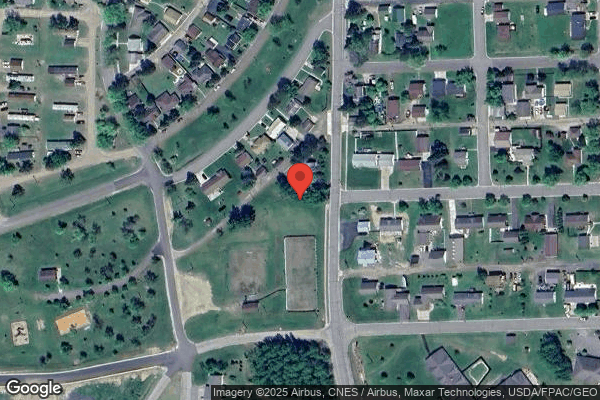

Cornerstone Villa

1000 FOREST STREET, BUHL, MN 55713 (218) 258-3253
Non profit - Corporation 43 Beds Independent Data: November 2025 1 Immediate Jeopardy citation
Trust Grade
36/100
#227 of 337 in MN
Last Inspection: October 2024

Within standard 12-15 month inspection cycle. Federal law requires annual inspections.

Overview

Cornerstone Villa in Buhl, Minnesota has received a Trust Grade of F, which indicates significant concerns about the facility's quality of care. It ranks #227 out of 337 nursing homes in Minnesota, placing it in the bottom half of facilities statewide, and #10 out of 17 in St. Louis County, meaning only a few local options are better. While the facility is trending towards improvement, having reduced issues from 6 in 2024 to 1 in 2025, there are still serious deficiencies to consider. Staffing is a relative strength, with a 3 out of 5 rating and no turnover, well below the state average, ensuring consistency in care. However, they have accumulated $21,914 in fines, which is higher than 83% of Minnesota facilities, indicating ongoing compliance issues. Specific concerning incidents included a resident with dementia who eloped from the facility due to inadequate supervision, which posed a significant safety risk, as well as failures in maintaining proper infection control protocols for a resident with a PICC line. Overall, families should weigh these strengths and weaknesses carefully when considering Cornerstone Villa for their loved ones.

Trust Score
F
36/100
In Minnesota
#227/337
Bottom 33%
Safety Record
High Risk
Review needed
Inspections
Getting Better
6 → 1 violations
Staff Stability
○ Average
Turnover data not reported for this facility.
Penalties
⚠ Watch
$21,914 in fines. Higher than 91% of Minnesota facilities. Major compliance failures.
Skilled Nurses
✓ Good
Each resident gets 62 minutes of Registered Nurse (RN) attention daily — more than 97% of Minnesota nursing homes. RNs are the most trained staff who catch health problems before they become serious.
Violations
⚠ Watch
25 deficiencies on record. Higher than average. Multiple issues found across inspections.
★★☆☆☆
2.0
Overall Rating
★★★☆☆
3.0
Staff Levels
★★☆☆☆
2.0
Care Quality
★★☆☆☆
2.0
Inspection Score
Stable
2024: 6 issues
2025: 1 issues

The Good

  • Full Sprinkler Coverage · Fire safety systems throughout facility
  • No fines on record

Facility shows strength in fire safety.

The Bad

2-Star Overall Rating

Below Minnesota average (3.2)

Below average - review inspection findings carefully

Federal Fines: $21,914

Below median ($33,413)

Minor penalties assessed

The Ugly 25 deficiencies on record

1 life-threatening
Jan 2025 1 deficiency 1 IJ
CRITICAL (J) 📢 Someone Reported This

A family member, employee, or ombudsman was alarmed enough to file a formal complaint

Immediate Jeopardy (IJ) - the most serious Medicare violation

Accident Prevention (Tag F0689)

Someone could have died · This affected 1 resident

**NOTE- TERMS IN BRACKETS HAVE BEEN EDITED TO PROTECT CONFIDENTIALITY** Based on interview and document review, the facility failed to provide adequate supervision for 1 of 3 residents (R1) who was at...

Read full inspector narrative →
**NOTE- TERMS IN BRACKETS HAVE BEEN EDITED TO PROTECT CONFIDENTIALITY** Based on interview and document review, the facility failed to provide adequate supervision for 1 of 3 residents (R1) who was at risk for elopement. This resulted in an immediate jeopardy (IJ) for R1 when she eloped from the facility and was found in the facility parking lot by a passersby. The IJ began on [DATE] at 8:44 p.m., when R1 wandered out of the facility. The administrator and director of nursing (DON) were informed of the IJ on [DATE] at 3:22 p.m. The facility had implemented corrective action on [DATE], prior to the start of the survey, and was therefore past noncompliance. Findings include: R1's Face Sheet dated [DATE], indicated R1 had vascular dementia. R1's care plan dated [DATE], indicated R1 was at risk for elopement, utilized a WanderGuard system (used to trigger alarms to alert staff when the resident is near an exit door). Interventions included monitor WanderGuard placement on walker every shift, and monitor function. Monitor and document any elopement attempts and wandering. R1's Provider Orders dated [DATE], directed to check WanderGuard placement every shift, and check signal strength of the WanderGuard every night. R1's quarterly Minimum Data Set (MDS) dated [DATE], indicated R1 had memory problems and severe cognitive impairment skills for daily decision making. The MDS indicated R1 had no wandering or exit seeking behaviors. R1's treatment administration record (TAR) for December, 2024 indicated R1's WanderGuard was checked on [DATE] evening shift and night shift, and on [DATE] day shift. The facility Risk Management Report Elopement dated [DATE], indicated R1 exited the facility with her walker unattended, and was returned to the facility via a passerby. The report lacked any further information. On [DATE] at 9:00 p.m., the temperature in [NAME] MN was 12 degrees Fahrenheit (F) with a wind of 10.7 miles per hour per World Weather. The wind chill was 2 degrees F. R1's Elopement Risk assessment dated [DATE] indicated R1 had some intermittent confusion, but no noted wandering. R1 had a purposeful destination in mind when she left her room was not at risk for elopement, but did have a WanderGuard on her walker per her preference. Review of the facility video footage dated [DATE] indicated R1 left the building at 8:44 p.m. and returned to the building at 9:02 p.m. R1 was noted to have a red winter coat and shoes on. R1's WanderGuard alarm did not sound as the WanderGuard was never placed on her walker or on her person. On [DATE] at 10:04 a.m., registered nurse (RN)-A stated on [DATE], during the day shift, she did not officially look at R1's walker to ensure the WanderGuard was present. However, she did document in the electronic medical record (EMR) she had checked for placement. It was an oversight on her part. On [DATE] at 10:13 a.m., licensed practical nurse (LPN)-A stated on [DATE], during the night shift, she didn't check R1's WanderGuard for placement or function. She did not make it to R1's room to check her WanderGuard that night, but she documented she had done it in R1's EMR. She had never checked for function for any resident's WanderGuard until receiving education on [DATE] when she was taught to check WanderGuard function. On [DATE] at 11:00 a.m., R1's medical doctor (MD)-A stated R1 was not able to make her own decisions and was not safe to leave the facility alone. If R1's WanderGuard was on her, she would have been intercepted before going outside. R1 was incredibly disoriented and would not have known to get back into the facility. She could have gotten hypothermia or been hit by a car as the facility was next to a highway, and even possibly died. On [DATE] at 11:40 a.m., the director of nursing (DON) stated staff were expected to check the placement of the WanderGuards every shift, and check the function of the WanderGuards every night. This was not occurring as staff were documenting it completed in the EMR, but were not actually completing the task. On [DATE] at 12:02 p.m., LPN-B stated on [DATE] around 8:45 p.m., R1 told her she needed to go somewhere. She redirected R1 to her room. About 15 to 20 minutes later, a family member came and got her, and told her R1 was outside. She went outside, and R1 was in a vehicle with a stranger. They stated they were from town, and saw R1 walking close to the road. They stopped and helped her into the car to drove her back to the facility. LPN-B assisted R1 out of the car, and back into the building. R1's WanderGuard alarm didn't sound, and then noticed R1 did not have a WanderGuard on. On [DATE] during the evening shift, she didn't check placement of R1's WanderGuard because she thought it had alarmed when R1 entered the double doors after an activity. The WanderGuard manufacture's manual directed to test WanderGuard signaling devices daily and record the results in the resident's records. The past non-compliance immediate jeopardy began on [DATE]. The IJ was removed, and the deficient practice was corrected by [DATE], after the facility implemented a systemic plan that included the following actions: Reviewed their policies on use of WanderGuards, re-assessed all residents who were at risk for elopement to ensure they had a WanderGuard in place and in working order, and re-educated all nursing staff on the expectation of WanderGuard function and monitoring policies. The facility completed daily audits to ensure compliance, and will bring the results of the audits to the Quality Assurance and Performance Improvement (QAPI) committee. Verification of corrective action was confirmed by observation, interview, and document review on [DATE].
Oct 2024 6 deficiencies
CONCERN (D)

Potential for Harm - no one hurt, but risky conditions existed

Assessment Accuracy (Tag F0641)

Could have caused harm · This affected 1 resident

**NOTE- TERMS IN BRACKETS HAVE BEEN EDITED TO PROTECT CONFIDENTIALITY** Based on interview and document review, the facility failed to ensure the Minimum Data Set (MDS) was completed for all sections ...

Read full inspector narrative →
**NOTE- TERMS IN BRACKETS HAVE BEEN EDITED TO PROTECT CONFIDENTIALITY** Based on interview and document review, the facility failed to ensure the Minimum Data Set (MDS) was completed for all sections for 1 of 1 residents (R15) reviewed for MDS accuracy. Findings include: The Centers for Medicare and Medicaid Services (CMS) Long-Term Care Facility Resident Assessment Instrument 3.0 User's Manual, dated 10/2019, identified the purpose of the RAI process was to help ensure holistic care was provided. Findings include: R15's admission MDS dated [DATE], identified sections C and D were marked as not assessed. A section of the RAI labeled, SECTION C: COGNITIVE PATTERNS Intent: The items in this section are intended to determine the resident ' s attention, orientation and ability to register and recall new information. These items are crucial factors in many careplanning decisions. A section of the RAI labeled, SECTION D: MOOD Intent: The items in this section address mood distress, a serious condition that is underdiagnosed and undertreated in the nursing home and is associated with significant morbidity. It is particularly important to identify signs and symptoms of mood distress among nursing home residents because these signs and symptoms can be treatable. On 10/29/24 at 3:04 p.m., R15 was observed walking up and down the hall with her walker making a huffing sound, R15 appeared distressed. On 10/29/24 at 3:14 p.m., R15 was observed in the dining area walking without her walker and mumbled shit under her breath. A staff member asked her if she needed some help and assisted her to a table and provided R15 with a cup of coffee. On 10/31/24 at 10:32 a.m., the director of nursing (DON) reviewed R15's admission MDS and verified sections C and D were not assessed. The DON stated social service was responsible for those sections and she would expect the sections to be assessed and the information entered. The DON stated the MDS coordinator was responsible to ensure all sections were completed prior to uploading the document. The DON verified if the MDS coordinator was missing information and not getting a response they should have reached out to her or the administrator for assistance. The DON stated the information was important to have to ensure the resident was receiving needed care. On 10/31/24 at 11:20 a.m., social service designee (SSD)-A stated the process was for her to complete the assessments and scan the document to the MDS coordinator. SSD-A reviewed R15's admission MDS dated [DATE], and verified the information was missing in sections C and D. SSD-A stated the information was needed to make sure R15 was receiving needed care. Resident Assessment Instrument dated 9/2010, identified the assessment coordinator was responsible for ensuring the Interdisciplinary Assessment Team conducted timely resident assessments. The information derived from the assessments would help the staff to plan care that allowed the resident to reach their highest practicable level of functioning.
CONCERN (D)

Potential for Harm - no one hurt, but risky conditions existed

Quality of Care (Tag F0684)

Could have caused harm · This affected 1 resident

**NOTE- TERMS IN BRACKETS HAVE BEEN EDITED TO PROTECT CONFIDENTIALITY** Based on interview and document review the facility failed to perform nurse assessments, and resident monitoring to ensure timel...

Read full inspector narrative →
**NOTE- TERMS IN BRACKETS HAVE BEEN EDITED TO PROTECT CONFIDENTIALITY** Based on interview and document review the facility failed to perform nurse assessments, and resident monitoring to ensure timely recognition of clinical decline, provider notification and prompt transfer to a higher level of care occurred for 1 of 1 resident (R29) reviewed for hospitalization. Findings include: R29's significant change Minimum Data Assessment (MDS) dated [DATE], indicated R29 was cognitively intact with the diagnosis of orthostatic hypotension, diabetes, hypopituitarism, and epilepsy. Section N indicated R29 received insulin daily. The report Order Summary, Active Orders as of 9/12/24, listed the following orders: -Blood sugars (BS) 5 times daily update diabetic center with severe hypoglycemia BS less than 60. -Contact MD if BS less than 70 or greater than 400 per protocol in chart under physician orders tab every shift. -Please document any additional low bs noted that need correction with snack -Glucagon kit 1 mg inject 1 mg as needed for low BS per protocol. BS 50-69, 15 G carb (4 glucose tabs) BS less than 50, 30 G carb (8 glucose tabs) If pt not alert give Glucagon 1 mg IM, repeat 15 minutes if unresponsive. Recheck BS every 15 minutes till greater than 100. Eat recheck 1 hour. -Zofran ODT 4mg give every 6 hours as needed for nausea and vomiting. R29's careplan for 9/2024 provided by the facility included Diabetes Mellitus initiated on 3/15/2022, which included instruction for monitoring and reporting to the doctor as needed signs and symptoms of hypoglycemia and or hyperglycemia. Monitoring for dehydration was added to the care plan on 11/9/23. The 9/2024, Weights and Vitals Summary for blood pressure (BP), temperature, respirations, and pulse had the following documented 9/12 into 9/13/24: 9/12/24 1:14 p.m. 84/64 pulse: 63 7:49 p.m. 86/63 pulse: 76 9/13/24: there were no documented vital signs. The chart lacked evidence to show staff had obtained and monitored R29's vital signs for clinical decline. The 9/2024, Weights and Vitals Summary for BS showed the following: 9/12/24 -11:10 a.m. 73 mg/dL -11:25 a.m. 75 mg/dL -4:50 p.m. 194 mg/dL -9:02 p.m. 116 mg/dL -10:45 p.m. 45.0 mg/dL 9/13/2024 -2:20 a.m. 120.0 mg/dL Nursing Assistant (NA) documentation sheets provided by the facility included the following BS. 9/12/24 10:45 p.m. 42 9/13/24 1:02 a.m. 123 3:05 a.m. 120 EMR Progress notes 9/12 to 9/13/2024 were as follows: 9/12/24 at 11:48 a.m., registered nurse (RN) E-MAR [electronic medication administration record] entry: BS was low and needed a snack and was going to an appt. 9/12/24 at 12:47 p.m., RN entry. Prior to leaving for appointment R29's BS had been dropping so R29 was given snacks before R29 left with family member (F)-1. R29's F-1 notified the facility R29's BS was 312 and rising, and R29 was vomiting. It was decided they would return to the facility and R29's doctor appointment would be re-scheduled. Note indicated a nurse would assess R29 upon return. 9/12/24 at 7:08 p.m., E-MAR entry by licensed practical nurse (LPN)-B: resident did not eat, not feeling well. 9/13/24 at 5:16 a.m., by LPN-A. Resident BS 42 at 22:45 [10:45 p.m.]. R29 reported they did not eat dinner. LPN-A prepared sandwich, chips, yogurt, and drinks and encouraged intake. R29 had been extremely pale, BP very low on PM shift, 86/63 and 64/40, unable to take bp on nights due to constant heaving and emesis, able to get BS up to 143. Covid test negative. R29 had nausea and frequent episodes of emesis. At 0400 [4:00 a.m.] R29's BS dropped to 87. R29 continued to vomit. At 0430 [4:30 a.m.] spoke with R29 to be seen in ED, R29 agreed. Parents called. At 0445 [4:45 a.m.] EMT's arrived. Unable to find vein for IV. R29 was transported by ambulance to Hibbing hospital. MD was faxed. The EMR lacked evidence of documented vital signs, BS, assessment and monitoring. In addition, the EMR lacked evidence that the hypoglycemic orders were followed and that the RN and or provider had been consulted and or notified of R29's worsening medical condition. During an interview on 10/30/24 at 10:39 p.m., LPN-A stated at shift change [on 9/12/24] it was reported R29 had had low BP, low and high BS, and had vomited on days and afternoons. That night LPN-A was on the Tamarack unit but as the LPN they rounded on willow and birch, and passed medications on Birch at 2:00 a.m., and 4 a.m. The Nursing assistants rounded on all units and checked Dexcom meters [meter giving continuous BS values]. LPN-A stated they first checked on R29 around 10:45 p.m. R29 had been vomiting, didn't feel well, had pale skin, and had a very low BS. To get R29 BS up, LPN-A indicated they had prepared a bunch of food and drink options and had encouraged R29 to eat. R29 had a hard time with it because of the nausea and vomiting. LPN-A couldn't recall how frequently they had checked R29's blood sugar after it was low [documented 42 and 45], but they remembered they had checked it and the Nursing assistants also checked it and had called and given them updates when R29 vomited. LPN-A stated [on 9/13/24] at 4:00 a.m., R29's BS started to drop again, but they couldn't get it back up again. R29 was still vomiting. They then contacted R29's parents and talked to R29 who agreed to go to the ED. The EMS crew tried to get an iv [intravenous access] in but couldn't because R29 was so dehydrated. LPN-A confirmed they had not gotten any follow-up BPs or vital signs on R29 that shift, nor had they called the doctor for R29's low blood sugars or to notify the doctor of R29's declining medical condition. LPN-A explained they didn't usually call the doctor on nights, but if there was something pressing, they would call. They felt they had done what they could for R29 and when it was out of their LPN scope, they had gotten R29 to the ED as fast as they could. When asked in retrospect if the on-call RN or provider should have been notified about R29's condition at any point during the night shift, LPN-A stated no. During an interview on 10/31/24 10:52 p.m., LPN-B stated they had received report on 9/12/24, from day shift that R29 was not feeling well. They recalled R29 had thrown up on the afternoon shift and had lower than usual blood pressures. They had called R29's family (F1) and updated F1 on R29's status. F1 had suggested R29 may need their hydrocortisone dose doubled. LPN-B explained when R29's body was under stress, their hydrocortisone dose had to be increased. LPN-B stated they had done a communication to the assistant director of nursing about R29's hydrocortisone dosing. LPN-B did not recall a blood pressure as low as 64/40 on their shift but indicated they had reported to the oncoming night nurse R29 needed to be watched closely due to their low bp, vomiting, and blood sugars. During an interview on 10/31/24 at 10:05 a.m., registered nurse (RN)-A stated they remembered the situation but had not received a call regarding R29 [RN-A was on call RN]. RN-A reviewed R29's EMR and stated there were gaps in documentation. With a report of low blood pressure, R29's blood pressure should have been rechecked and monitored for trending. The on-call doctor should have been called for a blood sugar as low as 45, especially since R29 had been throwing up for hours. RN-A stated if had they been working, or been called that night, they would have wanted to send R29 to the emergency department with the first low sugar. During an interview on 10/31/24 12:46 p.m., NA-A stated they knew R29 had been sick a few days and had thrown up all afternoon. NA-A stated they had probably checked on R29 about every hour. NA-A stared on a check R29 had been sweaty and pale and their BS had been really low, so they notified the nurse. They tried to get R29 to drink something, but R29 had projectile vomited everywhere. That was when the nurse decided to transfer R29 to the ED. During an interview on 10/31/24 at 11:04 a.m., the director of nursing (DON) opened R29's EMR and stated R29's blood pressure (BP) trended low so nurses may not have been alarmed by R29's BP. The DON verified the following orders were current on 9/12-13/2024: -contact medical provider if bs less than 70 or greater than 400 and chart under physician. -If BS under 50 give 30 grams of carbs or 8 glucose tabs. -Recheck blood glucose every 15 minutes until greater than 100. - Zofran 4 mg [milligrams] give every 6 hours as needed for nausea and vomiting. The DON confirmed the record did not contain evidence of BP monitoring or BS rechecks per protocol, nor had Zofran been given for nausea and vomiting. The DON stated when a resident was ill critical thinking should be used, they expected documented assessments each shift, and vital sign completion to assess for illness. Orders should be followed. Per order, the provider should have been called with the first low blood sugar. In addition, the provider should have been called for an order to send R29 to the ED. The lack of nurse notes and vital signs make it difficult to review and determine if R29 should have been transferred to the ED sooner than they were. During an interview on 10/31/24 12:15 p.m., medical doctor (MD)-D stated the on-call should have been called regarding low BP and vomiting. At the least the on-call would have initiated sick day steroids R29 needed to fight illnesses. Steroid dosing should have started when R29 started to vomit. Had the on-call been called about the low blood pressures or the low blood sugar R29 would have been sent to the ED. R29 could have benefited from earlier transfer to the ED, however the delay likely did not make a significant difference in R29's outcome. R29's ED Provider Notes dated 9/13/24, listed the following diagnoses: hypoglycemic, hypotension due to hypovolemia, dehydration, adrenal crisis, nausea and vomiting, and fever in adult. The note indicated R29 required straight catheterization to treat urinary retention. R29's initial ED blood sugar was 43 and the repeated result was 50. While in the ED R29's treatment included IV administration of dextrose 10%, dextrose 50%, a two-liter fluid bolus, hydrocortisone, nausea medication, and antibiotics. The noted indicated R29 required admit to the hospital for further evaluation and treatment. R29's Range Hibbing Hospital Discharge summary dated [DATE], indicated R29 had been admitted to the hospital on [DATE], and was discharged on 9/21/24, with the following diagnosis: dehydration, urinary retention, hypoglycemia, acute colitis, fever in adult, hypotension due to hypovolemia, nausea and vomiting, low serum cortisol, hypopituitarism, and uncontrolled type two diabetes without complication with long-term current use of insulin. Discharge orders included a 13-day course of the antibiotics Cipro and Flagyl for the associated diagnosis of sepsis unspecified organism. The undated, untitled document page 3 subtitle Diabetic Management instructed staff to notify the provider if two BS results were lower than 70 or greater than 400 in a 24-hour period and/or a change in condition. If no change notify provider on the next business day. Page four subtitle Hypoglycemia: if a patient was hypoglycemic and able to swallow, staff were instructed to: -administer six ounces of juice, milk, regular pop, or other high carbohydrate beverage or boost via mouth or feeding tube. -repeat BS after 10 minutes, if less than 70 repeat intervention -if after two attempts to treat BS and still under 70 notify provider -once R is stable recheck BS after 60 minutes. -communicate any hypoglycemic event to provider the following business day. The Nursing Care of the Resident with Diabetes Mellitus dated April 2009, under Management of Hypoglycemia for symptomatic responsive resident instructed staff to: -immediately give four ounces of juice or five to six ounces of soda -recheck BS in 15 minutes -repeat juice if indicated, recheck BS in 15 minutes -monitor vital signs -if no improvement notify the physician for further orders Instruction under Documentation included document: -skin -level of consciousness -pain -accurate input and output -urinary symptoms including retention and incontinence -blood pressure problems including orthostatic hypotension -blood sugar results Policies related to nurse assessment, provider notification, on-call RN, and transfer to ED/hospital were requested and not received.
CONCERN (D)

Potential for Harm - no one hurt, but risky conditions existed

Medication Errors (Tag F0758)

Could have caused harm · This affected 1 resident

**NOTE- TERMS IN BRACKETS HAVE BEEN EDITED TO PROTECT CONFIDENTIALITY** Based on interview and document review the facility failed to provide non- pharmacological interventions prior to administration...

Read full inspector narrative →
**NOTE- TERMS IN BRACKETS HAVE BEEN EDITED TO PROTECT CONFIDENTIALITY** Based on interview and document review the facility failed to provide non- pharmacological interventions prior to administration of an as needed (PRN) antipsychotic medication for 1 of 1 resident (R11) reviewed for PRN psychotropic medication use. Findings include: R11's quarterly Minimum Data Set (MDS) dated [DATE], identified R11 had diagnoses which included dementia and pseudobulbar affect (inappropriate involuntary laughing and crying due to a nervous system disorder). In addition, R11 was severely cognitively impaired with no hallucinations, delusions, behaviors, or rejection of cares. R11's MDS identified she had unclear speech but could usually understand and be understood. R11's care plan dated 11/17/22, identified R11 had as needed lorazepam (a medication used to treat anxiety, a benzodiazepines which are medications that slow down the nervous system) for agitation/anxiety, dyspnea (shortness of breath), and uncontrolled pain. Interventions included to administer lorazepam as ordered and monitor for medication side effects. In addition, R11's care plan dated 2/16/22, identified R11 had cognitive loss related to a diagnosis of dementia. Interventions included to administer medications as ordered, anticipate needs, ask yes/no questions, offer reminders and cues, and to call family as needed. R11's current physician orders included the following: Lorazepam 0.5 milligrams (mg) by mouth every six hours as needed for pain until 12/1/24. Prior to administering, assess for unmet needs related to inconsolable crying. Offer verbal reassurance, snacks, fluids, music. Attempt all non pharmacological interventions prior to administration, document what was attempted. R11's October 2024, medication administration record identified R11 received PRN doses of lorazepam 0.5 mg orally on the following dates and times: 10/2/24 at 7:26 p.m. 10/11/24 at 3:07 p.m. 10/15/24 at 3:34 p.m. 10/16/24 at 4:15 p.m. 10/22/24 at 4:57 p.m. R11's October 2024, medication administration record identified R11 did not have non pharmacological interventions documented. A review of a document titled Mood and Behavior Log for October 2024, did not having any documentation of behaviors by the nursing assistants. A review of R11's October 2024 progress notes did not identify what non pharmacological attempts were made prior to administration of lorazepam. On 10/30/24 at 12:36 p.m., the director of nursing (DON) reviewed R11's electronic medical record (EMR) and verified no non pharmacological interventions were documented prior to administering lorazepam in October. The DON stated she would have expected staff to document the non pharmacological interventions that were tried prior to the lorazepam administration. The Comprehensive Home Care Resource Manual dated January 2014, identified staff needed to create and maintain a correct and accurate medication record for each client receiving medication assistance or administration .
CONCERN (E)

Potential for Harm - no one hurt, but risky conditions existed

Food Safety (Tag F0812)

Could have caused harm · This affected multiple residents

Based on observation and interview, the facility failed to monitor the temperature for 3 of 3 unit kitchenette refrigerators. In addition, the facility failed to ensure the use of hair restraints duri...

Read full inspector narrative →
Based on observation and interview, the facility failed to monitor the temperature for 3 of 3 unit kitchenette refrigerators. In addition, the facility failed to ensure the use of hair restraints during food service. This practice had the potential to affect 37 of the 38 residents at the facility who take in sustenance orally. Findings include: Unit Kitchenette Refrigerators On 10/28/24 at 1:12 p.m., dietary manager (DM) stated the facility has 3 unit kitchenette refrigerators. The refrigerator's store resident snacks, beverages, and personal food. Items commonly stored in the refrigerators include milk, cheese sticks, and yogurt. DM stated the unit kitchenette refrigerators are cleaned daily by kitchen staff, but the temperatures were not monitored or recorded by kitchen or any other staff. Furthermore, the temperatures of the unit kitchenette refrigerators have not been monitored or recorded since he was hired approximately one year ago. DM immediately recognized the lack of temperature monitoring was a food safety issue. During observation on 10/28/24 at 1:20 p.m., DM located an internal thermometer in each unit kitchenette refrigerator. The temperature of each refrigerator was within safe cold food storage range. None of the unit kitchenette refrigerators had a temperature tracking sheet posted. On 10/28/24 1:31 p.m. DM reported the lack of unit kitchenette refrigerator temperature monitoring to the administrator. Administrator stated the temperature of all facility refrigerators must be monitored and recorded daily. During interview on 10/29/24 12:05 p.m., registered dietitian (RD) stated she was unaware the temperatures of the unit kitchenette refrigerates were not being monitored or recorded. RD identified this was a food safety issue and plans to resume the practice of auditing temperature logs. A policy, Refrigerators and Freezers, revised December 2014, identified monthly tracking sheets for all refrigerators will be posted to record temperatures. Furthermore, employees will check and record refrigerator and freezer temperature daily. Hair Restraints During observation on 10/29/24 at 10:44 a.m., DM was in the kitchen and began to transfer baked fries from a baking sheet to a holding pan. DM was not wearing a beard net and was observed to have a goatee approximately ¼ inch in length. During interview on 10/29/24 at 10:51 a.m., DM stated kitchen staff are required to wear beard nets if their facial hair was longer than ¼ inch. DM states his goatee was ¼ inch, and he was not required to wear a beard net. DM was going off of past experience and was unsure if the length requirement was based on facility policy. During interview on 10/29/24 at 12:05 p.m., RD stated staff are required to use hair restraints while in the kitchen. All head hair must be covered, and facial hair only needs to be covered if it was beyond a certain length. DM could not recall the exact length requirement and was going off of what was done at the hospital. RD indicated DM's goatee was neatly trimmed and did not require a beard net. During interview on 10/29/24 at 1:41 p.m., administrator expected staff to use hair restraints while in the kitchen but was uncertain about the requirement for beard nets. Stated we have always just gone with requiring a beard net for facial hair longer than ¼ inch. Administrator proceeded to consult the facility culinary infection prevention policy and the Centers for Medicare & Medicaid Services (CMS) State Operations Manual Appendix PP. Upon review, administrator indicated facial hair, regardless of length, must be restrained when working with food. Administration planned to implement the use of beard nets with facial hair to reduce the risk of food becoming contaminated with hair. A policy, Culinary Infection Control - General Practice, undated, identified culinary staff wear a hair net to restrain all hair at all times. Wear beard restraints if necessary. CMS State Operations Manual Appendix PP, issued 8/8/24, identity according to the current standards of practice such as the Food Code of the FDA, food service staff must wear hair restraints (e.g., hairnet, hat, and/or beard restraint) to prevent hair from contacting food.
CONCERN (F)

Potential for Harm - no one hurt, but risky conditions existed

Staffing Data (Tag F0851)

Could have caused harm · This affected most or all residents

Based on interview and document review the facility failed to resolve technical issues timely to ensure staffing data was submitted, for 2 of 4 quarters reviewed (quarter 2 and 3), to the centers for ...

Read full inspector narrative →
Based on interview and document review the facility failed to resolve technical issues timely to ensure staffing data was submitted, for 2 of 4 quarters reviewed (quarter 2 and 3), to the centers for Medicare and Medicaid Services (CMS) according to specifications established by CMS. Findings Include: Review of the Payroll Based Journal Report (PBJ) [NAME] Report 1705D for quarter 2 2024 (January 1 - March 31) and quarter 3 2024 (April 1st through June 30th), identified no data had been submitted. As a result, the metric for Registered Nurse (RN) hours and licensed nursing coverage was suppressed for those quarters. On 10/30/24 at 11:00 a.m., the human resources director (HR) stated it was her responsibility to gather the staffing data each quarter. She sends the data to the administrator who submits to CMS. HR indicated the facility was made aware of the submission errors in March of 2024 following an internal audit. HR explained the root cause of the submission errors was related their time and labor software program being switched to the cloud. They have been assigned a software support specialist to assistance with technical issues. On 10/30/24 at 11:15 a.m., the administrator confirmed she submits the staffing data each quarter to CMS and has never received a notice of submission failure. States she was made aware of the submission errors following the internal audit. In response, the administrator looked back at her past 2 years of CMS submissions and stated they all said, submission failed. At that time, the administrator did not reach out to CMS because she thought their time and labor software support specialist would be able to resolve their technical issues. Administrator identified reaching out to their software support specialist on 4 occasions since being made aware of the submission issue. Most recent contact attempt was on 10/10/24. As of today 10/30/24, administrator reports the issue will be resolved within the next two weeks. The expectation was for staffing data to be submitted each quarter before the deadline. It was important to ensure staffing data was submitted before the deadline because it could interfere with the facility's overall star rating and impact the accuracy staffing information being presented to CMS.
CONCERN (F)

Potential for Harm - no one hurt, but risky conditions existed

Infection Control (Tag F0880)

Could have caused harm · This affected most or all residents

**NOTE- TERMS IN BRACKETS HAVE BEEN EDITED TO PROTECT CONFIDENTIALITY** R190: admission [NAME] Data Set (MDS) dated [DATE], identified R190 was admitted to the facility on [DATE], cognitively intact, ...

Read full inspector narrative →
**NOTE- TERMS IN BRACKETS HAVE BEEN EDITED TO PROTECT CONFIDENTIALITY** R190: admission [NAME] Data Set (MDS) dated [DATE], identified R190 was admitted to the facility on [DATE], cognitively intact, diagnosed with diabetes mellitus and depression, and receiving intravenous (IV) antibiotics. Order summary, physician signed on 10/18/24, contained orders for PICC line monitoring and dressing change. Orders lacked any information related to EBP. During observation on 10/29/24 at 8:52 a.m., R190s door lacked EBP signage and a personal protective equipment (PPE) cart was not located outside of room. During interview on 10/30/24 at 1:22 p.m., IP-G stated she reviews the medical record of newly admitted residents to determine if EBP were required. If EBP required, IP-G would post EBP signage on their door, place a PPE cart outside of their room, and add an EBP order to their medical record. IP-G stated having a PICC line would require EBP. Furthermore, IP-G acknowledged R190 has a PICC line and should already be on EBP but was not. IP-G explained it was on the list to implement EBP for R190. During interview on 10/31/24 at 10:03 a.m., DON stated she had the expection of timely implementation of EBP to prevent the spread of infection. A policy, Infection Prevention and Control Manual Transmission-Based Precautions undated, identified EBP are implemented for residents at risk of developing or becoming colonized with a Multi Drug Resistance Organisms (MDRO). A resident with a central line was at risk. Furthermore, EBP should be implemented when completing high-contact care activities. Based on observation, interview and document review, the facility failed to develop and implement a comprehensive water management program to reduce the risk of Legionella (a bacterial infection which can be found within man-made reservoirs) and associated infectious outbreak. These findings had the potential to affect all 38 residents within the facility. In addition, the facility failed to ensure enhanced barrier precautions (EBP) were implemented in a timely manner for 1 of 1 resident (R190) who had a peripherally inserted central line (PICC). Findings include: Water Management: During the recertification survey, from 10/28/24 to 10/31/24, the facility's water management program was requested, and a series of policies were provided which included the following: Water Management Plan dated 2/2021, identified the individuals responsible for the program were the environmental service director (EVS), maintenance assistant and the administrator. The plan identified EVS would be responsible for oversight of the water management program. The plan identified the ice machine as a potential area where Legionella could grow and spread. The plan identified the ice machine would be cleaned and disinfected routinely on a quarterly basis by the maintenance staff. The plan further identified unoccupied areas (resident rooms) would be cleaned and disinfected by housekeeping on a weekly basis. The faucet is exercised during housekeeping duties to ensure stagnant water is flushed from the water lines. However, there were no provided diagrams of the facility's water system. Water Management Program Reduce Growth and Spread of Legionella undated, identified the purpose of a water management program was to provide education and guidance to staff to identify and manage hazardous conditions that would inhibit the growth and spread of Legionella. Water Supply dated 11/2009, identified the facility would handle and maintain it's water supply in accordance with recommendations of the Centers for Disease Control (CDC) the Healthcare Infection Control Practices Advisory Committee and the Food and Drug Administration (FDA). A document titled Minnesota Valley Testing Laboratories for room [ROOM NUMBER] bath identified the following information for a water sample: date collected - 1/31/24 date received - 2/5/24 date analyzed - 2/12/24, Legionella pneumophilia 474 MNP/100 milliliters (ml) During an interview on 10/29/24 at 1:41 p.m., maintenance (M)-A reviewed the above test and stated he was not sure how to interpret the results and verified no further actions were taken after receiving the test results. M-A stated when a resident room was unoccupied they would run water for 15 minutes and flush toilets. M-A stated the facility had a diagram which identified hot and cold water but did not have a diagram of the facility's water system that would identify areas which would encourage the growth and spread of Legionella. M-A verified the water management plan was reviewed on 2/2021, and yesterday. M-A verified the facility did not have a system in place to track empty resident rooms, length of time empty, and cleaning/flushing toilets/running water. During an interview on 10/30/24 at 8:31 a.m., client services (CS)-F with Minnesota Valley Testing Laboratories identified MPN as most probable number and stated the number could be interchanged with colony forming units (CFU). CS-F verified when testing water the ideal result would be zero and would have expected some type of follow up with a result of 474 MPN/100 ml. During an interview on 10/30/24 at 8:48 a.m., the infection preventionist (IP)-G stated she had not been made aware of the Legionella test results from the water sample taken in January 2024. IP-G was not aware of the process for tracking empty rooms related to the water management plan. During an interview on 10/31/23 at 10:03 a.m., the administrator stated the water management plan could be a little more in-depth. The administrator verified she was aware a Legionella test had been completed but had not been made aware of the results. The expectation would be that she would be alerted if M-A did not know how to interpret the test results.
Nov 2023 9 deficiencies
CONCERN (D)

Potential for Harm - no one hurt, but risky conditions existed

Deficiency F0637 (Tag F0637)

Could have caused harm · This affected 1 resident

**NOTE- TERMS IN BRACKETS HAVE BEEN EDITED TO PROTECT CONFIDENTIALITY** Based on interview and document review, the facility failed to complete a significant change in status assessment (SCSA) when tw...

Read full inspector narrative →
**NOTE- TERMS IN BRACKETS HAVE BEEN EDITED TO PROTECT CONFIDENTIALITY** Based on interview and document review, the facility failed to complete a significant change in status assessment (SCSA) when two or more areas of change in resident status were noted on the Minimum Data Set (MDS) for 1 of 1 resident (R23) reviewed for activities of daily living (ADLs). Findings include: R23's quarterly MDS dated [DATE], identified severe cognitive impairment and diagnoses which included dementia, hypertension, anxiety and Chronic obstructive pulmonary disease. The MDS also indicated R23 was not on oxygen, was not using opiods, was set up only for baths, and independent with all other ADLs. R23's provider orders dated 10/5/23, identified oxygen 2 liters per minute as needed to keep sats greater than 90% was started. R23's provider orders dated 11/3/23, identified liquid morphine 20 milligrams (mg) per milliliter , give 5 mg by mouth every 4 hours as needed for shortness of breath (SOB) was started. R23's medical records identified the following: -10/24/23, pharmacist met with interdisciplinary team to discuss R23's frequent use of morphine for breathing and SOB. -10/31/23, family requested a hospice evaluation due to R23 having a decline in respiratory status and needing increased assistance with all ADLs. -11/3/23, R23 was seen by provider for increased SOB. Morphine orders changed to increase frequency of use for SOB. -11/16/23, family of R23 requested change to total bed bath as showering was too taxing on her respiratory status. During interview on 11/16/23 at 8:25 a.m., licensed practical nurse (LPN)-E stated R23 had several declines since the beginning of October, 2023. R23 was requiring oxygen all of the time because of SOB, required frequent usage of morphine because of SOB and had required assistance of at least one staff member for all ADL cares. Hospice had evaluated R23 but not sure if they had admitted her. During interview on 11/17/23 at 10:18 a.m., the MDS coordinator (MC) stated she had noticed the documentation related to significant changes in R23's medical health conditions and ADL's. MC was aware the changes had been ongoing declines and not related to an acute illness since October, 2023. It was expected that hospice was going to be started and MC did not want to do two different SCSA's for R23. MC was not aware that hospice had not admitted R23, but acknowledged that an SCSA should have been done with the changes that were documented. During interview on 11/17/23 at 11:30 a.m., the director of nursing (DON) confirmed a SCSA should have been completed for R23. The facility policy for SCSA and MDS changes was requested but not provided. The CMS's (Centers for Medicaid and Medicare Services) RAI (Resident Assessment Instrument) Version 3.0 Manual pages 2-21 through 2-28 identified 03. Significant Change in Status Assessment (SCSA). Assessment Management Requirements and Tips for Significant Change in Status Assessments: A SCSA is appropriate when: There is a determination that a significant change (either improvement or decline) in a resident's condition from his/her baseline has occurred as indicated by comparison of the resident current status to the most recent comprehensive assessment and any subsequent quarterly assessments; and The resident's condition is not expected to return to baseline within two weeks. Guidelines for Determining a Significant Change in Resident Status: The final decision what constitutes a significant change in status must be based upon the judgment of the IDT (interdisciplinary team). MDS assessments are not required for minor or temporary variations in resident status - in these cases, the resident's condition is expected to return to baseline within two weeks. However, staff must note these transient changes in the resident status in the resident's record and implement necessary assessment, care planning, and clinical interventions, even though an MDS assessment is not required. Some Guidelines to Assist in Deciding If a Change is Significant or Not: Decline in two or more of the following: Any decline in an ADL physical functioning area where a resident is newly coded as extensive assistance, total dependence, or activity did not occur; Resident incontinence pattern changes or there was placement of an indwelling catheter.
CONCERN (D)

Potential for Harm - no one hurt, but risky conditions existed

Deficiency F0657 (Tag F0657)

Could have caused harm · This affected 1 resident

**NOTE- TERMS IN BRACKETS HAVE BEEN EDITED TO PROTECT CONFIDENTIALITY** Based on interview and document review, the facility failed to ensure a baseline care plan was provided in writing for 1 of 1 re...

Read full inspector narrative →
**NOTE- TERMS IN BRACKETS HAVE BEEN EDITED TO PROTECT CONFIDENTIALITY** Based on interview and document review, the facility failed to ensure a baseline care plan was provided in writing for 1 of 1 resident (R33) reviewed for care plans. Findings include: R33's admission Minimum Data Set (MDS) dated [DATE], identified R33 had diagnoses which included bipolar disorder, diabetes, hyperlipidemia, and hypertension. In addition, R33's MDS identified R33 was moderately cognitively intact. R33's Initial Care Plan dated 10/9/23, had signature areas for the resident/resident representative and staff signatures. All the signatures and the date at the bottom of the care plan were blank. During an interview on 11/14/23 at 12:55 p.m., R33 stated he had not had a care conference meeting since admission. During an interview on 11/17/23 at 8:48 a.m., the director of nursing (DON) stated residents should have and be provided with a written copy of their 48 hour care plan within five days of admission. The DON stated the assistant director of nursing (ADON) had a meeting with R33 but the ADON, the resident, nor any staff had signed or dated the paper. The DON stated it was important for residents to be involved with planning their care so they would receive person centered care. A policy on baseline care planning was requested but not provided.
CONCERN (D)

Potential for Harm - no one hurt, but risky conditions existed

Deficiency F0698 (Tag F0698)

Could have caused harm · This affected 1 resident

**NOTE- TERMS IN BRACKETS HAVE BEEN EDITED TO PROTECT CONFIDENTIALITY** Based on interview and record review, the facility failed to consistently monitor dialysis access site for 1 of 1 resident (R32)...

Read full inspector narrative →
**NOTE- TERMS IN BRACKETS HAVE BEEN EDITED TO PROTECT CONFIDENTIALITY** Based on interview and record review, the facility failed to consistently monitor dialysis access site for 1 of 1 resident (R32) reviewed for dialysis care. Findings include: R32's significant change Minimum Data Set (MDS) dated [DATE], included diagnoses of dependence on renal dialysis and end stage renal disease. R32 received dialysis while at the facility. The significant change MDS did not include a documented cognitive assessment, however R32's admission MDS completed on 9/15/23, identified R32 had moderate cognitive impairment. R32's care plan dated 9/15/23, identified the following hemodialysis interventions. No blood draw left arm, monitor/document/report to MD [doctor] any s/sx [signs or symptoms] of infection to access site such as redness, swelling, warmth or drainage. Monitor/document/report to MD for s/sx of bleeding, hemorrhage, bacteremia, and/or septic shock. R32's current order list dated 9/15/23, identified the following orders. Check dialysis fistula left arm for bruit (swishing sound to indicate patent) one time a day, monitor left upper arm fistula each shift and contact dialysis unit or on-call after hours provider with any concerns including: hemorrhage, site infection, and/or hypotension. The undated treatment record (TAR) provided by the facility identified R32's dialysis fistula (access site) was not assessed for bruit (excluding refusal) 25 times between the dates of 10/1/23, and 11/16/23. Non-assessed days included 12 dialysis treatment days where R32's access site was not assessed for bruit upon return to the facility. The undated medication administration record provided by the facility identified R32's access site was assessed three shifts a day for bleeding, hemorrhage, bacteremia, and septic shock for all but six shifts in the given time period (excluding refusal and when documented R32 was out of the building) of 10/1/23, and 11/16/23. On 11/15/23 at 8:30 a.m., R32's left arm access site was covered with a dressing and tape. R32 stated some nurses at the facility checked his site when he got back from dialysis and indicated his fistula was so loud that it wasn't a problem to hear it. During an interview on 11/16/23 at 1:24 p.m., licensed practical nurse (LPN)-E stated R32's access site got assessed for bruit, bleeding, and infection on the day shift but often not on dialysis days because R32 left the facility during the night shift at 5:30 a.m., and often did not return until later in the evening shift. On 11/16/23 at 2:30 p.m., the director of nursing (DON) printed the facility provided TAR and made notes on the TAR to indicate days R32 was out of the facility for part of the day. DON stated on dialysis days R32 left the facility before the day shift started and typically returned around 9:00 p.m. It was also not uncommon for R32 to leave the facility for extended periods of time on non-dialysis days. If R32's access site did not get assessed for bruit on the day shift, it should be passed on to the next shift the daily bruit assessment still needed to be done. The DON stated it was important for R32's access cite to be assessed post dialysis and indicated on dialysis days they expected nurses to assess the site when R32 returned to the facility. In addition to assessment for infiltration, bleeding, and signs of infection, the site should be assessed for bruit to make sure the access site was still functioning correctly. The order is scheduled as due on the day shift, but will need to be modified because when the bruit assessment is still due for the day, it is not getting carried over to the afternoon or night shift for completion. All facility polices and protocols related to dialysis resident treatment and assessment was requested. The undated, Comprehensive Home Care Resource Manual did not include assessment parameters for the access site other than stating staff will be trained in the care and monitoring of the dialysis access site and emergency procedures pertaining to the access site.
CONCERN (D)

Potential for Harm - no one hurt, but risky conditions existed

Medication Errors (Tag F0758)

Could have caused harm · This affected 1 resident

**NOTE- TERMS IN BRACKETS HAVE BEEN EDITED TO PROTECT CONFIDENTIALITY** R28: R28's significant change MDS dated [DATE], identified R28's diagnoses included hip fracture and protein malnutrition. In ad...

Read full inspector narrative →
**NOTE- TERMS IN BRACKETS HAVE BEEN EDITED TO PROTECT CONFIDENTIALITY** R28: R28's significant change MDS dated [DATE], identified R28's diagnoses included hip fracture and protein malnutrition. In addition, R12 was cognitively intact R28's care plan dated 1/21/22, identified R28 was taking Ativan (lorazepam) as needed for pain. Interventions included to administer as needed medications, monitor for medication side effects, and pharmacist to review medications. 28's Order Summary Report dated 2/24/22, identified lorazepam oral tablet 0.5 milligrams (mg) by mouth every four hours as needed for anxiety. The order lacked a duration and/or a stop date. During an interview on 11/17/23 at 11:08 a.m., consultant pharmacist (CP)-E stated the lorazepam should have had a periodic review. CP-E stated the medication should have been re-assessed every six months because it was part of a group of medications that had great risks associated with their use. During an interview on 11/17/23 at 1:38 p.m., the director of nursing stated as needed lorazepam orders were only good for 14 days unless the provider wrote the order for longer. There should be a stop date and documentation of the necessity of the drug before it could be ordered again. Facility Medication Regimen Review policy undated, identified the consultant pharmacist would review the medication regimen of each resident monthly in order to identify irregularities and to identify clinically significant risks and/or actual or potential adverse consequences which may result from or be associated with medications. In addition, the policy identified all as needed psychotropic medications would be limited to 14 days. Based on observation, interview, and document review, the facility failed to ensure that as needed (PRN) psychotropic medication orders were limited to 14 days for 2 of 5 residents (R12, R28) reviewed for unnecessary medications. Findings include: R12: R12's quarterly Minimum Data Set (MDS) dated [DATE], identified R12's diagnoses included dementia, anxiety, and pseudobulbar affect (inappropriate involuntary laughing and crying due to a nervous system disorder). In addition, R12 was severely cognitively impaired. R12's care plan dated 11/17/22, identified R12 was taking Ativan (lorazepam) as needed for agitation, discomfort, dyspnea (shortness of breath), and end of life care. Interventions included to administer as needed medications, monitor for medication side effects, and pharmacist to review medications. R12's Order Summary Report dated 2/16/23, identified lorazepam oral tablet 0.5 milligrams (mg) by mouth every six hours as needed for pain. The order lacked a duration and/or a stop date. During an interview on 11/17/23 at 11:08 a.m., consultant pharmacist (CP)-E stated the lorazepam should have had a periodic review. CP-E stated the medication should have been re-assessed every six months because it was part of a group of medications that had great risks associated with their use.
CONCERN (D)

Potential for Harm - no one hurt, but risky conditions existed

Unnecessary Medications (Tag F0759)

Could have caused harm · This affected 1 resident

**NOTE- TERMS IN BRACKETS HAVE BEEN EDITED TO PROTECT CONFIDENTIALITY** Based on observation, interview, and document review, the facility failed to ensure medications were administered in accordance ...

Read full inspector narrative →
**NOTE- TERMS IN BRACKETS HAVE BEEN EDITED TO PROTECT CONFIDENTIALITY** Based on observation, interview, and document review, the facility failed to ensure medications were administered in accordance with established standards of care for 1 of 3 residents (R25) observed to receive medication during the survey. A total of two errors from 28 opportunities were identified resulting in a medication error rate of 7.14% (percent). Findings include: R25's quarterly Minimum Data Set (MDS) dated [DATE], indicated R25 was cognitively intact, and diagnoses included diabetes and stroke. The facility provided Sanfori manufacturer insert Glargine (Lantus) Single use Insulin pen dated 2020, instructed users to cleanse the hub, apply needle, and prime the pen with 2 units of insulin. Administration instructions included slowly counting to 10 before withdrawing the needle from injection site. The facility provided Novo Nordisk manufacturer instructions Insulin Aspart (Novolog) Flex Pen dated 2019, directed users to cleanse the hub, apply needle, and prime the pen with 2 units of insulin. Administration instructions included keeping the needle in the skin with the button fully pressed for at least 6 seconds before removing the needle. During a medication observation on 11/15/23 at 8:54 a.m., licensed practical nurse LPN-C determined R25 should get 7 units of scheduled Novolog insulin and 4 additional units for sliding scale coverage. LPN-C applied the needle to the pen, and primed the pen with 1 unit of insulin. LPN-C determined R25 should also get 12 units of Lantus. LPN-C placed a needle on the pen, and primed the pen with one unit of insulin. LPN-C administered Lantus insulin in R25's right arm and left the needle in R25's arm for an approximated 4 to 5 count before they withdrew the needle. LPN-C then administered Novolog insulin in R25's right arm and left the needle in R25's arm for an approximated 3 to 4 count before they withdrew the needle. During an interview on 11/15/23 at 9:13 a.m., LPN-C stated she left each needle in R25's arm for about 1-2 seconds before pulling it out. This was done to prevent insulin from leaking out of the injection site. During a follow-up interview on 11/17/23 at 9:10 a.m., LPN-C stated they always primed insulin pens with one unit of insulin and verified that is how they had primed R25's observed doses on 11/15/23. During an interview on 11/17/23 at 9:38 a.m., the director of nursing (DON) stated they would need to look at R25's pen administration instructions before they stated how long the insulin pen should remain in the injection site. The purpose of leaving the needle in the injection site was to ensure the full administered dose was received. The DON confirmed leaving the needle in the injection site for 1-2 seconds post administration was not an adequate amount of time for proper insulin administration. To ensure an insulin pen is properly primed, two units should be dialed up and then wasted prior to dialing the number of units to be administered. The DON confirmed one unit of insulin was not adequate to prime an insulin pen. The undated, facility policy titled Subcutaneous Injections did not address medication administration with an insulin pen.
CONCERN (D)

Potential for Harm - no one hurt, but risky conditions existed

Infection Control (Tag F0880)

Could have caused harm · This affected 1 resident

**NOTE- TERMS IN BRACKETS HAVE BEEN EDITED TO PROTECT CONFIDENTIALITY** Based on observation, interview and document review the facility failed to ensure staff staff followed proper hand hygiene with ...

Read full inspector narrative →
**NOTE- TERMS IN BRACKETS HAVE BEEN EDITED TO PROTECT CONFIDENTIALITY** Based on observation, interview and document review the facility failed to ensure staff staff followed proper hand hygiene with glove use during dining service. This had the potential to affect all residents who dined in the Tamarack and Birch units. In addition, the facility failed to ensure staff followed standards of practice during insulin administration for 2 of 2 (R25, R33) residents observed during medication administration. Furthermore, the facility failed to ensure laundry was handled properly while transporting dirty linen. This had the potential to affect all residents who resided in the facility. Findings include: Medication Administration R25: R25's quarterly Minimum Data Set (MDS) dated [DATE], indicated R25 was cognitively intact. Diagnoses included diabetes and a previous stroke. The facility provided Sanfori manufacturer insert Glargine (Lantus) Single Use Insulin Pen dated 2020, instructed users to cleanse the hub of the pen prior to attaching a needle to the pen. The facility provided Novo Nordisk manufacturer instructions Insulin Aspart (Novolog) Flex Pen dated 2019, directed users to cleanse the hub prior to attaching a needle to the pen. During a medication observation on 11/15/23 8:54 a.m., licensed practical nurse LPN-C removed the cap from R25's Novolog pen, did not sanitize the hub, and secured the needle to the pen. LPN-C, then removed the cap from R25's Lantus insulin pen and attached the needle without sanitizing the pen hub. LPN-C confirmed she had not sanitized the hub on the insulin pens and stated she wasn't sure if that needed to be done. R33: R33's admission MDS dated [DATE], indicated R33 was moderately cognitively impaired and had a diagnosis of diabetes. During a medication administration observation on 11/16/23 at 8:01 a.m., LPN-D sanitized hands, did not put gloves on, and proceeded to administer R33'3 glargine insulin dose by injection without wearing gloves. During an interview on 11/16/23 at 8:07 a.m., LPN-D stated they did not always wear gloves when they administered insulin, but indicated since a resident could bleed during an injection, they should wear gloves for infection control. During an interview on 11/17/23 at 9:38 a.m., the director of nursing (DON) stated for infection prevention control, they expected nurses to wear gloves for all medications administered by injection. The DON confirmed sanitizing the pen hub prior to attaching the needle was also a required infection prevention measure. The facility policy Subcutaneous Injections dated 3/11, included step by step instructions that directed staff to sanitize hands and apply gloves prior to administering medication by injection. Food Service During a continuous observation of meal service on 11/15/23, the following was observed: -At 11:25 a.m., cook-A was dishing up food on the unit. Cook-A's beard restraint was bunched up around his neck instead of over his beard. Dietary aide (DA)-A washed their hands and put on gloves. -At 11:28 a.m., DA-A put placemats and silverware on the tables and without sanitizing hands then delivered salads out to residents seated at the dining tables. -At 11:30 a.m., DA-A removed gloves, did not sanitize hands, applied new gloves, and removed a bowl of soup from the microwave. -At 11:32 a.m., DA-A removed gloves, did not sanitize hands, and took a plate from cook-A. -At 11:34 a.m., DA-A did not sanitize hands, put new gloves on and removed soup from the microwave. -At 11:34 a.m., R6 handed DA-B their personal mug, DA-B poured coffee into R6's mug and delivered it to R6. DA-B did not sanitize hands after handling R6's personal mug and before pouring and delivering milk and water to other residents. -At 11:36 a.m., cook-A's continued to dish up food with their beard restraint around their neck. -At 11:40 a.m., DA-A finished handing out condiments. DA-A did not wash hands, put on new gloves, and moved a burger and potatoes with a gloved hand to a new plate. DA-A placed the plate in the microwave. With the same gloves on, DA-A moved the plate from the microwave to the counter and put the cold food from the first plate onto the new plate. DA-A selected another plate from the counter, moved the burger and potatoes to a new plate with their gloved hand and then paced the plate in the microwave. DA-A removed gloves and washed hands. When the microwave was done, DA-A removed the plate from the microwave and delivered it. During an interview on 11/15/23 at 11:43 a.m., cook-A acknowledged they had not been wearing their beard restraint during food service and stated normally they wore it to prevent hair from getting into the food. During an interview on 11/17/23 at 9:52 a.m., the DON stated they would expect staff to sanitize their hands after handling resident's personal items. The DA should have sanitized their hands after they touched the personal mug and before they resumed beverage service. Staff are required to wear hair covering when food is being plated and served out of the unit kitchenettes. In addition to a hair net, staff with beards are required to wear a beard covering during food service to prevent food from being contaminated with hair. All staff including food service staff should sanitize their hands after they remove gloves and before putting on new gloves. The facility policy Preventing Foodborne Illness - Employee Hygiene and Sanitary Practices dated 10/08, indicated food service employees would follow appropriate hygiene and sanitary procedures to prevent the spread of food borne illness, which included wearing hair nets or caps and/or beard restraints. The undated, facility policy Glove Use included the following direction under the section for glove use in the dining room: -The cook is required to wear gloves when serving and touching food. If gloves are contaminated, the cook should: remove gloves, sanitize hands, and apply new gloves. -If cabinets, bread wrappers etc. are opened, cooks should perform proper hand sanitization and glove change before dishing up food. -Servers in the dining room need to do hand sanitization before and between serving each resident. -Food items may not be touched by hands. -Hands need to be sanitized before and after glove use. Food Service During continuous observation on 11/15/23, the following was observed: -at 11:45 a.m., cook (C)-A removed covers from the steam table and then put on gloves. -at 11:48 a.m., C-A wearing the same gloves removed utensils from drawers in the kitchenette and placed the utensils in the food in the steam table. Wearing the same gloves C-A took buns, butter, and cheese and placed them on the counter to the right of the steam table. C-A opened a drawer wearing the same gloves and took out a knife. C-A wearing the same gloves removed a bun from the bag placed the bun on a plate, used tongs and placed a hamburger on the bun then placed a slice of cheese on the hamburger using gloved hands and placed a cover over the plate. C-A wearing the same gloves removed bowls from the cupboard, scooped some stew into the bowl then rested his gloved hands on the counter. C-A wearing the same gloves picked up a pen and made a notation on a paper on the counter, then wearing the same gloves removed another bun from the bag and placed the bun on a plate, placed a hamburger on the bun using tongs, then used gloved hands and placed a slice of cheese on the hamburger. -at 11:56 a.m., C-A continued to handle buns and cheese with gloved hands with no glove changes. -at 12:09 p.m., C-A wearing gloves walked to the Birch unit and picked up plates, wearing the same gloves continued to handle buns and cheese. During an interview on 11/15/23 at 12:19 p.m., C-A stated during training on glove use and hand hygiene was he was told to change gloves every so often. C-A verified he did not change gloves during the food service. During an interview on 11/17/23 at 1:51 p.m., the director of nursing (DON) stated staff should change gloves and perform hand hygiene after touching drawer handles and prior to putting on new gloves. The policy Preventing Food borne Illness-Employee Hygiene and Sanitation Practices dated 10/2008, directed staff to perform hand hygiene with the following: -Whenever entering or re-entering the kitchen. -Before coming in contact with any food surface. -During food preparation, as often as necessary to remove soil and contaminants to prevent cross-contamination when changing tasks. -Gloves are considered single-use items and must be discarded after completing the task for which they were used. -The use of gloves did not substitute for proper hand washing. Linen During an observation on 11/16/23 at 7:20 a.m., nursing assistant (NA)-D carried dirty linen from R33's room tucked under her left arm against her uniform. NA-D placed the dirty linen in a linen cart in the hallway. NA-D was not wearing gloves while carrying the dirty linen and picked up a pen without performing hand hygiene and made a notation on a paper. During an interview on 11/16/23 at 7:21 a.m., NA-D verified she carried dirty linen under arm against her uniform and said she should have used a bag to carry dirty linen from a resident room to the dirty linen cart. NA-D verified she should have performed hand hygiene after she disposed of the dirty linen. During an interview on 11/16/23 at 1:22 p.m., registered nurse (RN)-B verified staff should not carry dirty linen next to their uniform and should bring a laundry cart to the room. RN-B stated this was important to prevent the spread of bacteria/infections to other residents. During an interview on 11/17/23 at 1:51 p.m., the director of nursing (DON) stated staff should change gloves and perform hand hygiene after touching any equipment or items that might be contaminated to prevent the spread of infections. A policy on transporting used linen was requested, but not provided.
CONCERN (E) 📢 Someone Reported This

A family member, employee, or ombudsman was alarmed enough to file a formal complaint

Potential for Harm - no one hurt, but risky conditions existed

Deficiency F0625 (Tag F0625)

Could have caused harm · This affected multiple residents

**NOTE- TERMS IN BRACKETS HAVE BEEN EDITED TO PROTECT CONFIDENTIALITY** R35: R35's discharge Minimum Data Set (MDS) dated [DATE], identified diagnoses of urinary tract infection and diabetes mellitus....

Read full inspector narrative →
**NOTE- TERMS IN BRACKETS HAVE BEEN EDITED TO PROTECT CONFIDENTIALITY** R35: R35's discharge Minimum Data Set (MDS) dated [DATE], identified diagnoses of urinary tract infection and diabetes mellitus. Progress note dated 9/1/23, indicated R35 was transferred and admitted to the hospital for illness. R35's medical record lacked evidence a bed hold was provided at the time of transfer for hospitalization. During an interview on 11/16/23 at 1:57 p.m., licensed practical nurse (LPN)-E stated a bed hold was offered to any resident transferred to the hospital. If the resident was unable to sign the bed hold, then the discuss about the bed hold would be had with the family member responsible. Afterwards the conversation would be documented in the residents medical record. During an interview on 11/17/23 at 1:08 p.m., the DON stated whenever a resident was transferred out of the facility a bed hold should be completed. Staff would either have the resident or resident representative sign it or get verbal consent and document in the chart it was provided. The bed hold would then be scanned into the resident's medical record. The DON reviewed R35's medical record and acknowledged there was no signed bed hold as part of the medical record. The policy Cornerstone Villa Bed Hold Policy Notification dated 12/2013, identified In keeping with the federal Resident [NAME] of Rights, we are informing you of this policy: The bed hold policy had areas to indicate if they did or did not want to hold their bed and areas for signatures of the resident or the legal representative. Based on interview and document review, the facility failed to provide the resident or their representative a written bed hold notice for 4 of 4 residents (R87, R27, R33, R35) reviewed for hospitalization. Findings include: R87: R87's significant change Minimum Data Set (MDS) dated [DATE], identified R87's diagnoses included anemia, hypertension, hypothyroidism, and chronic obstructive pulmonary disease (a group of lung diseases that block airflow and make it difficult to breathe). In addition, R87's MDS identified R87 was cognitively intact. R87's progress note dated 10/22/22 at 6:45 p.m., indicated R87 was transferred to the emergency room. The facility was unable to provide a Bed Hold Policy Notification for R87. R27: R27's quarterly MDS dated [DATE], identified R27's diagnoses included hypertension, hyperlipidemia, dementia, Parkinson's disease (a disorder of the central nervous system that affects movement, often including tremors), and anxiety. In addition, R27's MDS identified R27 was moderately cognitively intact. R27's progress note dated 11/17/23 at 1:38 p.m., indicated R27 had been sent to the emergency room. During an interview 11/16/23 at 11:33 a.m., registered nurse (RN)-C said she called the ambulance, called R27's daughter but did not fill out a bed hold. During an interview on 11/16/23 at 11:41 a.m., the assistant director of nursing (ADON) said the resident or the resident's representative should be asked if they wanted their bed held. The ADON said it would be best practice to fill out a bed hold at the time they ask the resident or the resident's representative. R33: R33's admission MDS dated [DATE], identified R33's diagnoses included hypertension, diabetes mellitus, and bipolar disorder. In addition, R33's MDS identified R33 as moderately cognitively intact. R33's progress note dated 10/24/23 at 10:11 a.m., identified R33 was sent to the emergency room. During an interview on 11/14/23 at 12:56 p.m., R33 stated he was not sure if he was offered a bed hold when he had to go the emergency room on [DATE]. The facility was unable to provide a Bed Hold Policy Notification for R33. During an interview on 11/17/23 at 8:51 a.m., the director of nursing (DON) stated there was not a check list for staff when they would send residents to the emergency room or to the hospital. The DON stated they talk about the bed hold the next day. It was important to ask residents or their representatives if they wanted their bed held so they would have a place to return to and so they would not end up with a financial burden.
CONCERN (F)

Potential for Harm - no one hurt, but risky conditions existed

Deficiency F0727 (Tag F0727)

Could have caused harm · This affected most or all residents

Based on interview and document review, the facility failed to ensure a registered nurse (RN) was scheduled for a minimum of eight consecutive hours a day. This had the potential to affect all residen...

Read full inspector narrative →
Based on interview and document review, the facility failed to ensure a registered nurse (RN) was scheduled for a minimum of eight consecutive hours a day. This had the potential to affect all residents who resided at the facility. Findings Include: The PBJ Staffing Data Report, [NAME] Report 1705D, Quarter 2 2023, (January 1 - March 30) triggered for no RN [registered nurse] hours, which meant the facility did not have an RN on site for a minimum of 8 hours for one or more days during the reporting period. The report showed no RN hours for 1/14/23, 1/15/23, 2/25/23, and 3/11/23. On 11/17/23 at 10:34 a.m., the administrator reviewed payroll hours worked for the following dates and confirmed there was not an RN in the building on 1/14/23, 1/15/23, 2/25/23, and 3/11/23. During that time period staffing levels were low and licensed staff and unlicensed staff worked many extra hours to ensure residents were cared for. On the days there was not an RN in the building, there was one on call. Staffing levels have improved, however despite recruitment efforts, the rural location of the facility has made it a challenge to find and hire qualified applicants.
CONCERN (F)

Potential for Harm - no one hurt, but risky conditions existed

Deficiency F0801 (Tag F0801)

Could have caused harm · This affected most or all residents

Based on interview and document review the facility failed to ensure there was a certified and credentialed dietary manager, or a full time registered dietician, to oversee food services. This had pot...

Read full inspector narrative →
Based on interview and document review the facility failed to ensure there was a certified and credentialed dietary manager, or a full time registered dietician, to oversee food services. This had potential to affect all 39 residents, staff, and visitors who consumed food from the kitchen. Findings include: During interview on 11/15/23 at 10:53 a.m., cook (CK)-A stated there was no certified dietary manager (CDM) at that time and the facility had not had one for a couple of years. The registered dietician (RD) was the acting CDM but she was only in the facility two days a week. During interview on 11/16/23 at 12:26 p.m., the RD stated she did not work for the facility but was contracted to work two days a week as the RD and also completed the duties of the CDM on the two days she was at the facility. The RD confirmed there was no full time CDM in the facility for at least the last two years. During interview on 11/16/23 at 2:32 p.m., administrator confirmed the facility did not have a CDM or a full time RD to oversee food services. There was a RD that was contracted with the facility two days a week. The administrator stated she oversaw the food services when the RD was not present. She acknowledged she did not have her CDM to be able to oversee the food services. The qualifications of CDM were requested, but not received.
Dec 2022 9 deficiencies
CONCERN (D)

Potential for Harm - no one hurt, but risky conditions existed

Deficiency F0553 (Tag F0553)

Could have caused harm · This affected 1 resident

**NOTE- TERMS IN BRACKETS HAVE BEEN EDITED TO PROTECT CONFIDENTIALITY** R20's quarterly MDS dated [DATE], indicated R20 had severe cognitive impairment with diagnosis including dementia. R20's progre...

Read full inspector narrative →
**NOTE- TERMS IN BRACKETS HAVE BEEN EDITED TO PROTECT CONFIDENTIALITY** R20's quarterly MDS dated [DATE], indicated R20 had severe cognitive impairment with diagnosis including dementia. R20's progress notes since admission lacked documentation of a care conference since admission. During interview on 12/12/22, at 6:01 p.m. R20's FM-A stated he had never received an invite to a care conference since R20 had been admitted to the facility. FM-A stated he did not know what a care conference was. During interview on 12/14/22, at 11:54 a.m. the SSD- A stated the intradepartmental team (IDT), consisting of social worker, nursing, dietary, activities and therapies (if currently on) would meet with the resident and the resident family members 21 days after admission and every three months there after to discuss the resident's comprehensive care plan and what the resident and family would want regarding care. SSD-A stated the care plan would then be documented in the progress notes by the SSD. SSD-A reviewed R20's progress notes and acknowledged there had been no documentation of a care conference since admission. SSD-A stated if she had been off it wouldn't have happened, and more than likely, just didn't get done as needed. SSD-A stated the care conference was important for quality of care, so staff would have a good understanding of the care and so family and family members would be included in how care is received. During interview on 12/15/22, at 12:55 p.m. the administrator stated that care conferences would occur 21 days after admission and then every three months after that until the resident was discharged from the facility. The administrator stated she expected care conferences took place 21 days after admission and every three months after that so the resident and family could be included in the decision-making regarding care. The facility policy titled Care Plans, Comprehensive Person-Centered Care revised 12/2016, indicated the care plan was a means for the interdisciplinary team in conjunction with the resident and his or her family to develop a comprehensive person-centered care plan for each resident. The policy further indicated, the care plan would be reviewed and updated at least quarterly, in conjunction with the required quarterly MDS assessment. In addition if there was a significant change, when the desired outcome was not met, and when the resident had been re-admitted after a hospital stay. Based on interview, and document review, the facility failed to provide the opportunity to participate in the care planning process and be included in decisions about care, treatment and/or interventions in the required time frames for 2 of 2 residents (R6, R20) reviewed for care conferences. Findings include: R6's quarterly Minimum Data Set (MDS) dated [DATE], indicated R6 was cognitively impaired with a diagnosis of dementia, and required supervision to limited assistance with activities of daily living. R6's care plan initiated on 3/31/20, indicated R6 had cognitive loss related to dementia. Interventions included to offer to call her son to assist with decision making and finances as needed. R6's progress note dated 4/6/22, at 8:19 a.m. indicated a late entry, care conference held with interdisciplinary team, resident and family invited but did not attend. R6's progress note dated 1/18/22, at 12:59 p.m. care conference held with interdisciplinary team, resident invited to attend but chose (sic) not to. During an interview on 12/12/22, at 4:42 p.m. family member (FM)-I stated he had only been invited to a care conference once since his family member had been admitted . During an interview on 12/14/22, at 1:59 p.m. social service designee (SSD)-A stated conferences should be held on admission, quarterly, whenever there was a significant change, and upon request. SSD-A further stated care conferences had not been working well and had been, off track the past two years. SSD-A stated the resident, the emergency contact number one, and the interdisciplinary team should be all be invited to the care conference and whomever the resident wished to invite. SSD-A stated the care conferences should match the MDS and R6 should have had a care conference in May/June, September, and should have one scheduled around 12/20/22. SSD-A verified R6's last care conference was 4/2022. During an interview on 12/15/22, at 10:52 a.m. the director of nursing (DON) stated care conferences had gone, by the wayside. The DON verified R6's family should have been invited to her care conferences and they should have been scheduled to follow the MDS.
CONCERN (D)

Potential for Harm - no one hurt, but risky conditions existed

Deficiency F0578 (Tag F0578)

Could have caused harm · This affected 1 resident

**NOTE- TERMS IN BRACKETS HAVE BEEN EDITED TO PROTECT CONFIDENTIALITY** Based on interview and document review, the facility failed to clarify and record wishes for life sustaining treatment in a time...

Read full inspector narrative →
**NOTE- TERMS IN BRACKETS HAVE BEEN EDITED TO PROTECT CONFIDENTIALITY** Based on interview and document review, the facility failed to clarify and record wishes for life sustaining treatment in a timely manner for 1 of 1 resident (R26) reviewed for advance directive practices. Finding include: A facility Advance Directives policy revised 12/2016, identified residents would be provided upon admission with written information concerning the right to refuse or accept medical or surgical treatment and to formulate an advance directive. If the resident was incapacitated and unable to receive information about his or her right to formulate an advance directive, the information would be provided to the resident's legal guardian. Further, the policy directed the Attending Physician would provide information to the resident and legal representative regarding the resident's health status, treatment options and expected outcomes during the development of the initial comprehensive assessment and care plan. R26's admission Minimum Data Set (MDS) dated [DATE], indicated R26 had several medical diagnoses which included anemia, hypertension, gastro-esophageal reflux disease, hyperlipidemia, arthritis, dementia, depression, and a psychotic disorder. R26's Provider Orders for Life Sustaining Treatment (POLST) dated 6/14/19, indicated the following: Section A: DNR/Do Not Attempt Resuscitation (Allow Natural Death). Section B: Goals of Treatment-hand written Discuss later. Section C: Interventions and Treatment-checked Offer food and liquids by mouth and in the section Additional Orders-hand written Discuss later. Section D: Summary of Goals-discussed with Health Care Agent checked and The Basis For These Orders Is Patient's, best interest checked. Section E: signed by health care agent family member (FM)-G on 6/14/19, and by R26's provider. R26's admission Record printed on 12/15/22, indicated FM-G as her power of attorney (POA) and emergency contact number one. R26's admitting diagnosis on 6/14/19, was restlessness and agitation. R26's care plan initiated 5/11/20, indicated R26 had cognitive loss related to dementia. Interventions included to call her family to assist with decision making. Advance directive was not addressed on the care plan. R26's Order Summary printed on 12/15/22, indicated do not resuscitate (DNR) order dated 6/14/22. During an interview on 12/14/22, at 1:52 p.m. social service designee (SSD)-A reviewed the POLST and verified sections B and C had Discuss later hand written in the Additional Order sections of B and C. SSD-A stated if R26 had a condition change they would have had to call the POA and talk to her about treatments and/or hospitalization. SSD-A stated she generally communicated with R26's POA's via voice mail. During an interview on 12/15/22, at 9:55 a.m. assistant director of nursing (ADON) reviewed R26's POLST and stated if R26 had a change of condition they would have had to call her POA, if they were unable to reach the POA then they would have had to call her provider for directions. The ADON stated the POLST should not have been left with the message Discuss later for all these years since 2019. The ADON stated the POA was hard to reach, the facility would leave messages and she would sometimes call back. During an interview on 12/15/22, at 10:04 a.m. licensed practical nurse (LPN)-A reviewed the POLST and said, oh dear then stated maybe the POLST sections B and C should be taken care of (filled out) before it was needed. LPN-A stated if R26 had a change of condition she would have contacted R26's POA, if she couldn't reach her then she would have had to call R26's provider, then said it (the POLST) should probably be updated. During an interview on 12/15/22, at 10:13 a.m. FM-G stated she recalled the discussion about the POLST, she recalled making the decision for DNR and signing the form. FM-G recalled they were going to discuss treatment goals at a later time. FM-G stated she could not recall anyone reaching back out to her to further discuss goals of treatment. FM-G recalled this discussion occurred back in 2019. FM-G stated she would not want any treatments that would prolong R26's life. During an interview on 12/15/22, at 10:48 a.m. the director of nursing (DON) stated the POLST should be reviewed and updated at least annually and with any significant changes. The DON reviewed R26's POLST and verified sections B and C had Discuss later hand written in both sections. The DON stated she would have expected Discuss later to have been addressed shortly after the POLST was signed in 2019, and verified it was time to reach out to the POA again.
CONCERN (D)

Potential for Harm - no one hurt, but risky conditions existed

Quality of Care (Tag F0684)

Could have caused harm · This affected 1 resident

**NOTE- TERMS IN BRACKETS HAVE BEEN EDITED TO PROTECT CONFIDENTIALITY** Based on observation, interview, and document review, the facility failed to comprehensively reassess and develop interventions ...

Read full inspector narrative →
**NOTE- TERMS IN BRACKETS HAVE BEEN EDITED TO PROTECT CONFIDENTIALITY** Based on observation, interview, and document review, the facility failed to comprehensively reassess and develop interventions to promote healing; ensure routine, comprehensive monitoring was completed to reduce the risk of complication (i.e., infection, worsening); and update the medical provider to facilitate a comprehensive treatment plan for a developed non-pressure related skin wound for 1 of 1 resident (R10) reviewed for pressure ulcer care. Findings include: R10's annual Minimum Data Set (MDS), dated [DATE], identified R10 had intact cognition and required extensive assistance with most activities of daily living (ADLs). Further, the MDS outlined R10 had no current, unhealed pressure ulcers, other ulcers, wounds, or skin problems. R10's most recent Comprehensive Skin Inspection and Risk Factors assessment, dated 11/17/22, identified R10 had a Braden Scale (tool used to assess a patient's risk of developing a pressure ulcer; 18.0 or less would indicate someone to be 'at-risk') score of 12.0 along with other various skin risk factors including needing assistance with ADLs, medication use, the presence of pain, and using medical devices (i.e., BiPAP). R10 had several medical diagnoses which increased their risk of skin alteration including high blood pressure, diabetes, and chronic heart and/or renal disease. The assessment provided a section to complete labeled, Skin Inspection Results, which had no recorded ulcers or wounds for R10. Further, a section labeled, Analysis of Risk Factors and Interventions, identified, Skin currently intact . However, when interviewed on 12/12/22 at 5:25 p.m., R10 explained she had developed several skin issues in the past weeks which included some sores on my buttocks. R10 stated she believed the sores on her buttocks were pressure-related which happened from sitting too long, and herself being stubborn and [not] wanting to get out of it. R10 verified the wound on her buttocks had developed at the nursing home and stated the staff were just placing cream on her buttocks to help them heal. R10 stated she believed the wound was improving on her buttocks or at least was better than [it] had been in the weeks prior. R10's Order Summary Report, signed 12/7/22, identified R10's current physician orders and treatment. These orders identified several wound dressing orders for R10's lower extremities along with an order which read, Desitin Paste . Apply to gluteal cleft topically three times a day for supplemental [sic] Apply topically TID [threes times daily] until healed, with a listed start date of 7/26/22. R10's care plan, dated 11/23/22, identified R10 was at increased risk for skin breakdown and impairment due to limited physical mobility, neuropathy and a history of past ulcers. The care plan listed a goal which directed, . skin integrity will be maintained daily through review date, along with several interventions to help R10 meet this goal including use of an air-flow mattress, observing R10's skin with personal cares and reporting abnormalities to the nurse, and, Desitin [diaper rash cream] to gluteal cleft TID per orders. The intervention for Desitin listed an initiation date, 11/23/2022. The care plan lacked any further skin interventions since 11/23/22, nor evidence R10 had a current buttocks skin wound or impairment despite R10 reporting such a condition had developed in the past weeks. When interviewed on 12/13/22 at 1:27 p.m., nursing assistant (NA)-A stated R10 had several skin issues including a little one [wound] on her buttocks which she had first observed the day prior (12/12/22). NA-A stated the wound was just to the side of the gluteal crease which looked like a little raw spot, and explained she told the other NA working along with the nurse about it and they already knew about it. NA-A stated the other staff knowing about it meant it was not something new for R10. NA-A stated she was unsure how it had developed and expressed she had just noticed it the day When interviewed on 12/13/22 at 2:21 p.m., NA-B stated R10 needed a lot of cares and physical assistance to complete most of them. NA-B explained she last helped R10 with repositioning a couple weeks prior, however, at that time R10 did have some issues on her backside [buttocks] which NA-B described as an area of de-nuded skin which was at the top of the gluteal crease. NA-B verified R10 had this skin wound present a few weeks prior adding it had been two or three weeks for sure. NA-B stated the staff were applying Desitin cream to the area on a daily basis adding the nurses were aware of the area and were responsible to monitor it. R10's progress note(s), dated 10/1/22 to 12/14/22, identified the following: On 10/6/22, R10 was recorded as not having a bowel movement for several days and being assisted with the bed pan, however, then not wanting it removed after a reasonable amount of time. The note outlined, OT [open area] to inner left gluteal cheek 2 cm X 1.5 cm. Does not appear to be caused by bed pan use . Will update the provider. Area is raised verses [sic] tissue loss at this time. Red in color, no drainage. On 11/29/22, a Care Area Assessment (CAA) note was completed which identified R10 was at risk for pressure ulcers. The note identified, . skin is currently intact, and R10 had a history of ulcers. On 12/5/22, a wheelchair cushion check was completed for R10's wheelchair. The cushion was recorded as being appropriately placed. R10's recorded progress note(s) lacked any recorded evidence R10 had a current skin impairment and/or wound on her buttocks despite multiple direct care staff, and R10 herself, reporting a wound being present. There was no recorded date(s) when the wound was identified, nor evidence of ongoing, comprehensive monitoring (i.e., weekly assessment) of the developed area to ensure it was healing and not having complications (i.e., infection). On 12/14/22 at 10:22 a.m., licensed practical nurse (LPN)-A was observed walking into R10's room with a medication cup filled with a visible, white-colored cream inside. LPN-A stated R10 had a wound on her buttocks and the cream in the cup was Desitin cream which was what we're putting on it. The surveyor requested permission to observe R10's developed wound at this time, however, R10 declined. LPN-A stated she would assess the wound and report her findings to the surveyor. During follow-up interview on 12/14/22 at 11:55 a.m., LPN-A verified she had observed R10's buttocks and the presence of a wound. However, LPN-A explained R10 had two wounds, not one, on her buttocks now with one on each of her gluteal folds (i.e., buttock cheek). LPN-A stated the wound on the left fold was approximately 0.5 centimeters (cm) wide and appeared like a scabbed area. The wound on the right fold was approximately 0.25 cm wide and was only a little red area now and appeared like an old scar but, again, was red. LPN-A stated she had last observed R10's buttocks maybe a month ago and, at that time, there was two wounds present but they only had some redness and the left fold wound was not scabbed over. LPN-A stated they were applying the white-colored Desitin cream which is all they had ever been using for R10's buttocks, both before and after the wounds developed, since she started working at the nursing home several months prior. LPN-A stated she was unsure what had caused the wounds or what they were considered (i.e., pressure or non-pressure related), but she expressed R10 did leave the nursing home and go to her apartment in the community for extended periods during the week and that likely resulted in her buttocks having pressure on that area for extended periods. As a result, the staff had completed a risk versus benefit on the risks, including skin breakdown, of her extended outings with her. LPN-A explained they used to tracked developed skin wounds using a Tissue Tolerance Test (TTT); however, those were not being completed and were hard to do, so a new thing was started in the past weeks where a paper skin audit form was completed on the same day a residents' weekly vital signs were done. The completed forms were then given to the director of nursing (DON) and she was responsible to follow-up on any concerns or skin issues, track the areas on an ongoing basis, and notify the physician, if needed. LPN-A reiterated she was unsure if the wounds were pressure related or not but expressed they were definitely a skin integrity issue. R10's entire medical record was reviewed and lacked evidence R10 had been comprehensively reassessed for her skin risk despite developing a wound on her buttocks sometime during the weeks prior. There was no evidence the facility had determined potential causative factors of the wound, if additional interventions were needed to promote healing aside from applied Desitin cream, or if R10 remained at continued risk of additional wounds due to her condition and impairments. In addition, the record lacked evidence the developed wound was being followed on a routine, ongoing basis with recorded wound characteristics (i.e., measurements, drainage, odors) to ensure adequate healing was happening and the wound was not worsening. Further, there was no evidence R10's physician had been updated on the developed skin wound to ensure a comprehensive treatment plan, including physician input, was coordinated and developed for R10's wound. On 12/15/22 at 9:21 a.m., the DON was interviewed. DON explained she had worked in her role since the end of September 2022, and described R10 as being alert and oriented while needing physical assistance to complete most of her ADLs. In addition, R10 had lymphedema and would often leave the nursing home campus for extended periods during the week to return to her prior community-living arrangements. DON stated she had observed R10's buttocks and coccyx area on 10/6/22, as there had been an issue with her use of the bed pan; however, the DON stated the charting on 10/6/22 was poorly worded and the area was more moisture-associated skin damage (MASD) instead of pressure-related at the time. DON stated she had again observed R10's coccyx and buttocks in the previous weeks, which she described as being great each time observed, however, had not documented these observations in the medical record. The DON explained on 11/17/22, she had identified the need to revise the facility' protocols for skin as they didn't have a very clear process in place and the direct care nurses were faxing the medical providers for willy nilly items at times. As a result, the paper body audit forms were implemented and were to be routed to the DON after completion on a weekly basis. The DON then reviewed these forms for red flags and big concerns. DON then provided two paper body audit forms for R10's skin which she could locate. R10's white-colored body audit form, dated 12/1/22, identified R10 had various bruises present on her right posterior arm and legs, however, no skin issues or concerns were recorded for R10's coccyx or buttocks. An additional white-colored body audit form, dated 12/14/22, identified a black spot drawn on R10's inner left buttock with dictation reading, area in question. The form, completed by the DON, identified the area measured 2 cm X 1 cm in size, was an irregular-shaped abrasion, and appeared like dark pigmented skin. The note outlined, No suspected deep tissue or pressure injury. However, there were no additional form(s) provided demonstrating a weekly inspection had been completed between 11/17/22 to 12/14/22. The interview continued and the DON verified no additional forms were located. Regardless, the DON stated she had assessed R10's skin on 12/14/22 and reiterated the area was not pressure-related but more an abrasion. However, the DON acknowledged the medical record seemed to demonstrate the area, regardless of causative factors, had healed prior to 11/17/22 and then re-developed since as it was again present. DON explained when a new skin concern is identified, a weekly skin inspection should be triggered in the medical record and the physician updated; however, the current electronic medical record system had very limited capabilities which they were trying to resolve and allow more tracking and monitoring tools to be implemented. The DON expressed the limited functionality of the medical record system likely resulted in people falling through the cracks. The DON reviewed the medical record and verified it lacked evidence of a comprehensive reassessment of R10's skin risk, including potential causative factors, after 11/17/22 when the non-pressure skin injury re-developed on R10's buttocks; lacked evidence of ongoing, routine comprehensive monitoring; and lacked evidence R10's medical provider had been updated and consulted on the developed wound. The DON reiterated the nursing staff need education about skin and how to address developed wounds, and she expressed it was important to ensure developed wounds were assessed, monitored and treated timely to help prevent infection, reduce unnecessary pain, and help prevent potential hospitalization. In addition, a facility' policy was requested on non-pressure skin wound management. The DON explained she would have to look for a policy and the facility may have one they were using prior, however, the DON added she would expect it to match her expectations as she described. A facility policy on non-pressure skin wound assessment and monitoring was requested, however, none was ever received.
CONCERN (D) 📢 Someone Reported This

A family member, employee, or ombudsman was alarmed enough to file a formal complaint

Potential for Harm - no one hurt, but risky conditions existed

Accident Prevention (Tag F0689)

Could have caused harm · This affected 1 resident

**NOTE- TERMS IN BRACKETS HAVE BEEN EDITED TO PROTECT CONFIDENTIALITY** Based on interview and document review, the facility failed to implement interventions to prevent future falls for 1 of 3 reside...

Read full inspector narrative →
**NOTE- TERMS IN BRACKETS HAVE BEEN EDITED TO PROTECT CONFIDENTIALITY** Based on interview and document review, the facility failed to implement interventions to prevent future falls for 1 of 3 residents (R20) reviewed for accidents. Findings include: R20's quarterly Minimum Data Set (MDS) dated [DATE], indicated severe cognitive impairment and a diagnosis of dementia. R20 had a history of falls prior to admission and after admission, one fall after admission had a major injury (injuries related to broken bones, head injuries or alteration on mentation). R20's Care Assessment Areas's (CAA) dated 7/7/22, indicated areas to focus specialized care included, cognitive loss/dementia and falls. R20's care plan dated 12/16/22, indicated R20 was at risk for falls related to confusion, gait/balance problems, history of falls, unawareness of safety needs, weakness and dementia. Interventions initiated 5/16/22, included call light and common used items within reach, appropriate footwear and wheelchair for locomotion. Interventions initiated 12/3/22 included call don't fall sign in room. Review of R20's progress notes indicated R20 had falls on 7/21/22, 11/17/22, and 12/3/22. R20's progress note (PN) dated 7/21/22, indicated R20 had an unwitnessed fall from bed. The PN indicated R20 told staff she was trying to leave her room. R20 received a skin tear to her left elbow related to this fall. R20 also received a skin tear to the left thumb along with multiple bruised to the left hand. Immediate interventions included providing first aide and assisting with morning cares. There was no indication the facility attempted to determine the cause, nor did they identify any way to prevent further similar falls. R20's PN dated 7/25/22, identified a nurse practitioner evaluated R20 related to fall and decreased range of motion to the left thumb since 7/23/22. X-rays were ordered which indicated a fracture to the first metacarpal-thumb bone, of the left hand. Progress note at that time indicated the care plan was followed and no new interventions were placed. R20's PN dated 11/17/22, indicated R20 had an unwitnessed fall with R20 laying on floor next to the bed. R20 told them she was unsure what she was doing. Immediate interventions were to notify provider to assess for acute illness, labs. However, there was no assessment of the fall to determine potential causes, nor any interventions placed to aide in preventing similar falls. R20's PN dated 12/3/22, indicated R20 had an unwitnessed fall with resident sitting on floor. Prior to the fall, R20 had been in bed. The progress noted indicated R20 was a moderate fall risk. Immediate intervention placed to attempt to prevent further falls was a call don't fall reminder sign was placed in her room next to the bathroom. There was no assessment to determine cause of fall or if that intervention would actually be effective for this resident with severe cognitive impairment. During interview on 12/14/22, at 2:25 p.m. trained medication aide (TMA)-A stated the only fall prevention measure that were performed for R20 were to follow her when she went to her room and the call don't fall sign she had in her room. TMA-A entered room and asked R20 to read the call don't fall sign and if R20 could tell TMA-A what it meant. Afterwards TMA-A stated R20 could not read the sign or tell TMA-A what the sign meant. TMA-A stated R20 looked at her confused. TMA-A stated R20 would use her call light some but could not understand that call light was needed to get assistance before R20 would stand up During the interview on 12/15/22, at 11:35 a.m. the director of nursing (DON) reviewed the progress notes from falls dated 7/21/22 and 12/3/22. The DON stated she could not speak to 7/21/22 because she had not started work for the facility at that time. The DON stated she was working on the day of 12/3/22 and was called when the fall occurred. She stated she entered the room right away and placed the call don't fall sign on the wall as the intervention for this fall. I then told IDT the next morning about the fall and what had been done. No assessment of the fall was conducted to determine what appropriate interventions may be needed to prevent another fall. During interview on 12/15/2022, at 12:25 p.m the administrator stated she sat in on the IDT meetings related to falls because she made sure the interventions were put in place, added to the care plan, and were appropriate for that resident. The administrator stated, she had an understanding when a resident was cognitively intact, cognitively impaired and had severe cognitive impairment based on the Brief Interview for Mental Status (BIMS). The administrator reviewed R20's BIMS score and acknowledge that R20 had severe cognitive impairment. The administrator reviewed the progress notes related to the fall on 12/3/22 and stated the R20 did not use her call light like she should and the call don't fall sign was not an appropriate intervention for R20 due to her cognitive impairment. The administrator stated her expectation was that interventions in place be appropriate for the resident to assist in attempting to prevent further falls. The administrator was not able to provide any event or post fall assessment for R20, stating it was not part of the resident medical record and they would not share that information. There was no evidence the facility had conducted any assessment of any of R20's falls in order to place appropriate interventions to prevent further similar falls. The facility Fall Prevention Policy and Procedure dated 9/14, indicated staff needed to develop, implement and carry out a plan to prevent falls and the care plan had to be revised based on the resident's needs. The policy lacked addressing frequent or multiple falls, or when extra interventions were needed.
CONCERN (D)

Potential for Harm - no one hurt, but risky conditions existed

Deficiency F0761 (Tag F0761)

Could have caused harm · This affected 1 resident

**NOTE- TERMS IN BRACKETS HAVE BEEN EDITED TO PROTECT CONFIDENTIALITY** Based on observation, interview, and document review, the facility failed to ensure opened ophthalmic medication was used or dis...

Read full inspector narrative →
**NOTE- TERMS IN BRACKETS HAVE BEEN EDITED TO PROTECT CONFIDENTIALITY** Based on observation, interview, and document review, the facility failed to ensure opened ophthalmic medication was used or discarded timely, in accordance with the manufacturer instructions, to prevent complication (i.e., decreased strength, cross-contamination) for 1 of 2 residents (R37) observed to receive ophthalmic medication during the survey. Findings include: On 12/13/22 at 8:25 a.m., licensed practical nurse (LPN)-A was observed to prepare medications for R37 at a mobile cart. LPN-A removed a previously opened bottle of [NAME] Timolol 0.5% ophthalmic drops from the cart and provided them to the surveyor for review. The orange-colored bottle was labeled with a yellow-colored sticker on the outside which read, DATE OPENED: 10/7/22. LPN-A stated she thought the drops should have been discarded after 30 days from being opened, however, was not sure adding she felt most things were a 30 day period for discard. LPN-A reviewed the bottle of medicated ophthalmic drops and verified the label identified a pharmacy fill date of 10/04/22, along with a hand-written date on the label which identified, R/O [re-ordered] 11/18. LPN-A stated there were no additional Timolol ophthalmic drops for R37 in the medication cart despite the re-order date being written on the label, and expressed she did not recall ever being trained on the facility' policy for discarded opened ophthalmic drops since she started working there adding, I don't think so. LPN-A then used the opened ophthalmic drops, dated 10/7/22, and administered them in R37's right eye in accordance with the physician order. A Patient Medication Information feature for [NAME] Timolol Ophthalmic Solution, dated 10/2017, identified the manufacturer instructions for the safe and effective use of the medication. A section was provided which directed storage information for the medication which directed, Write the date on the bottle when you open the eye drops and throw out any remaining solution one month (i.e., 30 days) after opening the bottle . Do not use [NAME] Timolol after the expiry date on the bottle. During follow-up interview on 12/13/22 at 9:37 a.m., LPN-A reviewed the provided manufacturer instructions and verified they directed to discard the opened bottle after one month of use. LPN-A verified R37's Timolol drops were opened on 10/7/22 (over two months ago) and stated aloud, That stinks. LPN-A reiterated she was unsure why a new bottle of medication was not present since they had been re-ordered on 11/18/22, but she would contact the pharmacy and look into it. LPN-A stated the current bottle, which was opened on 10/7/22, should be discarded as the strength of the medication inside could decrease after it was opened. On 12/15/22 at 9:52 a.m., the director of nursing (DON) was interviewed. DON explained the consulting pharmacist (CP) was responsible to complete medication cart audits and she had not been told of any concerns with items not being dated or used timely when opened. DON stated the nurses had a flow chart which they could reference for when to discard items after being opened, including eye drops, and provided it for review. An undated Remedi SeniorCare Medications with Shortened Expiration Dates listing was provided. This outlined a section labeled, Ophthalmic Products, and listed two medications for Timolol (i.e., dorzolamide, latanoprost) and outlined two separate expiration notes for them directing unused individual use containers could be stored up to 15 days, and discarding unused solution after 10 weeks, respectively. However, the DON acknowledged the Timolol manufacturer instructions directed a one month discard period for opened bottles of the product. Regardless, the DON stated it was important to ensure opened ophthalmic medication was used or discarded timely after opening to ensure [staff were] giving proper treatment at the proper dose. On 12/15/22 at 12:27 p.m., the CP was interviewed. CP stated he completed medication cart audits when onsite, however, had been working mostly offsite with the recent respiratory illnesses (i.e., COVID, RSV) circulating in the community. As a result, CP stated the last medication cart audit he completed was likely six months or so prior. CP stated he would recommend discarding the opened Timolol ophthalmic drops in accordance with the manufacturer guidelines as the guidelines were what they are there for. CP expressed it was unfortunate there were multiple sources of information with a large discrepancy in the amount of time the opened product could be retained, however, reiterated the use of manufacturer guidelines. CP stated it was important to discard the opened product timely, and in accordance with the manufacturer guidelines, as the drops were meant to remain sterile and could become contaminated before being introduced into a patient's eye. A provided Storage of Medications policy, dated 4/2007, identified the nursing home would store all drugs and biologicals in a safe, secure, and orderly manner. The policy directed, The facility shall not use discontinued, outdated, or deteriorated drugs or biologicals. However, the policy lacked information on how or when to discard opened ophthalmic medicated drops.
CONCERN (D)

Potential for Harm - no one hurt, but risky conditions existed

Deficiency F0811 (Tag F0811)

Could have caused harm · This affected 1 resident

**NOTE- TERMS IN BRACKETS HAVE BEEN EDITED TO PROTECT CONFIDENTIALITY** Based on observation, interview, and document review, the facility failed to assess for appropriateness of feeding assistance by...

Read full inspector narrative →
**NOTE- TERMS IN BRACKETS HAVE BEEN EDITED TO PROTECT CONFIDENTIALITY** Based on observation, interview, and document review, the facility failed to assess for appropriateness of feeding assistance by a paid feeding assistant for 3 of 3 residents (R26, R12, R17) who received assistance with eating. Findings include: R26's Face Sheet printed on 12/15/22, indicated R26 had diagnoses which included dementia with agitation and dysphasia (a language disorder which can affect how a person speaks and understands language). R26's Cornerstone Villa Registered Dietician Review dated 11/10/22, indicated R26 was on an NDD1, nectar, no plain mashed potatoes diet. The review further indicated, R26 was totally dependent for eating ability. R26's nutritional risk factors were listed as; partial or total assist, thickened liquids, dysphagia (difficulty swallowing), and dementia. R26's care plan initiated on 12/5/22, indicated R26 required an altered texture diet secondary to chew difficulty/dementia. R26 preferred drinking fluids or items she could drink from a straw. Interventions included to serve an NDD1 diet, provide total assistance with meals, provide NDD1 diet, no mashed potatoes, nectar thick liquids by straw, and observe for signs and symptoms of chewing difficulty which were to be reported to the nurse in charge. R26's Order Summary as of 12/15/22, indicated R26 was on a regular diet NDD1 texture (food which are pureed or smooth, like pudding, they need no chewing), nectar-thick consistency, moist puree-no mashed potatoes-shakes at meals each with base of one cup milk, one carton yogurt, one carton ice cream, one scoop protein powder. Nectar-thick liquid with straws two times a day for diet. R12's quarterly Minimum Data Set (MDS) dated [DATE], indicated R12 had diagnoses which included dementia, psychotic disorder, and schizophrenia. R12's Cornerstone Villa Registered Dietician Review dated 11/15/22, indicated R12 was on an NDD2 thin (people on this diet should eat moist and soft-textured foods that are easy to chew, the diet may also include pureed, pudding-like foods). The review further indicated, R12 required total assistance with eating. R12's risk factors included; partial or total assist with eating, dysphagia, and dementia. R12's care plan and orders were requested but not provided. R17's quarterly MDS dated [DATE], indicated R17's diagnoses included aphasia, hemiplegia/hemiparesis (muscle weakness or paralysis on one side of the body which can affect the arms, legs, and facial muscles), seizure disorder, anxiety, depression, and schizophrenia. R17's Cornerstone Villa Registered Dietician Review dated 12/15/22, indicated R17 was on an NDD3 (people on this diet can eat bite-sized pieces of moist foods with near-normal textures), nectar fluids, okay for whole toast and sandwiches. R17's eating ability was listed as limited assistance, extensive assistance, and totally dependent. R17's risk factors were listed as partial or total assist, thickened liquids, dysphagia, and dementia. R17's care plan and orders were requested but not provided. During the entrance conference on 12/12/22, at 2:24 p.m. the administrator and the director of nursing (DON) stated they did not utilize paid feeding assistants. On 12/13/22, at 12:59 p.m. R26 was being assisted with eating by Activities Aide (AA)-A. AA-A was feeding R26 pureed foods and thickened liquids. AA-A stated, I took the class (paid feeding assistant class) which enabled her to assist residents with eating at meals. During an interview on 12/15/22, at 12:03 p.m. the administrator verified AA-A had been assisting residents with eating and listed (R26, R12, R17) as residents she assisted with eating at meals. The administrator stated they really hadn't thought of AA-A as a paid feeding assistant, although she stated AA-A took the training course and tested on [DATE]. The administrator verified all three residents had swallowing concerns and were at risk for choking. During an interview on 12/15/22, at 12:08 p.m. registered dietician (RD)-H stated R26, R12, R17 all had dysphagia and were not appropriate residents for a paid feeding assistant to assist with eating because there was a concern/risk for choking During an interview on 12/15/22, at 12:55 p.m. the DON stated she was not aware AA-A had been assisting residents with eating or that she had taken a paid feeding assistant class. The DON stated for the three residents there was a concern for choking when eating. During an interview on 12/15/22, at 3:57 p.m. AA-A stated she had been helping residents eat at lunch time for a couple of years. AA-A verified she helped R26, R12, and R17 with eating along with R5 and R24. The policy Paid Feeding Assistants no date, indicated Our facility uses Paid Feeding Assistants to feed residents without complicated feeding problems. In addition, the policy directed paid feeding assistants would not feed residents with complex feeding problems, an example listed was dysphagia.
MINOR (B)

Minor Issue - procedural, no safety impact

Transfer Notice (Tag F0623)

Minor procedural issue · This affected multiple residents

**NOTE- TERMS IN BRACKETS HAVE BEEN EDITED TO PROTECT CONFIDENTIALITY** Based on interview and document review, the facility failed to ensure the long-term care (LTC) Ombudsman was notified of multipl...

Read full inspector narrative →
**NOTE- TERMS IN BRACKETS HAVE BEEN EDITED TO PROTECT CONFIDENTIALITY** Based on interview and document review, the facility failed to ensure the long-term care (LTC) Ombudsman was notified of multiple acute hospitalizations (i.e., facility-initiated discharges) for 4 of 4 residents (R10, R35, R39, R37) reviewed for hospitalization. Findings include: R10's annual Minimum Data Set (MDS), dated [DATE], identified R10 had intact cognition. When interviewed on 12/12/22 at 5:05 p.m., R10 stated she had been hospitalized back in September (2022) for various medical complications including a urinary tract infection (UTI) and elevated blood sugars. R10's progress note, dated 9/3/22, identified R10 had an irregular heart rate and abnormal blood pressure. R10 then had a hard time catching her breath so she was sent to the emergency department (ED) for evaluation. R10's subsequent progress note, dated 9/8/22, identified R10 was re-admitted to the nursing home after being hospitalized for sepsis (major blood infection) and acute renal failure. However, R10's medical record was reviewed and lacked evidence the LTC Ombudsman had been notified of the hospitalization for R10 despite her being admitted to the acute care setting. On 12/13/22 at 3:12 p.m., the social services designee (SSD) was interviewed. SSD explained there had been no notifications to the Ombudsman for hospitalizations since 9/1/22, and she was unable to provide any documentation or evidence of such notifications for R10 or any other resident. SSD stated she had been repeatedly pulled from her social service duties to work in the kitchen due to staffing issues which caused these notifications to not be completed. SSD added, I try to do everything I can, but I am one person, which resulted in her having to prioritize what tasks she got completed. An Action Summary report, printed 12/14/22, identified all resident hospitalizations for 9/1/22 to 12/14/22. The report identified R10 was hospitalized on [DATE], R35 was hospitalized on [DATE], R39 was hospitalized on [DATE], and R37 was hospitalized on [DATE]. There was no provided documentation or evidence demonstrating the LTC Ombudsman was notified, either in real-time or on a monthly basis, of these hospitalizations. An electronic mail (e-mail) message, dated 12/13/22, from the regional LTC Ombudsman assigned to St. Louis County was received. This verified the regional Ombudsman, nor the main office of the LTC Ombudsman, had not been notified of the corresponding hospitalizations for the nursing home. On 12/14/22 at 8:59 a.m., the administrator was interviewed. She explained SSD was responsible to handle the Ombudsman discharge notifications, and expressed she was unaware the notices were not being completed. The administrator stated was aware such notifications had to be made and going forward she would help ensure they were completed. This was important to do as it was required by the regulations, and because the Ombudsman was a patient advocate so they should be informed to properly provide those services to the resident population. A Ombudsman notification policy was requested, however, none was provided.
MINOR (C)

Minor Issue - procedural, no safety impact

Staffing Information (Tag F0732)

Minor procedural issue · This affected most or all residents

Based on observation, interview, and document review the facility failed to ensure the nurse staff posting was posted daily. This had the potential to affect all 40 residents and their families. Find...

Read full inspector narrative →
Based on observation, interview, and document review the facility failed to ensure the nurse staff posting was posted daily. This had the potential to affect all 40 residents and their families. Findings include: On 12/13/22, at 10:07 a.m. the nurse staff posting was posted for 12/12/22. On 12/14/22, at 10.30 a.m. the nurse staff posting was dated for 12/12/22. On 12/15/22, at 9:28 a.m. the nurse staff posting was dated for 12/12/22. During an interview on 12/15/22, at 10:57 a.m. the director of nursing (DON) verified the nurse staff posting should be posted daily for residents and visitors to see. During an interview on 12/15/22, at 11:21 a.m. the administrator reviewed the nurse staff posting which was hanging near the front entrance and verified the posting was dated 12/12/22. The administrator stated it was a regulation and would benefit the residents and their families to be able to see how many nursing staff were in the building. The facility policy titled Staffing no date, indicated the facility would post the number of hours and types of nursing personnel daily.
MINOR (C)

Minor Issue - procedural, no safety impact

Deficiency F0801 (Tag F0801)

Minor procedural issue · This affected most or all residents

Based on observation, interview, and document review, the facility failed to ensure the kitchen manager was certified and credentialed to oversee food preparation and services in the kitchen. The defi...

Read full inspector narrative →
Based on observation, interview, and document review, the facility failed to ensure the kitchen manager was certified and credentialed to oversee food preparation and services in the kitchen. The deficient practice had the potential to affect all 44 residents and visitors who consumed food from the kitchen. Findings include: During observation and interview on 12/14/22, at 8:30 a.m. kitchen manager (KM)-A was prepping food. KM-A stated she was an aid at the facility and had just started the kitchen manger job on 12/5/22. She had not worked in the kitchen prior to starting new job, but that she had started her online education on 12/13/22, and was learning from the cooks and the social worker (SW)-A who had been over seeing the kitchen between past kitchen managers. On 12/15/22, 11:22 a.m. SW-A stated she had basically been running the kitchen for last 2 years between managers. Stated she had not taken a required qualifying course for the dietary manger position, but with the help of the dietician, they had been doing their best to keep the kitchen running safe and smoothly. She identified hiring as biggest challenge, shared the facility had actively recruited and hired several Kitchen managers that did not last in the positron. On 12/15/22, at 9:49 a.m. the dietician stated she is on site every other day and now works 20 hours a week instead of the 10 to 15 hours a week she was working last year. Verified finding a replacement kitchen manger had been a struggle over the past few years and stated there had not been a manager in the role since September 22, 2022. Verified she and SW had been managing and working in kitchen. Stated new KM started working in the kitchen right away because getting food out to residents was a priority. Verified the new KM is taking courses to fulfill certification requirements of kitchen manger role. Stated the facility has not had any forborne illnesses. On 12/15/22, at 1:49 p.m. the administrator verified they had not been successful in hiring and retaining a qualified kitchen manger. Stated she also had been sharing kitchen responsibilities with SW-A, and the dietician. Further stated she and SW-A had been doing cook duties, ordering, overseeing staff, and ensuring food safety. Stated she has signed up for, and planned to complete the Serve Safe Course to help support kitchen and new kitchen manager. Verified current KM-A was hired as kitchen manager on 12/5/22 and started working in kitchen prior to completion of job required certifications. Dietician job description received, Kitchen Manger job description requested, but not received.
Understanding Severity Codes (click to expand)
Life-Threatening (Immediate Jeopardy)
J - Isolated K - Pattern L - Widespread
Actual Harm
G - Isolated H - Pattern I - Widespread
Potential for Harm
D - Isolated E - Pattern F - Widespread
No Harm (Minor)
A - Isolated B - Pattern C - Widespread

Questions to Ask on Your Visit

  • "What changes have you made since the serious inspection findings?"
  • "Can I speak with families of current residents?"
  • "What's your RN coverage like on weekends and overnight?"

Our Honest Assessment

Strengths
  • • Licensed and certified facility. Meets minimum state requirements.
Concerns
  • • Multiple safety concerns identified: 1 life-threatening violation(s). Review inspection reports carefully.
  • • 25 deficiencies on record, including 1 critical (life-threatening) violation. These warrant careful review before choosing this facility.
  • • $21,914 in fines. Higher than 94% of Minnesota facilities, suggesting repeated compliance issues.
  • • Grade F (36/100). Below average facility with significant concerns.
Bottom line: Trust Score of 36/100 indicates significant concerns. Thoroughly evaluate alternatives.

About This Facility

What is Cornerstone Villa's CMS Rating?

CMS assigns Cornerstone Villa an overall rating of 2 out of 5 stars, which is considered below average nationally. Within Minnesota, this rating places the facility higher than 0% of the state's 100 nursing homes. A rating at this level reflects concerns identified through health inspections, staffing assessments, or quality measures that families should carefully consider.

How is Cornerstone Villa Staffed?

CMS rates Cornerstone Villa's staffing level at 3 out of 5 stars, which is average compared to other nursing homes.

What Have Inspectors Found at Cornerstone Villa?

State health inspectors documented 25 deficiencies at Cornerstone Villa during 2022 to 2025. These included: 1 Immediate Jeopardy (the most serious level, indicating potential for serious harm or death), 21 with potential for harm, and 3 minor or isolated issues. Immediate Jeopardy findings are rare and represent the most serious regulatory concerns. They require immediate corrective action.

Who Owns and Operates Cornerstone Villa?

Cornerstone Villa is owned by a non-profit organization. Non-profit facilities reinvest revenue into operations rather than distributing to shareholders. The facility operates independently rather than as part of a larger chain. With 43 certified beds and approximately 38 residents (about 88% occupancy), it is a smaller facility located in BUHL, Minnesota.

How Does Cornerstone Villa Compare to Other Minnesota Nursing Homes?

Compared to the 100 nursing homes in Minnesota, Cornerstone Villa's overall rating (2 stars) is below the state average of 3.2 and health inspection rating (2 stars) is below the national benchmark.

What Should Families Ask When Visiting Cornerstone Villa?

Based on this facility's data, families visiting should ask: "What changes have been made since the serious inspection findings, and how are you preventing similar issues?" "Can I visit during a mealtime to observe dining assistance and food quality?" "How do you handle medical emergencies, and what is your hospital transfer rate?" "Can I speak with family members of current residents about their experience?" These questions are particularly relevant given the facility's Immediate Jeopardy citations.

Is Cornerstone Villa Safe?

Based on CMS inspection data, Cornerstone Villa has documented safety concerns. Inspectors have issued 1 Immediate Jeopardy citation (the most serious violation level indicating risk of serious injury or death). The facility has a 2-star overall rating and ranks #100 of 100 nursing homes in Minnesota. Families considering this facility should ask detailed questions about what corrective actions have been taken since these incidents.

Do Nurses at Cornerstone Villa Stick Around?

Cornerstone Villa has not reported staff turnover data to CMS. Staff turnover matters because consistent caregivers learn residents' individual needs, medications, and preferences. When staff frequently change, this institutional knowledge is lost. Families should ask the facility directly about their staff retention rates and average employee tenure.

Was Cornerstone Villa Ever Fined?

Cornerstone Villa has been fined $21,914 across 3 penalty actions. This is below the Minnesota average of $33,298. While any fine indicates a compliance issue, fines under $50,000 are relatively common and typically reflect isolated problems that were subsequently corrected. Families should ask what specific issues led to these fines and confirm they've been resolved.

Is Cornerstone Villa on Any Federal Watch List?

Cornerstone Villa is not on any federal watch list. The most significant is the Special Focus Facility (SFF) program, which identifies the bottom 1% of nursing homes nationally based on persistent, serious quality problems. Not being on this list means the facility has avoided the pattern of deficiencies that triggers enhanced federal oversight. This is a positive indicator, though families should still review the facility's inspection history directly.