Parmly on the Lake LLC
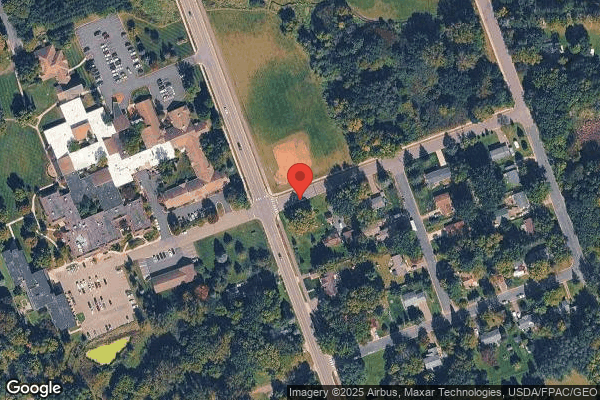
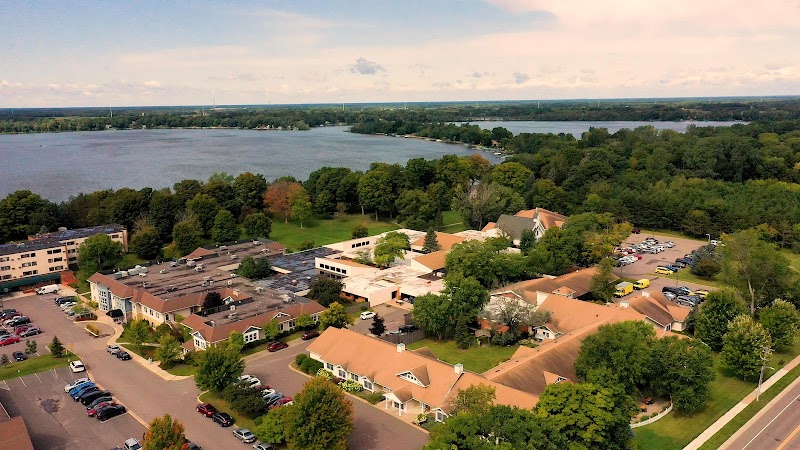
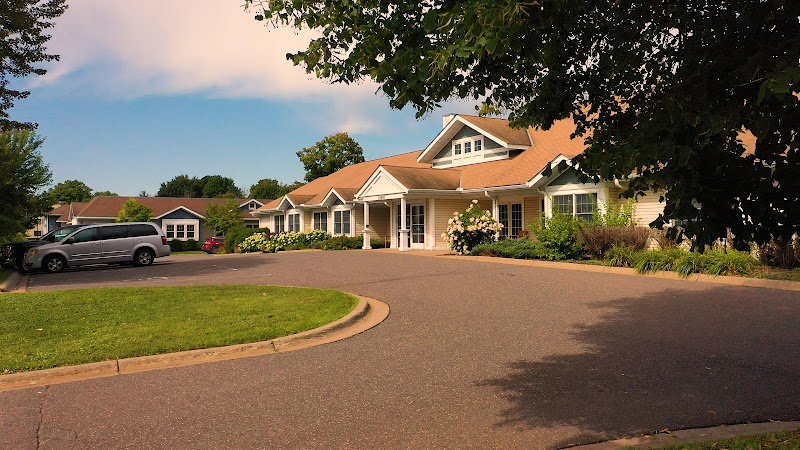
28210 OLD TOWNE ROAD, CHISAGO CITY, MN 55013 (651) 257-0575
For profit - Corporation 91 Beds MONARCH HEALTHCARE MANAGEMENT Data: November 2025 2 Immediate Jeopardy citations
Trust Grade
39/100
#193 of 337 in MN
Last Inspection: September 2024

Within standard 12-15 month inspection cycle. Federal law requires annual inspections.

Overview

Parmly on the Lake LLC has received a Trust Grade of F, indicating significant concerns about the care provided at this facility. It ranks #193 out of 337 in Minnesota, placing it in the bottom half of nursing homes in the state, and #3 out of 4 in Chisago County, meaning only one local option is better. While the facility is showing improvement in issues, dropping from 6 in 2024 to 2 in 2025, it still faces serious weaknesses, including two critical incidents where residents did not receive timely assessments or medication, putting their health at risk. Staffing is a relative strength with a rating of 4 out of 5 stars and a turnover rate of 40%, which is below the state average, suggesting that staff are familiar with the residents. However, the facility still incurred fines of $8,193, which may indicate ongoing compliance issues that could affect care quality.
Trust Score
F
39/100
In Minnesota
#193/337
Bottom 43%
Safety Record
High Risk
Review needed
Inspections
Getting Better
6 → 2 violations
Staff Stability
○ Average
40% turnover. Near Minnesota's 48% average. Typical for the industry.
Penalties
✓ Good
$8,193 in fines. Lower than most Minnesota facilities. Relatively clean record.
Skilled Nurses
✓ Good
Each resident gets 49 minutes of Registered Nurse (RN) attention daily — more than average for Minnesota. RNs are trained to catch health problems early.
Violations
⚠ Watch
19 deficiencies on record. Higher than average. Multiple issues found across inspections.
★★★☆☆
3.0
Overall Rating
★★★★☆
4.0
Staff Levels
★★★☆☆
3.0
Care Quality
★★★☆☆
3.0
Inspection Score
Stable
2024: 6 issues
2025: 2 issues

The Good

  • 4-Star Staffing Rating · Above-average nurse staffing levels
  • Full Sprinkler Coverage · Fire safety systems throughout facility
  • No fines on record
  • Staff turnover below average (40%)

    8 points below Minnesota average of 48%

Facility shows strength in staffing levels, fire safety.

The Bad

3-Star Overall Rating

Near Minnesota average (3.2)

Meets federal standards, typical of most facilities

Staff Turnover: 40%

Near Minnesota avg (46%)

Typical for the industry

Federal Fines: $8,193

Below median ($33,413)

Minor penalties assessed

Chain: MONARCH HEALTHCARE MANAGEMENT

Part of a multi-facility chain

Ask about local staffing decisions and management

The Ugly 19 deficiencies on record

2 life-threatening
Jun 2025 1 deficiency
CONCERN (D) 📢 Someone Reported This

A family member, employee, or ombudsman was alarmed enough to file a formal complaint

Potential for Harm - no one hurt, but risky conditions existed

Free from Abuse/Neglect (Tag F0600)

Could have caused harm · This affected 1 resident

**NOTE- TERMS IN BRACKETS HAVE BEEN EDITED TO PROTECT CONFIDENTIALITY** Based on observation, interview, and document review, the facility failed to protect 1 of 3 resident's (R74) right to be free fr...

Read full inspector narrative →
**NOTE- TERMS IN BRACKETS HAVE BEEN EDITED TO PROTECT CONFIDENTIALITY** Based on observation, interview, and document review, the facility failed to protect 1 of 3 resident's (R74) right to be free from mental and physical abuse by staff. Findings include: R74's admission minimum data set (MDS) dated [DATE], indicated moderate cognitive impairment, did not have inattention, disorganized thinking, or an altered level of consciousness. R74 had delusions and hallucinations and verbal behavior symptoms for 4 to 6 days but not daily. Further, the behavior symptoms significantly interfered with activities or social interactions and significantly disrupted care or living environment. R74 wandered 1 to 3 days and behaviors symptoms were the same compared to prior assessment. R74 did not have impairment in range of motion, (ROM) used a walker and wheelchair and required partial to moderate assist with toileting hygiene, showering and bathing, lower body dressing, required substantial assistance with transferring, and supervision with walking 50 feet. R74's significant change MDS dated [DATE], indicated moderate cognitive impairment, was able to recall after cueing, did not have a change in mental status, did not have inattention, disorganized thinking, or an altered level of consciousness, did not have hallucinations or delusions, physical, verbal, or other behavioral symptoms, and did not reject care. Further, R74 had an improvement in behavior status compared to a prior assessment. R74's MDS indicated no impairment in ROM to upper extremities, used a walker, and a wheelchair, required substantial to maximal assistance with toileting hygiene, partial to moderate assistance for showering and bathing, set up assistance for upper body dressing, and supervision or touching assistance for personal hygiene. R74's Medical Diagnosis form indicated the following diagnoses: metabolic encephalopathy, Alzheimer's disease with late onset, chronic diastolic congestive heart failure, unspecified atrial fibrillation, unspecified dementia moderate with other behavioral disturbance, cognitive communication deficit, Parkinson's disease, and long-term use of anticoagulants. R74's Clinical Resident Profile, saved 6/10/25, indicated R74 was [AGE] years old. R74's care plan revised on 4/9/25, indicated R74 was hard of hearing and had bilateral hearing aids. Interventions indicated to speak clearly, repeat conversation as needed, assist resident with placing, removing, and storing of hearing aid. R74's care plan dated revised on 4/25/25, indicated R74 had an alteration in skin integrity due to weakness, advanced age, Parkinson's, impaired mobility, and anticoagulation. Additionally, R74 had thin skin that was prone to bruising due to anticoagulation usage and frequently bumped arms into his wheelchair and other items and interventions indicated to document on skin condition and keep the physician or physician assistant informed of changes, monitor skin integrity daily during cares and weekly skin inspections by the nurse. R74's care plan revised 5/2/25, indicated R74 was a vulnerable adult and was at risk for decreased cognitive and physical abilities related to dementia with moderate behavioral disturbance and R74 experienced sundowning. Further R74 expresses feeling like he is having a nightmare but is awake and has become violent and swung objects at staff and is difficult to calm down and redirect. R74's goal was to remain free from abuse and or neglect and interventions included: allow space when R74 is upset, remove other residents from the surrounding area, remove objects of potential harm from residents nearby area, allow resident to express his frustrations, validate emotions, if resident becomes a danger to himself, residents, or staff call 911 to help deescalate the resident, monitor for signs of emotional distress or mood and behavior changes, resident will become agitated when he cannot hear. Ensure resident has his hearing aides in to allow for appropriate communication, safety monitoring will be implemented as needed to ensure resident's safety, staff will follow the facility vulnerable adult and abuse reporting policy, the local ombudsman, adult protection, police, and or state financial agencies will be notified of any suspected abuse or financial exploitation as needed, utilize de-escalation techniques with the resident. R74's care plan revised on 5/2/25, indicated R74 had an alteration in mood and behavior related to insomnia, cognitive communication deficit, urinary tract infection, as evidenced by anger at having to be in the facility, history of swearing, yelling, making statements of wanting to leave, putting self on the floor intentionally. Further, most behaviors seemed related to not wanting to be a resident at the facility. Interventions indicated to monitor and document mood, approach in a calm manner and provide resident with choices as appropriate, if resident becomes anxious remove from the crowded area. R74's Nursing Home Incident Reporting (NHIR) form dated 4/25/25, indicated R74 was combative and agitated, was swinging a foot pedal and metal shovel at staff and the nurse reported staff handled the situation unprofessionally and were unable to deescalate R74. Further, registered nurse (RN)-D and nursing assistant (NA)-G were immediately suspended and removed from the facility and immediate education to staff regarding abuse prohibition was completed among other interventions such as a full body skin assessment, monitoring orders for distress, and progress note every shift, hourly safety checks, notification of family, and R74 was evaluated by emergency medical services (EMS) and transferred to the hospital. Further, the form indicated R74 had old bruising noted to his hand, but had no signs or symptoms of physical injury. R74's 5 day Investigation Report form dated 5/2/25, indicated R74 told the director of nursing (DON) he could not hear the staff because he did not have his hearing aids in and told the DON he felt like he was in a nightmare. The report indicated according to witness, NA-H, R74 was aggressive, swearing, hitting, and punching and going back and forth between units and screamed, Get me the fuck out of this place and would not calm down. The form indicated NA-H stated they tried to talk to R74 and get him to let go of the foot pedal but was swinging and hitting them with it and then R74 came back with a metal shovel. NA-H went back to her unit and let the nurse and the other NA handle the situation and R74 told EMS he was having a bad dream. The report further indicated licensed practical nurse (LPN)-E heard yelling and R74 was cussing at the nurse and swinging his foot pedal at staff and RN-D was trying to get the foot pedal away from R74 and was egging him on and wondering whether R74 would hit RN-D with the foot pedal. LPN-E stated RN-D swore at R74 and kept saying, You are going to jail, you are going to jail. LPN-E stated NA-G kept trying to get R74 back to his unit and threw a blanket over R74's head and grabbed the foot pedal away and shoved R74's head away from her to grab the foot pedal. Furthermore, RN-D stated R74 was angry and upset and swinging, yelling, and verbally abusing staff and kept going back and forth between stations. RN-D tried to do a pressure point on R74's wrist to get the foot pedal away and tried to lift his fingers off. RN-D called the police and denied touching other parts of R74's body and stated that was the aide. RN-D stated she did not engage in verbal arguments or call R74 names. Further, the form indicated NA-G stated R74 was screaming, loud, and combative and was hitting staff with something and R74 took the foot pedal that was on his wheelchair and was hitting staff with it. NA-G held R74's hands down and attempted to take away the foot pedal and shovel and threw a blanket over R74's head and NA-G was frustrated with the lack of immediate action from the nurse. The form indicated an allegation of abuse was substantiated against both RN-D, and NA-G who were immediately suspended at the time of the incident and ultimately terminated. A form, RN-D's Statement dated 4/24/25 at 12:15 a.m., completed by the director of nursing (DON) and the administrator indicated RN-D's statement. The form indicated R74 got into his wheelchair and wanted to get out of the facility and took off his foot pedal and started swinging it back and forth and knicked RN-D and they got it away from him. Further, RN-D lifted R74's fingers off the footrest by trying a pressure point that wasn't very successful and called the police about 11:30 p.m. The form further indicated RN-D tried to call the on call provider but there were issues with the phones and RN-D demonstrated on the DON's hand a pressure point and showed the actions of peeling her fingers off a pen and the form indicated RN-D used significant effort to get R74's hand off. Further the form indicated RN-D denied engaging in verbal arguments, or calling R74 a fucker. A form, NA-G's Statement dated 4/25/25 at 12:40 a.m., completed by the DON and administrator indicated NA-G's statement. The form indicated NA-G stated a guy was hitting staff and NA-G held his hands down and pushed him back to his unit and then the guy was back on their unit and had a shank or sharp shovel and there was a resident in a chair and NA-G grabbed it from behind and took it from him and then he took the leg off his chair and felt like he was going to hurt someone so through up like it over him and took the leg a chair. NA-G felt like she de-escalated the situation. Further, the form indicated NA-G got the item from behind so he couldn't hurt her and grabbed the leg of the chair. further, NA-G told the resident she may have to call the police if he didn't calm down and the resident wasn't calming down and denied calling resident a fucker, but the form indicated NA-G threw a blanket over R74's head and grabbed the foot pedal. A form, LPN-E Statement Regarding the Incident, undated, indicated LPN-E reported an incident with a resident with a foot pedal where RN-D stated, I wonder if he will hit me with it and kept getting close to the resident and trying to grab it and the resident hit RN-D. Later, LPN-E heard a crash and the resident had a shovel and was yelling saying they were abusing him. The form further indicated LPN-E kept telling them to leave the resident and call an officer, but they kept engaging the resident and would not leave him alone. Additionally, NA-G grabbed the shovel and ripped it out of the resident's hands and the resident turned around and had the foot pedal and swung it at NA-G. LPN-E stated NA-G yanked it out of the resident's hand and grabbed the resident's head and forced his head down and stated the resident's middle finger was starting to bruise and looked swollen. Further, the statement indicated the resident kept stating stop abusing me and RN-D kept egging the resident on and the RN-D was stating you're going to jail and the resident said to call them and RN-D grabbed the residents shirt and said you little fucker. Further, the form indicated LPN-E stated they were antagonizing the resident. Additionally, the form indicated LPN-E stated NA-G threw a blanket over the resident's head. LPN-E could not recall if she saw bruises on R74's hands before the incident but thought they were already there except for the one on R74's middle finger on the right hand that was purplish. A form, NA-H Statement, undated, indicated R74 was aggressive and swearing, hitting, and punching and screaming get me out of the fucking place. The form indicated R74 was swinging it and hit himself too. The form further indicated maybe it looked worse than when it really was. NA-H stated they pulled R74's hands away and did not remember if anybody shoved R74's head and took away a foot pedal and put it at the nurses station. NA-H was on north when staff got the metal shovel and saw LPN-E, RN-D, and NA-G arguing amongst themselves and LPN-E stated it was getting abusive but NA-H did not know what happened because she wasn't present. Further, the form indicated NA-H was asked whether R74 was taunted and NA-H did not know and added they might have been, but could not identify who was talking in a way that sounded like they were taunting and further the document indicated NA-H stated, I think the other two were in heat at the moment, you know, I don't think anybody meant too many things. NA-H later in the statement indicated she thought there may have been swearing and that it was both of them. RN-D's personnel file was reviewed and indicated a letter from the facility to RN-D dated 5/9/25, indicating RN-D was suspended on 4/25/25, and the facility was not able to reach RN-D and requested RN-D contact the facility by 5/23/25, or would take the no communication as a voluntary resignation. An additional letter dated 5/19/25, indicated a discussion occurred indicating RN-D's employment was terminated due to substantiated abuse. NA-G's personnel file was reviewed and indicated a letter from the facility to NA-G dated 4/30/25, that indicated NA-G was terminated immediately due to substantiated abuse of a vulnerable adult. R74's progress notes from 3/25/25, indicated R74 yelled and swore and was easily agitated, climbed out of his chair and was transported out of the facility for suicidal ideations while throwing himself out of the wheelchair. R74's progress notes from 3/26/25, indicated R74's physician indicated R74 had behavior changes due to prednisone use and ordered to discontinue current prednisone (a steroid medication used to reduce inflammation) order. R74's progress notes from 3/27/25, indicated R74 had increased confusion and restlessness, and agitation and a one time dose of seroquel (an antipsychotic) was ordered. R74's progress notes from 4/5/25, indicated R74 yelled and screamed and pounded on the wall, punching out, resisted cares, was physically aggressive. R74's progress note dated 4/10/25, indicated a urine culture was pending. RN-D's progress note dated 4/25/25 at 12:09 a.m., indicated R74 was yelling out and wanting out and was swinging at RN-D with his fist and verbally abusive. RN-D's note indicated R74 was left in bed and then R74 got up on his own and came out to the nursing area and hallways yelling he was kept against his will and grabbed a wheelchair pedal and started swinging it. The note further indicated they took the pedal away but R74 hit a staff person's wrist. R74 was brought down to the Park area and R74 grabbed a plant that had a garden tool in it and stated, now I am going to get you. RN-D was concerned R74 may hurt other residents and called 911 and was taken to the hospital to be evaluated. R74's progress notes following the incident on 4/25/25 at 12:09 a.m., indicated R74 was calm and had no further behaviors on 4/25/25. R74's progress notes on 4/26/25 at 1:51 a.m., indicated R74 was agitated and irritated and declined neuro and vital sign checks. R74's progress notes were reviewed following 4/26/25, to 6/10/25, and no further behaviors were documented. R74's Weekly Skin Inspection form completed by the director of nurse dated 4/25/25 at 2:21 a.m., and locked on 4/25/25 at 4:07 a.m., indicated, Patient has redness to right side of groin with moist area, house stock powder applied. Patient has 2+ pitting edema in top of bilateral feet. Bruising to 1 x 3 & 3 x 2 to right antecubital, 3 x 2 & 2.2x 1.2 & 2.3 x 1.4 to right wrist. 1.3 x 1.1 and 1 x 0.3 on right forearm, 3.5 x 2.5 & 0.5 x 0.5 & 0.8 x 0.4 left hand. A Fairview Health note dated 4/24/25 at 3:10 p.m., indicated from 3/27/25 to 3/29/25, R74 had a couple of falls and had possible dactylitis (an inflammation of the joints causing them to swell and appear sausage shaped) of the right middle finger and prednisone was discontinued. R74's After Visit Summary form dated 4/25/25, indicated R74 was seen for agitation and a history of dementia and quetiapine (an antipsychotic) was given on 4/25/25 at 12:43 a.m., and instructions indicated to continue with normal cares. During interview on 6/9/25 at 6:32 p.m., R74 stated he made a lot of friends at the facility and stated the help was doing their duty and further stated if you were decent with them, you received much better care. R74 further stated he wasn't satisfied at first and added he was [AGE] years old and had freedom all those years. R74 stated early spring time he had to go to the bathroom and pressed the button to get service, but nobody came and then a lady came and asked what he wanted and R74 stated he had to go to the bathroom. R74 stated the lady wouldn't help him by herself and had to get somebody else. R74 stated he blew up at her and they were going down the hall throwing things at each other. R74 stated he ended up at the police department, but didn't get held and stated there were two staff persons and they were no longer at the facility. R74 stated they were trying to get him to shut up and further stated all he wanted to do was get some help. R74 stated that night she pushed too far and hit him and was throwing stuff at him and R74 stated he threw right back. R74 stated he did not know their names and stated he felt safe and since she's out of here, R74 stated he was back to living in heaven again. During observation on 6/10/25 at 12:36 p.m., R74 was with family member (FM)-A down the hallway and no behaviors were observed. During observation on 6/11/25 at 8:53 a.m., R74 was in his wheelchair in his room next to his television and did not have any behaviors. Phone calls were placed and messages left to NA-H on 6/10/25 at 3:43 p.m., 6/11/25 at 8:04 a.m., and again on 6/11/25 10:44 a.m., however was not able to interview NA-H. During interview on 6/10/25 at 3:57 p.m., LPN-E stated she was working on a different unit on 4/24/25, and stated about 10:45 p.m., the pharmacy dropped off medications and she heard yelling from Park station and was yelling at the aide stating you guys abused me enough tonight. LPN-E stated NA-H was trying to talk to R74 and R74 was not violent. Further, NA-H asked to close the doors to keep R74 contained on their unit and R74 went through the doors about 11:00 p.m., had a foot pedal and was screaming and RN-D stated she wondered if R74 would hit her with the foot pedal and went up to R74, put her hand close to the foot pedal and R74 hit RN-D and she grabbed the foot pedal. R74 was fine with NA-H, but then 10 minutes later, LPN-E stated she heard yelling again and a loud bang and RN-D was in the hallway and LPN-E stated RN-D stated, I don't care we can do this all night and walked off. LPN-E stated there was a flower pot that had a gardening shovel and R74 was holding it and was backed up against the wall and looked petrified and LPN-E stated this was not R74's normal behavior and said to call an officer and RN-D walked off. R74 came to LPN-E's unit and LPN-E stated she walked with him and again told RN-D to call 911 and RN-D walked off and R74 still had the gardening shovel and they came around the north station and NA-G came out of the nurse's office. LPN-E stated to NA-G to be careful and not approach and let R74 cool off and NA-G insisted this was her unit and reached over and pulled the shovel from behind and yanked it back wards. LPN-E stated R74 got the foot pedal and started swinging it at her and NA-G backed up and threw a blanket on R74 and NA-G pushed his head down to the right. LPN-E stated NA-G was about to start fighting R74 and R74 was so worked up he was starting to hyperventilate. LPN-E stated she told R74 he was safe and R74 broke down crying and then RN-D came back and tried pushing R74 in his wheelchair and LPN-E told RN-D to call 911. LPN-E stated RN-D and NA-G kept coming back and attacking R74. LPN-E stated RN-D was trying to push R74 and LPN-E stated RN-D told R74 he was going to fucking jail and RN-D grabbed R74's shirt and LPN-D stated RN-D told R74 he was fucking going to jail and yanked R74 back in his chair and pushed him forward with his shirt and called him a fucker. LPN-E stated R74 kept screaming they abused him and LPN-E stated R74 was abused. LPN-E stated R74 had behaviors prior, but not like this and added that R74 was so happy now. LPN-E stated the director of nursing (DON) called her that night and both the DON and the administrator came in to the facility. LPN-E stated she worked through an Agency and stated the facility conducted training for the staff and had staff sign papers and thought she had signed paperwork on the night the incident occurred. A call was placed to NA-G on 6/11/25 at 8:28 a.m., and initially the call seemed to connect but then ended. A call was placed back to NA-G on 6/11/25 at 8:30 a.m., and went to voicemail and a message was left requesting a return call, but did not receive a return call. A call was placed to RN-D on 6/11/25 at 8:36 a.m., and a message was left, but did not receive a return call. During interview on 6/11/25 at 9:43 a.m., NA-I stated signs of abuse included hitting, leaving bruises, or taking things from residents and added they do Med Trainer online and don't have a strict meeting or learning. NA-I stated she had not heard anything from R74 and stated R74 was a sweet guy and kept to himself and had behaviors when he first came and now was the best person in the building. RN-I stated the facility comes around with pieces of paper they sign and discuss and stated she hadn't signed anything the last couple of months related to abuse that she could remember and then later stated she signed something a few months prior, but could not recall what it was for. During interview on 6/11/25 at 10:02 a.m., NA-A stated R74 did not tell her he was abused and normally liked to joke around and was sweet. NA-A stated for abuse training the facility has them complete a questionnaire and answer questions and sign a paper form and if there was an incident put something in Med Trainer. NA-A stated she had to do a couple by the end of this month and thought about a month or two ago she had to sign something but could not recall what. NA-A stated R74 had behaviors in the beginning when first admitted for the first week or so and now has been a different person. During interview on 6/11/25 at 11:42 a.m., the administrator and director of nursing (DON) stated they completed immediate education and assigned online education as well including for staff who received the immediate education. The administrator stated the DON received the call and then called her and stated the staff members did not provide care and were sitting in the lobby and were pulled in for statements and RN-D, and NA-G were suspended. R74 was sent to the hospital and told EMS he had a nightmare. The DON stated R74 received seroquel (an antipsychotic) in the hospital. The administrator stated they interviewed RN-D first at 12:15 a.m., and R74 was agitated and yelling and swinging a foot pedal. The administrator stated both RN-D and NA-G admitted to not de-escalating the situation and egging R74 on. The administrator stated NA-G and RN-D both forcefully grabbed the foot rest and NA-G threw a blanket over R74's head and when NA-G said that, that was abuse to us and explained that was not ok and suspended NA-G. The administrator stated R74 did not have any injuries and the DON completed a skin check and determined R74 didn't have any injuries. The administrator stated RN-D egged R74 on and called R74 a fucker and dared him to hit her and with the egging behavior both RN-D and NA-G were walked out of the facility and they completed a full skin check on R74 and checked other residents. RN-D had not interacted with anyone else. The administrator further stated they completed immediate education and facility wide education. The facility wide education assigned contained caring for residents with dementia and elder abuse training and assigned it for the whole assisted living facility and nursing home. The first training was person centered care for persons with dementia and the second education was identifying and reporting elder abuse. The administrator stated they did not have video monitoring and another resident was watching television and went into their room and did not witness anything. During interview on 6/11/25 at 1:39 p.m., the administrator stated she brought in a list of employees and the course name that indicated completed, however there was no date of completion on the form of the list of employees who received training. The administrator stated everyone was trained and they completed verbal education and assigned training to all staff. The administrator stated she would provide the education staff completed along with the dates education was completed. During interview on 6/11/25 at 2:50 p.m., the administrator stated they had a new system through Med Trainer and had used Google Sheets and they ran the reports and identified a handful of staff that needed to complete their education and would be calling all those staff members today to educate them and further stated they would not be using Med Trainer and would go back to Google Sheets. The administrator stated they needed to call and get ahold of NA-J and a few other people for education. During interview on 6/11/25 at 3:30 p.m., the administrator provided a form, that indicated at the top, Course due Employee full name, Course Name, Assignment date, Assignment Status, Completion Date, and Google Sheets Education and Education. The administrator stated the employees in red were new hires and hadn't worked yet but all the staff on the top of the form with a 6/11/25, date had been educated today on Elder Abuse. The form indicated there were 11 employees who were assigned the course, Identifying and Reporting Elder Abuse on 4/25/25, and had a pending assignment status and were educated on 6/11/25. The form indicated NA-J had not yet received education among other staff. Later, the administrator provided an updated form that indicated 42 employees including seasonal and on-call employees were provided education on 6/11/25. During interview on 6/11/25 at 4:13 p.m., RN-A stated she heard R74 had talked about being abused through hearsay and added R74 states he feels safe and was sweet and gave bear hugs. RN-A stated R74 was never combative with her. During interview on 6/12/25 at 2:02 p.m., the administrator stated she expected staff who were assigned education to complete the education or do an alternative education like reviewing the policy and completing a verbal education and further stated they completed immediate education and contacted staff 6/11/25, and completed a verbal education. The regional director of operations (RDO)-G stated unfortunately they used a new system and would be going back to the old way. A policy, Abuse Prohibition/Vulnerable Adult Policy, dated 4/2025, indicated the purpose of the policy was to protect residents against abuse by anyone, including, but not limited to, facility staff, other residents, consultants or volunteers, staff of other agencies serving the individual, family members, or legal guardians, friends or other individuals, or self-abuse. Further, abuse is the willful infliction of injury, unreasonable confinement, intimidation, or punishment with resulting physical harm, pain, or mental anguish. Abuse also includes the deprivation by an individual, including a caretaker, of goods or services that are necessary to attain or maintain physical, mental, and psychosocial well-being. Instances of abuse of all residents, irrespective of any mental or physical condition, cause physical harm, pain, or mental anguish and includes verbal abuse, sexual abuse, physical abuse, and mental abuse. Willful, as used in this definition of abuse, means the individual must have acted deliberately, not that the individual must have intended to inflict injury or harm. Further, under a heading, Investigation/Protection indicated corrective action based on the investigation will be completed such as change of procedure, training, discipline or discharge of staff.
Feb 2025 1 deficiency
CONCERN (D) 📢 Someone Reported This

A family member, employee, or ombudsman was alarmed enough to file a formal complaint

Potential for Harm - no one hurt, but risky conditions existed

Quality of Care (Tag F0684)

Could have caused harm · This affected 1 resident

**NOTE- TERMS IN BRACKETS HAVE BEEN EDITED TO PROTECT CONFIDENTIALITY** Based on interview and record review the facility failed to that ensure treatment orders were implemented at the time prescribed...

Read full inspector narrative →
**NOTE- TERMS IN BRACKETS HAVE BEEN EDITED TO PROTECT CONFIDENTIALITY** Based on interview and record review the facility failed to that ensure treatment orders were implemented at the time prescribed for 2 of 3 residents (R1 and R2) reviewed for quality of care. R1 and R2 were receiving wound care from an outside provider and the facility did not transcribe and implement order changes for three to five days after the order was written. Findings include: R1's electronic Treatment Administration Record dated 1/1/25 - 2/3/25 indicated R1 received wound care treatment to his great and second toe lacerations on 1/29/25 and 1/31/25. No other treatments to the toe lacerations were completed at the facility. R1's admission Minimum Data Set (MDS) dated [DATE] indicated R1 had a brief inventory of mental status (BIMs) score of 5 indicating R1 was severely cognitively impaired. R1 was dependent upon staff for dressing, transferring, and toileting, he required moderate assistance with personal cares. R1's pertinent diagnoses were a fracture of the right lower leg and altered mental status. R1's wound provider note dated 1/24/25 indicated R1 had a new wound on his right great toe and second toe laceration. The wound measured 2.9 centimeters (cm) in length (L) x 1.4 cm width (W) and 0.1 cm depth (D). R1's wound had moderate serosanguinous exudate (blood and clear fluid drainage from a wound). The tissue of his wound was 100% granulated (new, pink fleshy tissue that forms on a healing wound). R1's orders were to cleanse with wound cleanser, pat dry, skin prep to peri-wound (outer edge), apply collagen, calcium alginate, and wrap with kerlix dressing three times a week and as needed. R1's facility clinical physician orders dated 1/29/24 indicated 1/29/24 was the start date for the orders written on 1/24/25 for wound care to the laceration of the great toe and second toe. Cleanse the wound with wound cleanser, pay dry, skin prep to peri-wound, apply collagen, calcium alginate, wrap with kerlix and change three times a week as needed. R1's wound provider note dated 1/31/25 indicated R1's wound measured 2.9 cm L x 2.1 cm W x 0.1 cm D cm. The exudate was light serosanguinous. The tissue type was 80% necrotic (death of body tissue) and 20% granulation. R1's facility clinical order sheet dated 2/3/25 indicated 2/3/25 was the start date for 1/31/25 R1's wound care to laceration on right great and second toes to cleanse with wound cleanser, pat dry, apply betadine-soaked gauze, wrap with kerlix, and change daily and as needed. R1's facility nursing progress note dated 2/3/25 at 3:41 p.m. indicated during a skin check a new patch was noticed on R1's surgical incision instead of the steri-strips. When removed increased drainage and strong odor was noted. A call was placed to R1's provider with an update on R1's wound and the provided agreed to have R1 transported to the emergency department for further evaluation. R1's emergency department note dated 2/3/25 at 4:28 p.m. indicated R1 presented with a wound infection. R1's findings were a foul odor from the right foot with gangrenous (dead tissue caused by an infection or lack of blood flow) appearing second toe with swelling and ecchymosis (a bruise caused by blood leaking from a broken blood vessels) over the medial malleolus of the right foot. R1 was started on clindamycin (antibiotic) 900 milligrams (mg) in 50 milliliters (ml) of D5W (dextrose 5% in water intravenous) intermittently. Vancomycin (antibiotic) 1,000 mg in 200 ml dextrose. R1 was transported to a larger hospital on 2/5/25 to be seen by a vascular surgeon (refers to blood vessels, arteries, veins, and capillaries). R1's hospital progress note dated 2/9/25 at 8:08 a.m. indicated R1 was evaluated by orthopedics, vascular, and infectious disease. Given the severity of the infection and decreased perfusion of his foot an above the knee amputation was recommended. R1 agreed and the surgery was planned for 2/10/25. Upon interview on 2/10/25 at 1:10 the facility health unit coordinator (HUC) stated admission orders were the top priority and orders waited. She stated every Friday the wound provider rounded at the facility and then the order is faxed to the facility by Saturday. She stated she transcribes the wound providers notes every Monday from the prior Friday visits. She transcribed the order after 2 p.m. every Monday with the rationale that the day shift would have completed all their tasks for the day by 2:00 p.m. and new orders would mess that up. Upon interview on 2/10/25 at 1:45 p.m. registered nurse (RN)-A nurse manager stated the facility's wound provider visits every Friday and a facility nurse assists the provider with wound rounds. She stated she rounded with the provider on 1/24/25 and 1/31/25 and was aware a new wound was found on 1/24/25 and order changes were ordered on 1/31/25. She stated if she felt the wound was extensive, she would have put the order immediately but left for the HUC to transcribe on Monday. RN-A was not aware that R1 went from the time of the providers visit on 1/24/25 to 1/29/25 without a dressing change since the orders were three times a week and the HUC did not start the order until 1/29/25 five days later. She stated on 1/31/25 she was aware the order was changed to daily, and she did not update that order herself, leaving it for the HUC on 2/3/25 a Monday and the dressing did not get changed because R1 was sent to the emergency room on 2/3/25. Upon interview on 2/10/25 at 2:40 p.m. the facilities Nurse Practitioner (NP)-A stated she received a call on 2/3/25 regarding R1's wound that he was about to take a shower and the wound on his leg and toes had a strong odor, was swollen, and had turned black. NP-A gave orders to send R1 to the emergency department. She stated she was not aware the facility did not process orders right away. She stated her expectations would be to process orders in 24-hours or less. Upon interview on 2/10/25 at 3:22 p.m. licensed practical nurse (LPN)-A stated she managers the other wing of the facility and assists the provider with wound rounds on her side. She stated she transcribes new orders, or order changes immediately. She stated, you can't leave a daily treatment order over a weekend. On Monday, the HUC on her side of the building verifies and confirms the orders. Upon interview on 2/11/25 at 9:01 a.m. R1's hospital Vascular Surgeon stated R1 had peripheral vascular disease (a circulatory condition in which narrowed blood vessels reduce blood flow to the limbs). R1 had just enough blood flow to maintain his legs leaving him with great difficult to heal. He stated he could not answer if the facility delaying wound care to the toes timely caused the amputation because R1 had so much going on. Upon interview on 2/11/25 at 12:55 p.m. the facilities Medical Director stated he was not certain of the exact process the facility uses to transcribe provider orders. Wound orders cannot wait for 3-5 days. He stated the facility needed a better practice and the order process should be standard across all the units. Upon interview 2/11/25 at 1:16 p.m. the director of nursing (DON) stated she became aware during the survey that the units were not processing orders the same way and the facility was already working on education and a new way to process the wound orders so the orders can be processed on the same day for continuity of care. Upon interview on 2/11/25 at 2:15 p.m. the wound provider stated he was not aware that one of the units at the facility was waiting until the following week to process orders. That is concerning. Upon interview on 2/11/25 at 3:38 p.m. R1's Orthopedic provider stated from an Orthopedic standpoint R1's vascular problem was his biggest issue, and the infection would have been difficult to treat related to R1's limited circulation in his right leg. He did not feel the facilities delayed treatment caused R1 to have an above the knee amputation. R2's annual MDS dated [DATE] indicated R2 had a BIMs score of 14 indicating she was cognitively intact. R2 required extensive assistance with toileting, dressing, and personal hygiene and R2 was dependent upon staff for transferring. R2's pertinent diagnosis was Multiple Sclerosis (the body's immune system eats away at the protective covering of the nerves). R2's wound provider orders dated 1/31/25 indicated R1 had a recurring area on her left gluteal fold (buttock) moisture associated skin damage (MASD) with orders to cleanse with Vashe wash, pat dry, skin prep to peri-wound, apply Santyl lotion, collagen sheet, cover with Mepilex dressing and to change three time a week and as needed. R2's clinical physician orders dated 2/3/25 indicated 2/3/25 was the start date from the 1/31/25 provider orders the orders were wound care to MASD left gluteal fold cleanse with [NAME] wash, pat dry, skin prep to peri-wound apply Santyl lotion, collage sheet, cover with Mepilex, change three times a week and as needed. Upon interview on 2/11/25 at 11:19 a.m. R2 stated the facility staff changes her wound every other day. She did not the frequency the wound provider had ordered but had no complainants. A facility policy titled Medication and Treatment Orders dated 2/2024 indicated orders for medications and treatments will be transcribed accurately and in a timely fashion.
Sept 2024 6 deficiencies
CONCERN (D)

Potential for Harm - no one hurt, but risky conditions existed

Deficiency F0604 (Tag F0604)

Could have caused harm · This affected 1 resident

**NOTE- TERMS IN BRACKETS HAVE BEEN EDITED TO PROTECT CONFIDENTIALITY** Based on observation, interview and document review the facility failed to ensure methods to restrain residents were not used fo...

Read full inspector narrative →
**NOTE- TERMS IN BRACKETS HAVE BEEN EDITED TO PROTECT CONFIDENTIALITY** Based on observation, interview and document review the facility failed to ensure methods to restrain residents were not used for 1 of 1 residents (R74) reviewed for restraints. Findings include: R74's admission Minimum Data Set (MDS) dated [DATE], indicated R74 was cognitively intact and had diagnoses of lung cancer, repeated falls, and weakness. R74's care plan revised 9/18/24, indicated R74 had alterations in cognition due to brain cancer. Interventions included to provide supervision as needed. Furthermore, R75 had an alteration in mobility related to a history of falls, imbalance, and weakness. Interventions included to assist with movement in and out of bed, concave mattress in place, fall mat, and low bed. R74's provider and nursing orders lacked indication restraints were ordered. R74's fall incident and review analysis dated 8/9/24, indicated R74 had a fall from bed. It was determined R74 was self-positioning in bed when the fall occurred. R74's fall incident and review analysis dated 9/12/24, indicated R74 had a fall from bed. It was determined R74 was reaching for the call light that was attached, but not in reach when the fall occurred. R74's fall incident and review analysis dated 9/17/24 indicated R75 had a fall from bed. It was determined R74 did not put on call light to alert staff prior to getting out of bed when the fall occurred. R74's nursing progress note dated 9/14/24, at 11:20 a.m., indicated R74 was yelling from room. When staff arrived, resident was laying on their stomach with legs out of bed on windowsill. An observation on 9/16/24 at 2:09 p.m., R74 was lying in bed sleeping on his back. The bed was pushed up close to the wall with a window. R74 had a concave mattress in place. In the middle of the mattress where there was a gap in the raised edges of the mattress was a pillow that had been placed under the fitted sheet. The pillow was not positioned underneath R74, but along side of them. An observation on 9/16/24 at 5:43 p.m., nursing assistant (NA)-E entered R74's room to assist R74 with incontinent cares. NA-E donned gloves and pulled down the resident blanket. A pillow was placed under the fitted sheet of R74's concave bed, where there was a gap in the raised edges of the concave mattress. NA-E removed the pillow from underneath the sheet before assisting with the incontinent cares. Upon completion of the cares NA-E went to the head of the bed to pull the draw sheet and boost R74 up in bed. Then NA-E took a pillow and tucked it under R74's fitted sheet beside him in the gap of the raised edges of the concave bed. NA-E finished settling R74 and exited the room. When interviewed on 9/16/24 at 5:59 p.m., NA-E stated R74 was a high risk for falls and had rolled out of bed before. NA-E stated the pillow was placed under the fitted sheet to prevent R74 from rolling out of bed. NA-E further stated they weren't sure if R74 could remove the pillow as it would be in an awkward position and R74 had some weakness. An observation on 9/19/24 at 7:19 p.m., R74 was in bed laying on his back awake. At the edge of R74's bed, the fitted sheet was pulled up some and a pillow was underneath the fitted sheet closer to R74's knees and lower legs. An observation on 9/19/24 at 7:39 p.m., NA-A entered R74's room. NA-A assisted R74 with drinking some water and offered R74 to get up for breakfast. R74 declined. NA-A verified the pillow was tucked under the fitted sheet near R74's lower legs and removed it. When interviewed on 9/19/24 at 7:59 a.m., NA-A stated the pillows were not supposed to be under fitted sheets and it was not a practice of theirs. NA-A stated R74 was a fall risk and had falls from their bed. NA-A further stated the pillow was likely placed to prevent R74 from swinging their legs over the side of the bed and used to help keep him in bed. NA-A stated R74 wouldn't have been able to remove it as it was under the fitted sheet. When interviewed on 9/19/24 at 8:05 a.m., licensed practical nurse (LPN)-A stated pillows should not be placed under fitted sheets as it could prevent them from getting out of bed. LPN-A further stated R74 could have placed it there or the significant other may have. LPN-A further stated R74 may be able to remove it as their strength can vary from time to time. When interviewed on 9/19/24 at 1:22 p.m., the Director of Nursing (DON) expected staff not to place pillows under fitted sheets to help keep residents from rolling or getting out of bed. That would not be an appropriate intervention for falls. DON further stated a concave mattress would be used as an intervention when a resident had rolled out of bed. The consulting nurse stated pillows may be used if the resident was assessed and able to swing their legs or get up with them in, however was unable to provide an assessment showing R74's ability to do so. A facility policy on restraint use was requested however, the facility stated restraints would be followed under the resident rights policy. That policy was not provided.
CONCERN (D)

Potential for Harm - no one hurt, but risky conditions existed

Quality of Care (Tag F0684)

Could have caused harm · This affected 1 resident

**NOTE- TERMS IN BRACKETS HAVE BEEN EDITED TO PROTECT CONFIDENTIALITY** Based on interview and document review, the facility failed to ensure a bowel regimen was initiated for 1 of 1 residents (R18) r...

Read full inspector narrative →
**NOTE- TERMS IN BRACKETS HAVE BEEN EDITED TO PROTECT CONFIDENTIALITY** Based on interview and document review, the facility failed to ensure a bowel regimen was initiated for 1 of 1 residents (R18) reviewed for constipation. Findings include: R18's significant change Minimum Data Set (MDS) dated [DATE], indicated R18 was cognitively intact and had diagnoses of a right arm fracture, depression, and diabetes. R18 was continent of bowel and bladder and had frequent pain. R18's bowel evaluation dated 8/27/24, indicated R18 lacked indication R18 had diagnoses or medications that contributed to bowel dysfunction or required any individualized treatment plan. R18's care plan revised 9/10/24, indicated R18 had a potential alteration in elimination due to right wrist and shoulder fracture and weakness and was independent with toileting transferring from the wheelchair. Interventions included to monitor bowel movements (BM) as they occur and administer bowel medications as ordered. R18's follow-up question report for 8/31/24-9/18/24, indicated R18 had four days without a BM between 8/31/24- 9/5/24, and again from 9/13/24-9/18/24. A facility document titled BM list, no date, directed staff to initiate the following: -administer Milk of magnesia (medication to prevent constipation) 30 milliliters (ml) if 3 days from last BM. -administer Dulcolax suppository (medication to prevent constipation) if 4 days from last BM -administer fleets enema (medication to prevent constipation) if 5 days from last BM -administer magnesium citrate (medication to prevent constipation) and update the provider if no BM for 6 days. R18's medical record lacked evidence R18 had been offered or received bowel medications to help with constipation. R18's consultant pharmacist recommendation to physician dated 7/29/24, indicated R18 had requested a stool softener for hard stools and discomfort. R18 received scheduled MS contin (narcotic pain medication) and scheduled hydromorphone (narcotic pain medication) which can cause constipation. CP recommended initiating a bowel regimen as currently none was on file. The provider responded to the recommendation on 9/16/24 and ordered senna (medication to prevent constipation) 8.6 milligrams (mg) daily and senna 8.6 mg daily as needed for constipation. R18's provider and nursing orders reviewed 9/19/24, lacked indication R18 was started on the bowel regimen. When interviewed on 9/16/24 at 5:27 p.m., R18 stated they have trouble with constipation. R18 stated nursing staff don't ask about constipation or frequency of BM. R18 stated they try to drink prune juice at breakfast to help but doesn't always work. R18 had requested some medication to help but has not received any yet. R18 stated the last BM was a few days ago and stated, I am miserable. When interviewed on 9/19/24 at 8:49 a.m., nursing assistant (NA)-A stated when a resident has a BM, it was documented. If it had been a few days, the system will have an alert. NA-A stated if the alert was seen, the nurse would be notified. NA-A hadn't worked with R18 in a while and wasn't aware of any discomfort or complaints of constipation. When interviewed on 9/19/24 at 10:06 a.m., licensed practical nurse (LPN)-A stated every night the night team would complete a BM list. The list included residents who had no BM for greater 3 days and listed a standing order of bowel medication to provide. The day shift would then review the list, do an assessment, and give the medications. LPN-A did not have one for the prior night as the agency staff were not always aware of the process and the lists were not saved. LPN-A stated R18 was a risk for constipation as they were not as mobile with her recent fractures, and she takes scheduled narcotics. LPN-A stated R18 drinks prune juice and usually that worked for her. LPN-A stated when R18 used prune juice it wouldn't necessarily be documented. When interviewed on 9/19/24 at 1:27 p.m., the Director of Nursing (DON) stated the night nurse completed the BM list and the day shift would implement a one-time order for bowel medications. DON verified R18's BM record and noted there were times when standing orders for medications should have been implemented. If R18 had refused the bowel medications, staff were expected to document. A facility policy/procedure for constipation was requested and was informed the standing orders would be followed. Standing orders for constipation, no date, directed staff to -consider rectal check to determine if impaction was present -encourage 2,000 fluid intake unless contraindicated -consult nutrition services for dietary recommendations -give senna 8.6mg two tabs at night as needed for 3 days -bisacodyl suppository 10 mg daily as needed for 3 days -reattempt senna or bisacodyl if no results after 24 hours and notify the provider -monitor for results
CONCERN (D)

Potential for Harm - no one hurt, but risky conditions existed

Pressure Ulcer Prevention (Tag F0686)

Could have caused harm · This affected 1 resident

**NOTE- TERMS IN BRACKETS HAVE BEEN EDITED TO PROTECT CONFIDENTIALITY** Based on observation, interview, and document review the facility failed to implement pressure ulcer interventions for 2 of 3 re...

Read full inspector narrative →
**NOTE- TERMS IN BRACKETS HAVE BEEN EDITED TO PROTECT CONFIDENTIALITY** Based on observation, interview, and document review the facility failed to implement pressure ulcer interventions for 2 of 3 residents (R25, R68) reviewed for pressure ulcers. Findings include: R25 R25's significant change Minimum Data Set (MDS) dated [DATE], indicated severely impaired cognition and diagnoses of blister (non-thermal) on left foot, local infection of the skin and subcutaneous tissue, and cellulitis of left lower limb. It further indicated R25 required substantial to maximal assistance with bed mobility, was dependent on staff for all other mobility, always incontinent of bowel and bladder, and was at risk for pressure injury. R25's Care Area Assessment (CAA) worksheet from MDS dated [DATE] triggered pressure ulcer/injury and indicated the following: Staff to follow therapy/care plan recommendations for all activities of daily living (ADL) and mobility. Staff to leave call light within reach and bed at working height. Braden score 16 indicating risk for skin breakdown. Patient has wound to finger-staff to treat as ordered with wound care (WOC) nurse to follow in-house. Patient has a pressure redistribution mattress and wheelchair cushion, turn and reposition schedule, monitoring of skin integrity with morning (a.m.) and hour of sleep (HS) cares and weekly skin inspection with bath/shower. Complications can include potential for skin breakdown, infection and pain. Will proceed to care plan, for interventions to minimize the risk of pressure ulcer/injury. R25's physician's orders indicated: -9/16/24 wound care to blister left heel: clean with wound cleanser, pat dry, skin prep to peri wound, apply Santyl, cover with ABD pad; wrap with kerlix, change every day and as needed. -7/26/24 float heels while in bed to relieve pressure off of heels, every shift. -10/13/23 encourage blue boots to be on except with transferring, every shift. R25's nursing assistant's care sheet (undated) indicated, R25 had a blister on her left heel, encourage blue boots to be on at all times except during transfers, and encourage floating heels. R25's care plan dated 5/16/24, indicated alteration in skin integrity related to a urinary tract infection (UTI), weakness, venous stasis dermatitis, lymphedema to bilateral lower extremities (BLE). Left dorsum venous ulcer 2nd toe. It also indicated the following interventions: -encourage blue boots at all time except with transfers. -lymph therapy. -monitor skin integrity daily during cares. Weekly skin inspection by nurse.-Treatment to open area per order -turn and reposition or reminders to offload every 2-3 hours and as needed. -pressure redistribution mattress to bed -pressurer redistribution cushion to wheelhair, chair -monitor for skin breakdown for signs/symptoms of infection. Report signs/symptoms to medical doctor (MD) or physician's assistant (PA). -document on skin condition and keep MD or PA informed of changes -followed by Wound Care. During observation on 9/17/24 at 11:57 a.m., the assistant director of nursing (ADON) verified there was a pillow under the back of R25's lower legs and ankles. The pillow was thin, laying flat on the bed and R25 had bare feet with her heels laying directly on the pillow and not floating. Her left heel/ankle had a dressing. The ADON also verified R25 had one pressure injury to her left heel and was also not wearing blue foam heel protectors/boots. During observation on 9/18/24 at 9:00 a.m., nursing assistant (NA)-A looked at her nursing assistant care sheet and verified R25 was supposed to be wearing heel protectors stating The care sheet says prevalon boots to both feet except during transfers. The surveyor and NA-A went into R25's room and NA-A was unable to locate her blue foam boots and also verified her feet were not floating. There was a pillow laying flat under both ankles but her heels were laying on the bed. NA-A stated if a resident refused cares they should let the nurse know and document it. NA-A stated they would come back to R25's room later, re-position her, and see if she will let them float her heels on a pillow. During observation on 9/19/24 at 8:00 a.m., R25 was laying in bed on her back. The blue foam heel protectors/boots were laying in her wheelchair and both of her heels were laying directly on the bed and not floating. Her left ankle/heel was wrapped in a dressing. R68 R68's quarterly Minimum Data Set (MDS) dated [DATE], indicated severe cognitive impairment and diagnoses of hemiplegia and hemiparesis following unspecified cerebrovascular disease affecting left non-dominant side and chronic pain syndrome. It further indicated R25 had an impairment on the left side of her upper and lower extremities, was dependent on staff for most ADL's and mobility, frequently incontinent of bladder and always incontinent of bowel. R25 was at risk for and had (1) unstageable pressure injury (coccyx) present on admission and a wound vacuum assisted closure (VAC). R68's nursing assistant care sheet (undated), indicated R68 had a wound VAC on her coccyx and shouldn't be in her chair longer than 2-3 hours. R68's care plan dated 8/12/24, indicated an alteration in skin integrity and risk for further breakdown related to cerebrovascular accident (CVA), altered mental status, dysphagia, obsessive compulsive disorder (OCD), paranoid schizophrenia, hemiplegia and hemiparesis affecting left non-dominant side unstageable coccyx pressure ulcer on admission, and wound vac placed 3/5/24. It further indicated the following interventions: -monitor skin integrity daily during cares. Weekly skin inspection by nurse. -treatment to open areas per order -turn and reposition or reminders to offload q 2-3 hours and as needed -pressure redistribution mattress to bed -pressure redistribution cushion to wheelchair, chair -staff to perform pericare after each incontinent episode and as neeed -low air loss air bed, pressure redistribution -heel lift boots. -dietary interventions, including encourage supplements as ordered -weekly measurements and assessment of wound -monitor for skin breakdown for signs/symptoms of infection. Report signs/symptoms to MD or PA. -document on skin condition and keep MD or PA informed of changes -followed by wound care. -encourage repositioning every 1-2 hours side to side staying off coccyx -up in chair for no longer than 1-2 hours During continuous observation on 9/17/24 at 12:32 p.m., R68 was sitting in her wheel chair in the dining room eating lunch at a raised bedside table. -12:50 p.m. nursing assistant (NA)-D asked R25 if she was finished eating, R25 responded yes. so NA-D removed her clothing protector and her meal tray. Then LPN-A came in and administered her medication. NA-D brought her out to the common/TV area and put her in front of the TV. -1:02 p.m. LPN-A took her vital signs. -1:07 p.m. R68 fell asleep in her wheelchair. -1:21 p.m. R68 dozed off/on in her wheelchair. -1:34 p.m. same as above -1:49 p.m. therapeutic recreation (TR) staff (unknown) brought her back to the dining room to play black jack, adjusted her wheelchair to a sitting position to play cards. -1:54 p.m. R68 started yelling/calling out for Tylenol, so TR staff (unknown) brought her back to the nursing station. -2:04 p.m. R68 received Tylenol -2:06 p.m. staff (unknown) brought her back down to the dining area to play black jack. -3:07 p.m. TR brought her back to the common/TV area. -3:12 p.m. R68 fell asleep in her wheelchair. -3:21 p.m. LPN-A and NA-F took her to her room and transferred her using the Hoyer lift from her wheelchair to her bed. Staff failed to offer R68 to re-position or lay down in bed from 12:32 p.m. to 3:21 p.m. during the continuous observation. During interview on 9/17/24 at 3:17 p.m., LPN-A stated R68 had been up in her wheelchair since 11:50 a.m. and was supposed to be repositioned every 2 hours and shouldn't be in her wheelchair more than 2 hours at a time. LPN-A further stated there may be times R68 was in her wheelchair longer then 2 hours if she was participating in an activity. During interview on 9/18/24 at 8:27 p.m., NA-D stated they got R68 up for lunch yesterday (9/17/24) at 11:50 a.m. and she can be in her wheelchair as long as she can tolerate it. NA-D further indicated they should ask the residents if they want to lay down and complete rounds every 2 to 2.5 hours to re-position, check/change their brief, see if they need anything, etc. During interview on 9/19/24 at 9:54 a.m., licensed practical nurse (LPN)-C stated R25 should wear blue foam heel protectors/boots at all times except during transfers. If she refuses to wear the heel protectors then staff should be floating her heels off the bed which means her heels shoudn't be laying on the mattress. If a resident refuses treatment or care, the NA's should let the nurses know and the nurses should be documenting the refusal. LPN-C verified both R25 and R68 lacked documentation of any refusals of care (specifically regarding pressure ulcer interventions). R68 should not be in her wheelchair for longer 2 hours and staff was responsible for offering and to document if she refused. During interview on 9/19/24 at 11:30 a.m. the director of nursing (DON) should stated nursing staff should be following care planned interventions and verified R68 should only be in her wheelchair for 1-2 hours. The DON also stated when floating a resdent's heel they need to be off of the mattress and not laying directly on it. If a resident refuses cares, staff should reapproach 3 times, try having a different staff reapproach the resident, notify the nurse, and the nurse should document it as well as the NA. The facility's policy on skin assessment and wound management dated 3/2024, indicated guidelines for assessing and managing wounds which included the following: 1. A pressure ulcer risk assessment (Braden Scale) will be completed per Monarch's Assessment Schedule/Grid. 2. Implement appropriate preventative skin measures. Examples include, but are not limited to-nutritional interventions, mobility and repositioning plan, pressure redistribution plan. 3. Skin Evaluation and Skin Risk Factors Form is completed before initial MDS, annually, and upon significant change. 4. Staff will perform routine skin inspections (with daily care). 5. Nurses are to be notified if skin changes are identified. 6. A weekly skin inspection will be completed by licensed staff.
CONCERN (D)

Potential for Harm - no one hurt, but risky conditions existed

Accident Prevention (Tag F0689)

Could have caused harm · This affected 1 resident

**NOTE- TERMS IN BRACKETS HAVE BEEN EDITED TO PROTECT CONFIDENTIALITY** During observation on 9/18/24 at 11:36 a.m., R69 ambulated independently with walker out the front door and into the facility pa...

Read full inspector narrative →
**NOTE- TERMS IN BRACKETS HAVE BEEN EDITED TO PROTECT CONFIDENTIALITY** During observation on 9/18/24 at 11:36 a.m., R69 ambulated independently with walker out the front door and into the facility parking lot. R69 sat down on the seat of the walker and lit a cigarette and proceeded to smoke. During an interview on 9/18/24 at 11:44 a.m., the director of nursing (DON) verified R69 was not in the designated smoking area (off-campus) and reminded R69 regarding the policy to sign out in the leave of absence book and to go off-campus to smoke since the facility is a non-smoking facility. During observation on 9/18/24 at 11:46 a.m., R69 ambulated to the front door, rolled the cigarette between his two fingers and thumb and threw the cigarette in the trash can which had a clear plastic trashcan liner and several different pieces of paper products in the trash. During an observation on 9/18/24 at 11:51 a.m., noted inside the top of the trash can was black however, did not note any melted plastic or burns. Noted black/grey ashes on the lip of the trash can at the opening. Also, noted melted plastic in a circular shape by the opening of the trash can. During review on 9/18/24 at 12:03 p.m., noted R69 had not signed out to go off campus to smoke. The DON verifieed R69 did not sign out. During interview on 9/18/24 at 12:18 p.m., licensed practical nurse (LPN)-D stated they didn't know who was responsible for filling out smoking assessments but it was probably the nurse who was admitting the resident. During interview on 9/18/24 at 12:20 p.m. the assistant director of nursing (ADON) stated residents should be assssed for smoking on admission, with any MDS assessments, and as needed. The staff who is compelting the assessment should actually observe the resident smoking to ensure they are safe to do so. During observation on 9/18/24 at 12:50 p.m., R69 went outside and ambulated with walker off the property, sat down on a bench and lit a cigarette. Noted a cigarette butt receptacle by the bench at this time. The facility's smoking policy dated 5/2019, indicated Parmly on the Lake is a smoke free campus. Policy prohibits smoking in any part of the building or on any part of the grounds. This includes the sidewalks, parking lots and driveways. R69's quarterly Minimum Data Set (MDS) dated [DATE] indicated intact cognition and diagnoses of traumatic subarachnoid hemorrhafe with loss of consciousness of 30 minutes or less, adjustment disorder, and nicotene dependence. It further indicated R69 was independent with all activities of daily living (ADL) and mobility and had no history of falls. R69's Smoking Evaluation dated 8/20/24, indicated resident currently Identifies as a smoker. Resident was aware of smoking policy to store all smoking materials in the cart, sign out before leaving facility, and to leave facility grounds when smoking. Assessment will continue and updates will be made to nurse practioner (NP)/medical doctor (MD). R69's smoking evaluation lacked documentation that staff had observed him while smoking. R69's care plan dated 8/20/24, indicated R69 identified as smoker. Independent to leave property safely, following LOA policy. It further indidcated the following interventions: -smoking evaluation per facility policy and PRN -smoking materials will be stored safely with nursing staff. During interview on 9/17/24 at 12:59 p.m., R69 stated he had to go to the street to smoke and he kept his smoking materials in the seat of his walker during the day but at the end of the day he gave them to the nurse. R69 further stated he disposed of the cigarette butts in the trash can when he came back to the facility. He used to live on the golf course and you weren't allowed to leave trash on the ground. During observation on 9/17/24 at 4:30 p.m., R69 was walking out of the building with his walker. He walked to the side of right side of the building when coming out of the facility and started smoking in the parking lot.
CONCERN (D)

Potential for Harm - no one hurt, but risky conditions existed

Drug Regimen Review (Tag F0756)

Could have caused harm · This affected 1 resident

**NOTE- TERMS IN BRACKETS HAVE BEEN EDITED TO PROTECT CONFIDENTIALITY** Based on interview and document review the facility failed to ensure the provider's response to the monthly medication review wa...

Read full inspector narrative →
**NOTE- TERMS IN BRACKETS HAVE BEEN EDITED TO PROTECT CONFIDENTIALITY** Based on interview and document review the facility failed to ensure the provider's response to the monthly medication review was followed for 1 of 4 (R18) residents with identified medication irregularities. Findings include: R18's significant change Minimum Data Set (MDS) dated [DATE], indicated R18 was cognitively intact and had diagnoses of a right arm fracture, depression, and diabetes. R18 was continent of bowel and bladder and had frequent pain. R18's consultant pharmacist (CP) recommendation to physician dated 7/29/24, indicated R18 had requested a stool softener for hard stools and discomfort. R18 received scheduled MS contin (narcotic pain medication) and scheduled hydromorphone (narcotic pain medication) which can cause constipation. CP recommended initiating a bowel regimen as currently none was on file. CP also recommend the loperamide (medication to minimize loose BM) be discontinued if no longer needed. The provider responded to the recommendation on 9/16/24 and ordered senna (medication to prevent constipation) 8.6 milligrams (mg) daily and senna 8.6 mg daily as needed for constipation. R18's provider and nursing orders reviewed 9/19/24, lacked indication the facility had discontinued R18's loperamide order or implemented R18's provider orders for senna. When interviewed on 9/19/24 at 10:06 a.m., licensed practical nurse (LPN)-A stated nursing does not do much with the pharmacy recommendations. They go into a folder for the provider to review but wasn't sure what was done after the provider reviewed them. When interviewed on 9/19/24 at 1:27 p.m., the Director of Nursing (DON) verified R18's pharmacy recommendation to start a bowel regimen was provided on 7/29/24 and the provider completed a response on 9/16/24. The nurse consultant stated the providers have 60 days to respond or the CP will re-issue the recommendation. The nurse consultant verified the provider had written orders do discontinue the loperamide and to start senna daily and as needed, however the orders were not transcribed. DON stated the pharmacy recommendations were printed and given to the provider to review. After review from the provider, the DON expected the health information manager to transcribe the orders. The nurses do a second check and then the form was scanned into the medical record. An interview was attempted on 9/19/24, at 10:24 a.m., with the CP. There was no answer, and a voicemail was left. During a returned call on 9/20/24 at 11:05 a.m., the CP expected a provider to respond within 30-60 days of a recommendation. Furthermore, the CP expected the facility to implement the provider's response per their normal process for order entry. A facility policy titled Consultant Pharmacist Reports dated 5/2022, directed Recommendations are acted upon and documented by the facility staff and/or the prescriber.
CONCERN (E)

Potential for Harm - no one hurt, but risky conditions existed

Infection Control (Tag F0880)

Could have caused harm · This affected multiple residents

**NOTE- TERMS IN BRACKETS HAVE BEEN EDITED TO PROTECT CONFIDENTIALITY** R281 R281's admission MDS dated [DATE], identified moderately impaired cognition. R281's undated diagnoses list included pneumon...

Read full inspector narrative →
**NOTE- TERMS IN BRACKETS HAVE BEEN EDITED TO PROTECT CONFIDENTIALITY** R281 R281's admission MDS dated [DATE], identified moderately impaired cognition. R281's undated diagnoses list included pneumonitis (inflammation of the lungs), dysphagia (abnormal swallowing), sepsis (infection of blood stream), gastronomy tube (tube inserted into stomach for feeding and medication administration). R281's careplan dated 9/18/24, identified assist of two for incontinence cares and ADLs, and EBP due to having gastronomy tube. During an observation and interview on 9/18/24 at 8:50 a.m., NA-C stated they were about to begin morning cares for R281. NA-C wore a yellow isolation gown and gloves. NA-C washed R281's face with wet wash cloth. NA-C opened tabs of incontinence brief and pulled top of brief down exposing R281's peri area. NA-C sprayed cleansing spray on wash cloth and performed catheter/peri care using a clean area of the washcloth for each area. NA-C then removed gloves and applied new gloves without performing hand hygiene. NA-C then grabbed a package of disposable cleansing cloths and cleansed R281's groin area. NA-C removed gloves and, without sanitizing hands, activated call light to get assistance with positioning R281 on their side. NA-C then applied a new pair of gloves without sanitizing hands. A second staff member entered the room wearing yellow isolation gown and gloves to assist NA-C with repositioning R281. The 2nd staff member assisted with positioning R281 on their right side. While stabilizing R281 with left hand, NA-C noticed R218 had a bowel movement and pulled several disposable cleansing cloths out of the container. While the 2nd staff member stabilized R281 on their side, NA-C used right hand to spray cleansing spray onto disposable cloth in left hand. NA-C provided incontinence care using a clean area of disposable cloth with each wipe. Used disposable cloths were placed in incontinence product. NA-C continued providing incontinence care using right hand to spray cleansing spray into new wipe in left hand. NA-C removed gloves and, without performing hand hygiene, applied new gloves. Barrier cream was applied to R281's buttocks. NA-C removed gloves and donned new gloves, without hand hygiene. NA-C and 2nd staff member applied and fastened new brief. NA-C then grabbed dirty brief and disposed of it in the garbage. NA-C then removed gloves and applied new gloves without hand hygrine. NA-C and 2nd staff member then repositioned R281 in bed, placed a pillow under knees, and straightened R281's catheter and gastronomy tube. NA-C removed gloves and asked surveyor if it was permissible to wash their hands in a resident's bathroom. NA-C then washed hands and applied new gloves. NA-C performed oral care for R281 using a cup of tap water and mouth swab. The second staff member then removed isolation gown and gloves before leaving the room. During interview, NA-C stated hand hygiene should be performed when entering and leaving a resident's room and confirmed they should have performed hand hygiene between glove changes however there was no sanitizer in R281's room and they did not have any on their person. They confirmed they should have used soap and water in absence of hand sanitizer. R74 R74's admission MDS dated [DATE], identified intact cognition and diagnoses of lung cancer, repeated falls, and weakness. R74 was incontinent and required assist of one for toileting. During an observation on 9/16/24 at 5:43 p.m., NA-E entered R74's room. NA-E performed hand hygiene and donned gloves. R74's blankets were pulled down. R74 was assisted to pull down pants and NA-E unfastened R74's brief. R74's brief was soiled with urine. NA-E tucked R74's brief down and a wipe was used to clean R74 from the front. NA-E then assisted R74 to turn towards the window removed R74's soiled brief and cleaned R74's backside. Without glove exchange or hand hygiene, NA-E took the clean brief and tucked it under R74. R74 was then assisted to turn back onto their back. R74 was able to adjust himself so NA-E could finish pulling the brief through. NA-E fastened the brief and assisted with clothing and blankets. NA-E then removed their gloves and without performing hand hygiene moved to the head of the bed and pulled R74's draw sheet to boost R74 up. NA-E lowered R74's bed down, gave R74 the call light and adjusted R74's bedside table. NA-E then picked up R74's dinner tray and walked out of the room down the hallway to the dish cart before entering a staff area to obtain R74's tacos out of the fridge as requested. When interviewed on 9/16/24 at 5:59 p.m., NA-E verified they had not removed gloves and performed hand hygiene after removing R74's soiled brief. NA-E also verified they had not performed hand hygiene after exiting R74's room. NA-E further stated if they would have changed gloves if R74 had a bowel movement however wasn't aware they needed to for just urine and usually we just wrap up the wet brief and keep going. Based on observation, interview and document review the facility failed to ensure staff performed the recommended hand hygiene for 1 of 2 residents (R77) reviewed who was on enteric precautions; and failed to ensure personal protective equipment (PPE) was utilized for 2 of 3 residents (R68 and R281) reviewed who had enhanced barrier precautions (EBP) in place. Additionally, the facility failed to ensure staff performed hand hygiene after changing soiled gloves for 1 of 1 residents (R74) reviewed for standard precautions with personal cares; and failed to ensure linens were covered during storage in the resident hallway. The uncovered linen had the potential to affect the 11 residents (including R82 and R83) residing in the southside transitional care unit. Findings include: R77 R77's admission Minimum Data Set (MDS) dated [DATE], indicated severely impaired cognition. R77 had diagnoses of enterocolitis due to clostridium difficile, which is commonly known as c-diff, a bacterium that causes an infection of the colon; other fecal abnormalities, diarrhea, and dementia. It further indicated R77 required partial to moderate assistance with toileting, frequently incontinent of bladder, and always incontinent of bowel. R77's physician's orders dated 8/30/24, indicated Vancomycin HCl oral capsule 250 milligrams (mg). Give 250 mg by mouth four times a day for 14 Days and give 250 mg by mouth two times a day for 14 Days and Give 250 mg by mouth one time a day related to C-diff, for 14 Days. R77's physician's orders lacked an order for contact enteric precautions. R77's care plan 8/18/24, indicated Isolation Precautions - enteric precautions related to c-diff Infection control precautions per protocol. It further included the following interventions; -sign on resident's door. -treatment for current infection per order. R77's progress note dated 9/18/2024 indicated the following: Infection Note-C-Diff Antibiotic Use: Vancomycin 250mg BID Stools including but not limited to Consistency, Frequency, Odor, Abdominal pain, cramps, signs/symptoms, dehydration: Resident continues to have loose stools, no other GI symptoms observed or reported. Number of loose stools: 1 large, loose Side effects of antibiotic use: : n/a Notification of change to provider, family/responsible party if applicable: not applicable During observation on 9/16/24 at 5:45 p.m., R77 was attempting to self transfer, surveyor went to get nursing assistant (NA)-G, who went into R77's room and assisted her into the bathroom. NA-G did not put on a gown or gloves before entering the room. After assisting R77 into the bathroom, NA-G exit the room and used hand sanitizer. Then NA-G went to the nursing station, wrote something down, and then went into R39's room (who was not on precautions) to answer her call light. She entered the room, adjusted the bedside table, and spoke to her for a few minutes before exiting the room. At 5:59 p.m. NA-G went back to R77's room and put on gloves and a gown before entering. NA-G assisted R77 out of the bathroom, removed gown and gloves, brought a bag of into the soiled utility room, and washed hands with soap and water. During interview on 9/16/24 at 6:09 p.m. NA-G verified R77 was on contact enteric precuations for C-diff, was still having loose stools, and wasn't wearing a gown or gloves. NA-G stated the reason for not wearing gown and gloves was because R77 was unable to self transfer and needed to get in the room quickly. NA-G also verified R77 had a sign on the door that indicated staff are required to wash their hands with soap and water when leaving R77's room but forgot and used hand sanitizer instead. R68 R68's quarterly MDS dated [DATE], indicated severe cognitive impairment and diagnoses of hemiplegia and hemiparesis following unspecified cerebrovascular disease affecting left non-dominant side and chronic pain syndrome. It further indicated R25 had an impairment on the left side of her upper and lower extremities, was dependent on staff for most activities of daily living (ADL) and mobility, frequently incontinent of bladder and always incontinent of bowel. R25 was at risk for and had (1) unstageable pressure injury (coccyx) present on admission and a wound vacuum assisted closure (VAC). R68's physician's orders dated 7/19/24, indicated staff to follow EBP due to wound vacuum active closure (VAC). R68's care plan dated 4/30/24 indicated R68 was currently on EBP related to a wound. Staff to follow EBP. It further included the following interventions: -use appropriate communication to follow EBP. -explain reason for use of enhanced barrier precautions -staff to don/doff PPE per EBP when providing high contact cares. R68's nursing assistant care sheet (undated) indicated R68 was on EBP due to a wound on her coccyx. During observation on 9/16/24 at 3:21 p.m., licensed practical nurse (LPN)-A and NA-F brought R68 to her room to transfer her from her wheelchair to her bed. Upon entering the room, both staff applied gloves but did not don gowns. They proceeded to transfer R68 from her wheelchair to her bed using the Hoyer lift and then they changed her brief. During interview on 9/17/24 at 3:48 p.m., NA-F stated R68 was on EBP because she had a wound. NA-F verified not wearing a gown while transferring R68 from the wheelchair to the bed (using the Hoyer lift) and changing her brief stating I know she was on precautions, but I just spaced it (forgot). During interview on 9/17/24 at 3:50 p.m., LPN-A verified R68 was on EBP but forgot to put on a gown because she didn't have a isolation cart outside her room. LPN-A stated they should have being wearing a gown while transferring R68 from her wheelchair to her bed and changing her brief. During interview on 9/18/24 at 8:27 a.m., NA-D stated staff are required to wear a gown and gloves when performing cares for residents on EBP. LINEN STORAGE R82's face sheet dated 9/17/24, identified she required EBP due to wound care, and enteric precautions due to c-diff. R83's face sheet dated 9/17/24, identified she required EBP due to a history of MRSA, which stands for methicillin-resistant staphylococcus aureus; an infection from a type of staph bacteria resistant to many antibiotics. During an observation on 9/16/24 at 2:25 p.m., R82's room door was open, contact enteric precautions signage was present outside her room along with a covered PPE bin. Outside R82's door to her room in the hallway was a blanket warmer on a metal cart. There were several blankets stored uncovered on the middle shelf of the blanket warmer. During an observation on 9/17/24 at 1:40 p.m., two unknown staff donned PPE in the hallway outside R82's room, later exited the room and disinfected their transfer equipment in the hallway near the blanket warmer with uncovered blankets on the shelf. During an observation on 9/17/24 at 2:24 p.m., R82 had family members walking in and out of the room near the blanket warmer. Additionally, R83 had unknown therapy staff entering and exiting the room, which was also near the blanket warmer with uncovered blankets on the shelf beneath the warmer. During an interview 9/17/24 at 3:00 p.m., NA-B stated only staff restocked the blanket warmer and retrieved blankets it. NA-B stated she had not seen the blanket shelves covered. During an interview on 9/18/24 at 10:35 a.m., LPN-B verified the blankets were uncovered in the hallway, and stated it was not covered but should be. LPN-B stated laundry stocked the blankets on the shelf. During an interview on 9/19/24 at 10:50 a.m., the contracted housekeeping manager (HM) verified the blankets were stored uncovered in the hallway. The HM stated linens stored in the hallway should be covered to ensure cleanliness of the linens. During an interview on 9/19/24 at 12:57 p.m., the infection preventionist (IP) stated she expected staff to wear a gown and gloves when entering a resident's room who is on isolation precautions. Staff were expected to use soap and water for hand hygiene upon exit of residents room who was positive for c.diff as hand sanitizer was not effective. IP further stated residents with wounds required staff to use EBP with any close contact care. Close contact care included transferring residents back to bed, repositioning and any personal cares and staff were expected to wear a gown and gloves when performing these cares for residents on EBP. Clean linens should be stored in clean storage rooms or were required to be covered if in the hallways. If not covered when in hallways, there was potential for the linens to come in contact with unclean items, residents, or visitors. The IP stated following these practices were important to minimize the risk of infections in the facility. A facility policy regarding handwashing as it pertains to C-diff was asked for but not received. The facility would follow the center for disease control (CDC) guidelines. A facility policy titled Transmission-Based Precautions revised 7/2023, directed staff to comply with TBP as per the guidance of the Centers for Disease Control (CDC). Contact precautions required the use of a gown and gloves upon entering the room or making contact with the resident or resident environment. Proper hand hygiene remained a key preventative measure regardless of the type of TBP needed. A facility policy on Enhanced Barrier Precautions dated 4/1/24, indicated Enhanced barrier precautions refer to the use of gown and gloves for use during highcontact resident care activities for residents known to be colonized or with a multi drug resistant organism (MDRO) as well as those at increased risk of MDRO acquisition (e.g., residents with wounds or indwelling medical devices). A facility policy titled Handwashing Policy revised 2/2024, directed staff to use proper handwashing to prevent the spread of infection. This included after changing incontinent products and after glove removal. The facility's policy titled Infection Prevention and Control Program dated 3/13/23, lacked direction for linen storage.
Sept 2023 1 deficiency
CONCERN (D) 📢 Someone Reported This

A family member, employee, or ombudsman was alarmed enough to file a formal complaint

Potential for Harm - no one hurt, but risky conditions existed

Notification of Changes (Tag F0580)

Could have caused harm · This affected 1 resident

**NOTE- TERMS IN BRACKETS HAVE BEEN EDITED TO PROTECT CONFIDENTIALITY** Based on interviews and records review, the facility did not ensure timely provider notification pertaining to persistent right ...

Read full inspector narrative →
**NOTE- TERMS IN BRACKETS HAVE BEEN EDITED TO PROTECT CONFIDENTIALITY** Based on interviews and records review, the facility did not ensure timely provider notification pertaining to persistent right shoulder pain for 1 of 1 resident (R1) reviewed for change in condition. Findings include: R1's admission Minimum Data Set (MDS), dated [DATE], showed an admission date of 6/28/23. The MDS indicated R1 had intact cognition. The MDS also indicated R1 was receiving occupational and physical therapy. The MDS further indicated R1 was frequently in moderate pain and was on pain medications. R1's face sheet undated showed R1's diagnoses including generalized muscle weakness, cellulitis and abscess to mouth, unspecified pain, and right knee pain. R1's care plan indicated alteration in comfort with a goal for R1 to have adequate pain relief as evidenced by verbalization, and freedom from signs and symptoms of pain. The care plan directed staff to document effect of pain medications. The care plan directed staff to monitor skin integrity daily during cares and for nurses to do weekly skin inspection. The care plan also directed staff to monitor for signs and symptoms of skin inspection, and to report these to the medical director (MD) or to the physician's assistant (PA). The care plan further directed staff to document skin condition and keep the MD or PA informed of changes. R1's treatment administration record (TAR) showed R1 received the scheduled Tylenol 1000 milligrams (mg) three times a day as pain medication from 8/31/23 through 9/4/23. The therapy notes indicated R1 complained of right shoulder pain on 8/31/23 and reiterated on 9/1/23. The therapy notes also indicated on 9/2/23, R1 continued to complain about right shoulder pain, which was also noted as red, warm, swollen, and nursing suspected cellulitis. The therapy notes on 9/4/23, documented, therapist advised nurse on staff that pt [patient] needed to be sent out to have shoulder properly investigated, as symptoms have been worsening since last Friday [8/31/23]. The progress notes also showed that on 9/3/23, R1 complained of right shoulder pain. The progress notes indicated nursing assessment as noted a very hard unmovable area that is painful, light red in color and warm to the touch area when temp taken on area was 99.9 while forehead temp 97.2, resident stated that she does not want any PT [physical therapy] in the am [morning] feels that they work her [too] much and that is the problem. The progress notes also identified that R1 had possible cellulitis. The progress notes on 9/4/23, showed R1 was sent to the hospital due to extreme pain, heat, and redness to right shoulder. During interview on 9/14/23 at 9:46 a.m., nursing assistant (NA)-A stated R1 complained of right shoulder pain about three days (8/31/23) prior to R1's hospitalization (9/4/23). NA-A stated she had reported R1's complaint to the nurse right away but could not remember who the nurse was at the time. During interview on 9/14/23 at 10:39 a.m., registered nurse (RN)-A stated she worked day shifts on 9/1/23 through 9/4/23. RN-A verified that she did not make any documentation that R1 had right shoulder pain. RN-A stated if she had no documentation nor made any reports to the provider, it was because she was not aware of R1's right shoulder pain during her shifts. RN-A stated she only came to know of R1's right shoulder pain in the morning of Labor Day (9/4/23) and that was when she sent R1 to the hospital. During interview on 9/14/23 at 12:33 p.m., RN-B stated she worked with R1 during the evening shifts on 9/2/23 and 9/3/23. RN-B stated R1 was at her baselines for cognition and vitals during the time I took care of her but reported right shoulder pain. RN-B stated she was aware of R1's right shoulder pain and stated the interdisciplinary team (IDT) was watching for it. RN-B reported that she assessed R1's right shoulder and saw an old surgical scar, which R1 reported felt the same. RN-B verified the lack of documentation regarding R1's verbal complaint of right shoulder pain. RN-B stated she did not feel the need to report R1's right shoulder pain to the provider because it did not get worse during the times she took care of R1. During interview on 9/14/23 at 12:38 p.m., the nurse manager (NM)-A stated she never became aware of R1's right shoulder pain. NM-A stated, I only learned about it on the 5th [9/5/23] when I came back and read notes. During interview on 9/14/23 at 11:42 a.m., nurse consultant (NC)-B verified the physical therapy notes showed that R1's right shoulder pain was reported to facility staff on 8/31/23, and that staff further noticed persistent signs and symptoms as documented on the days that followed on 9/1/23 through 9/4/23, when R1 was finally sent to the hospital. NC-B verified the lack of evidence to show any notification to provider/s of R1's change in condition. During interview on 9/14/23 at 2:00 PM, the regional director of operations (RDO) and the director of nursing (DON) verified that R1 complained to staff about shoulder pain, showed signs and symptoms of infection, indicating change in R1's condition but were not reported to the provider/s. The RDO and the DON acknowledged the importance of provider notification for prompt intervention. The policy titled, Change in a Resident's Condition or Status, undated, directs staff to promptly notify the resident, the physician/healthcare provider, and the resident representative of changes in the resident's medical/mental condition and/or status. The policy directs the nurse to notify the resident's attending physician or physician on call when there has been an injury of unknown source, and the need to transfer a resident to the hospital for treatment. The policy's definition of significant change of condition includes a major decline or improvement in the resident's status that will not normally resolve itself without intervention by staff or by implementing standard disease-related clinical interventions. The policy further directs the nurse to record in the resident's medical record information relative to changes in the resident's medical/mental condition or status.
Sept 2023 2 deficiencies 1 IJ
CRITICAL (J) 📢 Someone Reported This

A family member, employee, or ombudsman was alarmed enough to file a formal complaint

Immediate Jeopardy (IJ) - the most serious Medicare violation

Quality of Care (Tag F0684)

Someone could have died · This affected 1 resident

**NOTE- TERMS IN BRACKETS HAVE BEEN EDITED TO PROTECT CONFIDENTIALITY** Based on interview and document review, the facility failed to comprehensively assess and monitor for signs of injury after a fa...

Read full inspector narrative →
**NOTE- TERMS IN BRACKETS HAVE BEEN EDITED TO PROTECT CONFIDENTIALITY** Based on interview and document review, the facility failed to comprehensively assess and monitor for signs of injury after a fall, resulting in delayed diagnosis and treatment for injuries for 1 of 3 residents (R1) reviewed for delay in treatment. This resulted in an immediate jeopardy (IJ) for R1 who required emergent care and hospitalization as a result of their injuries. The immediate jeopardy began on [DATE], when R1was not assessed for any injuries after a witnessed fall, that resulted in displaced rib fractures, chest wall hematoma (blood collection outside of large vessels) and hemothorax (blood accumulation between the chest wall and lungs). The administrator and director of nursing (DON) were notified of the IJ on [DATE], at 2:45 p.m. The IJ was removed on [DATE] at 2:35 p.m., but noncompliance remained at the lower scope and severity level of D, which indicated no actual harm with potential for more than minimal harm that is not immediate jeopardy. Findings include: R1's admission Minimum Data Set (MDS) dated [DATE], indicated R1 had severe cognitive impairment, required extensive assistance with one person and a walker for mobility and had a history of falls. Furthermore, R1's MDS indicated R1 received an anticoagulant (blood thinning medication) and had diagnoses of spinal fusion, arterial flutter (rapid heartbeat), and cerebral hemorrhage (brain bleed). A review of R1's provider orders indicated the following: -an order on [DATE], indicated R1 required Eliquis (anticoagulant medication) 5 milligrams (mg) twice daily for arterial flutter. -an order on [DATE], indicated R1 required monitoring for black tarry stools, severe headache, nausea, vomiting, lethargy, and bruising every shift related to R1's anticoagulant use. -an order on [DATE], indicated R1 required immediate provider notification for falls and head strikes every shift related to R1's anticoagulant use. A review of R1's electronic medication administration record (EMAR) progress notes indicated: -on [DATE] at 11:05 p.m., R1 was administered Tylenol for general pain. -on [DATE] at 5:18 a.m., R1 requested Tylenol for pain. -on [DATE] at 1:18 p.m., R1 was administered Tylenol for back pain. -on [DATE] at 7:54 p.m., R1 was administered Tylenol for headache/neck pain. -on [DATE] at 12:36 a.m., R1 was administered Tylenol for back pain rated 9/10. The EMAR lacked any indication of monitoring for bleeding, bruising, or any injuries. A review of R1's progress notes dated [DATE] to [DATE], lacked any indication a comprehensive assessment for evalution of potenital injuries or any ongoing monitoring for injuries was completed after the witnessed fall on [DATE]. R1's nursing progress note dated [DATE] at 6:48 p.m., indicated the previous shift reported R1 was very tired and sleeping most of the day due to being up all night. R1's wife notified nurse something was wrong. Upon assessment, R1 appeared very lethargic and was slow to respond and unable to open eyes fully. R1's neurological status and vital signs were obtained and the note indicated they were within normal limits. R1 complained of back pain and rib pain related to the fall on [DATE]. R1's provider was notified and R1 was sent to hospital for evaluation due to R1's fall history on [DATE], anticoagulant therapy, and history of brain bleed. R1's chest computerized tomography scan (CT scan) results dated [DATE], (no time) indicated R1 had displaced back left 10th and 11th rib fractures and non-displaced back left 10th -12th rib fractures, chest wall hematoma near the fracture sites, and a large left pleural effusion (accumulation of excess fluid in the space between the lung and chest wall). R1's Emergency department progress note dated [DATE] at 12:52 a.m., indicated R1 was seen in the emergency room due to altered mental status. Per report, R1 had a fall back into a radiator two days ago and had complained of back and rib pain. R1 had a wet sounding cough, was lethargic and slow to answer, but was responding to questions. R1's hemoglobin (lab that determines blood loss) dropped 2 grams (g) from previous result two weeks ago. R1's diagnoses included multiple rib fractures and hemothorax. R1's note further indicated after discussion with R1's family, it was determined a transfer to trauma hospital for chest tube (tube inserted into the chest wall to drain plural effusion and treat hemeothorax) was not desired and R1 would be comfort care and transition to hospice. R1 expired 10 days after hospitalization. The facility's internal investigation dated [DATE], indicated nursing assistant (NA)-B reported walking R1 to the bathroom on [DATE] at 10:30 p.m., and R1 stumbled backwards into a radiator and wall outlet. NA-B was able to guide R1's head to avoid head injury but was unable to prevent the fall. Incident was reported to registered nurse (RN)-C. The internal investigation did not indicate the provider was notified at the time of the fall nor a comprehensive assessment or monitoring for injuries was completed. R1's medical record lacked indication a staff member notified R1's provider of incident, or completed continued monitoring or assessment for injury between the time of the incident on [DATE], until R1 was sent to hospital for evaluation on [DATE]. When interviewed on [DATE] at 1:58 p.m., family member (FM)-A stated they were notified by NA-A when visiting R1 on [DATE] regarding the fall. NA-A told FM-A R1 had fell into the radiator and R1 hadn't been the same with moving around. FM-A stated R1 appeared to be the same except for being crabby because he had back and side pain. FM-A stated R1 had been getting Tylenol and ice packs for the back pain. FM-A further stated she had seen some bruising on the front of R1's body, near his chest and was told there was bruising on his back as well. FM-A asked RN-D about the fall, and RN-D didn't know details, but verified R1 fell as there was a nurse note. When visiting R1 on [DATE] at aproximatly 12:00 p.m., FM-A stated R1 was sleeping in the recliner by the television in the dining room. FM-A wanted to help R1 with lunch but staff stated R1 just fell asleep after being awake most of the night. FM-A left and returned around 4:30 p.m. to assist R1 with dinner. R1 was still asleep in the recliner in the dining room. FM-A went to wake R1 up and found R1 wouldn't wake to voice. FM-A then notified RN-A something was wrong and requested R1 to be sent to the hospital. When interviewed on [DATE] at 3:30 p.m., NA-A stated worked the day of the fall but wasn't in R1's room when the fall happened, but NA-B was and R1's fall was discussed with NA-B and RN-C. NA-A stated the following day, [DATE], R1 was just not the same. R1 had bruising on his back and some on the front and complained of headache and back pain. R1 was also not eating much and had a difficult time transferring. NA-A further stated RN-A was made aware of the changes. On [DATE], NA-A stated R1 was worse when coming on shift. R1 was lethargic and not even taking sips of water. NA-A stated FM-A was more vocal with concerns and R1 was sent to the hospital. When interviewed on [DATE] at 3:08 p.m., RN-A stated the NAs had informed (RN-A) R1 had a fall sometime prior to their shift on [DATE]. RN-A stated R1 had complained of a headache, but RN-A had not noted anything unusual with R1 during the evening shift on [DATE]. On [DATE], RN-A stated NA-A stated R1 was more tired than usual, had bruising, and had complaints of rib pain. FM-A also had concerns after they arrived to visit. RN-A stated she completed an assessment, notified the provider, and sent R1 to the hospital for evaluation. RN-A had not assessed R1's bruising and skin as R1 was seated in a common area. RN-A was not aware of any bruising or back pain on [DATE], and there was no nurse-to-nurse report of back pain or bruising. RN-A verified there was not any physical monitoring of R1 orders in place during her shifts on [DATE] and [DATE] and had not completed any assessments or phyical monitoring after the fall. RN-A further stated monitoring notes only last for a day or two and thought the monitoring was already completed. When interviewed on [DATE] at 3:55 p.m., RN-B stated they cared for R1 on the night shift of [DATE] through 10:00 a.m., on [DATE]. RN-A stated was told R1 fell a day or two ago in RN-to-RN report. R1 had hit his back on the radiator and was having some back pain and had been receiving Tylenol. R1 had complained of back pain during the night and had been given Tylenol and was able to go back to sleep. There were no further concerns that night. The following morning R1 was in the dining room for breakfast and had taken his morning medications. R1 had remained in his recliner through the morning napping or watching television. RN-B had reported off to RN-E around 10:00 a.m. RN-B stated there were no orders for post fall monitoring for changes or injuries in place and was not aware of any bruising as RN-B had not completed any cares for R1. RN-B further stated there was nothing indicating R1 required monitoring for bruising and RN-B was not sure if R1 was on an anticoagulant. When interviewed on [DATE] at 9:17 a.m., medical doctor (MD)-A could not find any documentation of R1's fall when reviewing R1's provider and on call documentation. MD-A further stated there was no provider notes or on call documentaion for R1 from [DATE] until R1's hospitalization on [DATE]. When interviewed on [DATE] at 9:45 a.m., MD-A stated they expected staff to notify providers right away of residents who fall and were also taking an anticoagulant. Staff were also expected to monitor for bruising, pain, and injury post fall. Furthermore, the medical director expected staff to notify providers if any abnormal assessments or changes after a fall. When interviewed on [DATE] at 12:55 p.m., the DON stated initially an internal investigation was started however, was not completed due to a lack in communication. DON had completed further interviews and follow up today after state surveyors entered. DON further stated R1 had a witnessed fall and when the details of the incident are known, a risk analysis wasn't required. DON expected staff to notify the family and provider, on call leader and complete a thorough assessment, including a skin assessment, initiate post fall orders after every resident fall to ensure assessments and monitoring for injury were completed. A facility policy titled Fall Prevention and Management revised 2/2021, directed staff to: -notify the provider in a timely manner for any residents noted to be on an anticoagulation as there was significant risk of bleeding. -document the relevant details of the fall. -observe for delayed complications of a fall (72) hours after an observed or suspected fall and will document in the medical record. Documentation will include vital signs, pain, swelling, bruising, decreased mobility, and overall function. -nursing staff will complete and incident review and analysis. The immediate jeopardy that began on [DATE], was removed on [DATE], when it was verified through staff interviews and document review, the facility reviewed residents who have fallen in the past 14 days were reviewed to ensure provider notification, assessments, and health status monitoring was completed, had educated all licensed nurses and nursing assistants on fall policies and procedures pertaining to monitoring for injuries, and physician notification, before the start of their next shift, and completed a plan for ongoing audits of residents who have fallen.
CONCERN (D) 📢 Someone Reported This

A family member, employee, or ombudsman was alarmed enough to file a formal complaint

Potential for Harm - no one hurt, but risky conditions existed

Notification of Changes (Tag F0580)

Could have caused harm · This affected 1 resident

**NOTE- TERMS IN BRACKETS HAVE BEEN EDITED TO PROTECT CONFIDENTIALITY** Based on interview and record review, the facility failted to notify the medical provider regarding a fall and injuries sustaine...

Read full inspector narrative →
**NOTE- TERMS IN BRACKETS HAVE BEEN EDITED TO PROTECT CONFIDENTIALITY** Based on interview and record review, the facility failted to notify the medical provider regarding a fall and injuries sustained for 1 of 3 residents (R1) reviewed for falls. Findings include: R1's admission Minimum Data Set (MDS) dated [DATE], indicated R1 had severe cognitive impairment, required extensive assistance with one person and a walker for mobility and had a history of falls. Furthermore, R1's MDS indicated R1 received an anticoagulant (blood thinning medication) and had diagnoses of spinal fusion, arterial flutter (rapid heartbeat), and cerebral hemorrhage (brain bleed). A review of R1's provider orders indicated the following: -an order on [DATE], indicated R1 required immediate provider notification for falls and head strikes every shift related to R1's anticoagulant use. A review of R1's progress notes dated [DATE] to [DATE], lacked any indication the medical provider was notified after the witnessed fall on [DATE]. R1's nursing progress note dated [DATE] at 6:48 p.m., indicated the previous shift reported R1 was very tired and sleeping most of the day due to being up all night. R1's wife notified nurse something was wrong. Upon assessment, R1 appeared very lethargic and was slow to respond and unable to open eyes fully. R1's neurological status and vital signs were obtained and the note indicated they were within normal limits. R1 complained of back pain and rib pain related to the fall on [DATE]. R1's provider was notified and R1 was sent to hospital for evaluation due to R1's fall history on [DATE], anticoagulant therapy, and history of brain bleed. R1's chest computerized tomography scan (CT scan) results dated [DATE], (no time) indicated R1 had displaced back left 10th and 11th rib fractures and non-displaced back left 10th -12th rib fractures, chest wall hematoma near the fracture sites, and a large left pleural effusion (accumulation of excess fluid in the space between the lung and chest wall). R1's Emergency department progress note dated [DATE] at 12:52 a.m., indicated R1 was seen in the emergency room due to altered mental status. Per report, R1 had a fall back into a radiator two days ago and had complained of back and rib pain. R1 had a wet sounding cough, was lethargic and slow to answer, but was responding to questions. R1's hemoglobin (lab that determines blood loss) dropped 2 grams (g) from previous result two weeks ago. R1's diagnoses included multiple rib fractures and hemothorax. R1's note further indicated after discussion with R1's family, it was determined a transfer to trauma hospital for chest tube (tube inserted into the chest wall to drain plural effusion and treat hemeothorax) was not desired and R1 would be comfort care and transition to hospice. R1 expired 10 days after hospitalization. The facility's internal investigation dated [DATE], indicated nursing assistant (NA)-B reported walking R1 to the bathroom on [DATE] at 10:30 p.m., and R1 stumbled backwards into a radiator and wall outlet. NA-B was able to guide R1's head to avoid head injury but was unable to prevent the fall. Incident was reported to registered nurse (RN)-C. The internal investigation did not indicate the provider was notified at the time of the fall. R1's medical record also lacked indication a staff member notified R1's provider of the incident between the time of the incident on [DATE], until R1 was sent to hospital for evaluation on [DATE]. When interviewed on [DATE] at 9:17 a.m., medical doctor (MD)-A could not find any documentation of R1's fall when reviewing R1's provider and on call documentation. MD-A further stated there was no provider notes or on call documentaion for R1 from [DATE] until R1's hospitalization on [DATE]. When interviewed on [DATE] at 9:45 a.m., MD-A stated they expected staff to notify providers right away of residents who fall and were also taking an anticoagulant. Staff were also expected to monitor for bruising, pain, and injury post fall. Furthermore, the medical director expected staff to notify providers if any abnormal assessments or changes after a fall. When interviewed on [DATE] at 12:55 p.m., the DON stated initially an internal investigation was started however, was not completed due to a lack in communication. DON had completed further interviews and follow up today after state surveyors entered. DON further stated R1 had a witnessed fall and when the details of the incident are known, a risk analysis wasn't required. DON expected staff to notify the family and provider, on call leader and complete a thorough assessment, including a skin assessment, initiate post fall orders after every resident fall to ensure assessments and monitoring for injury were completed. When interviewed on [DATE] at 2:09 p.m., RN-C stated NA-B reported R1 had misstepped and fell against the wall and maybe hit something and RN-C felt it was not a true fall since it was witnessed and therefore RN-C did not feel the fall required provider notification. A facility policy titled Fall Prevention and Management revised 2/2021, directed staff to: -notify the provider in a timely manner for any residents noted to be on an anticoagulation as there was significant risk of bleeding. -document the relevant details of the fall. -observe for delayed complications of a fall (72) hours after an observed or suspected fall and will document in the medical record. Documentation will include vital signs, pain, swelling, bruising, decreased mobility, and overall function. -nursing staff will complete and incident review and analysis. A facility policy titled Change in Resident's Condition revised (no date), directed staff to notify the attending physician or physican on call if there was a resident incident/accident and if there was specific instructions to notifiy the provider.
Jul 2023 4 deficiencies
CONCERN (D)

Potential for Harm - no one hurt, but risky conditions existed

Deficiency F0561 (Tag F0561)

Could have caused harm · This affected 1 resident

**NOTE- TERMS IN BRACKETS HAVE BEEN EDITED TO PROTECT CONFIDENTIALITY** Based on interview and document review, the facility failed to honor a resident choice for an additional shower for 1 of 2 resid...

Read full inspector narrative →
**NOTE- TERMS IN BRACKETS HAVE BEEN EDITED TO PROTECT CONFIDENTIALITY** Based on interview and document review, the facility failed to honor a resident choice for an additional shower for 1 of 2 residents (R16) reviewed for choices. Findings include: R16's significant change Minimum Data Set (MDS) dated [DATE], indicated R16 was cognitively intact and had diagnoses of coronary artery heart disease and depression. Furthermore, R16's MDS indicated it was very important for R16 to have a shower or bath choice. R16's care plan dated 2/9/23, indicated R16 preferred baths during the day twice a week. Park Side Shower Day schedule updated 4/20/23, indicated R16 was scheduled for weekly baths on Tuesday and the additional weekly bath was scheduled for Fridays. R16's Follow Up Question Report for bathing-support provided from 5/14/2023-7/12/2023, indicated in the past 8 weeks, R16 had received one additional weekly bath and had refused one additional weekly bath. The remaining 6 weeks of additional weekly baths were documented as not applicable. R16's medical record lacked further evidence a second shower or bath was offered during for these 6 weeks. When interviewed on 7/10/23 at 5:51 p.m., R16 stated she wanted two baths a week and was supposed to have one on Tuesdays and Fridays, but it was not happening as there was only two nursing assistants working. R16 further stated she gets sweaty and sticky and feels better when both baths were taken. When interviewed on 7/13/23 at 8:18 a.m., nursing assistant (NA)-E stated resident bathing days was based off their room numbers and then their preferences. Preferences might be during the day or evening and if they want a bath or shower. NA-E stated if residents wanted an extra bath, it would be scheduled on the unit bathing schedule. NA-E verified R16 wanted a second bath and was scheduled on Tuesday and the additional bath (marked with an X) on Fridays. NA-E further stated R16 required assistance with bathing, was particular in how she was washed and enjoyed soaking and sitting for a long time. NA-E stated sometimes R16 refused and stated refusals should be documented in the medical record. When interviewed on 7/13/23 at 8:42 a.m., licensed practical nurse (LPN)-B verified R16 had an extra bath or shower scheduled for Fridays. LPN-B stated at times R16 may refuse and acknowledged all refusals should be documented in the medical record. Furthermore, LPN-B stated R16 liked her showers. When interviewed on 7/13/23 at 2:27 p.m., the Director of Nursing (DON) expected staff to offer baths and showers as they are scheduled. When a resident refused, it was generally documented in the medical record and the nurse notified. A facility policy titled Resident Rights revised 12/2016, directed staff to ensure all residents of the facility were provided the right to self-determination (ability to make choices).
CONCERN (D)

Potential for Harm - no one hurt, but risky conditions existed

Quality of Care (Tag F0684)

Could have caused harm · This affected 1 resident

**NOTE- TERMS IN BRACKETS HAVE BEEN EDITED TO PROTECT CONFIDENTIALITY** During observation, interview, and document review the facility failed to assess, monitor, and document 1 of 3 residents (R11) f...

Read full inspector narrative →
**NOTE- TERMS IN BRACKETS HAVE BEEN EDITED TO PROTECT CONFIDENTIALITY** During observation, interview, and document review the facility failed to assess, monitor, and document 1 of 3 residents (R11) for skin alterations who had multiple bruises on both lower arms and a skin tear on his right upper arm. Findings include: R11's quarterly Minimum Data Set (MDS) dated [DATE], indicated diagnoses of encounter for palliative care, vascular dementia with behavioral disturbance, chronic pain, and diabetes. It further indicated R1 had intact cognition, required extensive assistance with transfers, dressing, toileting, and personal hygiene, limited assistance with bed mobility, and was independent with all other activities of daily living (ADL). R11's physician's orders dated 11/20/21, included weekly skin inspection by licensed nurse. Complete MHM Weekly Skin Inspection in point click care (computer progaram), every day shift on Saturdays. It further include an order dated 10/24/22, to monitor for discolored urine, black tarry stools, sudden severe headache, nausea and vomiting, diarrhea, muscle/joint pain, lethargy, bruising, sudden changes in mental status and/or vital signs, shortness of breath, and nose bleeds. If side effects noted or if any falls, update medical doctor (MD) and document under progress notes every shift for monitoring. R11's most recent MHM Weekly Skin Inspection dated 7/1/23, indicated slight pinkness in groin, stock powder applied, no other skin problems noted. R11's medical record lacked any documentation of a skin assessment or skin alterations since 7/1/23. In addition, R11's June 2023 skin assessments lacked any documenation of skin alterations/bruising. R11's progress notes for the months of June and July lacked any documentation of a skin assessment or skin alterations. R11's care plan dated 6/2/23, indicated R11 had an alteration in skin integrity as evidenced by history of bruising to bilateral upper extremities related to hitting door frames, wheelchair, and self transferring. Other risk factors include impaired mobility, incontinence, dibetes, and anticoagulant use with an intervention to monitor skin integrity daily during cares. Weekly skin inspection by nurse. During observation on 07/10/23 at 6:10 p.m., R1 was sitting on the edge of his bed and was noted to have multiple quarter sized bruises on both forearms and an open area approximately the size of pencil eraser on the back of his right upper arm (just above the back of the elbow). The open area was bleeding and R1's bed linens had drops of dried blood on them. R1 stated they tell me all these (pointed to bruises on both arms) are due to me taking a blood thinner and I'm always bumping my arms on something, you barely bump your arm and they show up. During an interview on 7/12/23 at 10:24 a.m., nursing assistant (NA)-D stated if a resident had a new skin alteration she would report it to the nurse and the nurse would be responsible for assessing and documenting it. During an interview on 7/12/23 at 11:45 a.m., licensed practical nurse (LPN)-A stated if a resident had a new skin alteration (bruise, skin tear, etc.) the nurses are responsible for assessing it, decide what type of care it needs (if it's open, cleanse or cover it, etc.), and document it in the progress notes and the weekly skin assessment form. The skin alteration should be documented until it has resolved. During an interview on 7/12/23 at 12:40 p.m., the nurse manager LPN-B verified R11 had mulitiple bruises on both lower forearms and an open area on the back of his right upper arm. LPN-A stated if a resident has a skin alteration, the nurses would be responsible for doing an investigation to determine the cause (if unknown), let the DON know if it was a reportable incident, and assess the alteration. LPN-B further stated the nurses would be responsible to put in orders, care for the wound and document it on the weekly skin assessment form. The weekly skin assessment form should be filled out weekly on the residents bath day and as needed. During an interview on 7/13/23 at 12:34 p.m., the director of nursing (DON) stated the nurses were responsible for assessing, monitoring, and documenting residents skin alterations and skin assessments are required to be done weekly. If a resident had a skin alteration the nurse would be responsible for determining the cause, writing a progress note, measuring, monitoring, and documenting it on the weekly skin assessment form. The DON further stated the nurse manager was responsible for following the skin alteration until it's resolved and to put in interventions to prevent the skin alteration (if it's preventable). The facility's policy on skin alterations last revised on 2/10/23, indicated when a significant alteration in skin integrity is noted; (large or mulitple bruising, large skin tear, or other non-pressure related wounds such as diabetic, venous, or atrterial ulcers), the following actions will be taken. -notify medical doctor/treatment ordered -notifiy resident representative -complete education with resident/representative including risks & benefits -initiate weekly wound evalutation -notify nurse manager/wound nurse -referral to dietary, if appropriate -referral to therapies, if appropriate -update care plan -update resident care lists -update care plan to identify risks for skin breakdown.
CONCERN (D)

Potential for Harm - no one hurt, but risky conditions existed

Accident Prevention (Tag F0689)

Could have caused harm · This affected 1 resident

**NOTE- TERMS IN BRACKETS HAVE BEEN EDITED TO PROTECT CONFIDENTIALITY** Based on interview, observation, and document review, the facility failed to ensure 1 of 3 residents (R46) with repeated falls h...

Read full inspector narrative →
**NOTE- TERMS IN BRACKETS HAVE BEEN EDITED TO PROTECT CONFIDENTIALITY** Based on interview, observation, and document review, the facility failed to ensure 1 of 3 residents (R46) with repeated falls had implemented interventions to promote safety and reduce the risk of falls. Findings include: R46's Medical Diagnosis form in the electronic health record (EHR), indicated the following diagnoses: Parkinson's disease, orthostatic hypotension, nontraumatic subdural hemorrhage, repeated falls, and age-related nuclear cataract. R46's quarterly Minimum Data Set (MDS) dated [DATE], indicated moderate cognitive impairment. R46's quarterly MDS dated [DATE], indicated no behaviors, did not reject care, was not on a toileting program and was occasionally incontinent of bowel and bladder, and required extensive assistance for most activities of daily living (ADL's). The MDS further indicated R46 had two or more falls with no injuries, and two or more falls with injuries that did not include major injuries. R46's care plan dated 4/15/22, indicated R46 was at risk for falls related to Parkinson's disease, as evidenced by limitation in mobility, impaired walking pattern, impaired balance, reduced muscle strength and poor reaction times. Resident had requested and received a helmet due to repeated falling. Resident was impulsive and could be impatient when wanting something. The care plan included the following interventions: -After activity/meal time encourage resident to request toileting prior to laying in bed -Ask if there are other things that need to be done before exiting room such as blinds shut, lights off, call light in reach -Encourage to ask for assistance when getting items out of the refrigerator -Patient to wear gripper socks or hard soled shoes when transferring -Patient shoes to be kept in wheelchair while resting in bed for ease of access -Ensure patient reacher was close to patient in order to facilitate use. The reacher was for picking up objects off the floor. -Remind resident to wear a helmet when up in wheelchair and awake -Set up resident for success, wheelchair kept at the bedside with the brakes locked -Toilet every two hours, specifically around 8:00 p.m., to 9:00 p.m., encourage patient to try to use the bathroom, offer toileting before and after meals. Do not leave alone in the bathroom. R46's care sheet indicated R46 required toileting every two hours and as needed using a Lets go approach to toilet, had a reacher for picking up objects off the floor, remind R46 to wear a helmet when up in the wheelchair and awake, the wheelchair was kept at the bedside with the brakes locked and shoes were put on the wheelchair while resting in bed. R46's progress notes dated 3/8/23, indicated on 3/7/23 at 11:00 p.m., staff heard a noise and found R46 lying on the floor. R46 did not have his helmet or shoes and stated he was trying to walk back to bed after using the bathroom and had a 4 cm raised area with a 1 cm abrasion on the top of his head. R46's progress notes dated 3/27/23, indicated R46 was found on the floor in the bathroom doorway and was not wearing his helmet. R46 stated he was walking from the bathroom to his wheelchair when he fell. R46's progress notes dated 4/9/23, indicated R46 was found on the floor next to his bed and was trying to reach his shoes. R46's progress notes dated 6/11/23, indicated R46 had an unwitnessed fall after church. R46 tried to get out of the Broda chair and into bed. The note lacked information whether the helmet was worn. R46's progress notes dated 6/16/23, indicated R46 was found on the floor face down by his bed with a red mark on the left side of his forehead. The slipper socks were on and call light was placed on the bed. The note lacked information whether the helmet was worn. R46's progress notes dated 6/20/23 indicated R46 fell on 6/19/23, around 11:10 p.m., and was found on the floor next to his nightstand and had a 2 centimeter (CM) skin tear on the left side of his head that required steri strips. R46's progress notes dated 7/1/23, indicated R46 had a witnessed fall after the noon meal. R46 was in the Broda chair and the resident clicked the foot pedals to the side to move self with use of his feet and yelled out as he fell to the floor stating he had a bowel movement. R46's progress notes dated 7/9/23, at 8:42 p.m., indicated R46 was found on the floor in his bathroom and had a small injury on the left upper forehead. His helmet was off and did not have slipper socks. R46's progress notes dated 7/12/23, indicated R46 had moderate cognitive impairment and had impulsive behaviors. During interview and observation 7/10/23 at 3:20 to 3:29 p.m., R46 had a raised area on his left forehead and there was a bandage covering the area, but the raised area could be seen under the dressing with a dark discoloration in the center of the dressing. R46 stated he has fallen multiple times with the last fall being a week or so ago. R46 was not aware of any steps staff were trying to prevent falls from recurring. R46 was in his room in bed and had two hand rails, a mattress with a raised edge on the upper and lower third of the bed, a mat on the floor and a touch pad call light. The bed was lowered to the floor. R46 had a Broda chair located by his closet on the opposite wall of the bed. During observation 7/13/23 at 8:37 a.m., R46 was not in his room. A reacher was located on the top of R46's dresser next to his television. During observation 7/13/23 at 8:41 a.m., R46 was located in the main dining room and his helmet was located resting on the back of his Broda chair. During observation 7/13/23 at 8:50 a.m., R46 was assisted by staff and he was not wearing his helmet. During interview on 7/13/23 at 8:54 a.m., hospice aide (HHA)-D took R46 out of the dining room to his room and stated R46 should have the helmet on if he was not with anyone. During interview and observation on 7/13/23 from 8:57 a.m. to 9:05 a.m., HHA-D asked nursing assistant (NA)-C for assistance to get R46 back to bed. NA-C told R46 they were going to put the helmet back on and transferred R46 into bed. R46's helmet and shoes were taken off and the bed was lowered to the floor. HHA-D put the call light next to resident in bed and placed the mat on the floor and the shoes were placed by the dresser where R46's reacher was located. R46's Broda chair was moved in front of the closet located on the opposite wall the bed was located and the wheels were locked. At 9:05 a.m., HHA-D turned off the lights and left R46's room. During interview on 7/13/23 at 9:06 a.m., licensed practical nurse (LPN)-C stated she worked at the facility for six years and was very familiar with R46. LPN-C stated R46 did not refuse cares and stated R46 falls frequently and hits his head and added that was why he requested the helmet. He was supposed to have the helmet on because he was quick and expected that the helmet to be on because at any time R46 could get up and slide out even with people by him. LPN-C verified R46's reacher was next to the television which was not in reach of R46 and stated having the helmet on would help if R46 hit his head. During interview on 7/1/23 at 9:16 a.m., infection preventionist (IP) verified the wheelchair and the grabber were not located at the bedside per the care plan. HHA-D stated it was her mistake because she did not see the care plan and did not put the Broda chair at the bedside because R46 hit his head so many times. During interview on 7/13/23 at 9:19 a.m., the director of nursing (DON) stated R46 was very impulsive and stated R46 had a helmet if he was not directly supervised and stated she expected staff to follow the care plan because it was important to keep R46 safe. A policy, Fall Prevention and Management dated February 2021, indicated the purpose of the protocol was to identify residents at risk for falls and implement fall prevention interventions.
CONCERN (E)

Potential for Harm - no one hurt, but risky conditions existed

Infection Control (Tag F0880)

Could have caused harm · This affected multiple residents

**NOTE- TERMS IN BRACKETS HAVE BEEN EDITED TO PROTECT CONFIDENTIALITY** During interview and observation on 7/12/23 at 7:39 a.m., trained medication aide (TMA)-A checked R11's blood glucose with the A...

Read full inspector narrative →
**NOTE- TERMS IN BRACKETS HAVE BEEN EDITED TO PROTECT CONFIDENTIALITY** During interview and observation on 7/12/23 at 7:39 a.m., trained medication aide (TMA)-A checked R11's blood glucose with the Assure Prism Multi glucometer, washed her hands and put the glucometer in her pocket. Then took the glucometer out of her pocket and stated the glucometer was not R11's and put it in the medication cart. TMA-A then took the glucometer out of the med cart and wiped it down with an alcohol pad and stated she wiped the glucometer with alcohol. TMA-A stated normally residents have their own glucometers and stated she did not know where R11's glucometer was. When further questioned, TMA-A stated she normally wiped down the glucometer with purple Sani-Cloths, but used alcohol and added she should have used the Sani-Cloth. TMA-A did not clean the glucometer with the Sani-Cloth. During interview on 7/12/23 at 7:48 a.m., licensed practical nurse (LPN)-A stated glucometers were cleaned with alcohol. During interview on 7/12/23 at 8:33 a.m., LPN-B stated TMA-A informed her she used the alcohol wipe to clean the glucometer and stated they kept a back up glucometer on the medication cart in case a resident had a new order for blood glucose checks or if they had a resident who was a new admission and required blood glucose monitoring. LPN-B stated she reviewed the process of using the Sani-Cloths with TMA-A and they cleaned the glucometer. LPN-B stated the glucometer should have been cleaned right away. During interview 7/12/23 at 10:05 a.m., director of nursing (DON) stated glucometers were cleaned with the purple Sani-Cloth according to the manufacturer and glucometers should not be kept in staff's pockets. During interview on 7/13/23 at 2:29 p.m., LPN-B stated there were four residents who received blood glucose monitoring on Park unit LTC, R18, R20, R61, and R11. A policy, Cleaning and Disinfection of Resident-Care Items and Equipment dated October 2021, indicated resident care equipment, including reusable items and durable medical equipment would be cleaned and disinfected according to current Centers for Disease Control (CDC) recommendations for disinfection and the OSHA (Occupational Safety and Health Administration) bloodborne pathogens standard. Manufacturer cleaning and disinfecting guide for Assure Prism Multi glucometer dated September 2019, indicated only the following wipes were validated for use in cleaning and disinfecting the meter: Clorox Germicidal Wipes with an EPA number 67619-12, Dispatch Hospital Cleaner Disinfectrant Towels with Bleach with an EPA number 56392-8, Super Sani-Cloth Germicidal Disposable Wipe with an EPA number 9480-4, and CaviWipes1 with an EPA number 46781-13. Based on observation, interview, and document review, the facility failed to ensure hand hygiene was completed and infectious waste was disposed of properly during wound care for one resident (R28) with methicillin resistant staphylococcus aureus (MRSA-a type of infection resistant to many antibiotics making it difficult to treat). Further the facility failed to ensure proper disinfection of a communal blood glucose monitor following use. This had the potential to affect four residents who required blood glucose monitoring on the Park Unit. In addition, the facility failed to initiate appropriate IC precautions for one resident (R132) diagnosed with Clostridium difficile (C-diff-a bacterium that causes diarrhea and inflammation of the colon). Findings include: R28's quarterly Minimum Data Set (MDS) dated [DATE], indicated R28 was cognitively intact and had diagnoses of diabetes, kidney disease, and peripheral vascular disease (a disease that causes impaired blood flow). Furthermore, R28's MDS indicated he had venous ulcers (a wound caused by impaired blood flow) and surgical wounds. R28's provider order dated 6/23/23, directed staff to place an infection note each shift for MRSA osteomyelitis (infection in the bone). R28's provider order dated 7/9/23, directed staff to re-start R28's wound vac and change three times a week and as needed. Furthermore, if the wound vac was off longer than two hours, place a wet to dry dressing. R28's care plan revised 1/17/23, indicated R28 had a current infection of MRSA in the right foot wound. R28's care plan directed staff to use contact precautions (precautions used to minimize the spread of infection from surface to surface that included gown and gloves) when performing wound care. During observation on 7/12/23 at 7:58 a.m., registered nurse (RN)-B entered R28's room to remove the wound vac (a vacuum dressing used to draw fluid out of a wound to increase blood flow and promote healing) dressing and replace with a wet to dry gauze dressing. RN-B had donned gloves and turned off the wound vac machine. RN-B then removed the wound vac cannister (a closed cannister with a tube for fluid collection) from the machine and unhooked the cannister tubing from the sponge dressing tubing (dressing that sits in the wound bed with tubing connected to the cannister tubing) and set the cannister on the radiator vent in R28's room. The cannester was not full and contained thick dark red/brown fluid. The sponge dressing tubing was left hanging from R28's wound. RN-B removed gloves and washed hands and donned a gown and gloves. R28's right foot dressing was then cut off and kerlix removed and was taken down to wound site. R28's surgical wound on the top of his foot had no drainage with intact pink skin. This wound was soaked with Vashe (solution to assist in wound debridement) soaked gauze. RN-B then removed gloves and without hand hygiene, donned new gloves. R28's leg was lifted and the sponge dressing with tube connected was removed from R28's right heel and placed in R28's garbage. Protective ring from wound vac dressing removed and heel wound cleaned. RN-B removed gloves and without hand hygiene, donned new gloves. RN-B removed the Vashe-soaked gauze from R28's top foot dressing and cleansed wound. RN-B removed gloves and without hand hygiene, donned new gloves. Normal saline (NS) soaked dressing placed on R28's top foot wound followed by a dry padded dressing. RN-B removed gloves and without hand hygiene donned new gloves. NS-soaked gauze was then placed on R28's right heel wound followed by a dry padded dressing. RN-B then wrapped R28's right foot in kerlix (gauze wrap dressing). RN-B removed gloves and without hand hygiene, taped and dated R28's dressing. RN-B donned new gloves and cleaned up the old dressing and used wound vac supplies. At 8:20 a.m., RN-B exited R28's room with two bags for disposal. RN-B disposed of one bag containing R28's wound vac canister in a red biohazard container lined with a red bag and the other bag containing R28's sponge dressing, in a large grey trash container located in a utility room. When interviewed on 7/12/23 at 8:25 a.m., RN-B stated R28 had MRSA in the heel wound and the dressing change required multiple glove changes so there was no cross contamination between the heel wound and the surgical wound. RN-B verified no hand hygiene was performed before placing new gloves and acknowledged hand hygiene should have been done with each glove change. RN-B stated R28's wound vac canister was placed in the biohazard container however R28's sponge dressing that was connected to R28's wound was placed with regular waste. RN-B further stated the sponge dressing was double bagged and that was the normal process. When interviewed on 7/13/23 at 1:45 p.m., the infection preventionist (IP) stated hand hygiene should be done with each glove exchange when providing wound care. This was important to minimize any spread of bacteria and infection. Furthermore, the IP verified all infectious waste, including R28's sponge dressing should be double bagged and placed in the red biohazard container. When interviewed on 7/13/23 at 2:32 p.m., the Director of Nursing (DON) stated staff were expected to complete hand hygiene after each glove removal. Furthermore, DON expected staff to place all soiled wound dressing items of residents with MRSA into the biohazard container. A facility policy titled Handwashing/Hand Hygiene revised 8/2019, directed staff to use an alcohol-based hand rub or soap and water after glove removal. A facility policy titled Waste Disposal revised 1/2012, directed all infectious waste shall be placed in closable leak proof containers that are color coded or labeled. R132's admission assessment dated [DATE], indicated R132 had intact cognition, required two-person physical assistance for transfers and toileting, was occasionally incontinent of urine and continent of bowel. R132's diagnoses included ovarian cancer and morbid obesity. R132's care plan dated 7/11/23, indicated R132 had alteration in elimination and self care deficit requiring assistance with toileting and personal hygiene. R132's bowel movement (BM) report dated 7/12/23, indicated R132 had diarrhea episodes at 9:42 a.m., 10:00 a.m., 11:20 a.m., 2:09 p.m., and 4:43 p.m. R132's progress note dated 7/12/23 at 2:43 p.m., indicated R132 displayed abdominal pain, had nausea and vomiting, and received order to check resident for c-diff. R132's progress note dated 7/13/23 at 10:10 a.m., indicated, Facility received notification of pt having a positive C diff lab. Pt placed on Enteric Contact Precautions. R132's physician order report indicated, Collect stool for C-Diff. DX: frequent loose stools with a start date of 7/12/23 at 11:30 a.m., R132's order report further indicated, Enteric Contact Precautions for Cdiff. with a start date of 7/13/23 at 2:30 p.m. R132's lab results report dated 7/13/23 at 11:04 a.m., indicated R132 was positive for C-diff infection. During observation on 7/13/23 at 10:13 a.m., an isolation cart and signs indicating contact enteric precautions were outside R132's room. Nursing assistant (NA)-A came out of R132's room and washed her hands with soap and water in the sink. NA-A was overheard speaking to NA-B reminding her to wash her hands in the sink after working with R132 due to her now being on enteric precautions. NA-A was overheard saying they should have just had (R132) on precautions right away. During interview on 7/13/23 at 10:51 a.m., NA-A stated she collected a stool sample on R132 yesterday (7/12/23) due to her having diarrhea and not feeling well. NA-A stated enteric precautions were initiated on R132 this morning (7/13/23) and was not sure why they were not initiated sooner. NA-A stated c-diff required enteric precautions which included gowns and gloves and normally those precautions were started when the sample was collected for precautionary measures. During interview on 7/13/23 at 10:59 a.m., registered nurse (RN)-A stated she received a call from the lab regarding the positive c-diff result on R132 today at about 9:45 a.m. RN-A stated R132 was experiencing nausea and decreased appetite this morning, but was not aware of her diarrhea. RN-A stated R132 was not on enteric precautions earlier when she administered R132's morning medications. RN-A stated standard nursing practice was to initiate enteric contact precautions when a resident was symptomatic and waiting on a stool sample result. During interview on 7/13/23 at 11:05 a.m., RN-B stated normal procedure when a resident was symptomatic with diarrhea and not feeling well, an order for stool sample was obtained and the resident should be placed on enteric contact precautions while the result was pending. During interview on 7/13/23 at 11:13 a.m., infection preventionist (IP) stated the nurse or nurse manager should notify her when collecting a sample for c-diff and enteric contact precautions should be initiated immediately. IP stated no one contacted her until today, after the facility received the positive result on R132. During interview on 7/13/23 at 11:29 a.m., director of nursing (DON) stated the facility tracked BM's and when a resident had diarrhea with other symptoms like abdominal cramping or not feeling well, they would notify the nurse practitioner, collect a stool sample, and initiate enteric precautions to minimize the chance of anything spreading while waiting for the lab result. Facility policy Isolation-Categories of Transmission Based Precautions (TBP) dated October 2018, indicated TBP were measures put in place to protect staff, visitor and other residents from becoming infected. Contact Precautions may be implemented for residents known or suspected to be infected with microorganisms that can be transmitted by direct contact with the resident or indirect contact with environmental surfaces or resident-care items in the resident's environment. Facility policy Isolation-Initiating Transmission Based Precautions (TBP) dated August 2019, indicated TBP were initiated when a resident develops signs and symptoms of a transmissible infection.
Feb 2022 4 deficiencies 1 IJ
CRITICAL (J)

Immediate Jeopardy (IJ) - the most serious Medicare violation

Deficiency F0760 (Tag F0760)

Someone could have died · This affected 1 resident

**NOTE- TERMS IN BRACKETS HAVE BEEN EDITED TO PROTECT CONFIDENTIALITY** Based on interview and document review, the facility failed to ensure an International Normalized Ratio (INR a standard lab test...

Read full inspector narrative →
**NOTE- TERMS IN BRACKETS HAVE BEEN EDITED TO PROTECT CONFIDENTIALITY** Based on interview and document review, the facility failed to ensure an International Normalized Ratio (INR a standard lab test used when taking blood-thinning medications) was obtained per physician order and the facility failed to administer Coumadin (a blood-thinning medication) per the INR level for four days for 1 of 7 (R54) residents reviewed for Coumadin use. This caused a delay in care and treatment and resulted in an immediate jeopardy (IJ) for R54. In addition, the facility failed to administer an antibiotic medication for 12 days, prior to being identified by the physician, for 1 of 15 (R35) residents, on antibiotic therapy. The IJ began on 2/10/22, when nursing staff failed to obtain an INR and did not administer Coumadin for four days to R54. R54 had history of pulmonary embolism(PE -blood clots in the lung) and was at increased risk of serious harm and/or death. The Administrator and director of nursing (DON) were notified on 2/15/22 at 12:51 p.m. and the IJ was removed on 02/15/22, when the facility's approved removal plan was verified onsite by the state agency (SA). Findings included: R54 was admitted to the facility on [DATE], with diagnoses that included a history of bilateral pulmonary embolisms, bacterial pneumonia, irregular heart rhythm, and respiratory failure. Review of a hospital Physician Progress Note, dated 1/23/22, revealed R54 had been diagnosed on [DATE], with two possible pulmonary embolisms's located on the left upper and lower lobes of her lung and had been on anticoagulant therapy since that time, and would need to continue the medication with close monitoring of the INR. The notes identified R54 had an INR level of 2.77 (normal range for an INR is 2.0-3.0) and her Coumadin dose was 2.5 milligrams (mg) once daily at 6:00 p.m R54's admission Minimum Data Set (MDS), with an Assessment Reference Date (ARD) of 1/31/22, listed R54 had moderately impaired cognition for daily decision-making and had been administered an anticoagulant medication for seven out of seven days during the assessment period. Review of the facility's Anticoagulation Flow sheet, revealed after R54 was admitted to the facility, an INR was obtained on 1/28/22. The INR level was 1.6 (below the recommended therapeutic level of 2.0 to 3.0) The provider was notified. The provider ordered: Coumadin 7.5 mg today and 2.5 mg on Saturday, and 5 mg on Sunday. Staff were to recheck the INR on 1/31/22. On 1/31/22, the INR was obtained which showed a level of 2.3. The provider was notified and the new order given for Coumadin 2.5 mg today, 5 mg on 02/01/22, 2.5 mg on 2/03/22. Staff were to redraw an INR on 2/03/22. On 2/03/22, the INR was obtained which showed a level of 2.1. The provider was notified, the new order for Coumadin was 2.5 mg on Monday, Wednesday, and Saturday and 5 mg all the other days. Staff were to redraw the INR on 2/10/22. The Anticoagulation Flow sheet did not list documentation of an INR drawn on 2/10/22. Therefore there were no orders for Coumadin from 2/10/22 to 2/14/22 (four days). On 2/14/22, an INR was obtained which showed 1.2 (therapeutic range for R54 was 2.0 to 3.0) and a note which showed, drawn per medical director. The new order read to give Coumadin 5 mg today and a recheck of the INR was for 2/15/22. A review of the February 2022 Medication Administration Record (MAR) showed no documentation Coumadin had been given between 2/10/22 and 2/14/22. A care plan for the use of anticoagulant medication was not created prior to 2/15/22, however, R54's care plan was developed on 2/15/22, for potential for alteration in blood formation and coagulation, related to use of anticoagulant medication due to history of PE, staff were to administer anticoagulant medication as ordered by the provider and to monitor labs, as ordered. In an interview on 2/15/22, at 8:19 a.m., registered nurse (RN)-A, stated that INR's were done on the night shift, early in the morning. Each resident on Coumadin had a flow sheet, which was then handed off to the day shift in order to obtain orders from the provider. RN-A stated, I don't know why [R54's] INR was not done on 2/10/22. RN-A stated R54's INR should have been entered into the system, the night shift would have done the INR and the day shift would have call the provider to obtain orders. Provider Progress Notes, dated 2/07/22, identified nurse practitioner (NP)-B saw R54 for an episodic visit. NP-B documented R54's hospital course was long and complicated, and she remained very weak. In addition, R54 had a history of pulmonary embolus (PE) and was on long-term current use of anticoagulant therapy. R54 was on Coumadin, as directed by the Anticoagulation Clinic based on the INR. Her current dose of Coumadin was 2.5 mg on Tuesday, Friday, and Sunday, all other days she was on 5 mg daily. NP-B further documented due for INR recheck 2/9/22. R54's medical record review revealed no actual order was written. In an interview on 2/15/22, at 8:31 a.m., the DON stated she looked at the Anticoagulation Flow Sheet for the whole facility and found the INR for R54 had not been obtained on 2/10/22, and called the Medical Director to get orders. The DON stated the process was for night shift to obtain the INR, day shift to obtain provider orders, and the evening shift would administer the medication. The DON stated what happened for R54 was the recheck on the flow sheet documented 2/10/22, however, the rounding provider had ordered the INR for 2/09/22, but that was not documented on the flow sheet nor entered into the system. The DON verified that R54 had gone four days without having had an INR obtained or Coumadin administered was at risk because R54 had a history of pulmonary embolisms. In an interview on 2/15/22, at 11:48 a.m., the Medical Director (MD) stated when the DON called him on 2/14/22, that was the first he was made aware that R54 had not received Coumadin for four days. The MD stated NP-B saw R54 on 2/07/22, had written a note to obtain an INR on 2/09/22, however, she did not actually write an order. When the unit clerk saw the progress notes, she discontinued the INR for 2/10/22, but technically, there was no order written. The Medical Director stated the expected range for R54's INR was between 2.0-3.0. The MD stated a potential risk for not receiving Coumadin for four days would be the INR would go down and her risk increased for a stroke. The MD further stated that R54 also had an irregular heart rhythm which placed her at high risk for a stroke or PE. The facility's Medication Errors policy dated January 2020 indicated the relative significance of medication errors was a matter of professional judgment. The resident's condition was an important factor to take into consideration. If the resident's condition requires rigid control, a single missed or wrong dose could be highly significant. The policy further indicated if the medication was from a category that usually required the resident to be titrated (measuring to a certain level) to a specific blood level, a single medication error could alter that level and precipitate a reoccurrence of symptoms or toxicity. This was especially important with a medication that has a Narrow Therapeutic Index (NTI). Finally, the frequency of error is important; if an error was occurring repeatedly, there may be more reason to classify the error as significant. For example, if a resident's medication was omitted several times, it may be appropriate, depending on consideration of resident condition and medication category, to classify, that error as significant. R35 Review of R35's Face Sheet, revealed R35 was admitted to the facility on [DATE], with diagnoses that included disseminated cryptococcosis disease (invasive fungus, transmitted through the inhalation of spores). R35 discharged to the community on 2/06/22. Review of R35's Significant Change in Status MDS with an ARD of 1/05/22, found R35 had a BIMS score 13 of 15, which indicated the resident was cognitively intact. The MDS also indicated the resident had not received any antibiotics in the 7-day look back period. Review of R35's Physician's Orders, dated 10/19/2, revealed Fluconazole (is used to prevent and treat a variety of fungal and yeast infections) tablet 200 mg give two tablets by mouth one time a day related to disseminated cryptococcosis until 12/01/21. Review of R35's Infectious Disease Physician's Progress Notes, dated 11/24/21, revealed Continue Fluconazole 400 mg daily maintenance dose. Duration maintenance dose for at least 6-12 months . Review of R35's Medication Administration Record (MAR), dated December 2021, revealed R35 did not receive Fluconazole 400 mg from 12/02/21 through 12/13/21. Review of R35's Physician's Orders, start date 12/14/21 and discontinued date 02/06/22, revealed Fluconazole tablet 200 mg give 400 mg by mouth one time a day related to disseminated cryptococcosis. Review of R35's Nurse's Note, dated 12/13/21, revealed Per 11/24[/21] visit with (infectious disease) [provider], Fluconazole [antifungal] 400 mg to continue indefinitely. Prior order had been entered with a stop date of 12/1. Medication fell off of active orders and has not been given since 12/1. Message left for [infectious disease physician] for further instruction . Fluconazole 400 mg reinstated at this time per [Medical Director], and prior written instruction on after visit summary from 11/24. Review of R35's Nurse's Note, dated 12/13/21, revealed Missed Fluconazole [antifungal] 400 mg [milligrams] 12-2 to 12-13. Consult with [Medical Director] and [infectious disease physician]. Continue Fluconazole [antifungal] 400 mg [milligrams] daily through next appointment with ID [infectious disease] in January . Review of R35's Nurse's Note, dated 12/13/21, revealed Resident and daughter, notified of resident not receiving Fluconazole [antifungal] between 12-1 and 12-13 and circumstances explained. Also updated on consult with [Medical Director] and [infectious disease physician] and decision to continue Fluconazole [antifungal] 400 mg [milligrams] QD [daily] through next ID [infectious disease] appointment. They have no further questions or concerns at this time. Review of the Facility's Initial Incident Report, dated 12/13/21, provided by the facility, revealed, On 11/24/21, resident had a phone call visit with Infectious Disease and infectious disease ordered for Fluconazole [antifungal] 400 mg [milligrams] daily indefinitely for now for disseminated cryptococcal disease. At that time Nurse Manager looked at order that was in EMAR [electronic Medication Administration Record] and identified Fluconazole [antifungal] 400 mg [milligrams] was present. Nurse did not observe an end date to the medication, but it [the medication] did have an end date of 12/1/21 .On 12/13/21 Medical Director rounded and noticed that Fluconazole [antifungal] was not in current medication list as ordered. Medical Director restarted Fluconazole [antifungal] and Nurse Manager notified Infectious Disease and they ordered it to be restarted as well .No side effects were identified due to this medication not being administered. Resident to follow up with infectious disease in January. Investigation Initiated. Interview on 2/14/22, at 12:02 p.m. with the Medical Director revealed he rounded in the facility on 12/13/21, and found R35's antifungal medication was not on the medication list as ordered so he restarted the medication. The Medical Director stated that he discussed the medication error with RN- B and told her to report the significant medication error to the State Agency (SA). Interview on 2/16/22, at 10:45 AM with RN- B revealed R35 had a phone visit with the infectious disease provider and Fluconazole (antifungal) was ordered for six to twelve months. RN-B stated that after R35's phone visit with the infectious disease provider, she called the provider about the orders in the progress note but didn't request an order from the provider since R35 was already taking the medication at the same dosage. RN-B stated she reviewed the order, but she didn't observe the end date on the order of 12/01/21. RN-B stated that the Medical Director identified the medication was missing from R35's medication list on 12/13/21. RN- B stated that she notified the DON about the medication error on 12/13/21, and that she was educated on the medication administration policy on 12/13/21. RN-B stated that all orders will be entered as a new order, another nurse will verify the order, and the start and stop dates will be verified. Interview on 2/16/22, at 11:06 a.m. with the DON revealed RN-B notified her on 12/13/21, of the medication error, she contacted the Medical Director, and the infectious disease Physician then restarted the medication for R35. The DON stated that she completed a medication error form, educated RN- B to check the end dates on all orders, then reviewed the medication administration policy with her. The DON indicated training with all nursing staff related to the medication administration policy was initiated with all nursing staff on 12/13/21. The DON stated the Health Information Care Coordinator (HICC) would enter the new orders, then the nurse or RN manager would verify/confirm order. The DON also stated the Infection Preventionist (IP) would audit the antibiotic orders now and antibiotic orders would be discussed in stand-up meetings. Interview on 2/16/22, at 1:57 p.m. with the Infectious Disease (ID) Physician revealed that R35 was admitted to the facility after a complicated hospital stay and treatment for disseminated cryptococcosis disease. The ID Physician stated that she ordered Fluconazole 400 milligrams (mg) until 12/01/21, to prevent recurrence of the disease. The ID Physician also stated that she had a phone visit with R35 on 11/24/21, and ordered Fluconazole 400 milligrams (mg) for six to 12 months to prevent recurrence of the disease. The IP Physician indicated the facility notified her that R35 had missed 12 doses of the antifungal medication. Review of the facility's policy titled Medication Orders, dated August 2019, provided by the facility, revealed E. Documentation of the Medication Order .2) The following steps are initiated to complete documentation and receive the medications: a. Clarify the order. b. Call, fax, or electronically transfer the medication order to the provider pharmacy. c. Transcribe newly prescribed medications on the MAR or TAR/electronic medical record. When a new order changes the dosage of a previously prescribed medication, discontinue the previous entry by writing Dc'd and the date and highlighting the entry in yellow. Enter the new order on the MAR/TAR/electronic medical record. d. After completion, document each medication order entered on the appropriate form with date, time, and signature. The IJ began on 2/10/22, and was removed on 2/15/22, when the facility received physician orders through the Anticoagulation Clinic and R54's plan of care and orders were reviewed and updated. Facility reviewed and updated their current INR Process to ensure INR's and Coumadin dosages were not missed. Facility educated appropriate staff on the protocol for physician INR orders and having correct Coumadin dosing. Audits will be conducted by the DON or designee to ensure INR's were completed and Coumadin medicaion was given as ordered. Interviews were conducted with nursing staff on 2/16/22, between 8:30 a.m. and 10:30 a.m. to verify the above plan was in place on 2/15/22.
CONCERN (D)

Potential for Harm - no one hurt, but risky conditions existed

Deficiency F0578 (Tag F0578)

Could have caused harm · This affected 1 resident

Based on interview, and document review, the facility failed to ensure the medical record showed documentation of a current advanced directive, applicable to the State of Minnesota, and the resident's...

Read full inspector narrative →
Based on interview, and document review, the facility failed to ensure the medical record showed documentation of a current advanced directive, applicable to the State of Minnesota, and the resident's chosen healthcare decision-maker for 1 of 3 (R3) residents reviewed for advanced directives. Findings included: R3 was admitted to the facility in April 2021, with diagnoses that included diabetes, persistent mood disorders, chronic kidney disease, Schizophrenia (a long-term mental disorder involving the breakdown in the relation between thought, emotion, and behaviors), and was on palliative care. R3' care plan, initiated on 4/23/21, identified that R3 was a DNR (Do Not Resuscitate) R3's quarterly Minimum Data Set (MDS) with an Assessment Reference Date (ARD) of 11/09/21, revealed a Basic Interview of Mental Status (BIMS) of 13 out of 15 which indicated he was cognitively intact for daily decision-making and was now on hospice care. R3's Advanced Directive from the State of Wisconsin that R3 signed on 7/08/09, indicated on the Advanced Directive that his Power of Attorney for Health Care (POAHC) would be Family Member (FM)-B. FM-D was listed as an alternate agent, however FM-D did not sign the document. R3's POA, dated 11/20/12, indicated that R3 indicated his Attorney-in-fact would be FM-B. The POA paperwork further revealed, .This Power of Attorney shall not take effect until such time as the principal indicates in writing that he wishes it to take effect, or two physicians or a physician and psychologist who have personally examined him sign a statement that specifically expresses their opinion that he as a condition that means that he is unable to receive and evaluate information effectively or to communicate decision to such an extent that he lacks the capacity to manage his financial decisions . A Physician's Evaluations of Resident's Capacity to Make Health Care Decisions or Provide Informed Consent, dated 4/24/18, showed that only one physician signed that R3 was incapacitated to make health care decisions. Review of a POA form, from the State of Florida, signed by R3 on 10/01/19, revoked any previous power of attorney granted by R3. R3 granted FM-C as his agent in the document, FM-D was not granted authority. The Do Not Resuscitate Order, from the State of Florida, dated 3/26/21, showed that FM-D signed the DNR order for R3 and indicated he had durable power of attorney. Review of the POLST (Physician Orders for Life-Sustaining Treatment), dated 4/21/21, showed FM-D signed the form as R3's POA. He indicated that R3 was a DNR with comfort-based treatment only. In an interview on 2/24/22, at 1:10 p.m, R3 stated he was aware that he was dying and did not want his son as his POA. He stated he wanted to talk to someone regarding his burial arrangements, but no one has spoken to him. In an interview on 2/15/22, at 3:40 p.m, Social Service Director (SSD) stated that R3 has a POAHC from the State of Florida and there was a letter of incapacitation also on the form. The SSD stated that she had spoken to R3 many times about his burial plans, dying and his concerns that he does not want to die alone. The SSD further stated that the hospice chaplain was very involved. The SSD was asked if R3 had been asked to sign a State of Minnesota POA for health care. She stated she had not spoken to the resident regarding this. In a follow-up interview on 2/16/22, at 10:30 a.m., the SSD was asked if she had based her assessments of R3 on the incapacitation letter from 2018. She stated yes. She was asked if she had discussed with R3 his wishes to be a DNR as his BIMS score indicated that he was cognitive intact to make decisions. She stated no. The SSD further stated that she had reached out the Ombudsman and the Elder Justice Center on 1/10/22, for more assistance. In an interview on 2/16/22, at 2:39 p.m., the Ombudsman stated that she met with R3 about a week ago at the facility. She stated that she was working on his wants and needs at this time regarding his POA. The Ombudsman stated that R3 did not want his son making decisions for him and that R3 was his own decision-maker. The Ombudsman stated the resident has a right to revoke his son however, the facility should have put together paperwork from the State of Minnesota as R3 was able to make his own decisions. Review of an undated facility policy titled, Health Care Directives, revealed, . we recognize that our residents have the right to direct the course of their care in our Care and Rehabilitation Center and may choose not to receive some treatment that is customarily provided to our residents under our standing orders or working protocols, even if the treatment is potentially life-prolonging .The facility in cooperation with the primary physician must ensure that any proxy seeking to authorize limitation of treatment or services on behalf of the resident makes that authorization in a manner consistent with law, good medical practice, and professional ethics. We believe the resident must be involved in the decision-making process to the fullest extent the resident is able to do so
CONCERN (D)

Potential for Harm - no one hurt, but risky conditions existed

Deficiency F0657 (Tag F0657)

Could have caused harm · This affected 1 resident

**NOTE- TERMS IN BRACKETS HAVE BEEN EDITED TO PROTECT CONFIDENTIALITY** Based on interview and document review, the facility failed to ensure a resident's care plan was revised for 1 of 3 residents (R...

Read full inspector narrative →
**NOTE- TERMS IN BRACKETS HAVE BEEN EDITED TO PROTECT CONFIDENTIALITY** Based on interview and document review, the facility failed to ensure a resident's care plan was revised for 1 of 3 residents (R25) reviewed for weight loss, creating the potential for the resident to continue to experience unplanned weight loss. Findings include: Review of R25's admission Record, revealed she was admitted to the facility on [DATE], with diagnoses that included Parkinson's disease, post-polio syndrome, muscle wasting, vitamin B12 deficiency anemia, dysphagia, severe protein calorie malnutrition, major depressive disorder, and anxiety. Review of R25's care plan dated 2/25/21, revealed the resident had a Focus of Potential for alteration in nutrition r/t (related to) need for nursing home placement secondary to dx (diagnosis) of: Parkinson's, anxiety, GERD (Gastroesophageal Reflux Disease), respiratory failure, dysphagia, depression, severe protein calorie malnutrition. Mechanically altered diet r/t dysphagia. Further review of the care plan revealed a nutritional intervention okay to have soft cookies/cookies soaked in a little milk, beginning on 4/27/21. Registered Dietician (RD) progress notes dated 5/05/21, at 11:13 a.m., .Weight Warning. Value 154.5 (pounds). -5.2% (in thirty days). Resident triggered for significant weight loss . Resident is eating well, consuming 76-100% of meals. Current weight is 154.5# (pounds), 162.9# 1 month ago . Weight loss of 8.4# noted in one month. Resident has a hx (history) of tube feeding and severe protein calorie malnutrition. UBW (Usual Body Weight) is around 159-163# per resident. D/t [due to] great intake, diet upgrade to mechanical soft, and BMI (Body Mass Index - a calculation of weight in relation to height, normally 18.5 - 25) of 29.3, continue POC (plan of care). Recommend to monitor appetite/intake/weight status for potential nutritional supplement need . RD's progress notes dated 7/13/21, at 11:46 a.m., . Weight Warning. Resident triggered for significant weight loss . Resident is eating well, consuming 51-100% of meals. Current weight is 150.1#, 151.3# 1 month ago, 162.9# 3 months ago . Weight loss of 1.2# in 1 month and 11.7# in 6 months . Resident reports that she feels good at her current weight and thinks she is eating enough food at meals. Resident is open to receiving a nutritional supplement, if necessary D/T [due to] good intake and BMI of 29.3, continue POC [plan of care] . Continued review of the note did not reveal why R25's care plan was not revised with new interventions to help her maintain her body weight, as she expressed contentment with that weight and was losing weight with her current care plan. RD progress notes on 8/11/21, at 10:01 a.m. Weight Warning. Resident triggered for significant weight loss . consuming 51-100% of meals. Current weight is 146.9#, 151.1# 1 month ago, 156# 3 months ago, and 161.8# at admission . Weight loss of 4.2# in 1 month and 14.9# in 6 months . continue POC . Continued review of the note revealed no new interventions to prevent further weight loss or updates to the care plan. Review of R25's care plan dated 11/18/21, revealed her nutritional interventions were modified to include, Diet: regular diet, mechanical soft with puree meats, thin liquids. Interview with the RD on 2/16/22, at 9:48 a.m. revealed, At one point, I realized her (R25's) weight loss was too severe - out of control, and at that point we started intervening. I added a nutritional supplement, then changed it to Thrive ice cream because she said that was what she wanted. She was eating that pretty well, according to the MAR (Medication Administration Record). The RD stated the facility did not have an established plan for more frequent reviews to monitor the effectiveness of their care plan interventions or modify them sooner that when the resident triggered for further weight loss. The director of nursing (DON) was interviewed on 2/17/22, at 1:43 p.m. If the resident desired weight loss there should have been a specific goal and care plan approaches developed to ensure the weight loss occurred in a controlled and healthy manner; or that if a resident continued to lose weight there should be interventions to maintain her weight at the identified goal. Review of the facility's policy titled Care Planning, revised 1/06/22, provided by the facility, revealed Comprehensive Care Plan .The goal of the person centered, individualized care plan is to identify problem areas and their causes, and develop interventions that are targeted and meaningful to the resident .The plan of care will be utilized to provide care to the resident. The care plan is to be modified and updated as the condition and care needs of the resident changes.
CONCERN (D)

Potential for Harm - no one hurt, but risky conditions existed

Incontinence Care (Tag F0690)

Could have caused harm · This affected 1 resident

**NOTE- TERMS IN BRACKETS HAVE BEEN EDITED TO PROTECT CONFIDENTIALITY** Based on observation, interview, and document review, the facility failed to ensure a resident with an indwelling urinary cathet...

Read full inspector narrative →
**NOTE- TERMS IN BRACKETS HAVE BEEN EDITED TO PROTECT CONFIDENTIALITY** Based on observation, interview, and document review, the facility failed to ensure a resident with an indwelling urinary catheter had updated interventions and received care and services to prevent excessive tension on the catheter which led to urethral trauma for 1 of 2 (R38) residents reviewed for catheters. Findings include: Review of the facility's policy titled Catheter Care, Urinary, revised September 2014, revealed The purpose of this procedure is to prevent catheter-associated urinary tract infections .Changing Catheters .2. Ensure that the catheter remains secured with a leg strap to reduce friction and movement at the insertion site. (Note: Catheter tubing should be strapped to the resident's inner thigh). Review of R38's Face Sheet, revealed R38 was admitted to the facility on [DATE], with diagnoses that included obstructive and reflux uropathy unspecified, benign prostatic hyperplasia (BPH) with lower urinary tract symptoms, and retention of urine unspecified. Review of R38's admission Minimum Data Set (MDS) with an Assessment Reference Date (ARD) of 1/11/22, revealed R38 had a Brief Interview for Mental Status (BIMS) score of 15, which indicated the resident was cognitively intact. The MDS revealed R38 had an indwelling catheter and intermittent catheterization. Review of R38's care plan was initiated on 1/06/22, and revised on 1/27/22 identified alteration in elimination AEB [as evidenced by] urinary retention requiring frequent PVR [post void residual] every 6 hours. Risk factors include BPH, anemia, HTN [hypertension], HF [heart failure], DM II [diabetes mellitus], impaired mobility d/t [due to] hemiparesis/hemiplegia. Assistance with toileting and peri care needs. The care plan also indicated the intervention Foley catheter care per policy. However, the care plan was not revised with interventions to prevent urethral trauma or further trauma to R38's penis. Review of R38's Northside Nurse Aide Care Plan, undated, revealed R38 had catheter irritation at tip of penis. Assure stat lock in place and catheter is not pulling. Alert nurse of open areas or bleeding. However, the care plan did not indicate R38 had a catheter, to provide indwelling urinary catheter care every shift, and to ensure the catheter was appropriately secured to the R38's leg to prevent urethral trauma. Review of R38's Physician's Orders, dated 1/08/22, revealed Place catheter - change catheter monthly with 16 French Coude catheter every evening shift every 28 day(s). Review of R38's Weekly Skin Inspection, dated 1/23/22, revealed pt [Patient] has water filled sac noted to rim of penis. to the right side of meatus there is a 0.5 x [by] 0.5 cm [centimeter] area that is discolored dark purple, red and irritated, Bacitracin [a topical antibiotic] applied and NP [nurse practitioner] updated. Review of R38's Physician's Orders, dated 1/24/22, revealed Remove Foley catheter for voiding trial. Voiding trial x [for] 3 days. Assess voiding every 6 hours with bladder scan or history. Start straight catheter PRN [as needed] if > [greater than] 400 ml [milliliters] residual. Review of R38's Physician's Orders, dated 1/28/22, revealed Assess voiding every 6 hours with bladder scan or history. Start straight cath [catheter] prior if > [greater than] 400 ml [milliliters] residual. Every 6 hours related to benign prostatic hyperplasia [BPH] with lower urinary tract symptoms until 1/31/22. Review of R38's Weekly Skin Inspection, dated 1/28/22, revealed scab to tip of penis proximal to urethral meatus measuring 0.2 x 0.5 cm [centimeters] with surrounding redness measuring 1 x [by] 1 cm [centimeters]. Review of R38's Weekly Skin Inspection, dated 2/04/22, revealed Urethral erosion present from indwelling catheter, catheter/peri cares preformed (sic) daily. Review of R38's Physician's Orders, dated 2/01/22, revealed Place catheter - change catheter monthly with 16 French Coude catheter every evening shift every 28 day(s). Review of R38's Weekly Skin Inspection, dated 2/11/22, revealed Urethral erosion present from indwelling catheter, catheter/peri cares preformed (sic) daily and PRN [as needed]. Bacitracin [a topical antibiotic] applied to urethral erosion after shower. Protective cream to pink tender to touch scrotum. Penis blister deflated. Interview on 2/16/22, at 12:55 p.m. with registered nurse (RN)-B revealed R38 was transferred to the Northside unit last week while she was on vacation, and she didn't know he had a urethral tear and erosion until inquiry. RN-B stated she observed the urethral tear and erosion to R38's penis in the bathroom at 10:00 a.m. and determined that the StatLock (strap free device which locks the indwelling catheter in place, stabilizes the catheter and eliminates any chance of a sudden pull) was secured to his lower thigh and there wasn't any slack in the tubing which applied pressure to the urethra and could have caused the urethral tear and erosion. RN-B stated she moved the StatLock to R38's upper thigh to prevent further injury to his urethra. RN- B stated the nursing care plan was not revised when the urethral erosion was identified by the nurse on the other unit and the nurse aide care plan wasn't revised to prevent further trauma until she revised it after her observation. Observation on 2/17/22, at 8:24 a.m. of R38's indwelling catheter with RN- B revealed the catheter was secured to the R38's right upper thigh. Continued observation revealed scant bleeding from the meatus, and a tear and slough to the distal meatus. Interview with RN-B at this time revealed her observation on 2/16/22, revealed R38's penis was pressing against his left upper thigh because the tubing was stretched too tight and the StatLock was secured to R38's lower thigh so she moved to it R38's right upper thigh so prevent it causing further injury. Interview with R38 at time of observation along with RN-B revealed prior to RN- B moving the catheter tubing yesterday, he could feel the catheter tubing pulling but he didn't know he was bleeding or had an injury. R38 also stated that the nurse aides provided catheter care daily, but they were securing the tubing too tight. Interview on 2/17/22, at 9:21 AM with RN-C revealed R38 was admitted to her unit when the catheter was placed on 1/08/22, the urethral trauma to R38's penis was identified on 1/23/22, and it was treated per the nurse practitioner's orders. RN-C stated the nurse aides provided catheter cares every shift and the R38 had a StatLock to prevent urethral tension, but there was no documented evidence that cares were provided and the StatLock was applied correctly to R38's leg. Interview with 2/17/22 at 9:46 a.m. with the director of nursing (DON) revealed it was her expectation that residents with indwelling catheters had a device applied to their leg correctly to prevent trauma per the catheter care policy.
Understanding Severity Codes (click to expand)
Life-Threatening (Immediate Jeopardy)
J - Isolated K - Pattern L - Widespread
Actual Harm
G - Isolated H - Pattern I - Widespread
Potential for Harm
D - Isolated E - Pattern F - Widespread
No Harm (Minor)
A - Isolated B - Pattern C - Widespread

Questions to Ask on Your Visit

  • "What changes have you made since the serious inspection findings?"
  • "Can I speak with families of current residents?"
  • "What's your RN coverage like on weekends and overnight?"

Our Honest Assessment

Strengths
  • • 40% turnover. Below Minnesota's 48% average. Good staff retention means consistent care.
Concerns
  • • Multiple safety concerns identified: 2 life-threatening violation(s). Review inspection reports carefully.
  • • 19 deficiencies on record, including 2 critical (life-threatening) violations. These warrant careful review before choosing this facility.
  • • Grade F (39/100). Below average facility with significant concerns.
Bottom line: Trust Score of 39/100 indicates significant concerns. Thoroughly evaluate alternatives.

About This Facility

What is Parmly On The Lake Llc's CMS Rating?

CMS assigns Parmly on the Lake LLC an overall rating of 3 out of 5 stars, which is considered average nationally. Within Minnesota, this rating places the facility higher than 0% of the state's 100 nursing homes. This mid-range rating indicates the facility meets federal standards but may have areas for improvement.

How is Parmly On The Lake Llc Staffed?

CMS rates Parmly on the Lake LLC's staffing level at 4 out of 5 stars, which is above average compared to other nursing homes. Staff turnover is 40%, compared to the Minnesota average of 46%. This relatively stable workforce can support continuity of care.

What Have Inspectors Found at Parmly On The Lake Llc?

State health inspectors documented 19 deficiencies at Parmly on the Lake LLC during 2022 to 2025. These included: 2 Immediate Jeopardy (the most serious level, indicating potential for serious harm or death) and 17 with potential for harm. Immediate Jeopardy findings are rare and represent the most serious regulatory concerns. They require immediate corrective action.
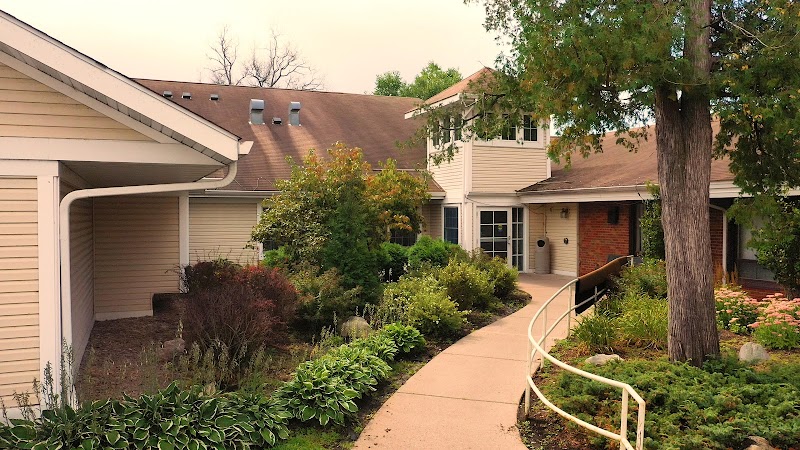
Who Owns and Operates Parmly On The Lake Llc?

Parmly on the Lake LLC is owned by a for-profit company. For-profit facilities operate as businesses with obligations to shareholders or private owners. The facility is operated by MONARCH HEALTHCARE MANAGEMENT, a chain that manages multiple nursing homes. With 91 certified beds and approximately 81 residents (about 89% occupancy), it is a smaller facility located in CHISAGO CITY, Minnesota.

How Does Parmly On The Lake Llc Compare to Other Minnesota Nursing Homes?

Compared to the 100 nursing homes in Minnesota, Parmly on the Lake LLC's overall rating (3 stars) is below the state average of 3.2, staff turnover (40%) is near the state average of 46%, and health inspection rating (3 stars) is at the national benchmark.

What Should Families Ask When Visiting Parmly On The Lake Llc?

Based on this facility's data, families visiting should ask: "What changes have been made since the serious inspection findings, and how are you preventing similar issues?" "Can I visit during a mealtime to observe dining assistance and food quality?" "How do you handle medical emergencies, and what is your hospital transfer rate?" "Can I speak with family members of current residents about their experience?" These questions are particularly relevant given the facility's Immediate Jeopardy citations.

Is Parmly On The Lake Llc Safe?

Based on CMS inspection data, Parmly on the Lake LLC has documented safety concerns. Inspectors have issued 2 Immediate Jeopardy citations (the most serious violation level indicating risk of serious injury or death). The facility has a 3-star overall rating and ranks #100 of 100 nursing homes in Minnesota. Families considering this facility should ask detailed questions about what corrective actions have been taken since these incidents.

Do Nurses at Parmly On The Lake Llc Stick Around?

Parmly on the Lake LLC has a staff turnover rate of 40%, which is about average for Minnesota nursing homes (state average: 46%). Moderate turnover is common in nursing homes, but families should still ask about staff tenure and how the facility maintains care continuity when employees leave.

Was Parmly On The Lake Llc Ever Fined?

Parmly on the Lake LLC has been fined $8,193 across 1 penalty action. This is below the Minnesota average of $33,161. While any fine indicates a compliance issue, fines under $50,000 are relatively common and typically reflect isolated problems that were subsequently corrected. Families should ask what specific issues led to these fines and confirm they've been resolved.

Is Parmly On The Lake Llc on Any Federal Watch List?

Parmly on the Lake LLC is not on any federal watch list. The most significant is the Special Focus Facility (SFF) program, which identifies the bottom 1% of nursing homes nationally based on persistent, serious quality problems. Not being on this list means the facility has avoided the pattern of deficiencies that triggers enhanced federal oversight. This is a positive indicator, though families should still review the facility's inspection history directly.