Clarkfield Care Center
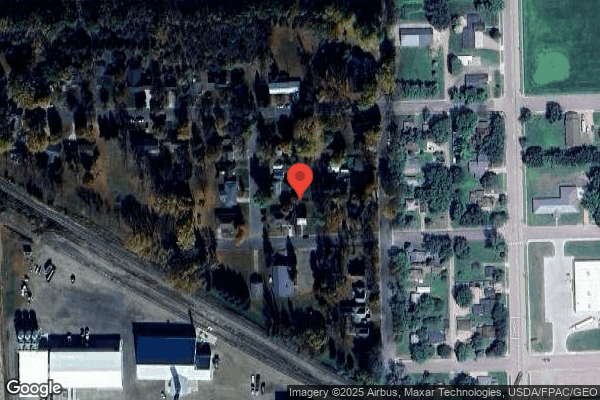
805 FIFTH STREET, BOX 458, CLARKFIELD, MN 56223 (320) 669-7561
Non profit - Corporation 30 Beds Independent Data: November 2025
Trust Grade
75/100
#102 of 337 in MN
Last Inspection: March 2025

Within standard 12-15 month inspection cycle. Federal law requires annual inspections.

Overview

Clarkfield Care Center has a Trust Grade of B, indicating it is a good choice for families seeking care, as it demonstrates solid performance overall. It ranks #102 out of 337 facilities in Minnesota, placing it in the top half, and #2 out of 3 in Yellow Medicine County, meaning only one other local option ranks higher. However, the facility is experiencing a worsening trend, with issues increasing from 2 in 2024 to 5 in 2025. Staffing is a strength, with a 4 out of 5-star rating and a turnover rate of 39%, which is below the state average, suggesting that staff tend to stay and are familiar with the residents. On the downside, there are concerns regarding RN coverage, as the facility has less than 80% of Minnesota facilities, which may affect the level of care provided. Recent inspector findings highlighted issues such as a failure to adequately analyze and document data related to resident pain management and a lack of mandatory training on the Quality Assurance Performance Improvement (QAPI) program, which could impact all residents. Overall, while there are strengths in staffing and general care quality, families should consider the identified weaknesses and recent trends when researching this facility.

Trust Score
B
75/100
In Minnesota
#102/337
Top 30%
Safety Record
Low Risk
No red flags
Inspections
Getting Worse
2 → 5 violations
Staff Stability
○ Average
39% turnover. Near Minnesota's 48% average. Typical for the industry.
Penalties
✓ Good
No fines on record. Clean compliance history, better than most Minnesota facilities.
Skilled Nurses
✓ Good
Each resident gets 46 minutes of Registered Nurse (RN) attention daily — more than average for Minnesota. RNs are trained to catch health problems early.
Violations
⚠ Watch
13 deficiencies on record. Higher than average. Multiple issues found across inspections.
★★★★☆
4.0
Overall Rating
★★★★☆
4.0
Staff Levels
★★★★☆
4.0
Care Quality
★★★★☆
4.0
Inspection Score
Stable
2024: 2 issues
2025: 5 issues

The Good

  • 4-Star Staffing Rating · Above-average nurse staffing levels
  • 4-Star Quality Measures · Strong clinical quality outcomes
  • Full Sprinkler Coverage · Fire safety systems throughout facility
  • No fines on record
  • Staff turnover below average (39%)

    9 points below Minnesota average of 48%

Facility shows strength in staffing levels, quality measures, fire safety.

The Bad

Staff Turnover: 39%

Near Minnesota avg (46%)

Typical for the industry

The Ugly 13 deficiencies on record

Mar 2025 5 deficiencies
CONCERN (D)

Potential for Harm - no one hurt, but risky conditions existed

Notification of Changes (Tag F0580)

Could have caused harm · This affected 1 resident

Based on interview and document review the facility failed notify the provider of a change in condition timely for 1 of 1 resident (R25) reviewed for hospitalization. Findings include: R25's 12/18/24...

Read full inspector narrative →
Based on interview and document review the facility failed notify the provider of a change in condition timely for 1 of 1 resident (R25) reviewed for hospitalization. Findings include: R25's 12/18/24, quarterly Minimum Data Set (MDS) assessment identified R25 with diagnoses of congestive heart failure, hypertension and was cognitively intact. The MDS indicated R25 required substantial assistance with activities of daily ling and did not utilize oxygen. R25's February 2025, medication administration record lacked indication R25 utilized oxygen. The facility Standing Orders dated 7/26/24, included orders for oxygen at 2 liters per minute per nasal canular for complaints of shortness of breath or chest pain and call provider or ER if oxygen's saturation do not improve to 90% or above. The standing orders did not include order for increasing the oxygen higher than 2 liters. Review of R25's progress notes (PN) identified the following information: 1) PN dated 2/13/25 at 12:53 p.m., R25 complained of fatigue as well as coldness in her lower extremities. Her vital signs were blood pressure (BP)109/64, pulse (P) 110, temperature (T) 97.3, respirations (R) 15, and oxygen saturation (O2) 93%. Nursing staff encouraged R25 to be evaluated in the emergency room as R25's BP [blood pressure] and HR [heart rate] have not been stable over the last 3-4 days. R25 had been offered to go to the emergency rooms, however, R25 refused. 2) PN dated 2/14/25 at 11:06 a.m., nurse was called to R25's room as R25 was unable to stand with assistance of staff or a sit to stand mechanical device. R25 reported feeling dizzy and light-headed vital signs were identified as BP 30/unknown, P 30, R17, T 97.0 F and O2 was at 86%. The writer contacted the emergency department (ER) and was advised to send resident to ER. 3) PN dated 2/14/25, at 3:29 p.m., a nurse- to- nurse report from the emergency room indicated R25 had been diagnosed with a bladder infection and would be returning to the facility. 4) PN dated 2/14/25 at 5:46 p.m., indicated R25 had returned to the facility at 4:55 p.m. 5) PN dated 2/15/25 at 5:35 p.m. indicated the night nurse had been placed on oxygen during the night. During the day morning hours, R25's oxygen saturation (amount of oxygen in the blood) was noted to be 91%. R25 had been alert and orientated before breakfast, however, began to show increased confusing after lunch. At 4:20 p.m. R25's vital signs were BP 118/77, P 118, R 20, T 97.7, O2 79%. The writer identified they had increased R25's oxygen to 3 LPM/NC (liters per minute per nasal cannula) and oxygen saturation increased to 86%, then increased to 4 LPM/NC and oxygen saturation increase to 89%, then increased to 5 LPM/NC and oxygen saturation increased to 90-91%. Now this afternoon R25 has been noted to have increased shortness of breath, be lethargic, has had no appetite today. Writer informed R25 she was sending her to the ER and resident voiced understanding. The progress notes lacked identification of the night nurse's assessment and why or what circumstances lead to R25 being placed on facility standing orders. The progress notes further lacked the identified assessments of the vital signs being monitored throughout the day on 2/15/25 other than the one done at 4:20 p.m. Review of R25's blood pressure records identified on 2/14/25 at 8:10 a.m., R25's BP as 146/95, then on 2/15/25 at 7:08 a.m., BP as 178/149, and the last documented BP was on 2/15/25 at 7:12 a.m., of 113/72. There were no further documented blood pressure readings. During interview on 3/11/25 at 11:38 a.m., registered nurse (RN)-B indicated she had care for R25 on 2/15/25. licensed practical nurse (LPN)-A had placed R25 on oxygen around 5:00 a.m. RN-B stated she could not recall why R25, required oxygen, but R25 did not display any type of concerns during the morning shift. However, at 4:20 p.m. R25 began displaying respiratory distress and was transferred back to the hospital. Upon review of the record, RN-B confirmed the documentation lacked rational as to why R25 required oxygen at 5:00 a.m. and the physician was not notified. The record lacked further assessment of R25 during the day until R25 displayed signs of respiratory distress and was transferred back to the hospital. RN-B confirmed the provider had not been updated until R25 had been sent to the ER later that afternoon. During interview on 3/11/25 at 11:54 a.m., with RN-A identified when a resident was started on oxygen per the facility standing orders the nurse should be updating the provider as that would be a change in condition. During interview on 3/11/25 at 4:05 p.m., with LPN-A identified she had missed documenting her assessment and vitals she obtained on R25 the morning of 2/15/25. She revealed she had placed R25 on oxygen per the facilities standing orders around 5:00 a.m., just before the change of shift. R25 had complained of being short of breath and her oxygen saturations were 88-89% and LPN-A reported she had asked R25 if she had used oxygen while at the hospital and she had said yes and that it had helped so she started her on the oxygen. LPN-A confirmed she had not updated the provider however, had reported the information to the day charge nurse. During interview on 3/11/25 at 2:20 p.m., with the administrator/director of nursing confirmed that if a nurse-initiated oxygen per the facility standing orders the nurse should update the provider of the change in condition. She would expect the provider to be updated and for the nurse to document their assessment of the resident in the resident's medical record. Review of undated, Notification of Changes policy identified times to promptly notify the resident's medical provider and representative of change in condition. The policy identified any time there was clinical complications or circumstances that required a need to alter the resident's treatment.
CONCERN (D)

Potential for Harm - no one hurt, but risky conditions existed

PASARR Coordination (Tag F0644)

Could have caused harm · This affected 1 resident

**NOTE- TERMS IN BRACKETS HAVE BEEN EDITED TO PROTECT CONFIDENTIALITY** Based on interview and document review, the facility failed to notify the designated State Mental Health Authority (SMHA) (Yello...

Read full inspector narrative →
**NOTE- TERMS IN BRACKETS HAVE BEEN EDITED TO PROTECT CONFIDENTIALITY** Based on interview and document review, the facility failed to notify the designated State Mental Health Authority (SMHA) (Yellow Medicine County) for 1 of 1 resident (R11) with new onset mental illness. Findings include: R11's 12/11/24, annual Minimum Data Set (MDS) assessment indicated R11 had been admitted in October of 2022 and R11's cognition was intact. R11 had the diagnoses including atrial fibrillation, heart failure, hypertension, renal failure, diabetes, arthritis, dementia, depression, and psychotic disorder. R11 required substantial assistance with cares and received, antipsychotic, antidepressant, diuretic, and antiplatelet medications. R11's diagnosis list printed 3/10/25, identified new diagnoses which included unspecified mood affective disorder diagnosed on [DATE], unspecified psychosis not due to a substance or known physiological condition diagnosed on [DATE], and restlessness and agitation diagnosed on [DATE]. R11's care plan printed 3/10/25, indicated R11 was dependent on staff for meeting his emotional, intellectual, physical, and social needs related to unspecified psychosis, major depression, and dementia. R11 displayed behaviors of being sexually inappropriate, yelling, arguing with staff, swearing, refusing cares, hallucinations, delusion, wandering, and using abusive language that was initiated on 5/26/23. R11 had delirium or an acute confusional episode related to unspecified psychosis and received an antipsychotic medication that was initiated 12/15/23. R11's 10/25/22, Initial Pre-admission Screening (PAS) results identified a diagnosis of depression and did not indicate the need for a Level II PASARR to be completed. The record lacked documentation which would indicate the local mental health authority had evaluated R11 for appropriate placement via a level II (Resident Review) following the new diagnoses of unspecified mood disorder, unspecified psychosis, restlessness and agitation. During interview on 3/11/25 at 2:54 p.m., with registered nurse (RN)-A confirmed R11 had received a PAS upon admission to the facility, which indicated he did not require a level II screening. However, confirmed while in residing at the facility, R11 had received new mental health diagnoses. The facility did not notify the local mental health authority to request a resident review to determine if R11 required additional mental health services. RN-A she was unaware residents who received a new diagnosis of a mental health disease were to be re-evaluated by the local mental health authority. During interview on 3/12/25 at 8:01 a.m., with the administrator/director of nursing who confirmed if a resident received a new mental health diagnosis the local authority should be contacted to complete a level II screening. She was unaware that RN-A was not aware she needed to contact the local mental health authority. Review of the undated, Resident Assessment-Coordination with PASARR Program Policy identified the facility would coordinate assessments to ensure individuals with a mental disorder or related condition received care and services in the most integrated setting appropriate to the resident needs. The social service or designee would be responsible for resident PASARR screening and referring to the appropriate authority. The facility would reach out to the appropriate authority for any resident that received a new mental health disorder or condition not previously identified on the initial PAS for a level II screening.
CONCERN (D)

Potential for Harm - no one hurt, but risky conditions existed

Accident Prevention (Tag F0689)

Could have caused harm · This affected 1 resident

Based on interview and document review the facility failed to assess, investigate, and document for 1 of 1 resident (R11) who had a newly identified burn. Findings include: R11's 12/11/24, annual Min...

Read full inspector narrative →
Based on interview and document review the facility failed to assess, investigate, and document for 1 of 1 resident (R11) who had a newly identified burn. Findings include: R11's 12/11/24, annual Minimum Data Set (MDS) assessment identified R11 had been admitted in October of 2022 and R11's cognition was intact. R11 required substantial assistance with cares and had pain that he rated a 5 on scale of 1-10. R11 took a scheduled pain, antipsychotic, antidepressant, diuretic, and antiplatelet medication. R11 was on oxygen. R11 had the diagnoses of atrial fibrillation, heart failure, hypertension, renal failure, diabetes, arthritis, dementia, depression, and psychotic disorder. Review of R11's Skin Assessments identified: 1) 7/18/24, skin issue identified as other located on left gluteal fold. Area has 2 small open areas each measuring 0.5 cm x 0.5 cm a Mepilex dressing was applied. This was identified as the first observation. 2) 12/18/24, skin issue identified as burn located on upper right side of chest. The area measured 2 cm x 2.5 cm and scabbed. Note of assessment identified that on 12/18/24 residents obtained a burn to right upper chest, redness now surrounds the areas, resident was seen by provider on 12/19/24 and ordered Bacitracin. This was identified as the first observation. 3) 12/25/24, skin issue identified as burn located on upper right side of chest. The area measured 2 cm x 2.3 cm scabbed area, improving. 4) 1/2/25, skin issue identified as burn located on upper right side of chest. The area measured 2 cm x 2.3 cm scabbed area, improving. 5) 1/22/25, skin issue identified as burn located on upper right side of chest. The area measured 0.2 cm x 0.2 cm irregular shaped scab, improving. There were no more skin assessments located in R11's medical record. Review of R11's progress notes between 12/12/24 through 3/10/25 had no mention of R11 having a burn on his right upper chest. Interview on 3/10/25 at 5:58 p.m., with administrator/director of nursing identified that a nursing assistant had reported to RN-A that there was a area of concern on R11's chest. RN-A had thought that the nurse who was originally told had made a progress note but I guess they did not. She reported that RN-A had investigated how R11 got the burn and that they had discussed it at their interdisciplinary team meeting (IDT). She confirmed that there was no incident report completed for the injury and there should have been. She further confirmed the last skin assessment completed for R11 was done on 1/22/25 and she was unsure why there had been no further skin assessments completed as that one identified the area was still open. Interview on 3/10/25 at 6:47 p.m., with registered nurse (RN)-A identified a nursing assistant that no longer worked at the facility had reported the burn to the nurse that was on duty which she could not recall who that was. She revealed the nurse should have documented the assessment of the burn and made an incident report. She revealed she should have followed up and made sure there had been documentation of the burn and an incident report completed but she had not done that. She further identified she should have documented further on R11's skin assessment that the burn had healed confirming she just stopped the skin assessments. R11's provider did order Bacitracin for the burn but identified that also had not been documented in R11's progress notes. Review of 12/19/24, physician order identified provider ordered Bacitracin twice a day to right chest. The order lacked reason for Bacitracin order and an end date. Review of R11's undated, care plan identified the facility had not made revisions follow R11's burn incident to include interventions to prevent further incidents. Interview on 3/10/25 at 7:09 p.m., with R11 who revealed he got a burn on his shoulder area. He reported it was from one of those hand warmers that you stick in your gloves. He revealed he got the hand warmer from another resident and had used it to try to loosen the muscle in his shoulder area. He reported that the nurse did come and look at the burn and told him he could not use that hand warmer. He reported the nurse looked at it about 2 weeks ago, but it has been healed now for a while. Interview on 3/11/25 at 2:20 p.m., with administrator/director of nursing identified she would expect if an injury such as a burn was identified the nurse would assess the burn, investigate how it occurred, document the findings and notify the provider and family. Review of the undated, When to Notify for All Licensed Nurses, protocol identified that the nurse should notify the administrator/director of nursing, the assistant director of nursing immediately when an incident with a serious injury occurred such as burns, major lacerations, head injury, hematoma etc.prior to filing a State Agency report as there was only 2 hours to report timely. Review of 2/15/24, Accidents and Incidents Investigating and Recording policy identified regardless of incident or accident, including injuries of an unknown source, staff must report to the department supervisor and fill out an accident or incident report form on the shift the accident or incident occurred. The nurse should assess the resident and notify the provider of the incident or accident. The policy identified the details that were required to be documented under risk management that included that the resident's care plan needed to be updated with immediate interventions.
CONCERN (D)

Potential for Harm - no one hurt, but risky conditions existed

Respiratory Care (Tag F0695)

Could have caused harm · This affected 1 resident

**NOTE- TERMS IN BRACKETS HAVE BEEN EDITED TO PROTECT CONFIDENTIALITY** Based on observation, interview, and document review, the facility failed to follow physician orders for 1 of 2 residents (R7) r...

Read full inspector narrative →
**NOTE- TERMS IN BRACKETS HAVE BEEN EDITED TO PROTECT CONFIDENTIALITY** Based on observation, interview, and document review, the facility failed to follow physician orders for 1 of 2 residents (R7) reviewed for oxygen therapy. Findings include: R7's significant change Minimum Data Set (MDS) dated [DATE], identified R7 was cognitively intact and had diagnoses of chronic respiratory failure and pneumonia. R7 used oxygen therapy. R6's undated care plan identified the goal was to have no signs or symptoms of poor oxygen absorption. Interventions were for staff to administer medication as ordered, monitor effectiveness and side effects, elevate head of bed to prevent shortness of breath when lying flat, maintain a clear airway and instruct R7 to clear her own secretions with effective coughing, to use humidified oxygen of 1 to 2 liters (L) as needed, and to keep oxygen (O2) greater than 90%. R7's Order Summary Report printed 3/10/25, identified R7 was to receive oxygen via nasal cannula (flexible tube that enters your nose to deliver oxygen) continuously at 2 LPM (liters per minute) starting 12/16/24. During observation on 3/10/25 at 11:04 a.m., R7 sat in her recliner with nasal cannula in her nose and the tubing was connected to the oxygen concentrator. The oxygen flow meter was set at 2.5 liters. During observation and interview on 3/10/25 at 12:04 p.m., licensed practical nurse (LPN)-B stated R7 was to receive 2 liters of oxygen. LPN-B observed R7's oxygen flow meter, and voiced it was set at 2.5 LPM. LPN-B decreased the flow rate to 2 LPM. She identified staff nurses were to check and identify appropriate oxygen settings on each shift and to follow physician orders for oxygen use. During interview on 3/12/25 at 5:33 p.m., director of nursing stated they expected staff nurses to follow oxygen orders as directed by the primary physician. Review of current, undated Oxygen Administration policy identified staff nurses were responsible for resident's safety with oxygen use. In addition, staff nurses were to administer oxygen therapy under the direction of physician orders. Lastly, staff nurses were to verify and check oxygen equipment to ensure oxygen concentrator equipment and safety checks were completed.
CONCERN (D)

Potential for Harm - no one hurt, but risky conditions existed

Pharmacy Services (Tag F0755)

Could have caused harm · This affected 1 resident

Based on interview and document review, the facility failed to coordinate with the provider and pharmacy to ensure a prescribed medication was available and administered for 1 of 1 residents (R10) rev...

Read full inspector narrative →
Based on interview and document review, the facility failed to coordinate with the provider and pharmacy to ensure a prescribed medication was available and administered for 1 of 1 residents (R10) reviewed who did not receive ordered medication. Findings include: R10's 2/26/25, quarterly Minimum Data Set (MDS) assessment identified R10's cognition was intact. R10 had no behaviors and required assistance with cares. R10 was frequently incontinent of urine. R10 was on a scheduled pain medication and rated her pain a 4 on scale of 1-10. She had no skin concerns and took a daily antidepressant, blood thinner, and diuretic (water pill). R10 was on oxygen therapy and planned to remain in the facility. Interview on 3/10/25 at 12:34 p.m., with R10 identified she had a yeast infection that was not resolved yet. She reported she was to be getting Monistat but had not received that for the last 2 weeks as staff told her they had to get a new order. In the meantime, she reported she itched, and it hurt when she voided. Review of progress notes identified: 2/19/25, communication with provider, R10 continues to complain of burning and itching in vaginal area. Question if she would benefit from Monistat cream. 2/20/25, received order for Monistat care instant itch relief external cream 1%, apply to vaginal area topically two times a day for vaginal itching and change to as needed when clear. 2/21/25, Monistat 1% cream no prescription. 2/28/25, Monistat 1% cream no prescription. 3/1/25, Monistat 1% cream no prescription. 3/2/25, Monistat 1% cream no prescription. 3/3/25, Monistat 1% cream no prescription. 3/4/25, Monistat 1% cream no prescription. 3/5/25, Monistat 1% cream no prescription. 3/6/25, Monistat 1% cream no prescription. 3/7/25, Monistat 1% cream no prescription. 3/8/25, Monistat 1% cream unavailable, pharmacy was awaiting new prescription from provider and will send when received. 3/9/25, Monistat 1% cream no prescription. 3/10/25, Monistat 1% cream no prescription. 3/11/25, provider communication that R10 had complained of itching in her vaginal area and had pain when voiding. Provider ordered Monistat for 10 days. 3/11/25, resident seen by provider during routine rounds. Resident continues to complain of burning and itching. Resident reported that the Monistat did not help but then asked the provider for Monistat. R10 reported that she had never complained of burning and itching since she had been a resident there. The provider discontinued the order for Monistat and ordered Estradiol gel nightly for 2 weeks. Review of R10's February 2025, Administration Record identified Monistat Care Instant Itch Relief external cream 1%, apply to vaginal area typically two times a day for vaginal itching and change to as needed when clear. Charted administered 2/21/25, through 2/27/25, then charted as other 'see progress note' on 2/28/25. R10's March 2025, Administration Record identified Monistat Care Instant Itch Relief external cream 1% was charted as 'other see progress note' 3/1/25 through 3/11/25. During interview on 3/11/25 at 2:13 p.m., trained medication assistant (TMA)-A identified that the facility had the Monistat for R10 but then ran out and they could not get any more. She reported they were to fax the pharmacy a week before a resident runs out of a medication, and if they did not get that medication in from the pharmacy, they were to notify the charge nurse who then contacted the pharmacy. During interview on 3/11/25 at 2:20 p.m., administrator/director of nursing identified that licensed practical nurse (LPN)-B had been dealing with the pharmacy related to getting R10's Monistat. The pharmacy had sent a very small tube, and it ran out right away. The pharmacy kept saying they needed a new prescription. During interview on 3/11/25 at 2:41 p.m., LPN-B reported R10 had an order for Monistat, and according to the pharmacy, they only had an order for as needed (PRN) and the pharmacy was waiting on a new prescription from the clinic before they sent out another tube of Monistat. She revealed she did not know if anyone from the facility had reached out to R10's provider for a new prescription. She identified if the facility did not have a medication supply, they were to reach out to pharmacy first and then the pharmacy usually reached out to the clinic. If the facility still did not receive the ordered medication the facility was to reach out to the provider. A policy related to what staff were to do if a medication supply was not available was requested however, the administrator/director of nursing reported the facility did not have one.
May 2024 2 deficiencies
CONCERN (F)

Potential for Harm - no one hurt, but risky conditions existed

QAPI Program (Tag F0867)

Could have caused harm · This affected most or all residents

Based on interview and document review, the facility failed to ensure data submitted to 1 of 1 QAPI committee was analyzed and documented to ensure areas identified had oversight for their perspective...

Read full inspector narrative →
Based on interview and document review, the facility failed to ensure data submitted to 1 of 1 QAPI committee was analyzed and documented to ensure areas identified had oversight for their perspective outcomes brought forth. This had the potential to affect all 24 residents. Findings include: Review of undated, current Quality Improvement Incentive Payment (QIIP) tool identified a plan to monitor moderate to severe pain in the first 100 days. The goals were to assess resident pain levels for verbal and nonverbal residents, offer non-pharmacological interventions, such as topical medications with massage, and therapy exercises. The documentation lacked a thorough analysis of data collected to identify what specific measures needed to be taken. Interview on 5/13/24 at 5:33 p.m., with registered nurse (RN)-B, who is the facility assistant director of nursing, stated all employees were assigned QAPI program training on EduCare online. She stated she would attend QAPI meetings and was aware the facility was working on pain management monitoring under the guidance of the QIIP. She stated the QIIP tool was used to identify areas of improvement in the facility and evaluate if the goals were met through the data input. Interview on 5/15/24 at 7:37 a.m., with director of nursing (DON) and current facility administrator, stated the facility was working on pain management for short term residents. She stated the QIIP tool had been implemented to improve the facility's quality measures and had no additional documentation to support the QIIP program. She stated she was the new administrator of the facility, and her goal would be for compliance of quality care, interventions to improve staff education and meet financial goals. The DON agreed the current QIIP tool would need improvements and would implement better processes to reflect accurate data collection and analysis. Interview on 5/15/24 at 8:06 a.m., with the executive administrator (Admin)-B stated the facility did not have evidence showing the analysis for it's current identified QAPI concerns and did not have a process in place for execution of the QIIP tool. Review of 2/15/24 Quality Assurance Performance Improvement Policy (QAPI) identified the facility would coordinate quality assessment and assurance activities under the QAPI program. The facility would develop and implement appropriate plans of action to correct the deficiencies. They were to regularly review and analyze data collected under the QAPI program and act upon that data to make improvements.
CONCERN (F)

Potential for Harm - no one hurt, but risky conditions existed

Deficiency F0944 (Tag F0944)

Could have caused harm · This affected most or all residents

Based on interview and document review, the facility failed to provide mandatory training on 1 of 1 facility specific Quality Assurance Performance Improvement (QAPI) Program to include goals and vari...

Read full inspector narrative →
Based on interview and document review, the facility failed to provide mandatory training on 1 of 1 facility specific Quality Assurance Performance Improvement (QAPI) Program to include goals and various elements of the program, how the facility intends to implement the program, staff's role in the facility's QAPI program, or how to communicate concerns, problems, or opportunities for improvement to the facility's QAPI program. This had the ability to affect all 24 residents. Findings include: Interview on 5/13/24 at 5:18 p.m., with activity director stated she would attend the QAPI meetings regularly along with the facility administration, board members and the city administrator. She stated she was not aware if employees could attend QAPI and had not seen employees attend QAPI. Interview on 5/13/24 at 5:22 p.m., with nursing assistant ( NA)-A and (NA)-B stated they knew nothing about the QAPI goals and was not aware of the QAPI meetings. Interview on 5/13/24 at 5:22 p.m., with registered nurse (RN)-A stated she had not attended QAPI nor aware she could attend. She stated she had completed EduCare (online general training) on QAPI programs in the facility during her initial training. RN-A was aware the QAPI committee met quarterly to discuss finances. She was unaware of specific goals or what the facility was monitoring overall. Interview on 5/13/24 at 5:53 p.m., with licensed practical nurse (LPN)-A stated she knew that QAPI evaluated the quality of care but had no knowledge of when QAPI was held nor what the QAPI goals were. She was unaware of anything specific the committee was working on. Interview on 5/14/24 at 2:11 p.m., with the maintenance supervisor stated he would attend QAPI meetings quarterly and each department would discuss issues and collaborate to find solutions. He stated the facility had monitored psychotropic medications in the resident care areas, but unaware of anything specific the committee was working on. Interview on 5/14/24 at 2:15 p.m., with director of nursing (DON) and current administrator stated she was not aware if employees could attend the QAPI meetings and would make sure to inform all staff going forward of QAPI activities and their respective roles. Interview on 5/14/24 at 02:25 p.m., with NA-C stated she had training on the computer for generalized QAPI training and was not aware of what the facility would discuss at the meetings. Interview on 5/15/25 at 8:07 a.m., with executive administrator (Admin-B) stated staff were not aware they could attend the QAPI meetings and that QAPI was open to all to attend. Review of 2/15/24 Quality Assurance/Assessment and Performance Improvement Plan identified the facility would train employees on using the QAPI process and employees would participate on the performance improvement plan (PIP) team. The facility QAPI program would be sustained during transitions in leadership and staffing and would provide staff education and involvement in the QAPI process. Lastly, the (PIP) team would identify staff participation or other facility needs to the QAPI quality manger. The QAPI quality manger would be appointed by the administrator and executive leadership team to ensure compliance of QAPI activities.
Jul 2023 6 deficiencies
CONCERN (D)

Potential for Harm - no one hurt, but risky conditions existed

Deficiency F0685 (Tag F0685)

Could have caused harm · This affected 1 resident

Based on interview and document review the facility failed to ensure an eye appointment was made after being requested for 1 of 1 residents (R1). Findings include: R1's admission Record identified R1 ...

Read full inspector narrative →
Based on interview and document review the facility failed to ensure an eye appointment was made after being requested for 1 of 1 residents (R1). Findings include: R1's admission Record identified R1 had been admitted to the facility in May 2022. R1 had diagnoses of type 2 diabetes, anxiety, and depression. R1's 6/7/23, annual Minimum Data Set (MDS) assessment identified R1's cognition was intact. R1 took a daily insulin injection, a daily anti-anxiety and anti-depressant medication. R1's 6/7/22, care plan identified she had impaired visual function related to her diabetes. R1 would use appropriate visual devices (glasses) to promote participation. The facility would arrange a consultation with an eye care practitioner as required. The facility would ensure appropriate glasses were available. The facility would remind R1 to wear her glasses when she was awake, and staff would ensure eye glasses were clean, free from scratches, and in good repair. Review of the 12/6/22, Care Conference Summary form identified members present in attendance were the social service designee (RN-A), the dietary manager, R1's sister, and R1. The facility had reached out to R1's county case worker to see where previous dental, vision, and podiatry visits were scheduled at, and set up upcoming visits. Review of the 3/7/23, Care Conference Summary form identified members present in attendance were the social service designee (RN-A), the dietary manager, R1's sister, the county case worker, and R1. R1 had requested an eye appointment. There was no indication staff were going to follow up with scheduling R1's request. Review of the 6/7/23, Care Conference Summary form identified members present in attendance were the social service designee (SSD), a therapist, the county case worker, R1's sister, and R1. There was no mention that an eye appointment had been made or if R1 had been to an eye appointment as requested previously in March 2023. Interview on 7/10/23 at 7:00 p.m., with R1 identified she had not received any follow-up from staff on requests for an eye appointment made during care conference. She reported she also had asked licensed practical nurse (LPN)-A to make the eye appointment however, could not recall when she had asked her. Interview on 7/11/23 at 4:12 p.m., with LPN-A identified she had not been at the last 2 care conferences when R1 had inquired about the appointment, but the staff at the meeting should have notified her to make the appointment or they should have addressed it following the care conference meeting. There had been a message to R1's county case worker back in December of 2022, to find out who R1 normally used for optometry appointments as she was made aware R1 had been inquiring about making appointments during care conferences. LPN-A failed to follow-up with making a vision appointment on R1's behalf. Review of 12/6/22, email SSD sent to R1's county case worker identified the SSD had inquired about R1's past appointments and where R1 normally went for optometry. On 12/8/22, county case manager replied identifying that R1 had went to optometry in Willmar in the past but she was unsure of the name of the provider. Interview on 7/12/23 at 7:12 a.m., with the director of nursing (DON) who agreed if a resident requested an appointment, the facility should make that appointment. The DON's expected, when a resident requested an appointment the facility would make the requested appointment for the resident and relay that information to the resident or give a status update if the appointment could not be made. Interview on 7/12/23 at 1:40 p.m., with administrator identified her expectation would be staff would make appointments or assist with making appointments for residents when they requested them, and provide follow-up to the status of that appointment. Interview on 7/12/23 at 3:39 p.m., with the SSD identified she felt R1 may have had problems with her insurance and that was why an eye appointment did not get made but was unsure. The SSD confirmed R1 had requested an eye appointment at care conferences. She had reached out to R1's county case worker back in December to see where R1 had previously went for vision appointments. The SSD reported the ball just got dropped for making the eye appointment for R1. She agreed there should have been some kind of follow up to ensure the appointment was made, and if there was an issue getting it scheduled, communication should have been relayed to R1 of the status of that appointment request. Interview on 7/13/23 at 10:54 a.m., with the consulting administrator identified her expectation was staff were to act on requests for eye appointments, set up transportation if needed, and relay any information about that appointment status to the resident affected. A policy or protocol for assisting residents with making appointments was requested however, the DON revealed the facility had none.
CONCERN (D)

Potential for Harm - no one hurt, but risky conditions existed

Accident Prevention (Tag F0689)

Could have caused harm · This affected 1 resident

Based on observation, interview and record review the facility failed to properly secure smoking materials and follow their Smoking Policy for 1 of 1 resident (R15). Findings include: R15's admission ...

Read full inspector narrative →
Based on observation, interview and record review the facility failed to properly secure smoking materials and follow their Smoking Policy for 1 of 1 resident (R15). Findings include: R15's admission record printed 7/13/23, identified R15 was admitted with diagnosis of esophageal obstruction, alcohol abuse, dysphagia, and nicotine dependence. R15's 4/26/23, quarterly Minimum Data Set (MDS) assessment identified he was able to complete activities of daily life independently and cognition was intact. R15's undated care plan identified that he could smoke independently and all smoking supplies were to be stored in the east medication room cabinet. Observation on 7/10/23 at 7:22 p.m., R15's cigarettes and lighter were laying on his overbed table in R15's room. Interview on 7/10/23 at 7:22 p.m., R15 stated the nurses let me keep a few cigarettes and my lighter in my room. Interview on 7/12/23 at 10:30 a.m., director of nursing (DON) identified it was her expectation that all cigarettes were to be locked up at the nurses station, she expected residents to request smoking supplies and nursing to ensure those supplies were collected and locked in medication room after the resident was finished smoking to ensure safety of all residents at the facility. Review of 1/13/23, Smoking Policy identified that all smoking materials will be kept in a safe place and would not be allowed in resident rooms.
CONCERN (D)

Potential for Harm - no one hurt, but risky conditions existed

Dental Services (Tag F0791)

Could have caused harm · This affected 1 resident

Based on interview and document review the facility failed to ensure a dental appointment was made after being requested for 1 of 1 residents (R1) reviewed for dental. Findings include: R1's admissio...

Read full inspector narrative →
Based on interview and document review the facility failed to ensure a dental appointment was made after being requested for 1 of 1 residents (R1) reviewed for dental. Findings include: R1's admission Record identified R1 had been admitted to the facility in May of 2022. R1 had diagnoses type 2 diabetes and heart failure. R1's 6/7/23, annual Minimum Data Set (MDS) assessment identified R1's cognition was intact, R1 required extensive assistance from one staff for personal hygiene. R1 ate independently. R1 had no natural teeth. R1's 6/7/22, care plan identified oral/dental health problems related to the absence of natural teeth. R1 was noted to refuse to wear her dentures. R1 was to be encouraged to let staff assist her with mouth care at least daily. Staff were to monitor and report any signs or symptoms of oral/dental problems needing attention. Staff were also to monitor for pain, abscess, debris in her mouth, lips cracked or bleeding, loose or broken dentures, abnormalities with her tongue or mouth. Staff were to assist of 1 staff in providing mouth care and personal hygiene. Review of the 12/1/22, Nursing Assessment identified R1 had own teeth. There mention of R1 having dentures. At that time, it was noted R1 did not wish to see a dentist. The section for dentures was left blank. The section related to complications for chewing, swallowing problems, persistent nausea, vomiting, or diarrhea, tube feeding or Enteral order revealed R1 had no concerns. R1 had a diabetic diet with no consistency modifications in order to eat. Review of the 12/6/22, Care Conference Summary form identified members in attendance were the social service designee (SSD), the dietary manager, R1's sister, and R1. The facility had reached out to R1's county case worker to see where previous dental visits were and was to set up upcoming visits. Review of the 3/7/23, Care Conference Summary form identified members in attendance were the SSD, the dietary manager, R1's sister, the county case worker, and R1. R1 had requested a dental appointment and needed to see a dentist. Review of the 3/7/23, Nursing Assessment identified once again R1 had own teeth and did not wish to see a dentist. The section for Dentures was left blank. The section related to complications for chewing, swallowing problems, persistent nausea, vomiting, or diarrhea, tube feeding or Enteral order identified R1 had no complications. There was no diet and consistency needs identified in order for R1 to eat. Review of the 6/6/23, Nursing Assessment identified R1 did not have her own teeth, and did not wish to see a dentist. The section for Dentures was left blank. There was no indication staff had identified the inconsistencies in their assessment. Review of the 6/7/23, Care Conference Summary form identified members in attendance were the SSD, a therapist, the county case worker, R1's sister, and R1. There was no mention a dental appointment had been made from R1's previous request. Interview on 7/10/23 at 7:00 p.m., with R1 identified she had requested a dental visit. R1 reported she did not wear her dentures as they did not fit. R was not worried about having her dentures adjusted but felt she needed a dental appointment to have her gums checked. R1 had initially requested to have a dental appointment set up when she first came to the facility but that never occurred. R1 had asked staff about getting a dental appointment made, during her previous care conferences. She had not had an appointment and staff never relayed this had been followed up on. Interview on 7/11/23 at 4:12 p.m., with LPN-A identified she had not been at the last 2 care conferences when R1 inquired about getting a dental appointment. Staff at the meeting should have notified her to make the appointment or they should have addressed it following the care conference meeting and followed up with R1. LPN-A was aware R1 had been requesting a visit, but she had not followed up on this herself. She agreed a staff member should have been assigned to ensure R1's appointment had been made. Review of 12/6/22, email from the SSD to R1's county case worker identified the SSD had inquired about R1's past appointments and where R1 normally went for dental appointments. On 12/8/22, county case manager replied R1 had went to optometry visits in Willmar. There was no mention of where R1 had gone in past for dental appointments. Interview on 7/12/23 at 7:12 a.m., with the director of nursing (DON) identified she agreed if a resident requested an appointment the facility should make that appointment. Her expectation was when a resident requested an appointment the facility would make the requested appointment for the resident and if unable, should provide follow-up with R1 to make her aware of the status. Interview on 7/12/23 at 1:40 p.m., with administrator identified her expectation would be staff would make appointments or assist with making appointments for residents when they requested them. Interview on 7/12/23 at 3:39 p.m., with the SSD identified R1 had requested a dental appointment. She had emailed R1's county case worker to find out who R1 normally seen. LPN-A normally set up appointments for residents but any nurse could set up appointments. The ball just got dropped for making R1's dental appointment. She indicated there should have been some kind of follow up by staff to ensure that the appointment occurred, and if staff were unable to make any appointment, the resident affected should be notified. Interview on 7/13/23 at 10:54 a.m., with the consulting administrator identified her expectation was staff were to act on requests for dental appointments and set up transportation if needed. A policy or protocol for assisting residents with making appointments was requested however, the DON revealed the facility had none.
CONCERN (F)

Potential for Harm - no one hurt, but risky conditions existed

Deficiency F0865 (Tag F0865)

Could have caused harm · This affected most or all residents

Based on interview and document review, the facility failed to ensure data submitted to the QAPI committee was analyzed and documented to ensure areas identified had oversight for their perspective ou...

Read full inspector narrative →
Based on interview and document review, the facility failed to ensure data submitted to the QAPI committee was analyzed and documented to ensure areas identified had oversight for their perspective outcomes brought forth. This had the potential to affect all 20 residents. Findings include: Review of the 2/6/23, quarter 1 QAPI meeting minutes identified the facility departments were submitting data to be reviewed by the committee identified: 1) An employee engagement survey had an 80% response for feed back from employees for the period of 10/17/22 through 10/31/22. Review of the employee survey revealed questions were posed to staff about meaningful work, growth opportunities, effective management team, and effective supervision. 40 of 50 employees responded. There was no indication of analysis of the data collected from the employees related to the survey or how the facility would use the data collected to identify goals they wanted to achieve. 2) They collected data of residents receiving nutritional supplements as of 1/11/23. There were 8 out of 24 residents receiving nutritional supplements. There was a decrease of 6% of supplements use by residents from the last quarter with a goal to continue to work towards reducing resident supplement use. There was no identified action plan or analysis of the data collected to identify why the facility had determined it needed to reduce supplement use. 3) Fall report data collected had decreased from 7 falls from last quarter, with a reported plan in place. There was no mention what that plan was or they had specific information related to each fall to identify when falls occurred, or the events surrounding the fall or any patterns to prevent falls. There was no evidence the Governing Board had oversight to determine what action needed to be taken with identified areas of concern as was reported during interview with the Life Enrichment Assistant (A)-A. Review of the 4/11/23, quarter 2 QAPI meeting minutes identified the facility departments were submitting data to be reviewed by the committee identified: 1) There was no mention of follow-up related to the employee engagement survey from the last QAPI meeting. 2) Number of current residents receiving nutritional supplements were decreased to 5 of 22 residents as of 4/7/23. There was a decrease of 10% from last quarter. The goal was to continue to work towards reducing supplement use, however, there was no identified action plan, and no analysis of data collected. 3) Fall report data identified falls in January, February, and March 2023 included the time the falls occurred. The facility did identify an intervention for management staff will be out walking in the halls more frequently as falls occurred between 10:00 a.m. and 2:00 p.m. in an attempt to prevent residents with impulsivity to deter falls. This was to be reported at the next QAPI meeting. There was no mention what method management was going to use to deter any falls that happened during these timeframes, or what the goal was. Nursing staff were to perform root cause analysis (RCA) however, there was no benchmark to identify how the RCA was to be done. There was no evidence the Governing Board had oversight to determine what action needed to be taken with identified areas of concern as was reported during interview with the Life Enrichment Assistant (A)-A. Interview on 7/12/23 at 7:55 a.m., with nursing assistant (NA)-B identified she was unaware of what QAPI was or what that entailed. She was aware the facility management did have a meeting with staff once. Management asked the staff to all work together and if there was any input from staff to make things better. Interview on 7/12/23 at 3:10 p.m., with the administrator identified she confirmed the above-mentioned meeting minutes lacked details, specific plans for improvements, or thorough analysis of all data submitted. At 3:25 p.m., the administrator returned to the conference room and stated if there were further question the consultant administrator would answer them, as she was not aware of why the facility lacked specific data related the identified measures they were monitoring or thorough analysis. Interview on 7/13/23 at 8:27 a.m., with the Life Enrichment Assistant (A)-A identified each department brings data forth to the QAPI committee about their department and if there were any concerns with that data. At the meeting if a concern was identified the Governing Board was to decide how to proceed with the data QAPI gathered and what steps need to be taken to make improvement. Interview on 7/13/23 at 10:31 a.m. with consulting administrator identified in quarter one, the facility had been working on falls and agreed there had been no documentation of a thorough analysis of the data collected to identify what specific measures needed to be taken, or how the facility would achieve compliance. She confirmed dietary had a goal to reduce supplement use but there was no action plan or analysis of data collected. Additional interview on 7/13/23 at 11:39 a.m., with consulting administrator identified they had no further documentation of data or thorough analysis noted in the QAPI meetings. We talk about the information . but we have no documentation that would support the submission of specific data occurred, measurements of that data, or thorough analysis was shown on the QAPI meeting minutes or a supplemental addendum to the QAPI minutes was provided in order to show evidence those areas had been appropriately reviewed and monitored. Review of 4/18/23, Quality Assurance/Assessment and Performance Improvement Plan identified the Board of Directors [Governing Body] and administrator had the authority and accountability for the quality of care delivered. The committee was to meet quarterly with the medical director to achieve the desirable outcomes for resident care. During the quarterly meeting the committee was to evaluate the activities identified under the QAPI program. The QAPI committee was to monitor data submitted areas of concern and determine the effectiveness of interventions.
CONCERN (F)

Potential for Harm - no one hurt, but risky conditions existed

QAPI Program (Tag F0867)

Could have caused harm · This affected most or all residents

Based on interview and document review, the facility failed to have evidence of a Performance Improvement Project (PIP) which focused on high risk or problem-prone areas identified thorough and approp...

Read full inspector narrative →
Based on interview and document review, the facility failed to have evidence of a Performance Improvement Project (PIP) which focused on high risk or problem-prone areas identified thorough and appropriate data collection and analysis and evaluation of the identified concern(s) during QAPI. This had the potential to affect all 20 residents. Findings include: Review of the PIP Project provided for review, identified Moderate to severe pain in the first 100 days. QAPI meets quarterly. The QAPI team included the medial director, pharmacy consult, department heads, city council board, and administrator. There was no identified action plan for improvement, no delegation of who was to implement interventions, what type of data would be collected, who would oversee the plan, and who would analyze the data to see if modifications were needed. Interview on 7/12/23 at 3:10 p.m., with the administrator identified the performance improvement project (PIP) plan was moderate to severe pain in the first 100 days. She was unaware of what the plan was and what type of interventions were being done. She stated we just picked that for more money. The administrator agreed that the PIP plan should have identified specific action plans, what data would be monitored and who would analyze the data and report finding to the QAPI committee. At 3:25 p.m., the administrator returned to the conference room and stated if there were further question the consultation administrator would answer them. Interview on 7/13/23 at 8:29 a.m., with trained medication aide (TMA)-A identified the facility had a problem they were working on and it had something to do with pain in the first 100 days. She reported she did not attend the meetings and was unaware of what interventions were being done to improve pain. Interview on 7/13/23 at 8:38 a.m., with registered nurse (RN)-B identified the facility was working on the subject of pain in the first 100 days and pointed to the door at the nurses station where a piece of paper was taped to the door that read: QIIP project moderate to severe pain in the first 100 days. RN-B was unaware of what the facility was doing for the project and reported she would have to ask the director of nursing (DON). Interview on 7/13/23 at 10:31 a.m. with the consulting administrator identified the PIP project was the subject was pain in the first 100 days. She revealed the facility had been working on this project for quite some time already and staff would have received training on the PIP project through, all staff meetings, through report and staff should know what the project was and what the facility was doing. The nursing assistants should be implementing non-pharmacological interventions prior to contacting the nurse for a resident with pain. She agreed that the one page paper that had been posted within the facility lacked any specific details as to what was to be done, who was responsible, what data would be collected, and who would oversee that the action plan was being implemented. Additional interview and document review on 7/13/23 at 11:39 a.m., with consulting administrator provided a piece of paper with the facility letter head that read: Pain in Short Term Residents (less than 100 days of stay) What the facility can do to combat pain: 1) Talk to the resident to determine an acceptable pain level. 2) Offer non-pharmacological interventions. i.e. ice/heat/positioning. 3) Offer topical medications with massage. 4) Offer pain PRN medication before therapy. 5) Ensure pain assessments are completed more frequently (this wil be assigned). 6) If resident is non-verbal/cognition decline staff will use the non-verbal pain scale (located on the med-cars). 7) Open communication with therapy to see if exercises/stretches are recommended for pain relief. The consulting administrator agreed who was to be responsible for implementing the identified intervention was not identified, what data would be monitored and collected, what the specific goal was, and who would be analyzing data collected. She was unable to provide any analysis of the PIP project. Review of 4/18/23, Quality Assurance/Assessment and Performance Improvement Plan identified the Board of Directors and administrator had the authority and accountability for the quality of care delivered. The committee will meet quarterly with the medical director to achieve the desirable outcomes for resident care. The QAPI committee will identify gaps in performance where opportunities for improvement are identified and the committee will prioritize focus areas for PIP development at least annually. The PIP committee will identify a project lead staff who will be responsible to coordinate, organize, and direct the activities of that specific PIP plan. The committee will evaluate the measures in place and make adjustments as needed.
CONCERN (F)

Potential for Harm - no one hurt, but risky conditions existed

Deficiency F0944 (Tag F0944)

Could have caused harm · This affected most or all residents

Based on interview and document review, the facility failed to provide mandatory training on the facility's Quality Assurance/Assessment and Performance Improvement Plan (QAPI) that included the goals...

Read full inspector narrative →
Based on interview and document review, the facility failed to provide mandatory training on the facility's Quality Assurance/Assessment and Performance Improvement Plan (QAPI) that included the goals and various elements of the program or how the facility intended to implement the program, staff's role in the facility's QAPI program, or how to communicate concerns, problems, or opportunities for improvement to the facility's QAPI program for 1 of 8 sampled staff (trained medication aide (TMA)-A, nursing assistant (NA), registered nurse (RN), and director of nursing (DON)) reviewed for QAPI training. Findings include: Interview on 7/12/23 at 7:55 a.m., with nursing assistant (NA)-B identified she was unaware of what QAPI was or what that entailed. She was aware the facility management did have a meeting with staff once. Management asked the staff to all work together and if there was any input from staff to make things better. She could not recall if she had completed QAPI training online or not. Interview on 7/13/23 at 8:29 a.m., with TMA-A identified she had QAPI training, she reported that staff get training online yearly. Interview on 7/13/23 at 8:38 a.m., with registered nurse (RN)-B identified she was unsure if she had completed training on QAPI and would need to ask the director of nursing (DON). Review of the sampled staff for QAPI training records identified: TMA-A had a hire date of 3/16/1999 and not completed annual QAPI training NA-A had hire date 6/9/23 and completed QAPI training on 6/12/23. NA-B had a hire date of 4/21/22 and completed QAPI training on 4/28/22. NA-C hire date 5/25/23 and completed QAPI training on 5/28/23. RN-A had hire date 6/13/96 and completed QAPI training on 12/19/22. RN-B had hire date of 5/16/22 and completed QAPI training on 5/17/22. RN-C had hire date of 9/21/22 and completed QAPI training on 9/23/22. DON hire date 2/19/03 and completed QAPI training on 5/12/22. The overall QAPI training was an on-line course titled QAPI, Compliance and Ethics that was an hour long. There was no evidence to support the training was facility specific on what the QAPI committee had identified as areas for improvement, what action plans were in place or what was being monitored. Interview on 7/13/23 at 10:54 a.m., with consulting administrator identified upon hire staff are assigned mandatory training and annually thereafter. She reported that human resources along with the administrator monitored the staff training to ensure completion. She agreed that TMA-A had no record of annual QAPI training. She would expect that staff are completing their assigned mandatory training timely. Review of October 2022, Training Requirements policy identified training for all new and existing employees included elements and goals of the facility's QAPI program. The DON or designee was the training program contact person and worked closely with the Compliance Officer, administrator, and other facility leaders in developing training programs. Human resources would maintain records of completed training's by staff. Review of 4/18/23, Quality Assurance/Assessment and Performance Improvement Plan identified the Board of Directors and administrator had the authority and accountability for the quality of care delivered. All new staff would be educated on the principles of QAPI an then annually thereafter to include identification of areas for improvement,and how to get involved in the QAPI process.
Understanding Severity Codes (click to expand)
Life-Threatening (Immediate Jeopardy)
J - Isolated K - Pattern L - Widespread
Actual Harm
G - Isolated H - Pattern I - Widespread
Potential for Harm
D - Isolated E - Pattern F - Widespread
No Harm (Minor)
A - Isolated B - Pattern C - Widespread

Questions to Ask on Your Visit

  • "Can I speak with families of current residents?"
  • "What's your RN coverage like on weekends and overnight?"

Our Honest Assessment

Strengths
  • • No major safety red flags. No abuse findings, life-threatening violations, or SFF status.
  • • No fines on record. Clean compliance history, better than most Minnesota facilities.
  • • 39% turnover. Below Minnesota's 48% average. Good staff retention means consistent care.
Concerns
  • • 13 deficiencies on record. Higher than average. Multiple issues found across inspections.
Bottom line: Generally positive indicators. Standard due diligence and a personal visit recommended.

About This Facility

What is Clarkfield Care Center's CMS Rating?

CMS assigns Clarkfield Care Center an overall rating of 4 out of 5 stars, which is considered above average nationally. Within Minnesota, this rating places the facility higher than 99% of the state's 100 nursing homes. This rating reflects solid performance across the metrics CMS uses to evaluate nursing home quality.

How is Clarkfield Care Center Staffed?

CMS rates Clarkfield Care Center's staffing level at 4 out of 5 stars, which is above average compared to other nursing homes. Staff turnover is 39%, compared to the Minnesota average of 46%. This relatively stable workforce can support continuity of care.

What Have Inspectors Found at Clarkfield Care Center?

State health inspectors documented 13 deficiencies at Clarkfield Care Center during 2023 to 2025. These included: 13 with potential for harm.

Who Owns and Operates Clarkfield Care Center?

Clarkfield Care Center is owned by a non-profit organization. Non-profit facilities reinvest revenue into operations rather than distributing to shareholders. The facility operates independently rather than as part of a larger chain. With 30 certified beds and approximately 27 residents (about 90% occupancy), it is a smaller facility located in CLARKFIELD, Minnesota.

How Does Clarkfield Care Center Compare to Other Minnesota Nursing Homes?

Compared to the 100 nursing homes in Minnesota, Clarkfield Care Center's overall rating (4 stars) is above the state average of 3.2, staff turnover (39%) is near the state average of 46%, and health inspection rating (4 stars) is above the national benchmark.

What Should Families Ask When Visiting Clarkfield Care Center?

Based on this facility's data, families visiting should ask: "Can I visit during a mealtime to observe dining assistance and food quality?" "How do you handle medical emergencies, and what is your hospital transfer rate?" "Can I speak with family members of current residents about their experience?"

Is Clarkfield Care Center Safe?

Based on CMS inspection data, Clarkfield Care Center has a clean safety record: no substantiated abuse findings (meaning no confirmed cases of resident harm), no Immediate Jeopardy citations (the most serious violation level indicating risk of serious injury or death), and is not on the Special Focus Facility watch list (a federal program monitoring the lowest-performing 1% of nursing homes). The facility has a 4-star overall rating and ranks #1 of 100 nursing homes in Minnesota. While no facility is perfect, families should still ask about staff-to-resident ratios and recent inspection results during their visit.

Do Nurses at Clarkfield Care Center Stick Around?

Clarkfield Care Center has a staff turnover rate of 39%, which is about average for Minnesota nursing homes (state average: 46%). Moderate turnover is common in nursing homes, but families should still ask about staff tenure and how the facility maintains care continuity when employees leave.

Was Clarkfield Care Center Ever Fined?

Clarkfield Care Center has no federal fines on record. CMS issues fines when nursing homes fail to meet care standards or don't correct problems found during inspections. The absence of fines suggests the facility has either maintained compliance or corrected any issues before penalties were assessed. This is a positive indicator, though families should still review recent inspection reports for the full picture.

Is Clarkfield Care Center on Any Federal Watch List?

Clarkfield Care Center is not on any federal watch list. The most significant is the Special Focus Facility (SFF) program, which identifies the bottom 1% of nursing homes nationally based on persistent, serious quality problems. Not being on this list means the facility has avoided the pattern of deficiencies that triggers enhanced federal oversight. This is a positive indicator, though families should still review the facility's inspection history directly.