AVERA GRANITE FALLS CARE CENTER
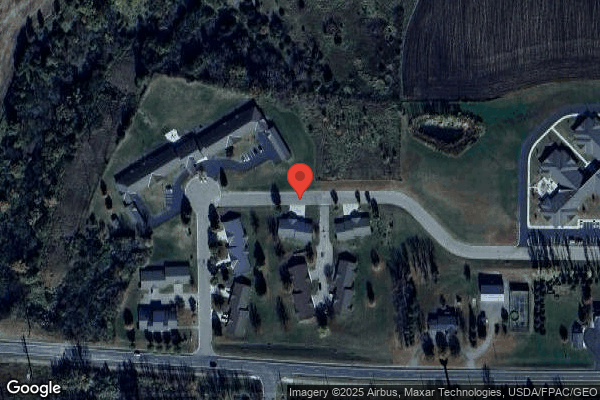

250 JORDAN DRIVE, GRANITE FALLS, MN 56241 (320) 564-3111
Non profit - Church related 48 Beds AVERA HEALTH Data: November 2025 1 Immediate Jeopardy citation
Trust Grade
76/100
#3 of 337 in MN
Last Inspection: July 2024

Within standard 12-15 month inspection cycle. Federal law requires annual inspections.

Overview

Avera Granite Falls Care Center has a Trust Grade of B, indicating it is a good choice but not without some concerns. It ranks #3 out of 337 facilities in Minnesota, placing it in the top half, and is the best option among three facilities in Yellow Medicine County. However, the facility is experiencing a worsening trend, with issues increasing from three in 2023 to nine in 2024. Staffing is a strength, with a 5/5 star rating and a low turnover rate of 20%, which is significantly better than the state average of 42%. On the downside, the facility has incurred $15,642 in fines, which is concerning and higher than most Minnesota facilities, and there have been notable incidents such as failing to perform CPR for a resident who wanted it, and inconsistencies in mail delivery to residents, which could affect their well-being.

Trust Score
B
76/100
In Minnesota
#3/337
Top 1%
Safety Record
High Risk
Review needed
Inspections
Getting Worse
3 → 9 violations
Staff Stability
✓ Good
20% annual turnover. Excellent stability, 28 points below Minnesota's 48% average. Staff who stay learn residents' needs.
Penalties
✓ Good
$15,642 in fines. Lower than most Minnesota facilities. Relatively clean record.
Skilled Nurses
✓ Good
Each resident gets 65 minutes of Registered Nurse (RN) attention daily — more than 97% of Minnesota nursing homes. RNs are the most trained staff who catch health problems before they become serious.
Violations
⚠ Watch
13 deficiencies on record. Higher than average. Multiple issues found across inspections.
★★★★★
5.0
Overall Rating
★★★★★
5.0
Staff Levels
★★★★★
5.0
Care Quality
★★★☆☆
3.0
Inspection Score
Stable
2023: 3 issues
2024: 9 issues

The Good

  • 5-Star Staffing Rating · Excellent nurse staffing levels
  • 5-Star Quality Measures · Strong clinical quality outcomes
  • Low Staff Turnover (20%) · Staff stability means consistent care
  • Full Sprinkler Coverage · Fire safety systems throughout facility
  • No fines on record
  • Staff turnover is low (20%)

    28 points below Minnesota average of 48%

Facility shows strength in staffing levels, quality measures, staff retention, fire safety.

The Bad

Federal Fines: $15,642

Below median ($33,413)

Minor penalties assessed

Chain: AVERA HEALTH

Part of a multi-facility chain

Ask about local staffing decisions and management

The Ugly 13 deficiencies on record

1 life-threatening
Jul 2024 6 deficiencies
CONCERN (D)

Potential for Harm - no one hurt, but risky conditions existed

Deficiency F0604 (Tag F0604)

Could have caused harm · This affected 1 resident

Based on observation, interview, and document review, the facility failed to ensure residents were free from physical restraints for 1 of 1 resident (R14) who utilized a self-release belt as a restrai...

Read full inspector narrative →
Based on observation, interview, and document review, the facility failed to ensure residents were free from physical restraints for 1 of 1 resident (R14) who utilized a self-release belt as a restraint Findings include: Observation/interview on 7/15/24 at 1:09 p.m. of R14 as she sat in her wheelchair with a lap belt attached to the frame of the wheelchair and fastened in front of her lower abdomen. R14 reported she was comfortable in her chair and did not know why she had the belt on, but that staff put it on in the morning and took it off when she went to bed at night. When asked if she was able to release the belt, she stated she did not know and began fumblingly with the belt, turning it and pressing along the sides and buckle, but she was not able to press the large, square button to release the belt. She continued to fumble with the belt when nursing assistant (NA)-A entered the room and asked R14 if she needed help. NA-A attempted to direct R14 on how to release the belt, but she was not able to do so. R14 reported she knew what she was supposed to do to release the belt, but staff usually helped her to put it on and take it off. R14 reported she was not able to transfer herself and staff used the lift to transfer her. She denied any falls and reported staff were good to come when she pushed her light and needed help. Interview on 7/15/24 at 1:15 p.m. with NA-A reported since R14 had returned from her hospital stay she had needed more help and was more confused. She reported for the past couple of weeks R14 had not been able to put on or release her lap belt and staff needed to do it for her. When asked when the belt was put on and taken off, NA-A reported it was on when she was up in her wheelchair, released and reapplied when she was toileted, or transferred to and from her wheelchair. When questioned regarding the lap belt being a restraint, NA-A responded she did not think it was a restraint and replied she thought it was for safety to keep her from falling out of her chair. NA-A identified a restraint was something used to restrain a person's arms and/or legs and she was not aware a lap belt could also be a restraint. Observation on 7/15/24 at 5:30 p.m. of R14 positioned at the livingroom table without the lap belt in place. When questioned she stated she had the belt on, and then moved her shirt to reveal her lap and stated they must have forgotten to put it back on. When asked why she needed the lap belt, R14 replied she did not know, but staff put it on in the morning when she got up and took it off when she went to bed at night. Observation on 7/16/24 at 11:09 a.m. when R14 returned from an outside activity, it was noted she was not wearing the lap belt and stated neither she nor the NA were able to get her belt on when she got up for the day. When asked about the reason she wore the lap belt she responded she did not know. Interview on 7/16/24 at 10:51 a.m. with NA-A and NA-B reported R14 moved about independently in her wheelchair, and they were not aware of any safety concerns. They reported R14 did not attempt to self-transfer and called for assistance when she needed to use the toilet. NA-B reported R14's belt had been removed due to not being able to self-release the belt. Both NA-A and NA-B confirmed prior to the 7/15/24 p.m. interview R14 was always wearing the lab belt when she was up in her wheelchair. NA-A and B identified they thought R14's had the lab belt due to scooting and sliding forward in her chair as she was moving about. They both reported they were not aware R14 having any recent falls or attempts to self-transfer. R14's 6/28/24 - 7/4/24 quarterly Minimum Data Set (MDS) assessment was pending at the time of review. R14's, 4/11/24 Significant change MDS following her hospitalization and completion of therapy (4/24/24) identified no restraint or devices in use. R14 had moderate cognitive impairment and identified diagnoses of morbid obesity, osteoarthritis, deformity of right foot, left skew foot deformity, degenerative arthritis, and severe scoliosis. R14's 11/16/23, Annual MDS assessment also failed to document the use of the lab belt. R14 had moderate cognitive impairment and her activities of daily living identified she had functional restrictions and had a potential for falls. Interview on 7/16/24 at 2:44 p.m. with RN-C reported she had completed R14's MDS but did not realize she had a restraint in the form of a lap belt. RN-C reported she had it for a long time, and everyone was used to seeing it. RN-C identified R14's lap belt should have been reassessed and identified in the 4/11/24 MDS as a restraint upon her hospital return, but she had not thought about it. Interview on 7/16/24 at 11:11 a.m., with RN-F identified R14 used a lap belt in her chair due to slouching or sliding forward. Review of the current physician's orders with RN-F failed to identify an order for use of a lap belt. RN-F reported he did not think R14 was able to self-release her lap belt, and he was not aware the lap belt would be a restraint if she was not able to release the belt without staff assistance. Interview and document review on 7/16/24 at 11:20 a.m. with the director of nursing (DON) reported R14's utilized a lap belt when in her wheelchair for positioning. The DON reported R14 had been provided a specialized wheelchair for mobility in the past (unable to recall dates) and was unsafe due to sliding in the chair, because it had a short seat. R14 had been able to self-release the belt initially, and she was not aware of when R14's status changed but was likely following her most recent hospitalization 3/3/24 -3/20/24. The DON reviewed the medical record and confirmed they failed to include orders for use of a seat belt and a restraint assessment had not been completed. The DON reported her expectation for the record to contain MD orders, be included in the care plan, have a restraint assessment completed and updated quarterly, in addition to a signed consent from the resident/family or healthcare power of attorney (POA). The DON confirmed R14 had utilized the lap belt when up in her wheelchair until 7/15/24 afternoon when R14 and staff had been interviewed and she was not able to demonstrate self-release of the belt. The DON identified R14's last covered Medicare day was 4/4/24 and a Significant Change MDS should have included the restraint assessment, with documentation, orders and updating of the care plan. Review of the 12/17/21 LTC-Physical Restraint/Bed Rails Policy identified the purpose as standardization for use of physical restraints in Avera's Long-Term care (LTC) facilities. A physical restraint definition included manual, physical, mechanical device, material, or equipment that an individual was not able to easily remove and restricted freedom of movement or access to their body. Easily removed was defined in the policy as removed intentionally by the resident in the same manner as it had been applied. If a problem was identified the least restrictive method was to be attempted first with results documented in the record. Use of restraints required clinical justification for protection of a resident from injury to self and/or others. If found to be necessary, the health professional was to document in the medical record the assessment to include the medical condition and include the reason for the restraint as an intervention. Physician notification was required for all restraints prior to initiation and an order must be obtained for use. The order was to specify the type of restraint, when it was to be used, medical symptom requiring use, and documentation for staff to check every 30 minutes and release every 2 hours. Both residents, family/POA were required to be educated on the use of restraints with risks verses benefits reviewed. The facility was responsible to include evaluation of the restraint devise and include the medical practioner in the review. In addition, the resident/family or POA must sign a consent for the use of a restraint. Restraint use was to be evaluated monthly by the interdisciplinary team (IDT) and physician, and quarterly at care conferences. All restraints were to be removed during meals unless there was a physician order or medical condition which identified the need for the restrain to remain in place.
CONCERN (D)

Potential for Harm - no one hurt, but risky conditions existed

Deficiency F0657 (Tag F0657)

Could have caused harm · This affected 1 resident

**NOTE- TERMS IN BRACKETS HAVE BEEN EDITED TO PROTECT CONFIDENTIALITY** Based on observation, interview, and document review, the facility failed to revise the care plan for 1 of 1 resident (R14) who ...

Read full inspector narrative →
**NOTE- TERMS IN BRACKETS HAVE BEEN EDITED TO PROTECT CONFIDENTIALITY** Based on observation, interview, and document review, the facility failed to revise the care plan for 1 of 1 resident (R14) who utilized a self-release belt, she was unable to release. Findings include: R14 received physician orders for a new wheelchair December of 2022 to allow for increased mobility. Occupational Therapy (OT) Evaluation and Plan of Treatment dated 1/25/23 - 3/8/23 with discharge date d 3/1/23 identified discharge instructions to include staff to encourage repositioning into upright seated position when slouching or posterior lean in chair noted. Educated patient to continue bilateral upper extremity exercises to minimize further contracture in bilateral shoulders. There was no mention of a new wheelchair or safety measures identified with use. R14 was hospitalized [DATE] -3/20/24 with a Urinary Tract Infection and pneumonia. Upon return assessment identified decline in cognition, strength, and mobility. R14's, 4/11/24 Significant Change Minimum Data Set (MDS), was completed following hospitalization and completion of therapy on 4/4/24. R14 had moderate cognitive impairment and identified diagnoses of morbid obesity, osteoarthritis, deformity of right foot, left skew foot deformity, degenerative arthritis, and severe scoliosis. The MDS failed to identify a seat belt type lap belt in use on her wheelchair, and a restraint assessment was not completed. R14's, 4/3/24 OT Discharge Summary Recommendations included she was demonstrating requirement for assistance of 1-2 staff for bed mobility, dressing, and toileting. Had an upright positioning wedge to be used on whichever side toward patient leaning when in chair. Hoyer lift for transfers and use of a standard wheelchair with lap belt for mobility in the facility. R14's current 12/21/22 care plan identified she was able to independently remove the seatbelt. Her care plan was not updated to identify her change in status following hospitalization due to no longer able to self-release seat belt when the belt was to be used and when it was to be released. The care plan also failed to include quarterly assessments for use of the lap belt, restraint assessment and review by physician and family or power of attorney for orders, and consent for use of device. Observation/interview on 7/15/24 at 1:09 p.m. as R14 sat in her wheelchair with a lap belt attached to the frame of the wheelchair and fastened in front of her lower abdomen. R14 reported she was comfortable in her chair and did not know why she had the belt on, but that staff put it on in the morning and took it off when she went to bed at night. When asked if she was able to release the belt, she stated she did not know and began fumblingly with the belt, turning it and pressing along the sides and buckle, but she was not able to press the large, square button to release the belt. She continued to fumble with the belt when nursing assistant (NA)-A entered the room and asked R14 if she needed help. NA-A attempted to direct R14 on how to release the belt, but she was not able to do so. R14 reported she knew what she was supposed to do to release the belt, but staff usually helped her to put it on and take it off. R14 reported she was not able to transfer herself and staff used the lift to transfer her. She denied any falls and reported staff were good to come when she pushed her light and needed help. Observation on 7/15/24 at 5:30 p.m. of R14 positioned at the Livingroom table without the lap belt in place. When questioned she stated she had the belt on, and then moved her shirt to reveal her lap and stated they must have forgotten to put it back on. When asked why she needed the lap belt, R14 replied she did not know, but staff put it on in the morning when she got up and took it off when she went to bed at night. Interview on 7/15/24 at 1:15 p.m. with NA-A reported since R14 had returned from her hospital stay she had needed more help and was more confused. She reported for the past couple of weeks R14 had not been able to put on or release her lap belt and staff needed to do it for her. When asked when the belt was put on and taken off, NA-A reported it was on when she was up in her wheelchair, released and reapplied when she was toileted, or transferred to and from her wheelchair. When questioned regarding the lap belt being a restraint, NA-A responded she did not think it was a restraint and replied she thought it was for safety to keep her from falling out of her chair. NA-A identified a restraint was something used to restrain a person's arms and/or legs and she was not aware a lap belt could also be a restraint. Interview on 7/16/24 at 2:44 p.m. with registered nurse (RN)-C who identified she had completed the MDS assessments for R14 reported she had not completed a Restraint Assessment, nor documented the use of the lab belt for R14. She reported she was so used to seeing R14 with the belt in place that she had not thought about the need for an assessment. RN-C reported she was not aware R14 was no longer able to self-release her belt, not that staff were applying and releasing the belt when needed. RN-C identified the lab belt had been in place since December 2022, and had not been included in MDS assessments as it should have been. Interview on 7/16/24 at 11:20 a.m. with the director of nursing (DON) reported R14's utilized a lap belt when in her wheelchair for positioning. and the belt had been consistently utilized since December 2022 when she had been provided a specialized wheelchair for mobility. The DON reported R14 had been able to self-release the belt initially, and she was not aware of when R14's status changed but was likely following her most recent hospitalization 3/3/24 -3/20/24. Her expectation was for the medical record to contain MD orders, be included in the care plan, have a restraint assessment completed and updated quarterly, in addition to a signed consent from the resident/family or healthcare power of attorney (POA). The DON confirmed R14 had utilized the lap belt when up in her wheelchair until 7/15/24 afternoon when R14 and staff had been interviewed and she was not able to demonstrate self-release of the belt. The DON identified the care plan failed to include any mention of the use of a lap belt, nor was there any monitoring in place. She reported the care plan should have been updated when the lap belt was initially put into use, and again following her most recent hospitalization. Review of the December 17, 2023, policy LTC-Physical Restraint/Bed Rails Policy identified the resident/family/power of attorney must sign a consent for the use of a restraint device prior to its use. The care plan was to include: 1. Restorative Care 2. Identified risk factors and targeted interventions 3. Education to both resident/family/staff 4. Any modifications in environment 5. Supervision/monitoring by staff 6. A plan to address any identified areas of concern Both the Interdisciplinary team (IDT) and MD need to address use of the restraint/device monthly and as needed. Use was also to be reviewed at the quarterly care conferences. Restraints are to be checked by staff every 30 minutes and removed at meals and every 2 hours. Quarterly documentation of attempts for restraint reduction are to be completed with a Restraint assessment and included on MDS assessments and in the Care Area Assessments.
CONCERN (D)

Potential for Harm - no one hurt, but risky conditions existed

ADL Care (Tag F0677)

Could have caused harm · This affected 1 resident

**NOTE- TERMS IN BRACKETS HAVE BEEN EDITED TO PROTECT CONFIDENTIALITY** Based on observation, interview, and record review the facility failed to groom [ROOM NUMBER] of 1 resident (R22) to maintain th...

Read full inspector narrative →
**NOTE- TERMS IN BRACKETS HAVE BEEN EDITED TO PROTECT CONFIDENTIALITY** Based on observation, interview, and record review the facility failed to groom [ROOM NUMBER] of 1 resident (R22) to maintain their highest practicable well-being. Findings include: R22's 7/3/24, quarterly Minimum Data Set (MDS) assessment identified R22's cognition was intact, she had diagnosis of diabetes, depression, heart disease, arthralgia (joint pain), and cataract (visual impairment). She required moderate assistance from one staff for personal hygiene and dressing. R22's current care plan identified that R22 had diagnosis that could potentially affect her ability to complete ADL's (activities of daily living). Staff were to assist her to meals and assist with daily washing. R22's care plan made no mention that staff should assist with facial grooming or shaving. Observation on 7/15/24 at 2:06 p.m., of R22 seated in her recliner in her room. She was observed to have a thick patch of facial hair on her chin, approximately 1/8 inch in length. Interview on 7/15/24 at 2:06 p.m., with R22 identified that she was aware of her facial hair but often forgets to shave. Staff do not remind her or offer to shave her, but she states, I would love it if staff would come in and offer to shave me. She tries to remember to ask the beautician when she is getting her hair done but says she forgets. Observation on 7/16/24 at 2:42 p.m., of R22 seated in room, chin hair remained unshaven and appeared longer than the day prior. Interview on 7/16/24 at 2:43 p.m., with R22 she identified that staff had still not offered to shave her, she has not asked anyone but would like it if someone would just come in to do it because she forgets. Interview on 7/16/24 at 2:48 p.m., with nursing assistant (NA)-E identified that if she notices that a resident is not doing self-care, she offers to assist them. She thinks that morning staff usually assist R22 with shaving. She had not noticed that R22 had thick facial hair on her chin and stated, I guess I hadn't paid attention. Interview on 7/16/24, at 4:00 p.m., with registered nurse (RN)-A identified that she was responsible for updating care plans, she would expect staff to offer to shave female residents who have facial hair regardless of if it is on the care plan or not. She agrees it should have been added to the care plan. A policy was requested, nothing was provided by the end of the survey.
CONCERN (D)

Potential for Harm - no one hurt, but risky conditions existed

Pharmacy Services (Tag F0755)

Could have caused harm · This affected 1 resident

Based on interview and document review, the facility failed to ensure insulin was administered timely for 1 of 1 resident (R27). Findings include: R27's 7/8/24, significant change Minimum Data Set (MD...

Read full inspector narrative →
Based on interview and document review, the facility failed to ensure insulin was administered timely for 1 of 1 resident (R27). Findings include: R27's 7/8/24, significant change Minimum Data Set (MDS) assessment identified R27's cognition was intact. She has a diagnosis of diabetes mellitus. Interview on 7/15/24, at 12:54 p.m., with R27 identified that she had not received her a.m., insulin administration until 11:00 a.m., that day and said her blood sugar was well over 300. A different nurse approached her at around 11:30 a.m., to administer her noon insulin but R27 told her she had just had insulin and it would be too close together. The nurse did not administer the insulin. R27's current administration record identified she had an order for Lispro 100 units/milliliter (ml), 2 units before meals plus a sliding scale dose (based on blood sugar levels). Interview on 7/15/24 at 5:52 p.m., with registered nurse (RN)-A identified she had approached R27 to administer her insulin at 11:30, R27 refused the insulin administration and reported to her that another nurse had just administered her morning dose. RN-A held the insulin but did not follow up with the other nurse, did not complete a medication error report, and did not contact the physician for guidance. Interview on 7/16/24 at 1:36 p.m., with RN-B identified it was a hectic morning she had gathered her supplies to administer R27's insulin and signed it off in the medical record, when she went to administer the insulin R27 was exercising so she left the area with the intention of returning in a few minutes, but she forgot. RN-A returned later and administered the insulin around 10:30, she identified that she should have changed the time in the administration record but she got side-tracked and did not make the adjustment. RN-B did not report the late insulin administration to anyone at the facility, she did not complete a medication error report, and did not notify the physician. Interview on 7/16/24, at 4:49 p.m., with the director of nursing identified she would have expected better communication in the nursing department. She would expect nursing to notify the physician for guidance and complete a medication error report. Review of the November 2023 Medication Orders Administration Policy identified medication errors would be reported and the physician will be notified. Staff will document administration of medication immediately after administration.
CONCERN (E)

Potential for Harm - no one hurt, but risky conditions existed

Deficiency F0557 (Tag F0557)

Could have caused harm · This affected multiple residents

Based on observation, interview, and record review the facility failed to ensure a homelike, dignified dining experience was provided for 1 of 4 residents (R36). This had the potential to affect all 2...

Read full inspector narrative →
Based on observation, interview, and record review the facility failed to ensure a homelike, dignified dining experience was provided for 1 of 4 residents (R36). This had the potential to affect all 21 residents who ate meals in the Neighborhood A dining room. Findings Include: R36's 6/26/24, annual Minimum Data Set (MDS) assessment identified she had admitted to the facility in July of 2022, her cognition was intact, and she was independent with activities of daily living (ADL's). Observation on 7/15/24 at 12:17 p.m., registered nurse (RN)-A gathered supplies and insulin pen from the medication cart near the resident dining room. RN-A walked through the dining room and approached a table that had 4 residents (R8, R11, R36, and R22) seated and eating dinner. She told R22 that she had her insulin (a medication that is administered by injection, using a syringe, just under the skin and into the fatty layer). R22 pulled her pants downward to expose her abdomen. RN-A cleaned the site using an alcohol swab and injected the medication. A small drop of blood was visible. RN-A cleaned the blood off using the alcohol wipe and R22 pulled her pants back up. At no time did RN-A ask R22 to leave the public area to administer the insulin. Interview on 7/16/24, at 2:02 p.m., with RN-A identified that as long as it was okay with the resident receiving the insulin, staff can administer insulin in the dining room. It was a routine process to administer insulin injections to residents at the dining room table in the facility. She had not considered how it may affect other residents at the table and was not certain if anyone had asked them if it bothered them. She stated, none of the other residents have mentioned any concerns, they are just used to it I guess. Interview on 7/16/24 at 2:19 p.m., with R8 identified that when she first admitted to the facility she was not used to seeing that, but I got used to it. Nobody has ever asked her how she felt about it or if it bothered her to see a resident being administered an injection while she was eating her meals. Interview on 7/16/24 at 2:30 p.m., with R36 identified watching someone receive an injection at the table during mealtime is bothersome at times. I wish it could be done in another way it happens often but they (other residents at the table) do not complain because they feel bad about what the resident is going through. Nobody has ever asked her if it bothered her. R36 reports it also bothers her when the other resident receiving the injection pulls her clothing down because she is over weight and it is not pleasant to see. She said she does not say anything because she hates to complain. Review of R36's current care plan lacked any indication that staff had asked R36 how she felt about other residents being administered injections in her presence. Interview on 7/16/24 at 9:10 a.m., with the director of nursing (DON) identified she was aware that residents receive insulin injections at the dining room table in front of other residents. She would prefer they receive their insulin injections in a private area, and identified there is a room off to the side of the dining room that staff could bring resident if they did not want to go back to their rooms. Review of the facilities November 2023, Medication Orders and Administration policy identified medications could be administered in the presence of other residents if the resident or representative agreed and is noted on care plan. There was no mention of how to ensure the rights and dignity would be maintained for other residents present during medication administration.
CONCERN (F)

Potential for Harm - no one hurt, but risky conditions existed

Deficiency F0576 (Tag F0576)

Could have caused harm · This affected most or all residents

Based on interview, the facility failed to ensure mail was consistently delivered to residents on Fridays and Saturdays. This had the potential to affect all 48 residents in the facility who received ...

Read full inspector narrative →
Based on interview, the facility failed to ensure mail was consistently delivered to residents on Fridays and Saturdays. This had the potential to affect all 48 residents in the facility who received personal mail, including but not limited to, 5 of 5 residents (R1, R22, R28, R30 and R38) who verbally confirmed mail was not consistently received on Fridays and Saturdays. Findings include: Resident Council was held on 7/17/24 at 10:00 a.m. with R1, R22, R28, R30 and R38 in attendance. When asked whether residents received their mail on Saturdays the 5 residents in attendance voiced they did not receive mail on Saturdays. If the administrative assistant was not in the building on Fridays, mail was also not delivered until the following Monday. The residents reported the facility had requested mail delivery be placed on hold on Saturday due to no staff available to distribute it, and to avoid it sitting from Friday/Saturday until Monday. Interview on 7/17/24 at 10:44 a.m. with the activity director reported the administrative assistant delivered the mail to residents Monday through Friday when she was working. She reported the resident council had expressed concern about security of mail delivered on Saturdays since it was delivered into a box located between the two main entrance doors. Mail in the box remained unless someone took it to a secure location or until the administrative assistant returned to work on Monday. She reported she was not aware of anyone else being responsible for mail delivery. Interview on 7/17/24 at 11:11 a.m. with the administrative assistant identified she was responsible for retrieving and delivery of mail during the week, and if she was not working on a weekday the social services designee (SSD) delivered the mail. She reported mail delivery had been suspended on Saturdays after the resident council agreed to have it held at the post office on Saturday because they did not want packages and personal mail left unsecured in the entry. She confirmed if neither she, nor the SSD were working resident mail was not delivered, unless some other person chose to retrieve and deliver the mail. Interview on 7/17/24 1:00 p.m. with the administrator reported his expectation for mail delivery to take place up to 6 days/week unless the post office was unable to provide mail delivery. He identified it was, not acceptable to place mail delivery on hold due to the administrative assistant and/or SSD not available to retrieve and deliver mail to residents. Interview on 7/17/24 at 1:03 p.m. with the SSD reported the issue of mail delivery had been discussed at a resident council meeting with the option offered to have mail held at the post office on Saturday and delivered on Monday to avoid it sitting in the entry and not delivered until Monday when the administrative assistant or SSD returned to work. The option was addressed by the resident council president who agreed, but not presented facility wide to the residents. The SSD confirmed the facility did not have a process for mail delivery when she or the administrative assistant were not available. A policy was requested but not provided and the director of nursing (DON) identified the facility did not have a policy that addressed delivery of resident mail.
May 2024 1 deficiency 1 IJ
CRITICAL (J) 📢 Someone Reported This

A family member, employee, or ombudsman was alarmed enough to file a formal complaint

Immediate Jeopardy (IJ) - the most serious Medicare violation

Deficiency F0678 (Tag F0678)

Someone could have died · This affected 1 resident

**NOTE- TERMS IN BRACKETS HAVE BEEN EDITED TO PROTECT CONFIDENTIALITY** Based on interview and document review, the facility failed to follow physician orders for full code and did not initiate cardio...

Read full inspector narrative →
**NOTE- TERMS IN BRACKETS HAVE BEEN EDITED TO PROTECT CONFIDENTIALITY** Based on interview and document review, the facility failed to follow physician orders for full code and did not initiate cardiopulmonary resuscitation (CPR) as per the residents wishes for 1 of 3 residents (R1) who wanted CPR. R1 was found without a pulse or respirations, staff did not initiate CPR and R1 expired and resulted in an immediate jeopardy (IJ). The facility implemented immediate corrective action prior to survey and IJ was issued at past noncompliance. The IJ began on [DATE], at approximately 1:00 a.m. when R1 was noted to have no respirations with a fast heart rate, and CPR was not initiated. The administrator and director of nursing (DON) were notified of the immediate jeopardy on [DATE] at 4:27 p.m. The facility implemented corrective action on [DATE], and the IJ was issued at past non compliance. Findings included: R1's 5-day Minimum Data Set (MDS) dated [DATE], indicated intact cognition, diagnoses of coronary artery disease (CAD), heart failure, high blood pressure and anxiety. R1's physician order dated [DATE], included Full Code start date [DATE]. The record did not include a corresponding POLST (physician order for life sustaining treatment) or signed advanced directives. R1's care plan printed on [DATE], did not include R1's code status. Review of R1 progress notes dated [DATE], included R1 will remain a full code with high risk of rehospitalization. Review of R1's progress note dated [DATE] at 2:12 a.m ., licensed practical nurse (LPN)-A documented At 1:15 a.m. was summoned to rm [room] by CNA [nursing assistant (NA)] and said to bring a stethoscope. Upon entering rm [room] could see res [resident] had no color other that [sic] yellowish blue. Listened for heart rate, heard very rapid light heart rate. Ran to call RAT [rapid assessment team] and grabbed AED [automated external defibrillator]. Returned to rm [room] and found no HR [hear rate] and was already cyanotic [bluish gray]. Ambulance crew here in minutes, entered rm [room] and they started CPR and tried to revive him. They worked on him for 40 min [minutes]. They then called [name of doctor] for further instruction and he called time of death at 0152 [1:52 a.m.] Review of R1's ambulance report dated [DATE], indicated ambulance was dispatched on [DATE] at 1:13 a.m., arrived at patient at 1:26 a.m. was met by LPN-A at nurses station, who stated He is gone. They asked for clarification and LPN-A restated he is gone. Confirmed that R1 was a full code. Ambulance crew continued to room to evaluate R1. R1 was found laying in bed, without oxygen on, no signs of rigormortis, no pulse, warm to touch and cyanotic dusky color in face, no effort in breathing, no palatable carotid pulse. LPN-A at bedside and stated around 1:10 a.m., NA-A was in room, came out of room and found her to get the stethoscope, LPN-A came to room and listened to R1's heart, she thought she heard a rapid heart beat but was unsure of what to do other than call 911. No attempt of compressions or ventilation until ambulance arrival. R1 moved from bed to ambulance cot and CPR initiated. Ambulance crew performed CPR until call placed to on call physician at 1:52 a.m. when R1 was pronounced deceased . During an interview on [DATE] at 1:50 p.m., NA-A stated she had checked on R1 during her water pass at about 1:15 a.m. and noticed R1 was breathing but then at 1:30 a.m. when she went back noticed R1 was not breathing. NA-A called for LPN-A to bring a stethoscope to R1's room over the radio and heard no response so stepped out in the hallway and called for LPN-A. LPN-A came into R1's room and listened for heartbeat. LPN-A told NA-A R1 heart rate was rapid and then LPN-A left the room to call 911 and get the AED. NA-A explained, LPN-A returned to R1's room about 5 minutes later and sat the AED on R1's bed. LPN-A did not apply the AED or start CPR, instead told NA-A that R1 was gone. LPN-A had NA-A return the AED to the storage place. NA-A stated the ambulance crew arrived and NA-A heard LPN-A tell them R1 was a full code and ambulance crew asked if they started CPR and LPN-A stated no she did not. The Ambulance crew started CPR and were not able to revive R1. During an interview on [DATE] at 1:10 p.m., LPN-A stated the evening of [DATE], R1 had been anxious and used her call light frequently. LPN-A had checked on R1 at approximately 10:00 p.m. and had appeared to be at baseline. LPN-A had medicated R1 with Tramadol (pain medication used to relieve moderate to severe pain) around 11:15 p.m. LPN-A continued to monitor R1 until she was called to his room around 1:15 a.m. on [DATE] and found R1 with a rapid heart rate and not breathing. LPN-A left the room and went to call a RAT/ 911. She then grabbed the AED and returned to R1's room but upon entrance she had noticed R1 had passed away. LPN-A stated R1 was a full code and CPR should have been started, but it was not. LPN-A stated this was her first code and she did not know why she did not start CPR. During an interview on [DATE] at 11:45 a.m , director of nursing (DON) stated she had not been aware CPR had not been initiated by staff on the night shift of [DATE], until it was reported to by a quality assurance nurse on [DATE]. DON stated she then interviewed LPN-A who confirmed CPR had not been initiated by facility staff. DON reviewed R1's record and confirmed R1 was a full code according to physician orders however a signed POLST could not be located in the record. DON stated CPR should have been initiated per physician orders. DON was unable to find the POLST in R1's record. Review of facility's policy titled, LTC- Emergency Response, CPR, section emergency guidelines: 1. in the event staff come upon a resident without obvious signs of clinical death, staff will start CPR and send someone to check code status. 2. initiation of CPR- prior to the arrival of emergency medical services (EMS), nursing homes must provide basic life support, including initiating CPR, to a resident who experiences cardiac arrest in accordance with that resident's advanced directives or in the absence of advanced directives or a Do Not Resuscitate (DNR) order. The past non-compliance IJ began on [DATE]. The IJ was removed, and the deficient practice corrected on [DATE] when it was verified the facility had implemented corrective action that included: -Reviewed their policy and systems and made the following changes: A) Implemented full code residents have a red heart at the foot of their bed. B) Implemented the unit group sheets were all revised to identify full code status. -NA-A received education on [DATE], LPN-A was put on administrative leave on [DATE]. -All nursing staff participated in mock code with local ambulance service on [DATE]. -All staff received education on implementation of POLST orders/CPR on [DATE] and participated in a mock code drill with local ambulance. They were reeducated again on [DATE].
Feb 2024 2 deficiencies
CONCERN (D) 📢 Someone Reported This

A family member, employee, or ombudsman was alarmed enough to file a formal complaint

Potential for Harm - no one hurt, but risky conditions existed

Quality of Care (Tag F0684)

Could have caused harm · This affected 1 resident

**NOTE- TERMS IN BRACKETS HAVE BEEN EDITED TO PROTECT CONFIDENTIALITY** Based on interview and document review the facility failed to comprehensively assess and monitor for fluid overload for 1 of 1 r...

Read full inspector narrative →
**NOTE- TERMS IN BRACKETS HAVE BEEN EDITED TO PROTECT CONFIDENTIALITY** Based on interview and document review the facility failed to comprehensively assess and monitor for fluid overload for 1 of 1 resident (R7) who had a diagnosis of congestive heart failure. Findings include: R7's face sheet identified diagnosis of chronic systolic congestive heart failure (CHF), high blood pressure, history of pacemaker insertion, and open-heart surgery. R7's significant change Minimum Data Set (MDS) dated [DATE], indicated an intact cognition; weight was 169 lbs and received diuretics. R7's cardiovascular status care plan dated 9/14/23, identified R1 had a potential for alteration in health status and condition related to diagnoses that included congestive heart failure and lower extremity edema. Interventions included only the following: R1 did not want any significant workup done, when using blood pressure cuff use light royal blue cuff due to the size of his upper extremity, and cardiac device check as need. R7's care sheet (abbreviated care plan used by nursing assistants (NAs)) directed staff R7 required daily weights. R7's physician orders included: -Daily weights (dated 11/21/23), -Lasix (diuretic medication) 40 milligrams by mouth once day (start date 9/15/23, stop date of 12/26/23) -Lasix 60 mg by mouth twice daily for four days and then recheck labs, basic metabolic panel (BMP), to monitor kidney functions dated 12/26/23. R7's nursing progress note dated 12/26/23, indicated physician was updated regarding weight increase. Note indicated physician gave new orders for Lasix 60 mg twice daily for 4 days, recheck BMP, and continue to monitor. R7's record identified labs were drawn as ordered on 12/29/23, and were within normal limits. The record did not identify the physician had acknowledged or followed up and/or new orders given. R7's progress notes and/or physician order did not give instruction on continuation of the diuretic doses after the lab was drawn. R7's December 2023 and January 2024 medication administration records (MAR) identified the physician order for 60 mg of Lasix and identified R7 was administered Lasix as ordered on 12/26/23 (afternoon only), 12/27/23, 12/28/23, 12/29/23, and on 12/30/23 (morning only). The MAR indicated R7 did not receive Lasix between 12/30/23 (afternoon dose) and January 15, 20234 (afternoon dose). In review of R7's record between 12/25/23 through 1/15/24, there was no indication R7 was routinely assessed and monitored for signs/symptoms of fluid overload including but not limited analysis of weight gains, edema, and respiratory status. R7's weights were reviewed between 12/25/23 through 1/16/24, identified weights were not obtained per physician order on 12 days which included 12/29/23, 12/30/23, 12/31/23, 1/2/24, 1/3/24, 1/5/24, 1/6/24, 1/7/24, 1/8/24, 1/10/24, 1/11/24, and 1/14/24 Further identified R7 had a 17 pound (lbs.) weight gain between 1/1/24 and 1/16/24. 12/25/23- 179.0 lbs 12/26/23- 179.8 lbs 12/27/23- 179.0 lbs 12/28/23- 177.0 lbs 1/1/24- 173.0 lbs 1/4/24- 173.0 lbs 1/9/24- 183.6 lbs 1/12/24- 178.1 lbs 1/13/24- 183.6 lbs 1/15/24- 183.6 lbs 1/16/24- 190.0 lbs R7's nursing progress note dated 1/15/24, registered nurse (RN)-A discovered no Lasix order since 12/30/23, R7 had increased shortness of breath, increased weight and edema. RN-A notified physician assistant (PA)-A, orders received to restart Lasix 60 mg by mouth twice daily. R7's nursing progress note dated 1/16/24, identified R7 was sent to the emergency department (ED), for increased edema, increased shortness of breath, and increase in weight of 7 pounds over night. Although the progress note dated 1/16/24, indicated R7 had an increase in edema, the degree of increase could not be ascertained as it was not evident of ongoing edema monitoring/assessment. R7's ED note dated 1/16/24, identified R7 had 4+ pitting edema from his feet to his knees and mild non pitting edema to his thighs ED sent R7 back to the facility with the following orders: 1. Continue to perform daily weights, 2. Continue Lasix 60 mg twice daily, 3. Follow up with provider as previously directed 4. if R7 develops new symptoms of shortness of breath, difficulty breathing, increased cough, chest pain or lower extremity discomfort; please have R7 re-evaluated. R7's weight record was reviewed from 1/16/24 through 2/27/24. The record identified there were 20 of 42 days, R7's weights were not obtained according to physician orders. Weights were not recorded on: 1/19/24, 1/20/24, 1/23/24, 1/27/24, 1/28/24, 2/3/24 through 2/5/24, 2/10/24 through 2/13/24, 2/17/24, 2/18/24, 2/19/24, 2/22/24, 2/24/24, 2/25/24, 2/26/24, and 2/27/24. After R7 returned from the hospital on 1/16/24, in review of the record post hospitalization it was not evident assessments and monitoring were completed to ascertain the effectiveness of the prescribed treatment for fluid overload. R7's physician visit for 1/23/24, included he has had trouble with lower extremity edema. It was found that the was not getting his Lasix as prescribed and had quite a bit of edema and weight gain. We now have him back on his regimen of Lasix 60 mg twice daily and his weight is back down to baseline around 174 lbs. He is not complaining of shortness of breath. His edema is improved. During interview on 2/29/24 at 5:07 p.m., registered nurse (RN)-A stated she had taken the order on 12/26/23 for the Lasix and lab was drawn 12/29/23. RN-A does not remember following up with the PA-A about the labs. RN-A indicated she was not aware R7 had a weight gain and/or had increase in edema until she was reviewing R7's record and identified [NAME] had followed up on the labs. She completed an assessment of R7 and notified PA-A of the change, PA-A gave the order to restart the Lasix 60 mg twice daily by mouth. RN-A was unable to articulate how often residents were monitored for fluid overload. During interview on 2/29/24 3:12 p.m., PA-A stated the routine for labs was the results came to her first and she made recommendations/orders. PA-A would then have the recommendations/orders faxed to the facility. PA-A was not able to find communication between her and the facility. It was her expectation that her orders and labs were followed up on immediately when the facility receives them to verify any new orders. When residents do not get their scheduled diuretics they could go into fluid over load causing increased shortness of breath, decreased oxygen saturations, increased weight, lethargy and edema. PA-A stated facility staff should have been assessing R7 regularly. During an interview on 2/29/24 at director of nursing (DON), it was her expectation that labs were followed up on immediately when they were received, even after hours as they have after hours physician support. DON also stated facility staff do assessments on admission and with the residents Minimum Data Sets. DON also stated that staff do an assessment if the resident seems to be having a change in condition. Policy for change of condition or monitoring for was asked for but not received. Policy for LTC Baseline/Comprehensive Care Plans- system standard policy, dated 6/5/2023, was received and reviewed Assessment for MDS policy was received and reviewed.
CONCERN (D) 📢 Someone Reported This

A family member, employee, or ombudsman was alarmed enough to file a formal complaint

Potential for Harm - no one hurt, but risky conditions existed

Deficiency F0773 (Tag F0773)

Could have caused harm · This affected 1 resident

**NOTE- TERMS IN BRACKETS HAVE BEEN EDITED TO PROTECT CONFIDENTIALITY** Based on document review and interview the facility failed to ensure that laboratory test were followed by provider timely for 1...

Read full inspector narrative →
**NOTE- TERMS IN BRACKETS HAVE BEEN EDITED TO PROTECT CONFIDENTIALITY** Based on document review and interview the facility failed to ensure that laboratory test were followed by provider timely for 1 of 1 (R7) resident for reporting of lab results. Finding include: R7's face sheet identified diagnosis of chronic systolic congestive heart failure (CHF), high blood pressure, history of pacemaker insertion, and open-heart surgery. R7's significant change Minimum Data Set (MDS) dated [DATE], indicated an intact cognition; weight was 169 lbs and received diuretics. R7's physician orders included: -Lasix (diuretic medication) 40 milligrams by mouth once day (start date 9/15/23, stop date of 12/26/23) -Lasix 60 mg by mouth twice daily for four days and then recheck labs, basic metabolic panel (BMP), to monitor kidney functions dated 12/26/23. R7's nursing progress note dated 12/26/23, indicated physician was updated regarding weight increase. Note indicated physician gave new orders for Lasix 60 mg twice daily for 4 days, recheck BMP, and continue to monitor. R7's progress notes and/or physician order did not give instruction on continuation of the diuretic doses after the lab was drawn. R7's lab report dated 12/29/23,indicated lab work completed 12/29/23. In review of R7's record it was not evident the lab results were acknowledged or followed up on by the physician. R7's nursing progress note dated 1/15/24, registered nurse (RN)-A discovered no Lasix order since 12/30/23, R7 had increased shortness of breath, increased weight and edema. RN-A notified physician assistant (PA)-A, orders received to restart Lasix 60 mg by mouth twice daily. R7's nursing progress note dated 1/16/24, identified R7 was sent to the emergency department (ED), for increased edema, increased shortness of breath and increase in weight of 7 pounds over night and a total of 17 pounds since 1/1/24. R7's physician assistant (PA)-A progress note dated 1/23/24, indicated R7 went without Lasix as prescribed and had quite a bit of edema and weight gain. He is not complaining of shortness of breath and his edema has improved. PA-A note indicated extremities with 1+ edema bilaterally. During interview on 2/29/24 at 5:07 p.m., RN-A stated she took the order for Lasix on 12/26/23 and followed the procedure for putting the order in the electronic health record. RN-A stated she put an end date on the Lasix order to stop after 4 days per the physician order. RN-A indicated she remembered the lab was completed, however, did not get any follow-up orders to resume the lasix and did not follow up on the lab orders until 1/15/24 during a chart review. RN-A made PA-A aware of missing Lasix order and received order to resume the order for Lasix 60 mg by mouth twice daily. RN-A stated that the labs should have been followed up on immediately upon receipt by licensed nursing staff. During an interview on 2/29/24 at 3:12 p.m., PA-A stated lab results show up in her work que before the facility gets them, she reviews them, then writes recommendations/orders that are faxed to the facility. PA-A stated that she remembers seeing the labs around R7's 1/2/24 but could not recall that the facility contacting her about resuming the Lasix. It was her expectation the facility follows through with her on labs and orders. PA-A stated the facility was usually very thorough with their labs and orders. When residents do not get their scheduled diuretics they could go into fluid over load causing increased shortness of breath, decreased oxygen saturations, increased weight, lethargy and edema. PA-A stated facility staff should have been assessing R7 regularly. During an interview on 2/29/24 at 3:45 p.m., director of nursing (DON) stated that it was her expectation that labs and orders get followed up on immediately by nursing. Policy for lab work follow up and change of condition asked for but not received.
Aug 2023 3 deficiencies
CONCERN (D)

Potential for Harm - no one hurt, but risky conditions existed

PASARR Coordination (Tag F0644)

Could have caused harm · This affected 1 resident

Based on interview and document review, the facility failed to notify the county (designated State Mental Health Authority) for 1 of 1 resident (R32) with new onset mental illness. Findings include: R...

Read full inspector narrative →
Based on interview and document review, the facility failed to notify the county (designated State Mental Health Authority) for 1 of 1 resident (R32) with new onset mental illness. Findings include: R32's 12/14/22, annual Minimum Data Set (MDS) assessment identified R32 had a delusional disorder, dementia, psychotic disorder, and obsessive compulsive disorder. R32's 7/11/23, physician progress notes identified a diagnosis of delusional disorder, paranoid ideation, and cognitive decline. R32's undated care plan printed on 8/9/23, identified problems with delirium and psychosocial well-being with behaviors of being withdrawn, having negative statements, repetitive physical movements, self-deprecation, expression of unrealistic fears, and recurrent statements that something bad was going to happen. R32's 1/4/21, Initial Pre-admission Screening (PAS), did not identify a diagnosis of mental illness and did not indicate the need for a Level II PASARR to be completed. Interview on 8/9/23 at 8:00 a.m., with social service designee identified that upon receiving the pre-admission screen she reviews to ensure all diagnosis are listed. She was not aware she should notify the county authority when a new diagnosis has been identified. A policy related to Level II PASARR was requested, however none was provided.
CONCERN (D)

Potential for Harm - no one hurt, but risky conditions existed

Deficiency F0761 (Tag F0761)

Could have caused harm · This affected 1 resident

**NOTE- TERMS IN BRACKETS HAVE BEEN EDITED TO PROTECT CONFIDENTIALITY** Based on observation, interview and document review the facility failed to accurately reconcile 1 of 1 resident's (R12) lorazepa...

Read full inspector narrative →
**NOTE- TERMS IN BRACKETS HAVE BEEN EDITED TO PROTECT CONFIDENTIALITY** Based on observation, interview and document review the facility failed to accurately reconcile 1 of 1 resident's (R12) lorazepam (narcotic anti-anxiety medication) upon receipt from the pharmacy and ensure 2 of 2 resident's (R99 and R33) medications were immediately removed from the medication cart and not co-mingled and stored with in-use medication for other residents. Findings include: Observation on [DATE] at 2:26 p.m., with registered nurse (RN)-A and trained medication aide (TMA)-A during a controlled narcotic medication count identified R12 had one unopened blister pack containing lorazepam. Review of the pharmacy label on the medication card listed 28 tablets, however only 27 were filled. Review of the Controlled Drug Receipt/Record/Disposition form for R12's lorazepam noted it had been received on [DATE] and the count was to be 30 tablets. There was no indication staff identified the errors in amounts between the blister pack that was filled, the pharmacy label on the pack or the amount staff recorded on the form. Observation on [DATE] at 2:45 p.m., of the medication cart on B-Wing identified several medications for R99 (who died on [DATE]) and R33 were not removed upon their death and/or after medications were discontinued and remained in the cart co-mingled with in-use medications for other residents. The medications for R99 were: 1.) 2 Ativan (anti-anxiety medication) 0.25 milligram. (mg) blister packs. One had tablet remaining and another contained 20 tablets. 2.) 4 Ativan 0.325 mg blister packs. 5 tablets remained in 1 blister pack, and the remaining 3 had 4 tablets each remaining. 3.) 2 Oxycodone liquid (narcotic pain medication) bottles, 1 with 4 milliliters (ml) remaining and the other full bottle with 5 ml remaining. 4.) 1 box of Fentanyl patches (narcotic pain medication) 37.5 mg/hr. with 4 patches remaining. The medications for R33 were: 1.) Tramadol (medication for pain) 325 mg blister pack with 1 tablet remaining and a 2 tramadol 25 mg blister packs each containing 30 tablets. Interview on [DATE] at 2:57 p.m., with RN-A and TMA-A identified the charge nurse on duty was responsible for receiving and verifying medications delivered from the pharmacy. Both RN-A and TMA-A voiced surprise the inaccurate count of medication in R12's blister pack had not been caught either at the time of receipt or during shift change narcotic counts that had taken place, since receipt of the medication on [DATE] and [DATE]. RN-A reported controlled medications were left in the narcotic box of the medication cart until 2 RN's had time to remove them for destruction as they had to be witnessed. Staff kept narcotic medications for residents who either died or medications were discontinued in the lock box in the medication cart co-mingled with in-use medications for other residents. Interview on [DATE] at 4:33 p.m., with the director of nursing (DON) identified her expectation was medications were to be checked for accuracy upon receipt from pharmacy. If there was an inaccuracy in the amount or dosage received, staff were to immediately contact the pharmacy to report the issue and acquire the correct medication and/or label. She voiced concern that multiple narcotic counts had taken place since R12's medication was received, and the discrepancy had not been caught. The DON was unaware discontinued narcotics had been stored with in-use medications until staff had time to destroy them. Interview on [DATE] at 12:09 p.m., with the consultant pharmacist reported his expectation for discontinued narcotic medications was not to store those medications co-mingled with in-use medications due to the potential for medication errors and/or the potential for diversion. R12's medication discrepancy with the number of tablets of lorazepam indicated the error began at the pharmacy with only 27 pills packaged instead of the 28 listed on the label. Staff should be verifying accurate medication counts upon receipt and during daily counts. Review of the [DATE] policy LTC Controlled Substance Distribution, Storage, Administration, and Destruction identified there was no reference to accurate reconciliation when medication was received from pharmacy, nor was there any mention of the need to immediately remove medications not in use from medications in-use or appropriate destruction of those medications.
CONCERN (E)

Potential for Harm - no one hurt, but risky conditions existed

Deficiency F0883 (Tag F0883)

Could have caused harm · This affected multiple residents

**NOTE- TERMS IN BRACKETS HAVE BEEN EDITED TO PROTECT CONFIDENTIALITY** Based on interview and document review, the facility failed to ensure 4 of 5 residents (R13, R32, R34, and R37) were appropriate...

Read full inspector narrative →
**NOTE- TERMS IN BRACKETS HAVE BEEN EDITED TO PROTECT CONFIDENTIALITY** Based on interview and document review, the facility failed to ensure 4 of 5 residents (R13, R32, R34, and R37) were appropriately vaccinated against pneumococcal disease upon admission and/or offer updated vaccination per Centers for Disease Control (CDC) vaccination recommendations. This had the ability to affect all 30 residents. Findings include: Review of the current CDC pneumococcal vaccine guidelines located at https://www.cdc.gov/vaccines/vpd/pneumo/hcp/pneumo-vaccine-timing.html, identified for: Adults [AGE] years of age or older, staff were to offer and/or provide based off previous vaccination status as shown below: a) If NO history of vaccination, offer and/or provide: aa) the PCV-20 OR bb) PCV-15 followed by PPSV-23 at least 1 year later. b) For PPSV-23 vaccine ONLY (at any age): aa) PCV-20 at least 1 year after prior PPSV-23 OR bb) PCV-15 at least 1 year after prior PPSV-23 c) For PCV-13 vaccine ONLY (at any age): aa) PCV-20 at least 1 year after prior PCV13 OR bb) PPSV-23 at least 1 year after prior PCV13 d) For PCV-13 vaccine (at any age) AND PPSV-23 BEFORE 65 years: aa) PCV-20 at least 5 years after last pneumococcal vaccine dose OR bb) PPSV-23 at least 5 years after last pneumococcal vaccine dose Review of the 5 sampled residents for vaccinations identified: 1.) R13 was admitted on [DATE]. R13 received her PCV-23 on 10/18/11 and her PCV-13 on 10/17/19. There was no documentation to support R13 had been offered the PCV-15 or PCV-20 to ensure she was updated with current CDC guidance for vaccines. 2.) R32 was admitted on [DATE]. R32 received his PCV-13 on 4/5/21 and his PCV-23 on 4/11/22. There was no documentation to support R13 had been offered the PCV-15 or PCV-20 to ensure he was updated with current CDC guidance for vaccines. 3.) R34 was admitted on [DATE]. R34 received her PCV-13 on 5/19/16 and her PCV-23 on 10/22/19. There was no documentation to support R13 had been offered the PCV-15 or PCV-20 to ensure she was updated with current CDC guidance for vaccines. 4.) R37 was admitted on [DATE]. R37 received her PCV-13 on 9/14/15 and PCV-23 on 9/14/15. There was no documentation to support R13 had been offered the PCV-15 or PCV-20 to ensure she was updated with current CDC guidance for vaccines. Clarification on administration dates had been requested but nothing was provided. Interview on 8/8/23, at 11:40 a.m., with infection control preventionist (IC) identified her expectation was the RN completing the admission would review vaccination status upon admission and contact the primary doctor to obtain an order for the expropriate vaccinations per CDC vaccination guidance. Review of the current, undated immunization policy identified the facility was to follow CDC recommendations for the pneumococcal vaccinations and included a link to assist staff to the most updated CDC vaccination recommendations.
Jun 2022 1 deficiency
CONCERN (D)

Potential for Harm - no one hurt, but risky conditions existed

Infection Control (Tag F0880)

Could have caused harm · This affected 1 resident

Based on observation, interview and document review the facility failed to ensure a Stat Strip facility glucometer was appropriately disinfected between use during 1 of 1 observation. Findings includ...

Read full inspector narrative →
Based on observation, interview and document review the facility failed to ensure a Stat Strip facility glucometer was appropriately disinfected between use during 1 of 1 observation. Findings include: Observation and interview on 6/27/22, at 11:05 a.m., registered nurse (RN)-A obtained the Stat Strip glucose monitor from the docking station, retrieved items for checking blood glucose and proceeded to R30's room where he obtained a blood sample on the strip and inserted into the Stat Strip meter. Following the blood sugar check RN-A returned to the medication cart, placed the meter on the surface of the cart, retrieved an alcohol pad from the cart and wiped the pad over the surface of the meter and replaced the meter in the docking station. RN-A reported the meter would then upload the blood sugar reading into the medical record. RN-A identified this was the usual process he utilized when he checked blood sugars and was not aware of a different method for disinfecting the Stat Strip meter following use. RN-A reported he was not aware of the manufacture's recommended method for disinfection of the meter nor was he aware of what the facility policy directed. Interview on 6/27/22, at 11:42 a.m., with the director of nursing (DON) identified her expectation for all staff to follow the facility policy for disinfecting glucose meters with PDI Sani cloth wipes and maintaining wet contact time according to the package directions. Interview on 6/27/22, at 11:45 a.m., with the infection preventionist (IP) identified an alcohol wipe was not an effective disinfectant for use on the Stat Strip glucose meter. She reported PDI purple top wipes were to be utilized and 2 minute contact maintained to achieve disinfection of the unit, before replacing into the docking station. Review of the undated Whole Blood Glucose Testing facility policy identified following use the exterior surface of the meter was to be wiped with one PDI wipe to remove any soil or blood on the surface. The meter was to then be wiped with a second PDI wipe and allow to remain in contact with the meter for 2 minutes for disinfection.
Understanding Severity Codes (click to expand)
Life-Threatening (Immediate Jeopardy)
J - Isolated K - Pattern L - Widespread
Actual Harm
G - Isolated H - Pattern I - Widespread
Potential for Harm
D - Isolated E - Pattern F - Widespread
No Harm (Minor)
A - Isolated B - Pattern C - Widespread

Questions to Ask on Your Visit

  • "What changes have you made since the serious inspection findings?"
  • "Can I speak with families of current residents?"
  • "What's your RN coverage like on weekends and overnight?"

Our Honest Assessment

Strengths
  • • 20% annual turnover. Excellent stability, 28 points below Minnesota's 48% average. Staff who stay learn residents' needs.
Concerns
  • • Multiple safety concerns identified: 1 life-threatening violation(s). Review inspection reports carefully.
  • • 13 deficiencies on record, including 1 critical (life-threatening) violation. These warrant careful review before choosing this facility.
  • • $15,642 in fines. Above average for Minnesota. Some compliance problems on record.
Bottom line: Generally positive indicators. Standard due diligence and a personal visit recommended.

About This Facility

What is Avera Granite Falls's CMS Rating?

CMS assigns AVERA GRANITE FALLS CARE CENTER an overall rating of 5 out of 5 stars, which is considered much above average nationally. Within Minnesota, this rating places the facility higher than 99% of the state's 100 nursing homes. This rating reflects solid performance across the metrics CMS uses to evaluate nursing home quality.
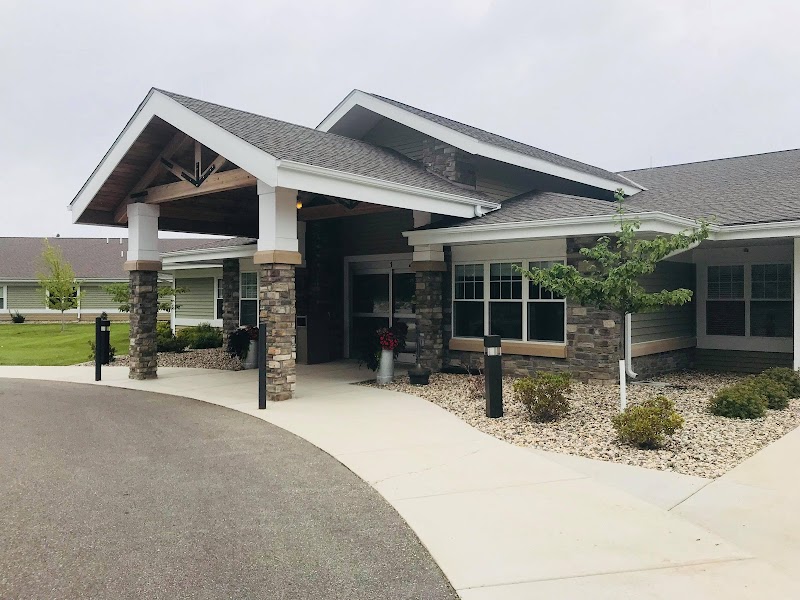
How is Avera Granite Falls Staffed?

CMS rates AVERA GRANITE FALLS CARE CENTER's staffing level at 5 out of 5 stars, which is much above average compared to other nursing homes. Staff turnover is 20%, compared to the Minnesota average of 46%. This relatively stable workforce can support continuity of care.

What Have Inspectors Found at Avera Granite Falls?

State health inspectors documented 13 deficiencies at AVERA GRANITE FALLS CARE CENTER during 2022 to 2024. These included: 1 Immediate Jeopardy (the most serious level, indicating potential for serious harm or death) and 12 with potential for harm. Immediate Jeopardy findings are rare and represent the most serious regulatory concerns. They require immediate corrective action.

Who Owns and Operates Avera Granite Falls?

AVERA GRANITE FALLS CARE CENTER is owned by a non-profit organization. Non-profit facilities reinvest revenue into operations rather than distributing to shareholders. The facility is operated by AVERA HEALTH, a chain that manages multiple nursing homes. With 48 certified beds and approximately 46 residents (about 96% occupancy), it is a smaller facility located in GRANITE FALLS, Minnesota.
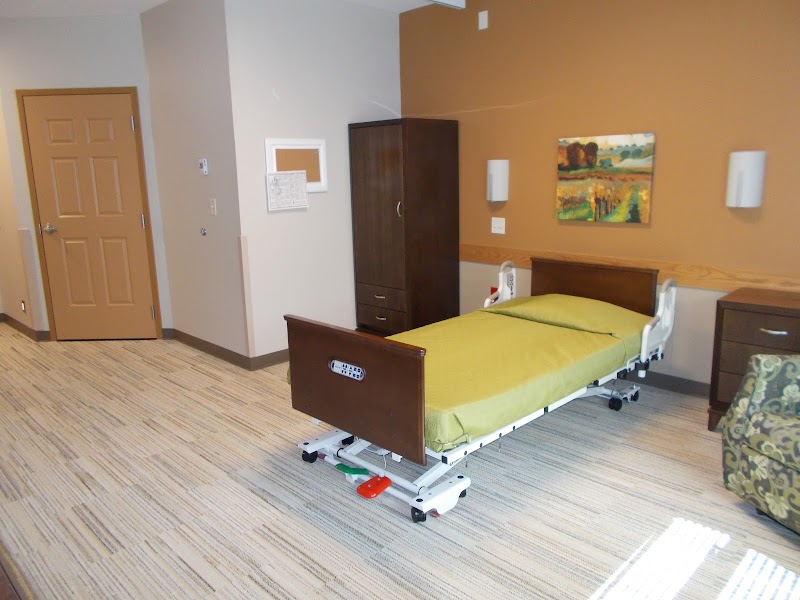
How Does Avera Granite Falls Compare to Other Minnesota Nursing Homes?

Compared to the 100 nursing homes in Minnesota, AVERA GRANITE FALLS CARE CENTER's overall rating (5 stars) is above the state average of 3.2, staff turnover (20%) is significantly lower than the state average of 46%, and health inspection rating (3 stars) is at the national benchmark.

What Should Families Ask When Visiting Avera Granite Falls?

Based on this facility's data, families visiting should ask: "What changes have been made since the serious inspection findings, and how are you preventing similar issues?" "Can I visit during a mealtime to observe dining assistance and food quality?" "How do you handle medical emergencies, and what is your hospital transfer rate?" "Can I speak with family members of current residents about their experience?" These questions are particularly relevant given the facility's Immediate Jeopardy citations.

Is Avera Granite Falls Safe?

Based on CMS inspection data, AVERA GRANITE FALLS CARE CENTER has documented safety concerns. Inspectors have issued 1 Immediate Jeopardy citation (the most serious violation level indicating risk of serious injury or death). The facility has a 5-star overall rating and ranks #1 of 100 nursing homes in Minnesota. Families considering this facility should ask detailed questions about what corrective actions have been taken since these incidents.

Do Nurses at Avera Granite Falls Stick Around?

Staff at AVERA GRANITE FALLS CARE CENTER tend to stick around. With a turnover rate of 20%, the facility is 26 percentage points below the Minnesota average of 46%. Low turnover is a positive sign. It means caregivers have time to learn each resident's needs, medications, and personal preferences. Consistent staff also notice subtle changes in a resident's condition more quickly. Registered Nurse turnover is also low at 10%, meaning experienced RNs are available to handle complex medical needs.

Was Avera Granite Falls Ever Fined?

AVERA GRANITE FALLS CARE CENTER has been fined $15,642 across 1 penalty action. This is below the Minnesota average of $33,235. While any fine indicates a compliance issue, fines under $50,000 are relatively common and typically reflect isolated problems that were subsequently corrected. Families should ask what specific issues led to these fines and confirm they've been resolved.

Is Avera Granite Falls on Any Federal Watch List?

AVERA GRANITE FALLS CARE CENTER is not on any federal watch list. The most significant is the Special Focus Facility (SFF) program, which identifies the bottom 1% of nursing homes nationally based on persistent, serious quality problems. Not being on this list means the facility has avoided the pattern of deficiencies that triggers enhanced federal oversight. This is a positive indicator, though families should still review the facility's inspection history directly.