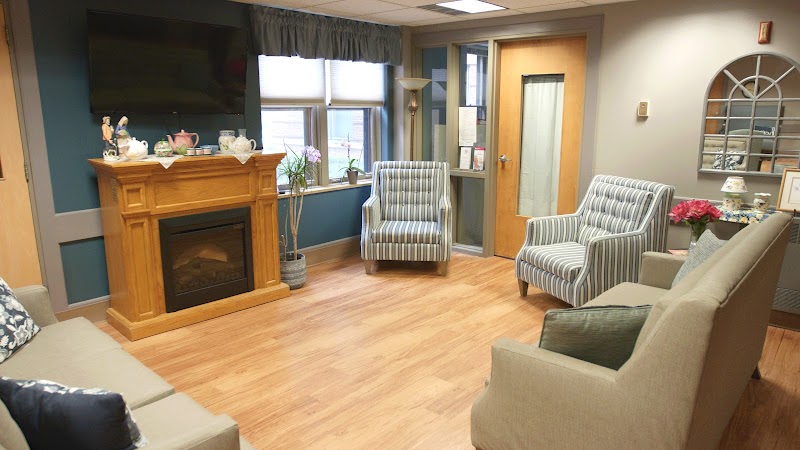
Villa St Vincent

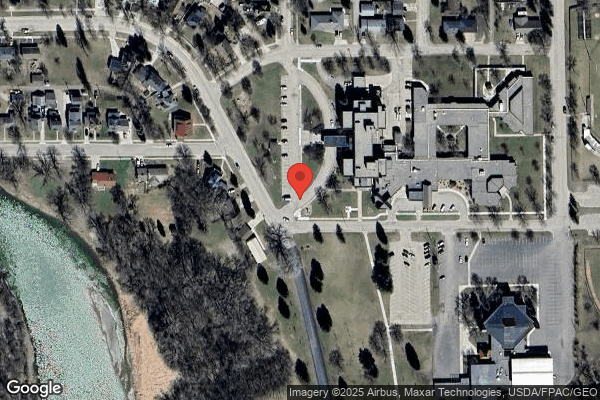
516 WALSH STREET, CROOKSTON, MN 56716 (218) 281-3424
Non profit - Corporation 100 Beds BENEDICTINE HEALTH SYSTEM Data: November 2025
Trust Grade
10/100
#275 of 337 in MN
Last Inspection: March 2025

Within standard 12-15 month inspection cycle. Federal law requires annual inspections.

Overview

Villa St Vincent in Crookston, Minnesota, has received a Trust Grade of F, indicating significant concerns about the quality of care provided. With a state rank of #275 out of 337, they are in the bottom half of nursing facilities in Minnesota, and they are the lowest-ranked option in Polk County. Although the trend shows improvement, with the number of issues decreasing from 10 to 7, there are still serious concerns, including incidents where residents fell and sustained injuries due to inadequate fall prevention measures and instances of resident-to-resident abuse that resulted in harm. On a positive note, staffing is a strong point, rated 5 out of 5, with a turnover rate of 39%, which is lower than the state average. However, the facility has a concerning level of RN coverage, being below that of 78% of other Minnesota facilities, and has incurred fines totaling $29,234, which is average but still indicative of compliance problems.

Trust Score
F
10/100
In Minnesota
#275/337
Bottom 19%
Safety Record
High Risk
Review needed
Inspections
Getting Better
10 → 7 violations
Staff Stability
○ Average
39% turnover. Near Minnesota's 48% average. Typical for the industry.
Penalties
○ Average
$29,234 in fines. Higher than 67% of Minnesota facilities. Some compliance issues.
Skilled Nurses
✓ Good
Each resident gets 45 minutes of Registered Nurse (RN) attention daily — more than average for Minnesota. RNs are trained to catch health problems early.
Violations
⚠ Watch
28 deficiencies on record. Higher than average. Multiple issues found across inspections.
★★☆☆☆
2.0
Overall Rating
★★★★★
5.0
Staff Levels
★☆☆☆☆
1.0
Care Quality
★★☆☆☆
2.0
Inspection Score
Stable
2024: 10 issues
2025: 7 issues

The Good

  • 5-Star Staffing Rating · Excellent nurse staffing levels
  • Full Sprinkler Coverage · Fire safety systems throughout facility
  • No fines on record
  • Staff turnover below average (39%)

    9 points below Minnesota average of 48%

Facility shows strength in staffing levels, fire safety.

The Bad

2-Star Overall Rating

Below Minnesota average (3.2)

Below average - review inspection findings carefully

Staff Turnover: 39%

Near Minnesota avg (46%)

Typical for the industry

Federal Fines: $29,234

Below median ($33,413)

Moderate penalties - review what triggered them

Chain: BENEDICTINE HEALTH SYSTEM

Part of a multi-facility chain

Ask about local staffing decisions and management

The Ugly 28 deficiencies on record

4 actual harm
Jul 2025 3 deficiencies 1 Harm
SERIOUS (G) 📢 Someone Reported This

A family member, employee, or ombudsman was alarmed enough to file a formal complaint

Actual Harm - a resident was hurt due to facility failures

Deficiency F0760 (Tag F0760)

A resident was harmed · This affected 1 resident

**NOTE- TERMS IN BRACKETS HAVE BEEN EDITED TO PROTECT CONFIDENTIALITY** Based on interview and document review the facility failed to ensure residents remained free from significant medication errors....

Read full inspector narrative →
**NOTE- TERMS IN BRACKETS HAVE BEEN EDITED TO PROTECT CONFIDENTIALITY** Based on interview and document review the facility failed to ensure residents remained free from significant medication errors. This resulted in actual harm to R1 who was administered opioid medications prior to the prescribed date resulting in hypoxia, confusion and unresponsiveness and required the use of Narcan (used to reverse the effects of an opioid overdose).Findings include: A report to the state agency dated 7/1/25, indicated R1 had a visit with the palliative care provider on 6/27/25. The provider was informed that the R1's insurance had denied Oxycontin which R1 had been receiving for management of significant pain from fractures that occurred prior to admission to SNF (skilled nursing facility). R1's provider, nurse practitioner (NP)-A, stated that she made numerous calls regarding this patient on Friday afternoon once she received notification of the denied coverage of the Oxycontin from the insurance. After lengthy calls with the insurance provider and pharmacy it was determined the Oxycontin would be extended until they could work through a prior authorization of Morphine for pain management. The provider had to write an order for Morphine to initiate the prior authorization process. However, the order indicated not to fill until on or after 6/30/25. The night nurse received Morphine from the pharmacy on 6/28/25, around 1:00 a.m. A call was placed to the pharmacy as the facility did not have an order. The pharmacist confirmed the order, indicated the signed order would be sent to the facility. Upon receipt, the night nurse entered the order into the electronic record on 6/28/25 at 1:34a.m. R1 received Morphine while continuing to receive OxyContin. R1's Resident Face Sheet indicated she admitted to the facility on [DATE], diagnosis of osteoporosis with fractures of left and right lower leg and left clavicle. R1's admission Minimum Data Set (MDS) dated [DATE], identified moderate cognitive impairment, dependent on staff for transfers and had almost constant severe pain. R1's care plan dated 6/27/25, identified the use of high-risk medications for pain. The care plan directed staff to administer medications as ordered and assess for side effects. R1's Physician Order Report dated 6/1/25 through 6/30/25, identified the following medications. -6/6/25, OxyContin 15 milligrams (mg) by mouth every 12 hours.-6/17/25, Oxycodone 5mg every six hours as needed for severe pain.-6/28/25, MS Contin (morphine) 30mg every twelve hours. Discontinued 6/29/25. Provider note dated 6/27/25, indicated Oxycontin had been denied due to health care plan. An emergency refill was approved through the weekend. A prescription dated 6/27/25, indicated do not fill until 6/30/25. MS Contin 30 mg oral tablet extended release by mouth every 12 hours. R1's Medication Administration History dated 6/1/25 through 6/30/25, indicated the following medications were administered. -MS Contin 30mg, 6/28/25 at 12:00 p.m., 6/29/25 at 12:00 a.m. and 6/29/25 at 12:00 p.m.-OxyContin 15mg, 6/2825 at 8:00 a.m., 6/28/25 at 8:00 p.m., 6/29/25 at 8:00 a.m. 8:00 p.m. dose not administered due to condition. R1's Resident Progress Notes identified the following:-6/28/25, Fax received from pharmacy for MS Contin. Order placed in electronic record. MS Contin 30 mg oral tablet extended release every 12 hours.-6/29/25, 2:52 p.m., R1 was very groggy and not eating or drinking. Writer noted R1 was receiving both OxyContin and MS Contin. Call placed to pharmacy who confirmed R1 should not be receiving both medications at the same time. MS Contin was not supposed to be started unless payment authorization was not received for OxyContin.-6/29/25, 4:07 p.m., R1 resting in bed. She would respond by opening her eyes a little with gentle touch and calling her name.-6/30/25, 2:20 a.m., R1 was semi-alert but unresponsive verbally and only able to open eyes partially. R1's pulse was 116 beats per minute; oxygen saturation level was 56 percent on room air (normal range for oxygen saturation is 95-100). On-call nurse practitioner (NP) was updated and directed staff not to call 911 due to resuscitation status. Family was updated and came to see R1 and requested she be sent to the emergency department (ED). R1's hospital notes dated 6/30/25, indicated R1 admitted for altered mental status and hypoxia (a condition where the body, or a specific part of it, doesn't receive enough oxygen). Apparently had both oxycodone and morphine last afternoon for pain. No Narcan was given and R1 was hypoxic on arrival to ED and barely responded to verbal commands. Her baseline was alert and awake. The current episode started from one to two hours ago and the problem had not changed. Associated symptoms included confusion, somnolence (excessive sleep or drowsiness) and unresponsiveness. R1 responded to three doses of Narcan. Was alert and awake after Narcan but continued to be hypoxic. Started antibiotic to cover aspiration pneumonia secondary to obtundation from opioid overdose. During interview on 7/9/25 at 2:14 p.m., pharmacist (P)-A stated the potential negative effects of too much opioid medication included respiratory distress, increased sedation, Tachycardia (a condition where the heart beats faster than normal, typically over 100 beats per minute), unresponsiveness and hypoxia. During interview on 7/9/25 at 4:57 p.m., registered nurse (RN)-A stated prior to the medication error R1 had been alert and was able to make her needs known. During interview on 7/9/25 at 5:03 p.m., nursing assistant (NA)-A stated R1 had been alert and fairly oriented. NA-A said before the medication error happened, R1 had been coming out of her room more. During interview on 7/10/25 at 9:04 a.m., LPN-A stated early Saturday (6/28/25) morning, a tote arrived from the pharmacy. LPN-A said when she saw the morphine she called the pharmacy and was told they had a prescription. LPN-A said the pharmacy sent a copy of the prescription and she entered the order into the electronic record and had a second nurse verify the order. LPN-A said the prescription had said do not give until 6/30/25, but she had missed it. LPN-A said she had received education following the medication error. During interview on 7/9/25 at 5:09 p.m., the director of nursing (DON) stated when licensed practical nurse (LPN)-A found out the order for the MS Contin had been obtained, she should had read the physical prescription prior to entering the order into and medication record. The DON stated the nurse who verified the order should have compared the prescription with the order. The DON said the facility policy was to have all orders verified by two staff. The DON stated the nurses did not follow the process for entering and verifying orders. The DON stated the nurses involved in the medication error had been immediately educated following the identification of the medication error. In addition, auditing of medical records had been initiated for other residents. During interview on 7/10/25 at 8:46 a.m., nurse practitioner (NP)-A stated R1 had significant pain, and the OxyContin needed insurance authorization. NP-A wrote the order for the MS Contin to start on 6/30/25, if the insurance did not authorize the Oxycontin. NP-A said the potential concerns related to R1 having received both medications at the same time included respiratory distress and said, that is what happened. NP-A said the medication error was significant and said she had not written the order while at the facility because she did not want staff to administer the MS Contin to R1. Facility policy related to significant medication errors was requested but not received.
CONCERN (D) 📢 Someone Reported This

A family member, employee, or ombudsman was alarmed enough to file a formal complaint

Potential for Harm - no one hurt, but risky conditions existed

Free from Abuse/Neglect (Tag F0600)

Could have caused harm · This affected 1 resident

**NOTE- TERMS IN BRACKETS HAVE BEEN EDITED TO PROTECT CONFIDENTIALITY** Based on observation, interview and document review the facility failed to protect the residents right to be free from physical ...

Read full inspector narrative →
**NOTE- TERMS IN BRACKETS HAVE BEEN EDITED TO PROTECT CONFIDENTIALITY** Based on observation, interview and document review the facility failed to protect the residents right to be free from physical abuse by other residents for 2 of 3 residents (R2, R3) when care plan intervention to adequately increase supervision to protect residents from abuse were not implemented and behaviors were not investigated or documented with detail to assist in determining possible antecedents of the negative behavior. Additionally, the facility failed to monitor R3 for mood and behavioral changes following a resident-to-resident abuse incident which resulted in minor injuries and increased withdrawal. R2's Resident Face Sheet indicated she admitted to the facility 10/19/23. R2's diagnosis included Alzheimer's disease, insomnia and dementia with behavioral disturbance.R2's quarterly Minimum Data Set (MDS) dated [DATE], identified severe cognitive impairment and indicated she displayed wandering behaviors 4-6 days during the assessment period. The MDS indicated R2 ambulated independently.R2's Vulnerable Adult assessment dated [DATE], indicated she did not have a history of abuse toward others or self abuse. R2 had physical limitations and cognitive deficits that made her susceptible to abuse. R2 had behaviors that made her susceptible to abuse to self or others and had communication limitations. R2's care plan dated 6/30/25, identified her as a vulnerable adult and indicated if she became violent or aggressive staff should implement interventions to minimized risk to herself or others. The care plan indicated she had exhibited physical aggression toward others and indicated she had slapped another resident on 10/4/24 and 10/11/24, had pinched another resident on 10/6/24, and pushed another resident on 6/30/25. The care plan directed staff to provide close supervision and gently guide her away if she was observed in close proximity to peers, especially when entering others personal space or rooms and observe her closely to identify specific triggers that may lead to aggression. The care plan further directed staff to provide sensory items and/or baby doll and stroller when R2 became agitated. The care plan indicated R2 exhibited inappropriate behaviors such as wandering into other residents rooms and taking things that didn't belong to her. R2's Resident Progress Notes identified the following:5/11/25, R2 had family visit. After they left R2 appeared to be upset. R2 had been in and out of other residents rooms, tried to take a blanket off someone who was using it and was walking around the dining room trying to take food and drinks off of other residents trays.6/19/25, R2 was standing in the dining room to the left of a male resident. R2 was observed interacting with newspapers on the table and not engaging with male resident. Male resident reached out and struck R2 on the elbow with a closed fist. Staff removed R2 from the area. 6/30/25, R2 found on the floor of another residents (R3) room. The other resident stated R2 came to her door and she tried to push her out and said R2 pushed back. R2 had a bump on the back of her head. 6/30/25, Due to resident to resident altercation, R2 would remain under constant supervision due to ongoing boundary intrusiveness.7/3/25, R2 remained one to one with staff. During observation on 7/10/25 at 11:13 a.m., R2 was ambulating independently on the unit. R2 was following a female resident. R2 had newspapers in her hand and was touching the other resident with them. The other resident repeatedly stated, don't touch me. A staff member was standing with her back to the room, down the hall. Two other staff walked out of the bathroom with a different resident. No staff were in the area to intervene. At 11:20 a.m., the other resident propelled herself out of her room. R2 walked over and placed her hands on the other residents wheelchair. The other resident stated, no, no, no, don't touch me. R3's Resident Face Sheet indicated she admitted to the facility on [DATE]. Diagnosis included dementia without behavioral disturbance, agitation, Alzheimer's disease and anxiety. R3's quarterly MDS dated [DATE], identified severe cognitive impairment and indicated she displayed physical, verbal and other behaviors 4-6 days of the assessment period and wandering behaviors 1-3 days. The MDS indicated R3 ambulated independently.R3's care plan dated 6/30/25, identified her as a vulnerable adult. The care plan indicated if R3 got violent or physically aggressive staff would implement interventions to minimize risk to self or others. Facility to report and investigate any allegations of suspected abuse. The care plan indicated R3 had been a victim of another residents physical aggression. The care plan directed a mesh screen to her door and directed staff to monitor for behavioral changes indicating fear, withdrawl or anxiety and adjust care accordingly. The care plan identified behavioral symptoms that included hallucinations/delusions. R3's Vulnerable Adult assessment dated [DATE], indicated she did not have a history of any type of abuse toward others or self. R3 did not have physical limitation which made her susceptible to abuse, but did have cognitive deficits. The assessment further indicated R3 did not display behaviors that made her susceptible to abuse. R3's Resident Progress Notes identified the following:6/30/25, Per trained medication aide (TMA), R3 came out of her room asking for assistance. TMA and another caregiver noted R3's right eye was black and blue and swollen and her lip was swollen with a small amount of blood noted. R3 brought the staff to her room where another resident (R2) was lying on the bathroom floor. When asked what happened, R3 stated the other resident was trying to come into her room so she pushed her away and said the other resident back and they both fell on the floor. 7/1/25, R3's family member called regarding incident and inquired about plan to keep R2 out of her room as she felt it startled R3 and she wanted R3 to feel secure. Informed family of stop sign and mesh screen type door and R2 currently being one to one with staff.7/1/25, R3 had been in her room most of the shift.7/1/25, R3 had been following another female resident (R2) consistently for about two hours. Staff had been one to one with other resident (R2). After supper R3 went to her room and stayed in the room. 7/6/25, R3 was seated at the breakfast table and noticed female resident (R2) near her room. R3 stated, that's my room and immediately got up and walked at a fast pace toward the other resident. Staff was able to intercept. When asked where she was going, R3 said that women is too close.7/8/25, R3 had been staying in her room throughout most of shift. Did go out to eat dinner.7/9/25, R3 stayed in room for most of shift. During observation and interview on 7/9/25 at 4:15 p.m., R3 was seated in a recliner chair in her room. R3 had a bruise above her right eye, and a scab on her lip. When asked about her eye, R3 stated a fight. R3 said it was the person who for some time would take things from her room. R3 said, finally, I just said no more of this. R3 remembered the fight and said it happened over there, pointing to the window. R3 said, I had a bruise, a black eye, and the other. When asked if she was afraid of the other resident R3 said, Yes and said as time goes by it's less and less, then said, that's not right. R3 said, it just so much and so long, then said, no, for a short time. R3 said she wouldn't sleep. R3 said, this is how I look at it, she hit me here, and pointed to her eye, and said, it came from the south. R3 said, it wasn't just you hurt me, I'll hurt you, it was real fighting. R3 said it lessened as time went by but said that doesn't mean it goes away either.During interview on 7/9/25 at 4:30 p.m., nursing assistant (NA)-B stated since the incident R3 had not been out of her room as much. NA-B said normally R3 would walk around the unit. NA-B said she had not seen any issues between R2 and R3 since the incident but said R3 stayed in her room. NA-B said if R3 was out walking, staff tried to keep R2 away. During interview on 7/10/25 at approximately 7:00 a.m., TMA-A stated R3 liked to walk around the unit but said, I know she did not come out of her room much after the incident with R2. TMA-A said R3 would come to an activity then go right back to her room. During interview on 7/10/25, at approximately 7:15 a.m., NA-D said she worked the day after the incident between R2 and R3. NA-D said the only thing she had noticed was one time R3 walked past a table where R2 was seated and R2 said there she is, in Spanish and seemed very agitated. NA-D said R3 was staring at R2 very deeply but had not said anything. During interview on 7/10/25 at 11:36 a.m., NA-C said staff tried to keep an eye on R2 but said sometimes they got busy. NA-C said R3 had been in her room a lot lately and did not come out as much. During interview on 7/10/25 at 1:03 p.m., registered nurse (RN)-B stated after the incident between R2 and R3, staff kept R2 in their visual field and if they saw R2 near other residents they tried to direct her away. RN-B said staff were not assigned to R2 but they worked together to provide supervision to R2. RN-B said they did not have any increase in staffing to supervise following the incident. In regard to the weekend and evening staffing, RN-B said she was not sure what the plan was. RN-B said when she started at the facility they had a designated extra staff person called a safety staff but said they had not had the extra staff for a month or so. RN-B said she had seen some signs of fear/anxiety from R3 but had not asked her if she was afraid of R2. She said she felt R3 had a good recollection of what had happened. During interview on 7/10/25 at 1:29 p.m., the director of nursing said prior to the incident between R2 and R3 they had implemented an extra safety staff member due to a previous resident, The DON said after that resident declined they felt they could pull that position and provide increased supervision when it appeared someone was more agitated. The DON said they provided one to one supervision of R2 the day of the incident and throughout the investigation but no longer had the one to one. The DON said currently they provided more eyes on supervision.Facility Policy Abuse Prevention Plan dated 7/21/22, indicated Prevention of abuse, neglect, misappropriation of resident property the facility should do the following: Ensure sufficient staffing and appropriate supervisory staff on each shift to meet the needs of the residents. Ensure concerns, incidents and grievances are investigated and steps taken to minimize the likelihood of re-occurrence.
CONCERN (D) 📢 Someone Reported This

A family member, employee, or ombudsman was alarmed enough to file a formal complaint

Potential for Harm - no one hurt, but risky conditions existed

Report Alleged Abuse (Tag F0609)

Could have caused harm · This affected 1 resident

Based on interview and document review the facility failed to ensure timely reporting to the state agency (SA) of a significant medication error for 1 of 3 residents (R1) reviewed for medication error...

Read full inspector narrative →
Based on interview and document review the facility failed to ensure timely reporting to the state agency (SA) of a significant medication error for 1 of 3 residents (R1) reviewed for medication errors and failed to ensure timely reporting of an incident of resident to resident abuse for 2 of 3 residents (R2,R3) reviewed for abuse.Findings include:R1's care plan dated 6/27/25, identified the use of high-risk medications for pain. The care plan directed staff to administer medications as ordered and assess for side effects. R1's Physician Order Report dated 6/1/25 through 6/30/25, identified the following medications. -6/6/25, OxyContin 15 milligrams (mg) by mouth every 12 hours.-6/17/25, Oxycodone 5mg every six hours as needed for severe pain.-6/28/25, MS Contin (morphine) 30mg every twelve hours. Discontinued 6/29/25. Provider note dated 6/27/25, indicated Oxycontin had been denied due to health care plan. An emergency refill was approved through the weekend. A prescription dated 6/27/25, indicated do not fill until 6/30/25. MS Contin 30 mg oral tablet extended release by mouth every 12 hours. R1's Medication Administration History dated 6/1/25 through 6/30/25, indicated the following medications were administered:-MS Contin 30mg, 6/28/25 at 12:00 p.m., 6/29/25 at 12:00 a.m. and 6/29/25 at 12:00 p.m.-OxyContin 15mg, 6/2825 at 8:00 a.m., 6/28/25 at 8:00 p.m., 6/29/25 at 8:00 a.m. 8:00 p.m. dose not administered due to condition. -6/30/25, 2:20 a.m., R1 was semi-alert but unresponsive verbally and only able to open eyes partially. R1's pulse was 116 beats per minute; oxygen saturation level was 56 percent on room air. On-call nurse practitioner (NP) was updated and directed staff not to call 911 due to resuscitation status. Family was updated and came to see R1 and requested she be sent to the emergency department (ED). R1's hospital notes dated 6/30/25, indicated R1 admitted for altered mental status and hypoxia (a condition where the body, or a specific part of it, doesn't receive enough oxygen). Apparently have both oxycodone and morphine last afternoon for pain. No Narcan was given and R1 was hypoxic on arrival to ED and barely responded to verbal commands. Her baseline was alert and awake. The current episode started from one to two hours ago and the problem had not changed. Associated symptoms included confusion, somnolence (excessive sleep or drowsiness) and unresponsiveness. R1 responded to three doses of Narcan. Was alert and awake after Narcan but continued to be hypoxic. Started antibiotic to cover aspiration pneumonia secondary to obtundation from opioid overdose. A report to the SA indicated the medication error was reported on 7/1/25, at 6:43 p.m. During interview on 7/10/25 at 11:00 a.m., the director of nursing (DON) stated when a significant medication error was identified it should be reported to the SA. The DON said she felt like she had to do a little more digging do determine if the medication error was significant and when she determined it was, she reported the error. The DON said when she learned R1 had been admitted to the hospital it was determined to be a significant error. R2's Resident Face Sheet indicated diagnosis included Alzheimer's disease, insomnia and dementia with behavioral disturbance. R2's Resident Progress Notes dated 6/30/25, indicated R2 was found on the floor of another residents (R3) room. The other resident (R3) stated R2 came to her door, and she tried to push her out and said R2 pushed her back. R2 had a bump on the back of her head. R3's Resident Face Sheet indicated diagnosis included dementia without behavioral disturbance, agitation, Alzheimer's disease and anxiety. R3's Resident Progress Note dated 6/30/25, indicated per trained medication aide (TMA), R3 came out of her room asking for assistance. TMA and another caregiver noted R3's right eye was black and blue and swollen and her lip was swollen with a small amount of blood noted. R3 brought the staff to her room where another resident (R2) was lying on the bathroom floor. When asked what happened, R3 stated the other resident was trying to come into her room so she pushed her away and said the other resident pushed back and they both fell on the floor. An additional Progress Note dated 6/30/25, indicated the incident occurred at 6:40 a.m. A report to the SA indicated the resident-to-resident altercation had been reported 6/30/25 at 3:16 p.m. During interview on 7/10/25 at 1:29 p.m., the DON stated the incident had not been reported to the SA in the required two-hour time frame. The DON said staff had called her at home and she went to the facility and reported as soon as she could. Facility policy Abuse Prevention Plan dated 7/21/22, indicated staff would notify building charge immediately any reports of possible abuse, neglect, misappropriation or exploitation. The charge would immediately notify the administrator, DON and social services. If the event that caused suspicion involves abuse or results in serious bodily injury the individual is required to report to the SA immediately, but no later than two hours after forming the suspicion. Abuse was described as: the willful infliction of injury. Neglect described as: Failure of the facility, employees or service providers to provide goods and services to a resident that are necessary to avoid physical harm, pain or emotional distress.
Jun 2025 1 deficiency 1 Harm
SERIOUS (G) 📢 Someone Reported This

A family member, employee, or ombudsman was alarmed enough to file a formal complaint

Actual Harm - a resident was hurt due to facility failures

Accident Prevention (Tag F0689)

A resident was harmed · This affected 1 resident

**NOTE- TERMS IN BRACKETS HAVE BEEN EDITED TO PROTECT CONFIDENTIALITY** Based on observation, interview and document review the facility failed to ensure care planned interventions to reduce the risk ...

Read full inspector narrative →
**NOTE- TERMS IN BRACKETS HAVE BEEN EDITED TO PROTECT CONFIDENTIALITY** Based on observation, interview and document review the facility failed to ensure care planned interventions to reduce the risk for falls were followed for 2 of 4 residents (R1, R3). This resulted in actual harm for R1 who fell and sustained a vertebral fracture. Findings include: R1's Resident Face Sheet indicated she admitted to the facility 1/30/24. Diagnosis included dementia, fracture of T (thoracic) 11- T12 vertebrae, difficulty walking, muscle weakness and age related osteoporosis. R1's quarterly Minimum Data Set (MDS) dated [DATE], identified moderate cognitive impairment. The MDS indicated R1 required partial to moderate assistance and did not ambulate due to medical condition or safety concerns and had no falls since the prior assessment. R1's assessment for Fall Risk and Functional Limitation dated 4/22/25, identified intermittent confusion, balance problem while standing, impaired mobility and indicated R1 utilized a wheelchair. The assessment score of 16 indicated a high risk for falls. R1's care plan dated 5/16/25, identified a self-care deficit and indicated she needed assistance with bed mobility, transfers, ambulation and locomotion due to a history of a fall with hip fracture. The care plan identified a high risk for falls and indicated all standard fall interventions were in place. An undated, untitled nursing assistant (NA) care guide directed staff to provide extensive assistance of one to two staff with transfer and directed staff to utilize a wheelchair for transport. R1's Resident Progress Notes indicated the following: -5/30/25, Nurse was called to the hallway outside of R1's room where she was on the floor sitting with NA-A behind her, and both legs in front of her. Per NA-A, R1 fell around the corner. R1 complained of pain to her buttocks. -5/31/25, R1 was experiencing severe back pain rated 9/10 on pain scale. R1 was clenching her fists and grimacing and refused to roll over due to pain. New order received to increase Tramadol (used for the management of moderate to moderately severe pain) to 50 milligrams (mg) every four hours as needed. -6/1/25 at 10:58 a.m., R1 continued to complain of pain in her back. Family member requested R1 be sent to the emergency department (ED) for further evaluation. 6/1/25 at 1:45 p.m., received call from ED staff who reported R1 sustained a T12 compression fracture (a type of fracture where a vertebra in the spine is compressed or collapses). 3:05 p.m., R1 returned from ED with the following orders: Start taking Hydrocodone-acetaminophen (combination prescription medication used to treat moderate to severe pain) 5 mg-325 mg, 1 tablet every six hours as needed for moderate or severe pain if not controlled by Tramadol. R1's ED Provider Note dated 6/1/25, indicated she presented to the ED for pain. The note indicated R1 experienced constant pain that started two days prior as a result of a fall. Pain was present in the lumbar spine and symptoms were aggravated by bending, twisting and certain positions. Tramadol provided no relief. Lumbar computed tomography scan (a medical imaging test that uses X-rays and computers to create detailed images of the lower spine) showed a T12 compression fracture. During interview on 6/4/25 at 6:33 p.m., registered nurse (RN)-A stated staff had reported R1 was in the hallway and started to slowly fall so NA-A lowered R1 to the ground. RN-A stated R1 did not typically ambulate, but NA-A had been walking with her at the time of the fall. RN-A stated NA-A had not used a transfer belt when walking with R1. RN-A said R1's family did not want her walking after she sustained a hip fracture the previous year and said the NA care sheet directed staff to utilize a wheelchair. During interview on 6/4/25 at 6:50 p.m., the assistant director of nursing (ADON) stated NA-A should have known not to ambulate with R1 and should have utilized a transfer belt. The ADON said NA-A received education following the incident and all staff received training on following resident fall interventions. During interview on 6/5/25 at 8:18 a.m., NA-A stated on 5/30/25, at approximately 5:00 p.m., she had been doing rounds on the unit. NA-A said she went to R1's room to bring her to the dining room and said she had been distracted and forgot about the transfer belt. NA-A said she got R1 up and out to the hallway and said R1 was holding on to the walker with one hand and the hand rail with the other hand. NA-A said after they got about four feet from R1's room, R1 stopped and said it was too far, then let go of the railing. NA-A said that was when she realized she had forgotten the gait belt so she somewhat grabbed R1 and went to the floor with her. NA-A stated she had been working at the facility for almost four months and said she had not been trained on the care plan when she started but was trained following the fall incident. During interview on 6/5/25 at 9:05 a.m., NA-B stated she had been working the night of R1's fall. NA-B said NA-A went to get R1 up for dinner and said NA-A did not look at the care guide and thought R1 could walk. NA-B said R1 had not walked with staff since she had broken a bone in the past. NA-B said NA-A also had not used a transfer belt when walking with R1. During interview on 6/5/25 at 12:07 p.m., NA-E stated R1 participated in a range of motion program but said she did not ambulate with staff. NA-E said the last time he had seen R1 walk with staff was the previous year. During interview on 6/5/25 at 12:13 p.m., NA-F said R1 fell because the staff person walking with her did not use a transfer belt. NA-F said he had never seen staff walk with R1 and said the care guide said to use the wheelchair for long distances. R3's Resident Face Sheet indicated he admitted to the facility 4/17/25. Diagnosis included traumatic subdural hemorrhage with loss of consciousness, Alzheimer's disease, maxillary fracture (a break in the bones surrounding the maxillary sinus, which are air-filled spaces in the cheekbones), fracture of lateral orbital wall (break in the outer wall of the eye socket) of right eye, muscle weakness and repeated falls. R3's assessment for Fall Risk and Functional Limitation dated 5/5/25, indicated he was disoriented, required the use of assistive devices and had impaired mobility. The assessment identified a fall score of 20 which indicated high risk. R3's 5-day MDS dated [DATE], identified severe cognitive impairment and indicated he required supervision for transfers and partial to moderate assistance for toileting. The MDS indicated ambulation was not attempted due to medical condition or safety concerns and indicated he had one fall since the prior assessment. R3's care plan dated 5/20/25, identified impaired physical mobility related to cognitive decline secondary to dementia. The care plan directed staff to provide assistance from two caregivers during all transfers and ambulation. The care plan further identified a high risk for falls due to a history of falls. Fall interventions included; remove leg rests when not pushing R3 in the wheelchair, auto lock brakes on wheelchair, and transfer belt at all times. R3's NA care guide, undated identified fall interventions that included slip grip to wheelchair and recliner chair. R3's Resident Progress Notes indicated the following: -5/1/25, progress note indicated, R1 had been leaning to his right side in the wheelchair and slid out of the chair. (no time indicated) -5/1/25, R3 had a second fall, progress note indicated at approximately 2:40 p.m., R1 had an unwitnessed fall from his wheelchair, landing on the floor and striking his head. R3 was found lying on his left side the hallway. R3 verbalized pain to his forehead. Staff noted a raised area on R3's forehead. 5/1/25, Interdisciplinary team (IDT) reviewed the falls. Intervention to ensure slip grip was applied when in wheelchair. -5/5/25, progress note indicated R3 returned from the hospital where he had been admitted on [DATE]. Hospital diagnosis included acute subdural hematoma (a life-threatening condition where blood collects between the brain and its outer lining, the dura mater, following a head injury), acute non-displaced fractures of right maxillary sinus and right lateral orbit, and metabolic encephalopathy (a change in how your brain works due to an underlying condition), likely due to urinary tract infection. -5/6/25, progress note indicated IDT reviewed fall and implemented Slip Grip to recliner chair. -5/16/25, progress note indicated R3 experienced a fall from a wheelchair. Staff determined the wheelchair utilized at the time of the fall did not belong to R3. -5/18/25, R3 had an unwitnessed fall in his room. -5/25/25, R3 had a fall in the dining room. -5/27/25, R3 had two falls, the first fall, R3 was found on the floor in his room. The second fall R3 fell attempting to ambulate in the television room. -6/1/25, R3 fell after attempting to stand up from his wheelchair and sustained a laceration above his right eye. -6/2/25, R3 had an unwitnessed fall and was found on his back with his leg tangled in the footrest of his wheelchair. During interview on 6/5/25 at 11:47 a.m., NA-C stated R3 required one person to transfer and could walk using a gait belt. When asked about fall interventions, NA-C was not sure where to look. NA-C pulled the resident care guide out of her pocket, looked at it and said, I'm not really seeing a lot, then said no interventions were listed on the care guide. (interventions were listed on the back of care guide) During interview on 6/5/25 at 11:51 a.m., NA-D said they used two staff to assist R3 due to behaviors. Regarding fall interventions, NA-D said staff just monitored him closely and said he had a motion detection device in his room. During observation and interview on 6/5/25 at 11:59 a.m., R3 was seated in a chair in the television area of the unit with his legs crossed and his eyes closed. R3 was seated on a soaker pad and did not appear to have slip grip underneath him. RN-B was interviewed and acknowledged no slip grip had been placed under R3 in the chair. RN-B stated R3 was care planned to have slip grip in his wheelchair and his recliner chair. RN-B said he should have it in any chair he was sitting in. RN-B stated fall interventions were on the NA care guides. The care guide was reviewed with RN-B and fall interventions, including the slip grip were listed on the backside of the paper. Facility policy Comprehensive Assessment and Care Planning dated 9/27/23, indicated the facility should use the results of the assessment to develop, review and revise the residents person-centered comprehensive care plan. All person-centered care plan interventions will be implemented by qualified personnel. Interventions may be communicated through the electronic health record, resident profile, assignment sheets, and/or verbal communication.
Mar 2025 3 deficiencies
CONCERN (D)

Potential for Harm - no one hurt, but risky conditions existed

Grievances (Tag F0585)

Could have caused harm · This affected 1 resident

**NOTE- TERMS IN BRACKETS HAVE BEEN EDITED TO PROTECT CONFIDENTIALITY** Based on interview and document review, the facility failed to follow through on a grievance regarding missing clothing for 1 of...

Read full inspector narrative →
**NOTE- TERMS IN BRACKETS HAVE BEEN EDITED TO PROTECT CONFIDENTIALITY** Based on interview and document review, the facility failed to follow through on a grievance regarding missing clothing for 1 of 1 resident (R9) reviewed for grievances. Findings include: R9's admission Minimum Data Set (MDS) dated [DATE], identified R9 had a severe cognitive impairment and diagnoses included Alzheimer's disease and dementia. During a phone interview on 3/24/25 at 3:07 p.m., family member (FM)-A stated half of R9's clothing and slippers were missing. The first thing staff asked FM-A was if FM-A labeled the clothing. FM-A stated she was unaware she needed to label the clothing prior to bringing it to the facility and was told to bring R9's clothing to the nurses' desk so that's what FM-A did. The clothing and slippers went missing from there. FM-A stated she had to re-buy all the missing items, was not reimbursed and would no longer allow R9's clothing to be washed at the facility. During an interview on 3/27/25 at 11:05 a.m., licensed practical nurse (LPN)-B stated FM-A did report R9 had missing clothing. LPN-B called the laundry and asked that laundry staff look for the missing items, but they were not found. FM-A stated she would wash R9's clothing from then on. LPN-B had never heard of anyone ever making a report or anything for missing items. During an interview on 3/27/25 at 11:07 a.m., registered nurse (RN)-E stated when a resident or family member reported missing items. Staff should start looking for it and report it to the social worker or the unit manager. For clothing, staff notified laundry and housekeeping, so everyone was looking for the missing item. Also, there was a rack of unlabeled clothing that they can look through and usually the missing item is found. During an interview on 3/27/25 at 11:47 a.m., the social services (SS)-A stated staff usually contacted SS-A or send an email to all staff so the item could be searched for. Then, SS-A went to laundry and/or took the family member or resident to the laundry to look through the lost and found to see if the item could be found. SS-A did not necessarily fill out a grievance form. SS-A would ask the resident or family member if they wanted to file a grievance, but they usually say they just want to keep an eye out for it. SS-A stated she was aware R9 had some missing clothing items. SS-A brought FM-A to the laundry to look through the lost and found and some items were found, and some items weren't. FM-A had given the clothing to a nurse who said they were bringing the clothing to laundry to get labeled, but the items went missing from there. SS-A did not fill out a grievance for R9. During an interview on 3/27/25 at 1:29 p.m., the director of nursing (DON) stated missing items was an area where the facility had room to improve. Usually, an email was sent out for all staff that indicated what was missing and staff responded with what was or wasn't found. The DON's understanding was the social worker brought that information to the administration or, at least, reached out to the family with how the family wanted to proceed. Usually, the administration instructed to replace those items, bring the receipt and the administration would reimburse those funds. The DON stated there was no documentation to show that was done for R9 and/or FM-A. All missing items are personal to the residents and staff needed to do their due diligence to find those items or to see if there was a pattern in a specific area. It was important to the residents and staff needed to be mindful of that. The facility Missing Items policy reviewed 8/4/17, identified the following: 1. All personal were responsible for reporting missing items to the supervisor staff prior to their end of shift. 2. Any items found that could not be identified, were reported to the supervisory staff and stored until the owner could be determined. 3. Staff worked to locate the missing items. 4. If items were not located, staff worked with the resident or resident representative to determine next steps.
CONCERN (D)

Potential for Harm - no one hurt, but risky conditions existed

Medication Errors (Tag F0758)

Could have caused harm · This affected 1 resident

**NOTE- TERMS IN BRACKETS HAVE BEEN EDITED TO PROTECT CONFIDENTIALITY** Based on interview and document review, the facility failed to ensure use of an as-needed (PRN) psychotropic medication was limi...

Read full inspector narrative →
**NOTE- TERMS IN BRACKETS HAVE BEEN EDITED TO PROTECT CONFIDENTIALITY** Based on interview and document review, the facility failed to ensure use of an as-needed (PRN) psychotropic medication was limited to a 14-day period and/or obtain justification for continued use by the provide for 1 of 5 residents (R68) reviewed for unnecessary medication use. Findings include: R68's significant change Minimum Data Set (MDS) dated [DATE], identified R68 had severe cognitive impairment and did not exhibit behaviors during the assessment period. Diagnoses included Alzheimer's disease, dementia and bipolar disorder. R68's undated prescription fax request identified an order for diazepam 5 mg/ml liquid concentrate; administer 2.5 mg oral every 6 hours - PRN for anxiety/agitation, start date 2/19/25. The order failed to identify a justification of use beyond 14 days and did not provide an end date and/or re-evaluation date. R68's Medication Administration Record (MAR) dated 2/1/25 through 2/28/25, identified R68 received diazepam on 2/20/25, 2/23/35 (two doses), 2/25/25 and 2/28/25. R68's MAR dated 3/1/25 through 3/27/25, identified R68 received diazepam on 3/3/25. R68's medical record failed to identify a justification of continued use past the initial 14 days and failed to provide an end date for use and/or re-evaluation date. R68's Medication Regimen Review (MRR) dated 3/5/25, identified the consulting pharmacist recommended either discontinuing PRN use of diazepam for R68, or reorder for a specific number of days, per federal guidelines. On 3/27/25 at 11:13 a.m., registered nurse (RN)-D stated PRN psychotropic orders, including diazepam, were ordered by the provider for 14 days or required an end date with a rationale for use. RN-D stated R68's diazepam order did not have an end date or a rationale for use longer than 14 days and the order should've been discontinued until discussed with the provider. On 3/27/25 at 11:45 a.m., the director of nursing (DON) stated the nurses were aware if a PRN psychotropic order did not include an end date it was their responsibility to reach out to the provider. The order should also include a rationale for use if the provider ordered the medication for longer than 14 days, including orders for residents on hospice. On 3/27/25 at 1:16 p.m., the consulting pharmacist (CP) stated medication regimen review were completed on every resident on a monthly basis. PRN psychotropic medications required an end date of 14 days and/or a documented rationale for a longer period with an end date. On 3/27/25 at 1:31 p.m., a message was left for the hospice provider. The undated Psychotropic Medication Use policy (POL_NS712) identified psychotropic medication are given upon a medical provider order. PRN orders for psychotropic drugs are limited to 14 days. PRN anti-psychotic orders are limited to 14 days and cannot be renewed unless the attending provider evaluated the resident for the appropriateness of that medication.
CONCERN (F)

Potential for Harm - no one hurt, but risky conditions existed

Infection Control (Tag F0880)

Could have caused harm · This affected most or all residents

**NOTE- TERMS IN BRACKETS HAVE BEEN EDITED TO PROTECT CONFIDENTIALITY** Based on observation, interview and document review, the facility failed ensure their infection control surveillance contained a...

Read full inspector narrative →
**NOTE- TERMS IN BRACKETS HAVE BEEN EDITED TO PROTECT CONFIDENTIALITY** Based on observation, interview and document review, the facility failed ensure their infection control surveillance contained all data to effectively track, trend, analyze infections with the potential to affect all residents residing in the facility; and the facility failed to ensure enhanced barrier precautions and standard precautions for 1 of 2 residents (R140) reviewed for wound care; and failed to ensure contact precautions were followed for 1 of 3 residents (R75) reviewed for transmission-based precautions. Findings include: Surveillance: The Infection Prevention Line Listing dated March 2025, identified columns labeled the following: all units, ID number, resident name, age, sex, room, infection site, date/lab pathogen, date/symptoms, predisposing factors, date isolation began, date isolation ended, date/treatment, appropriate yes/no, in-house acquired, resolved yes/no. However, the line listing identified twelve resident names, age, sex and room number but failed to identify any other information. The Infections excel spreadsheet dated 3/4/25 to 3/20/25, identified the following: Two carbuncles (Norovirus infection can cause severe vomiting and diarrhea that start suddenly. Noroviruses are highly contagious. They commonly spread through food or water that is contaminated during preparation or through contaminated surfaces. Noroviruses can also spread through close contact with a person who has norovirus infection.) - 8 UTIs. - 1 septic arthritis - 1 bronchitis - 2 respiratory infections - 1 pneumonia All listed were treated with medication. R21: R21's admission Minimum Data Set (MDS) dated [DATE], identified R21 was cognitively intact and had diagnoses that included irregular heart rate, left femur fracture, fibromyalgia, left arm fracture, and right wrist fracture. R21 was frequently incontinent of bladder and had a colostomy (a surgical procedure that creates an opening for the colon through the abdominal wall. It is done when there is a problem with the colon or a disease affecting it). R21's nursing progress notes on 3/01/25 at 10:38 a.m., R21 was complaining of being weak, tired, nauseated, diarrhea, stomach pains. R21 was having the dry heaves. Colostomy bag was emptied. Toileted and put in bed per her request. R21 did try to eat oatmeal but that wasn't what she wanted or worked with her stomach. Has refused her morning medications. During an interview on 3/25/25 at 5:01 p.m., licensed practical nurse (LPN)-B stated that weekend R21 complained of diarrhea, abdominal pain and a low-grade temperature. Staff treated it like it was norovirus (Norovirus infection can cause severe vomiting and diarrhea that start suddenly. Noroviruses are highly contagious. They commonly spread through food or water that is contaminated during preparation or through contaminated surfaces. Noroviruses can also spread through close contact with a person who has norovirus infection.) The first day R21's diarrhea was frequent; sometimes every hour with some watery and some formed feces. R75: R75 discharge return anticipated MDS dated [DATE], identified R75 had a mild cognitive impairment and had diagnoses that included traumatic head injury and chronic obstructive pulmonary disease (COPD). R75 was frequently incontinent of bladder and bowel. R75 required substantial to maximum assistance with toileting. R75's nursing progress note dated 3/21/25 at 4:59 p.m., identified R75 returned to the facility after a hospitalization. R75 had been admitted to the hospital on [DATE] due to right lower lobe pneumonia and a complicated urinary tract infection (UTI). R75 tested positive for norovirus on 3/20/25 due to diarrhea. Contact precautions were initiated. The Infection Prevention Line Listing dated March 2025 and The Infections excel spreadsheet dated 3/4/25 to 3/20/25 , failed to identify R21 nor R75's symptoms and treatments. During an interview on 3/26/25 at 2:36 p.m., registered nurse (RN)-A stated she was the facility's infection prevention nurse as well as the Station 240-unit manager. RN-A dedicated eight hours a week to the infection prevention program but tried to keep up with infection signs/symptoms surveillance daily. The facility used an excel spreadsheet where any licensed staff could enter information when a resident was started on an antibiotic or antiviral. From there, RN-A would enter that information on the line listing form and do mapping of the infections at the end of the month. Additionally, the unit managers would read nursing progress notes daily to look for signs of infection. RN-A stated she was unaware of R21's symptoms but staff were generally aware of residents with symptoms such as nausea, vomiting and/or diarrhea. Rarely would the facility have a diagnosis correlating to the symptoms unless there were laboratory tests to confirm it. However, unless a resident was prescribed a treatment, such as antibiotics, the resident would not be added to the surveillance. During an interview on 3/27/25 at 12:09 p.m., the director of Nursing (DON) stated all signs and symptoms of potential infections should be tracked and evaluated timely to find trends earlier to try to prevent the spread of infection and keep it contained. The facility policy Surveillance Reporting revised 8/2023, identified once surveillance was completed, the data was collected and analyzed, and the significance was summarized. The resulting information should be shared with those who assist in the infection prevention and may include internal and external sources. 1. The IP performs on-going surveillance and investigation into all infections within the facility. 2. Once the surveillance is completed, the data collected is analyzed and summarized. It is then shared with the parties that assist with infection prevention in facilities, or if indicated external agencies. 3. If infection trends are noted, or there has been a break in infection prevention standards, the 1P will educate the associates noted in the trend or break, put an action plan in place to monitor for adherence lo standards, and report the results of both the trend and/or break in standards, as well as the action plan to tile Quality Council for further recommendations/comments. 4. Internal reporting may include, but is not limited to: a. Resident and /or their significant support systems and family members b. Nursing c. Admitting d. Therapy e. Life enrichment/activities f. Environmental Services g. Maintenance h. Culinary i. Administration j. Quality Council 6. The IP must know what to report, how to report, and who must be informed. 7. Repo11ing requirements vary by state and may include reporting healthcare associated infections, community-associated infections, and infectious/communicable diseases. 8. As part of public reporting, each IP will make contact with the public health professionals who may assist the facility in time or need. Enhanced Barrier and Standard Precautions: R140 R140's admission MDS dated [DATE], identified R140 was cognitively aware and had diagnoses included osteomyelitis of sacral and sacrococcygeal vertebra (a rare infection in your spine. It happens when bacteria or fungi infect your vertebrae (spine bones). The infection can start in your spine if the germs get in a wound or surgery site. It can also spread to your spine from somewhere else in your body. You'll need medication for several weeks to kill the infection. Vertebral osteomyelitis can damage your affected vertebra and the tissue around it in your spine.), type 2 diabetes, chronic kidney disease and weakness. R140 was at risk for pressure ulcers and had one stage 4 pressure ulcer. R140's care plan revised 3/13/25, identified R140 was at risk for alteration of skin status due to weakness, pain, type 2 diabetes and current treatment for osteomyelitis. Interventions included a special mattress, offloading when in bed, barrier cream applied to dry areas as needed, and a wheelchair cushion. R140 require a wound care treatment plan as follows: wound vac per orders and wet to dry dressings as needed. However, the care plan failed to identify R140's need for enhanced barrier precautions. R140's physician order dated 3/22/25, identified R140 had a wound vac to sacrum, change Tuesday, Thursday and Saturday and pressure set to -125. During an interview on 3/24/25 at 4:35 p.m., R140 stated he had a sore on his butt that was awful. R140 stated the wound went all the way to the bone and the nurses were not really trained in how they take care of it. R140 had to direct staff, or staff got to a point and would have to start over. During an observation on 3/25/25 at 9:41 a.m., R140's door to his room had an enhanced barrier precautions (EBP) sign on his door with a personal protective equipment cart outside his room. RN-B changed R140's wound vac dressing while licensed practical nurse (LPN)-A assisted. Prior to starting the dressing change RN-B and LPN-A entered R140's room without putting on a gown. Without gloves, RN-B removed R140's catheter bag from under R140's wheelchair and placed it on R140's bed frame. - At 9:43 a.m., LPN-A placed R140's walker in front of R140. With verbal cues and stand by assistance, R140 stood, turned and sat on his bed. - 9:45 a.m., RN-B nor LPN-A put on a gown. RN-B placed R140's wound vac on bed and removed the wound vac cover. RN-B put on gloves then clamped and disconnected the wound vac tubing. RN-B and LPN-A assisted R140 to pull down his pants. - 9:49 a.m., RN-B removed R140's soiled dressing. RN-B stated the dressing had bloody, brown drainage. RN-B removed her gloves, but did not use hand sanitizer before putting on new gloves and pulled foam from R140's wound. RN-B removed her gloves, but did not use hand sanitizer before putting on new gloves and cleansed the wound with a 4 inch by 4 inch gauze and wound cleanser. RN-B stated the wound was 25% slough (Slough in wound healing refers to dead tissue within a wound, often appearing as a yellow, tan, or white fibrous material) with some granulation (Granulation tissue heals the wound by filling in the wound from the base, moving upward) and a new undermined( caused by erosion under the wound edges, resulting in a large wound with a small opening) area. - 9:52 a.m., RN-B put on new gloves without using hand sanitizer and a portable electronic tablet to take photos of R140's wound, LPN-A used a gloved hand to pull back R140's right buttock to allow for a clear wound photo. RN-B was leaning on R140's bed with the linens touching RN-B's forearms and the front of RN-B's uniform. RN-B removed her soiled gloves but did not use hand sanitizer and used a clipboard and pen to write down R140's wound measurements. - 9:54 a.m., RN-B opened the new wound vac dressing and laid it on R140's bed. RN-B did not place a clean surface for the dressing to lie on. - 9:55 a.m., RN-B put on clean gloves and replaced R140's wound vac dressing. RN-B nor LPN-A wore a gown and hand sanitizer was not used between soiled and clean gloves. - 10:18 a.m., RN-C entered R140's room without a gown or gloves, looked at R140's wound dressing and left the room. RN-B disposed of the dressing packaging, removed her soiled gloves and fastened R140's incontinence brief. RN-B and LPN-A assisted R140 to pull up his pants. - 10:22 a.m., RN-B and LPN-A exited R140's room. RN-B took the electronic tablet, clipboard and pen without using a sanitizing wipe. During an interview on 3/25/25 at 10:29 a.m., LPN-A stated R140's EBP were only for catheter/ostomy care. Staff did not need to wear a gown any other time. During an interview on 3/25/25 at 10:29 a.m., RN-B stated R140's EBP were for catheter cares and not for the wound care because R140 had a wound vac. RN-B stated gowns should be worn during wound care yea, probably. During an interview on 3/25/25 at 10:29 a.m., RN-C stated staff were expected to wear a gown and gloves when entering R140's room, to perform hand hygiene (hand washing or hand sanitizer) when removing soiled gloves and were expected to clean all equipment when exiting the room to prevent potential infections. During an interview on 3/26/25 at 2:57 p.m., RN-A stated staff were educated that when a sign was on a resident's door and there was a PPE cart there, staff were expected to put on PPE. The facility even implemented reference cards for the staff name badge, so staff always had access to what was needed and when. RN-A could not say why staff did not wear the appropriate PPE during a wound vac change because it just screams the need for PPE. During an interview on 3/25/25 at 10:31 a.m., the DON stated staff were expected to put on a gown and gloves when entering R140's room, use hand sanitizer between clean and dirty gloves and either leave the equipment in the room or clean it when leaving the room to prevent possible infections. The facility policy Hand Hygiene revised 2/5/20, identified there are situations in nursing homes and assisted living which may lead to a higher rate of infectious disease than a person living in their own home. Therefore, associates in these settings have a special concern to prevent the spread of infection through proper hand hygiene. All associates are accountable including those not involved in direct care. Clean hands are the single most important factor to stop the spread of infection. Hand must be washed with soap and water when hands are visibly soiled, after skin contact with blood or body fluids and after exposure to infectious materials. The CDC dated 6/28/24, identified Enhanced Barrier Precautions are an infection control intervention designed to reduce transmission of multidrug-resistant organisms (MDROs) in nursing homes. Enhanced Barrier Precautions involve gown and glove use during high-contact resident care activities for residents known to be colonized or infected with a MDRO as well as those at increased risk of MDRO acquisition (e.g., residents with wounds or indwelling medical devices). The facility policy Enhanced Barrier Precautions undated, identified Enhanced Barrier Precautions (EBP) is a strategy in nursing homes to decrease transmission of CDC-targeted and other epidemiological important multidrug-resistant organisms (MDROs). EBP will be used for residents actively infected or colonized with CDC-targeted and other epidemiologically important MDROs. Additionally, residents at risk for MDROs, specifically those with an indwelling medical device and/or chronic wounds requiring a dressing will be required to use EBP. Transmission Based Precautions Centers for Disease Control and Prevention (CDC) Appendix A: Type and Duration of Precautions Recommended for Selected Infections and Conditions updated 2/7/25, identified norovirus required the use of contact precautions for a minimum of 48 hours after the resolution of symptoms or to control institutional outbreaks. Persons who clean areas heavily contaminated with feces or vomitus may benefit from wearing masks since virus can be aerosolized from these body substances; ensure consistent environmental cleaning and disinfection with focus on restrooms even when apparently unsoiled. Hypochlorite (Common examples include sodium hypochlorite (household bleach) and calcium hypochlorite (a component of bleaching powder, swimming pool chlorine) solutions may be required when there is continued transmission. Alcohol is less active, but there is no evidence that alcohol antiseptic handrubs are not effective for hand decontamination. R75 R75 discharge return anticipated MDS dated [DATE], identified R75 had a mild cognitive impairment and had diagnoses that included traumatic head injury and chronic obstructive pulmonary disease (COPD). R75 was frequently incontinent of bladder and bowel. R75 required substantial to maximum assistance with toileting. R75's nursing progress note dated 3/21/25 at 4:59 p.m., identified R75 returned to the facility after a hospitalization. R75 was admitted to the hospital on [DATE] due to right lower lobe pneumonia and a complicated urinary tract infection (UTI). R75 tested positive for norovirus on 3/20/25 due to diarrhea. Contact precautions were initiated. R75's care plan revised 3/21/25, failed to identify R75's need for contact precautions. During an observation on 3/25/25 at 10:44 a.m., R75 was sitting in his wheelchair in his room. There was a contact precautions sign and PPE cart outside R75's room. Housekeeping (HK)-A entered R75's room with a hand-held basket with cleaning supplies. HK-A put on a pair of gloves but did not put on a mask or gown. HK-A cleaned R75's bathroom. High touch areas of R75's room and swept/mopped the floor. During an interview on 3/25/25 at 11:05 a.m., HK-A stated R75 was on contact precautions but that was only for cares, when staff had to touch R75. During an interview on 3/26/25 at 2:57 p.m., RN-A stated staff were educated that when a sign was on a resident's door and there was a PPE cart there, staff were expected to put on PPE. The facility even implemented reference cards for the staff name badge, so staff always had access to what was needed and when. When RN-A observed housekeeping not following precautions, RN-A educate them. RN-A stated housekeeping should have cleaned R75's room last and should have worn PPE while doing so. During an interview on 03/25/25 12:09 a.m., the DON stated housekeeping staff were expected to follow contact precautions while cleaning a room to prevent the potential transmission of infection. The facility policy Environmental Services - Cleaning dated 2020, identified the following: 1. Standard cleaning procedures will be used in isolation rooms; however, isolation rooms will be cleaned last or the equipment and water changed before going into another room to clean. 2. Special attention will be paid to cleaning of environmental surfaces in the isolation room, as these surfaces are frequent sources of person-to-person transmission of infection. 3. If mop and bucket solution are contaminated with feces or bloody fluids, they will be changed. 4. Appropriate personal protective equipment (PPE) will be worn: a. Contact precautions - Gloves and gown will be worn when in the room - Must be removed with proper hand hygiene performed before leaving the room.
Aug 2024 1 deficiency 1 Harm
SERIOUS (G) 📢 Someone Reported This

A family member, employee, or ombudsman was alarmed enough to file a formal complaint

Actual Harm - a resident was hurt due to facility failures

Free from Abuse/Neglect (Tag F0600)

A resident was harmed · This affected 1 resident

Based on observation, interview and document review the facility failed to implement interventions to protect 2 of 2 residents (R1, R2) from resident to resident abuse when R2, who had a history of pu...

Read full inspector narrative →
Based on observation, interview and document review the facility failed to implement interventions to protect 2 of 2 residents (R1, R2) from resident to resident abuse when R2, who had a history of pushing other residents, initiated an altercation with R1 which resulted in R1's transport to the Emergency Department (ED) for a scalp laceration repaired with sutures. This resulted in harm for R1. Findings include: R2's Resident Face Sheet indicated he admitted to the facility 11/3/22. R2's diagnosis included Alzheimer's disease, depression, dementia, obsessive compulsive disorder (OCD), unspecified head injury and disorientation. R2's care plan dated 8/2/24, identified a risk for impaired psychosocial well-being due to cognitive impairment and indicated he could become aggressive toward others. The care plan further identified a risk for harming others and indicated he had been aggressive (pushed) another resident. The care plan identified the use of a stop sign on R2's door to deter others from entering and directed staff to close door when appropriate and re-direct R2 or others away if showing agitation. R2's Observation Detail List, Behavior Conditions dated 8/2/24, identified Alzheimer's Disease, subarachnoid hemorrhage, OCD and depression. The observation indicated physical behaviors toward others occurred 1-3 of the past seven days and indicated the behaviors put others at significant risk for injury. R2's Resident Progress Notes identified the following: -7/25/24, R2 stated to nursing assistant (NA) he had had pushed another resident who had come into his room. -8/1/24, R2 was seen pushing another resident that morning. When approached R2 stated, she was taking his walker. Resident informed it was not appropriate to push residents. -8/4/24, 1:09 p.m. R2 noted to be entering other residents rooms. Denied when approached until staff mentioned he had been seen entering or leaving another's room. During observation on 8/8/24 at 12:22 p.m., R2 was observed leaving the dining room. He entered his room, re-applied a Velcro stop sign to his door, and shut the door. R1's Resident Face Sheet indicated she admitted to the facility 10/19/23. R1's diagnosis included Alzheimer's Disease, head laceration, dementia, anxiety and depression. R1's care plan dated 7/29/24, identified inappropriate behaviors exhibited by wandering into other residents rooms, taking things and becoming defensive/combative with directions. The care plan indicated R1 was unaware of personal boundaries and property and did not appear to comprehend direction. The care plan directed if R1 was wandering in potentially dangerous area or near residents known for agitation/aggression to escort away and provide diversional activity. The care plan further indicated she had been a victim of another resident's physical aggression. R1's Resident Progress Notes indicated the following: -8/4/24, 1:30 p.m. R1 was attempting to push residents around in their wheelchairs multiple times. Redirection attempted without success. -8/4/24, 4:37 p.m. R1 was found lying on her back on the floor in the common area with a pool of blood under her head. R1 complained of pain to her coccyx. Sent to ED. R1's ED visit note dated 8/4/24, indicated she was brought in by ambulance after an unwitnessed fall with scalp laceration. laceration repaired with sutures. A report to the state agency dated 8/4/24, indicated Resident (R1) was found on floor with head wound noted. Another resident (R2) was close to the scene and appeared to be leaving the area. On 8/8/24 at 11:10 a.m., video surveillance of the incident was viewed with the director of nursing (DON). The video showed R1 pushing a living room type chair across the television area of the unit. R2 was seated in a nearby chair and was speaking to R1 (no audio on video). R2 stood and began pushing the chair, with R1 still holding on to it, back across the room where it had been. As a result, R1 fell to the ground. As staff approached the area, R2 was seen talking and shaking his finger. During observation on 8/8/24 at 12:01 p.m., R1 was ambulating in the dining room. Staff assisted her to a table in the dining and R1 got up and followed staff. R1 then sat at a table with other residents at which time staff re-directed her back to a table by herself and put food in front of her. At 12:07, R1 was up wandering in the dining room again. At 12:43, R1 was observed ambulating in the television area of the unit where she set two pieces of bread on the arm of a chair and attempted to open the door to the kitchenette. During interview on 8/8/24 at 1:36 p.m., NA-A stated she was working the day of the 8/4/24, incident. NA-A stated she came out of another residents room and R1 was on the floor bleeding, adding she did not usually work on the unit and said she had been told R2 had pushed someone else recently and that resident had gotten seriously injured. NA-A said she had not been given any direction related to supervision of R1 or R2. During interview on 8/8/24 at 1:48 p.m., NA-B stated on 8/4/24 she had been in another room and heard a crash and went out to assist. NA-B stated she was familiar with the residents on the unit and said the week prior R2 had pushed R1 down in the dining room. NA-B said R2 got mad when R1 was pushing chairs around and he would react. NA-B stated staff tried to re-direct R2 and tell him to go to his room but said it did not always work. NA-B stated after the incidents there were no new interventions or direction related to supervision other than to try to keep an eye on R2. During interview on 8/8/24 at 2:06 p.m., licensed practical nurse (LPN)-A stated R2's behaviors had changed and he seemed to be getting more territorial with his room and his walker. LPN-A stated R2 went through phases of going into other residents rooms and taking things. LPN-A added she was aware of the incident on 8/4/24, but was not given any specific details and when she worked, she tried to keep staff close by the residents to step in if needed. LPN-A stated R1 walked around and would pick up things to carry around with her but said R1 was not aggressive and she had never heard her raise her voice. During interview on 8/8/24 at 2:11 p.m., NA-C stated she was on break when the 8/4/24 incident had occurred and said she also heard there had been a similar incident the week prior. NA-C said on the p.m. shift the facility had safety aides who worked and said they tried to keep and eye on the residents. During interview on 8/8/24 at 2:32 p.m., LPN-B stated on 8/4/24 when the incident between R1 and R2 had occurred he had been called over from another unit to assist. LPN-B said R1 had fallen and sustained a head laceration. LPN-B stated staff had reported that R2 had been in the area when the fall occurred and had been hurrying away. LPN-B said R2 had other situations with residents in the past and said someone had fallen when in R2's room recently. LPN-B said there was no specific supervision plan for R2 and said staff just tried to keep an eye on him. During interview on 8/8/24 at 3:41 p.m., the DON acknowledged R2 had been involved in other resident to resident altercations and said they had placed a stop sign on his door because he was triggered by others wandering into this room. The DON stated they had recently ordered a different type of screen for R2's room. In regard to the incident on 8/4/24, DON stated the facility investigated and did not feel R2 had pushed R1 and did not intend to harm her. The DON said she felt R2 was only pushing the chair back to where it had come from. The DON said staff were monitoring R2 more closely since the incident but was not able to state what that meant and said she would have to talk with registered nurse (RN)-A. The DON further stated she was not aware R2 had pushed someone on 8/1/24. During interview on 8/8/24 at 4:01 p.m., RN-A stated she had written the progress note on 8/1/24, when R2 had pushed another resident and said the other resident was R1. RN-A said no one had witnessed the incident on 8/4/24 until the video surveillance had been reviewed. RN-A said R2 was not on one to one supervision but staff we really trying to keep an eye on him. RN-A stated after the incident on 8/4/24, nothing new had been implemented in regard to supervision. Facility policy Abuse Prevention Plan dated 9/5/19, identified abuse as the willful infliction of injury, unreasonable confinement, intimidation, or punishment with resulting physical harm, pain or mental anguish and described Willful: the individual must have acted deliberately, not that the individual must have intended to inflict injury or harm. The policy indicated once suspected abuse, neglect, misappropriation of resident property, and/or financial exploitation has been identified, safety measures will be implemented to ensure the safety of the suspected vulnerable adult and other residents. Such safety measures may include the following: Responding immediately to protect the resident or alleged victim from further abuse and to protect the integrity of the investigation, Examining the alleged victim for any sign of injury, including a physical examination or psychosocial assessment as needed, Moving a resident to another room or floor, Providing increased staff supervision of resident, as needed. Take any other appropriate corrective action not specifically listed above.
Jul 2024 8 deficiencies 1 Harm
SERIOUS (G) 📢 Someone Reported This

A family member, employee, or ombudsman was alarmed enough to file a formal complaint

Actual Harm - a resident was hurt due to facility failures

Accident Prevention (Tag F0689)

A resident was harmed · This affected 1 resident

**NOTE- TERMS IN BRACKETS HAVE BEEN EDITED TO PROTECT CONFIDENTIALITY** Based on interview and document review, the facility failed to ensure a gait belt was used when transferring/walking 1 of 5 resi...

Read full inspector narrative →
**NOTE- TERMS IN BRACKETS HAVE BEEN EDITED TO PROTECT CONFIDENTIALITY** Based on interview and document review, the facility failed to ensure a gait belt was used when transferring/walking 1 of 5 residents (R296) reviewed for falls. This resulted in actual harm for R296 who fell while being transferring and received a lumbar fracture. The facility implemented corrective action prior to the investigation so the deficient practice was issued at past non-compliance. Findings include: R296's quarterly Minimum Data Set (MDS) dated [DATE], identified R296 had moderate cognitive impairment, used a wheelchair or walker with mobility and required maximum assistance with toilet hygiene, transfers and ambulation. Diagnoses included Alzheimer's disease and osteoarthritis. R296's care plan dated [DATE], identified R296 was at risk for falls. Interventions included to follow standard fall prevention policy and use walker or wheelchair. Approaches included to ambulate with a full wheeled walker, contact guard assist of one staff with gait belt and wheelchair to follow. R296 was on a scheduled toileting plan and approaches included to offer toileting assistance every morning and bedtime with cares and after the noon meal. Staff were instructed to provide incontinence care after each incontinent episode. R296's Emergency Department Provider Notes dated [DATE], identified R296 had a syncopal (fainting) episode while on the toilet and may have hit her head. R296 was taking the medication Eliquis (a blood thinner used to prevent clots) and R296 complained of pain all over. R296 was medicated for pain and returned to the facility with no change in orders. A Nursing Home Incident Report Summary dated [DATE], identified R296 had a witnessed fall on [DATE], at 12:00 p.m. when staff was assisting R296 in the common bathroom by the dining room. R296 was assisted up from the toilet for staff to assist her with peri care and adjust her clothing. R296 fell on the floor and was unresponsive for approximately ten minutes. R296 was sent to the emergency room (ER) for evaluation and returned to the facility the same day. The following day, R296 was sent to the ER a second time due to reports of continued significant pain. R296 returned to the facility the same afternoon with a diagnoses of lumbar compression fracture. R296's Riverview Health Transfer Note dated [DATE], identified R296 had a new diagnosis of lumbar compression fracture and muscle spasms. The invetigative report submitted to the state agency dated [DATE], identfied nursing assistant (NA)-C stated she was assisting R296 in the bathroom next to the dining room on the memory care unit. R296 stood up from the toilet without problems and NA-C was able to provide peri cares and pull up R296's pants without problem. Then R296 fell forward and hit her head on the safety bar while falling forward. Staff were educated to remain within hands reach at all times and to utilize a gait belt and all staff will participate in the training. R296's progress note(s) identified the following: - [DATE], A fax was sent to R296's primary provider to notify R296 had fell to the floor, hitting her head, when staff were assisting her with toileting hygiene. R296 left the facility by emergency medical services to be evaluated at the ER. - [DATE]. R296 continued to have extreme pain with movement and blood pressure was elevated. R296 was sent to the ER to be evaluated. R296 returned with diagnosis of lumbar fracture and pain medication was ordered. - [DATE], R296 had pain and discomfort with movement and repositioning. Grimacing and yelling out in pain. Did receive as needed pain medication which was effective for approximately two hours. R296 did not get out of bed and refused both breakfast and lunch. - [DATE], A physical therapy evaluation was completed, and therapy ordered three times per week. - [DATE], R296 was in bed until mealtime and then did not want to sit for very long. Refused breakfast or to get up for her noon meal. Stated she was in a lot of pain and would holler out in distress with movement of any kind. - [DATE], R296 had been in bed most of shift. R296 did go out for supper but refused to eat anything. R296 took some of her scheduled medications along with as needed medication for back pain which was effective. - [DATE], R296 was evaluated for hospice and admitted to hospice services with primary diagnosis of Alzheimer's disease. - [DATE], R296 passed away with her family at her bed side. When interviewed on [DATE], at 6:30 p.m. family member (FM)-D stated R296 had been on hospice at the facility and expired. A staff member had taken her to the bathroom, and she fell, hitting her head, and had gone downhill after her fall. During interview on [DATE], at 9:39 a.m. nursing assistant (NA)-A stated she always used a gait belt when walking or transferring patients. She remembered R296 transferred and ambulated with assist but would take off on her own sometimes. When interviewed on [DATE], at 9:53 a.m. NA-B stated R296 was assist of one with toileting and she had never noticed her trying to go to the bathroom on her own. NA-B always used a gait belt with transfers and when assisting anyone to ambulate. During interview on [DATE], at 10:00 a.m. registered nurse (RN)-C stated she was working when R296 fell. RN-C heard R296 fall and rushed into the bathroom to see what happened. RN-C found NA-C standing frozen and R296 was lying flat on her back with her head close to the door that was opposite of the toilet, her body at an angle with her feet between the toilet and sink. NA-C was standing between the toilet and R296. R296 was unresponsive and did not have a gait belt on. RN-C called for help and 911 was called. When R296 returned from the ER, no imaging had been done on her back. The following day RN-C sent her back in due to extreme pain and then they found the fracture in her back, which was a new fracture. RN-C thought NA-C could possibly have caught R296 as she fell backward and possibly slowed or prevented her fall if she had been using a gait belt with the transfer. When interviewed on [DATE], at 2:24 p.m. the director of nursing (DON) stated it was her understanding that a gait belt had not been in use when assisting R296 with toileting just prior to her fall and R296 had a syncope episode and fell, and a gait belt was not in use. Staff were expected to use a gait belt whenever there was hands on assist with any transfer or ambulation. After the investigation of the fall staff, including the NA involved were educated on signs and symptoms of syncope and interventions to use as well as use of a gait belt with transfer and ambulation. Observation of other residents transferring and ambulating were observed during the course of the survey and all staff utilized the transfer belt as appropriate. Staff interviews identified staff knew when to use a gait belt. The facility policy Transfer Belt dated [DATE], identified staff were to review the resident's care plan or assignment sheet for the resident's transfer and ambulation status. Fasten the transfer belt around the resident's waist, allow the resident to get and maintain balance after assisting to stand and ambulate resident with grasp on transfer belt at the resident's back, until assisting resident back to a sitting position.
CONCERN (D) 📢 Someone Reported This

A family member, employee, or ombudsman was alarmed enough to file a formal complaint

Potential for Harm - no one hurt, but risky conditions existed

Deficiency F0637 (Tag F0637)

Could have caused harm · This affected 1 resident

**NOTE- TERMS IN BRACKETS HAVE BEEN EDITED TO PROTECT CONFIDENTIALITY** Based on interview and document review, the facility failed to ensure a significant change in status Minimum Data Set (MDS) was ...

Read full inspector narrative →
**NOTE- TERMS IN BRACKETS HAVE BEEN EDITED TO PROTECT CONFIDENTIALITY** Based on interview and document review, the facility failed to ensure a significant change in status Minimum Data Set (MDS) was completed as directed for 2 of 2 residents (R64, R296) reviewed for significant change in status. Findings include: R64's quarterly Minimum Data Set (MDS) dated [DATE], identified R64 had moderate cognitive impairment and required supervision or touch assistance with toileting hygiene, bed mobility, transfers and ambulation. Diagnoses included dementia, Alzheimer's, repeated falls, heart disease and diabetes. R64's discharge assessment MDS dated [DATE], identified R64 required substantial to maximum assist with toileting hygiene, and bed mobility, partial to moderate assist with transfers and ambulation was not attempted. R64's quarterly MDS dated [DATE], identified R54 required substantial to maximum assist with toileting hygiene and bed mobility and was dependent on staff with transfers. R64 was unable to ambulate. R64's quarterly MDS dated [DATE], identified R64 was dependent with toileting hygiene, required substantial to maximum assist with bed mobility and was dependent on staff with transfers. R64 was unable to ambulate. When interviewed on [DATE], at 10:23 a.m. registered nurse (RN)-C stated she completed R64's MDS when it was due. Licensed practical nurse (LPN)-C notified her when a resident was due for an MDS and also tracked when significant changes needed to be done. RN-C did not track that sort of thing and just followed the list she was provided. During interview on [DATE], at 11:22 a.m. LPN-C stated whenever new dependencies were coded a significant change MDS needed to be completed. R64 should have had one done. Therapy had been working with him and so she had not recognized that R64 was no longer ambulating. It was important to complete significant change MDS when changes occur with residents so there was further discussion regarding that resident's care, the care plan was brought up to date and staff were providing care accordingly. When interviewed on [DATE], at 2:34 p.m. the director of nursing stated she would have expected a significant change MDS be completed for R64 when he was newly coded dependent with transfers and non ambulatory. It was important to complete the significant change MDS so the resident's care plan was update and accurate and staff were providing the care the resident needed. R296's quarterly MDS dated [DATE], identified R296 had moderate cognitive impairment and required substantial or maximum assistance with toileting hygiene, dressing, bed mobility and transfers. R296 required partial to moderate assist with ambulation. Diagnoses included dementia, osteoarthritis, anxiety, muscle weakness, kidney disease, heart disease and diabetes. R296's care plan problem with start date [DATE], identified a problem with mobility due to R296 was limited with bed mobility, transfers and toileting with goal to receive extensive assistance of one to two people to steady for transfers and toileting and two people to boost up in bed. The newly identified care plan problem with mobility on [DATE], indicated the facility was aware of the significant decline with R296's mobility, however, the medical record lacked evidence a significant change assessment had been initiated. R296's Physical Therapy Discharge summary dated [DATE], identified R296 was discharged due to had reached her highest practical level. R296's had participated with therapeutic activities for wheelchair mobility and transfers. Refused to exercise or walk due to back pain with diagnosis of fracture at L1. R296's progress notes [DATE] through [DATE], identified the following: On [DATE], R296 had experienced a fall that resulted in a lumbar fracture. On [DATE], physical therapy had evaluated R296 and order received for therapy three times per week. On [DATE], R296 was admitted to hospice services. A death in facility MDS tracking record dated [DATE], identified R296 expired at the facility under hospice care During interview on [DATE], at 11:13 a.m. registered nurse (RN)-C stated she was responsible for completing R296's MDS but was not aware a significant change MDS was needed. LPN-C notified her when MDS were due and if significant changes were needed. When interviewed on [DATE], at 11:15 a.m. LPN-C stated she was aware when residents required a significant change at the facility daily interdisciplinary team (IDT) meetings. LPN-C identified a hospice admission would be an automatic reason to complete a significant change MDS, and she had not schedule an MDS assessment. There should have been a significant change MDS assessment completed for R296 with her decline in condition as well as her hospice admission. When interviewed on [DATE], at 2:24 p.m. the DON stated she would have expected a significant change MDS assessment to have been completed for R296 related to her decline in mobility as well as her hospice admission. It was important to complete the significant change MDS assessments to identify and capture when a resident has a change for the good or the bad and ensure the staff were providing the care to the resident to meet their needs. The facility's undated Comprehensive Assessments and Care Planning policy, identified the RN coordinator with input from the IDT would determine if it was necessary to complete a significant change MDS. A significant change assessment would be appropriate if there were a consistent pattern of changes with two or more areas of decline or improvement or one area that required extensive care plan revision.
CONCERN (D)

Potential for Harm - no one hurt, but risky conditions existed

Drug Regimen Review (Tag F0756)

Could have caused harm · This affected 1 resident

Based on interview and document review, the facility failed to ensure the provider documented a thorough rationale for continued use of medications for 1 of 5 residents (R64) reviewed for unnecessary ...

Read full inspector narrative →
Based on interview and document review, the facility failed to ensure the provider documented a thorough rationale for continued use of medications for 1 of 5 residents (R64) reviewed for unnecessary medication use. Findings include: R64's undated Active Orders report identified R64 had current physician orders for sertraline (an antidepressant medication) 50 milligrams (mg) every morning with start date 10/21/22. A previous order for trazadone (an antidepressant medication) 50 mg one-half tablet every bedtime, had been ordered with start date 10/20/22, and discontinued date 3/26/24. R64's Consultant Pharmacist Recommendation to Physician dated 8/24/23, identified the consulting pharmacist (CP) identified R64 was receiving sertraline 50 mg and trazadone 25 mg every day. R64's medical record lacked evidence of depression symptoms. The CP recommended according to practice guidelines; a trial reduction may be reasonable. R64's primary physician responded, continue antidepressant therapy, a dose reduction was contraindicated and to see progress note below or in chart with no further notation. R64's medical record was reviewed and lacked any other documentation or dictation from R64s provider regarding the justification of continued use of the antidepressant medications. When interviewed on 7/31/24 at 10:23 a.m., registered nurse (RN)-C stated R64's trazadone was stopped in March because a narcotic had been ordered. RN-C would have to talk to R64's primary provider about the need for rationale to deny a gradual dose reduction for his antidepressant medications. RN-C was not aware it was ever brought up again since the pharmacist made the recommendation in August the previous year. When the physician sends back something indicating no changes, she never questioned it. The director of nursing (DON) had a recent meeting with the providers group and the need to address pharmacist recommendations and provide rationale for dosing decisions was brought up to them as it was recognized as a problem for the facility. When interviewed on 7/31/24 at 2:34 p.m., the DON stated usually when CP-E made recommendations that were not properly addressed, he would send follow up recommendations the following month. The facility had been having some struggles with certain providers addressing the pharmacy recommendations. The DON had just met with the providers the previous month and physician response to pharmacy recommendations was discussed. The DON felt the providers had a better understanding of the issues and were now aware of what the facility expectations were. During telephone interview on 7/31/24 at 3:00 p.m., CP-E stated he had made recommendations to taper R64's antidepressant medications in August 2023. CP-E usually brings the issue up every few months when a provider declines a recommendation. R64 had experienced a number of falls and medication changes in March 2024 and so by the time he was going to readdress the issue with the provider again, the antidepressant medications were the least of his worries. CP-E verified the time between his recommendations in August until R64 had change in condition was seven months. On 7/31/24 at 3:27 p.m., a telephone interview was attempted with the medical director (MD)-F with no answer. A message was left for return call. On 8/1/24 at 3:15 p.m., MD-F returned call. MD-F stated he was aware of the issues with some of the primary providers failing to respond adequately to pharmacist recommendations. It had been discussed during the last quality assurance performance improvement (QAPI) meeting and the pharmacist had provided a list of the providers who frequently did not address medications recommendations. MD-F was planning to set up a meeting with the providers to find out what the issues were and why they were not responding appropriately to the pharmacist recommendations.
CONCERN (D)

Potential for Harm - no one hurt, but risky conditions existed

Medication Errors (Tag F0758)

Could have caused harm · This affected 1 resident

**NOTE- TERMS IN BRACKETS HAVE BEEN EDITED TO PROTECT CONFIDENTIALITY** Based on observation, interview and document review, the facility failed to ensure there was a process to ensure a gradual dose ...

Read full inspector narrative →
**NOTE- TERMS IN BRACKETS HAVE BEEN EDITED TO PROTECT CONFIDENTIALITY** Based on observation, interview and document review, the facility failed to ensure there was a process to ensure a gradual dose reduction (GDR) or adequate medical justification documented for psychotopic medications was implemented for for 1 of 5 residents (R64) reviewed for unnecessary medications. Findings include: R64's quarterly Minimum Data Set (MDS) dated [DATE], identified R64 had moderate cognitive impairment and R64's mood interview did not identify syptoms of depression. R64 received antidepressant medication on a daily basis. R64's undated Active Orders report identified R64 had current physician orders for sertraline (an antidepressant medication) 50 milligrams (mg) every morning with start date 10/21/22. A previous order for trazodone (an antidepressant medication) 50 mg one-half tablet every bedtime, had been ordered with start date 10/20/22, and discontinue date 3/26/24. R64's Consultant Pharmacist Recommendation to Physician dated 8/24/23, identified the consulting pharmacist (CP) identified R64 was receiving sertraline 50 mg and trazadone 25 mg every day. R64's medical record lacked evidence of depression symptoms. The CP recommended according to practice guidelines; a trial reduction may be reasonable. R64's primary physician responded, continue antidepressant therapy, a dose reduction was contraindicated and to see progress note below or in chart with no further notation. R64's medical record was reviewed and lacked any other documentation or dictation from R64s provider regarding the justification of continued use of the antidepressant medications. On 7/30/24, at 9:42 a.m. R64 was lying in bed watching television. R64 was fully dressed and groomed and stated he had already been up for his breakfast and now returned to bed. R64 was pleasant and smiling. When interviewed on 7/31/24 at 10:23 a.m., registered nurse (RN)-C stated R64's trazadone was stopped in March because a narcotic had been ordered. RN-C would have to talk to R64's primary provider about the need for rationale to deny a gradual dose reduction for his antidepressant medications. RN-C was not aware it was ever brought up again since the pharmacist made the recommendation in August the previous year. When the physician sends back something indicating no changes, she never questioned it. The director of nursing (DON) had a recent meeting with the providers group and the need to address pharmacist recommendations and provide rationale for dosing decisions was brought up to them as it was recognized as a problem for the facility. RN-C did not identfy what the nursing process was to address GDR's or a rationale from the provider. When interviewed on 7/31/24 at 2:34 p.m., the DON stated usually when CP-E made recommendations that were not properly addressed, he would send follow up recommendations the following month. The facility had been having some struggles with certain providers addressing the pharmacy recommendations. The DON had just met with the providers the previous month and physician response to pharmacy recommendations was discussed. The DON felt the providers had a better understanding of the issues and were now aware of what the facility expectations were. DON did not identfy what the nursing process was to address GDR's or a rationale from the provider outside of the CP-E's recommendations. A policy for psychotropic medication dose reduction was requested, however, none was received.
CONCERN (D)

Potential for Harm - no one hurt, but risky conditions existed

Deficiency F0761 (Tag F0761)

Could have caused harm · This affected 1 resident

**NOTE- TERMS IN BRACKETS HAVE BEEN EDITED TO PROTECT CONFIDENTIALITY** Based on observation, interview and document review the facility failed to ensure medications were safely and securely stored fo...

Read full inspector narrative →
**NOTE- TERMS IN BRACKETS HAVE BEEN EDITED TO PROTECT CONFIDENTIALITY** Based on observation, interview and document review the facility failed to ensure medications were safely and securely stored for 1 of 1 resident (R70) reviewed for medication storage. Findings include: R70's quarterly Minimum Data Set (MDS) dated [DATE], identified R70 had moderate cognition and required assistance with activities of daily living (ADL)'s. R70's diagnoses included stage IV pressure ulcers of the sacral region, right hip and left hip, and type 2 diabetes. During observation on 7/30/24 at 4:18 p.m., Vashe (Dakin's) solution wound cleanser and Nystatin powder (an antifungal medication used to treat infections) were sitting on the dresser in R70's room. R70's undated physicians order report included Dakin's 0.125% wound cleansing solution. The report failed to include orders for Nystatin powder. R70's medical record lacked assessment and care plan to have medications stored at the bedside. During interview on 7/30/24 at 4:18 p.m., R70 stated the medications were always left on the dresser in her room and the nurses use the medications for her dressing change. R70 was uncertain of the medication's names. On 7/31/24 at 10:05 a.m., licensed practical nurse (LPN)-A stated R70 had a current order for wound cleanser solution, however, there were no current orders for Nystatin powder. Further, LPN-A stated the medications should not be left in R70's room in an unsecured area. On 7/31/24 at 10:32 a.m., registered nurse (RN)-A stated she was aware of the unsecured medications left in R70's room. RN-A stated medications left in a resident's room should be in a secured and safe place that is out of reach to residents. The Self-Administration of Medications policy dated 2/19, identified medications self-administered medications must be stored in a safe and secure place, which is not accessible y other residents. If safe storage is not possible, the medications will be stored on a central medication cart or in the medication room.
CONCERN (D)

Potential for Harm - no one hurt, but risky conditions existed

Deficiency F0773 (Tag F0773)

Could have caused harm · This affected 1 resident

**NOTE- TERMS IN BRACKETS HAVE BEEN EDITED TO PROTECT CONFIDENTIALITY** Based on interview and document review, the facility failed to provide timely INR (a standardized measurement of how long it tak...

Read full inspector narrative →
**NOTE- TERMS IN BRACKETS HAVE BEEN EDITED TO PROTECT CONFIDENTIALITY** Based on interview and document review, the facility failed to provide timely INR (a standardized measurement of how long it takes the blood to clot) level results for a resident on warfarin sodium (a blood thinning medication) for 1 of 2 resident (R52) reviewed who were taking warfarin. Findings include: R52's quarterly Minimum Data Set (MDS) dated [DATE], identified R52 had diagnoses that included end stage renal disease, heart failure and vascular disease. R52 used anticoagulant medication (blood thinner). R52's care plan revised 6/27/24, identified R52 had a pacemaker (a small device that's placed (implanted) in your chest to help control your heartbeat). Staff were directed to observe R52 for complaints of dizziness, arrhythmia (irregular heartbeat), bradycardia (slow heartbeat), tachycardia (fast heartbeat), chest pain, syncope, and dyspnea (shortness of breath). R52 was on dialysis (a type of treatment that helps your body remove extra fluid and waste products from your blood when the kidneys are not able to) related to end stage renal disease. Staff were directed to administer medications as ordered and draw labs per order. Staff were directed to report lab abnormalities promptly. R52's physician orders identified the following: - On 1/26/24, warfarin (a blood thinne that reduces the formation of blood clots. Warfarin is used to treat or prevent blood clots in veins or arteries, which can reduce the risk of stroke, heart attack, or other serious conditions.) 3 milligrams (mg) by mouth once a day in the evening. - On 7/29/24, INR special instructions: send results to R52's medical provider for paroxysmal atrial fibrilation (the most common type of irregular heartbeat that often causes the heart to beat too quickly. One of the biggest concerns with AFib is the risk of stroke. In fact, people with AFib have about 5 times greater risk of stroke than those who do not have AFib). R52's nursing progress notes identified the following: On 5/29/24 at 12:13 p.m., R52's INR result was 2.1. The results were faxed to R52's medical provider. On 6/10/24 at 11:24 a.m., nursing reviewed R52's clinic documentation for an INR reading of 2.1 on 5/29/24. Per R52's medical provider, recheck INR in one month. On 6/27/24 at 10:34 a.m., R52's INR result was 1.9. The results were faxed to R52's medical provider. On 6/28/24 at 6:59 a.m., per R52's medical provider regarding R52's 6/27/24 INR, recheck in 1 month. No changes On 7/29/24 at 1:00 p.m.[Recorded as Late Entry on 7/30/24 at 7:41 a.m.] R52's INR result was 1.5. An email dated 7/30/24 at 7:48 a.m., identified registered nurse (RN)-C scanned and emailed R52's 7/29/24 INR result to R52's medical provider. A response from R52's medical provider office dated 7/30/24 at 5:09 p.m., identified R52's medical provider reviewed R52's INR result. An INR check was ordered for one week with no changes in warfarin dose. R52's Coagulation Facsimile Transmittal dated 7/30/24, identified R52's INR result that day was 1.5. The form did not identify the INR sample had been collected on 7/29/24, what R52's INR goal range was, nor that R52's result was sub-therapeutic. During an interview on 7/31/24 at 9:53 a.m., trained medication aide (TMA)-A stated she did not do anything with obtaining an INR. The nurses took care of all that. When a resident was due to have an INR obtained, the order was on the nurses' treatment sheets. During an interview on 7/31/24 at 10:02 a.m., licensed practical nurse (LPN)-B stated only the unit managers took care of resident INR orders and she did not do anything besides administer the medication. During an interview on 7/31/24 at 10:03 a.m., registered nurse (RN)-B stated when a resident was admitted or started on warfarin, an order was placed into the resident's electronic medical record (EMR). The facility used a PT/INR meter in the facility to collect an INR. Once the result was obtained, it was faxed to either the Coumadin Clinic or the resident's medical provider. The facility used a spreadsheet to track residents' results as well. Staff were expected to receive a response from the medical provider or Coumadin Clinic the same day. If the response was not received and the result out of range, then the nurse was expected to contact either the emergency room or the medical provider on-call. If the INR was in range and the response not received, the nurse may use discretion and contact the medical provider the following day. RN-B stated she was unfamiliar with R52 and was unable to determine what R52's goal range was by R52's EMR. During an interview on 7/31/24 at 10:39 a.m., RN-C stated she just did R52's INR on Monday 7/29/24. R52's INR goal range was 2.0-3.0 because R52 had atrial fibrillation. For R52, the result was always sent to R52's medical provider. RN-C would get the reading then fax the result to the medical provider, but also was able to scan the result and email it for a faster response. When the response was received, RN-C would schedule the next INR and also update the pharmacy if there was a change in medication and would update the warfarin spreadsheet as well. There was a Coagulation Facsimile Transmittal form that could be filled out and faxed as well. The form included resident demographics, the INR result and also included additional information such as the resident's goal range, and changes in condition such as an antibiotic that may influence the medical provider's decisions. RN-C stated she did get a response on Monday 7/29/24, but just forgot to enter it into the EMR. RN-C stated the INR was collected on 7/29/24, as ordered, but faxed to the medical provider on 7/30/24. When RN-C had to call R52's medical provider, it could be difficult. R52's medical provider was hard to reach and even more difficult to get a response from. RN-C received a response from R52's medical provider by email on 7/30/24, at 5:00 p.m. and put in the order for the next INR at that time but did not document in a nursing note. However, RN-C stated she did not attempted to determine why R52's INR was 1.5 such as missed doses and/or diet changes. RN-C stated a subtherapeutic result potentially could place a resident at risk for a blood clot or stroke. During an interview on 7/31/24 at 3:05 p.m., assistant director of nursing (ADON) stated the facility used a PT/INR meter to obtain resident INR results. When the result was obatined it woud be sent to either the Coumadin Clinic or the resident's medical provider, it just depended on the resident. Sometimes, the medical providers were pokey about getting order back to the facility and nursing had to refaxed and/or call for a couple days. Staff were expected to receive a response the same day and should call the medical provider each day until a response was received. If in range, a response was expected within a day or so. However, if the INR result was out of range and/or critical, nursing needed to call the medical provider on-call and get orders. R52's INR result on 1.5 on 7/29/24, should have been addressed by R52's medical provider and, if not, the medical provider on-call should have been contacted. However, the ADON stated she was unsure what the facility policy directed. Anytime an INR was below therapeutic range, the resident was at risk for clots, however, the staff were unable to control how/when the medical providers responded to communications. The ADON was unsure what the unit managers did in terms of investigation into out of range INR results. The ADON stated they had addressed these concerns with the medical director and were trying to set up a meeting to address this concern. During an interview on 7/31/24 at 3:22 p.m., the director of nursing (DON) stated INR results were expected to be provided to the medical provider the same day they were collected whether by fax, email or call. An out of range result, should be called in to the medical provider. Warfarin was a high risk medication and it needed to be addressed timely so it should always be a phone call with a response received the same day. If out of range, it placed the resident at risk for bleeding and/or a clot/stroke. The DON stated she would not expect a floor nurse to investigate why a resident's INR result was out of range, but expected the unit managers to do so. Staff had ever reported to her a difficulty regarding communication response regarding warfarin or INRs specifically, but had addressed difficulty getting responses for faxed communication. The medical director had been informed of those difficulties but had not responded. During a phone interview on 8/1/24 at 3:15 p.m., the facility medical director stated he was not happy with the fax system. Currently, someone had to go and get the faxed document from the fax machine and place the document on the correct provider's desk and was inefficient. Guidelines directing staff when to contact the provider regarding INR results needed to be implemented. The medical director stated he expected nursing to contact the medical provider when the INR was out of range. The facility policy Coagucheck/INR Meter Specimen Collection undated, identified the procedure for sample collection and unacceptable specimens. However, the policy did not address the timely reporting of INR results and/or directed staff what to do when a response was not received.
CONCERN (D)

Potential for Harm - no one hurt, but risky conditions existed

Infection Control (Tag F0880)

Could have caused harm · This affected 1 resident

**NOTE- TERMS IN BRACKETS HAVE BEEN EDITED TO PROTECT CONFIDENTIALITY** Based on observation, interview and document review the facility failed to ensure enhanced barrier precautions (EBP) were utiliz...

Read full inspector narrative →
**NOTE- TERMS IN BRACKETS HAVE BEEN EDITED TO PROTECT CONFIDENTIALITY** Based on observation, interview and document review the facility failed to ensure enhanced barrier precautions (EBP) were utilized with residents with a catheter for 2 of 2 residents (R1, R69) reviewed for catheters. Findings include: R1's quarterly Minimum Data Set (MDS) dated [DATE], identified R1 had severe cognitive impairment and had an indwelling catheter. R1's undated Facesheet identified diagnoses of chronic kidney disease and urinary retention. R1's care plan dated 6/11/24, identified R1 had a catheter and included interventions to manage the catheter; however, the care plan failed to identify if R1 was on EBP and when EBP was to be used. On 7/29/24 5:32 p.m. R1 was observed lying in bed and had a catheter leg bag attached to his right leg and was draining yellow urine. The was no personal protective equipment (PPE) cart in or outside R1's room and there was nothing on the door or elsewhere identifying R1 was on EBP. On 7/30/24 at 9:46 a.m., R1 was seated on the bed and nursing assistant (NA)-D was observed emptying the leg bag to the catheter. NA-D was wearing gloves; however, did not have a gown on. NA-D finished emptying the catheter, cleansed the port with alcohol, emptied the urine, removed their gloves and sanitized their hands and exited the room. During interview on 7/30/24 9:48 a.m., NA-D could not state if they were to wear a gown when emptying the catheter for R1 and would have to ask. R69's quarterly MDS 6/20/24, identified R1 had moderate cognitive impairment and had and indwelling catheter. R69's undated Facesheet identified a diagnosis of urethral stricture. R69's care plan dated 5/30/24, identified R69 had a catheter and included interventions to manage the catheter; however, the care plan failed to identify if R69 was on EBP and when EBP was to be used. On 7/29/24 12:52 at p.m. R69 was observed seated in his wheelchair and had a catheter leg bag attached to his right leg and draining yellow. The was no PPE cart in or outside R69's room and there was nothing on the door or elsewhere identifying R69 was on EBP. On 7/30/24 at 10:36 a.m. R69 was not in his room and there continued to no PPE cart in or outside R69's room and there was nothing on the door or elsewhere identifying R69 was on EBP. On 7/30/24 at 11:32 a.m. NA-E was observed placing a PPE cart outside R69's room. During interview on 7/30/24 at 11:32 a.m. NA-E stated she was placing the cart for EBP outside R69's room as R69 was supposed to be on EBP because he had a catheter. There had not been PPE carts for R69 or R1 and none of the staff had been wearing gowns while providing care for the R69 and R1 while in their rooms. During interview on 7/30/24 at 11:36 a.m. registered nurse (RN)-B, who was also the facility infection preventionist, stated her understanding was EBP was more of a suggestion and then all of a sudden it was implemented. Other residents in the facility had EBP however, RN-B could not explain why R1 and R69, who resided on the memory care unit, did not have the EBP implemented. RN-B stated EBP was to be used with any residents that had an external line like a catheter and with chronic wounds. When interviewed in 7/30/24 at 11:40 a.m. stated R1 had a catheter for some time and R69 had got a new indwelling catheter placed a couple weeks ago. RN-B could not identify why EBP were not implemented for R1 and R69. The facility policy Enhanced Barrier Precautions dated 3/28/24, identified EBP was a strategy in nursing homes to decrease the transmission of multi drug resistant organisms (MDR)). EBP would be used for residents actively infected or colonized with an MDRO along with those with an indwelling medical device and or chronic wounds requiring a dressing would be required to use EBP. EBP should be used during high contact resident care activities such as dressing, bathing/showering, transferring, providing hygiene, changing linens, changing briefs/toileting, indwelling medical care device including central line/urinary catheter/feeding tube/tracheotomy/ventilator and with any chronic wound care.
CONCERN (E)

Potential for Harm - no one hurt, but risky conditions existed

Deficiency F0883 (Tag F0883)

Could have caused harm · This affected multiple residents

**NOTE- TERMS IN BRACKETS HAVE BEEN EDITED TO PROTECT CONFIDENTIALITY** Based on interview and document review, the facility failed to ensure recommended pneumococcal vaccinations, as outlined by the ...

Read full inspector narrative →
**NOTE- TERMS IN BRACKETS HAVE BEEN EDITED TO PROTECT CONFIDENTIALITY** Based on interview and document review, the facility failed to ensure recommended pneumococcal vaccinations, as outlined by the Centers for Disease Control (CDC), were offered and/or provided in a timely manner to reduce the risk of severe disease for 4 of 5 residents (R3, R13, R70, R72) reviewed for immunizations. Findings include: R3's admission Face Sheet dated 4/22/24, identified R3's age of 84 years. Diagnoses included cerebral infarction (stroke), thrombocytopenia (low platelet count that could cause bleeding), endocrine disorder and malignant neoplasm of prostate (cancer)/ R3's Minnesota Immunization Information Connection (MIIC) report dated 12/15/23, identified R3's immunizations. R3 received the pneumococcal polysaccharide vaccine (PPSV23) 11/13/06, the pneumococcal vaccine Prevnar 13 (PCV13) on 7/1/15. R3's immunization record lacked evidence any other pneumococcal vaccinations, including the newer recommended pneumococcal conjugate (PCV 15 or PCV 20) had been offered in conjunction with their providers recommendation. R3's electronic medical record (EMR) lacked evidence R3 had been given information or offered the newer recommended PCV15 or PCV20 vaccination. R13's admission Face Sheet dated 3/2/23, identified R13's age of 91 years. Diagnoses included Alzheimer's disease, diabetes, and kidney failure. R13's MIIC report dated 3/1/23, identified R13's immunizations. R13 received the PPSV23 on 5/11/07, and PCV13 on 8/29/17. R13's immunization record lacked evidence any other pneumococcal vaccinations, including the newer recommended PCV15 or PCV20 had been offered in conjunction with their providers recommendation. R13's EMR lacked evidence R13 had been given information or offered the newer recommended PCV15 or PCV20. R70's admission Face Sheet dated 12/21/23, identified R70's age [AGE]. Diagnoses included Stage four pressure ulcer, atrial fibrillation, kidney disease, heart failure and kidney disease. R70's MIIC report dated 7/31/24, identified R70's immunizations. R70 received the PPSV23 on 4/16/07, 10/31/07, and 8/30/17 and the PCV13 on 10/14/15. R70's immunization record lacked evidence any other pneumococcal vaccinations, including the newer recommended PCV15 or PCV20 had been offered in conjunction with their providers recommendation. R70's EMR lacked evidence R39 had been given information or offered the newer recommended PCV15 or PCV20 vaccination. R72's admission Face Sheet dated 7/18/23, identified R72's age [AGE]. Diagnoses included dementia, polymyalgia rheumatica, obesity, heart disease and cerebral infarction (stroke). R72's MIIC report dated 7/31/24, identified R72's immunizations. R72 received the PPSV23 on 12/18/13, and the PCV13 on 12/18/14. R72's immunization record lacked evidence any other pneumococcal vaccinations, including the newer recommended PCV15 or PCV20 had been offered in conjunction with their providers recommendation. R72's EMR lacked evidence R39 had been given information or offered the newer recommended PCV15 or PCV20 vaccination. When interviewed on 7/31/24, at 1:36 p.m. registered nurse (RN)-B stated she was aware the residents were due for the updated pneumonia vaccinations but had not yet offered it to them. RN-B had R3, R13, R70 and R72 on her list to offer the new PCV20 vaccine but had not gotten around to offering it to them yet. RN-B had recently gotten back in to the position of infection preventionist and was trying to get a number of things caught up, including offering the PCV15 or PCV20 vaccination to residents. During interview on 7/31/24, at 2:59 p.m. the director of nursing (DON) stated she was not aware the PCV20/PCV15 was not being offered to residents and it should have been offered. The Centers for Disease Control (CDC) Pneumococcal Vaccination: Summary of Who and When to Vaccinate dated 9/22/23, identified for adults 65 years or older with immunocompromising conditions, the PCV15 or PCV20 should be given at least five years after the last pneumococcal vaccine. The facility policy Pneumococcal Vaccines for Residents dated 3/18/22, identified the facility would provide education and administration of the PPSV23 and PCV13 to the residents of the facility according to Center for Disease Control (CDC) recommendations. The policy identified the CDC recommended PCV15 or PCV20 to adults who had never received PCV13 if they were 65 years or older with certain chronic medical conditions. The facility had failed to update their policy to reflect the new CDC recommendations.
Apr 2024 1 deficiency
CONCERN (D) 📢 Someone Reported This

A family member, employee, or ombudsman was alarmed enough to file a formal complaint

Potential for Harm - no one hurt, but risky conditions existed

Accident Prevention (Tag F0689)

Could have caused harm · This affected 1 resident

**NOTE- TERMS IN BRACKETS HAVE BEEN EDITED TO PROTECT CONFIDENTIALITY** Based on observation, interview and document review the facility failed to develop and implement interventions to ensure adequat...

Read full inspector narrative →
**NOTE- TERMS IN BRACKETS HAVE BEEN EDITED TO PROTECT CONFIDENTIALITY** Based on observation, interview and document review the facility failed to develop and implement interventions to ensure adequate supervision for 1 of 1 residents (R5) reviewed who had multiple incidents of unsafe behavior related to marijuana use. Findings include: R5's face sheet identified diagnosis that included Schizo-affective disorder, dementia without behaviors, mood disturbance and anxiety. R5's quarterly Minimum Data Set (MDS) dated [DATE], identified moderate cognitive impairment. The MDS indicated R5 had hallucinations and did not display any behaviors. The MDS indicated R5 was independent with mobility, transfers and ambulation and had sustained two or more falls since the previous assessment. R5's Fall Risk and Functional Limitation Observation dated 3/15/24, identified intermittent confusion and use of assistive devices. The observation identified the use of marijuana. The observation indicated both physical and cognitive limitations increased R5's risk for falls and indicated she had three falls since the previous observation period. The observation identified the use of recreational marijuana but lacked assessment related to how the marijuana use affected R5's physical functioning and falls. R5's care plan dated 3/18/24, indicated she smoked recreational marijuana. The care plan indicated R5 had a smoking contract in place and would practice safe smoking habits. The care plan directed staff to remind R5 she was not to be unaccompanied when ambulating outside the facility due to her choice of marijuana use but indicated R5 was not always compliant. The care plan further identified a risk for falls. R5's Marijuana Use Contract updated 3/20/24, indicated nursing staff was able to restrict access to the smoking area outside if R5 appeared medically unstable or too intoxicated to safely perform activities of daily living including but not limited to steady walking, keeping eyes open, dressing appropriately, able to communicate and able to pass a safe smoking evaluation. The contract indicated R5 would limit her marijuana use to three times per day, two one-hitters (used to smoke marijuana) between the hours of 6:00 a.m. and 2:00 a.m. R5's facility Progress Notes identified the following: 3/6/24, R5 attempted to go out to the smoke shack and writer denied her due to R5's eyes being barely open. Later, around midnight, NA spotted her on the camera in the smoke shack. 3/9/24, at approximately 1:00 a.m. R5 wanted to go out to the smoke shack. Writer told her no as her eyes were barely open and she was wearing only her bra with a winter coat unzipped. R5 went back to her room and returned about 30 minutes later with a shirt on but no coat and went out to smoke. 3/13/24, R5 was awake all night going to the smoke shack, eyes barely open and sometimes going when staff were with other residents. 3/15/24, R5 went to nurses station, gait somewhat unsteady and eyes closed. When R5 opened her eyes they were red and R5 had slurred speech. Writer asked R5 not to go to the smoke shack and R5 stated she had just woken up. R5 had been to the smoke shack at least 4-5 times. 3/17/24, At approximately 12:15 a.m. R5 was found on the floor by staff. R5 had just gone out to smoke and smelled like marijuana. 3/18/24, R5 was observed on the floor watching a movie and asked for assistance back to bed. Writer asked her how she got on the floor and R5 stated, I was waiting for the floor to come to me and it took so long so I came to the floor and said I had important things to do with the floor. It was noted 20 minutes before, R5 had been in the smoke shack smoking her marijuana. When asked if she was okay R5 stated, yes, I'm just high. 3/18/24, IDT discussed falls. R5 had fallen twice and had been smoking marijuana prior to each fall. Interventions to revisit contract and provide education. 3/18/24, Another resident reported that R5 was sleepwalking and went into another residents room around 4:00 a.m. 3/29/24, R5 was noted to come back inside facility with no jacket and her walker in the smoking area. 3/29/24, R5 was noted to be in another residents room attempting to remove the toilet seat riser. Staff assisted R5 back to her room. R5 stated she was going out to smoke and was not able to be redirected. During observation on 3/28/24 at 2:53 a.m., R5 ambulated independently from her room to the smoke shack outside wearing a long shirt, jacket and shoes. R5 was not wearing any pants and her shirt only reached to just below her buttocks. No staff were observed in the vicinity. R5 could be seen on the camera at the nurses station in the smoking shack. R5 left the smoking area and returned to the building at 3:02 p.m. At 4:03 p.m. R5 again ambulated out to the smoking area. R5 was wearing pants at this time. R5 was seen on the camera smoking a cigarette and returned to the building at 4:07 p.m. Again no staff was in the area. At 4:32 p.m. R5 was again observed on camera in the smoke shack. R5 had a locked box she placed under the seat of her walker. At 4:36 p.m. R5 entered the building and returned to her room. At 5:04 p.m. R5 left her room and ambulated out to the smoking area. R5 was seen on the camera as she entered to smoking area. R5 removed a locked metal box from under the seat of her walker and lit and smoked a one [NAME]. At 5:09 p.m. R5 returned the box under the seat of her walker, exited the shack and returned to her room. During the observations, no staff were in the vicinity of the nurses station. During interview on 3/29/24 at 9:36 a.m., NA-A stated she did not usually work on the unit but said she was aware R5 had falls. NA-A said fall interventions were listed on the care sheets. NA-A said she was aware R5 smoked marijuana and said she was allotted a certain amount each day but was not sure how much or how often. NA-A said she was not in charge of monitoring when R5 went outside. During interview on 3/29/24 at 9:45 a.m., NA-B stated she was a little bit familiar with R5. NA-B said she was aware R5 was allowed to smoke marijuana and thought R5 had to sign out. NA-B said she did not know about any of R5's falls. During interview on 3/29/24 at 9:55 a.m., NA-C stated he was aware R5 was a fall risk and said fall interventions were on the care sheet. NA-C said R5 had a plan for her marijuana use and said one time he saw the paper (contract). NA-C said if R5 wanted to smoke she had to ask whoever was at the desk and had to sign out on a sign out sheet. During interview on 3/29/24 at 10:06 a.m., registered nurse (RN)-B stated R5 had not fallen on the day shift but had a recent fall on the p.m. to overnight shift. RN-B said fall interventions included proper footwear and said that was the only intervention she was aware of. RN-B stated R5 smoked marijuana and said she did that on her own. RN-B said R5 had her own stuff, managed it on her own and did not tell staff when she was using it. RN-B said if she saw R5 going outside she would assess if she saw signs of her being high, like if she was able to talk to her, still standing and dressed appropriately. RN-B said there were times when she had to remind R5 to dress appropriately. RN-B further stated she had not received any direction to monitor when or what R5 was smoking. During interview on 3/29/24 at 10:15 a.m., trained medication aide (TMA)-A stated she was not sure what R5's fall interventions were but said she was aware R5 had fallen. TMA-A stated she was aware R5 smoked marijuana and said she believed there was a contract in place that placed restrictions on the times R5 could smoke. TMA-A stated R5 started using marijuana at the facility when it became legal and said she was not aware of any falls when R5 was outside or when she was high. During interview on 3/29/24 at 10:21 a.m., R5 stated she had been trying to do what the facility asked, staying away from other people while smoking marijuana. R5 said they check to make sure she was not stoned enough that she fell and said I've done that before. R5 said she doesn't have to check out. R5 said they told her she could smoke marijuana three times per day but said nobody monitors it. R5 said she had been smoking marijuana at the facility for a little over a year but had told the facility when it became legal. When asked how many of her falls occurred when she was under the influence of marijuana, R5 stated 50%. During interview on 3/29/24 at 10:27 a.m., NA-D stated she only worked on the unit about once a month but was familiar with R5. In regard to R5's marijuana use, NA-D said I feel like she is kind of overdoing it a little bit. NA-D said R5 couldn't keep her eyes open and said she acts kind of zombie-ish. NA-D said she was not aware of any restrictions on R5's marijuana use. On 3/29/24 at 10:56 a.m., registered nurse (RN)-A and licensed social worker (LSW)-A were interviewed. RN-A stated a lot of R5's falls were due to non-compliance with footwear. RN-A said maintenance had replaced the wheels on R5's walker because they were not locking and said a lot of education was given to R5. RN-A reviewed R5's medical record and said she had not fallen since January of 2024. When questioned about the most recent falls RN-A confirmed R5 had fallen in March 2024, and said following that fall she and LSW-A had talked to her about her marijuana use safety contract. RN-A stated R5 had denied the marijuana was causing her falls. In regard to the smoking assessment that was completed due to R5's increase in falls, RN-A stated it was completed to determine if R5 was still safe to smoke. RN-A acknowledged the assessment did not address R5's ability to safely get to the smoking area. RN-A stated if a resident who smoked cigarettes was falling they would assess if they were safe to get to the smoking area and return. LSW-A stated usually at night staff would tell R5 she was not safe to go outside. LSW-A said from what she had read, R5 was able to sign herself out even if she was impaired. LSW-A said the charge nurse would advise R5 not to go outside if staff felt like she was not safe. LSW-A stated the charge nurses knew they were responsible to monitor R5. When asked how it was communicated to the charge nurses, RN-A stated they know. LSW-A said R5 agreed as part of her marijuana use contract to only smoke it 2-3 times per day but said all staff could do was kind of watch to see how many times R5 was going outside. LSW-A said the facility has been aware of R5's marijuana use since August of 2024. During interview on 4/2/24 at 11:58 a.m., the director of nursing (DON) stated when R5 began smoking marijuana at the facility she would go outside and sit in an area that was not the designated smoking area. The DON stated the facility did not have a marijuana use policy and said LSW-A and RN-A had many conversations with R5 to come up with a compromise. The DON said R5 had proposed the idea about using the one [NAME] three times a day but after she agreed she decided it wasn't enough. The DON stated due to the falls, the facility encouraged her to alert staff or to sign out so someone could monitor the amount of time she was out. The DON said if staff were aware and R5 appeared to be under the influence they tried to watch the cameras but said they did not have anyone designated to supervise R5. Facility Integrated Fall Management policy dated 8/24/17, indicated fall risk assessment, identification and implementation of appropriate interventions were necessary to maintain resident safety. The policy indicated care planned interventions were based on the finding of the fall risk assessment. The policy directed staff to evaluate the environment for possible contributing factors and address them and directed the IDT to review the falls and the care plan changes and if needed implement additional interventions.
Jun 2023 9 deficiencies
CONCERN (D)

Potential for Harm - no one hurt, but risky conditions existed

Notification of Changes (Tag F0580)

Could have caused harm · This affected 1 resident

**NOTE- TERMS IN BRACKETS HAVE BEEN EDITED TO PROTECT CONFIDENTIALITY** Based on interview and document review, the facility failed to notify the physician reagrding changes in skin/weight requiring p...

Read full inspector narrative →
**NOTE- TERMS IN BRACKETS HAVE BEEN EDITED TO PROTECT CONFIDENTIALITY** Based on interview and document review, the facility failed to notify the physician reagrding changes in skin/weight requiring potential provider interventions for 1 of 4 residents (R64) reviewed for skin conditions; and 1 of 2 (R85) residents reviewed for edema. Findings include: R64's admission Minimum Data Set (MDS) dated [DATE], identified R64 had a moderate cognitive impairment and was at risk for pressure ulcers but had no [NAME] open areas. R64's nursing progress note(s) identified the following: - 5/31/23 at 9:32 a.m., identified an area on the tip of R64's left great toe has a 0.4-centimeter (cm) x 0.4 cm soft gold scab. No drainage. Just to the other side of scabbed area was another dry scab measuring 0.2 cm x 0.4 cm. Redness on the tip of toe is 2-2.5 cm. The unit manager was updated. Staff applied betadine and a dressing. The second toe tip was also red with no open areas or soft spots seen. No edema noted in lower extremities. No other areas of concern. - 5/31/23 at 11:05 a.m., identified a fax update was sent to R64's medical provider regarding her left great toe, however, the medical record lacked a response and not further follow up to the provider was identified. R64's physician progress note dated 6/14/23, identified there was concern with some sores on R64's great toe. It almost looked like shoes were too tight and rubbed. R64 had a little bit of infection going on there was some early mild cellulitis. Maybe a little blister also. Plan: Cephalexin for the infected toes and to recheck if not improving. During an interview on 6/26/23 at 5:04 p.m., R64 stated her toe was infected. At first, they said it was an ingrown nail but now they say something about a pressure ulcer. R64 did not know for sure. During an interview on 6/28/23 at 10:09 a.m., registered nurse (RN)-A stated R64's physician saw R64 while on rounds on 6/14/23, and ordered an antibiotic. The area was first noted on 5/31/23, and a fax was sent to the physician's office on 5/31/23; however, the chart did not identify a response from the provider. RN-A stated a lot of the time the physician's clinic nurse would call over, but no documentation would be done. During an interview on 6/28/23 at 2:44 p.m. the director of nursing (DON) stated staff were expected to assess a skin concern, update the provider if indicated, document findings such as improvements and/or declines. The DON stated facility policy did not spell out when staff should re-attempt physician notification, but standing orders indicated a stage 2 or 3 wound the physician should be notified the next day. During a telephone interview on 6/28/23 at 4:51 p.m., R64's physician stated he was not notified of R64's wound until rounds on 6/13/23. It appeared to be an abrasion and it was a presumption on his part that R64's shoes were rubbing too tight. The area was inflamed and it was an early infection. The physician stated he would have expected to be notified sooner, however; it did not cause R64 any harm. The facility policy Prevention and Treatment of Skin Breakdown undated, identified maintaining intact skin was integral to resident health and wellness. Care and service were delivered to maintain skin integrity and promote skin healing if skin breakdown should occur. If a resident was admitted with impaired skin integrity or a new pressure injury or lower extremity wound developed the licensed nurse implemented included the following items: 1. Documentation of the skin impairment was completed in the medical record. Staging of pressure injury was completed as necessary by trained licensed associates. Other lower extremity wounds would be described as partial thickness or full thickness loss. 2. Standing orders/protocol for skin wound were initiated. 3. Notify attending provider, resident, and resident representative. Attending provider determined wound type and may provide additional orders. 4. Evaluate current pressure reduction interventions and revise resident centered care plan. R85's admission MDS dated [DATE], identified R85 was alert and oriented. Diagnoses included chronic obstructive pulmonary disease (COPD), cellulitis of the left and right lower limbs, edema, and hypertension. R85's physician orders dated 6/7/23, identified R85 should have a daily weight; however, the physician order did not provide parameters which directed staff when to contact R85's physician. R85's Electontic Treament Adminsitration Record (ETAR) dated 6/1/23-6/27/23, identified the following daily weights: 6/7/23 393.5 lbs 6/8/23 388.7 lbs 6/9/23 386.5 lbs 6/12/23 398.2 lbs (a 11.7 lbs weight gain) 6/13/23 399.6 lbs R85's nursing progress note dated 6/13/23 at 11:48 a.m., identified R85 was evaluated by his physician on rounds. R85 requested to have as needed nebulizer medications in his room to self-administer. However, the nursing progress note did not identify if R85's physician was notified of R85's 13.1 lbs weight gain. R85's physician progress note dated 6/13/23, identified R85 was evaluated by his physician. The facility was doing daily weights as R85 did have chronic edema issues. R85's legs were even losing and R85 did not want them wrapped overnight and really did not want to wear any stockings. Generally, R85 tried to elevate his legs. The progress note did not identify R85's physician was notified of his 13.1 lbs weight gain. The weight gain was not addressed in the progress note. During an interview on 6/28/23 at 7:52 a.m., LPN-A stated weights were usually documented in the resident's ETAR. Nursing would remind the nursing assistants who needed a weight that day, but it was also on the form Group 1 B form. After the nursing assistants reported the weight, LPN-A entered it into the computer. Notifying the physician really depended upon the order: some were over 3 lbs weight gain, some were 5 lbs over. Nursing would do an assessment such as lung sounds, check for edema and notify the physician. If the physician order did not give specific parameters, staff would go by the 3-5 lbs protocol. LPN-A stated sometimes the physician order didn't say, especially if the resident took a diuretic. If that happened, staff would check with the physician to see what he/she wanted and update the order. Some physicians wanted to be notified weekly. R85 had a lot of swelling and cellulitis (common, potentially serious bacterial skin infection. The affected skin is swollen and inflamed and is typically painful and warm to the touch.) in his legs. During an interview on 6/28/23 at 8:10 a.m. LPN-B stated when you enter a weight into the computer, you're supposed to check the previous weight. If the weight was off, you usually obtained a re-weigh and if still off, notify the physician and go from there. Usually, a nursing progress note would be entered to say what you did. LPN-B stated R85 was seen by his physician on 6/13/23, but the note did not say if the physician was notified of his weight gain, and it should have been documented. During an interview on 6/28/23 at 10:27 a.m., RN-A stated staff were instructed to obtain a daily weight for R85 due to his diuretic and his edema. When a physician did rounds, resident vitals were printed for the physician to review. However, R85's physician progress note dated 6/13/23, did not identify if the physician had been notified of R85's weight gain. On 6/28/23 at 12:37 p.m., a call to R85's physician was attempted, however, no response was received. During an interview on 6/28/23 at 3:11 p.m. the DON stated staff were expected to notify the physician of a weight gain to prevent further complications such as cellulitis or fluid overload. The facility procedure Height and Weight Measurement undated, identified if there was a 5 lbs difference than previous weight either up or down, it was recommended to re-weigh again. Report to team leader or charge nurse and document procedure in medical record. However, the procedure did not direct staff when to notify the physician of a resident weight gain. The facility policy Weight Monitoring and Documentation effective date 2012, identified the physician and family/responsible party would be notified of any significant weight change.
CONCERN (D)

Potential for Harm - no one hurt, but risky conditions existed

Assessment Accuracy (Tag F0641)

Could have caused harm · This affected 1 resident

**NOTE- TERMS IN BRACKETS HAVE BEEN EDITED TO PROTECT CONFIDENTIALITY** Based on interview and document review, the facility failed to ensure the Minimum Data Set (MDS) antipsychotic medication sectio...

Read full inspector narrative →
**NOTE- TERMS IN BRACKETS HAVE BEEN EDITED TO PROTECT CONFIDENTIALITY** Based on interview and document review, the facility failed to ensure the Minimum Data Set (MDS) antipsychotic medication section was accurate for 1 of 24 residents (R83) reviewed for MDS assessments. Findings include: R83's admission Orders dated 4/11/23, included orders for buspirone (antianxiety medication) 10 milligrams (mg) by mouth two times (BID) a day for anxiety, venlafaxine (an antidepressant medication) 150 mg every day and venlafaxine 75 mg every morning. R83's admission MDS, dated [DATE], identified R83 did not receive any of the following medications under section section N: antianxiety and antidepressant; even though R83's admission Orders dated 4/11/23, identified R83 had orders for antianxiety and antidepressants. During interview on 6/28/23, registered nurse (RN)-C stated RN-C completed R83's MDS dated [DATE]. RN-C didn't believe R83 received any psychotropic medications when he was admitted . RN-C was not very familiar with all the medications that were classified as psychotropic medications and had to look the medication classifications up to find which ones required monitoring. R83's admission orders did indicate R83 was taking both antidepressant and antianxiety medications since his admission and the medications should have been documented in section N: Medications, under those classifications as having received daily during the review period. When interviewed on 6/28/23, the director of nursing (DON) stated R83's MDS section N: Medications was not coded accurately. It was important to code resident medications correctly so the psychotropic care area assessment was triggered and prompted the concern to be addressed on the care plan. The undated facility policy Comprehensive Assessment and Care Planning, identified the comprehensive assessment must accurately reflect the resident's status and each person who completes a portion of the assessment must sign and certify the accuracy of that portion of the assessment. The care area assessment was designed to assist the assessor to systematically interpret the information recorded on the MDS and focus on key issues identified. The Centers for Medicare and Medicaid Services (CMS) Long-Term Care Facility Resident Assessment Instrument (RAI) 3.0 User's Manual, dated 10/2019, identified the RAI was used to help ensure staff reviewed the resident holistically to help provide quality care and quality of life. The manual reviewed each section of the RAI including, Section N: Medications. This directed to record the number of days any type of the selected medication was received by the resident during the review period. Further, the manual directed, Medications that have more than one therapeutic category and/or pharmacological classification should be coded in all [bold font] categories/classifications assigned to the medication, regardless of how it is used.
CONCERN (D)

Potential for Harm - no one hurt, but risky conditions existed

Deficiency F0679 (Tag F0679)

Could have caused harm · This affected 1 resident

**NOTE- TERMS IN BRACKETS HAVE BEEN EDITED TO PROTECT CONFIDENTIALITY** Based on observation, interview and document review, the facility failed to provide meaningful activities for 1 of 2 residents (...

Read full inspector narrative →
**NOTE- TERMS IN BRACKETS HAVE BEEN EDITED TO PROTECT CONFIDENTIALITY** Based on observation, interview and document review, the facility failed to provide meaningful activities for 1 of 2 residents (R29) who was dependent on staff for activities. Findings include: R29's admission Minimum Data Set (MDS) dated [DATE], identified R29 had severe cognitive impairment. The interview of activity preferences indicated it was somewhat important to R29 to have books, magazines and newspapers to read, have pets around and to keep up with the news. It was very important to R26 to listen to the music she liked, do activities with groups of people and to participate in religious services. R29's care plan dated 5/24/23, indicated R29's activities of interest were to attend religious services, crotchet, bingo, exercises, Spanish or country music, looking at magazines, watching westerns on television, pets, smaller group activities, spending time outdoors and socializing with family. A goal was set to become aquatinted and comfortable in surroundings by attending group activities of interest three to four times per week and independent pursuits daily. Interventions directed staff to turn on Spanish music or aroma therapy when R29 showed signs of anxiety or restless, offer and assist to programs of interest, religious services, and escort outside if weather allows. R29's Individual/Group Daily Activity Involvement Record June 2023, documented R29's recorded activities for the month. It listed nineteen different group activities which could be recorded, including religious services, church, baking, music, sing along, exercises and outside activity. R29 participated in two bingo activities, one church, one animal therapy and one walking club. R29 refused 10 offers of group activities and was unavailable 18 times. R29 participated in independent activity of walking, social or phone visiting and recliner or bed rest as well as greetings. During observation on 6/27/23, from 8:00 a.m. to 11:00 a.m. R29 was seated in a chair in her room with no lights, music television or interaction from staff aside from required care (medications, toileting, and meal trays) services from staff. There were no books or magazines visible in the room. R29 appeared anxious and was twisting and turning a soaker pad cloth she took off the chair. During observation on 6/28/23, from 9:00 a.m. to 1:00 p.m. R29 was sitting in a chair in room without lights, music, television or interaction from staff aside from required care (medications, toileting, meal trays) services from staff. R29 appeared anxious and was twisting and turning a soaker pad cloth she took off the chair. There were no books or magazines visible in the room. During interview on 6/28/23, activity assistant (NA)-D stated NA-D tried to invite R29 out of her room every day but she frequently refused. She liked to crotchet and NA-D saw R29 trying to crochet on occasion. It was usually dark and quiet in her room with the television and radio off. NA-D tried to turn on her television but R29 would just get up and turn it off. NA-D thought R29 should have one to one visits but R29 was not on the list for 1:1's. When she recorded unavailable on R26's activity log that meant that she was sleeping and she did not awaken her. The recorded independent activity of greeting indicated NA-D went to R29's room and greeted her for the day. NA-D would talk with the activity director to have R29 set up for 1:1 visits and see about doing some stimulation things in her room, as she rarely participated in any group activities. When interviewed on 6/28/23, registered nurse (RN)-C stated R29 did have knitting in her room but RN-C had to take away her crotchet hook as it had gotten lost in her chair and she was afraid R29 would be injured from it. R29 was cognitively impaired and probably did not understand what she was refusing when staff offered to take her to a group activity. RN-C knew R29 loved going outside and used to watch her television a lot but no longer did that. R29's family had been taking her out on outings but had not done so in awhile. R29 did not let the staff keep the room lights on. During interview on 6/28/23, the activity director (AD)-C stated she had just discussed R29's participation in activities with the activity assistant NA-D. NA-D was new to her position and frequently was pulled to the floor to do NA duties. NA-D indicated R29 would benefit with 1:1 activity as she was refusing to come out of her room, as well as needing some sensory stimulation. NA-D reported to AD-C that R29 used to crotchet and knit in her room but was no longer doing that either. AD-C instructed the activity aide to get the residents out and interested in the activity programing and the need for 1:1 visits would decrease. R29 was coming due for her quarterly reassessment and there was probably more that could be done for her. When interviewed on 6/28/23, the director of nursing (DON) stated the activity aide for the memory care was new to the position. If there was a change in a resident's participation with activities, an assessment and alternative activity should be provided and staff should look into the reason the participation had changed. The agency's policy Wellness dated 2017, indicated the purpose was to involve each resident in an ongoing program of activities that was designed to appeal to his or her interests and needs and to enhance the resident's highest practicable level of physical, mental and psychosocial well-being. Each resident's activity program should be individualized meeting their interests and needs with the resident's desired outcomes, including one to one activities.
CONCERN (D)

Potential for Harm - no one hurt, but risky conditions existed

Quality of Care (Tag F0684)

Could have caused harm · This affected 1 resident

**NOTE- TERMS IN BRACKETS HAVE BEEN EDITED TO PROTECT CONFIDENTIALITY** Based on observations, interview and document review, the facility failed to ensure care planned interventions to promote wound ...

Read full inspector narrative →
**NOTE- TERMS IN BRACKETS HAVE BEEN EDITED TO PROTECT CONFIDENTIALITY** Based on observations, interview and document review, the facility failed to ensure care planned interventions to promote wound healing were implemented for 1 of 4 residents (R64) reviewed for skin conditions. Findings include: R64's admission Minimum Data Set (MDS) dated [DATE], identified R64 had a moderate cognitive impairment and was at risk for pressure ulcers but had no open areas. R64's Pressure Ulcer/Injury Care Area Assessment (CAA) dated 5/5/23, identified a Braden Assessment (a standardized tool to assess pressure ulcer risk) score of 15 which put her at risk for skin breakdown. R64 was able to turn in bed with minimal assist and was encouraged to do so as frequently as she would allow and tolerate. R64's skin was checked weekly by a licensed nursing staff and as needed. All interventions were in place and staff would continue to observe and update as need arose. Goal was for surgical wounds to heal with no complications. R64's care plan dated 5/30/23, identified R64 had impaired skin integrity. Staff were directed to apply Prevalon boots (help reduce the risk of bedsores by keeping the heel floated, relieving pressure) at all times when R64 was in bed, tent blankets at the foot of the bed to keep blankets off R64's feet, and to check R64's skin weekly by a licensed nurse with weekly bath/shower. Caregivers were to report skin irritations and bruising to team leader. The facility form Group 1 B undated, identified R64 needed Prevalon boots while in bed and to tent blankets off feet when in bed. During an interview on 6/26/23 at 5:04 p.m., R64 stated her toe was infected. At first, they said it was an ingrown nail but now they say something about a pressure ulcer. R64 did not know for sure. During an observation on 6/27/23 at 4:13 p.m., R64 was lying in bed while watching TV. R64 was not wearing Prevalon boots. During an observation on 6/28/23 at 9:51 a.m., licensed practical nurse (LPN)-A entered R64's room to perform R64's dressing change to her left great toe. R64 was lying in bed without Prevalon boots on. - At 9:53 a.m., LPN-A stated the area measured 0.5 cm x 0.7 cm. The area was a dry, firm scab which was tender to the touch. LPN-A stated because the area was scabbed over and staff were unable to determine the depth of the wound it would be unstageable, I guess. R64 did not currently wear shoes but did wear shoes with therapy prior to the wound. It started as a pinpoint scab R64 was taking an antibiotic, and this helped the area. LPN-A then left the room without offering or applying R64's Prevalon boots. During an interview on 6/28/23 at 11:29 a.m., nursing assistant (NA)-A stated R64 had a sore toe. R64 liked being in bed, but the nurses applied a dressing to R64's toe and she wore gripper socks instead of shoes. However, NA-A knew of no other interventions for R64. During an interview on 6/28/23 at 11:33 a.m., LPN-A stated R64 did have Prevalon boots in her room but she did not wear them. LPN-A stated she did not know why R64 did not wear the Prevalon boots and did not document when R64 did not wear them. During an interview on 6/28/23 at 10:09 a.m., registered nurse (RN)-A stated R64's physician saw R64 while on rounds on 6/14/23, and ordered an antibiotic. There was a potential for pressure injury and it was care planned R64 should have Prevalon boots on while in bed. The electronic treatment administration record (ETAR) did not identify nor require nursing to ensure R64's use of Prevalon boots. During an observation on 6/28/23 at 10:44 a.m., RN-A entered R64's room. R64 was lying in bed without Prevalon boots and R64 stated she did not know where they were. RN-A pulled the Prevalon boots out of the top dresser drawer and showed them to R64. RN-A did not offer to put them on and placed them back into the drawer before leaving the room. During an observation on 6/28/23 at 1:15 p.m., R64 continued to lie in bed without Prevalon boots. During an interview on 6/28/23 at 1:24 p.m., NA-B had some sores on her toes. Staff elevated her legs, and she did have some special boots at night when she was in bed. NA-B stated he did not work evenings so would not normally put them on. NA-B reviewed the facility form Group 1 B and stated R64 should have the Prevalon boots on when in bed. NA-B stated he would fix that and entered R64's room and applied the Prevalon boots. NA-B stated the Prevalon boots should always be offered, and nursing should be notified if R64 refused so it could be documented. During an interview on 6/28/23 at 2:44 p.m. the director of nursing (DON) stated if a resident was refusing an intervention, staff should document that and find an alternative intervention. The facility policy Prevention and Treatment of Skin Breakdown undated, identified maintaining intact skin was integral to resident health and wellness. Care and service were delivered to maintain skin integrity and promote skin healing if skin breakdown should occur. If a resident was admitted with impaired skin integrity or a new pressure injury or lower extremity wound developed the licensed nurse implemented included the following items: 1. Documentation of the skin impairment was completed in the medical record. Staging of pressure injury was completed as necessary by trained licensed associates. Other lower extremity wounds would be described as partial thickness or full thickness loss. 2. Standing orders/protocol for skin wound were initiated. 3. Notify attending provider, resident, and resident representative. Attending provider determined wound type and may provide additional orders. 4. Evaluate current pressure reduction interventions and revise resident centered care plan.
CONCERN (D)

Potential for Harm - no one hurt, but risky conditions existed

Pressure Ulcer Prevention (Tag F0686)

Could have caused harm · This affected 1 resident

**NOTE- TERMS IN BRACKETS HAVE BEEN EDITED TO PROTECT CONFIDENTIALITY** Based on observation, interview and document review, the facility failed to ensure timely repositioning was offered for 1 of 4 r...

Read full inspector narrative →
**NOTE- TERMS IN BRACKETS HAVE BEEN EDITED TO PROTECT CONFIDENTIALITY** Based on observation, interview and document review, the facility failed to ensure timely repositioning was offered for 1 of 4 residents (R26) reviewed for pressure ulcers. Findings include: R26's quarterly Minimum Data Set (MDS) dated [DATE], identified R26 had severe cognitive impairment and required extensive assistance with bed mobility and transfer assistance. Diagnoses included hemiplegia (one sided paralysis) and Alzheimer's disease. R26 was at risk to develop pressure ulcers, but currently had no unhealed pressure ulcers. R26's care plan dated 3/27/23, identified R26 was at risk for skin breakdown. Interventions included to schedule two baths per week, skin checks weekly by a licensed nurse, quarterly skin assessments, treat, reduce and eliminate risk factors, a wheelchair seat cushion, incontinence care after each incontinent episode and a turn and reposition schedule every two hours. During continuous observation on 6/27/23, from 9:20 a.m. to 12:00 p.m., R26 was assisted to lie down in her bed at 9:20 a.m. R26 was observed to have been placed in bed on her left side, facing the wall, with a blanket covering her. The door to her room was open and a stop sign banner was across the opening of the doorway. R26 was in the same position and no staff entered R26's room. At 11:54 a.m. nursing assistant (NA)-E entered R26's room, put on gloves and emptied R26 catheter into a graduate. NA-D entered the room with a mechanical lift and both nursing assistants transferred R26 from her bed to her wheelchair in preparation to go to the dining room for lunch. It had been two hours and 34 minutes since R26 was last repositioned. During interview on 6/27/23, NA-D stated staff assisted R26 to turn and reposition every one to two hours. They should have come in and repositioned her at some time that morning but it had been such a busy morning, they never had the chance to. When interviewed on 6/28/23, registered nurse (RN)-C stated it was important for staff to go into R26's room and check on her to see if she needed toileting or to be repositioned. The staff were instructed on the importance to turn and reposition residents as care planned. During interview on 6/28/23, the director of nursing (DON) stated her expectation was for residents to be repositioned according to their care plan to prevent the development of pressure ulcers. The facility's undated policy Repositioning indicated nursing staff would reposition residents at moderate or greater risk of skin breakdown or pressure injury every two hours or more often as needed.
CONCERN (D)

Potential for Harm - no one hurt, but risky conditions existed

Drug Regimen Review (Tag F0756)

Could have caused harm · This affected 1 resident

**NOTE- TERMS IN BRACKETS HAVE BEEN EDITED TO PROTECT CONFIDENTIALITY** Based on interview and document review, the facility failed to ensure the consulting pharmacist identified and reported medicati...

Read full inspector narrative →
**NOTE- TERMS IN BRACKETS HAVE BEEN EDITED TO PROTECT CONFIDENTIALITY** Based on interview and document review, the facility failed to ensure the consulting pharmacist identified and reported medication irregularities for 1 of 5 residents (R26) reviewed for unnecessary medications. Findings include: R26's quarterly Minimum Data Set (MDS) dated [DATE], identified R26 had severe cognitive impairment. Diagnoses included heart disease and hypokalemia. R26's Physician Order Report dated 6/28/23, included orders for potassium chloride 20 milliequivalents orally every day for hypokalemia (low potassium blood level). The start date for the medication was listed as 10/9/2019. R26's laboratory results dated [DATE], identified R26 had a potassium level drawn with her labs on 1/19/21, and her primary physician had indicated it was normal. The medical record lacked evidence further potassium lab draws. The Monthly Consultant Pharmacy Summary notes June 2022 through June 2023, identified R26's medication regimen was evaluated by the consulting pharmacist (CP) each month, with no recommendations to evaluate R26's potassium supplementation or therapeutic blood levels. During interview on 6/28/23, the consulting pharmacist (CP) stated he had missed the fact R26 potassium wasn't checked since 1/19/21. CP was not concerned about her use of potassium but there should be a blood level done for due diligence. When interviewed on 6/28/23, the director of nursing (DON) stated it would be important to monitor R26's potassium level periodically to ensure the dose was therapeutic and not causing harm. The facility's management changed all their facilities practice of drawing routine lab work every year to only when ordered by the resident's primary physician. The DON indicated it would be harder to make sure therapeutic drug levels were being monitored because the physician would have to specifically order drug levels to be drawn periodically for each resident.
CONCERN (D)

Potential for Harm - no one hurt, but risky conditions existed

Deficiency F0757 (Tag F0757)

Could have caused harm · This affected 1 resident

**NOTE- TERMS IN BRACKETS HAVE BEEN EDITED TO PROTECT CONFIDENTIALITY** Based on interview and document review, the facility failed to ensure laboratory monitoring was completed to prevent complicatio...

Read full inspector narrative →
**NOTE- TERMS IN BRACKETS HAVE BEEN EDITED TO PROTECT CONFIDENTIALITY** Based on interview and document review, the facility failed to ensure laboratory monitoring was completed to prevent complications and ensure therapeutic dosing of potassium supplementation for 1 of 5 residents (R26) reviewed for unnecessary medications. Findings include: R26's quarterly Minimum Data Set (MDS) dated [DATE], identified R26 had severe cognitive impairment. Diagnoses included heart disease and hypokalemia. R26's Physician Order Report dated 6/28/23, included orders for potassium chloride 20 milliequivalents orally every day for hypokalemia (low potassium blood level). The start date for the medication was listed as 10/9/2019. R26's laboratory results dated [DATE], identified R26 had a potassium level drawn with her labs on 1/19/21, and her primary physician had indicated it was normal. The medical record lacked evidence further potassium lab draws. During interview on 6/28/23, registered nurse (RN)-C stated the last time R26 had her potassium level checked was on 1/19/21. RN-C stated she would bring the matter up to R26's primary physician when she was next seen. When interviewed on 6/28/23, the director of nursing (DON) stated it would be important to monitor R26's potassium level periodically to ensure the dose was therapeutic and not causing harm. The facility's management changed all their facilities practice of drawing routine lab work every year to only when ordered by the resident's primary physician. The DON indicated it would be harder to make sure therapeutic drug levels were being monitored because the physician would have to specifically order drug levels to be drawn periodically for each resident.
CONCERN (D)

Potential for Harm - no one hurt, but risky conditions existed

Deficiency F0883 (Tag F0883)

Could have caused harm · This affected 1 resident

**NOTE- TERMS IN BRACKETS HAVE BEEN EDITED TO PROTECT CONFIDENTIALITY** Based on interview and document review the facility failed to ensure 3 of 5 residents (R71, R81, R83) were offered or received t...

Read full inspector narrative →
**NOTE- TERMS IN BRACKETS HAVE BEEN EDITED TO PROTECT CONFIDENTIALITY** Based on interview and document review the facility failed to ensure 3 of 5 residents (R71, R81, R83) were offered or received the pneumococcal vaccine in accordance with the Center for Disease Control (CDC) recommendations. Findings include: The CDC's Pneumococcal Vaccine Timing for adults dated 3/15/23, identified adults who have completed the pneumococcal vaccine series PCV13 (pneumococcal conjugate vaccine) at any age and PPSV23 (pneumococcal polysaccharide vaccine) after age [AGE]. Should be offered the PVC20 (pneumococcal 20-valent conjugate vaccine) for adults 65 years or older who have already received PCV 13 (but not PCV15 or PCV20) at any age and PPSV23 at or after the age of [AGE] years old and 5 years after their last dose. R71's face sheet undated, identified he was [AGE] years old and admitted to the facility on [DATE]. R71's undated immunization records, lacked documentation regarging receiving or declining of the pneumococcal vaccine(s). R71's immunization consent or refusal form dated 8/4/22, identified R71 declined the influenza and COVID vaccines but lacked evidence pneumococcal vaccine(s) were provided or refused. R81's face sheet undated, identified R81 was [AGE] years old and admitted to the facility on [DATE]. R81's immunization records indicated R87 received the PPSV23 vaccine last on 9/11/19. There was no further documentation regarding pneumococcal vaccine(s) and that R81's vaccine series was completed or refused. R83's undated face sheet, identified he was [AGE] years old and admitted to the facility on [DATE]. R83's immunization records indicated he received the PPSV23 last on 1/4/18. There was no further documentation regarding pneumococcal vaccine(s) and that R83's vaccine series was completed or refused. During an interview on 6/28/23 at 1:32 p.m., the infection preventionist (IP) stated she used the CDC PneumoRecs App to make sure the residents were up to date. During the interview she put the information into the app for R81 and R83 and stated it read they should receive a booster of PCV20. IP confirmed R81 and R83 did not receive or declined this booster. The IP then realized she had been using the vaccine information statement (VIS) with a date of 2/4/22, and found a more current version dated 5/12/23, with the current vaccine updates and recommendations. The IP stated it is important for her to know the most updated vaccine information so she can keep the residents current on their vaccines. The facilities Pneumococcal Vaccine for Residents policy dated 3/18/22, stated it is the policy of Benedictine Health System (BHS) communities to provide education and administration of the PPSV23 and PCV13 to the residents of the facility according to CDC recommendations.
MINOR (C) 📢 Someone Reported This

A family member, employee, or ombudsman was alarmed enough to file a formal complaint

Minor Issue - procedural, no safety impact

Staffing Information (Tag F0732)

Minor procedural issue · This affected most or all residents

Based on observation, interview, and document review, the facility failed to ensure required nurse staffing information was updated daily with schedule changes. This had the potential to affect all 88...

Read full inspector narrative →
Based on observation, interview, and document review, the facility failed to ensure required nurse staffing information was updated daily with schedule changes. This had the potential to affect all 88 residents, staff and visitors who could wish to review this information. Findings include: During observation on 6/26/23 at 11:30 a.m., the facility daily staff posting was posted on the wall at station 230 by the desk at waist level. The posting included the date, direct care nursing staff shifts, numbers, census and total hours worked. The facilities daily staff postings and the actual working schedules were reviewed from 6/19/23 to 6/25/23. The hours, shift from the scheudled did not match the nurse staff posting hours ans shifts per nursing discipline when the schedule was changed. During interview on 6/27/23 at 5:05 p.m., the director of nursing (DON) and the trained medication aide (TMA-A) who is also responsible for scheduling stated they did not update the daily staff postings. They only updated the actual working schedule with any scheduled changed. They both were unaware they needed to update the daily staff posting with the current schedule changes. The DON stated they should be updating the daily staff posting so the residents and visitors were aware of who is working in the building for that day. A policy for daily staff posting was requested none received.
Dec 2022 2 deficiencies
CONCERN (D) 📢 Someone Reported This

A family member, employee, or ombudsman was alarmed enough to file a formal complaint

Potential for Harm - no one hurt, but risky conditions existed

Deficiency F0604 (Tag F0604)

Could have caused harm · This affected 1 resident

**NOTE- TERMS IN BRACKETS HAVE BEEN EDITED TO PROTECT CONFIDENTIALITY** Based on observation, interview and document review, the facility failed to identify a Broda chair (brand of wheel chairs with a...

Read full inspector narrative →
**NOTE- TERMS IN BRACKETS HAVE BEEN EDITED TO PROTECT CONFIDENTIALITY** Based on observation, interview and document review, the facility failed to identify a Broda chair (brand of wheel chairs with a high back that can be reclined typically used for positioning and pressure reducing, and do not allow for independent mobility) as a restraint for 1 of 1 residents (R3) reviewed for restraints. In addition, the facility failed to trial a less restrictive wheelchair upon request of R3 and his family member (FM)-A. Findings include: R3's quarterly Minimum Data Set (MDS) dated [DATE], indicated he was moderately cognitively impaired and did not display any behaviors. The MDS indicated R3 required extensive assistance from two staff for bed mobility, transfer and toileting, and was frequently incontinent of bowel and bladder. R3's care plan dated 12/20/22, identified a self care deficit and directed staff to provide extensive assistance for activities of daily living. The care plan further identified a risk for falls and indicated interventions that included putting shoes in closet, putting laundry away and out of site and a body pillow while in bed. The care plan dated 11/11/22, indicated R3 used the wheelchair for mobility. Facility Progress Notes (PN) indicated R3 had multiple falls in the facility. -On 11/1/22, R3 was observed on the floor in his room. R3 stated he was trying to get into his wheelchair. -On 11/19/22, R3 was found seated on the floor in his room with his back against the door and stated he hit his jaw on his wheel chair. A note dated 11/20/22, indicated R3 fell the previous day attempting to get up from his wheel chair. -On 11/28/22, R3 was found seated on the floor in front of his night stand and said he was trying to put his shoes on. R3 had been incontinent. -On 12/1/22, R3 fell in his bathroom attempting to self-transfer from the toilet after being left unattended by staff. -On 12/4/22, R3 fell in his room and said he was trying to get his clothes off the hanger. -On 12/8/22, R3 was found on his stomach on the floor and stated he was trying to reach his shoes. Care planned interventions included putting R3's shoes in the closet and putting laundry out of site, rather than placing items where R3 had access to them. A facility PN dated 12/8/22, indicated family member (FM)-A called writer regarding wanting a trial use of R3's old wheelchair so he could be more mobile. FM-A stated R3 had requested the chair and she felt giving it another trial would be beneficial for him and stated, He has lost so much freedom and independence in the last few months. Writer informed FM-A of previous falls using the old wheel chair and told her the current wheelchair was appropriate for R3. FM-A verbalized understanding however, had still requested to give it a trial despite teachings provided. Writer told FM-A she would speak to the unit manager and interdisciplinary team (IDT) for their opinions. During observation on 12/21/22, at 7:52 a.m. R3 was seated in a common area of the facility in a Broda chair with foot pedals. R3 was pushed up to a table with a newspaper in front of him. At 8:25 a.m. staff assisted R3 to the dining table where he ate breakfast. At 9:08 a.m. R3 was observed at the dining room table with his chair reclined back. On 12/21/22, at 9:35 a.m. R3 was interviewed with FM-A. FM-A stated R3 had a lot of falls since he admitted to the facility, and stated he had fallen a lot at home prior to admission. FM-A stated R3 wanted to do things for himself. FM-A stated the first two days in the facility R3 had a standard wheelchair then the facility had placed him in a Broda chair. FM-A stated, He hates this one. FM-A said she had asked the facility to give the other wheelchair a try again and they told her they had given him the Broda chair because of his falls. FM-A stated the facility had not given her a definite answer and had not done anything about it and said, I just sincerely wish they would give him [R3] another chance which R3 indicated he agreed. FM-A further stated, I feel like this really restricts his movement. In regard to R3's falls, FM-A stated she was at the facility about every 3-4 days and said when she is not here the call light is not in reach, and if R3 could not get hold of the staff to use the bathroom, he would try to do it himself. During interview on 12/21/22, at 10:43 p.m. licensed practical nurse (LPN)-B stated R3 was confused and often when he fell it was because he was trying to get into his chair or reaching for shoes. LPN-B stated the Broda chair was to remind him he could not get up on his own. On 12/21/22, at 10:46 a.m. nursing assistant (NA)-C stated R3 needed assistance to propel in the Broda chair and was not able to propel himself around once in the Broda chair. On 12/21/22, at 2:03 p.m. registered nurse (RN)-B stated R3 had sustained multiple falls in the facility and prior to admission. RN-B stated R3 did not have a full grasp of his limitations, and he knew he was not supposed to transfer himself. RN-B stated FM-A had told her R3 had always been independent. RN-B stated when R3 admitted to the facility he had his personal wheel chair which she did not feel was appropriate. RN-B stated R3 did not look comfortable in the chair. RN-B stated R3 was stubborn, wanted to be independent, and propelled himself and used his legs in the wheelchair. RN-B stated that was a concern for her. RN-B stated she felt like R3 was going to tip or slide off of the wheel chair. RN-B stated they put R3 in the Broda chair and he looked and felt comfortable, so that was what he had been using. RN-B acknowledged no other type of wheel chair had been assessed or tried. RN-B stated FM-A had called and asked to trial R3 back in his old wheelchair. RN-B stated she had discussed her concerns with FM-B regarding R3's falls. RN-B stated FM-B told her R3 was not as mobile as he used to be when he was in the Broda chair. RN-B stated it had not been discussed since the Broda chair was implemented, although a PN written by RN-B indicated the interdisciplinary team would review. When asked why she felt R3 was self transferring, RN-B stated sometimes he would say he needed to use the bathroom and sometimes the call light was not in reach. Facility policy Chemical and Physical Restraints dated 2020, directed residents are provided services to attain and maintain the highest practicable well-being in an environment that prohibits the use of restraints for discipline or convenience, and limits restraint use to circumstances in which the resident has medical symptoms that warrant the use of restraints. Physical restraints include, but are not limited to: leg restraints, arm restraints, hand mitts, soft ties or vests, lap cushions and lap trays the resident cannot remove. Also included as restraints are facility practices that meet the definition of a restraint, such as placing a resident in a chair that prevents a resident from rising.
CONCERN (D) 📢 Someone Reported This

A family member, employee, or ombudsman was alarmed enough to file a formal complaint

Potential for Harm - no one hurt, but risky conditions existed

Pressure Ulcer Prevention (Tag F0686)

Could have caused harm · This affected 1 resident

**NOTE- TERMS IN BRACKETS HAVE BEEN EDITED TO PROTECT CONFIDENTIALITY** Based on observation, interview and document review the facility failed to implement person centered interventions to reduce the...

Read full inspector narrative →
**NOTE- TERMS IN BRACKETS HAVE BEEN EDITED TO PROTECT CONFIDENTIALITY** Based on observation, interview and document review the facility failed to implement person centered interventions to reduce the risk for pressure ulcers and failed to complete thorough assessments of pressure ulcers for 1 of 1 residents (R2) reviewed who developed pressure ulcers in the facility. Findings include: R2's Resident Face Sheet indicated she admitted to the facility on [DATE], with diagnosis that included encounter for palliative care, dementia without behavioral disturbance, psychotic disturbance, mood disturbance, anxiety and weakness. R2's admission Minimum Data Set (MDS) dated [DATE], identified severe cognitive impairment and indicated she required extensive assistance of two staff for bed mobility, transfers and toileting. The MDS identified a risk for pressure ulcers, and indicated R1 did not have a pressure ulcer at the time of the assessment. The MDS identified moisture associated skin damage (MASD) at the time of the assessment. R2's care plan dated 11/10/22, identified a self care deficit and directed staff to provide assistance of two staff for bed mobility, transfers and toileting. The care plan further identified bowel and bladder incontinence and directed staff to provide physical assistance for toileting. The care plan directed staff to report signs of skin breakdown to include sore, tender, red or broken areas, and provide moisture barrier to skin following incontinence care. The care plan lacked interventions specific to R2's wound(s). A Skin Risk assessment dated [DATE], indicated R2 had a pressure ulcer, and indicated perineal area was red and blanchable. The assessment lacked further description, stage or size of the wound. The assessment identified a Braden score of 12 indicating R2 was at high risk for developing pressure ulcers. The assessment indicated R2 appeared confused and mainly non-verbal. R2 gestured when asked about pain and pointed and rubbed toward her buttocks. The assessment indicated R2 was incontinent of bowel and bladder. Skin: she was reported to have redness to her coccyx and buttocks and motioned discomfort to buttocks. Using calmoseptine to area. Repositioning was effective. Full skin assessment to be completed. A Skin Risk assessment dated [DATE], indicated R2 did not have a pressure ulcer. R2's facility Progress Notes (PN) identified the following: -11/23/22, R2 had popped blister to her right outer thigh where lift sheet sits. No drainage, area very dry, skin protectant applied. -11/30/22, Writer was called into R2's room by nursing assistant (NA) and reported bruising to R2's left outer thigh measuring 7 centimeters (cm) x 5 cm. The bruising was light red to the outer and a little dark red toward the center. -12/1/22, Skin: reddened area to left outer thigh appeared to be related to where sling may rub on skin during transfer and repositioning in bed with transfer sheet causing shearing. 12/4/22, Area on left thigh dressing changed, area drying well, new dressing applied. R2's PNs and Assessments lacked evidence of staging, description of characteristics, surrounding tissue or progress toward healing. During observation on 12/21/22, at 12:40 p.m. nursing assistant (NA)-A, NA-B, and licensed practical nurse (LPN)-A assisted R2 from her wheel chair to her bed using a mechanical lift. R2 was observed with the lift sling underneath her while seated in the wheel chair. NA-A and NA-B removed the sling from underneath R2 and assisted to provide personal cares. LPN-A removed a bandage from R2's left thigh that had a small amount of bloody drainage on it, revealing a red area approximately six inches long and 2.5 inches wide. The area had two separate open areas approximately quarter sized and a creased area approximately 3 inches long NA-A and NA-B rolled R2 to her side and revealed a wound to R2's coccyx which LPN-A described as pink, slightly macerated with two separate round areas and a blister. LPN-A stated she would have registered nurse (RN)-A complete a thorough assessment. During interview on 12/21/22, at 1:12 p.m. RN-A stated she had assessed R2's skin following surveyor observation. RN-A stated R2's coccyx area appeared to be a Stage I deep tissue injury, and stated the wound measured 4.2 cm x 2 cm. RN-A described the wound as dark rust and purplish in color. RN-A described the skin around the coccyx dimple as a darker purple and indicated within the area was an open slit measuring 7 cm x 2 cm with no drainage. RN-A stated the initial blister on R2's right thigh indicated she had pressure. Regarding the wound on R2's left thigh, RN-A stated it initially started as a result of shearing believed to be from the lift sheet. RN-A stated the last skin assessment had been completed the previous day however acknowledged the assessment was not accurate as skin had been described as intact. RN-A stated skin assessments were supposed to be completed weekly on bath days. RN-A further acknowledged R2's care plan indicated her skin would remain intact but lacked specific interventions related to R2's current skin condition and/or cause of the wounds. During interview on 11/22/22, at approximately 1:30 p.m. the director of nursing (DON) stated upon identification of R2's initial skin concern staff should have established a skin care plan to include repositioning and moisture care. The DON further stated weekly follow up assessments should have been conducted. Facility policy Prevention and Treatment of Skin Breakdown dated 2018, directed resident skin integrity is assessed upon admission and weekly thereafter. A skin risk assessment is completed upon admission and weekly for four weeks upon significant change, and quarterly thereafter. Those residents at an increased risk for impaired skin integrity are provided preventative measures to reduce the potential for skin breakdown. Those residents' who experience a break in skin integrity or wounds are provided care and service to heal the skin according to professional standards of care. When pressure injury is present, the dressing and/or wound is monitored, as appropriate. Weekly the licensed nurse will stage, measure, and examine the wound bed and surrounding skin. If wound bed has deteriorated; notify provider. A resident centered care plan is implemented/updated for skin risk with interventions based upon: areas of risk, resident assessment, Braden evaluation score of 15 or less, clinicians assessment/evaluation and resident preferences.
Understanding Severity Codes (click to expand)
Life-Threatening (Immediate Jeopardy)
J - Isolated K - Pattern L - Widespread
Actual Harm
G - Isolated H - Pattern I - Widespread
Potential for Harm
D - Isolated E - Pattern F - Widespread
No Harm (Minor)
A - Isolated B - Pattern C - Widespread

Questions to Ask on Your Visit

  • "What safeguards are in place to prevent abuse and neglect?"
  • "Can I speak with families of current residents?"
  • "What's your RN coverage like on weekends and overnight?"

Our Honest Assessment

Strengths
  • • 39% turnover. Below Minnesota's 48% average. Good staff retention means consistent care.
Concerns
  • • Multiple safety concerns identified: Federal abuse finding, 4 harm violation(s), $29,234 in fines. Review inspection reports carefully.
  • • 28 deficiencies on record, including 4 serious (caused harm) violations. Ask about corrective actions taken.
  • • $29,234 in fines. Higher than 94% of Minnesota facilities, suggesting repeated compliance issues.
  • • Grade F (10/100). Below average facility with significant concerns.
Bottom line: This facility has a substantiated abuse finding. Extreme caution advised. Explore alternatives.

About This Facility

What is Villa St Vincent's CMS Rating?

CMS assigns Villa St Vincent an overall rating of 2 out of 5 stars, which is considered below average nationally. Within Minnesota, this rating places the facility higher than 0% of the state's 100 nursing homes. A rating at this level reflects concerns identified through health inspections, staffing assessments, or quality measures that families should carefully consider.

How is Villa St Vincent Staffed?

CMS rates Villa St Vincent's staffing level at 5 out of 5 stars, which is much above average compared to other nursing homes. Staff turnover is 39%, compared to the Minnesota average of 46%. This relatively stable workforce can support continuity of care.

What Have Inspectors Found at Villa St Vincent?

State health inspectors documented 28 deficiencies at Villa St Vincent during 2022 to 2025. These included: 4 that caused actual resident harm, 23 with potential for harm, and 1 minor or isolated issues. Deficiencies causing actual harm indicate documented cases where residents experienced negative health consequences.

Who Owns and Operates Villa St Vincent?

Villa St Vincent is owned by a non-profit organization. Non-profit facilities reinvest revenue into operations rather than distributing to shareholders. The facility is operated by BENEDICTINE HEALTH SYSTEM, a chain that manages multiple nursing homes. With 100 certified beds and approximately 90 residents (about 90% occupancy), it is a mid-sized facility located in CROOKSTON, Minnesota.

How Does Villa St Vincent Compare to Other Minnesota Nursing Homes?

Compared to the 100 nursing homes in Minnesota, Villa St Vincent's overall rating (2 stars) is below the state average of 3.2, staff turnover (39%) is near the state average of 46%, and health inspection rating (2 stars) is below the national benchmark.

What Should Families Ask When Visiting Villa St Vincent?

Based on this facility's data, families visiting should ask: "What safeguards and monitoring systems are in place to protect residents from abuse or neglect?" "Can I visit during a mealtime to observe dining assistance and food quality?" "How do you handle medical emergencies, and what is your hospital transfer rate?" "Can I speak with family members of current residents about their experience?" These questions are particularly relevant given the substantiated abuse finding on record.

Is Villa St Vincent Safe?

Based on CMS inspection data, Villa St Vincent has documented safety concerns. The facility has 1 substantiated abuse finding (meaning confirmed case of resident harm by staff or other residents). The facility has a 2-star overall rating and ranks #100 of 100 nursing homes in Minnesota. Families considering this facility should ask detailed questions about what corrective actions have been taken since these incidents.

Do Nurses at Villa St Vincent Stick Around?

Villa St Vincent has a staff turnover rate of 39%, which is about average for Minnesota nursing homes (state average: 46%). Moderate turnover is common in nursing homes, but families should still ask about staff tenure and how the facility maintains care continuity when employees leave.

Was Villa St Vincent Ever Fined?

Villa St Vincent has been fined $29,234 across 1 penalty action. This is below the Minnesota average of $33,371. While any fine indicates a compliance issue, fines under $50,000 are relatively common and typically reflect isolated problems that were subsequently corrected. Families should ask what specific issues led to these fines and confirm they've been resolved.

Is Villa St Vincent on Any Federal Watch List?

Villa St Vincent is not on any federal watch list. The most significant is the Special Focus Facility (SFF) program, which identifies the bottom 1% of nursing homes nationally based on persistent, serious quality problems. Not being on this list means the facility has avoided the pattern of deficiencies that triggers enhanced federal oversight. This is a positive indicator, though families should still review the facility's inspection history directly.