BAYSHORE RESIDENCE AND REHABILITATION CENTER
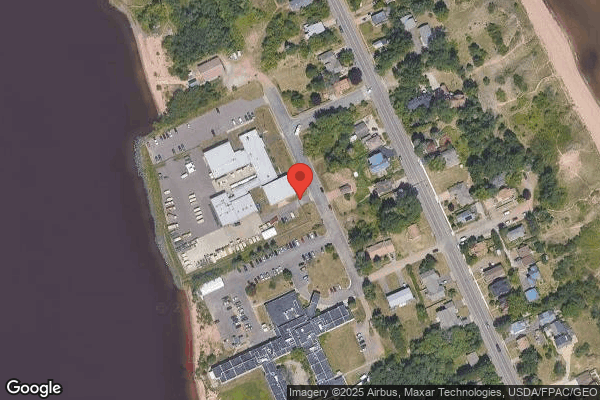
1601 ST LOUIS AVENUE, DULUTH, MN 55802 (218) 727-8651
For profit - Limited Liability company 140 Beds EPHRAM LAHASKY Data: November 2025 3 Immediate Jeopardy citations
Trust Grade
0/100
#218 of 337 in MN
Last Inspection: April 2025

Within standard 12-15 month inspection cycle. Federal law requires annual inspections.

Overview

Bayshore Residence and Rehabilitation Center has received a Trust Grade of F, indicating significant concerns about the quality of care provided. With a state ranking of #218 out of 337 facilities in Minnesota, they are in the bottom half, and their county ranking of #9 out of 17 shows that there are better options locally. The facility is worsening, with issues increasing from 12 in 2024 to 13 in 2025. Staffing is rated at 4 out of 5 stars, which is a strength, indicating that staff are relatively stable despite a 50% turnover rate, which is average for the state. However, the facility faces serious issues, including $132,398 in fines, which is higher than 91% of Minnesota facilities, signaling ongoing compliance problems. Specific incidents of concern include a nursing assistant taking humiliating photographs and videos of residents and sharing them on social media, as well as failing to document a resident's advance directives accurately, which could impact their care wishes in critical situations. Another serious issue involved a resident eloping from the facility, highlighting inadequate supervision. While staffing levels are a plus, the facility has significant weaknesses that families should carefully consider.

Trust Score
F
0/100
In Minnesota
#218/337
Bottom 36%
Safety Record
High Risk
Review needed
Inspections
Getting Worse
12 → 13 violations
Staff Stability
⚠ Watch
50% turnover. Above average. Higher turnover means staff may not know residents' routines.
Penalties
✓ Good
$132,398 in fines. Lower than most Minnesota facilities. Relatively clean record.
Skilled Nurses
✓ Good
Each resident gets 56 minutes of Registered Nurse (RN) attention daily — more than average for Minnesota. RNs are trained to catch health problems early.
Violations
⚠ Watch
37 deficiencies on record. Higher than average. Multiple issues found across inspections.
★★☆☆☆
2.0
Overall Rating
★★★★☆
4.0
Staff Levels
★★☆☆☆
2.0
Care Quality
★★☆☆☆
2.0
Inspection Score
Stable
2024: 12 issues
2025: 13 issues

The Good

  • 4-Star Staffing Rating · Above-average nurse staffing levels
  • Full Sprinkler Coverage · Fire safety systems throughout facility
  • No fines on record

Facility shows strength in staffing levels, fire safety.

The Bad

2-Star Overall Rating

Below Minnesota average (3.2)

Below average - review inspection findings carefully

Staff Turnover: 50%

Near Minnesota avg (46%)

Higher turnover may affect care consistency

Federal Fines: $132,398

Well above median ($33,413)

Significant penalties indicating serious issues

Chain: EPHRAM LAHASKY

Part of a multi-facility chain

Ask about local staffing decisions and management

The Ugly 37 deficiencies on record

3 life-threatening
Apr 2025 13 deficiencies
CONCERN (D)

Potential for Harm - no one hurt, but risky conditions existed

Deficiency F0554 (Tag F0554)

Could have caused harm · This affected 1 resident

**NOTE- TERMS IN BRACKETS HAVE BEEN EDITED TO PROTECT CONFIDENTIALITY** Based on observation, interview, and documents review the facility failed to remove medications after each use for a resident no...

Read full inspector narrative →
**NOTE- TERMS IN BRACKETS HAVE BEEN EDITED TO PROTECT CONFIDENTIALITY** Based on observation, interview, and documents review the facility failed to remove medications after each use for a resident not approved to keep at bedside. This affected 1 of 1 resident (R33) reviewed for self-administration of medication. Findings include: R33's significant change Minimum Data Set (MDS) dated [DATE], identified R33 had intact cognition. Diagnosis included dementia and Parkinson's disease. R33's Self Administration of Medication (SAM) assessment dated [DATE], identified R33 could not identify expiration date of each medication and to continue plan of care. R33's SAM assessment dated [DATE], identified R33 could not identify expiration date of each medication and to continue plan of care. The SAM also identified either R33 did not want to self-administer medications or was unable to determine. R33's care plan undated, lacked documentation related to R33's SAM assessment. During observation on 4/14/25, at 2:16 p.m., a bottle of nystatin powder with R33's name on it was noted on the bedside table in R33's room. During a second observation on 4/16/25 at 7:43 a.m., a bottle of nystatin powder with R33's name on it was again observed on the bedside table in R33's room. During an interview on 4/16/25 at 7:46 a.m., licensed practical nurse (LPN)-A stated to keep medications at the bedside there needs to be a SAM assessment completed that showed the resident was safe to self-administer medication and to keep the medication at bedside. There also needs to be a provider order to keep the medication at bedside. LPN-A entered R33's room and confirmed a bottle of nystatin powder was on R33's bedside table. LPN-A stated R33 did not have a SAM that okayed medications to be kept at bedside because R33 could not self-administer. During an interview on 4/17/25, at 12:31 p.m. registered nurse (RN)-A stated the SAM assessment indicating the resident is cleared to self -administer medication and a provider order needed to be in place before a resident could self-administer medications or keep medications at bedside. During an interview on 4/17/25 at 12: 38 p.m., the director of nursing (DON) stated the SAM assessment and provider order need to be in place to store medications at bedside. Facility policy Self-Administration of Medication last reviewed 12/13/21, indicated if the facility determined a resident was not safe to self-administer medications, the nursing staff would administer the medications. The policy did not discuss if it was safe to store medications at bedside if the resident could not safely self-administer medications.
CONCERN (D)

Potential for Harm - no one hurt, but risky conditions existed

Deficiency F0557 (Tag F0557)

Could have caused harm · This affected 1 resident

**NOTE- TERMS IN BRACKETS HAVE BEEN EDITED TO PROTECT CONFIDENTIALITY** Based on interview and record review, the facility failed to maintain respect and dignity for personal space for 2 of 3 resident...

Read full inspector narrative →
**NOTE- TERMS IN BRACKETS HAVE BEEN EDITED TO PROTECT CONFIDENTIALITY** Based on interview and record review, the facility failed to maintain respect and dignity for personal space for 2 of 3 resident's (R31, R55) reviewed who had their room searched without consent. Findings include: R31's clinical admission undated, indicated R31 was her own responsible party. R31's significant change Minimum Data Set (MDS) assessment dated [DATE], indicated R31 had intact cognition. Diagnoses included heart failure, anxiety and depression. R31's care plan last updated 5/31/24, indicated resident had a behavior problem related to false accusations and blaming others of mistreatment. One documented trigger for behavior listed under interventions was room searches. R31's active order list dated 7/29/24, indicated search room in pairs after each leave of absence, family visit, and as needed. Review of R31's progress notes from 11/1/24 to 4/16/25 indicated the following: - 4/14/25 at 5:54 p.m., writer did a room search with social services and administrator after visitor left. Resident refused search of person and purse. After much discussion regarding choices that have led up to current life choices resident let staff search purse. - 4/10/25 at 5:03 p.m., resident had visitor. Room search completed. Resident allowed but stated: this is a violation of my rights. - 4/8/25 at 10:33 a.m., a Situation, Background, Assessment and Recommendation (SBAR) report was sent to provider that indicated a room search was completed and items found. Recommendations included to restrict leave of absence rights and revoke rights to leave the facility and was signed by the provider. - 4/7/25 at 10:01 p.m., resident son and another visitor came. Resident and visitors went outside at 9:45 and room search was completed. - 4/7/25 at 3:50 p.m. a routine room search was conducted in accordance with facility policy. - 1/2/25 at 9:54 p.m., room search completed as ordered. - 12/5/24 at 9:44 p.m. room search completed. - 11/30/24 at 3:25 p.m. the resident's room was searched this afternoon. (the medical record indicated the resident had been hospitalized from [DATE] to 12/3/24). During an interview on 4/15/25 at 2:07 p.m., R31 stated the facility kept performing searches of her room at all times of the day. They come in two at a time anytime I have a visitor and search my furniture, go through the drawers and purse. Sometimes they even try to search me. They never tell me why; they just walk in and start going through my stuff. Sometimes they ask for permission, but I do not consent to the search. When I don't voluntarily consent to the search they keep talking and pushing until I finally given in and say they can search my stuff. During an interview on 4/16/25 at 7:46 a.m., licensed practical nurse (LPN)-A stated there were residents who had orders to search their rooms after visitors had been present or when the resident left the facility and returned. LPN-A confirmed R31 was one of those residents but LPN-had not done any searches in R31's room. LPN-A believed they did need permission before doing any searches. During an interview on 4/16/25 at 7: 56 a.m., the social services designee (SSD) stated she had participated in room searches of R31's property. All searches were done according to facility policy. R31 did not always give consent voluntarily to perform the search, but after talking with her she would eventually give consent. During an interview on 4/16/25 at 11:58 p.m., registered nurse (RN)-A stated staff did not need permission to perform room searches in R31's room. If we had a concern, our policy allowed us to do the room searches based on those concerns. We would ask R31 for permission, but she did not always give it. During an interview on 4/16/25 at 1:17 p.m., the administrator stated all room searches were done following facility policy. The facility policy Resident Personal Possession Search last reviewed 10/18/22, indicated there would be a reasonable suspicion that a resident had contraband prior to conducting a room/belonging search. Before the search took place, the search must first be approved by the administrator. The items in plain view could be taken by staff. Otherwise, any resident possessions, the resident and/or resident representative must understand why the search was conducted and provided verbal consent before a search of personal items and person was executed. The verbal consent would be documented by the administrator and the provider would be notified by the director of nursing.
CONCERN (D)

Potential for Harm - no one hurt, but risky conditions existed

Safe Environment (Tag F0584)

Could have caused harm · This affected 1 resident

**NOTE- TERMS IN BRACKETS HAVE BEEN EDITED TO PROTECT CONFIDENTIALITY** Based on observation and interview, the facility failed to ensure a resident's room was clean and homelike for 1 of 3 residents ...

Read full inspector narrative →
**NOTE- TERMS IN BRACKETS HAVE BEEN EDITED TO PROTECT CONFIDENTIALITY** Based on observation and interview, the facility failed to ensure a resident's room was clean and homelike for 1 of 3 residents (R45) reviewed for environment. Findings include: R45's admission Minimum Data Set (MDS) dated [DATE], identified an admission date of 10/25/24, and primary diagnosis as orthopedic care following surgical amputation of the right lower leg. During observation and interview on 4/14/25 at 4:02 p.m., R45 stated his room was too dark, there were stains and holes in the walls, one of the blinds wouldn't raise or lower and these things bothered him. On observation, there were several screw holes in the wall between the two windows, and multiple streaks of a brownish-black substance four to five inches long on the wall behind his bed and chair that bothered him. The light over the sink area had droplets of a brown, dried substance on it, and a glob of something brown and thick of about 1 inch long on the front of the light. There was one light over the sink, one over his bed, and one over his chair. R45 stated he has complained to staff about this room. During observation and interview on 4/16/25 at 10:53 a.m., maintenance worker (MW)-B stated they didn't have a routine for checking rooms for maintenance issues because they are in and out of the rooms quite a bit. MW-B said when a room is vacated, they check the lights, doors, toilet, sink, drawers, and closet doors. MW-B stated he was familiar with R45's room and they had painted that room shortly after a resident passed, then R45 was the next resident in the room. MW-B stated R45 had complained about the lighting, so he replaced some bulbs, but he wasn't aware of the holes in the wall and would say that wasn't homelike. As far as the stains on the walls and light fixtures, housekeeping would be responsible for those. During an observation and interview on 4/17/25 at 12:18 p.m., housekeeper (HSK)-A stated every room was house kept daily and included wiping down all surfaces, bathroom, sinks, toilet, sweep and mop the floor. Once a month, or if the resident was out of the building, they will do a deep cleaning of the room. HSK-A stated they didn't have a schedule but just kind of do it on their own. HSK-A observed the stains on R45's walls and light fixture, and acknowledged she could wipe them down, but the lights would have to be maintenance. HSK-A confirmed there was a process for maintenance requests for things that needed to be fixed. During an interview on 4/17/25 at 2:21 p.m., the administrator stated deep room cleaning was done annually and when there was a vacancy. Maintenance had a list of things to go through, including wall repair. The administrator stated he was familiar with R45's room and declined touring it at this time. The administrator's expectation was for resident's rooms to be clean and homelike. A policy, Homelike Environment dated 12/8/21, identified its purpose was for residents to be provided with a safe, clean, comfortable and homelike environment and encouraged to use their personal belongings to the extent possible. The policy didn't address repairs to walls.
CONCERN (D)

Potential for Harm - no one hurt, but risky conditions existed

Assessment Accuracy (Tag F0641)

Could have caused harm · This affected 1 resident

**NOTE- TERMS IN BRACKETS HAVE BEEN EDITED TO PROTECT CONFIDENTIALITY** Based on interview and document review, the facility failed to accurately code the Minimum Data Set (MDS) for 2 of 4 residents (...

Read full inspector narrative →
**NOTE- TERMS IN BRACKETS HAVE BEEN EDITED TO PROTECT CONFIDENTIALITY** Based on interview and document review, the facility failed to accurately code the Minimum Data Set (MDS) for 2 of 4 residents (R65, R86) reviewed for accuracy of assessments. Findings include: R65: R65's quarterly Minimum Data Set (MDS) dated [DATE], identified intact cognition and a diagnosis of morbid obesity. Section N of the MDS identified R65 received one injection of insulin during the assessment period. R65's provider orders dated 1/10/24, identified Trulicity (an injectable non-insulin medication used to improve blood sugar levels) one time weekly. R65's medication administration record for February 2025 identified Trulicity administration on 2/21/25. During an interview on 4/16/25 at 10:35 a.m., registered nurse (RN)-B confirmed the only injectable medication R65 was taking between 2/17 and 2/24/25 would have been Trulicity. During an interview on 4/17/25 at 10:42 a.m., RN-E confirmed she was the nurse responsible for R65's MDS of 2/24/25. RN-E stated her process was to review the resident's orders and other charting to gather information. RN-E reviewed the medication list from the assessment period and confirmed R65 was using Trulicity and she must have coded it as insulin. RN-E state accurate MDS' were important because they affect case mix. A policy for MDS completion was requested but not received. R86: R86's MDS dated [DATE], indicated R86 was cognitively intact with diagnoses of cancer, atrial fibrillation, and generalized muscle weakness. R86's Care Plan Report last updated on 4/16/25, listed resident performance eating - independent/set-up help only provide verbal cues to swallow as needed and take small bites. Head should be upright/forward not leaning back when drinking liquid. The care plan did not identify R86 had dysphasia and lacked instruction for supervised meals. R86's Order Summary Report Active Orders as of 4/17/25, included the following orders: -regular diet ground meat texture, thin liquids -ensure mouth is clean before and after every meal, per speech therapy recommendations -eating: staff supervision, provide verbal cues to swallow as needed, take small bites. head upright/forward when drinking liquids, not leaning back every shift. -Speech eval and treat A Swallow Evaluation Document dated 3/14/25, completed by an Essentia Health Speech therapist indicated R86 had oropharyngeal dysphasia characterized by weakness and decreased coordination. The evaluation recommended cues for head positioning, cues for small bites/sips and follow-up therapy after neurology consult. A nursing note entered on 3/24/25, indicated R86 had had an episode where they could not swallow chicken and had coughed it up on their own. The note referred to speech therapy recommendations and orders in chart for supervision with meals. A provider note dated 3/25/25, included the diagnosis oropharyngeal dysphagia and indicated R86 had been prescribed a new diet order for ground meat post choking episode without overt aspiration. R86's MDS assessment dated [DATE], lacked the following coding: -Section I Active Diagnoses failed to identify R86 had a diagnosis of dysphagia. -Section K Swallowing/Nutrition disorder part K0100 did not identify documented symptoms of possible swallowing disorder that had been identified in R86's medical record. -MDS Section GG - Functional Abilities and Goals failed to identify R86 required supervision with eating. During an interview on 4/17/25 2:07 p.m., RN-E explained when completing the MDS documentation for the seven day look back period gets reviewed. We also meet and review GG during facility IDT meetings. R86 should have been coded for supervision with meals, the risks factors for swallowing should have been coded and the dysphagia diagnosis should have been coded and added to R86's active diagnoses. It is important for these things to be coded correctly so additional changes can be made to update the resident's plan of careplan and the [NAME] for staff to follow. The policy Electronic Transmission of the MDS dated [DATE], indicated the MDS coordinator was responsible for all ensuring all appropriate edits were completed prior to the transmission of MDS data.
CONCERN (D)

Potential for Harm - no one hurt, but risky conditions existed

Quality of Care (Tag F0684)

Could have caused harm · This affected 1 resident

**NOTE- TERMS IN BRACKETS HAVE BEEN EDITED TO PROTECT CONFIDENTIALITY** Based on interview and document review, the facility failed to ensure fluid restrictions were monitored for 2 of 2 residents (R5...

Read full inspector narrative →
**NOTE- TERMS IN BRACKETS HAVE BEEN EDITED TO PROTECT CONFIDENTIALITY** Based on interview and document review, the facility failed to ensure fluid restrictions were monitored for 2 of 2 residents (R5, R31) reviewed for quality of care. In addition, the facility failed to notify the provider upon resident refusal of medication and when a resident's weight went outside prescribed parameters for 1 of 1 resident (R45). Findings include: R5: R5's quarterly Minimum Data Set (MDS) assessment dated [DATE], indicated R5 had intact cognition. Diagnoses included anemia and end stage renal disease. R5 currently received hemodialysis. R5's care plan dated 11/14/24 indicated a risk for altered fluid balance related to (R/T) kidney disease and heart disease: 1200 milliliter (ml) fluid restriction. R5's provider orders dated 3/15/25 indicated a 1200 ml fluid restriction to be documented on each shift. Review of R5's medical record indicated the following: - On 4/9/25 1580 ml of fluid was received - Fluid intake documentation was missed on 3 shifts, NA was charted on 3 shifts and an X was charted on 3 shifts instead of that shift's fluid intake. R31: R31's significant change MDS assessment dated [DATE], indicated R31 had intact cognition. Diagnoses included anemia, heart failure, and renal insufficiency. R31's care plan last revised on 1/31/25, indicated resident had congestive heart failure with an intervention that included a 64 ounce/day (1920 ml) fluid restriction. R31's orders dated 7/29/24 indicated a 64 ounce/day (1920 ml) fluid restriction to be charted on every shift. Review of R31's treatment records for 1/25-4/25 indicated the following: - During month of 1/25 3 shifts did not document any kind of intake, and 13 shifts documented NA instead of an intake number. - During the month of 2/25 9 shifts did not document any kind of intake, and 6 shifts documented NA instead of an intake number. - During the month of 3/25 7 shifts did not document any kind of intake, and 5 shifts documented NA instead of an intake number. - During the month of 4/25 4 shifts did not document any kind of intake. During an interview on 4/16/25 at 7:46 a.m., licensed practical nurse (LPN)-A stated dietary would send up a set amount of liquid with each meal. Nursing staff also had a set amount of fluid that could be given outside of mealtime. The nurse assistants kept track of the numbers and gave them to nursing to enter in the computer each shift for a total amount every 24 hours. LPN-A confirmed R5 and R31 were on fluid restrictions of some kind. During an interview on 4/16/25 at 10:59 a.m., registered nurse (RN)-C stated nursing entered the total number of intakes each shift. She confirmed R5 and R33 had shifts that either had no documentation or NA as documentation for the month of 4/25. Keeping track of fluid intake when residents have ordered fluid restrictions was important because of the increased risk of fluid overload for residents with heart failure or on dialysis. During an interview on 4/16/25 at 11:18 a.m., the director of nursing (DON) stated fluid intake should be documented on all shifts. A fluid restriction policy was not provided. R45: R45's significant change in status Minimum Data Set (MDS) dated [DATE], identified intact cognition and diagnoses of atrial fibrillation (an irregular heart rhythm), morbid obesity, chronic kidney disease, hypertension, and chronic obstructive pulmonary disease (COPD, a lung and airway disease which restricts breathing). R45's provider orders dated 3/21/25, identified to weigh R45 every other day in the morning before eating or drinking. Call the Heart Center for weight gain of three pounds overnight accompanied by any symptoms of fluid retention; Weight gain or loss of five pounds or more in a week. An order dated 3/13/25 identified Torsemide (a diuretic used to treat fluid retention) 20 milligrams (mg) one time daily. R45's care plan dated 3/24/25, identified a risk for ineffective peripheral tissue perfusion related to edema (excess fluid). Interventions included evaluating for edema, to educate R45 on the necessity to provide care and treatment due to his history of refusing medications and treatments, to notify provider of new-onset findings, and to provide verbal feedback to resident. R45's electronic medical record (EMR) for April 2025 identified the following weights: -4/10 366.4 -4/12 373 -4/14 R45 refused to be weighed. -4/16 380.4 On 4/16/25, R45's medication administration record (MAR) for April 2025, identified R45 refused torsemide from 4/10/25 through 4/16/25. R45's progress notes in the EMR didn't reflect provider notification of weight gain or refusals of medication. During an interview on 4/14/25 at 3:53 p.m., R45 stated he refused the diuretic because it made him go to the bathroom so much, he couldn't control his bladder, so he refused it daily. During an interview on 4/16/25 at 1:40 p.m., licensed practical nurse (LPN)-B confirmed she was the nurse caring for R45 today. LPN-B stated the provider was aware of R45's refusals of torsemide and they normally make a progress note when they update the provider, but sometimes information got put in a provider rounding book which was not part of the EMR. LPN-B stated would call the provider if a resident's weight was up or down five pounds, otherwise they fax the weights to the heart center every couple of months. During an interview on 4/16/25 at 1:55 p.m., registered nurse (RN)-B nurse manager stated she wasn't aware R45 had been missing his diuretic or had weight gain. RN-B stated she would expect the nurse to update the heart center with five pound or more gain or loss. For R45, the risk of having too much fluid would be going into heart failure. During an interview on 4/17/25 at 1:23 p.m., RN-B nurse manager stated she had found an SBAR (acronym for situation, background, assessment, and recommendation) communication on 4/10/25 updating the provider of torsemide not taken that day. The communication wasn't part of the EMR. During an interview on 4/17/25 at 3:54 p.m., the director of nursing (DON) would expect a provider be notified when a resident with weight parameters gained weight and would expect vital signs and an assessment be done when a resident like R45 gains weight, and that the weights were reported to the provider. A policy, Refusal of Treatment dated 6/30/21, identified the facility shall honor a resident's request not to receive medical treatment as prescribed by their physician, as well as care routines outlined on the resident's assessment and plan of care. The policy identified if a resident refused a treatment the unit manager, DON, or charge nurse would interview the resident to determine why they were refusing and to try address the concern. Detailed information about the resident refusal should be documented in the medical record. Documentation must contain the date and time of attempted treatment or medication, what was refused, the resident's response and reason for refusing, the name of the person attempting the treatment or medication, that the resident was informed of the reason for the treatment and possible consequences of not receiving the medication or treatment, date and time physician was notified, and the resident's condition. Notification of physician must be made in a time frame determined by the resident's condition and potential serious consequences of the refusal.
CONCERN (D)

Potential for Harm - no one hurt, but risky conditions existed

Pressure Ulcer Prevention (Tag F0686)

Could have caused harm · This affected 1 resident

**NOTE- TERMS IN BRACKETS HAVE BEEN EDITED TO PROTECT CONFIDENTIALITY** Based on interview and document review, the facility failed to ensure weekly skin checks were performed for a resident who devel...

Read full inspector narrative →
**NOTE- TERMS IN BRACKETS HAVE BEEN EDITED TO PROTECT CONFIDENTIALITY** Based on interview and document review, the facility failed to ensure weekly skin checks were performed for a resident who developed a pressure ulcer in the facility, to ensure the resident care plan included the presence of actual pressure ulcers, with individualized interventions based on assessment to include turning and repositioning frequency, the presence of integrated wound therapies, an actual wound infection, and manufacturer's recommendations for checking inflation of a Roho (specially designed inflatable wheel chair cushion) for 1 of 2 (R21) residents reviewed for pressure ulcer care. Findings include: R21's quarterly Minimum Data Set (MDS) dated [DATE], identified intact cognition and diagnoses of multiple sclerosis (MS), quadriplegia, muscle weakness and unstageable pressure wound to left buttock. The MDS identified R21 had limited range of motion in the upper and lower extremities and needed maximum assistance with bed mobility. The 3/6/25 MDS indicated a risk for pressure sores but no actual pressure sore. R21's provider orders identified: -Weekly skin checks on bath days, with a revision on 3/31/25 to include checking the Roho cushion to make sure it was inflated every Tuesday evening. -On 4/4/25 an order for protein supplement shakes three times per day and sulfamethoxazole-trimethoprim (an antibiotic used to treat infections) for 10 days for wound infection. -On 4/10/25 an order for Dakin's half-strength to left ischial tuberosity (bony prominence under buttock) every day shift, cleanse with wound cleanser, apply Dakin's wet to dry, cover with abdominal pad and tape in place. R21's care plan dated 6/17/24 identified a risk for pressure ulcer development related to diagnoses with interventions to monitor for signs and symptoms of infection, administer pain medication as ordered, pressure reducing custom cushion in wheelchair, pressure reduction mattress, weekly treatment documentation, and a new intervention dated 4/9/25 to check Roho cushion for proper inflation. R21's care plan also identified a risk for infection related to chronic wound dated 4/11/25 with interventions to evaluate for signs and symptoms of infection, and to put enhanced barrier precautions in place. R21's electronic medical record (EMR) identified the following: -3/18/25 Weekly Bath Audit V9 completed, no skin issues noted -3/22/25 progress note: Resident had shower this evening. Staff noted redness on perineal/buttock area. Barrier cream applied and oncoming night shift nurse notified. - 3/25/25 progress note: Skin clean, dry and intact. Nothing unusual. - 3/30/25 progress note: Resident has wound to left buttock. Dressing had drainage and odor, cleaned with wound cleanser and covered with foam border dressing. -3/31/25 progress note: Tylenol for sore backside with pain rated 7/10 -3/31/25 first picture and measurements of the wound which measured 7.6 centimeters (cm) by 4.2 cm by 2.4 cm deep. -3/31/25 progress note: Notified that resident has new open area on left buttock. Resident states My ass hurts, it's like someone put a cigarette out on it Writer and Nurse manager assessed area. Unstageable pressure injury to left ischium present measuring 4.3 x 2.5 x 0.1 cm. Wound bed is 100% slough with odor present. Foam border dressing applied. Resident is currently on a foam pressure reducing mattress and a ROHO cushion in his wheelchair. ROHO was noted to be flat, resident states that probably has been that way for a while as he noted discomfort while sitting in wheelchair. ROHO was properly reinflated. Eldercare NP notified and saw resident on facility rounds. Received order to cleanse, then apply Santyl and foam border dressing daily and to have Integrated Wound Care (IWC) evaluate and treat on next rounding day. Resident is his own responsible party. -4/1/25 Weekly Bath Audit V9 completed noting open are on left buttock. Old dressing fell off and new dressing completed. -4/3/25 Interdisciplinary Team (IDT) met and reviewed wounds. Resident seen by ADON and LPN NM on 4/2/25. Currently monitoring unstageable pressure injury to left ischium which is new this week. See wound assessment for measurements and orders for treatment. Current interventions include ROHO cushion in w/c and foam mattress in bed, encourage to offload area while in bed. Will add to IWC rounds next week. -4/9/25 Skin and Wound Evaluation form identified a new, unstageable pressure ulcer but didn't have sections filled out for assessment and plan. No other assessments for that wound were located. During an interview on 4/14/25 at 5:57 p.m., R21 stated he had a sore on his bottom, it hurts sometimes but not right now. R21 said they changed the dressing every day. R21 was positioned with a pillow under the left hip. During an interview on 4/15/25 at 2:57 p.m., nursing assistant (NA)-C stated they were positioning R21 every hour when they could, but for sure before two hours. NA-C stated R21 did get up in the wheelchair sometimes, but not so much lately because of his sore, but he wasn't aware of anything special they needed to do with his cushion. NA-C stated he would either look at the care plan or ask someone to know how to care for residents. During an interview on 4/15/25 at 3:15 p.m., physical therapy assistant (PTA)-E confirmed he was currently working with R21 for range of motion in the upper and lower body. They have had to modify the lower body stretches because of the sore on his left buttock. PTA-E stated R21 has had the Roho cushion for as long as he has worked here. PTA-E said as he understands it, the cushion was found to be flat after resident had been using it, and an occupational therapist refilled it. PTA-E wasn't sure if any education was done with staff about the cushion and proper inflation, he would say to check inflation daily, especially if a resident has a sore. In PTA-E's opinion, R21 wouldn't be able to shift his weight on his own even if he was reminded, he needed physical assistance. During an interview on 4/15/25 at 3:34 p.m., NA-E stated she had not been taught anything about R21's Roho cushion, but she would just press on it before using it and if it was good and firm she would use it. If not, NA-E would report to the nurse. During an interview on 4/17/25 at 9:17 a.m., NA-D stated he knew there was a special cushion for R21's wheelchair but wasn't aware of anything special that needed to be done with it. During an interview on 4/17/25 at 12:14 p.m., licensed practical nurse (LPN)-B confirmed she was familiar with R21 and what they were doing differently since he had a wound was to make sure the Roho cushion was fully inflated. LPN-B added that a spare pump was in his room now, and they were all educated on making sure the cushion was full. LPN-B stated there wasn't repositioning on his care plan yet, they all just knew to reposition him, she would guess it is more frequent than every two hours. During an interview on 4/17/25 at 1:09 p.m., registered nurse (RN)-B nurse manager stated the intervention added to R21's care plan after he developed the wound was to check every week that the Roho cushion was fully inflated. RN-B stated therapy came up and made sure the cushion was properly reinflated after it was found to be flat, and some verbal education was done with floor nursing staff. RN-B stated she wasn't familiar with the Roho cushion manufacturer's directions but could look them up. The assistant director of nursing (ADON) added they relied on the standard of care for repositioning every two to three hours. The interventions on the care plan were all standard, but they could personalize it. The ADON stated the expectation was that weekly bath audits were done weekly, even if the resident refused their bath or shower, they should offer a bed bath, document, and still do the skin inspection. The ADON feels they may have been able to put interventions in sooner if the skin inspections had been done. During an interview on 4/17/25 at 3:53 p.m., the director of nursing (DON) stated it was her expectation to reposition residents routinely, which was every two to three hours, and she would expect skin inspections to be done weekly. The DON stated it would be impossible to say whether or not the wound would have been found sooner if weekly skin checks were done because they weren't done. A policy, Prevention of Pressure Injuries dated 9/29/21, identified its purpose was to provide information regarding identification of pressure injury risk factors and interventions for specific risk factors. The policy indicated all residents at risk for or with actual pressure ulcers will be repositioned on an individualized schedule as determined by the interdisciplinary care team. A document submitted by the facility, Annual Education dated November 2024, identified mandatory education topics for NAs. Topics listed included positioning and wound reporting, but the document didn't contain information on the curriculum. Education material provided to staff regarding Roho cushion inflation was requested but not received.
CONCERN (D)

Potential for Harm - no one hurt, but risky conditions existed

Deficiency F0700 (Tag F0700)

Could have caused harm · This affected 1 resident

**NOTE- TERMS IN BRACKETS HAVE BEEN EDITED TO PROTECT CONFIDENTIALITY** Based on observation, interview and document review, the facility failed to comprehensively assess prior to resident use of bed ...

Read full inspector narrative →
**NOTE- TERMS IN BRACKETS HAVE BEEN EDITED TO PROTECT CONFIDENTIALITY** Based on observation, interview and document review, the facility failed to comprehensively assess prior to resident use of bed rails for 1 of 1 resident (R52) reviewed for bed rail use. Findings include: The Guidance for Industry and Federal Drug Administration (FDA) Staff, Hospital Bed System Dimensional and Assessment Guidance to Reduce Entrapment issued on 3/10/24, indicated a comprehensive assessment to prevent entrapment should be looked at when bedrails are considered for a resident. The comprehensive assessment included seven zones to look at and take measurements of which included the following: Zone 1: Within the rail Zone 2: Under the rail, between the rail supports or next to a single rail support. Zone 3: Between the rail and the mattress. Zone 4: Under the rail and the mattress. Zone 5: Between split bed rails. Zone 6: Between the end of the rail and the side edge of the head or footboard. Zone 7: Between the head or foot board and the mattress end. R52's quarterly Minimum Data Set (MDS) dated [DATE], indicated R52 had moderate to severe cognitive impairment. Diagnoses included dementia, Huntington's disease and depression. Section G- Functional Abilities and Goals indicated R52 had impairments to both sides of the upper and lower body and was dependent for all mobility needs. R52's care plan dated 4/17/25, indicated a physical mobility impairment related to Huntington's disease and intervention included assist resident to perform movements/tasks. It further identified an activity of daily living self-care need with interventions that included extensive assist of two staff to turn and reposition in bed. Bedrail in place to promote independence. R52's Bedrail Risk Assessment (BRA) dated 9/13/24, indicated four sections are looked at: - Section one looked at risk of climbing out of bed, resident confusion state and if bedrails present a higher risk to falling out of bed. - Section two looked at has an alternate to bedrails been looked at, can resident roll, slip or slide out of bed; has resident been consulted about rails; does resident understand the purpose for bedrails, is family involved. - Section three looked at is the resident small in stature, does the resident have a large head, is there a gab between the lower rail and the mattress will the bedrail fall off the bed and if any of the mentioned will create an entrapment hazard? - Section four looked at the gap between the bedrail and the headboard, if the bedrail fits correctly, is secure, is compatible with the bed and in working order. The BRA lacked information related to zone 1, Zone 2, the footboard portion of zone 6, and zone 7. The BRA also lacked documentation what alternatives were attempted prior to the use of bedrails. On 4/14/25 at 2:27 p.m., R52's bed was observed and there was a half bedrail attached to both sides of the bed, in the middle of each side of the bed. During an interview on 4/15/25 at 11:48 a.m., the maintenance supervisor (MS) stated when a request is made for a bedrails, they made sure there were provider orders entered into the resident medical record. Once orders were confirmed the bedrails would be placed on the bed. The MS stated they did not do any measurements or other items related to bed assessments that involved concerns related to entrapment. During an interview on 4/16/25 at 12:33 p.m., the administrator stated therapy department did the evaluations each time bedrails were recommended for a resident and assessments were completed based on policy. During an interview on 4/17/25 at 8:55 a.m., physical therapy assistant (PTA)-A stated she performed the bedrail assessments for all residents who had bedrails recommended to be placed. The assessment was performed on the same day maintenance placed the rails on the beds. There was a form that was filled out that looked at all parts of the bed and the bedrail to make sure everything is safe. Measurements were taken from the top of the rail to the headboard and then I made sure the gap between the bedrail and the mattress was no bigger than the width of my hand. There were no other measurements taken when risk of entrapment was looked at. PTA-A reviewed R52's BRA dated 9/13/24 and acknowledged she had performed that assessment and this was the most recent/last assessment she had completed. Facility policy Bed Safety and Bed Rails last reviewed 10/18/22, indicated bed frames, mattresses and bedrails would be checked for compatibility and size prior to use. Regardless of mattress type, width, length, and/or depth, bedframe, bed rail and mattress will leave no gap wide enough to entrap a residents head or body. Any gaps in the bed system are within the safety dimensions established by the FDA.
CONCERN (D)

Potential for Harm - no one hurt, but risky conditions existed

Deficiency F0757 (Tag F0757)

Could have caused harm · This affected 1 resident

**NOTE- TERMS IN BRACKETS HAVE BEEN EDITED TO PROTECT CONFIDENTIALITY** Based on interview and record review, the facility failed to ensure indications for use were identified for ordered medications ...

Read full inspector narrative →
**NOTE- TERMS IN BRACKETS HAVE BEEN EDITED TO PROTECT CONFIDENTIALITY** Based on interview and record review, the facility failed to ensure indications for use were identified for ordered medications in 1 of 5 residents (R26) reviewed for unnecessary medication. Findings include: R26's admission Minimum Data Set (MDS) dated [DATE], indicated moderately impaired cognition with diagnoses of dementia, muscle weakness, Wernicke's encephalopathy (neurological condition caused by a lack of thiamine), hypertension, hypothyroidism, urinary incontinence, type 2 diabetes, and alcohol use in remission. R26's orders reviewed on 4/15/25, identified the following medication orders: -aspirin low dose oral tablet delayed release 81 mg- give one tablet by mouth once a day for analgesics- nonnarcotic -atorvastatin 40 mg- give one tablet by mouth at bedtime for antihyperlipidemics, chemicals -finasteride oral tablet 5 mg- give one tablet by mouth once a day for genitourinary agents, miscellaneous, dermatologicals -levothyroxine oral tablets 112 micrograms (mcg)- give one tablet by mouth once a day for thyroid agents, chemicals daily at 6:00 a.m. -pantoprazole sodium delayed release oral tablet 20 mg- give one tablet by mouth twice a day for ulcer drugs/antispasmodics/anticholinergics, chemicals -psyllium oral powder 28.3%- give one packet by mouth once a day for laxatives -solifenacin succinate oral tablet 5 mg- give one tablet by mouth once a day for urinary antispasmodics -tamsulosin oral capsule 0.4 mg- give two capsules by mouth once a day for genitourinary agents-miscellaneous -thiamine oral tablet 100 mg- give two tablets by mouth once a day for vitamins with supper -vibegron oral tablet 75 mg milligrams (mg)- give one tablet by mouth once a day for urinary antispasmodics During interview on 4/16/25 at 10:18 a.m., trained medication aide (TMA)-A stated medication orders typically have indication for use that can be seen on the medication administration record. TMA-A verified medications listed did not seem to have an indication. During interview on 4/16/25 at 10:24 a.m., registered nurse (RN)-B stated medications should have an indication for use listed. RN-B reviewed R26's medication list and verified lack of indications. During interview on 4/17/25 at 10:45 a.m., licensed practical nurse (LPN)-C stated an indication needs to be on the medication order and it is important for clarity of why a resident received medication. LPN-C stated the indication is usually one of a resident's diagnoses. During joint interview on 4/16/25 at 10:28 a.m., RN-C verified lack of indications for medication listed in R26's medical chart. Director of nursing (DON) and RN-C stated expectation for medication orders to have indications such as a diagnosis or condition.
CONCERN (D)

Potential for Harm - no one hurt, but risky conditions existed

Medication Errors (Tag F0758)

Could have caused harm · This affected 1 resident

**NOTE- TERMS IN BRACKETS HAVE BEEN EDITED TO PROTECT CONFIDENTIALITY** Based on interview and document review, the facility failed to ensure behavior monitoring and gradual dose reduction (GDR) or ju...

Read full inspector narrative →
**NOTE- TERMS IN BRACKETS HAVE BEEN EDITED TO PROTECT CONFIDENTIALITY** Based on interview and document review, the facility failed to ensure behavior monitoring and gradual dose reduction (GDR) or justification of continued use was identified for 1 of 5 (R5) residents reviewed for unnecessary medication who were on a psychotropic medication. In addition, the facility failed to ensure ordered medication had an indication for use for 2 of 5 residents (R23, R26) reviewed for unnecessary medication. Findings include: R5: R5's quarterly Minimum Data Set (MDS) dated [DATE], identified R9 had intact cognition and had diagnoses that included anxiety, depression, and post-traumatic stress disorder. R5's care plan dated 4/17/25, indicated a history of depression related to disease processes and family history. Interventions included monitor resident for signs/symptoms of depression that included hopelessness, anxiety sadness, insomnia, anorexia, verbalizing negative statements. R5's physician orders dated 3/3/25, indicated, Buspar 15 milligrams (mg) three times a day (TID) by mouth for anxiety and Lexapro 10 mg, 1.5 tablets by mouth daily for major depressive disorder. The orders lacked the date both medications were first started. R5's Consultant Pharmacist's Medication Review dated 2/2/25, indicated a gradual dose reduction (GDR) was due for Buspar 15 mg TID by mouth. The original order dated was 11/1/23. If the GDR is appropriate, consider Buspar 10 mg TID by mouth. If the GDR was clinically contraindicated, please document a rationale to support that decision-either below or in a progress noted. Provider response dated 2/3/25 indicated provider agreed with the GDR recommendation if patient agreeable. On 2/3/25 the director of nursing (DON) wrote patient declined and wanted to stay on current dose. R5's Consultant Pharmacist's Medication Review dated 8/6/24, indicated a gradual dose reduction (GDR) was due for Lexapro 15 mg daily by mouth. The original order dated was 11/2/23. If the GDR is appropriate, consider Lexapro 10 mg daily by mouth. If the GDR was clinically contraindicated, please document a rationale to support that decision-either below or in a progress noted. Provider response dated 8/23/24, indicated disagree with explanation. Resident stable. R5's provider 30-day review progress notes dated 4/1/25, identified R5 had anxiety and post-traumatic stress disorder currently on Buspar 15 mg three times a day by mouth and Lexapro 15 mg daily by mouth. The 12-point review of systems (ROS) was performed, and positives noted in HPI and PMH, pertinent negatives reviewed, and otherwise negative. The provider progress notes lacked any documentation that indicated a GDR of Lexapro or Buspar was clinically contraindicated. R5's provider progress notes (PPN) dated 3/21/25, indicated R5 had no complaints at the visit. The PPN identified R5 had anxiety and post-traumatic stress disorder currently on Buspar 15 mg three times a day by mouth and Lexapro 15 mg daily by mouth. The 12-point review of systems (ROS) was performed, and positives noted in HPI and PMH, pertinent negatives reviewed, and otherwise negative. The provider progress notes lacked any documentation that indicated a GDR of Lexapro or Buspar was clinically contraindicated. R5's physician 60-day review progress notes dated 11/15/24, identified R5 had anxiety and post-traumatic stress disorder currently on Buspar 15 mg three times a day by mouth and Lexapro 15 mg daily by mouth. The 12-point review of systems (ROS) was performed, and positives noted in HPI and PMH, pertinent negatives reviewed, and otherwise negative. The provider progress notes lacked any documentation that indicated a GDR of Lexapro was clinically contraindicated. R5's medical record failed to identify behavior monitoring and corresponding nursing assessment either supporting the continuation of the Buspar and Lexapro doses or recommendation of a dose reduction. During an interview on 4/16/25 at 7:46 a.m., licensed practical nurse (LPN)- A stated behaviors would be documented in the computers. I would make a progress note for behaviors that occurred at the time they occurred. LPN-A thought there would be orders in the computer for behavior monitoring and side effect monitoring which would show up on either the medication administration record or the treatment administration record, so staff was aware to document on side effect monitoring and behavior monitoring. Since LPN-A had started in the facility R5 had been very pleasant and had no behaviors or concerns that staff was aware of. During an interview on 4/17/25 at 12:31 p.m., registered nurse (RN)-A stated the pharmacist would send all GDR recommendations to the DON for review. The DON would then send them to the nurse managers to work on and see if appropriate to be performed. During an interview with the DON at 4/17/25 at 12:35 p.m., the DON stated she was part of the GDR decision process. Discussion would occur in IDT and review of resident's medical chart. We would then relay our findings and recommendations to the provider for final say. If a resident did not want to do the GDR we would not perform one, even if there was no other clinical indication not to do the GDR. The pharmacy consultant (PC) was called on 4/17/25 at 1:18 p.m., but did not answer. The PC did not return call. The facility policy Gradual Dose Reduction Guidelines last updated 11/30/21, indicated a GDR would be attempted after the resident had been in the facility of a newly initiated psychotropic medication had been used for one year. If a GDR request was initiated by pharmacy, the monthly information would be brought forth for discussion. Based on behavior occurrences and documentation review, the determination whether a reduction would be discussed. Documentation of resident behavior monitoring documentation was requested but not provided. R23: R23's annual Minimum Data Set (MDS) dated [DATE], indicated largely intact cognition with diagnoses that included hemiplegia (paralysis on one side of the body) and hemiparesis (weakness on one side of the body) following cerebral infarction affecting right dominant side, dementia, insomnia, depression, anxiety, type 2 diabetes, and alcohol dependence in remission. R23's order summary reviewed on 4/16/25, contained an order for ramelteon oral tablets 8 milligrams (mg)- give on tablet by mouth at bedtime for hypnotics/sedatives/sleep disorder agents. During interview on 4/16/25 at 10:18 a.m., trained medication aide (TMA)-A stated medication orders typically have indication for use that can be seen on the medication administration record. TMA-A verified medication listed for R23 did not seem to have an indication. During interview on 4/16/25 at 10:24 a.m., registered nurse (RN)-B stated medications should have an indication for use listed. RN-B reviewed R23's medication list and verified lack of indication. During interview on 4/17/25 at 10:45 a.m., licensed practical nurse (LPN)-C stated an indication needs to be on the medication order and it is important for clarity of why a resident received medication. LPN-C stated the indication is usually one of a resident's diagnoses. During joint interview on 4/16/25 at 10:28 a.m., RN-C verified lack of indication for medication listed in R23's medical chart. Director of nursing (DON) and RN-C stated expectation for medication orders to have indications such as a diagnosis or condition. DON stated if the medication was an antipsychotic or other psychotropic then indication needs to be there. R26: R26's admission Minimum Data Set (MDS) dated [DATE], indicated moderately impaired cognition with diagnoses of dementia, muscle weakness, Wernicke's encephalopathy (neurological condition caused by a lack of thiamine), hypertension, hypothyroidism, urinary incontinence, type 2 diabetes, and alcohol use in remission. R26's order summary reviewed on 4/15/25, included the following medication orders: -seroquel oral tablet 200 mg- give one tablet by mouth at bedtime for antipsychotics/antimanic agents -buspirone oral tablet 30 mg- give one tablet by mouth twice a day for antianxiety agents, chemicals with breakfast and supper During interview on 4/16/25 at 10:24 a.m., registered nurse (RN)-B stated medications should have an indication for use listed. During interview on 4/17/25 at 10:45 a.m., licensed practical nurse (LPN)-C stated an indication needs to be on the medication order and it is important for clarity of why a resident received medication. LPN-C stated the indication is usually one of a resident's diagnoses. During joint interview on 4/16/25 at 10:28 a.m., RN-C verified lack of indication for medication listed in R26's medical chart. Director of nursing (DON) and RN-C stated expectation for medication orders to have indications such as a diagnosis or condition. DON stated if the medication was an antipsychotic or other psychotropic then indication needs to be there.
CONCERN (D)

Potential for Harm - no one hurt, but risky conditions existed

Infection Control (Tag F0880)

Could have caused harm · This affected 1 resident

**NOTE- TERMS IN BRACKETS HAVE BEEN EDITED TO PROTECT CONFIDENTIALITY** Based on observation, interview and document review the facility failed to perform appropriate hand hygiene while doing a brief ...

Read full inspector narrative →
**NOTE- TERMS IN BRACKETS HAVE BEEN EDITED TO PROTECT CONFIDENTIALITY** Based on observation, interview and document review the facility failed to perform appropriate hand hygiene while doing a brief change for 1 of 1 resident (R52) reviewed for infection control. In addition, the facility failed to ensure a shared glucometer was cleaned and sanitized according to manufacturer's instructions for 1 of 1 resident (R78) reviewed for blood sugar testing, and to ensure hand hygiene and gloves were in place during eye drop administration for 1 of 4 residents (R64) reviewed for medication administration. Findings include: R52: R52's quarterly Minimum Data Set (MDS) dated [DATE], indicated R52 had moderate to severe cognitive impairment. Diagnoses included dementia, Huntington's disease and depression. Section G- Functional Abilities and Goals indicated R52 had impairments to both sides of the upper and lower body and was dependent for toileting hygiene. The MDS indicated R52 was always incontinent of both bowel and bladder. During observation on 4/15/25 at 1:38 p.m., nurse assistant (NA)-A and NA-B took R52 to his room from the dinning hall. NA-A and NA-B washed their hand and placed gloves on their hand and then transferred R52 to bed utilizing a hoyer lift. After transfer to bed NA-A and NA-B pulled R52's pants down and exposed his brief. NA-A undid the dirty brief and pulled the top down flat on the bed, but still under R52's buttocks. At the same time, without removing dirty gloves and hand washing, NA-B gathered the necessary equipment to clean R52. Without washing hands or changing gloves NA-A and NA-B cleaned both sides of R52's groin area with wet wipes. The dirty brief was then removed from under R52's bottom, R52 was turned to the right and then to the left, cleaning both sides while being turned. After cleaning was completed, NA-A placed a clean brief under R52's buttocks, R52 was rolled on his back and the brief was secured over R52's groin area without removing the soiled gloves, washing hands and putting new clean gloves on. R52's pants were then placed back on. Lastly R52 was lifted back into his chair. At this point NA-A and NA-B removed their dirty gloves and washed their hands. During an interview on 4/14/25 at 1:54 p.m., NA-A and NA-B stated they would not change gloves or wash their hands except at the beginning and the end of providing peri cares. The only time they would change gloves and wash hands during the process of provided peri cares would be if the glove or skin encountered actual stool. During an interview on 4/16/25 at 2:08 p.m., the infection preventionist/assistant director of nursing (IP) stated gloves needed to be changed and hands washed anytime they were going from dirty to clean when providing peri care. Example given was when the staff finished brief removal and cleaning of the peri area, hands would need to be washed, and gloves changed before placing the new clean brief on the resident. Facility policy Handwashing/Hand Hygiene last updated 8/25/21, indicated hand washing or utilizing alcohol based hand rub would be used: A: before and after coming on duty. B: before and after direct contact with residents. C: before handling clean or soiled dressing, gauze pads etc: D. before staff moved from a contaminated body site to a clean body site during resident cares. R78: R78's quarterly Minimum Data Set (MDS) dated [DATE], identified intact cognition and a diagnosis of diabetes mellitus. R78's medical record identified an order dated 10/2/24, for blood sugar testing two times per day. During an observation and interview on 4/16/25 at 7:27 a.m., licensed practical nurse (LPN)-B checked blood sugar for R78 with a facility glucometer. When finished, LPN-B carried the glucometer back to the medication cart, cleaned it with an alcohol wipe and then set it on top of the cart. LPN-B stated the glucometer was shared between two residents, the rest of the residents either had their own meter or a continuous blood glucose monitor. LPN-B stated her process was to wear gloves when she was using the meter and then to clean it with an alcohol wipe. R64: R64's quarterly MDS dated [DATE], identified moderately impaired cognition and diagnoses of hypertension, renal failure, depression and COPD. R64's medical record identified an order dated 2/11/25, for Refresh Liquigel (brand name ophthalmic solution) one drop to both eyes four times per day for dry eyes. During an observation and interview on 4/16/25 at 7:40 a.m., trained medication aid (TMA)-B prepared to assist R64 with Refresh Liquigel. TMA-B got a tissue, leaned R64 back in her chair, tilted her head back, used his left hand to hold her right eye open and applied a drop, he was not wearing gloves. TMA-B then used one hand to hold her left eye open and the other to place one drop in her left eye. R64 stated the drop didn't get in her eye, TMA-B repeated the process and then handed R64 a tissue. TMA-B stated he wore gloves sometimes but not for R64 because she got scared. TMA-B stated it was important to wear gloves when giving eye drops to protect from germs. During an interview on 4/16/25 at 11:46 a.m., licensed practical nurse (LPN)-A stated he would use purple top wipes to clean the glucometer if he used it, but he hasn't had to use it because the residents on his side either have a CGM or their own glucometer. During an interview on 4/17/25 at 1:28 p.m., the assistant director of nursing (ADON) stated she didn't expect anyone to have a shared glucometer, and if there were she would expect it to be cleaned with purple-top wipes. The ADON also stated she would expect clean hands and gloves when administering eye drops. These were important for infection control. A policy, Administering Medications dated 12/13/21, identified staff will follow established facility infection control procedures (e.g., handwashing, antiseptic technique, gloves, isolation precautions, etc.) for the administration of medications as applicable. A policy, Obtaining a Fingerstick Glucose Level dated 9/30/21, identified to clean and disinfect reusable equipment between uses according to the manufacturer's instructions and current infection control standards of practice. The manufacturer's instructions for the Medline Evencare G2 blood glucose system included two steps. The first step was to clean the machine of any visible soil with a soft cloth and a mild detergent. Cleaning must be done to ensure proper disinfection in the next step. Step two was to disinfect the meter with one of the products validated for use with their meter, listed as: Dispatch Hospital Cleaner Disinfectant towels with bleach, Clorox Healthcare Bleach germicidal and disinfectant wipes, Medline Micro-Kill Bleach germicidal bleach wipes. The glucometer should remain wet with the product for the amount of time designated by product instructions.
CONCERN (D)

Potential for Harm - no one hurt, but risky conditions existed

Deficiency F0909 (Tag F0909)

Could have caused harm · This affected 1 resident

**NOTE- TERMS IN BRACKETS HAVE BEEN EDITED TO PROTECT CONFIDENTIALITY** Based on observation, interview and document review, the facility failed to conduct regular inspection of all bed frames, mattre...

Read full inspector narrative →
**NOTE- TERMS IN BRACKETS HAVE BEEN EDITED TO PROTECT CONFIDENTIALITY** Based on observation, interview and document review, the facility failed to conduct regular inspection of all bed frames, mattresses, and bed rails as part of a regular maintenance program 1 of 1 resident (R52) reviewed for bed rail safety. Findings include: R52's quarterly Minimum Data Set (MDS) dated [DATE], indicated R52 had moderate to severe cognitive impairment. Diagnoses included dementia, Huntington's disease and depression. Section G- Functional Abilities and Goals indicated R52 had impairments to both sides of the upper and lower body and was dependent for all mobility needs. R52's care plan dated 4/17/25, indicated a physical mobility impairment related to Huntington's disease and intervention included assist resident to perform movements/tasks. R52's care plan last updated 4/15/25, indicated an activity of daily living self-care need with interventions that included resident is an extensive assist of two staff to turn and reposition in bed. A bedrail in place to promote independence. On 4/14/25 at 2:27 p.m., R52's bed was observed and there was a half bedrail attached to both sides of the bed, in the middle of each side of the bed. During an interview on 4/15/25 at 11:48 a.m., the maintenance supervisor (MS) stated when a request is made for a bedrail, they made sure there were provider orders entered into the resident medical record. Once orders were confirmed the bedrails would be placed on the bed. The MS stated they did not do any measurements or other items related to bed assessments that involved concerns related to entrapment. There was no schedule for regular bed inspections, mattresses, or bedrails other than to check the bedrails for looseness and tighten them every month. During an interview on 4/17/25 at 8:55 a.m., physical therapy assistant (PTA)-A stated she performed the bedrail assessments for all residents who had bedrails recommended to be placed. The assessment was performed on the same day maintenance placed the rails on the beds. PTA-A stated there were no routine evaluations performed to make sure there were no changes to a resident's risk to entrapment. During an interview on 4/17/25 at 11:08 a.m., the administrator stated maintenance performed monthly inspections of the bed and bedrail through the TELS system. Facility policy Bed Safety and Bed Rails last reviewed 10/18/22, indicated maintenance staff routinely inspected all beds and related equipment to identify risks and problems including entrapment risks. The maintenance department would provide a copy of inspections to the administrator and report results to the QAPI committee for appropriate action. Copies of the inspection results and QAPI committee recommendations were maintained by the administrator and /or safety committee. Maintenance records for regular bed inspection and maintenance was requested, but not received.
CONCERN (E)

Potential for Harm - no one hurt, but risky conditions existed

Deficiency F0761 (Tag F0761)

Could have caused harm · This affected multiple residents

**NOTE- TERMS IN BRACKETS HAVE BEEN EDITED TO PROTECT CONFIDENTIALITY** Based on observation, interview, and document review, the facility failed to ensure biologic medications were labeled with a pha...

Read full inspector narrative →
**NOTE- TERMS IN BRACKETS HAVE BEEN EDITED TO PROTECT CONFIDENTIALITY** Based on observation, interview, and document review, the facility failed to ensure biologic medications were labeled with a pharmacy label indicating the resident's name and prescription information and to ensure biologic medications were destroyed after their beyond-use-date (BUD) in 1 of 3 medication carts reviewed for medication labeling and storage. This had potential to impact any resident receiving insulin in the Harbor Light community. Findings include: During an observation and interview on [DATE] at 1:45 p.m., in the Harbor Light community, licensed practical nurse (LPN)-D confirmed there was an insulin aspart 70/30 mix pen in the top drawer of the medication cart. LPN-D stated she was not aware of who this belonged to, they did go through the carts regularly for expired or beyond use medication. LPN-D confirmed with a printed resource on the medication cart indicating insulin aspart was good for 28 days after opening. LPN-D stated the insulin will be destroyed. During an interview on [DATE] at 3:56 p.m., the director of nursing (DON) stated she would expect insulin to be labeled with the resident's name, opened-on date and to be removed from use after it reaches the BUD. A policy, Labeling of Medication Containers dated [DATE], identified all medications maintained in the facility are properly labeled in accordance with current state and federal guidelines and regulations. Medication labels must be legible at all times. Individual resident medications must include all necessary information such as resident name, prescriber's name, name, address, and phone number of pharmacy, name, strength and quantity of the drug, prescription number, date medication was dispensed, cautionary statements, the expiration date and directions for use. The expiration or BUD is checked prior to medication administration.
MINOR (C)

Minor Issue - procedural, no safety impact

Deficiency F0577 (Tag F0577)

Minor procedural issue · This affected most or all residents

Based on observation, interview and document review, the facility failed to ensure the most recent state agency (SA) survey results were readily accessible and post signage and/or notice of the inspec...

Read full inspector narrative →
Based on observation, interview and document review, the facility failed to ensure the most recent state agency (SA) survey results were readily accessible and post signage and/or notice of the inspection reports within the campus. This had potential to affect all 87 residents, visitors, and their families who could wish to review the information. Findings include: During an observation and interview on 4/14/25 at 12:35 p.m., no posted signs were available for survey results. The receptionist (O)-H stated that the survey results were kept in a green binder, located to the left of the front desk. The binder was stored on a plastic shelf affixed to the counter and secured with a cable; as a result, survey results were reviewed at the front desk rather than in private. The binder was organized with plastic tabs labeled for the years 2023 and 2022, with the most recent survey results dated June, 2023. During an interview on 4/14/25 at 4:31p.m., O-H stated that the administrator was responsible for maintaining the binder containing the state survey results. During an interview on 4/15/25 at 10:39 a.m., administrator confirmed responsibility for maintaining the binder with the survey results and confirmed the the most recent results available in the binder were from June, 2023. Administrator also confirmed that survey results and complaints from 2024 and 2025 were added to the binder after the survey team entered the building on 4/14/25. All policies related to survey results were requested, no policies were received.
Jun 2024 1 deficiency 1 IJ (1 affecting multiple)
CRITICAL (K) 📢 Someone Reported This

A family member, employee, or ombudsman was alarmed enough to file a formal complaint

Immediate Jeopardy (IJ) - the most serious Medicare violation

Free from Abuse/Neglect (Tag F0600)

Someone could have died · This affected multiple residents

**NOTE- TERMS IN BRACKETS HAVE BEEN EDITED TO PROTECT CONFIDENTIALITY** Based on observation, interview, and document review, the facility failed to ensure residents were free from mental and emotiona...

Read full inspector narrative →
**NOTE- TERMS IN BRACKETS HAVE BEEN EDITED TO PROTECT CONFIDENTIALITY** Based on observation, interview, and document review, the facility failed to ensure residents were free from mental and emotional abuse for 4 of 4 residents (R1, R2, R3, R4) when nursing assistant (NA)-A took humiliating photographs of residents and video recordings of residents which NA-A then posted on Snapchat (social media). In addition, the facility failed to ensure residents were free from physical abuse when NA-A physically abused R1 when assisting R1 into bed. NA-A also video taped this abuse and posted on Snapchat. These actions had the potential to cause serious psychosocial and physical harm to residents. This deficient practice resulted in an immediate jeopardy (IJ). The IJ began on 6/17/24, when the Minnesota Department of Health received an allegation that NA-A shared numerous pictures and videos on social media of R1, R2, R3 and R4. The pictures contained exposed resident private areas, residents in underwear, lewd gestures from NA-A to residents, and videos of NA-A abusing a resident. The administrator and director of nursing (DON) were informed of the IJ on 6/24/24, at 5:32 p.m. The IJ was removed on 6/26/24, at 4:11 p.m. but non-compliance remained at the lower scope and severity, of a level 2 at an E-pattern, which indicated no actual harm with potential for more than minimal harm that is not immediate jeopardy. Findings include: On 6/24/24, at 10:25 a.m. during an interview reporter (R)-A stated she had been sent pictures and videos of various residents currently at the facility by NA-A. R-A stated NA-A had been taking and sending pictures for months, however the images and videos seemed to be getting worse in nature. R-A stated she had called the facility administrator sometime between Thanksgiving 2023 and Christmas 2023 and informed him that NA-A was taking pictures of residents and posting them on Snapchat. R-A stated the facility administrator told her that if NA-A was taking photos he would be aware due to the fact that there were cameras in the facility. NA-A stated she had told the administrator that she had proof of this however he did not request to see the photos. R-A stated the photos and videos NA-A had been taking and posting on social media seemed to be getting worse. R-A stated she had both video and photos that she would send to the state agency (SA). R-A stated NA-A had been taking video and photos for approximately 12 months and the last time NA-A had posted residents on social media was a week ago. On 6/24/24, at 12:24 p.m. the SA received both video and photos sent by R-A. The photos and videos were reviewed and revealed the following: On 6/24/24, at 12:34 p.m. review of an undated video which lasted approximately 29 seconds revealed the following. Nursing assistant (NA)-A is seen setting up a camera to record her interaction with R1. NA-A is seen aggressively throwing R1 into bed. NA-A is then seen removing R1's shoes and throwing them on top of R1's bare chest and hitting him in the face with one of the shoes. R1 is heard mumbling what sounds like ouch. NA-A proceeds to give R1 the middle finger. On 6/24/24, review of photographs revealed a picture taken by a cell phone by an unidentified staff giving R1 the middle finger while R1 was seated in his wheel chair. On 6/24/24, review of photographs revealed a picture taken by a cell phone with R2 lying in her bed holding a cell phone with a picture of a penis with the caption Not XXX (included the name of the resident) showing me the dick pick she gets. On 6/24/24, review of photographs taken by a cell phone revealed R3 lying on his back in his bed with only his underwear on. On 6/24/24, review of photographs taken by a cell phone revealed a picture of R4 lying in her bed on her left side with no clothing on. R4's bare back, buttocks, wound dressing on sacral region and female genitalia exposed along with what appears to be Kleenex with BM. R1's quarterly Minimum Data Set (MDS) dated [DATE], indicated R1 had diagnoses which included cerebral palsy, congenital deformities of the hip, and mental disorder. R1's MDS indicated R1's cognition was moderately impaired. R1's care plan dated 8/23/23, indicated R1 had a self-care deficit related to weakness and required assistance with activities of daily living (ADLs) and requires extensive assist by staff to turn and reposition in bed and assist with feeding and meal set up. R1's care plan also indicated R1 had a risk and a potential for abuse due to physical impairments, communication impairments and cognitive impairments. R2's quarterly Minimum Data Set (MDS) dated [DATE], indicated R2 had diagnosis which included history of stroke, immobility and depressive disorder. R2's MDS indicated R2 was alert and orientated. R2's care plan dated 5/23/23, indicated R2 required extensive assist with ADLs such as transferring, repositioning, and dressing. R2's care plan also indicated a potential communication problem and difficulty communicating her needs related to slurring of speech. R3's quarterly Minimum Data Set (MDS) dated [DATE], indicated R3 had diagnosis which included psychological development and anxiety disorder. R3's MDS indicated R3 cognition was moderately impaired. R3's MDS also indicated lacks insight, is impulsive and misinterprets information. R3's care plan dated 5/29/24, indicated R3 uses antidepressants related to medication, anxiety and depression. R3's care plan also indicated R3's behaviors included restlessness, extreme fixation on events to the point of emotional distress, inappropriate boundaries. R4's quarterly Minimum Data Set (MDS) dated [DATE], indicated R4 had diagnosis which included morbid obesity, right below the knee amputation and pressure ulcer of the sacral region. R4's MDS indicated R4 was alert and orientated. R4's care plan dated 5/15/23, indicated R4 required extensive assist with ADLs such as transferring, repositioning, and dressing. R4's care plan indicated R4 has a history of misconstrued relationships with staff as being more than professional without the knowledge of the caregiver. Resident may attempt to have inappropriate caregiver relationships by using social media to contact or get information about caregiver. R4 will maintain a professional only relationship with caregiver and staff will provide education to resident as needed regarding appropriate and inappropriate relationship with caregivers. On 6/24/24, at 1:05 p.m. NA-A was shown video and interviewed: -NA-A was shown the video of a female staff setting up a camera to record her interaction with R1. NA-A verified the staff in the video was herself. NA-A verified she aggressively threw R1 into bed. NA-A verified she removed R1's shoes and throwing them on top of R1's bare chest and hitting him in the face with one of the shoes. NA-A verified she gave R1 the middle finger prior to shutting off the phone. NA-A verified it was her cell phone used to take this video. NA- A verified she had posted this picture on the social media site Snapchat. -NA-A was shown the picture with R1 being given the middle finger by an unidentified staff. NA-A verified she had taken this picture of herself giving R1 the middle finger with her cell phone and also had posted this picture on the social media site Snapchat. -NA-A was shown the picture with R2 lying in her bed holding a cell phone with a picture of a penis with the caption Not XXX (included the name of the resident)showing me the dick pick she gets. NA-A verified she had taken this picture with her cell phone and also had posted this picture on the social media site Snapchat. -NA-A was shown the picture that revealed R3 lying on his back in his bed with only his underwear on NA-A verified it was her cell phone used to take this photo. NA-A verified she had posted this picture on the social media site Snapchat. -NA-A was shown the picture of R4 lying in her bed on her left side with no clothing on. R4's bare back, buttocks and female genitalia exposed along with what appears to be Kleenex with BM. NA-A verified it was her cell phone used to take this photo. NA-A verified she had posted this picture on the social media site Snapchat. On 6/24/24 at 1:05 p.m., NA-A was interviewed and stated she was aware of the facilities no phone policy while providing care to the residents. NA-A further stated she was aware of the no posting of any residents on social media. NA-A stated this was for the resident's privacy. NA-A stated throwing a resident into bed and throwing shoes on top of a resident could cause injury. NA-A further stated she had no excuse for taking and posting of the pictures. NA-A stated her actions were considered abusive. On 6/24/24 at 1:19 p.m. the facility administrator and director of nursing (DON) were interviewed. The facility administrator stated cell phones were not allowed on the floor. The facility administrator further stated posting of any residents on social medical was not allowed and would be a violation of the resident's privacy. The DON and administrator both indicated their expectation was that all staff were following the cell phone policy and social medial polices which were important to ensure all residents privacy. When shown the video and photos, facility administrator instructed the DON to remove NA-A immediately from the floor and to call the police. The administrator denied ever receiving a phone call where it had been reported to him that NA-A had been taking abusive and humiliating photos and videos of residents and then posting them on social media. On 6/24/24, NA-A was terminated for violation of the facilities social media policy. A facility form titled Disciplinary Action Form dated 6/24/24, which was signed by NA-A, HR-A, DON, and administrator indicated the reason for termination as Violation of Social Media Policy. The form also included NA-A's comment I have no excuse for my actions, and I am extremely sorry for what I did. On 6/24/24, at 2:09 p.m. R3 was interviewed and stated he would be embarrassed to have a picture taken of him in his underwear. R3 further stated he would never want someone to see him without his clothing on. R3 also stated NA-A always had her phone on her when she is providing cares for him. On 6/25/24, at 12:15 p.m. Medical Director (MD)-A was interviewed and stated the administrator had emailed him on 6/25/24, informing him that a NA had been taking photos and videos of residents and posting them on Snapchat. MD-A stated this event was tragic and law enforcement had been notified. MD-A stated from what he was told by the facility administrator there were no words to describe the videos and photos NA-A had taken of residents and posted on social media. MD-A stated he did not want to see the videos or photos however from what he had been told they were horrific. MD-A stated as the medical director his expectation was that all staff were following facility policies and procedures to ensure resident safety and prevent abuse from occurring, On 6/26/24, at 1:25 p.m. FM-A was interviewed and stated he was the responsible party and brother for R1. FM-A stated the facility had called to informed him that R1 had been mistreated by a staff. FM-A stated the facility informed him it involved staff being rough with R1 and it was on video. FM-A stated R1 would not be able to recall any events due to his medical conditions. FM-A stated he cannot believe this happened to R1 and his expectation was that staff were following rules which would prevent these things from occurring. On 6/26/24, at 2:18 p.m. FM-B was interviewed and stated he was the responsible party and brother for R3. FM-B stated the facility had called to inform him that a staff had taken a photo of R3 in his underwear and posted it somewhere. FM-B stated he was very upset that this had occurred and was going to contact local law enforcement himself. FM-B further stated during a visit on 6/26/24, R3 had told FM-B that NA-A had taken pictures of another residents' feces and showed it to R3. FM-B stated this was awful and never should have happened to R3. On 6/26/24, at 2:37 p.m. NA-B was interviewed and stated she had witnessed NA-A giving residents the middle finger as well as throwing food at residents. NA-B stated giving the middle finger to a resident and throwing food at a resident was considered abuse. NA-B stated she had not reported this to facility leadership. NA-B further stated staff was afraid of NA-A and NA-A could be loud and aggressive but had never seen NA-A be physically abusive towards residents. On 6/27/24, at 9:27 a.m. R4 was interviewed and stated she had been informed by the local law enforcement that NA-A had taken a picture of her with no clothing on and completely exposed and posted the photo on Snapchat. R4 started to cry during the interview and stated she considered NA-A her friend and didn't understand why she would do this to her. R4 stated she felt violated and humiliated. R4 further stated she feared that because this was on social media, she would have no idea how many people had seen the photograph of her unclothed. R4 stated she hoped that NA-A was charged legally so that NA-A could never do this to another person. R4 further stated NA-A was always on her phone when providing care on the unit but never thought she was using her phone to take pictures of her. R4 stated she felt safe at the facility. On 6/27/24, at 948 a.m. R2 was interviewed and stated she had been informed by the local law enforcement that NA-A had taken a picture and posted it on social media. R2 stated she had been told it was a picture taken by a cell phone with R2 lying in her bed holding a cell phone with a picture of a penis with the caption Not XXX (included the name of the resident) showing me the dick pick she gets. R2 started to cry and stated she was so embarrassed and concerned that others had seen this photo which was on the Internet. R2 further stated she was upset that her privacy was violated but felt safe at the facility. The IJ was removed on 6/26/24, at 4:11 p.m. when it was verified the facility had submitted and implemented an acceptable removal plan which included policy review and appropriate education and training of all employees, including licensed nurses, nursing assistants, therapy staff, activity staff, dietary staff and housekeeping staff. This was verified through interviews, policy review and education transcripts/training attendance records. The facility policy titled Abuse Prevention Policy revision date 1/9/24, directed staff to provide a safe living environment to all residents of the facility and to provide guidelines for investigating and reporting of suspected maltreatment. The policy description of abuse included the following, Abuse means the willful infliction of injury, unreasonable confinement, intimidation, or punishment with resulting physical harm, pain or mental anguish. Which included the following: -Deprivation by an individual, including a caretaker, of goods or services that are necessary to attain or maintain physical, mental and psychosocial well-being. -Use of oral, written or gestured language that willfully includes disparaging and derogatory terms to residents or their families, or within their hearing distance, regardless of their age, ability to comprehend, or disability Sexual harassment and sexual abuse. -Physical abuse, hitting, slapping, kicking, biting, scratching, pushing, pinching or any other corporal punishment. -Mental abuse, unnecessary exposure of residents, inappropriate teasing, ridiculing, patronizing speech or behavior toward a resident. All health care workers, regardless of place of employment, who provide services in a facility are mandated reporters. The facility policy titled Videotaping, Photographing, and Other Imaging of Residents review date 12/8/21, included the purpose of the policy is to ensure residents will be protected from invasion of privacy and/or abuse that might occur from photographs, videotapes, digital images, and recordings during resident care or other facility activities. The policy directed that staff may not take or release images or recordings of any resident without explicit written consent, transmitting unauthorized images of any resident through email, Internet or social media is considered a violation of resident rights and any image or recording taken that may be construed as humiliating or demeaning to a resident or residents is considered resident abuse and will be reported and investigated as such. The facility policy titled Telephones, Employee Use of review date 7/21, directed staff cellular phones may be used for personal calls and text messaging ONLY when the employee is on authorized meal and break periods. Employee cell phones will remain off and/or silent during all other work hours and failure to comply with cellular phone policies may result in disciplinary action.
May 2024 10 deficiencies 1 IJ
CRITICAL (J)

Immediate Jeopardy (IJ) - the most serious Medicare violation

Deficiency F0578 (Tag F0578)

Someone could have died · This affected 1 resident

**NOTE- TERMS IN BRACKETS HAVE BEEN EDITED TO PROTECT CONFIDENTIALITY** Based on interview and document review, the facility failed to ensure a resident's advance directives were accurately and consis...

Read full inspector narrative →
**NOTE- TERMS IN BRACKETS HAVE BEEN EDITED TO PROTECT CONFIDENTIALITY** Based on interview and document review, the facility failed to ensure a resident's advance directives were accurately and consistently documented in the resident's electronic health record (EHR) banner, Provider Order for Life Sustaining Treatment (POLST) and physician orders to ensure the residents wishes would be followed in the event of a cardiac arrest. This resulted in an immediate jeopardy for 1 of 34 residents (R86) who's code status was not accurately documented and was reviewed for advanced directives. The immediate jeopardy (IJ) began on [DATE], at R86's first care conference. The care conference identified R86 and family member (FM)-A as being in attendance. Section C Nursing included the following: Resident continues to be a full code. Section E Social Services identified R86's code status as Full Code. R86's POLST located in the EHR scanned documents dated [DATE], identified R86 as Do Not Resuscitate. In addition, when the facility became aware of the discrepancy they changed the banner in the EHR to DNR to match the POLST, which was against the resident's wishes to be resuscitated. The administrator was notified of the immediate jeopardy on [DATE] at 5:44 p.m. The immediate jeopardy was removed on [DATE], but noncompliance remained at the lower scope and severity level D, which indicated no actual harm with the potential for more than minimal harm that is not immediate jeopardy. Findings include: On [DATE] at 7:56 a.m., R86's EHR banner in point click care (PCC) identified R86 as a full code. R86's Order Summary report dated [DATE], indicated full code status. R86's most current Physician's Orders for Life Sustaining Treatment (POLST) located in the scanned EHR, signed via telephone by R86's family member (FM)-A and medical doctor (MD)-A on [DATE] and [DATE], identified R86's wishes were do not resuscitate (DNR). On [DATE] at 8:54 a.m., licensed practical nurse (LPN)-A reviewed the POLST book at the nurses station for R86. The book revealed R86's POLST dated [DATE], as DNR. LPN-A verified the computer and the book did not match and she said she thought R86 was a full code. On [DATE] at 9:01 a.m. LPN-B stated he would check a resident's code status by looking in the computer or in the POLST book. LPN-B stated the POLST book would be the most up to date, but if it didn't match the computer staff would need to do CPR. On [DATE] at 9:07 a.m., the assistant director of nursing (ADON) stated she would expect staff to verify the code status by checking the POLST book located on each nursing unit. The ADON reviewed the POLST book and the EHR and verified they did not match. The ADON stated code status should be reviewed at each care conference. On [DATE] at 9:20 a.m., R86's Order Summary identified R86's code status as DNR. This DNR order was recently created by the assistant director of nursing (ADON), following the facility becoming aware of the discrepancy. On [DATE] at 9:38 a.m., registered nurse (RN)-A stated staff could check a resident's code status in the computer or in the POLST book, and said the POLST book should be the most up to date. RN-A stated she would go by the POLST book if they did not match, which indicated DNR. On [DATE] at 1:55 p.m., FM-A said she recalled September of 2023 as very busy but thought originally R86's code status was DNR. FM-A stated she recalled a meeting over the telephone (she was unsure of the date) and said R86 wanted to be full code so his status was changed to full code. FM-A stated R86's current wishes were to be resuscitated. On [DATE] at 2:26 p.m., the ADON stated they changed R86's order to DNR to match the POLST but they had not talked with FM-A. The ADON stated they had a phone call out to her but had not heard back. A review of R86's care conferences notes dated [DATE], [DATE], and [DATE], identified the code status was listed as full code. The care conferences attendees included FM-A, LSW(s), and nursing services. On [DATE] at 3:12 p.m., licensed social worker (LSW)-A and the ADON verified at each care conference the code status is reviewed by stating the status aloud. This would give anyone present to agree or disagree. They would not review the actual POLST unless there was a concern. On [DATE] at 4:22 p.m., RN-B stated she recalled the care conference on [DATE], and stated it was the initial care conference. RN-B stated she reviewed code status and explained in detail what CPR entails. She recalled the code status as full code and no objections were made by R86 or FM-A. RN-B stated the process was to review the code status by looking at the EHR banner and not by reviewing the actual POLST. LSW-B stated her recollection of the care conference was the same as RN-B's. On [DATE] at 5:03 p.m., the EHR banner in PCC identified resident code status as DNR. The POLST in the EHR was the POLST dated [DATE] and continued to indicate DNR A chart review of R86's care conference notes identified the following: -[DATE], R86 and FM-A were in attendance, section E identified Full Code -[DATE], R86 and FM-A were in attendance, section E identified Full Code Social Service progress note dated [DATE] at 1:47 p.m., identified they spoke to FM-A who verified originally the POLST was DNR, but was shortly after changed to CPR per R86's wishes. FM-A stated the current code status should be CPR. The immediate jeopardy that began on [DATE]. was removed when the facility developed and implemented a systematic removal plan. The removal plan was verified on [DATE], through interview and document review. The facility had corrected the code status for R86 to full code. R86's POLST in the EHR was listed as full code dated [DATE], per R86's wishes. In addition, the facility completed a facility wide audit to ensure there were no other code status discrepancies, reviewed polices and procedures, and provided education for staff involved with care conferences.
CONCERN (D) 📢 Someone Reported This

A family member, employee, or ombudsman was alarmed enough to file a formal complaint

Potential for Harm - no one hurt, but risky conditions existed

Notification of Changes (Tag F0580)

Could have caused harm · This affected 1 resident

**NOTE- TERMS IN BRACKETS HAVE BEEN EDITED TO PROTECT CONFIDENTIALITY** Based on interview and record review, the facility failed to update the provider for a resident with significant weight loss for...

Read full inspector narrative →
**NOTE- TERMS IN BRACKETS HAVE BEEN EDITED TO PROTECT CONFIDENTIALITY** Based on interview and record review, the facility failed to update the provider for a resident with significant weight loss for 1 of 6 residents (R56) reviewed for nutrition and weight loss. Findings include: R56's quarterly Minimum Data Set (MDS) dated [DATE], identified a cognitive assessment was not successful and diagnoses of dementia without behavior and gastroesophageal reflux disease (GERD). R56 needed partial assist with eating, had no chewing or swallowing issues and had non-prescribed weight loss. R56's provider orders dated 4/15/24, identified an order for a regular diet with ground meat and regular liquids. On 5/22/24 R56 received an order for a house supplement three times per day. R56's care plan dated 9/13/22, identified a problem statement for nutrition with a goal to maintain 163 within five percent with no signs or symptoms of malnutrition and consuming at least 50 percent of meals. Interventions included getting weight per policy, adaptive equipment as needed, provide bowls with each food item, serve diet as ordered, and monitor intake and record at every meal. R56's medical record reflected the following weights recorded in pounds: -5/19/24 - 147.1 -4/21/24 - 147.5 -3/24/24 - 153 -2/25/24 - 158.6 -1/28/24 - 163.9 A Nursing Home Report, 60-day medical doctor (MD) visit dated 4/10/24, included a review of bodily systems but did not address weight loss. The registered dietician (RD)'s note from 5/9/24 identified R56 had significant unplanned weight loss at 30 days at 8.8 percent, at 90 days at 21.3 percent, and at 180 days at 17.6 percent. The note identified R56 was not on a supplement and needed adaptive equipment for eating. RD recommended offering house nutritional supplements three times daily between meals due to weight loss. No complaints of chewing or swallowing difficulties noted. Resident exhibits inadequate nutrition as evidenced by current weight loss in the presence of fair to good intake records. During an interview on 5/24/24 at 10:38 a.m., RN-B stated when a provider was updated a progress note went into the chart. RN-B verified there wasn't a notification to the provider regarding R56's weight loss. During an interview on 5/28/24 at 11:45 a.m., the director of nursing (DON) stated her expectation would be that the provider was notified when a resident had significant weight loss. A policy, Interdepartmental Notification of Diet (Including Changes and Reports) dated 12/9/21, identified nursing services shall notify the physician and dietician when a nutritional problem (e.g., weight loss, pressure ulcer, eating problem, etc.) has been identified and shall collaborate with the dietician and physician to initiate an appropriate process of clinical review for causes of the nutritional problem.
CONCERN (D)

Potential for Harm - no one hurt, but risky conditions existed

Deficiency F0582 (Tag F0582)

Could have caused harm · This affected 1 resident

Based on interview and document review, the facility failed to provide the required Skilled Nursing Facility Advanced Beneficiary Notice (SNFABN) to 1 of 3 residents (R3) reviewed who remained in the ...

Read full inspector narrative →
Based on interview and document review, the facility failed to provide the required Skilled Nursing Facility Advanced Beneficiary Notice (SNFABN) to 1 of 3 residents (R3) reviewed who remained in the facility after their Medicare part A covered services ended. Findings include: R3's Centers for Medicare and Medicaid Services (CMS)-10123 form dated 3/4/24, identified R3's Medicare last covered day (LCD) as 3/7/24. R3's medical record lacked evidence a SNFABN was provided to R3 to explain the estimated cost per day or provide rationale of the extended care services or items to be furnished, reduced, or terminated. During an interview on 5/22/24 at 12:47 p.m., the business manager (BM) stated R3 did not receive an SNFABN. During a follow-up interview on 5/23/24 at 11:07 a.m., the BM confirmed R3 had remaining Medicare part A days, and indicated when R3's Medicare Part A covered services were no longer required, R3 should have been issued a SNFABN. During an interview on 5/28/24 at 12:40 p.m., the administrator stated when a resident is discharged from a Medicare part A service and no longer needs that skilled service, the resident should receive a notice of what it will cost to remain in the facility once Medicare stops payment. A facility beneficiary policy was requested, but not received. However the facility provided a Centers for Medicare and Medcaid Services form: Instructions Skilled Nursing Facility Advanced Notice of Non-Coverage (SNFABN) Form CMS 10055 dated 2018 which contained instructions for SNFABN completion. The form indicated a SNFABN must be issued to beneficiaries (residents) prior to providing Medicare services that Medicare may not pay for when services are no longer medically reasonable and necessary or may be considered custodial.
CONCERN (D)

Potential for Harm - no one hurt, but risky conditions existed

Assessment Accuracy (Tag F0641)

Could have caused harm · This affected 1 resident

**NOTE- TERMS IN BRACKETS HAVE BEEN EDITED TO PROTECT CONFIDENTIALITY** Based on interview and document review, the facility failed to correctly code section B of the Minimum Data Set (MDS) for 1 of 1...

Read full inspector narrative →
**NOTE- TERMS IN BRACKETS HAVE BEEN EDITED TO PROTECT CONFIDENTIALITY** Based on interview and document review, the facility failed to correctly code section B of the Minimum Data Set (MDS) for 1 of 1 resident (R67) reviewed for MDS accuracy. Findings include: R67's significant change MDS dated [DATE], identified diagnoses which included type 2 diabetes mellitus with stable proliferative diabetic retinopathy (a serious complication of diabetic retinopathy which can lead to total vision loss), bilateral posterior synechiae (abnormal adhesions between the iris and the lens or cornea), bilateral iridocyclitis (an inflammation of the vascular layer of the eye and ciliary body), and cataract (clouding of the normally clear lens of the eye) with neovascularization of right eye (new blood vessels grow in a cataract which can sometimes lead to vitreous hemorrhage (blood leaks into the vitreous humor which can cause vision problems). R67's significant change MDS dated [DATE], section B identified R67's vision as adequate. R67's care plan dated 4/12/23, identified R67 had a vision impairment. Interventions included telling the resident where items were placed and being consistent. R67's Order Summary Report dated 5/28/24, identified R67 had orders for timolol maleate ophthalmic solution 0.5% (used to treat glaucoma and high pressure inside the eye. Increased pressure inside the eye can cause damage to the optic nerve which can lead to vision loss or blindness) instill one drop in right eye two times a day. On 5/24/24 at 1:25 p.m., assistant director of nursing (ADON) reviewed R67's significant change MDS dated [DATE], and verified section B vision was marked as adequate. The ADON stated R67's vision was impaired and not adequate. The ADON stated it was important to have the MDS coded correctly because it drives care and reimbursement. On 5/28/24 at 10:36 a.m., the director of nursing (DON) stated the MDS needed to be accurate because it drives care and affects reimbursement. Resident Assessments dated 11/30/21, indicated the following: The results of the assessments are used to develop, review and revise the resident's comprehensive care plan.
CONCERN (D)

Potential for Harm - no one hurt, but risky conditions existed

Deficiency F0658 (Tag F0658)

Could have caused harm · This affected 1 resident

**NOTE- TERMS IN BRACKETS HAVE BEEN EDITED TO PROTECT CONFIDENTIALITY** Based on observation, interview, and document review, the facility failed to ensure standard practices for safe medication admin...

Read full inspector narrative →
**NOTE- TERMS IN BRACKETS HAVE BEEN EDITED TO PROTECT CONFIDENTIALITY** Based on observation, interview, and document review, the facility failed to ensure standard practices for safe medication administration were utilized for 1 out of 4 residents (R61) who were observed for medication pass. Findings include: R61's quarterly Minimum Data Set (MDS) dated [DATE], indicated R61 had severe cognitive impairment with the diagnoses of major depression, cognitive impairment, anxiety, osteoarthritis, and diabetes. R61's Order Summary Report dated 5/28/24, included the active order: -Nystatin external powder 100000 Unit/GM [gram] [antifungal medication used to treat fungal infections of the skin] apply to groin and abdomen two times a day until healed. During a medication observation on 5/22/24 at 3:39 p.m., registered nurse (RN)-D had two medication cups, one with powder and one with cream. RN-D entered R61's room, sanitized hands, and applied gloves. R61 lowered their pants and RN-D cleansed and dried R61's groin area. RN-D removed their gloves, applied new gloves, and applied Nystatin powder from the med cup to R61's groin area. During a follow-up interview on 5/22/24 at 3:46 p.m., RN-D stated they were not able to find R61's Nystatin powder so they had used another resident's powder. RN-D stated they were not sure who's nystatin powder they had used, but that they should not have administered another resident's powder to R61 even though it was the same dose. During an interview on 5/23/24 12:47 at p.m., the director of nursing (DON) stated it was not acceptable to take medication from one resident and administer it to another. Each resident should have their own nystatin powder designated for use by that resident. The Facility policy Administering medications dated 12/13/21, included the following instructions: medications are administered in accordance with prescriber orders, medications ordered for a particular resident may not be administered to another.
CONCERN (D)

Potential for Harm - no one hurt, but risky conditions existed

Quality of Care (Tag F0684)

Could have caused harm · This affected 1 resident

**NOTE- TERMS IN BRACKETS HAVE BEEN EDITED TO PROTECT CONFIDENTIALITY** R71: R71's admission Minimum Data Set (MDS) dated [DATE], identified severe cognitive impairment and a diagnosis of schizophreni...

Read full inspector narrative →
**NOTE- TERMS IN BRACKETS HAVE BEEN EDITED TO PROTECT CONFIDENTIALITY** R71: R71's admission Minimum Data Set (MDS) dated [DATE], identified severe cognitive impairment and a diagnosis of schizophrenia. R71's provider orders dated 4/26/24, identified the following: -hydroxyzine 25 milligrams (MG), one tablet daily three times daily PRN -olanzapine 5 MG, one tablet by mouth in the evening related to schizoaffective disorder. Target behaviors identified as crying out, agitation, exit seeking, and paranoia. Document in progress note and give one tablet by mouth every eight hours as needed for anxiety or agitation. -fluoxetine 40 MG, one capsule by mouth one time a day related to schizoaffective disorder. Target behaviors identified as crying out, agitation, exit seeking, and paranoia. Document in progress note. -olanzapine 5 MG, one tablet by mouth two times a day related to schizoaffective disorder. Target behaviors identified as crying out, agitation, exit seeking, and paranoia. Document in progress note. R71's care plan dated 5/2/24, identified a problem statement for care resistance, potential for verbal aggression and included interventions of reapproach, explaining what was going to happen, assess needs, analyze key times to look for patterns, documenting behavior problems of pacing, restlessness, paranoia, administering medications, anticipating needs, not arguing with her, validating and reminding this was safe place. Staff to intervene to protect resident, approach calmly, divert attention, remove from situation, observe and document. R71's medication administration record for 5/22/24 indicated the following: -8 a.m. olanzapine 5 mg scheduled, indicator box for behaviors marked no -8 a.m. hydroxyzine 25 mg PRN, indicator box for behaviors marked no -1 p.m. olanzapine 5 mg PRN, no indicator box by this medication -4 p.m. olanzapine 5 mg, indicator box for behaviors marked no -4 p.m. hydroxyzine 25 mg PRN, indicator box for behaviors marked yes -6 p.m. olanzapine 5 mg, indicator box for behaviors marked no R71's progress notes did not reflect behavior charting for 5/22/24. R71 was observed on 5/22/24 at the following times: -1:10 p.m., R71 yelled out in the dining room, can I go outside? You treat me as a child. There were no staff near to hear her. -1:13 p.m. nursing assistant (NA)-F came to the dining room and comforts R71, licensed practical nurse (LPN)-C came into the dining room with a pill in a medication cup. R71 asked what it was for, LPN-C said it was her PRN. R71 took the pill with some water. -1:24 p.m., R71 was yelling something about her life and NA-F comforts and reassures her. Registered nurse (RN)-B came to the dining room to talk with R71 and told her she would be moving tomorrow. RN-B asked R71 if she would like to go back to her room and talk. R71 declined and stayed in the dining room. -3:43 p.m., R71 was in her room sobbing, the director of nursing (DON) came to the unit and went into her room. -3:45 p.m., R71 came out to the hall sobbing, the DON brought her more water and walked with her to the common area. The DON left to get a nurse because R71 had a headache. 3:57 p.m., social services (SS)-B was in the common room with R71 and then lead her back to her room to get tissues. During an interview on 5/22/24 at 1:44 p.m., LPN-B stated NA-F reported to him R71 was getting agitated and anxious, so he gave her a PRN olanzapine. LPN-B decided to use that medication because he gave the PRN hydroxyzine already at 8 a.m. and could only give it every 8 hours, so he used the olanzapine. LPN-B stated he would go back after an hour to see if it was effective. During an interview on 5/23/24 at 12:48 p.m., RN-B stated there were behavior interventions in place for R71, including not arguing with her as that was a primary trigger. RN-B stated the PRN medications were for the target behaviors and would expect there to be some charting if a PRN behavior medication was given. During an interview on 5/28/24 at 11:45 a.m., the DON stated she would expect for there to be charting to go along with the PRN behavior medication, and for the behavior indicator box on the MAR to be yes for behaviors. Facility document, Behavioral Assessment, Intervention and Observing dated 10/18/21, identified the facility will provide, and residents will receive, behavioral health services as needed to attain or maintain the highest practicable physical, mental, and psychosocial well-being in accordance with the comprehensive assessment and plan of care. The new onset, or changes, in behavior will be documented regardless of the degree of risk to the resident or others. Non-pharmacologic approaches will be utilized to the extent possible to avoid or reduce the use of antipsychotic medications to manage behavioral symptoms. When medications are prescribed for behavioral symptoms, documentation will include other approaches and interventions tried prior to the use of antipsychotic medications and observing for efficacy and adverse consequences. Based on observation, interview and document review, the facility failed to ensure orders were followed as written for 1 of 3 residents (R67) reviewed for heart failure and failed to administer medications as ordered for 1 of 4 residents (R81) reviewed for medication administration. The facility further failed to accurately document behaviors related to as needed medication administration for behaviors for 1 of 1 resident (R71) reviewed for behaviors. Findings include: R67: R67's significant change Minimum Data Set (MDS) dated [DATE], identified diagnoses which included type 2 diabetes mellitus, sequela of cerebral atheroscerosis (stroke), hypertension, and congestive heart failure (a chronic condition in which the heart does not pump blood as well as it should). In addition, R67's MDS identified him as cognitively intact. R67's care plan did not address his heart failure. R67's Order Summary Report dated 5/28/24, directed staff to report to the Essentia cardiology heart failure program any weight gains or losses of plus or minus three pounds per day or five pounds per week. The orders directed day shift to chart daily weights in a progress note and to notify medical doctor per parameters. The nurses's progress notes for May were reviewed, there were no daily progress notes on weights as per the order and no documentation indicating communication was made with the heart failure program. The weights for May were as follows: 5/17/24, no documented weight 5/12/24, 227.6 up 5.2 pounds 5/11/24, 222.4 up 3.2 pounds 5/10/24, 219.2 down 10 pounds from last recorded weight 5/9/24, no documented weight 5/8/24, no documented weight 5/7/24, 229 5/6/24, 228.1 up 5.1 pounds 5/5/24, 223 Faxed communications to heart failure clinic were done on 5/10/24 and 5/16/24. On 5/20/24 at 5:58 p.m., R67 stated staff were not getting accurate daily weights. On 5/24/24 at 1:36 p.m., the assistant director of nursing (ADON) stated she would expect to see a communication with the heart failure program and progress note as ordered for weight gains and losses. The ADON stated this was important because R67 had a recent heart surgery and it was important to monitor weights to make medication adjustments based on weights. On 5/28/24 at 10:31 a.m., the director of nursing verified she would expect to see progress notes and communications to the heart failure program as ordered because medications may have needed to be adjusted. R81: R81's significant change MDS dated [DATE], identified R81's diagnoses as malignant neoplasm of liver, hypertension and diabetes mellitus. In addition, R81's MDS identified he was cognitively intact and was receiving opioid medications. R81's care plan dated 6/13/23, identified chronic pain related to low back pain and malignant neoplasm of prostate. Interventions included, monitoring, recording, and reporting pain complaints to the nurse for treatment. R81's Pain assessment dated [DATE], identified R81's pain was a 7 on a 1-10 scale over the past five days. R81's Order Summary Report dated 5/28/24, identified an order for hydrocodone-acetaminophen (a combination medication [opioid and non-opioid] used to treat moderate to severe pain) 10-325 milligrams (mg) one tablet by mouth four times per day for moderate pain. The medication was ordered on 4/26/24. A review of R81's electronic medication record (eMAR) for May revealed the following missed doses: -5/15/24 at 5:00 a.m. (signed out in the controlled substance book) -5/15/24 at 10:00 p.m. -5/17/24 at 10:00 p.m. -5/19/22 at 10:00 p.m. -5/20/22 at 10:00 p.m. A review of the Park Breeze controlled substance book revealed on 5/15/24 at 4:30 a.m., one hydrocodone-acetaminophen 10-325 was signed out by registered nurse (RN)-C. There were no hydrocodone-acetaminophen 10-325 signed out on the rest of the days for the specified times. A review of the nurse progress notes did not address the missed hydrocodone-acetaminophen doses. On 5/20/24 at 1:19 p.m., R81 stated some of the staff are lackadaisical when they are passing out medications. R81 stated he was supposed to receive a pain medication at 10:00 p.m., daily but would often not receive the medication depending on who was working. On 5/24/24 at 10:19 a.m., trained medication aide (TMA)-A was called with no answer, contact information was provided but there was no return call. TMA-A was the staff working on the days when the 10:00 p.m. medication was not given. On 5/24/24 at 10:20 a.m., RN-C verified she was working on 5/15/24, and stated R81 definitely received the medication but she must have forgotten to click the button to indicate the medication was given. On 5/28/24 at 10:34 a.m., the director of nursing (DON) stated she would expect all medications to be given as ordered and documented. Pain- Clinical Protocol dated 10/7/21, identified the following: 1. The physician and staff will identify individuals who have pain or who are at risk for having pain. a. This includes reviewing known diagnoses and conditions that commonly cause pain; for example, degenerative joint disease, rheumatoid arthritis, osteoporosis (with or without vertebral compression fractures), diabetic neuropathy, oral or dental pathology, and post-stroke syndromes. b. It also includes a review for any treatments that the resident currently is receiving for pain, including complementary and non-pharmacologic treatments.
CONCERN (D)

Potential for Harm - no one hurt, but risky conditions existed

Accident Prevention (Tag F0689)

Could have caused harm · This affected 1 resident

**NOTE- TERMS IN BRACKETS HAVE BEEN EDITED TO PROTECT CONFIDENTIALITY** Based on observation, interview and record review the facility failed to secure oxygen tanks in a resident room for 1 of 1 resid...

Read full inspector narrative →
**NOTE- TERMS IN BRACKETS HAVE BEEN EDITED TO PROTECT CONFIDENTIALITY** Based on observation, interview and record review the facility failed to secure oxygen tanks in a resident room for 1 of 1 resident (R75) reviewed for accidents. Findings include: R75's significant change Minimum Data Set (MDS) dated [DATE], identified diagnoses which included morbid obesity, chronic respiratory failure, insomnia, and chronic fatigue. In addition, R75's MDS identified R75 as cognitively intact and on oxygen therapy. R75's Order Summary Report dated 5/28/24, identified oxygen via nasal cannula at four liters per minute every shift. On 5/20/24 at 1:40 p.m., in R75's room four oxygen tanks were observed behind her recliner, two were secured in stands and two were free standing. All four oxygen tanks were full. R75 stated the tanks were hers and were delivered to her room by the oxygen company. On 5/20/24 at 1:45 p.m., licensed practical nurse (LPN)-B and nursing assistant (NA)-B entered the room and verified the tanks were full and should not be free standing. NA-B went immediately to get stands to secure the two tanks. LPN-B stated the four tanks should not be stored in R75's room as she was using an oxygen concentrator to provide her oxygen. R75 said she thought the tanks had been delivered about a month ago and were for when she was discharged to home. On 5/23/24 at 8:24 a.m., the assistant director of nursing (ADON) and licensed social worker (LSW)-A were observed removing the four oxygen tanks from R75's room. On 5/23/24 at 2:40 p.m., a vehicle with Corner Home Medical was observed in the parking lot, the driver was observed bringing oxygen tanks to the vehicle. On 5/23/24 at 8:01 a.m. the ADON stated she was not aware oxygen was being stored in R75's room. On 5/23/24 at 8:07 a.m., LSW-A stated when R75 was ready to be discharged she would set up home oxygen at that time. On 5/28/24 at 10:29 a.m., the director of nursing (DON) stated oxygen tanks should not be stored in resident rooms, any tanks in use should be secured in a holder, and storing oxygen in a resident room is a potential fire hazard. Oxygen Administration dated 11/1/21, identified the following: 1. Portable oxygen cylinder (strapped to the stand) Medical Gas Cylinder Storage dated 1/2018, identified the following: Compressed gas cylinders that sustain mechanical damage can also be a hazard. Gases inside cylinders are generally under high pressures, and the cylinders often have significant weight. The cylinders can cause injuries directly due to their weight and inertia. Damage to the regulators or valves attached to a cylinder can allow the escaping gas to propel the cylinder violently in a dangerous manner. The pin-index safety system and gas regulators can also suffer physical damage and cause hazards to patients if the wrong gas is delivered.
CONCERN (E)

Potential for Harm - no one hurt, but risky conditions existed

Deficiency F0567 (Tag F0567)

Could have caused harm · This affected multiple residents

**NOTE- TERMS IN BRACKETS HAVE BEEN EDITED TO PROTECT CONFIDENTIALITY** Based on interview, observation, and document review, the facility failed to ensure the 56 residents with personal funds account...

Read full inspector narrative →
**NOTE- TERMS IN BRACKETS HAVE BEEN EDITED TO PROTECT CONFIDENTIALITY** Based on interview, observation, and document review, the facility failed to ensure the 56 residents with personal funds accounts (including R11, R14, R17, R20 and R44) deposited with the facility had access to the personal funds after hours and on weekends. Findings include: R11's quarterly Minimum Data Set (MDS) dated [DATE], indicated R11 was cognitively intact. On 5/20/24 at 2:06 p.m., R11 stated she can only take money out or put money in between 1:30 p.m. and 3:30 p.m during the week. R11 further stated nobody is here on the weekend so we do money stuff during the week. R14's quarterly MDS dated [DATE], indicated R14 was cognitively intact. On 5/20/24 at 5:10 p.m., R14 stated he can access his money during the week and has to plan ahead to have the money he needs. R17's significant change MDS dated [DATE], indicated R17 was cognitively intact. On 5/20/24 at 5:11 p.m., R17 stated she can only get money from her account between 1:30 p.m. and 3:30 p.m. R17 further stated this is very inconvenient, used to be able to get money anytime. R20's quarterly MDS dated [DATE], indicated R20 was cognitively intact. On 5/20/24 at 7:04 p.m., R20 stated he cannot get money on the weekend. R44 quarterly MDS dated [DATE], indicated R44 was cognitively intact. On 5/20/24 at 12:29 p.m., R44 stated he cannot get money on the weekend. On 5/24/24 at 9:47 a.m., observation of sign at the front desk of facility: Banking Hours 1:30pm - 3:30pm During interview on 5/23/24 at 10:13 a.m., registered nurse (RN)-F stated residents can request money from their accounts during certain times in the afternoon. RN-F also stated there was no petty cash for residents. During interview on 5/23/24 at 12:51 p.m., trained medication aide (TMA)-B stated residents go to the business office to request money from their accounts. TMA-B also stated she doesn't think anything is setup on the weekend. During interview on 5/23/24 at 1:16 p.m., RN-G stated residents can request money from their account by talking to the business office. RN-G further stated if resident wanted money on the weekend, staff would call administrator. RN-G stated she has never had to call the administrator for a resident requesting money. RN-G also stated there is no petty cash available. During interview on 5/24/24 at 10:15 a.m., health unit coordinator (HUC) stated residents can request money from their accounts by going downstairs to the business office. HUC also stated she was not sure of the banking hours. During interview on 5/24/24 at 10:20 a.m., licensed practical nurse (LPN)-A stated residents can request money from their account by going downstairs to the business office during certain hours in the afternoon. LPN-A also stated being unsure of what hours residents can request money. During interview on 5/28/24 at 9:01 a.m., LPN-B stated residents can request money from their accounts by going downstairs to the business office. LPN-B further stated she did not know the exact hours for banking. During interview on 5/22/24 at 3:04 p.m., business office manager (BOM) stated residents can request to get money anytime by coming to the front desk during open banking hours or by talking with staff. BO stated open banking hours are from 1:30 p.m. to 3:30 p.m. on weekdays. Staff should be at the front desk during those hours and can help residents access their funds. Residents can access their personal funds at other times of day or on the weekend by talking to staff, and staff will relay the request to BOM or administrator. BOM or administrator would come to facility and fulfill request. BOM identified there is no petty cash in the facility. Facility policy Deposit of Resident Funds updated 8/15/23, indicated resident requests for access to their funds should be honored by facility staff as soon as possible but no later than: the same day for amounts less than $100 ($50 for Medicaid residents) and three banking days for amounts of $100 ($50 for Medicaid residents) or more. Interpretive guidance as laid out at §483.10(f)(10) (i)-(ii): Residents should have access to petty cash on an ongoing basis and be able to arrange for access to larger funds. Although the facility need not maintain $100.00 ($50.00 for Medicaid residents) per resident on its premises, it is expected to maintain petty cash on hand to honor resident requests.
CONCERN (E)

Potential for Harm - no one hurt, but risky conditions existed

Deficiency F0729 (Tag F0729)

Could have caused harm · This affected multiple residents

Based on interview and record review, the facility failed to monitor nurse aid registry for inactive nursing assistants (NA) during their employment and allowed them to continue to work directly with ...

Read full inspector narrative →
Based on interview and record review, the facility failed to monitor nurse aid registry for inactive nursing assistants (NA) during their employment and allowed them to continue to work directly with residents after their registry had become inactive for 1 of 6 NAs reviewed. This had the potential to affect all residents in the facility whom the NA may care for. Findings include: Review of NA-J's personnel file identified a hire date of 12/7/23. A search on the Minnesota Nurse Aid Registry revealed NA-J had an inactive status as of 5/16/24. Review of facility schedule revealed NA-J was on the schedule and actively worked day shifts during the survey on May 20th, 21st, 22nd, 23rd of 2024. During an interview on 5/28/24 at 11:04 a.m., the facility administrator stated the staffing agency and the facility both check the NA registry on hire and the agency was supposed to contact the facility with upcoming expirations. The administrator was not aware NA-J no longer had an active registration.
CONCERN (E)

Potential for Harm - no one hurt, but risky conditions existed

Infection Control (Tag F0880)

Could have caused harm · This affected multiple residents

**NOTE- TERMS IN BRACKETS HAVE BEEN EDITED TO PROTECT CONFIDENTIALITY** Based on observation, interview and document review the facility failed to ensure personal protective equipment (PPE) was used f...

Read full inspector narrative →
**NOTE- TERMS IN BRACKETS HAVE BEEN EDITED TO PROTECT CONFIDENTIALITY** Based on observation, interview and document review the facility failed to ensure personal protective equipment (PPE) was used for 1 of 2 residents (R95) when providing care for residents in enhanced barrier precautions. In addition, staff failed to perform hand hygiene during medication administration for 1 of 4 residents (R61) observed during medication administration. Findings include: R95's admission Minimum Data Set (MDS) dated [DATE], identified severe cognitive impairment and diagnoses of non-Alzheimer's dementia, constipation, and urinary retention. R95 was dependent on staff for toileting transferring and hygiene and was incontinent of bowel and bladder frequently. R95's care plan dated 4/4/24, identified an actual impairment to skin integrity as evidenced by a vascular wound to left lower extremity. A sign, Enhanced Barrier Precautions, was on the outside of R95's door and identified providers and staff must wear gloves and gown for the following High-Contact Resident Care Activities including transferring and changing briefs. During an observation on 5/22/24 at 10:27 a.m., NA-E and NA-F brought R95 to his room and donned gloves. The two NAs worked together to change his urine-soiled brief, provide perineal hygiene, assist with putting on a new brief and putting his shorts back on. NA-E and NA-F doffed their gloves and washed their hands with soap and water. During an interview on 5/22/24 at 10:40 a.m., NA-E stated they were supposed to wear gowns because of the sores on his legs. NA-F explained they don't keep a cart with PPE in the room because of this being a dementia unit. NA-E stated they have to try and hurry to do his cares because he normally tries to walk away, and they can't wear gowns in the hallway. Both NAs agreed they should be wearing a gown to give cares, but there weren't any down here. During an interview on 5/22/24 at 1:17 p.m., RN-B stated the PPE was stored in a cart at the end of the hall and the NAs would need to get their PPE before entering the room. RN-B stated her expectation would be that they wear PPE in a room with precautions when performing an activity such as changing a brief. This was important for protecting the resident. During an interview on 5/28/24 at 11:45 a.m., the DON stated her expectation would be for staff to wear appropriate PPE when providing personal care to a resident having EBP in place. R61's quarterly Minimum Data Set (MDS) dated [DATE], indicated R61 had severe cognitive impairment with the diagnoses of major depression, cognitive impairment, anxiety, osteoarthritis, and diabetes. During a medication observation on 5/22/24 at 3:39 p.m., registered nurse (RN)-D had two medication cups, one with powder and one with cream. RN-D entered R61's room, sanitized hands, and applied gloves. R61 lowered their pants and RN-D cleansed R61's groin area and did not sanitize hands or change gloves before they dried R61's groin area with a clean cloth. RN-D removed their gloves, did not sanitize hands, applied new gloves, and applied Nystatin powder from the med cup to R61's groin area. When done, RN-D removed gloves, did not sanitize hands, applied new gloves, and proceeded to apply ointment to R61's left hip. RN-D removed gloves, sanitized hands and exited the room. During a follow-up interview on 5/22/24 at 3:46 p.m., to verify medication, RN-D stated they were not able to find R61's Nystatin powder so they had used another resident's powder. RN-D stated they were not sure who's nystatin powder they had used, but that they should not have administered another resident's powder to R61 because it created an infection prevention concern for possible cross contamination. RN-D confirmed they had not sanitized their hands after cleansing R61's groin area or between treatments, and new glove application. RN-D stated they felt their gloves had been clean, but they had changed them between treatments to prevent cross contamination. RN-D stated sanitizing hands after cleaning a resident and before doing a treatment, would be done to prevent cross contamination. During an interview on 5/23/24 at 12:47 at p.m., the director of nursing (DON) stated it was not acceptable to take medication from one resident and administer it to another. Sharing topical medications between residents created a concern for cross contamination between residents. For infection prevention reasons staff should perform hand sanitization every time they remove gloves and/or before they apply new gloves. Hand sanitization should also be done after performing cares and before moving onto another task. The Centers for Disease Control and Prevention Infection Control Assessment and Response (ICAR) Tool for General Infection Prevention and Control (IPIC) Across Settings dated 11/15/22, included (but was not limited to) the following indications for hand hygiene: immediately before touching a patient, before moving from work on a soiled body part to a clean site on the same patient, and immediately after glove removal.
Apr 2024 1 deficiency 1 IJ
CRITICAL (J) 📢 Someone Reported This

A family member, employee, or ombudsman was alarmed enough to file a formal complaint

Immediate Jeopardy (IJ) - the most serious Medicare violation

Accident Prevention (Tag F0689)

Someone could have died · This affected 1 resident

Based on interview and document review, the facility failed to provide adequate supervision for 1 of 3 residents (R1) who was at risk for elopement. This resulted in an immediate jeopardy (IJ) for R1 ...

Read full inspector narrative →
Based on interview and document review, the facility failed to provide adequate supervision for 1 of 3 residents (R1) who was at risk for elopement. This resulted in an immediate jeopardy (IJ) for R1 when he eloped from the facility, was not identified as missing for 1.25 hours and found 2 miles away from the facility. The IJ began on 4/15/24 at 6:37 a.m. when nursing assistant (NA)-A saw R1 outside of the facility on the sidewalk in front of the building, mistook him for a visitor, and cleared the wanderguard door alarm without searching for a missing resident. The administrator and director of nursing (DON) were informed of the IJ on 4/18/24 at 4:30 p.m. The facility had implemented corrective action on 4/16/24, prior to the start of the survey and was therefore Past Noncompliance. Findings include: R1's Face Sheet undated indicated R1 had diagnoses of bipolar disorder and metabolic encephalopathy. R1's Elopement Risk Evaluation dated 4/10/24, indicated R1 had a history of exit seeking and attempting to leave the building which put him at risk for elopement. R1's Brief Interview for Mental Status (BIMS) dated 4/16/24, indicated R1 had moderate cognitive impairment. R1's Medication Administration Record dated 4/18/24, indicated R1 had a wanderguard on his right wrist from 4/11/24 at 10:00 p.m. to 4/15/25 at 9:48 a.m. R1's care plan dated 4/20/24, indicated R1 was at high risk for elopement and wandering. R1's progress note dated 4/15/24 at 9:49 a.m., indicated at around 8:00 a.m. staff where unable to locate R1. R1's guardian and management were notified, and a code 99 (missing resident) was called. The facility staff were unable to locate R1 and the police where called. Administrator reviewed cameras and saw R1 walking out the front doors of the building at 6:37 a.m. Family (F)-A received a call from R1 stated he needed a ride from the Government Building, two miles away, to request a ride back to the facility after checking his food stamp balance. R1's F-A returned R1 to the facility at 9:37 a.m. On 4/18/24 at 10:43 a.m., nursing assistant (NA)-A stated on 4/15/24 she was walking into the building around 6:30 a.m. and heard the Wanderguard alarm going off. She stated she saw a man outside that looked like a visitor. She had never seen him before but did not see anyone else. She asked the maintenance man to turn off the alarm. It was not until the code for a missing person (code 99) was called which included a description of what the missing resident was wearing. She realized it was the man (R1) she mistakenly thought was a visitor she had seen outside when she was walking into the building. On 4/18/24 at 11:04 a.m., maintenance worker (MW)-A stated on 4/15/24 at around 6:30 a.m., the Wanderguard alarm was going off. NA-A told him the man outside was going to smoke and he did it all weekend, and to turn off the alarm. MW-A stated he had never seen the man outside before. So he turned off the alarm. On 4/18/24 at 12:27 p.m., registered nurse (RN)-A stated she was unable to locate R1 on 4/15/24 and she did not hear an alarm going off that she could recall. RN-A updated the nurse manager on not being able to find R1. On 4/18/24 at 12:47 p.m., RN-B stated on 4/15/24, RN-A came to her at around 7:45 a.m. and stated she could not find R1. RN-B called a code 99 and started looking for R1 (approximately 1.25 hours after R1 was last seen outside) . While talking to staff she found out NA-A heard the alarm going off when she arrived to work and had MW-A assist her with turning off the alarm but they did not look to see if anyone was missing. On 4/18/24 at 1:02 p.m., the director of nursing (DON) stated on 4/15/24 RN-A and RN-B where the ones who came and told her R1 was missing. When the Wanderguard alarm was going off, she would expect staff to find the resident, and if they couldn't, they were to check to make sure everyone is in house. On 4/18/24 at 1:29 p.m., the administrator stated if the alarms go off at any door, staff should go to the alarm and find the person. If they were unable to find anyone, they should do a house sweep to make sure everyone is in house. The facility Elopement Policy reviewed 4/16/24 directed if an employee discovers an alarm going off without a resident present, he/she should: Search the immediate vicinity inside and outside the building for a resident with a wanderguard. If no resident is found, notify charge nurse and director of nursing services and ensure all residents with wanderguard are accounted for. The past noncompliance immediate jeopardy began on 4/15/24. The immediate jeopardy was removed, and the deficient practice was corrected by 4/16/24, after the facility implemented a systemic plan that included the following actions: Elopement policy and process education for all staff, audits being completed to ensure staff understand Elopement Policy and process 3 times weekly for one week then 1 time weekly for a month and then they will review in QAPI. R1 is currently located in a secured unit. Verification of corrective action was confirmed by observation, interview, and document review on 4/18/24.
Jul 2023 1 deficiency
CONCERN (D) 📢 Someone Reported This

A family member, employee, or ombudsman was alarmed enough to file a formal complaint

Potential for Harm - no one hurt, but risky conditions existed

Report Alleged Abuse (Tag F0609)

Could have caused harm · This affected 1 resident

**NOTE- TERMS IN BRACKETS HAVE BEEN EDITED TO PROTECT CONFIDENTIALITY** Based on interview and document review, the facility failed to ensure allegations of potential abuse and/or neglect were reporte...

Read full inspector narrative →
**NOTE- TERMS IN BRACKETS HAVE BEEN EDITED TO PROTECT CONFIDENTIALITY** Based on interview and document review, the facility failed to ensure allegations of potential abuse and/or neglect were reported timely (within two hours) to the State Agency (SA) for 1 of 3 residents (R3) whose allegations were reviewed. Findings include: R3's annual Minimum Data Set (MDS) dated [DATE], identified R3 was cognitively intact and had no behaviors. Further, the MDS identified R3 required extensive assistance with bed mobility, transfers, dressing, toilet use, and personal hygiene. R3 was independent with eating. R3's progress note dated 7/21/23 at 11:14 a.m., indicated R3 had told licensed practical nurse (LPN)-A that a staff member had smacked R3 across the face. On 7/25/23 at 9:55 a.m., the administrator stated the manager just found out about the allegation of a resident being slapped in morning meeting, and the allegation was being reported now. On 7/25/23 at 12:31 p.m., registered nurse (RN)-A stated on 7/21/23, she was in a meeting, and licensed practical nurse (LPN)-A came to her and stated there had been an altercation. LPN-A reported R3 had grabbed a staff members hair and pulled the staff members wig out of place. RN-A stated she had told LPN-A to put R3 on 15-minute checks and ensure that nursing assistant (NA) did not work with R3 anymore. RN-A stated she did not go back and read the report after the incident happened. RN-A stated if she would have, she would have seen R3's allegation of being slapped by staff, and she would have reported it right away. On 7/25/23 at 12:45 p.m., the director of nursing (DON) stated allegations of abuse should be reported within 2 hours of occurring. On 7/25/23 at 2:08 p.m., LPN-A stated R3 told her a staff member smacked her across the face. LPN-A stated she reported it right away to RN-A and the administrator. On 7/25/23 at 2:31 p.m., the administrator stated he was aware there was an assault on a staff member (by R3), but was not aware of allegations of abuse towards R3 on 7/21/23. The administrator stated he would expect staff to make sure the resident was safe, and to report allegations of abuse right away. The facility policy Abuse Prevention revised 1/14/21, directed all incidents of maltreatment or suspected maltreatment will be reported immediately for the initial report, and five business days for the final investigative report.
Jun 2023 9 deficiencies
CONCERN (D)

Potential for Harm - no one hurt, but risky conditions existed

Deficiency F0657 (Tag F0657)

Could have caused harm · This affected 1 resident

**NOTE- TERMS IN BRACKETS HAVE BEEN EDITED TO PROTECT CONFIDENTIALITY** Based on interview and document review the facility failed to update resident care plan with post fall interventions and to incl...

Read full inspector narrative →
**NOTE- TERMS IN BRACKETS HAVE BEEN EDITED TO PROTECT CONFIDENTIALITY** Based on interview and document review the facility failed to update resident care plan with post fall interventions and to include residents fluid restriction for 2 of 2 (R28, R32) residents reviewed for care planning. Findings included, R28's significant change Minimum Data Set (MDS) assessment dated [DATE], indicated R28 was cognitively intact and had diagnoses of arthritis and hemiplegia. (paralysis of one side of the body). R28 requires an extensive assist of two staff for transfers. The MDS indicated R28 had one fall since admission. The Care Assessment Area (CAA)-the section of the MDS indicated resident needed specialized focus care for, visual function, ADL(activity of daily living) functional and falls as areas to specifically address in the plan of care. R28's care plan dated 7/27/22, indicated R28 was a moderate risk for falls related to post stroke hemiplegia and an above the knee amputation. The goal was resident would be free of falls with the intervention would keep call light within reach encourage to use it and resident needs prompt response to all requests. No other interventions were in place. R28's fall report dated 5/31/23 at 7:18 a.m., indicated R28 was transferred to the shower chair by staff, missed the chair and had to be assisted to the floor by staff. Interventions initiated included nursing to assure shoe is on with all transfers and occupational therapy (OT) evaluation indicated R28 needed an 18 inch or 20 inch shower chair. During an interview on 6/20/23 at 3:24 p.m., R28 stated he had a fall about four weeks ago and the staff did not tell him anything after it happened. During an interview on 6/23/23 at 10:23 a.m., nurse assistant (NA)-C stated R28 was an extensive assist of 1-2 staff for transfers. She stated all interventions were listed on the care sheets that the NA's carried with them. NA-C reviewed the care sheets and acknowledged the care sheets did not talk about R28 needed shoes on when up and did not mention the need for the 18-20 inch shower chair. NA-C said the care sheets should mention both of those items to make the staff aware of how to work with R28. During an interview on 6/23/23 at 11:02 a.m., registered nurse (RN)-C stated any interventions that the NA's needed to be aware of would be on the care plan and on the care sheets. RN-C reviewed the care sheets and care plan and acknowledge the interventions for the post fall assessment was not on the care plan or the care sheets. During an interview on 6/23/23 at 1:34 p.m., the assistant director of nursing (ADON) stated an expectation is all interventions would be placed on the care plan, so staff knew how to provide the best care for the residents and keep the residents safe. R32 R32's significant change Minimum Data Set (MDS) assessment dated [DATE], indicated R32 was cognitively intact. Diagnoses included heart failure and end stage renal disease. R32 received dialysis services due to her end stage renal disease. The Care Assessment Area (CAA) summary indicated nutritional status was a specialized area of concern but did not address fluid maintenance as an area of concern. R32's care plan dated 3/1/23, indicated risk for fluid volume overload with interventions to included monitor and document intake as per facility protocol. The care plan lacked information related to a fluid restriction of 1200 milliliters (ml) every 24 hours. R32's care sheet undated lacked information related to a fluid restriction or the need to document fluid intakes. R32's Order Summary Report (OSR) dated 3/24/23, indicated a provider order for 1200 ml per 24 hours was entered. The OSR lacked orders to keep track of intakes daily. During an interview on 6/22/23 at 9:04 a.m., nurse assistant (NA)-D stated they found out in morning report with the nurses who was a fluid restriction and who needed intakes reported. NA-D stated at that time they did not have any residents that were on fluid restrictions and needed intakes recorded. During an interview on 6/22/23 at 12:32 p.m., licensed practical nurse (LPN)-B stated staff would look at the care plan to find out who was on a fluid restriction and then report it off to the NAs. LPN-B stated the only way we knew who was on fluid restrictions was through nurse-to-nurse report and on the care plan if it would be a new order. During an interview on 6/22/23 at 12:54 p.m., registered nurse (RN)-C stated R32 was on a fluid restriction but the only way staff new about it was through report with the nurse in the beginning of the shift. Fluid restrictions may or may not have been on the care plan. During an interview on 6/22/23 at 1:33 p.m., the kitchen manager stated any resident that had a fluid restriction would be placed on the care plan so all staff would know how many ml's of fluid they would be able to have in a 24 hour period. During an interview on 6/23/23 at 1:14 p.m., the assistant director of nursing (ADON) stated an expectation that fluid restrictions were placed on the care plan so staff would be able to keep the residents safe. The facilities care plan policy was requested but not provided.
CONCERN (D)

Potential for Harm - no one hurt, but risky conditions existed

Accident Prevention (Tag F0689)

Could have caused harm · This affected 1 resident

**NOTE- TERMS IN BRACKETS HAVE BEEN EDITED TO PROTECT CONFIDENTIALITY** Based on observation, interview, and document review the facility failed to ensure an overhead trapeze (a triangle-shaped metal ...

Read full inspector narrative →
**NOTE- TERMS IN BRACKETS HAVE BEEN EDITED TO PROTECT CONFIDENTIALITY** Based on observation, interview, and document review the facility failed to ensure an overhead trapeze (a triangle-shaped metal bar, which hangs from a metal frame and aids in positioning attached to the bed or free-standing) was assessed, evaluated and maintained for individual safety for 1 of 1 resident (R12) reviewed for accident hazards. Findings include: R12's quarterly Minimum Data Set (MDS) assessment dated [DATE], indicated R12 was cognitively intact, and required extensive assitance with bed mobility and total dependence with transfers. R12's Diagnosis Report, indicated diagnoses of paraplegia (paralysis of the legs and lower body), anxiety, hemiplegia (paralysis of one side of the body) affecting left dominant side, morbid obesity, depression, chronic pain syndrome, and epilepsy. R12's care plan dated 11/4/22, indicated R12 had a self care deficit and would maintain his current level of function. Interventions indicated R12 required extensive assistance of one staff to turn and reposition in bed. In addition, R12 was totally dependent on two staff to move between surfaces. R12's Order Summary Report date initiated 3/1/22, indicated R12 had an order for grab bars to assist with bed mobility and positioning. During an observation on 6/20/23 at 12:49 p.m., R12 pulled on his overhead trapeze grad bar shaped like a triangle to adjust in the bed, the trapeze set up wobbled and unstable. The trapeze was free standing with it's legs under the bed. During an observation on 6/22/23 at 7:01 a.m., R12 was lying in bed leaning toward the left side of his bed. The overbed trapeze was in place with it's legs under the bed. The right leg of the trapeze was not straight out, it was pointed inward toward the left leg and was slightly bent. During an interview on 6/22/23 at 8:24 a.m., registered nurse (RN)-A stated she had seen R12 use his trapeze and verified the set up wobbled when R12 used it. During an interview on 6/22/23 at 8:41 a.m., physical therapy assistant/director (PTA)-B stated R12 had never had an evaluation for trapeze use nor had she ever seen him use it. On 6/22/23 at 8:45 a.m., PTA-B looked under the bed at the free standing trapeze set up and verified the right leg was turned inward toward the left leg and was bent slightly. PTA-B stated both legs should be straight out. She was unsure what amount of weight the trapeze could support. PTA-B told R12 she was going to have maintenance look at his trapeze set up and said she didn't want R12 to use it until maintenance looked at it. PTA-B placed the trapeze grad bar out of R12's reach preventing any use of the trapeze. During an observation on 6/22/23 at 12:08 p.m., R12 was sleeping in his bed, the right leg of the free standing trapeze was straight out but remained slightly bent toward the left. During an interview on 6/22/23 at 12:06 p.m., PTA-B stated maintenance had looked at R12's free standing trapeze and fixed the right lower leg. PTA-B stated the trapeze was rated for weights up to 400 pounds. During an interview on 6/22/23 at 12:46 p.m., the assistant director of nursing (ADON) stated he would expect staff to notice if a trapeze was wobbling and would expect staff to stop allowing the resident to use it and would expect staff to fill out a repair slip for maintence. During an interview on 6/23/23 at 9:17 a.m., R12 was eating his breakfast, he pulled on the trapeze to straighten more in bed, there was no longer a wobble. R12 said it was feeling more stable when he used it. Both legs were straight under the bed and there was no longer a bend in the right leg. During an interview on 6/23/23 at 9:48 a.m., maintenance director (MD)-A stated he had not been made aware the free standing trapeze was wobbling during use. MD-A stated when he checked the free standing trapeze set up he found the right leg was bent and turned toward the left. MD-A stated the right leg was missing a clip that would hold the leg straight out in the proper position and prevent the leg from turning inward toward the left. MD-A verified the right leg was also slightly bent. MD-A stated the trapeze set up was unstable and thought maybe staff had hit the right leg when pushing mechanical lift under R12's bed. The facility policy Assistive Devices and Equipment dated 2/7/22, indicated the facility would address the following factors to the extent possible to decrease the risk of avoidable accidents associated with devices and equipment; appropriateness for the resident's condition, personal fit, device condition, and staff practices. Manufacturer's information on Temco free standing trapeze was requested but not provided.
CONCERN (D)

Potential for Harm - no one hurt, but risky conditions existed

Incontinence Care (Tag F0690)

Could have caused harm · This affected 1 resident

Based on observation, interview and record review, the facility failed to perform urinary catheter care based on current standards of practice and infection prevention for 1 of 2 residents (R292) revi...

Read full inspector narrative →
Based on observation, interview and record review, the facility failed to perform urinary catheter care based on current standards of practice and infection prevention for 1 of 2 residents (R292) reviewed for catheter care. Findings include: R292's admission record, indicated an admission date of 6/12/23 with diagnoses of obstructive and reflux uropathy (when urine cannot drain through the urinary tract and backs up into the kidneys), urinary tract infection (UTI), sepsis and severe sepsis without shock. R292's care plan, dated 6/12/23, indicated R292 needed assistance with dressing, grooming, and bathing. R292 needed extensive assistance for bed mobility and eating. The care plan lacked information regarding the urinary catheter or catheter care. R292's provider orders, indicated catheter care every shift, clean drainage bag daily with vinegar and water. During an observation on 6/22/23 at 8:51 a.m., nursing assistant (NA)-F provided morning care to R292, including washing his hands, face, and brushing teeth. NA-F emptied the standard urinary collection bag attached to R292's catheter, then disconnected that bag and attached a new leg collection bag. Used alcohol swabs to clean all connections. NA-F unfastened R292's brief to check inside, then reattached the tabs on the same brief R292 had been wearing. During an interview on 6/22/23 at 10:16 a.m., NA-F stated the usual process for providing catheter care would be to empty the urinary collection bag and change it from the standard bag to a leg bag. Clean all connections with an alcohol swab. NA-F would use a washcloth and soap to clean the catheter where it exits the body. NA-F stated he realized he didn't do that with R292, but normally would have. During an interview on 6/22/23 at 1:59 p.m., registered nurse (RN)-F, stated the expectation was that catheter care is provided daily with hygiene at the insertion site and the first few inches of the tubing where it exits the body. RN-F stated staff would know to do this because it was on their care sheets. During an interview on 6/23/23 at 10:59 a.m., the assistant director of nursing (ADON) stated he would expect catheter care to be done every shift as it was important for infection control. A facility policy titled, Catheter Care-Urinary dated 11/1/21, indicated the purpose of providing catheter care is to prevent catheter-associated urinary tract infections. Catheter care, according to the procedure, will be done with a basin with warm water washing the resident's genitalia and perineum thoroughly with soap and water. Rinse the area well and towel dry. For a male resident male: Use a washcloth with warm water and soap to cleanse around the meatus. Cleanse the glands using circular strokes from the meatus outward. Change the position of the washcloth with each cleansing stroke. With a clean washcloth, rinse with warm water using the above technique. Return foreskin to normal position. Use a clean washcloth with warm water and soap to cleanse and rinse the catheter from insertion site to approximately four inches outward.
CONCERN (D)

Potential for Harm - no one hurt, but risky conditions existed

Respiratory Care (Tag F0695)

Could have caused harm · This affected 1 resident

**NOTE- TERMS IN BRACKETS HAVE BEEN EDITED TO PROTECT CONFIDENTIALITY** R39 R39's significant change Minimum Data Set (MDS) assessment, dated 4/26/23, indicated R39 was cognitively intact and had diag...

Read full inspector narrative →
**NOTE- TERMS IN BRACKETS HAVE BEEN EDITED TO PROTECT CONFIDENTIALITY** R39 R39's significant change Minimum Data Set (MDS) assessment, dated 4/26/23, indicated R39 was cognitively intact and had diagnoses of chronic obstructive pulmonary disease (COPD), acute and chronic respiratory failure. R39's care plan, dated 9/4/20, indicated a problem statement for altered respiratory status related to COPD. However, the care plan did not address oxygen therapy or care and maintenance of oxygen equipment. R39's provider order summary, indicated oxygen tubing was to be changed weekly on Saturday nights. During an observation and interview on 6/20/23 at 1:26 p.m., R39 stated he wears oxygen when he lays down and at night. The oxygen tubing was dated 5/28/23. During an observation and interview on 6/23/23 at 8:38 a.m., licensed practical nurse (LPN)-A stated oxygen tubing was changed twice a week. LPN-A confirmed the date on R39's oxygen tubing was written on a piece of tape attached to the tubing and read 5/28/23. LPN-A stated that it should be changed. During an interview on 6/22/23 at 12:35 p.m., trained medication aid (TMA)-C stated oxygen tubing was changed every week. During an interview on 6/23/23 at 8:51 a.m., LPN-B stated oxygen tubing was changed once a week on night shift. During an interview on 6/23/23 at 8:57 a.m., registered nurse (RN)-C stated weekly oxygen tubing changes were important to help prevent excess humidity and potential infection. During an interview on 6/23/23 at 10:59 a.m., assistant director of nursing (ADON) stated oxygen tubing was to be changed every week. This was important to help prevent possible infections. A facility document titled, Oxygen Administration and dated 11/1/21, indicated its purpose was to provide guidelines for safe oxygen administration and did not address the care and maintenance of oxygen equipment, as was requested. Based on observation, interview, and document review, the facility failed to ensure oxygen use parameters were followed and oxygen tubing was changed in a timely manner for 2 of 2 residents (R12, R39) reviewed for respiratory care. Findings include: R12's quarterly Minimum Data Set (MDS) assessment dated [DATE], indicated R12 was cognitively intact, required oxygen therapy. R12's Diagnosis Report, included chronic obstructive pulmonary (COPD) disease (a group of lung disease that block airflow and make it difficult to breathe), idiopathic sleep related nonobstructive alveolar hypoventilation (clinical pattern in which the ventilatory insufficiency occurs primarily during sleep putting the individual at risk for hypoxemia), obstructive sleep apnea (intermittent airflow blockage during sleep). R12's care plan dated 11/8/22, indicated R12 had congestive heart failure, goals were to have clear lung sounds, heart rate and rhythm within normal limits. Interventions included oxygen at two liters per minute per nasal cannula. In addition, R12's care plan dated 11/4/22, indicated R12 had COPD related to smoking, immobility, and excessive weight. Interventions included oxygen via nasal cannula at two to four liters per minute to keep oxygen saturations equal to or greater than 90%. R12's Order Summary Report initiated date 3/1/23, indicated R12 had an order to change oxygen tubing and clean filters on Saturday nights. In addition, R12 had an order for oxygen at four liters via nasal cannula to keep oxygen saturation greater than 88% and to record liters per minute. R12's treatment record for May and June indicated oxygen tubing was not changed on 5/20/23 and 6/17/23 and lacked documentation of how much oxygen was in use. During an observation on 6/20/23 at 12:37 p.m., R12 was wearing oxygen, the tubing was not dated. During an observation on 6/22/23 at 7:01 a.m., R12 was wearing oxygen, the tubing was not dated and was at five liters per minute via nasal cannula. R12's nurse's notes were reviewed from 6/22/23-5/1/23, lacked documentation to use five liters of oxygen. During an interview on 6/22/23 at 8:24 a.m., registered nurse (RN)-A verified R12's oxygen was at five liters per minute. RN-A stated there was no way to know how long the oxygen had been at five liters. RN-A verified the oxygen was out of the ordered parameters and if R12 needed an oxygen rate higher than four liters the provider should have been notified. During an interview on 6/22/23 at 12:46 p.m., the assistant director of nursing (ADON) verified he would expect staff to document a progress note anytime they made a change in a resident's oxygen delivery rate. The ADON stated if a resident required oxygen outside of the ordered parameters they would need to contact the provider for orders.
CONCERN (D)

Potential for Harm - no one hurt, but risky conditions existed

Deficiency F0698 (Tag F0698)

Could have caused harm · This affected 1 resident

**NOTE- TERMS IN BRACKETS HAVE BEEN EDITED TO PROTECT CONFIDENTIALITY** Based on interview and document review the facility failed to monitor a fluid restriction for 1 of 1 resident (R32) who received...

Read full inspector narrative →
**NOTE- TERMS IN BRACKETS HAVE BEEN EDITED TO PROTECT CONFIDENTIALITY** Based on interview and document review the facility failed to monitor a fluid restriction for 1 of 1 resident (R32) who received dialysis. Findings include: R32's significant change Minimum Data Set (MDS) assessment dated [DATE], indicated R32 was cognitively intact. Diagnoses included heart failure and end stage renal disease. The Care Assessment Area (CAA) summary indicated nutritional status was a specialized area of concern but did not address fluid maintenance as a area of concern. R32's care plan dated 3/1/23, indicated had a risk for fluid volume overload with interventions that included monitor and document intake as per facility protocol. The care plan lacked information related to a fluid restriction of 1200 milliliters (ml) every 24 hours. R32's care sheet undated lacked, information related to a fluid restriction or the need to document fluid intakes. R32's Order Summary Report (OSR) dated 3/24/23, indicated a provider order for 1200 ml per 24 hours was entered. Review of R32's Treatment Assessment Report (TAR) from 4/1/23 to 6/23/23 indicated there was a fluid restriction of 1200 ml every 24 hours that needed documented on every shift. The TAR also indicated the following: On 4/4/23 there was no intake documented on the evening shift On 4/9/23 there was no intake documented on the night shift On 4/21/23 and 4/22/23 there was no intake documented on either evening shift. On 4/30/23 there was no intake documented on the evening shift. On 5/2/23 there was no intake documented on the evening shift. On 5/18/23 there was no intake documented for both evening and night shift. On 6/1/23 there was no intake documented for evening shift On 6/15/23 there was no intake documented for evening shift. The TAR from 4/1/23 to 6/23/23 also indicated the following: On 4/18/23 R32's intake totaled 1560 ml for 24 hrs. On 4/19/23 R32's intake totaled 1370 ml for 24 hrs. On 4/25/23 R32's intake totaled 1560 ml for 24 hrs. On 5/12/23 R32's intake totaled 1460 ml for 24 hrs. On 5/27/23 R32's intake totaled 1360 ml for 24 hrs. Review of R32's dialysis communication sheets from 6/14/ to 6/21/23 indicated the following: On 6/14/23 R32 had a pre-dialysis weight of 395.3 lbs and a post weight of 392.3 lbs. On 6/19/23 R32 had a pre-dialysis weight of 413.8 lbs and a post weight of 387.8 lbs. The estimated dry weight (when all excess fluid is removed from the body) should have been 385lbs On 6/21/23 R32 had a pre-dialysis weight of 402.6 pounds (lbs) and a post weight of 392.3. The estimated dry weight (when all excess fluid is removed from the body) should have been 385lbs R32 weight gain was 12 pounds from the end of treatment on 6/19/23 to the beginning of treatment on 6/21/23. During an interview on 6/22/23 at 8:49 a.m., nurse assistant (NA)-E stated anybody on a fluid restriction had to be monitored and the intake had to be reported to the nurse so it could be documented in the chart each shift. R 32 was a dialysis resident who was on a fluid restriction. NE-E was unaware of how much of a fluid restriction R32 was on. NA-E stated there was no assigned amount for each shift or meals but staff needed to keep a running track all day to make sure R32 did not go over her allowed amount of fluid. During an interview on 6/22/23 at 9:04 a.m., nurse assistant (NA)-D stated they found out in morning report with the nurses who was a fluid restriction and who needed intakes reported. NA-D stated they did not have any residents on fluid restrictions or needed intakes recorded. During an interview on 6/22/23 at 12:32 p.m., licensed practical nurse (LPN)-B stated staff would find out in morning report who was on a fluid restriction. The NAs would report the shift intake to the nurse at the end of the shift so it could be recorded in the medical record. LPN-B stated there was no set amount R32 was allowed to have each shift so the documentation had to be reviewed on a continuous bases so staff were aware if R32 went over her allowed amount. During an interview on 6/22/23 at 12:54 p.m., registered nurse (RN)-C stated R32 was on a 1200 ml fluid restriction every 24 hrs. RN-C stated the NA's were responsible to get report from the nurses regarding residents who were on a fluid restriction. It was then up to the NA's to report the intake to the nurse every shift for documentation. We do not have an assigned amount that kitchen brings up on the trays or that nursing is allowed to give the resident. RN-C stated at the end if staff did not follow the fluid restriction of a dialysis resident it could place the resident in fluid overload, putting extra pressure on the heart and lungs. During an interview on 6/22/23 at 1:33 p.m., the dietary director stated any resident that had a fluid restriction would be placed on the care plan and would be restricted to 120 ml of fluid for each tray to allow more fluid intake throughout the day. During an interview on 6/23/23 at 12:45 p.m., the dialysis center registered nurse (RN)-E stated most dialysis residents fluid restriction have been 1500 ml per 24 hours. R32 was on a 1200 ml per 24 hour fluid restriction due to her increase risk for fluid overload and stress on her heart related to her diagnosis of heart failure. RN-E stated the last several dialysis sessions for R32 had been difficult due to significant weight gains, making it more difficult, and sometimes impossible, to reach her dry weight. The RN-E indicated they are only able to remove so much fluid at one time due to the risk on the heart if to much fluid was removed in a short time. RN-E stated when excess fluid is seen it is because of either excess fluid intake or diet concerns. If dialysis staff are not able to remove enough fluid with each dialysis treatment then the resident would return to the facility still having excess fluid in the body and pressure on the heart and lungs. During an interview on 6/23/23 at 1:14 p.m., the assistant director of nursing (ADON) stated an expectation that fluid restrictions were placed on the care plan so staff would be able to keep the residents safe. All fluid restrictions would be documented accurately every shift so all residents on a fluid restriction were safe from fluid overload which could cause complications with the heart and lungs. Facility policy Encouraging and Restricting Fluids last reviewed 12/29/21, indicated accurate recording of fluid intake would be performed and an intake record would be maintained in the resident room.
CONCERN (E)

Potential for Harm - no one hurt, but risky conditions existed

Deficiency F0567 (Tag F0567)

Could have caused harm · This affected multiple residents

**NOTE- TERMS IN BRACKETS HAVE BEEN EDITED TO PROTECT CONFIDENTIALITY** Based on observation, interview and record review, the facility failed to ensure residents had reasonable access to their person...

Read full inspector narrative →
**NOTE- TERMS IN BRACKETS HAVE BEEN EDITED TO PROTECT CONFIDENTIALITY** Based on observation, interview and record review, the facility failed to ensure residents had reasonable access to their personal fund accounts for 5 of 5 residents (R12, R33, R19, R5, R34) reviewed for personal funds. This had the potential to affect 57 residents who had a personal fund account at the facility. Findings include: R12's quarterly minimum data set (MDS) assessment dated [DATE], indicated R12 had moderate cognitive impairment with diagnoses of anxiety, depression, and HTN. When interviewed on 6/20/23 at 12:29 p.m., R12 stated he was supposed to be able to get fifty dollars a day, but a woman from the business office had told him he was going through too much money. R12 stated there was now some confusion on how much money he could get each day. R33's significant change MDS assessment dated [DATE], indicated R33 was cognitively intact with diagnoses of major depression. When interviewed on 6/20/23, at 1:36 p.m., R33 stated she could not access her resident funds anytime she wanted and explained she could only access her money between 1:30 p.m. and 3:30 p.m. during the week. R33 stated she did not have access to her money in the evening or on the weekends. R19's quarterly MDS assessment dated [DATE], showed R19 was cognitively intact with diagnoses of dementia, alcohol dependence, and pain. During an observation and interview on 6/20/23 at 2:09 p.m., R19 was in his room. There was a sign on the dresser that read: Money 1:30 to 3:30 at front desk M-F $10.00. R19 stated you used to be able to get money anytime but now you could only get money for just a couple hours Monday through Friday from 1:30 p.m. to 3:30 p.m. R19 stated he had to plan to have money for the weekend, because you could not get money on the weekend. R19 went on to say if he needed to get something big, he had to plan and request money each day to get up to $50.00. R5's significant change MDS assessment dated [DATE] indicated R5 was cognitively intact with diagnoses of major depressive disorder, diabetes type 2 and fibromyalgia. When interviewed on 6/20/23 at 2:43 p.m. R5 stated she did have access to her personal funds, but it was hard to get sometimes. R5 said at first, she could only get $10.00 a day, but it was changed so she could get $20.00 a day at the reception desk. R5 indicated some days if you ask for $50.00 you can get it, but other times you can't get $50.00 until the next day. To get more than $50.00, R5 stated she would have to ask permission and then wait to get her money. R5 stated it takes about 3 to 5 days to get more than $50.00 but she said she has had to wait two weeks in the past to get $200.00 or more. R5 stated she felt this happened because the owner had to sign the checks. R34's quarterly MDS assessment dated [DATE] indicated R34 was cognitively intact with diagnoses of depression. When interviewed on 6/20/23 at 3:33 p.m., R34 stated $20.00 was the maximum amount that could be taken from personal funds each day. R34 stated there was not a way to get money on the weekend or at 7 p.m. during the week. When interviewed on 6/22/23 at 7:15 a.m., registered nurse (RN)-A stated she would direct a resident to the business office if they asked to withdraw funds from their personal account. RN-A stated on the weekend the facility had petty cash on the first floor for the residents. When interviewed on 6/22/23 at 8:43 a.m., nursing assistant (NA)-E stated residents can access money during the week at the reception desk and if a resident needed money on the weekend, the charge nurse would take care of it. When interviewed on 6/22/23 at 1:22 p.m., the health unit coordinated (HUC)-F stated if a resident needed money on the weekend, the nurse supervisor would get the money from a lock box on the nursing unit. When interviewed on 6/22/23 at 1:26 p.m., RN-F stated she did not know when residents could get money during the week or on the weekend, but she could get the information from the business office if needed. When interviewed on 6/23/23 at 8:19 a.m., licensed practical nurse (LPN)-C stated residents could get money anytime. LPN-C explained during the week she would have residents go to the business office, and on the weekend the residents would get money from the supervisor. When interviewed on 6/23/23 at 9:09 a.m., LPN-A stated he would contact the social worker if a resident asked for help getting money out of their account. When interviewed on 6/23/23 at 8:50 a.m. RN-G stated the facility used to keep a locked cash box at the first-floor nursing station and a nurse would have to be tracked down to get the money. To be more efficient the facility moved the cash box to the reception desk and set hours of 1:30 to 3:00 p.m. At that time residents were notified. Residents don't have any issue getting money during this time unless the receptionist is out doing mail. RN-G stated she was not aware how residents got money on the weekend, but she could find out if needed. When interviewed on 6/23/23 at 10:15 a.m. receptionist (R)-E explained each day the business office manager (BOM) gave her the petty cash box with a printout of who had an account, and how much they could get. R-E explained some residents had caps and some residents had a financial power of attorney (POA) that may cap when and how much money a resident could get. R-E stated the cash limit was $50.00 a day from petty cash, but residents could ask the BOM for more money. R-E stated the designated time for residents to get money was Monday through Friday from 1:30 p.m. to 3:30 p.m. R-E stated she would not give money out before or after the designated time and explained some residents had asked her to bend the rules, but she let them know they would have to come back the next day to withdraw money. R-E confirmed she did not work weekends and stated if a resident needed money on the weekend, they would have to talk to the BOM. When interview on 6/23/23 at 11:27 a.m., the BOM stated she has informed residents can get money at any time, however for the benefit of some residents in the facility, the facility had implemented, and adhered to specific time frames and dollar amounts for those residents to get money. The BOM explained a POA may also put limitations on how much money a resident could ask for. The BOM confirmed the facility did not have petty cash on the weekends. The BOM explained weekend money was discussed at resident council, and the resident council agreed residents did not need to get money on the weekend so petty cash was removed from the nursing unit. The BOM stated she believed all residents knew to get money ahead of time for the weekend. The BOM stated facility hours for residents to access their funds were in place when she started about a year ago and indicated the set hours were Monday through Friday between 1:30 p.m. and 3:30 p.m. The BOM confirmed money was only disbursed during established hours at the reception desk, but indicated residents knew they could ask her for money anytime. The BOM stated if a resident wanted money for a soda or something on the weekend, she would return to the facility and disburse the requested funds. The BOM stated some residents might say they could not access funds anytime because of a POA or because some specific residents could only get money at specific times. The BOM explained if a resident was limited to a specific time or amount, it was for their benefit. For example, if a routine was better for the resident, they would stick to only disbursing money during the set time. The limitations were agreed upon and the limits were more about mental status and routine and structure. The BOM thought there may be three or four residents with restrictions and explained the team had decided the restrictions would benefit the residents and suggested the administrator could better explain the benefits. The ROM went on to say R33 did not have a cap on how much money she could get, but the facility preference was to have her set-up to only get money between 130-3:30 p.m. We are payee representative for R12 and a restriction of $50.00 was put into place for him because he had money all over in his room, and there was a concern he would lose the money so for his safety the restriction was put into place. The BOM stated R19 had a guardian-imposed cap on his funds, but R5 and R34 did not have any restrictions on their resident funds. During a follow-up interview on 6/23/23 at 12:31 p.m., the BOM stated she or the administrator could be called in at any time if a resident requested money outside of business hours or on the weekend. The BOM stated to the best of her knowledge there had never been an issue with a resident needing money on a weekend. When interviewed on 6/23/23 at 1:57 p.m., the administrator verified the facility had set weekday hours for residents to access personal funds. The administrator stated they had gone to resident council and suggested resident fund access be changed to be more like banking hours. The council members at that time had not objected to the proposed change, so the proposed (current) hours were implemented. The administrator indicated the set hours were for everyone, but residents could still get money anytime they wanted. The administrator stated they did however have some residents that may be limited on when and how much money they could take out. The administrator stated this may be in place because of a POA or for example so a resident would have money to use throughout the month instead of using it all at once. The administrator stated the system had been working, and they had not experienced any issues with money being requested on the weekend. All polices related to resident funds were requested and none were received.
CONCERN (E)

Potential for Harm - no one hurt, but risky conditions existed

Deficiency F0761 (Tag F0761)

Could have caused harm · This affected multiple residents

**NOTE- TERMS IN BRACKETS HAVE BEEN EDITED TO PROTECT CONFIDENTIALITY** Based on observation, interview and record review, the facility failed to label medications with open dates for 2 of 12 resident...

Read full inspector narrative →
**NOTE- TERMS IN BRACKETS HAVE BEEN EDITED TO PROTECT CONFIDENTIALITY** Based on observation, interview and record review, the facility failed to label medications with open dates for 2 of 12 residents (R21, R50), ensure facility stock medications were dated after opening for 3 of 3 medication carts reviewed and to ensure self-administration of medication (SAM) orders were in place for powders and inhalers stored in a resident room for 1 of 1 resident (R5) reviewed for medication administration, storage and labeling. Findings include: Observation and review of the Park Breeze medication cart on 6/22/23 at 2:15 p.m. with registered nurse (RN)-B revealed the following resident and facility medications which were opened and in use, but not dated after opening: -R21 latanoprost (used to treat high pressure in the eye) eye drops -R50 fluticasone (used to treat seasonal allergies) nasal spray -Facility stock vitamin D3 tablets -Facility stock polyethylene glycol 3350 (generic Miralax) powder Observation and review of the first-floor medication cart on 6/22/23 at 9:18 a.m. with trained medication aid (TMA)-A revealed the following facility stock medications which were opened and in use, but not dated after opening: -Facility stock magnesium oxide tablets -Facility stock multi vitamins tablets -Facility stock vitamin C tablets During an interview on 6/22/23 at 9:18 a.m., TMA-A stated she was not sure what the process was for dating facility stock medications. TMA-A confirmed other facility stock medications in this cart are labeled with an opened-on date. During an interview on 6/22/23 at 2:15 p.m., RN-B confirmed the process was to date medications upon opening. During an interview on 6/23/23 at 2:35 p.m., the assistant director of nursing (ADON) confirmed medications needed to be dated when opened. According to the PharMerica's (American Pharmacy Company) abridged list of medications with shortened expiration dates published on 3/6/23, indicated once certain products are opened and in use, they must be used within a specific timeframe to avoid reduced stability and sterility and potentially reduced efficacy . A drug product's Beyond Use Date (BUD) is the manufacturers supplied expiration date OR the shortened date after opening whichever comes first R5's significant Change Minimum Data Set (MDS) assessment dated [DATE] indicated R5 was cognitively intact with diagnoses of rheumatoid arthritis unspecified, anxiety, major depressive disorder, diabetes type 2, and fibromyalgia. R5's care plan lacked information regarding self-administration of medications. R5's Self Administration of Medications assessment dated [DATE] indicated the assessor was unable to determine if resident wanted to self admin medications and did not indicate R5 was safe to self-administer medications. R5's Self administration of Medications assessment dated [DATE] indicated R5 wanted to self-administer eye drops, inhaler, and nebulizer after set-up. Resident was approved to store mediations in room and self-administer and directed nurses to remind R5 when it was time for medications. When interviewed on 6/20/23 at 3:03 p.m., R5 pointed to inhalers on her bedside table and stated she had two inhalers in her room. R5 indicated the red and gray inhaler was preventative and the yellow inhaler was for an emergency when she could not breath. On 6/23/23 at 9:24 a.m. R5 had two inhalers on her bedside table. When interviewed on 6/23/23 at 10:46 a.m., registered nurse (RN)-G stated medication self-administration assessments should be done each quarter to determine if a resident was safe to self-administer medications to themselves. RN-G stated she had done an assessment on 6/4/23 for R5 but was not able to determine R5 could safely self-administer medications because R5 had experienced recent mental and physical health decline. RN-G stated R5 should not have inhalers at her bedside. RN-G walked down to R5's room and confirmed R5 had a Symbicort and an Albuterol inhaler on her nightstand. RN-G confirmed R5 also had Nystatin power, nystatin external cream, triamcinolone cream, and triple antibiotic ointment, in her room on the ledge in front of her tv. RN-G stated the topical creams, ointments, and powders could be in the room of a resident who was not approved for self-administration of medications because the items were administered by the nurses. RN-G exited the room without removing any medications from R5's room. When interviewed on 6/23/23 at 12:13 p.m., the assistant director of nursing (ADON) stated Medication Self-administration assessments should be done every quarter and/or as needed. The ADON stated for a resident to be able to self-administer medications, the resident must have an order in place and a current assessment that indicated the resident was safe to self-administer. The ADON stated if the resident did not have both, all medications would have to be removed from the resident's room for all around safety and to ensure the resident was not taking the medications incorrectly. The ADON stated things like nystatin powders and creams should not be left in patient rooms because the items were wound care items and the nurses needed to make skin observations when those items were being used. In addition, the ADON stated it was not safe to have unsecured medications in resident rooms. Facility policy Self-Administration of Medications dated 12/3/21, included: -As part of the comprehensive assessment the inter-disciplinary team assesses each resident to determine if they can cognitive and physically self-administer medications safely. -Self-administered medications are stored in a safe secured place, which is not accessible by other residents. If this is not possible in the resident room, the medications will be stored in the medication cart or medication room. -Any medications found at bedside that are not authorized for self-administration are turned over to the nurse in charge for return to the family or responsible party. Facility policy Storage of Medications dated 12/3/21, included: drugs and biologicals used in the facility are stored in locked compartments. Compartments include rooms. Nursing staff is responsible for maintaining medication storage and preparation areas in a clean, safe, and sanitary manner.
CONCERN (E)

Potential for Harm - no one hurt, but risky conditions existed

Food Safety (Tag F0812)

Could have caused harm · This affected multiple residents

Based on observation, interview and document review, the facility failed to ensure food was stored under safe and sanitary conditions with-in the individual unit fridges. This had the potential to imp...

Read full inspector narrative →
Based on observation, interview and document review, the facility failed to ensure food was stored under safe and sanitary conditions with-in the individual unit fridges. This had the potential to impact all residents who received facility nourishment items or stored food from the unit fridges. Findings include: During an observation and interview on 6/22/23 at 12:27 p.m., the Dietary Manger (DM) opened the unit patient fridge on the Memory Care unit. The fridge's top shelf had a salad in a plastic container. The DM picked up the container, verified it was not labeled or dated and stated it was likely a staff member's lunch. The fridge also contained a unlabeled, undated zip lock baggie of salami and a opened, unlabeled bottle of Gatorade. The DM stated the items were likely staff items. The DM verified the freezer had food debris and brown spots and streaks on the bottom of the main compartment and door of the freezer. The DM stated for proper food storage, the freezer should be clean and not have food debris. During an observation and interview on 6/22/23 at 12:32 p.m., with the DM of the Morning Light [NAME] unit fridge. There was labeled and dated facility food and resident food. The fridge also contained a cloth lunch box, a brown paper sack and a plastic bag. The DM verified the bags contained food, were not labeled, or dated, and indicated it was likely the items belonged to staff. The freezer contained approximately 20 Ice packs. A registered nurse (RN)-D at the desk stated they didn't really use the ice packs for anything, staff just threw them in the freezer. RN-D indicated the ice packs were from drug transportation boxes. The DM got a garbage can and threw away the ice packs. The DM verified the inside of the freezer had food debris and liquid streaks on the bottom of the freezer and on the inside door. During an observation and interview on 6/22/23 at 12:39 p.m., the Park Breeze unit fridge contained food that was dated and labeled. The freezer was full of drug delivery icepacks. The freezer also contained an unlabeled handled roller device in a zip lock baggie and a bagless gel ice pack approximately four by eight inches in size with a resident name on it. The DM stated he did not know what the handled object was and removed it and the personal ice pack from the freezer. The DM threw away the drug transport ice packs and a container of orange juice from the fridge. The DM verified the bottom of the freezer had food debris and a brown substance. The DM stated the unit fridges were for resident food only, so there should not be ice packs or personal care items in any of the unit fridges. The unit staff should be keeping the fridges clean and managing the food to ensure it is labeled, dated, and thrown when past acceptable dates. The DM stated the food debris found in the freezers on the Memory Care, Park breeze, and the Morning Light [NAME] units was not acceptable for safe sanitary food storage standards. When interviewed on 6/22/23 at 12:44 p.m., RN-B stated she tried very hard to keep the fridge cleaned and to throw away outdated food, but that it was difficult to keep up due to the number of patients that stored food in the fridge. When interviewed on 6/22/23 at 12:46 p.m., nursing assistant (NA)-D looked at the ice pack and the handled device and stated she didn't think those items should be stored in the patient fridge because of infection control issues. NA-D stated the handled item was an ice roller like a face wrinkle roller, only large so it could be used to roll over muscle and body pain. Policies addressing unit food storage and fridge cleaning were requested and not received.
CONCERN (E)

Potential for Harm - no one hurt, but risky conditions existed

Infection Control (Tag F0880)

Could have caused harm · This affected multiple residents

Based on observation, interview, and document review the facility failed to ensure proper hand hygiene and glove use practices were maintained for 2 of 2 residents (R45, R50) observed during cares. F...

Read full inspector narrative →
Based on observation, interview, and document review the facility failed to ensure proper hand hygiene and glove use practices were maintained for 2 of 2 residents (R45, R50) observed during cares. Findings include: During an observation on 6/22/23 at 7:40 a.m., nursing assistant (NA)-A was observed walking down a hallway wearing gloves. NA-A entered R45's room wearing a pair of gloves, NA-A was in the room briefly, exited the room still wearing gloves and walked down the hallway to another nursing unit. On the way NA-A stopped and touched a mechanical lift parked in the hallway, touched a second mechanical lift in the hallway still wearing the gloves. NA-A then pushed R50 in her wheelchair to her room. NA-A then proceeded to look through a bin in R50's room for a comb and hair ties. NA-A placed a hair tie on her wrist and combed R50's hair parted her hair and put R50's hair into two pony tails while wearing the same gloves. NA-A still wearing the same gloves exited R50's room, she pushed R50's wheelchair to a common area. On 6/22/23 at 7:46 a.m., NA-A stopped at the desk briefly still wearing the same gloves. NA-A then stopped and pushed a mechanical lift wearing the same gloves and entered R45's room with the mechanical lift and wearing the same gloves. During an interview on 6/22/23 at 7:47 a.m., NA-A stated she wore gloves at all times, stating it was cleaner. NA-A verified she did not change her gloves at anytime during the observation and touched a few pieces of equipment and fixed a residents hair. NA-A verified she had been educated on hand hygiene and glove use. During an interview on 6/22/23 at 8:24 a.m., registered nurse (RN)-A stated staff had been trained on hand hygiene and glove use. RN-A stated she would expect staff to change gloves between taking care of residents, after leaving a residents room, between certain cares, and between all glove changes. During an interview on 6/22/23 at 9:16 a.m., NA-B stated the facility had provided infection prevention training including hand hygiene and glove use. NA-B stated she would not expect to see staff wearing gloves in the hallways. The facility policy Handwashing/Hand Hygiene dated 1/18/22, directed staff to do the following: - Wash hands with soap (antimicrobial or non-antimicrobial) and water for the following situations: When hands are visibly soiled; and After contact with a resident with infectious diarrhea including, but not limited to infections caused by norovirus, salmonella, shigella and C. difficile. - Use an alcohol-based hand rub containing at least 62% alcohol; or, alternatively, soap (antimicrobial or non-antimicrobial) and water for the following situations: Before and after coming on duty; Before and after direct contact with residents; Before preparing or handling medications; Before performing any non-surgical invasive procedures; Before and after handling an invasive device (e.g., urinary catheters, IV access sites); Before donning sterile gloves; Before handling clean or soiled dressings, gauze pads, etc.; Before moving from a contaminated body site to a clean body site during resident care; After contact with a resident ' s intact skin; After contact with blood or bodily fluids; After handling used dressings, contaminated equipment, etc.; After contact with objects (e.g., medical equipment) in the immediate vicinity of the resident; After removing gloves; Before and after entering isolation precaution settings; Before and after eating or handling food; Before and after assisting a resident with meals; and After personal use of the toilet or conducting your personal hygiene. -In addition the policy instructed staff on the following; The use of gloves does not replace hand washing/hand hygiene. Integration of glove use along with routine hand hygiene is recognized as the best practice for preventing healthcare-associated infections.
Mar 2023 2 deficiencies
CONCERN (D) 📢 Someone Reported This

A family member, employee, or ombudsman was alarmed enough to file a formal complaint

Potential for Harm - no one hurt, but risky conditions existed

Report Alleged Abuse (Tag F0609)

Could have caused harm · This affected 1 resident

**NOTE- TERMS IN BRACKETS HAVE BEEN EDITED TO PROTECT CONFIDENTIALITY** Based on interview and document review, the facility failed to report to the state agency (SA) resident to resident abuse (R3 to...

Read full inspector narrative →
**NOTE- TERMS IN BRACKETS HAVE BEEN EDITED TO PROTECT CONFIDENTIALITY** Based on interview and document review, the facility failed to report to the state agency (SA) resident to resident abuse (R3 towards R1) for 1 of 1 resident to resident allegations reviewed. Findings include: R1's admission Minimum Data Set (MDS) dated [DATE], indicated R1 had severely impaired cognition, and was independent for activities of daily living (ADLs) with set up and cues. Diagnoses included Alzheimer's disease and dementia. R1's care area assessment (CAA) indicated cognitive loss/dementia and behavioral symptoms were special need areas the facility would need to address. R1's care plan dated 2/13/23, indicated R1 had impaired cognitive function and impaired thought process. Interventions included cue, re-orient and supervise. The care plan also indicated R1 would be kept safe and free from abuse. R1's progress notes dated 2/17/23, at 8:29 p.m. indicated husband reported concerns about an issue with a male resident who was following R1 in the halls and had been found in R1's room removing R1's pajama pants. The progress note also indicated per nursing assistant (NA) had entered R1's room and found R1 and R3 removing both of their clothing and shoes. R1 and R3 were separated. Staff and the nurse manager were notified. During an interview on 3/7/23, at 10:58 a.m. family member (FM)-A stated on 2/17/23, he walked into R1's room and found R3 sitting on top of R 1 with his buttocks on R1's ankles and R3 had R1's knees between R3's knees. R3 was actively pulling R1's jeans down, but she had pajama pants on under them. FM-A stated R1 had been wearing jeans over her pajamas since moving into the facility. R2 was standing next to R1's bed. I reported it right away to the nurse working. During an interview on 3/7/23, at 2:26 p.m. nurse assistant (NA)-A stated R1 and R3 were in R1's room with their pants down below their knees and actively pulling them up when she entered. NA-A stated she seperated the residents, removed R3 from R1's room and notified the nurse in charge. During an interview on 3/7/23, at 11:43 a.m. registered nurse (RN)-A stated on 2/17/23 she was notified of an incident that involved R1 and R3. Both residents were found in R1's room with their clothes partially off. She talked with the staff, R1, and notified the director of nursing (DON). RN-1 stated either the DON or the administrator were responsible to report the concern to the state agency (SA). During an interview on 3/17/23, at 1:52 p.m. the DON stated she had been notified R1 and R3 were in R1's room with clothes partially removed and discussed it with the administrator. The decision was made that there was no concern to report to the SA. The DON stated it occurred on a memory care unit and this kind of stuff happens all the time with dementia residents. The facility only reported concerns related to sexual abuse when there was an allegation of abuse or it was witnessed. During an interview on 3/17/23, at 3:16 p.m. the administrator stated he did not report the concern to the SA because there was nothing to report. Facility policy Bayshore Residence and Rehabilitation Center Abuse Prevention 2023, indicated all resident to resident incidents, unless isolated must be reported to the SA. Sexual abuse included, but was not limited to, sexual harassment, sexual coercion or sexual assault. Sexual assault included any sexual activity that occurs when an individual cannot or does not consent.
CONCERN (D) 📢 Someone Reported This

A family member, employee, or ombudsman was alarmed enough to file a formal complaint

Potential for Harm - no one hurt, but risky conditions existed

Investigate Abuse (Tag F0610)

Could have caused harm · This affected 1 resident

**NOTE- TERMS IN BRACKETS HAVE BEEN EDITED TO PROTECT CONFIDENTIALITY** Based on interview and document review, the facility failed to ensure allegations of potential abuse were thoroughly investigate...

Read full inspector narrative →
**NOTE- TERMS IN BRACKETS HAVE BEEN EDITED TO PROTECT CONFIDENTIALITY** Based on interview and document review, the facility failed to ensure allegations of potential abuse were thoroughly investigated for 1 of 3 residents (R1) who had an allegation of abuse. Findings include: R1's admission Minimum Data Set (MDS) dated [DATE], indicated R1 had severely impaired cognition, and was independent for activities of daily living (ADLs) with set up and cues. Diagnoses included Alzheimer's disease and dementia. R1's care area assessment (CAA) indicated cognitive loss/dementia and behavioral symptoms were special need areas the facility would need to address. R1's care plan dated 2/13/23, indicated R1 had impaired cognitive function and impaired thought process. Interventions included cue, re-orient and supervise. The care plan also indicated R1 would be kept safe and free from abuse. R1's progress notes dated 2/17/23, at 8:29 p.m. indicated husband reported concerns about an issue with a male resident who was following R1 in the halls and had been found in R1's room removing R1's pajama pants. The progress note also indicated two nursing assistants (NA) had entered R1's room and found R1 and R3 removing both of their clothing and shoes. R1 and R3 were separated. Staff and the nurse manager were notified. During an interview on 3/7/23, at 10:58 a.m. family member (FM)-A stated on 2/17/23, he walked into R1's room and found R3 sitting on top of R 1 with his buttocks on R1's ankles and R3 had R1's knees between R3's knees. R3 was actively pulling R1's jeans down, but she had pajama pants on under them. FM-A stated R1 had been wearing jeans over her pajamas since moving into the facility. R2 was standing next to R1's bed. I reported it right away to the nurse working. During an interview on 3/7/23, at 2:26 p.m. nurse assistant (NA)-A stated R1 and R3 were in R1's room with their pants down below their knees and actively pulling them up when I entered. NA-A seperated R1 and R3, removed R3 from R1's room and reported to the nurse in charge. During an interview on 3/7/23, at 11:43 a.m. registered nurse (RN)-A stated on 2/17/23 she was notified of an incident that involved R1 and R3. Both residents were found in R1's room with their clothes partially off. She talked with the staff, R1, and notified the director of nursing (DON). I did not talk with any of the other residents to see if they felt safe. During an interview on 3/17/23, at 1:52 p.m. the DON stated she had been notified R1 and R3 were in R1's room with clothes partially removed and discussed it with the administrator. She did not talk with any other staff or other residents to see if there were any other concerns related to R3 or if the residents felt safe in the facility. During an interview on 3/17/23, at 3:16 p.m. the administrator stated the investigation included interviews with the NA's and the nurse manager. No further investigations was completed. Facility policy, Bayshore Residence and Rehabilitation Center Abuse Prevention 2023, indicated all incidences such as falls, bruises, medication errors, resident complaints, etc would be investigated by the facility.
Understanding Severity Codes (click to expand)
Life-Threatening (Immediate Jeopardy)
J - Isolated K - Pattern L - Widespread
Actual Harm
G - Isolated H - Pattern I - Widespread
Potential for Harm
D - Isolated E - Pattern F - Widespread
No Harm (Minor)
A - Isolated B - Pattern C - Widespread

Questions to Ask on Your Visit

  • "What changes have you made since the serious inspection findings?"
  • "Can I speak with families of current residents?"
  • "What's your RN coverage like on weekends and overnight?"

Our Honest Assessment

Strengths
  • • Licensed and certified facility. Meets minimum state requirements.
Concerns
  • • Multiple safety concerns identified: 3 life-threatening violation(s), $132,398 in fines, Payment denial on record. Review inspection reports carefully.
  • • 37 deficiencies on record, including 3 critical (life-threatening) violations. These warrant careful review before choosing this facility.
  • • $132,398 in fines. Extremely high, among the most fined facilities in Minnesota. Major compliance failures.
  • • Grade F (0/100). Below average facility with significant concerns.
Bottom line: This facility has 3 Immediate Jeopardy findings. Serious concerns require careful evaluation.

About This Facility

What is Bayshore Residence And Rehabilitation Center's CMS Rating?

CMS assigns BAYSHORE RESIDENCE AND REHABILITATION CENTER an overall rating of 2 out of 5 stars, which is considered below average nationally. Within Minnesota, this rating places the facility higher than 0% of the state's 100 nursing homes. A rating at this level reflects concerns identified through health inspections, staffing assessments, or quality measures that families should carefully consider.
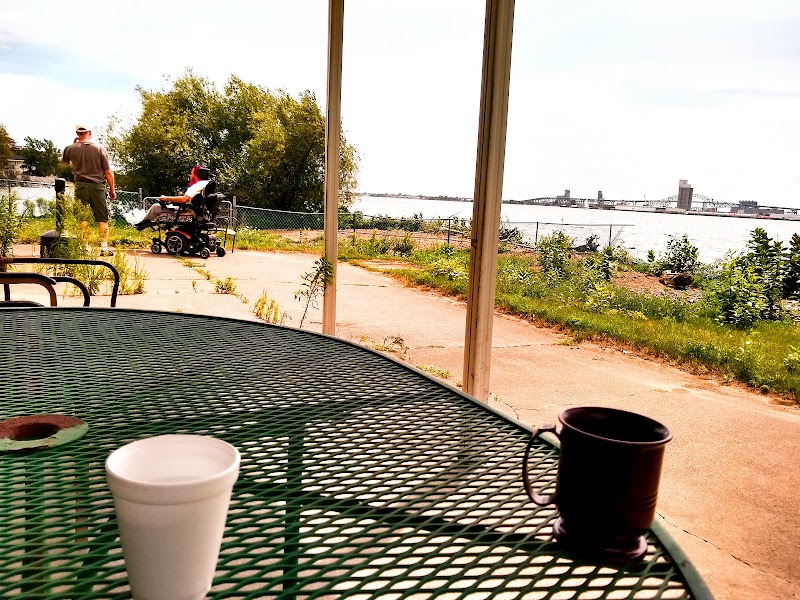
How is Bayshore Residence And Rehabilitation Center Staffed?

CMS rates BAYSHORE RESIDENCE AND REHABILITATION CENTER's staffing level at 4 out of 5 stars, which is above average compared to other nursing homes. Staff turnover is 50%, compared to the Minnesota average of 46%.

What Have Inspectors Found at Bayshore Residence And Rehabilitation Center?

State health inspectors documented 37 deficiencies at BAYSHORE RESIDENCE AND REHABILITATION CENTER during 2023 to 2025. These included: 3 Immediate Jeopardy (the most serious level, indicating potential for serious harm or death), 33 with potential for harm, and 1 minor or isolated issues. Immediate Jeopardy findings are rare and represent the most serious regulatory concerns. They require immediate corrective action.
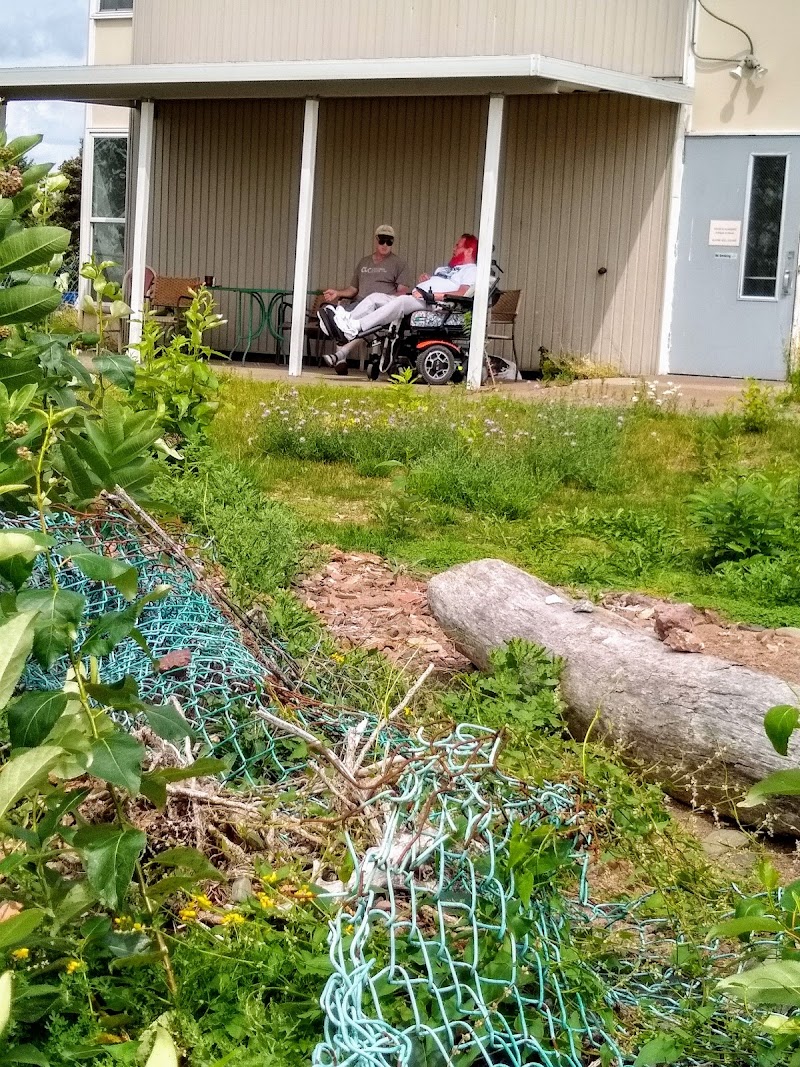
Who Owns and Operates Bayshore Residence And Rehabilitation Center?

BAYSHORE RESIDENCE AND REHABILITATION CENTER is owned by a for-profit company. For-profit facilities operate as businesses with obligations to shareholders or private owners. The facility is operated by EPHRAM LAHASKY, a chain that manages multiple nursing homes. With 140 certified beds and approximately 87 residents (about 62% occupancy), it is a mid-sized facility located in DULUTH, Minnesota.
How Does Bayshore Residence And Rehabilitation Center Compare to Other Minnesota Nursing Homes?

Compared to the 100 nursing homes in Minnesota, BAYSHORE RESIDENCE AND REHABILITATION CENTER's overall rating (2 stars) is below the state average of 3.2, staff turnover (50%) is near the state average of 46%, and health inspection rating (2 stars) is below the national benchmark.

What Should Families Ask When Visiting Bayshore Residence And Rehabilitation Center?

Based on this facility's data, families visiting should ask: "What changes have been made since the serious inspection findings, and how are you preventing similar issues?" "Can I visit during a mealtime to observe dining assistance and food quality?" "How do you handle medical emergencies, and what is your hospital transfer rate?" "Can I speak with family members of current residents about their experience?" These questions are particularly relevant given the facility's Immediate Jeopardy citations.

Is Bayshore Residence And Rehabilitation Center Safe?

Based on CMS inspection data, BAYSHORE RESIDENCE AND REHABILITATION CENTER has documented safety concerns. Inspectors have issued 3 Immediate Jeopardy citations (the most serious violation level indicating risk of serious injury or death). The facility has a 2-star overall rating and ranks #100 of 100 nursing homes in Minnesota. Families considering this facility should ask detailed questions about what corrective actions have been taken since these incidents.

Do Nurses at Bayshore Residence And Rehabilitation Center Stick Around?

BAYSHORE RESIDENCE AND REHABILITATION CENTER has a staff turnover rate of 50%, which is about average for Minnesota nursing homes (state average: 46%). Moderate turnover is common in nursing homes, but families should still ask about staff tenure and how the facility maintains care continuity when employees leave.

Was Bayshore Residence And Rehabilitation Center Ever Fined?

BAYSHORE RESIDENCE AND REHABILITATION CENTER has been fined $132,398 across 2 penalty actions. This is 3.8x the Minnesota average of $34,403. Fines at this level are uncommon and typically indicate a pattern of serious deficiencies, repeated violations, or failure to correct problems promptly. CMS reserves penalties of this magnitude for facilities that pose significant, documented risk to resident health or safety. Families should request specific documentation of what issues led to these fines and what systemic changes have been implemented.

Is Bayshore Residence And Rehabilitation Center on Any Federal Watch List?

BAYSHORE RESIDENCE AND REHABILITATION CENTER is not on any federal watch list. The most significant is the Special Focus Facility (SFF) program, which identifies the bottom 1% of nursing homes nationally based on persistent, serious quality problems. Not being on this list means the facility has avoided the pattern of deficiencies that triggers enhanced federal oversight. This is a positive indicator, though families should still review the facility's inspection history directly.