Benedictine Health Center
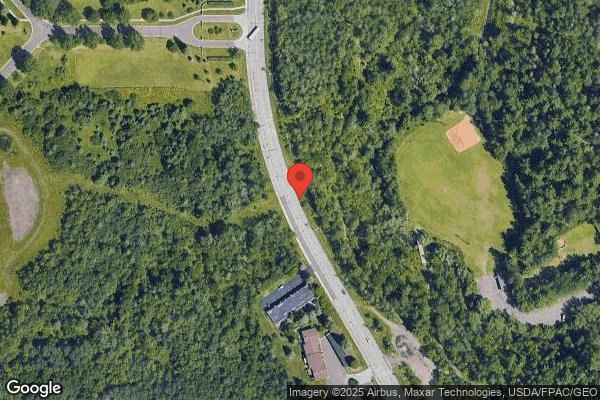

935 KENWOOD AVENUE, DULUTH, MN 55811 (218) 522-8900
Non profit - Church related 96 Beds BENEDICTINE HEALTH SYSTEM Data: November 2025
Trust Grade
75/100
#95 of 337 in MN
Last Inspection: November 2024

Within standard 12-15 month inspection cycle. Federal law requires annual inspections.

Overview

Benedictine Health Center in Duluth, Minnesota, has a Trust Grade of B, which means it is a good choice but not without flaws. It ranks #95 out of 337 facilities in Minnesota, placing it in the top half, and #6 of 17 in St. Louis County, indicating that only five local facilities are better. The facility's trend is stable, with one issue reported in both 2024 and 2025, suggesting consistent oversight. Staffing is average, with a rating of 3 out of 5 stars and a turnover rate of 52%, which is higher than the state average, meaning staff may not stay long enough to build strong relationships with residents. There have been no fines reported, which is a positive sign, and RN coverage is also average. However, there are some concerning incidents noted in recent inspections. For example, the facility failed to properly track infections among residents, which could lead to outbreaks. Additionally, they did not provide necessary education about a recommended pneumonia vaccine for several residents, and there was a delay in reporting an injury to a resident, which could affect their safety. While the facility has strengths, such as a solid trust score and no fines, these weaknesses highlight areas for improvement that families should consider when making their decision.

Trust Score
B
75/100
In Minnesota
#95/337
Top 28%
Safety Record
Low Risk
No red flags
Inspections
Holding Steady
1 → 1 violations
Staff Stability
⚠ Watch
52% turnover. Above average. Higher turnover means staff may not know residents' routines.
Penalties
✓ Good
No fines on record. Clean compliance history, better than most Minnesota facilities.
Skilled Nurses
✓ Good
Each resident gets 48 minutes of Registered Nurse (RN) attention daily — more than average for Minnesota. RNs are trained to catch health problems early.
Violations
⚠ Watch
16 deficiencies on record. Higher than average. Multiple issues found across inspections.
★★★★☆
4.0
Overall Rating
★★★☆☆
3.0
Staff Levels
★★★☆☆
3.0
Care Quality
★★★★☆
4.0
Inspection Score
Stable
2024: 1 issues
2025: 1 issues

The Good

  • Full Sprinkler Coverage · Fire safety systems throughout facility
  • No fines on record

Facility shows strength in fire safety.

The Bad

Staff Turnover: 52%

Near Minnesota avg (46%)

Higher turnover may affect care consistency

Chain: BENEDICTINE HEALTH SYSTEM

Part of a multi-facility chain

Ask about local staffing decisions and management

The Ugly 16 deficiencies on record

May 2025 1 deficiency
CONCERN (D) 📢 Someone Reported This

A family member, employee, or ombudsman was alarmed enough to file a formal complaint

Potential for Harm - no one hurt, but risky conditions existed

Report Alleged Abuse (Tag F0609)

Could have caused harm · This affected 1 resident

**NOTE- TERMS IN BRACKETS HAVE BEEN EDITED TO PROTECT CONFIDENTIALITY** Based on observation, interview and document review, the facility failed to report an injury of unknown origin to the State Agen...

Read full inspector narrative →
**NOTE- TERMS IN BRACKETS HAVE BEEN EDITED TO PROTECT CONFIDENTIALITY** Based on observation, interview and document review, the facility failed to report an injury of unknown origin to the State Agency (SA) immediately, but not later than two hours, for 1 of 4 (R1) residents reviewed for resident safety. Findings include: On 5/12/25 at 12:30 p.m. a facility reported incident (FRI) submitted to the SA by the facility administrator indicated on 5/11/25, at 4:00 a.m. R1 had a new bruise to her right under arm. R1's quarterly Minimum Data Set (MDS) dated [DATE], indicated R1 had diagnoses of stroke, hemiplegia and hemiparesis (paralysis) of her right dominant side, and impaired cognition following cerebral infarction (stroke). The MDS indicated R1 had moderate cognitive impairment and required extensive assistance by staff for bed mobility and transfers. The MDS further indicated R1 was taking anticoagulant and antiplatelet medications (both medications prevent blood from clotting). R1's care plan dated 5/8/25 directed two staff to assist with transfers, using a mechanical lift. The care plan directed 1-2 staff to assist with bed mobility. R1's care plan directed staff to investigate any allegations of suspected abuse, neglect, or exploitation. R1's skin check assessment dated [DATE] lacked indication of bruising. On 5/11/25 at 5:12 a.m. a progress note indicated R1's right arm had fresh swelling and bruising, from armpit to just above her elbow. Swelling included entire length of arm. R1 denied an injury, and stated she could not recall if her arm had been injured. On 5/11/25 at 12:20 p.m. a progress note indicated R1 had a large bruise of her right upper arm with swelling from shoulder throughout arm, hand, and fingertips. R1 was unable to raise her right arm. Bruise of lateral side of right breast outlined, and R1 reported subtle pain of area only when palpated. Surface over front of shoulder was hard and raised. R1 reported tenderness to site when palpated. The on-call nurse was informed. Bruise measured 15.1 centimeters (cm) x 18.8 cm. On-call provider notified. On 5/12/25 at 10:14 a.m. a progress note indicated R1 had extensive dark bruising on her right breast, and right arm from elbow to shoulder. R1's upper chest/collarbone on the right side were not bruised, but very swollen and firm. R1 denied injury of any kind. Provider updated and ordered R1 be sent to the emergency room. On 5/13/25 at 9:30 a.m. a progress note indicated R1 reported to the hospital the cause of her injury was a fall on Thursday (5/8/25) and a transfer on Friday (5/9/25) that went bad, and she also asked staff if the devil did this to her. R1 did not have dementia and experienced forgetfulness and confusion at baseline. On 5/15/25 at 12:03 p.m. R1 stated, The hospital told me I got beat up, but she was unable to identify whom may have hurt her. R1 then denied anyone hurt her, denied any falls, and stated she just woke up with the bruises to her right arm. During an observation on 5/15/25 at 12:05 p.m. R1's right upper arm had discoloration extending from the armpit throughout the lower arm and hand on the medial (side closest to the body) side, which ranged in color from dark to light purple, with some shades of yellowish green. On 5/15/25 at 1:05 p.m. registered nurse (RN)-A stated R1's bruising was first noticed on 5/11/25 at 5:00 a.m., but not reported to the SA until 5/12/25. She first saw R1's bruise on 5/12/25. Most of the bruise was a deep dark purple at that time. The injury was reported to the nurse on-call on 5/11/25. The injury should have been reported to the SA within one hour. On 5/15/25 at 1:26 p.m. trained medication aide (TMA)-A stated he notified the on-call nurse of R1's bruise on 5/11/25 around 11:00 a.m. On 5/15/25 at 1:38 p.m. licensed practical nurse (LPN)-A stated TMA-A notified the on-call nurse of R1's bruise on 5/11/25. The policy was to notify the on-call nurse right away, and follow directions when there was a new bruise or injury. On 5/15/25 at 1:57 p.m. LPN-B stated she was the on-call nurse on 5/11/25. She was informed of R1's bruise by TMA-A on 5/11/25 at 11:55 a.m. She did not remember if she instructed TMA-A to inform the director of nursing (DON) of R1's bruise. The policy was to notify the administrator, DON, provider, and family when there was a injury of unknown source. The SA was to be notified within 24 hours. On 5/15/25 at 2:32 p.m. the administrator stated she was informed of R1's bruise on the morning of 5/12/25. The administrator stated she filed the report with the SA on 5/12/25. The administrator stated immediate education was provided to staff to report injuries of unknown origin immediately. The facility Abuse Prevention Plan dated 7/22 identified an injury should be classified as an injury of unknown source when both of the following criteria are met: 1) The source of the injury was not observed by any person or the source of the injury could not be explained; and 2) The injury is suspicious because of the extent of the injury or the location of the injury or the number of injuries observed at one particular point in time of the incidence of injuries over time. The policy directed if the event that caused the suspicion involves abuse or results in serious bodily injury, the individual is required to report the suspicion to the state immediately, but not later than 2 hours, after forming the suspicion. If the event does not involve abuse and does not result in bodily injury, the individual is required to report to the state no later than 24 hours after form the suspicion.
Dec 2023 1 deficiency
CONCERN (D) 📢 Someone Reported This

A family member, employee, or ombudsman was alarmed enough to file a formal complaint

Potential for Harm - no one hurt, but risky conditions existed

Infection Control (Tag F0880)

Could have caused harm · This affected 1 resident

Based on observation, interview, and record review the facility failed to ensure proper glove use and hand hygiene was performed during incontinence care for 1 of 4 (R3) residents reviewed for inconti...

Read full inspector narrative →
Based on observation, interview, and record review the facility failed to ensure proper glove use and hand hygiene was performed during incontinence care for 1 of 4 (R3) residents reviewed for incontinence care. Findings include: R3's care plan revised 11/1/23 indicated R3 needed total assistance with personal hygiene. On 12/19/23 at 1:06 p.m., trained medication aide (TMA)-A and nursing assistant (NA)-A were observed sanitizing hands and placing gloves on at R3's bedside. TMA-A opened R3's soiled incontinent brief and cleansed R3's peri-area. TMA-A turned R3 and NA-A cleansed R3's buttocks. N-A then removed R3's soiled incontinent brief. NA-A removed her soiled gloves, and without completing had hygiene, donned clean gloves. NA-A then placed a clean incontinent brief under R3. TMA-A and NA-A removed their gloves and did not perform hand hygiene. NA-A turned R3 on her left side, and TMA-A placed a pillow under R3's under left arm, and under legs and neck. R3 was covered with a sheet and NA-A placed the call light under R3's left hand. At 1:17 p.m., TMA-A was observed leaving R3's room without completing hand hygiene. TMA-A went to the medication cart, drank out of a bottle which was on the medication cart, and dispensed medications without completing hand hygiene. TMA-A entered a room and gave a resident medications. TMA-A left the room and sanitized her hands. At 1:29 p.m., TMA-A stated, I sanitize my hand after taking off my gloves every time. On 12/19/23 at 1:47 p.m., NA-A stated, I do hand hygiene when I take my gloves off. On 12/20/23 at 10:01 a.m., with gloved hands, TMA-B and NA-B removed the straps on R3's incontinent brief. TMA-B cleansed R3's peri- area. NA-B turned R3 to her left side, and TMA-B cleansed R3's buttocks. TMA-B removed R3's soiled incontinent brief. TMA-B removed her soiled gloves, and without performing hand hygiene, donned clean gloves. TMA-B placed a clean incontinent brief on R3, removed her gloves and washed her hands. TMA-B stated, Normally I would hand sanitize or use soap and water before putting new gloves on. NA-B stated, I should have sanitized my hands but did not see hand sanitizer. Every time I remove my gloves, I should sanitize my hands. On 12/20/23 at 2:39 p.m., licensed practical nurse (LPN)-A stated if a staff member removed their soiled gloves, they should be doing hand hygiene before applying clean gloves or doing any other tasks. On 12/20/23 at 3:40 p.m., the administrator stated staff were expected to do hand hygiene whenever they were taking off their gloves. The facility policy Hand Hygiene dated 6/2017 directed hand hygiene should be performed before and after direct resident contact, before and after assisting with personal cares, and after removing gloves.
Oct 2023 5 deficiencies
CONCERN (D)

Potential for Harm - no one hurt, but risky conditions existed

Pressure Ulcer Prevention (Tag F0686)

Could have caused harm · This affected 1 resident

**NOTE- TERMS IN BRACKETS HAVE BEEN EDITED TO PROTECT CONFIDENTIALITY** Based on observation, interview and document review, the facility failed to ensure timely repositioning was offered for 1 of 6 r...

Read full inspector narrative →
**NOTE- TERMS IN BRACKETS HAVE BEEN EDITED TO PROTECT CONFIDENTIALITY** Based on observation, interview and document review, the facility failed to ensure timely repositioning was offered for 1 of 6 residents (R74) reviewed for pressure ulcers. Findings include: R74's quarterly Minimum Data Set (MDS) dated [DATE], identified R74 had severe cognitive impairment and required moderate to maximum assist with activities of daily living (ADLs). Diagnoses included congestive heart failure, kidney disease, diabetes, and venous insufficiency. R74 had one stage three pressure ulcer (full thickness loss of skin) and and was at risk for further development of pressure ulcers. R74 was dependent on staff to roll side to side in bed. R74's care plan dated 9/5/23, identified R74 was at risk for alteration in skin status. Interventions included a turning and repositioning program to turn side to side and change positions every two to three hours. On 10/17/23 at 12:00 p.m., R74 was assisted to eat her lunch by nursing assistant (NA)-A while lying in bed, on her back. The head of the bed was elevated and R74 was covered with a bright green blanket. R74 was still wearing a hospital gown and stated she did normally get up in her wheelchair but had not felt like it today. During continuous observation on 10/17/23, from 12:00 p.m. to 3:15 p.m. R74's position had not changed and she continued to lie on her back with the head of her bed elevated, intermittently watching television in her room or sleeping with her chin resting on her chest. Staff did not interact or offer to reposition R74 or enter R74's room during the three hours and fifteen minute continuous observation. On 10/17/23 at 3:15 p.m., surveyor intervened NA-A stated he and NA-B assisted R74 with incontinence care before lunch and had boosted her up in her bed; however, they had not positioned her on her side at that time. NA-A and trained medication assistant (TMA)-A assisted R74 to turn on her right side and assisted to change her incontinence brief, which was soiled due to a bowel movement. R74's back and buttocks were deep red in color with deep creases and wrinkles from the bed sheets visible. R74's coccyx was excoriated with multiple surface abrasions. TMA-A completed peri care and asked R74 if she would like to lie on her side, which R74 was agreeable to. She was easily positioned on her left side, with no complaints of discomfort. During observation of wound care treatment on 10/18/23 at 9:30 a.m., registered nurse (RN)-I changed R74's dressing to her coccyx. After removing R74's large adhesive butterfly dressing and cleaning peri area, R74's coccyx and buttocks were noted to be deep red in color with several small open areas and an excoriated appearance. RN-I stated it did appear to be more irritated and it was possible lying in the same position on her back the day before could have contributed to the increase redness and excoriated appearance. R74 was to be turned and repositioned every two hours. RN-I was not sure if that was indicated on R74's plan of care, but turning and repositioning every two hours was the usual practice for any residents who had pressure ulcers. He had noticed a decline with R74's wounds. R74 was seen by the wound clinic in September and she had another appointment with the wound clinic on 10/19/23. When interviewed on 10/19/23 at 1:30 p.m., director of nursing (DON) indicated she was informed R74 was not repositioned timely on 10/17/23. It was important to complete timely turning and repositioning to maintain skin integrity and to prevent further deterioration of her current pressure ulcer. The facility's undated policy Prevention and Treatment of Skin Breakdown identified maintenance of intact skin was integral to resident health and wellness. Care and services would be delivered to maintain skin integrity and promote skin healing if skin breakdown should occur. A resident centered care plan would be implemented for skin risk with interventions based upon areas of risk, resident assessment, Braden evaluation score of 15 or less, clinician assessment, and evaluation and resident preferences. If a resident was admitted with impaired skin integrity or a new pressure injury or wound developed, the licensed nurse would evaluate current pressure reduction interventions and revise the resident centered care plan.
CONCERN (D)

Potential for Harm - no one hurt, but risky conditions existed

Deficiency F0688 (Tag F0688)

Could have caused harm · This affected 1 resident

**NOTE- TERMS IN BRACKETS HAVE BEEN EDITED TO PROTECT CONFIDENTIALITY** Based on observation, interview and document review, the facility failed to provide a restorative range of motion program for 1 ...

Read full inspector narrative →
**NOTE- TERMS IN BRACKETS HAVE BEEN EDITED TO PROTECT CONFIDENTIALITY** Based on observation, interview and document review, the facility failed to provide a restorative range of motion program for 1 of 4 residents (R14) reviewed for range of motion and who was assessed as needing a range of motion program to promote mobility. Findings include: R14's significant change Minimum Data Set (MDS) dated [DATE], identified R14 had severe cognitive impairment. R14 required extensive assistance with activities of daily living (ADLs), was dependent on staff to transfer, and was unable to ambulate. R14's care plan dated 8/23/23, identified R14 required extensive assist of two for bed mobility, a ceiling lift was used for transfers and R14 was unable to ambulate. R14 was at risk for decline in her range of motion (ROM) related to diagnoses of hemiplegia (paralysis of one side of the body) and gait abnormality. A goal was identified to maintain or improve R14's ROM for three months. Interventions included to complete bilateral exercises two times per day, six days a week. Monitor and document participation in exercises and a quarterly review by a registered nurse. R14's Occupational therapy (OT) note dated 8/16/23, identified OT provided right upper extremity passive range of motion (PROM) to R14 and were unable to range R14's right elbow as it was in hyperextension. OT discussed a restorative program for PROM and R14 agreed. R14's Therapy Communication to Nursing Form dated 8/18/23, identified R14 was to be followed by restorative nursing to complete supine PROM exercises six time per week. R14's Physical Therapy Discharge summary dated [DATE], identified skilled physical therapy (PT) services were provided with a focus to improve safety with functional mobility tasks and to setup up a restorative nursing program. R14 was discharged with a restorative nursing program established for bilateral lower extremity PROM. Prognosis to maintain her current level of function was good with strong family support and consistent staff follow through. OT Discharge summary dated [DATE], identified a PROM to R14's right upper extremity had been established. Prognosis to maintain her current level of function was good with consistent staff follow through. On 10/16/23 at 6:40 p.m. R14 was seated in her wheelchair in the dining room. R14's right arm was lying limply, wedged tightly between her body and the wheelchair arm rest. R14 had no positioning devices, and no visible contractures were noted. On 10/17/23 at 9:30 a.m., nursing assistant (NA)-A was assisting R14 with her morning cares and transfer out of bed. After providing assistance with dressing, NA-A assisted R14 to her wheelchair using a ceiling lift. No PROM or ROM was provided to R14 during completion of morning cares. During interview on 10/18/23 at 1:50 p.m., registered nurse (RN)-I stated they added a restorative nursing program to R14's care plan after RN-I received a communication note from therapy to start ROM exercises in August. Review of restorative nursing flow sheets revealed no exercises had been documented as completed in the months of September or October for R14. R14's last quarterly review was 9/22/23, and RN-I would have reviewed the restorative aides documentation at that time, as well as have recorded how often R14 had completed her exercise program. RN-I thought maybe the restorative NA was having difficulty completing his documentation of exercises. During interview on 10/18/23 at 2:45 p.m., NA-E stated ROM exercises were not recorded for R14 because NA-E never assisted R14 with exercises. When NA-E came on shift R14 was always up in her wheelchair and she needed to be lying down to do the ordered ROM. NA-E received the Therapy Communication form for R14 on 8/18/23, but had not added her to his daily restorative schedule. NA-E notified RN-I several times that NA-E had not started R14's exercise program yet and RN-I was aware of this issue. NA-E always notified RN-I when NA-E was unable to see a resident for exercises. During interview on 10/19/23 at 1:30 p.m., director of nursing (DON) stated they identified R14 was not getting restorative nursing and her care planned exercises were not being done. DON was aware NA-E was not able to get to all of his assigned patients for restorative exercises and leadership was working to resolve the issue. Nursing assistants did not perform ROM exercise for residents during care, but that was something the DON was considering. The facility could be doing a better job at providing restorative nursing program to their residents. When it was assessed a resident needed assistance with ROM it was important it was provided to maintain the resident's current level of function and to avoid contractures and decline in condition. The facility policy Restorative Nursing Program dated 6/9/20, identified its purpose was to promote an optimal level of physical, mental, and psychosocial functioning in alignment with a resident's individual goals. The RN would document the individualized restorative nursing program including initiation of nursing assistant documentation and care plan problem, goals and approaches in the medical record. Associates administering the restorative interventions would be trained on the interventions assigned to them. An RN would provide oversight to the program to ensure the restorative interventions were being implemented as planned. The RN would document at minimum quarterly the program evaluation, including the progress, lack of progress and changes to the restorative care plan.
CONCERN (D)

Potential for Harm - no one hurt, but risky conditions existed

Deficiency F0692 (Tag F0692)

Could have caused harm · This affected 1 resident

**NOTE- TERMS IN BRACKETS HAVE BEEN EDITED TO PROTECT CONFIDENTIALITY** Based on observation, interview and document review, the facility failed to comprehensively reassess and develop interventions t...

Read full inspector narrative →
**NOTE- TERMS IN BRACKETS HAVE BEEN EDITED TO PROTECT CONFIDENTIALITY** Based on observation, interview and document review, the facility failed to comprehensively reassess and develop interventions to reduce/prevent continued weight loss for 1 of 4 residents (R7) reviewed for weight loss. Findings include: R7's quarterly Minimum Data Set (MDS) dated [DATE], identified R7 had no cognitive impairment, required setup and clean up assistance with eating, and did not have a weight loss of 5% or greater in the past month. R7's Mini-Nutritional assessment dated [DATE], identified R7 consumed a regular, heart healthy, low carbohydrate diet with fair intake of 50 to 75% of meals. A weight loss was identified of 2.2 to 6.6 pounds in the past three months. R7's weights varied greatly and would continue to monitor his weight and intakes per facility protocol. R7's care plan dated 9/27/23, identified R7 had a nutritional deficit related to R7's progressive weight loss and variable weight pattern. A goal for R7's nutrition was to have a stable weight pattern. Interventions identified R7 would like to use a select menu to choose his daily food choices and he would be provided three meals per day and snacks. On 10/17/23, at 4:00 p.m. R7 was seated in his wheel chair in his room, watching television with a bedside table in front of him. An unopened candy bar rested on the table. R7 stated he did not like the meals he was served at the facility. A couple of weeks ago, staff had told R7 they were going to give him a menu to make meal choices from, but they never did. R7 was served lasagna for his lunch and he did not eat it because he did not like it. R7 did not know what the alternative menu choice was that day but he was sure he would have liked it better than the lasagna he had been served. R7 identified he liked to eat hamburgers, hot dogs, bratwurst, cauliflower, and broccoli. R7 thought he would eat better if he received the food he liked. On 10/18/23, at 2:00 p.m. the dietary manager (DM) stated they were aware R7 was having weight loss. On the last progress note DM reviewed, R7 had lost 15 pounds. R7's meal intake ranged 25 to 50%. They tried a med pass supplement last week but it had been poorly accepted so they stopped it. DM personally talked with R7 about the menu and one time DM went in and tried to assist R7 to fill out R7's choices for the week. R7 completed one day of choices and would not complete more days. There was a weekly menu available to all residents when they requested it. Residents filled out their choices for the week and that was turned into dietary. It would be very difficult to provide a menu with choices daily, for residents. The facility did a weekly menu that was turned in on Sundays. R7's weights fluctuated and nursing was looking into determining the most accurate method to obtain R7's weight. R7's physician was notified of R7's progressive weight loss as well. R7's recorded weights from 6/20/23 to 10/16/23, identified the following: - 6/20/23, R7 weighed 242.6 pounds (lbs). - 7/24/23, R7 weighed 238.6 lbs, a 4 lbs wt loss. - 7/31/23, R7 weighed 229.6 lbs, another 9 lb wt loss in one week. A reweigh to verify the significant weight loss in one week was not recorded. - 8/21/23, R7 weighed 239.4 lbs. - 9/20/23, R7 weighed 223 lbs, a 16 lb wt loss in one month. - 9/25/23, R7 weighed 217 lbs, another 6 lb wt loss in one week. A reweigh to verify the significant weight loss in one week was not recorded. - 10/2/23, R7 weighed 206 lbs, a 11 lb wt loss in one week. A reweigh to verify the significant weight loss in one week was not recorded. - 10/9/23, R7 weighed 219.6 lbs, a gain of 10 lbs in one week and similar to his weight recorded on 9/25/23. A weight loss of twenty-three pounds was documented for R7 in a four month period of time. R7's Physician Progress Note dated 9/29/23, identified R7 was seen by his primary physician during rounds. The physician identified nursing identified a slight decrease in R7's weight and initiated a med pass supplement to address the weight loss earlier that week. R7's medical record was reviewed and lacked any evidence R7 had been comprehensively reassessed or evaluated for his continued weight loss. After refusing med pass there was no evidence care plan interventions were implemented or screening was implemented to help prevent or slow the continued weight loss. When interviewed on 10/18/23, at 7:30 a.m. cook (CK)-A stated she never saw menu preferences menus filled out for R7. CK-A was not sure if R7 just did not want to fill out selections but the kitchen never received a preference menu for R7. When interviewed on 10/18/23, at 10:20 a.m., nursing assistant (NA)-C stated she never asked a resident if they needed assistance to make meal preferences for their weekly meals. When interviewed on 10/18/23, at 11:55 a.m. NA-F stated she helped residents to fill out their menu choices if they asked, but it was usually family who helped the residents with their menu. NA-F thought it was dietary staff that passed out menus to each resident, as NA-F did not. During telephone interview on 10/19/23, at 1:00 p.m. registered dietician (RD)-A stated they were following R7 during their weekly weight tracking meetings. The nurse manager would know more about what was being done with the variable weights, in assuring accuracy of the weight. RD-A knew the dietary manager tried to assist R7 with making choices on a weekly menu but that did not work. R7 refused supplements. RD-A made the recommendation to get R7's provider involved to rule out a medical reason for R7's weight loss. They noted the variable weights and kept hoping the weight loss was not accurate and the next obtained weight would not indicate a loss. It would be an important first step to verify the accuracy of R7's weights as they varied so dramatically from week to week. When interviewed on 10/19/23, at 2:30 p.m. the director of nursing (DON) stated the facility had weekly weight tracking meetings and R7's weights were discussed weekly. The DON verified there was no consistent follow up being done to ensure interventions were implemented consistently. The facility policy Weight Monitoring and Documentation dated 8/19, indicated the facility must ensure a resident maintains acceptable parameters of nutritional status, such as body weight and protein levels, unless the resident's clinical condition demonstrates that it was not possible. Each resident's weight would be monitored and fluctuations of 5% or greater in one month or 10% or greater in six months would be assessed and appropriate individualized dietary interventions and documentation would be implemented. Licensed nursing staff were to verify the accuracy if there were weight changes. Re-weighs were recommended for residents with a five pound or greater weight change.
CONCERN (E)

Potential for Harm - no one hurt, but risky conditions existed

Deficiency F0883 (Tag F0883)

Could have caused harm · This affected multiple residents

**NOTE- TERMS IN BRACKETS HAVE BEEN EDITED TO PROTECT CONFIDENTIALITY** Based on interview and document review, the facility failed to provide pneumococcal conjugate vaccine 20 variant (PVC20) educati...

Read full inspector narrative →
**NOTE- TERMS IN BRACKETS HAVE BEEN EDITED TO PROTECT CONFIDENTIALITY** Based on interview and document review, the facility failed to provide pneumococcal conjugate vaccine 20 variant (PVC20) education as directed by the Centers for Disease Control (CDC) for 4 of 5 residents (R30, R49, R71, R73) reviewed for immunizations. Findings include: R30's quarterly Minimum Data Set (MDS) dated [DATE], identified diagnoses of diabetes mellitus and hyperlipidemia. R30's undated immunization record, identified R30 received pneumococcal polysaccharide (PPSV23) on 5/18/07, and the pneumococcal conjugate vaccine (PCV13) on 10/13/00. R30's medical record failed to provide evidence the PCV20 was offered and/or education was provided in conjunction with the provider to R30 or 30's representative. R49's quarterly MDS dated [DATE], identified a diagnosis of dementia. R49's undated immunization record, identified R49 received the PPSV23 on 1/10/17 and the PCV13 on 5/4/19. R49's medical record failed to provide evidence the PCV20 was offered and/or education was provided in conjunction with the provider to R49 or R49's representative. R71's quarterly MDS dated [DATE], identified diagnoses of dementia and diabetes. R71's undated immunization record, identified R71 received PPSV23 on 12/19/03. R71's medical record failed to provide evidence the PCV20 was offered and/or education was provided in conjunction with the provider to R71 or R71's representative. R73's quarterly MDS dated [DATE], identified diagnoses of dementia and diabetes. R73's undated immunization record, identified R18 received PPSV23 on 6/14/17. R73's medical record failed to provide evidence the PCV20 was offered and/or education was provided in conjunction with the provider to R73 or R73's representative. During an interview on 10/19/23 at 10:18 a.m., infection preventionist (IP) stated she just began to talk with the medical director about the new PCV20 immunization and had not started to immunize residents. During an interview on 10/19/23, at 1:18 p.m., corporate registered nurse stated all facilities were given clearance and should have began offering the PCV20 vaccine. During an interview on 10/19/23 at 1:24 p.m., director of nursing (DON) stated the IP was responsible for verifying all residents were up to date with their vaccinations, which include the PCV20. The facility policy Pneumococcal Vaccine for Residents dated 3/18/22, identified PCV20 pneumococcal vaccines would be offered to each resident according to the current recommendations from the CDC. The CDC guidance dated 2/9/23, identified, adults 65 and older have the option to get PCV20.
CONCERN (F)

Potential for Harm - no one hurt, but risky conditions existed

Infection Control (Tag F0880)

Could have caused harm · This affected most or all residents

Based on interview and document review, the facility failed to conduct ongoing surveillance for the infection control program to ensure tracking and trending of infections and illnesses in the facilit...

Read full inspector narrative →
Based on interview and document review, the facility failed to conduct ongoing surveillance for the infection control program to ensure tracking and trending of infections and illnesses in the facility. This deficient practice had the potential to affect all 87 residents currently residing in the facility. Findings include: A line list regarding resident infection and symptom surveillance was requested from 9/1/23 through 10/18/23, but was not provided. During an interview on 10/19/23 at 10:14 a.m., infection preventionist (IP) stated the only thing the IP kept track of were the residents on antibiotics. IP did not keep track signs and symptoms of infection, labs completed. The IP did not keep track of staff or residents that had symptoms of illnesses to look at trending or symptom analysis to prevent a potential outbreak. The IP relied on the nurses to let her know when more people were getting sick and if an outbreak occurred. During an interview on 10/19/23 at 11:12 a.m., registered nurse (RN)-B stated they kept track of antibiotics to make sure labs were tracked. They did not keep track of illness trends or infection trends to prevent an outbreak, the IP was suppose to do that. During an interview on 10/19/23, at 1:45 p.m., director of nursing stated the IP was responsible to keep track of all infections and symptoms for trending and analysis to prevent possible outbreaks before they occurred. The facility policy Surveillance dated 6/17, identified infection control included ongoing, systematic collection, analysis, interpretation, and dissemination of data to identify infections and infection risks, to reduce morbidity and mortality and to improve resident health status. It is a necessary component of effective infection prevention and control in any healthcare setting.
Jun 2023 1 deficiency
CONCERN (D) 📢 Someone Reported This

A family member, employee, or ombudsman was alarmed enough to file a formal complaint

Potential for Harm - no one hurt, but risky conditions existed

Resident Rights (Tag F0550)

Could have caused harm · This affected 1 resident

**NOTE- TERMS IN BRACKETS HAVE BEEN EDITED TO PROTECT CONFIDENTIALITY** Based on observation, interview and document review, the facility failed to respond in a timely manner to resident call lights t...

Read full inspector narrative →
**NOTE- TERMS IN BRACKETS HAVE BEEN EDITED TO PROTECT CONFIDENTIALITY** Based on observation, interview and document review, the facility failed to respond in a timely manner to resident call lights to ensure activities of daily living (ADL)'s including personal cares and toileting was provided to maintain respect and dignity for 3 of 3 residents (R12, R9, and R7). Findings include: R12's quarterly minimum data set (MDS) assessment dated [DATE], indicated R12 was cognitively intact. R12 needs extensive assistance with bed mobility, transfers, dressing, toilet use, and personal hygiene. R12 is always continent of bowel and bladder. R12 has anxiety disorder and mood affective disorder. R12's care plan reviewed/revised 5/24/23, indicated R12 was able to communicate needs. Continent of bowel and bladder but requires assistance of 1 staff related to impaired mobility and transfer assistance on and off toilet. R12 would be able to call for assistance with toileting needs. During an interview on 6/1/23 at 3:05 p.m., R12 stated I must wait for an hour and a half about every day. I had an accident in the evening the day before yesterday because I could not hold my bowels any longer. I have had to throw my underwear away because of the accidents. After telling the staff and going to resident council meeting talking about the call lights being an issue there has been no improvement in my case. I still must go in the hall and yell sometimes so someone will come before I have an accident. I am frustrated, I can't do it myself, but I wouldn't have accidents if someone would come and help me. I am up half the night worried who is going to come in and take care of be because they are so short staffed. I have become very depressed because the call light is not even worth using as no one comes for a very long time. R12's 14-day call light report titled; Resident Incident Details Report dated from 5/19/23-6/1/23 indicated the following: 12 times with call light was on over 30 minutes. 4 times with call light on over 45 minutes 5 times with call light on over one hour 5 times with call light on over one hour and half, and on 5/23/23 at 5:39 a.m., call light was on for duration of 2 hours and 14 minutes R9's quarterly MDS assessment dated [DATE], indicated R9 was moderately cognitively intact. R9 needed extensive assistance from staff with bed mobility, dressing, eating, toilet use, personal hygiene, and was totally dependent on staff for transfers. R9 was always incontinent of bowel and bladder. R9 has quadriplegia, unspecified progressive quadriparesis and anxiety disorder. R9's care plan reviewed/revised 4/17/23, indicated R9 was able to communicate needs. Activities of daily living functional status indicated functional incontinence related to muscular weakness. Staff would anticipate needs and toilet every 2 hours and as needed to help R9 remain free of skin breakdown and respect R9's dignity. R9 required extensive to total assistance of 1-2 staff with toileting needs. During an interview on 6/2/23 at 11:30 a.m., R9 stated I put my light on because I need to use the bathroom. I can make it without having an accident in my brief if someone comes but if they do not come and I must wait I will go in my brief. I wait a half hour at minimum. I get upset because it goes through my pants and then I must still sit in my urine and wait for someone to come. I send my soiled clothes home for my husband to wash, and it is embarrassing. It makes me feel depressed when I don't get out of my room for a walk with my husband because we are waiting for someone to come help me to the bathroom for so long that I then need to be changed due to having an accident. R9's 14-day call light report titled; Resident Incident Details Report dated from 5/19/23-6/1/23 indicated the following: 19 times with call light on over 30 minutes. 8 times with call light on over 45 minutes 10 times with call light on over one hour 2 times with call light on over one hour and half, and on 5/20/23 at 0:47 a.m., call light was on for duration of 1 hour and 46 minutes 5/24/23 at 11:44 a.m., call light was on for duration of 1 hour and 47 minutes 5/27/23 at 7:43 a.m., call light was on for duration of 1 hour and 47 minutes R7's quarterly MDS assessment dated [DATE], indicated R7 was cognitively intact. R7 needed extensive assistance from staff with bed mobility, dressing, toilet use, personal hygiene, and was totally dependent on staff for transfers. R7 was always occasionally incontinent of bowel and bladder. R7's care plan reviewed/revised 5/24/23, indicated R7 was able to communicate needs. Activities of daily living functional status indicated functional incontinence related to muscular weakness. R7 would verbally ask for assistance. R7 required extensive assistance of 1 staff and ceiling lift with toileting needs. R7's face sheet dated 6/2/23, indicated the following diagnoses: acquired absence of right leg below knee, acquired absence of left leg above knee, hemiplegia and hemiparesis following cerebral infarction affecting left non-dominant side, anxiety disorder and major depressive disorder. During an interview on 6/1/23 at 12:05 p.m., R7 stated, I have had to wait for an hour and a half for someone to come. I have had accidents in my pants due to my call light not being answered just this week. I need help using the urinal or I will make a mess and it gets all over and I feel embarrassed. I am not a baby, but I have to go to the bathroom in my pants because no one comes when I call with my light. I am resident counsel president, and we talk about this all the time in our meetings, we have had administration present for the meetings, and they are aware of our concerns, but nothing has been done or said to us about how they are going to help fix the problem. R7's 14-day call light report titled; Resident Incident Details Report dated from 5/19/23-6/1/23 indicated the following: 5 times with call light was on over 30 minutes. 1 time with call light on over 45 minutes 3 times with call light on over one hour During the following 3rd floor observations: -on 6/1/23 at 12:26 p.m., the call light for room [number] had been on for 35 minutes. -6/1/23 at 12:33 p.m., the call light for room [number] had been on for 30 minutes. -6/1/23 at 2:16 p.m., the call light for room [number] had been on for 1 hour and 18 minutes. During an interview on 6/1/23 at 2:26 p.m., licensed practical nurse (LPN)- A stated 10-15 minutes is the longest we would want to see a call light on for. LPN-A was updated of the observed call light and verified room [number] call light had been on for a 1 hour and 28 minutes and is unacceptable. During the following call light observations on the 3rd floor: -6/2/23 at 6:56 a.m., room [number] had been on for 40 minutes. -6/2/23 at 11:44 a.m., room [number] had been on for 31 minutes. -6/2/23 at 11:48 a.m., room [number] had been on for 33 minutes. During an interview on 6/1/23 at 2:20 p.m., R11 stated at times they must wait for 2 hours before staff answer the call light. R11 indicated the staff would tell R11 not to feel bad if R11 had to go to the bathroom in their pants. Staff has told R11 it is okay because staff cannot come in time because they are busy. On 6/1/23 at 3:27 p.m., nursing assistant (NA)-A stated the longest they had seen a call light on for was an hour and a half. NA-A said it is hard when taking care of 7-8 people who need you all at once and you are the only one working the hallway. NA-A said some residents yell quite often about not getting to them in a timely manner. NA-A has had a few residents have bowel movements or have urinated on themselves a couple of times because staff could not get to them in time. On 6/1/23 at 5:38 p.m., LPN-B stated, I have had residents complain about waiting too long to go to the bathroom and then having an accident and needing to be cleaned up, some of them feel humiliated. On 6/1/23 at 5:49 p.m., trained medication assistant (TMA)-A stated, I have had continent residents have the call light on and tell me they had an accident before I could get to them a handful of times a week. Some of the residents get upset and cry because they were incontinent. On 6/1/23 at 5:58 p.m., NA-B stated, residents that are continent have an accident at least once a week due to the call light not being answered fast enough. During an interview on 6/2/23 at 11:54 a.m., family member (F)-A stated, This last Sunday when I got here the call light read it was going off for 1 hour and 40 minutes. When I went into her room there was urine and brown liquid all over the floor around R9's wheelchair. Once someone came in, they threw a pad on her wheelchair cushion and said they would wash it later. I have been here when R9 has had to wait up to 3 hours for someone to help her to the bathroom. We started going to resident council meetings and facility staff stated to call the nurses station if your call light does not get answered. We have contacted the ombudsman and they don't even get responses back from the facility. On 6/2/23 at 11:28 a.m., the ADON stated a call light should be answered within 3-5 minutes. We have staff that are of color and some of our residents refuse to let people of color care for them so they will wait and have accidents. We have had residents who need two staff to assist them with toileting and at the time the resident needs to use the bathroom we only have one staff member available so sometimes those residents will have accidents. On 6/2/23 at 2:44 p.m., the administrator stated a call light could be on up to 30 minutes, but the light needs to be answered as soon as possible. We have residents who do not like to work with specific staff so those call lights might be on longer, but it is expected as soon as staff are able the call light needs to be answered. Residents have brought to my attention about the call light wait times. The administrator verified there is an issue with call light wait times and has updated a few residents what the facility is working on to improve call light wait times. A facility policy titled Activities of Daily Living (ADL) dated 6/2021, indicated residents unable to carry out ADLs independently will receive the services necessary to maintain good nutrition, grooming, personal hygiene, elimination, communication, and mobility. A facility policy for call lights was requested not received.
Aug 2022 8 deficiencies
CONCERN (D)

Potential for Harm - no one hurt, but risky conditions existed

Deficiency F0554 (Tag F0554)

Could have caused harm · This affected 1 resident

**NOTE- TERMS IN BRACKETS HAVE BEEN EDITED TO PROTECT CONFIDENTIALITY** Based on observation, interview and document review the facility failed to comprehensively assess safety with self-administratio...

Read full inspector narrative →
**NOTE- TERMS IN BRACKETS HAVE BEEN EDITED TO PROTECT CONFIDENTIALITY** Based on observation, interview and document review the facility failed to comprehensively assess safety with self-administration of medication for 1 of 1 resident (R13) observed to have medications left in their room unsupervised by staff after staff set-up. Findings include: R13's quarterly Minimum Data Set (MDS) dated [DATE], indicated R13 was cognitively intact and required assistance with activities of daily living (ADL's). On 8/23/22, at 9:43 a.m. R13 was observed in his room with no staff present and there were three pills in a medication cup on R13's bedside table. R13 stated about 8:15 a.m. registered nurse (RN)-D brought the pills into the room, set them on the bedside table and exited the room. R13 stated the two larger pills were Tylenol and the smaller pill was Oxycodone. R13 stated he was not due to take the pills for another 30 minutes. On 8/25/22, at 9:44 a.m. R13 was seated in a recliner in his room. There were three pills in a medication cup on the table to the left side of resident's bed. R13 stated RN-D brought the pills into the room at 9:05 a.m. that morning, left the room immediately and had not been back since. R13 stated the medications were two Tylenol and one Oxycodone. R13's medical record lacked a current self-administration of medication assessment. On 8/25/22, at 10:03 a.m. RN-D stated she gave R13 Tylenol and Oxycodone that morning at 9:05 a.m. and thought the resident had taken the medication. RN-D was not aware the resident had not swallowed the pills and the medications were on the table in R13's room. RN-D was unaware whether or not staff had completed a self-administration of medication assessment for R13. Upon return to R13's room, RN-D stated there were two Tylenol and one Oxycodone in the medication cup on the table in R13's room. RN-D stated she handed the medications to R13 earlier in the morning and thought R13 took the medications. RN-D then picked up the medication cup, handed it to R13 and asked R13 to take the pills. R13 dumped the pills into his mouth, set the medication cup on the table and reached for his water. At that point, RN-D turned and walked out of the room without observing whether or not R13 swallowed the pills. During interview on 8/25/22, at 10:07 a.m. 12:04 p.m. RN-D stated earlier that morning she watched R13 put the three pills in his mouth and trusted that he swallowed the pills. RN-D was unable to verify R13 swallowed the pills. During interview on 8/25/22, at 10:15 a.m. RN-A and RN-B stated they were unable to find a self-administration of medication assessment for R13. RN-A expected nursing staff to complete an assessment prior to leaving medications for a resident to take on their own and then return within 30 minutes to verify the resident had taken the medication. It was important for the resident to be aware of the purpose for taking the medication and how/when it should be taken. RN-A stated R13 did not have an assessment completed and staff should not have left medications in the residents room unattended. The facilities Self-Administration of Medications policy reviewed 2/2019, identified residents have the right to self-administer medication and the purpose was to enhance the residents independence. The policy directed nursing staff to assess the resident's mental and physical abilities to determine whether self-administering medication was clinically appropriate for the resident and to document the findings in the electronic health record (EHR).
CONCERN (D)

Potential for Harm - no one hurt, but risky conditions existed

Deficiency F0578 (Tag F0578)

Could have caused harm · This affected 1 resident

**NOTE- TERMS IN BRACKETS HAVE BEEN EDITED TO PROTECT CONFIDENTIALITY** Based on interview and document review, the facility failed to ensure advance directives for emergency care and treatment were a...

Read full inspector narrative →
**NOTE- TERMS IN BRACKETS HAVE BEEN EDITED TO PROTECT CONFIDENTIALITY** Based on interview and document review, the facility failed to ensure advance directives for emergency care and treatment were accurately reflected in all areas of the medical chart to ensure resident wishes would be implemented correctly in the event of an emergency for 1 of 1 resident (R137) reviewed for advance directives. Findings included: R137's quarterly Minimum Data Set (MDS) dated [DATE], indicated no cognitive impairment. R137's Provider Orders for Life-Sustaining Treatment (POLST) dated [DATE], indicated he wished to have resuscitation/cardiopulmonary resuscitation (CPR) if he had no pulse and was not breathing. A physician order report signed [DATE], identified R137 as a full code (wanting CPR). An Interagency Referral (IAR) for hospital discharge date d [DATE], identified R137's code status as a do not resuscitate (DNR). A change of code status from CPR to DNR was done in the Electronic Medical Record (EMR) on [DATE]; R137's code status was changed to a DNR in the header of the EMR. Progress notes from hospital readmission on [DATE], did not address the change in R137's code status. An IAR for hospital discharge date d [DATE], identified R137's code status as Other-no CPR but may be intubated. An order for code status of DNR was entered in the EMR on [DATE]. A progress note dated [DATE], indicated the facility spoke with R137 about his code status; R137 did want CPR done and did not want to be a DNR. R137's Face Sheet dated [DATE], identified R137 as DNR status. During an interview on [DATE], at 1:38 p.m. R137 stated if he stopped breathing and his heart stopped, he would want CPR to be started. During an interview on [DATE], at 2:13 p.m. registered nurse (RN)-B and RN-A stated following R137's readmission on [DATE], RN-B spoke with R137 and explained what would happen when doing CPR. R137 stated he was worried about his ribs breaking during CPR. RN-B and RN-A then stated they did not want to break his ribs and since it was good chance of the ribs being broke he was kept at a DNR. RN-B stated R137 refused to sign an updated POLST identifying him with a code status of DNR and still wanted chest compressions to be done. An attempt to call R137's medical doctor (MD) was attempted on [DATE], at 8:46 a.m. During an interview with R137's nurse practitioner (NP) on [DATE], at 8:53 a.m. she stated on [DATE], she spoke with R137 about the code status and what he was expecting to happen when CPR was performed. The NP stated R137 still wanted compressions to be done and did not want ribs broken. NP once again educated R137 on CPR and R137 stated he still wanted to have chests compression done and did not want to be a DNR. The NP stated R137 should have been a full code as identified in his last POLST from [DATE]. During an interview on [DATE], at 11:52 a.m. with the director of nursing (DON) and RN-C, the DON stated the facility received signed orders on [DATE] from R137's primary MD which indicated R137 as a DNR. The DON stated he talked with R137 about the change in code status and had an order for DNR. The DON stated R137 said he wanted chest compression to be done and did not want to be a DNR, R137 was just concerned about his ribs breaking. The DON stated he knew R137's wishes regarding code status and wanting compression started but opted to follow the MD's orders until R137 visited with a provider and discussed it. The facility's policy Advance Care Planning (ACP)-Medical Orders-POLST dated [DATE], indicated the POLST as the outline of the plan of care reflecting the resident's wishes concerning care at life's end. The facility would respect the right of the person to not complete medical orders or discuss their end of life wises.
CONCERN (D)

Potential for Harm - no one hurt, but risky conditions existed

Report Alleged Abuse (Tag F0609)

Could have caused harm · This affected 1 resident

**NOTE- TERMS IN BRACKETS HAVE BEEN EDITED TO PROTECT CONFIDENTIALITY** Based on interview and document review, the facility failed to ensure allegations of abuse were reported for 1 of 3 residents (R...

Read full inspector narrative →
**NOTE- TERMS IN BRACKETS HAVE BEEN EDITED TO PROTECT CONFIDENTIALITY** Based on interview and document review, the facility failed to ensure allegations of abuse were reported for 1 of 3 residents (R29) reviewed for abuse. Findings include: R29's Face Sheet printed on 8/25/22, indicated R29's diagnoses included anxiety, depression, hemiplegia and hemiparesis (muscle weakness or partial paralysis on one side of the body) following a cerebral infarction (stroke) affecting her right dominant side and acquired absence of left leg below the knee (amputation). R29's admission Minimum Data Set (MDS) dated [DATE], indicated R29 was cognitively intact. R29's quarterly MDS dated [DATE], indicated she required an extensive assist of one with activities of daily living. R29's care plan dated 2/9/22, indicated R29 had a self deficit with bathing, grooming, oral cares, ambulation, transferring, mobility, vision, bowel and bladder. Interventions included the assistance of one with bathing and toileting needs. R29's care plan dated 2/8/22, indicated R29 was a vulnerable adult. Interventions directed staff to report and investigate any allegations of suspected abuse, neglect or exploitation. On 8/23/22, at 11:10 a.m. R29 stated on Sunday, 8/21/22, at about 7:00 a.m. nursing assistant (NA)-A treated her roughly during cares while he was putting a compression stocking on her right leg. R29 said she told him he needed to pull the sock away from her toes, but he didn't fix it. R29 stated she was in tears by the time he was done helping her and he told her she needed to calm down. R29 stated she reported this to trained medication aide (TMA)-A. R29 stated around 11:00 a.m. she asked a different staff to look at her sock, this staff person removed her shoe and sock and found her toes to be red and indented from the compression sock. On 8/23/22, at 11:34 a.m. the allegation was reported to the administrator who stated it should have been reported when it occurred. The administrator stated he would report the allegation and would take NA-A off the schedule until the allegation was investigated. On 8/23/22, at 12:36 a.m. TMA-A was called, he did not return the phone call. On 8/25/22, at 2:02 p.m. NA-A stated he was taking care of 18 other residents in additon to R29 on 8/21/22. NA-A stated she does not like black people, she does not like men. NA-A further stated R29 liked things done in a specific way; she was whining and complaining through the care and told him she was going to report him. NA-A stated R29 was very difficult to work with, but that he spent 40 minutes taking care of her. NA-A volunteered she was crying by the end of the cares. On 8/25/22, at 4:18 p.m. the director of nursing stated he would expect staff to report an allegation of rough treatment immediately. The facility policy titled Abuse Prevention Plan revised 8/14/20, directed staff to notify the facility Charge of Building immediately of any reports of possible abuse, neglect, misappropriation of resident property, and/or financial exploitation.
CONCERN (D)

Potential for Harm - no one hurt, but risky conditions existed

Assessment Accuracy (Tag F0641)

Could have caused harm · This affected 1 resident

**NOTE- TERMS IN BRACKETS HAVE BEEN EDITED TO PROTECT CONFIDENTIALITY** Based on interview and document review, the facility failed to assess the need for and failed to develop a comprehensive care pl...

Read full inspector narrative →
**NOTE- TERMS IN BRACKETS HAVE BEEN EDITED TO PROTECT CONFIDENTIALITY** Based on interview and document review, the facility failed to assess the need for and failed to develop a comprehensive care plan related to living in a locked memory care unit for 3 of 3 (R3, R20, R38) reviewed for involuntary seclusion. Findings include: During an observation on 8/25/22, at 8:55 a.m. at the second-floor nursing station desk, there were three resident photos taped to the plexiglass desk barrier. Each photo had a name, room number, and wanderer which identified they were R8, R25 and R41. These residents were not living in the facility's locked memory care unit. Resident #3 R3's quarterly Minimum Data Set (MDS) dated [DATE], indicated R3 had a mild cognitive impairment and had diagnoses that included age-related cognitive decline and major depressive disorder. R3 was independent with eating after set up and required staff assistance with all other care areas. However, the MDS indicated R3 exhibited no wandering or exit seeking behaviors. Additionally, the MDS identified R3 utilized no restraints. R3's Elopement Risk assessment dated [DATE], indicated R3 was low risk for elopement. R3's In-house Transfer Notice dated 3/19/21, indicated a room change was initiated for R3 due to long-term private bed available. R3's care plan edited 8/22/22, indicated R3 had a diagnosis of major depression and age-related cognitive decline which may have impacted her mood/behavior. However, the care plan did not address the need for a secure, locked unit nor did the care plan identify if R3 wandered or had exit seeking behaviors. During an interview on 8/23/22, at 9:21 a.m. R3 stated she had no sense of direction. R3 further stated she would never try to go outside or leave the unit by herself because she would get confused and scared. She just didn't want to do that, and she felt safe in her room. During an interview on 8/24/22, at 3:32 p.m. trained medication aide (TMA)-B stated R3 was a very nice lady. R3 could tell you what she needed, but staff did offer toileting every two hours because R3 might forget. TMA-A further stated R3 had no behaviors and never tried to leave the unit on her own. R3 liked to stay in her room and really didn't want to come out of her room without staff encouragement. TMA-B then stated R3's family requested R3 be placed in the secure locked unit because R3 tried to exit by phone; for example, R3 would sporadically call family and ask them to come get her. During an interview on 8/25/22, at 9:53 a.m. nursing assistant (NA)-F stated R3 would get confused every once in a while, but was easy to redirect. NA-F stated it was more like a skipping record and R3 would ask the same question repeatedly. R3 never became angry and never tried to leave the unit without staff accompanying her. During an interview on 8/25/22, at 10:06 a.m. TMA-C stated R3 was nice. R3 liked to stay in her room but would occasionally come out for meals. R3 would go to the third floor with activities for church services. However, R3 never attempted to leave on her own. During an interview on 8/25/22, at 1:52 p.m. registered nurse (RN)-C stated R3 did not have a diagnosis of dementia, but R3 did exhibit confusion. R3 could not remember from day-to-day. However, R3 did not exhibit exit seeking behavior. RN-C stated she could not say why R3 was placed in the secure locked unit. Further, RN-C stated it was not a locked unit like it was in the day. The facility was trying to revamp how they utilized the space. RN-C then stated R3 did not have an order for a secure locked unit, nor was the secure locked unit was identified in R3's care plan. However, RN-C additionally stated the resident photos at the second-floor nurses station identified residents who wandered away from other units. Those residents wore a wander guard (technology made solely for the purpose of keeping elderly people or people with dementia from wandering) to prevent exiting the facility and there were no beds available in the secure locked unit. RN-C confirmed there were residents currently residing in the secure locked unit without exit seeking behavior and social services should review that. During an interview with social services (SS)-A and SS-B on 8/25/22, at 2:04 p.m. SS-A stated each resident case was discussed in the IDT meeting to determine if a resident met criteria for placement in the secure locked unit. Issues discussed were diagnosis, elopement risk, and fit. SS-B stated nursing would get the order for the secure locked unit from the resident's physician and family education would be conducted. However, because SS-A and SS-B were new to their roles, they would need to review R3's chart. - At 3:06 p.m. SS-B stated there was no documentation in R3's medical record and/or care plan that identified the need for a secure locked unit. Further, R3 was a low elopement risk. Resident #20 R20's quarterly MDS dated [DATE], indicated R20 had a severe cognitive impairment and diagnoses that included Parkinson's disease. R20 was non-ambulatory and required staff assistance with all care areas. Further, the MDS identified R20 did not exhibit behaviors during the assessment period nor utilized a restraint. R20's Elopement Risk assessment dated [DATE], indicated R20 was a low elopement risk. R20's care plan dated 7/7/21, did not address the need for a secure locked unit nor did the care plan indicate if R20 wandered or had exit seeking behaviors. R20's In-House Transfer Notice dated 7/8/21, indicated long term bed available. During an observation on 8/24/22, at 7:25 a.m. R20 was sitting quietly in her wheelchair in the dining room. R20 was waiting for her breakfast meal. R20 greeted staff and residents as they came into the dining room. RN-C was wishing R20 a happy birthday. R20 smiled and asked for a coke. During an interview on 8/24/22, at 3:37 p.m. NA-E stated R20 never had any behaviors nor tried to leave the unit. Just never. She's a really nice lady. During an interview on 8/25/22, at 10:00 a.m. NA-F stated R20 never had behaviors and never tried to leave the unit. During an interview on 8/25/22, at 10:12 a.m. TMA-C stated R20 went to church on Sundays with her family. R20 never complained about anything but would get tired and needed an afternoon nap daily. R20 never exhibited behaviors. R20 was very go with the flow. Whatever staff asked her to do, she would do it without complaint. During an interview with nurse practitioner (NP)-A on 8/25/22, at 12:27 p.m. NP-A stated the facility really made the determination for placement in the secure locked unit. She and the physicians usually agreed with the acilty's determination unless the resident or family objected. R20 did not have a diagnosis of dementia and did not have exit seeking behaviors. However, NP-A stated R20 probably benefitted from a more personalized, quiet environment. During an interview on 8/25/22, at 1:40 p.m. RN-C stated a resident did not have to have a diagnosis of dementia for placement into the secure locked unit. For example, maybe a resident needed a quieter setting due to anxiety. The unit provided a quieter setting, 1:1 activity, and small group activities. The physician would write an order for placement, but the need for a secure locked unit was never identified in the residents' care plans. RN-C then stated R20's family was very happy with R20's placement in the secure locked unit. Her family was able to visit all the time. R20 benefitted from a smaller setting because she was very private. RN-C then stated R20 did not have a diagnosis of dementia and she could not find an order for the secure locked unit. R20 had a severe cognitive impairment and poor decision making. R20 was not always understood, nor did she always understand others. R20 was a low elopement risk. Additionally, RN-C stated the facility had not attempted any other alternative to a secure locked until because R20 had resided in the facility a little over a year. During an interview on 8/25/22, at 3:06 p.m. SS-B stated there was no documentation in R20's medical record or care plan that identified the need for a secure locked unit. Further, R20 was a low elopement risk. Resident #38 R38's Elopement Risk assessment dated [DATE], indicated R38 was low risk for elopement. R38's quarterly MDS dated [DATE], indicated R38 had a severe cognitive impairment and diagnoses that included dementia with Lewy bodies, dementia with behavioral disturbance, chronic obstructive pulmonary disease (COPD), and major depressive disorder. R38 was on hospice, was non-ambulatory, and R38 required extensive to total assistance with all care areas. Further, the MDS indicated R38 did not exhibit behaviors during the assessment period nor utilized a restraint. R38's care plan edited 8/3/22, did not address the need for a secure locked unit nor did the care plan indicate if R38 wandered or had exit seeking behaviors. An In-House Transfer Notice for R38 was requested, but not provided. During an interview on 8/24/22, at 3:34 p.m. NA-E stated it really depended on the day for R38. R38 could have behaviors like refusing care or refusing to get out of bed. However, NA-E stated R38 couldn't try to leave the unit on her own because she was not physically capable. During an interview on 8/25/22, at 9:55 a.m. NA-F stated R38 really did not exhibit behaviors anymore because she was hospice, especially in the past month. R38 mostly wanted to be left alone. During an interview on 8/25/22, at 12:22 p.m. SS-B stated R38 was more appropriate for a secure locked unit before she was on hospice. R38 has always been difficult to get out of bed, but it was more so now. However, R38 was legally blind, and she may have benefitted from a quieter environment. During an interview on 8/25/22, at 1:50 p.m. RN-C stated R38 was extremely anxious and had major depression. R38 picked at her skin until she had open wounds. Family reported this was a life-long habit. However, R38 was a low elopement risk, and the care plan did not identify the need for a secure locked unit. During an interview on 8/25/22, at 3:51 p.m. the director of nursing (DON) stated the facility determined as a team whether a resident would benefit from the secure locked unit the most. First, there needed to be an open bed available. Then, if staff felt the resident was an appropriate placement, they would contact the family. The DON stated no family or resident has ever complained about a placement in the secure locked unit. However, the DON stated he has researched the resident rights and he recognized the secure locked unit was the most restrictive placement that he was responsible for. The DON then stated R3, R20 and R38 may have adapted to their environments which decreased their need for a secure locked unit. However, each resident was no longer exit seeking and should have been assessed to determine if they required a less restrictive environment. During an interview on 8/25/22, at 4:07 p.m. the administrator stated the staff clinically reviewed each resident to determine who would benefit the most from the secure locked unit. This included safety as well as the available programs. All families had agreed to the placements, never complained, and this was the best unit. However, the resident care plans should identify the need for a secure locked unit. The facility policy Comprehensive Assessments and Care Planning revised 7/2/18, identified the facility would provide a comprehensive person-centered interdisciplinary care assessment of the resident's condition, in order to develop consistent quality care that will attain or maintain the highest practicable physical, mental and psychological functioning possible, a facility must make a comprehensive assessment of a resident's needs, using the Resident Assessment Instrument (RAI) specified by the State. The facility policy Safe Harbor Unit revised 11/11, identified each resident received assistance in reaching their highest level of physical, psychological, and spiritual ability. admission to the [NAME] was determined through consultation of the nursing staff, physician, family, and Social Services after comprehensive resident assessment was completed. admission criteria: - Diagnosis of a dementia related illness - Inability to respect the rights of others, for example wandering into others' rooms, etc. - Ability to benefit from a program designed for memory problems, short attention span, impaired judgement, disorientation, inappropriate behavior, or ritualistic behavior - Exit seeking behavior The policy further identified a physician order was required prior to admission and discharge. The order must include the reason for admission or discharge. The resident plan of care would address the reason for admission to the [NAME] and stated the benefit of the placement.
CONCERN (D)

Potential for Harm - no one hurt, but risky conditions existed

ADL Care (Tag F0677)

Could have caused harm · This affected 1 resident

**NOTE- TERMS IN BRACKETS HAVE BEEN EDITED TO PROTECT CONFIDENTIALITY** Based on interview and document review the facility failed to provide timely toileting for 3 of 4 (R52, R13, R137) residents who...

Read full inspector narrative →
**NOTE- TERMS IN BRACKETS HAVE BEEN EDITED TO PROTECT CONFIDENTIALITY** Based on interview and document review the facility failed to provide timely toileting for 3 of 4 (R52, R13, R137) residents who had concerns regarding long call light wait times. Finding include R137 R137's quarterly Minimum Data Set (MDS) dated [DATE], indicated no cognitive impairment and rejection of care one to three days out of seven. R137 was an extensive assist with toileting, personal hygiene, dressing, and bed mobility and totally dependent on staff for transfers. The MDS indicated R137 was occasionally incontinent of bladder and bowel. Diagnoses included hemiplegia/hemiparesis, a right sided below the knee amputation of the leg, and a left sided above the knee amputation of the leg. The MDS also indicated R137 took a diuretic (a medication that may cause frequent urination) 7 of 7 days. During an interview on 8/22/22, at 4:50 p.m. R137 stated he had to wait up to 55 minutes for staff to answer his call light. This past Sunday he turned on the call light at night because he had to urinate and had to wait 55 minutes and ultimately ended up having an accident and urinating in his bed. Also, this past Sunday, 8/14/22, he requested to get up for church at 8 a.m. He stated that morning there was only one nursing aide (NA) on the unit for 17 residents and she was not able to get him up until 9 a.m She was not able to start getting him ready for church until 9:40 a.m. R137 stated he missed church that day. R137 stated it worried him because the facility did not have enough staff to care for the residents they have and if he were to fall, he would be afraid of nobody finding him for two hours. During observations on 8/23/22, from 9:45 a.m. through 10:36 a.m. six call lights were on from 10 minutes to 33 minutes. During an interview on 8/23/22, at 2:05 p.m. NA-D stated the facility had a lack of staffing. On Sunday evening, 8/21/22, NA-D was the only aide on the floor for 52 residents. When they were short-staffed residents would not get the care they needed. Some residents would go weeks without getting a tub bath or a shower. Resident call lights would ring for long times because they were in with other residents, and there was only one aide on the floor. NA-D stated residents who needed to be repositioned, toileted, or changed every two hours were not checked for up to four hours. NA-D stated residents would be put to bed without having received assistance to wash up, check or have their brief changed. Some residents would sit in a wet brief for four or more hours because they did not have the staffing they needed. R52: R52's quarterly minimun data set (MDS) dated [DATE], indicated R52 was cognitively intact and had not displayed verbal or physical behaviors including refusal of cares. R52 required assistance of one staff for activities of daily living (ADL's) including bed mobility, transfers, toileting, and personal hygiene. R52 was always incontinent of bladder and bowel. During interview on 8/22/22, at 3:45 p.m. R52 stated the previous day on 8/21/22, she had loose stools and had turned on her call light and waited two hours for staff to come and change her dirty brief. R52 reported she had spoken to the director of nurses (DON) and the administrator about her concern. Review of the facilty's Device Activity Report indicated the following: - On 8/20/22, R52's call light/bed alarm (call light) turned on at 6:15 p.m. and had not been cleared until 7:22 p.m. R52's call light had been on for a total of 1 hour and 7 minutes. - On 8/21/22, R52's call light turned on at 6:01 p.m. The call light was turned off at 8:16 p.m. and was on for a total of 2 hours and 15 minutes. - On 8/22/22, R52's call light turned on at 6:37 a.m and had not been turned on until 7:44 a.m., a total of 1 hour and 6 minutes. - During the dates of 8/19/22 through 8/25/22, R13's call light had been on for greater than 30 minutes on 4 occasions. R13: R13's quarterly MDS dated [DATE] identified R13 was cognitively intact and exhibited no physical of verbal behaviors including refusal of care. R13 required assistance of one staff with activities of daily living including transfers, toileting, personal hygiene and was occasionally incontinent of bladder and always continent of bowel. During interview on 8/22/22, at 4:20 p.m. R13 stated earlier in the day he needed assistance in the bathroom to clean up after having a loose bowel movement (BM) and had turned the call light on at 1:45 p.m. R13 was unable to clean himself without assitance and staff had not answered the call light. R13 transferred himself into the wheelchair and wheeled into the bedroom area of his room. The bathroom call light was still on. R13 stated the call light was not answered until 3:30 p.m. R13 stated there was BM everywhere and staff had to clean BM from the resident as well as the wheelchair. R13 further stated long call light wait times happened every day. Review of the facilities Device Activity Report identified the following: - On 8/22/22, R13's alarm turned on at 1:54 p.m. and was cleared at 3:17 p.m. R13's call light/alarm was on for 1 hour and 23 minutes. - On 8/22/22, at 6:45 p.m. R13's call light/alarm was turned on and was not cleared until 7:49 p.m. R13's call light/alarm had been on for 1 hour and 3 minutes. - During the dates of 8/19/22, through 8/25/22, R13's call light/alarm was on for greater than 30 minutes on seven occasions. During interview on 8/25/22, at 4:30 p.m. registered nurse (RN)-D stated she expected call lights to be answered quickly and within 5 minutes. During interview on 8/25/22, at 4:44 p.m. NA-G and NA-H were interviewed together. NA-G and NA-H stated the call lights were busy and staff got to them as quickly as they could
CONCERN (D)

Potential for Harm - no one hurt, but risky conditions existed

Incontinence Care (Tag F0690)

Could have caused harm · This affected 1 resident

**NOTE- TERMS IN BRACKETS HAVE BEEN EDITED TO PROTECT CONFIDENTIALITY** Based on observation, interview, and document review the facility failed to ensure staff were educated on how to provide cathete...

Read full inspector narrative →
**NOTE- TERMS IN BRACKETS HAVE BEEN EDITED TO PROTECT CONFIDENTIALITY** Based on observation, interview, and document review the facility failed to ensure staff were educated on how to provide catheter cares for 1 of 1 resident (R5) reviewed for catheter care. Finding include: R5's Face Sheet printed on 8/25/22, indicated diagnoses which included benign prostatic hyperplasia with lower urinary tract symptoms (age-associated prostate gland enlargement that can cause urination difficulty), weakness, and noncompliance with other medical treatment and regimen. R5's quarterly Minimum Data Set (MDS) dated [DATE], indicated R5 was cognitively intact, required supervision with activities of daily living, and had an indwelling catheter. R5's care plan was requested but not provided. On 8/23/22, at 9:21 a.m. R5 was seated in his wheelchair in his room; he stated he'd had his catheter for over a year. The catheter bag visible from the hallway was full and lying directly on the floor and was not in a privacy bag. On 8/25/22, at 8:32 a.m. R5 was seated in his wheel chair eating his breakfast in his room, his catheter bag was lying on the floor not in a privacy bag. On 8/25/22, at 9:40 a.m. R5 stated the facility had not provided any education to him on catheter care. He stated he did not know he was supposed to keep the catheter bag off the floor and below the level of his bladder. During an interview on 8/25/22, at 9:50 a.m. registered nurse (RN)-B stated R5 had been educated on keeping his catheter off the floor but he does what he wants to do. During a follow-up interview on 8/25/22, at 3:27 p.m. RN-B stated he was unable to find any evidence of education done with R5 on how to care for his catheter. During an interview on 8/25/22, at 4:22 p.m. the director of nursing (DON) stated he would expect staff to give education to residents on how to care for their catheter. He would not expect to see a resident's catheter lying on the floor. The facility policy titled Changing of Urinary Drainage Bag revised 8/2008 did not address education of catheter care for residents. A facility policy on catheter care was requested but not provided.
CONCERN (D)

Potential for Harm - no one hurt, but risky conditions existed

Medication Errors (Tag F0758)

Could have caused harm · This affected 1 resident

**NOTE- TERMS IN BRACKETS HAVE BEEN EDITED TO PROTECT CONFIDENTIALITY** Based on interview and document review, the facility failed to ensure a gradual dose reduction (GDR) of antidepressant medicatio...

Read full inspector narrative →
**NOTE- TERMS IN BRACKETS HAVE BEEN EDITED TO PROTECT CONFIDENTIALITY** Based on interview and document review, the facility failed to ensure a gradual dose reduction (GDR) of antidepressant medications (Wellbutrin and sertaline) were attempted or a contraindication to dose reduction was documented for 1 of 5 residents (R5) reviewed for unnecessary medications. Findings include: R5's Face Sheet printed on 8/25/22, indicated R5's diagnoses included depression, limitation of activities due to disability, and noncompliance with other medical treatment and regimen. R5's quarterly Minimum Data Set (MDS) dated [DATE], indicated R5 was cognitively intact. The MDS indicated R5 required supervision with activities of daily living (ADLs), required limited assistance with toilet use and took an antidepressant. R5's Physician Order Report printed 8/25/22, indicated an order for Wellbutrin XL (antidepressant) 300 milligrams (mg) for unkempt appearance, impaired thinking process/low concentration, and poor self esteem to be taken daily in the morning and an order for sertaline 150 mg for lethargy, lack of interest in ADLs, and anxiety to be taken every morning. R5's care plan was requested but not provided. Review of Consultant Pharmacist Recommendation to Physician from 5/22/22, and 7/25/22, revealed the following: Practice guidelines for major depression in primary care recommend continuing the same dose for 4-9 months following the acute phase. Whether a patient is to continue therapy in his maintenance phase depends on the established history of previous depressive episodes and the physician assessment. A trial dose reduction may be reasonable at this time. This resident has been using Wellbutrin XL 300 mg and Sertraline 150 mg daily without a recent GDR. If this therapy is required to prevent future depressive episodes, please document to that effect in your progress notes. The provider did not address either request. The physician progress note from 7/25/22, was reviewed. The note indicated R5 remained on sertaline and Wellbutrin XL, nothing indicated a GDR was considered or gave rationale to continue. During an interview on 8/25/22, at 1:51 p.m. the consultant pharmacist (CP)-F stated he had asked for a GDR twice because R5 was on two antidepressants. The first request was in May and the second was in July. He stated he would expect the provider to either try a GDR or give rationale as to why the GDR should not be attempted. CP-F stated his next step would be to bring the request to the medical director. During an interview on 8/25/22, at 4:22 p.m. the director of nursing (DON) stated he would expect a provider to address the request for a GDR or provide rationale on why it should not be attempted. The DON stated after the request has been made twice with no response they would need to take further action. The facility policy titled Psychotropic Medication Use dated 8/24/17, indicated GDR was to be attempted in two separate quarters (with at least one month between the attempts), unless clinically contraindicated and documented by the medical provider.
CONCERN (D)

Potential for Harm - no one hurt, but risky conditions existed

Infection Control (Tag F0880)

Could have caused harm · This affected 1 resident

**NOTE- TERMS IN BRACKETS HAVE BEEN EDITED TO PROTECT CONFIDENTIALITY** Based on observation, interview, and document review the facility failed to ensure proper hand hygiene and glove use practices w...

Read full inspector narrative →
**NOTE- TERMS IN BRACKETS HAVE BEEN EDITED TO PROTECT CONFIDENTIALITY** Based on observation, interview, and document review the facility failed to ensure proper hand hygiene and glove use practices were maintained for 1 of 3 (R72) observed during personal cares. In addition, the facility failed to provide the required personal protective equipment (PPE) for direct care staff who had the potential to provide direct care to COVID-19 positive residents for 1 of 1 residents (R9) reviewed for infection control. Findings include: R72's Face Sheet printed on 8/25/22, indicated diagnoses which included urethal erosion (tearing of the urethra primarily at the urinary meatus), weakness, abnormal posture, lymphedema (swelling in arm or leg), and emphysema (a condition in which the air sacs of the lungs are damaged and enlarged causing breathlessness. R72's significant change Minimum Data Set (MDS) dated [DATE], indicated R72 was severely cognitively impaired, required extensive assistance with activities of daily living, and had a supra pubic catheter (a catheter that is left in place, inserted through the abdomen into the bladder) and was always incontinent of bowel. R72's care plan dated 8/12/20, indicated R72 had a self deficit with bathing, grooming, and bowel and bladder. Interventions included extensive assistance of two staff with wiping and cleansing after a bowel movement. R72's care plan indicated he was incontinent of bowel. On 8/24/22, at 7:30 a.m. R72 gave permission to observe cares. Nursing assistant (NA)-B put on gloves and began removing pillows, NA-C started running water in the bathroom sink. NA-C wearing gloves gently washed R72's face and dried it. NA-C washed and dried the front of R72's groin. NA-C let R72 know they were going to turn him on his side, he had soft brown stool which NA-C removed using several disposable wipes once each and throwing the wipes into the garbage. NA-C then used a wash cloth and warm water to finish cleaning R72's rectal area and buttocks. NA-C then removed her gloves, and without performing hand hygiene, put on a new pair of gloves, and applied barrier cream to R72's buttocks. NA-C then picked out a shirt and both NAs put on R72's shirt and a new brief rolling him side to side. At 7:44 a.m. NA-B and NA-C boosted R72 up in bed and adjusted his pillows. NA-C removed her gloves, still wearing the same pair of gloves, picked up R72's water cup and offered him a drink of water which he drank. On 8/24/22, at 7:48 a.m. NA-C went into the bathroom and washed her hands with soap and water. NA-B left the room with bagged garbage and linen. During an interview on 8/24/22, at 7:55 a.m. NA-C stated she could not perform hand hygiene between her glove changes as R72 was in pain and there wasn't time. NA-C acknowledged the reason for hand hygiene between glove changes was because there could be a tear in the gloves that can not be seen and that was why it was important to perform hand hygiene when changing gloves. NA-C verified she did not remove her gloves prior to offering R72 water. During an interview on 8/25/22, at 3:35 p.m. registered nurse (RN)-B stated he would expect staff to perform hand hygiene between glove changes. During and interview on 8/25/22, at 4:20 p.m. the director of nursing (DON) stated he would expect hand hygiene to be performed before entering a resident's room and after exiting a resident room and between glove changes. The facility policy on hand hygiene was requested but not provided. A policy titled Procedure for Wearing Gloves revised 2/2007, did not address when to perform hand hygiene with glove use. R9's quarterly Minimum Data Set (MDS) dated [DATE], indicated R9 was cognitively intact and required assistance of one staff for activities of daily living (ADL's) including bed mobility, toileting, transfers, and ambulation in the room. R9's diagnoses included cerebral palsy, mild intellectual disability, and legal blindness. The facility's SARS-CoV-2 RT-PCR Assay (a laboratory test used to detect if a person is positive or negative for COVID-19) dated 8/19/22, indicated R9 was positive for COVID-19. The facility's N95 Fit Testing log indicated nursing assistant (NA)-D passed the fit testing on 6/9/21, with the 3M 8210 mask size. The facility's nursing department schedule identified NA-D worked on the LTC (124) unit during the 6:00 p.m.-10:00 p.m. (evening) shift of 8/23/22, and the 6:00 a.m.-2:00 p.m. (day) shift of 8/24/22. R9 resided on the LTC (124) unit. During interview on 8/25/22, at 10:29 a.m. NA-D stated she was fit tested for the 3M 8210 N95 masks which were not supplied in the transmission based precaution (TBP) cart on the Woodland Way (LTC (124)) unit where NA-D had been working that day. The 3M Aura 9205+NIOSH N95 masks that were on the TBP cart outside of R9's room did not snuggly seal around her face and had allowed air in/out of the sides of the mask. NA-D stated she had entered the COVID-19 isolation rooms and had worn two surgical masks instead of the N-95 mask. On 8/25/22, 2:53 p.m. review of Woodland Way 331-349 TBP cart included surgical masks, gloves, yellow gowns and 3M Aura 9205+NIOSH N95 masks. The TBP cart did not contain 3M 8210 N95 masks. During interview on 8/25/22, at 3:13 p.m. the director of nursing (DON) stated it was his expectation that the facility would supply the different types of N95 masks. The facility's 2019 Novel Coronavirus policy revised 3/26/22, directed staff to place COVID-19 positive residents in droplet/contact precautions and health care personal caring for those residents were to use full personal protective equipment (PPE), including a NIOSH-approved N95 or equivalent or higher-level respirator. The facility's Guidance on Personal Protective Equipment (PPE) policy dated 1/2022, indicated an N95 respirator was a respiratory protective device designed to achieve a very close facial fit and very efficient filtration of airborne particles. The 'N95' designation means that when subjected to careful testing, the respirator blocks at least 95 percent of very small (approximately 0.3 micron) test particles. The policy directed staff to wear an N95 masks during resident care when COVID-19 was suspected or confirmed.
Understanding Severity Codes (click to expand)
Life-Threatening (Immediate Jeopardy)
J - Isolated K - Pattern L - Widespread
Actual Harm
G - Isolated H - Pattern I - Widespread
Potential for Harm
D - Isolated E - Pattern F - Widespread
No Harm (Minor)
A - Isolated B - Pattern C - Widespread

Questions to Ask on Your Visit

  • "Can I speak with families of current residents?"
  • "What's your RN coverage like on weekends and overnight?"

Our Honest Assessment

Strengths
  • • No major safety red flags. No abuse findings, life-threatening violations, or SFF status.
  • • No fines on record. Clean compliance history, better than most Minnesota facilities.
Concerns
  • • 16 deficiencies on record. Higher than average. Multiple issues found across inspections.
Bottom line: Generally positive indicators. Standard due diligence and a personal visit recommended.

About This Facility

What is Benedictine Health Center's CMS Rating?

CMS assigns Benedictine Health Center an overall rating of 4 out of 5 stars, which is considered above average nationally. Within Minnesota, this rating places the facility higher than 99% of the state's 100 nursing homes. This rating reflects solid performance across the metrics CMS uses to evaluate nursing home quality.

How is Benedictine Health Center Staffed?

CMS rates Benedictine Health Center's staffing level at 3 out of 5 stars, which is average compared to other nursing homes. Staff turnover is 52%, compared to the Minnesota average of 46%.

What Have Inspectors Found at Benedictine Health Center?

State health inspectors documented 16 deficiencies at Benedictine Health Center during 2022 to 2025. These included: 16 with potential for harm.

Who Owns and Operates Benedictine Health Center?

Benedictine Health Center is owned by a non-profit organization. Non-profit facilities reinvest revenue into operations rather than distributing to shareholders. The facility is operated by BENEDICTINE HEALTH SYSTEM, a chain that manages multiple nursing homes. With 96 certified beds and approximately 87 residents (about 91% occupancy), it is a smaller facility located in DULUTH, Minnesota.

How Does Benedictine Health Center Compare to Other Minnesota Nursing Homes?

Compared to the 100 nursing homes in Minnesota, Benedictine Health Center's overall rating (4 stars) is above the state average of 3.2, staff turnover (52%) is near the state average of 46%, and health inspection rating (4 stars) is above the national benchmark.

What Should Families Ask When Visiting Benedictine Health Center?

Based on this facility's data, families visiting should ask: "Can I visit during a mealtime to observe dining assistance and food quality?" "How do you handle medical emergencies, and what is your hospital transfer rate?" "Can I speak with family members of current residents about their experience?"

Is Benedictine Health Center Safe?

Based on CMS inspection data, Benedictine Health Center has a clean safety record: no substantiated abuse findings (meaning no confirmed cases of resident harm), no Immediate Jeopardy citations (the most serious violation level indicating risk of serious injury or death), and is not on the Special Focus Facility watch list (a federal program monitoring the lowest-performing 1% of nursing homes). The facility has a 4-star overall rating and ranks #1 of 100 nursing homes in Minnesota. While no facility is perfect, families should still ask about staff-to-resident ratios and recent inspection results during their visit.

Do Nurses at Benedictine Health Center Stick Around?

Benedictine Health Center has a staff turnover rate of 52%, which is 6 percentage points above the Minnesota average of 46%. Moderate turnover is common in nursing homes, but families should still ask about staff tenure and how the facility maintains care continuity when employees leave.

Was Benedictine Health Center Ever Fined?

Benedictine Health Center has no federal fines on record. CMS issues fines when nursing homes fail to meet care standards or don't correct problems found during inspections. The absence of fines suggests the facility has either maintained compliance or corrected any issues before penalties were assessed. This is a positive indicator, though families should still review recent inspection reports for the full picture.

Is Benedictine Health Center on Any Federal Watch List?

Benedictine Health Center is not on any federal watch list. The most significant is the Special Focus Facility (SFF) program, which identifies the bottom 1% of nursing homes nationally based on persistent, serious quality problems. Not being on this list means the facility has avoided the pattern of deficiencies that triggers enhanced federal oversight. This is a positive indicator, though families should still review the facility's inspection history directly.