Franciscan Health Center
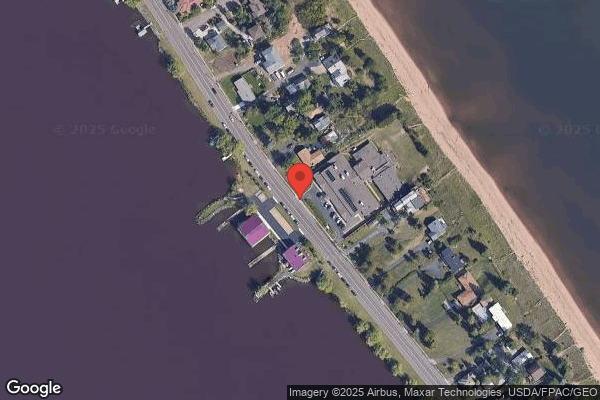

3910 MINNESOTA AVENUE, DULUTH, MN 55802 (218) 727-8933
Non profit - Corporation 47 Beds ST. FRANCIS HEALTH SERVICES Data: November 2025
Trust Grade
40/100
#290 of 337 in MN
Last Inspection: December 2024

Within standard 12-15 month inspection cycle. Federal law requires annual inspections.

Overview

Franciscan Health Center has a Trust Grade of D, indicating below-average quality and some concerns about care. It ranks #290 out of 337 facilities in Minnesota, placing it in the bottom half, and #12 of 17 in St. Louis County, meaning there are only a few better options nearby. The facility is showing signs of improvement, with issues decreasing from 19 in 2023 to 17 in 2024. Staffing is a strong point, earning a 4-star rating with a turnover rate of 49%, which is about average for Minnesota. However, there have been concerning incidents, such as a resident not being repositioned in bed as required, expired medications found in the storage room, and unlicensed staff being instructed to pass medications, which could put residents at risk. While there are some strengths, potential families should weigh these serious weaknesses when considering this facility.

Trust Score
D
40/100
In Minnesota
#290/337
Bottom 14%
Safety Record
Low Risk
No red flags
Inspections
Getting Better
19 → 17 violations
Staff Stability
⚠ Watch
49% turnover. Above average. Higher turnover means staff may not know residents' routines.
Penalties
✓ Good
No fines on record. Clean compliance history, better than most Minnesota facilities.
Skilled Nurses
✓ Good
Each resident gets 107 minutes of Registered Nurse (RN) attention daily — more than 97% of Minnesota nursing homes. RNs are the most trained staff who catch health problems before they become serious.
Violations
⚠ Watch
36 deficiencies on record. Higher than average. Multiple issues found across inspections.
★☆☆☆☆
1.0
Overall Rating
★★★★☆
4.0
Staff Levels
★☆☆☆☆
1.0
Care Quality
★★☆☆☆
2.0
Inspection Score
Stable
2023: 19 issues
2024: 17 issues

The Good

  • 4-Star Staffing Rating · Above-average nurse staffing levels
  • Full Sprinkler Coverage · Fire safety systems throughout facility
  • No fines on record

Facility shows strength in staffing levels, fire safety.

The Bad

1-Star Overall Rating

Below Minnesota average (3.2)

Significant quality concerns identified by CMS

Staff Turnover: 49%

Near Minnesota avg (46%)

Higher turnover may affect care consistency

Chain: ST. FRANCIS HEALTH SERVICES

Part of a multi-facility chain

Ask about local staffing decisions and management

The Ugly 36 deficiencies on record

Dec 2024 12 deficiencies
CONCERN (D)

Potential for Harm - no one hurt, but risky conditions existed

Deficiency F0655 (Tag F0655)

Could have caused harm · This affected 1 resident

**NOTE- TERMS IN BRACKETS HAVE BEEN EDITED TO PROTECT CONFIDENTIALITY** Based on interview and document review the facility failed to ensure a copy of the baseline care plan was provided to the reside...

Read full inspector narrative →
**NOTE- TERMS IN BRACKETS HAVE BEEN EDITED TO PROTECT CONFIDENTIALITY** Based on interview and document review the facility failed to ensure a copy of the baseline care plan was provided to the resident and/or representative for 1 of 3 residents (R40) reviewed who was a new admission. Findings include: R40's Resident Face Sheet dated 12/12/24, identified R40 was admitted on [DATE], with spastic hemiplegia (muscle weakness or partial paralysis on one side of the body that can affect the arms, legs, and facial muscles) affecting right dominant side and nontraumatic intercerebral hemorrhage. R40's 48 hour baseline care plan dated 11/19/24, identified R40's short term goals, health maintenance needs, pain intervention, safety concerns, medication concerns, and designated representative. R40's 48 hour baseline care plan identified needs and interventions for the following: eating, toileting, bathing, grooming, dressing, bed mobility, and transfers. However, the 48 hour baseline care plan lacked any indication that R40 or R40's representative had been offered or received a copy of the 48 hour baseline care plan. During an interview on 12/9/24 at 2:55 p.m., neither R40 nor his family member (FM)-A thought there had been any meetings regarding care plans. During an interview on 12/12/24 at 1:20 p.m., the director of nursing (DON) stated she would expect the 48 hour baseline care plan to be reviewed and a copy offered to the resident and or the resident representative. The DON stated the baseline care plan is important so staff know how to safely care for the resident. During an interview on 12/12/24 at 2:32 p.m., registered nurse (RN)-D provided a copy of the baseline care plan. RN-D stated the care plan was developed with the resident but that they did not offer a copy to the resident or the resident's representative. RN-B also verified the care plan was not ever offered to the resident or to the resident's representative. During an interview on 12/12/24 at 3:18 p.m., the corporate RN verified it was important to offer a copy of the baseline care plan so the resident and their family would be aware of the plan of care. Person Centered Care Planning dated 4/20/23, identified the facility would develop and implement a baseline care plan for each resident within 48 hours of admission. In addition, a summary or a copy of the baseline 48 hour care plan would be given to the resident and/or representative.
CONCERN (D)

Potential for Harm - no one hurt, but risky conditions existed

Pressure Ulcer Prevention (Tag F0686)

Could have caused harm · This affected 1 resident

**NOTE- TERMS IN BRACKETS HAVE BEEN EDITED TO PROTECT CONFIDENTIALITY** Based on observation, interview, and document review, the facility failed to ensure timely repositioning for a resident with pre...

Read full inspector narrative →
**NOTE- TERMS IN BRACKETS HAVE BEEN EDITED TO PROTECT CONFIDENTIALITY** Based on observation, interview, and document review, the facility failed to ensure timely repositioning for a resident with pressure ulcers (PU) for 1 of 2 residents (R25) reviewed for PU care. Findings include: R25's significant change in status assessment (SCSA) minimum data set (MDS) dated [DATE], identified intact cognition and diagnoses of Parkinson's with dyskinesia, diabetes mellitus, stage two PU of sacral region, stage two PU of left buttock, dermatitis due to friction or contact with body fluids, non-pressure chronic ulcer of skin limited to breakdown of skin. R25 was dependent on staff for bed mobility. R25's care plan dated 1/5/23, identified dependence on staff to reposition in bed every two to three hours. R25 was incontinent of bowels and needed assistance after each episode with staff to check every two hours. During a continuous observation starting 12/12/24 at 8:14 a.m., R25 was observed in bed with the head of bed at about 20 degrees, with the bend in the bed partway up his back. R25 didn't appear to be propped to one side or the other and stayed in that position until nursing assistant (NA)-D came in at 10:02 a.m. During an interview at 10:05 a.m., NA-D stated the last time they were able to reposition R25 was shortly after 7 a.m. when the nurse had to give R25 some medications. NA-D also stated R25 should be repositioned every two hours, but the morning had been very busy, and they weren't able to get back to him until now. When NA-D rolled R25 onto his right side they noted the wound was not covered with a dressing and was actively bleeding bright red blood. NA-D called for help and registered nurse (RN)-D came in with supplies to clean and dress the wound. RN-D took measurements and commented it looked worse than it did the day before and she would be updating the provider again. During an interview on 12/12/24 at 3:30 p.m., RN-D stated she had been doing weekly measurements and wound assessment since the rounding wound provider stopped coming the end of November. Review of these measurements indicated the wound was worsening, however R25's provider was aware and rounding in the facility at least once a week. R25 has had a SCSA after hospitalization for sepsis, and then contracting COVID-19. RN-D shared R25 had an appointment with a wound provider on 12/16/24, and a new rounding wound provider would be starting at the facility next week. RN-D stated she would expect residents were turned and repositioned as care planned, and it would especially be important for a resident with a wound so they can help the wound as much as possible. A policy, Franciscan Health Center Repositioning Policy dated 10/23/16, identified its purpose was to establish a system to ensure every resident is repositioned as determined by individual assessment. All residents will be repositioned based on their individualized assessments, their preference or their request.
CONCERN (D)

Potential for Harm - no one hurt, but risky conditions existed

Deficiency F0698 (Tag F0698)

Could have caused harm · This affected 1 resident

**NOTE- TERMS IN BRACKETS HAVE BEEN EDITED TO PROTECT CONFIDENTIALITY** Based on interview and document review, the facility failed to implement communication system with an outside dialysis facility ...

Read full inspector narrative →
**NOTE- TERMS IN BRACKETS HAVE BEEN EDITED TO PROTECT CONFIDENTIALITY** Based on interview and document review, the facility failed to implement communication system with an outside dialysis facility to promote continuity of care and reduce the risk of complication for 1 of 1 resident (R21) reviewed for dialysis care. Findings include: R21's comprehensive Minimum Data Set (MDS) dated [DATE], identified R21 had intact cognition along with diagnoses of end stage renal disease and type 2 diabetes mellitus. R21's MDS also indicated resident received dialysis care while residing at the nursing facility. R21's care plan identified resident admitted to nursing facility on 11/6/24. Care plan identified resident received dialysis on Monday, Wednesday, and Friday. It identified staff actions of assessing dialysis site for bleeding or drainage and to update provider or dialysis unit with any concerns, recording weights from dialysis unit, and to observe resident for signs and symptoms of infection (redness, warmth, swelling) to access site, and to notify provider or dialysis unit with concerns. During interview on 12/10/24 at 1:02 p.m., health unit coordinator (HUC)-A stated dialysis communication sheet went with resident to dialysis center and was returned to facility with resident or faxed to the nursing facility. HUC-A stated R21 did not have a dialysis agreement in electronic medical record. During interview on 12/12/24 at 3:36 p.m., director of nursing (DON) stated dialysis agreement was important for resident care. DON further stated the agreement allowed for better communication between dialysis center and nursing facility, better continuation of care, and to be on the same page. R21's dialysis agreement dated 12/12/24, identified dialysis center as Fresenius Kidney Care, and the nursing facility contact person as registered nurse (RN)-A. Agreement did not identify dialysis contact person or the name and address of hospital for emergency room (ER) dialysis. Facility policy titled Dialysis Management revised 2/19/18, identified the need for a dialysis agreement between the nursing facility and the dialysis center. Policy further identified the agreement will include aspects of how the resident's care is to be managed, including: medical emergencies (name of hospital with emergency dialysis services), nonmedical emergencies (contact person at the dialysis center), process for interchange of information useful/necessary for the care of the resident, services each entity will be providing).
CONCERN (D)

Potential for Harm - no one hurt, but risky conditions existed

Deficiency F0740 (Tag F0740)

Could have caused harm · This affected 1 resident

**NOTE- TERMS IN BRACKETS HAVE BEEN EDITED TO PROTECT CONFIDENTIALITY** Based on observation, interview and document review, the facility failed to investigate, review, and analyze underlying causes o...

Read full inspector narrative →
**NOTE- TERMS IN BRACKETS HAVE BEEN EDITED TO PROTECT CONFIDENTIALITY** Based on observation, interview and document review, the facility failed to investigate, review, and analyze underlying causes of resident's delusions for 1 of 1 resident (R11) who was reviewed for behaviors. Findings include: R11's quarterly Minimum Data Set (MDS) dated [DATE], identified R11 had no cognitive impairment and diagnoses included congestive heart failure, type 2 diabetes mellitus, hypo-osmality and hyponatremia (condition of having abnormally low levels of electrolytes and other fluids in the blood),, paroxysmal atrial fibrillation (an irregular heartbeat that comes and goes), hypertension, cirrhosis of the liver, depression, hyperlipidemia, and spontaneous bacterial peritonitis (bacterial infection in abdominal fluids without an obvious source for the infection). R11's MDS had exhibited behaviors of hallucinations and delusions within the previous seven days. R11's care plan dated 10/28/24, identified R11 had short term memory problems and/or periods of confusion/disorientation/forgetfulness. Care plan also identified staff interventions to monitor R11 for any cognitive changes and update provider as needed, orient resident to day, month, and year during interactions as needed, and to provide resident with redirection as needed. During observation and interview on 12/10/24 at 8:46 a.m., R11 stated she doesn't like all the people in her room. R11 and surveyor were the only people in the room. R11 asked surveyor to leave room. Progress notes identified the following: -On 6/15/24 at 2:06 a.m., staff reported R11 stated 'I'm not moving, and I don't want any kids in here. -On 6/16/24 at 4:08 a.m., staff reported 'twice this this [sic], resident spilled her [NAME] of water. Each time resident stated that god damn cat keeps jumping up here knocking my things off the table! I'm sick of the damn cats, and just don't want them here anymore! Resident motioned as if cat was crawling on her and in her bed.' -On 6/19/24 at 9:25 p.m., staff reported R11 'spoke of babies being on top of her bed and under her linens.' -On 6/21/24 at 12:27 p.m., staff reported R11 'does continue with delusional thoughts and statements of there is a cat in the room and knocking things off shelves, her teddy bear is a real baby.' -On 6/30/24 at 3:54 a.m., staff reported R11 'slept very little this shift. Increasingly confused. Upset with so many children in my bed. Resident gesturing to children and 'shooing' them out of her bed.' -On 7/5/24 at 4:27 a.m., R11 requested 'baby formula water' from staff so she could feed the 'babies' in her room. -On 7/5/24 at 10:02 a.m., staff reported 'yesterday on day shift, Resident was very confused and kept talking about her boyfriend [NAME] coming to pick her up. Changed clothes multiple times in the morning shift.' R11 seen leaving out front door and was stopped by staff. Call placed to daughter, daughter states R11 has been calling a lot more often and they noted she is more forgetful and confused. 'Daughter states this is all new since her admission at the facility.' -On 7/10/24 at 2:15 p.m., nursing staff reported Daughter [NAME] at facility and said resident has dementia. Writer reviewed diagnosis list and did not see dementia or any cognitive impairment diagnosis. Update placed in rounding book. -On 7/17/24 at 1:43 p.m., staff reported resident has changed her clothes at least 5 times this day shift. She is sitting in the bathroom and stay in there for up to an hour. This is not new behavior and happens most days. -On 7/18/24 at 1:36 p.m., staff reported resident removed all of her clothes from her closet and stacked them on the bed. She wants to 'get out of here' and 'this is a terrible place.' She has changed her clothes at least 4 times today and said she is going to change her clothes before supper. -On 7/19/24 at 10:19 a.m., RN-B reported Daughter requesting Writer go see if Resident has clothes in her room because Resident was reporting to Daughter that she doesn't have anything to wear. Daughter reports that she does Residents laundry because Resident is very particular with her stuff and does not like certain articles of clothing dried. Writer entered room and Resident was sitting in doorway of her bathroom in her wheelchair unclothed with a brief under her, but the brief was not secured. Writer assisted Resident with changing into clothes which she did have a few outfits hanging in her closet. Resident was very pleasant and accepting of Writer's help. Writer noted Resident had clothes and bedding all over room. There was a pile of clothes in a basket that looked clean, and Writer asked if they were clean and I could put them away and Resident said, oh no, those are dirty. Resident did not want Writer to put away or organize any clothes in her room. Writer updated Daughter. -On 7/30/24 at 10:52 p.m., staff reported Resident refusing to let staff help with getting her ready for bed. Writer found resident in bathroom putting a tab brief on, resident also had a pull up brief and a disposable underwear on. Writer tried telling resident she should only wear one brief, but resident stated she does this all the time. -On 8/5/24 at 1:28 p.m., staff reported Resident took meds this am. She slept in. She did have Oreo cookies crushed up on her floor next to bed. The CNA attempted several times t/o the am to get her some food, offered to bring her to brunch. She tends to circle around in her room and change outfits. She had a pile of hangers on the floor. A few minutes ago I asked her if she had lunch and she said she hasn't eaten anything today. She was in an irritable mood most of the morning. She talks a lot about wanting her family to come and help her. This is not new behavior for her. A large group of family members visited yesterday. -On 8/21/24 at 1:25 p.m., reported Daughter [NAME] states that Resident called and left her a message stating that Residents mother was there which she said that it is probably just her dementia. -On 9/8/24 at 11:13 a.m., staff reported Resident continues to double up her briefs when wearing them. Resident was educated on brief usage but refused to change what she states she has been doing for a long time. -On 9/16/24 at 2:13 p.m., staff reported Resident continues to double up her briefs despite education regarding this. -On 9/21/24 at 10:26 a.m., staff reported Resident refused most morning medication. She yelled at writer multiple times to Get those damn people out of here! when inquiring what people resident was talking about, resident stated All of those shits! They're not allowed in here! I'm not doing any of this! Get out!. Writer reapproached resident 30 minutes later and resident was agreeable to taking only tramadol, nasal spray, and insulin. Resident told writer again (referring to her medication,)I'm not doing all of that bullshit!. -On 9/21/24 at 1:18 a.m., staff reported Resident also has been double briefing and refuses to wear just one brief. Resident has been going through her drawers and cabinets and removing the contents and setting them on all surfaces including the floor. -On 9/27/24 at 2:56 p.m., staff reported Resident appeared to be hallucinating in the bathroom during shift and said, there are 2-3 mice in here that no one will get rid of. They have red eyes and they show their teeth at me. -On 10/4/24 at 5:33 a.m., staff reported Resident was found taking all of her belongings off of her shelves and out of her drawers. When asked why, resident stated, the kids came in her and smeared poop all over everything. According to resident, she needed to wash everything with soap and water to get the poop off. Resident stated she didn't know the kids who got in my room. Resident began washing her items in her bathroom sink. All efforts to redirect resident from ambulating independently and washing her belongings were ineffective with resident stating I have to take care of this and disregarding prompts and encouragement from staff to help ensure her safety. -On 11/5/24 at 11:08 a.m., staff reported Resident found putting fresh hospital gown on, getting ready for bed and taking out dentures. Resident said she is confused often and thought that it was night. Writer opened up resident curtains and helped her change into day clothes, reoriented her to daytime and encouraged resident to attend brunch for change in scenery. -On 12/1/24 at 4:14 a.m., staff reported Resident reported many people in her room and was observed looking around the room as if she were watching something. Resident also reported that someone was in her room and urinated on the floor. Writer did not find any urine on resident's floor. -On 12/3/24 at 2:31 p.m., staff reported Resident appears to be needing additional assistance with cares. Resident found second shift in a row barefooted in bathroom with head towards the ground and towels spread over the floor wiping up large quantities of incontinent episodes. Discussed resident using call light for help moving forward and resident said she would be willing to receive help with toileting and stated she had been embarrassed. -On 12/10/24 at 3:32 p.m, staff reported Nurse aid reported to writer during morning that resident was c/o people in her room that wouldn't leave. Writer went to assess resident, and resident was in bed and notably agitated. Resident said, If something doesn't change, I'm going to leave this place! This is ridiculous and those people won't leave! Resident motioned at a large 2-foot-tall snowman, Mrs. Clause doll and another stuffed figurine. Writer pointed to the items in resident room and said, You mean, these people? Resident confirmed. Items removed from room and put on top of resident armoire. Family notified of room decor change. During interview on 12/11/24 at 1:20 p.m., registered nurse (RN)-C stated all staff received education on dementia and mental health conditions. RN-C also stated staff received education on signs and symptoms of mental health conditions. RN-C further stated she was unsure about R11's diagnoses. RN-C identified interventions for R11's hallucinations as redirection, reassurance, and reorientation to situation. During interview on 12/11/24 at 1:44 p.m., nursing assistant (NA)-A stated staff receive training on behavioral health and dementia when hired. NA-A stated training included signs and symptoms of mental health problems. During interview on 12/11/24 at 2:04 p.m., NA-B stated staff receive training on dementia and mental health conditions. NA-B also stated training was done when hired and every year. NA-B identified interventions for R11 included redirection and having a different staff member approach resident if agitated. During interview on 12/12/24 at 2:01 p.m., NA-B stated staff receive training on dementia and mental health. NA-A further stated training included signs and symptoms of mental health problems. NA-A also identified interventions for R11 as redirection and reorienting resident to reality. During interview on 12/12/24 at 3:35 p.m., director of nursing (DON) stated it was important for staff to know about mental health when caring for residents. DON identified residents with mental health conditions could require a different care approach than other residents. DON further identified the importance of staff knowing about resident behaviors and how to manage those behaviors. Facility assessment dated [DATE], identified staff training for behavioral health at orientation and annually.
CONCERN (D)

Potential for Harm - no one hurt, but risky conditions existed

Infection Control (Tag F0880)

Could have caused harm · This affected 1 resident

**NOTE- TERMS IN BRACKETS HAVE BEEN EDITED TO PROTECT CONFIDENTIALITY** Based on observation, interview, and document review, the facility failed to ensure appropriate use of personal protective equip...

Read full inspector narrative →
**NOTE- TERMS IN BRACKETS HAVE BEEN EDITED TO PROTECT CONFIDENTIALITY** Based on observation, interview, and document review, the facility failed to ensure appropriate use of personal protective equipment (PPE) when exiting a resident's room (R32) with a Covid-19 positive diagnosis. Findings include: R32's significant change Minimum Data Set (MDS) dated [DATE], identified R32 was severely cognitively impaired and had a diagnosis of Covid-19. On 12/11/24 at 1:05 p.m., two staff were observed outside of R32's room, they both donned isolation gowns, removed their surgical masks and then put on N-95 masks, then put on gloves, knocked and entered R32's room. R32's door had a sign up indicating airborne precautions need to be followed. PPE supplies were hanging on the door, there were no trash receptacles outside of the room. On 12/11/24 at 1:15 p.m., Nursing assistants (NA)-B and NA-E were observed exiting R32's room wearing surgical masks. NA-B stated they doffed (removed) their N-95 masks in the room and put on clean surgical masks that were stored inside the room. NA-B stated they had questioned the nurse managers about the process but were told it was the proper way to doff. During an interview on 12/11/24 at 1:23 p.m., registered nurse (RN)-B stated staff were educated on donning and doffing through their computerized education program during orientation and annually. RN-B stated in an airborne isolation room (Covid-19) she would expect staff to remove their gloves, goggles, remove their isolation gown, and remove their N-95 mask in the room and put on a new surgical mask kept in the room. RN-B stated they would only have their masks off inside the room for a few seconds. During an interview on 12/12/24 at 1:47 p.m., the director of nursing (DON) stated staff should not remove their N-95 mask until they were outside of the Covid-19 room. The DON stated removing the mask inside the Covid-19 room would increase their risk for exposure to Covid-19. Suspected or Confirmed Corona Virus Outbreak dated 7/25/23, directed staff to do the following: If disposable respirator is used, it should be removed and discarded after exiting the resident room and closing the door. Perform hand hygiene after discarding. Airborne Respirator/Contact Precautions door signage dated 5/30/19, directed staff to wear a powered aire purifying respirator (PAPR) or fit tested N-95 mask and eye protection prior to entering the room. How to Safely remove PPE instructions from the Centers for Disease Control (CDC) no date. Remove all PPE before exiting the patient room except a respirator, if worn.
CONCERN (D)

Potential for Harm - no one hurt, but risky conditions existed

Deficiency F0883 (Tag F0883)

Could have caused harm · This affected 1 resident

**NOTE- TERMS IN BRACKETS HAVE BEEN EDITED TO PROTECT CONFIDENTIALITY** Based on interview and document review, the facility failed to ensure immunization records were up to date for 2 of 5 residents ...

Read full inspector narrative →
**NOTE- TERMS IN BRACKETS HAVE BEEN EDITED TO PROTECT CONFIDENTIALITY** Based on interview and document review, the facility failed to ensure immunization records were up to date for 2 of 5 residents (R13, R40) who were new admissions. In addition, the facility failed to ensure residents and/or resident representatives were educated on and residents offered pneumococcal vaccines (vaccines given to prevent pneumonia) upon admission for 1 of 5 residents (R17). The facility further failed to provide education and offer the influenza vaccine to 3 of 5 residents (R11, R13, R40) reviewed for immunizations. Findings include: Immunization Records R13's Resident Face Sheet identified R13 was admitted on [DATE], was over the age of 50 and had diagnoses which included hypertensive heart disease, anxiety disorder, atrial fibrillation and flutter (a condition in which the heart beats too fast and irregularly and rapid heart rate that is organized and repetitive but still faster than normal), and adult failure to thrive. A review of R13's record did not reveal a Minnesota Immunization Information Connection (MIIC) report. The facility was not able to provide any immunization history for R13. R40's Resident Face Sheet identified R40 was admitted on [DATE], was over the age of 50 and had diagnoses which included spastic hemiplegia (muscle weakness or partial paralysis on one side of the body that can affect the arms, legs, and facial muscles) affecting right dominant side and nontraumatic intercerebral hemorrhage (stroke). A review of R40's record did not reveal a MIIC report. The facility was not able to provide any immunization history for R40. During an interview on 12/12/24 at 10:18 a.m., registered nurse (RN)-B stated they had nothing on record for an immunization history for R40 and was unsure if anyone had followed up on his vaccination status with R40 or with R40's representative. During an interview on 12/12/24 at 10:26 a.m., RN-A stated she thought R13 was anti-vaccine and didn't like vaccinations. RN-A did not think vaccinations had been offered and did not have any information on education or declinations of vaccines from the resident or the resident's representative. During an interview on 12/12/24 at 1:38 p.m., the director of nursing (DON) stated she would expect staff to have identified a resident's vaccine status upon admission so they could be educated and offered the appropriate vaccines. Pneumococcal vaccine R17's Resident Face Sheet identified R17 was admitted on [DATE], was over the age of 50 and had diagnoses which included cerebrovascular disease, hypertension, weakness, personal history of transient ischemic attack, cerebral infarction (stroke), diabetes mellitus, and chronic pain. R17's immunization history was as follows: Pneumo-PCV13 given 10/13/16 Pneumo-PPSV23 given 2/8/11 According to the PneumoRecs VaxAdvisor Centers for for Disease Control and Prevention (CDC) R17 was eligible for one dose of PCV20 or PCV21 at least five years after the last pneumococcal vaccine dose. During an interview on 12/12/24 at 10:24 a.m., RN-B was not aware of the PneumoRecs VaxAdvisor and stated she just went by the MIIC to determine if a resident was up to date with pneumococcal vaccines and did not have any conversations regarding vaccine eligibility with R17's provider. During an interview on 12/12/24 at 1:38 p.m., the director of nursing stated she would expect staff to review th CDC guidelines for pneumococcal vaccines and educate and offer as appropriate. Influenza vaccine R11's Resident Face Sheet identified R11 was admitted on [DATE], and had diagnoses which included chronic heart failure, hypertension, multidrug resistant organism (MDRO), diabetes mellitus, and depression. R11's immunization record identified R11's last influenza vaccine was on 10/20/23. R13's Resident Face Sheet identified R13 was admitted on [DATE], was over the age of 50 and had diagnoses which included hypertensive heart disease, anxiety disorder, atrial fibrillation and flutter (a condition in which the heart beats too fast and irregularly and rapid heart rate that is organized and repetitive but still faster than normal), and adult failure to thrive. A review of R13's record did not reveal a Minnesota Immunization Information Connection (MIIC) report. The facility was not able to provide any immunization history for R13. R40's Resident Face Sheet identified R40 was admitted on [DATE], was over the age of 50 and had diagnoses which included with spastic hemiplegia (muscle weakness or partial paralysis on one side of the body that can affect the arms, legs, and facial muscles) affecting right dominant side and nontraumatic intercerebral hemorrhage (stroke). A review of R40's record did not reveal a MIIC report. The facility was not able to provide any immunization history for R40. During an interview on 12/12/24 at 10:27 a.m., RN-B was not sure if an influenza vaccine had been offered to R11, R13, or R40. The facility was unable to provide documentation that R11, R13, or R40 had received the influenza vaccine. In addition, the facility was not able to provide information that the above listed residents received education about the influenza vaccine. The facility was also not able to provide signed declinations by the residents or their representatives for the influenza vaccine. During an interview on 12/12/24 at 1:38 p.m., the director of nursing (DON) stated the influenza vaccine clinic was done by Thrifty [NAME] Pharmacy and the licensed social worker (LSW)-A obtained the consents. The DON was not sure what occurred if a resident declined the vaccine. Resident Immunizations dated 9/29/23, identified the following: An immunization history will be taken upon admission. The resident's immunization history will be documented and maintained on the immunization record for each resident in the resident's medical record. Pneumococcal vaccines will be offered to each resident according to the current recommendations from the CDC. The influenza vaccine will be offered to residents annually between October 1st and March 31st. Those residents assessed to be cognitively unable to make decisions will have the written education provided on admission (and at the beginning of every flu season for the influenza vaccine) to the POA/family member/significant other identified in the record as the primary contact. The resident or the resident's representative has the opportunity to refuse the immunization.
CONCERN (D)

Potential for Harm - no one hurt, but risky conditions existed

Deficiency F0887 (Tag F0887)

Could have caused harm · This affected 1 resident

**NOTE- TERMS IN BRACKETS HAVE BEEN EDITED TO PROTECT CONFIDENTIALITY** Based on interview and document review, the facility failed to ensure residents were educated on and offered COVID-19 vaccinatio...

Read full inspector narrative →
**NOTE- TERMS IN BRACKETS HAVE BEEN EDITED TO PROTECT CONFIDENTIALITY** Based on interview and document review, the facility failed to ensure residents were educated on and offered COVID-19 vaccinations upon admission to 3 of 5 residents (R11, R13, R40). Findings include: R11's Resident Face Sheet identified R11 was admitted on [DATE], and had diagnoses which included chronic heart failure, hypertension, multidrug resistant organism (MDRO), diabetes mellitus, and depression. R11's immunization record identified R11's last COVID-19 vaccine was on 10/19/23. R13's Resident Face Sheet identified R13 was admitted on [DATE], was over the age of 50 and had diagnoses which included hypertensive heart disease, anxiety disorder, atrial fibrillation and flutter (a condition in which the heart beats too fast and irregularly and rapid heart rate that is organized and repetitive but still faster than normal), and adult failure to thrive. A review of R13's record did not reveal a Minnesota Immunization Information Connection (MIIC) report. The facility was not able to provide any immunization history for R13. R40's Resident Face Sheet identified R40 was admitted on [DATE], was over the age of 50 and had diagnoses which included spastic hemiplegia (muscle weakness or partial paralysis on one side of the body that can affect the arms, legs, and facial muscles) affecting right dominant side and nontraumatic intercerebral hemorrhage (stroke). A review of R40's record did not reveal a MIIC report. The facility was not able to provide any immunization history for R40. During an interview on 12/12/24 at 10:18 a.m., registered nurse (RN)-B stated they had nothing on record for an immunization history for R40 and was unsure if anyone had followed up on his vaccination status with R40 or with R40's representative. During an interview on 12/12/24 at 10:26 a.m., RN-A stated she thought R13 was anti-vaccine and didn't like vaccinations. RN-A did not think vaccinations had been offered and did not have any information on education or declinations of vaccines from the resident or the resident's representative. During an interview on 12/12/24 at 10:27 a.m., RN-B stated she was unsure if R11 had been offered any vaccines. During an interview on 12/12/24 at 1:38 p.m., the director of nursing (DON) stated she would expect staff to have identified a resident's vaccine status upon admission so they could be educated and offered the appropriate vaccines. Resident Immunizations dated 9/29/23, identified the following: An immunization history will be taken upon admission. The resident's immunization history will be documented and maintained on the immunization record for each resident in the resident's medical record. Any immunizations that are not current or unknown vaccination histories will be shared with the attending physician and appropriate physician orders obtained. The resident or the resident's representative has the opportunity to refuse the immunization.
CONCERN (E)

Potential for Harm - no one hurt, but risky conditions existed

Deficiency F0574 (Tag F0574)

Could have caused harm · This affected multiple residents

Based on interview, and document review, the facility failed to ensure current contact information of all pertinent State Agency and advocacy groups were posted at a level accessible to all residents....

Read full inspector narrative →
Based on interview, and document review, the facility failed to ensure current contact information of all pertinent State Agency and advocacy groups were posted at a level accessible to all residents. This had the potential to affect all residents who chose to view this information. Findings include: On 12/9/24 at 6:51 p.m., the resident council president gave permission to review the resident council meetings. The resident council meetings revealed rights were not reviewed at the 12/4/24, and 11/4/24, resident council meeting but were reviewed at the 10/7/24, and the 9/3/24, meeting. On 12/10/24 at 1:26 p.m., a resident council meeting was held with four residents in attendance (R2, R17, R12, and R26) all of whom required the use of a wheelchair. The four residents in attendance did not know where the state inspections were posted and volunteered some of the postings were too high to read for residents in a wheelchair and with poor eyesight. On 12/10/24 at 2:05 p.m., the large bulletin board in the main dining room was reviewed. The poster for information regarding the ombudsman was viewed at the top right hand corner of the bulletin board approximately six inches from the ceiling. There were not any pamphlets or cards for the ombudsman in the area near the bulletin board. On 12/12/24 at 1:56 p.m., the director of nursing (DON) reviewed the bulletin board and verified the information related to the ombudsman was approximately six inches from the ceiling and too high for residents in wheelchairs to read. The Combined Federal and State [NAME] of Rights dated 2/1/17, provided to all residents identified the facility must post, in a form and manner accessible and understandable to residents, and resident representatives this included information related to the Office of the State Long-Term Care Ombudsman program.
CONCERN (E)

Potential for Harm - no one hurt, but risky conditions existed

Unnecessary Medications (Tag F0759)

Could have caused harm · This affected multiple residents

**NOTE- TERMS IN BRACKETS HAVE BEEN EDITED TO PROTECT CONFIDENTIALITY** Based on observation, interview, and document review, the facility failed to ensure they were free of a medication error rate of...

Read full inspector narrative →
**NOTE- TERMS IN BRACKETS HAVE BEEN EDITED TO PROTECT CONFIDENTIALITY** Based on observation, interview, and document review, the facility failed to ensure they were free of a medication error rate of five percent or greater. The facility had a medication error rate of 13.79% with 4 errors out of 29 opportunities for error involving 1 of 7 residents (R8) who were observed during the medication passes. Findings include: R8's quarterly Minimum Data Set (MDS) dated [DATE], identified R8 was moderately cognitively intact and had diagnoses which included, gastro-intestinal appliance, anxiety, depression, surgical aftercare following a surgery on the digestive system, dysphagia (difficulty swallowing foods or liquids arising from the throat or esophagus, ranging from mild to difficult to complete and painful blockage), nutritional deficiency, and history of malignant neoplasm of other organ system. R8's Physician Order Review as of 12/12/24, identified the following orders: fluoxetine 10 milligrams (mg) one tablet into gastric tube one time per day every day at morning 7:00 a.m.-10:00 a.m acetaminophen extra strength oral liquid 500 mg/5 milliliters (ml) 1000 mg every six hours every day and 12:00 a.m., 6:00 a.m., 12:00 p.m., 6:00 p.m midodrine 5 mg one tablet into gastric tube two times per day every day at 7:00 a.m., 5:00 p.m Pepcid 20 mg one tablet into feeding tube two times per day every day at morning 7:00 a.m.-10:00 a.m., 7:00 p.m.-10:00 p.m ProStat 1 ounce two time per day every day at 7:00 a.m.-11:00 a.m., 4:30 p.m.-8:30 p.m. Jevity 1.5 240 ml bolus three times per day every day at 10:00 a.m., 2:00 p.m., 6:00 p.m On 12/11/24 at 12:21 p.m., registered nurse (RN)-E prepared medications for R8, crushing each medication and placing the medication in labeled plastic medication cups. RN-E donned an isolation gown and gloves prior to entering R8's room, RN-E placed paper towels down on R8's table prior to placing medications, graduate, and 60 ml syringe. RN-E checked the patency of R8's gastric tube by pulling back and getting tube feeding returns, RN-E flushed R8's gastric tube with 30 ml of water. RN-E proceed to give each medication after adding water to dissolve the medication: fluoxetine 10 mg, 30 ml water flush acetaminophen 1000 mg, 30 ml water flush midodrine 5 mg, 30 ml water flush Pepcid 20 mg, 30 ml water flush ProStat 1 ounce, 30 ml water flush Jevity 1.5 240 ml bolus, followed by 300 ml of water R8's Time Variance Report for 12/11/24, identified the following: fluoxetine 10 mg due at 7:00 a.m.-10:00 a.m., given at 1:15 p.m. acetaminophen 1000 mg due at 12:00 p.m., given at 1:15 p.m. midodrine 5 mg due at 7:00 a.m., given at 1:15 p.m. Pepcid 20 mg due at 7:00 a.m.-10:00 a.m., given at 1:15 p.m. Jevity 1.5 240 ml due at 10:00 a.m., given at 1:15 p.m. During an interview on 12/11/24 at 3:45 p.m., RN-E verified she was passing medications for 23-24 residents, crushing medications for seven residents (stated those medication passes could sometimes take 15 minutes or more), and about eight residents in enhanced barrier precaution rooms (requiring donning and doffing of personal protective equipment). RN-E verified medications for R8 were late despite not taking a morning or lunch break and stated several other residents received their morning medications late as well (R23, R4, and R22). During an interview on 12/12/24 at 1:48 p.m., the director of nursing (DON) stated the nurses on the medication carts were passing medications for half of the residents in the building (census of 39 would be about 20 each) and they try to adjust the medication pass to keep it even. The DON verified it was important for residents to receive their medications timely to keep medication delivery on schedule. Franciscan Health Center Order Pass Times undated, identified the following times for medication delivery: Daily- 7:00 a.m. - 10:00 a.m. Two times daily - 7:00 a.m. -11:00 a.m. and 7:00 p.m. - 10:00 p.m. Three times daily - 7:00 a.m. - 10:00 a.m. and 12:30 p.m. - 2:30 p.m. and 7:00 p.m. - 10:00 p.m. Daily every six hours - midnight and 6:00 a.m. and noon and 6:00 p.m.
CONCERN (E)

Potential for Harm - no one hurt, but risky conditions existed

Deficiency F0919 (Tag F0919)

Could have caused harm · This affected multiple residents

**NOTE- TERMS IN BRACKETS HAVE BEEN EDITED TO PROTECT CONFIDENTIALITY** Based on observation, interview, and document review the facility failed to ensure resident call lights were within reach from t...

Read full inspector narrative →
**NOTE- TERMS IN BRACKETS HAVE BEEN EDITED TO PROTECT CONFIDENTIALITY** Based on observation, interview, and document review the facility failed to ensure resident call lights were within reach from the bathroom floor in multi -resident bathrooms for 5 of 5 residents (R3, R15, R23, R40, R22) reviewed for call light accessibility. Findings include: On 12/12/24 at 8:22 a.m., the following bathroom call lights were observed: room [ROOM NUMBER] call light did not reach the floor, there were several knots in the cord. room [ROOM NUMBER] call light was short approximately 12 inches in length and did not reach the floor. room [ROOM NUMBER] call light was short approximately 15 inches from the floor. room [ROOM NUMBER] call light would not turn on when the cord was pulled. room [ROOM NUMBER] call light was approximately 12 inches in length and did not reach the floor. During an interview on 12/12/24 at 9:43 a.m., nursing assistant (NA)-D stated he thought call light cords in the bathroom had to reach below the toilet. NA-D could not recall any education on the length of the call light cord in bathrooms. During an interview on 12/12/24 at 10:48 a.m., with registered nurses (RN)-A and RN-B neither was aware of any regulations about the length of call lights in resident bathrooms. On 12/12/24 at 12:04 p.m., maintenance director (M)-A went to each room and measured the call light cords: room [ROOM NUMBER] bottom of call light cord was 23 inches from the floor - cord had several knots in it room [ROOM NUMBER] bottom of call light cord was 15 inches from floor - cord had several knots in it room [ROOM NUMBER] call light was not working and M-A had not been made aware of this and had not received any repair requests room [ROOM NUMBER] bottom of call light cord was 20.5 inches from the floor room [ROOM NUMBER] bottom of call light cord was 9 inches from the floor - cord had several knots in it During an interview on 12/12/24 at 1:36 p.m., the director of nursing (DON) stated it was important to have call lights that reached to the floor in resident bathrooms in case of a fall so they could reach the call light. Call light dated 10/23/17, did not address the length of call lights in resident bathrooms.
CONCERN (F)

Potential for Harm - no one hurt, but risky conditions existed

Deficiency F0725 (Tag F0725)

Could have caused harm · This affected most or all residents

**NOTE- TERMS IN BRACKETS HAVE BEEN EDITED TO PROTECT CONFIDENTIALITY** Treatment or services to prevent or heal pressure ulcers (PU)s See also F686 R25's significant change in status assessment (SCS...

Read full inspector narrative →
**NOTE- TERMS IN BRACKETS HAVE BEEN EDITED TO PROTECT CONFIDENTIALITY** Treatment or services to prevent or heal pressure ulcers (PU)s See also F686 R25's significant change in status assessment (SCSA) MDS dated [DATE], identified intact cognition and diagnoses of Parkinson's with dyskinesia, diabetes mellitus, stage two PU of sacral region, stage two PU of left buttock, dermatitis due to friction or contact with body fluids, non-pressure chronic ulcer of skin limited to breakdown of skin. R25 was dependent on staff for bed mobility. R25's care plan dated 1/5/23, identified dependence on staff to reposition in bed every two to three hours. R25 was incontinent of bowels and needed assistance after each episode with staff to check every two hours. During a continuous observation starting 12/12/24 at 8:14 a.m., R25 was observed in bed with the head of bed at about 20 degrees, with the bend in the bed partway up his back. R25 didn't appear to be propped to one side or the other and stayed in that position until NA-D came in at 10:02 a.m. During an interview at 10:05 a.m., NA-D stated the last time they were able to reposition R25 was shortly after 7 a.m. when the nurse had to give R25 some medications. NA-D also stated R25 should be repositioned every two hours, but the morning had been very busy, and they weren't able to get back to him until now. When NA-D rolled R25 onto his right side they noted the wound was not covered with a dressing and was actively bleeding bright red blood. NA-D called for help and RN-D came in with supplies to clean and dress the wound. RN-D took measurements and commented it looked worse than it did the day before and she would be updating the provider again. During an interview on 12/12/24 at 3:30 p.m., RN-D stated she had been doing weekly measurements and wound assessment since the rounding wound provider stopped coming the end of November. Review of these measurements indicated the wound was worsening, however R25's provider was aware and rounding in the facility at least once a week. R25 has had a SCSA after hospitalization for sepsis, and then contracting COVID-19. RN-D shared R25 had an appointment with a wound provider on 12/16/24, and a new rounding wound provider would be starting at the facility next week. RN-D stated she would expect residents were turned and repositioned as care planned, and it would especially be important for a resident with a wound so they can help the wound as much as possible. A policy, Franciscan Health Center Repositioning Policy dated 10/23/16, identified its purpose was to establish a system to ensure every resident is repositioned as determined by individual assessment. All residents will be repositioned based on their individualized assessments, their preference or their request. Staffing Interviews During an interview on 12/11/24 at 1:07 p.m., RN-C stated they were responsible for medications and treatments for 20 residents, which left 27 residents for the RN on the other side. RN-C provided it was difficult to get their work done on their shift and ran over to the next shift almost every time they worked. RN-C also stated it was nearly impossible to pass medications for 20 residents and be available to answer questions the NAs may have, or if they needed help, or if a resident wanted to talk. RN-C stated they don't always take their lunch when they are just working eight hours, but if they did a double, they would for sure take their half hour break. During an interview on 12/12/24 at 7:45 a.m., NA-D and NA-H stated they were short on Monday 12/9/24 and again today. NAs -D and -H shared they were often short on this shift, and it was frequent that the restorative NA would be pulled from their restorative duties to work the missing staff person's shift. NA-H added they used to have three NAs on the overnight shift and now there are only two, and for the afternoons they had 5 NAs and now have four. NAs -D and -H also stated they have talked with management and were told the staffing fits with their census. NA-H added the residents they care for were heavier care, needing two-person lifts and lots of redirection for behavior. During an interview on 12/12/24 at 3:29 p.m., the facility scheduler (FS)-A stated she posted open shifts in the upcoming schedule four weeks in advance so facility staff and then agency staff could pick up the open spots, however the schedule still went out with open shifts. FS-A confirmed staff would complain to her and vented about being short-staffed. The nurse managers would help by trying to even out the care groups. FS-A stated when they had a call in, they would try to replace the shift and if they weren't able then they would have to mandate but only the facility-employed NAs could be mandated, not the supplemental nursing agency NAs. FS-A explained there was one restorative aide (RA) scheduled, but they were always an aid first and would be pulled to fill a NA call-in, which was difficult for one of the two weekends because there wasn't a scheduled RA that weekend. During an interview on 12/12/24 at 3:56 p.m., NA-G stated concerns with the staffing levels for overnight as there were only two NAs on and it was hard to get their work done and they didn't take breaks. NA-G provided it was difficult to get through one whole round done on the residents before it was time to start the next round. NA-G had talked with management but was told this was the way it was. During an interview on 12/12/24 at 4:14 p.m., NA-F stated even on days things went smoothly, there still wasn't enough time to get their work done and they had trouble getting their breaks in. NA-F stated the biggest problem was when a resident needed to be checked on for things only a nurse could do, like a new wound or pain, they were told to tell the cart nurse first. But the cart nurses were trying so hard to just get the medications out, it took them most of their shifts just doing that. Facility Assessment and Payroll-Based Journal Report Review of the facility assessment dated [DATE], identified a plan for licensed staff providing direct care on the weekdays and weekends to be two per day and evening shift and one per overnight shift; and NAs at five per day shift, four per afternoon shift and two per overnight shift. The Centers for Medicare and Medicaid Services (CMS) quarterly reporting of the facility's payroll-based journal for the fourth quarter (July 1 to September 30) of the fiscal year 2024 identified excessively low weekend staffing levels. Review of facility-submitted daily staffing worksheets from 11/10/24 to 12/12/24 identified the following days to have lower than planned staffing: 11/10 afternoon shift short 1.5 NA hours 11/11 day shift short 8 NA hours, no RA scheduled 11/12 day shift short 8 NA hours, RA pulled to cover 8 additional NA hours 11/16 day shift short 1.5 NA hours, afternoon shift short 1.5 RN hours 11/18 day shift RA pulled to cover 8 NA hours 11/20 no RA scheduled 11/23 afternoon shift short 2 NA hours 11/24 day shift short 8 NA hours, no RA; afternoon shift short 2 NA hours 11/25 day shift short 12.5 NA hours, no RA scheduled; afternoon shift short 2.5 NA hours 11/26 day shift no restorative scheduled; afternoon shift short 2 NA hours 11/27 day shift no RA scheduled 11/28 day shift RA pulled to cover 8 NA hours; afternoon shift short 2 NA hours 11/29 day shift short 8 NA hours, no RA scheduled 11/30 day shift short 8 NA hours, no RA scheduled 12/1 day shift short 8 NA hours, no RA scheduled 12/4 day shift RA pulled to cover 8 NA hours 12/5 day shift RA pulled to cover 8 NA hours 12/6 overnight shift short 1.5 NA hours 12/7 afternoons short 1.5 NA hours 12/8 day shift RA pulled to cover 8 NA hours; afternoon shift short 1.5 NA hours 12/9 day shift short 12.5 NA hours, no RA scheduled: afternoons short 2 NA hours 12/10 afternoon shift short 3 NA hours 12/12 day shift RA pulled to cover 8 NA hours; afternoon shift short 2 hours Based on observation, interview and document review, the facility failed to ensure there were sufficient numbers of staff to ensure all resident cares were completed timely for 4 of 7 residents (R8, R23, R15, R22) who received their morning medications late, in addition for a resident with pressure ulcers needing assistance turning and repositioning for 1 of 3 residents (R25). This deficient practice had the potential to affect all 39 residents who resided in the facility. Findings include: Free of Medication errors of 5 percent or more see also F759 R8's quarterly Minimum Data Set (MDS) dated [DATE], identified R8 was moderately cognitively intact and had diagnoses which included, gastro-intestinal appliance, anxiety, depression, surgical aftercare following a surgery on the digestive system, dysphagia (difficulty swallowing foods or liquids arising from the throat or esophagus, ranging from mild to difficult to complete and painful blockage), nutritional deficiency, and history of malignant neoplasm of other organ system. R8's Physician Order Review as of 12/12/24, identified identified R8 had orders which included the following: fluoxetine 10 milligrams (mg) one tablet into gastric tube one time per day every day at morning 7:00 a.m.-10:00 a.m acetaminophen extra strength oral liquid 500 mg/5 milliliters (ml) 1000 mg every six hours every day and 12:00 a.m., 6:00 a.m., 12:00 p.m., 6:00 p.m midodrine 5 mg one tablet into gastric tube two times per day every day at 7:00 a.m., 5:00 p.m Pepcid 20 mg one tablet into feeding tube two times per day every day at morning 7:00 a.m.-10:00 a.m., 7:00 p.m.-10:00 p.m ProStat 1 ounce two time per day every day at 7:00 a.m.-11:00 a.m., 4:30 p.m.-8:30 p.m. Jevity 1.5 240 ml bolus three times per day every day at 10:00 a.m., 2:00 p.m., 6:00 p.m On 12/11/24 at 12:21 p.m., registered nurse (RN)-E prepared medications for R8, crushing each medication and placing the medication in labeled plastic medication cups. RN-E donned an isolation gown and gloves prior to entering R8's room, RN-E placed paper towels down on R8's table prior to placing medications, graduate, and 60 ml syringe. RN-E checked the patency of R8's gastric tube by pulling back and getting tube feeding returns, RN-E flushed R8's gastric tube with 30 ml of water. RN-E proceed to give each medication after adding water to dissolve the medication: fluoxetine 10 mg, 30 ml water flush acetaminophen 1000 mg, 30 ml water flush midodrine 5 mg, 30 ml water flush Pepcid 20 mg, 30 ml water flush ProStat 1 ounce, 30 ml water flush Jevity 1.5 240 ml bolus, followed by 300 ml of water R8's Time Variance Report for 12/11/24, identified the following: fluoxetine 10 mg due at 7:00 a.m.-10:00 a.m., given at 1:15 p.m. acetaminophen 1000 mg due at 12:00 p.m., given at 1:15 p.m. midodrine 5 mg due at 7:00 a.m., given at 1:15 p.m. Pepcid 20 mg due at 7:00 a.m.-10:00 a.m., given at 1:15 p.m. Jevity 1.5 240 ml due at 10:00 a.m., given at 1:15 p.m. R23's quarterly MDS dated [DATE], identified R23 was severely cognitively impaired and had diagnoses which included dementia, anemia, neurogenic bladder, and depression. R23's Physician Order Review as of 12/12/24, identified R23 had orders which included the following: divalproex sodium delayed release 125 mg two times per day every day at 7:00 a.m. -11:00 a.m. and 7:00 p.m. -10:00 p.m Miralax oral powder 17 grams (GM) per scoop by mouth one time per day in the a.m. every day at 7:00 a.m. - 11:00 a.m senna-s 8.6-50 mg two tablets by mouth two times per day every day at 7:00 a.m. - 10:00 a.m. and 7:00 p.m. - 10:00 p.m sertraline 25 mg one tablet one time per day every day at 7:00 a.m. - 10:00 a.m Tylenol 325 mg two tablets by mouth three times per day every day at 8:00 a.m., 2:00 p.m., 8:00 p.m R23's Time Variance Report for 12/11/24, identified the following: divalproex 125 mg due at 7:00 a.m. -11:00 a.m., given at 11:14 a.m. Miralax 17 GM due at 7:00 a.m. - 11:00 a.m., given at 11:14 a.m. senna-s 8.6-50 mg due at 7:00 a.m. - 10:00 a.m., given at 11:14 a.m. sertraline 25 mg due at 7:00 a.m. - 10:00 a.m., given at 11:14 a.m. Tylenol 650 mg due at 8:00 a.m., given at 11:14 a.m. R15's, quarterly MDS dated [DATE], identified R15 was severely cognitively impaired and had diagnoses which included Alzheimer's disease and dysphasia (a communication disorder that affects a person's ability to understand and produce language). R15's Physician Order Review as of 12/12/24, identified R15 had orders which included the following: acetaminophen 500 mg two tablets by mouth two times per day every day at 10:00 a.m., 6:00 p.m senna 8.6 mg two tablets by mouth two times per day every day at 7:00 a.m. - 10:00 a.m and 7:00 p.m. - 10:00 p.m R15's Time Variance Report for 12/11/24, identified the following: acetaminophen 1000 mg due at 10:00 a.m., given at 10:59 a.m. senna 8.6 mg due at 7:00 a.m. - 10:00 a.m., given at 10:59 a.m. R22's significant change MDS dated [DATE], identified R22 was cognitively intact and had diagnoses which included chronic obstructive pulmonary disease (a group of lung diseases that block airflow and make it difficult to breathe), atrial fibrillation (an irregular, often rapid heart rate that commonly causes poor blood flow), anemia, heart failure (a chronic condition in which the heart doesn't pump blood as well as it should), anxiety, and depression. R22's Physician Order Review as of 12/12/24, identified R22 had orders which included the following: cholecalciferol 25 micrograms (mcg) per 0.04 ml 25 mcg by mouth one time per day every at 7:00 a.m. - 10:00 a.m flomax 0.4 mg one capsule by mouth one time per day every day at 7:00 a.m. - 10:00 a.m furosemide 20 mg 0.5 tablet by mouth one time per day every day at 7:00 a.m. - 10:00 a.m levothyroxine 125 mcg one tablet by mouth one time per day every day at 7:00 a.m. - 10:00 a.m pantoprazole 20 mg one tablet by mouth one time per day every day at 7:00 a.m. - 10:00 a.m sertraline 100 mg one tablet by mouth one time per day every day at 7:00 a.m. - 10:00 a.m Trelegy Ellipta inhalation aerosol powder breath activated 200-62.5 mcg/ACT one puff into the lungs one time per day every day at 7:00 a.m. - 10:00 a.m Tylenol 500 mg two tablets by mouth three times per day every day at 8:00 a.m., 2:00 p.m., 8:00 p.m R22's Time Variance Report for 12/11/24, identified the following: cholecalciferol 25 mcg due at 7:00 a.m. - 10:00 a.m., given at 12:14 p.m. flomax 0.4 mg due at 7:00 a.m. - 10:00 a.m., given at 12:14 p.m. furosemide 20 mg due at 7:00 a.m. - 10:00 a.m., given at 12:14 p.m. levothyroxine 125 mcg due at 7:00 a.m. - 10:00 a.m., given at 12:14 p.m. pantoprazole 20 mg due at 7:00 a.m. - 10:00 a.m., given at 12:14 p.m. sertraline 100 mg due at 7:00 a.m. - 10:00 a.m., given at 12:14 p.m. Trelegy Ellipta inhaler due at 7:00 a.m. - 10:00 a.m., given at 12:14 p.m. Tylenol 1000 mg due at 8:00 a.m., given at 12:14 p.m. During an interview on 12/11/24 at 3:45 p.m., RN-E verified she was passing medications for 23-24 residents, crushing medications for seven residents (stated those medication passes could sometimes take 15 minutes or more), and about eight residents in enhanced barrier precaution rooms (requiring donning and doffing of personal protective equipment). RN-E verified medications for R8 were late despite not taking a morning break or lunch break and stated several other residents received their morning medications late as well (R23, R15, and R22). During an interview on 12/12/24 at 1:48 p.m., the director of nursing (DON) stated the nurses on the medication carts were passing medications for half of the residents in the building (census of 39 would be about 20 each) and they try to adjust the medication pass to keep it even. The DON verified it was important for residents to receive their medications timely to keep medication delivery on schedule. During an interview on 12/12/24 at 4:15 p.m., nursing assistant (NA)-C stated the nurse on the cart is really busy, if they would go to the nurse managers to get assistance on a new wound or pain they would be told the needed to go to the nurse on the cart first. NA-C stated the cart nurses were trying hard just to get the morning medications passed. Franciscan Health Center Order Pass Times undated, identified the following times for medication delivery: Daily- 7:00 a.m. - 10:00 a.m. Two times daily - 7:00 a.m. -11:00 a.m. and 7:00 p.m. - 10:00 p.m. Three times daily - 7:00 a.m. - 10:00 a.m. and 12:30 p.m. - 2:30 p.m. and 7:00 p.m. - 10:00 p.m. Daily every six hours - midnight and 6:00 a.m. and noon and 6:00 p.m.
CONCERN (F)

Potential for Harm - no one hurt, but risky conditions existed

Deficiency F0761 (Tag F0761)

Could have caused harm · This affected most or all residents

Based on observation, interview, and document review the facility failed to ensure medications and supplies available for use in a the medication storage room were not expired. This had the potential ...

Read full inspector narrative →
Based on observation, interview, and document review the facility failed to ensure medications and supplies available for use in a the medication storage room were not expired. This had the potential to affect all 39 residents residing in the facility. Findings include: On 12/11/24 at 1:35 p.m., during an inspection of the locked medication room with the director of nursing (DON) the following observations were made: -lab cart for blood draws had nine yellow top blood tubes with an expiration date of 10/31/24 -all four respiratory viral panel swabs were expired -two bottles of hibiclens had expiration dates of 8/2024 and 11/2024 -two tubes of Bacitracin ointment with expiration dates of 11/2023 During an interview on 12/11/24 at 2:09 p.m., the DON stated would not want to use expired medications as could not be sure of their potency and efficacy. The DON stated it was the responsibility of the night shift to check for out dated supplies but they did not have any check off sheet to ensure it was completed. Night Nurse Weekly Duties undated, identified each Tuesday the night nurse would check for dates on opened medications and expired medication on both medication carts, treatment carts, and the medication room. Highlight any dates that expire within the current month.
Aug 2024 3 deficiencies
CONCERN (D) 📢 Someone Reported This

A family member, employee, or ombudsman was alarmed enough to file a formal complaint

Potential for Harm - no one hurt, but risky conditions existed

Free from Abuse/Neglect (Tag F0600)

Could have caused harm · This affected 1 resident

**NOTE- TERMS IN BRACKETS HAVE BEEN EDITED TO PROTECT CONFIDENTIALITY** Based on interview and document review, the facility failed to protect a resident's right to be free from sexual abuse by staff ...

Read full inspector narrative →
**NOTE- TERMS IN BRACKETS HAVE BEEN EDITED TO PROTECT CONFIDENTIALITY** Based on interview and document review, the facility failed to protect a resident's right to be free from sexual abuse by staff for 1 of 3 residents (R1) reviewed for abuse. Findings include: R1's Face Sheet undated, identified R1 had schizoaffective disorder, autistic disorder, bipolar disorder, intellectual disabilities, Alzheimer's disease, dementia, and schizophrenia. An Annual Notice of Right to Petition for Termination or Modification of Guardianship or Other Relief dated 6/3/24 indicated R1 had a court appointed guardian due to his inability to be his own decision maker. R1's quarterly Minimum Data Set (MDS) dated [DATE], identified R1 had severe cognitive impairment, delusions, and needed extensive assistance with all cares, and supervision for eating. R1's care plan dated 2/23/24, indicated R1 makes inappropriate sexual comments and may touch others inappropriately. Interventions included cares in pairs, redirect R1, remove R1 from the situation, and observe R1 during meals and activities. On 8/6/24 at 11:57 a.m., a progress note by registered nurse (RN)-A indicated R1 stated to RN-A that he had a girlfriend from housekeeping. R1 stated they loved each other, and she came in his room, and they touched each other. On 8/8/24 at 1:50 p.m., R1 stated two to three days ago he met housekeeper (H)-A, and she came into his room. He touched her breast and vagina with his hands, and they kissed. He knew he was not supposed to do anything with workers at the facility, but he loved H-A. He wanted this to happen as H-A was going to be his wife. On 8/8/24 at 3:03 p.m., RN-A stated on 8/6/24, R1 came to her and told her that he had a girlfriend, they loved each other. H-A had come into his room, and they touched each other. She didn't tell anyone about the incident, but documented it in R1's medical record as she knew it needed to be investigated. She was concerned if the interaction was consensual. On 8/9/24 at 8:38 a.m., H-A stated on 8/5/24 in the afternoon, she was in the dining room folding napkins and R1 asked her if she would be his girlfriend, and if she would go to his room. She told R1 she would be his girlfriend, and she went to R1's room. R1 touched her breasts and vagina with his hands. R1 asked her for a kiss, so she kissed him on the cheek. R1 asked for a kiss on the lips, so she kissed him on the lips. He told her he loved her, and they left the room and went to the dining room. R1 drank coffee and she left the facility as her shift was over. She was not aware she was not supposed to have relations with residents until her after the encounter with R1. On 8/9/24 at 9:37 a.m., occupational therapy assistant (OTA)-A stated after testing, she did not think R1 was cognitively intact enough to make his own choice of being in a relationship. OTA-A stated R1 was spontaneous and inappropriate at times, but did not understand the ramifications or consequences of his actions. The facility policy Protecting Victims of Maltreatment revised 10/18/21, directed the care center would protect a vulnerable adult from maltreatment.
CONCERN (D) 📢 Someone Reported This

A family member, employee, or ombudsman was alarmed enough to file a formal complaint

Potential for Harm - no one hurt, but risky conditions existed

Report Alleged Abuse (Tag F0609)

Could have caused harm · This affected 1 resident

**NOTE- TERMS IN BRACKETS HAVE BEEN EDITED TO PROTECT CONFIDENTIALITY** Based on interview and document review, the facility failed to ensure allegations of sexual abuse were reported immediately (wit...

Read full inspector narrative →
**NOTE- TERMS IN BRACKETS HAVE BEEN EDITED TO PROTECT CONFIDENTIALITY** Based on interview and document review, the facility failed to ensure allegations of sexual abuse were reported immediately (within two hours) to the State Agency (SA) for 1 of 3 residents (R1) reviewed for abuse. Findings include: R1's Face Sheet undated, identified R1 had schizoaffective disorder, autistic disorder, bipolar disorder, intellectual disabilities, Alzheimer's disease, dementia, and schizophrenia. R1's quarterly Minimum Data Set (MDS) dated [DATE], identified R1 had severe cognitive impairment, delusions, and needed extensive assistance with all cares, and supervision for eating. On 8/6/24 at 11:57 a.m., a progress note by registered nurse (RN)-A indicated R1 stated to RN-A that he had a girlfriend from housekeeping. R1 stated they loved each other, and she came in his room, and they touched each other. On 8/8/24 at 1:50 p.m., R1 stated two to three days ago he met housekeeper (H)-A, and she came into his room. He touched her breast and vagina with his hands, and they kissed. He knew he was not supposed to do anything with workers at the facility, but he loved H-A. He wanted this to happen as H-A was going to be his wife. On 8/8/24 at 3:03 p.m., RN-A stated on 8/6/24, R1 came to her and told her that he had a girlfriend, they loved each other. H-A had come into his room, and they touched each other. She didn't tell anyone about the incident, but documented it in R1's medical record as she knew it needed to be investigated. RN-A did not say why she did not report the incident. On 8/9/24 at 8:38 a.m., H-A stated on 8/5/24 in the afternoon, she was in the dining room folding napkins and R1 asked her if she would be his girlfriend, and if she would go to his room. She told R1 she would be his girlfriend, and she went to R1's room. R1 touched her breasts and vagina with his hands. R1 asked her for a kiss, so she kissed him on the cheek. R1 asked for a kiss on the lips, so she kissed him on the lips. He told her he loved her, and they left the room and went to the dining room. R1 drank coffee, and she left the facility as her shift was over. She was not aware she was not supposed to have relations with residents until her after the encounter with R1. On 8/9/24 at 11:58 a.m., RN-B stated it was expected staff report suspected or alleged abuse within two hours. If a resident told a staff member that they were in love with a staff and they touched each other, staff should report it right away. On 8/9/24 at 12:11 p.m., the director of nursing (DON) stated the expectation of staff is to report any alleged or potential abuse within two hours. She would consider the progress note written by RN-A on 8/6/24 potential abuse. On 8/9/24 at 12:33 p.m., the administrator stated staff should follow the policy and report abuse timely. The facility policy Maltreatment Reporting Guidelines revised 10/18/21, directed employees to report suspected maltreatment to a supervisor. If it is believed that the supervisor is responsible for the maltreatment the employee should then report to administrator. Any suspected maltreatment must be reported no later than 2 hours after the allegation is made.
CONCERN (D) 📢 Someone Reported This

A family member, employee, or ombudsman was alarmed enough to file a formal complaint

Potential for Harm - no one hurt, but risky conditions existed

Deficiency F0943 (Tag F0943)

Could have caused harm · This affected 1 resident

Based on interview, and document review, the facility failed to ensure required abuse, neglect, and exploitation training was completed for 1 of 3 staff (housekeeper [H]-A) whose personnel records wer...

Read full inspector narrative →
Based on interview, and document review, the facility failed to ensure required abuse, neglect, and exploitation training was completed for 1 of 3 staff (housekeeper [H]-A) whose personnel records were reviewed. Findings include: On 8/9/24 at 8:38 a.m., H-A stated she did not recall the last time she had abuse, neglect, and exploitation training. Review of personnel files on 8/9/24, indicated H-A had not had training on abuse, neglect, and exploitation since 6/7/21. On 8/9/24 at 12:11 p.m., the director of nursing (DON) stated every staff should have abuse training upon hire, annually, and as events occur. On 8/9/24 at 12:33 p.m., the administrator stated H-A has had no education on abuse, neglect, and exploitation since 2021. Staff should have this education upon hire and annually. A facility policy titled Maltreatment Prohibition policy reviewed 10/18/21 directed employees would be trained on Maltreatment Prohibition polices and procedures during the orientation process, and on an annual basis.
Mar 2024 2 deficiencies
CONCERN (D) 📢 Someone Reported This

A family member, employee, or ombudsman was alarmed enough to file a formal complaint

Potential for Harm - no one hurt, but risky conditions existed

Report Alleged Abuse (Tag F0609)

Could have caused harm · This affected 1 resident

**NOTE- TERMS IN BRACKETS HAVE BEEN EDITED TO PROTECT CONFIDENTIALITY** Based on interview and document review, the facility failed to ensure allegations of physical abuse were reported immediately (w...

Read full inspector narrative →
**NOTE- TERMS IN BRACKETS HAVE BEEN EDITED TO PROTECT CONFIDENTIALITY** Based on interview and document review, the facility failed to ensure allegations of physical abuse were reported immediately (within two hours) to the State Agency (SA) for 1 of 3 residents (R1) reviewed for abuse. Findings include: R1's care plan dated 10/3/22, identified R1 was alert and oriented. R1's annual Minimum Data Set (MDS) dated [DATE], identified R1 had verbal and physical behaviors towards others, and needed extensive assistance with bed mobility, transfers, and toilet use. R1's progress note written on 3/12/24 at 10:30 p.m., by registered nurse (RN)-A indicated R1 stated staff hit his pacemaker with metal. On 3/15/24 at 12:50 p.m., R1 stated on 3/12/24, RN-A came into his room, and she threw his bed remote at him hitting him in the pacemaker. R1 stated he told staff at the facility, and at the hospital what happened. R1's progress note on 3/15/24 at 9:59 p.m., written by RN-A indicated R1 stated the nurse threw him down the basement stairs and he hit his head. On 3/19/24 at 9:20 a.m., RN-B stated on 3/18/24 staff told her that last week R1 stated to the hospital that he was slapped and thrown down the stairs by staff at the facility. RN-B stated, I was told it was being handled so I did not tell anyone. If we suspect abuse, we report it to upper management. On 3/19/24 at 9:32 a.m., nursing assistant (NA)-A stated on 3/13/24, R1 told her that RN-A threw something at him, and it hit his pacemaker. NA-A stated as far as she knew, it was reported as she had heard about it that morning from other staff but could not recall who. NA-A stated she talked with the nurse about it, but couldn't recall what nurse. On 3/19/24 at 9:41 a.m., RN-C stated on 3/15/24, she talked with R1, and he stated he did not think RN-A meant to throw his remote at him. R1's wife even came in and told us she did not think what R1 stated really happened. On 3/19/24 at 9:55 a.m., the director of nursing (DON) stated she saw the progress note on 3/13/24 and asked the nurse manager to follow up with R1. The DON stated she was unsure if the manager followed up. The DON stated R1 has a history of false allegations, and when sent to the emergency room, there were no injuries, so she did not think it needed to be reported. The DON stated the facility should have reported the allegations of abuse within two hours. On 3/19/24 at 10:26 a.m., the administrator stated staff should follow the policy by reporting allegations of abuse. The facility policy Maltreatment Reporting Guidelines revised 10/18/21, directed employees are to report suspected maltreatment to a supervisor. If it is believed that the supervisor is responsible for the maltreatment the employee should then report to administrator. Any suspected maltreatment must be reported no later than 2 hours after the allegation is made.
CONCERN (D) 📢 Someone Reported This

A family member, employee, or ombudsman was alarmed enough to file a formal complaint

Potential for Harm - no one hurt, but risky conditions existed

Investigate Abuse (Tag F0610)

Could have caused harm · This affected 1 resident

**NOTE- TERMS IN BRACKETS HAVE BEEN EDITED TO PROTECT CONFIDENTIALITY** Based on interview and document review, the facility failed to ensure an allegation of potential physical abuse was thoroughly i...

Read full inspector narrative →
**NOTE- TERMS IN BRACKETS HAVE BEEN EDITED TO PROTECT CONFIDENTIALITY** Based on interview and document review, the facility failed to ensure an allegation of potential physical abuse was thoroughly investigated and adequate resident protection provided to ensure safety for 1 of 3 residents (R1) reviewed for abuse. Findings include: R1's care plan dated 10/3/22, identified R1 was alert and oriented. R1's annual Minimum Data Set (MDS) dated [DATE], identified R1 had verbal and physical behaviors towards others and needed extensive assistance with bed mobility, transfers, and toilet use. R1's progress note written on 3/12/24 at 10:30 p.m., by registered nurse (RN)-A indicated R1 stated staff hit his pacemaker with metal. On 3/15/24 at 12:50 p.m., R1 stated on 3/12/24, RN-A came into his room, and she threw his bed remote at him hitting him in the pacemaker. R1 stated he told staff at the facility, and at the hospital what happened. R1's progress note on 3/15/24 at 9:59 p.m., written by RN-A indicated R1 stated the nurse threw him down the basement stairs and he hit his head. On 3/19/24 at 9:55 a.m., the director of nursing (DON) stated she saw the progress note on 3/13/24 and asked the nurse manager to follow up with R1. The DON stated she was unsure if the manager followed up. The DON stated R1 has a history of false allegations, and when sent to the emergency room, there were no injuries. The DON stated the facility did not complete an investigation. On 3/19/24 at 10:26 a.m., the administrator stated should follow the policy by investigating allegations of abuse. The administrator verified an investigation was not completed for this allegation. The facility policy Maltreatment Investigation & Reporting revised 10/18/21 directed our care center will investigate all incidents and allegations of maltreatment.
Oct 2023 10 deficiencies
CONCERN (D)

Potential for Harm - no one hurt, but risky conditions existed

Deficiency F0561 (Tag F0561)

Could have caused harm · This affected 1 resident

**NOTE- TERMS IN BRACKETS HAVE BEEN EDITED TO PROTECT CONFIDENTIALITY** Based on interview and document review, the facility failed to honor individual preferences for early morning toileting for 1 of...

Read full inspector narrative →
**NOTE- TERMS IN BRACKETS HAVE BEEN EDITED TO PROTECT CONFIDENTIALITY** Based on interview and document review, the facility failed to honor individual preferences for early morning toileting for 1 of 4 residents (R7) reviewed for choices. Findings include: R7's quarterly Minimum Data Set (MDS) dated [DATE], indicated R7 was cognitively intact. R7's undated, Facesheet identified R7 had multiple sclerosis and major depression and a history of urinary tract infection. R7's care plan dated 8/17/23, directed staff to check and change R7's brief at 5:00 a.m. R7 had a history of urinary tract infections. During an interview on 10/2/23 at 1:27 p.m., R7 stated they repeatedly told staff they wanted staff to wake them up at 5:00 a.m., but it was not getting done. R7 shared this request with managers. If the night staff didn't get R7 up at 5:00 a.m. R7 usually had to wait until around 7:00 a.m. to get assistance to the bathroom. During an interview on 10/4/23 at 7:37 a.m., R7 reported they had woken up around 6:00 a.m. and had to call for staff to come in. R7 did not recall what time they got up on 10/3/23, but indicated no one woke R7 to use the bathroom at 5:00 a.m. During an interview on 10/5/23 at 1:34 a.m., R7 stated nobody woke them at 5:00 a.m. and R7 had to call for staff assistance when they woke up. R7 explained they wanted staff to get them up at 5:00 a.m. because they didn't want to have an incontinence episode. They were not concerned about the actual incontinence but were afraid of getting a UTI from being in a wet brief while they waited their turn for help. During an interview on 10/5/23 at 11:54 a.m., registered nurse (RN)-B stated it was her expectation that staff would be getting R7 up at 5:00 a.m. each morning because that was R7's preference. R7's care plan was specifically updated to include a 5:00 a.m. wake time as that was R7's preference. During an interview on 10/5/23 at 2:07 p.m., the director of nursing (DON) stated if it was care planned for a resident to be woke up at 5:00 a.m., then they expected staff would be going in each morning at 5:00 a.m. to see if the resident wanted to get up. R7's request to be woken at 5:00 a.m. should be honored. The facility policy Person Centered Care Planning dated 3/7/22, indicated the care center would develop an individual plan of care which respected and identified individualized choices when determining daily care needs and activities. The policy indicated the facility would honor resident choices as long it was determined there was no risk associated with the choice.
CONCERN (D)

Potential for Harm - no one hurt, but risky conditions existed

Comprehensive Assessments (Tag F0636)

Could have caused harm · This affected 1 resident

**NOTE- TERMS IN BRACKETS HAVE BEEN EDITED TO PROTECT CONFIDENTIALITY** Based on interview and document review, the facility failed to comprehensively assess psychotropic medications using the Residen...

Read full inspector narrative →
**NOTE- TERMS IN BRACKETS HAVE BEEN EDITED TO PROTECT CONFIDENTIALITY** Based on interview and document review, the facility failed to comprehensively assess psychotropic medications using the Resident Assessment Instrument (RAI) process for 1 of 5 residents (R26) reviewed for unnecessary medications. Findings include: R26's annual Minimum Data Set (MDS) dated [DATE], identified R26 had severe cognitive impairment. R26 received 7 days of antipsychotic and antidepressant medication during the Assessment Reference Date (ARD). Section V 0200 of the Care Area Assessment (CAA) and care planning, identified psychotropic drug use had triggered for completion. An undated, unlabeled document identified R26 started Seroquel 25 mg daily on 12/21/22, and listed anxiousness, restlessness and sleep as targeted behaviors for Seroquel. R26's Psychoactive Medication Informed Consent Form dated 5/30/22, indicated R26 was taking sertraline for the target behavior of decreased mood. R26's medical record lacked evidence CAA's had been completed for psychotropic medication. During an interview on 10/4/23 at 2:51 p.m., registered nurse (RN)-C confirmed R26 had received psychotropic medication during the ARD and stated the CAA for psychotropic medications was not completed. During an interview on 10/5/23 at 2:07 p.m., the director of nursing stated R26 did not have any CAA's completed for psychotropic medication because they had not triggered for completion. The MDS 3.0 RAI Manual dated 10/19, identified triggered CAA's were to be completed within 14 days following the completion of the ARD period.
CONCERN (D)

Potential for Harm - no one hurt, but risky conditions existed

ADL Care (Tag F0677)

Could have caused harm · This affected 1 resident

**NOTE- TERMS IN BRACKETS HAVE BEEN EDITED TO PROTECT CONFIDENTIALITY** Based on observation, interview and document review, the facility failed to perform activities of daily living (ADL's) for 1 of ...

Read full inspector narrative →
**NOTE- TERMS IN BRACKETS HAVE BEEN EDITED TO PROTECT CONFIDENTIALITY** Based on observation, interview and document review, the facility failed to perform activities of daily living (ADL's) for 1 of 6 residents (R24) reviewed for ADL's. Findings include: R24's quarterly Minimum Data Set (MDS) dated [DATE], identified R24 had severe cognitive impairment and required extensive physical assistance of one person personal hygiene. Diagnoses included progressive neurological decline and non-Alzheimer's dementia. R24's care plan dated 9/7/23, instructed staff to shave R24's face daily. During an observation on 10/2/23 at 2:27 p.m., R27 had whisker stubble along the sides of his face, chin, and upper lip. During an observation on 10/3/23 at 12:44 p.m., R27 continued to have whisker stubble along the sides of his face, chin, and upper lip. During an observation on 10/3/23 at 4:00 p.m., R27 continued to have whisker stubble on his face, his hair was wet and combed back. During an observation on 10/4/23 at 11:01 a.m., R27 was located in the dining room seated in a wheelchair, dressed, glasses on, with noticeable whisker stubble. During an observation on 10/5/23 at 11:35 a.m., R27 was dressed with glasses on. R27 continued to have whisker stubble on the sides of his face, upper lip and chin. During an interview on 10/4/23 at 1:35 p.m., nursing assistant (NA)-E stated R27 was not shaved, but they believed he was normally shaved every day. NA-E stated a therapist was shaving residents later that afternoon so R27 might get shaved by the therapist later. During an interview on 10/5/23 at 12:14 p.m., registered nurse (RN)-A stated they would expect staff to shave R27 daily because that was their preference. During an interview on 10/5/23 at 2:09 p.m., the director of nursing stated (DON) if it was care planned for R27 to be shaved daily then R27 should be shaved daily. If the NA's are not able to shave R27, that should be reported to the nurse manager for documentation. R27 had more than a days worth of whisker growth.
CONCERN (D)

Potential for Harm - no one hurt, but risky conditions existed

Respiratory Care (Tag F0695)

Could have caused harm · This affected 1 resident

**NOTE- TERMS IN BRACKETS HAVE BEEN EDITED TO PROTECT CONFIDENTIALITY** Based on observation, interview and document review the facility failed to ensure oxygen tubing was changed according to policy ...

Read full inspector narrative →
**NOTE- TERMS IN BRACKETS HAVE BEEN EDITED TO PROTECT CONFIDENTIALITY** Based on observation, interview and document review the facility failed to ensure oxygen tubing was changed according to policy for 1 of 1 residents (R10) reviewed for respiratory care. Findings include: R10's quarterly Minimum Data Set (MDS) dated [DATE], indicated R10 was cognitively intact. Diagnoses included end stage renal disease and chronic respiratory failure. R10's undated Resident Face Sheet, included an order for oxygen 1 liter per minute to keep oxygen levels above 90 percent three times daily, there was no order for oxygen tubing to be changed weekly. R10's care plan dated 8/16/23, instructed the use of oxygen for comfort care. During an observation on 10/2/23 at 2:49 p.m., R10 was in bed wearing nasal cannula oxygen tubing with oxygen running. The tubing was connected to a large oxygen concentrator in the room. There was not a visible change date on R10's oxygen tubing. During an observation on 10/3/23 at 1:30 p.m., R10 was in bed with nasal cannula on and oxygen running. During an observation on 10/04/23 at 8:26 a.m., R10 was in bed with nasal cannula on and oxygen running. During an observation on 10/5/23 at 11:38 a.m., R10 was in bed with nasal cannula on and oxygen running. On 10/5/23 at 11:45 a.m., registered nurse (RN)-B stated it was the cart nurse's responsibility to ensure oxygen tubing was dated and changed once a week. There was not a weekly oxygen tubing change ordered for R10, and explained the order should be in place because that was how the due date showed up on the medication administration record (MAR). RN-B entered R10's room and located a sticker on the oxygen tubing dated 9/25/23. RN-B stated R10's oxygen tubing change was overdue and the tubing needed to be changed to ensure adequate airflow and to prevent infection. During an interview on 10/5/23 at 2:11 p.m., the director of nursing (DON) stated all residents with oxygen should have a weekly tubing change ordered. A task was assigned each night with a list of who needs the task completed, so oxygen tubing should have been changed for R10 even without a nursing order. The DON expected an order for tubing change to be obtained, oxygen tubing to be labeled and dated, and changed at minimum, once a week. This was important for preventing infection and to ensure residents had functioning tubing. The facility policy Oxygen Concentrator dated 10/22, directed staff to change nasal cannula tubing once a week unless needed more frequently.
CONCERN (D)

Potential for Harm - no one hurt, but risky conditions existed

Deficiency F0757 (Tag F0757)

Could have caused harm · This affected 1 resident

**NOTE- TERMS IN BRACKETS HAVE BEEN EDITED TO PROTECT CONFIDENTIALITY** Based on observation, interview and document review the facility failed to implement anticoagulant side-effect monitoring for 1 ...

Read full inspector narrative →
**NOTE- TERMS IN BRACKETS HAVE BEEN EDITED TO PROTECT CONFIDENTIALITY** Based on observation, interview and document review the facility failed to implement anticoagulant side-effect monitoring for 1 of 2 resident (R12) reviewed for anticoagulant use. Findings include: R12's quarterly Minimum Data Set (MDS) dated [DATE], identified diagnoses of hypertension and peripheral vascular disease or peripheral arterial disease. R12 was cognitively intact and an anticoagulant was used during the last seven days prior to the completion of the MDS. R12's current provider orders dated 3/4/22, directed staff to administer Xarelto (a blood thinner that can only be monitored by observation) 20 milligrams (mg) daily. R12's care plan dated 5/25/22, failed to identify R12's interventions related to anticoagulant use or that R12 was on anticoagulant. During interview on 10/5/23 at 11:13 a.m., nursing assistant (NA)-A stated the nursing assistants refer to electronic medical record to know how to care for and monitor each resident. There was nobody on NA-A's unit that was on a blood thinner and needed closer monitoring. NA-A reviewed R12's medical record that nurse assistants had access to and indicated R12 was not on blood thinners. During interview on 10/5/23 at 11:53 a.m., registered nurse (RN)-A stated R12 was on Xarelto based on the medication orders. No where else on the electronic medical record indicated R12 was on blood thinners so no other staff would be aware close monitoring for bleeding/bruising was needed. During interview on 10/5/23 at 11:59 a.m., the director of nursing (DON) stated there should be a nursing order placed to monitor for anticoagulant side effects such as bleeding and bruising. There should also be an intervention in the care plan so all staff that work with R12 are aware of the increased risk of bleeding and bruising. All staff were expected to monitor for bleeding to keep the resident safe. A policy for anticoagulant monitoring was requested but not provided.
CONCERN (D)

Potential for Harm - no one hurt, but risky conditions existed

Medication Errors (Tag F0758)

Could have caused harm · This affected 1 resident

**NOTE- TERMS IN BRACKETS HAVE BEEN EDITED TO PROTECT CONFIDENTIALITY** R26's quarterly MDS dated [DATE], identifed R26 had severe cognitive impairment and was receiving an antipsychotic medication. R...

Read full inspector narrative →
**NOTE- TERMS IN BRACKETS HAVE BEEN EDITED TO PROTECT CONFIDENTIALITY** R26's quarterly MDS dated [DATE], identifed R26 had severe cognitive impairment and was receiving an antipsychotic medication. R26's undated, facesheet included diagnoses of major depressive disorder, dementia, and delusional disorders. R26's undated Physician Order Review included an order for Seroquel 25 milligrams (mg) daily at bedtime. R26' care plan dated 7/17/23, did not instruct staff to monitor R26 for therapeutic effects of or side effects from prescribed antipsychotic medication, nor did it identify what behaviors seroquel was prescribed for and the facility was monitoring for. R26's medical record lacked evidence R26 had been monitored for antipsychotic medication side effects, including an Abnormal Involuntary Assessment (AIMS) (assessment to monitor for side effects of an antipsychotic medication) During an interview on 10/5/23 at 11:56 a.m., RN-B stated at risk medications should be put on the care plan. Behavior monitoring should be completed for residents on antipsychotics to see if the medication was working or if the dose needed to be changed. The facility did not complete daily charting on behaviors or side effects, but they did have the ability to trigger frequent documentation if needed. During an interview on 10/5/23 at 12:10 a.m., RN-A stated residents should be monitored for antipsychotic medication. The facility completed AIMS two times a year on residents with prescribed antipsychotic medication; however, R26 did not have a completed AIMS. R26's care plan should have included behavior monitoring for therapeutic effect and side effect monitoring for antipsychotic medication, but it did not. During an interview on 10/5/23 at 2:00 p.m., DON stated routine AIMS assessments should be completed on all residents that received antipsychotic medication. R26's electronic medication administration record and/or careplan should have included direction for side effect and behavior monitoring for antipsychotic medication. The Psychotropic Medications policy dated 9/11/23, indicated: psychotropic drug should be monitored daily and included targeted behaviors and adverse side effects. Specific target behaviors should be included on the careplan. A DISCUS or AIMS should be completed at least every 6 months. The policy failed to identify the PRN medication use procedure. Based on interview and document review, the facility failed provide evidence of non-pharmalogical interventions prior to the admininistration of as-needed (PRN) psychotropic medications and identify behavior monitoring for 1 of 5 residents (R34); and failed to identify behavior and side effect monitoring 1 of 5 (R26) residents reviewed for unnecessary medication use. Findings include: R34's significant change Minimum Data Set (MDS) dated [DATE], identified diagnoses of dementia and Parkinson's disease. R34 was cognitively intact and had behaviors of rejection of cares. The cooresponding Care Area Assessment (CAA) dated 8/4/23, identified specific areas to address were behavioral symptoms and psychotropic drug use. R34's care plan dated 11/2/22, indicated a care plan for mental health behaviors was initiated but lacked goals and interventions staff would try to assist the resident back to baseline. R34's Doctor's Orders form dated 8/17/23, directed staff to administer Alprazolam oral tablet 0.5 milligram (mg) tablet by mouth every 4 hours as needed for panic attack or restlessness. The orders lacked non-pharmolocical interventions to use prior to administering as needed antipsychotic medications. R34's electronic medication administration record (EMAR) dated 9/1/23 to 9/30/23, indicated R34 received Alprazolam on 9/17/23, and 9/23/23, for anxiety with follow up documentation of effective. The medical record lacked evidence of symptoms exhibited or non-pharmological interventions attempted prior to medications to indicated the medication was needed. During an interview on 10/5/23 at 11:53 a.m., registered nurse (RN)-A stated prior to giving a PRN antipsychotic medication there were non-pharmacological behavioral interventions that needed to be attempted and documented prior to medications being given. RN-A reviewed the EMAR and the progress notes and stated there was no evidence of any attempts to address prior to the medication given. There should be interventions such as distraction, repositioning or 1 on 1 activities performed. During an interview on 10/5/23 at 11:59 a.m. the director of nursing (DON) reviewed R34's EMAR and progress notes and stated there was no documentation of non-pharmalogical interventions or the symptoms exhibited when the PRN antipsychotic medication was given. DON expected nursing would document non-pharmacological interventions and symptom management prior to antipsychotic medication being given. Nursing would then document the change that occurred after medication was given.
CONCERN (D)

Potential for Harm - no one hurt, but risky conditions existed

Infection Control (Tag F0880)

Could have caused harm · This affected 1 resident

Based on observation, interview, and record review the facility failed to ensure resident lifts were effectively sanitize prior to being used on other residents for 3 of 3 residents (R18, R31, R37) ob...

Read full inspector narrative →
Based on observation, interview, and record review the facility failed to ensure resident lifts were effectively sanitize prior to being used on other residents for 3 of 3 residents (R18, R31, R37) observed during lift transfers. Findings include: During observation on 10/2/23 at 2:18 p.m., certified occupational therapy assistant (COTA)-D entered R18's room, transferred R18 with the assist to stand, R18 physically touched the lift. After the transfer COTA-D took the lift back to the hallway without sanitizing the lift. During observation on 10/2/23 at 2:31 p.m., nurse assistant (NA)-B gathered the unsanitized assist to stand lift, entered R31's room, and transferred R31 from the chair to commode and back without sanitizing the lift. NA-B exited the room without sanitizing the lift. As NA-B was exiting the room NA-C grabbed the lift without it being sanitized and entered R37's room. NA-C used the lift to transfer R37 to the bed, and returned the unsanitized lift to the hallway without sanitizing it. During observation on 10/2/23 at 2:41 p.m., NA-D gathered the unsanitized lift and entered R31's room to transfer R31 out of the chair and get R31 ready for lunch. As NA-D was getting R31 connected to the lift NA-D. The surveyor intervened and asked NA-D to step out of the room with the lift and then asked to sanitize the lift. During an interview 10/2/23 at 3:14 p.m., COTA-D stated the lift was not sanitized before or after using it on R18, and prior to putting it in the hallway. During an interview 10/2/23 at 3:31 p.m., NA-D stated the lift is supposed to be sanitized after each use, so it was ready for the next person that needed to use it. During an interview 10/2/23 at 3: 36 p.m., NA-C stated he did not clean the lift prior to use because the staff that used it before NA-C should have sanitized it. NA-C acknowledged he had not sanitized the lift after he used it. During an interview on 10/4/23 at 2:02 p.m., the infection preventionist (IP) stated all resident lifts should be sanitized at least after each use. If the lifts were not sanitized after each use, there would be an increased risk of spreading bacteria and cross contamination leading to resident illnesses. The IP reviewed R18's, R31's and R37's chart and confirmed none of the residents had current communicable diseases. During an interview on 10/4/23 at 2:28 p.m. the director of nursing (DON) stated their expectation was all staff observe accurate infection control practices when using lifts to protect all residents from illness. The facility policy Disinfection of Resident Care Equipment dated 3/22/17, identified durable medical equipment would be cleaned and disinfected between residents.
CONCERN (E)

Potential for Harm - no one hurt, but risky conditions existed

Deficiency F0568 (Tag F0568)

Could have caused harm · This affected multiple residents

**NOTE- TERMS IN BRACKETS HAVE BEEN EDITED TO PROTECT CONFIDENTIALITY** Based on interview and document review the facility failed to ensure residents with trust accounts received quarterly statements...

Read full inspector narrative →
**NOTE- TERMS IN BRACKETS HAVE BEEN EDITED TO PROTECT CONFIDENTIALITY** Based on interview and document review the facility failed to ensure residents with trust accounts received quarterly statements for 1 of 1 residents (R7) reviewed for resident funds. This had the potential to affect 58 current and discharged residents who had personal accounts managed by the facility. Findings include: R7's quarterly Minimum Data Set (MDS) dated [DATE], indicated R7 was cognitively intact. During an interview on 10/2/23 at 1:12 p.m., R7 stated they never received statements from the facility for their personal trust account. During an interview on 10/4/23 at 3:13 p.m. the administrator confirmed resident trust account statements were not sent out since his start date of 1/3/23. The facility had 58 residents with a trust account at the facility. Residents and/or their representative should receive quarterly trust account statements. The Trust Fund Monthly Summary, dated 10/4/23, identified there were 58 residents with current trust accounts at the facility; however, not all residents residing in the facility were identified to have a trust account. Trust account polices were requested, but not received.
CONCERN (E)

Potential for Harm - no one hurt, but risky conditions existed

Deficiency F0570 (Tag F0570)

Could have caused harm · This affected multiple residents

Based on interview and document review, the facility failed to ensure the surety bond was equal to or greater than the resident funds entrusted to the facility. This had the potential to affect all 58...

Read full inspector narrative →
Based on interview and document review, the facility failed to ensure the surety bond was equal to or greater than the resident funds entrusted to the facility. This had the potential to affect all 58 current and discharged residents who had personal accounts managed by the facility. Findings include: The Bond Transaction Summary dated 10/1/23, identified the facility had a $25,000.00 surety bond that was issued by Nationwide Mutual Insurance company. The Trust Fund Monthly Summary dated 10/4/23, indicated the facility had 58 current/ discharged residents with trust fund accounts at the facility. The total balance of the trust accounts was listed as $44,433.61. During an interview on 10/4/23 at 3:13 p.m., the administrator stated the total trust account balance was $31,947.85 and the facility surety bond was for $25,000.00, which did not cover the current trust account balance made up of funds from 58 residents.
MINOR (B)

Minor Issue - procedural, no safety impact

Assessment Accuracy (Tag F0641)

Minor procedural issue · This affected multiple residents

**NOTE- TERMS IN BRACKETS HAVE BEEN EDITED TO PROTECT CONFIDENTIALITY** Based on observation, interview, and document review, the facility failed to ensure the completed Minimum Data Set (MDS) was acc...

Read full inspector narrative →
**NOTE- TERMS IN BRACKETS HAVE BEEN EDITED TO PROTECT CONFIDENTIALITY** Based on observation, interview, and document review, the facility failed to ensure the completed Minimum Data Set (MDS) was accurately coded to reflect restraint use for 3 of 3 residents (R10, R24, R38); and failed to include a diagnosis for 1 of 1 residents (R26) reviewed for MDS accuracy. Findings include: Restraints: R10: R10's quarterly Minimum Data Set (MDS) dated [DATE], indicated R10 was cognitively intact. MDS section P0100 Physical Restraints, A. bed rail, was marked daily use. On 10/3/23 at 2:12 p.m., R10 was in bed. The bed had a hand rail on each side of the bed. R10 stated the bed rails helped them move around in bed. R24: R24's quarterly MDS dated [DATE], indicated R24 had severe cognitive impairment. MDS section P0100 Physical Restraints, A. bed rail, was marked daily use. During an observation on 10/2/23 at 2:27 p,m., R24 was in bed. R24's bed had two quarter side rails on the bed in upright potion. During an interview on 10/4/23 at 1:35 p.m., nursing assistant (NA)-E stated R24 had bedrails, so R24 could participate in bed mobility. Staff did most of the work, but R24 usually grabbed onto the bed when being repositioned on to their side. R38: R38's admission MDS dated [DATE], indicated R38 was cognitively intact. MDS section P0100 Physical Restraints, A. bed rail, was marked daily use. During an observation on 10/5/23 at 11:32 a.m., R38 was not in their room. R38's bed had a hand rail attached to the left side of the bed. During an interview on 10/5/23 at 1:54 p.m., trained medication aide (TMA)-A stated R38 used the hand rail to assist with transfers and bed mobility. During an interview on 10/4/23 at 2:47 p.m., registered nurse (RN)-C stated the facility had not used restraints on any residents in the facility. Side rails and hand rails were used for mobility and were not considered restraints. RN-C was not aware of why the rails were coded as restraints. The Centers for Medicare & Medicaid Services (CMS) Long-Term Care Facility Resident Assessment Instrument (RAI) 3.0 User's Manual, dated 10/19, outlined a section labeled, SECTION P: RESTRAINTS AND ALARMS, which directed to record the frequency a resident was restrained by any of the listed devices during the seven day look-back period. A definition of physical restraint was provided which outlined, Any manual method or physical or mechanical device, material or equipment attached or adjacent to the resident's body that the individual cannot remove easily, which restricts freedom of movement or normal access to one's body. Diagnosis: R26: R26's quarterly MDS dated [DATE], indicated R26 had severe cognitive impairment. MDS section I did not include a diagnosis of dementia. R26's undated, Facesheet included a diagnosis of dementia. During an interview on 10/4/23 at 2:51 p.m., registered nurse (RN)-C stated dementia should have been coded for R26. The MDS 3.0 Assessment policy dated 10/13/21, indicated the facility would conduct an accurate and standardized assessment of each resident using the RAI and indicated the MDS coordinator coding responsibilities included section I and P0100.
Mar 2023 1 deficiency
CONCERN (F) 📢 Someone Reported This

A family member, employee, or ombudsman was alarmed enough to file a formal complaint

Potential for Harm - no one hurt, but risky conditions existed

Pharmacy Services (Tag F0755)

Could have caused harm · This affected most or all residents

Based on interview and document review, the facility failed to ensure unlicensed personnel were authorized to pass medications according to state and federal requirements for 1 of 3 trained medication...

Read full inspector narrative →
Based on interview and document review, the facility failed to ensure unlicensed personnel were authorized to pass medications according to state and federal requirements for 1 of 3 trained medication assistants (TMA)-A reviewed. This had the potential to affect all 42 residents in the facility who received medications. Findings include: A Vulnerable Adult Maltreatment Report submitted to the State Agency (SA) on 2/15/23, at 10:42 a.m. indicated the director of nursing (DON) instructed health unit coordinator (HUC)-A to pass medication from all medication carts in the facility. HUC-A was not on the Minnesota Nursing Assistant Registry of which she needed to be in order to legally work with medication. The report indicated the DON stated he would continue to use HUC-A to pass medications, and possibly other uncertified individuals until he was reprimanded for it. A Wisconsin Community Based Care and Treatment Training Registry form current as of 8/10/22, indicated HUC-A received medication administration training through the University of Wisconsin, [NAME] Bay on 3/23/19. The form further indicated the nursing assistant's employment eligibility to work in federally certified nursing homes had lapsed. Information provided by the facility indicated from 12/6/23, through 2/29/23, HUC-A passed medications in the facility on the following dates: 12/6/22, for four hours 12/9/22, for eight hours 12/12/22, for two hours 12/27/22, for four hours 12/28/22, for two hours 1/16/23, for eight hours 1/20/23, for eight hours 2/9/23, for two hour 2/24/23, for eight hours 2/29/23, for four hours During an interview on 2/28/23, at 1:00 p.m. the reporter stated several other facility staff brought it to her attention that HUC-A was passing medications, and was not certified to do so. The reporter had observed HUC-A passing medications. HUC-A was a nursing assistant (NA) in Wisconsin and was not authorized to pass medications in Minnesota. The reporter further stated it was brought to the attention of the DON that HUC-A was not a nursing assistant and was not qualified to pass medications. The reporter stated she felt unheard as HUC-A continued to pass medications in the facility. During an interview on 3/1/23, at 8:51 a.m. HUC-A stated she had worked at the facility for approximately two years in HUC position. HUC-A stated she was not an active NA in Minnesota. HUC-A received TMA training in Wisconsin through the University in [NAME] Bay. HUC-A passed medication in the facility when the facility was in a bind. HUC-A also picked up TMA shifts or worked a double with the second shift as a TMA. HUC-A further stated she had passed medications in the facility more than 10 times in the past three months, and two times in the past week, with the most recent being the previous day until 12:30 p.m. During an interview with the administrator and the DON on 3/1/23, at 11:50 a.m. the DON stated in July or August of 2022, he reached out to the SA and the local community college asking for guidance when starting the TMA role but did not get much information. HUC-A was the first TMA at the facility. HUC-A had worked as a TMA 10 times in the past three months of which four were eight hour shifts. HUC-A usually filled in until licensed or another TMA got to the facility. Staff realized HUC-A was not a NA when they asked her for assistance with feeding residents and HUC-A told them she could not assist with feeding because she was not a NA. A policy was requested and not received.
Jan 2023 8 deficiencies
CONCERN (D)

Potential for Harm - no one hurt, but risky conditions existed

Quality of Care (Tag F0684)

Could have caused harm · This affected 1 resident

**NOTE- TERMS IN BRACKETS HAVE BEEN EDITED TO PROTECT CONFIDENTIALITY** Based on interview and document review, the facility failed to ensure ordered interventions for low blood sugars were followed f...

Read full inspector narrative →
**NOTE- TERMS IN BRACKETS HAVE BEEN EDITED TO PROTECT CONFIDENTIALITY** Based on interview and document review, the facility failed to ensure ordered interventions for low blood sugars were followed for 1 of 1 resident (R35) reviewed for diabetic care. Findings include: R35's annual Minimum Data Set (MDS) dated [DATE], indicated R35 had a diagnosis of diabetes mellitus. R35's physician order dated 6/7/22, included for a hypoglycemic episode , with a blood sugar less than 100, as needed give a glucose tab and recheck in 15 minutes until the blood sugar was greater than 150. There are orders for glucagon 1 milligram if unable to give oral. R35's undated All Vitals flow sheet indicated the following blood sugars: - 12/14/22, 4:38 p.m. blood sugar 60 no 15 minute blood sugar re-check documented. - 12/18/22, 4:17 p.m. blood sugar 78 no 15 minute blood sugar re-check documented - 12/31/22, 5:20 a.m. blood sugar 89 no 15 minute blood sugar re-check documented. - 1/5/23, 2:43 a.m. blood sugar 77 no 15 minute blood sugar re-check documented. - 1/5/23, 5:30 p.m. blood sugar 89 no 15 minute blood sugar re-check documented. R35's progress notes from 12/14/22, through 1/5/23, failed to identify what interventions were completed for the blood sugars less than 100. On 1/6/23, at 11:15 a.m. registered nurse (RN)-D reviewed R35's blood sugars and progress notes and stated she would have expected to see a blood sugar re-check and a progress note per the physician order. During an interview on 1/6/23, at 11:57 a.m. the director of nursing stated he would expect nursing staff to follow the physician order in regard to blood sugars less than 100. The facility policy Insulin Information, dated 7/13, did not address follow up for low blood sugars.
CONCERN (D)

Potential for Harm - no one hurt, but risky conditions existed

Pressure Ulcer Prevention (Tag F0686)

Could have caused harm · This affected 1 resident

**NOTE- TERMS IN BRACKETS HAVE BEEN EDITED TO PROTECT CONFIDENTIALITY** Based on observation, interview and document review, the facility failed to provide ordered and assessed interventions to preven...

Read full inspector narrative →
**NOTE- TERMS IN BRACKETS HAVE BEEN EDITED TO PROTECT CONFIDENTIALITY** Based on observation, interview and document review, the facility failed to provide ordered and assessed interventions to prevent the development and/or worsening of pressure ulcers for 1 of 2 residents (R29) reviewed for pressure ulcers. Findings include: The Long-Term Care Facility Resident Assessment Intrument (RAI) 3.0 User's Manual dated 10/19, defined pressure ulcers as A pressure ulcer/injury islocalized injury to the skin and/or underlying tissue, usually over a bony prominence, as a result of intense and/or prolonged pressure or pressure in combination with shear. The pressure ulcer/injury can present as intact skin or an open ulcer and may be painfu. The RAI defined the following pressure ulcer stages as follows: - Stage 2: Partial thickness loss of dermis presenting as a shallow open ulcer with a red-pink wound bed, without slough or bruising. May also present as an intact or open/ ruptured blister. - Stage 3: Full thickness tissue loss. Subcutaneous fat may be visible but bone, tendon or muscle is not exposed. Slough may be present but does not obscure the depth of tissue loss. May include undermining or tunneling - Deep Tissue Injury (DTI) is a Purple or maroon area of discolored intact skin due to damage of underlying soft tissue. The area may be preceded by tissue that is painful, firm, mushy, boggy, warmer or cooler as compared to adjacent tissue. R29's quarterly Minimum Data Set (MDS) dated [DATE], identified R29 had severe cognitive impairment. R29 had total dependence for all activities of daily living (ADL) and was totally incontinent of bowel and bladder. Diagnoses included anemia and dementia. R29 had a Stage 2 pressure ulcer. R29's undated care plan identified R29 equired extensive assistance for all activities of daily living. R29's was at risk for skin breakdown related to impaired mobility with interventions that included inspect skin weekly, float heels while in bed, and turn/reposition every two hours. R29's integrated wound care note(s) identified the following: - 11/8/22, there was a new consultation for Stage 2 pressure ulcers (PU) to R29's coccyx. Measurements were 4.5 centimeters (cm) long (L) x 2 cm wide (W) x 0.1 cm deep (D). Orders directed to clean with wound cleaner and cover with Mepilex, and the dressing would be changed every three days. - 11/29/22, there was a consultation for the Stage 2 PU to R29's coccyx and a new DTI to both of R29's heels. Both heels measured 2cm L x 3 cm W x 0 cm D. Orders were identified as apply Mepilex every three days, and as needed, along with the heels needed to be floated. - 12/27/22, indicated a subsequent visit for PU to coccyx and bilateral heel ulcers. The PU to the coccyx had increased in stage from a Stage 2 to a Stage 3. Orders were changed to clean PU with wound cleaner, apply Collagen to wound and apply Mepilex every three days; and to reposition per facility protocol. - 1/3/23, indicated the right heel had changed from a DTI to a Stage 2 pressure ulcer (per the facility record). R29's physician orders dated 11/30/22, directed bilateral heel treatment every three days during day shift and included apply skin prep to wound and cover with Mepilex-dressing that is covered with an elastic bandage on all sides and is left on for three days, and to float heels. Orders dated 12/28/22, included coccyx pressure ulcer treatment for every three days on day shift clean PU with wound cleaner, apply Collagen to wound bed and wound would be covered with Mepilex. During continuous observation on 1/5/23, at 7:16 a.m. to 10:07 a.m. R29 was laying flat on his back with his head elevated to a 25-degree angle. R29's lower right leg was laying on a pillow, the heel was pressing against the mattress and placed an indentation into mattress. The left leg was lying next to a pillow and the heel was directly pressing against the mattress the same as the right heel. On 1/5/23, at 9:52 a.m. registered nurse (RN)-C entered the room, gave R29 medication and then walked out of room. She did not elevate the heels or reposition R29 before leaving. On 1/5/23, at 9:57 a.m. RN-C reentered room and lifted both of R29's legs. The right heel was observed to have dark bruising over the bottom of the heel and had redness that surrounded the bruising. The skin was dry, cracked and peeling. RN-C described the heel as hard when touched. RN-C's measurements of the right heel were 3 cm L x 4cm W. The left heel also had dark bruising in the center of the bottom of the heel with redness around the bruising. The measurements for the left heel were 2cm L x 3cm W. During interview on 1/5/23, at 9:55 a.m. RN-C stated R29 had a Stage 3 PU on his coccyx, a Stage two PU to his right heel and a DTI to his left heel. The coccyx did have orders for a dressing change and the heels had an order to wipe with barrier wipes. R29 was to be repositioned every two hours and the heels should be floating above the mattress to prevent pressure on heels. RN-C entered back into room and confirmed R29's heels were laying on mattress and creating pressure. RN-C elevated both legs and there was no Mepilex observed on either heels or in the bed. RN-C stated she was not aware of the order for Mepilex but did review chart and R29 should have had mepilex on both heels. RN-C was not sure why R29 did not have Mepilex on his heels, but he should have. During interview on 1/5/23, at 10:37 a.m. nurse assistant (NA)-A stated there were assigned to R29's hallway since the start of shift at 7:00 a.m. NA-A was not aware he was responsible for R29 until another unidentified staff member mentioned it shortly before the interview. NA-A was not sure when R29 was repositioned but knew it needed to be every two hours. During interview on 1/6/23, at 10:42 RN-D stated any resident with a PU on the coccyx and/or heels should be repositioned every two-hours and have the heels floated. R29 had a PU to the coccyx and heels. There were orders for the heels to be floated and for staff to reposition per facility protocol, which RN-D stated would be every two-hour repositioning. There were also orders for Mepilex to heels. RN-D was not sure why the Mepilex was not on the heels, as they should have been. During interview on 1/6/23, at 1:11 p.m. the director of nursing (DON) stated staff were expected to follow orders as they are written to protect the resident skin and for comfort. The undated facility policy Repositioning Policy identified all residents would be repositioned per their individualized assessments.
CONCERN (D) 📢 Someone Reported This

A family member, employee, or ombudsman was alarmed enough to file a formal complaint

Potential for Harm - no one hurt, but risky conditions existed

Pharmacy Services (Tag F0755)

Could have caused harm · This affected 1 resident

**NOTE- TERMS IN BRACKETS HAVE BEEN EDITED TO PROTECT CONFIDENTIALITY** Based on observation, interview and document review, the facility failed to ensure medications were available to be administered...

Read full inspector narrative →
**NOTE- TERMS IN BRACKETS HAVE BEEN EDITED TO PROTECT CONFIDENTIALITY** Based on observation, interview and document review, the facility failed to ensure medications were available to be administered as prescribed by the physician for 3 of 6 residents (R37, R17, R41) reviewed for pharmacy services. Findings include: R37's quarterly Minimum Data Set (MDS) dated [DATE], indicated R37 had diagnoses which included amyotrophic lateral sclerosis (a nervous system disease that weakens muscles and impacts physical function) and chronic pain. R37's undated Order Summary, identified R35 had orders for Miralax (laxative used for constipation) 17 grams (gm) by mouth twice daily. R37's electronic medical record (EMAR) dated 1/5/23, indicated R37 did not receive Miralax on 1/5/23, the reason indicated was drug not available. During an observation on 1/5/23, at 11:12 a.m. R37 did not have miralax available for administration. During an interview on 1/6/23, at 9:24 a.m. trained medication aide (TMA)-B stated R37's Miralax was not available for administration on 1/5/23. R17 was missing her calcium and vitamin D as well on the same day. If medications were missing the cart staff would need to check the cart again, check the medication room, look through the faxed re-order papers to see if someone had previously re-ordered the medication. The process for re-ordering medication doesn't work. There were too many faxed papers to look through, may find multiple requests, never sure if the medication arrived or if it was not available because they were waiting for insurance to approve, there was nothing in the process to indicate if the medication was re-ordered. R17's quarterly MDS dated [DATE], included diagnoses of fibromyalgia (widespread muscle pain and tenderness), type two diabetes mellitus, osteoarthritis (degenerative joint disease), and depressive disorder. R17's undated Order Summary identified R17 had the following orders: - Calcium Citrate with Vitamin D3 (used to treat conditions caused by low calcium levels) 315-250 milligrams (mg) one tablet by mouth twice a day. - Vitamin D (helps the body absorb and retain calcium and phosphorus both are critical for building bone) 50 micrograms (mcg) one tablet by mouth per day in the morning. R17's electronic medical record (EMAR) dated 1/5/23, identified R17 did not receive calcium citrate with vitamin D3 or vitamin D on 1/5/23. R17's EMAR indicated the drugs were not available and not given. During an interview on 1/3/23, at 1:03 p.m. R17 stated she was frequently missing medications. R17 started counting her medications to see if they were all there. R17 stated the staff would not tell her if a medication was missing or not available. R41's admission MDS dated [DATE], included diagnoses of Parkinson's disease (a disorder of the central nervous system that affects movement, often including tremors), diabetes mellitus, atherosclerotic heart disease (build up of fats, cholesterol and other substances in and on the artery walls), cerebrovasuclar disease (stroke), and dementia. R41's undated Order Summary identified R41 had orders for magnesium (supports muscle and nerve function and energy production) 200 mg one tablet by mouth per day in the morning. R41's EMAR dated 1/5/23, identified R41 did not receive her morning dose of magnesium on 1/5/23, no reason was documented. During an interview on 1/6/23, at 8:54 a.m. registered nurse (RN)-E stated on 1/5/23, R41's magnesium was not available for administration. During an interview on 1/6/23, at 11:24 a.m. RN-A stated some medications were on an automatic re-order schedule, some medication like narcotics needed to be re-ordered when they were getting low (seven or less left). Insulin pens should be re-ordered when the last pen was removed from the medication refrigerator. RN-A stated this did not always occur. During an interview on 1/6/23, at 11:47 a.m. the director of nursing stated staff should contact the pharmacy when a medication was getting low. The pharmacy could be contacted by phone or by faxing a request for the medication. If a medication was not available during a medication pass, the staff should explore the reason and should contact the provider as well that it was not given. Thrifty [NAME] Skilled Nursing Policy and Procedure dated 3/22, outlined the re-ordering procedure as listed below: Refill Medication Orders. a) Requests for refills of current medications are either written on a medication reorder form or the reorder sticker is placed on the reorder form provided by the pharmacy for that purpose. b) Reorder medications three to five days in advance of need to assure an adequate supply is on hand. When reordering medications that require special processing (such as Schedule II controlled substances), order at least seven days in advance of need. c) The nurse who reorders the medication is responsible for notifying the pharmacy of changes in directions for use or previous labeling errors. d) The refill order is faxed or otherwise transmitted to the pharmacy.
CONCERN (D)

Potential for Harm - no one hurt, but risky conditions existed

Deficiency F0761 (Tag F0761)

Could have caused harm · This affected 1 resident

**NOTE- TERMS IN BRACKETS HAVE BEEN EDITED TO PROTECT CONFIDENTIALITY** Based on observation, interview and document review, the facility failed to ensure insulin pens, were appropriately labeled acco...

Read full inspector narrative →
**NOTE- TERMS IN BRACKETS HAVE BEEN EDITED TO PROTECT CONFIDENTIALITY** Based on observation, interview and document review, the facility failed to ensure insulin pens, were appropriately labeled according to manufacturer's guidelines for 3 of 6 residents (R35, R24, R17) identified to not have ordered medications available for administration. Findings include: During a medication administration observation on [DATE], at 11:14 a.m. for R35. The Humalog insulin pen had a yellow sticker for an open date and an expiration date. The information was not filled in. Registered nurse (RN)-E verified the information should have been filled out when the pen was first opened, she thought the insulin pen was good for 28 days after opening but could not verify when the pen was opened. During a medication administration observation on [DATE], at 11:21 a.m. for R24. The Humalog insulin pen had a yellow sticker for an open date and expiration date. The information was not filled in. RN-E verified the information was missing and should have been filled out when the pen was first opened. During observation of the Bayside medication cart on [DATE], at 11:33 a.m. with trained medication aide (TMA)-A identified the stock Mucinex R17 used was expired on 10/22. During an interview on [DATE], 11:56 a.m. TMA-A stated she did not know how the carts were checked for outdated medications and verified the Mucinex was expired. On [DATE], at 2:15 p.m. RN-A stated medications should be checked for expiration dates weekly on the night shift. They should check the medication carts, the treatment cart, and the medication room. During an interview on [DATE], at 11:47 a.m., the director of nursing (DON) stated insulin pens should be dated when opened and an expiration date should be filled in on the yellow sticker and medications should not be used past the manufacturer's expiration date. The facility Medication Storage policy dated [DATE], directed staff to ensure drug containers did not have incompleted labels. In addition, staff were directed to not use outdated drugs or biologicals. Thrifty [NAME] Skilled Nursing Policy and Procedure Manual dated 3/2022, directed staff to check the date open to assure that the medication is not expired or in use past the manufacturer's guidelines.
CONCERN (E)

Potential for Harm - no one hurt, but risky conditions existed

Safe Environment (Tag F0584)

Could have caused harm · This affected multiple residents

**NOTE- TERMS IN BRACKETS HAVE BEEN EDITED TO PROTECT CONFIDENTIALITY** Based on observation and interview the facility failed to ensure the tub/shower rooms were kept clean and sanitary and free of c...

Read full inspector narrative →
**NOTE- TERMS IN BRACKETS HAVE BEEN EDITED TO PROTECT CONFIDENTIALITY** Based on observation and interview the facility failed to ensure the tub/shower rooms were kept clean and sanitary and free of clutter and personal items voiced by 1 of 1 residents (R17) with the potential to affect all 38 residents identified by the facility who utilized the shower/tub room and shower room. Findings include: R17's quarterly MDS dated [DATE], indicated R17 was cognitively intact with a diagnosis of a depressive disorder. During an interview on 1/3/23, at 1:17 p.m. R17 stated the shower rooms were dirty, and would often see old soap scum, debris, and hair on the floors. During an observation on 1/4/23, at 1:26 p.m. in the large shower/tub room the following was identified: - an unused plastic bag was hanging on a shower chair in the shower -a necklace was hanging on the call light by the shower opening -the mesh laundry bins had four areas with a white substance on them (approximately one inch in diameter, and two to three and one half inches in length) -a one gallon bottle of dial soap for hair and body with no cover observed on the top of the laundry bin and another bottle of the same on the floor also without a cover -a container of baby powder on the floor between the shower and the laundry bins -on the floor one tennis ball from a walker The top of the sink vanity was covered with the following items: -a gray stuffed elephant -two large plastic mugs with handles no covers, one with a drinking straw in the cup -lotion bottle -shampoo bottle with hair stuck on the pump opening -one hair dryer plugged into an electrical outlet -one hair dryer not plugged in -three bottles of hair conditioner -one plastic hanger -two packets of wipes -one box of gloves -one box of face tissues -a plastic bag -one bottle of Buckeye eco neutral disinfectant Tub: -hair noted on the seat During an interview on 1/4/23, at 1:38 p.m. nursing assistant (NA)-C stated the shower/tub rooms were supposed to be cleaned after each resident's use and deep cleaned by the housekeeping staff. She thought the white splashes on the laundry bags might have been soap. The soap bottles usually had covers on them. NA-C thought the tennis ball must have come off a resident's walker. NA-C could identify the plastic necklace and the keys and stated there was only one resident who used the tub. said it would have been his nigth to use the tub on 1/3/23, and it looked to her like the tub had not been cleaned since it was used the nigth before after she noted the hair in the tub. NA-C looked at the sink area and stated that's not okay, and verified the sink vanity was covered in items. During an interview on 1/5/23, at 1:44 p.m. NA-D stated she it was her practice to clean the shower after each use by spraying the shower with the Buckeye eco neutral disinfectant, wiping it off, and then rinsing the shower with water. NA-D didn't know if the disinfectant needed to be left on for any specific time. NA-D picked up the bottle and read the directions Spray 6-8 inches from the surface, rub with a brush, cloth or sponge. Let solution remain on surface for a minimum of 10 minutes. Rinse or allow to air dry. NA-D verified she was not allowing the disinfectant to remain on the surface for 10 minutes. During an observation on 1/4/23, at 1:45 p.m. in the small shower room: -water dripping in the shower -black comb on the floor -floor in the shower wet -shampoo bottle with hair stuck to it -gallon size bottle of dial soap no cover -hair brush on the sink -pink safety razor in a baggy on top of the towel dispenser -hair in the sink -hair brush on the bottom shelf of a wire rack between the sink and the toilet -cloth child's book on the middle shelf of the wire rack -three pairs of socks on the middle shelf of the wire rack -brown substance (about one inch by two inches) on the wall next to the toilet approximately nine inches from the floor Cabinet: -bottom shelf of the closet lying on the floor no longer intact (shelf had disintegrated with rough, brown, jagged edges) -plastic bin on a shelf in the closet with brown/black residue in the bottom of the basket -inside of closet door with yellow substance approximately two inches by three inches -one bottle of Buckeye eco neutral disinfectant on the sink along with a plastic bag During an interview on 1/4/23, at 1:53 p.m. housekeeping aide (HA)-A stated the shower/tub rooms were cleaned toward the end of each day, his shift was 9 a.m. to 5:30 p.m During an interview on 1/4/22, at 1:55 p.m. registered nurse (RN)-A entered the shower room and turned off the dripping water, she verified the items noted above. RN-A opened the cupboard and verified the bottom of the cupboard floor had disintegrated and was no longer in place, said she thougth the yellow substance on the inside of the closet door was maybe shampoo or conditioner. RN-A verified the plastic basket had a brown/black residue in the bottom of the basket and removed the basket from the cupboard. RN-A looked at the wall by the toilet and stated, that looks like poop and said, it could use some cleaning. RN-A stated the shower/tub rooms should be cleaned and disinfected after each use and all personal items should have been removed, in addition, she would expect to see covers on the soap bottles. During an interview on 1/6/23, at 11:45 a.m. the director of nursing stated it was his expectation the shower/tub rooms would be cleaned and sanitized after each use and all personal items removed. The manufacturer's package insert for Buckeye Eco Neutral disinfectant dated 6/20, directed staff to Spray 6-8 inches from the surface, rub with a brush, cloth or sponge. Let solution remain on surface for a minimum of 10 minutes. Rinse or allow to air dry. The undated facility policy Housekeeping Aides General Cleaning Policy did not address cleaning shower/tub rooms.
CONCERN (E)

Potential for Harm - no one hurt, but risky conditions existed

Infection Control (Tag F0880)

Could have caused harm · This affected multiple residents

**NOTE- TERMS IN BRACKETS HAVE BEEN EDITED TO PROTECT CONFIDENTIALITY** Based on observation, interview and document review the facility failed to ensure lift equipment was properly sanitized between ...

Read full inspector narrative →
**NOTE- TERMS IN BRACKETS HAVE BEEN EDITED TO PROTECT CONFIDENTIALITY** Based on observation, interview and document review the facility failed to ensure lift equipment was properly sanitized between resident use to prevent the spread of infection for 2 of 2 residents (R13 and R23) identified by staff who used a lift without sanitizing. In addition, the facility failed to ensure wipes utilized for lift equipment sanitization were not expired. This had the potential to impact 27 of 43 residents who required lift equipment for transfers. Findings included: During observation on [DATE], at 8:20 a.m. the [NAME] Premiere sanitizing wipes container on the full total lift parked in the 300's hallway was empty with an expiration date of 5/22, which. The [NAME] Premiere wipes container on the standing lift in the 300's hallway had an expiration date of 5/22. A standing lift was removed from a resident room in the 300's hallway and was not sanitized before unknown staff left lift in hallway. On [DATE], upon entrance to the building around 7:00 a.m. unknown staff removed a full total lift from a unknown resident room in the Atrium area. The full total lift was not sanitized before unknown staff left the full total lift in the hallway. On [DATE], at 8:40 a.m. the [NAME] Premiere wipes container on the full total lift in the 100's-atrium area had an expiration date of 5/22. At 8:41 a.m. the [NAME] Premiere wipes container on the full total lift in the 300's hallway had an expiration date of 5/22. At 8:43 a.m. the full total lift parked in the 300's hallway had an empty [NAME] Premiere wipes container with expiration date of 5/22. On [DATE], at 10:06 a.m. nursing assistant (NA)-A came out of R23's room with the full total lift containing an empty wipes container. NA-A walked away from full total lift without sanitizing it and left it in the hallway for use. On [DATE], at 10:09 a.m. a unknown staff member grabbed the full total lift with the empty wipes container and brought it to the other end of the hallway. On [DATE], at 10:20 a.m. NA-A stated that the full total lifts must be sanitized and usually did it on their down time. When I leave a room, I clean the full total lift so it doesn't cause cross contamination. When standing by the full total lift used to transfer R23 NA-A verified the full total lift [NAME] Premiere wipes container was empty. The full total lift still needed to be sanitized from when R23 was transferred. The wipes container was empty when the full total lift was used for R13 earlier today. NA-A didn't know where the [NAME] Premiere wipes were stored. The full total lift was sanitized in the room using baby wipes and a washcloth with soap. Other staff would know that the full lift needed to be sanitized because it would be communicated to them if the lift did or did not need to be sanitized. On [DATE] at 10:28 a.m. registered nurse (RN)-B stated it is standard process for standing and full total patient lifts is to get sanitized right after they are done being used, this way staff know that if a lift is parked in the hallway, it is sanitized and ready to be used. On [DATE], at 12:08 p.m. registered nurse (RN)-A, who was also the infection preventionist (IP) stated the expired wipes currently in use were probably not doing what they should. It is an expectation staff would sanitize equipment between residents with designated sanitizing wipes to ensure proper equipment sanitization. The facility does frequent impromptu infection control education with staff. On the day the survey started, she met with all her aids and told them they needed to make sure they were sanitizing equipment between residents, and to make sure that all lifts had wipe containers. On [DATE], at 1:33 p.m. environmental services director (ESD) stated their supply vendor gave the facility expired [NAME] Premiere wipes. At that time, the vendor told the ESD the [NAME] Premiere wipes were fine, the wipes could still work, but they might dry up, and if they were dry then they should not use them. The ESD stated he was not sure if the [NAME] Premiere wipes were still safe to use and would ask the director of nursing (DON) and RN-A what should be done. On [DATE], at 3:27 p.m. the DON stated staff needed to properly sanitize equipment between residents with appropriate wipes for infection prevention. The DON could not say for sure if the wipes being used could safely be used for equipment sanitizing once past expiration date. On [DATE], at 3:39 p.m. the administrator stated as soon as it was known expired wipes were being used in the facility to sanitize, a directive was given to remove all expired wipes from use. The ESD was sent to buy new sanitizing wipes. The staff need to use sanitizing wipes within use dates, so we never have to question if they are effectively sanitizing and the equipment must be sanitized between residents with appropriate sanitizing wipes. On [DATE] at 1:00 p.m. the DON sent a e-mail that identifed 17 residents required use us full total lifts and 11 residents require standing lifts for transfers. Attempts to obtain information from the distributer and/or manufacturer to determine the efficacy of [NAME] Premiere wipes used past expiration date was unsuccessful. The facility policy Cleaning/Disinfecting Resident Care Equipment dated [DATE], identified manufacturers instructions will be followed for proper use of cleaning/disinfecting (or detergent) products including recommended use-dilution; material compatibility; storage; shelf-life; and safe use and disposal. Line-item Mechanical lifts identified : after each use, the areas coming into contact with the resident during cares/use will be disinfected, (e.g., handles, arms, knee pads, footrests) (housekeeping will clean full mechanical lift on a routine basis).
CONCERN (F)

Potential for Harm - no one hurt, but risky conditions existed

Food Safety (Tag F0812)

Could have caused harm · This affected most or all residents

Based on observation, interview and document review, the facility failed to ensure perishable food was stored at a safe temperature to prevent bacteria growth and/or food toxin production that can lea...

Read full inspector narrative →
Based on observation, interview and document review, the facility failed to ensure perishable food was stored at a safe temperature to prevent bacteria growth and/or food toxin production that can lead to food borne illness. This deficient practice had the potential to affect all 43 residents that consumed food from the milk cooler fridge. Findings include: On1/3/23 at 12:08 p.m. the milk cooler containing fruit, dairy productes and vegetables had a temerpature reading of 52 degrees fahrenheit (F). The dietary manager (DM) confirmed the temperature and stated they had just stocked the fridge. On 1/4/23 at 2:43 p.m. cook (C)-B removed the thermometer from the milk cooler. The temperature of the milk cooler was 46 degrees F. C-B stated a tray of salads was put in the fridge recently. On 1/5/23 at 7:25 a.m. C-A checked the thermometer that was at the bottom of the milk cooler and the temperature was at 42 degrees F. On 1/5/23, at 11:34 a.m. the dietary manager (DM) removed the thermometer from the milk cooler and stated the temperature was 46 degrees F. The DM took the internal temperature of some of the dairy items. and identfied the followin tepuratures: single serve yogurt 43.3 degrees F and single serve milk 44.1 degrees F. DM explained the high core temperatures were from everyone being in and out of cooler. I don't like it one bit, that the stuff is higher than supposed to be. DM would make sure nobody went in the milk cooler so it could be rechecked in an hour. At this time, DM indicated no other action would be taken related to the milk and yogurt that was out of temp, the solution provided was to recheck in an hour to make sure that the milk fridge was cold enough, at or below 40 degrees F. On 1/5/23 at 1:14 p.m. the DM retook the temperature of the milk cooler it was 44 degrees F. The following the internal temperatures were also taken and confirmed by the DM: Activia yogurt was 46 degrees F, Land O'Lakes yogurt was 50 degrees F and a glass of milk from a gallon jug from the milk cooler was 46.6 degrees F. DM stated she would call the refrigeration service to come and service the milk cooler. DM confirmed residents were getting food out of cooler since the first high temperature reading of 46 degrees F on 1/3/22. DM stated they would have to switch everything to different fridge, and the refrigeration service provider will likely require everything be moved. DM was not able to identify if the food was safe for consumption and responded, I don't think anything is spoiled but that may be the wrong answer, I am going to call my corporate dietician. I'm not worried about soup bullion, and shredded cheese, but I am concerned about the milk and yogurt. On 1/6/23, at 8:47 a.m. the DM stated the milk cooler was serviced, fixed, and clean, and plugged in getting down to temperature. The corporate dietician called and said the DM did everything right. The DM stated she kept the shredded cheese that was not open because it had a white preservative on it, but all the Soup bases, string cheese, and yogurt that was left all got tossed. During telephone interview on 1/6/23, at 1:31 p.m. the dietician stated the service she provided for the facility was clinical, and she was not current on food service management, but the temperatures did seem high. The dietician suggested that the corporate dietician may know more about food storage and temperatures. On 1/6/23, at 1:57 p.m. the DM stated that all residents in the building eat from the kitchen. On 1/6/23, at 3:39 the administrator stated the milk cooler temperature was within limit prior to the survey. I would expect if temperatures were running off more than a day, then action should be taken right away. When made aware of temperatures yesterday, he advised the DM to throw all the food in the milk cooler away because the facility did not want to take any risks with their residents. The administrator stated the service provider on 1/5/23, found a Compressor coil that was over heating, and was not fixed. The facility policy Perishable Food Management dated 8/29/22, identified all perishable food would be appropriately managed to prevent bacteria from multiplying or forming food toxins to protect individuals from food-borne illness. The FDA considered high risk food to be soft cheeses, sea food, custard-filled bakery products, some fruits and vegetables, and baby formula. All coolers and refrigerators would be maintained at a food temperature at or below 40 degrees and dietary employees must report to their supervisor knowledge of any contaminated food and restrict use. Under references, the policy had a link to Refrigerator & Freezer Storage Chart dated 3/18, by the Food and Drug Administration (FDA). The reference identified 40 degrees F as the temperature to keep food from spoiling and becoming dangerous. The FDA Food Code dated 2022, identified Bacterial growth and/or toxin production can occur if time/temperature control for safety food remains in the temperature danger zone of 5 degrees Celsius to 57 degrees celcius (41 degrees F to 135 degrees F) too long. Up to a point, the rate of growth increases with an increase in temperature within this zone.
CONCERN (F)

Potential for Harm - no one hurt, but risky conditions existed

Deficiency F0882 (Tag F0882)

Could have caused harm · This affected most or all residents

Based on interview and document review, the facility failed to ensure the acting infection preventionist (IP) had completed specialized training in infection prevention and control. This had the poten...

Read full inspector narrative →
Based on interview and document review, the facility failed to ensure the acting infection preventionist (IP) had completed specialized training in infection prevention and control. This had the potential to affect all 43 residents who resided at the facility. Findings include: During an interview on 1/6/22, at 8:41 a.m. registered nurse (RN)-A stated she was working in the IP role but had no specialized training in infection control. RN-A asked the last administrator about getting training but never heard anything back from them. During an interview on 1/6/22, at 1:11 p.m. the director of nursing (DON) stated RN-A was designated as the infection control and preventionist for the facility. RN-A had not received any specialized training in infection control and prevention. The DON was not aware that the IP needed to have any specialized training before assuming the role. A facility policy Infection Prevention and Control Program indicated the infection prevention and control officer (IPCO) is responsible for care centers infection control and prevention program. The policy lacked information about the IPCO needed specialized training for this role.
Understanding Severity Codes (click to expand)
Life-Threatening (Immediate Jeopardy)
J - Isolated K - Pattern L - Widespread
Actual Harm
G - Isolated H - Pattern I - Widespread
Potential for Harm
D - Isolated E - Pattern F - Widespread
No Harm (Minor)
A - Isolated B - Pattern C - Widespread

Questions to Ask on Your Visit

  • "Can I speak with families of current residents?"
  • "What's your RN coverage like on weekends and overnight?"

Our Honest Assessment

Strengths
  • • No major safety red flags. No abuse findings, life-threatening violations, or SFF status.
  • • No fines on record. Clean compliance history, better than most Minnesota facilities.
Concerns
  • • 36 deficiencies on record. Higher than average. Multiple issues found across inspections.
  • • Grade D (40/100). Below average facility with significant concerns.
Bottom line: Trust Score of 40/100 indicates significant concerns. Thoroughly evaluate alternatives.

About This Facility

What is Franciscan Health Center's CMS Rating?

CMS assigns Franciscan Health Center an overall rating of 1 out of 5 stars, which is considered much below average nationally. Within Minnesota, this rating places the facility higher than 0% of the state's 100 nursing homes. A rating at this level reflects concerns identified through health inspections, staffing assessments, or quality measures that families should carefully consider.

How is Franciscan Health Center Staffed?

CMS rates Franciscan Health Center's staffing level at 4 out of 5 stars, which is above average compared to other nursing homes. Staff turnover is 49%, compared to the Minnesota average of 46%.

What Have Inspectors Found at Franciscan Health Center?

State health inspectors documented 36 deficiencies at Franciscan Health Center during 2023 to 2024. These included: 35 with potential for harm and 1 minor or isolated issues.

Who Owns and Operates Franciscan Health Center?

Franciscan Health Center is owned by a non-profit organization. Non-profit facilities reinvest revenue into operations rather than distributing to shareholders. The facility is operated by ST. FRANCIS HEALTH SERVICES, a chain that manages multiple nursing homes. With 47 certified beds and approximately 36 residents (about 77% occupancy), it is a smaller facility located in DULUTH, Minnesota.

How Does Franciscan Health Center Compare to Other Minnesota Nursing Homes?

Compared to the 100 nursing homes in Minnesota, Franciscan Health Center's overall rating (1 stars) is below the state average of 3.2, staff turnover (49%) is near the state average of 46%, and health inspection rating (2 stars) is below the national benchmark.

What Should Families Ask When Visiting Franciscan Health Center?

Based on this facility's data, families visiting should ask: "Can I visit during a mealtime to observe dining assistance and food quality?" "How do you handle medical emergencies, and what is your hospital transfer rate?" "Can I speak with family members of current residents about their experience?"

Is Franciscan Health Center Safe?

Based on CMS inspection data, Franciscan Health Center has a clean safety record: no substantiated abuse findings (meaning no confirmed cases of resident harm), no Immediate Jeopardy citations (the most serious violation level indicating risk of serious injury or death), and is not on the Special Focus Facility watch list (a federal program monitoring the lowest-performing 1% of nursing homes). The facility has a 1-star overall rating and ranks #100 of 100 nursing homes in Minnesota. While no facility is perfect, families should still ask about staff-to-resident ratios and recent inspection results during their visit.

Do Nurses at Franciscan Health Center Stick Around?

Franciscan Health Center has a staff turnover rate of 49%, which is about average for Minnesota nursing homes (state average: 46%). Moderate turnover is common in nursing homes, but families should still ask about staff tenure and how the facility maintains care continuity when employees leave.

Was Franciscan Health Center Ever Fined?

Franciscan Health Center has no federal fines on record. CMS issues fines when nursing homes fail to meet care standards or don't correct problems found during inspections. The absence of fines suggests the facility has either maintained compliance or corrected any issues before penalties were assessed. This is a positive indicator, though families should still review recent inspection reports for the full picture.

Is Franciscan Health Center on Any Federal Watch List?

Franciscan Health Center is not on any federal watch list. The most significant is the Special Focus Facility (SFF) program, which identifies the bottom 1% of nursing homes nationally based on persistent, serious quality problems. Not being on this list means the facility has avoided the pattern of deficiencies that triggers enhanced federal oversight. This is a positive indicator, though families should still review the facility's inspection history directly.