HILLTOP HEALTHCARE REHABILITATION AND SKILLED NURS
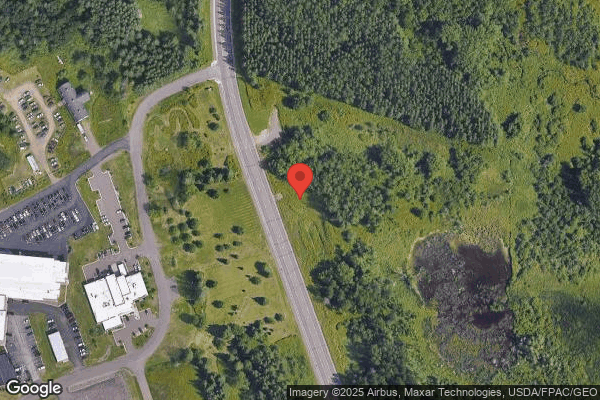
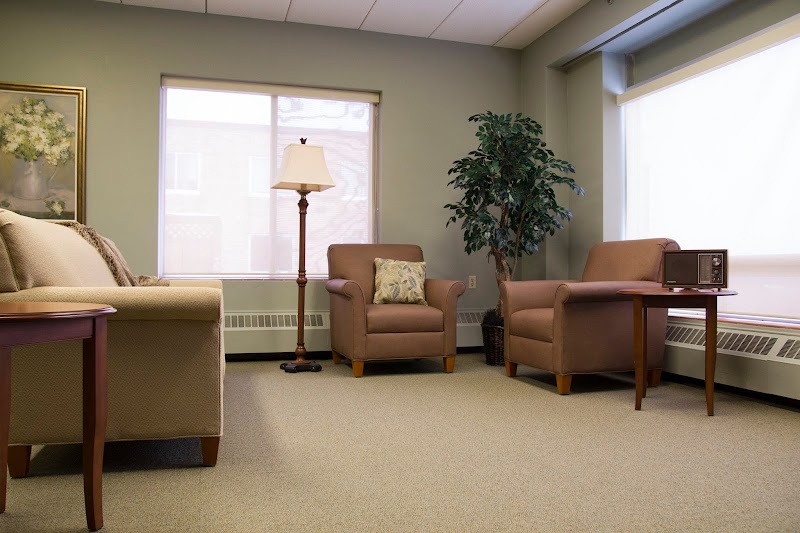
2501 RICE LAKE ROAD, DULUTH, MN 55811 (218) 625-6421
For profit - Limited Liability company 140 Beds Independent Data: November 2025 2 Immediate Jeopardy citations
Trust Grade
0/100
#298 of 337 in MN
Last Inspection: May 2025

Inspected within the last 6 months. Data reflects current conditions.

Overview

Hilltop Healthcare Rehabilitation and Skilled Nursing has received a Trust Grade of F, indicating significant concerns about the quality of care provided. They rank #298 out of 337 facilities in Minnesota, placing them in the bottom half, and #14 out of 17 in St. Louis County, meaning only a few local options are worse. Unfortunately, their performance is worsening, with the number of issues increasing from 11 in 2024 to 13 in 2025. Staffing is one of their strengths, rated 4 out of 5 stars, but with a turnover rate of 53%, which is concerning compared to the state average of 42%. However, the facility has incurred $244,730 in fines, which is higher than 96% of Minnesota facilities, indicating repeated compliance problems. There have been serious incidents, including a failure to follow a resident's wishes for CPR, resulting in the resident's death, and a lack of supervision during meals, which led to a choking incident. Additionally, a resident fell and sustained serious injuries due to the improper implementation of care plans during transfers. Overall, while staffing may be a relative strength, the facility's critical issues and poor trust grade raise significant concerns for families considering this nursing home.

Trust Score
F
0/100
In Minnesota
#298/337
Bottom 12%
Safety Record
High Risk
Review needed
Inspections
Getting Worse
11 → 13 violations
Staff Stability
⚠ Watch
53% turnover. Above average. Higher turnover means staff may not know residents' routines.
Penalties
✓ Good
$244,730 in fines. Lower than most Minnesota facilities. Relatively clean record.
Skilled Nurses
✓ Good
Each resident gets 51 minutes of Registered Nurse (RN) attention daily — more than average for Minnesota. RNs are trained to catch health problems early.
Violations
⚠ Watch
49 deficiencies on record. Higher than average. Multiple issues found across inspections.
★☆☆☆☆
1.0
Overall Rating
★★★★☆
4.0
Staff Levels
★☆☆☆☆
1.0
Care Quality
★☆☆☆☆
1.0
Inspection Score
Stable
2024: 11 issues
2025: 13 issues

The Good

  • 4-Star Staffing Rating · Above-average nurse staffing levels
  • Full Sprinkler Coverage · Fire safety systems throughout facility
  • No fines on record

Facility shows strength in staffing levels, fire safety.

The Bad

1-Star Overall Rating

Below Minnesota average (3.2)

Significant quality concerns identified by CMS

Staff Turnover: 53%

Near Minnesota avg (46%)

Higher turnover may affect care consistency

Federal Fines: $244,730

Well above median ($33,413)

Significant penalties indicating serious issues

The Ugly 49 deficiencies on record

2 life-threatening 1 actual harm
May 2025 11 deficiencies
CONCERN (D)

Potential for Harm - no one hurt, but risky conditions existed

Deficiency F0605 (Tag F0605)

Could have caused harm · This affected 1 resident

**NOTE- TERMS IN BRACKETS HAVE BEEN EDITED TO PROTECT CONFIDENTIALITY** Based on record review and interview, the facility failed to ensure psychotropic medication orders had an indication for use for...

Read full inspector narrative →
**NOTE- TERMS IN BRACKETS HAVE BEEN EDITED TO PROTECT CONFIDENTIALITY** Based on record review and interview, the facility failed to ensure psychotropic medication orders had an indication for use for 1 of 5 residents (R29) reviewed for unnecessary medications. Findings include: R29's quarterly Minimum Data Set (MDS) dated [DATE], indicated R29 was cognitively intact and identified diagnoses of secondary polycythemia (increased amount of red cells due to another medical condition), depression, anxiety, polyneuropathy (disease affecting peripheral nerves throughout the body), hypertension, acquired absence of foot, sleep apnea, and amputation of lower left leg. R29's provider orders reviewed on 4/30/25, included the following medication orders: -duloxetine oral capsule delayed release sprinkle 60 milligrams (mg), give one capsule by mouth one time a day for 'no indication listed' -pristiq oral tablet extended release 24 hour 25mg- give 25mg by mouth one time a day for 'no indication listed' During interview on 5/1/25 at 8:51 a.m., registered nurse (RN)-D reviewed medication orders for R29 and confirmed no indication listed for duloxetine and pristiq medications. RN-D stated expectation for every medication order to have an indication or diagnosis listed. During interview on 5/2/25 at 1:05 p.m., director of nursing (DON) stated expectation for every medication order to have an indication for use listed. Medication Administration policy last reviewed 4/1/24, explained facility's policy to administer all medications and treatments in a safe and effective manner. Included in the procedure for administering medications was 'able to state indication.'
CONCERN (D)

Potential for Harm - no one hurt, but risky conditions existed

Assessment Accuracy (Tag F0641)

Could have caused harm · This affected 1 resident

**NOTE- TERMS IN BRACKETS HAVE BEEN EDITED TO PROTECT CONFIDENTIALITY** Based on record review and interview the facility failed to ensure accurate coding of the Minimum Data Set (MDS) for 3 of 5 resi...

Read full inspector narrative →
**NOTE- TERMS IN BRACKETS HAVE BEEN EDITED TO PROTECT CONFIDENTIALITY** Based on record review and interview the facility failed to ensure accurate coding of the Minimum Data Set (MDS) for 3 of 5 residents (R26, R30, R29) reviewed for MDS completion. Findings include: R26: R26's admit MDS dated [DATE], indicated R26 was cognitively intact with the diagnosis of COPD. MDS Section O., was coded incorrectly and indicated R26 was not receiving hospice. R26's Census documentation showed R26 was admitted on [DATE], with hospice services. R26's care plan with the admission date of 3/31/25, included care planning for hospice services. During an interview on 5/1/25 at 3:06 PM both registered nurse (RN-A) and the director of nursing (DON) were present and confirmed R26's admission MDS should have been coded to show that R26 was receiving hospice services. The facility policy Accuracy of Assessments dated 3/15/24, indicated the policy was created to ensure each resident received an accurate assessment reflective of the resident status at the time of assessment and staff were to follow the RAI manual. R30: R30's quarterly MDS dated [DATE], identified intact cognition and diagnoses of kidney failure and malignant neoplasm of the prostate. Section H, which covers bowel and bladder, identified R30 had a colostomy. During an interview on 5/2/25 at 10:21 a.m., RN-F confirmed R30 didn't have a colostomy. During an interview on 5/2/25 at 2:55 p.m., the MDS nurse stated section H of R30's MDS was marked in error. The MDS nurse stated accurate MDS' were important because it reflects how they should plan and care for him. R29: R29's quarterly MDS dated [DATE], indicated R29 was cognitively intact and with a functional limitation in movement on one side of the lower body. The MDS further indicated R29 did not use any mobility devices. R29's facesheet reviewed on 5/2/25, indicated diagnoses of secondary polycythemia (increased amount of red cells due to another medical condition), depression, anxiety, polyneuropathy (disease affecting peripheral nerves throughout the body), hypertension, acquired absence of foot, sleep apnea, and amputation of lower left leg. During observation on 4/30/25 at 10:20 a.m., R29 observed in bed with a wheelchair and prosthetic leg in resident's room. R29 confirmed using mobility devices when out of bed. During interview on 5/1/25 at 11:02 a.m., MDS coordinator explained MDS reports were done on a schedule dictated by regulations. MDS coordinator stated reports were based on documentation from nursing staff, and providers involved in the resident's care. MDS coordinator further explained parts of the MDS were done in-person with the resident. MDS coordinator reviewed R29's quarterly MDS from 4/8/25, and confirmed MDS indicated R29 did not use mobility devices. MDS coordinator stated the MDS was incorrect and R29 does use mobility devices including a wheelchair and prosthetic limb. During interview on 5/2/25 at 1:05 p.m., director of nursing (DON) stated expectation that MDS reports should accurately reflect the resident's status. DON confirmed R29's MDS from 4/8/25 was not accurate concerning mobility devices.
CONCERN (D)

Potential for Harm - no one hurt, but risky conditions existed

Deficiency F0645 (Tag F0645)

Could have caused harm · This affected 1 resident

**NOTE- TERMS IN BRACKETS HAVE BEEN EDITED TO PROTECT CONFIDENTIALITY** Based on record review and interview, the facility failed to ensure a Level II Pre-admission Screening and Resident Review (PASA...

Read full inspector narrative →
**NOTE- TERMS IN BRACKETS HAVE BEEN EDITED TO PROTECT CONFIDENTIALITY** Based on record review and interview, the facility failed to ensure a Level II Pre-admission Screening and Resident Review (PASARR) reassessment after 30 days was conducted, documented, and retained to ensure mental health needs were appropriately addressed or provided for 1 of 1 residents (R22) reviewed for PASARR. Findings include: R22's significant change Minimum Data Set (MDS) dated [DATE], identified R22 had severely impaired cognition and required substantial assistance with most activities of daily living (ADLs). R22's admission record, reviewed 5/2/24, identified diagnoses including dementia with agitation, delusional disorder, bipolar disorder, morbid obesity, essential tremor (neurological disorder characterized by uncontrolled shaking movements), bilateral hearing loss, depression, and schizophrenia. R22's pre-admission screening (PAS) dated 2/4/23, indicated R22 required a Level II assessment for mental illness to be done before admission to a nursing home. PAS further indicated R22 was in assisted living with an admission to the nursing home on 2/3/23 with an anticipated length of stay listed, Less than 30 Days. R22 was also noted to have a diagnosis of schizophrenia. R22's Level II Preadmission Screening for Persons with Mental Illness Determination for Nursing Facility admission completed on 2/7/23, indicated admission is approved for post-hospital rehabilitative services for 30 days. This person may have a mental illness and may need specialized services, by [but] meets the requirements for post hospital rehabilitation. Further assessment and service plan changes must be documented upon at change in the resident's condition or when the nursing facility (NF) stay is anticipated to exceed 30 days. The NF is responsible for alerting LMHA to such changes. During interview on 5/1/25 at 11:19 a.m., admissions clerk (AC) stated PAS and PASARR were done before a resident's admission, and coordinated with Senior LinkAge Line (responsible for PAS in Minnesota). AC reported being unaware of R22's Level II assessment being limited to a 30 day admission and needed a reassessment after that point. During interview on 5/1/25 at 11:25 a.m., social services director (SSD) stated being unaware of R22's Level II assessment being limited to a 30 day admission. SSD reviewed R22's Level II assessment and confirmed it was limited to a 30 day admission. SSD stated Senior LinkAge Line should have been contacted when R22 stayed in the nursing home past 30 days. During interview on 5/2/25 at 1:06 p.m., director of nursing (DON) stated being unaware of R22's Level II assessment being limited to a 30 day admission. DON stated expectation for all PAS and PASARR assessments to be completed with required timeframes.
CONCERN (D)

Potential for Harm - no one hurt, but risky conditions existed

Comprehensive Care Plan (Tag F0656)

Could have caused harm · This affected 1 resident

**NOTE- TERMS IN BRACKETS HAVE BEEN EDITED TO PROTECT CONFIDENTIALITY** Based on interview and document review, the facility failed to develop individualized and comprehensive care plans for for 2 of ...

Read full inspector narrative →
**NOTE- TERMS IN BRACKETS HAVE BEEN EDITED TO PROTECT CONFIDENTIALITY** Based on interview and document review, the facility failed to develop individualized and comprehensive care plans for for 2 of 2 residents (R30, R101) reviewed for pain and wound management. Findings include: R30: R30's quarterly Minimum Data Set (MDS) dated [DATE], identified intact cognition and diagnoses of malignant neoplasm of prostate, chronic pain syndrome, and anxiety. Section J of the MDS, which looks at health conditions impacting the resident's functional status and quality of life, identified R30 had pain, scheduled and as-needed pain medications, and had pain that frequently affected sleep, therapy, and day-to-day activities. R30's provider orders dated 4/30/25, identified an order for morphine sulfate every two hours as needed for pain, and morphine sulfate (MS) extended release 15 mg tablet two times per day for pain. Orders for non-pharmacologic interventions were not found. R30's care plan dated 4/24/25, identified R30 had a diagnosis which can or may affect pain status. R30's care plan didn't clearly identify actual pain and lacked individualized details for R30's pain, how to assess or rate pain, a goal rating for pain tolerance, how the pain impacted sleep, ADLs, activities of leisure, mood, or behavior. During an interview on 4/28/25 at 7:24 p.m., R30 stated they didn't do a good job with pain medication, but he had signed up for hospice now. During an interview on 5/2/25 at 2:15 p.m., registered nurse (RN)-F stated the non-pharmacologic interventions in place were to try to get R30 to reposition, but he won't always do that and to encourage rest and assist to rest as able. RN-F stated R30 was a smoker and it was sometimes hard to get him to rest because he wanted to be outside. RN-F indicated she would be updating R30's care plan to be more specific about his pain, symptoms and interventions. R101: R101's admission Minimum Data Set, dated [DATE], identified intact cognition and diagnoses of bilateral lower extremity cellulitis, pain in the thoracic spine, and chronic pulmonary edema. R101's MDS identified two venous stasis ulcers, a risk for pressure ulcers but no actual pressure ulcer, and limited range of motion in both lower extremities. R101's care plan dated 2/11/25, identified a problem statement for skin integrity, but didn't clearly identify actual venous stasis and pressure ulcers. Interventions for R101 included meds/labs/treatments as ordered, incontinent care with incontinent brief changes, observe skin with AM and PM cares and report to team leader, weekly skin checks, pressure reduction cushion in wheelchair and bed, Circaid Velcro (compression wrap) to both lower extremities. The care plan lacked instruction for positioning in consideration of R101's posture, lacked a turning and repositioning program, and didn't include coordination with the outside wound care provider. R101's provider orders identified the following: -2/12/25 Elevate legs off and on throughout the day, try to keep pressure off spine as much as possible - recommend to closely monitor this area for breakdown and protect with padded foam like dressing - keep pressure off as able every shift. -2/19/25 Foam border to mid spine for protection, change every three days and as needed. -4/18/25 Wound care to mid spine: acetic wash, apply a thin layer Mupirocin (antibiotic ointment) to wound bed only, cover with Allevyn (brand name foam dressing) gentle border or equivalent, change every other day. -4/18/25 Turn and reposition every two hours - She is to stay off her back R30's Weekly Wound Round Documentation dated 4/8/25, identified an abrasion to lower back which had been slow to heal, so weekly measurements would be started. The document indicated there was a positioning plan, but didn't indicate what the plan was. During an interview on 5/2/25 at 2:28 p.m., RN-F stated turning and repositioning were important, but especially for R101 because her back is shaped differently. During an interview on 5/2/25 at 3:31 p.m., the director of nursing (DON) stated care planning was important so they can meet the needs of the residents. A policy, Comprehensive Person-Centered Care Planning Policy and Procedure dated 3/14/25, identified the facility will develop and implement a comprehensive person-centered care plan for each resident that includes measurable objectives and timeframes to meet each resident's medical, nursing, mental and psychosocial needs that are identified in the comprehensive assessment.
CONCERN (D)

Potential for Harm - no one hurt, but risky conditions existed

Deficiency F0657 (Tag F0657)

Could have caused harm · This affected 1 resident

**NOTE- TERMS IN BRACKETS HAVE BEEN EDITED TO PROTECT CONFIDENTIALITY** Based on interview and document review, the facility failed to ensure that quarterly care conferences were completed for 1 of 1 ...

Read full inspector narrative →
**NOTE- TERMS IN BRACKETS HAVE BEEN EDITED TO PROTECT CONFIDENTIALITY** Based on interview and document review, the facility failed to ensure that quarterly care conferences were completed for 1 of 1 resident (R17) reviewed for care conferences. Findings include: R17's quarterly Minimum Data Set (MDS) dated [DATE], identified diagnoses of chronic obstructive pulmonary disease (COPD), depression, and pressure ulcers. During interview on 4/28/25 at 12:50 p.m., R17 stated that he had only had one care conference since he admitted that he could remember. Care plan documentation notes, undated, identified that R17 had care conferences on 8/23/24 and 11/21/24. No further care conferences were documented. During interview on 5/1/25 at 8:22 a.m., social services director (SSD) stated that the last care conference for R17 would have been on 11/21/24. I believe the last couple of times we had scheduled care conferences, R17 was in the hospital. We typically schedule care conferences every three months and it looks like R17 is due for one. Care conferences are important to address any concerns, whether it be nursing, social services, or other concerns. Missing care conferences could cause resident concerns to be missed. During interview on 5/1/25 at 11:39 a.m., the director of nursing (DON) stated care conferences should occur quarterly and following a change in condition. Care conference are important in developing an individualized plan of care and allowing the patient to have involvement in their plan of care. Care Plan - Reviews/Conferences policy last reviewed 3/6/24, identified that the community will conduct a care plan review/conference at least quarterly, and as needed, that is interdisciplinary, provides an in-depth review of the resident's plan of care, and provides an opportunity for resident and resident representative and/or family discussion/input.
CONCERN (D)

Potential for Harm - no one hurt, but risky conditions existed

Quality of Care (Tag F0684)

Could have caused harm · This affected 1 resident

**NOTE- TERMS IN BRACKETS HAVE BEEN EDITED TO PROTECT CONFIDENTIALITY** Based on observation, interview and document review, the facility failed to ensure weights were completed as ordered and failed ...

Read full inspector narrative →
**NOTE- TERMS IN BRACKETS HAVE BEEN EDITED TO PROTECT CONFIDENTIALITY** Based on observation, interview and document review, the facility failed to ensure weights were completed as ordered and failed to provide assessment and documentation before a visit to the emergency department for 1 of 2 residents (R3) reviewed for quality of care. Findings include: R3's quarterly Minimum Data Set (MDS) dated [DATE], identified intact cognition and diagnoses of congestive heart failure (CHF), chronic obstructive pulmonary disease (COPD), morbid obesity, obstructive sleep apnea, hypertension (HTN), and chronic kidney disease (CKD) stage 3. R3's care plan dated 2/4/25, identified R3 had a risk for, or actual, heart and circulation concerns related to diagnoses of hypertension and heart failure. Interventions included medications, treatments and labs per provider order and to monitor and document signs and symptoms of adverse side effects related to diagnosis and medication use. R3's provider orders identified: -4/2/24 an order for weights twice weekly. -5/6/24 an order for a 2000 milliliter (mL) fluid restriction daily. -7/16/24 an order for furosemide (a diuretic, or water pill) 120 milligrams (mg) on Mondays, Wednesdays, Fridays, and 80 mg on Tuesdays, Thursdays, Saturdays and Sundays. -4/25/25 an order for metolazone (a diuretic, or water pill) 2.5 mg, and Spironolactone (a diuretic, or water pill) 25 mg daily for CHF. -4/26/25 an order for daily weights. R3's EMR identified the following weight records for April 2025: -4/7 216.6 -4/21 223.7 -4/26 220 Review of R3's electronic medical record (EMR) for April 2025 didn't identify progress notes with R3's refusal of having weight taken, didn't identify an assessment or progress note for R3's symptoms prior to going to the emergency room the afternoon of 4/29/25. During an observation on 4/28/25 at 5:15 p.m., R3 was observed sleeping on her bed with her bare legs visible. Both of R3's lower extremities had tight, shiny skin and were reddish-purple in color from about mid-calf down. There were compression socks laying on the bed inside out. During an interview on 4/29/25 at 2:39 p.m., R3 stated her legs were hurting so bad and this happened sometimes, the nurse took her vitals, and she was going to the emergency room. At 2:42 p.m., an ambulance arrived and took R3 via stretcher. During an interview on 4/29/25 at 3:02 p.m., nursing assistant (NA)-A stated the resident weights were done by the NAs, but the nurse will tell them who needs to be done, then they get it and report back to the nurse. During an interview on 4/30/25 at 7:19 a.m., R3 was back in the facility and stated the ER treated her for pain in her legs. R3 was wearing compression socks. During an interview on 5/2/25 at 1:57 p.m., registered nurse (RN)-F stated she would expect some kind of assessment and documentation when a resident is sent to the ER. RN-F would also expect daily weights to be taken as ordered and for refusals to be documented for R3. RN-F added R3 was known to refuse weights, and they would encourage her by educating her because she had heart problems, edema and leg pain so it would be important for her to have her weight taken. During an interview on 5/2/25 at 3:31 p.m., the director of nursing (DON) stated her expectation would be for daily weights to be done as ordered. The DON would also expect documentation in the medical record when a resident went to the ER.
CONCERN (D)

Potential for Harm - no one hurt, but risky conditions existed

Deficiency F0698 (Tag F0698)

Could have caused harm · This affected 1 resident

**NOTE- TERMS IN BRACKETS HAVE BEEN EDITED TO PROTECT CONFIDENTIALITY** Based on observation, interview, and document review the facility failed to ensure that vitals were performed pre and post dialy...

Read full inspector narrative →
**NOTE- TERMS IN BRACKETS HAVE BEEN EDITED TO PROTECT CONFIDENTIALITY** Based on observation, interview, and document review the facility failed to ensure that vitals were performed pre and post dialysis for 1 of 1 resident (R19) reviewed for dialysis care. R19's admission Minimum Data Set (MDS) dated [DATE], identified diagnoses of chronic kidney disease, atrial fibrillation, coronary artery disease, diabetes mellitus, and hypertension. Resident was cognitively intact. R19's care plan, undated, identified that R19 received dialysis and interventions included to check access site every shift to ensure dressing is clean, dry and intact, resident exhibits no signs/symptoms of infection, patency of access site palpating pulse of extremity, and checking for warmth and color of extremity. Meds/labs/treatments as ordered/accepted. The care plan did not address assessment of vitals pre or post dialysis. R19's April 2025, Weights and Vitals charting failed to show vitals assessments pre and post dialysis. During interview on 4/28/25 at 6:36 p.m., R19 stated that the facility does not check her vitals or do any type of assessment after dialysis. On 4/30/25 at 12:10 p.m., trained medication aid (TMA)-A was in room with R19 upon her return from dailysis. TMA-A had not taken resident vitals. TMA-A stated that she belived that there is not any type of assessment for R19 when she returns from dialysis. During interview on 4/30/25 at 12:21 p.m., registered nurse (RN)-D stated that the staff assesses the dialysis site for redness, infection, and/or swelling upon return from dialysis and receives a post run report from the dialysis facility. Vitals are completed at the dialysis facility. During interview on 5/1/25 at 11:44 a.m., the director of nursing (DON) stated that there should be pre and post dialysis vitals taken for dialysis residents. It is important to ensure there are no complications from dialysis and ensure that R19 is returning in a better state than what she left us in. During interview on 5/1/25 at 12:01 p.m., RN-D looked at R19's vitals assessments and stated that he did not see post dialysis visit vital signs, only documentation of signs and symptoms. Facility policy, Dialysis, last reviewed 6/7/24, failed to address vitals assessments pre and post dialysis.
CONCERN (D)

Potential for Harm - no one hurt, but risky conditions existed

Deficiency F0726 (Tag F0726)

Could have caused harm · This affected 1 resident

**NOTE- TERMS IN BRACKETS HAVE BEEN EDITED TO PROTECT CONFIDENTIALITY** Based on interview, observation, and record review the facility failed to ensure competent administration of insulin occurred fo...

Read full inspector narrative →
**NOTE- TERMS IN BRACKETS HAVE BEEN EDITED TO PROTECT CONFIDENTIALITY** Based on interview, observation, and record review the facility failed to ensure competent administration of insulin occurred for 1 of 1 resident (R60) who was reviewed for insulin administration. Findings include: R60's quarterly Minimum Data Set (MDS) dated [DATE], indicated R60 was cognitively intact with the diagnosis of diabetes. R60's undated Care Plan indicated R60 had diabetes type II and instructed staff to administer medication and treatments as ordered. R60's Medication Review Report on or After 5/5/25, Orders included the following orders: Lantus Solostar inject subcutaneous 72 units at bedtime. Humalog Lispro insulin inject per sliding scale at bedtime. Blood sugars before meals and at bedtime R60's Medication Administration Record for April 2025, included the following insulin administrations: 4/25/25 Humalog scheduled time 2000 administered time at 2126 by registered nurse (RN-C), dose 1 unit. 4/25/25 Lantus scheduled time 2000 administered time at 2127 by RN-C, dose 72 units. R60's Weights and Vitals Summary 4/1/25 to 4/30/25 did not show R60 had experienced a low blood sugar the evening of 4/25/25, into the morning of 4/26/25. A progress note entered on 4/29/25, showed that R60 had reported concerns regarding an insulin administration that had occurred on 4/25/25. Note indicated an investigation had been started. The facility provided video clip dated 4/25/25, of a medication administration performed by RN-C on the evening of 4/25/25, was reviewed. The clip started with RN-C wearing gloves and handing R60 a snack at the left side of the nurse's station desk. RN-C moved to the right side of the desk, then went back to the left side, grabbed a computer mouse, returned to the right side of the desk and stood at the computer on the nurse station desk edge. With the same gloves on, RN-C opened the medication cart, removed a baggie with insulin pen(s) from medication cart, did not close the medication drawer, returned to end of nurse station, (same gloves on) removed the insulin pens from the baggie, and set them on the counter. (Same gloves on) RN-C went back to medication cart, opened the top right medication drawer and proceeded to enter both drawers with gloved hands. RN-C left both drawers open and moved out of the camera frame towards the nurse manager's office. RN-C returned in the frame wearing gloves with supplies in hand, stopped at the medication cart, partially closed the right drawer and then went back to R60 at the nurse station desk. RN-C removed what appeared to be a syringe from a wrapper and then drew insulin out of what appeared to be an insulin pen via the syringe. RN-C kept the syringe in hand, set down the pen and then grabbed a different pen and appeared to draw insulin from the 2nd pen. (Wear the same gloves) RN-C then set the pen down and administered the contents of the syringe to R60. With the same gloves on RN-C went between the medication cart and the administration area a few times and then returned to R60 at the desk with another baggie containing an insulin pen. RN-C set the pen down, can be seen putting hand in pocket and doing other actions at the desk. (With same gloves on) RN-C entered the open top left medication drawer, returned to R60 and then got a second dose of insulin ready to administer to R60. RN-C proceeded to administer a second injection of insulin to R60 (wearing the same gloves). RN-C returned items to the medication cart and touched several surface area while still wearing the same gloves. At the end of the video clip R60 wheeled away from the desk and RN-C can be seen at a computer, wearing the same gloves. During an interview on 4/28/25 at 7:16 p.m., R60 stated they were worried they had received the wrong dose of Lantus insulin over the weekend because the nurse seemed unsure of what they were doing. The nurse had drawn their insulin into a syringe from insulin pens, and R60 suspected nurse had gotten the math wrong and given them too much insulin because they had experienced a low blood sugar that night. During a follow-up interview on 4/30/25 at 1:17 p.m., R60 stated the insulin administration they were concerned with had occurred on Friday 5/25/25. R60 reported the nurse had taken a BD syringe and drawn two doses of insulin out of insulin pens, and given it to them instead of administering the insulin with the pen. R60 stated they didn't think it was okay for the nurse to draw insulin from a pen, and they were concerned the nurse had done the math wrong and given them too much insulin because of the low blood sugar they had in the middle of the night. R60 was not able to pull up the low blood sugar value on their dexacom unit (which continuously monitored blood sugar). R60 indicated they had reported the events to the nurse manager yesterday (4/29/25). During an interview on 4/30/25 at 3:54 p.m., RN-C stated they could not recall all the details from the 5/25/25 evening shift, however they did remember they had given R60 two injections of Lantus insulin to equal the ordered bedtime dose of 72 units. They had explained to R60 the two doses would not be equal amounts, but the total dose would equal 72 units, so they were not sure why R60 thought they had received too much Lantus insulin. RN-C felt they had administered the correct amount because they had also had a second staff check the total dose prior to administration. RN-C confirmed they had administered R60's insulin via a syringe after they had drawn the insulin out of R60's old and new insulin pens. During an interview on 4/30/25 at 4:43 p.m., the director of nursing (DON) stated they had talked with RN-C, and RN-C had confirmed they had drawn insulin out of insulin pens with a syringe and administered it to R60 via the syringe. During an interview on 5/1/25 at 8:03 a.m., RN-G stated they had been working the night shift on 5/25/25, into 5/26/25, and they had not been called to address a low blood sugar for R60. During an interview with the DON on 5/2/25 at 10:47 a.m., the video footage from 5/25/25, of R60's bedtime insulin administration was reviewed. The DON confirmed RN-C and R60's were the subjects being viewed in the video. The DON confirmed RN-C had opened the medication cart, removed insulin, and then had left the cart open, unlocked, and unattended during the course of the video. In addition, RN-C had also left insulin pens unattended at the desk. The DON stated the medication cart should not be left unlocked once medication is removed, and the cart and or medications should never be left unattended. The DON confirmed it appeared RN-C had not sanitized their hands or changed gloves at any point during the video and they had touched multiple surfaces, entered the medication cart and administered medications wearing the same gloves. The DON stated they expected infection prevention measures to be followed which included hand sanitization after touching dirty surfaces and sanitization and glove changes before and after insulin administrations. The DON confirmed RN-C had drawn insulin from insulin pens and indicated this was not an acceptable medication administration practice. The DON stated they were in the process of addressing identified concerns with RN-C along with the additional concern that it was likely R60 had not received their bedtime Humalog insulin dose on 5/2/25. During an interview on 5/2/25 at 1:38 p.m., the consulting pharmacist stated it was not an acceptable practice to draw insulin from an insulin pen and indicated they believed manufacturers recommend against this practice either. Insulin pens are specifically designed to administer insulin directly to a person. Pens are also designed to hold insulin for priming, so a pen may show it is empty but there may still be insulin left in the pen that was intended for priming. The excess insulin is intended to be disposed of when the pen is empty, it should not be removed from the pen with a syringe. There really is not an acceptable reason to pull insulin from an insulin pen. During a follow up interview on 5/2/25 at 2:45 p.m., RN-C stated they had given R60 their Lantus insulin at the desk so they could verify with another nurse what dose to give R60. RN-C remembered giving R60 two injections of Lantus at the nursing station desk that night and stated they should not have drawn insulin from the insulin pens into syringes, they should have administered the insulin directly from the pen. RN-C's personnel file included a completed Skills Check Off form dated 9/27/18. The insulin administration check off included insulin administration by insulin pen. The competency did not include drawing insulin from an insulin pen for administration. Hand sanitization before and after medication administration was included in administration steps. An additional interview document dated 4/30/25, indicated RN-C had confirmed they had drawn insulin out of an insulin pen for administration to R60. RN-C had also acknowledged infection prevention concerns that had occurred during R60's insulin administration. The facility policy Insulin Administration from Pen dated 6/7/24 included hand sanitization before and after administration of insulin. The policy did not include drawing insulin from an insulin pen for administration via a syringe. The facility policy Hand Washing dated 6/8/22, indicated the facility would follow CDC recommendations for handwashing the policy identified the following hand sanitization events: before and after glove use, after touching contaminated surfaces, before/after touching residents. The facility policy Medication - Storage dated 3/12/24, indicated all medications were to be stored in accordance with manufacturers recommendations and according to state and federal laws. All drugs and Biologics should be stored in locked compartments, and controlled substances should be stored with two locks.
CONCERN (D)

Potential for Harm - no one hurt, but risky conditions existed

Deficiency F0757 (Tag F0757)

Could have caused harm · This affected 1 resident

**NOTE- TERMS IN BRACKETS HAVE BEEN EDITED TO PROTECT CONFIDENTIALITY** R407: R407's admission MDS dated [DATE], identified diagnoses of bipolar disorder, post-traumatic stress disorder (PTSD), and ch...

Read full inspector narrative →
**NOTE- TERMS IN BRACKETS HAVE BEEN EDITED TO PROTECT CONFIDENTIALITY** R407: R407's admission MDS dated [DATE], identified diagnoses of bipolar disorder, post-traumatic stress disorder (PTSD), and chronic pancreatitis. R407 was cognitively intact. R407's provider orders reviewed on 4/29/25, included the following order: -valacyclovir HCl Oral Tablet 1 gram (GM), give 1000 mg by mouth in the evening for x During interview on 5/1/25 at 11:41 a.m., the DON stated it was important and the expectation would be that there is a diagnosis for the use of R407's valyclovir. Medication Administration policy last reviewed 4/1/24, explained facility's policy to administer all medications and treatments in a safe and effective manner. Included in the procedure for administering medications was 'able to state indication.' Based on record review and interview, the facility failed to ensure an indication for use was connected to ordered medications for 2 of 5 residents (R88, R407) reviewed for unnecessary medications. Findings include: R88: R88's quarterly Minimum Data Set (MDS) dated [DATE], identified R88 was severely cognitively impaired, required partial to substantial assistance with activities of daily living (ADLs), and had diagnoses of cerebrovascular disease (condition that affects blood vessels supplying blood to the brain), dementia, hypertension, depression, hyperlipidemia, and a history of transient ischemic attack (temporary stroke). R88's provider orders reviewed on 4/30/25, included the following orders: -aspirin oral capsule 81 milligrams (mg), give one tablet by mouth one time a day for salicylate -atorvastatin calcium oral tablet 80mg, give on tablet by mouth one time a day for antihyperlipidemic -clopidogrel bisulfate oral tablet 75mg, give one tablet by mouth one time a day for platelet aggregation inhibitors -losartan potassium oral tablet 100mg, give one tablet by mouth one time a day for ARBs -pantoprazole sodium oral tablet 40mg, give one tablet by mouth one time a day for PPIs During interview on 5/1/25 at 10:05 a.m., registered nurse (RN)-B reviewed ordered medications in R88's chart. RN-B confirmed R88's listed medications did not have a proper indication or diagnosis for use. RN-B stated expectation of all medication orders to have an indication for use or diagnosis attached. During interview on 5/2/25 at 1:05 p.m., director of nursing (DON) stated expectation for all medication orders to have an indication for use or diagnosis attached.
CONCERN (D)

Potential for Harm - no one hurt, but risky conditions existed

Deficiency F0761 (Tag F0761)

Could have caused harm · This affected 1 resident

Based observation, interview, and document review the facility failed to ensure medications were not left unsecured in resident accessible areas. In addition, the facility failed to ensure medications...

Read full inspector narrative →
Based observation, interview, and document review the facility failed to ensure medications were not left unsecured in resident accessible areas. In addition, the facility failed to ensure medications and biologics were properly stored in locked medication carts. Findings include: During an observation on 4/30/25 at 3:12 p.m., the Cedar medication cart was noted to be unlocked and unattended. The director of nursing (DON) confirmed the cart was not locked and when the trained medication administrator (TMA)-A returned to the cart, the DON informed TMA-A they had found the cart unlocked, and that was unacceptable. TMA-A acknowledged they had left the medication cart unlocked and unattended. During an interview on 5/1/25 at 2:13 p.m., TMA-A confirmed they had left the medication cart unlocked and unattended on 3/30/25 and indicated the DON had addressed it with them. TMA-A stated the medication cart should always be locked because it held narcotic medications and resident prescriptions medications. It was important to keep the cart locked to prevent others/residents from accessing resident medications, and to prevent diversion of medications like gabapentin and muscle relaxants that are more likely to be abused. During an interview on 5/02/25 at 10:47 a.m., the DON reviewed video footage of R60's bedtime insulin administration on 4/25/25. The DON confirmed RN-C and R60 were the subjects in the video. The DON confirmed RN-C had opened the medication cart, removed insulin, and then had left the cart open and unlocked, while attending to R60's insulin administration. In addition, the DON noted RN-C had also left insulin pens at the desk and the medication cart open when they had stepped away from the area. The DON stated they expected nurses to lock the medication cart each time they were done pulling medications and before they left the medication cart. RN-C should not have left medications on the desk unattended. The facility policy Medication - Storage dated 3/12/24, indicated all medications were to be stored in accordance with manufacturers recommendations and according to state and federal laws. All drugs and Biologics should be stored in locked compartments, and controlled substances should be stored with two locks.
CONCERN (F)

Potential for Harm - no one hurt, but risky conditions existed

Deficiency F0809 (Tag F0809)

Could have caused harm · This affected most or all residents

**NOTE- TERMS IN BRACKETS HAVE BEEN EDITED TO PROTECT CONFIDENTIALITY** Based on interview and document review, the facility failed to consistently offer and provide a nutrient and/or calorie substant...

Read full inspector narrative →
**NOTE- TERMS IN BRACKETS HAVE BEEN EDITED TO PROTECT CONFIDENTIALITY** Based on interview and document review, the facility failed to consistently offer and provide a nutrient and/or calorie substantive snack after the dinner meal and before bedtime, leaving 15 hours between the evening and morning meals. This had the potential to affect all 107 residents at the facility. Findings include: During interview on 4/28/25 at 7:13 p.m., R60, whose quarterly Minimum Data Set (MDS) dated [DATE] identified intact cognition, stated the facility staff do not come and deliver a bedtime snack. During interview on 4/28/25 at 1:12 p.m., R5, whose quarterly MDS dated [DATE] identified intact cognition, stated no snacks were offered in the evening. During resident council meeting on 4/30/25 at 1:30 p.m., the following residents voiced concerns about snacks: -R9, whose quarterly MDS dated [DATE] identified intact cognition, stated staff never bring snacks around to residents. R9 also stated the snacks residents have received were not substantial enough. -R39, whose quarterly MDS dated [DATE] identified intact cognition, stated staff do not bring snack around to residents. R39 also stated there was not enough snack at times, and there was not a good variety of snacks. During interview on 5/1/25 at 2:09 p.m., registered nurse (RN)-E stated snacks were available on the unit and residents have to ask for a snack. RN-E stated being unaware if there were snack carts. During interview on 5/1/25 at 2:15 p.m., certified nursing assistant (CNA)-B stated there were a good variety of snacks available to the residents at any time, and residents needed to ask for a snack. CNA-B further stated there were no snack carts brought to the residents. During interview on 5/2/25 at 10:09 a.m., licensed practical nurse (LPN)-A stated residents were able to get a snack anytime. LPN-A further identified residents would ask staff for a snack, and was not sure if there were snack carts. During interview on 5/2/25 at 1:06 p.m., director of nursing (DON) stated expectation that snacks were offered to residents before bedtime. Hilltop Healthcare Meal Cart Delivery Times undated, identified the following times for meal cart delivery on different units: CEDAR BREAKFAST- 7:45 AM- 8:05 AM LUNCH- 11:45 PM-12:05PM DINNER 4:45 PM-5:05 PM WILLOW BREAKFAST- 8:05 AM-8:25 AM LUNCH- 12:05 PM- 12:25PM DINNER- 5:05 PM- 5:25 PM SPRUCE BREAKFAST-8:25 AM- 8:45 AM LUNCH- 12:25 PM- 12:45 PM DINNER-5:25 PM- 5:45 PM ELM BREAKFAST 8:45 AM-9:00 AM LUNCH 12:45 PM- 1:00 PM DINNER 5:45PM- 6:00PM Snack Availability policy, last reviewed 6/7/24, identified the purpose of the policy was to ensure that residents have access to nourishing snacks. Policy defined a nourishing snack as a verbal offering of items, single or in combination from the basic food groups.
Mar 2025 1 deficiency 1 Harm
SERIOUS (G) 📢 Someone Reported This

A family member, employee, or ombudsman was alarmed enough to file a formal complaint

Actual Harm - a resident was hurt due to facility failures

Accident Prevention (Tag F0689)

A resident was harmed · This affected 1 resident

**NOTE- TERMS IN BRACKETS HAVE BEEN EDITED TO PROTECT CONFIDENTIALITY** Based on observation, interview and document review, the facility failed to ensure care plan interventions were implemented for ...

Read full inspector narrative →
**NOTE- TERMS IN BRACKETS HAVE BEEN EDITED TO PROTECT CONFIDENTIALITY** Based on observation, interview and document review, the facility failed to ensure care plan interventions were implemented for 1 of 3 resident (R1) reviewed who required the use of a transfer belt during transfers reviewed for falls. R1 sustained actual harm when staff failed to implement the use of a transfer belt during a transfer. R1 fell, fractured multiple ribs, sustained a left sided pneumothorax (free air around lung causing some lung collapse), a left sided hemothorax (blood around the lung cause some lung collapse) that led to chest tube placement, and was sent to the emergency department (ED) requiring medical treatment. The facility implemented a corrective action prior to the survey so the deficient practice was issued at past non-compliance. Findings include: R1's admission Minimum Data Set (MDS) dated [DATE], identified moderate cognitive impairment and no behaviors. R1 required partial/moderate assistance with toileting hygiene, substantial/maximal assistance with personal hygiene, upper and lower body dressing, lying to sitting on the side of the bed, sit to stand, chair/bed-to-chair and toilet transfers. R1 used a wheelchair for mobility and was occasionally incontinent of bladder and always continent of bowel. Diagnoses included fractures and other multiple trauma, cataracts, glaucoma or macular degeneration (last three are diseases that affect vision). The MDS indicated 2 or more falls in the last six months prior to admission with at least one fall causing fractures. R1's care plan, undated, identified at risk for falls due to current medical/physical status and was on medications that can/may affect fall risk. Staff were directed to keep call light positioned for easy access and to have commonly used articles within easy reach. The care plan also identified a risk and/or potential for complications with deficits with activities of daily living (ADL) related to current medical/physical status. Staff were directed to transfer with an assist of 1 using walker to transfer in and out of bed and recliner with gait belt. R1's Fall Assessment Tool dated 1/25/25 at 6:02 a.m., identified a risk for falls. R1's discharge MDS dated [DATE], identified R1 had one fall since admission with major injury. R1's progress notes from 3/5/25 through 3/6/25, identified the following: -3/5/25 at 7:40 p.m., writer alerted for witnessed fall. Per nurse assistant (NA)-A was getting R1 up to use the bathroom and she had a hard time standing because R1 leans backwards. R1 stood up and turned. NA-A was holding onto R1's pants at that time and R1 fell backwards onto the ground. R1 started complaining of her back hurting. R1 stated excruciating pain in her back. Assessment completed and noted swelling upper left rib cage area that was tender to touch. R1 was Hoyer (full body mechanical lift) lift transferred to the recliner, the primary care provider was notified and orders received to send to emergency room for evaluation emergency services called and transferred R1 to the emergency room at 7:25 p.m. -3/6/25 at 3:51 p.m. follow up call to emergency department. Resident was admitted to hospital with a diagnosis of fractured ribs. R1's Emergency Department (ED) notes dated 3/5/25 at 8:30 p.m. identified chief complaint: fall. She was a [AGE] year-old female who came in after a reported fall. Patient reported she was being transferred by nursing staff and was dropped on her left side. She did not hit her head or lose consciousness. She is complaining right rib and pelvis pain. Reports she already had a couple rods placed in her hip. She stated she had left rib pain. Physical exam identified: some chest wall tenderness over the lower inferior mid axillary ribs without crepitus and no bruising. R1's computed tomography (the use of x-rays and a computer to create 3D digital images of your organs, bones, and other tissues) (CT) scan of the chest without contrast dated 3/5/25, identified a small left pneumothorax (<10% by volume of the left chest) and a small hemothorax (<10% by volume of the left chest). The CT scan also identified new minimally displace fractures of the left posterior ribs 6 through 9 and new fractures of the left transverse thoracic spine process at T7, T8, and T9. Age-indeterminate compression fractures in the thoracic spine at T3 and T9 with possible additional superior endplate deformity at T11. Critical result related to the pneumothorax and hemothorax reported to the provider. R1's hospital progress notes from 3/7/25 through 3/13/25, identified: -3/6/25 at 8:11 a.m., active problem list included closed fractures of the transverse process of thoracic vertebra, thoracic compression fracture, closed fracture of multiple ribs of left side, hemothorax with pneumothorax and fall. -3/11/25 at 9:30 a.m., hemoglobin is down to 7.2 today from 9.0 yesterday. Repeat CT scan of chest indicated a now moderate left chest hemothorax with no other signs of bleeding. Will have a chest tube placed in the left chest. -3/11/25 at 2:54 p.m., left sided chest tube placed without complication. 100 milliliters (ML) of bloody fluid sent to lab for analysis. -3/13/25 at 12:46 p.m. Chest tube still in place with 70 ML of bloody fluid out in the last 24 hours. Will keep chest tube in and continue to monitor. Facility investigation dated 3/5/25, identified R1 was an assist of one with walker and gait belt and had gait balance concerns. Staff were assisting R1 to the restroom when the fall occurred. She stood up but leaned back when she stood up. Staff had a hold of R1's pants when R1 fell backwards onto the floor. The investigation found that staff did not follow the care plan due to staff not using a gait belt during the transfer process. During an interview on 3/13/25 at 1:20 p.m., physical therapy assistant (PTA)-A stated R1 tended to lean backwards when she stood up and when she tried to walk. Therapy decided to keep use of the [NAME] (machine to assist resident when standing) because of the leaning backwards and her fear of falling again. PTA-A upgraded R1's transfer status to an assist of 1 staff member with walker and gait belt about two weeks prior to her fall. Nursing staff was updated that they needed to utilize the gait belt with R1 since she did have the backwards lean when she stood up and walked, which gave her an increased chance of another fall. The reason we tell nursing staff to use a gait belt is because the belt gives the staff more control of the resident and if there is a fall, the staff have better control to take the resident to the floor safely. During an interview on 3/13/25 at 1:57 p.m., registered nurse (RN)-A stated the staff were aware R1 would lean backwards when she stood up and first start to walk. Leaning backwards would increase a resident's risk of falls because of imbalance issues, which is part of the reason we told staff to make sure to utilize gait belts when they assist in transfers. RN-A stated that right after R1's fall was investigated, education was started with all nursing staff on the use of gait belts and following resident care plans. During an interview on 3/13/25 at 2:17 p.m., nursing assistant (NA)-B stated an awareness R1 would lean back when she stood up and this would increase the risk of falls. Because of leaning backwards, staff needed to use a gait belt to have better ability to assist R1 to stand and transfer safely. R1 would never rush or refuse to utilize the gait belt for transfers. We have received training in gait belt usage and care plan training since the fall occurred. During an interview on 3/13/25 at 2:43 p.m., NA-A stated it was close to the end of her shift on 3/5/24 when R1 placed her call light on. NA-A answered the call light to assist R1 to the bathroom. R1 was assisted to a standing position by holding onto R1's pants. Once R1 was standing, NA-A switched from R1's right side to her left side. R1 had leaned backwards slightly during the transfer. Before a step could be taken R1 fell backwards and fell on the floor hitting her left side of the body on the floor. NA-A stated the gait belt was not in place, but should have been prior to getting R1 out of bed. NA-A stated she received educational counseling related to gait belt usage and following the resident's care plan. During an interview on 3/13/25 at 2:48 p.m., registered nurse (RN)-B stated he was made aware of the fall when NA-A reported a witnessed fall in R1's room. When RN-B entered the room, found R1 on the floor laying on her left side. There was no gait belt around R1. RN-B performed assessment and noted R1 had a complaint of pain on the left side of the ribs and had swelling, notified the provider right away and received orders to transfer R1 to the emergency room for evaluation. After R1 was transferred to the emergency room RN-B educated NA-A on care plans because the care plan had not been followed. R1 did not have a gait belt on. During an interview on 3/13/26 at 2:53 p.m., the director of nursing (DON) stated R1 was supposed to have a gait belt on anytime she transferred according to her care plan. The gait belt is used to keep control and keep the resident safe when transferred anywhere. After the investigation was finished, a decision was made that the care plan was not followed since the gait belt was not utilized, which in part led to the fall. After the fall occurred and investigation was completed, staff education was started on the use of gait belts and following care plans. NA-A was educated by myself and the nurse the evening of the fall. Lastly management began audits to make sure staff would utilize gait belts and follow resident care plans. The facility gait belt policy was requested but not provided. The facility care plan policy was requested but not provided.
Jan 2025 1 deficiency 1 IJ
CRITICAL (J) 📢 Someone Reported This

A family member, employee, or ombudsman was alarmed enough to file a formal complaint

Immediate Jeopardy (IJ) - the most serious Medicare violation

Deficiency F0678 (Tag F0678)

Someone could have died · This affected 1 resident

**NOTE- TERMS IN BRACKETS HAVE BEEN EDITED TO PROTECT CONFIDENTIALITY** Based on interview and document review, the facility failed to follow a Physician Orders for Life-Sustaining Treatment (POLST) t...

Read full inspector narrative →
**NOTE- TERMS IN BRACKETS HAVE BEEN EDITED TO PROTECT CONFIDENTIALITY** Based on interview and document review, the facility failed to follow a Physician Orders for Life-Sustaining Treatment (POLST) to provide cardiopulmonary resuscitation (CPR) for 1 of 3 residents (R1), who wished to have CPR in the event of cardiopulmonary arrest (absence of pulse and respirations). This resulted in an immediate jeopardy (IJ) when R1 was found absent of pulse and respiration, CPR was not initiated and R1 died. The facility implemented immediate corrective action, and was issued at past non-compliance. The IJ began on [DATE] at 8:03 p.m. when licensed practical nurse (LPN)-A found R1 unresponsive in her room and did not initiate CPR per R1's wishes. The administrator and the director of nursing were notified of the IJ on [DATE] at 4:12 p.m. The IJ was removed on [DATE] when deficient practice was corrected on [DATE], prior to the start of the survey and therefore was issued at past noncompliance. Findings include: R1's Provider Orders for Life Sustaining Treatment (POLST) dated [DATE], signed by the medical provider on [DATE], and verbal confirmation by R1's family member (FM)-A on [DATE], indicated CPR/attempt resuscitation if patient has no pulse or is not breathing. On [DATE], facility video surveillance indicated (LPN)-A entered R1's room at 8:03 p.m. and left R1's room at 8:04 p.m. LPN-A returned to R1's room at 8:06 p.m. Nursing assistant (NA)-A entered R1's room at 8:07 p.m. At 8:09 p.m. NA-A left R1's room. At 8:10 p.m. LPN-A left R1's room. At 8:24 p.m. both LPN-A and NA-B entered R1's room and both left the room at 8:25 p.m. At 8:59 p.m. Registered nurse (RN)-B entered R1's room. On [DATE] at 9:18 a.m., trained medical assistant (TMA)-A stated on [DATE] at 8:07 p.m., when she was off duty at home, LPN-A had sent her a text message asking her to call. On the phone, LPN-A told her R1 had passed away, and she did not know what to do. She told LPN-A she needed to call the on-call nurse, and check R1's CPR resuscitation status. She was confused because LPN-A was not doing anything. On [DATE] at 11:25 a.m., director or nursing (DON) stated at 8:37 p.m. on [DATE], LPN-A called her at home and told her R1 had passed away. She asked LPN-A what R1's resuscitation status was, and LPN-A stated she didn't know. She told her to go and check it now. The DON was able to check R1's resuscitation status, and saw R1 was a full CPR status. She left home to go to the facility, arriving at 8:55 p.m. She told RN-B to go into R1's room. RN-B told her R1 was not breathing, was cool to the touch, and did not have a pulse. R1 did not have any irreversible signs death (rigor mortis, dependent lividity, decapitation, transection, or decomposition). RN-B started CPR on R1. The DON called 911, and went into R1's room with the crash cart (resuscitation cart) and helped RN-B provide CPR to R1. Emergency medical services (EMS) arrived at 9:10 p.m. EMS pronounced R1 deceased at 9:15 p.m. On [DATE] at 11:53 a.m., LPN-A stated on [DATE] around 8:00 p.m., she entered R1's room to check on her and noticed she was not breathing, didn't have a pulse, but was warm to the touch. R1 did not have signs of irreversible death. She panicked and stated she did not know why she didn't start CPR or call a code. On [DATE] at 1:36 p.m., nurse practitioner (NP)-A stated R1 was a full code resuscitation status, and the staff should have started CPR when she was found with no pulse and not breathing. On [DATE] at 2:38 p.m. RN-B stated on [DATE] at 8:59 p.m., RN-B entered R1's room and checked R1 for a pulse and listened for breathing. R1 had no pulse and was not breathing. R1 had no irreversible sings of death. RN-B moved R1 to the floor and started CPR until EMS took over. On [DATE] at 2:49 p.m. NA-B stated on [DATE] at 6:30 p.m., she went into R1's room to try and see if she would eat but R1 declined. When she came back from break around 8:20 p.m., NA-A stated R1 had passed away. She asked LPN-A what the plan was and LPN-A acted like she did not know what to do. NA-B went into R1's room to confirm she passed away, then went back to the nurses station and helped LPN-A find R1's chart. NA-A found R1's POLST and saw R1 was to be resuscitated. She told LPN-A to start CPR. LPN-A did not start CPR and just looked at her. RN-B and the DON came into the facility and started CPR. The facility Cardiopulmonary Resuscitation Procedure reviewed [DATE], directed staff to identify the need for CPR (assessment, vital signs) locate resident POLST, call for help, if no pulse start compressions, give breaths, use an automated external defibrillator (AED), and place in recovery position. The past non-compliance immediate jeopardy began on [DATE]. The IJ was removed, and the deficient practice was corrected by [DATE], after the facility implemented a systemic plan that included the following actions: Reviewed their policy and procedure on CPR, and re-educated all staff on the CPR policy and procedure. Assessed all residents to ensure their POLST were completed and accurate. Conducted a mock CPR drill on [DATE] during morning and evening shift to ensure staff respond correctly. Reviewed the daily schedule to ensure each shift had at least three staff of nurses or TMAs who were CPR certified. Completed audits to ensure all crash carts had all essential equipment and supplies, and the AED was functional and will bring the results of the audits to the Quality Assurance and Performance Improvement (QAPI) committee. Verification of corrective action was confirmed by observation, interview, and document review on [DATE].
Sept 2024 3 deficiencies 1 IJ
CRITICAL (J) 📢 Someone Reported This

A family member, employee, or ombudsman was alarmed enough to file a formal complaint

Immediate Jeopardy (IJ) - the most serious Medicare violation

Accident Prevention (Tag F0689)

Someone could have died · This affected 1 resident

**NOTE- TERMS IN BRACKETS HAVE BEEN EDITED TO PROTECT CONFIDENTIALITY** Based on observation, interview and document review, the facility failed to provide proper supervision during meals to prevent c...

Read full inspector narrative →
**NOTE- TERMS IN BRACKETS HAVE BEEN EDITED TO PROTECT CONFIDENTIALITY** Based on observation, interview and document review, the facility failed to provide proper supervision during meals to prevent choking for 2 of 3 residents (R1, R2) who required 1:1 supervision during meals. This deficient practice resulted in an immediate jeopardy (IJ) for R1 and R2 when they were not provided 1:1 supervision during meals, and R1 had a coughing episode and R2 fell asleep with food in his mouth. The IJ began on 8/13/24 when R2 was found alone at the dining table sleeping with food in his mouth. The director of nursing (DON) and administrator were notified of the immediate jeopardy at 5:07 p.m. on 9/3/24. The IJ was removed on 9/4/24, but noncompliance remained at the lower scope and severity level of D - isolated, no actual harm with potential for more than minimal harm that is not immediate jeopardy. Findings include: R1's Provider Orders dated 7/8/24, indicated R1 had a regular diet with chopped texture, and nectar mild thick liquids. R1's admission Minimum Data Set (MDS) dated [DATE], indicated R1 held food in his mouth and cheeks, or held residual food in his mouth after meals. R1 was on a mechanically altered diet, and needed limited assistance with eating. R1's care plan dated 7/2/24, indicated R1 had dysphagia (difficulty swallowing) and needed 1:1 close supervision in dining room for meals. R1 also required cues to alternate small bites and small sips, and take multiple swallows to clear food from his mouth and avoid choking. On 8/1/24 a therapy progress note written by physical therapist (PT)-A indicated trained medical assistant (TMA)-A administered R1's medications in the therapy gym. R1 became red in the face and attempted to cough, but was he was unsuccessful with clearing the medications by coughing. R1's inhalation was noted to be very wet (occurs when lungs fill with fluid and not air) PT-A provided three back thrusts to R1 when coughing, and R1 coughed up one large pill. R1 continued to have wet inhalation and exhalation with a poor cough. PT-A provided five more back thrusts, and R1 was able to clear a small amount of applesauce and one small white pill. R1 coughed intermittently throughout the session, and coughed up one more large white pill. PT-A notified licensed practical nurse (LPN)-A of the incident. On 8/1/24, at 3:50 p.m. an email from PT-A was sent to the DON, administrator, and facility nurse managers, and indicated R1 had a severe choking episode with his medications that morning. R1 needed back thrusts from PT-A several times cough up medications he was choking on. PT-A was concerned R1 aspirated (breathed liquid or food into lungs) as he continued to cough for 30 minutes. PT-A had notified LPN-A. A Therapy Note dated 8/2/24 written by speech therapist (ST)-A, indicated R1 needed 1:1 assistance/close supervision at all mealtimes due to him being a choking risk. On 8/29/24 a therapy progress note written by PT-A indicated R1 was at the breakfast table, and PT-A heard R1 coughing heavily with a mouth full of food. R1 was able to scoop food out of his mouth with his hands. Nursing staff was notified R1 needed to be on 1:1 supervision with meals, and there were no staff in the dining area with R1 when he began coughing. On 8/29/24 at 9:35 a.m. an email from physical therapy sent to the DON, administrator, and RN-A indicated R1 was on a chopped diet, and continued to have coughing episodes with eating. The note indicated R1 was not being supervised during meals. R1's meal ticket and speech recommendations indicated R1 should be on 1:1 supervision with meals which was not happening. R1's medical record lacked indicaton of the coughing episodes on 8/1/24 and 8/29/24. On 8/30/24 at 8:48 a.m., R1 was observed being given his meal of scrambled eggs, chopped coffee cake with syrup, oatmeal, and nectar thick milk. R1 was sitting at a table alone with his back towards the nurse's station. Three nursing assistants were in the dining area were passing trays, but no staff were providing R1 with 1:1 supervision. R1 was putting spoonful's of the coffee cake in his mouth before swallowing the previous bite. R1 did not cough or choke during the observation. At 8:56 a.m., nursing assistant (NA)-A was called to the nurse's station by RN-A. NA-A came back into the dining area, and sat with R1 while he was feeding himself. On 8/30/24 at 9:05 a.m., NA-A got up for the table as R1 was still eating, went out of the dining room talked with a staff member. NA-A came back to the dining room less than a minute later and patted another resident at a different table on the back to say hello, went back to R1's table and stood next to the table. R1's meal ticket indicated supervision at all meals. R2's Provider Orders dated 8/12/24, indicated regular diet with chopped texture and thin liquids. R2's admission MDS dated [DATE], indicated R2 had aphasia (disorder that affects communication), had a mechanically altered diet, no swallowing disorder, and needed supervision when eating. R2's care plan revised 8/14/24, indicated R2 needed 1:1 supervision and assist with all meals. On 8/13/24 a therapy progress note written by PT-A indicated R2 was found in the dining room hunched over toward his left side. R2's mouth was closed with visible pocketing of food in his left cheek. R2 was unarousable to sternal rub (firm rub on sternum) and trap pinch (gripping and twisting of trapezius muscle in shoulder). PT-A questioned staff on how long R2 had been like that, and staff stated he was tired. After several minutes, R2 was aroused and able to swallow the food in his mouth. The nurse manager was notified. On 8/13/24 at 1:09 p.m. an email from therapy sent to RN-D, the DON, and the therapy director asked if R2 could be placed within staff's line of sight for meals. PT-A found him at the table with food in his mouth slumped over. He required multiple sternal rubs, trap pinch, and shaking to arouse. On 8/30/24 at 8:09 a.m., R2 was observed being given his meal of chocolate milk, scrambled eggs, chopped coffee cake with syrup, oatmeal, orange juice and coffee. R2 was not being provided with 1:1 supervision. R2 was eating at a fast pace, and was not swallowing what was in his mouth prior to putting more food in his mouth. R2 was drinking fluids while eating. Four staff members (NA-B, NA-C, NA-D and one unidentified staff) were in the dining room passing meal trays, and no staff was sitting with R2, or cued him to slow down. On 8/30/24 at 12:10 p.m., R2 was observed being served his lunch. R1 had white bread with the crust cut off, parmesan zucchini casserole, broccoli, peach chunks, and milk. Staff did not provide him with 1:1 supervision. On 8/30/24 at 9:13 a.m., NA-A stated R1 needed 1:1 supervision with all of his meals, and that plan had been in place for a few weeks. R1 required staff to sit next to him because he would stuff his mouth with food, and staff would have to remind him to slow down. On 8/30/24 at 11:16 a.m., R1 was interviewed and was able to shake/nod his head with yes or no answers. When asked if staff sat with him for all of his meals, R1 shook his head no. When asked if he had ever choked on his food or medications at the facility, R1 nodded his head yes. When asked if he had choked recently, R1 nodded his head yes. On 8/30/24 at 11:24 a.m., health unit coordinator (HUC)-A stated she had never seen R2 with 1:1 supervision during meals when she worked. She sat at the 2nd floor desk and had direct vision of the dining room. On 8/13/24 she saw R1 asleep at the table with food in his mouth, and no staff were around. HUC-A did not alert any of the staff he was asleep with food in his mouth, nursing staff were aware of who needed assistance as it was listed at the desk. On 8/30/24 at 12:34 p.m., NA-B stated 1:1 supervision with meals meant staff needed to sit next to the resident to make sure they did not choke. She had never seen R2 with 1:1 supervision with meals. She had been told only 10 minutes ago R2 required 1:1 supervision, and that was why no one was sitting with him during his lunch meal. On 8/30/24 at 12:39 p.m., NA-A stated they were passing trays at breakfast time, and that was why no staff were providing 1:1 supervision with R1 at the beginning of breakfast. NA-A stated 1:1 supervision meant someone needed to be right next to R1. On 8/30/24 at 1:09 p.m., R2 stated since he was admitted to the facility, no staff had ever sat with him during meals. On 8/30/24 at 1:36 p.m., ST-A stated she recommended R1 have 1:1 close supervision at all meals, and this was not happening. When she recommended 1:1 supervision, it meant nursing staff were to sit with the resident when they received their meal until they were done eating. It also meant staff needed to provide cues while eating. R1 had swallowing impairments, had a modified diet, and would shovel food in his mouth. If R1 did not have 1:1 supervision with meals, he could choke, aspirate, or possibly die. R2 was recommended to have 1:1 supervision with all meals. She had seen R2 eating alone in the dining room without 1:1 supervision. On 8/30/24 at 1:49 p.m., NA-C stated staff does not sit with R2 during meals, he normally eats alone. On 8/30/24 at 1:55 p.m., occupational therapist (OT)-A stated R1 had not had 1:1 supervision during meals on more than one occasion, but was unable to identify dates or meal times when this had occurred. On 9/3/24 at 6:58 a.m., LPN-A stated on 8/1/24 after the choking incident with R1 in the therapy room, the facility had switched his medications to being crushed per therapy request after ST-A saw R1. She was unaware if R1's provider had given an order for crushed medications, or if pharmacy was aware. On 9/3/24 at 7:18 a.m., TMA-A stated on 8/1/24 after R1 choked on his medications, ST-A saw him right away and stated to crush R1's medications moving forward. On 9/3/24 at 8:09 a.m., RN-A stated on 8/29/24 she received an email from the therapy department in regards to R1 coughing on his food. She emailed the nurse practitioner (NP)-A, and got orders for OT/ST to evaluate and treat R1, and an order for a swallow study to be completed. She assessed R1 on 8/29/24, and he was stable with clear lung sounds. She forgot to document her assessment and the NP update in R1's medical record. On 9/3/24 at 9:07 a.m., PT-A stated on 8/13/24, R2 was in the dining room for lunch, sitting [NAME] at a table hunched over in his chair. She could see food in R2's mouth. She tried a sternal rub and trap pinch on R1, but he was not waking up. NA staff came over and they where able to arouse him. On 8/29/24 at breakfast, R1 was sitting at a table in the dining room without 1:1 staff supervision, and was shoveling food into his mouth. She tried to cue R1 to stop, and he started scooping the food out of his mouth with his hands as he was coughing. There was no staff to provide R1 with 1:1 supervision, so she stayed with him while he ate. She sent an email to management about the incident. PT-A stated the response she got from management was R2 was just tired. On 9/3/24 at 9:23 a.m., HUC-A stated on 8/13/24, at lunch time R2 was sitting at the table in and out of sleep as he was eating. No one was sitting with R2, there was a nursing assistant in the dining room at first, but then they left the area as R2 was still eating. PT-A then came to the unit and R2 was asleep with food in his mouth. PT-A tried to wake R2, she finally got R2 to open his eye after several minutes, and there were still no NAs around. On 9/3/24 at 9:30 a.m., ST-A stated R2 had a history of aspiration prior to being at the facility. On 9/3/24 at 9:31 a.m., the medical director (MD)-A stated he was aware of the concerns with 1:1 supervision during meals, and this was not being followed at the facility. Staff were expected to follow ST recommendations. If a resident was coughing on their food, a nurse should be notified to assess the resident, including putting the assessment in the resident's medical record. On 9/3/24 at 9:39 a.m., RN-E stated on 8/29/24 in the morning, therapy came to her and stated R1 had too many sausages in his mouth. When RN-E went into the dining room, PT and OT were the only ones with R1. NAs were passing trays. R1 was supposed to have supervision with him when he was eating, She was not sure how far from R1 they could be when providing supervision, so RN-E kept an eye: on him. On 9/3/24 at 9:44 a.m., DON stated staff were to follow the residents care plan and assist them per therapy recommendations. 1:1 supervision meant staff were to sit next to a resident when they were eating. On 9/3/24 at 9:56 a.m., the administrator stated staff were expected to follow therapy recommendations when it came to 1:1 supervision at meals. On 9/3/24 at 3:56 p.m., nurse practitioner (NP)-A stated R1's diagnoses and tendencies when eating put him at high risk for aspiration pneumonia. On 9/3/24 at 4:40 p.m. (NP)-B stated R2 was at a higher risk for aspiration pneumonia due to his stroke and speech therapy concerns. The facility policy Activities of Daily Living- Dining/ Meal Assistance dated 6/8/22, directed supervision means observation while eating and 1:1 direct supervision means cueing and physical assist. The immediate jeopardy that began on 8/13/24, was removed on 9/4/24 when the facility reviewed and revised their current policy on meal assistance. The facility reviewed all resident care plans/[NAME] to reflect current ST recommendations. The facility implemented a new system for therapy recommendations. The facility completed staff education on the meal assistance policy with post quiz. The facility completed audits on all residents who needed assistance or supervision with meals to ensure they were being assisted or supervised. This was verified through observation, interview and document review.
CONCERN (D) 📢 Someone Reported This

A family member, employee, or ombudsman was alarmed enough to file a formal complaint

Potential for Harm - no one hurt, but risky conditions existed

Deficiency F0947 (Tag F0947)

Could have caused harm · This affected 1 resident

Based on interview and document review, the facility failed to ensure completion of 12 hours of annual in-service training for 2 of 5 nursing assistants (NA-A, NA-D) reviewed for annual training. Fin...

Read full inspector narrative →
Based on interview and document review, the facility failed to ensure completion of 12 hours of annual in-service training for 2 of 5 nursing assistants (NA-A, NA-D) reviewed for annual training. Findings include: NA-A's Relias education (facility's computer based education system) indicated on 9/5/24, NA-A had 8.57 hours of the required 12 hours of training in the last 12 months. NA-D's Relias education indicated on 9/5/24, NA-D had 3.5 hours of the required 12 hours of training in the last 12 months. On 9/5/24 at 11:14 a.m., NA-A stated the facility reminded her to do her continuing education almost daily, but NA-A had forgotten to get it completed. She has several modules overdue, and that was why she had not reached her 12 hours of training this year. On 9/5/24 at 11:21 a.m., the director of nursing (DON) stated all NAs were expected to complete the training by the due date. She expected all NAs to complete their 12 hours of training each year. On 9/5/24 at 11:28 a.m., the administrator stated NAs were expected to complete their 12 hours of training on time.
MINOR (C) 📢 Someone Reported This

A family member, employee, or ombudsman was alarmed enough to file a formal complaint

Minor Issue - procedural, no safety impact

Deficiency F0944 (Tag F0944)

Minor procedural issue · This affected most or all residents

Based on interview and document review, the facility failed to provide mandatory training on the facility specific QAPI (Quality Assurance and Performance Improvement) program to include goals and var...

Read full inspector narrative →
Based on interview and document review, the facility failed to provide mandatory training on the facility specific QAPI (Quality Assurance and Performance Improvement) program to include goals and various elements of the program, how the facility intends to implement the program, staff's role in the facility's QAPI program, or how to communicate concerns, problems, or opportunities for improvement to the facility's QAPI program to all staff reviewed for QAPI training. Findings include: On 9/5/24 at 10:59 a.m., nursing assistant (NA)-C stated she does not recall ever being offered or receiving QAPI training. She would not know where to bring concerns in regards to QAPI, and does not even know what QAPI means for the facility. On 9/5/24 at 11:04 a.m., licensed practical nurse (LPN)-A stated she was not aware of ever receiving QAPI training or it being offered. She was unaware of the facility's QAPI plan. On 9/5/24 at 11:11 a.m., registered nurse (RN)-E stated she does not recall ever having QAPI training. She does not know what the QAPI plan is for the facility. On 9/5/24 at 11:21 a.m., the director of nursing (DON) stated all staff should be educated on QAPI. On 9/5/24 at 11:28 a.m., the administrator stated they discuss QAPI often, but there has been no formal education for staff by the facility. Review of the facility's Relias training (computer based training program) lacked indication of QAPI training for employees.
Feb 2024 8 deficiencies
CONCERN (D)

Potential for Harm - no one hurt, but risky conditions existed

Assessment Accuracy (Tag F0641)

Could have caused harm · This affected 1 resident

**NOTE- TERMS IN BRACKETS HAVE BEEN EDITED TO PROTECT CONFIDENTIALITY** Based on observation, interview and record review, the facility failed to ensure the completed Minimum Data Set (MDS) was accura...

Read full inspector narrative →
**NOTE- TERMS IN BRACKETS HAVE BEEN EDITED TO PROTECT CONFIDENTIALITY** Based on observation, interview and record review, the facility failed to ensure the completed Minimum Data Set (MDS) was accurately coded to reflect hearing status for 1 of 2 residents (R1) and a medical condition for 1 of 2 residents (R52) reviewed for MDS accuracy. Findings include: R1's quarterly MDS dated [DATE], identified moderately impaired cognition, moderate difficulty hearing, right and left hearing aids. R1's MDS included a diagnosis of neurocognitive disorder with Lewy bodies (a type of dementia characterized by abnormal protein deposits in nerve cells of the brain). R1's care plan dated 1/17/24, identified right and left hearing aids, R1 would like them stored in their case at R1's bedside when not in use. A progress note dated 11/1/23, identified R1's continued refusal to wear hearing aids and noted contacting family to pick them up from the facility. A progress note dated 11/14/23, identified R1's family had come to the facility to pick up the hearing aids. During an observation on 2/12/24 at 1:50 p.m., R1 was not wearing hearing aids in the right or left ear. R52's significant change MDS dated [DATE], identified moderately impaired cognition. Section H of R52's MDS noted R52 did not have constipation. The Centers for Medicare and Medicaid Services (CMS) Resident Assessment Instrument (RAI) 3.0 User's Manual, dated October 2023, identified section H of the RAI was to review bowel patterns for the seven-day look-back period for the MDS and defined constipation as having had two or fewer bowel movements during that seven-day period. The rationale for section H was to identify residents who may need further evaluation of, and intervention for, bowel habits. R52's bowel tracking record, for the assessment reference dates (ARD) of 1/12/24 to 1/19/24, identified one bowel movement on 1/16/24. During an interview on 2/15/24 at 9:21 a.m., registered nurse (RN)-A confirmed he had completed the most recent MDS' for R1 and R52 and identified these were errors on both MDS'. During an interview on 2/15/24 at 12:53 p.m., the director of nursing (DON) stated it was important for the MDS to be accurate to produce a care plan to provide the right care to residents, and it may affect reimbursement.
CONCERN (D)

Potential for Harm - no one hurt, but risky conditions existed

Quality of Care (Tag F0684)

Could have caused harm · This affected 1 resident

**NOTE- TERMS IN BRACKETS HAVE BEEN EDITED TO PROTECT CONFIDENTIALITY** R52: R52's significant change MDS dated [DATE], identified moderately impaired cognition and diagnoses of diabetes mellitus and ...

Read full inspector narrative →
**NOTE- TERMS IN BRACKETS HAVE BEEN EDITED TO PROTECT CONFIDENTIALITY** R52: R52's significant change MDS dated [DATE], identified moderately impaired cognition and diagnoses of diabetes mellitus and urinary retention. R52 needed assistance with all activities of daily living and was dependent with toileting needs. R52's care plan dated 2/2/24, identified the need for assistance of two staff members for toilet transfers and hygiene. The care plan did not address bowel function. R52's provider orders dated 12/23/23, included polyethylene glycol powder 17 grams every 24 hours as needed for constipation. The record reflected administration on 1/14/24, 1/15/24 and 2/10/24. R52's progress notes did not identify follow up, assessments, interventions, or notifications to provider regarding symptoms of on-going constipation. R52's bowel movement documentation for January and February 2024 identified no bowel movements from 1/7/24 to 1/15/24, from 1/17/24 to 1/25/24, 1/27/24 to 1/30/24, and from 2/6/24 to 2/10/24. During an interview on 2/12/24 at 1:05 p.m., R52 stated he had just gone five days without having a bowel movement and this happened often. R52 wasn't sure what the nurses could do about it. During an interview on 2/14/24 at 9:55 a.m., nursing assistant (NA)-A confirmed the NAs were responsible to document resident's bowel movements in Point Click Care (PCC, an electronic health record). During an interview 2/15/24 at 9:42 a.m., RN-A stated the expectation was for the nurse managers to follow up on residents triggering an alert in PCC for no bowel movement in three days. RN-A explained the first thing to do for the bowel protocol would be to talk with the resident, and then administer as needed (PRN) medication for constipation or to use the standing orders. RN-A would expect a nursing note to show this follow up. During an interview on 2/15/24 at 12:57 p.m., the DON provided the dashboard was set up to flag if no BM after 72 hours. Her expectation would be that there was follow up with the resident and that there were interventions. The DON stated it was important to follow up with residents to ensure they were having proper medications and meet their needs to avoid further health issues. A facility document, Bowel and Bladder Management dated 6/8/22, identified there is a system to ensure each resident with bowel or bladder incontinence will receive appropriate treatment and services to achieve or maintain as much normal elimination function as possible. A resident with fecal incontinence will receive appropriate treatment and service to restore as much normal bowel function as possible. The comprehensive person-centered care plan will be updated/revised to include the resident's bowel and bladder needs, goals and personal preferences. A bowel protocol was requested but not received. Based on observation, interview, and document review the facility failed to ensure assessments, treatments and cares were provided and documented according to professional nursing standards for 1 of 1 resident (R30) reviewed for quality of care. In addition, the facility failed to properly track bowel movements and implement interventions for constipation for 1 of 7 residents (R52). R30's quarterly Minimum Data Set (MDS) dated [DATE], identified R30 was cognitively intact with diagnoses of diabetes type II, obstructive pulmonary disease, congestive heart failure, hemiplegia and hemiparesis following cerebral infarction affecting right dominant side. R30's careplan dated 1/30/24, included focus and interventions for non-compliance with showers, wearing brace, vital signs, and medications, but it did not include refusing cares for their super pubic catheter. The focus area skin integrity included goal for skin to be dry and intact with skin around super pubic catheter healing without infection. Interventions included daily wound care to super pubic catheter, observation for drainage around wound site, and to follow facility skin protocol. The focus area right chest power port: included PICC [peripherally inserted central catheter, a tube inserted into a vein to administer medication] Port Care/change per facility protocol. Additional focus area interventions included: -Catheter care/change per facility protocol. -Precautions as per facility protocol. -Vital signs as ordered/facility protocol. R30's December 2023, Treatment record (TAR) identified the following: -Registered nurse RN-C documented assessment R30's Skin Management Weekly Body Audit and UDA [UDA- unknown acronym in title] on Shower Day Assessment was completed on the following dates: 12/6/23, 12/13/23, 12/20/23, and 12/27/23. -RN-C documented the day supra pubic catheter care was completed on the following dates: 12/2/23, 12/3/23, 12/4/23, 12/5/23, 12/6/23, 12/12/23, 12/13/23, 12/19/23, 12/20/23, 12/19/23, 12/24/23, 12/ 26/23, 12/27/23, 12/30/23 and 12/31/23. -The supra pubic catheter care ordered two times a day was not signed off as completed 11 times in the month of December. -Weekly bed and leg bag changes every Thursday p.m. was not documented as completed one time in the month of December. -Bladder irrigation with 60 ml [milliliters] was not documented as done three times in December. R30's January 2024, TAR identified the following: -RN-C documented R30's skin management weekly body audit and UDA on shower day assessment was completed on 1/3/24. -RN-C signed off on the day supra pubic catheter care was done on: 1/2/24, 1/3/24,1/13/24, 1/14/24, 1/16/24, 1/17/24, 1/22/24, 1/23/24, 1/24/24, 1/27/24, 1/28/24, 1/29/24 and 1/30/24. -The Bladder irrigation with 60 ml sterile water was not signed off as completed 2 times in January. -Supra pubic catheter wound care two times a day was not signed of as completed two times in the month of January. -The TAR had two definitions for the number 10, 10=NO BEHAVIORS/SIDE EFFECTS and 10=Refused med(s) Effective. -R30's S/P wound care was documented as 10 two times in January. There were no irrigations documented as a 10. R30's February 2024, TAR identified the following: -The Bladder irrigation with 60 ml sterile water was not signed off as completed on 2/10/23. -RN-C signed off on the day supra pubic catheter care had been completed on: 2/3/24, 2/5/24, 2/6/24, 2/11/24 and 2/12/24. -In the month of February R30's bladder irrigation had the code 10 documented a total of two times. -In the month of February R30's S/P wound care was documented as 10 a total of two times . R30's record lacked evidence of documentation of completion by another licensed nurse who would have completed skin assessments and suprapubic catheter cares that RN-C had signed off on as completed. Hospitalization One: Essentia nurse practitioner hospitalist note dated 2/2/24 indicated R30 had been hospitalized at Essentia health from 1/30/24 to 2/2/24. R30 received intravenous antibiotics and had their suprapubic catheter changed while in the hospital. R30's peripheral intravenous access was removed in the hospital. R30 was discharged back to the facility with an order for Levaquin two times a day to complete full antibiotic course of therapy. Jardiance was discontinued due to recurrent urinary tract infections. Essentia Nurse note dated 2/2/24 at 11:20 a.m., indicated a nurse-to-nurse report had been given to Hilltop RN and all questions had been answered. Facility S-Bar communication dated 2/9/24, to the provider, reported the situation as the facility had not given R30 the Levaquin 500 mg ordered on the hospital discharge 2/2/24. Provider signed off on the communication on 2/13/24, with the instruction: monitor for fever and contact providers for any concerns. Encounter note, in person visit on 2/8/24, electronically signed by provider on 2/9/24 indicated provider had been notified R30 had not received ordered Levaquin doses as ordered at time of discharge from the hospital. R30 was afebrile. A CRP and BMP was ordered to make sure infection was resolving. Note indicated R30 had erythema and pain around the catheter insertion site with no drainage or pus with clear pinkish urine. Nurse confirmed R30 missed antibiotics. R30 endorsed not feeling well, felt weak, with pain in her abdomen with position changes. Consider cellulitis at insertion site, re-evaluate in a few days. Note does not indicate provider was notified that R30's Jardiance was not discontinued as ordered on the hospital discharge orders from 2/2/24. Hospitalization Two: On 2/13/24, RN-C stated R30 went to the emergency department on 2/12/24 and was admitted to the hospital. On 2/14/24 staff confirmed R30 was still in the hospital. On 2/15/24 staff confirmed R30 was still in the hospital. On 2/16/24 RN-A confirmed R30 was still in the hospital. During an interview on 2/12/24 2:31 p.m., R30 stated they had been in the hospital about two weeks ago for a urinary tract infection (UTI) and pneumonia. There was a day delay before I was sent to hospital. R stated they didn't feel well now, I think I have a UTI but nobody has done anything about it. I have not felt well for a few days. R30 stated they felt staff didn't clean them as well as they should, but R30 indicated even though they should, they had not spoken up about it to staff. Nurse note date 2/12/2024 at 9:07 p.m., by RN-D: Resident had complaints of pain in suprapubic catheter area. Resident requested to be seen by the ED. Resident was transported to the ED via stretcher/gurney by EMS personnel at 1945 [7:45 p.m.]. Provider note from gerontology nurse practitioner encounter dated 2/12/24, stated facility staff RN-A reported R30 had been complaining of lower abdominal discomfort for the past one to two weeks due to catheter. Patient stable did not feel ill. Last catheter change was 1/30/24. Change scheduled 2/22/24. Plan to try and expedite catheter change in urology department. Essentia Triage note dated 2/12/2024 at 10:37 a.m., (documented call from facility to Essentia triage) states resident is complaining of pain and is putting out half the urine they usually do. Essentia Health triage Encounter Provider note dated 2/12/24 at 4:29 p.m., states facility RN stated R30 had complaint of bladder area pain. Catheter irrigation flush runs out the urethra. Informed facility RN no expedited appointments available in urology. Patient is asking to go to ED. Instructed if patient is in increased pain, they should go to the ED. Essentia ED triage note dated 2/12/24 at 8:24 p.m., indicated R30 was being seen in the ED for suprapubic catheter pain that had been increasing since it was replaced when she was inpatient. The pain started to be really bad the eve of 2/11/24. Essentia ED provider note dated 2/13/24 at 3:16 a.m., indicated R30 was being seen for suprapubic catheter. There was drainage around the catheter and patient felt the facility was not cleaning around the catheter sufficiently. R30 was admitted 10 days ago with a UTI. Catheter not draining, leukocytosis, concern for infection of skin, treat with iv fluids and Rocephin. Urology was consulted and R30 was admitted to the hospital. Essentia provider note from urology on 2/14/24 at 4:38 p.m., indicated during R30's suprapubic catheter change it was noted that the catheter that was removed had been latex. R30 was allergic to latex: hives. Plan for antibiotics and after discharge botox treatment to the bladder. C/o tenderness in groin, yeast appearance. Late entry made 2/16/24 at 4:30 p.m., for 2/12/24, by RN-A identified R30 had complained of pain from their catheter. RN-A flushed catheter with 30 MLs of normal saline, however, did not get a return, R30's brief was wet. Offered for R30 to go to ED, R30 didn't want to go asked the NP for an appointment to Urology. Urology called back, could not get her in, resident undecided about going to ED. R30 came back to unit around 1900 [7:00 p.m.], and wanted to go to ED. Ems was called and resident was sent to ED. Late entry made on 2/16/24 at 4:51 p.m., for 2/12/24 [Author: RN-C] created by RN-A at time of assessment resident denied chills, nausea, vomiting did have pain regarding her catheter. There was an adequate amount of urine in with small amount of sediment in her bag During an interview on 2/14/24 at 11:50 a.m., RN-C stated they could not say what R30's supra pubic site looked like on 2/13/24, because even though they had signed off on it, they had not done the dressing change or flushed it. RN-C explained R30 had a gauze dressing that went around the supra pubic drain, but because R30 only aloud female care providers, another nurse had changed the dressing. RN-C thought LPN-B had probably done the dressing change because they usually worked Mondays. During a follow-up interview on 2/14/24 at 2:06 p.m., RN-C confirmed they had never done an assessment or treatment on R30's suprapubic catheter. They explained R30 only allowed female nurses to do assessments, so they were not able to assess areas on R30's body. RN-C stated they did document that R30's assessment/treatments were done, but someone else always had to come and do them. RN-C was unable to confirm who had done the assessments/treatments and or when they had been done. During an interview on 2/14/24 at 2:39 p.m., RN-A reviewed R30's chart and confirmed 2/2/24, discharge orders from the hospital included discontinue Jardiance and give Levaquin for two days. While looking in the record, RN-A stated R30 had not received Levaquin doses that were ordered. We did not catch that the antibiotic order was missed until the 9th. The nurse informed the provider face to face. The Jardiance did not get discontinued until the 10th. RN-A did not find provider notification related to R30 receiving a discontinued medication for 8 days. Typically, when someone returned to the facility, they would have discharge orders like R30's. Two staff sign off on the orders once they are entered. R30 stated they had not done a root cause analysis yet, but they did know that the provider saw R30 in person. RN-A pulled up the transfer assessment from 12/12/24, and confirmed there was not a set of vital signs included in the facility hand off. RN-A stated in this instance R30 was requesting to go to the ED, but regardless of who initiated going to the ED, they expected a full set of vitals would be done before transferring out. During an interview on 2/14/24 at 2:59 p.m., RN-D stated they were new to the facility, and they had been working on building rapport with R30 so R30 would allow them to do their cares and assessments. RN-D explained R30 had a known history of behaviors of going to the ED for non-emergent things. RN-D confirmed they had been working the shift on 2/12/24, when R30 went to the ED. Another resident had informed RN-D that R30 was crying in the dining room. RN-D stated they gave R30 oxycontin and Tylenol, and notified the nurse manager R30 was having pain and crying. RN-A mostly handled things, they said they had irrigated R30's catheter, and RN-A had also encouraged R30 to wait for a urology appointment because R30 had just returned from the hospital not too long ago. RN-D looked in the record and stated the note indicated R30 left the facility at 7:45 p.m. RN-D stated they could not find assessment notes or documented vital signs for the events that led to R30's transfer to the ED. During an interview on 2/14/24 3:22 p.m., the DON stated when a nurse signed off on the MAR or the TAR it meant that the nurse signing off had performed the action. If the nurse did not perform the task, they expected the nurse would indicate that on the TAR and make a note on who had completed the action. It is not acceptable for a nurse to sign off on something that they did not do. The exception to this is if a nurse forgot to document something and they called, or we called and verified the medication or treatment had been given/done. In this instance, after verification, the nurse at the facility should sign off given/done by other and then make a progress that included who performed the action and any other pertinent information. The DON explained that R30 had a history of frequently using the ED for non-emergent things like refusing care at the facility and then going to the ED to get cares there instead. The facility does get push back from the EDs when residents request to go for non-emergency things, however a resident would not be denied if they request to go to the ED. The DON confirmed it would not be uncommon for nursing to discourage R30 from going to the ED if they could assess and do ordered interventions and/or get additional interventions from the provider that could be done at the facility instead of R30 going to the ED. The DON confirmed R30 had not received the antibiotic Levaquin as ordered post discharge from the hospital. The DON stated the weekend house supervisor had notified her over the past weekend the Levaquin had been missed and Jardiance had not been discontinued as ordered. The house supervisor contacted the provider. We are in the process of reviewing how the orders were missed and RN-A was instructed to follow-up with the nurse that processed the hospital discharge interagency. During an interview on 2/16/24 at 9:31 a.m., RN-A stated R30 had complained of pain and discomfort from their supra pubic catheter the evening of 2/11/23, but then R30 had said they would wait until the morning to go to the ED because they didn't want to get stuck overnight in the ED if they didn't get admitted . RN-A stated R30 complained of pain and discomfort from their supra pubic catheter the morning of 2/12/24, as well. RN-A stated they had flushed R30's catheter that morning and had tried to deflate and reinflate the catheter. They had also called the nurse practitioner (NP) the morning of 2/12/24, the NP gave order for an urgent urology appointment. RN-A thought it was around noon when they talked with urology. Urology could not see R30 and had said because R30 had discomfort, R30 would need to go to the emergency department (ED). RN-A stated they had not discouraged R30 from going to the ED on 2/12/24, they had told the resident they would try and get them into urology department and then had informed R30 urology could not see them that day. R30 was up in their chair and had gone to an activity. R30 didn't say they wanted to go to the ED until 7:45 p.m. RN-A confirmed they had not documented the flush they had done, their communication with the providers, or assessment of R30's supra pubic catheter. R30 only allows female caregivers for hands on care and since RN-C is male, RN-C is not able to do assessments for R30. If RN-C has signed off an assessment was done, they would have done that when another RN that came to do it didn't sign off on it. We prefer the person doing an action to be the person that signs off on it the TAR. When a nurse signs off that something was done by another nurse, they should make a note indicating who did the action. RN-A could not recall if they talked to a provider on 2/11/24 when R30 had also complained about their supra pubic catheter. Assessments and provider communication should be documented in the chart. We transferred R40 to the Emergency Department (ED) after she requested to go on 2/12/24. During an interview on 2/16/24 at 11:01 a.m., the director of nursing (DON) stated we should do interventions we have available and notify the provider when a resident has pain or a clinical concern. Nurses can do an urgent communication or a non-urgent communication. In R30's case the on-call provider should have been called. If R30 had stated they wanted to go to the ED and her transfer was delayed, that could be a potential concern. The DON stated they were not part of R30's care the day they were transferred, but thought given the missed doses of antibiotics, it was likely R30 had been encouraged to go to the ED. There should have been a nursing note that documented what they did, assessments, provider communication, and that R30 was educated on the need to go to the ED since urology could not see R30 that day. The [NAME] stated their expectation was that all provider communication, nurse assessments and actions be documented in the resident's medical record. Based on R30's history R30 should have been sent to the ED if she was requesting to go. The DON confirmed the lack of documentation in R30's chart on 2/11/24 - 2/12/24, related to R30's pain/suprapubic catheter and transfer to the ED was not up to professional nursing standards, however the DON stated they had discussed events that were not captured in the record with the nursing team and based on that, they did not feel they could say the care provided was not in alignment with professional nursing standards. The DON indicated RN-C signing off on treatments and assessments that they had not complete themselves as completed was also outside of professional nursing standards and indicated RN-C had been coached. Policies related to resident medical record and documentation were requested and not received.
CONCERN (D) 📢 Someone Reported This

A family member, employee, or ombudsman was alarmed enough to file a formal complaint

Potential for Harm - no one hurt, but risky conditions existed

Infection Control (Tag F0880)

Could have caused harm · This affected 1 resident

**NOTE- TERMS IN BRACKETS HAVE BEEN EDITED TO PROTECT CONFIDENTIALITY** R31: R31's quarterly minimum data set (MDS) dated [DATE], identified moderately impaired cognition and diagnosis of colonization...

Read full inspector narrative →
**NOTE- TERMS IN BRACKETS HAVE BEEN EDITED TO PROTECT CONFIDENTIALITY** R31: R31's quarterly minimum data set (MDS) dated [DATE], identified moderately impaired cognition and diagnosis of colonization of extended spectrum beta lactamase (ESBL) resistance in the urine. R31 was always incontinent of urine and needed assistance with hygiene, toileting, transferring. ESBL is a multi-drug resistant organism (MDRO) which indicates the bacteria are resistant to multiple types of antibiotics. R31's care plan dated 1/24/24, identified enhanced barrier precautions to include personal protective equipment (PPE) items of gown and gloves prior to providing high-contact resident care activities including dressing, bathing, transferring, providing hygiene, changing linens, changing briefs, assisting with toileting, device care, or wound care. During an observation on 2/15/24 at 8:22 a.m., nursing assistant (NA)-B was in R31's room with the curtain partially open and the door open and could be heard telling R31 she would need to get a clean brief. NA-B entered the resident's bathroom and started running water and got a washcloth. NA-B was not wearing an isolation gown. During an interview on 2/15/24 at 8:28 a.m., NA-B exited R31's room behind R31 propelling his own wheelchair, NA-B was not noted to be wearing a gown. NA-B confirmed the sign on R31's door indicated a gown and gloves were needed for providing high-contact care, like incontinence care. NA-B stated she forgot to wear PPE when providing care to R31, and she thought the precautions had something to do with his urine. During an interview on 2/15/24 at 1:08 p.m., the director of nursing (DON) stated she would expect staff to use PPE when precautions were posted. The DON stated it was important to help prevent the spread of infection. Review of a facility sign, Enhanced Barrier Precautions, posted on R31's door identified to wear a gown and gloves for high-contact resident care activities including transferring, providing hygiene, or assisting with toileting. Review of facility policy, Enhanced Barrier Precautions dated 7/24/23, identified MDROs may be indirectly transferred from resident to resident during high-contact care activities. The use of gown and gloves for high-contact activities is indicated for nursing home residents with MDRO infection or colonization. Examples of high-contact resident care activities were transferring, providing hygiene, and changing briefs. Based on observation, interview and document review, the facility failed to ensure staff were wearing personal protective equipment (PPE) when working with a resident with precautions, and failure to change gloves and perform hand hygiene for 2 of 7 residents (R114, R31) reviewed for infection control. Findings include: R114's quarterly Minimum Data Set (MDS) dated [DATE], indicated R114 was cognitively intact with a diagnosis of paraplegia. R114's care plan instructed staff to utilize enhanced barriers r/t MRSA, ESBL, VRE, for colostomy, suprapubic catheter, and high touch cares. During an observation on 2/14/24 at 11:11 a.m., RN-C competed R114's dressing change while NA-C assisted with positioning R114. When the dressing change was done, RN-C instructed NA-C to empty R114's colostomy bag. RN-C removed gloves, gown, sanitized hands and left the room. NA-C gathered supplies and emptied the stool from R114's colostomy into a graduated cylinder. NA-E entered the bathroom with the cylinder. NA-C came out of the bathroom wearing gown and gloves holding the graduated cylinder. NA-C placed the cylinder in R114's closet. R114 asked NA-C for a sip of tea. NA-C held R114's cup while he drank tea through a straw. During an interview on 2/14/24 at 11:20 a.m., NA-C stated after they emptied and rinsed the graduated cylinder in the bathroom, they had sanitized their hands and put on new gloves. NA-C confirmed after they returned the graduated cylinder to the closet, they did not sanitize their hands or change their gloves before assisting R114 with their tea. NA-C stated normally after touching the cylinder used for the colostomy, they would sanitize their hands and put on new gloves. This was important so they didn't contaminate anything in R114's room. NA-E stated they would be getting R114 a new cup since they had touched the cup with the same gloves, they had touched the cylinder with. During an interview on 2/16/24 at 11:32 a.m., the director of nursing (DON) stated hand sanitization and proper glove use was important for infection control. Staff are taught and should be sanitizing their hands before and after they use gloves. I would also expect staff to stop, remove gloves and sanitize their hands (re-glove if indicated) before going from a dirty task to a clean task. The facility policy Colostomy Care dated 6/8/23, directed staff to remove gloves and sanitize hands after emptying the colostomy bag and then again after cleaning and putting the colostomy equipment away.
CONCERN (E)

Potential for Harm - no one hurt, but risky conditions existed

Deficiency F0657 (Tag F0657)

Could have caused harm · This affected multiple residents

**NOTE- TERMS IN BRACKETS HAVE BEEN EDITED TO PROTECT CONFIDENTIALITY** Based on observation, interview and document review, the facility failed to update care plans for 2 of X residents (R1, R52) and...

Read full inspector narrative →
**NOTE- TERMS IN BRACKETS HAVE BEEN EDITED TO PROTECT CONFIDENTIALITY** Based on observation, interview and document review, the facility failed to update care plans for 2 of X residents (R1, R52) and failed to hold resident care conferences for 5 of X residents (R15, R30, R51, R52, R114) reviewed for care planning. Findings include: R1: R1's quarterly Minimum Data Set (MDS) dated [DATE], identified moderately impaired cognition, moderate difficulty hearing, right and left hearing aids. R1's MDS included a diagnosis of neurocognitive disorder with Lewy bodies (a type of dementia characterized by abnormal protein deposits in nerve cells of the brain). R1's care plan dated 1/17/24, identified right and left hearing aids, R1 would like them stored in their case at R1's bedside when not in use. A progress note dated 11/1/23, identified R1's continued refusal to wear hearing aids and noted contacting family to pick them up from the facility. A progress note dated 11/14/23, identified R1's family had come to the facility to pick up the hearing aids. During an interview on 2/12/24 at 1:50 p.m., R1 was not wearing hearing aids in the right or left ear. R1 stated she had hearing aids but wasn't sure where they were and didn't think they worked. During an observation on 2/13/24 at 1:36 p.m., R1 was in the recliner in her room and was not wearing hearing aids in the right or left ear. During an observation on 2/14/24 at 9:14 a.m., R1 was sitting at the dining room table eating breakfast, there were no hearing aids in her ears. During an interview on 2/15/24 at 9:21 a.m., registered nurse (RN)-A stated care plans were updated with resident changes and during the MDS process. RN-A confirmed R1's care plan and most recent MDS indicated hearing aids. RN-A remembered R1 had frequently refused to wear the hearing aids and after discussion with family, they were picked up in November. RN-A stated it was important to have an up-to-date care plan, so they know how to care for her. During an interview on 2/15/24 at 12:53 p.m., the director of nursing (DON) stated the expectation was for care plans to be updated with MDS process and with changes. would expect MDS to be accurate. important to produce the care plan to provide care and MDS' affect reimbursement. R52: R52's significant change MDS dated [DATE], identified moderately impaired cognition and diagnoses of diabetes mellitus and urinary retention. R52 needed assistance with all activities of daily living and was dependent with toileting needs. R52's care plan dated 2/2/24, identified the need for assistance of two staff members for toilet transfers and hygiene. The care plan did not address bowel function. R52's provider orders dated 12/23/23, included polyethylene glycol powder 17 grams every 24 hours as needed for constipation. The record reflected administration on 1/14/24, 1/15/24 and 2/10/24. R52's progress notes did not identify follow up, assessments, interventions, or notifications to provider regarding symptoms of on-going constipation. R52's bowel movement documentation for January and February 2024 identified no bowel movements from 1/7/24 to 1/15/24, from 1/17/24 to 1/25/24, 1/27/24 to 1/30/24, and from 2/6/24 to 2/10/24. During an interview on 2/12/24 at 1:05 p.m., R52 stated he had just gone five days without having a bowel movement and this happened often. R52 wasn't sure what the nurses could do about it. During an interview on 2/14/24 at 9:55 a.m., nursing assistant (NA)-A confirmed they are responsible to document resident's bowel movements in Point Click Care (PCC, an electronic health record). During an interview 2/15/24 at 9:42 a.m., RN-A stated the expectation was for the nurse managers to follow up on residents triggering an alert in PCC for no bowel movement in three days. RN-A explained the first thing to do for the bowel protocol would be to talk with the resident, and then administer an as needed (PRN) medication for constipation or use the standing orders. RN-A would expect a nursing note to show this follow up. During an interview on 2/15/24 at 12:57 p.m., the DON stated the dashboard was set up to flag if no bowel movement after 72 hours. Her expectation would be there was follow up with the resident and that there were interventions in place. Bowel monitoring was important to follow up with residents to ensure they were getting proper medications and meet their needs to avoid further health issues. A facility document, Bowel and Bladder Management dated 6/8/22, identified there is a system to ensure each resident with bowel or bladder incontinence will receive appropriate treatment and services to achieve or maintain as much normal elimination function as possible. A resident with fecal incontinence will receive appropriate treatment and service to restore as much normal bowel unction as possible. The comprehensive person-centered care plan will be updated/revised to include the resident's bowel and bladder needs, goals and personal preferences. R15: R15's quarterly Minimum Data Set (MDS) dated [DATE], indicated R15 was moderately cognitively impaired with diagnoses of diabetes type 1, chronic obstructive pulmonary disease, and major depression. R15's documented HDG-SNF-IDT-Care Conference Summary included the following dates: 2/8/24 at 11:30 2/5/24 at 15:22 8/24/23 at 14:30 6/1/23 at 14:15 R15's record lacked evidence of a quarterly conference between 8/24/23 and 2/5/24. During an interview on 2/12/24 at 6:16 p.m., R15 stated they didn't get to give input at care conference meetings. They have given me a notice, but then they never get me for the meeting. R30: R30's Minimum Data Set (MDS) dated [DATE] indicated R30 was cognitively intact. R30's diagnoses included: diabetes type II, obstructive pulmonary disease, congestive heart failure, hemiplegia and hemiparesis following cerebral infarction affecting right dominant side. R30's documented HDG-SNF-IDT-Care Conference Summary included the following dates: 2/8/24 at 12:55 2/5/24 at 1457 8/23/23 at 10:30 6/8/23 at 10:30 R30's record lacked evidence of a quarterly conference between 8/23/23, and 2/5/24. R30's undated careplan indicated it was last reviewed on 1/30/24. The plan included focus and interventions for non-compliance with showers, wearing brace, vital signs, and medications, but it did not include refusing cares for their super pubic catheter. The focus area skin integrity included goal for skin to be dry and intact with skin around super pubic catheter healing without infection. Interventions included daily wound care to super pubic catheter per md order, observation for drainage around would site, follow facility skin protocol. The focus area right chest power port: included PICC [peripherally inserted central catheter, a tube inserted into a vein to administer medication]/Port Care/change per facility protocol. Additional focus area interventions included: -Catheter care/change per facility protocol. -Precautions as per facility protocol. -Vital signs as ordered/facility protocol. R30 medical record lacked evidence that R30 had a PICC line. R51: R51's quarterly Minimum Data Set (MDS) dated [DATE], indicated R51 was cognitively intact with diagnoses of major depression, delusions, and dysphasia. R51's documented HDG-SNF-IDT-Care Conference Summary included the following dates: 2/8/24 at 14:19 2/5/24 at 11:00 8/23/23 at 11:00 6/1/23 at 10:45 R51's record lacked evidence of a quarterly conference between 8/23/23 and 2/5/24. During an interview on 2/12/24 @ 2:05 p.m., R51 stated they only got to go to care conferences about once a year. R114: R114's quarterly Minimum Data Set (MDS) dated [DATE], indicated R114 was cognitively intact with the diagnosis of paraplegia at C1-C4 [paralysis [inability to move due to nerve damage] in arms, hands, trunk, legs, bowel, and bladder]. R114's care plan listed the following goals and interventions: -Goal: Will be clean, dry, dressed appropriately and maintain ability to participate in ADLs through next review date. -Goal: will be more independent with ADLs after setup, cues, and able to return to assisted living by discharge date . -Goal: Will be more independent in bathing, dressing, grooming, bed mobility, transfers, and ambulation/locomotion by discharge date . R114's careplan Interventions included: -isotoner glove to left hand -Ambulation: Assist of 2 -lap belt in wheelchair for paraplegia. -place commonly used items within reach R114's care plan instructed staff to follow the following protocols: -Skin: Community skin protocol -Cather Care/change per facility protocol -Ostomy Care/change per facility protocol R114's care plan lacked evidence that the facility had individualized ADL goals and interventions for R114 based on their diagnosis of paraplegia at C1-C4. During an interview on 2/16/24 at 9:14 a.m., registered nurse (RN-A) confirmed both R114 and R30 had protocols listed as part of their careplan interventions. RN-A stated they would have to follow-up with the director of nursing (DON) to determine the content and location of the protocols referenced in the careplans. RN-A confirmed R114 did not have the ability to ambulate or move their arms to reach things placed within reach as the care plan directed. RN-A stated R114's careplan should be revised and updated to reflect R114's abilities and needs. R30's care plan should also have the PICC line care removed, because R30 did not have a PICC line access anymore. RN-A stated care conferences should be done quarterly and as needed and indicated they used resident and family input for care planning. During an interview on 2/16/24 at 10:50 a.m., the DON stated care conferences were done at a minimum quarterly, but also as needed. The purpose of the care conference was for family/residents to have an opportunity to have input into the resident's plan of care. The DON stated they were aware the facility had missed resident quarterly care conferences and indicated there were also some conferences that had taken place but had not been documented. Care plans should be individualize to the resident and updated anytime a resident has a change in status or needs. R114's careplan should not have ambulate with two because R114 does not ambulate. The glove should also be removed from R114's careplan because it is no longer required. R30's PICC line should have been removed from the careplan when it was discontinued. The careplan should only include current devices. The DON stated the facility used polices for care, but they did not have any of the protocols listed on R114 and R30's careplans. The protocols should be removed from their care plans. Orders should be followed for ostomy and Cather changes.
CONCERN (E)

Potential for Harm - no one hurt, but risky conditions existed

Deficiency F0761 (Tag F0761)

Could have caused harm · This affected multiple residents

**NOTE- TERMS IN BRACKETS HAVE BEEN EDITED TO PROTECT CONFIDENTIALITY** Based on observation, interview, and record review the facility failed to ensure medications within the medications carts were p...

Read full inspector narrative →
**NOTE- TERMS IN BRACKETS HAVE BEEN EDITED TO PROTECT CONFIDENTIALITY** Based on observation, interview, and record review the facility failed to ensure medications within the medications carts were properly labeled, stored, and not expired. This deficient practice had the potential to impact all residents who received stock medication, inhalation medications, insulins, or nitroglycerin at the facility. Findings include: On [DATE] at 12:31 a.m., a medication cart review of the Elm unit cart was completed with registered nurse RN-B. The eye drop section of the cart contained the following boxed normal saline eye drops: -Box labeled R35 with an open date of [DATE]. -Box labeled R6 with no open date on the bottle. The bottle expiration date was 1/23. -Box labeled R14 with no open date. -Box labeled R33 with no open date. -One unboxed eye drop bottle with no name and no open date. RN-B retrieved the facility guidelines for expiration date after opening and stated eye drops should be thrown away after 60 days. RN-B removed the eye drops from the cart and stated they would need to replace the expired bottle and the eye drops that were past 60 days or had an unknown open date. A drawer containing multiple resident's individual medications included inhalers, nitroglycerin, and nasal sprays. R33's vial of nitroglycerin expired on [DATE]. RN-B removed the nitroglycerin from the cart. A second bottle of R33's Nitroglycerin was found without an opened-on date. RN-B stated the bottle was still good because it was delivered on [DATE], and expired on 12/24. RN-B returned the bottle to the cart. There was a fluticasone 350/50 mc inhaler unbagged in the cart with no pharmacy label or resident name. RN-B stated there was no way to identify whose inhaler it was, and then removed it from the cart for disposal. R64's inhalers were stored on top of R33's nasal spray. Neither resident's medications were stored in a bag or box. RN-B stated when individual resident's medications are stored together in the same compartment, the medications should be stored separately in bags or boxes to prevent cross contamination. A sampling of insulin pens and stock medications from the Elm cart were reviewed: -R103's lantus pen was stored in a bag. There was no recorded date opened on the pen or bag labels. -R33's lantus and lispro insulins did not have a date opened recorded on the pen or bag labels. -The stock multi vitamin bottle had an expiration date of 12/22, on the bottle. The date opened was [DATE]. RN-B stated the vitamins were expired and removed the medication from the cart stock supply. On [DATE] at 1:17 p.m., a medication cart review of the Spruce unit cart was completed with licensed practical nurse (LPN-A). There were two inhalation medications that were not stored in bags. LPN-A stated when medications for multiple residents were stored together, the medications should be stored in individual boxes or bags for infection prevention reasons. On [DATE] at 1:37 p.m., a medication cart review of the Cedar unit cart was completed with LPN-B. The following medications were stored together in a drawer: -R100's Atropine eye drops opened [DATE], with an expiration date of 9/24. LPN-B stated they were not sure how long the eye drops were good for after opened but stated there was a chart in the medication room. -Two different resident's insulin pens were stored together without being separated into individual storage bags. LPN-B stated medications stored in the same area should be in a box or a bag to prevent cross contamination. During an interview on [DATE] at 11:35 a.m., the director of nursing (DON) stated the actual physical inhaler should be labeled with a patient identifier. Staff are expected to write the date opened on medications like nitro, eye drops, insulins, and inhalers. Medications should be stored in individual bags for infection control reasons. Staff should be checking expiration dates when they pull medications for floor stock. In addition, staff should be checking for expiration dates and dates opened each time they administer a medication. There is a medication list posted in each medication room for staff to use to determine what the once opened expiration date is. It is expected staff would discard any medications that are beyond the manufacturer expiration date or the once opened expiration date.
CONCERN (E)

Potential for Harm - no one hurt, but risky conditions existed

Food Safety (Tag F0812)

Could have caused harm · This affected multiple residents

Based on observation, interview and record review, the facility failed to ensure milk was maintained at a temperature to prevent foodborne illness. This had to ability to affect all residents who dran...

Read full inspector narrative →
Based on observation, interview and record review, the facility failed to ensure milk was maintained at a temperature to prevent foodborne illness. This had to ability to affect all residents who drank milk from the kitchen. Findings include: On 2/14/24 at 7:35 a.m., [NAME] (C)-A obtained the temperature of a carton of milk stored in cooler number 5. The temperature of the milk was 42.8 degrees Fahrenheit (F). C-A states all milk was delivered on 2/12/24 and has not moved from cooler number 5. C-A states milk should be stored at or below 41 degrees F. On 2/14/24 at 8:38 a.m., dietary manager (DM)-A checked the temperature of a carton of milk from the same box checked by C-A. The temperature was 41.8 degrees F. DM-A checked the temperature of a second box of milk stored in cooler number 5. The temperature was 42 degrees F. DM-A states the milk should not be served because it will get warmer by the time it reaches the residents and will be in the danger zone. The facility policy, Food Temperatures dated 6/8/23, identified all cold food items must be stored, held, and distributed at or below 41 degrees F. The facility policy, Refrigerated Food Storage dated 6/8/23, identified the danger zone as temperatures above 41 degrees F and below 135 degrees F that allow rapid growth of pathogenic microorganisms that can cause foodborne illness. Temperature control for safety foods become risky after 2 hours of staying in the temperature danger zone. The United States Food and Drug Administration (FDA) Food Code dated 2022, identified milk as a temperature control for safety food and foods requiring refrigeration should be maintained at or below 41 degrees F to prevent foodborne illness.
CONCERN (E)

Potential for Harm - no one hurt, but risky conditions existed

Deficiency F0883 (Tag F0883)

Could have caused harm · This affected multiple residents

**NOTE- TERMS IN BRACKETS HAVE BEEN EDITED TO PROTECT CONFIDENTIALITY** Based on interview and document review, the facility failed to offer and provide the most recent Centers for Disease Control (CD...

Read full inspector narrative →
**NOTE- TERMS IN BRACKETS HAVE BEEN EDITED TO PROTECT CONFIDENTIALITY** Based on interview and document review, the facility failed to offer and provide the most recent Centers for Disease Control (CDC) education regarding the potential risks and benefits of the pneumococcal vaccine for 3 of 5 residents (R18, R99, R114) reviewed for immunizations. This had the potential to affect all residents who were eligible for the pneumococcal booster. Findings include: R18's admission Minimum Data Set (MDS) dated [DATE], identified diagnoses of heart failure, hypertension, and respiratory failure. R18's undated immunization record, identified R18 received pneumococcal polysaccharide (PPV23) on 11/18/16, and the pneumococcal conjugate vaccine (PCV13) on 11/11/15. R18's medical record failed to provide evidence the PCV20 was offered and/or education was provided in conjunction with the provider to R18 or R18's representative. R99's significant change MDS dated [DATE], identified a diagnoses of coronary artery disease and heart failure. R99's undated immunization record, identified R99 received the PPV23 on 1/7/20, but had not received the Prevnar 13. R99's medical record failed to provide evidence the PCV20 was offered and/or education was provided in conjunction with the provider to R99 or R99's representative. R114's quarterly MDS dated [DATE], identified diagnoses of anemia, hypertension, and diabetes. R114's undated immunization record, identified R114 received PPSV23 on 10/7/23 but lacked documentation of receive the Prevnar 13. R114's medical record failed to provide evidence the PCV20 was offered and/or education was provided in conjunction with the provider to R114 or R114's representative. During an interview on 2/15/24 at 10:18 a.m., infection preventionist (IP) stated she just began to issue the vaccines on 1/24/24, after sending out requests for orders to [NAME] hospital systems that round in the facility. The residents from Eldercare have not gotten back to me so they have not received the vaccines yet. During an interview on 2/15/24 at 1:24 p.m., director of nursing (DON) stated the IP was responsible for verifying all residents were up to date with their vaccinations, which include the PCV20. The facility policy Pneumococcal Vaccine for Residents was requested but not provided. The CDC guidance dated 2/9/23, identified, adults 65 and older have the option to get PCV20.
MINOR (C)

Minor Issue - procedural, no safety impact

Deficiency F0577 (Tag F0577)

Minor procedural issue · This affected most or all residents

Based on observation, interview, and document review, the facility failed to ensure the most recent survey results were readily accessible for residents or visitors. This had the potential to affect a...

Read full inspector narrative →
Based on observation, interview, and document review, the facility failed to ensure the most recent survey results were readily accessible for residents or visitors. This had the potential to affect all 113 residents, their families, and any visitors who may have wished to review the information. Findings include: During observation on 2/15/24 at 9:51 a.m., survey binder located at the front desk of facility by main entrance. The last survey results noted in the binder were from an abbreviated survey dated 1/30/23. Review of survey results for the facility identified the last standard recertification survey had been 6/12/23. During observation on 2/16/24 at 9:49 a.m., survey results in binder remained unchanged. During resident council meeting on 2/13/24 at 2:13 p.m., R11, R12, R21, R44, R54, and R97 stated they did not know the facility was required to have survey results available for residents, and did not know where the survey results were stored. The facility admission packet dated 1/1/23, identified Each resident shall have the right to examine the results of the most recent survey of the facility conducted by Federal or State surveyors, including any statement of deficiencies, any plan of correction in effect with respect to the facility, and any enforcement actions taken by the Department of Health. The facility shall also post the survey results in a place readily accessible to residents.
Nov 2023 1 deficiency
CONCERN (D) 📢 Someone Reported This

A family member, employee, or ombudsman was alarmed enough to file a formal complaint

Potential for Harm - no one hurt, but risky conditions existed

Transfer Requirements (Tag F0622)

Could have caused harm · This affected 1 resident

Based on interview and document review, the facility failed to notify the local hospital of Carbapenem-resistant Acinetobacter baumannii (CRAB)-positive status for 1 of 4 residents (R1) reviewed for i...

Read full inspector narrative →
Based on interview and document review, the facility failed to notify the local hospital of Carbapenem-resistant Acinetobacter baumannii (CRAB)-positive status for 1 of 4 residents (R1) reviewed for infection control. Findings include: CRAB is a pathogen which can cause a variety of different infections and does not respond to most or all available antibiotics. CRAB can cause large outbreaks in healthcare facilities and is spread through direct and indirect contact with patients infected or colonized with CRAB, as well as contaminated environmental surfaces and equipment. When caring for patients with CRAB, staff should complete hand hygiene and wear a gown and gloves to prevent the spread to other patients or staff. On 11/21/23 at 12:25 p.m. the facility provided documentation R1 had a known CRAB infection in his urine. R1's care plan dated 9/20/23 identified R1 had a known CRAB infection in his urine, and required enhanced transmission-based precautions (TBP, gown and gloves). R1's diagnoses list lacked indication of CRAB colonization. On 11/2/23 R1's progress notes indicated R1 was transported to the local hospital. The progress notes lacked indication if emergency medical services (EMS) or the hospital was informed of R1's CRAB status. On 11/21/23 at 1:20 p.m., license practical nurse (LPN)-A confirmed there was no indication of CRAB in the diagnoses list for R1. On 11/21/23 at 3:38 p.m., the infection prevention specialist (IP)-A from receiving hospital stated the hospital should be informed of a patient's CRAB status. IP-A stated a patient with a positive test for CRAB would be placed on precautions upon admission to the hospital. IP-A stated R1 was not placed on precautions during his hospital stay the beginning of November 2023. IP-A stated without notification, the hospital would not take the proper precautions which could lead to an outbreak. On 11/22/23 at 8:33 a.m., the director of nursing (DON) stated EMS and the receiving hospital should always be notified if a resident is on precautions. The DON verified there was no written documentation provided to EMS or the hospital regarding R1's CRAB status. The DON stated she utilized the CRAB information sheet for facilities from the Centers for Disease Control (CDC) for guidance on how to control the spread of CRAB. On 11/22/23 at 9:58 a.m., registered nurse (RN)-A stated she was the nurse who sent R1 to the hospital. RN-A stated she sent R1's Face Sheet which included the diagnoses list, resuscitation status and provider order summary. RN-A confirmed she verbally told EMS about R1's precautions because that's something they always ask, but could not remember if she told the nurse at the hospital. RN-A confirmed the progress note dated 11/2/23 lacked information regarding notification of R1's CRAB status to EMS and the hospital. On 11/22/23 at 10:39 a.m., LPN-B stated when the facility sends residents who tested positive for CRAB, they print the care plan, medication list, diagnosis list and other forms from the electronic health record system to send with EMS to the hospital. LPN-B stated staff would notify EMS and call the hospital to verbally communicate a CRAB diagnosis. LPN-B stated the verbal communication would be documented in a progress note. The facility policy Transferring a Resident to Another Facility or Hospital revised 06/08/22 directed information pertinent to the situation should be printed. The CDC handout CRAB, An Urgent Public Health Threat. Information for Facilities indicated when transferring a patient colonized or infection with CRAB, notify accepting facilities and units of the patient's CRAB history.
Jun 2023 23 deficiencies
CONCERN (D)

Potential for Harm - no one hurt, but risky conditions existed

Deficiency F0554 (Tag F0554)

Could have caused harm · This affected 1 resident

**NOTE- TERMS IN BRACKETS HAVE BEEN EDITED TO PROTECT CONFIDENTIALITY** The facility failed to perform a self-administration of medication assessment and obtain provider order to have medication left ...

Read full inspector narrative →
**NOTE- TERMS IN BRACKETS HAVE BEEN EDITED TO PROTECT CONFIDENTIALITY** The facility failed to perform a self-administration of medication assessment and obtain provider order to have medication left in room for 1 of 1 (R40) residents reviewed for self-administration of medication. R40's significant change Minimum Data Set (MDS) assessment dated [DATE], indicated R40 had moderate cognitive impairment. Diagnoses included cancer, depression, dementia and schizophrenia. The Care Area Assessment Summary (CAA)-Focus areas to provide specialized, resident specific care, included cognitive loss/dementia, visual function and psychotropic drug use. R40's care plan dated 2/24/23 indicated cognitive impairment and behaviors. During an observation on 6/5/23 at 3:43 p.m., of R40's bedside table included a bottle of nystatin powder (used to treat fungal skin infections) and a second bottle in R40's restroom. A follow up observation on 6/6/23 at 2:28 p.m., remained the nystatin powder R40's bedside table and the second bottle restroom. During an interview on 6/6/23 at 3:48 p.m., trained medication aide (TMA)-D stated R40 is cognitively impaired and medication would not be left at the bedside. TMA-D entered R40's room and acknowledged nystatin powder had been left at the bedside and in the bathroom and should not have been. During an interview on 6/6/23 at 3:53 p.m., registered nurse (RN)-H stated if medications were to be left at resident bedside there needed to be a self administration of medication assessment and a provider order to leave at bedside. RN-H stated R40 was cognitively impaired and would not have medications left at bedside. During an interview on 6/6/23 at 4:01 p.m., registered nurse (RN)-I stated that R40 was cognitively impaired and should not have medications left at bedside. During an interview on 6/06/23 at 4:15 p.m., the director of nursing (DON) stated and expectation the nurse would observe the medications given to R40 and then would return the medications to the medication cart. Facility policy Self-Administration of Medication indicated a resident could self administer medication if the self administration of medications assessment determined that self-administration is clinically appropriate. The facility policy of leaving medications at bedside was requested but not provided.
CONCERN (D) 📢 Someone Reported This

A family member, employee, or ombudsman was alarmed enough to file a formal complaint

Potential for Harm - no one hurt, but risky conditions existed

Deficiency F0557 (Tag F0557)

Could have caused harm · This affected 1 resident

**NOTE- TERMS IN BRACKETS HAVE BEEN EDITED TO PROTECT CONFIDENTIALITY** Based on interview and record review, the facility failed to maintain respect and dignity for personal possessions for 2 of 2 re...

Read full inspector narrative →
**NOTE- TERMS IN BRACKETS HAVE BEEN EDITED TO PROTECT CONFIDENTIALITY** Based on interview and record review, the facility failed to maintain respect and dignity for personal possessions for 2 of 2 resident's (R23, R94) reviewed who had their room searched and items removed without consent. Findings include: R15's quarterly Minimum Data Set (MDS) assessment dated [DATE] indicated R15 was cognitively intact with diagnoses of hypertension, obesity, major depression, edema, and obstructive sleep apnea. R94's significant change MDS assessment dated [DATE] indicated R94 was cognitively intact with diagnoses of renal insufficiency, diabetes Mellitus, hypertension, coronary artery disease and anemia. During an interview on 6/7/23 at 11:23 a.m., R15 stated she was upset after hearing from her roommate staff had gone into their room, searched drawers and removed items while R15 attended a doctor's appointment on 6/6/23. R15 added staff had to have gone through drawers to find the over-the-counter medications. R15 said staff should not go behind residents' backs and go through personal stuff in resident rooms without consent. R15 asked licensed practical nurse (LPN)-D and was told the items were removed from the rooms because the state department said we couldn't have those things in the room without a doctor's order. R15 indicated a wait time of six weeks for the pharmacy to send her nystatin powder. R15 said she understood, but staff should not be going through resident belongings without being present. R15 also indicated she should have been told what wasn't allowed in the room before it was ordered and paid for. R15 said the Biofreeze was brand new. During the interview on 6/7/23 at 11:23 a.m. R94 stated she had items taken from the room and nobody let her know they were taking the items out of the room. R94 has used Vicks for 50 years. During a follow up interview on 6/8/23 at 1:41 p.m., R15 stated her personal space was violated when staff took things out of her room and indicated she would like to be reimbursed for the items taken. During a follow-up interview on 6/8/23 at 1:54 p.m., R94 said they were in the building, and nobody came and got R94 or asked about removing items from the room. R94 stated she did not know what had happened to her stuff. R94 stated she felt like she had been violated. During an interview on 6/8/23 at 1:59 p.m., licensed practical nurse (LPN)-D stated the director of nursing (DON) had given the directive to make sure there were not any medicated creams or powders in resident rooms. LPN-D explained 3 staff had gone through all resident rooms on her unit. LPN-D indicated if the resident was on the floor or in their room they were notified, but if not, her and her staff removed all creams and powders from the rooms without residents being notified. LPN-D stated they had obtained orders for one resident to use Vicks vapor rub and Tums; otherwise everything that was not ordered by a provider and or labeled correctly was thrown away. LPN-D stated in retrospect things should have been handled differently. Residents should have been notified and items should not have gone in the garbage before the residents had an opportunity to send them out of the facility. During an interview on 6/8/23 at 3:43 p.m., the DON stated because a Nystatin powder had been found in a room of a resident that did not have orders to self-administer medications (SAM) she had told unit leadership a facility audit needed to be done. They were told medicated items needed to be removed from rooms if a resident didn't have a SAM order in place. During an audit it would be expected Vicks and Bio Freeze would be removed from rooms if there was not a SAM order in place for the items. The DON stated it would be an expectation that staff would explain to residents why things needed to be taken out of their room based on policy and regulations. The DON explained residents can have these items, however orders and assessments have to be completed and in place first. The DON stated during an audit residents should be informed and approached when there is a need to remove a medication item from their room however if there was a risk to resident safety, then an item could be removed without notification to the resident. The DON stated she had spoken with LPN-D regarding this, and indicated the only directive she had given LPN-D, was to make sure there were not any mediation without a SAM order left in rooms. The DON stated in this instance, she felt resident rights had been violated because residents were not informed or given the opportunity to be present in the room when their belongings were gone through, and medication items were removed. Residents should have been informed and given the opportunity to be present. Facility policy Room Search dated 6/8/22, included: the facility shall notify a resident and or request of a non-urgent room search being conducted.
CONCERN (D)

Potential for Harm - no one hurt, but risky conditions existed

Deficiency F0558 (Tag F0558)

Could have caused harm · This affected 1 resident

**NOTE- TERMS IN BRACKETS HAVE BEEN EDITED TO PROTECT CONFIDENTIALITY** Based on observation, interview, and document review the facility failed to ensure staff were educated and training for the use ...

Read full inspector narrative →
**NOTE- TERMS IN BRACKETS HAVE BEEN EDITED TO PROTECT CONFIDENTIALITY** Based on observation, interview, and document review the facility failed to ensure staff were educated and training for the use of specialized equipment for 1 of 1 resident (R89) reviewed. Findings include: R89's admission Record dated 6/9/23, indicated R89 had diagnoses which included depression, heart failure (a condition in which the heart doesn't pump as well as it should), and paraplegia (paralysis of the legs and lower body, typically caused by spinal injury or disease). R89's 5-day Minimum Date Set (MDS) assessment dated [DATE], indicated R89 was cognitively intact, had some verbal and physical behaviors, and was always incontinent of bowel and bladder. R89's care plan dated 2/27/21, indicated R89 was at risk for complications with deficits with activities of daily living related to current medical and physical status. One goal was to remain clean, dry and skin intact. Interventions included nights to sign notebook in room and to put time you were in for check and change during the night. Only needed to be done if PureWick (a female external urine collection system that works outside the body) was not in place. Toilet use intervention indicated PureWick was to be used at night. During an interview on 6/5/23 at 12:37 p.m., R89 stated she frequently would wake up in the morning soaked with urine from the back of her head down. R89 stated no one would wake her at night and no one except one nurse knew how to use the PureWick so she was frequently soaking wet in the morning. During an interview on 6/9/23 at 12:41 p.m., trained medication aide (TMA)-B stated R89 would only allow certain staff to do things for her. TMA-B stated the PureWick would be set up by the nurse on the evening shift. TMA-B stated if R89 wouldn't allow staff to set up the PureWick she would need to be checked and changed every four hours through the night. During an interview on 6/9/23 at 1:04 p.m., licensed practical nurse (LPN)-A stated directions on how to set up the PureWick were in the medication room. LPN-A verified there had not been any training or in-services on the PureWick for staff. LPN-A verified the nurse who R89 referenced only worked part time and if R89 would not allow staff to set up the PureWick, R89 would need to be checked and changed every four hours through the night. During an interview on 6/9/23 at 2:39 p.m., the director of nursing verified staff had not been trained on setting up the PureWick machine. During an interview on 6/9/23 at 3:13 p.m. registered nurse (RN)-H stated she had never used the PureWick or been trained on how to set it up.
CONCERN (D)

Potential for Harm - no one hurt, but risky conditions existed

Deficiency F0578 (Tag F0578)

Could have caused harm · This affected 1 resident

**NOTE- TERMS IN BRACKETS HAVE BEEN EDITED TO PROTECT CONFIDENTIALITY** Based on interview and document review, the facility failed to ensure the resident's wishes for advance directives were consiste...

Read full inspector narrative →
**NOTE- TERMS IN BRACKETS HAVE BEEN EDITED TO PROTECT CONFIDENTIALITY** Based on interview and document review, the facility failed to ensure the resident's wishes for advance directives were consistent in the medical record for 1 of 1 resident (R11). This practice had the potential to affect 41 residents reviewed for advance directives who may have received the incorrect wish for code status. Findings include: R11's quarterly Minimum Data Set (MDS) assessment dated [DATE], indicated R11 had severe cognitive impairment. Diagnoses included acute and chronic respiratory failure with hypoxia, kidney failure, hallucinations unspecified, epilepsy, degenerative disease of nervous system and methicillin resistant staphylococcus aureus infection. R11's most recent care conference documentation dated [DATE] indicated R11 had stated he wanted CPR. R11's electronic medical record orders indicated a DNR [do not resuscitate] had been ordered by provider on [DATE]. The revision was noted by licensed practical nurse (LPN)-D. R11's provider orders for life-sustaining treatment (POLST) form dated [DATE] indicated R11 wanted cardiopulmonary resuscitation (CPR) initiated in the event he became pulseless and stopped breathing. R11's POLST dated [DATE] signed by FM-A changed code status to DNR, although documentation was not faxed to the facility until [DATE]. When interviewed on [DATE] at 8:02 p.m., registered nurse RN-C stated the first place to look for a code status was the POLST in the front of the chart, but one could also look at the electronic medical record (EMR) banner and indicated if there was a discrepancy, would initiate CPR. When interviewed on [DATE] at 8:02 p.m., trained medication aide (TMA)-A stated residents' code status was located on the POLST located at the top of the paper chart. TMA-A stated follow the paper chart POLST. TMA-A pulled R11's paper chart and confirmed R11's most recent POLST dated [DATE] indicated code status: CPR. When interviewed on [DATE] at 8:08 p.m., RN-E stated we would look at the POLST in the computer to determine a resident's code status. When interviewed on [DATE] at 8:09 p.m., RN-F stated to find a code status, would first look in the front of the paper chart at the POLST, and if there was any kind of discrepancy, would go by the most recent POLST. When interviewed on [DATE] at 2:06 p.m., LPN-D stated R11 was a DNR and staff can verify code status by reviewing the POLST in the resident's chart. LPN-D reviewed R11's chart and confirmed the banner read DNR. LPN-D stated the banner was a quick way to determine a resident's code status. LPN-D confirmed the discrepancy on the POLST in the EMR which read R11's code status was to perform CPR. LPN-D stated the process for when a code status changed with hospice they would get orders, orders would get checked and processed, once processed, the order would go into a bin for nurses to do a second check. Once the nurse completed the second check, the documents would go into another bin to get scanned into the EMR. LPN-D stated staff are supposed to check the bins. LPN-D indicated staff have been taught to go by the POLST in chart, so in this case, staff would have to go by the POLST in the chart. LPN-D stated because there was an order in the record by the provider it was likely there was paperwork for R11's code status. LPN-D looked in the order/document bins and did not find an updated POLST. During an interview on [DATE] at 2:19 p.m., FM-A stated R11 did not want tubes down the throat, but R11 was not going to say he did not want CPR. FM-A stated she had talked to hospice about R11 wanting CPR and stated she was not aware R11 had said he wanted to be changed to DNR status. During an interview on [DATE] at 2:21 p.m. with FM-A present, R11 stated he did not know if he wanted to change his code status; I don't know what I want, I don't know, it is a hard decision. When interviewed on [DATE] at approximately 3:00 p.m., the director of nursing (DON) stated normally when a resident is admitted to hospice, hospice would provide a copy of the POLST to the facility to be placed in the facility charts before leaving. The DON stated the order gets put in when the POLST is in hand and indicated it was unclear if LPN-D had the POLST in hand when the DNR order was entered. The DON stated the facility had not heard from R11's family that R11 would not want to be a DNR. During a phone interview on [DATE] at 11:49 a.m., FM-A stated LPN-D had called her and asked about the DNR status for R11. FM-A stated she had talked with family, and they had decided R11's status should be changed to DNR because he had been rapidly declining. FM-A stated she had wanted R11 to say he wanted to change to DNR, but he didn't say that as you saw yesterday. Our family thought the change would be best. FM-A stated she did not know where hospice had got the idea R11 wanted to be DNR, when he was admitted to hospice, it had been decided R11 would have CPR and no tubes. Yesterday we decided R11 would be a DNR, so it doesn't really matter what hospice had before. When interviewed on [DATE] at 2:07 p.m. hospice RN-H stated when the team enters a facility to admit a resident into hospice, they would leave copies of the POLST not signed by the provider and preliminary admit documents at the facility and then we would fax a POLST and all documents once everything was completed and required provider and family signatures had been obtained.
CONCERN (D)

Potential for Harm - no one hurt, but risky conditions existed

Deficiency F0583 (Tag F0583)

Could have caused harm · This affected 1 resident

**NOTE- TERMS IN BRACKETS HAVE BEEN EDITED TO PROTECT CONFIDENTIALITY** Based on interview and observation the facility failed to provide adequate privacy for 1 of 1 resident (R334) reviewed for resid...

Read full inspector narrative →
**NOTE- TERMS IN BRACKETS HAVE BEEN EDITED TO PROTECT CONFIDENTIALITY** Based on interview and observation the facility failed to provide adequate privacy for 1 of 1 resident (R334) reviewed for resident rights. Findings include: R334's quarterly Minimum Data Set (MDS) assessment dated [DATE] indicated intact cognition. R334 preferences under Section F includes, very important to resident to be able to use the phone in private. During an interview and observation on 6/05/23 at 6:37 p.m., R334 stated she doesn't feel like she has privacy. This is a shared room, there is a metal pole extending from the wall at the head of the bed, at a height of about six feet. The curtain can extend almost all the way to the foot of the bed. The curtain rod is several feet down from the ceiling as the room has high ceilings. R334's roommate has her husband here often and she asks them to go elsewhere, or R334 has to leave the room. During an interview on 6/09/2023 3:05 p.m., administrator reviewed the curtains in R334's room and was not sure of the purpose or how long they have been there. During an interview on 6/09/2023 2:52 p.m., the director of nursing indicated the rods extend so the curtain goes to the end of the bed not sure how long these have been in place.
CONCERN (D)

Potential for Harm - no one hurt, but risky conditions existed

Grievances (Tag F0585)

Could have caused harm · This affected 1 resident

**NOTE- TERMS IN BRACKETS HAVE BEEN EDITED TO PROTECT CONFIDENTIALITY** Based on interview and record review the facility failed to investigate a report of missing items reported to staff by the resid...

Read full inspector narrative →
**NOTE- TERMS IN BRACKETS HAVE BEEN EDITED TO PROTECT CONFIDENTIALITY** Based on interview and record review the facility failed to investigate a report of missing items reported to staff by the resident for 1 of 1 (R40) residents reviewed for grievances. R40's significant change Minimum Data Set (MDS) assessment dated [DATE], indicated R40 had moderate cognitive impairment. Diagnoses included cancer, depression, dementia and schizophrenia.R40 could walk short distances with a walker but was dependent on a wheelchair for mobility. R40's resident admission belonging checklist dated [DATE] indicated R40 had her own wheelchair when she was admitted . During an interview on [DATE] at 8:54 a.m., family member (FM)-J stated the facility had called about cushions in R40's room. At this time it was revealed R40's wheelchair was missing. FM-J said they reported it to the nurse manager of the unit and to occupational therapy. During an interview on [DATE] at 10:41 a.m. registered occupational therapist (OTR)-K stated when R40's initial evaluation was completed there was special order cushions for a wheel chair in R40's. The wheelchair R40 was in at the time was a facility owned wheelchair. OTR-K phoned FM-J about the cushions and had determined R40 had her own wheelchair when she was admitted to the facility. OTR-K notified her supervisor R40 was missing a wheelchair. OTR-K did not fill out the grievance form. During an interview on [DATE] at 1:22 p.m. licensed social worker (LSW)-A stated if an item was reported missing, the staff would fill out the grievance form ( including therapy staff), and give it to the director of nursing (DON). After the grievance form was given to the DON and completed it would come to social services to be filed in the grievance log. LSW-A stated she started 4/23, and was not aware R40 had a missing wheelchair. LSW-A reviewed the grievance log book and acknowledge the reported missing wheelchair was not in the log from 2/23. During an interview on [DATE] at 9:17 a.m. the director of therapy (DOT)-L stated she had been made aware R40's missing wheelchair in an email from the nurse manager of R40's unit. DOT-L said OTR-K also updated her of the missing wheelchair identified after the evaluation on [DATE]. DOT-L notified the nurse manager, therapy staff was not aware what happened to R40's personal wheelchair. During an interview on [DATE] at 1:04 p.m., with the administrator, the director of nursing (DON) and the assistant director of nursing (ADON), the ADON stated she remembered filling out R40's belonging worksheet on admission and R40 did have her own personal wheelchair. The administrator, DON and ADON all stated they were not aware that R40 had a missing wheelchair. The administrator and the DON both stated the expectation that staff, including therapy would fill out the grievance report and give it to the DON so the grievance could be investigated and remedied. Facility policy Grievance Process-Hilltop Healthcare dated [DATE], indicated grievance forms needed to be filled out and turned into the executive director, or designee, promptly so an investigation can begin right away.
CONCERN (D)

Potential for Harm - no one hurt, but risky conditions existed

Deficiency F0659 (Tag F0659)

Could have caused harm · This affected 1 resident

**NOTE- TERMS IN BRACKETS HAVE BEEN EDITED TO PROTECT CONFIDENTIALITY** R85's quarterly minimum data set (MDS) dated [DATE] indicated R85 was moderately cognitively intact and had diagnoses of left fe...

Read full inspector narrative →
**NOTE- TERMS IN BRACKETS HAVE BEEN EDITED TO PROTECT CONFIDENTIALITY** R85's quarterly minimum data set (MDS) dated [DATE] indicated R85 was moderately cognitively intact and had diagnoses of left femur fracture, muscle weakness, and cerebral infarction. R85's quarterly MDS was signed by RN-J, who did not have a valid Minnesota nursing license at the time the MDS was completed. During an interview on [DATE] at 2:42 p.m., the administrator confirmed registered nurse (RN)-J did not have a valid Minnesota nursing license at the time of MDS completion for R85 on [DATE]. The administrator stated the facility was not aware RN-J did not have a valid nursing license. During an interview on [DATE] at 2:52 p.m., the director of nursing (DON) confirmed registered nurse (RN)-J signed the completion of the MDS for R85 on [DATE] but did not have a valid Minnesota nursing license at the time. The DON stated she was not aware RN-J did not have a valid nursing license. The MDS is part of the federally mandated resident assessment instrument (RAI) process for clinical assessment of all residents in Medicare and Medicaid certified nursing homes. The RAI process has multiple regulatory requirements, the federal regulations indicated at 42 CFR 483.35(e) . must provide an RN to conduct or coordinate the assessment and sign off the assessment as complete. Based on interview and document review, the facility failed to ensure qualified persons completed the minimum data set (MDS) for 2 of 2 residents (R51, R85) reviewed for MDS completion. Findings include: R51's quarterly minimum data set (MDS) assessment dated [DATE] indicated R51 was cognitively intact. R51 diagnoses included: anemia heart failure, orthostatic hypotension, end stage renal disease, viral hepatitis, respiratory failure, and diabetes. A facility personnel file document from The Minnesota Department of Nursing showed that RN-J had been issued a temporary permit to practice as an RN in the state of Minnesota. The permit was issued on [DATE] and expired on [DATE]. R51's significant change MDS dated [DATE], was signed by RN-J, who did not have a current Minnesota nursing license at the time the MDS was completed.
CONCERN (D) 📢 Someone Reported This

A family member, employee, or ombudsman was alarmed enough to file a formal complaint

Potential for Harm - no one hurt, but risky conditions existed

ADL Care (Tag F0677)

Could have caused harm · This affected 1 resident

**NOTE- TERMS IN BRACKETS HAVE BEEN EDITED TO PROTECT CONFIDENTIALITY** Based on observation, interview, and document review, the facility failed to offer oral cares for 1 of 3 residents (R44) reviewe...

Read full inspector narrative →
**NOTE- TERMS IN BRACKETS HAVE BEEN EDITED TO PROTECT CONFIDENTIALITY** Based on observation, interview, and document review, the facility failed to offer oral cares for 1 of 3 residents (R44) reviewed for personal cares. Findings include: R44's admission Record, indicated diagnoses which included, multiple sclerosis (a disease in which the immune system eats away at the protective covering of nerves resulting in a disruption of communication between the brain and the body), dementia, anxiety, depression, and epilepsy. R44's quarterly Minimum Data Set (MDS) assessment dated [DATE], indicated R44 was severely cognitively impaired, and required extensive assistance with activities of daily living. R44's care plan dated 5/21/19, identified a deficit with activities of daily living related to her multiple sclerosis, depression, anxiety, and epilepsy. Staff were directed to brush dentures and apply paste, as allows. During an observation on 6/7/23 at 7:49 a.m., nursing assistants (NA)-B and NA-D entered R44's room after performing hand hygiene, putting on gloves and isolation gowns to get R44 ready for the day. NA-B filled a wash basin with warm water. Both NA's talked with R44 telling her what they would be doing. A new shirt and clean brief were placed. R44 was positioned on her back and a pillow was placed on her left side. NA-B cleaned up supplies and put them away. NA-D gathered linens and garbage to remove from the room. NA-B placed R44's call light in her reach. Both removed their gloves, removed their isolation gowns, and washed their hands. Neither offered to comb R44's hair or perform oral cares. -at 9:08 a.m., NA-B brought R44 her breakfast tray, placed a cover up on R44's chest, performed hand hygiene and assisted her with eating. -at 9:26 a.m., NA-B finished assisting R44 with eating. R44's bed was placed in the low position, she remained on her back, no offer for oral care was made. -at 10:50 a.m., NA-B confirmed he did not offer any oral care. NA-B stated R44 would not wear her dentures but her mouth should have been swabbed. -at 10:54 a.m., licensed practical nurse (LPN)-A verified oral care should have been performed after meals. On 6/9/23 at 12:30 p.m., NA-C stated oral care should be completed after each meal and in the morning. NA-C stated R44 needed to have swabs used for oral care. On 6/9/23 at 2:14 p.m., the director of nursing (DON) verified oral care should be completed morning and evening, staff should complete oral care for residents who are unable to do this on their own. The facility policy Activities of Daily Living dated 6/8/22, directed staff to assist residents with their activities of daily living who were unable to complete on their own. The policy identified oral care as an activity of daily living.
CONCERN (D)

Potential for Harm - no one hurt, but risky conditions existed

Quality of Care (Tag F0684)

Could have caused harm · This affected 1 resident

**NOTE- TERMS IN BRACKETS HAVE BEEN EDITED TO PROTECT CONFIDENTIALITY** R26 R26's quarterly Minimum Data Set (MDS) assessment, dated 4/30/23, indicated moderately impaired cognition and diagnoses of d...

Read full inspector narrative →
**NOTE- TERMS IN BRACKETS HAVE BEEN EDITED TO PROTECT CONFIDENTIALITY** R26 R26's quarterly Minimum Data Set (MDS) assessment, dated 4/30/23, indicated moderately impaired cognition and diagnoses of diabetes mellitus, dementia, and constipation. Furthermore, R26 needed extensive assistance for transfer, toilet use, and personal hygiene. R26's care plan, dated 1/8/21, indicated bowel and bladder deficits related to medical and physical status, medications and diagnoses that can affect bowel status. R26's goal was to have a bowel movement every one to three days through next review date. Interventions included medications as ordered, monitor bowel movements, document results, and follow bowel protocol. During an interview on 6/05/23 at 7:20 p.m., R26 stated she had lots of trouble with constipation but wasn't sure what they did about it. R26's provider orders, indicated: -Docusate sodium capsule 100 mg by mouth daily as needed (PRN) for constipation -Senna S Tablet 8.6-50 mg by mouth daily at bedtime for constipation R26's bowel tracking record indicated no bowel movements were recorded from 5/18/23 to 5/22/23 and from 5/24/23 to 5/28/23. R26's progress notes and medication administration record (MAR) lacked evidence of a nursing assessment or PRN medication administration for constipation from 5/18/23 to 5/28/23. During an interview on 6/09/23 at 10:37 a.m., trained medication aid (TMA)-C stated she believed R26 would show up on a report in the electronic health record if there were residents who had not had a bowel movement charted in 72 hours. TMA-C further stated she would check if charting was accurate and then work through the resident's orders to see what they can have for constipation. During an interview on 6/09/23 at 10:39 a.m., licensed practical nurse (LPN)-D stated she would first see if charting was completed. LPN-D stated she would assess the resident for signs and symptoms of constipation before looking at giving PRN medication. LPN-D would expect a nurse to talk with the resident about signs and symptoms of constipation and chart it. During an interview on 6/12/23 at 10:52 a.m., the director of nursing (DON) stated she would expect nursing staff to follow up with a resident who had an alert in the electronic health record for no bowel movement and follow standing orders from there. A facility policy, titled Bowel and Bladder Management and dated 6/8/22, indicated a process for assessing, intervening, and managing bowel and bladder incontinence. It did not address constipation protocols. Based on observation, interview, and document review the facility failed to have a process to verify and follow up on needed equipment and appointment and for monitoring and treating constipation for 2 of 2 residents (R104, R26) reviewed. Findings include: R104's quarterly Minimum Data Set (MDS) assessment dated [DATE] indicated R104 was cognitively intact. Diagnoses included: obstructive pulmonary disease, primary hypertension, anemia stable, chronic kidney disease, artificial heart valve, congestive heart failure, atrial fibrillation, type 2 diabetes, and obstructive sleep apnea. During an interview on 6/8/23 at 3:21 p.m., R104 stated he had a sleep study two or three months ago and was told he needed to have a c-pap [continuous positive pressure] machine but so far didn't have it, and nobody had talked to him about it. R104 stated he also needed a colonoscopy, but it hadn't been done. R104 pointed to papers with a scheduled colonoscopy on 6/6/23 at 7:30 a.m. R104 stated nobody had said anything to him about his colonoscopy either and now it was two days past his appointment. R104's documents dated 3/9/23 gave instructions for pre-colonoscopy diet and prep. R104's after visit summary dated 4/17/23 sleep study for R104 to wear c-pap every night and call for follow-up after using the c-pap for 31-90 days. The visit summary also listed a Colonoscopy appointment scheduled for 6/6/23. When interviewed on 6/9/23 at 1:58 p.m., licensed practical nurse (LPN)-D stated she became aware of R104 missed appointment when after received a text on 6/3/23 at 8:59 a.m., indicating the medication and diet orders had not been processed for R104's colonoscopy. This resulted in canceling the colonoscopy and transportation. LPN-D indicated the process is to check the orders to be processed every day. When interviewed on 6/9/23 at 3:37 p.m., LPN-D stated she recalled there was a problem with getting R104's c-pap related to insurance but was not sure where it was in the process now. When interviewed on 6/9/23 at 3:47 p.m., the director of nursing (DON) stated getting a c-pap for a resident was a quick process. The DON reviewed e-mails and stated it looked like there was an issue with getting R104's c-pap related to medical supply company having a problem with 104's insurance. The DON stated the facility was responsible for acquiring medical equipment, and back in April there should have been follow-up done until R104 received his c-pap. During an interview on 6/12/23 at 1:07p.m., provider stated R104's colonoscopy had been on the books since April, so it was unacceptable for R104 to miss the diagnostic appointment because orders were not processed. The provider stated he had not been consulted on 6/3/23 when it became known R104 had not started the diet prep for the colonoscopy. R104 needed the colonoscopy because he had anemia indicating blood loss and had blood in his stool. The colonoscopy does need to be rescheduled, but not emergently. R104's anemia is stable right now so he likely has been having slow bleeding, and if that were to change, R104 would be sent to the emergency room. During a phone interview on 6/14/23 at 9:13 a.m., sleep study registered nurse (RN)-D stated during the study R104 had 12 to 13 breathing events per hour which meant R104 had mild to moderate apnea. RN-D explained during an event the brain and organs like the heart don't get enough oxygen so it is recommended anyone with more than 5 events should be prescribed a c-pap. In addition, a c-pap can help to prevent significant problems in the future like myocardial infarct (heart attack), stroke, heart arrythmias, high blood pressure and heart failure. Most people feel better once they get used to sleeping with a c-pap. RN-D confirmed R104 should have had his c-pap by now because it was sent a medical supply company back in April for mask fitting.
CONCERN (D) 📢 Someone Reported This

A family member, employee, or ombudsman was alarmed enough to file a formal complaint

Potential for Harm - no one hurt, but risky conditions existed

Pressure Ulcer Prevention (Tag F0686)

Could have caused harm · This affected 1 resident

**NOTE- TERMS IN BRACKETS HAVE BEEN EDITED TO PROTECT CONFIDENTIALITY** Based on observation, interview, and document review, the facility failed to provide timely repositioning to reduce/prevent the ...

Read full inspector narrative →
**NOTE- TERMS IN BRACKETS HAVE BEEN EDITED TO PROTECT CONFIDENTIALITY** Based on observation, interview, and document review, the facility failed to provide timely repositioning to reduce/prevent the risk of worsening pressure ulcers for 1 of 5 residents ( R22) reviewed for pressure ulcers. Findings include: R22's admission Record, indicated diagnoses of dementia, anxiety, blindness of one eye, low vision of other eye, muscle weakness, and age-related physical debility. R22's significant change MDS dated [DATE], indicated R22 was significantly cognitively impaired, had highly impaired vision, required limited assistance with transfers and with toilet use. In addition, R22's MDS indicated she was always incontinent of bowel and bladder and was at risk for pressure ulcer. R22's care plan dated 1/3/23, indicated R22 was at risk for complications related to current/medical status. Interventions included incontinence care with incontinent brief changes and reposition every two hours in bed and chair and as needed. R22's care plan also indicated she was at risk for complications related to current medical/physical status. Interventions included to toilet upon rising, between meals, at bedtime, and as needed. R22's Active Order, directed staff to rotate resident every two hours to relieve pressure from left buttock. On 6/8/23 at 8:45 a.m., a continuous observation was started, R22 was seated in her wheelchair in the small dining room of the nurses station. R22 stated she was waiting for breakfast. On 6/8/23 at 9:05 a.m., trained medication aide (TMA)- B greeted her stated she had her medications, sat down next to her and gave them to R22. R22 was asked if she wanted to go the main dining room, she replied, not really and remained seated in the small dining room watching the television. On 6/8/23 at 9:15 a.m., R22 was served her breakfast. On 6/8/23 at 9:37 a.m., activities aide (AA)-A stopped to tell her about the activities, stated he would come back and take her to the exercise activity. On 6/8/23 at 10:13 a.m., TMA-B brought R22 from the dining area directly to the exercise activity. On 6/8/23 at 10:45 a.m., AA-A brought R22 back to the nurses station and asked if she needed to wear her oxygen. No offer was made to bring R22 to the bathroom. On 6/8/23 at 10:48 a.m., AA-A brought R22 outside to the courtyard. R22 was wearing a ball cap, sunglasses, and a light jacket. On 6/8/23 at 11:01 a.m., AA-A brought her back inside and placed R22 at a table in the large dining room. At 11:08 a.m., Surveyor intervened and updated nursing assistant (NA)-D R22 may need to go to the bathroom, NA-D verified R22's brief was wet. R22 voided a small amount and had a small bowel movement. When NA-D asked R22 if she wanted to sit on the toilet longer, she declined and said it hurt too much to sit on the toilet. No redness or open areas were noted. During an interview on 6/8/23 at 11:03 a.m., NA-D verified R22 had last been toileted at 8:30 a.m. when she got her up for the day and should have been offered repositioning and check and change every two hours. During an interview on 6/9/23 at 12:45 p.m., trained medication aide (TMA)-B stated dependent residents should be checked and changed and repositioned every two hours. During an interview on 6/9/23 at 2:14 p.m., the director of nursing (DON) stated dependent residents should be checked and changed and repositioned every two hours to prevent skin breakdown. In addition the DON stated staff should follow the resident's care plan. The facility policy Bowel and Bladder Management dated 6/8/22, indicated residents with bowel and bladder incontinence would receive appropriate treatment and services to achieve or maintain as much normal elimination function as possible. A policy on repositioning was requested but not provided.
CONCERN (D)

Potential for Harm - no one hurt, but risky conditions existed

Accident Prevention (Tag F0689)

Could have caused harm · This affected 1 resident

**NOTE- TERMS IN BRACKETS HAVE BEEN EDITED TO PROTECT CONFIDENTIALITY** Based on observation, interview and document review the facility failed reassess and to provide a safe smoking experience to con...

Read full inspector narrative →
**NOTE- TERMS IN BRACKETS HAVE BEEN EDITED TO PROTECT CONFIDENTIALITY** Based on observation, interview and document review the facility failed reassess and to provide a safe smoking experience to continue for 1of 1 resident (R16) reviewed for smoking. Findings include: R16's quarterly Minimum Data Set (MDS) assessment, dated 5/25/23, indicated R16 was cognitively intact and had diagnoses of bipolar 2 disorder, paranoid schizophrenia, muscle weakness, nicotine dependence, mild cognitive impairment, and degeneration of the nervous system due to alcohol. R16 required limited assistance with bed mobility, transfers, and extensive assist with dressing, hygiene, and toilet use. R16's provider orders indicated R16 had smoking privileges. Staff were to hold cigarettes at the nurse's station and distribute, along with a lighter, when R16 asked. Furthermore, R16 was to turn lighter in when finished smoking. R16's care plan indicated a problem statement for non-compliance with smoking stipulations for refusing to allow staff to lock up smoking supplies. Interventions included educating and reminding R16 of potential negative outcomes related to his choices. Furthermore, nursing staff were to store the large bag of tobacco and distribute it as needed for R16 to roll cigarettes. R16 may have cigarettes on his person and nursing staff would encourage him to wear a smoking apron. R16's progress notes indicated an incident on 5/20/23 where R16 was witnessed falling asleep while smoking. R16's smoking assessment dated [DATE] indicated resident may smoke independently or with set up and may smoke unsupervised in designated smoking areas. Resident must request smoking materials from staff per policy. The following observations of R16 smoking and smoking paraphernalia were made: 6/06/23 3:15 p.m., in R16's room: loose tobacco and rolling papers covered bedside table, R16 not in room 6/06/23 3:24 p.m., smoking in outdoor courtyard area without a smoking apron 6/07/23 10:27 a.m., smoking in outdoor courtyard area without a smoking apron 6/07/23 2:18 p.m., outside courtyard smoking area, smoking without an apron 6/08/23 8:38 a.m. loose tobacco, rolling device, rolled cigarettes, and rolling papers covered bedside table. R16 was laying on the bed sleeping During an interview on 6/07/23 at 2:26 p.m., licensed practical nurse (LPN)-A confirmed she performed the most recent smoking evaluation, dated 5/23/23, for R16 because it was due for a quarterly assessment. LPN-A stated smoking evaluations are done quarterly and when there is a concern. As part of the assessment LPN-A watches the resident light, smoke, ash and extinguish the cigarette. Reviewing progress notes was not something LPN-A did for this assessment. When asked about a note dated 5/20/23 where it was charted R16 was witnessed sleeping while smoking. LPN-A stated R16 was known to fall asleep in his wheelchair but did not fall asleep while LPN-A was observing R16 for the assessment. LPN-A confirmed the outcome of the 5/23/23 assessment was that R16 was safe to smoke unsupervised and without a smoking apron. During an observation and interview on 6/09/23 at 1 p.m., R16 was noted to be wearing a button-up flannel shirt with an approximately dime-size hole with charred-looking edges on the lower right front portion of the shirt. R16 does not know how or when these holes got there. During an interview on 6/09/23 at 1:45 p.m., LPN-A stated she did not know when the hole may have occurred in R16 flannel shirt or it may be an old shirt. LPN-A stated she would do another smoking assessment on R16 but added he will find a way to smoke whether or not they say it is and R16 will go off the property to smoke. During an interview on 6/09/23 at 2:13 p.m., nursing assistant (NA)-B stated most of R16's clothes had holes in them, he is a smoker. NA-B could not say he had seen R16 falling asleep while smoking. During an interview on 6/12/23 at 10:52 a.m., the director of nursing (DON) stated they have tried to get R16 to wear a smoking apron, but he won't do it. When they have removed smoking privileges in the past, R16 went off the property to smoke. They have offered education and help with smoking cessation, but R16 declines. The DON felt R16 was as safe as he was going to be. An undated facility policy titled Smoking Policy, identified the purpose of the policy was to provide a safe smoking program that respects the rights and dignity of all residents. Residents who smoke will be assessed by nursing staff for safety with smoking at time of admission, quarterly, and with a change in condition. The assessment will include physical, cognitive, mood, and behavior that may affect their ability to smoke without supervision. Based off individual assessments smoking materials will be stored either on person and/or in a secured area. I understand that failure to follow policy could result in temporary revocation from smoking privileges. The facility reserves the right to assist in finding alternate placement if persistent violation of smoking practices
CONCERN (D)

Potential for Harm - no one hurt, but risky conditions existed

Respiratory Care (Tag F0695)

Could have caused harm · This affected 1 resident

**NOTE- TERMS IN BRACKETS HAVE BEEN EDITED TO PROTECT CONFIDENTIALITY** R35 R35's significant change Minimum Data Set (MDS) assessment dated [DATE], indicated R35 was cognitively intact and had diagno...

Read full inspector narrative →
**NOTE- TERMS IN BRACKETS HAVE BEEN EDITED TO PROTECT CONFIDENTIALITY** R35 R35's significant change Minimum Data Set (MDS) assessment dated [DATE], indicated R35 was cognitively intact and had diagnoses of malignant neoplasm of unspecified part of left bronchus or lung, chronic obstructive pulmonary disease (COPD) with acute exacerbation, and obstructive sleep apnea. R35's care plan, dated 4/6/23, indicated a problem statement for respiratory needs which included symptoms of shortness of breath at all times, requiring oxygen, nebulizer treatments, and a bilevel positive airway pressure (BIPAP) device at night. Interventions did not include instructions on the care and cleaning of respiratory equipment. R35's medication administration record (MAR) indicated: -BIPAP (ResMed AirCurve 10 VAUTO) on at night every evening and night shift -Change nebulizer and oxygen tubing every Thursday night shift starting 6/8/23 During an interview on 6/05/23 at 1:33 p.m., R35 stated he put water in the humidifier tank of his rented BIPAP machine each night. The BIPAP machine was rented from Northwest Respiratory Services (NWRS) when he admitted to the facility. R35 stated his oxygen tubing had been changed once and the BIPAP machine had been cleaned a couple of times since he had admitted here two months ago. During an observation and interview on 6/08/23 at 8:44 a.m., R35 was sitting at bedside with watery eyes and runny nose. R35 stated an unidentified nursing assistant (NA) cleaned his BIPAP machine last night and he thought he was having an allergic reaction to the soap used. Furthermore, R35 stated he put the mask on and slept for about three hours before waking up sneezing and feeling congested. R35 stated an unidentified nurse had given him something for his allergies and then re-cleaned the BIPAP machine with vinegar. During an interview on 6/08/23 at 8:50 a.m., unidentified nurse stated the CPAPs/BIPAPs were cleaned with vinegar once a week on the night shift. During an interview on 6/08/23 at 8:53 a.m., licensed practical nurse (LPN)-E stated the normal process to clean BIPAP or continuous positive airway pressure (CPAP) equipment is with diluted vinegar weekly and as needed. LPN-E was not sure how often oxygen tubing was changed and could not verify with the medical record as it did not say how often to change tubing. During an interview on 6/08/23 at 9:11 a.m., the director of nursing (DON) stated a CPAP/BIPAP mask would be cleaned with soap and water and let air dry. The machine's filters are changed by Northwest Respiratory Services (NWRS). The DON further stated she wasn't sure what the process was for cleaning the humidification tank. During an interview on 6/08/23 at 12:43 p.m., R35 stated he was feeling a little better, but still sneezing and having watery eyes. R35 also stated he didn't feel any more short of breath than normal and was able to walk to therapy. During an interview on 6/08/23 at 1:23 p.m., respiratory therapist (RT)-A with NWRS reviewed the cleaning instructions given to the facility with the set-up of a CPAP or BIPAP. RT-A normally recommended a mild soap and water for washing the humidification tank, and to do it in the morning so it had time to dry before it was used by the resident again. RT-A suggested if the equipment was not rinsed well prior to use the soap could have reached R35 and caused a reaction. During an interview on 6/12/23 at 9:28 a.m., R35 stated he started feeling better about 24 hours after his BIPAP was cleaned. During an interview on 6/12/23 at 10:55 a.m., the DON confirmed NAs did get training on cleaning CPAP/BIPAP equipment. The task for cleaning was assigned to a licensed nurse but the nurses could delegate it. A facility policy, titled Cleaning and Maintenance of BIPAP and CPAP equipment and dated 6/8/22, indicated a CPAP or BIPAP machine would be wiped down with a damp disposable cloth one time per week. Replace non-disposable filters every 3 months. Humidifier tank clean with soap and water weekly on day shift. Air dry after cleaning. A facility policy, titled Oxygen Administration and dated 6/8/22, indicated staff would change oxygen tubing weekly and as needed. The ResMed AirCurve 10 VAUTO owner's manual gives instruction to clean the humidifier tank weekly with warm water and a mild detergent. Rinse humidifier and tubing thoroughly and allow to dry out of direct sunlight and/or heat. Based on observation, interview, and document review, the facility failed to ensure tubing for oxygen therapy was changed weekly for 2 of 3 residents (R22, R36) and failed to ensure proper cleaning was performed on a positive airway pressure (BiPAP) machine for 1 of 1 resident (R35) reviewed for respiratory care. Finding include: R22's admission Record, indicated diagnoses which included dementia, anxiety, muscle weakness, and age-related physical debility. R22's significant change Minimum Data Set (MDS) assessment dated [DATE], indicated R22 was significantly cognitively impaired. R22's care plan dated 1/3/23, indicated R22 was at risk for complications with heart/circulation. Interventions included following orders for medications, laboratory, and treatments. In addition, staff were directed to observe for signs and symptoms of adverse side effects and complications related to treatments (oxygen use was not specifically addressed). R22's Active Order, directed staff to use oxygen one to four liters per nasal cannula to keep oxygen saturations greater than 90%. During an observation on 6/5/23 at 2:41 p.m., R22 was wearing oxygen via nasal cannula at two liters. R22's oxygen tubing was dated 5/8/23. During an observation on 6/6/23 at 3:19 p.m., R22 was lying in bed wearing oxygen, the tubing was dated 5/8/23. During an observation on 6/8/23 at 10:44 a.m., activity aide (AA)-A asked R22 about her oxygen, the tank and cannula were on the back of her chair. R22 said, oh I forgot I don't have that on. AA-A brought R22 to the nurses station and staff checked on oxygen saturation, oxygen was not put on R22. R36's admission Record, indicated diagnoses which included chronic obstructive pulmonary disease (a group of lung diseases that block airflow and make it difficult to breathe), arteriosclerotic heart disease of native coronary artery without angina pectoris (narrowing of the arteries close to the heart). R36's quarterly MDS dated [DATE], indicated R36 was cognitively intact and had a tracheostomy (an opening surgically created through the windpipe to allow air to fill the lungs). R36's care plan dated 8/20/20, indicated R36 had a tracheostomy, staff were directed to observe for signs and symptoms of shortness of breath. R36's care plan indicated he was independent with tracheostomy cares. R36's Order Summary report, directed staff to educate and document on independent tracheostomy care and tracheostomy care every shift. During an observation on 6/7/23 at 2:04 p.m., licensed practical nurse (LPN)-A verified R26's humidifier tubing was dated 4/10/23, and the ambu bag(a manual resuscitator/self-inflating bag used when a person is not breathing adequately) had an expiration date of 4/1/22. LPN-A verified the humidifier tubing had not been changed in almost two months and the ambu bag needed to be replaced as it was past the manufacturer's expiration date. During an interview on 6/9/23 at 2:37 p.m., the director of nursing (DON) verified oxygen tubing should be changed weekly as well as humidifier tubing to prevent infection. The policy Oxygen Administration dated 6/8/22, directed staff to change oxygen tubing weekly and as needed. In addition, if humidity was used it was to be changed every seven days or as needed. Tubing was to be labeled with date and initials.
CONCERN (D)

Potential for Harm - no one hurt, but risky conditions existed

Deficiency F0698 (Tag F0698)

Could have caused harm · This affected 1 resident

**NOTE- TERMS IN BRACKETS HAVE BEEN EDITED TO PROTECT CONFIDENTIALITY** Based on observation, interview, and document review, the facility failed to ensure post-dialysis access site monitoring was con...

Read full inspector narrative →
**NOTE- TERMS IN BRACKETS HAVE BEEN EDITED TO PROTECT CONFIDENTIALITY** Based on observation, interview, and document review, the facility failed to ensure post-dialysis access site monitoring was consistently completed and documented to provide continuity of care and reduce the risk of complication (i.e., bleeding, clotting) for 1 of 1 resident (R36) reviewed for dialysis care and services. Findings include: R36's admission Record, included diagnoses which included end stage renal disease (the final permanent stage of chronic kidney disease, where kidney function has declined to the point that the kidneys can no longer function on their own). R36's quarterly Minimum Data Set (MDS) assessment dated [DATE], indicated R36 was cognitively intact and had no rejections of care. In addition, R36's MDS indicated he was receiving dialysis. R36's care plan dated 8/20/20, indicated R36 had a left arm fistula (a special connection that is made by joining a vein onto an artery that can be used for Hemodialysis). Interventions included, wound care as ordered, access site checks daily (auscultate bruit [listening with a stethoscope for a whooshing sound], palpate pulse [feeling for a vibration], checking for color, warmth), and removing the Band-Aid the next day. Access site checks daily as resident allows, monitor shunt for signs/symptoms of infection. Dialysis to monitor for site patency. R36's Order Summary Report, directed staff to call or present to clinic for left arm swelling, pain, erythema, warmth or wound dehiscence, new drainage (clear or malodorous). Monitor shunt for signs/symptoms of infection. Dialysis to monitor for patency. No vital signs or blood draws to left arm related to dialysis fistula. Nursing care according to Nursing Management 10/2010, indicated a dialysis fistula site should be assessed for patency at least every eight hours. Palpate the vascular access to feel for a thrill or vibration that indicates arterial and venous blood flow and patency. auscultate the vascular access with a stethoscope to detect bruit or swishing sound that would indicate patency. Check the patient's circulation by palpating his pulses distal to the vascular access; observing capillary refill in his fingers; and assessing him for numbness, tingling, altered sensation, coldness, and pallor in the affected extremity. During an observation on 6/8/23 at 12:59 p.m., R36 walked down the hallway pushing a wheeled walker, he had a dressing on his left lower arm. On 6/8/23, at 1:33 p.m., licensed practical nurse (LPN)-A measured R36's blood pressure, heart rate, oxygen saturation and temperature. LPN-A did not listen to for a bruit or palpate a thrill. During an interview on 6/8/23 at 1:47 p.m., LPN-A verified she did not check R36's dialysis access site when he returned. LPN-A stated she was not sure if it was being done by anyone and it was her understanding they were checking only for signs and symptoms of infection. LPN-A verified the care plan directed staff to check for bruit, thrill, color, and warmth. During an interview on 6/8/23 at 3:19 p.m., the assistant director of nursing (ADON) did not think staff were checking R36's dialysis access site. During an interview on 6/9/23 at 2:33 p.m., the director of nursing (DON) stated they were following orders provided by dialysis, she thought the orders were only to watch for signs and symptoms of infection and that dialysis would check for patency. The DON stated the purpose of checking for a bruit and thrill was to ensure patency and could possibly recognize if the site was clotted and rescue the access site. The dialysis policy dated 6/8/22, indicated the dialysis center's expectations of care to be completed by the facility included: Checking thrills/bruit of grafts and fistulas, documented on TAR When to remove dressing from the access site placed on from the dialysis center. Emergency protocol for uncontrolled bleeding from any dialysis site. No B/P or lab draws obtained from arm with dialysis site.
CONCERN (D) 📢 Someone Reported This

A family member, employee, or ombudsman was alarmed enough to file a formal complaint

Potential for Harm - no one hurt, but risky conditions existed

Pharmacy Services (Tag F0755)

Could have caused harm · This affected 1 resident

**NOTE- TERMS IN BRACKETS HAVE BEEN EDITED TO PROTECT CONFIDENTIALITY** During an observation and interview on 6/12/23 at 2:57 p.m., licensed practical nurse (LPN)-B confirmed the index of the bound n...

Read full inspector narrative →
**NOTE- TERMS IN BRACKETS HAVE BEEN EDITED TO PROTECT CONFIDENTIALITY** During an observation and interview on 6/12/23 at 2:57 p.m., licensed practical nurse (LPN)-B confirmed the index of the bound narcotic book for Elm unit medication cart was blank. LPN-B added the index should be completed for each medication entered into the book so that when reconciliation was done, the count was accurate. LPN-B confirmed the count was currently done by reading off the medication cards and not the index. During an observation and interview on 6/12/23 at 3:12 p.m., trained medication aid (TMA)-B confirmed the index of the bound narcotic book is incomplete. There are pages of medications that do not appear in the index. During an interview on 6/12/23 at 3:20 p.m., registered nurse (RN)-A stated the correct process would be to log the medication into the index first, and then fill in corresponding page with medication details. During an interview on 6/12/23 at 3:22 p.m., LPN-A stated the expectation for the narcotic logbook, was that the index be completed when controlled medications were received. LPN-A stated it is important to use the index to accurately track and count controlled medications. During an interview on 6/12/23 at 3:54 p.m., the director of nursing (DON) confirmed nursing staff should use the index of the narcotic book for identifying and counting controlled medications. The off-going shift reads from the index, and the on-coming shift reads the cards to reconcile controlled medications. The policy Physician's orders dated 6/8/22, indicated orders would be put into the treatment record and the care plan. The policy Hydration dated 6/8/22, indicated fluids would be provided at the bedside unless contraindicated. The policy Medication Re-ordering dated 6/8/22, indicated medications would be re-ordered by fax, point click care, or phone. The policy did not address stock supply medications. A policy on medication administration was requested but not provided. A facility policy on medication disposition was requested but not received. Based on observation, interview, and document review, the facility failed to ensure physician orders were followed for 1 of 5 residents (R66), ensure the locked medication room remained under direct supervision when unlicensed personnel were in the medication room, ensure an accurate reconciliation of controlled medications. This failure prohibited the prompt identification of loss or diversion of controlled medications and had the potential to affect all residents who received controlled medications. Findings include: R66's admission Record, indicated R66 had diagnoses which included diabetes mellitus, chronic combined systolic and diastolic heart failure (a chronic condition in which the heart doesn't pump blood as well as it should), old myocardial infarction (heart attack), depression, and chronic kidney disease (the kidneys filter waste and excess fluid from the blood. As kidney's fail, waste builds up). R66's significant change Minimum Data Set (MDS) assessment dated [DATE], indicated R66 was cognitively intact, R66 received a diuretic, antidepressant, and anticoagulant medications on 7 of 7 days during the assessment period. R66's care plan dated 4/5/23, indicated R66 was at increased nutritional risk related to disease history of diabetes, heart disease, depression, chronic kidney disease, and heart failure. Interventions included to follow cardiac/diabetic no added salt two gram diet, staff to follow dietary profile for fluids with meals, nursing to offer and encourage fluids with medication pass. The care plan did not address the order to provide a pitcher of water. R66's Active Orders, indicated R66 was on a low sodium diet less than 2000 milligrams (mg) per day and staff were directed to provide a pitcher of water each day/every shift. The order was dated 4/12/23. During an interview on 6/5/23 at 1:34 p.m., R66 stated she was not provided with fresh water unless she asked for it and then would have to wait a long time. During an observation on 6/6/23 at 3:33 p.m., R66 had no water in her room. During an observation and interview on 6/7/23 at 8:59 a.m., R66 had no water pitcher. R66 stated she never received a pitcher of water despite having brought it up at resident council. During an observation on 6/8/23 at 11:45 a.m., R66 had no water pitcher or water glass in her room. During an observation and interview on 6/9/23 at 12:17 p.m., R66 had no water pitcher in her room. During an interview on 6/9/23 at 10:57 a.m., nursing assistant (NA)-I stated resident were given fresh water with their breakfast tray. NA-I said she was not aware of any residents who were supposed to receive a pitcher of water daily. NA-I checked her worksheet and said there wasn't anything on it to indicate any residents who were supposed to receive a pitcher of water daily. NA-I said if a resident was supposed to receive a pitcher of water the nurses would tell her. During an interview on 6/9/23 at 12:32 p.m. NA-C stated there was not a specific time to pass fresh water to the residents, she stated she was not aware of any special instructions for any residents to receive a pitcher of water daily. During an interview on 6/9/23 at 1:15 p.m., licensed practical nurse (LPN)-A stated residents should be provided with fresh water and should not have to ask. LPN-A verified there was an order to provide a pitcher of water daily for R66. During an interview on 6/9/23 at 2:20 p.m., the director of nursing (DON) stated she would expect staff to follow a provider order to provide a pitcher of water as ordered. During an interview on 6/9/23 at 3:46 p.m., the administrator stated if staff did not understand an order they should call the provider and seek clarification. During an observation on 6/7/23 at 1:15 p.m., the medication room door on Elm unit was open, nursing assistant (NA)-D was in the medication room getting food from a resident refrigerator that was being stored in the medication room. Registered nurse (RN)-A was at the medication cart with is back to the door. NA-D brought food out of the medication room, closed the door and asked RN-A to unlock the medical supply room door where the microwave was located, NA-D entered that room, RN-A remained at the medication cart outside the door. During an observation on 6/8/23, at 8:42 a.m. the medication room door on Elm was open, no staff were in the room, no staff were at the desk, one resident was at the nurse's station desk on the telephone. During an observation on 6/8/23 at 1:04 p.m., NA-I asked TMA-B to unlock the medication room door which she did and then walked back to her medication cart with her back toward the medication room. NA-I went into the medication room, walked back out leaving the door part-way open and called the kitchen, finished the phone call and went back into the medication room. On 6/8/23 at 1:06 p.m., NA-I came out of the medication room with a bag with bread in it. During an interview on 6/8/23 at 1:18 p.m., NA-I stated one of the resident's had her personal refrigerator in the medication room, so she had to get the nurse on the cart to open the medication room at each meal so she could get the resident's food. During an observation on 6/8/23 at 1:20 p.m., TMA-B unlocked the medication room and NA-I went into the medication room. TMA-B left the area and walked down the hallway with NA-I in the medication room. On 6/8/23, at 1:21 p.m., NA-I exited the medication room, leaving the door open and went into the medical supply room. No staff at the nurses station desk outside the medication room. On 6/8/23 at 1:22 p.m., the medication room door was closed by NA-I. During an interview on 6/9/23, at 12:49 p.m. TMA-B stated there was a resident's personal refrigerator in the medication room because the resident would not allow the refrigerator to be in her room because of electrical waves. TMA-B verified the medication room should be monitored at all times and not left unattended by the nurse or TMA. During an interview on 6/9/23 at 1:23 p.m., licensed practical nurse (LPN)-A stated the nurse or TMA had the key to the medication room. LPN-A verified the nurse or TMA should stay in the medication room while the NA was in the medication room. LPN-A stated this was important because of the medications stored in the room. During an interview on 6/9/23 at 2:30 p.m., the director of nursing (DON) stated nurses and TMAs had access to the locked medication room. The DON stated she would expect the nurse or TMA to stand by/in the room until the NA was done getting food from the refrigerator. The DON stated she would never expect to see the room unattended and open or a NA left alone in the room, this would be important to prevent any possible diversion of medications
CONCERN (D)

Potential for Harm - no one hurt, but risky conditions existed

Medication Errors (Tag F0758)

Could have caused harm · This affected 1 resident

**NOTE- TERMS IN BRACKETS HAVE BEEN EDITED TO PROTECT CONFIDENTIALITY** Based on interview and document review, the facility failed to ensure as-needed (PRN) psychoactive medications were reordered wi...

Read full inspector narrative →
**NOTE- TERMS IN BRACKETS HAVE BEEN EDITED TO PROTECT CONFIDENTIALITY** Based on interview and document review, the facility failed to ensure as-needed (PRN) psychoactive medications were reordered with appropriate re-evaluation by the physician, and consistently attempt and/or document non-pharmacological interventions prior to the administration of PRN psychotropic medication for 1 of 5 residents (R10) reviewed for unnecessary medication use. Findings include: R10's significant change Minimum Data Set (MDS) assessment dated [DATE], indicated R10 was cognitively intact. Diagnoses included anxiety disorder, depression and psychotic disorder. Care Area Assessment indicated specialized care areas included ADL functional ability, falls and psychotropic drug use. R10's Medication review form dated 4/14/23, indicated R10 had a current order for lorazepam 0.5 mg by mouth daily as needed for anxiety, started on 2/20/23. the medication review form also included guidance to include clinical rationale and specification duration, if the as needed psychoactive medication was continued. The new order, signed on 5/8/23, stated continue PRN lorazepam order for 6 months, as the benefits outweigh the risks. The documentation lacked any clinical rationale the lorazepam was needed to be continued. R10's Care plan dated 2/27/23, indicated R10 had anxiety with triggers that included noisy/over stimulating areas. Non pharmacological interventions included snack, remove stimuli, music, walk and aroma therapy. R10's Medication Administration Record (MAR), dated 2/1/23 to 5/30/23, identified R10 received lorazepam (a psychotropic medication used to reduce anxiety and/or seizure disorders) with directions reading, Give [0.5 milligrams] by mouth every daily as needed [PRN] for generalized anxiety disorder . -Start Date- 2/20/2023 . The MAR(s) recorded the PRN lorazepam was administered on 4/12/23, 4/17/23, 4/29/23, and 5/19/23. R10's corresponding progress note(s), dated 2/1/23 to 4/6/23, identified the administered lorazepam doses. The documentation did not consistently describe R10's symptoms or displayed behaviors, and only one administration had non-pharmacological interventions recorded. The remaining notes outlined: On 4/12/23, R10's PRN lorazepam was given with no recorded symptoms or target symptoms displayed for R10. A follow-up note, dated 4/12/23, indicated the dose was effective. However, neither of the completed notes outlined what, if any, non-pharmacological interventions were attempted prior to the administration of the PRN medication. On 4/17/23, R10's PRN lorazepam was given with no recorded symptoms or target symptoms displayed for R10. A follow-up note, dated 4/17/23, indicated the dose was effective. However, neither of the completed notes outlined what, if any, non-pharmacological interventions were attempted prior to the administration of the PRN medication. On 4/29/23, R10's PRN lorazepam was given. Progress notes lacked documented effectiveness. The notes also lacked triggers exhibited along with what, if any, non-pharmacological interventions were attempted prior to the administration of the PRN medication. On 5/19/23, R10's PRN lorazepam was given. A follow-up note, dated 5/19/23, indicated the dose was effective. However, neither of the completed notes outlined triggers exhibited or what, if any, non-pharmacological interventions were attempted prior to the administration of the PRN medication. R10's medical record was reviewed and lacked any recorded physician statements or clinical justification supporting the ongoing use of PRN lorazepam. During an interview on 6/9/23 at 10:02 a.m., TMA. stated if a resident had PRN medication for anxiety or behavior TMA would ask the nurse if it was appropriate to give and I would try non pharmacological interventions first. TMA stated sometimes in the careplan it would give tidbits of what could help. As a TMA she wouldn't do progress notes, the nurse would have to put those in. There is behavior charting that we would do, it would ask if R10 had behaviors, how often and what non-pharmacological interventions were attempted. During an interview on 6/12/23 at 12:49 p.m. the director of nursing ( DON) stated an expectation behavior documentation would be done for patients with behaviors and or when a prn is being considered and given. First non pharmacy interventions would be done and documentation should include what was attempted and if effective and then give medication intervention if needed. TMA can document behaviors how many and if actions /interventions worked R10's behavior charting documentation was requested but not provided. Facility Policy Unnecessary Drugs-Generic dated 6/8/22, indicated a residents would be free from unnecessary meds which were meds for excessive duration, without documentation and without adequate indications for the use.
CONCERN (D)

Potential for Harm - no one hurt, but risky conditions existed

Unnecessary Medications (Tag F0759)

Could have caused harm · This affected 1 resident

**NOTE- TERMS IN BRACKETS HAVE BEEN EDITED TO PROTECT CONFIDENTIALITY** Based on observation, interview, and document review, the facility failed to ensure medications were administered as ordered by ...

Read full inspector narrative →
**NOTE- TERMS IN BRACKETS HAVE BEEN EDITED TO PROTECT CONFIDENTIALITY** Based on observation, interview, and document review, the facility failed to ensure medications were administered as ordered by the physician for 1 of 5 residents (R43) reviewed during medication administration this practice resulted in a medication error rate of 12%. Findings include: R43's admission Record, indicated diagnoses which included gastroparesis (a condition that affects the stomach muscles and prevents proper stomach emptying), thyroidtoxosis with diffuse goiter (an immune system disorder of the thyroid gland in the throat), gastroesophageal reflux disease (a digestive disease in which stomach acid or bile irritates the food pipe lining), localized visual field defect right eye, and essential hypertension. R43's quarterly Minimum Data Set (MDS) assessment dated [DATE], indicated R43 was cognitively intact. In addition, R43 received insulin, antidepressant, anticoagulant, and opioid medications on 7 of 7 days during the assessment period. R43's Order Summary Report dated 6/9/23, indicated R43 was on several medication including the following medications: artificial tears solution 1% instill one drop in both eyes four times a day for dry eyes and as needed up to two more times hydralazine 10 mg give 40 mg by mouth four times a day for HOLD IF BLOOD PRESSURE IS LESS THAN 110/80 millimeter of mercury (mmHg) pantoprazole delayed release 40 mg give by mouth in the evening related to gastro-esophageal reflux disease During an observation on 6/5/21 at 5:46 p.m., registered nurse (RN)-G administered medications for R43, she was unable to locate artificial tears and pantoprazole for administration, she wrote a note but did not administer the medications. In addition, RN-G measured R43's blood pressure as 144/79, she then gave all the medications for the administration which included hydralazine 40 mg. When back at the medication cart RN-G recorded R43's blood pressure and stated she didn't think she should have given the hydralazine base on the blood pressure. During an interview on 6/9/23 at 12:07 p.m. nurse practitioner (NP)-I said he was notified of the medication given (hydralazine) on 6/5/23. NP-I verified it was a medication error based on the diastolic pressure. During an interview on 6/9/23 at 3:24 p.m., the director of nursing (DON) stated she was notified of the concern and well as the NP on 6/5/23, and planned to discuss the way the blood pressure parameters were written. The DON stated nurses should call the provider when an order (parameters to give) is not clear. The policy Physician's Order 6/8/22, indicated dosage ambiguities would be avoided and parameters for giving medications would be listed under the medications to which they pertain.
CONCERN (D)

Potential for Harm - no one hurt, but risky conditions existed

Deficiency F0761 (Tag F0761)

Could have caused harm · This affected 1 resident

Inspection of the Cedar unit medication cart on 6/12/23 at 2:57 p.m. with licensed practical nurse (LPN)-B revealed the following medications which were opened and in use, but not dated: -R27 insulin ...

Read full inspector narrative →
Inspection of the Cedar unit medication cart on 6/12/23 at 2:57 p.m. with licensed practical nurse (LPN)-B revealed the following medications which were opened and in use, but not dated: -R27 insulin glargine (Lantus) pen, quantity of two -R113 insulin aspart (NovoLog) Inspection of the Elm unit medication cart on 6/12/23 at 3:12 p.m. with trained medication aid (TMA)-B revealed the following medications which were opened and in use, but not dated: -R22 bottle of prednisolone 1% eye drops -R89 insulin glargine (Lantus) pen Review of R22, R27, R89, and R113 current provider orders revealed these are current medications for the above-mentioned medications. During an interview on 6/12/23 at 2:57 p.m., LPN-B stated medications needed to be dated with date opened. During an interview on 6/12/23 at 3:22 p.m., LPN-A stated medications should be dated when opened. During an interview on 6/12/23 at 3:54 p.m., the director of nursing (DON) stated the expectation is that insulin's and eye drops should be labeled with the dates they were opened. According to the PharMerica's (American Pharmacy Company) abridged list of medications with shortened expiration dates published on 3/6/23, indicated once certain products are opened and in use, they must be used within a specific timeframe to avoid reduced stability and sterility and potentially reduced efficacy . A drug product's Beyond Use Date (BUD) is the manufacturers supplied expiration date OR the shortened date after opening whichever comes first Further review of this list revealed, these in-use medications should be labeled such that the date opened is noted, clearly visible and securely attached to a part of the package to not be discarded. This date is to be referenced when auditing to clear medications prior to expiration -Insulin glargine (Lantus) 28 days -Insulin aspart (Novolog) 28 days -prednisolone 1% eye drop 60 days Facility policy titled, Medications-Labeling and dated 6/8/22, indicated medications will be labeled with open date. Based on observation, interview, and document review, the facility failed to ensure prescribed medications were appropriately and accurately labeled with current physician-ordered administration instructions (including open and expiration dates) to reduce the risk of administration error for 3 of 5 residents (R23, R25, R4) observed to receive medication during medication administration. In addition, the facility failed to indicate dates medications were opened for medications with a shortened expiration date once opened for 4 of 4 residents (R22, R27, R89, R113) reviewed for medication storage and labeling. Findings include: During an observation on 6/7/23 at 1:39 p.m., on the Cedar nursing unit licensed practical nurse (LPN)-C was preparing medication for R23. The medication acetaminophen 500 milligrams (mg) did not have an open date. During an observation on 6/7/23 at 1:44 p.m., on the Cedar nursing unit R25's mag64 did not have an open date. During an observation on 6/7/23 at 1:56 p.m., on the Cedar nursing unit R4's extended release acetaminophen 650 mg did not have an open date. During an interview on 6/7/23, at 2:00 p.m., LPN-C verified the open dates were missing and the bottles should have been dated with an open date. During an interview on 6/9/23 at 3:24 p.m., the director of nursing (DON) stated she would expect staff to date all medication bottles when opened with an open date.
CONCERN (D)

Potential for Harm - no one hurt, but risky conditions existed

Deficiency F0806 (Tag F0806)

Could have caused harm · This affected 1 resident

**NOTE- TERMS IN BRACKETS HAVE BEEN EDITED TO PROTECT CONFIDENTIALITY** Based on observation, interview, and documentation review, the facility failed to ensure food requests were honored for 1 of 5 r...

Read full inspector narrative →
**NOTE- TERMS IN BRACKETS HAVE BEEN EDITED TO PROTECT CONFIDENTIALITY** Based on observation, interview, and documentation review, the facility failed to ensure food requests were honored for 1 of 5 residents (R65) reviewed for choices. Findings include: R65's quarterly Minimum Data Set (MDS) assessment dated [DATE], indicated R65's cognition was moderately impaired, diagnoses included post-traumatic stress disorder, dementia, type II diabetes, obstructive sleep apnea, atrial fibrillation, Alzheimer's disease, and chronic heart failure. HDG-SNF-Act- Activity tool (MDS 3.0) dated 3/24/23, listed R65's religion as Jehovah's witness. R65's care plan did not identify religious preference/need. Care conference documentation reviewed from admit to date did not include religious based food preferences. When interviewed on 6/5/23 at 3:03 p.m., R65 stated he was Jewish, and had asked staff multiple times to not be served ham on his meal trays, but he still continued to be sent ham. R65 stated he received ham just often enough to feel upset and irritated by it. R65 indicated ham was typically not sent for breakfast, just bigger meals. During an observation on 6/7/23 at 8:41 a.m., R65 was seated at a table with three other residents. R65 was eating biscuits and gravy. When interviewed on 6/9/23 at 9:50 a.m. dietary clerk (DC)-A stated every new admit gets asked question about their dietary preferences so it can be entered into the dietary system. DC-A explained the printed menu slips had the following information on them: diet, needed assistive devices, diet consistency, and likes and dislikes etc. DC-A printed a menu ticket for R65. The ticket listed: No ham or pork. When interviewed on 6/9/23 at 9:58 a.m., the dietary manger (DM) provided an ingredient list for the gravy R65 had consumed for breakfast. The gravy ingredient included rendered bacon fat. The DM stated the food system is supposed to remove all pork products from R65's menu, and indicated the gravy being on R65's menu choices was a system failure. The DM confirmed the facility did serve a sliced ham meal and stated staff should follow the menu ticket, they should not be putting pork products on R65's tray. When interviewed on 6/9/23 at 10:27 a.m., nursing assistant (NA)-H stated she did not know if there were any residents that didn't eat certain things. NA-H stated we would look at the care plan or the food ticket for information like that. When interviewed on 6/9/23 at 10:30 a.m., NA-G stated I think we just have one resident that doesn't eat pork and information would be in the resident's care plan. When interviewed on 6/9/23 at 10:40 a.m., licensed practical nurse (LPN)-D confirmed R65 was Jewish and stated R65's religious preference was to not be served pork products and indicated at R65's last care conference both R65 and his wife shared R65 had been receiving pork on his meal trays. LPN-D stated R65's religious preferences should be on the care plan since it was a big part of who he was. When interviewed on 6/9/23 at 3:55 p.m., the director of nursing (DON) stated R65's Jewish heritage should be placed on his care plan and said it is important for the facility to identify individual preferences, needs, and choices as they should be honored and met. A facility provided Dietary Communication form dated 5/20/23 completed by a NA stated resident could not eat pork or ham because he was Jewish. Facility Policy Diets - Religious included: diets are designed to meet the religious, cultural, and ethnical needs of the resident population, as well as input received from residents and resident groups. Some religious sects abstain, or are forbidden, from consuming certain foods and drinks; others restrict foods and drinks during holy days. Dietary department will maintain a list of residents' religious restrictions. Facility policy Resident Rights included: Person centered care means to focus on the resident as the focus of control and support the resident in making their own choices; having control over their daily lives. The facility assessment dated [DATE] indicated the facility was able to provide/meet individualized dietary requirements, liberal diets, specialized diets, IV nutrition, tube feeding, cultural or ethnic dietary needs, assistive devices, fluid monitoring or restrictions.
CONCERN (D)

Potential for Harm - no one hurt, but risky conditions existed

Food Safety (Tag F0812)

Could have caused harm · This affected 1 resident

Based on observation, interview and record review, the facility failed to store food in accordance with professional standards for food service safety, monitoring refrigerator/freezer temperatures and...

Read full inspector narrative →
Based on observation, interview and record review, the facility failed to store food in accordance with professional standards for food service safety, monitoring refrigerator/freezer temperatures and outdated and/or unlabeled food. This had the potential to affect all residents who consumed food and beverages from this fridge. Findings include: During an observation and interview on 6/8/23 at 3:17 p.m., with trained medication aide (TMA)-A of resident refrigerator on the Elm unit medication room. The freezer had frozen and dated food in containers or bags. The fridge had food in containers, which were dated, including leftovers dated 6/2/23. There was no log for temperature monitoring, no instructions for safe temperatures for food storage and no direction for how long thawed food could be kept in the fridge. TMA-A stated she was not sure who was responsible for monitoring and cleaning this fridge since it belonged to a resident. A second fridge was identified as a facility fridge for resident food in another locked medication/storage room. There was ice cream with a permanent marker date of 6/20/22 written on the container. TMA-A stated she would be discarding this because it was old. A facility plate with a cover sitting on top of canned beverages. TMA-A removed the lid to find scrambled eggs and hard-boiled eggs on the plate. There was a strong smell of sulfur, TMA-A stated she didn't know what that was doing in there and would be throwing it out. There was no name or date. During an interview on 6/12/23 at 3:54 p.m., the director of nursing (DON) stated the resident or family would be responsible for labeling and cleaning the resident refrigerators and the facility did not have a process for temperature monitoring resident refrigerators. The DON acknowledged there was a resident fridge in the locked medication room on the Elm unit that family would not have free access to clean and monitor the fridge. The DON's expectation was that nursing staff were responsible for cleaning, dating, labeling, and temperature monitoring the facility refrigerators. A facility policy titled, Food Refrigerators and dated 6/8/22, indicated to check for cleanliness, discard all items that are unlabeled. Items to be discarded if three days out from initial open date unless the item has a printed expiration date on them. If refrigerator temperatures were above 40 degrees staff were to notify the maintenance department. A facility policy titled, Personal Food Refrigerators and dated 6/8/22, indicated the resident and/or family will be educated on the use of refrigerator and the food storage policy related to labeling, dating, and discarding expired or perishable food items. Staff shall check, maintain, and record temperature logs daily.
CONCERN (D)

Potential for Harm - no one hurt, but risky conditions existed

Infection Control (Tag F0880)

Could have caused harm · This affected 1 resident

**NOTE- TERMS IN BRACKETS HAVE BEEN EDITED TO PROTECT CONFIDENTIALITY** R19's quarterly Minimum Data Set (MDS) assessment dated [DATE], indicated intact cognition and diagnoses of bipolar disorder, an...

Read full inspector narrative →
**NOTE- TERMS IN BRACKETS HAVE BEEN EDITED TO PROTECT CONFIDENTIALITY** R19's quarterly Minimum Data Set (MDS) assessment dated [DATE], indicated intact cognition and diagnoses of bipolar disorder, and vascular dementia with behavioral disturbance. R19 needed extensive assist with bed mobility, transfers, dressing, toileting, and personal hygiene. R19's care plan, dated 3/29/23, indicated EBP were in place related to multidrug resistant organisms (MDRO) colonization. Gown and gloves were required prior to high contact activity including dressing, bathing, transferring, providing hygiene, changing linens, changing incontinent products, or assisting with toileting. During an observation on 6/07/23 at 9:39 a.m., nursing assistant (NA)-A assisted R19 in the bathroom. This resident room had EBP signage on the door indicating a gown and gloves were needed to provide care in the above-mentioned scenarios. There was an isolation cart with gowns, gloves, and hand sanitizer outside the room alongside a plastic-lined receptacle with lid. NA-A, who was not wearing a gown or gloves, came out of the resident room to retrieve a sit-to-stand lift and then went back into the room. NA-A came out and went back into the resident room two more times and was not wearing a gown or gloves. R19 did not want this writer in the bathroom with them. At 10:01 a.m. a nurse brought a tube of cream and an isolation gown to the doorway of R19's room and handed them to NA-A. At 10:05 a.m., NA-A came out of the room, without PPE on, and put the sit-to-stand lift into hallway. During an interview on 6/07/23 at 10:05 a.m., NA-A stated she had infection control training at hire and annually. The sign on R19's door meant you would need a gown and gloves for providing care to this resident. Further, NA-A stated she didn't have an opportunity to put a gown on but confirmed she did provide personal care to R19. The policy Hand Washing dated 6/8/22 directed staff to wash their hands after each direct contact with a resident for which handwashing is indicated by accepting professional practice. In addition, handwashing should be conducted per recommendations from the Centers for Disease Control and Prevention (CDC) guidelines. Facility policy, titled Enhanced Barrier Precautions and dated 3/24/23, indicated the expanded use of PPE during high-contact resident care activities that provide opportunities for transfer of MDROs to staff hands and clothing. Examples of high-contact activities included transferring, providing hygiene, changing briefs or assisting with toileting. R11's discharge Minimum Data Set (MDS) assessment dated [DATE] indicated R11 had severe cognitive impairment. Diagnoses included: acute and chronic respiratory failure with hypoxia, kidney failure, hallucinations unspecified, epilepsy, degenerative disease of nervous system and methicillin resistant staphylococcus aureus infection. During an observation on 6/7/23 at 7:51 a.m., licensed practical nurse (LPN)-C and nursing assistant (NA)-G put on personal protective gowns and gloves after sanitizing hands. LPN-C lifted R11's feet off the pillow and placed them on the bed. NA-G removed R11's Foley from a pink bin on the floor and placed R11's Foley bag in a dignity bag attached to the bed. LPN-C told R11 they were going to reposition and change R11's brief. LPN-C lowered the head of the bed and R11 was rolled towards LPN-C. NA-G tucked a new pad under R11 and rolled R11 towards NA-G, LPN-C pulled new linen in place. NA-G removed Foley bag from dignity bag and emptied urine into a graduated cylinder. NA-G secured bag clamp and returned the Foley bag to the dignity bag. NA-G emptied cylinder in bathroom, removed gloves, hand sanitized and applied new gloves. At 8:06 a.m. LPN-C secured catheter tube to R11's leg with a securement device. R11 was rolled back towards window and a clean pad and brief was placed under R11 by NA-G. NA-G cleaned R11's peri area and once completed R11 was rolled so LPN-C could get new pad and brief in place, and then R11 was rolled onto back. NA-G put old brief in the garbage can and then NA-G and LPN-C grabbed linen and moved R11 towards NA-G. Both secured closures on R11's brief. NA-G and LPN-C used linen to boost resident up toward head of bed. LPN-C adjusted R11's feet. LPN-C advised NA-G to change gloves before assisting to reposition R11's feet and legs. NA-G removed gloves, sanitized hands. LPN-C and NA-G lifted and placed R11's legs on pillows. R11 was repositioned on his back for breakfast. LPN-C gave R11 his call light. TMA-C and NA-G removed gloves, gown, and hand sanitized. LPN-C address R11's requests before leaving the room. During an interview on 6/7/23 at 8:22 a.m., TMA-C stated typically I would clean my hands after I helped with rolling and changing someone. I should have stopped and cleaned my hands after R11's old brief was removed before I repositioned and touched things like the call light and linens. TMA-C stated and washing was important because it helped prevent infection. During an interview at 6/7/23 at 8:30 a.m., NA-G stated I should have stopped, hand sanitized and applied new gloves right after I was done with R11's peri care and before touching things that were clean. NA-G stated hand sanitization needed to be done for infection prevention reasons. During an interview on 6/12/23 at 10:52 a.m., the infection preventionist (IP) stated any staff providing or assisting with peri care should stop when peri care is done, sanitize hands and if needed put on new gloves before proceeding with additional care, or before touching the resident or items in the room. The IP stated she would expect hand sanitization to be completed when entering and leaving a resident room, after cares involving body fluids, after resident touch, or after touching dirty objects. The IP identified handwashing as the number one way staff could prevent the spread of infection, and indicated it was important for staff to sanitize hands at proper times. The IP stated the facility had had statistical improvement in handwashing, and attributed this to audits, and educational interventions to support proper hand sanitization and timing. Based on observation, interview, and record review the facility failed to ensure proper hand hygiene was completed during cares for 2 of 4 residents (R22, R11) and in addition the facility failed to follow enhanced based precautions (EBP) with cares for 1 of 3 residents, R19 reviewed for infection control. Findings include: R22's admission Record, indicated diagnoses which included dementia, anxiety, blindness of one eye, low vision of other eye, muscle weakness, age-related physical debility, and urinary incontinence. R22's significant change Minimum Data Set (MDS) assessment dated [DATE] indicated R22 was significantly cognitively impaired, had highly impaired vision, required limited assistance with transfers and with toilet use. In addition, R22's MDS indicated she was always incontinent of bowel and bladder. R22's care plan dated 1/3/23 indicated R22 was at risk for complications related to current/medical status. Interventions included incontinence care with incontinent brief changes. R22's care plan also indicated she was at risk for complications related to current medical/physical status. Interventions included to toilet upon rising, between meals, at bedtime, and as needed. During an observation on 6/8/23 at 11:08 a.m., nursing assistant (NA)-D brought R22 to her room to take her to the bathroom. Once in the room, NA-D put a gait belt on R22 then put on gloves, she then assisted R22 to standing, then pivoted her to the toilet. NA-D removed R22's brief which was wet, R22 then voided some in the toilet. NA-D asked R22 if she wanted to sit, R22 declined saying it hurt to sit on the toilet. NA-D put a new brief in position and assisted R22 to stand. R22 was able to stand on her own holding the grab bars near the toilet. NA-D told R22 she'd had a small bowel movement and proceeded to wipe front to back using a new wipe each time. NA-D pulled up R22's new brief, then pulled up her slacks, pivoted R22 into her wheelchair and then removed her gloves (no hand hygiene was performed). NA-D moved R22 from the bathroom to near her bed via the wheelchair and assisted her to stand and pivot into the bed. NA-D moved the wheelchair out of the way, covered her, gave R22 her call light, then performed hand hygiene. NA-D gathered the garbage to remove it from the room. During an interview on 6/8/23 at 11:22 a.m. NA-D verified she should have washed her hands or used hand sanitizer after removing her gloves after wiping R22 (after her bowel movement). During an interview on 6/9/23 at 1:20 p.m. licensed practical nurse (LPN)-A stated hand hygiene should be completed after removing gloves especially after assisting with peri-care that involved a bowel movement. During an interview on 6/9/23 at 2:28 p.m., the director of nursing stated hand hygiene should be performed before entering a resident's room, when leaving a resident's room, after removing gloves and after assisting a resident with peri-care after a bowel movement. The DON stated hands should be washed with soap and water if/when they are visibly soiled.
CONCERN (E)

Potential for Harm - no one hurt, but risky conditions existed

Deficiency F0567 (Tag F0567)

Could have caused harm · This affected multiple residents

**NOTE- TERMS IN BRACKETS HAVE BEEN EDITED TO PROTECT CONFIDENTIALITY** Based on interview and record review, the facility failed to ensure residents had access to their personal funds upon request fo...

Read full inspector narrative →
**NOTE- TERMS IN BRACKETS HAVE BEEN EDITED TO PROTECT CONFIDENTIALITY** Based on interview and record review, the facility failed to ensure residents had access to their personal funds upon request for 4 of 9 residents (R51, R7, R62, R79) reviewed for personal funds. This had the potential to effect 71 residents who utilized a personal funds account at the facility. Findings include: R51's quarterly Minimum Data Set (MDS) assessment dated [DATE] indicated R51 was cognitively intact. R7's quarterly MDS assessment dated [DATE] indicated R7 was severely cognitively impaired. R62's quarterly MDS assessment dated [DATE] indicated R62 had moderate cognitive impairment. R79's annual MDS assessment dated [DATE] indicated R79 was cognitively intact. During an interview on 6/5/23 at 1:07 p.m., R79 stated he could only get money from his account Monday through Friday from 8-4, and he could not get money on the weekend if he wanted it. During an interview on 6/5/23 at 2:17 p.m., R51 stated, residents could not always get money on the weekend from their resident accounts. During an interview on 6/5/23 at 3:28 p.m., R62 stated they could not get money on weekends. During an interview on 6/5/23 at 6:13 p.m., R7 stated they could not get money from a personal account on the weekend. During an interview on 6/12/23 at 9:24 a.m., the activities director (AD) stated residents could get cash at the reception desk from the receptionist during business hours 8:00 a.m. to 4:30 p.m., but if they really needed to, residents could get money outside of business hours. The AD stated she would talk to the business office or administrator if a resident needed help getting money outside of business hours. During an interview on 6/12/23 at 9:30 a.m., nursing assistant (NA)-E stated if a resident wanted money, NA-E would contact the business office or receptionist-D at the front desk. NA-E was not sure, but stated thought there was a receptionist that could get money for residents on the weekend. During an interview on 6/12/23 at 9:39 a.m., registered nurse (RN)-B stated during regular hours residents can get money from their account from receptionist-D but RN-B stated did not know if residents could get money on weekends and holidays. During an interview on 6/12/23 at 9:44 a.m., NA-F stated residents can get money from their account from the reception desk Monday through Friday anytime they wanted from 8 a.m. to 4 p.m. if the receptionist is there. NA-F stated she thought there was a receptionist on the weekends that could get money for residents and that she thought the supervisor may also have access to resident money after hours if there was an emergent need for money, but probably not if they just wanted money for a pack of cigarettes or something like that. During an interview on 6/12/23 at 11:40 a.m., receptionist-D stated the facility kept $1000.00 dollars in the petty cash and when it got down to $300.00 to $400.00 a check request was sent to corporate to replenish the cash box back up to $1000.00. Receptionist-D stated residents could get money between 8 a.m. and 4 p.m. when she was at work. After 4 p.m. the facility kept $50.00 on the Spruce unit for residents, but typically residents just waited until the next day to get money when she was back. Receptionist-D explained the $50.00 on the Spruce unit was also used for weekend cash requests so if a resident wanted more than $50.00, they would have to wait until the next week day because the petty cash only contained $50.00. During an interview on 6/12/23 at 12:51 p.m., the director of nursing (DON) stated the facility kept $500.00 dollars in petty cash for residents with personal facility accounts. The DON stated money was no longer kept on the Spruce unit for after hours, but residents could get money at the receptionist desk from 8 a.m. to 8 p.m. and after 8 p.m. she or the business office manager (BOM) would get funds for residents if requested and if neither of them were in the building the supervisor would contact them at home to return to work to get funds for a resident. During a follow-up interview on 6/12/23 at 1:40 p.m. receptionist-D confirmed $50.00 was not currently being sent to the Spruce unit for after hours, and stated instead, petty cash was being kept in the business office. During an interview on 6/12/23 at 1:49 p.m., the BOM stated after hours petty cash was no longer on the Spruce unit, instead it was kept in the business office. The BOM stated residents knew they could get money at the reception desk or from her when she was at work. The BOM explained after hours and on weekends, only the BOM, DON, or administrator could access money, so in the event a resident requested funds after hours or on the weekend the supervisor would have to call the BOM or the administrator in to get the money for a resident request. The BOM stated staff are educated on hire that residents have 24 hour access to their funds and stated she believed staff knew residents could get money through reception during the week, but indicated she was not certain staff knew how to assist residents to get money during the weekend and off hours. The BOM stated we probably need to do some education with staff, so they know to call. The facility authorization residents sign when opening a personal needs account at the facility included bullet point: if the main office is closed, you or your appointed representative can receive funds from the nurse in charge.
CONCERN (E)

Potential for Harm - no one hurt, but risky conditions existed

Deficiency F0657 (Tag F0657)

Could have caused harm · This affected multiple residents

**NOTE- TERMS IN BRACKETS HAVE BEEN EDITED TO PROTECT CONFIDENTIALITY** 51 R51's quarterly Minimum Data Set (MDS) assessment dated [DATE] indicated R51 was cognitively intact. R51 diagnoses included a...

Read full inspector narrative →
**NOTE- TERMS IN BRACKETS HAVE BEEN EDITED TO PROTECT CONFIDENTIALITY** 51 R51's quarterly Minimum Data Set (MDS) assessment dated [DATE] indicated R51 was cognitively intact. R51 diagnoses included anemia heart failure, orthostatic hypotension, end stage renal disease, viral hepatitis, respiratory failure, diabetes, and HIV. When interviewed 6/07/23 at 1:40 p.m., R51 stated she has not been invited to attend any kind of meeting about her care at the facility. R51's documented care conferences: 5/11/23 R51 did not attend 2/2/23: R51 did not attend; nurse and social worker attended. 9/14/22: R51 did not attend; nurse only attended. 2/17/22: R51 not present; nurse and social services attended. When interviewed on 6/9/23 at 2:05 p.m., licensed practical nurse (LPN)-D stated care conferences are done quarterly and as needed. The social worker (SW) oversees inviting everyone and sends out invites. When interviewed on 6/9/23 at 2:17 p.m., the SW stated the Minimum Data Set (MDS) coordinator puts out a schedule of when care conferences should be done in conjunction with quarterly and significant change MDS assessments. SW stated she will also schedule if a resident or family requests a conference. SW schedules in outlook and invite appropriate staff. Residents get a written invite and family are invited by phone and/or email. Typically, conferences are scheduled a week in advance. Most residents are going to the conferences. R40 R40's significant change Minimum Data Set (MDS) assessment dated [DATE], indicated R40 had moderated cognitive impairment. Diagnoses included cancer, depression, dementia and schizophrenia. R40's care plan dated 2/24/23, indicated R40 had cognitive impairment and behaviors. R40's Census report undated, indicated R40 was out of the facility due to hospitalization from 4/18/23 to 4/20/23. Review of R40's progress notes and care conference notes since 2/23/23, indicated on 2/23/23, a care conference occurred on that date. During an interview on 6/5/23 at 3: 48 p.m. family member (FM)-J stated care conferences were not being done at the facility that she was aware of. During an interview on 6/7/23 at 1:22 p.m. licensed social worker (LSW)-A stated care conferences were done within twenty one (21) days after admission and every ninety (90) days after that. She stated if a resident went to the hospital and readmitted , then the care conference cycle started over with the first care conference 21 days after readmission. The care conference notes would be documented in the care conference form and also in the progress notes. LSW-A stated she could not remember if they did a care conference after R40 returned from the hospital on 4/20/23. She LSW-A reviewed R40's care conference notes and progress notes and acknowledged there was no documentation that indicated a care conference occurred for R40. She stated she must have forgot to do one after R40 returned from the hospital. LSW-A stated it was important to do care conferences as scheduled so staff could find out what the resident was wanting in their care and make the care resident specific. During an interview with the administrator and the director of nursing (DON) on 6/8/23 at 1:04 p.m. they both acknowledged an expectation that all resident care plans would be done as required so the facility could include the resident and their family in the decision making process while in the facility. The facility policy Care Plan - Reviews/Conferences dated 6/8/22, directed care conferences would be conducted at least quarterly and as needed. The policy indicated the care conferences provided an in-depth review of the resident's plan of care and provided an opportunity for the resident and the family to discuss care and offer input. Care Plans would be changed after care conferences so they could include the resident and family wishes. Based on observation, interview and document review the facility failed to ensure care conferences were completed quarterly and or in a timely manner for 3 of 6 residents (R63, R51, R40). Findings include: R63's quarterly Minimum Data Set (MDS) assessment dated [DATE], indicated R63 was cognitively intact and had no behaviors or rejection of cares. R63's admission record, indicated diagnoses which included depression, delusional disorder, alcohol dependence with persisting amnesic (the loss of memories) disorder, adult failure to thrive, mixed receptive expressive language disorder (a communication disorder in which both the receptive and expressive areas of communication may be affected in any degree, from mild to severe), and encephalopathy (a broad term for any brain disease that alters brain function). R63's care plan dated 8/5/20, indicated R63 was agitated about not going home, was delusional, and had a history of making false accusations. In addition, R63's care plan included long term placement with potential for discharge to a group home, assisted living facility, or adult foster care. During an initial interview on 06/05/23 at 2:02 p.m., R63 stated she was not being offered care conferences. A care conference summary dated 6/1/23, indicated R63 was invited to her care conference and attended. A care conference summary dated 3/8/23, indicated R63 was not in attendance at her care conference but her guardian attended. A care conference summary dated 10/24/22, indicated R63 was not in attendance at her care conference but family was. An interdisciplinary progress note dated 8/25/22, indicated the interdisciplinary team met and discussed R63's care, it was not clear if R63 or her guardian attended. A care conference dated 1/20/22, indicated R63 was not in attendance at her care conference but her guardian attended. During an interview on 6/9/23 at 11:15 a.m., social worker (SW)-A verified R63 was not being scheduled care conferences quarterly and care conferences should be scheduled quarterly and as needed even if the resident declined to attend. During an interview on 6/9/23 at 1:11 p.m., licensed practical nurse (LPN)-A verified R63 had not been having care conferences quarterly. LPN-A stated R63 and her guardian were having care conferences scheduled separately but they still should have been completed at least quarterly. During an interview on 6/9/23 at 2:16 p.m., the director of nursing (DON) verified care conferences should be done at least every three months and as needed. The DON verified R63 did not have a care conference every three months. The DON stated it was beneficial to involve the resident and their family in their plan of care.
CONCERN (F)

Potential for Harm - no one hurt, but risky conditions existed

Deficiency F0882 (Tag F0882)

Could have caused harm · This affected most or all residents

Based on interview and document review, the facility failed to ensure the acting infection preventionist (IP) had completed specialized training in infection prevention and control. This had the poten...

Read full inspector narrative →
Based on interview and document review, the facility failed to ensure the acting infection preventionist (IP) had completed specialized training in infection prevention and control. This had the potential to affect all 60 residents residing in the facility. Findings include: During an interview on 6/12/23 at 10:52 a.m., the IP stated she had been assisting with IP since January and had become the full-time IP in March. Documentation of IP's infection prevention education was requested upon completion of the interview. The IP stated she would need to gather education. During a follow-up interview on 6/12/23 at 2:58 p.m., the IP stated she did not have the required IP education completed, but that she was working on IP modules now.
Nov 2022 1 deficiency
CONCERN (F) 📢 Someone Reported This

A family member, employee, or ombudsman was alarmed enough to file a formal complaint

Potential for Harm - no one hurt, but risky conditions existed

Pharmacy Services (Tag F0755)

Could have caused harm · This affected most or all residents

Based on observation, interview, and document review, the facility failed to ensure timely and prompt destruction of approximately 50,000 discontinued medications reviewed for medication storage. This...

Read full inspector narrative →
Based on observation, interview, and document review, the facility failed to ensure timely and prompt destruction of approximately 50,000 discontinued medications reviewed for medication storage. This had the potential to affect all residents residing in the facility. In addition, the facility failed to implement policies and procedures to ensure rapid destruction of narcotic/controlled medications to prevent diversion were implemented for 5 of 5 medication carts reviewed. This had potential to affect 39 of 39 residents with current orders for narcotic medication and/or controlled substances in the facility. Findings include: On 11/15/22, at 10:22 a.m. while touring the Birch unit with the assistant director of nursing (ADON), the locked medication room was observed through a window. Inside the Birch unit's medication room was an extensive number of residents discontinued medications which were stored in boxes, on countertops, and in an open medication destruction box. The ADON verified the medications, and stated these medications were being placed in the medication room to be destroyed. On 11/15/22, at 10:59 the director of nursing (DON) was interviewed and stated staff was not following the process for medication destruction. The DON stated resident's discontinued medications were to be destroyed promptly. The DON stated she was aware of the extensive number of medications that had been placed in the medication room to be destroyed. The DON stated the medications should have been destroyed, and failure to destroy the medications increased the potential for drug diversion. On 11/16/22, at 10:38 a.m. DON stated discontinued medications, which had been placed in the Birch unit medication room to be destroyed, included the following: 11,752 tabs/pills 7,114.7 milliliters (mL) of liquid medications 3 inhalers 5840 units of insulin 558.2 grams of powder medications 4 topical medication patches (non-narcotic) The DON also stated in addition, based on medication destruction sheets found in the medication room, there was a total of 38,672 pills in the open steri-cycle medication destruction bin. The DON stated these were supposed to have been destroyed back in November, 2021. On 11/16/22, at 3:25 p.m. the Medical Director (MD)-A was interviewed and stated he no knowledge of the significant number of discontinued medications that had not been destroyed timely. MD-A stated his expectation was that discontinued medication were being destroyed per the policy to prevent drug theft and diversion. MD-A further stated his expectation was all policies and procedures were being followed to prevent drug diversion. On 11/17/22, at 8:12 a.m. the DON stated resident's discontinued medications were to be destroyed within 90 days of the order to discontinue them per the facility policy and procedure. The DON stated it was her expectation medications were destroyed to prevent and decrease the potential for drug diversion. A facility resident narcotic medication and/or controlled substances report dated 11/22/22, identified 39 current residents had orders for controlled substances and/or narcotic medications. On 11/15/22, review of the facilities records titled Narcotic Count Sheets identified the following: Birch Unit Narcotic Count Sheets during the month of October 2022, the narcotic count sheets identified 46 times when there had not been a narcotic count completed prior to the start of a shift. During the month of November 2022 (from 11/1/22, to 11/15/22), the narcotic count sheets identified 66 times when there had not been a narcotic count completed prior to the start of a shift. Cedar Unit Narcotic Count Sheets during the month of September 2022, the narcotic count sheets identified 79 times when there had not been a narcotic count completed prior to the start of a shift. During the month of October 2022, the narcotic count sheets identified 75 times when there had not been a narcotic count completed prior to the start of a shift. During the month of November 2022 (from 11/1/22, to 11/15/22), the narcotic count sheets identified 50 times when there had not been a narcotic count completed prior to the start of a shift. Spruce Unit Narcotic Count Sheets during the month of September 2022, the narcotic count sheets identified 110 times when there had not been a narcotic count completed prior to the start of a shift. During the month of October 2022, the narcotic count sheets identified 171 times when there had not been a narcotic count completed prior to the start of a shift. During the month of November 2022 (from 11/1/22, to 11/15/22), the narcotic count sheets identified 24 times when there had not been a narcotic count completed prior to the start of a shift. Willow Unit Narcotic Count Sheets during the month of September 2022, the narcotic count sheets identified 22 times when there had not been a narcotic count completed prior to the start of a shift. During the month of October 2022, the narcotic count sheets identified 23 times when there had not been a narcotic count completed prior to the start of a shift. During the month of November 2022 (from 11/1/22, to 11/15/22), the narcotic count sheets identified 22 times when there had not been a narcotic count completed prior to the start of a shift. Elm Unit Narcotic Count Sheets during the month of September 2022, the narcotic count sheets identified 28 times when there had not been a narcotic count completed prior to the start of a shift. During the month of October 2022, the narcotic count sheets identified 60 times when there had not been a narcotic count completed prior to the start of a shift. During the month of November 2022 (from 11/1/22, to 11/15/22), the narcotic count sheets identified 21 times when there had not been a narcotic count completed prior to the start of a shift. On 11/15/22, at 10:21 a.m. the Birch unit medication cart was observed with licensed practical nurse (LPN)-A. Upon reviewing the Birch unit Narcotic book, LPN-A stated the controlled/narcotics were not always being counted because there was not always a licensed nurse or trained medication aid (TMA) available to complete the narcotic count. LPN-A verified the expectation was that a narcotic count was to be completed at the beginning of the shift and documentation was to be completed to verify this had been completed. On 11/15/22, at 10:48 a.m. LPN-B stated narcotic counts were required to be completed at the start of each shift, however, narcotic counts were not being completed and documented properly. On 11/15/22, at 10:52 a.m. registered nurse (RN)-A stated the narcotic count was required at the beginning of each shift with either a licensed nurse or TMA to account for accuracy. RN-A stated there was not always a licensed nurse or TMA available to complete the narcotic count. At this time, the surveyor, RN-A and the ADON completed a narcotic count of all medication carts in the facility; all narcotics were found to be correct. The ADON verified narcotic counts were to be completed at the start of each shift with a licensed nurse or TMA to prevent potential for drug diversion, however, this had not been completed per policy and protocol. On 11/16/22, at 8:00 a.m. the DON stated staff were supposed to count the controlled medications at each shift exchange, then document the count accuracy. The DON stated her expectation was nursing staff follow all policies and procedures to prevent drug diversion and misappropriation of resident medications. On 11/16/22, at 10:36 a.m. the consultant pharmacist (CP)-A was interviewed and stated her role as consultant included reviewing narcotic books. CP-A stated she had no knowledge of narcotics not being counted at the beginning of each shift, or that resident's discontinued medications were not being destroyed timely. CP-A stated her expectation was the facility was following their policies and procedures related to narcotic counting, medication storage and destruction of medications. On 11/16/22, at 3:25 p.m. MD-A was interviewed and stated he no knowledge of narcotics not being counted at the beginning of each shift. MD-A stated his expectation was all policies and procedures were being followed to prevent drug diversion which included counting of narcotics at the beginning of each shift. The facility Disposal of Medications policy undated, directed discontinued medications and/or medications left in the nursing care center after a resident's discharge, which do not qualify for return to the pharmacy, are identified and removed from current medication supply in a timely manner for disposition. The policy directed staff to dispose of discontinued medications within 90 days of the date the medication was discontinued, unless it is reordered within that time and applicable per state regulation. The facility Controlled Medication Storage policy undated, directed at each shift change or when keys are surrendered, a physical inventory of all Schedule II, including refrigerated items, is conducted by two licensed nurses or per state regulation and is documented on the controlled substances accountability record or verification of controlled substances count report. The policy further directed the consultant pharmacist, or pharmacy designee, routinely reviews a sampling audit of controlled medication storage, records and expiration dates during the medication storage inspections.
Understanding Severity Codes (click to expand)
Life-Threatening (Immediate Jeopardy)
J - Isolated K - Pattern L - Widespread
Actual Harm
G - Isolated H - Pattern I - Widespread
Potential for Harm
D - Isolated E - Pattern F - Widespread
No Harm (Minor)
A - Isolated B - Pattern C - Widespread

Questions to Ask on Your Visit

  • "What changes have you made since the serious inspection findings?"
  • "Can I speak with families of current residents?"
  • "What's your RN coverage like on weekends and overnight?"

Our Honest Assessment

Strengths
  • • Licensed and certified facility. Meets minimum state requirements.
Concerns
  • • Multiple safety concerns identified: 2 life-threatening violation(s), 1 harm violation(s), $244,730 in fines. Review inspection reports carefully.
  • • 49 deficiencies on record, including 2 critical (life-threatening) violations. These warrant careful review before choosing this facility.
  • • $244,730 in fines. Extremely high, among the most fined facilities in Minnesota. Major compliance failures.
  • • Grade F (0/100). Below average facility with significant concerns.
Bottom line: Trust Score of 0/100 indicates significant concerns. Thoroughly evaluate alternatives.

About This Facility

What is Hilltop Healthcare Rehabilitation And Skilled Nurs's CMS Rating?

CMS assigns HILLTOP HEALTHCARE REHABILITATION AND SKILLED NURS an overall rating of 1 out of 5 stars, which is considered much below average nationally. Within Minnesota, this rating places the facility higher than 0% of the state's 100 nursing homes. A rating at this level reflects concerns identified through health inspections, staffing assessments, or quality measures that families should carefully consider.
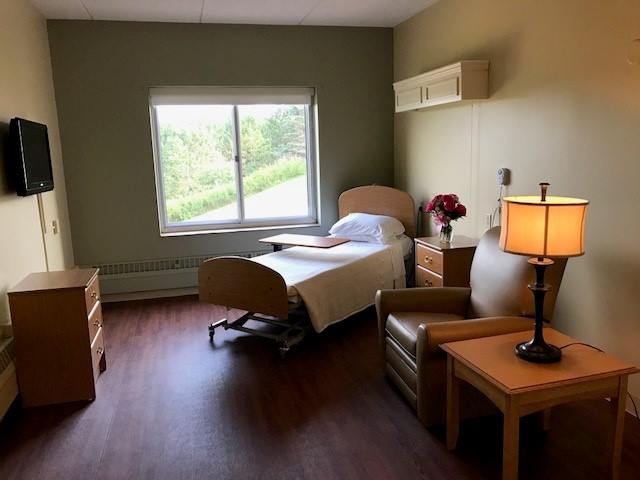
How is Hilltop Healthcare Rehabilitation And Skilled Nurs Staffed?

CMS rates HILLTOP HEALTHCARE REHABILITATION AND SKILLED NURS's staffing level at 4 out of 5 stars, which is above average compared to other nursing homes. Staff turnover is 53%, compared to the Minnesota average of 46%. RN turnover specifically is 67%, which is notably high. RNs provide skilled clinical oversight, so turnover in this role can affect medical care quality.

What Have Inspectors Found at Hilltop Healthcare Rehabilitation And Skilled Nurs?

State health inspectors documented 49 deficiencies at HILLTOP HEALTHCARE REHABILITATION AND SKILLED NURS during 2022 to 2025. These included: 2 Immediate Jeopardy (the most serious level, indicating potential for serious harm or death), 1 that caused actual resident harm, 44 with potential for harm, and 2 minor or isolated issues. Immediate Jeopardy findings are rare and represent the most serious regulatory concerns. They require immediate corrective action.
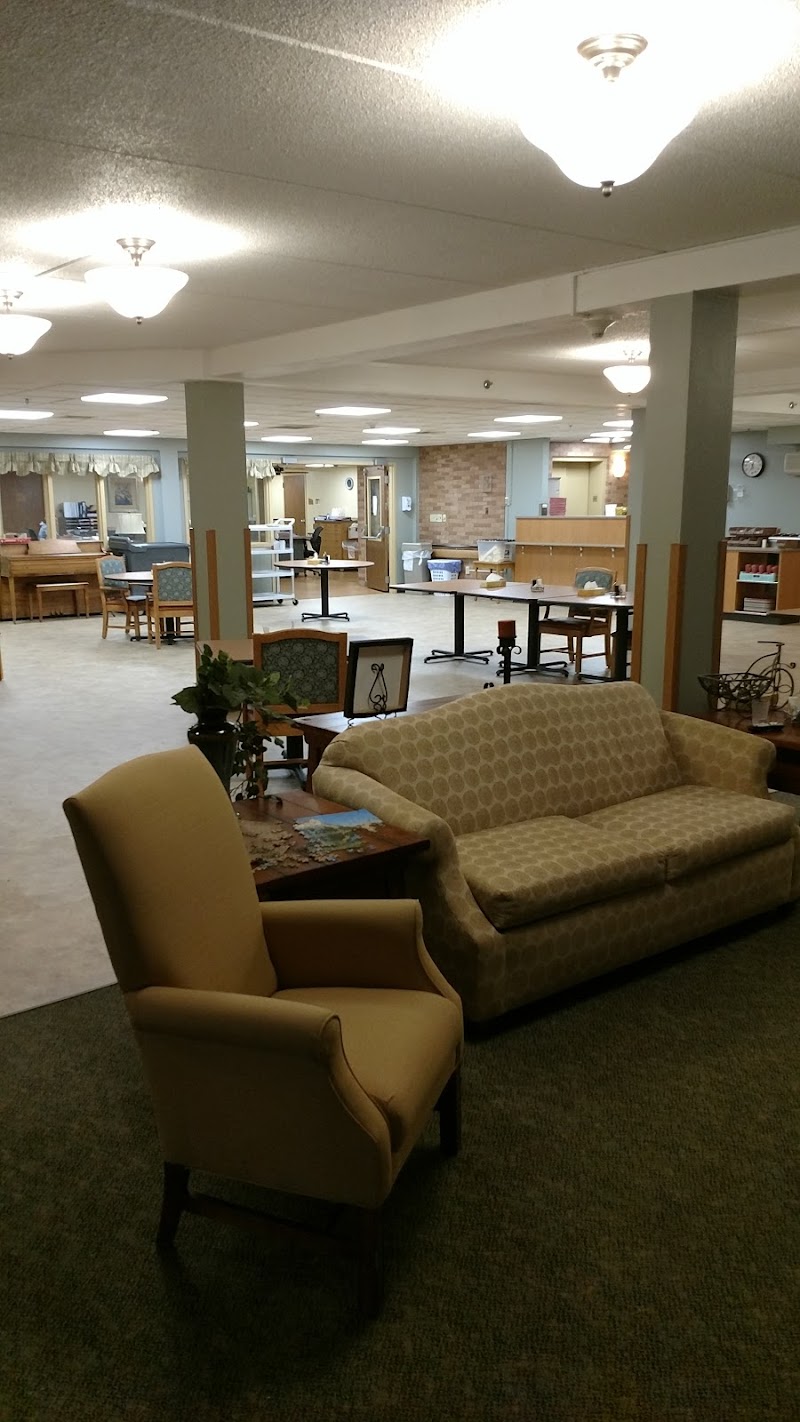
Who Owns and Operates Hilltop Healthcare Rehabilitation And Skilled Nurs?

HILLTOP HEALTHCARE REHABILITATION AND SKILLED NURS is owned by a for-profit company. For-profit facilities operate as businesses with obligations to shareholders or private owners. The facility operates independently rather than as part of a larger chain. With 140 certified beds and approximately 104 residents (about 74% occupancy), it is a mid-sized facility located in DULUTH, Minnesota.
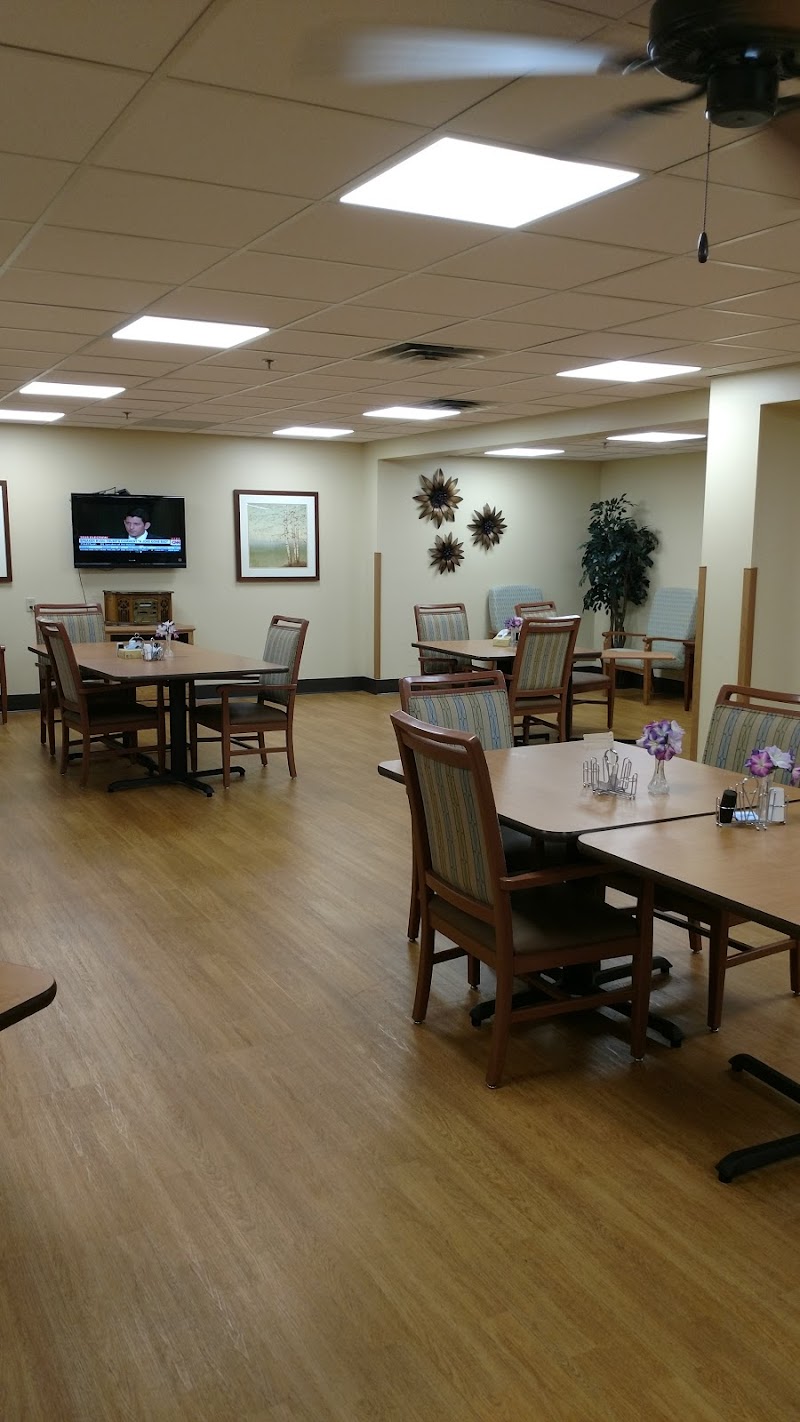
How Does Hilltop Healthcare Rehabilitation And Skilled Nurs Compare to Other Minnesota Nursing Homes?

Compared to the 100 nursing homes in Minnesota, HILLTOP HEALTHCARE REHABILITATION AND SKILLED NURS's overall rating (1 stars) is below the state average of 3.2, staff turnover (53%) is near the state average of 46%, and health inspection rating (1 stars) is much below the national benchmark.

What Should Families Ask When Visiting Hilltop Healthcare Rehabilitation And Skilled Nurs?

Based on this facility's data, families visiting should ask: "What changes have been made since the serious inspection findings, and how are you preventing similar issues?" "Can I visit during a mealtime to observe dining assistance and food quality?" "How do you handle medical emergencies, and what is your hospital transfer rate?" "Can I speak with family members of current residents about their experience?" These questions are particularly relevant given the facility's Immediate Jeopardy citations.

Is Hilltop Healthcare Rehabilitation And Skilled Nurs Safe?

Based on CMS inspection data, HILLTOP HEALTHCARE REHABILITATION AND SKILLED NURS has documented safety concerns. Inspectors have issued 2 Immediate Jeopardy citations (the most serious violation level indicating risk of serious injury or death). The facility has a 1-star overall rating and ranks #100 of 100 nursing homes in Minnesota. Families considering this facility should ask detailed questions about what corrective actions have been taken since these incidents.

Do Nurses at Hilltop Healthcare Rehabilitation And Skilled Nurs Stick Around?

HILLTOP HEALTHCARE REHABILITATION AND SKILLED NURS has a staff turnover rate of 53%, which is 7 percentage points above the Minnesota average of 46%. Moderate turnover is common in nursing homes, but families should still ask about staff tenure and how the facility maintains care continuity when employees leave.

Was Hilltop Healthcare Rehabilitation And Skilled Nurs Ever Fined?

HILLTOP HEALTHCARE REHABILITATION AND SKILLED NURS has been fined $244,730 across 3 penalty actions. This is 6.9x the Minnesota average of $35,526. Fines at this level are uncommon and typically indicate a pattern of serious deficiencies, repeated violations, or failure to correct problems promptly. CMS reserves penalties of this magnitude for facilities that pose significant, documented risk to resident health or safety. Families should request specific documentation of what issues led to these fines and what systemic changes have been implemented.

Is Hilltop Healthcare Rehabilitation And Skilled Nurs on Any Federal Watch List?

HILLTOP HEALTHCARE REHABILITATION AND SKILLED NURS is not on any federal watch list. The most significant is the Special Focus Facility (SFF) program, which identifies the bottom 1% of nursing homes nationally based on persistent, serious quality problems. Not being on this list means the facility has avoided the pattern of deficiencies that triggers enhanced federal oversight. This is a positive indicator, though families should still review the facility's inspection history directly.