The North Shore Estates Llc
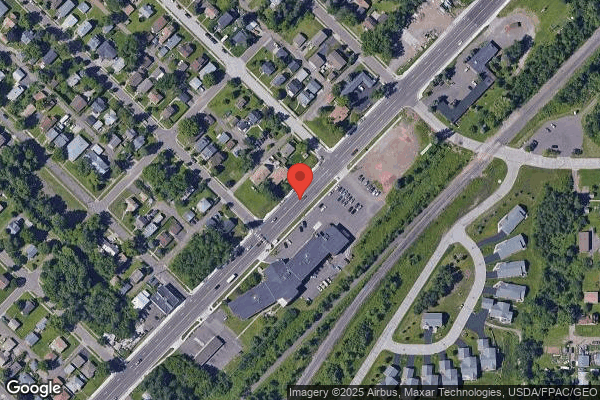
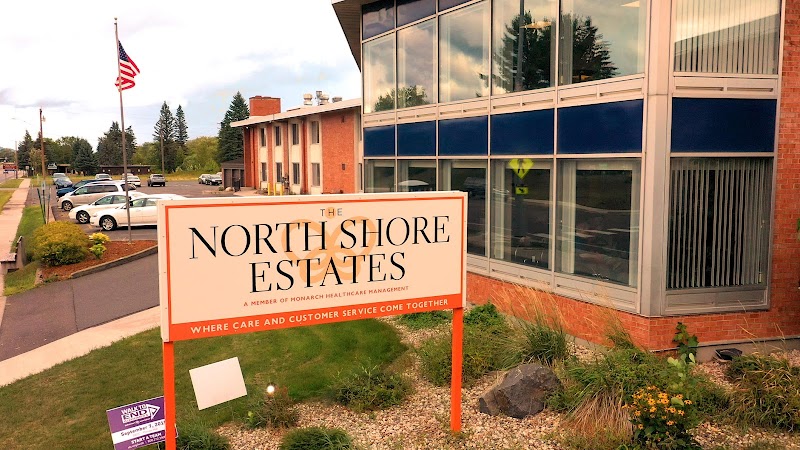
7700 GRAND AVENUE, DULUTH, MN 55807 (218) 628-2341
For profit - Partnership 70 Beds MONARCH HEALTHCARE MANAGEMENT Data: November 2025
Trust Grade
50/100
#272 of 337 in MN
Last Inspection: March 2025

Within standard 12-15 month inspection cycle. Federal law requires annual inspections.

Overview

North Shore Estates LLC has a Trust Grade of C, meaning it is average and ranks in the middle of the pack among nursing homes. In Minnesota, it ranks #272 out of 337 facilities, placing it in the bottom half, and #11 out of 17 in St. Louis County, indicating that there are only a few local options that are better. The facility is improving, as it reduced its issues from 8 in 2024 to 6 in 2025. Staffing is a positive aspect, with a 4 out of 5-star rating and a turnover rate of 31%, which is below the state average. However, the facility has concerning fines totaling $38,242, which is higher than 85% of Minnesota facilities, suggesting ongoing compliance issues. Specific incidents noted include a failure to keep kitchen equipment clean, with food remnants found on mixers and other surfaces, and expired food items not being discarded properly, which could risk the health of residents. Additionally, ice packs meant for personal use were improperly stored alongside resident food, raising safety concerns. While the staffing stability is a strength, the facility's cleanliness and food safety practices need improvement.

Trust Score
C
50/100
In Minnesota
#272/337
Bottom 20%
Safety Record
Low Risk
No red flags
Inspections
Getting Better
8 → 6 violations
Staff Stability
○ Average
31% turnover. Near Minnesota's 48% average. Typical for the industry.
Penalties
○ Average
$38,242 in fines. Higher than 66% of Minnesota facilities. Some compliance issues.
Skilled Nurses
✓ Good
Each resident gets 46 minutes of Registered Nurse (RN) attention daily — more than average for Minnesota. RNs are trained to catch health problems early.
Violations
⚠ Watch
18 deficiencies on record. Higher than average. Multiple issues found across inspections.
★★☆☆☆
2.0
Overall Rating
★★★★☆
4.0
Staff Levels
★☆☆☆☆
1.0
Care Quality
★★★☆☆
3.0
Inspection Score
Stable
2024: 8 issues
2025: 6 issues

The Good

  • 4-Star Staffing Rating · Above-average nurse staffing levels
  • Full Sprinkler Coverage · Fire safety systems throughout facility
  • No fines on record
  • Staff turnover below average (31%)

    17 points below Minnesota average of 48%

Facility shows strength in staffing levels, fire safety.

The Bad

2-Star Overall Rating

Below Minnesota average (3.2)

Below average - review inspection findings carefully

Staff Turnover: 31%

15pts below Minnesota avg (46%)

Typical for the industry

Federal Fines: $38,242

Above median ($33,413)

Moderate penalties - review what triggered them

Chain: MONARCH HEALTHCARE MANAGEMENT

Part of a multi-facility chain

Ask about local staffing decisions and management

The Ugly 18 deficiencies on record

Mar 2025 6 deficiencies
CONCERN (D)

Potential for Harm - no one hurt, but risky conditions existed

Deficiency F0657 (Tag F0657)

Could have caused harm · This affected 1 resident

**NOTE- TERMS IN BRACKETS HAVE BEEN EDITED TO PROTECT CONFIDENTIALITY** Based on interview and record review, the facility failed to review and revise the care plan after discontinuation of self-admin...

Read full inspector narrative →
**NOTE- TERMS IN BRACKETS HAVE BEEN EDITED TO PROTECT CONFIDENTIALITY** Based on interview and record review, the facility failed to review and revise the care plan after discontinuation of self-administered medication for 1 of 1 residents (R50) reviewed for care planning. Findings include: R50's 5 day Minimum Data Set (MDS) dated [DATE], identified intact cognition, and diagnoses that included amputation of lower right leg, congestive heart failure, obesity, gastritis, hypo-osmality (low concentration of solutes in the blood) and hyponatremia (low levels of sodium in the blood), type 2 diabetes, ascites, hyperparathyroidism of renal origin (increase in parathyroid hormone in the blood caused by chronic kidney failure), and end stage renal disease. R50's care plan last reviewed on 1/3/25, identified a focus of 'resident chooses to self administer tenapanor' (medication that lowers phosphorus levels in the blood). Care plan further identified a goal started on 10/17/24 of 'resident will safely self administer tenapanor per physicians orders.' R50's care plan also identified interventions for staff to follow: 'monitor usage of bedside meds, assess that resident is capable of self administering tenapanor correctly on a quarterly basis, assess safe storage, amount left, and expiration date of tenapanor weekly.' R50's order summary report dated 3/19/25, did not identify a current order for tenapanor. Review of R50's discontinued orders identified an order starting 10/15/24 and discontinued on 10/31/24, prescribing tenapanor oral tablet 30 milligrams (mg) to be given twice a day before first and last meals of the day. During joint interview on 3/20/25 at 9:57 a.m., director of nursing (DON) and licensed practical nurse (LPN)-B stated expectation care plans to be updated when needed. DON stated care plan updates would happen for changes in treatments. DON and LPN-B identified nurse managers would be reponsible for updating care plans for residents on their unit. During interview on 3/20/25 at 11:29 a.m., administrator stated expectation care plans were to be updated when treatments for the resident were changed. Facility policy 'Care Planning' last revised 11/2024, identified 'the care plan is to be modified and updated as the condition and care needs of the resident changes.'
CONCERN (D)

Potential for Harm - no one hurt, but risky conditions existed

Deficiency F0660 (Tag F0660)

Could have caused harm · This affected 1 resident

**NOTE- TERMS IN BRACKETS HAVE BEEN EDITED TO PROTECT CONFIDENTIALITY** Based on interview and document review, the facility failed to provide ongoing, comprehensive discharge (DC) planning to a lower...

Read full inspector narrative →
**NOTE- TERMS IN BRACKETS HAVE BEEN EDITED TO PROTECT CONFIDENTIALITY** Based on interview and document review, the facility failed to provide ongoing, comprehensive discharge (DC) planning to a lower level-of-care for 1 of 2 residents (R49) reviewed for discharge planning. Findings include: R49's admission Minimum Data Set (MDS) dated [DATE], identified R49 was admitted to the nursing home from the acute hospital. The MDS listed a section, Q0400, which was answered an active discharge plan was in place for the resident to return to the community. R49's most recent quarterly Minimum Data Set (MDS), dated [DATE], identified R49 was cognitively intact and needed some assistance with bathing, dressing, and transfers. R49 was wheelchair dependent but was independent in the wheelchair. Diagnoses included cancer and traumatic brain injury. Further, the MDS outlined under section Q0400. Discharge Plan, that an active discharge plan was not in place for R49 to return to the community, and no referrals to the local agencies had been made due to referrals not wanted. R49's care plan, dated 8/11/23, identified R49 wanted to be discharged to Assisted Living Facility (ALF) knowing that there is a chance to possibly go home once resident gets stronger. Resident MNCHOICE assessment (assessment performed to qualify for ALF under county waiver program) was completed on 3/6/24. Interventions included staff would make necessary referrals as needed to carry out resident's DC goals. R49's progress notes from 2/21/24 to 3/19/25 were reviewed and indetified the following: - 2/23/24 4:07 a.m., social services (SS) met with resident today. Resident interested in getting own apartment. Explained due to eviction history on file would not be able to. Social worker did offer an ALF or group home, and resident agreed to that. Would work on this Monday. - Progress notes lacked any other notations related to discharge planning related to this note. - 11/12/24 3:01 p.m., SS met with resident today. Resident interested in discharge to ALF. Writer reached out to the county to see who case worker was to get MNCHOICE assessment. - 11/19/24 at 3:24 p.m., care conference held and provided contact information for assisted living locators. - Progress notes lacked documentation follow up was made to assist with ALF referrals of is resident needed assistance in discharge planning. R49's care conference note dated 11/19/24, indicated resident was interested in moving to a handicapped accessible apartment or ALF. Provided resident with resource for Assisted Living Locators to assist with independent living/ALF connections. R49's care conference note dated 2/18/25, indicated R49 wanted to move to an ALF. During an interview on 3/17/25 at 2:41 p.m., R48 stated he really wanted to move to an ALF. The discharge plan had been brought up with the facility social worker around a year ago, but they never did follow up with me related to anything discharge related. I keep bringing it up at every care conference but nobody ever follow ups on it. I am starting to give up on the idea. During an interview on 3/19/25 at 10:53 a.m., the social services designee (SSD) stated the social services department was responsible to assist residents who wanted to DC from the facility to home or a lower level of care facility. Discussion would occur with the resident related to where they would like to go. If discharge to an ALF or group home was requested, social services would assist by getting insurance information and waivers gathered and completed, and assist the resident by sending referrals to different ALF facilities and setup tours if the resident wished. The social services department would follow through the entire DC process. The SSD was not aware of the resident wishes from 2/23/24 due to a different social worker being present at that time. She did acknowledge the notes existed and stated the process should have started at that time. The SSD reviewed R49's medical record and acknowledged nothing indicated a follow through was completed. The SSD stated during the care conference on 2/18/25, the resident again vocalized wanting to go to an ALF but was ok staying at the care center. SSD stated she had not done any referrals to ALFs or follow up with the resident related to DC planning. SSD stated she was only at the facility twice a week and any staff member could have performed the follow up and the referrals. During an interview on 3/19/25 at 12:11 p.m., the regional licensed social worker (RLSW)-A stated the Assisted Living Locators is a private company that can assist in finding placement. Social services would send referrals to them, they would visit with the resident and then communicate with the facility related to ALF's the resident was interested in. Social services would stay in contact with the ALF locators throughout the DC process. RLSW-A acknowledged a care conference was held on 11/19/24, and information related to the ALF locators had been provided to the resident and a referral was made. RLSW-A stated no follow up was done with the resident or the ALF locators since the information was first provided on 11/19/24 but should have been done by somebody in the facility as part of the discharge planning process. That would ensure referrals are sent out as the resident requests. During an interview on 3/20/25 at 9:52 a.m., the administrator stated social services would follow the resident related to the discharge from the time of admission. If the resident is interested in DC to home or a lower level of care like an ALF conversations should be had in the interdepartmental team (IDT) so everybody is on the same page related to the discharge plans. Assistance would be made to send referrals to the ALF's requested to see if the resident qualified. Assistance with insurance issues and possible waivers would also occur. The provider would be notified towards the end to see if they agreed with the discharge plan and to get discharge orders to transfer or send home. Facility policy, Discharge Planning Policy dated 1/25, indicated discharge planning started at admission. The health care center would make every effort possible to meet the goal of the resident relative to their choices.
CONCERN (D)

Potential for Harm - no one hurt, but risky conditions existed

ADL Care (Tag F0677)

Could have caused harm · This affected 1 resident

**NOTE- TERMS IN BRACKETS HAVE BEEN EDITED TO PROTECT CONFIDENTIALITY** Based on observation, interview and document review the facility failed to ensure oral cares were completed for 1 of 3 residents...

Read full inspector narrative →
**NOTE- TERMS IN BRACKETS HAVE BEEN EDITED TO PROTECT CONFIDENTIALITY** Based on observation, interview and document review the facility failed to ensure oral cares were completed for 1 of 3 residents (R18) reviewed for personal cares. Findings include: R18's quarterly Minimum Data Set (MDS) dated [DATE], identified R18 had diagnoses which included multiple sclerosis (a disease in which the immune system eats away at the protective covering of nerves). R18's MDS identified R18 was cognitively intact. R18 had no rejections of care and required set up for oral hygiene and was dependent of staff for personal hygiene and required substantial to maximum assistance for dressing. R18's nursing assistant care guide dated 3/20/25, identified R18 required an assist of one for bathing, dressing and grooming. R18's care guide also identified R18 had his own teeth. R18's care plan dated 9/21/23, identified R18 had a self care deficit. It further identified staff were to provide assistance with oral cares morning, bedtime, and as needed and to assist with personal hygiene. On 3/18/25 at 10:30 a.m., nursing assistants (NA)-A and NA-B entered R18's room to assist him with morning cares and to get him up, they told R18 what they were planning to do. A brief change was completed with peri-cares and pants were put on R18. A sling for the ceiling lift was placed under R18 and he was lifted out of bed and into his wheelchair. NA-A showed R18 three shirts and let him choose which one he wanted to wear. R18's shirt was changed, no face washing, hand washing or washing under his arms was offered or done. R18's hair was brushed, but he was not offered an opportunity to brush his teeth. R18 was given his soft touch call light and the NA's left the room. During an interview on 3/18/25 at 10:44 a.m., NA-A verified he was not offered an opportunity to brush his teeth and said he should be offered a chance to brush his teeth after he eats. During an interview on 3/19/25 at 10:41 a.m., NA-B stated morning cares included peri-care, dressing, combing hair, and oral cares. During an interview on 3/19/25 at 2:53 p.m., licensed practical nurse (LPN)-B stated morning cares for residents should include face and hands washed, under arms washed, peri-care, and oral cares (teeth or dentures brushed). During an interview on 3/19/25 at 3:18 p.m., the director of nursing (DON) stated oral care should be offered to prevent teeth problems and infections. During an interview on 3/20/25 at 8:04 a.m., R18 stated staff didn't ask him if he wanted to brush his teeth. Said, there's a tooth brush around here some place. R18 stated he had been offered an opportunity to brush his teeth maybe twice this week. R18 stated he would be happy to be able to brush his teeth once a day. The policy Activities of Daily Living dated 3/31/23, identified the facility would ensure a resident was given the appropriate treatment and services to maintain or improve his or her ability to carry out the activities of daily living. The facility would provide care and services to include hygiene, bathing, dressing, grooming, and oral care.
CONCERN (D)

Potential for Harm - no one hurt, but risky conditions existed

Deficiency F0757 (Tag F0757)

Could have caused harm · This affected 1 resident

**NOTE- TERMS IN BRACKETS HAVE BEEN EDITED TO PROTECT CONFIDENTIALITY** Based on document review and interview, the facility failed to identify diagnoses or indications for use of medications for 1 of...

Read full inspector narrative →
**NOTE- TERMS IN BRACKETS HAVE BEEN EDITED TO PROTECT CONFIDENTIALITY** Based on document review and interview, the facility failed to identify diagnoses or indications for use of medications for 1 of 5 residents (R1) reviewed for unnecessary medications. Findings include: R1's significant change Minimum Data Set (MDS) dated [DATE], indicated intact cognition, and diagnoses that included schizoaffective disorder, type 2 diabetes with other skin complications, osteoarthritis (degenerative joint disease resulting from cartilage and bone breakdown), chronic bronchitis, rash, polyneuropathy (disease or damage to the peripheral nerves that presents as weakness, numbness, and pain), and chronic pain syndrome. R1's physician's orders dated 3/18/25, included the following medications and supplements but lacked diagnoses or indication for use: -benzonatate oral capsule 100 milligram (mg), give one capsule by mouth three times a day -cadexomer iodine external gel 0.9%, apply to affected area topically every 72 hours -carbidopa-levodopa oral tablet 25-100mg, give one tablet by mouth every morning and bedtime -clobetasol propionate external cream 0.05%, apply to breasts/abdominal area folds topically two times a day -gabapentin 8% gel, apply to bilateral feet topically three times a day -guaifenesin ER oral tablet extended release 600mg, give one tablet by mouth twice a day -interdry 10, apply to affected area topically every day shift -menthol-methyl salicylate external cream, apply to affected area topically as needed -miconazole nitrate powder 2%, apply to affected area topically two times a day -[NAME] external lotion 0.5-0.5%, apply to affected area topically as needed -zinc oral tablet 50mg, give one tablet by mouth in the morning R1's medication administration record (MAR) also lacked indication for use and administration of above medications. During interview on 3/19/25 at 10:38 a.m., registered nurse (RN)-A verified carbidopa-levodopa tablet and gabapentin gel did not have a diagnosis or indication for use. RN-A stated R1 had been on both medications for a while. RN-A stated medications should have a diagnosis or indication for use as part of the order. During interview on 3/19/25 at 3:24 p.m., RN-B stated expectation for each medication to have a diagnosis or indication for use. RN-B explained even without a diagnosis or indication listed she would know what the general reason was for based on the type of medication. During joint interview on 3/20/25 at 9:57 a.m., director of nursing (DON) and licensed practical nurse (LPN)-B stated the expectation was for each medication to have a diagnosis or indication for use. DON stated this was part of the order for the medication. DON explained nursing staff should seek clarification from the provider if a medication order was missing a diagnosis or indication for use. During interview on 3/20/25 at 11:29 a.m., administrator stated the expectation for every medication order to have a diagnosis or indication for use connected to it. Facility policy 'Medication Administration- General Guidelines' dated May 2022, indicated 'if a medication order seems to be unrelated to the resident's current diagnoses or conditions, the nurse calls the provider pharmacy for clarification prior to the administration of the medication or if necessary contacts the prescriber for clarification.'
CONCERN (D)

Potential for Harm - no one hurt, but risky conditions existed

Medication Errors (Tag F0758)

Could have caused harm · This affected 1 resident

**NOTE- TERMS IN BRACKETS HAVE BEEN EDITED TO PROTECT CONFIDENTIALITY** Based on interview and document review, the facility failed to complete orthostatic blood pressure monitoring for an antipsychot...

Read full inspector narrative →
**NOTE- TERMS IN BRACKETS HAVE BEEN EDITED TO PROTECT CONFIDENTIALITY** Based on interview and document review, the facility failed to complete orthostatic blood pressure monitoring for an antipsychotic medication for 1 of 5 residents (R49), reviewed for unnecessary medication use. Findings include: R49's quarterly Minimum Data Set (MDS) dated [DATE], indicated R49 had intact cognition. Diagnoses included anxiety disorder, manic depression, schizophrenia, and post traumatic stress disorder. The MDS indicated R49 received antipsychotic medications on a routine (daily) basis only. R49's Order Summary Report (OSR) identified on 8/25/23, an order was started for Quetiapine (antipsychotic mental health medication) 400mg by mouth at bedtime. R49's treatment administration record (TAR) and vital signs records reviewed from 1/1/25 to 3/1/25, lacked documentation of any orthostatic blood pressures taken. During an interview on 3/20/25 at 9:35 a.m., licensed practical nurse (LPN)- A stated blood pressures needed to be taken monthly for anybody on antipsychotic medications. The orthostatic blood pressures would be taken and documented in the TAR as laying, sitting and standing. If the resident was unable to stand the laying and sitting would still be obtained. During an interview on 3/20/25 at 10:09 a.m., LPN-B stated side effect monitoring included orthostatic blood pressures that would be taken once a month. LPN-B reviewed R49's TAR and acknowledged orthostatic vital signs had not been taken but that they should have been. LPN-B stated orthostatic blood pressure monitoring was important because antipsychotic medications can cause sudden drops in blood pressure which could cause harm to the resident. During an interview on 3/6/25 at 10:27 a.m. the director of nursing (DON) stated orthostatic blood pressures needed to be done once a month and then documented in the medical record. Facility policy Psychotropic Medication Use last reviewed 1/25 indicated orthostatic blood pressures would be taken on a monthly basis, unless otherwise indicated by provider.
CONCERN (E)

Potential for Harm - no one hurt, but risky conditions existed

Infection Control (Tag F0880)

Could have caused harm · This affected multiple residents

Based on observation, interview and document review the facility failed to ensure ice packs for personal use were not stored with resident food. This had the potential to affect residents who stored o...

Read full inspector narrative →
Based on observation, interview and document review the facility failed to ensure ice packs for personal use were not stored with resident food. This had the potential to affect residents who stored or consumed food from the unit freezers. Findings include: On 3/17/25 at 7:13 p.m., the administrator unlocked the refrigerator and freezer in the first floor dining room. The freezer had food that was labeled for residents, it however also had a large blue ice pack approximately 18 inches by 12 inches labeled to use on the body, with R58's name. There were also two large re-usable ice packs approximately 12 inches by six inches labeled with a resident's name. The administrator stated the resident was no longer in the facility and threw the ice packs away. The administrator verified if ice packs were for use on the body they should not be stored in the freezer with resident food. On 3/19/25 at 1:43 p.m., the culinary director (CD)-C stated the dietary department was responsible for the unit refrigerator/freezers. CD-C stated she would expect staff to notify the nurse and herself if they saw non-food items in the freezers. On 3/19/25 at 2:58 p.m., licensed practical nurse (LPN)-B stated ice packs were not re-usable and should never be in the unit freezers, LPN-B stated she would expect staff to remove non-food items from the freezers. On 3/19/25 at 3:21 p.m., the director of nursing (DON) verified non-food items (ice packs) should not be stored with resident food, stated it was an infection control concern and could contaminate the food. Refrigerators and Freezers policy dated 12/2014, did not address ice pack storage in unit freezers.
Feb 2024 8 deficiencies
CONCERN (D)

Potential for Harm - no one hurt, but risky conditions existed

Deficiency F0554 (Tag F0554)

Could have caused harm · This affected 1 resident

**NOTE- TERMS IN BRACKETS HAVE BEEN EDITED TO PROTECT CONFIDENTIALITY** Based on observation, interview, and document review the facility failed to ensure medications were not left unattended at bedsi...

Read full inspector narrative →
**NOTE- TERMS IN BRACKETS HAVE BEEN EDITED TO PROTECT CONFIDENTIALITY** Based on observation, interview, and document review the facility failed to ensure medications were not left unattended at bedside for 1 of 1 resident (R16) reviewed for self-administration of medication. Findings include: R16's quarterly Minimum Data Set (MDS) dated [DATE], indicated R16 was cognitively intact with the diagnosis of cataracts, cognitive impairment of unknown origin and cardiac diagnosis. R16's undated care plan did not include a plan for self-administration of medication. R16's care conference note dated 1/6/24, indicated R16's medication preference was medication administered by the LN [licensed nurse] and to take pills whole. R16's medical record lacked evidence that R16 had been assessed to safely have their medications at bedside for self-administration. During an observation on 1/29/24 at 5:18 p.m., R16 had medications in a cup on her dinner tray. R16 stated they got their medications dropped off during breakfast and in the evening. During a follow-up observation on 1/29/24 at 5:23 p.m., the pill cup on R16's meal tray contained 4 pills. R16 stated they leave my pills at breakfast and dinner for me to take with my meal. During an observation on 1/31/24 at 8:33 a.m., the medication nurse entered R16's room and observed R16 take their medications before leaving. During an interview on 2/01/24 08:43 a.m., R16 confirmed that the nurse had stayed in her room while she took her meds. During an interview on 2/1/24 at 8:57 a.m., licensed practical nurse (LPN)-A stated residents that could self-administer their medications would have an order in their chart, otherwise residents needed to be observed when they received their medications. During an interview on 2/01/24 at 12:56 p.m., registered nurse (RN)-C confirmed R16 did not have an assessment or order in place for self-medication administration. When a resident has not been cleared for self-administration, it is expected that staff would not leave a resident until they witnessed the resident take their medication. R16 should not have had pills left at the bedside. During an interview on 2/1/24 at 1:37 p.m., the director of nursing (DON) stated if a resident did not have an order for/and assessment in place for self-medication administration they expected the nurse to administer and observe the resident taking their medications before they left the resident's side. This was important to ensure the resident took their medications, for swallow observation, and for safety. Medication Self-Administration policy requested and not received.
CONCERN (D)

Potential for Harm - no one hurt, but risky conditions existed

Assessment Accuracy (Tag F0641)

Could have caused harm · This affected 1 resident

**NOTE- TERMS IN BRACKETS HAVE BEEN EDITED TO PROTECT CONFIDENTIALITY** Based on interview and document review, the facility failed to accurately code Minimum Data Set (MDS) for 1 of 4 residents (R25)...

Read full inspector narrative →
**NOTE- TERMS IN BRACKETS HAVE BEEN EDITED TO PROTECT CONFIDENTIALITY** Based on interview and document review, the facility failed to accurately code Minimum Data Set (MDS) for 1 of 4 residents (R25) reviewed for MDS accuracy. Findings include: R25's quarterly MDS dated [DATE], identified R25 had moderately impaired cognition, and diagnoses which included anemia, congestive heart failure, end-stage renal disease, diabetes mellitus, depression, and respiratory failure. R25 was coded for unstageable pressure ulcers due to coverage of wound bed by slough and/or eschar. R25's medical record dated 8/16/23, identified R25's left great toe wound was related to poor arterial blood flow to lower extremity. Vascular surgeon stated wound was unlikely to heal and diagnosed R25 with peripheral artery disease. Review of R25's medical record identified wound care weekly notes starting on 6/28/23 through 1/31/24. On 11/1/23, R43's diagnosis changed from left great toe pressure ulcer to arterial ulcer of great left toe. During interview on 1/31/24 at 8:44 a.m., nurse practitioner (NP)-D confirmed R25's current diagnosis was arterial ulcer of great toe left. During interview on 2/1/24 at 9:50 a.m., registered nurse (RN)-B confirmed having completed R25's quarterly MDS, dated [DATE]. RN-B indicated using medical record review to collect data to complete the MDS. RN-B confirmed was unaware of R25's diagnosis change on 11/1/23 from left great toe pressure ulcer to arterial ulcer great toe left. RN-B confirmed R25's quarterly MDS dated [DATE], should have been coded for an arterial ulcer and not a pressure ulcer. RN-B stated having accurate information on the MDS was important because it guides required treatments. During interview on 2/1/24 at 1:32 p.m., administrator stated diagnoses changes should be updated on the next quarterly MDS. Administrator stated this was important because it will impact quality measures. An MDS policy was requested from the facility and was not provided. The facility stated they follow the Resident Assessment Instrument (RAI) Manual for MDS assessments. The Long-Term Care Facility Resident Assessment Instrument (RAI) User's Manual for Version 3.0 dated 10/23, was published by the Centers for Medicare & Medicaid Services (CMS). CMS's goal was to disseminate information broadly to facilitate accurate and effective resident assessment practices in long-term care facilities.
CONCERN (D)

Potential for Harm - no one hurt, but risky conditions existed

Respiratory Care (Tag F0695)

Could have caused harm · This affected 1 resident

**NOTE- TERMS IN BRACKETS HAVE BEEN EDITED TO PROTECT CONFIDENTIALITY** Based on observation, interview, and record review the facility failed to ensure provider orders for a c-pap (continuous positiv...

Read full inspector narrative →
**NOTE- TERMS IN BRACKETS HAVE BEEN EDITED TO PROTECT CONFIDENTIALITY** Based on observation, interview, and record review the facility failed to ensure provider orders for a c-pap (continuous positive airway pressure) [a machine that provides breathing support for individuals that experience pauses in breathing when they sleep] were followed for 1 of 1 resident (R206) reviewed for respiratory care. Findings include: R206's admission Minimum Data Set (MDS) dated [DATE], identified R206 was cognitively intact with the diagnoses of chronic obstructive lung disease (COPD) and end stage renal disease (ESRD). R206's Order Summary dated 2/1/24, included the following active orders as of 2/1/24: -C-pap on at night and bedtime. -Clean mask and tubing with gentle soap and warm water let air dry one time a day. -Clean c-pap chamber with gentle soap and air-dry weekly every day shift every Sat. -Fill c-pap water chamber with distilled water to fill line. Empty and dry out chamber daily one time a day. -Inspect and wash c-pap head gear with gentle soap and warm water weekly one time a day every Thursday. R206's care plan dated 2/1/24, identified an alteration in oxygen/gas exchange, and instructed staff to perform supportive tasks and monitoring to support R206's respiratory status. During an observation on 1/29/24 at 6:10 p.m., R206 stated the water in their c-pap was from yesterday. They don't dump it, and clean the water out, and only one nurse cleaned the tubing when they were working. R206's c-pap water chamber was noted to have water in it just below the full line. During an observation on 1/30/24 at 10:58 a.m., R206's c-pap machine was on the bedside table. The water chamber was full. During an interview on 1/30/24 at 3:53 p.m., R206 stated the water in their c-pap chamber was left over from the night before. Staff were supposed to empty the chamber and rinse the c-pap mask when they got up for the day, but it hadn't been done. During an observation on 1/31/24 at 12:02 p.m., R206's c-pap water chamber had water in the chamber. R206 stated nothing had been cleaned or emptied yet, it was still from the night before. During an interview on 2/1/24 at 12:47 p.m., registered nurse (RN)-C reviewed R206's c-pap care orders and confirmed R206's c-pap water chamber should be emptied and dried each morning, and then refilled with water in the evening before R206 went to bed. The water chamber should be emptied in the morning to prevent bacteria growth and illness. During an interview at 2/01/24 at 1:35 p.m., the director of nursing (DON) stated they expected mask care and the c-pap water chamber to be emptied and cleaned by the day shift in the morning. In addition to emptied, the c-pap water chamber should be dried to prevent bacteria build up that can occur in sitting water or an environment with moisture. The undated, facility CPAP CARE employee pass/fail competency directed staff to check the treatment administration record for order and client specific instructions. The competency did not include test off for tubing and water chamber cleaning/management, but it did include pass/fail for wash mask daily with antibacterial soap, rinse well and then air dry. The ResMed AirCurve10 manufacturer instructions dated 2021, identified it was important to regularly clean the c-pap tubing, mask, and water chamber to ensure optimal therapy and to prevent the growth of germs that could adversely affect health. The instructions indicated the water chamber and tubing should be cleaned once a week with mild detergent and allowed to air dry, and each mask's insert should be followed for mask cleaning.
CONCERN (D)

Potential for Harm - no one hurt, but risky conditions existed

Deficiency F0698 (Tag F0698)

Could have caused harm · This affected 1 resident

**NOTE- TERMS IN BRACKETS HAVE BEEN EDITED TO PROTECT CONFIDENTIALITY** Based on observation, interview, and document review, the facility failed to ensure post-dialysis access site monitoring was con...

Read full inspector narrative →
**NOTE- TERMS IN BRACKETS HAVE BEEN EDITED TO PROTECT CONFIDENTIALITY** Based on observation, interview, and document review, the facility failed to ensure post-dialysis access site monitoring was consistently completed to provide continuity of care and reduce the risk of complication (i.e., bleeding, clotting) for 1 of 1 residents (R33) reviewed for dialysis care. Findings include: R33's quarterly Minimum Data Set (MDS) dated [DATE], identified R33 was cognitively intact and receiving dialysis (process of removing excess water and waste products from the blood when kidneys can no longer perform that function adequately). In addition, R33's MDS identified diagnoses of stage 4 chronic kidney disease (severe), dependence on renal dialysis, arteriovenous fistula (special connection that is made by joining a vein onto an artery that can be used for dialysis), peripheral vascular disease (abnormal narrowing of arteries), chronic heart failure (chronic condition in which the heart doesn't pump blood as well as it should), and chronic obstructive pulmonary disease (progressive lung disease with long-term symptoms such as shortness of breath and coughing). R33's care plan dated 1/11/2024, identified R33 had a left arm fistula. Interventions included dialysis per schedule, treatment and dressing protocol to dialysis site per medical doctor (MD) order, no blood pressure (BP) to left arm, and to call 911 for uncontrolled bleeding at dialysis site. Physician's orders for R33 included no blood draws, BPs, and no intravenous fluids in R33's left arm, monitor fistula for bruit (whooshing sound) and thrill (a powerful pulse felt at the top of the fistula) every shift, vital signs after dialysis, and to monitor dialysis site for bleeding. During a continuous observation on 1/30/2024, the following was observed: -1:18 p.m., R33 was observed to be in room, was wearing winter coat, was finishing lunch tray, and had been back from dialysis center for a short time. When interviewed, R33 stated the nurse had not been in to check dialysis access site. -2:04 p.m., door closed on R33's room. No staff in or out of room. -2:39 p.m., R33 left room and went outside to smoke. R33 wearing same winter coat. -2:44 p.m., R33 sitting outside in chair. No staff observed to interact with R33. -3:22 p.m., R33 returned to room and closed door. No staff were observed to interact with R33 when he was out of his room. -3:32 p.m., trained medication aide (TMA)-A entered R33's room, measured his blood sugar, checked blood pressure using wrist blood pressure machine, and gave pain medication and a multivitamin. R33 was still wearing winter coat. During interview on 1/30/2024 at 3:35 p.m., registered nurse (RN)-A stated she did not assess dialysis site for R33 when resident returned from dialysis center. RN-A further stated, think the TMA checked vital signs on R33 after return from dialysis center. The expectation is R33 will tell staff if dialysis site was bleeding. RN-A also stated R33 should have dialysis site checked for bruit and thrill and assessed for bleeding after return from dialysis center. During interview on 2/1/2024 at 10:38 a.m., registered nurse (RN)-C stated training on dialysis for nurses was part of orientation and was conducted on the unit. RN-C further stated expectation of nurses should check vital signs, check dialysis site for bruit and thrill, and to check for bleeding after a resident returns from dialysis center. During interview on 2/1/2024 at 11:03 a.m., director of nursing (DON) stated expectation when a resident on dialysis returns to the facility nurses would check dialysis communication form from dialysis center, check dialysis site, test site for bruit and thrill, and check vital signs of the resident. DON further stated checking dialysis site was important to ensure the site was accessible, to monitor for adverse reactions, and to monitor for bleeding. During interview on 2/1/2024 at 11:40 a.m., DON stated the facility does not have any formal training on dialysis upon hire and dialysis training is not part of any annual training. DON further stated she expected nurses were trained on dialysis care in their nursing program. Hemodialysis policy dated 11/22/19, identified resident will be monitored for complications before and after dialysis treatment. Policy also identified ongoing assessment/evaluation of the resident's condition and monitoring for complications should occur before and after dialysis treatments (i.e. infection and patency of fistula or graft). Policy further identified documentation should include, but is not limited to, pre and post dialysis assessment/observation, daily check of the access site (fistula, graft, or external catheter), evaluation for signs and symptoms of infection
CONCERN (D)

Potential for Harm - no one hurt, but risky conditions existed

Deficiency F0883 (Tag F0883)

Could have caused harm · This affected 1 resident

**NOTE- TERMS IN BRACKETS HAVE BEEN EDITED TO PROTECT CONFIDENTIALITY** Based on interview and document review, the facility failed to follow the most recent Centers for Disease Control (CDC) standard...

Read full inspector narrative →
**NOTE- TERMS IN BRACKETS HAVE BEEN EDITED TO PROTECT CONFIDENTIALITY** Based on interview and document review, the facility failed to follow the most recent Centers for Disease Control (CDC) standards for offering and educating on pneumococcal vaccinations for 2 of 5 residents (R11, R29) reviewed for immunizations. This had the potential to affect all residents who were eligible for the pneumococcal booster. Findings include: R11's quarterly Minimum Data Set (MDS) dated [DATE], identified R11 was [AGE] years old and diagnoses included hypertension, renal insufficiency, and non-Alzheimer's dementia. R11's immunization record undated, identified R11 received the pneumococcal polysaccharide vaccine (PPSV23) on 1/9/03, and a Prevnar 13 on 3/11/2015. R11's medical record did not include evidence R11 or R11's representative received education regarding pneumococcal vaccine booster and there was no indication R11 was offered the pneumococcal vaccine per CDC guidance. R29's quarterly Minimum Data Set (MDS) dated [DATE], identified R29 was [AGE] years old and diagnoses included malnutrition, anemia, and coronary artery disease. R29's immunization record undated, identified R29 received the pneumococcal polysaccharide vaccine (PPSV23) on 3/28/12. R29's medical record did not include evidence R29 or R29's representative received education regarding pneumococcal vaccine booster and there was no indication R29 was offered the pneumococcal vaccine per CDC guidance. During interview on 1/31/24 at 2:35 p.m., registered nurse (RN)-D reviewed R11 and R29's Minnesota Immunization Information Connection (MIIC) record. Upon review, RN-D stated R11 was up to date and was not offered a pneumococcal booster and R29 was due for a booster and should have been offered one. RN-D indicated per current CDC recommendations R11 and R29 should have been offered a pneumococcal booster. The facility policy Pneumococcal dated 4/6/22, identified all eligible residents shall be offered and educated on the pneumococcal vaccine. The facility will refer to the current CDC recommended adult immunization schedule to determine recommended vaccines.
CONCERN (E)

Potential for Harm - no one hurt, but risky conditions existed

Deficiency F0761 (Tag F0761)

Could have caused harm · This affected multiple residents

Based on observation, interview and document review, the facility failed to ensure that temperature-controlled medications were properly stored for 3 of 8 residents (R3, R9, R33) and any resident need...

Read full inspector narrative →
Based on observation, interview and document review, the facility failed to ensure that temperature-controlled medications were properly stored for 3 of 8 residents (R3, R9, R33) and any resident needing medications from the pharmacy-provided emergency kit. Findings include: R3's admission Record dated 2/1/24, identified an admission date of 8/9/17, and a diagnosis of diabetes mellitus (type two diabetes). R3's provider orders dated 1/15/24, included an order for semaglutide (an antihyperglycemic injectable medication) 0.25 milligrams (mg) weekly on Tuesdays. R9's admission Record dated 2/1/24, identified an admission date of 12/29/23, and a diagnosis of type two diabetes. R9's provider orders dated 1/24/24, included an order for Lispro (a fast-acting type of insulin) injections per sliding scale instructions with meals and at bedtime, and Trulicity (an antihyperglycemic injectable medication) 1.5 mg weekly on Mondays. R33's admission Record dated 2/1/24, identified an admission date of 9/7/23, and a diagnosis of type two diabetes. R33's provider orders dated 9/19/23, included an order for NovoLog (also called insulin aspart, a fast-acting type of insulin) injections before meals and at bedtime, per sliding scale instructions. The Polaris pharmacy emergency kit contained the following medications which required refrigeration: -lispro insulin, one pen -humulin R (fast-acting insulin), one pen -humulin N (intermediate-acting insulin), one pen -humulin 70/30 (mixture of 70% intermediate-acting and 30% short-acting insulin), one pen -humalog 75/25 (a combination insulin), one pen -insulin detemir (long-acting insulin), one pen -insulin aspart (fast-acting insulin), one pen During an interview on 2/1/24 at 12:11 p.m., licensed practical nurse (LPN)-A stated they record the temperature of the medication refrigerator on the first floor during the overnight shift. If the fridge was out of range, 36-46 degrees Fahrenheit (F), they would contact maintenance. LPN-A confirmed the thermometer on the door read 51 degrees F. During an interview on 2/1/24 at 12:53 p.m., LPN-A confirmed the temperature in the medication refrigerator on the first floor was 49 degrees F. During an interview on 2/1/24 at 12:58 p.m., the administrator stated she would get a new thermometer and have maintenance come take the temperature with a temperature gun to see what the reading was now. During an observation on 2/1/24 at 1:08 p.m., maintenance personnel (MP)-A obtained a reading of 48 to 49 degrees F with a temperature gun in the first-floor medication refrigerator. During an interview on 2/1/24 at 1:11 p.m., the director of nursing (DON) stated they would replace all the resident's insulin and get a different refrigerator now. The DON stated her expectation would be for nursing staff to monitor the temperature in the refrigerator daily and for staff to notify management of any issues. The DON further explained it was important to have proper refrigerator temperatures so that the medications were safe and work properly. During an interview on 2/1/24 at 3:07 p.m., the Polaris pharmacy consultant stated since we do not know when the fridge stopped being cold enough, she advised all those medications be replaced. The consultant also added it was important to keep medication at proper temperatures so that we can have safe medications. Review of facility document, Temperature Log for Medication Refrigerator for January 2024, revealed temperatures taken and recorded on 15 of 31 days. The document identified the temperature danger zone as being below 36 degrees F or above 46 degrees F. On 1/7, 1/9, 1/10, and 1/13 the recorded temperature was 46 degrees F and on 1/14/23 the action line of the form indicated the temperature was turned down. The manufacturer's instructions for semaglutide indicated prior to first use, semaglutide should be stored in a refrigerator between 36- and 46-degrees F. The manufacturer's instructions for NovoLog (also called insulin aspart) indicated it should be stored in a refrigerator between 36- and 46-degrees F. The patient instructions for Trulicity indicated to store in the refrigerator between 36- and 46-degrees F. The manufacturer's instructions for Lispro indicated to keep unused pens in the refrigerator between 36- and 46-degrees F. A policy and procedure regarding the process for temperature monitoring and reporting was requested but not received.
CONCERN (E)

Potential for Harm - no one hurt, but risky conditions existed

Infection Control (Tag F0880)

Could have caused harm · This affected multiple residents

Based on observation, interview, and document review, the facility failed to ensure proper personal protective equipment use and hand sanitization occurred during food preparation. This had the abilit...

Read full inspector narrative →
Based on observation, interview, and document review, the facility failed to ensure proper personal protective equipment use and hand sanitization occurred during food preparation. This had the ability to affect all residents, staff, and visitors who consumed food in the facility. Findings include: During a continuous observation on 1/31/2024 starting at 11:13 a.m. and ending at 12:20 p.m., the following was observed: -11:13 a.m., cook (C)-A was observed wearing face mask and gloves to start food preparation. -11:21 a.m., C-A used gloved hand to move face mask down to talk with culinary aide. C-A moved face mask back over mouth and did not remove gloves, perform hand hygiene, or change gloves. C-A continued to scoop tuna salad onto plates and pick up sandwiches and plate them. -11:23 a.m., C-A wearing same face mask and same gloves moved tray of sandwiches. C-A while wearing same gloves moved face mask down to speak with surveyors. C-A did not remove gloves, perform hand hygiene, or put on new gloves. C-A continued to scoop tuna salad onto plates and pick up sandwiches and place them on the plate with the same gloved hands. -11:28 a.m., C-A placed alternate meal items into freezer and adjusted face mask while wearing same gloves. C-A did not remove gloves, perform hand hygiene, or put on new gloves. C-A continued to scoop tuna salad onto plates and pick up sandwiches and plate them. -11:37 a.m., C-A spoke with kitchen staff. C-A moved face mask down wearing the same gloves. C-A did not remove gloves, perform hand hygiene, or put on new gloves. C-A continued to scoop tuna salad onto plates and pick up sandwiches and plate them. -11:46 a.m., C-A wiped down countertop and adjusted face mask while wearing the same gloves. C-A did not remove gloves, perform hand hygiene, or put on new gloves. C-A continued to scoop tuna salad onto plates and pick up sandwiches and plate them. -11:53 a.m., C-A plated food while wearing face mask and same gloves. C-A touched uncovered food while wearing same gloves and plating food. C-A did not remove gloves, perform hand hygiene, or put on new gloves. C-A continued to scoop tuna salad onto plates and pick up sandwiches and plate them. -12:01 p.m., C-A removed plates from cooler and adjusted face mask while wearing the same gloves. C-A did not remove gloves, perform hand hygiene, or put on new gloves. -12:18 p.m., C-A removed pureed food from freezer and adjusted face mask while wearing same gloves. C-A did not remove gloves, perform hand hygiene, or put on new gloves. C-A continued to scoop tuna salad onto plates and pick up sandwiches and plate them. -12:20 p.m., C-A finished plating food. C-A adjusted face mask and removed gloves. During interview on 2/1/2024 at 11:15 a.m., director of nursing (DON) proper personal protective equipment use and hand sanitization during food preparation were important for infection control. DON further stated all staff should be wearing face masks and staff should wear gloves when preparing food. DON also stated kitchen staff were expected to remove gloves when switching tasks or after touching face or mask, complete hand hygiene, and put on new gloves before handling food again. During interview on 2/1/2024 at 12:18 p.m., culinary services director (CSD) stated staff were expected to wear face masks and to wear gloves when preparing food. CSD further stated staff were expected to remove gloves after touching face mask, perform hand hygiene, and put on new gloves before handling food again. During interview on 2/1/2024 at 12:26 p.m., administrator stated staff were expected to wear face masks all the time and wear gloves during food preparation. Administrator further stated staff expected to remove gloves, perform hand hygiene, and put on new gloves after touching face mask. Administrator stated the facility follows Centers for Disease Control (CDC) guidelines for mask use. Facility policy on hand hygiene requested and not provided. Hand Hygiene (publication from the CDC) dated 8/29/2022, identified handwashing as important before, during, and after preparing and eating food and before and after touching your eyes, nose, mouth, or face mask.
CONCERN (F)

Potential for Harm - no one hurt, but risky conditions existed

Safe Environment (Tag F0921)

Could have caused harm · This affected most or all residents

Based on observation, interview, and document review, the facility failed to ensure kitchen equipment was kept in a clean and sanitary manner. This had the potential to affect all 54 residents, staff,...

Read full inspector narrative →
Based on observation, interview, and document review, the facility failed to ensure kitchen equipment was kept in a clean and sanitary manner. This had the potential to affect all 54 residents, staff, and visitors who consumed food prepared in and/or served from the kitchen. Findings include: On 2/1/2024 at 8:30 a.m., kitchen tour with culinary service director (CSD) was completed. The small mixer in kitchen was under a plastic cover. Plastic cover was stuck to mixer by food residue. Small mixer observed to have light white-brown colored food remnants on sides and under the mixing head. Toaster was found to have a reddish brown grease-like substance on trim. Crumbs were around toaster on the countertop. Large mixer was under a plastic cover. Large mixer had light brown colored food remnants stuck to the body of mixer and under the mixing head. Protective guard around mixing bowl had white powdery spots. Cabinet next to large mixer had food remnants of the same light brown color as large mixer. Cooler had red sticky substance on bottom of door seal and down the front vents. During interview on 2/1/2024 at 9:08 a.m., CSD stated she was not sure of the exact details of how and when the kitchen and equipment was cleaned as the kitchen was on an informal cleaning schedule and cleaning was not assigned to any staff in particular. All kitchen staff were expected to help clean the kitchen and were expected to clean kitchen equipment after use. CSD also stated a cleaning log for staff to sign after cleaning was started on 1/29/2024, during the recertification survey. CSD confirmed clean kitchen equipment was important to prevent food-borne illness and to prevent any contamination of food. During interview on 2/1/2024 at 12:29 p.m., administrator stated staff were expected to clean kitchen equipment after use. Administrator also stated expectation clean and ready to use kitchen equipment to be under a protective plastic cover. Administrator confirmed clean kitchen equipment was important to prevent food-borne illness and prevent any contamination of food.
Feb 2023 4 deficiencies
CONCERN (D)

Potential for Harm - no one hurt, but risky conditions existed

Grievances (Tag F0585)

Could have caused harm · This affected 1 resident

Based on interview and document review the facility failed to document and follow up on missing clothing for 1 of 1 (R49) investigated for missing clothing. findings include: R49 admission Minimum Dat...

Read full inspector narrative →
Based on interview and document review the facility failed to document and follow up on missing clothing for 1 of 1 (R49) investigated for missing clothing. findings include: R49 admission Minimum Data Set (MDS) indicated R49 was cognitively intact. On 2/23/23, at 2:12 pm. the grievance log was reviewed from 2/23/23, to 1/1/23, and lacked a missing item report from R49. During an interview on 2/21/23, at 5:10 p.m. R49 stated a missing black nightgown was reported to certified occupational therapy assistant (COTA)-C around three weeks ago. COTA-C told me she went down to the laundry room and looked around for the nightgown and then filled out a form about the missing item. After that there was no follow up. During an interview on 2/24/23, at 9:04 a.m. COTA-C stated R49 had told her about a missing nightgown around three weeks ago. She stated she was not aware of the color. She went down to the laundry room and looked for the clothing item. There were no laundry staff down there at that time to assist with looking. She then went to the social services designee (SSD)-A and asked for a missing item form. She then went back to R49's room, wrote down information and returned it to SSD-A. During an interview on 2/24/23, at 9:33 a.m. SSD-A stated COTA-C had asked for a missing item form but never brought it back. She had not been told who the form was for. She stated she did not follow up with COTA-C about the form COTA-C had requested but should have. SSD-A stated she had not followed up with COTA-C to get the missing item form and follow up with resident. During an interview on 2/24/23, at 2:18 p.m. the administrator stated an expectation when staff found out a resident item was missing they would fill out a missing item form and report to SSD-A and administrator so it can be looked for. Facility policy Lost, Missing and Damaged Items last reviewed 5/17, indicated a grievance form would be completed. The facility employee who received the grievance was responsible to fill out the grievance form The grievance form would be returned to the social services office or administrator's office.
CONCERN (D)

Potential for Harm - no one hurt, but risky conditions existed

Comprehensive Assessments (Tag F0636)

Could have caused harm · This affected 1 resident

**NOTE- TERMS IN BRACKETS HAVE BEEN EDITED TO PROTECT CONFIDENTIALITY** Based on interview and document review, the facility failed to ensure complete and comprehensive Minimum Data Set(s) (MDS) asses...

Read full inspector narrative →
**NOTE- TERMS IN BRACKETS HAVE BEEN EDITED TO PROTECT CONFIDENTIALITY** Based on interview and document review, the facility failed to ensure complete and comprehensive Minimum Data Set(s) (MDS) assessments were completed for 1 of 22 residents (R1) reviewed for assessment accuracy. Findings include: The Centers for Medicare and Medicaid Services (CMS) Long-Term Care Facility Resident Assessment Instrument (RAI) 3.0 User's Manual dated 10/2019, identified the MDS as an assessment tool which facilities are required to use. The RAI helps nursing home staff in gathering definitive information on a resident's strengths and needs, which must be addressed in an individualized care plan. It also assists staff with evaluating goal achievement and revising care plans accordingly by enabling the nursing home to track changes in the resident's status. As the process of problem identification is integrated with sound clinical interventions, the care plan becomes each resident's unique path toward achieving or maintaining his or her highest practical level of well-being. Further, the manual provided instructions to ensure accurate and complete coding for each section of the assessment as follows: Section C: Cognitive Patterns, Intent: The items in this section are intended to determine the resident' attention, orientation and ability to register and recall new information. These items are crucial factors in many care planning decisions. Section D: Mood, Intent: The items in this section address mood distress, a serious condition that is undiagnosed and untreated in the nursing home and is associated with significant morbidity. It is particularly important to identify signs and symptoms of mood distress among nursing home residents because these signs and symptoms can be treatable. Section Q: Participation in assessment and goal setting, Intent: The items in this section are intended to record the participation and expectations of the resident, family members, or significant other(s) in the assessment, and to understand the resident's overall goals. R1's quarterly MDS dated [DATE], indicated diagnoses which included anemia, hypertension, Diabetes Mellitus, hyponatremia (a condition that occurs when the level of sodium in the blood is too low), anxiety, depression, schizophrenia, post traumatic stress disorder, and chronic obstructive pulmonary disease (a group of lung diseases that block airflow and make it difficult to breathe). R1's quarterly MDS dated [DATE], for sections C0100-C0300 were all blank, section C0500 had a dash (no information). For section D0100 it was blank, for sections D0200-D0600 dashes (no information was filled in). For sections F and Q all blank, no information. During an interview on 2/24/23, at 11:24 a.m. the director of nursing (DON) stated she would expect an MDS to be fill out completely as it drives the resident's care. During an interview on 2/24/23, at 11:57 a.m. RN-B reviewed R1's quarterly MDS dated [DATE], and verified sections C, D, Q were not assessed. RN-B stated social services typically filled out those sections. RN-B verified she was responsible to ensure completeness of the MDS and to submit the completed MDS. RN-B verified it was important to have the MDS filled out completely as it drives the residents cares. During an interview on 2/24/23, at 12:08 p.m. social service designee (SSD)-A verified sections C, D, Q, were not completed/assessed. SSD-A stated it would be important to complete those sections as it would identify a possible decline and the provider could be involved in making any needed changes. The facility policy titled Resident assessment dated 11/2019, indicated the resident assessment coordinator was responsible for ensuring the interdisciplinary team conducted timely and appropriate reviews according to the requirements by CMS.
CONCERN (D)

Potential for Harm - no one hurt, but risky conditions existed

ADL Care (Tag F0677)

Could have caused harm · This affected 1 resident

**NOTE- TERMS IN BRACKETS HAVE BEEN EDITED TO PROTECT CONFIDENTIALITY** Based on observation, interview and document review, the facility failed to assist with transfers who required assistance from s...

Read full inspector narrative →
**NOTE- TERMS IN BRACKETS HAVE BEEN EDITED TO PROTECT CONFIDENTIALITY** Based on observation, interview and document review, the facility failed to assist with transfers who required assistance from staff for 1 of 1 (R170) resident reviewed for activities of daily living (ADL). Findings included R170's admission Minimum Data Set (MDS) assessment dated [DATE], indicated R170 was cognitively intact and was totally dependent on staff to transfer from bed to chair and needed the use of mechanical assistance device. R170's care plan dated 2/21/23, indicated an alteration in mobility and required assistance of two staff and mechanical lift when transferred out of bed. R170's care guide dated 2/23/23, indicated staff were to offer to get R170 up for meals and to document refusals under behaviors. During an interview on 2/21/23, at 4:16 p.m. R170 stated she would like to get out of bed and into the chair more but staff would not offer to assist her up, and she was unable to do it independently. During an observation on 2/22/23, at 11:16 a.m. nurse assistant (NA)-A entered R170's room to perform morning cares. A bed bath was performed along with linen change. NA-A elevated the head of bed up to a 90-degree angle and placed the bedside table across R170's lap to prepare for lunch. NA-A asked R170 if anything else was needed and then left the room. NA-A did not offer to get R170 into the chair for lunch. During an interview on 2/22/23, at 11:38 a.m. NA-A stated she did not offer to assist R170 into the chair but should have. She did not think about the offer to get out of bed. NA-A confirmed R170 was dependent on staff to get out of bed and into the chair for meals. During an interview on 2/22/23, certified occupational therapy assistant (COTA)-C stated therapy wanted R170 up into the chair for each meal. This was reported to staff and R170 a second time on 2/21/23, when the care conference occurred. COTA-C stated the nurse manager was in the meeting. Staff had not reported to therapy R170 had refused to get out of bed for meals. During observation on 2/23/23, at 8:12 a.m. NA-A entered R170's room with the breakfast tray. Tray was placed on the over bed table; head of bed was elevated to 90 degrees and over bed table placed in front of resident. NA-A asked if R170 needed anything else and then left room without an offer to get in chair for breakfast. During an interview on 2/24/23, at 12:38 p.m. the director of nursing (DON) stated an expectation staff would offer to get residents out of bed for meals per therapy recommendations and would document any resident refusals. If resident had a history of refusals the staff would still offer to get up with each meal. Facility policy Refusal of cares/Interventions, Risk and Benefits dated 9/11, indicated residents would be informed of necessary cares, interventions and services that would include information related to risks and benefits. If refused, the refusal would be documented. A facility policy regarding therapy recommendations was requested but not received.
CONCERN (F)

Potential for Harm - no one hurt, but risky conditions existed

Food Safety (Tag F0812)

Could have caused harm · This affected most or all residents

**NOTE- TERMS IN BRACKETS HAVE BEEN EDITED TO PROTECT CONFIDENTIALITY** The facility failed to ensure food stored in the facility kitchen and in the unit fridges was properly dated and discarded when ...

Read full inspector narrative →
**NOTE- TERMS IN BRACKETS HAVE BEEN EDITED TO PROTECT CONFIDENTIALITY** The facility failed to ensure food stored in the facility kitchen and in the unit fridges was properly dated and discarded when expired. In addition, the facility failed to ensure food was stored under sanitary conditions in the unit fridges and kitchen storage areas were maintained in a sanitary manner. This deficient practice had the potential to impact all residents who received food and drink in the facility. On 2/21/23, at 12:00 p.m. the facility had four large bins of cereal stored in the kitchen beverage and steam table area. The labels on the containers were: Flakes Open: 1/15 Expire 2/15/23; rice crispies open: 2/17/23 no expired date filled in; corn flakes: 1/15/23 expire 2/15/23; second Corn flakes open 1/15/23 expire 2/15/23. Culinary aide (CA)-A confirmed the dates on the container labels and stated the cereal was expired and should have been thrown away on 2/15/23. On 2/21/23, 12:17 p.m. the culinary Director (CD) stated the cereal bins should be labeled with a sticker containing the open date and date of expiration. CD stated the cereal was expired and instructed a nearby cook to immediately throw the expired cereal away. On 2/21/23, at 12:40 p.m. the second-floor kitchen fridge contained facility and resident food. The top fridge shelf had an unlabeled/undated box lunch from [NAME] and Gerberts. The top shelf also had seven sandwich halves in plastic sandwich bags dated 2/19. The sandwiches were sitting on top of a large red sticky spot on the shelf surface. Behind pitchers of red and yellow beverage, in the very back of the top shelf, there were several undated/unlabeled facility containers of fruit bits. The top shelf surface had several additional areas with dried substances and food debris. The second shelf had a metal bin that held one yogurt and two unlabeled/undated sandwiches in baggies. The metal bin was visibly wet inside with a clear water like substance. The left bottom drawer contained apples in an unlabeled/undated bag. The fridge door compartments held dated and labeled resident food. The bottoms and sides of the door compartments had dried clear, brown, and red substances on them. The freezer was full, and food was labeled and dated. On 2/21/23, at 12:59 p.m. at the second-floor fridge, nursing assistant (NA)-A stated none of the sandwiches are dated so they need to be thrown out, we can't give these to the residents without knowing the expiration date. On 02/21/23, at 12:50 p.m. the first-floor fridge contained resident, and facility provided food. The top shelf contained an undated/unlabeled bag with six individual unlabeled/undated bagged sandwich halves. The top shelf had dried clear substances on the surface, and the front surface area of the shelf was visibly wet with a clear sticky substance. The bottom shelf had a moist pink gelatinous substance approximately the size of two tablespoons sitting on the front left edge of the shelf. The surface area of the corner of the shelf was visibly wet and the color from the gelatinous substance was bleeding into the clear liquid. The top shelf had a large dark pink/red area of a dried substance. The top side door shelf contained an unlabeled/undated zip lock bag of salami and cheese. The second door compartment contained an unlabeled/undated grinch peppermint mocha coffee creamer. The fridge side compartment bottoms and sides had several areas that had spots or lines of a sticky dried clear pink substance. The fridge drawers contained multiple small sized unlabeled/undated containers of shredded cheese, an undated/unlabeled plastic container of food and an unlabeled/undated bag of apples. On 2/22/23, at 11:37 a.m. the second-floor fridge had a undated/unlabeled blue cloth lunch bag on bottom shelf of fridge. The shelves and side compartment surface areas of the fridge had been cleaned. On 2/23/23, at 7:11 a.m. the blue cloth lunch bag was in the second-floor unit fridge on the second shelf. On 2/23/23, at 11:59 a.m. registered nurse (RN)-B stated staff lunches should not be in the fridge, and if the bag belonged to a resident, the lunch bag should be dated and labeled. On 2/23/23, at 2:54 p.m. RN-B stated the lunch bag belonged to a staff member who had since been educated on the policy that staff food items could not be stored in the unit fridges. RN stated the inside of the fridge was wiped down after the bag was removed. 2/24/23, at 10:49 a.m. it was noted the first-floor fridge surface areas had been cleaned; however, the top glass shelf had beverage pitchers on it and the shelf was wet with a clear liquid. The fridge had a bin with two sandwich halves labeled 2/21/23, expire 2/23/23, and one unlabeled/undated brownie in a baggie in it. RN-A stated per policy the unlabeled brownie and the expired sandwiches needed to be thrown away. On 2/24/23, at 10:54 a.m. the second-floor freezer bottom was exposed. The bottom of the freezer was covered with food debris. There were also some partial and one full patient label stuck to the bottom of the freezer compartment. The exposed side shelves were empty and had spots with food debris. On 2/23/23, at 8:38 a.m. the storage area under the prep table across from the main oven was found to have food residue on the bottom shelves and in the door track where the clean pots and pans were stored. In the open area to the right two large flower bins were on a wheeled cart. The cart surface area was covered in white and brownish debris. The flour lids were covered with white and flecks of brown debris. To the right of flour, the fronts of the table drawers were covered in spatters and streaks of dried debris. The food prep surface and insides of the drawers were clean. On 2/23/23, at 11:17 a.m. the CD confirmed one of the flour bins was not properly labeled with an open and expiration date and directed a team member to address immediately. The CD stated the pan storage area, flour cart and flour container lids, and the front of the drawers should be sanitized, clean, and free of any kind of debris, and indicated the items would get properly sanitized before the end of the day. The CD stated in the six weeks she had been in her role; she had started to have a staff member come in three days a week to catch up on surface cleaning. In addition, she was working on a daily cleaning and staff task schedule for the facility. The CD stated when she was informed of the poor state of the unit fridges, a staff member was sent to sanitize them right away. Everything was pulled out of the fridges and cleaned. The unit fridges are harder to keep up, but they will be on the daily cleaning schedule to ensure they are properly maintained. The dietary aids are responsible for cleaning the fridges, removing outdated food, and ensuring food is labeled and dated. Culinary staff are responsible for managing food dates and cleaning in the kitchen areas. All food should be labeled per policy. Facility food should be dated when placed in the fridge/storage areas and removed when expired. Education on food storage and dating has been provided to the aide that stocked the fridge with undated sandwiches. On 2/24/23, at 10:29 a.m. the second-floor fridge had two sandwiches dated 2/21/23 with an expiration date of 2/23/23, one day past expiration. On 2/24/23, at 11:05 a.m. RN-B stated the second-floor unit freezer was not clean and sanitized to facility policy standards for resident food storage. RN-B also confirmed sandwich halves in the fridge were expired and needed to be throw away. RN-B indicated the dietary aids are responsible for sanitizing the fridges, ensuring that food is properly labeled and throwing away food that has expired. The resident food storage policy identified requirement for all food to be stored under sanitary conditions. The new daily cleaning scheduled instructed staff to perform surface cleaning and equipment cleaning daily. In addition, it addressed fridge and freezer cleaning daily. The schedule also included checking left over food for dates and ensuring disposal after three days or the expiration date of products in storage.
Understanding Severity Codes (click to expand)
Life-Threatening (Immediate Jeopardy)
J - Isolated K - Pattern L - Widespread
Actual Harm
G - Isolated H - Pattern I - Widespread
Potential for Harm
D - Isolated E - Pattern F - Widespread
No Harm (Minor)
A - Isolated B - Pattern C - Widespread

Questions to Ask on Your Visit

  • "Can I speak with families of current residents?"
  • "What's your RN coverage like on weekends and overnight?"

Our Honest Assessment

Strengths
  • • No major safety red flags. No abuse findings, life-threatening violations, or SFF status.
  • • 31% turnover. Below Minnesota's 48% average. Good staff retention means consistent care.
Concerns
  • • 18 deficiencies on record. Higher than average. Multiple issues found across inspections.
  • • $38,242 in fines. Higher than 94% of Minnesota facilities, suggesting repeated compliance issues.
  • • Grade C (50/100). Below average facility with significant concerns.
Bottom line: Mixed indicators with Trust Score of 50/100. Visit in person and ask pointed questions.

About This Facility

What is The North Shore Estates Llc's CMS Rating?

CMS assigns The North Shore Estates Llc an overall rating of 2 out of 5 stars, which is considered below average nationally. Within Minnesota, this rating places the facility higher than 0% of the state's 100 nursing homes. A rating at this level reflects concerns identified through health inspections, staffing assessments, or quality measures that families should carefully consider.
How is The North Shore Estates Llc Staffed?

CMS rates The North Shore Estates Llc's staffing level at 4 out of 5 stars, which is above average compared to other nursing homes. Staff turnover is 31%, compared to the Minnesota average of 46%. This relatively stable workforce can support continuity of care.

What Have Inspectors Found at The North Shore Estates Llc?

State health inspectors documented 18 deficiencies at The North Shore Estates Llc during 2023 to 2025. These included: 18 with potential for harm.

Who Owns and Operates The North Shore Estates Llc?

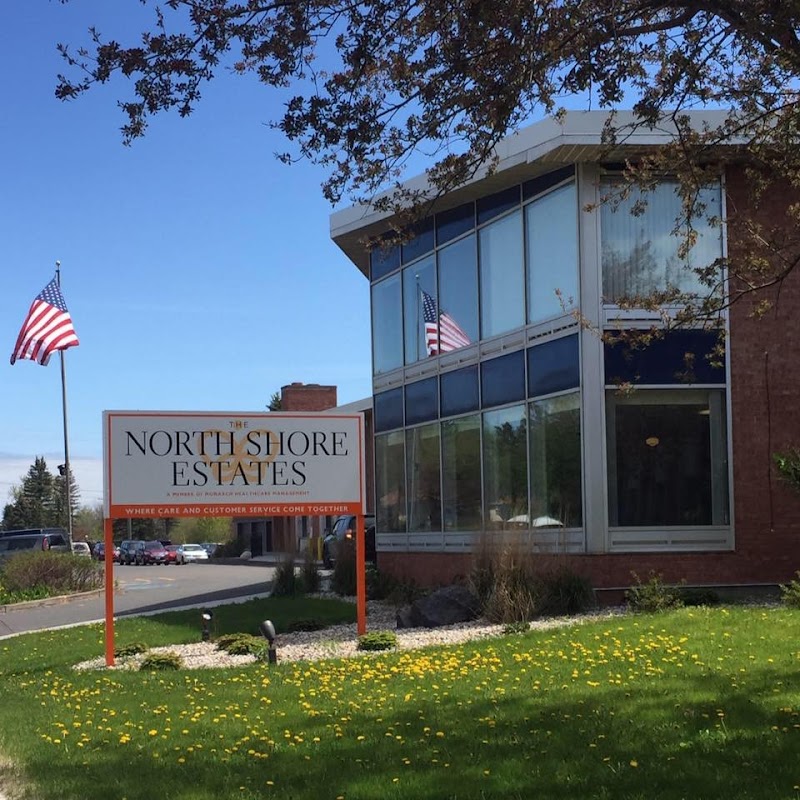
The North Shore Estates Llc is owned by a for-profit company. For-profit facilities operate as businesses with obligations to shareholders or private owners. The facility is operated by MONARCH HEALTHCARE MANAGEMENT, a chain that manages multiple nursing homes. With 70 certified beds and approximately 62 residents (about 89% occupancy), it is a smaller facility located in DULUTH, Minnesota.

How Does The North Shore Estates Llc Compare to Other Minnesota Nursing Homes?

Compared to the 100 nursing homes in Minnesota, The North Shore Estates Llc's overall rating (2 stars) is below the state average of 3.2, staff turnover (31%) is significantly lower than the state average of 46%, and health inspection rating (3 stars) is at the national benchmark.

What Should Families Ask When Visiting The North Shore Estates Llc?

Based on this facility's data, families visiting should ask: "Can I visit during a mealtime to observe dining assistance and food quality?" "How do you handle medical emergencies, and what is your hospital transfer rate?" "Can I speak with family members of current residents about their experience?"

Is The North Shore Estates Llc Safe?

Based on CMS inspection data, The North Shore Estates Llc has a clean safety record: no substantiated abuse findings (meaning no confirmed cases of resident harm), no Immediate Jeopardy citations (the most serious violation level indicating risk of serious injury or death), and is not on the Special Focus Facility watch list (a federal program monitoring the lowest-performing 1% of nursing homes). The facility has a 2-star overall rating and ranks #100 of 100 nursing homes in Minnesota. While no facility is perfect, families should still ask about staff-to-resident ratios and recent inspection results during their visit.

Do Nurses at The North Shore Estates Llc Stick Around?

The North Shore Estates Llc has a staff turnover rate of 31%, which is about average for Minnesota nursing homes (state average: 46%). Moderate turnover is common in nursing homes, but families should still ask about staff tenure and how the facility maintains care continuity when employees leave.

Was The North Shore Estates Llc Ever Fined?

The North Shore Estates Llc has been fined $38,242 across 1 penalty action. The Minnesota average is $33,461. While any fine indicates a compliance issue, fines under $50,000 are relatively common and typically reflect isolated problems that were subsequently corrected. Families should ask what specific issues led to these fines and confirm they've been resolved.

Is The North Shore Estates Llc on Any Federal Watch List?

The North Shore Estates Llc is not on any federal watch list. The most significant is the Special Focus Facility (SFF) program, which identifies the bottom 1% of nursing homes nationally based on persistent, serious quality problems. Not being on this list means the facility has avoided the pattern of deficiencies that triggers enhanced federal oversight. This is a positive indicator, though families should still review the facility's inspection history directly.