VIEWCREST HEALTH CENTER
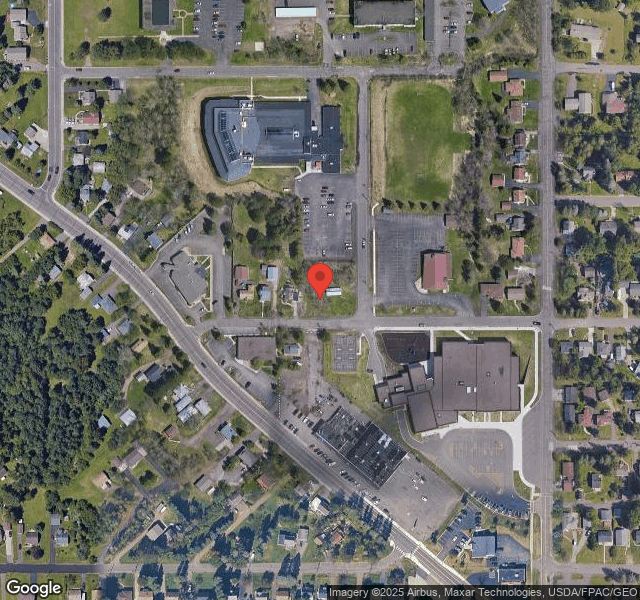

3111 CHURCH STREET, DULUTH, MN 55811 (218) 727-8801
Non profit - Church related 88 Beds ST. FRANCIS HEALTH SERVICES Data: November 2025 2 Immediate Jeopardy citations
Trust Grade
21/100
#213 of 337 in MN
Last Inspection: August 2025

Inspected within the last 6 months. Data reflects current conditions.

Overview

Viewcrest Health Center in Duluth, Minnesota, has received a Trust Grade of F, indicating significant concerns about the quality of care provided. Ranking #213 out of 337 facilities in the state places it in the bottom half, and #8 out of 17 in St. Louis County means only seven local options are better. The facility shows an improving trend, with reported issues reducing from eight in 2024 to just one in 2025, but serious incidents still raise alarms. Staffing is a relative strength with a rating of 4 out of 5 stars, although turnover is at 51%, which is average for the area. However, the facility has incurred $60,781 in fines, which is concerning and higher than 88% of Minnesota facilities, suggesting ongoing compliance problems. Notably, a critical incident involved a resident falling from a mechanical lift due to improper sling usage, resulting in a head injury, and another incident led to a severe heart condition after medications were misadministered. While improvements are being made, families should weigh these strengths and weaknesses carefully when considering this nursing home.

Trust Score
F
21/100
In Minnesota
#213/337
Bottom 37%
Safety Record
High Risk
Review needed
Inspections
Getting Better
8 → 1 violations
Staff Stability
⚠ Watch
51% turnover. Above average. Higher turnover means staff may not know residents' routines.
Penalties
○ Average
$60,781 in fines. Higher than 51% of Minnesota facilities. Some compliance issues.
Skilled Nurses
✓ Good
Each resident gets 55 minutes of Registered Nurse (RN) attention daily — more than average for Minnesota. RNs are trained to catch health problems early.
Violations
⚠ Watch
24 deficiencies on record. Higher than average. Multiple issues found across inspections.
★★★☆☆
3.0
Overall Rating
★★★★☆
4.0
Staff Levels
★★★☆☆
3.0
Care Quality
★★★☆☆
3.0
Inspection Score
Stable
2024: 8 issues
2025: 1 issues

The Good

  • 4-Star Staffing Rating · Above-average nurse staffing levels
  • Full Sprinkler Coverage · Fire safety systems throughout facility
  • No fines on record

Facility shows strength in staffing levels, fire safety.

The Bad

3-Star Overall Rating

Near Minnesota average (3.2)

Meets federal standards, typical of most facilities

Staff Turnover: 51%

Near Minnesota avg (46%)

Higher turnover may affect care consistency

Federal Fines: $60,781

Above median ($33,413)

Moderate penalties - review what triggered them

Chain: ST. FRANCIS HEALTH SERVICES

Part of a multi-facility chain

Ask about local staffing decisions and management

The Ugly 24 deficiencies on record

2 life-threatening 1 actual harm
Mar 2025 1 deficiency 1 IJ
CRITICAL (J) 📢 Someone Reported This

A family member, employee, or ombudsman was alarmed enough to file a formal complaint

Immediate Jeopardy (IJ) - the most serious Medicare violation

Accident Prevention (Tag F0689)

Someone could have died · This affected 1 resident

**NOTE- TERMS IN BRACKETS HAVE BEEN EDITED TO PROTECT CONFIDENTIALITY** Based on interview and document review, the facility failed to follow manufacturer's recommendation on EZ Way sling usage, facil...

Read full inspector narrative →
**NOTE- TERMS IN BRACKETS HAVE BEEN EDITED TO PROTECT CONFIDENTIALITY** Based on interview and document review, the facility failed to follow manufacturer's recommendation on EZ Way sling usage, facility policy, and transfer care plan for 1 of 3 (R1) residents reviewed for mechanical lift transfers. Additionally, the facility lacked a system to assess and document appropriate resident sling size. R1 fell out of the sling, sustained a laceration to the back of her head and was sent to the Emergency Department (ED). The IJ began on 3/13/25 at 11:00 p.m., when R1 fell from a mechanical lift causing a laceration to her head and the liklihood for potnetial serious harm. The administrator and director of nursing (DON) were informed of the IJ on 3/21/25 at 10:30 a.m. The facility had implemented corrective action on 3/14/25, prior to the start of the survey, and was therefore past noncompliance. Findings include: R1's Face Sheet dated 2/4/25, indicated R1 had cerebral palsy, abnormal posture, functional quadriplegia, and scoliosis. R1's annual minimum data set (MDS) dated [DATE], indicated R1 was cognitively intact, needed extensive assistance with two people for transfers. R1's care plan dated 2/26/25, indicated R1 needed a mechanical lift with two staff assistance for transfers. R1 used a size small sling. R1's weight on 3/12/25, was 115.5 lbs. R1's medical record did not have evidence that a sling assessment had been completed. R1's encounter summary dated 3/14/25, indicated R1 fell roughly 4-5 feet. R1 had a contusion noted to the lower back of head. R1's progress note dated 3/14/25 at 8:33 a.m., written by registered nurse (RN) -B indicated R1 was being transfers with an EZ Way smart lift from her wheelchair to her bed. R1 had an inappropriate sling on and was transferred with assist of one staff instead of two staff. R1 had laceration to the back of R1s head and was sent to the ED. During an interview on 3/20/25 at 9:35 a.m., R1 stated nursing assistant (NA)-A was transferring her with the EZ Way smart lift from her wheelchair to her bed and R1 slid out of the sling when it was in the air and hit her back and head on the floor. R1 stated NA-A was the only staff in the room. During an interview on 3/20/25 at 12:24 p.m., NA-A stated on 3/13/25 at around 11:00 p.m., NA-A transferred R1 by herself with a green sling. NA-A was not aware the sling was not appropriate or that two staff were needed to assist with an EZ Way smart lift. NA-A placed the sling on R1 correctly and attached the sling correctly to the lift. NA-A lifted R1 into the air and she started to move the EZ Way lift towards R1's bed when R1 started to slide out of the opening where R1's buttocks were. NA-A left R1 and ran to get help as R1 was falling out of the sling. When NA-A got back to the room R1 was on the floor bleeding from her head. NA-A stated she asked other nursing assistants how R1 transfers but did not look at the care plan. NA-A also indicated that she received safe-transfer training but denied knowing she should have transferred R1 with two people. During an interview on 3/20/25 at 12:42 p.m., RN- A stated on 3/13/25 around 11:40 p.m., NA-A came running down the hall stating R1 was falling out of her sling. RN-A stated she went to R1's room and found her on the floor bleeding for her head. RN-A stated the sling was green in color and straps were still attached to the lift correctly but R1 was no longer in the sling. RN-A indicated she was unsure if that's how the straps were attached at the time of the fall. During an interview on 3/20/25 at 1:14 p.m., EZ Way representative stated EZ Way had never made a completely green sling for any lifts. EZ Way lifts should have only been used with EZ Way brand slings as no other brand would have been safe to use. During an interview on 3/20/25 at 1:54 p.m., certified nurse practitioner (CNP)-A stated she would have excepted the facility staff to have followed the policies and care plans put in place for R1. During an interview on 3/20/25 at 2:06 p.m., the director or nursing (DON) stated the green sling used on R1 was not an EZ Way brand and should not have been used and R1 should have been transferred per policy and care plan with two staff. DON further stated on 3/21/25 at 8:01 a.m., since her time at the facility, starting in May of 2023, the facility has not had a process for assessing appropriate sling type and size until following R1's incident on 3/13/25. During an interview on 3/21/25 at 8:36 a.m., RN-B stated a week and a half ago RN-B started overseeing R1's care at the facility. RN-B stated she was not sure why R1's sling was not an EZ Way brand and was unaware of the sling issue until R1 had fallen. The only slings that should've been used were EZ Way brand slings. During an interview on 3/21/25 at 9:14 a.m., medical director (MD)-A stated he would have expected the facility staff to follow facility policy and manufactures instructions for EZ Way products. EZ Way Smart Life Operator's Instructions revised 6/13/2011, indicated EZ Way slings were made specifically for EZ Way Smart Lifts. For the safety of the patient and the caregiver, only EZ Way slings should be used with EZ Way lifts. EZ Way Sling Sizing Chart undated, indicated a small sling should've been used for residents who weighed 70 to 100 pounds. Residents who weighed 90-220 pounds should've use a medium sling. R1's recorded weight at the time of the incident was 115.5lbs. Mechanical Lift Policy revised 9/11/23, indicated two staff would assist with all full body mechanical lift transfers, nursing and therapy staff would assess residents' needs for transfer assistance on an on going basis, and the mechanical lift assessment would identify the type and size of sling to use. The past noncompliance immediate jeopardy began on 3/13/25. The immediate jeopardy was removed, and the deficient practice was corrected by 3/14/25, after the facility implemented a systemic plan that included the following actions: Reviewed their policies on use of mechanical lifts, including the assessment and size of the slings. The facility has re-assessed all residents who utilize a mechanical lift to ensure they have the proper brand and size sling. Resident care plans had been updated. Sling assessments would be completed at least quarterly and with significant change. Non EZ Way brand slings had been removed from the facility so that they were not inadvertently used. The facility has re-educated all staff who use the mechanical lift on the policy and procedure and did competency testing. The facility completed audits three times weekly observing staff transferring residents with mechanical lifts results will then be brought to QAPI committee. Verification of corrective action was confirmed by observation, interview, and document review on 3/20/25 and 3/21/25.
Aug 2024 1 deficiency
CONCERN (D) 📢 Someone Reported This

A family member, employee, or ombudsman was alarmed enough to file a formal complaint

Potential for Harm - no one hurt, but risky conditions existed

Infection Control (Tag F0880)

Could have caused harm · This affected 1 resident

**NOTE- TERMS IN BRACKETS HAVE BEEN EDITED TO PROTECT CONFIDENTIALITY** Based on observation, interview and document review, the facility failed to ensure proper glove use and hand hygiene was perform...

Read full inspector narrative →
**NOTE- TERMS IN BRACKETS HAVE BEEN EDITED TO PROTECT CONFIDENTIALITY** Based on observation, interview and document review, the facility failed to ensure proper glove use and hand hygiene was performed during incontinence care and wound care for 2 of 3 residents (R3, R4) reviewed for infection control. In addition, the facility failed to use proper personal protective equipment (PPE) for 1 of 3 (R4) residents reviewed for infection control. Findings include: R3's Face Sheet dated 3/15/24 indicated R3 had orders for wound care to his left lower extremity every three days. On 8/27/24 at 1:11 p.m., registered nurse (RN)-A entered R3's room with a gown and gloves on. RN-A told R3 he was going to change the dressing on his left leg. RN-A used wound cleanser and gauze to cleanse R3's left leg which had multiple open areas. RN-A then removed his soiled gloves, and without performing hand hygiene donned clean gloves. RN-A grabbed calcium alginate (a wound dressing) and cut it to size for the wound on the top of R3's left foot, and applied it to the wound bed. RN-A repeated cutting the calcium alginate and applied to three other wounds on R3's left shin and calf area. RN-A applied zinc oxide paste (a protestant) on the skin around the wounds. RN-A removed his soiled gloves, and without performing hand hygiene, donned clean gloves. RN-A applied Alevyn dressings (a wound dressing) to all four wounds on R3's left lower leg and left foot. RN-A applied Aquaphor ointment (moisturizing ointment) to the dry areas on R3's left leg and right leg. RN-A removed his soiled gloves, and without performing hand hygiene, donned clean gloves. On 8/27/24 at 2:03 p.m., RN-A stated he was nervous, and forgot to wash his hands between glove changes. RN-A stated staff should wash their hands before removing soiled gloves and donning clean gloves. R4's quarterly Minimum Data Set (MDS) dated [DATE], indicated R4 needed extensive assistance with toilet use. R4's care plan dated 1/12/24, indicated R4 was on enhanced barrier precautions (EBP) due to chronic wounds. On 8/27/24 at 11:35 a.m., nursing assistant (NA)-A was observed entering R4's room sanitizing hands and placing on gloves. NA-A told R4 she was going to check her incontinent brief. NA-A was not wearing proper PPE which would have included a gown. NA-A removed R4's incontinent brief straps, and cleansed R4's peri-area with a washcloth and soap. NA-A assisted R4 to turn onto her right side. NA-A used toilet paper to wipe feces off of R4's buttocks. NA-A removed the soiled incontinent brief. Without changing gloves, NA-A placed a clean incontinent brief under R4. NA-A removed her soiled gloves, and without performing hand hygiene, donned clean gloves. NA-A applied the incontinent brief on R4, then removed her gloves and performed hand hygiene. On 8/27/24 at 11:54 a.m., NA-A stated she forgot to wear the right PPE when caring for R4. She should have worn a gown along with her gloves when providing cares for R4. She should have sanitized her hands after taking her gloves off, but she was nervous. On 8/29/24 at 10:35 a.m., the director of nursing (DON) stated staff were expected to follow the EBP and hand hygiene policy. On 8/29/24 at 12:18 p.m., the administrator stated staff were expected to follow the hand hygiene and EBP policy. The facility policy Hand Hygiene dated 5/8/17 directed staff will perform hand hygiene when moving from a contaminated body site to a clean body site during cares and after removing gloves. The facility policy Enhanced Barrier Precautions (EBPs) revised 6/25/24 directed staff will use EBPs for all resident with chronic wound and when performing peri care activities.
Jul 2024 5 deficiencies
CONCERN (D)

Potential for Harm - no one hurt, but risky conditions existed

Deficiency F0554 (Tag F0554)

Could have caused harm · This affected 1 resident

**NOTE- TERMS IN BRACKETS HAVE BEEN EDITED TO PROTECT CONFIDENTIALITY** Based on observation, interview, and record review the facility failed to ensure nebulized medications were administered safely ...

Read full inspector narrative →
**NOTE- TERMS IN BRACKETS HAVE BEEN EDITED TO PROTECT CONFIDENTIALITY** Based on observation, interview, and record review the facility failed to ensure nebulized medications were administered safely for 1 of 1 resident (R8) who was observed to self-administer a nebulizer and had not been assessed as safe to do so. Findings include: R8's quarterly Minimum Data Set (MDS) dated [DATE], identified intact cognition and diagnoses of spastic quadriplegic cerebral palsy (CP), asthma, chronic cough, and shortness of breath. R8 had functional limitations in range of motion of both upper extremities, needed substantial assistance with oral care, and was dependent for hygiene and transfers. R8's care plan dated 4/2/24, identified an alteration in respiratory status related to asthma and spastic CP with interventions for a nurse to administer inhalers and nebulizer's as ordered as R8 was unable to do so for herself. It further identified nursing staff to monitor lung sounds, report concerns, keep head of bed elevated when in bed, and observe for the need for oxygen. An assessment for self-administration of medication dated 1/4/24, identified R8 was unable to self-administer medication. R8's provider orders dated 9/1/22, identified orders for albuterol sulfate (a medication used to treat and prevent breathing problems) three milliliters (mL) two times daily to be administered via inhalation with a nebulizer (a machine used to directly administer medications into the lungs). During an observation on 7/10/24 at 7:30 a.m., R8 was observed in her bed with the head of bed elevated to about 45 degrees, her eyes were closed, and head was bent to the left and forward. There was a nebulizer machine running and the pipe (the mouthpiece for the medication delivery) was near the left side of her face. It could not be seen how much medication was left in the chamber of the device, if any. At 7:48 a.m., licensed practical nurse (LPN)-A was observed to go into R8's room, wake resident and remove the mouthpiece and tubing from her and set it on the table to the left of the bed and went back to the medication cart. During an interview on 7/10/24 at 1:08 p.m., R8 confirmed she uses the nebulizer two times a day and the nurse would set it up and hand it to her. During an interview on 7/10/24 at 1:12 p.m., LPN-A confirmed setting up R8's nebulizer treatment that morning. The medication administration record did not reflect an order to self-administer nebulizer treatments, which LPN-A thought she had. During an interview on 7/11/24 at 9:42 a.m., registered nurse (RN)-A confirmed the self-administration of medication assessment for R8 indicated she could not administer her own medications. During an interview on 7/11/24 at 11:01 a.m., the director of nursing (DON) stated it would be her expectation that residents who are self-administering medication would be assessed and have an order to do so. The DON further stated this was important for safety. A policy, Self-Administration of Medication by Residents dated 5/1/24, identified the purpose was to provide guidance to staff for assessing and accommodating resident's wish to self-administer their medications. All residents would be asked their preference for self-administration and an assessment would be done on those wishing to do so. An assessment would be performed based on the resident's cognitive status, physical status, and which medication to evaluate if they were clinically appropriate to self-administer medication.
CONCERN (D)

Potential for Harm - no one hurt, but risky conditions existed

Deficiency F0645 (Tag F0645)

Could have caused harm · This affected 1 resident

**NOTE- TERMS IN BRACKETS HAVE BEEN EDITED TO PROTECT CONFIDENTIALITY** Based on interview and document review, the facility failed to ensure a Level I Pre-admission Screening and Resident Review (a r...

Read full inspector narrative →
**NOTE- TERMS IN BRACKETS HAVE BEEN EDITED TO PROTECT CONFIDENTIALITY** Based on interview and document review, the facility failed to ensure a Level I Pre-admission Screening and Resident Review (a requirement to help ensure individuals are not inappropriately placed in nursing homes for long term care (PASSAR)) was completed, retained in the medical record, and readily available to ensure continuity of care with mental health needs for 1 of 1 resident's (R30) reviewed for PASARR. Findings include: R30's quarterly Minimum Data Set (MDS) dated [DATE], identified intact cognition and diagnoses of anxiety, depression, and manic depression (bipolar disease). R30's undated face sheet, received on 7/11/24, identified R30 was admitted to the facility on [DATE], and diagnoses included bipolar disorder, major depressive disorder, and panic disorder. During interview on 7/10/24 1:43 p.m., the director of social services (DSS) reviewed the document labeled PAS in R30's medical record. The PAS document dated 1/8/18, identified Senior LinkAge Line did not complete the PAS and forwarded the PAS request to a county/managed care organization for PAS processing. DSS confirmed the document did not identify if a PASSAR level 1 was completed or if a PASSAR level II was recommended. During interview on 7/10/24 at 3:15 p.m., the director of nursing (DON) stated the director of social services was responsible for the PASARR and would expect them to complete the task. A policy, Pre-admission Screening dated 3/7/22, identified the care center will ensure all individuals seeking admission will receive a Pre-admission Screening (PAS) and the PAS notice indicating he/she has been screened will be retained by the care center.
CONCERN (D)

Potential for Harm - no one hurt, but risky conditions existed

Respiratory Care (Tag F0695)

Could have caused harm · This affected 1 resident

**NOTE- TERMS IN BRACKETS HAVE BEEN EDITED TO PROTECT CONFIDENTIALITY** Based on observation, interview, and record review the facility failed to properly care for oxygen and nebulizer equipment for 1...

Read full inspector narrative →
**NOTE- TERMS IN BRACKETS HAVE BEEN EDITED TO PROTECT CONFIDENTIALITY** Based on observation, interview, and record review the facility failed to properly care for oxygen and nebulizer equipment for 1 of 2 residents (R8) reviewed for respiratory equipment to help prevent the potential for infection. Findings include: R8's quarterly Minimum Data Set (MDS) dated [DATE], identified intact cognition and diagnoses of spastic quadriplegic cerebral palsy (CP), asthma, chronic cough, and shortness of breath. R8's care plan dated 4/2/24, identified an alteration in respiratory status related to asthma and spastic CP with interventions for a nurse to administer inhalers and nebulizers as ordered as R8 was unable to do so for herself, monitor lung sounds, report concerns, keep head of bed elevated when in bed, and observe for the need for oxygen. R8's provider orders dated 9/1/22, identified orders for albuterol sulfate (a medication used to treat and prevent breathing problems) three milliliters (mL) two times daily to be administered via inhalation with a nebulizer (a machine used to directly administer medications into the lungs), oxygen via mask or cannula at one to four liters per minute (LPM) as needed, to change the nebulizer mouthpiece and tubing every week on Friday, and daily at bedtime to wash nebulizer mask, mouthpiece, and reservoir and leave out to dry overnight. The orders did not contain an order set to change the oxygen tubing, cannula, or bubbler (a bottle used for water to help humidify the oxygen). On 7/8/24 at 2:13 p.m., R8's nebulizer machine was sitting on a table near her bed with the tubing hooked up to the chamber (the piece the liquid medication is placed in), and the chamber attached to the mouthpiece. There was a small amount of clear liquid in the bottom of the chamber and clear droplets of liquid covering the upper portions of the chamber. Oxygen tubing was draped over the table and did not contain a date. R8 confirmed she used the oxygen at night and the nebulizer two times a day. On 7/10/24 at 1:08 p.m., R8 was wearing oxygen and her nebulizer machine was sitting on a table near her bed with the tubing hooked up to the chamber and mouthpiece with a small amount of clear liquid in the bottom of the chamber and clear droplets of liquid covering the upper portions of the chamber. R8 confirmed she used the nebulizer twice a day. During an interview on 7/10/24 at 1:12 p.m., LPN-A stated oxygen tubing was to be changed every Friday night for everyone, it was the same for nebulizer mouthpiece and tubing. LPN-A confirmed she did not disassemble and rinse out the nebulizer chamber and mouthpiece after R8's treatment this morning. During an interview on 7/11/24 at 9:42 a.m., RN-A stated the oxygen and nebulizer tubing, and mouthpieces were changed out weekly on the overnight shift and were to be dated when changed. RN-A also stated the nebulizer mouthpiece and chamber should be disassembled, rinsed out, and left to air dry after use. During an interview on 7/11/24 at 11:01 a.m., the director of nursing (DON) stated her expectation was for tubing to be dated when replaced weekly, and for a nebulizer mouthpiece and chamber to be taken apart and rinsed out after use. These items were important for infection control and medication safety. A document, Viewcrest Health Care Nebulizer Cleaning dated 2/15/23, identified the purpose was to provide guidelines for the cleaning of a nebulizer. After each use, disassemble the nebulizer, rinse each piece with warm water, and let air dry on a clean paper or cloth towel. Daily the pieces were to be washed with warm soapy water and let air dry on a clean paper or cloth towel. A document, Viewcrest Health Care Oxygen dated 9/23/23, identified oxygen tubing and cannula would be replaced and marked with the date weekly.
CONCERN (E)

Potential for Harm - no one hurt, but risky conditions existed

Food Safety (Tag F0812)

Could have caused harm · This affected multiple residents

Based on observation, interview, and document review, the facility failed to ensure cold beverage items were stored at temperature to prevent foodborne illness. This had the potential to affect 16 out...

Read full inspector narrative →
Based on observation, interview, and document review, the facility failed to ensure cold beverage items were stored at temperature to prevent foodborne illness. This had the potential to affect 16 out of 94 residents who were served beverages from the dining room beverage cart. Findings Include: On 7/10/24 at 7:28 a.m., dietary aid (AD)-A was preparing five cold beverage carts. Each cart had a bin on the top shelf which contained half gallon containers of assorted milk and juice. One of the five carts also contained milk and juice containers on the second shelf which was not in a bin. Ice was added to all 5 bins containing milk and juice and no ice or other cooling source was applied to the milk or juice on the cart which contained milk and juice on the second shelf. Items on the second shelf included following: -opened whole milk -opened and unopened 2% milk -unopened chocolate milk -opened and unopened almond milk -opened cranberry, pineapple, prune, and orange juice Each juice container stated to refrigerate after opening. On 7/10/24 08:05 a.m., the beverage cart was brought to the dining room. All 16 residents in the dining room received milk or juice from the beverage cart. All milk or juice served to the resident's during meal service was held on ice. On 7/10/24 at 8:49 a.m., meal service concluded. DA-A removed the beverage cart from the dining room and returned it to the kitchen. During interview on 7/10/24 at 8:50 a.m., DA-A stated she was planning to return the beverage cart items to the refrigerator so they could be served tomorrow. DA-A stated she always stocked the second shelf of the dining room beverage cart with extra beverages and these extra beverages are never held on ice. DA-A did not express any awareness of the hazards related to this practice. On 7/10/24 at 8:51 a.m., dietary manager (DM) obtained the temperatures of the beverage items stored on the second shelf of the dining room beverage cart. The temperatures ranged from 48 to 54 degrees Fahrenheit (F). DM stated it was not safe to serve these items and threw each item away. DM stated she has educated staff on the importance of keeping cold beverages ice and plans to re-educate staff. During interview on 7/11/24 at 8:27 a.m., the administrator stated having the expectation cold beverages were stored and served at safe temperatures. This was important to prevent the risk of illness. A facility policy, Food Temperature dated 7/9/11, identified all cold items must be served at a temperature of 40 degrees F or below. The United States Food and Drug Administration (FDA) Food Code dated 2022, identified milk as a temperature control for safety food and foods requiring refrigeration should be maintained at or below 41 degrees F to prevent foodborne illness.
CONCERN (F)

Potential for Harm - no one hurt, but risky conditions existed

Deficiency F0809 (Tag F0809)

Could have caused harm · This affected most or all residents

Based on interview and document review, the facility failed to consistently offer and provide a nutrient and/or calorie substantive snack after the dinner meal and before bedtime, leaving 15 hours bet...

Read full inspector narrative →
Based on interview and document review, the facility failed to consistently offer and provide a nutrient and/or calorie substantive snack after the dinner meal and before bedtime, leaving 15 hours between the evening and morning meals. This had the potential to affect 93 out of 94 residents who take in sustenance orally. Findings include: During interview on 7/08/24 at 5:19 p.m., R47 stated it has been months since a snack was offered after the dinner meal and before bedtime. R47's quarterly Minimum Data Set (MDS) date 4/16/24, identified intact cognition and a diagnosis of diabetes mellitus. During interview on 7/08/24 at 12:14 p.m., dietary manager (DM) stated mealtimes are 7:30 a.m., 11:30 a.m., and 4:30 p.m. with snacks offered at 2:30 p.m. (siesta snack pass) and 7:30 p.m. (bedtime snack pass). Snack carts are prepared and delivered to the units by kitchen staff. Kitchen staff complete the 2:30 p.m. snack pass and nursing staff complete the 7:30 p.m. snack pass. DM used a snack sheet log to ensure each resident was offered a snack twice a day. During interview on 7/09/24 at 3:05 p.m., nursing assistant (NA)-A confirmed working afternoon's on R47's unit. NA-A stated kitchen staff do not deliver a snack cart to the unit in the evenings and a bedtime snack pass never occurs. During interview on 7/09/24 at 3:17 p.m., NA-B confirmed working afternoons on a unit other than R47's unit. NA-B stated a bedtime snack pass sometimes occurred on this unit. If snacks were distributed/offered, it would be by kitchen staff, not nursing staff. During interview on 7/09/24 at 3:23 p.m., NA-C confirmed working afternoons on a unit other than R47's and NA-B's unit. NA-C stated kitchen staff will sometimes provide a snack cart in the evenings. A bedtime snack was not offered to each resident. The snack cart remained next to the nurse's station and if a resident wanted a snack, they would have to ask for one. During interview on 7/10/24 at 1:38 p.m., the director of nursing (DON) explained a bedtime snack pass was required at the facility because there was too many hours between dinner and breakfast. The DON stated it would be her expectation kitchen staff deliver an evening snack cart to each unit and nursing staff brought the cart room to room, offering a snack to each resident. DON stated it was important to offer a bedtime snack for medical and quality of care purposes. During interview on 7/11/24 at 8:29 a.m., the administrator stated having the expectation a bedtime snack was offered to each resident every evening. A bedtime snack was important for medical and quality of care purposes. June and July 2024 snack sheet logs were requested, but not provided. The last documented snack pass occurred on May 4th, 2024. A policy, Weight Monitoring Program dated 1/18/21, identified the care center will ensure there are no more than 14 hours between a substantial evening meal/snack and breakfast the following day, expect when a nourishing snack is served at bedtime.
May 2024 1 deficiency 1 IJ
CRITICAL (J) 📢 Someone Reported This

A family member, employee, or ombudsman was alarmed enough to file a formal complaint

Immediate Jeopardy (IJ) - the most serious Medicare violation

Deficiency F0760 (Tag F0760)

Someone could have died · This affected 1 resident

**NOTE- TERMS IN BRACKETS HAVE BEEN EDITED TO PROTECT CONFIDENTIALITY** Based on interview and document review, the facility failed follow medication administration policy for 1 of 3 residents (R1) re...

Read full inspector narrative →
**NOTE- TERMS IN BRACKETS HAVE BEEN EDITED TO PROTECT CONFIDENTIALITY** Based on interview and document review, the facility failed follow medication administration policy for 1 of 3 residents (R1) reviewed for medication errors. This resulted in an immediate jeopardy (IJ) for R1 when LPN-B administered R2's medications to R1, which resulted in severe bradycardia (slower than normal heart rate) for R1 leading to hospitalization and a surgical intervention of a temporary pacemaker (a small, battery-powered device that prevents the heart from beating too slowly). The facility implemented corrective action prior to the investigation so the deficiency was issued at Past Noncompliance. The IJ began on 5/7/24, when the facility failed follow medication administration policy when LPN-B administered R2's medications to R1, which resulted in severe bradycardia leading to hospitalization and a surgical intervention of a temporary pacemaker. R1 had previously received her a.m. medications and received all of R2's a.m. medications. The facility had implemented corrective action to prevent recurrence by 5/10/24, prior to the start of the survey and was therefore Past Noncompliance. Findings included: R1's Face Sheet printed 5/14/24 indicated R1's diagnoses included longstanding persistent atrial fibrillation (irregular heart beat), history of transient ischemic attack (blockage of blood flow to the brain), and cerebral infarction (stroke). R1's quarterly Minimum Data Set (MDS) dated [DATE], indicated R1 was cognitively intact. On 5/7/24, a progress note indicated at approximately 10:00 a.m. R1 was administered her roommate's (R2) prescribed medications. The note indicated licensed practical nurse (LPN)-A had dispensed R2's medications and gave them to LPN-B with instructions to go down the hall, take a left and then a right and go into the shared room. LPN-B then gave R1 R2's a.m. medications which included diltiazem (lowers blood pressure), metoprolol (anti- hypertensive- beta blocker), Cardizem (anti-hypertensive), allopurinol (gout), Cymbalta (antidepressant), doxycycline (antibiotic), famotidine (anti-indigestion), Keppra (anti-seizure), metformin (lowers blood sugar), Wellbutrin (anti-depressant), aspirin (blood thinner), methanamine (treats recurrent urinary tract infections), iron, and gabapentin (anti-seizure). At the time of the medication error, nurse practitioner (NP)-A was in the facility. Nursing staff informed her of the medication error, she completed a bedside assessment on R1, and ordered R1 be sent to the hospital to be monitored. R1's hospital record dated 5/7/24, indicated R1 arrived via ambulance to the emergency department (ED) after she was inadvertently administered another patient's medications which included a beta blocker and calcium channel blocker. R1's hospital admission diagnoses included accidental overdose, drug induced bradycardia, and atrial fibrillation with slow ventricle response. On 5/8/24, a progress note indicated R1 received a temporary pacemaker which was placed on 5/8/24, at approximately 7:00 p.m. On 5/13/24, at 2:19 p.m. LPN-B stated she was still in her orientation phase on 5/7/24. LPN-A had handed her a medication cup full of medications, and instructed her to go down the hall, take a left and then a right and go into R1 and R2's shared room. She stated she was not given the name of the resident, nor was she shown a picture of the resident. LPN-B stated when she returned to the medication cart, she saw a picture of R2 and told LPN-A she had given the medications to R1, and not R2. On 5/13/24, at 2:52 p.m. registered nurse (RN)-A stated to ensure the resident is receiving the correctly prescribed medications there was a picture of each resident on the medication administration record, along with the room and bed number. She stated the nurse administering medications was to ask the resident's name, and if they were not sure they should ask another staff member prior to administering any medications. The nurse who dispensed medications should be the one who administered the medications. This had not occurred, and led to a medication error in which R1 received multiple incorrect medications, resulting in R1 being sent to the emergency department on 5/7/24, requiring a temporary pacemaker. R1 remained hospitalized . On 5/13/24, at 3:12 p.m. the director of nursing (DON) verified the facility medication administration policy had not been followed. This resulted in a significant medication error in which R1 was hospitalized . After the medication error involving R1 was identified, leadership had added the medication administration policy to be included in the staff meeting scheduled for the afternoon of 5/7/24. The facility also sent out a facility wide text requiring all staff who administer medication to complete computer-based education related to medication administration. The facility also performed medication administration audits. On 5/14/24, at 8:31 a.m. LPN-A verified she had dispensed the medications for R2, handed LPN-B the medications, and instructed LPN-B to go down the hall, take a left and then a right, and go into R1 and R2's shared room. She stated she did not show LPN-B a picture of R2, nor had she given LPN-A the name of the resident. She verified proper procedure for medication administration had not been followed, which led to the medication error. She further verifed she had given R1 all of her prescribed morning medications which included Eloquis (blood thinner), iron, folic acid. Fosamax, gabapentin (anti-seizure), Keppra (anti- seizure), Norvasc (anti-hypertensive), and pantoprazole (anti-indigestion). On 5/13/24, at 1:17 p.m. the hospital cardiology physician assistant (PA)-C stated receiving diltiazem and metoprolol led to R1's to severe bradycardia, resulting in placement of a temporary pacemaker. R1 remained hospitalized . On 5/14/24, at 8:50 a.m. the pharmacist consultant (P)-A stated nurses who are dispensing mediations should verify they are giving the medication to the correct resident. He stated only the nurse who dispensed the medications should be administering medications to ensure the resident is receiving the correct mediations. On 5/14/24, at 10:55 a.m. the medical director (MD)-A stated he had been made aware of the medication error. He stated nursing staff should follow the policy and procedure which included verifying the correct resident to ensure residents are receiving the correct medications prior to administering any medication. The facility's Medication Administration policy dated 8/7/23 directed the facility will ensure all medications will be administered safely according to current standards of practice and regulatory requirements. The policy further directed staff will approach and identify the resident by the eMAR (electronic medication administration record) photograph or if still in doubt, question the identification of a resident with another staff member. The facility document titled The Six Rights of Medication Administration undated, directed staff as follows: 1. Right Individual 2. Right Drug 3. Right Dose 4. Right Time 5. Right Route 6. Right Documentation The facility implemented corrective action to prevent recurrence by 5/10/24. The facility provided education to all staff members responsible for medication administration, which included administration of medications and ensuring the 6 rights of medication administration was being followed. The facility also completed medication administration audits. The corrective actions were verified by observation, interview with staff, audit review and policy review.
Feb 2024 1 deficiency 1 Harm
SERIOUS (G) 📢 Someone Reported This

A family member, employee, or ombudsman was alarmed enough to file a formal complaint

Actual Harm - a resident was hurt due to facility failures

Accident Prevention (Tag F0689)

A resident was harmed · This affected 1 resident

**NOTE- TERMS IN BRACKETS HAVE BEEN EDITED TO PROTECT CONFIDENTIALITY** Based on observation, interview, and document review, the facility failed to ensure the care plan was followed to prevent and/or...

Read full inspector narrative →
**NOTE- TERMS IN BRACKETS HAVE BEEN EDITED TO PROTECT CONFIDENTIALITY** Based on observation, interview, and document review, the facility failed to ensure the care plan was followed to prevent and/or reduce the risk of burns from hot liquid for 1 of 3 residents (R1) reviewed for accidents. This resulted in actual harm for R1 who sustained three 2nd degree burns (damage to outer and second layers of skin) to both thighs. This deficient practice is being cited at past non-compliance related to corrective action taken prior to survey to ensure use of assistive devices/adaptive equipment when dining. Findings include: R1's quarterly Minimum Data Set (MDS) dated [DATE], indicated R1 had indicated R1 had Alzheimer's disease, dementia, and severe stage of open angle glaucoma to bilateral eyes. R1 was cognitively intact and needed supervision with eating. R1's care plan revised 6/9/23 indicated R1 needed sippy cups with screw tops to prevent spills. R1's Covered Cup assessment dated [DATE], indicated R1 needed covered mugs for hot liquids due to spilling. R1's meal ticket dated 2/13/24 indicated R1 needed two sippy cups with lids. R1's Recommended Plan of Treatment dated 2/9/24 indicated R1 had second degree burns on her left and right thigh/groin areas. Left medial thigh measured 3 centimeters (cm) x 3cm x 1cm with partial thickness skin loss involving epidermis (outer layer of skin) and/or dermis (middle layer of skin). Left and right groin areas had no measurements, with partial thickness skin loss involving epidermis and/or dermis. On 2/13/24 at 12:45 p.m., cook (C)-A stated on 2/9/24 dietary aide (DA)-A had given R1 hot coffee or tea without a lid. C-A stated he told DA-A she should have looked at the meal ticket for R1 to see what assistive devices were required for R1, prior to giving R1 liquids. C-A stated the water temperature on the hot water machine was 205 degrees Fahrenheit (F) according to the machine reader. C-A stated the facility was unable to regulate the temperature of the machine. C-A stated they started taking temperatures of the hot liquids on the morning of 2/13/24. On 2/13/24 at 1:09 p.m., nursing assistant (NA)-A stated R1 needed sippy cups with lids for a long time because she had gotten burned in the past. NA-A stated on each resident's meal ticket would indicate if a resident needed assistive devices for meals. On 2/13/24 at 3:48 p.m., R1 stated her hot tea didn't have a lid on it and it fell in her lap. R1 stated she screamed for her parents as it hurt a lot on her legs. On 2/13/24 at 4:13 p.m., the director of nursing (DON) stated the facility did not have any prior audits of hot liquid temperatures or completed hot liquid assessments prior to the current ones being completed. On 2/14/24 at 8:46 a.m., C-B stated they did not take temperatures of any hot liquids until recently. On 2/14/24 at 9:56 a.m., licensed practical nurse (LPN)-A was observed to complete a dressing change on R1's burns. R1's left medial thigh burn measured 4cm x 2.7cm, her left groin burn measured 8.5cm x 2.7cm, and her right inner thigh burn measured 7.4cm x 2.7cm. All burns had beefy red wound bases with scant sanguineous drainage (red blood and clear yellow liquid). On 2/14/24 at 11:08 a.m., R1's nurse practitioner (NP)-A stated if the facility staff would have followed the care plan, R1 would not have received the burns to her legs. On 2/14/24 at 12:11 p.m., the DON stated staff were to ensure hot liquids were safe to serve by following the policy. The DON stated staff should provide assistive devices as care planned. The DON stated if the staff member would have followed the care plan, R1 would not have been burned. On 2/14/24 at 12:16 p.m., the administrator stated staff were expected to follow the care plan and facility policy when it comes to assistive devices. The administrator stated R1's care plan was not followed. The facility policy Hot Beverage Serving Temperatures reviewed 6/5/23 directed hot beverages will be served at temperatures between 130 degrees Fahrenheit and 150 degrees Fahrenheit. Residents who are unable to handle hot beverage cups will be assessed for appropriate adaptive beverage container to maintain independence and safety. Dietary staff will perform monthly temperature audits to maintain policy compliance. The facility implemented a systemic plan that included the following actions: All staff were reeducated on the Hot Beverage Serving Temperatures policy, and on assistive devices/adaptive equipment per care plans on 2/12/24. Kitchen staff were educated on temping hot liquids prior to serving on 2/9/24. The policy on hot liquids was reviewed with the dietary manger on 2/9/24. Verbal notice was provided to DA-A on 2/9/24. Automatic hot water dispensers were decreased to 190 degrees Fahrenheit on 2/12/24. Audits were completed on all resident care plans for accident prevention on 2/13/24. Audits for correct assistive devices and temps of hot liquids was completed on 2/13/24. All resident's hot liquid assessment started on 2/9/24 and were completed on 2/14/24. This was verified through observation, interview, and document review on 2/13/24 through 2/14/24.
Sept 2023 15 deficiencies
CONCERN (D)

Potential for Harm - no one hurt, but risky conditions existed

Safe Environment (Tag F0584)

Could have caused harm · This affected 1 resident

Based on observation, interview and document review, the facility failed to ensure the facility provided a home like environment for 1 of 1 residents (R47) reviewed for home like environment. Finding...

Read full inspector narrative →
Based on observation, interview and document review, the facility failed to ensure the facility provided a home like environment for 1 of 1 residents (R47) reviewed for home like environment. Findings include: During an observation on 9/18/23 at 8:17 a.m., R47 was laying on a bare mattress on her bed. The bed was unplugged and in a low position. During an observation on 9/19/23 at 2:42 p.m., R47 was laying across the foot of the bed and the bed had a flat sheet and incontinence pad and there was not pillow or blanket. The room contained two chairs, and an end table and a call light cord hanging from the wall. There was a stuffed animal on the bed and several others on the floor next to the bed. R47's room lacked any personal clothing or items and the bathroom room was locked. During an interview on 9/19/23 at 3:20 p.m., RN-A identified R47 was at the facility for six months. The facility was concerned about hoarding, but R47 had a history of eating things like incontinence briefs and gloves, the facility did not keep things in R47's room. RN-A didn't know why R47 did not have a pillow or a blanket in her room, as many things were put in to place before RN-A started at the facility. On 9/20/23 at 9:02 a.m., nursing assistant (NA)-J assisted R47 with cares. NA-J explained R47 did not have personal care items or clothes in her room because if she did, R47 would put everything in the toilet and flood the room. NA-J indicated R47's clothes were kept in the laundry room and all of her personal care items were kept in the tub room bathroom they used for R47. During an interview on 9/20/23 at 3:15 p.m. regiatered nurse (RN)-A confirmed R47's room was very sparse and identified all items were removed from her room based on her past behaviors and safety needs, even though R10 did not have any currently identfied behaviors. During an interview on 9/21/23 at 9:14 a.m., NA-K stated R47's clothing had been kept in the laundry room for at least a year or more. When R47's needed clothes, they get them from the laundry room. NA-K stated it was not in her scope to determine if R47's room was homelike. During an interview on 9/21/23 at 12:38 p.m. the director of nursing (DON) acknowledged that R47 did not have much of a home like environment and identified an attempt had been made to put some decorative paper items in her room but they were removed. The facility Person Centered Care Planning policy dated 3/7/22, identified the care plan should allow for resident choice, honor home like environment, enhance dignity, allow for treatment refusal, and help support achievement of highest practicable level of well-being for the resident.
CONCERN (D)

Potential for Harm - no one hurt, but risky conditions existed

Deficiency F0657 (Tag F0657)

Could have caused harm · This affected 1 resident

**NOTE- TERMS IN BRACKETS HAVE BEEN EDITED TO PROTECT CONFIDENTIALITY** R61's quarterly Minimum Data Set (MDS) dated [DATE], indicated R61 had moderate cognitive impairment, was an extensive assist of...

Read full inspector narrative →
**NOTE- TERMS IN BRACKETS HAVE BEEN EDITED TO PROTECT CONFIDENTIALITY** R61's quarterly Minimum Data Set (MDS) dated [DATE], indicated R61 had moderate cognitive impairment, was an extensive assist of one staff member for bed mobility and was on hospice services. Diagnoses included coronary artery disease, dementia, and cancer. R61's undated care plan identified R61 was independent with bed mobility which included turning and repositioning. During an interview on 9/20/23 at 9:56 a.m., nurse assistant (NA)-B stated R61 was unable to reposition himself and new staff would not be aware based on the care plan. During an interview on 9/21/23 at 10:14 a.m., registered nurse (RN)-C stated once the MDS nurse performed the assessments they would email RN-C to update the care plan if needed. RN-C never received an email to let them know to update the care plan. During an interview on 9/21/23 at 10:30 a.m., the MDS assistant (MDSA) stated the MDS coordinator would complete the resident MDS based on observations, interviews with staff and medical record review. After the MDS was completed, the nurse manager was responsible for updating the care plan if there were any changes. MDSA stated she would send emails occasionally letting them know when the MDS assessment was completed to help but it was not a requirement. During an interview on 9/21/23 at 10:37 a.m., the DON stated it was the responsibility of the nurse manager to update the care plan based on the MDS assessment, even if the MDS did not notify them there needed to be changes. The DON stated she expected all nurse managers reviewed every resident MDS when completed to see if changes to the care plan were needed. The care plan needed to be updated to match the MDS so the staff new what needed to be done to provide the best care possible to our residents. Based on observation, interview and document review, the facility failed to ensure the care plan was revised to reflect newly assessed needs and services for 1 of 4 residents (R10) reviewed for changes in activities of daily living (ADL); 1 of 2 residents (R61) reviewed for pressure ulcers. Findings include: R10's quarterly Minimum Data Set (MDS) dated [DATE], identified R10 had severe cognitive impairment. Diagnoses included dementia, kidney disease, history of stroke and anxiety. R10 required limited assistance with bed mobility, transfers, and toileting. Ambulation and dressing did not occur. R10 was frequently incontinent of bowel and always incontinent of urine. R10's care plan dated 8/23, identified staff were to ambulate R10 daily with assist of one and a full wheeled walker. R10's care plan did not address her assessed need for assistance with bed mobility and dressing. During continuous observation on 9/20/23, from 8:20 a.m. to 11:45 a.m. R20 was observed dressed in a hospital gown lying in bed on her back. R20 did not make any attempt to turn or reposition herself during the 3 hours and 15 minute observation and no staff were observed to offer assistance with bed mobility. During subsequent observations on 9/19/23, and 9/21/23, at various times, R20 was observed lying on her back in bed, dressed in a hospital gown. During interview on 9/19/23, at 11:30 a.m. nursing assistant (NA)-G stated they offer to assist R10 to dress but she preferred to remain in a hospital gown. The staff changed the gown and bedding when needed. When interviewed on 9/19/23, at 11:45 a.m. NA-F stated she assisted R10 with her morning cares and R10 refused to dress. R10 preferred to wear her hospital gown and NA-A assisted R10 to put a fresh one on that morning. R10 did not ambulate and only stood and pivoted to the commode at bedside. R10 was able to assist staff with turning and reposition when she was prompted by grabbing onto the bed rail. During interview on 9/20/23, at 2:40 p.m. registered nurse (RN)-F stated R10's care plan did not address dressing because R10 refused to dress. RN-F confirmed bed mobility and dressing were not on the plan of care and should have been. RN-F was aware R10 had not ambulated in over a year as she frequently refused. R10's family member (FM)-F wanted to keep her on the ambulation restorative program, despite her constant refusals. RN-F was responsible to update the care plan and R10's care plan should have been updated as a result of the changes that had occurred with her MDS assessments. Part of the problem was the facility had recently changed their care plan program from one system to another, and he was still struggling with learning the new system. When interviewed on 9/21/23, at 1:30 p.m. the director of nursing (DON) stated R10's care plan should have been revised to reflect R10's increased care needs. The care plan needed to reflect that R10 refused to dress and preferred to remain in a hospital gown, as she still needed assistance to change the gown daily and bed mobility should be on the care plan as well. R10's refusal to ambulate should be re-evaluated and other interventions attempted and care planned to prevent range of motion decline.
CONCERN (D)

Potential for Harm - no one hurt, but risky conditions existed

ADL Care (Tag F0677)

Could have caused harm · This affected 1 resident

**NOTE- TERMS IN BRACKETS HAVE BEEN EDITED TO PROTECT CONFIDENTIALITY** Based on observation, interview and document review, the facility failed to provide assistance with toileting for 1 of 2 residen...

Read full inspector narrative →
**NOTE- TERMS IN BRACKETS HAVE BEEN EDITED TO PROTECT CONFIDENTIALITY** Based on observation, interview and document review, the facility failed to provide assistance with toileting for 1 of 2 residents (R10) reviewed for activities of daily living and who were dependent on staff for their care. Findings include: R10's quarterly Minimum Data Set (MDS) dated [DATE], identified R10 had severe cognitive impairment, required limited assistance with toileting, and was always incontinent of bladder. R10's care plan dated 8/23, identified R10 required assistance to change her brief and provide peri cares after each incontinent episode. Interventiions included: staff to remind and assist R10 to the toilet on arising at 6:00 a.m. and every two to three hours during the day, as well as at bedtime; assist R10 to the commode every day around 9:00 a.m., and after breakfast to promote continent bowel movements. On 9/20/23, R10 was continuously observed from 8:20 a.m. until 11:30 a.m. R10 was lying in her bed with the head of her bed elevated, watching her television. R10 remained lying in her bed watching television and sleeping off and on until nursing assistant (NA)-F offered assistance to the commode and provided assistance with incontinence care at 11:45 a.m. R10's brief was saturated with a large amount of urine R10 was observed for 3 hours and 15 minutes and was not offered assistance with toileting or incontinence care during that time. On 9/20/23, at 11:45 a.m. NA-F stated she was assigned R10's care and R10 required assistance to check and change her brief and provide incontinence care. NA-F had not checked R10 since her morning cares at 6:00 a.m. and confirmed R10's brief was saturated with urine. When interviewed on 9/20/23, at 2:40 p.m. registered nurse (RN)-F stated he was not aware R10 was always incontinent of urine. R10 was care planned to be assisted to the commode every two to three hours and he would expect staff to check and change R10 or offer toileting assistance in a timely manner. During interview on 9/21/23, at 1:33 p.m. the director of nursing (DON) stated it was her expectation that residents who were incontinent of bladder and needed assistance with toileting be checked and changed every two hours and if increase in incontinence were noted, the nurse should initiate a bowel and bladder assessment. The policy Urinary Incontinence Program dated 4/16/15, indicated each resident who was incontinent would be identified, assessed, and provided appropriate care and services to prevent incontinence related complications to the extent possible.
CONCERN (D)

Potential for Harm - no one hurt, but risky conditions existed

Deficiency F0679 (Tag F0679)

Could have caused harm · This affected 1 resident

**NOTE- TERMS IN BRACKETS HAVE BEEN EDITED TO PROTECT CONFIDENTIALITY** Based on observation, interview and document review, the facility failed to provide meaningful activities for 1 of 3 residents (...

Read full inspector narrative →
**NOTE- TERMS IN BRACKETS HAVE BEEN EDITED TO PROTECT CONFIDENTIALITY** Based on observation, interview and document review, the facility failed to provide meaningful activities for 1 of 3 residents (P10) who was dependent on staff for activities. Findings include: R10's quarterly Minimum Data Set (MDS) dated [DATE], identified R10 had severe cognitive impairment and required assistance from staff for most of her activities of daily living (ADLs). R10's Activity assessment dated [DATE], identified current and past activities of fishing, bingo, knitting, watching soap operas, news, a love of animals and birds, and gardening. R10 had children and her previous occupation was office work. R10's care plan dated 8/23, identified she preferred to engage in individual activity. Interventions included 1 to 1 visits two to three times per week, arrange to transport to and from activities of her choice, document attendance and level of participation, and encourage R10 to attend activities. R10 participated in her 1 to 1 visits, occasional bingo, pastoral visits, volunteer visits, music groups and crafts. On 9/19/23 at 2:15 p.m., R10 was observed lying on her back in bed. The television in the room was on and playing a show, Special Victims Unit (SVU), which depicted the investigation of sexual crimes, the sound was muted and closed captioning was on. A music activity was being conducted in the common area down the hall from R10. On 9/19/23 at 6:30 p.m., an unidentified nursing assistant (NA) was observed cutting up R10's food on her dinner tray. NA noticed R10 was just lying in bed looking at her food, so she came in to see if she could help her. R10 was smiling and interacting with NA politely and stated thank you when NA completed her task. During continuous observation on 9/20/23 from 8:20 a.m. to 11:45 a.m., R10 was observed lying on her back in bed. The television in the room was on and playing the show SVU with sound muted and closed captioning on. During the 3 hour and 15-minute observation, one staff entered R10's room to remove her breakfast tray. No social interaction occurred. During observations on 9/20/23 from 11:45 a.m. to 3:00 p.m., R10 was lying in bed. The lights and television was on with the sound muted. There were no interactions from staff aside from required care of delivering and removing lunch tray and incontinence care. During interview on 9/20/23 at 3:00 p.m., activity director (AD)-G stated R10 did not like to come out of her room. She was able to do a couple of crafts with her and R10 loved one to one visits. AD-G had taken in an I-pad on 8/18/23, and they had looked at different animals and farming. AD-G noted television was documented on R10's activity calendar and the activity staff were more than likely doing something else with R10 and not only documenting the television was on. The activity staff did not document what occurred during the activity or the amount of time that was spent with the resident. More specific documentation for the activity aides was something AD-G was just starting to implement. A joint interview on 9/20/23 at 3:40 p.m., was conducted with activity aide (AA)-A and AA-B. AA-A stated they did not do much with R10. They would stop by R10's room and say hi and AA-A tried to talk with R10, mostly about the decorations in R10's room, but R10 did not like to do much. They could have offered her books or magazines, but the family would have to bring things like a bird book or bird feeder. AA-B stated the times AA-B tried to have one to one visits with R10, R10 was very confused and it was difficult to communicate with R10. For some residents there was just nothing you could do, especially if they were loners and did not want them to visit. They did document activities for R10 on her activity calendar. When TV was written on the calendar, it meant that R10 was watching television. R10 did not get out of bed and the times when AA-A or AA-B tried to talk with R10 they would highlight one to one visit on her activity calendar in yellow. Anything on R10's activity calendar that was highlighted in green, meant R10 was asleep when they looked in on her. R10's Activity Calendar, dated August 2023, identified R10's recorded activities for the month. It listed various daily activities that could be offered to R10, including exercise and chat, catholic mass, lunch and supper club, quarter, dime and prize bingo, crafts, pet therapy, smores outdoors, birthday party and music, dice game, movies and popcorn, evening activity, and 1 to 1 activity. The calendar identified 8 days in which R10 was observed watching television and sleeping when morning and afternoon activities were scheduled, and 31 days when R10 was observed sleeping when morning and afternoon activities were scheduled. The calendar indicated a craft was done with R10 on one day of the month. There were no further recorded offers, attempts, or completed activities, including one to one visits. R10's Activity Calendar, dated September 2023, identified R10's recorded activities for the month. It listed various activities daily that could be offered to R10, including exercise and chat, catholic mass, lunch and supper club, quarter, dime and prize bingo, crafts, pet therapy, smores outdoors, birthday party and music, dice game, movies and popcorn, evening activity and 1 to 1 activity. The calendar identified 14 days in which R10 was observed watching television and sleeping when morning and afternoon activities were scheduled, and 6 days when R10 was observed sleeping when morning and afternoon activities were scheduled. There were no recorded offers, attempts, or completed activities, including one to one visits. When interviewed on 9/21/23 at 10:20 a.m., AD-G stated the activity aides were new to the department. AD-G instructed them that one to one visits needed to take approximately ten minutes to be sure it counted. When AD-G saw TV documented on R10's calendar, she had thought one to one visits were also occurring. AD-G expected the activity aides to go into R10's room and visit with R10 and planned to re-educate the aides. During interview on 9/21/23 at 1:30 p.m., director of nursing (DON) stated if activities were care planned then the activity staff should be making attempts to try the interventions or to do something else. A facility policy on activities programming, including the assessment and care planning process was requested; however, none was received.
CONCERN (D)

Potential for Harm - no one hurt, but risky conditions existed

Quality of Care (Tag F0684)

Could have caused harm · This affected 1 resident

**NOTE- TERMS IN BRACKETS HAVE BEEN EDITED TO PROTECT CONFIDENTIALITY** Based on observation, interview, and document review, the facility failed to recognize positioning needs for 1 of 1 resident (R2...

Read full inspector narrative →
**NOTE- TERMS IN BRACKETS HAVE BEEN EDITED TO PROTECT CONFIDENTIALITY** Based on observation, interview, and document review, the facility failed to recognize positioning needs for 1 of 1 resident (R23) reviewed for positioning; and failed to implement and track a fluid restriction for 1 of 2 residents (R66) reviewed for fluid intake. Findings include: R23's annual Minimum Data Set (MDS) dated [DATE], identified diagnoses of hemiplegia and hemiparesis of left non-dominant side (weakness and loss of movement on one side of the body) due to a stroke. R23 had moderate cognitive impairment, required extensive assistance to complete transfers and self-cares, and used a wheelchair. R23's care plan dated 8/22/22, identified R23 used a Broda wheelchair (wheelchair with increased padding on right and left side that can tilt), their left arm was to be supported on an arm rest when in their wheelchair, and they required assistance with wheelchair mobility. R23's incident report dated 9/13/23, identified R23 had a bruise above their right eyebrow measuring 2 centimeters (cm) x 2 cm and R23 stated they had bumped their head on the bed rail in the night and no staff or other resident hit them. The report identified the resident frequently leans to the right and the root cause of the injury was an unpadded bed rail. The report did not address resident positioning needs or identify a referral to other services. R23's nursing progress note dated 9/14/23, identified R23 hit their head on a bed rail, and they frequently leaned to the right. During an observation on 9/19/23 at 1:35 p.m., R23 was seated in a Broda wheelchair leaning to the right, left arm was propped on a padded arm tray, blanket was in her right arm, and no cushion was visible in the wheelchair. During an observation on 9/19/23 at 5:18 p.m., R23 was in the dining room seated in a Broda wheelchair with a lift sling beneath them and was leaning strongly to the right side of their wheelchair. During an observation on 9/20/23 at 8:24 a.m., R23 was in bed eating breakfast and noticeably leaning to the right. During an observation on 9/20/23 at 9:07 a.m., R23 was in bed leaning to the right with their right arm hanging off the side of the bed. During an observation on 9/20/23 at 3:08 p.m., R23 was seated in a Broda wheelchair, no cushion observed below them, and R23's left arm was sliding off the padded arm tray due to them leaning to the right. During an interview on 9/20/23 at 2:58 p.m., occupational therapist (OT)-C stated nursing staff would identify positioning issues and would go about getting orders for therapy when necessary. OT-C identified R23 was last seen by occupational therapy in September of 2022, and at that time R23 was able to maintain midline positioning in a Broda wheelchair. R23's right sided lean would be considered a change based on the occupational therapy notes from September of 2022, and a referral would be expected. During an interview on 9/21/23 at 8:43 a.m., registered nurse (RN)-A stated R23 had occupational therapy in the past and they would now be seeking occupational therapy orders for positioning due to R23 leaning to the right. During an interview on 9/21/23 at 11:55 a.m., director of nursing (DON) stated that based on R23's positioning changes, R23 should be addressed for positioning. The initial intervention should be to get occupational therapy orders to address R23's positioning needs. R66: R66's significant change MDS dated [DATE], identified diagnoses of bipolar disorder, chronic diastolic (congestive) heart failure (CHF), and hypertension. R66 was independent with mobility and self-cares and was cognitively intact. R66's care plan dated 8/4/22, identified R66 would be offered food and drink of their preference. R66's physician orders, dated 8/4/23, identified Torsemide (used to rid of extra fluid in the body) 80 MG one time per day between 7:00 a.m. and 11:00 a.m R66's dietary progress note dated 8/10/23 identified R66 had bilateral lower extremity edema with weight fluctuations due to fluid status, CHF, and diuretic use. R66's physician orders dated 9/1/23, identified R66 was placed on a fluid restriction of less than 64 ounces of fluids per day. R66's nursing progress note dated 9/13/23, identified R66 had returned from a cardiology appointment with new orders for 60 MG Torsemide in the afternoon. R66's dietary progress note dated 9/14/23, identified R66 was unaware of her fluid restriction and had been filling her cup with ice multiple times per day. R66's physician orders dated 9/15/23, identified a new afternoon order of Torsemide 60 MG one time per day, every day at 2:00 p.m. R66's weights and vitals tracking log from September 2023, identified the first instance of fluid intake tracking for R66 on 9/19/23, of 830 milliliters (mL). after entrance by the survey team. During an observation on 9/19/23 at 5:33 p.m., R66's meal ticket identified a daily fluid restriction of 1800 cubic centimeters (cc). During an interview on 9/20/23 at 9:41 a.m., nursing assistant (NA)-C stated they were not aware of anyone on Hawk Ridge who was on fluid restrictions. If someone were to be on fluid restrictions, they would document the resident intakes in the electronic medical record. During an interview on 9/20/23 at 3:30 p.m., NA-D stated R66 was on a fluid restriction and now has a tracking sheet in her room. Fluid intake should be tracked every shift and the nurse should track it. On 9/20/23 at 3:35 p.m., R66 was observed to have a notebook with fluid intake documented on 9/19/23 and 9/20/23, with no charting prior. R66 stated her fluid intake was not tracked prior to 9/19/23. During an interview on 9/20/23 at 3:38 p.m., NA-E stated they were recently told R66 was started on a fluid restriction. During an interview on 9/21/23 at 11:08 a.m., RN-C stated that staff should be aware of how much fluid R66 should have with each meal and it would be listed on R66's meal tickets. If the total restriction was listed on the meal ticket, nursing staff should be tallying the amounts throughout their shifts. RN-C was not aware of the protocol to track fluid intakes. RN-C was out the beginning of September when the fluid restriction was ordered, and another nurse manager would have been covering their residents. Typically, a fluid restriction was ordered for someone with reduced kidney function or heart failure. If a fluid restriction was not followed, a resident could have fluid overload. All fluid restrictions should be taken very seriously and should be care planned so that nursing assistants are aware of the order. During an interview on 9/21/23 at 11:18 a.m., RN-F stated if someone were to receive an order for a fluid restriction, dietary and nursing would be expected to split the tracking. If the resident were to eat in their room, nursing would be solely responsible for tracking. During an interview on 9/21/23 at 12:03 p.m., DON stated when a resident received a new order, the health unit coordinator (HUC) was responsible for inputting the order and the nurse would then verify. This is done in electronci medical record and was typically done by the nurse on the cart but can be any done by any nurse. Nursing and dietary should be inputting fluid intakes in their charting on every shift. Nurse managers should be aware of fluid restrictions and be splitting up the orders each shift to monitor intakes. The meal ticket would be better if it were to state the total fluid intake the resident should get at each meal. If fluid restrictions are not followed, residents would be at risk of electrolyte imbalance, fluid overload, and exacerbation of heart failure. The facility Intake and Output policy dated 12/5/11, identified resident intake and output will be accurately recorded over a 24-hour period from 6 a.m. to 6 a.m. and is to be measured in cc's for intake. This may be a physician or nursing order. Nursing assistants are to record intake and output under monitoring for their shift. Each nurse if responsible for making sure the intake/output is recorded and residents on a fluid restriction will have only intake measured for each 8-hour shift. The facility Fluid Restriction policy, undated, identified the facility must provide each resident with sufficient fluid intake, based on individual needs and physician's ordered fluid restrictions, to maintain proper hydration and health. When a fluid restriction is ordered by a physician or CNP the HUC will notify the food and nutrition services director, the dietitian will visit the resident to agree on preferred beverage choices and how fluid allowance will be divided between meal. It is the responsibility of the dietitian to determine the fluid requirement. Food and nutrition will indicate on the meal ticket allotted fluids for meals and communicate this to nursing staff. The remainder of fluid will be allotted to nursing staff to provide to resident between meals and with medication administration. Large quantities of fluid should not be left at bedside. Nursing staff are to change care guides to indicate fluid restriction in files. Food and nutrition staff will document the resident fluid intake to ensure the total 24-hour period does not exceed the specified, ordered amount. Residents identified with specific physician ordered fluid restrictions or needs, will have individualized care plan including the goal of fluid intake and specific approaches to utilize, as determined by the dietitian/designee. Licensed nursing staff will evaluate intake/output weekly and communicate to the physician or nurse practitioner the resident's ongoing need and/or need to discharge fluid restriction. The dietitian/qualified designee and/or licensed nursing staff will document observations, approaches, interventions in the resident's medical record related to the resident's hydration status and update the care plan as appropriate.
CONCERN (D)

Potential for Harm - no one hurt, but risky conditions existed

Pressure Ulcer Prevention (Tag F0686)

Could have caused harm · This affected 1 resident

**NOTE- TERMS IN BRACKETS HAVE BEEN EDITED TO PROTECT CONFIDENTIALITY** R23: R23's annual MDS dated [DATE], identified a diagnoses of hemiplegia and hemiparesis of left non-dominant side (weakness and...

Read full inspector narrative →
**NOTE- TERMS IN BRACKETS HAVE BEEN EDITED TO PROTECT CONFIDENTIALITY** R23: R23's annual MDS dated [DATE], identified a diagnoses of hemiplegia and hemiparesis of left non-dominant side (weakness and loss of movement on one side of the body) due to a stroke. R23 had moderate cognitive impairment, required extensive assistance to complete transfers and self-cares, and used a wheelchair. R23 was identified to be at risk of skin breakdown with identified treatments of a pressure reducing device for their chair and bed. R23's care plan dated 8/22/22, identified R23 used a Broda wheelchair (wheelchair with increased padding on right and left side that can tilt), a pressure reducing cushion was to be used at all times, their left arm was to be supported on an arm rest when in their wheelchair, and they required assistance with wheelchair mobility. During observation on 9/19/23 at 1:35 p.m., R23 was seated in a Broda wheelchair leaning to the right, left arm was propped on a padded arm tray, blanket was in her right arm, and no cushion was visible in the wheelchair. During observation on 9/19/23 at 5:18 p.m., R23 was in the dining room seated in a Broda wheelchair with a lift sling beneath them and was leaning strongly to the right. No cushion was observed in the wheelchair. During observation on 9/20/23 at 3:08 p.m., R23 was seated in a Broda wheelchair, no cushion was observed below them, and R23's left arm was sliding off the padded arm tray due to them leaning to the right. During interview on 9/20/23 at 2:58 p.m., occupational therapist (OT)-C stated nursing staff would identify positioning issues and would go about getting orders for therapy when necessary. A Broda wheelchair can recline and tilt and was unable to determine if a pressure relieving cushion was necessary. During interview on 9/20/23 at 3:30 p.m., NA-D was not aware that R23 required a pressure relieving cushion in her wheelchair. During interview on 9/20/23 at 3:41 p.pm., NA-E was not aware R23 required a pressure relieving cushion and had not observed a cushion in R23's wheelchair, at any time, since NA-E was hired in April of 2023. During interview on 9/21/23 at 8:43 a.m., RN-A stated they were unsure as to why a pressure reducing cushion was necessary as R23 does not currently have skin breakdown. The previous nurse manager may have care planned for a pressure relieving cushion. If RN-A had time, they would review and update the care plan. RN-A identified the care plan should be reviewed for accuracy at care conferences and RN-A missed that a pressure relieving cushion was care planned, therefore R23 did not have a pressure relieving cushion in their wheelchair. During interview on 9/21/23 at 11:55 a.m., director of nursing (DON) stated all care plans should be revised and updated with any change, at quarterly assessments, annual assessments, and with a significant change. The facility policy Care Planning dated 10/23/17, indicated the nurse manager was responsible for adding interventions to the updated care plan and should communicate with staff any changes made. The policy lacked expectations in regards to staff following the care plan set in place. Based on observation, interview and document review the facility failed to implement care planned interventions for promoting the healing of pressure ulcers 2 of 2 residents (R61, R23) reviewed pressure ulcers. Findings include: R61: R61's quarterly Minimum Data Set (MDS) dated [DATE], identified R61 had moderate cognitive impairment, was at risk for developing pressure ulcers and currently had an unstageable pressure ulcer. Diagnoses included coronary artery disease, dementia, and cancer. R61's Care Area Assessment (CAA) dated 5/31/23 identified pressure ulcer was an area of care that required close monitoring and specialized care. R61's undated care plan, identified R61 was at risk for altered skin integrity related to impaired mobility with interventions of pressure reducing cushion to chair, pressure reducing mattress to bed and float heels while in bed. R61's progress notes from 9/1/23 to 9/20/23 identified the following: - 9/1/23 at 6:25 p.m., R61's left heel was red and boggy. Heels were floated at that time. - 9/11/23 at 9:09 a.m., R61's left heel was red and boggy, heels were floated at that time. During observation on 9/18/23 at 11:56 a.m., R61 was laying flat on the bed and heels were not being floated off the mattress. During observation on 9/20/23 at 9:24 a.m.R61's heels were observed laying flat on the mattress with the heels pushing against the foot board and not floating above the mattress. Nurse assistant (NA)-B was performing a bed bath on R61 along with a brief change. After cares were completed, NA-B left the room without floating R61's heels off the bed. During an interview on 09/20/23 at 9:56 a.m., nurse assistant (NA)-B stated repositioning and floating heels while in bed would be on the resident's care plan. R61 did not need his heels floated and there was nothing on the care plan that indicated they needed to be floated. NA-B reviewed the care plan and acknowledged floating heels was on R61's care plan and stated she was not aware that was on R61's care plan. During an interview on 9/21/23 10:14 a.m., registered nurse (RN)-C stated all interventions for skin protection are placed in the resident's care plan and was aware R61 had an intervention to float heels when in bed because of a history of reddened heels in bed. During an interview on 9/21/23 at 10:37 a.m., the director of nursing (DON) stated R61 had float heels when in bed as an intervention since the beginning of September when he was found with red heels. Staff were expected to follow the care plan to prevent any kind of skin issues while in the facilities care.
CONCERN (D)

Potential for Harm - no one hurt, but risky conditions existed

Deficiency F0688 (Tag F0688)

Could have caused harm · This affected 1 resident

**NOTE- TERMS IN BRACKETS HAVE BEEN EDITED TO PROTECT CONFIDENTIALITY** Based on observation, interview and document review, the facility failed ensure an ordered ambulation range of motion (ROM) prog...

Read full inspector narrative →
**NOTE- TERMS IN BRACKETS HAVE BEEN EDITED TO PROTECT CONFIDENTIALITY** Based on observation, interview and document review, the facility failed ensure an ordered ambulation range of motion (ROM) program was implemented for 1 of 2 residents (R10) reviewed for rehabilitation and restorative nursing. Findings include: R10's quarterly Minimum Data Set (MDS) dated [DATE], identified R10 had severe cognitive impairment, required limited assistance for her daily activities of daily living (ADLs) and ambulation had not occurred. R10's care plan dated 8/23, identified R10 would walk with the use of assistive devices and would not have a decline in walking. Staff were directed to walk R10 with a transfer belt, physical support, and full wheeled walker. R10 was at risk for a decline in ambulation related to her poor balance and cognition. Restorative staff were directed to ambulate R10 50 feet daily with a two wheeled walker and wheelchair follow. During observations on 9/19/23, between 2:15 p.m. and 6:30 p.m. R10 was observed lying on her back in bed. During continuous observation 9/20/23, from 8:20 a.m. to 11:45 p.m. R10 was observed lying on her back in bed. Staff did not approach and offer ambulation or exercise. Subsequent observations between 12:00 p.m. to 3:00 p.m. revealed R10 remained in bed and no attempts were made to assist her to ambulate. When interviewed on 9/20/23 at 11:45 a.m., nursing assistant (NA)-F stated R10 previously was able to self-transfer from her bed to the commode but was now unable. R10 was able to stand and pivot transfer to her commode with assistance. R10 refused to dress and preferred to remain in bed. R10's Physical Therapy Treatment Encounter Note dated 5/10/23, indicated a restorative nursing program was developed and staff were instructed on R10's ambulation program. Written communication was given to initiate the restorative program and R10 was being discharged from therapy. R10's Restorative Nursing Records were reviewed from the start of R10's program 5/10/22 through 9/20/23, and ambulation was only documented 5/31/23. August 2023 indicated ambulation was offered 14 days and refused. September 2023, indicated 9/1/23, through 9/20/23, ambulation was offered 4 days and refused. When interviewed on 9/20/23, at 1:45 p.m., NA-H stated and offered to assist R10 to walk but was refused. NA-H had only got R10 to ambulate one time since NA-H started in May 2023 The other therapy aide, NA-I, ambulated with R10 one time shortly after R10 was discharged from therapy. R10 only ambulated the two times that she was aware of. Restorative nursing completed range of motion activities for residents as well, but R10 was not getting any ROM exercises from the restorative program. During interview on 9/20/23, at 2:00 p.m., NA-I stated he was in charge of the restorative program. NA-I knew R10 was able to pivot transfer with her cares but R10 refused to ambulate. NA-I reported R10's refusal to ambulate to the registered nurse (RN)-F many times. Whenever a resident refused restorative they reported it to nursing staff. NA-I stated 5/31/23, was the one and only day R10 had ambulated since the restorative program was initiated on 5/10/22. NA-I knew R10's family member (FM)-F wanted them to keep trying, so they continued to offer ambulation two to three times per week. When interviewed on 9/20/23, at 2:45 p.m., RN-F stated R10 spent much of her time in bed and refused to walk. RN-F brought up the refusals to FM-F but FM-F stated he did not want to give up on R10 and wanted them to keep trying. RN-F was not aware R10 was not getting ROM exercises. RN-F was sure that it had been attempted in the past and was unsuccessful, but was unable to find documentation of exercises. The interdisciplinary team discussed R10's refusal to ambulate and tried to discontinue the ambulation program. RN-F contacted FM-A again to discuss risk vs benefits with R10's consistent refusals to ambulate and discussed the plan to discontinue the program, but FM-A was reluctant to sign it. Alternative programs and exercise were not discussed. A physical therapy evaluation to evaluate why R10 was refusing and if alternative interventions could be implemented to maintain and prevent decline had not been discussed. Nursing supervised the restorative program and it was reported to RN-F that R10 refused to ambulate. No other interventions were discussed and that is where RN-F failed. Nursing should try to prevent any decline in function, even when a patient was refusing. During interview on 9/21/23 at 11:30 a.m., physical therapist (PT)-H stated they completed an evaluation on 10/3/22, because R10 had fallen. R10 had been in a poor mood that day. R10 could stand and transfer to the commode but that was all R10 would do. The restorative staff told PT-H R10 only ambulated two times since the start of the restorative program. PT-H did think if a resident was refusing to ambulate other interventions should be attempted. PT-H was not approached about R10 and did not know R10 was not walking at all. October 2022 to now was a long time to go without restorative exercises. PT-H did just evaluate her abilities and did not see a significant decline in R10's ROM, however, she was weaker. R10 would be appropriate to be seen by therapy to try to set up an alternative program or interventions. When interviewed on 9/21/23 at 1:30 p.m., the director of nursing (DON) stated she felt if a resident was consistently refusing a restorative program, the staff needed to stop and seek a therapy evaluation and reevaluate to identify other more appropriate interventions. The facility policy Restorative Nursing Program dated 4/6/20, indicated the restorative program implemented interventions to promote a residents ability to adapt and adjust to living as independently and safely as possible. The concept actively focused on achieving and maintain optimal physical, mental, and psychosocial functioning. Interventions implemented were those that assist or promote the resident's ability to attain his or her maximum functional potential. If a resident refused restorative services, the staff would report to the nurse supervisor in a timely manner. Documentation of non-compliance would include reason for refusal and any interventions to promote compliance. If continued refusal an Informed Choice Consent form would be completed by the resident or resident representative. The resident's restorative program would be evaluated at least quarterly and documented. The evaluation would include the resident's progress toward the goal, any barriers that interfered with the resident's progress, interventions attempted to assist the resident to overcome the barriers, an assessment of frequent refusals to participate in the restorative program and the rationale for the decision to revise, continue, or discontinue the restorative program.
CONCERN (D)

Potential for Harm - no one hurt, but risky conditions existed

Deficiency F0744 (Tag F0744)

Could have caused harm · This affected 1 resident

**NOTE- TERMS IN BRACKETS HAVE BEEN EDITED TO PROTECT CONFIDENTIALITY** Based on observation, interview and document review, the facility failed to comprehensively assess for dementia related behavior...

Read full inspector narrative →
**NOTE- TERMS IN BRACKETS HAVE BEEN EDITED TO PROTECT CONFIDENTIALITY** Based on observation, interview and document review, the facility failed to comprehensively assess for dementia related behaviors and identify the least restictive intervention(s) and provide ongoing reassesment and care planning for 1 of 1 residents (R47) reviewed who had not personal items in their room. Findings include: R47's annual Minimum Data Set (MDS) dated [DATE], identified R47 had short and long term memory problems and were unable to complete a cognitive assessment. R47 had no identified behaviors including hallucinations or dellusions. R47 required extensive assistance for most activities of daily living and was incontinent of bowel and bladder. R47 took an antidepressant and an antipsychotic and had a diagnosis of dementia. During an observation on 9/18/23 at 8:17 a.m., R47 was laying on a bare mattress on her bed. The bed was unplugged and in a low position. During an observation on 9/19/23 at 2:42 p.m., R47 was laying across the foot of the bed and the bed had a flat sheet and incontinence pad and there was not pillow or blanket. The room contained two chairs, and an end table and a call light cord hanging from the wall. There was a stuffed animal on the bed and several others on the floor next to the bed. R47's room lacked any personal clothing or items and the bathroom room was locked. R47's care plan dated 8/18/23, included the following interventions: staff to perform room checks for hoarding and to remove any harmful items like glove boxes, briefs, paper towels and toilet paper from her room; encourage R47 to select clothing; and honor choices and support decision making. The care plan did not include R47's bathroom being locked, clothing being stored in the laundry room, or the lack of any personal belongings in R47's room. In addition, the care plan lacked R47's care plan any behavioral interventions for dementia care based on past history or hoarding and using items in inappropriate manner. R47's medical record lacked assessments related to the removal of her personal items and interventions attempted along with mood and behavior monitoring. R47's mood and behavior assessments were requested and not received. R47's documented interdisciplinary meetings and care conferences held between 1/1/23 and 8/31/23 primarily focused on R47's weight which resulted in care plan modifications. The notes did not identify concerns related to R47's behavior or behavioral health, nor identify attempts of less restrictive care measures based on assessments. During an interview on 9/19/23 at 3:20 p.m., registered nurse (RN)-A identified R47 was at the facility for 6 months. The facility was concerned about hoarding, and R47 had a history of eating things like incontinence briefs and gloves, so the facility did not keep things in R47's room. RN-A didn't know why there was no pillow or a blanket in R47 room, as many things were put in to place before RN-A started at the facility. On 9/20/23 at 9:02 a.m., nursing assistant (NA)-J assisted R47 with cares. NA-J explained R47 did not have personal care items or clothes in R47's room because R47 would put everything in the toilet and flood the room. R47's clothes were kept in the laundry room and all of her personal care items were kept in the tub room that R47 used. During an interview on 9/20/23 at 3:15 p.m. RN-A stated R47's room was very sparse and all items were removed from R47's room based on her past behaviors and safety needs. RN-A reviewed R47's medical record and did not find any current behaviors documented in the progress notes. Further, there was no notations regarding behaviors in R47's assessments. RN-A had not seen R47 damage anything or eat any non-food items since RN-A began working at the facility. RN-A was not sure why R47 did not have a bedding in the room, but thought they could trial R47 having a blanket that evening, but care items like gloves should continue to be kept out of the room. On 9/20/23, at 3:36 p.m. NA-L joined the interview in progress with RN-A. NA-L stated R47 had a history of ripping pillows and ripped a pillow two weeks ago. R47 no longer shredded sheets, but she are paper recently and about a year and a half ago R47 are some of her brief, but never ate gloves. When R47 still had her clothes in her room, she would wear all of them, and would put stuff in the toilet. Stuffing things into the toilet caused a bad flood at one time. Then they locked the bathroom door. When R47 had a blanket, she stuffed it behind her bed or in a corner. Another time R47 wore all of her clothes and when R47 was incontinent, there were not clothes to change R47 in to. R47 didn't like to give things up and refused cares sometimes. R47 never tried to harm herself and both NA-L and RN-A stated stuffing bedding places or wearing all of her clothing would not harm R47. NA-L stated R47's safety was a priority and that being at a larger facility was too much of an environment for R47 at times. During an observation on 9/21/23 at 8:40 a.m., R47 was no longer in isolation and was laying on her bed. Breakfast was on the side table and there was fleece blanket on the bed. During an interview on 9/21/23 at 9:14 a.m., NA-K stated R47's clothing was kept in the laundry room for at least a year or more. R47 would wear everything and when R47 was incontinent R47 would not have anything to change into. When R47's needed clothes the staff got them from the laundry room. During an interview on 9/21/23 at 12:38 p.m. the director of nursing (DON) stated R47 did not have much of a home like environment and identified an attempt was made to put some decorative paper items in her room but they had to be removed. R47's plan of care should be based on R47's current behavioral documentation, status, and assessments. Things like turning the water off in her room should not happen. R47's needed to be assessed and then have the care plan updated. They should provide opportunities for R47 to have restrictions lessened and or items reincorporated back into her room/care as long as safety could be maintained and R47's response was favorable. The facility Person Centered Care Planning policy dated 3/7/22, identified the care plan should allow for resident choice, honor home like environment, enhance dignity, allow for treatment refusal, and help support achievement of highest practicable level of well-being for the resident.
CONCERN (D)

Potential for Harm - no one hurt, but risky conditions existed

Deficiency F0757 (Tag F0757)

Could have caused harm · This affected 1 resident

**NOTE- TERMS IN BRACKETS HAVE BEEN EDITED TO PROTECT CONFIDENTIALITY** Based on observation, interview, and document review the facility failed to implement anticoagulant side-effect monitoring for 1...

Read full inspector narrative →
**NOTE- TERMS IN BRACKETS HAVE BEEN EDITED TO PROTECT CONFIDENTIALITY** Based on observation, interview, and document review the facility failed to implement anticoagulant side-effect monitoring for 1 of 1 resident (R23) reviewed for anticoagulant use. Findings include: R23's annual Minimum Data Set (MDS) dated [DATE], identified a diagnoses of hemiplegia and hemiparesis of left non-dominant side (weakness and loss of movement on one side of the body) due to a stroke. R23 had moderate cognitive impairment and an anticoagulant was used during the last seven days prior to the completion of the MDS. R23's care plan dated 8/22/22, failed to identify R23's interventions related to anticoagulant use. R23's facility incident report dated 9/13/23, identified R23 was noted to have a bruise above their right eyebrow measuring 2 centimeters (cm) x 2 cm and R23 stated they bumped their head on the bed rail in the night and no staff or other resident hit them. The report identified the resident frequently leans to the right and the root cause of the injury was an unpadded bed rail and did not address R23's anticoagulant use or monitoring following an injury to their head. Incident checklist sections, added to skin log?, care plans adjusted for change in level of care needs, and staff educated/in-serviced were marked either not applicable or not addressed. R23's nursing progress note dated 9/14/23, identified R23 hit their head on a bed rail, and they frequently leaned to the right. During observation on 9/19/23 at 1:35 p.m., R23 was seated in a Broda wheelchair with bruising noted above right eye. During interview on 9/20/23 at 9:41 a.m., nursing assistant (NA)-C stated the nursing assistants refer to electronic medical record to know how to care for and monitor each resident. NA-C would notify the nurses of any skin changes. During interview on 9/20/23 at 3:30 p.m., NA-D stated that they would notify the nurse of skin changes. During interview on 9/21/23 at 8:43 a.m., registered nurse (RN)-A stated R23 had a similar head injury in the past and R23 suffered a brain bleed at that time. RN-A identified anticoagulant monitoring was not care planned and it should be for staff to be aware. They did verbal education with staff that was on the floor at that moment and hoped that they were talking to each other for the next shift to be aware of monitoring. During interview on 9/21/23 at 11:55 a.m., director of nursing (DON) stated if there is an incident with an intervention it should be care planned under safety of skin. Anticoagulants should be care planned for risk of bleeding or bruising to trigger the nursing staff to look at bruising or bleeding and notify the on-call physician if they fall or have an injury. R23's care plan should have been updated to reflect the intervention and address the anticoagulant use and monitoring.
CONCERN (E)

Potential for Harm - no one hurt, but risky conditions existed

Deficiency F0567 (Tag F0567)

Could have caused harm · This affected multiple residents

**NOTE- TERMS IN BRACKETS HAVE BEEN EDITED TO PROTECT CONFIDENTIALITY** Based on interview and document review the facility failed to ensure residents had reasonable access to their personal funds aft...

Read full inspector narrative →
**NOTE- TERMS IN BRACKETS HAVE BEEN EDITED TO PROTECT CONFIDENTIALITY** Based on interview and document review the facility failed to ensure residents had reasonable access to their personal funds after hours and on weekends for 2 of 2 residents (R13, R227) reviewed for personal funds. This had the potential to affect all 52 residents who had personal accounts managed by the facility. Findings include: R13's quarterly Minimum Data Set (MDS) assessment dated [DATE], identified R13 was cognitively intact. During an interview on 9/18/23 at 8:34 a.m., R13 stated they went to accounting when they needed money, but it was difficult to get their money and the facility did not have anyone they could get money from on the weekend. R227's annual MDS assessment dated [DATE], identified R227 was cognitively intact. During an interview on 9/18/23 at 9:23 a.m., R227 stated they kept money in a facility account and indicated they could not get money on the weekend, and if they wanted money on a Saturday, they would have to ask for it on Friday, or wait until Monday. During an interview on 9/20/23 at 2:08 p.m., nursing assistant (NA)-A stated social services could assist a resident with getting money from their personal facility account, but residents could not get money during the weekend. During an interview on 9/20/23 at 2:40 p.m., licensed practical nurse (LPN)-C stated during the week they would bring a resident to the accountant to get money, but they did not know if residents could get money during evenings or weekends. During an interview on 9/20/23 at 2:43 p.m., the accountant stated she has been in her position since 6/12/23. Residents knew she left at 4:00 p.m. and that they could access their funds anytime when she was there. The administrator could also disperse money from the resident fund cash box locked in her office. The charge nurse had access to the cash box to get residents money after hours and on weekends, but since she had been at the facility nurses had not accessed the cash box. She could also be called in to get money for a resident, but that had not happened since she started. If a resident wanted money for the weekend, they would get it on Friday. The facility kept $300.00 to $500.00 in cash on hand in the accountant office for residents with personal accounts. During an interview on 9/21/23 at 9:27 a.m., registered nurse (RN)-B stated residents cannot get money in the evening or the weekend. Those that get cash know to ask before the weekend or before the end of the business day. There was petty cash at one time, but they were not sure if there was any anywhere anymore. During an interview on 9/21/23 at 8:49 a.m., RN-E stated normally residents cannot get money in the evening, so they try to have them plan ahead. The money was kept locked in the accountant office and they were not sure if anyone had access to the money on weekends or evenings. On 9/21/23 at 9:31 a.m., RN-D stated the green valley medication cart had 75 dollars of petty cash in it. RN-D opened the narcotic box and showed a bank bag with a ledger and withdrawal slips for residents to take money out of the petty cash. The resident ledger indicated the last time money had been counted was 3/31/23. RN-D counted a total of 75 dollars in the petty cash bag. The Trust Fund Tally Sheet in the petty cash bag identified the last withdrawal occurred on 3/31/23, and the balance was 75.00 dollars. During a follow-up interview on 9/21/23 at 10:22 a.m., the accountant stated she was not aware the [NAME] Valley medication cart had resident funds petty cash in it and must have been something previously in place. The petty cash was off since she started and indicated the money in the medication cart was not being included in the count and that explained the discrepancy. On 9/21/23 at 10:32 a.m., the accountant reported she spoke with the administrator and found out the money in the medication cart was kept in the cart for the weekend needs of residents. During an interview on 9/21/23 at 12:38 p.m., the director of nursing (DON) stated in the past the facility had had a petty cash box for after hours and weekends and it should contain 100 dollars for residents to access. The cash box should be counted each day to ensure it is balanced. Information about the petty cash would be reviewed with staff and residents at the next resident council meeting to ensure everyone knew resident funds could be accessed outside of business hours and on weekends. During an interview on 9/21/23 at 12:42 p.m., the administrator was unaware there was an issue with residents not being able to get money on the weekends or after hours. The issue likely developed during the transition of an accountant leaving, an interim and a replacement being hired and trained. There will need to be staff and resident education provided so that all are aware residents can access their funds at any time. The facility Trust Fund Monthly Summary, dated 9/1/23 to 9/20/23, identified there were 52 current residents with accounts.
CONCERN (E)

Potential for Harm - no one hurt, but risky conditions existed

Deficiency F0568 (Tag F0568)

Could have caused harm · This affected multiple residents

**NOTE- TERMS IN BRACKETS HAVE BEEN EDITED TO PROTECT CONFIDENTIALITY** Based on interview and document review the facility failed to ensure residents with trust accounts received quarterly accounting...

Read full inspector narrative →
**NOTE- TERMS IN BRACKETS HAVE BEEN EDITED TO PROTECT CONFIDENTIALITY** Based on interview and document review the facility failed to ensure residents with trust accounts received quarterly accounting statements for 2 of 2 residents (R227, R13) reviewed for resident funds. This had the potential to affect all 52 residents who had personal accounts managed by the facility. Findings include: R13's quarterly Minimum Data Set (MDS) assessment dated [DATE], identified R13 was cognitively intact. During an interview on 9/18/23 at 8:34 a.m., R13 they handled their own finances and had not received a quarterly account balance statement from the facility. R227's annual MDS assessment dated [DATE], identified R227 was cognitively intact. During an interview on 9/20/23 at 9:17 a.m., R227 stated they did not know how much money they had in their account, but since they didn't think it was very much. R227 did not identify if they received a quarterly statement. During an interview on 9/20/23 at 2:43 p.m., the accountant recently stated and had not sent out resident trust account statements since she was hired and did not know when they were last sent out. During an interview on 9/21/23 at 12:42 p.m., the administrator stated residents should get quarterly trust account statements if the accountant didn't send residents a trust account statement, then the residents had not received one. It was facility practice to send out regular statements to residents and indicated the gap in sending statements was likely due to the position transitions and orienting processes that were occurring within the accounting department. The facility Trust Fund Monthly Summary, dated 9/1/23 to 9/20/23, identified there were 52 current residents with accounts.
CONCERN (E)

Potential for Harm - no one hurt, but risky conditions existed

Deficiency F0570 (Tag F0570)

Could have caused harm · This affected multiple residents

Based on interview and document review, the facility failed to ensure the surety bond was equal to or greater than the funds entrusted to the facility. This had the potential to impact all 52 current ...

Read full inspector narrative →
Based on interview and document review, the facility failed to ensure the surety bond was equal to or greater than the funds entrusted to the facility. This had the potential to impact all 52 current and 47 discharged residents identified as having a trust fund account at the facility. Finding include: The facility Trust Fund Monthly Summary, dated 9/1/23 to 9/20/23, identified the beginning balance on 9/1/23 was16,195.63 and the ending balance for the time period was 15,735.63. The balances were calculated based on account balances for 52 current residents and 47 discharged residents. The Nationwide Mutual Insurance Company dated 9/30/22, identified the facility had a surety bond in the amount of $15,000.00 that went into effect on 10/1/22. During an interview on 9/20/23 at 2:43 p.m., the accountant stated the total account trust balance on 9/20/23, was $15,735.63. The balance was made up of 52 current residents and 47 discharged residents. The facility surety bond to cover resident funds at the facility was for $15,000.00 and the current trust account balance had an excess of 735.63 that was not covered by the surety bond. During an interview on 9/21/23 at 12:42 p.m., the administrator stated the resident fund amount should not exceed the surety bond, and the facility should have a surety bond that covered the amount they had in the resident fund account at any given time.
CONCERN (E)

Potential for Harm - no one hurt, but risky conditions existed

Deficiency F0883 (Tag F0883)

Could have caused harm · This affected multiple residents

**NOTE- TERMS IN BRACKETS HAVE BEEN EDITED TO PROTECT CONFIDENTIALITY** Based on interview and document review, the facility failed to provide pneumococcal conjugate vaccine 20 variant (PVC20) educati...

Read full inspector narrative →
**NOTE- TERMS IN BRACKETS HAVE BEEN EDITED TO PROTECT CONFIDENTIALITY** Based on interview and document review, the facility failed to provide pneumococcal conjugate vaccine 20 variant (PVC20) education as directed by the Centers for Disease Control (CDC) for 3 of 5 residents (R9, R10, R60) reviewed for immunizations. Findings include: R9's quarterly Minimum Data Set (MDS) dated [DATE], identified diagnoses of cerebral palsy(A group of disorders that affect movement, muscle tone, balance, and posture). R9's undated immunization record, identified R9 received PPSV23 on 7/26/21, and the PCV13 on 3/31/15. R9's medical record failed to provide evidence the PCV20 was offered and/or education was provided in conjunction with the provider to R9/R9's representative. R10's quarterly Minimum Data Set (MDS) dated [DATE], identified a diagnosis of vascular dementia. R10's undated immunization record, identified R10 received the pneumococcal 23 (PPSV23) on 6/25/22 and the pneumococcal conjugate vaccine 13 variant (PCV13) on 1/04/16. R10's medical record failed to provide evidence the pneumococcal conjugate vaccine 13 variant (PCV13) and the PCV20 (pneumonia immunization) was offered and/or education was provided in conjunction with the provider to R1/R10's representative. R60's quarterly Minimum Data Set (MDS) dated [DATE], identified diagnoses of dementia and diabetes. R60's undated immunization record, identified R18 received PPSV23 on 10/6/99, and the PCV13 on 10/1/15. R60's medical record failed to provide evidence the PCV20 was offered and/or education was provided in conjunction with the provider to R60/R60's representative. During an interview on 9/19/23 at 2:10 p.m., registered nurse (RN)-C stated the MDS coordinator sent out a list of what immunizations should be offered to each resident and filled out a declination form. The clinical manager was responsible to order the immunizations the resident was agreeable to receive and administer the vaccine. The clinical manager then notified RN-C of the vaccine administration and RN-C entered it into each residents record. During interview on 9/19/23, at 3:00 p.m. RN-F stated the facility just received information related to the PCV20 vaccine. RN-F had not offered P9, P10 or P60 the vaccine yet. During an interview on 9/19/23 at 3:15 p.m., the director of nursing (DON) stated the facility was just starting to update residents pneumococcal vaccinations and have developed a plan to accomplish that. The facility sent out requests to the residents medical providers regarding which residents they wished to have the PCV15 or PCV20 vaccines. They have not offered to any residents at this time as they were just getting started on the necessary steps needed prior to offering the vaccine. The facility policy Resident Immunizations dated 7/18/23, indicated pneumococcal vaccines would be offered to each resident according to the current recommendations from the CDC. The CDC guidance dated 2/9/23, identified adults 65 and older have the option to get PCV20.
CONCERN (F)

Potential for Harm - no one hurt, but risky conditions existed

Deficiency F0801 (Tag F0801)

Could have caused harm · This affected most or all residents

Based on interview and document review the facility failed to ensure the dietary manager was certified and credentialed to oversee food services. This had potential to affect all 69 residents, staff, ...

Read full inspector narrative →
Based on interview and document review the facility failed to ensure the dietary manager was certified and credentialed to oversee food services. This had potential to affect all 69 residents, staff, and visitors who consumed food from the ktichen. Findings include: During interview on 9/21/23 at 9:53 a.m. dietary manager (DM)-E stated they had not completed the certified dietary manager course, but was working toward becoming enrolled. The facility was helping to enroll them in the course, but was unsure when that would be. The corporate dietary manager was available by email daily. During interview on 9/21/23 at 10:32 a.m., administrator confirmed DM-E did not have their dietary manager certification or state equivalent and DM-E would start the online program for the dietary manager certification on October 1st. The adminstrator wasnted the dietary manager to get settled in before adding extra work as they are a newer employee. The qualifications of DM-E were requested, but not received.
CONCERN (F)

Potential for Harm - no one hurt, but risky conditions existed

Infection Control (Tag F0880)

Could have caused harm · This affected most or all residents

MEAL SERVICE: On 9/19/23 at 3:35 p.m., activities aide (AA)-A was observed handling cupcakes and administering them to residents on the Hawk Ridge unit. AA-A was wearing the same gloves when entering ...

Read full inspector narrative →
MEAL SERVICE: On 9/19/23 at 3:35 p.m., activities aide (AA)-A was observed handling cupcakes and administering them to residents on the Hawk Ridge unit. AA-A was wearing the same gloves when entering multiple resident rooms, did not once remove their gloves or complete hand hygiene, and then wiped their nose with their gloved left hand. Prior to continuing to pass cupcakes, AA-A was stopped by the survey team before entering another resident room. AA-A stated that staff was to wear gloves whenever they have contact with residents, handle food or drink, or clean up after a resident. AA-A should not have worn the same gloves between resident rooms. AA-A not aware that they had wiped their nose with a gloved hand. If they had noticed, they would have taken off her gloves and washed their hands. During continuous observation 9/20/23 at 11:42 a.m., dietary manager (DM)-E was assisting with meal preparation by placing silverware on resident trays and loading each individual tray into food warming carts. -11:50 a.m., DM-E changed gloves for a second time and failed to complete hand hygiene between glove changes. Dietary aide (DA)-A was plating food with gloved hands, including bread rolls from a plastic bag. DA-A touched the outside of the bread bag and opened a cooler door with gloved hands and failed to change gloves or complete hand hygiene prior to continuing to plate food. -11:58 a.m., DA-A opened a cabinet door and moved plates on the counter with the same gloved hands and failed to change gloves or complete hand hygiene. Directly following the observation DM-E identified that she touched a door and other items and removed her gloves, failed to completed hand hygiene, and donned a new pair of gloves. The undated facility Hand Hygiene policy identified staff would routinely perform hand hygiene to control the spread of infection. Hands should be washed before and after direct contract with a client, if moving from a contaminated body site to a clean body site during client care, after contact with environmental surfaces or equipment in the immediate vicinity of the client, after removing gloves or gowns, before eating, after using a restroom, and prior to preparing food. The Viewcrest Health Center Infection Control Preventing the Spread of Infections - Hand Washing dated 6/13/12, identified gloves did not replace hand washing and hands should be washed immediately after gloves were removed. Based on observation, interview and document review, the facility failed to utilize proper hand sanitization after topical medication administration for 1 of 5 residents (R226) observed for medication administration; failed to ensure staff completed proper hand hygiene and glove use during distribution of snacks and meals. This had the ability to affect all 69 residents as well as staff and visitors who consumed food in the facility. Findings include: MEDICATION PASS During an observation on 9/19/23 at 6:39 p.m., licensed practical nurse (LPN)-B entered R226's room and administered three medications orally. LPN-B then applied gloves and administered a topical medication to R226's left calf. When done, LPN-B removed her gloves, did not complete hand hygiene, walked to the medication cart in the hallway, documented the medication administration, and then returned R226's medication tube to the medication cart after placing the tube in a zip lock bag. Without completing hand hygiene, LPN-B placed a medication cup on the cart and began to touch other resident medication cards in the cart. During an interview on 9/19/23 at 6:47 p.m., LPN-B stated they had not complted hand hygiene since they had removed their gloves in R226's room. Normally they would sanitize their hands after they performed a treatment that required gloves, then LPN-B continued to touch the medication cards without performing hand hygeine. LPN-B confirmed they still had not sanitized their hands, and stated they were going to wash their hands now because it was important to sanitize hands after wearing gloves and between residents for infection prevention. LPN-B then sanitized their hands. During an interview on 9/21/23 at 12:58 p.m., the infection preventionist (IP) stated gloves should be removed immediately after the application of topical medicine and hand sanitization should occur as soon as possible, and before other tasks are performed or other items are touched. Proper glove use and hand sanitization was required to prevent the spread of infection.
Understanding Severity Codes (click to expand)
Life-Threatening (Immediate Jeopardy)
J - Isolated K - Pattern L - Widespread
Actual Harm
G - Isolated H - Pattern I - Widespread
Potential for Harm
D - Isolated E - Pattern F - Widespread
No Harm (Minor)
A - Isolated B - Pattern C - Widespread

Questions to Ask on Your Visit

  • "What changes have you made since the serious inspection findings?"
  • "Can I speak with families of current residents?"
  • "What's your RN coverage like on weekends and overnight?"

Our Honest Assessment

Strengths
  • • Licensed and certified facility. Meets minimum state requirements.
Concerns
  • • Multiple safety concerns identified: 2 life-threatening violation(s), 1 harm violation(s), $60,781 in fines. Review inspection reports carefully.
  • • 24 deficiencies on record, including 2 critical (life-threatening) violations. These warrant careful review before choosing this facility.
  • • $60,781 in fines. Extremely high, among the most fined facilities in Minnesota. Major compliance failures.
  • • Grade F (21/100). Below average facility with significant concerns.
Bottom line: Trust Score of 21/100 indicates significant concerns. Thoroughly evaluate alternatives.

About This Facility

What is Viewcrest's CMS Rating?

CMS assigns VIEWCREST HEALTH CENTER an overall rating of 3 out of 5 stars, which is considered average nationally. Within Minnesota, this rating places the facility higher than 0% of the state's 100 nursing homes. This mid-range rating indicates the facility meets federal standards but may have areas for improvement.
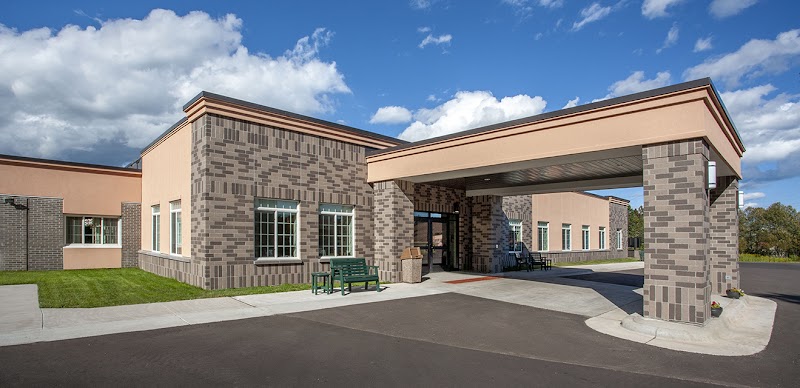
How is Viewcrest Staffed?

CMS rates VIEWCREST HEALTH CENTER's staffing level at 4 out of 5 stars, which is above average compared to other nursing homes. Staff turnover is 51%, compared to the Minnesota average of 46%.

What Have Inspectors Found at Viewcrest?

State health inspectors documented 24 deficiencies at VIEWCREST HEALTH CENTER during 2023 to 2025. These included: 2 Immediate Jeopardy (the most serious level, indicating potential for serious harm or death), 1 that caused actual resident harm, and 21 with potential for harm. Immediate Jeopardy findings are rare and represent the most serious regulatory concerns. They require immediate corrective action.

Who Owns and Operates Viewcrest?

VIEWCREST HEALTH CENTER is owned by a non-profit organization. Non-profit facilities reinvest revenue into operations rather than distributing to shareholders. The facility is operated by ST. FRANCIS HEALTH SERVICES, a chain that manages multiple nursing homes. With 88 certified beds and approximately 81 residents (about 92% occupancy), it is a smaller facility located in DULUTH, Minnesota.

How Does Viewcrest Compare to Other Minnesota Nursing Homes?

Compared to the 100 nursing homes in Minnesota, VIEWCREST HEALTH CENTER's overall rating (3 stars) is below the state average of 3.2, staff turnover (51%) is near the state average of 46%, and health inspection rating (3 stars) is at the national benchmark.

What Should Families Ask When Visiting Viewcrest?

Based on this facility's data, families visiting should ask: "What changes have been made since the serious inspection findings, and how are you preventing similar issues?" "Can I visit during a mealtime to observe dining assistance and food quality?" "How do you handle medical emergencies, and what is your hospital transfer rate?" "Can I speak with family members of current residents about their experience?" These questions are particularly relevant given the facility's Immediate Jeopardy citations.

Is Viewcrest Safe?

Based on CMS inspection data, VIEWCREST HEALTH CENTER has documented safety concerns. Inspectors have issued 2 Immediate Jeopardy citations (the most serious violation level indicating risk of serious injury or death). The facility has a 3-star overall rating and ranks #100 of 100 nursing homes in Minnesota. Families considering this facility should ask detailed questions about what corrective actions have been taken since these incidents.

Do Nurses at Viewcrest Stick Around?

VIEWCREST HEALTH CENTER has a staff turnover rate of 51%, which is 5 percentage points above the Minnesota average of 46%. Moderate turnover is common in nursing homes, but families should still ask about staff tenure and how the facility maintains care continuity when employees leave.

Was Viewcrest Ever Fined?

VIEWCREST HEALTH CENTER has been fined $60,781 across 4 penalty actions. This is above the Minnesota average of $33,687. Fines in this range indicate compliance issues significant enough for CMS to impose meaningful financial consequences. Common causes include delayed correction of deficiencies, repeat violations, or care failures affecting resident safety. Families should ask facility leadership what changes have been made since these penalties.

Is Viewcrest on Any Federal Watch List?

VIEWCREST HEALTH CENTER is not on any federal watch list. The most significant is the Special Focus Facility (SFF) program, which identifies the bottom 1% of nursing homes nationally based on persistent, serious quality problems. Not being on this list means the facility has avoided the pattern of deficiencies that triggers enhanced federal oversight. This is a positive indicator, though families should still review the facility's inspection history directly.