The Waterview Woods LLC
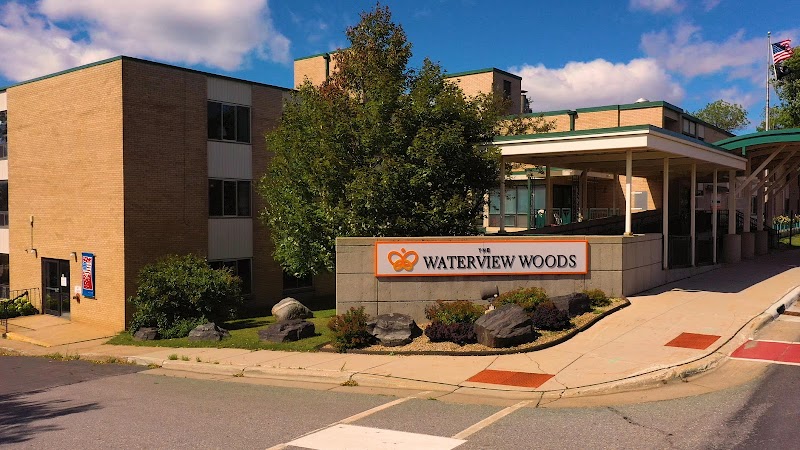
601 GRANT AVENUE, EVELETH, MN 55734 (218) 744-9803
For profit - Corporation 65 Beds MONARCH HEALTHCARE MANAGEMENT Data: November 2025 2 Immediate Jeopardy citations
Trust Grade
0/100
#332 of 337 in MN
Last Inspection: October 2024

Within standard 12-15 month inspection cycle. Federal law requires annual inspections.

Overview

Waterview Woods LLC has received a Trust Grade of F, indicating significant concerns and a poor overall quality of care. Ranking #332 out of 337 in Minnesota places it in the bottom half of facilities in the state, and it is the lowest-ranked facility in St. Louis County. Although the facility has shown a trend of improvement, reducing issues from 20 in 2024 to 2 in 2025, the current situation remains troubling. Staffing is rated poorly with a 1 out of 5 stars, and the turnover rate is average at 42%. Additionally, the facility has incurred $72,115 in fines, which is higher than 92% of Minnesota facilities, suggesting ongoing compliance issues. There are serious concerns about resident safety, as evidenced by critical incidents where residents were harmed due to inadequate care. For example, one resident fell and sustained a head injury due to improper transfer methods, while another was served a meal containing shellfish, despite a known allergy, leading to an emergency room visit. While there are some strengths, such as the trend towards fewer issues, families should weigh these against the significant weaknesses and safety concerns present at this facility.

Trust Score
F
0/100
In Minnesota
#332/337
Bottom 2%
Safety Record
High Risk
Review needed
Inspections
Getting Better
20 → 2 violations
Staff Stability
○ Average
42% turnover. Near Minnesota's 48% average. Typical for the industry.
Penalties
✓ Good
$72,115 in fines. Lower than most Minnesota facilities. Relatively clean record.
Skilled Nurses
⚠ Watch
Each resident gets only 24 minutes of Registered Nurse (RN) attention daily — below average for Minnesota. Fewer RN minutes means fewer trained eyes watching for problems.
Violations
⚠ Watch
36 deficiencies on record. Higher than average. Multiple issues found across inspections.
★☆☆☆☆
1.0
Overall Rating
★☆☆☆☆
1.0
Staff Levels
★★☆☆☆
2.0
Care Quality
★☆☆☆☆
1.0
Inspection Score
Stable
2024: 20 issues
2025: 2 issues

The Good

  • Full Sprinkler Coverage · Fire safety systems throughout facility
  • No fines on record
  • Staff turnover below average (42%)

    6 points below Minnesota average of 48%

Facility shows strength in fire safety.

The Bad

1-Star Overall Rating

Below Minnesota average (3.2)

Significant quality concerns identified by CMS

Staff Turnover: 42%

Near Minnesota avg (46%)

Typical for the industry

Federal Fines: $72,115

Well above median ($33,413)

Moderate penalties - review what triggered them

Chain: MONARCH HEALTHCARE MANAGEMENT

Part of a multi-facility chain

Ask about local staffing decisions and management

The Ugly 36 deficiencies on record

2 life-threatening 2 actual harm
Jul 2025 2 deficiencies
CONCERN (D) 📢 Someone Reported This

A family member, employee, or ombudsman was alarmed enough to file a formal complaint

Potential for Harm - no one hurt, but risky conditions existed

Safe Environment (Tag F0584)

Could have caused harm · This affected 1 resident

**NOTE- TERMS IN BRACKETS HAVE BEEN EDITED TO PROTECT CONFIDENTIALITY** Based on observation, interview and document review, the facility failed to ensure ceiling tiles were maintained in a safe manne...

Read full inspector narrative →
**NOTE- TERMS IN BRACKETS HAVE BEEN EDITED TO PROTECT CONFIDENTIALITY** Based on observation, interview and document review, the facility failed to ensure ceiling tiles were maintained in a safe manner for 1 of 1 resident (R49) reviewed for environment.Findings include:R49's quarterly Minimum Data Set (MDS) dated [DATE], identified intact cognition. Diagnoses included hypertension, hyperlipidemia and renal insufficiency. During observation on 7/24/25 at 11:08 a.m. R3's bathroom had a missing ceiling tile that was over the toilet. There was a wet towel draped across the hole and drooping down, exposing the area above the ceiling tiles. There was noted free standing water on the toilet itself. The white towel was stained with brown discoloration along with the middle areas saturated with moisture.During an interview on 7/24/25 at 11:10 a.m. R3 stated the ceiling tile has been missing and the towel in place for at least a month. He was told it was because of a leak of some kind from the room on the second floor, right above R3's room.During an interview on 7/24/25 at 12:18 p.m., housekeeper (HSK)-A stated the missing ceiling tile and towel over the tile has been that way for at least a month. There was some kind of leak in the room above this. It must still be leaking because when the room was cleaned this morning there was free standing water and the toilet paper on the back of the toilet had to be thrown away because it was soaked with water. During an interview on 7/24/25 at 1:28 p.m., the maintenance director (M)-A stated he was not sure how long the ceiling tile had been that way in R3's room. There was a leak in the toilet ion the room above R3's room and that is where the water had come from. The leak had been fixed, and the towel was there to see if the leak was still there. During an interview on 7/24/25 at 12:40 p.m., the infection preventionist (IP) stated anytime wet towels were left hanging in rooms and there was free standing water in the room there was an increased risk of infection and other illnesses to be present. During an interview on 7/24/25 at 2:06 p.m., the regional director of operations (RDO) stated water leakage, and a damaged ceiling would lead to the resident being moved, water cleaned up, and the problem fixed prior to letting any resident back in the room. A policy for environmental services water leakage was requested but not provided.
CONCERN (D) 📢 Someone Reported This

A family member, employee, or ombudsman was alarmed enough to file a formal complaint

Potential for Harm - no one hurt, but risky conditions existed

Deficiency F0760 (Tag F0760)

Could have caused harm · This affected 1 resident

Based on interview and document review the facility failed to ensure accurate doses of buprenorphine (an opioid pain medication) were administered to 1 of 3 residents (R1) investigated for a significa...

Read full inspector narrative →
Based on interview and document review the facility failed to ensure accurate doses of buprenorphine (an opioid pain medication) were administered to 1 of 3 residents (R1) investigated for a significant medication error.Findings include:R1's face sheet dated 7/24/25 indicated diagnoses included pathological fracture in neoplastic disease of left femur (left leg upper bone), malignant neoplasm of esophagus and aftercare for joint replacement.R1's medical record indicated R2 was cognitively intact.R1's physician orders dated 7/16/25, indicated an order for buprenorphine HCL sublingual 2mg tablet. Give 1mg (half a tab) under tongue three times a day.A picture of R1's medication card dated 7/16/25, showed an individual bubble packed 30-day card with 24 whole pills, one in each bubble. There were also 6 slots with holes to indicate 6 pills had been removed. The order on the card identified buprenorphine sub. 2 milligrams (mg). Place half a tab under tongue three times a day. Pharmacy to send full 2mg tablets. Nursing to cut to administer 1mg three times a day.R1's narcotic sign-out book page not dated, indicated an order of buprenorphine 2mg give half a tablet three times a day. The page indicated on 6 different occasions R1 received a whole tablet instead of the half tablet ordered.During an interview on 7/24/25 at 1:05 p.m., licensed practical nurse (LPN)-A stated if a whole pill was signed out there would be a dot with a line under it. If there was a half a tablet removed there would be 1/2 tab document in amount given and then a note which would indicate if the other half was thrown away or saved for the next dose. LPN-A reviewed R1's narcotic medication sign out sheet and stated the documentation showed R1 received one whole tablet each time a dose was given. During an interview on 7/24/25 at 1:44 p.m. the acting director of nursing (DON) stated nursing needed to follow the five rights (right medication, patient, dose, route and time). A half tablet should be documented as 1/2 and a whole tablet given would be documented as a dot with a line under it.Facility policy Medication Administration- General Guidelines last reviewed 2025, indicated nursing would follow the five rights and would triple check those rights during the medication administration process.
Dec 2024 2 deficiencies 1 IJ
CRITICAL (J) 📢 Someone Reported This

A family member, employee, or ombudsman was alarmed enough to file a formal complaint

Immediate Jeopardy (IJ) - the most serious Medicare violation

Accident Prevention (Tag F0689)

Someone could have died · This affected 1 resident

**NOTE- TERMS IN BRACKETS HAVE BEEN EDITED TO PROTECT CONFIDENTIALITY** Based on observation, interview and document review, the facility failed to properly assess, care plan, and ensure the correct s...

Read full inspector narrative →
**NOTE- TERMS IN BRACKETS HAVE BEEN EDITED TO PROTECT CONFIDENTIALITY** Based on observation, interview and document review, the facility failed to properly assess, care plan, and ensure the correct sling was used during transfers for 1 or 1 resident (R1) reviewed for mechanical lift transfers. The resident was transferred using a ceiling lift with a reported toileting sling (a sling which does not cover the buttocks) of unknown size, fell out of the sling during the transfer, and sustained a laceration to the back of head. The deficient practice was identified as an immediate jeopardy (IJ) situation, however, the provider had implemented corrective action prior to the investigation, therefore, the deficiency was issued as past non-compliance. The IJ began on 12/22/24 at 8:10 p.m., when R1 was transferred with a ceiling lift using a reported toileting sling of unknown size. R1 slipped out of the sling during the transfer which resulted in R1's head hitting the ground and sustaining a laceration to the back of the head. The administrator and director of nursing (DON) were informed of the IJ on 12/31/24 at 4:45 p.m. The facility implemented corrective action on 12/23/24, prior to the start of the survey, therefore, was past non-compliance. Findings include: R1's incident report from 12/22/24, identified R1 was admitted to the facility on [DATE], with a primary diagnosis of chronic combined systolic and diastolic (congestive) heart failure (heart unable to pump enough blood to organs) and nonrheumatic aortic stenosis (narrowing of heart valve). R1's last brief interview for mental status (BIMS) was on 11/13/24 which showed moderate cognitive impairment. Incident report described the accident as follows: NAR was transferring resident via ceiling lift from wheelchair to bed when resident put her arms up which caused her to slide through. LPN stated she walked in, and resident was on the floor. It was noted resident had a bump that was bleeding on back of head, vitals stable, A&O, eyes equal and reactive to light, pain level 5/10, pain medication given. Pressure bandage placed on the back of head. Hospice and family notified. R1's significant change Minimum Data Set (MDS) dated [DATE], identified R1 required substantial/max assist with transfers. R1's care plan reviewed on 12/30/24, identified assist with movement in and in/out bed A2 (assist of two persons) nonmechanical lift. Use [NAME]/ceiling lift as needed if resident is unable to stand in non-mechanical stand aide. Assist with transfers requires minimum assist from elevated recliner for sit/stand into nonmechanical stand aid for transfers. R1's progress note dated 12/22/24 at 8:34 p.m., identified resident has not been standing up for lift, she can't lift herself to stand. R1's progress note dated 12/22/24 at 8:37 p.m., identified resident upgraded to ceiling lift due to not standing in the stand aid. Correct type of sling and size was used during transfer. Resident was in ceiling lift being transferred into bed from wheelchair. Resident was being lifted out of wheelchair and resident lifted arm straight up and fell to the floor. During interview on 12/30/24 at 12:38 p.m., R1 stated they dropped me. R1 explained during a recent transfer using a ceiling lift she slipped out of the sling and hit her head on the ground. R1 stated her head hurt after the fall but was unable to quantify her pain level. During interview on 12/30/24 at 1:13 p.m., nursing assistant (NA)-A confirmed being present during R1's fall on 12/22/24. This was NA-A's second day working at the facility and first time working with R1. NA-A was instructed to transfer R1 from wheelchair to bed. R1's care sheet identified R1 used a non-mechanical lift for transfers. Due to being unfamiliar with R1, NA-A confirmed R1's transfer status with another CNA and was instructed to use the ceiling lift due to R1 having weakness in the evenings. NA-A was informed R1 tends to flail during transfers with ceiling lift. NA-A placed a half sling on R1 which was in R1's room, began to raise R1 from wheelchair, R1 began to flail, and slipped out of the sling. R1's lower body remained in the sling while R1's upper body fell to the ground. R1 hit her head on the ground during the fall and NA-A reported the fall to a nurse. During interview on 12/30/24 2:28 p.m., NA-B stated all residents who use a sling for transfers have their slings in their room. If uncertain about what sling size or type to use, would consult the care sheet. During interview on 12/30/24 at 2:33 p.m., licensed practical nurse (LPN)-A stated if there was change in a resident's transfer status, she would report this to nursing management. If nursing management was not available and it was a safety issue she would upgrade the resident's lift/sling type. She would select the correct sling by consulting the sling size chart(s) at the nursing station, write a progress note, and report the change to nursing management. Each resident who uses a sling should have a sling in their room. During interview on 12/30/24 at 2:40 p.m., registered nurse (RN)-A confirmed R1's care plan and progress note from 12/22/24 did not list the type or size sling to use for transfers. RN-A was unsure if the sling type or size was listed in the medical record of any resident who used a sling. RN-A stated R1 was assessed by the director of nursing (DON) post fall and was upgraded to a full body sling. During interview on 12/30/24 at 3:11 p.m., DON stated any nursing staff can upgrade a resident from a non-mechanical to mechanical lift for safety. To select the correct sling, nursing staff are expected to use the manufacturers height and weight sling chart(s) posted at the nursing stations and should report any changes in sling/lift use to nursing management. The facility does not use a formal sling assessment form and the specific sling type and size used was not documented in the resident's medical record. The appropriate sling should always be in the resident's room and if staff are unaware what size/type of sling to use they should consult with another staff member and/or the manufactures height and weight chart(s). DON stated R1 had not been using the ceiling lift prior to the fall on 12/22/24 and the use of a sling for R1 should be signed off by a register nurse prior to its continued use. DON reported on 12/23/24 she completed a sling assessment on R1 and determined due to R1's inability to keep arms on the outside of a toileting sling, R1 required a full body sling and the assist of 2 during transfers with the ceiling lift. During interview on 12/31/24 at 8:25 a.m., trained medical aid (TMA)-A stated during an emergency all nursing staff can implement the use of a sling, but only half back slings. An assessment by an RN or physical therapy was needed for a full sling. To implement a sling, the sling charts need to be consulted to determine the correct size and this should be reported to nursing management who document the sling. Any available staff member can obtain a sling from the sling room. During interview and observation on 12/31/24 at 8:58 a.m., NA-C identified as being pool staff and stated slings were always in the resident's room and only facility staff were able to obtain slings. NA-C located the sling in R4's room and identified it was a Guldman, size medium toileting sling. While R4 was in wheelchair, NA-C proceeded to place the back of the sling across R4's back and leg straps under R4's legs. NA-C crossed the leg stapes, moved the ceiling lift towards R4, properly connected the upper and lower body sling strap loops to the ceiling lift. NA-C instructed R4 to keep arms outside of and hold on to sling. NA-C slowly raised R4 from wheelchair and transferred to bed making sure R4's body was in proper alignment prior to lowering the lift. When R4 was fully lowered onto the bed, NA-C removed the sling loops from the lift, moved the sling away from R4's lower body, and pushed the lift a safe distance away from R4 before proceeding with cares. R4 reviewed and determined to be using the proper sling size based on manufactures guidelines. During interview on 12/31/24 at 11:13 a.m., LPN-A confirmed being the nurse who responded to R1's fall on 12/22/24. Prior to the fall, LPN-A had made the determination to upgrade R1 from a non-mechanical lift to the ceiling lift due to weakness. LPN-A did not select the sling size/type and used the sling that was already in R1's room, which was described as not a full body sling of unknown size. LPN-A stated R1 has been having intermittent weakness in the evening and has been using the ceiling lift for a while. As a result of the fall, R1 sustained a laceration to the back of her head which required a pressure bandage and per hospice nurse evaluation did not require stitches. LPN-A stated when selecting what sling to use, she does not take measurements of the resident or reference any manufacturers chart(s) to determine what sling size to use. Sling was selected based on how it fits around the residents back. During follow up interview on 12/31/24 at 11:52 a.m., DON was unaware R1 was using a ceiling lift prior to 12/22/24 and would expect this change to be reported. DON stated there was no way to determine when R1 began to use the ceiling lift unless a progress note was made as expected, but this does not always happen. In response to the fall, the DON stated on 12/23/24, the DON and administration re-assessed all residents who use a sling to ensure the correct size and type was being used. Aside from R1, no change in sling type/size was needed. All direct care staff were required to complete mechanical stands competency prior to the start of next shift. During observation on 12/31/24 from 8:43 a.m. to 11:01 a.m., residents rooms who were required lifts were audited for correct sling size based on size chart at nurses station. The slings in resident rooms were correct based on manufacture chart guidelines. During document review on 12/31/24, signed copies of direct care staff mechanical stands competencies dated 12/23/24 to 12/31/24, outlined how to utilize mechanical stands, including how to apply slings, per manufacturer guidelines and facility policy and procedure. During interview on 12/31/24 at 4:40 p.m., the administrator expected all residents who require a sling for transfers are using the appropriate slings to ensure the safety of the residents and staff. Using an improper sling could result in anything from pinching and being uncomfortable to falls and injury. A policy for mechanical lift and sling use was requested, but not provided. Facility identified they do not have a specific policy but follow manufacturers guidelines. The facility implemented corrective action to prevent recurrence by 12/23/24, when the facility implemented a systemic plan that included the following actions: On 12/23/24 DON completed a sling assessment on R1 and determined a full body sling with the assist of 2 was required during ceiling lift transfers. On 12/23/24, all residents who use mechanical lifts were re-assessed for the correct sling size and type. Starting on 12/23/24 all direct care staff were required to complete a mechanical stand use competency prior to the start of their next shift.
CONCERN (D) 📢 Someone Reported This

A family member, employee, or ombudsman was alarmed enough to file a formal complaint

Potential for Harm - no one hurt, but risky conditions existed

Comprehensive Care Plan (Tag F0656)

Could have caused harm · This affected 1 resident

**NOTE- TERMS IN BRACKETS HAVE BEEN EDITED TO PROTECT CONFIDENTIALITY** Based on observation, interview and document review, the facility failed to develop a comprehensive person-centered care plan ba...

Read full inspector narrative →
**NOTE- TERMS IN BRACKETS HAVE BEEN EDITED TO PROTECT CONFIDENTIALITY** Based on observation, interview and document review, the facility failed to develop a comprehensive person-centered care plan based on the resident assessment which identified the type and size of sling required during transfers for 3 of 3 residents (R1, R3, R4) reviewed for mechanical lift use. Findings include: R1's fall incident report from 12/22/24 identified R1 was admitted to the facility on [DATE] with a primary diagnosis of chronic combined systolic and diastolic (congestive) heart failure (heart unable to pump enough blood to organs) and nonrheumatic aortic stenosis (narrowing of heart valve). R1's last brief interview for mental status (BIMS) was on 11/13/24 which showed moderate cognitive impairment. Incident report identified nursing assistant (NA)-A was transferring resident via ceiling lift from wheelchair to bed when R1 put her arms up which caused R1's upper body to slide through the sling. Licensed practical nurse (LPN)-B found R1 on the floor who was noted to have a bump that was bleeding on back of head. R1 was assessed by hospice nurse and did not require stitches. At the time of the fall, R1 was upgraded to a ceiling lift due to not standing in the stand aide and the correct sling and size were used during the transfer. Specific size and type of sling was not noted. Post fall, the director of nursing (DON) attempted education with the resident on proper body placement when in a sling. Staff was to now use a full body sling and will have 2 staff members presents during transfers. R1's progress note dated 12/22/24 at 8:37 p.m., identified resident upgraded to ceiling lift due to not standing in the stand aid. Correct type of sling and size was used during transfer. Resident was in ceiling lift being transferred into bed from wheelchair. Resident was being lifted out of wheelchair and resident lifted arm straight up and fell to the floor. R1's significant change Minimum Data Set (MDS) dated [DATE], identified R1 required Substantial/max assist with transfers. R1's care plan reviewed on 12/30/24, identified assist with movement in and in/out bed A2 (assist of two persons) nonmechanical lift. Use hoyer/ceiling lift as needed if resident is unable to stand in non-mechanical stand aide. Assist with transfers requires minimum assist from elevated recliner for sit/stand into nonmechanical stand aid for transfers. Care plan failed to identify the type and size of sling to be used with transfers. R3's admission MDS dated [DATE], identified diagnoses of chronic gout, coronary artery disease, hypertension, and arthritis. R3 was identified as dependent on staff for transfers. R3's care plan reviewed on 12/30/24, identified R3 required a ceiling / hoyer lift for transfers. Care plan failed to identify the sling type or size used during transfers. R4's quarterly MDS dated [DATE], identified diagnoses of seizures and arthritis. R4 was identified as dependent on staff for transfers. R4's care plan reviewed on 12/31/24, identified R4 required a ceiling / hoyer lift for transfers. Care plan failed to identify the sling type or size used during transfers. During interview on 12/30/24 at 1:13 p.m., nursing assistant (NA)-A confirmed being present during R1's fall on 12/22/24. NA-A was instructed to transfer R1 from wheelchair to bed. R1's care sheet identified R1 used a non-mechanical lift for transfers. Due to being unfamiliar with R1, NA-A confirmed R1's transfer status with another CNA and was instructed to use the ceiling lift due to R1 having weakness in the evenings. NA-A placed a half sling on R1 which was in R1's room, began to raise R1 from wheelchair, R1 began to flail, and slipped out of the sling. R1's lower body remained in the sling while R1's upper body fell to the ground. R1 hit her head on the ground during the fall and NA-A reported the fall to a nurse. During interview on 12/30/24 2:28 p.m., NA-B stated all residents who use a sling for transfers have their slings in their room. If uncertain about what sling size or type to use, would consult the care sheet. NA-B reviewed R1's care sheet and confirmed it listed the lift type but not sling size or type. During interview on 12/30/24 at 2:33 p.m., licensed practical nurse (LPN)-A stated if there was change in a resident's transfer status or if she upgraded the residents transfer status in an emergency, she would report this to nursing management and write a progress note. LPN-A would use the height / weight charts to select the correct sling. Each resident who uses a sling should have a sling in their room and the sling type should be listed on their care plan. During interview on 12/30/24 at 2:40 p.m., registered nurse (RN)-A confirmed R1's care plan and progress note from 12/22/24 did not list the type or size sling to use for transfers. RN-A was unsure if the sling type or size was listed in the medical record of any resident who used a sling. RN-A stated R1 was assessed by the DON post fall and was upgraded to a full body sling. During interview on 12/30/24 at 3:11 p.m., DON stated any nursing staff can upgrade a resident from a non-mechanical to mechanical lift for safety. To select the correct sling, nursing staff are expected to use the manufacturers height and weight sling chart(s) posted at the nursing stations and should report any changes in sling/lift use to nursing management. The facility does not use a formal sling assessment form and the specific sling type and size used was not documented in the resident's care plan. The care plan includes lift type but not sling type. During observation on 12/31/24 from 8:43 a.m. to 11:01 a.m., resident's rooms who required lifts were audited for correct sling size based on size chart at nurse's station. The slings in resident rooms were correct based on manufacture chart guidelines. During interview on 12/31/24 at 4:40 p.m., the administrator expected all residents who require a sling for transfers are using the appropriate slings to ensure the safety of the residents and staff. Using an improper sling could result in anything from pinching and being uncomfortable to falls and injury. During interview on 12/31/24 at 4:41 p.m., DON indicated a comprehensive care plan was important as it directs resident care and plans to update the care plan(s) to include sling type and size for residents who use mechanical lifts.
Oct 2024 6 deficiencies 1 IJ
CRITICAL (J) 📢 Someone Reported This

A family member, employee, or ombudsman was alarmed enough to file a formal complaint

Immediate Jeopardy (IJ) - the most serious Medicare violation

Deficiency F0806 (Tag F0806)

Someone could have died · This affected 1 resident

**NOTE- TERMS IN BRACKETS HAVE BEEN EDITED TO PROTECT CONFIDENTIALITY** Based on interview and document review, the facility failed to ensure a resident with an allergy to shellfish was not served she...

Read full inspector narrative →
**NOTE- TERMS IN BRACKETS HAVE BEEN EDITED TO PROTECT CONFIDENTIALITY** Based on interview and document review, the facility failed to ensure a resident with an allergy to shellfish was not served shellfish for 1 of 1 resident (R209) reviewed for food allergies. The resident was fed a dinner containing shellfish, had an allergic reaction, and was sent to the emergency department (ED) for treatment. The deficient practice was identified as an immediate jeopardy (IJ) situation, however, the provider had implemented corrective action prior to the investigation, therefore, the deficiency is issued as past non-compliance. The IJ began on 10/13/24 at 5:15 p.m. when R209 was served, and consumed, shrimp. R209 complained of numbness of the tongue and lips and was sent to the ED for treatment of allergic reaction. The administrator and director of nursing (DON) were informed of the IJ on 10/24/24 at 11:13 a.m. The facility implemented corrective action on 10/14/24, prior to the start of the survey, therefore, was past non-compliance. Findings include: R209's undated face sheet identified he was admitted to the facility on [DATE]. R209's admission note dated 10/9/24, identified he had an allergy to shellfish. R209's care plan dated 10/9/24, identified he had an allergy to shellfish. Progress note dated 10/13/24 at 10:26 p.m., identified R209 had been sent to the emergency room for an allergic reaction to shellfish. Note also identified kitchen staff were notified of the shellfish allergy. Progress note dated 10/14/24, from the culinary director (CD), identified R209's meal ticket was now updated to show allergy to shellfish. R209's shellfish allergy was not on his meal ticket prior to this date. On 10/21/24 at 2:52 p.m., R209 stated he was served shellfish while at the facility, which he was allergic to. On 10/23/24 at 1:02 p.m., R209 stated he had suffered an anaphylactic reaction (severe, life-threatening allergic reaction) after eating shellfish when he was younger that required him to receive epinephrine to counteract his allergic reaction. On 10/23/24 at 10:57 a.m., nursing aide (NA)-A stated resident food allergies should be listed on the resident's meal ticket and in the electronic medical record (EMR) banner. On 10/23/24 at 11:03 a.m., registered nurse (RN)-A described the process for communicating food allergies for new admissions. Health unit coordinator (HUC) receives admission information for new residents and enters allergies into the EMR. The nurse managers verify allergy information in EMR. HUC then completes a dietary sheet and gives to kitchen staff. On 10/23/24 at 11:37 a.m., cook (C)-A stated kitchen staff learn about resident food allergies from the dietary sheet. Kitchen staff then log the resident food allergy in a communication book. Resident food allergies are printed on the resident's meal ticket. On 10/23/24 at 12:00 p.m., CD described how resident food allergies are entered into dietary system. HUC brings dietary sheet to the kitchen staff and kitchen staff note the food allergy in communication book. CD noted staff are expected to review communication book every shift. CD verifies resident food allergies in dietary system, which then produces meal tickets with listed resident food allergies. CD stated she is the only staff that can log in to dietary system and verify/add food allergies. On 10/23/24 at 1:03 p.m., culinary aide (CA)-A stated that floor staff brought the dietary forms down and gave them to culinary staff. The culinary staff would then enter the information into the dietary communication book, so all culinary staff were aware of new residents and their dietary restrictions/allergies. The slip would then go into a bucket for the CD to enter the information into the dietary program. The only person in the kitchen who had access to the dietary program is the CD. On 10/23/24 at 1:04 p.m., NA-B stated resident food allergies are listed on meal tickets and in the resident's care plan. NA-B further stated if the food allergy was not on the meal ticket she would not know about the food allergy unless she looked at the care plan. She further stated she doesn't always check the care plan when passing out meal trays. On 10/23/24 at 1:11 p.m., licensed practical nurse (LPN)-A stated a resident's food allergy would be on the meal ticket and also on EMR banner. On 10/23/24 at 1:12 p.m., RN-B stated resident food allergies should be on meal ticket and in the resident care plan. RN-B further stated she can not log into dietary system to add food allergies to the meal tickets. On 10/23/24 at 1:14 p.m., NA-C stated resident food allergies are typically listed and highlighted on meal tickets. During interview on 10/24/24 at 8:59 a.m., nurse practitioner (NP) stated allergic reactions to food can range from an upset stomach to anaphylaxis. NP also stated if a resident has a history of anaphylaxis to a food allergy, the resident could have the same severe reaction if exposed to that same food allergen. On 10/23/24 at 3:58 p.m., the director of nursing (DON) stated the nurse working the evening of 10/13/24 called her first and then she called the administrator, all around 5:40 p.m. The administrator and DON confirmed R209's anaphylactic allergy, learned he had a scratchy throat, his tongue was numb, and he was sent to ED. The administrator and DON called the dietary director that evening and an investigation ensued. Event was reported to the state agency within two-hour time frame. All residents with food allergies were reviewed for accuracy. The corporate regional dietary director and nursing consultant were involved in a meeting with the leadership team to determine a root cause. The root cause was identified as a dietary sheet that was lacking a place for allergies, therefore was not communicated to the kitchen staff upon R209's admission and lead to the resident being served shrimp. Facility policies were reviewed and did require revisions. The DON had completed an audit on the only admission they have had since this incident. Facility document Waterview Woods Fall/Winter 2024-2025, identified the evening meal on 10/13/24 was seafood pasta alfredo, buttered peas, apricots. The alternative meal for 10/13/24 was garden vegetable soup or hamburger on a bun. The facility implemented corrective action to prevent recurrence by 10/14/24, when the facility implemented a systemic plan that included the following actions: On 10/13/24, all residents were audited for current food allergies. On 10/14/24, the new admission form was modified to add an area specifically to address resident food allergies, dietary policy related to meal tickets was reviewed, resident allergy documentation was reviewed, and staff were educated on the meal ticket handling policy and what to do with new admissions form. Audits did not result in further discrepancies. This was verified through observation, interview, and document review.
CONCERN (D)

Potential for Harm - no one hurt, but risky conditions existed

Quality of Care (Tag F0684)

Could have caused harm · This affected 1 resident

**NOTE- TERMS IN BRACKETS HAVE BEEN EDITED TO PROTECT CONFIDENTIALITY** Based on observation, interview and document review, the facility failed to ensure provider orders and care plan interventions w...

Read full inspector narrative →
**NOTE- TERMS IN BRACKETS HAVE BEEN EDITED TO PROTECT CONFIDENTIALITY** Based on observation, interview and document review, the facility failed to ensure provider orders and care plan interventions were followed for 1 of 2 residents (R37) reviewed for activities of daily living (ADLs). Findings include: R37's quarterly Minimum Data Set (MDS) dated [DATE], identified severely impaired cognition and a diagnosis of dementia. R37 needed set up and clean up assistance with meals and was dependent for bed mobility and transfers. Provider orders dated 4/24/23, identified R37 was on a mechanical soft diet due to difficulty swallowing and chewing. R37's care plan dated 6/19/23, identified R37 was to eat meals with direct supervision and feeding assistance as necessary in the dining room, and had a mechanical soft diet with ground texture and thin liquids. On 10/21/24 at 3:06 p.m., R37 was lying in bed, with the head of bed up at about 30 degrees. R37 was slouched down in the bed so that his shoulders were about halfway down the head of the bed. There was an over-the-bed table at about the height of his chin with a meal tray on it, all the food was gone except for a scoop of mashed potatoes. R37's left thumb was covered in a red substance that was also the color of food that had been in a small bowl. Family member (FM)-A was at his bedside and stated she found him in bed this way when she arrived and this was not typical as he normally ate in the dining room. During an interview on 10/24/24 at 11:36 a.m., nursing assistant (NA)-D confirmed she had worked day shift on 10/21/24 but didn't recall R37 eating a meal in bed, he normally ate in the common area. NA-F was nearby and NA-D called to her to see if she remembered anything about him eating in bed, but she did not remember either. During an interview on 10/24/24 at 11:42 a.m., registered nurse (RN)-B stated R37 was at risk for choking so they would not have him eating in bed alone. RN-B was unsure about this incident, but stated the expectation would be for R37 to be supervised. During an interview on 10/24/24 at 1:09 p.m., the director of nursing (DON) stated she would not expect a known choking risk to be lying in bed eating. R37 was at risk for aspiration and should be supervised.
CONCERN (D)

Potential for Harm - no one hurt, but risky conditions existed

Deficiency F0700 (Tag F0700)

Could have caused harm · This affected 1 resident

**NOTE- TERMS IN BRACKETS HAVE BEEN EDITED TO PROTECT CONFIDENTIALITY** Based on observation, interview, and document review, the facility failed to comprehensively assess and obtain informed consent ...

Read full inspector narrative →
**NOTE- TERMS IN BRACKETS HAVE BEEN EDITED TO PROTECT CONFIDENTIALITY** Based on observation, interview, and document review, the facility failed to comprehensively assess and obtain informed consent prior to resident bed rail use for 1 of 1 residents (R39) reviewed for bed rails. Findings include: R39's admission Minimum Data Set (MDS) dated [DATE], identified R39 had intact cognition and a diagnosis included hip fracture. R39 needed moderate assistance with rolling and repositioning. R39's undated care plan lacked information related to the use of bedrails. R39's medical record lacked an assessment for bed rail alternatives, entrapment risk, or informed consent for bed rail use. On 10/21/24 at 3:27 p.m., R39's bed was observed and there was a bedrail attached to the head of the bed on both sides. During an interview on 10/24/24 at 11:02 a.m., registered nurse (RN)-A stated if bed rails are needed, the resident would be assessed using the Bed Mobility Devise Evaluation form. The form included evaluation if resident ability to use, interventions utilized before bedrails, and fall and injury risk. RN-A stated the from was done on all residents prior to placement of bedrails. RN-A confirmed R39 had bedrails on bilateral sides of the head of bed. RN-A reviewed R39's medical record and acknowledged there was no assessment or consent forms in his chart, which indicated they had not been done. During an interview on 10/24/24 at 2:20 p.m., the director of nursing (DON) stated an expectation all staff that perform assessments would do a mobility devise assessment and obtain consent from the resident prior to placing a bedrail on the bed. The facility bedrail use policy was requested but not provided.
CONCERN (F)

Potential for Harm - no one hurt, but risky conditions existed

Deficiency F0727 (Tag F0727)

Could have caused harm · This affected most or all residents

Based on interview and document review the facility failed to have 8 hours of continuous registered nursing coverage on a daily basis. This had the potential to affect all residents residing in the fa...

Read full inspector narrative →
Based on interview and document review the facility failed to have 8 hours of continuous registered nursing coverage on a daily basis. This had the potential to affect all residents residing in the facility. Findings include: The Centers for Medicare and Medicaid Services' (CMS) Payroll Based Journal (PBJ) Staffing Data Report, identified during the third quarter of 2024 (4/1/24 - 6/30/24) the facility failed to have 8 hours of registered nurse (RN) coverage on the following dates: 4/6, 4/7, 4/20, 4/21, 4/27, 4/28, 5/19, 5/25, 5/26, 6/1, 6/2, 6/8, 6/9, and 6/22. During an interview on 10/24/24, at 2:28 p.m., the administrator confirmed the facility did not have 8 hours of continuous RN coverage on the dates identified on the PB&J report. The administrator stated it was important to have an onsite RN for 8 continuous hours every day for safety of the residents. The facility's scheduling policy and RN coverage policy was requested but not provided.
CONCERN (F)

Potential for Harm - no one hurt, but risky conditions existed

Deficiency F0809 (Tag F0809)

Could have caused harm · This affected most or all residents

**NOTE- TERMS IN BRACKETS HAVE BEEN EDITED TO PROTECT CONFIDENTIALITY** Based on interview and document review, the facility failed to offer and provide a substantive snack after dinner and before bed...

Read full inspector narrative →
**NOTE- TERMS IN BRACKETS HAVE BEEN EDITED TO PROTECT CONFIDENTIALITY** Based on interview and document review, the facility failed to offer and provide a substantive snack after dinner and before bedtime, when there were 15 hours between the evening and morning meals. This had the potential to affect all residents in the facility. Findings include: During interview on 10/23/24 at 11:45 a.m., cook (C)-A stated dietary staff bring snacks to the unit and restock fridges. C-A further stated nursing staff were responsible for giving snacks to the residents. R8's quarterly Minimum Data Set (MDS) dated [DATE] identified intact cognition and diagnoses of Parkinson's disease and type II diabetes mellitus. During a resident council meeting on 10/24/24 at 1:23 p.m., R8 stated there was no evening snack pass and further stated the kitchen closed at 7 p.m. each evening. R8 confirmed there was not a snack cart, and residents have to request a snack to get one. The unit fridges always have sandwiches but they are locked at night and they cannot get a snack without asking staff. During interview on 10/24/24 at 1:40 p.m., licensed practical nurse (LPN)-B identified she worked both day and evening shifts. LPN-B stated the kitchen sends snack to the unit. LPN-B further stated there was no evening snack cart and staff did not offer snacks to residents. During interview on 10/24/24 at 1:43 p.m., LPN-C stated she worked both day and evening shifts. LPN-C stated there were many options for snacks on the unit. LPN-C further stated residents have to ask for a snack, and staff do not have a snack cart anymore. LPN-C stated she did not know why the snack cart was stopped. The Waterview Woods LLC Mealtimes document identified breakfast as being served at 8:00 a.m. and dinner at 5:15 p.m. Taking into consideration there may not be more than 14 hours between meal services unless a substantial bedtime snack is offered, all residents will have available to them, a bedtime snack. Adequacy of the snack would be determined by individuals in the group and evaluation of the overall nutritional status of those in the facility.
CONCERN (F)

Potential for Harm - no one hurt, but risky conditions existed

Infection Control (Tag F0880)

Could have caused harm · This affected most or all residents

**NOTE- TERMS IN BRACKETS HAVE BEEN EDITED TO PROTECT CONFIDENTIALITY** Based on observation, interview, and document review, the facility failed to ensure staff properly utilized personal protective ...

Read full inspector narrative →
**NOTE- TERMS IN BRACKETS HAVE BEEN EDITED TO PROTECT CONFIDENTIALITY** Based on observation, interview, and document review, the facility failed to ensure staff properly utilized personal protective equipment (PPE) for 1 of 3 residents (R37) reviewed for enhanced barrier precautions (EBP). In addition, the facility failed to annually review the infection control policy and procedures, ensure a current list of reportable communicable diseases was a part of the program, perform infection surveillance of staff members, test staff members during a COVID-19 outbreak, and to provide evidence-based surveillance criteria to define infections to licensed nursing staff. This had the ability to affect all residents who reside at the facility. Findings for R37 include: R37's quarterly Minimum Data Set (MDS) dated [DATE], identified severely impaired cognition and a diagnosis of post-colostomy (a surgery where part of the intestine is cut and reattached to form an opening on the abdomen where a collection bag holds the stool) status. R37 was dependent on staff for turning, repositioning, colostomy care, toileting, and hygiene. R37's provider orders dated 4/29/24, identified EBP when providing ostomy care and other high contact care activities. R37's care plan dated 4/29/24, identified EBP for staff when providing high contact cares. During an observation on 10/22/24 at 4:04 p.m., nursing assistant (NA)-E and NA-F entered R37's room to provide repositioning. NA-F looked at the EBP sign on the door and told NA-E they needed to put gloves on. Both NAs donned gloves and proceeded to roll R37 onto his left side and used a pillow to prop behind him, and then boosted him up in the bed. NA-E and NA-F doffed their gloves and washed their hands with soap and water. During an interview, NA-F stated the precautions were only for R37's wounds and not for COVID-19, so they didn't need to wear full PPE because they were not providing wound care and he didn't have COVID-19. During an interview on 10/24/24 at 11:42 a.m., registered nurse (RN)-B stated it would be her expectation for NAs to wear required PPE, including a gown and gloves, when providing care to a resident on enhanced barrier precautions. RN-B stated the NAs were educated about the precautions and necessary PPE. This was important for infection control. During an interview on 10/24/24 at 1:09 p.m., the DON stated she would expect staff to use PPE when repositioning a resident with enhanced barrier precautions to help reduce the transmission of bacteria. Findings for COVID-19 outbreak testing, annual review of policy and procedure, listing of reportable communicable diseases, infection surveillance of staff members, and infection surveillance criteria include: The centers for Disease Control (CDC) Infection Control Guidance: SARS-CoV-2 dated 6/24/24 identified guidance for nursing homes experiencing an outbreak, or single new case of SARS-CoV-2, to approach the outbreak through either contact tracing or broad-based testing. Contact tracing may be sufficient if all potential contacts can be identified. Perform testing for all residents and health care personnel identified as close contacts regardless of vaccination status. Testing is recommended immediately (but not earlier than 24 hours after the exposure) and, if negative, again 48 hours after the first negative test and, if negative, again 48 hours after the second negative. This will typically be at day one (day of exposure counts as day zero), day three, and day five. During an interview on 10/21/24 at 5:30 p.m., the director of nursing (DON) confirmed the facility had two current positive resident cases of COVID-19. The DON reports having done contact tracing and finding the source outside of this building, no other residents or staff have reported symptoms and no testing of staff had been done. At 5:39 p.m., the DON confirmed there were no signs on the main doors indicating active infection or criteria for passive screening. During an interview on 10/24/24 at 1:18 p.m., regarding the current COVID-19 outbreak, the DON stated she had touched base with everyone who had worked with the two positive residents, and they didn't have any symptoms, so they had not been tested. She couldn't say for sure none of the staff had 15 minutes or more with the residents over the course of their shift and provided the 15 minutes could be an accumulation of shorter visits. Regarding infection surveillance, the DON stated she didn't do any surveillance of staff signs or symptoms of illness. Regarding the annual review of the IP program, the DON stated the management company was responsible for making changes to policies and procedures and making sure they were up to date. Regarding McGreer's Criteria, or similar, the DON stated they tried to use the McGreer's criteria but there wasn't a form or guide for nurses. During an interview on 10/24/24 at 2:15 p.m., licensed practical nurse (LPN)-C stated she was not aware of any kind of SBAR or McGreers criteria to define infection, but just generally knew the signs and symptoms of things like a urinary tract infection. LPN-D was in the area of this conversation and confirmed she didn't know of any criteria to look at before requesting an order for a test of some kind. On 10/28/24 the facility provided a report created on 10/28/24, identifying staff names and results for COVID-19 testing on 10/18, 10/19, and 10/21/24. However, based on the above interviews the DON had previously confirmed COVID-19 testing had not been completed on staff. Monarch Health Management (MHM) Infection Prevention and Control Program dated 3/13/23, identified the facility had established policies and procedures regarding infection control among employees, contractors, vendors, visitors, and volunteers. The program didn't address infection surveillance for these groups. MHM Antibiotic Stewardship Program dated 3/13/23, identified prior to calling a provider to communicate a suspected infection, the nurse will obtain and have available the signs and symptoms of suspected infection based on McGreers criteria. MHM COVID Policy dated 3/7/24, identified the facility follows current Centers for Disease Control (CDC) guidelines. The policy indicates all facility testing needed to be documented and kept by the facility infection preventionist. All residents and staff need to be tested per the guidelines that prompted te testing. The policy contains a testing summary which identified newly identified COVID-19 positive staff or resident who can identify close contacts, should trigger testing of all staff regardless of vaccination status that had a higher-risk exposure with a COVID-19 positive individual. The policy defined an outbreak as a single new case of COVID-19 in a resident and indicated testing should begin immediately. Testing may be through contact tracing or broad-based testing.
Feb 2024 12 deficiencies 2 Harm
SERIOUS (G)

Actual Harm - a resident was hurt due to facility failures

Pressure Ulcer Prevention (Tag F0686)

A resident was harmed · This affected 1 resident

**NOTE- TERMS IN BRACKETS HAVE BEEN EDITED TO PROTECT CONFIDENTIALITY** R1: R1's quarterly Minimum Data Set (MDS) dated [DATE], indicated R1 was severely cognitively impaired. Section M-Skin Condition...

Read full inspector narrative →
**NOTE- TERMS IN BRACKETS HAVE BEEN EDITED TO PROTECT CONFIDENTIALITY** R1: R1's quarterly Minimum Data Set (MDS) dated [DATE], indicated R1 was severely cognitively impaired. Section M-Skin Conditions identified R1 was at risk to develop pressure ulcers. M0300.-Current number of unhealed Pressure Ulcers at Each Stage: identified R1 had two unstageable pressure ulcers that were not present at the time of admit. R1's facesheet dated 2/7/24, indicated R1 was admitted the facility on 9/21/23. The following diagnoses were included: dementia, Alzheimer's disease, urinary retention, adult failure to thrive, non-pressure chronic ulcer of unspecified part of right lower leg with fat layer exposed, and chronic kidney disease. R1's care plan identified the focus area of alteration in skin integrity for venous ulcer right calf, pressure ulcer right heel, and pressure ulcer coccyx with the goal of skin breakdown resolved by 5/31/24. Interventions initiated on 9/21/23 included: -Monitor skin during cares and weekly skin inspection by nurse. -Treatment to open areas per order. -Pressure redistribution mattress on bed and wheelchair. -Encourage dietary supplements. -Weekly measurement and assessment of wound. -Monitor for skin break down for signs/symptoms of infection. Report signs/symptoms to provider. -Document on skin condition and keep MD or PA-C informed of changes. -Followed by wound care. Intervention initiated on 2/7/24: Heel protectors on at all times. R1's record included the following weekly skin checks: -9/28/23, No new changes to skin. Res has a wound dressing to right LE, and breakdown on coccyx buttocks area. Calmospetine ointment being applied with cares. -10/19/23, breakdown on buttocks, using calmoseptine. Wound to right shin, wound care done as ordered. -11/2/23, redness/breakdown on buttocks, using calmospetine cream. Wound on right shin and right heal, wound care done as ordered. -12/7/23, Skin is warm and dry. Lotion applied to dry legs, arms, and face. Bruise noted to right shin, small fading bruises on bilateral arms. Ongoing wound care completed to right heel and shin and buttocks. The admission MHM Skin Evaluation and Skin Risk Factors completed on 9/21/23, by RN-A identified R1 had a vascular stasis ulcer to the right lower extremity. The document indicated the coccyx/sacral area was not assessed during the admit skin assessment. The MHM Skin Evaluation and Skin Risk Factors assessment completed by RN-A on 11/30/23, indicated R1 had an unstageable ulcer on left buttock, and an unstageable right heel would, and a previously identified vascular ulcer on the right lower extremity. R1's IWC progress notes indicated they were consulted on 10/10/23, for evaluation and treatment for chronic venous ulcer and first encounter of pressure ulcer to right heel. The right heel was unstageable measuring 4x4 centimeters without exudate and 100% Eschar. R1's IWC progress note dated 11/14/23, indicated in addition to the venous ulcer and unstageable heel pressure ulcer, they were being consulted for first encounter for a pressure ulcer to the coccyx. The coccyx pressure ulcer measured 4 x 3 cm with no exudate and was 100% Eschar. Blue boots were recommended for heels. R1's regulatory provider encounter notes from a 9/29/23, indicated R1 had a chronic lower extremity non-pressure wound. Note did not address coccyx/buttock redness or breakdown. Provider encounter on 10/6/23, did not address R1's heel or coccyx/buttock redness or breakdown. Provider encounter on 10/27/23, indicated R1 was also being evaluated for an unspecified staged right heel blister. The provider advised to continue orders from wound care: wound cleaner, bordered foam, no shoes, and float heels. The note did not address coccyx/buttock redness or breakdown. Provider encounter on 11/1/23, did not address R1's heel or coccyx/buttock redness or breakdown. Provider encounter on 11/29/23, addressed R1's heel and sacral ulcer and included: The heel was covered with dry eschar. There was a soft boggy eschar overlying the right sacrum draining purulent drainage. The pressure ulcer measured 6 x 6 cm. The wound was debrided down to healthy granular tissue with no visible bone or tendon. Twice a day wound packing and low air mattress recommended. During an observation on 2/6/24 9:00 a.m., R1 was dressed with slipper socks on. During an observation on 2/7/24 at 7:40 a.m., R1 was seated in their wheelchair by the bird area. R1 was dressed with slipper socks on. During an observation on 2/7/24 9:43 a.m., R1 was seated in sitting area by nurse station in wheelchair. No heel protectors on. During an observation on 2/7/24 at 11:42 a.m., R1 entered the elevator with a staff, R1 did not have heel protectors on. During an observation on 2/7/24 at 1:04 p.m., R1 was in bed with covers on, could not determine if heel protectors were on. During an observation on 2/7/24 at 2:30 p.m., R1 was in the day room with slipper socks on wheeling self around. During an observation on 2/8/24 at 9:04 a.m., NA-C brought R1 into the shower room, transferred R1 to the shower chair and proceeded to bathe R1. R1's pressure ulcer dressing, and sacral dressing were on the resident after the shower. At 9:15 a.m. NA-C dressed R1 with new brief, pants, and a sweater and then transferred R1 back to their wheelchair. NA-C stated the nurse would check R1's wounds later. R1 was brought to their room. During an interaction on 2/8/24 at 12:10 p.m., licensed practical nurse (LPN-A) stated they would not be doing R1's dressing changes until after lunch. During an interview on 2/7/24 at 11:46 a.m., NA-A stated when they did a resident shower they did a skin sheet, they clipped fingernails as needed if the resident wasn't diabetic, and if they found something suspicious with the resident's skin they would usually try and get the nurse to look at the resident's skin in the shower. During an interview on 2/7/24 12:35 p.m., RN-A stated the nurses should be checking resident skin on bath days. RN-A confirmed the NA completed a skin sheet for each resident on their bath/shower day, however, it was still the nurse's responsibility to do an eyes on assessment of the skin. RN-A stated they looked at the treatment record to ensure skin assessments were being completed. Nurses are still required to complete a skin assessment, not just sign it off in the TAR. RN-A indicated moving forward, they would need to check the assessments, not the TAR to ensure an assessment was done and issues were communicated. For pressure ulcer care, even with a pressure reducing mattress, R1 should be repositioned in bed and off loaded when in their chair every 2 to 3 hours. R1 should also have heel protectors on at all times. These items should be part of the resident's plan of care. During an interview on 2/7/24 at 1:17 p.m., the director of nursing stated it was an expectation that the nurse always completed the skin assessment. The DON confirmed the NA did complete the skin assessment form, but not as an assessment. The NA form was used as information to pass onto the nurse, so the nurse could assess the skin. The DON stated they had the NAs complete the form because they were the most hands on with the residents. If something did get identified as skin break down by one of the nurses, the nurse manager should be notified so they can immediately follow-up on that. When there is skin breakdown identified, it should either be staged or called moisture associated. The nurse should follow-up on care and treatment. Usually, wound care is initiated through integrated wound care or Essentia wound care if we note any kind of skin break down. Even if it is something like break down form incontinence, we would consult wound care. During an interview on 2/8/24 at 12:20 p.m., RN-A pulled up R1's medical record and stated R1 was admitted with the non-pressure leg wound. R1 was also admitted with an order for barrier cream for their buttocks as a preventative measure for incontinence. RN-A confirmed R1's sacral/buttocks area was not assessed when R1 was admitted to the facility on [DATE]. RN-A indicated on 10/10/23, the heel ulcer was noticed, and wound care was asked to evaluate R1's heel pressure ulcer that day. RN-A stated they had not been notified R1 had any skin break down in the coccyx/buttocks area until right before they had the wound care nurses consulted on 11/14/23. RN-A confirmed weekly skin check documentation starting on 9/29/23, indicated R1 had redness and skin breakdown in the buttocks/sacral area. RN-A indicated they had not been notified of skin break down, but should have been notified immediately, when redness was identified in the buttock and coccyx area. RN-A did not find documented provider notification of R1's heel or coccyx pressure ulcers, but indicated they would have done that around the time they consulted wound care. The facility policy Skin Assessment & Wound Management dated 11/17/23, included a weekly skin inspection by licensed staff, notification of nurse manager for any changes, and routine daily skin inspection with care. In addition, the policy directed the following actions for new non-pressure wound/altered skin and for new pressure ulcers: notify the provider/obtain treatment orders, notify resident representative, complete education with resident, initiate wound skin and wound evaluation, notify nurse manager, review and update care plan, consult nutrition and appropriate therapies. Based on observation, interview and document review, the facility failed to notify the provider, monitor, determine root cause and revise interventions to address pressure ulcers for 1 of 2 residents (R21) reviewed who was at risk for pressure ulcer development/deterioration. The facility's failure resulted in harm when R21 developed 2 pressure ulcers, one that deteriated to a stage 3 and another to a stage 4. In addition, R1 had documented redness and skin breakdown to the buttocks area and a right heel wound that both deteriorated to unstageable pressure ulcers. Findings include: The National Pressure Ulcer Advisory Panel (NPUAP) definition of a stage 3 pressure ulcer included: Full-thickness loss of skin, in which adipose (fat) is visible in the ulcer and granulation tissue and epibole (rolled wound edges) are often present. Slough and/or eschar may be visible. The depth of tissue damage varies by anatomical location; areas of significant adiposity can develop deep wounds. Undermining and tunneling may occur. Fascia, muscle, tendon, ligament, cartilage and/or bone are not exposed. The NPUAP definition of a Stage 4 pressure ulcer included: Full thickness, skin and tissue loss with exposed or directly palpable fascia, muscle, tendon, ligament, cartilage or bone in the ulcer. Slough and or eschar may be visible on some part of the wound bed. Epibole (rolled edges), undermining and/or tunneling often occur. Depth varies by anatomical location. If slough or eschar obscures the wound bed, it is an unstageable pressure ulcer. Suspected deep tissue injury are identified as persistent non-blanchable deep red, maroon or purple discoloration intact skin with localized area of persistent non-blanchable deep red, maroon, purple discoloration due to damage of underlying soft tissue. This area may be preceded by tissue that is painful, firm, mushy, boggy, warmer or cooler as compared to adjacent tissue. This injury results from intense and/or prolonged pressure and shear forces at the bone-muscle interface. The wound may evolve rapidly to reveal the actual extent of tissue injury, or may resolve without tissue loss. The NPUAP definition of Unstageable Pressure Injury included: obscured full-thickness skin and tissue loss: full-thickness skin and tissue loss in which the extent of tissue damage within is ulcer cannot be confirmed because it is obscured by slough or eschar. If slough or eschar is removed, a stage 3 or stage 4 pressure injury will be revealed. Stable eschar (i.e., dry, adherent, intact without erythema or fluctuance) on the heel or ischemic limb should not be softened or removed. R21's significant change Minimum Data Set (MDS) dated [DATE], identified R21 was cognitively intact. R21's diagnoses included cancer, hypertension, cerebrovascular accident, hemiplegia(weakness/lack of use to one side of the body) and seizure disorder. The MDS did not identify R21 had a pressure ulcer. The Care Area assessment dated [DATE], indicated pressure ulcers was a specialized area of concern that needed to be addressed in the care plan. R21's care plan dated 10/3/22, indicated alteration in with a goal of skin breakdown would be resolved by next review. Interventions of monitor skin integrity daily during cares, weekly skin inspections, pressure redistribution mattress to bed, pressure redistribution cushion to wheelchair, and monitor for skin breakdown/notify provider were added on 10/3/22. On 10/20/22, turn and reposition or reminders to offload every 2-3 hours was added as an intervention. No other interventions had been added until 2/2/24, staff had to document on skin conditions and keep health care provider informed. On 2/4/24 at 5: 36 p.m., a large dressing was observed on R21's left posterior buttocks and medial coccyx. R21 stated at that time he had two large sores underneath the bandages. He rated the pain at that time a 6 out of 10 but stated staff were giving him pain medication. R21 refused to allow the surveyor to look at the wounds at that time. The undated facility standing orders identified the wound care nurse would be notified to conduct a root cause analysis (RCA) to determine wound type and recommended dressings and well as MD/NP notification. The following Weekly Skin Inspection forms were reviewed from 10/30/23 to 12/11/23, as followed: -On 10/30/23 at 1:56 p.m., R21 had self-inflicted scratches to legs. All other skin ok. -On 11/6/23 at 1:32 p.m., R21 had redness and breakdown on buttocks. -On 11/20/23 at 1:46 p.m., R 21 had redness and breakdown to buttocks. -On 12/11/23 at 10:23 a.m., R21's wound on coccyx is getting worse. All of the weekly skin inspection forms above lacked documentation of notification of the health care provider or new interventions to prevent worsening of the pressure ulcers. The forms also lacked any documentation of an RCA related to the wounds. Skin & Wound Evaluation form dated 10/30/23 at 3:01 p.m., identified R21 had an abrasion on the front right lateral lower leg. No other skin concerns noted. Skin & Wound Evaluation form dated 11/21/23 at 2:50 p.m., identified R21 had a new in house acquired Moisture Associated Skin Damage (MASD) to the Sacrum (Bone at the top of the Buttocks region) which measured 3.5 centimeters (cm) long (L) by 2.3 cm Wide(W). The wound had 20% Epithelial, 20% granulation and 60% slough. There was a light amount of serosanguinous (pinkish clear colored) drainage. There was a photo attached to the file that showed a stage 3 pressure ulcer with 60% slough noted. A copy of the picture was requested but not provided. Skin and Wound Evaluation form dated 12/1/23 at 3:04 p.m., identified R21 had a deteriorating MASD to the sacrum that measured 4.3 cm L by 2.3 cm W. The form lacked any other documentation of the wound and lacked documentation the provider was notified. On 12/12/23, Integrated Wound Care (IWC) saw R21 for the first time and documented R21 had a stage 4 pressure ulcer to the medial coccyx with exposed bone and tunneling. A stage 3 pressure ulcer to the left posterior buttocks was also documented. The visit documentation from 12/12/23, to 1/10/24, was requested but not provided. On 1/16/24, IWC documentation indicated an ulcer to the medial coccyx that measured 5cm L by 6cm W by 1cm deep (D) that had bone exposed and undermining that was 1-4 cm deep. The documentation also indicated an ulcer to the left posterior buttocks that measured 3 cm L by 1.5 cm W x 0.1 cm D. There was moderate serosanguinous drainage and 100% slough. Healthcare provider visit notes from 11/10/23 to 11/29/23 were reviewed and lacked documentation of provider awareness of the pressure ulcers and/or treatment plans for the pressure ulcers. The documentation indicated the skin was warm and dry at each visit. Review of nursing documentation from 11/1/23 to 12/12/23, indicated the following: -On 11/7/23 at 6:04 p.m., the nurse practitioner (NP) reviewed the labs and ordered new labs. -On 11/7/23 at 9:11 p.m., purplish area on coccyx. Reminded resident to shift frequently in bed. There was no documentation of provider notification. -On 11/22/23 at 3:46 p.m., the NP again saw R21 but the documentation only addressed vital signs and med changes related to the vital signs. It lacked any documentation the NP was aware of the wound and treatment plan orders for the wound. -On 11/29/23 at 12:07 p.m., medical provider on rounds. No new orders at this time. -On 12/1/23 at 3:35 p.m., .wound needs orders. Orders requested from hospice. Review of all health care provider orders from 11/1/23 to 12/12/23, lacked any orders related to wound care treatment for the pressure ulcers on the buttocks or coccyx. On 12/12/23, the first orders from IWC were written. On 2/7/24 at 9:28 a.m., a message was left with IWC, but no return call was received. During an interview on 2/6/24 at 10:14 a.m., licensed practical nurse (LPN)-A stated if a resident acquired a new wound of any kind they would notify the nurse manager of the wound right away and also notify the provider of the wound. After notifying each person a note would be made in the progress notes to indicate they were notified. LPN-A stated R21 had a stage 4 pressure ulcer to the coccyx and a stage 3 pressure ulcer to the buttocks that had been treated for at least two months. The notes from 11/6/23 to current date were reviewed and LPN-A acknowledged all documentation was about the same wound. She became aware of the wound the first time on 11/7/23 and did not report anything to the NP because she assumed it was already reported since that was protocol. During an interview on 2/7/24 at 9:08 a.m., registered nurse (RN)-B stated the picture attached to the 11/21/23, Skin and Wound Evaluation form had been taken during the skin and wound evaluation on 11/21/23. She confirmed the picture was a stage 3 pressure ulcer and did not know why the form called it moisture associated skin damage. RN-B stated when a new wound was reported to the nurse managers, the wound would be evaluated right away and then the provider would be notified for orders to treat. A skin analysis was also done to see what caused the new wound to form. After everything was completed, documentation would be placed in the chart as a progress note by the nurse. RN-A reviewed R21's medical records and acknowledged there was no notification to provider or skin analysis documented, and based on the lack of findings confirmed it more than likely was not performed. During an interview on 2/7/24 at 11:03 a.m., the Director of Nursing (DON) stated any new wounds should be reported to the nurse manager right away, but no later than the next morning so they could be evaluated. Part of the evaluation process was to analyze what caused the wound and what additional interventions where required to prevent worsening of the wounds. The provider would be notified right away to get order to treat the wounds and assist in monitoring of the wounds. During an interview on 2/8/24 at 11:23 a.m., the primary care provider (PCP) stated she had been on medical leave in November 2023 and the NP was covering during the leave. She was made aware of the pressure ulcers after returning on 12/1/23 by hospice. On 2/8/24 at 11: 42 a.m., a message was left for the NP to return a call. No return call was received. Facility policy Skin Assessment & Wound Management last revised 11/17/23, stated when a new pressure ulcer was identified the provider would be notified for treatment orders, an initial Skin and Wound Evaluation form would be completed, the nurse manager/wound nurse would be notified. Lastly the care plan would be reviewed and updated with interventions and risks for skin breakdown.
SERIOUS (G)

Actual Harm - a resident was hurt due to facility failures

Deficiency F0760 (Tag F0760)

A resident was harmed · This affected 1 resident

**NOTE- TERMS IN BRACKETS HAVE BEEN EDITED TO PROTECT CONFIDENTIALITY** Based on observation, interview, and document review, the facility failed to promptly obtain opioid medication and failed to not...

Read full inspector narrative →
**NOTE- TERMS IN BRACKETS HAVE BEEN EDITED TO PROTECT CONFIDENTIALITY** Based on observation, interview, and document review, the facility failed to promptly obtain opioid medication and failed to notify the physican to prevent opioid withdrawal for 1 or 1 residents (R13) reviewed for pain management. This practice resulted in a significant medication error and actual harm when R13 did not receive opioid medication for 7 consecutive days resulting in R13 being sent to the emergency room to receive care for acute opioid withdrawal. Findings include: R13's quarterly Minimum Data Set (MDS) dated [DATE], identified R13 was cognitively intact and reported almost constant pain, which limited ability to sleep and complete day to day activities. MDS diagnoses included neurofibromatosis type 2 (growth of noncancerous tumors in the nervous system), long term (current) use of opiate analgesic, and paraplegia. R13's elder care visit summary dated 1/2/2024, identified R13 was prescribed 4 milligrams (MG) of oral hydromorphone (opioid medication) every 4 hours as needed for pain. R13 was not being tapered from this medication. Review of R13's medication administration record (MAR) from 12/1/23 to 1/1/24, identified hydromorphone was administered 3 to 6 times daily with a minimum of 3 administrations per day. On 1/2/24, hydromorphone was administered once. From 1/3/24 to 1/9/24 hydromorphone was not administered. R13's progress notes from 1/3/24 to 1/7/24 gave no indication R13 was out of hydromorphone or R13's provider was contacted. Progress notes failed to identify any attempt to get R13 hydromorphone or any other type of opioid pain medication. R13's progress note dated 1/8/24 at 9:05 p.m., stated, resident says I need my pain meds. R13's progress note dated 1/9/24 at 4:45 p.m., stated received order to substitute 2 MG hydromorphone tablets for 4 MG tablet. R13's progress note dated 1/9/24 at 9:02 p.m., stated resident was sent to the emergency department due to having severe high blood pressure (172/102 and 197/100) and vomiting. Has not been feeling well all day. Had diarrhea and vomiting in the morning. By the afternoon estimated has vomited 10 times throughout the day. R13's emergency department after visit summary dated 1/9/24, identified a visit diagnosis of acute opioid withdrawal. Instructions state if hydromorphone is unavailable give oxycodone every 4 hours. Included information identified opioid withdrawal occurs when a person has used opioids daily for at least 3 weeks. R13 was discharged at 11:45 p.m., 3 doses of hydromorphone had been administered and blood pressure was 136/75. During interview on 2/5/24 at 3:51 p.m., R13 stated the facility has failed to consistently provide opioid medications on at least 3 occasions. R13 has gone at least 3 days without opioid medications, and this most recently occurred a few weeks ago. R13 was unsure when the other 2 occasions occurred. During interview on 2/7/24 at 12:57 p.m., licensed practical nurse (LPN)-A states all floor nurses can request a refill on a controlled mediations if the medication has a refill. If a medication needs a refill, was not delivered, or if a resident was out of a medication, a registered nurse would be notified. LPN-A acknowledged difficulty obtaining R13's hydromorphone and stated the facility received a slip from the pharmacy notifying of hydromorphone national shortage. LPN-A was unsure of when the facility received this notification. On 2/8/2224 at 9:15 a.m., registered nurse (RN)-B stated they were not notified R13 was out of hydromorphone because RN-B was out of the facility from 1/3/24 to 1/10/24. Upon return, RN-B was having difficulty obtaining refill of hydromorphone due to the national shortage and needed to contact the provider to obtain a prescription for a new opioid medication. RN-B stated was unaware if provider was contacted during absence but explained phone contacts made to the provider are documented in excellent professionals individualized care (EPIC) (an electronic health record). RN-B reviewed EPIC and confirmed no phone contacts were made to the provider from 1/3/24 to 1/8/24. RN-B's stated during absence, first-floor clinical manager and director of nursing (DON) were managing nursing duties. During interview on 2/8/2024 at 1:31 p.m., director of nursing (DON) confirmed was in part managing RN-B's nursing duties during absence. DON stated having the expectation of being notified if a resident was out of a medication and a progress note was made. DON stated was not notified R13 was out of hydromorphone. DON expects opioid medications are obtained the same day the medication was needed and if it cannot be obtained the resident should be sent to the emergency department to obtain the medication. The Food and Drug Administration (FDA) Drug Safety Communication dated 4/9/19, identified serious harm has been reported when patients who are physically dependent on opioid medications suddenly have these medicines discontinued. Requested copy of EPIC provider contact documentation. Documentation was not provided.
CONCERN (D)

Potential for Harm - no one hurt, but risky conditions existed

Deficiency F0554 (Tag F0554)

Could have caused harm · This affected 1 resident

**NOTE- TERMS IN BRACKETS HAVE BEEN EDITED TO PROTECT CONFIDENTIALITY** Based on observation, interview, and record review the facility failed to ensure medications were not left at bedside for 1 of 2...

Read full inspector narrative →
**NOTE- TERMS IN BRACKETS HAVE BEEN EDITED TO PROTECT CONFIDENTIALITY** Based on observation, interview, and record review the facility failed to ensure medications were not left at bedside for 1 of 2 residents (R41) reviewed for safe self-administration of medications. Findings include: R41's quarterly Minimum Data Set (MDS) dated [DATE], indicated R41 was cognitively intact. R41's diagnoses included chronic obstructive pulmonary disease. R41's care plan intervention dated 8/13/23, indicated R41 was safe to self-administer oral medications after the nurse set the medications up. The care plan did not identify R41 as safe to self-administer or keep medications administered by the route of inhalation (such as an inhaler) at bedside. R41's Order Listing Report dated 2/8/24, indicated R41 had an order for Advair HFA inhalation aerosol 230-21 microgram/actuation aerosol inhaler (MCG/ACT) (Fluticasone-Salmeterol) two puffs inhale two times a day related to acute respiratory failure with hypoxia. Rinse mouth and expectorate after use. Orders did not include an order for self-medication administration or for Advair to be taken as needed. The Self Administration of Medication Evaluation completed on 1/18/24, indicate the resident was capable of self-administration of oral medications only (did not include inhalation) and indicated medications were to be kept locked in the medication cart and dispensed by nursing. Nurses were instructed to set up medication, and then follow-up to ensure R41 took the medication if it was left at bedside. During an observation on 2/6/24 at 2:22 p.m., there was an inhaler on R41's bedside table. R41 was in the dining room playing bingo. During an observation on 2/7/24 at 11:41 a.m., the inhaler was in the same spot on R41's bed side table. During an interview on 2/8/24 at 7:28 a.m., the inhaler was in the same spot on R41's bedside table. The inhaler was not labeled with a pharmacy sticker, nor did it have the resident's name on it. The manufacturer information on the inhaler read budesonide formoterol fumarate 180 160 mcg /4.5 mcg. R41 stated they kept the inhaler on their bedside table and used the inhaler sometimes depending on how they felt. During an interview on 2/7/24 at 12:04 p.m., registered nurse RN-A confirmed R41 had an inhaler at bedside. RN-A started the self-medication assessment was done to determine if, and what medications residents could safely self-administer. The assessment was also used to determine if a resident could have medication at the beside or if the nurse should bring the medication to the resident for self-administration. RN-A confirmed R41's assessment did not include inhalers as a medication R41 could safely self-administer or keep at the bedside. The facility policy Self Administration of Medications dated 2/24, indicated residents needed to be assessed periodically to determine if they could safely self-administer medications. The policy directed self-administration medications were to be stored in a medication cart or in a medication room if they could not be stored in a safe place that was not accessible by other residents. The policy further directed staff to remove medications from resident rooms if the resident did not have a self-administration assessment in place that indicated the resident could safely self administer and retain the medication in their room.
CONCERN (D)

Potential for Harm - no one hurt, but risky conditions existed

Comprehensive Assessments (Tag F0636)

Could have caused harm · This affected 1 resident

**NOTE- TERMS IN BRACKETS HAVE BEEN EDITED TO PROTECT CONFIDENTIALITY** Based on observation, record review and interview, the facility failed to accurately assess and implement interventions for 1 of...

Read full inspector narrative →
**NOTE- TERMS IN BRACKETS HAVE BEEN EDITED TO PROTECT CONFIDENTIALITY** Based on observation, record review and interview, the facility failed to accurately assess and implement interventions for 1 of 1 resident (R21) reviewed for pressure ulcers. Findings include: R21's significant change Minimum Data Set (MDS) dated [DATE], identified R21 was cognitively intact. R21's diagnoses included cancer, hypertension, cerebrovascular accident, hemiplegia and seizure disorder. The MDS did not identify R21 had a pressure ulcer. R21's care plan dated 10/3/22, identified R21 had an alteration in skin integrity. Interventions included monitor skin integrity during cares, weekly skin checks by nursing, pressure redistribution mattress and cushion and monitor for skin breakdown and to report to MD or PA-C. These were started on 10/3/22. Then on 10/20/22 turn and reposition or reminders to offload every 2-3 hours was added. The care plan lacked any new interventions related to wounds since the following wounds were obtained. The following Weekly Skin Inspection forms were reviewed as followed: -On 11/6/23 at 1:32 p.m., R21 had redness and breakdown on buttocks. -On 11/20/23 at 1:46 p.m., R 21 had redness and breakdown to buttocks covered with a mepilex. -On 12/4/23 at 12:49 p.m., R21 had ongoing wound care to buttocks. The Skin and Wound Evaluation form dated 11/21/23 at 2:50 p.m., indicated a new in house acquired wound that measured 3.5 centimeters (cm) long and 2.3 cm wide. There was also 60% slough ( yellowish dead tissue cells which are only present in stage 3 or higher wounds) in the wound bed. A picture taken on 11/21/23 was observed and showed a stage three pressure ulcer with 60% slough. During an interview on 2/7/24 at 9:38 a.m. the minimum data set coordinator (MDSC) stated the wound forms had been reviewed but pressure ulcer was not placed on the significant change MDS form because the doctor had not diagnosed it as a pressure ulcer yet and that was how he was taught. During an interview on 2/7/24 at 10:48 a.m., registered nurse (RN)-B confirmed the picture was taken on 11/21/23 at 2:50 p.m. when the Skin and Wound Evaluation was done. RN-B also confirmed the picture showed a stage 3 pressure ulcer, and was the same wound that started out as redness and breakdown on 11/6/23. During an interview on 2/7/24/at 11:03 a.m. the director of nursing (DON) stated she expected all pressure wounds a resident had would be coded on the MDS correctly for an accurate comprehensive assessment. The MDS assessment policy was requested but not provided.
CONCERN (D)

Potential for Harm - no one hurt, but risky conditions existed

Deficiency F0657 (Tag F0657)

Could have caused harm · This affected 1 resident

**NOTE- TERMS IN BRACKETS HAVE BEEN EDITED TO PROTECT CONFIDENTIALITY** Based on observation, interview and record review the facility failed to update the care plan after a change in assessment for 1...

Read full inspector narrative →
**NOTE- TERMS IN BRACKETS HAVE BEEN EDITED TO PROTECT CONFIDENTIALITY** Based on observation, interview and record review the facility failed to update the care plan after a change in assessment for 1 of 4 (R21) reviewed for pressure ulcers and 1 of 4 R25) reviewed for accidents. Findings include: R21's significant change Minimum Data Set (MDS) dated [DATE], indicated R21 was cognitively intact and had diagnoses of cancer, stroke and seizure disorder. R21 needed maximum assistance for repositioning. The Care Area Assessment (CAA) indicated urinary incontinence and pressure areas were a specific area of concern to address in daily cares. R21's care plan dated 10/3/22, indicated alteration in with a goal of skin breakdown would be resolved by next review. Interventions of monitor skin integrity daily during cares, weekly skin inspections, pressure redistribution mattress to bed and cushion to wheelchair and monitor for skin breakdown/notify provider were added on 10/3/22. On 10/20/22, turn and reposition or reminders to offload every 2-3 hours was added as an intervention. No other interventions had been added until 2/2/24, staff had to document on skin conditions and keep provider informed. R21's Weekly Skin Inspection form dated 11/6/23 at 1:32 p.m., indicated R21 had new redness and breakdown on the buttocks. R21's Skin & Wound Evaluation form dated 11/21/23 at 2:48 p.m. indicated R21 had a new 3.5 centimeter (cm) by 2.3 cm area of redness and skin breakdown that had been there 2 weeks. The form lacked any information that the cause of the wound was investigated and new interventions to prevent further skin breakdown were implemented. R25's quarterly Minimum Data Set (MDS) dated [DATE], indicated R25 had moderate cognitive impairment. Diagnoses included aphasia (difficulty speaking) and Hemiplegia (weakness or loss of use of one side of body). R25 was dependent for all cares except eating. R25's Care area Assessment (CAA) dated 3/16/23, indicated cognitive loss and falls were special areas the facility needed to address. In review of R25's smoking assessments, titled: MHM Smoking Evaluation, last assessed 10/24/17, the facility indicated: Resident is independent with smoking. Resident has had issues once or twice in the past 3-4 months of accidentally dropping his cigarette, however no concerns at present. In further review of previous assessments, dated 8/24/17, R25 needed supervision, and the assessment dated [DATE], indicted R25 needed a smoking apron. There was no mention for the use of a smoking apron on the 10/24/17, assessment. R25's Smoking Evaluation dated 12/12/23, identified smoking items would be kept in a lockbox behind the nurse's station for R25's safety. R25's care plan dated 6/11/19, indicated R25 was a current smoker and needed supervision while smoking. The care plan lacked interventions to keep smoking items in a lock box at the nurses station. On 2/5/24 at 6:10 p.m,. a bottle of Butane lighter fluid bottle was observed on the night stand next the R25's bed. During an interview on 2/7/24 at 10:29 a.m., registered nurse (RN)-B stated R25 was suppose to have all of his smoking equipment kept in a lock box behind the desk when not used according to the smoking assessment. The smoking assessment information was suppose to be placed on the care plan. RN-A reviewed R25's care plan and acknowledged there was nothing on the care plan about smoking equipment kept in a lockbox behind the desk. RN-B stated that anytime a new wound was found the nurse should report it to the nurse manager (NM) and they would evaluated the wound, the cause of the wound and adjust the care plan to prevent worsening of the pressure ulcer. RN-B reviewed R25's medical record and indicated there was no documentation that the wound was evaluated and careplan updated with new interventions. During an interview on 2/7/24 at 12:10 p.m., the director or nursing (DON) stated when there are new pressure ulcers , the wounds would be evaluated and care plans adjusted according to the needs of the resident. The DON also stated that all updates should be placed on the care plan to keep the residents safe. Facility policy Care Planning , last reviewed on 1/6/22, indicated the care plan would be modified and updated as the condition and care needs of the resident changed.
CONCERN (D)

Potential for Harm - no one hurt, but risky conditions existed

Quality of Care (Tag F0684)

Could have caused harm · This affected 1 resident

**NOTE- TERMS IN BRACKETS HAVE BEEN EDITED TO PROTECT CONFIDENTIALITY** Based on observation, interview, and record review the facility failed to ensure oral care and tube feeding orders were followed...

Read full inspector narrative →
**NOTE- TERMS IN BRACKETS HAVE BEEN EDITED TO PROTECT CONFIDENTIALITY** Based on observation, interview, and record review the facility failed to ensure oral care and tube feeding orders were followed for 1 of 3 residents (R48) reviewed for provider orders. Findings include: R48's quarterly Minimum Data Set (MDS) dated [DATE], indicated R48 was cognitively intact. R48's Diagnosis Report dated 2/7/24, indicated R48's diagnoses included hemiplegia and hemiparesis following cerebral infarction affecting left dominant side, and dysphagia following non-traumatic intracerebral hemorrhage. R48's undated careplan identified R48 was at risk for aspiration related to tube feeding. The following intervention were in place: monitor for signs/symptoms of aspiration and report to doctor, keep head of bed elevated at least 30 degrees during and for 1 hour after feeding, assess lung sounds every day while feeding tube present, monitor for signs of dyspnea and respiratory distress. The nutrition intervention risk identified R48 as having swallowing difficulty related to dysphagia which required NPO [nothing by mouth] status and all nutrition by tube feeding. R48's Order Summary Report dated 2/7/24, included the following orders: -Osmolite 1.5 cal oral liquid, give 85/ml via g-tube every shift for tube feeding continuous. -keep head of bed elevated at least 30 degrees during feeding and for 30 to 60 minutes following feeding unless contraindicated. -Split dressing to ostomy for feeding tube, cleanse and apply new dressing daily and as needed. -Change feeding bag every 24 hours place date and initials on bag. - Auscultate to ensure tube is in correct location if applicable every shift. -Mouth care four times a day with suction toothbrush -Flush every 4 hours with 300 ml of water. -Place new syringe daily every Wednesday including date and resident initials. Rinse syringe with water after each use. During an observation on 2/5/24 at 2:09 p.m., R48 had a continuous tube feeding running. The bag had a piece of tape dated 2/4 on it. The tube feeding syringe was dated 2/2. R48 did not have a dressing around the abdominal insertion site of his tube feeding tube. During an observation on 2/6/24 11:50 a.m., R48 was seated in their recliner with a sheet on. R48's feeding tube was visible and there was not a split dressing at the insertion site. The tube feeding bag delivering nutrition was dated 2/4. R48 stated they did not change his tube feeding bag every day. R48 stated he was also supposed to have his mouth suction brushed something like four times a day but it was more like once a day when it did get done. There were signs hanging in R48's room with an explanation mark in the center of a yellow triangle. The signs read infection prevention, 4 times a day, use suction toothbrush. During an observation on 2/6/24 at 3:18 p.m., prior to leaving the room nursing assistant NA-E verified that the date on R48's tube feeding delivery bag was 2/4. R48's tube feeding site did not have a split dressing on it. R48 stated sometimes the nurses put a dressing on it and it felt a little better with the dressing there, but it wasn't a big deal. During an observation on 2/8/24 from 9:27 a.m. to 9:36 p.m., NA-A lowered R48's head of the bed to flat position and provided peri care and rolled R48 side to side all while R48's tube feeding was still running. During an observation on 2/7/24 at 7:48 a.m., R48's tube feeding bag was dated 2/7 and the tube feeding syringe was dated 2/2. During an interview on 2/8/24 at 12:32 p.m., registered nurse (RN-A) stated R48 should have a split dressing around his tube feeding tube, the dressing change was in the orders and on the treatment record. The dressing was needed to help prevent skin breakdown around the insertion site. RN-A stated it was an order for the tube feeding bag to be changed every 24 hours and indicated this was for infection prevention. R48's oral care four times a day was a speech therapy recommendation because R48 can not clear oral secretions. The NA is cleared to perform this care. R48 sometimes says oral care wasn't done and it was, the nurse should be making sure the NA performed the care before documenting it was done. RN-A confirmed R48 should not have been laid flat when their tube feeding was still running due to the risk of aspiration laying flat. R48 should be kept at a 30 degree or greater angle to prevent aspiration. During an interview on 2/7/24 at 1:17 p.m., the director of nursing (DON) stated they expected provider orders to be followed. R48's orders for split dressing around the jtube needed to be followed to absorb leakage around the site and prevent skin break down. The tube feeding bag should be changed every 24 hours as ordered. The bag needs to be changed to prevent bacteria growth and infection.
CONCERN (D)

Potential for Harm - no one hurt, but risky conditions existed

Accident Prevention (Tag F0689)

Could have caused harm · This affected 1 resident

**NOTE- TERMS IN BRACKETS HAVE BEEN EDITED TO PROTECT CONFIDENTIALITY** Based on interview and document review, the facility failed to comprehensively reassess falls to determine possible causative fa...

Read full inspector narrative →
**NOTE- TERMS IN BRACKETS HAVE BEEN EDITED TO PROTECT CONFIDENTIALITY** Based on interview and document review, the facility failed to comprehensively reassess falls to determine possible causative factors in order to develop resident centered interventions to minimize the risk of further falls for 1 of 1 residents (R265) reviewed for falls. In addition, the facility failed to insure aspiration precautions were followed for 1 of 1 resident (R48) reviewed for aspiration. Findings include: R265's admission Minimum Data Set (MDS) assessment dated [DATE], identified R265 was severely cognitively impaired, required staff assistance for most activities of daily living (ADL), and used a walker or wheelchair for mobility. R265's diagnoses list dated 1/26/24 identified R265 had diagnoses of encephalopathy (syndrome of overall brain dysfunction), history of kidney cancer, and neurocognitive deficits (declines in cognitive performance). R265's care plan dated 1/29/24, identified R265 was at risk for falls with a history of a fall with fracture. R265's care identified interventions were to keep room free of clutter, call light to be within reach, monitor and document on safety, review information on past falls and attempt to determine cause of falls, and to record possible root causes. R265's Monarch Healthcare Management (MHM) Fall Review Evaluation dated 1/26/24, identified R265 had a history of falls with 1-2 occurrences in the last six months. Evaluation further identified R265 as unable to independently come to a standing position and uses an assistive device. Evaluation identified R265 had a fall in the last 2-6 months with fracture of the lumbar region and L(left) rib fractures. Staff to ensure call light is within reach. Ensure frequently used items are within reach. R265's progress note dated 2/1/24 at 10:45 p.m., identified Resident had unwitnessed fall at 1520. CNA reported she was in residents room to check on her and resident was sleeping in her recliner. CNA left her room and went to another room, on her way back she noticed residents door was shut, she reopened it and saw resident on the floor, she was laying on her back with her head under the foot of the recliner and feet up on another chair that was in her room. Resident assessed and no injuries found. R265's MHM Incident Review and Analysis dated 2/1/24 at 3:20 p.m., identified R265 was found on the floor and incident reviewed with responsible party, direct care staff, and had checkmark for physical therapy (PT)/occupational therapy (OT)/speech therapy (ST). R265's Incident Review and Analysis sections were not completed at time of record review. R265's progress note dated 2/3/24 at 5:52 a.m., identified Resident found on floor of room twice this shift. No injuries with first incident. Second incident noted a scrape on R forearm. Cleansed and bandaged area. No other injuries. R265's medical record did not show an incident review and/or analysis was completed. R265's progress note dated 2/5/24 at 1:41 p.m., stated, Resident family came and got writer because resident was on the floor next to her bed. Resident was previously in bed because she had asked staff to lay her down for a nap after lunch. Helped resident to her w/c [wheelchair] and made sure she had her call light. Resident had some redness on right side from laying. No other injuries observed. Resident did not c/o of any pain or discomfort. R265's medical record did not show an incident review and analysis was completed. During interview on 2/8/24 at 12:35 p.m., director of nursing (DON) confirmed staff were expected to complete an incident review and analysis when a resident has a fall. DON stated staff were expected to notify the provider [medical doctor] or the nurse on-call (facility management available after normal business hours, rotates between DON and two nurse managers) after a resident had a fall. DON stated someone forgot to finish R265's incident review and analysis dated 2/1/24. DON completed incident review on 2/8/24. DON verified R265's medical records did not have an incident review and analysis for falls recorded in progress note dated 2/3/24. DON stated an incident review and analysis was now completed for R265's fall that occurred on 2/5/24. DON further stated the contributing factors for R265's falls were resident attempting self-transfer, confusion/forgetfulness, unaware of personal limitations, poor safety awareness. DON identified interventions added to R265's care plan as set resident up for success: W/C kept at bedside with brakes locked.R48: R48's quarterly Minimum Data Set (MDS) dated [DATE], indicated R48 was cognitively intact. Section K0710. Indicated R48 received greater than 51% of their nutrition through a feeding tube. R48's Diagnosis Report dated 2/7/24, indicated R48's diagnoses included hemiplegia and hemiparesis following cerebral infarction affecting left dominant side, and dysphagia following non-traumatic intracerebral hemorrhage. R48's undated careplan identified R48 was at risk for aspiration related to tube feeding. The following intervention were in place: monitor for signs/symptoms of aspiration and report to doctor, keep head of bed elevated at least 30 degrees during and for 1 hour after feeding, assess lung sounds every day while feeding tube present, monitor for signs of dyspnea and respiratory distress. The nutrition intervention risk identified R48 as having swallowing difficulty related to dysphagia which required NPO [nothing by mouth] status and all nutrition by tube feeding. R48's Order Summary Report dated 2/7/24, included the following orders: -keep head of bed elevated at least 30 degrees during feeding and for 30 to 60 minutes following feeding unless contraindicated. -Check to ensure tube is in correct location if applicable every shift. -Mouth care four times a day with suction toothbrush. During an observation on 2/6/24 at 2:40 p.m., nursing assistant (NA-E) entered R48's room to transfer R48 from their chair to their bed. Prior to transfer, R48 stated they needed suction before they transferred. The suction device was to the right of R48's chair within reach, but was not plugged in. There was not a open plug in by the bedside so NA-E plugged R48's suction into a remote controlled on off plug adaptor that was located on the opposite wall of the chair. Once power was restored, R48 self-suctioned oral secretions from their mouth. During an interview on 2/7/24 at 12:07 p.m., registered nurse (RN-A) stated R48 does not have the ability to swallow. R48 was at risk for aspiration because they could not swallow their own secretions and that was why suction was always set up in their room. R48 was assessed and is it was determined R48 was able to independently turn on the suction machine and self-suctioning with a yankauer. The suction machine should be plugged into a power source at all times so R48 can self-suction when needed. RN-A updated R48's careplan during interview to include bedside suction interventions. During a continuous observation beginning on 2/8/24 the following wasa observed: -9:27 a.m., NA-A sanitized their hand, gloved, and lowered R48's bed flat. -9:30 a.m., R48 remained flat with tube feeding running while NA-A performed peri care and moved R48 side to side for cleaning and brief placement. -9:36 a.m., with tube feeding running NA-A transferred R48 to recliner in reclined position. R48's tubing went under his left arm, and behind his back to the pole on his right side where the tube feeding was hanging. -9:39 a.m., NA-A removed gloves, placed R48's oxygen tubing back on his face and adjusted R48's positioning. During a interview on 2/8/24 at 10:04 a.m., the director of nursing (DON) stated nursing assistants do not get training on resident tube feeding pumps or tubing because the nurses are the only staff that should be working with the tube feeding. During an interview on 2/8/24 at 12:10 p.m., NA-A stated when staff did cares for R48 they normally placed R48's bed flat to be able to move R48 side to side for peri care and brief changes. NA-A stated they had been instructed to not do anything with R48's tube and feeding. They would need to get a nurse for that. NA-A indicated they were told R48 could not be left flat but had not been told why. R48 now had to have the head of the bed raised because he just had a respiratory infection. NA-A stated they never received any education on caring for a resident with a tube feeding or that there were any risks for a having their head lower than 30 degrees when the tube feeding was running. During an interview on 2/8/24 at 12:26 p.m., RN-A stated R48 was not able to swallow their own secretions and was at risk for aspiration pneumonia. R48's tube feeding should be stopped before staff place him flat or turn him side to side for cares. During an interview on 2/8/24 at 12:49 p.m., the DON stated when a resident is on continuous tube feeding, they are at risk for aspiration. To help prevent aspiration, the head of the bed needs to be at 30 degrees or greater at all times, and the tube feeding should be stopped by a licensed nurse if the resident needs to be flat for cares. R48 should not have been placed flat with their tube feeding still running due to risk of aspiration.
CONCERN (D)

Potential for Harm - no one hurt, but risky conditions existed

Deficiency F0726 (Tag F0726)

Could have caused harm · This affected 1 resident

**NOTE- TERMS IN BRACKETS HAVE BEEN EDITED TO PROTECT CONFIDENTIALITY** Based on observation, interview, and document review the facility failed to ensure only trained licensed staff managed tube feed...

Read full inspector narrative →
**NOTE- TERMS IN BRACKETS HAVE BEEN EDITED TO PROTECT CONFIDENTIALITY** Based on observation, interview, and document review the facility failed to ensure only trained licensed staff managed tube feeding care for 1 of 1 resident (R48) reviewed for competent care. Findings include: R48's quarterly Minimum Data Set (MDS) dated [DATE], indicated R48 was cognitively intact. R48's Diagnosis Report dated 2/7/24, identified diagnoses of hemiplegia and hemiparesis following cerebral infarction affecting left dominant side, dysphagia following non-traumatic intracerebral hemorrhage, and dysarthria. R48's undated careplan identified R48 was at risk for aspiration related to tube feeding. The following interventions were in place: -Monitor for signs/symptoms of aspiration and report to doctor. -Keep head of bed elevated at least 30 degrees during and for 1 hour after feeding. -Assess lung sounds every day while feeding tube present. -Monitor for signs of dyspnea and respiratory distress. R48's Order Summary Report dated 2/7/24 included the following orders: -Osmolite 1.5 cal oral liquid, give 85/ml via g-tube every shift for tube feeding continuous. -Enteral feeding: keep head of bed elevated at least 30 degrees during feeding and for 30 to 60 minutes following feeding unless contraindicated. During an observation on 2/6/24 at 2:40 p.m., nursing assistant (NA-E) disconnected and capped R48's tube feeding tubing, and then stopped the tube feeding pump. NA-E transferred R48 from their chair to their bed and then re-hooked R48's tube feeding to R48's port and re-started the pump. During an interview on 2/7/24 at 12:14 p.m., RN-A stated NAs do not get training to stop/start tube feeding pumps, or to unhook or hook the tubing to a resident. NAs should be getting a licensed nurse to manage the pump and the tubing. During an interview on 2/7/24 at 1:17 p.m., the director of nursing (DON) stated they expected nurses to be the only staff that started or stopped a tube feeding. NAs should not be stopping and disconnecting a tube feeding. The nurses should be monitoring residents, the pump, and stopping and starting the tube feeding when needed. A NA can silence the pump, but then they need to get a nurse to address the issue. During a follow-up interview on 2/8/24 at 10:04 a.m., the DON stated NAs did not get training on tube feeding pumps or tubing, because the nurses were the only staff at the facility that worked with the tube feedings. The DON confirmed it was out of a NA's scope of practice to stop/start a tube feeding pump or/and to disconnect/reconnect the tubing from or to the resident. The facility policy Enteral Tube Feeding via Continuous Pump dated 3/23/23, did not address scope of practice or staff competency.
CONCERN (D)

Potential for Harm - no one hurt, but risky conditions existed

Deficiency F0757 (Tag F0757)

Could have caused harm · This affected 1 resident

**NOTE- TERMS IN BRACKETS HAVE BEEN EDITED TO PROTECT CONFIDENTIALITY** Based on interview and document review, the facility failed to discontinue administration of antidepressant medication as ordere...

Read full inspector narrative →
**NOTE- TERMS IN BRACKETS HAVE BEEN EDITED TO PROTECT CONFIDENTIALITY** Based on interview and document review, the facility failed to discontinue administration of antidepressant medication as ordered for 1 of 5 residents (R7) reviewed for unnecessary medication use. Findings Include: R7's quarterly Minimum Data Set (MDS) dated [DATE], identified R7 was cognitively intact and receiving hospice care. R7's diagnoses inluded non-Alzheimer's dementia, depression, bipolar disorder, psychotic disorder, and encounter for palliative care. In addition, MDS identified R7 was taking antipsychotic, opioid, and antidepressant medications. Physician's order dated 1/9/24, stated to discontinue R7's Remeron (an antidepressant medication). R7's medication administration record (MAR), identified R7 had been administered Remeron daily from 1/10/24 to 2/7/24. During interview on 2/8/2024 at 9:09 a.m., registered nurse (RN)-B stated orders received are completed within 1 day. RN-B stated completed orders are initialed and dated. RN-B identified R7's order dated 1/9/23 was not initialed or dated. RN-B confirmed R7's order dated 1/9/24 was not completed and administration of Remeron to R7 was an error. During interview on 2/8/2024 at 1:31 p.m., the director of nursing (DON) stated having the expectation orders received are completed within 1 day. DON reviewed R7's MAR and order dated 1/9/24. DON confirmed R7 should not have been administered Remeron after 1/10/24.
CONCERN (D)

Potential for Harm - no one hurt, but risky conditions existed

Infection Control (Tag F0880)

Could have caused harm · This affected 1 resident

**NOTE- TERMS IN BRACKETS HAVE BEEN EDITED TO PROTECT CONFIDENTIALITY** Based on observation, interview, and record review, the facility failed to ensure staff properly sanitized urinary devices and c...

Read full inspector narrative →
**NOTE- TERMS IN BRACKETS HAVE BEEN EDITED TO PROTECT CONFIDENTIALITY** Based on observation, interview, and record review, the facility failed to ensure staff properly sanitized urinary devices and completed appropriate hand sanitization and glove use during resident cares for 1 of 1 resident (R48) reviewed for infection control and prevention. Findings include: R48's quarterly Minimum Data Set (MDS) dated [DATE], indicated R48 was cognitively intact. R48's Diagnosis Report dated 2/7/24, identified diagnoses of hemiplegia and hemiparesis following cerebral infarction affecting left dominant side, dysphagia following nontraumatic intracerebral hemorrhage, and dysarthria. During an observation on 2/6/24 at 2:40 p.m., nursing assistant (NA-E) entered R48's room. R48 was seated in a recliner. There was a basin on the floor beside R48 with a urinal device inside. The device had a tube that went from the resident to the collection chamber in the bin. The resident end of the tube drained urine into the collection chamber from an open blue cylinder placed between R48's legs (for R48 to urinate into). NA-E sanitized hands, put on gloves, removed the urinal collection device from R48's private area, and brought entire system into the bathroom. NA-E emptied and rinsed the system with water. With the same gloves on, NA-E situated R48's oxygen tubing, disconnected and capped R48's tube feeding tubing, and stopped the tube feeding pump. R48 stated they needed suction before they transferred. R48 self-suctioned and NA-E washed their hands in the bathroom and applied new gloves. NA used the ceiling lift to transfer R48 from the chair to the bed. Prior to lowering the lift NA-E used disposal wipes to cleanse R48's peri area. When finished, NA threw the wipes into the garbage can. NA-E pulled a glove that was visibly soiled with BM off inside out and placed it in their other gloved hand. NA-E used their ungloved hand to work the lift controls to lower R48 to the bed. NA-E removed second glove, [NAME] both gloves away, did not sanitize hands, and hands-on assisted R48 forward to remove the sling from behind R48. Without hand sanitization, NA-E hooked R48's tube feeding back up and re-started the pump. NA-E went into bathroom, did not sanitize hands, and applied new gloves. When NA-E picked up the urinal system, it was noted the inside of the blue cylinder had a wide band of a think, crusted, yellow substance that went around the entire inside circumference of the cylinder. NA-E stated they had tried to clean the inside repeatedly, but the inside was just like that. NA-E set the urinal system back up and positioned R48's penis into the cylinder located between R48's legs. Without a glove change/hand sanitization NA-E arranged R48's legs and arms with pillows. NA-E then removed their gloves and bagged up garbage. Without hand sanitization, NA adjusted R48's oxygen concentrator and bedding. Before leaving the room NA-E placed the call light and R48's needed items within reach and then left room. NA-E disposed of garbage bags and then sanitized their hands. During an interview on 2/6/24 at 3:12 p.m., NA-E stated they could not say for sure, but they thought they had sanitized their hands with some hand sanitizer from R48's supply cart before they unhooked and re-hooked R48's tube feeding. NA-E confirmed they had not washed or sanitized their hands after they completed cleaning BM from R48's peri area, they had only removed their gloves. NA-E stated they should and would normally wash their hands after they did peri care and/or touched a urinal, and before they went on to reposition and touch things in a resident's room. Good hand sanitization was important to help prevent bacteria and infection spread. During a follow-up observation on 2/6/24 at 3:16 p.m., there was not any hand sanitizer observed on R48's supply cart or elsewhere in R48's room. During an interview on 2/7/24 at 12:14 p.m., registered nurse (RN-A) stated staff should remove gloves and perform hand sanitization after completing peri care/similar tasks. They expected staff would sanitize their hands and glove prior to touching or disconnecting a tube feeding. RN-A stated they expected staff to clean R48's urinal system the same way they are expected to clean a condom catheter system. The system should not have build-up of any kind on the inside, it should be kept clean to prevent resident infection. During an interview on 2/7/24 at 1:17 p.m. the director of nursing (DON) stated she expected staff to follow hand sanitization infection prevention measures. Staff need to sanitize their hands with soap and water or sanitizer after they remove their gloves and before touching the resident or things in the resident's room. It would be expected that staff sanitized and gloved their hands before they touched or disconnected a resident's tube feeding tubing to prevent the risk of infection and contamination. Staff should sanitize their hands after peri care. Urinal devices need to be cleaned per policy for infection prevention reasons. During an observation on 2/8/24 at 9:27 a.m., NA-A sanitized their hands, donned gloves, removed R48's urinal device, and lowered R48's bed flat. With the same gloves on NA-A removed pillow's and got R48's chair ready for transfer (lowered the head). R48 remained flat with tube feeding running while NA-A performed peri care and moved R48 side to side for cleaning and brief placement. With same gloves on, NA-E removed R48's oxygen tubing, secured sling and then transferred R48 to their chair and removed the sling. NA-A removed gloves, did not sanitize hands and placed R48's oxygen tubing back on under the nose. NA-A took R48's urinal into the bathroom and ran vinegar through it. NA-A confirmed the urinal was still crusted inside after they cleaned it. With same gloves, NA-A placed the urinal device and positioned R48 for urination into the cylinder. NA-A removed gloves and did not sanitize hands, then moved R48's bedside table next to the bed, placed the call light on R48's sheet, and placed R48's ipad in it's holder so R48 could use it. NA-E placed new gloves on without sanitizing hands, handed R48 their glasses and then proceeded to take the garbage out of the room. During an interview on 2/8/24 09:46 a.m., NA-A confirmed reviewed observations were correct. NA-A stated normally when they finished peri care they washed their hands with soap and water. NA-A stated for infection control reasons they should have stopped and washed their hands when they were done with peri care and after touching the urinal. During a follow-up interview on 2/8/24 at 12:59 p.m., RN-A stated they had looked at R48's urinal and determined because of the crusted build up inside, it needed to be replaced as an infection control measure. The family ordered two units. RN-A stated being able to alternate between the two should improve cleaning. A hand sanitization policy was requested and not received for review.
CONCERN (E)

Potential for Harm - no one hurt, but risky conditions existed

Deficiency F0761 (Tag F0761)

Could have caused harm · This affected multiple residents

Based on observation and interview, the facility failed to ensure medications were safely stored in a secured area that prevented residents and unauthorized individuals access to the improperly stored...

Read full inspector narrative →
Based on observation and interview, the facility failed to ensure medications were safely stored in a secured area that prevented residents and unauthorized individuals access to the improperly stored medications. This deficient practice had the potential to affect all residents who received stock medications and/or any residents that had the physical ability enter the office and access the unsecured medications. Findings include: During an observation on 2/8/24 at 12:34 p.m., the following medications were located on a bookcase shelf just inside of the first-floor nurse manager office: -11 bottles of acetaminophen 325 mg -11 bottles of aspirin 81 mg -2 bottles of magnesium oxide 400 mg -Multiple bottles of Senna stool softener -2 bottles of milk of magnesium -Multiple bottles of vitamins and wound solution During an interview on 2/8/24 at 12:34 p.m., registered nurse (RN-A) stated the medications stored in the office were part of their facility stock medications for residents. The office door where the medications were located did not get locked. The door remained unlocked so other staff could retrieve faxes during business and off hours. RN-A indicated they usually pulled the door shut when they left the office. During an observation on 2/8/24 at 12:39 p.m., the first-floor office was unoccupied, and the door was open, the unsecured medications could be seen from the hallway. During an interview on 2/8/24 at 12:49 p.m., the director of nursing (DON) stated all medications should be stored in a locked medication storage area. The facility medication storage policy was requested. On 2/8/24 at 3:05 p.m., the registered nurse consultant indicated the facility did not have a medication storage policy.
CONCERN (F)

Potential for Harm - no one hurt, but risky conditions existed

Deficiency F0727 (Tag F0727)

Could have caused harm · This affected most or all residents

Based on interview and document review the facility failed to have 8 hours of continuous registered nursing coverage on a daily basis. This had the potential to affect all residents residing in the fa...

Read full inspector narrative →
Based on interview and document review the facility failed to have 8 hours of continuous registered nursing coverage on a daily basis. This had the potential to affect all residents residing in the facility. Findings include: The Centers for Medicare and Medicaid Services' (CMS) Payroll Based Journal (PBJ) Staffing Data Report identified during the fourth quarter of 2023 (7/1/23 - 9/30/23) the facility failed to have 8 hours of registered nurse (RN) coverage on the following dates: 7/1, 7/4, 7/16, 7/23, 7/29, 7/30, 8/5, 8/12, 8/13, 8/26, 8/27, 9/2, 9/3, 9/4, 9/10, 9/16. 9/17, 9/23, 9/24. During an interview on 2/8/24, at 2:18 p.m. the director of nursing (DON) stated the facility did not have 8 hours of continuous RN coverage on the dates identified on the PB&J report. The DON stated it is important to have an onsite RN for 8 continuous hours every day for safety of the residents. The facility's Payroll-based Journaling policy was requested but not provided.
Nov 2023 1 deficiency
CONCERN (D) 📢 Someone Reported This

A family member, employee, or ombudsman was alarmed enough to file a formal complaint

Potential for Harm - no one hurt, but risky conditions existed

Notification of Changes (Tag F0580)

Could have caused harm · This affected 1 resident

**NOTE- TERMS IN BRACKETS HAVE BEEN EDITED TO PROTECT CONFIDENTIALITY** Based on interview and document review, the facility failed to ensure timely notification of change in condition to the provider...

Read full inspector narrative →
**NOTE- TERMS IN BRACKETS HAVE BEEN EDITED TO PROTECT CONFIDENTIALITY** Based on interview and document review, the facility failed to ensure timely notification of change in condition to the provider and the resident representative for 3 of 3 residents (R1, R2, R3) reviewed for change of condition. Findings include: R1's admission Record dated 8/29/22 indicated R1's diagnoses included malignant neoplasm of trigone of bladder, chronic diastolic heart failure, and hypertension. R1's admission Minimum Data Set (MDS) dated [DATE] indicated R1 had hypertension, end stage renal disease. The MDS also indicated R1 required limited assistance with activities of daily living (ADLs) and had intact cognition. R1's care plan initiated 8/30/22, indicated R1 was at risk for decreased cognitive and physical abilities related to end stage renal disease and hypertension. Staff interventions included implementing orders for dialysis per the provider and call the provider if any changes condition noted. On 11/11/23, a progress note indicated R1 was found lying on his right side on the floor complaining about left hip pain, and later could not remember having breakfast, and his speech was slightly slower than normal. R1's medical record lacked indication of the provider was notified. On 11/13/23, a progress note indicated to monitor R1 for new stroke-like symptoms, and to send him to the hospital if he developed stroke-like symptoms. On 11/14/23, a progress note indicated R1 was scheduled for an appointment with neurology on 11/21/23 at noon. On 11/27/23, at 1:27 p.m. nurse practitioner (NP)-A stated R1 was lying on floor for long time, and nursing staff never notified the on-call provider or herself about his slurred speech and stroke-like symptoms R1 exhibited during the incident. On 11/28/23, at 9:41 a.m. R1 was interviewed and could not remember what happened during the fall on 11/11/23. R2's admission Record dated 12/23/22, indicated R2's diagnoses included nontraumatic intracerebral hemorrhage, hypertension, and chronic obstructive pulmonary disease (COPD). R2's admission MDS dated [DATE], indicated R2 had intracerebral hemorrhage, COPD, and hypertension. The MDS also indicated R2 required extensive assistance of one person with gait belt for transfers and activities of daily living (ADLs). R2's care plan initiated 1/2/23 directed staff to administer medication as ordered, monitor the resident for suspected changes, and notify the provider. On 11/6/23 R2's medical record indicated a recorded blood pressure (BP) reading of 63/38, but lacked notification to the provider and the resident representative. On 11/7/23 R2's medical record indicated a recorded BP reading of 84/42, but lacked notification to the provider and resident representative. On 11/13/23 R2's medical record indicated a recorded BP reading of 80/48, but lacked notification to the provider and the resident representative. On 11/14/23 a progress note indicated to monitor R2 for neurological changes, and an order to send R2 to the emergency when R2 reported having a headache. The note also indicated R2's lisinopril (BP medication) was discontinued. On 11/27/23 at 1:27 p.m. NP-A stated R2 was having low BP readings consistently, and she was not notified about R2's change of condition until 11/14/23 when it was noted. NP-A stated she would expect the nurses to notify her about the low BPs. R3's admission Record dated 7/14/23, indicated R3's diagnoses hypertensive urgency, subarachnoid hemorrhage, and metabolic encephalopathy. R3's admission MDS dated [DATE] indicated R3 had encephalopathy, end stage renal disease, and essential hypertension. The MDS also indicated R3 had hypertensive urgency and required limited assistance for ADLs. R3's care plan dated 7/31/23 indicated R3 would attend dialysis, directed staff to make necessary referrals in order to care for the resident, and to keep the provider informed of any changes. R3's medical record indicated on 11/11/23 and 11/12/23, R3's systolic blood pressure (SBP) readings were over 200, but lacked notification to the provider and the family. On 11/14/23 a hospital note indicated R3 was admitted with recurrent hypertensive urgency, SBPs in the 200s and bitemporal headache. On 11/17/23, a progress note indicated R3 was readmitted to the facility from a hospital where he was diagnosed with hypertensive urgency. On 11/22/23 R3's medical review revealed a recorded BP reading of 206/67, but lacked notification to the provider and the representative. On 11/27/23 at 1:27 p.m. NP-A stated there was an instance when R3's SBP was over 200 consistently on 11/11/23 through 11/13/23. NP-A stated the on-call provider was not notified. NP-A stated while rounding in the facility on 11/14/23 she got a report about R3's elevated SBP during the weekend, and she gave verbal orders to send R3 to the hospital where R3 was admitted for hypertensive urgency. On 11/27/23 at 3:30 p.m. licensed practical nurse (LPN)-A stated nurses were responsible to report a change of condition to the provider, clinical nurse manager, and the family. LPN-A stated if a resident had 80/40 blood pressure, she would recheck again manually, reported to the provider, and make a progress note. On 11/28/23 at 10:02 a.m. registered nurse (RN)-A stated she expected the staff to notify the nurse on-call, the provider, the family, and to document any changes of condition of the resident. On 11/28/23 at 10:35 a.m. RN-B stated the staff nurse should have called the on-call provider and the family member about R1's stroke-like symptoms incident on 11/11/23. RN-B stated she was the floor manager and expected to be called even during the night if a resident had change of condition. RN-B stated when R2's BP reading was 63/38, she expected the nurses to recheck BP, and notify the on-call provider and the family. On 11/28/23 at 11:36 a.m. family member (FM)-A stated she was not notified when R3 was sent to the hospital. On 11/28/23 at 11:49 a.m. the director of nursing (DON) stated if a resident had low or high BPs or any type changes of condition, the physician was to be notified. The DON stated RN-B was the on-call nurse on 11/11/23 when R1 exhibited stroke-like symptoms, and she was not notified. The DON expected the floor nurse to call the nurse on-call, the provider, and the family. The facility policy Notification to Physician/Family/Resident Representative of Change in Resident Health Status revised 4/22, directed the facility to notify the resident, the physician/healthcare provider, and the resident representative of changes in the resident's medical/mental condition and/or status.
Aug 2023 3 deficiencies
CONCERN (D) 📢 Someone Reported This

A family member, employee, or ombudsman was alarmed enough to file a formal complaint

Potential for Harm - no one hurt, but risky conditions existed

Report Alleged Abuse (Tag F0609)

Could have caused harm · This affected 1 resident

Based on interview and document review the facility failed to report an allegation of resident to resident sexual abuse to the state agency (SA) for 1 of 1 residents (R1) who alleged sexual abuse. Fi...

Read full inspector narrative →
Based on interview and document review the facility failed to report an allegation of resident to resident sexual abuse to the state agency (SA) for 1 of 1 residents (R1) who alleged sexual abuse. Findings include: R1's quarterly Minimum Data Set identified intact cognition and indicated no hallucinations, delusions or behaviors. R1's care plan dated 3/29/23, indicated she was a vulnerable adult while she resided in a skilled nursing facility. The care plan directed staff to be aware of statements or signs/symptoms of abuse and indicated staff would continue to follow the facility vulnerable adult & abuse reporting policy. During interview on 8/24/23, at 3:40 p.m. R1 stated R4 had touched her inappropriately but the behavior had stopped. R1 said she no longer goes near R4. R1 stated R4 had been rubbing her shoulder and he had gone further down and touched her breast and said she had reported it to facility staff. During an interview on 8/25/23, at 11:52 a.m. The director of nursing (DON) confirmed the allegation had not been reported to the SA. The DON stated she had been on vacation at the time and the administrator would have been responsible to file the report. The DON said a report should have been made within two hours of learning about the incident. Facility policy Abuse, Neglect, Exploitation or Misappropriation- Reporting and Investigating dated April 2021, indicated if resident abuse, neglect, exploitation, misappropriation of resident property or injury of unknown source is suspected, the suspicion must be reported immediately to the administrator and to other officials according to state law. The administrator or the individual making the allegation immediately reports his or her suspicion to the state licensing/certification agency responsible for surveying/licensing the facility. The policy defined immediately as within two hours of an allegation involving abuse or result in serious bodily injury; or within 24 hours of an allegation that does not involve abuse or result in serious bodily injury.
CONCERN (D) 📢 Someone Reported This

A family member, employee, or ombudsman was alarmed enough to file a formal complaint

Potential for Harm - no one hurt, but risky conditions existed

Investigate Abuse (Tag F0610)

Could have caused harm · This affected 1 resident

**NOTE- TERMS IN BRACKETS HAVE BEEN EDITED TO PROTECT CONFIDENTIALITY** Based on interview and document review the facility failed to thoroughly investigate an allegation of resident to resident sexua...

Read full inspector narrative →
**NOTE- TERMS IN BRACKETS HAVE BEEN EDITED TO PROTECT CONFIDENTIALITY** Based on interview and document review the facility failed to thoroughly investigate an allegation of resident to resident sexual abuse for 1 of 1 residents (R1) who alleged sexual abuse in the facility. Findings include: R1's quarterly Minimum Data Set (MDS) identified intact cognition and indicated no hallucinations, delusions or behaviors. R1's care plan dated 3/29/23, indicated she was a vulnerable adult while she resided in a skilled nursing facility. The care plan directed staff to be aware of statements or signs/symptoms of abuse and indicated staff would continue to follow the facility vulnerable adult & abuse reporting policy. During interview on 8/24/23, at 3:40 p.m. R1 stated R4 had touched her inappropriately but the behavior had stopped. R1 said she no longer goes near R4. R1 stated R4 had been rubbing her shoulder and he had gone further down and touched her breast and said she had reported it to facility staff. When asked about her initial report to the facility, R1 stated she felt she was clear when she reported she was touched on the breast by the other resident, not just touched on the shoulder. R1's facility Progress Note dated 7/12/23, indicated staff member and R1 had a 1:1 in office, R1 started to talk and immediately started to cry. R1 had anger and rage aimed at another resident. The note indicated the situation was currently being addressed by other staff and writer was working with R1 trying to comfort her. Currently staff was working hard to get a resolution as quickly as possible. A second noted dated 7/12/23, indicated R1 was upset that another resident had touched her arm. Writer asked R1 to demonstrate where her arm was touched. R1 stated, it was right below my right shoulder, and demonstrated where it happened. R1 stated she was uncomfortable due to past traumas. Care plan was updated. R4's annual MDS dated [DATE], identified intact cognition. R4's care plan dated 6/19/23, identified him as a vulnerable adult due to residing in a long term care facility. R4's facility Progress Note dated 7/10/23 (two days earlier than R1's progress note about initial report), indicated writer talked to resident with the Administrator and nurse managers present about boundaries being set. During interview on 8/25/23, at 9:54 a.m. the director of nursing (DON) stated the administrator had investigated the alleged incident between R1 and R4. The DON stated R4 had touched R1 on the shoulder from behind so his hand had come over her shoulder. The DON said R4 had just grazed R1's shoulder. The DON stated R1 and R4 were asked to steer clear of each other. An untitled, undated document identified as the facility investigation by the interim administrator indicated the following: Writer spoke to R1 regarding an encounter with another resident touching her arm. Writer asked R1 to demonstrate where her arm was touched, R1 stated, it was right below my right shoulder, and demonstrated where it happened. R1 stated, The encounter triggered what has happened in the past to me. Resident was adamant to know what was being done and when the other resident could be kicked out of the facility. Writer stated she could not discuss details of what is being done with another resident and asked how we could help make her feel better about the situation. R1 stated she would like the authorities called, the SA, and for the other resident to be kicked out by tomorrow. After a few minutes, R1 stated, it was like he wanted to touch my breast. Writer did ask again where he touched her arm, and she demonstrated right below her right shoulder. R4 was interviewed and stated he was just trying to get her attention to say hello and acknowledge her. He stated he had no intention of touching her inappropriately. The investigation lacked evidence of interviews with staff or other residents even though R4 indicated there were two witnesses to the alleged incident. Facility policy Abuse, Neglect, Exploitation or Misappropriation- Reporting and Investigating dated April 2021, indicated All reports of resident abuse (including injuries of unknown origin), neglect, exploitation, or theft/misappropriation of resident property are reported to local, state and federal agencies (as required by current regulations) and thoroughly investigated by facility management. The individual conducting the investigation as a minimum: reviews the documentation and evidence; reviews the resident ' s medical record to determine the resident ' s physical and cognitive status at the time of the incident and since the incident; observes the alleged victim, including his or her interactions with staff and other residents; interviews the person(s) reporting the incident; interviews any witnesses to the incident; interviews staff members (on all shifts) who have had contact with the resident during the period of the alleged incident; reviews all events leading up to the alleged incident; and documents the investigation completely and thoroughly.
CONCERN (D) 📢 Someone Reported This

A family member, employee, or ombudsman was alarmed enough to file a formal complaint

Potential for Harm - no one hurt, but risky conditions existed

Accident Prevention (Tag F0689)

Could have caused harm · This affected 1 resident

**NOTE- TERMS IN BRACKETS HAVE BEEN EDITED TO PROTECT CONFIDENTIALITY** Based on observation, interview and document review the facility failed to implement interventions to prevent further injury for...

Read full inspector narrative →
**NOTE- TERMS IN BRACKETS HAVE BEEN EDITED TO PROTECT CONFIDENTIALITY** Based on observation, interview and document review the facility failed to implement interventions to prevent further injury for 1 of 3 residents (R5) reviewed for smoking who burned his foot while smoking a cigarette. Findings include: R5's quarterly Minimum Data Set, dated [DATE], identified intact cognition and indicated he required supervision for locomotion on and off the unit and had no functional limitation of his upper or lower extremities. R5's care plan dated 8/16/23, indicated he currently smoked at the facility and was able to independently and safely smoke at the facility per his assessment. R5's Smoking Evaluation dated 8/23/23, indicated R5 was able to light, smoke and extinguish cigarette appropriately. Is independent with smoking at this time. The evaluation lacked interventions to prevent further injury while smoking. R1's Incident Review and Analysis dated 8/25/23, indicated on 8/23/23, during R5's shower staff noted a burn to the top of his right foot. Nurse assessed area; centimeter (cm) x 1 cm burn to foot. R5 stated that he unknowingly dropped the cherry of his cigarette on to the top of his foot a couple of days ago and did not report it to anyone. R5 wore gripper socks for footwear. Smoking assessment completed and R5 remained safe to smoke independently. R5 did not have a history of burning himself with a cigarette and this was likely an isolated incident. Contributing factors indicated R5 stated that he was not near an ashtray, so he was flicking his cherry and it landed on his foot. During observation on 8/25/23, at 9:09 a.m., the smoking patio was observed. The door leading to the patio had hours posted but did not identify how many residents could be on the patio at one time. On a bench leading to the outside were several smoking aprons available for use. During interview on 8/25/23, at 9:16 a.m., R5 stated he wasn't close enough to an ashtray and was trying to flick his cherry off and it hit his foot. R5 stated he was wearing gripper socks at the time of the incident. R5 stated the facility staff had not offered any interventions such as shoes or a smoking apron for protection. During interview on 8/26/23, at 9:46 a.m., the director of nursing (DON) stated R5 had flicked the cherry off his cigarette and it landed on his foot causing a burn. The DON stated R5 did not think it was a big deal and said a smoking assessment had been completed and he was still appropriate to smoke. When asked about interventions the DON stated they could offer shoes or a smoking apron but acknowledged the facility had not offered any interventions. The DON stated interventions should have been attempted. Facility Resident Smoking Policy dated 10/2022, indicated the intent of the policy is to outline the procedure for safe resident smoking including evaluation of residents to determine those who are capable of smoking independently, and to provide a designated smoking area for those residents who choose to smoke. Residents who choose to smoke will be evaluated upon admission, significant change in condition/cognition, or exhibited inability to follow safe smoking practices or quarterly. The facility must document in the care plan and/or progress notes other attempted interventions to manage and accommodate smoking needs before revoking smoking privileges.
Apr 2023 7 deficiencies
CONCERN (D)

Potential for Harm - no one hurt, but risky conditions existed

Deficiency F0554 (Tag F0554)

Could have caused harm · This affected 1 resident

**NOTE- TERMS IN BRACKETS HAVE BEEN EDITED TO PROTECT CONFIDENTIALITY** Based on observation, interview, and document review the facility failed to ensure self-administration of medication assessment ...

Read full inspector narrative →
**NOTE- TERMS IN BRACKETS HAVE BEEN EDITED TO PROTECT CONFIDENTIALITY** Based on observation, interview, and document review the facility failed to ensure self-administration of medication assessment was completed or updated for 2 of 4 Residents (R5, R25) reviewed for self-administration of medication. R5's MDS review dated 2/13/23 indicated R5 was cognitively intact. R5's Diagnoses included: diverticulitis, rheumatoid arthritis, renal insufficiency, chronic pulmonary embolism, unspecified cirrhosis of liver, dependence on supplemental oxygen, major depressive disorder, and anxiety. R5's care plan indicated R5 could keep eye drops at bedside for self-administration. Although the care plan did not include leaving pills at bed side for self-administration. R5's medication administration record (MAR) did not identify R5 for self-administration of medications. Eye drops listed on MAR: artificial tears, one drop in right eye as needed for eye irritation. R5's self-administration of medication evaluation completed on 1/6/23 identified the resident as capable of self-administration of ophthalmic (eye) medication only: artificial tears at bedside. On 4/4/2023 in the a.m. R5 was sitting in bed. There was artificial tears and a paper cup containing multiple different pills sitting on R5's over the bed table. During a review of R5's MAR indicated R5's scheduled morning medications included: amlodipine 10 mg daily, arava 20 mg daily, vitamin C 500mg daily, bupropion HCL ER 300mg daily, cholecalciferol 200 mg daily, cranberry capsule 500 mg in the morning, ferrous sulfate 325mg in the morning, multivitamin daily, prednisone 10 mg in the morning, prenatal vitamin 27-1mg in the morning, sertraline HCL 100mg give 1.5 tabs in the morning, torsemide 20 in the morning, apixaban two times a day, fexofenadine 60 mg every 12 hours, labetalol 200 mg two times a day, losartan Potassium 50 mg two times a day, pantoprazole sodium 40 mg two times a day, hydralazine 100 mg three times a day, acetaminophen 1000 mg 3 times a day, oxycodone 10 mg four times a day. R25 R25's MDS dated [DATE] indicated R25 was cognitively intact. R25's Diagnosis: paraplegia incomplete, hypertension, delusional disorder. Heart disease, cataract, bi-polar, disorientation unspecified R25's care plan and medication administration record did not identify R25 as approved for self-administration of medication. R25's care plan listed alteration in cognition related to bi-polar, delusional disorder, confusion, paranoid behavior, and disorientation. R25 did not have a medication self-administration assessment documented in his chart. During an observation on 4/6/23 at 8:54 a.m., LPN-A placed the following medications into a medication cup. LPN-A took the medications into R25's room and informed R25 his morning medications were in the cup. LPN-A placed the medication cup on the bedside table and left the room before R25 took his medication. The medications in the cup included: Eliquis 5 mg 1 tab, fiber lax 625 mg, iron 1 tab, metoprolol 25 mg three tabs, omeprazole 20 mg every am do not crush 1 tab, vitamin D 25 mg two tabs. When interviewed, LPN-A stated staff could tell which residents can have medications left in the room because they would have a medication self-administration order. On 4/6/23 at 11:57 a.m., registered nurse manager (RN)-A stated nurses can leave some medications at bedside for some patients. RN-A said an assessment in completed to determine if a resident is safe to have medication left at the bedside for self-administration. If the resident is cognitively impaired, they would not qualify for self-administration and should be observed taking their medication. Staff are updated on who can self-administer medication. The care plan is updated, provider is consulted to sign-off, but don't always get a formal order. If there is a change in resident condition a new self-medication assessment is completed. On 4/6/23 at 12:14 p.m., the director of nursing (DON) stated the nurse completes an self-administration assessment o determine if a resident is appropriate for medication self- administration. DON indicate the facility does require a provider order for self- administration, since the nurse can implement the assessment alone, but a lot of providers sign off when a resident is found to be appropriate to self-administer medications. The care plan is updated to reflect a resident's ability to self-administration. The Self-Administration of Medications policy dated May 2022 indicated residents who wish to self-administer medications may do so after a prescriber's order to self-administer is in place and an interdisciplinary team assessment has determined the resident can safely self-admin without putting self or others at risk. The policy included direction for assessments to be completed quarterly or with a significant change. The policy Medication Administration-General Guidelines dated May 2022 indicated residents can self-administer medications when specifically authorized by the attending physician and in accordance with Self-Administration of Medication policy. Policy also indicated the resident is always observed after a medication administration to ensure the dose was completely ingested.
CONCERN (D)

Potential for Harm - no one hurt, but risky conditions existed

Deficiency F0676 (Tag F0676)

Could have caused harm · This affected 1 resident

**NOTE- TERMS IN BRACKETS HAVE BEEN EDITED TO PROTECT CONFIDENTIALITY** Based on observation, interview, and document review, the facility failed to ensure assistance with routine grooming was provide...

Read full inspector narrative →
**NOTE- TERMS IN BRACKETS HAVE BEEN EDITED TO PROTECT CONFIDENTIALITY** Based on observation, interview, and document review, the facility failed to ensure assistance with routine grooming was provided for 1 of 1 female residents (R15) observed to have visible, long facial hair on her lip and chin. Findings include: R15's five-day assessment Minimum Data Set (MDS) dated [DATE], identified R3 was cognitively intact and demonstrated no rejection of care behaviors. Further, R3 required limited assistance of one staff member physical assist to complete personal hygiene (including grooming). R15's care plan dated 4/20/22, identified R15 had an ADL self-care deficit due to weakness and listed a goal for R15 included assist of one for bath, assist of one for personal hygiene to set up and assist as needed. On 4/3/23 at 3:47 p.m., R15 was in her bed on the long-term care unit. R15 had visible white and brown colored facial hair present on her upper lip and chin. R15 stated she did not like the facial hair and wished the staff would help remove them. During subsequent observation on 4/5/23 at 8:42 a.m., R15 was again in her room laying in her bed. R15 continued to have visible white and gray colored facial hair present on her upper lip and chin. R15 stated the staff had given her a shower the evening before but had not offered to assist to remove facial hair since the week prior. During an interview on 4/5/23 at 9:37 a.m., nurse assistant (NA)-B stated personal hygiene and facial hair removal would be offered on bath day and daily if facial hair was noted on the face. NA-B verified R15's shower day was Sunday evening. She had been in R15's room earlier that day taking her breakfast tray in but had not looked at her face. R15 rolled past NA-B at this time and NA-B did confirm R15 had facial hair that was longer than 3 days old. NA-B stated staff should have offered to remove facial hair several days ago. If the resident refused, then it would be reported to the nurse on duty. During an interview on 4/6/23 on 10:36 a.m., registered nurse (RN)-B stated personal hygiene and facial hair removal would be offered daily and with showers. If resident refused the NA would report to nurse so it could be documented. Refusals would then be documented in the progress notes. RN-B reviewed R15's progress notes and confirmed R15 received a partial bed bath on 4/2/23. There was no documented refusal for personal hygiene or facial hair removal in the progress notes since the partial bed bath on 4/2/23. During and interview on 4/6/23, on 1:12 p.m. the director of nursing (DON) stated there was an expectation staff offer facial hair removal daily and to document refusal each time refused. The DON stated documentation should specifically include refusal of facial hair grooming if it was refused. Facility policy Dignity dated 2021, indicated residents would be groomed as they wished. A facility personal hygiene policy was requested but not provided.
CONCERN (D)

Potential for Harm - no one hurt, but risky conditions existed

Deficiency F0698 (Tag F0698)

Could have caused harm · This affected 1 resident

**NOTE- TERMS IN BRACKETS HAVE BEEN EDITED TO PROTECT CONFIDENTIALITY** Based on observation, interview and document review the facility failed to ensure an appropriate assessment for dialysis residen...

Read full inspector narrative →
**NOTE- TERMS IN BRACKETS HAVE BEEN EDITED TO PROTECT CONFIDENTIALITY** Based on observation, interview and document review the facility failed to ensure an appropriate assessment for dialysis residents were completed for 1 of 1 resident (R) 8 reviewed for Dialysis. Findings include: R8's diagnosis included: End stage renal disease, dependance on renal dialysis, chronic diastolic congestive heart failure, acute pulmonary edema, and type II diabetes. R8's Minimum data set (MDS) assessment dated [DATE] identified R8 as cognitively intact and a recipient of dialysis. R8's care plan identified R8 was at risk for complications related to dialysis with goals listed R8 will attend dialysis per schedule and resident will have no uncontrolled bleeding from the fistula, shunt, or central line. Interventions included: R8 will be sent to ER for uncontrolled bleeding from site, fluid restriction, notify provider of excessive/uncontrolled bleeding, elevated temp. Monitor bruit left arm every shift (whooshing sound). R8's orders included to assess site including bruit and thrill pre and post dialysis and every shift. On 4/6/23 at 1:10 p.m., LPN-A sanitized hands, applied a glove, located R8 in the dining area and asked to assess R8's dialysis site. R8 agreed. LPN-A lifted sleeve and placed fingers on access site. LPN-A did not listen to site with a stethoscope for bruit. LPN-A removed glove and sanitized hands. On 4/6/23, R8 stated after return from dialysis, the staff offer me a snack and sometimes staff take my vital signs. But they do not check my dressing or listen over my site. The dialysis staff take care my site before R8 leaves. R8 removes the dressing them self on days R8 does not have dialysis. R8 stated they do not recall anyone listening to the access site, and said, I think I would recall that. On 4/6/23 at 9:07 a.m., LPN-A stated R8 receives dialysis Monday, Wednesday, and Fridays. On dialysis days medications are given before R8 leaves. LPN-A indicated when R8 returns to the facility, staff take R8's vital signs and the site is assessed and checked for bruit and thrill. R8 will sometimes refuse to get vitals done. LPN-A stated the facility did not provide any formal dialysis care or site assessment education; new nurses learn this from other nurses during orientation. On 4/6/23, at 1:14 p.m. registered nurse manager (RN)-A stated R8 does not have cognitive or memory issues. For dialysis care, nurses are to assess access site and obtain vitals before R8 leaves and when R8 returns from dialysis. The access site also gets assessed each shift. If there is bleeding, staff would apply pressure on the site and notify provider if needed. RN-A stated the staff has had to notify provider in the past. Assessing bruit and thrill is something staff complete each shift. RN-A initially stated staff can either assess by feel or listen, but they didn't have to do both. RN-A then reviewed the order and stated staff should be doing both with each assessment. RN-A reviewed documentation in chart and indicated that nurses were signing off that they were assessing bruit and thrill each shift. Nurse Practitioner (NP) was present during interview and confirmed the nurses should be listening for bruit and feeling for thrill each time they assessed R8's access site. On 4/6/23, at 1:29 p.m. the director of nursing (DON) stated R8 seemed cognitively intact each time she had spoken with him. The DON stated she would expect nurses to assess site for bleeding and check bruit and thrill with each assessment. The DON stated to perform the assessment, nurses need to palpate site for thrill and listen at the site for bruit with a stethoscope. The DON stated the facility has not done any formal dialysis patient care education for the nurses. New nurses get training from other nurses that do medication pass. Hemodialysis policy dated 11/22/19 instructed staff on how to perform access assessment. Assessment components included patency: feel the access for thrill, listen with a stethoscope for bruit. The documentation portion of the policy read documentation should include, but is not limited to, pre and post dialysis assessment/observation, daily check of the access site (fistula, graft, or external catheter), and evaluation for signs and symptoms of infection. Documentation of nurse competency for all nurses that assess dialysis access was requested. The facility provided a blank five-page document entitled Competency Assessment Hemodialysis Access Care.
CONCERN (D)

Potential for Harm - no one hurt, but risky conditions existed

Unnecessary Medications (Tag F0759)

Could have caused harm · This affected 1 resident

Based on observation, interview, and document review, the facility failed to ensure they were free of a medication administration error rate of 5 percent (%) or greater. The facility had an error rate...

Read full inspector narrative →
Based on observation, interview, and document review, the facility failed to ensure they were free of a medication administration error rate of 5 percent (%) or greater. The facility had an error rate 12.5% based on 4 errors out of 32 opportunities for error involving 2 out of 6 residents (R15, R23) who were observed for medication pass. Findings include: On 4/6/23, 8:54 a.m. during an observed medication pass for R15, LPN-A placed the following medications into a medication cup: Eliquis 5 mg 1 tab, calcium polycarbophil 625 mg 1 tab, iron 1 tab, metoprolol 25 mg three tabs 3, omeprazole 20 mg every am do not crush 1 tab, and vitamin D 25 mg two tabs. Order review indicated that R15's morning calcium polycarbophil was ordered as: give 1250 mg by mouth two times a day. LPN-A confirmed R15 should get two tablets of calcium polycarbophil and added an additional tab to R15's medication cup to equal the correct 1250 mg dose. On 4/6/23, at 9:07 a.m. during a observed medication pass LPN-A placed the following medications in a medication cup for R23: cephalexin 500mg, benztropine bid 1 tab, gemfibrozil 600 mg 30 minutes before meal 1tab, polyglycol - 1 dose 8 oz water, vitamin D 25 mcg 5 tabs, clozaril 100 mg 3 tabs plus clozaril 25 mg 1 tab, stool softener colace 100 mg 1 tab, fluoxetine one cap daily 1 cap, lorazepam 1 mg two times a day 1 tab (recorded dose in control book), omeprazole 40 mg daily before morning meal 1 tab, Vitamin C 500 mg 1 tab and tums 1 tab. LPN-A double checked med cart and stated R23 was out of Senna Plus which was ordered to give two times a day. LPN-A ordered senna plus, and then proceeded to R23's room. LPN-A observed R23 take his pills and told R23 the senna was on order. R23 stated I ate breakfast around 8:00 a.m. After medication pass LPN-A confirmed R23 should get omeprazole and gemfibrozil before meals as ordered; everyone does their best to give medications before meals when ordered that way, but sometimes it doesn't happen. LPN-A confirmed R23 would miss his morning dose of senna plus but the pharmacy should deliver medications by 8 p.m. so R23 should be able to get scheduled evening dose. On 4/6/23, at 11:57 a.m. registered nurse manger (RN)-A stated mediations like omeprazole and cholesterol medications should be given before meals when ordered that way. RN-A stated the facility should not run out of a resident's medications. On 4/6/23, at 12:14 p.m. the director of nursing (DON) stated all nurses are expected to follow medication administration orders. When medications are ordered with specific administration times like before meals, the expectation is residents get those medications before meals. The Self-Administration of Medications policy dated May 2022 indicated residents who wish to self-administer medications may do so after a prescriber's order to self-administer is in place and an interdisciplinary team assessment has determined the resident can safely self-admin without putting self or others at risk. The policy included direction for assessments to be completed quarterly or with a significant change. The policy Medication Administration-General Guidelines dated May 2022 instructed: the facility will have a sufficient medication distribution system in place to ensure safe administration of medications without unnecessary interruptions and medications will be administered in accordance with the written orders of the prescriber.
CONCERN (F)

Potential for Harm - no one hurt, but risky conditions existed

Deficiency F0727 (Tag F0727)

Could have caused harm · This affected most or all residents

Based on interview and document review, the facility failed to ensure a registered nurse (RN) was scheduled for a minimum of eight hours a day. This had the potential to affect all 53 residents who re...

Read full inspector narrative →
Based on interview and document review, the facility failed to ensure a registered nurse (RN) was scheduled for a minimum of eight hours a day. This had the potential to affect all 53 residents who resided at the facility. Findings include: Review of the facility Staffing Schedules dated 1/2/23, through 4/6/23, revealed there was no RN coverage for: 6 days in January 5 days in February 8 days in March and on April 1 and 2nd. During an interview on 4/6/23, at 10:09 a.m. nursing assistant (NA)-A stated she had trouble scheduling a registered nurse (RN) on the weekends as there was only one RN who was not a manager. During an interview on 4/6/23, at 12:49 p.m. licensed practical nurse (LPN)-A verified she worked weekends and there was not always an RN working on weekends. LPN-A stated on shifts when there was not an RN working she would look at the on-call schedule and call the clinical manager or director of nursing (DON) who was scheduled, if they did not answer she would just keep going down the line until she reached one of them. During an interview on 4/6/23, at 1:01 p.m. the director of nursing (DON) verified there was not RN coverage on the weekends. The DON stated there was always an RN on call. The DON stated it was important to have RN coverage for assessments and overseeing resident care. The DON verified RN coverage had been a concern over the past two years. During an interview on 4/6/23, at 1:05 p.m. the administrator verified there had not been RN coverage on the weekends and the RN positions had been posted did not have applicants and so were filled by LPN's. During an interview on 4/6/23, at 1:34 p.m. LPN-C verified she worked weekends and on some weekends there was not an RN working. A facility policy on RN coverage was requested but not provided. On 4/6/23, at 1:55 p.m. the administrator verified via email, We are to follow the regulation for the RN coverage, but do not have a policy.
CONCERN (F)

Potential for Harm - no one hurt, but risky conditions existed

Infection Control (Tag F0880)

Could have caused harm · This affected most or all residents

Based on interview and document review the facility failed to establish a water management plan to prevent waterborne pathogens including Legionella. This had the potential to affect all 53 residents ...

Read full inspector narrative →
Based on interview and document review the facility failed to establish a water management plan to prevent waterborne pathogens including Legionella. This had the potential to affect all 53 residents who resided in the facility. Findings include: According to the Centers for Disease Control and Prevention there are seven key elements of a Legionella water management program. They are as listed below: -Establish a water management program team -Describe the building water systems using text and flow diagrams -Identify areas where Legionella could grow and spread -Decide where control measures should be applied and how to monitor them -Establish ways to intervene when control limits are not met -Make sure the program is running as designed (verification) and is effective (validation) -Document and communicate all the activities During an interview on 4/6/23, at 9:50 a.m. maintenance staff (MS)-A stated he would check the water temperature every morning coming from the boiler, he stated the assisted living was not occupied so he would pick two rooms daily and run the sink and showers for several minutes and flush the toilets. MS-A stated he was not aware of any diagrams showing the building's water systems with text and flow diagrams, nor was he aware of any water management plan/program to prevent Legionella and other waterborne pathogens. During an interview on 4/6/23, at 1:38 p.m. the administrator verified the Legionella Water Management Program should be followed to prevent Legionella and other waterborne pathogens. The Legionella Water Management Program dated 7/2017, indicated the purpose of the water management program was to identify areas in the water system where Legionella bacteria could grow and spread and to reduce the risk of Legionnaire's disease. The water management program included the following: -an interdisciplinary water management team -a detailed description and diagram of the water system in the facility -the identification of areas in the water system that could encourage the growth and spread of Legionella or other waterborne bacteria -the identification of situations that could lead to Legionella growth -specific measure used to control the introduction and/or spread of Legionella -the control limits or parameters that are acceptable and that are monitored -a diagram of control limits and the effectiveness of control measures -a plan for when the control measures were not met -documentation of the program The plan also indicated the water management would be reviewed at a minimum of once a year. spread.
MINOR (C)

Minor Issue - procedural, no safety impact

Deficiency F0577 (Tag F0577)

Minor procedural issue · This affected most or all residents

Based on observation, interview and document review, the facility failed to ensure three years of survey results/complaints were readily accessible and/or signage displaying their availability was vis...

Read full inspector narrative →
Based on observation, interview and document review, the facility failed to ensure three years of survey results/complaints were readily accessible and/or signage displaying their availability was visible for residents or visitors. This had the potential to affect all 53 residents, their families and any visitors who may have wished to review the information. Finding include: During an observation on 4/5/23 at 3:38 p.m., a sign was posted on the wall next to a bulletin board near the front entrance. The sign indicated survey results and complaints for the past three years were available for review. During an interview on 4/5/23 at 3:39 p.m., the administrator stated she did not have the results in a binder and if requested by residents, families, or visitors the results would have to be obtained and printed for review. Survey Results, Examination of dated 4/2007, indicated copies of all survey reports would be on file in the administrative office. In addition, the policy indicated a copy of the most recent standard survey, including any subsequent extended surveys, follow-up revisits reports, etc., along with state approved plans of correction of noted deficiencies, would be maintained in a 3-ring binder located in an area frequented by most residents, such as the main lobby or resident activity room.
Feb 2023 3 deficiencies
CONCERN (D) 📢 Someone Reported This

A family member, employee, or ombudsman was alarmed enough to file a formal complaint

Potential for Harm - no one hurt, but risky conditions existed

Report Alleged Abuse (Tag F0609)

Could have caused harm · This affected 1 resident

**NOTE- TERMS IN BRACKETS HAVE BEEN EDITED TO PROTECT CONFIDENTIALITY** Based on interview and document review, the facility failed to ensure allegations of rough treatment were reported to the State ...

Read full inspector narrative →
**NOTE- TERMS IN BRACKETS HAVE BEEN EDITED TO PROTECT CONFIDENTIALITY** Based on interview and document review, the facility failed to ensure allegations of rough treatment were reported to the State Agency (SA) for 1 of 3 residents (R1) reviewed for abuse. Findings include: R1's Diagnosis Report printed 2/7/23, indicated R1's diagnoses included heart disease, abnormal weight loss, dementia, disorientation, anxiety, falls and pain. R1's quarterly Minimum Data Set (MDS) dated [DATE], indicated R1 had severely impaired cognition and needed extensive assistance of two staff for activities of daily living (ADLs). A Minnesota Adult Abuse Reporting Center (MAARC) report filed with the SA on 1/24/23, indicated R1 expressed to the reporter that he was in pain and sustained an injury to his shoulder when a nursing assistant (NA, name unknown) was being rough while changing R1's clothes on the overnight shift of 1/10/23. The NA slammed R1's shoulder against the bedrail. On 2/1/23, at 1:22 p.m. family member (FM)-B was interviewed and stated R1 told her and other family members that a female on the night shift was rough, and bumped his shoulder into the bedrail. On 2/1/23, at 3:24 p.m. registered nurse (RN)-A was interviewed. RN-A stated she had not received any reports regarding alleged abuse from R1, R1's family or from staff. RN-A was then informed R1 reported to his family members he was treated rough on the night shift of 1/10/23, when a nursing assistant slammed R1's shoulder against the bedrail which cause pain to R1's right shoulder. RN-A stated if she would have received any reports of rough treatment she would have reported it to the SA. On 2/2/23, at 10:12 a.m. FM-A was interviewed and stated he visited R1 often. FM-A stated he had last seen R1 the previous Sunday. FM-A stated during the visit, R1 talked about rough treatment from staff. R1 told FM-A a girl working the night shift banged him around, and hit his right shoulder on the bedrail while changing him. R1 told FM-A he was scared. Upon leaving, R1 stated to FM-A that if FM-A left, R1 would get beat up again. FM-A stated he reported the rough treatment to registered nurse (RN)-A and to other unknown staff. On 2/2/23, at 10:45 a.m. the director of nursing (DON) was interviewed. The DON stated she had not received any reports of rough treatment of R1. The DON was informed the surveyor had reported R1's concerns of rough treatment to RN-A on 2/1/23, at 3:24 p.m. The DON stated she had heard from RN-A that morning there was a concern with R1 with rough cares or unhappy with the cares. The DON stated if rough treatment of a resident was reported to her, she would have done a grievance and done interviews with staff. The DON stated the alleged staff would have been pulled off the schedule pending the investigation, and the incident would reported if necessary. The facility's Abuse Prohibition/Vulnerable Adult policy dated 4/11/22, indicated directed suspicion of neglect, exploitation, or misappropriation of resident property must be reported to the SA not later than 2 hours if the incident resulted in serious bodily injury. If the suspected neglect, exploitation, or misappropriation of resident property did not result in serious bodily injury, the report must be made within 24 hours.
CONCERN (D) 📢 Someone Reported This

A family member, employee, or ombudsman was alarmed enough to file a formal complaint

Potential for Harm - no one hurt, but risky conditions existed

Comprehensive Care Plan (Tag F0656)

Could have caused harm · This affected 1 resident

**NOTE- TERMS IN BRACKETS HAVE BEEN EDITED TO PROTECT CONFIDENTIALITY** Based on observation, interview and document review, the facility failed to develop and implement care plan interventions for re...

Read full inspector narrative →
**NOTE- TERMS IN BRACKETS HAVE BEEN EDITED TO PROTECT CONFIDENTIALITY** Based on observation, interview and document review, the facility failed to develop and implement care plan interventions for refusal of cares for 1 of 3 residents (R1), whose care plans were reviewed. Findings include: R1's Diagnosis Report printed 2/7/23, indicated R1's diagnoses included heart disease, abnormal weight loss, dementia, disorientation, anxiety, falls and pain. R1's quarterly Minimum Data Set (MDS) dated [DATE], indicated R1 had severely impaired cognition, and needed extensive assistance of two staff for activities of daily living (ADLs). R1's care plan dated 10/13/22, indicated R1 had a self care deficit related to falls with weakness. Interventions included: assistance of one staff with dressing, personal hygiene and bathing. R1 had an alteration in mood and behavior related to adjustment to the facility, a change in health condition, confusion, anxiety, disorientation, signs and symptoms involving cognitive functions and awareness and cerebral vascular accident (stroke). The care plan lacked interventions for when R1 refused to change his shirt due to right shoulder pain. A Minnesota Adult Abuse Reporting Center (MAARC) report filed with the State Agency SA on 1/24/23, indicated the reporter visited R1 a number of times since 10/22, and noticed R1 had not had his clothing changed for four to five days at a time. Progress notes from 10/10/22, through 1/10/23, indicated the following: On 10/10/22, R1 had an impairment in the left upper arm. On 1/9/23, indicated R1 complained of left shoulder pain, and R1 had previously received cortisone injections which had helped. On 1/10/23, R1's physician ordered muscle rub to shoulders three times a day for pain and acetaminophen (Tylenol) 650 milligrams (mg) three times a day for shoulder pain. On 2/1/23, the following was observed: At 10:05 a.m. R1 was observed in bed wearing a black pull over t-shirt. R1's t-shirt was covered with white flakes which appeared to be dried skin. The flakes were on R1's shoulders, chest, back, and around the collar of the t-shirt. At 12:52 p.m. nursing assistant (NA)-A and NA-B entered R1's room to get R1 up in the wheelchair. R1 was rolled from side to side to pull up R1's pants. While rolling R1's body and extremities were stiff and ridged, and R1 was resistive. NA-A and NA-B sat R1 up on the edge of the bed. R1 was angry, confused, leaned backwards and complained of left shoulder pain. NA-B exited the room and returned with family member (FM)-C. R1 followed FM-C's direction and transferred into the wheelchair. R1's shirt was not changed, nor was it offered to be changed. At 1:20 p.m. R1's clothes in his closet were observed. R1 had several button up shirts in the closet. On 2/1/23, at 1:22 p.m. at 1:14 p.m. FM-C was interviewed and stated R1 had lots of clothes, and pointed out R1's shirt was covered across the shoulders and around the neck with white flakes of dried skin. FM-C stated while at home, R1 was always well groomed and wore clean clothes. On 2/1/23, at 1:22 p.m. FM-B was interviewed. FM-B stated she visited R1 a couple times a week and had visited R1 the day before. FM-B stated the day before R1 was wearing the same clothes as today, and R1's shirt was covered in the same dried skin flakes. FM-B stated R1 was always clean and well groomed. FM-B stated R1 also had shoulder pain, and in the past would get cortisone shots to relieve the pain. On 2/1/23, at 3:10 p.m. NA-C stated at times it was impossible to get R1's shirt off. NA-C stated R1's body and extremities would become stiff, R1 did not understand, and would become fearful. On 2/2/23, at 10:12 a.m. FM-A was interviewed and stated he visited R1 often, and saw R1 last on the previous Sunday. FM-A stated no staff came into R1's room during the entire visit. FM-A stated R1 had been in the same clothes since the previous Friday. When FM-A requested staff to change R1's clothes, staff stated, We'll get to that. FM-A stated R1 had button down shirts in his closet which FM-A brought into the facility, because a button down shirt was easier for R1 to get his stiff left arm through. FM-A further stated R1 would never wear soiled clothes or a shirt covered in dried skin flakes. FM-A stated he would expect R1 to be kept clean out of dignity and respect. On 2/2/23, at 10:45 a.m. the director of nursing (DON) was interviewed and stated she would expect R1 to have clean clothes on. If R1 refused, she would expect staff to re-approach and document when R1 refused. The DON verified R1's care plan lacked interventions when R1 refused cares, and she thought using a button up shirt was a good idea. The facility's Care Planning policy dated 1/6/22, indicated each resident would have a person centered care plan developed for the purpose of meeting the resident's individual medical, physical, psychosocial and functional needs. The goal of a person's centered, individualized care plan was to identify problem areas and develop interventions that were targeted and meaningful to the resident.
CONCERN (D) 📢 Someone Reported This

A family member, employee, or ombudsman was alarmed enough to file a formal complaint

Potential for Harm - no one hurt, but risky conditions existed

Pressure Ulcer Prevention (Tag F0686)

Could have caused harm · This affected 1 resident

**NOTE- TERMS IN BRACKETS HAVE BEEN EDITED TO PROTECT CONFIDENTIALITY** Based on observation, interview, and document review, the facility failed to ensure timely repositioning was provided to reduce ...

Read full inspector narrative →
**NOTE- TERMS IN BRACKETS HAVE BEEN EDITED TO PROTECT CONFIDENTIALITY** Based on observation, interview, and document review, the facility failed to ensure timely repositioning was provided to reduce the risk of pressure ulcers for 1 of 3 residents (R1) reviewed for pressure ulcers. Findings include: The National Pressure Ulcer Advisory Panel (NPUAP) Pressure Injury Stages: Stage 1 Pressure Injury: Non-blanchable erythema of intact skin Stage 2 Pressure Injury: Partial-thickness skin loss with exposed dermis . the wound bed is viable, pink or red, moist, and may also present as an intact or ruptured serum-filled blister . Granulation tissue, slough and eschar are not present . commonly result from adverse microclimate and shear in the skin over the pelvis and shear in the heel. R1's Diagnosis Report printed 2/7/23, indicated R1's diagnoses included heart disease, abnormal weight loss, dementia, disorientation, anxiety, falls, and pain. R1's quarterly Minimum Data Set (MDS) dated [DATE], indicated R1 had severely impaired cognition, and needed extensive assistance of two staff for activities of daily living (ADLs). R1 had a significant weight loss in the past two months, and had one Stage 1 pressure ulcer. In addition, R1's admission MDS dated [DATE], indicated R1 had a Stage 2 pressure ulcer which was present on admission. R1's care plan dated 10/13/23 indicated R1 had an alteration skin integrity related to an open area, and immobility related to fall and weakness. Interventions included turn and reposition, or remind R1 to offload (remove pressure from an area of the body) every two hours and as needed. R1 required assistance of two staff with movement in bed. A nursing assistant registered (NAR) Slip dated 2/1/23, and assigned to nursing assistant (NA)-A and NA-B, indicated R1 was to be repositioned every two hours. Progress notes from 10/10/22, through 2/1/23, indicated the following: On 10/10/22, R1 indicated he was having occasional pain on his buttocks and tailbone. R1 had a Stage Two open area on his buttocks and tailbone area. The area measured approximately 1 centimeter (cm) by 0.1 cm. A dressing was applied. On 1/11/23, R1 was seen by wound care for reoccurring pressure area to the coccyx. Wound care's recommendation included wound cleanser, a bordered foam dressing to be change every day and as needed. On 1/25/23, R1 was seen by wound care and wound was resolved. On 2/1/23, R1 was seen by wound care for an initial exam of left buttock abrasion. A Wound Care Follow Up Progress note dated 1/31/23, indicated R1 was seen for a left buttock abrasion. R1 would be going on Hospice. The left buttock abrasion measured 1.5 cm by 0.5 cm by 0.75 cm. Recommendations included wound cleanser and a bordered foam dressing to be changed every other day and as needed. Pressure relief and off loading recommended included the facility pressure ulcer prevention protocol and turn and reposition protocol. Continual observation on 2/1/23, from 10:05 a.m. through 12:52 p.m. (a total of two hours and 47 minutes) consisted of the following: At 10:05 a.m. R1 was observed in his room in bed. R1 was awake and laying on his back. At 12:07 pm. NA-B entered R1's room with the lunch meal and exited R1's room in less than 30 seconds with the lunch meal. R1 remained in the same position. R1's feet were sticking out from under the covers. R1 had gripper socks on. R1 stated, I'm still in the same position. At 12:30 p.m. family member (FM)-C arrived, and asked NA-A to get R1 up. NA-A stated it would be a minute. At 12:52 p.m. NA-A and NA-B entered R1's room, checked R1's incontinent brief, put R1's pants on and transferred R1 into the wheelchair. On 2/1/23, at 1:03 p.m. NA-A was asked when R1 was repositioned last. NA-A checked the NAR Slip, and stated R1 was repositioned last at 9:10 a.m. The NAR Slip was reviewed with NA-A. The slip's toileting and repositioning documentation indicated R1 was incontinent at 4:25 a.m., was dry at 7:13 a.m. and 9:10 a.m. At 10:50 a.m. it was documented R1 was Ok. NA-A verified the toileting and repositioning section lacked a repositioning time. NA-A stated repositioning times were not documented on the NAR Slip. NA-A verified the NAR Slip directed to reposition R1 every two hours. NA-A further verified R1 was not repositioned for three hours and 42 minutes. On 2/1/23, 3:24 p.m. registered nurse (RN)-A was interviewed and stated resident repositioning times should be documented on the NAR slips. RN-A verified the NAR Slip directed to reposition R1 every two hours. RN-A verified if R1 was repositioned last at 9:10 a.m. and not repositioned again until 12:52 p.m. it was more than two hours. RN-A verified R1 was at risk for pressure ulcers due to having previous pressure ulcers which had recently healed. On 2/1/23, at 3:38 p.m. R1's skin was observed with RN-A. RN-A stated stated the open area looked exactly same as the day before. R1 did not have any new open areas. R1's current open area on his left buttock was pink in color and appeared to be 1.5 cm by 0.5 cm by 0.75 cm. R1 stated his tailbone hurt. On 2/2/23, at 11:14 a.m. the director of nursing (DON) verified R1 was to be repositioned every two hours. The facility's Care Planning policy dated 1/6/22, indicated each resident would have a person centered care plan developed for the purpose of meeting the resident's individual medical, physical, psychosocial and functional needs. The goal of a person's centered, individualized care plan was to identify problem areas and develop interventions that were targeted and meaningful to the resident. The care plan would be utilized to provide care to the resident.
Understanding Severity Codes (click to expand)
Life-Threatening (Immediate Jeopardy)
J - Isolated K - Pattern L - Widespread
Actual Harm
G - Isolated H - Pattern I - Widespread
Potential for Harm
D - Isolated E - Pattern F - Widespread
No Harm (Minor)
A - Isolated B - Pattern C - Widespread

Questions to Ask on Your Visit

  • "What changes have you made since the serious inspection findings?"
  • "Can I speak with families of current residents?"
  • "What's your RN coverage like on weekends and overnight?"

Our Honest Assessment

Strengths
  • • 42% turnover. Below Minnesota's 48% average. Good staff retention means consistent care.
Concerns
  • • Multiple safety concerns identified: 2 life-threatening violation(s), 2 harm violation(s), $72,115 in fines. Review inspection reports carefully.
  • • 36 deficiencies on record, including 2 critical (life-threatening) violations. These warrant careful review before choosing this facility.
  • • $72,115 in fines. Extremely high, among the most fined facilities in Minnesota. Major compliance failures.
  • • Grade F (0/100). Below average facility with significant concerns.
Bottom line: Trust Score of 0/100 indicates significant concerns. Thoroughly evaluate alternatives.

About This Facility

What is The Waterview Woods Llc's CMS Rating?

CMS assigns The Waterview Woods LLC an overall rating of 1 out of 5 stars, which is considered much below average nationally. Within Minnesota, this rating places the facility higher than 0% of the state's 100 nursing homes. A rating at this level reflects concerns identified through health inspections, staffing assessments, or quality measures that families should carefully consider.
How is The Waterview Woods Llc Staffed?

CMS rates The Waterview Woods LLC's staffing level at 1 out of 5 stars, which is much below average compared to other nursing homes. Staff turnover is 42%, compared to the Minnesota average of 46%. This relatively stable workforce can support continuity of care. RN turnover specifically is 60%, which is notably high. RNs provide skilled clinical oversight, so turnover in this role can affect medical care quality.

What Have Inspectors Found at The Waterview Woods Llc?

State health inspectors documented 36 deficiencies at The Waterview Woods LLC during 2023 to 2025. These included: 2 Immediate Jeopardy (the most serious level, indicating potential for serious harm or death), 2 that caused actual resident harm, 31 with potential for harm, and 1 minor or isolated issues. Immediate Jeopardy findings are rare and represent the most serious regulatory concerns. They require immediate corrective action.
Who Owns and Operates The Waterview Woods Llc?

The Waterview Woods LLC is owned by a for-profit company. For-profit facilities operate as businesses with obligations to shareholders or private owners. The facility is operated by MONARCH HEALTHCARE MANAGEMENT, a chain that manages multiple nursing homes. With 65 certified beds and approximately 54 residents (about 83% occupancy), it is a smaller facility located in EVELETH, Minnesota.

How Does The Waterview Woods Llc Compare to Other Minnesota Nursing Homes?

Compared to the 100 nursing homes in Minnesota, The Waterview Woods LLC's overall rating (1 stars) is below the state average of 3.2, staff turnover (42%) is near the state average of 46%, and health inspection rating (1 stars) is much below the national benchmark.

What Should Families Ask When Visiting The Waterview Woods Llc?

Based on this facility's data, families visiting should ask: "What changes have been made since the serious inspection findings, and how are you preventing similar issues?" "Can you walk me through typical staffing levels on day, evening, and night shifts?" "Can I visit during a mealtime to observe dining assistance and food quality?" "How do you handle medical emergencies, and what is your hospital transfer rate?" These questions are particularly relevant given the facility's Immediate Jeopardy citations and the below-average staffing rating.

Is The Waterview Woods Llc Safe?

Based on CMS inspection data, The Waterview Woods LLC has documented safety concerns. Inspectors have issued 2 Immediate Jeopardy citations (the most serious violation level indicating risk of serious injury or death). The facility has a 1-star overall rating and ranks #100 of 100 nursing homes in Minnesota. Families considering this facility should ask detailed questions about what corrective actions have been taken since these incidents.

Do Nurses at The Waterview Woods Llc Stick Around?

The Waterview Woods LLC has a staff turnover rate of 42%, which is about average for Minnesota nursing homes (state average: 46%). Moderate turnover is common in nursing homes, but families should still ask about staff tenure and how the facility maintains care continuity when employees leave.

Was The Waterview Woods Llc Ever Fined?

The Waterview Woods LLC has been fined $72,115 across 3 penalty actions. This is above the Minnesota average of $33,800. Fines in this range indicate compliance issues significant enough for CMS to impose meaningful financial consequences. Common causes include delayed correction of deficiencies, repeat violations, or care failures affecting resident safety. Families should ask facility leadership what changes have been made since these penalties.

Is The Waterview Woods Llc on Any Federal Watch List?

The Waterview Woods LLC is not on any federal watch list. The most significant is the Special Focus Facility (SFF) program, which identifies the bottom 1% of nursing homes nationally based on persistent, serious quality problems. Not being on this list means the facility has avoided the pattern of deficiencies that triggers enhanced federal oversight. This is a positive indicator, though families should still review the facility's inspection history directly.