

Trinity Care Center

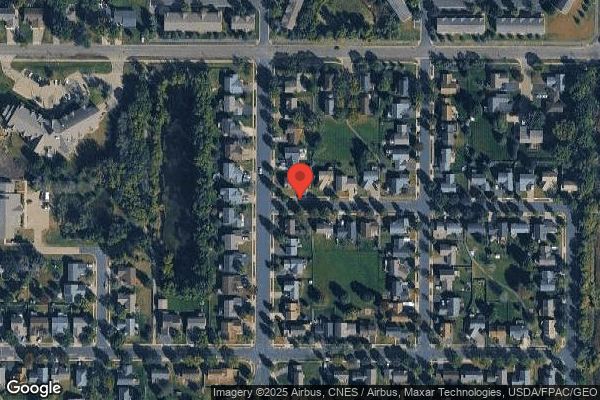
905 ELM STREET, FARMINGTON, MN 55024 (651) 463-7818
Non profit - Corporation 70 Beds ST. FRANCIS HEALTH SERVICES Data: November 2025
Trust Grade
85/100
#83 of 337 in MN
Last Inspection: May 2025

Inspected within the last 6 months. Data reflects current conditions.

Overview

Trinity Care Center in Farmington, Minnesota, has a Trust Grade of B+, indicating it is above average and recommended for care. It ranks #83 out of 337 nursing homes in the state, placing it in the top half, and it is #2 out of 9 in Dakota County, meaning only one local facility is rated higher. The facility is improving; issues have decreased from 8 in 2024 to just 2 in 2025. Staffing is a strong point with a perfect score of 5/5 stars and a low turnover rate of 20%, significantly below the state average, indicating that staff are stable and familiar with residents. However, there have been some concerning incidents, including a serious case where a resident fell and fractured their arm and leg due to a failure to follow fall precautions, as well as issues with unsecured medication carts and inadequate PPE practices during a COVID-19 outbreak, highlighting areas needing attention despite overall strengths.

Trust Score
B+
85/100
In Minnesota
#83/337
Top 24%
Safety Record
Moderate
Needs review
Inspections
Getting Better
8 → 2 violations
Staff Stability
✓ Good
20% annual turnover. Excellent stability, 28 points below Minnesota's 48% average. Staff who stay learn residents' needs.
Penalties
✓ Good
No fines on record. Clean compliance history, better than most Minnesota facilities.
Skilled Nurses
✓ Good
Each resident gets 63 minutes of Registered Nurse (RN) attention daily — more than 97% of Minnesota nursing homes. RNs are the most trained staff who catch health problems before they become serious.
Violations
⚠ Watch
15 deficiencies on record. Higher than average. Multiple issues found across inspections.
★★★★★
5.0
Overall Rating
★★★★★
5.0
Staff Levels
★★★★★
5.0
Care Quality
★★★★☆
4.0
Inspection Score
Stable
2024: 8 issues
2025: 2 issues

The Good

  • 5-Star Staffing Rating · Excellent nurse staffing levels
  • 5-Star Quality Measures · Strong clinical quality outcomes
  • Low Staff Turnover (20%) · Staff stability means consistent care
  • Full Sprinkler Coverage · Fire safety systems throughout facility
  • No fines on record
  • Staff turnover is low (20%)

    28 points below Minnesota average of 48%

Facility shows strength in staffing levels, quality measures, staff retention, fire safety.

The Bad

Chain: ST. FRANCIS HEALTH SERVICES

Part of a multi-facility chain

Ask about local staffing decisions and management

The Ugly 15 deficiencies on record

1 actual harm
May 2025 2 deficiencies
CONCERN (D)

Potential for Harm - no one hurt, but risky conditions existed

Comprehensive Care Plan (Tag F0656)

Could have caused harm · This affected 1 resident

**NOTE- TERMS IN BRACKETS HAVE BEEN EDITED TO PROTECT CONFIDENTIALITY** Based on interview and document review, the facility failed to ensure a comprehensive care plan was developed and/or maintained ...

Read full inspector narrative →
**NOTE- TERMS IN BRACKETS HAVE BEEN EDITED TO PROTECT CONFIDENTIALITY** Based on interview and document review, the facility failed to ensure a comprehensive care plan was developed and/or maintained to include known post-traumatic stress disorder (i.e., PTSD) to promote continuity of care and reduce the risk of complication (i.e., outbursts) for 1 of 1 resident (R11) reviewed who had PTSD. Findings include: R11's annual Minimum Data Set (MDS), dated [DATE], identified R11 had moderate cognitive impairment but demonstrated no delusional thinking. Further, the MDS outlined R11 had no behavioral symptoms (i.e., physical, verbal behaviors) but did have a medical diagnosis of PTSD. On 5/12/25 at 2:01 p.m., R11 was interviewed about his care. R11 was asked if he'd be comfortable talking about his PTSD (as outlined on the MDS) to which R11 responded, Go ahead. R11 then laughed and voiced aloud, I don't even know what it is [PTSD]. R11 stated he had a history of military service and had served in combat situations prior, however, maintained he had no concerns with PTSD adding he was unsure what, if anything, staff was doing about it for him. R11's Trauma-Informed Care Questionnaire, dated 11/2019, identified R11 had served in World War II which he attributed as a traumatic event. The questionnaire outlined spacing to record what, if anything, helps when R11 would be feeling anxious, angry or sad to which a response was recorded, Talk about it. The completed questionnaire was signed by both R11 and social worker (SW)-A. On 5/13/25 at 12:57 p.m., nursing assistant (NA)-A was interviewed, and verified they had worked with R11 multiple times prior. NA-A stated they had never seen behaviors from R11, such as hitting or swearing, however, had noticed him to be depressed. NA-A explained R11 would, at times, ask to speak with the pastor at the campus in private adding, He's depressed and needs to talk to him. NA-A stated R11 would never complain outright of being depressed but NA-A added, You can tell he's upset. NA-A stated they didn't think R11 had PTSD adding aloud, I don't think so. NA-A stated they were unsure what, if any, triggers had been identified or should be avoided adding, I've never heard anything. R11's care plan, printed 5/14/25, lacked evidence R11's trauma-related concerns or subsequent interventions to address them had been added to his comprehensive care plan until 5/14/25 (after survey started). A Focus was added which read, I need trauma care related to: I am a veteran and served in WWII, along with interventions including explaining all cares prior to doing them, using family as a support systems, and talking about his feelings when wanted. However, again, this 'Focus' and all of the corresponding interventions had dictation present which read, Date Initiated: 05/14/2025. On 5/14/25 at 8:13 a.m., SW-A was interviewed, and verified they had reviewed R11's care plan. SW-A stated the campus had changed medical record systems back in October 2024 (seven months prior) and the trauma-related care plan didn't get carried over to their new system (as printed on 5/14). SW-A verified R11 had multiple MDS cycles since October 2024 and acknowledged the lack of a trauma-focused care plan had not been identified until now. SW-A stated they were the personnel who typically care-planned the trauma-related care concerns and, due to R11 being identified as not having it done, just completed a whole-house audit to ensure others had it care-planned. SW-A stated R11 was the only one I missed. SW-A stated having trauma-related care issues care-planned was important so staff were aware of him being a veteran and of things which could be alarming to him. A facility-provided Person Centered Care Planning policy, dated 4/2023, identified the care center would develop a comprehensive care plan to include measurable objectives to meet a residents psychosocial and/or medical needs. The policy outlined the comprehensive care plan would be developed within seven days of the comprehensive MDS assessment and would included, Management of risk factors and prevent avoidable declines in functioning.
CONCERN (D)

Potential for Harm - no one hurt, but risky conditions existed

Infection Control (Tag F0880)

Could have caused harm · This affected 1 resident

**NOTE- TERMS IN BRACKETS HAVE BEEN EDITED TO PROTECT CONFIDENTIALITY** Based on observation, interview, and document review, the facility failed to ensure proper hand hygiene and enhanced barrier pre...

Read full inspector narrative →
**NOTE- TERMS IN BRACKETS HAVE BEEN EDITED TO PROTECT CONFIDENTIALITY** Based on observation, interview, and document review, the facility failed to ensure proper hand hygiene and enhanced barrier precautions (EBP) were utilized appropriately for 2 of 2 residents (R7, R16) reviewed for EBP. In addition, the facility failed to perform appropriate infection control processes for 1 of 1 resident (R21) on contact precautions observed during medication administration. Findings Include: Enhanced Barrier Precautions CMS memorandum QSO-024-08-NH, dated 3/20/24, included for residents for whom EBP are indicated, EBP is employed when performing the following high-contact resident care activities: dressing, bathing/showering, transferring, providing hygiene, changing linens, changing briefs or assisting with toileting, device care or use: central line, urinary catheter, feeding tube, tracheostomy/ventilator, wound care: any skin opening requiring a dressing. R7's annual Minimum Data Set (MDS) dated [DATE], identified R7 was cognitively impaired, diagnosed with progressive neurological conditions and neurogenic bladder, and had an indwelling suprapubic catheter. The MDS indicated R7 required assist of one staff for transfers and had no history of falls in the facility. R7's Face sheet reviewed 5/12/25, indicated a banner with special instructions for EBP: enhanced barrier precautions-must wear gown and gloves with during high-contact resident cares activities, changing linens, all catheter cares. R7's orders reviewed 5/12/25, indicated R7 had a suprapubic catheter with enhanced barrier precautions revised on 9/18/24, and directed staff to wear a gown and gloves during high-contact resident cares activities, changing linens, and all catheter cares. R7's care plan dated 5/14/25, indicated personal protective equipment (PPE) should be available and used during high-contact resident care activities. During observation on 5/12/25 at 4:13 p.m., an Enhanced Barrier Precaution (EBP) sign was affixed to R7's door, and indicated providers and staff must wear gloves and gown for high contact resident care activities such as, dressing, bathing/showering, transferring, changing linens, proving hygiene, and changing briefs. A Droplet Precautions sign was also on the door, while a barrel labeled clean gowns sat outside the door. There were no gloves, masks or face shields at the entry to R7's open door. R7 was calling out hello and leaning forward slightly in her recliner to peer out the open door in an attempt to get the attention of staff. Registered nurse (RN)-C and nursing assistant (NA)-B entered R7's room and RN-C put on a pair of gloves and closed the door. After a few moments the door was opened and neither of the staff were observed with a gown while R7 was transferred to the wheelchair. During an interview on 5/12/25 at 4:19 p.m., RN-C stated the droplet precaution sign on the door might lead someone to close it and she was concerned R7 could be at risk for falls. She stated the sign should never have been hung on R7's door and confirmed there were no active droplet precaution orders placed for R7. RN-C verified R7 was on EBP for a catheter and that neither of the staff were wearing gowns during the transfer, and confirmed staff should wear a gown and gloves during high contact resident care activities, changing linens, and with all catheter cares. R16's quarterly Minimum Data Set (MDS) dated [DATE] indicated R16 was severely cognitively impaired, diagnosed with dysphasia and indicated R16 had a feeding tube. During observation on 5/13/25 at 10:30 a.m., two nursing assistants (NAs) entered R16's room to perform a bed bath wearing appropriate PPE for EBP. The NAs brought items into the room for the bed bath but did not have sufficient items to complete their tasks. Nursing assistant (NA)-D removed R16's gown, tucked the brief R16 was wearing between R16's legs, and rolled R16 on to the right side towards the wall while the NA trainee supported R16. When this portion of the bath was completed, additional washclothes were needed. NA-D stepped away from the bed, still wearing the same gloves and proceeded to open draws of the nightstand and the closet which contained shelves. Three additional washcloths, pillow cases, and a body pillowcase were obtained. NA-D continued with cares for R16 with the original pair of gloves. After R16 was turned onto his back, NA-D searched through R16's nightstand drawers and obtained a new brief from the lower drawer with the same first pair of gloves used for the bed bath. The brief was placed on R16, and NA-D turned and grabbed a bottle of powder from the nightstand, applied the powder, and placed it back on the nightstand. NA-D touched multiple surfaces in an attempt to locate an absorbent pad, found the pad in the wheelchair, and applied it under R16 while repositioning. NA-D removed the original pair of gloves at 10:58 a.m., did not perform hand hygiene, applied new pillowcases to R16's pillows, and adjusted R16's feet and legs. During an interview on 5/13/25 at 11:02 a.m., NA-D confirmed wearing the same gloves throughout cares with R16, and stated it was important to wear clean gloves when touching the resident, and that touching residents and then items in the room could lead to cross contamination. NA-D also stated the importance of wearing gloves with residents on EBP, but did not think gloves were required when only positioning feet and legs. During an interview on 5/13/25 at 11:03 a.m., nursing assistant (NA)-C stated gloves should be changed after a resident was touched and before resident's things in the room were touched. During an interview on 5/13/25 at 1:03 p.m., registered nurse (RN)-A stated if a resident was on EBP, they would use a gown and gloves to transfer from a recliner to the wheelchair or when they were moved out of their room. RN-A also stated nursing assistants (NAs) should change their gloves after touching a brief, between cares like oral or peri cares, after they complete cares such as a bed bath, and before touching other areas in the room. Contact Precautions R21's entry tracking record Minimum Data Set (MDS) dated [DATE] indicated R21 had a short term hospital stay with original admission date to the facility in 2024. R21's quarterly MDS dated [DATE] indicated R21 was cognitively intact, was diagnosed with cardiorespiratory conditions and renal insufficiency. R21's orders dated 5/6/25 at 2:00 p.m., indicated R21 was on contact precautions due to Clostridium difficile (C. diff - a bacterium that can cause inflammation of the colon). The orders directed staff to ensure personal protective equipment was being worn. R21's Face sheet included a banner with special instructions for contact precautions. R21's progress note dated 5/6/25 at 1:53 p.m., indicated R21 was re-admitted to the facility from the hospital with C-Diff and loose stools. Vancomycin (an antibiotic) 125 milligram (mg) capsules was started for nine days with a note that indicated the medication would not be available and that the nurse was notified. During interview and observation on 5/14/25 at 7:48 a.m., licensed practical nurse (LPN)-B performed hand hygiene at the medication cart and proceeded to the resident's room with four oral medications. A red pail labeled clean gowns only was outside the resident's room. A sign on R21's door identified R21 was under Contact Precautions, and indicated everyone must clean their hands and put on a gown and gloves when entering the room, and perform hand hygiene upon leaving. R21's door was open and LPN-B entered the room with a small cup that contained the medication and a spoon in one hand, and a larger cup filled with water and a straw in the other. LPN-B placed the water cup down and raised the head of the bed as R21 boosted and positioned herself. LPN-B did not put on a gown or gloves or perform hand hygiene in the room before or during the medication administration. Hand hygiene was performed after LPN-B returned to her cart. LPN-B confirmed R21 was on contact precautions, but stated gowns and gloves did not need to be worn during medication administration, since cares were not performed. During an interview on 5/14/25 at 9:36 a.m., infection control preventionist (ICPC) stated NAs were trained on standard precaution and potential contagious sources. ICPC stated gloves needed to be removed before opening draws to decrease the potential for cross contamination of body fluids. Staff were trained on how to give proper bed baths by being prepared, retrieving all their equipment, and changing gloves in between touching the resident and touching other items in the room. All staff were trained to wear a gown and gloves for Enhanced barrier precautions (EBP) with high contact activities including dressing, transferring, and making beds. ICPC indicated staff did not need to wear a gown if they were only handing the resident a call light or passing water and could use standard precautions. The ICPC also stated when administering medications to a resident on contact precautions, the resident's door could be open, but the nurse needed to wear a gown and gloves, even if the nurse used a spoon to administer the medication. ICPC stated this was important to prevent the nurse from contaminating their clothing and hands which could lead to cross contamination to other residents in the facility. During an interview on 5/14/25 at 12:36 p.m., registered nurse/case manager (RN)-E stated staff were trained in enhanced barrier precautions and should always wear a gown and gloves during cares unless it's a task like dropping off mail or getting a snack that involves minimal touch. Residents who require tube feedings are on EBP and require gown and gloves before touching the resident. RN-E would expect staff to change gloves after performing cares and before touching residents' furniture and personal items in the room. RN-E stated residents who are on contact precautions were welcome to have their door open, the barrels with the clean gowns should be located outside the room, and staff were required to follow the guidelines on the contact precaution signs and gown and glove up every time they entered the room. RN-E confirmed, regardless of if R21 completed medication today (5/14/25), the contact precaution order went beyond the medication completion date to allow for the nurse to assess for loose stools and identify if R21 was symptomatic. RN-E confirmed R21 was currently on contact precautions. Facility policy titled Enhanced Barrier Precautions (EBP), amended 8/20/24 stated EBP are employed when performing the following high-contact resident care activities: dressing, bathing, showering, changing linen, transferring, hygiene care, toileting, peri care, emptying catheter bag, wound care, indwelling medical device care, and therapy treatment. A policy for contact precautions was requested but not provided.
Jul 2024 7 deficiencies
CONCERN (D)

Potential for Harm - no one hurt, but risky conditions existed

ADL Care (Tag F0677)

Could have caused harm · This affected 1 resident

**NOTE- TERMS IN BRACKETS HAVE BEEN EDITED TO PROTECT CONFIDENTIALITY** Based on observation, interview, and document review, the facility failed to provide a dependent resident, who received no fluid...

Read full inspector narrative →
**NOTE- TERMS IN BRACKETS HAVE BEEN EDITED TO PROTECT CONFIDENTIALITY** Based on observation, interview, and document review, the facility failed to provide a dependent resident, who received no fluids by mouth, oral care to promote comfort and hygiene for 1 of 3 residents (R19) reviewed for activities of daily living (ADLs). Findings include: R19's quarterly Minimum Data Set (MDS), dated [DATE], indicated R19 had severe cognitive impairment and was dependent on staff for all ADLs including oral care. The MDS further indicated R19 required a gastrostomy tube (g-tube; feeding tube) for nutrition. R19's care plan dated 7/22/22, indicated R19 was NPO (nothing by mouth) TF (tube feeding) and required assistance with oral care for optimal oral health hygiene. The care plan directed the nursing assistants to ensure R19 was sitting upright at a 90-degree angle, wet toothbrush and use a small pea sized amount of toothpaste and brush teeth if R19 unable to do so himself and use a pink toothette to swab mouth and remove toothpaste when finished. R19's Observations by Resident, dated 7/1/24 - 7/23/24, indicated R19 received oral care seven times during the dates listed on 7/5/24 x 2, 7/13/24, 7/14/24, 7/19/24 x 2, and 7/21/24 x 2. During an interview on 07/22/24 at 2:25 p.m., R19's family member (FM) stated oral care was not being done by the nursing assistants. FM stated oral care should be done twice a day and since R19 was not able to take any food or fluids by mouth speech therapy had provided education to the nursing staff on how to safely perform oral cares, but it was still not being completed. During a follow up interview on 7/24/24 at 7:28 a.m., FM stated she spent 12 hours every day with R19, coming in at 6 a.m. everyday and has not seen facility staff do oral at all this week, stating R19 almost always sleeps with his mouth open and was sure it gets dry stating, I would like to see then do oral care. During observation and interview on 7/24/24 at 7:57 a.m., nursing assistant (NA)-C and NA-D were providing morning cares to R19. Registered nurse (RN)-D was also present providing medications to R19 via G-tube. NA-C and NA-D provided peri-care with a clean brief and repositioned R19 in bed. RN-D assessed R19's skin, lung sounds, and bowel sounds and applied A&D ointment to R19's skin on his buttocks. No oral care was performed by NA-C, NA-D, or RN-D. NA-D stated this was the typical morning routine and cares that were provided to R19. RN-D confirmed that was a typical morning routine and consisted of the cares and assessments provided to R19 each morning. During an interview on 7/24/24 at 10:01 nurse manager and registered nurse (RN)-C stated the expectation was for oral cares to be done with R19 BID, stating speech therapy did education with staff on how to properly do oral care and it absolutely needed to get done. An facility policy titled Oral Hygiene, revised 5/25/23, indicated, all residents will receive oral care as assessed to be appropriate and defined by the care plan. The purpose was to promote cleanliness and prevent oral infection.
CONCERN (D)

Potential for Harm - no one hurt, but risky conditions existed

Quality of Care (Tag F0684)

Could have caused harm · This affected 1 resident

**NOTE- TERMS IN BRACKETS HAVE BEEN EDITED TO PROTECT CONFIDENTIALITY** Based on observation, interview and document review the facility failed to monitor bruising and scabbing on a resident's left sh...

Read full inspector narrative →
**NOTE- TERMS IN BRACKETS HAVE BEEN EDITED TO PROTECT CONFIDENTIALITY** Based on observation, interview and document review the facility failed to monitor bruising and scabbing on a resident's left shin who was also on a blood thinner for 1 of 1 resident (R42) reviewed for non-pressure skin alterations. Findings include: R42's quarterly Minimum Data Set (MDS), dated [DATE], indicated R42 had severe cognitive impairment, required substantial to maximum assistance with activities of daily living (ADLs) and had received an anticoagulant during the seven day look back period. The MDS further indicated R42 had diagnoses of dementia, Parkinson's disease, depression, and psychotic disorder. R42's Current Orders, printed 7/25/24, indicated R42 had an order for Eliquis (a blood thinning medication used to prevent blood clots) 5 milligrams (mg) daily. The orders however lacked an order to monitor the skin alterations (bruising and scabbing) to R42's left shin. R42's care plan, printed 7/24/24, instructed staff to monitor R42 for potential side effects of Eliquis use to include excessive bleeding and bruising, diarrhea or constipation, indigestion, dizziness, headaches, rashes, itching skin, hair loss, jaundice. The care plan further indicated R42 was at risk for skin breakdown related to atrial fibrillation (irregular heart rhythm), Parkinson's, edema (swelling related to excess fluid) and incontinence with interventions for the nurses to inspect R42's skin weekly and the nursing assistants to inspect R42's skin daily for bruises and edema. R42's last three Weekly General Observation - Skin Conditions, dated 7/6/24, 7/13/24, and 7/20/24, indicated skin checked, no problems found. R42's electronic medical record (EMR) lacked any wounds that were currently being monitored under the Wound Monitoring section of the EMR. During observation and interview on 7/22/24 at 3:19 p.m., R42 was observed asleep in bed with his legs exposed, multiple bruising and scabbing were noted on his left shin. R42's family member (FM-2) stated she had noticed the bruising and scabbing to R42's shin on Sunday (7/21/24). During an interview on 7/24/24 at 8:11 a.m., nursing assistant (NA)-D stated she has noticed the bruising and scabbing on his left shin, stating R42 bruises easily and had bruising and scabbing on his shins for a long time confirming she has told the nurses about it. During an interview 7/24/24 at 8:55 a.m., licensed practical nurse (LPN)-B stated she had noticed the bruising and scabbing on R42's left shin, stating he often runs his shins into things while in his wheelchair and that he also picks at his skin. During a follow up interview on 7/24/24 at 10:01 a.m., RN-C stated she assessed R42's legs and would be starting treatment and monitoring to his left shin. During an interview on 7/24/24 at 10:01 a.m., nurse manager and registered nurse (RN)-C indicated it was the expectation that any new or acute skin alterations would be addressed on an incident report which would then notify her for follow up, confirming she was not aware of any skin alterations with R42. She stated it would be important to monitor any skin alterations to monitor for any changes, improvements, or worsening. A facility policy on non-pressure skin concerns was requested and not received.
CONCERN (D)

Potential for Harm - no one hurt, but risky conditions existed

Deficiency F0688 (Tag F0688)

Could have caused harm · This affected 1 resident

**NOTE- TERMS IN BRACKETS HAVE BEEN EDITED TO PROTECT CONFIDENTIALITY** Based on observation, interview and document review the facility failed to provide routine range of motion for 1 of 1 resident (...

Read full inspector narrative →
**NOTE- TERMS IN BRACKETS HAVE BEEN EDITED TO PROTECT CONFIDENTIALITY** Based on observation, interview and document review the facility failed to provide routine range of motion for 1 of 1 resident (R19) reviewed for ROM who was dependent on staff for all activities of daily living (ADLs). Findings include: R19's quarterly Minimum Data Set, dated [DATE], indicated R19 had severe cognitive impairment and was dependent on staff for all ADLs. R19's care plan, dated 7/22/22, indicated R19 should receive ROM daily with dressing. R19's Observations by Resident, dated 7/1/24 - 7/23/24, lacked any documentation of the nursing assistants providing ROM to R19. During an interview on 7/22/24 at 2:28 p.m., R19's family member (FM) stated R19 had stiff and contracted legs and was still working with therapy but was also supposed to receive daily ROM to his legs. FM stated she has not seen nursing staff do any ROM with R19. During a follow up interview on 7/24/24 at 7:28 a.m., FM stated she spent 12 hours every day with R19, arriving at 6a.m. every morning and confirmed she had not seen nursing staff do any ROM with R19 this week. During observation and interview on 7/24/24 at 7:58 a.m., nursing assistant (NA)-C and NA-D entered R19's room to provide morning cares to include peri care, a brief change and repositioning. R19 was observed to have stiff bilateral legs that were difficult to maneuver while providing cares. R19's bilateral legs also appeared to not be able to fully straighten. RN-D was also present providing medications and to assess R19's skin, lung sounds and bowel sounds. No ROM was performed by NA-C, NA-D, or RN-D. NA-D stated this was the typical morning routine and cares that were provided to R19. RN-D confirmed that was a typical morning routine and consisted of the cares and assessments provided to R19 each morning. During observation and interview on 7/24/24 at 11:11 a.m., (NA)-C and NA-D were entering R19's room to get R19 dressed and up in his wheelchair. R19 was dressed in pants, socks and shoes and a hospital gown was kept on as a top per daughter preference. R19 was transferred to his wheelchair via a full body mechanical lift. NA-C and NA-D left R19's room without providing ROM. During an interview on 7/24/24 at 10:45 a.m., registered nurse and restorative nurse (RN)-E stated nursing staff were instructed to and should be providing R19 ROM to his arms and legs while getting R19 dressed. RN-E confirmed they should also be documenting this under Observations by Resident after completion. A facility policy titled Range of Motion, revised 11/8/13, indicated the restorative ROM program was to provide residents with the assistance required to maintain and improve joint mobility and promote a greater sense of wellbeing. The policy indicated when a resident had ROM care planned, a general guide was to repeat the exercise 10 times per joint.
CONCERN (D)

Potential for Harm - no one hurt, but risky conditions existed

Respiratory Care (Tag F0695)

Could have caused harm · This affected 1 resident

**NOTE- TERMS IN BRACKETS HAVE BEEN EDITED TO PROTECT CONFIDENTIALITY** Based on observation, interview, and document review, the facility failed to ensure proper cleaning of a non-invasive ventilatio...

Read full inspector narrative →
**NOTE- TERMS IN BRACKETS HAVE BEEN EDITED TO PROTECT CONFIDENTIALITY** Based on observation, interview, and document review, the facility failed to ensure proper cleaning of a non-invasive ventilation machine to reduce the risk of complications (i.e., respiratory infection) for 1 of 1 residents (R48) observed for continuous positive airway pressure (CPAP) machine use. Findings include: The ResMed AirFit F20 Full Face Mask User Guide dated 12/20, indicated the mask should be disassembled, rinsed, cleaned with a soft brush until dirt was removed, cleaned with warm water and a mild detergent, rinsed and air dried daily or after each use. The guide indicated the headgear should be cleaned with warm water and mild detergent and then rinsed and air-dried weekly. The ResMed AirSense 10 User Guide dated 2/21, indicated the non-invasive ventilation machine should be cleaned weekly including washing the water tub and air tubing with warm water and mild detergent and wiping the machine's exterior with a dry cloth. The guide recommended regular cleaning of the tubing, water tub, and mask for optimal therapy and prevention of the growth of germs. R48's annual Minimum Data Set (MDS) dated [DATE], indicated R48 had intact cognition and required maximal assistance with upper body dressing, personal hygiene, and bed mobility. The MDS indicated that R48 utilized a non-invasive ventilation machine. R48's diagnoses list dated 6/5/23, indicated R48 was diagnosed with obstructive sleep apnea (sleep-related breathing disorder), hypertension (high bood pressure), and COVID-19 (7/13/24). R48's Current Order summary dated 6/9/23, indicated staff were to assist R48 with applying her CPAP at night and removing it every morning. The order indicated staff were to ensure the machine had distilled water up to the fill line of the humidification chamber before CPAP placement but did not include daily cleaning of the CPAP. The summary included an order for weekly cleaning of the headgear, chin strap, mask, and tubing. R48's Medication Administration Record (MAR) Summary dated 7/1/24 through 7/24/24, indicated weekly CPAP cleaning of the headgear, chin strap, mask, and tubing had occurred but did not include daily cleaning. The summary indicated the CPAP had been applied and removed daily during the period. During an interview and observation on 7/22/24 at 1:31 p.m., R48 stated staff did not clean the CPAP machine very often, and it had looked like it needed to be cleaned for a while. R48's ResMed AirSense 10 with an attached ResMed AirFit F20 Full Face Mask was observed on R48's bedside table with a white substance partially covering the inside of the mask and a buildup of dust and a white substance on the outside of the machine. During an interview and observation on 7/23/24 at 11:32 a.m., R48's CPAP machine with an attached mask was observed on R48's bedside table with a white substance partially covering the inside of the mask and a buildup of dust and a white substance on the outside of the machine. Registered nurse (RN)-D stated the mask appeared dirty and needed to be cleaned and had not been cleaned today. RN-D stated that R48 had scheduled weekly cleanings of the CPAP machine on Sundays but did not have scheduled daily cleanings. RN-D stated she would sometimes wipe down the mask in the morning but did not detach the mask from the machine or use soap to clean it, other than for the weekly cleanings. During an interview on 7/24/24 at 11:23 a.m., RN-C, the nurse manager, stated R48's CPAP machine should be wiped down every day and the order was now updated to reflect this. RN-C stated having a buildup of grime on the CPAP mask was disgusting and nursing staff should have been cleaning this. RN-C stated nursing staff should not need an order to know to wipe down a CPAP machine, it should be basic nursing sense. The facility Cleaning/Disinfection Resident Care Equipment policy dated 1/25/22, indicated respiratory therapy equipment was a semi-critical item and should remain free from all microorganisms.
CONCERN (E)

Potential for Harm - no one hurt, but risky conditions existed

Deficiency F0761 (Tag F0761)

Could have caused harm · This affected multiple residents

Based on observation and interview and policy review, the facility failed to ensure medications were securely stored safely in 2 of 6 medication carts observed. Findings include: During observation a...

Read full inspector narrative →
Based on observation and interview and policy review, the facility failed to ensure medications were securely stored safely in 2 of 6 medication carts observed. Findings include: During observation and interview on 7/22/24 at 1:37 p.m., an unattended and unlocked medication cart was observed outside a nursing station of the long-term care unit named, The Cottages. The unattended and unlocked medication cart was adjacent to the courtyard/dining room with several residents present. Registered nurse (RN)-A verified the medication cart was unlocked and stated, I am responsible for the unlocked medication cart. RN-A stated unattended medication carts should always be locked to protect medications from unauthorized staff, residents, and visitors. During observation and interview on 7/24/24 at 8:30 a.m., an unattended and unlocked medication cart was observed outside a nursing station of a unit named, The Chateau. The unlocked and unattended medication cart was adjacent to the courtyard/dining room with several residents present. Trained medication aid (TMA)-A approached the medication cart and verified they were responsible for the medication cart. TMA-A verified the medication was unlocked and unattended by staff. TMA-A indicated the medication cart should be locked to prevent a medication error and so people can't get in it. On 7/24/24 at 11:24 a.m., director of nursing (DON) stated, I expect that if they (medication carts) are unattended, they are locked. This ensures they can't be accessed by unlicensed personal or residents. A facility policy titled Medication Administration, dated 8/7/23, was provided. The document indicated the medication cart is stored in designated area(s) and locked when not in use. The nurse or TMA retains the medication cart key on his/her person while on duty.
CONCERN (E)

Potential for Harm - no one hurt, but risky conditions existed

Infection Control (Tag F0880)

Could have caused harm · This affected multiple residents

**NOTE- TERMS IN BRACKETS HAVE BEEN EDITED TO PROTECT CONFIDENTIALITY** Based on observation, interview and document review, the facility failed to ensure personal protective equipment (PPE) practices...

Read full inspector narrative →
**NOTE- TERMS IN BRACKETS HAVE BEEN EDITED TO PROTECT CONFIDENTIALITY** Based on observation, interview and document review, the facility failed to ensure personal protective equipment (PPE) practices were implemented by staff during a COVID-19 outbreak at the facility. This had the potential to affect all residents residing in one unit (Chateau Unit) of the facility. Findings include: Review of CDC guidance updated, 3/14/24 , Interim Infection Prevention and Control Recommendations for Healthcare Personnel During the Coronavirus Disease 2019 (COVID-19) Pandemic indicated when a facility is in COVID-19 outbreak status Source control is recommended more broadly as described in CDC ' s Core IPC Practices in the following circumstances: By those residing or working on a unit or area of the facility experiencing a SARS-CoV-2 or other outbreak of respiratory infection; universal use of source control could be discontinued as a mitigation measure once the outbreak is over (e.g., no new cases of SARS-CoV-2 infection have been identified for 14 days) During survey entrance on 7/22/24 at 12:45 p.m., a large whiteboard was placed at facility main entrance with a stand up sanitizing unit, and two boxes of surgical masks. The whiteboard indicated, Attention, effective 7/5/24 COVID OUTBREAK *Masking Required for everyone, Thank you. R10's annual Minimum Data Set (MDS) dated [DATE], indicated R10 had severely impaired cognitive skills, required substantial/maximal assistance with eating, oral hygiene, upper body dressing, and personal hygiene. Also, R10 was dependent for bathing and toileting. R10 diagnoses include Alzheimer's, dementia, aphasia (inability to comprehend or communicate), hemiplegia (paralysis on one side of the body), and anxiety. During observation and interview with infection control preventionist (IP) on 7/23/24 at 7:38 a.m., IP was observed stocking a PPE cart outside R10's room on the long-term care unit named, Chateau. R10's door had signage which indicated, Droplet Precautions. IP stated R10 tested positive for COVID-19 on 7/22/24 and verified the facility was in a COVID outbreak and all staff were required to wear surgical masks at all times unless entering a COVID positive room, which then required a N95 mask, PPE gown, gloves, and eye protection. During observation on 7/24/24 at 7:45 a.m., trained medication aide (TMA)-A was observed with a surgical mask below the nose and above mouth stood at medication cart outside nursing station adjacent to the Chateau dining room obtaining medications. Several residents were seated at the adjacent dining room tables. During observation on the Chateau unit on 7/24/24: - at 8:45 a.m., TMA-A was observed standing at a medication cart outside the Chateau nursing station adjacent to the dining room with her face mask below the nose and chin obtaining medications. - at 8:47 a.m., TMA-A pulled the face mask up to cover her mouth but not her nose. -at 8:50 a.m., TMA-A was observed administering medications to a resident at the dining room table with her face mask below her nose. -at 8:58 a.m., TMA-A was observed walking down the Chateau hallway with a cup of medications in her hand. TMA-A had her face mask down below her chin exposing both nose and mouth. -at 9:22 a.m., TMA-A was observed standing at a medication cart outside nursing station adjacent to the Chateau dining room with her face mask below her nose and chin obtaining medications. Three people were sitting in the dining room. Two staff members were sitting in nursing station and one housekeeper, and a maintenance staff member walked past. -at 10:37 a.m., TMA-A was observed exiting the staff break room and walked down a hallway and past the whiteboard posted at the entrance of the facility which announced the COVID outbreak and requirement of all staff to wear a mask. TMA-A was wearing her face mask below her nose and mouth. -at 11:08 a.m., TMA-A was observed pushing a cart with lunch trays from the kitchen past the central dining room of residents and the entire transitional care unit (TCU) of the facility to the Chateau unit dining room. TMA-A was wearing face mask below her chin exposing nose and mouth. During observation and interview with nursing assistant (NA)-A on 7/23/24 at 12:15 p.m., NA-A was working on the Chateau unit and was observed wearing a surgical mask and stated, [staff] gotta wear it because of COVID outbreak. We have to wear it all times to prevent spreading infection to others and catching it too. During observation and interview with NA-B on 7/23/24 at 12:23 p.m., NA-B was working on the Chateau unit and was observed wearing surgical mask and stated, [staff] wear mask at all times to prevent spread of infection. Should be above mouth and cover the nose at all times. During interview on 7/24/24 at 9:30 a.m., housekeeper (H)-A stated all staff are required to wear a surgical mask due to the facility being in COVID outbreak status and, [staff] must have them when out in the resident areas. During interview on 7/24/24 at 9:32 a.m., H-B stated, right now we [facility] are under COVID outbreak. [We are to] wear the mask at all times in resident areas. [It is] important to protect residents and ourselves and family and visitors as well. During interview on 7/24/24 at 9:34 a.m., with licensed practical nurse (LPN)-B, LPN-B stated, We have to wear it all times to prevent infection spread. During interview on 7/24/24 at 10:12 a.m., with registered nurse (RN)-C, RN-C stated, Staff have to wear them [surgical masks] at all times. During observation and interview with TMA-A on 7/24/24 at 11:10 a.m., TMA-A was standing at medication cart located outside nursing station and adjacent to the Chateau dining room. TMA-A stated teh facility was in a COVID outbreak and it was important for staff to wear surgical mask over the mouth and nose, to prevent [the] spread [of] infection. TMA-A verified R10 on the Chateau unit tested positive for Covid on 7/22/24. TMA-A also verified she failed to wear the face mask appropriately during multiple surveyor observations, due to sweating and [sic]can't breathe. TMA-A stated all of the residents of the facility were vulnerable to infection. During interview with the director of nursing (DON) on 7/24/24 at 11:15 a.m., DON verified the facility was in a COVID outbreak and stated the expectation of all staff was to wear masks appropriately, at all times. Facility policy titled Coronavirus Prevention, Screening, and Identification reviewed 10/11/2023 identified, A breach of PPE can result in the spread of infectious pathogens. Breach of PPE can include but is not limited to: i. Inappropriate use of facial mask.
CONCERN (E)

Potential for Harm - no one hurt, but risky conditions existed

Deficiency F0883 (Tag F0883)

Could have caused harm · This affected multiple residents

**NOTE- TERMS IN BRACKETS HAVE BEEN EDITED TO PROTECT CONFIDENTIALITY** Based on interview and document review, the facility failed to ensure that recommended pneumococcal vaccinations, as outlined by...

Read full inspector narrative →
**NOTE- TERMS IN BRACKETS HAVE BEEN EDITED TO PROTECT CONFIDENTIALITY** Based on interview and document review, the facility failed to ensure that recommended pneumococcal vaccinations, as outlined by the Centers for Disease Control (CDC), were offered and/or provided to reduce the risk of severe disease for 5 of 5 residents (R6, R8, R19, R45, R48) reviewed for immunizations. Findings include: A CDC Pneumococcal Vaccine Timing for Adults chart dated 3/15/2023, identified various tables when each (or all) of the pneumococcal vaccinations should be obtained for adults 65 years and older. The chart indicated when a resident had received the Pneumococcal 13-valent Conjugate Vaccine (PCV13) at any age and the pneumococcal polysaccharide vaccine 23 (PPSV23) at greater than 65 years, the resident and provider may choose to administer the Pneumococcal 20-valent Conjugate Vaccine (PCV20). R6's annual Minimum Data Set (MDS) dated [DATE], indicated R6 was [AGE] years old at the time of assessment, had severely impaired cognition, and was diagnosed with kidney disease, dementia, and heart failure. R6's Resident Vaccinations record dated 7/23/24, indicated R6 had received the PPSV23 on 2/10/04 (greater than [AGE] years old at administration) and the PCV13 on 5/4/15. A call was attempted on 7/24/24 at 8:48 a.m. to R6's resident representative (RR)-A with no answer. R8's quarterly MDS dated [DATE], indicated R8 was [AGE] years old at the time of assessment, had moderately impaired cognition, and was diagnosed with kidney disease, diabetes, and dementia. R8's Resident Vaccinations record dated 7/23/24, indicated R8 had received the PPSV23 on 11/9/12 ([AGE] years old at administration) and the PCV13 on 4/27/16. A call was attempted on 7/24/24 at 8:43 a.m. to R8's resident representative (RR)-D with no answer. R19's quarterly MDS dated [DATE], indicated R19 was [AGE] years old at the time of assessment, had severely impaired cognition, and was diagnosed with diabetes and dementia. R19's Resident Vaccinations record dated 7/23/24, indicated R19 had received the PPSV23 on 1/1/07 (greater than [AGE] years old at administration) and the PCV13 on 12/23/16. During an interview on 7/24/24 at 8:23 a.m., RR-B stated that no one from the facility had offered an additional pneumococcal vaccination for R19 before survey entrance but if they had, they would have wanted it. R45's annual MDS dated [DATE], indicated R8 was [AGE] years old at the time of assessment, had severely impaired cognition, and was diagnosed with diabetes and dementia. R45's Resident Vaccinations record dated 7/23/24, indicated R45 had received the PPSV23 on 11/12/03 ([AGE] years old at administration) and the PCV13 on 3/2/15. During an interview on 7/24/24 at 8:09 a.m., RR-C stated she did not recall anyone from the facility offering an additional pneumococcal vaccination for R45 before survey entrance but if they had, they would have wanted it. R48's annual MDS dated [DATE], indicated R48 was [AGE] years old at the time of assessment, had intact cognition, and was diagnosed with a heart dysrhythmia and hypertension. R48's immunization record dated 3/9/21, indicated R48 had received the PPSV23 on 9/1/10 ([AGE] years old at administration) and the PCV13 on 1/15/15. During an interview on 7/24/24 at 10:29 a.m., R48 stated she had not been offered an additional pneumococcal vaccination before survey entrance, but if they had, she would have said yes. R6's, R8's, R19's, R45's, and R48's medical records were reviewed and did not indicate the PCV20 was offered or administered prior to survey entrance. During an interview on 7/24/24 at 10:26 a.m., the infection preventionist (IP) stated that the registered nurse (RN)-C, the nurse manager oversaw tracking and offering pneumococcal vaccinations and RN-C was the best source of information regarding this. During an interview on 7/24/24 at 10:40 a.m., RN-C stated all five residents (R6, R8, R19, R45, R48) were eligible for a PCV20 dose but it had not been offered before survey entrance. RN-C stated the facility had difficulty getting a standing house order from their medical director and it had led to delays in offering and administering this vaccination. The facility Resident Immunization policy dated 9/29/23, indicated pneumococcal vaccines would be offered to residents according to the current CDC guidance.
Jul 2024 1 deficiency 1 Harm
SERIOUS (G) 📢 Someone Reported This

A family member, employee, or ombudsman was alarmed enough to file a formal complaint

Actual Harm - a resident was hurt due to facility failures

Accident Prevention (Tag F0689)

A resident was harmed · This affected 1 resident

**NOTE- TERMS IN BRACKETS HAVE BEEN EDITED TO PROTECT CONFIDENTIALITY** Based on interview and document review, the facility failed to implement care planned fall precautions for 1 of 3 residents (R1)...

Read full inspector narrative →
**NOTE- TERMS IN BRACKETS HAVE BEEN EDITED TO PROTECT CONFIDENTIALITY** Based on interview and document review, the facility failed to implement care planned fall precautions for 1 of 3 residents (R1) reviewed for fall safety. This resulted in harm when R1 fell out of bed and sustained a fractured humerus and tibia. The facility implemented corrective action prior to the investigation, so the deficiency was issued at past noncompliance. Findings include: R1's annual Minimum Data Set (MDS) dated [DATE], indicated R1 was moderately cognitively impaired, and was dependent on staff for activities of daily living (ADLs) and transfers. R1's Face Sheet dated 7/11/24, indicated R1 had diagnoses of muscle weakness, heart failure and chronic respiratory failure. R1's care plan dated 8/24/23, indicated R1 was at risk for falls, with interventions of a low bed with bedside mat. On 7/4/24 at 1:24 a.m., a progress note indicated R1 was found in her room on the floor in a sitting position, with her head leaning on the bed and her legs stretched out in front of her. R1 could not indicated what she was trying to do or how she fell but mentioned hearing children talking in her room. R1's bed was noted to be at a regular height and bed side table was pushed away from the bed. R1 had a skin tear that measured 6 centimeters by 5 centimeters. Range of motion was completed for all extremities, and R1 complained of pain to her left wrist. Pain medication was administered. R1 was returned to her bed, the bed was lowered to the floor and the floor mat was placed on the floor. R1's family and provider were notified. On 7/4/24 at 5:37 a.m., a progress note indicated licensed practical nurse (LPN)-A checked on R1 at 2:00 a.m., and completed a pain assessment. R1 was still complaining of pain, another pain medication was administered. LPN-A called R1's hospice provider to see if R1 could obtain an x-ray for concerns of a fracture. Hospice directed LPN-A to contact R1's family to see if they would like her to go to the hospital or keep her comfortable at the facility. At 2:30 a.m., LPN-A noticed R1's left leg was swollen and discolored. There was back and forth discussion with hospice and family to determine if R1 should go to the hospital while on hospice. Family decided to send R1 to the hospital and at 4:00 a.m., and 911 was called for transport to the hospital. On 7/4/24 at 9:58 a.m., a progress note indicated the facility was notified R1 sustained a left tibia and humerus fracture and was admitted to the hospital. On 7/6/24 at 8:03 p.m., a progress note indicated R1 was re-admitted to the facility after two nights in the hospital. Her diagnosis was closed left humerus fracture of proximal end, closed fracture of proximal end of left fibula, closed fracture of proximal end of left tibia (lower leg). R1 had an arm sling and leg immobilizer. On 7/8/24 at 9:17 a.m., a progress note indicated an interdisciplinary care team reviewed R1's fall. R1 was put to bed around 7:00 p.m., and nursing assistant (NA)-A checked on R1 around 9:30 p.m., R1's incontinent brief was dry, and she appeared confused which was the baseline for R1. R1 was care planned to have a low bed with a bedside mat, and at the time of the fall her bed was not in the lowest position. NA-A was interviewed and stated she thought the bed was in the lowest position, but suggested R1 might have used the remote to elevate the bed. On 7/9/24 at 11:53 a.m., a progress note indicated R1 passed away at 11:08 a.m. On 7/11/24, an email between the director of nursing (DON) and R1's physician indicated R1's cause of death was heart failure. On 7/11/24 at 9:47 a.m., R1's family member (FM)-A stated R1 was not able to use the bed remote to control the height of the bed. The bedside mat was always in her room, and when not in use, it was placed in the corner of the room. On 7/11/24 at 11:11 a.m., NA-B stated she heard R1 yelling, and her and another staff went to R1's room. She did not see a mat in R1's room, but there used to be a mat in the room. She had never heard of R1 using the bed remote to change the bed height. R1's bed was up high when she arrived at the room. NA-B was aware that R1 required a low bed and a floor mat. On 7/11/24 at 11:30 a.m., LPN-A stated she heard someone yell for help, and found R1 sitting on the floor. R1 had a skin tear on her left shin. R1 had not had any recent falls. She did not see a mat in R1's room. R1 was able to use the bed remote, and there was a chance R1 changed the height of the bed by herself. The bed was at regular height, and not low to the floor when she entered the room. LPN-A was aware that R1's careplan indicated the bed should be in a low position and a floor mat should be in place. On 7/11/24 at 12:00 p.m., R1's primary physician (MD)-A stated R1 was known to be a fall risk because she had confusion, and would sit up at the edge of the bed occasionally. R1 had been declining prior to the fall, hospice was working on medication changes to manage her hallucinations. On 7/11/24 at 12:12 p.m., NA-A stated she put R1 to bed the night that she fell. She did not see a mat in her room during her shift. R1 could sometimes use the bed remote. She put the bed in the low position when putting R1 to bed. The nursing assistants were responsible for making sure the bed was at the correct height, and could see the care plan in the electronic health record (EHR) system. On 7/11/24 at 12:42 p.m., LPN-B stated she has not had issues with other staff failing to follow R1's fall interventions in the care plan. LPN-B stated the floor mat and bed position was correct when she would enter R1's room. She stated all nursing staff are responsible for making sure the bed is in a low position and the mat is placed. On 7/11/24 at 1:00 p.m., the on-call nurse manager (RN)-A was notified via phone call by LPN-A about R1's fall. R1 had started to hallucinate more frequently over the past several weeks, and thought it was related to agitation at the end of life. R1 did not have recent fall risks, but was having increased hallucinations and agitation which put her at risk for falls. She had spoken to NA-A who stated she had put the bed down in the lowest position and thought R1 had played with the bed remote. She also spoke to LPN-A, who stated the bed was in a regular position. LPN-A and NA-A had both stated the mat was not in the room when she spoke with them. On 7/11/24 at 2:57 p.m., the DON stated after the facility completed the investigation into the fall, she concluded the care plan was not followed because NA-A put the bed up at working height to check R1's incontinent brief a few hours after putting R1 to bed. NA-A forgot to lower it back down before leaving the room. LPN-A noted the bed was higher than it was supposed to be. She figured NA-A did not see the mat in the room, R1 had a lot of items in her room, and it could have been tucked away. The facility policy Fall Prevention and Management dated 2/15/24, directed a fall mitigation strategy was to complete environmental rounds. The rounds would minimize accidents by providing an environment free from hazards while keeping resident's rights in mind. The past noncompliance began on 7/4/24. The deficient practice was corrected on 7/5/24 when nursing leadership reeducated all staff. Education included expectations for rounding and lowering beds. NA-A was educated by the DON and provided a written warning. Bed height and floor mat audits were conducted for four weeks. An interdisciplinary team meeting was conducted to review R1's fall. Verification of corrective action was confirmed by observation, interview, and document review on 7/11/24.
Aug 2023 5 deficiencies
CONCERN (D)

Potential for Harm - no one hurt, but risky conditions existed

Resident Rights (Tag F0550)

Could have caused harm · This affected 1 resident

**NOTE- TERMS IN BRACKETS HAVE BEEN EDITED TO PROTECT CONFIDENTIALITY** Based on observation, interview and document review, the facility failed to ensure dignity was maintained for 1 of 1 resident (R...

Read full inspector narrative →
**NOTE- TERMS IN BRACKETS HAVE BEEN EDITED TO PROTECT CONFIDENTIALITY** Based on observation, interview and document review, the facility failed to ensure dignity was maintained for 1 of 1 resident (R30) who utilized an indwelling catheter. Findings include: R30's quarterly Minimum Data Set (MDS) dated [DATE], identified R30 had moderate cognitive impairment and required extensive assistance with toileting and personal hygiene and had an indwelling catheter. In addition, R30 had a diagnosis of obstructive uropathy (condition in which urine cannot drain through the urinary tract). R30's care plan printed on 8/23/23, identified R30 had an indwelling catheter due to urinary retention. R30's care plan instructed staff to Keep my catheter bag in a privacy bag when up in wheelchair or in bed. During observation on 8/22/23 at 7:49 a.m., R30 was laying in bed facing the window with uncovered foley catheter drainage bag attached to bed frame visible from the dining room where several residents were eating breakfast. The indwelling catheter bag contained yellow urine. During interview on 8/22/23 at 7:52 a.m., registered nurse (RN)-A and nursing assistant (NAR)-A stated the foley drainage bag needs to be covered due to dignity concerns for R30. During interview on 8/22/23 at 1:16 p.m., RN-B stated drainage bags should not be visible from the hall. During interview on 8/22/23 at 9:19 a.m., nursing assistant (NA)-A stated, Catheter drainage bags are never to be left uncovered. Dignity is the reason why. During interview with the director of nursing (DON) on 8/23/23 at 7:57 a.m., DON stated the expectation for catheter drainage bags was they should not be visible from the hallway. Facility policy titled Catheter Care Policy with effective date of 1/7/19 and revised 8/23/23 identified, Cloth storage bag used to cover drainage [NAME] while patient is up in wheelchair and in bed. In addition, facility polity titled Dignity reviewed 4/17/2023 identified, Staff will promote, maintain and protect resident privacy,
CONCERN (D)

Potential for Harm - no one hurt, but risky conditions existed

Deficiency F0554 (Tag F0554)

Could have caused harm · This affected 1 resident

**NOTE- TERMS IN BRACKETS HAVE BEEN EDITED TO PROTECT CONFIDENTIALITY** Based on observation, interview and document review, the facility failed to ensure a self-administration of medication (SAM) ass...

Read full inspector narrative →
**NOTE- TERMS IN BRACKETS HAVE BEEN EDITED TO PROTECT CONFIDENTIALITY** Based on observation, interview and document review, the facility failed to ensure a self-administration of medication (SAM) assessment was completed for 1 of 1 resident (R51) who was receiving a nebulizer treatment. Findings include: R51's quarterly Minimum Data Set (MDS) dated [DATE], indicated R51 was cognitively intact and required a one-person extensive assistance with most activities of daily living (ADLs). R51's diagnoses included chronic obstructive pulmonary disease (COPD), heart failure (chronic condition in which the heart doesn't pump blood as well as it should), peripheral vascular disease (circulatory condition in which narrowed blood vessels reduce blood flow to the limbs) and hypertension. R51's Service Plan dated 8/10/23, indicated R51 had an alteration in respiratory status related to a diagnosis of COPD. R51's Service Plan indicated R51 had short-term memory loss and/or periods of confusion and forgetfulness. R51's Service Plan lacked evidence an assessment for self-administration of medications (SAM) was addressed with R51. Review of R51's entire medical record revealed a lack of an assessment for self-administration of medications. R51's physician order dated 8/21/23, indicated albuterol sulfate inhalation nebulization solution (2.5 milligrams per 3 milliliters) 0.083%, one vial as needed every four hours. The order did not indicate R51 could self-administer this medication. During observation on 8/22/23 at 8:50 a.m., R51 was sleeping while sitting in his wheelchair, his respirations were rapid, shallow, with a respiratory rate of 36 to 40 per minute. R51 had oxygen on at 3 liters per minute, had a nebulizer mask on, a nebulizer machine was on with medication being administered; however, the tubing which connected the machine to the mask was on the floor and disconnected from the mask. During observation and interview on 8/22/23 at 8:54 a.m., registered nurse (RN)-C stated she left the room after setting up and started the nebulizer machine. (RN)-C verified the nebulizer tubing was on the floor and disconnected from the nebulizer machine. During interview on 8/22/23 at 2:50 p.m., (RN)-D verified R51 did not have an order or a SAM assessment to self-administer medications. During interview on 8/24/23 at 11:06 a.m., the director of nursing (DON) stated a self-administration assessment was needed for pills, nebulizers, inhalers, and any other medication. DON stated the nurse should have been in the room or be able to see the resident while the nebulizer treatment was done if there was no SAM assessment completed. DON's expectation was for nursing staff to complete a SAM assessment first if a medication was to be set up for a resident to self administer. The policy titled Self Administration of Medications by Residents, indicated the facility will ensure any resident that wishes to self-administer medications will be assessed, and the Interdisciplinary Team (IDT) will determine if it is appropriate for that individual resident. The policy also indicated the nursing staff will ensure the Electronic Medical Record (EMAR) and care plan reflects the resident's self-administration of medications.
CONCERN (D)

Potential for Harm - no one hurt, but risky conditions existed

ADL Care (Tag F0677)

Could have caused harm · This affected 1 resident

**NOTE- TERMS IN BRACKETS HAVE BEEN EDITED TO PROTECT CONFIDENTIALITY** Based on observation, interview and document review the facility failed to provide a dependent resident with assistance to eat a...

Read full inspector narrative →
**NOTE- TERMS IN BRACKETS HAVE BEEN EDITED TO PROTECT CONFIDENTIALITY** Based on observation, interview and document review the facility failed to provide a dependent resident with assistance to eat and drink for 1 of 3 resident (R35) reviewed for activities of daily living. Findings include: R35's annual Minimum Data Set (MDS), dated [DATE], indicated R35 was cognitively intact and required extensive assistance with most activities of daily (ADLs) including bed mobility, transfers, locomotion, dressing, toilet use, and personal hygiene. R35's Face Sheet indicated R35 was admitted to the facility on [DATE] with multiple fractures of ribs, generalized muscle weakness, fracture of right clavicle and right shoulder. R35's care plan, printed 8/25/23, indicated for staff to deliver and set up R35's meal tray. R35's most recent dietary assessment, dated 7/10/23, did not indicate whether R35 had the ability to feed himself or not. During observation and interview on 8/21/23 at 6:07 p.m., R35 was reclined back in his lift recliner with a full tray of his untouched dinner sitting in front of him. R35 stated he needed help to eat and was unable to reach his food and stated had been staring at it for about an hour. R35 further stated he was hungry and wanted to eat but needed assistance to eat due to his dominant right side being affected by a stroke. During this time, the dining room was cleared of dinner and the other residents had already eaten their dinner. During observation and interview on 8/21/23 at 6:20 p.m., an aide entered R35's room to see why his call light was on. R35 told the aide he was hungry, and she physically assisted him with eating his ice cream and drinking his juice. During an interview on 8/23/23 at 7:46 a.m., nursing assistant (NA)-D stated R35 did not like to be in his wheelchair due to back pain and preferred to stay in his lift recliner for meals. NA-D stated the nursing assistants had to assist R35 with eating breakfast and his wife visited everyday to help him eat lunch. During an interview on 8/23/23 at 10:27 a.m., family member (FM)-B stated R35 did need physical assistance to eat because his good hand did not work well and stated she would help him eat lunch almost every day. During an interview on 8/24/23 at 8:24 a.m., NA-E and licensed practical nurse (LPN)-A both confirmed that R35 needed physical assistance to eat. During an interview 8/24/23 at 9:05 a.m., occupational therapist (OT)-A stated he was working with R35 last year but R35 had plateaued in progress and was discharged from therapy on 9/1/22. OT-A stated when R35 discharged he was a standby assist for eating to ensure he was getting the food to his mouth. A facility policy titled Dignity, revised 4/17/23, indicated residents' independence and dignity will be promoted while dining by avoiding, staff not assisting the resident in a timely manner or not attentive or responsive to the residents' needs, promoting feelings of embarrassment or humiliation related to the inability to assist themselves with food or fluid intake. A facility policy titled Activities of daily Living, undated, indicated the purpose of the policy was to ensure residents were assisted in achieving maximum functional ability with dignity and self-esteem and provided with assistance as necessary to improve quality of life.
CONCERN (D)

Potential for Harm - no one hurt, but risky conditions existed

Deficiency F0679 (Tag F0679)

Could have caused harm · This affected 1 resident

**NOTE- TERMS IN BRACKETS HAVE BEEN EDITED TO PROTECT CONFIDENTIALITY** Based on observation, interview and document review the facility failed to reassess and provide appropriate activities to a bed ...

Read full inspector narrative →
**NOTE- TERMS IN BRACKETS HAVE BEEN EDITED TO PROTECT CONFIDENTIALITY** Based on observation, interview and document review the facility failed to reassess and provide appropriate activities to a bed bound resident for 1 of 2 residents (R7) reviewed for activities. Findings include: R7's significant change Minimum Data Set (MDS), dated [DATE], indicated R7 had severe cognitive impairment and needed extensive assistance with bed mobility and total assistance with transfers, dressing, eating, toilet use, personal hygiene, and locomotion. The activities care area assessment lacked activity preferences prior to admission, current activity pursuits, unique skills, issues that result in reduced activity participation and overall comments or care plan considerations. R7's medical record indicated the last activities assessment was completed 6/24/21. R7's face sheet indicated R7 was admitted on [DATE] with diagnoses of Alzheimer's disease (a form of dementia) and congestive heart failure (a chronic condition in which the heart doesn't pump blood as well as it should). The face sheet further indicated diagnoses of acute respiratory failure with hypoxia (low levels of oxygen in your body tissues, causing confusion, bluish skin, and changes in breathing and heart rate) and wedge compression fracture of T9-T10 vertebra. R7's care plan, printed 8/25/23, indicated R7 was actively involved in activities with interventions indicating R7 will agree to attend group activities such as bingo, hymn singing, bible study, music, and arts and crafts and providing 1:1 activity visits in R7's room. During an interview on 8/21/23 at 3:56 p.m., family member (FM)-A stated the facility was no longer getting R7 out of bed and she had been isolated and bedbound for weeks, stating she has asked the facility to do more activities with R7 to include 1:1 activity visits in her room or providing music for R7 to listen to when R7 discharged from hospice on 8/7/23. During observation on 8/22/23 at 1:07 p.m., R7 was laying in bed in a hospital gown without staff interaction, TV, or music on in her room. During observation on 8/23/23 at 8:11 a.m., R7 was laying in bed, registered nurse (RN)-E administered R7 her morning medications. When RN-E left, R7 was laying in a dim room without TV or music on in her room. During observation on 8/23/23 at 10:26 a.m., R7 was laying in bed, the lights were on in the room, no music or TV on and R7 appeared restless. During an interview on 8/23/23 at 8:15 a.m., the activities director (AD) and activity aide (AA)-A stated every resident was assessed for activities on admission and reassessed annually. The AD stated if residents had a change in condition they should be reassessed for activities. The AD and AA-A stated residents who were bed bound would receive 1:1 activity visits with staff which may include music, a hand massage if a resident liked touch or chatting with the resident if they enjoyed company. AA-A confirmed R7 was not on the list for 1:1 activity visits with activity staff, stating she should be added. The AD further stated R7 was a huge activity goer when she was getting out of bed and confirmed family had asked for the facility to provide 1:1 activity visits with R7 when R7 discharged from hospice on 8/7/23. The AD stated they had not been providing R7 with 1:1 activity visits because family was present so often. The AD confirmed R7 would be added to the list to receive 1:1 activity visits and they would place a CD player in her room for music, confirming R7's restlessness may be boredom as she was so active prior to becoming bed bound. A policy titled Activities Program Policy, revised 11-1-2018, indicated the activities program would be multi-faceted and provide services that are suited to the resident's needs, abilities, interest and take in to account the physical, mental and psychosocial wellbeing of each resident.
CONCERN (D)

Potential for Harm - no one hurt, but risky conditions existed

Accident Prevention (Tag F0689)

Could have caused harm · This affected 1 resident

**NOTE- TERMS IN BRACKETS HAVE BEEN EDITED TO PROTECT CONFIDENTIALITY** R21's annual Minimum Data Set (MDS) dated [DATE], indicated R21 had intact cognition and received oxygen therapy. The MDS also i...

Read full inspector narrative →
**NOTE- TERMS IN BRACKETS HAVE BEEN EDITED TO PROTECT CONFIDENTIALITY** R21's annual Minimum Data Set (MDS) dated [DATE], indicated R21 had intact cognition and received oxygen therapy. The MDS also indicated R21 required extensive assistance with bed mobility and transfers and total assistance with locomotion. R21's face sheet dated 9/14/21, indicated diagnoses which included: asthma, congestive heart failure (CHF) (decreased blood supply resulting in shortness of breath and fluid retention), and dementia. R21's care plan dated 7/21/22, indicated a potential for impaired respiratory function related to asthma and CHF. Interventions included administering oxygen therapy as ordered and monitoring oxygen saturation levels. The care plan lacked safety measures related to safe oxygen handling and storage. R21's orders dated 6/08/23, indicated she received continuous oxygen therapy. During observations on 8/21/23, an oxygen tank labeled full was standing unsecured outside R21's room at the following times: -2:02 p.m. -2:40 p.m., an unknown nursing assistant (NA) entered and exited the room next to the unsecured, full, oxygen tank. The NA did not secure the oxygen tank upon leaving the area. The oxygen tank remained standing unsecured in the hallway. -3:11 p.m., an unknown nursing staff walked by the unsecured, full, oxygen tank. The oxygen tank remained unsecured. -6:06 p.m. During an observation on 8/22/23 at 8:44 a.m., an oxygen tank labeled full was standing, unsecured outside R21's room. During an observation on 8/22/23 at 9:02 a.m., R21 was assisted in entering her room past the unsecured oxygen tank by an unknown NA. During observations on 8/22/23 at 2:10 p.m. and 2:55 p.m., R21 was absent from her room. An unsecured, full oxygen tank was standing in R21's room and was wobbly to the touchand as in all the above the observations the oxygen tank was standing independently, balanced without any type of stand or device to prevent it from falling over. During an interview on 8/23/23 at 8:01 a.m., R21 stated she had seen unsecured oxygen tanks standing, unsecured in her room on multiple occasions. During an interview on 8/22/23 at 3:05 p.m., registered nurse (RN)-E verified R21 used oxygen therapy and stated the NAs were responsible for the management and storage of oxygen tanks. NA-C stated oxygen tanks should have been secured in a carrier to prevent them from falling and becoming a hazard. During an interview on 8/23/23 at 8:25 a.m., unit manager, RN-F, verified R21 was on oxygen for CHF. RN-F stated oxygen tanks should be secured in a rolling carrier or in a bag on the back of a resident's wheelchair. RN-F stated there was a concern the oxygen tank could tip over and combust if not secured. The facility Oxygen policy, dated 7/10/17, indicated oxygen tanks should be handled and stored in a secured manner based on state and federal regulations. The policy indicated all staff filling or handling oxygen will receive instruction related to operation, storage, protection, handling, and related safeguards. Based on observation, interview and document review the facility failed to ensure the environment was free of accident hazards for 1 of 1 resident (R21) found to have an unsecured oxygen tank and 1 of 1 resident (R35) found to be using a lift recliner unsafely creating a potential for harm. Findings include: R35's annual Minimum Data Set (MDS), dated [DATE], indicated R35 was cognitively intact and required extensive assistance with most activities of daily (ADLs) including bed mobility, transfers, locomotion, dressing, toilet use, and personal hygiene. R35's care plan, printed 8/25/23, indicated R35 utilized a recliner with lift function and needed staff assistance in and out of the chair but was able to use the chair independently once in the chair. R35's progress notes indicated R35 had 4 episodes of unsafe lift recliner use in the past 2 months with the most recent lift recliner assessment dated [DATE]. R35's progress note dated 6/21/23, documented R35 had himself in the standing position in his lift chair yelling for help because he couldn't put himself back down stating he couldn't get his good hand to work. R35's progress note dated 6/24/23, documented R35 was found in the standing position in his lift recliner two times that day and was informed of his high risk of sliding out of the recliner when he positioned himself that way. R35's progress note dated 8/17/23, documented resident was playing with his lift recliner remote, repeatedly raising the recliner chair to the standing position making statements such as I would rather fall to the floor than sit here. During observation and interview on 8/21/23 at 6:19 p.m., R35 was reclined back in his chair and stated he could not move because he couldn't get his good hand to work the remote for the lift recliner, further stating he had been trying to call for help for awhile now but he couldn't move his recliner up to reach the call light. R35 explained he was right hand dominant but had a stroke that effected his right side. During observation and interview on 8/23/23 at 7:20 a.m., R35 was reclined backed in his lift recliner and stated he was trying to reposition himself but couldn't because his fingers weren't working again even though he was holding the remote in his hand. During an interview on 8/23/23 at 10:27 a.m., R35's family member (FM)-2 stated R35 had difficulty managing the lift recliner remote. FM-2 stated last week R35 had put himself all the way up to a standing position in his lift recliner. When she came back to visit the next day the chair was unplugged but had since been plugged back in. During an interview on 8/24/23 at 9:05 a.m., occupational therapist (OT)-A stated during an assessment for safe lift recliner use the resident would be assessed first for how well they can use the remote, stating if the chair just goes up and up and up or they couldn't use the remote at all then it would cause question as to whether or not the resident was safe to use the lift recliner independently. OT-A stated a resident is most often assessed as unsafe to independently use a lift recliner if they get stuck up in a standing position. OT-A confirmed the lift recliner would be used as a standard chair if I resident was not safe to use it independently. During an interview on 8/24/23 at 10:30 a.m., the director of nursing (DON) stated the expectation was for safe lift recliner assessments to be completed with admission and quarterly thereafter. The DON further stated she would expect a resident to be reassessed if unsafe behaviors were noted such as a resident being unable to use the remote or inappropriate use of the recliner lift, A facility policy titled Quarterly Lift Chair and/ Recliner Review, revised 8/18/17, indicated a resident must demonstrate the ability to press the button to recline the chair and hold it down until the desires position is reached, demonstrating safe usage of lift chair and the ability to independently operate control to desired position.
Understanding Severity Codes (click to expand)
Life-Threatening (Immediate Jeopardy)
J - Isolated K - Pattern L - Widespread
Actual Harm
G - Isolated H - Pattern I - Widespread
Potential for Harm
D - Isolated E - Pattern F - Widespread
No Harm (Minor)
A - Isolated B - Pattern C - Widespread

Questions to Ask on Your Visit

  • "Can I speak with families of current residents?"
  • "What's your RN coverage like on weekends and overnight?"

Our Honest Assessment

Strengths
  • • Grade B+ (85/100). Above average facility, better than most options in Minnesota.
  • • No fines on record. Clean compliance history, better than most Minnesota facilities.
  • • 20% annual turnover. Excellent stability, 28 points below Minnesota's 48% average. Staff who stay learn residents' needs.
Concerns
  • • 15 deficiencies on record, including 1 serious (caused harm) violation. Ask about corrective actions taken.
Bottom line: Generally positive indicators. Standard due diligence and a personal visit recommended.

About This Facility

What is Trinity Care Center's CMS Rating?

CMS assigns Trinity Care Center an overall rating of 5 out of 5 stars, which is considered much above average nationally. Within Minnesota, this rating places the facility higher than 99% of the state's 100 nursing homes. This rating reflects solid performance across the metrics CMS uses to evaluate nursing home quality.

How is Trinity Care Center Staffed?

CMS rates Trinity Care Center's staffing level at 5 out of 5 stars, which is much above average compared to other nursing homes. Staff turnover is 20%, compared to the Minnesota average of 46%. This relatively stable workforce can support continuity of care.

What Have Inspectors Found at Trinity Care Center?

State health inspectors documented 15 deficiencies at Trinity Care Center during 2023 to 2025. These included: 1 that caused actual resident harm and 14 with potential for harm. Deficiencies causing actual harm indicate documented cases where residents experienced negative health consequences.

Who Owns and Operates Trinity Care Center?

Trinity Care Center is owned by a non-profit organization. Non-profit facilities reinvest revenue into operations rather than distributing to shareholders. The facility is operated by ST. FRANCIS HEALTH SERVICES, a chain that manages multiple nursing homes. With 70 certified beds and approximately 65 residents (about 93% occupancy), it is a smaller facility located in FARMINGTON, Minnesota.

How Does Trinity Care Center Compare to Other Minnesota Nursing Homes?

Compared to the 100 nursing homes in Minnesota, Trinity Care Center's overall rating (5 stars) is above the state average of 3.2, staff turnover (20%) is significantly lower than the state average of 46%, and health inspection rating (4 stars) is above the national benchmark.

What Should Families Ask When Visiting Trinity Care Center?

Based on this facility's data, families visiting should ask: "Can I visit during a mealtime to observe dining assistance and food quality?" "How do you handle medical emergencies, and what is your hospital transfer rate?" "Can I speak with family members of current residents about their experience?"

Is Trinity Care Center Safe?

Based on CMS inspection data, Trinity Care Center has a clean safety record: no substantiated abuse findings (meaning no confirmed cases of resident harm), no Immediate Jeopardy citations (the most serious violation level indicating risk of serious injury or death), and is not on the Special Focus Facility watch list (a federal program monitoring the lowest-performing 1% of nursing homes). The facility has a 5-star overall rating and ranks #1 of 100 nursing homes in Minnesota. While no facility is perfect, families should still ask about staff-to-resident ratios and recent inspection results during their visit.

Do Nurses at Trinity Care Center Stick Around?

Staff at Trinity Care Center tend to stick around. With a turnover rate of 20%, the facility is 25 percentage points below the Minnesota average of 46%. Low turnover is a positive sign. It means caregivers have time to learn each resident's needs, medications, and personal preferences. Consistent staff also notice subtle changes in a resident's condition more quickly.

Was Trinity Care Center Ever Fined?

Trinity Care Center has no federal fines on record. CMS issues fines when nursing homes fail to meet care standards or don't correct problems found during inspections. The absence of fines suggests the facility has either maintained compliance or corrected any issues before penalties were assessed. This is a positive indicator, though families should still review recent inspection reports for the full picture.

Is Trinity Care Center on Any Federal Watch List?

Trinity Care Center is not on any federal watch list. The most significant is the Special Focus Facility (SFF) program, which identifies the bottom 1% of nursing homes nationally based on persistent, serious quality problems. Not being on this list means the facility has avoided the pattern of deficiencies that triggers enhanced federal oversight. This is a positive indicator, though families should still review the facility's inspection history directly.