Guardian Angels Health & Rehab Center
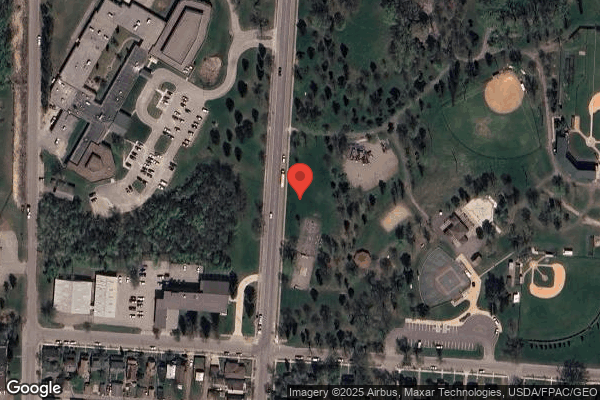

1500 EAST THIRD AVENUE, HIBBING, MN 55746 (218) 231-8106
Non profit - Corporation 75 Beds ST. FRANCIS HEALTH SERVICES Data: November 2025 1 Immediate Jeopardy citation
Trust Grade
11/100
#297 of 337 in MN
Last Inspection: June 2025

Inspected within the last 6 months. Data reflects current conditions.

Overview

Guardian Angels Health & Rehab Center has received a Trust Grade of F, indicating significant concerns about the facility's quality of care. With a state rank of #297 out of 337, this places them in the bottom half of nursing homes in Minnesota, and #13 out of 17 in St. Louis County means there are only four local options that are worse. The facility's performance is worsening, with the number of issues increasing from 10 in 2024 to 16 in 2025. Staffing is a relative strength, holding a 4/5 star rating with a low turnover rate of 25%, which is better than the state average of 42%. However, the facility has concerning fines totaling $32,968, indicating potential compliance issues, and less RN coverage than 83% of Minnesota facilities, which may affect the quality of care. Specific incidents raise serious alarms, including a resident who fell from a mechanical lift due to improper transfer procedures, resulting in critical injuries, and another who suffered from unmanaged severe pain due to inadequate pain management practices. Overall, while some aspects of staffing are positive, the facility's numerous deficiencies and serious incidents are significant red flags for families considering care for their loved ones.

Trust Score
F
11/100
In Minnesota
#297/337
Bottom 12%
Safety Record
High Risk
Review needed
Inspections
Getting Worse
10 → 16 violations
Staff Stability
✓ Good
25% annual turnover. Excellent stability, 23 points below Minnesota's 48% average. Staff who stay learn residents' needs.
Penalties
✓ Good
$32,968 in fines. Lower than most Minnesota facilities. Relatively clean record.
Skilled Nurses
○ Average
Each resident gets 38 minutes of Registered Nurse (RN) attention daily — about average for Minnesota. RNs are the most trained staff who monitor for health changes.
Violations
⚠ Watch
41 deficiencies on record. Higher than average. Multiple issues found across inspections.
★☆☆☆☆
1.0
Overall Rating
★★★★☆
4.0
Staff Levels
★★★★☆
4.0
Care Quality
★☆☆☆☆
1.0
Inspection Score
Stable
2024: 10 issues
2025: 16 issues

The Good

  • 4-Star Staffing Rating · Above-average nurse staffing levels
  • 4-Star Quality Measures · Strong clinical quality outcomes
  • Low Staff Turnover (25%) · Staff stability means consistent care
  • Full Sprinkler Coverage · Fire safety systems throughout facility
  • No fines on record
  • Staff turnover is low (25%)

    23 points below Minnesota average of 48%

Facility shows strength in staffing levels, quality measures, staff retention, fire safety.

The Bad

1-Star Overall Rating

Below Minnesota average (3.2)

Significant quality concerns identified by CMS

Federal Fines: $32,968

Below median ($33,413)

Moderate penalties - review what triggered them

Chain: ST. FRANCIS HEALTH SERVICES

Part of a multi-facility chain

Ask about local staffing decisions and management

The Ugly 41 deficiencies on record

1 life-threatening 3 actual harm
Aug 2025 1 deficiency
CONCERN (E) 📢 Someone Reported This

A family member, employee, or ombudsman was alarmed enough to file a formal complaint

Potential for Harm - no one hurt, but risky conditions existed

Pharmacy Services (Tag F0755)

Could have caused harm · This affected multiple residents

Based on interview and document review, the facility failed to ensure supply and administration of ordered medications for 3 of 3 resident (R1, R2, and R3) reviewed for pharmacy services.Findings incl...

Read full inspector narrative →
Based on interview and document review, the facility failed to ensure supply and administration of ordered medications for 3 of 3 resident (R1, R2, and R3) reviewed for pharmacy services.Findings include: R1 R1's Face Sheet dated 3/9/25, identified R1 had diagnoses of lower back pain, arthritis, and pain in left hip. R1's care plan revised on 3/16/25, identified R1 had chronic pain and instructed staff to administer medications per provider orders. R1's medication administration record (MAR) dated 8/2025, identified R1 had orders for oxycodone (a prescription medicine used to treat moderate to severe pain) 10mg twice daily for pain. The MAR lacked documentation R1 received ordered medications on 8/9/25 at 8:00 p.m., through 8/11/25 at 8:00 a.m. R1's progress note dated 8/8/25 at 8:43 p.m., identified R1's medical provider (MD)-A was called on 8/8/25 at 5:00 p.m., regarding R1's oxycodone 10mg pain medication needing a new order. MD-A indicated he would take care of it. On 8/9/25 at 6:12 a.m., a progress note identified R1's oxycodone never arrived from the pharmacy. On 8/10/25 at 10:45 p.m., a progress note identified MD-A was faxed regarding R1's oxycodone. Pharmacy was called and stated MD-A never sent new orders to pharmacy. On 8/11/25 at 7:19 a.m., a progress note identified oxycodone 10mg dose was not on cart and MD-A was notified. R2 R2's care plan dated 3/26/25, identified R2 had potential for pain and instructed staff to administer medications per orders. R2's Face Sheet dated 5/23/25, identified R2 had diagnoses of polyneuropathy (nervous system disorder that can cause symptoms of numbness, burning, and pain in multiple areas of the body), polymyalgia rheumatica (inflammatory disorder causing muscle pain around shoulders and hips), and lower back pain. R2's MAR dated 8/2025, identified R2 had orders for hydromorphone (a prescription medicine used to treat moderate to severe pain) 1mg (milligram) three times a day for pain. The MAR lacked documentation R2 received the ordered medications on 8/10/25 at 8:00 a.m. through 8/13/25 at 8:00 a.m. R2's progress note dated 8/10/25 at 9:02 a.m., identified R2's hydromorphone was not administered, was ordered, and staff waited for delivery. On 8/11/25 at 7:14 p.m., a progress note identified R2's hydromorphone was not given, and facility continued to wait for pharmacy to deliver the medication. On 8/12/25 at 12:29 p.m., a progress note identified R2 was out of scheduled hydromorphone. Pharmacy had stated the order appeared to be discontinued, but facility had no record of the medication being discontinued, facility needed to provide pharmacy with a new order or confirm the medication was discontinued. On 8/12/25 at 12:48 p.m., a progress note identified MD-A was called and preferred to be sent a fax in regards to R2's out of stock pain medication. On 8/13/25 at 9:07 a.m., a progress note identified pharmacy was called and stated they were awaiting MD-A's response to a refill request for R2's hydromorphone. R3 R3's Face Sheet dated 6/24/25, identified R3 had diagnoses of surgical amputation of right toes and gout (form of arthritis that causes severe pain). R3's care plan dated 7/1/25, identified R3 had potential for pain due to right toe amputation and instructed staff to administer pain medications per orders. R3's MAR dated 8/2025, identified R3 had orders for hydromorphone 2mg every four hours as needed for pain. R3 did not received ordered medications on 8/12/25. R3's progress note dated 8/12/25 at 11:44 a.m., identified R3 had no hydromorphone at the facility, MD-B was called and left a message to advise on R3's pain medication. On 8/12/25 at 1:48 p.m., a progress note identified a nurse from MD-B's office called the facility and stated a new order was sent to pharmacy on 8/11/25. Facility called pharmacy but pharmacy phone was not working. On 8/13/25 at 9:02 a.m., a progress note identified the pharmacy received new orders for R3's hydromorphone and would be delivering the medication as soon as possible. During an interview on 8/19/25 at 11:31 a.m., R1 stated she had not received her pain medication in the past due to not having any in the facility. During an interview on 8/20/25 at 7:48 a.m., licensed practical nurse (LPN)-A stated R1 had ran out of pain medications twice. At times, the providers did not reply to our requests for new pain medication prescriptions and residents would run out of their pain medications. During an interview on 8/20/25 at 9:53 a.m., R3 stated he did run out of his pain medications and the facility told him they would keep a better eye on his medication to ensure he did not run out again. During an interview on 8/20/25 at 12:10 p.m., registered nurse (RN)-A stated she did not believe the facility received medications for residents in a timely manner. RN-A called MD-A about R1 running out of her pain medication and MD-A stated not to call him just fax. RN-A explained to MD-A that not getting pain medications in a timely manner was an issue. During an interview on 8/20/25 at 12:34 p.m., the director of nursing stated the facility had a system issue when it came to pharmacy services and physician's responses. As a result, the medications not received timely at the facility for residents. During an interview on 8/20/25 at 1:22 p.m., MD-A stated the pharmacy would not accept verbal orders for pain medications, so residents were running out of their pain medications at the facility. During an interview on 8/20/25 at 1:32 p.m., the consultant pharmacist stated the pharmacy could only take verbal orders for narcotics if it was an emergency. Pharmacy did not receive timely faxed orders and as a result, residents were running out of pain medications. During an interview on 8/20/25 at 2:35 p.m., the administrator stated it was expected that residents had their order medications and were given the medications per orders. The facility planned to work on a solution with the pharmacy and MD-A to ensure residents did not run out of their medications in the future. The facility policy Ordering and Receiving Medications undated, indicated reorder medications three to five days in advance of need to assure an adequate supply was on hand. When reordering medications that require special processing (such as Schedule II controlled substances), order at least seven days in advance of need.
Jun 2025 15 deficiencies
CONCERN (D)

Potential for Harm - no one hurt, but risky conditions existed

Resident Rights (Tag F0550)

Could have caused harm · This affected 1 resident

**NOTE- TERMS IN BRACKETS HAVE BEEN EDITED TO PROTECT CONFIDENTIALITY** The facility failed to provide a requested second helping of food for 1 of 10 residents (R218) reviewed for dining. Findings in...

Read full inspector narrative →
**NOTE- TERMS IN BRACKETS HAVE BEEN EDITED TO PROTECT CONFIDENTIALITY** The facility failed to provide a requested second helping of food for 1 of 10 residents (R218) reviewed for dining. Findings include: R218's admission Minimum Data Set (MDS) dated [DATE], identified R218 had diagnoses which included heart disease, hypertension, and hyperlipidemia, no concerns with swallowing or oral/dental concerns. In addition, R218's MDS identified she was moderately cognitively intact. R218's care plan dated 3/21/25, identified R218 had a potential for alteration in nutrition due to leaving 25 % or more food uneaten at meals. Interventions included to monitor food and fluid intake, to offer fluids and snacks. On 6/9/25 at 3:39 p.m., R25 said there was sometimes not enough food during a meal. On 6/9/25 at 4:19 p.m., R218 said didn't always like the choices for food. On 6/11/25 at 11:00 a.m., in the [NAME] Woodlyn and [NAME] dining room R38 asked a nursing assistant (NA)-C for more and pointed to a black bowl. R38 was told I don't think we have any more of that. The NA-C did not go to the kitchen window and inquire if there was more watermelon. On 6/11/25 at 11:02 a.m., R38 verified she was told by staff there wasn't any more watermelon and said it was good. On 6/11/25 at 11:13 a.m., NA-C stated she didn't' really know if they were out of watermelon and stated residents get one serving each at a meal. On 6/11/25 at 11:40 a.m., licensed practical nurse (LPN)-C stated residents could have seconds as long as it was okay with their diet. On 6/11/25 at 12:08 p.m., dietary aide (DA)-A stated they did not run out of watermelon at brunch, added residents can have seconds and there was plenty of watermelon in the kitchen if staff would have asked. On 6/12/25 at 8:16 a.m., registered nurse (RN)-D stated residents should get seconds unless they have a dietary restriction. RN-D stated possibly the failure to see if there was more watermelon could have been related to staffing as staff are always rushing to the next thing they have to do. The facility policy titled Dining - Atmosphere undated, identified residents should be treated with dignity and respect, included it was extremely important to offer as many choices as possible when it came to meal time, including what to eat. In addition, the policy identified the dietary manager would routinely perform meal rounds to determine if the meals were attractive and nutritious and met the needs of the residents. The dietary manager would observe meals for preferences, portion sizes, and would report any concerns to the director of nursing or administrator.
CONCERN (D)

Potential for Harm - no one hurt, but risky conditions existed

Deficiency F0554 (Tag F0554)

Could have caused harm · This affected 1 resident

**NOTE- TERMS IN BRACKETS HAVE BEEN EDITED TO PROTECT CONFIDENTIALITY** Based on observation, interview, and document review the facility failed to ensure a resident did not self-administer medication...

Read full inspector narrative →
**NOTE- TERMS IN BRACKETS HAVE BEEN EDITED TO PROTECT CONFIDENTIALITY** Based on observation, interview, and document review the facility failed to ensure a resident did not self-administer medications (SAM) as assessed and according to the care plan for 2 of 2 residents (R40, R219) reviewed for SAM. Findings include: R40: R40's admission Minimum Data Set (MDS) dated [DATE], identified R40 had diagnoses which included chronic obstructive pulmonary disease (COPD [a group of lung disease that block airflow and make it difficult to breathe]), mild cognitive impairment, and supraventricular tachycardia (a faster than normal heart rate beginning above the heart's two lower chambers). In addition, R40 required partial to moderate assistance with activities of daily living. R40 had no rejections of care. R40's Order Summary Report current as of 6/12/25, identified R40 had orders for ipratropium-albuterol (used to treat COPD by opening the airways and reducing inflammation) inhalation solution 0.5-2.5 (3) milligrams per 3 milliliters one vial inhale orally three times a day dated 6/10/25. Instructions included to assess respiratory status, oxygen saturation, pulse and lung sounds after the treatment. R40's care plan dated 4/7/25, identified R40 was not able to administer her own medications. Interventions included, need to supervise medication per order. On 6/10/25 at 10:16 a.m., during a continuous observation, licensed practical nurse (LPN)-D set up a nebulizer treatment for R40 and said, all right I'll see you in a little bit and then left the room. -at 10:24 a.m., R40 was holding the nebulizer set up with the mouth piece in her mouth, the treatment sounded done, no staff returned to check on her. -10:28 a.m., R40 continued to hold the nebulizer set up with the mouth piece in her mouth, the treatment sounded done, no staff returned to check on her. -10:30 a.m., R40 held the nebulizer set up in her hand no longer in her mouth, no staff returned to check on her. -10:33 a.m., R40 had put the nebulizer set up with the mouth piece back into her mouth, no staff had returned to check on her. -10:37 a.m., no staff had returned to the room R40 continued to hold the nebulizer treatment with the mouth piece in her mouth. -10:45 a.m., no staff had returned to the room R40 continued to hold the nebulizer treatment with the mouth piece in her mouth. -10:50 a.m., 34 minutes after the nebulizer treatment had been started the nurse was alerted that R40 was still holding the nebulizer set up with the mouth piece in her mouth. LPN-D returned to the room, stopped the nebulizer treatment, took the nebulizer set up into the bathroom and rinsed the nebulizer set up. LPN-D did not listen to R40's lungs, check her heart rate or an oxygen saturation. On 6/9/25 at 2:37 p.m., family members (FM)-A, FM-B, and FM-C stated staff were not staying with R40 during her nebulizer treatments. They thought this was because there was not enough staff. On 6/10/25, at 2:10 p.m., LPN-D verified she left R40 until she was alerted that R40 was still holding the nebulizer treatment. LPN-D verified she did not return during the treatment to check on R40 and did not check, R40's heart rate, oxygen saturation, or listen to R40's lung sounds. LPN-D stated she was too busy and set up the treatment and went on to pass more medications and did not return until alerted. LPN-D reviewed R40's record and verified she was not assessed for self-administration of medications. On 6/12/25 at 8:31 a.m., registered nurse (RN)-D stated if a resident had been assessed to be okay to self-administer medications it would be okay to start a nebulizer treatment and come back in 15 minutes, check vital signs, listen to lung sounds, rinse the equipment. RN-D verified if a resident had not been assessed to self-administer medications, it would not have been okay to leave the resident alone during the nebulizer treatment. RN-D stated that portion of the hallway was split with another resident unit and the residents in the split hall don't get as much attention. On 6/12/25 at 11:15 a.m., FM-B handed over several pages of notes that included concerns about staffing (lack of). Note dated 6/3/25, second time in three days that I found neb hooked up, used, laying on the overbed table. I cleaned it. No one ever came in to check it in the three plus hours I was there. R219: R219's admission Record dated 6/12/25, identified an admission date of 6/9/25 with diagnoses of fracture of the left lower leg, hyperthyroidism, dislocation of the left ankle joint, orthopedic aftercare following surgical amputation (right great toe). R219's 48-hour care plan, undated, identified resident was alert and oriented, needs assistance with dressing, grooming, bathing, and an assist of one to transfer. The care plan didn't indicate R219 could self-administer medications. R219's provider orders dated 6/9/25, didn't identify an order for self-administration of medications. R219's medication administration record (MAR) for 6/12/25, identified the following medications were give to R219 this AM: -Amlodipine 5 mg one time per day -Aspirin 325 mg one time per day -Atenolol 50 mg one time per day -Doxycycline 100 mg every 12 hours for 7 days -Gabapentin 300 mg three times per day -Levothyroxine 150 mcg one time pr day -Losartan 100 mg one time per day -Multiple vitamins, 1 tab daily -Spironolactone 25 mg one time per day R219's electronic medical record (EMR) didn't identify an assessment for self-administration of medication. During an observation and interview on 6/12/25 at 8:23 a.m., R219 was setting on the edge of his bed, the over-bed table was on the other side of the room with a white cup half full of medications. R219 stated the nurse left them there. On 6/12/25 2:50 p.m., during an interview the director of nursing (DON) stated a self-administration medication assessment needed to be completed prior to allowing a resident to self-administer medication. The Self-Administration of Medication by Resident policy dated 2/27/24, identified the purpose was To provide guidance to staff for assessing and accommodating resident's wish to self-administer their medications. The policy identified all residents would be asked on admission if they wanted to self-administer their medications. B. If the resident wishes to self-administer medications, they will be assessed for their ability to safely self-administer their medications. A Self-Administration of Medications (SAM) assessment will be completed and reviewed by the IDT (interdisciplinary team). This assessment will include: a. Cognitive status, b. Physical status, c. Which medications are appropriate to be self-administered, d. Where the medications will be stored safely, e. How the nursing staff will monitor the medication's use, and f. How it will be documented.
CONCERN (D)

Potential for Harm - no one hurt, but risky conditions existed

Deficiency F0657 (Tag F0657)

Could have caused harm · This affected 1 resident

**NOTE- TERMS IN BRACKETS HAVE BEEN EDITED TO PROTECT CONFIDENTIALITY** Based on interview and document review the facility failed to ensure timely reveiw and revision of the care plan occured for 2of...

Read full inspector narrative →
**NOTE- TERMS IN BRACKETS HAVE BEEN EDITED TO PROTECT CONFIDENTIALITY** Based on interview and document review the facility failed to ensure timely reveiw and revision of the care plan occured for 2of 2 residents (R41, R11) reviewed for care planning. Findings include: R41: R41's quarterly Minimum Data Set (MDS) dated [DATE], indicated R41 was moderately cognitively impaired with the diagnoses of stroke, dysphagia, generalized muscle weakness, and epilepsy. MDS Section GG indicated R41 was dependent for activities of daily living and transfers. R41's Care plan last revised 6/3/25, identified R41 as a risk for falls on 3/19/25. The care plan lacked evidence to show R41's fall prevention interventions had been revised before or after R41's fall on 6/7/25. A nursing note entry made on 6/7/25, identified R41 had been placed in their recliner and then was later found on the floor. Post assessment revealed R41 had not sustained a significant injury. A nursing note entry made on 6/10/25, indicated an interdisciplinary disciplinary review had been completed for R41's fall on 6/7/25, and the root cause was identified. R41 had gotten ahold of the remote and placed recliner in the upright position and slid out. Intervention identified was to unplug the chair. During an interview on 6/12/25 at 11:58 a.m., registered nurse (RN-A) reviewed R41's chart and confirmed R41 had fallen out of their recliner on 6/7/25. R41 had gotten ahold of the chair remote buttons which led to a fall to the floor. RN-A confirmed R41's care plan had not been updated with new fall prevention interventions after post fall analysis was completed. RN-A stated normally the care plan got updated with changes in care for residents, but R41's care plan had not been updated. During an interview on 6/12/25 at 2:00 p.m., the director of nursing (DON) stated falls get reviewed at the manager level and at an interdisciplinary team level. R41's care plan should have been updated with fall interventions after R41's fall was reviewed. The facility policy Person Centered Care Planning dated 12/18/23, identified resident's immediate health and safety concerns to prevent decline or injury such as fall risk should be addressed in the care plan. The policy also identified care plans were to be updated on an ongoing basis as needed based on changes that occurred between care conferences. R11: R11's quarterly MDS dated [DATE], identified R11 as cognitively intact with diagnoses that included congestive heart failure, type 2 diabetes, chronic kidney disease, chronic pain, severe depression with psychotic symptoms, atrial fibrillation, anxiety, anemia, post-traumatic stress disorder, hypothyroidism, and hypertension. R11's order summary report dated 6/12/25, indicated an order for risperidone (antipsychotic) 0.5 milligram (mg) tablet to be given once a day at bedtime for depression started on 5/15/25, an order for citalopram hydrobromide (antidepressant) 20mg to be given in the morning for depression started on 4/1/25, an order for warfain sodium (anticoagulant) 1mg tablet to be given in the evening every Tuesday, Thursday, Saturday, and Sunday for atrial fibrillation started on 5/20/25, and an order for 1.5 tablets of warfarin sodium 1mg to be given in the evening every Monday, Wednesday, and Friday for atrial fibrillation started on 5/21/25. R11's care plan last revised on 6/9/25, identified focus areas of I use antidepressant medication (Specify medications), I am on anticoagulant therapy (Specify medication), and I have a diabetic ulcer of the (specify location). During interview on 6/12/25 at 3:20 p.m., director of nursing (DON) stated expectation for care plans to be complete. DON stated importance of completing care plans as the plans contained information needed to effectively care for a resident. Person Centered Care Planning policy last revised 12/18/23, identified the care plan describing the services that are to be furnished to attain or maintain the resident's highest practicable physical, mental, and psychosocial well-being.' Policy indicated the resident's care plan is reviewed every 90 days or more frequently if necessary with a significant change. Care plans are updated on an ongoing basis as needed based on changes that occur between care conferences.
CONCERN (D)

Potential for Harm - no one hurt, but risky conditions existed

Deficiency F0726 (Tag F0726)

Could have caused harm · This affected 1 resident

**NOTE- TERMS IN BRACKETS HAVE BEEN EDITED TO PROTECT CONFIDENTIALITY** Based on observation, interview, and record review the facility failed to ensure competent, trained staff operated tube feeding ...

Read full inspector narrative →
**NOTE- TERMS IN BRACKETS HAVE BEEN EDITED TO PROTECT CONFIDENTIALITY** Based on observation, interview, and record review the facility failed to ensure competent, trained staff operated tube feeding pumps and managed tubing for 1 of 1 resident (R41) reviewed for tube feeding. Findings include: R41's quarterly Minimum Data Set (MDS) dated [DATE], indicated R41 was moderately cognitively impaired with the diagnoses of stroke, dysphagia, generalized muscle weakness, and epilepsy. MDS Section GG indicated R41 was dependent for activities of daily living and transfers. MDS Section K. Percent Intake by Artificial Route indicated R41 received 51% or more of nutrition through parenteral or tube feeding. R41's care plan last revised 6/3/25, indicated R41 required tube feeding related to dysphasia and directed staff to use infection control precautions and related techniques following the manufacturer's recommendations when stopping, starting, flushing, and giving medications through the feeding tube. R41's Order Summary Report Active orders as of 6/12/25 included the following orders: -NPO diet -Enteral Feed Order six times a day continuous feeding: flush my tubing 6x/day with 150 ml [milliliters] of tap water. -Isosure 1.5 calorie oral liquid continuous feeding at 50 ML an hour. During an observation on 6/11/25 at 9:12 a.m., NA-A and NA-B donned personnel protective equipment PPE and entered R41's room to get R41 up for the day. -9:20 a.m., NA-A placed R21's tube feeding on hold and disconnected the tubing from R41 and hung it over the top of the pole without capping the end and then NA-A and NA-B proceeded with cares, and transfer to and from the bathroom and back to R41's chair. -9:28 a.m., NA-A took R41's tube feeding pump in hand and explained they were transferring it to R41's wheelchair pole. While maneuvering the pump the tubing and the uncapped connection end of the tube feeding tubing was noted to be on the floor. When pointed out to NA-A, NA-A picked the tubing off the floor and wiped it with a tissue, connected the tubing to R41 and then proceeded to restart R41's pump. During an interview on 6/11/25 at 9:39 a.m., NA-A stated when a resident had a tube feeding, they normally stopped and disconnected the tube feeding when they were taking the resident to the bathroom or transferring the resident in and out of bed. NA-A stated they had not had a class on tube feeding management or operating the tube feeding pump, nurses had shown them how to pause the pump. NA-A stated they did whatever they could to prevent infection and explained they weren't sure what to do when they saw the tubing on the floor, they had wiped the end of R41's tube feeding tube with a tissue to help prevent infection. R41 questioned if they should have wiped it with an alcohol wipe instead, said they hadn't been sure what to do and indicated they would be talking to the nurse. After interview, NA-A donned PPE and disconnected R41's tube feeding. On 6/11/25 at 9:52 a.m., NA-A reported they had stopped R41's tube feeding, talked to the nurse, and the nurse was going to replace R41's tubing. During an observation on 6/11/25 at 10:02 a.m., licensed practical nurse (LPN-B) replaced R41's tubing. During an interview on 6/11/25 at 11:26 a.m., LPN-B stated NAs were not trained to do anything but put the tube feeding pump on hold. The NA should be getting a licensed staff to stop, start or connect/disconnect a tube feeding. During an interview on 6/11/25 at 3:18 p.m., NA-N stated tube feeding pumps were strictly a nurse thing. NAs did not do anything with the pumps or connections to the resident. During an interview on 6/12/25 11:31 a.m., NA-M stated as an NA they did not disconnect/connect or touch the pump settings for tube feedings. Those were strictly nurse responsibilities. During an interview on an 6/12/25 at 11:52 a.m., registered nurse (RN-A) stated NAs should not be disconnecting or connecting a resident's tube feeding, nor should NAs stop or start the tube feeding pump. Only licensed staff should be doing those tasks. NAs are not trained to do anything with the pumps or tube feedings other than manage the position of the tube when providing cares so it does not get caught on anything. It is expected that a NA would get a licensed staff to carry out those activities. During an interview on 6/12/25 at 12:59 p.m., the director of nursing (DON) stated the facility did not train NAs to operate tube feeding pumps or to disconnect/connect tube feeding tubing. NAs are not to touch the tube feeding pump or connection to the resident. Only licenses staff may operate the pump and or connect/disconnect tube feeding tubing from the resident. The DON indicated they expected NAs to seek licenses staff for tube feeding pump management and tubing connection/disconnection. Tube feeding management and pump operating education was requested for NAs. The DON confirmed the facility did not provide/have record of this education. The facility policy Enteral Feeding Tube Usage dated 4/1/19, identified the purpose of the policy was to provide guidance to licensed staff and directed all licensed staff would be trained and observed for competency in enteral feeding tube care and services. The policy did not include NAs as approved for tube feeding tube management or pump operation.
CONCERN (D)

Potential for Harm - no one hurt, but risky conditions existed

Deficiency F0883 (Tag F0883)

Could have caused harm · This affected 1 resident

**NOTE- TERMS IN BRACKETS HAVE BEEN EDITED TO PROTECT CONFIDENTIALITY** Based on interview and document review, the facility failed to ensure residents were educated on and offered pneumococcal and in...

Read full inspector narrative →
**NOTE- TERMS IN BRACKETS HAVE BEEN EDITED TO PROTECT CONFIDENTIALITY** Based on interview and document review, the facility failed to ensure residents were educated on and offered pneumococcal and influenza vaccinations upon admission for 1 of 5 residents (R38) admitted before 3/31/25 and failed to offer and educate on pneumococcal vaccinations for 1 of 5 residents (R59) who were reviewed for vaccinations. Findings include: R38's admission Record identified an admission date of 3/11/25, and diagnoses of and kidney failure, heart disease and urinary tract infection. R38's Immunization Audit Report dated 6/12/25, didn't identify any vaccination history. R59's admission Record identified an admission date of 4/25/25, and diagnoses of status post-kidney transplant, chronic kidney disease, and immunodeficiency. R59's Immunization Audit Report dated 6/12/25, didn't identify any vaccination history. During an interview on 6/11/25 at 3:06 p.m., registered nurse (RN)-F stated the facility did a vaccination reconciliation within 48 hours, it was part of the admit paperwork along with checking the Minnesota Immunization Information Connection (MIIC) for history. RN-F reviewed R38 and R59's record and confirmed there was no vaccine data. RN-F stated it was important to make sure you reconciled and offered vaccines so that they were covered as they were at increased risk. A policy, Resident Immunizations dated 1/21/25, identified its purpose was to provide direction to St. [NAME] Health Services of [NAME] (SFHS) employees regarding offering vaccinations. The Adult Immunization Schedule prepared by the Centers for Disease Control (CDC) to ensure residents are offered and encouraged to accept the appropriate vaccinations. The policy further indicated an immunization history would be taken upon admission including checking the MIIC system. Any immunizations that were not current or unknown vaccination histories would be shared with the attending physician and appropriate physician orders obtained. The resident's immunization history will be documented and maintained in the resident's electronic medical record (EMR).
CONCERN (D)

Potential for Harm - no one hurt, but risky conditions existed

Deficiency F0887 (Tag F0887)

Could have caused harm · This affected 1 resident

**NOTE- TERMS IN BRACKETS HAVE BEEN EDITED TO PROTECT CONFIDENTIALITY** Based on interview and document review, the facility failed to ensure residents were educated on and offered COVID-19 vaccinatio...

Read full inspector narrative →
**NOTE- TERMS IN BRACKETS HAVE BEEN EDITED TO PROTECT CONFIDENTIALITY** Based on interview and document review, the facility failed to ensure residents were educated on and offered COVID-19 vaccinations upon admission for 2 of 5 residents (R38, R59) reviewed for vaccinations. Findings include: R38's admission Record identified an admission date of 3/11/25, and diagnoses of and kidney failure, heart disease and urinary tract infection. R38's Immunization Audit Report dated 6/12/25, didn't identify any vaccination history. R59's admission Record identified an admission date of 4/25/25, and diagnoses of status post-kidney transplant, chronic kidney disease, and immunodeficiency. R59's Immunization Audit Report dated 6/12/25, didn't identify any vaccination history. During an interview on 6/11/25 at 3:06 p.m., registered nurse (RN)-F stated the facility did a vaccination reconciliation within 48 hours, it was part of the admit paperwork along with checking the Minnesota Immunization Information Connection (MIIC) for history. RN-F reviewed R38 and R59's record and confirmed there was no vaccine data. RN-F stated it was important to make sure you reconciled and offered vaccines so that they were covered as they were at increased risk. A policy, Resident Immunizations dated 1/21/25, identified its purpose was to provide direction to St. [NAME] Health Services of [NAME] (SFHS) employees regarding offering vaccinations. The Adult Immunization Schedule prepared by the Centers for Disease Control (CDC) to ensure residents are offered and encouraged to accept the appropriate vaccinations. The policy further indicated an immunization history would be taken upon admission including checking the MIIC system. Any immunizations that were not current or unknown vaccination histories would be shared with the attending physician and appropriate physician orders obtained. The resident's immunization history will be documented and maintained in the resident's electronic medical record (EMR).
CONCERN (D)

Potential for Harm - no one hurt, but risky conditions existed

Deficiency F0919 (Tag F0919)

Could have caused harm · This affected 1 resident

Based on observation and interview, the facility failed to ensure resident call lights were within reach from the bathroom floor in a resident bathroom for 1 of 2 residents (R17) and failed to ensure ...

Read full inspector narrative →
Based on observation and interview, the facility failed to ensure resident call lights were within reach from the bathroom floor in a resident bathroom for 1 of 2 residents (R17) and failed to ensure bathroom call light was in good repair for 1 of 2 residents (R27) reviewed for call light accessibility. Findings include: On 6/9/25 at 3:22 p.m., the bathroom call light for R17 was checked to see if it was in working order. The bathroom call light did not have a cord. On 6/10/25 at 1:30 p.m., the bathroom call light for R27 was checked to see if it was in working order and the cord was found to be frayed in the middle of the red cord, able to see white thread. On 6/11/25 at 1:55 p.m., maintenance (M)-A verified the call light in R27's bathroom was frayed and stated in needed to be replaced because it could break. M-A verified R17 had no call light cord in the bathroom. M-A verified it was a safety concern if a resident fell in the bathroom they would not be able to reach the button on the wall and call for help. During an interview on 6/11/25 at 3:47 p.m., the administrator stated every resident bathroom should have a call light with a cord for safety. The Call light policy dated 10/23/17, identified staff should remember to position the call light within resident's reach and to orient /re-educate the resident to the call lights in the room and in the bathroom. The policy did not address call light cords.
CONCERN (E)

Potential for Harm - no one hurt, but risky conditions existed

Deficiency F0605 (Tag F0605)

Could have caused harm · This affected multiple residents

**NOTE- TERMS IN BRACKETS HAVE BEEN EDITED TO PROTECT CONFIDENTIALITY** R28: R28's quarterly MDS assessment dated [DATE], indicated R28 was severely cognitively impaired with the diagnoses of Alzheime...

Read full inspector narrative →
**NOTE- TERMS IN BRACKETS HAVE BEEN EDITED TO PROTECT CONFIDENTIALITY** R28: R28's quarterly MDS assessment dated [DATE], indicated R28 was severely cognitively impaired with the diagnoses of Alzheimer's Disease, depression, psychotic disorder, and hallucinations. Section N. Medications indicated R28 received antipsychotic medications. R28's Care plan last revised 3/26/25, indicated R28 received antipsychotic medications and instructed AIMS assessments to be completed per policy. R28's Order Summary Active orders as of 6/18/25, contained the following orders: ---Seroquel 50 mg tablet at bedtime for Alzheimer and delusion disorder ---Seroquel 25 MG tablet give 1.5 tablet by mouth in the morning related to Alzheimer and delusional disorder. ---Observe closely for side effects of Antipsychotic medication including dry mouth, constipation, blurred vision, disorientation or confusion, difficulty urinating, hypotension, dark urine, yellow skin, nausea or vomiting, lethargy, drooling, EPS symptoms (tremors, disturbed gait, increased agitation, restlessness, involuntary movement of mouth or tongue) R28's electronic and paper medical record lacked evidence to show Aims [assessment for EPS (antipsychotic drug side effects)] and orthostatic blood pressure [drop in blood pressure when going to an upright position from laying or sitting] monitoring had occurred as ordered. During an interview on 6/12/25 at 11:41 a.m., registered nurse (RN-A) stated the facility completed AIMS assessments in conjunction with quarterly assessments. AIMS assessments should be completed because it assessed for signs of tardive dyskinesia. Orthostatic blood pressures were done on residents receiving antipsychotic medication for safety. RN-A reviewed R28's record and confirmed R28 had missing AIMS assessments and orthostatic blood pressures were not being done on R28. During an interview on 6/12/25 at 2:04 p.m., the director of nursing (DON) stated they would expect orthostatic and AIMS assessments to be completed per policy on residents who were receiving psychotropic medications. In a follow-up e-mail on 6/12/25 at 3:07 p.m., the DON reported no AIMS assessments had been completed on R28 since 10/1/24. The policy Psychotropic Medications dated 5/21/25, instructed AIMS or DISCUS assessments were to be completed at least every six months on residents prescribed antipsychotics. The policy included the provider was to identify if a resident required monthly orthostatic blood pressure monitoring. Based on interview and document review, the facility failed to ensure as-needed (PRN) psychotropic (medications which affect the mind, emotions, and behavior) medications had an end date for 2 of 5 residents (R32, R21), and failed to ensure residents receiving psychotropic medications were assessed for extrapyramidal movements (involuntary, uncontrolled muscle movements) and orthostatic blood pressure for 2 of 5 residents (R11, R28) reviewed for unnecessary medications. Findings include: R32: R32's significant change Minimum Data Set (MDS) dated [DATE], identified severely impaired cognition and diagnoses of Parkinson's disease with dyskinesia, and dementia. R32 was enrolled in hospice services. R32's care plan dated 3/24/25, identified a mood problem related to anxiety and included interventions to administer medications as ordered. Monitor and document side effects and effectiveness. R32's electronic medical record (EMR) contained an order dated 5/16/25, for lorazepam (a benzodiazepine used for anxiety) 0.5 milligrams (mg) PRN every four hours for anxiety and restlessness. The order didn't contain a stop date. During an interview on 6/12/25 at 8:55 a.m., RN-D confirmed R32's lorazepam order didn't have a stop date, she added she had faxed about it last week. During an interview on 6/12/25 at 9:53 a.m., the director of nursing (DON) confirmed there wasn't a stop date for the lorazepam, but the hospice provider/rounding provider was on vacation. R21: R21's quarterly MDS dated [DATE], identified R21 as moderately cognitively impaired, with diagnoses that included severe protein-calorie malnutrition, anxiety, adjustment disorder, depression, radiculopathy of the lumbar region, hypertension, and a stage IV pressure ulcer in the sacral region. R21's order summary dated 6/11/25, indicated an order for clonazepam (psychotropic medication used to treat anxiety) 0.5 milligram (mg) tablet to be given by mouth every 4 hours as needed (PRN) for anxiety. The order started on 6/10/25, and did not have an end date. During interview on 6/12/25 at 7:45 a.m., registered nurse manager (RN)-E stated R21's order for PRN clonazepam was discontinued on 6/9/25. RN-E checked R21's medical record and verified the order for PRN clonazepam was active in resident's chart. RN-E stated the order needed to have an end date due to being a PRN antipsychotic medication. During interview on 6/12/25 at 3:20 p.m., director of nursing (DON) stated expectation for PRN psychotropic medications to have an end date. Psychotropic Medications policy issued on 5/21/25, indicated PRN psychotropic medications ordered will be limited to 14 days. The prescribing practitioner will evaluate and document the medications necessity, benefits, and improvement (expressions, indications of distress). If the physician deems it appropriate to extend beyond the 14-day limit, supporting rationale must be documented. R11: R11's quarterly Minimum Data Set (MDS) dated [DATE], identified R11 as cognitively intact with diagnoses that included congestive heart failure, type 2 diabetes, chronic kidney disease, chronic pain, severe depression with psychotic symptoms, atrial fibrillation, anxiety, anemia, post-traumatic stress disorder, hypothyroidism, and hypertension. MDS indicated R11 received an anxiolytic (treats anxiety) medication. R11's care plan last revised on 6/9/25, identified resident taking antipsychotic medication with an intervention of completing an abnormal involuntary movement scale (AIMS) or dyskenesia identification system: condensed user scale (DISCUS) as indicated. Review of R11's medical chart revealed no AIMS or DISCUS had been completed. R11's order summary report dated 6/12/25, indicated an order for buspirone 1 milligram (mg) tablet and instructed staff to give 2.5mg by mouth as needed (PRN) for anxiety. The order for buspirone started on 4/22/25 and did not have an end date. R11's order summary also indicated an order for risperidone 0.5mg tablet to be given once a day at bedtime for depression. The order for risperidone started on 5/15/25 and did not have an end date. R11's medication administration record (MAR) reviewed 4/1/25 through 6/11/25, identified no PRN buspirone was given, however the order remained active. During interview on 6/12/25 at 3:20 p.m., director of nursing (DON) stated expectation for PRN psychotropic medications to have an end date. DON also expected residents taking antipsychotic medication have an assessment such as the abnormal involuntary movement scale (AIMS) done to monitor for side effects like tardive dyskinesia (neurological condition with involuntary and repetitive muscle movements). Psychotropic Medications policy issued on 5/21/25, indicated PRN psychotropic medications ordered will be limited to 14 days. The prescribing practitioner will evaluate and document the medications necessity, benefits, and improvement (expressions, indications of distress). If the physician deems it appropriate to extend beyond the 14-day limit, supporting rationale must be documented. Policy also indicated Complete a DISCUS or AIMS assessment on any resident prescribed an antipsychotic at least every 6 months. Any changes will be reported to the physician.
CONCERN (E) 📢 Someone Reported This

A family member, employee, or ombudsman was alarmed enough to file a formal complaint

Potential for Harm - no one hurt, but risky conditions existed

ADL Care (Tag F0677)

Could have caused harm · This affected multiple residents

**NOTE- TERMS IN BRACKETS HAVE BEEN EDITED TO PROTECT CONFIDENTIALITY** Based on observation, interview and document review the facility failed to ensure activities of daily living (ADLs) were complet...

Read full inspector narrative →
**NOTE- TERMS IN BRACKETS HAVE BEEN EDITED TO PROTECT CONFIDENTIALITY** Based on observation, interview and document review the facility failed to ensure activities of daily living (ADLs) were completed for 4 of 5 residents (R1, R64, R16, R9). Findings include: R1: R1's quarterly Minimum Data Set (MDS) dated [DATE], identified R1 had diagnoses which included dementia, anxiety, heart failure (a chronic condition in which the heart doesn't pump blood as well as it should), insomnia, and macular degeneration (an eye disease that causes vision loss). In addition, R1's MDS identified she required substantial to maximum assistance with ADLs, was frequently incontinent of bowel and bladder, and was at risk for pressure ulcers. According to R1's MDS she had no rejections of care. R1's care plan dated 3/9/25, identified R1 had an ADL self-care performance deficit related to dementia. Interventions included I like my nails trimmed and cleaned during my bath, preferred bathing twice a week in the afternoon. R1's care plan dated 4/22/25, identified R1 was at risk for bladder incontinence and required staff assistance. Interventions included to offer toileting four times a day - upon rising, after brunch, before supper and before bed. R1's bath report for May and June 2025, did not identify if nail care was offered, refused or completed. On 6/9/25 at 6:12 p.m., R1's fingernails were noted to be long, polished and had a dark brown caked substance under them. On 6/11/25 during a continuous observation that began at 8:16 a.m., R1 was observed seated in the dining room eating hot cereal, she had a nutritional drink, was dressed for the day, and had a newspaper on the table. -8:32 a.m., R1 remains at the table said breakfast was okay but not her favorite, would have rather had peanut butter toast. -8:51 a.m., R1 remains at the table in the dining room, no staff interactions -9:11 a.m., R1 remains at the table in the dining room, no staff interactions -9:30 a.m., table cleared R1 ate 100 % of breakfast -9:56 a.m., R1 remains at the table in the dining room, no staff interactions, no position change, no off-loading -10:37 a.m., R1 has remained seated at the table in the dining room, no repositioning, no position change, no offer of bathroom, no staff interactions -11:16 a.m., R1 has remained in the dining room at the same table no position change, no offer of bathroom, no staff interactions (now 3 hours seated in the same chair in the same spot) -11:22 a.m., R1 has been served her brunch meal -11:40 a.m., asked licensed practical nurse (LPN)-C about R1 sitting in the same spot since breakfast. LPN-C stated it was too long for anyone to sit in one position and she would find someone to do a position change. -12:01 p.m., LPN-C asked two different nursing assistants for help to reposition R1 and both stated they were busy and unable to assist -12:19 p.m., activity staff were going to bring R1 directly to exercise class with out a bathroom break -12:21 p.m., R1 was brought to her room by nursing assistants (NA)-E and NA-F. Both donned isolation gowns, gloves, placed transfer belt on R1 and transferred her to the toilet. NA-E stated R1 was not always continent and said R1's brief was wet but not soaked. -12:36 p.m., R1 was was transferred back to the wheel chair, brought to her bed, transferred to her bed for skin check. Skin was slightly red with no open areas. R1 was transferred back to her wheel chair. -12:43 p.m., NA-E looked at R1's nails and said oh ya, her nails look dirty, NA-E stated she was going to try to soak her hands and clean her nails later. On 6/12/25 at 12:30 p.m., R1 was brought from the dining room directly to the exercise program in [NAME] Park. No stop was made in R1's room for toileting. On 6/11/25 at 12:26 p.m., NA-E stated R1 was not on a toileting schedule. NA-E and NA-F said they were taking care of 30 residents. During the chair to toilet transfer and chair to bed transfer NA-F said can we do this later, said they had no time to wait around. On 6/11/25 at 2:13 p.m., LPN-C stated it had been too long for R1 to sit without a position change. Said she had never seen R1 move or change her position once she was in her wheel chair. LPN-C said they did not have enough staff today. Verified the NAs were taking care of 30 residents, she was passing medications for 25 residents, they were expecting two new residents and one resident was coming back to the facility. LPN-C stated she worked days and would not pick up night shifts because she didn't want to be the only licensed staff in the building. On 6/12/25 at 7:55 a.m., registered nurse (RN)-E verified resident nails should have been looked at daily when they were being dressed. RN-E sated there was not enough staff on the unit, staff are running and triaging their work. RN-E verified sitting for over three hours in one place is too long and she would expect a resident to be offered every two hour toileting. RN-E stated R1 was on a toileting schedule and not being left sitting in one spot for over three hours might be related to staffing (lack of). During an interview on 6/12/25 at 12:40 p.m., NA-D stated R1 was supposed to be toileted after brunch, but doesn't always happen because sometimes working alone. On 6/12/25 at 3:00 p.m. the director of nursing (DON) verified R1 sat too long without being offered a position change or toileting. The DON stated nail care should have been done on bath days. The policy Nails care of (finger and toe) dated 9/2006, identified the purpose of nail care was to provide cleanliness, prevent the spread of infection, for comfort, and to prevent skin problems. The policy did not address the frequency of nail care. The policy Urinary Incontinence Program dated 4/6/15, identified the purpose as follows: Each resident who is incontinent will be identified, assessed, and provided appropriate care and services to achieve or maintain their greatest level of continence. Each resident will receive the appropriate care and services to prevent incontinence related complications to the extent possible. R64: R64's significant change MDS dated [DATE], identified R64 had diagnoses which included dysphagia (difficulty swallowing foods or liquids arising from the throat or esophagus) following cerebral infarction, vascular Parkinsonism (a form of parkinson's caused by damage to blood vessels in the brain, often due to stroke or other vascular issues), rheumatoid arthritis (a chronic inflammatory disorder usually affecting small joints in the hands and feet), anxiety, and adult failure to thrive. In addition, R64's MDS identified she was dependent on staff for ADLs, was always incontinent of bowel, was at risk for pressure ulcers, and had no rejections of care. A complaint was received on 3/24/25, with concerns R64 was left soiled and wet on 3/19/25, 3/20/25, from end of day shift through evening and night shift until day shift on the following day. During an interview on 6/9/25 at 6:17 p.m., nursing assistant (NA)- O stated she was working in [NAME] Woodland /[NAME] and was taking care of 28 residents. NA-O was working with two other NAs who would be leaving at 6:30 p.m., so after dinner they got almost everyone on the unit to bed because the other two would be leaving soon. During an interview on 6/10/25 at 1:44 p.m., NA-J stated they had put their initials on R64's brief at the end of their shift for three days. They stated their initials were on the brief when they returned for their next day shift and said the brief had not been changed by evenings or nights. R64 had been a resident on the [NAME] Woodland / [NAME] unit. NA-J stated they reported this to two different nurses, the nurse manager, and the director of nursing (DON). NA-J stated the past weekend there were only two NAs working, could not complete check and changes and could not get a shower done for R40. NA-J stated feels like every day it's short staffed, can't get residents up by 10:30 a.m., can't get daily weights done, no time for one to ones with residents, and you do what you can. There should be three NAs for [NAME] Woodland / [NAME], but there isn't always. During an interview on 6/12/25 at 8:20 a.m., RN-D stated she had no knowledge of any NA coming to her with concerns that R64's brief was not being changed. During an interview on 6/12/25 at 9:01 a.m., NA-I stated he recalled helping a co-worker with a brief change for R64 and saw twice that the brief had NA-J's initials on it from the day before. NA-I stated he recalled NA-J had reported the concern to management. NA-I stated could not recall any education on check and changes after the reported incident. NA-I stated when they were the only NA couldn't get checks and changes done timely. NA-I stated evening shift was the shift were there typically wasn't enough help, often leaving the unit(s) short from 6:30 p.m.-10:30 p.m., when trying to get residents ready for bed. Said the facility can only mandate NAs for four hours when there is a call in so then work short for the rest of the shift. During an interview on 6/12/25 at 12:40 p.m., NA-D stated she recalled changing R64 with another NA and saw the NA's initials from the day before on the resident's brief. NA-D said R64's brief would often be soaked in the morning. On 6/12/25 at 2:09 p.m., the DON brought in a nursing note for R64 dated 3/21/25, 11:13 a.m., Peri area/buttocks checked today for concerns. ADON and NAR present. No redness, irritation or open areas noted to groin/vaginal or buttock areas. Coccyx has a dry/flaky area on it. Calmoseptine applied to coccyx. Catheter patent and draining amber colored urine. The ADON was not available for interview, no longer worked at the facility. The DON stated nothing was wrong and they did not complete an investigation. She recalled she was not working on that day. The DON stated it would be her expectation that R64 would have been checked and changed every two hours and repositioned to prevent skin breakdown. During an interview on 6/12/25 at 2:50 p.m., the DON said the NAs should know who is on a toileting program by looking at the kardex. In addition, the toileting program should also be on the care sheets. R9 R9's admission Minimum Data Set (MDS) dated [DATE], indicated cognitive patterns weren't assessed. R9's MDS included diagnoses of pneumonitis due to inhalation of food and vomit, acute cystitis, orthopedic aftercare, chronic obstructive pulmonary disease (COPD), acute respiratory failure with hypoxia, heart failure, and dementia. R9 had limited range of motion in both upper extremities, one lower extremity, needed assistance with ADLs, and had an indwelling catheter. R9's Order Summary Report dated 6/12/25, didn't contain a line item for indwelling catheter care. R9's care plan dated 5/22/25, didn't address ADL status, catheter care, medications, or treatments. During an interview on 6/9/25 at 6:44 p.m., R9 stated she didn't get washed up in the morning and would like the opportunity to wash her face and stuff. During an interview on 6/11/25 at 10:46 a.m., R9 was up in her wheelchair with the over-the-bed table in front of her. R9 stated the aids helped her up to her chair and got her some breakfast, but she didn't get washed up. During an interview on 6/11/25 at 1:19 p.m., an anonymous staff (AS)-G stated they would normally get their work done on the [NAME] Park unit, but not on the [NAME] unit. AS-G reported some of the things they couldn't get done were restorative care, charting, and things like that but that they could get showers and ADLs done most of the time. AS-G stated they were constantly on their feet, keeping up with call lights, running around and doing the best they could. For R9, AS-G stated they got her up right before brunch and they were not able to do her cares. During an interview on 6/11/25 at 1:37 p.m., AS-H stated they were able to get their work done but not to the ability they would like; they have so many call lights and the staffing was usually only two staff on this unit. AS-H stated there were about 10 two-person transfers in this unit so when they went into a room to help a resident, the floor was left empty. AS-H stated they could get everyone up and dressed but would like to be able to give a nice bed bath and spend more than 10 minutes with them and get to really get to know them. For R9 today, she got up later than usual, and AS-B wasn't able to do any washing up for her today, just able to get her dressed, empty her catheter and transfer her to a chair. AS-B confirmed this meant catheter care wasn't done. During an interview on 6/12/25 at 8:43 a.m., RN-D stated care plans were done 14 days after admit and R9's assessment reference date (ARD) was 5/22. RN-D didn't comment about R9's incomplete care plan, but did say care plans were important, so aids and nurses knew how to care for the resident. RN-D stated they should be doing catheter cares at least twice a day, anytime incontinent, and this included peri care and cleaning the tubing where it exited the body. This was important to prevent infection. During an interview on 6/12/25 at 9:34 a.m., the director of nursing (DON) stated it was their protocol to have a comprehensive care plan in place 14 days after the ARD, or 21 days after admission. The DON stated catheter care was part of AM and PM cares, and the risk of not doing it could be a urinary tract infection (UTI). A policy, Catheter Care dated 9/11/23, identified the purpose was to maintain catheter patency, prevent infection and ensure dignity and provided instructions for care, but didn't address frequency. The daily care procedure was described: Gather all equipment: basin with warm water and soap, towel and washcloth, disposable gloves and other personal protective equipment as necessary, collection device, and antiseptic ointment as ordered, if applicable. Wash your hands thoroughly before and after performing the procedure; immediately after your hands encounter blood, body fluids, or tissues, and/or after handling soiled laundry or linen. Gloves must be worn while giving catheter care. Gowns will only be necessary if soiling of your clothing with urine, feces, or blood is likely. Masks/eyewear will only be necessary if splashing of blood or other body fluids into your eyes or mouth is likely. Keep soiled linen from touching your clothing. Knock before entering the room, introduce yourself, and inform the resident of the procedure. Place the equipment and supplies on the bedside stand or over the bedside table and arrange the supplies so that they can be easily reached. Position resident in semi-Fowlers position, if tolerated. Put on gloves. For female, separate labia. For male, push back foreskin. Wash perineum with soap and water, taking care to wash from front to back; using one area of washcloth per washing stroke; rinse and pat dry using same procedure. Cleanse area of catheter insertion site using soap and water being careful not to pull on catheter or advance further into urethra. Hold catheter at insertion site to anchor, wash downward from meatus four inches, changing washcloth with each stroke; rinse and pat dry using same procedure. Towel dry perineal area and on the male return the foreskin to normal position. Secure catheter by utilizing a leg band. Position resident for comfort and remove and clean used equipment. Make sure catheter tubing and drainage bag are kept off the floor. Place it in a basin if it cannot hung from the bed. Cover drainage bag with a cloth/vinyl bag to protect the dignity of the resident. Remove and discard gloves. Wash hands. R16 R16's quarterly MDS dated [DATE], identified intact cognition and diagnoses of hemiplegia and hemiparesis affecting left side, cerebral infarct (stroke), dysphagia (difficulty swallowing), traumatic subarachnoid hemorrhage (brain bleed), and post-traumatic seizures. R16 needed maximum assistance with personal hygiene and dressing upper and lower body, and was dependent for transfers. R16's provider orders dated 3/27/25, identified vital signs, weight, and skin checks were to be done weekly on bath/shower day every Monday. R16's care plan dated 3/24/25, identified a self-care deficit with interventions to provide an assist of one for oral and personal hygiene, and to shave face upon request. R16's progress notes didn't contain an entry for resident refusal of bath/shower, and didn't contain a skin check for Monday 6/9/25. During an observation and interview on 6/9/25 at 2:28 p.m., R16 was noted to have chin hair approximately ¼ to 1/3 inch long. R16 stated they were going to shave her when she had her bath, but they were short staffed and she didn't get her bath and that was when they usually shaved her. During an observation on 6/10/25 at 8:53 a.m., R16 was noted to have chin hairs as she did yesterday. During an observation on 6/11/25 at 8:32 a.m., R16 was in bed eating toast and was noted to have chin hairs still present. During an interview on 6/12/25 at 1:04 p.m., LPN-E stated she had noticed the facial hair on R16 and had asked NA-I to shave her on maybe Tuesday, but it must not have gotten done. During an interview on 6/12/25 at 1:26 p.m., the DON stated R16 often refused different things, and they had been adequately staffed on her bath day. The DON would expect a note with refusals and if a resident refuses often, she would expect it to be in their care plan.
CONCERN (E) 📢 Someone Reported This

A family member, employee, or ombudsman was alarmed enough to file a formal complaint

Potential for Harm - no one hurt, but risky conditions existed

Quality of Care (Tag F0684)

Could have caused harm · This affected multiple residents

**NOTE- TERMS IN BRACKETS HAVE BEEN EDITED TO PROTECT CONFIDENTIALITY** Based on observation, interview and document review, the facility failed to track bowel movements and provide related interventi...

Read full inspector narrative →
**NOTE- TERMS IN BRACKETS HAVE BEEN EDITED TO PROTECT CONFIDENTIALITY** Based on observation, interview and document review, the facility failed to track bowel movements and provide related interventions for 2 of 4 residents (R9, R32), failed to monitor a resident's oxygen saturation levels per provider order for 1 of 4 residents (R9), and failed to complete ordered skin checks for a resident with a skin condition for 1 of 4 residents (R22) reviewed for quality of care. Findings include: R9: R9's admission Minimum Data Set (MDS) dated [DATE], indicated cognitive patterns weren't assessed. R9's MDS included diagnoses of pneumonitis due to inhalation of food and vomit, acute cystitis, orthopedic aftercare, chronic obstructive pulmonary disease (COPD), acute respiratory failure with hypoxia, heart failure, and dementia. R9 had limited range of motion in both upper extremities, one lower extremity, needed assistance with ADLs, and had an indwelling catheter. R9's care plan dated 5/22/25, didn't address oxygen or bowels. R9's provider orders identified the following: -4/13/25, an order for docusate sodium 100 mg by mouth two times per day. -5/6/25 sennosides-docusate sodium 8.6/50 mg by mouth two times per day 1-2 tabs two times per day while on oral narcotics to prevent or treat constipation. -5/8/25 Hydrocodone 5/325 mg every four hours as needed for pain. -5/22/25, to take daily oxygen saturation, wean oxygen as tolerated to keep saturation levels greater than 90% one-time per day. R9's progress notes for May 2025 didn't reveal any notes regarding R9 not having had a bowel movement for more than 48 hours nor was there an assessment of R9's bowel status. R9's progress notes did identify an entry on 5/21/25, noting resident had a dry cough, but oxygen saturation was 94% on 2 liters per minute (LPM). R9's Weights and Vitals Summary for May and June 2025 had the following entries: -5/16/25 90% on room air -5/19/25 91% on room air -5/20/25 90% on room air -5/24/25 93% on oxygen (LPM not given) -6/1/25 95% on oxygen (LPM not given) -6/6/25 96% on oxygen (LPM not given) -6/7/25 94% on room air Review of R9's medication administration record (MAR) and treatment administration records (TAR) for May and June 2025, revealed no line items for oxygen administration indicating if oxygen was used, and if so at what liter flow. R9's electronic medical record (EMR) identified the following dates in May 2025 where no bowel movements were recorded: 5/22, 5/23, 5/24, 5/25, and 5/28, 5/29, 5/30. During an interview on 6/9/25 at 6:48 p.m., R9 stated she had trouble with constipation all the time, if she could get prune juice with her stool softener, she would be fine, but they didn't do that. R32: R32's significant change MDS dated [DATE], identified severely impaired cognition and diagnoses including Parkinson's disease with dyskinesia (a movement disorder), and dementia. R32 was non-ambulatory, dependent for mobility, toileting and toilet hygiene. R32's care plan dated 3/25/25, identified an activities of daily living (ADL) self-care deficit and needed an assist of two to check/change incontinent product and offer the bathroom every two hours. Check every two to three hours at night. Frequently incontinent of bladder, continent of bowel. Constipation was not addressed. R32's provider orders: -3/18/25 prune juice one time a day for constipation -4/16/25 monitor BMs, if no BM in 48 hours give PRN MiraLAX one time a day for constipation. -4/16/25 MiraLAX 17 grams give one scoop as needed for constipation if no BM in 48 hours - please give!! Review of R9's EMR revealed the following: -bowel movements for May and June 2025 were recorded on the following dates: 5/20, 5/25, 6/5 and 6/8. -MAR and TAR for May and June 2025 didn't have MiraLAX signed out. -MAR and TAR had the order monitor BMs, if no BM in 48 hours give PRN MiraLAX one time a day was signed off every day of June, and all but one day of May. During an interview on 6/9/25 at 2:16 p.m., family member (FM)-H stated R32 had lots of trouble with constipation and explained he was on many medications that made this worse, she had talked with staff about this before and he had an order for MiraLAX now. During an interview on 6/12/25 at 8:43 a.m., registered nurse (RN)-D stated R9's order for oxygen might be under the standing orders because she had gotten sick and needed it and then went to the hospital. RN-D confirmed the current order was for daily oxygen saturation levels and to wean to keep 90% or better and stated they usually started at one to two liters per minute (LPM), get a baseline from what the hospital had had them on and then work on weaning the oxygen. It would be important to know her levels to see if she was tolerating being weaned. BM protocol 3 days no BM they start with prune juice, then go to something a little heavier like MiraLAX, they can do MOM, supp, enema depending on how long they have gone without a BM. The NAs chart the BMs. On PCC there is a clinical dashboard where they can see if there is someone who has gone more than 48-72 hours. The expectation would be there is a one-time standing order for a prn or a nursing order. During an interview on 6/12/25 at 9:34 a.m., the director of nursing (DON) explained the standing orders for oxygen PRN one to four LPM would cover the PRN oxygen R9 was using because R9's provider had signed an order for house standing orders including the PRN oxygen. The DON confirmed the house standing orders for oxygen weren't on R9's orders, and a liter flow wouldn't be recorded on the MAR, but a copy of them was on every medication cart. The DON stated her expectation would be that bowel movements were recorded by the NAs and the nurses and would expect to see an intervention for the missed bowel movements. A document, House Standing Orders dated 10/10/23, identified under directions item number 2, the standing house orders are documented through the electronic health record. In addition: Bowel Regulation/Protocol - Constipation 1. If the resident hasn't had a BM in the last 24 hours may receive dietary interventions such as prune juice or fiber. 2. Milk of magnesia (or equivalent) 30 mL by mouth daily as needed for constipation. 3. Dulcolax suppository 1 supp rectally daily as needed for constipation. Fleets enema rectally daily as needed for constipation. If no results within 2 hours after the enema, notify the MD/NP. 4. MiraLAX 17 grams daily as needed for constipation. If PRN bowel meds are used more than twice in one week, assess for routine bowel regimen need. 5. Senna two tablets daily at bedtime as needed for three days. Cough/Respiratory Symptoms - Oxygen 1. One to four LPM via nasal cannula or mask as needed for respiratory distress, acute dyspnea, hypoxia (to bring saturations above 88%) or acute angina (no more than two LPM for residents with COPD. Notify MD. R22: R22's quarterly MDS dated [DATE], identified moderately impaired cognition and a diagnosis of livedoid vasculitis (a rare, chronic disorder causing painful, recurrent ulcers primarily on the lower extremities, which heal to an atrophic, porcelain-white scar). R22's care plan dated 3/25/25, identified she needed an assist of one for bathing/showering, and had potential for skin impairment of the buttocks/peri area related to incontinence. R22's care plan had interventions to keep fingernails short, inspect skin weekly, keep skin clean and dry, provide peri care with incontinent episodes and observe skin daily with cares. An order dated 4/1/25, identified skin charting every evening shift on Fridays, chart on the Nursing Advanced Skin Check in the assessments tab and complete. R22's EMR didn't contain any skin assessments. During an interview on 6/11/25 at 4:06 p.m., RN-D stated the cart nurse was responsible for the skin checks with the resident bath, all residents get them weekly on their bath day. The facility's expectation was that it was done every week. RN-D stated she did know R22 refuses baths. A policy, Skin Integrity dated 5/21/25, identified the purpose was to provide guidance to nursing staff on identifying, evaluating, monitoring, and preventing resident skin integrity issues. Braden, tissue tolerance, and skin assessments will be completed in the electronic health record (EHR). Further, under monitoring, the policy indicated a licensed nurse would complete a skin check weekly and document in the EHR. The licensed nurse will observe changes in skin integrity and treatments, will notify the nurse manager, wound nurse, or designee with any changes.
CONCERN (E)

Potential for Harm - no one hurt, but risky conditions existed

Deficiency F0761 (Tag F0761)

Could have caused harm · This affected multiple residents

Based on observation interview and record review the facility failed to ensure medications and biologics stored in the medication room were safely secured to prevent resident access and diversion. In ...

Read full inspector narrative →
Based on observation interview and record review the facility failed to ensure medications and biologics stored in the medication room were safely secured to prevent resident access and diversion. In addition, the facility failed to ensure safe refrigeration temperatures were maintained for medications requiring refrigeration. These unsafe practices had the potential to impact residents who received medication from the 200s/300s medication fridge and or could gain access to the mediation room. Findings include: A review of the medication room located at the intersection of the 200 and 300s hallways was completed on 6/11/25 at 3:39 p.m., with RN-B and RN-C. Some storage cupboards had locks but were not locked, and some cupboards did not have locks. Stock meds were stored in a lockable cupboard that was not locked. Three bins of medications were stored in a lower cupboard without a lock. The cupboard was labeled medications for destruction. The medication fridge was locked. RN-B unlocked the fridge and confirmed the fridge internal temperature was 48 degrees Fahrenheit. RN-B stated 48 degrees was out of safe storage parameters and indicated they would have to notify maintenance. The fridge contained immunizations, GLP-1 injectables, insulin and controlled medications. The temperature log on the front of the fridge had incomplete documentation. The last recorded temperature was 46 degrees Fahrenheit on 6/10/25. During a follow-up interview on 6/11/25 at 4:10 p.m., RN-B stated they had put in a work order and notified the director of nursing (DON) the fridge was out of temperature range. During an interview on 6/11/25 at 4:16 p.m., the DON stated 48 degrees was out of the safe medication storage range for insulins and immunizations and indicated the medications would likely have to be destroyed. They intended to contact the consulting pharmacist for advisement on final disposition of the medications in the fridge. During a follow-up on 6/12/25 at 7:23 a.m., the DON unlocked the medication fridge and confirmed the internal fridge temperature reading was 48 degrees Fahrenheit. The DON instructed unit staff not to use any medications from the medication fridge and stated they were waiting for a return call from the consulting pharmacist. On 6/12/25 at 8:47 a.m., the DON reported the consulting pharmacist had recommended the following medications from the unit fridge temping at 48 degrees Fahrenheit be destroyed and replaced by the facility: ---five lantus Solostar pens ---four Mountjaro prefilled Pens 7.5mg/0.5ml ---four Mounjaro prefilled Pens 2.5mg/0.5ml ---one dose Prevnar injection ---one dose Shingrix injection ---one dose Abrysvo powder injection. During an interview on 6/12/25 at 2:04 p.m., registered nurse consultant (RNC-C) confirmed on 6/11/25, they had witnessed the 200s/300s medication room being exited by staff and left open and unattended. RNC-C stated medication rooms should be locked when unattended by a licensed staff for the safety of residents and to prevent diversion. The DON was present and expressed agreement with RNC-C and indicated it was the expectation medication rooms remained locked per policy. The DON reported because the refrigerator was temping at 48 degrees Fahrenheit medications from that fridge had been destroyed. No residents at the facility had received medications from that fridge once the temperature was found to be 48 degrees. The refrigeration logs utilized by the facility had two spots each day to record fridge temperatures. The facility provided monthly Refrigeration Temp Logs for 3/2025 through 6/10/25, for the 200s/300s medication fridge. The logs showed 36 missed temperature entries in March, 31 missed entries in April, 37 missed entries in May, and the June log showed 3 missed entries as of 6/10/25. The facility policy Medication Storage Policy dated 7/27/16, included the following: ---Line item 7: compartments: including, but not limited to drawers, cabinets, rooms, refrigerators, carts, and boxes containing drugs and biologicals shall be locked when not in use. ---Line item 9: medication refrigerator temperatures are to be kept between 36 to 46 degrees Fahrenheit.
CONCERN (F) 📢 Someone Reported This

A family member, employee, or ombudsman was alarmed enough to file a formal complaint

Potential for Harm - no one hurt, but risky conditions existed

Deficiency F0725 (Tag F0725)

Could have caused harm · This affected most or all residents

**NOTE- TERMS IN BRACKETS HAVE BEEN EDITED TO PROTECT CONFIDENTIALITY** Based on observation, interview and document review, the facility failed to ensure there were sufficient numbers of staff to ens...

Read full inspector narrative →
**NOTE- TERMS IN BRACKETS HAVE BEEN EDITED TO PROTECT CONFIDENTIALITY** Based on observation, interview and document review, the facility failed to ensure there were sufficient numbers of staff to ensure all resident cares including activities of daily living (ADLs), toileting program/schedules, and check and changes, were completed timely for 4 of 5 residents (R1, R64, R16, R9), residents food requests were acted upon for 1 of 10 residents (R218), and residents were properly supervised during medication administration for 1 of 2 residents (R40). This had the potential to affect all residents residing in the facility. Findings include: Staff and Family Interviews/Observation: During an interview on 6/9/25 at 2:37 p.m., family members (FM)-A, B, C, stated on 5/28/25, when R40 returned from the hospital at 2:00 p.m., no one checked on R40. At 9:00 p.m., (seven hours later)FM-A went to the nurses station to get help. FM-A stated no one could figure out how to connect the alarm pad that would turn on the call light if R40 got up without help. FM-A said she didn't feel safe leaving so stayed all night. FM-A stated at 3:00 a.m., (six hours later) staff came in and then no more checks were done. FM-A met with leadership that morning to discuss her concerns. FM-A, B, C stated they would come to visit and R40 would still be in her pajamas from the day before (said once it was three days in the same pajamas). On 6/9/25 at 6:53 p.m., on [NAME] Woodland /[NAME] there were no staff at the desk or visible in the hallways, R17 was eating ice cream and had a cup of coffee, and was asking where her husband was. Nursing assistant (NA)-O said she had to rush to get everything done because she was alone on the unit. During an interview on 6/12/25 at 8:31 a.m., registered nurse (RN)-D stated staffing in that hall (Wells Woodland) didn't get as much attention. Stated it could be staffing related if nursing was not offering toileting every two to three hours. During an interview on 6/12/25 at 9:55 a.m., scheduler (S)-G said staffing calls would come to the nurse, the nursing unit, or the staffing office. They would then be circled on the schedules and messages would go out via bright arrow (two different groups licensed and NAs). If no response then text messages to individuals, if no response, then mandate staff (verified have run out of staff to mandate). If unable to fill the call in then work short, nursing and the scheduler would decide how to divide up the staff or if it was possible to pull staff from another unit. During an interview on 6/12/25 at 11:45 a.m., anonymous staff (AS)-G stated they did rounds as able. AS-G and their partner were caring for about 30 residents. AS-G stated when they would come out of rooms there were often lots of call lights on, sometimes as many as four. AS-G stated they struggle to get the work done when there were only two NAs. AS-G stated they had a week where they cried after work and felt like quitting because of short staffing. During an interview on 6/12/25 at 12:40 p.m., NA-D stated she recalled a shift on 5/29/25, said she was taking care of 30 residents by herself, said that had happened more than that time. We get behind, can't do check and changes timely, can't get baths done, and had been told by nurses to let it go. She had reported not being able to get work done to the nurse manager and the director of nursing (DON). During an observation on 6/12/25 at 11:15 a.m., FM-B handed several hand written notes regarding concerns with care and staffing (which had previously been brought to the facility's attention): -R40 weak, doesn't use call light, needs frequent monitoring -R40 not independent in ADLs, doesn't remember to get dressed without someone physically being there. Had not been dressed several days when family arrived to visit. -Not ready three times for appointments (had called or discussed the need to be ready at a specific time) when family arrived incontinent, in pajamas, hair not combed. -needs a toileting schedule and needs assistance with incontinence products -no assessment completed upon return from the hospital on 5/28/25, (after return around lunch time, RN saw her asked about skin, vital signs were completed, NA saw her said hello, no offer to toilet, meal tray delivered, nebulizer treatment). Around 8:30 p.m., FM-A went to nurses station, R40 was begging to go to bed (no call light in the room), at the station two staff, one identified self as NA said, we should've at least checked on her. I'm sorry. This is the first time I've sat down, it's been so busy. FM-A had taken R40 to the bathroom several times and had gotten her ready for bed. None of the staff knew how to connect the pad that would turn on the call light if R40 got up without calling for help. FM-A decided to stay because no one had checked on R40 for an entire shift. I decided I didn't dare leave so I sat in Mom's recliner all night. No one checked on R40 until 12:38 a.m., (three and one half hours). FM-A had taken R40 to the bathroom twice during that time period. At 4:30 a.m., a staff came in said, glad to have you back, but did not offer to toilet or check incontinence product. FM-A requested a meeting, at 10:00 a.m., a meeting was held with management staff. Assurances were made for cares. Prior to the meeting none of the day staff had come in to check on R40. By 1:00 p.m., no one had assisted R40 with morning cares (toileting, oral care, dressing, hair brushing). Went to the nurse manager to ask why no cares. About 10 minutes later a NA arrived, apologized, said they were short staffed with only two NAs for 30 residents. -6/5/25, no brief, chair soaked, bed wet -6/6/25, not dressed when arrived at 10:00 a.m. -6/7/25, in pajamas all day -6/8/25, same pajamas, no shower, was told if there was time they might do it, there for over three hours, no checks, no toileting, no shower Activities of Daily Living: see also F677 R1: R1's quarterly Minimum Data Set (MDS) dated [DATE], identified R1 had diagnoses which included dementia, anxiety, heart failure (a chronic condition in which the heart doesn't pump blood as well as it should), insomnia, and macular degeneration (an eye disease that causes vision loss). In addition, R1's MDS identified she required substantial to maximum assistance with ADLs, was frequently incontinent of bowel and bladder, and was at risk for pressure ulcers. According to R1's MDS she had no rejections of care. R1's care plan dated 3/9/25, identified R1 had an ADL self-care performance deficit related to dementia. Interventions included I like my nails trimmed and cleaned during my bath, preferred bathing twice a week in the afternoon. R1's care plan dated 4/22/25, identified R1 was at risk for bladder incontinence and required staff assistance. Interventions included to offer toileting four times a day - upon rising, after brunch, before supper and before bed. R1's bath report for May and June 2025, did not identify if nail care was offered, refused or completed. On 6/9/25 at 6:12 p.m., R1's fingernails were noted to be long, polished and had a dark brown caked substance under them. On 6/11/25 during a continuous observation that began at 8:16 a.m., R1 was observed seated in the dining room eating hot cereal, she had a nutritional drink, was dressed for the day, and had a newspaper on the table. -8:32 a.m. R1 remains at the table said breakfast was okay but not her favorite, would have rather had peanut butter toast. -8:51 a.m. R1 remains at the table in the dining room, no staff interactions -9:11 a.m. R1 remains at the table in the dining room, no staff interactions -9:30 a.m. table cleared R1 ate 100 % of breakfast -9:56 a.m. R1 remains at the table in the dining room, no staff interactions, no position change, no off-loading -10:37 a.m. R1 has remained seated at the table in the dining room, no repositioning, no position change, no offer of bathroom, no staff interactions -11:16 a.m. R1 has remained in the dining room at the same table no position change, no offer of bathroom, no staff interactions (now 3 hours seated in the same chair in the same spot) -11:22 a.m. R1 has been served her brunch meal -11:40 a.m., asked licensed practical nurse (LPN)-C about R1 sitting in the same spot since breakfast. LPN-C stated it was too long for anyone to sit in one position and she would find someone to do a position change. -12:01 p.m., LPN-C asked two different nursing assistants for help to reposition R1 and both stated they were busy and unable to assist -12:19 p.m. activity staff were going to bring R1 directly to exercise class with out a bathroom break -12:21 p.m. R1 was brought to her room by NA-E and NA-F. Both donned isolation gowns, gloves, placed transfer belt on R1 and transferred her to the toilet. NA-E stated R1 was not always continent and said R1's brief was wet but not soaked. -12:36 p.m. R1 was was transferred back to the wheel chair, brought to her bed, transferred to her bed for skin check. Skin was slightly red with no open areas. R1 was transferred back to her wheel chair. -12:43 p.m., NA-E looked at R1's nails and said oh ya, her nails look dirty, NA-E stated she was going to try to soak her hands and clean her nails later. On 6/12/25 at 12:30 p.m., R1 was brought from the dining room directly to the exercise program in [NAME] Park. No stop was made in R1's room for toileting. On 6/11/25 at 12:26 p.m., NA-E stated R1 was not on a toileting schedule. NA-E and NA-F said they were taking care of 30 residents. During the chair to toilet transfer and chair to bed transfer NA-F said can we do this later, said they had no time to wait around. On 6/11/25 at 2:13 p.m., LPN-C stated it had been too long for R1 to sit without a position change. Said she had never seen R1 move or change her position once she was in her wheel chair. LPN-C said they did not have enough staff today. Verified the NAs were taking care of 30 residents, she was passing medications for 25 residents, they were expecting two new residents and one resident was coming back to the facility. LPN-C stated she worked days and would not pick up night shifts because she didn't want to be the only licensed staff in the building. On 6/12/25 at 7:55 a.m., RN-E verified resident nails should have been looked at daily when they were being dressed. RN-E sated there was not enough staff on the unit, staff are running and triaging their work. RN-E verified sitting for over three hours in one place is too long and she would expect a resident to be offered every two hour toileting. RN-E stated R1 was on a toileting schedule and not being left sitting in one spot for over three hours might be related to staffing (lack of). During an interview on 6/12/25 at 12:40 p.m., NA-D stated R1 was supposed to be toileted after brunch, but doesn't always happen because sometimes working alone. On 6/12/25 at 3:00 p.m. the DON verified R1 sat too long without being offered a position change or toileting. The DON stated nail care should have been done on bath days. The policy Nails care of (finger and toe) dated 9/2006, identified the purpose of nail care was to provide cleanliness, prevent the spread of infection, for comfort, and to prevent skin problems. The policy did not address the frequency of nail care. The policy Urinary Incontinence Program dated 4/6/15, identified the purpose as follows: Each resident who is incontinent will be identified, assessed, and provided appropriate care and services to achieve or maintain their greatest level of continence. Each resident will receive the appropriate care and services to prevent incontinence related complications to the extent possible. R64: R64's significant change MDS dated [DATE], identified R64 had diagnoses which included dysphagia (difficulty swallowing foods or liquids arising from the throat or esophagus) following cerebral infarction, vascular Parkinsonism (a form of parkinson's caused by damage to blood vessels in the brain, often due to stroke or other vascular issues), rheumatoid arthritis (a chronic inflammatory disorder usually affecting small joints in the hands and feet), anxiety, and adult failure to thrive. In addition, R64's MDS identified she was dependent on staff for ADLs, was always incontinent of bowel, was at risk for pressure ulcers, and had no rejections of care. A complaint was received on 3/24/25, with concerns R64 was left soiled and wet on 3/19/25, 3/20/25, from end of day shift through evening and night shift until day shift on the following day. During an interview on 6/9/25 at 6:17 p.m., NA- O stated she was working in [NAME] Woodland /[NAME] and was taking care of 28 residents. NA-O was working with two other NAs who would be leaving at 6:30 p.m., so after dinner they got almost everyone on the unit to bed because the other two would be leaving soon. Still had four residents to settle for the night. During an interview on 6/10/25 at 1:44 p.m., NA-J stated they had put their initials on R64's brief at the end of their shift for three days. They stated their initials were on the brief when they returned for their next day shift and said the brief had not been changed by evenings or nights. R64 had been a resident on the [NAME] Woodland / [NAME] unit. NA-J stated they reported this to two different nurses, the nurse manager, and the DON. NA-J stated the past weekend there were only two NAs working, could not complete check and changes and could not get a shower done for R40. NA-J stated feels like every day it's short staffed, can't get residents up by 10:30 a.m., can't get daily weights done, no time for one to ones with residents, do what you can. Said there should be three NAs for [NAME] Woodland / [NAME], but there isn't always. During an interview on 6/12/25 at 8:20 a.m., RN-D stated she had no knowledge of any NA coming to her with concerns that R64's brief was not being changed. During an interview on 6/12/25 at 9:01 a.m., NA-I stated he recalled helping a co-worker with a brief change for R64 and saw twice that the brief had NA-J's initials on it from the day before. NA-I stated he recalled NA-J had reported the concern to management. NA-I stated could not recall any education on check and changes after the reported incident. NA-I stated when they were the only NA couldn't get checks and changes done timely. NA-I stated evening shift was the shift where there typically wasn't enough help, often leaving the unit(s) short from 6:30 p.m.-10:30 p.m., when trying to get residents ready for bed. Said the facility can only mandate NAs for four hours when there is a call in so then work short for the rest of the shift. During an interview on 6/12/25 at 12:40 p.m., NA-D stated she recalled changing R64 with another NA and saw the NA's initials from the day before on the resident's brief. NA-D said R64's brief would often be soaked in the morning. On 6/12/25 at 2:09 p.m., the DON brought in a nursing note for R64 dated 3/21/25, 11:13 a.m., Peri area/buttocks checked today for concerns. ADON and NAR present. No redness, irritation or open areas noted to groin/vaginal or buttock areas. Coccyx has a dry/flaky area on it. Calmoseptine applied to coccyx. Catheter patent and draining amber colored urine. The ADON was not available for interview, no longer worked at the facility. The DON stated nothing was wrong and they did not complete an investigation. She recalled she was not working on that day. The DON stated it would be her expectation that R64 would have been checked and changed every two hours and repositioned to prevent skin breakdown. R9: R9's admission MDS dated [DATE], indicated cognitive patterns weren't assessed. R9's MDS included diagnoses of pneumonitis due to inhalation of food and vomit, acute cystitis, orthopedic aftercare, chronic obstructive pulmonary disease (COPD), acute respiratory failure with hypoxia, heart failure, and dementia. R9 had limited range of motion in both upper extremities, one lower extremity, needed assistance with ADLs, and had an indwelling catheter. R9's Order Summary Report dated 6/12/25, didn't contain a line item for indwelling catheter care. R9's care plan dated 5/22/25, didn't address ADL status, catheter care, medications, or treatments. During an interview on 6/9/25 at 6:44 p.m., R9 stated she didn't get washed up in the morning and would like the opportunity to wash her face and stuff. During an interview on 6/11/25 at 10:46 a.m., R9 was up in her wheelchair with the over-the-bed table in front of her. R9 stated the aids helped her up to her chair and got her some breakfast, but she didn't get washed up. During an interview on 6/11/25 at 1:19 p.m., AS-G stated they would normally get their work done on the [NAME] Park unit, but not on the [NAME] unit. AS-G reported some of the things they couldn't get done were restorative care, charting, and things like that but that they could get showers and ADLs done most of the time. AS-G stated they were constantly on their feet, keeping up with call lights, running around and doing the best they could. For R9, AS-G stated they got her up right before brunch and they were not able to do her cares. During an interview on 6/11/25 at 1:37 p.m., AS-H stated they were able to get their work done but not to the ability they would like; they have so many call lights and the staffing was usually only two staff on this unit. AS-H stated there were about 10 two-person transfers in this unit so when they went into a room to help a resident, the floor was left empty. AS-H stated they could get everyone up and dressed but would like to be able to give a nice bed bath and spend more than 10 minutes with them and get to really get to know them. For R9 today, she got up later than usual, and AS-B wasn't able to do any washing up for her today, just able to get her dressed, empty her catheter and transfer her to a chair. AS-B confirmed this meant catheter care wasn't done. During an interview on 6/12/25 at 8:43 a.m., RN-D stated care plans were done 14 days after admit and R9's assessment reference date (ARD) was 5/22. RN-D didn't comment about R9's incomplete care plan, but did say care plans were important, so aids and nurses knew how to care for the resident. RN-D stated they should be doing catheter cares at least twice a day, anytime incontinent, and this included peri care and cleaning the tubing where it exited the body. This was important to prevent infection. During an interview on 6/12/25 at 9:34 a.m., the DON stated it was their protocol to have a comprehensive care plan in place 14 days after the ARD, or 21 days after admission. The DON stated catheter care was part of AM and PM cares, and the risk of not doing it could be a urinary tract infection (UTI). A policy, Catheter Care dated 9/11/23, identified the purpose was to maintain catheter patency, prevent infection and ensure dignity and provided instructions for care, but didn't address frequency. The daily care procedure was described: Gather all equipment: basin with warm water and soap, towel and washcloth, disposable gloves and other personal protective equipment as necessary, collection device, and antiseptic ointment as ordered, if applicable. Wash your hands thoroughly before and after performing the procedure; immediately after your hands encounter blood, body fluids, or tissues, and/or after handling soiled laundry or linen. Gloves must be worn while giving catheter care. Gowns will only be necessary if soiling of your clothing with urine, feces, or blood is likely. Masks/eyewear will only be necessary if splashing of blood or other body fluids into your eyes or mouth is likely. Keep soiled linen from touching your clothing. Knock before entering the room, introduce yourself, and inform the resident of the procedure. Place the equipment and supplies on the bedside stand or over the bedside table and arrange the supplies so that they can be easily reached. Position resident in semi-Fowlers position, if tolerated. Put on gloves. For female, separate labia. For male, push back foreskin. Wash perineum with soap and water, taking care to wash from front to back; using one area of washcloth per washing stroke; rinse and pat dry using same procedure. Cleanse area of catheter insertion site using soap and water being careful not to pull on catheter or advance further into urethra. Hold catheter at insertion site to anchor, wash downward from meatus four inches, changing washcloth with each stroke; rinse and pat dry using same procedure. Towel dry perineal area and on the male return the foreskin to normal position. Secure catheter by utilizing a leg band. Position resident for comfort and remove and clean used equipment. Make sure catheter tubing and drainage bag are kept off the floor. Place it in a basin if it cannot hung from the bed. Cover drainage bag with a cloth/vinyl bag to protect the dignity of the resident. Remove and discard gloves. Wash hands. R16 R16's quarterly MDS dated [DATE], identified intact cognition and diagnoses of hemiplegia and hemiparesis affecting left side, cerebral infarct (stroke), dysphagia (difficulty swallowing), traumatic subarachnoid hemorrhage (brain bleed), and post-traumatic seizures. R16 needed maximum assistance with personal hygiene and dressing upper and lower body, and was dependent for transfers. R16's provider orders dated 3/27/25, identified vital signs, weight, and skin checks were to be done weekly on bath/shower day every Monday. R16's care plan dated 3/24/25, identified a self-care deficit with interventions to provide an assist of one for oral and personal hygiene, and to shave face upon request. R16's progress notes didn't contain an entry for resident refusal of bath/shower, and didn't contain a skin check for Monday 6/9/25. During an observation and interview on 6/9/25 at 2:28 p.m., R16 was noted to have chin hair approximately ¼ to 1/3 inch long. R16 stated they were going to shave her when she had her bath, but they were short staffed and she didn't get her bath and that was when they usually shaved her. During an observation on 6/10/25 at 8:53 a.m., R16 was noted to have chin hairs as she did yesterday. During an observation on 6/11/25 at 8:32 a.m., R16 was in bed eating toast and was noted to have chin hairs still present. During an interview on 6/12/25 at 1:04 p.m., LPN-E stated she had noticed the facial hair on R16 and had asked NA-I to shave her on maybe Tuesday, but it must not have gotten done. During an interview on 6/12/25 at 1:26 p.m., the DON stated R16 often refused different things, and they had been adequately staffed on her bath day. The DON would expect a note with refusals and if a resident refuses often, she would expect it to be in their care plan. Resident Rights: see also F550 R218's admission MDS dated [DATE], identified R218 had diagnoses which included heart disease, hypertension, and hyperlipidemia, no concerns with swallowing or oral/dental concerns. In addition, R218's MDS identified she was moderately cognitively intact. R218's care plan dated 3/21/25, identified R218 had a potential for alteration in nutrition due to leaving 25 % or more food uneaten at meals. Interventions included to monitor food and fluid intake, to offer fluids and snacks. On 6/9/25 at 3:39 p.m., R25 said there was sometimes not enough food during a meal. On 6/9/25 at 4:19 p.m., R218 said didn't always like the choices for food. On 6/11/25 at 11:00 a.m., in the [NAME] Woodlyn and [NAME] dining room R38 asked a staff member for more and pointed to a black bowl. R38 was told I don't think we have any more of that. The staff person did not go to the kitchen window and inquire if there was more watermelon. On 6/11/25 at 11:02 a.m., R38 verified she was told by staff there wasn't any more watermelon and said it was good. On 6/11/25 at 11:13 a.m., NA-C stated she didn't' really know if they were out of watermelon and stated residents get one serving each at a meal. On 6/11/25 at 11:40 a.m., LPN-C stated residents could have seconds as long as it was okay with their diet. On 6/11/25 at 12:08 p.m., dietary aide (DA)-A stated they did not run out of watermelon at brunch, added residents can have seconds and there was plenty of watermelon in the kitchen if staff would have asked. On 6/12/25 at 8:16 a.m., RN-D stated residents should get seconds unless they have a dietary restriction. RN-D stated possibly the failure to see if there was more watermelon could have been related to staffing as staff are always rushing to the next thing they have to do. The facility policy titled Dining - Atmosphere undated, identified residents should be treated with dignity and respect, included it was extremely important to offer as many choices as possible when it came to meal time, including what to eat. In addition, the policy identified the dietary manager would routinely perform meal rounds to determine if the meals were attractive and nutritious and met the needs of the residents. The dietary manager would observe meals for preferences, portion sizes, and would report any concerns to the director of nursing or administrator. Resident Medication Administration: see also F554 R40: R40's admission MDS dated [DATE], identified R40 had diagnoses which included chronic obstructive pulmonary disease (COPD [a group of lung disease that block airflow and make it difficult to breathe]), mild cognitive impairment, and supraventricular tachycardia (SVT [a faster than normal heart rate beginning above the heart's two lower chambers]). In addition, R40 required partial to moderate assistance with activities of daily living. R40 had no rejections of care. R40's Order Summary Report current as of 6/12/25, identified R40 had orders for ipratropium-albuterol (used to treat COPD by opening the airways and reducing inflammation) inhalation solution 0.5-2.5 (3) milligrams per 3 milliliters one vial inhale orally three times a day dated 6/10/25. Instructions included to assess respiratory status, oxygen saturation, pulse and lung sounds after the treatment. R40's care plan dated 4/7/25, identified R40 was not able to administer her own medications. Interventions included, need to supervise medication per order. On 6/10/25 at 10:16 a.m., during a continuous observation, LPN-D set up a nebulizer treatment for R40 and said, all right I'll see you in a little bit and then left the room. -at 10:24 a.m., R40 was holding the nebulizer set up with the mouth piece in her mouth, the treatment sounded done, no staff returned to check on her. -10:28 a.m., R40 continued to hold the nebulizer set up with the mouth piece in her mouth, the treatment sounded done, no staff returned to check on her. -10:30 a.m., R40 held the nebulizer set up in her hand no longer in her mouth, no staff returned to check on her. -10:33 a.m., R40 had put the nebulizer set up with the mouth piece back into her mouth, no staff had returned to check on her. -10:37 a.m., no staff had returned to the room R40 continued to hold the nebulizer treatment with the mouth piece in her mouth. -10:45 a.m., no staff had returned to the room R40 continued to hold the nebulizer treatment with the mouth piece in her mouth. -10:50 a.m., 34 minutes after the nebulizer treatment had been started the nurse was alerted that R40 was still holding the nebulizer set up with the mouth piece in her mouth. LPN-D returned to the room, stopped the nebulizer treatment, took the nebulizer set up into the bathroom and rinsed the nebulizer set up. LPN-D did not listen to R40's lungs, check her heart rate or an oxygen saturation. On 6/9/25 at 2:37 p.m., FM-A, B, C stated staff were not staying with R40 during her nebulizer treatments. They thought this was because there was not enough staff. On 6/10/25, at 2:10 p.m., LPN-D verified she left R40 until she was alerted that R40 was still holding the nebulizer treatment. LPN-D verified she did not return during the treatment to check on R40 and did not check, R40's heart rate, oxygen saturation, or listen to R40's lung sounds. LPN-D stated, just too busy, stated she set up the treatment and went on to pass more medications and did not return until alerted. LPN-D reviewed R40's record and verified she was not assessed for self-administration of medications. On 6/12/25 at 8:31 a.m., RN-D stated if a resident had been assessed to be okay to self-administer medications it would be okay to start a nebulizer treatment and come back in 15 minutes, check vital signs, listen to lung sounds, rinse the equipment. RN-D verified if a resident had not been assessed to self-administer medications, it would not have been okay to leave the resident alone during the nebulizer treatment. RN-D stated that portion of the hallway was split with another resident unit and the residents in the split hall don't get as much attention. On 6/12/25 at 11:15 a.m., FM-B handed over several pages of notes that included concerns about staffing (lack of). Note dated 6/3/25, second time in three days that I found neb hooked up, used, laying on the overbed table. I cleaned it. No one ever came in to check it in the three plus hours I was there. Facility Assessment: A review of the Facility assessment dated [DATE], identified the facility mission statement as Expressing Christ love by providing care that values every human life. The average daily census for the past 12 months was documented as 63. The unit staff analysis for [NAME] Woodland and [NAME] was number of active beds 31. Nursing assistant hours in 24 hour plan was 2.88 hours per resident. A grid provided by the facility in the initial facility assessment dated [DATE], identified staffing for the facility as follows: licensed staff providing direct care on days, evenings and nights was three (weekend staffing was the same) nursing assistant / trained medication aides on days, evenings was listed as six and nights was listed as three (weekend staffing was the same). The Daily Nursing Schedules identify the following staffing for [NAME] Woodland / [NAME]: Days 6:30 a.m. - 3:00 p.m. one licensed nurse = one 6:30 a.m. - 2:30 p.m. two nursing assistants and 6:00 a.m. - 2:00 p.m. one nursing assistant = three Evenings 2:30 p.m. - 11:00 p.m. one licensed nurse 2:30 p.m. - 10:30 p.m. three nursing assistants Nights 10:30 p.m. - 7:00 a.m. one licensed nurse 10:30 p.m. - 6:30 a.m. one nursing assistant A review of staff working on [NAME] Woodland and [NAME] for the following days revealed the following staffing: 5/28/25, Days one licensed staff, one NA for eight hours and one NA for six hours (short by 10 hours) Evenings one licensed staff, three NAs Nights no licensed staff, one NA (short 8 hours of licensed staff) 5/29/25, census 66 Days one licensed staff, two NAs for eight hours and one NA for 1.5 hours and one NA for four hours (short 2.5 hours) Evenings one licensed staff and one NA for eight hours and one for seven hours (short by one hour) Nights one licensed staff and one NA. 6/6/25, census 65 Days one licensed staff, two NAs (short eight hours) Evenings one licensed staff and two NAs (short eight hours) Nights one licensed staff and one NA 6/7/25, census 65 Days one licensed staff, two NAs for eight hours and one NA for four hours (short four hours) Evenings one licensed staff and two NAs for eight hours and one for four hours (short four hours) Nights one licensed staff and one NA 6/8/25, census 65 Days one licensed staff, two NAs (short eight hours) Evenings one [NAME][TRUNCATED]
CONCERN (F)

Potential for Harm - no one hurt, but risky conditions existed

Food Safety (Tag F0812)

Could have caused harm · This affected most or all residents

**NOTE- TERMS IN BRACKETS HAVE BEEN EDITED TO PROTECT CONFIDENTIALITY** Based on observation and interview, the facility failed to ensure food and beverages were monitored for safe food temperatures. ...

Read full inspector narrative →
**NOTE- TERMS IN BRACKETS HAVE BEEN EDITED TO PROTECT CONFIDENTIALITY** Based on observation and interview, the facility failed to ensure food and beverages were monitored for safe food temperatures. This had the potential to effect all residents in the facility. Findings include: During observation on 6/11/25 at 10:37 a.m., residents observed sitting in the dining room waiting for brunch meal. Beverage cart positioned by serving area of kitchenette and contained these items in a plastic tub: apple juice carton, cranberry juice carton, orange juice carton, ice water pitcher, milk in half gallon plastic carton. Tub did not contain any ice cubes or cooling device. All residents on units [NAME] Woodland and [NAME] were served beverages from this cart. On 6/11/25 at 11:28 a.m., dietary aide (DA)-A prepared to take beverage cart back to kitchen. DA-A prompted to pour a glass of milk and to check the temperature. DA-A retrieved thermometer from kitchenette, and poured a glass of milk. Milk measured to be 44.5 degrees Fahrenheit (F). DA-A stated the milk was above the guidelines for serving cold beverages and should be thrown away. DA-A then disposed of remaining milk from the beverage cart. During observation on 6/12/25 starting at 10:32 a.m., beverage cart positioned by serving area of kitchenette and contained these items in a plastic tub: apple juice carton, cranberry juice carton, orange juice carton, ice water pitcher, milk in half gallon plastic carton. Tub did not contain any ice cubes or cooling device. On 6/12/25 at 11:20 a.m., dietary aide (DA)-A prepared to take beverage cart back to kitchen. DA-A prompted to pour a glass of milk and to check the temperature. DA-A retrieved thermometer from kitchenette, and poured a glass of milk. Milk measured to be 41.5 degrees Fahrenheit (F). DA-A stated the milk was above the guidelines for serving cold beverages and should be thrown away. DA-A then disposed of remaining milk from the beverage cart. During interview on 6/12/25 at 3:20 p.m., director of nursing (DON) stated expectation for food and beverages to be served at the proper temperatures. DON stated serving food and beverages at unsafe temperatures could lead to food-borne illness. Food Temperature policy undated, indicated all cold food items must be served at a temperature of 40°F or below. Policy also indicated temperatures should be taken periodically to ensure cold food stays below 40 degrees Fahrenheit during the portioning, transporting, and serving process until received by the resident. The United States Food and Drug Administration (FDA) Food Code dated 2022, identified milk as a 'temperature control for safety' food and foods requiring refrigeration should be maintained at or below 41 degrees F to prevent food-borne illness. Temperature logs for fridges, freezers, and meals requested but not provided.
CONCERN (F)

Potential for Harm - no one hurt, but risky conditions existed

Infection Control (Tag F0880)

Could have caused harm · This affected most or all residents

**NOTE- TERMS IN BRACKETS HAVE BEEN EDITED TO PROTECT CONFIDENTIALITY** Based on observation, interview, and document review, the facility failed to ensure cleaning and sanitization of surfaces for 1 ...

Read full inspector narrative →
**NOTE- TERMS IN BRACKETS HAVE BEEN EDITED TO PROTECT CONFIDENTIALITY** Based on observation, interview, and document review, the facility failed to ensure cleaning and sanitization of surfaces for 1 of 1 resident (R59) reviewed for infection control. In addition, the facility failed to ensure proper handling of laundry to avoid contamination in the laundry area, and failed to have an active water management program. These deficient practices had the potential to impact all residents residing at the facility. R59: R59's re-entry Minimum Data Set (MDS) dated [DATE], indicated R59 was cognitively intact with the diagnoses of chronic kidney disease, resistance to vancomycin, and congestive heart failure. During a continuous observation on 6/10/25, at 9:01 a.m., licensed practical nurse (LPN-A) parked their cart outside of R59's room, donned PPE and entered R59's room. Signs on the door indicated R59 was in isolation with droplet precautions. LPN-A exited R59's room with a nasal swab, put swab in tube, discarded swab and put specimen tube in tray holder on the middle of the medication cart work area. LPN-A removed PPE and sanitized hands and parked the medication cart in front of the nurse station with the specimen on the cart. LPN-A assisted a resident to the dining table. Returned to the medication cart, sanitized hands, moved the specimen sample to a pull-out extension on the medication cart and proceeded to pull 3 medication bottles from the medication cart setting them on the center of the medication cart where the specimen had been. During an interview on 6/10/25 at 9:05 a.m., LPN-A confirmed they had taken a nasal swab from R59 and had put the specimen tube and tray on their medication cart. LPN-A stated they had sanitized their hands before they moved the specimen to the side of their medication cart but was not clear if they had sanitized their hands before touching the pill bottles. LPN-A confirmed they had not sanitized the surface of their medication cart prior to setting another resident's pill bottles on the surface. LPN-A moved the pill bottles and sanitized the top of the cart mid interview and indicated they were sanitizing the surface for infection control. The specimen was still on LPN-A's medication cart at the end of the continuous observation at 9:23 a.m During an interview on 6/12/25 at 2:27 p.m., the infection prevention registered nurse (RN-F) stated the medication cart was not the best place to set collected specimens, it would be best practice to place COVID tests or other collected specimens in an area away from resident care areas. The medication cart surfaces should have been properly sanitized before other residents' mediations were set on the surface. This is important to prevent contamination and for infection prevention. The DON was present during the interview and expressed agreement with RN-F. Laundry During observation and interview on 6/12/25 at 7:20 a.m., laundry personnel (LP)-A was walking down the front hall with a rolling bin of dirty linen and personal laundry in bags, the bin was not covered. LP-A was wearing gloves, kept the same gloves on after collecting dirty linen from the tub room, then went into the Home Acres unit and collected dirty linen there, placed it in the bin and rolled over to the clean laundry door and opened the door with the same gloved hands. LP-A rolled the dirty linen through the clean side of the laundry area and loaded the washing machine by ripping open the bags and placing the clothes and linens together inside. LP-A stated they brought the dirty bins through the clean side, but when the nursing assistants (NA)s brought in dirty clothes and linen they went into the dirty side and just dropped off the bags into bins. LP-A stated they didn't have face shields or gowns for handling the dirty laundry, but they could go out to one of the units and get one or that a lot of times there were some clean ones in the dryer, and they could use those. LP-A also provided the mop heads and rags got washed separately, and they did them last and let them set overnight and then put in the dryer the next morning. During an interview on 6/12/25 at 7:50 a.m., registered nurse consultant (RNC) stated it would be the expectation for dirty laundry to be brought through the dirty side of the laundry area, and for staff to use personal protective equipment when needed. A policy, Linen Handling dated 9/1/23, defined its purpose was to provide guidelines for staff handling linens. The policy defined linen as non-disposable personal clothing, towels, washcloths, tablecloths, sheets and other bedding and any garments worn or used in the care center. The risk of environmental contamination may be reduced by having employees bag or contain contaminated linen at the point of use, and not sorting or pre-rinsing in resident care areas. The following process will be necessary when performing this procedure: -Personal protective equipment will be worn (e.g. gowns, gloves, mask, etc.) per the standard. -Do not allow linen, clean or soiled, to touch clothing or uniform. -Handle all soiled linen as though it is potentially infectious. -Remove gloves and wash and dry hands thoroughly after contact with soiled linen. -All soiled linen or clothing will be rinsed out in a hopper in the soiled utility room. -Gloves, gowns and face masks will be available for use when rinsing out soiled linen. -Employees sorting or washing linens must wear a gown/apron, gloves, and a mask (as needed if aerosolization occurs). -Wear heavy-duty gloves when handling and sorting soiled linen. Always wash hands after completing the task and removing gloves. -Keep soiled and clean linen, in their respective hampers and laundry carts, and separate at all times. Water Management During observations 6/11 and 6/12/25 it was noted facility had two water features, one a fishpond in the center of the 400's unit and one small fountain in the 100s unit. During an interview on 6/12/25 at 3:15 p.m., maintenance worker (MW)-B explained the Legionella Prevention Monitoring Record for January to June 2025 and identified the question marks for the row titled Ice Maker Scaling/Cleaning had question marks for April weeks one, three and four because he didn't know if the other MW had done it when he put this together. For the row titled no fish water feature, where no was entered in every week, every month since the second week of January, MW-B stated the non-fish water feature had been off for a while, but he had turned it on back in January and did put chlorine tabs in it once a month. During an interview on 6/12/25 at 4:30 p.m., maintenance worker (MW)-B stated they weren't doing any kind of water testing for their water features and didn't get water testing information from the City of Hibbing regarding their chlorination or pH levels. MW-B stated the map provided was the only water map they had. Review of facility-provided map of the building designating the water main shut-off, but no diagram of hot and cold-water flow from entrance throughout the building, and no identification of mixing or shut-off valves. A policy, Water Management Program (WMP) Legionella Prevention dated 2/27/24, identified its purpose was to provide direction to staff to prevent, identify and manage hazardous conditions that inhibit the growth of and spread of Legionella and identified the environmental services department was responsible for the program. The WMP would map the water system using text or flow diagrams indicating where cold water enters, was distributed including resident rooms, water features, ice machines, faucet fixtures and shower heads. Where cold water was heated and to what temperature including hot water heaters that served resident rooms, laundry, dietary and public restrooms. Where mixing valves were sued to temper water. Where hot water was distributed. pH balance was maintained through use of disinfectants are most effective within a narrow range of 6.5 to 8.5 pH. Scale and sediment deplete disinfectants and harbor a protective environment for Legionella and other germs.
CONCERN (F)

Potential for Harm - no one hurt, but risky conditions existed

Antibiotic Stewardship (Tag F0881)

Could have caused harm · This affected most or all residents

**NOTE- TERMS IN BRACKETS HAVE BEEN EDITED TO PROTECT CONFIDENTIALITY** Based on interview and document review, the facility failed to ensure there was an active antibiotic stewardship program and tha...

Read full inspector narrative →
**NOTE- TERMS IN BRACKETS HAVE BEEN EDITED TO PROTECT CONFIDENTIALITY** Based on interview and document review, the facility failed to ensure there was an active antibiotic stewardship program and that antibiotic time-outs were performed for 3 of 5 residents (R28, R48, R218) reviewed for antibiotic use. Findings include: R28: R28's quarterly Minimum Data Set (MDS) dated [DATE], identified severely impaired cognition and diagnoses of Alzheimer's dementia and depression. R28's medical record reflected she was tested for COVID after developing respiratory symptoms on 5/23/25, and that result was negative. The facility then obtained orders for a respiratory panel for R28, which resulted negative for influenza, RSV, and COVID. R28's provider order dated 6/3/25, identified an order for azithromycin (a broad-spectrum antibiotic) 250 milligrams (mg) for five days for an upper respiratory infection. R28's medical record didn't contain an antibiotic time-out. R48: R48's quarterly MDS dated [DATE] identified moderately impaired cognition and diagnoses of urinary tract infection (UTI), chronic thromboembolic pulmonary hypertension, pulmonary fibrosis, heart failure, and low back pain. R48's medication administration record (MAR) for June 2025, identified an order for Macrobid (an antibiotic) 100 milligrams (mg) give one capsule by mouth two times per day related to other lower back pain until culture results, initiated 6/9 to 6/12/25. On 6/12/25, an order for Macrobid 100 mg give one capsule by mouth every morning and at bedtime for UTI for 3 days. R48's progress note dated 6/9/25 at 12:48 a.m., identified the urinary culture had no growth. On 6/10/25 at 9:48 p.m., a note identified R48 reported no signs or symptoms of UTI, and voiding clear yellow urine, temperature 97.2 degrees Fahrenheit (F). Tylenol given for lower back pain. R48's medical record didn't contain an antibiotic time-out. R218: R218's admission MDS dated [DATE] identified intact cognition and diagnoses of UTI, heart disease and diabetes mellitus. R218's MAR for June 2025, identified an order dated 6/2/25 for Levaquin 750 mg by mouth in the morning every other day for UTI until 6/8/25. R218's medical record didn't contain an antibiotic time-out for the antibiotic ordered 6/2/25. During an interview on 6/11/25 at 3:06 p.m., registered nurse (RN)-F stated the facility used Health Connex (infection control software) to provide infection surveillance, including antibiotic tracking. RN-F stated the system was dependent on user-input to trigger an antibiotic time out, 48-72 hours after initiation, report. During an interview on 6/11/25 at 3:32 p.m., the director of nursing (DON) stated the facility used the McGreer's criteria for infections. The RN consultant (RNC)-C thought the McGreer's criteria was posted at the nurse's stations. Posted McGreer's criteria was only found on one nurse's station. RNC-C asked RN-E about McGreer's criteria and if it was posted, and RN-E stated she didn't know the facility had decided which criteria to follow and she hadn't seen anything around. During an interview on 6/12/25 at 8:23 a.m., RN-D stated for R218, the antibiotic was started in the hospital and the three days were passed prior to admission. R218 was re-admitted on [DATE]. RN-D was familiar with antibiotic time-outs, the infection prevention (IP) nurse would have been the one following that. RN-D stated time-outs were important to see the culture results to make sure the antibiotic was right, or it could create antibiotic resistance. During an interview on 6/12/25 at 2:36 p.m., licensed practical nurse (LPN)-C stated she was not familiar with McGreer's criteria, but she was familiar with the criteria for a urinary tract infection (UTI). During an interview on 6/12/25 at 3:03 p.m., the RNC confirmed she couldn't find the antibiotic time-outs for R28, R48, or R218. The RNC stated the expectation was that antibiotic time-outs were done 48-72 hours after initiation of the antibiotic. It was important to make sure the resident was getting the right antibiotic for the least amount of time. A policy, Antibiotic Stewardship Program dated 1/21/25, identified its purpose was to provide guidance to care center staff on the appropriate use of antibiotics. The guidance aims to preserve the effectiveness of antibiotic medications, reducing adverse side effects, limiting antibiotic resistance, and minimizing healthcare associated infection and includes: Care center will use McGeer's, Loeb's, or The National Healthcare and Safety Network (NHSN) criteria for assessing resident for infections, utilizing the Minnesota Antimicrobial Stewardship Program Toolkit for Long-term Care Facilities Appendix K: Infection Surveillance Definition Worksheet or electronic antibiotic tracking software. Direct care nurse and prescriber will conduct an antibiotic review process after an antibiotic is started, also known as antibiotic time-out for all antibiotics prescribed in the care center. When culture results are received, the nurse will contact the prescriber to review the results to ensure follow up on appropriate antibiotic therapy.
Nov 2024 1 deficiency 1 Harm
SERIOUS (G) 📢 Someone Reported This

A family member, employee, or ombudsman was alarmed enough to file a formal complaint

Actual Harm - a resident was hurt due to facility failures

Deficiency F0697 (Tag F0697)

A resident was harmed · This affected 1 resident

**NOTE- TERMS IN BRACKETS HAVE BEEN EDITED TO PROTECT CONFIDENTIALITY** Based on interview and document review, the facility failed to ensure pain management was provided according to the residents' g...

Read full inspector narrative →
**NOTE- TERMS IN BRACKETS HAVE BEEN EDITED TO PROTECT CONFIDENTIALITY** Based on interview and document review, the facility failed to ensure pain management was provided according to the residents' goals and preferences for 1 of 3 residents (R1) reviewed for pain management. This deficient practice caused actual harm for R1, who experienced unmanaged severe pain, disturbed sleep and needed two doses of his narcotic medication to receive pain control. The facility implemented immediate corrective action, prior to the survey and was issued at past non-compliance. Findings include: R1's Face Sheet dated 10/15/24, identified R1 had diagnoses of chronic pain syndrome. R1's admission Minimum Data Set (MDS) dated [DATE] indicated R1 was cognitively intact, had pain, and used as needed pain medications. R1's care plan dated 10/24/24 indicated R1 was at risk for pain, and directed staff to administer medications as ordered. Non-pharmacological interventions were identified to apply cold or heat to area of R1's pain or offer to repositioning. R1's Provider Orders dated 10/15/24 indicated orders for hydrocodone-acetaminophen (narcotic pain medication) 10-325 milligrams (mg) one tablet to be given as needed every six hours for pain. R1's electronic Medication Administration Record (eMAR) dated 10/25/24 through 11/11/24,since admission, R1 received pain medication at least once daily, and all but one day he had a dose between 3:00 p.m. and 9:30 p.m. He only received two doses of hydrocodone- acetaminophen 10-325 mg at 9:59 a.m. and 11:12 p.m. on 11/3/24. R1's call light log for 11/3/24 indicated R1 put his call light on at 6:11 p.m., 7:10 p.m., 7:36 p.m., 8:30 p.m., 8:43 p.m., 10:16 p.m., and 11:08 p.m. On 11/12/24 at 9:21 a.m., R1 stated on the evening of 11/3/24, it took the nurse five hours to bring him his pain medications. He had left sided flank pain (from a previous kidney donation surgery), and put his call light on to ask for pain medication. Nursing assistant (NA)-A answered his call light, and told him she was going to let the nurse know he was requesting pain medication. The pain continued to get worse and worse, it felt like someone was ripping my left side open, it was off the charts and was at a 13/10 pain level (a pain scale from 0 to 10 describes pain intensity; 0 meaning no pain, 1-3 meaning mild pain, 4-6 meaning moderate pain, and 7-10 meaning severe pain). He couldn't sleep because of the pain, so he kept putting on the call light, and everyone kept saying they had told the nurse. He kept pushing the call light until a nurse came in during the night and gave him pain medications. It took him until the morning of 11/4/24 to get his pain managed, he did not sleep well that night. On 11/12/24 at 10:23 a.m., RN-A stated on 11/3/24 at around 11:00 p.m., R1 had his call light on and she had answered it. R1 told her he had been waiting for his pain medications for over five hours. He told her he had asked for a pain pill around 6:00 p.m. and still hadn't received any medication. R1 told her his pain was off the charts and terrible. He rated his pain a 13/10 and he was upset. She gave him his pain medication around 11:05 p.m. The next morning around 6:00 a.m. she went to check on him again, he was still having pain of 10/10, so she gave him another dose of pain medication. On 11/12/24 at 10:54 a.m., NA-A stated on the evening of 11/3/24 she took care of R1. She went into his room three different times that evening due to answer his call light. The first time he asked for pain medications, and she went and told licensed practical nurse (LPN)-A. LPN-A stated, Ok. The second time NA-A went into R1's room, he stated he had been waiting an hour and a half for his pain medication. She told him the nurse had been told, and should be coming in with his pain meds soon. The third time she answered his call light, R1 told her he was still waiting for his pain medication, and it had been over two hours. She told him again LPN-A should be coming soon. She only told LPN-A the first time R1 requested pain medication, and did not go and tell LPN-A the other two times she had answered the call light. On 11/12/24 at 11:21 a.m., LPN-B stated on the evening of 11/3/24 he had answered R1's call light twice. The first time he answered R1's call light was between 7:00 p.m. and 8:00 p.m. R1 told him he needed a pain pill, and had already requested pain medication, but still hadn't received it. R1 was upset that he was still waiting. He went and told LPN-A R1 was requesting pain medication, and she stated she had to look to see if R1 could have anything yet. On 11/12/24 at 12:34 p.m., the director of nursing (DON) stated staff should follow provider orders and the care plans when a resident need or requested anything. On 11/12/24 at 12:53 p.m., R1's medical provider stated if R1 was having high pain levels and his pain was not under control, even though the pain was not life threatening, he would have concerns with the affect the pain could have on R1's quality of life. On 11/12/24 at 1:43 p.m., LPN-A stated she couldn't remember if anyone told her R1 needed pain medications on 11/3/24. Someone could have told her R1 needed pain medications, but she might not have heard them because she was busy. Although two separate individuals communicated to LPN-A that R1 request pain medication, he did not received it until five hours later. He identified his pain continued to get and worse, it felt like someone was ripping his left side open, and his pain was off the charts rating it a 13/10 pain level scale. Also, R1 had to take two doses of his narcotic pain medication which he had not done historically to get his pain under control on 11/3 to 11/4/24. The facility policy Pain Management dated 11/6/24 directed the facility will provide care and services that will recognize and manage resident's pain to support his or her highest practicable level of well-being. The deficient practice was corrected on 11/6/24, after the facility implemented a plan that included the following actions: Facility investigation was coordinated with interviews of staff and residents on unit. Pain management policy was reviewed on 11/6/24. Staff was educated on the pain management policy and expectations if a resident was in pain on 11/6/24. Audits monitoring pain management practices started on 11/6/24. LPN-A was provided education for pain management, resident rights, and customer service. The corrective actions were verified through observation, interviews and document review.
Jul 2024 1 deficiency 1 IJ
CRITICAL (J) 📢 Someone Reported This

A family member, employee, or ombudsman was alarmed enough to file a formal complaint

Immediate Jeopardy (IJ) - the most serious Medicare violation

Accident Prevention (Tag F0689)

Someone could have died · This affected 1 resident

**NOTE- TERMS IN BRACKETS HAVE BEEN EDITED TO PROTECT CONFIDENTIALITY** Based on interview and document review, the facility failed to safely use a toileting sling per manufacture's recommendations to...

Read full inspector narrative →
**NOTE- TERMS IN BRACKETS HAVE BEEN EDITED TO PROTECT CONFIDENTIALITY** Based on interview and document review, the facility failed to safely use a toileting sling per manufacture's recommendations to transfer 1 of 3 residents (R1) reviewed for accidents. This resulted in immediate jeopardy (IJ) when R1 fell from a mechanical lift, sustaining subarachnoid and subdural bleeds (brain bleeds) that required a hospital admission. The IJ began on 7/25/24 at 4:10 p.m., when R1 fell from a mechanical lift. The administrator and director of nursing (DON) were informed of the IJ on 7/31/24 at 4:27 p.m. The facility had implemented corrective action on 7/26/24, prior to the start of the survey, and was therefore past noncompliance. Findings include: R1's Face Sheet, undated, indicated R1 had diagnoses of hemiplegia affecting right dominant side, abnormal involuntary movements, epilepsy, and malignant neoplasm of frontal lobe. R1's care plan reviewed 7/24/24, indicated R1 needed total assist of two staff with a mechanical lift for transfers using a medium toileting sling. On 7/25/24 at 7:30 p.m. a progress note indicated R1 was sent to the emergency room (ER) and a call was made there to follow up on her. resident. R1 had a subarachnoid bleed and a subdural bleed, and was being transported to a larger hospital. On 7/26/24 at 1:28 a.m., a progress note indicated on 7/25/24 at 4:10 a.m., R1 was found on the floor, lying on her right side between the legs of the lift, and her head was on the left leg of the lift and her arms were in the air. R1 had an approx. 5 centimeter (cm) lump on the back of her head, and was complaining of increased lower back pain and dizziness. Due to her injury, R1 was sent to the emergency department (ED). On 7/30/24 at 2:07 p.m., nursing assistant (NA)-C and another NA entered room [ROOM NUMBER] to assist a female resident with a mechanical lift transfer from bed to her wheelchair. A size small toileting sling was placed under the resident, which was the correct size, and the legs straps were crossed in between the resident's legs. The belt was clipped around the resident's chest, her arms were outside of the sling, and the straps were attached to the mechanical lift. The resident was transferred into her wheelchair with no signs of distress. On 7/30/24 at 2:39 p.m., NA-C stated on 7/25/24 around dinner time, nursing assistant (NA)-D asked her to come help transfer R1 to the bathroom. NA-D told R1 to put her arms inside the toileting sling. She knew that was wrong, but did not want to argue with NA-D, so she did not say anything. The buckle to the sling was not buckled around R1's waist either. NA-D pressed the button to lift the machine, NA-C moved the wheelchair, and R1 fell out of the sling backwards hitting her head on the left leg of the mechanical lift and then on the floor. She then went and got the nurse, and R1 was sent to the hospital. Prior to this incident, she had never been trained on these types of mechanical lifts and sling placements, and she only watched others when she was being trained. NA-C stated she is now aware after training that the resident needs to be buckled into the sling and if the residents arms are inside of the sling to say something and make sure they are moved to the outside. On 7/30/24 at 3:17 p.m., NA-D stated when she was getting ready to toilet R1, the sling buckle that should have gone around R1's waist was not buckled, and R1's arms were inside the toileting sling. She pushed the button to lift the R1, and R1 fell out the back of the sling and hit her head on the ground. She had not had training on how to use the mechanical lifts or sling placement prior to the incident. NA-D stated she is now aware after training that R1 should have had her arms outside of the sling and that she should have been buckled into the sling. On 7/31/24 at 10:18 a.m., the mechanical lift company representative (CR)-A stated if a resident was not buckled into the toileting sling, or if their arms were not on the outside of the toileting sling, they would be at an increased risk of falling out of the sling. On 7/31/24 at 11:58 a.m., the facility medical director stated the toileting sling being put on R1 incorrectly was the cause of her injuries. On 7/31/24 at 12:26 p.m., the director of nursing (DON) stated staff were expected to ensure the resident was buckled into the toileting sling, and their arms were placed outside of the sling. She stated all staff have been re-educated on the use of the mechanical lifts and the slings. On 7/31/24 at 12:39 p.m., the administrator stated the staff were expected to use the toileting sling per the manufacturing instructions. SMT Health Systems Volaro Toileting Sling user guide dated 5/11/16 directed to use the sling on residents with some upper-body strength, and make sure the persons arms are on the outside of the sling. The past noncompliance immediate jeopardy began on 7/25/24. The immediate jeopardy was removed, and the deficient practice was corrected by 7/26/24, after the facility implemented a systemic plan that included the following actions: Reviewed their policies on use of mechanical lifts, including the proper placement and size of the slings. The facility has re-assessed all residents who utilize a mechanical lift to ensure they have the proper size sling. The facility has re-educated all staff who use the mechanical lift on the policy and procedure and did competency testing. The facility completed audits three times weekly observing staff transferring residents with mechanical lifts results will then be brought to QAPI committee. Verification of corrective action was confirmed by observation, interview, and document review on 7/30/24 and 7/31/24.
Jul 2024 7 deficiencies
CONCERN (D)

Potential for Harm - no one hurt, but risky conditions existed

Comprehensive Assessments (Tag F0636)

Could have caused harm · This affected 1 resident

**NOTE- TERMS IN BRACKETS HAVE BEEN EDITED TO PROTECT CONFIDENTIALITY** Based on observation, interview and document reviewed the facility failed to comprehensively assess and document a resident with...

Read full inspector narrative →
**NOTE- TERMS IN BRACKETS HAVE BEEN EDITED TO PROTECT CONFIDENTIALITY** Based on observation, interview and document reviewed the facility failed to comprehensively assess and document a resident with a contracture to the right hand. This affected 1 of 3 residents (R8) reviewed for limited range of motion. Findings include: R8's admission Minimal Data Set (MDS) dated [DATE], identified R8 had minimal cognitive impairment. Diagnoses included bilateral lower extremity amputations, anemia, and renal insufficiency. The MDS also indicated R8 had no functional limitation to range of motion to the upper extremities which included the shoulder, elbow, wrist, or hand. R8's admission assessment dated [DATE], indicated R8 had no impairments to his upper extremity which included the shoulder, elbow, wrist, or hand. During an observation on 7/14/24 at 2:03 p.m., R8 was noted to have a contracture to his right hand and fingers on the right hand. During an interview on 7/14/24 at 2:05 p.m., R8 stated the contracture to his right had and fingers had been there for over 2 years. On 7/16/24 at 1:18 p.m., registered nurse (RN)-C stated the nurse mangers perform the admission assessments when the resident comes into the facility and would document any resident contractures under the upper and lower extremity areas of the assessment. RN-C reviewed R8's medical records and acknowledged no contractures were documented for R8. RN-C stated she was not aware R8 had any contractures. RN-C then went to R8's room and confirmed there was a contracture to the right hand and fingers. During an interview on 7/16/24 at 2:18 p.m., the MDS coordinator (MDSC) stated data placed on the MDS was based on the resident assessments and notes entered by staff. MDSC reviewed R8's medical records and acknowledge there was no documentation that R8 had a contracture when admitted to the facility. During an interview on 7/17/24 at 1:18 p.m., the assistant director of nursing (ADON) stated nursing staff needed to make sure all assessments are completely and accurately so the MDS can be filled out accurately. Facility policy MDS 3.0 Assessment last reviewed 10/13/21, indicated the facility would conduct comprehensive, accurate and standardized assessments of each resident.
CONCERN (D)

Potential for Harm - no one hurt, but risky conditions existed

Comprehensive Care Plan (Tag F0656)

Could have caused harm · This affected 1 resident

**NOTE- TERMS IN BRACKETS HAVE BEEN EDITED TO PROTECT CONFIDENTIALITY** Based on interview and record review, the facility failed to comprehensively assess and care plan services for 2 of 3 residents ...

Read full inspector narrative →
**NOTE- TERMS IN BRACKETS HAVE BEEN EDITED TO PROTECT CONFIDENTIALITY** Based on interview and record review, the facility failed to comprehensively assess and care plan services for 2 of 3 residents (R162, R8) reviewed for care plan accuracy. Findings include: R162: R162's admission Minimum Data Set (MDS) dated [DATE], reflected a facility entry date of 7/3/24, identified impaired cognition, diagnoses of lung and colon cancer, and R162 received hospice services. R162's care plan dated 7/3/24, did not include a focus for hospice care and coordination. A document, St. Croix Hospice IDG Comprehensive Assessment and Plan of Care Report identified a hospice admission of 2/1/24. During an interview on 7/17/24 at 1:00 p.m., registered nurse (RN)-A confirmed R162's care plan did not contain hospice and R162 was on hospice services upon admission on [DATE]. During an interview on 7/17/24 at 1:00 p.m., the director of nursing (DON) stated she would expect there to be a line item for hospice in the care plan because it was important for coordination of care. A document, Person Centered Care Planning dated 12/18/23, identified its purpose was to provide guidance to care center staff developing the resident's person-centered care plan and directs the user to describe the services to be furnished to attain or maintain the resident's highest practicable physical, mental, and psychosocial wellbeing. R8: R8's admission Minimal Data Set (MDS) dated [DATE] indicated R8 had minimal cognitive impairment. Diagnoses included bilateral lower extremity amputations, anemia, and renal insufficiency. The MDS also indicated R8 was always continent of bowel and bladder. R8's Bowel and Bladder Risk assessment dated [DATE], indicated R8 was always continent of bowel and bladder. R8's comprehensive care plan dated 6/4/24 indicated R8 was always incontinent of bowel and had no toileting plan. Interventions included check and change per protocol and provide peri-care after each incontinent episode. During an interview on 7/14/24 at 2:05 p.m., R8 stated he was always continent of bowel and bladder. During an interview on 7/16/24 at 1:18 p.m., registered nurse (RN)-C stated the nurse managers performed the bowel and bladder assessments upon admission and then would also build the comprehensive assessments based on the assessments and the information off the MDS. RN-C reviewed R8's medical record and acknowledged the care plan stated R8 was totally incontinent of bowel even though all the assessments and MDS indicated he was totally continent of bowel and bladder. During an interview on 7/17/24 at 1:18 p.m., the assistant director of nursing (ADON) stated nursing staff needed to make the care plan was built on the actual admission assessments, MDS forms and resident wants so staff know how best to care for the resident. Facility policy Person Centered Care Planning last reviewed 4/20/23, indicated the care plan would include an accurate assessment of needs the resident would have while in the facility.
CONCERN (D)

Potential for Harm - no one hurt, but risky conditions existed

Quality of Care (Tag F0684)

Could have caused harm · This affected 1 resident

**NOTE- TERMS IN BRACKETS HAVE BEEN EDITED TO PROTECT CONFIDENTIALITY** Based on interview and document review, the facility failed to follow provider orders for residents requiring weight monitoring ...

Read full inspector narrative →
**NOTE- TERMS IN BRACKETS HAVE BEEN EDITED TO PROTECT CONFIDENTIALITY** Based on interview and document review, the facility failed to follow provider orders for residents requiring weight monitoring for 2 of 4 residents (R42, R33) reviewed for unnecessary medications. Findings include: R42: R42's admission Minimum Data Set (MDS) dated [DATE], identified impaired cognition and diagnoses of Alzheimer's dementia, diabetes mellitus, and chronic obstructive pulmonary disease (COPD), and atherosclerotic heart disease (a condition that causes a narrowing of the arteries). R42's care plan dated 4/17/24, did not address obtaining or assessing resident's weight. R42's provider orders contained an order for weekly weights starting 5/6/24. Review of R42's electronic medical record (EMR), identified no weight entries from 6/28/24 to 7/14/24. During an interview on 7/16/24 at 1:43 p.m., nursing assistant (NA)-A stated the nursing aids were responsible for weighing the residents and recording the number on the bath sheet and the nurse will enter that in their chart. During an interview on 7/17/24 at 8:44 a.m., dietician (DT)-A explained she was responsible for assessing resident's weights for gain or loss and calculate the percentage. DT-A got the data from the EMR, if the data wasn't there then she would go to the nursing stations and look for the bath sheets where the NAs recorded the weight. Sometimes those didn't make it into the computer, and sometimes there weren't weights on the bath sheet. She worked with nursing staff to try and obtain the weights. DT-A stated R42 could be difficult to get weights on because he would often refuse. The DT-A offered that she had been on vacation at the end of June and beginning of July during the period the weights were not obtained. During an interview on 7/17/24 at 9:43 a.m., registered nurse (RN)-B stated she wasn't sure about the gap in weights because she had been on vacation. R33: R33's Quarterly Minimum Data Set (MDS) dated [DATE], identified impaired cognition. Diagnoses included diabetes and Parkinson's disease. R33's care plan dated 2/19/24, indicated a cardiovascular care plan related to congestive heart failure. Interventions included monitor weights weekly or per provider order. R33's provider orders dated 7/17/24 lacked specific provider orders for weights. R33's electronic medical record (EMR) from 5/1/24 to 7/17/24 indicated missing weights as followed: - The week beginning 7/7/24. - The week beginning 6/23/24. - The week beginning 5/19/24. - The week beginning 5/5/24. - The week beginning 4/28/24. - The week beginning 4/21/24. During an interview on 7/16/24 at 10:43 a.m., nursing assistant (NA)-A stated the nursing aids were responsible for weighing the residents and recording the number on the bath sheet and the nurse will enter that in their chart. NA-A confirmed R33 was a weekly weight. During an interview on 7/16/24 at 1:43 p.m., registered nurse (RN)-C stated weights were done weekly on bath day unless the provider specifically ordered weights done more or less frequently. RN-C reviewed R33's EMR and acknowledged there were weights missing on some of the weeks since April. During an interview on 7/17/24 at 1:18 p.m., the assistant director of Nursing (ADON) confirmed all weights were performed weekly by the aides on the resident's assigned bath day, and then would be documented by the nurse who worked that shift. The ADON expected all weights to be obtained per policy and/or provider order each week and documented each week. A document, Weight Monitoring Program dated 1/18/21, identified the care center will monitor weights of individuals receiving services to prevent unintended weight loss and medically significant weight gain. The policy declared residents with services will be weighed weekly, as needed, or as ordered by the provider. Weight data will be assessed, tracked, and entered in the EMR weekly, unless otherwise indicated by provider.
CONCERN (D)

Potential for Harm - no one hurt, but risky conditions existed

Medication Errors (Tag F0758)

Could have caused harm · This affected 1 resident

**NOTE- TERMS IN BRACKETS HAVE BEEN EDITED TO PROTECT CONFIDENTIALITY** Based on interview and record review, the facility failed to ensure a rationale was documented for the order of an as needed (PR...

Read full inspector narrative →
**NOTE- TERMS IN BRACKETS HAVE BEEN EDITED TO PROTECT CONFIDENTIALITY** Based on interview and record review, the facility failed to ensure a rationale was documented for the order of an as needed (PRN) psychotropic (effecting the chemical makeup of the brain) medication beyond 14 days for 1 of 5 residents (R32) reviewed for unnecessary medications. Findings include: R32's quarterly Minimum Data Set (MDS) dated [DATE], identified severe cognitive impairment and had diagnoses of Alzheimer's disease, dementia, displaced fracture of the right femur, and history of breast and colon cancers. R32's physician order dated 10/5/2022 with no end date, identified Ativan oral tablet 0.5 milligrams (mg) give by mouth PRN up to every four hours for anxiety and hallucinations. R32's medication administration record (MAR) for 7/1/24 to 7/14/24 identified R32 receiving PRN Ativan 14 times. During an interview on 7/17/24 at 12:16 p.m., assistant director of nursing (ADON) stated the interdisciplinary team (IDT) consults with pharmacy every month to go over pharmacy review recommendations. ADON further stated R32's order for Ativan PRN should have been discussed in monthly meeting with pharmacy. ADON confirmed order did not have an end date, and did not have a provider rationale for extended use of medication. State Operations Manual from the Centers for Medicare & Medicaid Services dated 2/3/23, identifies §483.45(e)(4) PRN orders for psychotropic drugs are limited to 14 days . if the attending physician or prescribing practitioner believes that it is appropriate for the PRN order to be extended beyond 14 days, he or she should document their rationale in the resident's medical record and indicate the duration for the PRN order.
CONCERN (D)

Potential for Harm - no one hurt, but risky conditions existed

Infection Control (Tag F0880)

Could have caused harm · This affected 1 resident

**NOTE- TERMS IN BRACKETS HAVE BEEN EDITED TO PROTECT CONFIDENTIALITY** R12: R12's significant change Minimum Data Set (MDS) dated [DATE], identified R12 as cognitively intact with diagnoses of myelod...

Read full inspector narrative →
**NOTE- TERMS IN BRACKETS HAVE BEEN EDITED TO PROTECT CONFIDENTIALITY** R12: R12's significant change Minimum Data Set (MDS) dated [DATE], identified R12 as cognitively intact with diagnoses of myelodysplastic syndrome (group of disorders caused by immature blood cells), essential thrombocythemia (body forms too many platelets, which can cause blood clots), type 2 diabetes, heart failure, kidney disease, and one stage 3 pressure ulcer that was not present upon admission. R12's physician's orders dated 7/16/24, instructed wound care to buttocks: cleanse areas with wound wash, pat dry, apply single or double layer of AquaCell to wound beds. Cover with Tegaderm bordered foam 3X week and PRN (as needed) for saturation or loss of patency. Order further instructed to complete wound care on Sundays, Tuesdays, and Fridays. Order lacked direction on enhanced barrier precautions. R12's care plan dated 5/22/24, identified goals of pressure wound healing and to remain free of infection. During an observation on 7/16/24 at 9:44 a.m., R12's room did not have an EBP sign on door, and no PPE was available outside of resident's room. During an observation on 7/1724 at 8:56 a.m., R12's room did not have an EBP sign on door, and no PPE was available outside of resident's room. During interview on 7/17/24 at 10:29 a.m., registered nurse (RN)-B stated criteria for being placed on EBP which included wounds, indwelling foley catheters, surgical wounds, and dialysis ports. RN-B confirmed R12 as not being on EBP. RN-B further stated she was unsure if R12 should be on EBP or not. RN-B also stated she expected staff to follow protocol and wear PPE for personal cares of residents in EBP. During interview on 7/16/24 at 1:52 p.m., assistant nursing director (ADON) stated facility staff have received training on EBP and staff were expected to follow precautions when providing personal cares to a resident. During interview on 7/17/24 at 10:38 a.m., ADON further stated criteria for a resident to be on EBP which included chronic wounds, feeding tube, dialysis ports, surgical wounds, and pressure ulcers. ADON confirmed R12 had a pressure ulcer with wound care directions in care plan and provider's order. ADON further confirmed R12 was not on EBP list kept by her and did not have orders for EBP. R12 was not on EBP and due to R12's pressure ulcer he should be. Enhanced Barrier Precautions policy dated 3/25/24, identified EBP should also be used for residents with chronic wounds and/or indwelling medical devices. EBP policy further identified chronic wounds as pressure ulcer, diabetic foot ulcer, unhealed surgical wound, and venous statis ulcer. EBP policy also identified Post the appropriate signage on the door and in the resident's chart. The signage should indicate when to wear PPE. R21: R21's annual Minimum Data Set (MDS) dated [DATE], identified impaired cognition and diagnoses of obstructive uropathy, depression, spondylosis with radiculopathy lumbar region (degeneration of lower spinal discs resulting in nerve compression and pain or tingling that extends into the hips or down the legs). The MDS further indicated R21 had an indwelling urinary catheter and needed staff assistance with dressing, grooming, bathing, transferring and toileting. R21's provider order with a start date of 4/11/24, identified an order for enhanced barrier precautions due to an indwelling urinary catheter. R21's undated care plan, identified the need for enhanced barrier precautions due to indwelling urinary catheter. Gown and gloves were to be employed when performing high-contact resident care activities. During observation on 7/15/24 at 1:49 p.m., NA-A entered R21's room without donning a gown or gloves. There was a sign posted on R21's door declaring enhanced barrier precautions were in place. Personal protective equipment (PPE) supplies were in a cart outside of R21's room. Without wearing a gown or gloves, NA-A began to reposition R21 by removing the pillows between R21's knees and under R21's hips. On 7/15/24 at 1:52 p.m., NA-B entered R21's room to assist with repositioning. NA-B donned a gown and gloves prior to entering R21's room. On 7/15/24 at 1:54 p.m., NA-A observed NA-B enter R21's room wearing a gown and gloves, confirmed with NA-B PPE was required for repositioning, exited the room, preformed hand hygiene, and re-entered the room donning a gown and gloves. During interview on 7/15/24 at 1:58 p.m., NA-A stated she should wear a gown and gloves anytime (her) body may come in to contact with R21's body which would include repositioning. NA-A stated she should have worn a gown and gloves because it was important for infection control. Based on observation, interview, and document review, the facility failed to ensure enhanced barrier precautions (EBP) were followed for 2 of 3 residents (R42, R21) who had an indwelling catheter. In addition, the facility failed to ensure EBP were put in place for 1 of 1 resident (R12) with a chronic wound. The deficient practices had the potential to place these residents at an increased risk for transmission of infection. Findings include: R42: R42's admission Minimum Data Set (MDS) dated [DATE], identified impaired cognition and diagnoses of diabetes mellitus, benign prostatic hypertrophy (BPH, enlargement of the prostate), and urinary retention. The MDS further indicated R42 had an indwelling urinary catheter and needed staff assistance with dressing, grooming, bathing, transferring and toileting. R42's provider orders dated 4/24/24, identified an order for enhanced barrier precautions due to an indwelling urinary catheter. Gown and gloves must be worn when providing personal care or emptying the catheter bag. R42's care plan dated 4/17/24, identified the need for enhanced barrier precautions due to chronic indwelling urinary catheter. Gown and gloves were to be employed when performing high-contact resident care activities. During an observation on 7/15/24 at 1:17 p.m., nursing assistant (NA)-A entered R42's room without donning a gown or gloves. A sign was observed on the outside of the room indicating enhanced barrier precautions were in place for R42 with personal protective equipment (PPE) supplies outside of their room. At 1:20 p.m., licensed practical nurse (LPN)-A knocked on R42's door. NA-A who was not wearing a gown, answered the door and told LPN-A she needed five more minutes. At 1:25 p.m., an unidentified NA went into the room and shut door. There was a driver waiting to take R42 to an appointment. LPN-A came back to the door with a brief, opened the door and handed it to NA-A and then shut the door. During an interview on 7/16/24 at 9:53 a.m., NA-A confirmed she had helped R42 on the toilet without wearing a gown. NA-A stated she should have worn a gown because it was important for infection control.
CONCERN (E)

Potential for Harm - no one hurt, but risky conditions existed

Deficiency F0761 (Tag F0761)

Could have caused harm · This affected multiple residents

Based on observation, interview and document review, the facility failed to ensure unauthorized staff, visitors, and residents did not have access to medication storage area. This practice had the pot...

Read full inspector narrative →
Based on observation, interview and document review, the facility failed to ensure unauthorized staff, visitors, and residents did not have access to medication storage area. This practice had the potential to affect all residents on the 400 hallway. Findings include During observation on 7/16/24 at 7:18 a.m., the 400 hallway medication storage area doorway was completely open with no staff around the medication storage area or the nurses desk next to the medication storage area. During observation on 7/16/24 at 8:33 a.m. the 400 hallway medication storage area doorway was open and nursing staff were not around the medication storage area. The nurse manager was in her office, next to the medication storage area but had her back facing her door and the medication storage area. During an interview on 7/16/24 at 8:37 a.m., registered nurse (RN)-C confirmed the medication storage room was open and no staff were around except her, with her back facing the medication storage room. RN-C stated it was the responsibility of the nurse working the cart to make sure the medication storage room is secured when they are not around the room. During an interview on 7/16/24 at 11:16 a.m., licensed practical nurse (LPN)-B confirmed she had left the door open and walked away to administer medications when the doors were observed open. LPN-B stated it was the cart nurses responsibility to secure the door when not in the room, but did feel the nurse manager in there office was secure enough to allow the door to be left open. During an interview on 7/17/2024 at 1:18 p.m. the assistant director of nursing (ADON) stated an expectation all medication storage area doors would remain shut and secured when the cart nurse was not in the rooms so no other staff, residents, or visitors could access anything stored in the room. Facility policy Medication Storage, last reviewed 4/11/23, indicated the medicaion room was to be locked and door closed at all times when the licensed nures was not present.
MINOR (C)

Minor Issue - procedural, no safety impact

Staffing Information (Tag F0732)

Minor procedural issue · This affected most or all residents

Based on observation, interview, and document review the facility failed to ensure required nurse staff data was posted daily before each shift, including over the weekend. This had the potential to a...

Read full inspector narrative →
Based on observation, interview, and document review the facility failed to ensure required nurse staff data was posted daily before each shift, including over the weekend. This had the potential to affect all 61 residents, staff, and visitors who wish to review this information. Findings include: During observation on 7/14/24 at 1:40 p.m., a nursing staff data posting was in a plastic holder on the wall near the main entrance and next to the administrator's office. The posting labeled Guardian Angels Health & Rehab Daily Nurse staffing was dated 7/11/24. On 7/16/24 at 8:46 a.m., the administrator confirmed an updated/current nurse staff data sheet was not posted at the beginning of the shift on 7/12/24, 7/13/24, or 7/14/24. Administrator stated it was the responsibility of the scheduler to complete and post the nurse staff data sheets, but the scheduler was not at the facility on the 12th, 13th, or 14th . During interview on 7/17/24 at 10:05 a.m., scheduler explained when she was not at the facility, she will leave the completed nurse staff data sheets in the supervisors' book. On weekdays, when/if she was not at the facility, the director or assistant director of nursing post the nurse staff data sheets, and on weekends the charge nurse will post the nurse staff data sheets. Scheduler further explained the nurse staff data sheets have sometimes not been posted on the weekends. The weekend staff data sheets will remain in the supervisors' book and need to be added to the plastic holder on Monday mornings. States weekend staff have been educated on the need to post the staff data sheets daily. During interview on 7/17/24 at 11:46 a.m., assistant director of nursing (ADON) confirmed the nurse staff data sheets were sometimes not posted on the weekends. ADON expects the staff data sheets to be posted daily. During interview on 7/17/24 at 12:07 p.m., the administer stated having the expectation of the nurse staff data sheets being posted daily. It was important to post nurse staff data sheets daily so residents and families have up to date staffing information. A facility policy, Nursing Staff Posting dated 12/18, identified the facility will post daily staffing level for review of residents and families.
Feb 2024 1 deficiency
CONCERN (E) 📢 Someone Reported This

A family member, employee, or ombudsman was alarmed enough to file a formal complaint

Potential for Harm - no one hurt, but risky conditions existed

Deficiency F0688 (Tag F0688)

Could have caused harm · This affected multiple residents

**NOTE- TERMS IN BRACKETS HAVE BEEN EDITED TO PROTECT CONFIDENTIALITY** Based on interview, and document review, the facility failed to ensure an ordered range of motion (ROM) program was provided con...

Read full inspector narrative →
**NOTE- TERMS IN BRACKETS HAVE BEEN EDITED TO PROTECT CONFIDENTIALITY** Based on interview, and document review, the facility failed to ensure an ordered range of motion (ROM) program was provided consistently for 4 of 4 resident (R3, R5, R6, and R7) reviewed for positioning and mobility. Findings include: R3's quarterly Minimum Data Set (MDS) dated [DATE] indicated R3 had dementia with severe cognitive impairment, and required extensive assistance for bed mobility and transfers. R3's care plan revised 1/30/24 indicated R3 had a need for restorative intervention of an ambulation program of 200 feet with each walk. R3's Restorative Nursing Program form dated 6/1/22 indicated R3 would walk 200 feet daily with walker, gait belt, and stand by assist from staff. R3's Restorative Ambulation Record from 12/7/23 to 2/7/24, indicated ambulation was proved to R3 ten times, on 12/11/23, 12/12/23, 12/30/23, 1/3/24, 1/4/24, 1/5/24, 1/8/24, 1/13/24, 1/19/24, and 1/28/24. R5's significant change MDS dated [DATE] indicated R5 was cognitively intact, needed partial/moderate assistance with walking, needed extensive assistance with bed mobility, and limited assistance with transfers. R5's Diagnosis List undated, indicated R5 had muscle weakness, abnormalities of gait and mobility, and history of a transient cerebral ischemic attack (stroke). R5's care plan revised 1/9/24, indicated R5 had a need for restorative intervention of an ambulation program of 150 feet with walker, gait belt, and assist of one staff. R5's Restorative Nursing Program form dated 9/6/23, indicated R5 would walk 50-200 feet with walker and physical assist of staff at least once daily. R5's Restorative Ambulation Record from 12/7/23 to 2/7/24, indicated ambulation was provide to R5 twice, on 1/8/24 and 1/14/24. R6's significant change MDS dated [DATE], indicated R6 had schizophrenia with mild cognitive impairment and muscle weakness, and needed supervision/touching assistance with walking. R6's care plan revised 2/9/24, indicated R6 had a need for restorative intervention of an ambulation program of 150 feet with walker and assist of one staff. R6's Restorative Nursing Program form undated indicated R6 would walk 150 feet with walker and stand by assist of staff once daily. R6's Restorative Ambulation Records from 12/7/23 to 2/7/24, indicated ambulation was provided to R6 eight times, on 1/4/24, 1/6/24, 1/7/24, 1/8/24, 1/11/24, 1/13/24, 1/14/24, and 1/20/24. R7's significant change MDS dated [DATE], indicated R7 had lymphedema (swelling in the legs), osteoarthritis, was cognitively intact, and needed partial/moderate assistance with walking. R7's care plan revised 2/8/24, indicated R7 had a need for restorative intervention of an ambulation program of walking with walker and assist of one staff daily. R7's Restorative Nursing Program form dated 12/13/23, indicated R7 would walk up to 40 feet with walker and contact guard assist of staff once daily. R7's Restorative Ambulation Record from 12/13/23 to 2/7/24, indicated ambulation was provided to R6 nine times, on 12/11/23, 12/13/23, 12/22/23, 12/28/23, 12/31/23, 1/1/24, 1/8/24, 1/11/24, and 1/13/24. On 2/7/24 at 11:31 p.m., nursing assistant (NA)-A stated she was unable to walk residents on restorative programs because she had 14 residents and was unable to get ambulation completed. On 2/7/24 at 12:20 p.m., NA-B stated restorative programs were not getting done because of all the other care tasks that needed to be completed for 24 residents and only 2 aides to assist. NA-B stated the facility does not have enough staff to complete walking programs. On 2/8/24 at 8:58 a.m., NA-C stated, If we don't have enough staff here, we are unable to get restorative done and that would be the case a lot of the time. On 2/9/24 at 8:04 a.m., occupational therapist (OT)-A stated, We would put residents on restorative programs to maintain function. If the program is not being completed this could cause a decline in function. OT-A stated R3, R5, R6, and R7 were currently on a restorative walking program. On 2/9/24 at 8:25 a.m., family member (FM)-A stated R3 was on a walking program and should be walked daily. FM-A was not sure if it was being completed by the facility. On 2/9/24 at 8:37 a.m., R5 stated she was unable to walk herself because she had fallen in the past. R5 stated she would ask staff to walk her, and they would tell her they don't have time or make excuses as to why they were unable to assist her to walk. R5 stated she had not walked in the last three days, and thought she was walked one to three times a week. On 2/9/24 at 8:48 a.m., NA-D stated some days restorative nursing gets done, but the case load was so high they often don't get to it. NA-D stated R5 was unable to get her walk yesterday because her workload was too high. On 2/9/24 at 8:53 a.m., licensed practical nurse (LPN)-A stated it restorative programs being completed were dependent on the staff workload. On 2/9/24 at 8:56 a.m., registered nurse (RN)-A stated in the last few weeks restorative programs had not been getting done. RN-A stated staff on the floor state the reason was they do not have enough staff to complete the restorative programs. On 2/9/24 at 10:24 a.m., R7 stated she wouldn't be able to walk herself as she would be to very unsteady. R7 stated the walking program was not getting done, and it has been an issue for along time. On 2/9/24 at 10:46 a.m., NA-E stated when it was busy, the NAs don't have the help needed, so restorative nursing does not get done. On 2/9/24 at 11:01 a.m., the director of nursing (DON) stated it was expected restorative programs were completed per the care plan daily by the staff. The DON stated, I am not able to give a reason as to why it is not getting done, but there is now a plan in place moving forward to ensure restorative programs are completed. The facility Restorative policy dated 4/6/20 directed the facility will have a restorative nursing program that promotes a residents' ability to achieve and/or maintain their optimal function, in accordance with the resident's comprehensive assessment and person-centered plan of care.
Sept 2023 3 deficiencies 1 Harm
SERIOUS (G) 📢 Someone Reported This

A family member, employee, or ombudsman was alarmed enough to file a formal complaint

Actual Harm - a resident was hurt due to facility failures

Quality of Care (Tag F0684)

A resident was harmed · This affected 1 resident

**NOTE- TERMS IN BRACKETS HAVE BEEN EDITED TO PROTECT CONFIDENTIALITY** Based on interview and document review, the facility failed to comprehensively assess, monitor and respond to signs of stroke li...

Read full inspector narrative →
**NOTE- TERMS IN BRACKETS HAVE BEEN EDITED TO PROTECT CONFIDENTIALITY** Based on interview and document review, the facility failed to comprehensively assess, monitor and respond to signs of stroke like symptoms for 1 of 3 residents (R1) reviewed for change of condition. The facility's failures caused an excessive delay of medical diagnoses, management, and treatment of R1's condition which resulted in actual harm to R1. Findings include R1's Face Sheet identified R1 had diagnosis of Parkinson's disease R1's quarterly Minimum Data Set (MDS) dated [DATE] identified R1 had moderate cognitive impairment. Required assist of one for bed mobility, dressing, toilet use, and assist of two for transferring. R1's care plan dated 1/30/22, identified R1 required assist to safely transfer from one surface to another and staff were to monitor for changes in abilities. R1's medication administration record (MAR) dated 9/8/23 identified R1's medications were administered at 5:31 a.m. and 9:03 a.m. and a tylenol dose at 10:00:37 a.m. Email communication on 9/8/23 at 9:45 a.m., from family member (FM)-A to assistant director of nursing (ADON), activities director (AD)-A and registered nurse (RN)-A stated I'm wondering who got him up this morning. And how he was doing. I got here past 9:30 a.m No hearing aids in. No dentures in. He claims he slept well. But other than that conversing is a little difficult. He seems quite out of it. R1's progress note dated 9/8/23 at 11:23 a.m., included R1 weak, not eating, drooling, eyes glassed over, and left side of mouth drooping. No responding to questions. Resident appears to have possible stroke. Called MD and gave verbal orders to send to emergency room (ER). Family present signed bed hold. Ambulance called resident transported to Hibbing Fairview Range Medical Center. [FM-A] is going to ER. During an interview on 9/21/23 at 3:15p.m., licensed practical nurse (LPN)-A stated she worked the night shift on 9/7/23 into 9/8/23. LPN-A reported providing medication to R1 at around 5:00 a.m. R1 was able to swallow, sit on the edge of the bed, and followed commands. R1 was not talkative but that was not abnormal for him. During an interview on 9/21/23 at 3:07 p.m., nursing assistant (NA)-A stated she had cared for R1 for over a year. The morning of 9/8/23, she had noticed R1 had a big change, something was wrong and he was way off. NA-A recalled being in R1's room between 5:30-5:45 a.m. on 9/8/23 to provide morning cares. R1 was not speaking clearly, would not stand, and was not following instructions. NA-A was concerned about balance, so the mechanical lift was used to get R1 out of bed. During the transfer R1 could not figure out how to use his legs, he wasn't following directions to keep his feet flat on the lift's foot support, and was not holding onto the lift. NA-A stated she had to use excessive strength to transfer R1 safely. Once R1 was seated in his wheelchair, NA-A noticed R1 was drooling throughout cares and he was not participating like normal. She completed his cares around 6:15 a.m. There was not a nurse on R1's unit so NA-A did not report R1's changes and waited until the day shift NA's started at 6:30 a.m. NA-A stated she told NA-B and NA-C something was wrong, R1's legs were not working, was not sure what was going on, and they should use two assist to transfer. NA-A stated she did not notify LPN-A (night shift nurse), but thought LPN-A may have heard her giving report to NA-B and NA-C. NA-A stated she did not believe the NA's took her seriously and she should have immediately reported the changes to the nurse. During interview on 9/21/23 at 2:38 p.m., NA-B recalled receiving report from NA-A and was instructed to look out for him and monitor him because he wasn't doing too well NA-B also indicated in report from NA-A there was a near fall while getting R1 up and NA-A had expressed transfer concerns. NA-B explained after getting report she did not go in and check on R1 until around 9:40 a.m. when FM-A asked her about R1's condition and asked her why staff were not checking on him. NA-B was not sure if other NA's provided any cares or contact with R1. NA-B indicated if there was a change in a resident it should be reported to a nurse right away if possible. However, sometimes she would make a note to herself then report to other NA's at the end of her shift. NA-A indicated she was supposed to check on residents every two hours, however that morning she unable to check on R1 because she was busy getting other residents up for the day. During interview on 9/25/23 at 10:08 a.m., RN-B indicated staff are to report to a nurse right away on any change of condition including weakness on one side and difficulty speaking. NA's were to tell nurses immediately if there were any concerns or changes. NAs should always communicate with the nurse prior to the end of their shift and should not only report to other nursing assistants. RN-B stated NAs were supposed to fill out the Early warning tool that identified the changes and given to a nurse, nurse manager, or the DON to complete an assessment. RN-B reviewed submitted tools, she stated there was not a tool completed for R1. During an interview on 9/21/23 at 3:15p.m., LPN-A indicated that it was mandatory to get report from NAs at end of the shift. She recalled NA-A reporting R1 was not standing well, but nothing more specific. LPN-A stated after she heard report, she did not ask NA-A further questions, check on R1, or complete a comprehensive assessment. She did not think much of R1's change in ability to stand was concerning because his general health was declining. LPN-A stated her shift ended at 7:00 a.m. Review of R1's record from 9/8/23, identified after NA-A had identified and reported R1's condition at shift change, there were no recorded vital signs and no assessments or monitoring of R1's condition to determine his need for emergency medical treatment. Additionally not evident the physician was notified of the change in condition. During interview on 9/21/23 at 1:23 p.m., NA-C stated on 9/8/23, her shift started at 6:30 a.m. NA-C reported she was familiar with R1; he was an assist of one with a transfer belt, could brush his own teeth, shave himself, he was able to talk and make needs known, and he knew how to use the call light. It would be abnormal if he could not participate in or complete those tasks. NA-C recalled receiving report that day for R1, but did not provide cares or engage with R1. NA-C indicated FM-A asked her how R1 was doing, but told FM-A she was not the person who got R1 up for the day and did not know how he was. NA-C explained the first time she saw R1 was around 10:00 a.m. to get his brunch order and he was not able to understand, he was drooling, and was not normal. NA-C recalled R1's gaze being off and R1 was unable to look at her despite R1 being directly in front of her. NA-C stated there was not a nurse scheduled on R1's unit that morning, she could not get a hold of LPN-B on the phone so she walked around and found her just after 10:30 a.m. During interview on 9/21/23 at 4:39 p.m. LPN-B stated on 9/8/23, her shift started at 6:30 a.m. and was responsible for R1. LPN-B indicated she had not received any reports of concerns during shift report or from any day shift NAs about R1. LPN-B explained her first interaction was around 9:00 a.m., but did not recall anything specific about the interaction. LPN-B stated around 10:00 a.m. FM-A was with her voicing concerns about R1's condition; LPN-B attempted to administer pain medication however R1 was not swallowing and not himself. He was also not focusing and drooling. LPN-B indicated she did not complete an assessment, obtain vital signs, or notify the physician, but instead completed a couple of more tasks. She then went back to the dining room and offered FM-A to send R1 to the hospital (LPN-B could not remember the time). FM-A wanted R1 sent to the hospital so LPN-B notified the physician who gave an order to send R1 to the hospital. ADON was the one that called the paramedics. LPN-B stated she felt the most important thing to do was to get R1 to the hospital, so she did not complete a neurological assessment or vital signs at any time. During interview on 9/21/23 at 12:45 p.m., FM-A stated on 9/8/23 she arrived at facility at 9:30 a.m. to visit R1. Upon arrival she immediately noticed something was wrong with R1; he was drooling, favoring his left side, and difficulty with swallowing. FM-A reported an NA (name not known) had told her R1 was up earlier than normal and required the use of a mechanical lift. FM-A found LPN-B at 10:00 a.m. and told her she was concerned he was favoring his left side and drooling. LPN-B attempted to give him tylenol and was not able to swallow. LPN-B responded to the situation by telling FM-A let me know if he gets any worse. FM-A explained around 10:15 a.m. she was pushing R1 out of the dining room when LPN-B asked her Do you want me to call the paramedics? and FM-A responded Yes please!. FM-A expressed concerns with her own observations of staff's lack of identification, monitoring, taking vital signs and lack of urgency. FM-A was not informed of any condition changes prior to arriving at the facility. Review of R1's record from 9/8/23, identified after LPN-B was made aware of R1's changes, there were no recorded vital signs, no assessments or monitoring of R1's condition in order to determine need for emergency medical management. During interview on 9/22/23 at 8:39 a.m., ADON recalled witnessing LPN-B running down the hallway on 9/8/23 around brunch time. LPN-B reported to her, R1 was drooling, not eating, and not really responsive. She had not heard anything about R1's condition change prior. ADON went to R1 and FM-A, upon arrival she attempted to talk to R1, however wasn't responsive, eyes were glazed over and drooling. ADON informed FM-A plan to send R1 to hospital. ADON called 9-1-1 around 10:30 a.m.-10:45ish. ADON stated she did not do a neurological assessment or obtain vital signs. ADON explained NA's were supposed to notify a nurse, a nurse on the cart or DON if any concerns arise with change of condition. ADON indicated it was not appropriate for staff to be on shift for three hours and not have contact with residents they are responsible for. ADON reported an internal investigation was not completed. Review of R1's record from 9/8/23, identified after ADON had been notified of R1's change in condition R1's record continued to reflect no recorded vital signs and no assessments or monitoring of R1's condition to determine the need for emergency medical treatment. Hibbing fire department pre-hospital care report identified on 9/8/23, the facility's call was received at 11:03 a.m. with response action of emergent (immediate response). Paramedics arrived on scene and R1 was seated in wheelchair in common area. R1 was sitting slumped leaning to the left side, neglecting right side, alert to painful stimuli with incomprehensible speech, and not able to follow commands. Staff stated to paramedics R1's normal mental status was alert and oriented with clear speech. The report identified staff reported R1 appeared sleepier than normal upon waking up at 8:00 a.m., however showed altered mental status, slurred speech, and weakness that started at approximately 9:30 a.m. R1 was positive for BEFAST stroke assessment. (assessment for sudden loss of balance, eyes, face, uneven smile, arm weakness, speech). The report identified the ambulance left the facility at 11:21 a.m. Emergency Department Hospital records dated 9/8/23 identified the ambulance arrived at the hospital at 11:33 a.m. The provider attempted to call the care facility about 15 times to ensure R1 was not on blood thinning medication but was only transferred to voicemail despite using the emergency line. Notes indicated it was unknown the last time R1 was at base line due to not being able to get a hold of facility and the time of discovery or onset of symptoms is 8:00 a.m., however questionable. R1 presented with face/arm/leg weakness, speech difficulty, not following commands. All deficits were still present in ED upon provider exam. Stroke code was activated at 11:28 a.m., stroke provider first response 11:30 a.m., unknown last normal, questionable time of discovery, head CT was read by doctor at 11:43 a.m., and stroke code was not deescalated due to a bleed. Imaging findings of 2.6 cm left thalamic intraparenchymal hemorrhage (a brain bleed). During interview on 9/22/23 at 10:06 a.m., medical doctor (MD)-A indicated the facility notified her of the condition change on 9/8/23, however could not recall the time. She was not aware of the concerns that was noticed and reported by NA-A early that morning, nor facility nursing had not completed any type of assessment or monitored R1. MD-A stated she expected to be called immediately for any concern with change of condition especially if there were signs and symptoms of a stroke including change in mental status, speech, neuromuscular response, change in transfer status, and change with normal functional ability. MD-A would expect neurological assessments to be initiated right away, blood pressure to be completed and monitored. If assessments were not completed stroke signs and symptoms could progress without awareness. MD stated R1's current condition was poor and considering comfort measures versus placing a feeding tube. There had not been improvement in the last several days. MD-A indicated R1's type of stroke was hemorrhagic, therefore even with earlier identification likely would not have changed the outcome. However, it was important to act fast regardless because facility staff would not be able to identify the type of stroke without further imaging scans and testing. During interview on 9/25/23 at 11:06 a.m. ADON indicated staff should find a nurse and speak directly with them with any change of condition. The receiving nurse should do an assessment and complete vitals to monitor for any changes outside of the residents baseline. Depending on the assessment the resident should be sent in to the hospital or closely monitored. ADON indicated early warning tool was a tool nursing assistants to communicate resident status changes, however not aware if it was fully implemented. ADON was not aware if one was completed for R1. Early warning tool stop and watch . If you have identified an important change while caring for a resident today, please circle the change and discuss it with the charge nurse before the end of your shift. Seems different then usual Talks or communicates less then usual Overall needs more help than usual Participated in activities less than usual Ate less than usual (not because of dislike of food) N Drank less than usual Weight change Agitated or nervous more than usual Tired, weak, confused, or drowsy Change in skin color or condition Help with walking, transferring toileting more then usual A policy and procedure for quality care was requested and not received.
CONCERN (D) 📢 Someone Reported This

A family member, employee, or ombudsman was alarmed enough to file a formal complaint

Potential for Harm - no one hurt, but risky conditions existed

Notification of Changes (Tag F0580)

Could have caused harm · This affected 1 resident

**NOTE- TERMS IN BRACKETS HAVE BEEN EDITED TO PROTECT CONFIDENTIALITY** Based on interview and document review, the facility failed to ensure the physician and resident representative were timely noti...

Read full inspector narrative →
**NOTE- TERMS IN BRACKETS HAVE BEEN EDITED TO PROTECT CONFIDENTIALITY** Based on interview and document review, the facility failed to ensure the physician and resident representative were timely notified of a change of condition for 1 of 3 residents (R1) who had a status change resulting in a delay of medical diagnoses and treatment. Findings include R1's Face Sheet identified R1 had the following diagnosis: Parkinson's disease R1's quarterly Minimum Data Set (MDS) dated [DATE] identifies R1 to have had moderate cognitive impairment. Required assist of one for bed mobility, dressing, toilet use and assist of two for transferring. R1's care plan dated 1/30/22, identified R1 required assist to safely transfer from one surface to another and staff were to monitor for changes in abilities. R1's progress note dated 9/8/23 at 11:23 a.m., included R1 weak, not eating, drooling, eyes glassed over, and left side of mouth drooping. No responding to questions. Resident appears to have possible stroke. Called MD and gave verbal orders to send to emergency room (ER). Family present signed bed hold. Ambulance called resident transported to Hibbing Fairview Range Medical Center. [FM-A] is going to ER [emergency room]. During an interview on 9/21/23 at 3:07 p.m., nursing assistant (NA)-A stated she had cared for R1 for over a year. The morning of 9/8/23, she had noticed R1 had a big change, something was wrong and he was way off. NA-A recalled being in R1's room between 5:30-5:45 a.m. on 9/8/23 to provide morning cares. R1 was not speaking clearly, would not stand, and was not following instructions. NA-A was concerned about balance, so the mechanical lift was used to get R1 out of bed. During the transfer R1 could not figure out how to use his legs, he wasn't following directions to keep his feet flat on the lift's foot support, and was not holding onto the lift. NA-A stated she had to use excessive strength to transfer R1 safely. Once R1 was seated in his wheelchair, NA-A noticed R1 was drooling throughout cares and he was not participating like normal. She completed his cares around 6:15 a.m. There was not a nurse on R1's unit so NA-A did not report R1's changes and waited until the day shift NA's started at 6:30 a.m. NA-A stated she did not notify LPN-A (night shift nurse), but thought LPN-A may have heard her giving report to NA-B and NA-C. During an interview on 9/21/23 at 3:15p.m., LPN-A indicated she recalled NA-A reporting R1 was not standing well, but nothing more specific. LPN-A stated after she heard report, she did not ask NA-A further questions, check on R1, or complete a comprehensive assessment. She did not think much of R1's change in ability to stand was concerning because his general health was declining. LPN-A stated her shift ended at 7:00 a.m. Review of R1's record from 9/8/23, identified after NA-A had identified and reported R1's condition at shift change, there were no recorded vital signs and no assessments or monitoring of R1's condition. Additionally, not evident the physician or R1's resident representative (family member (FM-A) was notified of the change in condition. During interview on 9/21/23 at 12:45 p.m., FM-A stated on 9/8/23 she arrived at facility at 9:30 a.m. to visit R1. Upon arrival she immediately noticed something was wrong with R1; he was drooling, favoring his left side, and difficulty with swallowing. FM-A reported an NA (name not known) had told her R1 was up earlier than normal and required the use of a mechanical lift. FM-A found LPN-B at 10:00 a.m. and told her she was concerned he was favoring his left side and drooling. LPN-B attempted to give him tylenol and was not able to swallow. LPN-B responded to the situation by telling FM-A let me know if he gets any worse. FM-A explained around 10:15 a.m. she was pushing R1 out of the dining room when LPN-B asked her Do you want me to call the paramedics? and FM-A responded Yes please!. Email communication on 9/8/23 at 9:45 a.m., from FM-A to assistant director of nursing (ADON), activities director (AD)-A and registered nurse (RN)-A stated I'm wondering who got him up this morning. And how he was doing . I got here past 9:30 a.m conversing is a little difficult. He seems quite out of it. During interview on 9/21/23 at 4:39 p.m. LPN-B stated on 9/8/23, her shift started at 6:30 a.m. and was responsible for R1. LPN-B indicated she had not received any reports of concerns during shift report or from any day shift NAs about R1. LPN-B explained her first interaction was around 9:00 a.m., but did not recall anything specific about the interaction. LPN-B stated around 10:00 a.m. FM-A was with her voicing concerns about R1's condition; LPN-B attempted to administer pain medication however R1 was not swallowing and not himself. He was also not focusing and drooling. LPN-B indicated she did not complete an assessment, obtain vital signs, or notify the physician, but instead completed a couple of more tasks. She then went back to the dining room and offered FM-A to send R1 to the hospital (LPN-B could not remember the time). FM-A wanted R1 sent to the hospital so LPN-B notified the physician who gave an order to send R1 to the hospital. ADON was the one that called the paramedics. LPN-B stated she felt the most important thing to do was to get R1 to the hospital, so she did not complete a neurological assessment or vital signs at any time During interview on 9/22/23 at 8:39 a.m., ADON recalled witnessing LPN-B running down the hallway on 9/8/23 around brunch time. LPN-B reported to her, R1 was drooling, not eating, and not really responsive. She had not heard anything about R1's condition change prior. ADON went to R1 and FM-A, upon arrival she attempted to talk to R1, however wasn't responsive, eyes were glazed over and drooling. ADON informed FM-A plan to send R1 to hospital. ADON called 9-1-1 around 10:30 a.m.-10:45ish. ADON explained NA's were supposed to notify a nurse, a nurse on the cart or DON if any concerns arise with change of condition. Review of R1's record from 9/8/23, identified a hand written MD verbal order to send to the emergency room due to signs and symptoms of a stroke, however did not identify the time of the order. Hibbing fire department pre hospital care report dated 9/8/23, identified the facility was received at 11:03 a.m. and arrived on scene at 11:05 a.m. R1 was positive for BEFAST stroke assessment. (assessment for sudden loss of balance, eyes, face, uneven smile, arm weakness, speech). Facility staff did not report to medics R1's condition as reported by NA-A nor that staff had not had contact with R1 until after 9:00 a.m. Instead, the report identified staff reported R1 appeared sleepier than normal upon waking up at 8:00 a.m., however showed altered mental status, slurred speech, and weakness that started at approximately 9:30 a.m. Emergency Department Hospital records dated 9/8/23 identified R1's arrival time of 11:33 a.m. via emergency ambulance. Notes indicated the hospital was unclear of R1's well known time with a questionable onset of symptoms discovery time. R1 presented to the ED with face/arm/leg weakness, speech difficulty, not following commands. Stroke code was activated at 11:28 a.m., stroke provider first response 11:30 a.m, a head CT was read by doctor at 11:43 a.m., and stroke code was not deescalated due to a bleed. Imaging findings of 2.6 cm left thalamic intraparenchymal hemorrhage. During interview on 9/22/23 at 10:06 a.m., medical doctor (MD)-A indicated the facility notified her of the condition change on 9/8/23, however could not recall the time. She was not aware of the concerns that was noticed and reported by NA-A early that morning, nor facility nursing had not completed any type of assessment or monitored R1. MD-A stated she expected to be called immediately for any concern with change of condition especially if there were signs and symptoms of a stroke including change in mental status, speech, neuromuscular response, change in transfer status, and change with normal functional ability. MD stated R1's current condition was poor and considering comfort measures versus placing a feeding tube. There had not been improvement in the last several days. MD indicated it was important to act fast regardless of the outcome and style of stroke as facility staff would not be able to identify the source without scans. Policy and procedure for notification of significant changes dated 1/7/19 identifies the facility will immediately inform the resident, consult with the physician, and notify the resident representative when the resident has a significant change. The purpose of the policy is to provide guidance to staff on when and who to notify of a significant change in a residents status. Significant change: a change in residents status, a need to alter treatment, an accident that results in injury, or a decision to transfer or discharge the individual receiving services from the care center. Immediately: as soon as practicable; acknowledging the need to stabilize an individual receiving services' condition. The charge nurse will immediately (as indicated by the change of condition) inform the resident, consult with the physician, and notify the resident representative for the following significant change situations: An accident involving the resident which results in injury and has the potential for requiring physician intervention. A deterioration in health, mental health, or psychosocial status in either life-threatening conditions or clinical complications. However, ongoing chronic conditions related to due to underlying disease process will be discussed at the care conference with the resident and or resident representative and when the condition deteriorates to meet criteria of a significant change, resident and/ or representative will be notified. A need to discontinue an existing form of treatment due to adverse consequences or to commence a new form of treatment: or A decision to transfer to another provider or discharge the resident from the care center without primary physician involvement Death of resident In the case of sudden illness or accident, the designated resident representative or family member, as appropriate will be notified of significant changes in the residents health status because the resident may not be able to notify them personally.
CONCERN (D) 📢 Someone Reported This

A family member, employee, or ombudsman was alarmed enough to file a formal complaint

Potential for Harm - no one hurt, but risky conditions existed

Pharmacy Services (Tag F0755)

Could have caused harm · This affected 1 resident

**NOTE- TERMS IN BRACKETS HAVE BEEN EDITED TO PROTECT CONFIDENTIALITY** Based on interview and record review the facility failed to ensure anti-Parkinson's medication was administered with in accordan...

Read full inspector narrative →
**NOTE- TERMS IN BRACKETS HAVE BEEN EDITED TO PROTECT CONFIDENTIALITY** Based on interview and record review the facility failed to ensure anti-Parkinson's medication was administered with in accordance with manufacturer's recommendations, and physician orders to prevent or reduce the risk of adverse side effects. Additionally failed to identify, report, and analyze medication errors in accordance with facility policy and standards of practice for 3 of 3 (R1, R2, R3) residents who received anti-Parkinson's medications. Findings include R1's Face Sheet identifies R1 had diagnoses that included Parkinson's disease. R1's quarterly Minimum Data Set (MDS) dated [DATE] identified R1 had moderate cognitive impairment. R1 required assist of one for bed, mobility, dressing, toilet use, and assist of two for transferring. R1's physicians orders included -Ferrous sulfate oral tablet (iron) to be given in the afternoon every day at 4:00 p.m. (start date 5/4/23) -Sinemet (carbidopa-levodopa) 25-100 milligrams (mg) five times per day every day at 6:00 a.m., 10:00 a.m., 2:00 p.m., 6:00 p.m., and 8:00 p.m. (start date 4/19/22) -Carbidopa-Levodopa to be given at prescribed times without exception. Please try to give medication on time without variation to avoid wearing off, interaction with other medications, and side effects. No changes to medication timing (start date 9/7/23) The Federal Drug Administration manufacturer's recommendations for Sinemet (carbidopa-levodopa) on record (https://www.accessdata.fda.gov/drugsatfda_docs/label/2008/017555s069lbl.pdf) included: The patient should be informed that SINEMET is an immediate-release formulation of carbidop-levodopa that is designed to begin release of ingredients within 30 minutes. It is important that SINEMET be taken at regular intervals according to the schedule outlined by the physician. The patient should be cautioned not to change the prescribed dosage regimen .Patients should be advised that sometimes a 'wearing-off ' effect may occur at the end of the dosing interval. The physician should be notified if such response poses a problem to lifestyle. R1's face to face encounter note dated 8/17/23 identified family member (FM)-A had brought concerns to medical doctor's (MD) attention regarding the importance of timely administration of Parkinson's medication. The note indicated R1 experienced intermittent confusion that clears between episodes MD had reiterated concerns to staff to ensure iron and Sinemet (carbidopa-Levodopa) are not administered together and within the appropriate time windows. Anemia was mild and occurring over the last several months. R1's time variance report from 4/1/23 to 9/25/23 identified 330 carbidopa-Levodopa administration variances outside of one hour scheduled administration time and 50 over three hours with the longest time variance of 4 hours and 35 minutes on 8/11/23. This report did not identify irregular intervals of administration. R1's medication administration record (MAR) between 8/27/23 through 9/25/23 included physician orders for carbidopa-Levodopa with dosing times of 6:00 a.m., 10:00 a.m., 2:00 p.m., 6:00 p.m., and 8:00 p.m. The MAR identified Multiple doses that were not administered according to physician orders nor in accordance with facility policy that indicated medication could be administered one hour before or after the scheduled time. Further identified doses were not administered at consistent regular intervals according to manufacturer's recommendations. MAR included the following examples of administration time variances and irregular intervals for carbidopa-Levodopa: -On 8/27/23, scheduled doses administered at 1:38 p.m. then 6:43 p.m. -On 8/28/23, 10:00 a.m. scheduled dose was administered at 7:50 a.m., 2:00 p.m. dose was administered at 1:44 p.m., 6:00 p.m. dose was administered at 5:42 p.m. followed by a dose at 6:48 p.m. -On 8/29/23, doses were administered at 4:26 a.m., 10:11 a.m., 12:13 p.m., and doses scheduled for 6:00 and 8:00 p.m. were administered at 8:14 p.m. -On 8/30/23, doses were administered at 4:28 p.m. and 10:11 a.m. -On 8/31/23, 8:00 p.m. scheduled dose was not administered until 9:38 p.m. -On 9/2/23, scheduled doses were administered at 5:37 a.m., 7:34 a.m., 1:28 p.m., 6:20 p.m., and 6:55 p.m. -On 9/3/23 scheduled doses were administered at 6:24 a.m., 7:43 a.m., 12:03 p.m., 4:40 p.m., and 6:52 p.m. -On 9/4/23, scheduled doses were administered at 5:39 a.m., 7:45 a.m., and 1:35 p.m. -On 9/6/23, scheduled doses were administered at 9:21 a.m., 11:13 am., and 5:54 p.m. -On 9/7/23, scheduled doses were administered at 5:37 a.m., 10:54 a.m. 12:03 p.m., 5:07 p.m. and 8:33 p.m. R1 was not in the facility between 9/8/23 to 9/22. -On 9/25/23, scheduled doses were administered at 10:35 a.m. then at 12:08 p.m. R1's Ferrous sulfate (iron) administration history from 8/27/23 to 9/26/23 identified R1 was provided ferrous sulfate at the same time as carbidopa-Levodopa on 8/29/23, 9/3/23, and 9/6/23 and within two hours on 8/28/23, 8/30/23, 9/1/23, 9/2/23, 9/4/23, and 9/7/23. No medication error reports were provided by the facility. During interview on 9/21/23 at 12:45 p.m., FM-A reported concerns regarding medication administration and staff were not receptive to importance of getting the medication on time including doses too close, too far apart, or double doses. It was also concerning carbidopa-Levodopa and iron were being administered together. FM-A stated R1's MD had expressed concerns to her that the facility was not following orders for the dosage times of the medication and as a result was affecting R1's physical ability, quality of life, and safety. The MD had reiterated the importance of timely administration. FM-A indicated she had notified the facility on several occasions but did not feel the facility was taking her concerns seriously. In a subsequent interview on 9/22/23, at 1:19 p.m. FM-A stated when R1's medications were not administered at the ordered times, R1 experienced increased weakness, increased shakiness, variability, and inconsistencies with ability to perform daily tasks. FM-A reported concerns of R1 being provided carbidopa-Levodopa after R1 was in bed for the night or after falling asleep and feels it was an ineffective use of medications, because the purpose was to improve function and symptoms of Parkinson's while awake. During interview on 9/22/23 at 12:39 p.m., licensed practical nurse (LPN)-C stated carbidopa-Levodopa was the most important medication to give on time due to the risk of wearing off, the risk for increased symptoms, and need for appropriate spacing at the four-hour mark. Anything outside of the four-hour scheduled time dose would need to have a reasoning as to why the medication was provided late or early and an update to the doctor. LPN-C stated communication was key and letting the oncoming shift nurse know if a carbidopa-Levodopa medication was provided late or early so appropriate spacing could continue. During interview on 9/22/23 at 8:39 a.m. assistant director of nursing (ADON) stated awareness of some medication concerns with R1 including carbidopa-Levodopa and Iron being administered together. ADON reported completing a medication chart review and identified some medications were given too early and some were given too late. ADON indicated it was not okay to give carbidopa-Levodopa three hours past the scheduled time and would be too late. ADON stated the facility reached out to the pharmacist on 9/1/23 and received a pharmacist review on 9/7/23. During a subsequent interview on 9/25/23, at 11:06 a.m. ADON indicated that carbidopa-Levodopa and iron should be given 1-2 hours from each other per the recommendation of the pharmacist. Pharmacy review letter, undated identified medication concerns from FM-A of medication administration including carbidopa-Levodopa and Iron. Letter indicated Sinemet package insert (carbidopa-Levodopa) and iron was recommended to be separated by 1-2 hours. Pharmacist indicated facilities medication window of an hour (on each side) to allow for the facility to be flexible and care of their patients in a safe and timely manner and was doing their best to administer the medications. During interview on 9/21/23 at 4:14 p.m., Pharmacist (P)-A confirmed R1 was taking and prescribed Iron (ferrous sulfate), and carbidopa-Levodopa. P-A stated iron and carbidopa-Levodopa are recommended to be taken two hours apart for proper absorption. During interview on 9/22/23 at 4:09 p.m., Pharmacist (P)-B indicated administering carbidopa-Levodopa two to three hours from scheduled dosage times was too late. It was recommended to take carbidopa-Levodopa four hours at the closest time between administration. Administrating carbidopa-Levodopa too close together could increase side effects such as nausea, vomiting, and upset stomach. Additionally, administrating carbidopa-Levodopa too far apart could cause wearing off which would increase Parkinson's side effects such as involuntary movements, chewing, gnawing, twisting, bobbing of the head, and shaking of hands and feet. (P)-B stated it was not recommended to vary times of this medication and it was important for staff to pay attention and administer based off previous dosage times and adjust the administration so that it was to not be administered too early or too far apart. (P)-B indicated if this medication was consistently administered outside the recommended time frame and staff were to be willy nilly regarding the administration it would be cause for concern. R2's Face Sheet identified R1 had diagnoses that included neurocognitive disorder with Lewy bodies. R2's quarterly MDS dated [DATE] identified R2 had severe cognitive impairment. Required assist of two people for bed mobility, transferring, toilet use, and assist of one for dressing. R2's physician orders included carbidopa-Levodopa 25-100 mg three times per day every day at 8:00 a.m., 12:00 p.m., and 4:00 p.m. (start date 3/16/23) R2's August and September 2023 medication administration records identified physician orders for carbidopa-Levodopa with scheduled administration times of 8:00 a.m. 12:00 p.m, 4:00 p.m. The MAR identified Multiple doses that were not administered according to physician orders nor in accordance with facility policy that indicated medication could be administered one hour before or after the scheduled time. Further identified doses were not administered at consistent regular intervals according to manufacturer's recommendations. The MAR included the following examples of administration time variances and irregular intervals for carbidopa-Levodopa: -On 8/28/23, 4:00 p.m. scheduled dose was administered at 9:21 p.m. (previous dose given at 12:07 p.m.) -On 9/1/23, both 8:00 a.m. and 12:00 p.m. doses were administered at 12:35 p.m., then at 3:19 p.m. -On 9/2/23, doses were administered at 9:20 a.m., 1:05 p.m., and 8:02 p.m. -On 9/3/23, doses were administered at 7:41 a.m. 11:33 a.m., and 9:19 p.m. -On 9/6/23, doses were administered at 8:00 a.m., 12:12 p.m., and 6:08 p.m. -On 9/7/23, doses were administered at 7:10 a.m., 11:12 p.m., and 2:20 p.m. -On 9/10/23, doses were administered at 7:39 a.m., 12:54 p.m., and 3:39 p.m. -On 9/11/23, doses were administered at 7:51 a.m., 11:57 p.m., and 2:13 p.m. -On 9/14/23, doses were administered at 9:22 a.m., 2:53 p.m., and 5:10 p.m. -On 9/15/23, doses were administered at 10:01 a.m., 12:21 p.m., and 3:18 p.m. -On 9/18/23, doses were administered at 8:01 a.m., 11:53 a.m., and 9:57 p.m. -On 9/23/23, doses were administered at 10:00 a.m., 11:57 a.m., and 2:28 p.m. -On 9/24/23, doses were administered at 10:06 a.m., 12:12 p.m., and 5:36 p.m. No medication error reports were provided by the facility. During interview on 9/25/23 at 12:04 p.m., FM-B indicated did not always know when R2 received the carbidopa-Levodopa but understood it to be an important medication to take timely and would be concerned if R2 was not receiving it timely. FM-B reported being in the facility and R2 not receiving the 12:00 p.m. dose prior to leaving in the afternoon. FM-A indicated nursing staff have asked FM-A when R2 was due to receive medication and does not feel that was appropriate. R3's Face Sheet identified R1 had diagnoses that included Parkinson's disease. R3's quarterly MDS dated [DATE] identified R3 had moderate cognitive impairment. Required assist of one for bed mobility, dressing, toileting, and no assistance for transferring. R3's orders dated 2/1/22 instruct carbidopa-Levodopa 25-100 mg to be administered four times per day every day at 8:00 a.m., 12:00 p.m., 4:00 p.m., and 8:00 p.m. R3's progress note dated 9/19/23, indicated R3 had Parkinson's disease with a significant tremor and now developing increasing cognitive issues. R3's August and September 2023 medication administration records identified physician orders for carbidopa-Levodopa with scheduled administration times of 8:00 a.m. 12:00 p.m, 4:00 p.m., and 8:00 p.m. The MAR identified Multiple doses that were not administered according to physician orders nor in accordance with facility policy that indicated medication could be administered one hour before or after the scheduled time. Further identified doses were not administered at consistent regular intervals according to manufacturer's recommendations. The MAR included the following examples of administration time variances and irregular intervals for carbidopa-Levodopa: -On 8/27/23, doses were administered at 9:31 a.m. and then at 11:55 a.m. -On 8/30/23, doses were administered at 8:27 a.m., 11:22 a.m., 5:07 p.m., and 8:47 p.m. -On 9/1/23, doses were administered at 9:19 a.m., 1:49 p.m., 3:42 p.m. -On 9/3/23, doses were administered at 11:37 a.m., and the 4:00 and 8:00 p.m. doses administered together at 8:09 p.m. -On 9/4/23, doses were administered at 11:36 a.m., 2:22 p.m., and 8:00 p.m. -On 9/6/23, doses were administered at 8:50 a.m., 12:16 p.m., 6:21 p.m., and 9:00 p.m. -On 9/7/23, doses were administered at 2:50 p.m. then at 6:05 p.m. -On 9/15/23, doses were administered at 3:49 p.m. then at 5:58 p.m. -On 9/16/23, doses were administered at 4:39 p.m. then at 9:49 p.m. -On 9/17/23, doses scheduled for 4:00 p.m. and 8:00 p.m. were both administered at 9:59 p.m. -On 9/18/23, doses were administered at 5:22 p.m. then at 10:23 p.m. -On 9/24/23, doses scheduled for 4:00 p.m. and 8:00 p.m. were administered at 5:43 p.m. and 5:55 p.m. -On 9/25/23, doses were administered at 9:14 a.m. then again at 10:43 p.m. No medication error reports were provided by the facility. During a return call interview on 9/27/23 at 8:31 a.m., MD-B indicated that anything outside of two hours would be a concern for administration of carbidopa-Levodopa as it's a short acting drug and essential for optimal function. MD-B would be concerned if R3 was not receiving carbidopa-Levodopa within two hours as R3 had a very serious tremor and very little manual dexterity (hand movement) that could impact transfers, function, and safety within the facility. MD-B indicated that there are residents that administration time was vital for carbidopa-Levodopa, and if it was improperly administered, they would be unable to function. MD-B indicated that anything outside of four hours should be considered a medication error, and the expectation was for residents to be given medication on time and appropriate amounts in accordance with the order. During interview on 9/22/23 at 3:34 p.m., Administrator and ADON indicated the facility had not had any medication errors in the last 30 days. Late administration or variances causing irregular intervals of the dosage would not be considered a medication error. Further indicated the facility would only consider a medication error unless there were adverse side effects. Policy titled Medication administration dated 8/7/23, indicates the facility will ensure all medications will administered safely according to current standards of practice and regulatory requirement. The purpose to provide guidance to nursing staff on administering medication. 1. Procedure a. Check the electronic medical record (eMAR), not stop or hold orders, verify resident, medication, dose, time and route. b. BE SURE THE ACT OF SWALLOWING IS OBSERVED. c. The nursing staff documents the medications prepared, then upon ingestion documents the administration. d. If the resident refused the medication or unable to take the medication document the refusal in the eMAR and explain the reason why the medication was not given e. If a resident is currently out of the care center at the time of medication administration and has not taken their medication with them, the licensed staff member will document in the eMAR f. If a resident is currently out of the care center at time of the medication administration and has taken their medications with them. The nursing staff member will document in the eMAR g. DO NOT LEAVE MEDICATIONS WITH RESIDENTS. For residents when have been assessed as able or wanting to self - administer their medications, see policy on self- administration of medications 2. Miscellaneous a. Medication errors must be reported immediately to the charge nurse and/or the Director of Nursing. b. Physicians will be notified of medication errors, if a significant medication error (one that puts a residents health in jeopardy) occurs the physician will be notified immediately for further treatment orders. 3. Medication pass times a. Medication pass times will include general timeframes to accommodate resident's wake/sleep cycle, preferences, and not to interfere with residents quality of life, as able. b. A specific time will be schedule for orders the provider indicated to administer at a certain time. Determining Medication Errors Timing Errors Count a wrong time error if the medication is administered 60 or more minutes earlier or later than its scheduled time of administration, but only if that wrong time error can cause the resident discomfort or jeopardize the residents health and safety. Counting a medication with a long half- life as a wrong time error when it is 15 minutes late is improper because the medication has a long half-life (beyond 24 hours) and 15 minutes has no significant impact on the resident. The same is true for many other wrong time errors. The adjustment of the medication administration times, to meet the individual needs and preferences of residents, must be considered in a nursing home. However, medication administration scheduling must still consider physician prescription, manufacture's guidelines, and the types of medication, including time- critical medications. Some medications require administration within a narrow window of time to ensure resident safety or achieve a therapeutic effect while other medications are not affected by a more flexible schedule.
Aug 2023 12 deficiencies 1 Harm
SERIOUS (G)

Actual Harm - a resident was hurt due to facility failures

Quality of Care (Tag F0684)

A resident was harmed · This affected 1 resident

**NOTE- TERMS IN BRACKETS HAVE BEEN EDITED TO PROTECT CONFIDENTIALITY** R4 R4's admission Minimum Data Set (MDS) assessment, dated 5/24/23, indicated intact cognition and diagnoses of acute on chroni...

Read full inspector narrative →
**NOTE- TERMS IN BRACKETS HAVE BEEN EDITED TO PROTECT CONFIDENTIALITY** R4 R4's admission Minimum Data Set (MDS) assessment, dated 5/24/23, indicated intact cognition and diagnoses of acute on chronic congestive heart failure (CHF), and chronic kidney disease (CKD) stage 3. R4's care plan indicated to offer fluid and snacks between meals . R4's provider orders, current 8/2/23, included a low-fat, low-cholesterol 2-gram sodium diet and torsemide (a medication that helps the body rid itself of extra fluid) 100 mg daily. R4's progress notes for 7/24/23 indicated R4 returned from a cardiology appointment with orders to change diet to heart healthy and 2000 mL fluid restriction. A form titled Clinic Appointment Order, dated 7/24/23, and filed in R4's paper medical record, indicated to start a low salt cardiac diet, salt 2.5 grams and liquids less than 2000 mL. During an observation and interview on 8/2/23 at 9:38 a.m., R4 was up at bedside table eating breakfast. R4 denied being on any kind of fluid restriction. Had a water pitcher that was about 2/3 full, 237 mL milk carton, and about 200 mL orange juice. At 10:39 a.m., the water, juice and milk cups were empty. During an interview on 8/2/23 at 12:24 p.m., nursing assistant (NA)-F stated she did not know of any residents with dietary restrictions on this unit. NA-F explained the place to check for restrictions was the care plan book. During an interview on 8/2/23 at 12:35 p.m., registered nurse (RN)-C stated there weren't any dietary restrictions on this unit beside diabetic diets. At 12:51 p.m., RN-C produced a provider order, written on paper from R4's paper medical chart indicating new orders for dietary and fluid restrictions from 7/24/23. RN-C explained the order had been missed and not fully processed. During an interview on 8/03/23 at 2:13 p.m., the director of nursing (DON) stated her expectation was that orders would be completed and acted on by nurses when they receive new orders. Based on observation, interview and document review, the facility failed to monitor fluid intake and daily weights for 1 of 3 resident (R10) reviewed for hydration. R10 sustained harm when admitted to the hospital for exacerbation of congestive heart failure and increased edema caused by facilities lack of monitoring residents physician ordered fluid restriction. In addition, the facility failed to have a process for monitoring bowel status for 2 of 5 residents (R6, R19) and provide medical monitoring per physician orders for 1 of 5 residents (R4) reviewed for quality of care. Findings include: Findings include: R10's quarterly Minimum Data Set (MDS) assessment dated [DATE], indicated R10 had no shortness of breath laying flat, sitting up at rest or with minimal exertion, acute on chronic systolic heart failure (a disease where the heart muscle weakens causing fluid to back up into the lungs suddenly and quickly from the left side of the heart), Cor Pulmonale -chronic ( process where fluid builds up on the right side of the heart and weakens heart muscle to make fluid back up into the rest of the body outside the lungs) and pulmonary hypertension ( increased high blood pressure that directly effects the arteries going to the lungs). R10's Care Assessment Area summary (CAA) of resident care that needed special attention indicated R10 had a dehydration/fluid maintenance concern. R10's care plan, indicated R10 had a fluid restriction of 1500 ml per 24 hrs started on 8/26/23. Monitor daily weights and update provider if 2 lb weight gain in 24 hrs or 5 lbs in one week started on 2/16/23. The care plan lacked documentation of the 750 ml fluid restriction or I&O's ordered 6/4/23. R10's Physician Order Summary, indicated: -on 8/26/22, a 1500 milliliter (ml) fluid restriction was ordered, -on 5/9/23, Spironolactone (used to treat high blood pressure and heart failure)25 milligrams (mg) daily was started for edema -on 5/22/23 Torsemide (used to reduce extra fluid in the body (edema) caused by conditions such as heart failure, liver disease, and kidney disease)60 mg by mouth one time a day was started for acute on chronic systolic heart failure. R10's progress notes reviewed from 3/11/23 to 6/21/23, included: -3/11/23 03:05 a.m., slept well. Oxygen saturation 96% on 1 litter per minute (LPM) via nasal cannula (NC). -4/28/23 1:20 p.m., pt with feeling of filling up with fluid in his abdomen. 4+ pitting edema in both legs and lungs have crackles in the left side. Oxygen up to 1.5 LPM via NC. Provider notified by fax. No notes of response from provider. -4/29/23 1:48 p.m, Edema to lower extremities. -5/1/23 2:11 p.m., orders from provider received-Torsemide 40mg daily for 3 days and return to 20mg after. Clarification sent due to R10 already on 40mg Torsemide. -5/2/23 3:51 a.m., oxygen up to 2 LPM via NC and saturation is 93%, 4+ pitting edema to bilateral lower extremities (BLE), 2+ to left upper extremity will monitor. -5/3/23 8:55 p.m., Resident continues to have increased edema in arms, stomach and lower extremities. Short of breath at rest, Sa02 79% turned oxygen up to 2.5 Lpm via NC. Complaining of being more tired, some lightheadedness. Encouraged resident to use urinal and increase fluids while on increased diuretic. -5/9/23, orders from provider-reminder 1500 ml fluid restriction, Torsemide 60 mg daily. -5/10/23 to 5/21/23, notes indicated no improvements in condition -5/22/23 9:20am,- Resident stated that he did not feel the oral diuretics were working. Edema is present 4+ pitting in ABD, LE and UE. Resident requested to go to ER. 911 was called and hospital was given nurse to nurse. Emergency services arrived and report was given. Resident left via ambulance at approx. 9:20am. -6/4/23-returned from hospitalization due to exacerbation of congestive heart failure. -6/21/23 11:24 p.m., edema present in all extremities. R10's facility readmission orders from the hospital dated 6/4/23 indicated R10 was admitted with the following orders: -Fluid restriction on 750 ml every 24 hours. -Daily weights and to call provider for weight gain of more than 2 pounds per day or 5 pounds per week. -I&O (intake % output) -Spironolactone 25 mg by mouth daily -Torsemide 60 mg by mouth daily R10's ADL Flowsheet from 8/26/22 to time of survey were reviewed, indicated two entries for fluid monitoring: On 3/6/23 R10 took in 640 ml of fluid On 5/9/23 R10 took in 540 ml of fluid R10's weights indicated: 5/8/23 weight 177.4 lbs 5/22/23 weight 180.8 lbs 6/6/23 weight 174.4 lbs 6/7/23 weight 173.4 lbs 6/20/23 weight 165 lbs 6/24/23 weight 154.8 lbs 7/17/23 weight 154.8 lbs 7/22/23 weight 151.6 lbs 7/31/23 weight 151.0 lbs 8/1/23 weight 157.8 lbs The weight flowsheet did not include daily weights. On 7/31/23 at 3:25 p.m., R10 was observed to have a 1000 ml (milliliter) large gray pitcher full of water at his bedside. On 8/1/23 at 11:36 a.m., nurse assistant (NA)-A was observed filling the same gray pitcher with fresh ice water and two 247 ml of soda poured over ice and taken to R10's room. During an interview on 8/1/23 at 11:36 a.m., R10 stated he tried to keep track of his fluid intake but since he was not on a fluid restriction he could drink as much as he wanted. R10 stated the staff would fill up the gray mug usually 3 times a day. During an interview on 8/1/23 at 11:49 a.m., NA-A stated there were no residents on the 300 hallway that were on fluid restrictions. Staff would get R10 whatever he asked for to drink throughout the day since he was not on a fluid restriction. NA-A stated R10 did have several episodes of edema in his arms, legs and abdomen. R10 also complained a lot about shortness of breath or felling really tired. NA-A stated if a resident was on fluid restrictions the intake would be documented under intake in the care stream (where NA review care for residents). During an interview on 8/1/23 at 12:26 p.m., licensed practical nurse (LPN)-A stated no residents on 300 hallway were on fluid restrictions. If a resident was on fluid restriction nursing would document intake with medications and the NA's would document all of intake and all would show up under the intake tab in care stream. During an interview on 8/1/23 at 2:22 p.m., NA-B stated if a resident was on fluid restriction, it would be in the care plan. The fluid restriction would also be listed on the kitchen wall with the special diets. NA-B reviewed the kitchen list and acknowledged no residents on 300 hall were on a fluid restriction. During an interview on 8/1/23 at 2:31 p.m., registered nurse (RN)-A stated the cart nurse and the aides would keep track of the fluid restrictions and make sure they are documented. Staff will talk about fluid restrictions in IDT (interdisciplinary team) when residents were on a fluid restriction. The dietary manager would often discuss fluid restrictions. RN-A stated she was aware R10 was on a fluid restriction, but it was a 1500 ml fluid restriction. She reviewed R10's medical record and could not find documentation of the fluid restriction under intake. RN-A was unaware why there was no fluid intake documentation on record but acknowledged there should have been. RN-A acknowledged R10 was hospitalized on [DATE], because of increased edema and shortness of breath due to increased fluid intake. RN-A indicated the reason to monitor fluid intake when a resident was on fluid restrictions was to keep an accurate fluid count to prevent fluid overload. During an interview on 8/2/23 at 8:07 a.m., the registered dietician (RD) stated she would look at weights at least weekly to see if there were any changes. R10 had a lot of weight fluctuation because of all of the water pills and edema in his body. The RD was not aware R10 was on a fluid restriction and stated she never had looked at R10's fluid intake to see if that was why R10 would gain a lot of weight and then would need changes in his water pills to get the weight back down. When the RD reviewed R10's weight there was not much concern because of the medication and edema. During an interview on 8/2/23 at 11:21 a.m., the medical director stated that a resident with left sided heart failure and the cor pulonale, which effected the right side of the heart, would put them at great risk of fluid overload and pulmonary edema-increased fluid and edema in the lung lining, and would increase the risk of hospitalization and possible death. As the medical director, he would be concerned if there was a resident with those conditions and the facility was not following the orders and putting the resident at extra risk. During an interview on 8/2/23 at 12:40 p.m. The primary care provider (PCP) stated R10 had a bad valve in his heart and was treated medically due to R10 was not a candidate for surgery. R10 was very fragile in relationship to the fluid intake and that was why R10 was on a strict fluid intake. Staff were expected to monitor the fluid intake closely to attempt to prevent further hospitalizations and to notify PCP right away for any changes to adjust medications as needed to keep R10 at his baseline. R10's PCP stated he was concerned the monitoring was not followed for the fluid restriction and R10 was more than likely hospitalized on [DATE] partly because of it. During an interview on 8/1/23 at 3:05 p.m. , the director of nursing (DON) stated the staff should have been following the orders as they were written at the time and documenting the intake correctly each shift. The I&O should have been monitored closely to keep R10 at his baseline as long as they could have. Facility policy Weight Monitoring Program dated 1/18/21, indicated care centers would monitor weights of individuals receiving services (IRS) as ordered to prevent unintended weight loss and medically significant weight gain. Facility policy Intake and Output dated 12/5/11, indicated NA's recorded intake and output under monitoring for their shift and each nurse would be responsible for making sure the I&O is recorded. Residents on a fluid restriction would have only intake measured for each 8 hour shift. The policy for fluid restriction was requested but no received. R6 R6's Face Sheet, indicated R6 had diagnoses of diabetes mellitus, malignant neoplasm of right renal pelvis and bladder, heart failure (a chronic condition in which the heart doesn't pump blood as well as it should), muscle weakness, depression, opioid dependence, morbid obesity, constipation, anxiety, and depression. R6's quarterly Minimum Data Set (MDS) assessment dated [DATE], indicated R6 was severely cognitively impaired, required extensive assistance with activities of daily living and was always continent of bowel and bladder and had no rejections of care. R6's care plan modified on 6/15/23, indicated R6 was continent of both bowel and bladder with a goal of remaining so. Interventions included staff assistance with changing brief and peri-care after each incontinent episode. Staff were directed to remind and assist with toileting upon rising and every two to three hours during the day and at bedtime. Constipation was not addressed on R6's care plan. R6's current provider orders indicated R6 had orders for oxycodone-acetaminophen (a narcotic used to treat moderate to moderately severe pain, with a side effect of constipation). In addition, okay for standing house orders. Facility House Standing Orders dated 6/5/23, directed staff to do the following: -use dietary interventions if a resident had not had a bowel movement (BM) in the last 24 hours -milk of magnesia (or equivalent) 30 milliliters (ml) orally every day as needed for constipation -Dulcolax suppository (or equivalent) one rectally daily as needed for constipation -fleets enema (or equivalent) one rectally daily as needed for constipation. If no results within two hours after the enema, notify the provider -miralax -if as needed bowel meds are used more than twice in one week, asses for routine bowel regimen need -senna two tablets orally daily at bedtime as needed for three days R6's bowel movements from 5/02/23-8/2/23, R6 had seven documented bowel movements: During an interview on 7/31/23 at 5:21 p.m., R6 expressed concerns about constipation, stating he was not sure if he was having regular bowel movements. R19 R19's Face Sheet, indicated R19 had diagnoses which included pulmonary blastomycosis (a pulmonary disease caused by inhaling spores of the dimorphic fungus blastomyces dermatitidis), viral hepatitis C (a virus that attacks the liver and leads to inflammation), spina bifida (a birth defect in which a developing baby's spinal cord fails to develop properly), depression, and benign prostatic hyperplasia (age-associated prostate gland enlargement that can cause urination difficulty). R19's admission MDS assessment dated [DATE], indicated R19 was cognitively intact, had no rejections of care, and required extensive to total assistance with activities of daily living. In addition, R19's MDS indicated he was incontinent of bowel. R19's care plan activated 6/20/23, indicated R19 was always incontinent of bowel. Interventions included check and change every two hours, monitor bowel movements, and provide peri-care after each incontinent episode. R19's current provider orders indicated using the house standing orders. During record review of documented bowel movements from 6/20/23-8/2/23, R19 had 8 documented bowel movements: During an interview on 7/31/23 at 3:29 p.m., R19 expressed concerns he was having diarrhea, thought maybe it was from a recent antibiotic. During an interview on 8/2/23 at 2:26 p.m., registered nurse (RN)-A stated the nursing assistants charted BMs. RN-A stated there was a report to run to see if residents were having BMs every three days, she was unsure if anyone was running the report on a daily basis. During an interview on 8/2/23 at 2:52 p.m., the director of nursing (DON) stated she was unsure how staff were tracking resident BMs. The DON verified there could be serious consequences if residents were not having BMs. The DON stated they could end up in the emergency room with a need for harsh medications, or with a bowel obstruction. During an interview on 8/3/23 at 12:51 p.m., licensed practical nurse (LPN)-C stated the night nurse would run an audit and every morning they would check the sheet. LPN-C stated he did not see a sheet and nothing was noted on the 24 hour communication board, so guessing it's good. During an interview on 8/3/23 at 12:58 p.m. RN-A stated she was unsure if nights were running a BM report and was not able to provide any 24 hour reports to see if anything about BMs was ever documented and if there was a need to implement the house standing orders. During an interview on 8/3/23, at 3:20 p.m., the director of nursing verified the documentation for R6 and R19 was not tracking if residents were having BMs every three days. The facility policy Bowel Elimination Protocol dated 5/21/21, indicated staff would monitor bowel elimination patterns to ensure regular elimination and early detection of potential bowel complications related to inability to evacuate the bowel. Staff were directed to monitor and record BMs daily. Nursing staff would identify those residents at risk for increased risk for bowel complication and follow up per the procedure daily. The policy directed staff to the house standing orders for bowel protocol.
CONCERN (D)

Potential for Harm - no one hurt, but risky conditions existed

Deficiency F0554 (Tag F0554)

Could have caused harm · This affected 1 resident

**NOTE- TERMS IN BRACKETS HAVE BEEN EDITED TO PROTECT CONFIDENTIALITY** The facility failed to follow a self-administration of medication assessment and left medication in the room for 1 of 1 (R9) res...

Read full inspector narrative →
**NOTE- TERMS IN BRACKETS HAVE BEEN EDITED TO PROTECT CONFIDENTIALITY** The facility failed to follow a self-administration of medication assessment and left medication in the room for 1 of 1 (R9) resident reviewed for self-administration of medication. R9's significant change Minimum Data Set (MDS) assessment dated [DATE], indicated R9 had moderate cognitive impairment. Diagnoses included Parkinson's, epilepsy, depression, major depressive disorder, disorientation and Delirium. R9 had delusions and hallucinations. The Care Area Assessment Summary (CAA)-Focus areas to provide specialized, resident specific care, included Delirium, cognitive loss/dementia, psychosocial well-being and psychotropic drug use. R9's care plan undated, indicated cognitive impairment and behaviors. During an observation on 7/31/23 at 3:43 p.m., on R9's dresser included a bottle of saline nasal spray. A follow up observation on 8/3/23 at 8:05 a.m., the saline nasal spray remained on R9's dresser. R9's Medication Self Administration Assessment (SAM) form dated 5/15/23, indicated R9 was not safe to self-administer any medication. During an interview on 8/3/23 at 8:08 a.m., licensed practical nurse (LPN)-B stated before medication would be left at bedside there would be a Self-Administer Medication Form that would say read the resident was ok to have medication left at bedside. There also needed to be a provider order to keep medication at bedside. During an interview on 8/3/23 at 8:47 a.m., LPN-C stated R9 had hallucinations and confusion and was not safe to self-administer medications or to have medications kept in the room. LPN-C confirmed there was a bottle of saline nasal spray left in her room. During an interview on 8/3/23 at 10:14 a.m., registered nurse (RN)-B stated the SAM form was filled out by the nurse manager, after cleared, the order would be obtained and the medication would be kept at bed side. RN-B indicated R9 was confused and not safe to keep medications at bedside. During an interview on 8/03/23 at 2:15 p.m., the director of nursing (DON) stated an expectation the nurse would observe the medications given to R9 and then would return the medications to the medication cart. The facility's policy for self-medication administration and keeping medications at bedside was requested but not provided.
CONCERN (D)

Potential for Harm - no one hurt, but risky conditions existed

Deficiency F0558 (Tag F0558)

Could have caused harm · This affected 1 resident

**NOTE- TERMS IN BRACKETS HAVE BEEN EDITED TO PROTECT CONFIDENTIALITY** Based on observation, interview and document review, the facility failed to ensure the grab bar was secured appropriately to acc...

Read full inspector narrative →
**NOTE- TERMS IN BRACKETS HAVE BEEN EDITED TO PROTECT CONFIDENTIALITY** Based on observation, interview and document review, the facility failed to ensure the grab bar was secured appropriately to accommodate needs and promote independence with bed mobility for 1 of 1 resident (R6) who had concerns about a loose grab bar . Findings include: R6's Resident Face Sheet, indicated R6 had diagnoses of diabetes mellitus, malignant neoplasm of right renal pelvis and bladder, heart failure (a chronic condition in which the heart doesn't pump blood as well as it should), muscle weakness, morbid obesity, anxiety, osteoarthritis of left shoulder, and depression. R6's quarterly Minimum Data Set (MDS) dated [DATE], indicated R6 was severely cognitively impaired and required extensive assistance with activities of daily living, bed mobility, and transfers. In addition, R6 had no rejections of care. R6's care plan modified on 6/15/23, indicated R6 required assistance with bed repositioning. Interventions included boost in bed as needed, dependent on two staff to reposition when in bed, and extensive assistance for turning and repositioning in bed. R6's care plan also indicated he was unable to transfer independently with a goal of safe transfers from surface to surface. Interventions included good footwear prior to transfer, provide cueing, remind to lock breaks, and use the standup lift for transfers. During an observation on 7/31/23 at 5:33 p.m., R6 pointed out his right grab bar was loose. During an observation and interview on 8/3/23 at 10:49 a.m., environmental services (ES)-H verified R6's right grab bar was loose. ES-H stated a work order should have been filled out. ES-H stated they use a paper system for work requests, and he had not received any requests to repair or tighten the grab bar. During an interview on 8/3/23 at 3:39 p.m., the administrator stated he would expect staff to report a loose grab bar to their nurse manager and fill out a slip for repair. .
CONCERN (D)

Potential for Harm - no one hurt, but risky conditions existed

Deficiency F0578 (Tag F0578)

Could have caused harm · This affected 1 resident

**NOTE- TERMS IN BRACKETS HAVE BEEN EDITED TO PROTECT CONFIDENTIALITY** Based on interview and document review, the facility failed to ensure conflicting directives for emergency care and treatment we...

Read full inspector narrative →
**NOTE- TERMS IN BRACKETS HAVE BEEN EDITED TO PROTECT CONFIDENTIALITY** Based on interview and document review, the facility failed to ensure conflicting directives for emergency care and treatment were clarified to ensure resident wishes would be implemented correctly in an emergent situation for 1 of 1 residents (R53) reviewed for advanced directives. Finding include: R53's Resident Face Sheet, indicated R53 had diagnoses of hemiplegia and hemiparesis (muscle weakness or partial paralysis on one side of the body) following cerebral infarction (stroke) affecting left non-dominant side, cognitive communication deficit, and abnormalities of gait and mobility. R53's quarterly Minimum Data Set (MDS) assessment dated [DATE], indicated R53 was severely cognitively impaired. R53's Provider Orders for Life Sustaining Treatment (POLST) dated [DATE], indicated the following: Section A: Attempt Resuscitation / CPR (Note: selecting this requires selecting Full Treatment in Section B). Hand written in the document was, Chest Compression Only NO INTUBATION Section B: Full treatment. Use intubation, advanced airway interventions, and mechanical ventilation as indicated. Transfer to hospital and/or intensive care unit if indicated. All patients will receive comfort-focused treatments. Section C: Patient (Patient has capacity) signed by resident dated [DATE] Section D: signed by provider dated [DATE] Section E: defined trial period of artificial nutrition by tube and use IV/IM antibiotic treatment and oral antibiotics only (no IV/IM) Section F: signed by nurse manager [DATE] R53's care plan activated [DATE], indicated R53 had an advance care directive and wanted full treatment, no intubation, transfer to hospital and/or intensive care unit if indicated. COMPRESSIONS ONLY. The care plan indicated the POLST would be reviewed quarterly. During an interview on [DATE] at 2:06 p.m., licensed practical nurse (LPN)-E stated the nurses would perform CPR and she would only do CPR for R53. LPN-E reviewed R53's POLST and verified there were contradictory instructions/orders, both no intubation and intubate. During an interview on [DATE] at 2:10 p.m., registered nurse (RN)-A reviewed R53's POLST and verified the instructions/orders were contradictory, both no intubation and intubate. During an interview on [DATE] at 3:10 p.m., the director of nursing reviewed R53's POLST and said it looked confusing. She was unsure how often the POLST's were reviewed but verified the POLST had contradictory information, indicating no intubation and to intubate. A facility Advance Directives policy dated [DATE], identified the care center would inform and provide written information regarding Advance Care Planning to all residents and/or their legal representatives, concerning their right to direct their own medical treatment. The information would include cardiopulmonary resuscitation (CPR) and any other life-sustaining treatment he or she would want or would not want. In addition, the facility would offer each resident and/or designee the opportunity to discuss the resident's wishes regarding life sustaining treatments. This discussion would be facilitated by trained care center staff or it could be completed with the attending physician or other health care provider.
CONCERN (D)

Potential for Harm - no one hurt, but risky conditions existed

Deficiency F0625 (Tag F0625)

Could have caused harm · This affected 1 resident

**NOTE- TERMS IN BRACKETS HAVE BEEN EDITED TO PROTECT CONFIDENTIALITY** Based on interview, and record review the facility failed to provide a written bed hold to resident and or family for 1 of 1 res...

Read full inspector narrative →
**NOTE- TERMS IN BRACKETS HAVE BEEN EDITED TO PROTECT CONFIDENTIALITY** Based on interview, and record review the facility failed to provide a written bed hold to resident and or family for 1 of 1 resident (R28) who was transferred to the hospital for medical evaluation. Findings include: R28's significant change minimum data set (MDS) assessment dated [DATE], indicated R28 was cognitively intact. R28's diagnoses included: Chronic obstructive pulmonary disease and heart disease. R28's medical record lacked a bed hold was completed when R28 transferred out of the facility on 4/9/23 for a medical evaluation. On 8/2/23 at 12:47 p.m., R28 stated when she left the facility, she never received or had to sign any paper about her bed being held at the facility for her. On 8/3/23 at 4:35 p.m., the assistant director of nursing (ADON) confirmed she did not have a bed hold document for 4/9/23 and that the EMR and the paper chart did not show evidence a bed hold was reviewed and completed with R28. The ADON stated she had called the nurse on that shift and the nurse had told her she had completed a bed hold. On 8/3/23 at 4:40 p.m., licensed practical nurse (LPN)-H stated a bed hold needed to be completed if a resident went to the ED or the hospital. LPN-H stated the bed hold was on the transfer checklist. On 8/3/23 at 4:50 p.m., the director of nursing (DON) stated bed holds were required to ensure family and residents were notified of their rights and so the facility could determine if the resident wanted to hold their bed and return to the facility. The facility policy Bed Hold Election & Hospital Transfer indicated upon admission residents and/or responsible party, or legal representative would be given a copy of the bed hold policy. In the event of an emergency transfer to the hospital, the policy instructed staff to complete a bed hold, send a copy to the hospital, do a phone notification to responsible party, and then make a progress note of notification and completion of the bed hold. The policy indicated a copy of the bed hold would either be given or mailed to the responsible party.
CONCERN (D)

Potential for Harm - no one hurt, but risky conditions existed

ADL Care (Tag F0677)

Could have caused harm · This affected 1 resident

**NOTE- TERMS IN BRACKETS HAVE BEEN EDITED TO PROTECT CONFIDENTIALITY** Based observation, interview and document review the facility failed to provide timely assistance with toileting for 1 of 2 (R6)...

Read full inspector narrative →
**NOTE- TERMS IN BRACKETS HAVE BEEN EDITED TO PROTECT CONFIDENTIALITY** Based observation, interview and document review the facility failed to provide timely assistance with toileting for 1 of 2 (R6) residents who required staff assistance with toileting. Findings include: R6's Face Sheet, indicated R6 had diagnoses which included diabetes mellitus, malignant neoplasm of right renal pelvis and bladder, muscle weakness, depression, morbid obesity, and constipation. R6's quarterly Minimum Data Set (MDS) assessment dated [DATE], indicated R6 was severely cognitively impaired, usually would understand and was usually understood. R6 had no rejections of care. In addition, R6 required extensive assistance with toilet use and was always continent of bowel and bladder. R6's care plan modified on 6/15/23, indicated R6 was continent of bowel and bladder, his goal was to remain continent of both. Interventions included staff to remind and assist R6 to the toilet upon rising, every two to three hours during the day and at bedtime. During an interview on 8/1/23 at 2:37 p.m., R6 stated he would use his call light and no one would come to answer it and then he would have a bladder accident. During an interview on 8/3/23 at 8:40 a.m., R6 stated he was dry when he woke that morning but then while waiting for help he had a bladder accident. During an interview on 8/3/23 at 9:33 a.m. nursing assistant (NA)-E stated if staff couldn't answer R6's call light quickly he would have a bladder accidents. NA-E verified on 8/1/23, in the afternoon R6 had two bladder accidents as she was the only NA taking care of 19 residents and couldn't help him quick enough. During an interview on 8/3/23 at 3:14 p.m., the director of nursing ((DON) stated the goal for staffing would be to have two to three NAs on that particular unit as there are more residents who required the use of mechanical lifts. The DON stated residents might be having bladder accidents related to not enough staff working on a nursing unit. The Quarterly Bladder and Bowel Review no date, indicated an assessment would be completed quarterly to review for changes, review current toileting program, review goals, and address any needed changes.
CONCERN (D)

Potential for Harm - no one hurt, but risky conditions existed

Pressure Ulcer Prevention (Tag F0686)

Could have caused harm · This affected 1 resident

**NOTE- TERMS IN BRACKETS HAVE BEEN EDITED TO PROTECT CONFIDENTIALITY** Based observation, interview and document review, the facility failed to provide timely assistance with repositioning to prevent...

Read full inspector narrative →
**NOTE- TERMS IN BRACKETS HAVE BEEN EDITED TO PROTECT CONFIDENTIALITY** Based observation, interview and document review, the facility failed to provide timely assistance with repositioning to prevent the worsening or development of pressure ulcers for 1 of 3 (R19) reviewed pressure ulcers. Findings include: R19's Face Sheet, indicated R19 had diagnoses which included pulmonary blastomycosis (a pulmonary disease caused by inhaling spores of the dimorphic fungus blastomyces dermatitidis which can cause cough, fever, and non-healing skin lesions). R19's admission MDS assessment dated [DATE], indicated R19 was cognitively intact, had no rejections of care, and required extensive to total assistance with activities of daily living which included personal hygiene and toilet use. In addition, R19's MDS indicated he was incontinent of bowel, was at risk for pressure ulcers and had seven pressure ulcers on admission to the facility. R19's care plan dated 6/20/23, indicated willingness to be repositioned according to plan. Interventions included repositioning every two hours and reposition side to side, limit/avoid positioning on back. In addition, R19 was identified as at risk for altered skin integrity related to incontinence. Interventions included, provide peri care with each incontinent episode, turn and reposition every two hours left to right, float heels while in bed, and Integrated wound care to see once weekly. R19's current provider orders included an order to reposition every two hours left to right only. On 8/2/23 at 7:14 a.m., a continuous observation was started, R19's door was open, he was lying in bed on his back. -at 7:26 a.m., R19 was awake watching television. -at 9:11 a.m., occupational therapy student (OTS)-F started to gown up to go into R19's room but then stopped and went to get his instructor. -at 9:39 a.m., OTS-F and physical therapist (PT)-D returned to the room donned isolation gowns and gloves after performing hand hygiene and greeted R19. R19 stated no one had checked his brief recently and he thought he'd had a bowel movement (BM). -at 9:42 a.m., R19 was rolled to his right side, he'd had a small amount of BM, R19 stated he had been on his back since 8:00 p.m. the night before and no one had turned him all night. -at 10:00 a.m., dressing were provided and PT-D cleaned BM off of R19's buttocks while doing this the dressing on R19's coccyx rolled off. The area was approximately six inches by five inches with several areas of open red areas and smaller area in the middle of the macerated skin . -at 10:13 a.m. registered nurse (RN)-A entered in an isolation gown and gloves and cleaned the wound and placed a new dressing. A new brief was placed. -at 10:22 a.m., PT-D and OTS-F put shorts on R19 and attempted to get R19 up using a sit to stand lift, R19 was not able to stand. PT-D and OTS-F put a different sling on R19 and used a mechanical lift to get R19 up out of bed and into his wheelchair. -at 10:32 a.m. R19 was up and seated in his wheel chair. During an interview on 8/2/23 at 12:26 p.m., nursing assistant (NA)-C stated she was asked to help on the unit as there was only one NA. NA-C stated she was helping by answering lights and had not done any cares or turned R19. NA-C stated she did not receive report from the off going shift. During an interview on 8/2/23 at 12:40 p.m., NA-D stated she was doing cares for all residents on the unit as there was a call in. NA-D stated she did not receive report from the night shift and did not know when R19 had last been repositioned. NA-D confirmed R19 should be turned every two hours and sooner if he asks. NA-D verified she had not turned R19 since she started her shift at 6:30 a.m During an interview on 8/2/23 at 12:47 p.m., licensed practical nurse (LPN)-E stated she considered R19 a reliable reporter and stated if he said he wasn't repositioned through the night she would not disagree with him. LPN-E verified there were not repositioning sheets from the night shift and said R19 should be repositioned every two hours because of the wounds on his bottom. During an interview on 8/3/23 at 2:45 p.m., RN-A verified R19 was flat on his back lying in bed and his heels were not floated. During an interview on 8/3/23 at 3:26 p.m., the director of nursing stated she would expect staff to turn and reposition R19 at least every two hours. The policy Repositioning Policy dated 11/2/17, indicated all residents would be repositioned per their individualized assessment. The policy indicated the nursing assistants would communicate the actual time the resident was last repositioned so a seamless transition would occur and the resident's repositioning schedule would continue.
CONCERN (D)

Potential for Harm - no one hurt, but risky conditions existed

Deficiency F0688 (Tag F0688)

Could have caused harm · This affected 1 resident

**NOTE- TERMS IN BRACKETS HAVE BEEN EDITED TO PROTECT CONFIDENTIALITY** R28 R28's significant change Minimum Data Set (MDS) assessment dated [DATE], indicated R28 was cognitively intact and needed ext...

Read full inspector narrative →
**NOTE- TERMS IN BRACKETS HAVE BEEN EDITED TO PROTECT CONFIDENTIALITY** R28 R28's significant change Minimum Data Set (MDS) assessment dated [DATE], indicated R28 was cognitively intact and needed extensive assistance for bed mobility, transfers. and R28 had not walked in her room or in the hallway during the seven-day MDS look back period. R28's diagnoses included: Chronic obstructive pulmonary disease, hemiplegia & hemiparesis post cerebral infarction affecting left non-dominant side. R28's care plan included a restorative ambulation program which included a daily walk in the hallway. Physical therapy notes from 4/21/23, to 6/2/23, indicated R28's left lower extremity had high tone. The therapy goal was for R28 to walk 20 to 30 feet. Discharge therapy notes indicated R28 had accomplished goal with assist of one staff and the use of the hall railing for support. R28's closet door had a document titled Restorative Nursing Program indicated a restorative ambulation program had been initiated on 6/1/23. Program description included: R28 should be ambulated daily at the handrail in the hallway. R28 required minimum assistance and needed to be cued to move right hand along rail before taking a step for increased stability, staff to have R28 wear her left foot brace, but if it was too painful for R28, then a shoe could be worn instead. The document was signed by physical therapy assistant (PTA)-A. On 7/31/23 at 6:00 p.m., R28 stated she was supposed to be on a walking program and pointed to a restorative therapy document posted on her closet door. R28 stated they didn't have enough staff to walk her, they asked and then never had time take her for a walk. R28 stated walking was one of her goals to get home. On 8/02/23 at 12:47 p.m., R28 stated nursing assistant (NA)-G walked her the first day of the program, but she had not had the opportunity to walk in the hall since. R28 stated since she had been at the facility, she had only gone to one care conference. R28 stated she wanted to go to care conferences because she wanted to talk about stuff like her restorative therapy that wasn't being done. R28 stated she wanted to go back home, and she felt like things like her restorative therapy not getting done were holding her back. R28 confirmed she had not been wearing her foot brace because it was too painful, and her therapy had said it was optional. On 8/2/23 at 2:25 p.m., NA-H stated it was her and NA-G today, and that the area was her normal orientation area. NA-H stated she normally did range of motion with R28 when getting her up and dressed, but she had not been told R28 was on a restorative walking program. NA-H stated she would not have had time to walk R28 today, but if she had she would have needed to have another NA with her because she was orientating. On 8/2/23 at 2:30 p.m. NA-G stated it had been a busy day and there had not been time to take R28 for a walk. NA-G started to walk towards R28's room and stated he would stay extra and do it now. During an observation on 8/2/23 at 2:39 p.m., NA-G assisted R28 to a standing position along the wall. R28 stood with NA-G at her left side. NA-G moved the wheelchair behind R28 and kept a hand on R28's gait belt. R28 used the rail to walk along hallway. NA-G corrected R28's loss of balance physically twice during the walk. R28 was smiling, and walked approximately 25 - 30 ft and then sat down in wheelchair. NA-G wheeled R28 back to her room. On 8/03/23 at 8:30 a.m., trained medication administrator (TMA)-A stated it had been hard to get restorative therapy done because they had been so short staffed. On 8/3/23 at 9:51 a.m., PTA-A stated R28 was put on a walking program to maintain her current level of function and joint mobility. R28 also benefited from the walking program because R28 enjoyed walking and it got her up and moving. PTA-A stated R28's program was to walk one time a day PTA-A stated they didn't always have the staff they needed, and when there was only one NA in an area the NA had to prioritize basic care that must be done over restorative therapy. PTA-A indicated that R28's last screening was okay, but if R28 did or had lost any ground, therapy could recommend R28 resumed therapy again. On 8/3/23 at 3:05 p.m. the director of nursing (DON) stated it was very important for restorative therapy to get done because it supported the overall goal of ensuring residents achieved and maintained an optimal life. The DON explained not completing restorative therapy put residents at risk to experience decline in their level of functioning. The DON confirmed she expected restorative therapy to be completed. The Facility policy Restorative Nursing Program indicated the program was in collaboration with the therapy staff and was designed to support a resident's ability to live as independently and safely as possible. Program components included: optimal mental & psychosocial health and the maintenance of maximal achievable physical function. Based on interview and document review, the facility failed to ensure restorative therapy services were completed for 2 of 2 (R32, R28) residents evaluated for range of motion. Findings include: 32's annual Minimum Data Set (MDS) assessment dated [DATE], indicated R32 had moderate cognitive impairment. R32 required extensive assistance for locomotion on and off the unit. Diagnoses included Stroke, heart failure and hemiplegia/hemiparesis-weakness or paralysis to one side of the body. R32's Care Area Assessment indicated Cognitive loss/dementia and falls as specialized areas of care R32 needed addressed. Restorative orders dated 11/22, copy hung on R32's closet door, indicated R32 was contact guard assist with front wheel walker (FWW). R32 was to be walked twice a day with assistance from staff. R32's care plan lacked indication R32 was on a daily restorative program. R32's Restorative therapy documentation from 11/1/22, to 8/3/23, was reviewed and indicated R32 lacked documentation of any restorative program initiated by nursing. R32's Functional Abilities Assessments dated 7/25/23, and 5/4/23, indicated quarterly assessments for restorative were not performed. R32's record reviewed from 7/1/23, to 8/3/23, lacked documentation restorative program as being performed twice a day as ordered. During an interview on 7/31/23 at 4:12 p.m. , family member (FM)-A stated facility staff had not been performing restorative therapy as ordered by therapy department. FM-A stated the orders were posted on R32's closet door so all staff would be aware restorative therapy was needed. During an interview on 8/2/23, at 8:56 a.m., nurse assistant (NA)-A stated restorative orders were found on the resident care plan. The nurse also hung a copy of the orders from therapy on the resident's closet door so all staff knew restorative was needed. Documentation would be in the charting, under the assessment tab, after each day's routine was performed. R32 was on restorative orders but staff could not perform them because of the lack of staff most days. During an interview on 8/2/23 at 9:14 a.m., physical therapist (PT)-D stated therapy set up all restorative programs for the residents and the nursing would perform the program and evaluate the effectiveness every quarter. PT-D confirmed R32 had been on a restorative program since 11/22. During an interview on 8/2/2023, at 2:43 p.m., nurse assistant (NA)-B stated R32 was on restorative program but that it had not been done due to the staffing situation at the facility. During interview on 8/2/23, at 2:56 p.m., registered nurse (RN)-A stated she performed the quarterly restorative assessments and would document findings in the Functional Abilities Assessment form under assessments. After RN-A reviewed R32's medical record, acknowledged restorative program orders had not been performed as ordered by therapy. During an interview on 8/3/23, at 2:00 p.m. the director of nursing (DON) stated an expectation that restorative programs be performed as ordered, evaluated quarterly, and referred back to therapy if there were a change of condition noted.
CONCERN (D)

Potential for Harm - no one hurt, but risky conditions existed

Deficiency F0725 (Tag F0725)

Could have caused harm · This affected 1 resident

**NOTE- TERMS IN BRACKETS HAVE BEEN EDITED TO PROTECT CONFIDENTIALITY** R28 On 7/31/23 at 6:00 p.m., R28 stated she was supposed to be on a walking program and pointed to a restorative therapy documen...

Read full inspector narrative →
**NOTE- TERMS IN BRACKETS HAVE BEEN EDITED TO PROTECT CONFIDENTIALITY** R28 On 7/31/23 at 6:00 p.m., R28 stated she was supposed to be on a walking program and pointed to a restorative therapy document posted on her closet door. R28 stated they didn't have enough staff to walk her, they asked and then never had time to take her for a walk. R28 stated walking was one of her goals to get home. On 8/03/23 at 8:30 a.m., trained medication administrator (TMA)-A stated it had been hard to get restorative therapy done because they had been so short staffed. TMA-A confirmed there had been times where she could not get her work done. TMA-A stated typically it was two staff to 26 residents but from 6:30 a.m. to 10:30 am, she was the only one covering two hallways. On 8/3/23 at 9:51 a.m., PTA-A stated R28 was put on a walking program to maintain her current level of function and joint mobility. R28 also benefited from the walking program because R28 enjoyed walking and it got her up and moving. PTA-A stated R28's program was to walk one time a day, but ideally R28 should walk one to two times a day. PTA-A stated staffing was hard everywhere, and confirmed she did not think R28's walking program was getting done consistently because of staffing The Facility assessment dated [DATE], indicated nursing staffing and assignments would be determined by each unit's case mix and adjusted for unique resident needs. See F688 the facility failed to ensure restorative therapy services were completed for 2 of 2 (R32, R28) residents evaluated for range of motion. During an interview on 7/31/23 at 4:12 p.m. , family member (FM)-A stated facility staff had not been performing restorative therapy as ordered by therapy department. FM-A stated the orders were posted on R32's closet door so all staff would be aware restorative therapy was needed. During an interview on 8/2/23, at 8:56 a.m., nurse assistant (NA)-A stated restorative orders were found on the resident care plan. The nurse also hung a copy of the orders from therapy on the resident's closet door. Documentation would be in the charting, under the assessment tab, after each day's routine was performed. R32 was on restorative orders but staff could not perform them because of the lack of staff most days. During an interview on 8/2/23 at 9:14 a.m., physical therapist (PT)-D stated therapy set up all restorative programs for the residents and the nursing would perform the program and evaluate the effectiveness every quarter. PT-D confirmed R32 had been on a restorative program since 11/22. During an interview on 8/2/23 at 12:24 p.m. NA-F stated they were unable to walk residents because there were not enough staff working. During an interview on 8/2/2023, at 2:43 p.m., nurse assistant (NA) -B stated R32 was on restorative program but that it had not been done due to the staffing situation at the facility. During an interview on 8/3/23, at 2:00 p.m. the director of nursing (DON) stated an expectation that restorative programs be performed as ordered, evaluated quarterly, and referred back to therapy if there were a change of condition noted. Based on observation, interview and document review, the facility failed to provide sufficient staffing was available in order to ensure appropriate and timely care was given to 3 of 3 residents (R 6, R28, R32) who were to received range of motion, and provide timely assistance with toileting. Finding include: See F677: The facility failed to provide timely assistance with toileting for 1 of 2 (R6) residents who required staff assistance with toileting. During an interview on 8/1/23 at 2:25 p.m., nursing assistant (NA)-E stated she was taking care of eight residents. NA-E stated sometimes it would be one NA for 19 residents and then it would be difficult to get cares completed. On days with one staff for 19 resident's showers would not get done. Checks and changes would be done but they might be late. During an interview on 8/1/23 at 2:37 p.m., R6 stated he would use his call light and no one would come to answer it and then he would have a bladder accident. During an interview on 8/3/23 at 8:40 a.m., R6 stated he was dry when he woke that morning but then while waiting for help he had a bladder accident. During an interview on 8/3/23 at 9:33 a.m. NA-E stated if staff couldn't answer R6's call light quickly he would have a bladder accident. NA-E verified on 8/1/23, in the afternoon R6 had two bladder accidents as she was the only NA taking care of 19 residents and couldn't help him quick enough. During an interview on 8/3/23 at 3:14 p.m., the director of nursing ((DON) stated the goal for staffing would be to have two to three NAs on that particular unit as there are more residents who required the use of mechanical lifts. The DON stated residents might be having bladder accidents related to not enough staff working on a nursing unit. The DON stated the scheduling position was currently open and she and the assistant director of nursing were filling the position. The DON stated the nursing schedule was going out with open slots and they were calling staff, trying to fill the open shifts. They do not mandate staff to stay past their shifts related to union rules.
CONCERN (D)

Potential for Harm - no one hurt, but risky conditions existed

Safe Environment (Tag F0921)

Could have caused harm · This affected 1 resident

**NOTE- TERMS IN BRACKETS HAVE BEEN EDITED TO PROTECT CONFIDENTIALITY** Based on observation, interview and document review, the facility failed to ensure a resident's room was free from urine odors f...

Read full inspector narrative →
**NOTE- TERMS IN BRACKETS HAVE BEEN EDITED TO PROTECT CONFIDENTIALITY** Based on observation, interview and document review, the facility failed to ensure a resident's room was free from urine odors for 2 of 21 residents (R53, R12) whose rooms were reviewed for odors. Findings include: R53's Resident Face Sheet no date, indicated R53 had diagnoses which included hemiplegia and hemiparesis (muscle weakness or partial paralysis on one side of the body) following cerebral infarction (stroke) affecting left non-dominant side, cognitive communication deficit, and abnormalities of gait and mobility. R53's quarterly Minimum Data Set (MDS) dated [DATE], indicated R53 was severely cognitively impaired and was dependent on staff for personal hygiene and toilet use. In addition, R53's MDS indicated R53 was always incontinent of bowel and bladder. R53's care plan activated on 1/28/22, indicated R53 was always incontinent of bladder and was totally dependent on staff for all toileting needs. Interventions included check and change every two hours, provide pericare after each incontinent episode, assist of two staff, and if resists care re-attempt in five to ten minutes. During an observation on 7/31/23 at 5:45 p.m., R53 was seated in her wheelchair in her room, a strong odor or urine was noted. During an observation on 8/1/23 at 1:53 p.m., R53 was seated in her wheelchair in her room, she was wearing different clothes from the day before, she had an ice cream snack in front of her on the overbed tray. There was a strong odor of urine noted. The trash in the bathroom and in R53's room was checked both were empty and the toilet was free of urine. During an observation on 8/1/23 at 2:08 p.m., R53 was transferred from her wheelchair to her bed by registered nurse (RN)-A and nursing assistant (NA)-E. R53's brief was checked and changed it was dry. During an observation on 8/2/23 at 8:46 a.m., R53 was seated in her wheelchair in her room. R53 was dressed in clean clothes, she had her call light. There was an odor of urine in the room. During on observation on 8/3/23 at 9:16 a.m., R53 was seated in her wheelchair in her room, there was an odor of urine in the room. During an interview on 8/1/23 at 2:21 p.m., NA-E verified she had noticed a strong urine odor in R53's room. During an interview on 8/2/23 at 2:16 p.m., RN-A stated 53's room had been thoroughly cleaned by housekeeping on the afternoon of 8/1/23. During an interview on 8/3/23 at 9:31 a.m. licensed practical nurse (LPN)-C verified he noted a urine smell in R53's room. During an interview on 8/3/23 at 10:28 a.m., environmental services (ES)-H stated he had been made aware of a urine odor in R53's room on 8/1/23, he went to the room and could smell an odor of urine. ES-H had housekeeping staff go into the room and do a complete room clean. ES-H stated the room was cleaned top to bottom, waste containers were switched out, the mattress was wiped down. ES-H stated wheelchairs are wiped down as part of the complete room clean. Wheelchair cushions are wiped off but not laundered or replaced. During an interview on 8/3/23 at 3:12 p.m., the director of nursing (DON) stated she would want staff to look for the source of odors and reach out to housekeeping for assistance. The DON stated it was her expectation that residents would look and smell clean as well as the room. During an interview on 8/3/23 at 3:38 p.m., the administrator stated he would expect staff to report odors to environmental services and the nurse manager to locate the odor and take care of it. The Environmental Cleaning and Disinfection Program dated 11/13/17, indicated the facility would utilize effective and efficient cleaning and disinfection methods and schedules to maintain a clean, safe, and healthy environment.
CONCERN (E)

Potential for Harm - no one hurt, but risky conditions existed

Deficiency F0657 (Tag F0657)

Could have caused harm · This affected multiple residents

**NOTE- TERMS IN BRACKETS HAVE BEEN EDITED TO PROTECT CONFIDENTIALITY** R4 R4's admission Minimum Data Set (MDS) assessment, dated 5/24/23, indicated intact cognition and diagnoses of acute on chronic...

Read full inspector narrative →
**NOTE- TERMS IN BRACKETS HAVE BEEN EDITED TO PROTECT CONFIDENTIALITY** R4 R4's admission Minimum Data Set (MDS) assessment, dated 5/24/23, indicated intact cognition and diagnoses of acute on chronic congestive heart failure (CHF), and chronic kidney disease (CKD) stage 3. R4's care plan indicated to offer fluid and snacks between meals A form titled Clinic Appointment Order, dated 7/24/23, and located in R4's paper medical record, indicated to start a low salt cardiac diet, salt 2.5 grams and liquids less than 2000 milliliters (mL). R4's current provider orders, included a low-fat, low-cholesterol 2-gram sodium diet and torsemide (a medication that helps the body rid itself of extra fluid) 100 milligrams (mg) daily. The orders lacked R4s fluid restriction. During an interview on 8/2/23 at 12:35 p.m., RN-C indicated the provider order from 7/24/23 for fluid restriction was missed and the order was not fully processed. During an interview on 8/03/23 at 2:16 p.m., the director of nurses (DON) stated her expectation is that care plans are updated quarterly and with changes. Updating the care plan is important because it directs the care the resident should be receiving. R43 R43's quarterly minimum data set (MDS) assessment dated [DATE], indicated R43 was cognitively intact. R43's diagnoses included hypertension, chronic kidney disease stage 3, constipation, and congestive heart failure. R43's provider orders last reviewed and signed on 7/6/23 included: Fluid restriction document intake every shift ordered 2/1/2022, Diet 2,000ml/day, low Sodium. Document mls consumed. Daily Weight: Notify cardiologist: weight over 250 pounds, for shortness of breath or increase in edema. R43's care plan lacked R43 was on a fluid restriction. During an interview on 8/3/23 at 3:05 p.m., the director of nursing (DON) stated for care of a resident on a fluid restriction, she expected staff to monitor fluid intake, weight, and edema because they were all important factors in determining if a resident's health was improving or worsening. R28 R28's significant change Minimum Data Set (MDS) assessment dated [DATE] indicated R28 was cognitively intact. R28's diagnoses included: Generalized anxiety disorder, heart disease, and depression. The electronic medical record (EMR) and the facility care conference sign-in sheets indicated the last care conference held for R28 was on 1/11/23. On 7/31/23 at 6:09 p.m., R28 stated she would like to attend care conferences. On 8/02/23 at 12:47 p.m., R28 stated since she had been at the facility, she had only gone to one conference. On 8/3/23 at 1:35 p.m., the social worker (SW) stated she was responsible for scheduling care conferences The SW stated care conferences were done quarterly and when a significant status change occurred. The SW verified R28 should have had a care conference 4/12/23 but it was canceled due to R28 was in the hospital. The SW verified R43 did not have a care conference rescheduled. Facility policy Care Conference Process indicated care conferences would be held for each resident consistent with the resident's admission, discharge and after MDS assessments were completed. Facility policy Care Planning Process undated, indicated would develop a comprehensive person-centered care plan for each resident in the care center. Items on the care plan included resident immediate health and safety concerns to prevent decline or injury. The policy indicated the resident's care plan would be reviewed every 90 days or more frequently if necessary with a significant change. Facility policy Intake and Output indicated each NA and nurse was responsible for monitoring and recording intake/output. The policy instructed when a resident was on a fluid restriction only, intake was to be measured and recorded for each 8-hour shift. Facility Policy Care Planning process indicated dietary orders and physician orders should be included in a resident's care plan. An undated facility policy titled Care Planning Process indicated a comprehensive, person-centered care plan be developed for each resident in the care center. Items to be included resident's immediate health and safety concerns to prevent decline or injury. Care Plans will be updated every 90 days, or more frequently if needed with a significant change, and on an on-going basis as needed based on changes that occur. Based on observation, interview and record review, the facility failed to revise or update care plans for 3 of 7 residents (R10, R4, R43) and failed to provide quarterly care conferences for 1 of 7 residents (R28) reviewed for care planning. Findings include: R10's quarterly Minimum Data Set (MDS) assessment dated [DATE], indicated R10 was cognitively intact. Diagnoses included, congestive heart failure and hypertension. The Care Area Assessment indicated Dehydration was a specialized area to be addressed for R10. R10's Census report undated, indicated R10 was out of the facility on 5/22/23 due to hospitalization. R10's readmission orders dated 6/4/23, included 750 milliliter (ml) fluid restriction, daily weights and to notify provider if more than 2 (two) pound(lb) weight gain in twenty-four hours or 5 lbs in one week, daily intake and output (I&O) due to the fluid restriction for accurate monitoring. R10's care plan dated 8/26/22 indicated R10 was on a 1500 ml fluid restriction. The care plan lacked updates of the new orders of the 750 ml fluid restriction, daily weights, provider notification of weight change and daily intake and output documentation. During an interview on 8/3/23 at 2:00 p.m., the director of nursing (DON) stated an expectation all resident specific orders were placed on the care plan . The DON stated the reason orders such as fluid restriction and daily weights are placed on the care plan is so staff would know the most current orders.
CONCERN (E)

Potential for Harm - no one hurt, but risky conditions existed

Infection Control (Tag F0880)

Could have caused harm · This affected multiple residents

**NOTE- TERMS IN BRACKETS HAVE BEEN EDITED TO PROTECT CONFIDENTIALITY** R2's R2's care plan, dated 8/3/23, indicated a problem statement for risk for urinary tract infections (UTIs) related to indwel...

Read full inspector narrative →
**NOTE- TERMS IN BRACKETS HAVE BEEN EDITED TO PROTECT CONFIDENTIALITY** R2's R2's care plan, dated 8/3/23, indicated a problem statement for risk for urinary tract infections (UTIs) related to indwelling urinary catheter use. Interventions included to monitor for signs and symptoms of UTI, encourage fluid intake, provide routine catheter care, and keep catheter bag off the floor. The care plan did not address the steps to provide routine catheter care or to change from overnight collection bag to a leg bag. During an observation on 8/2/23 at 9:32 a.m., R2's overnight urinary collection bag was hanging on a bar next to the toilet with the uncapped connection end of the tubing hanging a few inches off the floor. A graduate cylinder on the back of the toilet had a brownish-yellow stain around the bottom of the inside of the cylinder and around the bottom of the outside of the container where it sat on the toilet. During an interview on 8/2/23 at 3:40 p.m., with the assistant director of nursing (ADON) in R2's bathroom, the ADON stated she wouldn't expect to see the bag hanging on a bar next to the toilet with the uncapped tubing being a few inches off the floor. The ADON wasn't sure what the process was for changing over, cleaning, and storing the collection bags. The ADON confirmed R2 recently finished an antibiotic for a catheter acquired urinary tract infection (CAUTI) and infection prevention would be important for her. During an interview on 8/3/23 at 9:44 a.m., licensed practical nurse (LPN)-D stated the nursing assistants (NAs) were responsible for changing over the overnight and leg bags. The bags were to be cleaned with soap and water and stored in a plastic bag inside a cloth bag. During an interview on 8/3/23 at 11:46 a.m., RN-C stated R2's collection bags were switched over in the morning and evening. The bag being put away was drained and rinsed. They used to use vinegar but don't anymore. During an interview on 8/3/23 at 2:16 p.m., the director of nurses (DON) stated her expectation was that catheter bags were cleaned thoroughly per policy and stored where they were not touching the ground. Cleaning should be done each time the bag is changed from large collection bag to leg bag. The DON stated this was important for infection prevention. A facility policy titled, Leg Bag Drainage dated 1/2008, indicated the process for cleaning the collection bag not in use was to wash the inside and outside of the leg bag with liquid soap and hot water in a wash basin labeled for this use. Rinse with water. Dry outside and hang, if possible, to allow inside to air dry. Bag may be placed on clean towel to dry. Keep leg bag in resident's room or bathroom. Avoid contamination of exposed opening. When not in use, keep drainage tubing and bag covered and place in graduate in resident's bathroom or other suitable place. DO NOT ALLOW this tubing to come in contact with the floor. The facility' infection control program, including surveillance and analysis data, was requested. The following was provided: An untitled line listing, dated 7/1/23, to 7/31/23, identified the resident infections in the facility for the month of July 2023. The listing collected various information pertaining to infection(s) including the resident name, unit, room number, admission date, infection type, symptoms, date of onset, infection risk factors, applicable culture(s) and if the infection was treated with antibiotic therapy, including start and stops dates. Three residents were identified with urinary tract infections (UTI) on the Home Acres unit from 7/22/23, to 7/29/23. These residents were recorded as having a urinary analysis (UA) and urine culture performed. Two of the three urine cultures had been documented with findings. The third resident culture results column was empty. One resident culture did indicate Escherichia Coli (E. Coli)-a bacteria commonly found in the lower intestines and stool, was the cause of the infection. An untitled map of the facility undated, indicated three rooms on Home Acres unit were highlighted in yellow. The key indicated that yellow indicated UTI. During an interview on 8/3/23 at 1:58 p.m., the infection preventionist (IP) stated she gathered data on all infections to look at trends, if the infections were in close proximity and to analyze the data. The IP stated the building map was utilized to show where the infections were in the facility. She reviewed the map and line listing and acknowledged there were three cases of UTI infections on the Home acres unit since 7/22/23, that were near each other. The IP stated she had not analyzed the data related to the UTI's to see if there was any relationship between the three or if there was concern other residents could be affected. During an interview on 8/03/23 at 2:38 p.m., the director of nursing (DON), with the regional nurse consultant (RNC) present stated the IP was responsible for analysis of all data related to infections in the facility. After the data was analyzed, it would be brought up in the interdisciplinary team meeting in the morning. The DON stated she was not aware of the multiple UTI's on Home acres. The DON stated the IP should have analyzed the multiple UTI data to look for areas of concern or trends. 880 Based on observation, interview, and record review the facility failed to have a surveillance program in place, procedure to notify staff and visitors of precautions for contact isolation. In addition, the facility staff failed to follow standard of practice for hand hygiene and catheter cath for 2 residents (R19, R2) reviewed for infection control. This had the potential to affect 65 residents in the facility. Findings include: R19's Face Sheet, indicated R19 had diagnoses which included pulmonary blastomycosis (a pulmonary disease caused by inhaling spores of the dimorphic fungus blastomyces dermatitidis which can cause cough, fever, and non-healing skin lesions), viral hepatitis C (a virus that attacks the liver and leads to inflammation). R19's admission MDS assessment dated [DATE], indicated R19 was cognitively intact, had no rejections of care, and required extensive to total assistance with activities of daily living which included personal hygiene and toilet use. In addition, R19's MDS indicated he was incontinent of bowel, was at risk for pressure ulcers and had seven pressure ulcers present on admission to the facility. R19's care plan activated 6/20/23, indicated R19 was at risk for altered skin integrity related to incontinence. Interventions included contact precautions with wound cares, personal cares and handling of soiled linens including clothes. R19's current provider orders included an order for contact precautions - 3 times per day, every day at 6:30 a.m., 2:30 p.m., 10:30 p.m During an observation on 7/31/23 at 3:15 p.m., bins were noted to be outside of R19's door. One for trash, one for linens, and one with isolation supplies. There were no signs posted on the door or on the table outside of the room. There were however, instructions on donning and doffing personal protective equipment (PPE). Licensed practical nurse (LPN)-F verified there was not any information to inform visitors or staff on what they should do prior to entering the room. LPN-F stated, if you see isolation bins you should suit up. During an observation on 8/1/31 at 3:07 p.m., LPN-G was observed entering R19's room she did not put on a gown or gloves, her medication cart was parked outside of the room. When LPN-G exited the room she was holding a finger pulse oximeter (a small device that clips onto a finger and measures a person's heart rate and oxygen saturation). LPN-G used alcohol based hand sanitizer when she exited the room to clean her hands. LPN-G then took out an alcohol wipe and cleaned the finger pulse oximeter. During the same observation social services (SSD)-A had followed LPN-G into the room, when she exited the room she did not use hand sanitizer or wash her hands she was observed walking to the nurses station and was observed talking with staff at the desk. During an observation on 8/2/23 at 10:13 a.m. RN-A entered R19's room wearing an isolation gown and gloves. RN-A cleaned R19's pressure ulcer on his coccyx with wound cleaner from a spray bottle, dried the area with gauze, applied barrier cream, removed gloves, no hand hygiene, put on new gloves and more barrier cream, removed gloves again, no hand hygiene, put on new gloves and placed a dressing, removed gloves, and washed her hands. During an interview on 7/31/23 at 3:41 p.m., registered nurse (RN)-A verified there were no instructions for visitors or staff to know what they should do prior to entering and exiting the room. During an interview on 8/1/23 at 3:09 p.m., LPN-G stated she cleaned the finger pulse oximeter with an alcohol wipe saying we always clean it with an alcohol wipe. LPN-G then stated the finger pulse oximeter should have been cleaned with a wipe from the purple top. During an interview on 8/1/23 at 3:14 p.m. SSD-A verified she followed the nurse into the isolation room and just did what they did. SSD-A stated she should have looked at the care plan to see what she should have done prior to entering the isolation room. During an interview on 8/2/23 at 2:18 p.m., RN-A stated she should have performed hand hygiene each time she changed her gloves during the dressing change. During an interview on 8/2/23 at 2:38 p.m., the assistant director of nursing (ADON) who was also the infection preventionist stated staff knew what to do when residents were in contact isolation because she provided a read and sign education for the staff who work on that particular unit. The ADON thought there were about 10 staff who would need to complete the education. The ADON verified there was not any signage for staff or visitors prior to 7/31/23. The ADON reviewed the education she had provided for staff dated 7/20/23, for contact isolation, the first step directed staff to Place a sign outside the door that indicates: See nursing prior to entering room. There was also education dated 6/28/23, for hepatitis C with the first step directing staff to Place a sign outside the door that indicates: See nursing prior to entering room. The ADON was not sure how staff would be educated on contact isolation if they were pulled from another unit to work on the unit with contact isolation. During an observation and interview on 8/3/23 at 1:37 p.m. dietary aide (DA)-A was observed exiting R19's room after providing him with an afternoon snack, she did not perform hand hygiene. DA-A verified she should have performed hand hygiene each time she went in/out of the isolation room. During an interview on 8/3/23 at 3:22 p.m., the director of nursing (DON) stated when isolation was new they would notify the family, explain the process to the resident and place supplies outside of the resident's room. The DON stated there should be signs on the door instructing staff and visitors what PPE to use and when. The DON stated all staff receive education on a computer program and there were some read and signs on the unit. The DON stated she would expect all staff to perform hand hygiene prior to entering the room and when they exited the room. The policy Transmission Based Precautions dated (TBP) dated 6/7/17, indicated the facility would apply transmission based precautions in order to prevent the spread of potentially communicable diseases or infections. In addition, the policy indicated the facility would post the appropriate notice on the room entrance door, and in the resident's chart so that all personnel would be aware of precautions, or be aware that they must first see a nurse to obtain additional information about the situation before entering the room. Signs - Use color coded signs and/or other measures to alert staff of the implementation of Transmission Based Precautions, while respecting the privacy of the resident. Orange is the color code for Contact Precautions. Place an orange sign at the doorway instructing visitors to report to the nurses' station before entering the room. The TBP identified equipment for contact isolation should be single use when possible but when not possible staff were directed to adequately clean and disinfect them before use for another resident. The Hand Hygiene policy dated 3/1/17, indicated staff would routinely perform hand hygiene to control the spread of infection. The policy indicated staff would do the following: -Before and after direct contact with a client, -If moving from a contaminated-body site to a clean-body site during client care, -After contact with environmental surfaces or equipment in the immediate vicinity of the client, -After removing gloves or gowns,
Understanding Severity Codes (click to expand)
Life-Threatening (Immediate Jeopardy)
J - Isolated K - Pattern L - Widespread
Actual Harm
G - Isolated H - Pattern I - Widespread
Potential for Harm
D - Isolated E - Pattern F - Widespread
No Harm (Minor)
A - Isolated B - Pattern C - Widespread

Questions to Ask on Your Visit

  • "What changes have you made since the serious inspection findings?"
  • "Can I speak with families of current residents?"
  • "What's your RN coverage like on weekends and overnight?"

Our Honest Assessment

Strengths
  • • 25% annual turnover. Excellent stability, 23 points below Minnesota's 48% average. Staff who stay learn residents' needs.
Concerns
  • • Multiple safety concerns identified: 1 life-threatening violation(s), 3 harm violation(s), $32,968 in fines, Payment denial on record. Review inspection reports carefully.
  • • 41 deficiencies on record, including 1 critical (life-threatening) violation. These warrant careful review before choosing this facility.
  • • $32,968 in fines. Higher than 94% of Minnesota facilities, suggesting repeated compliance issues.
  • • Grade F (11/100). Below average facility with significant concerns.
Bottom line: Trust Score of 11/100 indicates significant concerns. Thoroughly evaluate alternatives.

About This Facility

What is Guardian Angels Health & Rehab Center's CMS Rating?

CMS assigns Guardian Angels Health & Rehab Center an overall rating of 1 out of 5 stars, which is considered much below average nationally. Within Minnesota, this rating places the facility higher than 0% of the state's 100 nursing homes. A rating at this level reflects concerns identified through health inspections, staffing assessments, or quality measures that families should carefully consider.

How is Guardian Angels Health & Rehab Center Staffed?

CMS rates Guardian Angels Health & Rehab Center's staffing level at 4 out of 5 stars, which is above average compared to other nursing homes. Staff turnover is 25%, compared to the Minnesota average of 46%. This relatively stable workforce can support continuity of care.

What Have Inspectors Found at Guardian Angels Health & Rehab Center?

State health inspectors documented 41 deficiencies at Guardian Angels Health & Rehab Center during 2023 to 2025. These included: 1 Immediate Jeopardy (the most serious level, indicating potential for serious harm or death), 3 that caused actual resident harm, 36 with potential for harm, and 1 minor or isolated issues. Immediate Jeopardy findings are rare and represent the most serious regulatory concerns. They require immediate corrective action.

Who Owns and Operates Guardian Angels Health & Rehab Center?

Guardian Angels Health & Rehab Center is owned by a non-profit organization. Non-profit facilities reinvest revenue into operations rather than distributing to shareholders. The facility is operated by ST. FRANCIS HEALTH SERVICES, a chain that manages multiple nursing homes. With 75 certified beds and approximately 61 residents (about 81% occupancy), it is a smaller facility located in HIBBING, Minnesota.

How Does Guardian Angels Health & Rehab Center Compare to Other Minnesota Nursing Homes?

Compared to the 100 nursing homes in Minnesota, Guardian Angels Health & Rehab Center's overall rating (1 stars) is below the state average of 3.2, staff turnover (25%) is significantly lower than the state average of 46%, and health inspection rating (1 stars) is much below the national benchmark.

What Should Families Ask When Visiting Guardian Angels Health & Rehab Center?

Based on this facility's data, families visiting should ask: "What changes have been made since the serious inspection findings, and how are you preventing similar issues?" "Can I visit during a mealtime to observe dining assistance and food quality?" "How do you handle medical emergencies, and what is your hospital transfer rate?" "Can I speak with family members of current residents about their experience?" These questions are particularly relevant given the facility's Immediate Jeopardy citations.

Is Guardian Angels Health & Rehab Center Safe?

Based on CMS inspection data, Guardian Angels Health & Rehab Center has documented safety concerns. Inspectors have issued 1 Immediate Jeopardy citation (the most serious violation level indicating risk of serious injury or death). The facility has a 1-star overall rating and ranks #100 of 100 nursing homes in Minnesota. Families considering this facility should ask detailed questions about what corrective actions have been taken since these incidents.

Do Nurses at Guardian Angels Health & Rehab Center Stick Around?

Staff at Guardian Angels Health & Rehab Center tend to stick around. With a turnover rate of 25%, the facility is 21 percentage points below the Minnesota average of 46%. Low turnover is a positive sign. It means caregivers have time to learn each resident's needs, medications, and personal preferences. Consistent staff also notice subtle changes in a resident's condition more quickly. Registered Nurse turnover is also low at 18%, meaning experienced RNs are available to handle complex medical needs.

Was Guardian Angels Health & Rehab Center Ever Fined?

Guardian Angels Health & Rehab Center has been fined $32,968 across 2 penalty actions. This is below the Minnesota average of $33,409. While any fine indicates a compliance issue, fines under $50,000 are relatively common and typically reflect isolated problems that were subsequently corrected. Families should ask what specific issues led to these fines and confirm they've been resolved.

Is Guardian Angels Health & Rehab Center on Any Federal Watch List?

Guardian Angels Health & Rehab Center is not on any federal watch list. The most significant is the Special Focus Facility (SFF) program, which identifies the bottom 1% of nursing homes nationally based on persistent, serious quality problems. Not being on this list means the facility has avoided the pattern of deficiencies that triggers enhanced federal oversight. This is a positive indicator, though families should still review the facility's inspection history directly.