Valley View Manor Hcc
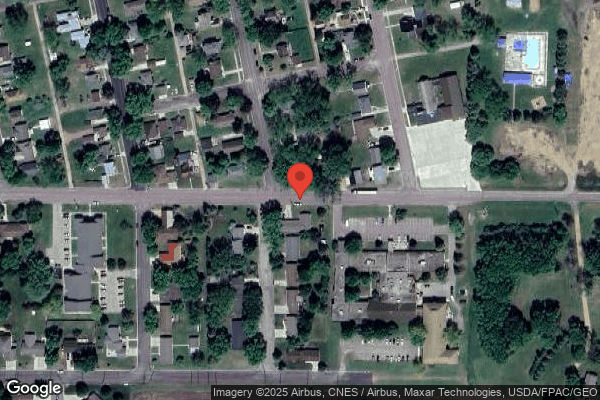
200 EAST NINTH AVENUE, LAMBERTON, MN 56152 (507) 752-7346
For profit - Corporation 50 Beds EPHRAM LAHASKY Data: November 2025
Trust Grade
35/100
#334 of 337 in MN
Last Inspection: May 2025

Inspected within the last 6 months. Data reflects current conditions.

Overview

Valley View Manor Hcc has received a Trust Grade of F, indicating significant concerns about the overall quality of care, as this grade is considered poor. The facility ranks #334 out of 337 in Minnesota, placing it in the bottom half of all nursing homes in the state, and #4 out of 5 in Redwood County, meaning only one local option is better. Although the facility's trend is improving, with issues decreasing from 14 to 12 from 2024 to 2025, the overall number of 40 concerns found during inspections is alarming. Staffing gets a good rating of 4 out of 5 stars, but with a turnover rate of 57%, which is higher than the state average of 42%, it suggests that staff may not stay long enough to build relationships with residents. There were no fines reported, which is a positive sign, but the facility has faced serious issues, such as failing to ensure that a resident with diabetes was properly trained to monitor her blood sugar levels and not verifying that dietary staff were competent in monitoring dish machine temperatures to ensure proper sanitation. These findings highlight critical gaps in resident safety and staff training that families should consider carefully.

Trust Score
F
35/100
In Minnesota
#334/337
Bottom 1%
Safety Record
Low Risk
No red flags
Inspections
Getting Better
14 → 12 violations
Staff Stability
⚠ Watch
57% turnover. Above average. Higher turnover means staff may not know residents' routines.
Penalties
✓ Good
No fines on record. Clean compliance history, better than most Minnesota facilities.
Skilled Nurses
✓ Good
Each resident gets 59 minutes of Registered Nurse (RN) attention daily — more than average for Minnesota. RNs are trained to catch health problems early.
Violations
⚠ Watch
40 deficiencies on record. Higher than average. Multiple issues found across inspections.
★☆☆☆☆
1.0
Overall Rating
★★★★☆
4.0
Staff Levels
★★☆☆☆
2.0
Care Quality
★☆☆☆☆
1.0
Inspection Score
Stable
2024: 14 issues
2025: 12 issues

The Good

  • 4-Star Staffing Rating · Above-average nurse staffing levels
  • Full Sprinkler Coverage · Fire safety systems throughout facility
  • No fines on record

Facility shows strength in staffing levels, fire safety.

The Bad

1-Star Overall Rating

Below Minnesota average (3.2)

Significant quality concerns identified by CMS

Staff Turnover: 57%

11pts above Minnesota avg (46%)

Frequent staff changes - ask about care continuity

Chain: EPHRAM LAHASKY

Part of a multi-facility chain

Ask about local staffing decisions and management

Staff turnover is elevated (57%)

9 points above Minnesota average of 48%

The Ugly 40 deficiencies on record

May 2025 12 deficiencies
CONCERN (D)

Potential for Harm - no one hurt, but risky conditions existed

Deficiency F0605 (Tag F0605)

Could have caused harm · This affected 1 resident

Based on interview and document review the facility failed to ensure psychotropic medications had identified target behaviors or symptoms, failed to monitor the target behaviors or symptom, and failed...

Read full inspector narrative →
Based on interview and document review the facility failed to ensure psychotropic medications had identified target behaviors or symptoms, failed to monitor the target behaviors or symptom, and failed to monitor for adverse effects of the medication for 1 of 4 residents (R4) reviewed for psychotropic medication use. Additionally, the facility failed to have non-pharmacological meaningful interventions that were personalized for target behaviors or symptoms. Findings include: R4's 4/24/25, quarterly Minimum Data Set (MDS) identified R4's cognition was moderately impaired. She had functional limitations of both upper and lower extremities and required extensive to total assistance with cares. R4 took an antipsychotic and antidepressant medication. The MDS identified diagnoses of neurological condition, left side weakness, heart failure, diabetes mellitus, and seizure disorder. R4's 5/13/25, Order Summary Report identified bupropion HCI ER (Wellbutrin XL) 300 milligrams (mg) every day (QD) an antidepressant medication for mood disorder due to known physiological condition. Quetiapine Fumarate (Seroquel) 300 mg at bedtime (antipsychotic medication) for encephalomalacia due to previous stroke (serious brain injury that causes memory loss, changes in personality and behaviors). Vilazodone HCI 20 mg QD (antidepressant) for mood disorder due to known physiological condition. The orders lacked identification of target behaviors or symptoms the medication was ordered to treat and lacked monitoring of the medication adverse effects. Interview on 5/13/25 at 11:32 a.m., with nursing assistant (NA)-B identified R4 has hallucinated and thought there were raccoons in her room. Staff would reassure her when she though she saw something and reported to the nurse. Interview on 5/14/25 at 2:00 p.m., with NA-A identified R4 reported seeing things like raccoons and opossums in her room, she heard scratching noises all the time, and just last night she thought something was crawling on her. She also reportedly had days when she thought she could still get up and walk which she cannot do. When she had hallucinations like that, staff reassured her and reported to the nurse. R4's 1/24/25, mental health visit provider note identified R4 had a mood disorder NOS (not otherwise specified), anxiety disorder, and unspecified psychosis. R4 was identified to have visual hallucinations about animals being in her bed (opossums). R4 reported she felt like her stroke had really exacerbated her negative mood. R4's 4/29/25, care plan identified psychotropic medication management related to insomnia, depression, and anxiety. The goal was the resident would be free from side effects. The intervention was to consult pharmacist to review medications. R4 refused cares at times related to depression, anxiety, and stroke. The goal was the resident will cooperate with care through the review date. The interventions included allow the resident to make decisions about treatment regime, to provide sense of control, encourage participation, staff to give clear explanation of all care activities prior to occurrence, and/or postpone care and re-approach if R4 continued to resist. The care plan lacked what the target behaviors or symptom were and lacked personalized non-pharmacological interventions and lacked identification of R4's hallucinations or delusional thoughts and what staff were to do when these occurred. Interview on 5/14/25 at 2:36 p.m., with consulting pharmacist identified she would expect target behaviors or symptoms would be identified for psychotropic medication on either the resident's care plan or on the medication administration record. She further identified she would expect that staff would be monitoring those target behaviors or symptoms for effectiveness of the medication. Interview on 5/14/25 at 3:52 p.m., with assistant director of nursing (ADON) identified she was unsure how the facility was monitoring target behaviors or symptoms if the facility had not identified what those symptoms were. She further revealed she was unsure how the facility was monitoring for side effects of the psychotropic medications. She confirmed there was nothing on the medication administration record or care plan that identified the target behaviors or symptoms for the medication use. She reported corporate had the facility now using a new library that had pre-defined problems and intervention to create care plans. With the new program the care plans were now lacking individualized problems and interventions as she was required to choose from the library pick list. Review of the 4/25/25, Psychotropic Medication Use policy identified resident would only receive medications that are clinically indicated to treat specific conditions. A comprehensive assessment should be completed, and nonpharmacological interventions identified to minimize the need for a psychotropic medication. Residents on psychotropic medication should receive a gradual dose reduction unless contraindicated to discontinue the medication. Psychotropic medications are prescribed to treat specific condition or symptom which should be documented in the resident medical record. Psychotropic medications are to be monitored for adverse effects.
CONCERN (D)

Potential for Harm - no one hurt, but risky conditions existed

Assessment Accuracy (Tag F0641)

Could have caused harm · This affected 1 resident

Based on interview and document review, the facility failed to ensure resident status was accurately identified in the Minimum Data Set (MDS) assessment for 1 of 12 sampled residents (R24). Findings ...

Read full inspector narrative →
Based on interview and document review, the facility failed to ensure resident status was accurately identified in the Minimum Data Set (MDS) assessment for 1 of 12 sampled residents (R24). Findings include: R24's 5/17/24, Preadmission Screening Results (PAS) identified no level II assessment was needed. The PAS identified that R24 had post-traumatic stress disorder (PTSD), anxiety, and depression. R24's 5/27/24, admission Minimum Data Set (MDS) assessment lacked identification of PTSD. R24's 8/27/24, quarterly and the 10/21/24, significant change MDS identified PTSD diagnosis. R24's 5/14/25, medical diagnosis list identified PTSD, depression, and anxiety. Interview on 5/14/25 at 3:52 p.m., with assistant director of nursing (ADON) identified she would expect the MDS would be coded correctly to reflect the resident's actual condition. She reported R24's admission MDS had been completed by a contracted staff and she now had taken over completing the MDS's at the facility. She confirmed that R24's admission MDS had lacked identification of the PTSD diagnosis. Which would trigger care planning for PTSD to ensure support provided. Review of the Resident Assessment Instrument (RAI) manual 3.0 identified residents MDS submissions must be accurate during the look back period and in accordance with standards of clinical practice and documentation.
CONCERN (D)

Potential for Harm - no one hurt, but risky conditions existed

Comprehensive Care Plan (Tag F0656)

Could have caused harm · This affected 1 resident

**NOTE- TERMS IN BRACKETS HAVE BEEN EDITED TO PROTECT CONFIDENTIALITY** Based on interview and record review the facility failed to develop and implement a comprehensive person-centered care plan that...

Read full inspector narrative →
**NOTE- TERMS IN BRACKETS HAVE BEEN EDITED TO PROTECT CONFIDENTIALITY** Based on interview and record review the facility failed to develop and implement a comprehensive person-centered care plan that addressed anticoagulant (prevents and breaks down blood clots) therapy with safety precautions for 1 of 1 (R25) resident reviewed for care plan. Findings include: R25's 3/06/25, Significant change Minimum Data Set (MDS) identified R25 was admitted [DATE]. R25 had a diagnosis of atrial fibrillation (irregular heart rhythm) and hip fracture. R25 was moderately cognitively impaired and had taken anticoagulants on a routine basis. R25's current, undated Order Summary Report identified R25 was to receive Eliquis (anticoagulant used to prevent blood clots) 2.5 milligrams (mg) twice a day for atrial fibrillation. The order identified the medication was to start on 8/19/24. R25's current, undated care plan lacked individualized documentation of pharmacological and non-pharmacological interventions for R25, as well as, side effects and/or adverse effects of the medication use. Interview on 5/14/25 at 9:40 a.m., with registered nurse (RN)-A identified the risk of bleeding was an indicator of anticoagulant use. RN-A accessed R25's chart on Point Click Care (PCC), an online medical record, identified R25's care plan lacked evidence of monitoring for anticoagulation therapy. Interview on 5/14/25 at 9:53 a.m., with RN-B identified R25 was administered Eliquis and was to be monitored for symptoms such as, dark color stools, bruising, abnormal bleeding or severe paleness of the skin. RN-B had voiced agreement appropriate interventions should be reflected in R25's care plan. Interview on 5/14/25 4:06 p.m., with assistant director of nursing (ADON) identified R25's care plan should reflect interventions, including drug specific side effects for use of anticoagulant medications. Review of facility current, undated Care Plans, Comprehensive Person-Centered policy indicated care plans was to include services related to the physical, mental and psychosocial well-being of the resident, measurable objectives and timeframes, and desired outcomes. The comprehensive care plan was to include ongoing assessments, revision of services, and interventions related to areas of concern.
CONCERN (D)

Potential for Harm - no one hurt, but risky conditions existed

Deficiency F0657 (Tag F0657)

Could have caused harm · This affected 1 resident

Based on observation, interview, and document review the facility failed to revise 1 of 1 resident (R8) care plan following a change of condition. Findings include: R8's 4/23/25, quarterly Minimum Da...

Read full inspector narrative →
Based on observation, interview, and document review the facility failed to revise 1 of 1 resident (R8) care plan following a change of condition. Findings include: R8's 4/23/25, quarterly Minimum Data Set (MDS) assessment identified R8's cognition was intact. R8 required extensive assistance by one staff for transfers, toileting, and bed mobility. R8 took insulin daily and a diuretic (medication to remove fluid excess from the body). R8's 5/14/25, diagnosis list identified Alzheimer's disease, congestive heart failure, pain in right toes, pain in left ankle and foot, osteoarthritis, and diabetes mellitus. R8's 4/30/25, emergency department (ED) provider note identified R8 had presented to the ED for evaluation of increased weakness and falls. Assessment noted bruising with some swelling and tenderness of the left lower leg and ankle area. Some bruising was noted as being present on the right lower leg but without any tenderness. X-ray of left ankle revealed a fractured ankle and the ankle was splinted. The note indicated R8 would benefit from orthopedic follow-up to discuss whether surgical options would be helpful given she is ambulatory at baseline (prior to the fall). R8 was discharged back to the facility. Observation on 5/13/25 at 11:10 a.m., 2 staff exiting R8's room one with the Hoyer mechanical lift (full body lift) and 1 staff pushing R8 in her wheelchair. Interview on 5/13/25 at 11:47 a.m., with nursing assistant (NA)-B identified R8 used to transfer with one staff assist but since she fractured her ankle, she now required use of a total body mechanical life (Hoyer) with assist of 2 staff as she was non-weight bearing. Interview on 5/13/25 at 11:47 a.m., with nursing assistant (NA)-B identified R8 used to transfer with 1 staff assist but since she fractured her ankle, she required a Hoyer lift with 2 staff as she was non-weight bearing. Interview on 5/14/25 at 2:00 p.m., with NA-A identified R8 was not previously transferred using a Hoyer mechanical lift with 2 staff. R8 used to transfer with 1 staff and ambulate with 1 staff prior to her fall and fractured ankle. R8's undated, care plan identified R8 required extensive assist of 1 staff for toileting, bathing, bed mobility, dressing, and transferring. R8 required extensive assist of 1 staff and a front wheeled walker for ambulation. The care plan lacked revision that R8 now required total assist by 2 staff using a Hoyer mechanical lift for transfers as R8 was non-weight bearing on her left leg after her fall. Interview on 5/14/25 at 3:52 p.m., with assistant director of nursing (ADON) confirmed R8's care plan had not been updated to reflect her current care needs following her fractured ankle. She reported R8 currently required a Hoyer mechanical lift for all transfers with 2 staff assist. Review of 4/22/25, Care Plans, Comprehensive Person-Centered policy identified that resident assessments were ongoing and care plans are revised as the resident's condition changes.
CONCERN (D)

Potential for Harm - no one hurt, but risky conditions existed

Deficiency F0849 (Tag F0849)

Could have caused harm · This affected 1 resident

Based on observation, interview and document review, the facility failed to have an integrated care plan to coordinate and delineate what services hospice was to provide and what services the facility...

Read full inspector narrative →
Based on observation, interview and document review, the facility failed to have an integrated care plan to coordinate and delineate what services hospice was to provide and what services the facility was to provide, to ensure oversight and services would be provided for 1 of 1 resident (R11) reviewed for hospice care. Findings include: R11's 3/9/25, annual Minimum Data Set (MDS) assessment identified R11 was dependent on staff for all cares, he received hospice services. R11's undated facility care plan identified activities of daily living (ADL) deficit related to dementia and muscle/skeletal impairment. R11 was dependent on staff for care needs. The nutrition focus area identified R11 had nutritional problem related to diagnosis of alcohol dependency, anxiety, hepatitis C, dementia, epilepsy, hypertension, insomnia, depression, seizures, psychosis, and hospice status. There was no other mention of hospice as a whole, nor was there mention of what services the facility was to provide, or what services hospice was to provide mentioned on R11's care plan. R11's direct care staff Kardex (care plan) that staff review identified bathing, R11 required 2 staff assist. There was no mention of hospice on the Kardex and no mention staff were to assist hospice once a week with ensuring R11 had a bath. R11's 4/20/25, hospice care plan identified services required for R11 were providing a home health aide, massage therapy, social services, nursing, and spiritual care visits. R11 required 2 persons for transfer with a mechanical lift. Hospice would provide a tub bath or shower with facility staff assistance. If there was no facility staff assistance, the hospice aide would complete a bed bath weekly. Massage therapy was to be provided to reduce muscle tension. The interdisciplinary team would review and update R11's care plan and family's understanding as R11's condition requires, but no less than every 15 days. R11's hospice diagnosis was Alcohol dependence with alcohol-inducing persisting dementia. Interview on 5/13/25 at 1:52 p.m., with assistant director of nursing (ADON) identified the facility switched care plan libraries within point click care (PCC) (the facilities electronic medical record program). The new care plan library did not allow the facility to personalize the care plan like they had done in the past. She confirmed R11 had no mention of hospice on the facility care plan. Further interview on 5/14/25 at 3:52 p.m., with ADON identified the facility had a binder located at the nurse's station with the phone number to contact hospice if needed. Hospice staff would typically call prior to coming to the facility. She felt the hospice care was available to direct care staff however, the hospice binder at the desk could be beefed up and include a copy of the hospice care plan. She confirmed the facility care plan should identify hospice but did not feel it necessary to include when staff should update the provider, or hospice as she felt the facility communicated with hospice via phone calls or in person and acknowledged occasionally there had been laps in communication and that could be improved upon. The ADON agreed hospice was not mentioned on the facility's care plan nor had it delineated who was to provide what services and or note how the facility would ensure those services would be provided if for some reason hospice was unable to be at the facility. Interview on 5/14/25 at 2:00 p.m., with nursing assistant (NA)-A identified R11 received two baths a week, one from the facility and one from the hospice provider. The hospice provider also did special things with R11 like provide a massage each week. Interview of 5/14/25 at 2:12 p.m., with hospice provider identified they faxed the hospice care plan to the facility to communicate what hospice was providing for the resident. Typically, hospice left an orange folder or binder with the resident's hospice information however, We have learned sometimes we place the information into the binder and the facility would remove that information. She was unsure what the facility did with the information. Review of the undated, hospice policy identified hospice responsibility was to determine an appropriate plan of care, address the changing level of services needed and provide medical direction for nursing management of the terminal illness. The facility was responsible for meeting the resident's personal care. The facility would coordinate with hospice, and the resident's representative to ensure the care provided was appropriately based on the residents' individual needs. The facility would notify hospice with a significant change in condition, any clinical complications, a need to transfer out of the facility, and the resident's death. The facility was to coordinate care plans for residents receiving hospice services. Review of the 2013, Hospice Agreement identified a plan of care and individualized written care plan would be established, maintained, reviewed, and modified as needed by the interdisciplinary group. Hospice and the facility will jointly develop and agree upon a coordinated plan of care.
CONCERN (D)

Potential for Harm - no one hurt, but risky conditions existed

Infection Control (Tag F0880)

Could have caused harm · This affected 1 resident

Based on interview and document review, the facility failed to ensure 1 of 5 staff (housekeeping aide (HK)-A) was appropriately given a second tuberculosis test within 1-2 weeks after the first step w...

Read full inspector narrative →
Based on interview and document review, the facility failed to ensure 1 of 5 staff (housekeeping aide (HK)-A) was appropriately given a second tuberculosis test within 1-2 weeks after the first step was completed upon hire. Review of the current, undated Regulations for Tuberculosis Control in Minnesota Health Care Settings, located at https://www.health.state.mn.us/diseases/tb/rules/tbregsmanual.pdf for Tuberculosis Control in Minnesota Health Care Settings, identified baseline TB screening is required for all healthcare workers (HCW). Baseline TB screening consists of three components: 1. Assessing for current symptoms of active TB disease, 2. Assessing TB history, and 3. Testing for the presence of infection with Mycobacterium tuberculosis by administering either a two-step TST or single IGRA.before hire. The second TST may be performed after the health care worker (HCW) starts working with patients. An employee may begin working with patients after a negative TB symptom screen (i.e., no symptoms of active TB disease) and a negative IGRA or TST (i.e., first step) dated within 90 days before hire. The second TST may be performed after the HCW starts working with patients. Review of employee health file for HK-A, identified HK-A was hired on 4/08/25 and completed a baseline TB symptom screen. HK-A's 4/08/25, Baseline TB Screening for HealthCare Workers (HCW) form indicated, HK-A had received both first and second TST tests on 4/08/25 at 8:20 a.m., and again at 9:30 a.m., which were read on 4/10/25 at 11:00 a.m., and aghain at 2:30 p.m., and were negative. The form indicated if the results of the first test were negative, the second TST series was to be completed in one to three weeks. Review of the current, undated Centers for Disease Control (CDC) Clinical Testing Guidance for Tuberculosis: Tuberculin Skin Test, located at https://www.cdc.gov/tb/hcp/testing-diagnosis/tuberculin-skin-test.html, identified if the first TB skin test result is negative, a second TB skin test should be done 1 to 3 weeks later. If the second TB skin test result is positive, it is probably a boosted reaction. Based on this second test result, the person should be classified as previously infected. This would not be considered a skin test conversion or a new TB infection. However, the patient is a candidate for treatment for latent TB infection. If the second skin test result is negative, the baseline result is negative, and the person would be classified as uninfected. Interview on 5/14/25 at 1:09 p.m., HK-A stated she had received the first TST once hired. HK-A was not made aware a second TST was to be completed. Interview on 5/14/25 at 4:01 p.m., with ADON would expect new hires to complete all TB screening and testing, per facility policy. The ADON identified HK-A's TB form was filled out incorrectly and the employee did not recieve both TB series the same day. The ADON had no documentation to support HK-A had received a second TB test to complete the series and agreed this should be documented as completed. Review of May 2024 Tuberculosis, Employee Screening policy indicated the facility was to screen and test all employees for active TB prior to employment.
CONCERN (D)

Potential for Harm - no one hurt, but risky conditions existed

Antibiotic Stewardship (Tag F0881)

Could have caused harm · This affected 1 resident

Based on interview and document review, the facility failed to complete a review of antibiotic therapy between 48-72 hours to ensure appropriateness of the continued use of an antibiotic for 1 of 3 (R...

Read full inspector narrative →
Based on interview and document review, the facility failed to complete a review of antibiotic therapy between 48-72 hours to ensure appropriateness of the continued use of an antibiotic for 1 of 3 (R21) sampled residents. Findings include: Review of the current, undated, Centers for Disease Control (CDC): The Core Elements of Antibiotic Stewardship for Nursing Homes, Appendix A: Policy and Practice Actions to Improve Antibiotic Use, located at https://www.cdc.gov/antibiotic-use/core-elements/pdfs/core-elements-antibiotic-stewardship-appendix-a-508.pdf, identified facilities should evaluate the clinical signs and symptoms when a resident is first suspected of having an infection. Once the resident is placed on an antibiotic, they should be comprehensively reviewed within 48-72 hours after starting the medication to ensure they have been prescribed an effective medication. This is accomplished by reviewing the resident current symptoms and any laboratory results to identify medication effectiveness. The CDC identifies this process as an antibiotic time-out. Review of the infection control logs from December 2024 through May 2025 identified the following areas of documentation: resident name, admit date , room number/unit, infection onset, type of infection, signs and symptoms, status of the infection, pharmacy orders-order name, order date, prescriber, and a place for comments. The tracking log identified residents that were identified with potential infections. Review of February 2025 infection control log identified R21 had been prescribed ciprofloxacin (an antibiotic) 500 milligram (mg) twice a day for four days for urinary tract infection (UTI). R21 had taken the medication from 2/7/25 through 2/11/25. R21's current, undated diagnosis sheet identified R21 had a diagnosis of neuromuscular dysfunction of the bladder (lack of bladder control due to brain, spinal cord or nerve problems). R21's current, undated care plan identified R21 had a risk of infection related to indwelling catheter (tube that collects urine from the bladder). The facility nursing staff was to evaluate R21 for urinary complaints and to manage patency of the catheter to minimize risk of infections. R21's progress notes identified on 2/07/25 at 1:12 p.m., R21 had symptoms of pain, discomfort and urinary retention. Nurse practitioner (NP) started orders for ciprofloxacin medication therapy related to UTI and prostatitis (inflammation of the prostate). R21's medical record lacked any initial comprehensive assessment. Interview on 5/14/25 at 4:03 p.m., with assistant director of nursing (ADON) identified the facility had used Loeb's criteria (surveillance for infections) for criteria for implementing antibiotics. Antibiotic time outs were placed under the assessment tab in the resident's record on Point Click Care (PCC). This was not completed for R21. The ADON would expect an antibiotic time out to be reviewed and completed to determine continued need for residents on antibiotic therapy. Review of current, undated Antibiotic Stewardship Procedure policy identified the facility was to record infections, gather clinical documentation, assess appropriateness of antibiotic use, and identify adverse outcome related to antibiotic use.
CONCERN (D)

Potential for Harm - no one hurt, but risky conditions existed

Deficiency F0883 (Tag F0883)

Could have caused harm · This affected 1 resident

**NOTE- TERMS IN BRACKETS HAVE BEEN EDITED TO PROTECT CONFIDENTIALITY** Based on interview and document review, the facility failed to ensure 1 of 5 (R28) were offered and/or provided updated vaccinat...

Read full inspector narrative →
**NOTE- TERMS IN BRACKETS HAVE BEEN EDITED TO PROTECT CONFIDENTIALITY** Based on interview and document review, the facility failed to ensure 1 of 5 (R28) were offered and/or provided updated vaccinations for pneumococcal disease, in accordance with Centers for Disease Control (CDC). Findings include: R28's 2/09/25, admission Minimum Data Set identified R28 was [AGE] years old and had a diagnoses of dementia, anxiety and diabetes. R28 was offered but decline the pneumococcal vaccine (PCV). R28's current, undated immunization report indicated R28 had received PCV-7 on 2/16/11, PPV23 on 6/14/13, followed by PCV-13 on 7/12/19. Review of the current, 10/26/24, Centers for Disease Control (CDC): Pneumocococcal Vaccine Recommendations, located at https://www.cdc.gov/pneumococcal/hcp/vaccine-recommendations/index.html, identified based on shared clinical decision-making, adults 65 years or older have the option to get PCV20 or PCV21, or to not get additional pneumococcal vaccines. They can get PCV20 or PCV21 if they have received both the PCV13 (but not PCV15, PCV20, or PCV21) at any age and a PPSV23 at or after the age of [AGE] years old. R28's 2/03/25, Revolving Immunization Consent or Declination form identified R28 consented for the PCV dose. Interview on 5/13/25 at 1:26 p.m., with the assistant director of nursing (ADON) identified the consent was obtained for R28 to receive the vaccine and was held. The ADON did not communicate with R28's power of attorney (POA) when the vaccine was held nor was R28 re-assessed to identify R28's appropriateness for the administration of the vaccine. Review of the current, undated Pneumococcal Vaccine policy indicated residents were to be assessed and receive the PCV vaccine within 30 days of admission. Residents were to receive the vaccines unless medically contraindicated, previously given and/or refused and to provide documentation in the resident's medical record of refusals.
CONCERN (F) 📢 Someone Reported This

A family member, employee, or ombudsman was alarmed enough to file a formal complaint

Potential for Harm - no one hurt, but risky conditions existed

Deficiency F0554 (Tag F0554)

Could have caused harm · This affected most or all residents

**NOTE- TERMS IN BRACKETS HAVE BEEN EDITED TO PROTECT CONFIDENTIALITY** Based on interview and record review, the facility failed to determine whether a resident was safe to self-monitor diabetic medi...

Read full inspector narrative →
**NOTE- TERMS IN BRACKETS HAVE BEEN EDITED TO PROTECT CONFIDENTIALITY** Based on interview and record review, the facility failed to determine whether a resident was safe to self-monitor diabetic medication treatment results (blood glucose levels) for 1 of 1 residents (R13) who had a continuous blood glucose monitoring system (FreeStyle 3 Libre). Findings include: Observation and interview on 5/14/25 at 8:15 a.m., with R13 identified she had a sensor on the back of her arm and a hand held meter. She placed the meter near the sensor and it recorded her blood glucose level. She identified the nurse would come in and ask her what her blood sugar is and she would tell them. If my blood sugar is low they give me orange juice or a snack. R13 was not aware of any time that she would need to do a manual blood sugar check and was not familiar with how the alarms worked on the device. Review of R13's Self Administration of Medications assessment did not identify R13 had been given any guidance or assessed to ensure she was knowledgeable on how to use the monitor or when she would need to complete a manual blood glucose check to ensure accuracy. Interview on 5/14/25 at 1:04 p.m., with the assistant director of nursing (ADON) identified the facility does not have a policy or process for the use of the FreeStyle Libre 3 continuous blood glucose monitoring device and had not completed any training or competencies to ensure nursing staff were knowledgeable and had an understanding of how the device worked. In addition she agreed R13's self administration assessment did not identify if R13 was knowledgeable enough to use the Libre 3 independently and did not identify that any guidance was provided. Review of the current, undated, FreeStyle Libre 3 manufacturer instructions, located at, https://www.freestyleprovider.[NAME]/us-en/patient-training.html?type=fsl3&&msclkid=137e6c7baf1615aea40e0450ecf20f55&utm_source=bing&utm_medium=cpc&utm_campaign=M%20%7C%20BR%20%7C%20FreeStyle%20Libre%203&utm_term=freestyle%20libre%203&utm_content=Libre%203&gclid=137e6c7baf1615aea40e0450ecf20f55&gclsrc=3p.ds&gad_source=7, identified prior to using the device, patients were to review all the product instructions and complete the interactive tutorials. In addition, the instructions identified there are symbols that may be displayed on the monitor screen to warn when a manual blood glucose level should be completed.
CONCERN (F)

Potential for Harm - no one hurt, but risky conditions existed

Deficiency F0726 (Tag F0726)

Could have caused harm · This affected most or all residents

Based on observation, interview, and document review, the facility failed to ensure staff were competent to use a continuous glucose monitoring device (FreeStyle Libre 3) for 1 of 1 resident (R)13 who...

Read full inspector narrative →
Based on observation, interview, and document review, the facility failed to ensure staff were competent to use a continuous glucose monitoring device (FreeStyle Libre 3) for 1 of 1 resident (R)13 who had a diagnosis of diabetes. Findings include: R13's admission Minimum Data Set (MDS) assessment identified her cognition was intact, she required assistance from staff to complete activities of daily living (ADL)'s, and had diagnosis of diabetes, heart failure, respiratory failure, bi-polar disorder, borderline personality disorder, and depression. R13's May 2025, administration record identified she was to have her blood glucose level monitored and recorded three times a day before meals. R13 was to be administered 40 units of insulin aspart protamine and insulin aspart (a combination of fast acting and intermediate acting insulin to keep blood sugar levels under control) subcutaneous two times a day at 8:00 a.m., and 4:00 p.m. In addition, R13 was to be administered a correction dose based on her blood sugar levels at the time of administration. R13's 4/30/25 through 5/13/25, documented blood glucose levels identified her blood sugars ranged from 70 Milligrams per deciliter (mg/dl)- 403mg/dl. Target blood glucose levels for people with diabetes is 80-130mg/dl. Interview on 5/14/25 at 8:02 a.m., with registered nurse (RN)-B identified she was familiar with these types of devices similar to what R13 used for blood glucose monitoring because she had used them at other facilities. She revealed she had not received training on the device since working at this facility and had not completed a competency. She identified she did not know where the manufacturer directions were but thought they were on the charge nurse med cart or in the medication room. Interview on 5/14/25 at 8:07 a.m., with registered nurse (RN)-A identified he was the charge nurse and had never worked with a continuous blood glucose monitoring device. He was not aware of what type of device R13 used and was not aware if the facility had manufacturer directions or where they would be located if they did. He identified they may be on the other medication cart with R13's other medications. He revealed he had not been trained how to use the device and had not completed a competency. Interview on 5/14/25 at 1:04 p.m., with the assistant director of nursing (ADON) identified the facility does not have a policy or process for the use of the FreeStyle Libre 3 continuous blood glucose monitoring device and had not completed any training or competencies to ensure nursing staff were knowledgeable and had an understanding of how the device worked. Interview on 5/14/25 at 8:15 a.m., with R13 identified she told the nurse what her blood sugar was. If R13's blood sugar was low they [nurses] gave R13 orange juice or a snack. R13 was not aware of any time that she would need to do a manual blood sugar check and was not familiar with how the alarms worked on the device. Interview on 5/14/25 at 4:11 p.m., with the administrator identified she would expect the facility would ensure nursing staff were trained and competent in the use of any medical equipment used for the treatment and medication therapy of residents who reside at the facility. Review of the FreeStyle Libre 3 manufacturer directions identified that prior to using the device, review all the product instructions and complete the interactive tutorial at www.FreeStyleLibre.com. In addition, the instruction identified there are symbols that may be displayed on the monitor screen to warn when a manual blood glucose level should be completed.
CONCERN (F)

Potential for Harm - no one hurt, but risky conditions existed

Deficiency F0802 (Tag F0802)

Could have caused harm · This affected most or all residents

Based on observation, interview, and record review the facility failed to ensure dietary staff had appropriate training with competencies to carry out the function of monitoring the dish machine tempe...

Read full inspector narrative →
Based on observation, interview, and record review the facility failed to ensure dietary staff had appropriate training with competencies to carry out the function of monitoring the dish machine temperatures to ensure appropriate sanitation occurred. Findings include: Observation and interview on 5/13/25 at 9:30 a.m., with dietary aide (DA)-A who ran a load of dishes through the dish machine. The gauge located on the right side was at 170 degrees and did not move. The gauge, located on the left side moved during the wash and rinse cycle showing the wash cycle was to be 160 degrees and the rinse cycle was 180 degrees. DA-A reported she observed and documented temperatures once a shift. She reported the left gauge was the wash cycle, and the right gauge was the rinse cycle. When DA-A was asked if the temperature needed to reach a certain temperature, she replied there was no special temperature it had to be. Interview and observation on 5/13/25 at 10:11 a.m., with maintenance director identified one gauge read both the wash and rinse temperature. The maintenance director accompanied the surveyor to the dish machine and ran a cycle confirming that the left gauge read both the wash and rinse temperatures. He reported he did not think that the right gauge was even working. Review of the Dish Machine Temperature logs for March, April, May of 2025, identified the logs identified the rinse temperature fell below a safe sanitizing level of 180 degrees Fahrenheit (F) during the following meal services in: 1) March 2025: Breakfast 18 of 31 days, Dinner 4 of 31 days, Supper 4 of 31 days. Staff failed to document any temperature level for 11 of 31 days. 2) April 2025: Breakfast 13 of 30 days. There was no documentation sanitation had been achieved for 4 of 30 days during the breakfast meal service. During the dinner meal, 6 of 30 days fell below 180 degrees F. Further review of the dinner meal service identified 6 of the 30 days also had no documentation to support staff had monitored rinse temperatures. Supper meal service fell below safe temperatures 2 of 30 days. Staff failed to document 12 supper meal service rinse temperatures for the 30 days in April. 3) May 2025: Breakfast 8 of 13 days fell below 180 degrees F. Dinner 1 of 12 days fell below, with the Supper meal service falling below 2 of 12 days reviewed with 1 of those 12 days having no documentation to support staff had monitored temperatures. On the form, it was noted if the rinse temperature fell below 180 degrees, F, staff were to contact the dietary manager. Interview on 5/13/25 at 10:16 a.m., with dietary manager identified staff were to contact her or the maintenance director if the wash or rinse temperature was not at the correct temperature. She reported staff were to use the gauge on the left side for monitoring the wash and rinse cycles and staff had been trained on that but did not always follow directions. She confirmed monitoring the wash and rinse cycles was a problem and she reviewed the logs to monitor for a pattern. She confirmed several rinse temperatures were under 180 degrees. Additional interview on 5/13/25 at 1:40 p.m., confirmed she had not addressed the low rinse temperatures with any staff previously. She reported staff completed training on Relias, the facility online training system. Then before staff start in the kitchen, she trained staff on the cleaning dishes machine policy. Review of DA-A, DA-B, and cook-A training and competencies identified: 1) DA-A, had no competency documentation related to monitoring the dish machine wash and rinse cycle temperatures to ensure appropriate sanitation occurred. There was no documentation the dietary policies had been read or reviewed. 2) DA-B, had no documentation of competencies or the policies had been read and reviewed. 3) Cook-A, had no competency documentation related to monitoring the dish machine wash and rinse cycle temperatures to ensure appropriate sanitation occurred. She signed on 9/11/24, she read the dietary policies. Interview on 5/13/25 at 1:40 p.m., with dietary manager revealed DA-B had no competencies related to her job functions, she only had received initial training which included an overview of food service. Interview on 5/13/25 at 2:58 p.m., with maintenance director identified both gauges were working on the dish machine. He confirmed the Ecolab data plate located on the dish machine identified minimum temperature for wash was 150 and rinse was 180. The right gauge did not move unless the machine was shut off, and the left gauge bounce back and forth for the wash and rinse cycle. He confirmed if the dish machine did not reach those temperatures staff were to contact the dietary manager or him to address. Interview on 5/14/25 at 9:24 a.m., with dietician identified sometimes the dish machine needed to run a couple cycles to get up to temperature. If the dish machine was not getting to recommended temperature for the wash and rinse cycle, then the dietary manager needed to be notified, and a maintenance request needed to be made. He would expect staff would be knowledgeable about how to read the temperature gauges, daily monitoring was being completed, and staff would report any concerns of the temperatures not reaching recommended temperature for wash or rinse cycles. Interview on 5/14/25 at 12:54 p.m., with dietary manager identified maintenance confirmed both gauges are working, and the maintenance director labeled the gauges for monitoring wash and rinse temperatures. She revealed that had not been how she was trained by Ecolab, but it now made sense. Review of the undated, ECOLAB XL HT (hot water sanitizing, electrically heated dish machine) Operation Manual identified the wash temperature for 150 degrees minimum in the hot water sanitizing mode. The rinse temperature at 180 degrees minimum in the hot water sanitizing mode. A diagram in the manual identifies on the machine the left gauge as the thermometer rinse temperature and the gauge on the right as the thermometer wash temperature. Review of the undated, Dietary Aide Training list identified staff were to wash dishes and chart dishwasher temperatures. Review of the undated, Cleaning Dishes/Dish Machine policy identified prior to using the dish machine staff were to verify proper temperatures and machine function. Staff were to check the dish machine gauges throughout the cycle to assure proper temperatures for sanitation. The policy identified dish machine wash temperature should reach a minimum of 150 and the rise cycle to reach minimum of 180 degrees. Staff were to monitor temperatures and document to assure proper sanitizing of the dishes. Staff were trained to report any problems with the dish machine to the dietary manager. The dietary manager was to take immediate action to assure proper sanitation of the dishes.
CONCERN (F)

Potential for Harm - no one hurt, but risky conditions existed

Deficiency F0838 (Tag F0838)

Could have caused harm · This affected most or all residents

**NOTE- TERMS IN BRACKETS HAVE BEEN EDITED TO PROTECT CONFIDENTIALITY** DIETARY Observation and interview on 5/13/25 at 9:30 a.m., with dietary aide (DA)-A who ran a load of dishes through the dish ma...

Read full inspector narrative →
**NOTE- TERMS IN BRACKETS HAVE BEEN EDITED TO PROTECT CONFIDENTIALITY** DIETARY Observation and interview on 5/13/25 at 9:30 a.m., with dietary aide (DA)-A who ran a load of dishes through the dish machine. The gauge located on the right side was at 170 degrees and did not move. The gauge, located on the left side moved during the wash and rinse cycle showing the wash cycle was to be 160 degrees and the rinse cycle was 180 degrees. DA-A reported she observed and documented temperatures once a shift. She reported the left gauge was the wash cycle, and the right gauge was the rinse cycle. When DA-A was asked if the temperature needed to reach a certain temperature, she replied there was no special temperature it had to be. Interview and observation on 5/13/25 at 10:11 a.m., with maintenance director identified one gauge read both the wash and rinse temperature. The maintenance director accompanied the surveyor to the dish machine and ran a cycle confirming that the left gauge read both the wash and rinse temperatures. He reported he did not think that the right gauge was even working. Review of the Dish Machine Temperature logs for March, April, May of 2025, identified the logs identified the rinse temperature fell below a safe sanitizing level of 180 degrees Fahrenheit (F) during the following meal services in: 1) March 2025: Breakfast 18 of 31 days, Dinner 4 of 31 days, Supper 4 of 31 days. Staff failed to document any temperature level for 11 of 31 days. 2) April 2025: Breakfast 13 of 30 days. There was no documentation sanitation had been achieved for 4 of 30 days during the breakfast meal service. During the dinner meal, 6 of 30 days fell below 180 degrees F. Further review of the dinner meal service identified 6 of the 30 days also had no documentation to support staff had monitored rinse temperatures. Supper meal service fell below safe temperatures 2 of 30 days. Staff failed to document 12 supper meal service rinse temperatures for the 30 days in April. 3) May 2025: Breakfast 8 of 13 days fell below 180 degrees F. Dinner 1 of 12 days fell below, with the Supper meal service falling below 2 of 12 days reviewed with 1 of those 12 days having no documentation to support staff had monitored temperatures. On the form, it was noted if the rinse temperature fell below 180 degrees, F, staff were to contact the dietary manager. Interview on 5/13/25 at 10:16 a.m., with dietary manager identified staff were to contact her or the maintenance director if the wash or rinse temperature was not at the correct temperature. She reported staff were to use the gauge on the left side for monitoring the wash and rinse cycles and staff had been trained on that but did not always follow directions. She confirmed monitoring the wash and rinse cycles was a problem and she reviewed the logs to monitor for a pattern. She confirmed several rinse temperatures were under 180 degrees. Additional interview on 5/13/25 at 1:40 p.m., confirmed she had not addressed the low rinse temperatures with any staff previously. She reported staff completed training on Relias, the facility online training system. Then before staff start in the kitchen, she trained staff on the cleaning dishes machine policy. Review of DA-A, DA-B, and cook-A training and competencies identified: 1) DA-A, had no competency documentation related to monitoring the dish machine wash and rinse cycle temperatures to ensure appropriate sanitation occurred. There was no documentation the dietary policies had been read or reviewed. 2) DA-B, had no documentation of competencies or the policies had been read and reviewed. 3) Cook-A, had no competency documentation related to monitoring the dish machine wash and rinse cycle temperatures to ensure appropriate sanitation occurred. She signed on 9/11/24, she read the dietary policies. Interview on 5/13/25 at 1:40 p.m., with dietary manager revealed DA-B had no competencies related to her job functions, she only had received initial training which included an overview of food service. Interview on 5/13/25 at 2:58 p.m., with maintenance director identified both gauges were working on the dish machine. He confirmed the Ecolab data plate located on the dish machine identified minimum temperature for wash was 150 and rinse was 180. The right gauge did not move unless the machine was shut off, and the left gauge bounce back and forth for the wash and rinse cycle. He confirmed if the dish machine did not reach those temperatures staff were to contact the dietary manager or him to address. Interview on 5/14/25 at 9:24 a.m., with dietician identified sometimes the dish machine needed to run a couple cycles to get up to temperature. If the dish machine was not getting to recommended temperature for the wash and rinse cycle, then the dietary manager needed to be notified, and a maintenance request needed to be made. He would expect staff would be knowledgeable about how to read the temperature gauges, daily monitoring was being completed, and staff would report any concerns of the temperatures not reaching recommended temperature for wash or rinse cycles. Interview on 5/14/25 at 12:54 p.m., with dietary manager identified maintenance confirmed both gauges are working, and the maintenance director labeled the gauges for monitoring wash and rinse temperatures. She revealed that had not been how she was trained by Ecolab, but it now made sense. Review of the undated, ECOLAB XL HT (hot water sanitizing, electrically heated dish machine) Operation Manual identified the wash temperature for 150 degrees minimum in the hot water sanitizing mode. The rinse temperature at 180 degrees minimum in the hot water sanitizing mode. A diagram in the manual identifies on the machine the left gauge as the thermometer rinse temperature and the gauge on the right as the thermometer wash temperature. Review of the undated, Dietary Aide Training list identified staff were to wash dishes and chart dishwasher temperatures. Review of the undated, Cleaning Dishes/Dish Machine policy identified prior to using the dish machine staff were to verify proper temperatures and machine function. Staff were to check the dish machine gauges throughout the cycle to assure proper temperatures for sanitation. The policy identified dish machine wash temperature should reach a minimum of 150 and the rise cycle to reach minimum of 180 degrees. Staff were to monitor temperatures and document to assure proper sanitizing of the dishes. Staff were trained to report any problems with the dish machine to the dietary manager. The dietary manager was to take immediate action to assure proper sanitation of the dishes. Review of the 5/12/25, Facility Assessment identified staff training/education and competencies from other departments other than nursing was completed initially upon hire and annually. Annual online Relias training was to be completed by all staff. The Relias training included infection control as part of the facilities infection prevention training that covered written standards, policies, and procedures. The facility assessment further identified for Food and Nutrition Services, the facility would employ staff with appropriate competencies and skill sets to caring out the functions of the nutritional services. Review of the 5/12/25, Facility Assessment identified staff training/education and competencies from other departments other than nursing was completed initially upon hire and annually. Annual online Relias training was to be completed by all staff. The Relias training included infection control as part of the facilities infection prevention training that covered written standards, policies, and procedures. The facility assessment further identified for Food and Nutrition Services, the facility would employ staff with appropriate competencies and skill sets to caring out the functions of the nutritional services. Based on interview and document review the facility failed to develop and implement 1 of 1 facility assessment to ensure staff were trained and deemed competent for blood glucose monitoring and device usage. In addition, the facility failed to ensure 1 of 1 dietary aides (DA-A) was trained to ensure appropriate sanitation occurred in the dishwashing machine. Findings include: BLOOD GLUCOSE MONITORING Observation and interview on 5/14/25 at 8:15 a.m., with R13 identified she had a sensor on the back of her arm and a hand held meter. She placed the meter near the sensor and it recorded her blood glucose level. She identified the nurse would come in and ask her what her blood sugar is and she would tell them. If my blood sugar is low they give me orange juice or a snack. R13 was not aware of any time that she would need to do a manual blood sugar check and was not familiar with how the alarms worked on the device. Review of R13's Self Administration of Medications assessment did not identify R13 had been given any guidance or assessed to ensure she was knowledgeable on how to use the monitor or when she would need to complete a manual blood glucose check to ensure accuracy. Review of the FreeStyle Libre 3 manufacturer instructions, located at https://www.freestyleprovider.[NAME]/us-en/patient-training.html?type=fsl3&&msclkid=137e6c7baf1615aea40e0450ecf20f55&utm_source=bing&utm_medium=cpc&utm_campaign=M%20%7C%20BR%20%7C%20FreeStyle%20Libre%203&utm_term=freestyle%20libre%203&utm_content=Libre%203&gclid=137e6c7baf1615aea40e0450ecf20f55&gclsrc=3p.ds&gad_source=7, identified prior to using the device, patients were to review all the product instructions and complete the interactive tutorials. In addition, the instructions identified there are symbols that may be displayed on the monitor screen to warn when a manual blood glucose level should be completed. Interview on 5/14/25 at 8:02 a.m., with registered nurse (RN)-B identified she was familiar with these types of devices like R13 used for blood glucose monitoring because she had used them at other facilities. She revealed she had not received training on the device since working at this facility and had not completed a competency. She identified she did not know where the manufacturer directions were but thought they were on the charge nurse med cart or in the medication room. Interview on 5/14/25 at 8:07 a.m., with registered nurse (RN)-A identified he was the charge nurse and had never worked with a continuous blood glucose monitoring device. He was not aware of what type of device R13 used and was not aware if the facility had manufacturer directions or where they would be located if they did. He identified they may be on the other medication cart with R13's other medications. He revealed he had not been trained how to use the device and had not completed a competency. Interview on 5/14/25 at 1:04 p.m., with the assistant director of nursing (ADON) identified the facility does not have a policy or process for the use of the Freestyle Libre 3 continuous blood glucose monitoring device and had not completed any training or competencies to ensure nursing staff were knowledgeable and had an understanding of how the device worked. Interview on 5/14/25 at 4:11 p.m., with the administrator identified she would expect the facility would ensure nursing staff were trained and competent in the use of any medical equipment used for the treatment and medication therapy of residents who reside at the facility. Review of the 5/12/25, Facility Assessment identified the facility was to provide for services to residents in relation to diabetic management. All nursing staff were required to complete general orientation and competencies upon hire. Ongoing training/education opportunities were to be completed annually. Competency testing was to be done on an annual basis. Training topics were to include identification of resident changes in condition, including how to identify medical issues appropriately, how to determine if symptoms represent problems in need of intervention, how to identify when medical interventions are causing rather than helping relieve suffering and improve quality of life and include medication administration and resident assessment and exam and providing specialized care for diabetic glucose testing.
Aug 2024 1 deficiency
CONCERN (D) 📢 Someone Reported This

A family member, employee, or ombudsman was alarmed enough to file a formal complaint

Potential for Harm - no one hurt, but risky conditions existed

Accident Prevention (Tag F0689)

Could have caused harm · This affected 1 resident

**NOTE- TERMS IN BRACKETS HAVE BEEN EDITED TO PROTECT CONFIDENTIALITY** Based on observation, interview and record review the facility failed to comprehensively assess and provide an adequate plan for...

Read full inspector narrative →
**NOTE- TERMS IN BRACKETS HAVE BEEN EDITED TO PROTECT CONFIDENTIALITY** Based on observation, interview and record review the facility failed to comprehensively assess and provide an adequate plan for supervision and appropriate interventions to protect, respect and promote rights of the resident to meet individual needs, for 1 of 3 residents (R1) reviewed for elopement. Additionally, the facility failed to ensure 1 of 1 (R1) resident care plans were revised and staff were aware of interventions to maintain resident safety. Findings include: R1's admission Minimum Data Set, dated [DATE], identified intact cognition with no behaviors. R1 was independent with toileting and oral hygiene, eating, transfers, and ambulation. R1 required supervision with shower/bath, upper and lower dressing, and personal hygiene. R1 was continent of bowel and bladder. R1's diagnoses included: coronary artery disease (CAD), atrial fibrillation (AFIB), benign prostatic hyperplasia (BPH) (enlarged prostate causes obstructive urinary flow), and obstructive uropathy. R1 required no wander guard or alarms. R1's Care Area Assessment (CAA) dated [DATE], identified cognitive skills required for daily decision making and possible underlying problems that may have affected R1's cognitive function were identified as changing cognitive status, poor memory, mood decline, vision problems, and depression. R1's care plan last updated on [DATE], identified high risk for elopement or wandering. Goal: safety would be maintained through the review date. Staff were directed to assess elopement status quarterly and as needed, identify pattern of wandering (purposeful, aimless, or escapist), looking for something, or need for more exercise, and intervene as appropriate. R1's wander alert device was applied to left wrist on [DATE], expired 90 days, and added to EMAR for changing device. R1's [NAME] dated [DATE], identified assess elopement status quarterly and as needed. R1 required prompt responses to all requested for assistance and wander alert devised applied to left wrist [DATE], expired 90 days, cue added to EMAR for changing device. R1's care plan and [NAME] lacked staff interventions to ensure adequate supervision was provided. R1's care plan last updated on [DATE], identified R1 was an elopement risk and required supervision while outdoors due to elopement risk. R1's Elopement assessment dated [DATE], identified R1 was ambulatory and had diagnoses of OBS (organic brain syndrome), dementia, psychosis, Alzheimer's, or other psychiatric diagnosis. R1 was identified as a low risk for elopement. Interventions selected: frequent monitoring, staff made aware of elopement risk, personalization of room (pictures, familiar items). R1's Elopement assessment dated [DATE], identified R1 had a history of elopement or an attempted elopement and remained at risk. Clinical suggestions identified: apply personal safety alarm device, notify staff of elopement risk, and monitor location frequency. R1's Brief Interview for Mental Status (BIMS) evaluation dated [DATE], identified cognition remained intact but had slightly decreased from a score of 15 to a 12 (range 13 to 15 cognitively intact). R1's primary provider/Doctor of Osteopathic Medicine (DO) (focus on holistic health and prevention) visit dated [DATE], identified cognitive decline/change in behavior. Single episode of elopement/wandering and unsure why he left. R1 does not have a diagnosis of dementia but had demonstrated some cognitive decline. Plan: blood work ordered CBC (complete metabolic panel), CBC (complete blood count), TSH (thyroid stimulating hormone) for evaluation of organic causes, had no genitourinary symptoms, held off on UA (urinalysis), and Neuropsychiatric testing for further evaluation of dementia. R1's Social Service Resident Vulnerability and Susceptibility to Abuse completed on [DATE], identified cognitive impairment, easily exploited by others, and sensory impairment. R1's Psychosocial Quarterly -V7 completed on [DATE], identified R1 declined mental health services and felt they were not needed. Family discussed possible need. R1's had someone who assisted with financial and healthcare decisions. R1 was able to make some decisions on his own. R1's cognition was identified as declined and Neuropsychiatric appointment recommended. Summary: no concerns with R1's BIMS score however believed with recent incident, and inability to recollect, a Neuropsychiatric visit may/should be recommended. R1's family in room indicated they wished to discuss this further. R1 was unable to recall recent wander incident and denied why he left. Writer believed although PHQ (patient health questionnaire) (a multipurpose instrument used for screening, diagnosing, monitoring, and measuring severity of depression) scores were good, mental health services for even short term would be beneficial. R1's progress notes on [DATE], identified: -4:41 p.m. R1 eloped from the facility today was seen leaving on camera from front entrance at 8:22 a.m. facility was searched, resident not found, local law enforcement called to assist. R1's daughter arrived shortly after the elopement. R1 had brought his jacket, a hat, and gloves. He stated upon return he had planned to stay overnight. Officers located him and brought him back to facility to be evaluated. R1 was found to be unharmed, wander guard was put in place for safety and staff initiated every 15-minute checks for the first 24 hours of his return. Tools and scissors were removed from resident room for safety. -at 11:14 p.m. R1 returned from emergency room this afternoon and a wander guard was placed on left wrist. Education was given to R1, his wife (F-A) (also resident at the facility), and daughter (F-B) regarding wander guard. They verbalized their understanding of the device and reason for use. During an observation/interview on [DATE] at 2:57 p.m., R1 and F-A (also resident) sat in recliners in bedroom together with the door closed. R1 stated he wandered away from the facility, but not sure why. R1 indicated he saw a big tree, felt tired, heart ticked fast, and thought it would be a good place to rest. R1 stated the tree was located by some water but he was unsure if was a river, lake, or pond, adding his memory had not been good for three to five years now and he knew everyone thought he was crazy. R1 also stated he was aware he should not have left but he grabbed a cap, jacket, two cans of root beer, and planned to stay over night, so that was what he did. Adding, he sat by the tree, saw the water and that is where he would have gone in the morning to get out of here but they caught me be before that happened. R1 indicated he thought he was gone one and half days. During an observation/interview on [DATE] at 9:50 a.m., R1 and F-A sat in recliners in bedroom together with door closed. R1's F-A stated was too hot to go outside and sit so they had chosen to stay in their room together. During an interview on [DATE] at 1:45 p.m., nursing assistant (NA)-A stated R1 and F-A had argued the morning of [DATE], F-A later informed her she could not find R1 after breakfast, thought he just wanted time by himself. NA-A stated R1 had dementia, but F-A had always been the leader and directed him. NA-A notified charge nurse, search of premises (inside and outside) was completed, and police department notified. NA-A stated R1 was found and taken to the emergency department (ED). NA-A stated the next day R1 had on a wander guard and was not allowed to be outside by himself and required supervision by either F-A or staff. NA-A stated they usually looked in resident's [NAME] or care plan in the electronic medical record if unsure how to care for them. During an interview on [DATE] at 2:07 p.m., NA-B stated R1 had dementia, poor memory, required cues, and F-A provided reminders. NA-B started mostly R1's long term memory seemed to be affected and wore a wander guard. NA-B stated R1 and his wife (F-A) were always together and very unusual for him to leave the building alone that day. Since R1's elopement, NA-B stated staff were directed to entered the door code so that R1 and F-A could go outside together. NA-A indicated R1 was not allowed to go out my himself anymore and must have either F-A, his family, or staff with him. During an interview on [DATE] at 3:35 p.m., registered nurse (RN)-A stated it was very unusual for R1 to leave building without his F-A and was now a high risk for wandering or elopement. RN-A verified she had applied the wander guard to R1's wrist once he returned from ED on [DATE]. RN-A stated when R1 asked if he could go outside she would have to explained to him, F-A and F-B that staff will need to enter the code on the door so he can go outside with either F-A, staff or other family. RN-A indicated R1 required supervision when outside and should still be supervised by staff from inside the building. RN-A stated she hoped staff were informed and aware of that; she then checked the point click care (PCC) communication board and nothing had been placed on there and explained she felt too many little things were being missed. RN-A indicated she had informed R1's wife (F-A) if he started to get up and walked away, she needed to come back inside the building and ask staff for assistance. During an interview on [DATE] at 10:00 a.m., F-A stated R1 had talked about walking in the corn fields months ago to get lost. F-A verified she felt awful, laid awake at night with thoughts of if she would not have drank an extra cup of coffee that morning, she could have prevented all of this by going back to the room with him, and possibly stopped him from leaving. F-A stated she was ok with being alone outside with him, knew what to do when he started to walk away or refused to come back in, then got tears in her eyes and paused for a moment. F-A indicated she was informed by staff to ring doorbell outside when he started to walk away. F-A then stated she just hoped staff answered the doorbell right away because R1 moved rather fast at times. F-A also indicated R1's memory had gotten worse and she never told staff, but she had tried helping him as much as she could. During an interview on [DATE] at 10:30 a.m., NA-C indicated R1 had told her he felt more forgetful lately and was frustrated by that. NA-C stated R1 usually stayed close to F-A so his elopement was very unexpected. NA-C stated she was unsure if R1 had a wander guard on, but he had been outside with F-A many times since the elopement incident. NA-C stated residents on the patio outside were observed by staff from inside the building but R1 was allowed to go out with F-A. NA-C stated R1's interventions had not changed since incident. NA-C stated they had checked the plan of care weekly which identified how to care for each resident. NA-C stated residents were required to let staff know when they wanted to go outside, that was it. During an interview on [DATE] at 10:45 a.m., licensed practical nurse (LPN)-A stated R1 staff relied on shift report and resident [NAME] to identify interventions. LPN-A verified R1's care plan identified a wander guard was in placed, but did not detail any other plans. LPN-A stated R1 required supervision outside from either F-A, family or staff through the window or if staff went outside with him. LPN-A stated they were not able to rely on shift report due to turn over. LPN-A also indicated concern related to staffing plan to watch R1 from inside as it was unlikely someone was always located at the front door or could respond to the doorbell quickly. LPN-A stated R1's cognition was not intact and was unable to decide about psych evaluations. LPN-A indicated it had appeared more difficult for F-A to intervene with him, as he did not always respond well to her, or she got upset with him and he was able to walk a lot a lot faster than her so if he left the property, by the time she located help, he could already be pretty far away. LPN-A stated F-B had mentioned this last week also adding the facility courtyard was a contained area, not being used by residents, and would be more appropriate area for R1 and his wife (F-A) to sit outside in. During an interview on [DATE] at 11:30 a.m., social worker (SW) stated she visited with R1 and family last weekend and recommended a neuro/psych consult after R1 eloped. SW stated R1 was confused as to why he left the facility alone and the family was considering mental health services. SW indicated R1 must be supervised to go outside, and confirmed F-A's supervision would not be enough. SW indicated if R1 walked off when outside and F-A had to go inside the building to find help, by that time he could have been half way across the road and possibly hit by a car. SW stated R1 moved a lot faster than F-A. SW stated that if she looked at this from the outside in, it did not seem to be the most appropriate action or plan. SW also stated she did not think F-A could bare all of that responsibility, being vulnerable herself. SW stated R1's cognition had declined relativity rapidly and his recollection was worse than when admitted . SW stated the BIMS was not a true assessment of cognitive abilities and a neuro/psych evaluation was recommended. SW verified R1's family wanted time to discuss among themselves if R1 would have benefited from mental health services. SW stated any resident with a wander guard should be supervised especially outside and included in their interventions on the care plan to be safe. SW verified the facility courtyard (contained outside area) was not used due to side walks where unleveled and deemed a safety risk. During an interview on [DATE] at 1:25 p.m., assistant director of nursing (ADON) stated R1's family just agreed to a neuro/psych evaluation, which was ordered, and needed to get scheduled. ADON indicated SW met with R1 on Sunday and was able to answer orientation questions but unable to track past experiences. ADON stated R1 had long and short-term memory loss, BIMS was not the most accurate assessment of R1's cognition, and seemed to fluctuate, possibly some sundown (group of symptoms people with dementia experience afternoon and early evening such as confusion, trouble sleeping, anxiety, wandering, and hallucinations) may have occurred also. ADON indicted R1's incident was pretty unexpected, with no past occurrences of leaving the facility grounds and never walked without F-A. ADON indicated after the elopement, a wander guard was applied and every 15-minute checks for first 24 hours was completed. ADON stated R1 was not declared a high risk for elopement. ADON stated R1 was required to have supervision of staff when outside and his wife does not count as a person that could have supervised him because she was a resident of the facility herself. ADON verified a resident can not be allowed to supervise another resident, staff were not trained to do this. ADON stated F-A was not capable to have supervised R1 outside, had occasional forgetfulness, and unable to chase after him with a walker due to her high risk for falls. ADON indicated R1's level of supervision required by staff should have been listed on the care plan under interventions, thought about that this morning, and added to the R1's care plan today. ADON stated R1's supervision level required him to be where staff were able to visualize him and not assumed the staff just knew about this. During an interview on [DATE] at 2:01 p.m., director of nursing (DON) stated R1 was allowed to go alone outside with F-A, adding F-A supervises him in her own way as she has watched over him for over 70 years. DON went on to state that R1 was not officially supervised by F-A because he was his own person and she was aware of him being outside with her. DON stated F-A was expected to alert staff when he had decided to stay outside without her, because he could wander off down the road, and that would be a safety issue for sure. DON indicated staff were aware they were outside, watched them from inside through the window, relayed that to other staff if they had to step away. DON indicated F-A took on the supervisory roll herself, was not assigned to her, and an assessment had not completed to be in charge of R1. DON stated R1 and F-A were both equally here, required to be taken care by staff, as a couple required time to be together, and did not want her to be stressed out. DON stated staff were expected to have reviewed resident's care plan and/or [NAME], 24-hour report book, and receive shift change report during their shift. DON indicated R1's care plan should have included special supervision interventions so that all staff were made aware for his safety. Facility policy Care Planning - Interdisciplinary Team last reviewed [DATE], identified the facility's care planning/interdisciplinary team was responsible for development and revisions of an individualized comprehensive care plan for each resident. Facility policy Care Plans, Comprehensive Person-Centered last reviewed [DATE], identified a comprehensive, person-centered care plan includes measurable objectives and timetables to have met the resident's physical, psychosocial and functional needs was developed and implemented for each resident. The care planning process would incorporate interventions that were derived from a thorough analysis of the information gathered as part of the comprehensive assessment. Facility policy Safety and Supervision of Residents last reviewed [DATE], facility strives to provide an environment as free from accident hazards as possible. Resident safety, supervision, and assistance to prevent accidents were the facility-wide priorities. The care team should have targeted interventions to reduce risks related to hazards in the environment, which included adequate supervision and assistive devices. Specific interventions are to be communicated to all relevant staff, training provided, assigned responsibility to have interventions carried out, ensure interventions were implemented, and evaluated for effectiveness.
Jun 2024 1 deficiency
CONCERN (D) 📢 Someone Reported This

A family member, employee, or ombudsman was alarmed enough to file a formal complaint

Potential for Harm - no one hurt, but risky conditions existed

Report Alleged Abuse (Tag F0609)

Could have caused harm · This affected 1 resident

**NOTE- TERMS IN BRACKETS HAVE BEEN EDITED TO PROTECT CONFIDENTIALITY** Based on interview and document review the facility failed to immediately report an allegation of abuse to the administrator and...

Read full inspector narrative →
**NOTE- TERMS IN BRACKETS HAVE BEEN EDITED TO PROTECT CONFIDENTIALITY** Based on interview and document review the facility failed to immediately report an allegation of abuse to the administrator and State Agency (SA) for 1 of 1 resident (R1) reviewed for allegations of abuse. Findings include: A Nursing Home Incident Report submitted to the State Agency on 6/18/24 at 6:12 p.m., indicated R1 reported an allegation of abuse to licensed practical nurse (LPN)-A on 6/17/24 at 2130 (9:30 p.m.). R1's admission Minimum Data Set (MDS) dated [DATE], indicated R1 had intact cognition and no noted behaviors. R1 required staff supervision with transferring, dressing, and walking, but was independent with bed mobility. R1's Progress Note subtitled Behavior Charting dated 6/17/24 at 20:38 (10:38 p.m.), indicated R1 reported that the night prior (6/16/24), a large lady turned mean and grabbed her neck and pulled her very hard which caused her neck to hurt. R1 indicated she was afraid the woman would come back to hurt her again. R1 gave a description of the woman to the LPN-A. The progress note indicated LPN-A notified the director of nursing (DON) of the allegation with in one hour of the allegation. During an interview on 6/24/24 at 11:20 a.m., R1 stated one night a lady must have been having a bad day because she came into her room during the night and grabbed her, hurt her neck, and just left the room. R1 further stated she told staff in case it happened to someone else too. During an interview on 6/24/24 at 12:55 p.m., the director of nursing (DON) indicated LPN-A notified her of the allegation on 6/17/24 at approximately 10:30 p.m. but sounded like a hallucination. Upon arrival to the facility on 6/18/24, the DON indicated she read the communication book and the incident sounded more serious than she thought and informed the administrator at approximately 8:30 a.m.-9 a.m. that same morning. Further she indicated the interdisciplinary team (IDT) discussed the incident at the morning meeting and decided to report [to the SA]. The DON stated she was aware of the facility policy on reporting but thought the facility had 24 hours to report if there was no serious injury. During an interview on 6/24/24 at 1:00 p.m., LPN-A indicated on 6/17/24 at approximately 9:15 p.m., R1 was scared to go to sleep because during the night of 6/16/24 a woman was very harsh and pulled her neck. Indicated she notified the DON of the allegation at approximately 10:15 p.m. but the DON did not think it was reportable and directed to chart it [allegation] in the medical record. LPN-A stated she was concerned about the allegation enough to call the DON but they [nurses] do not report to the SA as they are directed that only the DON or administrator are to report [to the SA]. During an interview on 6/24/24 at 2:35 p.m., the administrator indicated the DON notified her of the allegation on 6/18/24 at approximately 9 a.m. and the IDT team reviewed the notes and decided it was reportable [to the SA]. The administrator further confirmed it was not reported until 6:12 p.m. on 6/18/24 and was not within the required immediate, no later than two-hour time frame per regulation. The facility's policy titled, Abuse, Neglect, Exploitation or Misappropriation -Reporting and Investigating last reviewed 3/22/2023 indicated if resident abuse is suspected, the suspicion must be reported immediately to the administrator, director of nursing, and to other officials according to state law. The policy defines immediately as: within two hours of an allegation involving abuse or result in serious bodily injury or within 24 hours of an allegation that does not involve abuse or result in serious bodily injury.
Jun 2024 5 deficiencies
CONCERN (D)

Potential for Harm - no one hurt, but risky conditions existed

Deficiency F0887 (Tag F0887)

Could have caused harm · This affected 1 resident

Based on interview and document review, the facility failed to offer the Coronavirus (COVID-19) vaccine to 2 of 5 residents (R172 and R173) reviewed for COVID immunizations upon admission. Findings in...

Read full inspector narrative →
Based on interview and document review, the facility failed to offer the Coronavirus (COVID-19) vaccine to 2 of 5 residents (R172 and R173) reviewed for COVID immunizations upon admission. Findings include: R172's, 5/28/24 admission minimum data assessment (MDS) identified R172 was cognitively intact and had a diagnosis of anemia. R172's current, undated vaccine history log identified she had no record of being offered or declination of the COVID-19 vaccine. R173's, 5/29/24 admission minimum data assessment (MDS) identified R173 was cognitively intact and had a diagnosis of heart disease and high blood pressure. R173's current, undated vaccine history log identified he had no record of being offered or declination of the COVID-19 vaccine. Interview on 6/04/24 at 1:57 p.m., with director of nursing (DON) stated she was unsure if the facility had administered COVID vaccines to residents. She thought perhaps R172 and R173 were not interested in receiving the COVID vaccine but could not provide a declination form for either resident to show they had been instructed on risks to benefits and declined the vaccine. Review of December 2021 Coronavirus Disease (COVID-19)-Vaccination of Residents policy identified residents could accept or refuse the COVID-19 vaccine and would be provided education related to the vaccine. The facility would provide the COVID-19 vaccine directly by the facility or indirectly through an arrangement with other appropriate heath entities. The facility's Infection Preventionist (IP) or designee would oversee the education, documentation, and residents' vaccine status for COVID-19. Review of 7/20/23, Facility Assessment identified the facility followed Minnesota Department of Health (MDH) and Center of Disease Control (CDC) guidelines for COVID-19. The assessment identified the facility was to offer COVID vaccines to residents and employees.
CONCERN (E)

Potential for Harm - no one hurt, but risky conditions existed

Medical Records (Tag F0842)

Could have caused harm · This affected multiple residents

**NOTE- TERMS IN BRACKETS HAVE BEEN EDITED TO PROTECT CONFIDENTIALITY** Based on observation and interview the facility failed to ensure privacy of resident's medical information for 1 of 1 facility m...

Read full inspector narrative →
**NOTE- TERMS IN BRACKETS HAVE BEEN EDITED TO PROTECT CONFIDENTIALITY** Based on observation and interview the facility failed to ensure privacy of resident's medical information for 1 of 1 facility medication cart which involved 10 of 21 residents (R1, R4, R5, R6, R7, R8, R10, R11, R18, and R175). This had the potential to be viewed by any resident and visitor passing by common room across from the nursing station. Findings include: R1's, 4/13/24 quarterly, Minimum Data Assessment (MDS) identified R1 was admitted on [DATE]. R1 had a diagnosis of medically complex conditions, such as diabetes, depression, and schizophrenia. R4's, 4/03/24, Significant Change MDS identified R4 was admitted in March 2023. R4 had a diagnosis of other neurological conditions, high blood pressure, and peripheral vascular disease (PVD) (decreased blood-flow to extremities). R5's, 4/19/24, Significant Change MDS identified R5 was admitted in March 2024. R5 had a diagnoses of diabetes, depression, and respiratory failure. R6's, 5/08/24 quarterly, MDS identified R6 was admitted in June 2020. R6 had a diagnosis of high cholesterol. R7's, 3/26/24 Significant Change MDS identified R7 was admitted in July 2023. R7 had a diagnoses of heart failure, Alzheimer's, and dementia. R8's, 4/28/24 quarterly, MDS identified R8's was admitted in November 2020. R8 had a diagnoses of non-traumatic brain dysfunction, cancer, Alzheimer's, and dementia. R10's, 5/10/24 Significant Change MDS identified R10 was admitted in May 2019. R10 had a diagnosis of dementia, anxiety, diabetes, and hypertension. R11's, 3/08/24 Significant Change MDS identified R11 was admitted in June 2019. R11 had a diagnosis of high blood pressure, viral hepatitis, dementia, anxiety, and depression. R18's, 6/03/24 admission assessment identified R18 was admitted in May 2024. R18 had a diagnosis of medically complex conditions, such as diabetes, malnutrition, and manic depression. R175's, 5/27/24 admission assessment identified R175 was admitted in May 2024. R175 had a diagnoses of coronary artery disease (CAD), anxiety, and depression. Observation on 06/03/24 at 1:10 p.m., of 1 of 1 facility medication cart identified it was located between the north, west, and east wing in the common area across from the nurses station and had been placed by the wall by a trained medication aide (TMA)-A. TMA-A had typed in a password to access the Point Click Care (PCC) online electronic health record which accessed residents medical record on the system. Observation on 6/03/24 at 1:11 p.m., of TMA-A at the medication cart identified she had reviewed a resident medication list and gathered the medications and had locked the medication cart. TMA-A then walked towards the East unit with the medications in her hands. The PCC electronic medical record was found open and had a list of resident's information, pictures, and room numbers. Observation on 6/03/24 at 1:12 p.m., of R7 identified they were seated in the common area looking out the window. Observation on 6/03/24 at 1:13 p.m., of trained medication aide (TMA)-A identified she remained on the East unit. Observation on 6/03/24 at 1:14 p.m., with TMA-A identified she had exited the East unit. TMA-A walked passed the medication cart in the common area and had headed towards the South unit. Observation on 6/03/24 at 1:15 p.m., in the common area identified R15 was propelling in her wheelchair towards the [NAME] unit. Observation on 6/03/24 at 1:16 p.m., of NA-A and NA-F identified they passed the medication cart in the common area and sat at the nursing station. Observation and interview on 6/03/24 at 1:18 p.m., with TMA-A identified she headed back to the medication cart and viewed her opened PCC account screen and immediately closed the screen. She stated she forgot to close the PCC's medical records access screen when she was heading to give medication to a resident. She agreed she should not have left residents information exposed on the computer to prevent unauthorized access by potential passers-by. Interview on 6/03/24 at 1:26 p.m., with nursing assistant (NA)-A identified stated staff were supposed to close (lock) their screens to prevent patient record exposure. Staff were to close the computer screen to hide residents' information before leaving the medication cart. Interview on 6/03/24 at 1:45 p.m., with NA-F identified if she had found the medication cart screen unlocked leaving access to private medical information passers-by, she would close the health record and would notify the employee of the exposed medical record and would inform them of of the error. Interview on 6/03/24 at 5:23 p.m., with TMA-C identified on rare occasions she had seen patient information accessible on the medication cart with the screen unlocked when no one was around. During those times, she had closed the electronic medical record and had notified the staff member who had left the medical record exposed. Interview on 6/03/24 at 7:09 p.m., with director of nursing identified residents' information should always be secured and remain private. She would expect staff to follow the policies and procedures related to the facility's confidentiality policy. She was unaware of any breeches in securing resident private data. Interview on 6/04/24 at 1:35 p.m., with administrator identified her expectations would be for staff to always safeguard the confidentiality of resident's health records. Review of 12/2021, Confidentiality of Information and Personal Privacy policy identified the facility would safeguard residents personal and medical records in accordance with residents' rights and privacy practices.
CONCERN (E)

Potential for Harm - no one hurt, but risky conditions existed

Deficiency F0883 (Tag F0883)

Could have caused harm · This affected multiple residents

**NOTE- TERMS IN BRACKETS HAVE BEEN EDITED TO PROTECT CONFIDENTIALITY** Based on interview and document review, the facility failed to ensure 4 of 5 sampled residents (R172, R173, R174 and R175) were ...

Read full inspector narrative →
**NOTE- TERMS IN BRACKETS HAVE BEEN EDITED TO PROTECT CONFIDENTIALITY** Based on interview and document review, the facility failed to ensure 4 of 5 sampled residents (R172, R173, R174 and R175) were appropriately vaccinated against pneumonia upon admission. Findings include: Review of the current CDC pneumococcal vaccine guidelines located at https://www.cdc.gov/vaccines/vpd/pneumo/hcp/pneumo-vaccine-timing.html, identified for: 1) Adults [AGE] years of age or older, staff were to offer and/or provide based off previous vaccination status as shown below: a) If NO history of vaccination, offer and/or provide: aa) the PCV-20 OR bb) PCV-15 followed by PPSV-23 at least 1 year later. b) For PPSV-23 vaccine ONLY (at any age): aa) PCV-20 at least 1 year after prior PPSV-23 OR bb) PCV-15 at least 1 year after prior PPSV-23 c) For PCV-13 vaccine ONLY (at any age): aa) PCV-20 at least 1 year after prior PCV13 OR bb) PPSV-23 at least 1 year after prior PCV13 d) For PCV-13 vaccine (at any age) AND PPSV-23 BEFORE 65 years: aa) PCV-20 at least 5 years after last pneumococcal vaccine dose OR bb) PPSV-23 at least 5 years after last pneumococcal vaccine dose e) Received PCV-13 at Any Age AND PPSV-23 AFTER age [AGE] Years: aa) Use shared clinical decision-making to decide whether to administer PCV20. If so, the dose of PCV-20 should be administered at least 5 years after the last pneumococcal vaccine. R172 was admitted in May 2024. R172's, 5/28/24 admission Minimum Data Assessment (MDS) identified she was [AGE] years old and was noted to be up to date on her vaccines. R172's vaccination record identified she received PPSV-23 on 9/15/14 followed by PCV-13 on 12/01/15. There was no documentation to support R172 had been offered or declined the PCV-15 or PCV-20 upon admission to ensure she was up to date with the current CDC guidelines. R173 was admitted in May 2024. R173's, 5/29/24 admission MDS identified he was [AGE] years old. Section O-Special Treatment and Programs identified R173 was up to date on his pneumococcal vaccines. R173's MIIC vaccination record identified he received Prevnar 13 on 12/08/15 followed by PPSV-23 on 12/29/16. There was no documentation to support R173 had been offered or declined the PCV-15 or PCV-20 upon admission to ensure he was up to date with the current CDC guidelines. R174 was admitted in May 2024. R174's, 5/30/24 admission MDS identified R174 was [AGE] years old. Section O- Special Treatments and Programs identified R174 was up to date on her pneumococcal vaccines. R174's received PCV-13 on 12/15/17 followed by PPSV-23 5/29/19. There was no documentation to support R174 had been offered or declined the PCV-15 or PCV-20 upon admission to ensure she was up to date with the current CDC guidelines. R175 was admitted in May 2024. R175's, 5/27/24's admission MDS identified she was [AGE] years old. Section O-Special Treatments and Programs identified R175 was up to date on her vaccines. R175's vaccination record lacked documentation of any pneumococcal vaccines. There was no documentation to support R175 had been offered or declined the PCV-20 OR PCV-15 to ensure she had been offered or administered vaccinations according to current CDC guidelines. Interview on 6/04/24 at 1:57 p.m., with director of nursing (DON) stated she that facility had the local clinic visited residents for routine vaccines including the shingle vaccine. She stated she was unaware if the local clinic had provided pneumococcal vaccines during their visit. Interview on 6/04/24 at 2:44 p.m., with administrator stated the PCV vaccines were not offered to the residents from the local clinic visit due to the in-house standing orders the facility had to vaccine residents at the facility. Staff would need to obtain consent or declination of the vaccine for a resident and agreed that was not completed on admission for new residents identified above. Review of 1/18/2022 Vaccination of Residents policy identified the facility would assess new residents' current status vaccinations and would document residents' refusals on their medical record. In addition, the facility would provide educations related to the benefits and potential side effects of vaccinations.
CONCERN (F)

Potential for Harm - no one hurt, but risky conditions existed

Infection Control (Tag F0880)

Could have caused harm · This affected most or all residents

Based on observation, interview, and document review the facility failed to implement enhanced barrier precautions (EBP) and ensure personal protective equipment (PPE) was used according to EBP indica...

Read full inspector narrative →
Based on observation, interview, and document review the facility failed to implement enhanced barrier precautions (EBP) and ensure personal protective equipment (PPE) was used according to EBP indications for high-contact resident care activities for 2 of 2 residents (R5 and R18) with a wound and indwelling catheter. Additionally, the facility failed to monitor, track and trend for signs and symptoms of infections in the facility. Findings include: EBP R5's 4/19/24, significant change Minimum Data Set (MDS) assessment identified R5's cognition was intact, R5 required assistance of one staff for cares and transfers. R5 had an indwelling catheter and was continent of bowel. R5 had pain and took a scheduled pain medication, she was short of breath when lying flat, and had a stage 4 pressure ulcer with full thickness tissue loss that was present upon admission. R5 received pressure ulcer cares and had pressure relieving devices on her bed and in her wheelchair. R5 received daily diabetic injection, took an antidepressant, diuretic, antiplatelet, and antibiotic during the assessment period. Review of other MDS's for R5 identified the first time the indwelling catheter was identified was on the 1/11/23, quarterly MDS. R5's 6/5/24, printed diagnoses list identified Charcot's joint, left ankle and foot, congestive heart failure, neuromuscular dysfunction of bladder, chronic kidney disease, chronic non-pressure ulcer left heel and mid-foot with fat layer exposed, peripheral vascular disease, pneumonia (4/3/23), history of methicillin resistant staphylococcus aureus (MRSA), osteomyelitis left ankle and foot, type 2 diabetes mellitus, diabetic foot ulcer, morbid obesity, pressure ulcer of right heel stage 4, hypertension, asthma, and traumatic amputation of one right lesser toe. R5's 4/17/24, physician orders and treatments had no mention of contact precautions or EBP to be utilized for wound care or catheter care. R5's 6/5/24, printed care plan identified R5 had pressure ulcer and suprapubic catheter however, there was no mention of any implement of precaution. R5's 4/18/24, care area assessment (CAA) for urinary incontinence and indwelling catheter identified R5 had a Foley catheter in place and required staff assistance with toileting. The CAA for pressure ulcer identified impaired skin integrity related to decreased mobility and a pressure injury. There was no mention that R5 required any types of precautions related to her indwelling catheter or wound. Observation and interview on 6/3/24 at 4:25 p.m., observed 2 nursing assistant (NA) that donned a mask before entering R5's room to answer a call light, staff entered the room and shut the door. Outside of R5's room was a dresser with a contact precaution sign that identified staff were to wash hands, glove, gown before entering room and remove before exiting room and an EBP sign that identified PPE to be used for high contact care activities for residents with indwelling medical devices, wounds, colonization, or infection with a multi-drug-resistant organism (MDRO). NA-B exited the room carrying a tied-up garbage bag and carried that to the soiled utility room. NA-B reported that staff did not have to gown unless they were doing something with the catheter. Interview on 6/3/24 at 4:38 p.m., with R5 identified staff assisted her on and off the toilet. She reported staff do not gown up unless they messed with her catheter or urine. Observation on 6/4/24 at 9:54 a.m., the dresser outside of R5's room continues to have 2 signs one contact precautions sign and one EBP sign. Observation and Interview on 6/4/24 at 3:55 p.m., with licensed practical nurse (LPN)-A who donned a gown and gloves prior to entering R5's room. On the dresser outside of R5's room was 2 signs one contact precaution sign and one EBP sign. LPN-A confirmed she was to wear glove and gown when performing the dressing change on R5's wound. Interview on 6/5/24 at 7:18 a.m., with trained medication aide (TMA)-A confirmed there was a sign for contact precautions and a sign for EBP on R5's dresser outside of her door. TMA-A revealed that R5 should be on EBP related to her urine and the other sign might have been taken out by a wandering resident. She reported that the DON made the decision on what precautions were implemented and would set that up for residents when needed. TMA-A took the sign for contact precautions off the top of the dresser and stuck it inside the drawer leaving only the EBP sign out. The EBP sign identified EBP to be used for high contact care activities for residents with indwelling medical devices, wounds, colonization, or infection with a MDRO. Interview on 6/5/24 at 8:38 a.m., with director of nursing (DON) identified precautions were determined by the resident diagnosis or if they were having signs and symptoms of a diseased. She revealed she was responsible for implementing precautions. She identified the facility only had one resident on precautions and that was R5 because she had MRSA in her wound. The DON reported R5 was on contact precautions with the PPE supplies outside of R5's room in a dresser. Staff needed to gown and glove for wound care, but they did not have to gown for any other cares. When asked why R5 had 2 different precaution signs on the dresser outside of R5's room, one for contact precautions and one for EBP she stated that the assistant director of nursing had set up the precautions for R5. She revealed that she had not paid any attention to the signs as she had been so busy with all her other job duties but should have caught there were 2 signs posted. Interview on 6/5/24 at 8:47 a.m., with registered nurse (RN)-A identified R5 was on contact precautions related to R5 having VRE in her urine. RN-A revealed her understanding was the precautions were implemented only when working with R5's urine. Observation and interview on 6/5/24 at 8:51 a.m., with TMA-A who commented on the contact precaution sign on dresser outside of R5's room as it was the only precaution sign displayed on top of the dresser and stated she thought that R5 was on EBP for her urine. Observation on 6/5/24 at 8:49 a.m., of the dresser outside of R5's room contained only the contact precaution sign. The sign identified that everyone must, clean their hands, including before entering and when leaving the room, Providers and staff must also put on gloves before room entry, discard gloves before room exit, put on gown before room entry, discard gown before room exit, do not wear same gown and gloves for the care of more than one person, use dedicated or disposable equipment, clean and disinfect reusable equipment. Interview on 6/5/24 at 9:04 a.m., with medical record staff identified that staff only had to don a gown and gloves when handling urine or working with R5's urine. The contact precaution sign outside R5's room was for when the facility had an influenza outbreak back in March and staff did not want R5 to get that as she became septic so easy. She confirmed staff only needed to gown and glove when working with R5's urine. Observation 6/5/24 at 9:06 a.m., TMA-A took the EBP sign out of the drawer and placed it back next to the contact precaution sign on top of the dresser outside of R5's room. Observation and Interview on 6/5/24 at 10:02 a.m., with NA-A who was assisting R5 in the bathroom to get dressed for the day. NA-A had gloves on and was putting on R5's shoes while R5 was seated on the toilet. NA-A removed her gloves and washed her hands and picked up R5's catheter then suddenly stopped and put clean gloves on before touching the catheter bag again. NA-A then placed the catheter bag into a material bag cover. NA-A changed gloves again and provided buttocks cares when R5 stood up. NA-A was asked when she if she needed or when she needed to implement gowning as the sign outside of R5's door indicated. NA-A reported that those were old signs and staff were using PPE when R5 had pneumonia, but staff were no longer doing that. Interview on 6/5/24 at 10:23 a.m., with DON identified the facility communicated with staff when a resident was placed on precautions would be via the 24-hour nursing report and other departments would be notified via their department manager. She said the facility did not want to tell everyone either but wanted to keep everyone safe. She reported that the previous DON and assistant DON had walked off the job at the end of April and she was unable to find any surveillance. She reported since she could not find the surveillance information there was no way that anyone was monitoring or tracking it for trends. She identified the charge nurse would document illness in the resident progress notes and potentially add monitoring the treatment record depending on what the illness was. She confirmed there was no one at the facility reviewing the information. The DON was unaware of the new requirement for implementing EBP for residents with infection or colonized CDC targeted multi-drug-resistant organism (MDRO), wounds, and/or indwelling medical devices. She revealed that if R5 did not have VRE listed in her diagnosis she would not know where to find the diagnosis. Review of the October 2021, Isolation-Categories of Transmission-Based and Enhanced Precautions policy identified EBP would be used for any resident with infection or colonization of a targeted MDRO when contact precautions did not apply, wounds, and/or indwelling medical devices such as urinary catheters, feeding tube, or tracheostomy. The use of PPE should be implemented during high-contact tasks where there was a potential for exposure to blood and body fluids such as device care, wound care, toileting, dressing, bathing, transferring, providing hygiene, or changing linens. SURVEILLANCE Interview on 6/5/24 at 10:23 a.m., with DON identified that the previous DON and assistant DON had walked off the job at the end of April and she was unable to find any surveillance. She reported since she could not find the surveillance information there was no way that anyone was monitoring or tracking it for trends. She identified the charge nurse would document illness in the resident progress notes and potentially added monitoring the treatment record depending on what the illness was. She confirmed there was no one at the facility reviewing the infection control information. The DON was unaware of the new requirement for implementing EBP for residents with infection or colonized CDC targeted MDRO, wounds, and/or indwelling medical devices. Interview on 6/5/24 at 11:03 a.m., with administrator identified she was able to find some infection surveillance documentation in Point Click Care (PCC) the facilities electronic medical record. She confirmed no one had been monitoring or tracking infections for trends as she reported she had just figured out how to view them in PCC. Review of the facility infection control surveillance 1/1/24 through 6/5/24 identified areas to document included the resident name, date of birth , room number, onset date, diagnostic, current prescriber, infection type, organism, current prescription, created date, name of creator, last updated date, signs, or symptoms of MDRO, isolation/precaution closed/resolved date, and comments. All categories had not been filled out, and there were multiple entries under category of infection as unknown. There were multiple blanks under category of organism and isolation or precaution implementation. The surveillance identified 16 out of 40 residents listed had unknown infection however, had been prescribed an antibiotic. The surveillance also revealed the facility had an influenza outbreak in March with 12 confirmed cases logged. Additionally, R5 was identified with an onset of 1/1/24, with a bacterial infection with signs and symptoms of MDRO and a urinary tract infection. The form identified R5 to be placed on EBP for a history of VRE in urine and for wound care. There was a resolve date for the urinary tract infection of 5/2/24 and no resolved date for the bacterial infection with signs and symptoms of MDRO. Review of the 4/17/24, Quality Assurance and Assessment (QAA)/ Quality Assessment and Performance Improvement (QAPI) meeting minutes identified infection control/antibiotic stewardship, and resident immunizations for pneumococcal, influenza, COVID, and TB with no resident completion percentages identified. The actions included encourage all new residents to be up to date on vaccinations. Re-educate staff on completing Loeb's criteria and 72-hour time out assessments. The minutes lacked review of infections or a summary of tracking or trending of infections. Review of the 1/18/24, Surveillance for Infections policy identified the purpose was to identify trends to guide appropriate interventions and prevent future infections. Surveillance should include infections documentation, diagnosis, infection site, laboratory records, treatment measures, antibiotic review to assist in identifying potentially indicators of infections. The infection preventionist or designee should summarize the information monthly and analyze the data for trends.
CONCERN (F)

Potential for Harm - no one hurt, but risky conditions existed

Deficiency F0882 (Tag F0882)

Could have caused harm · This affected most or all residents

Based on interview and document review the facility failed to ensure the acting infection preventionist (IP) (who is the facility's director of nursing (DON)) had completed specialized training in inf...

Read full inspector narrative →
Based on interview and document review the facility failed to ensure the acting infection preventionist (IP) (who is the facility's director of nursing (DON)) had completed specialized training in infection prevention and control. This had the potential to affect all 21 residents residing in the facility. Findings include: Interview on 6/04/24 at 02:16 p.m., with director of nursing (DON) stated, she had not completed her IP training and certification and planned to complete it when time allotted her to do so. She stated no other staff in the facility had IP training and she was assigned as the IP designee when the assistant director of nursing ADON resigned from his position abruptly. Interview on 6/04/24 at 02:27 p.m., with administrator stated the facility does not have a certified IP at the facility due to the ADON leaving their position at the facility and could not provide records for 2 of the residents to confirm COVID vaccines were offered. Review of 7/20/23 Facility Assessment identified the facility had a certified IP in the facility and would have monthly infection control meetings with medical director, consulting pharmacist and leadership team to discuss infection control issues or concerns A policy related to the IP was requested but not provided by the end of the survey.
Mar 2024 7 deficiencies
CONCERN (D) 📢 Someone Reported This

A family member, employee, or ombudsman was alarmed enough to file a formal complaint

Potential for Harm - no one hurt, but risky conditions existed

Deficiency F0567 (Tag F0567)

Could have caused harm · This affected 1 resident

Based on interview and document review, the facility failed to ensure residents had access to their personal funds upon request for 1 of 1 resident (R5) reviewed. This had the potential to effect 14 r...

Read full inspector narrative →
Based on interview and document review, the facility failed to ensure residents had access to their personal funds upon request for 1 of 1 resident (R5) reviewed. This had the potential to effect 14 residents who utilized a personal funds account. Findings include: During an interview on 3/28/2 at 10:19 a.m., R5 stated she was able to access her money only when administration or the business office was open. She could not access her personal funds on weekends or holidays. During an interview on 3/28/24 at 2:00p.m., licensed practical nurse (LPN)-A indicated if a resident wants funds they have to go to the administrator or the business office manager during business hours. During an interview and observation on 3/28/24 at 2:26 p.m., the administrator indicated residents do have access to their money after hours and thought there was $30.00 in the medication room in a cash box if a resident requested money. Further indicated all staff should know how to access it. The administrator requested the assistance of LPN-A to gain access to the medication room holding the cash box but had difficulty locating the cash box and the key to open the box. After 5-10 minutes, the keys were located and the cash box was opened to reveal $45.00 cash in the box with the last noted withdrawal of $5.00 on 3/3/2020. LPN-A stated she did not know the cash box was there. During an interview on 3/28/24 at 4:00 p.m., the assistant director of nursing (ADON) stated the residents only had access to their funds when the administrator or the business office manager were in the facility. ADON indicated she was unaware of any money in the medication room for resident use or how to access it. The facility's policy titled, Deposit of Resident Funds last updated 8/15/23, indicates resident requests for access to their funds should be honored by facility staff as soon as possible but no later than the same day for amounts less than one hundred $100 ($50 for Medicaid residents) and three banking days for amounts of $100 ($50 for Medicaid residents) or more.
CONCERN (D) 📢 Someone Reported This

A family member, employee, or ombudsman was alarmed enough to file a formal complaint

Potential for Harm - no one hurt, but risky conditions existed

Notification of Changes (Tag F0580)

Could have caused harm · This affected 1 resident

Based on interview and document review the facility failed to provide required timely notifications for 1 of 2 residents ( R4) who experienced falls. Findings include: R4's 3/17/24 Significant change...

Read full inspector narrative →
Based on interview and document review the facility failed to provide required timely notifications for 1 of 2 residents ( R4) who experienced falls. Findings include: R4's 3/17/24 Significant change Minimum Data Set (MDS) assessment identified she was on hospice services (3/7/24), her cognition was intact, and she required supervision and assistance with her Activities of Daily Living (ADLs). R4 had diagnoses of dementia, malnutrition, history of falls and urinary incontinence. R4 experienced 3 documented falls in the month March and family members expressed their concern regarding supervision and factors contributing to her falls. 1.) 3/11/24 at 1:45 p.m. R4 was found lying on the floor in her room with her walker next to her. Blood was noted on the floor and she had a large lump and a laceration on the back of her head. Additional minor injuries included skin tears on her left hand, right forearm, and ankle. R4's record indicated the family was notified. 2.) 3/20/24 at 5:00 p.m. R4 was walking in the hall with her walker and had a gait belt around her waist. An unidentified staff person was walking behind R4 with no contact on resident's gait belt. The report identified the walker got ahead of her, she lost her balance and fell forward landing on her knees and obtained a moon shaped cut on her left knee. There was no documentation on either the report or resident record of notification of the director of nursing (DON). 3.) 3/21/24 at 5:55 p.m. R4 was discovered lying on the floor in front of her chair with a large hematoma (bruise) noted on the left side of her forehead above her left eye, below the hair line. Further assessment identified a small skin tear on her left elbow. There was no documentation on either the Incident report or resident record of notification of the responsible party or family members. Interview on 3/27/24 at 1:54 p.m., during R4's care conference with multiple family members and the hospice registered nurse (RN) identified R4 had been a resident at the facility since March of 2021. FM-A with agreement from other FM's in attendance reported they had not had concerns with R4's care and safety until the past month when she experienced 3 falls. Family member (FM)-A (designated for notification) reported she was not notified by the facility and was not aware of R4's fall on 3/21/24. FM-A reported her concern with not receiving notification, especially with the amount of facial injury and questioned if there were additional incidents she had not been notified about. She reported R4 would not remember what had happened and the family had depended on the facility to take care of their family member and notify them if there were any areas of concern. Interview on 3/27/24 at 3:43 p.m., with the director of nursing (DON) reported her expectation for all licensed staff to follow the facility policy for assessment and appropriate notification of the DON, medical provider, and family as soon as possible following an incident. She reported if a fall with no injury occurred during the night and family requested to wait until morning to be notified, that was acceptable. In the instance of R4's fall on 3/21/24 at 5:45 p.m., the family should have been notified once the assessment was completed to determine if they wanted R4 sent to the Emergency department for further evaluation. She also reported staff should have notified her following R4's fall on 3/20/24 and would need to investigate further. Review of the October 4, 2021 Falls-Clinical Protocol Steps in the Procedure identified to evaluate for possible injuries, monitor vital signs, position the resident comfortably if no injury, and document relevant details. Notify the resident's attending physician and family in an appropriate time frame. Documentation recorded in the medical record was to include details of the fall, assessment data, any interventions implemented, notification of physician and family and signature and title of the person recording the data.
CONCERN (D) 📢 Someone Reported This

A family member, employee, or ombudsman was alarmed enough to file a formal complaint

Potential for Harm - no one hurt, but risky conditions existed

Deficiency F0825 (Tag F0825)

Could have caused harm · This affected 1 resident

**NOTE- TERMS IN BRACKETS HAVE BEEN EDITED TO PROTECT CONFIDENTIALITY** Based on interview and document review the facility failed to provide adequate and specialized rehabilitative services of occupa...

Read full inspector narrative →
**NOTE- TERMS IN BRACKETS HAVE BEEN EDITED TO PROTECT CONFIDENTIALITY** Based on interview and document review the facility failed to provide adequate and specialized rehabilitative services of occupational therapy (OT) and physical therapy (PT) therapy according to residents individualized needs based on a comprehensive assessment for 2 of 2 residents (R2 and R10) who had orders for physical therapy (PT) and occupational therapy (OT). Findings include: R2's diagnoses included bilateral osteoarthritis, sepsis, pressure wound on buttocks and weakness. R2's admission Minimum Data Set (MDS) dated [DATE], indicated R2 was admitted to the facility on [DATE], did not have cognitive impairment, did have impairment to range of motions (ROM) to one upper extremity and both lower extremities, used a walker and wheelchair. R2 was dependent with lower body dressing and putting on/off footwear, personal hygiene and sit to lying position. R2 required maximal assist with toilet hygiene, shower/bathing, rolling side to side in bed, sit to stand position, and transfers. Partial assist with upper body dressing, ambulating 10 feet and wheeling wheelchair 50 feet with two turns. R2 was receiving OT with a start date of 3/7/24, and PT with a start date of 3/11/24. R2's admission physician orders dated 3/5/24, included OT and PT both to eval and treat. R2's Activities of Daily Living (ADL) care plan dated 3/6/24, R1 is extensive assist of one staff for bathing/showering, dressing and toilet use. R2 requires set up for personal and oral hygiene. Independent with bed mobility, with the use of bedrails and trapeze. R2 independent in room per therapy and extensive assist of one staff, front wheeled walker, gait belt and appropriate footwear for ambulation out of room. R2's OT evaluation and plan of treatment dated 3/7/24, ordered a frequency of three to five times per week for eight weeks to improve resident's rehab potential, maximize resident's rehab potential, increase independence with activities of daily living (ADLs), maximize independence with ADL's, and facilitate independence with ADLS in order to enhance resident's quality of life by improving ability to return to prior living situation, certification period of 3/7/24 to 4/5/24. Review of R2's OT notes indicated R2's evaluation was completed on 3/7/24. According to the record R2 was provided services on 3/8/24, 3/11/24, 3/15/24, 3/18/24, 3/20/24, 3/22/24, and 3/25/24. Did not consistently meet the three to five times per week per the ordered treatment plan. R2's PT evaluation indicated R2 was referred to therapy status post hospitalization due to functional decline at home. The plan of treatment dated 3/11/24, directed a frequency of 8 times per period of 4 weeks, intensity of daily with certification period of 3/11/24 to 4/9/24. R2's short term goals included: - Patient will safely perform bed mobility tasks with minimum assist without use of siderails in order to prepare for gait activities (Target 3/24/24). Prior level of function was independent; baseline on 3/11/24 was moderate or modified assist. -Patient will safely perform functional transfers with contact guard assist in order to return to prior level of functional abilities. Prior level of function was independent; baseline on 3/11/24 was minimal assist. -Patient will safely ambulate on level surface 250 feet using FWW with stand by assist with normalized gait patter 100% of the time to increase independence in the facility. Prior level of function was independent; baseline on 3/11/24 was contact guard assist. Review of R2's PT notes identified from 3/11/24 to 3/29/24, R2 received therapy on 3/11/24 and on 3/29/24. -R2's Treatment Encounter Note dated 3/11/24, indicated the session was completed by the physical therapist (PT)-B. The note included Gait training: gait training to normalize patter, PT provided minimal assist during ambulation for patient safety. Patient ambulated 1 x 250 feet, 1 x 100 feet with FWW. Will progress as able. The note did not identify session duration time. -R2's Treatment Encounter Note dated 3/29/24, indicated the session was completed by PT-C. The note included Gait training to improve functional mobility and return patient to previous level of function. Patient ambulated 250 feet with ww (sic) stand by assist with cues for postural alignment and energy conservation techniques. Seated lower extremity exercises in all joints/planes with YTB in order to improve stability during functional ability, forward and backward ambulation to promote ankle strategies and self righting ability. Cues for pacing when ambulating backwards with contact guard assist. All physical therapy notes and evaluations were requested. The requested documentation received from 3/11/24 through 3/29/24 did not include an evaluation of goal status and/or effectiveness of only having physical therapy for two therapy sessions in 18 days. R10's diagnoses included stroke with weakness to one side of his body. R10's admission MDS dated [DATE], indicated an intact cognition, with ROM impairment on one side of his body, used a wheelchair and walker. R10 was dependent with toilet hygiene, lower body dressing, putting on/off footwear. R10 required substantial assist with upper body dressing, personal hygiene, sitting to lying position, all transfers, and walking 10 feet. R10 required moderate assist with oral hygiene, turning side to side in bed, and lying to sitting position. R10 was independent with wheeling 50 feet with two turns and wheeling 150 feet once in wheelchair. R10 received OT with a start date of 3/3/24 and PT with a start date of 3/5/24. R10's admission physician orders dated 3/1/24, cardiac discharge instructions indicated that R10 should have as much activity as possible, but pulse should remain below 110 for 1 month following his procedure on 2/28/24. Please ambulate R10 to meals with front wheeled walker (FWW)/gait belt, assist of two staff, while monitoring his pulse and oxygen levels, followed by a wheelchair. PT to evaluate and treat. OT to evaluate and treat. R10's PT evaluation indicated R10 required physical therapy related to status post hospitalization due to cervical cord compression, cervical decompression surgery, angiogram procedure, and functional decline. The plan of treatment dated 3/5/24, indicated frequency of one to five per week for duration of four weeks, intensity was identified as daily with certification period of 3/5/24 to 4/3/24. PT goals were as follows: -Patient will safely perform functional transfers with contact guard assist in order to facilitate increased participation with functional daily activities (Target date 3/18/24) Previous level of performance was independent; baseline on 3/5/24 was minimal assist. -Patient will safely ambulate on level surfaces 200 feet using FWW with Min assist 100% of the time while maintaining good balance to allow patient to get to bathroom with decreased assistance (Target date 3/18/24) Previous level of performance was unlimited distance independently; baseline on 3/5/24 was 200 feet with moderate assist. -Patient will increase dynamic standing balance to fair- and using righting reactions 100% of the time to right self in order to reduce the risk for falls (Target 3/18/24). Previous level of function was normal; baseline on 3/5/24 was poor+ moderate assist and upper extremity support to stand and reach ipslaterally without LOB; unable to weight shift. -Patient will safely perform functional transfers with independely in order to facilitate increased participation with functional daily activities (Target 4/3/24). Previous level of function was independent; Baseline was on 3/5/24 was minimal assist. -Patient will safely ambulate on level surfaces 200 feet using FWW with modified independence 100% of the time while maintaining good balance to allow patient to get to bathroom with decreased assistance (target date 4/3/2024). R10's progress notes identified between 3/5/24 and 3/28/24, R10 completed only three physical therapy session on 3/7/24, 3/11/24, and 3/28/24. -PT Encounter Note dated 3/7/24, indicated physical therapy assist (PTA) completed the session. The note included R10 ambulated 200 feet with contact guard assist, was fatigued after 15 feet, and became unsteady. Patient does ambulate with ataxic gait pattern at times. Patient performs bed mobility with modified independence supine to sit. The note did not identify time duration of the visit. -PT Encounter Note dated 3/11/24, indicated physical therapist (PT)-A completed the session. The noted included Patient implemented gait training to progress functional ambulation ability and independence. Patient required contact guard assist during ambulation for safety. R10 ambulated 2 x 400 feet with FWW. Will progress as able. The note did not identify time duration of the visit. -PT Encounter note dated 3/28/24, indicated PT-B completed the session. The note included PT provided stand by assist during ambulation for safety. Gait training; gait training to normalize gait pattern, directional changes, training strategies to safely maneuver around obstacles and self correction during task performance. Patient ambulated 4 x 200 feet with 4WW. Continued skill PT services necessary to progress to modified independence with 4WW. The note did not identify time duration of the visit. All physical therapy notes and evaluations were requested. The requested documentation received from 3/5/23 through 3/28/24 did not include an evaluation of goal status and/or effectiveness of only having physical therapy once per week or the 3 (three) therapy sessions. During an interview on 3/27/24 at 5:15 p.m., director of nursing (DON) indicated that she started a walking program on or around 3/15/24, because facility did not have adequate therapy services in place and feared the residents would decline in their ability to walk and maintain strength. DON further indicated she was unsure if there was a decline in any residents functional ability to ambulate, however if they were not getting services consistently there was a risk they would decline or lose mobility. During an interview on 3/28/24 at 12:14 p.m., physical therapist (PT)-A, stated he was on a as needed basis (PRN) and attempted to get to the facility once a week. PT-A stated that he did not know who was providing the PT sessions when he was not in the building. There was only one intermittent therapy assistant and was not aware of what the PTA's schedule was. PT-A stated the lack of having a full time PTA was hurting the residents because although there may not be an overall decline the patients were not progressing like when the therapy department had more help. Further though there had been some residents that had been discharged from therapy that he feels should not have been. PT-A could not think of specific examples. PT-A indicated the facility had been doing teletherapy and did not like doing things that way, he preferred to see the patients in person. PT-A indicated he did not think the facility had been admitting resident who required skilled care because there was not an adequate number of staff to provide the necessary services. During an interview on 3/28/24 at 4:35 p.m., director of therapies (DOR)-A, stated that he was a Certified Occupational Therapy Assistant (COTA). DOR-A stated he was at the facility 3-5 times per week to provide occupational therapy services. DOR-A explained the facility switched therapy companies on 2/1/24. The PT-A only comes in about once a week with no set day. DOR-A would inform PT-A when new residents were admitted to the facility. DOR-A confirmed that the facility did not employee a full time PTA and PTA had not been at the facility for about 3 weeks. DOR-A further indicated that the facility was actively working on hiring physical therapist and physical therapy aides to meet the residents' needs. Request for policies for therapy was requested but not received. Facility Assessment last reviewed by the quality assurance committee identified the facility provided PT/OT services. Part 3: Facility Resources needed to provide competent support and care for our resident population every day and during emergencies included: Therapy Services (e.g., OT, OTA, PT, PTA .)
CONCERN (E) 📢 Someone Reported This

A family member, employee, or ombudsman was alarmed enough to file a formal complaint

Potential for Harm - no one hurt, but risky conditions existed

Deficiency F0801 (Tag F0801)

Could have caused harm · This affected multiple residents

Based on interview and document review the facility failed to ensure all staff working in the dietary department had training on use of equipment, safe temperatures to ensure food safety and sanitatio...

Read full inspector narrative →
Based on interview and document review the facility failed to ensure all staff working in the dietary department had training on use of equipment, safe temperatures to ensure food safety and sanitation processes. This had the potential to affect all 23 residents in the facility. Findings include: Entrance conference on 3/27/24 at 9:15 a.m. with the director of nursing (DON) and administrator identified the facility was having issues with staffing in the dietary department and multiple staff were assisting with meal preparation and clean up. Both the DON and administrator reported they had assisted in the dietary department. The administrator reported she had worked as a dietary aide and assisted with cleanup. The DON reported she had done dishes and assisted with the dining room. Review of the dietary schedule for March 2024 identified 1 trained medication aide (TMA)-A scheduled as PM (evening meal) cook. Review of the January, February and March 2024 dietary schedules identified TMA-A worked 3 shifts in January 2024, 8 shifts in February 2024, and 9 shifts in March 2024 as the evening cook. Observation on 3/27/24 at 5:00 p.m., identified TMA-A in the dietary kitchen as the designated cook for the PM shift. She had worked on the nursing unit for the day shift with resident contact and then worked the PM dietary cook shift. Review of TMA-A's education record identified no specialized orientation to the dietary department, nor was there documentation on the electronic RELIAS education of any courses related to dietary management or food safety. Interview on 3/27/24 at 4:34 p.m., with cook-C reported she was part-time and just filled in because the dietary department was very short of both cooks and dietary aides. She reported due to the lack of dietary staff she had worked with nursing assistants (NA)s who worked on the nursing unit and then helped in the kitchen, but had no training for the kitchen or to work as a dietary aide. Interview on 3/27/24 at 3:47p.m., with the DON reported she had been directed to assist in the dietary department due to lack of staff. She reported she was shown how to run the dishwasher, but had no idea about the temperature requirements, sanitation, or problem solving with the process. The DON reported there had also been nursing assistants who had to help in the kitchen due to staff not showing up, and she was not aware of any specialized training provided. Interview on 3/27/24 at 4:34 p.m. with the assistant dietary manager (ADM) reported the facility had been very short of both dietary aides and cooks over the past few months and she had been helping in dietary as needed. The ADM reported she had ServSafe Certification (program developed by the National Restaurant Association to help set a standard for food safety training in the industry). The ADM reported multiple persons had been assisting in the dietary department including nursing assistants who were not previously trained to work in the dietary department. Interview on 3/28/24 at 3:37 p.m. with the dietary manager (DM) reported when she had taken the position as DM, she had developed an orientation process but had not reviewed to ensure staff working in the department were oriented and/or competent in their assigned duties. The DM identified she had provided some verbal direction to TMA-A but had not completed any documentation, nor was she aware of any orientation provided to additional non dietary staff that had assisted in the department. Observation of the DM on 3/27/24 and 3/28/24 at various times was of her coughing and sneezing while working both in and out of the dietary department. She was observed wearing a mask, which was covering her mouth, but not her nose. When questioned regarding persons working when ill, DM reported she had stayed home when she was ill the previous week but did not have a fever and needed to cover shifts. DM reported she had been asked to be tested for Influenza-A but declined and reported that was what residents and other staff had, so she didn't feel she needed to spend the money to be tested. Interview on 3/29/24 at 12:53 p.m. with the registered dietitian (RD) reported she was aware the facility was having issues with staffing, and had an outbreak of Influenza-A. She reported she came to the facility at least 2 x monthly and had been checking more closely since the outbreak. She reported her expectation for infection control practices to be followed for both staff and residents who had any illness. She also voiced her expectation for orientation/training to be provided to any staff persons who assisted with meal preparation or serving. Review of the January 18, 2022, policy Influenza, Prevention and Control of Seasonal listed Surveillance-when influenza was present in the community or there was one laboratory-confirmed case in the facility, active daily surveillance was to be performed for all new and current residents, healthcare personnel and visitors. Training/Education was to include methods of influenza transmission, signs/symptoms, complications and risk factors for complications, self-assessment and reporting, review of precautions, appropriate use of personal protective equipment (PPE). Staff with acute respiratory symptoms without fever may still have influenza and are evaluated by the infection preventionist to determine appropriateness of contact with residents. Review of the December 9, 2021, policy preventing foodborne illness-food handling identified all employees who handle, prepare, or serve food were to be trained in practices of safe food handling, and prevention of foodborne illness. Employees were to demonstrate both knowledge/competency in practices prior to working with food or serving food to residents.
CONCERN (F) 📢 Someone Reported This

A family member, employee, or ombudsman was alarmed enough to file a formal complaint

Potential for Harm - no one hurt, but risky conditions existed

Food Safety (Tag F0812)

Could have caused harm · This affected most or all residents

Based on observation, interview, and document review, the facility failed to ensure appropriate infection control technique during 1 of 1 meal service. This had the potential to affect all 23 resident...

Read full inspector narrative →
Based on observation, interview, and document review, the facility failed to ensure appropriate infection control technique during 1 of 1 meal service. This had the potential to affect all 23 residents in the facility. Findings include: Observation on 3/29/24 beginning at 11:50 a.m. and extending through the noon meal service identified multiple incidents of potential cross contamination and issues with hand hygiene. Cook-A applied gloves and arranged serving utensils on top of the covered steam table pans. He then picked up tray cards from a table behind the steam table, found the card he was looking for, placed it onto a tray, picked up a plate and using a spatula in his right hand and his left gloved hand, picked up a piece of fish from the steam tray, placed it onto the plate, folded back the foil over the scalloped potatoes, placed a scoop of potatoes onto the plate, used his right gloved hand to push some potatoes back onto the plate from the edge, retrieved a slice of bread from the open bag on the side of the steam table and placed it on top of the plate of food, picked up a cover, placed over the food, went to the side of the serving area picked up a coffee cup, poured coffee from the carafe, returned to the tray, carried the tray into the dining room, where he served the food to a seated resident. (Staff assisting in the dining room were also observed pouring hot water and coffee from the same carafes). He then returned to the steam table to repeat the process. Each time he served a piece of fish, he used the spatula with his right hand, and reached into the steam pan with his left hand to support the piece of fish onto the plate. He repeated this process multiple times, touching plates, trays, tray cards, glasses, cups, and containers of liquids, in addition to pieces of fish and bread with his same gloved hands. At 12:15 p.m. cook-A retrieved a plate of salad and desert from the tray located beside the steam table for an employee, then removed his gloves, washed his hands, and reapplied gloves. He went to the table containing the tray cards, picked up a card, reviewed, picked up a small round bowl containing ground meat, placed it in the microwave, turned the dial to start, waited 20 seconds, removed the bowl and dumped the ground meat onto a plate, using his gloved hand, spread the meat into a flattened shape, when asked about temperature of the meat, cook-A retrieved a thermometer, used his left gloved hand to push the meat into a pile to check the temperature, which was 138 F. He then used his left gloved hand to push the meat back into the bowl and put back into the microwave to reheat. When he took it from the microwave, it had spilled out over the sides of the bowl. Cook-A rechecked the temperature and it was at 160 F. He then dumped it back onto the plate, dished the potatoes and vegetable onto the plate and took to the dining room where he placed it in front of a resident. He returned to the serving area, changed his gloves which were soiled with the ground meat. He picked up a glass from the dish rack of glasses with his gloved right hand, observed a gel like substance on the glass, placed it onto the tray of soiled items, picked up a second glass which was also soiled, disposed of that glass, and retrieved a third from the same rack, which he filled with orange juice and placed on a tray. Without changing his gloves, cook-A retrieved a card and indicated it listed choice of deli meat. He stated he was not certain what this meant and would need to check with ADM. Cook-A carried the card, walked across the hall to the keypad kitchen door, keyed in the code, opened the door and walked into the kitchen. The ADM was not present, so he returned, opened the kitchen door, same gloved hands, returned to the steam table, dished another plate with fish, potatoes, vegetable, and bread, same process touching items with same gloved hands. Served the plate to a resident in the dining room. He then stated he would ask the resident what he meant by Deli meat. Cook-A went over to the resident seated in a wheelchair, placed his right gloved hand on the handle of the wheelchair and resident's back and asked him about his meat choice. With no glove change of hand hygiene, cook-A, again crossed the hall to the kitchen, opened the door via the keypad, entered the kitchen, crossed to the walk-in cooler, which he opened with his gloved hands, entered, and returned with a plastic bag containing slices of precooked, deli style ham. He placed the package of ham on the table in the kitchen, looked around, then picked up the package containing the ham, same gloved hands, opened the kitchen door and exited returning to the steam table where he placed the bag of ham on the front counter of the steam table, opened the package, reached into the package with his left gloved hand and took out several slices of ham which he held in his left gloved hand, picked up a pair of scissors from the cart beside the steam table and cut the ham into pieces, placing them onto a plate. When finished cutting up the meat, he returned the scissors to the cart, placed the package of meat on the cart containing salads for staff meals. Cook-A added potatoes to the plate, filled a glass with juice and a coffee and served the meal to the resident. He then returned to the steam table and continued dishing meals. 12:25 p.m. cook-A continued the same process, but now using his same gloved hands to pick up the fish from the steam table and place onto plates, then dish other foods with scoop, and use hand to place a slice of break on top of the plate. Cook-A took a second bowl of meat and a bowl containing potatoes, heated in the microwave, and checked temperature which was at 130 F. He returned the bowls to the microwave and reheated this time with temperature of 165 F. Used his gloved hands to arrange ground meat on plate, dumped potatoes onto plate, and served to resident in dining room. Cook-A picked up a slice of bread with same gloved hand, retrieved the scissors from the cart and cut off the bread crust before placing the slice of bread on top of the plate of food, which was then served. 12:50 p.m. cook-A reported everyone had been served. When interviewed he reported he had never been told he needed to check the temperature of pureed or mechanical foods, but just heated and served. When asked how he knew how much food was contained in the bowl of mechanically altered foods, he replied it was the same as what was served on the seam table, but he didn't measure it. The small bowls of food were on the table beside the steam table until they were heated and served. When asked about hand hygiene and glove changes, repeated he should have changed his gloves more frequently, and did not reply when asked about touching food with his gloved hands. Interview at 12:55 p.m. with Cook-A reported he had never been oriented to the kitchen when he started but had worked for a local food service company that had very strict protocols for food safety, so he was comfortable with his job duties. Interview on 3/29/24 at 2:30 p.m. with the DM identified her expectation that dietary staff followed infection control practices with glove changing between tasks, and if they touched a food item. She reported cook-A was employed when she took over in the kitchen and she had not reviewed his training or assessed his competency with food service tasks. Interview on 3/29/24 at 3:50 p.m. with the registered dietitian (RD) identified her expectation for all staff to be trained and follow food safety and hand hygiene guidelines. She reported it was not acceptable to touch food and potentially contaminated services without performing appropriate hand hygiene and glove changes before returning to serving food. Review of the December 9, 2021, policy preventing foodborne illness-food handling identified all employees who handle, prepare, or serve food were to be trained in practices of safe food handling, and prevention of foodborne illness. Employees were to demonstrate both knowledge/competency in practices prior to working with food or serving food to residents.
CONCERN (F) 📢 Someone Reported This

A family member, employee, or ombudsman was alarmed enough to file a formal complaint

Potential for Harm - no one hurt, but risky conditions existed

Infection Control (Tag F0880)

Could have caused harm · This affected most or all residents

Based on observation, interview and document review, the facility failed to implement infection control practices in accordance with Centers for Disease Control (CDC) recommendations to prevent and/or...

Read full inspector narrative →
Based on observation, interview and document review, the facility failed to implement infection control practices in accordance with Centers for Disease Control (CDC) recommendations to prevent and/or mitigate the risk of the spread of communicable disease Influenza such as utilization of appropriate personal protective equipment (PPE), appropriate hand hygiene, preventing ill staff from working, implement active symptom screening for residents and staff, and providing staff ongoing education during outbreak. The facility's failures resulted in an Influenza A outbreak that effected 9 out out of 23 residents and had the potential to effect the remaining residents, visitors, and staff. Findings include: During entrance conference on 3/27/24, State Agency was made aware of an Influenza A outbreak in the facility. The outbreak started that began on 3/16/24, effected 9 out of 23 residents. Five residents were on isolation precautions at the start of the survey. and is continuing and affecting nine out of 23 residents. Five residents (R7, R11, R13, R14 and R15). Review of the facility's resident influenza A and isolation line listing, identified the following: R3 tested positive on 3/16/24, and ended isolation on 3/23/24, R6 tested positive on 3/17/24, and ended isolation on 3/24/24, R16 tested positive on 3/18/24, and ended isolation on 3/25/24, R9 started isolation on 3/18/24, and ended isolation on 3/25/24, R12 started isolation on 3/19/24, symptomatic but tested negative, R4 started isolation on 3/19/24, symptomatic but tested negative, R15 tested positive 3/20/24, and ended isolation on 3/27/24, R14 tested positive on 3/21/24, and ended isolation on 3/28/24, R11 tested positive on 3/21/24, and ended isolation on 3/28/24, R7 tested positive on 3/22/24, and ended isolation on 3/29/24, R13 tested positive on 3/22/24 and ended isolation on 3/29/24. In review of the facility's IC surviellance program activities, it was not evident employee illness line listing was completed, no record of employee or resident active screening, and not evident audits and education were completed after Influenza outbreak. During an interview on 3/28/24 at 10:19 a.m., assistant director of nursing (ADON) who identified herself as the infection preventionist (IP) and responsible for the facility's infection control (IC) surveillance program. IP reviewed active surveillance line listing and IC program activities. IP stated line listing for residents identified nine residents; R3 who resided on the east hallway was the first positive case on 3/16/24. Then on 3/17/24, the virus spread to the west hallway and four more residents R6 and R16 tested positive/R4 and R12 were symptomatic but tested negative. On 3/20/24, three more residents (R15, R14, R11) tested positive. R7 who resideded on the west hallway tested positive on 3/22/24 and R13 who resided on the east hallway tested positive on 3/22/24. IP indicated consistent staffing was attempted however was not followed by NAs. IP reported active symptom screening for residents was never implemented because she had not been aware of the CDC guidance and recommendation. IP reviewed the illness tracking for staff, she confirmed tracking for staff was not completed and had not been completed in real time. IP explained staff would not communicate illnesses with her and the department managers would not communicate ill calls. IP would update the form when she became aware, sometimes days later. IP stated the facility had not implemented active screening for staff, she was unaware of that recommendation by the CDC as a prevention strategy. IP referenced the staff line listing on 3/18/24, which identified the dietary manager (DM)-A came in sick to work. IP had told her to go home because she did not look well however, DM-A did not go home, continued to work in the kitchen with residents food, refused to get tested, and shortly there after mulitple dietary staff became ill with the flu. IP explained audits that would identify causal factors of spread and to identify staff education to prevent or mitigate the risk of further spread of the virus were not completed because she was not afforded enough time. IP stated she had continously spent a lot of time out on the floor providing in the moment education to direct care staff because she had identified staff were not washing their hands nor using PPE appropriately. IP voiced frustration because despite ongoing constant reminders and eduation staff continued to not practice appropropriate use of PPE or hand hygiene. IP explained she thought the influenza spread was related to several factors including staff not performing appropriate hand hygiene, wearing appropriate PPE and staff coming in sick to work. Furthermore, IP did not know that she had to report this influenza outbreak to the state agency (SA). Review of the facility's employee line listing for March 2024, identified the following: -DM-A had symptoms of sore throat, nasal congestions, diarrhea, and cough: Symptom start date 3/2/24, illness reported on 3/3/24, DM-A's lat shift worked prior to symptom onset was 3/1/24. DM-A returned to work on 3/5/24. -Nursing assistant (NA)-C had symptoms of fever that started on 3/17/24. NA-C reported symptoms on 3/18/24, NA-C's last shift worked prior to symptoms was 3/16/24, and returned to work on 3/21/24, -Licensed practical nurse (LPN)-A symptoms of cough and nasal congestion started on 3/17/24. LPN-A reported symptoms on 3/17/24 and worked on 3/17/24. LPN-A returned to work on 3/20/24. LPN-A was treated with Tamiflu (antiviral used to treat influenza), -DM-A had resumption of symptoms with headache and nasal congestion that started on 3/18/24. DM-A reported symptoms on 3/18/24 and worked. DM-A's last worked shift prior to symptom onset was 3/16/24. DM-A returned to work on 3/20/24, -NA-C symptoms of headache and fever, started on 3/18/24, reported on 3/18/24, last shift worked 3/16/24, and returned to work on 3/22/24, -DA-D symptoms of cough, headache, sore throat, and nasal congestion, started on 3/20/24, reported on 3/20/24, last shift worked 3/19/24, and returned to work on 3/22/24, -NA-E symptoms of chills and headache, started on 3/20/24, reported on 3/20/24, last shift worked 3/19/24, and returned to work on no date listed, -C-B symptoms of cough, fever, headache, nasal congestion, started on 3/21/24, reported 3/21/24, last shift worked 3/21/24, and returned to work on 3/27/24 -ADON symptoms of chills, cough, fever, body aches, started on 3/22/24. Reported on 3/22/24, last shift worked 3/21/24 and returned to work on 3/27/24, -AA symptoms of runny nose and nasal congestions, started on 3/26/24, reported 3/26/24, last shift worked 3/26/24 and returned to work on 3/27/24, symptoms lasted less than 24 hours. All above employees tested negative for COVID 19. During an observation on 3/27/24 at 1:21 p.m., trained medical aide (TMA)-B was observed in R13's room who was droplet contact precautions without PPE on. There was a sign posted on the door that directed the use of gloves, gown for contact precautions and gown, gloves and face mask for droplet precautions. TMA-B was not wearing any PPE when observed walking away from R13 to exit the room. TMA-B confirmed R13 had influenza A and TMA-B should have been wearing a mask at least. During a tour of facility on 3/27/24 at 4:30 p.m. observed five residents (R7, R11, R13, R14 and R15) had Contact and Droplet isolation signs on the doors of their room; all of the room doors were open. At 4:35 p.m., nursing assistant (NA)-J and NA-F were observed going in and out of resident's room, including those on isolation, providing cares to different resident's without changing their facial masks, R2-(on isolation or already had?), R11, R14 and R16 (on isolation or already had?). Observation of the DM on 3/27/24 and 3/28/24 at various times was of her coughing and sneezing while working both in and out of the dietary department. She was observed wearing a mask, which was covering her mouth, but not her nose. When questioned regarding persons working when ill, DM reported she had stayed home when she was ill the previous week but did not have a fever and needed to cover shifts. DM reported she had been asked to be tested for Influenza-A but declined and reported that was what residents and other staff had, so she didn't feel she needed to spend the money to be tested. During an observation on 3/28/24, at 10:15 a.m. all five residents who were on contact precautions had their doors open. During an observation on 3/28/24 at 10:17 a.m., R14's room had a sign on the door that directed the use of droplet precautions. R14 laid in bed resting peacefully without evidence of agitation or restlessness. NA-A was observed going into R14's without any PPE on. NA-A walked over to R14 leaned down to talk into R14's ear, inches away from his face and touched R14's bed. NA-A then walked out of R14's room without performing hand hygiene. When questioned about hand hygiene and PPE usage, NA-A raised her hands in the air and confirmed R14 required droplet precautions and staed, No I did not put on a gown or mask. NA-A quickly turned and walked down the hallway into another resident's room who was on hospice, had not had Influenza A, and did not have symptoms of illness. NA-A had not performed hand hygiene prior to entering this residents room. When NA-A walked out of the room she again did not perform hand hygiene. Review of facility policy Influenza, Prevention and Control of Seasonal, indicated: -section symptomatic residents and visitors, 6b: providing instructions before visitors enter residents' room, on hand hygiene, limiting surfaces touched and use of PPE while in resident's room. -Under section symptomatic healthcare workers, 2. Staff who develop fever and respiratory symptoms are: a. instructed not to report to work, or if at work, to stop resident-care activities, don a facemask, and promptly notify their supervisor and the IP and/or designee before leaving work; b. excluded from work until at least 24 hours after they no longer have a fever (without the use of fever reducing medicines). Those with ongoing symptoms will be considered for evaluation by the IP and/or designee to determine appropriateness of contact with residents. -under infection precautions, 1. Contact and droplet precautions are implemented for residents with suspected or confirmed influenza for seven days after the illness or until 24 hours after the resolution of fever and respiratory symptoms, whichever is longer. Review of facility policy Influenza, Prevention and Control of Seasonal, indicated: -section symptomatic residents and visitors, 6b: providing instructions before visitors enter residents' room, on hand hygiene, limiting surfaces touched and use of PPE while in resident's room. -Under section symptomatic healthcare workers, 2. Staff who develop fever and respiratory symptoms are: a. instructed not to report to work, or if at work, to stop resident-care activities, don a facemask, and promptly notify their supervisor and the IP and/or designee before leaving work; b. excluded from work until at least 24 hours after they no longer have a fever (without the use of fever reducing medicines). Those with ongoing symptoms will be considered for evaluation by the IP and/or designee to determine appropriateness of contact with residents. -under infection precautions, 1. Contact and droplet precautions are implemented for residents with suspected or confirmed influenza for seven days after the illness or until 24 hours after the resolution of fever and respiratory symptoms, whichever is longer.
CONCERN (F) 📢 Someone Reported This

A family member, employee, or ombudsman was alarmed enough to file a formal complaint

Potential for Harm - no one hurt, but risky conditions existed

Deficiency F0882 (Tag F0882)

Could have caused harm · This affected most or all residents

Based on interview and document review, the facility failed to ensure the facility determined the required time needed for the infection preventionist based on the facility assessment, resident census...

Read full inspector narrative →
Based on interview and document review, the facility failed to ensure the facility determined the required time needed for the infection preventionist based on the facility assessment, resident census and characteristics, and during communicable disease outbreaks. Further failed to ensure the IP was afforded adequate time and resources to effectively execute infection control program activities to prevent and/or mitigate the risk of infectious spread. Findings include: SEE F812: Based on observation, interview, and document review, the facility failed to ensure appropriate infection control technique during 1 of 1 meal service. This had the potential to affect all 23 residents in the facility. SEE F880: Based on observation, interview and document review, the facility failed to implement infection control practices in accordance with Centers for Disease Control (CDC) recommendations to prevent and/or mitigate the risk of the spread of communicable disease Influenza such as utilization of appropriate personal protective equipment (PPE), appropriate hand hygiene, preventing ill staff from working, implement active symptom screening for residents and staff, and providing staff ongoing education during outbreak. The facility's failures resulted in an Influenza A outbreak that effected 9 out out of 23 residents and had the potential to effect the remaining residents, visitors, and staff During entrance conference on 3/27/24, state agency (SA) was made aware of facility outbreak of Influenza A, with nine out 23 residents diagnosed with Influenza A. Five residents remained on isolation. During an interview on 3/28/24 at 10:19 a.m., IP stated that she did not have a set number of hours to spend on infection control, was not aware of how many hours she was supposed to dedicate for infection control activities, and had not logged any hours. IP guessed since her employment started in November of 23, she has probably only worked a total of 40 hours on infection control activities. IP stated she also was the assistant director of nursing (ADON). In the ADON role she assisted with meeting residents needs, answering call light, she managed all the wound, responsible for staff education and orientation of new employees. IP stated she strongly felt enough time had not been dedicated to infection control; IP explained she had not implemented active symptom screening for residents and staff after the Influenza outbreak. IP did not complete any infection control audits or document staff education she had provided in the moment because there was not enough time. IP was not aware of how she was supposed to complete other job tasks that she was responsible for and dedicate necessary hours to infection control that would have been beneficial in preventing further positive cases of influenza. Review of the infection prevention program policies titled Surveillance for Infections stated the IP will conduct ongoing surveillance for healthcare-associated infections (HAI's) and other epidemiologically significant infections that have substantial impact on potential resident outcome and that may require transmission-based precautions and other preventative interventions. The policy did not identify required time needed for the IP to perform and implement the facilities infection surveillance program based on a comprehensive assessment of the resident population and/or during times of communicable disease outbreaks. Review of the Facility Assessment last reviewed by the quality assurance committee on 7/28/23, did not identify required time needed for the infection preventionist based on the resident population. IP job description for IP was asked for but not received.
Nov 2023 1 deficiency
CONCERN (D) 📢 Someone Reported This

A family member, employee, or ombudsman was alarmed enough to file a formal complaint

Potential for Harm - no one hurt, but risky conditions existed

Accident Prevention (Tag F0689)

Could have caused harm · This affected 1 resident

**NOTE- TERMS IN BRACKETS HAVE BEEN EDITED TO PROTECT CONFIDENTIALITY** Based on observation, interview, and document review the facility failed to complete comprehensively assess and provide adequate...

Read full inspector narrative →
**NOTE- TERMS IN BRACKETS HAVE BEEN EDITED TO PROTECT CONFIDENTIALITY** Based on observation, interview, and document review the facility failed to complete comprehensively assess and provide adequate of level of supervision to prevent elopement for 1 of 1 residents (R1) who had a history of elopements and fall with fracture. Findings include: A Vulnerable Adult Maltreatment Report submitted to the State Agency (SA) on 11/7/23 at 12:36 p.m., indicated R1 eloped from the facility on 11/5/23 and continues to leave facility unsupervised and without staff knowledge. Indicated R1 is at a high risk for falls and further injury due to a recent fall on 10/30/23, which resulted in R1 obtaining a fracture of the right lower leg, The report further indicated R1 was not to bear weight on the right leg and always wear a knee immobilizer but R1 refused to follow the orders. R1's face sheet indicated R1 had a guardian. R1's annual Minimum Data Set (MDS) dated [DATE], identified R7 had intact cognition and was independent with transferring and ambulating. R1 used a walker. R1 did not exhibit rejection of cares. R1's diagnoses included alcohol use disorder, post-traumatic stress disorder (PTSD), anxiety, depression, osteoporosis, seizure disorder, and a history of falls. R1's Elopement Risk Evaluation dated 10/25/23, identified R1 was at risk for elopement. Interventions implemented were a check in and check out log, staff is aware of elopement risk and personalization of room. R1's Smoking Observation dated 11/1/23, indicated R1 smoked 15-20 cigarettes a day, is able to move without assistance to the designated smoking area, is able to make safe decisions, smoking materials kept at the nursing station with the conclusion that R1 can smoke without supervision. R1's elopement care plan last revised on 11/8/23, included R1 is an elopement risk related to history of making poor decision, impulsivity, and leaving the facility. Corresponding interventions directed the following: -Assess elopement status quarterly and as needed (start date 7/15/21) -Discuss with (R1's) court appointed guardian guidelines R1 was to follow for leaving (start date 7/28/23) -Identify pattern of wandering and intervene as appropriate (start date 11/1/23). R1's smoking care plan last revised on 7/15/23, identified R1 as a smoker and included the interventions from the evaluation completed on 11/1/23, however the care plan did not identify R1's required level of supervision while he was outside smoking. Progress note dated 10/31/23 at 4:09 p.m., R1 returned from the emergency room (ER) with orders to wear knee immobilizer at all times and not to put any weight on the right leg (due to leg fracture from a fall in facility). R1's transfer care plan was not revised until 11/8/23, which directed staff to encourage R1 to utilize one staff assist as he has an order to remain non-weight bearing to lower extremity. Progress note dated 11/1/23 at 11:14 a.m., R1's smoking observation completed and resident able to smoke independently (outside). Progress note dated 11/4/23 at 10:39 a.m., included R1 states he is going to leave the building to go to the gas station to get more energy drinks. The note indicated staff encouraged R1 to stay in the facility. Progress note dated 11/5/23 at 4:25 p.m., indicated R1 had informed staff he was going to the gas station and left facility independently after staff asked him not to. R1 was located downtown by staff. R1 had walked across a major highway to the gas station (approximately one mile) and was walking back to the facility. R1 stated he just had to get away from the nursing home. Staff re-educated him to the dangers of walking on a fractured leg upon return. Progress note dated 11/5/23 at 9:30 p.m., included R1's alignment of [leg] fracture appears to be less symmetrical than the prior evening and swollen. The note indicated R1 was complaining of more pain. Progress note dated 11/7/23 at 11:44 p.m., indicated the facility received orders R1 was NOT OK for leave of absence due to demonstrated need for guardianship, repeated falls, relapse of chronic alcohol usage, and acute nondisplaced fracture of leg. R1's impaired thought process care plan revised on 11/8/23, directed If resident attempts to leave facility, educate resident on safety concerns, offer alternatives to leaving-having someone get items as needed/wanted. If continues to leave-contact 911 then update Guardian. When resident returns: assess for injuries/intoxification. Follow care plan if intoxicated. Progress note dated 11/11/23 at 2:13 p.m., indicated R1 had left the facility without staff awareness and was last seen at 1 p.m. sitting out front of the facility smoking. Police found him at a friends house and brought R1 back to the facility. Progress note dated 11/13/23 at 10:19 a.m., R1 eloped from facility. R1 was last seen at 9:45 a.m. sitting outside. Police department and guardian notified. Note at 11:50 a.m. indicated R1 returned to facility per self. The medical record did not contain any further elopement risk evaluations after 11/3/23, 11/11/23, and 11/13/23 elopements. Additionally, it was not evident further assessment was completed for R1's ability to smoke outside without supervision and/or evident R1's care plan revised with interventions to prevent R1 from eloping from the facility when smoking outside. Observation and interview on 11/14/23 at 1:25 p.m., R1 was ambulating in his room without the leg immobilizer on and swelling was noted to right knee and surrounding tissue. R1 stated he was going to scrape up some money and walk to the gas station for cigarettes. R1 reported the facility took away the sign out sheets so he could not sign out anymore. R1 knew he was not supposed to leave the facility however felt like a prisoner. Observation on 11/14/23 at 3:20 p.m., R1 was smoking outside on the patio independently without staff supervision. Interview on 11/ 14/23 at 2:10 p.m., nursing assistant (NA)-A indicated R1 could smoke outside unsupervised. NA-A explained R1 frequently leaves the facility grounds from the designated smoking area. Interview on 11/14/23 at 2:15 p.m., NA-B indicated R1 leaves unsupervised to smoke quite often all day. R1 was supposed to leave his cigarettes and lighter at the desk but did not follow that rule so staff did not know when he went outside. Further indicated staff did not always know when R1 left the facility grounds. Interview on 11/14/23 at 2:18 p.m., NA-C was aware of R1 leaving the facility grounds and indicated he usually walked across town to get cigarettes or energy drinks and would return within a couple of hours. R1 fell and broke his leg and was no longer supposed to do that but he does. The staff try to keep an eye out for him but the facility did not have the staff to constantly supervise R1 smoking outside. Interview on 11/14/23 at 3:00 p.m., registered nurse (RN)-A indicated R1 was not safe to leave the facility grounds independently as he would walk down the middle of the road, cross the busy highway, and would rummage around town to bring back items to sell for cigarette money. Observation on 11/15/23 at 11:10 a.m., R1 was sitting on the seat of his walker on the outdoor patio smoking independently without staff supervision. Observation on 11/15/23 at 12:55 p.m. R1 on outdoor patio smoking independently without staff supervision. Observation and interview on 11/15/23 at 1:25 p.m., R1 walked in from the patio after smoking straight past the nurse's station and did not turn in his cigarettes or lighter. Nursing assistant (NA)-B indicated all residents were supposed to turn their lighter, however R1 would not. Observation on 11/15/23 at 2:42 p.m., R1 was sitting outside on the sidewalk in front of building without supervision. R1 stood up and walked over to pick up a large outdoor ashtray without using his walker to move ashtray closer to him. R1 walked back into the facility at 2:55 p.m. and did not leave his lighter or cigarettes with staff. At 3:06 p.m. R1 walked back out to the patio to smoke without staff supervision. Interview on 11/15/23 at 2:45 p.m., NA-D, indicated no concerns about R1 smoking outside alone. NA-D indicated R1 would sometimes walk off and then staff would notify the charge nurse because they had their procedures to do. NA-D explained she did not constantly watch him while he was out smoking but would look out the windows when she walked by and periodically between caring for other residents. Interview on 11/15/23 at 1:00 p.m., RN-B indicated staff were aware R1 was going to go outside because because he would become anxious and start pacing. RN-B explained on 11/11/23, R1 was last seen about 1:15 p.m. to 1:30 p.m. but staff got busy with other residents. Staff noticed he was not outside anymore, the building was searched, and police were notified. R1 returned to the facility about 30-45 minutes with the police officers. Interview on 11/15/23 at 3:12 p.m., RN-C indicated elopement assessments were done quarterly and after any elopement. Verified R1's most recent elopement assessment was completed with his annual assessment on 10/25/23. RN-C stated an elopement assessment should have been completed after R1's elopements on 11/3, 11/11, and 11/13. Interview on 11/15/23 at 1:35 p.m., director of nursing (DON) explained during one of R1's elopements, R1 went out to smoke, and he just took off. Further indicated R1 was not safe to go out in the community unsupervised because of the broken leg and lack of safety awareness. Staff tell him not to go but he yells and goes anyway. The DON indicated they were actively working on more appropriate placement options for R1. The DON indicated they do not have the staff to supervise him outside smoking as much as he goes out to smoke. Facility policy, Safety and Supervision of Residents, last reviewed 2/4/22, indicated the facility-oriented and resident-oriented approaches to safety are used together to implement a systems approach to safety, which considers the hazards identified in the environment and individual resident risk factors, and then adjust interventions accordingly. Resident supervision is a core component of the systems approach to safety. The type and frequency of resident supervision is determined on the individual resident's assessed needs and identified hazards in the environment. The type and frequency of resident supervision may vary among residents and over time for the same resident. For example, resident supervision may need to be increased when there are temporary hazards in the environment or if there is a change in the resident's condition.
Oct 2023 1 deficiency
CONCERN (D) 📢 Someone Reported This

A family member, employee, or ombudsman was alarmed enough to file a formal complaint

Potential for Harm - no one hurt, but risky conditions existed

Report Alleged Abuse (Tag F0609)

Could have caused harm · This affected 1 resident

**NOTE- TERMS IN BRACKETS HAVE BEEN EDITED TO PROTECT CONFIDENTIALITY** Based on interview and record review, the facility failed to implement policies and procedures for ensuring the reporting of a r...

Read full inspector narrative →
**NOTE- TERMS IN BRACKETS HAVE BEEN EDITED TO PROTECT CONFIDENTIALITY** Based on interview and record review, the facility failed to implement policies and procedures for ensuring the reporting of a reasonable suspicion of crime in accordance with section 1150B of the Act when they were notified of suspected criminal activity by a resident (R2) occurring in the facility. Findings include: An anonymous report submitted to the State Agency on 10/10/23 at 9:30 a.m., alleged a suspicion of a crime occurring at the facility when it was reported to facility staff that R2's personal computer contained adolescent pornography. The report also indicated the facility had a history of residents sharing pornographic material on their personal computers. Further indicated the administrator and director of nursing (DON) were aware of the suspected criminal activity but had not reported to the State Agency (SA) and law enforcement. R2's quarterly Minimum Data Set (MDS) dated [DATE], indicated R2 had moderate cognitive impairment. Due to the fear of retaliation from facility administration, staff identifiers in addition to dates and times of interviews were intentionally omitted. During an interview on 9/16/23 at 3:30 p.m., R3 who did not have cognitive impairment according to MDS dated [DATE], stated while on an outing on 9/13/23, she overheard R2 tell a store employee there was child pornography on his personal computer and wanted to exchange it. R3 indicated she reported it right away to staff members (R3 identified staff by name, however, intentionally omitted) and the DON. Stated it really bothered her as she had been a sexual abuse victim as a child. During an interview, employee-A stated they were notified of the suspicion of child pornography on R2's computer by another staff person (Employee-A identified staff by name, however, intentionally omitted). Further, indicated there were previous concerns with adult pornography on R2's laptop but this was the first mention of pornography involving children. The allegation was reported to the administrator and the DON but was unaware if the suspicion of a crime had been reported or investigated. During an interview, employee-B indicated R2 stated he had kiddy porn on his personal computer. Employee-B indicated pornographic material had been previously witnessed on R2's computer as well as a facility provided electronic tablet that was used by the residents. Employee-B stated the administrator and DON were made aware of the reported child pornography on R2's personal computer on 9/13/23, but was unaware if it was reported to the SA or law enforcement. During an interview on 10/17/23 at 11:20 a.m., the administrator indicated she was aware R2 had pornographic material on his computer but denied hearing about the child pornography. Further indicated, there were rumors about some of the residents having questionable things on their computers, so she contacted the IT (information technology) department to request a firewall (a network security system that monitors and controls incoming and outgoing network traffic based on predetermined security rules). During an interview on 10/17/23 at 11:40 a.m., DON indicated she was aware of the allegation of child pornography on R2's personal computer. Further stated she reported the allegation to the administrator immediately. They looked at the computer together but did not see anything pop up. Stated she does not have an IT background and did not open any of the internet browsers. DON was not aware of the regulations or the facility policy for reporting suspicion of a crime. The Reporting Suspicion of a Crime Policy last reviewed 10/18/2022, indicated the administrator, DON, or any other designated individual will report any reasonable suspicion of a crime against a resident to the state survey agency and local law enforcement agency. Employees will be protected against retaliation for reporting any reasonable suspicion of a crime against a resident. Each covered individual must report to the state survey agency and at least one local law enforcement agency any reasonable suspicion of a crime against a resident of the facility. A crime is defined by the laws of the political subdivision (city, county, township or village, or any local unit of government created by or pursuant to State law) where the facility is located. The timing of the report will be based on the events that cause suspicion and will be as follows for an event that does not result in serious bodily injury: the suspicion will be reported not more than twenty-four hours after the individual first suspects that a crime has occurred. Employees (covered individuals or not) are encouraged to report any reasonable suspicion of a crime and will be protected against any retaliation for their reporting.
Aug 2023 9 deficiencies
CONCERN (D)

Potential for Harm - no one hurt, but risky conditions existed

Abuse Prevention Policies (Tag F0607)

Could have caused harm · This affected 1 resident

Based on interview and record review, the facility failed to immediately suspend 1 of 1 staff Activity aide (A)-A after an allegation of potential abuse was made, and ensure ensure 2 of 2 staff (licen...

Read full inspector narrative →
Based on interview and record review, the facility failed to immediately suspend 1 of 1 staff Activity aide (A)-A after an allegation of potential abuse was made, and ensure ensure 2 of 2 staff (licensed social worker (LSW) and the activity director (AD)) were knowlegeage and accurately reported incidents of potential abuse to the administrator or designee within 2 hours of an allegation made. Findings include: R27's 6/22/23, admission Minimum Data Set (MDS) identified R27's cognition was intact, he required limited assistance with bed mobility and extensive assistance with transfers and toileting. R27 had diagnosis of depression, post-traumatic stress disorder (PTSD), developmental disorder of scholastic skills, malnutrition, heart failure, diabetes, and epilepsy. R27's medical record also identified he had recently undergone an amputation of the toes on his right foot. R27's undated, current care plan identified he was at risk for abuse. Staff were to allow adequate time for him to process tasks, ensure he was safe around others that may take advantage of his confusion, and remove him from potentially dangerous situations or situations that may cause distress. Interview on 8/28/23 at 5:34 p.m., R27 identified that he had been on an outing to go shopping with several other residents, activity aid AA-(A), and the activity director (AD) on 8/16/23. The trip was approximately 40 minutes each way. R27 identified he had been experiencing episodes of diarrhea that day and had to ask AA-A to stop so he could use a bathroom. After the stop they continued the trip. Near the end of the shopping trip AA-A started really rushing me R27 explained, she had grabbed his shopping cart from him and started pulling it to the checkout counter and putting his items on the counter and reported, She seemed irritated R27 told AA-A he needed to use the bathroom. AA-A continued placing his items on the counter, he then placed his billfold on the counter and stated, I can't hold it anymore. AA-A looked at me and in a stern voice said, 'Hurry up!'. R27 identified there were people in line behind him and stated, I was embarrassed, I felt belittled . and treated like a child. R27 identified while he was in the bathroom AA-A banged on the door and yelled What is your pin (personal identification number)?! R27 did not give his PIN number because he did not want others to hear it. He then came out of the bathroom and went to the counter to finish paying. AA-A grabbed his cart that had his items and left the store before he had finished paying. The unidentified customer in line behind him apologized to R27 stating I'm really sorry for what you just went through. R27 said he was worried he might get in trouble because AA-A left the store with his items before he was able to finish paying. R27 identified when they arrived back at the facility, he was still really upset and embarrassed by the whole thing. I was so upset I was shaking and almost in tears. He identified he had reported the incident to the activity director (AD). She apologized for the actions of AA-A. The AD then reported the incident to the LSW that same day, who then reported the incident to the director of nursing several days later. Interview on 8/29/23 at 12:18 p.m., with the AD identified she and AA-A had taken R27 and several other residents on an outing to go shopping that day. AA-A was driving the bus and assisting with residents, she identified that she had not been aware while on the trip that anything had occurred. She checked in with R27 and he had said he had a few more things to get and she had told him that was fine and to go ahead and finish shopping, she then went out to start loading residents and their purchases with AA-A. The AD identified at some point AA-A went back into the store. After some time, AA-A returned to the bus. A couple minutes later, R27 came out of the store. When he got on the bus he was visibly upset. He slammed down in his seat and stated, I don't know why everyone has to be in such a [expletive] hurry around here!!! The AD identified she had decided to wait until they arrived back at the facility and had some privacy to ask him what was bothering him. On the way back R27 needed to stop to use the bathroom again, he apologized several times to everyone for having to stop. The AD identified that when they arrived back at the facility, they unloaded residents and their purchases and then she went and spoke with R27 he told her he felt AA-A was rushing him and speaking to him as if he was a child. The AD identified she reported the incident immediately following their conversation to the LSW, notifying her that R27 was upset over an incident that had occurred. The AD identified she had received a phone call 8 days later on 8/24/23, from the administrator stating she needed to talk with AA-A right away. The administrator met with AA-A and then notified me she had suspended AA-A pending investigation. The administrator informed the AD she would need to review respect and dignity policies with AA-A before she could return to work following her suspension. The activity director stated, I think [AA-A] was frustrated because we had to stop so many times, she was gesturing to me like how long is this going to take? We also had a resident almost fall that day on the bus, I think things were a little chaotic. There was no indication the AD had reported the incident to the administrator or the DON. Interview on 8/29/23 at 12:49 p.m., with the LSW identified on 8/16/23 the AD had reported to her an incident had occurred during an outing and that R27 was upset. LSW identified that she completed an interview with R27 and that he had reported that AA-A rushed him during the trip and was impatient with him. He told her that he had tried to use the bathroom and she came and knocked on the door and asked for his PIN number through the door. The LSW had asked R27 how he would like to proceed. He told her he was not sure and would think about it. The LSW agreed she had not followed up with R27 until 8 days later on 8/24/23. R27 at that time told her that he had told the director of nursing (DON) earlier that day and she was going to do a Vulnerable Adult report. During her interview with R27, she had asked him to tell her what happened again because she stated, the first time I spoke with him he was upset and was having a hard time articulating himself. He reported he felt like AA-A had spoken to him like he was a child. We talked about different resolutions. R27 said that he did not think an apology would be genuine because this has happened before with AA-A and previously felt rushed again the last time he had been on an outing with AA-A. AA-A had gone on an outing last winter with other residents and concerns were noted at that time. AA-A was in a big hurry to get back to the facility to finish her other duties. LSW identified she did not report either of those incidents. LSW had not reported the incident to the DON on 8/16/23 because She is not my supervisor. LSW identified that she never reported the incident to the administrator since R27 had told her on 8/24/23 that he had reported it to the DON. Interview on 8/29/23 at 1:11 p.m., with the DON identified she had not been aware of the above-mentioned incident until 8/24/23 at 2:00 p.m., when R27 reported it to her. She identified R27 reported he completed a grievance with the LSW on 8/16/23. The DON asked R27 to describe the incident. R27 described the incident as noted above, to the DON and reported that he felt humiliated and embarrassed. After completing the interview with R27, The DON reported the incident to the administrator. The administrator suspended AA-A on 8/24/23 at 2:55 p.m., 8 days after the incident occurred. DON identified they had completed a full internal investigation that included interviews with R27 and several other staff and residents. They determined that R27 had suffered actual psychosocial abuse from AA-A during an outing on 8/16/23. DON identified that after completing the investigation I just felt terrible for [R27]. Interview on 8/30/23 at 9:40 a.m., AA-A identified that she had been the driver for the resident outing on 8/16/23, she said it had been a big group that day. They had to make a stop on the way so that R27 could use the bathroom and that the stop took about 20 minutes and other resident were not happy about it. At at the end of the shopping trip, she went back into the store and found R27 and told him We have to go. She said she got him in line at the checkout and helped him put his items on the counter. He told her that he needed to use the bathroom. She asked him to wait because there were 4 people in line behind him. He handed me his card and said he couldn't wait and left for the bathroom. AA-A identified that she had asked the male cashier if he would go in the bathroom and ask him if he needed help. The cashier said No. She then realized R27 went to the family bathroom so she knocked on the door and asked him for his PIN number through the door. R27 would not give her the PIN number so she returned to the cashier and told him they would have to wait. R27 returned from the bathroom and paid for his items. AA-A reported that she felt like there was a lot going on that day. There were a lot of residents on the trip and she had to get back for a 4:00 p.m. activity. AA-A stated, I don't think he should have been allowed to go on the trip that day. It was very stressful. We had resident that needed colostomy (pouch used to collect feces through an opening into the intestines) bag emptied. Other residents needed to use the bathroom and it was very hot that day. The trip was about 4.5 hours long. AA-A identified that R27 asked her why she had to be in such a rush. She told R27 Well I have a 4:00 p.m., activity back at the facility. AA-A identified she had not spoken with R27 again that day. AA-A identified she finished her workday, then returned for work 5 more days, on 8/17/23 and 8/18/23, she was off for the weekend. She then worked on 8/21/23 through 8/23/23. She was not suspended until 8/24/23 (8 days after the reported incident of abuse). AA-A had worked with other residents from the time of the incident until her suspension. Review of the facility investigation documents for R27 identified the incident of abuse that occurred on 8/16/23 had not been reported to the adminsitrator until 8 days later on 8/24/23, causing AA-A to have contact with residents at the facility over 5 more shifts before being suspended. Review of 3/22/23, Abuse, Neglect, Exploitation or Misappropriation Reporting and Investigating policy identified staff should report any suspicion of abuse to the DON and administrator immediately. Immediately was defined as within 2 hours of an allegation involving abuse. The employee who was being accused of abuse was to be suspended and not have any resident contact until the investigation was complete. When the investigation was complete and if the allegations of abuse are substantiated, the employee was to be terminated.
CONCERN (D) 📢 Someone Reported This

A family member, employee, or ombudsman was alarmed enough to file a formal complaint

Potential for Harm - no one hurt, but risky conditions existed

Investigate Abuse (Tag F0610)

Could have caused harm · This affected 1 resident

Based on interview and document review, the facility failed to perform a comprehensive investigation for 1 of 1 resident R182 with allegation of potential misappropriation of property (missing money) ...

Read full inspector narrative →
Based on interview and document review, the facility failed to perform a comprehensive investigation for 1 of 1 resident R182 with allegation of potential misappropriation of property (missing money) by interviewing other residents, staff, and persons of interest in connection with the incident. This had the potential to affect any resident with monies kept on their person and not locked away. Findings include: Review of the 5/10/23 report to the State Agency (SA) identified R182 reported to the assistant director of nursing (ADON) some money was missing. R182 stated in April 2023, she had a friend/landlord bring her some money. R182 reported a specific amount of $3,780.00 was in the envelope. R182 denied counting it upon receipt but thought she must have. She last checked the envelope approximately 1 week prior and reported it had not felt as thick as it once was. She then counted it and discovered the envelope contained $1600.00. When staff inquired if she had any ideas who ma have taken the money, she stated there was 1 shady looking person but refused to give a name. Local law enforcement was also notified. Staff counted the money at that time and discovered $1,590 remained and placed that in the facility safe. R182 noted she was aware she should have asked the facility to lock it up, but didn't. Review of the 5/11/23 5 day report to the SA identified R182 had reported she had $3780.00 in an envelope. She had asked her former landlord to bring it to her. R182 wanted the money for moving expenses to move to an apartment when she discharged . The administrator and R182 went to her room and searched the drawer she had kept the money in. No other cash was found. The remaining money $1,590.00 was locked in the facility safe. R182 refused to lock her money up in the safe and felt it was safe where it was kept. Staff identified her care plan had been followed. The medical director and nurse practitioner for R182 were notified as well as the ombudsman. Staff determined the allegation was unsubstantiated as they felt it was an isolated incident. There was no indication staff followed their policy in performing a thorough investigation to include interviewing the landlord, other staff, or other residents to determine if the money existed, or if any other residents had monies missing, or if other staff may have knowledge of a potential suspect of staff. R182's face sheet identified they were admitted to the facility in February 2023 with diagnoses of fracture of right leg, breast cancer, anxiety and depression, and eyesight concerns. R182 was discharged in May 2023 to the community. Interview with family member (FM)-A identified he was aware of the incident. Since R182 leaving the facility they had a falling out and he had not spoken to her since. R182 had reported to FM-A there was $7000.00 in cash in the envelope with approximately $1600.00 remaining. R182 had reported to them she was unsure if she had counted the money upon receipt from the landlord. Attempted call to law enforcement on 8/30/23 at 1:29 p.m No call back on their investigation was received. Interview and document review on 8/30/23 at 3:08 p.m., with the social worker (SW) identified there was no other information the facility failed to submit to the SA to show they had performed a thorough investigation. What was included on the 5 day was all she was aware of or was contained in the file. She agreed the facility should have interviewed other residents, staff, and the landlord to make an appropriate determination to identify how much money was brought to the facility, who else may have been affected, and if they could identify a potential suspect. Follow up interview on 8/31/23 at 9:35 a.m. with the SW identified upon admission she would explain to residents the facility had a safe in the office they can lock cash and valuables. Staff ask they do not keep more than $20.00 on their person at any time unless they are going on an outing or shopping trip. The facility offers to set up a trust account for spending money. The facility does not have anything in writing they give to residents. She was unaware of any other residents that keep large sums of money or valuables in their room or on their person, however agreed this had not been verified. Review of the current, undated admission packet checklist identified there was no mention residents were made aware they could deposit monies into the facility's safe. Review of the 3/22/23 Abuse, Neglect, Exploitation or Misappropriation- Reporting and investigating policy identified upon receiving an allegation, the administrator was responsible to determine what action was needed for the protection of residents. All allegations were to be thoroughly investigated and must be conducted with 2 persons present and at a minimum, review the evidence, interview potential witnesses, other residents or their representatives, and staff members. The 5 day report was to contain as much information as possible at the time of submission. Corrective action may include a full review by the QAPI committee.
CONCERN (D)

Potential for Harm - no one hurt, but risky conditions existed

Deficiency F0625 (Tag F0625)

Could have caused harm · This affected 1 resident

**NOTE- TERMS IN BRACKETS HAVE BEEN EDITED TO PROTECT CONFIDENTIALITY** Based on interview and document review, the facility failed to ensure 1 of 1 resident (R22) and/or the resident's representative...

Read full inspector narrative →
**NOTE- TERMS IN BRACKETS HAVE BEEN EDITED TO PROTECT CONFIDENTIALITY** Based on interview and document review, the facility failed to ensure 1 of 1 resident (R22) and/or the resident's representative was provided written notice of the bed hold policy at the time of hospitalization. Findings include: R22's 8/18/23 Discharge with return anticipated, Minimum Data Set (MDS) assessment identified her cognition was intact and she was independent with all activities of daily living (ADLS). R22 had diagnoses of osteomyelitis, high blood pressure, diabetes, and was admitted following a trans-metatarsal amputation (removal of toes) secondary to a left diabetic foot infection. R22's progress noted identified she agreed to be transferred to the hospital on 8/18/23 at 9:42 p.m., after having bleeding and discomfort from the midline catheter insertion site, developing a temperature of 103.2, shivering, and body aches. and was transferred by ambulance at 10:47 p.m An update from the hospital on 8/22/23 at 2:08 p.m., reported R22 had been admitted due to her IV catheter having been infected. Laboratory cultures had grown out and were found positive for infection. R22's 10/24/23, hospital discharge summary identified she had been admitted [DATE] due to an infection from a peripheral catheter. The catheter was removed and R22 was treated with IV antibiotics. Infectious disease services was noted to have provided recommendations for an appropriate treatment regimen. R22 was readmitted to the facility on [DATE] at 11:05 a.m., following post-acute hospital stay related to septicemia (blood infection that can be deadly). Interview on 8/30/23 at 2:00 p.m., with registered nurse (RN)-B reported she had reviewed R22's medical record and no bed hold form was found. She reported the normal procedure was for a bed hold to be completed with a resident or family member when a resident was transferred to the hospital by the charge nurse on duty. Interview on 8/30/23 at 2:11 p.m., with the director of nursing (DON) reported when a resident was transferred to the hospital, a bed hold was supposed to be completed and placed in the resident's medical record in addition to an SBAR (documentation format about a resident's condition) completed in the progress notes and the transfer document completed and sent with the resident at the time of transfer. She confirmed the required bed hold and documentation had not been completed as she would have expected. Review of the December 2021, Bed Hold Policy identified when a resident was transferred to the hospital or on a leave the facility was to provide written information to the resident or responsible party detailing the bed hold policy. In the instance of an emergency transfer to the hospital the bed hold policy was to be attached to the resident transfer information sent with the resident. Facility staff would follow up with the resident or responsible party for bed hold authorization. Verbal agreement by the resident or their representative was also acceptable and was to be documented in the resident's medical record.
CONCERN (D)

Potential for Harm - no one hurt, but risky conditions existed

Deficiency F0661 (Tag F0661)

Could have caused harm · This affected 1 resident

Based in interview and document review, the facility failed to ensure 1 of 1 resident (R183) was provided with post-discharge medication to ensure medication administration would not be interrupted. ...

Read full inspector narrative →
Based in interview and document review, the facility failed to ensure 1 of 1 resident (R183) was provided with post-discharge medication to ensure medication administration would not be interrupted. Findings include: R183 was admitted to the facility in January 2023, for rehabilitation following an injury with fracture. R183's discharge, Minimum Data Set (MDS) identified she was cognitively intact and required the use of medication related to her diagnoses of chronic obstructive pulmonary disease, seasonal allergies, acid reflux, constipation, and high blood pressure. R183's 4/3/23 discharge physician order identified R183's physician ordered R183 was ok to discharge to her home with her current medication. R183's 4/3/23 discharge progress note identified R183 was discharged to home. A signed medication list was present to the resident and a medication list was faxed to her pharmacy. R183's 4/3/23 discharge summary report identified R183's medications were returned to the pharmacy per facility policy and not sent with the resident. R183's medications returned were an albuterol inhaler she used as a rescue inhaler administered as needed, her blood pressure and cholesterol medication, aspirin, hydrocortisone cream for topical application, a multivitamin, allergy nasal spray and tablet, Senokot for constipation, nicotine patches, and Tylenol. There was no indication the multivitamin, Senokot, and Tylenol were bulk medications distributed to residents and not R183's own supply. Interview on 8/30/23 at 2:59 p.m. with the social worker (SW) identified she was also unsure why R183's medication that were non-narcotic were not sent with R183 upon discharge. She thought the facility was unable to discharge residents with medication and advised the MDS coordinator would know more. Interview on 8/30/23 at 4:05 p.m., with the MDS coordinator (MDS)-A identified she was unsure why R183's medications were not sent home with her. why meds weren't sent with her. R183's discharge from the facility was managed by the charge nurse- registered nurse (RN)-H. All non-narcotic medication should have been sent with R183. R183 worked locally in town and should be available shortly to interview and was reported by MDS-A to be an accurate historian. No callback from RN-A was received during the survey. Interview on 8/30/23 at 4:10 PM with R183 identified she was not discharged home with any medication. She reported no ill effects, but noted she did have to wait 3 days before she could get to the pharmacy to get her medication filled. She did have some spare medication at home, but was unsure if those were the same doses and/or medication she had been taking at the facility. There was no policy related to discharge of a resident provided by end of survey.
CONCERN (D)

Potential for Harm - no one hurt, but risky conditions existed

Accident Prevention (Tag F0689)

Could have caused harm · This affected 1 resident

Based on observation, interview, and document review, the facility failed to assess 1 of 1 resident (R7) with a known history of substance use/abuse to identify signs and symptoms of R7's possible sub...

Read full inspector narrative →
Based on observation, interview, and document review, the facility failed to assess 1 of 1 resident (R7) with a known history of substance use/abuse to identify signs and symptoms of R7's possible substance use and any potential effects on R7, and identify efforts to prevent substance use, and revise his care plan when R7 was found to be intoxicated from alcohol and was sent to the emergency room for evaluation. Findings include: R7's 9/30/23 at 8:37 p.m., progress notes identified an unidentified medication aide advised the on-duty nurse R7 smelled like liquor and appeared intoxicated, had slurred speech and was unsteady. The nurse assessed R7 and found him to have slurred speech and lethargic (drowsiness). R7 would open his eyes when being spoken too, however would roll his eyes and close them. R7 denied alcohol use. The on-call physician was notified and R7 was sent to the emergency room (ER) for medical evaluation. When emergency medical services arrived, R7 advised them he had in fact consumed alcohol. R7's court appointed guardian was notified of the transfer. On 10/1/23 at 11:52 p.m., staff documented R7 had been discharged from the hospital at 3:00 a.m., however he was still waiting transportation to bring him back to the facility. R7's blood alcohol content was checked by the hospital laboratory and was determined to be 0.11% (legal limit is 0.08%). There was no mention of how long after R7 had his last drink of alcohol, that his blood was drawn at the ER or if R7 had told the ER how much he had drank earlier that day, where his source of drinking was, etc. On 10/1/23 at 12:03 p.m., R7 was noted to have returned to the facility with his guardian. R7 was alert and orientated. Staff noted they provided education of mixing medication and alcohol together. There was no indication if staff had questioned R7 or checked R7's room to determine if he had alcohol in his possession or where he drank the alcohol the previous day. R7's 11/28/22, Significant Change, Minimum Data Set identified R7 had intact cognition and was independent with most Activities of Daily Living (ADL). R7 did have behaviors of verbal outbursts and rejection of cares. R7 had diagnoses of post-traumatic stress disorder (PTSD), anxiety, depression, altered mental status, dementia, psychotic disturbance, mood disturbance, alcohol dependence, and a history of stroke and convulsions. R7's medical record, listing of assessments identified there was no specific assessment performed to identify R7's continued risk of substance use, signs or symptoms of what substances he was likely to consume, where he was known to consume them, or how the facility would attempt to ensure R7's safety. There was also no safety assessment for R7 completed for when he was uptown to ensure he was capable of walking long distances, could make safe choices crossing streets, dealing with traffic etc. Interview on 10/24/23 at 11:44 a.m., with the director of nursing (DON) identified she was aware of R7's alcohol consumption on 9/30/23. The DON stated that was something not out of the ordinary for R7. He walked around town and was known to drink alcohol. She stated she has tried to have staff monitor him after he returns from his unescorted/unsupervised trips uptown, however, staff often do not monitor him as she has instructed and often gets frustrated by lack of staff follow-through. The facility has never done any kind of assessment for substance use for R7 to determine R7's risk for substance use in the facility, ensure staff had knowledge of signs and symptoms his potential substance use, his frequent trips uptown daily, changes in his behavior such as unexplained drowsiness, slurred speech, potential lack of coordination, and/or mood changes. There was also no assessments of any efforts by facility staff to potentially prevent substance use like providing specific substance use treatment services or potentially addressing goals related to their stay in the facility, or when staff would need to provide increased monitoring and supervision. The DON stated she had not investigated the incident, to include potentially where R7 got his alcohol, if he brought it back into the facility and if he was potentially was storing it in his room etc. The DON stated she was not aware the facility should perform a through assessment and create interventions specific to his substance use. R7's current, undated care plan identified R7 had behavior problems related to his PTSD. Interventions dated 7/15/23 listed staff were to observe behavior episodes or alcohol use and attempt to determine the underlying cause. Staff were to also consider location, time of day, persons involved and situations and were to document his behavior and potential causes. If he appeared under the influence, staff were to notify the charge nurse and monitor R7 if he ambulated. The nurse would then notify his guardian and primary care physician (PCP). Staff were to also allow him to discuss his feelings and his reasons for continued use, leave him in a safe manner and follow any recommendations by his PCP. When R7 signed himself out of the facility, staff were to encourage and educate R7 on good decision making. The was no update to R7's care plan following the incident or speciic instructions on how to monitor, what to monitor for, or how long staff needed to monitor R7, if they would need to search his room for safety concerns, etc. Interview on 10/24/23 at 12:36 p.m., with R7 identified he had been at the facility around 2 to 2.5 years. He had hopes of discharging somewhere as he felt he didn't need the care of a nursing home. R7 stated he did go out of the facility to walk in the community almost daily. He would sign in and out and let staff know he returned. On 9/30/23, R7 stated on his way back to the facility, he stopped at the local bar to play the gambling machines. He decided to have 2 shots of alcohol. He stated he doesn't really drink. That's the first time I've even had a drink since I've been here. R7 stated he came back to the facility after the bar and had staff give him his evening PTSD medication. It hit me pretty hard. He remarked he couldn't get clothes off. He was unaware the alcohol would react with his medications. He was unaware of staff educating him of the effects of drinking and medication. He stated he had no plans on drinking again due to the medication interaction. R7 was pleasant and appeared to not be intoxicated at the time of interview, but made no mention he had came back to the facility after using alcohol during previous incidents as reported above by the DON. R7's 9/30/23 sign-in and out sheet identified R7 left the facility at 7:30 a.m., but failed to sign back in. R7's other daily sign in and outs from 9/26/23 through 10/8/23, identified typically R7 would be gone from the facility for approximately 1 to 2 hours. At the top of the form, there was a statement implying if R7 left the facility, he would resolve the facility of any accident that may happen while he was away. It is unclear how R7 could sign any release if he was known to make poor decisions and had to have a court appointed guardian. Further interview on 10/24/23 at 1:30 p.m., with the DON identified R7 was admitted from a homelike setting where he was found severely intoxicated, sitting in feces, etc. R7 would frequent the bar weekly to monthly. The DON agreed R7's care plan should have been updated with specific interventions to include monitoring after R7 returned from an outing on the town, and given education regularly on risks of consuming alcohol with medication. R7 was known to have poor decision making and she was unsure if he would be safe outside the facility after consuming alcohol. The DON agreed he was under facility care and the facility needed to ensure to the best of their ability R7's safety. A call was placed to R7's PCP. No call back was made. There was no assessment listed on the Admission/Quarterly assessment schedule related to substance use.
CONCERN (D)

Potential for Harm - no one hurt, but risky conditions existed

Deficiency F0849 (Tag F0849)

Could have caused harm · This affected 1 resident

Based on observation, interview and document review, the facility failed to have a method to contact hospice to coordinate services between the facility and the hospice agency and have an integrated c...

Read full inspector narrative →
Based on observation, interview and document review, the facility failed to have a method to contact hospice to coordinate services between the facility and the hospice agency and have an integrated care plan to ensure those services were completed for 1 of 1 resident (R29) reviewed for hospice care. Findings include: R29's 6/28/23, significant change Minimum Data Set (MDS) assessment identified that R29 had severe cognitive deficit, she required extensive to total assistance with all her cares, had flucuating inattention and flucuating levels of consciousness. R29's diagnoses included stroke, dementia, one sided weakness, malnutrition, and a prognosis of life expectancy of 6 months or less. R29 was receiving hospice services. R29's 7/25/23, facility care plan identified R29 was at the end stage of life and utilizing hospice. The facility was to call hospice when obtaining a new physician orders. Then on 8/14/23, facility care plan identified the facility would keep environment quiet and calm, linens would be clean, dry and wrinkle free. Staff were to encourage support from family and friends. The facility was to work with hospice team, when resident is at end stage of life and utilize hospice care services, to ensure the resident was comfortable. The care plan had no mention of who the hospice provider was or how to reach them. There was no mention of when to notify the hospice provider regarding changes in the resident's condition, including if a transfer to the hospital need to be made. There was no reference to the contracted hospice's care plan for hospice services that would be provide, who would provide those services or how often those services would be provided. Observation on 8/29/23 at 4:40 p.m., of a book titled hospice located at the nurses station with 2 tabs with resident initials on them one being R29's initials. Behind R29's tab was a form that had R29's name on it with no other information. There were blank calendar months of July through December printed with no information on them. There was a home health aide (HHA) sign in log for July and August with 5 visits logged. There was no further information related to hospice for R29. Interview on 8/29/23 at 4:43 p.m., with registered nurse (RN)-I identified she was unable to find any information in the hospice book for R29 related to a care plan or a schedule. RN-I also was unable to locate a hospice care plan in the scanned documents in point click care (PCC) the electronic medical record system. She did reveal that hospice staff usually would call the facility to let the facility know they would be coming to see R29. Interview on 8/29/23 at 4:45 p.m., with RN-A identified she was responsible for care planning but others contributed as well. She revealed she was unable to locate the contracted hospice care plan and said if it was not in the hospice book at the nurses station she was unaware of where it would be located. RN-A revealed that medical records should be scanning the care plan into PCC once the facility received it. She was unsure who was responsible to ensure the facility had a copy of the hospice care plan. She agreed that it would be hard to ensure continuity of care without having the contracted hospice care plan and knowing what hospice service would be providing or expected from the facility. Observation and interview on 8/29/23 at 5:28 p.m., with director of nursing (DON) who was unable to locate a hospice care plan and confirmed there was no hospice care plan from contracted hospice. She revealed there would be no way to coordinate care if the facility did not know what was on the hospice care plan. She further agreed there should be a hospice schedule so the facility would know when the hospice staff would be visiting the resident in order to coordinate care. The DON agreed this was a concern as the resident had been on hospice for a month already and the facility did not have a hospice care plan from contracted hospice. Interview on 8/30/23 at 2:12 p.m., with RN-G from contracted hospice identified that when hospice admitted a resident they generally do a hand written care plan and fill out a form with the basic information of who will come to the facility, how often they will come, and what services would be provided. RN-G was unsure what the facility does with that information when hospice staff leave the building. After the care plan has been processed the facility will be faxed a copy which generally occurs within a week. RN-G was unaware that the facility did not have a copy of R29's hospice care plan. As far as hospice schedules the nurse usually faxes the facility the nurses schedule of when they will be coming for visits, the aide normally calls the day before to let the facility know. RN-G identified the hospice aide usually completed a bath once a week and that would be identified on the care plan. Hospice also writes when we plan to visit in the hospice communication book and on the hospice calendar. RN-G revealed that communication has been a struggle especially with all the agency staff they have had, as there are times the agency staff cannot even find the hospice book which was to be kept at the nurses station. RN-G confirmed that both entities needed to work together to care for R29 to ensure comfort and continuity of care. RN-G agreed if the facility did not have R29's hospice care plan they would not know what service hospice was providing, what was expected from the facility, when to notify hospice, or when hospice would be coming to the facility. Review of the 10/4/21, Hospice program policy identified the hospice program would manage the residents care as it related to the resident's terminal illness including appropriate hospice plan of care, providing direction to nursing management to manage terminal illness, providing spiritual, psychosocial and bereavement counseling as needed. The facility would be responsible to meet the residents personal care needs and nursing needs in coordination with the hospice care team. The coordinated care plans between hospice and the facility for residents will include the most recent hospice plan of care as well as the care and services provided by the facility in order to maintain the highest practicable well being and reflect the residents wishes.
CONCERN (E)

Potential for Harm - no one hurt, but risky conditions existed

Deficiency F0565 (Tag F0565)

Could have caused harm · This affected multiple residents

Based on interview and document review the facility failed to ensure resident council concerns were addressed or followed-up on in a timely manner. This had the potential to affect the 10 to 16 reside...

Read full inspector narrative →
Based on interview and document review the facility failed to ensure resident council concerns were addressed or followed-up on in a timely manner. This had the potential to affect the 10 to 16 residents who attended the resident council meetings in the previous four months. Findings include: Review of the 5/9/23, Resident Council minutes identified the following: Old Business 1) No evening snacks. 2) Water pass. 3) Open windows. 4) Temperature issues. 5) Bored on weekends. New Business 1) Popcorn on weekends, action taken will talk to activities. 2) Menu not on board on weekends, action taken will talk to dietary. 3) Too much BBQ in one day, need more variety, larger menus, bigger print, will talk to dietary. 4) Residents decline wanting family council. Attached with the 5/9/23, meeting minutes was a Resident Council Resolution Ticket form, dated 4/11/23 and 5/9/23, with a description of a concern the residents continue to report to day staff, evening staff are not passing the evening snack. This continues to be a concern. The director of nursing (DON) and assistant director of nursing (ADON) were notified and staff were re-educated during the staff meeting. The 24 hour communication book was updated by licensed social worker (LSW) with notes left at nurse's station. Dietary staff were aware of concerns. The note was signed by the DON, administrator and LSW. Review of the 6/13/23, Resident Council minutes identified the following: Old Business 1) Popcorn on weekends-activities 2) Menu refreshed daily on board-dietary 3) Meal alteration-dietary 4) Longer, larger print menus-dietary New Business 1) No evening snack ongoing issue, dietary and nursing 2) More outdoor activities, activities. There was no new Resident Council Resolution Ticket form with those meeting minutes. There was no indication if all other concerns were resolved as the only item that was identified as ongoing or still an issue was the evening snack under New Business. Review of the 7/11/23, Resident Council minutes identified the following: Old Business 1) No evening snack New Business 1) Motown 25 DVD, ping pong table, horse shoes, cornhole-will speak to activity director 2) Voted for a new Resident Council president (R7) and a new vice president (R15). There was no Resident Council Resolution Ticket form with those meeting minutes. There was no indication if all other concerns were resolved as only item that was identified under old business was a concern about residents recieving evening snack. Resident Council minutes dated 8/8/23, identified the following: Old Business 1) Evening snack still not being given out New Business 1) Have next months meeting outdoors-administrator 2) Minimal attendance. Staff changed the location from the dining room to the activity room. The LSW was to speak to the administrator. There was no Resident Council Resolution Ticket form with this meeting minutes. No new ticket made for ongoing concern of evening snack or documentation of follow up with administration or director of nursing. Meeting representative signed minutes, LSW Interview on 8/29/23 at 3:34 p.m., with R7 and R15 who identified that the evening snack had not totally been resolved but there were days that it was good, both felt that it depended on the day and the staff working. They felt there were certain agency staff that did not like to do things and even the agency nurse was not good about making sure things were being completed. R7 and R15 felt they were able to go to the administrator and social worker with any concerns they had however, they did not feel there was any follow up or follow through with the concern brought to their attention with the ongoing concern about the evening snack not being given out. Interview on 8/29/23 at 4:145 p.m., with LSW identified she had filled out a resolution ticket in April or May when the residents first complained about the evening lunch cart not being passed. She reported nursing was supposed to work on that but it was still a problem. Interview on 8/29/23 at 4:30 p.m., with dietary manager (DM) identified she was aware there was a concern with the evening lunch cart being passed and reported it just depended on who was working as some staff were better on getting it passed than others. She reported it was nursing's responsibility to pass the evening snack cart. She also reported there was always snacks available though for residents to get. Interview on 8/30/23 at 11:54 a.m., with director of nursing (DON) identified she had a nursing meeting, she re-educated staff on the importance of passing the evening snack cart. She revealed that passing the snack cart has been a challenge and been delegated to nursing to ensure it gets done. She revealed the charge nurse should oversee that the task was being done on the each evening. She further revealed it was ultimately her responsibility to oversee the nursing department and ensure that the nursing staff were passing the snack cart. She revealed she had not done any follow up after the initial meeting and notification of the issue, she had not completed any audits or root cause analysis to find out why the snack cart was not getting passed. The DON said she was unaware that it was still an ongoing problem and had wished that the LSW would have came to her following the resident council meeting when it continued to be brought up by the residents. The DON reported that she always asks staff for their input when trying to problem solve but the barrier here was that most of the evening staff are agency staff and they do not show up to the facility staff meetings even though they are invited and encouraged. She also reported the evening charge nurse was usually an agency nurse and follow through has been difficult at times. She reported that residents are able to ask for snacks at any time but also agreed that residents with dementia may not be able to identify and request snacks. She confirmed that the evening snack was an issue after reviewing the resident council minutes and that it had not been resolved, she confirmed that there had not been good communication and follow up or follow through after identified concern at the resident council meeting and that the facility needed to work on that. Review of 4/7/23, Resident Council policy identified a grievance form would be utilized to track concerns and resolutions. The department related to the area of concern would be responsible for addressing the concerns. There was no mention that the department responsible for addressing the concern would provide a response to the concern or a rationale for no response.
CONCERN (E)

Potential for Harm - no one hurt, but risky conditions existed

Infection Control (Tag F0880)

Could have caused harm · This affected multiple residents

**NOTE- TERMS IN BRACKETS HAVE BEEN EDITED TO PROTECT CONFIDENTIALITY** Based on observation, interview and document review the facility failed to appropriately clean and disinfect 1 of 1 [NAME] Whirl...

Read full inspector narrative →
**NOTE- TERMS IN BRACKETS HAVE BEEN EDITED TO PROTECT CONFIDENTIALITY** Based on observation, interview and document review the facility failed to appropriately clean and disinfect 1 of 1 [NAME] Whirlpool tub per the manufacture's guidelines utilizing a wet contact time of 10 minutes with the approved chemical dilution. This had the potential to affect 16 of the 27 residents (R1, R2, R3, R5, R6, R8, R10, R13, R14, R15, R17, R18, R20, R21, R25, and R29) who utilized the whirlpool tub. Observation and interview on 8/29/23 at 4:23 p.m., with nursing assistant (NA)-C identified NA-C turned on the knob for the manufacturer's disinfectant and turned on the water jets. The water and disinfectant flowed into the tub up to the level of the track where the chair moved in the tub. She allowed the jets to continue to run as she used the scrub brush and scrubbed the chair and surfaces of the tub. At 4:25 p.m. she turned off the jets and opened the drain to allow the water to drain from the tub. She brushed over the surface of the tub and then reported she let the tub air dry with the disinfectant for 10 minutes before the next bath. The surface of the tub and chair was observed dry at 4:37 p.m NA-C returned, turned on the water sprayer and rinsed and brushed the tub and chair surfaces. She reported when she cleaned the tub, she allowed the water level to be over the chair track to allow it to be disinfected. When asked about the time required for disinfection NA-C reported she let it set for at least 10 minutes while she cleaned up and did other things and would then rinse and brush the surface and chair surfaces to make certain all the disinfectant was rinsed off. Once the tub and chair had been rinsed NA-C took a towel and dried the chair and upper surfaces of the tub and reported it was ready for the next bath to be given. NA-C reported she was not aware of the need for the surface to remain wet to ensure disinfection, and understood from her training the disinfectant only had to remain on the surface. Review of the Whirlpool Advantage Bathing System manual identified the Whirlpool cleaning procedure as the bathing system was calibrated to dilute the pre-disinfectant detergent as the exact mixture stipulated by the manufacturer's instructions. The instructions listed to turn the whirlpool on, and after the mixture had come out of the jets for about 30 seconds or when there was about 2 inches of solution in the foot well, to turn the selector knob to Rinse. For the Disinfecting procedure Cid-A-L II Quaternary disinfectant was to be used in the system and the system was calibrated to dilute the disinfectant at the mixture stipulated by the manufacturer's instructions. Turn the whirlpool on and when there was about 2 inches of disinfectant in the foot well, turn the whirlpool off, Turn the control knob to off, and use the disinfectant solution to scrub the tub, chair, and underneath the seat bottom. Leave WET for 10 minutes. After 10 minutes turn the jets on until clear water came out of the jets, then turn off and use the shower wand to rinse the tub and chair. Review of the current, undated manufacturer's directions for use for Cid-A-L II disinfecting solution identified it was to be utilized for disinfection of the whirlpool tubs. The surface was to be wet thoroughly and allowed to remain wet for 10 minutes for disinfection. Review of the manufacture's tub specifications identified the tub capacity was 58 gallons and the level to the chair rail would have been approximately 45 gallons. Interview on 8/31/23 at 8:58 a.m., with the director of nursing (DON) with review of the [NAME] Advantage Bathing System manufacture's direction for disinfection of the whirlpool tub directed to allow 2 inches of disinfectant to flow into the well of the tub to cover the jets and allow to soak for 10 minutes. The DON agreed the tub had not been disinfected appropriately per manufacturer's guidelines. Review of the current, undated Cleaning and Disinfection of Environmental Surfaces policy identified staff were to disinfect the tubs with an Environmental Protection Agency (EPA) registered disinfectant according to the label's safety and use directions. Most EPA-registered disinfectants had a label contact time of 10 minutes. All label instructions on the products were to be followed. There was no indication a notation was made to ensure wet contact time was to be followed.
CONCERN (F)

Potential for Harm - no one hurt, but risky conditions existed

Food Safety (Tag F0812)

Could have caused harm · This affected most or all residents

Based on observation, interview, and document review the facility failed to ensure chemical test strips for sanitation were not expired, a method to monitor staff followed kitchen cleaning schedules, ...

Read full inspector narrative →
Based on observation, interview, and document review the facility failed to ensure chemical test strips for sanitation were not expired, a method to monitor staff followed kitchen cleaning schedules, and ensure canned food items were stored off the floor. This had the potential to affect all 28 residents residing at the facility. Findings include: During a tour of the kitchen on 8/28/23 at 11:24 a.m., with the assistant dietary manager, the following observations were made: 1) The dry storage area was observed to have canned soup being stored on the floor. The dry storage area had a black and gray colored dirt like substance, packages of crackers, sugar packets, condiment lids, dead insects, pieces of cardboard and paper, and empty wrappers scattered through-out the floor area. 2.) Observation of the three-compartment sink identified there were food scraps covering the drain of the first sink. Under the three-compartment sink was a unknown grayish colored moist substance, a sticky orange-colored unknown substance, a puddle of water, a broken scrub brush, a rubber sink plug, a dish tub with heavy dirt-like debris, an empty bottle of dish soap that had spilled soap out onto floor around the bottle. The assistant dietary manager (ADM) identified the test strips for the three-compartment sink were kept in a drawer. She pulled 3 containers of test strips out of the drawer and it was discovered all 3 test kits had expired on 2/1/23. The ADM identified there were no other test strips available that were not expired to test the level of sanitation of the water used to clean and sanitize dishes. Review of the August 2023, cleaning schedule indicated staff had not swept or mopped the kitchen floor on 12 of 28 days in August. Interview on 8/29/23 at 4:18 p.m., dietary manager (DM) identified she agreed with the above findings. It was her expectation the dry storage and kitchen area was to be swept and mopped at least once daily to maintain a sanitary environment. She agreed the kitchen staff failed to follow the cleaning schedule. She agreed she had not monitored the schedule to ensure it was being performed. She also agreed test strips should not have been allowed to have expired as they could give inaccurate readings on sanitation. Review of 7/13/23, Food Storage policy provided by facility identified food was to be stored on racks in the dry storage and not on the floor. A cleaning policy was requested but not provided by the end of the survey period.
Aug 2023 2 deficiencies
CONCERN (D) 📢 Someone Reported This

A family member, employee, or ombudsman was alarmed enough to file a formal complaint

Potential for Harm - no one hurt, but risky conditions existed

Report Alleged Abuse (Tag F0609)

Could have caused harm · This affected 1 resident

Based on interview and document review, the facility failed to report an allegation of resident-to-resident abuse immediately or no later than two (2) hours to the State Agency for 2 of 3 residents (R...

Read full inspector narrative →
Based on interview and document review, the facility failed to report an allegation of resident-to-resident abuse immediately or no later than two (2) hours to the State Agency for 2 of 3 residents (R1 and R2). In addition, the facility failed to report an allegation of resident-to-resident sexual abuse to the State Agency (SA) for 2 of 3 residents (R1 and R3) reviewed for abuse. Findings include: R1 and R2 A Facility Reported Incident (FRI) submitted to the State Agency on 8/11/23, at 1:55 a.m., alleged R1 punched R2 in the face. The resident-to-resident altercation occurred on 8/10/23, at 9:35 p.m. During an interview on 8/17/23 at 11:35 a.m., the director of nursing (DON) stated certified nursing assistant (CNA)-A notified her of the altercation between R1 and R2 on 8/11/23, at 12:30 a.m. The DON indicated the on-duty charge nurse at the time of the altercation did not notify her of the incident which caused the vulnerable adult (VA) report to be submitted late. R1 and R3 During an interview on 8/17/23 at 12:25 p.m., registered nurse (RN-A) stated R1 was aggressive and impulsive at times and had heard from other staff that R1 had placed his hand on R3's leg. She indicated R3 would not be able to stop him or move away from R1 due to her physical and cognitive impairments. RN-A stated she did not know if the incident had been reported to the SA. She explained all allegations of abuse were required to go through the chain of command before a report was made to the SA. RN-A indicated the chain of command consisted of the social worker (SW), DON, the administrator, and the corporate regional nurse made the final decision on whether to report to the SA or not. During an interview on 8/17/23 at 1:20 p.m., licensed practical nurse (LPN)-A stated R1 was sexually inappropriate, verbally aggressive, and physically aggressive with staff and other residents at times. LPN-A indicated on 8/5/23, after lunch, CNA-A, CNA-B, and CNA-C informed her R1 was rubbing R3's leg and arm in the dining room. LPN-A stated she contacted the DON and was told since there was no harm, attempt to keep them apart, and not to document the incident. As a result, LPN-A did not report the incident to the SA, document the incident, or notify R3's responsible party of the allegation. LPN-A confirmed R3 did not have the capacity to consent to the touch, verbally tell R1 to stop, or move away from him. LPN-A stated she felt it was a reportable incident (to the SA). During an interview on 8/17/23 at 1:35 p.m., CNA-D stated R1's behaviors were very unpredictable and made the female staff uncomfortable when he frequently used sexually explicit vulgar language, tried to kiss, and grab them in inappropriate places. She indicated there had been an incident in the dining room when R1 was rubbing on R3's thigh and was very angry the incident had not been reported (to the SA). CNA-D stated she felt it should have been reported and was not sure why it had not been reported. During an interview on 8/17/23 at 1:50 p.m., CNA-A stated on 8/5/23, during lunch time in the dining room, he witnessed R1 lean back in his wheelchair as far as he could go back, rubbed R3's upper leg and tried to reach further up towards her private area however since R1's wheelchair brakes were locked, he could not lean back any further. CNA-A stated he requested assistance from another CNA, and they separated the two of them. CNA-A informed LPN-A about the incident and was not sure what happened with the information. CNA-A indicated R3 could not move away or stop R1 from touching her. CNA-A stated he felt the touch was inappropriate and if R3 had been his family member, he would have been upset. During an interview on 8/17/23 at 2:10 p.m., CNA-B indicated on 8/5/23, she was serving lunch trays in the dining room when CNA-A informed her R1 was rubbing R3's leg. CNA-B then noted R1 to have his hand on R3's outer mid-thigh so they immediately separated them and told LPN-A. CNA-B stated the incident absolutely should have been reported (to the SA). During an interview on 8/17/23 at 2:25 p.m., SW indicated she was aware of the incident when R1 placed his hand on R3's upper leg and moved his hand up the leg toward her privates. SW stated the incident had been reviewed by the DON, administrator, and nurse consultant and she was informed the incident did not need to be reported to the SA. The SW indicated the DON, administrator, and nurse consultant must give their permission before a report could be submitted to the SA. During an interview on 8/17/23 at 4:15 p.m., the DON stated on Saturday 8/5/23, she was notified by LPN-A that R1 had placed his hand on R3's arm and leg. The DON checked their policy and did not think it needed to be reported. The DON returned to the facility on Monday 8/7/23, and she heard some staff thought it needed to be reported however felt the story got blown out of proportion. DON verified the incident had not been reported to the SA. During an interview on 8/17/23 at 4:25 p.m., the administrator stated she received a notification via text that R1 had touched R3's arm and leg however staff intervened immediately. She explained she heard the word patted and was not aware of all the information. During an interview on 8/21/23 at 1:50 p.m., the corporate regional nurse stated staff were expected to report any allegation of abuse to the DON and administrator and they would submit the VA reports to the SA. She indicated she had been notified R1 touched a lady's arm and knee however did not know the residents so did not realize it was unwanted touch. She verified, with the new information presented to her, it was a reportable VA incident. The Abuse, Neglect, Exploitation or Misappropriation- Reporting and Investigating Policy last reviewed 3/22/23, indicated when resident abuse, exploitation, misappropriation of resident property or injury of unknown source was suspected, the suspicion must be reported immediately to the administrator and to other officials according to state law. The administrator or the individual making the allegation immediately reported his or her suspicion to the state licensing/certification agency responsible for surveying/licensing the facility, the ombudsman (per Ombudsman direction/preference), adult protective services, law enforcement officials, the resident's attending physician and the facility medical director. Immediately was defined as within two hours of an allegation involving abuse or results in serious bodily injury.
CONCERN (D) 📢 Someone Reported This

A family member, employee, or ombudsman was alarmed enough to file a formal complaint

Potential for Harm - no one hurt, but risky conditions existed

Investigate Abuse (Tag F0610)

Could have caused harm · This affected 1 resident

**NOTE- TERMS IN BRACKETS HAVE BEEN EDITED TO PROTECT CONFIDENTIALITY** Based on interview and document review, the facility failed to ensure a thorough investigation of an allegation of potential sex...

Read full inspector narrative →
**NOTE- TERMS IN BRACKETS HAVE BEEN EDITED TO PROTECT CONFIDENTIALITY** Based on interview and document review, the facility failed to ensure a thorough investigation of an allegation of potential sexual abuse was completed for 1 of 3 residents (R1) reviewed for abuse. In addition, the facility failed to protect residents after an allegation of abuse occurred for 1 of 3 residents (R3) reviewed for abuse. Findings include: R1 R1's admission Minimum Data Set (MDS) dated [DATE], identified R1 had severe cognitive impairment. R1 was exhibiting signs of impulsiveness, lack of safety awareness, and socially inappropriate statements. R1's diagnoses included dementia with agitation. R1's care plan initiated 6/29/23, indicated R1 was at risk for elopement related to disorientation and impaired safety awareness. Care plan was updated on 8/11/23, to reflect R1 had the potential to be physically aggressive related to history of harm to others, poor impulse control, and lack of safety awareness. R1 could become physically aggressive when interacting with others. The care plan lacked identification of potential of sexual aggressive, verbal and physical behaviors. R1's progress notes (PN) were reviewed on 8/17/23. The PN lacked documentation of the allegation of resident-to-resident sexual abuse which occurred on 8/5/23. The PN did note socially inappropriate actions and comments to staff on the following dates: 7/18/23, 7/20/23, 7/25/23, 8/3/23, 8/6/23, 8/9/23, and on 8/10/23 which included physical abuse to a different resident. R3 R3's change of condition Minimum Data Set (MDS) dated [DATE], identified R3 had severe cognitive impairment and was totally dependent on staff for all cares. R3's medical diagnoses included dementia, left sided hemiplegia (paralysis) due to a recent cerebral infarction (type of stroke caused by impaired blood flow to the brain). R3's care plan dated 6/29/23, identified R3 was at risk for potential abuse related cognitive impairment, dementia, poor decision making, lack of safety awareness, and communication deficits. R3 did not walk and was dependent on staff for meeting emotional, intellectual, physical, and social needs. R3's medical record (MR) PN lacked documentation of the alleged resident-to-resident sexual abuse on 8/5/23. In addition, R3's MR lacked a post incident assessment of potential injury or trauma. During an interview on 8/17/23, at 12:25 p.m., registered nurse (RN-A) stated R1 was aggressive and impulsive at times and was aware that R1 had placed his hand on R3's leg. She indicated R3 would not be able to stop him or move away from R1 due to her physical and cognitive impairments. RN-A stated she was not aware if the incident had been investigated nor if any interventions for protection for R3 had been put in place. During an interview on 8/17/23 at 1:20 p.m., licensed practical nurse (LPN)-A stated R1 was sexually inappropriate, verbally aggressive, and physically aggressive with staff and other residents at times. LPN-A indicated on 8/5/23, after lunch, certified nursing assistant (CNA)-A, CNA-B, and CNA-C informed her R1 was rubbing R3's leg and arm in the dining room. LPN-A stated she contacted the DON and was directed since there was no harm to just attempt to keep them apart and not to document the incident. As a result, LPN-A indicated she did not investigate, do a risk management report, document the incident in the MR, notify R3's responsible party of the allegation, or change anything in R1 or R3's plan of care to provide protection for R3 to prevent the incident from occurring again. LPN-A confirmed R3 lacked the capacity to consent to the touch, verbally tell R1 to stop, or move away from him. During an interview on 8/17/23 at 1:35 p.m., CNA-D stated R1's behaviors were very unpredictable and made the female staff uncomfortable when he frequently used sexually explicit vulgar language, attempted to kiss and grab them in inappropriate places. She indicated there had been an incident in the dining room when R1 was rubbing on R3's thigh. CNA-D was unaware of any protective measures put in place except to try to keep R1 away from R3 however stated their staff could not keep an eye on R1 all the time and he was able to move around the facility on his own. During an interview on 8/17/23 at 1:50 p.m., CNA-A stated on 8/5/23, during the noon lunch in the dining room, he observed R1 lean back in his wheelchair as far as he could, rub R3's upper leg, attempt to reach further up towards her private area however R1's wheelchair brakes were locked and he could not lean back any further. CNA-A stated he requested assistance from another CNA and they separated the two residents. CNA-A informed LPN-A about the incident however did not know what happened with the information from there. CNA-A indicated R3 could not move away or stop R1 from touching her independently. CNA-A stated he felt the touch was inappropriate and if R3 was his family member, he would have been upset about the incident. During an interview on 8/17/23 at 2:10 p.m., CNA-B indicated on 8/5/23, she was serving lunch trays in the dining room when CNA-A informed her R1 was rubbing R3's leg. CNA-B then observed R1 to have his hand on R3's outer mid-thigh so they immediately separated them and informed LPN-A about the incident. During an interview on 8/17/23 at 2:25 p.m., SW indicated she was aware of the incident when R1 placed his hand on R3's upper leg and moved his hand up the leg toward her privates. SW stated the incident had been reviewed by the DON, administrator, and nurse consultant. During an interview on 8/17/23 at 4:15 p.m., the DON stated on Saturday 8/5/23, she was notified by LPN-A that R1 had placed his hand on R3's arm and leg. The DON returned to the facility on Monday 8/7/23, and she heard more information related to the incident and thought the story got blown out of proportion. DON verified the incident had not been investigated nor had protective measures been put in place for R3. During a follow up interview on 8/21/23 at 11:30 p.m., the DON stated an investigation had been initiated after learning new information. During an interview on 8/17/23 at 4:25 p.m., the administrator stated she received a notification via text that R1 had touched R3's arm and leg and staff intervened immediately. She further explained she heard the word patted and was not aware of all the new information. The facility lacked documentation, risk management, or investigative notes of the 8/5/23 incident until 8/17/23. In addition, the facility lacked any protection measures put in place for R3 and other residents until the resident-to-resident physical abuse on 8/10/23, which identified R1 as the aggressor. The Abuse, Neglect, Exploitation or Misappropriation- Reporting and Investigating Policy last reviewed 3/22/23, indicated if resident abuse, exploitation, misappropriation of resident property or injury of unknown source is suspected, the suspicion must be reported immediately to the administrator and to other officials according to state law. All allegations are thoroughly investigated. The individual conducting the investigation as a minimum: reviews the documents and evidence; reviews the resident medical record to determine the resident's physical and cognitive status at the time of the incident and since the incident; observes the alleged victim, interviews the person reporting the incident; interviews any witnesses to the incident; interviews the resident or representative; interviews staff members on all shift who have had contact with the resident during the period of the alleged incident; reviews all events leading up to the alleged incident, and documents the investigation completely and thoroughly. Upon receiving any allegations of abuse, neglect, exploitation, misappropriation of resident property or injury of unknown source, the administrator is responsible for determining what actions (if any) are needed for the protection of the residents.
Jan 2023 1 deficiency
CONCERN (D) 📢 Someone Reported This

A family member, employee, or ombudsman was alarmed enough to file a formal complaint

Potential for Harm - no one hurt, but risky conditions existed

Report Alleged Abuse (Tag F0609)

Could have caused harm · This affected 1 resident

Based on interview and document review the facility failed to report an allegation of abuse timely to the State Agency for 1 of 3 residents (R2) reviewed for allegations of physical abuse. Findings in...

Read full inspector narrative →
Based on interview and document review the facility failed to report an allegation of abuse timely to the State Agency for 1 of 3 residents (R2) reviewed for allegations of physical abuse. Findings include A Facility Reported Incident (FRI) submitted to the State Agency on 1/5/2023, at 12:06 p.m., alleged emotional or mental abuse by nursing assistant (NA)-C that was initially reported to NA-A, NA-B, and the licensed social worker (LSW) at approximately 8:00 a.m. NA-A and NA-B reported R2's allegation of verbal abuse by NA-C to licensed practical nurse (LPN)-A at approximately 8:20 a.m. who was the charge nurse at that time. During an interview on 1/5/23, at 10:20 a.m. R2 indicated the evening of 1/4/23, at approximately 9:20 p.m. NA-C was rude and got mad at me for pushing the call light and chewed me a new one, I wish I would have recorded it. Further explained NA-C was disgusted because I had turned my call light on and was in a huff. R2 further indicated NA-C left the room without providing the care that R2 had requested and didn't come back into her room the rest of the night (evening shift). R2 explained she couldn't sleep because of leg spasms and indicated she will ask the NAs to do range of motion to loosen up the muscles and then she could sleep but she was so angry that she didn't put her light on again that night because she didn't want to get chewed out again. Stated she reported the incident to NA-A, NA-B, and the LSW at approximately 8:00 a.m. the morning of 1/5/23. During an interview on 1/5/23, at 10:50 a.m. LPN-A indicated she was charge nurse for that day. Further indicated NA-A and NA-B had told her that R2 felt scolded by NA-C last evening. LPN-A further indicated the NAs were supposed to tell the LSW and wasn't sure if the LSW had talked with R1 yet. During an interview on 1/5/23, at 11:05 a.m., the Administrator stated the LSW stated an awareness of the allegation made by R2. No other information offered. During an interview on 1/5/23, at 11:10 a.m. the LSW indicated R1 had stopped her in the hallway at about 8:20 a.m. as she was walking by and wanted to talk with the director of nursing (DON) or assistant director of nursing (ADON) which were both out of the facility for the day. Further stated R2 told her one of the NAs the evening prior was impatient and yelling at her so I told the Administrator and was going to wait until the DON and ADON were back in the facility. When the LSW was asked by the NE if she considered the complaint to be reportable to the State Agency, she replied, I guess it would be considered reportable or definitely worth investigating. The LSW verified that the complaint had not been reported to the State Agency, was unaware R2 had reported the incident to the NAs or the nurse and had not been made aware of the incident by the NA's or the LPN. The LSW indicated the expectation is the charge nurse should bring the information to the Administrator and didn't think that had been done. A review of the facility schedule indicated NA-C was scheduled to work on 1/5/23, at 2:00 p.m. During a follow-up interview on 1/5/23, at 1:50 p.m., the Administrator indicated the incident didn't sound that bad at first but after getting more information, she worked with the LSW to report the alleged verbal abuse to the State Agency and that NA-C would not be working at the facility anymore. The Administrator further indicated she may have to do more education because reporting requirements to the Administrator and the State Agency were not met. The facility's Abuse, Neglect, Exploitation or Misappropriation - Reporting and Investigation policy reviewed 10/21/22, indicated if resident abuse, exploitation, misappropriation of resident property or injury of unknown source is suspected, the suspicion must be reported immediately to the administrator and to other officials according to state law. The administrator of the individual making the allegation immediately reports his or her suspicion to the state licensing/certification agency responsible for surveying/licensing the facility, the ombudsman (per Ombudsman direction/preference), adult protective services, law enforcement officials, the resident's attending physician and the facility medical director. Immediately is defined as within two hours of an allegation involving abuse or results in serious bodily injury.
Understanding Severity Codes (click to expand)
Life-Threatening (Immediate Jeopardy)
J - Isolated K - Pattern L - Widespread
Actual Harm
G - Isolated H - Pattern I - Widespread
Potential for Harm
D - Isolated E - Pattern F - Widespread
No Harm (Minor)
A - Isolated B - Pattern C - Widespread

Questions to Ask on Your Visit

  • "Why is there high staff turnover? How do you retain staff?"
  • "Can I speak with families of current residents?"
  • "What's your RN coverage like on weekends and overnight?"

Our Honest Assessment

Strengths
  • • No fines on record. Clean compliance history, better than most Minnesota facilities.
Concerns
  • • 40 deficiencies on record. Higher than average. Multiple issues found across inspections.
  • • Grade F (35/100). Below average facility with significant concerns.
  • • 57% turnover. Above average. Higher turnover means staff may not know residents' routines.
Bottom line: Trust Score of 35/100 indicates significant concerns. Thoroughly evaluate alternatives.

About This Facility

What is Valley View Manor Hcc's CMS Rating?

CMS assigns Valley View Manor Hcc an overall rating of 1 out of 5 stars, which is considered much below average nationally. Within Minnesota, this rating places the facility higher than 0% of the state's 100 nursing homes. A rating at this level reflects concerns identified through health inspections, staffing assessments, or quality measures that families should carefully consider.

How is Valley View Manor Hcc Staffed?

CMS rates Valley View Manor Hcc's staffing level at 4 out of 5 stars, which is above average compared to other nursing homes. Staff turnover is 57%, which is 11 percentage points above the Minnesota average of 46%. High turnover can affect care consistency as new staff learn residents' individual needs. RN turnover specifically is 60%, which is notably high. RNs provide skilled clinical oversight, so turnover in this role can affect medical care quality.

What Have Inspectors Found at Valley View Manor Hcc?

State health inspectors documented 40 deficiencies at Valley View Manor Hcc during 2023 to 2025. These included: 40 with potential for harm.

Who Owns and Operates Valley View Manor Hcc?

Valley View Manor Hcc is owned by a for-profit company. For-profit facilities operate as businesses with obligations to shareholders or private owners. The facility is operated by EPHRAM LAHASKY, a chain that manages multiple nursing homes. With 50 certified beds and approximately 30 residents (about 60% occupancy), it is a smaller facility located in LAMBERTON, Minnesota.

How Does Valley View Manor Hcc Compare to Other Minnesota Nursing Homes?

Compared to the 100 nursing homes in Minnesota, Valley View Manor Hcc's overall rating (1 stars) is below the state average of 3.2, staff turnover (57%) is significantly higher than the state average of 46%, and health inspection rating (1 stars) is much below the national benchmark.

What Should Families Ask When Visiting Valley View Manor Hcc?

Based on this facility's data, families visiting should ask: "How do you ensure continuity of care given staff turnover, and what is your staff retention strategy?" "Can I visit during a mealtime to observe dining assistance and food quality?" "How do you handle medical emergencies, and what is your hospital transfer rate?" "Can I speak with family members of current residents about their experience?" These questions are particularly relevant given the facility's high staff turnover rate.

Is Valley View Manor Hcc Safe?

Based on CMS inspection data, Valley View Manor Hcc has a clean safety record: no substantiated abuse findings (meaning no confirmed cases of resident harm), no Immediate Jeopardy citations (the most serious violation level indicating risk of serious injury or death), and is not on the Special Focus Facility watch list (a federal program monitoring the lowest-performing 1% of nursing homes). The facility has a 1-star overall rating and ranks #100 of 100 nursing homes in Minnesota. While no facility is perfect, families should still ask about staff-to-resident ratios and recent inspection results during their visit.

Do Nurses at Valley View Manor Hcc Stick Around?

Staff turnover at Valley View Manor Hcc is high. At 57%, the facility is 11 percentage points above the Minnesota average of 46%. Registered Nurse turnover is particularly concerning at 60%. RNs handle complex medical decisions and coordinate care — frequent RN changes can directly impact care quality. High turnover means new staff may not know residents' individual needs, medications, or preferences. It can also be disorienting for residents, especially those with dementia who rely on familiar faces. Families should ask: What is causing the turnover? What retention programs are in place? How do you ensure care continuity during staff transitions?

Was Valley View Manor Hcc Ever Fined?

Valley View Manor Hcc has no federal fines on record. CMS issues fines when nursing homes fail to meet care standards or don't correct problems found during inspections. The absence of fines suggests the facility has either maintained compliance or corrected any issues before penalties were assessed. This is a positive indicator, though families should still review recent inspection reports for the full picture.

Is Valley View Manor Hcc on Any Federal Watch List?

Valley View Manor Hcc is not on any federal watch list. The most significant is the Special Focus Facility (SFF) program, which identifies the bottom 1% of nursing homes nationally based on persistent, serious quality problems. Not being on this list means the facility has avoided the pattern of deficiencies that triggers enhanced federal oversight. This is a positive indicator, though families should still review the facility's inspection history directly.