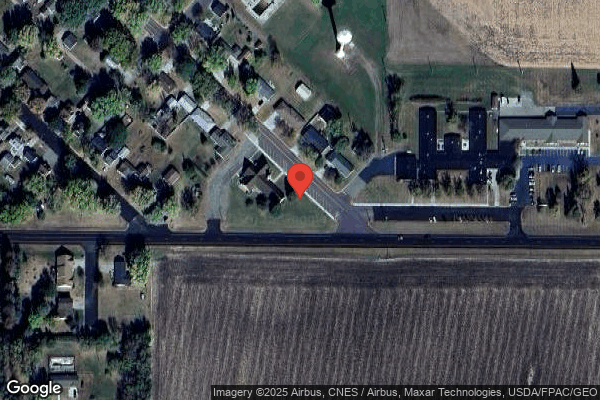

Gil-Mor Manor

96 THIRD STREET EAST, MORGAN, MN 56266 (507) 249-3143
Non profit - Other 35 Beds Independent Data: November 2025
Trust Grade
50/100
#236 of 337 in MN
Last Inspection: July 2025

Inspected within the last 6 months. Data reflects current conditions.

Overview

Gil-Mor Manor has a Trust Grade of C, which means it is average and sits in the middle of the pack among nursing homes. It ranks #236 out of 337 in Minnesota, placing it in the bottom half of facilities in the state, but it is #2 out of 5 in Redwood County, indicating only one local option is better. The facility is worsening, with issues increasing from 7 in 2024 to 10 in 2025. Staffing is a relative strength, earning a 3 out of 5 stars, with a very low turnover rate of 0%, suggesting that staff members stay long-term. However, there are concerning issues, including expired emergency medications found in the facility and a lack of comprehensive infection control measures, which could pose risks to residents' health.

Trust Score
C
50/100
In Minnesota
#236/337
Bottom 30%
Safety Record
Low Risk
No red flags
Inspections
Getting Worse
7 → 10 violations
Staff Stability
○ Average
Turnover data not reported for this facility.
Penalties
✓ Good
No fines on record. Clean compliance history, better than most Minnesota facilities.
Skilled Nurses
○ Average
Each resident gets 31 minutes of Registered Nurse (RN) attention daily — about average for Minnesota. RNs are the most trained staff who monitor for health changes.
Violations
⚠ Watch
26 deficiencies on record. Higher than average. Multiple issues found across inspections.
★★☆☆☆
2.0
Overall Rating
★★★☆☆
3.0
Staff Levels
★★★★☆
4.0
Care Quality
★★☆☆☆
2.0
Inspection Score
Stable
2024: 7 issues
2025: 10 issues

The Good

  • 4-Star Quality Measures · Strong clinical quality outcomes
  • Full Sprinkler Coverage · Fire safety systems throughout facility
  • No fines on record

Facility shows strength in quality measures, fire safety.

The Bad

2-Star Overall Rating

Below Minnesota average (3.2)

Below average - review inspection findings carefully

The Ugly 26 deficiencies on record

Jul 2025 10 deficiencies
CONCERN (D)

Potential for Harm - no one hurt, but risky conditions existed

Deficiency F0552 (Tag F0552)

Could have caused harm · This affected 1 resident

Based on interview and document review the facility failed to ensure 1 of 5 residents (R1) had a Consent for Psychotropic Medication Use identifying the risks, benefits, and alternative treatments ava...

Read full inspector narrative →
Based on interview and document review the facility failed to ensure 1 of 5 residents (R1) had a Consent for Psychotropic Medication Use identifying the risks, benefits, and alternative treatments available. Findings include: R1's 5/30/25, quarterly Minimum Data Set (MDS) assessment identified her cognition was intact, she had no signs of significant depression and displayed no behaviors. R1 had diagnosis of dementia and depression, she was administered an antidepressant on a routine basis and required assistance with activities of daily living (ADL)'s. R1's July 2025, Medication Administration Record identified she was administered citalopram 30 milligrams (MG) by mouth daily for major depressive disorder. Interview on 7/22/25 at 3:12 p.m., with registered nurse (RN)-A identified that the facility was to have the resident or resident representative sign a consent for psychotropic medication use when starting a medication. When an order was obtained for a psychotropic medication, the nurse should be reviewing the consent with the resident and/or representative of the risks and benefits and have the consent signed. She confirmed that R1's consent for use of a psychotropic medication for citalopram (an antidepressant), for the diagnosis of major depressive disorder had not been completed. Interview on 7/23/25 at 5:15 p.m., with the director of nursing and administrator identified they agreed with the above findings and would expect staff to ensure residents' who start a new psychotropic medication would be provided the risks, benefits, and alternative treatments available in writing. Review of the undated, Psychotropic Drug Policy and Procedure identified staff would provide the resident/resident representative with the indication, dose, side effects, adverse consequences and goal of treatment. They would obtain the informed consent, and it would be added to the resident's medical record. The consents would be reviewed quarterly at the resident's care conference.
CONCERN (D)

Potential for Harm - no one hurt, but risky conditions existed

Deficiency F0582 (Tag F0582)

Could have caused harm · This affected 1 resident

Based on interview and document review the facility failed to provide the required Skilled Nursing Facility Advanced Beneficiary Notice (SNFABN) CMS-10055 for 1 of 3 residents (R6) reviewed.Findings i...

Read full inspector narrative →
Based on interview and document review the facility failed to provide the required Skilled Nursing Facility Advanced Beneficiary Notice (SNFABN) CMS-10055 for 1 of 3 residents (R6) reviewed.Findings include: Review of R6's medical record identified she had received skilled Medicare covered services from 11/3/25 through 2/7/25. Review of R6's Skilled Nursing Facility Advance Beneficiary Notice of Non-coverage (SNF ABN) identified services had been discontinued by the facility prior to benefit days being exhausted. R6 had been notified on 2/6/25 that her coverage would end on 2/7/25. Interview on 7/22/25 at 2:13 p.m., with registered nurse (RN)-A identified she was responsible for providing the non-coverage notices to residents and had missed the deadline for providing the notice. Interview on 7/23/25 at 5:15 p.m., with the director of nursing and administrator agreed with the above findings and identified it was their expectation that staff would ensure the SNFABN notices would be provided no later than 2 days prior to the last covered day. Review of the 12/18/19 Issuing the NOMNC and SNFABN policy identified the SNFABN must be served to the beneficiary or person acting on the beneficiary's behalf no less than 48 hours (2 days) in advance. A progress note was to be recorded in the medical record when serving these notices.
CONCERN (D)

Potential for Harm - no one hurt, but risky conditions existed

Deficiency F0605 (Tag F0605)

Could have caused harm · This affected 1 resident

Based on interview and document review the facility failed to have 2 of 6 residents (R4, R11) assessed by a physician for need to continue taking an as needed antianxiety medication. Findings include:...

Read full inspector narrative →
Based on interview and document review the facility failed to have 2 of 6 residents (R4, R11) assessed by a physician for need to continue taking an as needed antianxiety medication. Findings include: R4R4's 7/22/25, quarterly Minimum Data Set (MDS) assessment identified R4's cognition was intact and required minimal assistance with cares. R4 took an antianxiety and antidepressant medication. R4's 7/23/25, Medical Diagnosis list identified anxiety disorder, chronic obstructive pulmonary disease with exacerbations, pulmonary emphysema, major depressive disorder, alcohol dependence with alcohol induced anxiety disorder, and chest pain. R4's 7/23/25, Order Summary Report identified an order for Ativan 0.25 milligrams (MG) every 24 hours as needed (PRN) for anxiety started on 4/4/25. R4's 7/1/25, physician visit notes made no mention of a rationale for continued use of her Ativan PRN medication, or review of how often she was needing the medication and if it was effective and there was no documentation to support the physician had reviewed or renewed the Ativan PRN order since 4/4/25. R4's pharmacy reviews from April 29th, 2025, through July of 2025 all identified that a chart review had been completed with no concerns or recommendations. There was no indication that the pharmacist identified there was no end date or review date identified for the Ativan PRN order that had been initiated on 4/4/25. R11R11's 6/20/25, quarterly MDS assessment identified R11's cognition was moderately impaired, and she required extensive assistance with cares. R11 took an antianxiety medication. R11's 7/23/25, Medical Diagnosis list identified a diagnosis of anxiety disorder. R11's 7/23/25, Order Summary Report identified an order for clonazepam (Klonopin) 0.25 mg every 12 hours PRN started on 11/7/24. R11's 5/20/25, physician visit notes made no mentioned of a rationale for continued use of her Klonopin PRN medication or review of how often she was needing the medication and if it was effective and there was no documentation to support the physician had reviewed or renewed the Klonopin PRN order from 11/7/24 to present. R11's pharmacy reviews from November 2024 through July of 2025 all identified that a chart review had been completed with no concerns or recommendations. There was no indication that the pharmacist identified there was no end date or review date identified for the Klonopin PRN order from 11/7/24 Interview on 7/22/25 at 3:12 p.m., with registered nurse (RN)-A identified R4 and R11's psychotropic PRN medications should have been re-assessed every 14 days unless the provider otherwise documented a rationale for use and an extended re-assessment time frame. RN-A felt the charge nurses knew psychotropic PRN medications need to be assessed every 14 days and was unsure why that had not occurred. She would be working on a new system to ensure that was occurring. Interview on 7/23/25 at 12:02 p.m., with consulting pharmacist (RPh) identified she reviewed as-needed medication while completing her monthly review. The RPh confirmed R4 had an order for Ativan PRN. R11 had started Klonopin PRN medication in November 2024. She typically checked psychotropic medications every 6 months and then yearly to see if there needed to be a dose change. The RPh confirmed neither R4 or R11 had a review that she could find since starting the psychotropic PRN medication. When a resident was on a psychotropic PRN medication, she would notify the facility a 14-day assessment needed to be completed. The RPH did not notify the provider of the need, but she did notify the facility, and they were expected to make sure it had been completed. Interview on 7/23/25 at 5:15 p.m., with director of nursing (DON) and administrator identified their expectation was all psychotropic PRN medications would be re-assessed by a physician every 14 days or have a documented rationale for continued use if an extended re-assessment timeframe was to occur. A policy on psychotropic as needed medications was requested but not provided by end of survey.
CONCERN (D)

Potential for Harm - no one hurt, but risky conditions existed

Drug Regimen Review (Tag F0756)

Could have caused harm · This affected 1 resident

Base on interview and document review, the consulting pharmacist (RPh) failed to identify irregularities for 3 of 8 sampled residents (R4, R11, and R28) reviewed. Findings include: R4R4's 7/22/25, qua...

Read full inspector narrative →
Base on interview and document review, the consulting pharmacist (RPh) failed to identify irregularities for 3 of 8 sampled residents (R4, R11, and R28) reviewed. Findings include: R4R4's 7/22/25, quarterly Minimum Data Set (MDS) assessment identified R4's cognition was intact, and she required minimal assistance with cares. R4 took an antianxiety and antidepressant medication. R4's 7/23/25, Medical Diagnosis list identified anxiety disorder, chronic obstructive pulmonary disease with exacerbations, pulmonary emphysema, major depressive disorder alcohol dependence with alcohol induced anxiety disorder, and chest pain. R4's 7/23/25, Order Summary Report identified the following order: Ativan 0.25 milligrams (MG) every 24 hours as needed (PRN) for anxiety started on 4/4/25 with no identified end date. R4's pharmacy reviews from April 29th, 2025, through June of 2025 all identified that a chart review had been completed with no concerns or recommendations. There was no indication the pharmacist identified or recommended a follow up with the provider as there was no end date or review date identified for the Ativan PRN order initiated on 4/4/25. R11R11's 6/20/25, quarterly MDS assessment identified R11's cognition was moderately impaired, and she required extensive assistance with cares. R11 took an antianxiety medication. R11's 7/23/25, Medical Diagnosis list identified an anxiety disorder and hypertension. R11's 7/23/25, Order Summary Report identified an order for Clonazepam (Klonopin) 0.25 mg every 12 hours PRN started on 11/7/24 with no identified end date. R11's pharmacy reviews from November 2024 through June of 2025 all identified a chart review had been completed with no concerns or recommendations. There was no indication that the pharmacist identified or recommended a follow up with the provider as there was no end date or review date identified for the Klonopin PRN order that had been initiated on 11/7/24 R28R28's 2/6/25, quarterly MDS assessment identified R28 cognition was intact, and he required extensive assistance with cares. R28 took an antibiotic, diuretic, and opioid medication. R28's 7/23/25, Order Summary Report identified the following order Minocycline HCI 100 mg every evening for infection and inflammatory reaction due to internal right knee prosthesis started on 1/13/23 with no identified end date. R28's pharmacy reviews from January 2025 through June 2025, all identified a chart review had been completed with no concerns or recommendations except for the month of March. In March there was a recommendation made for a dose reduction, if appropriate, for omeprazole 20 mg (a stomach acid reducer) as the resident had been on the since 2022. There was no indication the pharmacist identified or recommended a follow up with the provider as there was no end date or review for continued need for the Minocycline HCI order that was initiated on 1/13/23. Interview on 7/23/25 at 12:02 p.m., with the RPh identified she reviewed the as needed (PRN) psychotropic medication and antibiotics during her monthly review. If there was no identified end date or review date, she would make a recommendation to the facility to follow up on that. She confirmed R4 and R11 had not been reviewed for their PRN psychotropic medications and that R28 was on an antibiotic that had been ordered back in 2023, with no re-assessment she was aware of for continued need for use. When identified, she would make a recommendation to the facility to follow up on the concern. Interview on 7/23/25 at 5:15 p.m., with the director of nursing (DON) and the administrator identified they have a contract with the pharmacy. Their expectation was any identified irregularities, such as no end dates on a PRN psychotropic medication or an antibiotic that had been in place for an excessive amount of time, be brought to the facility for attention to review. They would expect any findings and recommendation to be documented for the facility to have documentation to ensure the recommendations were acted upon. Review of the 12/5/05, pharmaceutical consultant contract identified RPh would complete a monthly review of each resident's medication orders. The RPh was to review the residents' orders and medical record for potential irregularities and would provide the facility with a written report of identified irregularities, potential problems, or concerns.
CONCERN (D)

Potential for Harm - no one hurt, but risky conditions existed

Deficiency F0757 (Tag F0757)

Could have caused harm · This affected 1 resident

Based on interview and record review the facility failed to assess the need for continued use of an antibiotic for 1 of 5 sampled residents (R28) reviewed for antibiotic use. Findings include: R28's 2...

Read full inspector narrative →
Based on interview and record review the facility failed to assess the need for continued use of an antibiotic for 1 of 5 sampled residents (R28) reviewed for antibiotic use. Findings include: R28's 2/6/25, quarterly MDS assessment identified R28 cognition was intact, and required extensive assistance with cares. R28 took an antibiotic, diuretic (fluid pill), and opioid (narcotic pain medication). R28's 7/23/25, Order Summary Report identified the following order Minocycline HCI 100 mg every evening for infection and inflammatory reaction due to internal right knee prosthesis started on 1/13/23 with no identified end date. Interview on 7/22/25 at 2:20 p.m., with the infection preventionist (IP) identified she was unaware and surprised that R28 was on an antibiotic that had been ordered back in 2023 and would be addressing that today. She was unaware the medication had been in place and did not believe anyone had assessed the need for continued use. The charge nurse usually gave all the antibiotics and somehow, R28's antibiotic was on the medication cart for the trained medication aide (TMA) to give. The charge nurse typically kept her updated on who was currently taking an antibiotic and since they were not giving it, she thought that was why it was missed for review. Interview on 7/23/25 at 12:02 p.m., with consulting pharmacist (RPh) identified R28 was on an antibiotic that had been ordered back in 2023 with no reassessment that she was aware of for continued need. R28 also had some skin issues, and the antibiotic was probably helpful for that. It was not uncommon to be on Minocycline HCI long term. If there was no end date on an antibiotic order, if noticed, she would bring that to the facilities attention for follow up to see if the medication was still needed. Interview on 7/23/25 at 5:15 p.m., with director of nursing (DON) identified R28's antibiotic order of Minocycline from 2023 should not have been overlooked that long. She would expect orders were being reviewed by the nurse, the RPh and the provider. There should not be any residents on an antibiotic for excessive duration without a provider assessing the continued need. The facility missed that, and we corrected that today and will be implementing a new process. Review of the undated, Antibiotic Stewardship policy identified the facility would provide efforts to optimize the use of antibiotic in order to maximize their benefits while minimizing resistance as well as adverse side effect. All antibiotic orders would include the diagnosis, medication, dose, route, and duration. Prophylactic antibiotic medication use in the facility would be limited based on the physician documentation of rationale, risks, and benefits for use.
CONCERN (D)

Potential for Harm - no one hurt, but risky conditions existed

Deficiency F0761 (Tag F0761)

Could have caused harm · This affected 1 resident

Based on observation, interview, and document review the facility failed to ensure 1 of 1 emergency kit had been secured to avoid the potential for drug diversion.Findings include: Observation, interv...

Read full inspector narrative →
Based on observation, interview, and document review the facility failed to ensure 1 of 1 emergency kit had been secured to avoid the potential for drug diversion.Findings include: Observation, interview, and document review, on 7/23/25 at 12:33 p.m., with licensed practical nurse (LPN)-A of the medication room. The emergency medication kit (E-kit) was observed sitting on the counter. It had a black zip-tie secured on the closure. Over the black zip tie, was a red zip tie with a number (normal use secured latch) on it that was loosely placed. LPN-A pulled the tail of the red numbered zip tie, and it pulled from the E-Kit closure without being cut. LPN-A identified she was not aware why the red numbered zip tie was not securely placed on the E-kit, as it was facility policy the Ekit was to remain locked with the red zip tie and checked at each shift change to ensure the Ekit was appropriately locked and secured. The number on the zip tie matched the number documented in the Ekit count book. LPN-A noted this process was used to avoid the risk of potential drug diversion. A count of the E-kit was completed, and all medications were present. Interview on 7/23/25 at 5:15 p.m., with the director of nursing and administrator identified they agreed with the above findings and would expect staff to ensure the Ekit was properly secured at each shift change. If nursing should find the kit unsecure, the director of nursing and administrator should be notified immediately. Review of the 2/2/20, E-Kit Instructions policy provided by the facility identified the E-kit would be secured with a red numbered zip tie. The number would be recorded in the E-kit count book and would be checked at each shift change with 2 licensed nurses.
CONCERN (D)

Potential for Harm - no one hurt, but risky conditions existed

Antibiotic Stewardship (Tag F0881)

Could have caused harm · This affected 1 resident

Based on interview and document review, the facility failed to complete a comprehensive assessment for continued use of antibiotics for 2 of 3 (R1 and R17) sampled residents reviewed for antibiotic st...

Read full inspector narrative →
Based on interview and document review, the facility failed to complete a comprehensive assessment for continued use of antibiotics for 2 of 3 (R1 and R17) sampled residents reviewed for antibiotic stewardship.Finding include: Review of the current, undated, Centers for Disease Control (CDC): The Core Elements of Antibiotic Stewardship for Nursing Homes, Appendix A: Policy and Practice Actions to Improve Antibiotic Use, located at https://www.cdc.gov/antibiotic-use/core-elements/pdfs/core-elements-antibiotic-stewardship-appendix-a-508.pdf, identified facilities should evaluate the clinical signs and symptoms when a resident is first suspected of having an infection. Once the resident is placed on an antibiotic, they should be comprehensively reviewed within 48-72 hours after starting the medication to ensure they have been prescribed an effective medication. This is accomplished by reviewing the resident current symptoms and any laboratory results to identify medication effectiveness. The CDC identifies this process as an antibiotic time-out [ATO]. Review of the monthly resident surveillance for April 2025 through June 2025 identified columns to document location within the facility, resident name, onset date, type of illness, signs and symptoms, mental status changes, organism, treatment and dates, resolution, and comments. However, the log lacked evidence that the antibiotic had met criteria for continuation of use. Review of the April 2025, resident surveillance log identified R1 had been prescribed Azithromycin (Z-Pack) antibiotic medication 500 milligrams (mg) on day one, then 250 mg twice a day for 4 days. The onset of the infection occurred on 4/8/25 and lacked indication of an antibiotic assessment (time-out) 48-72 hours after starting to determine criteria met for continuation of use. Review of the June 2025, resident surveillance log identified R17 had been prescribed Doxycycline 100 mg twice a day for 10 days. The onset of the infection occurred on 6/3/25 and lacked indication of an antibiotic time-out for continued use. R1's medical record had no mention that R1 had been assessed to be determined if the antibiotic was appropriate or effective. There was no indication of communication with the provider after starting the antibiotic. R17's medical record did identify in the progress notes assessment of R17's respiratory tract infection that included temperature, oxygens saturation level, antibiotic, and if signs or symptoms improved or not. However, the medical record lacked identification of communication with the medical provider regarding the assessment. Review of the monthly resident surveillance for April 2025 through June 2025 identified columns to document location within the facility, resident name, onset date, type of illness, signs and symptoms, mental status changes, organism, treatment and dates, resolution, and comments. However, the log lacked evidence that the antibiotic had met criteria for continuation of use. Review of the April 2025, resident surveillance log identified R1 had been prescribed Azithromycin (Z-Pack) antibiotic medication 500 milligrams (mg) on day one, then 250 mg twice a day for 4 days. The onset of the infection occurred on 4/8/25 and lacked indication of an antibiotic assessment (time-out) 48-72 hours after starting to determine criteria met for continuation of use. Interview on 7/23/25 at 2:18 p.m., with the administrator identified that the facility had concern with the providers not responding to the antibiotic time-outs, but the facility had not addressed the concern with the medical director or at the QAPI meetings. Interview on 7/23/25 at 5:15 p.m., with director of nursing (DON) identified her expectation was that antibiotic stewardship monitoring was being completed with each antibiotic that was started. Review of undated, Antibiotic Stewardship identified when a resident was suspected to have an infection the facility will communicate assessment findings to the practitioner using McGeer Criteria. If an antibiotic was prescribed the documentation would include diagnosis, medication, dose, route, and duration. The policy had no mention of an antibiotic assessment (time-out) 48-72 hours after starting to determine criteria met for continuation of use.
CONCERN (F)

Potential for Harm - no one hurt, but risky conditions existed

Pharmacy Services (Tag F0755)

Could have caused harm · This affected most or all residents

Based on observation, interview, and document review the facility failed to ensure emergency medications stored in 1 of 1 medication storage room were not expired.Findings include: Observation and int...

Read full inspector narrative →
Based on observation, interview, and document review the facility failed to ensure emergency medications stored in 1 of 1 medication storage room were not expired.Findings include: Observation and interview on 7/23/25 at 12:33 p.m., with licensed practical nurse (LPN)-A of the medication room identified the emergency medication kit (E-kit) was observed sitting on the counter. On the top of the E-kit a sticker was observed that said exp (expiration) 6/27. LPN-A was not certain if that meant the medications in the E-kit expired on 6/27/25 or June of 2027. Observation of the medications inside the E-kit identified 2 Morphine filled syringes 4 milligrams/milliliter (mg/mL). The manufacturers expiration date printed on the syringe was June of 2025. In addition, there were several other medications that had printed medication expiration dates that were listed as expired and handwritten expiration dates that were listed as not expired. LPN-A agreed the medications listed were expired. She was not certain which date they were to use to determine if the medication was expired. Interview on 7/23/25 at 3:31 p.m., with the pharmacy contact person agreed the 2 morphine pre-filled syringes were expired. She identified the printed expiration dates on the other medications were for the prescription and the handwritten expiration dates were for the medications. She agreed it was unclear on the label but stated the staff are aware. Interview on 7/23/25 at 5:15 p.m., with the director of nursing and administrator identified they agreed with the above findings. They would have expected the pharmacy to remove the expired medications from the E-kit to avoid the potential administration of the outdated medications. In addition, they agreed that the expiration dates noted on the other medications in the Ekit were not clearly identified. A policy was requested but nothing was provided by the end of the survey period.
CONCERN (F)

Potential for Harm - no one hurt, but risky conditions existed

Infection Control (Tag F0880)

Could have caused harm · This affected most or all residents

**NOTE- TERMS IN BRACKETS HAVE BEEN EDITED TO PROTECT CONFIDENTIALITY** Based on interview and document review, the facility failed to have a thorough, ongoing infection control surveillance program t...

Read full inspector narrative →
**NOTE- TERMS IN BRACKETS HAVE BEEN EDITED TO PROTECT CONFIDENTIALITY** Based on interview and document review, the facility failed to have a thorough, ongoing infection control surveillance program that included resolution of symptoms and/or if any transmission-based precautions (TBP) had been implemented during 3 of 3 months reviewed (April, May, and June of 2025). The facility also failed to identify when employees would be able to return to work after having signs and symptoms of potential Norovirus for 8 of 8 staff (Cook-A, nursing aide (NA)-A, Cook-B, dietary (aide)-A, trained medication aide (TMA)-A, the infection preventionist (IP), NA-B, and TMA-B) reviewed for January of 2025.Findings include: Resident SurveillanceReview of resident surveillance for April, May, and June of 2025, identified a form included the wing of the facility, resident name, and the onset date. The form also listed resident diagnoses of urinary tract infection, lower respiratory infection, upper respiratory infection, skin, blood, gastrointestinal infection, Foley catheter, Other, and fever. There was a place to document signs and symptoms, mental status change, identified organism, X-ray, treatment and dates, and the resolved date. The form had no place to document if any TBP had been implemented or removed or what the resolution date was or if there had been a need to alter treatment. Review of undated, Infection Surveillance policy identified prevention started with routine and ongoing surveillance to identify possible outbreaks and infections before they can spread to others. The facility would establish a system for collecting, analyzing and interpretation of the data to identify infections, risks and outbreaks. Interview on 7/22/25 at 2:20 p.m. with the IP identified she confirmed she had not been documenting a resolution date or had been identifying if a resident was placed on precaution or not on her surveillance.Staff surveillanceReview of staff call in log for January, February, and March of 2025, identified a form the facility was using included an area to document, the report date, employee, vomiting, fever, diarrhea, jaundice, cough/sore throat/runny nose, infected skin lesions, fatigue/body aches, Comments or Other symptoms, date returned to work, and if they had notified the Minnesota Department of Health (MDH). Review of the month of January 2025, identified 8 staff with potential signs and symptoms of Norovirus: Dietary (cook)-A called in on 1/3/25, with vomiting and diarrhea and returned to work on 1/5/25, 2 days later.Nursing assistant (NA)-A called in on 1/7/25 with vomiting and returned to work on 1/8/25, 1 day later.Cook-B called in on 1/8/25 with vomiting and returned to work on 1/9/25, 1 day later.Dietary (aide)-A called in on 1/9/25 with vomiting and returned to work on 1/11/25, 2 days later.Trained medication aide (TMA)-A called in on 1/12/25 with vomiting and returned to work on 1/13/25, 1 day later.Infection preventionist called in on 1/16/25 with vomiting and diarrhea and returned to work on 1/17/25, 1 day later.NA-B called in on 1/22/25 with diarrhea and returned to work on 1/23/25, 1 day later.TMA-B called in on 1/24/25 with diarrhea and returned to work on 1/26/25, 2 days later. Interview on 7/22/25 at 2:20 p.m. with the IP identified staff had Norovirus back in January 2025, but no residents got sick. She agreed staff with signs and symptoms of Norovirus should have been out for a minimum of 48 hours after symptoms resolved according to the facility policy and the Norovirus reported to the MDH. When asked why she returned to work, she reported she did not think she had norovirus but that had not been confirmed by a physician. Continued interview on 7/23/25 at 10:30 a.m., with the IP identified no staff had confirmed norovirus, but she suspected it related to the signs and symptoms staff were calling in for. Staff were not allowed to return to work unless they had been symptom free for 24 hours without medication use. The IP was unaware the MDH required all staff with direct patient care duties, and duties for preparing and serving food were to be kept off work until 72 hours after all symptom resolution. Interview on 7/23/25 at 5:15 p.m., with the director of nursing identified her expectation was that staff followed the facilities policies and procedures for infection control surveillance and for staff illness and return to work. Review of the undated, Employee Illness policy identified examples of possible work restrictions for health care workers, that instructed the facility to contact their state department of health for clarification on work restriction. The policy identified employees with symptoms consistent with Norovirus infection, stay home for a minimum of 48 hours after symptom resolution. There was no indication the policy was reviewed for accuracy. Review of the 2024-2025, Minnesota Department of Health Norovirus information for Long-term care facilities, located at: https://www.health.state.mn.us/diseases/foodborne/outbreak/facility/ltcfnorotoolkit.pdf identified, common symptoms of Norovirus were diarrhea, vomiting, nausea, abdominal pain, low-grade fever, headache, and body aches. By Minnesota state law ([NAME]. Rules part 4605.7050), any pattern of cases, suspected cases, or increased incidence of any illness beyond the expected number of cases in a given period shall be reported immediately to MDH. This includes suspected outbreaks, increases in GI illnesses, or unusual disease activity at your facility. Facilities were to restrict healthcare workers from patient care and food handling duties until 72 hours after their vomiting/diarrhea has ended.
CONCERN (F)

Potential for Harm - no one hurt, but risky conditions existed

Deficiency F0882 (Tag F0882)

Could have caused harm · This affected most or all residents

**NOTE- TERMS IN BRACKETS HAVE BEEN EDITED TO PROTECT CONFIDENTIALITY** Based on interview and document review, the facility failed to ensure 1 of 1 infection control preventionist (IP) had provided o...

Read full inspector narrative →
**NOTE- TERMS IN BRACKETS HAVE BEEN EDITED TO PROTECT CONFIDENTIALITY** Based on interview and document review, the facility failed to ensure 1 of 1 infection control preventionist (IP) had provided oversight of the infection control program and the antibiotic stewardship program.Findings include: Review of monthly resident surveillance for April 2025 through June 2025, identified columns to document location within the facility, resident name, onset date, type of illness, signs and symptoms, mental status changes, organism, treatment and dates, resolution, and comments. The form lacked a column for antibiotic time-out and/or if precautions were implemented. The form was not completed in full as the resolved date had not been identified and documented. Review of monthly staff surveillance for January 2025 through March 2025 identified columns to document call in date, employee, vomiting, fever, diarrhea, jaundice, cough/sore throat/runny nose, infected skin lesions/ fatigue/body aches, comments or other symptoms, date returned to work, notified health department. The surveillance identified 8 staff that returned to work prior to the recommended work restrictions for potential symptoms of norovirus. Interview on 7/23/25 at 10:30 a.m., with infection preventionist (IP) identified she was unsure how she provided oversight. She documented staff call-ins and symptoms that the staff reported to her. However, the charge nurse was supposed to be completing a call-in form but that had not been getting completed like it was supposed to. For resident surveillance, she reported she reviewed the 24-hour report upon arrival and if a resident had been started on an antibiotic she would go to the chart and review the documentation. For residents who were ill but not on an antibiotic, that information would be documented in the resident progress notes. She only documented residents on antibiotics on the monthly resident surveillance form. She revealed she had no documentation of any follow up for protocols not being followed. There was not an effective process in place to for providing oversight of the programs. Interview on 7/23/25 at 5:15 p.m., with the director of nursing (DON) identified her expectation was that the IP would be providing oversight of both the infection control program and the antibiotic stewardship program. The IP should be monitoring and ensuring the policies and protocols are being followed and if not, educate and implement a plan to correct why not being followed. The DON was unaware the IP was not performing her duties as required. Review of the 2020, Infection Prevention and Control Manual-Infection Surveillance Overview policy identified the intent of surveillance is to identify possible communicable diseases or infections before they can spread to other persons in the facility. In addition, Surveillance is crucial in the identification of possible clusters, changes in prevalent organisms, or increases in the rate of infection promptly. The results should be used to plan infection control activities, direct in-service education, and identify individual resident problems in need of intervention.1.The Infection Preventionist (IP) was to collect and review data on an ongoing basis including:elevations in temperatures/presence of fever,purulent drainage,culture results or other diagnostic test results consistent with potential infections,change in X-ray results consistent with possible infection,increased falls,changes in mental status,changes in vital signs,signs and symptoms of infection based upon nationally accepted surveillance definitions (i.e. CDC/[NAME] Position Statement: Surveillance Definitions of Infections in Long-Term Care Facilities: Revisiting the McGeer Criteria or NHSN).2. The Infection Preventionist will ensure data collection to complete a comprehensive Monthly Infection Control Log for surveillance activities on:The infection sitePathogen (if known)Signs and SymptomsResident LocationSummary and Analysis of number of residents and/or staff with infectionsObservations of staff adherence to policies and proceduresIdentification of outcomes that are unusual or unexpected that could potentially lead to patterns, trends or outbreaks 3. The Infection Preventionist and the Infection Prevention and Control Committee were to utilize the information collected from both Process and Outcome Surveillance activities in order to calculate rates and analyze the data to identify opportunities for improved care and process and identify an action plan for follow up and corrective action and reporting.Findings are summarized and reported to the Infection Control (IC) oversight committee and departments that were observed. If indicated, a Performance Improvement Project will be identified and included as part of the QAPI process. A summary of results will be identified to the Quarterly OAA Committee. There was no indication the IP was being overseen by an IC committee.
Jun 2024 7 deficiencies
CONCERN (D)

Potential for Harm - no one hurt, but risky conditions existed

Assessment Accuracy (Tag F0641)

Could have caused harm · This affected 1 resident

**NOTE- TERMS IN BRACKETS HAVE BEEN EDITED TO PROTECT CONFIDENTIALITY** The facility failed to comprehensively assess 1 of 1 resident (R15) annually, quarterly, and as needed for risk of elopement and...

Read full inspector narrative →
**NOTE- TERMS IN BRACKETS HAVE BEEN EDITED TO PROTECT CONFIDENTIALITY** The facility failed to comprehensively assess 1 of 1 resident (R15) annually, quarterly, and as needed for risk of elopement and need for a wander guard device when R15 went outside to sit on the patio and subsequently eloped off campus, across a busy highway and into a field where farmers with combines were working. Findings include: Review of the 1/26/24, Quality Assurance Performance Improvement (QAPI) meeting minutes identified the QAPI committee identified an elopement occurred. The unidentified resident went outside to sit with other residents. The WanderGuard was noted as functioning, however, the resident had taken it off. There was no date or name noted of the resident in the meeting minutes. Email correspondence reply on 6/10/24 at 7:01 p.m. and attached 10/9/23, incident report review identified R15 had eloped from the facility on 10/9/23 at 4:05 p.m., when R15 asked nursing staff if he could go outside. The unidentified nurse remarked R15 could. R15 was then seen by activity staff crossing the hi-way, going down into the ditch and into the field where tractors were busy in the field combining. R15 had wanted to get a closer look. When he was brought back into the facility. R15 remarked the nurse Didn't say he couldn't go across the road, or he wouldn't have. R15 reported he was going to check out the field work. After staff brought R15 back into the facility, and a WanderGuard was applied, R15 was upset as it would go off when he went to his spouse's room. Staff noted R15 understood he shouldn't have crossed the hi-way after the incident and was reported to be oriented to situation, person, place, and time and could ambulate without assistance but was to use a wheeled walker. Staff noted R15's care plan had been reviewed. Interview on 6/10/24 at 7:20 p.m., with trained medication aide (TMA)-A identified R15 has a Tabs alarm on his door and on his bed because his spouse tries to go in his room and transfer him and help him. He is a high fall risk. The tabs alarm is on his door at night because he gets up and wanders at night. Staff used to often find him on the floor in his room during the day and his spouse would be in there with him. During the night the Tabs alarm is on the outside of the door and during the day it's on the inside so R15's spouse can't get to it. She has been known to disarm the alarm and go in. R15 also has a bed sensor that shows on the LED display which also sounds in his room loudly enough for staff to hear it in the hallway. The bed alarm is the newest alarm. TMA-A was aware of the elopement when R15 walked outside and across the field. He thought R15's spouse shut the code off on the door but we are not sure. I know he had a WanderGuard. Observation on 6/11/24 at 9:48 a.m., outside the facility identified adjacent to the facility front door and parking lot, was a hi-way where speeds were between 30-55 miles per hour (mph). Adjacent to the hi-way was a field with a tractor operating beside the road. R15's 9/8/23, Significant Change Minimum Data Set (MDS) identified he had moderately impaired cognition prior to the incident and had no behaviors noted of wandering. Section P-Restraints identified R15 had an alarm used daily. R15's last elopement assessment on 4/19/23, identified he had intact cognition at that time but had a previous attempt noted at leaving the facility. Staff stated he had no history of desires to go home or wandering. Staff decided to do a 3-day trial at that time and discontinue the WanderGuard if R15 had no concerns for wandering. There was no documentation to support R15 was reassessed for elopement risk with each quarter, annual, or Significant Change MDS. R15's current, undated care plan identified R15 had a focus for short term memory loss with a diagnosis of dementia. An entry was made that a WanderGuard had been placed on R15's walker after he was found wandering outside on 5/25/22. Since R15 had not attempted an elopement since 5/25/22, his WanderGuard was discontinued by the interdisciplinary team with family approval on 4/18/23. 15-minute checks were implemented on 4/18/23, then 30-minute checks on 4/19/23, then hourly on 4/20/23. Staff then permanently discontinued his WanderGuard. There was no mention if R15's physician (MD)-A was included in the discussion and had ordered the discontinuation of the WanderGuard device that had been previously ordered. Further review of R15's current, undated care plan identified R15 was noted to have been found wandering outside on 10/9/23 across the hi-way in front of the facility. Staff documented R15's WanderGuard was re-applied, and the family was updated. The WanderGuard had been discontinued as R15 had not wandered intentionally. R15 reported to staff he didn't know he wasn't allowed to go watch the farmers across the road into the field and .is aware that this could be dangerous [due to] his vision and then he is aware now that he shouldn't leave the facility without assistance. R15 was noted to have a tabs alarm on his door to alert staff if he was wandering at night due to nightmares and confusion. R15's 7/26/23 Fax to his physician identified R15 reported he had lost his balance while out with his family. The family member caught him, so he did not fall. R15 wanted his physician to know he was getting weaker and had been using his wheelchair at times. R15's 10/9/23 faxed note to MD-A identified staff notified MD-A of R15's an elopement and noted they had placed a WanderGuard on R15 and his walker. MD-A replied back and agreed to the WanderGuard placement on 10/10/23 ok. Review of R15's physician progress notes after 10/9/23 identified there was no mention staff had alerted MD-A to R15's continued wandering in the facility or the 5/23/24 statement of wanting to leave the facility. Review of the facility reported incidents identified no report had been made to the State Agency of R15's elopement. R15's progress notes identified on: 1) 10/9/23 a WanderGuard was placed on both his wheelchair and walker (not on his person), the incident reported, and the family updated. 2) 10/10/23 at 3:24 p.m., staff noted R15's physician (MD)-A noted R15 was outside. Staff documented no new orders faxed. 3) 11/28/23 at 2:30 p.m., staff noted R15 had episodes where he was confused and struggled to find the right words until assisted. 4) 12/1/23 at 8:10 a.m., staff noted they were called to R15's room. He was found sitting on the bathroom floor with his back against the wall. R15 stated he did not hit his head or have any injuries noted. He was assisted up with 2 staff, was able to bear weight on his legs, and ambulate to his wheelchair without pain. 5) 12/6/23 at 1:05 p.m., R15 was to have difficulty hearing. His eyesight was impaired. He was able to get around the facility on his own. Due to his poor eyesight, staff noted he would need assistance to read medical pamphlets and instructions. Staff assessed R15';s cognition. R15 thought the year was 2030. R15 scored a 7 which identified sever cognitive impairment. Staff documented his cognition did go down, but it was a gradual decline over the past months and not an acute change. When staff left the room, R15 stated he had to go deliver eggs to his parent. Further review of his progress notes identified on: 1) 12/24/23 at 9:22 p.m., R15 set off his door alarm and walked without a walker to the nurse's station. He reported he was going to the farm he had work to do,,, he was going to let the cows out and help with farm work. Staff re-directed R15 and explained he had been retired. R15 was fed and then assisted to bed and went back to sleep. 2) 12/28/23 at 8:32 a.m., Staff were called to R15's room. R15 stated he was walking to the bathroom and slipped and fell by his bathroom door, hitting his head. No injuries were noted. 3) 1/13/24 at 10:11 p.m., staff heard R15 yelling for help. They found him on the floor bleeding from skin tear atop his head. R15 reported he was getting ready for his bath. A dressing was applied. 4) 1/17/24 at 2:00 a.m., R15 was up wandering at times with his tabs alarm sounding. 5) 2/4/24 at 5:38 a.m., R15 was confused and up wandering during the night, setting off his tabs alarm. He stated he wanted to out front and see who was here. That a.m., R15 reported he was in his car and stated he hit a dog then asked staff if he was up in their yard. Staff redirected R15. 6) 2/27/24 at 2:27 a.m., R15 was found on the floor in his room, wearing socks in total darkness. R15 had no injuries. He was assisted back to bed. 7) 3/3/24 at 8:05 a.m., R15 was found getting himself up off the floor in his room. R15's spouse had entered his room, woke him up, and took himself to the bathroom. Staff noted they failed to replace his door alarm after medications were given. Staff were to ensure his door alarm was placed and they placed a bed alarm to alert staff of his movement. 8) R15 was noted to have an unresponsive spell. He responded to a sternal rub and the MD was notified. Staff were to continue to monitor. 9) 3/21/24, at 12:09 a.m., R15 was up to the bathroom. He said hey little guy looking down as if there was a dog or cat there. Later that evening at 9:00 p.m., R15 was again found on the floor in his room by his recliner. R15 was noted by staff to be left alone while brushing his teeth at 7:00 p.m., 50 minutes earlier. R15 was noted to be confused at times needing more assistance. 10) 5/8/24 at 3:06 a.m., R15 was once again found sitting on his floor. R15 stated he was getting up to check out the fire . 11) 5/23/24, R15 was documented as threatening a nurse aide and began pushing another resident stating he was going to leave. Staff redirected. There was no indication staff alerted MD-A to R15's elopement statement. There was no indication staff had re-assessed R15's supervision after frequent falls in his room, or while wandering or after threats to leave the facility to identify if he was a continued elopement risk or required increased supervision with the presence of gradual cognitive decline. Interview on 6/11/24 at 10:12 a.m., with the director of nursing identified after the 10/9/23 incident, the IDT team discontinued the WanderGuard that had been agreed upon as necessary by MD-A. The DON agreed staff failed to secure an order to remove the WanderGuard from MD-A or notify them they would like to remove it. She agreed if an MD ordered a WanderGuard the MD should be the one to discontinue it as it is an MD order. The DON was unaware of MDS assessments or lack thereof and deferred to the MDS nurse. The DON agreed R15 should have been fully re-assessed for Wandering with each MDS, and fully assessed for interventions and risk after his elopement on 10/9/23. Observation and interview on 6/11/24, by the Fire Marshall (FM) during his Life Safety Code tour with the maintenance supervisor (MS) between approximately 10:00 a.m. and 11:00 a.m., it was discovered the WanderGuard system had been shut off down the [NAME] Wing. The MS reported to the FM thought the hairdresser had shut it off as she is located down that same [NAME] wing. The MS reported the hairdresser would come in and out that door and it would have alarmed each time, so she was known to disengage the WanderGuard system to prevent it from alarming each time. Review of the current, undated WanderGuard list provided by the DON identified 2 residents (R8 and R23) resided down the [NAME] wing. Interview on 6/11/24 at 12:05 p.m. with the MDS nurse (MDS)-A identified from what she recalls from incident, R15 went across street. His cognition at the time was a 12, indicating moderate cognitive impairment. A WanderGuard was initially placed on him, but since the previous DON who was working at that time felt R15 knew what he was doing as he wasn't aware he wasn't allowed to do that, she decided the WanderGuard was ok to be removed. MDS-A was unsure what policy was regarding the removal of WanderGuard and did not recall the facility having a Physician's Standing Order to apply or remove a WanderGuard device. The MDS nurse was unaware WanderGuard system was off down the [NAME] wing hall. She agreed anyone with a WanderGuard device would potentially be affected. MDS-A identified she only assessed residents upon admission for elopement if staff were made aware of previous elopements from other facilities or if staff report they see wandering behaviors. She agreed she should be doing assessments with the MDS scheduled assessments, after elopements or whenever needed. That was missed. She also agreed without an assessment done with the [DATE], Significant change MDS that occurred prior to the incident, she could not verify if he was or was not at increased risk for elopement prior to his incident as she had not assessed R15 with the MDS schedule or as needed. Interview on 6/11/24 at 12:21 p.m., with the DON identified she also wasn't aware of WanderGuard system being off down the [NAME] wing. She agreed that would affect any wanderer who happened to go down that hall. Observation on 6/11/24 at 12:25 p.m., of R15 in the dining room identified he was eating slowly at the assisted resident table. There was no Tabs alarm was present on his wheelchair or person. Interview on 6/11/24 at 12:27 p.m., with the administrator identified she was unaware R15's elopement was not reported to the SA. The old DON felt R15 knew what he was doing so she felt it wasn't an elopement. She agreed the definition of an elopement was when a resident leaves the premises or a safe area without the facility ' s knowledge and supervision. She agreed R15 was known to have visual decline and it was unsafe for any resident to cross a busy hi-way and walk into a field. She reported an elopement assessment should be done upon admission, quarterly, with a change, or as needed. She wasn't aware R15 had not been assessed, especially after his elopement. Staff should have an MD order to discontinue a WanderGuard device usage. There were no notes to identify why that wasn't done. She was aware the hairdresser likely shut off the WanderGuard alarm as the alarm would go off a lot. Interview on 6/11/24 at 2:40 p.m., with nurse aide (NA)-E regarding R15's wandering noted R15 was confused at times. Sometimes he comes out and wanders (walks) and says he needs to get his car. He can walk around the unit but the tabs alarm on his door alerts staff he was coming out. Staff put the Tabs alarm on his door whenever he goes in his room. He doesn't get farther than the hallway. To her knowledge staff have never forgotten his tabs and he has never gotten off the unit (East wing). Interview on 6/11/24 at 4:19 p.m., with MD-A identified he was made aware of R15's elopement on 10/9/23. He agreed to staff placing the WanderGuard on R15's person. He was unaware staff discontinued the WanderGuard without first acquiring an MD order to do so. He expected an elopement assessment be performed on admission, quarterly and with any changes. He also was unaware the hairdresser was disabling the WanderGuard alarm and stated that was a risk to any residents but especially any who resided down that wing who wore a WanderGuard. He agreed staff should have assessed R15 and others who may be at risk and follow facility policies and procedures for reporting, assessing, monitoring, and perform a root cause analysis to identify potential areas of improvement or interventions to keep residents safe. Observation and interview on 6/11/24 at 4:40 p.m., with R15 in the day room identified he was alert and oriented x 2. He remarked he had some forgetfulness but could not account for recent events. R15 was seated in a wheelchair and made no attempts at self-ambulating in the wheelchair. He gave no indication of reporting he wanted to go outside to potentially elope or showed any behaviors of wanting to elope. Review of the 2/20/24, Elopement Risk Assessment procedure identified elopement occurs when a resident who isn't permitted to leave the facility does so with intent, or when a resident is incapable of adequately providing self-protection departs unsupervised or undetected. Elopement causes an increased risk of harm or death in certain situations. Effective assessment was essential to ensuring safety. Staff were to: 1) Review the resident's medical record. 2) Assess the resident's ambulation status. 3) Use the facility's assessment tool. 4) complete assessment for agitation, mental capacity. 5) Notify the MD so they can evaluate the resident and order appropriate interventions. Review of the 2/20/24, Elopement Precautions, Long Term Care policy identified staff were to: Before an elopement 1) Review the medical record. 2) Assess the resident upon admission and regularly thereafter. 3) Make sure the resident wears an electronic safety device that alerts staff of an attempted elopement if the facility has such a system in place. 4) Assign a resident to a room that is properly located, away from exits, close to a nurse's station, etc 5) Develop a care plan with safety goals. 6) participate in a hallway monitoring program for 30-minute rounds per shift. After elopement 1) Perform a comprehensive assessment 2) Notify the MD of findings. 3) Monitor the resident closely for 72 hours after elopement. 4) Participate in a de-briefing 72 hours after the event to review the incident, and perform a root cause analysis to gain insight into the system failures that led to the elopement and initiate measures to improve processes.
CONCERN (D)

Potential for Harm - no one hurt, but risky conditions existed

Deficiency F0658 (Tag F0658)

Could have caused harm · This affected 1 resident

The facility failed to acquire a physicians order prior to discontinuing a WanderGuard device for 1 of 1 resident (R15) who eloped, had a WanderGuard ordered to be implemented by staff, and was discon...

Read full inspector narrative →
The facility failed to acquire a physicians order prior to discontinuing a WanderGuard device for 1 of 1 resident (R15) who eloped, had a WanderGuard ordered to be implemented by staff, and was discontinued without a physician order or knowledge the next day. Findings include: Review of the 1/26/24, Quality Assurance Performance Improvement (QAPI) meeting minutes identified the QAPI committee identified an elopement occurred. The unidentified resident went outside to sit with other residents. The WanderGuard was noted as functioning, however, the resident had taken it off. There was no date or name noted of the resident in the meeting minutes. Email correspondence reply on 6/10/24 at 7:01 p.m. and attached 10/9/23, incident report review identified R15 had eloped from the facility on 10/9/23 at 4:05 p.m., when R15 asked nursing staff if he could go outside. The unidentified nurse remarked R15 could. R15 was then seen by activity staff crossing the hi-way, going down into the ditch and into the field where tractors were busy in the field combining. R15 had wanted to get a closer look. When he was brought back into the facility. R15 remarked the nurse Didn't say he couldn't go across the road, or he wouldn't have. R15 reported he was going to check out the field work. After staff brought R15 back into the facility, and a WanderGuard was applied, R15 was upset as it would go off when he went to his spouse's room. Staff noted R15 understood he shouldn't have crossed the hi-way after the incident and was reported to be oriented to situation, person, place, and time and could ambulate without assistance but was to use a wheeled walker. Staff noted R15's care plan had been reviewed. Observation on 6/11/24 at 9:48 a.m., outside the facility identified adjacent to the facility front door and parking lot, was a hi-way where speeds were between 30-55 miles per hour (mph). Adjacent to the hi-way was a field with a tractor operating beside the road. R15's 9/8/23, Significant Change Minimum Data Set (MDS) identified he had moderately impaired cognition prior to the incident and had no behaviors noted of wandering. Section P-Restraints identified R15 had an alarm used daily. R15's current, undated care plan identified R15's current, undated care plan identified R15 was noted to have been found wandering outside on 10/9/23 across the hi-way in front of the facility. Staff documented R15's WanderGuard was re-applied, and the family was updated. The WanderGuard had been discontinued as R15 had not wandered intentionally. R15 reported to staff he didn't know he wasn't allowed to go watch the farmers across the road into the field and .is aware that this could be dangerous [due to] his vision and then he is aware now that he shouldn't leave the facility without assistance. R15 was noted to have a tabs alarm on his door to alert staff if he was wandering at night due to nightmares and confusion. R15's 10/9/23 faxed note to MD-A identified staff notified MD-A of R15's an elopement and noted they had placed a WanderGuard on R15 and his walker. MD-A replied back and agreed to the WanderGuard placement on 10/10/23 ok. There was no indication MD-A was notified of the discontinuation of R15's WanderGuard device. R15's progress notes identified on: 1) 10/9/23 a WanderGuard was placed on both his wheelchair and walker (not on his person), the incident reported, and the family updated. 2) 10/10/23 at 3:24 p.m., staff noted R15's physician (MD)-A noted R15 was outside. Staff documented no new orders faxed. Interview on 6/11/24 at 10:12 a.m., with the director of nursing identified after the 10/9/23 incident, the IDT team discontinued the WanderGuard that had been agreed upon as necessary by MD-A. The DON agreed staff failed to secure an order to remove the WanderGuard from MD-A or notify them they would like to remove it. She agreed if an MD ordered a WanderGuard the MD should be the one to discontinue it as it is an MD order. The DON was unaware of MDS assessments or lack thereof and deferred to the MDS nurse. The DON agreed R15 should have been fully re-assessed for Wandering with each MDS, and fully assessed for interventions and risk after his elopement on 10/9/23. Interview on 6/11/24 at 12:05 p.m. with the MDS nurse (MDS)-A identified from what she recalls from incident, R15 went across street. His cognition at the time was a 12, indicating moderate cognitive impairment. A WanderGuard was initially placed on him, but since the previous DON who was working at that time felt R15 knew what he was doing as he wasn't aware he wasn't allowed to do that, she decided the WanderGuard was ok to be removed. MDS-A was unsure what policy was regarding the removal of WanderGuard and did not recall the facility having a Physician's Standing Order to apply or remove a WanderGuard device. Interview on 6/11/24 at 12:27 p.m., with the administrator identified staff should have an MD order to discontinue a WanderGuard device usage. There were no notes to identify why that wasn't done. Interview on 6/11/24 at 4:19 p.m., with MD-A identified he was made aware of R15's elopement on 10/9/23. He agreed to staff placing the WanderGuard on R15's person. He was unaware staff discontinued the WanderGuard without first acquiring an MD order to do so. He expected staff to notify him of their intentions to discontinue a WanderGuard device. There was no specific policy related to WanderGuard provided by the end of the survey.
CONCERN (D)

Potential for Harm - no one hurt, but risky conditions existed

Accident Prevention (Tag F0689)

Could have caused harm · This affected 1 resident

**NOTE- TERMS IN BRACKETS HAVE BEEN EDITED TO PROTECT CONFIDENTIALITY** Based on observation, interview, and document review, the facility failed to ensure 1 of 1 resident (R15) with a history of elop...

Read full inspector narrative →
**NOTE- TERMS IN BRACKETS HAVE BEEN EDITED TO PROTECT CONFIDENTIALITY** Based on observation, interview, and document review, the facility failed to ensure 1 of 1 resident (R15) with a history of elopement was appropriately assessed and supervised when R15 went outside to sit on the patio and subsequently eloped off campus, across a busy highway and into a field where farmers with combines were working. Furthermore, the facility failed to ensure 1 of 1 WanderGuard system remained active on the [NAME] wing at all times. Findings include: Review of the 1/26/24, Quality Assurance Performance Improvement (QAPI) meeting minutes identified the QAPI committee identified an elopement occurred. The unidentified resident went outside to sit with other residents. The WanderGuard was noted as functioning, however, the resident had taken it off. There was no date or name noted of the resident in the meeting minutes. Email correspondence reply on 6/10/24 at 7:01 p.m. and attached 10/9/23, incident report review identified R15 had eloped from the facility on 10/9/23 at 4:05 p.m., when R15 asked nursing staff if he could go outside. The unidentified nurse remarked R15 could. R15 was then seen by activity staff crossing the hi-way, going down into the ditch and into the field where tractors were busy in the field combining. R15 had wanted to get a closer look. When he was brought back into the facility. R15 remarked the nurse Didn't say he couldn't go across the road, or he wouldn't have. R15 reported he was going to check out the field work. After staff brought R15 back into the facility, and a WanderGuard was applied, R15 was upset as it would go off when he went to his spouse's room. Staff noted R15 understood he shouldn't have crossed the hi-way after the incident and was reported to be oriented to situation, person, place, and time and could ambulate without assistance but was to use a wheeled walker. Staff noted R15's care plan had been reviewed. Interview on 6/10/24 at 7:20 p.m., with trained medication aide (TMA)-A identified R15 has a Tabs alarm on his door and on his bed because his spouse tries to go in his room and transfer him and help him. He is a high fall risk. The tabs alarm is on his door at night because he gets up and wanders at night. Staff used to often find him on the floor in his room during the day and his spouse would be in there with him. During the night the Tabs alarm is on the outside of the door and during the day it's on the inside so R15's spouse can't get to it. She has been known to disarm the alarm and go in. R15 also has a bed sensor that shows on the LED display which also sounds in his room loudly enough for staff to hear it in the hallway. The bed alarm is the newest alarm. TMA-A was aware of the elopement when R15 walked outside and across the field. He thought R15's spouse shut the code off on the door but we are not sure. I know he had a WanderGuard. Observation on 6/11/24 at 9:48 a.m., outside the facility identified adjacent to the facility front door and parking lot, was a hi-way where speeds were between 30-55 miles per hour (mph). Adjacent to the hi-way was a field with a tractor operating beside the road. R15's 9/8/23, Significant Change Minimum Data Set (MDS) identified he had moderately impaired cognition prior to the incident and had no behaviors noted of wandering. Section P-Restraints identified R15 had an alarm used daily. R15's last elopement assessment on 4/19/23, identified he had intact cognition at that time but had a previous attempt noted at leaving the facility. Staff stated he had no history of desires to go home or wandering. Staff decided to do a 3-day trial at that time and discontinue the WanderGuard if R15 had no concerns for wandering. There was no documentation to support R15 was reassessed for elopement risk with each quarter, annual, or Significant Change MDS. R15's current, undated care plan identified R15 had a focus for short term memory loss with a diagnosis of dementia. An entry was made that a WanderGuard had been placed on R15's walker after he was found wandering outside on 5/25/22. Since R15 had not attempted an elopement since 5/25/22, his WanderGuard was discontinued by the interdisciplinary team with family approval on 4/18/23. 15-minute checks were implemented on 4/18/23, then 30-minute checks on 4/19/23, then hourly on 4/20/23. Staff then permanently discontinued his WanderGuard. There was no mention if R15's physician (MD)-A was included in the discussion and had ordered the discontinuation of the WanderGuard device that had been previously ordered. Further review of R15's current, undated care plan identified R15 was noted to have been found wandering outside on 10/9/23 across the hi-way in front of the facility. Staff documented R15's WanderGuard was re-applied, and the family was updated. The WanderGuard had been discontinued as R15 had not wandered intentionally. R15 reported to staff he didn't know he wasn't allowed to go watch the farmers across the road into the field and .is aware that this could be dangerous [due to] his vision and then he is aware now that he shouldn't leave the facility without assistance. R15 was noted to have a tabs alarm on his door to alert staff if he was wandering at night due to nightmares and confusion. R15's 7/26/23 Fax to his physician identified R15 reported he had lost his balance while out with his family. The family member caught him, so he did not fall. R15 wanted his physician to know he was getting weaker and had been using his wheelchair at times. R15's 10/9/23 faxed note to MD-A identified staff notified MD-A of R15's an elopement and noted they had placed a WanderGuard on R15 and his walker. MD-A replied back and agreed to the WanderGuard placement on 10/10/23 ok. Review of R15's physician progress notes after 10/9/23 identified there was no mention staff had alerted MD-A to R15's continued wandering in the facility or the 5/23/24 statement of wanting to leave the facility. Review of the facility reported incidents identified no report had been made to the State Agency of R15's elopement. R15's progress notes identified on: 1) 10/9/23 a WanderGuard was placed on both his wheelchair and walker (not on his person), the incident reported, and the family updated. 2) 10/10/23 at 3:24 p.m., staff noted R15's physician (MD)-A noted R15 was outside. Staff documented no new orders faxed. 3) 11/28/23 at 2:30 p.m., staff noted R15 had episodes where he was confused and struggled to find the right words until assisted. 4) 12/1/23 at 8:10 a.m., staff noted they were called to R15's room. He was found sitting on the bathroom floor with his back against the wall. R15 stated he did not hit his head or have any injuries noted. He was assisted up with 2 staff, was able to bear weight on his legs, and ambulate to his wheelchair without pain. 5) 12/6/23 at 1:05 p.m., R15 was to have difficulty hearing. His eyesight was impaired. He was able to get around the facility on his own. Due to his poor eyesight, staff noted he would need assistance to read medical pamphlets and instructions. Staff assessed R15';s cognition. R15 thought the year was 2030. R15 scored a 7 which identified sever cognitive impairment. Staff documented his cognition did go down, but it was a gradual decline over the past months and not an acute change. When staff left the room, R15 stated he had to go deliver eggs to his parent. Further review of his progress notes identified on: 1) 12/24/23 at 9:22 p.m., R15 set off his door alarm and walked without a walker to the nurse's station. He reported he was going to the farm he had work to do,,, he was going to let the cows out and help with farm work. Staff re-directed R15 and explained he had been retired. R15 was fed and then assisted to bed and went back to sleep. 2) 12/28/23 at 8:32 a.m., Staff were called to R15's room. R15 stated he was walking to the bathroom and slipped and fell by his bathroom door, hitting his head. No injuries were noted. 3) 1/13/24 at 10:11 p.m., staff heard R15 yelling for help. They found him on the floor bleeding from skin tear atop his head. R15 reported he was getting ready for his bath. A dressing was applied. 4) 1/17/24 at 2:00 a.m., R15 was up wandering at times with his tabs alarm sounding. 5) 2/4/24 at 5:38 a.m., R15 was confused and up wandering during the night, setting off his tabs alarm. He stated he wanted to out front and see who was here. That a.m., R15 reported he was in his car and stated he hit a dog then asked staff if he was up in their yard. Staff redirected R15. 6) 2/27/24 at 2:27 a.m., R15 was found on the floor in his room, wearing socks in total darkness. R15 had no injuries. He was assisted back to bed. 7) 3/3/24 at 8:05 a.m., R15 was found getting himself up off the floor in his room. R15's spouse had entered his room, woke him up, and took himself to the bathroom. Staff noted they failed to replace his door alarm after medications were given. Staff were to ensure his door alarm was placed and they placed a bed alarm to alert staff of his movement. 8) R15 was noted to have an unresponsive spell. He responded to a sternal rub and the MD was notified. Staff were to continue to monitor. 9) 3/21/24, at 12:09 a.m., R15 was up to the bathroom. He said hey little guy looking down as if there was a dog or cat there. Later that evening at 9:00 p.m., R15 was again found on the floor in his room by his recliner. R15 was noted by staff to be left alone while brushing his teeth at 7:00 p.m., 50 minutes earlier. R15 was noted to be confused at times needing more assistance. 10) 5/8/24 at 3:06 a.m., R15 was once again found sitting on his floor. R15 stated he was getting up to check out the fire . 11) 5/23/24, R15 was documented as threatening a nurse aide and began pushing another resident stating he was going to leave. Staff redirected. There was no indication staff alerted MD-A to R15's elopement statement. There was no indication staff had re-assessed R15's supervision after frequent falls in his room, or while wandering or after threats to leave the facility to identify if he was a continued elopement risk or required increased supervision with the presence of gradual cognitive decline. Interview on 6/11/24 at 10:12 a.m., with the director of nursing identified after the 10/9/23 incident, the IDT team discontinued the WanderGuard that had been agreed upon as necessary by MD-A. The DON agreed staff failed to secure an order to remove the WanderGuard from MD-A or notify them they would like to remove it. She agreed if an MD ordered a WanderGuard the MD should be the one to discontinue it as it is an MD order. The DON was unaware of MDS assessments or lack thereof and deferred to the MDS nurse. The DON agreed R15 should have been fully re-assessed for Wandering with each MDS, and fully assessed for interventions and risk after his elopement on 10/9/23. Observation and interview on 6/11/24, by the Fire Marshall (FM) during his Life Safety Code tour with the maintenance supervisor (MS) between approximately 10:00 a.m. and 11:00 a.m., it was discovered the WanderGuard system had been shut off down the [NAME] Wing. The MS reported to the FM thought the hairdresser had shut it off as she is located down that same [NAME] wing. The MS reported the hairdresser would come in and out that door and it would have alarmed each time, so she was known to disengage the WanderGuard system to prevent it from alarming each time. Review of the current, undated WanderGuard list provided by the DON identified 2 residents (R8 and R23) resided down the [NAME] wing. Interview on 6/11/24 at 12:05 p.m. with the MDS nurse (MDS)-A identified from what she recalls from incident, R15 went across street. His cognition at the time was a 12, indicating moderate cognitive impairment. A WanderGuard was initially placed on him, but since the previous DON who was working at that time felt R15 knew what he was doing as he wasn't aware he wasn't allowed to do that, she decided the WanderGuard was ok to be removed. MDS-A was unsure what policy was regarding the removal of WanderGuard and did not recall the facility having a Physician's Standing Order to apply or remove a WanderGuard device. The MDS nurse was unaware WanderGuard system was off down the [NAME] wing hall. She agreed anyone with a WanderGuard device would potentially be affected. MDS-A identified she only assessed residents upon admission for elopement if staff were made aware of previous elopements from other facilities or if staff report they see wandering behaviors. She agreed she should be doing assessments with the MDS scheduled assessments, after elopements or whenever needed. That was missed. She also agreed without an assessment done with the [DATE], Significant change MDS that occurred prior to the incident, she could not verify if he was or was not at increased risk for elopement prior to his incident as she had not assessed R15 with the MDS schedule or as needed. Interview on 6/11/24 at 12:21 p.m., with the DON identified she also wasn't aware of WanderGuard system being off down the [NAME] wing. She agreed that would affect any wanderer who happened to go down that hall. Observation on 6/11/24 at 12:25 p.m., of R15 in the dining room identified he was eating slowly at the assisted resident table. There was no Tabs alarm was present on his wheelchair or person. Interview on 6/11/24 at 12:27 p.m., with the administrator identified she was unaware R15's elopement was not reported to the SA. The old DON felt R15 knew what he was doing so she felt it wasn't an elopement. She agreed the definition of an elopement was when a resident leaves the premises or a safe area without the facility ' s knowledge and supervision. She agreed R15 was known to have visual decline and it was unsafe for any resident to cross a busy hi-way and walk into a field. She reported an elopement assessment should be done upon admission, quarterly, with a change, or as needed. She wasn't aware R15 had not been assessed, especially after his elopement. Staff should have an MD order to discontinue a WanderGuard device usage. There were no notes to identify why that wasn't done. She was aware the hairdresser likely shut off the WanderGuard alarm as the alarm would go off a lot. Interview on 6/11/24 at 2:40 p.m., with nurse aide (NA)-E regarding R15's wandering noted R15 was confused at times. Sometimes he comes out and wanders (walks) and says he needs to get his car. He can walk around the unit but the tabs alarm on his door alerts staff he was coming out. Staff put the Tabs alarm on his door whenever he goes in his room. He doesn't get farther than the hallway. To her knowledge staff have never forgotten his tabs and he has never gotten off the unit (East wing). Interview on 6/11/24 at 4:19 p.m., with MD-A identified he was made aware of R15's elopement on 10/9/23. He agreed to staff placing the WanderGuard on R15's person. He was unaware staff discontinued the WanderGuard without first acquiring an MD order to do so. He expected an elopement assessment be performed on admission, quarterly and with any changes. He also was unaware the hairdresser was disabling the WanderGuard alarm and stated that was a risk to any residents but especially any who resided down that wing who wore a WanderGuard. He agreed staff should have assessed R15 and others who may be at risk and follow facility policies and procedures for reporting, assessing, monitoring, and perform a root cause analysis to identify potential areas of improvement or interventions to keep residents safe. Observation and interview on 6/11/24 at 4:40 p.m., with R15 in the day room identified he was alert and oriented x 2. He remarked he had some forgetfulness but could not account for recent events. R15 was seated in a wheelchair and made no attempts at self-ambulating in the wheelchair. He gave no indication of reporting he wanted to go outside to potentially elope or showed any behaviors of wanting to elope. Review of the 2/20/24, Elopement Risk Assessment procedure identified elopement occurs when a resident who isn't permitted to leave the facility does so with intent, or when a resident is incapable of adequately providing self-protection departs unsupervised or undetected. Elopement causes an increased risk of harm or death in certain situations. Effective assessment was essential to ensuring safety. Staff were to: 1) Review the resident's medical record. 2) Assess the resident's ambulation status. 3) Use the facility's assessment tool. 4) complete assessment for agitation, mental capacity. 5) Notify the MD so they can evaluate the resident and order appropriate interventions. Review of the 2/20/24, Elopement Precautions, Long Term Care policy identified staff were to: Before an elopement 1) Review the medical record. 2) Assess the resident upon admission and regularly thereafter. 3) Make sure the resident wears an electronic safety device that alerts staff of an attempted elopement if the facility has such a system in place. 4) Assign a resident to a room that is properly located, away from exits, close to a nurse's station, etc 5) Develop a care plan with safety goals. 6) participate in a hallway monitoring program for 30-minute rounds per shift. After elopement 1) Perform a comprehensive assessment 2) Notify the MD of findings. 3) Monitor the resident closely for 72 hours after elopement. 4) Participate in a de-briefing 72 hours after the event to review the incident, and perform a root cause analysis to gain insight into the system failures that led to the elopement and initiate measures to improve processes.
CONCERN (D)

Potential for Harm - no one hurt, but risky conditions existed

Deficiency F0761 (Tag F0761)

Could have caused harm · This affected 1 resident

**NOTE- TERMS IN BRACKETS HAVE BEEN EDITED TO PROTECT CONFIDENTIALITY** Based on observation, interview and document review, the facility failed to ensure staff had not stored in-use medication with e...

Read full inspector narrative →
**NOTE- TERMS IN BRACKETS HAVE BEEN EDITED TO PROTECT CONFIDENTIALITY** Based on observation, interview and document review, the facility failed to ensure staff had not stored in-use medication with expired medication in 1 of 1 narcotic medication box and ensure that expired medication was not administered to 1 of 1 resident (R3). Findings include: Observation and interview on [DATE] at 6:49 p.m., with registered nurse (RN)-A of he locked narcotic box medication identified 1 blister pack of oxycodone (narcotic pain medication) 5-325 milligrams (mg) belonging to R3 with 12 remaining tablets in a bubble pack and had an expiration date of [DATE]. The individual narcotic record identified R3 had received 2 of the expired tablets on [DATE] at 5:00 p.m. RN-A confirmed Oxycodone had been administered as recorded in the log book. He stated nurses routinely count narcotics at the beginning and end of their shifts and would sign off on the count every shift. RN-A agreed expired meds should be discarded as soon as possible and not stored with in-use medication. R3's, [DATE] at 6:20 p.m., progress noted identified R3 had been administered the expired oxycodone pain medication. Interview on [DATE] at 6:12 p.m., with director of nursing (DON) identified her expectations would be for nursing to appropriately discard expired narcotics once discovered and not store those medications with in-use medications. the medication should have been detected during the narcotic medication count and verified as one of the 5 medication rights before medication would be administered. Staff should have called the pharmacy and informed them the medication was soon to expire so they could have had medication on-hand to use for R3 when it was needed. Review of undated, current Dispensing, Storage & Labeling of Medications policy identified the facility would not use medications after the date of expiration. Review of undated, Controlled Substances policy identified the facility would detect outdated Class II, III, IV, and V drugs that are no longer needed, and would destroy or dispose of those medications according to the State and Federal law.
CONCERN (F)

Potential for Harm - no one hurt, but risky conditions existed

Deficiency F0726 (Tag F0726)

Could have caused harm · This affected most or all residents

**NOTE- TERMS IN BRACKETS HAVE BEEN EDITED TO PROTECT CONFIDENTIALITY** Based on observation, interview, and document review, the facility failed to ensure all 20 nurse aides (NA)-A, NA-B, NA-C, NA-D,...

Read full inspector narrative →
**NOTE- TERMS IN BRACKETS HAVE BEEN EDITED TO PROTECT CONFIDENTIALITY** Based on observation, interview, and document review, the facility failed to ensure all 20 nurse aides (NA)-A, NA-B, NA-C, NA-D, NA-E, NA-F, NA-G, NA-H, NA-I, NA-J, NA-K, NA-L, NA-M, NA-N, NA-O, NA-P, NA-Q, NA-R, NA-S, and NA-T), and all 3 trained medication aides/NA's ((TMA)-A, TMA-B, and TMA-C) of 37 total nursing staff, were appropriately trained to manufacturer's instructions for the cleaning and disinfection of 1 of 1 whirlpool tub. This had the ability to affect residents who utilized the whirlpool tub for bathing. Findings include: Observation, interview and manufacturer's guideline review on 6/11/24 at 10:19 a.m., with NA-C and NA-D during a whirlpool tub cleaning and disinfection identified staff began the process by placing the plug into the bottom of the tub. NA-C then moved the knob to disinfectant and ran the disinfectant for 20 seconds. There was less than a half inch of the solution in the well of the tub. She then switched the knob to rinse to fill the remainder of the well and or ensure the jets were covered with the appropriate amount of disinfectant. The jets were observed heavily soiled with dirt-like debris. NA-C stated they used to remove the jets and scrub and disinfect those jets, however, they stopped by order of management as they were going through jets too fast. NA-C has been employed at the facility for 3 years, and NA-D has been employed for approximately 6 months and was being trained by NA-C. NA-C stated they follow the posted guidelines and had been trained to follow those by another NA when she began employment. NA-C was unsure how much disinfectant was required to be in the tub to ensure the correct amount of solution was placed per gallon of water. Staff failed to perform the cleaning process prior to the disinfectant process as described below to ensure dirt and debris were effectively removed prior to the disinfecting process. Review of the posted [NAME] Advantage Seated Bathing System manufacturer's guidelines identified 2 vertical columns: A) The 1st column described the bath cleaning process as follows to clean the tub and remove dirt and debris: 1) Place the chair in the tub and close the drain. 2) Turn know to TUB CLEANER and the control knob to ON. 2) Turn the whirlpool on. A homemade label was placed over the next step to say Turn knob to rinse after 10 seconds). 3) Lift the seat bottom off chair. Use the cleaning solution to scrub the tub, chair, and underneath seat bottom. Open the tub drain, turn the selector knob to RINSE and the Control knob to ON. 4) Turn the whirlpool on. When the clear water comes out of all the jets, turn the whirlpool off. 5) Turn the control knob to OFF. Use the shower wand to rinse the tub and chair. At the bottom of this section was a handwritten note that lists the cleaning procedure to be done Between each resident! B) The 2nd column described the bath disinfection process as follows to ensure complete disinfection: 1) Place the chair in the tub, release the carrier from the tub, release the carrier from the tub, and close the door. 2) Turn the selector knob to DISINFECTANT and the control knob to ON. 3) Turn the whirlpool on. When there is about 2 inches of disinfectant in the well, turn the whirlpool off. 4) A sticker was placed over part of the manufacturer's instructions to TURN KNOB TO RINSE. then it continues to state to use the disinfectant solution to scrub the tub, chair, and underneath the seat bottom. 5) Leave wet for 10 minutes. After 10 min, open the tub drain. Turn the selector knob to RINSE and the control knob to ON. 6) Turn the whirlpool on. When clear water comes out of all jets, turn the whirlpool off. 7) Turn the control knob to OFF. Use the shower wand to rinse the tub and chair. At the bottom of this section was a handwritten note that lists the disinfecting procedure to be done After last bath of the day! Interview on 6/11/24 at 10:52 a.m., with the director of nursing (DON) identified the IP should be doing environmental rounds and competencies on whirlpool tub cleaning and disinfection as part of her role. She was unaware staff were not cleaning and disinfecting according to manufacturer's guidelines. She performed no competencies herself as she has not been at the facility very long and was just overhauling the IP surveillance as a whole. Observation and interview on 6/11/24 at 11:17 a.m. with the infection preventionist (IP) of the whirlpool tub room identified she performed no environmental rounds, nor did she do training or competencies of the whirlpool tub cleaning and disinfection. She agreed the jets still had visible dirt-like debris on them. She also was unsure what the process was for cleaning and disinfecting the whirlpool tub, nor that each was required to be done per manufacturer's instructions between each resident use. She thought perhaps the director of nursing (DON) did staff training and competencies on the tub cleaning and disinfection. She agreed it was a risk to all residents who bathed and without appropriate cleaning and disinfection, cross contamination was likely to occur. The IP noted the posted procedure identifying cleaning only occurred between resident use and disinfection after last resident of the day had been there since she had started some 3 years. Interview on 6/11/24 at 11:23 a.m. wit the maintenance supervisor (MS) identified he had no documented preventative maintence he performs on the whirlpool tubs. Sometimes the company would come out and service the machine, but agreed they looked at the mechanical issues and they don't perform routine cleaning of parts etc. There was no policy specific to cleaning the WP tubs except for manufacturer instructions nor was there any policy related to staff competencies provided by the end of survey.
CONCERN (F)

Potential for Harm - no one hurt, but risky conditions existed

Staffing Data (Tag F0851)

Could have caused harm · This affected most or all residents

Based on interview and document review, the facility failed to submit accurate and/or complete data for staffing information, including information for agency and contract staff, based on payroll and ...

Read full inspector narrative →
Based on interview and document review, the facility failed to submit accurate and/or complete data for staffing information, including information for agency and contract staff, based on payroll and other verifiable and auditable data during 1 of 1 quarter reviewed (Quarter 2), to the Centers for Medicare and Medicaid Services (CMS), according to specifications established by CMS. Findings include: Review of the payroll based journal (PBJ) report identified the facility did not have 24 hour nursing coverage on 1/6/24, 1/27/24, 2/17/24, and 3/9/20. Review of the staffing schedules and time punches identified the facility had 24 hour licensed staffing for the previously mentioned dates. Interview on 6/11/24 at 2:00 p.m., with administrator identified that the hours worked by agency staff during those dates were not being reported from the staffing company correctly, she reports this has caused the inaccurate data sumbission to PBJ.
CONCERN (F)

Potential for Harm - no one hurt, but risky conditions existed

Infection Control (Tag F0880)

Could have caused harm · This affected most or all residents

**NOTE- TERMS IN BRACKETS HAVE BEEN EDITED TO PROTECT CONFIDENTIALITY** Based on observation, interview, and document review, the facility failed to ensure 2 of 2 staff (nurse aide (NA)-C and NA-D) ap...

Read full inspector narrative →
**NOTE- TERMS IN BRACKETS HAVE BEEN EDITED TO PROTECT CONFIDENTIALITY** Based on observation, interview, and document review, the facility failed to ensure 2 of 2 staff (nurse aide (NA)-C and NA-D) appropriately cleaned and disinfected 1 of 1 whirlpool tub according to manufacturers guidelines and failed to provide baseline screenings and/and or testing for 2 of 5 sampled staff (NA-A and trained medication aide (TMA)-B) and 3 of 5 sampled residents (R4, R17, and R11) for tuberculosis (TB) prevention and identification. Findings include: WHIRLPOOL TUB CLEANING Observation, interview and manufacturer's guideline review on 6/11/24 at 10:19 a.m., with NA-C and NA-D during a whirlpool tub cleaning and disinfection identified staff began the process by placing the plug into the bottom of the tub. NA-C then moved the knob to disinfectant and ran the disinfectant for 20 seconds. There was less than a half inch of the solution in the well of the tub. She then switched the knob to rinse to fill the remainder of the well and or ensure the jets were covered with the appropriate amount of disinfectant. The jets were observed heavily soiled with dirt-like debris. NA-C stated they used to remove the jets and scrub and disinfect those jets, however, they stopped by order of management as they were going through jets too fast. NA-C has been employed at the facility for 3 years, and NA-D has been employed for approximately 6 months and was being trained by NA-C. NA-C stated they follow the posted guidelines and had been trained to follow those by another NA when she began employment. NA-C was unsure how much disinfectant was required to be in the tub to ensure the correct amount of solution was placed per gallon of water. Staff failed to perform the cleaning process prior to the disinfectant process as described below to ensure dirt and debris were effectively removed prior to the disinfecting process. Review of the posted [NAME] Advantage Seated Bathing System manufacturer's guidelines identified 2 vertical columns: A) The 1st column described the bath cleaning process as follows to clean the tub and remove dirt and debris: 1) Place the chair in the tub and close the drain. 2) Turn know to TUB CLEANER and the control knob to ON. 2) Turn the whirlpool on. A homemade label was placed over the next step to say Turn knob to rinse after 10 seconds). 3) Lift the seat bottom off chair. Use the cleaning solution to scrub the tub, chair, and underneath seat bottom. Open the tub drain, turn the selector knob to RINSE and the Control knob to ON. 4) Turn the whirlpool on. When the clear water comes out of all the jets, turn the whirlpool off. 5) Turn the control knob to OFF. Use the shower wand to rinse the tub and chair. At the bottom of this section was a handwritten note that lists the cleaning procedure to be done Between each resident! B) The 2nd column described the bath disinfection process as follows to ensure complete disinfection: 1) Place the chair in the tub, release the carrier from the tub, release the carrier from the tub, and close the door. 2) Turn the selector knob to DISINFECTANT and the control knob to ON. 3) Turn the whirlpool on. When there is about 2 inches of disinfectant in the well, turn the whirlpool off. 4) A sticker was placed over part of the manufacturer's instructions to TURN KNOB TO RINSE. then it continues to state to use the disinfectant solution to scrub the tub, chair, and underneath the seat bottom. 5) Leave wet for 10 minutes. After 10 min, open the tub drain. Turn the selector knob to RINSE and the control knob to ON. 6) Turn the whirlpool on. When clear water comes out of all jets, turn the whirlpool off. 7) Turn the control knob to OFF. Use the shower wand to rinse the tub and chair. At the bottom of this section was a handwritten note that lists the disinfecting procedure to be done After last bath of the day! Interview on 6/11/24 at 10:52 a.m., with the director of nursing (DON) identified the IP should be doing environmental rounds and competencies on whirlpool tub cleaning and disinfection as part of her role. She was unaware staff were not cleaning and disinfecting according to manufacturer's guidelines. She performed no competencies herself as she has not been at the facility very long and was just overhauling the IP surveillance as a whole. Observation and interview on 6/11/24 at 11:17 a.m. with the infection preventionist (IP) of the whirlpool tub room identified she performed no environmental rounds, nor did she do training or competencies of the whirlpool tub cleaning and disinfection. She agreed the jets still had visible dirt-like debris on them. She also was unsure what the process was for cleaning and disinfecting the whirlpool tub, nor that each was required to be done per manufacturer's instructions between each resident use. She thought perhaps the director of nursing (DON) did staff training and competencies on the tub cleaning and disinfection. She agreed it was a risk to all residents who bathed and without appropriate cleaning and disinfection, cross contamination was likely to occur. The IP noted the posted procedure identifying cleaning only occurred between resident use and disinfection after last resident of the day had been there since she had started some 3 years. Interview on 6/11/24 at 11:23 a.m. wit the maintenance supervisor (MS) identified he had no documented preventative maintence he performs on the whirlpool tubs. Sometimes the company would come out and service the machine, but agreed they looked at the mechanical issues and they don't perform routine cleaning of parts etc. There was no policy specific to cleaning the WP tubs except for manufacturer instructions nor was there any policy related to staff competencies provided by the end of survey. TB Review of the immunizations for R4, R17, and R11 identified : 1) R4 was admitted to the facility in January 2024 and R17 was admitted in April 2023 There was no baseline screenings for TB provided for either resident. 2) R11 was admitted in May 2024. R11 had a baseline screening, however, there was no TB testing performed by facility staff. Review of the immunizations for NA-A and TMA-B identified NA-A had a baseline screening, but had not been tested for TB. TMA-B had no baseline screening or testing performed for TB. Email correspondence on 6/12/24, from the director of nursing (DON) identified she could not find the above verifications that baseline screening and/or testing had been completed for the above mentioned residents or staff. The DON was aware of a lack of TB screening and testing, however, no steps had yet been completed to ensure this identified concern had been corrected. Review of the 2020, TB Exposure Control Plan identified measures to reduce the risk of exposure to residents and staff included screening and testing. The infection preventionist was responsible for oversight, in collaboration with the administrator and DON
Aug 2023 9 deficiencies
CONCERN (D)

Potential for Harm - no one hurt, but risky conditions existed

Respiratory Care (Tag F0695)

Could have caused harm · This affected 1 resident

Based on observation, interview, and document review, the facility failed to ensure 1 of 1 resident (R6) oxygen had physician orders for parameters to tirate (adjust) oxygen flow recieved by the resid...

Read full inspector narrative →
Based on observation, interview, and document review, the facility failed to ensure 1 of 1 resident (R6) oxygen had physician orders for parameters to tirate (adjust) oxygen flow recieved by the resident in additon to the prescribed dose of delivery. Findings include; R6's admission Record printed 8/15/23, identified diagnoses of chronic obstructive pulmonary disease (COPD), anxiety, sleep apnea, unilateral pulmonary emphysema, and recent pneumonia. R6's 7/22/23, quarterly Minimum Data Set (MDS) assessment indicated R6's cognition was intact, she had no behaviors, she walked independently with her walker, she was independent with her cares, and she was short of breath at rest and with activity and required the use of oxygen. R6's care plan identified she had emphysema (lung disease) related to history of smoking. Staff were to give oxygen therapy as ordered by the physician, elevate the head of her bed or assist her out of bed and in an upright position in her chair during episodes of difficulty breathing. Staff were also to monitor R6 for difficult breathing on exertion. R6 had been prescribed oxygen therapy related to COPD and emphysema. R6 was to have oxygen administered via nasal canula (NC) at 2.5 liters (L)/minute (m) continuously. Staff were to monitor her for signs and symptoms of respiratory distress and report to the physician any concerns found through monitoring and assessment. Observation on 8/15/23 at 1:50 p.m., of R6's oxygen concentrator identified the flow rate was set at 2.5 L/m. R6's 6/1/23, signed physician orders identified R6 was to be administered oxygen per NC at 2 L/m during every shift for dyspnea (difficulty breathing) or hypoxia (lack of oxygen) begnning on 4/23/21. R6's Medication Administration Report (MAR) identified an order to administer oxygen per NC at 2L/m via NC every shift for dyspnea/hypoxia beginning 4/23/21. The MAR identified staff documented they had administered a higher dose of oxygen during the months of March 2023 through August 2023 as follows: 1) March 2023: R6 was administerd oxygen at a flow rate exceeding 2L/m and administered oxygen at a higher rate of 3 L/m for 20 times that month. 2) April 2023: R6 was administerd oxygen at a flow rate exceeding 2L/m and administered oxygen at a higher rate of 3 L/m 39 times that month. 3) May 2023: R6 was administerd oxygen at a flow rate exceeding 2L/m and administered oxygen at a higher rate of 2.5 L/m 33 times that month. 4) June 2023: R6 was administerd oxygen at a flow rate exceeding 2L/m and administered oxygen at a higher rate of 2.5 L/m 23 times that month. 5) July 2023: R6 was administerd oxygen at a flow rate exceeding 2L/m and administered oxygen at a higher rate of 2.5 L/m 6 times that month and a flow rate of 3 L/m 45 times that month. 6) August 2023: R6 was administerd oxygen at a flow rate exceeding 2L/m and administered oxygen at a higher rate of 2.5 L/m 3 times that month and a flow rate of 3 L/m 16 times that month. Interview on 8/15/23 at 3:25 p.m., with interim director of nursing (IDON) identified R6's physician orders were for oxygen at 2L via NC continuoulsy. There were noorders to titrate this dose for any deviations to her oxygen delivery. per nasal cannula. She further agreed after review of current and past administration records that staff had charted administration of oxygen at 2.5 liters and 3 liters of oxygen and would have the charge nurse contact the clinic and report the error and get parameters in place. Review of December 2019, Preparation and General Guidelines policy procedures for Pharmacy Services identified medications would be administered according to physicians orders.
CONCERN (D)

Potential for Harm - no one hurt, but risky conditions existed

Deficiency F0697 (Tag F0697)

Could have caused harm · This affected 1 resident

Based on on interview and document review the facility failed to have appropriate defined parameters to administer either 1 or 2 tablets of hydrocodone/acetaminophen 5-325 milligrams (mg) tablets for ...

Read full inspector narrative →
Based on on interview and document review the facility failed to have appropriate defined parameters to administer either 1 or 2 tablets of hydrocodone/acetaminophen 5-325 milligrams (mg) tablets for 1 of 1 resident (R134) with as needed (prn) medication administration orders for pain control based off assessment of R134's symptoms and pain management. Findings include: R134's admission Record printed 8/15/23, identified diagnoses of pelvic fracture, hyperlipidemia, trigeminal neuralgia (facial nerve pain) , high blood pressure, and amnesia. R134's 8/14/23, admission Minimum Data Set (MDS) assessment identified severe cognitive deficit, R134 required total to extensive assistance of 2 staff for cares and transfers. R134 had a fracture, received as needed pain medication, had occasional pain that she rated at an 8 on a scale of 1 to 10. R134 had received opioid's 7 days during the assessment period with no non-medication pain interventions. R134 participated in physical therapy. R134's 8/7/23, care plan identified pain related to pelvic fracture, pain will be reduced as fracture heals. Staff would administer pain medication as per physician orders and document effectiveness. Staff would give as needed pain medications for breakthrough pain and note the effectiveness R134's 8/15/23, Administration Record for licensed nurse medications identified two orders for hydrocodone-acetaminophen 5-325 mg as needed (PRN) for severe pain: 1) hydrocodone-acetaminophen 5-325 mg give 1 tablet by mouth every 4 hours PRN for severe pain daily. For the month of August between 8/7/23 through 8/14/23, R134 had taken 1 tablet 4 times. 2) hydrocodone-acetaminophen 5-325 mg give 2 tablets every 4 hours PRN for severe pain. For the month of August between 8/7/23 through 8/14/23, R134 took the medication 8 times. There were no identified parameters for the nurse to follow in order to know when to give 1 tablet or 2 tablets as both orders identified to give for severe pain. Interview on 8/15/23 at 3:26 p.m., with interim director of nursing (IDON) identified when pain medications have two different doses available there should be parameters of when to give what dose. She would expect nursing staff to clarify orders when received if no parameters were included in the orders. Interview on 8/15/23 at 4:15 p.m., with pharmacist identified that pain medications that are ordered to give 1 or 2 tablets should have some sort of parameter for when to give 1 or 2 tablets as a guideline for the nurse. Review of 5/22/23, Safe medication administration practices, long-term care policy identified to promote safety nurses are to follow the five rights of medication administration. The nursing staff are to review new admission orders and current resident new orders and reach out to health care team if questions.
CONCERN (D)

Potential for Harm - no one hurt, but risky conditions existed

Food Safety (Tag F0812)

Could have caused harm · This affected 1 resident

Based on observation and interview the facility failed to ensure hair nets were accessible upon entrance to the kitchen for staff and visitors and train staff where hairnets were accessible. Findings...

Read full inspector narrative →
Based on observation and interview the facility failed to ensure hair nets were accessible upon entrance to the kitchen for staff and visitors and train staff where hairnets were accessible. Findings include: Interview on 8/15/23 at 9:27 a.m., with dietary aide (DA)-A who identified the kitchen had no hairnets at the entrances of the kitchen however, the hairnets were kept in the kitchen lockers and the kitchen staff put them on when they punched in for work. Interview on 8/15/23 at 9:28 a.m., with certified dietary manager (CDM) identified the facility kept the hair nets in the kitchen lockers in the hall . The facility had never kept the hairnets at the entrances of the kitchen. She identified at her previous job they did not keep hairnets at the entrance either. Interview on 8/16/23 at 11:15 a.m. with dietician identified the facility kept the hairnets in the kitchen lockers verses at the entrances to the kitchen and all staff could access them and were aware of there location and the process of needing to wear if entering the kitchen for any reason. She agreed that the hairnets are kept away from the kitchen and would be more accessible if kept closer to the kitchen doors however as long as all the staff knew where they were kept and the process she had no concerns. She agreed visitors requiring entrance to the kitchen would not know where hairnets were stored. This posed a risk of potential contamination if visitors or staff entered the kitchen without appropriate hair coverings. Interview on 8/16/23 at 11:22 a.m., with nursing assistant (NA)-B identified he was unaware of where hairnets were located if he needed to enter the kitchen. Observation on 8/16/23 at 11:49 a.m., of the main dining room identified the entrance to the kitchen was by the steam table with no hairnets visibly available nor was there a sign identifying where to find a hairnets were to be located within the facility. Observation of the back hall at the employee entrance was a door that had a sign that identified lockers kitchen. Inside the locker room, there were 4 lockers. There was no sign indicating the location of hairnets. Upon inspection of the lockers, inside the middle locker were hairnets sitting on the shelf. This locker room was located down the hall, passed the time clock. To get to the kitchen would require staff or visitors to walk through another door, down the hall, turn left, and the kitchen back door was to your right. There were no hairnets located at the back entrance door of the kitchen. Interview on 8/16/23 at 1:34 p.m., with social service designee (SSD) identified hairnets were kept in the lockers however, she was unaware of where the lockers were located. Interview on 8/16/23 at 1:38 p.m., with activity director (AD) identified if she needed something from the kitchen she would have a kitchen staff get that, if there were no kitchen staff in the kitchen she would have the dietary manager get what she needed. When asked what she would do if the dietary manager was not available either, she paused, then revealed it would be nice to have hairnets available by the kitchen as she was unaware where she could locate a hair net. Interview on 8/16/23 at 1:43 p.m., with interim director of nursing (IDON) identified it would be convenient to have hairnets outside of the kitchen doors however, it was not required per say by federal regulation. She further identified, at other healthcare facilities she has seen hairnets outside of the kitchen doors and that could easily be fixed. She agreed the current location of the hairnets were not easily accessible to non-kitchen staff or visitors. Interview on 8/16/23 at 3:06 p.m., with NA-A identified she was unaware of where hairnets were kept. She reported she guessed, Maybe the kitchen? Review of undated, Employee Sanitary Practices policy identified all employees were to wear hairnets to prevent hair from contacting exposed food. There was no mention of hairnets being accessible upon entrance into the kitchen or where they were located if not at the entrance. There was also no mention staff or visitors were educated on where to find the existing hairnets that were located a distance away from the back entrance, or that the policy had been reviewed yearly for any changes or updates to reflect current practice.
CONCERN (E)

Potential for Harm - no one hurt, but risky conditions existed

Accident Prevention (Tag F0689)

Could have caused harm · This affected multiple residents

**NOTE- TERMS IN BRACKETS HAVE BEEN EDITED TO PROTECT CONFIDENTIALITY** Based on observation, interview, and document review the facility failed to ensure alcoholic beverages were secure in 1 of 1 act...

Read full inspector narrative →
**NOTE- TERMS IN BRACKETS HAVE BEEN EDITED TO PROTECT CONFIDENTIALITY** Based on observation, interview, and document review the facility failed to ensure alcoholic beverages were secure in 1 of 1 activity refrigerators this had the potential to affect 16 of 31 residents with Alzheimer's/Dementia and/or potential wandering behaviors (R1, R7, R8, R9, R10, R11, R12, R13, R14, R15, R19, R20, R21, R22, R27 and R29). Findings include: Observation and interview on 8/14/23 at 11:20 a.m., of the activity room refrigerator identified it was unsecured and had multiple alcoholic beverages that included a bottle of [NAME] Beam whiskey, a box of wine, 6 [NAME] beers, a bottle of Pinacolada mix (alcohol pre-mixed drink), a bottle of Butterscotch Schnapps (liquor), a bottle of Peppermint Schnapps, a bottle of Strawberry [NAME] mix (with tequila), and a bottle of regular [NAME] mix (with tequila). The activity director confirmed the facility had confused residents who had access to the activity room and the unsecured refrigerator. She agreed there was a risk of unintentional consumption as the facility had several residents with dementia as neither the activity room or refrigerator was secured when staff were no available to be in the activity room. Interview on 8/16/23 at 2:52 p.m., with interim director of nursing (IDON) identified there were residents that resided in the facility who had diagnoses of dementia and potentially wandered. She further confirmed the alcohol in the activity room refrigerator had not been secured and would be accessible to all residents in the facility. She agreed the alcohol should have been secured and that it had been secured as soon as it was brought to their attention. A policy had been requested related to storage of alcohol in the facility with the IDON during interview. The IDON noted the facility had no policy.
CONCERN (E)

Potential for Harm - no one hurt, but risky conditions existed

Deficiency F0883 (Tag F0883)

Could have caused harm · This affected multiple residents

**NOTE- TERMS IN BRACKETS HAVE BEEN EDITED TO PROTECT CONFIDENTIALITY** Based on interview and document review, the facility failed to ensure 5 of 5 sampled residents (R2, R21, R29, R30 and R134) were...

Read full inspector narrative →
**NOTE- TERMS IN BRACKETS HAVE BEEN EDITED TO PROTECT CONFIDENTIALITY** Based on interview and document review, the facility failed to ensure 5 of 5 sampled residents (R2, R21, R29, R30 and R134) were appropriately vaccinated against pneumococcal disease by offering updated PCV-15 or PCV-20 vaccination per Centers for Disease Control (CDC) vaccination recommendations and revise thier policy to reflect updated guidance. Findings include: Review of the current CDC pneumococcal vaccine guidelines located at: https://www.cdc.gov/vaccines/vpd/pneumo/hcp/pneumo-vaccine-timing.html, identified for: Adults [AGE] years of age or older, staff were to offer and/or provide based off previous vaccination status as shown below: a) If NO history of vaccination, offer and/or provide: aa) the PCV-20 OR bb) PCV-15 followed by PPSV-23 at least 1 year later. b) For PPSV-23 vaccine ONLY (at any age): aa) PCV-20 at least 1 year after prior PPSV-23 OR bb) PCV-15 at least 1 year after prior PPSV-23 c) For PCV-13 vaccine ONLY (at any age): aa) PCV-20 at least 1 year after prior PCV13 OR bb) PPSV-23 at least 1 year after prior PCV13 d) For PCV-13 vaccine (at any age) AND PPSV-23 BEFORE 65 years: aa) PCV-20 at least 5 years after last pneumococcal vaccine dose OR bb) PPSV-23 at least 5 years after last pneumococcal vaccine dose Review of 5 sampled residents for vaccinations identified: 1.) R2 was admitted in March 2022. Her immunization record identified she received PCV-13 on 4/9/18, PPSV-23 on 11/23/21 (age 91). There was no documentation to support R2 had been offered or declined the PCV-15 or PCV-20 to ensure she was up to date with the current CDC guideline. 2.) R21 was admitted in July 2023. R21's immunization record identified she had received PCV-13 on 8/10/17, PPSV-23 on 10/25/19 (age 72). There was no documentation to support R21 had been offered or declined the PCV-15 or PCV-20 to ensure she was up to date with the current CDC guideline. 3.) R29 was admitted in January 2023. His immunization record identified he had refused both the PCV-13 and PPSV-23 (age 91). There was no documentation to support R29 had been offered or declined the PCV-15 or PCV-20 to ensure she was up to date with the current CDC guideline. 4.) R30 was admitted in May 2023. Her immunization record identified she had refused both the PCV-13 and PPSV-23 (age 83). There was no documentation to support R30 had been offered or declined the PCV-15 or PCV-20 to ensure she was up to date with the current CDC guideline. 5.) R134 was admitted in August 2023. Her immunization record identified she received PCV-13 6/13/16, PPSV-23 on 6/13/13 (age 77). There was no documentation to support R134 had been offered or declined the PCV-15 or PCV-20 to ensure she was up to date with the current CDC guideline. Interview on 8/15/23 at 1:00 p.m., with the infection preventionist (IP) reported she was not aware of the updated PCV-15 or PCV-20 recommendations for pneumonia vaccination or that staff needed to offer those vaccines to all residents who were eligible to receive those vaccines. Interview on 8/16/23 at 8:14 a.m., with the interim director of nursing (IDON) identified the IDON was responsible for overseeing the nursing department and ensuring residents were offered and/or received updated vaccinations according to CDC guidelines. She was not aware residents had not been offered and/or received the PCV-10 and/or the PCV-20 pneumonia vaccine. Review of the 6/16/2022, Vaccination Policy and Procedure identified upon admission to the facility staff were the review the resident's vaccination record. The Minnesota Immunization Information Connection (MIIC) website was to be utilized to research a resident's immunization record. Vaccination information was to be recorded in the resident's medical record and standing orders followed for offering and/or administering Pneumococcal vaccines for PCV-13 and PPSV-23. The Policy failed to include current CDC guidelines for administration of the PCV-15 or PCV-20 vaccinations if applicable.
CONCERN (F)

Potential for Harm - no one hurt, but risky conditions existed

Deficiency F0865 (Tag F0865)

Could have caused harm · This affected most or all residents

Based on interview and document review, the facility failed to ensure data submitted to the Quality Assurance and Performance Improvement (QAPI) committee was analyzed and documented to ensure areas i...

Read full inspector narrative →
Based on interview and document review, the facility failed to ensure data submitted to the Quality Assurance and Performance Improvement (QAPI) committee was analyzed and documented to ensure areas identified had oversight for their perspective outcomes brought forth. This had the potential to affect all 31 residents. Findings include: Review of the quarterly QAPI meetings covering October of 2022 through July of 2023 identified the facility departments were submitting data to be reviewed by the committee as follows: Quarter 3 of 2022: 1) UTI's: the data indicated increase in UTI's with an action plan to complete skill training which would include an overview of tub chair, shower chair, and scale chair cleaning. In addition, staff would be trained in Peri-cares, catheter care, emptying catheter bags, and education to keep catheter bags from dragging on the ground. Audits on peri cares would be completed on all shifts at random times. The deadline was to continue to reassess infection rate and staff competencies. The plan lacked analysis of the UTI data to determine what the infection rate was, if the care was being provided accordingly, or what may have been the underlying cause leading to UTI's. 2) Weight loss: the action was to monitor resident for weight loss to maintain health and wellness. The goal was to improve scorecard to a minimum of 8 points out of 10 by the 1st quarter of 2020 and monitor weights daily and report weekly at department manager meeting. The QAPI minutes lacked any analysis of data to determine the underlying cause of the weight loss and referenced a completion date that had passed 2 years previous. Quarter 4 of 2022: 1) UTI's: the data indicated increase in UTI's with an action plan to complete skill training which would include an overview of tub chair, shower chair, and scale chair cleaning. Peri-cares, catheter care, emptying catheter bags, education to keep catheter bags from dragging on the ground, audits on peri-cares to be completed on all shifts at random times. The QAPI minutes action plan was identical to the previous QAPI minutes with no analysis of data to determine if the previous interventions had been completed or if they had been successful. 2) Weight loss: Weight loss: the action was to monitor resident for weight loss to maintain health and wellness. The goal was to improve score card to a minimum of 8 points out of 10 by the 1st quarter of 2020 and monitor weights daily and report weekly at department manager meeting. Again, the action plan identified in the QAPI minutes was identical to the previous quarter with no analysis to determine if the action plan had been completed or had been successful and again referenced a completion goal date 2 years prior lacking a clear goal for completion. Quarter 1 of 2023: 1) UTI's: the data indicated increase in UTI's with an action plan to complete skill training which would include an overview of tub chair, shower chair, and scale chair cleaning. Peri cares, catheter care, emptying catheter bags, and education to keep catheter bags from dragging on the ground. Audits on peri-cares to be completed on all shifts at random times. The QAPI minutes action plan was identical to the previous QAPI minutes with no analysis of data to determine if the previous interventions had been completed or if they had been successful. The QAPI minutes also lacked data to indicate the results of staff competencies or audits. 2) Weight loss: the action was to monitor resident for weight loss in order to maintain health and wellness. The goal was to improve scorecard to a minimum of 8 points out of 10 by the 1st quarter of 2020 and monitor weights daily and report weekly at department manager meeting. Again, the action plan that had been identified in the QAPI minutes was identical to the previous quarter with no analysis to determine if the action plan had been completed or if it had been successful and referenced the same completion goal date of more than 2 years prior. Quarter 2 of 2023 continued to repeat the same data as identified above with minimal changes and lacking any meaningful analysis to identify if the actions taken had been completed or had been successful. Interview on 8/15/23 at 2:00 p.m., with administrator agreed with the above and that the facility QAPI minutes was lacking a meaningful analysis of the data, she also agreed they would need to make some changes to how they were conducting there QAPI program. Review of un-dated QAPI policy provided by the facility identified the QAPI committee would track and measure performance, systemically analyze the underlying cause of systemic deficiencies, develop and implement corrective actions, monitor and evaluate the effectiveness of the actions taken and revise the action plan as indicated.
CONCERN (F)

Potential for Harm - no one hurt, but risky conditions existed

Infection Control (Tag F0880)

Could have caused harm · This affected most or all residents

**NOTE- TERMS IN BRACKETS HAVE BEEN EDITED TO PROTECT CONFIDENTIALITY** Based on observation, interview, and document review, the facility failed to follow Centers for Disease Control (CDC) guidance f...

Read full inspector narrative →
**NOTE- TERMS IN BRACKETS HAVE BEEN EDITED TO PROTECT CONFIDENTIALITY** Based on observation, interview, and document review, the facility failed to follow Centers for Disease Control (CDC) guidance for COVID-19 when 1 of 1 facility employee had a positive COVID-19 test on 7/31/23 and was allowed entry into the building 8/1/23 to retest at the facility. The facility also failed to implement transmission-based precautions (TBP) for 1 of 1 resident (R29) who exhibited potential signs and symptoms (S/S) of COVID-19. The facility also failed to test all remaining residents and staff per CDC guidelines after determining current outbreak status. In addition, the facility also failed to have COVID-19 risk assessment to identify the probability of occurrence, level of harm, and any impact on care related to current or future outbreaks in the facility and their response to mitigate potential or actual outbreak of COVID-19. This had the potential to affect all 31 residents. Findings include: Review of the current CDC guidelines located at https://www.cdc.gov/coronavirus/2019-ncov/hcp/infection-control-recommendations.html below identified: 1) Source control is recommended for individuals in healthcare settings who: a) Have suspected or confirmed SARS-CoV-2 infection or other respiratory infection (e.g., those with runny nose, cough, sneeze); or b) Had close contact (patients and visitors) or a higher-risk exposure (by a staff member (HCP)) with someone with SARS-CoV-2 infection, for 10 days after their exposure. 2) Perform SARS-CoV-2 Viral Testing Anyone with even mild symptoms of COVID-19, regardless of vaccination status, should receive a viral test for SARS-CoV-2 as soon as possible. Asymptomatic patients with close contact with someone with SARS-CoV-2 infection should have a series of three viral tests for SARS-CoV-2 infection. Testing is recommended immediately (but not earlier than 24 hours after the exposure) and, if negative, again 48 hours after the first negative test and, if negative, again 48 hours after the second negative test. This will typically be at day 1 (where day of exposure is day 0), day 3, and day 5. 3) The criteria for the test-based strategy for Patients who are symptomatic: a) Resolution of fever without the use of fever-reducing medications and b) Symptoms (e.g., cough, shortness of breath) have improved, and c) Results are negative from at least two consecutive respiratory specimens collected 48 hours apart (total of two negative specimens) tested using an antigen test or NAAT 4) Return to Work Criteria for HCP with SARS-CoV-2 Infection The following are criteria to determine when HCP with SARS-CoV-2 infection could return to work and are influenced by severity of symptoms and presence of immunocompromised conditions. After returning to work, HCP should self-monitor for symptoms and seek re-evaluation from occupational health if symptoms recur or worsen. If symptoms recur (e.g., rebound) these HCP should be restricted from work and follow recommended practices to prevent transmission to others (e.g., use of well-fitting source control) until they again meet the healthcare criteria below to return to work unless an alternative diagnosis is identified. HCP with mild to moderate illness who are not moderately to severely immunocompromised could return to work after the following criteria have been met: a) At least 7 days have passed since symptoms first appeared if a negative viral test* is obtained within 48 hours prior to returning to work (or 10 days if testing is not performed or if a positive test at day 5-7), and b) At least 24 hours have passed since last fever without the use of fever-reducing medications, and Symptoms (e.g., cough, shortness of breath) have improved. *Either a NAAT (molecular) or antigen test may be used. If using an antigen test, HCP should have a negative test obtained on day 5 and again 48 hours later. SCREENING/EMPLOYEE ILLNESS Interview on 8/14/23 at 2:00 p.m., with the infection preventionist (IP) reported COVID outbreak status began on 8/1/23 following a positive antigen test for dietary aide (DA)-B. DA-B had worked 7/31/23 and following her shift reported not feeling well. The IP reported DA-B self-tested for COVID with a positive result and reported her positive COVID test on 8/1/23 about 5:00 a.m. The IP reported she had been updated about 5:15 a.m., by registered nurse (RN)-B, who had received the call. The IP reported she informed RN-B the employee needed to come to the facility to re-test according to facility policy. DA-B returned on 8/1/23 and was allowed to enter and was retested inside the facility with the antigen test with a positive result. The IP reported she was not aware DA-B had entered the building on 8/1/23 after testing positive at home. to re-test until the afternoon of 8/14/23 when she was informed by the administrator. The IP reported RN-B had allowed DA-B to enter the facility via the staff entrance and performed the Antigen test in the testing room located beside the employee entrance. The normal procedure was for a staff member wearing full personal protective equipment (PPE) to go out to the staff member's vehicle and perform their test. RN-B was aware of the procedure for testing and the IP did not know why she had not tested DA-B at her vehicle. The IP reported DA-B's COVID Antigen test result from the facility was again positive, and she immediately left the building to return home for a 10-day period of quarantine. All residents and staff were Antigen tested for COVID-19 with negative results on 8/1/23 and notification was provided to residents, families, and responsible parties that a staff member had tested positive for COVID-19. Residents and staff were not again tested until 8/5/23. At that time, R30 tested positive for COVID-19 but had no S/S. TBP were implemented with personal protective equipment (PPE) placed outside her room and signage was hung on the door. Notification of residents, families and responsible parties was again provided, in addition to R30's MD being updated on her positive COVID results. Antigen testing was then completed for all staff and residents on 8/7/23, 8/9/23 and again on 8/11/23. No additional residents or scheduled staff tested positive. R30's undated care plan identified she had refused the COVID-19 vaccinations and was to be tested according to the facility protocol. The IP reported R30 was taken out of the facility on an almost daily basis by family members. She reported she had performed contact tracing for R30's exposure and it was believed she had contact with family or someone in the community who was COVID positive which had resulted in exposure. R30 had no exposure to DA-B she was aware of and there were no additional staff or residents with a positive antigen test. An attempt to Interview RN-B was attempted on 8/16/23 at 2:30 p.m., but she was not able to be reached by the end of the survey period. TBP R29 was admitted [DATE] with diagnosis of dementia, major depressive disorder, high blood pressure, and coronary artery disease. R29's undated, current care plan identified he was at risk for COVID-19 due to living in a congregate setting and had refused all COVID vaccinations. He was to be tested for COVID-19 according to facility protocol and monitored for S/S daily and as needed (PRN). The undated care plan listed potential S/S of COVID to include respiratory issues, cough, and shortness of breath. Observation on 8/14/23 at 11:16 a.m. as R29 sat in his wheelchair in his room coughing. There was no evidence R29 was placed on TBP and quarantined to his room. The interim director of nursing (IDON) entered the room without utilizing PPE. R29 was heard frequently coughing and complaining about his cough. The IDON spoke with R29, and he was transported from his room to the dining room where he was positioned at a table by himself and continued to cough intermittently as he was eating. R29 experienced an episode of prolonged coughing and was taken back to room where he continued to have intermittent coughing episodes. The charge nurse was notified, checked R29's lung sounds (clear) and oxygen saturation level (94%) and provided a dose of cough medication. No TBP had been implemented per CDC guidelines to prevent potential transmission of possible COVID-19 until a resident was either known through further testing to be negative and/or an alternative diagnoses was received from the physician through assessment. Observation and interview on 8/14/23 at 1:05 p.m., with R29 reported he thought he had started coughing a couple days ago, but he denied any other symptoms. He reported he was given cough medicine when he needed it and felt it helped. R29 reported he did not remember anyone asking him to wear a mask or to remain in his room. R29's room was located on the same wing, but on the other side of the hall as R30 who had a positive diagnosis of COVID-19 and was on quarantine precautions. Interview on 8/14/23 at 1:30 p.m., with licensed practical nurse (LPN)-A reported a resident was not placed in quarantine unless they had more than one symptom of COVID-19. LPN-A reported R29 was last tested for COVID on 8/11/23 with a negative result and had no symptoms at that time. She reported all the residents and staff had been tested and residents were being monitored for symptoms because R30 had a positive COVID test on 8/5/23. LPN-A reported staff felt R29 was possibly aspirating because he had coughed when he was eating or drinking. LPN-A was unaware R29 was coughing when not eating or drinking. LPN-A was going to update R29's physician to request orders for a swallow study. LPN-A noted because staff felt R29 could have aspirated, R29 was not placed on TBP. LPN-A agreed coughing was a sign of potential COVID, however the facility required more than 1 symptom to be present before implementing TBP. LPN-A was unaware of current CDC guidance to implement TBP if a resident showed any S/S of potential COVID while ruling out other potential diagnoses. Interview on 8/14/23 at 1:50 p.m. with trained medication aide (TMA)-A reported if a resident had coughing or other symptoms, she would notify the nurse and only offer cough syrup if they had an order for it. She would not proactively place a resident on TBP while awaiting further evaluation and/or testing. She reported a resident wasn't placed on TBP unless they tested positive for COVID. TMA-A reported she had asked the nurse what to do if she thought a resident sounded raspy and had been directed to the infection preventionist (IP) who responded not to worry about it as she was scheduled to retest everyone the next day. The IP reported there was no documentation of staff symptom screening upon arriving for their scheduled shifts, but staff were aware if they had any S/S of Covid they needed to contact their supervisor and be tested. The IP reported she had contacted MDH and had been instructed to Google COVID exposure for a CDC COVID isolation and exposure calculator. The IP identified a resident was to be placed in quarantine TBP immediately if they tested positive with an antigen test, but if the test was negative, they were not quarantined. The IP identified since R29 had continued to experience episodes of coughing he should have been retested for COVID which she would completed following the interview on 8/14/23. The IP completed an antigen test for R29 at about 2:00 p.m. with a negative result. She also reported R29's physician had been updated about the concern for aspiration and orders had been received for a swallow evaluation. The IP agreed any resident with s/s of potential COVID needed to be placed on TBP per CDC guidance to mitigate potential exposure, should a resident become COVID positive. Interview on 8/16/23 at 8:14 a.m. with the IDON-reported a resident was placed on precautions if they had S/S of COVID-19. She agreed if a resident was having S/S such as coughing, shortness of breath, temperature, etc. they should remain in their room on TBP until a COVID antigen test was performed, and the results were negative per CDC guidance for testing. The IDON voiced her agreement R29 was thought to be having problems with aspiration, but he should have been placed on TBP and remained in his room until a series of negative COVID tests were obtained per CDC guidance and/or a differential diagnosis was made. The IDON stated it was her expectation for staff to follow the protocol for implementing TBP and quarantining a resident with potential COVID S/S which would/could include coughing. Review of the Pathway Health Services, Inc, 2020 policy Interim Policy for Suspected or Confirmed Coronavirus (COVID-19) identified screening of residents included detection, triage, and isolation of potentially infected residents. All residents should be screened daily for a temperature >or = 100.0 F and symptoms of COVID-19. If symptomatic, the resident should immediately be isolated and precautions implemented. The policy identified symptoms could appear 2-14 days after an exposure and include fever, cough, fatigue, aches, headache, loss of taste or smell, sore throat, congestion or runny nose, nausea or vomiting and diarrhea. Regarding employees, staff were to actively screen for signs and symptoms of COVID-19 when they arrived to begin their scheduled shift. Employees who developed symptoms and/or test positive for COVID were to self-isolate at home, follow the guidelines for testing and not enter the facility until approved to do so according to CDC guidelines.
CONCERN (F)

Potential for Harm - no one hurt, but risky conditions existed

Deficiency F0944 (Tag F0944)

Could have caused harm · This affected most or all residents

Based on interview and document review, the facility failed to provide mandatory training on the facility's Quality Assurance/Assessment and Performance Improvement Plan (QAPI) that included the goals...

Read full inspector narrative →
Based on interview and document review, the facility failed to provide mandatory training on the facility's Quality Assurance/Assessment and Performance Improvement Plan (QAPI) that included the goals and various elements of the program or how the facility intended to implement the program, staff's role in the facility's QAPI program, or how to communicate concerns, problems, or opportunities for improvement to the facility's QAPI program. Findings include: Facility 7/26/23, QAPI minutes identified concerns 1.) un-prescribed weight loss with an action plan to monitor weights weekly and report at weekly manager meeting. 2.) increased UTI's with an action plan to complete skills training, clean tub and shower chair, empty catheter bags, and keep catheter bags from dragging on the floor. 3.) utilization of Point Click Care with an action plan to update Point Click Care. Interview on 8/15/23 at 1:14 p.m., with TMA-(C) who also worked in housekeeping identified she had no knowledge of what QAPI was or what the committee may be working on. She identified if she had a concern she would report it to the charge nurse and she could not recall receiving any training for QAPI. Interview on 8/15/23 at 1:46 p.m., with LPN-(A) identified she thought she had heard of QAPI but had not recalled receiving any training stating if I did receive training, I didn't know what it was at the time. LPN-(A) was unable to identify what performance improvement project (PIP) the facility was conducting. She could not specify what QAPI areas or programs the QAPI committee was working on, what activities the QAPI program was monitoring, or how they could communicate any concerns they identified to assist the QAPI committee. Interview on 8/15/23, at 2:00 p.m., adminsitrator identified the staff had received training via there on-line training platform Educare, used by the facility to ensure staff had completed all required training. The staff completed this training upon hire and annually. Adminsitrator was asked to provide documentation of training provided on PIP's and QAPI areas or programs the facility was currently working on but nothing was provided by the end of the survey. The undated QAPI policy provided by facility identified they would ensure all staff including contracted staff and volunteers would receive training on the facility QAPI plan. Training would include what their role was in the development and implementation of interventions and action plans set forth by the QAPI committee.
MINOR (C)

Minor Issue - procedural, no safety impact

Staffing Data (Tag F0851)

Minor procedural issue · This affected most or all residents

Based on interview and document review the facility failed to submit any data for staffing information, including information for agency and contract staff, based on payroll and other verifiable and a...

Read full inspector narrative →
Based on interview and document review the facility failed to submit any data for staffing information, including information for agency and contract staff, based on payroll and other verifiable and auditable data, during 1 of 1 quarter reviewed (Quarter 2), to the Centers for Medicare and Medicaid Services (CMS) according to specifications established by CMS. Findings include: Review of the Payroll Based Journal Report (PBJ) [NAME] Report 1705 D for quarter 2 2023 (January 1 through March 31), identified no data had been submitted. As a result the metric for excessively low weekend staffing, RN hours and licensed nursing coverage was suppressed for the quarter. Interview on 8/15/23 at 10:00 a.m., Administrator identified she had difficulty with submitting payroll data and had made attempts to resolve those issues but was unclear as to what the issues were. Review of undated CMS Submission Report PBJ Final File Validation Report, provided by the facility identified that PBJ was unable to process the data entered due to errors with the user selected reporting period dates. There was no policy related to PBJ entries provided by the end of the survey.
Understanding Severity Codes (click to expand)
Life-Threatening (Immediate Jeopardy)
J - Isolated K - Pattern L - Widespread
Actual Harm
G - Isolated H - Pattern I - Widespread
Potential for Harm
D - Isolated E - Pattern F - Widespread
No Harm (Minor)
A - Isolated B - Pattern C - Widespread

Questions to Ask on Your Visit

  • "Can I speak with families of current residents?"
  • "What's your RN coverage like on weekends and overnight?"

Our Honest Assessment

Strengths
  • • No major safety red flags. No abuse findings, life-threatening violations, or SFF status.
  • • No fines on record. Clean compliance history, better than most Minnesota facilities.
Concerns
  • • 26 deficiencies on record. Higher than average. Multiple issues found across inspections.
  • • Grade C (50/100). Below average facility with significant concerns.
Bottom line: Mixed indicators with Trust Score of 50/100. Visit in person and ask pointed questions.

About This Facility

What is Gil-Mor Manor's CMS Rating?

CMS assigns Gil-Mor Manor an overall rating of 2 out of 5 stars, which is considered below average nationally. Within Minnesota, this rating places the facility higher than 0% of the state's 100 nursing homes. A rating at this level reflects concerns identified through health inspections, staffing assessments, or quality measures that families should carefully consider.

How is Gil-Mor Manor Staffed?

CMS rates Gil-Mor Manor's staffing level at 3 out of 5 stars, which is average compared to other nursing homes.

What Have Inspectors Found at Gil-Mor Manor?

State health inspectors documented 26 deficiencies at Gil-Mor Manor during 2023 to 2025. These included: 25 with potential for harm and 1 minor or isolated issues.

Who Owns and Operates Gil-Mor Manor?

Gil-Mor Manor is owned by a non-profit organization. Non-profit facilities reinvest revenue into operations rather than distributing to shareholders. The facility operates independently rather than as part of a larger chain. With 35 certified beds and approximately 33 residents (about 94% occupancy), it is a smaller facility located in MORGAN, Minnesota.

How Does Gil-Mor Manor Compare to Other Minnesota Nursing Homes?

Compared to the 100 nursing homes in Minnesota, Gil-Mor Manor's overall rating (2 stars) is below the state average of 3.2 and health inspection rating (2 stars) is below the national benchmark.

What Should Families Ask When Visiting Gil-Mor Manor?

Based on this facility's data, families visiting should ask: "Can I visit during a mealtime to observe dining assistance and food quality?" "How do you handle medical emergencies, and what is your hospital transfer rate?" "Can I speak with family members of current residents about their experience?"

Is Gil-Mor Manor Safe?

Based on CMS inspection data, Gil-Mor Manor has a clean safety record: no substantiated abuse findings (meaning no confirmed cases of resident harm), no Immediate Jeopardy citations (the most serious violation level indicating risk of serious injury or death), and is not on the Special Focus Facility watch list (a federal program monitoring the lowest-performing 1% of nursing homes). The facility has a 2-star overall rating and ranks #100 of 100 nursing homes in Minnesota. While no facility is perfect, families should still ask about staff-to-resident ratios and recent inspection results during their visit.

Do Nurses at Gil-Mor Manor Stick Around?

Gil-Mor Manor has not reported staff turnover data to CMS. Staff turnover matters because consistent caregivers learn residents' individual needs, medications, and preferences. When staff frequently change, this institutional knowledge is lost. Families should ask the facility directly about their staff retention rates and average employee tenure.

Was Gil-Mor Manor Ever Fined?

Gil-Mor Manor has no federal fines on record. CMS issues fines when nursing homes fail to meet care standards or don't correct problems found during inspections. The absence of fines suggests the facility has either maintained compliance or corrected any issues before penalties were assessed. This is a positive indicator, though families should still review recent inspection reports for the full picture.

Is Gil-Mor Manor on Any Federal Watch List?

Gil-Mor Manor is not on any federal watch list. The most significant is the Special Focus Facility (SFF) program, which identifies the bottom 1% of nursing homes nationally based on persistent, serious quality problems. Not being on this list means the facility has avoided the pattern of deficiencies that triggers enhanced federal oversight. This is a positive indicator, though families should still review the facility's inspection history directly.