WABASSO RESTORATIVE CARE CENTER
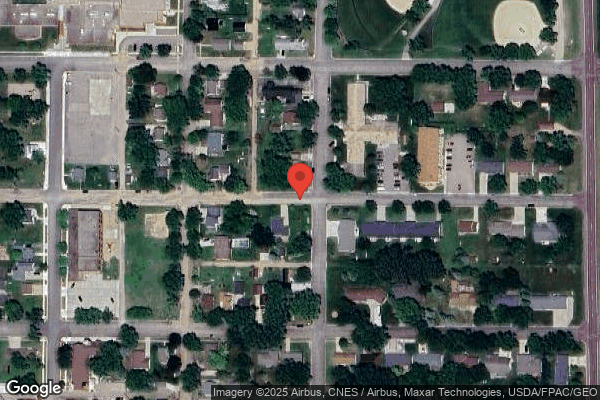
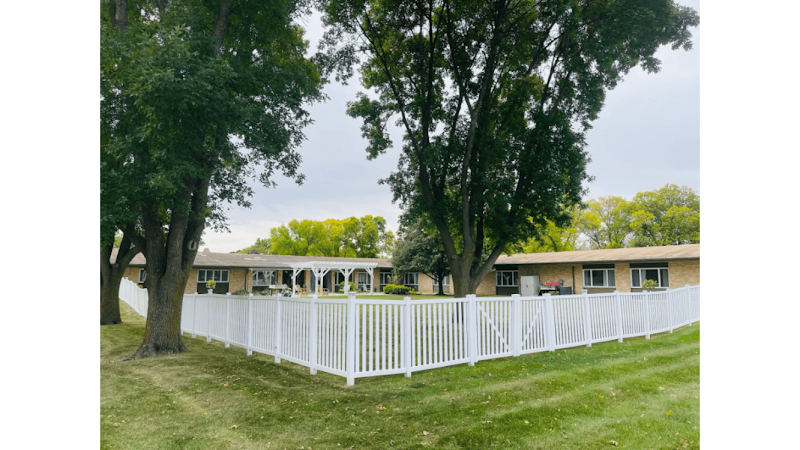
660 MAPLE STREET, WABASSO, MN 56293 (507) 342-5166
For profit - Corporation 44 Beds Independent Data: November 2025 2 Immediate Jeopardy citations
Trust Grade
0/100
#335 of 337 in MN
Last Inspection: November 2024

Within standard 12-15 month inspection cycle. Federal law requires annual inspections.

Overview

Wabasso Restorative Care Center has received a Trust Grade of F, indicating significant concerns about the quality of care provided, which is among the worst in Minnesota. It ranks #335 out of 337 facilities in the state, placing it in the bottom tier, and is the lowest-ranked facility in Redwood County. While the number of issues reported is improving, going from 33 in 2024 to 17 in 2025, the facility still has serious deficiencies, including critical incidents involving resident safety and health management. Staffing is rated at 3 out of 5 stars, with a turnover rate of 46%, which is average for the state, but RN coverage is concerning as it falls below that of 80% of Minnesota facilities. Specific incidents include a failure to prevent sexual abuse between residents and inadequate management of pressure ulcers, which led to serious health complications for some residents. Overall, while there are some strengths, such as improving trends in issues, the serious weaknesses raise substantial concerns for families considering this facility.

Trust Score
F
0/100
In Minnesota
#335/337
Bottom 1%
Safety Record
High Risk
Review needed
Inspections
Getting Better
33 → 17 violations
Staff Stability
⚠ Watch
46% turnover. Above average. Higher turnover means staff may not know residents' routines.
Penalties
✓ Good
$12,649 in fines. Lower than most Minnesota facilities. Relatively clean record.
Skilled Nurses
⚠ Watch
Each resident gets only 29 minutes of Registered Nurse (RN) attention daily — below average for Minnesota. Fewer RN minutes means fewer trained eyes watching for problems.
Violations
⚠ Watch
63 deficiencies on record. Higher than average. Multiple issues found across inspections.
★☆☆☆☆
1.0
Overall Rating
★★★☆☆
3.0
Staff Levels
★★★★☆
4.0
Care Quality
★☆☆☆☆
1.0
Inspection Score
Stable
2024: 33 issues
2025: 17 issues

The Good

  • 4-Star Quality Measures · Strong clinical quality outcomes
  • Full Sprinkler Coverage · Fire safety systems throughout facility
  • No fines on record

Facility shows strength in quality measures, fire safety.

The Bad

1-Star Overall Rating

Below Minnesota average (3.2)

Significant quality concerns identified by CMS

Staff Turnover: 46%

Near Minnesota avg (46%)

Higher turnover may affect care consistency

Federal Fines: $12,649

Below median ($33,413)

Minor penalties assessed

The Ugly 63 deficiencies on record

2 life-threatening 1 actual harm
Sept 2025 3 deficiencies
CONCERN (D) 📢 Someone Reported This

A family member, employee, or ombudsman was alarmed enough to file a formal complaint

Potential for Harm - no one hurt, but risky conditions existed

Free from Abuse/Neglect (Tag F0600)

Could have caused harm · This affected 1 resident

**NOTE- TERMS IN BRACKETS HAVE BEEN EDITED TO PROTECT CONFIDENTIALITY** Based on interview, observation, and document review, the facility failed to protect 1 of 1 resident (R1) from resident-to-resid...

Read full inspector narrative →
**NOTE- TERMS IN BRACKETS HAVE BEEN EDITED TO PROTECT CONFIDENTIALITY** Based on interview, observation, and document review, the facility failed to protect 1 of 1 resident (R1) from resident-to-resident physical abuse. Findings include: A Vulnerable Adult Maltreatment report submitted to the State Agency (SA) on 8/21/25 at 9:35 p.m., identified alleged physical abuse when it was reported that at approximately 8:00 a.m. that morning, R2 had pulled R1's hair, struck her in the back of the head, and pushed her wheelchair. R2 admitted that he had pulled R1's hair during a verbal altercation outside in the smoking area however, denied hitting or pushing R1. A Facility Reported Incident (FRI) submitted to the SA on 8/22/25 at 11:35 a.m., alleged abuse when R2 tugged R1's hair and hit her head while outside. The alleged abuse occurred on 8/21/25 at approximately 10:00 a.m.During an interview with R1 on 9/2/25 at 5:55 p.m., R1 indicated on 8/21/25 at approximately 8:00 a.m., R2 hit her in the back of the head, pulled her hair, and pushed her wheelchair into the fence in the smoking area. R1 stated, I immediately got a headache and got a Tylenol. R1 further identified she told several nursing staff immediately after it happened however, could not remember who she had talked to. R1 identified the next day on 8/22/25, R2 scared her when he told her he was going to kill her. R1 stated she immediately called a family member to come and pick her up because she did not feel safe. R2 stated she discharged from the facility and was not going back. During an interview with family member (FM)-A on 9/2/25 at 5:30 p.m., FM-A stated R1 was upset when she called to report that R2 had punched her in the back of the head and hit her head on the back of the fence. FM-A called the facility but did not get any one to answer so called the Sheriff's department to do a well check on R1 to assure her safety. FM-A stated the next morning, R1 called her again to request FM-A to pick her up from the facility immediately because she did not feel the facility was doing enough to protect her and that R2 had threatened her that morning. R1's admission Minimum Data Set (MDS) dated [DATE], indicated R1 had severe cognitive impairment and no behaviors. Identified R1 used a wheelchair for mobility and required substantial staff assist with dressing, transferring, bed mobility, and personal hygiene. A follow up brief interview for mental status on 8/22/25, indicated R1 had moderately impaired cognition. R1's Care Plan Report identified R1 had a potential for abuse due to current health condition that required assistance with activities of daily living (ADL)'s and cognition. Diagnoses included alcohol dependence, tobacco dependence, major depressive disorder and repaired fracture of femur and pelvis. R1's Medication Administration Record identified on 8/21/25, R1 complained of a pain level of ten (10) and received Acetaminophen 500 milligram (mg) two tablets at 8:02 a.m. R1's Discharge Assessment indicated R1 left the facility against medical advice (AMA) on 8/22/25 at 11:30 a.m.During an observation and interview on 8/28/25 at 10:01 a.m., R2 was lying in bed coloring and watching television. R2 stated, she [R1] called me a [expletive] so I grabbed her by the scruff of the hair and shook her a little bit and then let her go. R2 further stated, she [R1] must have been scared of me because she left the next day. R2 further indicated the staff talked to him the next day and had him sign a paper that he would agree to not have any further physical altercations and had not. R2's quarterly MDS dated [DATE], indicated R2 had intact cognition and no behaviors. Identified R2 had no upper extremity impairment however, had lower extremity impairment and used a manual wheelchair. R2 was independent wheeling his wheelchair. Diagnoses included paraplegia (paralysis of the legs and lower body), alcohol dependence, and adjustment disorder with mixed anxiety and depressed mood. R2's care plan updated 8/22/25, indicated R2 had a behavior problem as evidenced by previous episodes of yelling, throwing things, and alleged physical aggression. The care plan identified triggers as pain and disrespect. Facility incident report dated 8/17/25 at 1:15 p.m., identified R2 had a verbal altercation and made a threat of violence with an unidentified resident. The facility identified R2 had a decrease in a medication that caused R2 to have increased discomfort, and he became more short-tempered. The facility placed R2 on 30-minute checks for mood monitoring from 8/17/25 to 8/22/25.During an interview on 9/2/25 at 2:08 p.m., nursing assistant (NA)-A indicated she was working on 8/21/25 when the alleged incident occurred. Further identified R1 told her at approximately 8:00 a.m. that R2 had pulled her hair and punched her while outside in the smoking area. NA-A identified she told the assistant director of nursing and the charge nurse about the allegation immediately after R1 reported it and they placed R1 and R2 on 15-minute checks.During an interview on 9/2/25 at 2:02 p.m., NA-B identified R1 reported that R2 had pulled her hair and punched or slapped her on the head. NA-B stated they started 15-minute checks on R1 and R2 for safety. During an interview on 9/2/25 at 2:36 p.m., NA-C indicated she was working the medication cart on 8/21/25 and R1 was acting a little weird and a little distraught. NA-C further identified at approximately 8:00 a.m., R1 complained that her head hurt and she wanted some Tylenol. During an interview on 9/2/25 at 2:42 p.m., NA-D indicated she was working on 8/21/25, when R1 reported that R2 had hit her and pulled her hair. During an interview on 8/28/25 at 2:15 p.m., licensed practical nurse (LPN)-A, indicated she was working on 8/21/25, as a charge nurse and did not recall any incident between R1 and R2 that occurred that day. LPN-A stated on 8/22/25, R1 was upset and reported she was leaving the facility because she was scared of R2. During an interview on 9/2/25 at 3:00 p.m., the director of nursing stated she was informed of the incident between R1 and R2 the day after it happened and described the incident as R2 pulled or touched [R1's] hair and she did not like it and was upset about it. The facility implemented 15-minute checks on R1 and R2. During an interview on 9/2/25 at 11:34 a.m., the administrator identified she was aware of the incident that occurred between R1 and R2 and the facility implemented 15-minute checks on R1 and R2 to assure they were not outside in the smoking area at the same time. The Sheriff's Office Incident Report dated 8/21/25 at 7:21 p.m., R1's family member called to request a welfare check on R1 as R1 had reported R2 assaulted her. The sheriff's deputy responded at 7:34 p.m. and R1 reported at 8 a.m. that morning, R2 pulled her hair, struck her in the back of the head, and pushed her wheelchair. The deputy informed staff of the situation and staff stated that they would keep R1 and R2 separated. Review of the facility's policy titled, Abuse, Neglect, and Exploitation last revised 4/25/25, indicated it was the policy of the facility to provide protections for the health, welfare, and rights of each resident by developing and implementing written policies and procedures that prohibit and prevent abuse, neglect, exploitation, and misappropriation of property. Abuse was defined as the willful infliction of injury with resulting physical harm, pain, or mental anguish. Physical abuse included and was not limited to hitting, slapping, punching, biting, and kicking.
CONCERN (D) 📢 Someone Reported This

A family member, employee, or ombudsman was alarmed enough to file a formal complaint

Potential for Harm - no one hurt, but risky conditions existed

Report Alleged Abuse (Tag F0609)

Could have caused harm · This affected 1 resident

**NOTE- TERMS IN BRACKETS HAVE BEEN EDITED TO PROTECT CONFIDENTIALITY** Based on interview and document review, the facility failed to report an allegation of abuse timely to the State Agency (SA) for...

Read full inspector narrative →
**NOTE- TERMS IN BRACKETS HAVE BEEN EDITED TO PROTECT CONFIDENTIALITY** Based on interview and document review, the facility failed to report an allegation of abuse timely to the State Agency (SA) for 1 of 1 resident (R1) reviewed for allegations of abuse.Findings include: A Facility Reported Incident (FRI) submitted to the State Agency (SA) on 8/22/25 at 11:35 a.m., alleged abuse when R2 tugged R1's hair and hit her head while outside. The alleged abuse occurred on 8/21/25 at approximately 10:00 a.m. (Approximately 25 1/2 hours prior to reporting to the SA). R1's admission Minimum Data Set (MDS) dated [DATE], indicated R1 had severe cognitive impairment and no behaviors. Identified R1 used a wheelchair for mobility and required substantial staff assist with dressing, transferring, bed mobility, and personal hygiene. A follow up brief interview for mental status on 8/22/25, indicated R1 had moderately impaired cognition. R1's Care Plan Report identified R1 had a potential for abuse due to current health condition that required assistance with activities of daily living (ADL)'s and impaired cognition. Diagnoses included alcohol dependence, tobacco dependence, major depressive disorder and repaired fracture of femur and pelvis. During an interview with R1 on 9/2/25 at 5:55 p.m., R1 indicated on 8/21/25 at approximately 8:00 a.m., R2 hit her in the back of the head, pulled her hair, and pushed her wheelchair into the fence in the smoking area. R1 stated, I immediately got a headache and got a Tylenol. R1 further identified she told several nursing staff immediately after it happened but could not remember who she had talked to. R1 identified the next day (8/22/25), R2 threatened her again and she called a family member to come and pick her up. R2 stated she discharged from the facility and was not going back. R2's quarterly MDS dated [DATE], indicated R2 had intact cognition and no behaviors. Identified R2 had no upper extremity impairment, had lower extremity impairment and used a manual wheelchair. R2 was independent wheeling his wheelchair. Diagnoses included paraplegia (paralysis of the legs and lower body), alcohol dependence, and adjustment disorder with mixed anxiety and depressed mood. During an interview on 9/2/25 at 2:08 p.m., nursing assistant (NA)-A indicated she was working on 8/21/25, when the alleged incident occurred. NA-A stated at approximately 8:00 a.m., R1 reported that R2 had pulled her hair and punched her while outside in the smoking area. NA-A identified she told the assistant director of nursing and the charge nurse about the allegation immediately after R1 reported it and they placed R1 and R2 on 15-minute checks. During an interview on 9/2/25 at 11:34 a.m., the administrator indicated she was notified of the incident on 8/21/25, however, did not know about R2 hitting R1. The administrator verified the FRI was submitted late to the SA on 8/22/25, when she became aware of the hitting.The Sheriff's Office Incident Report dated 8/21/25 at 7:21 p.m., R1's family member called to request a welfare check on R1 as R1 had reported R2 assaulted her. The sheriff's deputy responded at 7:34 p.m. and identified that R1 reported at 8 a.m. that morning, R2 pulled her hair, struck her in the back of the head, and pushed her wheelchair. The deputy informed staff of the situation and staff stated that they would keep R1 and R2 separated. Approximately 16 hours prior to the FRI was submitted to the SA.Review of facility policy titled The Abuse, Neglect, and Exploitation Policy last revised 4/25/25, indicated the facility was to report all alleged violations to the administrator, state agency, adult protective services, and all other required agencies (law enforcement when applicable) within specified timeframes: Immediately, but not later than 2 hours after the allegation was made for events that caused the allegation to involve abuse or result in serious bodily injury.
MINOR (C) 📢 Someone Reported This

A family member, employee, or ombudsman was alarmed enough to file a formal complaint

Minor Issue - procedural, no safety impact

Deficiency F0577 (Tag F0577)

Minor procedural issue · This affected most or all residents

Based on observation, interview and document review, the facility failed to ensure both recertification survey results, complaint investigations, and facility plans of correction were available for re...

Read full inspector narrative →
Based on observation, interview and document review, the facility failed to ensure both recertification survey results, complaint investigations, and facility plans of correction were available for review. This had the potential to affect all forty-three (43) residents residing in the facility, as well as family, visitors, and staff.Findings include:R5's brief interview for mental status (BIMS) dated 8/11/25, indicated R5 had moderately impaired cognition.On 8/27/25 at 3:50 p.m., R5 indicated he would like to see the results of the surveys that the State Agency (SA) conducted however, did not know where to locate them.On 8/27/25 at 4:00 p.m., a binder titled facility survey results was located in a plastic wall file by the front entrance behind the resident council minutes. The survey results included in the binder consisted of the recertification survey results for 4/25/24, and complaint investigation results for 5/21/24, and 5/28/25.A review of Aspen Central Office (ACO-an online computerized federal document site which contains the surveys completed for facilities, including both recertification surveys, and complaint investigation) identified recertification surveys were completed on 6/29/23, 4/25/24, and 11/18/24. Additionally, complaint investigations were completed and noted to have citations issued on the following dates: 12/28/22, 3/23/23, 7/12/23, 7/26/23, 2/28/24, 5/21/24, 9/24/24, 12/24/24, and 5/28/25.The facility survey result binder lacked the following: recertification surveys completed 6/29/23, and 11/18/24; facility's plan of correction for 4/25/24; complaint surveys completed 12/28/22, 3/23/23, 7/12/23, 7/26/23, 2/28/24, 9/24/24, and 12/24/24; facility's plan of correction for 5/21/24. During an interview on 8/28/25 at 11:54 a.m., the corporate clinical care coordinator (CCCC) indicated the survey results were public knowledge and should contain all state agency surveys with facility plan of corrections. The CCCC verified the facility survey binder did not contain all the required surveys or facility plans of correction. During an interview on 9/2/25 at 4:39 p.m., the administrator was unable to locate the facilities survey binder however, indicated the residents take them and stated, they [survey results] disappear as fast as we put them out. A facility policy was requested for posting of survey results however, was not provided.
Jul 2025 6 deficiencies
CONCERN (D) 📢 Someone Reported This

A family member, employee, or ombudsman was alarmed enough to file a formal complaint

Potential for Harm - no one hurt, but risky conditions existed

Deficiency F0552 (Tag F0552)

Could have caused harm · This affected 1 resident

**NOTE- TERMS IN BRACKETS HAVE BEEN EDITED TO PROTECT CONFIDENTIALITY** Based on interview and document review, the facility failed to ensure residents were informed of medication changes for 1 of 3 r...

Read full inspector narrative →
**NOTE- TERMS IN BRACKETS HAVE BEEN EDITED TO PROTECT CONFIDENTIALITY** Based on interview and document review, the facility failed to ensure residents were informed of medication changes for 1 of 3 residents (R1) reviewed for pharmacy services.Findings include: R1's quarterly Minimum Data Set (MDS) assessment dated [DATE], indicated R1 had diagnoses including fracture of shaft of left femur (broken thigh bone), anxiety disorder, and opioid dependence. R1 received scheduled and as needed (PRN) pain medication and took opioid medication. R1 had intact cognition, understood others, and made herself understood.R1's physician order dated 6/12/25, was for oxycodone hydrochloride (HCl) (an opioid medication used to treat moderate to severe pain) oral tablet 5 milligrams (mg) with direction to give 5 mg by mouth every eight hours as needed for pain related to fracture of shaft of left femur. The order was discontinued on 6/24/25.R1's medication administration record (MAR) dated 6/1/25 through 6/30/25, identified the 5 mg PRN oxycodone order was last administered on 6/24/25 at 7:13 a.m.R1's provider note dated 6/24/25, indicated R1 was seen by nurse practitioner (NP)-A. The medication list included oxycodone HCl 5 mg oral tablet, give 5 mg by mouth every eight hours as needed for pain. The note indicated R1 was seen for evaluation of anemia. The plan for left femur fracture included oxycodone and stable. It did not indicate R1's oxycodone dose was changed from 5 mg to 1.5 mg or R1 was informed of this medication change. R1's physician order dated 6/24/25, was for oxycodone HCl oral tablet 5 mg with direction to give 2.5 mg by mouth every eight hours as needed for pain related to fracture of shaft of left femur.R1's MAR dated 6/1/25 through 6/30/25, identified the 2.5 mg PRN oxycodone order was first administered on 6/24/25 at 3:20 p.m.R1's progress note dated 6/24/25 written by the assistant director of nursing (ADON), indicated R1's provider decreased her oxycodone from 5 mg to 2.5 mg every eight hours as needed. The note did not include evidence that R1 was notified of this change.During an interview on 7/23/25 at 11:23 a.m., R1 stated she had previously taken 2.5 mg of oxycodone but had increased pain because of her broken left femur and NP-A had increased her oxycodone to 5 mg every eight hours as needed. R1 stated that one day recently all of a sudden the evening nurse told her there had been a change in her oxycodone when she requested it, R1 said what are you talking about, and the nurse informed her the oxycodone had been decreased again to 2.5 mg. R1 stated she had a change in her medication and the evening nurse informed her, but NP-A had not discussed it with her nor other facility staff. In a follow-up interview at 5:03 p.m., R1 stated this made her feel very upset because she had been having increased pain and NP-A decreased her oxycodone but didn't come tell her and hadn't mentioned decreasing it when she had seen him. She spoke to him about it a few days later along with the ADON and was very upset. It made her feel disrespected, uninformed, and like her pain was invalidated. She felt like this wasn't proper and a patient shouldn't have their medications changed without being told.During an interview on 7/23/25 at 2:26 p.m., the ADON stated when a provider changed a medication order, nursing staff needed to tell the resident about the medication change. This notification would be documented in a progress note. The ADON usually went on rounds with NP-A and he would discuss changes with residents during his visit. The ADON confirmed R1's oxycodone order was changed from 5 mg to 2.5 mg every eight hours as needed on 6/24/25, and confirmed this change was not identified in NP-A's note dated 6/24/25. The ADON stated she did not see documentation indicating R1 was informed of this medication change. The ADON stated standard of practice was for residents to be informed of changes in care and treatment. It was important for resident to be informed so they were aware and they had the right to be informed.During an interview on 7/23/25 at 12:33 p.m., the director of nursing (DON) stated NP-A usually did rounds before changing any medications. There should be a note from the provider and a progress note from whoever input the medication order, including documentation that a resident was notified of a medication change. The DON stated the provider was responsible for notifying the residents of medication changes and explaining signs and symptoms they may experience and effects that could happen related to the change. During a follow-up interview at 3:26 p.m., the DON stated it was not in NP-A's note dated 6/24/25 that he was changing R1's oxycodone. She did not see evidence elsewhere that R1 was notified of the change or documentation of why the medication was decreased. Residents needed to be notified of changes because they needed to be involved in their care, know what they were taking, and had a right to be informed and notified. The DON stated she would get upset if she was a resident and her pain medication was decreased without being informed. Facility policy titled Medication Administration dated 6/12/24, indicated medications were administered by licensed nurses or legally authorized staff as ordered by the physician and in accordance with professional standards of practice.Facility policy titled Resident Rights dated 2025, indicated the facility would ensure all direct and indirect care staff members would be educated on the rights of residents and the responsibility of the facility to properly care for its residents. Resident rights included planning an implementing care, the resident has the right to be informed of, and participate in, his or her treatment. This included the right to participate in the development and implementation of his or her person-centered plan of care, including but not limited to. the right to be informed, in advance, of changes to the plan of care.
CONCERN (D) 📢 Someone Reported This

A family member, employee, or ombudsman was alarmed enough to file a formal complaint

Potential for Harm - no one hurt, but risky conditions existed

Notification of Changes (Tag F0580)

Could have caused harm · This affected 1 resident

**NOTE- TERMS IN BRACKETS HAVE BEEN EDITED TO PROTECT CONFIDENTIALITY** Based on interview and document review, the facility failed to notify the resident's physician of multiple missed administration...

Read full inspector narrative →
**NOTE- TERMS IN BRACKETS HAVE BEEN EDITED TO PROTECT CONFIDENTIALITY** Based on interview and document review, the facility failed to notify the resident's physician of multiple missed administrations of an opioid pain medication for 1 of 3 residents (R1) reviewed for pharmacy services.Findings include:R1's facesheet dated 7/24/25, indicated she had diagnoses including fracture of shaft of left femur (broken thigh bone), opioid dependence, neuralgia (pain caused by nerve damage or irritation) and neuritis (nerve inflammation), osteoarthritis of left knee, and fibromyalgia (chronic condition causing wide-spread pain throughout the body). R1's quarterly Minimum Data Set (MDS) assessment dated [DATE], indicated R1 received scheduled and as needed (PRN) pain medication, took opioid medication, and had intact cognition. R1's physician order dated 1/14/25, was for methadone hydrochloride (HCl) (an opioid pain medication used to treat severe pain) oral tablet 5 milligrams (mg). It directed, give 0.5 tablet (2.5 mg) by mouth two times a day for pain.R1's medication administration record (MAR) dated March 2025 and corresponding administration progress notes for the Methadone were reviewed. The record included the following:- 3/9/25 at 8:00 a.m., charted as code 9 indicating other/see progress notes; corresponding administration progress note at 7:14 a.m. identified NO SUPPLY. - 3/9/25 at 8:00 p.m., charted as code 9; corresponding administration progress note at 7:22 p.m. identified On back order. - 3/10/25 at 8:00 a.m., charted as code 9; corresponding administration progress note at 7:19 a.m. identified ON BACK ORDER - 3/10/25 at 8:00 p.m., charted as code 9; corresponding administration progress note at 8:58 p.m. was struck out with strike out reason of Declined Order and strike out date of 3/10/25 at 8:01 p.m. Additional note at 9:01 p.m. initiated however without additional information. - 3/11/25 at 8:00 a.m., charted as administered, R1's record did not include a corresponding administration note that could be identified for the morning dose. - 3/11/25 at 8:00 p.m., charted as administered. - 3/11/25 at 8:00 p.m. a second time, charted as code 9. Administration progress note at 7:06 p.m. included NO MED- on back order. Additional note at 9:57 p.m. did not include additional information. Review of facility narcotics logbook entry number 16 identified the page was for tracking R1's methadone 5 mg with direction to give half tablet two times a day. The last entry was dated 3/8/25 at 7:20 p.m. with amount on hand of one, amount used of one, and amount left of zero.Review of facility narcotics logbook entry number 38 identified the page was for tracking R1's methadone 5 mg with direction to give half tablet two times a day. The first entry was dated 3/11/25 with no time and indicated 60 tablets were received. The following entry indicated the first administration of the new supply of medication was on 3/11/25 at 9:55 p.m.Review of R1's progress notes did not identify notification of R1's physician regarding the missed administrations of methadone from 3/9/25 through 3/11/25. Email dated Sunday 3/9/25 at 3:30 p.m., provided to the surveyor was from nurse practitioner (NP)-A to the facility's nursing email account in response to an email sent from the nursing account on 3/9/25 at 2:25 p.m. Email from the nursing account included, Methadone is on backorder and [R1] is running out of it very soon. Is it possible to order something else as we wait for the back order? The email did not identify the author. NP-A's emailed response included, I can switch to something for [R1] and will talk to her Tuesday. The facility's email did not identify that R1's supply of methadone had already run out with last dose administered on 3/8/25 at the 8:00 p.m. as documented in the MAR and narcotics logbook. No further emails or replies regarding R1's methadone were identified and provided to the surveyor by the facility. During an interview on 7/23/25 at 12:33 p.m., the director of nursing (DON) stated if a medication was not available staff should call the provider who would give an order for an alternative medication or order to hold the unavailable medication. Notification of the provider would be documented in the MAR progress notes or in emails. If there was no supply of a medication, staff should call the provider. In a follow-up interview at 3:26 p.m., the DON reviewed R1's MAR and narcotic book logs and confirmed R1 missed doses of her methadone twice on 3/9/25, twice on 3/10/25, and the morning of 3/11/25. The DON confirmed the email to NP-A dated 3/9/25 did not identify R1 had no supply of methadone and did not identify the 8:00 a.m. administration that day was missed. The DON stated she did not see documentation R1's provider was notified her methadone was unavailable and not given from 3/9/25 through 3/11/25.During an interview on 7/24/25 at 11:57 a.m., NP-A stated he was part of the primary care team for all residents at the facility along with a medical doctor. NP-A believed R1's methadone had been on backorder with the pharmacy previously. He did not remember being notified but assumed it would have been via email. He did not recall being notified that R1 was actually out of the methadone, and if it was not in the email dated 3/9/25 provided by the surveyor for his review, then he did not know that he was otherwise notified. Notification would be identified in an email or a note in R1's chart and if not there, he doubted he was notified. His expectation was that he would have been notified R1 was out of methadone and scheduled administrations were not given. Typically, he would increase a resident's other pain medications or find an alternative temporarily until the medication was available. R1 would have increased pain without the methadone and NP-A would have increased R1's other pain medication, oxycodone, while the methadone was on back order to bridge the gap.Facility policy titled Medication Errors dated 2025, identified a medication error was the observed or identified preparation or administration of medications or biologicals which is not in accordance with the prescriber's order; manufacturer's specifications, or accepted professional standards and principles which apply to professionals providing services. Factors indicating errors in medication administration included medication not administered in accordance with the prescriber's order including example of medication omission. If a medication error occurred, a nurse was to assess and examine the resident's condition and notify the physician or health care practitioner as soon as possible.
CONCERN (D) 📢 Someone Reported This

A family member, employee, or ombudsman was alarmed enough to file a formal complaint

Potential for Harm - no one hurt, but risky conditions existed

Grievances (Tag F0585)

Could have caused harm · This affected 1 resident

**NOTE- TERMS IN BRACKETS HAVE BEEN EDITED TO PROTECT CONFIDENTIALITY** Based on interview and document review the facility failed to ensure resident grievances were provided with a written response f...

Read full inspector narrative →
**NOTE- TERMS IN BRACKETS HAVE BEEN EDITED TO PROTECT CONFIDENTIALITY** Based on interview and document review the facility failed to ensure resident grievances were provided with a written response for 2 of 4 residents (R1, R3) reviewed for grievances. Findings include:R1's face sheet dated 6/24/25, identified diagnoses of depression (a mood disorder that causes persistent sadness) and anxiety (an emotion that causes feelings of fear, dread, and unease).R1's quarterly Minimum Data Set (MDS) dated [DATE], identified R1 was cognitively intact and had no behaviors.During an interview on 7/23/25 at 11:23 a.m., R1 stated the week prior she had completed two different grievance forms about concerns with two staff members. One of the grievances was regarding a staff member performing wound care on a resident in a public area and not performing proper hand hygiene. The second grievance was about a staff member with body odor and being on their personal cell phone for an extended period, while they were supposed to be working. R1had given one of the grievances to an unidentified staff member to place on the social worker's desk, and the other grievance form was given to the assistant director of nursing (ADON). R1 further stated that the ADON had spoken with her regarding the grievance of the staff member performing wound care in a public area, however she never received a written response from the facility on what was done about it. R1 also stated she had not received a written response to the filed grievance about a staff member with body odor/being on their phone while working. Review of the facility grievances from May 2025 through July 2025, only identified one grievance form had been filed by R1. Review of a facility Grievance Form dated 7/16/25. Identified R1 had voiced concerns about a nurse that completed wound care on another resident at the nursing station and did not performing hand hygiene. The investigation indicated staff was observed doing wound care and giving insulin by the nursing station. Education had been done previously, and staff member was given a written discipline on 7/16/25. Plan of resolution was staff was educated to do all cares and insulin in resident's room or in a private area and verbalized understanding. Follow up on R1's 7/16/25 grievance form was left blank. R3's face sheet dated 7/24/25, identified diagnoses of generalized anxiety disorder, explosive disorder (a mental disorder characterized by explosive outbursts of anger/violence), and affective mood disorder (a serious mental illness that causes persistent and intense changes in mood, energy, and behavior).R3's significant change MDS dated [DATE], identified R1 was cognitively intact and had no behaviors. Review of a facility Grievance Form dated 6/12/25, identified R1 had voiced concerns about an inheritance check he was supposed to have received, and the business office manager would not give him his check. Investigation summary was that R3 did not receive any inheritance check and only received a direct express card in his account. Plan of resolution was to talk to psychiatry about the episodes and continue to monitor. Follow up was to change medication regime and continue to see psychiatry.During an interview on 7/23/25 at 10:45 a.m., R3 stated he filled out a grievance form last month regarding an inheritance check that he was supposed to have received, however, had not received it. R3 further stated he had not heard or received a written response on what the facility found out about his inheritance check, and I guess it is none of my business on what was found out about what they did. R3 said there is a stereotype in the facility, that the people that live here do not even have enough memory to recall what was told to the facility and that is why we do not get a response. During an interview on 7/24/25 at 8:33 a.m., long term care ombudsman (OMB) stated she attends the monthly resident council meetings and the concerns from the residents each month continue to be the same, that their grievances that they file always go unanswered. Residents will fill out the grievance forms, turn them in, however, do not get a response from the facility on the resolution. OMB stated she had requested from the administrator on how the grievances are managed in the facility and requested the grievance policy, however, did not get a response from the administrator. During an interview on 7/24/25 at 11:55 a.m., administrator stated that all grievances from residents are to be responded to within five business days, however, the grievances that R1 and R3 filed did not identify a date/time or copy of the written response regarding their grievances. Administrator further stated she will be adding a signature line on the current grievance forms where the resident can sign/date the form from now on and this will ensure the facility has documentation that the resident being informed of the resolution of the filed grievance and can use this to provide the resident with written response. Review of the facility's Resident and Family Grievances Policy dated 11/18/24, identified the following: In accordance with the resident's right to obtain a written decision regarding his or her grievance, the grievance official will issue a written decision on the grievance to the resident or representative at the conclusion of the investigation. The written decision will include at a minimum:-The date the grievance was received.-The steps taken to investigate the grievance.-A summary of the pertinent findings or conclusions regarding the resident's concern(s).-A statement as to whether the grievance was confirmed or not confirmed.-Any corrective action taken or to be taken by the facility as a result of the grievance.-The date the written decision was issued.
CONCERN (D) 📢 Someone Reported This

A family member, employee, or ombudsman was alarmed enough to file a formal complaint

Potential for Harm - no one hurt, but risky conditions existed

Deficiency F0657 (Tag F0657)

Could have caused harm · This affected 1 resident

**NOTE- TERMS IN BRACKETS HAVE BEEN EDITED TO PROTECT CONFIDENTIALITY** Based on observation, interview, and document review the facility failed to revise the care plan for wake-up and/or medication a...

Read full inspector narrative →
**NOTE- TERMS IN BRACKETS HAVE BEEN EDITED TO PROTECT CONFIDENTIALITY** Based on observation, interview, and document review the facility failed to revise the care plan for wake-up and/or medication administration times for 1 of 4 residents (R4) who demonstrated new behaviors when her medications were not provided in accordance with her preferences. Findings include R4's face sheet dated 7/24/25, identified diagnoses of anxiety disorder (a mental health disorder characterized by feelings of worry, anxiety, or fear) , borderline personality disorder (a mental disorder characterized by unstable moods and behaviors), and delusional disorder (a serious mental disorder where a person cannot tell what is real from what is imaginary).R4's annual Minimum Data Set (MDS) dated [DATE], identified moderate cognitive impairment and no behaviors. During an observation on 7/23/25 at 11:29 a.m., R4 was in the day room standing next to the medication cart talking in a loud voice to trained medication aide (TMA)-A, I want my medications, it is my right to get my medications that are prescribed. R4 further began saying no staff came in and woke her up to take her medications today and why are you not giving them to me. Clinical registered nurse consultant (CRNC) informed R4 that her meds could not be given to her because it was beyond the time limit, and staff needed to follow the doctor's orders. R4 then began hitting her fist on the chair in the dayroom yelling I need my medications, and it is a state law for you to give them to me. R4 continued to state, I need my medications, and it is my right to get them. R4 was pacing up and down the hallway during this time and continued to return to the medication cart multiple times. CRNC then placed a phone call to the on-call physician and obtained an order to administer R4's morning medications. Once R4 had received her medications she began to speak in a normal tone and then began asking staff to get a lunch ready for her to take to an outside appointment in a normal tone.In review of R4's current care plan it did not address her preferences for wake-up times and/or preferences to be woken up for her morning medications. During an interview on 7/23/25 at 12:07 p.m., TMA-A stated she attempted to go into R4's room three times that day, however R4 was sleeping each time, so she signed them off in the medication administration record as not given due to R4 sleeping. When R4 came to her around 11:20 a.m., she requested her morning medication, however when she told her it was too late for me to give them to her R4 became upset and began yelling. During an interview on 7/23/25 at 12:30 p.m., TMA-D stated R4 will normally get up around 9:00 to 9:30 a.m. daily, and when she is due to get her meds, if R4 is still in bed she will go in and gently wake her up, and tell her tell her it is time for her morning medications and she will take her pills and then go back to sleep if she wants to. That is how she like to take her pills, and it seems to work for her. During an interview on 7/24/25 at 10:15 a.m., R4 stated that she normally gets up around 9:00 a.m., however, sometimes she likes to sleep longer, and, on those days, most staff will wake her up and tell her it is time for her morning medication, then she will wake up and take her pills and then go back to sleep. It is my right to get my medication, and it is their job to make sure I get it on time. R4 stated the facility told her that they have fixed it now and will be ensuring they will be giving her medication the way she likes to receive it nowDuring an interview on 7/24/25 at 11:37 a.m. registered nurse (RN)-B stated R4's focus behavior care plan that outlined her medication administration preferences had not been created and updated until 7/23/25 after R4 been upset for not being woken up for her morning medications. RN-B stated she participates in the care planning process for R4 but was not aware of R4's preferences regarding her medication administration.During an interview on 7/23/25 at 2:51 p.m., director of nursing (DON) stated R4's behavior that occurred in the morning regarding not getting her medications, was not a normal behavior for her and was out of the ordinary. R4 likes to sleep in and will always get her medications late and thought it had been care planned for her choices but was uncertain if R4's care plan was reflective of this. Review of the facility's Comprehensive Care Plan policy dated, 4/21/25, identified the facility will develop and implement a comprehensive person-centered care plan for each resident, consistent with resident rights, that includes measurable objectives and timeframes to meet a resident's medical, nursing, and mental and psychosocial need and ALL services that are identified in the resident's comprehensive assessment and meet professional standards of quality.
CONCERN (D) 📢 Someone Reported This

A family member, employee, or ombudsman was alarmed enough to file a formal complaint

Potential for Harm - no one hurt, but risky conditions existed

Quality of Care (Tag F0684)

Could have caused harm · This affected 1 resident

**NOTE- TERMS IN BRACKETS HAVE BEEN EDITED TO PROTECT CONFIDENTIALITY** Based on interview and document review, the facility failed to ensure a resident was appropriately assessed and monitored for po...

Read full inspector narrative →
**NOTE- TERMS IN BRACKETS HAVE BEEN EDITED TO PROTECT CONFIDENTIALITY** Based on interview and document review, the facility failed to ensure a resident was appropriately assessed and monitored for potential effects of an opioid pain medication that was not administered as ordered for two and a half days for 1 of 3 residents (R1) reviewed for pharmacy services.Findings include: R1's facesheet dated 7/24/25, indicated she had diagnoses including fracture of shaft of left femur (broken thigh bone), opioid dependence, neuralgia (pain caused by nerve damage or irritation) and neuritis (nerve inflammation), generalized anxiety disorder, insomnia, other muscle spasm, osteoarthritis of left knee, and fibromyalgia (chronic condition causing wide-spread pain throughout the body). R1's quarterly Minimum Data Set (MDS) assessment dated [DATE], indicated R1 received scheduled and as needed (PRN) pain medication, took opioid medication, and had intact cognition.R1's care plan focus dated 8/6/24, identified R1 had pain related to muscle spasms, left femur fracture, migraine, hammer toe, fibromyalgia, and osteoarthritis of left knee. Interventions included: monitor/record/report to nurse resident complaints of pain or requests for pain treatment dated 8/6/24, monitor/document for side effects of pain medication dated 8/11/24, non-pharmacological pain interventions dated 4/17/25, and opioid side effect monitoring dated 4/27/25. R1's physician order dated 1/14/25, was for methadone hydrochloride (HCl) (an opioid medication used to severe pain) oral tablet 5 milligrams (mg). It directed, give 0.5 tablet (2.5 mg) by mouth two times a day for pain.Review of facility narcotics logbook entry number 16 identified the page was for tracking R1's methadone 5 mg with direction to give half tablet two times a day. The last entry was dated 3/8/25 at 7:20 p.m. with amount on hand of one, amount used of one, and amount left of zero. R1's medication administration record (MAR) dated March 2025 and corresponding administration progress notes for the Methadone were reviewed. The record included the following: - 3/9/25 at 8:00 a.m., charted as code 9 indicating other/see progress notes; corresponding administration progress note at 7:14 a.m. identified NO SUPPLY. - 3/9/25 at 8:00 p.m., charted as code 9; corresponding administration progress note at 7:22 p.m. identified On back order. - 3/10/25 at 8:00 a.m., charted as code 9; corresponding administration progress note at 7:19 a.m. identified ON BACK ORDER - 3/10/25 at 8:00 p.m., charted as code 9; corresponding administration progress note at 8:58 p.m. was struck out with strike out reason of Declined Order and strike out date of 3/10/25 at 8:01 p.m. Additional note at 9:01 p.m. initiated however without additional information. - 3/11/25 at 8:00 a.m., charted as administered, R1's record did not include a corresponding administration note that could be identified for the morning dose. - 3/11/25 at 8:00 p.m., charted as administered. - 3/11/25 at 8:00 p.m. a second time, charted as code 9. Administration progress note at 7:06 p.m. included NO MED- on back order. Additional note at 9:57 p.m. did not include additional information. Review of R1's progress notes dated 3/9/25 through 3/11/25 did not identify additional notes regarding R1's missed administrations of methadone or related assessment and monitoring. Review of R1's assessments dated 3/9/25 through 3/11/25 did not identify any completed assessments.R1's vital signs section in the electronic health record (EHR) dated 3/9/25 through 3/11/25 included the following:- Pain levels (on scale of one to 10) on 3/9/25: 0, 7, 3, 5, 3, 6, 8, and 5.- Pain levels (on scale of one to 10) on 3/10/25: 9, 5, 8, 8, 6, 6, 8, 6, 8, 9, and 5.- Pain levels (on scale of one to 10) on 3/11/25: 7, 8, 8, 3, 8, 3, 8, and 4.Vital signs did not include any associated recorded blood pressure, oxygen saturation level, heart rate, respiratory rate, or temperature.During an interview on 7/23/25 at 11:23 a.m., R1 stated there was a time about four months ago when she did not receive her methadone for about two days, she took it twice a day and thought she had missed maybe six doses. She took the medication for pain. During a continued interview at 5:03 p.m., R1 stated when she did not receive her methadone, she felt like she was crawling out of her skin, had increased pain, increased irritability, sweatiness, restlessness, sleeplessness, and definitely felt like she was having withdrawal. She informed staff that she was having increased pain, but stated staff did not monitor her more than usual or take her vital signs to identify an increase in her pain levels.During an interview on 7/23/25 at 4:40 p.m., licensed practical nurse (LPN)-A stated R1 had previously run out of methadone for a few days, and he thought the facility ran out of supply and it was back-ordered at the pharmacy. If a medication was not available to be given as ordered, he would notify the provider for direction. For missed administrations of methadone, LPN-A would monitor for withdrawals, take vital signs, and inform the provider that they did not have the medication. Specific monitoring would include watching for things like shakes, is someone in pain, headaches, changes in vital signs, and sweatiness. LPN-A stated he didn't think he knew what type of vital sign changes might be seen. LPN-A did not recall what monitoring or assessment he completed for R1 when he was unable to administer her methadone, but documentation would be in progress notes he and did not recall how her pain level seemed. During an interview on 7/24/25 at 8:13 a.m., registered nurse (RN)-A stated for a resident who did not receive methadone, she would check for signs of withdrawal, vital signs, gait imbalances, shaking, sweating, temperature or pulse changes, nausea, ask how the resident was feeling, and notify the doctor. RN-A was not sure how often vital signs should be checked, but if someone was having symptoms, she would probably check every hour or two. Pulse, respirations, and blood pressure could be elevated along with nausea, sweatiness, throwing up, and headache. This would be documented in assessments or progress notes with vitals in the vitals sign section of the EHR. She would monitor pain by asking a resident how their pain was on a scale of one to 10. For a resident not receiving ordered methadone for pain the frequency of pain assessments would depend on how the resident was doing. During an interview on 7/28/25 at 5:00 p.m., the facility's consultant pharmacist (CP) stated methadone affected opioid receptors and altered a person's perception of and response to pain. Methadone was a class II-controlled substance so was considered a high-risk medication. The medication had a high inter-patient variability, it could affect people differently and had a narrow therapeutic index when combined with other drugs for pain. She noted the impact of not taking prescribed methadone for two and a half days would probably be increased pain with the potential for vital sign changes like increased blood pressure. If someone did not receive methadone for a few days they could experience withdrawal symptoms or cravings. The medication should kick back in a few hours after being restarted but took three to five days to reach its peak level for someone who took the medication continuously. During an interview on 7/24/25 at 11:57 a.m., nurse practitioner (NP)-A stated he did not remember being notified R1 had run out of and not received methadone for two and a half days. He would expect R1 to have been assessed and monitored for pain and vital signs changes. He thought the chance of R1 experiencing withdrawal was minimal because she took other narcotics and did not take the methadone for treatment of substance abuse. He noted the missed methadone could result in increased blood pressure or pulse and would expect pain monitoring and vital signs to be taken at least every shift while R1 was without methadone. The absence of recorded vital signs for R1 when her methadone was not administered was not in line with his expectations. During an interview on 7/23/25 at 3:26 p.m., the director of nursing (DON) confirmed documentation showed R1's methadone was given on 3/8/25 at 7:20 p.m. and not administered again until the night of 3/11/25 after the narcotic logbook indicated the medication was received from the pharmacy. The DON stated not receiving methadone for two and a half days could have an impact of withdrawal, side effects, and increased pain. She stated staff should have monitored R1 for withdrawals, vital signs, if her pain was increasing, and notified the doctor as needed. The DON identified pain monitoring was completed in the MAR as pain assessments were done when R1's other pain medications were administered, and staff would have assessed her during that period for where the pain was and if it was increasing. The DON identified MAR documentation of pain included a numerical pain scale rating. The DON was unable to identify additional evidence R1 was monitored for potential withdrawal, side effects, or vital signs when her scheduled methadone was not administered. Facility policy titled Medication Errors dated 2025, noted factors indicating errors in medication administration included medication administered not in accordance with provider's orders which included medication omission. If a medication error occurred, nurses were to: assess and examine the resident's condition and notify the physician or health care practitioner as soon as possible; monitor and document the resident's condition, including response to medical treatment or nursing interventions; and document actions taken in the medical record.
CONCERN (D) 📢 Someone Reported This

A family member, employee, or ombudsman was alarmed enough to file a formal complaint

Potential for Harm - no one hurt, but risky conditions existed

Pharmacy Services (Tag F0755)

Could have caused harm · This affected 1 resident

**NOTE- TERMS IN BRACKETS HAVE BEEN EDITED TO PROTECT CONFIDENTIALITY** Based on interview and document review, the facility failed to ensure medications were available to be administered in accordanc...

Read full inspector narrative →
**NOTE- TERMS IN BRACKETS HAVE BEEN EDITED TO PROTECT CONFIDENTIALITY** Based on interview and document review, the facility failed to ensure medications were available to be administered in accordance with physician orders and failed to identify and report a medication error for 1 of 3 (R1) residents reviewed for pharmacy services. Findings include:R1's facesheet dated 7/24/25, indicated she had diagnoses including fracture of shaft of left femur (broken thigh bone), opioid dependence, neuralgia (pain caused by nerve damage or irritation) and neuritis (nerve inflammation), generalized anxiety disorder, insomnia, other muscle spasm, osteoarthritis of left knee, and fibromyalgia (chronic condition causing wide-spread pain throughout the body). R1's quarterly Minimum Data Set (MDS) assessment dated [DATE], indicated . R1 received scheduled and as needed (PRN) pain medication, took opioid medication, and had intact cognition.R1's physician order dated 1/14/25, was for methadone hydrochloride (HCl) (an opioid medication used to severe pain) oral tablet 5 milligrams (mg). It directed, give 0.5 tablet (2.5 mg) by mouth two times a day for pain. R1's medication administration record (MAR) dated March 2025 in conjunction with administration notes, included the following documentation for administrations of the ordered methadone:- 3/9/25 at 8:00 a.m., charted as code 9 indicating other/see progress notes; corresponding administration progress note at 7:14 a.m. identified NO SUPPLY. - 3/9/25 at 8:00 p.m., charted as code 9; corresponding administration progress note at 7:22 p.m. identified On back order. - 3/10/25 at 8:00 a.m., charted as code 9; corresponding administration progress note at 7:19 a.m. identified ON BACK ORDER - 3/10/25 at 8:00 p.m., charted as code 9; corresponding administration progress note at 8:58 p.m. was struck out with strike out reason of Declined Order and strike out date of 3/10/25 at 8:01 p.m. Additional note at 9:01 p.m. initiated however without additional information. - 3/11/25 at 8:00 a.m., charted as administered, R1's record did not include a corresponding administration note that could be identified for the morning dose. - 3/11/25 at 8:00 p.m., charted as administered. - 3/11/25 at 8:00 p.m. a second time, charted as code 9. Administration progress note at 7:06 p.m. included NO MED- on back order. Additional note at 9:57 p.m. did not include additional information.Review of facility narcotics logbook entry number 16 identified the page was for tracking R1's methadone 5 mg with direction to give half tablet two times a day. The last entry was dated 3/8/25 at 7:20 p.m. with amount on hand of one, amount used of one, and amount left of zero.Review of facility narcotics logbook entry number 38 identified the page was for tracking R1's methadone 5 mg with direction to give half tablet two times a day. The first entry was dated 3/11/25 with no time and indicated 60 tablets were received. The following entry indicated the first administration of the new supply of medication was on 3/11/25 at 9:55 p.m.In an email dated 7/24/25 at 2:30 p.m., the administrator noted there were no facility medication errors for the month of March 2025.During an interview on 7/23/25 at 11:23 a.m., R1 stated there was a time about four months ago when she did not receive her methadone for about two days, she took it twice a day and thought she had missed maybe six doses. She took the medication for pain. During a continued interview at 5:03 p.m., R1 stated when she did not receive her methadone, she felt like she was crawling out of her skin, had increased pain, increased irritability, sweatiness, restlessness, sleeplessness, and felt like she was having withdrawal.During an interview on 7/23/25 at 12:07 p.m., trained medication assistant (TMA)-A stated if a medication was scheduled for administration but not available, she would see if it was in the facility's medication bank. If it wasn't there, she would call the pharmacy. She was not sure if it was a medication error if a medication administration was missed because the medication was unavailable. During an interview on 7/23/25 at 4:40 p.m., licensed practical nurse (LPN)-A stated if a medication was back ordered the provider should be notified. He remembered R1 had previously run out of her methadone and it was on backorder at the pharmacy. He did not recall if he had notified R1's provider of this or followed up when he was unable to administer R1's methadone as ordered. When asked if a provider order was needed to hold a medication if it was unavailable for administration, he stated he had never seen or been told that. He was not sure if it was a medication error if a dose of a medication was missed without a provider order to hold it. During an interview on 7/23/25 at 3:04 p.m., pharmacy general manager (PM) at the facility's pharmacy stated methadone was not currently and had not previously been stocked in the facility's medication bank. PM noted the pharmacy first received a refill request for R1's methadone on 2/25/25 and had notified the facility the medication was out of stock due to a national shortage and requested the provider change to an alternative form or medication. The notification was sent again on 3/4/25 when a second refill request was made. PA did not see any response from the facility or order for an alternative. The methadone was back in stock at the pharmacy on 3/11/25 and delivered to the facility that evening. During an interview on 7/23/25 at 12:33 p.m., the director of nursing (DON) stated if a medication was not available for administration, staff would check the medication bank. If it was not there, staff would call the pharmacy. If it was backordered at the pharmacy, staff would notify the provider to get an order to hold the medication or an alternative medication to administer. If there was no supply of a medication, staff should call the provider because they needed an order to hold it and needed to let the provider know the resident didn't receive it. If staff did not have an order to hold the medication and the medication was not administered, this was a medication error. Medications were to be administered according to provider orders. In a continued interview at 3:26 p.m., the DON reviewed R1's MAR and narcotic book logs and confirmed R1 missed doses of her methadone twice on 3/9/25, twice on 3/10/25, and the morning of 3/11/25. She did not think R1's provider was notified of the missed administrations or gave an order to hold it and was unable to identify evidence of this. She stated this was a medication error because R1 did not receive her methadone as ordered and confirmed it was not identified and reported as such.During an interview on 7/24/25, nurse practitioner (NP)-A stated he was part of R1's primary care team. He believed R1's methadone had been on backorder with the pharmacy previously, but did not remember being notified R1 was out of methadone. His expectation was that he would have been notified R1 was out of methadone and scheduled administrations were not given. Typically, he would increase a resident's other pain medications or find an alternative temporarily until the medication was available. R1 would have increased pain without the methadone and NP-A would have increased R1's other pain medication, oxycodone, while the methadone was on back order to bridge the gap. Facility policy titled Medication Administration dated 6/12/24, identified medication were administered by licensed nurses, or other staff who are legally authorized to do so in this state, as order by the physician and in accordance with professional standards of practice. The policy explanation section directed to administer medication as ordered in accordance with manufacturer specifications. Facility policy titled Medication Errors dated 2025, identified the facility would ensure medications were administered according to physician's orders. A medication error was the observed or identified preparation or administration of medications or biologicals which was not in accordance with the prescriber's order; manufacturer's specifications, or accepted professional standards and principles which apply to professionals providing services. Factors indicating errors in medication administration included medication not administered in accordance with the prescriber's order including example of medication omission. If a medication error occurred, a nurse was to assess and examine the resident's condition and notify the physician or health care practitioner as soon as possible. Nurses were also to report the incident to the appropriate supervisor and complete the incident or occurrence report.
May 2025 8 deficiencies 1 IJ
CRITICAL (J) 📢 Someone Reported This

A family member, employee, or ombudsman was alarmed enough to file a formal complaint

Immediate Jeopardy (IJ) - the most serious Medicare violation

Free from Abuse/Neglect (Tag F0600)

Someone could have died · This affected 1 resident

**NOTE- TERMS IN BRACKETS HAVE BEEN EDITED TO PROTECT CONFIDENTIALITY** Based on interview, observation and document review, the facility failed to ensure adequate supervision and a comprehensive asse...

Read full inspector narrative →
**NOTE- TERMS IN BRACKETS HAVE BEEN EDITED TO PROTECT CONFIDENTIALITY** Based on interview, observation and document review, the facility failed to ensure adequate supervision and a comprehensive assessment was completed to help prevent resident to resident sexual abuse. As a result of the facilities failures an immediate jeopardy (IJ) situation was identified when resident (R2) wrote unwanted paper notes that were sexual in nature and hand delivered them to R1, resulting in psychosocial harm related to triggering symptoms of PTSD (Post-Traumatic stress disorder) derived from childhood sexual abuse and feelings of insecurity for 1 of 2 residents (R1) reviewed for abuse. The IJ began on 3/27/25 when three residents reported inappropriate behavior by R2, including writing notes that were sexual in natural and touching residents. The facility administrator and director of nursing (DON) were notified of the IJ on 5/22/25 at 4:10 p.m. The IJ was removed on 5/28/25 at 11:09 a.m., but non-compliance remained at the lower scope and severity of D. Findings include: A Vulnerable Adult Maltreatment Report submitted to the State Agency (SA) on 5/16/25 at 12:00 p.m., alleged abuse and neglect to R1 when R1 reported feeling unsafe at the facility due to R2 being sexually inappropriate, sexually harassing, and making unwanted sexual advances by writing letters and talking about sexual desires R2 had with R1. Several of the female residents stated they did not feel safe in the facility because of R2's behaviors. A Nursing Home Incident Report (NHIR) submitted to the SA on 5/16/25 at 1:57 p.m., alleged abuse when a resident (R1) reported during resident council on 5/15/25 that they did not feel safe because a resident (R2) stares at them. R1 R1's New admission Information dated 10/15/24, indicated R1 had diagnoses of Alcoholic encephalopathy, Post Traumatic Stress Disorder (PTSD), anxiety, and depression. R1's cognition was confused, and behaviors were confused but pleasant. The form also identified R1 was independent with activities of daily living (ADLs). The facility was to provide occupational therapy (OT), speech therapy (ST), and substance abuse treatment. R1 was admitted with a commitment order (court ordered mandate to be involuntarily place in an institution for treatment or care). Additional information included R1 had poor cognition, very forgetful, needs reminders that R1 had completed tasks. R1's admission Trauma Informed Care History dated 10/16/24 identified R1 was molested as a child. Triggers that make it worse were indicated as use to have a lot of them but overcame them with counseling. R1's care plan initiated on 10/16/24, identify a potential for ineffective coping related to PTSD and reported history of traumatic event(s) from her childhood attention seeking behavior of sexual comments towards men. Goal was to feel safe and enjoy daily activities of her choice for the next 90 days. Interventions included allow to express feeling, communicate with them that they are safe, it's not their fault, you are sorry this happened and you are glad they are alive; identify support system and us them as appropriate; and provide a safe therapeutic environment where they can regain control as needed. R1 is a smoker and can smoke unsupervised. R1 has impaired cognitive function/dementia or impaired thought processes related to Wernicke's encephalopathy (brain and memory disorder), diagnoses and BIMS (brief interview of mental status) score. Interventions included administer medications, cue, reorient, and supervise as needed; has a pad of paper in her room to put information on for her to remember; and has a sign on the wall to remind her that her wallet is with her husband and nursing has her cigarettes. R1's safety is at risk and there is a potential for abuse due to anxiety, chemical dependency, current medical condition, use of medications and need for assistance with cares and mobility. Interventions were to remove R1 from potentially dangerous situations. R1's Preadmission Screening and Resident Review (PASARR) screening dated 11/11/24, identified serious mental disorder, intellectual disability or related disorder existed. R1's Vulnerability and Susceptibility to Abuse assessment dated [DATE], indicated R1 was at risk for abuse related to cognitive impairment, alcohol/substance abuse, physical impairment. R1's significant change Minimum Data Set (MDS) dated [DATE], indicated R1 had severe cognitive impairment, minimal depression, no behaviors, and no hallucinations or delusions. Diagnoses included Wernicke's encephalopathy insomnia, history of suicidal behavior, anxiety, depression, post-traumatic stress disorder (PTSD), and alcoholic hepatitis (inflammation of the liver). R1's Montreal Cognitive Assessment (MoCA) dated 3/4/25, indicated R1 had higher mild cognitive impairment. R1's Cognitive care area assessment (CAA) dated 3/10/25, identified risk for psychosocial well-being changes d/t recent hospitalization and factors of cognitive loss and ETOH (alcohol) abuse. At risk for further clinical declines, re-hospitalization if psychosocial well-being is not addressed. R1's Nursing Note dated 5/4/25 at 2:24 a.m., identified R1 and another resident approached writer at 7:40 p.m., and stated that they did not feel safe as R2 was harassing them by calling them offensive names when they were out in the smoking area. R1 further stated that the harassing resident [R1] stays at his door and when they go out to smoke, he follows them. Writer request R1 to stay away from the other resident as much as they could. Writer offered an alternative smoking area for the meantime and in the event [R1] wanted to go to the regular smoking area to inform staff so they could be with staff all the time. Law enforcement involved. Director of nursing DON was notified and social worker to be informed. (no other mention of feeling unsafe in the notes) R1's Resident Location charting dated 4/27/25, 4/28/25, and 4/29/25 indicate 15-minute checks for protection. (no other information given) R1's psychiatry Therapy note dated 5/23/25, identified R1 reported getting letters from a male resident a couple of months ago and have become inappropriate over time and R1 notified staff of this. R1 now feels uneasy around the person. R1 further reports feelings of unease like tension in her chest when wondering if she will see that person and brings up feelings like when she was sexually abused as a child. R1 feels she needs to watch her back and protect herself since reporting her concerns about the peer. R1 reports it is taking a long time to get to sleep and waking up 2-3 times a night. R1 requested to increase her session frequency to two times a week for additional support at this time. R1's record lacked indication a comprehensive assessment was completed to determine psychosocial harm, interventions put in place to ensure safety, supportive services provided, or monitoring systems for supervision and mood/behavior changes were implemented to keep R1 safe from ongoing abuse. R2 R2's quarterly MDS dated [DATE], identified R2 had moderately impaired cognition, with no hallucinations or delusions, no wandering or rejection of cares. R2 had verbal behaviors directed towards others 1 to 3 days weekly and behavioral symptoms not directed at others 1 to 3 days weekly. R2's diagnosis list includes emotional lability, alcohol use, depression, anxiety disorder, osteonecrosis (death of the bone due to lack of blood supply). R2's care plan initiated 1/25/25 indicates potential for ineffective coping related to reported history of traumatic event no triggers noted. Interventions included allow to express feelings, provide a safe therapeutic environment where they can regain control as needed; prefers female caregivers; does not want male caregivers for intimate cares. R2 requires assist of staff with bed mobility, toileting, transferring, and dressing lower body. R2 does not ambulate. R2 is a smoker and can smoke unsupervised. R2 used psychotropic medications related to depression and anxiety. Interventions included monitor/record occurrence of target behavior symptoms of rapidly shifts between different emotions, self-isolation, sense of impending doom, and hyper-fixation. Target behavioral interventions is journalling, talk therapy, distractions/redirections, remind to focus on what is controllable, and drawing. R2 is at risk and there is a potential for abuse due to anxiety, and chemical dependency. Interventions include: ensure I am safe around others that might take advantage of my confusion, encourage participation in separate meaningful activity, provide positive reinforcement when resident handle conflicts appropriately. R2's care plan lacked updates or potential sexual behaviors toward others. R2's progress notes dated 3/27/25 at 4:28 p.m., three female residents approached writer and another nurse manager to report that a male resident has been acting inappropriately toward them. They shared that the resident writes notes to them and follows them to the smoking area. The residents expressed feeling uncomfortable with his behavior. The writer and other nurse spoke with R2 about the concerns and R2 explained he only wrote letters to one of them [R1], who had shown interest in him. Education given to the resident, verbalize understanding. R2's Nursing Note dated 4/27/25 at 4:51 p.m., R2 was reported being sexual [sexually] inappropriate to R1. Per R1 she has been sexually abused by this resident and does not feel comfortable. R1 safety is being ensured by checking on R1 when she goes out to smoke. R2 was educated on sexual abuse and verbalized understanding. R2's 15-30-60 Minute Monitoring Flowsheet dated 5/3/25 and 5/4/25, identified R2 was on 15-minute checks for safety reasons, started 5/3/25 at 2:45 p.m. to 5/4/25 at 11:30 a.m. R2 flowsheet lacked monitoring on 5/4/25 between 11:45 a.m. to 6:00 p.m. then resumed on 5/4/25 at 6:00 p.m., with last entry at 5/5/25 at 5:45 a.m. R2's record lacked additional behavior management, assessments or monitoring to mitigate risk of R2's alleged sexual behaviors towards R1. During an interview on 5/19/25 at 1:42 p.m., the business office manager (BOM) indicated she attended the resident council meeting on 5/15/25 and concerns were expressed about feeling unsafe at the facility related to R2 writing some notes to R1 and R2 watching and waiting for R1 to go out to the smoking area and R1 did not want to be by R2. The BOM reported the ombudsman was in the meeting and was going to follow up on the concern and did report their concerns to the DON and administrator. The BOM denied having prior knowledge of the letters. During an observation and interview on 5/19/25 at 2:15 p.m., R2 identified he was in trouble at the facility because he had a relationship with R1 and wrote her some love notes. R1 decided she did not want them anymore; they called the cops and we were supposed to stay away from each other. Law enforcement returned on Friday 5/16/25 and talked to me again. R2 stated, all the staff knew about it and the social worker told R2 that he was stalking R1 but could not remember when that conversation occurred. R2 reported writing love notes to R1 for approximately two months. During observation and interview on 5/20/25 at 8:55 a.m., R1 stated she had concerns about her safety because of R2 saying stuff to me like he likes me and started passing me some sexual notes. R1 indicated being married and would not consent to a relationship with R2. R1 further identified the notes started to get disturbing and showed staff the notes a week or so ago, can't remember. R1 indicated R2 would usually approach her in the smoking area, which was unsupervised by staff. During an interview on 5/20/25 at 9:05 a.m., R4 indicated R2 was obsessed with R1 and would sit in the doorway and stare at her, write letters to R1, and play love songs for R1 to hear. R4 further indicated about a month ago, R1 and R3 told the DON about the letters and the DON made copies of the letters and they moved R2 to a room even closer to R1. R4 indicated the DON told them they were all adults and needed to work it out. During an interview on 5/20/25 at 9:20 a.m., R3 indicated R2 sexually harasses R1 and has read the letters that R2 had written to R1, and they were sexual and graphic. R3 stated, R2 is scaring the [expletive] out of her. R3 indicated the allegation was reported to the social worker and nursing staff about six weeks to two months ago but moved R2's room even closer to R1. R3 said after the resident council meeting on 5/15/25, R1 and R2 were to go to two different smoking areas. During an interview on 5/20/25 at 9:50 a.m., NA-B indicated the conflict between R1, R2, and R3 is an everyday thing. NA-B indicated night shift had reported seeing R2 in R1's room and reported it to the charge nurse. NA-B identified R1 expressed concerns with the letters from R2 a couple of weeks ago that R1 continued to receive letters from R2 and that R1 wanted them stopped, stating R1 felt stalked. NA-B reported to the charge nurse. NA-B identified they were told to supervise the hallways as much as we can but there are no restrictions on what R1 and R2 can do but, R1 is good about not being in the same area as R2. During an interview on 5/20/25 at 10:15 a.m., R5 indicated being upset because of the sexual harassment to R1 by R2 and stated, it has to stop. R5 reported she had read the letters and found them to be sexual harassment but not threatening. R5 further indicated R1 had expressed her concerns with the letters and given them to registered nurse (RN)-A and the DON about six weeks ago and the facility made copies of the letters but did nothing to help R1. During an interview at 5/20/25 at 10:30 a.m., RN-A indicated she was made aware of the letters to R1 written by R2 sometime in April. RN-A described the letters she read to be kind letters, like you are beautiful, and want you to be my friend. RN-A identified she talked to R2, and he did not feel the letters were inappropriate for their relationship. RN-A stated R1 was concerned enough about the letters that she brought them to us and law enforcement was called a couple of times. RN-A identified she did not feel R1 had the capacity to consent and needed to figure something out [related to the relationship between R1 and R2]. During an interview on 5/20/25 at 11:08 a.m., the director of nursing (DON) indicated she was aware that R1 and R2 had an off and on relationship that had been ongoing for a while. Indicated R1 has memory issues but R2 does not. The DON indicated R1 brought the letters to her back in April sometime, did an investigation, interviewed both R1 and R2, and determined R1 knows what she is doing so did not report the concern to the State Agency. The DON was not sure how they determined R1's capacity to consent. The DON indicated she was not made aware of any further concerns about the letters until resident council meeting on 5/15/25. After the resident council meeting, implemented 15-minute checks on R1 and told staff to make sure R1 and R2 are not seen together. During an interview on 5/20/25 at 11:32 a.m., family member (FM-A) identified R1 calls her about eight times a day and had concerns about R1's safety and security related to the unwanted letters, treats, snacks, and gifts from R2. FM-A further indicated R1 had called her crying because the abusive situation is triggering R1's PTSD symptoms from earlier childhood trauma. FM-A indicated the facility has talked to R2 and told him to stop but, it was just ramping it up. FM-A shared concerns that the facility was not following through with their safety plan because he was still writing R1 letters and handing them to her. During an interview on 5/20/25 at 1:04 p.m., the activity director (AD) reported R1 felt unsafe around R2 and received letters from in the past. The AD indicated the letters were given to management and grievances were written. The AD indicated the letters were given to the social worker and R2 did stop writing letters for a while. During an interview on 5/20/25 at 2:36 p.m., social service designee (SSD) with administrator present during interview. The SW identified she was aware of a mutual relationship between R1 and R2 and described the relationship as R2 is infatuated and R1 enjoys the attention. The SW further indicated R1 and R2 are close friends and two adults but their relationship depends on the day. The SW did not know when the letters first started but did not think they had all the letters because she felt the letters that were copied were friendly in nature with some drawings. The SW identified the letters were in a soft file. The SW based R1's capacity to consent off the brief interview for mental status (BIMS) which indicated a score of seven which equated to severe cognitive impairment and the totality of knowing [R1]. The SW indicated she felt R1 could make decisions in the moment but 5-6 hours later would not be confident in her choices. During a follow up interview on 5/22/25 at 11:05 a.m., R1 reported receiving letters from R2 for at least a few months and brought her concerns and the notes to staff at least twice before bringing her concerns to the resident council meeting with the ombudsman in attendance. R1 identified the first time she reported her concerns about the notes written by R2, she was told (by facility staff) they would talk to him; the second time she approached staff about the notes, she did not receive any follow up on what had happened. R2 continued to write, and hand deliver the notes to R1 in the designated smoking area or in the hallway. R1 stated, I would hold my breath going down the hallway, hoping he didn't see me. R1 stated, the sexual abuse PTSD really amped up and brought it back. R1 reported informing her counselor of the PTSD and the unwanted attention and the doctor was going to look at adjusting one of my medications but don't know if that happened. R1 was tearful and continued to report trouble sleeping since the notes started as R1 worried about R2 coming into her room at night when the staff was not looking. R1 stated R2's notes made her feel disgusting, unsettled, and disturbed. R1 indicated the letters from R2 stopped after the resident council meeting on 5/15/25. The letters provided by the facility are as follows: 3/27/25: My Luv Bug, you are my favorite addiction Miss Lovely in every xxxxxx way. BTW: I love your tight [NAME]. Yummy to my tummy. Any ways I'm leaving here when you leave becuz [unreadable] I need, want, and love will be gone when you depart my lady. I love you [R1] Undated letter: I just hope you know I am taking an onslaught of haters by expressing my affection for you Lovely. I am about ready to tap out. It doesn't mean I don't love you, but I am gonna let off the gas pedal soon. I can only hope you still wanna lay in my arms someday. All night, All night. 4/2/25: Baby I still love you [R1] always will. [phone number written] Last letter circled. Letters provided by R1: 4/10/25 at 9:26 p.m.: [R1] I love you always [R2]. I will give U [NAME] love 4 a lifetime if I can trade u my heart for your beautiful body baby bunz. 4/21/25 at 7:57 p.m.: Love [R2] I want 2 kiss you forever and a day [R1]! I will always love you. U lifted up baby 4/23/25 at 9:56 p.m.: I want to kiss your smile smile. I'm falling 4 you [R1] badly. I love you so much I feel you in my bones baby. I want to kiss you forever. 4/26/25 at 7:35 p.m.: 4 ever love [R2] I will never stop adoring you everything you do drives me crazy 4 you [R1] and I love you 4 it more. Undated: Happy May Day my lady. Good morning my lover and best friend you were so amazingly perfect to my eyes. I just longed to touch you everywhere on your baby silk smooth flawless skin. You allowing me to touch you and massage your back and legs gave me a soothing peace I need every day. You are my darling and will and always enjoy pleasuring you anywhere any day {R1]. [heart sign] R2 Undated: Happy may day baby - to [R1] we need a night 2getherness. Good morning [R1] I love you more today than before. Thank you for letting me touch you and caress your [unreadable] last night. I need to touch you more. Your body is so silky smooth is soothing you know for me more than it probably is too you. Love [R2] Undated: Baby Bunz, you look so absolutely stunning today. I want to kiss you until me and you both feel loved. [R1] you look more beautiful than ever before. U make me wanna .69 long .until .cream. Undated: [R1} I love u and I know it! I have fallen 4 you [R1] 2 me through my eyes u are the most beautiful women I have ever had a soul connection with by far. No matter what happens you will never be forgotten and will always have a special piece of my [arrow drawn]. There is just something about you baby. Undated: Zangi.com(a private messaging app) [R2's number is listed] Undated: I feel better just being in love with you Undated: P.S .I [heart drawn]U [R1]! I hope someday we can be alone so I can kiss and hold you until you feel my love. Undated: To my lady [R1] my lover, my lady, my friend, my woman, my wife, my life, my love, yours always [R2] Undated: I need you to know how I feel about you. Its not even funny you're the first and the last thought in my head every day even when we [unreadable] together, just cant get enough of you. The look on your face when you are telling me how you feel about me makes me about melt or when your pushing my buttons trying to be cute makes my head swim even though its frustrating as xxxx it doesn't bother me. The hardest part is trying to not let how I feel show on my face all day long. I selfish and want you all to myself for the remainder of the time we have together. I guess what Im really saying is that I love you and everything about you. Facility documents R1's Grievance Form dated 4/2/25, indicated R1 did not want letters from R2 anymore. The investigation summary identified the DON spoke with R2 about letter writing and R2 wrote his last letter. Attached to the grievance form was a letter written by R1dated 4/2/25, indicated last letter with baby, I still love you, always will with phone numbers written on the note. A county sheriff's office Incident Report dated 5/3/25 at 8:15 p.m., indicated the sheriff's office received a 911 call indicated residents harassing each other and one feels unsafe. Residents were separated and advised to leave each other alone. The residents involved were R1, R2, and R3. The facilities Resident Council Minutes dated 5/15/25, identified social services concerns were resident feelings of being stalked and harassed by other residents and social worker stretched thin (over worked). The facility's undated policy titled, Abuse, Neglect and Exploitation identified it is the policy of the facility to provide protections for the health, welfare, and rights of each resident by developing and implanting written policies and procedures that prohibit and prevent abuse, neglect, exploitation, and misappropriation of resident property. Sexual abuse is defined as non-consensual sexual contact of any type with a resident. Neglect means failure of the facility, its employees, or service providers to provide goods and services to a resident that are necessary to avoid physical harm, pain, mental anguish, or emotional distress. The facility will make efforts to ensure all resident are protected from physical and psychosocial harm, as well as additional abuse, during and after the investigation. The facility's undated policy titled, Resident Right, identifies the resident has a right to a safe, clean, comfortable, and homelike environment, including but not limited to receiving treatment and supports for daily living safely. The resident has the right to voice grievances to the facility or other agency without discrimination or reprisal. Such grievance includes those with respect to care and treatment which has been furnished as well as that which has not been furnished; the behavior of staff and of other residents; and other concerns regarding their LTC facility stay. The resident has the right to and the facility must make prompt efforts by the facility to resolve grievances the resident may have. The immediacy of the IJ was removed on 5/28/25 at 11:09 a.m., when it was verified, the facility had implemented the following: 1) R1 immediately assessed by nursing and social service staff for psychological impact related to PTSD, behavioral changes, mood, and cognitive status. 2) R1 had an appointment over the phone with rural psychiatry services on 5/23/25 at 11:00 a.m. 3) R1 and R2 were placed on 15-minute checks by facility staff. R1's 15-minute checks were to monitor for signs of distress, anxiety, or change in behavior. R2's 15-minute checks were for behavior monitoring. 4) R1 reassured of right to safety and privacy. 5) R1 was offered emotional support services and a counseling session was scheduled for 5/23/25 at 11:00 a.m. 6) Mental health provider will be completing a capacity to consent. The facility is in the process of finding a provider that is able to complete this. 7) Primary care provider and rural psychiatry services were updated of the sexual abuse of R1 by R2 on 5/22/25. 8) Social service designee had routine check-in's with R1 on 5/22/25 and 5/23/25. Check-in's will continue on Tuesday, Thursday, and Saturday evenings. 9) IDT meeting held on 5/22/25 which included increased supervision for R1 and R2, ensure supervising staff are briefed on relevant background and IJ findings, review of current living/social environment for safety and appropriateness, offer relocation to a different facility if resident wishes, remove or limit access to triggering individuals or settings where possible, remove or limit access to triggering individuals or settings where possible, counseling arranged to occur as needed, engage family or guardians where/when appropriate, engage commitment manager/relocation, worker/therapist/clergy when/where appropriate. 10) R2's care plan and behavioral intervention plans updated to include all written and verbal communications with R1 would be monitored by staff to ensure appropriateness and maintain a respectful, safe environment. 11) All residents were assessed to ensure no others were impacted by similar behavior from R2. 12) Abuse policy was revised to include written/verbal communications and resident to resident sexual harassment procedures. 13) Mandatory in-service training on 5/22/25, including definitions and examples of sexual abuse including written communications and mandated reporting. 14) System in place to determine capacity to consent on admission for all residents. 15) Weekly audits of resident interactions both written and verbal for 4 weeks, monthly for 3 months, and reviewed at quality assurance and performance improvement (QAPI) meetings. 16) All allegations of abuse will be reviewed immediately by IDT and brought to QAPI.
CONCERN (D) 📢 Someone Reported This

A family member, employee, or ombudsman was alarmed enough to file a formal complaint

Potential for Harm - no one hurt, but risky conditions existed

Report Alleged Abuse (Tag F0609)

Could have caused harm · This affected 1 resident

**NOTE- TERMS IN BRACKETS HAVE BEEN EDITED TO PROTECT CONFIDENTIALITY** Based on interview and document review the facility failed to report allegations of abuse timely to the State Agency for 1 of 1 ...

Read full inspector narrative →
**NOTE- TERMS IN BRACKETS HAVE BEEN EDITED TO PROTECT CONFIDENTIALITY** Based on interview and document review the facility failed to report allegations of abuse timely to the State Agency for 1 of 1 resident (R1) reviewed for allegations of abuse and neglect. The allegations occurred on 3/27/25, 4/2/25, 4/27/25, 5/3/25, and 5/15/25. Findings include: A Vulnerable Adult Maltreatment Report submitted to the State Agency (SA) on 5/16/25 at 12:00 p.m., alleged abuse and neglect to R1 when R1 reported feeling unsafe at the facility due to R2 being sexually inappropriate, sexually harassing, and making unwanted sexual advances by writing letters and talking about sexual desires that he had with R1. Several of the female resident stated they did not feel safe in the facility because of R2's behaviors. Residents stated that the Director of Nursing Services told the residents that she will not be babysitting and that they are all adults and that this other resident [R2] has the right to Freedom of Speech. After [R1] reported her concerns to staff they moved [R2] closer to her room which makes her even more uncomfortable. Several of the other resident's report that [R2] is also stealing things from them out of their rooms. The residents report that nothing is done by staff to stop these things from occurring. A Nursing Home Incident Report (NHIR) submitted to the SA on 5/16/25 at 1:57 p.m., alleged abuse when a resident (R1) reports during resident council on 5/15/25 that they did not feel safe because a resident (R2) stares at them. The report further indicated the ombudsmen was onsite and told the facility they were mandated reporters. Administrator was notified 5/15/25 at 1:16 p.m. R1's significant change Minimum Data Set (MDS) assessment dated [DATE], indicated R1 had severe cognitive impairment, minimal depression, no behaviors, and no hallucinations or delusions. Diagnoses included Wernicke's encephalopathy (brain and memory disorder), insomnia, history of suicidal behavior, anxiety, depression, post-traumatic stress disorder (PTSD), and alcoholic hepatitis (inflammation of the liver). R1's Vulnerability and Susceptibility to Abuse assessment dated [DATE], indicated R1 was at risk for abuse related to cognitive impairment, alcohol/substance abuse, physical impairment. R2's quarterly MDS assessment dated [DATE], identified R2 had moderately impaired cognition, with no hallucinations or delusions, no wandering or rejection of cares. R2 had verbal behaviors directed towards others 1 to 3 days weekly and behavioral symptoms not directed at others 1 to 3 days weekly. R2's diagnosis list includes emotional lability, alcohol use, depression, anxiety disorder, osteonecrosis (death of the bone due to lack of blood supply). R2's progress notes dated 3/27/25 at 4:28 p.m., three female residents approached writer and another nurse manager to report that a male resident has been acting inappropriately toward them. They shared that the resident writes notes to them and follows them to the smoking area. The residents expressed felling uncomfortable with his behavior. The writer and other nurse spoke with R2 about the concerns and R2 explained he only wrote letters to one of them, who had shown interest in him. Education given to the resident, verbalize understanding. A facility Grievance Form submitted by R1 dated 4/2/25, indicated R1 did not want letters from R2 anymore. The investigation summary identified the DON spoke with R2 about letter writing and R2 wrote his last letter. Attached to the grievance form was a letter written by R1 dated 4/2/25, indicated last letter with baby, I still love you, always will with phone numbers written on the note. R2's Nursing Note dated 4/27/25 at 4:51 p.m., R2 was reported being sexual [sexually] inappropriate to R1. Per R1 she has been sexually abused by this resident and does not feel comfortable. R1 safety is being ensured by checking on R1 when she goes out to smoke. R2 was educated on sexual abuse and verbalized understanding. A county sheriff's office Incident Report dated 5/3/25 at 8:15 p.m., the sheriff's office received a 911 call indicated residents harassing each other and one feels unsafe. Residents were separated and advised to leave each other alone. The residents involved were R1, R2, and R3. The facilities Resident Council Minutes dated 5/15/25, identified social services concerns were resident feelings of being stalked and harassed by other residents. During an interview on 5/20/25 at 11:08 a.m., the director of nursing (DON) indicated she was aware that R1 and R2 had an off and on relationship that had been ongoing for a while. Indicated R1 has memory issues but R2 does not. The DON indicated R1 brought the letters to her back in April sometime, did an investigation, interviewed both R1 and R2, and determined R1 knows what she is doing so did not report the concern to the State Agency. The DON was not sure how they determined R1's capacity to consent. During an interview on 5/20/25 at 2:36 p.m., social service designee (SSD) with administrator present during interview. The SW identified she was aware of a mutual relationship between R1 and R2 and described the relationship as R2 is infatuated and R1 enjoys the attention. The SW further indicated R1 and R2 are close friends and two adults but their relationship depends on the day. The SW did not know when the letters first started but did not think they had all the letters because she felt the letters that were copied were friendly in nature with some drawings. The SSD and administrator denied awareness of the 5/3/25 incident and verified they did not report any of the allegations to the SA. The facility's undated Abuse, Neglect and Exploitation policy identified it is the policy of the facility to provide protections for the health, welfare, and rights of each resident by developing and implanting written policies and procedures that prohibit and prevent abuse, neglect, exploitation, and misappropriation of resident property. Sexual abuse is defined as non-consensual sexual contact of any type with a resident. Neglect means failure of the facility, its employees, or service providers to provide goods and services to a resident that are necessary to avoid physical harm, pain, mental anguish, or emotional distress. The facility will make efforts to ensure all resident are protected from physical and psychosocial harm, as well as additional abuse, during and after the investigation. The policy further directs reporting of all alleged violations to the administrator, state agency, adult protective services, and all other required agencies within specified timeframes: immediately, but no later than 2 hours after the allegation is made, if the events that cause the allegation involve abuse or result in serious bodily injury.
CONCERN (D) 📢 Someone Reported This

A family member, employee, or ombudsman was alarmed enough to file a formal complaint

Potential for Harm - no one hurt, but risky conditions existed

Investigate Abuse (Tag F0610)

Could have caused harm · This affected 1 resident

**NOTE- TERMS IN BRACKETS HAVE BEEN EDITED TO PROTECT CONFIDENTIALITY** Based on interview and document review the facility failed to thoroughly investigate and protect residents for an allegation of ...

Read full inspector narrative →
**NOTE- TERMS IN BRACKETS HAVE BEEN EDITED TO PROTECT CONFIDENTIALITY** Based on interview and document review the facility failed to thoroughly investigate and protect residents for an allegation of sexual abuse for 1 of 3 residents (R1) reviewed for abuse. Findings include: A Vulnerable Adult Maltreatment Report submitted to the State Agency (SA) on 5/16/25 at 12:00 p.m., alleged abuse and neglect to R1 when R1 reported feeling unsafe at the facility due to R2 being sexually inappropriate, sexually harassing, and making unwanted sexual advances by writing letters and talking about sexual desires that he had with R1. Several of the female resident stated they did not feel safe in the facility because of R2's behaviors. Residents stated that the Director of Nursing Services told the residents that she will not be babysitting and that they are all adults and that this other resident [R2] has the right to Freedom of Speech. After [R1] reported her concerns to staff they moved [R2] closer to her room which makes her even more uncomfortable. Several of the other resident's report that [R2] is also stealing things from them out of their rooms. The residents report that nothing is done by staff to stop these things from occurring. A Nursing Home Incident Report (NHIR) submitted to the SA on 5/16/25 at 1:57 p.m., alleged abuse when a resident (R1) reports during resident council on 5/15/25 that they did not feel safe because a resident (R2) stares at them. The report further indicated the ombudsmen was onsite and told the facility they were mandated reporters. Administrator was notified 5/15/25 at 1:16 p.m. R1's significant change Minimum Data Set (MDS) assessment dated [DATE], indicated severe cognitive impairment and diagnoses of Wernicke's encephalopathy (brain and memory disorder), insomnia, history of suicidal behavior, anxiety, depression, post-traumatic stress disorder (PTSD), and alcoholic hepatitis (inflammation of the liver). R2's quarterly MDS dated [DATE], indicated moderately impaired cognition with verbal behaviors directed towards others 1to 3 days weekly and behavioral symptoms not directed at others 1 to 3 days weekly. R2's diagnosis list includes emotional lability, alcohol use, depression, and anxiety disorder. R2's progress notes dated 3/27/25 at 16:28 (4:28 p.m.), three female residents approached writer and another nurse manager to report that a male resident has been acting inappropriately toward them. They shared that the resident writes notes to them and follows them to the smoking area. The residents expressed felling uncomfortable with his behavior. The writer and other nurse spoke with R2 about the concerns and R2 explained he only wrote letters to one of them, who had shown interest in him. Education given to the resident, verbalize understanding. The facility investigation was requested but not provided. The facility lacked documentation and evidence of a thorough investigation, prevention of further abuse, or corrective actions related to investigative findings. A facility Grievance Form submitted by R1dated 4/2/25, indicated R1 did not want letters from R2 anymore. The investigation summary identified the DON spoke with R2 about letter writing and R2 wrote his last letter. Attached to the grievance form was a letter written by R1dated 4/2/25, indicated last letter with baby, I still love you, always will with phone numbers written on the note. R1 provided the following letters to registered nurse (RN)-A and the director of nursing (DON): 3/27/25: My Luv Bug, you are my favorite addiction Miss Lovely in every [expletive] way. BTW: I love your tight [NAME]. Yummy to my tummy. Any ways I'm leaving here when you leave becuz [unreadable] I need, want, and love will be gone when you depart my lady. I love you [R1] Undated letter: I just hope you know I am taking an onslaught of haters by expressing my affection for you Lovely. I am about ready to tap out. It doesn't mean I don't love you, but I am gonna let of the gas pedal soon. I can only hope you still wanna lay in my arms someday. All night, All night. 4/2/25: Baby I still love you [R1] always will. [phone number written] Last letter circled. The facility investigation was requested but not provided. The facility lacked documentation and evidence of a thorough investigation, prevention of further abuse, or corrective actions related to investigative findings. R2's Nursing Note dated 4/27/25 at 4:51 p.m., R2 was reported being sexual [sexually] inappropriate to R1. Per R1 she has been sexually abused by this resident and does not feel comfortable. R1 safety is being ensured by checking on R1 when she goes out to smoke. R2 was educated on sexual abuse and verbalized understanding. The facility investigation was requested but not provided. The facility lacked documentation and evidence of a thorough investigation, prevention of further abuse, or corrective actions related to investigative findings. A county sheriff's office Incident Report dated 5/3/25 at 8:15 p.m., the sheriff's office received a 911 call indicated residents harassing each other and one feels unsafe. Residents were separated and advised to leave each other alone. The residents involved were R1, R2, and R3. The facility investigation was requested but not provided. The facility lacked documentation and evidence of a thorough investigation, prevention of further abuse, or corrective actions related to investigative findings. The facilities Resident Council Minutes dated 5/15/25, identified social services concerns were resident feelings of being stalked and harassed by other residents. The facility investigation was requested but not provided. The facility lacked documentation and evidence of a thorough investigation. R1 continued to receive letters from R2 on 4/10/25, 4/21/25, 4/23/25, 4/26/25, and nine undated letters after submitting the facility grievance form on 4/2/25. During an interview on 5/20/25 at 10:20 a.m., registered nurse (RN)-A identified R1 had concerns about letters that she was receiving from R2 and provided the letters to her in April sometime. RN-A identified she notified the administrator at that time. RN-A indicated they interviewed a few of the residents but determined the letters to be kind letters and talked to R2 about the letter writing. RN-A denied seeing any sexual letters. RN-A denied having documentation of the interviews. During an interview on 5/20/25 at 11:08 a.m., the director of nursing (DON) indicated she was aware of the letters back in April sometime. R1 and R2 were interviewed but did not have documentation of the interviews or evidence of a thorough investigation. The DON indicated the investigation concluded R1 knows what she is doing but did not know how that was determined. The DON also indicated R1 was put on 15-minute checks over the weekend but did not know where the documentation was. During an interview on 5/20/25 at 2:36 p.m., social service designee (SSD) with administrator present during interview. The SSD indicated she was aware of some of the letters R1 had received from R2 but felt the letters had been friendship in nature and contained some drawings. The SSD did acknowledge receiving a grievance from R1 regarding the letters in April. The SSD and the administrator both stated they were not aware of the sheriff's department being dispatched to the facility on 5/3/24 related to reported harassment among R1, R2, and R3 but that the DON was notified. The documentation's and timelines of the investigations were requested related to the letters, but the SSD only provided copies of three letters from a soft file. The administrator did not have any further information. The facility's undated Abuse, Neglect and Exploitation policy directed an immediate investigation is warranted when suspicion of abuse, neglect, or exploitation, or reports of abuse, neglect, or exploitation occur. Written procedures for investigations include: Identifying staff responsible for the investigation, identifying and interviewing all involved persons, including the alleged victim, alleged perpetrator, witnesses, and others who might have knowledge of the allegations; focusing the investigation on determining if abuse, neglect, exploitation, and/or mistreatment has occurred, the extent, and the cause and providing complete and thorough documentation of the investigation. Protection of the resident: The facility will make efforts to ensure all resident are protected from physical and psychosocial harm, as well as additional abuse, during and after the investigation. Examples include but are not limited to: responding immediately to protect the alleged victim and the integrity of the investigation; examining the alleged victim for any sign of injury, including a physical examination or psychosocial assessment if needed; increased supervision of the alleged victim and others; room or staffing changes if necessary, to protect the resident(s) from the alleged perpetrator; protection from retaliation; providing emotional support and counseling to the resident during and after the investigation, as needed; revision of the resident's care plan if the resident's medical, nursing, physical, mental, or psychosocial needs or preferences change as a result of an incident of abuse.
CONCERN (D) 📢 Someone Reported This

A family member, employee, or ombudsman was alarmed enough to file a formal complaint

Potential for Harm - no one hurt, but risky conditions existed

Deficiency F0627 (Tag F0627)

Could have caused harm · This affected 1 resident

**NOTE- TERMS IN BRACKETS HAVE BEEN EDITED TO PROTECT CONFIDENTIALITY** Based on interview and record review, the facility failed to provide 1 of 2 residents (R2) with choices for discharge, right to ...

Read full inspector narrative →
**NOTE- TERMS IN BRACKETS HAVE BEEN EDITED TO PROTECT CONFIDENTIALITY** Based on interview and record review, the facility failed to provide 1 of 2 residents (R2) with choices for discharge, right to an appeal process, ability to stay at facility during an appeal process, review and take into account substance use disorder and mental health diagnoses that would impair judgement on the decision to transfer, and allow the resident time to process the discharge prior to discharging. R2's face sheet dated 5/23/25, identified diagnoses of emotional lability (tendency to shift rapidly and dramatically between different emotional states), alcohol use, cognitive communication deficit (challenges with language comprehension, expression, reasoning, attention, memory, and organization), depression, anxiety disorder, and osteonecrosis (death of the bone due to lack of blood supply) to right and left femur. R2's quarterly Minimum Data Set (MDS) assessment dated [DATE], identified R2 had moderately impaired cognition, no hallucinations or delusions, and had verbal behaviors directed towards others one to three days weekly and behavioral symptoms not directed at others one to three days weekly. R2 required assist of staff with bed mobility, toileting, transferring, and dressing lower body. R2 does not ambulate. R2's care plan dated 1/25/25, identified ineffective coping related to reported history of traumatic event with no triggers noted. Interventions included to allow R2 to express feelings, provide a safe, therapeutic environment to regain control as needed, R2 preferred female caregivers and did not want male caregivers for intimate cares. A focus dated 1/29/25, identified R2 had a behavior problem of story telling and embellishing the truth. Interventions included to discuss the behavior, explain/reinforce why behavior is inappropriate or unacceptable. On 5/22/25, an intervention of 15-minute safety checks for behavior monitoring was initiated. A focus dated 1/27/25, identified R2 wished to return to his prior living arrangements when able to discharge, interventions included to evaluate and discuss the prognosis for independent or assisted living, no additional interventions were identified past 1/27/25. R2's Trauma Informed Care History dated 1/27/25, identified traumata history from physical abuse. The response to triggers that make things worse was, not really and the Lord and prayer helped R2 manage. R2's psychosocial care area assessment (CAA) dated 1/27/25, identified R2 was at risk for psychosocial wellbeing changes due to recent hospitalization and factors noted in worksheet. At risk for further rehospitalization if psychosocial well-being not addressed. Care plan to address psychosocial wellbeing and strategies to reduce and manage risk. No behaviors. R2's Treatment Administration Record (TAR) dated 5/1/25 to 5/31/25, identified targeted behaviors included negative statements, isolating self, sad, crying, and anxiety. R2's progress note dated 4/27/25 at 4:51 p.m., identified R2 was reported being sexual [sexually] inappropriate to R1. Per R1 she has been sexually abused by this resident and does not feel comfortable. R2 was interviewed and identified that sexual behavior occurred with R1. R1's safety is being ensured by checking on R1 when she goes out to smoke. R2 was educated on sexual abuse and verbalized understanding. Director of Nursing (DON) and social worker notified. R2's progress note dated 5/3/25 at 2:35 p.m., identified a conflict between R2 and another resident had occurred in the designated smoking area. The residents were separated and educated on observing facility rules and were advised to remain apart from each other for the safety of themselves and other residents. Conflict de-escalated. R2's progress note dated 5/4/25 at 2:47 p.m., identified R2 talked with law enforcement for allegation raised by another resident that R2 was harassing them while they were outside smoking. R2 is on 15-minute checks from a prior incident and was educated to inform staff when he went outside to smoke and not go outside when the other resident was outside. DON and social worker notified. R2's progress note dated 5/22/25 at 8:36 p.m., identified R2 had exhibited a pattern of writing notes directed toward a female peer. Due to concerns regarding boundary issues and to promote a safe, respectful environment, R2's care plan has been updated to obtain approval from charge nurse or designated staff member before sharing written communication with female residents. Additionally, all interpersonal interactions with the female residents will be monitored by staff. R2 was informed of this change and provided education regarding appropriate social boundaries. Additionally, R2 remains on 15-minute safety checks for behavioral monitoring. R2 agreed and verbalized understanding of the education provided. R2's progress note dated 5/23/25 at 3:00 p.m., identified: discussed with R2 that the referral to a sister facility had been accepted and a transfer is now possible. R2 expressed understanding and agreed to the transfer. R2 inquired about the timeline and was informed the transfer could occur today. R2 consented to a same day move. Staff offered assistance with packing; R2 accepted and requested that staff use the suitcase located in his closet. Discharge orders obtained from R2's primary care physician and transfer coordination is underway. R2's progress note dated 5/23/25 at 3:39 p.m., identified R2 discharged to sister facility around 3:30 p.m. R2 got a ride through the facility's transportation. R2 used a wheelchair, declined a vital sign check, is alert and orientated. Sent medications and medication sheet with the driver. R2's visual check sheet every 15 minutes dated 5/22/25, identified the checks began on 5/22/25 at 5:45 p.m. and ended on 5/23/25 at 4:00 p.m. with discharge. The discharge/transfer notice dated 5/23/25, identified this notice was to notify of the transfer or discharge to the sister facility. The box was checked that R2 requested the transfer or discharge with the reason to be closer to surgery site/fresh start. The notice was signed by the administrator on 5/23/25. During an interview on 5/27/25 at 11:54 a.m., registered nurse (RN)-A stated the DON had asked her to talk to R2 and see if he would transfer to the sister facility as they had accepted him as a transfer. R2 agreed to the transfer but made a comment that he would like to return once another resident discharged from this facility. RN-A stated that would be something that would have to be discussed with the interdisciplinary team (IDT). During a phone interview on 5/27/25 at 12:18 a.m., regional Ombudsman (RO)-A stated she was unaware that R2 had discharged to another facility until she received an email from the DON on 5/27/25. If this was a facility initiated discharge the Ombudsman must be contacted immediately and R2 has the right to appeal and remain where he is at during the appeal process. If R2 agreed with the transfer/discharge he should have signed the form that he agreed to the discharge. During a phone interview on 5/27/25 at 12:28 p.m., R2 stated registered nurse (RN)-A came to his room and said maintenance worker (MW)-A was getting the bus to transfer to the sister facility and nursing assistant (NA)-A and NA-C packed his belongings up and he was in the bus in a matter of 10-12 minutes time. The NA's threw out a note pad that had passwords on it during the process, and R2 is unable to use his phone until he can purchase more minutes to change his phone number. The facility got rid of me. They said I could have better care at the new facility. They said the higher-ups decided but R2 was not allowed to discuss it with them and when R2 asked if he had to leave, they told him Yeah, in a certain way so R2 believed them. R2 asked to return to the facility when certain residents discharged . Something does not feel right when they get you out of there as fast as they can like Caeser washing his hands from Jesus Christ, and it came from the administrator. R2 stated the facility got him to verbally say he would move and if he did not like it, they could hopefully help him return but did not let him talk to an advocate. Now that R2 is at the current facility, he wants to go back. This is a real nursing home and R2 does not feel he belongs at it. There are rules in place at the current facility that are not in place at the facility. R2 feels penned up at the current facility. R2 cried and has been crying in his room and feeling very depressed since the transfer. R2 keeps waking up from sleep and realizing that it is not a dream, and he is not at the facility he wants to be at. R2 stated his medical appointments are now 45 minutes farther to get too. During an interview on 5/27/25 at 2:07 p.m., DON stated social service designee (SSD)-A initiated discharge for R2 and sent the referral to the sister facility and thought it occurred a couple of days prior to R2's discharge. Both R1 and R2 were aware that they may be discharged to a sister facility. The discharge notice was completed on 5/23/25 and sent to the Ombudsman on 5/27/25 after it was found on SSD-A's desk. The doctor was aware of the referrals sent and gave the order to discharge to the sister facility. During a phone interview on 5/27/25 at 2:16 p.m., DON-B, from the sister facility, stated she received an email referral for R2 on 5/23/25 at 1:55 p.m. and that was the first contact she had about R2 transferring to the facility. The information came from SSD-A and DON. DON had stated the facility needed placement for R2. DON-B stated DON and SSD-A did not provide information about R2's sexual abuse allegations but she was aware through working for the same company. R2 was antsy about being at the new facility on 5/23/25 after he arrived but DON-B had talked through the transfer with him. Verification of emails identified SSD-A sent an email on 5/23/25 at 1:55 p.m. that included R2's face sheet and progress notes, at 1:57 a second email from SSD included R2's care plan, and at 2:57 p.m. DON sent paperwork including order summary from emergency department, discharge summary, physician visit, and doctor note from 5/12/25 visit. During an interview on 5/28/25 at 2:36 p.m., MW-A stated he was informed at approximately 2:40 p.m. on 5/23/25, about R2 discharging to a sister facility because R1 felt unsafe with R2 at the facility. The transfer happened very suddenly and MW-A transported R2 to the sister facility around 3:00 p.m. During the transport, R2 was not in his normal mood, no big smile on his face, very monotone and emotionless, not reacting as he normally would to MW-A. During a phone interview on 5/28/25 at 3:42 p.m., SSD-A stated she had left the facility for the day, without access to the building or her email around 1:00 p.m. on 5/23/25. SSD-A did not have any part of the discharge preparing or planning for R2 and had not had a conversation with R2 about discharging. SSD-A did not send emails or have communication with the sister facility about R2's transfer. During an interview on 5/28/25 at 3:04 p.m., Administrator stated R1 and R2 were both offered discharge to other facilities. R1 said no to the discharge. R2 was upset about being accused of sexual abuse from R1 and the 15-minute checks on him that were put in place and wanted a fresh start. R2 approached the possibility of being transferred to the SSD-A. The sister facility was 39 miles from the current facility and would be closer to R2's surgery location (88 miles from sister facility). Administrator was unable to articulate other facilities that R2 was offered for relocation. R2 did not sign the discharge form and was pretty upset during the relocation process. It was a big change in 1.5 hours for R2. R2 stated he wanted to return to the facility. The physician was notified and gave orders to discharge to the sister facility but was not made aware of the reason for the discharge. The Ombudsman was not notified of the discharge until 5/27/25. During a follow-up phone interview on 5/28/25 at 4:15 p.m., RN-A stated she was told a referral had been sent to the sister facility earlier during the week before 5/23/25. RN-A attended all the IDT meetings but was unsure if discharging R2 to the sister facility was discussed. RN-A told R2 he could transfer that day (5/23/25) and that it was closer to doctor appointments and that the facility could pack his belongings. R2 had talked about it being a fresh start at a different facility. R2's demeanor to the discharge appeared like he was frustrated. The facility's undated Resident Right policy, identifies the resident has a right to a safe, clean, comfortable, and homelike environment, including but not limited to receiving treatment and supports for daily living safely. The resident has the right to voice grievances to the facility or other agency without discrimination or reprisal. Such grievance includes those with respect to care and treatment which has been furnished as well as that which has not been furnished; the behavior of staff and of other residents; and other concerns regarding their LTC facility stay. The resident has the right to and the facility must make prompt efforts by the facility to resolve grievances the resident may have. During a return phone call on 6/6/25 at 10:14 a.m. from 5/28/25 at 11:40 a.m., family friend (FF)-A stated R2 has contacted her since being at the new facility. R2 made statements that he was being left at the facility to die and voiced frustration of not seeing any type of future for himself. The facility Transfer and Discharge policy dated 4/21/25, identified it is the policy of this facility to permit each resident to remain in the facility, and not transfer or discharge the resident from the facility, except in limited circumstances. Once admitted , the resident has the right to remain at the facility unless their transfer or discharge meets one of the following specified exemptions: necessary for the residents welfare, residents needs cannot be met, safety of individuals in the facility is endangered due to the clinical or behavioral status of the resident. The facilities transfer/discharge notice will be provided to the resident and residents representative and include: specific reason for the transfer, effective date of discharge, specific location to which the resident is to be transferred/discharged , an explanation of the appeal rights to the State, for residents with mental illness or related disability the notice will include the name, mailing and email addresses and phone number of the state agency responsible for protection and advocacy of these populations. Generally, the notice must be provided at least 30 days prior to the transfer or discharge of the resident. Exemptions to the 30-day requirement apply when: health/safety of individuals in the facility would be endangered due to clinical or behavioral status of the resident, urgent medical needs, resident has not resided at the facility for 30 days. In these exceptional cases, the notice must be provided to the resident, resident representative and LTC Ombudsman as soon as practicable before the transfer or discharge.
CONCERN (D) 📢 Someone Reported This

A family member, employee, or ombudsman was alarmed enough to file a formal complaint

Potential for Harm - no one hurt, but risky conditions existed

Deficiency F0699 (Tag F0699)

Could have caused harm · This affected 1 resident

**NOTE- TERMS IN BRACKETS HAVE BEEN EDITED TO PROTECT CONFIDENTIALITY** Based on interview, observation and record review, the facility failed to implement trauma-informed care for 2 of 3 residents (R...

Read full inspector narrative →
**NOTE- TERMS IN BRACKETS HAVE BEEN EDITED TO PROTECT CONFIDENTIALITY** Based on interview, observation and record review, the facility failed to implement trauma-informed care for 2 of 3 residents (R1, R2) identified with a diagnosis of post-traumatic stress disorder (PTSD) reviewed for PTSD-related care. Findings include: R1's significant change Minimum Data Set (MDS) assessment dated [DATE], indicated R1 had severe cognitive impairment, minimal depression, no behaviors, and no hallucinations or delusions. Diagnoses included Wernicke's encephalopathy (brain and memory disorder), insomnia, history of suicidal behavior, anxiety, depression, post-traumatic stress disorder (PTSD), and alcoholic hepatitis (inflammation of the liver). R1's admission Trauma Informed Care History dated 10/16/24 identified R1 was molested as a child. Triggers that make it worse were indicated as use to have a lot of them but overcame them with counseling. R1's care plan initiated on 10/16/24, identify a potential for ineffective coping related to PTSD and reported history of traumatic event(s) from her childhood attention seeking behavior of sexual comments towards men. Goal was to feel safe and enjoy daily activities of her choice for the next 90 days. Interventions included allow to express feeling, communicate with them that they are safe, it's not their fault, you are sorry this happened and you are glad they are alive; identify support system and us them as appropriate; and provide a safe therapeutic environment where they can regain control as needed. R1's care plan, initiated 10/16/24, did not contain updated interventions for PTSD-related triggers, symptoms, or interventions. R1's Nursing Note dated 5/4/25 at 02:24 (2:24 a.m.) identified R1 and another resident approached writer at 7:40 p.m., and stated that they did not feel safe as R2 was harassing them by calling them offensive names when they were out in the smoking area. R1 further stated that the harassing resident [R2] stays at his door and when they go out to smoke, he follows them. Writer request R1 to say away from the other resident as much as they could. Writer offered an alternative smoking area for the meantime and in the event [R1] wanted to go to the regular smoking area to inform staff so they could be with staff all the time. Law enforcement involved. Director of nursing DON was notified and social worker to be informed. There were no further notes related to monitoring for symptoms of PTSD symptoms. R1's record lacked indication a comprehensive assessment was completed to determine psychosocial harm, interventions were put in place to ensure safety, supportive services were provided, or monitoring systems for supervision and mood/behavior changes were implemented to keep R1 safe, recognize potential exacerbation of PTSD from ongoing abuse, and re-assess or review triggers that may be stressors or prompt recall of previous traumatic event. R2's quarterly MDS assessment dated [DATE], identified R2 had moderately impaired cognition, with no hallucinations or delusions, no wandering or rejection of cares. R2 had verbal behaviors directed towards others 1 to 3 days weekly and behavioral symptoms not directed at others 1 to 3 days weekly. R2's diagnosis list includes emotional lability, alcohol use, depression, anxiety disorder, osteonecrosis (death of the bone due to lack of blood supply). R2's psychosocial care area assessment (CAA) dated 1/27/25, identified R1 was at risk for psychosocial wellbeing changes due to recent hospitalization and factors noted in worksheet. At risk for further re-hospitalization if psychosocial well-being not addressed. Care plan to address psychosocial wellbeing and strategies to reduce and manage risk. No behaviors. R2's Trauma Informed Care History dated 1/27/25, indicated traumatic history included being beat up and kicked in the ribs. The response to triggers that make things worse was, not really and the lord and prayer helped R2 manage. R2's Psychiatry Provider Note dated 2/11/25, indicated R2's trauma history included sexual abuse as a child by a family member. R2's care plan initiated 1/25/25, indicates potential for ineffective coping related to reported history of traumatic event no triggers noted. Interventions included allow to express feelings, provide a safe therapeutic environment where they can regain control as needed; prefers female caregivers; does not want male caregivers for intimate cares. Did not include care plan updates, potential sexual behaviors toward others. R2's progress notes dated 3/27/25 at 4:28 p.m., three female residents approached writer and another nurse manager to report that a male resident has been acting inappropriately toward them. They shared that the resident writes notes to them and follows them to the smoking area. The residents expressed felling uncomfortable with his behavior. The writer and other nurse spoke with R2 about the concerns and R2 explained he only wrote letters to one of them, who had shown interest in him. Education given to the resident, verbalize understanding. R2's Nursing Note dated 4/27/25 at 4:51 p.m., R2 was reported being sexual [sexually] inappropriate to R1. Per R1 she has been sexually abused by this resident and does not feel comfortable. R1 safety is being ensured by checking on R1 when she goes out to smoke. R2 was educated on sexual abuse and verbalized understanding. R2's Treatment Administration Record dated 5/1/25 to 5/31/25, indicated targeted behaviors included negative statements, isolating self, sad, crying, and anxiety. R2's record lacked indication behavior management or monitoring was implemented to mitigate risk of R2's identified sexual behaviors towards R1. Further lacked identification of assessment of need for or implementation of supervision or monitoring of the potential for re-triggering PTSD related to childhood sexual abuse. During observation and interview on 5/20/25 at 8:55 a.m., R1 stated she had concerns about her safety because of R2 saying stuff to me like he likes me and started passing me some sexual notes. R1 indicated being married and would not consent to a relationship with R2. R1 further identified the notes started to get disturbing and showed staff the notes. R1 indicated R2 would usually approach her in the smoking area, which was unsupervised by staff. During an interview on 5/20/25 at 11:32 a.m., family member (FM-A) identified R1 calls her about eight times a day and had concerns about R1's safety and security related to the unwanted letters, treats, snacks, and gifts from R2. FM-A further indicated R1 had called her crying because the abusive situation is triggering R1's PTSD symptoms from earlier childhood trauma. FM-A indicated the facility has talked to R2 and told him to stop but, it was just ramping it up. FM-A shared concerns that the facility was not following through with their safety plan because he was still writing R1 letters and handing them to her. During an interview on 5/20/25 at 11:58 a.m., the director of nursing (DON) stated a Trauma Informed Care Assessment is completed upon admission and take information from progress notes, provider notes and care plan interventions to meet the resident needs. The DON further identified the social service designee is responsible for completing the assessments and care planning interventions. During an observation and interview on 5/20/25 at 2:15 p.m., R2 was lying on the bed and identified he was in trouble at the facility because he had a relationship with R1 and wrote her some love notes. R1 decided she did not want them anymore; they called the cops, and we were supposed to stay away from each other. Law enforcement returned on Friday 5/16/25 and talked to me again. R2 stated, all the staff knew about it and the social worker told R2 that he was stalking R1 but could not remember when that conversation occurred. R2 reported writing love notes to R1 for approximately two months. R2 identified he has been shunned by the staff and feels the need to alienate due to the harassment he was receiving by the staff and other residents because of the letters he wrote to R1. During a follow up interview on 5/22/25 at 11:05 a.m., R1 reported receiving letters from R2 for at least a few months and brought her concerns and the notes to staff at least twice before bringing her concerns to the resident council meeting with the ombudsman in attendance. R1 identified the first time she reported her concerns about the notes written by R2, she was told (by facility staff) they would talk to him; the second time she approached staff about the notes, she did not receive any follow up on what had happened. R2 continued to write, and hand deliver the notes to R1 in the designated smoking area or in the hallway. R1 stated, I would hold my breath going down the hallway, hoping he didn't see me. R1 stated, the sexual abuse PTSD really amped up and brought it back. R1 reported informing her counselor of the PTSD and the unwanted attention and the doctor was going to look at adjusting one of my medications but don't know if that happened. R1 was tearful and continued to report trouble sleeping since the notes started as R1 worried about R2 coming into her room at night when the staff was not looking. R1 stated R2's notes made her feel disgusting, unsettled, and disturbed. R1 indicated the letters from R2 stopped after the resident council meeting on 5/15/25. 1. The facility policy Trauma Informed Care undated, identified the facility would provide care and services which, in addition to meeting professional standards, are delivered using approaches which are culturally competent, account for experiences and preferences, and address the needs of trauma survivors by minimizing triggers and/or re-traumatization. A trauma-informed approach to care delivery recognizes the widespread impact and signs and symptoms of trauma in residents, and incorporates knowledge about trauma into care plans, policies, procedures, and practices to avoid re-traumatization. The facility will work to facilitate the principles of trauma informed care which include: a. Safety - Ensuring residents have a sense of emotional and physical safety. b. Trustworthiness and transparency - Efforts to establish a relationship based on trust, and clear and open communication between the staff and the resident. c. Peer support and mutual self-help - If practicable, assist the resident in locating and arranging to attend support groups (potentially hosted by the facility) which are organized by qualified professionals. d. Collaboration - an emphasis on partnering between residents and/or his or her representative, and all staff and disciplines involved in the resident's care in developing the plan of care. e. Empowerment, voice, and choice - Ensuring that resident's choice and preferences are honored and that residents are empowered to be active participants in their care and decision-making, including recognition of, and building on resident's strengths. The facility will identify triggers which may re-traumatize residents with a history of trauma. Trigger-specific interventions will identify ways to decrease the resident's exposure to triggers which re-traumatize the resident, as well as identify ways to mitigate or decrease the effect of the trigger on the resident and will be added to the resident's care plan. While most triggers are highly individualized, some common triggers may include, but are not limited to: f. Experiencing a lack of privacy or confinement in a crowded or small space. g. Exposure to loud noises, or bright/flashing lights. h. Certain sights, such as objects that are associated with their abuser. i. Sounds, smells, and physical touch. Trauma-specific care plan interventions will recognize the interrelation between trauma and symptoms of trauma such as substance abuse, eating disorders, depression, and anxiety. These interventions will also recognize the survivor's need to be respected, informed, connected, and hopeful regarding their own recovery. The facility will evaluate whether the interventions have been able to mitigate (or reduce) the impact of identified triggers on the resident that may cause re-traumatization. The resident and/or his or her family or representative will be included in this evaluation to ensure clear and open discussion and better understand if interventions must be modified. In situations where a trauma survivor is reluctant to share their history, the facility will still try to identify triggers which may re-traumatize the resident and develop care plan interventions which minimize or eliminate the effect of the trigger on the resident.
CONCERN (D) 📢 Someone Reported This

A family member, employee, or ombudsman was alarmed enough to file a formal complaint

Potential for Harm - no one hurt, but risky conditions existed

Deficiency F0710 (Tag F0710)

Could have caused harm · This affected 1 resident

**NOTE- TERMS IN BRACKETS HAVE BEEN EDITED TO PROTECT CONFIDENTIALITY** Based on interview and document review, the facility failed to ensure residents who were seen during routine physician visits ev...

Read full inspector narrative →
**NOTE- TERMS IN BRACKETS HAVE BEEN EDITED TO PROTECT CONFIDENTIALITY** Based on interview and document review, the facility failed to ensure residents who were seen during routine physician visits every 30-60-90 days had physician documentation in the medical record for 1 of 1 (R1) resident, reviewed during the extended survey. Findings include: R1's significant change MDS dated [DATE]; indicated severe impaired cognition; diagnoses of anxiety, depression, post traumatic stress disorder (PTSD). Required supervision with walking greater than 150 feet and set up for shower/bathe. Took antidepressants. R1's medical record identified R1 had physician visits on 10/29/24, 11/18/24, 2/6/25, 3/18/25, and 4/23/25. R1's medical record lacked documentation of routine 60-90-day routine visits from 11/18/24 to 2/6/25. During an interview on 5/29/25 at 11:05 a.m., director of nursing (DON) stated the physician saw the resident and signed the physician orders but did not know why he did not write a note. DON verified with physician that he saw resident, knew he had to write a note but did not remember why he did not. Facility undated policy titled Physician visits and Physician Delegation, indicated: a. See resident within 30 days of admission to the facility. b. The resident must be seen at least once every 30 calendar days for the first 90 days after admission and at least every 60 days thereafter. h. At the option of the physician, required visits in SNF's, after the initial visit, may alternate between personal visits by the physician and visits by a non-physician provider, which is acting within their scope of practice.
CONCERN (D) 📢 Someone Reported This

A family member, employee, or ombudsman was alarmed enough to file a formal complaint

Potential for Harm - no one hurt, but risky conditions existed

Deficiency F0740 (Tag F0740)

Could have caused harm · This affected 1 resident

**NOTE- TERMS IN BRACKETS HAVE BEEN EDITED TO PROTECT CONFIDENTIALITY** Based on interview, observation and document review, the facility failed to implement comprehensive assessment and person-center...

Read full inspector narrative →
**NOTE- TERMS IN BRACKETS HAVE BEEN EDITED TO PROTECT CONFIDENTIALITY** Based on interview, observation and document review, the facility failed to implement comprehensive assessment and person-centered planning to ensure residents individualized behavioral health needs were met for 2 of 2 residents (R1, R2) reviewed for behavioral health services. Findings include: R1's New admission Information dated 10/15/24, indicated R1 had diagnoses of Alcoholic encephalopathy, Post Traumatic Stress Disorder (PTSD), anxiety, and depression. R1's cognition was confused, and behaviors were confused but pleasant. The form also identified R1 was independent with activities of daily living (ADL'S). The facility was to provide occupational therapy (OT), speech therapy (ST), and substance abuse treatment. R1 was admitted with a commitment order (court ordered mandate to be involuntarily place in an institution for treatment or care). Additional information included R1 had poor cognition, very forgetful, needs reminders that R1 had completed tasks. R1's significant change Minimum Data Set (MDS) assessment dated [DATE], indicated R1 had severe cognitive impairment, minimal depression, no behaviors, and no hallucinations or delusions. Diagnoses included Wernicke's encephalopathy (brain and memory disorder), insomnia, history of suicidal behavior, anxiety, depression, post-traumatic stress disorder (PTSD), and alcoholic hepatitis (inflammation of the liver). R1's admission Trauma Informed Care History dated 10/16/24 identified R1 was molested as a child. Triggers that make it worse were indicated as use to have a lot of them but overcame them with counseling. R1's care plan initiated on 10/16/24, identified the following: A potential for ineffective coping related to PTSD and reported history of traumatic event(s) from her childhood attention seeking behavior of sexual comments towards men. Goal was to feel safe and enjoy daily activities of her choice for the next 90 days. Interventions included allow to express feeling, communicate with them that they are safe, it's not their fault, you are sorry this happened and you are glad they are alive; identify support system and us them as appropriate; and provide a safe therapeutic environment where they can regain control as needed. R1 has impaired cognitive function/dementia or impaired thought processes related to Wernicke's encephalopathy diagnoses and brief interview of mental status (BIMS) score. Interventions included administer medications, cue, reorient, and supervise as needed. R1's safety is at risk and there is a potential for abuse due to anxiety, chemical dependency, current medical condition, use of medications and need for assistance with cares and mobility. Interventions were to remove R1 from potentially dangerous situations. R1 had a substance abuse/dependence of substances as evidenced by diagnoses of alcohol and cannabis [abuse]. Goal was to complete assessment with licensed alcohol and drug counselor (LADC) within 30 days and comply with commitment requirements while in care. Interventions listed as encourage to identify self-stabilizing activities during group activities; staff will assess vital signs, mental status, and physical symptoms if substance use is suspected or identified; contact R1's physician and follow order provided; and engage in therapeutic groups four times weekly to express/explore sobriety. R1 has a psychosocial well-being problem related to being away from her children with interventions identified as assist/encourage support her to set realistic goals; encourage participation from resident who depends on others to make own decisions; increase communication between resident/family/caregivers about care and living environment. Explain all procedures, treatments, medications, results of labs/tests, condition, all changes, rules, and options. R1's care plan lacked evidence the facility identified R1's responses to stressors and utilize person-centered interventions developed by the IDT to support R1 and did not review and revise behavioral health care plans that had not been effective and when R1 had a change in condition related to the ongoing abuse. R1's Nursing Note dated 5/4/25 at 2:24 a.m., identified R1 and another resident approached writer at 7:40 p.m., and stated that they did not feel safe as R2 was harassing them by calling them offensive names when they were out in the smoking area. R1 further stated that the harassing resident [R1] stays at his door and when they go out to smoke, he follows them. Writer request R1 to say away from the other resident as much as they could. Writer offered an alternative smoking area for the meantime and in the event [R1] wanted to go to the regular smoking area to inform staff so they could be with staff all the time. Law enforcement involved. Director of nursing DON was notified and social worker to be informed. R1' s psychiatry Therapy note dated 5/23/25, identified R1 reported getting letters from a male resident a couple of months ago and have become inappropriate over time and R1 notified staff of this. R1 now feels uneasy around the person. R1 further reports feelings of unease like tension in her chest when wondering if she will see that person and brings up feelings like when she was sexually abused as a child. R1 feels she needs to watch her back and protect herself since reporting her concerns about the peer. R1 reports it is taking a long time to get to sleep and waking up 2-3 times a night. R1 requested to increase her session frequency to two times a week for additional support at this time. R1's record lacked indication a comprehensive assessment was completed to determine psychosocial harm, interventions were put in place to ensure safety, supportive services were provided, or monitoring systems for supervision and mood/behavior changes were implemented to keep R1 safe from ongoing abuse. During observation and interview on 5/20/25 at 8:55 a.m., R1 stated she had concerns about her safety because of R2 saying stuff to me like he likes me and started passing me some sexual notes. R1 indicated being married and would not consent to a relationship with R2. R1 further identified the notes started to get disturbing and showed staff the notes a week or so ago, can't remember. R1 indicated R2 would usually approach her in the smoking area, which was unsupervised by staff. During an interview on 5/20/25 at 11:32 a.m., family member (FM-A) identified R1 calls her about eight times a day and had concerns about R1's safety and security related to the unwanted letters, treats, snacks, and gifts from R2. FM-A further indicated R1 had called her crying because the abusive situation is triggering R1's PTSD symptoms from earlier childhood trauma. FM-A indicated the facility has talked to R2 and told him to stop but, it was just ramping it up. FM-A shared concerns that the facility was not following through with their safety plan because he was still writing R1 letters and handing them to her. R2 R2's quarterly MDS assessment dated [DATE], identified R2 had moderately impaired cognition, with no hallucinations or delusions, no wandering or rejection of cares. R2 had verbal behaviors directed towards others 1 to 3 days weekly and behavioral symptoms not directed at others 1 to 3 days weekly. R2's diagnosis list includes emotional lability, alcohol use, depression, anxiety disorder, osteonecrosis (death of the bone due to lack of blood supply). R2's progress notes dated 3/27/25 at 16:28 (4:28 p.m.), three female residents [R1, R3, and unknown discharged resident] approached writer and another nurse manager to report that a male resident has been acting inappropriately toward them. They shared that the resident writes notes to them and follows them to the smoking area. The residents expressed felling uncomfortable with his behavior. The writer and other nurse spoke with R2 about the concerns and R2 explained he only wrote letters to one of them, who had shown interest in him. Education given to the resident, verbalize understanding. R2's Nursing Note dated 4/27/25 at 16:51 (4:51 p.m.), R2 was reported being sexual [sexually] inappropriate to R1. Per R1 she has been sexually abused by this resident and does not feel comfortable. R1 safety is being ensured by checking on R1 when she goes out to smoke. R2 was educated on sexual abuse and verbalized understanding. During an observation and interview on 5/20/25 at 2:15 p.m., R2 identified he was in trouble at the facility because he had a relationship with R1 and wrote her some love notes. R1 decided she did not want them anymore; they called the cops, and we were supposed to stay away from each other. Law enforcement returned on Friday 5/16/25 and talked to me again. R2 stated, all the staff knew about it and the social worker told R2 that he was stalking R1 but could not remember when that conversation occurred. R2 reported writing love notes to R1 for approximately two months. During an interview on 5/20/25 at 2:36 p.m., social service designee (SSD) with administrator present during interview. The SSD identified she was aware of a mutual relationship between R1 and R2 and described the relationship as R2 is infatuated and R1 enjoys the attention. The SSD further indicated R1 and R2 are close friends and two adults but their relationship depends on the day. The SSD did not know when the letters first started but did not think they had all the letters because she felt the letters that were copied were friendly in nature with some drawings. based R1's capacity to consent off the brief interview for mental status (BIMS) which indicated a score of seven which equated to severe cognitive impairment and the totality of knowing [R1]. The SW indicated she felt R1 could make decisions in the moment but 5-6 hours later would not be confident in her choices. The SSD stated R1 received talk therapy once a month and received psychiatry care but denied awareness of R1's increased PTSD symptoms. During a follow up interview on 5/22/25 at 11:05 a.m., R1 reported receiving letters from R2 for at least a few months and brought her concerns and the notes to staff at least twice before bringing her concerns to the resident council meeting with the ombudsman in attendance. R1 identified the first time she reported her concerns about the notes written by R2, she was told (by facility staff) they would talk to him; the second time she approached staff about the notes, she did not receive any follow up on what had happened. R2 continued to write, and hand deliver the notes to R1 in the designated smoking area or in the hallway. R1 stated, I would hold my breath going down the hallway, hoping he didn't see me. R1 stated, the sexual abuse PTSD really amped up and brought it back. R1 reported informing her counselor of the PTSD and the unwanted attention and the doctor was going to look at adjusting one of my medications but don't know if that happened. R1 was tearful and continued to report trouble sleeping since the notes started as R1 worried about R2 coming into her room at night when the staff was not looking. R1 stated R2's notes made her feel disgusting, unsettled, and disturbed. R1 indicated the letters from R2 stopped after the resident council meeting on 5/15/25. R1 further denied any further action or offers of emotional support by facility staff during the ongoing abuse further identifying the facility staff made R1 feel like it was her fault [ the abuse occurred]. The facility policy Trauma Informed Care undated, identified the facility would provide care and services which, in addition to meeting professional standards, are delivered using approaches which are culturally competent, account for experiences and preferences, and address the needs of trauma survivors by minimizing triggers and/or re-traumatization. A trauma-informed approach to care delivery recognizes the widespread impact and signs and symptoms of trauma in residents, and incorporates knowledge about trauma into care plans, policies, procedures, and practices to avoid re-traumatization. The facility will work to facilitate the principles of trauma informed care which include: a. Safety - Ensuring residents have a sense of emotional and physical safety. b. Trustworthiness and transparency - Efforts to establish a relationship based on trust, and clear and open communication between the staff and the resident. c. Peer support and mutual self-help - If practicable, assist the resident in locating and arranging to attend support groups (potentially hosted by the facility) which are organized by qualified professionals. d. Collaboration - an emphasis on partnering between residents and/or his or her representative, and all staff and disciplines involved in the resident's care in developing the plan of care. e. Empowerment, voice, and choice - Ensuring that resident's choice and preferences are honored and that residents are empowered to be active participants in their care and decision-making, including recognition of, and building on resident's strengths. The facility will identify triggers which may re-traumatize residents with a history of trauma. Trigger-specific interventions will identify ways to decrease the resident's exposure to triggers which re-traumatize the resident, as well as identify ways to mitigate or decrease the effect of the trigger on the resident and will be added to the resident's care plan. While most triggers are highly individualized, some common triggers may include, but are not limited to: f. Experiencing a lack of privacy or confinement in a crowded or small space. g. Exposure to loud noises, or bright/flashing lights. h. Certain sights, such as objects that are associated with their abuser. i. Sounds, smells, and physical touch. Trauma-specific care plan interventions will recognize the interrelation between trauma and symptoms of trauma such as substance abuse, eating disorders, depression, and anxiety. These interventions will also recognize the survivor's need to be respected, informed, connected, and hopeful regarding their own recovery. The facility will evaluate whether the interventions have been able to mitigate (or reduce) the impact of identified triggers on the resident that may cause re-traumatization. The resident and/or his or her family or representative will be included in this evaluation to ensure clear and open discussion and better understand if interventions must be modified. In situations where a trauma survivor is reluctant to share their history, the facility will still try to identify triggers which may re-traumatize the resident and develop care plan interventions which minimize or eliminate the effect of the trigger on the resident. The facility did not provide any additional policies related to behavioral health services.
MINOR (C) 📢 Someone Reported This

A family member, employee, or ombudsman was alarmed enough to file a formal complaint

Minor Issue - procedural, no safety impact

Deficiency F0838 (Tag F0838)

Minor procedural issue · This affected most or all residents

Based on interview and document review, the facility failed to identify specific care or practices necessary to meet identified care needs regarding post-traumatic stress disorder (PTSD). This had the...

Read full inspector narrative →
Based on interview and document review, the facility failed to identify specific care or practices necessary to meet identified care needs regarding post-traumatic stress disorder (PTSD). This had the potential to affect all residents currently residing in the facility with a diagnosis or history of PTSD. Furthermore, the facility failed to implement 1 of 1 facility assessment (FA) and ensure the identified number of staff deemed required to provide social services to residents had been maintained. The number of social services designee (SSD) was equal to 1 full time position. Findings include: The FA, dated 4/2025, indicated the purpose of the assessment was to identify the care required by the resident population using evidence-based, data-driven methods that consider the types of diseases, conditions, physical and behavioral health needs, cognitive disabilities, overall acuity, and other pertinent facts that are present within that population, consistent with and informed by individual resident assessments. Resident feedback and Community resources facilitates the development of a personalized plan of care for each resident. The facility dose have a specialty of providing Outpatient Chemical Dependency Treatment. This has the impact of making typical resident of this facility to be younger and more mobile. The services offered for mental health and behavior indicated management of the medical conditions and medication related issues causing psychiatric symptoms and behaviors, identify and implement interventions to help support individual with issues such as dealing with anxiety, care of someone with cognitive impairment, care of individuals with depression, trauma/post-traumatic stress disorder (PTSD), other psychiatric diagnoses, intellectual or developmental disabilities. The facility tries to adhere to the following plan for the basic number of staff; the department's daily staff, except for the manager's positions: Social Services Designee (SSD)- 1 FT. During an interview on 5/28/25 at 3:04 p.m., administrator stated the SSD is divided between two facilities about equal time and felt the time SSD put in at the facility was sufficient. Review of the undated facility policy titled Facility Assessment, indicated a facility assessment is conducted and documented to determine what resources are necessary to care for their residents competently during both day-to-day operations and the purpose was to establish responsibilities and procedures for the facility assessment process Furthermore, the policy indicated the administrator is responsible for ensuring the completion of the FA and maintaining all documents that pertain to the assessment. The administrator serves as the leader of the FA process, or may designate someone to lead the process. The assessment included a detailed review of the care required by the resident population using evidence-based, data-driven methods that consider the types of diseases, conditions, physical and behavioral health needs, cognitive disabilities, overall acuity, and other pertinent facts that are present within that population, consistent with and informed by individual resident assessments.
Dec 2024 1 deficiency
CONCERN (D) 📢 Someone Reported This

A family member, employee, or ombudsman was alarmed enough to file a formal complaint

Potential for Harm - no one hurt, but risky conditions existed

Accident Prevention (Tag F0689)

Could have caused harm · This affected 1 resident

**NOTE- TERMS IN BRACKETS HAVE BEEN EDITED TO PROTECT CONFIDENTIALITY** Based on observation, interview, and document review, the facility failed to assess 1 of 1 resident (R1) with a known history of...

Read full inspector narrative →
**NOTE- TERMS IN BRACKETS HAVE BEEN EDITED TO PROTECT CONFIDENTIALITY** Based on observation, interview, and document review, the facility failed to assess 1 of 1 resident (R1) with a known history of substance use/abuse to identify signs and symptoms and potential affects from substance abuse, identify efforts to prevent substance use, and revise his care plan when R1 was found to be intoxicated from alcohol after having been on day-leave from the facility. Findings include: Review of the [DATE] at 5:17 p.m., report to the State Agency (SA), identified R1 was wheelchair bound when he had left the facility. R1 was discovered by law enforcement at the bar and was found to be intoxicated. R1 had left the bar and proceeded to make his way back to the facility in his wheelchair and was found 3 blocks away, from the nursing home, in the middle of the road. Law enforcement had assisted R1 to the nursing home when facility staff did not assist R1 back to the facility. R1's [DATE] at 7:42 p.m., progress note identified R1 had arrived at the facility intoxicated and was asleep. The facility had orders to hold R1's medication that evening. There was no mention of monitoring R1's condition related to the state of his intoxication. In addition, the facility had lacked documentation of protocols that were implemented to potentially prevent the occurrence. Interview on [DATE] at 10:43 p.m., with licensed practical nurse (LPN)-A identified she was the charge nurse on duty on [DATE]. She was not aware that R1 had signed out of the facility that afternoon. She was aware R1 had arrived to the facility between 5:00 p.m. and 6:00 p.m., alone, before the shift change had occurred. R1 was noted by staff to have had the smell of alcohol on his clothing and was asleep in his bed. During handover report to the oncoming night nurse, she had informed the nurse to observe and monitor R1 during the night for changes in his condition. R1's [DATE], admission Minimum Data Set (MDS) identified R1 was cognitively intact and had no behaviors. R1 had used a wheelchair and was independent with most of his Activities of Daily Living (ADL). R1 had little interest or pleasure in doing things and had felt down, depressed, or hopeless, never to 1 day. R1 had diagnoses of anxiety, depression, and post-traumatic stress disorder (PTSD).R1 also was noted to have histories of opioid abuse, cocaine abuse, and other stimulant abuse. R1's vital sign report identified staff had taken his vital signs on the following dates. On: 1) [DATE] at 11:10 p.m., a blood pressure (BP) 126/95 millimeters of mercury (mm/hg), temperature of 97.8 degrees Fahrenheit (F), respirations 18 per minute, and an oxygen saturation (SpO2) of 94 % via nasal cannula on oxygen. 2) [DATE] at 3:40 a.m., (2 days after the incident) staff noted R1 had a BP of 135/92 mm/hg, temperature of 97.6 degrees F, respirations of 16 per minute, and an SpO2 of 96% on room air. There was no documentation to support staff had obtained vital signs or performed assessments to monitor R1 after he had returned to the facility on [DATE]. Interview on [DATE] at 12:37 p.m., with R1 identified he along with 2 other residents, had signed out of the facility on [DATE] and had wheeled themselves to the local bar in town. The social service designee (SSD) and the director of nursing (DON) had arrived at the bar and scolded him in front of other patrons at the bar. He was upset and had left the bar and was told to wheel himself back to the facility. The SSD had followed behind him on the road in a vehicle back to the facility. While this was occurring, law enforcement had pulled up next to him in their vehicle on the side of the road and asked if he needed assistance. R1 had informed law enforcement he needed assistance back to the facility and upon his arrival, he had passed out. R1's [DATE] sign in and out form identified R1 had left the facility at 1:24 p.m There was time stamped on the form verifying when R1 had returned to the facility. Interview on [DATE] at 1:37 p.m., with nursing assistant (NA)-A identified she was informed during handover report from the off-going shift that several residents were found to be intoxicated at the facility. NA-A stated if a resident was found by NA's to be intoxicated, they would inform the charge nurse. Interview on [DATE] at 2:19 p.m., with registered nurse (RN)-A identified most residents admitted to the facility have a history of substance abuse. She agreed R1's care plan lacked interventions to prevent potential substance abuse, what staff should do if substance abuse was suspected, or what staff should monitor for or how long they would be require to monitor a resident with potential for or actual substance abuse. R1's undated, care plan identified had substance abuse/dependence of opioid, cocaine and other stimulant abuse and was in remission. Interventions was for staff to encourage R1 to identify self-stabilizing activities during group activities, identify and model health activities to combat boredom and lack of self-stimulation, and redirect inappropriate behaviors as needed. There were no interventions identified on what signs and symptoms staff should observe for in order to prevent potential abuse, monitoring if abuse of substances occurred, or interventions placed. There was also no update to R1's care plan following the incident on [DATE]. Interview on [DATE] at 3:48 p.m., with the social services designee (SSD) was in her vehicle and had observed R1, who wheeled himself on 854 pine street, heading towards the facility. She had offered to assist R1 back to the facility and confirmed that R1 had refused on several occasions. She identified the local law enforcement officer had parked on the side of the street. R1 allowed the officer to assist him back to the facility. Further interview on [DATE] at 4:37 p.m., with LPN-A stated she would complete vital signs on a resident who was intoxicated, call the physician of her findings, and would wait for instructions from the provider. In addition, she was not aware of how long staff needed to monitor the resident. LPN-A was unaware of any interventions placed to help prevent substance abuse for R1. Further interview on [DATE] at 4:39 p.m., with RN-A stated the facility does not have a protocol in place to monitor residents who were under the influence of alcohol or drugs. She assumed nurses would need to check and monitor a resident, possibly every 2 hours but was unsure. Review of February 2023 Safety for Residents with Substance Use Disorder indicated the facility staff would be prepared to address emergencies related to substance use, initiation of Cardio Pulmonary Resuscitation (CPR) and was to contact emergency medical services. There was no mention in the policy how the facility would address specific interventions for potential or actual substance abuse, interventions to prevent further substance abuse, or interventions if the substance abuse occurred.
Nov 2024 18 deficiencies 1 Harm
SERIOUS (G)

Actual Harm - a resident was hurt due to facility failures

Deficiency F0658 (Tag F0658)

A resident was harmed · This affected 1 resident

**NOTE- TERMS IN BRACKETS HAVE BEEN EDITED TO PROTECT CONFIDENTIALITY** Based on observation, interview and document review the facility failed to identify a significant change in condition and provid...

Read full inspector narrative →
**NOTE- TERMS IN BRACKETS HAVE BEEN EDITED TO PROTECT CONFIDENTIALITY** Based on observation, interview and document review the facility failed to identify a significant change in condition and provide timely medical intervention for 1 of 1 resident (R33) who had increasing, significant weight gain and other symptoms consistent with congestive heart failure (CHF) exacerbation. This resulted in actual harm for R33 when physician orders were not followed and appropriate, timely interventions for significant weight gain were not implemented. R33 was eventually admitted to the local hospital for IV diuretics (medication to remove fluid from the body) caused by CHF exacerbation. Findings include: R33's 10/25/24 quarterly Minimum Data Set (MDS) assessment identified her cognition was severely impaired, she required extensive assist with dressing, toileting, and transfers, and had diagnosis of congestive heart failure, hypertension, diabetes myelitis, and coronary artery disease. R33's current, undated care plan identified she had congestive heart failure. Staff were to administer cardiac medications and monitor for signs and symptoms of congestive heart failure. They were to report changes in lower extremity edema, periorbital edema, shortness of breath (SOB) upon exertion, cool skin, dry cough, distended neck veins, weakness, weight gain unrelated to intake, crackles and wheezes upon auscultation of the lungs, orthopnea, weakness and/or fatigue, increased heart rate, lethargy and disorientation. R33 was a Full Code. R33's 6/5/24 discharge orders to the facility following hospital admission identified a diagnosis of congestive heart failure with orders to weigh R33 the morning after discharge and consider this weight as a goal weight. Staff were to report any change in shortness of breath/edema in legs or abdomen as well as weight changes 2-3 pounds (lbs)overnight, gain of 5 lbs in a week, or loss of 5 lbs from goal weight and to call 911 if R33 was having a medical emergency. R33's 6/6/24, order summary report identified the facility Medical Director wrote new orders to change the hospital discharge order to daily weights for only one week. R33's weight sR33's weights record reflected the following: 1) 6/5/24 at 1:36 p.m., (day of discharge from the hospital) 161.4 lbs. 2) 6/9/24 at 4:06 p.m., 163.4 lbs. 3) 6/12/24 at 1:13 p.m., 170 lbs. 4) 6/13/24 8:39 a.m., 171.2 lbs. 5) 6/18/24 at 7:59 p.m., 183 lbs. 6) 6/19/24 at 7:58 p.m., 185.8 (a gain of 24.4 lbs in 14 days) 7) 6/22/24 at 3:50 p.m., 186.8 lbs 8) 6/23/24 at 10:45 p.m., 188.4 lbs. 9) 6/24/24 at 12:22 p.m., 188.2 lbs. 10) 6/26/24 at 12:41 p.m., 192.4 lbs. 11) 6/26/24 at 10:10 p.m., 196.5 lbs. 12) 6/30/24 at 7:32 a.m., 200.8 lbs Further review of R33's weights identified R33 weights were as follows on: 1) 7/1/24 at 7:25 a.m., 205.2 lbs. 2) 7/2/24 at 7:07 a.m., 207.8 lbs. 3) 7/3/24 at 7:12 a.m., 210.8 lbs. 4) 7/4/24 at 7:11 a.m., 212.6 lbs. 5) 7/5/24 at 7:15 a.m., 213.8 lbs. 6) 7/6/24 at 12:56 p.m., 215.8 lbs. 7) 7/7/24 at 10:22 a.m., 216.4 lbs. 8) 7/8/24 at 9:13 a.m., 217 lbs. 9) 7/9/24 at 8:34 a.m., 218.2 lbs. 10) 7/10/24 at 7:02 a.m., 217.8 lbs. 11) 7/11/24 at 10:32 a.m., 221 lbs. 12) 7/12/24 at 10:37 a.m., 220.1 lbs. 13) 7/13/24 at 10:10 a.m., 223.2 By 7/13/24, R33 had a total weight gain of 61.8 lbs since re-admission on [DATE]. Review of R33's nursing and physician progress notes lacked indication of provider notification or medical intervention related to weight gain from 6/5/24 (return from hospitalization) until 6/29/24. 6/20/24, nursing progress note at 3:19 a.m., identified at 2:58 a.m., R33 had complained of shortness of breath. oxygen saturations were 84%, she described feeling like an elephant sitting on her chest. Oxygen supplementation was started at 2 liters (L per nasal cannula and a nitroglycerin (a medication used for treatment of chest pain (nitro)) 0.4 mg tab was given. R33 stated at 3:01 a.m., she was feeling better. Oxygen saturations came up to 95%. Staff documented no concerns at this moment. The medical record lacked indication that staff informed the physician of R33's weight gain at this time. 6/23/24, nursing progress note at 9:06 p.m., identified R33 had been on famotidine at hour of sleep (HS) for heartburn, GI distress. Famotidine (used to treat heart burn) was discontinued. She has been having chest pain, upper GI distress during the night and wants medication restarted. Will email physician these concerns. The medical record lacked evidence the physician had been notified of significant weight gain. 6/25/24, nursing progress note at 2:13 p.m., identified they received new order to restart famotidine and increase insulin. The record lacked indication of provider notification of weight gain. 6/29/24, nursing progress note at 9:00 p.m., identified R33 had been complaining of pain and has some edema in lower extremities. oxygen sats 99%, T 98.7, Blood pressure (BP) 112/76, pulse 89, weight 215.4. Physician called. Verbal order was given for a one-time dose of Lasix 40 mg and tramadol for pain. The MD ordered staff to start daily weights. 7/1/24, physician progress note at 10:28 a.m., identified R33 was seen during routine doctor rounds at the facility. Physician identified R33 had concerns of congestive heart failure and some lethargy over the weekend. The note identified she had been admitted to the nursing home for congestive heart failure and atrial fibrillation (A-fib) after a recent hospitalization. She had episode of lethargy with increased edema and shortness of breath. Some tightening in the chest. The MD ordered an increase in trazodone for sleep and increase Lasix to 40 mg daily and for staff to make cardiology appointment and labs. Although R1 was on 40mg of daily Lasix, she continued to gain weight between 1 to 7 pound each day which is a possible sign of excessive fluid in the body. 7/7/24, nursing progress note at 11:01 p.m., identified R33 had been complaining of shortness of breath and retaining fluid. Oxygen saturation is 97% on room air. She has had weight increase and requests oxygen supplementation. Oxygen started at 2 liters; resident reports much improved. There remained no indication staff identified the need for further evaluation. R33 had gained 11.2 lbs since last seen by the physician on 7/1/24. R1 continued to gain weight between 1 to 7 pound each day which is a possible sign of excessive fluid in the body. 7/9/24, nursing progress note at 1:33 p.m., identified the Minimum Data Set (MDS) registered nurse initiated a Significant Change assessment due to decline in activities of daily living, increase in incontinence, increased complaints of shortness of breath and increased weight gain. 7/9/24 dietary progress note at 2:56 p.m., identified diet was updated to a low sodium diet per dietitian recommendations. 7/11/24, nursing progress note at 3:11 a.m., R33 short of breath, coughing up frothy sputum, states it hurts to breath, I'm scared! Crackles heard in bases, BP 143/88 pulse 90, respirations 22, oxygen 97%. R33 requests to sit in recliner. There was no indication staff identified R33's concerns for the need for immediate medical evaluation and treatment by a higher level of care hospital. 7/11/24, nursing progress note at 4:04 a.m., R33 has been resting in recliner now with less shortness of breath, will continue to monitor. Audible wheezing is heard with respirations at times. 7/11/24, nursing progress note at 3:56 p.m., identified the registered nurse (RN) completed a respiratory assessment, the note identified R33 reports shortness of breath at rest, with activity, and with head of bed flat. She has spent a few nights sleeping in recliner in the day room to help with her breathing. R33 is utilizing her scheduled and prn inhalers and nebulizer treatments with some relief. She has had to use supplemental oxygen via nasal cannula at night for increased shortness of breath. discussed using an incentive spirometer and the benefits of using this device. R33 agreed to try it. R3's 7/13/24 July 24 (registered dietician) RD Review resident list noted R33 was identified for an assessment to be performed by the RD for a weight gain of +50 lbs. in 30 days. 7/14/24 nursing progress note at 1:16 a.m., identified R33 had complained of shortness of breath and generalized body aches rated 9/10, she requested to be sent to the emergency room for care. Nursing called the facility medical director and was given an order to administer Lasix 40 mg and increase her current Lasix order from 40 mg daily to 60 mg daily. R33 was informed of the physicians' orders and agreed to try the medication change. 7/14/24 nursing progress note at 2:36 a.m., identified R33 again requested to be seen at the emergency room, physician was contacted and gave an okay to send resident via ambulance to ER. R33 was admitted to the hospital after evaluation with congestive heart failure. Review of the 7/18/24, hospital discharge summary report identified R33 presented in the ER with COPD, congestive heart failure, preserved ejection fraction, coronary artery disease, and atrial flutter with a 60-pound weight gain over the past month after being discharged to the nursing home from the hospital. Patient was noted to have had a NSTEMI (heart attack that happens when the heart does not get enough oxygen) thought to be secondary to CHF exacerbation. R33 was diuressed (given IV diuretic medication to remove fluid) with IV Lasix and then switched to oral torsemide with good improvement in her breathing. R33's weight decresed 20 lbs and she was discharged back to the facility on 7/18/24. Hospital discharge summary indicated R33's baseline weight is between 160 and 170 pounds. Interview on 11/18/24, at 10:18 a.m., with RN-A agreed the facility did not follow the hospital discharge orders to get a baseline weight the morning after R33 discharged back to the facility, complete daily weights, and report weight gain of more than 2.5 pounds overnight or 5 pounds weight gain in a week to the physician. She identified the facility medical director had changed the order to complete daily weights for only one week and identified she had entered that order into administration record, but agreed staff did not follow that order either. Interview on 11/14/24 at 10:24 a.m., with R33's physician (MD)-A, identified the facility should have been updating him with any weight gain of 3 pounds in 24 hours or more then 5 pounds in a week. He agreed the facility should have been updating him of R33's weight changes more frequently. Interview on 11/14/24 at 11:51 a.m., with attending physician from the local ED identified she believed in her professional opinion that had the facility sent R33 over to the clinic earlier on when she started experiencing weight gain and complaining of shortness of breath and chest pain, they likely could have treated her and avoided harm. The attending ER physician also identified that the clinic's heart nurse reached out to the facility in June to follow up with R33, she asked for an update on her over-all health status but never received a call back. Interview on 11/13/24 at 3:29 p.m., with the director of nursing (DON) identified she would have expected staff to update the physician with any weight gain of more than 3 pounds overnight or 5 pounds in a week. Staff should have called 911 for an emergency transport to the ER for evaluation when R33 had serious complaints of shortness of breath, chest pain, and found to have had a significant weight gain rather than calling or emailing the medical director. She identified that in most cases they advise nursing to call the medical director for guidance as they attempt to keep residents in house and use their own facilities own resources. She agreed MD-A was not updated regarding R33's weight changes timely. The DON identified they had no professional standards reference for nursing to utilize other than medication reference guides. A request was made to the facility to provide any training, or competencies completed related to recognizing a change of condition with the nursing staff that had entered progress notes identifying R33's symptoms of chest pain, shortness of breath, weight gain, and left arm pain. The facility provided training on identifying a change in condition for only 1 of the 5 licensed nurses on staff. Nothing more was provided by the end of the survey. The facility utilized no nursing standards of practice references for nursing staff to follow to assist in identifying medical emergencies or changes in condition. A policy on identifying and acting on a change in condition was requested but was later identified to not have any policy/procedure per management.
CONCERN (D)

Potential for Harm - no one hurt, but risky conditions existed

Grievances (Tag F0585)

Could have caused harm · This affected 1 resident

Based on observation, interview, and document review, the facility failed to follow up on a verbal grievance for 1 of 1 resident (R5). R5's 10/27/24 quarterly Minimum Data Set (MDS) assessment identif...

Read full inspector narrative →
Based on observation, interview, and document review, the facility failed to follow up on a verbal grievance for 1 of 1 resident (R5). R5's 10/27/24 quarterly Minimum Data Set (MDS) assessment identified his cognition was intact and had diagnosis of stroke, heart failure, renal insufficiency, and diabetes mellitus. Interview on 11/12/24 at 10:45 a.m., with R5 identified that about 5 months ago he had some gel pens go missing. He reported it to the social service director (SDD) but reports nothing was done. He also reports he is missing the key to his locked drawer and a stylist that was kept on the same string that his key was on. Observation and interview on 11/18/24, at 12:45 p.m., with R5 in the hallway near the dining room, where the SSD director was walking down the hall, R5 stopped her and stated I told you about the gel pen's, can you tell her . R5 pointed to the surveyor. The SSD replied, I don't recall that. R5 asked the SSD, don't you remember I hung a big note on your door with one of the pictures I colored?. The SSD asked R5 if he filled out a grievance, he replied yes. The SSD said she would have to look and then walked away. The SSD director never provided any documentation and did not identify to the surveyor if she was able to find a completed grievance. Review of the facility grievance log dated May of 2024 through November 2024, identified no grievance had been completed on the behalf of R5 following a verbal complaint identifying he had missing personal property. A facility grievance policy was requested but was not provided by the end of the survey.
CONCERN (D) 📢 Someone Reported This

A family member, employee, or ombudsman was alarmed enough to file a formal complaint

Potential for Harm - no one hurt, but risky conditions existed

Deficiency F0586 (Tag F0586)

Could have caused harm · This affected 1 resident

Based on interview and document review, the facility failed to ensure 1 of 1 resident (R18) was provided communication with the county care coordinator (CC) and those communications were not discourag...

Read full inspector narrative →
Based on interview and document review, the facility failed to ensure 1 of 1 resident (R18) was provided communication with the county care coordinator (CC) and those communications were not discouraged or obstructed, when multiple attempts were made to contact R18 without success. Findings include: Review of a 5/20/24, State Agency (SA) report identified on 5/26/24 the care coordinator (CC) for R18 had telephoned the facility and spoke with an unidentified charge nurse leaving contact information for R18 to return the call. The social services designee (SSD) then emailed CC that R18 had attempted to return her call, but she was on another line. The CC then received another email from the SSD, which stated, I have asked you repeatedly to direct these types of needs to me and only me, please honor and respect this. Our nurses are extremely busy providing cares to our resident and cannot be available to get resident for phone calls that are not time sensitive or family members. If I am out of the office, you will get a notification who to direct your request to. If you have any questions or concerns, I have cc' d our director of nursing (DON) on this message SSD. Interview and email correspondence review on 11/15/24 at 8:44 a.m. with the CC reported she had difficulty contacting her clients to review a change, and when she had attempted to contact the SSD as directed on 5/17/24 at 2:31 p.m, 3:42 p.m, 4:01 p.m., and 4:22 p.m. the SSD failed to answer and there was no notification of who should be contacted as she was out of the office. This resulted in R18 not being able to receive calls from his CC as there was no response. The CC reported she had attempted to call her client again on 5/20/24 at 9:27 a.m., and 2:43 p.m., there was no answer and she received the same voicemail as prior attempts. The 7th attempt to contact the SSD was transferred by unknown facility staff and the SSD was finally able to be reached at 2:51 p.m. and reported R18 was not available for the next half hour and contact information was left to have him return the call. The CC failed to receive a return call and as a result went to the facility later that afternoon to meet with R18 in person. R18 reported, only time I received a message to call you was last week. I just got your voicemail from [5/16/24]. R18 reported he had not received any notification of a call from the CC on 5/20/24, nor had he received any of the seven messages left by the CC. The CC expressed her frustration when her clients were not able to be accessed, or receive and make calls at the facility. She reported she believed her client was being denied access to services due to the call restrictions and it was possible this could also effect other residents in the facility. Review of the email dated 5/16/24 from the SSD to the CC identified she was informed by the SSD she was the only person to be contacted for follow-up to contact a client. The CC reported she had attempted to contact administration and left a message, but she had not received a return a call from the administrator either. Interview on 11/13/24 at 9:54 a.m. with R18 identified he was not aware of problems with making or receiving phone calls and identified he was not told about the repeated contact attempts from CC. He did have his own cell phone and was able to make or receive calls if aware he needed to call someone or receive a call. He was unaware if the CC had attempted to contact him on his personal cell or if they even had his personal cell information. Interview on 11/13/24 at 10:32 a.m., interview with trained medication aid (TMA)-A reported phone calls were answered by nursing staff and a resident was able to take the call in the Salon room where there was privacy. R18 was independent with Activities of Daily Living (ADL) and no behaviors noted. She reported she was not aware of any directive to forward calls to the SSD from CC's. Interview on 11/12/24 at 1:30 p.m. interview with licensed practical nurse (LPN)-A reported nursing staff and other staff answer the phone and would inform the resident they had a call or they could return a call to the requested person on the private line in salon if they desired. LPN-A denied any requirement to refer a call to any staff or had been directed by the SSD to only leave a message with a specific facility staff person. Interview 11/13/24 at 3:43 p.m. with the SSD reported the facility had a resident phone line, and a resident could choose who they wanted to speak with. The SSD reported a CC, a guardian, etc could call and speak with anyone and she handled questions that pertained to areas she was responsible for. The SSD reported anyone could answer the phone and calls could also be forwarded to her if staff needed to do so. She reported Resident Rights were provided to residents in the admission packet and they had the right to receive phone calls, unless they identified someone they did not want to receive calls from. Case managers, county social workers, etc were to be able to call and speak with anyone. Resident rights are provided to residents at the time of admission. Review of the Resident Rights information provided in the Resident [NAME] of Rights identified residents may communicate privately with persons of their choice. There is to be access to a telephone where residents can make and receive calls as well as speak privately.
CONCERN (D)

Potential for Harm - no one hurt, but risky conditions existed

Deficiency F0642 (Tag F0642)

Could have caused harm · This affected 1 resident

Based on interview and document review, the facility failed to ensure the completed Minimum Data Set (MDS) was accurately coded for 1 of 1 resident (R26) reviewed for wounds. Findings include: The CMS...

Read full inspector narrative →
Based on interview and document review, the facility failed to ensure the completed Minimum Data Set (MDS) was accurately coded for 1 of 1 resident (R26) reviewed for wounds. Findings include: The CMS Long-Term Care Facility RAI (resident assessment instrument) 3.0 User's Manual, dated 10/2023, indicates under Section M: Skin conditions to record any type of pressure ulcers and/or skin injuries the resident received during the 7-day observation period. R26 was admitted in September of 2023. R26's medical diagnosis form identified abscess (pus filled pocket that develops in the body's tissues of buttocks), non pressure chronic ulcer of buttocks with fat layer exposed, protein-calorie malnutrition, and end stage renal disease. R26's 9/21/24, Significant change Minimum Data Set (MDS) identified he was cognitively intact. Under section M, itidentified he had received an application of nonsurgical dressing other than to feet. There was no mention that R26 had a non-pressure skin ulcer on the MDS. R26's 9/29/23, History and Physical identified he had obtained a left buttock abscess and was prescribed antibiotics to treat his wound. R26's 10/09/24, Wound Care progress note, identified a diagnosis of skin ulcer of buttock with fat layer exposed and was a type 1 diabetic. Recommendations had include wound care orders, increase his protein intake, reposition every 1 to 2 hours, and use a pressure-relief mattress and chair cushion. R26's 10/29/24, Order Summary Report identified Left Buttock ulcer instructions: 1. Wash hands, apply gloves, remove dressings, clean wound bed with 4x4 gauze soaked in wound cleanser. 2. Place AG collagen within the wound bed. 3. Lightly pack the wound bed with lightly soaked Vashe gauze. 4. Secure with Adhesive foam dressing. 5. Change dressing daily with a start date of 10/10/24. Review of R26's undated care plan identified he had an acutal impairment to his skin integrity related to his cutaneous absecess of the buttocks. The goal was for R26 to maintain or develop clean and intact skin. Interventions for staff was to complete weekly documentation to include measurement of each area of skin breakdown, including the width, length, depth, type of tissue and exudate (fluid or pus from areas of infection) and any other notable changes or observations. Interview on 11/13/24 at 3:10 p.m., with R26 identified he was aware he had received daily wound dressing changes related to his wound,, however, he was unsure why his wound has not healed in the past 9 months. Interview on 11/14/24 at 12:08 p.m., with registered nurse (RN)-A had identified R26 had a non-pressure ulcer that was identified on the wound care clinic progress notes and medical diagnosis sheet. She had accessed R26's medical record on Point Click Care (online medical record software), and confirmed she had placed his diagnosis under section I of the MDS and identified R26's wound was previously coded under section M for surgical wounds and had no longer used it for her MDS entries. She stated she had accurately coded the MDS according to the RAI manual. Interview on 11/18/24 at 4:33 p.m. with director of nursing (DON) identified she was not aware of the coding process related to MDS data entries. Review of MDS Coordinator job description identified the individual would monitor changes in resident's condition, complete assessments on residents that comply with Federal and State regulations, and would perform quality monitoring of data prior to submission to Federal and State databases. Review of October 2023 MDS 3.0 Completion policy identified the facility would assess and identifiy care needs the individual completing parts of the assessment would attest to the accuracy of the section they completed.
CONCERN (D)

Potential for Harm - no one hurt, but risky conditions existed

Deficiency F0657 (Tag F0657)

Could have caused harm · This affected 1 resident

R33's 10/25/24 quarterly Minimum Data Set (MDS) assessment identified her cognition was severely impaired, she required extensive assist with dressing, toileting, and transfers, and had diagnosis of c...

Read full inspector narrative →
R33's 10/25/24 quarterly Minimum Data Set (MDS) assessment identified her cognition was severely impaired, she required extensive assist with dressing, toileting, and transfers, and had diagnosis of congestive heart failure, hypertension, diabetes myelitis, and coronary artery disease. R33's 6/5/24 discharge orders following hospital admission identified a diagnosis of congestive heart failure with orders to weigh R33 the morning after discharge and consider this weight as a goal weight. Report any change in shortness of breath/edema in legs or abdomen as well as weight changes of 2-3 pounds overnight, gain of 5 pounds in a week or loss of 5 pounds from goal weight and to call 911 if you feel you are having a medical emergency. R33's care plan identified she had congestive heart failure. Staff were to administer cardio medications and monitor for s/s of congestive heart failure. They were to report changes in lower extremity edema, periorbital edema, shortness of breath (SOB) upon exertion, cool skin, dry cough, distended neck veins, weakness, weight gain unrelated to intake, crackles and wheezes upon auscultation of the lungs, orthopnea, weakness and/or fatigue, increased heart rate, lethargy and disorientation. The care plan did not identify staff were to obtain a daily weight on R33 or when to report to the physician per the hospital discharge order. R33's June 2024 administration record identified the facility had not added the physicians order until 6/30/24, 25 days after the physician order was received. Review of R33's weight summary identified they had not recorded a goal weight as ordered by the physician and did not start obtaining daily weights consistantly until after 7/19/24. R33's 7/14/24 nursing progress note at 2:36 a.m., identified R33 again requested to be seen at the emergency room, physician was contacted and gave an okay to send resident via ambulance to ER. R33 was admitted to the hospital after evaluation with congestive heart failure. R33's 7/18/24 hospital discharge summary report identified R33 had presented in the ER with COPD, congestive heart failure, preserved ejection fraction, coronary artery disease, and a-flutter with a 60-pound weight gain over the past month after being discharged to the nursing home from the hospital. Patient had a NSTEMI (heart attack) thought to be secondary to CHF exacerbation. R33 was diuresed with intravenous (IV) Lasix and then switched to oral torsemide with good improvement in her breathing. She is down about 20 pounds. Her baseline weight is likely between 160 and 170 pounds. Interview on 11/18/24, at 10:18 a.m., with RN-A agreed the facility did not follow the hospital discharge orders to get a baseline weight the morning after R33 discharged back to the facility, did not complete daily weights, and did not report weight gain of more than 2.5 pounds overnight or 5 pounds weight gain in a week to the physician. She identified the MD-A had changed the order to complete daily weights for only one week and identified she had entered that order into administration record but did not add it to the care plan. She agreed they did not follow the second physician order from MD-A either. Based on interview and document review, the facility failed to revise the care plan for 2 of 2 residents (R33 and R40). R33 to include daily weights and R40 to include target behaviors for monitoring. Findings include: R40 R40's 10/9/24, admission Minimum Data Set (MDS) assessment identified her cognition was intact, she was independent or needed some supervision with ADLs. She received both medication and non-medication intervention for pain which she described as almost constant. R40 wore an upper body brace due to back surgery, had a pressure reducing device for her bed, received surgical wound care, and medications that included antidepressant, antibiotic, and opioids. R40 had diagnoses which included Vertebrogenic low back pain, (chronic pain that occurs when the vertebral endplates of the spine are damaged), muscle spasm, sheltered homelessness, alcohol abuse, and other psychoactive substance abuse. Review of R40's current undated care plan failed to identify target behaviors to be monitored and documented. The care plan identified she received anti-anxiety medication and listed to monitor for adverse reactions, but failed to include behavioral symptoms associated with the use of an antianxiety medication. R40 was also receiving an antidepressant and the care plan listed to administer as ordered but failed to identify potential adverse reactions to the medication. R40's diagnosis list included a history of suicidal ideation, but the care plan failed to address signs of increased depression and/or suicidal ideation.
CONCERN (D)

Potential for Harm - no one hurt, but risky conditions existed

Medication Errors (Tag F0758)

Could have caused harm · This affected 1 resident

R42 R42's 10/22/24, admission assessment Minimum Data Set (MDS) identified she had a diagnosis of anxiety, depression, and post-traumatic stress disorder (PTSD). R42 had moderate cognitive impairment ...

Read full inspector narrative →
R42 R42's 10/22/24, admission assessment Minimum Data Set (MDS) identified she had a diagnosis of anxiety, depression, and post-traumatic stress disorder (PTSD). R42 had moderate cognitive impairment and had no behaviors. R42 had little interest or pleasure in doing things, felt down, depressed, or hopeless never to 1 day. R42's 10/29/24, Order Summary sheet identified R42 had taken the following medications: 1) duloxetine (treats major depressive disorder and anxiety) 30 milligrams (mg) twice a day for anxiety with a start date of 10/16/24. 2) gabapentin (treats seizures and pain) 400 mg three times a day for anxiety and alcohol dependence with a start date of 10/16/24. Review of R42's October and November Medication Administration Record (MAR) identified she had taken both duloxetine and gabapentin on a routine basis. There was no mention of target behaviors it was prescribed to treat or alleviate. R42's undated, care plan identified she had taken anti-anxiety medications. The goal was to be free from discomfort or adverse reactions related to anti-anxiety therapy use. Interventions was to administer antianxiety meds as ordered by the physician and monitor for side effect and effectiveness. There was no mention of specific target behaviors or side effects of duloxetine and gabapentin medications or what the medication would be relieving. Interview on 11/14/24 at 2:30 p.m., with nursing aide (NA)-A stated R42 was independent with her cares had exhibited irritability when she was low on cigarettes and could not identify any other specific behaviors. Interview on 11/14/24 2:32 p.m., with registered aide (RN)-A stated R42 had anxiety and forgetfulness for behaviors and stated it was not identified on her medication record or care plan. She had accessed the Point Click Care (PCC), which is an online medical record software, and stated nursing assistants were directed to chart on R42's behaviors and confirmed there were no specific target behaviors listed. She stated the care plan had lacked evidence of side effects and/or adverse consequences of her duloxetine and gabapentin medication use and should have been included in the care plan. Interview on 11/14/24 at 2:43 p.m., with trained medication aide (TMA)-C had accessed PCC and pulled up R42's behavior charting. She had clicked under the behavior chart and revealed the section was blank on the left side of the screen and identified she would need to click on the list of behaviors to document on R42. She confirmed she could not identify specific target behaviors to chart on R42 when she was not aware of what behaviors to look for. Interview on 4:22 p.m., with director of nursing (DON) was not aware of side/adverse effects related to psychotropic medication use and would plan to collaborate with the nursing team to identify and understand specific target behaviors for those residents. Review of 9/25/24 Psychotropic Medication policy identified the facility would document residents' response to medications and would include resident's presence, absence of adverse consequences in the resident's medical record. In addition, the residents' symptoms and therapeutic goals would be clearly and specifically identified and documented, and would assess the resident's underlying condition, signs, symptoms, expressions, preferences, and goals for treatment. R246 R246's face sheet identified he had diagnosis of anxiety disorder and major depressive disorder. R246's November 2024, administration record identified he was taking bupropion (antidepressant) extended release 300 mg by mouth daily, citalopram (anti-depressant) 20 mg by mouth daily for major depressive disorder and hydrocodone/acetaminophen 5-325 (an opioid analgesic) as needed for knee pain. R246's care plan identified he used an antidepressant, with a goal that he would be free from discomfort, or adverse reactions related to antidepressant therapy through review date. Staff were to administer antidepressant medications as order, monitor/document any side effects and effectiveness every shift. The care plan made no mention what non-pharmacological interventions staff should attempt. R246's care plan identified he had a diagnosis of anxiety disorder and takes an anti-anxiety medication; with a goal he would be free from discomfort, or adverse reactions related to anti-anxiety therapy through the review date. Staff were to administer anti-anxiety medication as ordered by the physician and monitor for side effects and effectiveness. The care plan made no mention of non-pharmacological interventions staff should attempt. Interview on 11/14/24 at 4:30 p.m., with the director of nursing (DON), agreed with the above findings and identified she would expect the interventions be added upon admission. She identified that they had updated the care plans after surveyors had pointed out the care plans were lacking the non-pharmacological interventions. Based on interview and document review the facility failed to comprehensively assess and identify target behaviors and non-pharmacological interventions for scheduled antidepressant and antipsychotic medication for 3 of 5 residents (R8, R42 and R246)) reviewed for unnecessary medication usage. Findings include: R8 R8's 10/29/24, significant change Minimum Data Set (MDS) assessment identified R8 had severely impaired cognition, he was independent with activities of daily living (ADLs), and he demonstrated behaviors including hallucinations, physical and verbal behaviors, and intruded on the privacy and activities of others. R8's behaviors have worsened compared to the previous assessment. His medications included antipsychotic, antianxiety, antidepressant, and antiplatelet medications. R8's current undated care plan identified he had a behavior problem related to mental health with interventions listed as anticipate and meet resident needs. If reasonable discuss the resident's behavior, explain/reinforce why behavior is inappropriate and/or unacceptable. The care plan identified R8 received antianxiety antipsychotic and antidepressant medications with monitoring for side effects and effectiveness. There was no mention of Target Behaviors to be monitored. R8's current physician orders identified medication orders including: Olanzapine (antipsychotic) 10 milligrams (mg) by mouth (PO) twice daily (BID) Trazodone (antidepressant) 100 mg PO at bedtime (HS) Buspirone (antianxiety) 15 mg PO three times daily (TID) Interview on 11/14/24 at 2:05 p.m., with the director of nursing (DON), agreed with the above findings and identified she would expect the resident care plans to be updated to include target behaviors and non-pharmacological interventions. Interview on 11/18/24 at 1:R15. with the MDS coordinator identified she had update resident care plan to include target behaviors and non-pharmacological interventions during the ongoing survey.
CONCERN (D)

Potential for Harm - no one hurt, but risky conditions existed

Deficiency F0761 (Tag F0761)

Could have caused harm · This affected 1 resident

Based on observation, interview and document review the facility failed to ensure 2 of 2 opened vials of Tuberculin (TB) purified protein derivative (PPD) solution (used to detect tuberculosis)( (TB))...

Read full inspector narrative →
Based on observation, interview and document review the facility failed to ensure 2 of 2 opened vials of Tuberculin (TB) purified protein derivative (PPD) solution (used to detect tuberculosis)( (TB)) were appropriately labeled according to manufacturer's guidelines with an open date. Findings include: Observation on 11/13/24 at 10:53 a.m. with licensed practical nurse (LPN)-A identified 2 open vials of PPD solution stored in the refrigerator of the medication room. The pharmacy labeled bag containing the vials was dated as dispensed from the pharmacy on 9/28/24. Neither of the 2 vials had been dated as to when they had been opened. Review of the provided pharmacy list for outdates after opening identified the solution was good for 30 days from the date opened. Interview on 11/13/24 at 10:55 a.m. with licensed practical nurse (LPN)-A reported medications were supposed to be dated when opened, and confirmed there was no date identifying when either of the 2 vials of PPD solution had been opened. LPN-A retrieved the facility list of medication outdates after opening and identified the solution was good for 30 days after opening. Interview of the director of nursing (DON) on 11/13/24 at 10:20 a.m. reported her expectation for medications to be dated and initialed on the date of opening. A policy on medication labeling and storage was requested but not provided by the time of exit.
CONCERN (D)

Potential for Harm - no one hurt, but risky conditions existed

Dental Services (Tag F0791)

Could have caused harm · This affected 1 resident

Based on observation, interview, and document review, the facility failed to provide schedule routine dental services upon request for 1 of 1 resident (R5). Findings include: R5's 10/27/24 quarterly M...

Read full inspector narrative →
Based on observation, interview, and document review, the facility failed to provide schedule routine dental services upon request for 1 of 1 resident (R5). Findings include: R5's 10/27/24 quarterly Minimum Data Set (MDS) assessment identified his cognition was intact and had diagnosis of stroke, heart failure, renal insufficiency, and diabetes militias. Interview on 11/12/24 at 10:48 a.m., with R5 identified he had requested a dentist appointment a long time ago when he had first admitted to the facility. He stated, I'm missing all my molars. R5 reported he thought he would benefit from a partial denture. Interview and observation on 11/18/24 at 12:36 p.m., R5 identified for the second time during the survey that he had requested a dental appointment, he stated look at all the teeth I'm missing. He opened his mouth and pointed to his upper molars. Surveyor observed R5 had all but 1 upper molar missing. R5's 6/4/24, 7/27/24, and 10/25/24, oral assessments completed by RN-A identified R5 had requested a dental appointment during each assessment. Interview on 11/18/24 at 1:47 p.m., with RN-A identified when she completes the oral assessment with residents she always asks if they would like a dental appointment, if the answer is yes, she either tells the social service director (SSD) verbally or she sends her an email requesting an appointment be made. RN-A identified that the facilities SSD is the person who is responsible for making appointments for the residents. Observation on 11/18/24 at 1:47 p.m., of an email dated 6/4/24 sent from RN-A to the facilities SSD. The email identified that R5 was requesting a dental appointment, that he had identified that he has several cavities but denies pain or difficulty chewing at this time. Interview on 11/18/24 at 2:10 p.m., with the SSD identified she did not recall R5 requesting a dental appointment. typically, she would have been notified via email by nursing or the would tell her verbally. The SSD reviewed the Email and stated, I must have missed it.
CONCERN (D)

Potential for Harm - no one hurt, but risky conditions existed

Deficiency F0825 (Tag F0825)

Could have caused harm · This affected 1 resident

R20 R20's 10/22/24, admission Minimum Data Set (MDS) had a moderate cognitive impairment and was substantial/maximum assist with toileting, showering and personal hygiene. R20's medical diagnoses shee...

Read full inspector narrative →
R20 R20's 10/22/24, admission Minimum Data Set (MDS) had a moderate cognitive impairment and was substantial/maximum assist with toileting, showering and personal hygiene. R20's medical diagnoses sheet identified she had an left artificial knee joint, osteoporosis (bone disease that become brittle), and internal joint prosthesis. R20's 10/16/24, Orders Discharge Report identified R20 would receive physical therapy (PT) and occupational therapy (OT) to evaluate and treat. R20's 10/16/24, active orders identified she was to have assistance with toe touch, non weight bearing status for her mobility and transfers. R20's 10/16/24, OT evaluation and plan of treatment identified a treatment plan for therapeutic exercises, OT therapy evaluation and self care management training 5 times a week for 6 weeks. The facility could not provide documented evidence that R20 had been seen by a physical therapist. R20's undated care plan identified the following: 1) R20 was at risk for ADL self-care needs. The goal was to maintain R20's current level of function. Interventions was for staff to provide extensive assist of 1 to assist R20 for showers, personal lhygiene and to transfer to commode by pivot with walker, and for PT/OT to evaluate and treat per MD orders. 2) R20 was a high risk for falls related to limited weight bearing, back pain, hypertension and medication use side effects. The goal was to be free of falls. Interventions were for staff to anticipate and meet R20's needs and for PT to evaluate and treat as ordered or as needed (PRN). Email correspondence on 11/14/24 at 3:45 p.m., from Therapy Director identified the facility's PT therapist last day of work was 8/30/24. Interview on 11/14/24 at 3:00 p.m., with occupational therapist was treating R20 for occupational services with restrictions due to R20's central line (inserted into a large vein in the body to provide access to the bloodstream) on her right arm. She had reviewed R20's transfer status upon admission and was awaiting for a replacement for the physical therapist who had left their employment at the facility on august 30th. She was aware the facility had a plan to hire a new physical therapist before mid December of 2024. Interview on 11/18/24 at 11:15 a.m., with administrator had used the OT therapist in house to provide services to residents and was aware the facility had no physical therapist in house. Her plan was to hire a new physical therapist for the facility and had hired one last week. Email correspondence on 11/18/24 at 11:44 a.m., from the administrator identified physical therapist was hired on 10/28/24. However, the facility had no plan placed to ensure services were provided in the interim when no staff was available by the facility. Interview on 11/18/24 at 1:14 p.m., with R20 had worked with 2 physical therapist at the facility from her previous stay at the nursing home. She was readmitted back to the nursing home October 2024 and had asked where the previous physical therapists were. She was informed by OT they no longer worked at the facility. She confirmed she had been working with OT when admitted with therapy orders. She was aware staff did not know how to initially transfer her and had informed staff of her needs with her tip toe and pivot with assistance to the commode. Interview on 11/18/24 at 4:11 p.m., with administrator agreed that the facility assessment should be updated and current on what the facility provided for services. She confirmed that currently they did not have a physical therapist available to evaluate at this time, however they hired a physical therapist at end of Oct but he has not started at this facility yet. Review of August 2024 Facility Assessment identified the facility would provide ancillary services, including, activities occupational therapy, physical therapy and speech therapy. In addition, the facility's resources included, chemical dependency program, behavioral health and specfic rehabilitation therapy. Based on observation, interview and document review the facility failed to provide physician ordered physical therapy (PT) services for 2 of 2 residents (R20 and R37). Findings include: R37 R37's admission Minimum Data Set (MDS) assessment identified his cognition was intact, he was independent with activities of daily living (ADLs) and received therapy services of Occupational (OT) and Speech (ST) therapies. R37 also had orders for physical therapy (PT) which he received until the end of August 2024, when the facility no longer had PT services available. R37 had diagnoses of metabolic encephalopathy, alcohol abuse, ADHD, degeneration of his nervous system due to alcohol, cognitive communication deficit, history of falling, weakness, and difficulty walking. R37's current, undated care plan identified he was dependent on staff for meeting emotional, intellectual, physical, and social needs due to his physical limitation. He had MD orders for PT/OT evaluation and treatment. Staff were to encourage R37 to participate in activities that promoted exercise, physical activity for strengthening and improved mobility. Observation and interview on 11/12/24 at 2:12 p.m. with R37 identified he was admitted following hospitalization with a goal to receive therapies, regain his strength, find a job, and return to an independent living situation. R37 ambulated independently using a walker due to balance issues. He reported he had continued to receive Occupational (OT) and Speech Therapy (ST) but had not received PT since the end of August when the facility no longer had Physical therapy services available. R37's PT Evaluation and Plan of Treatment identified his certification period as 8/26/24 - 10/24/24. His treatment approaches included PT services 3 x weekly x 4 weeks. The Therapy Assessment Summary: Clinical Impressions- identified he presented with generalized weakness and decline in mobility following hospitalization. Reason for skilled services: Requires skilled PT services to analyze gait pattern, assess functional abilities, evaluate need for assistive devices. Facility independence with all functional mobility, increased activity tolerance, and increase independence with gait. Review of the 8/29/24, electronically signed PT notes identified skilled interventions were focused on transfer training to increase functional task performance, strengthening activities to increase functional task performance and dynamic balance actives while standing with minimal verbal instruction required due to compromised balance, functional activity tolerance, postural support/control, safety awareness and strength. Interview on 11/12/24 at 10:05 a.m. with the ST reported the facility did not currently have PT available, and she thought it had ended at the end of August. She reported she was not aware of any PT coverage at the present time. Interview on 11/18/24 at 1:12 p.m. with the director of nursing (DON) identified R37 had a physician order dated 11/6/24 to continue PT services, but the facility did not currently have PT services available. She reported therapy requests were forwarded to OT assistant, but she was not certain what was done about it. Interview on 11/18/24 at 1:18 p.m. with registered nurse (RN)-A identified R37 was seen by OT but the facility did not currently have PT services available in house. RN-A reported she was not aware of any plan implemented since not having PT services in place since Aug/Sept of 2024. Interview on 11/15/24 at 4:31 p.m. With the administrator identified R37's most recent physician order dated 11/6/24 at 3:58 p.m. identified he was to continue receiving PT. The administrator confirmed PT services had not been provided as the facility did not currently have a PT provider available. A policy on the provision of skilled therapy services was requested but not provided by the end of the survey.
CONCERN (D)

Potential for Harm - no one hurt, but risky conditions existed

Deficiency F0882 (Tag F0882)

Could have caused harm · This affected 1 resident

**NOTE- TERMS IN BRACKETS HAVE BEEN EDITED TO PROTECT CONFIDENTIALITY** Based on interview and document review, the facility failed to ensure 1 of 1 director of nursing (DON)/infection preventionist (...

Read full inspector narrative →
**NOTE- TERMS IN BRACKETS HAVE BEEN EDITED TO PROTECT CONFIDENTIALITY** Based on interview and document review, the facility failed to ensure 1 of 1 director of nursing (DON)/infection preventionist (IP) had appropriate training and oversight of the infection control program to management by performing surveillance activities, maintain documentation of incidents, findings, and any corrective actions required. Findings include: Review of the infection control surveillance from August 2024 through November 2024 provide identified columns as follows: 1) Resident 2) Admit/entry date 3) Onset date. 4) Infection diagnosis (dx). 5) Site. 6) Healthcare acquired infection (HAI) to be checked yes or no. 7) Isolated: If Yes: Date, or No for selections. 8) Culture: If Yes: Date, or No for selections. 9) Organism. 10) Antibiotic. 11) Re-culture date. 12) X-ray date. 13) Date resolved. Interview and surveillance review on 11/18/24 at 3:35 p.m. with the director of nursing (DON)/infection preventionist (IP) identified the DON was new to her role as both DON and the IP. She had only been in her role as IP for approximately 2 weeks. The Minimum Data Set (MDS) coordinator, assisted in helping her with surveillance. She was enrolled in a course but had not taken it yet. The previous DON/IP left the faciity on [DATE]. The DON/IP was unsure what types of TBP needed to be implemented, and upon review of the surveillance, agreed, several critical sections like Isolated had been left blank. She agreed there was no way to determine if TBP had been implemented timely or at all. She does input infections into the computerized system (Point Click Care) but was still utilizing the paper forms listed above for her surveillance. The DON remarked she was unsure how to perform surveillance and only had about 1 hour to devote to infection control (IC). Another staff at a sister facility was to oversee their program until she was properly trained and deemed competent, but she has been out on vacation and prior to that, has had minimal interaction with the DON for oversight of the program. Further review of the above surveillance identified of the 45 entries from August 2024 through November 2024: 1) HAI was selected 1 x. 2) Isolated was selected 1 x. 3) R296 was identified having Clostridium Difficile (C-Diff). There was no indication when or what type of precautions were implemented, when TBP were removed, and if his symptoms resolved. The date resolved was the date R296 had finished the course of antibiotics. 4) 4 residents (R9, R26, R40, and R297) were identified with resistant bacteria strains in wounds and an infected surgical implant. It is unknown when or if they were placed into precautions, what type of precautions if any were utilized, or if they required enhance barrier precautions (EBP) long term. 5) 33 residents (R18, R25, R15, R1, R39, R38, R27, R9, R20, R10, R22, R34, R12, R37, R21, R35, R41, R2, R17, R19, R36, R16, R6, R23, R31, R28, R8, R11, R43, R42, R29, R30 and R40) had been identified with COVID-19 and/or 7 had upper respiratory infections (URI). None showed if TBP had been implemented, the date TBP if any, had been placed, or the type of TBP utilized. There was no indication the facility analyzed data for residents infected with COVID-19 during a COVID outbreak (identified by the Centers for Disease Control as 1 or more residents) were quarantined, rooms changed or precautions placed to prevent further outbreak to other residents. Interview on 11/18/24, with the sister facility's IP who was reported to oversee the program was attempted, however was unable to be conducted as they were out of the office. Interview and surveillance review on 11/18/24 at 4:35 p.m., with the administrator identified she agreed the DON required extensive oversight of the IP at the facility until she had been trained and deemed competent to oversee the IP at the facility. She agreed the surveillance tracking needed to be comprehensive, include more data, and that data be analyzed to prevent potential spread of infection. The administrator noted she would follow up on the above identified concerns. Review of the 5/29/24, Infection Surveillance policy identified surveillance was to be an ongoing, systemic collection, analysis, interpretation, and dissemination of infection related data. The Infection Preventionist serves as the leader in surveillance activities, maintains documentation of incidents, findings, and any corrective actions made by the facility and reports surveillance findings to the facility's Quality Assessment and Assurance Committee, and public health authorities when required. Nurses were to participate in surveillance through assessment of residents and reporting changes in condition to the resident's physicians and management staff, per protocol for notification of changes and in-house reporting of communicable diseases and infections. Examples of notification triggers include, but are not limited to: a. Resident develops signs and symptoms of infection. b. A resident is started on an antibiotic. c. A microbiology test is ordered. d. A resident is placed on isolation precautions, whether empirically or by physician order. e. Microbiology test results show drug resistance. All resident and infections were to be tracked. Separate, site-specific measures were to be tracked as prioritized from the infection control risk assessment. Outbreaks were to be investigated.
CONCERN (E)

Potential for Harm - no one hurt, but risky conditions existed

Abuse Prevention Policies (Tag F0607)

Could have caused harm · This affected multiple residents

**NOTE- TERMS IN BRACKETS HAVE BEEN EDITED TO PROTECT CONFIDENTIALITY** Resident Council During the resident group meeting held on 11/07/24 at 3:30 p.m., state surveyors and R1, R9, R15, R25 and R40 w...

Read full inspector narrative →
**NOTE- TERMS IN BRACKETS HAVE BEEN EDITED TO PROTECT CONFIDENTIALITY** Resident Council During the resident group meeting held on 11/07/24 at 3:30 p.m., state surveyors and R1, R9, R15, R25 and R40 were in attendance. Interview with R1, R9, R15, R25 and R40 identified residents do not feel comfortable talking to the social service designee to voice their concerns or issues for fear of retaliation. Review of admission Packet, under admission Agreement and Acknowledgements identified resident would be informed of the rights and procedures for filling complaints without fear of reprisal with the Office of Health Facility Complaints, the State Department of Health, the area nursing home Ombudsman, and the administrator of the facility and have been given the address and telephone numbers of those agencies and persons. Residents were encouraged to participate in resident council meetings and decisions that would affect their lives in the facility. Lastly, residents would receive the name and address of outside health care services, as well as a description of the services rendered. Based on interview and document review the facility failed to implement policies to ensure there was no fear of retaliation for 2 of 2 residents (R37 and R40) in addition to some resident council members who also voiced fear of retaliation from facility staff. Findings include: R37 R37's admission Minimum Data Set (MDS) assessment identified his cognition was intact, he was independent with activities of daily living (ADLs) and was receiving therapy services of Occupational (OT) and Speech (ST) therapies. R3 also was receiving physical therapy (PT) until the end of August 2024, when the facility no longer had available PT services. R37 was admitted [DATE] following acute hospitalization for diagnoses including metabolic encephalopathy, alcohol abuse, ADHD, degeneration of nervous system due to alcohol, cognitive communication deficit, history of falling, weakness, difficulty walking, hepatic encephalopathy, hypotension, alcoholic hepatitis with ascites, hypomagnesemia, and high blood pressure. Interview on 11/12/24 at 1:30 p.m. with R37 identified he had been admitted following acute hospitalization for therapies to regain his strength, and was attempting to find a job so he could be discharged , find a place to live and continue with his plan for an improved life style. He reported he was being careful to not cause any problems because he didn't want to be kicked out because he did not have any place he could go. R37 reported he was excited when he received his admission packet, which had the statement, Your Journey Starts Here and he felt that was a positive start for him. Interview on 11/14/24 at 3:30 p.m. interview with R37 with social services designee (SSD) in attendance regarding Arbitration agreements. R37 reported he was aware of what an Arbitration agreement was, and that he had signed the agreement at the time of admission. Interview on 11/18/24 at 10:27 a.m. with R37 identified R37 wanted to apologize for lying when surveyor had come to his room with the SSD last week. He stated he was intimidated when the SSD had come into his room and he had been asked questions about Arbitration. He reported he had no idea what Arbitration was, and he was not in good shape when he had been admitted and had no idea what he had signed. He reported he would not have signed the agreement if he had known what he was signing. R37 stated the SSD had mouthed thank you when he said he understood what he had signed, but identified he did not know what we were talking about, but was afraid the SSD would get him kicked out of the facility and he had no where to go. R37 further stated shortly after he had arrived he had gone to the SSD's office to ask some questions, and had been feeling good about the facility and stated, My Journey Starts Here , to which the SSD looked at him with his perception of an expression of not wanting to be bothered. She reported to R37 she did not know what he was talking about, until he held up the admission packet with the words written on the cover to which she just looked at him with a perceived irritated expression. He reported he had attempted to speak with the SSD at a different time about concerns with what he could do about housing, paying bills, finding a job, etc., but she responded she was busy, and gave the impression his questions were an imposition. R37 reported the nursing staff were nice and attempted to help him, but he stated, I'm afraid she [SSD] could kick me out with the stroke of a key. He reported he was afraid as he only had this one chance to get better and make a change with his life and he did not know who he could talk with about his concerns as he felt very uncomfortable by the SSD demeanor. R40 R40's 10/9/24, admission MDS identified her cognition was intact, she was independent or needed some supervision with ADLs. She received both medication and non-medication intervention for pain which she described as almost constant. R40 wore an upper body brace due to back surgery, had a pressure reducing device for her bed, received surgical wound care, and medications that included antidepressant, antibiotic, and opioids. R40 had diagnoses which included Vertebrogenic low back pain, (chronic pain that occurs when the vertebral endplates of the spine are damaged), muscle spasm, sheltered homelessness, alcohol abuse, and other psychoactive substance abuse. Interview on 11/18/24 at 12:58 p.m. with R40 reported she was afraid of retaliation from staff and administration because she believed they would kick someone out if they felt there was a problem, but they didn't do anything about a resident that did cause problems. She did not feel she could voice a concern because it immediately went back to that person there was a concern with, and would make the situation worse. R40 stated she did not feel she was in a facility that would provide the services she needed to recover, and felt the facility had misrepresented the services they could provide. R40 stated she had requested to be seen by the MD who was making rounds in the facility on 11/18/24 and was told by the DON she could not because she had seen the Nurse Practioner the last week Interview on 11/18/24 at 5:08 p.m. with the facility administrator identified retaliation did not occur in the facility and her expectation was if there was a concern a resident or staff member would report it to her. She further stated she had not been made aware of any issues with retaliation or intimidation and did not believe it had occurred. The administrator voiced her expectation for all staff to follow the facility policy with regard to fear of retaliation. Review of the 10/15/24 Abuse, Neglect and Exploitation policy identified the facility provided information on reporting of concerns, without fear of retaliation. The facility would also respond to the resident concerns that were reported and assure there was no retaliation as a result of the report. The policy did not have avenues for what residents could do if they had experienced fears of retaliation from management.
CONCERN (E)

Potential for Harm - no one hurt, but risky conditions existed

Accident Prevention (Tag F0689)

Could have caused harm · This affected multiple residents

R5's 10/27/24, quarterly Minimum Data Set (MDS) assessment identified he was cognitively intact with diagnoses of stroke, heart failure, renal insufficiency, diabetes, anxiety, and depression. R5's ca...

Read full inspector narrative →
R5's 10/27/24, quarterly Minimum Data Set (MDS) assessment identified he was cognitively intact with diagnoses of stroke, heart failure, renal insufficiency, diabetes, anxiety, and depression. R5's care plan identified he was a smoker. The goal was that he would not suffer injury from unsafe smoking practices through the review date. Staff were to notify the charge nurse immediately if it is suspected he had violated the facility smoking policy. R5 was able to smoke independently. Interview on 11/12/24 at 10:45 a.m., with R5 identified he was a smoker and kept his cigarettes in a unlocked drawer in his room. He identified that he used to have a locked drawer but that someone took the key that he had hung on the back of his wheelchair before going to bed at night, so he now keeps them in an unlocked drawer. R5 identified staff had never asked him to turn in his lighter. Review of the 10/15/24, Resident Smoking policy identified smoking was prohibited in all areas except the designated smoking area. Safety measures for the designated smoking area included protection from weather conditions, ashtrays made of noncombustible material, metal containers with self-closing covers which ashtrays could be emptied, accessible fire extinguisher, prohibition of oxygen use in smoking area, and smoking had to occur 6 feet from the exits and common space. Residents who smoke will be assessed to determine whether supervision was required or if resident was safe to smoke. Smoking materials for resident who require supervision will be maintained by nursing staff. There was no mention that lighters will be stored securely at the nurses station. Based on observation and interview the facility failed to ensure lighters were stored in a secured manner away from residents to prevent potential fire for 7 of 32 residents (R3, R5, R10, R16, R25, R32, and R38) that smoked in the facility. Findings include: Interview and observation on 11/12/24 at 2:15 p.m., with R10 identified there were some residents who kept their smoking materials at the nurse's station, but he kept his in his room. He reported he had a drawer that locked that he could keep his cigarettes and lighter in, he opened his drawer which was not locked and to show his cigarettes and lighter. Interview and observation on 11/13/24 at 9:15 a.m., with R32 who reported he normally kept his cigarettes and lighter in his shirt pocket during the day. At night he placed a couple napkins over them and then his baseball cap on top of that on his bedside table, he stated no one had ever come into his room at night. R32 had his cigarettes and his lighter laying on his bedside table as he laid in his bed. Interview on 11/13/24 at 2:48 p.m., with the director of nursing (DON) identified that residents who smoke are to bring their lighters to the nurse's station to be stored. Residents were not to keep their smoking materials in their room even in a locked drawer however, staff were not able to search the residents room either, so staff educate the resident. The facility does have a box in the medication room with lighters that have the residents name on it. She confirmed there was one resident who walked around the facility and has taken items from other resident rooms. Interview on 11/13/24 at 3:02 p.m., with trained medication aide (TMA)-B who identified residents were to turn in their lighters, but it was a hit and miss if staff were able to get them to do that. She reported residents will go out and buy more lighters and stick them in their pocket and staff cannot not search them or their room. Staff can ask residents to turn their lighter in but if they do not give it to staff there was not much staff could do. The resident lighters are to be keep at the nurse's station until the resident goes out to smoke. Interview on 11/14/24 at 8:00 a.m., with R32 while outside in smoking area reported he had never been asked to keep his lighter or cigarettes at the nurse's station. He stated he had always kept them in his room. R32 had never een asked to use the provided automatic wall mounted lighter outside. R32's care plan identified he was a smoker. Goal was that he would not suffer injury from unsafe smoking practices through the review date. Staff were to notify the nurse immediately if it was suspected resident had violated the facility smoking policy. Resident was able to smoke unsupervised. Interview on 11/14/24 at 8:03 a.m., with R38 who reported he did not need to turn his lighter or cigarettes into the nurse and he was able to keep them in his own room. He did not recall ever being asked to keep his lighter at the nurse's station for safety. Interview on 11/14/24 at 8:07 a.m., with R16 who reported he did not need to turn his lighter or cigarettes into the nurse. He stated he keeps them in his pocket or his room. R10's care plan identified he was a smoker. Goal was that he would not suffer injury from unsafe smoking practices through the review date. Staff were to notify the nurse immediately if it was suspected resident had violated the facility smoking policy. Resident was able to smoke unsupervised. Interview on 11/14/24 at 12:14 p.m., with R10 who reported he had never been asked to turn his cigarettes or lighter into the nurse and he has always kept his smoking materials in his room. Interview on 11/18/24 at 9:39 a.m., with R25 who was outside in the smoking area who confirmed the automatic lighter worked as he had just used it to light his cigarette. He stated that it depends on who you are if you are allowed to keep your cigarettes and lighter in your room. Interview on 11/18/24 at 12:59 p.m., with nursing assistant (NA)-A who identified that some residents in the facility are not able to keep their cigarettes mainly because others will steal them, so we keep them at the nurse's station. All the lighters are to be kept at the nurse's station and if staff see a resident with a lighter, staff are to ask for it and label it with their name and place it in the medication room. Interview on 11/18/24 at 4:11 p.m., with administrator identified she would expect resident lighters to be stored securely. If staff observed a resident with a lighter in their room to ask the resident to store that at the nurse's station. She confirmed that the facility had an automatic lighter attached to the building outside in the smoking area however, the residents continued to feel the need to have a lighter. R3's 9/7/24 quarterly Minimum Data Set (MDS) assessment identified she had severe cognitive impairment, and was independent with activities of daily living (ADLs). R3 had diagnoses which included alcohol abuse, Schizophrenia, anxiety disorder, and nicotine dependence. R3 was observed going to and from the outdoor smoking area with her smoking materials multiple times during the survey period. R3's current undated care plan identified she was independent with smoking and able to smoke unsupervised. A listed intervention was to notify the charge nurse immediately if it was suspected R3 had violated the facility smoking policy. R3's 5/8/24 at 11:20 a.m. progress note identified her room had a strong smell of smoke. When asked if she was smoking in her room she stated she was, and she did not feel well and did not want to go outside to smoke. Resident voiced she was aware of the facility policy on smoking and was provided education on policy. R3's 5/16/24 at 1:31 p.m. incident report identified she was not in the approved smoking area and she was asked to move to the correct area. R3 responded this is my designated smoking area. R3 was educated on the designated smoking area, but refused to move to the the designated area. There was no indication of enhanced monitoring to ensure all residents were safe from fire hazards. An attempt to interview R3 on 11/13/24 at 10:00 a.m. as she sat in her room regarding her smoking was unsuccessful, as she refused to answer any questions. Interview on 11/13/24 at 10:32 a.m. with trained medication aid (TMA)-A reported R3 can smoke unsupervised at the present time. She reported R3 had previously attempted to smoke in her room, but since the smoking times had changed she was not aware of any further attempts to smoke in her room. TMA-A identified residents were supposed to turn in their lighters after use, but they just went out and purchased more and did not turn them in. All residents were asked to turn in their lighters to be stored at the nursing station, but they usually kept them in their possession and nothing was done about it. She was not aware if R3 currently had a lighter, but she was aware she did have cigarettes in her position.
CONCERN (E) 📢 Someone Reported This

A family member, employee, or ombudsman was alarmed enough to file a formal complaint

Potential for Harm - no one hurt, but risky conditions existed

Deficiency F0725 (Tag F0725)

Could have caused harm · This affected multiple residents

Based on interview and document review, the facility failed to ensure the required number of staff determined by their facility assessment had been scheduled and maintained on the weekends. Findings ...

Read full inspector narrative →
Based on interview and document review, the facility failed to ensure the required number of staff determined by their facility assessment had been scheduled and maintained on the weekends. Findings include: Review of the Payroll Based Journal Report (PBJ) [NAME] Report 1705D quarter 3 (April 1st through June 30th) identified excessively low weekend staffing had triggered. Review of the August 2024, Facility Assessment identified the facility had only 2 shifts day shift 6:00 a.m. to 6:00 p.m. and night shift 6:00 p.m. to 6:00 a.m., the staffing plan for basic number of staff, the departments' daily staff, except the manager's position was as follows: Day shift 6:00 a.m. to 6:00 p.m. Registered nurse (RN) or licensed practical nurse (LPN) charge nurse=2 Trained medication aide (TMA) and/or nursing assistant (NA) direct care staff =3 Night shift 6:00 p.m. to 6:00 a.m. RN or LPN = 1 TMA/NA direct care staff =2 Review of the working schedules and timecards for weekend days during quarter 3 identified less than the amount of identified staff worked for 12 of 26 weekend dates. 1) 4/13/24 (Saturday) Day shift had 1 RN or LPN charge. 2) 4/14/24 (Sunday) Day shift had 1 RN or LPN charge 3) 4/27/24 (Saturday) Day shift had 1 RN or LPN charge 4) 4/28/24 (Sunday) Day shift had 1 RN or LPN charge 5) 5/11/24 (Saturday) Day shift had 1 RN or LPN charge 6) 5/12/24 (Sunday) Day shift had 1 RN or LPN charge 7) 5/25/24 (Saturday) Day shift had 1 RN or LPN charge 8) 5/26/24 (Sunday) Day shift had 1 RN or LPN charge 9) 6/8/24 (Saturday) Day shift had 1 RN or LPN charge 10) 6/9/24 (Sunday) Day shift had 1 RN or LPN charge 11) 6/22/24 (Saturday) Day shift had 1 RN or LPN charge 12) 6/23/24 (Sunday) Day shift had 1 RN or LPN charge There was no second nurse on duty these dates per the facility assessment. Interview on 11/14/24 at 4:30 p.m., with the administrator reported she reached out to the person in charge of PBJ in the company and he reported to her that the low weekend staffing was a result of the census, and the facility did not cut hours anymore since COVID. She further revealed he had reported to her that there was only a 3-minute difference of time between weekday staffing and weekend staffing. Additional interview on 11/18/24, identified she would expect the staffing to be followed according to the facility assessment however, she was unaware that the facility assessment identified 2-day licensed nurses. She stated the PBJ could not have triggered low weekend staffing as it was the same all the time. Following discussion and review of time punches for RN-A it was identified that every other weekend had 2 licensed nurses on duty during the day shift and the opposite weekend had 1 licensed nurse on the day shift. The administrator reported that should not matter because RN-A punched in as a manager like she did during the week, so she felt there had to be some sort of inaccurate data submitted however, she was unsure of what that might be. She further stated she needed to correct the facility assessment because the facility had never scheduled 2 licensed nurses on the day shift. Review of undated, Payroll Based Journal policy identified the facility was to electronically submit to CMS complete and accurate direct care staffing information, including agency and contracted staff, based on payroll and other verifiable and auditable data according to specifications established by CMS. The administrator, HR director, and director of nursing were responsible for verifying accuracy of the staffing data that was submitted to CMS using various facility audit forms and/or payroll vendor reports. The business office manager was responsible for verifying the accuracy of the census data. Reports through CASPER may be utilized to assist with verifying data. The administrator was responsible for reviewing and ensuring that any needed corrections are made before the quarterly deadline.
CONCERN (E)

Potential for Harm - no one hurt, but risky conditions existed

Deficiency F0726 (Tag F0726)

Could have caused harm · This affected multiple residents

**NOTE- TERMS IN BRACKETS HAVE BEEN EDITED TO PROTECT CONFIDENTIALITY** Based on interview and document review the facility failed to ensure 5 of 6 nursing staff were competnet to identify an emergent...

Read full inspector narrative →
**NOTE- TERMS IN BRACKETS HAVE BEEN EDITED TO PROTECT CONFIDENTIALITY** Based on interview and document review the facility failed to ensure 5 of 6 nursing staff were competnet to identify an emergent change in condition and the need to transfer to hospital for emergency medical evaluation for 1 of 1 resident (R33). The facility also failed to follow the facility assessment and/or develop policies and procedures and ensure staff had demonstrated competencies to perform care for residents. Findings include: Review of the [DATE], Centers for Disease Control, About Heart Attack Symptoms, Risk, and Recovery, located at https://www.cdc.gov/heart-disease/about/heart-attack.html#:~:text=The%20major%20symptoms%20of%20a%20heart%20attack%20are%3A,arms%20or%20shoulders.%205%20Shortness%20of%20breath.%20, identified a heart attack, also called a myocardial infarction, happens when a part of the heart muscle doesn't get enough blood. The more time that passes without treatment to restore blood flow, the greater the damage to the heart muscle. The major symptoms of a heart attack are: 1) Chest pain or discomfort. Most heart attacks involve discomfort in the center or left side of the chest that lasts for more than a few minutes or that goes away and comes back. The discomfort can feel like uncomfortable pressure, squeezing, fullness, or pain. 2) Feeling weak, light-headed, or faint. You may also break into a cold sweat. 3) Pain or discomfort in the jaw, neck, or back. 4) Pain or discomfort in one or both arms or shoulders. 5) Shortness of breath. This often comes along with chest discomfort, but shortness of breath also can happen before chest discomfort. Other symptoms of a heart attack could include unusual or unexplained tiredness and nausea or vomiting. Women are more likely to have these other symptoms. If you notice the symptoms of a heart attack in yourself or someone else, call 9-1-1 immediately. The sooner you get to an emergency room, the sooner you can get treatment to reduce the amount of damage to the heart muscle. At the hospital, health care professionals can run tests to find out if a heart attack is happening and can decide the best treatment. In some cases, a heart attack requires cardiopulmonary resuscitation (CPR) or an electrical shock (defibrillation) to the heart to get the heart pumping again. Bystanders trained to use CPR or a defibrillator may be able to help until emergency medical personnel arrive. The chances of surviving a heart attack are better the sooner emergency treatment begins. Review of the [DATE], article from Cleveland Clinic titled, Acute Heart Failure, located at https://my.clevelandclinic.org/health/diseases/21686-acute-heart-failure, identified acute heart failure (AHF) describes a heart that can't deliver enough oxygen-rich blood to the body. This happens because of a sudden, rapid decline in heart functioning and the amount of blood the resident's heart can pump to the rest of their body. Acute heart failure (AHF) is a life-threatening condition. Heart disease and certain medical conditions can make their heart work harder than usual. This extra effort leads to physical changes that can include: 1) Enlarged heart. 2) Decreased blood flow. 3) Narrow blood vessels, rapid or irregular heartbeat. 4) Stiff heart muscles. These changes are small at first and start long before AHF symptoms. Over time, the changes are worse. When the heart can not keep up, AHF occurs. AHF is one of the most common reasons for hospital stay for residents/patients over [AGE] years of age. Common symptoms include: 1) Shortness of breath 2) Heavy breathing 3) A sensation like suffocating. 4) Struggling to breathe while lying down. 5) Tight chest. 6) Abnormal heart rhythm, 7) Chest pain 8) Cough 9) Fluid retention in arms or legs. 10) Loss of consciousness. If any of those symptoms are noticed, the article directs staff to seek emergency medical care for the resident as quickly as possible. AFH can lead to organ dysfunction when they do not receive enough blood and oxygen and are life-threatening. Staff should perform a rapid assessment to include a resident's health history and a physical exam. Emergency treatment includes oxygen therapy, medications to open blood vessels, and diuretics (medications to remove excess fluids in the body). If a resident is in the hospital, they may be there for several days or even beyond one week. Once they have had AHF, they are at a higher risk of having it again and a higher risk of AHF becoming fatal if a resident's kidneys aren't working well. R33's [DATE] quarterly Minimum Data Set (MDS) assessment identified her cognition was severely impaired, she required extensive assist with dressing, toileting, and transfers, and had diagnosis of congestive heart failure, hypertension, diabetes myelitis, and coronary artery disease. R33's care plan identified she had congestive heart failure. Staff were to administer cardiac medications and monitor for s/s of congestive heart failure. They were to report changes in lower extremity edema, periorbital edema, shortness of breath (SOB) upon exertion, cool skin, dry cough, distended neck veins, weakness, weight gain unrelated to intake, crackles and wheezes upon auscultation of the lungs, orthopnea, weakness and/or fatigue, increased heart rate, lethargy and disorientation. R33 was a Full Code. R33's [DATE] discharge orders to the facility following hospital admission identified a diagnosis of congestive heart failure with orders to weigh R33 the morning after discharge and consider this weight as a goal weight. Staff were to report any change in shortness of breath/edema in legs or abdomen as well as weight changes 2-3 pounds (lbs)overnight, gain of 5 lbs in a week, or loss of 5 lbs from goal weight and to call 911 if R33 was having a medical emergency. R33's [DATE], order summary report identified the facility Medical Director wrote new orders to change the hospital discharge order to daily weights for only one week. R33's weight summary identified the facility did not complete the hospital discharge order to obtain a weight on the first morning after returning from the hospital. R33's weights record reflected the following gains noted below: 1) [DATE] at 1:36 p.m., (day of discharge from the hospital) 161.4 lbs. 2) [DATE] at 4:06 p.m., 163.4 lbs. 3) [DATE] at 1:13 p.m., 170 lbs. 4) [DATE] 8:39 a.m., 171.2 lbs. 5) [DATE] at 7:59 p.m., 183 lbs. 6) [DATE] at 7:58 p.m., 185.8 (a gain of 24.4 lbs in 14 days) 7) [DATE] at 3:50 p.m., 186.8 lbs 8) [DATE] at 10:45 p.m., 188.4 lbs. 9) [DATE] at 12:22 p.m., 188.2 lbs. 10) [DATE] at 12:41 p.m., 192.4 lbs. 11) [DATE] at 10:10 p.m., 196.5 lbs. 12) [DATE] at 7:32 a.m., 200.8 lbs Further review of R33's weights identified R33 weights were as follows on: 1) [DATE] at 7:25 a.m., 205.2 lbs. 2) [DATE] at 7:07 a.m., 207.8 lbs. 3) [DATE] at 7:12 a.m., 210.8 lbs. 4) [DATE] at 7:11 a.m., 212.6 lbs. 5) [DATE] at 7:15 a.m., 213.8 lbs. 6) [DATE] at 12:56 p.m., 215.8 lbs. 7) [DATE] at 10:22 a.m., 216.4 lbs. 8) [DATE] at 9:13 a.m., 217 lbs. 9) [DATE] at 8:34 a.m., 218.2 lbs. 10) [DATE] at 7:02 a.m., 217.8 lbs. 11) [DATE] at 10:32 a.m., 221 lbs. 12) [DATE] at 10:37 a.m., 220.1 lbs. 13) [DATE] at 10:10 a.m., 223.2 ( R33 had a total weight gain of 61.8 lbs since re-admission on [DATE]. Review of R33's nursing and physician progress notes identified: 1) [DATE], nursing progress note at 3:19 a.m., identified at 2:58 a.m., R33 had complained of shortness of breath. oxygen saturations were 84%, she described feeling like an elephant sitting on her chest. Oxygen supplementation was started at 2 liters (L per nasal cannula and a nitroglycerin (nitro) 0.4 mg tab was given. R33 stated at 3:01 a.m., she was feeling better. Oxygen saturations came up to 95%. Staff documented no concerns at this moment. The medical record lacked indication the physician or discharging hospital had been notified, or staff had identified an egregious weight gain from likely CHF exacerbation and sent R33 to the ED. 2) [DATE], nursing progress note at 9:06 p.m., identified R33 had been on famotidine at hour of sleep (HS) for heartburn, GI distress. Famotidine was discontinued. She has been having chest pain, upper GI distress during the night and wants medication restarted. Will email physician these concerns. There was no indication the physician had been immediately called or discharging hospital notified, or staff had identified new onset chest pain or egregious weight gain from likely CHF exacerbation and potential complications from the weight gain and sent R33 to the ED. 3) [DATE], nursing progress note at 2:13 p.m., identified they received new order to restart famotidine and increase insulin. 4) [DATE], nursing progress note at 9:00 p.m., identified R33 had been complaining of pain and has some edema in lower extremities. oxygen sats 99%, T 98.7, Blood pressure (BP) 112/76, pulse 89, weight 215.4. Physician called. Verbal order was given for a one-time dose of Lasix 40 mg and tramadol for pain. The MD ordered staff to start daily weights. There was no indication the discharging hospital was notified, or staff had identified new onset pain or egregious weight gain from likely CHF exacerbation and potential complications from the weight gain and sent R33 to the ED. 5) [DATE], physician progress note at 10:28 a.m., identified R33 was seen during routine doctor rounds at the facility. Physician identified R33 had concerns of congestive heart failure and some lethargy over the weekend. The note identified she had been admitted to the nursing home for congestive heart failure and atrial fibrillation (A-fib) after a recent hospitalization. She had episode of lethargy with increased edema and shortness of breath. Some tightening in the chest. The MD ordered an increase in trazodone for sleep and increase Lasix to 40 mg daily and for staff to make cardiology appointment and labs. There is no indication staff or the MD identified a medical emergency warranting a trip to the ED for further exam, diagnostic testing and treatment. 6) [DATE], nursing progress note at 11:01 p.m., identified R33 had been complaining of shortness of breath and retaining fluid. Oxygen saturation is 97% on room air. She has had weight increase and requests oxygen supplementation. Oxygen started at 2 liters; resident reports much improved. There remained no indication staff identified the need for further evaluation and treatment at the ED. 7) [DATE], nursing progress note at 1:33 p.m., identified the Minimum Data Set (MDS) registered nurse initiated a Significant Change assessment due to decline in activities of daily living, increase in incontinence, increased complaints of shortness of breath and increased weight gain. 8) [DATE] dietary progress note at 2:56 p.m., identified diet was updated to a low sodium diet per dietitian recommendations. There remained no indication nursing staff noted dietary orders mentioning the weight gain or the need for further evaluation and treatment at the ED. 9) [DATE], nursing progress note at 6:54 p.m., identified the physician was contacted due to R33's decline in health. R33 has had an increase in weight and pitting edema to bilateral legs up through waste line into abdomen. R33 was short of breath while at rest and with movement. She reports she has chest pain to the center of her chest, into her back and left arm. Rales noted to left upper lungs and slight rales to right upper lungs. Diminished lung sounds to lower lobes. Resident uses accessory muscles/body to attempt to take in a large breath. Nurse continues to encourage pursed lip breathing, calm body, and encouragement that her body is getting oxygen. Physician order to start Spironolactone 25 mg daily, vitals daily including weight, administer nitroglycerine 0.4 sublingual stat and recheck BP after 10 min to assure BP has not dropped. R33's MD recommended resident review with social worker at the facility to discuss end of life/hospice referral. There is no indication staff or the MD identified a medical emergency warranting a trip to the ED for further exam, diagnostic testing, and treatment. 10) [DATE], nursing progress note at 3:11 a.m., R33 short of breath, coughing up frothy sputum, states it hurts to breath, I'm scared! Crackles heard in bases, BP 143/88 pulse 90, respirations 22, oxygen 97%. R33 requests to sit in recliner. There was no indication staff identified R33's concerns for the need for immediate medical evaluation and treatment by a higher level of care hospital. 11) [DATE], nursing progress note at 4:04 a.m., R33 has been resting in recliner now with less shortness of breath. will continue to monitor. Audible wheezing is heard with respirations at times. There is no indication staff identified a medical emergency warranting a trip to the ED for further exam, diagnostic testing, and treatment. 12) [DATE], nursing progress note at 3:56 p.m., identified the registered nurse (RN) completed a respiratory assessment, the note identified R33 reports shortness of breath at rest, with activity, and with head of bed flat. She has spent a few nights sleeping in recliner in the day room to help with her breathing. R33 is utilizing her scheduled and prn inhalers and nebulizer treatments with some relief. She has had to use supplemental oxygen via nasal cannula at night for increased shortness of breath. discussed using an incentive spirometer and the benefits of using this device. R33 agreed to try it. There was no mention staff consulted with the local ED, or a professional standards of practice to identify CHF exacerbation as an emergent condition. 13) [DATE] nursing progress note at 1:16 a.m., identified R33 had complained of shortness of breath and generalized body aches rated 9/10, she requested to be sent to the emergency room for care. Nursing called the facility medical director and was given an order to administer Lasix 40 mg and increase her current Lasix order from 40 mg daily to 60 mg daily. R33 was informed of the physicians' orders and agreed to try the medication change. It is unknown if staff or the MD had spoken with R33 on the signs and symptoms of an emergency condition of CHF exacerbation and informed R33 of risks and benefits so she could make an informed decision about her care and the risk of delaying ED assessment and treatment. 14) [DATE] nursing progress note at 2:36 a.m., identified R33 again requested to be seen at the emergency room, physician was contacted and gave an okay to send resident via ambulance to ER. R33 was admitted to the hospital after evaluation with congestive heart failure. There was no mention why staff did not immediately call 911 vs waiting for a call or call back from the MD who is not located nearby. Review of the [DATE], hospital discharge summary report identified R33 presented in the ER with COPD, congestive heart failure, preserved ejection fraction, coronary artery disease, and atrial flutter with a 60-pound weight gain over the past month after being discharged to the nursing home from the hospital. Patient was noted to have had a NSTEMI (heart attack that happens when the heart does not get enough oxygen) thought to be secondary to CHF exacerbation. R33 was diuressed (given IV diuretic medication to remove fluid) with IV Lasix and then switched to oral torsemide with good improvement in her breathing. She was down about 20 pounds. Her baseline weight is likely between 160 and 170 pounds. Interview on [DATE] at 10:24 a.m., with R33's physician (MD)-A, identified the facility should have been updating him with any weight gain of 3 pounds in 24 hours or more then 5 pounds in a week. He agreed the facility should have been updating him of R33's weight changes more frequently. The physician did not identify R33's symptoms as a medical emergency and felt he had provided appropriate care. Staff should use professional judgement based off professional standards and call 911 if a medical emergency was suspected. Interview on [DATE] at 11:51 a.m., with attending physician from the local ED identified she believed in her professional opinion that had the facility sent R33 over to the clinic earlier on when she started experiencing weight gain and complaining of shortness of breath and chest pain, they likely could have treated her and avoided harm. She agreed that the s/s described in the 7/10 nursing progress note of chest pain, pain in the center of her back radiating down her left arm are s/s of a heart attack and R33 should have been immediately transferred to the ER for evaluation and treatment. The attending ER physician also identified that the clinic's heart nurse reached out to the facility in June to follow up with R33, she asked for an update on her over-all health status but never received a call back. Interview on [DATE] at 3:29 p.m., with the director of nursing (DON) identified she would have expected staff to update the physician with any weight gain of more than 3 pounds overnight or 5 pounds in a week. Staff should have called 911 for an emergency transport to the ER for evaluation when R33 had serious complaints of shortness of breath, chest pain, and found to have had a significant weight gain rather than calling or emailing the medical director. She identified that in most cases they advise nursing to call the medical director for guidance as they attempt to keep residents in house and use their own facilities own resources. She agreed MD-A was not updated regarding R33's weight changes timely. The DON identified they had no professional reference for nursing to utilize other than medication reference guides. Interview on [DATE], at 10:18 a.m., with RN-A agreed the facility did not follow the hospital discharge orders to get a baseline weight the morning after R33 discharged back to the facility, complete daily weights, and report weight gain of more than 2.5 pounds overnight or 5 pounds weight gain in a week to the physician. She identified the facility medical director had changed the order to complete daily weights for only one week and identified she had entered that order into administration record, but agreed staff did not follow that order either. A request was made to the facility to provide any training, or competencies completed related to recognizing a change of condition with the nursing staff that had entered progress notes identifying R33's symptoms of chest pain, shortness of breath, weight gain, and left arm pain. The facility provided training on identifying a change in condition for only 1 of the 5 licensed nurses on staff. Nothing more was provided by the end of the survey. The facility utilized no nursing standards of practice references for nursing staff to follow to assist in identifying medical emergencies or changes in condition. A policy on identifying and acting on a change in condition was requested but was later identified to not have any policy/procedure per management. Review of the Facility Assessment identified they were prepared to provide care to residents with a diagnosis of CHF. The nursing staff were able to provide early identification of problems/deterioration, and management of medical symptoms and conditions such as heart failure. They consider the characteristics of their resident population to determine the skills and competencies required to meet each resident's needs as identified through resident assessments and care plans, and the staff training and education and competencies necessary to provide the level and types of care needed for residents. The training topics provided include identification of resident changes in condition, including how to identify medical issues appropriately, how to determine if symptoms represent problems in need of intervention, how to identify when medical interventions are causing rather than helping relieve suffering and improve quality of life. A request was made to the facility for any training, or competencies completed with RN-A, RN-B, LPN-A, LPN-B, and LPN-C. The facility provided a document identifying one of the nurses listed (LPN-B), had attended training on [DATE] for Recognizing and Communicating Resident Change in Condition. No other training or competency documentation was provided. Interview on [DATE] at 5:55 p.m., with the administrator identified she would have expected nursing staff to call 911 for emergency transport to the hospital for a resident who is experiencing symptoms of shortness of breath, chest pain, and weight gain.
CONCERN (F)

Potential for Harm - no one hurt, but risky conditions existed

Deficiency F0574 (Tag F0574)

Could have caused harm · This affected most or all residents

Based on observation, interview, and document review, the facility failed to provide information to 5 of 5 residents (R1, R9, R15, R26 and R42) who attended the resident council group meeting regardin...

Read full inspector narrative →
Based on observation, interview, and document review, the facility failed to provide information to 5 of 5 residents (R1, R9, R15, R26 and R42) who attended the resident council group meeting regarding the Ombudsman services as advocates for residents residing in the facility. This had the potential to affect all 42 residents residing in the facility. Findings include: During the resident group meeting held on 11/07/24 at 3:30 p.m., with state surveyor, Ombudsman and R1, R9, R15, R26 and R42 were in attendance. Upon asking, R1, R9, R15, R26 and R42 indicated they were not aware of where to find the telephone number to contact the Ombudsman if needed and had not seen postings on the wall of her contact information. Review of resident council minutes from 6/06/24 through 11/07/24, revealed no information regarding how to contact the Ombudsman was found in the minutes. Observations on 11/13/24 at 4:29 p.m., identified the Ombudsman information was found posted on the wall next to the resident's grievance poster located by the main entrance of the building. Interview on 11/13/24 at 4:34 p.m., with Ombudsman confirmed the contact's name and number on the wall was not accurate. She stated she had visited the nursing home on several occasions and had asked the social service designee (SSD) to update the information with her current name and phone number for the residents. She added the Ombudsman contact information had listed an employee who no longer represented the facility in Redwood County. Interview on 11/13/24 at 4:35 p.m., with administrator identified all residents knew how to the contact the Ombudsman when admitted to the nursing home. Interview on 11/13/24 at 4:37 p.m., with SSD confirmed the current Ombudsman's name and contact information was not accurate on the board. Observation on 11/13/24 at 4:39 p.m., with the the administrator and the posted information identified she removed the poster from the wall that had outdated information. Email correspondence on 11/19/24 at 10:20 a.m., from the Ombudsman identified she was assigned to the nursing home May of 2021. Review of August 2024 Facility Assessment identified the facility would establish and maintain contact information of State Licensing and Certification Agency, Office of the State Long-Term Care Ombudsman, and other sources of assistance. Review of admission Packet, under admission Agreement identified resident would be informed of the rights and procedures for filling complaints without fear of reprisal with the Office of Health Facility Complaints, the State Department of Health, the area nursing home Ombudsman, and the administrator of the facility and have been given the address and telephone numbers of those agencies and persons. Lastly, residents would receive the name and address of outside health care services, as well as a description of the services rendered.
CONCERN (F)

Potential for Harm - no one hurt, but risky conditions existed

Deficiency F0838 (Tag F0838)

Could have caused harm · This affected most or all residents

Therapy R20's 10/22/24, admission Minimum Data Set (MDS) had a moderate cognitive impairment and was substantial/maximum assist with toileting, showering and personal hygiene. R20's medical diagnoses ...

Read full inspector narrative →
Therapy R20's 10/22/24, admission Minimum Data Set (MDS) had a moderate cognitive impairment and was substantial/maximum assist with toileting, showering and personal hygiene. R20's medical diagnoses sheet identified she had a left artificial knee joint, osteoporosis (bone disease that become brittle), and internal joint prosthesis. R20's 10/16/24, Orders Discharge Report identified R20 would receive physical therapy (PT) and occupational therapy (OT) to evaluate and treat. R20's 10/16/24, active orders identified she was to have assistance with toe touch, non-weight bearing status related to her mobility and transfers. R20's 10/16/24, OT evaluation and plan of treatment identified a treatment plan for therapeutic exercises, OT therapy evaluation and self-care management training 5 times a week for 6 weeks. The facility could not provide documented evidence that R20 had been seen by a physical therapist. R20's undated care plan identified the following: 1) R20 was at risk for ADL self-care needs. The goal was to maintain R20's current level of function. Interventions was for staff to provide extensive assist of 1 with R20 for showers, personal hygiene and to transfer to commode by pivot with walker, and for PT/OT to evaluate and treat per MD orders. 2) R20 was a high risk for falls related to limited weight bearing, back pain, hypertension, and medication use side effects. The goal was to be free of falls. Interventions was for staff to anticipate and meet R20's needs and for PT to evaluate and treat as ordered or as needed (PRN). Email correspondence on 11/14/24 at 3:45 p.m., from Therapy Director identified the facility's PT therapist last day of work was 8/30/24. Interview on 11/14/24 at 3:00 p.m., with occupational therapist was treating R20 for occupational services with restrictions due to R20's central line (inserted into a large vein in the body to provide access to the bloodstream) on her right arm. She had reviewed R20's transfer status upon admission and was waiting for a replacement for the physical therapist who had left their employment at the facility on august 30th. She was aware the facility had a plan to hire a new physical therapist before mid-December of 2024. Interview on 11/18/24 at 11:15 a.m., with administrator had used the OT therapist in house to provide services to residents and was aware the facility had no physical therapist in house. Her plan was to hire a new physical therapist for the facility and had hired one last week. Email correspondence on 11/18/24 at 11:44 a.m., from the administrator identified a new PT was hired on 10/28/24. Interview on 11/18/24 at 1:14 p.m., with R20 was seen by 2 PT staff from her previous stay at the nursing home earlier this year. She was readmitted back to the facility on October 2024 with therapy orders and was informed by the OT staff that the previous PT staff had transferred to another location and the facility had no current PT staff. She stated she had been working with OT staff when admitted and was aware facility staff did not know how to appropriately transfer her, initially. She had verbally informed and had provided education to staff on how to transfer her safely for her toileting and mobility needs. Review of August 2024 Facility Assessment identified the facility would provide ancillary services, including, activities occupational therapy, physical therapy, and speech therapy. In addition, the facility's resources included, chemical dependency program, behavioral health, and specific rehabilitation therapy. Based on interview and document review, the facility failed to implement 1 of 1 facility assessment for the identified required number of staff deemed required to provide cares had been scheduled and maintained on the weekends. Additionally, the facility failed to update their facility assessment when they did not have physical therapy services available. The facility also failed to provide physical therapy as ordered for 2 of 2 residents (R20 and R37) reviewed for therapy services. This had the ability to affect all 32 residents. Findings include: Review of the August 2024, facility assessment identified the facility had 2 shifts day shift 6:00 a.m. to 6:00 p.m. and night shift 6:00 p.m. to 6:00 a.m., the staffing plan for basic number of staff was as follows: Day shift 6:00 a.m. to 6:00 p.m. RN or LPN charge nurse=2 TMA/NA direct care staff =3 Night shift 6:00 p.m. to 6:00a.m. RN or LPN =1 TMA/NA direct care staff =2 Review of the working schedules and timecards for weekend days during the facilities quarter 3 identified less than the amount of identified staff worked for 12 of 26 weekend dates during the day shift. Interview and observation on 11/14/24 at 11:10 a.m., with administrator identified weekend staffing was the same as during the week. Upon review of the facility assessment with the administrator it was confirmed that the staffing requirements identified the day shift was to have 2 licensed nurses scheduled. The administrator stated that was incorrect that the facility had never scheduled 2 licensed nurses on the day shift, and she was unaware that the facility assessment identified that and she would need to correct that information. R37 R37's admission Minimum Data Set (MDS) assessment identified his cognition was intact, he was independent with activities of daily living (ADLs) and received therapy services of Occupational (OT) and Speech (ST) therapies. R37 also had orders for physical therapy (PT) which he received until the end of August 2024, when the facility no longer had PT services available. R37 had diagnoses of metabolic encephalopathy, alcohol abuse, ADHD, degeneration of his nervous system due to alcohol, cognitive communication deficit, history of falling, weakness, and difficulty walking. R37's current, undated care plan identified he was dependent on staff for meeting emotional, intellectual, physical, and social needs due to his physical limitation. He had MD orders for PT/OT evaluation and treatment. Staff were to encourage R37 to participate in activities that promoted exercise, physical activity for strengthening and improved mobility. Interview on 11/12/24 at 10:05 a.m. with the ST reported the facility did not currently have PT available, and she thought it had ended at the end of August. She reported she was not aware of any PT coverage at the present time. Interview on 11/18/24 at 1:12 p.m. with the director of nursing (DON) identified R37 had a physician order dated 11/6/24 to continue PT services, but the facility did not currently have PT services available. She reported therapy requests were forwarded to OT assistant, but she was not certain what was done about it. Interview on 11/18/24 at 1:18 p.m. with registered nurse (RN)-A identified R37 was seen by OT but the facility did not currently have PT services available in house. RN-A reported she was not aware of any plan implemented since not having PT services in place since Aug/Sept of 2024. Interview on 11/18/24 at 4:11 p.m., with administrator agreed that the facility assessment should be updated and current on what the facility provided for services. She confirmed that currently they did not have a current PT staff available to evaluate residents and had recently hired a new PT staff at end of October but has not started working at the facility.
CONCERN (F)

Potential for Harm - no one hurt, but risky conditions existed

Deficiency F0847 (Tag F0847)

Could have caused harm · This affected most or all residents

**NOTE- TERMS IN BRACKETS HAVE BEEN EDITED TO PROTECT CONFIDENTIALITY** Resident Council During the resident group meeting held on 11/07/24 at 3:30 p.m., R1, R9, R15, R26 and R42 were in attendance. U...

Read full inspector narrative →
**NOTE- TERMS IN BRACKETS HAVE BEEN EDITED TO PROTECT CONFIDENTIALITY** Resident Council During the resident group meeting held on 11/07/24 at 3:30 p.m., R1, R9, R15, R26 and R42 were in attendance. Upon asking, R1, R9, R15, R26 and R42 were not aware of signing an arbitration agreement on admission. R42 stated she had received a stack of papers and was informed to sign them all when admitted . The residents identified they were unaware what an arbitration agreement was and they had the option of not signing it. R26 was admitted on [DATE]. R26's face sheet identified R30 was his own power of attorney. R26's 9/21/24, Significant change Minimum Data Set (MDS) identified he was cognitively intact. R26's 9/29/23, signed Resident and Facility Arbitration Agreement identified the agreement was explained to R26 and had understood the contents and was provided a copy of the agreement. R42 was admitted on [DATE]. R42's face sheet identified R26 was her own power of attorney. R42's 10/22/24, admission MDS identified she had a mild cognitive impairment. R42's 10/16/24 signed Resident and Facility Arbitration Agreement identified the agreement was explained to R42 and had understood the contents of the agreement and was provided a copy of the agreement. R30 was admitted on [DATE]. R30's face sheet identified R30 was his own power of attorney. R30's 9/05/24, quarterly MDS identified he was cognitively intact. R30's 2/29/24, signed Resident and Facility Arbitration Agreement identified the agreement was explained to R30 and had understood the contents and was provided a copy of the agreement. Based on interview and document review the facility failed to ensure the binding arbitration agreement was fully explained in a manner that 16 of 32 residents (R1, R5, R9, R10, R15, R16, R18, R26, R30, R32, R33, R37, R40, R42, R148, and R246) and/or their representatives understood and had been explained their right to not sign the agreement. This had the potential to affect all 32 residents. Findings include: During the 11/12/24 entrance conference at 9:14 a.m., the social service designee (SSD) identified the arbitration agreement was not a pre-condition for admission and there had been no residents who had signed one. Review of Resident and Facility Arbitration Agreement identified it was not a condition of admission. The parties understood and agreed that this contract contained a binding arbitration provision which may be enforced by the parties, and that by entering into this arbitration agreement, the parties would be giving up and waiving their constitutional right to have any claim decided in a court of law before a judge and a jury, as well as any appeal from a decision or award of damages. The resident understood that (1) he/she had the right to seek legal counsel concerning this arbitration agreement, (2) that execution of this arbitration agreement was not a precondition to admission or to the furnishing of services to the resident by the facility, and (3) this arbitration agreement may be rescinded by written notice to the facility from the resident within 30 days of signature. If not rescinded within 30 days, this arbitration agreement shall remain in effect for all subsequent stays at the facility, even if the resident was to discharge and readmit to the facility later. The undersigned certified that he/she had read the arbitration agreement and that it had been fully explained to him/her, that he/she understood its contents, and had received a copy of the provision and that he/she was the resident, or a person duly authorized by the resident or otherwise to execute this agreement and accept its terms. Interview on 11/14/24 at 11:31 a.m., with social service designee (SSD) identified she completed the admission packet and during that time she explained to the resident what an arbitration agreement was. She reported the resident then signed the arbitration agreement however, there was no residents in an active arbitration. The SSD explained to the resident that by signing the arbitration agreement they agree that disputes would be handled by an arbitrator in a conference room verses the legal court system and a judge. She added that she also informed the resident that the fees are different, which she did not go into detail with the resident but rather just told them it was different. For the cognitively impaired resident the guardian or POA would sign the agreement. She revealed at the entrance meeting when she had reported no one had signed an arbitration agreement, she meant that no one was actually engaged in an active arbitration dispute. R148 was a new admission and had been at the facility less than 2 weeks, with no MDS completed at time of survey. Review of R148's medical record identified that the Resident and Facility Arbitration Agreement had been signed by the resident the day after admission to the facility and the SSD had signed as the witness. Interview on 11/14/24 at 12:05 p.m., with R148 identified SSD had never explained to him what an arbitration agreement was. He reported he had not received a copy of an arbitration agreement or any of his admission papers. He reported he did not realize he signed any kind of an agreement, and he did not want to sign an agreement. R10's 6/6/24, admission Minimum Data Set (MDS) identified R10's cognition was intact with a Brief Interview for Mental Status (BIMS) score of 15. Review of R10's medical record identified that the Resident and Facility Arbitration Agreement had been signed by the resident on admission day and the SSD had signed as the witness. Interview on 11/14/24 at 12:14 p.m., with R10 revealed he did not remember anyone ever talking with him about an arbitration agreement or what that was. He further stated, I don't know what that is. R32's 4/17/24, admission MDS identified R32's cognition was moderately impaired with a BIMS score of 10. Review of R32's medical record identified that the Resident and Facility Arbitration Agreement had been signed by the resident on admission day and the SSD had signed as the witness. Interview on 11/14/24 at 12:16 p.m., with R32 identified he did not know what an arbitration agreement was, and he did not remember anyone ever talking to him about any agreement. Interview on 11/18/24 at 4:11 p.m. with the administrator identified she would expect that the arbitration agreement would be explained in a manner that the resident would understand. If the resident did not understand she would expect that they would not sign the agreement. R37's admission Minimum Data Set (MDS) assessment identified his cognition was intact, he was independent with activities of daily living (ADLs) and was receiving therapy services of Occupational (OT) and Speech (ST) therapies. R3 also had orders for physical therapy (PT) which he received until the end of August 2024, when the facility no longer had available PT services available. Review of minutes of therapy provided included Therapy - Speech-85 minutes x 2 days, OT-43 individual minutes group 31 minutes. PT - 107 minutes 8/26/24 -ongoing at time of submission, but no additional minutes were documented for PT services. R37 was admitted [DATE] following acute hospitalization for diagnoses including metabolic encephalopathy, alcohol abuse, ADHD, degeneration of nervous system due to alcohol, cognitive communication deficit, history of falling, weakness, and difficulty walking. Interview on 11/14/24 at @2:30 p.m. with R37, and the SSD in attendance reported he was aware of what an Arbitration Agreement was and voiced the SSD had explained it when he was admitted . He voiced he was aware he had signed the agreement and had no concerns. Interview on 11/18/24 at 10:27 a.m., with R37 who requested to speak privately with this surveyor when he saw her in the hall on the next day (11/18/24) of the survey process. Upon entrance to R37's room he stated, I want to apologize for lying. R37 reported he had no idea what an Arbitration agreement was, and he had felt intimidated by the SSD when he had been asked with her in attendance. He reported she was watching him, and he reported he had understood about the Arbitration agreement and agreed to sign the document, but he had no idea what we were talking about. R37 stated he would not have signed the agreement if he had understood what he was signing. R37 repeated he was NOT IN agreement with signing an Arbitration Agreement and was not aware he had signed one until interviewed with the SSD in attendance. R37 reported the SSD had mouthed, thank you when he had replied he was aware of what he had signed and that had also bothered him. R40 R40's 10/9/24 admission Minimum Data Set (MDS) assessment identified her cognition was intact and she was independent with activities of daily living (ADLs). R 40 reported she had come to the facility for therapy services following back surgery and was having a lot of pain for which she received both medication and non-pharmacological interventions. R40 had diagnosis of Vertebrogenic low back pain, muscle spasm, sheltered homelessness, alcohol abuse, and other psychoactive substance abuse. Subsequent interview on 11/18/24 at 12:58 p.m., with R40 reported she was fearful of retaliation from staff and administration, and she had not understood what an Arbitration agreement, was, and reported it was not something she would have signed if she had been aware of what she was signing. R40 reported she had been given paperwork at the time she was admitted and told by the SSD she needed to sign the forms for being admitted to the facility. R40 reported she had signed the documents but had not realized what she was signing.
CONCERN (F)

Potential for Harm - no one hurt, but risky conditions existed

Infection Control (Tag F0880)

Could have caused harm · This affected most or all residents

**NOTE- TERMS IN BRACKETS HAVE BEEN EDITED TO PROTECT CONFIDENTIALITY** Based on observation, interview and document review the facility failed to implement enhanced barrier precautions for 1 of 1 res...

Read full inspector narrative →
**NOTE- TERMS IN BRACKETS HAVE BEEN EDITED TO PROTECT CONFIDENTIALITY** Based on observation, interview and document review the facility failed to implement enhanced barrier precautions for 1 of 1 resident (R148) who had surgical wounds and a PICC line. Additionally, the facility failed to have appropriate infection control surveillance to monitor infections through to resolution for 3 of 3 months reviewed. This had the potential to affect all 32 residents. Findings include: R148 was a new admission within the last 6 days prior to the survey. R148's 11/9/24, care plan identified risk for transmitting an infection, enhanced barrier precautions per CDC guidelines. Interview on 11/12/24 at 10:08 a.m., with R148 identified he had surgical wound on both feet from amputation of bilateral toes, partial left heel removed, he reported he had major infection and they surgically removed that. He reported all the surgery was related to him getting frostbite last winter and he spent months in the hospital. He also was observed to have an orthopedic metal pin device in his left lower shin which suspended his left foot due to the pin. He reported he was non-weight bearing at this time, he received an antibiotic twice a day at 9:00 a.m. and 9:00 p.m., through his PICC line (catheter inserted into a vein or artery directly into the blood stream for IV antibiotic use) that was visible in his right upper arm. Observation on 11/12/24 at 10:37 a.m. of R148's door to room had no sign indicating EBP. Observation on 11/12/24 at 2:06 p.m., of R148's door to room had no sign indication EBP. R148's history and physical identified osteomyelitis wound graft site, wound incision foot anterior left, wound incision removed foot anterior right, wound incision removed heel left, bilateral toes 1-5 dry gangrene status post bilateral 1-5 toe amputations, and orthopedic external skeletal fixation pin on left lower extremity. A PICC line placed in right upper arm for IV antibiotic use for course of antibiotic therapy. Observation on 11/13/24 at 9:00 a.m., of R148's door to room had no sign indicating EBP. Observation and interview on 11/13/24 at 1:34 p.m., with licensed practical nurse (LPN)-A who obtained supplies to complete the dressing changes for R148 bilateral feet. Upon entering R148's room it was noted he had no sign on his door indicating EBP. She knocked and we entered, she explained what she was going to do. She washed her hands, donned her gloves, and removed the old dressing, she changed gloves and washed the surgical wounds. She changed gloves and applied dressing and wrapped with kerlix. She talked through what she was doing and questioned R148 about his pain level throughout the procedure. LPN-A had provided R148 with a pain pill prior to the dressing changes. Once outside of room LPN-A was asked if R148 was on any type of precautions. LPN-A paused and then stated that is a good question, and she would check on that. She then reported that since R148 had wound R148 should be on enhanced barrier precautions (EBP). She revealed she typically relies on the signage on the resident's door to know if the resident was on any type of precautions. She confirmed that R148 had no signage on his door indicating any type of precaution. Interview on 11/13/24 at 2:05 p.m. with R148 confirmed there had been no staff that had ever put on a gown during his wound dressing changes. He revealed that the nurse changes the dressing on his feet every day and no staff had ever wore a gown. Interview on 11/13/24 at 2:07 p.m., with registered nurse (RN)-A identified she had added EBP to R148's care plan when he was admitted due to his surgical wounds. She stated, let me guess there is no sign on his door. She revealed that should have all been set up on admission day. Interview on 11/18/24 at 4:11 p.m., with administrator identified she would expect if a resident was identified as needing to be on EBP that a sign would be posted on the door to the room and PPE supplies readily available. Review of the 6/24/24, Enhanced Barrier Precautions policy identified EBP was an infection control intervention to reduce transmission of organisms. The facility would initiate EBP for wounds such as chronic, diabetic foot ulcers, unhealed surgical wounds, and chronic venous stasis ulcers, and/or indwelling medical devices such as central lines, urinary catheters, feeding tubes, tracheostomy/ventilator tubes, hemodialysis catheters, PICC lines, and midline catheters. Even if the resident is not known to be infected or colonized with a MDRO. The facility should ensure gowns and gloves available immediately near or outside of the resident's room. EBP should be implemented during high-contact care activities such as dressing, bathing, transferring, providing hygiene, changing linens, changing briefs, assisting with toileting, device care, and wound care. SURVEILLANCE Review of the infection control surveillance from August 2024 through November 2024 provide identified columns as follows: 1) Resident 2) Admit/entry date 3) Onset date. 4) Infection diagnosis (dx). 5) Site. 6) Healthcare acquired infection (HAI) to be checked yes or no. 7) Isolated: If Yes: Date, or No for selections. 8) Culture: If Yes: Date, or No for selections. 9) Organism. 10) Antibiotic. 11) Re-culture date. 12) X-ray date. 13) Date resolved. Interview and surveillance review on 11/18/24 at 3:35 p.m. with the director of nursing (DON)/infection preventionist (IP) identified the DON was new to her role as both DON and the IP. She had only been in her role as IP for approximately 2 weeks. The Minimum Data Set (MDS) coordinator, assisted in helping her with surveillance. She was enrolled in a course but had not taken it yet. The previous DON/IP left the faciity on [DATE]. The DON/IP was unsure what types of transmission based precautions (TBP) needed to be implemented, and upon review of the surveillance, agreed, several critical sections like Isolated had been left blank. She agreed there was no way to determine if TBP had been implemented timely or at all. She does input infections into the computerized system (Point Click Care) but was still utilizing the paper forms listed above for her surveillance. The DON remarked she was unsure how to perform surveillance and only had about 1 hour to devote to infection control (IC). Another staff at a sister facility was to oversee their program, but she has been out on vacation and prior to that, has had minimal interaction for oversight of the program. Further review of the above surveillance identified of the 45 entries from August 2024 through November 2024: 1) HAI was selected 1 x. 2) Isolated was selected 1 x. 3) R296 was identified having Clostridium Difficile (C-Diff). There was no indication when or what type of precautions were implemented, when TBP were removed, and if his symptoms resolved. The date resolved was the date R296 had finished the course of antibiotics. 4) 4 residents (R9, R26, R40, and R297) were identified with resistant bacteria strains in wounds and an infected surgical implant. It is unknown when or if they were placed into precautions, what type of precautions if any were utilized, or if they required enhance barrier precautions (EBP) long term. 5) 33 residents (R18, R25, R15, R1, R39, R38, R27, R9, R20, R10, R22, R34, R12, R37, R21, R35, R41, R2, R17, R19, R36, R16, R6, R23, R31, R28, R8, R11, R43, R42, R29, R30 and R40) had been identified with COVID-19 and/or 7 had upper respiratory infections (URI). None showed if TBP had been implemented, the date TBP if any, had been placed, or the type of TBP utilized. There was no indication the facility analyzed data for residents infected with COVID-19 during a COVID outbreak (identified by the Centers for Disease Control as 1 or more residents) were quarantined, rooms changed or precautions placed to prevent further outbreak to other residents. Interview on 11/18/24, with the sister facility's IP who was reported to oversee the program was attempted, however was unable to be conducted as they were out of the office. Interview and surveillance review on 11/18/24 at 4:35 p.m., with the administrator identified she agreed the DON required extensive oversight of the IP at the facility until she had been trained and deemed competent to oversee the IP at the facility. She agreed the surveillance tracking needed to be comprehensive, include more data, and that data be analyzed to prevent potential spread of infection. The administrator noted she would follow up on the above identified concerns. Review of the 5/29/24, Infection Surveillance policy identified surveillance was to be an ongoing, systemic collection, analysis, interpretation, and dissemination of infection related data. The Infection Preventionist serves as the leader in surveillance activities, maintains documentation of incidents, findings, and any corrective actions made by the facility and reports surveillance findings to the facility's Quality Assessment and Assurance Committee, and public health authorities when required. Nurses were to participate in surveillance through assessment of residents and reporting changes in condition to the resident's physicians and management staff, per protocol for notification of changes and in-house reporting of communicable diseases and infections. Examples of notification triggers include, but are not limited to: a. Resident develops signs and symptoms of infection. b. A resident is started on an antibiotic. c. A microbiology test is ordered. d. A resident is placed on isolation precautions, whether empirically or by physician order. e. Microbiology test results show drug resistance. All resident and infections were to be tracked. Separate, site-specific measures were to be tracked as prioritized from the infection control risk assessment. Outbreaks were to be investigated.
Sept 2024 2 deficiencies
CONCERN (D) 📢 Someone Reported This

A family member, employee, or ombudsman was alarmed enough to file a formal complaint

Potential for Harm - no one hurt, but risky conditions existed

Free from Abuse/Neglect (Tag F0600)

Could have caused harm · This affected 1 resident

**NOTE- TERMS IN BRACKETS HAVE BEEN EDITED TO PROTECT CONFIDENTIALITY** Based on interview and document review the facility failed to ensure residents were free and protected from physical abuse for 2...

Read full inspector narrative →
**NOTE- TERMS IN BRACKETS HAVE BEEN EDITED TO PROTECT CONFIDENTIALITY** Based on interview and document review the facility failed to ensure residents were free and protected from physical abuse for 2 of 3 residents (R2 and R3) reviewed for resident-to-resident abuse when on two separate occasions R1 physically abused R2 and R3. Additionally failed to implement protection measures according to R1's care plan to prevent re-current physical abuse. Findings Include: R1's quarterly Minimum Data Set (MDS) dated [DATE], indicated R1 had moderate cognitive impairment, did not have sign/symptoms of delirium, and did not have behaviors. The MDS further indicated R1 was independent with walking, toileting, transferring, and personal cares with no upper or lower body impairments. Diagnoses included anemia, diabetes, depression, histrionic personality disorder (a mental health condition characterized by overwhelming desire to be noticed and dramatic behavior), nicotine dependence, and mild cognitive impairment. R1's care plan last updated 6/7/24, indicated R1 was at risk for abuse due to vulnerable adult status. Interventions included to anticipate and meet needs as able and not to have me near others who disturb me. The care plan also identified R1 had a potential to be verbally aggressive, yelling, and had an actual physical altercation with another resident. R1's Social Service Note dated 8/29/24 at 5:27 p.m., identified R1 was told she was not able to smoke anymore due to doctor's orders. R1 became verbally and physically upset. R1's daughter and guardian were notified R1 was to stop smoking due to safety reasons and R1's cigarettes were removed from her room. R1's Nursing Note dated 8/31/24 at 5:47 p.m., indicated residents reported R1 hit R3 in the ankle three times with a rock. R1 admitted to hitting R3 with the rock because R3 would not allow R1 to sit next to her. Staff notified the sheriff's department and R1 was transported to the emergency department (ED) for evaluation. Further indicated, prior to this incident around 12:00 p.m., a resident had reported to the nurse that R1 had a rock. R1 told the nurse she wanted to us [use] the rock to hurt someone if she needed to but also said that she wanted to decorate it. The nurse took the rock from R1. R1's Nursing Note dated 8/31/24 at 11:00 p.m., indicated R1 returned from the ED with new medication orders for and antibiotic for cystitis and Remeron at bedtime for aggressive behaviors. Further stated R1 will be alone in her room for the safety of others and placed on 15-minute checks. R1's care plan was revised on 9/1/24 to include R1 needed 1:1 staff supervision at all times when resident was outside in the smoking area and 15-minute checks were to be completed until a new safety plan was established/evaluated as needed. Staff were also to remove any objects that could potentially cause resident injury or cause resident to injure others with her personal belongings. Review of the facility reported incident dated 8/31/24, indicated R1 hit R3 on the ankle with a rock while in the designated smoking area. R3's Quarterly Minimum Data Set (MDS) dated [DATE], indicated R3 had severe cognitive impairment, used a walker independently, and had diagnoses that included nicotine dependence and anxiety. Facility internal investigation submitted the State Agency (SA) identified R1 was put on 15-minute checks, moved closer to the nursing station, and removed any rocks bigger than a fist from the rock garden in the smoking area. R1's Nursing Noted dated 9/1/24 at 11:34 a.m., indicated the nurse was informed by other residents in the smoking area that R1 hit R2 in the face while out in the outside smoking area. Staff removed R1 from the smoking area and was placed in the facility's lobby area but due to R1's crying, agitation, and disruption staff took her to her room with 1:1 supervision until R1 transferred to the ED. R1 was noted to have a bloody nose and stated that R2 had also hit her in the nose. Review of the facility reported incident dated 9/1/24, indicated R1 punched R2 in the face during an altercation in the designated smoking area. R2 then punched R1 in the face as a response resulting in R1 having a bloody nose. The facility also identified staff were to supervise all residents during designated smoking times. R2's significant change MDS indicated R2 did not have cognitive impairment, required the use of a wheelchair, had range of motion impairment to one lower extremity, and had diagnoses of nicotine dependence and anxiety disorder. The facility internal investigation submitted to the SA identified R1 was sent to the hospital for evaluation and denied hitting anyone. R1 was moved to a different room and supervised during smoking. In addition, an all-resident meeting was held, and resident's rights reviewed. R1's Behavior Charting dated 9/2/24 at 8:36 a.m., identified R1 went to another resident's room and took cigarettes. R1 returned to room and started smoking the cigarettes. During observation and interview on 9/24/24 at 11:55 a.m., R1 was sitting on the bed with a pack of cigarettes and a lighter sitting next to her on the bed. R1 stated a friend gave them to her. R1 admitted to going outside to smoke about 4-5 times a day and did not have staff with her when she smokes. R1 denied knowing that she was not to smoke and denied any difficulties with any of the other residents while out in the smoking area. During an observation on 9/24/24 at 1:17 p.m. R1 wheeled independently outside to the designated smoking area, R3 immediately came into the facility from the smoking area. R1 was observed sitting in her wheelchair on the sidewalk by the rock garden, lighting, and smoking two cigarettes with no observation of staff supervision. Five other residents were outside smoking in the same area. R1 re-entered the facility at 1:36 p.m. During an interview on 9/23/24 at 2 p.m., R2 described R1 punching her in the nose. R2 indicated the facility took R1's cigarettes away so R1 tries to beg or steal other resident's cigarettes. R2 further explained that on 9/1/24, she was putting her cigarette butt into the disposal receptacle when R1 tried to take the butt out of the receptacle, R2 attempted to put an ice cube in it and R1 punched her in the face. Then out of reflex, R2 punched R1 in the face. R2 indicated as a result she experienced a headache for a couple of days. R2 denied any staff supervision while R1 was smoking. During an interview on 9/23/24 at 1:35 p.m., R3 shared an incident that occurred on 8/31/24, when R1 and R3 were in the outside smoking area and R1 took a big rock and smashed my ankle three times. Further indicated staff were not present at the time of the incident and the facility staff continued to allow R1 go out to the smoking area 3-4 times a day without supervision. R3 indicated the facility took away everyone's smoking privileges because of R1's behavior by limiting the times they could smoke. R3 continued to explain she feared R1 and after the incident with the rock, will come back in the building as soon as R1 comes outside to the smoking area. R3 indicated there were about 20 residents that went out regularly to smoke and no one wanted to be near R1 because of her unpredictable anger. R3 indicated she felt the facility did not do anything to correct R1's behavior and had observed R1 grabbing rocks out of the rock garden in the smoking area the previous day (9/22/24). R3 further clarified R1 was not supervised by staff while smoking and picking up the rocks. During an interview on 9/23/24 at 3:30 p.m., R4 indicated he felt safe in the smoking area unless R1 was outside. R4 further indicated R1 is a ticking timebomb. R4 explained R1 did not always have staff supervision outside, would try to steal other resident's cigarettes and lighters, and had unpredictable anger outbursts. R4 identified R1 hit R2 with a rock and the next day hit R3 in the face because she would not give R1 a cigarette. During an interview on 9/23/24 at 3:35 p.m., R5 indicated R1 did not have staff supervision when she smoked outside, and he did not feel safe when R1 was outside. R5 did not elaborate any further. During an interview on 9/23/24 at 3:49 p.m., R6 indicated R1 was a danger to herself and others because we never know when she is going to explode and start threatening us. R6 further indicated staff do not supervise R1 while smoking outside. During an interview on 9/24/24 at 2:54 p.m., R7 indicated he recently discharged from the facility but, witnessed the incident regarding R1 and R3 on 8/31/24. R7 identified R1 was outside smoking when the director of nursing (DON) took cigarettes away from R1. R1 became upset and started hitting the DON so the DON took the cigarettes and went back into the facility. R1 was upset and started backing her wheelchair between R7 and R3 but there was not enough room and R1 keep pushing back and running over their feet. R3 then put her foot up on the wheel of the wheelchair to prevent R1 from rolling back when R1 took a fist sized rock out of her wheelchair and hit R3 ankle three times. An unidentified resident opened the door to hell at staff for help. R7 stated staff responded and R1 threw herself to the ground and started banging her head on the cement. During an interview on 9/23/24 at 2:50 p.m., nursing assistant (NA)-A indicated did not witness either incident, but it was reported to her that R1 hit R3 with a rock and then hit R2 and busted her glasses the next day. Further indicated she thought R1 had a motivated plan, she [R1] is mean. NA-A further identified there were about 25 residents who smoke outside in the designated smoking area, but many will not go out there when R1 is there smoking. The facility set up a staff supervised smoking schedule after the incidents but that caused more arguments among the residents, so it was discontinued. NA-A further explained that R1 was observed falling asleep with a lit cigarette and ashes would drop on her clothes so R1 was supposed to wear a smoking apron but refused. NA-A identified the new plan was to check on R1 every 5 minutes or so but she is quick, and we do not always know she is out there [smoking area]. During an interview on 9/24/24 at 11:22 a.m., NA-B indicated R1 did go outside to smoke independently but after the first incident, the facility started 1:1's but R1 was quick and got outside without staff knowing. Further identified that R1 continued to smoke outside without supervision and stated, nobody said anything to me, so I have not been physically watching her smoke. NA-B indicated R1 hits and punches staff and other residents and the behaviors were getting worse. During an interview on 9/24/24 at 12:06 p.m., NA-C stated if R1 goes outside to smoke, we are supposed to check on her every so often to make sure she is safe and that everyone else around her is ok having her (R1) around. NA-C further indicated there was not a certain time limit to check on her, just every so often so it depended how busy the staff were. During an interview on 9/24/24 at 1:06 p.m., licensed practical nurse (LPN)-A stated, R1 had her own cigarettes and staff tried to catch her when she went outside to smoke and check on her once in a while. LPN-A indicated R1 did not have 15-minute safety checks and did not know where the safety checks would be documented. During an interview on 9/23/24 at 3:04 p.m., registered nurse (RN)-A indicated the facility had tried to take R1's cigarettes away but she keeps getting them. Further identified R1 is not safe to smoke independently and they try to have someone with her but that is not always possible. During an interview on 9/23/24 at 4:00 p.m., Social Service Designee (SSD) indicated R1's behaviors all surround smoking and the doctor had ordered R1 not to smoke because of R1's health and safety. The SSD further identified R1 should not have a lighter or cigarettes, but the facility cannot control what gets brought into the building. R1 has been noted to smoke in the building at times. Further indicated the facility investigation identified R1 did hit R2 with a rock and punched R3 in the face with full intent. SSD further explained after the incident on 9/1/24, the facility implemented designated smoking times for all residents so staff could supervise all of them but lifted that restriction on the Friday after the incident (9/6/24). SSD indicated R1 could go outside to the smoking area to smoke without supervision but had to be monitored by staff. SSD identified she did not know how often the staff were monitoring R1 smoking. During an interview on 9/24/24 at 9:14 a.m., R1's primary medical doctor (MD) indicated he did not recall writing an order that R1 could not smoke but was concerned more about her safety risk for smoking. R1's MD further indicated R1 is a danger to the other residents and herself and staff should always be supervising R1 during smoking. During an interview on 9/24/24 at 11:55 a.m., the DON indicated she became aware of the incident on 8/31/24 when the residents were yelling for help in the designated smoking area. Further explained R1 had a huge rock with sharp edges in her hand and had hit R3 in the ankle three times. Further indicated R1's behaviors ebb and flow and they are at a loss at what to do. R1 was noted to have smaller rocks under her wheelchair cushion that were provided to law enforcement when they arrived. The DON further indicated R1 was medicated with an antianxiety medication and transported to the ED for evaluation then upon R1's return, staff did 15-minute checks on R1 but was not sure if R1 had more cigarettes or a lighter in her possession. The DON further indicated staff are supposed to physically be with R1 when outside smoking, but staff cannot always catch R1 when she goes out to smoke. The facility's undated policy, Residents Right to Freedom from Abuse, Neglect, and Exploitation Policy and Procedure indicates the facility's residents have the right to be free from abuse, neglect, misappropriation of their property, and exploitation as defined in the policy. Staff shall monitor for any behaviors that may provoke a reaction by residents or others, which include, but are not limited to , verbally aggressive behavior, such as screaming, cursing, bossing around/demanding, insulting to race or ethnic group, intimidating; Physically aggressive behavior such as hitting, kicking, grabbing, scratching, pushing/shoving, biting, spitting, threatening gestures, throwing objects; rummaging through others properties and wandering into other's rooms/spaces. The policy further identifies the abuse, the facility will take all appropriate steps to remediate the noncompliance and protect residents from additional abuse immediately: the facility will increase enforcement action, including but not limited to: Taking steps to prevention further potential abuse. Conducting a thorough investigation of the alleged violation Taking appropriate corrective action Revise the resident's care plan if the resident's medical, nursing, physical, mental, or psychosocial needs or preferences change as a result of an incident of abuse.
CONCERN (D) 📢 Someone Reported This

A family member, employee, or ombudsman was alarmed enough to file a formal complaint

Potential for Harm - no one hurt, but risky conditions existed

Accident Prevention (Tag F0689)

Could have caused harm · This affected 1 resident

**NOTE- TERMS IN BRACKETS HAVE BEEN EDITED TO PROTECT CONFIDENTIALITY** Based on observation, interview, and document review the facility failed to implement and provide adequate supervision and safet...

Read full inspector narrative →
**NOTE- TERMS IN BRACKETS HAVE BEEN EDITED TO PROTECT CONFIDENTIALITY** Based on observation, interview, and document review the facility failed to implement and provide adequate supervision and safety interventions for 1 of 3 residents (R1) reviewed for smoking. Findings include R1's quarterly Minimum Data Set (MDS) dated [DATE], indicated R1 had moderate cognitive impairment, did not have sign/symptoms of delirium, and did not have behaviors. The MDS further indicated R1 was independent with walking, toileting, transferring, and personal cares with no upper or lower body impairments. Diagnoses included anemia, diabetes, depression, histrionic personality disorder (a mental health condition characterized by overwhelming desire to be noticed and dramatic behavior), nicotine dependence, and mild cognitive impairment. R1's care plan last updated 8/29/24, indicated R1 had been deemed unsafe to smoke by her physician. The goal was that R1 will not smoke. The interventions were to review smoking policy as needed and with any changes, R1 cannot smoke unsupervised and independently, and notify charge nurse immediately if it is suspected R1 has violated facility smoking policy. The care plan also identified R1 had a potential to be verbally aggressive, yelling, and had an actual physical altercation with another resident. The interventions updated on 9/1/24, identified R1 needed 1:1 staff supervision always when resident was outside in the smoking area. R1's Smoking Review dated 8/16/24, indicated R1 smoked 3-4 times a day and had a history of smoking related incidents such as burning clothing, smoking in bed, and dropping ashes on self. The recommendation was R1 not safe to smoke and provider notified. R1's Nursing Note on 8/28/24 at 1:44 p.m., indicated R1 was informed of the safety concerns observed while smoking and not passing the smoking assessment. Offered nicotine patches/gun [gum] but refused. Will continue to monitor/educate on safe smoking. R1's Physician's Note dated 8/28/24 at 10:42 p.m., identified R1 was observed falling asleep while walking with a cigarette in her mouth. Plan was to notify R1's guardian of the need to revoke smoking privileges due to safety concerns and of the possible need for new placement as R1 was likely to refuse cessation of smoking privileges. R1's Social Service Note dated 8/29/24 at 5:27 p.m., identified R1 was told she was not able to smoke anymore due to doctor's orders. R1 became verbally and physically upset. R1's daughter and guardian were notified R1 was to stop smoking due to safety reasons and R1's cigarettes were removed from her room. R1's Behavior Charting dated 9/2/24 at 8:36 a.m., identified R1 went to another resident's room and took cigarettes. R1 returned to her room and started smoking the cigarettes. During observation and interview on 9/24/24 at 11:55 a.m., R1 was sitting on the bed with a pack of cigarettes and a lighter sitting next to her on the bed. R1 stated a friend gave them to her. R1 admitted to going outside to smoke about 4-5 times a day and did not have staff with her when she smokes. R1 denied knowing that she was not to smoke. During an observation on 9/24/24 at 1:17 p.m., R1 wheeled independently outside to the designated smoking area. R1 was observed sitting in her wheelchair on the sidewalk by the rock garden, lighting, and smoking two cigarettes with no observation of staff supervision. Five other residents were outside smoking in the same area. R1 re-entered the facility at 1:36 p.m. During an interview on 9/23/24 at 2:00 p.m., R2 described R1 punching her in the nose on 9/1/24. R2 indicated the facility took R1's cigarettes away so R1 would beg or steal other resident's cigarettes. R2 further explained she was putting her cigarette butt into the disposal receptacle when R1 tried to take the butt out of the receptacle, R2 attempted to put an ice cube in the receptacle when R1 punched her in the face. R2 denied any staff supervision while R1 was smoking that day. During an interview on 9/23/24 at 1:35 p.m., R3 shared an incident occurred on 8/31/24, when R1 and R3 were in the outside smoking area and R1 took a big rock and smashed my ankle three times. Further indicated staff were not present at the time of the incident and the facility staff continued to allow R1 go out to the smoking area 3-4 times a day without supervision. During an interview on 9/23/24 at 2:50 p.m., nursing assistant (NA)-A indicated that R1 was observed falling asleep with a lit cigarette and ashes would drop on her clothes. Further indicated R1 was supposed to wear a smoking apron but refused. NA-A identified the new plan was to check on R1 every 5 minutes or so but she is quick, and we do not always know she is out there [smoking area]. During an interview on 9/23/24 at 3:04 p.m., registered nurse (RN)-A indicated the facility has tried to take R1's cigarettes away but she keeps getting them. Further identified R1 is not safe to smoke independently and they try to have someone with her but that is not always possible. During an interview on 9/23/24 at 3:30 p.m., R4 indicated R1 did not always have staff supervision outside and would try to steal other resident's cigarettes and lighters. During an interview on 9/23/24 at 3:35 p.m., R5 indicated R1 did not have staff supervision when smoking outside. During an interview on 9/23/24 at 3:49 p.m., R6 indicated staff do not supervise R1 while smoking outside. During an interview on 9/23/24 at 4:00 p.m., Social Service Designee (SSD) indicated R1 should not have a lighter or cigarettes, but the facility cannot control what gets brought into the building. R1 has been noted to smoke in the building at times. SSD indicated R1 could go outside to the smoking area to smoke without supervision but had to be monitored by staff. The SSD explained she did not know how often the staff were monitoring R1 while smoking. During an interview on 9/24/24 at 9:14 a.m., R1's primary medical doctor (MD) indicated he did not recall writing an order that R1 could not smoke but was concerned more about her safety risk for smoking. R1's MD further indicated R1 is a danger to the other residents and herself and staff should always be supervising R1 during smoking. During an interview on 9/24/24 at 11:22 a.m., NA-B indicated R1 did go outside to smoke independently but after the first incident the facility started 1:1's but R1 was quick and got outside without staff knowing. Further identified that R1 continued to smoke outside without supervision and stated, nobody said anything to me, so I have not been physically watching her smoke. During an interview on 9/24/24 at 12:06 p.m., NA-C stated if R1 goes outside to smoke, we are supposed to check on her every so often to make sure she is safe and that everyone else around her is ok having her (R1) around. NA-C further indicated there was not a certain time limit to check on her, just every so often so it depended how busy the staff were. During an interview on 9/24/24 at 1:06 p.m., licensed practical nurse (LPN)-A stated, R1 had her own cigarettes and staff tried to catch her when she went outside to smoke and check on her once in a while. LPN-A indicated R1 did not have 15-minute safety checks and did not know where the safety checks would be documented. During an interview on 9/24/24 at 11:55 a.m., director of nursing (DON) indicated R1 could go out and smoke independently until the 9/1/24 incident (resident to resident abuse). The DON further indicated after that incident, staff were supposed to physically be with R1 when outside smoking, but staff cannot always catch R1 when she goes out to smoke. The facility's policy titled, Resident Smoking Policy last revised 8/24, indicated it is the policy of this facility to provide a safe and healthy environment for residents, visitors, and employees, including safety as related to smoking. Safety protection apply to smoking and non-smoking residents. Compliance guidelines include: Residents who smoke will be further assessed using the Resident Assessment to determine whether supervision is required for smoking, or if resident is safe to smoke at all. Any resident who is deemed safe to smoke with or without supervision, will be allowed to smoke in designated smoking areas, at designated times, and in accordance with his/her care plan. If a resident who smokes experiences any decline in condition or cognition, he/she will be reassessed for ability to smoke independently and/or evaluated whether any additional safety measure are indicated. Smoking materials of residents requiring supervision with smoking will be maintained by nursing staff. The interdisciplinary team, with guidance from the physician, will help to support the resident's right to make an informed decision regarding smoking by including the resident, family, or representative regarding the risk associated with smoking; offering pharmacological and/or behavioral interventions to assist with smoking cessation; developing a safe smoking plan, or an individualized plan to quit smoking. The facility's undated policy titled Smoking Policy-Residents, indicated the facility has established and maintains safe resident smoking practices. Cigarette butts and lighters are not permitted in the building. Violations will result in smoking privileges being revoked. Personal lighters will be held at the nurse's station. Resident smoking status is evaluation upon admission. If a smoker, the evaluation includes current level of tobacco consumption, method of tobacco consumption, desire to quit smoking, ability to smoke safely with or without supervision (per a completed Safe Smoking Evaluation). The staff consults with the attending physician and the DON to determine if safety restrictions need to be placed on a resident's smoking privileges based on . this was the end of the policy with no further information provided by facility.
May 2024 1 deficiency
CONCERN (D) 📢 Someone Reported This

A family member, employee, or ombudsman was alarmed enough to file a formal complaint

Potential for Harm - no one hurt, but risky conditions existed

Report Alleged Abuse (Tag F0609)

Could have caused harm · This affected 1 resident

**NOTE- TERMS IN BRACKETS HAVE BEEN EDITED TO PROTECT CONFIDENTIALITY** Based on interview and document review the facility failed to report an allegation of abuse to the State Agency (SA) for 1 of 1 ...

Read full inspector narrative →
**NOTE- TERMS IN BRACKETS HAVE BEEN EDITED TO PROTECT CONFIDENTIALITY** Based on interview and document review the facility failed to report an allegation of abuse to the State Agency (SA) for 1 of 1 resident (R1) reviewed for allegations of neglect. Findings include: A Vulnerable Adult Maltreatment Report submitted to the State Agency on 4/26/24, by an undisclosed person alleged R1 was sexually and physically abused in the facility. R1's Quarterly Minimum Data Set (MDS) dated [DATE], indicated R1 had moderate cognitive impairment and no noted behaviors. R1 required staff assist with eating, toileting, and transferring. The facility's Incident Report Log identified on 4/29/24, alleged abuse of R1 with the comment, MAARC report filed against us. The facility's investigative note dated 4/29/24, indicated the social service designee (SSD) was notified by the county's sheriff department of the allegation of abuse at 11:48 a.m. The director of nursing and administrator were notified. During an interview on 5/21/24 at 12:15 p.m., the SSD stated the county sheriff came to the facility on 4/29/24 and informed them of a report of alleged abuse against R1. Further stated it [allegation of abuse] had already been reported [to the SA] so we did not need to [report it to the SA]. The SSD initiated a facility internal investigation of the abuse allegation. During an interview on 5/21/24 at 1:35 p.m., the director of nursing (DON) indicated on 4/29/24, they were informed that R1 was allegedly being abused. Further stated, we did not know we had to [report to the SA] because it had already been reported by an outside facility. During an interview on 5/21/24 at 2:43 p.m., the administrator indicated she was notified of the allegation of abuse on 4/29/24. Further stated her team discussed reporting the allegation to the SA but concluded the SA already knew about the allegation so initiated an investigation of the allegation but did not report to the SA. The facility's policy titled, Abuse, Neglect, Exploitation and Misappropriation Prevention Program last revised 4/2021, indicated the facility was to investigate and report any allegations within timeframes required by federal requirements.
Apr 2024 7 deficiencies
CONCERN (D)

Potential for Harm - no one hurt, but risky conditions existed

Accident Prevention (Tag F0689)

Could have caused harm · This affected 1 resident

Based on observation, interview, and document review, the facility failed to ensure 1 of 24 residents (R3) appropriately disposed of cigarette butts after use. This had the potential to affect 23 othe...

Read full inspector narrative →
Based on observation, interview, and document review, the facility failed to ensure 1 of 24 residents (R3) appropriately disposed of cigarette butts after use. This had the potential to affect 23 other residents who also smoked. Findings include: Interview on 4/22/24 at 10:55 a.m., during initial interview with R3 stated after she smoked, she would store her used cigarette butts in her jacket pocket after use and discarded that cigarette butts in the trash bin in her room. R3 was aware of a receptacle outside to dispose of cigarette butts. Observation on 4/22/24 at 11:39 a.m., of facility entrance door to the designated smoking area had signs posted for residents to pick up their cigarette butts and place in proper receptacle when they were finished smoking. The designated smoking area had a smoking receptacle near the door for cigarette butt disposal. Observation and interview on 4/22/24 at 3:49 p.m., outside in the designated smoking area identified R3 walked away from the designated smoking area. R3 opened her jacket pocket and showed her used cigarette butts in her jacket pocket. She stated she planned to discard them in the trash rather than the ash tray outside. R3's 3/04/24, Smoking Review assessment identified R3 was a smoker and had visual deficit. R3 had understood the smoking policy, areas of designated smoking and storage of smoking materials. R3's, 3/07/24 quarterly Minimum Data Assessment (MDS) identified R3 had severe cognitive impairment, and a diagnosis of anxiety, depression, schizophrenia and was independent with mobility. The MDS failed to identify if R3 used tobacco products. R3's current, undated care plan identified R3 would not suffer injury from unsafe smoking practices and would be educated on smoking location, times, and concerns. Staff were to notify the charge nurse if R3 violated facility smoking policy. Interview on 4/23/24 at 9:04 a.m., with nursing assistant (NA)-B stated that facility had signs posted outside on the window to inform residents that cigarettes are to be discarded outside in the receptacle. The NA wasn't Interview on 4/23/24 at 10:25 a.m., with the director of nursing (DON) stated she was aware of R3's practices and had found cigarette buds in R3's room floor in her room and R3 had been educated on facility expectations of cigarette use in the past. The DON was unaware R3 was still continuing to practice of putting her used cigarettes in her pocket on her person. Review of 9/28/23, Smoking Policy-Residents identified the facility would have a designated smoking area outside the building and ashtrays would be placed in designated receptacle.
CONCERN (D)

Potential for Harm - no one hurt, but risky conditions existed

Respiratory Care (Tag F0695)

Could have caused harm · This affected 1 resident

Based on observation, interview, and document review, the facility failed to ensure 1 of 3 (R8) residents oxygen (O2) had been administered per physician orders. Findings include: R8's 3/15/24, quart...

Read full inspector narrative →
Based on observation, interview, and document review, the facility failed to ensure 1 of 3 (R8) residents oxygen (O2) had been administered per physician orders. Findings include: R8's 3/15/24, quarterly Minimum Data Assessment (MDS) identified R8 had moderate cognitive impairment and had a diagnosis of pneumonia, anxiety, depression, and respiratory failure. R8 had partial/moderate assistance related to her activities of daily living and was independent with walking 10 to 50 feet. R8's Section O of the MDS identified R8 had oxygen. Review of R8's, current, undated, Order Summary Report identified R8 was to receive 2 liters of O2 at rest and 5 liters of O2 with activities. Observation on 4/22/24 at 11:51 a.m., with R8 asleep in bed. R8 had her nasal cannula on with her O2 set on 4 liters. Observation on 4/22/24 at 2:53 p.m., with R8 watching television with her O2 set at 4 liters. Observation on 4/22/24 at 4:39 p.m., with R8 eating a meal with her O2 set at 4 liters. Observation and interview on 4/22/24 at 4:55 p.m., with nursing assistant (NA)-C stated R8 should be on 2 liters of O2 when R8 when not active. NA-C confirmed the oxygen reading was at 4 liters of O2 and not at the correct setting. Interview and observation on 4/22/24 at 4:57 p.m., with licensed practical nurse (LPN)-B stated R8 should be on 2 liters of oxygen at rest and confirmed R8 was on 4 liters. LPN-B turned the O2 setting down to 2 liters. LPN-B stated staff would round on R8 to verify placement and setting of O2. LPN-B had no response for how staff would notify her of R8's O2 setting had been changed. Interview on 4/22/24 at 7:52 p.m., with director of nursing (DON) stated her expectations would be for staff to follow physician orders related to oxygen use and the facility should have interventions in place for oxygen tubing changes to prevent the risk of infection related to contamination of oxygen tubing when in use. There were no orders to titrate R8's oxygen between the baseline 2 L and the maximum 5L of oxygen. Review of 4/01/24 Oxygen Administration policy identified the facility would administer oxygen as prescribed by the physician. The facility would administer oxygen therapy for residents by following the professional standards of practice.
CONCERN (D)

Potential for Harm - no one hurt, but risky conditions existed

Pharmacy Services (Tag F0755)

Could have caused harm · This affected 1 resident

Based on observation and interview, the facility failed to ensure an insulin pen was appropriately primed prior to administration for 1 of 1 resident (R7). Findings include: Observation and interview...

Read full inspector narrative →
Based on observation and interview, the facility failed to ensure an insulin pen was appropriately primed prior to administration for 1 of 1 resident (R7). Findings include: Observation and interview on 4/24/24 at 8:37 a.m., with licensed practical nurse (LPN)-A identified she completed a blood sugar check on R7 with blood sugar registering at 113. LPN-A identified that based on her blood sugar she would only receive her Lantus injection. LPN-A dialed the Lantus pen to 50 units, removed the cap and used an alcohol wipe to clean the pen hub, then attached a disposable needle tip. LPN-A then administered the insulin subcutaneously to R7. LPN-A did not prime the insulin pen with 2 units of insulin prior to dialing up the ordered dose. LPN-A identified she was surprised she had forgot to prime the pen. R7's April 2024, Medication Administration Record (MAR) identified R7 was administered Novolog (a rapid acting insulin) 5 units subcutaneously 2 times daily at 8:00 a.m., and 12:00 p.m., and 7 units one time daily at 4:30 p.m., R7 also received Lantus (long-acting insulin) 50 units subcutaneously two times daily at 8:00 a.m., and 8:00 p.m. for diabetes. Review of the current, Lantus How to use your Solostar pen instructions, located at https://www.lantus.com/dam/jcr:817aed9c-a677-4cd6-a6b3-d93d8aba629a/lantus-solostar-pen-guide.pdf, identified: 1) Step 1: Remove the pen cap with clean hands. Check the reservoir to make sure the insulin is clear and colorless and has no particles-if not, use another pen. 2) Step 2: Attach the needle. Wipe the pen tip (rubber seal) with an alcohol swab. Remove the protective seal from the new needle, line the needle up straight with the pen, and screw the needle on. Do not make the needle too tight. If you have a push-on needle, keep it straight as you push it on. After you have attached the needle, take off the outer needle cap and save it (you will need it to remove the needle after your injection). Remove the inner needle cap and throw it away. 3) Step 3: Perform a safety test. Dial a test dose of 2 Units. Hold pen with the needle pointing up and lightly tap the insulin reservoir so the air bubbles rise to the top of the needle. This will help you get the most accurate dose. Press the injection button all the way in and check to see that insulin comes out of the needle. The dial will automatically go back to zero after you perform the test. If no insulin comes out, repeat the test 2 more times. If there is still no insulin coming out, use a new needle and do the safety test again. 4) Step 4: Administer the medication. R7's 3/17/24, quarterly Minimum Data Set (MDS) assessment identified her cognition was intact. R7 had diagnoses of diabetes mellitus, and had a daily insulin injection. Interview on 4/24/24, at 12:49 p.m., with director of nursing (DON) confirmed staff should be priming insulin pens with 2 units prior to dialing up ordered dose of insulin. She had not completed any insulin competencies with licensed nurses. She also identified that they did not have a drug book or manufacturer's directions available for nurses to reference at the nurses station, medication room, or medication cart but that she had requested the executive director of operations to order a new drug book for the nurses desk. Interview on 4/25/24 at 11:39 a.m., with the executive director of operations identified that she would expect the DON to have ensured licensed nurses were competent with insulin administration. There was no policy related insulin administration
CONCERN (E)

Potential for Harm - no one hurt, but risky conditions existed

Deficiency F0949 (Tag F0949)

Could have caused harm · This affected multiple residents

Based on interview and document review the facility failed to ensure 4 of 9 staff (director of nursing (DON), licensed practical nurse (LPN)-A, nursing assistant (NA)-A, and NA-C) received initial and...

Read full inspector narrative →
Based on interview and document review the facility failed to ensure 4 of 9 staff (director of nursing (DON), licensed practical nurse (LPN)-A, nursing assistant (NA)-A, and NA-C) received initial and annual training on Alzheimer's disease or related disorders, assistance with activities of daily living (ADL), problem solving with challenging behaviors, and communication skills. Findings include: Review of the DON's employee file identified the DON had a hire date of 10/16/23. Review of her Alzheimer's training records identified she had completed training on ADL care, communication needs, and behaviors. The DON training record lacked identification that she had completed training on Alzheimer's disease and related disorders upon hire. Review of LPN-A's employee file identified LPN-A had a hire date of 3/21/24. Review of LPN-A's Alzheimer's training records identified LPN-A had completed training on Alzheimer's disease and related disorders, ADLs, and behaviors. LPN-A's training record lacked identification she had completed training on communication needs upon hire. Review of NA-A's employee file identified NA-A had hire date of 5/8/19. Review of NA-A's Alzheimer's training records identified NA-A had completed training on Alzheimer's disease and related disorders, communication needs, and behaviors. NA-A's training record lacked identification NA-A had completed training on ADLs annually. Review of NA-C's employee file identified NA-C had a hire date of 10/20/20. Review of NA-C's training records identified NA-C had completed training on communication needs, ADLs, and behaviors. NA-C's training record lacked identification that she had completed training on Alzheimer's disease and related disorders annually. Review of the current, undated Resident admission Packet identified the facility was to educate and ensure employees had training on understanding the Alzheimer's disease process, behaviors, assisting with ADLs, and communication skills. Review of August 2022, In-Service Training policy identified staff were to receive required training on dementia management. The policy lacked identification of required training on Alzheimer's disease or related disorder, assistance with ADL's, communication needs, and problem solving with challenging behaviors.
CONCERN (F)

Potential for Harm - no one hurt, but risky conditions existed

QAPI Program (Tag F0867)

Could have caused harm · This affected most or all residents

Based on interview and document review the facility failed to have evidence of analysis and evaluation of the identified Performance Improvement Project (PIP) concerns for 1 of 1 Quality Assurance Per...

Read full inspector narrative →
Based on interview and document review the facility failed to have evidence of analysis and evaluation of the identified Performance Improvement Project (PIP) concerns for 1 of 1 Quality Assurance Performance Improvement (QAPI) program. Findings include: Review of the 5/25/23, QAPI meeting minutes identified the facility had a performance improvement project (PIP) for notifying the ombudsman of discharges, giving proper notice of discharge in an emergency, ensuring TeleMed MD visits were documented in point click care the facility electronic medical record, and ensure new residents were seen in-person by MD and were on a correct rounding schedule. These PIP projects were reviewed and discontinued at the meeting. Continued PIP project was to ensure new admission completed a Mantoux Skin Test and the process was followed correctly. Review of the 9/28/23, QAPI meeting minutes lacked identification of the Mantoux PIP project or analysis of the PIP project to ensure new admission completed a Mantoux Skin Test and the process was followed correctly and if the project would continue or not. There were no new high risk or problem-prone areas identified. Review of the 3/28/24, QAPI meeting minutes the facility had four PIP projects they were working on as follows: 1) A Call Light PIP project that was initiated 1/30/24, with a goal of staff response within 1 minute or less. The interventions included call light audits, discussion and brainstorming at IDT meetings, and educate staff. The plan identified to monitor and analyze the data with an expected close date of 4/25/24. Data identified average response rate in January 2024, was 2.2 minutes and in February 2024, was 1.3 minutes. 2) A Falls PIP project that was initiated 11/30/23, with a goal to decrease the number of falls per month and have a 6-month average below 10. The interventions included fall rounds, discussion and brainstorming at IDT, 100% fall risk assessment completion, and educate residents on their assistive devices with and expected close date of 4/25/24. The data identified number of falls for November 2023, was 5, December 2023, was 9, January 2024, was 3, February 2024, was 9, and March 2024, was 5. 3) a Relias PIP project that was initiated 1/30/24, with a goal to increase average completion rate of Relias training to above 75%. Interventions included educate staff, ensure that managers are monitoring completion, and review completion rates monthly with an expected close date of 4/25/24. The data identified average completion rate January 2024, was 32%, February 2024, was 2%, and March 2024, was 13%. 4) A Grievance PIP initiated 5/25/23, with a goal to reduce the number of grievances to 1 per calendar year. Interventions include educate residents upon admission about the facilities grievance system and educate staff on resident care via Relias with an expected close date of 4/25/24. The data identified the number of grievances in the month of: a) May 2023 was 0, b) June 2023 was 5, c) July 2023 was 2, d) August 2023 was 0, e) September 2023 was 6, f) October 2023 was 0, g) November 2023 was 2, h) December 2023 was 0, i) January 2024 was 2, and j) February 2024 was 5. All four PIP projects lacked documentation on analysis of data reviewed, if the interventions should be modified or if the project needed to continue or not. Interview on 4/24/24 at 3:17 p.m., with executive director of operations identified she was not the administrator for the facility and the administrator was out and unavailable at the time. During review of the QAPI meeting minutes she identified she was unsure who was completing the fall rounds and requested the director of nursing (DON) to join. The DON reported all department heads were responsible to walk around each day. Following review of the fall data with the executive director identified she agreed that there had been no analysis of the fall data or modification to the interventions documented. She reported the Relias training project the staff were either going to do it or they were not, again she agreed that there had been no analysis of the data or modification to the interventions. She lastly stated she would have never picked grievances as a PIP project unless there was a system breakdown like grievances not being documented. She was unsure why the 9/28/23, QAPI meeting minutes lacked identification of the Mantoux PIP or the grievance PIP. Review of 1/1/24, Quality Assurance and Performance Improvement (QAPI) policy identified the committee would meet at least quarterly and evaluate activities under the QAPI program including identifying issues and PIP projects. The committee would develop and implement appropriate plans of action to correct identified issues and PIP projects. The committee would maintain documentation of its ongoing QAPI program and data collection with analysis at regular intervals.
CONCERN (F)

Potential for Harm - no one hurt, but risky conditions existed

Deficiency F0940 (Tag F0940)

Could have caused harm · This affected most or all residents

Based on observation and interview, the facility failed to ensure all 8 licensed nursing staff were appropriately trained and deemed competent to administer insulin. Findings include: Observation and ...

Read full inspector narrative →
Based on observation and interview, the facility failed to ensure all 8 licensed nursing staff were appropriately trained and deemed competent to administer insulin. Findings include: Observation and interview on 4/24/24 at 8:37 a.m., with licensed practical nurse (LPN)-A identified she completed a blood sugar check on R7 with blood sugar registering at 113. LPN-A identified that based on her blood sugar she would only receive her Lantus injection. LPN-A dialed the Lantus pen to 50 units, removed the cap and used an alcohol wipe to clean the pen hub, then attached a disposable needle tip. LPN-A then administered the insulin subcutaneously to R7. LPN-A did not prime the insulin pen with 2 units of insulin prior to dialing up the ordered dose. LPN-A identified she was surprised she had forgot to prime the pen. R7's April 2024, Medication Administration Record (MAR) identified R7 was administered Novolog (a rapid acting insulin) 5 units subcutaneously 2 times daily at 8:00 a.m., and 12:00 p.m., and 7 units one time daily at 4:30 p.m., R7 also received Lantus (long-acting insulin) 50 units subcutaneously two times daily at 8:00 a.m., and 8:00 p.m. for diabetes. Review of the current, Lantus How to use your Solostar pen instructions, located at https://www.lantus.com/dam/jcr:817aed9c-a677-4cd6-a6b3-d93d8aba629a/lantus-solostar-pen-guide.pdf, identified: 1) Step 1: Remove the pen cap with clean hands. Check the reservoir to make sure the insulin is clear and colorless and has no particles-if not, use another pen. 2) Step 2: Attach the needle. Wipe the pen tip (rubber seal) with an alcohol swab. Remove the protective seal from the new needle, line the needle up straight with the pen, and screw the needle on. Do not make the needle too tight. If you have a push-on needle, keep it straight as you push it on. After you have attached the needle, take off the outer needle cap and save it (you will need it to remove the needle after your injection). Remove the inner needle cap and throw it away. 3) Step 3: Perform a safety test. Dial a test dose of 2 Units. Hold pen with the needle pointing up and lightly tap the insulin reservoir so the air bubbles rise to the top of the needle. This will help you get the most accurate dose. Press the injection button all the way in and check to see that insulin comes out of the needle. The dial will automatically go back to zero after you perform the test. If no insulin comes out, repeat the test 2 more times. If there is still no insulin coming out, use a new needle and do the safety test again. 4) Step 4: Administer the medication. Interview on 4/24/24, at 12:49 p.m., with director of nursing (DON) confirmed staff should be priming insulin pens with 2 units prior to dialing up ordered dose of insulin. She had not completed any insulin competencies with licensed nurses. She also identified that they did not have a drug book or manufacturer's directions available for nurses to reference at the nurses station, medication room, or medication cart but that she had requested the executive director of operations to order a new drug book for the nurses desk. Interview on 4/25/24 at 11:39 a.m., with the executive director of operations identified that she would expect the DON to have ensured licensed nurses were competent with insulin administration. There was no policy related insulin administration provided by the end of the survey.
CONCERN (F) 📢 Someone Reported This

A family member, employee, or ombudsman was alarmed enough to file a formal complaint

Potential for Harm - no one hurt, but risky conditions existed

Deficiency F0944 (Tag F0944)

Could have caused harm · This affected most or all residents

Based on interview and document review, the facility failed to provide mandatory training on 1 of 1 facility's specific Quality Assurance Performance Improvement (QAPI) Program to all staff to include...

Read full inspector narrative →
Based on interview and document review, the facility failed to provide mandatory training on 1 of 1 facility's specific Quality Assurance Performance Improvement (QAPI) Program to all staff to include goals and various elements of the program, how the facility intends to implement the program, staff's role in the facility's QAPI program, or how staff was to communicate concerns, problems, or opportunities for improvement to the facility's QAPI program. Findings include: Interview on 4/24/24 at 7:39 a.m., with NA-B identified the QAPI committee was working on different things however, she was unsure of what specific QAPI items they were working on. She reported she did not believe there was training on Relias (online generalized QAPI training) about the facility's QAPI or QAPI in general . If the committee was training staff following their meetings, she was unaware of that and had never had training. Interview on 4/24/24 at 8:07 a.m., with maintenance supervisor identified he was part of the QAPI committee, and each department would bring up issues and they would discuss together a plan to correct the issue. He was unaware of anything specific the committee was working on. Interview on 4/24/24 at 8:41 a.m., with director of nursing (DON) identified staff completed QAPI training on Relias and by conversations. She posted information about what QAPI was, but it did not contain any specific details. At this time, she reported the QAPI committee was working on bed holds and making sure a discharge summary was completed. She identified the facility was completing audits for PASARR. She was unaware of any other audits being done at this time. The DON reported that she was unsure what the facility was exactly working on or if there were any performance improvement projects (PIP) at this time without reviewing the QAPI minutes. Interview on 4/24/24 at 8:52 a.m., with social service director identified she was completing audits on call lights and brought that information to the QAPI meeting to use it for a PIP project. She reported she had received a PASARR bulletin and found out residents that were long term were not grand-fathered in, so the committee planned how they were going to fix it. The QAPI members were to review items at QAPI to see their progress and if they had met a goal or not. Interview on 4/24/24 at 2:53 p.m., with trained medication aide (TMA)-A identified she was aware of what QAPI was, but could not describe specific goals or what the facility was monitoring overall. She could not remember anything specific the facility QAPI committee was working on. She stated the facility does try to reduce falls, but the meeting was about a specific resident who fell and what to do to prevent their future falls. Interview on 4/24/24 at 3:01 p.m., with dietary aide (DA)-A who identified she had not personally had any QAPI training or had to ever deal with QAPI. She reported we do need training, but the maintenance supervisor would tell the kitchen staff if there was anything going on in the facility. Interview on 4/24/24 at 3:03 p.m., with the dietary manager (DM) identified yearly staff were to completed Relias QAPI training. She trained the kitchen staff on QAPI however, had no documentation of that training. She was unsure what the facility was working on for QAPI, but she monitored weight loss. She reported she had never attended a QAPI meeting at the facility. She stated the facility had a PIP on the refrigerator from a previous survey, but she was unsure why they were still monitoring that as it had been good. Review of Relias overall generalized QAPI training identified RN-B and the activity director had no QAPI training listed, RN-A last had Relias QAPI training on 12/24/22, NA-A last had Relias QAPI training on 12/15/22, NA-B last had Relias QAPI training on 6/28/21, and NA-C last had Relias QAPI training on 8/8/21. None of the above mentioned staff had facility specific QAPI training. Interview on 4/24/24 at 3:35 p.m., with the executive director of operations identified she felt staff were trained to elements of the facility's QAPI program, however she felt staff were quick to forget about what they had learned QAPI was working on. She agreed staff needed to be trained to the facility's specific QAPI program. Review of the August 2022, In-Service Training policy identified that staff would complete the required training that included elements and goals of the QAPI program.
Feb 2024 4 deficiencies
CONCERN (D) 📢 Someone Reported This

A family member, employee, or ombudsman was alarmed enough to file a formal complaint

Potential for Harm - no one hurt, but risky conditions existed

Deficiency F0559 (Tag F0559)

Could have caused harm · This affected 1 resident

**NOTE- TERMS IN BRACKETS HAVE BEEN EDITED TO PROTECT CONFIDENTIALITY** Based on observation, interview and document review, the facility failed to provide a room change notice including the reason fo...

Read full inspector narrative →
**NOTE- TERMS IN BRACKETS HAVE BEEN EDITED TO PROTECT CONFIDENTIALITY** Based on observation, interview and document review, the facility failed to provide a room change notice including the reason for the room change for 3 of 3 residents (R10, R11, R12) reviewed for room change. Findings include: R10's admission Minimum Data Set (MDS) dated [DATE], identified R10 was admitted to the facility on [DATE], and had intact cognition. During an interview on 2/27/24 at 12:40 p.m., R10 indicated the previous day (2/26/24) she was coming out of her bathroom and an unknown facility staff person was packing up her stuff. R10 stated the unknown staff person did not know why she was being moved to another room but was told to move her stuff. R10 stated she had just been moved to that room the day before (2/25/24) from her original room she was admitted to and did not know why she was being moved again. R10 verified she had changed rooms twice since her admission without notice or a reason why. R10 stated she asked the social worker (SW) and was told a new admission needed the room more than she did. R10 stated, I was very upset because all my stuff was being touched and moved without any notice. I know my rights, and I feel like they didn't respect my rights. R10 denied ever receiving a documented notice of the move or a reason for the move. In review of 10's record it was not evident R10 was provided with a written notice for a room change. R11's admission MDS dated [DATE], identified R11 was admitted to the facility on [DATE], and had intact cognition. During an interview on 2/28/24 at 10:35 a.m., R11 indicated he had three room changes since his admission [DATE]). Further indicated he did not receive any notice or anything in writing for any of the room changes. On one morning of the room change he was returning to his room from the dining room when he saw his personal belongings being wheeled down the hallway. R11 had to ask the staff were taking his things. R11 stated, I asked why [the room change] and they told me they talked about it at IDT [interdisciplinary team meeting] and you are moving but was never given a straight answer why. R11 denied ever receiving a documented notice of the move or a reason for the move. In review of 11's record it was not evident R10 was provided with a written notice for a room change. R12's admission MDS dated [DATE], identified R12 was admitted to the facility on 2//7/24, and had intact cognition. During an interview on 2/28/24 at 10:58 a.m., R12 indicated he had changed rooms twice since his admission on [DATE]. One room change was his request, but the facility moved him to a different room again with only a 30-minute notice and he still did not know why he had to move. R12 denied ever receiving a documented notice of the move or a reason for the move. In review of 11's record it was not evident R10 was provided with a written notice for a room change. During an interview on 2/28/24 at 11:10 a.m., the facility social worker (SW) indicated their process was to have a conversation with the resident but would not give a formal written notice and did not document anything in the resident's medical record. SW stated I know we should be [giving a written notice] but we don't. During an interview on 2/28/24 at 4:01 p.m., the director of nursing (DON) indicated she did not know if the residents were notified of room changes. Further indicated it would be up to the SW to notify the residents. Facility policy titled, Resident Room Change Policy and Procedure dated 2021, indicates the facility will maintain a room changes process that complies with the regulatory requirements and maintains the resident's personal autonomy, dignity, quality of life, and quality of care. The facility shall promptly notify the resident and the resident representative, if any, when there is a change in room or roommate assignment.
CONCERN (D) 📢 Someone Reported This

A family member, employee, or ombudsman was alarmed enough to file a formal complaint

Potential for Harm - no one hurt, but risky conditions existed

Deficiency F0625 (Tag F0625)

Could have caused harm · This affected 1 resident

**NOTE- TERMS IN BRACKETS HAVE BEEN EDITED TO PROTECT CONFIDENTIALITY** Based on interview and document review the facility failed to provide notification to the resident and/or resident representativ...

Read full inspector narrative →
**NOTE- TERMS IN BRACKETS HAVE BEEN EDITED TO PROTECT CONFIDENTIALITY** Based on interview and document review the facility failed to provide notification to the resident and/or resident representative of the facility's bed hold policy at the time of emergency transfer and hospitalization for 1 of 1 (R2) residents reviewed for hospitalization. Findings include: R2's admission Minimal Data Set (MDS) dated [DATE], indicated R2 had a diagnoses of end stage renal disease, fluid overload, and dependence on renal dialysis. R2's care plan dated 8/19/22, indicated R2 was independent with activities of daily living (ADLs) such as ambulation, dressing, toileting, and grooming. Further, care plan identified R2 as exhibiting behaviors such as noncompliance with medically needed treatment. R2's Census List dated 2/28/24, revealed R2 had been transferred to the hospital on 1/29/24, 1/15/24, 1/1/24, 12/19/23, 11/24/23, 10/6/23, 9/7/23, 8/19/23, and 7/18/23. R2's progress notes identified R2 was transferred to the hospital nine times between 7/19/23 through 1/29/24. In review of R2's record it was not evident the facility provided the bed hold policy at the time of each of the nine transfers or followed up with R2 and/or his resident representative while R2 was hospitalized . -On 1/29/24, R2 left by ambulance to the emergency room (ER). -On 1/15/24, R2 was sent to the ER for evaluation. -On 1/1/24, R2 was admitted to the hospital. -On 12/19/23, R2 was sent to the ER for evaluation. -On 11/24/23, R2 was transferred to the hospital. -On 10/6/23, R2 was sent to the hospital. -On 9/7/23, R2 was sent to the ER. -On 8/19/23, R2 transferred to the ER for evaluation. -On 7/19/23, R2 transferred to the ER. During an interview, on 2/28/24 at 11:38 a.m., licensed practical nurse (LPN)-A stated staff were expected to complete a bed hold form prior to transferring a resident to the hospital if able, if the transfer were an emergency transfer staff would be expected to call the hospital for an update and obtain a verbal bed hold from the resident or representative. Further, LPN-A stated documentation of completed bed hold would be scanned into the resident's medical record or in a progress note. On 2/28/24 at 2:45 p.m., social services (SS)-A stated facility policy related to bed holds were every resident was provided a copy of the policy upon admission and prior to every transfer the resident would be given another copy and would sign the document, unless it was an emergency transfer then staff would obtain a verbal bed hold. Further, SS-A confirmed R2 was not given a bed hold for hospitalizations due to the condition and capacity he was in at the time of transfers. SS-A stated staff would be expected to document in the resident's medical record with a progress note related to the bed hold being obtained or any follow up with the resident or representative. On 2/28/24 at 4:01 p.m., director of nursing (DON) stated during emergency transfers a bed hold form would not be obtained and the facility would automatically hold their bed until they would return. Review of facility policy titled Facility Bed-Hold and Return to Facility Policy and Procedure dated 2020, revealed before a resident was transferred to a hospital, the facility must provide written information to the resident or the resident representative regarding the facility's bed-hold and return policy. Further, at the time of transfer of a resident for hospitalization, the facility must provide to the resident and the resident representative written notice which specifies the duration of the bed-hold policy and the reserve bed payment policy.
CONCERN (D) 📢 Someone Reported This

A family member, employee, or ombudsman was alarmed enough to file a formal complaint

Potential for Harm - no one hurt, but risky conditions existed

Deficiency F0661 (Tag F0661)

Could have caused harm · This affected 1 resident

**NOTE- TERMS IN BRACKETS HAVE BEEN EDITED TO PROTECT CONFIDENTIALITY** Based on interview and document review the facility failed to ensure a comprehensive discharge summary that included all four co...

Read full inspector narrative →
**NOTE- TERMS IN BRACKETS HAVE BEEN EDITED TO PROTECT CONFIDENTIALITY** Based on interview and document review the facility failed to ensure a comprehensive discharge summary that included all four components (recapitulation of stay, final summary of resident's status, medication reconciliation, and post-discharge plan) as required for 2 of 2 residents (R2, R9) who were discharged to the community. Findings include: R1's admission Minimal Data Set (MDS) dated [DATE], indicated R1 had diagnoses which included alcohol induced acute pancreatitis, alcoholic hepatitis, and was cognitively intact. Further, MDS revealed R1 did not exhibit any behaviors and wished to discharge to the community. R1's progress note dated 11/20/23, indicated R1 was going to discharge to her grandmother's home on this day, and was going to be transported by her aunt until R1 was accepted into an inpatient chemical dependency facility. R1's Social Services- Discharge summary dated [DATE], revealed R1 discharge to community with family, and was working on possible admission to an inpatient chemical dependency facility on 11/27/23. Recapitulation of stay was included, medication/treatment instructions sent with resident, and medications were sent with resident. R1's discharge summary lacked evidence of a final summary of R1's status. R9's significant change MDS dated [DATE], indicated R9 had diagnoses which included acute respiratory failure, major depressive disorder, psychoactive substance abuse and was cognitively intact. Further, MDS revealed R9 did not exhibit any behaviors and wished to discharge to the community. R9's progress note dated 7/20/23, indicated R9 discharge to home on this day. R9 took all personal belongings. R9 would not allow nurse to review discharge instructions or medications. R9 left the facility without taking his discharge packet and without taking medications that the nurse had packaged for him to take home. R9's record lacked evidence of a discharge summary being completed which included: recapitulation of stay, final summary of resident's status, and post-discharge plan. On 2/28/24 at 2:45 p.m., social services (SS)-A stated the facility did not have a policy or procedure for completing a discharge summary, but SS-A or director of nursing (DON) were expected to complete the assessment in the resident's medical record upon resident discharge. SS-A stated the discharge summary would include a recapitulation of resident's stay, services, active diagnoses, if the provider was provided a copy, medications, and post-discharge plan and location. Further, SS-A stated she has 30 days following the resident's discharge to complete the assessment. SS-A confirmed R9's discharge summary completed as the assessment was not in his medical record. On 2/28/24 at 4:01 p.m., DON stated SS-A would be expected to complete the discharge summary form in the resident's record upon discharging the facility and DON would be responsible for completing the recapitulation portion. DON stated she was not aware of the final summary of resident's status as part of the four required components of the discharge summary. Requested facility policy related to discharge summary, facility did not have a policy at time of exit.
CONCERN (D) 📢 Someone Reported This

A family member, employee, or ombudsman was alarmed enough to file a formal complaint

Potential for Harm - no one hurt, but risky conditions existed

Accident Prevention (Tag F0689)

Could have caused harm · This affected 1 resident

**NOTE- TERMS IN BRACKETS HAVE BEEN EDITED TO PROTECT CONFIDENTIALITY** Based on observation, interview, and document review the facility failed to complete comprehensive analysis/assessment for poten...

Read full inspector narrative →
**NOTE- TERMS IN BRACKETS HAVE BEEN EDITED TO PROTECT CONFIDENTIALITY** Based on observation, interview, and document review the facility failed to complete comprehensive analysis/assessment for potential causal factors/root cause to identify and implement individualized interventions and failed to revise the care plan with identified interventions to prevent and/or mitigate the risk of falls or falls with serious injury for 1 of 3 residents (R7) reviewed for falls. Finding include: R7's admission record identified she was admitted to the facility on [DATE] and had the following diagnoses: diabetes, urinary incontinence, osteoporosis, difficulty in walking, reduced mobility, history of falls, sleepwalking, muscle weakness. R7's quarterly Minimum Data Set (MDS) dated [DATE], indicated staff completed R7's cognition assessment that identified short and long term memory were ok and had some difficulty in making decisions regarding activities of daily life. MDS further identified R7 was independent with activities of daily living including those involving mobility, however did have functional impairment of one upper extremity. Since the last assessment period R7 had two falls without injury and two falls with injury that was not major. R7's care plan, initiated 7/20/23, identified R7 has a history of falls related to intervertebral disc degeneration of lumbar region, osteoporosis with history of pathological fracture, reduced mobility, repeated falls resulting in fracture, and mild cataracts. Interventions included the following: -Physical therapy (PT) to evaluate and treat as ordered or as needed (dated 7/20/23). R7's activity of daily living care plan dated 8/29/23, identified R7 was independent with ambulation with the use of a front wheeled walker. R7's fall incident report dated 7/23/23 at 5:00 a.m., indicated R7 had an unwitnessed fall and was found on the bathroom floor which had a small amount of urine on it. R4 said she slipped. Immediate intervention was to educate R7 to use the call light. R7's record did not include a comprehensive analysis of potential modifiable causal factors. R7's care plan was not updated until 8/10/23, with the intervention that directed Non-slip footwear when ambulating. R7's fall incident report dated 8/23/23 at 3:30 a.m., indicated R7 had an unwitnessed fall, she was found on the floor next to her bed with bedside table flipped over. R7 hit left her hand on table when it fell which resulted in 2nd and 3rd finger deformity and pain rating of 10/10 on a 0-10 numeric pain scale. R7 was sent to the emergency room for evaluation and diagnosed with fracture of phalanx (bones in hand) left hand. Immediate intervention R7 was educated to call for assistance prior to ambulating; the incident report did not identify R7 had been ambulating when the bedside table was flipped over. R7's record did not include a comprehensive analysis of potential causal factors and probable root cause to ascertain appropriate individualized interventions to prevent and/or mitigate the risk of re-current falls. However, R7's care plan was updated on 8/25/23, with interventions that directed The resident needs a safe environment with a clear path to the restroom free of clutter, glare-free night light, and a working, reachable call light The record did not identify why these interventions were implemented in the absence of a causal analysis. R7's fall incident report dated 8/26/23 at 5:16 a.m. indicated R7 had an unwitnessed fall, she was found on the floor in the bathroom. R7 said she slid and fell with no injuries noted. R7's record did not include a comprehensive analysis of potential causal factors and probable root cause to ascertain appropriate individualized interventions to prevent and/or mitigate the risk of re-current falls. Additionally, not evident care plan interventions for falls reevaluated for effectiveness nor evident new interventions were developed and implemented. R7's fall incident report dated 9/14/23 at 4:55 a.m., indicated R7 had an unwitnessed fall; R7 reported sliding off her bed to the floor. She obtained a skin tear to her left elbow and an abrasion to her left knee. Fall report identified immediate intervention to re-educated R7 to use the call light if she needs help. R7's record did not include a comprehensive analysis of potential causal factors and probable root cause. R7's record identified her fall care plan was not revised until 9/19/23 with fall interventions, however R7's record did not specify the rational for the interventions in the absence of a comprehensive analysis that identified causal factors/root cause. Interventions included; -Keep environment as consistent as possible due to potential visual issues (dated 9/19/23). -Large non-skid strips on front of resident's bed (dated 9/19/23). -Monitor resident for any reports of sleep walking. If found sleep walking assist resident back to bed in a safe manor (dated 9/19/23). R7's care plan was not revised/updated after 9/19/23, despite subsequent falls on 9/21/23, 9/27/23, 10/29/23, and 12/2/23. R7's fall incident report dated 9/21/23 at 2:00 a.m., indicated R7 had an unwitnessed fall; R7 had slipped off her bed. She had gotten up off the floor independently and was walking out to get staff. R7 indicated she landed on the right knee and obtained a small abrasion to the right knee. Immediate intervention was to educate R7 to use the call light. Fall follow up notes indicate larger gripper strips were added in front of the bed to allow for better coverage for her feet. The report indicated the care plan was reviewed and updated, however, the care plan had previously been revised on 9/19/23. Additionally not evident a comprehensive causal analysis was completed. R7's fall incident report dated 9/27/23 at 2:30 a.m., indicated R7 had an unwitnessed fall out of bed. R7 obtained a bruise on top of her scalp from the fall. Immediate intervention was to educate R7 to use call light for assistance before getting out of bed. R7 asked for a body pillow so she wouldn't fall out of bed and would be reported to the next shift. R7's record did not include a comprehensive analysis of potential causal factors and probable root cause to ascertain appropriate individualized interventions to prevent and/or mitigate the risk of re-current falls. Further not evident the care plan was updated to identify R7's request for a body pillow to prevent falling out of bed or address why R7's request for a body pillow was not implemented. R7's fall incident report dated 10/29/23 at 1:30 a.m., indicated R7 had an unwitnessed fall from bed. R7 had put on her call light to alert staff of the fall. R7 obtained a skin tear to the right knee from the fall. Immediate action taken was to encourage R7 to ask for assistance right away. Fall follow up notes indicate care plan was reviewed, R7 not injured. Will monitor for an increase in falls and numerous interventions have been put into place. R7's record lacked clarification of a comprehensive fall analysis, identification of a root cause, and no revisions were evident to R7's care plan. R7's fall incident report dated 12/2/23 at 3:25 p.m., indicated R7's roommate reported R7 rolled out of bed. R7 indicated she was seated at the edge of the bed, slipped, and landed on her buttocks. No injuries noted. Immediate action taken indicated nursing order to monitor R7. Fall follow up notes indicated resident likes to sit on the edge of the bed multiple times a day, discussion was had about possible changes to a lipped [curved] mattress but R7 is independent with bed mobility and the change would limit her abilities. No change to care plan. R7's record did not include further analysis for interventions to prevent R7 from sliding out of bed despite documented falls from bed on 9/14/23, 9/21/23, 9/27/23, 10/29/23, and 12/2/23. During observation and interview on 2/27/24 at 3:45 p.m., R7 was noted to be sitting on the edge of her bed. Black gripper strips were in place in front of her bed and in the bathroom. A body pillow as not observed in R7's room. R7 stated she could walk with a walker independently and did not need help from staff. R7 explained she had fallen numerous times and most of her falls were from rolling out of bed. R7 had requested a body pillow to help her from rolling out, but she had not ever been given one. She was not sure why a body pillow was not provided. During an interview on 2/28/24, at 9:15 a.m., nursing assistant (NA)-A stated R7 walked independently with a walker and sometimes used the call light. NA-A indicated R7 had numerous falls and was able to get herself off the floor. Most of R7's falls happened at night. most of her falls happened at night. R7 could get herself off the floor in which most of the occurred at night. NA-A explained to prevent R7 from falling grip strips were placed by her bed and staff encourage her to use her call light for assistance. During an interview on 2/28/24, at 3:30 p.m., director of nursing (DON) stated, with a fall the nurse should review everything that happened and put interventions in place. Falls were then discussed at interdisciplinary team meeting (IDT) but could use some improvements in fall prevention program. DON verified R7's medical record lacked some immediate interventions, completion of comprehensive fall assessment, root causes were not identified for each fall, some lacked care plan revisions with appropriate interventions, and interventions were not monitored for effectiveness. Review of Facility policy titled, Falls, Clinical Protocol, last revised March 2018, identified the staff and practitioner will review each resident's risk factors for falling and document in the medical record. After a first fall, the staff (and physician, if possible) should watch the individual rise from the chair without using his or her arms, walk several places, and return to sitting. If the individual has no difficulty or unsteadiness, additional evaluation may not be needed. If the individual has difficulty or is unsteady in performing this test, additional evaluation should occur. The staff will evaluate, and document falls that occur while the individual is in the facility. If interventions have been successful in fall prevention, the staff will continue with current approaches and will discuss periodically with the physician whether these measures are still needed; for example, if the problem that required the intervention has resolved by addressing the underlying cause. If the individual continues to fall, the staff and physician will re-evaluate the situation and reconsider possible reason for the resident falling (instead of, or in addition to those that have already been identified) and consider the current interventions. As needed, and after an appropriately thorough review, the physician will document any uncorrectable risk factors and underlying causes. Review of the facility policy titled, Assessing Falls and Their Causes, last revised March 2018 identified: Residents must be assessed upon admission and regularly afterward for potential risk factors must be addressed promptly. Identifying causes of a fall or fall risks: -Within 24 hours of a fall, begin to try to identify possible or likely causes of the incident. Refer to resident-specific evidence including medical history, known functional impairments, etc. -Evaluate chains of events or circumstances preceding a recent fall. Continue to collect and evaluate information until the cause of falling is identified or it is determined that the cause cannot be found. -as indicated, the attending physician will examine the resident or may initiate testing to try to identify causes. -Consult with the attending physician or medical director to confirm specific cases and among multiple possibilities. When possible, document the basis for identifying specific factors as the cause. -If the cause is unknown but no additional evaluation is done, the physician or nursing staff should note why (e.g., workup already done, finding a cause would not change the approach, etc.) When a resident falls, the following information should be recorded in the resident's medical record: the condition in which the resident was found; assessment data; interventions, first aid, or treatment administered; notification of the physician and family as indicated; completion of a fall risk assessment; appropriate interventions taken to prevent future falls; signature and title of the person recording the data.
Jul 2023 1 deficiency
CONCERN (D) 📢 Someone Reported This

A family member, employee, or ombudsman was alarmed enough to file a formal complaint

Potential for Harm - no one hurt, but risky conditions existed

Administration (Tag F0835)

Could have caused harm · This affected 1 resident

**NOTE- TERMS IN BRACKETS HAVE BEEN EDITED TO PROTECT CONFIDENTIALITY** Based on observation, interview, and document review, the facility's administration failed to ensure a thorough review of a admi...

Read full inspector narrative →
**NOTE- TERMS IN BRACKETS HAVE BEEN EDITED TO PROTECT CONFIDENTIALITY** Based on observation, interview, and document review, the facility's administration failed to ensure a thorough review of a admission referral to assess their ability to provide appropriate medical care and resources to meet the critical medical needs for 1 of 3 residents (R1) reviewed for dialysis and new admissions. The deficient practice resulted in the facility transferring R1 to the emergency department (ED) for care immediately following admission and a delay in dialysis. Findings include: A Vulnerable Adult Maltreatment Report submitted to the state agency (SA) on 7/21/23 at 7:55 a.m., indicated the facility admitted R1 and were not aware that R1 received peritoneal dialysis (PD) daily. The facility then transferred R1 to the ED immediately after admission stating they couldn't meet R1's medical needs as their facility did not do PD and they had forgot to secure a spot at an outpatient dialysis facility. According to mayoclinic.org, peritoneal dialysis (PD) is a way to remove waste products from the blood. It's a treatment for kidney failure, a condition where the kidneys can't filter blood well enough any longer. During peritoneal dialysis, a cleansing fluid flows through a tube into part of the stomach area, also called the abdomen. The inner lining of the abdomen, known as the peritoneum, acts as a filter and removes wastes from blood. After a set amount of time, the fluid with the filtered waste flows out of the abdomen and is thrown away. Because peritoneal dialysis works inside the body, it's different from a more-common procedure to clean the blood called hemodialysis. That procedure filters blood outside the body in a machine. During an observation and interview on 7/26/23 at 11:40 a.m., an automated peritoneal dialysis (APD) cycler was on R1's bedside table. R1 stated he was admitted on [DATE] from a hospital for wound care, infection, physical therapy, and dialysis. R1 further stated the facility misunderstood the type of dialysis he needed. The nurses could not do that type of dialysis at the facility so he was sent to the ED to get dialysis until they got some training. The ED doctor said he could wait until the next day for dialysis and sent him back to the facility. R1 then stated, it was a fiasco, his mother, significant other, and daughter had to get involved and contacted his previous dialysis provider. R1's dialysis provider drove 4 ½ hours to bring his machine (APD cycler) and trained the nurses in front of him the next day. R1's referral document dated 7/17/23, indicated R1 had a history of end-stage renal disease and on peritoneal dialysis. Further identified R1 had successfully AVF (arteriovenous fistula) ligation (surgical procedure of closing off a blood vessel or other duct or tube in the body by means of a ligature or clip) on 7/13/23. R1's diagnosis list included end stage renal disease, peritoneal dialysis, and diabetes. R1's Nurse admission document dated 7/20/23 at 4:55 p.m., indicated R1 was admitted from the hospital for physical and occupational therapy and wound care. R1's progress note dated 7/20/23 at 7:04 p.m., R1 was transferred to the ED for dialysis treatment and will work with outside dialysis center to get a chair (spot reserved). A subseqent progress note at 11:51 p.m., ED provider called and stated R1 did not need dialysis until the next day (7/21/23) and would be returning to the facility. R1's progress note dated 7/21/23 at 12:30 a.m., R1 returned to the facility. Late entry social service progress note at 3:25 a.m. indicated an outside dialysis center cannot provide for him unless R1 were to see a surgeon R1 does not want that type of dialysis (hemodialysis). Worked with hospital case worker and R1's previous dialysis provider to come to the facility with R1's supplies and train staff. R1's progress note dated 7/22/23 at 6:39 a.m. R1 received peritoneal dialysis throughout the night and tolerated the procedure well. During an interview on 7/26/23 at 12:15 p.m., the DON stated she had read R1's referral and saw that he had dialysis but did not recognize the PD part of it. Further stated that R1 had a spot at the local outpatient dialysis center so they accepted him. She was notified by R1 that he did home peritoneal dialysis and notified the medical director for further direction. The DON then stated she sent R1 to the ED for dialysis until the facility nurses could get trained to administer the peritoneal dialysis. During an interivew on 7/26/23 at 2:00 p.m., outside dialysis center registered nurse (RN)-A indicated there was confusion with R1's discharge process from the hospital. RN-A further stated she was notified of R1's discharge to the facility by R1's family members. R1's family members reported that the facility could not take care of R1's dialysis needs and had sent him to the ED. RN-A contacted the DON and arranged to get a contract started, pick up R1's peritoneal dialysis equipment and supplies from his home, and go to the facility on 7/21/23 early evening to train the facility nurses on the process. RN-A indicated R1 had been completing this process independently at home and could also verbally cue the nurses if necessary. RN-A explained the benefit of peritoneal dialysis was the removal of toxins from the blood supply every night. Missing one night of PD would not necessarily be harmful to R1 but could not miss a second night. Durign an interview on 7/26/23 at 2:25 p.m., social service designee (SSD) stated referrals usually came electronically and the resident referral is reviewed by SSD, DON, RN-B, and business office manager. SSD stated they had followed this process when reviewing R1's referral but was not aware of R1's medical need of dialysis and did talk to the outside dialysis center in advance to assure they could provide services for R1. SSD verified that arranging outside dialysis services and transportation was her responsibility but was not aware of R1's dialysis needs. During a follow up interview on 7/26/23 at approximately 2:30 p.m., the DON indicated she reviews so many referrals and doesn't have the time to look through all the notes. Indicated she did review R1's referral but didn't understand what the PD part of it (instructions) meant. During an interview on 7/27/23 at 9:35 a.m., the case management supervisor from the dishcarging hospital RN-B indicated R1's family notified her that the the facility accepted R1 without being able to provide peritoneal dialysis. RN-B stated she provided R1's hospital stay information, the physician orders for dialysis to the facility on 7/14/23. R1 needed continued wound care, strengthening, and peritoneal dialysis. RN-B further stated the SSD assured her during two follow up phone calls that they could meet R1's dialysis needs. RN-B then followed up with the facilty and stated that the DON admitted to not understanding what PD was and made a mistake admitting R1. During an interview on 7/26/23 at 2:56 p.m., the administrator indicated admission referral process includes two clinical staff, one social services, and one financial staff. Further stated she tried to look at the referrals but does not look at every single one and does not have a clinical (medical) background and leaves the clinical decision making to the clinical staff. Administrator indicated the facility took appropriate actions after they had realized R1 had been admitted for a service the facility did not have the capacity to provide upon admission. The facility policy titled, admission Criteria last revised 3/2019, indicates the facility admits only residents whose medical and nursing care needs can be met. The administrator, through the admission department, ensures that the resident and facility follow applicable admission policies. The document titled, Facility assessment dated 8/22, section 1.3 titled Types of Diseases and Conditions indicates their ability to care for residents with the diagnosis of end stage renal disease but does not include their ability to provide for resident's in need of dialysis services. In section 1.4 titled, Decisions Regarding Caring for Residents Not Listed Above indicates if a facility admission has a new diagnosis or condition, the facility assesses if they are clinically able to meet the residents needs in the facility with the assistance of the medical director, regional clinical nurse, director of nursing, regional nurse assessment coordinator, and administrator. The diagnosis or condition is evaluated for complexity and the need for additional services and/or resources. Training and technical assistance is provided to nursing staff to ensure they can care for the new diagnosis/condition.
Jul 2023 2 deficiencies 1 IJ
CRITICAL (J) 📢 Someone Reported This

A family member, employee, or ombudsman was alarmed enough to file a formal complaint

Immediate Jeopardy (IJ) - the most serious Medicare violation

Pressure Ulcer Prevention (Tag F0686)

Someone could have died · This affected 1 resident

**NOTE- TERMS IN BRACKETS HAVE BEEN EDITED TO PROTECT CONFIDENTIALITY** Based on observation, interview, and document review the facility failed to complete comprehensive pressure ulcer assessments an...

Read full inspector narrative →
**NOTE- TERMS IN BRACKETS HAVE BEEN EDITED TO PROTECT CONFIDENTIALITY** Based on observation, interview, and document review the facility failed to complete comprehensive pressure ulcer assessments and ensure physician ordered wound vac therapy was adequately managed for 2 of 3 residents (R1, R3) who required wound vac therapy. The facility's failures resulted in an immediate jeopardy (IJ) for R1's when their pressure ulcer deteriorated resulting in necrosis, bone exposure and hospitalization. The immediate jeopardy began on 6/26/23, when wound clinic identified R1's wound had deteriorated to the bone from improper dressing placement and mismanagement of the wound vac. The IJ was identified on 7/10/23 and the administrator, assistant administrator, and director of nursing (DON) were notified of the IJ on 7/10/23 at 5:45 p.m. The immediate jeopardy was removed on 7/12/23, but noncompliance remained at the lower scope and severity level of D- isolated with no more than minimal harm that is not immediate jeopardy. Findings include: Stage 4 pressure ulcer as defined by the State Operation Manual, last updated 11/22, is full-thickness skin and tissue loss with exposed or directly palpable fascia, muscle, tendon, ligament, cartilage, or bone in the ulcer. Negative Pressure Wound Therapy (NWPT) also known as a wound vac helps to heal wounds by providing a moist environment, promote new tissue formation, and removing excess fluid and infection. Negative pressure wound therapy uses suction, tubing, and wound dressing to remove excess exudate and any infectious material that may be present in the wound. Negative pressure wound therapy, also called wound vac or NPWT, provides an ideal and clean environment to promote wound healing in acute or chronic wounds. Offering significant clinical benefits for large, chronic wounds and acute, complicated wounds, negative pressure wound therapy is used by healthcare teams and wound care specialists to support faster wound healing. The negative pressure or vacuum suction is provided by a pump that is connected to a wound. A foam dressing is placed in the wound and covered with an occlusive dressing. The fluid that is removed is collected in a canister on the pump. A Vulnerable Adult Maltreatment report submitted to the state agency (SA) on 6/27/23 at 9:10 a.m., indicated the facility incorrectly followed wound care orders which caused worsening of R1's stage 4 sacral (a bone located at the base of your spine) ulcer and additional skin breakdown of 25.0 centimeters (cm) x 8.0 cm of previously good skin. The mismanagement of the wound vac and ulcer resulted in further necrosis (death of living tissue), infection, and hospitalization. A second Vulnerable Adult Maltreatment report submitted to the SA on 6/28/23 at 2:45 p.m., noted concerns regarding the facilities' ability to manage R1's stage 4 sacral ulcer and wound vac due to the deterioration of the ulcer while under their care resulting in R1's excess pain and long hospitalization stay. R1's Medical Diagnosis List last updated on 6/12/23, identified diagnoses of stage 4 pressure ulcer of sacrum, diabetes with polyneuropathy, severe chronic kidney disease, and heart failure. R1's hospital document titled, Discharge to Skilled Nursing Facility dated 6/12/23, identified an order for NWPT (wound vac) to sacral ulcer with further direction to use one large, black granufoam dressing, pack wound to skin level (including undermining). Recommended skin prep and 2-inch barrier ring to periwound skin and bridge wound up to hip, do not place [NAME] pad over the wound or over any bony prominence. Change Monday, Wednesday, and Friday. Cleanse wound with saline or wound cleanser when dressing changed. Suction set at 125 mmHg continuous. The patient's NPWT device should be on at least 22 hours of every day. If there is a malfunction of the pump, trouble shooting failed, and suction is off for 2 hours, you should remove the foam packing from the wound and pack gauze moistened with saline or sterile water. Change this dressing twice daily until the dressing can be replaced. The patient education section included: *The canister is changed once/week or when it is full. R1's Hospital discharge orders dated 6/12/23, included the aforementioned treatment orders for the wound vac dressing change to the sacral ulcer. R1's Skin Wound Evaluation dated 6/12/23, included stage 4 pressure ulcer in the middle of the sacrum present on re-admission to the facility. The wound measured 7.2 cm in length, 6.2 cm wide, 6.5 cm deep, with 6.5 cm of undermining (wider area of breakdown under the wound opening) and no tunneling (forms passageways underneath the surface of the skin). The pressure ulcer showed no signs of infection. Surrounding tissue is fragile skin and risk for breakdown. Primary dressing was wound vac. No further assessment of the sacral wound was identified. R1's Braden assessment dated [DATE], indicated R1 was at mild risk for pressure ulcers. R1's admission Minimum Data Set (MDS) dated [DATE], indicated R1 had severe cognitive impairment. Required extensive assist of staff for bed mobility, dressing, toileting, repositioning, transferring, and mobility. R1 was occasionally incontinent of bowel and had a urinary catheter. R1 was identified to be at risk for pressure ulcers. R1 had one stage four pressure ulcer, one venous ulcer, and one surgical wound. The MDS identified the following interventions were in place: pressure reducing device for chair and bed, turning and repositioning program, nutrition/hydration intervention to manage skin problems, pressure ulcer/injury care, application of non-surgical dressings, applications of ointments/medications to feet and areas other than to the feet. R1's Care Plan initiated on 6/14/23, indicated R1 had a stage 4 pressure ulcer to sacrum related to immobility, left hemiplegia, polyneuropathy. Interventions included administer treatments as ordered and monitor for effectiveness; avoid positioning the resident on back; monitor nutritional status; serve diet as ordered; monitor and record intake; the resident needs assistance to turn/reposition every two hours or more often as needed or requested; up in chair for no more than 1 ½ to 2 hours; air mattress to bed and cushion in chair, and weekly treatment documentation to include measurement of each area of skin breakdown's width, length, depth, type of tissue and exudate. R1's care plan did not address interventions or direction for the wound vac. R1's Nurse-readmission assessment dated [DATE], indicated R1 was readmitted from the hospital on 6/12/23. The assessment identified R1 had a pressure ulcer on the sacrum that required a wound vac. The assessment did not include wound measurements, drainage, pain presence, periwound skin integrity, or wound vac function. The assessment further indicated R1 had an alternating air mattress. Facility Negative Pressure Wound Therapy policy dated 2014, directed the following: NPWT is contraindicated in residents who have wounds with necrotic tissue with eschar, untreated osteomyelitis, non-enteric fistula or a malignancy. Documentation: 1. The wound status at time of application of negative pressure. 4. The resident's tolerance of the procedure. 6. The date and time negative pressure therapy was started and stopped. Reporting: 1. any problems with procedure. 2. Marked changes in the wound from baseline or previous dressing change. Physician order dated 6/14/23 included a wound clinic referral. R1's Treatment Administration Record (TAR) identified the wound vac dressing change order that directed to change R1's wound vac three times a week on Monday, Wednesday, and Friday. R1's dressing changes were completed on 6/14/23 by registered nurse (RN)-A. On 6/16/23, the dressing change was marked completed by the director of nursing (DON). On 6/19/23 and on 6/21/23, the TAR identified R1's dressing had not been changed and was marked with a chart code of 9 which indicated the treatement was not completed and directed to see progress notes. Progress notes dated 6/19/23 and 6/21/23 did not identify why the wound vac treatment was not completed. Review of R1's medical record from 6/12/23 to 6/16/23, did not include any routine monitoring for signs/symptoms of infection, amount of drainage including color, wound bed characteristics, and skin surrounding the pressure ulcer. There was no indication if R1 had any pain that was associated with wound vac placement or if the wound vac suction was set at 125 mmHg continuous at 22 hours every day as ordered by the physician. R1's progress note dated 6/16/23, at 2:30 p.m. indicated R1 voiced coccyx area discomfort when sitting in her chair; the tubing and [NAME] were directly over the wound was causing discomfort, she was assisted to bed which was helpful. R1 also has phantom limb pain and polyneuropathy pain. She had been administered as needed hydromorphone (narcotic pain medication) in the morning and scheduled Tylenol which were effective. R1 declined stronger pain medication at that time. In a subsequent note at 2:35 p.m. the physician was notified who then ordered Oxycodone (narcotic pain medication) 10 milligrams (mg) every 12 hours. R1's progress note dated 6/16/23, at 9:55 p.m. indicated R1 complained of almost constant pain from her sugical site on right stump and coccyx/sacrum area. R1 rated her pain 10 out of 10; she had non-verbal signs of pain facial expressions and protective body movements that indicate pain as well. She recieved scheduled and as needed medications of hydromorphone, Tylenol, and Oxycodone. Repositioning and rest help to alleviate some of her pain as well. Although the TAR dated 6/16/23, identified R1's wound vac treatment was changed, it was not evident the pain evaluation included checking the placement and/or integrity of the wound dressing as a causal factor of R1's pain. After 6/16/23, R1's record identified the next progress note was a physican visit dated 6/21/23. R1's wound clinic After Visit Summary dated 6/21/23, indicated it was R1's initial visit. R1 received wound care services for ongoing management of ulcerations that included sacral stage 4 pressure ulcer. The note included Wound VAC dressings were removed from the sacrum. This was not applied properly. The dressing was to be bridged to one of R1's hips however, they (facility staff) had the plastic flange directly over R1's sacrum; there was not enough black foam exposed for the plastic flange to adhere. 200 milliliters (ml) of drainage in the canister. Measurements of the wound showed the ulcer measured 5.8 cm x 6.0 cm x 4.0 cm. Undermining noted throughout the wound; at the 12 o'clock position 3.5 cm, 1 o'clock 4.5 cm, 3 o'clock 3.0 cm, 6 o'clock 1.0 cm, and 9 o'clock 3.0 cm. Wound bed is roughly 2% necrotic tissue and 50% granular. No periwound erythema, induration, stricture, or fluctuance. The wound was debrided to the level of the muscle. The following detailed instructions were given for the NWPT dressing changes to the sacrum: Clean wound bed with gauze and wound cleanser Treat periwound with skin barrier prep Place transparent dressing in the periwound skin for protection, this should be draped up to her hip for bridging. Pack the wound with the black granufoam (be sure to pack all undermined areas) and bridge this up to the hip over the transparent dressing. Be sure that all of the black foam is touching and not in contact with R1's skin. Secure all down with another transparent drape Cut out a 1.0 cm hole over the bridged portion to expose the black foam Place the plastic flange over the exposed black foam Secure the plastic flange down with transparent strips Turn the wound vac on at -125 mmHg continuous pressure. Be sure there are no leaks. Change Monday, Wednesday, and Friday. The visit note further included: It is very important that the wound vac is applied correctly and that it is bridged to the hip. Continue to check the wound vac through the day at least every shift or more often to be sure that there is a good seal and not malfunctioning. R1 should be on a pressure relieving mattress, change position ever 1-2 hours to reduce pressure to the sacrum. Plan is to see R1 at the facility next visit (6/26/23) as it would be beneficial to show the facility nursing staff how to place the wound vac appropriately for R1's safety. R1's care plan revised on 6/21/23, added the intervention of wound vac to sacral wound per orders. R1's TAR indicated registered nurse (RN)-A completed the wound vac dressing change to the sacral wound on 6/23/23. In review of R1's medical record between 6/17/23 to 6/26/23, the record did not include evidence of routine monitoring for signs/symptoms of infection, comprehensive wound assessments, evaluations for wound improvement or deterioration with dressing changes, and comprehensive pain assessment associated with wound vac placement. Additionally, not evident the wound vac was monitored for drainage amounts and continuous function. R1's Wound Care Follow Up Progress Notes written by nurse practitioner (NP)-A dated 6/26/23, indicated the wound team completed R1's visit at the facility with RN-A present. The note indicated R1 continued to have pain in the coccyx region. R1's dressing was removed from the coccyx but unfortunately, when the foam was bridged to the hip, there was not transparency drape placed under the foam [as ordered] so it did cause skin damage and is quite irritated. No drainage in the wound vac canister and a moderate odor was noted to the wound. Wound bed is full thickness, 75% eschar/slough, 25% granular. The wound bed measures 6.5 cm x 5.5 cm x 4.0 cm with undermining noted of the entirety and exposed bone that is easily felt. With appearance of wound on buttocks, vitals were obtained by nursing facility nurse, temp 100, blood pressure was not hypotensive, heart rate 86, respiratory rate 20. Mild temp, bone exposed, worsening wound erythema, advised that she should be seen in the emergency department. Likely will need imaging and lab work to rule out osteomyelitis and may need to see surgeon for bone debridement and wound debridement. R1 was sent to the emergency room for further evaluation. R1's facility progress note dated 6/27/23, indicated R1 had been transferred from the emergency room to a higher-level hospital and was receiving antibiotics. A follow up progress noted on 6/28/23, indicated R1 would not tolerate a surgery at that time and is getting debridement (a procedure to remove debris or infected/dead tissue from a wound) on the sacral wound. R1's social service note dated 7/11/23, indicated R1 would be discharged from the hospital on 7/12/23 after spending 16 days in the hospital for wound management. During an interview on 7/6/23 at 4:23 p.m., RN-A stated awareness of R1's wound vac dressing's being applied incorrectly. Further stated the facility had not provided any formal training but had worked with wound vacs at prior facilities. Normal process is to check for drainage when you walk by, RN-A had not recorded the checks, but stated it was something staff should be doing. During an interview on 7/10/23 at 11:30 a.m., contracted wound care certified medical assistant (MA)-A stated they first saw R1's wound on 6/21/23, at the wound care clinic. MA-A explained the wound vac dressing was done incorrectly; the tubing was placed directly over the sacral ulcer, the dressing was loose and not sealed adequately to allow for proper suction. MA-A indicated R1 was having a lot of pain at the time. R1's sacral dressing was replaced in the clinic and detailed instructions were provided to the facility on how to correctly change and bridge the dressing. MA-A stressed the black foam could not be on good skin because it would cause breakdown; the healthy skin needed to be protected by a transparent film. MA-A stated R1's next visit on 6/26/23, was at the facility. When taking off R1's dressing the black foam had been placed on healthy skin and caused skin irritation of about 25 centimeters(cm) x 8.0 cm and the bone was exposed so the nurse practitioner(NP)-A advised sending R1 to the emergency department (ED) as a result of the facility not provding adequate care and oversight of the wound vac. During an interview on 7/10/23 at 11:40 a.m., NP-A stated on R1's wound clinic visit on 6/21/23, the wound vac dressing was not applied the way the provider ordered it. The 6/26/23 visit was conducted at the facility so the facility staff could be educated on how to perform the dressing change according to the physician orders. NP-A explained the facility staff would have put the dressing on R1's wound on 6/23/23. When that dressing was removed on 6/26/23, the dressing had been bridged but transparency film was not put down first to protect the health skin which caused R1 pain when removing the black foam. The area of R1's skin that was denuded (loss of skin caused by moisture and friction) measured 25.0 cm x 8.0 cm. Also noted exposed bone in the wound bed, necrotic (death of living tissue) skin, and elevated temperature which resulted in an order to transfer to the ED. During an interview on 6/26/23 at 5:16 p.m., RN-B indicated she and the DON had completed R1's wound vac sacral dressing changes twice but did not bridge it as ordered because there was no explanation why the bridging needed to be done. RN-B verified she did not contact the wound care clinic or surgeon to clarify the order. During an interview on 7/6/23 at 11:20 a.m., DON stated normally she completed wound rounds once a week which included documenting and taking a picture. The DON verified the facility nurses did not have any documented wound vac training in their personnel files. The DON stated she was made aware by the wound clinic team of missing the step of putting the barrier down and then not bridging correctly for R1's dressing change. The DON then identified the need for wound vac training so scheduled the wound vac supplier to train nurses on 7/17/23. R3's hospital After Visit Summary dated 7/1/23, indicated R3 was discharged to the facility following hospitalization for an abscess spinal epidural (infection in the spine) and laminectomy. This document included an order to leave wound vac on for 5 days and to change dressing pads as needed. R3's admission MDS dated [DATE], indicated R3 did not have cognitive impairment. R3 required assist of two staff with bed mobility, transferring, dressing, toileting. R3 did not walk or get up in a wheelchair. R3 had one surgical wound. R3's Braden Scale for Predicting Pressure Sore Risk dated 7/1/23, indicated R3 was moderate risk for pressure sores. R3's wound vac physician order dated 7/5/23, directed to place incisional wound vac change every third day, take picture of incision with every change, set wound vac at 75 mmHg of continuous suction. R3's Care plan last updated 7/5/2, indicated R3 had a potential/actual impairment to skin integrity and identified interventions of barrier cream. The care plan lacks any documentation of R3's wound vac, management, and monitoring. R3's Skin and Wound Evaluation initially done on 7/10/23 at 10:39 a.m. (10 days after admission) identified R3 had a surgical wound closed with 15 sutures present upon admission to the facility. The surgical wound measured 7.3 cm long and 0.9 cm wide. The evaluation did not include any other wound characteristics such as drainage, presence/absence of signs/symptoms of infection, dressing type, or wound vac therapy. R3's July 2023 treatment administration record (TAR) did not identify the physician orders for wound vac dressing changes nor indicate the dressings had been completed per the physician order. Further in review of R3's medical record it was not evident of ongoing monitoring for signs/symptoms of wound infection and not evident of ongoing monitoring of wound vac function and efficacy. During observation and interview on 7/6/23 at 2:30 p.m., R3 stated the wound vac had been unplugged and not working for an undetermined amount of time and had not heard the wound vac making suction noises since the previous day (7/5/23). No wound drainage observed in the wound vac drainage chamber. Family member (FM)-A stated the wall plug-ins were loose and it must have fallen out again. R3 stated no one checked her wound vac unless she asked them to and was still waiting for the new wound vac and dressing change. During an interview on 7/6/23 at 4:23 p.m., the DON was informed of R3's report and evaluator's observation of R3's wound vac being unplugged for an undetermined amount of time. The DON verified that staff did not routinely check the wound vac for proper functioning. DON had not been aware of R3's wound vac not working and would add a check for wound vac function to R3's treatment administration record. During observation on 7/6/23 at 5:32 p.m., RN-B and the DON changed R3's wound vac and dressing. DON was unable to get the camera to take a picture of the wound. No wound assessment was completed or documented by RN-B or the DON. The wound vac was observed to be functioning. During observation and interview on 7/10/23 at 10:14 a.m., FM-A stated R3's machine was noted to be unplugged the previous morning (7/9/23) at 8:00 a.m. and immediately plugged it in and it started to suction. FM-A did not know how long the wound vac had been unplugged and R3 stated she was not aware the wound vac was unplugged until FM-A told her. A small amount of drainage was observed in the wound vac tubing. During an observation on 7/10/23 at 10:30 a.m., RN-A and licensed practical nurse (LPN)-A changed R3's wound dressing. R3 told RN-A that a picture was supposed to be taken of the wound with the dressing change. RN-A left the room to get the tablet computer. RN-A stated the camera on the tablet automatically measured the wound but if the camera was not functioning, they were to manually measure the wound, and document in the medical record. RN-A verified the wound vac was not functioning properly at 140 mmHg (which was not consistent with the physician order that directed 75 mmHg) RN-A then left R3's room. RN-A stated she was unsure of the battery life of the wound vac, there was an instruction book on the wound vacs but was not sure where it was located and would have to check with the DON. During a follow up interview on 7/10/23 at 11:31 a.m., RN-A verified R3's wound vac was set at 140 mmHg of pressure but thought it was supposed to be set at 125 mmHg. After checking with the DON, RN-A stated the physician order was for 75 mmHg and would change the settings immediately. During an interview on 7/10/23 at 11:40 a.m., NP-A indicated a wound vac setting of 140 mmHg causes more suction and could cause increased pain. Recommendation was to start with a lower pressure setting as most people can't tolerate a setting of 140 mmHg. During an interview on 7/10/23 at 12:09 p.m., DON verified wound measurements and assessment were not done on R3 during the 7/6/23, dressing change. DON stated she was unsure of how the suction setting would have been changed on R3's wound vac and unaware that it had been unplugged. Interview on 7/11/23 at 2:12 p.m., the Administrator stated wound vacs were new to the facility within the past month and anytime there is something new like that (wound vacs) there needs to be education. The facility policy titled, Negative Pressure Wound Therapy, last revised 2/2014 directs to assess the wound prior to selecting the type, size, and thickness of dressing material. Create a barrier dressing to protect healthy skin; there should be at least a 1-inch barrier around the margins of the wound. Initiate negative pressure settings on the pump as ordered. Document in the resident's medical record the wound status at the time of application of negative pressure, the number of sponge pieces used in the wound dressing, the negative pressure and time settings on the pump, and the resident's tolerance of the procedure, the date and time of the dressing application/change, the date and time negative pressure therapy was started and stopped, the names and initials of the person performing the dressing change. The immediate jeopardy that began on 6/12/23, was removed on 7/12/23, when it could be verified the facility implemented the following; -Reviewed facility policy/procedures for wound vac and wound care -Identified residents who were at risk, completed comprehensive wound assessments, reviewed/revised care plans and physician orders according to assessments. -Nursing staff were provided with Wound Vac training and demonstrated competency.
CONCERN (D) 📢 Someone Reported This

A family member, employee, or ombudsman was alarmed enough to file a formal complaint

Potential for Harm - no one hurt, but risky conditions existed

Deficiency F0726 (Tag F0726)

Could have caused harm · This affected 1 resident

**NOTE- TERMS IN BRACKETS HAVE BEEN EDITED TO PROTECT CONFIDENTIALITY** Based on observation, interview, and document review the facility failed to ensure competent nurse staffing for wound vac manage...

Read full inspector narrative →
**NOTE- TERMS IN BRACKETS HAVE BEEN EDITED TO PROTECT CONFIDENTIALITY** Based on observation, interview, and document review the facility failed to ensure competent nurse staffing for wound vac management and dressing changes for 2 of 3 residents (R1 and R3) with a wound vac (negative pressure wound therapy), Findings include R1's Medical Diagnosis List last updated on 6/12/23, identified diagnoses of stage 4 pressure ulcer of sacrum. R1's admission Minimum Data Set (MDS) dated [DATE], indicated R1 had severe cognitive impairment. R1 had one stage four pressure ulcer. The MDS identified intervention for pressure ulcer/injury care. R1's Care Plan initiated on 6/14/23, indicated R1 had a pressure ulcer development related to stage 4 pressure ulcer to sacrum. The care plan did not address R3's wound vac, management, and monitoring. R1's document titled, hospital Wound Care Follow Up Progress Notes written by nurse practitioner (NP)-A dated 6/26/23, indicated the wound team completed R1's visit at the facility with RN-A present. R1's dressing was removed from the coccyx but unfortunately, when the foam was bridged to the hip, there was not transparency drape placed under the foam as ordered so it did cause skin damage and is quite irritated. No drainage in the wound vac canister and a moderate odor was noted to the wound. The wound bed measures 6.5 cm x 5.5 cm x 4.0 cm with undermining noted of the entirety and exposed bone that is easily felt. R1 required a transfer to the emergency department at that time due to a mild temperature (100.0 Fahrenheit), exposed bone, and worsening wound erythema to rule out osteomyelitis and may need to see a surgeon for bone debridement and wound debridement. During an interview on 7/10/23 at 11:30 a.m., contracted wound care certified medical assistant (MA)-A stated they first saw R1's wound on 6/21/23, at the wound care clinic. MA-A explained the wound vac dressing was done incorrectly; the tubing was placed directly over the sacral ulcer, the dressing was loose and not sealed adequately to allow for proper suction. MA-A indicated R1 was having a lot of pain at the time. R1's sacral dressing was replaced in the clinic and detailed instructions were provided to the facility on how to correctly change and bridge the dressing. MA-A stressed the black foam could not be on good skin because it would cause breakdown; the healthy skin needed to be protected by a transparent film. MA-A stated R1's next visit on 6/26/23, was at the facility. When taking off R1's dressing the black foam had been placed on healthy skin and caused skin irritation of about 25 centimeters(cm) x 8.0 cm and the bone was exposed so the nurse practitioner(NP)-A advised sending R1 to the emergency department (ED). During an interview on 7/10/23 at 11:40 a.m., NP-A stated on R1's wound clinic visit on 6/21/23, the wound vac dressing was not applied the way the provider ordered it. The 6/26/23 visit was conducted at the facility so the facility staff could be educated on how to perform the dressing change according to the physician orders. NP-A explained the facility staff would have put the dressing on R1's wound on 6/23/23. When that dressing was removed on 6/26/23, the dressing had been bridged but transparency film was not put down first to protect the health skin which caused R1 pain when removing the black foam. The area of R1's skin that was denuded (loss of skin caused by moisture and friction) measured 25.0 cm x 8.0 cm. Also noted exposed bone in the wound bed, necrotic (death of living tissue) skin, and elevated temperature which resulted in an order to transfer to the ED. R3's document titled, After Visit Summary (Facility) dated 7/1/23, indicates R1 was discharged to the facility following hospitalization for an abscess spinal epidural (infection in the spine) and laminectomy. R3's admission MDS dated [DATE], indicated R3 did not have cognitive impairment. R3 had one surgical wound. R3's care plan last updated 7/5/23, did not address R3's wound vac, management, and monitoring. During observation and interview on 7/6/23 at 2:30 p.m., R3 stated the wound vac had been unplugged and not working for an undetermined amount of time and had not heard the wound vac making suction noises since the previous day. No wound drainage observed in the wound vac drainage chamber. Family member (FM)-A stated the wall plug-ins were loose and it must have fallen out again. R3 stated no one checks her wound vac unless she asks them to and is still waiting for the new wound vac and dressing change. During an interview on 7/6/23 at 4:23 p.m., the DON was informed of R3's report and evaluator's observation of R3's wound vac being unplugged for an undetermined amount of time. The DON verified that staff did not routinely check the wound vac for proper functioning and she had not been aware of R3's wound vac not working and would add a check for wound vac function to R3's treatment administration record. During observation and interview on 7/10/23 at 10:14 a.m., FM-A stated R3's machine was noted to be unplugged the previous morning at 8:00 a.m. and immediately plugged it in and it started to suction. FM-A did not know how long the wound vac had been unplugged and R3 stated she was not aware the wound vac was unplugged until FM-A told her. A small amount of drainage was observed in the wound vac tubing. During an observation on 7/10/23 at 10:30 a.m., RN-A and licensed practical nurse (LPN)-A changed R3's wound dressing. R3 told RN-A that a picture was supposed to be taken of the wound with the dressing change. RN-A left the room to get the tablet personal computer then RN-A stated the camera on the tablet automatically measures the wound but if the camera was not functioning, they were to manually measure the wound, and document in the medical record. RN-A verified the wound vac was not functioning properly at 140 mmHg (which was not consistent with the physician order that directed 75 mmHg) RN-A then left R3's room. RN-A stated she was unsure of the battery life of the wound vac, there was an instruction book on the wound vacs but was not sure where it was located and would have to check with the DON. During a follow up interview on 7/10/23 at 11:31 a.m., RN-A verified R3's wound vac was set at 140 mmHg of pressure but thought it was supposed to be set at 125 mmHg but would check with the DON. After checking with the DON, RN-A stated the physician order was for 75 mmHg and would change the settings immediately. During an interview on 7/10/23 at 11:40 a.m., NP-A indicated a wound vac setting of 140 mmHg causes more suction and could cause increased pain. Recommendation was to start with a lower pressure setting as most people can't tolerate a setting of 140 mmHg. During an interview on 7/6/23 at 3:13 p.m., trained medication aide (TMA)-A stated not knowing anything about the function of wound vacs. During an interview on 7/6/23 at 3:18 p.m., nursing assistant (NA)-A stated not knowing much about the wound vas except staff needed to be careful with it, if the vac beeped the nurse was supposed to be notified. During an interview on 7/6/23 at 3:23 p.m., NA-B stated she did not receive any real training on the wound vac but listened for the sucking sound. If the vac seemed like it was leaking, she would get the nurse. During an interview on 7/6/23 at 3:32 p.m., NA-C stated did not know anything about the wound vacs except to be careful with them. During an interview on 7/5/2023 at 4:25 p.m., LPN-A stated previous experience at a different facility but had not received any formal training and no training from the facility on wound vacs or dressing changes. During an interview on 7/6/23 at 11:20 a.m., DON stated normally she does wound rounds on residents once a week which includes documenting and taking a picture. The DON verified the facility nurses did not have any documented wound vac training in their personnel files. The DON further verified she was made aware by the wound clinic team R1's dressing was not appropriately applied. The DON then identified the need for wound vac training so scheduled the wound vac supplier to train nurses on 7/17/23. During an interview on 7/11/23 at 2:12 p.m., the Administrator stated wound vacs were new to the facility within the past month and anytime there is something new like that (wound vacs) there needed to be education. Facility assessment dated [DATE], in section 1.3 The assessment indicated the facility had the human and material resources necessary to meet the needs of residents who had skin ulcers, wounds, and injuries. Section 2.1 Services and Care We Offer Based on our Resident's needs indicated the facility provided pressure injury prevention and care, skin care, wound care (surgical, other skin wounds), Section 3.4. Competencies: Specialized care including wound care/dressings.
Jun 2023 5 deficiencies
CONCERN (D)

Potential for Harm - no one hurt, but risky conditions existed

Transfer Notice (Tag F0623)

Could have caused harm · This affected 1 resident

Based on interview and document review the facility failed to notify the Office of the Long-Term Care (LTC) Ombudsman of transfer for 2 of 3 resident (R6 and R20), reviewed for hospitalization. Findi...

Read full inspector narrative →
Based on interview and document review the facility failed to notify the Office of the Long-Term Care (LTC) Ombudsman of transfer for 2 of 3 resident (R6 and R20), reviewed for hospitalization. Findings include: R20's 5/7/23, Discharge Return Anticipated, Minimum Data Set (MDS) identified R20 was being discharged unplanned from the facility. R20's 5/12/23 Entry MDS identified R20 was readmitted to the facility on that date. R6's MDS identified on: 1) 1/17/23, R6 was admitted to the facility. 2) 2/12/23, R6 had a Discharge Return Anticipated MDS assessment. 3) 2/15/23, R6 was re-admitted to the facility. 4) 3/24/23, had a Discharge Return Anticipated MDS assessment. 5) 6/12/23, R6 was readmitted to the facility. R20's and R6's medical records lacked any evidence the LTC Ombudsman had been notified of any transfers or discharges. Interview on 6/28/23 at 3:59 p.m., with the Social worker Designee (SSD) identified the Admission/Discharge To/From forms are done quarterly and faxed to the Ombudsman. SSD was able to show examples of how she sends the faxes for admission and discharge to the Ombudsman which also included discharges of residents against medical advice (AMA). SSD said, She did not notify the Ombudsman for R6 and R20's transfers or discharges. She only notifies the ombudsman for resident-initiated discharges, against medical advice (AMA) discharges, or facility initiated discharges. SS confirmed that she does not notify the ombudsman when a resident is transferred or discharge with return anticipated due to hospitalization. Facility provided policy titled The Transfer or Discharge Policy dated 10/22, did not identify the process regarding notification to the Ombudsman for transfers or discharge return anticipated for hospitalization.
CONCERN (D)

Potential for Harm - no one hurt, but risky conditions existed

Pharmacy Services (Tag F0755)

Could have caused harm · This affected 1 resident

Based on observation, interview and document review the facility failed to ensure medication was obtained and administered as ordered for 1 of 4 residents (R14). Findings include: Observation on 6/27...

Read full inspector narrative →
Based on observation, interview and document review the facility failed to ensure medication was obtained and administered as ordered for 1 of 4 residents (R14). Findings include: Observation on 6/27/23 at 9:35 a.m., with trained medication aide (TMA)-A as she administered Vitamin D3 (cholecalciferol) to R14. TMA-A accessed R14's medication administration record on Point Click Care (PCC) and began pulling medication punch cards from the cart and after comparing the card to the order on the computer screen, dispensed the medication into a medication cup. TMA-A retrieved a stock multiple dose bottle of Vitamin D3 (cholecalciferol) 400 international units (IU) per tablet and placed two tablets into the medication cup. She took the medication cup of to administer to R14 and explained she had her morning medications. Interview on 6/27/23 at 9:45 a.m. with TMA-A reported she was aware the physician's order was for 1000 IU per day, but she used the stock bottle due to R14 not having a pharmacy dispensed card of the medication and the 400 IU tablets was the stock medication available in the medication cart. TMA-A denied asking the charge nurse or updating the doctor or pharmacy to obtain the correct dosage or obtain a change in the ordered dosage. Interview on 6/28/23 at 8:45 a.m., with the director of nursing (DON) confirmed the MD order for Cholecalciferol 1000 IU by mouth (PO) every day (QD) for R14. She reported the medication should have been reordered for the dose identified if the medication was not available in the stock supply. The DON reported administration of two 400 IU tablets was not the ordered dose and was a medication error. The DON identified her expectation for staff to follow the prescriber's orders and if there was a problem to communicate with the MD or pharmacy to correct the problem. The facility policy for medication administration was requested but not provided.
CONCERN (E)

Potential for Harm - no one hurt, but risky conditions existed

Deficiency F0761 (Tag F0761)

Could have caused harm · This affected multiple residents

Based on observation, interview and document review the facility failed to ensure insulin pens were appropriately labeled according to manufacturer's guidelines with an open date for 5 of 5 resident (...

Read full inspector narrative →
Based on observation, interview and document review the facility failed to ensure insulin pens were appropriately labeled according to manufacturer's guidelines with an open date for 5 of 5 resident (R9, R12, R16, R23, and R28). Additionally, the facility failed to ensure staff followed the facility policy and protocols to verify narcotic count to prevent potential diversion. Findings include: Observation and interview on 6/26/23 at 5:00 p.m., with registered nurse (RN)-A of the south medication cart identified R12's Lantus insulin pen with no open date, R23's insulin Aspart injection flex-pen that was ½ gone with no open date, and R28's Lantus insulin pen that was ½ gone with no open date. Observation of the North medication cart identified R16's Basaglar Kwikpen that was almost empty with no opened date and R9's insulin Aspart injection flex- pen with no opened date. RN-A confirmed that the insulin pens had no opened dates identified and staff were to date when starting a new pen. R12's medication administration record (MAR) identified order for Lantus subcutaneous solution 100 unit/milliliter (ml) inject 30 units subcutaneously two times a day for diabetes mellitus. R23's MAR identified order for insulin Aspart flex-pen subcutaneous solution pen-injector 100 units/ml inject 10 units subcutaneously with meals. R28's MAR identified order for Lantus subcutaneous solution 100 units/ml inject 28 units subcutaneously at bedtime. R16's MAR identified order for Basaglar Kwikpen subcutaneous solution pen injector 100 units/ml inject 40 units subcutaneously at bedtime. R9's MAR identified order for insulin Aspart flex-pen 100 units/ml inject as per sliding scale 0-150=0, 151-200=2, 201-250=4, 251-300=6, 301-350=8, 351-400=10 subcutaneously before meals and at bedtime. Review of current, Basaglar KwikPen manufacture instruction identified to throw away the pen you are using after 28 days, even if it still has insulin left in it. Review of current, Insulin Aspart injection FlexPen manufactures instruction identified to throw away the pen you are using after 28 days, even if it still has insulin left in it. Review of the current, Lantus Solostar pen manufactures instruction identified after 28 days to throw your opened Lantus pen away, even if it still has insulin in it. Interview on 6/26/23 at 5:53 p.m., with director of nursing (DON) identified her expectation would be that staff date insulin pens when first opening them for use along with expiration date identified. Observation and interview on 6/26/23 at 7:17 p.m., with RN-B of the medication room identified a lock refrigerator that RN-B revealed had an emergency kit locked box inside that contained liquid Ativan and insulin. RN-B opened the locked refrigerator and checked the red tag number 9811487 which did not match what had been documented in the narcotic count book of 9811490 and RN-B stated oh no as she had just completed count with the nurse leaving the day shift. RN-B opened the door to the medication room and asked the DON who was just outside the door to obtain the narcotic count book to verify the number again. The number was not a match, and the DON was made aware and the DON stated, oh that is my fault, I worked this weekend and took insulin out of there 3 different times and documented on the form inside the tagged E-kit box in the locked refrigerator and forgot to document the new number in the narc book. The liquid Ativan was accounted for and the 3 times the DON had been in the locked box and had been documented on the form kept inside of the box with the correct red tag number documented. Review of the narcotic count book identified that the tag number of 9811490 had been documented starting on 6/18/23 through 6/26/23 at 1800 (5:00 p.m.) and signed off by 2 staff that it had been verified that the emergency kit box was sealed and number matched. Interview on 6/26/23 at 7:35 p.m., with DON agreed that staff could not have checked the red tag number on the locked box in the medication room as she had changed the red tag number on Sunday when she had worked the day shift and took an item out of the emergency kit in the medication room refrigerator. She agreed it should have been checked Sunday afternoon, Monday morning, and Monday afternoon shift and frankly she was embarrassed that the red tag had not been checked. She confirmed staff are to be checking the number on the emergency kit in the medication room refrigerator. Review of February 2023, Medication Labeling and Storage policy identified multi-dose medications like a vial that have been opened or accessed example; needle puncture is dated and discarded within 28 days unless the manufacturer specifies a longer or shorter date. There was no mention specifically to insulin pens, eye drops or inhalers to be dated when opened and discarded according to manufactures instructions. Review of November 2022, Controlled Substances policy identified that controlled substance inventory will be monitored and reconciled to identify potential diversion or loss. The nursing staff are to count controlled medication inventory at the end of each shift, using the records to reconcile the inventory count. Some controlled medication may be stored in the emergency medication supply. Reconciliation of controlled substances in the emergency kit is conducted at intervals established by the director of nursing.
CONCERN (E)

Potential for Harm - no one hurt, but risky conditions existed

Food Safety (Tag F0812)

Could have caused harm · This affected multiple residents

Based on observation, interview and document review the facility failed to ensure refrigerators and freezers were maintained in a clean and sanitary manor and resident personal food items were labeled...

Read full inspector narrative →
Based on observation, interview and document review the facility failed to ensure refrigerators and freezers were maintained in a clean and sanitary manor and resident personal food items were labeled and dated in the facility's resident refrigerator and freezer located in the dining room. Additionally, the facility failed to ensure food products with an expiration date were disposed of after the expiration date. Findings include: Observation and interview on 6/26/23 at 10:45 a.m., with cook-A of the resident side by side refrigerator freezer located in the dining room. On the door was a taped note identifying all personal items must be in sealed container with open date and resident's name. All items will be discarded in 3 days by dietary staff. Inside the refrigerator there had been something spilled that appeared sticky and yellow on the outside of the refrigerator drawers and on the bottom of the refrigerator. Cook-A agreed the refrigerator was dirty and stated she was not sure who was responsible for cleaning the resident refrigerator. The refrigerator contained a ½ gallon of skim milk with an expiration date of 5/27/23, 2 yogurts with an expiration date of 6/2/23, an open package of chopped ham sandwich meat that was half gone with expiration date of 6/1/23, a piece of jello poke cake in a container with expiration date of 6/23/23. Additionally, there was 3 ½ cheese sandwiches in zip lock baggies with no date, 1 cheddar brat in an open package with no date or name, 1 bottle of red-hot sauce, 1 bottle of Sangria (wine) no alcohol, 1 plastic grocery bag with some grapes including mushy grapes, a bottle of spicy hot vegetable juice all which had been opened with no name or date identified on them. Inside the attached freezer was several items with no name or date identified which included several containers of ice cream, and 2 frozen meals. Cook-A confirmed that all items kept in the resident refrigerator or freezer needed to be labeled with the resident's name and a date. Cook-A stated she was unsure who was responsible to monitor the resident side by side refrigerator freezer for expired food and that all items were labeled and dated. Interview on 6/26/23 at 2:18 p.m., with consultant dietician identified the facility had a daily and weekly cleaning list and that should include refrigerators and freezers. She confirmed she would expect food items to be labeled and dated. She revealed she was unsure of the facility policy for maintaining the resident refrigerator but would expect that to be done by the kitchen staff with their cleaning schedule. She confirmed that items kept in the refrigerator and freezer should be monitored for expiration. She was unsure who was responsible for that task but would expect the kitchen staff to monitor that. Interview on 6/26/23 at 4:56 p.m., with cook-B identified we do daily cleaning and monthly cleaning. She revealed there was no list to clean the refrigerator or freezers however, staff would clean if they saw something dirty. She stated staff did not document if they cleaned the refrigerator or freezer. She was unaware of who was responsible to monitor the refrigerator and freezer in the dining room for expired food items and that items were labeled and dated. Review of June kitchen cleaning schedule identified a daily cleaning tasks of dish room/drying area, sweep and mop floors, kitchen/pantry/dish room. There was no detail of what the cleaning entailed for each area. Review of undated, Food and Dining procedure identified resident food may be stored in the dining room refrigerator but must be labeled and dated. Open food may be stored for 72 hours before being discarded if outdated or unlabeled. The facility will not be responsible for food in the dining room refrigerator. The procedure did not identify who would be responsible for monitoring the dining room refrigerator. Review of undated, Food, Nutrition and Dietary Services policy and procedures identified, the facility will have a procedure for storage of foods brought in to ensure safe and sanitary storage, handling, and consumption. The dietary manager would be responsible for these protocols.
CONCERN (F)

Potential for Harm - no one hurt, but risky conditions existed

Deficiency F0925 (Tag F0925)

Could have caused harm · This affected most or all residents

**NOTE- TERMS IN BRACKETS HAVE BEEN EDITED TO PROTECT CONFIDENTIALITY** Based on observation, interview and document review, the facility failed to provide and maintain a safe, sanitary, and comfortab...

Read full inspector narrative →
**NOTE- TERMS IN BRACKETS HAVE BEEN EDITED TO PROTECT CONFIDENTIALITY** Based on observation, interview and document review, the facility failed to provide and maintain a safe, sanitary, and comfortable environment for 6 of 6 residents (R3, R8, R11, R14, R19, and R23) who expressed concern about pest control for flies in the facility while eating, during cares, and sleeping. This deficient practice had the potential to affect all 36 residents who resided in the facility. Findings include: R3's 6/1/23, Significant change Minimum Data Set (MDS) assessment identified R3's cognition was intact, and she had improved in her abilities for activities of daily living (ADLs). She required extensive assist of one for bed mobility, transfers, dressing, toileting, & personal hygiene, supervision with eating, and locomotion on/off unit. R3 had diagnosis (DX) including heart failure, high blood pressure, arthritis, osteoporosis, non-Alzheimer's dementia, malnutrition, anxiety disorder, and depression. R3 used an electric wheelchair for mobility and was able to move about independently. Observation/interview on 6/26/23 at 12:00 p.m., of R3 as she sat in the dining room eating her noon meal and reported her food was good, but it was very annoying that there was such a problem with flies. Flies were observed buzzing by R3 and landing on the table as she waved her hands to prevent them from landing on her food. She reported the flies were not just in the dining room but in all areas of the facility. R3 reported it was hard to sleep sometimes because of the flies and it really bothered her when they landed on her food. R3 reported she and other residents had complained to administration about the fly problem, but nothing had been done to resolve the problem. Observation on 6/26/23 at 2:00 p.m., as R3 sat at the large table in the lounge area playing a dice game and was observed to use a fly swatter to swat at flies buzzing around her and other residents at the table. Observation and interview on 6/27/23 at 10:00 a.m., with R3 as she sat in her wheelchair in her room holding a fly swatter. She repeatedly complained of all the flies in facility, how they got into resident's food, and there was nothing done about it. R3 reported she had filed a grievance about her concerns but had not received any response. A copy of the Grievance was requested from the social services designee but not provided. R8's 5/13/23, Quarterly MDS assessment identified R3 had severe cognitive impairment and required supervision for her ADLS. Her diagnoses included Ulcerative Colitis, Crohn's disease, Inflammatory Bowel Disease, Anxiety, and depression. Observation and interview on 6/26/23 at 12:10 p.m., with R8 identified she was seated at a table in the dining room. R8 was vocalizing her concerns which included the flies that were everywhere. When her food was placed in front of her, she began eating and was observed swatting at flies that had landed on the table and were flying around her. R11's 6/7/23, admission MDS assessment identified her cognition was intact and she required extensive assistance with dressing, toileting, and personal hygiene. Observation and interview on 6/26/23 at 5:15 p.m. with R11 identified she came into the dining room and sat at the table for supper. R11 waved her hands to chase a couple of flies that had landed on the table and a dietary aide came over to wipe the table with a sanitizing solution. R11 reported she was pleased with her stay at the facility other than the problem with the flies. She reported they were everywhere and reported there should be something that could be done about them. Observation and interview on 6/27/23 at 1:00 p.m., during the resident council meeting identified R11 reported she thought the facility had done some sort of spraying right after the survey team had entered and the fly situation was little better but reported her agreement with other residents in attendance that something needed to be done because the flies were all over the facility including getting into food at mealtimes. R14's, 6/2/23 5-day MDS identified her cognition was intact, and she needed supervision with her ADLS. She had diagnosis that included anemia, high blood pressure, diabetes, epilepsy, malnutrition, depression, asthma, and pain. Observation on 6/26/23 at 11:45 a.m. of R14 seated in the dining room eating her noon meal waving her hand at flies that were buzzing around table. At 3:35 p.m. as she laid in bed sleeping with a fly swatter in her hand. At 6:00 p.m. R14 reported she should have brought her fly swatter with her, because the flies were a bother during meals, and she did not like to have them land on her or her food. Observation on 6/27/23 at 5:02 p.m. with R14 identified she was was seated at a table in the dining room eating and waving her hand to shoo away a fly that was bothering her. Flies were also observed buzzing around in the room and landing on tables. R19's 5/12/23 Quarterly MDS identified his cognition was intact and he required supervision with his ADLs. He had diagnoses of heart failure, pneumonia, depression, chronic obstructive pulmonary disease, and asthma. Observation and interview of R4 on 6/27/23 at 1:00 p.m., during the resident council meeting as he reclined on the sofa waving his hands as a fly buzzed around him. R19 voiced his displeasure with the number of flies in the facility and reported he through there should be something done to help the problem. He added he was aware there would be a few flies due to persons going in and out the doors, but reported they were everywhere, and everyone had to have a fly swatter. R23's 4/30/23, admission MDS identified her cognition was intact, and she was independent with transfers and locomotion. R23 required supervision of one with eating, and personal hygiene. R23 had diagnoses of anemia, heart failure, high blood pressure, diabetes, malnutrition, bipolar disorder, and PTSD. Observation and interview on 6/27/23 at 1:15 p.m. with R23 who attended the Resident council meeting reported the flies were bad throughout the facility and she did not feel the facility had tried to do anything about it. Interview on 6/27/23 at 2:30 p.m. with the administrator reported she was not aware the fly issue was that bad and directed the assistant administrator to contact pest control to come and take care of the problem. The administrator reported the issue in the facility was due to the resident population and number of residents going in and out of the smoking area which he felt allowed flies to come into the building. Observation/interview on 6/29/23 at 10:45 a.m., with the maintenance supervisor (MS) for 2 of 3 ultraviolet, sticky trap units. The first unit observed was in the resident hall which exited to the smoking area. The MS lifted the unit down to allow observation of the interior of the unit and reported there was supposed to be a sticky pad located in the unit to catch insects and it was not present. There were multiple live and dead insects in the bottom of the unit. The MS reported he did not know when the pest control company that was supposed to service the units had last been in the building. He reported he checked the units occasionally, and could change the sticky pads, but it had been a couple of weeks since he last checked them. The second unit was in the hall that contained the dining room and kitchen. When that unit was lowered it was noted a sticky pad was in place with multiple dead insects covering the pad. There was a paper taped to the unit with a December 2022 date and during Interview the MS reported he thought that could have been when the units were last serviced. he reported he had called [NAME] pest control 2 weeks ago and was told they were waiting until they received a couple more calls from customers in the area before coming out. The MS reported it could be up to a month before they were able to come to the facility and possibly spray. He voiced agreement the facility did have a problem with the number of flies in the building both in the dining room and resident rooms. Interview on 6/29/23 at 11:42 a.m., with a [NAME] Pest Control technician identified he arrived at the facility and when asked if he had come to monitor or deal with the fly problem, he replied no that the company had only received payment for previous services 6/28/23. He reported he was not aware of when [NAME] had last been in the building but could check to find out. The technician reported he had checked with his supervisor and the last time service had been performed was 12/21/22 for rodents and crawling insects. Due to lack of payment [NAME] had stopped providing service to the building. He reported [NAME] had received a call at 9:12 a.m. that morning of the need to come and investigate the fly problem. He reported the glue boards had likely not been replaced since 10/28/23 when he was last in the building. A policy on pest control was requested and not provided prior to survey exit.
Mar 2023 1 deficiency
CONCERN (D) 📢 Someone Reported This

A family member, employee, or ombudsman was alarmed enough to file a formal complaint

Potential for Harm - no one hurt, but risky conditions existed

Deficiency F0740 (Tag F0740)

Could have caused harm · This affected 1 resident

**NOTE- TERMS IN BRACKETS HAVE BEEN EDITED TO PROTECT CONFIDENTIALITY** Based on interview and document review the facility failed to complete a comprehensive assessment for appropriate services, prev...

Read full inspector narrative →
**NOTE- TERMS IN BRACKETS HAVE BEEN EDITED TO PROTECT CONFIDENTIALITY** Based on interview and document review the facility failed to complete a comprehensive assessment for appropriate services, prevention and treatment interventions for alcohol dependence, failed to develop a comprehensive care plan, and failed to follow physician orders for 1 of 3 residents (R1) reviewed for substance use disorders. Finding include: R1's diagnoses list printed 3/22/23, included alcohol dependence, personal history of traumatic brain injury (TBI), seizures, mild cognitive impairment, and depression. R1's quarterly minimum data set (MDS) dated [DATE], identified R1 had moderate cognitive impairment, and did not have behaviors, delusions, hallucinations, delirium or rejection of cares. R1 was independent with activities of daily living (ADLs). Additionally, the MDS indicated R1 did not have depression and was administered antidepressants. Review of R1's physician orders included: -May go on pass or leave of absence (LOA) with responsible party (start date 9/15/22) -Attend chemical dependency (CD) classes (start date 9/26/22). Although R1 had a diagnosis of alcohol dependence and a physician order for CD classes, it was not evident R1 was offered or attended CD classes. R1's Counseling Group form dated 9/23/23 indicated R1 was referred to mental health support, patient declined and said he was good today and not need services. A follow-up for dated 10/7/22, indicated R1 was offered mental health support, he declined services, and no further mental health services would be offered as R1 reported to be fine The note directed follow current plan of care. It was not evident mental health services were offered 10/7/22. In review of R1's record, further not evident of ongoing monitoring and assessments of R1's dependency status, any needed mental health treatments, support services, or individualized nursing interventions related to alcohol dependence. R1's care plan dated conflicted with the physician order dated 9/15/23 that directed R1 required supervision during a pass or LOA; R1's elopement care plan dated 1/27/23, informed staff R1 did not require supervision during an outing. Further, the care plan did not address a plan of care for R1's diagnosis of alcohol dependence that identified R1's resident centered goals and interventions to meet R1's individual needs to maintain or attain highest practicable well-being. R1's Multidisciplinary Therapy Screen dated 10/26/23, indicated R1 tripped while out in the community on 10/25/23. R1 was screened for community ambulation and demonstrated safe mobility on outside surfaces, street curbs, and steps with assistive device. The assessment did not identify if R1, did not address impairment and/or alcohol consumption. R1's record did not identify any further community ambulation and/or safety assessments after 10/26/23. R1's physician visit notes were reviewed from 12/1/23 to 3/15/23, the visit notes did not specifically identify, address and/or mention R1's alcohol status consumption, effectiveness of any treatments, or ongoing plan for alcohol dependence. Facility's Resident In and Out Log reviewed between 3/1/23 through 3/145/23, identified R1 signed out to leave the facility eight (8) times. It was not evident on the log or R1's records that R1 went out of the facility with a responsible party. Further not evident in R1's records of completed clinical assessments for mental status, alcohol consumption and/or impairment upon R1's return to the facility. The log identified R1's sign outs as: Undated entry between 3/1/23 and 3/4/23, destination powerball, out at 11:00 a.m., return at 12:00 p.m. Undated entry between 3/3/23 and 3/4/23, destination walk, out at 12:30 p.m., return at 1:00 p.m. Undated entry between 3/3/23 and 3/4/23, destination walk, out at 12:45 p.m., return at 1:15 p.m. Undated entry between 3/4/23 and 3/5/23, destination walk, out at 10:45 a.m., return time was not legible. Undated entry between 3/4/23 and 3/6/23, designation walk, out at 12:45 p.m., return at 2:00 p.m. Undated entry between 3/6/23 and 3/9/23, destination walk, out at 10:45 a.m., return at 11:30 a.m. Undated entry between 3/8/23 and 3/10/23, designation walk, out at 10:00 a.m., return time was left blank. 3/15/23, destination walk, out at 2:00 p.m., return time 2:30 p.m. The log did not identify R1 had left the facility again after 2:30 p.m. First Responder/Additional EMS (emergency medical services) Unit report indicated dispatch was called on 3/15/23 at 3:10 p.m. for R1. R1 was found lying in a grocery store parking lot unconscious; a sealed bottle of alcohol was found at the scene. The report indicated R1 had been acting normally while inside the grocery store prior to being found unconscious. Paramedics treated seizure activity and intubated R1 prior to arrival to the hospital. R1's hospital emergency department (ED) to Hospital admission notes with start date of 3/15/23, included admission diagnoses of status epilepticus (seizures) and acute alcoholic intoxication in alcoholism with delirium, continuous drinking behavior. The notes identified R1 was brought to the ED after being discovered outside unresponsive with a bottle of of alcohol. Lab test identified R1 had an ethanol level of <10 mg/dl (milligrams per deciliter) or a blood alcohol level of <0.01, and was treated for alcohol withdraw. A physician note dated 3/21/23, indicated R1 had reported to the physician for the last six months at facility for chemical treatment voluntarily. During that time he has continued to drink daily typically 0.65 I do query if perhaps he means 0.75 L [liters] daily. Further R1 reports his mood and quality lift have not been good for quite some time. During an interview on 3/22/23, at 9:35 a.m. assistant administrator (AA) and social worker (SW) indicated R1 left the facility daily to go on walks without supervision. During a subsequent interview at 10:50 a.m. AA was not aware of a facility procedure or criteria for residents to leave the facility without supervision. Further indicated was not aware of accuracy of the resident sign out log. During an interview on 3/22/23, at 11:44 a.m. nursing assistant (NA)-A stated R1 could leave the facility on his own, did leave the facility on his own, and did not require supervision while out of the facility. NA-A reported there were times when he came back she suspected alcohol consumption. NA-A indicated the last time she suspected R1 of consuming alcohol was on 3/11 and 3/12/23. NA-A explained if she would notify the charge nurse if she suspected residents consuming alcohol. NA-A would not document the suspicions, she only documented if residents displayed physical behaviors. Further explained when residents wanted to leave, staff needed to unlock the door, and residents would sign in and out on a form. During an interview on 3/22/23, at 12:45 p.m. trained mediation aide (TMA)-A reported when R1 left the facility by himself; he would go to the bar and grill or go for a walk. She was not able to tell if R1 would drink while he was out; he always seemed to act the same way. TMA-A articulated the resident sign in/out procedure. During an interview on 3/22/23, at 1:06 p.m. registered nurse (RN)-A indicated she was working the day shift of 3/15/23 when R1 left the facility. RN-A stated she remember R1 signing out around 2:00 p.m. and did not see him after that. RN-A explained she had received a phone call from someone in the community R1 was acting up and told them to call 911. She then received a call from the hospital about R1. RN-A stated an awareness R1 would leave the facility and have a beer or two but could not remember a time when R1 returned to the facility after consuming alcohol. RN-A explained R1 was his own person so he could leave the facility and drink alcohol if he chose to. During an interview on 3/22/23, at 2:10 p.m. director of nursing (DON) indicated R1 was independent with cares and R1 would leave the facility without supervision. R1 would walk around town daily; he would go to the local bar where he would sometimes drink (alcohol). On 3/15/23 R1 was found unconscious in an alley and transferred to the emergency room. DON reported staff have found alcohol bottles in R1's room, however, since R1 had a roommate it could not be determined whose bottles they were. DON indicated no further assessment, monitoring, or investigation was completed. DON was not aware of a facility policy/protocol for when residents consume alcohol or an assessment that determined if residents would be safe in the community independently. Further was not aware that R1 had a physician order that required R1 to leave the facility with a responsible party. During an interview on 3/22/23, at 3:35 p.m. SW explained R1 was alert and orientated and able to make his own decisions, however R1 had a court appointed guardian because of alcohol abuse. SW stated R1 had the right to leave the facility independently and drink. SW indicated she did not deal with physician orders therefore not aware of R1's physician order for a responsible party to be with R1 when outside the facility. SW reported knowledge of the alcohol bottles being found in R1's room, however, could not be determined if they were R1's or his roommates. She was not aware of a facility policy/protocol or assessment for when/if residents consume alcohol on/off facility premises and was not aware of a policy/procedure for pass or LOA. SW indicated when a resident returned to the facility from pass or LOA, the facility could check their bags for alcohol but residents could refuse. During an interview on 3/22/23, at 4:23 p.m. court appointed guardian (CAG) indicated R1 had a history of alcohol abuse and that was why he was admitted to the care center. CAG stated she had not been informed and was not aware R1 was leaving the facility without supervision or R1 had been consuming alcohol. She would have not given permission for either. CAG further indicated she had not heard from the facility in a few months. During an interview on 3/23/23, at 11:26 a.m. with nurse practitioner (NP)-A indicated that she was aware that R1 would leave the facility by himself and go for walks to the store. NP-A stated she was made aware of one instance where R1 went to the bar down town, however was not notified of any instances of R1 consuming alcohol and did not have concerns. She would expect staff to notify her if/when R1 consumed alcohol so medications could be held. Further, NP-A was not aware R1 had a physician order for R1 to have a responsible part when on pass or LOA. NP-A stated R1 should not have been leaving the facility without a responsible party. NP-A was not aware if R1 attended chemical dependency classes. During an interview on 3/23/23, at 12:02 p.m. chemical dependency counselor (CDC) stated he was not aware of R1's physician order for chemical dependency classes and R1 has not attended chemical dependency classes since admission to the facility. CC explained when there was a physician order for classes, nurses would notify the social worker, the social worker would then notify him, then an an eval would be completed. During a subsequent interview on 3/23/23 at 2:58 p.m. CDC stated he had remembered talking to R1 upon admission and that R1 refused classes. CDC could not identify a date or time of the discussion. Documentation was requested and not provided. During a subsequent interview on 3/23/23, at 2:35 p.m. SW indicated the physician would write referrals for chemical dependency class and referrals for mental health services. She was not aware of R1's physician order that directed a responsible party with R1 when he was outside the facility, stated she did not deal with physician orders. SW was not aware of what management and/or services were being provided to R1 to help him with his alcohol addiction. SW indicated until R1 admitted to having a problem and wanted to quit drinking alcohol he would not get better. Policy/procedures pertaining to comprehensive assessments, monitoring for intoxication, and LOA/PASS protocols were requested and not received.
Dec 2022 4 deficiencies
CONCERN (D) 📢 Someone Reported This

A family member, employee, or ombudsman was alarmed enough to file a formal complaint

Potential for Harm - no one hurt, but risky conditions existed

Transfer Requirements (Tag F0622)

Could have caused harm · This affected 1 resident

**NOTE- TERMS IN BRACKETS HAVE BEEN EDITED TO PROTECT CONFIDENTIALITY** Based on interview and document review the facility failed to inform the resident/resident representative of transfer discharge ...

Read full inspector narrative →
**NOTE- TERMS IN BRACKETS HAVE BEEN EDITED TO PROTECT CONFIDENTIALITY** Based on interview and document review the facility failed to inform the resident/resident representative of transfer discharge rights prior to discharge for 1 of 1 resident (R1) reviewed for transfer/discharge. Findings include: R1's facility admission Record indicated R1 was admitted to the facility on [DATE], with diagnoses that included sepsis, repeated falls, and alcohol abuse disorder. R1 was admitted for short term rehabilitation and chemical dependency treatment. R1's Brief Interview for Mental Status date 12/8/2022, indicated R1 had severe cognitive impairment. R1's discharge progress note dated 12/9/22, at 1:00 p.m. indicated R1 had been awake all night with multiple falls and requiring 1:1 staffing to ensure safety, agitated, attempting to leave facility, and not able to understand need to remain in isolation or wear a mask. Spoke with ER nurse who stated the change in cognition warranted medical evaluation. Further indicates an emergency discharge form was emailed to ombudsman and attempts were made to call family. Resident was transported to the ER at 11:00 a.m. and director of nursing (DON) and social worker (SW) informed the hospital staff R1 was discharged from their facility. R1's record did not indicate R1 and R1's representative were informed of their discharge rights which included the right to appeal the discharge. R1's ER physician progress note dated 12/9/2022, at 11:42 a.m. indicated R1 presented for evaluation after multiple falls at the nursing home and testing positive for COVID-19. The note also indicated nursing home staff brought patient to ER in a private car and told the hospital staff, R1 was too much work for us to be able to care for him, and then left. Further progress notes at 2:05 p.m. indicated R1 was medically cleared and would be appropriate for discharge back to the nursing home at this time. At 2:52 p.m. the progress note indicates the ombudsman has told the facility staff that R1 should be returned to their facility, but they continued to refuse to accept R1 back. R1 would require further state intervention/appeal now so R1 cannot be returned there until legal proceedings force the issue, likely next week. During an interview on 12/28/22, at 4:21 p.m. the ombudsman confirmed R1/R1's resident representative was not provided a discharge notice explaining his rights prior to discharge. Further stated the discharge notice that she received did not meet the statutory requirements and has requested the letter in its entirety but has not received any additional information. During an interview on 12/27/22, at 12:30 p.m. the facility's SW indicated they knew when they dropped him off at the ER that they would not be taking him back. SW further stated R1 would not have understood the discharge notice and she did attempt to call family but no proof of contact attempts was provided or noted in the medical record. A discharge notice was sent to the ombudsman. During an interview on 12/27/2022, at 1:10 p.m. the Administrator indicated she was aware of the emergency discharge of R1 but did not comment on the discharge notice. Facility Resident Transfer and Discharge Policy and Procedure copywrite 2022, indicate the facility will maintain a transfer and discharge process that complies with regulatory requirement and maintains the resident's quality of care. Further indicates the discharge notice shall be provided at least 30 days before the resident is transferred or discharged . If the transfer or discharge is urgent due to the safety, health of individuals in the Facility would be endangered or an immediate transfer or discharge is required by the resident's urgent medical needs the discharge notice must be made as soon as practicable. The policy does not specify what information is required on the discharge notice.
CONCERN (D) 📢 Someone Reported This

A family member, employee, or ombudsman was alarmed enough to file a formal complaint

Potential for Harm - no one hurt, but risky conditions existed

Transfer Notice (Tag F0623)

Could have caused harm · This affected 1 resident

**NOTE- TERMS IN BRACKETS HAVE BEEN EDITED TO PROTECT CONFIDENTIALITY** Based on interview and document review, the facility failed to notify and provide appropriate transfer/discharge notifications t...

Read full inspector narrative →
**NOTE- TERMS IN BRACKETS HAVE BEEN EDITED TO PROTECT CONFIDENTIALITY** Based on interview and document review, the facility failed to notify and provide appropriate transfer/discharge notifications to the Long-Term Care (LTC) Ombudsman for 3 of 3 residents (R1, R2, and R3) reviewed for discharge rights. This failure had the potential to decrease support/direction from the Ombudsman related to resident rights to appeal. Findings include: R1's Hospital Preadmission Referral faxed to the facility on [DATE], indicated R1 required short term rehabilitation and chemical dependency treatment. R1's admission Summary Progress Noted dated 12/6/22, at 4:47 p.m indicated R1 was admitted to the facility and noted to be alert and oriented to person and place with some periods of confusion noted. A Discharge Progress Note dated 12/9/22, at 1:00 p.m. indicated R1 was discharged to the emergency department (ED) on 12/9/22. R2's admission Summary Progress Note dated 10/31/22, at 3:39 p.m. indicated R2 was readmitted to the facility. A social service progress note dated 12/6/22, at 3:44 p.m. indicated during an outing, R2 did not get on the facility bus when it was time to leave and could not be located. R2 will be DC (discharged ) AMA (against medical advice). R2's case manager notified, and appointments cancelled. Facility records did not identify rational of R2's AMA or evident R2 was offered return to facility prior to discharging. R3's admission Summary Progress Note indicated R3 was admitted to the facility on [DATE]. The facility's Admission/Discharge Report indicated R3 discharged AMA on 11/23/22 although, details surrounding R3's AMA were not evident in the record. A review of the facility's Admission/Discharge Report for the dates 10/19/22 to 12/27/22, identified the following: -4 discharges in October 2022 -13 discharges in November 2022 -15 discharges in December 2022 Of these discharges, five were AMA discharges; five were discharged to an acute care medical facility, and 22 discharges to home or another long-term care setting. During an interview on 12/28/22, at 12:30 p.m. social worker (SW) indicated the facility would not notify the Ombudsman of AMA discharges. They would report AMAs through the State Agency Vulnerable Adult Reporting System. She reported all other discharges to the Ombudsman. SW indicated she did not save the listing and receipt of confirmation of the transfer/discharge reports submitted to the Ombudsman, therefor could not provide them. During an interview on 12/28/22, at 4:20 p.m. the Regional Ombudsman indicated when the facility did send her the discharge reports, the reports did not meet statutory requirements. Ombudsman explained she has attempted to educate administrative staff at the facility however they did not respond or return her phone calls. A follow-up email received from Regional Ombudsman dated 1/3/23, included the list for October discharges was not received on 11/1/22, but did not include the required information and only provided names and discharge date s. She did not receive any resident discharge notices in November. For December the only notice she received was for R1, which did not meet statutory requirements. Ombudsman indicated she did not have access to the VA reports submitted by the facility so was unaware of any AMA discharges. The facility policy titled Resident admission Policy and Procedure copywrite 2020, indicates before the facility transfers or discharges a resident, the facility shall send a copy of the [discharge] notice to a representative of the Office of State Long-Term Care Ombudsman. The contents of the notice shall included the following: reasons for transfer or discharge; specific location to which the resident is transferred or discharged ; a statement of the resident's appeal rights, including the name, address (mailing and email), and telephone number of the entity which receive such requests and information on how to obtain an appeal form and assistance in completing the form and submitting the appeal hearing request; the name address (mailing and email) and telephone number of the Office of the State Long-Term Care Ombudsman.
CONCERN (D) 📢 Someone Reported This

A family member, employee, or ombudsman was alarmed enough to file a formal complaint

Potential for Harm - no one hurt, but risky conditions existed

Safe Transfer (Tag F0626)

Could have caused harm · This affected 1 resident

**NOTE- TERMS IN BRACKETS HAVE BEEN EDITED TO PROTECT CONFIDENTIALITY** Based on interview and record review the facility failed to follow proper transfer/discharge requirements to emergency room (ER)...

Read full inspector narrative →
**NOTE- TERMS IN BRACKETS HAVE BEEN EDITED TO PROTECT CONFIDENTIALITY** Based on interview and record review the facility failed to follow proper transfer/discharge requirements to emergency room (ER) for 1 of 1 resident (R1) reviewed for transfer/discharge rights. Findings include Vulnerable Adult Report submitted to the State Agency on 12/9/22, at 3:15 p.m. and 3:50 p.m. alleged caregiver neglect and violation of resident rights when the facility's director of nursing (DON) and social worker (SW) transported R1 in their personal vehicle to (name of hospital) Emergency Room, which was not the closest facility for emergency situations. The report indicated the DON and SW dropped R1 off at the ER and stated they would not take him back. R1's medical evaluation was negative, and he was cleared to return to the nursing home three hours later, but the DON and SW stated they did an emergency discharge and would not take him back. R1 did not require hospitalization so remained in the ER until they could find placement for him essentially leaving him homeless. Further indicated had caused much unneeded stress to R1. R1's facility admission Record identified R1 was admitted to the facility on [DATE], with diagnoses that included sepsis and alcohol abuse disorder. R1 was admitted for short term rehabilitation and chemical dependency treatment. R1's Brief Interview for Mental Status date 12/8/2022, identified R1 had severe cognitive impairment. R1's admission Functional Abilities and Goals dated 12/8/2022, identified R1 required staff assistance with dressing, bathing, using the toilet, transferring, and walking. R1's admission summary progress note dated 12/6/2022, at 2:32 p.m. indicated R1 was alert and oriented to person and place with some confusion noted. Pleasant and cooperative with no agitation or behaviors. R1 was very figity (sic), moving often, and dropping things. R1's progress note dated 12/7/22, at 5:19 p.m. R1 tested positive for COVID. R1 was provided with a mask and attempted to keep R1 in his room. R1's progress note dated 12/8/22, at 1:30 a.m. indicated R1 was found sitting on the floor at 8:20 p.m. and 8:40 p.m. and was sent to the ER by ambulance at 9:00 p.m. for repeated falls. Per progress note on 12/8/22, at 3:35 a.m R1 returned from the ER. R1's progress note dated 12/8/22, at 5:45 p.m. R1 has no active signs or symptoms of COVID; all cares provided in room with precautions. R1's discharge progress note dated 12/9/22, at 1:00 p.m. indicated R1 had been awake all night with multiple falls and requiring 1:1 staffing to ensure safety, agitated, attempting to leave facility, and not able to understand need to remain in isolation or wear a mask. Spoke with ER nurse who stated R1 was alert and oriented when he was discharged the ED earlier that morning. ER nurse stated R1's current change in cognition since hospital discharge warranted further medical evaluation. An emergency discharge form was emailed to ombudsman and attempts were made to call family. Resident was transported to the ER at 11:00 a.m. and hospital staff were informed by the director of nursing (DON) and social worker (SW) R1 had been emergently discharged from the facility to the hospital. R1's ER physician progress note dated 12/9/2022, at 11:42 a.m. indicated R1 presented for evaluation after multiple falls at the nursing home and testing positive for COVID-19. The note also indicated nursing home staff brought patient to ER in a private car and told the hospital staff, R1 was too much work for us to be able to care for him, and then left. ER progress notes at 2:05 p.m. identified R1 was medically cleared and would be appropriate for discharge back to the nursing home at this time. Progress note at 2:52 p.m. indicated the ombudsman had told the facility staff that R1 should be returned to their facility, but they continued to refuse. R1 would require further state intervention/appeal now so R1 could not be returned until legal proceedings force the issue, likely next week. R1's ER progress note by hospital licensed social worker (LSW) dated 12/9/2022, at 2:45 p.m. included Wabasso nursing home is refusing to take R1 back. They were filing for emergency discharge due to the fact patient has COVID-19 and will not keep a mask on or stay in his room, they feel he is a danger to other residents. LSW had been in contact with ombudsman who reported the facility's administration team were refusing to discuss readmitting R1, were not taking R1 back, and have discharged him. R1's facility record did not include nor was evident the facility re-evaluated R1's clinical/behavioral status for re-admission after the ER medically cleared and stabilized R1. During an interview on 12/27/22, at 12:30 p.m. the facility's SW stated R1 was admitted with confusion and could not walk. He then tested positive for COVID and couldn't grasp that he needed to stay in his room and keep a mask on. Further stated R1 required 1:1 supervision and they weren't staffed for that. SW stated they knew when they dropped him off at the ER that they would not be taking him back. They were told by the ombudsman to take him back but would not accept him back even though the ER said he was medically stable. During a return call interview on 1/9/22, at 2:00 p.m. family member (FM)-A indicated R1 had been in the hospital for 18 days after the facility dropped him off. FM-A stated R1 had been bored and antsy to go home. Email communication dated 12/27/22, at 12:00 p.m. ER hospital licensed social worker (LSW) wrote R1 was hospitalized with no medical reason for 18 days. All 18 days of R1's hospital stay were spent trying to find him a place for him to live and secure funding (for payment). Further indicated they did not see any of the behaviors that the nursing home described. R1 had some confusion but was easily directed and physical therapy cleared him the day after hospitalization to be independent with ambulation in his room. Stated R1's family chose not to appeal due to the way the facility discharged /dumped him. During a follow-up telephone interview on 1/10/22, with hospital LSW stated while R1 was waiting for placement he was clearly bored. He was confined to a small area limited to his room and the lounge. The only people he got to have conversations with was hospital staff. He was very lonely and bummed he had to stay there. LSW referred to hospital record; After about a week, he started having problems with sleep, he started feeling more confined, and anxious so his Seroquel (antipsychotic) had to be increased from 25 mg (milligrams) to 50 mg every night at bedtime. Psychiatry followed-up on 12/23/22, he had improved sleep however, still was feeling confined and bored. He was very excited to leave. During an interview on 12/27/22, at 1:00 p.m. the DON indicated the facility does not provide 1:1 staffing and R1 wouldn't comply with the COVID restrictions. Further indicated the ombudsman contacted her and asked them to take R1 back after he was medically cleared but had already discharged him to protect the other residents (related to COVID). The DON further indicated R1 was not reevaluated for readmission to the NH although medically cleared for admission by the ED. During an interview on 12/27/2022, at 1:10 p.m. the Administrator indicated she was aware of the emergency discharge of R1. Further indicated R1 was belligerent, on the floor constantly, restless, and delusional about where he was during his stay at the facility. During an interview on 12/28/22, at 4:21 p.m. Ombudsman indicated she had contacted the facility SW and DON and told them this was an inappropriate discharge and they needed to take R1 back once he had been medically cleared. DON and SW told her R1 had already been discharged and were not taking him back and refused to discuss the matter any further. Facility Assessment Tool dated 8/2022, included a listing of diseases and conditions for which the facility could manage, treat, and had resources to meet the resident's needs with specified diseases and conditions. Section 1.3 included identified those diseases and conditions which include impaired cognition, mental disorders, behaviors that need interventions. Section 1.4 indicates if the facility cannot meet the resident's needs, we refer them to a facility which can meet their needs if the facility has an opening for a new resident. Facility Bed-Hold and Return to Facility Policy and Procedure copywrite 2020, indicates the facility will permit resident to return to the facility after they are hospitalized or placed on therapeutic leave. Facility Resident Transfer and Discharge Policy and Procedure copywrite 2022, indicates the purpose is to ensure the residents being transferred or discharge are subject to a standardized process which ensure regulatory compliance and ethics as well as maintenance of the resident's quality of care.
CONCERN (D) 📢 Someone Reported This

A family member, employee, or ombudsman was alarmed enough to file a formal complaint

Potential for Harm - no one hurt, but risky conditions existed

Accident Prevention (Tag F0689)

Could have caused harm · This affected 1 resident

**NOTE- TERMS IN BRACKETS HAVE BEEN EDITED TO PROTECT CONFIDENTIALITY** Based on interview and document review the facility failed determine and provide adequate supervision for offsite outings, and f...

Read full inspector narrative →
**NOTE- TERMS IN BRACKETS HAVE BEEN EDITED TO PROTECT CONFIDENTIALITY** Based on interview and document review the facility failed determine and provide adequate supervision for offsite outings, and failed conduct adequate search activities to ensure safety for 1 of 1 residents (R2) who had a history of elopement, was at risk for elopement, and left the premises without staff ' s knowledge. Findings include: R2's hospital discharge referral dated 9/16/22, indicates R2 was on a court ordered commitment until June 2023. The referral also included R2 had eloped from an assisted living (AL) facility which resulted in hospitalization for alcohol intoxication. R2's admission Summary progress note dated 9/28/22, indicated R2 was admitted to the facility with diagnoses that included osteomyelitis (infection in the bone), diabetes, alcohol dependence, and depression. R2's admission Minimum Data Set, dated [DATE], indicated R2 had moderate cognitive impairment and was independent with activities of daily living. R2's progress note dated 10/31/22, included R2 readmitted after discharging AMA approximately a week ago and was hospitalized after one night of drinking. R2 wanted to return here to complete his chemical dependency (CD) program. R2's Elopement Risk Evaluation dated 10/31/22, identified R2 was at risk for elopement. Interventions included recreational activities of interest, check in and out, and staff aware of elopement risk. Care plan updated. R2's elopement care plan initiated on 11/2/22, identified R2 was at risk for elopement related to history of attempts to leave facility unattended and impaired safety awareness. R2's goals included, safety would be maintained and R2 would not leave facility unattended through the review date. Interventions put into place were to assess elopement status quarterly and as needed. R2's triggers for eloping were his desire to consume alcohol and anxiety; de-escalate by talking with R2 and administer as needed anti-anxiety medication. R2's Physician Order dated 12/5/22, directed speech therapy to evaluate and treat for cognition. A facility social service progress note dated 12/6/22, indicated R2 was on a facility outing at Walmart and went outside to talk with someone. However, when it was time to leave the activities, director could not locate him. An overhead page was done at Walmart however R2 did not respond. R2 will be discharged AMA. but when it was time to leave and return to the facility, the activity director (AD) was unable to locate R2, an overhead page was done at Walmart but R2 did not respond. R2 will be discharged AMA. Case Manager notified and cancelled appointments. R2's record did not include an assessment and/or address level of supervision R2 required during off campus activity outings to keep R2 safe and to prevent R2 from leaving unattended in accordance with R2's elopement care plan goals. Facility Reported Incidents submitted to the State Agency were reviewed; it was not evident a vulnerable adult report was completed for R2. During an interview on 12/28/22, at 10:45 a.m. AD indicated she accompanied the residents on their outing, and she was present on both 10/25/22 and 12/6/22. On 10/25/22, R2 talked with her about not returning to the facility because of wanting to see a sick family member. On 12/6/22, we were at Walmart when another resident had told her R2 had left the building about 15 minutes ago. AD walked around the parking lot, had an overhead page done, and walked around the store. After 45 minutes, the AD and the rest of the residents got into the bus and returned to the facility. She notified the DON and SW that R2 was not located prior to leaving. The AD felt she handled the situation as an elopement, however, did not call the police for assistance in finding R2. AD explained unless a resident's guardian does not provide permission to go on outings, all residents were invited. Staff to resident ration during outings was two (2) staff to about 6-7 residents. Residents were not directly supervised during the outings. The AD indicated the facility did not have a policy/protocol for resident outings and did not have knowledge of any assessment to evaluate the individual resident supervision required based on the safety risk factors. During an interview on 12/27/22, at 12:30 p.m. SW indicated R2 left during a facility outing twice. The first time R2 left he got into a car with someone and told the AD he was leaving. The second time was on 12/6/22, during an outing at Walmart. We couldn ' t find him, so he was discharged AMA. SW explained R2 did not pack up any of his stuff and gave no indication to anyone he was leaving. Since he was on commitment the facility notified his case manager and commitment person he had not returned to the facility. The SW stated she was not aware of what happened to R2, where he went, or if R2 was safe. During an interview on 12/28/22, at 12:35 p.m. the DON indicated there was not a system or policy in place that determined level of supervision required based on individual risk factors during offsite outings. Further indicated if there was a concern about a resident during an outing an extra staff member would join, however we weren ' t concerned about R2. The DON was unaware of R2's current whereabouts or if he was safe. The facility policy titled, Resident Elopement, last reviewed 6/7/22, indicates if an employee discovers that a resident is missing from the facility [this would include a facility sponsored outing], he/she shall: determine if the resident is out on an authorized leave or pass; if the resident was not authorized to leave, initiate a search of the building(s) and premises; if the resident is not located, notify the Administrator, DON, the resident's legal representative (sponsor), the Attending Physician, law enforcement officials, volunteer agencies (i.e., Emergency Management, Rescue Squads, etc.) and state agency; provide search teams with resident identification information and initiate an extensive search of the area.
Understanding Severity Codes (click to expand)
Life-Threatening (Immediate Jeopardy)
J - Isolated K - Pattern L - Widespread
Actual Harm
G - Isolated H - Pattern I - Widespread
Potential for Harm
D - Isolated E - Pattern F - Widespread
No Harm (Minor)
A - Isolated B - Pattern C - Widespread

Questions to Ask on Your Visit

  • "What changes have you made since the serious inspection findings?"
  • "What safeguards are in place to prevent abuse and neglect?"
  • "Can I speak with families of current residents?"
  • "What's your RN coverage like on weekends and overnight?"

Our Honest Assessment

Strengths
  • • Licensed and certified facility. Meets minimum state requirements.
Concerns
  • • Multiple safety concerns identified: Federal abuse finding, 2 life-threatening violation(s), 1 harm violation(s), Payment denial on record. Review inspection reports carefully.
  • • 63 deficiencies on record, including 2 critical (life-threatening) violations. These warrant careful review before choosing this facility.
  • • $12,649 in fines. Above average for Minnesota. Some compliance problems on record.
  • • Grade F (0/100). Below average facility with significant concerns.
Bottom line: This facility has a substantiated abuse finding. Extreme caution advised. Explore alternatives.

About This Facility

What is Wabasso Restorative's CMS Rating?

CMS assigns WABASSO RESTORATIVE CARE CENTER an overall rating of 1 out of 5 stars, which is considered much below average nationally. Within Minnesota, this rating places the facility higher than 0% of the state's 100 nursing homes. A rating at this level reflects concerns identified through health inspections, staffing assessments, or quality measures that families should carefully consider.

How is Wabasso Restorative Staffed?

CMS rates WABASSO RESTORATIVE CARE CENTER's staffing level at 3 out of 5 stars, which is average compared to other nursing homes. Staff turnover is 46%, compared to the Minnesota average of 46%.

What Have Inspectors Found at Wabasso Restorative?

State health inspectors documented 63 deficiencies at WABASSO RESTORATIVE CARE CENTER during 2022 to 2025. These included: 2 Immediate Jeopardy (the most serious level, indicating potential for serious harm or death), 1 that caused actual resident harm, 58 with potential for harm, and 2 minor or isolated issues. Immediate Jeopardy findings are rare and represent the most serious regulatory concerns. They require immediate corrective action.

Who Owns and Operates Wabasso Restorative?

WABASSO RESTORATIVE CARE CENTER is owned by a for-profit company. For-profit facilities operate as businesses with obligations to shareholders or private owners. The facility operates independently rather than as part of a larger chain. With 44 certified beds and approximately 41 residents (about 93% occupancy), it is a smaller facility located in WABASSO, Minnesota.

How Does Wabasso Restorative Compare to Other Minnesota Nursing Homes?

Compared to the 100 nursing homes in Minnesota, WABASSO RESTORATIVE CARE CENTER's overall rating (1 stars) is below the state average of 3.2, staff turnover (46%) is near the state average of 46%, and health inspection rating (1 stars) is much below the national benchmark.

What Should Families Ask When Visiting Wabasso Restorative?

Based on this facility's data, families visiting should ask: "What changes have been made since the serious inspection findings, and how are you preventing similar issues?" "What safeguards and monitoring systems are in place to protect residents from abuse or neglect?" "Can I visit during a mealtime to observe dining assistance and food quality?" "How do you handle medical emergencies, and what is your hospital transfer rate?" These questions are particularly relevant given the facility's Immediate Jeopardy citations and the substantiated abuse finding on record.

Is Wabasso Restorative Safe?

Based on CMS inspection data, WABASSO RESTORATIVE CARE CENTER has documented safety concerns. The facility has 1 substantiated abuse finding (meaning confirmed case of resident harm by staff or other residents). Inspectors have issued 2 Immediate Jeopardy citations (the most serious violation level indicating risk of serious injury or death). The facility has a 1-star overall rating and ranks #100 of 100 nursing homes in Minnesota. Families considering this facility should ask detailed questions about what corrective actions have been taken since these incidents.

Do Nurses at Wabasso Restorative Stick Around?

WABASSO RESTORATIVE CARE CENTER has a staff turnover rate of 46%, which is about average for Minnesota nursing homes (state average: 46%). Moderate turnover is common in nursing homes, but families should still ask about staff tenure and how the facility maintains care continuity when employees leave.

Was Wabasso Restorative Ever Fined?

WABASSO RESTORATIVE CARE CENTER has been fined $12,649 across 1 penalty action. This is below the Minnesota average of $33,205. While any fine indicates a compliance issue, fines under $50,000 are relatively common and typically reflect isolated problems that were subsequently corrected. Families should ask what specific issues led to these fines and confirm they've been resolved.

Is Wabasso Restorative on Any Federal Watch List?

WABASSO RESTORATIVE CARE CENTER is not on any federal watch list. The most significant is the Special Focus Facility (SFF) program, which identifies the bottom 1% of nursing homes nationally based on persistent, serious quality problems. Not being on this list means the facility has avoided the pattern of deficiencies that triggers enhanced federal oversight. This is a positive indicator, though families should still review the facility's inspection history directly.