GOOD SAMARITAN SOCIETY - MARY JANE BROWN
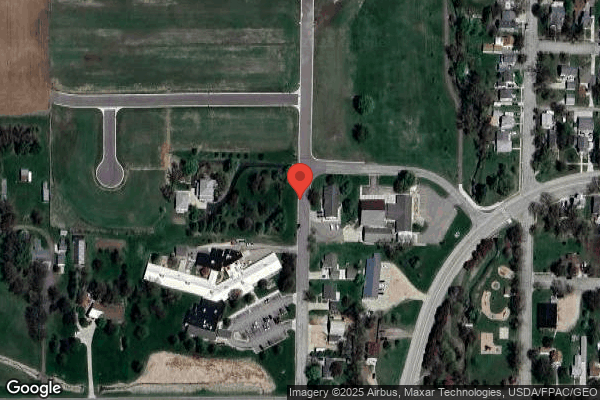

110 SOUTH WALNUT AVENUE, LUVERNE, MN 56156 (507) 283-2375
Non profit - Corporation 51 Beds GOOD SAMARITAN SOCIETY Data: November 2025 1 Immediate Jeopardy citation
Trust Grade
23/100
#233 of 337 in MN
Last Inspection: January 2025

Within standard 12-15 month inspection cycle. Federal law requires annual inspections.

Overview

Good Samaritan Society - Mary Jane Brown in Luverne, Minnesota has received a Trust Grade of F, which indicates significant concerns regarding the quality of care provided at the facility. It ranks #233 out of 337 in Minnesota, placing it in the bottom half of all state facilities, and #3 out of 3 in Rock County, meaning there are no better local options available. The facility's trend appears stable, with 7 issues identified in both 2024 and 2025, but it still has a high turnover rate of 57% compared to the state average of 42%, which may affect continuity of care. Additionally, the facility has imposed fines totaling $62,045, which is higher than 93% of Minnesota facilities and raises concerns about repeated compliance problems. While RN coverage is average, the facility has been noted for critical incidents, including a failure to properly assess and manage fall risks, resulting in a resident sustaining severe injuries. There were also concerns about insufficient staffing to meet the needs of residents, which could affect their overall well-being, and issues with food safety in the kitchen, such as expired items not being removed. Overall, families should weigh these strengths and weaknesses carefully when considering this nursing home.

Trust Score
F
23/100
In Minnesota
#233/337
Bottom 31%
Safety Record
High Risk
Review needed
Inspections
Holding Steady
7 → 7 violations
Staff Stability
⚠ Watch
57% turnover. Above average. Higher turnover means staff may not know residents' routines.
Penalties
⚠ Watch
$62,045 in fines. Higher than 83% of Minnesota facilities, suggesting repeated compliance issues.
Skilled Nurses
✓ Good
Each resident gets 59 minutes of Registered Nurse (RN) attention daily — more than average for Minnesota. RNs are trained to catch health problems early.
Violations
⚠ Watch
34 deficiencies on record. Higher than average. Multiple issues found across inspections.
★★☆☆☆
2.0
Overall Rating
★★★☆☆
3.0
Staff Levels
★★☆☆☆
2.0
Care Quality
★★☆☆☆
2.0
Inspection Score
Stable
2024: 7 issues
2025: 7 issues

The Good

  • Full Sprinkler Coverage · Fire safety systems throughout facility
  • No fines on record

Facility shows strength in fire safety.

The Bad

2-Star Overall Rating

Below Minnesota average (3.2)

Below average - review inspection findings carefully

Staff Turnover: 57%

11pts above Minnesota avg (46%)

Frequent staff changes - ask about care continuity

Federal Fines: $62,045

Above median ($33,413)

Moderate penalties - review what triggered them

Chain: GOOD SAMARITAN SOCIETY

Part of a multi-facility chain

Ask about local staffing decisions and management

Staff turnover is elevated (57%)

9 points above Minnesota average of 48%

The Ugly 34 deficiencies on record

1 life-threatening
Jan 2025 7 deficiencies
CONCERN (D)

Potential for Harm - no one hurt, but risky conditions existed

Deficiency F0576 (Tag F0576)

Could have caused harm · This affected 1 resident

Based on interview the facility failed to ensure resident mail was delivered consistently on Saturdays for 2 of 2 residents (R18, and R25) who voiced concerns with mail delivery. This deficient practi...

Read full inspector narrative →
Based on interview the facility failed to ensure resident mail was delivered consistently on Saturdays for 2 of 2 residents (R18, and R25) who voiced concerns with mail delivery. This deficient practice had the potential to affect all 37 residents residing in the facility. Findings include: R25's 12/11/24, Significant Change in Condition Minimum Data Set (MDS) assessment identified R25's cognition was intact with a Brief Interview for Mental Status (BIMS) score of 15. Interview on 1/13/25 at 1:10 p.m., during the Resident Council meeting, R25 identified he did not always get mail on Saturdays because there was only one activity staff who worked on Saturdays so there were times when his mail was not delivered until Sunday or Monday. R18's 12/10/24, Significant Change in Condition MDS assessment identified R18's cognition was intact with a BIMS score of 15. Interview on 1/14/25 at 7:34 a.m., with R18 identified she did not receive mail every Saturday and it was a hit or miss as the activity staff were only here long enough to help feed residents at noon and then they left. Interview on 1/13/25 at 1:26 p.m., with social worker designee/activity director identified the mail was brought to the front desk and activity staff delivered the mail Monday through Saturday and there was no mail delivery on Sundays. She reported there was always activity staff working on Saturday however, if the mail came after the activity staff left for the day residents did not receive their mail until Monday morning. She identified that did not happen very often. She revealed the maintenance director brought the mail to the reception desk and placed it in a white basket daily and the activity staff delivered it. She confirmed that the maintenance director was the only staff member who picked the mail up out of the actual mailbox. Interview on 1/13/25 at 1:30 p.m., with the maintenance director identified he picked the mail up out of the mailbox located outside of the facility Monday through Friday and dropped it off at the receptionist desk. Interview on 1/13/25 at 1:40 p.m., with the administrator in training (AIT) identified if the mail was delivered on Saturday by the post office that anyone from the facility could pick it up from the mailbox and deliver it to the residents. She reported her expectation was that if the post office delivered mail on Saturday, then the residents would receive their mail on Saturday. Interview on 1/13/25 at 1:44 p.m., with social worker designee/activity director revealed that mail at times was delivered after 5:00 p.m., on Saturdays and that was the reason the residents not receive their mail until Monday. A mail service policy was requested but not provided. A policy for Resident Mail and Parcel Services for Senior Living and Affordable Housing policy was provided but did not include long term care.
CONCERN (D)

Potential for Harm - no one hurt, but risky conditions existed

Deficiency F0657 (Tag F0657)

Could have caused harm · This affected 1 resident

Based on observation, interview, and document review, the facility failed to ensure 1 of 1 resident (R11) care plan was revised to show meal preferences. Findings include: R11's 12/16/24, significan...

Read full inspector narrative →
Based on observation, interview, and document review, the facility failed to ensure 1 of 1 resident (R11) care plan was revised to show meal preferences. Findings include: R11's 12/16/24, significant change Minimum Data Set (MDS) assessment identified his cognition was moderately impaired, he required limited assistance with transfers and activities of daily living (ADL's). R11 had diagnosis of dementia, diabetes, Parkinson's disease, and anxiety disorder. Interview on 1/12/25 at 11:42 a.m., with family member (FM)-A identified she has told staff several times that he does not like fish or turkey, but they continue to serve it to him. Review of R11's nutritional assessment identified multiple foods that R11 did not like but made no mention of his request not to be served fish. R11's current care plan identified a nutritional focus with a goal for R11 to express that his nutritional needs are being met and that he feels supported. The staff were to discuss coping behaviors related to self-image concerns, he prefers to dine in his room, uses adaptive equipment and staff should monitor and report any signs of difficulty chewing or swallowing. The care plan made no mention of R11's food likes or dislikes. Observation and interview on 1/12/25 at 5:50 p.m., R11 was eating supper in his room, he identified he did not like fish and pointed to his sandwich. He said the sandwich was tuna fish and tasted like slop. Interview on 1/12/25 at 6:01 p.m., with nursing assistant (NA)-C identified residents get a menu slip each morning at breakfast to fill out their meal choices for the day. At the bottom of the slip, it lists dietary preferences and on the back, it lists the any-time menu options. Interview on 1/12/25, at 6:10 p.m., with cook-A identified the nursing assistants bring the menu slips to the kitchen and the cook reviews them as they are preparing the meal trays. Cook-A retrieved R11's menu slip for supper meal and revealed it was blank. Cook-A identified that R11's slip is often blank when it is returned to the kitchen. Observation of R11's menu slip identified the any-time menu items were not listed on his slip. R11's dietary preferences were listed at the bottom, however, there was no mention of his dislike of fish. R11's current treatment record identified a physician order for nursing to check with resident about meal choice, they were to be specific about each option on the menu and what foods he would like staff to cut up. They were to communicate R11's choices to the nursing assistant that is gathering menu slips so that it can be passed on to the kitchen due to his swallowing issues. Interview on 1/13/25 at 8:23 a.m., with the dietary manager (DM)-F identified he asks about preferences at the care conference meeting. He lists the preferences on each resident's diet card. The diet cart is a laminated card used in the kitchen while preparing meal trays. He revealed that R11's dietary card has NO FISH noted on the card, he agreed that R11 did receive fish at supper during the evening meal on 1/12/25. DM-F also identified that he was not aware that R11's menu slips were not being filled out prior to being returned to the kitchen. Observation of R11's laminated dietary card had noted NO FISH noted on the bottom left corner. A policy was requested but not provided by the end of the survey.
CONCERN (D)

Potential for Harm - no one hurt, but risky conditions existed

Pharmacy Services (Tag F0755)

Could have caused harm · This affected 1 resident

**NOTE- TERMS IN BRACKETS HAVE BEEN EDITED TO PROTECT CONFIDENTIALITY** Based on observation, interview, and document review, the facility failed administer 1 of 1 medication (levothyroxine) according...

Read full inspector narrative →
**NOTE- TERMS IN BRACKETS HAVE BEEN EDITED TO PROTECT CONFIDENTIALITY** Based on observation, interview, and document review, the facility failed administer 1 of 1 medication (levothyroxine) according to labeled instructions for 1 of 25 medication administration observations. Findings include: Observation and interview on 1/13/25 at 8:29 a.m., with licensed practical nurse (LPN)-A as she obtained R 92's Levothyroxine 150 micrograms (mcg) from the medication cart. The order on the electronic medical record (MAR) identified: (Levothyroxine) Synthroid Oral tablet 150 mcg 1 tablet by mouth (PO) one time a day (QD) before breakfast. LPN-A removed the card containing the medication, checked it against the MAR and punched out a pill into the medication cup. The label on the bubble pack directed take 1 tablet PO QD before breakfast. Do not take with Iron, Aluminum, Magnesium, or Calcium containing products. LPN-A returned the card to the medication cart and continued dispensing R92's medications into the same medication cup. R92's medications in the same med cup included: Calcium 600 mg/D3 (Calcium supplement with vitamin D) 2 tablets PO Q AM, and Ferrous Sulfate (iron supplement) 325 milligrams (mg) PO Q AM. LPN-A took the cup containing the medications to R92's room and administered the cup of medications. Upon returning to the cart to document administration of the medications, LPN-A reviewed the levothyroxine. LPN-A reported she had not noted the instructions printed on the Levothyroxine label to not administer with Iron or calcium. The instructions had also not been included in the MAR. She reported she had not noticed the additional instructions printed on the Levothyroxine label and had always administered all of R92's morning medications at the same time. The instructions should have been included in the MAR and the Calcium/vitamin D and Ferrous Sulfate should have been scheduled at a different time. Interview on 1/13/25 at 8:40 a.m., with LPN-A identified she had checked the medication card against the MAR and determined it was the correct medication, but she had not noted the additional printed instructions. LPN-A would give the medication card to the charge nurse to be corrected in the MAR to ensure the error did not continue. Interview on 1/13/25 at 8:50 a.m., with the interim director of nursing (IDON) identified staff passing medications were expected to be reading and comparing medication cards against the MAR and if there was a discrepancy then checking with the charge nurse, and pharmacy for direction. She reported the Levothyroxine had likely been administered with the Calcium and Ferrous Sulfate for the past three days as they were documented as administered at the same time on the MAR. She reported she would have expected staff persons preparing the medication to have caught the label precaution. Review of the May 21, 2024: Medication: Administration Including Scheduling and Medications Aides policy identified the Six Rights of medication administration were to be followed by all staff administering medications to residents. Scheduling of medication administration was to be scheduled to avoid potential significant medication interactions identified as with food, or other medications. The administration procedure identified to review the MAR for medications that were due for administration, follow the Six Rights 1.) Right medication; 2.) right dose; 3) right resident; 4.) right route; 5.) right time; 6.) right documentation. Perform three checks: Read the label on the container/card and compare with the [DATE].) when removing from the cart; 2.) placing the medication in the cup; 3.) just before administering the medication.
CONCERN (D)

Potential for Harm - no one hurt, but risky conditions existed

Medication Errors (Tag F0758)

Could have caused harm · This affected 1 resident

**NOTE- TERMS IN BRACKETS HAVE BEEN EDITED TO PROTECT CONFIDENTIALITY** Based on interview and record review the facility failed to complete an Abnormal Involuntary Movement Scale (AIMS) for 1 of 1 re...

Read full inspector narrative →
**NOTE- TERMS IN BRACKETS HAVE BEEN EDITED TO PROTECT CONFIDENTIALITY** Based on interview and record review the facility failed to complete an Abnormal Involuntary Movement Scale (AIMS) for 1 of 1 resident (R12) reviewed for unnecessary medications per facility policy and procedure. Findings include: R12 was admitted [DATE] and had a diagnosis of dementia, depression, and heart failure. He had taken Seroquel (treats schizophrenia, bipolar disorder, and manic disorder) 25 milligrams (mg) at bedtime for dementia with a start date of 1/19/24 and sertraline (treats depression) 100 mg daily for depression with a start date of 9/16/23. R12's, 12/11/24 Significant change Minimum Data Set (MDS) identified he was cognitively impaired had little interest or pleasure in doing things and had felt down, depressed, or hopeless never to 1 day. R12 had taken antipsychotics and antidepressants on a scheduled basis. R12's, medical record identified an initial AIMS (test used to assess abnormal movements in people with on anti-psychotic or psychotropic medication) in September 2023. The medical record had lacked evidence of a bi-annual or annual AIMS assessment thereafter. R12's current, undated care plan identified R12 had used psychotropic medication related to dementia and depression. Interventions were for staff to consult with pharmacy, health care provider to consider dosage reduction, discuss with health care provider for ongoing need of use of medications, educate resident/family about risks, benefits, side effects and toxic symptoms of medication, and would monitor target behaviors such as refusal of cares and lack of self-awareness related to safety. During interview on 1/13/25 at 4:34 p.m., with the interim director of nursing (IDON) identified she expected staff to perform updated AIMS assessment for residents taking psychotropic medication according to the facility policy, as indicated. Review of December 2024 Psychotropic Medications- Rehab/Skilled policy identified staff were to complete an initial antipsychotic medication assessment and an AIMS assessment to screen for signs or symptoms of potential Tardive Dyskinesia (abnormal movements caused by psychotropic medication). In addition, staff were to complete the AIMS assessment every 6 months. If a change was identified in a resident from the previous AIMS assessment the registered nurse would inform the primary care physician and family/legal guardian representative and would document the notification in the resident medical record.
CONCERN (D)

Potential for Harm - no one hurt, but risky conditions existed

Infection Control (Tag F0880)

Could have caused harm · This affected 1 resident

Based on observation, interview, and document review, the facility failed to follow appropriate infection control practices for 1 of 2 residents (R2) indwelling catheter. Findings include: R2's, 12/1...

Read full inspector narrative →
Based on observation, interview, and document review, the facility failed to follow appropriate infection control practices for 1 of 2 residents (R2) indwelling catheter. Findings include: R2's, 12/11/24 Significant Change Minimum Data Set (MDS) assessment, identified she was cognitively intact and had a diagnosis of neurogenic bladder (bladder problems related to injury or disease), which required a urinary draining bag (tube that collects urine from the bladder). R2's, current, undated care plan identified interventions for staff to monitor, record, and report to the health care provider signs and symptoms of urinary tract infection (UTI), such as pain, burning, blood-tinged, foul-smelling urine, fever, altered mental status, change in behaviors, and change in eating patterns. During initial interview and observation on 1/12/25 at 11:46 a.m., with registered nurse (RN)-A and R2 identified R2 was seated in her recliner and the urinary drainage bag was hung from the trash can over a gray basin that was placed on the floor next to R2's recliner. R2 stated she and nursing staff hung her urinary drainage bag from the trash can to keep the catheter tubing below her bladder. Observation on 1/12/25 at 1:13 p.m., as the interim director of nursing (IDON) wheeled R2 to her room and assisted R2 with transfer to her recliner. When the IDON exited the room, R2's urinary drainage bag was hung from the trash can. Interview on 1/13/25 at 10:40 a.m., with nursing assistant (NA)-A reported R2 transferred her urinary drainage bag from her walker and hung it from the trash can. She informed R2 it was not a good idea for the urinary drainage bag to be hung from the trash can and offered to place the urinary drainage bag to another location. During interview on 1/13/25 at 10:43 a.m., with registered nurse (RN)-A she reported R2 was independent with her care needs and would need reinforcement and education of properly securing her urinary drainage bag to prevent contamination. Observation and interview on 1/13/25 at 4:14 p.m., with RN-B in attendance, noted R2's catheter bag was again hung from the trash can, upon entering R2's room. She confirmed it was not an acceptable infection control practice and would need to re-educate R2 of appropriate techniques to position her urinary drainage bag when in use. Observation and interview on 1/13/25 at 4:16 p.m., trained medication aide (TMA)-A in attendance, noted R2's urinary drainage bag was again hung from the trash can. TMA-A stated R2's urinary drainage bag that was hung from the trash can was not the appropriate place for the catheter bag and stated R2 had limited options on where she could hang her urinary drainage bag when seated in her recliner. During interview on 1/13/25 at 4:34 p.m., with the IDON she stated nursing staff and R2 would need further education on infection control practices related to urinary drainage bag placement to prevent complications and reduce infection control risks. Review of July 2024 Catheter: Care, Insertion & Removal, Drainage Bags, Irrigation, Specimen-AL, R/S & LTC policy identified the facility staff would maintain and properly secure catheters. Secondly, closed connection systems, such as, indwelling catheters that were found to be contaminated by inappropriate infection control practices were to be replaced, immediately. In addition, the facility staff would educate and document residents and/or family of the risk and benefits of indwelling catheters use.
CONCERN (D)

Potential for Harm - no one hurt, but risky conditions existed

Deficiency F0949 (Tag F0949)

Could have caused harm · This affected 1 resident

Based on interview and document review the facility failed to ensure 1 of 8 staff received newly hired staff nursing assistant (NA-D) received initial training on Alzheimer's disease or related disord...

Read full inspector narrative →
Based on interview and document review the facility failed to ensure 1 of 8 staff received newly hired staff nursing assistant (NA-D) received initial training on Alzheimer's disease or related disorders, assistance with activities of daily living (ADL), problem solving with challenging behaviors, and communication skills. This had the potential to affect all the residents in the facility. Findings include: Review of the employee file for nursing assistant (NA)-D had a hire date of 10/29/24. Interview on 1/13/25 at 4:41 p.m., with interim director of nursing would expect Alzheimer/Dementia training to be completed for all staff who are taking care of vulnerable adults at the facility. Review of August 2024 Facility Assessment identified the facility would train staff on Dementia and behavioral health during general orientation. In addition, the facility would provide annual staff in-services pertaining to Federal and State requirements related to continuity of care and resident safety. Copy of NA-D training policy was requested and not provided during survey.
CONCERN (E)

Potential for Harm - no one hurt, but risky conditions existed

Deficiency F0761 (Tag F0761)

Could have caused harm · This affected multiple residents

**NOTE- TERMS IN BRACKETS HAVE BEEN EDITED TO PROTECT CONFIDENTIALITY** Based on observation, interview, and document review the facility failed to ensure 5 of 5 residents (R4, R15, R18, R32 and R91's...

Read full inspector narrative →
**NOTE- TERMS IN BRACKETS HAVE BEEN EDITED TO PROTECT CONFIDENTIALITY** Based on observation, interview, and document review the facility failed to ensure 5 of 5 residents (R4, R15, R18, R32 and R91's) discontinued controlled narcotic medications were not stored with in-use medications in 2 of 2 medication carts. Findings include: Observation and Medication Administration Record (MAR) on [DATE] at 6:03 p.m., with registered nurse (RN)-D and licensed practical nurse (LPN)-B during a controlled narcotic medication count of 2 of 2 medication carts identified: 1) R4 had 1 box of 5 Fentanyl 25 mcg patches stored in the East medication cart, which RN-D identified had been sent in error by the pharmacy and received by the facility on [DATE] or [DATE]. The pharmacy had been notified on [DATE] when the error had been discovered and confirmed none of the incorrect patches had been administered. She reported the patches had been left in the medication cart until they could be destroyed. 2) R18 had 2 unopened blister packs each containing 30 tablets of Lorazepam 0.5 milligrams (MG) which RN-D confirmed were discontinued on [DATE]. 3) R19's medical record identified he was deceased on [DATE] and his medications remained in the in-use narcotic box identified as: Morphine Sulfate 100 mg/5 milliliters (ml) unopened 15 ml bottle, 1 opened bottle of Morphine Sulfate 100 mg/5 ml with 8.75 ml remaining in the bottle, 2 blister packs of Lorazepam 0.5 mg tablets 1 blister package containing 1 tablet and 1 pack containing 30 tablets. The medical record identified the Lorazepam had been discontinued on [DATE]. 4) R32 had 2 unopened blister packs of Lorazepam 0.5 mg tablets with each blister package containing 30 tablets. The medical record identified this medication was discontinued on [DATE]. 5) R91 had 2 blister packs of Oxycodone HCl 5 mg tablets 1 blister pack contained 12 tablets, and 1 pack contained 30 tablets. The record identified the medication had been discontinued on [DATE]. Interview on [DATE] at 6:25 p.m. with RN-D and LPN-B identified when a controlled medication was changed or discontinued the medication continued to be counted with each narcotic count and stored in the narcotic boxes located on the medication carts, until 2 licensed staff had time to destroy them. Both nurses reported they were not aware discontinued medication was not to be stored with in-use medications. Interview on [DATE] at 6:33 p.m. with the interim director of nursing (DON) identified she was not aware discontinued controlled medications were being stored with in-use medications. When a controlled medication was discontinued or changed resulting in the need for destruction, it should be removed from the in-use medications and stored in a separate secured location until destroyed. The medications would still need to be counted with each narcotic count until destruction with appropriate documentation was completed. Interview on [DATE] at 4:25 p.m. with the consultant pharmacist confirmed discontinued controlled medications should not be commingled with in-use medications due to the potential for error or diversion. She was not aware this was occurring and would investigate the situation further with her next visit to the facility on [DATE]. Review of the [DATE], Policy Medication Administration failed to contain documentation on controlled medication storage, and no additional policies were provided by the end of the survey period.
Dec 2024 1 deficiency
CONCERN (D) 📢 Someone Reported This

A family member, employee, or ombudsman was alarmed enough to file a formal complaint

Potential for Harm - no one hurt, but risky conditions existed

Infection Control (Tag F0880)

Could have caused harm · This affected 1 resident

**NOTE- TERMS IN BRACKETS HAVE BEEN EDITED TO PROTECT CONFIDENTIALITY** Based on observation, interview, and document review, the facility failed to utilize enhanced barrier precautions (EBP) for 1 of...

Read full inspector narrative →
**NOTE- TERMS IN BRACKETS HAVE BEEN EDITED TO PROTECT CONFIDENTIALITY** Based on observation, interview, and document review, the facility failed to utilize enhanced barrier precautions (EBP) for 1 of 3 residents observed for infection prevention. Findings include: R3's significant change Minimum Data Set (MDS) dated [DATE] indicated R3 had intact cognition with diagnoses including stroke, diabetes, and depression. R3's care plan dated 12/4/24 indicated R3 required EBP related to indwelling medical devices: urinary catheter and feeding tube. R3's care plan instructs to don (put on) gown and gloves when performing high contact care activities including dressing, bathing, transferring, providing hygiene, changing linens, repositioning, checking and changing, device care and/or use, and wound care. On 12/27/24 at 11:17 a.m., registered nurse (RN)-A and nursing assistant (NA)-A were observed entering R3's room with a full mechanical lift. A magnet on the doorframe of the room indicated enhanced barrier precautions were required for high contact resident care activities including transferring. Neither RN-A or NA-A were observed to don a gown or gloves. Staff RN-A and NA-A were observed to transfer R3 from her wheelchair to the recliner with out wearing a gown or gloves. RN-A connected tubing from a feeding pump to the feeding tube on R3's abdomen. On 12/27/24 at 11:27 a.m., R3 stated staff wear a gown and gloves when they change her, but not when transferring from wheelchair to recliner. On 12/27/24 at 11:43 a.m., NA-A stated EBP should be worn when dressing a resident, providing catheter care or changing a resident's brief, but does not need to be worn when transferring a resident. She acknowledged she did not wear a gown when assisting with the transfer of R3. On 12/27/24 at 11:49 a.m., RN-A stated EBP needed to be utilized when dealing with whatever the resident is on EBP for, like catheters, wound care, and feeding tubes. EBP should also be worn when providing cares but did not need to be worn for transfers. She acknowledged she did not wear a gown when she assisted with the transfer or when attaching tubing to R3's feeding tube. She confirmed a gown and gloves should have been worn while working with R3's feeding tube. On 12/27/24 at 1:16 p.m., medical doctor (MD)-A stated lack of utilization of EBP could spread infections to other residents. Residents may be colonized (bacteria in the body without active infection) with bacteria the staff are unaware of. Residents with urinary catheters and indwelling medical devices have an increased risk of infection. On 12/27/24 at 1:46 p.m., RN-B stated EBP should be worn any time staff have direct contact with the resident or are working with something that is soiled. Examples of when EPB should be worn include caring for catheters or feeding tubes and during all transfers. EBP is worn to prevent spreading infection between residents. RN-B confirmed R3 requires EBP related to a feeding tube and urinary catheter. Residents who require EBP will have a magnet on the doorframe of their room. The Standard and Transmission-Based Precautions policy dated 4/2/24 informs EBP expand the use of PPE (personal protective equipment) beyond situations in which exposure to blood and body fluids is anticipated and refer to the use of gown and gloves during high contact resident care activities that provide opportunities for transfer of multi-drug resistant organisms to staff hands and clothing. High contact resident care activities include: transfers, urinary catheter care or use, and feeding tube care or use.
Aug 2024 2 deficiencies 1 IJ
CRITICAL (J) 📢 Someone Reported This

A family member, employee, or ombudsman was alarmed enough to file a formal complaint

Immediate Jeopardy (IJ) - the most serious Medicare violation

Accident Prevention (Tag F0689)

Someone could have died · This affected 1 resident

**NOTE- TERMS IN BRACKETS HAVE BEEN EDITED TO PROTECT CONFIDENTIALITY** Based on observation, interview, and document review the facility failed to compressively assess falls for root cause, implement...

Read full inspector narrative →
**NOTE- TERMS IN BRACKETS HAVE BEEN EDITED TO PROTECT CONFIDENTIALITY** Based on observation, interview, and document review the facility failed to compressively assess falls for root cause, implement appropriate interventions and follow the care plan to prevent and/or reduce the risk of falls with major injury 2 of 2 residents (R2 and R3) with history of falls. This resulted in immediate jeopardy (IJ) for R2 who sustained multiple left rib fractures, left clavicle fracture and a subdural hematoma (brain bleed). The IJ began on 7/27/24 when staff failed to implement R2's care plan for close supervision resulting in R2's fifth (5th) unwitnessed fall, major head injury, and intensive care unit (ICU) admission. The administrator, regional nurse manager, and director of nursing (DON) were notified of the IJ on 8/2/24 at 3:00 p.m. The IJ was removed on 8/3/24 at 12:00 p.m., when the facility had implemented immediate corrective action to prevent recurrence, but noncompliance remained at a lower scope and severity of a D with no actual harm with potential for more than minimal harm that was not immediate jeopardy. Findings included: R2's admission Minimum Data Set (MDS) dated [DATE], identified R2 did not have cognitive impairment and had diagnoses of hip fracture, other fracture, osteoporosis, and dementia. R2 had a history of falls prior to admission to the facility and two falls with injury since admission on [DATE]. R2 had functional range of motion impairment on one upper and lower extremity. R1 used a walker and wheelchair. R2 required partial to substantial assistant for all his activities of daily living (ADLs) and required moderate assist for transfers and did not walk more than 10 feet. R2 was frequently incontinent of bowel and bladder and did not have a toileting plan. Review of R2's Fall Tool admission assessment dated [DATE], R2 was at medium risk for falls. R2 had history of one or more falls in the last three months, was taking medications that put him at risk, and mildly impaired cognition status. R2 risk factor for falls included mobility/transfers due to changes in mobility related to muscles weakness or strength, impaired balance or coordination and pain. Although R2 had mild cognition he had reduced insight, difficulties in orientation on new admission, medical problems which affected changes in his orientation/level of consciousness and was incontinent. R2 was referred to therapy and care plan was updated. R2's care plan dated 7/2/24, included an ADL focus that indicated R2 had a deficit related to recent hip surgery with interventions that directed to use one staff assistance with pivot/transfers. Fall focus identified R2 had an actual fall on 7/1/24 (sic) and was at risk for falls related to falls prior to hospitalization with the intervention that directed staff to ensure R2 was wearing appropriate footwear when ambulating or mobilizing in wheelchair. The care plan also identified R2's preferred wake time was 5:00 a.m. and his bedtime was 10:00 p.m. The care plan did not identify a toileting routine or program even though R2 was frequently incontinent of urine. R2's late entry progress note dated 7/3/24 at 11:42 a.m., indicated R2 was heard yelling from hallway. R2 was found lying across the bedside table legs, R2's head was facing the door and head at the foot of the bed and nightstand. Water pitcher and water spilled on the floor. R2 did not have shoes on. Skin tear noted to left elbow with complaints of pain in left shoulder, unable to abduct without pain or calling out. Pillow placed under head and removed bedside stand from under body. Vital signs obtained and transfer to emergency department (ED) initiated. Ambulance arrived at 8:10 a.m. and left 8:15 a.m. Progress note at 11:20 a.m. indicated the hospital ED called the facility to notify R2 had fractured his left scapula and several ribs on the left side. R2's Fall Huddle Sheet dated 7/3/24 at 7:50 a.m., identified the fall with the additional information of- R2 was ambulating and attempting to self-transfer, slipped and lost his balance. R2's bed was higher than it should have been and R2 had bare feet. Last toileted at 1:43 a.m. six hours before R2's fall. R2's incident report dated 7/3/24 at 7:50 a.m., included the fall information identified in the progress note and Fall Huddle with the following additional information: R2 had on brief and t-shirt, R2 recently had right hip replacement, which he was able to move appropriately, and R2 stated that he was getting up to go take a shower initially and then later thought he was in the copy/print room at his newspaper job in Colorado. R2's records did not include a comprehensive fall analysis for root cause and interventions that identified risk factors from the incident and huddle reports such as (but not limited) to the bed height, self-transfers/impulsivity, and duration of time documented between toileting. R2's progress note dated 7/9/24, identified R2 returned from the hospital and his care plan was updated with interventions to reduce the risk for falls. R2's care plan was revised on 7/8/24 to reflect the following interventions, educate resident not to bend over to pick up dropped items. Encourage use of grabber or to ask for assistance. R2's care plan was revised on 7/9/24 to reflect the following interventions: Make sure resident wears glasses when up/out of bed; Keep urinal within reach, check and empty frequently (frequency was not defined); Fall mat placed on floor next to bed; signs placed in room to remind R2 to use call light and wait for assistance. Staff to ask for OT to evaluate room arrangement and will trial non-spill cup that R2 can keep in bed with him. New focuses added included: R2 had sleep disturbance evidenced by complaints of feeling tired, change in ability to perform ADLs, and change in gait/falls with interventions that included follow R2's usual bedtime routine. New focus of R2 had behavior symptoms evidenced by impulsiveness and lack of safety awareness with interventions that included praise any indication of R2's progress/improvement in behavior and prefers the diversional activity of ready books. Review of R2's record between 7/9/24 to 7/22/24, did not indicate OT had completed an evaluation of R2's room arrangement. R2's progress note dated 7/10/24 at 7:00 p.m., identified background, assessment, and recommendation (SBAR) was sent to physician indicating R2 had fallen when he went to stand up. Was wearing appropriate footwear and had call light and personal items within reach. At 7:25 p.m. R2 was sent to the ED via ambulance. R2 had head computer tomography (CT) without evidence of injury or bleed and laceration on right side of forehead. R2's Fall Huddle Sheet dated 7/10/24 at 7:00 p.m., identified the fall information and included the additional information of- fall was unwitnessed. R2 reported he was trying to stand up to empty his urinal and lost his balance. Causal factors included the bed/chair height was not appropriate and R2 does not ask for assistance. R2's incident report dated 7/10/24 at 7:00 p.m., identified the aforementioned fall information from the Fall Huddle and progress notes. Additional information included: Urinal was of dresser and only 1/3 full; R2 seemed confused on where he was and what he was doing; impaired memory and lack of safety awareness put him at increased risk for falls. The incident report was updated on 7/15/24 included Have been constantly reminding resident to wait for assistance, and this has been helping. R2's records did not identify a comprehensive fall analysis for root cause that addressed risk factors identified on the incident and huddle reports such as (but not limited to) height of the bed, urinal usage, and self-transfers/impulsivity. R2's ED notes dated 7/10/24, identified R2 presented after a fall with a laceration to his scalp that was 2 centimeters (cm) on his right forehead near the hairline that required sutures. We recommend tabs alarm [a device that alarms audibly or silently (i.e. box at nursing desk) with movement of resident from a surface such as a bed or chair] or closer supervision to prevent falls. R2's progress note dated 7/10/24 at 10:26 p.m. indicated director of nursing (DON) had concerns with R2 returning to the facility. DON informed them [hospital] that nursing home unable to provide 1:1 supervision with resident d/t [do to] staffing and TABS are not appropriate in this setting. MD stated no medical reason for hospitalization, R2 would be returning to facility. R2's progress note dated 7/10/24 at 11:30 p.m. indicated R2 arrived back to the facility from ED with no acute pathology and received orders for TABS alarm at all times if possible or supervision. DON explained that TABS alarms are not used at the facility d/t it being considered a restraint .actually create a fall . Facility to provide increased supervisor of resident by having resident in recliner chair out by nurse's station so his safety can be closely monitored by staff. R2's care plan was revised on 7/11/24, to include Ensure/provide a safe environment: avoid isolation and place resident by chair by nurse's station to offer closer supervision as ordered by the physician. R2's record did not identify an assessment that determined and/or defined frequency of checks/supervision R2 required based on his risk factors, mannerisms, and behaviors. Furthermore, there was no indication the medically recommended device (tabs) based on a physician's evaluation to prevent R2 falls was comprehensively assessed by the facility prior to the determining the device would not be effective. Review of R2's record between 7/11/24 to 7/29/24, there was no indication R2's care plan interventions that directed staff to provide closer supervision and placing R2 by the nurse's stations were implemented and/or evaluated for effectiveness. R2's progress note dated 7/14/24 at 3:00 p.m., indicated R2 had an unwitnessed fall in his room. Staff found R2 on the floor with head on dresser and feet towards bed. Staff assisted R2 to wheelchair and out to lounge area. R2 stated he wanted to go to the basement. R2 noted to transfer self during morning shift to bathroom and to recliner after dinner. R2 was asked if attempted to ambulate self and replied yes, because I don't need any help. Review of R2's Fall Huddle Sheet dated 7/14/24 at 3:00 p.m. identified the fall information with the additional information of- causal factors included R2 gets more confused @ night Corrective actions taken: Resident education/training or re-instruction. No care plan interventions were identified. R2's incident report dated 7/14/24 at 3:00 p.m., identified the fall information. Additional information included-Resident alert and orientated x 3 during the day but as time gets later, he gets more confused. The report was updated on 7/15/24 to include, the interdisciplinary team (IDT) reviewed Incident: Intervention will be to put a sign in his room. Resident loves to read, so we are thinking this will be a better intervention that constant telling him to Wait for help In review of R2's records identified a comprehensive fall analysis for root cause and interventions was not completed that addressed risk factors included on the incident and huddle reports such as (but not limited to) even though the reports identified R2 had increased confusion at night, the intervention for closer supervision was not individualized and/or assessed to address that risk factor. Additionally, not evident the care plan was revised to include signage intervention. R2's progress note dated 7/16/24 at 2:45 a.m., staff was going down hallway and noticed R2's door closed, stopped to open, and found R2 lying on the floor stretched out next to his bedside. Had a smile on his face and denied any new pain. R2 states he slipped off the edge of his bed. R2 was assisted off the floor. Bed was lowered to lowest position and fall mat applied to floor at bedside. Call light within reach. Review of R2's Fall Huddle Sheet dated 7/16/24 3:19 a.m., identified fall information in addition to R2 stated he fell while trying to reach his water. Action taken was water glass in bed no spill cup No injuries. R2's incident report dated 7/16/24 at 3:19 a.m., identified fall information with no other additional information. The report was updated on 7/22/24 to include IDT reviewed Incident: Will attempt to give resident a new cup that won't spill and he can keep closer to himself in bed. Also, will talk to therapy to check out resident's room to see if we can rearrange to make it easier for Resident to navigate (according to the care plan both interventions were supposed to be already in place on 7/9/24). Review of R2's record lacked a comprehensive analysis of causal factors that included if the intervention of close supervision was provided and was evaluated for effectiveness. Further not evident the care plan was revised to reduce R2's risk for falls and/or falls with major injury. R2's progress note dated 7/27/24 at 6:00 p.m., nursing assistant observed R2 on floor by closet door with head towards his bed. ROM within normal limits, pupils equal and reactive to light, assist with two staff to wheelchair without difficulty and taken to lounge area to watch TV with other residents. Nurse noted a bump to left side of head in which R2 refused an ice pack, also noted a blood blister on left elbow, covered with band aid. Facility surveillance video footage recorded on 7/27/24 from 5:55 p.m. to 6:19 p.m. was reviewed with the administrator. -At 5:56 p.m. licensed practical nurse (LPN)-B walked by R2's room. LPN-B looked in the room but did not stop. LPN-B assisted a female resident to her room at the end of the hallway. -At 5:59 p.m. LPN-B walked back up the hallway and entered R2's room for approximately 15 seconds and then exits the room without R2. -At 6:09 p.m. NA-P walked down hallway and looked in R2's room, entered the room, and activated the emergency call light. NA-Z and LPN-B walked to and entered R2's room. -At 6:11 p.m., NA-Z left R2's room and walked towards the nursing station. NA-P left the room, got the standing mechanical lift from the other end of the hallway, and brought it back to R2's room along with wheelchair at 6:14 p.m. -At 6:16 p.m., NA-P exited R2's room with the standing lift. -At 6:19 p.m., LPN-K exited the room, looked to be prompting R2 to follow her, R2 self-propelled his wheelchair out of the room toward the nurse's station. Review of R2's Fall Huddle Sheet dated 7/27/24 at 6:00 p.m., R2 had an unwitnessed fall in his room when he was ambulating to bathroom using a device (not specified). Last seen by a staff member around 5:30 p.m. Causal factors included resident left in room unattended. The form indicated the investigation was completed on 7/29/24. Corrective action taken was documented as the roommate moved to a different room to make R2's room private and staff suspension/terminated. R2's incident report dated 7/27/24 6:00 p.m., identified the fall information. In addition, R2 reported I was just walking. The form was revised on 7/29/24 to include IDT Team reviewed incident: Noted that Roommates walker was next to him after fall. Intervention: Ensure roommate's walker is out of reach and out of the way to ensure R2 does not attempt to use it. R2's progress notes on 7/29/24 at 8:04 a.m., indicated a nurse was called to R2's room. R2 was orientated to self only. The physician and power of attorney were notified. Progress note at 8:16 a.m. indicated an order to send R2 to ED. Progress note at 12:29 p.m. indicated the hospital ED called to notify facility compressions (cardio pulmonary resuscitation) was started. R2's hospital progress note dated 7/29/24 indicated that R2 was being evaluated for a fall with head injury that occurred 3 days prior and at 8:30 a.m. on 7/29/24, was noted to be more confused and not following commands. R2's last known well time was 11:00 p.m. on 7/28/24. R2 had a head CT that showed 1.) an acute right subdural hematoma over the right vertebral hemisphere which measures up to 10 millimeters (mm) in thickness. A mild localized mass effect without midline shift. 2.) Hemorrhagic contusion most notable in the right temporal lobe, with a smaller hemorrhagic contusion involving the inferior right frontal lobe. 3.) Left parietal scalp trauma without associated skull fracture. During his ER stay R2 was transferred to higher level of care hospital by ground ambulance. R2's higher level hospital progress note dated 7/29/24, indicated R2 was admitted to the intensive Care Unit (ICU) with diagnoses of traumatic bran injury, sub [NAME] hematoma, temporal contusion, seizure, encephalopathy and hyponatremia. R2 had a repeat head CT upon arrival that agreed with the first hospital but added but added a thin subdural blood product along posterior falx (curved shape) and right tentorial leaflet, up to 1mm. R2 received antiseizure medications. During interview on 8/6/24 at 11:22, registered nurse (RN)-B reported R2 had been discharged from the hospital to a hospice facility however, was not aware of the date he was discharged . During an interview on 8/1/24 at 1:52 p.m., trained medication assistant (TMA)-A stated R2 had fallen a lot since admission. There was one fall where he fell and broke his shoulder and some ribs. TMA-A stated R2 would attempt to self-transfer and forget to ask for help. TMA-S stated if R2 was in his room staff needed to visualize R2 and make sure he was OK or R2 needed to be in the common area by nurses' station, so staff could see him. TMA-A indicated the checks were not documented anywhere. During an interview on 8/1/24 at 2:33 p.m., NA-B stated R2 had behaviors where he would get up by himself in his room then fall or wander around in his wheelchair. NA-B was not able to articulate R2's fall interventions. During an interview on 8/2/24 at 11:20 a.m., TMA-D stated R2 was alert and oriented. TMA-D remembered R2 had two falls while she was worker but could not recall the dates of the falls. TM-D explained R2 had slid out of his recliner after he had used the remote to raise the chair up too high. TMA-D could not remember what caused the other fall, but neither fall resulted in injuries. TMA-D could not remember R2's fall interventions. During an interview on 8/2/24 at 11:25 a.m., NA-J stated R2 would not listen; she would put R2 in his recliner with the reminder to use his call light however a few minutes later she would walk by his room to find R2 attempting to self transfer. NA-J remembered R2 had one fall while she was working. NA-J thought R2 was trying to self-transfer from his recliner to his wheelchair and got a goose egg on his forehead and a black eye. During an interview of 8/1/24 at 2:59 p.m., LPN-A stated R2 was a frequent faller, and was to be in the commons area by the nurse' station so staff could supervise him. LPN-A indicated she had been working on evening when R2 fell, LPN-A could not recall the date, she had opened R2's door and found R2 on the floor beside his bed with things under his head, like he had been there awhile. LPN-A stated R2 did not have any injuries with that fall and she had instructed staff working to leave R2's door open for closer monitoring when he was in bed. LPN-A indicated she had not added the intervention to R2's care plan. During an interview of 8/1/24 at 3:20 p.m. NA-Z stated R2 was confused and did not use his call light and liked to be independent. NA-Z explained she had been working on 7/27/24, when R2 fall. NA-Z recalled the fall had happened and dinner and staff were busy with other residents. NA-Z had been talking with LPN-B by the dining room hallway when NA-P turned on the emergency call light. NA-Z got to R2's room with LPN-B and R2 had his head against the register under the window and R2's legs were entangled in a walker. NA-Z indicated she was not aware of how or why R2 was in his room unsupervised. During an interview on 8/2/24 at 8:15 a.m., NA-S stated R2 was impulsive and would not use his call light. According to R2's care plan he was supposed to be out at the nurse's station when he was out of bed, especially after meals. NA-S thought staff would forget this because R2 seemed like he was alert. On 7/29/24, NA-S went into get R2 up for the day around 8:00 a.m., and he was not responding like himself. R2 would respond verbally with yeah to her questions but would not move. NA-S sent NA-T for the nurse and LPN-K came and brought RN-B. R2 was sent to the local ER and then airlifted to a higher level of care. During interview on 8/2/24 at 11:51 a.m., LPN-B stated on 7/27/24, she was called to R2's room around 6:10 p.m. via the emergency staff alert. LPN-B entered R2's room and R2 was on the floor by the window and his head was not touching the wall or the floor. LPN-B stated she looked at R2's head and did not see any blood and R2 had answered her questions appropriately. LPN-B was not aware of how or why R2 was in his room alone. LPN-B stated on 7/29/24 at approximately 8:00 a.m., a nursing assistant had notified her R2 was not right. LPN-B went to R2's room, he was lying in bed in the fetal position facing towards the wall. LPN-B indicated she was unable to get R2 to open his eyes and notified RN-B and decided to send R2 to the emergency room for further evaluation. During an interview on 8/2/24 at 1:44 p.m., RN-B stated she was called to R2's room on 7/29/24 because R2 was not responding per his normal. R2 was rigid, in a fetal position and pale in color. RN-B stated R2 needed to go to the ED immediately and helped initiate the transfer. During an interview on 8/1/24 at 3:49 p.m., director of nursing (DON) explained after a fall occurs after each fall nursing staff were to implement immediate interventions to prevent another fall. The IDT would then meet the following morning (Monday through Friday) to discuss the fall, try to determine what the cause was, and what appropriate interventions should be in place including the immediate intervention that had been immediately implemented. DON indicated R2's falls that happened after 7/11/24 happened because his care plan for supervision was not followed; All these falls took place in R2 ' s room and were unwitnessed. DON stated she had been made aware of R2's fall that occurred on 7/27/24 when she arrived to work on 7/29/24 and R2 was being transferred to the ED. During an interview on 8/6/24 at 1:55 p.m., medical director (MD)-A, stated the R2 had a history of drug abuse, seemed forgetful, and did not always listen to staff. R2 had numerous falls while at the facility. MD-A could not say for sure when the brain bleed happened. R2 had a head CT on 7/3/24 and 7/10/24 that did not show a brain bleed but the head CT on 7/29/24 did. R3 R3's admission Falls Tool dated 6/11/24, indicated R3 was at low risk for falls. R3 had no falls in the past 12 months, was taking medications that could cause falls and had mild cognitive impairment. Risk factors included cognitive status, reduced insight, and impulsiveness; environmental risk factors of difficulty with orientation and was a new admission. There was nothing checked under the action plan. R3's admission MDS date 6/12/24, indicated R3 to have severely impaired cognition with diagnoses of atrial fibrillation, congestive heart failure, arthritis, osteoporosis, and Parkinson's disease. R3 was independent with transfers, walking and ADL's and used a walker for mobility. R3 had no history of falls. R3's ADL care plan dated 6/13/24, indicated R1 needed one staff assist with, gait belt and four wheeled walker (4WW) for ambulation, bed mobility, toilet use and transfers. Fall care plan indicated R3 had an actual fall with no injury with interventions dated 7/16/24, to provide activities that promote exercise and strength building where possible, consult physical therapy (PT) and occupational therapy (OT) for strength and mobility, and educate R3 and family on safe use of assistive devices. R3's progress notes dated 7/15/24 at 9:30 a.m., indicated a fax was sent to the provider to notify of R3's fall. R3's assessment, neuros, and vital signs were at baseline and denied pain. R3 thought it happened due to legs feeling weaker since R3 had worked with therapy. R3's Fall Huddle Worksheet dated 7/15/24 at 7:15 a.m., indicated R3 had an unwitnessed fall in the bathroom, after attempting to self-ambulate and last staff to see resident were NA-J and NA-K with no date and time listed. Did not identify the last time R3 was assisted with ADL's. R3's Incident Report dated 7/15/24 at 7:15 a.m., identified R3's fall information from the progress notes and fall Huddle with additional information of: R3 received an abrasion to left 2nd toe. Care plan and order were updated with providing activities to promote strength building, consult PT and OT for mobility and strength and to educate R3 and family on safe use of assistive devices. R3's record did not identify a completed comprehensive analysis of causal factors and/root cause to determine appropriate interventions to prevent falls or reduce the risk of falls with major injury. R3's Fall Huddle Worksheet dated 7/16/24 at 7:34 a.m., indicated R3 had an unwitnessed fall in his room where he was found on his knees attempting to self-transfer, lost his strength/knees buckled while R3 used his walker. Did not identify the last time R3 was assisted with ADL's. R3's Incident Report dated 7/16/24 at 7:34 a.m., identified R3's fall information from the fall Huddle with the additional information of: R3 was holding onto his walker and had bumped his head on the walker while trying to stand. R3 stated he was trying to get up for breakfast. R3 was complaining of low back pain, was seen the week prior and noted to have compression fracture in low back. No care plan interventions noted. R3's progress note dated 7/16/24 at 9:38 a.m., indicated IDT reviewed R3's fall from 7/15/24 at 7:45 a.m. and 7/16/24 at 7:34 a.m., R3 was found on the bathroom floor on 7/15/24 and found on floor next to bed on 7/16/24. R3 was attempting to get up to go to breakfast. Will fax provider for a urinalysis related to back/flank pain and increased weakness and confusion. Will also ask for PT/OT orders for strengthening following fall. R3's record did not identify a completed comprehensive analysis of causal factors and/root cause to determine appropriate interventions to prevent falls or reduce the risk of falls with major injury while waiting for laboratory test results with any follow-up treatment and while R3 gained strength from working with PT/OT. R3's progress note dated 7/20/24 at 8:22 a.m., indicated R3 was found on the floor in his room at 4:30 a.m., no injuries noted, see incident in risk management for details. Further noted at 8:33 a.m. a fax was sent to physician for R3's unwitnessed fall with no injury along with uncontrolled back pain and the scheduled Tylenol 1000 milligrams (mg) was ineffective. Staff requested stronger pain medication. R3's Fall Huddle Worksheet dated 7/20/24 at 4:30 a.m., indicated R3 had an unwitnessed fall in his room while R3 was attempting to self-ambulate, lost his balance while wearing slipper socks and using his walker. Last time staff saw R3 was 30 minutes prior to fall, when staff saw R3 in recliner. Did not identify the last time R3 was assisted with ADL's. R3's Incident report dated 7/20/24 at 4:30 a.m., indicated R3 was found on the floor in front of the recliner when the nurse arrived R3 was lying on floor holding his head up. R3's record did not identify a completed comprehensive analysis of causal factors and/root cause to determine appropriate interventions to prevent falls or reduce the risk of falls with major injury. R3's progress note dated 7/30/24 at 4:31 p.m., indicated nurse summoned to R3's room as laundry staff observed R3 seated on the floor in front of his recliner with one foot at his side and one foot on the chair. R3 then ambulated with FWW in his room to his wheelchair and was brought to lounge area with vital signs taken frequently. R3's Fall Huddle Worksheet dated 7/30/24 at 4:00 p.m., indicated R3 had an unwitnessed fall while reaching to move trash bucket out of the way and lost his balance, was wearing shoes and using his walker at time of the incident. Last staff to see resident, resident ambulating per self with 4WW throughout facility, all staff allowing this to happen. No name of staff or date and time listed for last seen by. Does not identify the last time R3 was assisted with ADL's. R3's Incident Report dated 7/30/24 at 4:00 p.m., indicated R3 was found sitting on floor in front of the recliner by the laundry. R3's feet were out in front of him and one at the side out of the chair. On 7/30/24, order received to discontinue the Oxycodone per R3's request and an order received for lidocaine external patch 4%, apply one patch a day for up to 12 hours. R3's medical record lacked root cause analysis and implementation of prevention interventions for R3's numerous falls to mitigate the risk for future falls. During an observation on 8/1/24 at 12:57 p.m., R3 was self-propelling his wheelchair from the dining room. At 4:00 p.m., R3 was seated in his wheelchair in the common area. During an interview on 8/1/24 at 1:52 p.m., TMA-A stated R3 had a change in status over the past month, felt R3's memory was getting worse as R3 would not remember to ask for assistance or use his call light. TMA-A further stated that R3 was having more pain and nursing was working with the provider on this. During an interview on 8/1/24 at 2:25 p.m., NA-E stated R3 was not independent, used a wheelchair and staff were to leave his door open to watch in case he self-transferred. During an interview on 8/1/24 at 2:33 p.m., NA-B stated R3 was confused and attempted to self-transfer. R3 needed 1 staff assist with transfers with the use of a gait belt. During an interview on 8/1/24 at 3:20 p.m., NA-Z stated R3 was independent when he arrived about a month ago but has gone downhill lately. NA-Z further stated R3 had increased confusion, does not like to stay in his wheelchair, forgets to ask for assistance and gets frustrated quickly when staff remind him to ask for assistance or use his call light. During an interview on 8/2/24 at 8:15 a.m., NA-S stated R3 was admitted to the facility independent and continent, but after some falls, he was to use wheelchair and was needing more care from staff with his ADLs including going to the bathroom and changing his brief or pull up. R2 would let staff know when he had to go to the bathroom or the staff would catch him self transferring. During an interview on 8/1/24 at 3:49 p.m., DON indicated after reviewing R3's falls, a comprehensive analysis of the falls had not been completed for appropriate interventions. DON indicated the facility had identified gaps in the falls program with causal analysis to which the facility implemented a quality assurance performance improvement (QAPI) project in June 2024; the cause analysis was a work in progress. DON stated she expected staff to follow the resident's care plans and the fall policy and procedures. Review of facility's policy entitled Fall Resource Packet - Rehab/Skilled, dated 5/7/24, indicated the following: - refer to Fall Prevention and Management policy, INTERACT Fall- Care Path, AMDA clinical practice guideline (CPGs) and AMDA Know-it-All card for additional information regarding actions to take post-fall. - Staff were to complete the following PCC: -Falls Tool UDA -Change in Condition (if applicable) -neuro Check UDA (triggered from risk management incident types: slipped or fell, found on the floor, fall involving mechanical lift) -pain evaluation -vital signs -risk management module- new incident, for the type of fall. -Check the care plan to determine if the cause of the fall is addressed (to avoid additional falls fro [TRUNCATED]
CONCERN (D) 📢 Someone Reported This

A family member, employee, or ombudsman was alarmed enough to file a formal complaint

Potential for Harm - no one hurt, but risky conditions existed

Incontinence Care (Tag F0690)

Could have caused harm · This affected 1 resident

**NOTE- TERMS IN BRACKETS HAVE BEEN EDITED TO PROTECT CONFIDENTIALITY** Based on interview and record review the facility failed to complete a comprehensive bladder assessment and develop an individua...

Read full inspector narrative →
**NOTE- TERMS IN BRACKETS HAVE BEEN EDITED TO PROTECT CONFIDENTIALITY** Based on interview and record review the facility failed to complete a comprehensive bladder assessment and develop an individualized toileting program to restore, maintain, or prevent a decline in continence for 2 of 2 residents; R3 who had a change in mobility and R2 who had a documented decline in continence. Findings include: R3's admission Minimum Data Set (MDS) dated [DATE], indicated severe cognitive impairment with diagnoses of cancer, heart failure, arthritis, and Parkinson's disease. R3 had no impairment of range of motion and used a walker. R3 was independent with his activities of daily living (ADLs) except needed supervision with eating and oral hygiene. R3 had no history of falls. R3 was always continent of bowel and bladder and did not have a toileting program. R3's bowel and bladder assessment from the Nursing Admit Re-Admit data collection ([NAME]) tool, dated 6/6/24, indicated R3 was continent of bowel and bladder. No other bowel and bladder information was included on the assessment. R3's care plan (current at the time of the suvey) did not identify bladder/bowel focus that identified R3's toileting needs. The ADL care plan dated 7/23/24 identified the following: -ambulation with assist of one, gait belt and four wheeled walker (4WW), dated 7/23/24, -bed mobility with assist of one, gait belt and 4WW, date 7/23/24, -toilet use with assist of one, gait belt and 4WW, dated 7/23/24. During an interview on 8/2/24 at 8:15 a.m., nursing assistant (NA)-S stated R3 was admitted to the faciity independent and continent, but after some falls, he was to use wheelchair and was needing more care from staff with his ADLs including going to the bathroom and changing his brief or pull up. NA-S indicated R3 did not have a toileting program, R3 would let staff know when he had to go to the bathroom or the staff would catch him self- transferring to the bathroom. During an interview on 8/6/24 at 12:46 p.m., NA-D indicated R3 needed assistance to transfer, had confusion, would attempt to self-transfer, and did not have a toileting schedule. During an interview on 8/6/24 at 3:07 p.m., NA-P stated she would take R3 to the bathroom at least before and after supper. R3 did not have a toileting schedule. R2's bowel and bladder assessment from the [NAME] tool, dated 7/9/24, indicated R2 was continent of bowel and bladder, used a urinal, had urgency, and needed assistance with clothing management. The assessment did not include any other information. R2's care plan did not include identify a toileting program. The care plan included: - R2 required staff assist of one with clothing management, dated 7/9/24. -Staff to keep urinal in reach, check and empty frequently, dated 7/9/24. R2's admission MDS dated [DATE], indicated intact cognition with diagnoses of hip fracture, other fracture, osteoporosis, and dementia. R2 did not have a toileting program and was frequently incontinent of bowel and bladder. R2 had impairment on one upper and lower extremity range of motion (ROM). R2 used a walker and wheelchair. R2 required partial to substantial assistant for all his activities of daily living (ADLs). R2 required moderate assist for transfers and did not walk more than 10 feet. R2's record did not include a comprehensive assessment in R2's change in level of continence nor physician notification of R2's bladder control changes. Further the care plan did not address individualized interventions to restore, maintain, or prevent worsening. During an interview on 8/2/24 at 8:15 a.m., NA-S indicated R2 would use urinal if he remembered but wore brief and staff were responsible for changing. NA-S further stated R2 was not on scheduled toileting or check and change program. During an interview on 8/6/24 at 12:46 p.m., NA-D stated R2 used a urinal and wore a brief. R2 was frequently incontinent and needed staff assist with managing his brief. NA-D was not aware if R2 was on a scheduled toileting or check and change program. During an interview on 8/2/24, DON stated the bowel and bladder assessment was completed on admission. If the resident was continent it would not trigger a care plan focus for bowel and bladder. DON stated it was her expectation staff followed the facility's bowel and bladder evaluation policy. Review of facility's policy entitled Bowel and Bladder: Evaluation. Assessment, Toileting Programs- Rehab/Skilled, dated 5/21/24, did not identify timing of assessments outside completion of Care Area Assessment and/or protocals for when residents had a change in condition/function. The policy included the following: -Based on the resident's comprehensive assessment, the location will ensure that each resident with bowel and bladder incontinence will receive appropriate treatment and services to restore as much normal bowel and bladder functioning as possible. -Check and change every two hours would not be considered a scheduled toileting program on the MDS. -The type of incontinence should be identified based on information obtained and evaluated using the Bladder Evaluation UDS, and the Care Area Assessment (CAA). -Care plan interventions should be individualized based on the CAA and modified as appropriate based on an assessment/evaluation of the resident's response to the interventions and success with attaining/maintaining bladder continence. -individualized program will be communicated to staff members via PCC/POC-[NAME] and the 24-hour Report and Shift Report in PCC.
Feb 2024 4 deficiencies
CONCERN (D) 📢 Someone Reported This

A family member, employee, or ombudsman was alarmed enough to file a formal complaint

Potential for Harm - no one hurt, but risky conditions existed

Deficiency F0558 (Tag F0558)

Could have caused harm · This affected 1 resident

**NOTE- TERMS IN BRACKETS HAVE BEEN EDITED TO PROTECT CONFIDENTIALITY** Based on observation, interview, and record review, the facility failed to accommodate the needs for 1 of 1 residents (R1) who r...

Read full inspector narrative →
**NOTE- TERMS IN BRACKETS HAVE BEEN EDITED TO PROTECT CONFIDENTIALITY** Based on observation, interview, and record review, the facility failed to accommodate the needs for 1 of 1 residents (R1) who required a two-handled cup for drinking liquids. Findings include: R1's admission Minimal Data Set (MDS) dated [DATE], indicated R1 had diagnoses of quadriplegia, fracture of neck and dysphagia. R1's care plan revised on 1/5/24, directed staff to place table over bed lined up with paper on the wall, in front of R1 but not over his hands. R1 requires moderately thick water to be on the table in a double handled cup with a lid. On 2/6/24 at 4:51 p.m., R1 was observed laying in his bed which was along the wall, bed side table was noted to be in the middle of the room and had a one handled water pitcher on it. There was a bright orange sign posted on the wall, on R1's right side, that directed staff to place bedside table lined up with the paper and moderately thick water to be placed on the table in a double handle cup with a lid. There was also a plastic disposable cup with thickened water placed on R1's nightstand. R1 confirmed he was not able to reach either cup of water without having to call for staff assistance. On 2/6/24 at 5:06 p.m., nursing assistant (NA)-A and NA-B enter R1's room to assist R1 and upon exiting R1's room NA-B offered R1 a drink from the plastic disposable cup however, R1 declined. After exiting the room, NA-B was asked about the sign posted to R1's wall, however NA-B was unaware of the sign. NA-B stated she had never seen R1 have a double handled cup and was unaware he required one. NA-B stated usually R1 had a one handled mug and a disposable plastic cup with thickened water in his room. NA-B continued to walk down the hallway and did not return to R1's room with a two handled cup of thickened water and did not move R1's bedside table to be within reach of R1. At 5:56 p.m., R1 continued to be in his room, bed side table remained in the middle of his room with a one handled pitcher on it and out of reach for R1. On 2/7/24 at 2:21 p.m., NA-C stated R1 required moderately thick liquids with a double handled cup and staff were directed to ensure bed side table within front of R1 within reach. On 2/7/24 at 3:40 p.m., licensed practical nurse (LPN)-A stated R1 required thickened liquids in a two handled cup due to limited movement in his arms. On 2/8/24 at 10:06 a.m., registered nurse (RN)-A stated R1 was admitted to the facility following an accident which resulted in a neck fracture and now was unable to move legs and had some movement of arms. R1 required thickened liquids in a two handled cup so he would be able to independently take a drink when desired. On 2/8/24 at 1:15 p.m., director of nursing (DON) stated R1 required total assistance by staff for activities of daily living (ADLs). Further, DON stated R1 required thickened liquids in a two handled cup as the handles were easier for R1 to grab onto with his limited mobility of arms and hands. Review of facility policy titled Care Plan revise 11/1/23, revealed each resident would have individualized, person-centered, comprehensive plan of care that would include measurable goals directed toward achieving and maintaining the resident's optimal medical, nursing, physical, functional, spiritual, emotional, psychosocial, and educational needs.
CONCERN (D) 📢 Someone Reported This

A family member, employee, or ombudsman was alarmed enough to file a formal complaint

Potential for Harm - no one hurt, but risky conditions existed

Investigate Abuse (Tag F0610)

Could have caused harm · This affected 1 resident

**NOTE- TERMS IN BRACKETS HAVE BEEN EDITED TO PROTECT CONFIDENTIALITY** Based on observation, interview, and document review the facility failed to ensure an injury of unknown was consistently assesse...

Read full inspector narrative →
**NOTE- TERMS IN BRACKETS HAVE BEEN EDITED TO PROTECT CONFIDENTIALITY** Based on observation, interview, and document review the facility failed to ensure an injury of unknown was consistently assessed and monitored for healing progress for 1 of 3 residents (R1) reviewed. Findings include: R1's admission Minimal Data Set (MDS) dated [DATE], indicated R1 had diagnoses of quadriplegia, fracture of neck and dysphagia. R1's care plan revised on 1/4/24, indicated R1 was at risk for pressure ulcer development and R1 always required heel protectors on while in bed. R1's physician progress note dated 1/9/24, revealed R1 was assessed, and no skin concerns were identified. R1's Skin Observation revealed: -On 1/21/24, R1 was noted to have a small brown area on left heel. -On 1/28/24, lacked evidence of R1's heel progress. -On 2/4/24, R1's left outer heel had a small, scabbed area. R1's Wound Data Collection dated 2/6/24, indicated R1 had a distal scabbed area on left heel and was noted to be 2 centimeters (cm) in length and 1 cm wide. Scab was noted to be firmly attached and no redness or drainage was noted. Further, documented indicated scabbed area was left open to air and heel protectors were on. On 2/8/24 at 1:15 p.m., director of nursing (DON) stated R1 was at risk for developing pressure ulcers due to diagnosis or paraplegia as well as incontinent of bowel. DON stated she was made aware of the wound on R1's heel on 1/17/24 by R1's family. DON stated she observed and assessed the wound on 1/17/24 and noted there was a small, scabbed area. DON stated she was unsure how R1 obtained the wound on his heel, since R1 was quadriplegic and unable to move his legs and required heel protectors on while in bed. DON stated she only interviewed staff that were on shift on the evening of 1/17/24 when she was made aware of the scab and did not have evidence for those interviews. R1's record lacked evidence of an incident occurring between 1/9/24, when R1 was assessed by a physician, and 1/17/24, when facility management were made aware by family of a wound on R1's ankle. R1's record lacked evidence of new and/or revised interventions following a new wound on his ankle as well as any additional staff monitoring/auditing to ensure staff were utilizing R1's heel protectors appropriately to prevent wounds on R1's ankles. Review of facility policy titled Abuse and Neglect revised on 7/6/23, indicated the investigation team will review all incidents no later than the next working day following the incident, ensure someone was assigned to complete the investigation and that the care plan has been updated with any new interventions. Further, policy indicated the investigation may include interviewing employees, residents or other witnesses to the incident, interview all involved including the resident.
CONCERN (D) 📢 Someone Reported This

A family member, employee, or ombudsman was alarmed enough to file a formal complaint

Potential for Harm - no one hurt, but risky conditions existed

Quality of Care (Tag F0684)

Could have caused harm · This affected 1 resident

**NOTE- TERMS IN BRACKETS HAVE BEEN EDITED TO PROTECT CONFIDENTIALITY** Based on observation, interview, and document review the facility failed to ensure an injury of unknown was consistently assesse...

Read full inspector narrative →
**NOTE- TERMS IN BRACKETS HAVE BEEN EDITED TO PROTECT CONFIDENTIALITY** Based on observation, interview, and document review the facility failed to ensure an injury of unknown was consistently assessed and monitored for healing progress for 1 of 3 residents (R1) reviewed. Findings include: R1's admission Minimal Data Set (MDS) dated [DATE], indicated R1 had diagnoses of quadriplegia, fracture of neck and dysphagia. R1's care plan revised on 1/4/24, indicated R1 was at risk for pressure ulcer development and R1 always required heel protectors on while in bed. R1's physician progress note dated 1/9/24, revealed R1 was assessed, and no skin concerns were identified. R1's Skin Observation revealed: -On 1/21/24, R1 was noted to have a small brown area on left heel. -On 1/28/24, lacked evidence of R1's heel progress. -On 2/4/24, R1's left outer heel had a small, scabbed area. R1's Wound Data Collection dated 2/6/24, indicated R1 had a distal scabbed area on left heel and was noted to be 2 centimeters (cm) in length and 1 cm wide. Scab was noted to be firmly attached and no redness or drainage was noted. Further, documented indicated scabbed area was left open to air and heel protectors were on. On 2/7/24 at 8:30 a.m., family member (FM)-A stated on the day of R1's care conference, R1 had a pressure ulcer on his left heel and FM-A had reported it to staff as well as reiterating the importance of staff utilizing R1's heel protectors while he was in bed. FM-A stated staff were not aware of R1's heel and there had been nothing documented at that time in R1's medical record regarding his heel. On 2/7/24 at 2:21 p.m., nursing assistant (NA)-C stated R1 required total assistance with all activities of daily living (ADLs). Further, NA-C stated R1 had one sore on his heel and required heel protectors on while he was in bed. On 2/7/24 at 3:06 p.m., NA-B stated R1 was required to wear heel protectors while in bed however was not aware of any wounds on R1's heels. On 2/7/24 at 3:40 p.m., licensed practical nurse (LPN)-A stated licensed nursing staff were expected to complete a skin assessment at least weekly and when no skin impairments are observed. LPN-A stated if there are new skin impairments noted, registered nurse (RN)-A would be notified as well to assess the resident. Further, LPN-A stated R1 was quadriplegic and required heel protectors. LPN-A stated there was no open sore on R1's heel currently. On 2/8/24 at 9:04 a.m., LPN-B stated R1 had a small circle wound on his heel but had not seen his heel for a while so was unsure what it currently looked like. LPN-B stated the would was pressure related due to R1 spending prolonged time in bed however R1 always wears heel protectors. At 9:13 a.m. LPN-B entered R1's room, removed R1's heel protector and stated there was an area on his left heel that appeared to be scabbed over and looked like it was healing. On 2/8/24 at 10:06 a.m., RN-A stated a skin observation assessment would be expected to be completed by a licensed nurse weekly on each bath day and if something new was noted. A wound assessment would be completed if a wound was identified which would be completed by the resident's case manager. Further, RN-A stated R1 was admitted to the facility following a fall which resulted in a neck fracture, and R1 was unable to move his legs but had some movement in his arms. RN-A stated she was made aware of R1's wound on his heel in January and stated the wound could be pressure related but looks like a regular scab currently. RN-A stated R1 was at risk for pressure ulcers and staff were to apply heel protector boots onto both of R1's feet. RN-A stated staff were utilizing R1's heel protector boots but was unsure how a wound could have occurred on R1's heels but stated the wound has not changed since RN-A first saw it on 1/17/24. RN-A was unsure what could have caused the wound on R1's heel and stated the wound could be pressure related or and incident had occurred with staff bumping R1's ankle on something. However, RN-A had not received any incident reports regarding any incidents. Further, LPN-A confirmed once R1's wound on his left heel was identified, the licensed nurse should have been monitoring the wound at least weekly and documenting the assessment in R1's medical record. On 2/8/24 at 1:15 p.m., director of nursing (DON) stated R1 was at risk for developing pressure ulcers due to diagnosis or paraplegia as well as incontinent of bowel. DON stated she was made aware of the wound on R1's heel on 1/17/24 by R1's family. DON stated she observed and assessed the wound on 1/17/24 and noted there was a small, scabbed area. DON stated she did not think R1's wound was pressure related but was unsure if a licensed nurse completed an assessment in R1's medical record regarding the wound. Further, DON stated if a wound was identified, RN-A would be expected to complete a weekly wound assessment until the wound was healed. Review of facility policy titled Skin Assessment Pressure Ulcer Prevention and Documentation revised on 4/26/23, directed staff if a bruise, contusion, skin tear, or abrasion was noted it should be monitored weekly and any changes and/or progress toward healing should be documented on the Skin Observation assessment and on the resident's care plan.
CONCERN (D) 📢 Someone Reported This

A family member, employee, or ombudsman was alarmed enough to file a formal complaint

Potential for Harm - no one hurt, but risky conditions existed

Deficiency F0692 (Tag F0692)

Could have caused harm · This affected 1 resident

**NOTE- TERMS IN BRACKETS HAVE BEEN EDITED TO PROTECT CONFIDENTIALITY** Based on observation, interview, and document review the facility failed to provide an altered diet as prescribed for 1 of 2 res...

Read full inspector narrative →
**NOTE- TERMS IN BRACKETS HAVE BEEN EDITED TO PROTECT CONFIDENTIALITY** Based on observation, interview, and document review the facility failed to provide an altered diet as prescribed for 1 of 2 residents (R3) reviewed for nutrition. Findings include: R3's quarterly Minimal Data Set (MDS) dated [DATE], indicated R3 had diagnoses which included dementia, diabetes, and dysphagia. Further, MDS revealed R3 had severely impaired cognition and required a mechanically altered and therapeutic diet. R3's physician orders dated 10/2/23, indicated R3 required a pureed textured diet. R3's care plan as of 2/6/24, indicated R3 was able to independently eat at times however required cues from staff as R3 was noted to stop chewing. Staff were expected to assist R3 was eating if needed and give R3 small bites. On 2/6/24 at 5:45 p.m., R3 was served her dinner plate by dietary aid (DA)-A. Nursing assistant (NA)-A was seated on R3's right side, assisting R3 with her meal. NA-A was noted to say R3 would not eat for NA-A. R3 was observed to have mashed potatoes and pasta noodles with red sauce on her plate. NA-A stated she was assisting R3 with her meal but was unsure what kind of diet R3 required. At 5:51 p.m., NA-B confirmed R3 required pureed food and stated, she was unsure why her pasta was like everyone else's and was so noodly. NA-B removed R3's dinner plate and brings the plate to the kitchen window where director of nursing (DON) was standing and stated R3 needed a new plate as she required pureed food. At 5:54 p.m., NA-A confirmed R3 did not eat any of the pasta, but NA-A attempted to give R3 bites of the pasta. DON brought R3 a different plate with pureed food. R3 was not observed to be coughing or in any distress during the observation. On 2/7/24 at 12:02 p.m. cook (C)-A stated the cook would be expected to dish each resident's meal according to their diet order which was located at the top of each resident's diet card. Prior to giving the plate to the resident, staff would be expected to verify the plate was the correct diet and the plate was going to the correct resident. On 2/7/24 at 1:49 p.m., C-B stated staff were expected to refer to each resident's dietary order that was listed on their dietary card while dishing up food to the plate. Once the food was on the plate, the plate and card were given to the next staff who would then ensure they have the right person and the correct diet. On 2/7/24 at 1:52 p.m., C-C stated each resident's diet order was on their dietary card that staff were expected to reference while dishing up the resident's plate. C-C stated the plate then was handed to another staff and they are expected to verify the plate matches the diet order and the correct resident prior to serving the resident the plate. Further, C-C stated on the evening of 2/6/24, the two dietary aids began to lay out the dietary cards for the cook and they would get them mixed up. C-C stated she recalled R3's plate returning to the kitchen as it was not the correct diet or the correct resident the plate was given too. C-C stated on that same evening this happened approximately 2-3 times plates were brought back due to the dietary aids not paying attention and not jiving. On 2/7/24 at 2:21 p.m., NA-C stated each resident's diet was listed in their chart in the electronic record system as well as the dietary staff had dietary cards that listed the diet order as well. NA-C stated each staff would be expected to verify the dietary card prior to serving the plate to the resident to ensure they receive the correct diet. Further, NA-C stated R3 required pureed food and was not aware of any incidents of R3 choking or not receiving the correct diet. On 2/7/24 at 3:06 p.m., NA-B stated each resident's diet was listed on their care plan or on their dietary card. However, NA-B stated if staff were assisting a resident at the table and did not assist with serving the plate or if the staff was new, staff would not be aware of the resident's diet order as the staff who delivers the plate to the resident would be expected to verify the plate with the diet order prior to serving the plate and takes the dietary card back to the kitchen. Further, NA-B stated she was unsure what had exactly happened on 2/6/24,but stated the dietary aids did not do their double check to verify it was the correct resident and correct diet prior to serving when R3 was served a regular diet meal instead of pureed. NA-B stated there have not been any incidents of R3 choking that she was aware of. On 2/7/24, DA-A stated each resident had their own dietary card which staff would be expected to verify the plate with the dietary card to ensure they match prior to delivering the plate to the resident. Further, DA-A stated on the evening of 2/6/24, was chaotic and confirmed he did not complete the double check to verify the diet order and the plate matched prior to serving R3 her meal. On 2/7/24 at 3:29 p.m., DON stated the cook was expected to verify resident's diet order when dishing up their plate, then hand the plate and dietary card to another staff member who will look at the dietary card and plate and verify the correct diet and deliver the plate to the resident. DON stated she was aware R3 did not receive pureed diet and has since re-educated all staff on the facility process for verifying diets. Review of facility policy titled Diet Orders- Food and Nutrition revised 5/3/23, revealed a diet card is a communication tool that informs employees of resident diet information and preferences. The policy lacked staff direction of meal delivery process to ensure resident's receive correct diet per physician orders.
Oct 2023 15 deficiencies
CONCERN (D)

Potential for Harm - no one hurt, but risky conditions existed

Transfer Requirements (Tag F0622)

Could have caused harm · This affected 1 resident

**NOTE- TERMS IN BRACKETS HAVE BEEN EDITED TO PROTECT CONFIDENTIALITY** Based on interview and document review, the facility failed to ensure adequate and required information was documented and commu...

Read full inspector narrative →
**NOTE- TERMS IN BRACKETS HAVE BEEN EDITED TO PROTECT CONFIDENTIALITY** Based on interview and document review, the facility failed to ensure adequate and required information was documented and communicated to a receiving healthcare facility to ensure continuity of care when transferred emergently to the hospital for 1 of 4 residents (R26) reviewed for accidents. Finding include: R26 was admitted to the facility on [DATE]. R26's diagnoses listed on face sheet received on 10/18/23, included Parkinson's disease (abnormal body movement), muscle weakness, atrial fibrillation (abnormal heart rate), gait abnormality, cognitive-communicative deficit (abnormal brain/speech processing), hypotension (low blood pressure), abnormal coagulation (blood clotting), frequency of micturition (frequency of urination), and urinary tract infection (UTI). R26's medicare 5-day minimum data set (MDS) assessment dated [DATE], identified R26 had intact cognition, had clear speech, was able to understand and understood by others. R26 required limited assist from staff for transfers, extensive assist from 1 staff with toileting. R26 used a walker and wheelchair for mobility. Facility incident report, dated 6/16/23 at 6:15 p.m., indicated staff found R26 sitting on floor in room against recliner, R26's left leg bent at knee and right leg was over left leg. R26 stated she left bathroom using walker, turned to shut bathroom door and fell, then crawled to recliner. R26 complained of pain to left leg, was assessed per nursing, contacted family, printed package info for ambulance, transported to ER, diagnosed with broken hip. Incident report did not indicate what information had been provided to receiving hospital, nor had a provider been updated regarding incident until 6/17/23 at 2:52 a.m. Facility transfer to hospital progress note, dated 6/17/23 at 3:52 a.m., indicated R26 was transferred to hospital on 6/16/23 at 11:50 p.m. due to uncontrolled pain, emergency contact for R26 was notified of condition and transfer, cell phone had been sent with R26 at time of transfer. Progress note lacked sufficient documentation for transfer including physician caring for R26 and orders for transfer and any relevant information provided to receiving hospital including (usual physical/mental functioning, advance directive, diagnosis, allergies, medication administration record (MAR), treatment administration record (TAR), care plan, discharge summary, and any special instructions). During an interview, on 10/17/23 at 4:48 p.m., licensed practical nurse (LPN)-A indicated when a resident was sent to the hospital emergently, a transfer form needed to be filled out. LPN-A indicated the transfer form, provider orders for transfer, resident face sheet, provider for life sustaining treatment (POLST), MAR, and TAR were provided to paramedics to give to receiving hospital staff. LPN-A stated staff were supposed to document in transfer to hospital progress note transfer details regarding reason for transfer, provider and resident representative contacted, and any information regarding resident provided to receiving healthcare facility. While interviewed, on 10/17/23 at 4:50 p.m., registered nurse (RN)-B, also known as MDS coordinator, indicated when residents were transferred emergently to the hospital staff were to contact provider regarding incident and obtain orders for hospital transfer, contact resident's representative contact to update on need for hospital transfer, complete a transfer form and send resident's pertinent medical information at time of transfer for receiving hospital. RN-B indicated nursing staff were aware to chart a progress note indicating what information had been provided to receiving hospital including reason for transfer, provider notification and orders for transfer, resident representative contacted regarding need for hospital transfer, the date and time resident left facility, transportation, what facility resident was transferred to, and pertinent resident medical information. RN-B reviewed R26's transfer to hospital progress note dated 6/17/23 at 3:52 a.m., confirmed progress note lacked sufficient documentation details for hospital transfer, stated nursing staff charted packet sent with ambulance. RN-B verified transfer to hospital progress note lacked documentation of physician notification and orders for hospital transfer. RN-B stated upon further review of R26's medical record, fall incident report dated 6/16/23 at 6:15 p.m., indicated provider notified of hospital transfer on 6/17/23 at 0252. Facility policy titled Discharge and Transfer- Rehab/Skilled, Therapy & Rehab, reviewed/revised date 12/27/22, indicated when a facility-initiated transfer or discharge occurs, the location must ensure that the transfer or discharge is documented in the medical record and appropriate information is communicated to the receiving healthcare center or provider. Information provided to the receiving facility must include at a minimum: 1. Contact information of the practitioner responsible for the care of the resident. 2. Resident representative information including contact information. 3. Advance directive information. 4. All special instructions or precautions for ongoing care. 5. Comprehensive care plan goals. 6. All other necessary information including a copy of the discharge summary to ensure a safe and effective transition of care. Transfer to Hospital 1. The licensed nurse will complete the transfer form. 2. The charge nurse or designated individual will: a. Obtain a transfer order from the physician.
CONCERN (D)

Potential for Harm - no one hurt, but risky conditions existed

Deficiency F0625 (Tag F0625)

Could have caused harm · This affected 1 resident

**NOTE- TERMS IN BRACKETS HAVE BEEN EDITED TO PROTECT CONFIDENTIALITY** Based on interview and document review, the facility failed to provide a written copy of the bed hold policy for 1 of 4 resident...

Read full inspector narrative →
**NOTE- TERMS IN BRACKETS HAVE BEEN EDITED TO PROTECT CONFIDENTIALITY** Based on interview and document review, the facility failed to provide a written copy of the bed hold policy for 1 of 4 residents (R26) reviewed for accidents, who was transferred emergently to the hospital. Findings include R26 was admitted to the facility on [DATE]. R26's diagnoses listed on face sheet received on 10/18/23, included Parkinson's disease (abnormal body movement), muscle weakness, atrial fibrillation (abnormal heart rate), gait abnormality, cognitive-communicative deficit (abnormal brain/speech processing), hypotension (low blood pressure), abnormal coagulation (blood clotting), frequency of micturition (frequency of urination), and urinary tract infection (UTI). R26's medicare 5-day minimum data set (MDS) assessment dated [DATE], identified R26 had intact cognition, had clear speech, was able to understand and understood by others. R26 required limited assist from staff for transfers, extensive assist from 1 staff with toileting. R26 used a walker and wheelchair for mobility. Facility transfer to hospital progress note dated 6/17/23 at 3:52 a.m., indicated R26 was transferred to hospital on 6/16/23 at 11:50 p.m. due to uncontrolled pain. The progress note, as well as nursing progress notes reviewed from 6/15/23 fall incident until facility readmission on [DATE], lacked documentation of a written bed hold having been provided. During an interview on 10/17/23 at 4:48 p.m., licensed practical nurse (LPN)-A indicated when a resident was sent to the hospital emergently, nursing staff provided written notice of bed hold to resident or resident representative at time of transfer if able. LPN-A stated if written bed hold was unable to be provided and signed at time of transfer, nursing would obtain verbal approval for bed hold from resident or resident representative, resident or resident representative would sign bed hold form when able. LPN-A stated nursing staff were to document in progress notes when bed hold had been provided to resident or resident representative. While interviewed on 10/17/23 at 4:50 p.m., registered nurse (RN)-B, also known as MDS coordinator, indicated a written bed hold was provided to resident at time of transfer, if could not provide a written bed hold at time of transfer, would obtain verbal approval for bed hold from either resident or resident representative until written notice could be provided. After reviewing R26's medical record, RN-B verified R26 did not have a signed bed hold agreement in the medical record, and there was no documentation of verbal approval for bed hold nor documentation of a written bed hold had ever been provided. Facility policy titled Bed-Hold-Rehab/Skilled, date reviewed/revised 12/18/22, indicated purpose to ensure that the resident/resident representative is made aware of the facility's bed hold and reserve bed payment policy before and upon transfer to a hospital, to determine if resident/resident representative wants to hold the bed. In Case of Emergency Transfer: 1. The resident's copy of the notice of bed-hold policy is sent with the other papers accompanying the resident to the hospital. The family member or resident representative, if any, is provided with the notice of bed-hold policy within 24 hours of the transfer. a. The notice of bed-hold policy should be mailed if family or the resident representative does not come to the facility to receive a copy. b. The charge nurse is responsible for completion of notification procedures if the transfer occurs at a time the social worker is not at the location. 2. The social worker or designated individual will contact the resident/resident representative to inquire regarding their decision for holding a bed. 3. In cases where the facility was unable to notify the resident representative, the social worker or designated individual will document multiple attempts to reach the resident's representative.
CONCERN (D)

Potential for Harm - no one hurt, but risky conditions existed

Deficiency F0657 (Tag F0657)

Could have caused harm · This affected 1 resident

Based on observation, interview and record review the facility failed to revise the care plan for 1 of 1 resident (R5) after being updated multiple times by family of R5's preference to wear a brassie...

Read full inspector narrative →
Based on observation, interview and record review the facility failed to revise the care plan for 1 of 1 resident (R5) after being updated multiple times by family of R5's preference to wear a brassiere (bra) daily. Findings include: R5's 8/15/23, quarterly Minimum Data Set (MDS) identified R5 was cognitively impaired and had diagnosis of depression, stroke, obesity, muscle weakness, and cognitive communication deficit. Interview on 10/16/23, at 5:44 p.m., with FM-(A) identified that he had asked at care conference multiple times to make sure R5 had a bra on each morning, however when FM-A comes to visit in the afternoon, R5 does not have a brazier on. FM-A identified that when family expresses concern at care conference, they notice a change for a week or two, then things go back to the way they were, he stated care conference feels like a waste of my time. R5's undated, current care plan printed 10/18/23, identified R5 required extensive assistance with dressing, bed mobility, and is dependent on staff for transfers and toileting. R5's care plan lacked any indication that she preferred to wear a brazier daily. R5's undated wing sheets identified that staff were to assist R5 with putting a brazier on daily. Observation on 10/18/23 at 7:28 a.m., a note taped to the top of a dresser in R5's room identified staff were to put a bra on R5 every morning. Interview and observation on 10/18/23 at 7:21 a.m., R5 identified that she prefers to have a brazier on daily, R5 pulled her shirt down off her shoulder and identified staff had not put a brazier on that morning. R5 reports her FM-A reminds staff often to put her brazier on daily and reported it still doesn't get done. Interview on 10/18/23 at 4:00 p.m., administrator identified he would expect staff to dress residents fully including a brazier for female residents unless the care plan identified otherwise. He further identified that he would expect resident care to align with their preferences and those preferences should be identified on the care plan and he would expect staff to follow the care plan and/or care sheets. Facility policy was requested, nothing was provided.
CONCERN (D)

Potential for Harm - no one hurt, but risky conditions existed

Deficiency F0676 (Tag F0676)

Could have caused harm · This affected 1 resident

**NOTE- TERMS IN BRACKETS HAVE BEEN EDITED TO PROTECT CONFIDENTIALITY** Based on observation, interview, and document review, the facility failed to provide activities of daily living (ADLs) including...

Read full inspector narrative →
**NOTE- TERMS IN BRACKETS HAVE BEEN EDITED TO PROTECT CONFIDENTIALITY** Based on observation, interview, and document review, the facility failed to provide activities of daily living (ADLs) including shaving and bathing cares for 1 of 4 residents (R250) reviewed for ADLs, and who required supervision to limited staff assistance to maintain good personal hygiene. Findings include: R250's admission Minimum Data Set (MDS) assessment dated [DATE], indicated R250 had intact cognition and required supervision to limited staff assistance with personal hygiene and bathing cares. R250's care plan was revised and printed on 10/18/23; indicated R250 was an early riser, staff to offer to assist or supervise with AM/PM cares, required supervision and cues with personal hygiene- offer to assist if required, and staff to assist with bathing cares twice weekly on Tuesday and Saturday during day. During an observation and interview on 10/16/23 at 2:40 p.m., R250 was observed to have long facial hair present above lips, facial hair approx. 1-2 cm in length. R250 indicated needing assistance with shaving facial hair, stated she had asked staff to assist with shaving, staff indicated they were short staffed and did not have time. R250 indicated since admission to facility on 10/4/23, has had one bath, was supposed to have a bath twice weekly. While interviewed on 10/17/23 at 4:09 p.m., nursing assistant (NA)-A indicated R250 required 1 staff to assist with bathing cares and personal cares including shaving. NA-A reported awareness R250 had longer facial hair present above lips, hair removal could be completed at any time, but typically facial hair removed during bathing cares. NA-A confirmed R250 was scheduled for bathing cares earlier today, longer facial hairs should have been removed per staff during time. NA-A reported unawareness if R250 received bathing cares as scheduled earlier today, stated if cares for a resident were not completed during shift, staff would report resident cares still needing to be completed during shift report. NA-A indicated was not informed R250 did not receive bathing cares as scheduled earlier today. NA-A reviewed R250's bathing care task assignment in electronic medical record (EMR) system, stated R250's bathing care task was listed but not set for scheduled days, therefore NAs not prompted on day or shift time to complete, indicated licensed nurse completes resident orders for NAs task assignments. NA-A stated each unit has a care sheet to reference regarding resident needs/preferences, NA-A reviewed care sheet and confirmed R250 was listed to have a bath every Tuesday in AM. During an interview on 10/17/23 at 4:28 p.m., licensed practical nurse (LPN)-A indicated staff should remove unwanted facial hair for residents when noticed at any time cares completed, especially bathing days. LPN-A stated unawareness of R250's longer facial hair above lips or when scheduled bath day was, stated NAs typically completed shaving and cares unless licensed nurse was informed of need for further assistance by NAs, indicated was not informed by staff she needed to assist R250 with any shaving or bathing care needs by NAs. LPN-A reviewed R250's medical record to check to see when bathing cares had been completed, confirmed no documentation of task completion since time of admission, stated order present for bathing cares, scheduled days and time not marked to trigger NA task needing to complete. NA-A indicated orders placed in EMR per the MDS coordinator. An observation and interview on 10/17/23 at 5:12 p.m., along with registered nurse (RN)-B, also known as MDS coordinator, was completed on R250's unwanted facial hairs. RN-B confirmed R250 had long facial hairs, stated it was her expectation for staff to remove all residents' long facial hairs at any time when noticing during cares, especially during bathing cares. RN-B verified was responsible for placing the unit's resident orders in EMR system. RN-B reviewed R250's medical record, stated R250's orders were in place for bathing cares to be completed on Tuesdays and Saturdays, confirmed days and times not scheduled in EMR to trigger when task needed to be completed by NAs and should have been. Facility policy titled Bathing, date reviewed/revised 8/29/23, indicated purpose to promote cleanliness and general hygiene. Procedure 1. Review in EMR for bathing instructions Facility policy titled Activities of Daily Living, dated reviewed/revised 11/29/22, indicated purpose to provide residents with the appropriate treatment and services to maintain or improve abilities in activities of daily living (ADLs) for the well-being of mind, body, and soul. ADLs are those necessary tasks conducted in the normal course of a resident's daily life. Included in these are the following: 1. General personal, daily hygiene/grooming: care of hair, hands, face, shaving, applying makeup, skin, nails, and oral care.
CONCERN (D) 📢 Someone Reported This

A family member, employee, or ombudsman was alarmed enough to file a formal complaint

Potential for Harm - no one hurt, but risky conditions existed

Deficiency F0688 (Tag F0688)

Could have caused harm · This affected 1 resident

**NOTE- TERMS IN BRACKETS HAVE BEEN EDITED TO PROTECT CONFIDENTIALITY** Based on observation, interview, and document review, the facility failed to ensure restorative services were completed to maint...

Read full inspector narrative →
**NOTE- TERMS IN BRACKETS HAVE BEEN EDITED TO PROTECT CONFIDENTIALITY** Based on observation, interview, and document review, the facility failed to ensure restorative services were completed to maintain and/or improve mobility for 1 of 3 residents (R27), who required range of motion (ROM), reviewed for mobility. Findings include: R27's quarterly Minimum Data Set (MDS) assessment dated [DATE], indicated R27 had intact cognition, had impairment to left upper extremity and bilateral lower extremities, required extensive assist from 2 staff for bed mobility and transfers, did not walk and used a wheelchair for mobility. R27's diagnosis report printed on 10/18/23, indicated hemiplegia and hemiparesis (paralysis) of left side of body, cerebral infarction (stroke), type 2 diabetes mellitus ((DM)- abnormal blood sugar), cognitive communicative deficit (abnormal processing of thinking/speaking), muscle weakness, major depression (mood disorder), and pain. R27's order summary report printed on 10/18/23, indicated orders for activity level as tolerated with assistance and restorative services as needed. R27's care plan printed on 10/18/23, indicated need for restorative intervention due to left sided weakness/immobility from stroke and instructed staff to complete ROM exercises with R27 including. Therapy orders as follows; active range of motion (AROM): perform seated exercises from wheelchair (w/c) or bed to right lower body with 2 lb weights, repeat 15 times, complete 1-6 times each week; AROM: Pegs: place board in the middle of table, have resident place pegs onto board and take out- exercise for 15 minutes, complete exercise 1-6 times each week, allow for increased time and provide cues as needed; passive range of motion (PROM): left lower extremity- hold for 10-15 seconds, repeat 20 times, complete 1-6 times each week; PROM: left upper extremity- holding for 10-15 seconds, repeat 20 times, complete 1-6 times each week; assistance with splint or brace: forearm splint to left arm- on at bedtime (HS), off AM; Dressing/Grooming: resident should dress upper body and right extremity with minimal assistance and increased time laying in bed, resident should brush teeth with set up and verbal cues in bed or w/c, resident should comb hair with set up and verbal cues in bed or w/c, resident should wash face with set up and verbal cues in bed or w/c, complete all tasks for 15 minutes, 1-6 times each week. PT discharge summary report dated 9/14/23, indicated R27 discharged from physical therapy (PT) services as physical deconditioning with left hemiparesis had improved, returned to prior level of functioning (PLOF) and would continue with restorative nursing program (RNP). During an interview on 10/16/23 at 7:02 p.m., R27 indicated had received PT services from outside facility for left-sided weakness, PT services ended over a month ago, was to receive restorative nursing exercises since PT discharge, has not had any restorative services implemented. While interviewed on 10/18/23 at 10:43 a.m., nursing assistant (NA)-B indicated unawareness of R27 having any restorative exercises in place, stated to discuss with NA-C, as NA-C was also restorative aide. During an interview on 10/18/23 at 12:17 p.m., occupational therapist (OT)-A indicated awareness of R27 had received PT services from outside agency, stated PT services ended approx. 1 month ago and restorative nursing services were to resume at time at time of PT discharge. OT-A indicated licensed nursing should have placed orders for R27's restorative services, restorative NA should be completing exercises per orders. While interviewed on 10/18/23 at 4:13 p.m., registered nurse (RN)-C indicated R27 had been receiving PT services from outside facility, R27 was discharged from PT services as of 9/14/23 and should be receiving restorative nursing services since PT discharge. RN-C verified orders in place for restorative nursing services in R27's electronic medical record (EMR), stated restorative nursing aide was to complete therapy exercises per orders and document completion of exercises in the restorative tab of resident's EMR. RN-C confirmed no documentation of R27 having been provided restorative nursing services upon review of restorative tab in R27's EMR. During an interview on 10/18/23 at 4:10 p.m., NA-C, indicated was restorative aide, stated resident restorative nursing therapy orders were listed under the restorative tab in each resident's EMR, indicated would document completion of resident therapy provided per orders in restorative tab. NA-C indicated R27 had received restorative nursing services previously, stopped restorative nursing services as was working with PT from outside agency, unaware if still receiving PT services from outside agency. NA-C stated upon review of R27's orders for restorative nursing services, R27 had discharged from PT services 9/14/23, R27 should have been receiving restorative nursing services since time and had not been. NA-C indicated R27 had two restorative tabs in her EMR, one stated restorative, the other stated restorative restorative. NA-C reported unawareness why R27 had two restorative tabs listed, NA-C indicated she missed looking at both restorative tabs for R27, would make sure restorative nursing therapy per orders was restarted for R27 right away. Requested facility policy for restorative services, received sample of restorative interventions.
CONCERN (D)

Potential for Harm - no one hurt, but risky conditions existed

Respiratory Care (Tag F0695)

Could have caused harm · This affected 1 resident

Based on observation, interview, and document review, the facility failed to ensure 1 of 1 resident's (R1) oxygen had been administered per physician orders. Findings include: R1's August 2023, admis...

Read full inspector narrative →
Based on observation, interview, and document review, the facility failed to ensure 1 of 1 resident's (R1) oxygen had been administered per physician orders. Findings include: R1's August 2023, admission record identified diagnoses of pulmonary hypertension (high blood pressure that affects the arteries in the lungs), asthma, abnormal heart rhythm and heart failure. R1's 9/23/23, Physicians Order Summary Report identified R1 was to receive oxygen at 2 liters (L) per minute (PM), continuously via nasal cannula (NC). There was no mention R1 had orders to titrate her oxygen for supplemental purposes at any other rate other than the 2 LPM. R1's 9/25/23, 5 Day Minimum Data Set (MDS) assessment, identified R1's cognition was intact. The MDS failed to identify R1 used oxygen therapy. R1's progress notes identified on: 1) 10/3/23, 10/5/23 and 10/6/23, R1 was administered oxygen at 1.5 LPM via NC. 2) 10/7/23, 10/15/23 and 10/18/23, R1 was administered oxygen at 1 LPM via NC. R1's undated, current care plan identified R1 had asthma and required scheduled nebulizing medications use to enhance her breathing. Staff were to monitor her shortness of breath, chest tightness, observe for coughing spells, wheezing or fatigue, and use of supplemental oxygen. There was no mention what supplemental oxygen was to be used as it was not listed on the physician orders. Observation on 10/17/23 at 4:18 p.m., with R1 in her room identified she was seated in her recliner with her oxygen on at 1.5 LPM via NC. Later, on 10/18/23 at 7:35 a.m., R1 was noted to be in her room again. Her oxygen was being administered at 1 LPM via nasal cannula. Observation and interview on 10/18/23 at 7:59 a.m., with registered nurse (RN)-C of R-1 in the dining room. She confirmed R1's oxygen was set at 1 LPM via NC. R1's physician's order was for her oxygen order to be administered at 2 LPM. There was no order to titrate R1's oxygen at any other rate. Interview on 10/18/23 at 8:03 a.m., with RN-A identified she confirmed she was aware of R1's prescribed order for oxygen was 2 LPM. RN-A agreed the facility needed a physician's order to titrate the oxygen to any other level than what was ordered. The facility was contacting R1's physician. Review of 3/29/23, Physician/Practitioner Orders-Rehab/Skilled policy identified staff were to review the Medication Administration Record (MAR) when administering the medication and the medication was to be administered according to the residents's physicians' order.
CONCERN (D)

Potential for Harm - no one hurt, but risky conditions existed

Medication Errors (Tag F0758)

Could have caused harm · This affected 1 resident

Based on interview and document review, the facility failed to individualize the care plan to include target behaviors for psychotropic medication use for 3 of 5 (R1, R38, and R40) residents. Finding...

Read full inspector narrative →
Based on interview and document review, the facility failed to individualize the care plan to include target behaviors for psychotropic medication use for 3 of 5 (R1, R38, and R40) residents. Findings include: R1's August 2023, admission Record identified a diagnoses of vascular dementia, schizoaffective disorder (mental illness that can affect your thoughts, mood and behavior), depression, and anxiety. R1's 9/25/23, 5-day Minimum Data Set (MDS) assessment identified R1 had no behaviors noted. R1 required assistance with activities of daily living. R1's 10/12/23, signed medication review report identified the following: 1) risperidone (antipsychotic) 2mg at night, start date of 8/22/23. 2) vilazodone (antidepressant) 20mg daily and buproprion (antidepressant) 300mg daily, start date of 8/23/23. R1's undated, care plan indicated, R1 was prescribed risperidone related to vascular dementia without behavioral, psychotic, mood disturbance and anxiety. Staff were to monitor resident on guidelines related to use of risperidone and consult pharmacy to consider dosage reduction when appropriate. There was no mention of target behaviors for the risperidone,vilazodone or buproprion medication or what the medications would be relieving. R1's 8/22/23, Initial Antipsychotic Medication Assessment identified R1 took risperidone daily every evening. The diagnosis for the psychotripoc medication identified schizoaffective disorder and Vascular Dementia and Anxiety. The target symptoms/behaviors being treated were left blank. R1's 8/23/23, Medication Administration Record (MAR) identified R1 was monitored for behaviors or reactions to bupropion, vilazodone, and risperidone every evening. None of the medications identified a target behavior it was prescribed to treat or alleviate. Interview on 10/18/23 at 7:45 a.m., with registered nurse (RN)-C agreed, without documented target behaviors it would be hard to determine if R1's medications were effective or not. Interview on 10/17/23 at 5:08 p.m., RN-A confirmed the facility had no specific behavior charting for R1's psychotropic medications. Interview on 10/18/23 at 2:24 p.m., with consultant pharmacist, identified their expectation was the facility should identify target symptoms and/or behaviors for psychotropic medications and monitor those target behaviors to determine if the medication was effective. Review of 12/9/22, Psychotropic Medication policy identified in accordance with current standards of practice the physician was to document the clinical rationale for the psychotropic medication. The facility should document the resident's target symptoms and/or behaviors to monitor the effect the medication has on their behavior. R38's 8/25/23, quarterly Minimum Data Set (MDS) identified R38 has severe cognitive impairment and had diagnosis of anxiety, psychotic disorders, alcohol dependence with alcohol induced persisting dementia, delusional disorders, and non-traumatic brain dysfunction. R38's administration record printed 10/18/23, at 3:46 p.m., identified the following: 1. Abilify oral table 2mg by mouth daily related to alcohol dependence with alcohol induced persisting dementia and anxiety. 2. Lorazepam oral table 0.5mg every 6 hours as needed for agitation and anxiety. R38's administration record lacked any indication that staff should be assessing for target behaviors being treated with psychotropic medications. R38's undated care plan identified he would have no behavior symptoms related to dementia or being resistive with personal cares. R38's care plan identified staff should provide opportunities for positi9ve interaction, assist R38 to develope more appropriate methods of coping and interacting. R38's care plan again lacked any indication that staff should be monitoring for target behaviors to identify if the antipsychotic medication or dose was appropriate or effective. R40's 9/12/23 quarterly MDS identified R40's cognition was intact. R40 had diagnosis of bipolar disorder, Parkinson's disease, weakness, heart failure, and kidney disease. R40's administration recorded printed 10/18/23, at 3:48 p.m. identified the following: 1. Aripiprazole (antipsychotic) 0.5mg daily at bedtime related to bipolar disorder. 2. Lexapro (antidepressant) table 20mg daily related to bipolar disorder. 3. Clonazepam (anxiolytic) tablet 1mg two times daily related to bipolar disorder. R40's undated care plan printed 10/18/23, identified R40 had a mood problem related to bipolar disorder and staff should encourage resident to maintain as much independence and control as possible. R40's administration record and care plan both lacked any indication that staff should be monitoring target behaviors to identify if the psychotropic medication was effective. Interview on 10/18/23 at 4:21 p.m., RN-(C) identified That without documented target behaviors it would be difficult to determine if R38's medications were effective or if the medication should be continued. Review of 12/9/22, Psychotropic Medication policy identified in accordance with current standards of practice the physician was to document the clinical rationale for the psychotropic medication. The facility should document the resident's target symptoms and/or behaviors to monitor the effect the medication has on their behavior.
CONCERN (D)

Potential for Harm - no one hurt, but risky conditions existed

Deficiency F0761 (Tag F0761)

Could have caused harm · This affected 1 resident

Based on observation, interview and document review the facility failed to ensure staff followed the facility policy and protocols to verify narcotic count to prevent potential diversion for 1 of 1 re...

Read full inspector narrative →
Based on observation, interview and document review the facility failed to ensure staff followed the facility policy and protocols to verify narcotic count to prevent potential diversion for 1 of 1 resident (R18). Additionally, the facility failed to ensure insulin pens were appropriately labeled according to manufacturer's guidelines with an open date for 2 of 3 residents (R2 and R21). Findings include: Observation and interview on 10/18/23 at 3:05 p.m., of registered nurse (RN)-B and licensed practical nurse (LPN)-B, and the regional consultant identified they were in the process of verifying the narcotic count of medication in the west wing medication cart. RN-B revealed R18's liquid morphine sulfate was unaccounted for during narcotic count. RN-B reported R18's morphine had been delievered the evening R18 had passed away (10/2/23). The medication was meant to be sent back to the pharmacy for credit and had not logged the morphine into the bound book but with time constraints that evening that had not occurred. RN-B and LPN-B confirmed pharmacy delivers medications/narcotics in the evening and all are supposed to be documented and recorded upon receiving the medication. Review of the 10/2/23, Pharmacy Delivery log identified R18's liquid Morphine sulfate was received by facility. R18's 9/16/22, admission record identified a diagnosis of Parkinson's disease, dementia, transient ischemic attack (TIA) and palliative care. R18's physicians orders identified he was to receive morphine sulfate 0.25 milliters (ml) every hour for pain and agitation beginning on 8/7/23. Interview on 10/18/23 at 5:09 p.m., with regional consultant-A revealed she expects a narcotic medication be logged and documented upon receipt to prevent drug diversion. Observation and interview on 10/18/23 at 3:59 p.m., with RN-C of the east medication cart identified R21's basaglar (glargine) insulin pen with minimal insulin used with no opened date. R21's novolog (aspart) flex pen with no opened date. R2's novolog flex pen opened vial with minimal insulin used with no opened date. RN-C confirmed insulin pens weren't labeled and revealed that normally insulin pens were not dated when opened. R21's October 2023, Medication Administration Record (MAR) identified an order for Glargine subcutaneous solution 100 unit/milliliter (ml) inject 28 units subcutaneously in the morning and at bedtime for diabetes mellitus. R21's October 2023, MAR identified an order for insulin Aspart flex-pen subcutaneous solution pen injector 100 units/ml inject 12 units subcutaneously before meals. R21's October 2023, MAR identified order for insulin Aspart injection flex-pen 100 units/ml inject as per sliding scale 80-149=0, 150-199=6, 200-249=8, 250-299=10, 300-349=12, 350-399=14, 400-449=16 subcutaneously before meals and at bedtime. R2's October 2023, MAR had no mention of novolog flex pen. Review of current, Basaglar KwikPen manufacture instruction identified to throw away the pen when used after 28 days, even if it has insulin left in it. Review of current, Insulin Aspart injection flex pen manufacture instruction identified to throw away the pen when used after 28 days, even if it has insulin left in it. Interview on 10/18/23 at 5:09 p.m., with regional consultant-A confirmed the facility should follow their policy and process to review incoming medications, labeling when open or end date of use, and discarding insulin pens. Review of 4/26/23, Medication: Insulin Administration, Insulin Pens policy identified open date should be written on multi-dose vials and storage parameters for medciations are based on manufactures recommendations.
CONCERN (D)

Potential for Harm - no one hurt, but risky conditions existed

Deficiency F0868 (Tag F0868)

Could have caused harm · This affected 1 resident

Based on document review and interview, the facility failed to ensure 1 of 1 required members (infection preventionist) and/or thier designee attended and documented the attendance at the quarterly Qu...

Read full inspector narrative →
Based on document review and interview, the facility failed to ensure 1 of 1 required members (infection preventionist) and/or thier designee attended and documented the attendance at the quarterly Quality Assurance Performance Improvement (QAPI) meetings. Findings include: Review of the January 2023, through July 2023, quarterly Quality Assurance and Performance Improvement (QAPI) meeting minutes attendance record did not identify the facility infection preventionist was present at the July 2023 meeting. Interview on 10/17/23, at 11:54 a.m., QAPI coordinator identified the infection preventionist could not make it to the meeting and they did not delegate anyone to stand in her place. Interview on 10/18/23, at 4:04 p.m., with administrator identified it was his expectation that the appropriate people would be at QAPI as required and as identified in the QAPI plan and would have expected the infection preventionist to delegate another team member with similar qualifications to go in her place if she was not able to attend. Review of the 2023 QAPI plan identified the medical director, administrator, director of nursing, and infection control nurse would be in attendance.
CONCERN (E) 📢 Someone Reported This

A family member, employee, or ombudsman was alarmed enough to file a formal complaint

Potential for Harm - no one hurt, but risky conditions existed

Infection Control (Tag F0880)

Could have caused harm · This affected multiple residents

**NOTE- TERMS IN BRACKETS HAVE BEEN EDITED TO PROTECT CONFIDENTIALITY** Based on observation, interview, and document review, the facility failed to follow proper infection control practice for 1 of 1...

Read full inspector narrative →
**NOTE- TERMS IN BRACKETS HAVE BEEN EDITED TO PROTECT CONFIDENTIALITY** Based on observation, interview, and document review, the facility failed to follow proper infection control practice for 1 of 1 resident (R27) reviewed for urinary catheter. In addition, the facility failed to offer hand sanitization prior to serving meals to 3 of 3 residents (R1, R3, R39), who required staff assistance for to maintain clean hygiene, reviewed for dining. Findings include: R27's quarterly Minimum Data Set (MDS) dated [DATE], indicated R27 was cognitively intact, had clear speech, was understood and able to understand others, was dependent upon staff for bed mobility, transfers, and toileting cares, did not walk, and used a wheelchair for mobility. R27's MDS also indicated R27 did not display any behaviors including rejection of cares, had an indwelling catheter for urination, was frequently incontinent of bowel, had diagnoses including cerebrovascular infarction (stroke), hemiparesis/hemiplegia (paralysis), diabetes mellitus (abnormal blood sugar), renal (kidney) insufficiency, obstructive uropathy (urinary obstruction), and depression (mood disorder). During an observation of urinary catheter care for R27 on 10/17/23 at 11:16 a.m. with nursing assistants (NA)-B and NA-D, visualized both NAs hand sanitize and apply gloves. NA-D grabbed R27's graduated cylinder from bathroom, placed on floor next to R27's bedside, removed urinary bag attached at bedside, held urinary bag with left hand and while holding bag removed outlet tube from tube holder, placed outlet tube in graduated cylinder, unclamped outlet tube to release urine into graduated cylinder, outlet tube noted touching sides of graduated cylinder as urine released. Once urinary bag was completely drained of urine, NA-D clamped outlet tube, placed outlet tube in tube holder, emptied urine in graduated cylinder in R27's bathroom toilet, rinsed out graduated cylinder with water from R27's bathroom sink, placed graduated cylinder next to on bathroom floor next to R27's toilet, removed gloves and discarded in garbage can. NA-D came out of R27's bathroom, started picking through R27's clothing lying on chair, NA-D asked R27 what she would like to wear for the day, placed preferred shirt on end of bed. NA-D applied new gloves and stood at side of bed to assist NA-B with continued catheter and peri-care. NA-B observed to have clean gloves in place, NA-B and NA-D removed R27's tabs on brief, NA-B pulled back brief and rolled upwards to peri-area. NA-D provided peri wipes to NA-B, NA-B cleansed under abdominal fold, cleansed left groin, cleansed right groin, cleansed vaginal fold with one stroke from front down. New peri wipe used for each 4 areas observed. NAs assisted R27 onto side, and removed brief, discarded brief in garbage. NA-B cleansed buttocks with new peri wipe, applied barrier cream to buttocks. NA-B removed gloves and discarded in garbage, applied new clean gloves. NAs applied new brief. NA-B discarded gloves, hand sanitized. Discussed with NAs concerns regarding infection control practice observed after urinary catheter cares completed. During an interview on 10/17/23 at 11:42 a.m., discussed observational findings with NA-D including noting NA-D did not disinfect outlet tube with alcohol wipe after releasing urine, NA-D was visualized touching outlet tube to side of graduated cylinder as urine released, NA-D did not wash hands after discarding gloves prior to selecting R27's clothing. NA-D stated was agency NA, had been contracted to work at facility for approx. 1 month, had completed clinical competency for infection prevention and control and catheter cares through agency. NA-D indicated feeling rushed this morning with cares, confirmed missed washing hands after discarding gloves prior to selecting R27's clothing, verified had catheter outlet tube touching graduated cylinder when emptying urine and should not have. NA-D reported unawareness of need to disinfect outlet tube to catheter after emptying urine, stated had not received any orientation or skill validation when starting at facility. While interviewed on 10/17/23 at 11:46 a.m., NA-B stated has worked at facility for approx. 1 year, had completed catheter care skills competency shortly after hire, indicated feeling rushed with resident cares due to short-staffing, confirmed did not cleanse vaginal fold as properly as she should have, verified did not cleanse foley catheter tubing and should have. During an interview on 10/17/23 at 5:12 p.m., registered nurse (RN)-B indicated all nursing staff were educated on infection prevention and control practices and catheter cares upon hire, yearly, and as needed. RN-B stated agency staff complete competency skills through agency, expectation is agency staff were already deemed competent in skills depending upon licensure prior to starting at facility, indicated all agency staff receive orientation first day starting at facility. RN-B confirmed staff should be washing hands prior to and after resident cares completed, verified outlet tubing should not touch sides of measuring container when emptying urine, confirmed alcohol wipes should be used to disinfect outlet tubing after emptying urine/before returning outlet tube to tube holder, and verified staff should be ensuring thoroughness of peri-cares, including if cleansing of catheter if has indwelling catheter placed. Record review of hand hygiene, personal protective equipment (PPE), infection prevention, perineal and catheter care competency for NA-B completed on 6/7/23. Record review of clinical competency completed through agency for NA-D completed on 7/12/23, NA-D received facility orientation and infection prevention skills competency on 9/18/23. Facility policy titled Catheter: Care, Insertion & Removal, Drainage Bags, Irrigation, Specimen reviewed/revised date 2/10/23, indicated procedure for catheter care-indwelling catheter: 7) Perform hand hygiene and don (apply) gloves. 9) Provide perineal care with soap and water, peri-wash as directed or disposable wipes- use a clean washcloth or disposable wipe to clean the perineal area and the portion of the catheter in contact with perineum or meatus- cleanse away from the meatus to remove secretions or encrustation to avoid contaminating the urinary tract. Procedure for emptying catheter drainage bag: 4) Open drainage port and allow urine to drain into measuring container placed underneath. Do not allow tip of tubing to touch sides of the measuring container or any surface. 5) When done, clean drainage port tip with alcohol wipe and replace in the holder. Dining R1's medicare 5-day MDS assessment completed on 9/25/23, indicated R1 had adequate hearing/vision, had clear speech, understands and was understood by others, cognition severely impaired, had no behaviors or rejection of care, required supervision-steadying assistance with eating, and assistance for hygiene unknown due to lack of documentation provided. R3's quarterly MDS assessment completed on 10/3/23, indicated R3 had adequate hearing/vision, had clear speech, sometimes understands others and sometimes was understood by others, had severely impaired cognition, could display occasional physical/verbal behaviors towards others, required substantial/maximal assistance from staff for hygiene needs, and required partial/moderate assistance from staff with eating. R39's quarterly MDS assessment completed on 9/12/23, indicated R39 had adequate hearing/vision, had clear speech, usually understands others and was understood by others, had moderately impaired cognition, occasionally rejected cares, was independent with eating, assistance for hygiene unknown due to lack of documentation provided. During dining observation of supper meal on 10/16/23 at 5:28 p.m., residents observed being brought to dining room, placed at table assigned to. Nursing assistant (NA)-E indicated a resident dining table requiring staff assistance, reminders, cues; also known as cue table, was visualized without hand sanitizer/wipes at time, NA-E escorted R3 and R39 to cue table, NA-E sat down beside R3 and applied clothing protector, NA-E assisted R3 with first bite of food. R3 and R39 were not offered hand sanitizer/wipes per staff when brought to table. At 5:39 p.m., R1 was escorted to cue table by trained medical assistant (TMA)-A, TMA-A left table once R1 prepared for meal. R1, R3, and R39 were asked if staff had offered hand sanitization prior to meal served. Only R1 responded to question, stated had not been offered hand sanitization prior to meal, indicated hand sanitizer/wipes never available on table and staff don't offer hand sanitizer/wipes during meals in dining room. R1, R3, and R39 asked if would like hands sanitized prior to eating, R1 only responded stating she would like hand sanitization offered prior to mealtime. TMA-A was walking by cue table, overheard conversation of R1 stating she would like hand sanitization prior to meals, TMA-A visualized to grab hand sanitizer wipes from another table and offered wipes to R1, R3, and R39. R1 took hand sanitizer wipe from TMA-A to wipe hands, TMA-A observed assisting with hand sanitization for R3 and R39. TMA-A was asked if residents were offered hand sanitization prior to meals, TMA-A confirmed not always and should be, stated it would be nice if there was a hand sanitizer mounted on the wall before entering dining room to trigger staff to offer hand sanitization. During an interview on 10/17/23 at 5:12 p.m., registered nurse (RN)-B indicated all staff were responsible when bringing residents to dining room to offer hand sanitization, stated it was her expectation hand sanitizer wipes should be readily available to all tables in dining room and for staff to assist with hand sanitization for residents at cue and feeder tables. Facility policy titled Dining Service Standards, revised/reviewed date 7/21/23, indicated residents will be properly prepared for meals (toileted, hands washed, dentures in place, eyeglasses on, hearing aids in).
CONCERN (E)

Potential for Harm - no one hurt, but risky conditions existed

Deficiency F0883 (Tag F0883)

Could have caused harm · This affected multiple residents

**NOTE- TERMS IN BRACKETS HAVE BEEN EDITED TO PROTECT CONFIDENTIALITY** Based on interview and document review, the facility failed to ensure 3 of 5 residents (R5, R38, and R41) were appropriately vac...

Read full inspector narrative →
**NOTE- TERMS IN BRACKETS HAVE BEEN EDITED TO PROTECT CONFIDENTIALITY** Based on interview and document review, the facility failed to ensure 3 of 5 residents (R5, R38, and R41) were appropriately vaccinated against pneumococcal disease upon admission and/or offer updated vaccination per Centers for Disease Control (CDC) vaccination recommendations. This had the ability to affect all 30 residents. Findings include: Review of the current CDC pneumococcal vaccine guidelines located at https://www.cdc.gov/vaccines/vpd/pneumo/hcp/pneumo-vaccine-timing.html, identified for: Adults [AGE] years of age or older, staff were to offer and/or provide based off previous vaccination status as shown below: a) If NO history of vaccination, offer and/or provide: aa) the PCV-20 OR bb) PCV-15 followed by PPSV-23 at least 1 year later. b) For PPSV-23 vaccine ONLY (at any age): aa) PCV-20 at least 1 year after prior PPSV-23 OR bb) PCV-15 at least 1 year after prior PPSV-23 c) For PCV-13 vaccine ONLY (at any age): aa) PCV-20 at least 1 year after prior PCV13 OR bb) PPSV-23 at least 1 year after prior PCV13 d) For PCV-13 vaccine (at any age) AND PPSV-23 BEFORE 65 years: aa) PCV-20 at least 5 years after last pneumococcal vaccine dose OR bb) PPSV-23 at least 5 years after last pneumococcal vaccine dose. e) Received PCV-13 at Any Age AND PPSV-23 AFTER age [AGE] Years aa) Use shared clinical decision-making to decide whether to administer PCV20. If so, the dose of PCV-20 should be administered at least 5 years after the last pneumococcal vaccine. Review of 5 sampled residents for vaccinations identified: 1.) R5 was [AGE] years old and was admitted on [DATE]. R5 received her PCV-23 on 10/18/10 and her PCV-13 on 8/28/15. There was no documentation to support R13 had been offered the PCV-15 or PCV-20 to ensure she was updated with current CDC guidance for vaccines. 2.) R38 was [AGE] years old and was admitted on [DATE]. R38 received his PCV-13 on 10/9/20. There was no documentation to support R38 had been offered the PCV-15 or PCV-20 to ensure he was updated with current CDC guidance for vaccines. 3.) R41 was [AGE] years old and was admitted on [DATE]. R41 received his PCV-13 on 12/5/16 and his PCV 23 on 11/18/14. There was no documentation to support R41 had been offered the PCV-15 or PCV-20 to ensure he was updated with current CDC guidance for vaccines. Interview on 10/17/23 at 12:21 p.m., with RN-(A) identified she had started her position in February of 2023, but had not started reviewing records for the need to update vaccinations until April. She identified that she tries to offer vaccinations upon admission but states I am not always here for admissions. RN-(A) identified that there are residents that are not up to date with their vaccinations per CDC guidelines and that they do not have a process in place to ensure that residents are offered these vaccines upon admission. Review of 2023, facility immunization policy identified the facility would offer pneumococcal vaccinations per CDC guidelines for eligibility and timing upon admission.
CONCERN (F) 📢 Someone Reported This

A family member, employee, or ombudsman was alarmed enough to file a formal complaint

Potential for Harm - no one hurt, but risky conditions existed

Deficiency F0725 (Tag F0725)

Could have caused harm · This affected most or all residents

**NOTE- TERMS IN BRACKETS HAVE BEEN EDITED TO PROTECT CONFIDENTIALITY** Based on observation, interview and document review, the facility failed to ensure sufficient staff to provide and meet the asse...

Read full inspector narrative →
**NOTE- TERMS IN BRACKETS HAVE BEEN EDITED TO PROTECT CONFIDENTIALITY** Based on observation, interview and document review, the facility failed to ensure sufficient staff to provide and meet the assessed needs for 4 of 4 residents (R26, R27, R35, R250) who voiced concern with lack of sufficient staffing in the facility and/or were observed to have assessed needs not provided per staff. In addition, the facility failed to ensure sufficient staff to provide assistance with meals. The lack of sufficient staff had the potential to affect all 47 residents who resided in the facility. Findings include: R26 R26's face sheet printed on 10/18/23, included diagnoses of Parkinson's disease (abnormal body movement), muscle weakness, atrial fibrillation (abnormal heart rate), gait abnormality, cognitive-communicative deficit (abnormal thinking/speaking), hypovolemia (low blood volume), hypotension (low blood pressure), abnormal coagulation (blood clotting), and frequency of micturition (frequency of urination) R26's significant change in status minimum data set (MDS) assessment dated [DATE], identified R26 had moderately impaired cognition, had clear speech, was able to understand and was understood by others. R26 required substantial/maximal assistance from staff for bed mobility, dressing, bathing, and ambulation, and partial/moderate assistance from 1 staff with transfers, toileting, and personal hygiene. R26 used a walker and wheelchair for mobility, was independent of locomotion in wheelchair. R26's care plan printed on 10/18/23, indicated R26 needed assistance from 1 staff member with ambulation, bathing, bed mobility, transfers, personal hygiene, and toileting. Staff responsible for these activities were identified as nursing assistants and nurses. During an interview on 10/16/23 at 5:03 p.m., R26 reported facility not having enough staff present, indicated at times only 1 nursing assistant (NA) available to care for all residents on unit, occasionally waited longer than 20 minutes for staff to provide assistance which occurred more during evening hours. While interviewed on 10/18/23 at 10:25 a.m., R26 indicated it upset her and made her feel uncared for about by staff when having to wait long times for staff assistance. R26 stated she realizes staff were busy and caring for other residents too, would like to be notified by staff if going to be awhile caring for other residents, being left to sit and wonder if anyone knows she's waiting or wondering if staff are even around on unit was bothersome. R26 reported she was paying a lot of money for services and not getting money's worth. R27 R27's face sheet printed on 10/18/23, indicated diagnoses of hemiplegia and hemiparesis (paralysis) of left side of body, cerebral infarction (stroke), type 2 diabetes mellitus ((DM)- abnormal blood sugar), cognitive-communicative deficit, muscle weakness, major depression (mood disorder), and pain. R27's quarterly MDS assessment dated [DATE], indicated R27 had intact cognition, had clear speech, was able to understand others and was understood by others, had impairment to left upper extremity and bilateral lower extremities. R27 required set-up by staff for meals, was dependent upon 2 staff members for bed mobility, transfers, toileting, dependent upon 1 staff member for dressing lower body, personal hygiene, and locomotion in wheelchair off unit, and required substantial/maximal assistance from 1 staff member for bathing and dressing upper body. R27 did not ambulate. R27's care plan printed on 10/18/23, indicated R27 required 2 staff to assist with bed mobility, transfers, dressing, needed 1 staff to assist with bathing cares- whirlpools 3 times each week per provider orders for muscle spasms; required 1-2 staff assistance for personal hygiene, staff to check on R27 every 2 hours and assist with toileting as needed. Staff responsible for these activities were identified as nursing assistants and nurses. During an interview on 10/16/23 at 6:47 p.m., R27 indicated there were times she didn't receive 3 baths as scheduled each week because there was not enough staff available to provide all scheduled baths for residents for the day, stated she was typically provided 2 baths each week. R27 reported because of being short-staffed, she has had to wait for staff assistance 30-60 minutes, staffing worse during evening hours and on weekends, sometimes had only 1 NA available to assist residents for entire unit. R27 indicated staff will also come into room to shut call-light off and say they will be back in just a couple minutes after helping another resident, staff occasionally would not come back to room, R27 would put call-light on again. While observed and interviewed on 10/16/23 at 6:57 p.m., R27 visualized eating supper meal in room, stated supper meal typically served between 5-5:30 p.m., indicated received supper meal tray at approx. 6:15 p.m. R27 reported she always ate meals in room, meals routinely served late and typically were cold when served. R27 reported while eating meal, meal at time served was cold, staff warmed meal up and was better. R35 R35's face sheet printed 10/18/23, indicated diagnosis of dementia (brain disorder), macular degeneration (visual impairment), rheumatoid arthritis (inflammation of joints), chronic pain, muscle weakness, malaise (tiredness), and anxiety. R35's quarterly MDS assessment dated [DATE], indicated R35 had intact cognition, had adequate hearing and vision, clear speech, was understood and could understand others. R35 required partial/moderate assistance from 1 staff for bed mobility and transferring to chair, substantial/maximal assistance from 1 staff with dressing, toilet transfers, toileting hygiene, and ambulation in room with walker. R35 required 1 staff to assist with locomotion off unit in wheelchair. In addition, the MDS indicated R35 had occasional urinary incontinence, was always continent of bowel. R35's care plan printed on 10/18/23, indicated R35 required 1 staff to assist with ambulation and use of walker while in room, to use wheelchair for longer distances; needed 1 staff to assist with bed mobility, transfers, bathing, dressing, grooming personal hygiene, and toileting. Care plan also indicated for staff to toilet every 3 hours and as needed, wake up per R35's request to toilet between 5-5:30 a.m. Staff responsible for these activities were identified as nursing assistants and nurses. During an interview on 10/16/23 at 2:23 p.m., R35 indicated waiting more than 20 minutes for staff assistance frequently, at least 3 times each week, typically occurs during morning. R35 reported waiting longer than 45 minutes this morning, had a urinary accident, stated rarely incontinent of urine, urinary accident due to waiting too long for staff assistance. While interviewed on 10/18/23 at 10:22 a.m., R35 indicated had been informed per staff to wait until staff could assist with transfers, couldn't hold urine any longer as it had been a long time waiting for staff assistance, made her feel bad about herself having urinary accident. R250 R250's care plan was revised and printed on 10/18/23; indicated R250 was an early riser, staff to offer to assist or supervise with AM/PM cares, required supervision and cues with personal hygiene- offer to assist if required, and staff to assist with bathing cares twice weekly on Tuesday and Saturday during day. R250's face sheet printed 10/18/23, indicated diagnoses of failure to thrive (overall decline in general health), scoliosis (abnormal curvature of spine), and spondylosis (spinal degeneration). R250's admission MDS assessment dated [DATE], indicated R250 had intact cognition, had adequate hearing and vision, clear speech, was understood and understands others. R250 required supervision to limited assistance by 1 staff for all activities of daily living (ADLs), bathing cares completed twice weekly. R250's care plan printed on 10/18/23, indicated R250 required staff to supervise and/or provide 1 staff to assist with AM/bedtime (HS) cares, bathing cares to be provided on Tuesday/Saturday day shift, toileting schedule every 2 hours. Staff responsible for these activities were identified as nursing assistants and nurses. During an interview on 10/16/23 at 2:40 p.m., R250 indicated had 1 bath since admission on [DATE], stated scheduled to have bath twice weekly, unsure of scheduled days. R250 reported facility was short staffed and does not always have time to complete resident cares. Call-lights reviewed for R26, R27, R35, and R250, reviewed from 10/3/23-10/15/23, concerns of long wait times noted for R27 and R35. R27 10/9/23 at 8:20 a.m. waited 1-hour 40 min. 10/9/23 at 7:28 p.m. waited 44 min. 10/10/23 at 6:06 a.m. waited 57 min 10/10/23 at 7:37 a.m. waited 1-hour 16 min. R35 10/7/23 at 8:56 p.m. waited 44 min. 10/9/23 at 7:36 a.m. waited 50 min. 10/10/23 at 6:19 a.m. waited 1-hour 29 min. 10/13/23 at 6:47 p.m. waited 40 min. 10/15/23 at 7:30 a.m. waited 1-hour 12 min. 10/16/23 at 7:37 a.m. waited 1-hour 12 min- had a urinary accident. Bathing reviewed for R26, R27, R35, and R250, reviewed from 7/1/23-9/30/23, concerns of scheduled bathing cares not provided based on documentation noted for R27 and R250. R27 7/3/23- not provided 7/10/23- not provided 7/22/23- not provided 7/24/23- not provided 7/26/23- not provided 7/29/23- not provided 8/5/23- not provided 8/19/23- not provided 8/21/23- not provided 8/23/23- not provided 8/26/23- not provided 8/28/23- not provided 8/30/23- not provided 9/27/23- not provided 9/30/23- not provided R35 10/7/23- not provided 10/10/23- not provided 10/14/23- not provided 10/17/23- not provided Dining An interview was completed during initial kitchen tour on 10/16/23 at 12:36 p.m., with dietary manager (DM)-A, indicated had open dining, mealtimes served at 7:30 a.m. until 9 a.m., 12 p.m., and 5:30 p.m. During an observation on 10/16/23 at 5:16 p.m., noted 27 residents lined up in hallway, behind closed doors to dining room entrance, doors to dining room opened at 5:20 p.m. Staff began seating residents at assigned seat at table, dining room staff began delivering meals to residents seated at tables. At 5:54 p.m. 5 unknown residents dispersed between 2 tables designated for staff to assist with reminders/cues for meal, 5 unknown residents dispersed between 2 additional tables designated for staff to assist with feeding of meal. NA-F began assisting with feeding of 3 residents at one table, NA-G began feeding 2 residents at another table. Both NAs would frequently get up from feeding residents at table to walk over to reminder/cue tables to remind/cue, occasionally assist with feeding other 5 residents. Both NAs appeared hurried with feeding cares between the 4 tables. While interviewed on 10/16/23 at 5:55 p.m., NA-F indicated difficulty trying to assistance with feedings indicated for 10 residents sitting at 4 different tables, reported feeling short-staffed, stated had informed management of feeling overwhelmed with cares and being short-staffed, had not received any support from management. During an interview on 10/16/23 at 6:02 p.m., NA-G indicated staffing had been good over summer months, a lot of staff went back to college this fall and now was short-staffed. NA-G reported short-staff worsening with many staff calling-in reporting not able to work. NA-G indicated management aware of staffing issues, had an all staff meeting to discuss concerns with short-staffing 1 week ago, management listened to staff concerns, management had not provided resolution to short staff issues at time. While observed and interviewed on 10/16/23 at 6:19 p.m., noted last meal being served, on covered tray on cart to R27. R27 stated meal served late, tasted fine, and temperature of meal served was ok. During an observation and interview on 10/17/23 at 10:41 a.m., R27 noted to have just finished breakfast meal in room, stated breakfast was served to room late at approx. 10 a.m., had oatmeal and a pastry, indicated breakfast meal tasted good and temperature was ok. While interviewed on 10/17/23 at 10:56 a.m., DM-A indicated meal trays were served to units when nursing staff informed dietary staff of being ready to deliver meal trays to rooms, stated if meal trays delivered to resident units were late, needed to check with nursing staff as to why meal trays delivered late. During an interview on 10/17/23 at 11:05 a.m., NA-D indicated facility short-staffed, stated feels rushed to complete resident cares and sometimes cares not able to be completed. NA-D reported 1-2 NAs per entire facility during shift, stated should have 2-3 NAs to sufficiently care for residents, indicated lots of staff call-in to report not able to work scheduled shifts. While interviewed on 10/17/23 at 1:30 p.m., NA-B indicated confirmed resident cares were not completed timely, sometimes cares missed, cares. NA-B stated residents waited a long time for staff assistance, occasionally more than 30 min, confirmed scheduled baths missed, scheduled toileting late, and meal trays delivered to residents on unit untimely. NA-B stated nursing was short-staffed, management aware of short-staffing and management informed nursing staff to do what they can get done during shift as solution, management does not assist nursing when asked. During an observation on 10/17/23 at 1:51 p.m., observed R27's dinner meal tray on bedside table, R27 meal tray not delivered until 1:15 p.m., R27 reported food tasted good and meal served was hot. While interviewed on 10/18/23 at 5:16 p.m., registered nurse (RN)-C, also known as case manager and social services (SS)-A, confirmed awareness of short staffing. RN-C indicated staffing had started to improve over past 2 months. RN-C and SS-A indicated besides their roles at time, had also been pulled to work on floor frequently during day/evening hours and weekends. RN-C stated when pulled to work on the floor, had to work as licensed nurse and NA. SS-A indicated when pulled to work on floor worked as NA. NA-C and SS-A confirmed due to short staffing, residents had missed scheduled baths, call-lights were answered late, toileting and repositioning cares missed or untimely, meals served late. RN-C indicated administrator and director of nursing (DON) aware of staffing issues and working to correct, RN-C stated nursing staff were informed per administrator and DON that the corporate manager reviewed acuity level of cares being provided and the census of residents residing in facility, based on review acuity lower than census, therefore no need to hire more staff. RN-C indicated the ability to hire more staff was based on a point system, point system based on nursing staff documentation. RN-C reported inaccuracies in nursing documentation, stated nursing staff would document basic information needed in medical records as not given time needed to complete accurate assessments and documentation, indicated all nursing staff too busy caring for residents, thus affecting the point system to reflect lower acuity and no additional staffing need. SS-A reported staffing issues also due to newly hired staff pushed to floor when not ready and orientation not fully completed, newly hired staff became overwhelmed and exhausted by workload expectations right away and then quit. During an interview on 10/18/23 at 5:45 p.m., the administrator confirmed staffing issues, verified resident cares missed and/or not completed timely, meals served late. The administrator indicated for concerns due to short-staffing, administrator had been advertising through talent acquisition and rotary, offering bonuses and incentives for staff to pick up open shifts, had contracted agency staffing to reduce workload for regular employees and allow for regular employees to have additional time to document and complete assessments more accurately, and was working with corporate QAPI coordinator to root cause staffing issues. The administrator reported meeting with family members more often to address any resident care concerns they had, expected staff to notify management of resident care concerns right away when occurred to follow-up on timelier, indicated was in process of working with corporate management on re-development plans for staffing and resident care concerns. -Facility policy titled Nursing Services Staff, date reviewed/revised 10/21/22, indicated to provide appropriate staff for resident care in the nursing services department, the facility must have sufficient nursing staff with the appropriate competencies and skills sets to provide nursing and related services to assure resident safety and attain or maintain the highest practicable physical, mental, and psychosocial well-being of each resident; the facility must provide services by sufficient numbers of each of the following types of personnel on a 24-hour basis to provide nursing care to all residents in accordance with resident care plans: Other nursing personnel, including but not limited to nurse aides. -Facility policy titled Activities of Daily Living, date reviewed/revised 11/29/22, indicated purpose to provide residents with the appropriate treatment and services to maintain or improve abilities in activities of daily living (ADLs) for the well-being of mind, body, and soul. ADLs are those necessary tasks conducted in the normal course of a resident's daily life. -Facility policy titled Bathing, date reviewed/revised 8/29/23, indicated purpose to promote cleanliness and general hygiene. Procedure: 1. Review in EMR for bathing instructions -Facility policy titled Dining Service Standards, date reviewed/revised 7/21/23, indicated employees will: as necessary, provide assistance in dining in a way that maintains dignity and focuses on quality of life.
CONCERN (F)

Potential for Harm - no one hurt, but risky conditions existed

Food Safety (Tag F0812)

Could have caused harm · This affected most or all residents

**NOTE- TERMS IN BRACKETS HAVE BEEN EDITED TO PROTECT CONFIDENTIALITY** Based on observation, interview, and document review, the facility failed to mark/date opened containers of food stored in one o...

Read full inspector narrative →
**NOTE- TERMS IN BRACKETS HAVE BEEN EDITED TO PROTECT CONFIDENTIALITY** Based on observation, interview, and document review, the facility failed to mark/date opened containers of food stored in one of three kitchen refrigerators, stand-up freezer, and walk-in freezer, failed to ensure expired food were identified and removed, and failed to ensure the walk-in freezer vent was in safe working condition and food was stored away from leaking vent. This had the potential to affect all 47 residents who were served food and beverages from the facility kitchen. Findings include: During observation and interview of the kitchen on 10/16/23 at 12:36 p.m., with dietary manager (DM)-A, observed food items in the walk-in refrigerator, walk-in freezer, standup freezer, and resident refrigerator that were not dated or marked and/or were expired. DM-A indicated all kitchen staff were responsible for checking food for opened dates and expiration dates, all refrigerators and freezers should be gone through at least weekly to check for expired or damaged food. DM-A indicated if any food or drink item was not marked/dated when opened, it should be removed immediately. DM-A indicated all left-over prepared food items when marked were good for 7 days from prepared date if refrigerated or 1 year if frozen. The following items were observed during tour: Walk-in refrigerator: 1. Pre-packaged clear 2 lb bag of spinach, ¼ full, unmarked/undated, packaging arrival date 10/6/23, spinach appeared dried/shriveled 2. Pre-packaged clear 2 lb bag of romaine lettuce, 3/4 full, unmarked/undated, packaging arrival date 9/23/23, lettuce appeared brown in discoloration, had increased moisture present 3. Mrs. Gerry's egg salad 5 lb. container, opened 9/15/23, expiration on container 9/23/23 4. Coleslaw in facility container, ¼ full, prepared on 10/5/23, no use by date, appeared to have a moderate amount of clear liquid on top of coleslaw Stand-up freezer: 1. [NAME] O Turkey- 2 lbs, expiration date of 9/6/23, uncovered, moderate amount of ice present to meat 2. Corn beef in facility container, ½ full, prepared on 4/5/23, lid unsecured from container, moderate amount of ice inside container covering corn beef Resident refrigerator: 1.15 small fresh tomatoes in a plastic grocery bag, unmarked/undated, tomatoes appeared moist with dark discoloration, white discolored areas with white fuzz present, foul in odor Walk-in freezer: 1. Hamburger patties (approx. 8) present in clear plastic packaging, opened to air, unmarked/undated, moderate amount of ice particle present to patties 2. Hot dogs (approx. 4) unsealed in plastic packaging, open to air, unmarked/undated, moderate amount of ice particle present to hot dogs An initial walk through of the kitchen was completed with dietary manager (DM)-A on 10/16/23 at 1:07 p.m., observed the walk-in freezer had a large amount of condensation present to freezer vent, large amount of ice present on coiling, a 3-4 tier metal rack containing frozen food items directly below freezer vent, top tier containing frozen sealed loafs of bread were completely covered with large chunks of ice, sporadic smaller ice chunks on boxes containing frozen foods to rest of metal tiers, ice spots noted to walk-in freezer flooring next to metal rack. DM-A indicated awareness of condensation build-up to freezer vent over past 1-2 weeks, maintenance checked out and cleared condensation build-up, stated condensation continued. DM-A stated same issue occurred approx. 3-4 months. ago, had to contact refrigeration company to fix. DM-A indicated would notify maintenance to check freezer vent, stated administrator aware of freezer vent not working appropriately. While interviewed on 10/18/23 at 11:25 a.m., DM-A indicated maintenance evaluated walk-in freezer vent, maintenance stated insulation to freezer vent was failing and needed to replace which could take up to approx. 1 week, depending upon arrival of parts needed to fix insulation. During an interview on 10/18/23 at 6:00 p.m., the administrator indicated was notified of walk-in freezer vent malfunctioning per DM-A earlier today, stated was not aware issue had been going on for at least 1 week nor was aware walk-in freezer vent had malfunctioning issues 3-4 months. ago. The administrator indicated dietary staff should notify maintenance right away if equipment was not working properly for first time issues, stated if equipment malfunctioning is a recurrence, staff were aware and it was his expectation to notify him first of concerns right away. A walk through of the kitchen walk-in freezer was completed with the administrator and regional nursing director (RND) on 10/18/23 at 6:11 p.m., administrator and RND confirmed walk-in freezer had large amount of condensation present to freezer vent, large amount of ice present on coiling, metal racks containing frozen food items present directly below freezer vent and covered with ice chunks, and ice spots present to flooring next to metal rack. RND indicated food boxes on metal rack, directly below freezer vent, should be removed immediately to prevent any possible food contamination. The administrator indicated would follow-up to ensure freezer vent was fixed as soon as possible. Facility policy titled Food-Supply Storage, dated revised/reviewed 5/11/23, indicated foods that have been opened or prepared are placed in an enclosed container, dated, labeled, and stored properly; dates are checked on a regular basis, foods/fluids that have expired or are otherwise unsafe for use are discarded; food items prepared for the service that were not served subsequently are stored for use within 7 days per food code; product should not be consumed after the date on the package due to the product's perishable nature and the product should be disposed of. Facility policy for safe operating equipment was requested, not received.
CONCERN (F)

Potential for Harm - no one hurt, but risky conditions existed

QAPI Program (Tag F0867)

Could have caused harm · This affected most or all residents

Based on interview and document review, the facility failed to ensure data submitted to the QAPI committee was analyzed and documented to ensure areas identified had oversight for their perspective ou...

Read full inspector narrative →
Based on interview and document review, the facility failed to ensure data submitted to the QAPI committee was analyzed and documented to ensure areas identified had oversight for their perspective outcomes brought forth. This had the potential to affect all 47 residents. Findings include: Review of quarterly QAPI meetings from January 2023 through April 2023, identified the facility departments were submitting data to be reviewed by the committee. 2 examples of failure to analyze and document that process identified in: January 2023 1. The aim was to reduce falls with major injury, the data identified the state norm, the national norm, and the facility rate. The QAPI minutes lacked any indication of a measurable goal, or an action plan to improve the rate of falls with major injury. 2. The aim was to reduce significant weight loss with a goal to have less than 3 residents without a program trigger for significant weight loss. The data identified there were 4 triggered in November and 3 triggered in December. The QAPI minutes lacked any indication of an action plan or plan for follow up. April 2023 1. The aim was again to reduce falls with major injury, the data submitted identified falls with major injury at the facility had increased to 5.1% since the January QAPI meeting. The action plan was to Dig into falls with major injury triggers The data lacked any indication that the committee completed any analysis to determine what was causing the falls or an indication that they had developed any meaningful action plan to help reduce the prevalence of falls at the facility. 2. High risk pressure ulcers were identified, the data submitted identified the state norm was 7.6% and the facility rate was 11.5%. The QAPI minutes again lacked any indication that the data had been analyzed to identify what may be causing the increase in pressure ulcers or any indication of an action plan to help reduce the risk for pressure ulcers. April 2023 QAPI minutes also identified a performance improvement project (PIP) Glucometer cleaning, the minutes noted under action plan will continue to review every QAPI. The minutes did not identify a meaningful action plan or any other data regarding the PIP. Interview on 10/17/23 at 11:54 a.m., QAPI coordinator identified that he oversees the QAPI program but that he is new to this position and is still learning the process for his role as QAPI program coordinator. Interview on 10/18/23 at 4:04 p.m., administrator identified it is his expectation that the QAPI committee would identify problems, analyze the data, and implement an action plan per the facility policy and any state or federal regulations. Review of the 2023, QAPI plan identified the committee would systematically analyze and prioritize quality deficiencies, develop action plans, and monitor for effectiveness.
CONCERN (F)

Potential for Harm - no one hurt, but risky conditions existed

Room Equipment (Tag F0908)

Could have caused harm · This affected most or all residents

Based on observation, interview, and document review, the facility failed to ensure the walk-in freezer vent was maintained in a safe and functional manner. This had the potential to affect all 47 res...

Read full inspector narrative →
Based on observation, interview, and document review, the facility failed to ensure the walk-in freezer vent was maintained in a safe and functional manner. This had the potential to affect all 47 residents who resided within the facility. Findings include: An initial walk through of the kitchen was completed with dietary manager (DM)-A on 10/16/23 at 1:07 p.m., observed the walk-in freezer had a large amount of condensation present to freezer vent, large amount of ice present on coiling, a 3-4 tier metal rack containing frozen food items directly below freezer vent, top tier containing frozen sealed loafs of bread were completely covered with large chunks of ice, sporadic smaller ice chunks on boxes containing frozen foods to rest of metal tiers, ice spots noted to walk-in freezer flooring next to metal rack. DM-A indicated awareness of condensation build-up to freezer vent over past 1-2 weeks, maintenance checked out and cleared condensation build-up, stated condensation continued. DM-A stated same issue occurred approx. 3-4 mos. ago, had to contact refrigeration company to fix. DM-A indicated would notify maintenance to check freezer vent, stated administrator aware of freezer vent not working appropriately. While interviewed on 10/18/23 at 11:25 a.m., DM-A indicated maintenance evaluated walk-in freezer vent, maintenance stated insulation to freezer vent was failing and needed to replace which could take up to approx. 1 week, depending upon arrival of parts needed to fix insulation. During an interview on 10/18/23 at 6:00 p.m., the administrator indicated was notified of walk-in freezer vent malfunctioning per DM-A earlier today, stated was not aware issue had been going on for at least 1 week nor was aware walk-in freezer vent had malfunctioning issues 3-4 mos. ago. The administrator indicated dietary staff should notify maintenance right away if equipment was not working properly for first time issues, stated if equipment malfunctioning is a recurrence, staff were aware and it was his expectation to notify him first of concerns right away. A walk through of the kitchen walk-in freezer was completed with the administrator and regional nursing director (RND) on 10/18/23 at 6:11 p.m., administrator and RND confirmed walk-in freezer had large amount of condensation present to freezer vent, large amount of ice present on coiling, metal racks containing frozen food items present directly below freezer vent and covered with ice chunks, and ice spots present to flooring next to metal rack. RND indicated food boxes on metal rack, directly below freezer vent, should be removed immediately to prevent any possible food contamination. The administrator indicated would follow-up to ensure freezer vent was fixed as soon as possible. Facility policy for safe operating equipment was requested, not received.
May 2023 1 deficiency
CONCERN (D) 📢 Someone Reported This

A family member, employee, or ombudsman was alarmed enough to file a formal complaint

Potential for Harm - no one hurt, but risky conditions existed

Report Alleged Abuse (Tag F0609)

Could have caused harm · This affected 1 resident

**NOTE- TERMS IN BRACKETS HAVE BEEN EDITED TO PROTECT CONFIDENTIALITY** Based on interview and document review, the facility failed to report an allegation of physical abuse to the State Agency (SA), ...

Read full inspector narrative →
**NOTE- TERMS IN BRACKETS HAVE BEEN EDITED TO PROTECT CONFIDENTIALITY** Based on interview and document review, the facility failed to report an allegation of physical abuse to the State Agency (SA), within the two-hour requirement, for 1 of 3 residents (R1) reviewed for abuse. Findings include R1's quarterly Minimum Data Set (MDS) dated [DATE], included diagnoses of dementia. Further identified R1 did not have cognitive impairment. Review of facility reported incident (FRI) submitted to the State Agency (SA) dated 5/20/23, at 10:09 a.m. indicated allegations of physical and verbal abuse that had occurred on 5/20/23 at 8:20 a.m. R1 reported aggressive cares to a day nursing assistant (NA) who reported to the nurse, who then went to R1. R1 reported to the nurse around 4:00 a.m. that NA-C had woken him up, threw [R1] against the wall, then things got verbal. Review of facility's investigation indicated that staff was made aware of the incident at 7:45 a.m. when R1 told day shift nursing assistant (NA), who reported to LPN-A and LPN-A reported to the weekend nurse manager (NM). NM interviewed R1 at 8:10 a.m. and notified director of nursing (DON), family, provider and administration at 8:20 a.m. At 2:08 p.m. six bruises were noted on R1's left arm. The bruising was noted to be lighter in the am but were more [NAME] in color at this time and measurements were taken. During an interview on 5/26/23, at 11:08 a.m. DON stated was made aware of incident at 8:20 a.m. and reported it within the two hour time frame. DON explained she thought the two hour time frame was from when she was made aware of the incident and not from when the allegations were reported by the resident to facility staff. Review of the facility's policy titled Abuse and Neglect- Rehab/Skilled, Therapy and Rehab dated 3/31/22, indicated that if there was an allegation of abuse, neglect, exploitation or mistreatment, including injuries of unknown source and misappropriation of property, and/or there is serious bodily injury, then it will be reported immediately, but no later than two hours after the allegation is made.
Mar 2023 4 deficiencies
CONCERN (D)

Potential for Harm - no one hurt, but risky conditions existed

Deficiency F0582 (Tag F0582)

Could have caused harm · This affected 1 resident

Based on interview and document review, the facility failed to provide the required Skilled Nursing Facility Advanced Beneficiary Notice (SNFABN) CMS-10055 for 1 of 3 residents (R248) reviewed. Findi...

Read full inspector narrative →
Based on interview and document review, the facility failed to provide the required Skilled Nursing Facility Advanced Beneficiary Notice (SNFABN) CMS-10055 for 1 of 3 residents (R248) reviewed. Findings include: Review of R248's medical record identified she had received skilled Medicare covered services from 12/7/23 through 1/27/23. The form identified services had been discontinued by the facility prior to benefit days being exhausted as resident was discharged from the facility. R248's SNFABN was requested and had not been provided by the end of the survey period. R248's nursing progress notes included no mention of notification provided to R248 or her responsible party identifying her last covered day as 1/27/23. Interview on 3/23/23 at 10:00 a.m., with the administrator reported that she thought the SNFABN notice had been provided, however, she was unable to provide any documentation.
CONCERN (D)

Potential for Harm - no one hurt, but risky conditions existed

Report Alleged Abuse (Tag F0609)

Could have caused harm · This affected 1 resident

Based on interview and document review, the facility failed to report potential neglect to the State Agency (SA) within 2 hours of discovery of the allegation for 2 of 5 residents (R245 and R247) revi...

Read full inspector narrative →
Based on interview and document review, the facility failed to report potential neglect to the State Agency (SA) within 2 hours of discovery of the allegation for 2 of 5 residents (R245 and R247) reviewed through facility reported incidents. Findings include: R245 Review of 10/30/22, facility initial SA report identified on 10/27/22, a nurse was alerted by activity staff that R245 needed assistance to reposition. The nurse looked over at R245 and witnessed R245 sliding out of wheelchair onto the ground. R245 had landed on the foot pedals of the wheelchair and nurse and direct care staff assisted R245 up from the floor using a mechanical lift. R245 was taken to her room for an assessment and nurse identified 2 openings on the back of R245's thighs where her foot pedal pegs poked her. The area was cleaned and a dressing applied. The resident had been identified as incontinent of bowel at time of fall. The family, provider and administration were notified. The 10/30/22, the facility 5 day summary identified R245's care plan had not been followed and R245 had the wrong mechanical lift sling sheet under her and the Dycem (seat cushion) was not in her wheelchair. The investigation further identified R245 had not been toileted per her toileting schedule. Staff education completed and order for occupational therapy to evaluate for wheelchair positioning was obtained. R245's 2/7/22, quarterly Minimum Data Set (MDS) identified R245 had severe cognitive impairment. R245 required extensive assistance by 1 staff for all cares. R245's balance was unsteady and required staff assistance. R245 had no identified behaviors. R245 took a daily anti-depressant and had taken 4 diuretics during the assessment period. R245 had diagnoses of hypertension, Alzheimer's disease, dementia, and anxiety. R245's care plan identified R245 transferred with a full body mechanical lift using a full body mesh sling. R245's toileting plan was to check and change every 2 hours. R245 was to have Dycem in her wheelchair. Review of 3/27/22, Fall Scene Huddle Worksheet identified that the fall occurred on 10/27/22 at 10:25 a.m., in the lounge area. The fall was witnessed by the nurse and activity staff. The resident was identified to have been incontinent of bowel at the time of the fall. The resident was observed sliding to the ground from her wheelchair and the care plan was updated to add a Dycem to prevent future falls as the resident was constantly repositioning herself while in wheelchair. Employee education was completed. The form identified that the director of nursing, the social worker, and the administrator had signed on 10/30/22, that they reviewed the information. Interview on 3/23/23 at 12:28 p.m., with registered nurse (RN)-C who identified she was the nurse on duty. She reported that she remembered that R245 did not have the correct mesh sling under her that day and she had a more silky type of sling under her and she slide right out of the wheelchair. She reported she did have Dycem in her wheelchair under her cushion between cushion and wheelchair seat to prevent the cushion from sliding when R245 repositioned herself in the wheelchair. She revealed her new intervention was to add Dycem to the top of the wheelchair cushion also to prevent R245 from sliding when repositioning self. She confirmed immediately after the incident she assessed R245 for injury and did education with the staff on duty about the wrong sling type had been used potentially being the reason R245 slide out of her wheelchair. RN-C confirmed she had reported the incident to the director of nursing. Interview on 3/23/23 at 2:36 p.m., with director of nursing (DON) confirmed that the incident with R245 had not been reported timely. R247 Review of 8/8/22, facility initial SA report identified that on 8/5/22, R247 was being assisted to transfer from wheelchair to toilet by nursing assistant. The resident was assisted from the door of the bathroom to the toilet when they lost their balance and fell onto the floor. R247 was assessed for injuries and noted to have hematoma (pool of clotted blood) to right wrist. R247 was transferred from floor with mechanical lift and further assessed with no further injuries identified. The staff was educated on the vital usage of gait belts and that the incident would be reported to the SA. The on-call manager and son were called, the administrator was notified via email, and the provider was notified via fax. The 8/11/22, facility 5 day summary identified that R247 was assisted by nursing assistant (NA)-A from door of bathroom to toilet when R247 lost balance and fell to the floor. R247 was assessed for injury by the nurse who identified a hematoma to R247's right wrist. Staff was educated on vital usage of gait belts and that the social worker would be reporting the incident to the SA. R247's 8/5/22, quarterly Minimum Data Set (MDS) identified moderate cognitive impairment, R247 transferred with extensive assist of 2 staff, R247 balance was unsteady and required staff assistance. R247 was frequently incontinent and had one fall with minor injury during the assessment period. R247 took a daily anti-depressant and anti-anxiety medication. R247 had diagnoses of anemia, hypertension, diabetes mellitus, and anxiety. R247's care plan identified R247 had limited physical mobility and used a wheelchair. R247 was able to ambulate with 1 staff assistance. Staff were to assist R247 with toileting, transfer with the use of one staff and a gait belt. Review of 8/5/22, Fall Scene Huddle Worksheet identified that a fall occurred on 8/5/22 at 7:00 p.m., in R247's bathroom during a staff assisted transfer. Staff was not using a gait belt at time of fall. Staff was educated immediately after fall on gait belt use. The form identified that the administrator and the social worker had signed on 8/8/22, that they reviewed the information. The director of nursing signed on 8/15/22, she had reviewed the information. Interview on 3/23/23 at 1:48 p.m., with director of nursing (DON) identified that the nurse had called her and stated that the care plan had been followed and then when they did their review of the fall they found out that the care plan had not been followed. They discussed the fall and the interdisciplinary team decided to report the fall since staff had not followed the care plan. She revealed she should have asked more questions when she was called about the fall. She confirmed that the SA report had not been filed timely. Review of 3/31/22, Abuse and Neglect policy, identified all allegations or suspected violations involving neglect, abuse, exploitation or injuries of unknown origin will be reported immediately to the administrator. In cases of abuse, neglect, exploitation or mistreatment, including injuries of unknown source or serious bodily injury, an immediate report the the designated agencies will be made but no later than 2 hours after allegation is made.
CONCERN (D)

Potential for Harm - no one hurt, but risky conditions existed

Deficiency F0625 (Tag F0625)

Could have caused harm · This affected 1 resident

**NOTE- TERMS IN BRACKETS HAVE BEEN EDITED TO PROTECT CONFIDENTIALITY** Based on interview and document review, the facility failed to ensure 1 of 1 resident (R36) and/or the resident's representative...

Read full inspector narrative →
**NOTE- TERMS IN BRACKETS HAVE BEEN EDITED TO PROTECT CONFIDENTIALITY** Based on interview and document review, the facility failed to ensure 1 of 1 resident (R36) and/or the resident's representative was provided written notice of the bed hold policy at the time of hospitalization. Finding include: R36's 12/1/22, discharge with return anticipated, Minimum Data Set (MDS) assessment identified she had severe cognitive impairment and required extensive assistance from one staff for all activities of daily living (ADLS). R36 has diagnoses of coronary artery disease (CAD), high blood pressure (HTN), cerebrovascular accident (CVA), Parkinson's disease, traumatic brain injury, anxiety disorder and depression. R36's 12/1/22 at 8:04 a.m., progress note identified an unidentified nurse had entered R36's room and found her on the floor. R36 had her head against the dresser and her feet toward her bed. She was not able to state what she was attempting to do at the time of her fall. Vital signs were checked and within normal limits. R36 had injuries of bleeding from a head laceration and complained of pain. The on-call physician was notified, and an order received to transfer to the local Emergency Department (ED) for evaluation. R36's family was contacted and planned to meet R36 at the ED. R36 was transported to the local ED by ambulance at 5:20 a.m. Review of the 12/1/22 at 5:54 a.m., ED to Hospital admission note identified R36 had diagnosis of a subarachnoid bleed (bleeding in the space that surrounds the brain), and had a fall which resulted in a laceration of her scalp. R36 was admitted to acute care for observation and scheduled for a repeat head scan (CT) in 24 hours. R36 was discharged from the acute care hospital on [DATE] at 1:12 p.m. and readmitted to the Long-Term Care Facility following an overnight hospitalization, (for a total of 29 hours). Review of the documentation on both the hospital and facility medical records failed to identify a bed hold had been communicated and/or obtained from R36 or her representative. Interview on 3/22/23 at 9:38 a.m. with family member (FM)-A, identified the facility would notify them of a change in condition or when R36 had fallen, but he was not able to recall if a bed hold had been completed following her fall on 12/1/22. FM-A reported R36 had experienced several falls one of which had resulted in a fracture of her right arm, but he was satisfied the facility was attempting to keep R36 safe and interventions had included a bed alarm, mat on the floor and transfer to a room close to the nursing station. Interview and medical record review on 3/23/23 at 12:24 p.m., with the director of nursing (DON) reported R36 had been admitted to the local hospital on [DATE] following a fall with a scalp laceration, and head injury. R36 had been hospitalized overnight for a total of 29 hours and a bed hold should have been obtained. The DON indicated there was no documentation in either the electronic or paper record that a bed hold had been completed. A policy on bed hold was requested but not provided by the end of the survey.
CONCERN (D)

Potential for Harm - no one hurt, but risky conditions existed

Infection Control (Tag F0880)

Could have caused harm · This affected 1 resident

Based on observation, interview, and document review, the facility failed to ensure an Arkray facility glucometer was appropriately disinfected between use during 1 of 1 observations of blood glucose ...

Read full inspector narrative →
Based on observation, interview, and document review, the facility failed to ensure an Arkray facility glucometer was appropriately disinfected between use during 1 of 1 observations of blood glucose testing. Findings include: Observation and interview on 3/21/23 at 5:01 p.m., with licensed practical nurse (LPN)- A during a blood glucose (aka blood sugar (BS)) identified she removed a facility glucose meter from the medication cart and retrieved items for checking BS. She proceeded to R21's room where she obtained a test strip and inserted it into the meter testing R21's blood BS. Following the BS check, LPN-A disposed of the used lancet and test strip and returned to the medication cart. She then placed the meter on the surface of the medication cart, retrieved a purple packaged Sani-cloth from the cart drawer, and preceded to wipe the surface of the meter several times. She reported she needed to wipe the surface for 30 seconds to allow for disinfection. LPN-A identified this was her usual procedure for cleaning and disinfecting the glucose meter. She was unaware of the manufacture's recommended wet contact time of 2 minutes to ensure appropriate disinfection. She had received training on cleaning and disinfection of the glucometer on an annual basis. Interview on 3/22/23 at 3:39 p.m., with the director of nursing (DON) identified staff to follow the facility policy for disinfecting glucose meters with PDI Sani Cloth wipes and maintain wet contact time according to the package directions. Interview on 3/22/23 at 3:43 p.m., with the infection preventionist (IP) identified staff were to follow the facility policy for disinfecting the blood glucose meter in addition to the manufacture's recommendation for contact time to provide disinfection of the meter. Review of the Super Sani-cloth instructions for use, located at https://pdihc.com/wp-content/uploads/2018/08/Super-Sani-Cloth-IFU-0821-UPDATE_05168539.pdf, identified staff were to allow the surface to allow the treated surface to remain wet for 2 minutes and then allow to air dry. Review of the 9/22/22 Blood Glucose Monitoring, Disinfecting and Cleaning policy identified the policy was based on use of the Arkray meter but should also apply to blood glucose monitoring devices unless there was a difference in the manufacture's recommendations. Staff that performed blood glucose testing were to have documentation on file of completion of annual inservice education on the technique and precautions for performing testing. The policy identified blood glucose meters should be cleaned and disinfected after each use and referenced the user manual. The disinfectant wipe label instructions were to be followed to disinfect the meter.
Understanding Severity Codes (click to expand)
Life-Threatening (Immediate Jeopardy)
J - Isolated K - Pattern L - Widespread
Actual Harm
G - Isolated H - Pattern I - Widespread
Potential for Harm
D - Isolated E - Pattern F - Widespread
No Harm (Minor)
A - Isolated B - Pattern C - Widespread

Questions to Ask on Your Visit

  • "What changes have you made since the serious inspection findings?"
  • "Why is there high staff turnover? How do you retain staff?"
  • "Can I speak with families of current residents?"
  • "What's your RN coverage like on weekends and overnight?"

Our Honest Assessment

Strengths
  • • Licensed and certified facility. Meets minimum state requirements.
Concerns
  • • Multiple safety concerns identified: 1 life-threatening violation(s), $62,045 in fines. Review inspection reports carefully.
  • • 34 deficiencies on record, including 1 critical (life-threatening) violation. These warrant careful review before choosing this facility.
  • • $62,045 in fines. Extremely high, among the most fined facilities in Minnesota. Major compliance failures.
  • • Grade F (23/100). Below average facility with significant concerns.
Bottom line: Trust Score of 23/100 indicates significant concerns. Thoroughly evaluate alternatives.

About This Facility

What is Good Samaritan Society - Mary Jane Brown's CMS Rating?

CMS assigns GOOD SAMARITAN SOCIETY - MARY JANE BROWN an overall rating of 2 out of 5 stars, which is considered below average nationally. Within Minnesota, this rating places the facility higher than 0% of the state's 100 nursing homes. A rating at this level reflects concerns identified through health inspections, staffing assessments, or quality measures that families should carefully consider.

How is Good Samaritan Society - Mary Jane Brown Staffed?

CMS rates GOOD SAMARITAN SOCIETY - MARY JANE BROWN's staffing level at 3 out of 5 stars, which is average compared to other nursing homes. Staff turnover is 57%, which is 11 percentage points above the Minnesota average of 46%. High turnover can affect care consistency as new staff learn residents' individual needs.

What Have Inspectors Found at Good Samaritan Society - Mary Jane Brown?

State health inspectors documented 34 deficiencies at GOOD SAMARITAN SOCIETY - MARY JANE BROWN during 2023 to 2025. These included: 1 Immediate Jeopardy (the most serious level, indicating potential for serious harm or death) and 33 with potential for harm. Immediate Jeopardy findings are rare and represent the most serious regulatory concerns. They require immediate corrective action.

Who Owns and Operates Good Samaritan Society - Mary Jane Brown?

GOOD SAMARITAN SOCIETY - MARY JANE BROWN is owned by a non-profit organization. Non-profit facilities reinvest revenue into operations rather than distributing to shareholders. The facility is operated by GOOD SAMARITAN SOCIETY, a chain that manages multiple nursing homes. With 51 certified beds and approximately 42 residents (about 82% occupancy), it is a smaller facility located in LUVERNE, Minnesota.

How Does Good Samaritan Society - Mary Jane Brown Compare to Other Minnesota Nursing Homes?

Compared to the 100 nursing homes in Minnesota, GOOD SAMARITAN SOCIETY - MARY JANE BROWN's overall rating (2 stars) is below the state average of 3.2, staff turnover (57%) is significantly higher than the state average of 46%, and health inspection rating (2 stars) is below the national benchmark.

What Should Families Ask When Visiting Good Samaritan Society - Mary Jane Brown?

Based on this facility's data, families visiting should ask: "What changes have been made since the serious inspection findings, and how are you preventing similar issues?" "How do you ensure continuity of care given staff turnover, and what is your staff retention strategy?" "Can I visit during a mealtime to observe dining assistance and food quality?" "How do you handle medical emergencies, and what is your hospital transfer rate?" These questions are particularly relevant given the facility's Immediate Jeopardy citations and the facility's high staff turnover rate.

Is Good Samaritan Society - Mary Jane Brown Safe?

Based on CMS inspection data, GOOD SAMARITAN SOCIETY - MARY JANE BROWN has documented safety concerns. Inspectors have issued 1 Immediate Jeopardy citation (the most serious violation level indicating risk of serious injury or death). The facility has a 2-star overall rating and ranks #100 of 100 nursing homes in Minnesota. Families considering this facility should ask detailed questions about what corrective actions have been taken since these incidents.

Do Nurses at Good Samaritan Society - Mary Jane Brown Stick Around?

Staff turnover at GOOD SAMARITAN SOCIETY - MARY JANE BROWN is high. At 57%, the facility is 11 percentage points above the Minnesota average of 46%. High turnover means new staff may not know residents' individual needs, medications, or preferences. It can also be disorienting for residents, especially those with dementia who rely on familiar faces. Families should ask: What is causing the turnover? What retention programs are in place? How do you ensure care continuity during staff transitions?

Was Good Samaritan Society - Mary Jane Brown Ever Fined?

GOOD SAMARITAN SOCIETY - MARY JANE BROWN has been fined $62,045 across 2 penalty actions. This is above the Minnesota average of $33,699. Fines in this range indicate compliance issues significant enough for CMS to impose meaningful financial consequences. Common causes include delayed correction of deficiencies, repeat violations, or care failures affecting resident safety. Families should ask facility leadership what changes have been made since these penalties.

Is Good Samaritan Society - Mary Jane Brown on Any Federal Watch List?

GOOD SAMARITAN SOCIETY - MARY JANE BROWN is not on any federal watch list. The most significant is the Special Focus Facility (SFF) program, which identifies the bottom 1% of nursing homes nationally based on persistent, serious quality problems. Not being on this list means the facility has avoided the pattern of deficiencies that triggers enhanced federal oversight. This is a positive indicator, though families should still review the facility's inspection history directly.