Green Lea Senior Living

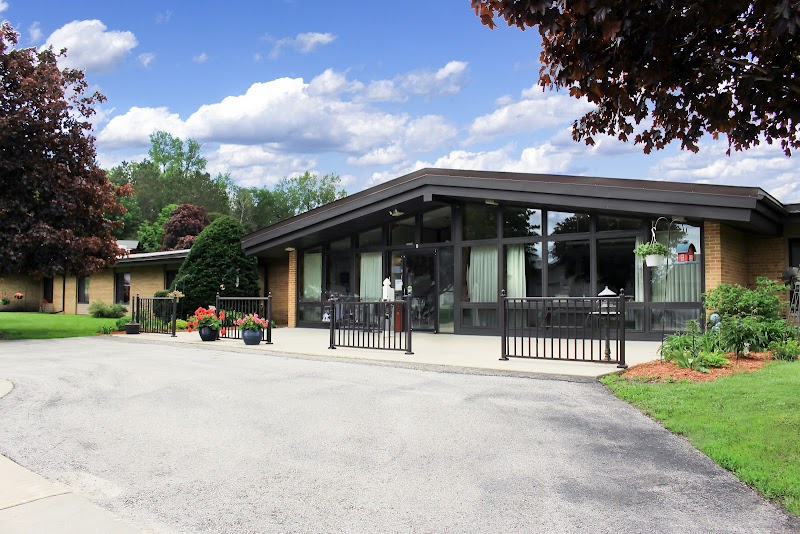
115 NORTH LYNDALE, RR 2 BOX 49, MABEL, MN 55954 (507) 450-5738
For profit - Corporation 41 Beds ACCURA HEALTHCARE Data: November 2025
Trust Grade
45/100
#240 of 337 in MN
Last Inspection: June 2025

Inspected within the last 6 months. Data reflects current conditions.

Overview

Green Lea Senior Living in Mabel, Minnesota, has received a Trust Grade of D, indicating below-average quality and some significant concerns. It ranks #240 out of 337 facilities in Minnesota, placing it in the bottom half, and #6 out of 6 in Fillmore County, meaning only one local option is better. The facility is currently improving, having reduced issues from 12 in 2024 to 5 in 2025. However, staffing is a major concern, with a low rating of 1 out of 5 stars and a high turnover rate of 61%, well above the state average. There were no fines recorded, which is a positive sign, but the facility has less RN coverage than 98% of Minnesota facilities, which could impact patient care. Specific incidents noted by inspectors include a lack of RN onsite for multiple days, failure to offer necessary vaccinations for residents, and inadequacies in identifying staffing needs based on resident care requirements. Overall, while there are efforts to improve, families should weigh the strengths against the serious concerns when considering this facility.

Trust Score
D
45/100
In Minnesota
#240/337
Bottom 29%
Safety Record
Low Risk
No red flags
Inspections
Getting Better
12 → 5 violations
Staff Stability
⚠ Watch
61% turnover. Above average. Higher turnover means staff may not know residents' routines.
Penalties
✓ Good
No fines on record. Clean compliance history, better than most Minnesota facilities.
Skilled Nurses
⚠ Watch
Each resident gets only 23 minutes of Registered Nurse (RN) attention daily — below average for Minnesota. Fewer RN minutes means fewer trained eyes watching for problems.
Violations
⚠ Watch
26 deficiencies on record. Higher than average. Multiple issues found across inspections.
★★☆☆☆
2.0
Overall Rating
★☆☆☆☆
1.0
Staff Levels
★★★☆☆
3.0
Care Quality
★★★☆☆
3.0
Inspection Score
Stable
2024: 12 issues
2025: 5 issues

The Good

  • Full Sprinkler Coverage · Fire safety systems throughout facility
  • No fines on record

Facility shows strength in fire safety.

The Bad

2-Star Overall Rating

Below Minnesota average (3.2)

Below average - review inspection findings carefully

Staff Turnover: 61%

15pts above Minnesota avg (46%)

Frequent staff changes - ask about care continuity

Chain: ACCURA HEALTHCARE

Part of a multi-facility chain

Ask about local staffing decisions and management

Staff turnover is elevated (61%)

13 points above Minnesota average of 48%

The Ugly 26 deficiencies on record

Jun 2025 5 deficiencies
CONCERN (D)

Potential for Harm - no one hurt, but risky conditions existed

Deficiency F0557 (Tag F0557)

Could have caused harm · This affected 1 resident

**NOTE- TERMS IN BRACKETS HAVE BEEN EDITED TO PROTECT CONFIDENTIALITY** Based on interview, observation, and record review, the facility failed to maintain respect and dignity for personal possessions...

Read full inspector narrative →
**NOTE- TERMS IN BRACKETS HAVE BEEN EDITED TO PROTECT CONFIDENTIALITY** Based on interview, observation, and record review, the facility failed to maintain respect and dignity for personal possessions for 1 of 2 residents (R28) reviewed who had his room searched and items removed without consent. Findings include: R28's quarterly Minimum Data Set (MDS) assessment dated [DATE] included no cognitive impairment. Furthermore, his mood assessment indicated he rarely socially isolated. R28 is independent with eating, oral hygiene, toileting, dressing, and repositioning. R28 required minimal cueing for showering/bathing. During interview on 6/03/25 at 11:20 a.m., R28 stated the previous administrator at the facility entered his room without his permission and searched his room, the administrator told him they were searching his room because they thought he was making moonshine with orange peels and water or mouthwash. They also confiscated his vape pens and won't give them back. R28 added the administrator came into his room without consent and removed multiple cups and dishes. R28 said he felt he can't trust anyone here because they come in whenever they want, and he feels socially isolated since they searched his room. During interview on 6/05/25 at 11:41 a.m., certified nursing assistant (CNA)-A stated R28 has not been treated respectfully. CNA-A stated the previous administration had entered and searched his room without his permission. CNA-A stated the administrator believed he was using his orange peels to make moonshine. CNA-A stated the administrator believed he also had illegal substances in his room. CNA-A confirmed law enforcement was not at the facility at any point. CNA-A stated the previous administrator had confiscated his vape pens. During interview on 6/5/25 at 4:06 p.m., director of nursing (DON) and administrator stated it was possible the previous administrator had entered and searched R28's room without his consent. The DON and administrator confirmed they were not at the facility at the time of the search. The administrator confirmed a note in the chart on 3/12/25 at 10:40 a.m., indicated the resident's room had been search without his consent. The administrator confirmed a note in the chart on 3/11/25 at 3:18 p.m., indicated facility staff had entered the resident's room without permission to remove facility property. The DON confirmed entering R28's room without permission could have a negative impact on his social well-being. Per facility policy titled Dignity and dated February 2021, facility staff must knock and request permission before entering a residents' room. Residents' private space and property are respected at all times; staff do not handle or move a resident's personal belongings without the resident's permission.
CONCERN (D)

Potential for Harm - no one hurt, but risky conditions existed

Deficiency F0561 (Tag F0561)

Could have caused harm · This affected 1 resident

**NOTE- TERMS IN BRACKETS HAVE BEEN EDITED TO PROTECT CONFIDENTIALITY** Based on observation, interview, and record review, the facility failed to accommodate bathing/showering preferences for 1 of 1 ...

Read full inspector narrative →
**NOTE- TERMS IN BRACKETS HAVE BEEN EDITED TO PROTECT CONFIDENTIALITY** Based on observation, interview, and record review, the facility failed to accommodate bathing/showering preferences for 1 of 1 resident (R1) reviewed for choices. Finding include: R1's admission Minimum Data Set (MDS) assessment dated [DATE] identified admission to the facility on 4/30/25, had intact cognition. R1 required substantial/maximal assistance from facility staff for shower/bathing. R1's care plan dated 5/7/25 contained only one item; R1 had a potential nutritional deficit related to Parkinson's, dementia, chronic pain and depression. The care plan lacked personal preference for showering/bathing preferences. During observation and interview on 6/3/25 at 11:05 a.m., R1 stated he preferred to have showers/baths on Monday, Wednesday, and Friday (M/W/F). R1 stated he rarely gets 3 showers/baths as he prefers; usually getting showers/baths 2 days per week; Tuesdays and Fridays. During interview on 6/4/25 at 10:34 a.m., R1 stated he told the facility when he was admitted he preferred showering/bathing on M/W/F; was assured by facility staff this request could be accommodated. R1's treatment administration record (TAR) dated May 2025 showed showering/bathing was completed on the following dates: -Tuesday, 5/6/25 -Friday, 5/9/25 -Tuesday, 5/13/25 -Friday, 5/16/25 -Tuesday, 5/20/25 -Saturday, 5/24/25 -Friday, 5/30/25 -Tuesday, 6/3/25 During interview on 6/05/25 at 11:41 a.m., certified nursing assistant (CNA)-A stated R1's showering/bathing schedule was Tuesdays and Fridays. CNA-A stated the assistant director of nursing (ADON) or the director of nursing (DON) completed the resident preferences on admission; however, with the change in leadership she is unsure who completed resident preferences for R1. During interview on 6/05/2025 at 11:47 a.m., ADON stated the (DON) does the admission care plan. ADON stated a baseline care plan is done with admission assessments to include resident name, code status, primary diagnosis, continence, skin, activities of daily living (adl's); the baseline care plan should contain resident preferences for showering/bathing schedule. ADON confirmed R1 did not have a comprehensive care plan. Per facility policy titled Care Plans-Baseline dated March 2022; a baseline (temporary) Care Plan to meet the resident's immediate health and safety needs is developed for each resident during the first shift of admission. A comprehensive care plan may be used in place of the baseline care plan providing the comprehensive care plan is developed within 48 hours of the resident's admission and meets the requirements of a comprehensive assessment.
CONCERN (D)

Potential for Harm - no one hurt, but risky conditions existed

Comprehensive Care Plan (Tag F0656)

Could have caused harm · This affected 1 resident

**NOTE- TERMS IN BRACKETS HAVE BEEN EDITED TO PROTECT CONFIDENTIALITY** Based on interview and record review the facility failed to develop a person-centered care plan for 2 of 2 residents (R19, R1) r...

Read full inspector narrative →
**NOTE- TERMS IN BRACKETS HAVE BEEN EDITED TO PROTECT CONFIDENTIALITY** Based on interview and record review the facility failed to develop a person-centered care plan for 2 of 2 residents (R19, R1) reviewed for care planning. Findings include: R19 R19's admission Minimum Data Set (MDS) assessment dated [DATE] indicated R19 was cognitively intact with no behaviors. R19 had limited range of motion to one lower extremity, supervision with eating and oral cares, partial moderate assistance for toileting hygiene and bathing and lower body dressing, and supervision with bed mobility. The MDS indicated R19 was frequently incontinent of urine and bowel and had multiple medical conditions including: atrial fibrillation (abnormal rhythm of the heart), heart failure, hypertension (high blood pressure), peripheral vascular disease (impaired blood flow to extremities), renal insufficiency (impaired kidney function), diabetes, anxiety, and schizophrenia (mental health diagnosis), R19's admission MDS also indicated R19 had a history of falls prior to admission. The MDS indicated R19 received insulin injections (medication to treat elevated blood sugar), antipsychotic (medication to treat mental health disorders, antidepressant (medication to treat depression and other mental health disorders), anticoagulant (medication used to prevent blood clots), and diuretic (medication used to treat fluid accumulation). Care areas triggered included communication, activities of daily living (ADL) functional/rehabilitation potential, urinary incontinence, falls, nutritional status, dehydration/fluid maintenance, pressure ulcer, and psychotropic drug use. The care areas triggered were documented addressed on care plan. R19's care plans included dependent on staff for meeting emotional, intellectual, physical, and social needs r/t (related to) cognition and needing reminders of scheduled activities dated 5/19/25, Resident to be discharged to alternative living facility/community dated 5/23/25, advanced directive-[R19] has chosen the code status of full code dated 5/23/25, potential nutrition problem dated 5/7/25, and potential impairment to skin integrity . dated 5/12/25. R19's record lacked a person-centered comprehensive care plan. R19's temporary care plan (care plan given to nursing assistants) included admitting diagnoses, diet, assist for cares, continence, oral care, skin issues, and therapy orders. R19's physician orders included amlodipine, losartan, spironolactone, and metoprolol for hypertension, Eliquis for atrial fibrillation, furosemide for congestive heart failure, olanzapine for schizophrenia, and aspart insulin injections for diabetes. During an interview on 6/5/25 at 10:12 a.m., LPN-A stated R19 admitted to the facility for rehab services, kept to himself, and had no behaviors. LPN-A stated the director of nursing (DON), assistant director of nursing (ADON), or MDS coordinator enter in care plans at admission. R1 R1's admission Minimum Data Set (MDS) assessment dated [DATE] identified admission to the facility on 4/30/25, R1 was cognitively intact with no behaviors. The MDS indicated R1 had a functional impairment of both the left upper and left lower limbs. R1's MDS also indicated R1 needed partial to moderate assistance with eating and oral hygiene. Further, R1 was dependent on facility staff for toileting, dressing, and mobility. R1 was frequently incontinent of bowel and had an indwelling catheter to drain his bladder. The care areas triggered were communication, activities of daily living, indwelling catheter, psychosocial well-being, activities, falls, nutritional status, dehydration/fluid maintenance, pressure ulcer, and pain management. The care areas triggered were documented addressed on care plan. R1's admission diagnosis included, Parkinson's disease (movement disorder of the nervous system that worsens over time), dementia (general decline in cognitive ability that affect a person's ability to perform everyday activities), high blood pressure, heart failure, and atrial fibrillation (irregular heart rhythm). R1's care plan dated 5/7/25 contained only one item; R1 had a potential nutritional deficit related to Parkinson's, dementia, chronic pain and depression. The care plan lacked areas triggered on the MDS assessment. At the time of the re-certification survey from 6/2/25 to 6/5/25, R1's comprehensive care plan had not been completed. During interview on 6/05/25 at 11:41 a.m., certified nursing assistant (CNA)-A stated R1's showering/bathing schedule was Tuesdays and Fridays. CNA-A stated the assistant director of nursing (ADON) or the director of nursing (DON) completed the resident preferences on admission; however, with the change in leadership she is unsure who completed resident preferences for R1. During interview on 6/5/25 at 11:47 a.m., the ADON stated admission assessments and reconciliation of provider orders is performed by her or the DON. The comprehensive care plans are entered by the DON. A baseline care plan is implemented immediately upon admission that consists of a resident's name, code status, admitting diagnoses, continence, skin, and instructions for ADL's. A copy of the baseline care plan is located at the nursing assistant station. The comprehensive care plan is developed over a period after admission. The ADON confirmed R19 and R1 did not have a comprehensive care plan. A facility policy titled Care Plans-Baseline dated March 2022, staff conduct the comprehensive assessment and develop an interdisciplinary person-centered comprehensive care plan (no later than 21 days after admission).
CONCERN (F)

Potential for Harm - no one hurt, but risky conditions existed

Deficiency F0727 (Tag F0727)

Could have caused harm · This affected most or all residents

Based on interview and document review, the facility failed to ensure the services of a registered nurse (RN) onsite for 8 consecutive hours/7 days a week. This had the potential to affect all residen...

Read full inspector narrative →
Based on interview and document review, the facility failed to ensure the services of a registered nurse (RN) onsite for 8 consecutive hours/7 days a week. This had the potential to affect all residents who resided at the facility. Findings include: The payroll based journal (PBJ) staffing report for quarter 2 of 2025 (January 1-March 31) indicated no RN hours reported for the following days : 1/02 (TH), 1/03 (FR), 1/04 (SA), 1/05 (SU), 1/09 (TH), 1/18 (SA), 1/19 (SU), 2/02 (SU), 2/16 (SU), 3/1 (SA), 3/02 (SU), 3/15 (SA), 3/16 (SU), 3/29 (SA), 3/30 (SU). Review of facility payroll and staffing schedules indicated 4 hours of RN coverage on 1/4/2025 and no RN coverage for 1/05, 1/18, 1/19, 2/02, 2/16, 3/01, 3/02, 3/15, 3/16, 3/29, and 3/30. During interview on 6/3/25 at approximately 3 p.m., the regional nurse consultant confirmed there was no RN coverage for the indicated dates and confirmed it is an expectation to have an RN in the building 8 consecutive hours a day/ 7 days a week. During an interview on 6/5/25 at 12:17 p.m., the assistant director of nursing (ADON) stated the staffing coordinator is responsible for nursing schedules. The ADON stated there has been no issue with services not being provided due to not having an RN on duty for 8 consecutive hours. During an interview on 6/5/25 at 3:15 p.m., the staffing coordinator indicated there are two staff RNs who work at the facility. One RN works full time on the overnight shift, the other recently started and works evenings. The staffing coordinator confirmed struggling to have RN coverage every other weekend. A policy titled Staffing, sufficient and competent Nursing dated April 2025 line 3 indicated A registered nurse provides services at least eight (8) consecutive hours every 24 hours, seven (7) days a week. RNs may be scheduled more than eight (8) hours depending on the acuity needs of the residents and based on the facility assessment.
MINOR (B) 📢 Someone Reported This

A family member, employee, or ombudsman was alarmed enough to file a formal complaint

Minor Issue - procedural, no safety impact

Deficiency F0568 (Tag F0568)

Minor procedural issue · This affected multiple residents

Based on interview and document review, the facility failed to ensure resident's trust account statements were provided on, at least, a quarterly basis. The lack of provided statements had the potenti...

Read full inspector narrative →
Based on interview and document review, the facility failed to ensure resident's trust account statements were provided on, at least, a quarterly basis. The lack of provided statements had the potential to affect all residents with trust accounts at the care center. During the recertification survey from 6/2/25 to 6/5/25, a facility complaint regarding access to funds was investigated. An incidental finding during this investigation revealed the facility was not sending quarterly statements to residents or resident representatives. During interview on 6/3/25 at 24:45 p.m., business office manager (BOM) stated the facility does not send out quarterly statements. During interview on 6/4/25 at 8:57 a.m., administrator confirmed the facility does not send out quarterly statements. An undated facility policy titled Accounting and Records of Resident funds; individual accounting records are made available to the resident through quarterly statements and upon request.
Sept 2024 1 deficiency
CONCERN (D) 📢 Someone Reported This

A family member, employee, or ombudsman was alarmed enough to file a formal complaint

Potential for Harm - no one hurt, but risky conditions existed

Room Equipment (Tag F0908)

Could have caused harm · This affected 1 resident

Based on observation, interview, and record review the facility failed to keep 2 of 2 mechanical lifts in proper working condition. Findings include: During an observation on 9/5/24 at 9:41 a.m., nur...

Read full inspector narrative →
Based on observation, interview, and record review the facility failed to keep 2 of 2 mechanical lifts in proper working condition. Findings include: During an observation on 9/5/24 at 9:41 a.m., nursing assistant (NA)-A was observed with Volara brand mechanical sit-to-stand lift (used to assist a resident to different positions with the resident needing to provide half of the weight bearing status) identified by the label B01-18. The lift had handle bar up and down switches that when pressed did not work to raise the resident up into a standing position. The same lift had a remote with an up and down function and the button to lower a resident to a sitting position was non-functioning. All of the machine wheels were visibly caked with hair that prevented the machine to easily turn or push. A full body mechanical lift A02-16 had a remote with the two buttons hanging out of the secure button holder held together by electrical tape. The wheels of this lift were also caked with hair. During an interview on 9/5/24 at 9:41 a.m., NA-A stated both of the lifts were still in use even though they needed repair. NA-A stated maintenance was aware the machines needed to be fixed. NA-A stated that normally a machine should be able to move with just two fingers but due to the amount of hair and grime on the wheels she had to use her full body to move the machine. NA-A demonstrated by moving the machine with her full body. During an observation and interview on 9/5/24 at 10:38 a.m., NA-A and NA-B used machine B01-18 used the machine to transfer a resident. NA-B stated we just push the buttons until we figure out which one works. The resident was able to transfer from the bed to the commode with machine B01-18. During an interview on 9/5/24 at 10:29 a.m., maintenance director (M)-A stated the staff have to inform him when a machine is in need of repair. The staff were supposed to put the request in TELS (an electronic request system) and maintenance would immediately fix the issue. M-A stated he does not clean the wheels and that the lift company that the facility purchased the machines from will clean the wheels yearly. M-A stated the machines work but they need new buttons. You would not get a shock from them when you use them. M-A stated he would go downstairs and get the parts to fix the machines immediately but stated he was not going to fix the button on the handle of the B01-18 lift right now because it would take too long. During record review on 9/5/24, Mechanical lift A02-16 and B01-18 maintenance weekly check lists for August 2024 were completed on 8/5/24, 8/12/24, 8/19/24, and 8/26/24 included components of the lift that were supposed to be inspected and included check marked boxes indicating tasks were completed or identified the task inspection was not applicable. The check list did not identify if there were repairs and/or cleaning that was completed at the time of the inspection. During record review the last inspection document the facility had on hand of the company coming to the facility for an inspection was from 6/27/21. During an interview on 9/5/24 at 2:06 p.m., Administrator stated that it is expected that the mechanical lifts be in proper working order. The manufacturer was called on 9/5/24 at 1:50 p.m., and an email was also sent. No response to the phone call or email from the manufacturer. SMT Health systems Volaro Series 4 Lift Operator's Manual dated 3/2019, identified the lift is operated by switches located at the tips of the handles. This allows proper ergonomics by keeping the hands on the handles while operating the lift and maneuvering it at the same time. The optional hand control provides a second source to operate the lift. Every Day keep your Volaro lift clean by wiping it down with a damp cloth. Use a mild detergent if needed. Every three months check the movement of the lift and remove hair from casters if needed. Periodically, a general visual inspection of the external parts and all functions can be carried out to ensure no adverse damage has occurred. If any doubt, withdraw the equipment from use and call SMT Customer Service.
Aug 2024 4 deficiencies
CONCERN (D) 📢 Someone Reported This

A family member, employee, or ombudsman was alarmed enough to file a formal complaint

Potential for Harm - no one hurt, but risky conditions existed

Deficiency F0688 (Tag F0688)

Could have caused harm · This affected 1 resident

**NOTE- TERMS IN BRACKETS HAVE BEEN EDITED TO PROTECT CONFIDENTIALITY** Based on observation, interview, and record review, the facility failed to ensure ambulation program was provided to maintain mo...

Read full inspector narrative →
**NOTE- TERMS IN BRACKETS HAVE BEEN EDITED TO PROTECT CONFIDENTIALITY** Based on observation, interview, and record review, the facility failed to ensure ambulation program was provided to maintain mobility to reduce the risk for falls as ordered by physical therapy for 1 of 1 resident (R2) who had a history of falls. Findings include: R2's significant change Minimum Data Set (MDS) assessment dated [DATE], indicated R2 had intact cognition, no rejection of care, was independent with toileting hygiene, required partial assistance with showering, personal hygiene, was independent with bed mobility, utilized a walker and wheelchair, and walking was listed as not applicable. Diagnoses included heart failure, arthritis, and kidney failure. R2's care plan revised 8/9/24, indicated R2 had limited physical mobility with fall risk r/t disease process, functional loss, and history of falls on 2/18/24, 3/14/24, 4/2/24, and 7/24. Interventions per therapy recommendation dated 3/8/24, included patient ambulation 3x/day with use of 2WW (two wheeled walker) and CGA (contact guard assistance) with wheelchair brought behind, distance as tolerated. A facility document titled PT Discharge summary dated [DATE], indicated R2 was set up on an appropriate carryover program for ROM/strengthening and ambulation to include ambulation with staff. The document further stated R2's prognosis to maintain CLOF (current level of functioning) was good if there was consistent staff follow-through. In review of R2's record between 7/14/24 and 8/14/24, there was no documentation that identified R2's ambulation program had been completed or was offered. During interview on 8/14/2024 at 8:26 a.m., R2 stated that facility staff did not ask him to walk. R2 further stated that he would walk with staff if they had time, but they were too busy. R2 stated he did not remember a recent time staff walked with him in the hallway. During observation on 8/14/2024 at 10:28 a.m., R2 was observed walking independently in the hallway with a walker. R2 stated that he would walk by himself if staff were too busy. During interview on 8/14/2024 at 11:01 a.m., nursing assistant (NA)-A stated walks are almost impossible to get done. NA-A further stated R2 does not get walked three times per day and R2 does not refuse, walks just don't get done. During interview on 8/14/2024 at 1:07 p.m., NA-B stated she did not know who was supposed to be walked or how she would find that information and further stated she did not walk residents. NA-B stated she did not have time to complete walks but would have time if they had more staff. During interview on 8/14/2024 at 1:20 p.m., licensed practical nurse (LPN)-A stated that walking was not done due to the staff being busy. LPN-A further stated that residents at the facility required a lot of care and that caused the staff to be too busy to complete walking programs. LPN-A confirmed there was no documentation of walking or refusals and no way of tracking if walking was being completed. During interview on 8/14/2024 at 12:13 p.m., physical therapist (PT) stated therapy gave walking recommendations to nursing when R2 completed therapy. PT stated nursing was supposed to take the program over and continue the walking. PT further stated a form titled Rehab Communication was given to nurses, nursing assistants, and the director of nursing with directions for R2's walking program that included ambulation with staff. PT expected nursing to complete that program. PT did not think R2 had declined in function and stated she had observed R2 walking independently at baseline functional ability, although R2 required staff assistance for walking. During interview on 8/14/2024 at 1:40 p.m., director of nursing (DON) stated therapy gave recommendations for walking programs and staff were expected to follow those recommendations. DON further stated if R2 was supposed to be assisted with walking, she expected staff would complete the walking as ordered. The facility Walking Program policy was requested but not received.
CONCERN (D) 📢 Someone Reported This

A family member, employee, or ombudsman was alarmed enough to file a formal complaint

Potential for Harm - no one hurt, but risky conditions existed

Medical Records (Tag F0842)

Could have caused harm · This affected 1 resident

Based on interview and document review, the facility failed to maintain a complete, accurately documented, and readily accessible medical record in accordance with accepted professional standards and ...

Read full inspector narrative →
Based on interview and document review, the facility failed to maintain a complete, accurately documented, and readily accessible medical record in accordance with accepted professional standards and practices for 1 of 1 resident (R1) reviewed for medical record accuracy. Findings include: R1's provider orders included a treatment order dated 5/8/24, directing staff to complete a Body Audit assessment weekly one time a day every Friday. R1's treatment administration record (TAR) included the Body Audit assessment order scheduled on Fridays. R1's TAR dated 7/1/24 to 7/31/24, included charting of the Body Audit assessment as completed on 7/5/24, 7/12/24, 7/19/24, and 7/26/24. R1's TAR dated 8/1/24 to 8/31/24, included charting of the Body Audit assessment as completed on 8/2/24 and not completed on 8/9/24. Review of R1's electronic health record (EHR), identified Body Audit assessments dated 7/5/24, and 7/12/24. R1's EHR lacked records of the Body Audit assessments charted as completed on 7/19/24, 7/26/24, and 8/2/24. In an interview on 8/13/24 at 12:25 p.m., licensed practical nurse (LPN)-A stated skin assessments are done by nurses weekly on bath days and charted in the Body Audit assessment in the EHR. LPN-A noted the Body Audit will show up on a resident's TAR on the day and shift it is due to be completed. In an interview on 8/14/24 at 2:26 p.m., the director of nursing (DON) stated skin assessments are completed weekly on bath/shower days and a Body Audit assessment should be completed in the EHR. The DON noted completion of the weekly Body Audit assessment was standard policy and procedure. The DON confirmed the most recent Body Audit in R1's EHR was dated 7/12/24 and noted this was not in line with her expectation as they should be completed weekly at a minimum. The DON confirmed R1's TAR included completion of the weekly Body Audit assessment on Fridays and confirmed the Body Audit was charted as completed on 7/19/24, 7/26/24, and 8/2/24. The DON stated her medical record isn't accurate because they are charting things that we don't see. The DON stated she did not see a record of the Body Audit assessments from 7/19/24, 7/26/24, or 8/2/24 and they should be in here. Facility policy titled On-line Documentation dated January 2024, included guidance for uploading documents into electronic medical records. It did not address professional standards and practices for the maintenance of complete and accurate medical records.
CONCERN (D) 📢 Someone Reported This

A family member, employee, or ombudsman was alarmed enough to file a formal complaint

Potential for Harm - no one hurt, but risky conditions existed

Infection Control (Tag F0880)

Could have caused harm · This affected 1 resident

**NOTE- TERMS IN BRACKETS HAVE BEEN EDITED TO PROTECT CONFIDENTIALITY** Based on observation, interview, and record review, the facility failed to ensure proper infection control procedures were follo...

Read full inspector narrative →
**NOTE- TERMS IN BRACKETS HAVE BEEN EDITED TO PROTECT CONFIDENTIALITY** Based on observation, interview, and record review, the facility failed to ensure proper infection control procedures were followed for 2 of 2 residents (R3 and R4) when staff failed to follow enhanced barrier precautions (EBP) while providing cares and treatment. Findings include: R3's face sheet printed 8/14/24, indicated diagnoses of pressure ulcer of right buttock stage 4 and chronic kidney disease. R3's quarterly Minimum Data Set (MDS) assessment indicated R3 had severe cognitive impairment, lower extremity impairment on both sides, use of a wheelchair, dependent on staff for toileting hygiene, bathing, lower body dressing, and substantial assistance for personal hygiene, and indwelling bladder catheter. R3's care plan revised 3/25/23, indicated a self-care performance deficit r/t (related to) right buttock pressure ulcer and two staff assistance for transfers with use of a standing mechanical lift. R3's care plan revised 6/19/24, also indicated the presence of an indwelling foley catheter with a goal of no signs or symptoms of urinary infection, risk of infection due to indwelling catheter and wound with an intervention of enhanced barrier precautions (EBP). R3's physician wound treatment order dated 7/31/24, directed twice daily dressing changes. During an observation on 8/14/24 at 10:21 a.m., A sign on R3's bathroom door informed staff of the need for gown and gloves with high-contact care activities, including wound treatments. Licensed practical nurse (LPN)-A completed R3's wound treatment without wearing a gown. LPN-A confirmed she had not worn a gown during the dressing change and should have. LPN-A reported she did not recall if she had education on EBP, and noted she did not always remember to use EBP while performing cares to residents where EBP was required. During an observation on 8/14/24 at 12:54 p.m., nursing assistant (NA)-A assisted R3 with transfer and catheter care without wearing a gown. NA-A stated she forgot to use EBP, they were too busy and hot to put on a gown all the time. NA-A further stated she was unsure if she had training on EBP. During an interview on 8/14/24 at 1:07 p.m., NA-B stated they did not usually wear EBP and she was unsure if she had been trained on EBP. NA-B explained EBP supplies and signs used to be in the hallway outside R3's door but had recently been moved into the bathrooms of the resident rooms, which made it harder for her to remember. R4's face sheet printed 8/14/24, indicated R4 had diagnoses of dementia, chronic pain syndrome, weakness, and retention of urine. R4's entry MDS assessment dated [DATE], indicated intact cognition, dependence on staff for toileting hygiene, bathing, dressing, and transferring, need for intermittent catheterization, frequent bowel and bladder incontinence, and an unstageable pressure ulcer of the buttocks. R4's care plan revised 6/6/24, indicated a self-care performance deficit r/t Parkinsonism and cognitive disorder with interventions of two staff assistance for commode use and two staff assistance with standing mechanical lift for transfers. The care plan further indicated an impairment to skin integrity r/t unstageable left and right buttocks moisture associated skin damage (MASD). R4's wound orders dated 8/13/24, directed staff to apply a combination of creams, dampened gauze, and an ABD (larger absorbent dressing) to the wound twice per day. During an observation on 8/14/24 at 12:35 p.m., LPN-A completed R4's wound treatment without wearing a gown. NA-A and NA-B were also present and assisted R4 with toileting and pericare without wearing a gown. NA-A and There was no signage or supply cart observed in R4's room for EBP. During an interview on 8/14/24 at 12:57 p.m., R4 stated he had never seen staff use a gown when assisting him with using the commode or when taking care of his wound. During an interview on 8/14/24 at 1:45 p.m., director of infection prevention and quality assurance stated EBP should be used for catheters, chronic wounds, and anything in the guidance. A review of facility education material titled Relias Official Transcript and printed 8/14/24 indicated LPN-A, NA-A, and NA-B had all completed a training in 2024 titled Infection Control: Enhanced Barrier Precautions. A facility document section titled Enhanced Barrier Precautions updated 5/6/24 indicated an order for EBP would be obtained for residents with any of the following: Wounds (e.g., chronic wounds such as pressure ulcers) and/or indwelling medical devices (e.g., urinary catheters) even if the resident is not known to be infected or colonized with a MDRO. An additional section labeled Implementation of Enhanced Barrier Precautions indicated EBP should be used for high-contact resident care activities to include: dressing, bathing, transferring, providing hygiene, changing linens, changing briefs or assisting with toileting, device care (urinary catheters), and wound care (any skin opening requiring a dressing- excluding shorter-lasting wounds, such as skin breaks or skin tears covered with an adhesive bandage or similar dressing.
CONCERN (F) 📢 Someone Reported This

A family member, employee, or ombudsman was alarmed enough to file a formal complaint

Potential for Harm - no one hurt, but risky conditions existed

Deficiency F0838 (Tag F0838)

Could have caused harm · This affected most or all residents

**NOTE- TERMS IN BRACKETS HAVE BEEN EDITED TO PROTECT CONFIDENTIALITY** Based on interview and document review, the facility failed to ensure the Facility Assessment identified the facility's staffing...

Read full inspector narrative →
**NOTE- TERMS IN BRACKETS HAVE BEEN EDITED TO PROTECT CONFIDENTIALITY** Based on interview and document review, the facility failed to ensure the Facility Assessment identified the facility's staffing needs based on the care needs of the resident population. This had the potential to affect all 32 residents who resided in the facility. Findings include: Refer to F688. The Facility assessment dated [DATE], included a Purpose Statement, The purpose of this assessment is to determine what resources are necessary to care for our residents competently during both day-to-day operations (including nights and weekends) and emergencies. It further identified the assessment would address staffing needs and noted This facility assessment will be used to: Inform staffing decisions to ensure that there are a sufficient number of staff with the appropriate competencies and skill sets necessary to care for its residents' needs as identified through resident assessments and plans of care; Consider specific staffing needs for each resident unit in the facility and adjust as necessary based on changes to its resident population; consider specific staffing needs for each shift, such as day, evening, night and adjust as necessary based on any changes to its resident population. It identified the administrator as the person responsible for ensuring the completion of the facility assessment. The Facility assessment dated [DATE], included a section titled Information About Nurse Staffing Plans used to determine staffing needs based on the facility assessment of the resident population to ensure a sufficient number of staff to care for residents' needs. The Overall Staffing Needs table was incomplete and lacked details regarding how many staff members in different nursing roles were needed in total or on average. The Staffing Needs as per Resident Unit table was blank and failed to identify the ratio of staff to residents or hours per resident day of direct care needed for nursing positions on different facility units. The Staffing Needs as per Shift table was incomplete and failed to identify the ratio of staff to residents or hours per resident day of direct care needed for nursing positions for each shift. The Facility Assessment did not identify the direct care resident population staffing requirements for the overall facility, the various units upon which residents resided, or the various employee shifts. In an interview on 8/14/24 at 1:32 p.m., the administrator stated the Overall Staffing Needs table noted the number of registered nurses and nursing assistants the facility needed to hire to be fully staffed with facility-employed nursing staff. She stated the Staffing Needs as per Shift table similarly identified the number of nursing staff the facility needed to hire in different roles on different shifts. The administrator noted the Facility Assessment was most recently re-done at the end of July with her boss and noted it was confusing and she had mis-understood the Information About Nurse Staffing Plans. The administrator was unable to provide evidence of where the Facility Assessment identified the facility's staffing needs for nursing to provide sufficient staff to care for residents' needs.
Apr 2024 4 deficiencies
CONCERN (D)

Potential for Harm - no one hurt, but risky conditions existed

Deficiency F0625 (Tag F0625)

Could have caused harm · This affected 1 resident

**NOTE- TERMS IN BRACKETS HAVE BEEN EDITED TO PROTECT CONFIDENTIALITY** Based on record review, and interview the facility failed to provide a written notification/copy of a bed hold for 1 of 3 reside...

Read full inspector narrative →
**NOTE- TERMS IN BRACKETS HAVE BEEN EDITED TO PROTECT CONFIDENTIALITY** Based on record review, and interview the facility failed to provide a written notification/copy of a bed hold for 1 of 3 residents (R5) reviewed for hospitalization. Findings include: R5's quarterly minimum data set (MDS) assessment dated [DATE], indicated R5's diagnoses included hypothyroidism, traumatic brain injury, convulsions, chronic kidney disease, cardiac murmur, dementia, hypertension, R5's progress notes indicated R5 became nauseous with emesis on 8/30/24. After brief monitoring at facility, doctor ordered resident to emergency room (ER) for further examination the same day. Progress notes further indicated facility staff attempted to contact resident's representative regarding bed hold form but was unable to speak with them via phone, with no option to leave a message. Progress note further indicated facility would send a copy of bed hold policy to representative via the mail. Resident was hospitalized from [DATE] until 9/07/23. Resident was discharged from hospital back to facility. R5's medical record lacked evidence of a written notification of the bed hold policy provided to R5 or their representative prior to or during the hospitalization. Progress notes further indicated a copy of the bed hold form would be sent to hospital with resident and a copy mailed to representative. Upon review of R5's medical record, there is no copy of bed hold form. On 4/17/24 at 12:19 p.m., a call was placed to R5's representative about the bed hold form. Representative recalled the hospitalization but not the bed hold form. R5 was unable to recall the form as well. During an interview on 4/16/24 at 01:42 p.m., licensed practical nurse (LPN)-A, stated a signed bed hold form should be obtained before a resident is sent to the hospital. Signed by resident or representative. LPN-A looked for bed hold form in the hard copy record room but could not locate the form. On 4/17/24 at 1:13 p.m., the Director of Nursing (DON) stated if the resident is their own power of attorney, staff is instructed to ask if they need the bed hold form explained, the process for the bed to be held if the resident is admitted to the hospital. If the resident needs assistance with the form, or have a authorized representative, the staff should go to resident's representative or guardian, if needed, and if no verbal consent is obtained, send a copy of the bed hold form out in the mail, within 24 hours. DON further stated after form is signed and finalized, one copy goes with resident to hospital, with other forms and information and the other to the business office. The business office is responsible to scan and file the form. On 4/17/24 at 3:32 p.m., DON stated the facility has searched for this bed hold form with no success. The facility bed hold policy was requested but not provided to surveyor.
CONCERN (D)

Potential for Harm - no one hurt, but risky conditions existed

ADL Care (Tag F0677)

Could have caused harm · This affected 1 resident

Based on observation, interview, and record review the facility failed to provide facial grooming for 1 of 2 residents (R24) reviewed for activities of daily living (ADL's) for residents who are depen...

Read full inspector narrative →
Based on observation, interview, and record review the facility failed to provide facial grooming for 1 of 2 residents (R24) reviewed for activities of daily living (ADL's) for residents who are dependent on staff for their care. Findings include: R24's annual Minimum Data Set (MDS) assessment, dated 2/2/2024, indicated R24 has severe cognitive impairment with no behaviors or rejection of care. Furthermore, R24 MDS included R24 is dependent on staff to perform all personal hygiene tasks, including facial grooming. R24's diagnosis include, dementia without behavioral, mood, psychotic disturbances and anxiety. R24's care plan, identified R24 having an ADL self-care performance deficit with a goal of being dressed and groomed according to personal preference on a daily basis, directs staff to provide personal hygiene and grooming daily and as needed (PRN). R24's bathing record reviewed from 4/5/2024 through 4/14/2024, indicated R24 required substantial to dependent assistance with bathing. R24's personal hygiene record review from 3/19/2024 through 4/17/2024, indicated R24 required supervision to dependent assistance for personal hygiene that included facial grooming. During an observation on 4/16/2024, at 12:33 p.m., R24 was sitting in his room with facial hair to cheeks and chin about ¼ to ½ inch in length. Resident noted to have a full mustache. R24 stated I don't have a choice when asked about growing out his facial hair. He stated, they have two shavers but when they come on they shut off. When asked if he likes having a beard, R24 touched his face stating, not really. During an interview on 4/16/2024 at 2:49 p.m., nursing assistant (NA-A) stated R24 has a history of refusing cares at times, however she is not assigned to R24 often. During an interview on 4/16/2024 at 3:15 p.m., trained medication aide (TMA-A) stated R24's razor is broken and pulls at his facial hair causing pain. The facility is waiting for a new one. R24's progress notes dated 3/18/2024 through 4/17/2024 lacked documentation of R24 refusing cares or personal shaver's being reported broken. During an interview on 4/16/2024 at 1:11 p.m., R24's family member (FM-A) stated, I don't think it has been an issue for long [referring to facial hair]. I know in the past he has always been clean shaven. A couple days growth would be a while for him. He was generally clean shaven, and a few days growth isn't unusual. Otherwise, he was always clean shaven, and I think that would bother him. During an observation on 4/17/2024 at 7:31 a.m., R24 was sitting in the dining room. He remained unshaven. During an interview on 4/17/2024 at 7:33 a.m., licensed practical nurse (LPN-A) stated R24 has a habit of refusing cares at times however, she doesn't work with him often. During an observation on 4/17/24 at 10:06 a.m., R24 was sitting in his room unshaven. During an interview on 4/17/24 at 10:21 a.m., nursing assistant (NA-B) stated she does not work at the facility often but stated R24 has had his facial hair that way for months. She stated residents use personal shavers and if shavers are broken, staff would report it to the charge nurse, director of nursing, or social worker. During an observation on 4/17/24 at 10:32 a.m., R24 remained unshaven. During an interview on 4/17/2024 at 10:44 a.m., R24 stated the razors [made buzzing sound] but don't work. He would prefer to be clean shaven. Resident could not say whether the shavers were his. During an observation 4/17/2024 at 1:05 p.m., R24 was lying in bed sleeping. Face remains unshaven. During an interview 4/17/2024 1:09 p.m., LPN-A stated unaware R24's shavers didn't work. She stated the nursing assistant who got R24 had left for the day. LPN-A informed NA-C, R24 wanted to be shaved. During an interview on 4/17/2024 at 1:19 p.m., NA-C stated she has tried to shave R24 multiple times, but the hair is so long the shaver is pulling the hair causing discomfort. NA-C stated if R24 doesn't get shaved every day, it becomes difficult to do. She stated she does not work every day and agency staff don't know the resident's routine, so it goes a couple days. NA-C confirmed the facility does have disposable razors available. During an observation on 4/7/2024 at 1:15 p.m., two electric shavers were noted on resident's dresser. Both shavers have beard trimming attachments on the top. During an observation on 4/17/24 at 2:47 p.m., R24 was sleeping in bed. Face remains unshaven. Both electric razors were on the dresser in the same position previously observed. On 4/17/24 at 3:37 p.m., an unidentified staff member entered R24's room. After the staff member left, R24 was observed sitting in his wheelchair. Face remained unshaved. Both electric razors remained in the same position on the dresser. During an observation on 4/18/24 at 8:32 a.m., R24 was lying in bed shaven with his mustache intact. During an interview on 4/18/24 at 8:51 a.m., NA-A stated she had not been in R24's room to get him ready yet so resident's face must have been shaved the evening before or on night shift. She stated she has been mentioning R24 need to be shaved to the facility staff, so they must have fixed his razor. NA-A stated R24's facial hair was a month's worth of growth. She clarified his beard was approximately ½ inch long. During an interview on 4/18/24 at 9:39 a.m., the director of nursing (DON) stated the social worker is usually the person in charge of resident's broken items. She stated R24 needs assistance from staff with grooming and has no known history of refusing however, does occasionally require encouragement. She continued, typically R24 would ask to be shaved. DON stated she would expect resident's to be shaved if it was their desire and stated the facility does have disposable razors available when needed. A copy for the facility policy for ADL's was requested. On 4/18/24 9:56 a.m., the DON stated the facility does not have a specific policy regarding ADL's, the facility just expects their staff to follow standards of care. During an interview on 4/18/24 10:29 a.m., the social worker (SS-A), stated she had not been told R24's shavers were broken. She stated normally broken items would be reported to her or the nursing staff and then family would be updated.
CONCERN (D)

Potential for Harm - no one hurt, but risky conditions existed

Deficiency F0887 (Tag F0887)

Could have caused harm · This affected 1 resident

**NOTE- TERMS IN BRACKETS HAVE BEEN EDITED TO PROTECT CONFIDENTIALITY** Based on interview and document review, the facility failed to offer the COVID-19 (C-19) vaccine to a resident eligible to recei...

Read full inspector narrative →
**NOTE- TERMS IN BRACKETS HAVE BEEN EDITED TO PROTECT CONFIDENTIALITY** Based on interview and document review, the facility failed to offer the COVID-19 (C-19) vaccine to a resident eligible to receive the vaccine for 1 of 5 residents (R7) reviewed for immunizations. Findings include: R7's admission Minimal Data Set (MDS) assessment dated [DATE], indicated R7 cognition moderately impaired with diagnosis of medically complex conditions, diabetes mellitus, and a pulmonary disease (lung disease). MDS indicated that R7 had been admitted on [DATE]. Facility provided document, titled, Minnesota Immunization information correction (MIIC), indicated R7 had not received any of the C-19 vaccination series. During an interview on 4/17/24 at 1:06 p.m., the infection preventionist (IP) stated during the admission process individuals are reviewed for vaccination status. IP stated she would follow-up and review the C-19 vaccination status as well. IP stated she was not sure why the R7's record failed to show a history or offering of the C-19 vaccination and it should be offered with a consent and documented in the record. IP stated education and consent for the C-19 vaccine should be completed and signed during in the admission process and uploaded into the record. IP provided a blank consent form for example indicating the consent, education, and offering of the C-19 vaccine. During an interview on 4/18/24 at 8:54 a.m., director of nursing (DON) stated vaccinations for eligible residents should be done and are important. DON stated the vaccination consents and declinations (refusals) should be done during the admission process and should be in the resident record. During an interview on 4/18/24 at 10:42 a.m., IP stated she had reviewed the medical record for R7 and had been unable to find any records indicating offering, administration, or declination of the C-19 vaccination series. IP stated it is important to offer these vaccinations and was able to show other residents had received or refused the C-19 vaccination series since admission. IP stated she was unsure why the C-19 vaccine series had not been offered, and that it should have been offered for R7 and is important. Facility policy, titled, C-19 Vaccination, dated 4/1/24, indicated All residents will be provided the opportunity and encouraged to receive the C-19 vaccinations on admission. Document further indicated that each resident will be educated and offered the C-19 vaccine if they have never had the vaccine.
CONCERN (E)

Potential for Harm - no one hurt, but risky conditions existed

Deficiency F0883 (Tag F0883)

Could have caused harm · This affected multiple residents

**NOTE- TERMS IN BRACKETS HAVE BEEN EDITED TO PROTECT CONFIDENTIALITY** Based on interview and document review, the facility failed to ensure 3 of 5 residents (R21, R26, R7) reviewed for immunizations...

Read full inspector narrative →
**NOTE- TERMS IN BRACKETS HAVE BEEN EDITED TO PROTECT CONFIDENTIALITY** Based on interview and document review, the facility failed to ensure 3 of 5 residents (R21, R26, R7) reviewed for immunizations were offered and/or provided the pneumococcal vaccine series (pneumonia vaccine) as recommended by the Centers for Disease Control (CDC) to help reduce the risk of associated infection(s). Furthermore, the facility failed to ensure the influenza vaccination (flu vaccine) was offered 2 of 5 residents (R7, R11) reviewed for vaccinations. Findings include: The Center for Disease Control and Prevention identified on the Pneumococcal Vaccine Timing for Adults Chart, dated 3/15/23, Adult [AGE] years of age or older who had received the PPSV23 (pneumococcal polysaccharide vaccine 23) only at any age should receive one dose of either pneumococcal 20-valent Conjugate Vaccine (PCV20) or pneumococcal 15-valent Conjugate Vaccine (PCV15). The dose of PCV20 or PCV15 should be administered at least one year after the most recent PPSV23 dose. R21's quarterly (MDS) assessment dated [DATE], indicated R21 was cognitively intact with diagnosis of a stroke, and chronic obstructive pulmonary disease (COPD) (lung and heart disease), and R21 had not received a pneumococcal vaccine. R26's quarterly (MDS) assessment dated [DATE], indicated R26 cognition was moderately impaired with diagnosis of medically complex conditions and (COPD). MDS indicated R26 had not received a pneumococcal vaccine and failed to identify reason. R7's admission Minimal Data Set (MDS) assessment dated [DATE], indicated R7 cognition moderately impaired with diagnosis of medically complex conditions, diabetes mellitus, and a pulmonary disease (lung disease). MDS indicated R7 had not received a pneumococcal vaccine (vaccine to prevent pneumonia) because R7 was not eligible. MDS indicated R7 had not received the influenza vaccine and it was not offered. MDS indicated R7 had been admitted on [DATE]. R11's significant change (MDS) assessment dated [DATE], indicated R11 had intact cognition with diagnosis of medically complex conditions, and the influenza vaccine (vaccine to prevent flu) had been offered and declined. R7's, R11's, R21's, and R26's vaccination records failed to indicate the vaccinations had been offered and did not indicate there was a refusal. During an interview on 4/17/24 at 1:06 p.m., the infection preventionist (IP) stated she had not been aware of the recent vaccination offerings for pneumonia from the centers for disease control (CDC). IP stated when reviewing the records for R7, R21, and R26 they were eligible and had not received the eligible PCV20 vaccination. IP stated the record also indicated R7 & R11 had been eligible and had not received an influenza vaccine either. IP stated she would have to review, and that consents and declinations (refusal of medication) should have been done for the pneumococcal PCV20 and the influenza vaccines. IP stated the facility is responsible for offering these vaccinations to the residents when eligible. During an interview on 4/18/24 at 8:54 a.m., director of nursing (DON) stated vaccinations for eligible residents should be done and are important. DON stated the vaccination consents and declinations should be done during the admission process and should be in the resident record. During an interview on 4/18/24 at 10:42 a.m., IP stated she had reviewed for offerings and declinations for R7, R11, R21, and R26 and had been unable to find any records. IP stated it is important to offer these vaccinations and was able to show other residents had received or refused the PCV-20 and influenza vaccine in the last 2 quarters. IP stated she was unsure why this had been missed, and both vaccinations should have been offered. Facility policy, titled, Pneumococcal Vaccinations, with a review date of 4/1/24 indicated all residents will be proved the opportunity and encouraged to received pneumococcal vaccinations. The document further indicated each resident will be offered year year-round. Facility policy, titled, Influenza Vaccination, with a review date of 4/1/24 indicated all residents will be questioned on admission for the influenza vaccine. The document indicated that the resident or family would be educated and offered the flu vaccine each year.
Mar 2024 3 deficiencies
CONCERN (D) 📢 Someone Reported This

A family member, employee, or ombudsman was alarmed enough to file a formal complaint

Potential for Harm - no one hurt, but risky conditions existed

Notification of Changes (Tag F0580)

Could have caused harm · This affected 1 resident

**NOTE- TERMS IN BRACKETS HAVE BEEN EDITED TO PROTECT CONFIDENTIALITY** Based on observation, interview, and record review the facility failed to ensure physician notification of skin injury that requ...

Read full inspector narrative →
**NOTE- TERMS IN BRACKETS HAVE BEEN EDITED TO PROTECT CONFIDENTIALITY** Based on observation, interview, and record review the facility failed to ensure physician notification of skin injury that required treatment for 1 of 3 residents (R1) reviewed for pressure ulcers. The findings include: R1's face sheet printed 3/25/24, included diagnoses of chronic right heart failure, acute respiratory failure, type 2 diabetes mellitus with diabetic polyneuropathy (a type of nerve damage that can occur if you have diabetes. High blood sugar [glucose] can injure nerves throughout the body.), type 2 diabetes mellitus with foot ulcer, pressure ulcer of sacral region (the portion of your spine between your lower back and tailbone) stage 2, non-pressure ulcer of other part of right foot with fat layer exposed. R1's quarterly Minimum Data Set (MDS) dated [DATE], indicated R1 had moderate cognitive impairment, R1 was at risk for pressure ulcers, had one unhealed stage 2 pressure ulcer (partial thickness loss of dermis [The inner layer of the two main layers of the skin] presenting as a shallow open ulcer with a red or pink wound bed, without slough. May present as an intact or open/ruptured serum filled blister.) MDS did not identify any other skin concerns such as other infections of the foot, diabetic foot ulcers, or open lesions on the foot, nor did it identify any other skin concerns present during assessment. Skin treatments included pressure ulcer care, application of ointment/medications other to feet, and application of dressings to feet. R1's care plan revised on 9/20/23, identified R1 had a pressure injury on left buttock, diabetic ulcer on right great toe, injury on left great toe and moisture associated skin damage (MASD.). R1's progress note dated 3/9/24, documented registered nurse (RN) and nursing assistant (NA) noted old appearing bandage to left lower leg, lateral aspect, below knee. The bandage was peeling off and had a small amount of dried blood that was now very brown and hardened. Under the bandage was a wound of unknown cause. It had the appearance of possible impact wound and/or pressure injury. It was irregular round area approximately larger than a quarter. Measurements not obtained at this time. Wound was deep red and purple mix with a dark purple mix with dark brownish center that appears to have been open and now healing over with a new layer of skin. There was no drainage currently. The area appeared to be discolored and quite raised, hard and not fluid filled. More so resembled a bruise. Possibly area of impact from being bumped. R1 has been quite deconditioned with recent poor health, therefore has not been common for him to leave the bed recently, if at all. R1 insists on keeping several items in the bed with him at all times, along with several remotes. R1 denied pain when area was assessed. It does not appear R1 typically has prolonged pressure to this outer area of his leg. Director of nursing [DON] noted to be notified of injury at this time as RN was unable to find documentation of area. Wound appeared to be 1-2 days old. Wound left dry and covered with padded bandage to protect. R1's Skin Integrity log for the Left lateral knee dated 3/11/24, indicated the wound was facility acquired abrasion Measured 0.7 cm x 0.8 cm. Added to care plan, doctor and family notified. In review of R1's record between 3/9/24 to 3/18/24, it was not evident the physician was notified of R1's left lateral knee wound. Additionally, there was no indication of a physician ordered treatment in that time frame. During an interview on 3/25/24 at 12:51 p.m., family member (FM)-A indicated she had come in for a visit around 3/9/24 noted the leg wound when she was putting lotion on R1's legs and he yelled in pain when she got close to the wound that was covered with a bandage with no date on it. FM-A stated she later noted what appeared to be the same bandage in place on the wound a week later, she brought it to the physician's attention on 3/18/24. Physician had lifted the bandage and put the same bandage back on around 8:30 a.m., physician gave an order for the dressing to be completed daily around 3/18/24. However, later the same day R1 was sent to ER in late afternoon around 2:30 p.m. for breathing concerns and returned from the hospital between 8:30p.m. and 9:30 p.m. and dressing had not been changed. R1's physician assistant (PA) visit dated 3/18/24, included It was noticed over the last coupe of days that he has a new wound over his left lateral leg. This is presumably from pressure. He has a reacher that he holds himself and keeps in his bed, and his [family member] wonders if perhaps the reacher got underneath him for a period of time and contributed to the pressure. Physical examination included: On the right lateral heel, there is a small area of redness, about 0.5 cm in diameter, non-blanching and the overlying skin appeared to be intact. Left lateral knee there appeared about a 2 cm in diameter with skin breakdown and black necrotic area in the middle with some moist serous drainage on the overlying from dressing. The note indicated PA ordered Arginaid wound protein supplement, He [R1] needs repositioning every 2 hours Additional treatment orders included, continue skin prep daily to the right heel wound with pressure offloading cushion. For the leg wound that is deep tissue injury, we will trim calcium alginate or Aquacel [non-stick antimicrobial wound dressing] to fit the wound and apply this to the wound bed daily. Cover with bordered foam dressing and change daily. R1's March 2024 treatment administration record (TAR) identified the aforementioned treatment plan that was identified in the physician note; the knee dressing identified a start date of 3/19/24. During an observation on 3/25/24 at 1:28 p.m., registered nurse (RN)-A was providing wound cares. Left lower area below the knee had a gauze dressing wrapped around the leg that was not dated. RN-A indicated it was not an expectation the dressing be dated and was not able to articulate how long the wrong dressing according to treatment orders had been on. The gauze was dry and adhered to the wound. RN-A sprayed the gauze with wound cleanser to moisten the gauze and carefully and slowly started unwrapping the dressing. Despite R1 being medicated with narcotic pain medication R1 cried out in pain and displayed facial grimacing as RN-A removed the dressing. The leg wound appeared dark black in color about a quarter or larger with bright red skin surrounding the wound. When RN attempted to touch R1's left leg during wound care R1 again cried out in pain. New dressing was applied at this time as ordered. RN-A noted left heal to be soft and spongy at this time. During an interview on 3/26/24 at 11:58 a.m., licensed practical nurse (LPN)-A stated she documented the leg injury for R1 on the 3/11/24 body audit but did not notify the doctor of the injury. LPN-A stated she had faxed the provider about a deep tissue injury on his right heel on 3/7/24 and thought she had provided information about the leg wound on that same fax as she recalled the wound on leg the same day but no information about the leg wound was located on the fax to the provider. LPN-A stated when a skin alteration was found on a resident, a progress note should be made, and the provider should be faxed the information. LPN-A stated the nurses on the floor do not always follow the protocol, herself included. During an interview on 3/26/24 at 9:41 a.m., clinical manager (CM)-A indicated, progress note for R1 identified leg wound on 3/9/24 but provider had not been notified of wound until 3/18/24, although documentation on skin integrity rolling log identified facility acquired on 3/11/24 with measurements of 0.7 cm x 0.8 cm deep tissue injury. CM-A stated, unfortunately the process for [R1]'s leg wound had not been followed properly. During an interview on 3/25/24 at 3:11 p.m., director of nursing (DON) stated body audits are to be completed on the floor weekly by the nurse assigned to the resident. DON also indicated the nurse on the floor should be informed of any skin alterations immediately and should then be notifying the DON, the family, and the provider by the end of their shift. The nurse on the floor should be measuring the wounds and describing the wounds in a progress note. DON identified R1's wound found in progress note on 3/9/24 did not have a comprehensive assessment completed on that date, and could not say that the provider had been informed, nor could not recall if she had been informed. DON confirmed, the wound nurse should have been informed and weekly documentation should then have been initiated. Facility's policy titled, Weekly Skin Assessment and Documentation Process, updated 1/20/23, indicated Skin Ulcers and Non-Ulcers will be assessed and documented weekly by the facility wound nurse. Facility's policy titled, Skin Management Protocol, undated, indicated. All treatment orders included in these protocols requires a physician's signature. Wound Notification Standards a) Notify DON and Wound Nurse of new Skin Alteration or Skin Ulcer. b) Complete Incident Report in Risk Management (Point Click Care) and Skin Sheet (paper). c) All Skin Sheet(s), Non-Ulcer or Ulcer Assessment will be updated Weekly by designated Wound Nurse. d) The community will report to the physician if there is any deterioration or signs of infection is observed. e) The community must remove a mechanical lift sling once transfer is completed. Slings may not be left under a resident at any time when not actively transferring. a) If the Skin Ulcer or Non-Ulcer has not made improvements after the first two weeks, the community must notify the residents physician. Facility policy titled Notification of Change in Resident Health Status, updated 2/8/23, stated: The resident's physician and resident's legal representative will be notified of a change in resident status when the following occur: a) An accident involving the resident which results in injury and has the potential for requiring physician intervention b) A significant change in the resident's physical, mental, or psychosocial status for example, a deterioration in health, mental, or psychosocial status in either life-threatening conditions or clinical complications c) a need to alter treatment significantly, for example a need to discontinue an existing form of treatment due to adverse consequences, or to begin a new form of treatment
CONCERN (D) 📢 Someone Reported This

A family member, employee, or ombudsman was alarmed enough to file a formal complaint

Potential for Harm - no one hurt, but risky conditions existed

Deficiency F0657 (Tag F0657)

Could have caused harm · This affected 1 resident

**NOTE- TERMS IN BRACKETS HAVE BEEN EDITED TO PROTECT CONFIDENTIALITY** Based on interview and document review the facility failed to revise the care plan that addressed goals and interventions for ne...

Read full inspector narrative →
**NOTE- TERMS IN BRACKETS HAVE BEEN EDITED TO PROTECT CONFIDENTIALITY** Based on interview and document review the facility failed to revise the care plan that addressed goals and interventions for new diagnoses of nonthrombocytopenic pupura for 1 of 1 resident (R2) who developed substantial bruising. Findings include R2's admission record indicated R2 had diagnoses that included chronic pain and other nonthrombocytopenic purpura (purple, red, or yellowish-brown spots or patches develop under the skin due to inflammation, damaged blood vessels, or an underlying health condition). R2's quarterly Minimum Data Set (MDS) dated [DATE], identified R2 did not have cognitive impairment, was independent with oral hygiene and eating, and was dependent with toileting, dressing, personal hygiene, and mobility. R2 was at risk for pressure ulcers and no other skin problems identified. R2's care plan dated 4/6/23, included R2 has a potential for impairment to skin integrity related to immobility, and incontinence. Interventions included: keep skin clean and dry. Observe skin during cares. Report any changes to nurse. (Care plan did not include risk of bruising and or monitoring.) R2's Weekly Body Audit dated 1/1/24, identified no alterations of skin. Overall summary identified bruising noted throughout at various stages of healing. R2's progress note dated 1/4/24, at 11:36 a.m., directed to add diagnosis of senile purpura (bruising that occurs in the elderly without any major external impact) for easy bruising. R2's Weekly Body Audit dated 1/15/24, resident is bed bound, resting mainly on left side and stomach. She is totally dependent on staff to meet her needs. Lacked any description of skin alterations. R2's progress note dated 1/28/34, at 1:05 p.m., documented nursing assistant (NA) noticed two new bruises on resident left knee and thigh. Nurse called director of nursing (DON). R2's progress note dated 1/29/24, at 10:52 p.m resident due for body audit this shift per treatment administration record (TAR). It is noted that one was performed yesterday. Nurse felt this needed to be done with 2 nurses present as resident had multiple bruises on various areas of body and various stages of healing. R2's progress note dated 2/4/24, at 1:44 p.m., R2 showed nurse fingertip that blood sugar was drawn on that morning (left hand middle finger), entire fingertip was purple bruised. Measured 2.5 centimeters (cm) x 1.5 cm. R2 stated she was nervous to why she was bruising so easily. R2's progress note dated 2/14/24, at 4:57 p.m.documented, hospital transfer related to large hematoma to right upper arm and is going by ambulance to be evaluated in emergency room [ER]. Resident was having severe bruising lately and labs have not indicated any cause. Due to new finding, resident agreed to be evaluated further. Nurse called local ambulance to have transported. Nurse left message for family. Mass was measured by wound nurse and DON prior to transport. Writer indicated, R2 left facility at 5:17 p.m. R2's progress note dated 2/15/24, at 12:31 a.m., writer documented, R2 returned from ER at 11:44 p.m. via ambulance. Education provided on hematoma's. R2's progress note dated 2/23/24, at 10:49 p.m., writer documented, nurse noticed [R2] was slurring her words and noted left leg was swollen. Noted that from hip down entire extremity had 3 plus pitting edema. Behind [R2]'s back of the knee the skin was orange and the rest was yellow. Nurse recommended resident to go to ER but resident refused. DON and provider notified. R2's progress note dated 2/24/24, at 9:38 a.m., indicated R2 transferred to the hospital related to noted change in condition with confusion. Left lower extremity and posterior knee area swollen, slightly warm, skin yellow in color and pitting edema plus 4. Bruising noted throughout entire body. DON notified. R2's progress note dated 2/24/24 at 4:43 p.m., documented, call from hospital reported R2 admitted to hospital with hemoglobin low at 5.1 and appears to have internal bleeding. During an interview on 3/26/24, at 3:05 p.m. clinical manager (CM)-A, stated she was the main person for the facility that created the nursing care plans. She had put the diagnoses for nonthrombocytopenic purapura (rash occurs when small blood vessels burst, causing blood to pool under the skin. They appear as small, reddish-purple spots just beneath the skin's surface) in the computer for R2 and had not updated the care plan. CM-A indicated she was responsible for wounds, infection control, Minimum Data Set (MDS) assessments and care plans. CM-A was unable to articulate who was monitoring and or assessing interventions for effectiveness and updating care plans accordingly. CM-A stated, I guess if I haven't updated the care plans, no interventions were put in. The new diagnosis for [R2] was put in the computer by me on 1/4/24 in the diagnosis area, I should have put in a care plan for risk for bleeding and bruising. During an interview on 3/26/24, at 3:48 p.m. director of nursing (DON) stated the care plan should be updated as new diagnosis and new interventions are needed for care. DON indicated she was not aware R2's care plans had not been updated and would have expected they would have been. DON indicated she was now aware the current process for care planning and monitoring interventions for effectiveness was not being done accurately and the facility needed to evaluate and implement a new system for care plans. Facility document titled Person Centered Care Plan revised 10/2017 indicated; COMPREHENSIVE PERSON-CENTERED CARE PLANS: 1. Developed within 7 days after completion of the comprehensive MDS Assessment. Reviewed and revised annually, quarterly, with a significant change in status and as needed. 2. Contain measurable objectives and timeframes to meet a resident's medical, nursing, mental and psychosocial needs that are identified in the comprehensive assessments. The comprehensive care plan must describe the following - (i) The services that are to be furnished to attain or maintain the resident's highest practicable physical, mental, and psychosocial well-being Other Areas to address on the plan of care are: • Skin Integrity Alterations or Risk for: -Pressure reducing mattresses/cushions -Turning/repositioning schedule -Treatments -Wound Clinic Referrals - Podiatry Referrals - Adaptive equipment like Geri-sleeves - Foot boards/heel protectors/wedges - Alternating pressure pads. - Potential for bruising/bleeding (e.g., medications like Coumadin/injections)
CONCERN (D) 📢 Someone Reported This

A family member, employee, or ombudsman was alarmed enough to file a formal complaint

Potential for Harm - no one hurt, but risky conditions existed

Pressure Ulcer Prevention (Tag F0686)

Could have caused harm · This affected 1 resident

**NOTE- TERMS IN BRACKETS HAVE BEEN EDITED TO PROTECT CONFIDENTIALITY** Based on observation, interview and document review, the facility failed to complete pressure ulcer risk assessment, failed to c...

Read full inspector narrative →
**NOTE- TERMS IN BRACKETS HAVE BEEN EDITED TO PROTECT CONFIDENTIALITY** Based on observation, interview and document review, the facility failed to complete pressure ulcer risk assessment, failed to comprehensively assess and monitor pressure ulcers, notify physician, and follow physician orders to prevent and/or mitigate the risk of new ulcer development or deterioration for 1 of 3 residents (R1) reviewed for pressure ulcers. Findings include: Stage 1 Pressure Injury: Intact skin with a localized area of non-blanchable erythema (redness). In darker skin tones, the PI may appear with persistent red, blue, or purple hues. The presence of blanchable erythema or changes in sensation, temperature, or firmness may precede visual changes. Color changes of intact skin may also indicate a deep tissue PI (see below). Stage 2 Pressure Ulcer: Partial-thickness loss of skin with exposed dermis, presenting as a shallow open ulcer. The wound bed is viable, pink or red, moist, and may also present as an intact or open/ruptured blister. Unstageable Pressure Ulcer: Full-thickness skin and tissue loss in which the extent of tissue damage within the ulcer cannot be confirmed because the wound bed is obscured by slough or eschar. Stable eschar (i.e. dry, adherent, intact without erythema or fluctuance) should only be removed after careful clinical consideration and consultation with the resident's physician, or nurse practitioner, physician assistant, or clinical nurse specialist if allowable under state licensure laws. Deep Tissue Pressure Injury (DTPI): Persistent non-blanchable deep red, maroon or purple discoloration Intact skin with localized area of persistent non-blanchable deep red, maroon, purple discoloration due to damage of underlying soft tissue. This area may be preceded by tissue that is painful, firm, mushy, boggy, warmer or cooler as compared to adjacent tissue. These changes often precede skin color changes and discoloration may appear differently in darkly pigmented skin. This injury results from intense and/or prolonged pressure and shear forces at the bone-muscle interface. R1's face sheet included diagnoses of chronic right heart failure, acute respiratory failure, type 2 diabetes with diabetic polyneuropathy (a type of nerve damage that can occur if you have diabetes), type 2 diabetes mellitus with foot ulcer, pressure ulcer of sacral region (the portion of your spine between your lower back and tailbone) stage 2 non-pressure ulcer of other part of right foot with fat layer exposed. R1's quarterly Minimum Data Set (MDS) dated [DATE], indicated R1 had moderate cognitive impairment and was dependent on facility staff for toileting, bathing, dressing, transfers and mobility. R1 was at risk for pressure ulcers, had one unhealed stage 2 pressure ulcer. MDS did not identify any other skin concerns such as other infections of the foot, diabetic foot ulcers, or open lesions on the foot, nor did it identify any other skin concerns present during assessment. Skin treatments included pressure ulcer care, application of ointment/medications other to feet, and application of dressings to feet. R1's care plan revised on 9/20/23, identified R1 had a pressure injury on left buttock, diabetic ulcer on right great toe, injury on left great toe and moisture associated skin damage (MASD.) Interventions included -Administer treatments as ordered and observe for effectiveness, -Encourage off loading every hour and encourage to turn, reposition at least every 2 hours, more often as needed or requested, -notify nurse immediately of any new areas of skin breakdown: redness, blisters, bruises, discoloration noted during bath or daily cares. Notify family and medical practitioner of any new area of skin breakdown or worsening in status of current area. R1's care plan did not include any revisions to R1's skin condition after 9/20/23. R1's physician orders for skin treatments included the following: -Skin Prep to either heel as needed (PRN) for protection (1/18/23) -Reposition side-to-side in bed every two hours. Waffle cushion when up in recliner or wheelchair (start date 5/25/23) -Skin assessment weekly on Mondays (start date 7/3/2023) -Bilateral (both) buttock cares: wash and dry, apply Calmoseptime (may hold in place with viva towel), only cleanse the soiled top layer off with incontinence, and apply new as needed two times a day (start date 7/10/23) R1's physician assistant visit (PA) dated 2/26/24, indicated R1 had a chronic wound on right foot. PA talked to R1 and family about hospice; with R1's weight loss and respiratory failure and heart failure, I do expect that he could die within the next 6 months. R1 thought hospice would be a good service for him but he would first like to see the wound clinic to have his foot checked on before officially considering hospice. R1's medical doctor visit note dated 2/27/24, indicated reason for visit was for routine check-up. There has been general deterioration lately and discussion has been started regarding potential hospice placement. Note identified the diabetic ulcer on right foot, family considering hospice admission. The note did not indicate any other areas of impaired skin integrity. Although R1's noted overall decline in condition as documented by physician visits on 2/26/24 and 2/27/24 related to medical diagnosis. R1's record did not include a comprehensive assessment that included tissue tolerance to pressure over bony surfaces and/or evaluation of the appropriateness of R1's care planned pressure alleviating interventions that had not been revised with new interventions to prevent and/or mitigate the risk of new pressure ulcer development or deterioration since 9/20/23. Weekly Body Audit dated 3/4/24, identified R1 had skin alteration. Alterations that were identified included areas of redness to buttock, no further description on location on buttocks, etiology of redness, measurement of redness, and no treatment plan was included. R1's progress note dated 3/7/24, documented right heel suspected deep tissue injury 0.5 cm x 0.6 cm dark spot. Facility Skin Integrity log form (form is not in individual resident records) dated 3/2024, identified on 3/7/24, facility identified right heel facility acquired stage 2 caused by pressure . 0.5 cm x 0.6 cm. Treatment was offloading boot. Form indicated care plan was updated, doctor and family notified. A Non-emergent Fax Communication with Provider dated 3/7/24, included R1 has a deep tissue area [right] heel measure 0.5 x 0.6 - Heel protector bootie placed. No open area. The section titled Provider Response was blank. R1's progress note dated 3/9/24, documented registered nurse (RN) and nursing assistant (NA) noted old appearing bandage to left lower leg, lateral aspect, below knee. The bandage was peeling off and had a small amount of dried blood that was now very brown and hardened. Under the bandage was a wound of unknown cause. It had the appearance of possible impact wound and/or pressure injury. It was irregular round area approximately larger than a quarter. Measurements not obtained at this time. Wound was deep red and purple mix with a dark purple mix with dark brownish center that appears to have been open and now healing over with a new layer of skin. There was no drainage currently. The area appeared to be discolored, raised, hard and not fluid filled resembling a bruise. Possibly area of impact from being bumped. R1 has been quite deconditioned with recent poor health, therefore has not been common for him to leave the bed recently, if at all. R1 insists on keeping several items in the bed with him at all times, along with several remotes. R1 denied pain when area was assessed, there is no indication that R1 typically has prolonged pressure to this outer area of his leg. Director of nursing (DON) notified of injury at this time as RN was unable to find documentation of area. Wound was 1-2 days old. Wound left, dry, and covered with padded bandage to protect. After new skin impairments were identified on 3/4/24 (buttocks), 3/7/24 (right heel-suspected stage 2 pressure ulcer), 3/9/24 (left lateral knee-deep tissue injury) it was not evident weekly comprehensive assessments and ongoing monitoring were completed. R1's Skin Integrity log for the Left lateral knee dated 3/11/24, indicated the wound was facility acquired abrasion Measured 0.7 cm x 0.8 cm. Added to care plan, doctor and family notified. Care plan lacked any documentation related to this wound and indicated had not been updated since 9/20/23. R1's Weekly Body Audit dated 3/11/24, identified R1 had skin alteration. Areas of alterations included but were not limited to right heal suspected deep tissue injury and lower left lateral leg- skin abrasion. Heels firm with dark spots/discoloration. No further descriptions, measurements of impairments, and no treatment was included. R1's physician assist visit note dated 3/11/24, indicated reason for visit was R1's condition; nurses note an overall decline. R1 was still planning on going to the wound clinic on 3/14/24. He was noted to recently have a small pressure wound on right heel, and pressure offloading boot is now in place on the right heel. Physical exam included: small 1 cm scabbed area on the right lateral heel with pressure-offloading in place on the right heel. The note identified the right foot diabetic ulcer of right foot (toe), pressure injury of right heel stage 2; moderate calorie malnutrition. Nutritional supplements are being given. Continue with wound cares and pressure offloading for the right foot wounds. The wound identified on R1's left lateral knee on 3/9/24 was not addressed in the physician visit note. In review of R1's medical record between 3/9/24 to 3/19/24 did not identify R1's left leg wound was comprehensively assessed, monitored, nor were there any treatments ordered and applied until 3/19/24, 10 days after the PU was identified. R1's Skin integrity log for the right heel dated 3/13/24, identified the stage 2 pressure ulcer measured 0.5 cm x 0.6 cm with no further assessment. R1's Weekly Body Audit dated 3/18/24, no assessment completed During an interview on 3/25/24 at 12:51 p.m., family member (FM)-A indicated she had come in for a visit around 3/9/24 noted the leg wound when she was putting lotion on R1's legs and he yelled in pain when she got close to the wound that was covered with a bandage with no date on it. FM-A stated she later noted what appeared to be the same bandage in place on the wound a week later, she brought it to the physician's attention on 3/18/24. Physician had lifted the bandage and put the same bandage back on around 8:30 a.m. Physician had ordered the dressing to be completed daily around 3/18/24. However, later the same day R1 was sent to ER in late afternoon around 2:30 p.m. for breathing concerns and returned from the hospital between 8:30p.m. and 9:30 p.m. and the dressing had not been changed. R1's physician assistant (PA) visit dated 3/18/24, indicated R1 decided to cancel wound clinic appointment because he did not have enough stamina to travel the distance. Hospice order was provided. It was noticed over the last coupe of days that he has a new wound over his left lateral leg. This is presumably from pressure. He has a reacher that he holds himself and keeps in his bed, and his [family member] wonders if perhaps the reacher got underneath him for a period of time and contributed to the pressure. Physical examination included: On the right lateral heel, there is a small area of redness, about 0.5 cm in diameter, non-blanching and the overlying skin appeared to be intact. Left lateral knee there appeared about a 2 cm in diameter with skin breakdown and black necrotic area in the middle with some moist serous drainage on the overlying from dressing. The note indicated PA ordered Arginaid wound protein supplement, He [R1] needs repositioning every 2 hours Additional treatment orders included, continue skin prep daily to the right heel wound with pressure offloading cushion. For the leg wound that is deep tissue injury, we will trim calcium alginate or Aquacel [non-stick antimicrobial wound dressing] to fit the wound and apply this to the wound bed daily. Cover with bordered foam dressing and change daily. In the future, skin issues can be managed by hospice . R1's hand written Physician Orders dated 3/18/24 included the following: -Arginaid wound supplement daily -Every two hour repositioning -Continue Skin prep daily to right lateral heel and pressure alleviating cushion -Left lateral knee deep tissue injury: trim calcium alginate (or Aquacel) to fit wound daily and apply over wound bed then cover with bordered foam dressing change daily. Although the physician's ordered R1's skin treatments on 3/18/24, R1's treatment administration record (TAR) identified a start date of 3/19/24 for the left lateral knee deep tissue injury treatment and the right lateral heel. There was no indication these treatments were completed on 3/18/24 as ordered. The pressure relief boot on right foot when in bed and in recliner for deep pressure injury to heel had a start date of 3/20/24 even though the reducing intervention was initiated on 3/18/24 as ordered. The record further identified between 3/1/24 to 3/19/24 there was no indication PRN Skin Prep was applied to either of R1's heels for protection (order start date of 1/8/23). R1's progress note dated 3/20/24, documented, R1 was admitted to hospice on 3/20/24. R1's Skin integrity log for the right heel dated 3/20/24, identified wound increased in size from 0.5 cm x 0.6 cm on 3/13/24 to 0.7 cm x 0.8 cm R1's progress note dated 3/23/24, documented, 3.5 cm x 1.0 cm open area left popliteal area (back part of the leg of the knee joint). No further description of the wound was included. Wet to dry dressing applied. (Wet to dry dressing was not in accordance with physician order dated 3/18/24). During an observation on 3/25/24 at 1:28 p.m., registered nurse (RN)-A was providing wound cares and noted wound on coccyx area and stated this area was pressure related that was non-blanchable. There was small open areas in the same area that were not measured. Left lower area below the knee had a gauze dressing wrapped around the leg that was not dated. RN-A indicated it was not an expectation the dressing be dated and was not able to articulate how long the wrong dressing according to treatment orders had been on. The gauze was dry and adhered to the wound. RN-A sprayed the gauze with wound cleanser to moisten the gauze and carefully and slowly started unwrapping the dressing. Despite R1 being medicate with narcotic pain medication R1 cried out in pain and displayed facial grimacing as RN-A removed the dressing. The leg wound appeared dark black in color about a quarter or larger with bright red skin surrounding the wound. When RN attempted to touch R1's left leg during wound care R1 again cried out in pain. New dressing was applied at this time as ordered. RN-A noted left heel to be soft and spongy at this time. R1's TAR for dates between 3/19/24 to 3/24/24 identified the left lateral knee dressing change was completed according to physician orders except for on 3/22/24, when the recorded entry was 3 indicating R1 refused and on 3/24/24 when the recorded entry was 7 indicating R1 was sleeping. Weekly Body Audit dated 3/25/24, identified R1 had skin alteration on coccyx which was described as reddened but blanchable, skin breakdown beginning, calmoseptime cream applied with brief changes reposition every 2 hours. Lower leg rear (pressure injury 2 centimeters (cm) x 2 cm black eschar tissue. Very painful when touched. Surrounding skin reddened. Dressing changed as ordered. Left heel soft and spongy boot placed at this time. During an interview on 3/26/24 at 11:58 a.m., licensed practical nurse (LPN)-A stated she documented the leg injury for R1 on the 3/11/24 body audit but did not notify the doctor of the injury. LPN-A stated she had faxed the provider about a deep tissue injury on his right heel on 3/7/24 and thought she had provided information about the leg wound on that same fax as she recalled the wound on leg the same day but no information about the leg wound was located on the fax to the provider. LPN-A reported nurses on the floor have not been completing comprehensive skin assessments weekly and she would not consider the document titled, weekly body audits as comprehensive skin assessments. LPN-A stated when a skin alteration was found on a resident, a progress note should be made, that included location, description of the wound, measurements, drainage, status and treatments. Then the provider should be faxed the information. LPN-A stated the nurses on the floor do not always follow the protocol, herself included. During an interview on 3/26/24 at 9:41 a.m., clinical manager (CM)-A reviewed the weekly body audits in conjunction with weekly skin integrity logs and stated they did not always match. CM-A also indicated R1's progress note identified leg wound on 3/9/24, however the skin integrity log identified the leg wound was facility acquired deep tissue injury on 3/11/24, and the physician was not notified of the wound until 3/18/24. CM-A stated, unfortunately the process for [R1]'s leg wound was not followed properly. CM-A indicated, body audits were to be completed weekly by nursing staff and they were to inform management of new wounds. CM-A also stated, the weekly skin audits that had been completed on [R1] would not be considered comprehensive as they did not include skin alteration details, measurements and or locations. Further indicated, there was no description of wound other than measurements noted on the Skin Integrity log forms, and found it difficult to determine healing of wound other than measurements. CM-A stated she recognized the need for better documentation on wounds. Her expectation was nurses on the floor wound know to monitor for infection. CM-A stated she was responsible for updating skin care plans for residents however had not updated R1's care plan with any changes since 2023 even though the Skin Integrity rolling log indicated the care plan had been updated with both the new heel and new leg wound interventions. During an interview on 3/25/24 at 3:11 p.m., director of nursing (DON) stated body audits were to be completed weekly by the nurse assigned to the resident. DON stated the body audits are comprehensive skin assessments. DON stated if the body audits are not completed in the medical record, she would not be able to determine if they had been completed. DON reported she was unable to locate 5 weekly body assessments in R1's record. DON verified the weekly skin audits that had been completed for R1 did not appear to be comprehensive because skin alterations were identified at times but missing details including wound descriptions, wound measurements, and locations. DON also stated the nurse on the floor should be informed of any skin alterations immediately and should then be notifying the DON, the family, and the provider by the end of their shift. The nurse on the floor should be measuring the wounds and describing the wounds in a progress note. DON stated R1's wound identified in progress note on 3/9/24 did not have a comprehensive assessment completed on that date, could not say that the provider had been informed, and could not recall if she had been informed. The wound care nurse, clinical manager (CM)-A should have been informed and weekly documentation should have than been initiated. DON was unsure if bruising and or rashes are being monitored or assessed as wound nurse only documents on open wounds. DON indicated she was aware that staff education was needed as policy had not been followed for comprehensive skin assessments. Facility's policy titled, Weekly Skin Assessment and Documentation Process, updated 1/20/23, indicated Skin Ulcers and Non-Ulcers will be assessed and documented weekly by the facility wound nurse. Policy did not address comprehensive skin assessment protocol. Facility's policy titled, Skin Management Protocol, undated, indicated. All treatment orders included in these protocols requires a physician's signature. Wound Notification Standards a) Notify DON and Wound Nurse of new Skin Alteration or Skin Ulcer. b) Complete Incident Report in Risk Management (Point Click Care) and Skin Sheet (paper). c) All Skin Sheet(s), Non-Ulcer or Ulcer Assessment will be updated Weekly by designated Wound Nurse. d) The community will report to the physician if there is any deterioration or signs of infection is observed. e) The community must remove a mechanical lift sling once transfer is completed. Slings may not be left under a resident at any time when not actively transferring. a) If the Skin Ulcer or Non-Ulcer has not made improvements after the first two weeks, the community must notify the residents physician.
Sept 2023 3 deficiencies
CONCERN (D) 📢 Someone Reported This

A family member, employee, or ombudsman was alarmed enough to file a formal complaint

Potential for Harm - no one hurt, but risky conditions existed

Deficiency F0602 (Tag F0602)

Could have caused harm · This affected 1 resident

**NOTE- TERMS IN BRACKETS HAVE BEEN EDITED TO PROTECT CONFIDENTIALITY** Based on interview and document review, the facility failed to secure a narcotic medication which was delivered without a corres...

Read full inspector narrative →
**NOTE- TERMS IN BRACKETS HAVE BEEN EDITED TO PROTECT CONFIDENTIALITY** Based on interview and document review, the facility failed to secure a narcotic medication which was delivered without a corresponding medication order, and facility failed to investigate circumstances surrounding lost narcotic and implement action plan to prevent potential reoccurrence for 1 of 1 resident (R1) reviewed for drug diversion. Findings include: R1's quarterly Minimum Data Set (MDS), dated [DATE], indicated an intact cognition. The MDS indicated R1 had occasional mild pain and received scheduled pain medication. The progress notes showed on 8/26/23, R1 rated hip pain at 10/10 despite oral medication and topical application of ice pack to area. The progress notes indicated R1 was transported to the hospital's emergency department at 4:30 p.m. and returned at 9:30 p.m., with an order for hydrocodone-acetaminophen 5-325 milligrams (mg) 1 tablet every six hours as needed for pain times three days. The progress notes further indicated the order for hydrocodone was sent to pharmacy. However, the progress notes did not indicate if the facility verified this order with pharmacy. The pharmacy packing slip dated 8/28/23, showed facility received 10 tablets of oxycodone 5 mg at the facility, as indicated by registered nurse (RN)-A's signature. R1's medication administration record (MAR) for the month of August 2023, indicated an order for hydrocodone-acetaminophen 5-325 mg 1 tab every 6 hours as needed for pain times three days (8/26/23 through 8/29/23). The MAR indicated R1 did not receive any dose of hydrocodone. The MAR also did not indicate an order for oxycodone 5 mg and the MAR did not indicate R1 received any oxycodone. Multiple staff interviews showed conflicting accounts about the oxycodone but consistent in statements indicating the facility lacks a system to secure narcotics, as follows: -During interview on 9/19/23 at 10:09 a.m., RN-A verified receiving 10 oxycodone 5 mg tablets for R1 on 8/28/23. RN-A stated she looked briefly and there was no order for the oxycodone but that the prescriber's name matched that of the doctor who saw R1 at the hospital emergency department. RN-A stated it was already late at night so she passed on report to the overnight nurse to review the orders and medications. RN-A stated she did not know facility policy on what to do with the medication received without an order. RN-A stated she verified the correct number with the overnight nurse (RN-B), and then put the medication in the narcotic box. RN-A also stated when she returned to work three days later, on 8/31/23, and observed the oxycodone tablets were still in the narcotic box. RN-A stated she thought of checking for the oxycodone on 8/31/23 because of the lack of order but when she saw the medication remained in the narcotic lock box, she assumed the orders were OK and did not investigate further. RN-A stated when she returned to work on 9/4/23, she saw a notation that the oxycodone was missing. RN-A stated, I didn't realize it was gone. I wish I did a little bit of investigating then. It did not strike as concerning to me. -During interview on 9/19/23 at 10:34 a.m., treatment medication aide (TMA)-A stated she saw the oxycodone when counted with RN-A on 8/31/23 at 2:00 p.m., and that was the last shift she worked as TMA. TMA-A stated, Narcs [narcotics] is one thing I do not like working as a TMA at [facility] because the facility does not have a good process by allowing TMAs to handle narcotics. TMA-A stated the change was to have nurses count narcotics but then added, I wish they have a better process; I am not really involved. -During interview on 9/19/23 at 11:32 a.m., licensed practical nurse (LPN)-A verified working day shifts on 9/2/23 through 9/4/23 but did not count narcotics as it was then the TMA who counted with the off going nurse and then with the oncoming nurse. LPN-A stated she only learned about missing oxycodone on 9/4/23, when the overnight nurse, RN-C, was looking for it. LPN-A also stated she looked in R1's medication orders and did not see oxycodone. LPN-A stated RN-C called the director of nursing (DON) that morning on 9/4/23, and then it was on her [DON's] hands. LPN-A stated they implemented a change making three staff members to count which would include the oncoming nurse and oncoming TMA and the off-going nurse to count at 6:00 a.m., and then again at 2:00 p.m. with the off going nurse, the oncoming nurse, and the TMA. LPN-A stated she had mixed feelings whether that new narcotic counting process would help prevent drug diversion. LPN-A stated staff would still not notice narcotics that go missing when the narcotic sheet and the medication are both gone. -During interview on 9/19/23 at 1:21 p.m., TMA-B stated on 8/31/23, therapy staff asked her to give R1 pain medication, and when she checked R1's medication orders, she saw tramadol and so that was what she gave. However, review of R1's MAR for 8/31/23 lacked evidence to show TMA-B administered tramadol to R1 on 8/31/23. TMA-B also stated there was no oxycodone, and only the tramadol was in stock as R1's narcotics in the locked box on 8/31/23. TMA-B stated implementing the new process to have three sets of eyes versus two would help. However, TMA-B illustrated in an example that if the narc sheet was filled out and would be taken away or given to the DON and then no new sheet was started; or if a narcotic sheet was taken out of the narcotic book and the med card was also taken out from the narcotic box, no one would never know that the narcotic was there. TMA-B stated, [It] would not be discovered that it went missing. -During interview on 9/19/23 at 1:44 p.m., LPN-B acknowledged the facility's implementation of new system to count and verify orders for narcotics wherein another set of eyes would be there during narcotic counting and pharmacy packing slips will now go to the DON for her to verify medications (narcotics) that arrive were correct orders. LPN-B stated, I'm not sure how we would know [missing narcotic] if the sheet and meds are gone. -During interview on 9/19/23 at 2:17 p.m., RN-C stated she last saw R1's oxycodone in the morning of 9/2/23 (Saturday), and it was still full. RN-C stated in the morning of 9/3/23 (Sunday), she counted with TMA-B but TMA-B already started counting the narcotics and went past R1's section. RN-C stated she did not actually see if the oxycodone was in the narcotic box. RN-C also stated when she returned to work that night (10:00 p.m.) on 9/3/23, she did not actually do narcotic counting with LPN-D. However, when she counted with TMA-C in the morning of 9/4/23, she realized that R1's oxycodone was missing. RN-C stated she looked for the oxycodone because it was delivered without an order and that she had previously seen it on 9/2/23. RN-C stated she went to look for the pharmacy packing slip and verified there was oxycodone received at the facility. RN-C stated she reported that the oxycodone was missing to the DON at about 6:30 a.m. on 9/4/23. -During interview on 9/19/23 at 4:11 p.m., LPN-C stated she worked one day every other weekend, however, could not remember seeing the oxycodone during the count saying, There's a lot of narcotics there. LPN-C stated the new policy now would be to do 3 counts during the day shift, at 6:00 a.m., at 2:00 p.m., and at 6:00 p.m. LPN-C further stated, Honestly, it's not gonna help. It does not matter. LPN-C said nobody talked to her about what happened and what should have been done or what to do to prevent the same incident from happening again. During interview on 9/19/23 at 1:51 p.m., the consultant pharmacist (CP) stated, during his visit at the end of August the staff talked about medication received in error and stated that he was told the medication was sent back to the pharmacy. The CP stated that the facility does not have a process in place for an extremely unusual thing such as medication erroneously delivered. The CP added, However, they are expected to do something similar to when somebody dies, narc meds are destroyed, and there should be two nurses to do that. The CP also stated the process was similar if a narcotic was received erroneously that they should still add to the narcotic book and signed out when destroyed, sent back or whatever they did with it. The CP further stated expectations that all narcotics should be accounted for and documented. During interview on 9/19/23 at 3:02 p.m., the DON stated that her investigation findings showed staff had inconsistent versions of when they last saw the oxycodone, and it was only on 9/1/23 (Friday) that there were two sources or staff members who verified seeing the oxycodone. The DON concluded it got lost after 9/1/23 because even though one staff member also claimed seeing it on 9/2/23 (Saturday), the other staff member who worked during that time did not see it. The DON acknowledged that facility lacked a system to monitor or to keep track of narcotics from acquisition to disposition. The DON acknowledged lack of thorough investigation to find out what was missed and how the narcotic should have been managed to prevent it from getting lost. During interview on 9/20/23 at 11:34 a.m., the administrator indicated the oxycodone tablets remain unaccounted for and acknowledged that the facility did not re-educate staff regarding management of narcotics delivered to the facility in error, as well as, how to ensure security of narcotics from the time they are received until properly disposed. The policy titled, Medication Ordering and Receiving from Pharmacy, revised in 1/18, provides that a licensed staff member verifies medications in the medication order form, promptly reports discrepancies to the issuing pharmacy, and appropriately secures the medication. The policy provides that a licensed or certified staff member reconciles controlled substance orders against what has been received from the pharmacy; and notifies pharmacist if controlled substance orders are incorrect. The policy directs two licensed or certified staff members witness placement of the controlled substances in the secured compartment of the medication cart. The policy further provides that controlled substance inventory sheets are completed and filed appropriately, and a logbook is utilized to track the controlled substance from delivery to disposition. The policy titled, Discrepancies, Loss, and/or Diversion of Medications, revised in 11/18, provides that all discrepancies, suspected loss and/or diversion of medications, irrespective of drug type or class, are immediately investigated and report filed. The policy provides that upon discovery of the suspected loss or diversion, the administrator, the director of nursing, and the consultant pharmacist are notified, and an investigation conducted. In the case of loss of a supply of medication, a search for the medication and investigation must be completed, and all the drug accountability procedures and documentation should be reviewed and audited.
CONCERN (D) 📢 Someone Reported This

A family member, employee, or ombudsman was alarmed enough to file a formal complaint

Potential for Harm - no one hurt, but risky conditions existed

Report Alleged Abuse (Tag F0609)

Could have caused harm · This affected 1 resident

**NOTE- TERMS IN BRACKETS HAVE BEEN EDITED TO PROTECT CONFIDENTIALITY** Based on interview and records review, the facility did not report allegation of drug diversion in a timely manner for 1 of 1 re...

Read full inspector narrative →
**NOTE- TERMS IN BRACKETS HAVE BEEN EDITED TO PROTECT CONFIDENTIALITY** Based on interview and records review, the facility did not report allegation of drug diversion in a timely manner for 1 of 1 resident (R1) reviewed for medication management. Findings include: R1's quarterly Minimum Data Set (MDS), dated [DATE], indicated an intact cognition. The MDS indicated R1 had occasional mild pain and received scheduled pain medication. The progress notes dated 8/26/23, indicated R1 requested to be sent to the emergency department (ED) related to hip pain, which she rated at 10/10. The ED visit summary notes dated 8/26/23, indicated an order for R1 to start hydrocodone-acetaminophen 5-325 milligram (mg), also known as Norco, one tablet every six hours as needed for pain times three days. However, the pharmacy packing slip dated 8/28/23, indicated pharmacy delivered to the facility and registered nurse (RN)-A received 10 tablets of 5 mg oxycodone for R1 instead of Norco. During interview on 9/19/23 at 10:09 a.m., RN-A verified receiving 10 tablets of 5 mg oxycodone for R1 on 8/28/23. RN-A stated there was no order for the medication, but she and RN-B verified the correct number of tablets and stored the medication in the narcotic locked box. RN-A stated the last time she saw the medications was on 8/31/23. RN-A stated when she returned to work on 9/4/23, she learned that the oxycodone could not be found. During interview on 9/19/23 at 2:17 p.m., RN-C stated when she did narcotic counting with TMA-C in the morning of 9/4/23, she realized that R1's oxycodone was missing. RN-C stated she looked for the oxycodone because it was delivered without an order and that she had previously seen it on 9/2/23. RN-C stated she went to look for the pharmacy packing slip and verified there was oxycodone received at the facility. RN-C stated she reported the missing oxycodone to the DON at about 6:30 a.m. on 9/4/23. During interview on 9/19/23 at 3:02 p.m., the DON stated she became aware about R1's oxycodone on 9/4/23 in the morning. The DON stated she was at home at that time and checked R1's medication orders but did not find oxycodone, and because it was a holiday pharmacy was closed, so she decided to wait until 9/5/23 to call the pharmacy and verified pharmacy delivered oxycodone for R1. The DON stated she then started her investigation and received conflicting statements from staff about when they last saw the oxycodone. The DON stated that it was only on 9/1/23, where she had two staff verifying, they saw the narcotic. The DON concluded the oxycodone was missing since 9/1/23, and then reported it to the administrator during stand-up on 9/5/23. The DON stated she did not report immediately to the administrator on 9/4/23 because she still did not know if it was missing. During interview on 9/20/23 at 11:34 Am, the administrator she learned about the medication issue on 9/5/24 but did not do her report yet at that time because they still did not know if there was indeed a missing narcotic. The administrator verified it was until they confirmed the medication could not be found that she made her report on 9/6/23 at 1:28 p.m. The policy titled, Discrepancies, Loss and/or Diversion of Medications, revised on 11/18, provides that all discrepancies, suspected loss and/or diversion of medications, irrespective of drug type or class, are immediately investigated and report filed. The policy provides that immediately upon discovery or suspicion of a discrepancy, suspected loss or diversion, the administrator, director of nursing, consultant pharmacist, are notified and an investigation conducted. The policy further provides that for loss of a supply of medication, appropriate agencies, required by state and federal law, will be notified. The policy titled, Vulnerable Adult, updated on 10/19/22, notes that facility supports Zero Tolerance for resident abuse, neglect, mistreatment, and/or misappropriation of resident property. The policy provides that all alleged violations will be reported no later than 24 hours if the events that cause the suspicion does not involve abuse and does not result in serious bodily injury. The policy provides that everyone having knowledge of the criminal act has duty to report to law enforcement and the state agency. The policy lists examples of situations that would be considered crimes include theft, and drug diversion for personal use or gain.
CONCERN (D) 📢 Someone Reported This

A family member, employee, or ombudsman was alarmed enough to file a formal complaint

Potential for Harm - no one hurt, but risky conditions existed

Investigate Abuse (Tag F0610)

Could have caused harm · This affected 1 resident

**NOTE- TERMS IN BRACKETS HAVE BEEN EDITED TO PROTECT CONFIDENTIALITY** Based on interview and document review, the facility did not evaluate training program and re-train staff regarding allegations ...

Read full inspector narrative →
**NOTE- TERMS IN BRACKETS HAVE BEEN EDITED TO PROTECT CONFIDENTIALITY** Based on interview and document review, the facility did not evaluate training program and re-train staff regarding allegations of verbal abuse for 1 of 1 residents (R2) reviewed for verbal abuse. Findings include: R2's significant change MDS dated [DATE], showed intact cognition, and indicated no behaviors. The MDS listed R2's active diagnoses, including stroke, pneumonia, diabetes mellitus, and depression. R2's care plan indicated communication deficit related to minimal hearing loss. The care plan directed staff to encourage R2 to continue stating thoughts even if he is having difficulty, and respond to the feeling resident is trying to express; to observe and document frustration level and wait 30 seconds before providing with word; and to use communication techniques which enhance interaction, and clarify to ensure understanding. The careplan also indicated R2 a vulnerbale adult and susceptible to abuse. The careplan directed staff to ensure R2 was in a safe environment. During interview on 9/20/23 at 8:13 a.m., treatment medication aide (TMA)-A indicated an incident when she was working with R2 and TMA-D spoke to R2 inappropriately. TMA-A stated they did not report it immediately to the administrator at that time because they were short on staff and they were held on to another room. TMA-A stated the incident did not strike her as concerning. TMA-A stated that before they were able to report the incident, the administrator and the director of nursing were already in R2's room investigating. TMA-A stated there was no staff re-education about the incident. During interview on 9/20/23 at 8:27 a.m., nursing assistant (NA)-A, indicated she was working with TMA-A during an incident (could not say exact date) helping R2 get up, when TMA-D entered the room and R2 was swearing and then TMA-D said something like the person that talked to me like that does not talk anymore in response to R2. NA-A stated after TMA-D left the room, they went to provide resident care in another room, and within a couple of minutes R2 called daughter to report what happened. NA-A stated that the daughter immediately called the adminsitrator and the DON, and they went to R2's room. NA-A stated the administrator and DON called them from doing residents' cares to talk about the incident, where they confirmed what they witnessed. NA-A stated there was no staff re-education after the incident related to abuse reporting and reporting timeframes. NA-A stated, It happens all the time there, there is no follow-through on everything and very inconsistent administration. During interview on 9/19/23 at 3:02 p.m., the DON stated the staff members who witnessed the incident had to be called for interview after R2's daughter called to report the incident. The DON stated they substantiated R2's allegation, however, members were not re-educated about abuse and what to do when witnessing an incident of abuse. The policy titled, Vulnerable Adult, updated on 10/19/22, provides that facility supports Zero Tolerance for resident abuse, neglect, mistreatment, and/or misappropriation of resident property. The policy provides all employees will be required to attend training through orientation and annual meetings on issues related to abuse prevention/intervention. The policy indicates that training includes abuse and misappropriation of resident's property, and notification of covered individuals of their reporting obligations to report reasonable suspicion of a crime to the SSA (State Survey Agency), and local law enforcement. The policy also indicates facility will provide periodic drills across all levels of staff to ensure covered individuals understand reporting requirements.
Jun 2023 6 deficiencies
CONCERN (D)

Potential for Harm - no one hurt, but risky conditions existed

Deficiency F0554 (Tag F0554)

Could have caused harm · This affected 1 resident

**NOTE- TERMS IN BRACKETS HAVE BEEN EDITED TO PROTECT CONFIDENTIALITY** Based on observation, interview, and document review, the facility failed to assess the resident and determine safety for self-a...

Read full inspector narrative →
**NOTE- TERMS IN BRACKETS HAVE BEEN EDITED TO PROTECT CONFIDENTIALITY** Based on observation, interview, and document review, the facility failed to assess the resident and determine safety for self-administration of medications (SAM) for 2 of 2 residents (R16 and R28) reviewed for SAM. Findings include: R16's significant change Minimum Data Set (MDS) dated [DATE], indicated R16 was cognitively intact and was diagnosed with non-ST elevated myocardial infarction (type of heart attack), type 2 diabetes mellitus, hypertension (high blood pressure), coronary artery disease and was independent with most activities of daily living (ADL's). During an interview on [DATE], at 3:23 p.m., R16 stated he was able to self-administer all his medication except his nitroglycerin. R16 stated he would like to self-administer his nitroglycerin and had requested to do so back in December of 2022, after an incident where he had chest pain and waited fifty minutes before he received the nitroglycerin. R16 stated he was told he could not self-administer the nitroglycerin but was never given a reason to why not. R16's signed physician orders dated, [DATE], indicated R16 could self-administer medications after set-up. R16's care plan dated, [DATE], lacked evidence R16 was assessed for SAM. R28's MDS assessment dated [DATE], indicated R28 was cognitively intact and was diagnosed with cerebrovascular accident (stroke), hypertension (high blood pressure), heart failure and required substantial assistance with most ADL's. During an observation on [DATE], at 2:43 p.m., one bottle of clear eye triple relief eye drops was on R28's bedside table. An expired (12/21) bottle of naphcon-a eye drops (used to relieve minor eye redness and/or itching) was on R28's nightstand. During an interview on [DATE], at 5:43 p.m., R28 stated he self-administered both eye drops for dry eyes. R28 stated staff was aware that he had the eye drops and used them regularly. R28's current physician orders lacked orders for triple relief eye drops and naphcon-a eye drops. R28's care plan dated, [DATE], lacked evidence R28 was assessed for SAM. During an interview on [DATE], at 9:44 a.m., trained medication aide (TMA)-A stated the nurses decided which residents could self-administer medications and would put an order in the resident's electronic health record (EHR). TMA-A stated R28 could self-administer eye drops and R16 could self-administer medications after set up. During an interview on [DATE], at 9:47 a.m., licensed practical nurse (LPN)-A stated if a resident requested to self-administer medications a nurse would complete the self-administration assessment and obtain physician orders which indicated what medications the resident could or could not self-administer. During an interview on [DATE], at 1:45 p.m., with the director of nursing (DON), registered nurse (RN)-A and regional nurse consultant (RNC), the DON stated that the self-administration assessment was completed when a resident requested to SAM. DON stated the self-administration assessment and physician orders would be specific to what medications the resident could or could not self-administer. - RNC stated the self-administration assessment should be re-assessed quarterly, annually and with significant changes. - Both the DON and RN-A stated it was their policy that residents could not store medications in their rooms. -RNC stated that a resident could store medications in their room, but it would need to be stored in a locked box. - RN-A stated R28 was not able to self-administer his own medications, including eye drops. - DON confirmed R16 was not assessed for SAM. - DON confirmed R28 was not assessed for SAM. DON also confirmed R28 did not have physician orders to receive or self-administer either eye drops. -At 2:01 p.m., DON removed both eye drops from R28's room. A facility policy Medication Self Administration Safety Screen and/or Self Administration revised 2018, indicated the medication self-administration safety screen is only completed if the resident requested to do their own medications or some of their own medications such as inhalers, eye drops or actual pills. Evaluation and approval for self-administration of medications would be based on the medication self-administration safety screen. The medication self-administration safety screen would be completed prior to the resident initiating self-administration of medications and with any medication changes, changes in function/condition that might affect the resident's ability to safely self-administer medications. Ongoing evaluation should occur at a minimum of quarterly. The determination would include whether the resident could self-administer medications unsupervised, with supervision or was not safe to administer medications. A physician order would be obtained indicating which medications the resident may self-administer and with or without supervision.
CONCERN (D)

Potential for Harm - no one hurt, but risky conditions existed

Deficiency F0561 (Tag F0561)

Could have caused harm · This affected 1 resident

**NOTE- TERMS IN BRACKETS HAVE BEEN EDITED TO PROTECT CONFIDENTIALITY** Based on interview and document review, the facility failed to follow up and assess a resident who requested to self-administer ...

Read full inspector narrative →
**NOTE- TERMS IN BRACKETS HAVE BEEN EDITED TO PROTECT CONFIDENTIALITY** Based on interview and document review, the facility failed to follow up and assess a resident who requested to self-administer nitroglycerin medication for 1 of 1 resident (R16) reviewed for choices. Findings include: R16's significant change Minimum Data Set (MDS) dated [DATE], indicated R16 was cognitively intact and was diagnosed with non-ST elevated myocardial infarction (type of heart attack), type 2 diabetes mellitus, hypertension (high blood pressure), coronary artery disease and was independent with most activities of daily living (ADL's). During an interview on 6/12/23, at 3:23 p.m., R16 stated he would like to self-administer his nitroglycerin and had requested to do so back in December of 2022, after an incident where he had chest pain and waited fifty minutes before he received the nitroglycerin. R16 stated he was told he could not self-administer the nitroglycerin but was never given a reason to why not. R16's signed physician orders dated 12/5/22, indicated R16 could self-administer medications after set-up. Physician orders did not indicate that R16 could not self-administer nitroglycerin. R16's care plan dated, 5/1/23, lacked evidence R16 was assessed for SAM. During an interview on 6/14/23, at 9:44 a.m., trained medication aide (TMA)-A stated R16 could self-administer medications after set up. During an interview on 6/14/23, at 9:47 a.m., licensed practical nurse (LPN)-A stated if a resident requested to self-administer medications a nurse would complete the self-administration assessment and obtain physician orders which indicated what medications the resident could or could not self-administer. During an interview on 6/14/23, at 1:45 p.m., with the director of nursing (DON), registered nurse (RN)-A and regional nurse consultant (RNC), the DON stated that the self-administration assessment was completed when a resident requested to SAM. DON stated the self-administration assessment and physician orders would be specific to what medications the resident could or could not self-administer. - RNC stated the self-administration assessment should be re-assessed quarterly, annually and with significant changes. - Both the DON and RN-A stated they were aware that R16 had requested to self-administer nitroglycerin but stated it was their policy that residents could not store medications in their rooms. - RNC stated that a resident could store medications in their room, but it would need to be stored in a locked box. - DON confirmed R16 had a physician order to self-administer medications after set up, however the order did not specify which medications R16 could self-administer. DON also confirmed R16 was not assessed for SAM. A facility policy Medication Self Administration Safety Screen and/or Self Administration revised 2018, indicated the medication self-administration safety screen is only completed if the resident requested to do their own medications or some of their own medications such as inhalers, eye drops or actual pills. Evaluation and approval for self-administration of medications would be based on the medication self-administration safety screen. The medication self-administration safety screen would be completed prior to the resident initiating self-administration of medications and with any medication changes, changes in function/condition that might affect the resident's ability to safely self-administer medications. Ongoing evaluation should occur at a minimum of quarterly. The determination would include whether the resident could self-administer medications unsupervised, with supervision or was not safe to administer medications. A physician order would be obtained indicating which medications the resident may self-administer and with or without supervision.
CONCERN (D)

Potential for Harm - no one hurt, but risky conditions existed

ADL Care (Tag F0677)

Could have caused harm · This affected 1 resident

**NOTE- TERMS IN BRACKETS HAVE BEEN EDITED TO PROTECT CONFIDENTIALITY** Based on observation, interview, and document review, the facility failed to ensure bathing assistance was provided for 1 of 4 r...

Read full inspector narrative →
**NOTE- TERMS IN BRACKETS HAVE BEEN EDITED TO PROTECT CONFIDENTIALITY** Based on observation, interview, and document review, the facility failed to ensure bathing assistance was provided for 1 of 4 resident (R10) reviewed for activities of daily living (ADL's). Findings include: R10's annual Minimum Data Set (MDS) dated [DATE], indicated R10 has mildly impaired cognition and was diagnosed with cardiomegaly (enlarged heart), obesity, hypertension (high blood pressure), chronic kidney disease, and required moderate assistance with bathing. R10's care plan updated on 5/1/23, indicated R10 required an assist of one staff with shower twice weekly and as necessary. During an observation on 6/13/23 at 12:08 p.m., R10 had a strong body odor notable from the hallway outside his room. R10's electronic health record (EHR) indicated he received a shower on 6/6/23, refused a shower on 6/9/23 and not applicable was documented for his shower scheduled on 6/13/23. During an observation and interview on 6/14/23, at 9:32 a.m., R10 had strong body odor present. R10's polo shirt had dried food stains all down the front and left pant leg had dried crusted brown material present. R10 stated he was not offered a shower the previous evening and would have liked to of had one. During an interview on 6/14/23 at 9:47 a.m., licensed practical nurse (LPN)-A stated when a resident refused a shower the nurse would document it in the resident's EHR. LPN-A stated she was unsure what not applicable meant in the EHR but assumed it meant the resident was not given the shower. LPN-A stated if a shower was not given the resident would have to wait until their next scheduled shower day to receive one. During an interview on 6/14/23 at 9:59 a.m., nursing assistant (NA)-B confirmed that R10 had a strong body odor present and had visibly soiled clothing on. NA-B also confirmed R10 should have had a shower the prior evening but did not get it because they only had two NA's working. NA-B stated resident showers were frequently missed on the evening shift and the day shift did not have time for extra showers so the residents would have to wait until their next scheduled shower day to receive one. During an interview on 6/14/23 at 1:45 p.m., with the director of nursing (DON) and registered nurse (RN)-A, the DON stated the expectation was for residents to receive their baths every week. If a bath was missed the nurse should be notified and should make note of the missed bath and arrange for the resident to receive a bath the next shift. DON stated the resident should not have to wait until their next scheduled shower day. Both the DON and RN-A confirmed R10 had a strong body odor and RN-A stated R10 frequently refused assistance with morning and bedtime cares which was the cause of his body odor. DON stated it was important that R10 received his weekly showers because of his history of refusing daily cares. A facility policy regarding ADL's was requested but not received.
MINOR (B)

Minor Issue - procedural, no safety impact

Deficiency F0582 (Tag F0582)

Minor procedural issue · This affected multiple residents

Based on interview and document review, the facility failed to provide the required Skilled Nursing Facility Advanced Beneficiary Notice (SNFABN) to 2 of 6 residents (R13 and R184) reviewed whose Medi...

Read full inspector narrative →
Based on interview and document review, the facility failed to provide the required Skilled Nursing Facility Advanced Beneficiary Notice (SNFABN) to 2 of 6 residents (R13 and R184) reviewed whose Medicare A coverage ended and then remained in the facility. In addition, the facility failed to provide the required Notice of Medicare Non-Coverage (NOMNC) for 2 of 6 residents (R13 and R183) reviewed whose Medicare A coverage ended and one resident (R13) remained in the facility and one resident (R183) transferred to another facility. Findings include: R13 R13's Medicare Part A skilled Services began on 3/28/23. Last coverage day (LCD) was documented as 5/8/23. Resident remained in the facility. R13's medical record was reviewed and lacked any evidence a SNFABN and/or NOMNC had been provided to explain the estimated cost per day or provide rationale or explanation of the extended care services or items to be furnished, reduced, or terminated. The Skilled Nursing Facility (SNF) Beneficiary Protection Notification Review form (CMS-20052) completed by social worker (SW) for R13 indicated this was a facility/provider-initiated discharge when benefit days were not exhausted. This form also indicated a SNFABN was not completed and the NOMNC was completed, however this document was not able to be located. Based on R13's scenario both the SNFABN and NOMNC are required. R183 R183's Medicare Part A Skilled Services began on 1/25/23. LCD was documented as 3/14/23. Resident discharged to an assisted living facility (ALF). R183's medical record was reviewed and lacked any evidence a SNFABN and/or NOMNC had been provided to explain the estimated cost per day or provide rationale or explanation of the extended care services or items to be furnished, reduced, or terminated. The Skilled Nursing Facility (SNF) Beneficiary Protection Notification Review form (CMS-20052) completed by SW for R183 indicated this was a facility/provider-initiated discharge when benefit days were not exhausted. On this form the SW indicated the SNFABN was not completed. The SW indicated the NOMNC is not known to have been completed as they are not able to find a copy. Based on R183's scenario the NOMNC is required. R184 R184's Medicare Part A Skilled Services began 12/6/22. LCD was documented as 1/16/23. Resident remained in the facility. R184's medical record was reviewed and lacked any evidence a SNFABN and/or NOMNC had been provided to explain the estimated cost per day or provide rationale or explanation of the extended care services or items to be furnished, reduced, or terminated. The Skilled Nursing Facility (SNF) Beneficiary Protection Notification Review form (CMS-20052) completed by SW for R184 indicated this was a voluntary/self-initiated discharge. On this form the SW indicated the SNFABN was not completed. A copy of the NOMNC was provided however was not signed by the resident or resident representative (RR). Based on R184's scenario the SNFABN is required. During an interview on 6/14/23, at 2:46 p.m. SW verified she was responsible to provide the Skilled Nursing Facility Advance Beneficiary Notice of Non Coverage (SNFABN CMS10055) and Medicare non-coverage (NOMNC CMS10123) notices within the facility. SW verbalized her awareness that a new form is coming out on the 30th of the month and presented the laminated guidelines to determine which forms are required based on the resident discharge scenario. SW stated she cannot find the documents for R13 or R183 but she recalls completing them. Regarding R184 not having the required SNFABN SW stated it was my mistake. A Beneficiary Notice policy was requested but was not provided.
MINOR (C)

Minor Issue - procedural, no safety impact

Staffing Information (Tag F0732)

Minor procedural issue · This affected most or all residents

Based on observation, interview, and document review, the facility failed to consistently include all licensed nursing staff on the daily nurse staff posting. This had the potential to affect all 33 c...

Read full inspector narrative →
Based on observation, interview, and document review, the facility failed to consistently include all licensed nursing staff on the daily nurse staff posting. This had the potential to affect all 33 current residents, their families and visitors. Findings include: During observation on 6/12/23, at 2:15 p.m. the facility nurse staff posting was posted on the wall next to the nurses office. The posting included the date, direct care nursing staff shifts, numbers, census and total hours worked. During interview on 6/15/23, at 8:31 a.m. the staffing coordinator (SC) stated she was not responsible for updating and posting the nurse staff posting, but rather the nurses. In review of the facility's staff postings and the actual working schedules, it was noted the facility lacked documentation / posting all licensed nurses for a 24 hour period. The facility failed to list the director of nursing (DON) and other corporate nurses who covered the days where licensed coverage and overall staffing numbers would have been low. During interview on 6/15/23, at 10:28 a m. interim administrator (ADM)-B and training / previous administrator (ADM)-A stated they were not certain if the DON and other corporate nurses assisting in coverage were to be placed on the daily nursing posting. ADM-A stated when the DON and/or corporate nurses are schedule outside or their regular duties, their role is to cover the required 8 hours of licensed nursing and assisting with direct care as needed. During the same interview, with both ADM-A and ADM-B, they stated the facility did not have a policy of daily licensed staff posting.
MINOR (C)

Minor Issue - procedural, no safety impact

Staffing Data (Tag F0851)

Minor procedural issue · This affected most or all residents

Based on observation, interview and document review, the facility failed to consistently include the facility census on the daily nurse staff posting. This had the potential to affect all 29 current r...

Read full inspector narrative →
Based on observation, interview and document review, the facility failed to consistently include the facility census on the daily nurse staff posting. This had the potential to affect all 29 current residents, their families and visitors. Findings include: The facility's Staffing Data Submission Payroll Based Journal (PBJ), noted the facility was triggered for survey review of Low Weekend Staffing and Licensed Nurses for 24 hours per day during the 1st quarter of 2023 for the following dates: Wednesday 10/05/22 Wednesday 10/12/22 Tuesday 10/25/22 Monday 11/07/22 Sunday 11/13/22 In review of the facility's staff postings and the actual working schedules, it was noted the facility lacked documentation / posting all licensed nurses for a 24 hour period. The facility failed to list the director of nursing and other corporate nurses who covered the days where licensed coverage and overall staffing numbers which would have been low. In review of facility staff schedules and time card entries. provided by the facility for the five dates listed above, corporate / management nurses scheduled to covered required hours for compliance were not recorded on the daily postings not documented on the PBJ reporting system. During interview on 6/15/23, at 10:28 a.m. interim administrator (ADM)-B and training / previous administrator (ADM)-A stated the failed to place the covering corporate / management nurses on the PBJ reporting system. ADM-A stated when the DON and/or corporate nurses are schedule outside or their regular duties, their role is to cover the required 8 hours of licensed nursing and assisting with direct care as needed. During the same interview, with both ADM-A and ADM-B, they stated the facility did not have a policy for reporting licensed staff on the PBJ reporting system.
Understanding Severity Codes (click to expand)
Life-Threatening (Immediate Jeopardy)
J - Isolated K - Pattern L - Widespread
Actual Harm
G - Isolated H - Pattern I - Widespread
Potential for Harm
D - Isolated E - Pattern F - Widespread
No Harm (Minor)
A - Isolated B - Pattern C - Widespread

Questions to Ask on Your Visit

  • "Why is there high staff turnover? How do you retain staff?"
  • "Can I speak with families of current residents?"
  • "What's your RN coverage like on weekends and overnight?"

Our Honest Assessment

Strengths
  • • No major safety red flags. No abuse findings, life-threatening violations, or SFF status.
  • • No fines on record. Clean compliance history, better than most Minnesota facilities.
Concerns
  • • 26 deficiencies on record. Higher than average. Multiple issues found across inspections.
  • • Grade D (45/100). Below average facility with significant concerns.
  • • 61% turnover. Above average. Higher turnover means staff may not know residents' routines.
Bottom line: Trust Score of 45/100 indicates significant concerns. Thoroughly evaluate alternatives.

About This Facility

What is Green Lea Senior Living's CMS Rating?

CMS assigns Green Lea Senior Living an overall rating of 2 out of 5 stars, which is considered below average nationally. Within Minnesota, this rating places the facility higher than 0% of the state's 100 nursing homes. A rating at this level reflects concerns identified through health inspections, staffing assessments, or quality measures that families should carefully consider.

How is Green Lea Senior Living Staffed?

CMS rates Green Lea Senior Living's staffing level at 1 out of 5 stars, which is much below average compared to other nursing homes. Staff turnover is 61%, which is 15 percentage points above the Minnesota average of 46%. High turnover can affect care consistency as new staff learn residents' individual needs. RN turnover specifically is 86%, which is notably high. RNs provide skilled clinical oversight, so turnover in this role can affect medical care quality.

What Have Inspectors Found at Green Lea Senior Living?

State health inspectors documented 26 deficiencies at Green Lea Senior Living during 2023 to 2025. These included: 22 with potential for harm and 4 minor or isolated issues.

Who Owns and Operates Green Lea Senior Living?

Green Lea Senior Living is owned by a for-profit company. For-profit facilities operate as businesses with obligations to shareholders or private owners. The facility is operated by ACCURA HEALTHCARE, a chain that manages multiple nursing homes. With 41 certified beds and approximately 28 residents (about 68% occupancy), it is a smaller facility located in MABEL, Minnesota.

How Does Green Lea Senior Living Compare to Other Minnesota Nursing Homes?

Compared to the 100 nursing homes in Minnesota, Green Lea Senior Living's overall rating (2 stars) is below the state average of 3.2, staff turnover (61%) is significantly higher than the state average of 46%, and health inspection rating (3 stars) is at the national benchmark.

What Should Families Ask When Visiting Green Lea Senior Living?

Based on this facility's data, families visiting should ask: "How do you ensure continuity of care given staff turnover, and what is your staff retention strategy?" "Can you walk me through typical staffing levels on day, evening, and night shifts?" "Can I visit during a mealtime to observe dining assistance and food quality?" "How do you handle medical emergencies, and what is your hospital transfer rate?" These questions are particularly relevant given the facility's high staff turnover rate and the below-average staffing rating.

Is Green Lea Senior Living Safe?

Based on CMS inspection data, Green Lea Senior Living has a clean safety record: no substantiated abuse findings (meaning no confirmed cases of resident harm), no Immediate Jeopardy citations (the most serious violation level indicating risk of serious injury or death), and is not on the Special Focus Facility watch list (a federal program monitoring the lowest-performing 1% of nursing homes). The facility has a 2-star overall rating and ranks #100 of 100 nursing homes in Minnesota. While no facility is perfect, families should still ask about staff-to-resident ratios and recent inspection results during their visit.

Do Nurses at Green Lea Senior Living Stick Around?

Staff turnover at Green Lea Senior Living is high. At 61%, the facility is 15 percentage points above the Minnesota average of 46%. Registered Nurse turnover is particularly concerning at 86%. RNs handle complex medical decisions and coordinate care — frequent RN changes can directly impact care quality. High turnover means new staff may not know residents' individual needs, medications, or preferences. It can also be disorienting for residents, especially those with dementia who rely on familiar faces. Families should ask: What is causing the turnover? What retention programs are in place? How do you ensure care continuity during staff transitions?

Was Green Lea Senior Living Ever Fined?

Green Lea Senior Living has no federal fines on record. CMS issues fines when nursing homes fail to meet care standards or don't correct problems found during inspections. The absence of fines suggests the facility has either maintained compliance or corrected any issues before penalties were assessed. This is a positive indicator, though families should still review recent inspection reports for the full picture.

Is Green Lea Senior Living on Any Federal Watch List?

Green Lea Senior Living is not on any federal watch list. The most significant is the Special Focus Facility (SFF) program, which identifies the bottom 1% of nursing homes nationally based on persistent, serious quality problems. Not being on this list means the facility has avoided the pattern of deficiencies that triggers enhanced federal oversight. This is a positive indicator, though families should still review the facility's inspection history directly.