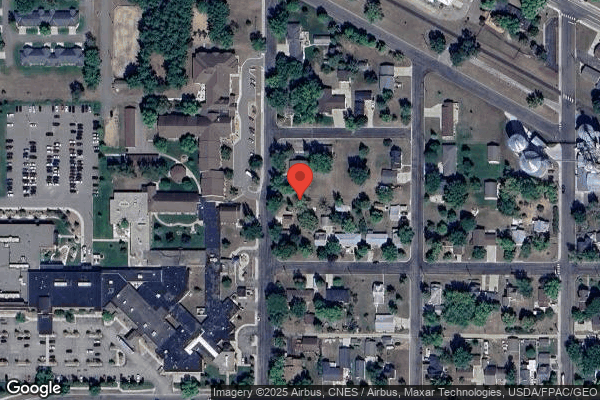
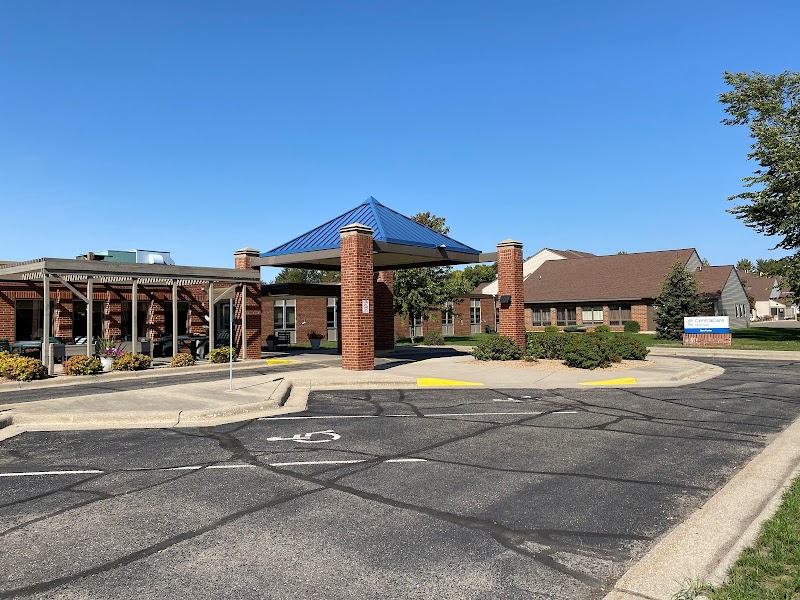

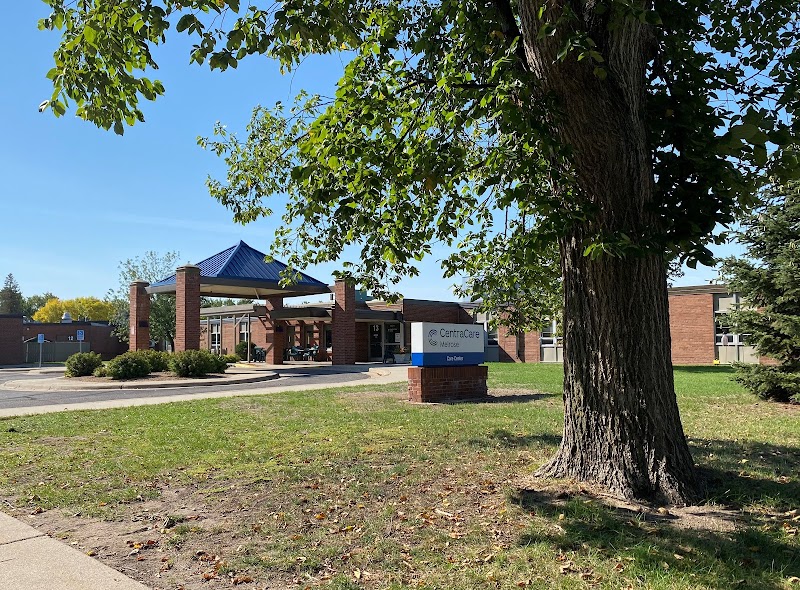

CURA OF MELROSE

101 5TH AVENUE NW, MELROSE, MN 56352 (320) 256-4474
Non profit - Corporation 75 Beds Independent Data: November 2025
Trust Grade
55/100
#223 of 337 in MN
Last Inspection: September 2025

Inspected within the last 6 months. Data reflects current conditions.

Overview

Cura of Melrose has a Trust Grade of C, which means it is average and falls in the middle of the pack among nursing homes. It ranks #223 out of 337 facilities in Minnesota, placing it in the bottom half, and #7 out of 10 in Stearns County, indicating only two local options are better. The facility is worsening, having increased from 2 issues in 2024 to 9 in 2025, which raises concerns about care quality. Staffing is a relative strength, with a 4/5 star rating and a turnover rate of 49%, which is around the state average, suggesting that while staff retention could improve, it is not alarming. Notably, the facility has had no fines, which is a positive sign; however, there are serious deficiencies, including a resident developing a stage 3 pressure ulcer due to inadequate care, and failures in timely reporting of hospitalizations, highlighting areas for significant improvement.

Trust Score
C
55/100
In Minnesota
#223/337
Bottom 34%
Safety Record
Moderate
Needs review
Inspections
Getting Worse
2 → 9 violations
Staff Stability
⚠ Watch
49% turnover. Above average. Higher turnover means staff may not know residents' routines.
Penalties
✓ Good
No fines on record. Clean compliance history, better than most Minnesota facilities.
Skilled Nurses
✓ Good
Each resident gets 53 minutes of Registered Nurse (RN) attention daily — more than average for Minnesota. RNs are trained to catch health problems early.
Violations
⚠ Watch
12 deficiencies on record. Higher than average. Multiple issues found across inspections.
★★☆☆☆
2.0
Overall Rating
★★★★☆
4.0
Staff Levels
★☆☆☆☆
1.0
Care Quality
★★★☆☆
3.0
Inspection Score
Stable
2024: 2 issues
2025: 9 issues

The Good

  • 4-Star Staffing Rating · Above-average nurse staffing levels
  • Full Sprinkler Coverage · Fire safety systems throughout facility
  • No fines on record

Facility shows strength in staffing levels, fire safety.

The Bad

2-Star Overall Rating

Below Minnesota average (3.2)

Below average - review inspection findings carefully

Staff Turnover: 49%

Near Minnesota avg (46%)

Higher turnover may affect care consistency

The Ugly 12 deficiencies on record

1 actual harm
Sept 2025 6 deficiencies
CONCERN (D)

Potential for Harm - no one hurt, but risky conditions existed

Deficiency F0628 (Tag F0628)

Could have caused harm · This affected 1 resident

**NOTE- TERMS IN BRACKETS HAVE BEEN EDITED TO PROTECT CONFIDENTIALITY** Based on interview and document review the facility failed to notify the Ombudsman of transfers and discharges for 1 of 3 reside...

Read full inspector narrative →
**NOTE- TERMS IN BRACKETS HAVE BEEN EDITED TO PROTECT CONFIDENTIALITY** Based on interview and document review the facility failed to notify the Ombudsman of transfers and discharges for 1 of 3 residents (R6) reviewed for hospitalizations. Findings include: R6's quarterly minimum data set (MDS) dated [DATE], indicated R6 was cognitively intact and had the following diagnoses: heart failure, hypertension, end stage renal failure and diabetes mellitus. R6's progress notes printed 9/11/25, indicated R6 was hospitalized from [DATE] to 5/5/25, with sepsis related pneumonia. Facility Ombudsman notification lacked evidence of R6's hospitalization in neither the April or May 2025 Ombudsman notifications. During interview on 09/10/2025 at 11:09 a.m., Director of Nursing (DON) stated the social worker was responsible for notifications to the Ombudsman for all hospitalizations, transfers and discharges. DON stated she was unsure of the social workers process as to when notifications were sent. DON then confirmed the Ombudsman notification list provided by facility did not include R6's hospitalization from 4/29/25 through 5/5/25. DON stated it was her expectation that all hospitalizations, discharges and transfers be reported to the Ombudsman. A policy related to Ombudsman notification was requested by not provided.
CONCERN (D)

Potential for Harm - no one hurt, but risky conditions existed

Quality of Care (Tag F0684)

Could have caused harm · This affected 1 resident

**NOTE- TERMS IN BRACKETS HAVE BEEN EDITED TO PROTECT CONFIDENTIALITY** Based on document review and interview the facility failed to restart medications following hospitalization for 1 of 3 residents...

Read full inspector narrative →
**NOTE- TERMS IN BRACKETS HAVE BEEN EDITED TO PROTECT CONFIDENTIALITY** Based on document review and interview the facility failed to restart medications following hospitalization for 1 of 3 residents (R6) reviewed for hospitalization. This deficient practice resulted in R6 missing 43 doses of two prescribed medications.Findings include:R6's quarterly minimum data set (MDS) dated [DATE], indicated R6 was cognitively intact and had the following diagnoses: heart failure, hypertension, hyperlipidemia, irritable bowel syndrome with constipation and diabetes mellitus.R6's physician order summary report printed 9/11/25, indicated R6 had physician orders for the following medications: Linaclotide (Linzess) 145mcg capsule by mouth one time a day related to irritable bowel syndrome with constipation with an original order start date of 2/7/25, and Lipitor 40 mg tablet by mouth one time a day related to hyperlipidemia with an original order start date of 2/7/25.R6's progress note dated 4/29/25, indicated R6 was emergently transferred to the hospital and was subsequently admitted with sepsis. R6 returned to the facility on 5/5/25.R6's hospital Discharge summary dated [DATE], indicated the following under medication list: PAUSE taking these medications-Atorvastatin 40mg tablet. Wait to take this until: May 6th, 2025, morning. Commonly known as Lipitor. Take one tablet (40mg) in the morning. Linaclotide 145 mcg capsule. Wait to take this until: May 6th, 2025, morning. Commonly known as Linzess. Take one capsule(145mcg) by mouth in the morning. In the margin next to the medication list was a check mark next to each medication order. Each page of the hospital discharge summary had 3 signatures with date and time included.During interview on 9/10/25 at 10:33 a.m., licensed practical nurse (LPN)-A stated when a resident admitted to the facility, the nurse doing the admission reviewed the orders and was responsible to transcribe any orders. LPN-A stated if a resident had an overnight hospitalization, the discharge paperwork was given to the health unit coordinator (HUC), and they transcribed the orders. Orders were second checked by a nurse. LPN-A went on to say the second check had to be completed by end of shift for the nurse who admitted or readmitted the resident. LPN-A stated the facility required a third check by staff to verify all orders were transcribed correctly, and nurses initialed and dated each page of the order or discharge summary after they reviewed it.During interview on 9/10/25 at 10:55 a.m., registered nurse (RN)-D stated if a resident admitted or returned from the hospital, if available, the clinical coordinator, or the charge nurse reviewed the paperwork. Otherwise, the admitting/readmitting nurse reviewed it as soon as they had time. RN-D stated the HUC did most of the first checks and entered orders into the electronic medical record (EMR) and then sent a notice to the nurses for review. RN-D stated the second check was completed by comparing the printed order to the EMR to verify for accuracy and then the nurse signed the page to let others know the second check was completed.During interview on 9/10/25 at 11:09 a.m., Director of Nursing (DON) stated when a resident admitted or readmitted to the facility it was the responsibility of the admitting/readmitting nurse to review all paperwork immediately. DON stated the HUC initiated the transcription process by entering orders into the EMR. Then, a second nurse checked for accuracy and within 24 hours a third nurse verified the orders were entered correctly. DON reviewed R6's EMR and confirmed the medications Lipitor 40mg daily and Linaclotide 145 mcg daily were not accurately transcribed to start on May 6th and confirmed the discharge summary had been initialed as reviewed by 3 staff members. DON confirmed R6 had missed 43 doses of each medication because of the transcription error. DON stated she expected staff to thoroughly review all orders when they were received and expected nursing staff to accurately perform a second and third check to avoid errors. DON stated this was important to ensure residents received the appropriate care and medications as ordered by the physician.A policy titled Transcription Processing Provider Orders -Long Term Care with a last review date of 7/2025 indicated the following: All medications and treatments will be transcribed to assure they are administered as ordered by a licensed provider. Components of a complete medication order include medication name, dose, strength, route or treatment, time or frequency, and diagnosis. Transcribing and processing provider orders may be completed by either nurse or HUC. After each provider order the process must be followed as noted. Two staff members will sign and date upon verification of order processing indicating that the steps to the order process have been completed. The second person double checking in the order should: Look at the provider order in the chart; Confirm appropriate start/end date and time in the EMR/ETAR by running the medication administration record to ensure correct date/time; Verify that all steps of the order were processed as noted.
CONCERN (D)

Potential for Harm - no one hurt, but risky conditions existed

Drug Regimen Review (Tag F0756)

Could have caused harm · This affected 1 resident

**NOTE- TERMS IN BRACKETS HAVE BEEN EDITED TO PROTECT CONFIDENTIALITY** Based on document review and interview the facility failed to ensure monthly pharmacy reviews were accurately completed and incl...

Read full inspector narrative →
**NOTE- TERMS IN BRACKETS HAVE BEEN EDITED TO PROTECT CONFIDENTIALITY** Based on document review and interview the facility failed to ensure monthly pharmacy reviews were accurately completed and included review of hospital discharge orders for 1 of 3 residents (R6) reviewed for hospitalizations.Findings include:R6's quarterly minimum data set (MDS) dated [DATE], indicated R6 was cognitively intact and had the following diagnoses: heart failure, hypertension, end stage renal failure, diabetes mellitus, and irritable bowel syndrome with constipation.R6's progress note dated 4/29/25, indicated R6 was emergently transferred to the hospital and was subsequently admitted with sepsis. R6 returned to the facility on 5/5/25.R6's discharge transfer paperwork dated 5/5/25, indicated the following orders: Atorvastatin 40 mg-Wait to take this until May 6th morning; Linaclotide 145 mcg cap-wait to take this until May 6th morning.During interview on 09/09/2025 at 9:33 a.m., Consulting Pharmacist (CP) stated she was familiar with R6's hospitalization on 4/29/25 through 5/5/25. She stated she completed her monthly pharmacy review on May 21st which included discharge paperwork from 5/5/25. CP confirmed she did not see the orders for Atorvastatin and Linaclotide to begin on May 6th and hadn't written a recommendation related to those meds. She missed the order and should have written a recommendation for the medications to be restarted. Additionally, CP stated the potential was there for R6 to experience increased constipation or fecal impaction as a result.During interview on 9/10/25 at 11:09 a.m., Director of Nursing (DON) stated the pharmacy consultant reviewed all resident medications at least monthly for errors and irregularities. DON stated irregularities were addressed by the appropriate person, either the physician or nursing staff. DON confirmed the consultant pharmacist did not catch the transcription error for R6 and stated it looked like everyone missed it. DON stated the pharmacy review was an important component for resident safety.A policy titled Consultant Pharmacist Medication Regimen Review with a last review date of 3/2025 indicated the purpose was to the define the intent and process for drug regimen reviews of residents within long term care. The consultant pharmacist will review the medication regimen of each resident at least monthly and as needed. Irregularities will be reported to the Director of Nursing, the attending provider and a summary to the medical director for review and considerations of irregularities that may need to be further addressed with the attending provider. The facility will provide the consultant pharmacist with access to the resident's medical records, both electronic and paper records. Medication Regimen Review activities may include evaluating medication orders to determine the resident's orders represent optimal therapy; diagnosis or indication supports medication use; route of administration is appropriate; the prescribed dose is appropriate; the administration schedule is appropriate considering side effects and compatibility with other medications and diet.
CONCERN (D)

Potential for Harm - no one hurt, but risky conditions existed

Deficiency F0761 (Tag F0761)

Could have caused harm · This affected 1 resident

Based on observation and interview, the facility failed to maintain safe storage of medications on 1 of 3 medication carts when medication cart was left unlocked. Findings include:On 9/9/25 at 7:55 a....

Read full inspector narrative →
Based on observation and interview, the facility failed to maintain safe storage of medications on 1 of 3 medication carts when medication cart was left unlocked. Findings include:On 9/9/25 at 7:55 a.m., medication cart in common area of 100's unit was observed unlocked and unsupervised. Medication cart was placed outside of dining room, across from the unattended nurse's station.At 8:01 a.m., a staff person walked by cart to place something in the unattended nurses station. A second staff person walked past the unlocked medication cart. Neither attempt to lock the cart.At 8:04 a.m., a staff person with a laundry cart walked past the unlocked medication cart.At 8:05 a.m., registered nurse (RN)-C pushed a resident in a wheelchair past the unlocked medication cart.At 8:06 a.m., director of nursing (DON) walked past unlocked medication cart, but did not observe unlocked cart. RN-C walked past unlocked medication cart with supplies.At 8:07 a.m., housekeeping staff person walked past unlocked cart. RN-C walked past unlocked medication cart, noticed it was unlocked, and stopped to lock it prior to answering a phone.During interview on 9/9/25 at 8:09 a.m., RN-C confirmed she left the medication cart unlocked. RN-C was unsure when she left the cart unlocked. RN-C confirmed it was never acceptable to leave a medication cart unlocked.During interview on 9/10/25 at 10:54 a.m., DON stated she expected medication carts were locked any time someone turned away or left the cart. This would be important to prevent both staff and visitors from having access to medications. Facility policy titled Medication Guidelines - Long Term Care dated July 2025, included all compartments that contain medications should have been locked when not in use and should not be left unattended.
CONCERN (D)

Potential for Harm - no one hurt, but risky conditions existed

Medical Records (Tag F0842)

Could have caused harm · This affected 1 resident

**NOTE- TERMS IN BRACKETS HAVE BEEN EDITED TO PROTECT CONFIDENTIALITY** Based on interview and record review the facility failed to maintain a complete, accurately documented, and readily accessible m...

Read full inspector narrative →
**NOTE- TERMS IN BRACKETS HAVE BEEN EDITED TO PROTECT CONFIDENTIALITY** Based on interview and record review the facility failed to maintain a complete, accurately documented, and readily accessible medical record in accordance with accepted professional standards of practice for 1of 24 residents (R1) reviewed for advanced directives documentation. This deficient practice gave staff access to inaccurate information. Findings include:R1's quarterly minimum data set (MDS) dated [DATE] indicated R1 admitted to the facility 3/13/25 and had the following diagnoses: hypertension, hyperlipidemia, arthritis, respiratory failure and depression.Review of R1's electronic medical record (EMR) on 9/7/25 indicated the code status as DNR, and current orders indicated DNR. However, the Advance Directive link in R1's EMR revealed an outdated advanced directive which indicated FULL CODE.A progress note titled Communication with Physician dated 7/28/25, indicated during hospitalization R1's code status was changed to Do Not Resuscitate, and the change was verified with R1's spouse. The note indicated social services would follow up and assist with updating healthcare directives.During interview on 9/7/25 at 3:08 p.m., registered nurse (RN)-C stated she would look to the EMR for a resident's code status, or the paper chart for the signed order from the physician. RN-C stated the paper chart and EMR should match. RN-C went on to say the advanced directive link in the EMR would be the best choice because it was linked to the signed official order. During interview on 9/7/25 at 3:10 p.m., trained medication aide (TMA)-A stated a resident's advanced directives were on the Kardex and on the Point of Care (POC) banner. TMA-A opened the EMR and clicked on the link to the resident Kardex. However, TMA-A did not access the Advance Directives link.During interview on 9/7/25 at 3:11 p.m., RN-B stated she could find the advanced directives in the resident's hard/paper chart or in the EMR on the banner. RN-B stated staff always verified they matched and compared the paper to the electronic chart to ensure they matched. RN-B did not access the Advance Directives link.During interview on 9/7/25 at 3:17 p.m., licensed practical nurse (LPN)A stated she would look to the resident's hard/paper chart to find advanced directives. LPN-A did not use the Advanced Directive link. During interview on 9/10/25 at 11;05 a.m., Director of Nursing (DON) stated it was the responsibility of the admitting or readmitting nurse to establish initial code status and obtain orders. DON stated staff could find code status in the EMR, the paper chart, and POC. DON located R1's code status on the EMR banner and stated it was listed as DNR. DON then confirmed R1's Advance Directives link was active and stated an outdated advance directive listed R1's code status as full code. DON stated her expectation was all locations listing code status matched. R1's did not match. DON stated it was important to have the correct code status in all locations to ensure the resident received the correct physician ordered care.A policy titled Code Blue/Cardiopulmonary Resuscitation-Skilled Nursing indicated the procedure to obtain advance directives through discussion with the resident and family and indicated how the wishes would be carried out in the event of cardiac arrest. The policy lacked a procedure to ensure all available locations of a resident's advance directives were matching.
CONCERN (D)

Potential for Harm - no one hurt, but risky conditions existed

Infection Control (Tag F0880)

Could have caused harm · This affected 1 resident

**NOTE- TERMS IN BRACKETS HAVE BEEN EDITED TO PROTECT CONFIDENTIALITY** Based on observation, interview, and document review, the facility failed to properly disinfect shared equipment between use for...

Read full inspector narrative →
**NOTE- TERMS IN BRACKETS HAVE BEEN EDITED TO PROTECT CONFIDENTIALITY** Based on observation, interview, and document review, the facility failed to properly disinfect shared equipment between use for 1 of 2 glucometers (medical device used to check blood sugar levels) reviewed for infection control. Findings include:R126's admission Minimum Data Set (MDS) dated [DATE], indicated severe cognitive impairment and diagnoses of diabetes mellitus (a disease where the body either does not produce enough insulin or not use insulin effectively) and dementia (memory loss).During observation and interview on 9/9/25 at 7:07 a.m., registered nurse (RN)-C completed a blood sugar check using a shared glucometer on R126 in R126's room. RN-C brought the shared glucometer back to the medication cart and used a Sani-Cloth germicidal disposable wipe on the glucometer for approximately 10 to 15 seconds. RN-C replaced the glucometer into the medication cart. RN-C confirmed she wiped the glucometer down for approximately 5 to 10 seconds and was dry soon after. RN-C checked the label and stated the contact time for the Sani-Cloth brand wipes was one minute .During interview on 9/10/25 at 10:54 a.m., the director of nursing (DON) stated she expected the glucometer to be disinfected between uses and following the policy.According to the [NAME] owner's manual, the device must be cleaned and disinfected after each patient with a CAVIPES disinfecting towelette by manufacturer Metrex and isopropanol as an active ingredient. Instructions included to allow the surface to remain wet for 2 minutes and allow to air dry.Facility policy for blood glucose sampling dated September 2025 included to follow the manufacturer's instructions for cleaning and disinfecting after each use.
Jul 2025 2 deficiencies 1 Harm
SERIOUS (G) 📢 Someone Reported This

A family member, employee, or ombudsman was alarmed enough to file a formal complaint

Actual Harm - a resident was hurt due to facility failures

Pressure Ulcer Prevention (Tag F0686)

A resident was harmed · This affected 1 resident

**NOTE- TERMS IN BRACKETS HAVE BEEN EDITED TO PROTECT CONFIDENTIALITY** Based on observation, interview, and document review, the facility failed to provide care consistent with professional standard ...

Read full inspector narrative →
**NOTE- TERMS IN BRACKETS HAVE BEEN EDITED TO PROTECT CONFIDENTIALITY** Based on observation, interview, and document review, the facility failed to provide care consistent with professional standard of practice to prevent worsening of pressure ulcer identified on 6/20/25 for 1 of 3 residents (R1) reviewed when the facility failed to provide appropriate assessment and treatment. This resulted in actual harm to R1 when she was identified with stage 3 pressure ulcer at coccyx area during admission at the hospital on 7/15/25. Findings include: According to the State Operations Manual, Appendix PP, Guidance to Surveyors for Long Term Care Facilities, revision 229, issued 4/25/25 a pressure ulcer and stage 3 pressure ulcer is defined as Pressure Ulcer/Injury (PU/PI) refers to localized damage to the skin and/or underlying soft tissue usually over a bony prominence or related to a medical or other device. A pressure injury will present as intact skin and may be painful. A pressure ulcer will present as an open ulcer, the appearance of which will vary depending on the stage and may be painful. The injury occurs as a result of intense and/or prolonged pressure or pressure in combination with shear. Soft tissue damage related to pressure and shear may also be affected by skin temperature and moisture, nutrition, perfusion, co-morbidities, and condition of the soft tissue. Stage 3 Pressure Ulcer: Full-thickness skin loss Full-thickness loss of skin, in which subcutaneous fat may be visible in the ulcer and granulation tissue and epibole (rolled wound edges) are often present. Slough and/or eschar may be visible but does not obscure the depth of tissue loss. The depth of tissue damage varies by anatomical location; areas of significant adiposity can develop deep wounds. Undermining and tunneling may occur. Fascia, muscle, tendon, ligament, cartilage, and/or bone are not exposed. If slough or eschar obscures the wound bed, it is an Unstageable PU/PI. On 7/29/25 at 10:09 a.m., during R1's wound dressing observation, RN-G stated R1's pressure ulcer measurements indicated the following: length: 5.5 cm; width: 3.5 cm; and depth: 1 cm. RN-G stated he noted an excoriation around the wound, blanchable, little slough, borderline stage 3 pressure ulcer. R1's admission Record dated 3/27/24 indicated R1's diagnoses included intervertebral disc degeneration, chronic respiratory failure with hypoxia, history of diseases of the skin and subcutaneous tissue, sepsis due to Escherichia coli, and post-traumatic stress disorder. R1's care plan dated 3/27/24, indicated R1 had intact cognition and was at risk for skin breakdown related to pressure due to incontinence, inactivity, immobility, and problem with friction and shearing with staff interventions to inspect skin with care, to evaluate and notify the provider and the family immediately of any new area of skin breakdown. R1's Quarterly Minimum Data Set (MDS) dated [DATE] indicated R1 is at risk of developing pressure ulcers. The MDS also indicated R1 required extensive assistance with activities of daily living (ADL) R1's skin evaluation document dated 6/20/25 at 8:24 p.m. indicated R1 had new skin impairment with an open skin area at her coccyx. The document also indicated Mepilex border (a wound dressing) applied, monitoring task initiated. R1's care plan review lacked evidence of the focus, goal and interventions reviewed after the new skin impairment finding on 6/20/25. Review of R1's medical record including skin assessments and progress notes, indicated the facility failed to document an assessment of the pressure ulcer, measurements, or description from 6/20/25 through 7/14/25, during the time the facility nursing staff was responsible for R1's skin integrity. R1's treatment administration record (TAR) dated 6/20/25, through 7/14/25, indicated R1 refused wound care on 7/1, 7/6, 7/7, 7/8, 7/9, and 7/10. Record review lacked indication of a notification to R1's physician or the nurse manager about R1's refusal of wound care. R1's skin assessment dated [DATE] at 7:35 p.m. indicated R1 had an open skin area at her coccyx with Mepilex dressing intact. The note indicated R1 refused to reposition often from the recliner. R1's skin assessment and progress notes 7/7/25 and 7/14/25, lacked documentation of R1's pressure ulcer of the coccyx area. On 7/15/25 at 6:33 p.m., a progress note indicated R1 was very drowsy/lethargic all shift with blood pressure of 62/42 and nursing staff sent R1 to the hospital for further evaluation per provider order. On 7/15/25, an emergency department (ED) provider note indicated emergency medical services (EMS) brought R1 to the hospital for evaluation of low blood pressures, increased fatigue, increased weakness, and some disorientation. The note also indicated a discrepancy in the history from the nursing home staff and there was very minimal documentation in the chart. R1's MDS dated [DATE] indicated no unhealed pressure ulcer/pressure injury identified. On 7/24/25 at 1:15 p.m., a licensed practical nurse (LPN)-A stated if you noted a new skin impairment, nursing staff should provide assessment, description, measurement, document in the progress note, and notified the nurse manager, the provider, and the family, and initiated a task to monitor its progress. LPN-A stated with a pressure ulcer or injury she would keep the pressure off, notified the treatment team, the dietitian, and the provider. On 7/24/25 at 3:32 p.m., LPN-B stated it was the standard of practice to check the status of an existing skin impairment compared to the initial assessment during the skin assessment and documented whether it was getting better or worse. LPN-B stated with a resolved skin impairment, nursing staff had to document it in the progress note and notified the nursing manager. On 7/28/25 at 8:54 a.m., LPN-C stated she reviewed the assessment of the week before her shift and looked at the areas of concerns, documented any findings in the progress note, and notified the care manager and the provider. On 7/28/25 at 11:54 a.m., a registered nurse (RN)-A stated ED provider note on 7/16/25 indicated R1 had sacral pressure ulcer present at the admission. RN-A stated a hospital wound nurse who was consulted to see R1 evaluated R1's sacral pressure ulcer to be at least stage III with 9 cm length and 7 cm width and was unable to determine the depth. On 7/28/25 at 1:16 p.m., LPN-D stated she would update the provider, the nurse manager, and the family about a new skin impairment. LPN-D stated she was just monitoring R1's open skin area progress but she did not document its status during her skin assessment on 6/30/25 since it was not a new skin impairment. LPN-D stated usually the RNs will do an evaluation for stuff like that. She just made sure the Mepilex dressing was in place. On 7/28/25 at 1:21 p.m., RN-B stated she did not document a description and measurement about R1's new skin impairment on 6/20/25, and did not notify the nurse manager or the provider. RN-B stated she initiated the task to monitor the open skin area at R1's coccyx and could not find any documentation about when it was resolved. On 7/28/25 at 3:12 p.m., a care coordinator, registered nurse (RN)-C stated she expected licensed nurses to describe and measure any new skin impairment, documented in the progress note, initiated a task for monitoring process, and notified the care coordinator and the provider. RN-C stated nursing staff did not notify the provider about R1's new skin impairment. RN-C stated she could not find any documentation about R1's resolved skin impairment prior to her hospitalization. RN-C stated R1 was back from hospital today and she sustained pressure ulcer at her coccyx area with 9.0 cm length, 8.2 cm width, and 0.7 cm depth with tunneling. On 7/29/25 at 10:09 a.m., during R1's wound dressing observation, RN-G stated R1's pressure ulcer measurements indicated the following: length: 5.5 cm; width: 3.5 cm; and depth: 1 cm. RN-G stated he noted an excoriation around the wound, blanchable, little slough, borderline stage III pressure ulcer. On 7/29/25 at 10:42 a.m., R1 stated the sore at her bottom was there for a little bit before she went to the hospital. R1 stated it hurt sometimes but she did not have pain at this time. R1 stated she could not remember what happened before she left for hospital. R1 stated she did not sleep in bed before her hospitalization, she preferred to sleep in her recliner. On 7/29/25 at 11:38 a.m., RN-D from R1's medical team office stated she could not find any new skin impairment notification in their system about R1 from 6/20/25 through 7/14/25. RN-D stated she received the only notification about R1's wound status today on 7/29/25 and they ordered a wound care consult. On 7/29/25 at 12:07 p.m., RN-E stated she assessed R1 when she came to the intensive care unit (ICU) for septic shock. RN-E stated the only reason she made the report to the State Agency (SA) was the skin impairment. RN-E stated R1 had a massive open skin area which looked like a pressure ulcer at her sacral area. On 7/29/25 at 12:09 p.m., a nursing assistant (NA)-A stated during the week when R1 went to the hospital, she reported a purple bluish bruising around R1's coccyx area to RN-F who looked at it but when she came back the next day, she could not find any documentations about the bruising. On 7/29/25 at 12:34 p.m., the medical director (MD)-A stated he expected nursing staff to follow change in condition and wound care policies. MD-A stated nursing staff had to notify the provider about a new skin impairment depending on the resident diagnosis. On 7/29/25 at 1:32 p.m., RN-F stated nurses had to report any new skin impairments to the case manager, the provider, and the family. RN-F stated nurses had to document the size, characteristics, status of an existing skin impairment or reopened, and initiated a risk management if the case manager wanted to do more investigation. RN-F did not recall getting a report from nursing staff about R1's coccyx area condition. On 7/29/25 at 3:34 p.m., the director of nursing (DON) stated she expected nursing staff to follow a change in condition and wound care policies about a new skin impairment finding. The DON stated with new skin impairment, nurses had to update the care team, record the measurement and the description of the wound, open a task to monitor its healing process, updated the dietary department, the care plan, the provider, and the family. The DON stated she could not find any care plan updated about R1's new skin impairment finding on 6/20/25. The DON stated she could not find any documentations about when R1's open skin area at her coccyx was resolved. Nursing staff did not update the nurse manager about R1's new skin impairment and staff failed to implement a pressure reduction cushion in the recliner for R1. The DON stated the professional standard of practice would be to describe and measure the wound, documented in the progress note, update the care team and the provider, initiated offload pressure reduction measures, and follow the provider recommendation. The facility policy for Change in Condition dated 7/2025 directed nurses to make detailed observations and gather relevant and pertinent information for the provider of a change in the resident's condition. The policy also directed nurses to record in the resident's medical record information relative to changes in the resident's status and update to the resident's plan of care. The facility Wound Care policy dated 1/2025 directed nurses to follow the professional standards of practice, to observe the wound and surrounding skin taking note of the appearance of the wound bed, surrounding skin, edema, redness, drainage, indications of wound status. The policy also indicated to notify the supervisor if the resident refuses the wound care.
CONCERN (D) 📢 Someone Reported This

A family member, employee, or ombudsman was alarmed enough to file a formal complaint

Potential for Harm - no one hurt, but risky conditions existed

Notification of Changes (Tag F0580)

Could have caused harm · This affected 1 resident

**NOTE- TERMS IN BRACKETS HAVE BEEN EDITED TO PROTECT CONFIDENTIALITY** Based on interview and document review, the facility failed to provide timely notification for change in condition to the physic...

Read full inspector narrative →
**NOTE- TERMS IN BRACKETS HAVE BEEN EDITED TO PROTECT CONFIDENTIALITY** Based on interview and document review, the facility failed to provide timely notification for change in condition to the physician for 1 of 3 residents (R1) reviewed for pressure ulcers. Findings include: R1's admission Record dated 3/27/24 indicated R1's diagnoses included intervertebral disc degeneration, chronic respiratory failure with hypoxia, history of diseases of the skin and subcutaneous tissue, sepsis due to Escherichia coli, and post-traumatic stress disorder. R1's care plan dated 3/27/24, indicated R1 had intact cognition and was at risk for skin breakdown related to pressure due to incontinence, inactivity, immobility, and problem with friction and shearing with staff interventions to inspect skin with care, to evaluate and notify the provider and the family immediately of any new area of skin breakdown. R1's Quarterly Minimum Data Set (MDS) dated [DATE] indicated R1 is at risk of developing pressure ulcers. The MDS also indicated R1 required extensive assistance with activities of daily living (ADL) R1's skin evaluation document dated 6/20/25 at 8:24 p.m. indicated R1 had new skin impairment with an open skin area at her coccyx. The document also indicated Mepilex border (a wound dressing) applied, monitoring task initiated. The document lacked evidence of the provider notification. R1's skin assessment dated [DATE] at 7:35 p.m. indicated R1 had an open skin area at her coccyx with Mepilex dressing intact. The note indicated R1 refused to reposition often from the recliner. R1's treatment administration record (TAR) dated 6/20/25 through 7/14/25, indicated R1 refused wound care on 7/1, 7/6, 7/7, 7/8, 7/9, and 7/10. Record review lacked indication of a notification to R1's physician or the nurse manager about R1's refusal of wound care. Review of R1's medical record including skin assessments and progress notes, indicated the facility failed to document an assessment of the pressure ulcer, measurements, or description from 6/20/25 through 7/14/25, during the time period the facility nursing staff was responsible for R1's skin integrity. On 7/24/25 at 1:15 p.m., a licensed practical nurse (LPN)-A stated if you noted a new skin impairment, nursing staff should provide assessment, description, measurement, document in the progress note, and notified the nurse manager, the provider, and the family, and initiated a task to monitor its progress. LPN-A stated with a pressure ulcer or injury she would keep the pressure off, notified the treatment team, the dietitian, and the provider. On 7/28/25 at 1:16 p.m., LPN-D stated she would update the provider, the nurse manager, and the family about a new skin impairment. LPN-D stated she was just monitoring R1's open skin area progress but she did not document its status during her skin assessment on 6/30/25 since it was not a new skin impairment. LPN-D stated usually the RNs will do an evaluation for stuff like that. She just made sure the Mepilex dressing was in place. 7/28/25 at 1:21 p.m., RN-B stated she did not document a description and measurement about the new skin impairment on 6/20/25, and did not notify the nurse manager or the provider. RN-B stated she initiated the task to monitor the open skin area at R1's coccyx and could not find any documentation about when it was resolved. On 7/28/25 at 3:12 p.m., a care coordinator, registered nurse (RN)-C stated she expected licensed nurses to describe and measure any new skin impairment, documented in the progress note, initiate a task for monitoring process, and notified the care coordinator and the provider. RN-C stated nursing staff did not notify the provider about R1's new skin impairment and could not find any documentation about when R1's resolved skin impairment prior to her hospitalization. RN-C stated R1 was back from hospital today and she sustained pressure ulcer at her coccyx area with 9.0 cm length, 8.2 cm width, and 0.7 cm depth with tunneling. On 7/29/25 at 11:38 a.m., RN-D from R1's medical team office stated she could not find any new skin impairment notification in their system about R1 from 6/20/25 through 7/14/25. RN-D stated she received the only notification about R1's wound status today on 7/29/25 and they ordered a wound care consult. On 7/29/25 at 12:34 p.m., the medical director (MD)-A stated he expected nursing staff to follow change in condition and wound care policies. MD-A stated nursing staff had to notify the provider about a new skin impairment depending on the resident diagnosis. On 7/29/25 at 3:34 p.m., the director of nursing (DON) stated she expected nursing staff to follow a change in condition policy about a new skin impairment finding. the DON stated she expected staff to report any resident wound concerns to the provider immediately. The DON stated with new skin impairment, nurses had to update the care team, record the measurement and the description of the wound, open a task to monitor its healing process, updated the dietary department, the care plan, the provider, and the family. The DON stated nursing staff did not update the nurse manager about R1's new skin impairment. The facility policy for Change in Condition dated 7/2025 directed nurses to make detailed observations and gather relevant and pertinent information for the provider of a change in the resident's condition. The policy also directed nurses to record in the resident's medical record information relative to changes in the resident's status and update to the resident's plan of care.
Apr 2025 1 deficiency
CONCERN (D) 📢 Someone Reported This

A family member, employee, or ombudsman was alarmed enough to file a formal complaint

Potential for Harm - no one hurt, but risky conditions existed

Infection Control (Tag F0880)

Could have caused harm · This affected 1 resident

**NOTE- TERMS IN BRACKETS HAVE BEEN EDITED TO PROTECT CONFIDENTIALITY** Based on observation, interview, and document review the facility failed to implement adequate use of personal protective equipm...

Read full inspector narrative →
**NOTE- TERMS IN BRACKETS HAVE BEEN EDITED TO PROTECT CONFIDENTIALITY** Based on observation, interview, and document review the facility failed to implement adequate use of personal protective equipment (PPE) and hand hygiene during direct care services for 1 of 1 resident (R3) who required enhanced barrier precautions (EBP) with an indwelling device and open wound with a dressing change. Findings include: R3's annual Minimum Data Set (MDS) dated [DATE], identified moderately impaired cognition. He required substantial/maximum assistance with toilet hygiene, shower/bathe, personal hygiene, sit to stand, toilet and chair/bed to chair transfers, dependent for lower body dressing, and used a manual wheelchair for mobility. He had a suprapubic (a device inserted a couple inches below the naval/belly button, directly into the bladder) urinary catheter and always continent of bowel. Diagnoses included benign prostatic hyperplasia (BPH) (enlargement of the prostate), neurogenic bladder (lack of bladder control due to brain, spinal cord, or nerve problems, osteoporosis (bone loss), dementia, Parkinson's (a nervous system disorder that worsens over time), and a stage three pressure ulcer (involve full thickness skin loss potentially extending into the subcutaneous tissue layer. R3's care plan dated 4/17/25, indicated care for a suprapubic catheter due to neurogenic bladder and chronic urinary retention and directed staff to monitor for any trouble with catheter leaking and signs and symptoms of a urinary tract infection (UTI) such as change in color or cloudy urine, burning, fever, chills and observe skin integrity at catheter site. He required assistance with activities of daily living (ADLs) and staff were directed to transfer him with a gait belt, walker, and assistance of two. Care plan did not include EBP. During a continuous observation on 4/24/25 from 1:42 p.m. to 2:03 p.m., -1:42 p.m. located outside of R3's room was EBP signage and a large container with pockets that hung on the outside of his door which contained PPE supplies. Signage identified everyone must clean their hands, including before entering and when leaving the room. Providers and staff must also: wear gloves and a gown for the following high-contact resident Care activities: dressing, bathing/showering, transferring, changing linens, providing hygiene, changing briefs or assisting with toileting, device care or use with central line, urinary catheter, feeding tube, and tracheotomy. Wound care: any skin opening requiring a dressing. Do not wear the same gown and gloves for the care of more than one person. Nursing assistant (NA)-A and NA-B entered R3's room without application of PPE (gown and gloves) and assisted R3 into his wheelchair. NA-A positioned herself in front of him, reached down and attempted to pull R3's pant leg down with her bare hands and stated, his catheter bag was leaking. NA-A and NA-B placed gloves on. NA-B pulled up his left pant leg and identified the clamp to the urinary catheter tubing may have been broken and urine had leaked onto his pants leg, socks and left shoe. NA-A sat down on the floor in front of him and removed his left shoe and knee-high sock, carried it over to the sink while it dangled from her hand and rinsed it in the under running water. NA-B kneeled on the floor in front of him, placed papers towels on the floor underneath the catheter bag, disconnected the straps from his lower leg and tubing/catheter collection bag from R3, wiped off end of tubing with an alcohol swab, and connected the new tubing end to the resident's catheter tubing, then placed the old catheter collection bag and tubing into the garbage can. NA-A kneeled on the floor with left knee and positioned herself in front of him. Both NA-A and NA-B sat on the floor, threaded the leg straps through his leg bag and around his lower left leg. NA-B removed her gloves, washed her hands, and exited the room. NA-B re-entered the room, carried a pair of scissors without a gown on, placed gloves on, and sat on the floor in front of him, and cut the leg straps shorter. NA-A and NA-B removed their gloves, failed to sanitize or wash their hands, and applied clean gloves. NA-A and NA-B assisted him up to stand, pulled down his pants and brief, completed peri cares. NA-A stated the Mepilex dressing fell off his open wound on his buttock, needed to be changed, used walkie to radio licensed practical nurse (LPN)-A. - At 1:57 p.m. LPN-A entered the room without a gown donned and was already wearing gloves. LPN-A failed to remove gloves, sanitize or wash hands and apply clean gloves before caring for R3. LPN-A placed a Mepilex dressing over a quarter sized open area located on the left inner buttock. LPN-A placed a new dressing around the suprapubic urinary catheter site located on his abdomen, removed gloves, washed her hands and exited the room. NA-A and NA-B removed his soiled pants, placed a clean pair on, and assisted him into his wheelchair, removed their gloves, and washed hands with soap and water. Observation ended at 2:03 p.m. During an interview on 4/24/25 at 2:04 p.m., NA-A stated R3 was currently on EBP due to suprapubic catheter, wound on his buttocks, and current UTI. She should have gowned up when she entered his room and forgot to. NA-A added, it would be important to have applied a gown to prevent the spread of infection and verified the staff in R3's room during care all did not have gowns on. During an interview on 4/24/25 at 2:15 p.m., NA-B stated R3 was in EBP due to his suprapubic urinary catheter. Staff were expected to wear PPE included a gown when they worked with his urinary catheter, during cares, wound, and changing his brief, for infection control protection. She should have placed a gown on before she entered the room but it slipped her mind. She had not expected to find his urinary catheter leaking on his pants, socks, and shoe. NA-B verified he had a current UTI and was being treated for it. During an interview on 4/24/25 at 4:30 p.m., LPN-A stated R3 had an open pressure wound located on the upper left part of the right inside gluteal fold the size of a quarter. Due to how often he moved around the Mepilex dressing fell off. He was placed in EBP for his suprapubic catheter and had a current UTI. Staff would be expected to wear a gown and gloves (and goggles if expected to be splashed) to help the prevent spread of germs and infection. She forgot to wear a gown and should have protected her clothing while she changed his dressing over the suprapubic site and on his gluteal fold. During an interview on 4/28/25 at 4:56 p.m., director of nursing (DON) stated staff would be expected to follow the EBP sign the moment they realized they would be completing cares and/or toileting a resident to help prevent the spread of infection. It was not recommended for staff to have sat on the resident's floor due to infection control concerns. Facility Enhanced Barrier Precautions signage identified everyone must clean their hands, including before entering and when leaving the room. Providers and staff must also: wear gloves and a gown for the following high-contact resident Care activities: dressing, bathing/showering, transferring, changing linens, providing hygiene, changing briefs or assisting with toileting, device care or use with central line, urinary catheter, feeding tube, and tracheotomy. Wound care: any skin opening requiring a dressing. Do not wear the same gown and gloves for the care of more than one person. Facility policy Enhanced Barrier Precautions dated 3/2025, identified the use of EBP within the facility was recommended by the Center of Disease Control (CDC) to reduce the transmission of multidrug-resistance organisms (MDROs) through the use of gown and glove use during high contact resident care activities that provide opportunities of transfer of MDROs to staff hands and clothing and maybe transferred from resident-to-resident during these high-contact care activities. Definition of a MDRO was organisms that have become resistant to multiple types of drugs that are normally used to treat those organisms. Examples of high-contact resident care activities required gown and glove use for EBP included: dressing, bathing/showering, transferring, providing hygiene, changing linens, changing briefs or assisting with toileting, device care or use: urinary catheter, wound care, stage 2 pressure ulcers, diabetic ulcers, venous stasis ulcers, arterial ulcers, open social wounds. Clear signage wound be expected to be posted on the door or wall outside the resident room indicating the type of precautions and required personal protective equipment (PPE) (e.g. gown and gloves).
Aug 2024 2 deficiencies
CONCERN (D)

Potential for Harm - no one hurt, but risky conditions existed

Deficiency F0688 (Tag F0688)

Could have caused harm · This affected 1 resident

**NOTE- TERMS IN BRACKETS HAVE BEEN EDITED TO PROTECT CONFIDENTIALITY** Based on observation, interview and document review, the facility failed to implement interventions to prevent further developme...

Read full inspector narrative →
**NOTE- TERMS IN BRACKETS HAVE BEEN EDITED TO PROTECT CONFIDENTIALITY** Based on observation, interview and document review, the facility failed to implement interventions to prevent further development of decreased range of motion and ability for 2 of 2 residents (R29, R53) reviewed for positioning and mobility. Findings include: R29's annual Minimum Data Set (MDS) dated [DATE], included diagnosis of stroke, arthritis, and hemiplegia or hemiparesis (weakness or inability to move one side of your body). R29's annual MDS included he had limited range of motion on one side of his upper body. On 8/27/24 at 11:39 a.m., R29 was positioned by staff at a table in the dining room. Right arm was noted to be on his lap with right hand curled inward. R29's care plan dated 8/2/24, included a restorative nursing intervention of passive range of motion for right upper and lower extremities which included passive stretching and extensions of the right fingers and thumb. R29's occupational therapy Discharge summary dated [DATE], included discharge recommendations for passive range of motion to R29's right upper extremity. R29's Follow Up Question report for 7/1/24 to 7/31/24, included a task for passive range of motion to fingers and wrist. Responses were as follows: Resident refused was documented 6 times Resident not available was documented 1 time Not applicable was documented 6 times Missing documentation or zero minutes was documented 11 times Task was documented as complete 10 times R29's Follow Up Question report for 8/1/24 to 8/29/24, included a task for passive range of motion to fingers and wrist. Responses were as follows: Resident not available was documented 2 time Not applicable was documented 13 times Missing documentation or zero minutes was documented 12 times Task was documented as complete 1 time During interview on 8/28/24 at 7:26 a.m., nursing assistant (NA)-A stated she did not have time to do range of motion. NA-A stated not applicable would be documented under the range of motion task if it was not offered and not completed. During interview on 8/29/24 at 8:27 a.m., director of therapy (DOT) stated it was very important for R29 to have his range of motion completed to prevent development of contractures and loss of range of motion in his joints. R53's quarterly Minimum Data Set (MDS) dated [DATE], indicated R53 was severely cognitively impaired, and had the following diagnoses: anemia (low iron in the blood), hypertension (HTN) (high blood pressure), renal insufficiency (kidneys not working properly/failing), dementia, malnutrition, anxiety and depression. R53's medical record indicated a restorative nursing program for passive range of motion (ROM) for bilateral (both sides) lower extremities daily and as needed on nights and evenings. The follow up question report dated 6/1/24 through 6/30/24, indicated the number of minutes spent completing the program, refusals and not applicable documentation of the ROM program. Resident refused was documented 2 times Not applicable was documented 9 times Task was documented as complete 9 times From 7/1/24 through 7/28/24: Resident refused was documented 1 times Not applicable was documented 19 times Task was documented as complete 6 times The undated Follow up Question: Question 1, indicated the number of minutes spent completing the ROM program, refusals and not applicable. From 8/1/24 through 8/27/24: 1 out of 21 days the program was completed. 1 out of 21 days showed zero minutes completed. 19 out of 21 days not applicable. R53's medical record lacked any rational or reasoning why the ROM program would not have been completed on the above listed days. On 8/26/24 at 2:27 p.m., R53's family member (O)-C stated R53 had a ROM program for their legs but it was only done when the staff had time. O-C felt R53 could have benefited from the ROM program. On 8/29/24 at 10:31 a.m., the nursing assistant (NA)-E stated they would complete the ROM program sometimes, but only if they had time. NA-E stated they normally documented if the ROM was completed in the task tabs in point click care (PCC) and put how long they preformed the ROM program and would leave it blank if they did not have time to do it. On 8/29/24 at 10:50 a.m., the licensed practical nurse (LPN)-A stated R53 had a ROM program which began in January of this year. LPN-A stated the facility used to have a restorative aide, but not anymore, and they rarely had the time to complete the program. LPN-A stated the NA's and nurses can complete the program and it was documented in the task tab of PCC and they would put not applicable when it was not completed. LPN-A stated when ROM was not completed it should have been reported to the nurse on duty but they very rarely had time to check and see it was completed or document why not. During interview on 8/29/24 at 9:53 a.m., director of nursing (DON) stated a task should have been documented in the resident's chart if it was completed. The floor nurse should have been updated if a resident was refusing. The DON confirmed R29 had a task for passive ROM and the task was often documented as not applicable. The DON stated completing passive ROM was important to keep residents at their current health status. Facility policy Restorative Nursing Services dated January 2024, included resident would receive restorative nursing care as needed to help promote safety and independence.
CONCERN (E) 📢 Someone Reported This

A family member, employee, or ombudsman was alarmed enough to file a formal complaint

Potential for Harm - no one hurt, but risky conditions existed

Resident Rights (Tag F0550)

Could have caused harm · This affected multiple residents

**NOTE- TERMS IN BRACKETS HAVE BEEN EDITED TO PROTECT CONFIDENTIALITY** Based on record review and interview the facility failed to provide a reasonable call light response time for 4 of 4 (R27, R13, ...

Read full inspector narrative →
**NOTE- TERMS IN BRACKETS HAVE BEEN EDITED TO PROTECT CONFIDENTIALITY** Based on record review and interview the facility failed to provide a reasonable call light response time for 4 of 4 (R27, R13, R36, R10) residents reviewed for dignity. Findings include: R27's quarterly MDS dated [DATE], indicated R27 was cognitively intact, and had the following diagnoses: anemia, HLD, depression, and post traumatic stress disorder (PTSD). R13's significant change MDS dated [DATE], indicated R13 was cognitively intact and had the following diagnoses: anemia (low blood count), atrial fibrillation (AFIB) (top two chambers of the heart beat irregularly), HTN, congestive heart failure (CHF) (heart does not pump blood efficiently), renal insufficiency (kidneys filter the blood ineffectively), HLD, and hyponatremia (low sodium levels in the body), and arthritis. R36's annual MDS dated [DATE], indicated R36 was cognitively intact and had the following diagnoses: cerebral vascular accident (CVA) (stroke), anemia, coronary artery disease (CAD) (hardening of the cardiac arteries), benign prostatic hyperplasia (BPH) (enlarged prostate), renal insufficiency, HLD, dementia, and depression. R10's quarterly Minimum Data Set (MDS) dated [DATE], indicated R10 was cognitively intact, and had the following diagnoses: hypertension (HTN) (high blood pressure), hyperlipidemia (HLD) (elevated levels of fat in the blood), anxiety and depression. The Device activity report dated 6/29/24, listed call light times for a 24-hour period and had 36 response times greater than 30 minutes, 7 greater than 60 minutes, and the longest response time was 2 hours and 21 minutes. The Device activity report dated 8/21/24, listed call light times for a 10-hour period and had 14 response times greater than 30 minutes, 3 greater than 60 minutes, and the longest response time was 1 hour and 27 minutes. The Device activity reported dated 8/23/24 through 8/24/24, listed call light times for a 14-hour period and had 23 response times greater than 30 minutes, 8 greater than 60 minutes, and the longest response time was 1 hour 45 minutes. On 8/29/24 at 10:31 a.m., nursing assistant (NA)-E stated they felt that cares were not getting done, they felt rushed and unable to spend time with the residents they would like to. NA-E stated the call lights will be relayed by nursing staff or whoever was near the monitors which list out who called first. NA-E stated 5-6 minutes was an acceptable response time for call lights. The Device activity report dated 8/23/24 through 8/24/24, listed a call light time of 60 minutes for R27. On 8/29/24 at 11:06 a.m., R27 confirmed they had experienced long call light response times. R27 stated they were unable to make it to the restroom because of the long response time and urinated in their chair while waiting for help to come. R27 stated they felt angry when it took so long to get help. The Device activity reported dated 8/23/24 through 8/24/24, listed a call light time of 1 hour and 16 minutes for R13. On 8/29/24 at 11:16 a.m., R13 confirmed they had experienced long call light response times. R13 stated they are very independent and only need help with a few things from staff, so when they must wait so long it made them feel upset and angry when they, only put on the light a few times and still no one comes. The Device activity report dated 6/29/24, listed a call light time of 1 hour 57 minutes for R36. On 8/29/24 at 11:24 a.m., R36 confirmed they had experienced long call light response times. R36 stated they had been unable to get to the rest room in time and had soiled their bed. R36 stated they were frustrated and mad when they had to wait so long and were unable to make it to the bathroom. The Device activity report dated 6/29/24, listed a call light time of 1 hour and 10 minutes for R10. On 8/29/24 at 11:30 a.m., R10 confirmed they had experienced long call light response times. R10 stated they were unable to make it to the rest room while waiting for assistance and R10 was very upset and it made them feel bad to have to wait so long for help. On 8/29/24 at 10:50 a.m., licensed practical nurse (LPN)-A stated they feel rushed and were not able to spend as much time as they would like with the residents to complete their workload. LPN-A stated lights were called out over the walkie talkies, informing staff which lights were on and which had been on the longest. LPN-A stated residents had reported to them in the past they had been waiting a long time and were frustrated. LPN-A stated 15 minutes was an acceptable response time. On 8/29/24 at 11:36 a.m., the director of nursing (DON) (O)-B confirmed the facility's call light logs had reflected excessively long wait times and they were aware of the problem. The DON expected call lights to be responded to within 15 minutes. DON stated they were currently working to implement a new call light program which would be linked to the staff's Ipads and allow them to see which lights had been on the longest and assist them in expediting call light response times. DON stated they were working to improve communication with staff, residents and the overall culture of the facility in order to help prevent falls, meet resident needs and ensure a home-like environment for the residents.
Aug 2023 1 deficiency
CONCERN (D)

Potential for Harm - no one hurt, but risky conditions existed

Deficiency F0552 (Tag F0552)

Could have caused harm · This affected 1 resident

**NOTE- TERMS IN BRACKETS HAVE BEEN EDITED TO PROTECT CONFIDENTIALITY** Based on interview and document review the facility failed to inform a responsible party in advance of the risks/benefits and re...

Read full inspector narrative →
**NOTE- TERMS IN BRACKETS HAVE BEEN EDITED TO PROTECT CONFIDENTIALITY** Based on interview and document review the facility failed to inform a responsible party in advance of the risks/benefits and receive informed consent of proposed care for 2 of 5 residents (R16, R19) reviewed for unnecessary medications. Findings include: R16's quarterly Minimum Data Set (MDS) dated [DATE], indicated severe cognitive impairment and diagnoses of unspecified dementia, mood disturbance, and anxiety. R16's last signed physician orders dated 7/18/23 indicated Ativan (an antianxiety medication) 0.5mg by mouth two times a day related to Anxiety and Venlafaxine HCI (an antidepressant medication) 50mg by mouth two times a day related to Major Depressive Disorder initiated 10/27/2021. However, the record lacked evidence of an Informed Consent for required Medications indicating possible risks/side effects was provided to the responsible party for Ativan and Venlafaxine HCI. R19's quarterly Minimum Data Set (MDS) dated [DATE], indicated intact cognition and diagnoses of dementia, hallucinations unspecified, major depressive disorder, and unspecified psychotic disturbance. R19's last signed physician orders dated 7/25/23, indicated Mirtazapine (an atypical antidepressant medication) 15mg by mouth one time a day for depression/anxiety related to major depressive disorder initiated on 1/12/23. However, the record lacked evidence an Informed Consent for Required Medications indicating possible risks/side effects was provided to the responsible party for Mirtazapine 15mg. On 8/10/23 at 1:48 p.m., the director of nursing (DON) confirmed an informed consent was not obtained from either R16's nor R19's responsible party, but should have been. The facility's Psychotropic Medication Use policy, undated, indicated informed consent including effects and potential side effects will be obtained from resident and/or responsible party for each psychotropic medication.
Understanding Severity Codes (click to expand)
Life-Threatening (Immediate Jeopardy)
J - Isolated K - Pattern L - Widespread
Actual Harm
G - Isolated H - Pattern I - Widespread
Potential for Harm
D - Isolated E - Pattern F - Widespread
No Harm (Minor)
A - Isolated B - Pattern C - Widespread

Questions to Ask on Your Visit

  • "Can I speak with families of current residents?"
  • "What's your RN coverage like on weekends and overnight?"

Our Honest Assessment

Strengths
  • • No fines on record. Clean compliance history, better than most Minnesota facilities.
Concerns
  • • 12 deficiencies on record, including 1 serious (caused harm) violation. Ask about corrective actions taken.
  • • Grade C (55/100). Below average facility with significant concerns.
Bottom line: Mixed indicators with Trust Score of 55/100. Visit in person and ask pointed questions.

About This Facility

What is Cura Of Melrose's CMS Rating?

CMS assigns CURA OF MELROSE an overall rating of 2 out of 5 stars, which is considered below average nationally. Within Minnesota, this rating places the facility higher than 0% of the state's 100 nursing homes. A rating at this level reflects concerns identified through health inspections, staffing assessments, or quality measures that families should carefully consider.

How is Cura Of Melrose Staffed?

CMS rates CURA OF MELROSE's staffing level at 4 out of 5 stars, which is above average compared to other nursing homes. Staff turnover is 49%, compared to the Minnesota average of 46%.

What Have Inspectors Found at Cura Of Melrose?

State health inspectors documented 12 deficiencies at CURA OF MELROSE during 2023 to 2025. These included: 1 that caused actual resident harm and 11 with potential for harm. Deficiencies causing actual harm indicate documented cases where residents experienced negative health consequences.

Who Owns and Operates Cura Of Melrose?

CURA OF MELROSE is owned by a non-profit organization. Non-profit facilities reinvest revenue into operations rather than distributing to shareholders. The facility operates independently rather than as part of a larger chain. With 75 certified beds and approximately 63 residents (about 84% occupancy), it is a smaller facility located in MELROSE, Minnesota.

How Does Cura Of Melrose Compare to Other Minnesota Nursing Homes?

Compared to the 100 nursing homes in Minnesota, CURA OF MELROSE's overall rating (2 stars) is below the state average of 3.2, staff turnover (49%) is near the state average of 46%, and health inspection rating (3 stars) is at the national benchmark.

What Should Families Ask When Visiting Cura Of Melrose?

Based on this facility's data, families visiting should ask: "Can I visit during a mealtime to observe dining assistance and food quality?" "How do you handle medical emergencies, and what is your hospital transfer rate?" "Can I speak with family members of current residents about their experience?"

Is Cura Of Melrose Safe?

Based on CMS inspection data, CURA OF MELROSE has a clean safety record: no substantiated abuse findings (meaning no confirmed cases of resident harm), no Immediate Jeopardy citations (the most serious violation level indicating risk of serious injury or death), and is not on the Special Focus Facility watch list (a federal program monitoring the lowest-performing 1% of nursing homes). The facility has a 2-star overall rating and ranks #100 of 100 nursing homes in Minnesota. While no facility is perfect, families should still ask about staff-to-resident ratios and recent inspection results during their visit.

Do Nurses at Cura Of Melrose Stick Around?

CURA OF MELROSE has a staff turnover rate of 49%, which is about average for Minnesota nursing homes (state average: 46%). Moderate turnover is common in nursing homes, but families should still ask about staff tenure and how the facility maintains care continuity when employees leave.

Was Cura Of Melrose Ever Fined?

CURA OF MELROSE has no federal fines on record. CMS issues fines when nursing homes fail to meet care standards or don't correct problems found during inspections. The absence of fines suggests the facility has either maintained compliance or corrected any issues before penalties were assessed. This is a positive indicator, though families should still review recent inspection reports for the full picture.

Is Cura Of Melrose on Any Federal Watch List?

CURA OF MELROSE is not on any federal watch list. The most significant is the Special Focus Facility (SFF) program, which identifies the bottom 1% of nursing homes nationally based on persistent, serious quality problems. Not being on this list means the facility has avoided the pattern of deficiencies that triggers enhanced federal oversight. This is a positive indicator, though families should still review the facility's inspection history directly.