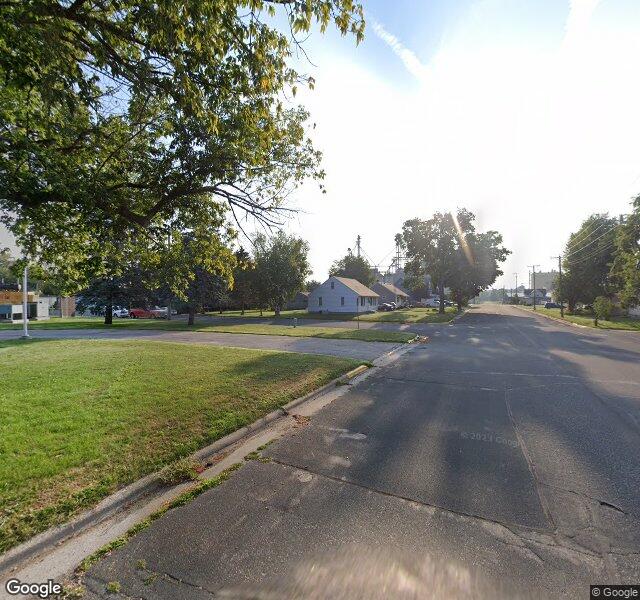
EDENBROOK PINE HAVEN

210 NORTHWEST 3RD STREET, PINE ISLAND, MN 55963 (507) 356-8304
Non profit - Corporation 70 Beds Independent Data: November 2025
Trust Grade
28/100
#228 of 337 in MN
Last Inspection: July 2024

Within standard 12-15 month inspection cycle. Federal law requires annual inspections.

Overview

Edenbrook Pine Haven has received a Trust Grade of F, indicating significant concerns regarding the quality of care provided. It ranks #228 out of 337 nursing homes in Minnesota, placing it in the bottom half of facilities, and #3 out of 4 in Goodhue County, meaning there is only one local option rated higher. Unfortunately, the facility is worsening, with the number of reported issues increasing from 5 in 2023 to 17 in 2024. Staffing is a relative strength with a 4/5 rating, but a high turnover rate of 66% is concerning, as it is significantly above the state average. There have been notable incidents, including a resident falling and sustaining serious injuries due to improper transfer procedures, and another resident developing pressure ulcers due to inadequate assessments and interventions. While the staffing rating suggests that some staff members are committed to their roles, the rising number of deficiencies highlights serious gaps in care that families should consider.

Trust Score
F
28/100
In Minnesota
#228/337
Bottom 33%
Safety Record
High Risk
Review needed
Inspections
Getting Worse
5 → 17 violations
Staff Stability
⚠ Watch
66% turnover. Above average. Higher turnover means staff may not know residents' routines.
Penalties
✓ Good
$14,898 in fines. Lower than most Minnesota facilities. Relatively clean record.
Skilled Nurses
✓ Good
Each resident gets 65 minutes of Registered Nurse (RN) attention daily — more than 97% of Minnesota nursing homes. RNs are the most trained staff who catch health problems before they become serious.
Violations
⚠ Watch
39 deficiencies on record. Higher than average. Multiple issues found across inspections.
★★☆☆☆
2.0
Overall Rating
★★★★☆
4.0
Staff Levels
★★☆☆☆
2.0
Care Quality
★★☆☆☆
2.0
Inspection Score
Stable
2023: 5 issues
2024: 17 issues

The Good

  • 4-Star Staffing Rating · Above-average nurse staffing levels
  • Full Sprinkler Coverage · Fire safety systems throughout facility
  • No fines on record

Facility shows strength in staffing levels, fire safety.

The Bad

2-Star Overall Rating

Below Minnesota average (3.2)

Below average - review inspection findings carefully

Staff Turnover: 66%

20pts above Minnesota avg (46%)

Frequent staff changes - ask about care continuity

Federal Fines: $14,898

Below median ($33,413)

Minor penalties assessed

Staff turnover is elevated (66%)

18 points above Minnesota average of 48%

The Ugly 39 deficiencies on record

3 actual harm
Dec 2024 2 deficiencies
CONCERN (D) 📢 Someone Reported This

A family member, employee, or ombudsman was alarmed enough to file a formal complaint

Potential for Harm - no one hurt, but risky conditions existed

Report Alleged Abuse (Tag F0609)

Could have caused harm · This affected 1 resident

**NOTE- TERMS IN BRACKETS HAVE BEEN EDITED TO PROTECT CONFIDENTIALITY** Based on interview and record review the facility failed to ensure allegations of staff to resident physical abuse were immediat...

Read full inspector narrative →
**NOTE- TERMS IN BRACKETS HAVE BEEN EDITED TO PROTECT CONFIDENTIALITY** Based on interview and record review the facility failed to ensure allegations of staff to resident physical abuse were immediately reported to the State Agency (SA) no later than 2 hours after the knowledge of the allegation of abuse, for 1 of 1 residents (R1) reviewed for abuse. Findings include: Facility reported incident (FRI) submitted on 12/18/24 at 9:27 p.m., identified that on 12/18/24 at 4:10 p.m., the facility was notified by registered nurse (RN)-D that R1 stated her leg was sore because someone had kicked her in the leg and pinched her in the groin area. Two finger sized bruises noted to inner thigh. In addition, R1 stated she had been slapped in the cheek and her glasses were knocked off of her face. R1 identified it was a staff member from 2 weeks ago and had not seen staff member since. R1's quarterly, Minimum Data Set (MDS), dated [DATE], indicated R1's cognition was moderately impaired. R1's diagnoses included dementia. R1's progress note dated 12/18/24 at 6:12 p.m., identified R1 made an accusation of abuse that happened 'a couple weeks ago'. R1 stated it was a female and it happened in the morning. R1 stated the caregiver slapped her on the cheek, knocking her glasses off. The person purposely kicked her in the left leg and pinched at the left inner thigh. At 6:17 p.m., identified R1 had relayed the abuse accusation at 6:05 p.m. Writer called the on-call manager phone at 6:10 p.m., and 6:15 p.m., without connecting to anyone in person. Writer left a voice message describing the basic situation and left a phone number to call back. At 6:22 p.m., R1 was unable to identify her accuser. During an interview on 12/23/24 at 3:29 p.m., RN-D (agency nurse) stated on 12/18/24, at around 6:00 p.m. R1 reported a nurse aide kicked her in the left ankle and pinched her inner thigh a few weeks prior. Shortly after he called the DON, but she did not answer the phone, so he left a message. RN-D could not recall the exact time he had left the message. RN-D stated at 7:00 p.m., the DON called back with the instructions to obtain more information and get a description of the nursing assistant involved. RN-D stated at 7:45 p.m., he spoke with DON to inform her of the description that R1 gave. RN-D thought allegations were reported within 2 hours; RN-D asked surveyor Does this mean the 2-hour timeframe would be from 2 hours of being reported by the resident or would it be 2 hours when we report it to management? During an interview on 12/24/24 at 11:06 a.m., director of nursing (DON) indicated on 12/18/24, RN-D called her phone at 6:13 p.m. and left a voice message. DON had missed the call and did not get the message. At 8:14 p.m. she talked to RN-D, had him collect more information, then reported to the SA. DON indicated RN-D had told her R1 had reported the allegation to him at 4:10 p.m. however was documented in the record a little after 6:00 p.m. When asked what the time period of reporting abuse to the SA was, DON stated, immediately but within 24-hours. DON verified R1's allegation of abuse was reported to the SA on 12/18/24, at 9:27 p.m. which was more than 2-hours of when the allegation was made by R1. During an interview on 12/24/24 at 1:19 p.m., director of social services (DOS)-A stated all abuse allegations should be reported to the SA no later than 2 hours. DOS-A stated she provides all staff upon hire during orientation and staff were required to do abuse training annually. DOS-A indicated she does not educate agency staff of abuse reporting. During an interview on 12/24/24 at 1:47 p.m., administrator stated all allegations of abuse should be reported to the SA no later than 2-hours and verified R1's abuse allegation was reported late. Administrator indicated when the DON had called her on 12/18/24, she had informed the DON allegations of abuse needed to be reported to the SA immediately. During an email correspondance on 12/27/24, at 12:03 p.m., DON indicated she had made an error in the reporting time and stated she had put 4:10 p.m., for the initial report in error and should have been 6:12 p.m. On 12/30/24 at 8:45 a.m., via phone DON stated the report would still be late. Facility policy, ABUSE, NEGLECT, MISTREATMENT AND MISAPPROPRIATION OF RESIDENT PROPERTY, policy revised 1/2021 identified it is the policy of the facility to encourage and support all residents, staff, families, visitors, volunteers and resident representatives in reporting any suspected acts of abuse, neglect, exploitation, involuntary seclusion or misappropriation of resident property from abuse, neglect, misappropriation of resident property, and exploitation .The Nursing Home Administrator or designee will report abuse to the state agency per State and Federal requirements .It is the policy of this facility that abuse allegations (abuse, neglect, exploitation or mistreatment, including injuries of unknown source and misappropriation of resident property) are reported per Federal and State Law. The facility will ensure that all alleged violations involving abuse, neglect, exploitation, or mistreatment, including injuries of unknown source and misappropriation of resident property, are reported immediately, but not later than 2 hours after the allegation is made.
CONCERN (D) 📢 Someone Reported This

A family member, employee, or ombudsman was alarmed enough to file a formal complaint

Potential for Harm - no one hurt, but risky conditions existed

Quality of Care (Tag F0684)

Could have caused harm · This affected 1 resident

**NOTE- TERMS IN BRACKETS HAVE BEEN EDITED TO PROTECT CONFIDENTIALITY** Based on observation, interview, and document review the facility failed to assess and monitor non-pressure related skin injury ...

Read full inspector narrative →
**NOTE- TERMS IN BRACKETS HAVE BEEN EDITED TO PROTECT CONFIDENTIALITY** Based on observation, interview, and document review the facility failed to assess and monitor non-pressure related skin injury (bruises) for changes until resolved for 1 of 1 resident (R1), reviewed for abuse. Findings include: R1's admission, Minimum Data Set (MDS), dated [DATE], indicated R1's cognition was moderately impaired. R1's care plan dated 4/9/24, identified a focus of R1 had history of potential for/actual impairment to skin integrity however did not identify and/or direct a monitoring plan for the potential or actual impairment. R1's progress note dated 12/17/24 at 10:31 p.m., included R1's skin issues on arms and back still present. Facility reported incident (FRI) submitted on 12/18/24 at 9:27 p.m., identified that on 12/18/24 at 4:10 p.m., the facility was notified by registered nurse (RN)-D that R1 reported allegations of physical abuse. Two finger sized bruises noted to inner thigh. R1's record was reviewed between 12/18/24 through 12/24/24, and did not include a comprehensive skin assessment and monitoring of the bruises identified in the FRI dated 12/18/24. During an interview on 12/23/24 at 3:29 p.m., RN-D stated R1 informed him on 12/18/24 of being pinched on inner thigh and kicked on her leg. RN-D indicated he had observed two small bruises on R1's left inner thigh that were about 1/2 inch in diameter and dark purple in color but he did not measure or record the information into R1's medical record. During an observation and interview on 12/23/24 at 12:10 p.m., R1 indicated a staff member had pinched her leaving bruises. She lifted the blanket to show her left inner thigh where there was two purple oval bruises in proximity to each other. The two bruises were each approximately 1.0 cm in diameter. During an interview on 12/23/24 at 1:28 p.m., nursing assistant (NA)-A stated she cared for R1 today and stated around 11:30 a.m., the director of nursing was in R1's room with her looking at R1's two bruises to her inner thigh. NA-A indicated she was not aware of where the bruises came from or how long they had been there. During an interview on 12/24/24 at 8:29 a.m., registered nurse (RN)-C indicated she was the nurse responsible for R1. RN-C explained she was aware R1 had two bruises on her inner thigh becasue someone told her two days ago (12/22/24). RN-C reviewed R1's record and reported there was nothing that identified R1 had bruises or that directed monitoring. RN-C stated she was agency staff and was unaware of the facility process for documenting skin impairments such as bruises. At 11:51 a.m RN-C stated she had just obtained measurements of R1's bruises on left inner thigh today. Measurements were 1.25 cm x 1.25 cm (purple/maroon in color) and 1.5 cm x 1.25 cm purple/maroon in color. During an interview on 12/24/24 at 11:06 a.m., director of nursing (DON) stated RN-D initially found R1's two bruises on her left inner thigh on 12/18/24. DON further stated that no comprehensive skin assessment or monitoring of R1's bruises for healing were in R1's medical record and there should be. A follow-up email correspondance sent by the DON on 12/27/24, at 12:03 p.m., included a a skin ulcer policy. On 12/30/24 at 8:45 a.m., via phone DON indicated the facility did not have a non pressure skin policy, however the skin ulcer policy did direct monitoring of residents skin integrity. Facility policy, Skin Ulcers, reviewed 7/2022, identified D.Monitor Skin Integrity: Skin will be observed daily during cares done by the nursing assistant. If any skin concerns are noted, they are to be reported immediately to the designated nurse. Weekly skin audits on the bath/shower day will be performed by the Licensed Nurse. The Care Plan for Skin Integrity is to be evaluated and revised by Nurse Manager based on response, outcomes, and needs of the resident. E.Identified risk factors and problems will be care planned . Review of Skin ulcer Policy did not address the facility process for monitoring and assessing for non-pressure skin integrity concerns.
Oct 2024 2 deficiencies
CONCERN (D) 📢 Someone Reported This

A family member, employee, or ombudsman was alarmed enough to file a formal complaint

Potential for Harm - no one hurt, but risky conditions existed

Respiratory Care (Tag F0695)

Could have caused harm · This affected 1 resident

**NOTE- TERMS IN BRACKETS HAVE BEEN EDITED TO PROTECT CONFIDENTIALITY** Based on observation, interview and document review the facility failed to ensure a physician order for oxygen was transcribed a...

Read full inspector narrative →
**NOTE- TERMS IN BRACKETS HAVE BEEN EDITED TO PROTECT CONFIDENTIALITY** Based on observation, interview and document review the facility failed to ensure a physician order for oxygen was transcribed accurately to ensure adequate monitoring and oxygen administration and further failed to deliver oxygen as ordered for 1 of 1 residents (R5) reviewed for oxygen use. Findings include: R5's significant change Minimum Data Set (MDS) dated [DATE], indicated R5's cognition was intact, had diagnoses of respiratory failure, obstructive sleep apnea, and had oxygen therapy. MDS did not identify if oxygen therapy was intermittent or continuous. R5's care plan dated 7/26/24, identified a focus that R5 had oxygen therapy related to obstructive sleep apnea (OSA), 2 liters (L) bled into BIPAP at bedtime. Interventions included: monitor for signs and symptoms of respiratory distress and report to medical doctor (MD) PRN (as needed): respirations, pulse oximetry, increased heart rate, restlessness, diaphoresis (sweating), headaches, lethargy, confusion, atelectasis (collapse of lung that cause shortness of breath), hemoptysis (coughing up blood), cough pleuritic (lining of lung) pain, accessory muscle usage, skin color, and oxygen settings: O2 (oxygen) via Bilevel Positive Airway Pressure (BIPAP) at bedtime, 2 liters bled into continuous positive airway pressure (CPAP). R5's progress note dated 9/17/24 at 2:06 p.m., R5 was transferred to shower chair, noted to be on oxygen at the time of transfer. After bathing cares oxygen level checked on room air noted to be 82%. Standing House Orders (SHO) for hypoxia initiated, respiratory assessment completed, SBAR (communication tool) faxed to the provider. R5's progress note dated 9/18/24 at 4:49 a.m., O2 2L bled into BIPAP, several warm fingers tried with same answer SPO2 = 74% on 2L. R5's Treatment Administration Record (TAR) dated September 2024, included the order dated 9/17/24, at 2:30 p.m. that directed to initiate and titrate supplemental O2 at 2L per minute (LPM) via nasal cannula (NC) every shift for dyspnea, hypoxia, O2 sats less than 88%, or acute angina (chest pain). If persistent hypoxia despite 2L NC oxygen, tachycardia, or somnolence patient should be promptly evaluated in the ER. -Recorded documentation on 9/17/24 at 2:30 p.m. R5's O2 sats were 90%, no oxygen used, and pulse was not recorded. -Recorded documentation on 9/17/24 at 11:30 p.m. included a chart code of '9' indicating to see progress note. R5's record did not include a corresponding progress note. -Recorded documentation on 9/18/24 at 6:00 a.m., R5's O2 sats were 90% on 2 LPM and pulse was 77. R5's record did not specify if oxygen supplementation was continuous or as needed (PRN) and/or how often R5's O2 saturations should be monitored to ensure saturations were over 88% outside of every shift. R5's MD order dated 9/18/24 at 11:59 a.m., included an order for oxygen administration however did not identify if oxygen was supposed to be administered continuously or as needed (PRN). The order directed if persistent hypoxia (low levels of oxygen in the body) despite 2L nasal canula (NC) oxygen supplementation or if R5 developed tachycardia (pulse of more than 100 beats per minute), or symptoms of somnolence(drowsiness), R5 should be promptly evaluated in the emergency room (ER) given her history of hypercapnia (when carbon dioxide (CO2) levels in the blood increase above 45), anemia, congestive heart failure (CHF) and high risk for venous thromboembolism (VTA) due to immobility. R5's TAR included the aforementioned physician order; the order was discontinued on 9/24/24. Recorded entries on 9/22/24 and 9/23/24 at 6:00 a.m., O2 was not used and O2 sats were 90% and 96% respectively. No entries were recorded on 9/22/24 and 9/23/24 for the 2:30 p.m. and 11:30 p.m. shift entries. Between 9/18/24 through 9/24/24, R5's oxygen levels ranged from 89% to 93% on 2 LPM per NC. R5's advanced practice registered nurse (APRN) recertification visit dated 9/24/24, identified R5 was seen by a provider last week for hypoxia with oxygen levels in the 70's at times overnight and in the early morning. R5 was placed on oxygen on 9/17/24 at 2L per NC which improved her oxygen levels to 94%. R5 was educated on being compliant with her BIPAP. Today nurse reported R5 continued to be on oxygen. Nurse was instructed to get R5 up for breakfast and check O2 saturations. O2 saturations were 87% on room air (RA). New order to continue oxygen 1-2 L to keep O2 above 90% (did not identify if oxygen was to be administered continuously and/or PRN). R5's transcribed physician orders for oxygen administration dated 9/24/24, were inconsistent with the direction in the physician note; the order included Initiate and titrate supplemental O2 at 2 liters per minute via nasal cannula. As needed for with exertion or continuously for SpO2 less than 90% If persistent hypoxia despite 2L NC oxygen, tachycardia, or somnolence patient should be promptly evaluated in ER. AND every shift for with exertion or continuously for Spo2 less than 90% If persistent hypoxia despite 2L NC oxygen, tachycardia, or somnolence patient should be promptly evaluated in ER. R5's TAR included the aforementioned physician order. From 9/25/24 to 9/30/24 R5 was on 2L of oxygen and O2 sats were checked each shift and ranged from 90% to 96%. R5's progress note dated 9/30/24 at 10:48 a.m., identified R5 was on room air, O2 level checked was 84%, started 2L of supplemental O2, rechecked and currently at 93%. R5 APRN follow up visit dated 10/1/24 identified R5 had a diagnosis of oxygen dependent and acute and chronic respiratory failure with hypercapnia. No new oxygen orders identified. R5's TAR dated October 2024 indicated from 10/1/24 to 10/3/24, R5 was on 2L of O2 per NC every shift and oxygen saturations ranged from 91 to 96%. R5's [NAME] dated 10/4/24, identified oxygen with exertion or continuously for SPO2 less than 90%, discontinue if SPO2 is greater than 94%. During an observation and interview on 10/3/24 at 10:26 a.m., R5 stated when she woke up at 8:45 a.m. the staff took her CPAP off and never put her oxygen back on. R5 indicated she had been without oxygen for the last two hours and stated, I guess I should put my call light to have someone put it back on me since I can't reach it. R5's oxygen concentrator was running at 1.5 liters and a green hose came from the concentrator that was hooked to the CPAP machine on her bedside table that was out of R5's reach. R5 turned her call light on. R5 stated she was supposed to have her oxygen on at all times and received oxygen through her CPAP at night. During an observation and interview on 10/3/24 at 10:37 a.m., nursing assistant (NA)-C walked into R5's room to answer the call light. R5 told NA-C that she needed her oxygen put back on. NA-C placed the pulse oximeter on R5's left index finger which read 87%. NA-C turned the oxygen concentrator off and disconnected the green oxygen tubing from the CPAP machine and hooked the nasal canula to the green tubing, handed R5 the nasal cannula, and R5 put it on. NA-C then turned the oxygen concentrator back on. At 10:39 a.m. NA-C checked R5 oxygen saturations again which read 84%. NA-C directed R5 to take some deep breaths through her nose which R5 complied with. At 10:39 a.m. oxygen saturations were checked and read 91%. NA-C stated sometimes staff forget to put R5's oxygen back on and R5 would put the call light on to have the oxygen put on. During an observation and interview on 10/3/24 at 10:46 a.m., licensed practical nurse (LPN)-B stated she was told that no one put R5's oxygen on this morning and her oxygen levels had dropped to 84%. LPN-B checked R5's oxygen levels which read 96% on 1.5 L of oxygen. LPN-B asked R5 how many liters of oxygen she should be on and R5 replied usually 1.5 to 2 liters. LPN-B then turned the rate of flow up to 2 liters and assessed R5's respiratory status. LPN-B stated R5 had no shortness of breath, difficulty breathing, oxygen and pulse was within normal limits. R5 stated she didn't feel any different from when she had the oxygen off. LPN-B stated she thought R5 was supposed to have her oxygen on continuously but would have to look into it. During an interview on 10/3/24 at 3:04 p.m., registered nurse (RN)-B stated she put the oxygen order in for R5 on 9/24/24. RN-B indicated she had not transcribed the oxygen order as per the physician visit note dated 9/24/24. RN-B stated she had a different understanding of what the doctor said that day and verified she did not call a provider to clarify R5's oxygen orders. RN-B put the orders in per her discussion with the provider and did not fill out a verbal order for the provider to sign. During an interview on 10/3/24 at 4:24 p.m., director of nursing (DON) stated when a provider puts a new oxygen order in for a resident the nurse transcribing it should enter it as the provider ordered. DON further stated if there were questions about the order the provider would have to be called for clarification. DON indicated R5's oxygen order was entered incorrectly on 9/24/24 and the provider was not notified. DON stated R5 oxygen order should have been to ensure R5 was receiving 1- 2 liters to keep sats above 90%. DON indicated when R5's CPAP was removed in the AM a respiratory assessment should be completed and oxygen orders should be implemented as ordered. Facility policy, Oxygen Administration and cleaning of O2 equipment, revised 9/16/21 identified the purpose was to administer oxygen to the resident when insufficient oxygen is being carried by the blood to the tissues . Routine if Physician initiated 02 orders. 1. Review physician order for the number of liters and frequency. 2. Gather supplies as above: Concentrator, tubing, nasal cannula and 02 signs. 3. Label MAR for recording 02 sats q shift. 4. Document in nurses notes and notify family. Facility policy, Medication and Treatment Orders, dated 12/2017, identified Orders for medications and treatments will be consistent with principles of safe and effective order writing. 1. Medications shall be administered only upon the written order of a person duly licensed and authorized to prescribe such medications in this state. 2. Only authorized, licensed practitioners, or individuals authorized to take verbal orders from practitioners, shall be allowed to write orders in the medical record. 3. Drug and biological orders must be recorded on the Physician's Order Sheet in the resident's chart. Such orders are reviewed by the consultant pharmacist on a monthly basis. 4. All drug and biological orders shall be written, dated, and signed by the person lawfully authorized to give such an order. 5. The signing of orders shall be by signature or a personal computer key. Signature stamps may not be used. 6. The staff and practitioner shall use only approved abbreviations and symbols when ordering and/or charting medications. 7. Verbal orders must be recorded immediately in the resident's chart by the person receiving the order and must include prescriber's last name, credentials, the date and the time of the order. 8. Verbal orders must be signed by the prescriber at his or her next visit. 9. Orders for medications must include: a.Name and strength of the drug; b. Number of doses, start and stop date, and/or specific duration of therapy; c. Dosage and frequency of administration; d. Route of administration; e. Clinical condition or symptoms for which the medication is prescribed; and f. Any interim follow-up requirements (pending culture and sensitivity reports, repeat labs, therapeutic medication monitoring, etc.). 10. Only authorized personnel shall call in orders for prescribed medications to the pharmacy. 11. Drugs and biologicals that are required to be refilled must be reordered from the issuing pharmacy not less than three (3) days prior to the last dosage being administered to ensure that refills are readily available. 12. Orders not specifying the number of doses, or duration of medication, shall be subject to automatic stop orders. a. Drugs not specifically limited to duration of use and number of doses when ordered will be controlled by automatic stop orders. b. One (1) day prior to the date the stop order is to become effective, the nurse supervisor/charge nurse on duty must contact the prescriber or attending physician to determine if the medication is to be continued. 13. Orders for withholding food prior to a test or treatment (NPO) shall be made by the attending physician as necessary. a. Nursing will use a diet change notification form to inform the food services staff when it is necessary to hold the resident's food tray, and when the tray delivery can resume. b. Nursing staff will review the overall situation for a resident for whom one or more meals is to be held to ensure that any related issues are addressed (e.g., adjustment of insulin doses, maintenance of adequate hydration). 14. Orders for anti-coagulants will be prescribed only with appropriate clinical and laboratory monitoring. a. The attending physician must periodically record in the progress notes the results of the laboratory monitoring and the review for potential complications.
CONCERN (D) 📢 Someone Reported This

A family member, employee, or ombudsman was alarmed enough to file a formal complaint

Potential for Harm - no one hurt, but risky conditions existed

Infection Control (Tag F0880)

Could have caused harm · This affected 1 resident

**NOTE- TERMS IN BRACKETS HAVE BEEN EDITED TO PROTECT CONFIDENTIALITY** Based on observation, interview, and document review the facility failed to ensure enhanced barrier precautions (EBP) were imple...

Read full inspector narrative →
**NOTE- TERMS IN BRACKETS HAVE BEEN EDITED TO PROTECT CONFIDENTIALITY** Based on observation, interview, and document review the facility failed to ensure enhanced barrier precautions (EBP) were implemented for management of wound care to reduce the risk of infection to others for 1 of 1 resident (R6) who was reviewed for infection control and prevention. Findings include: R6's diagnosis list printed on 10/3/24 included; bullous pemphigoid (rare skin condition causing large, fluid filled blisters that appear on the abdomen, chest, upper and lower extremities, groin, and/or axillary region), chronic venous hypertension with ulcer of bilateral lower extremities, non-pressure chronic ulcer of left calf with unspecified severity, non-pressure chronic ulcer of other part of right lower leg limited to breakdown of skin, and subacute osteomyelitis of the right ankle and foot. R6's admission minimum data set (MDS) dated [DATE] indicated R6 had a brief interview for mental status (BIMS) of 15 (score of 13-15 indicates individual is cognitively intact), 2 diabetic foot ulcers, and open lesions that required pressure reducing devices in bed, in the chair, application of ointments/medications, application of nonsurgical dressings, and application of dressings to feet. R6's admission care plan dated 8/9/24 indicated R6 had actual impairment to skin integrity of the left heel, bilateral lower extremities, and groin related to neuropathic diabetic ulcer, venous ulcers, bullous pemphigoid, and moisture-associated skin damage (MASD). Interventions included, encourage good nutrition/hydration and to follow facility protocols for treatment of injury. R6's active physician orders as of 10/3/24, directed the following wound care treatment: -Bullous pemphigoid wound care: cleanse with acetic acid, pat dry, apply Clobetasol 0.05% cream to wound bed, apply hydrogel gauze over cream in wound bed and cover with an army battle dressing (ABD-type of gauze to treat large heavy draining wounds) on day shift Monday, Wednesday, and Friday. -Complete weekly skin inspection progress note for resident skin check. Check skin every Monday evening shift. -Neuropathic heel wound care: cleanse the area with Vashe wound cleanser, pat dry, apply Iodosorb to the entire wound bed. Do not apply to intact skin, cover with ABD pad with hole cut around the ulcer and cover with another ABD pad. Change daily and as needed. Apply Prevalon boots on day shift. -Venous ulcers on bilateral legs, cleanse with acetic acid only to wound beds, gently pat dry, apply Aquacel Ag+ ribbon to wound beds only, and cover with ABD and secure with Kerlix on day shift. R6's provider note dated 9/23/24 indicated R6 has extensive wounds throughout 90 percent of his body, including his back. Wound care was discussed with the facility nurse and facility nurse to apply collagen to his legs, covered with calcium alginate with silver, and secured with absorbent gauze dressing or Opti Lock if obtained. For R6's bilateral hip area, would like to utilize impregnated gauze so these will stay moist and prevent sticking to skin. Wound care is quite extensive and takes 60-120 minutes. R6's [NAME] (reference document that provides a brief overview of each resident) printed on 10/3/24 indicated that R6 is on EBP due to a PEG tube site, bilateral nephrology tubes, and wounds. R6's treatment administration record dated 10/1/24-10/31/24 identified R6's wound care was completed per provider orders. During observation on 10/3/24 at 10:51 a.m., upon entrance to R6's room, there was an orange sign taped to the wall with two stop sign icons in the top right and left corner of the sign. The sign indicated Enhanced Barrier Precautions, everyone must: clean their hands, including before entering and when leaving the room. Providers and Staff must also: wear gloves and a gown for the following high-contact resident care activities: dressing, bathing/showering, transferring, changing linens, providing hygiene, changing briefs or assisting with toileting. Device care or use: central line, urinary catheter, feeding tube, and tracheostomy. Wound care: any skin opening requiring a dressing. Upon entering R6's room, licensed practical nurse (LPN)-A was in the process of changing R6's left lower extremity dressings. LPN-A applied Vaseline, ABD pads, and a compression wrap to R6's left lower extremity per the wound care orders. LPN-A was not wearing a gown as directed by the EBP sign outside R6's door and the facilities infection prevention policy, only gloves were worn. On 10/3/24 at 2:58 p.m., nursing assistant (NA)-A stated appropriate indications when staff are to use personal protectice equipment (PPE) and the donning/doffing process for using PPE. NA-A stated the order of donning PPE starting with the mask, gown, then gloves. NA-A stated PPE is donned before entering and doffed in the room before exiting. Hands to be washed before entering and after exiting the room. 10/3/24 at 3:00 p.m., NA-A stated training was done by in-services and online education. Once completed, staff were to sign a paper document that indicated the content was reviewed. During interview on 10/3/24 at 12:43 p.m., LPN-A stated the gown was removed while providing care to R6 since it got hot in R6's room. Further, LPN-A stated EBP precautions were in place to prevent the spread of infection. LPN-A discussed how to don and doff PPE appropriately and stated EBP training was completed online. LPN-A indicated that a resident on EBP would have a sign outside their door and an isolation cart with PPE outside the resident's room indicating the necessary precautions. During interview on 10/3/24 at 1:16 p.m., registered nurse (RN)-A stated staff received EBP and TBP training at the time of hire by online education, Educare (education platform), and facility/staff meetings/in-services. RN-A indicated that the most recent EBP content was provided to staff after the 2024 recertification survey as part of the plan of correction (POC) that was approved. RN-A also stated in some situations on the spot training for staff was completed. On 10/3/24 at 1:21 p.m., RN-A stated staff were expected to be able to know why EBP was in place for any resident, be aware of the signage for EBP, and how to don and doff PPE appropriately. On 10/3/24 at 4:29 p.m., DON stated staff were made aware of residents on EBP with signage on or near the resident's door, PPE cart, and the [NAME]. DON stated staff were expected to wear gowns, gloves, masks, and eye protection if necessary. DON also stated the purpose of EBP and expected staff to follow the policy. Facility policy named Infection Control Transmission/Isolation Precautions revised on 3/2024 indicated: Enhanced Barrier Isolation Precautions: Example; Multidrug-Resistant Organisms (MDRO), Methicillin-resistant staphylococcus aureus (MRSA) Vancomycin- resistant Enterococcus (VRE) Carbapenem-resistant Enterobacteriaceae (CRE). Enhanced Barrier Precautions expands the use of PPE beyond situations in which exposure to blood and body fluids is anticipated, refers to the use of gown and gloves during high-contact resident care activities that provide opportunities for transfer of MDROs to staff hands and clothing. Face protection may also be needed if performing activity with risk of splash or spray. Enhanced Barrier Precautions apply to residents with any of the following: - Infection or colonization with a novel or targeted MDRO when Contact Precautions do not apply. - Wounds and/or indwelling medical devices (e.g., central line, urinary catheter, feeding tube, tracheostomy/ventilator) regardless of MDRO colonization status. Wounds include chronic wounds, such as pressure ulcers, diabetic foot ulcers, unhealed surgical wounds, and venous stasis ulcers. Shorter-lasting wounds, such as skin breaks or skin tears covered with an adhesive bandage or similar dressing, do not require EBP. Examples of high-contact resident care activities requiring gown and glove use for Enhanced Barrier Precautions include: Dressing, bathing/showering, transferring, providing hygiene, changing linens, changing briefs or assisting with toileting, device care or use: central line, urinary catheter, feeding tube, tracheostomy/ventilator, wound care: any skin opening requiring a dressing. Gown and gloves would not be required for resident care activities other than those listed above, unless otherwise necessary for adherence to Standard Precautions. Residents are not restricted to their rooms or limited from participation in group activities.
Jul 2024 11 deficiencies
CONCERN (D)

Potential for Harm - no one hurt, but risky conditions existed

Deficiency F0554 (Tag F0554)

Could have caused harm · This affected 1 resident

**NOTE- TERMS IN BRACKETS HAVE BEEN EDITED TO PROTECT CONFIDENTIALITY** Based on observation, interview, and document review the facility failed to determine if self-administration of medication was a...

Read full inspector narrative →
**NOTE- TERMS IN BRACKETS HAVE BEEN EDITED TO PROTECT CONFIDENTIALITY** Based on observation, interview, and document review the facility failed to determine if self-administration of medication was appropriate for 1 of 1 resident (R 25) reviewed who was left alone to administer a medication with out staff present. Findings include: R25's quarterly Minimum Data Set (MDS) assessment, dated 5/15/24, indicated intact cognition, diagnosis of interstital pulmonary disease, and required assistance from staff for activities of daily living (ADL) and mobility. R25's physician's orders dated 4/10/24, indicated Budesonide inhalation suspension 0.5 milligram (mg)/2 milliliter (ml), 0.5 mg inhale orally via nebulizer two times a day related to interstitial pulmonary disease. Rinse mouth with water after use to reduce after taste and incidence of candidiasis (yeast infection). Do not swallow. R25's self administer medications (SAM) assessment dated [DATE], indicated R25 required assistance with inhalant medications, although marked in another area she was able to administer her own medications. R25's care plan dated indicated R25 may self administer the following medications: inhalers. Ability to safely and accurately self administer select medications and continued desire to do so, will be evaluated on a quarterly and as needed basis. It also included the following interventions: ·Medications as ordered. ·Periodic self administration assessment by licensed nurse. ·Staff to assess for compliance with keeping mask on after set up and start of nebulizer periodically. ·Staff to assess periodically for self administration of nebulizer after set up and start. ·Staff to set up medications as ordered. During an observation on 7/15/24 at 9:37 a.m., R25 was sitting in her room with her mask on receiving a nebulizer treatment and there were no staff present. At 9:42 a.m., she took the mask off, looked at the medication cup, and shut off the nebulizer. She had another vial of medication in her hand and the surveyor asked her what the medication was. R25 responded I don't know, I just take what they give me. She stated she takes a duo neb so staff set up the first one and she puts the medication in for the second one. R25 proceeded to squeeze the vial of medication through the hole hole of the mask (without removing the mask first from the medication cup holder) most of the drops were going into the lip of the mask and not into the cup. R25 stated it would probably work better if she took the mask off. Then she threw the vial into the garbage. During interview on 7/16/24 at 1:37 p.m., trained medication assistant (TMA)-A stated I don't have a good answer for you. when asked how he would know if a resident was able to self administer medication. TMA-A further stated when administering a nebulizer, he would set it up for the resident and then leave the room and wouldn't wait until it had been administered. During interview on 7/16/24 at 1:41 p.m., licensed practical nurse (LPN)-B stated in order for a resident to self administer their medication they need to have a physician's order but don't necessarily need an assessment. LPN-B further stated when administering a nebulizer I'll put the medication in the nebulizer (for the resident) and then walk out and come back to make sure it's being done. R25 should not be setting up her nebulizer/putting the medication in the cup by herself. I've noticed overnights have left the vials of medication in her (R25) room before, and I've had to remove them. During interview on 7/16/24 at 3:12 p.m., registered nurse (RN)-A stated in order for a resident to be able to self administer medications, there needs to be a desire to do so, an assessment (SAM) which included the resident being aware of what medication was being given and a return demonstration. Then they would work with the care team to get a doctor's order. RN-A further stated R25 was able to be left alone once the nebulizer had been set up and verified there was a discrepancy in the SAM assessment. R25's medications should not be left in her room and she shouldn't be setting up her nebulizer treatments on her own. I would expect the medication administration record (MAR) to specify can self administer after set up. If a resident has not been assessed and was unable to administer their own medications, the nurse would need to wait until the medication was taken or the nebulizer treatment was completed. During an interview on 7/17/24 at 2:07 p.m. the director of nursing (DON) stated in order for a resident to administer their own medications there would need to be a SAM assessment to determine which medications they are able to administer, a desire to self administer, and then they would ask the provider for an order. The order would be listed under orders and it should be written on the MAR. She would like the SAM to be more specific indicating R25 could administer medication after set up. The discrepancy could be confusing if it's not filled out completely and would like there to be a note. It was important to ensure a resident has been assessed to self administer their medications because they are constantly changing and we want to know what is going on and why. It's important to keep the residents safe, things change and we need to make sure they are still able to keep administering medications safely. The facility's policy on self administration of medication dated 2/2017, indicated Pine Haven Care Center will allow alert, oriented, physically able residents to self-administer their medications. Residents have the right to self administer medication if the interdisciplinary team deems this practice clinically appropriate. Residents who desire to administer their own medications will be assessed to assure that medications will be safely administered.
CONCERN (D)

Potential for Harm - no one hurt, but risky conditions existed

Comprehensive Care Plan (Tag F0656)

Could have caused harm · This affected 1 resident

**NOTE- TERMS IN BRACKETS HAVE BEEN EDITED TO PROTECT CONFIDENTIALITY** Based on interview and document review, the facility failed to ensure a comprehensive and individualized care plan was developed...

Read full inspector narrative →
**NOTE- TERMS IN BRACKETS HAVE BEEN EDITED TO PROTECT CONFIDENTIALITY** Based on interview and document review, the facility failed to ensure a comprehensive and individualized care plan was developed for 1 of 2 residents (R3) reviewed for psychotropic medication use. Findings include: R3's quarterly Minimum Data Set (MDS)assessment, dated 4/23/24, indicated R13 had mild cognitive impairment and diagnoses of bipolar disorder (mood disorder that caused intense shifts in mood and behaviors). R3 had no behaviors, delusions, or refusal of cares. Furthermore, R3's MDS indicated R3 received psychotropic medications on a routine basis. R3's psychotropic care area assessment (CAA) dated 11/3/23, indicated R3 currently received psychotropic medications and directed monitoring of R3's behaviors and mood was required. R3's care plan revised 4/23/24, indicated R3 required the use of psychotropic medications related to behavior management of depression and delusional disorder. Non-pharmacological interventions last revised on 7/26/2020, directed staff to discuss ongoing need of medication with provider and family, consult with pharmacy, provider, and family to consider GDR, monitor delusions of items stolen or missing from room, refusal of cares, and increased self-isolation and monitor/document mood or behavior changes. R3's care plan included the individualized intervention directing staff to provide assurance daughter has perceived missing or stolen items. R3's care plan lacked individualized non-pharmacological interventions to support R3's mood and to minimize self-isolation, lethargy, and refusals of care. R3's [NAME] (used by nursing assistants) as of 7/15/2024, directed nursing assistant (NA) staff to not contradict R3's delusions of items being missing or stolen. Staff were directed to inform R3 their daughter has taken them to be repaired. R3's [NAME] lacked interventions to support R3's mood and to minimize self-isolation, lethargy, and refusals of care. When interviewed on 7/17/24 at 11:51 a.m., nursing assistant (NA)-B stated the [NAME] should have information to let staff know what distractions or redirections worked for residents who were in an off mood or had behaviors. NA-B further stated R3 had good and bad days. Some days she was out and involved in activities and other times remained in her room. R3 also had days where she was sleepy or lethargic at times. NA-B encouraged R3 to get out for activities and to sit in the sunshine. NA-B further stated R3 liked to read. NA-B was not aware of any verbal behaviors or thinking items were stolen from her room. When interviewed on 7/17/24 at 1:24 p.m., licensed practical nurse (LPN)-A stated if a resident was having increased anxiety or delusions, they would review the care plan and chart for guidance on what interventions worked for the resident. LPN-A further stated what works for one resident may not work for another one and how to address the behavior and be successful and decreasing it was important. LPN-A was not aware of any behaviors or refusal of cares. LPN-A further stated R3 had no verbal or aggressive behaviors and was generally calm. LPN-A verified the only individualized intervention listed in the care plan was to let R3 know her family had items she thought were stolen. LPN-A stated she was not aware of that behavior and had not known R3 to think items were missing or stolen. When interviewed on 7/17/24 at 3:50 p.m., the interim Director of Nursing (DON) stated residents on psychotropic medications required monitoring of behaviors the medication was hopefully helping. If behaviors or mood changes were present, staff would provide interventions that were individualized and specific as possible to the resident. Interim DON reviewed R3's care plan and verified it lacked individualized interventions to support R3's mood and behaviors. Interim DON expected staff to review and revise the care plan quarterly and with identified changes to mood or behaviors. Furthermore, the interim DON expected staff to ensure individualized non-pharmacological interventions were in place.
CONCERN (D)

Potential for Harm - no one hurt, but risky conditions existed

Quality of Care (Tag F0684)

Could have caused harm · This affected 1 resident

**NOTE- TERMS IN BRACKETS HAVE BEEN EDITED TO PROTECT CONFIDENTIALITY** R22's quarterly MDS dated [DATE], indicated R22 was cognitively intact and had diagnoses of diabetes weakness and chronic non-pr...

Read full inspector narrative →
**NOTE- TERMS IN BRACKETS HAVE BEEN EDITED TO PROTECT CONFIDENTIALITY** R22's quarterly MDS dated [DATE], indicated R22 was cognitively intact and had diagnoses of diabetes weakness and chronic non-pressure skin breakdown to left buttock. Furthermore, R22's MDS indicated R22 had MASD. R22's skin care area assessment (CAA) dated 9/7/23, indicated R22 had limited physical mobility, had MASD to buttock and was at risk for skin breakdown. R22's care plan revised 9/7/23, indicated R22 had MASD due to immobility and refusal of assistance with personal cares. Interventions included to follow facility protocols for treatment of injury. R22's nursing progress note dated 4/17/24 at 11:24p.m., indicated a weekly skin inspection was completed and abrasions on bilateral buttocks and left posterior upper thigh were present. No further assessment or measurements were obtained. R22's nursing progress note dated 6/5/24 at 14:08p.m., indicated R22 had bleeding from the open areas on bilateral buttock. The note further indicated measurements of open areas will be obtained during wound cares the following day. R22's situation background assessment recommendation (SBAR) note dated 6/24/24 at 9:52 p.m., indicated R22 had a wound on the left and right buttocks with some drainage. R22's SBAR requested a treatment plan. R22's SBAR lacked any further description of the wounds or measurements. R22's medical record lacked indication a R22's open areas were assessed or measured since identification of them. An observation on 7/17/24 at 9:47 a.m., licensed practical nurse (LPN)-A entered R22's room to provide wound care. R22 was assisted to their side and after performing hand hygiene, gown and glove, LPN-A removed the foam dressing that was in place on R22's bottom. R22 had blanchable reddened excoriated area on bilateral buttocks. On the right side there were 2 small open areas with slight bleeding. On the left upper thigh/bottom buttock were several scattered open areas that were slightly bleeding. LPN-A completed wound cares without taking any measurements of R22's open areas. When interviewed on 7/15/24 at 8:23 a.m., R22 stated he had some wounds on his bottom that were bleeding all over the place a few weeks ago. R22 stated the provider was trying to get things healed and had been dealing with this off and on for over a year now. When interviewed on 7/17/24 at 10:25 a.m., LPN-A R22's wounds were looking better and had much less bleeding. LPN-A stated an SBAR was placed to the provider a few weeks back when there was so much drainage occurring. LPN-A further stated the initial wound assessment/measurements should be included in the SBAR. LPN-A reviewed the SBAR and verified there were no measurements taken. LPN-A further stated the provider would determine if any further assessments or measurements were needed in addition to the treatment orders. Since there is no order for assessment or wound measurements that was not completed. LPN-A stated description and measurements could be placed in a progress note, but there was no other place to document that. When interviewed on 7/17/24 at 12:05 p.m., registered nurse (RN) stated not all open areas were reviewed during weekly wound rounds. MASD skin issues were assessed by the bedside nurses. RN stated nurses could not do a skin/wound assessment note as it needed to be completed capturing a photo. However, nurses were expected to assess the area and document any open areas. When interviewed on 7/17/24 at 3:50 p.m., the interim DON expected staff to assess and document any open areas. Not all residents were seen during wound rounds, and bedside nurses need to ensure wound assessments and measurements are completed. If there are not monitoring orders in place, the interim DON expected staff to obtain them. A facility policy titled Pressure Ulcer/Skin breakdown- clinical protocol revised 3/2018 directed staff to initiate a skin form (pressure or non-pressure) when a skin alteration was found. Furthermore, assessment should include the wound and surrounding skin for edema, redness, drainage, healing progress and wound stage. Based on observation, interview, and document review the facility failed to identify and monitor bruising for 1 of 1 residents (R37) observed for skin alterations and failed to ensure open wounds related to moisture associated skin damage (MASD, inflammation and skin deterioration due to moisture) were routinely assessed for healing for 1 of 1 residents (R22) reviewed for non-pressure wounds. Findings include: R37's quarterly Minimum Data Set (MDS) assessment, dated 7/2/24, indicated a diagnosis of dementia and severe cognitive impairment with behaviors of inattention, and disorganized thinking. It further indicated R37 required staff assistance with activities of daily living (ADL) and mobility. During observation on 7/15/24 at 7:55 a.m., R37 was sitting in her room and had a golf ball sized bruise (above her wrist ) on her left forearm. During observation 7/16/24 at 12:56 p.m., R37 was laying in bed resting, R37 was sitting in her room and had a golf ball sized bruise (above her wrist ) on her left forearm. R37's physician's orders dated 6/30/24, indicated complete weekly skin inspection progress note for resident skin check every day shift on Sunday. R37's care plan dated 1/3/23, indicated R37 had an ADL self-care performance deficit r/t Activity Intolerance, confusion, dementia, limited mobility, terminal diagnoses R37 requires a skin inspection weekly and as needed by nursing. Daily by nursing assistant (NA) observe for redness, open areas, scratches, cuts, bruises and report changes to the nurse. R37's progress notes dated 7/14/24, indicated skin check was completed and there was no new skin issues. During interview on 7/16/24 at 1:26 p.m., nursing assistant (NA)-A stated NA's were responsible for bathing residents once a week and the nurses were responsible for completing skin checks on bath day. The nurses were also responsible for documenting the skin checks. If the NA's noticed skin alterations in between bath days they should report it to the nurse so they can document and monitor it. NA-A verified the bruise on R37's left wrist. During interview on 7/16/24 at 1:41 p.m., licensed practical nurse (LPN)-B stated NA's bathe the residents at least once a week and on bath day, the nurses complete skin checks even if the resident refuses to take a bath. The nurses were also responsible for documenting the skin check in a progress note. The NA should report skin alterations to the nurse so they can document and monitor it until it was resolved. The nurses should also let the nurse manager know. LPN-B verified the bruise on R37's arm and stated she had never seen it before. LPN-B also stated it looked like it's new and the NA's should've reported that to her. It was not documented anywhere in the medical record. During interview on 7/16/24 at 3:12 p.m., the registered nurse (RN)-A stated NA's were responsible for giving residents a bath once a week and the nurses were responsible for completing skin checks on bath day. The nurses were also responsible for documenting the skin checks. If the NA's noticed skin alterations in between bath days they should report it to the nurse so they can try to determine the cause, document it, and monitor it to make sure it doesn't get worse or until it's resolved. During an interview on 7/17/24 at 2:07 p.m., the director of nursing (DON) stated stated NA's were responsible for giving residents a bath once a week and the nurses were responsible for completing skin checks on bath day. The nurses were also responsible for documenting the skin checks. If the NA's noticed skin alterations in between bath days they should report it to the nurse so they can try to determine the root cause, document it, and monitor it to make sure it doesn't get worse or until it's resolved. There may also need to be a call to the provider. It's important to document and monitor skin alterations in order to keep the residents safe. A facility policy on skin alteration was asked for and received, however it did not address the monitoring and documentation of bruises.
CONCERN (D)

Potential for Harm - no one hurt, but risky conditions existed

Incontinence Care (Tag F0690)

Could have caused harm · This affected 1 resident

Based on observation, interview, and document review, the facility failed to ensure proper catheter management for 1 of 1 resident (R207) reviewed for catheters. Findings include: R207's admission Min...

Read full inspector narrative →
Based on observation, interview, and document review, the facility failed to ensure proper catheter management for 1 of 1 resident (R207) reviewed for catheters. Findings include: R207's admission Minimum Data Set (MDS) assessment, dated 7/4/24, indicated intact cognition, had an indwelling catheter, a trial of a toileting program had not been attempted, and was dependent on staff for toileting hygiene, and toilet transferring. R207's care area assessment (CAA) dated 7/10/24, indicated R207 had a diagnosis of urinary retention requiring foley catheter placement and was treated for a urinary tract infection upon admission with antibiotic therapy completed and her goal was to avoid complications such as infection. R207's Medical Diagnosis form identified the following diagnoses: retention unspecified, acquired absence of left leg above the knee, disorientation, contracture of the right knee, osteoarthritis to the right knee, pain in right hip, and rheumatoid arthritis. R207's Physician's Orders Summary form identified the following orders: • 7/15/24, contact precautions due to a history of CDIFF (Clostridiodes difficile, a bacteria that causes infection of the colon), MRSA (methicillin resistant staphylococcus aureus, an infection that has become resistant to many antibiotics) in left lower quadrant/left groin wound. Resident also has a urinary catheter. • 6/29/24, urinary output every shift. The orders lacked information indicating when the catheter was last changed, when it should be removed, type of catheter and when to change the catheter. R207's medication administration record (MAR) and treatment administration record (TAR) for July 2024, was reviewed and lacked information regarding when catheter should be removed, and information regarding the type of catheter and when to change it. R207's care plan dated 6/28/24, indicated R207 had an indwelling catheter related to urinary retention and the goal indicated R207 would show no signs or symptoms of urinary infection through the review date. Additionally, R207's sole intervention indicated to monitor, record, report to MD (medical doctor) for signs and symptoms of a urinary tract infection (UTI): pain, burning, blood tinged urine, cloudiness, no output, deepening of urine color, increased pulse, increased temp, urinary frequency, foul smelling urine, fever, chills, altered mental status, change in behavior, change in eating patterns. The care plan lacked information on the type of catheter used, when it should be changed, when it should be removed, education provided on the risks and benefits for the use of the catheter, and interventions to restore as much urinary function as possible without the use of a catheter. R207's history and physical dated 7/1/24, indicated R207 had urinary retention in the past and currently had a Foley catheter in place and recently completed cefdinir (an antibiotic) for Klebsiella UTI. The note further indicated R207 denied urinary symptoms, and did not see a voiding trial. Additionally, R207 wished to keep the catheter as she worked on transfers with therapy and was open for a trial of voiding once transfers improved. Additionally, the foley catheter had been placed during a prolonged hospitalization January 2024. A follow up visit was requested for one week to reassess the need for the catheter and if transfers improved would plan to remove the catheter and implement post void residual (PVR) monitoring given reported retention in the past. R207's faxed order scanned in the Documents tab in the electronic medical record (EMR) dated 7/8/24, indicated to encourage removal of the indwelling catheter in the next 1 to 2 weeks as R207 regains function. R207's care conference note dated 7/1/24, indicated the physician proposed removing the catheter, however R207 was not ready and physical and occupational therapy was working with R207 on a slide board transfer with therapy and a hoyer with nursing staff. R207's care conference note dated 7/11/24, indicated R207 was not in agreement to remove the catheter. Additionally, R207 was working with physical and occupational therapy and was close to switching from a full body mechanical lift to a slide board, but had since refused to get up. R207's progress notes were reviewed from 6/28/24, to 7/17/24, and indicated the catheter was in place for urination. The progress notes lacked evidence of any counseling to assist R207 in understanding clinical implications and risks associated with the use of the catheter. During interview and observation on 7/15/24 at 1:15 p.m., R207 stated she did not know why she had a catheter. During interview on 7/17/24 at 1:00 p.m., physical therapist assistant (PTA)-D stated she was working with R207 on slide board transfers and leg strengthening and R207 was doing well this week. PTA-D further stated she had been working with R207 since admission and was still using a hoyer lift with nursing staff due to pain and was mainly using a bed pan. PTA-D further stated she had not seen bladder retraining completed here and did not have experience in bladder retraining. During interview on 7/17/24 at 11:42 a.m., LPN-D stated they looked to the care plan or the MAR and TAR to know what cares a resident required. During interview on 7/17/24 at 1:05 p.m., LPN-D stated they documented whether they provided education to a resident in a progress note and stated sometimes the MAR and TAR would identify what they needed to provide education on. LPN-D stated R207 had an indwelling catheter and it was up to the physician to determine whether or not R207 still needed the catheter and stated if there was an order to remove the catheter, they would do a bladder scan and remove the catheter and educate R207 if she refused on the risks and document in the progress notes. LPN-D further stated she was not aware R207 declined to have the catheter removed and viewed the medical record and stated she did not see an order regarding the catheter, and verified documentation lacked evidence of education completed regarding the catheter and stated she should ask R207 why she wanted to keep the catheter. LPN-D stated it would be important to educate R207 the catheter can cause an infection and further stated she could talk to R207 and determine R207's reasoning for why she was not ready to remove the catheter. During interview on 7/17/24 at 1:33 p.m., the director of nursing (DON) stated if a catheter was placed for retention, they would try to check a post void residual to try to eliminate unnecessary catheter placement and stated she expected staff provide education to the resident and stated she would enter education in R207's care plan and further stated education was important because a foreign body increased the risk for infection and catheters need to be medically necessary. A policy, Catheter Care Protocol, undated, lacked information regarding removal of catheters as soon as possible when no longer necessary, care plan interventions for resident education, and documentation in the medical record of implications of continued use.
CONCERN (D)

Potential for Harm - no one hurt, but risky conditions existed

Respiratory Care (Tag F0695)

Could have caused harm · This affected 1 resident

Based on observation, interview, and document review, the facility failed to ensure supplemental oxygen was delivered according to physician orders, and failed to ensure oxygen tubing was properly mai...

Read full inspector narrative →
Based on observation, interview, and document review, the facility failed to ensure supplemental oxygen was delivered according to physician orders, and failed to ensure oxygen tubing was properly maintained per professional standards for 1 of 1 resident (R17) reviewed for respiratory care. Findings include: R17's admission Minimum Data Set (MDS) assessment, dated 7/1/24, indicated moderate cognitive impairment, did not have behaviors, did not reject cares, did not have SOB (shortness of breath). R17's Medical Diagnosis form indicated the following diagnoses: acute systolic congestive heart failure, disorientation, unspecified dementia, anemia, and chronic obstructive pulmonary disease. R17's physician orders dated 7/11/24, indicated supplemental oxygen at 2 to 3 liters via nasal cannula every shift to maintain oxygen saturations of 90% or higher. The orders lacked information when to change the oxygen tubing. R17's medication administration record (MAR) and treatment administration record (TAR) for July 2024, were reviewed and lacked information when oxygen tubing was changed. R17's care plan was reviewed and lacked information R17 required oxygen. R17's progress notes dated 7/13/24 at 11:41 a.m., indicated R17 had 2 liters per minute (LPM) of oxygen on. R17's progress notes dated 7/15/24 at 8:53 p.m., indicated R17 had oxygen on at 1 lpm. R17's progress notes dated 7/15/24 at 10:51 p.m., indicated R17 was on 2 lpm of oxygen. R17's progress notes dated 7/16/24 at 12:37 p.m., indicated R17 was on 1 lpm of oxygen. During interview and observation on 7/15/24 at 8:17 a.m., R17 stated she started oxygen over the weekend but was not currently wearing oxygen and stated she has had trouble breathing from smoking and no longer smoked and denied any difficulty breathing at time of interview. R17 had a cart with an oxygen tank inside in her room along with a concentrator. The nasal cannula piece of oxygen tubing that goes into the nares was located on the floor and the tubing was connected to the concentrator. During observation on 7/16/24 at 11:38 a.m., R17 was in her recliner chair and her oxygen on. During observation on 7/16/24 at 3:00 p.m., R17 was brought back to her room and had the oxygen on and was connected to the O2 tank on her wheelchair. During observation on 7/16/24 at 5:24 p.m., R17 was sitting up in her wheelchair with the oxygen on. During observation on 7/16/24 at 7:00 p.m., R17 was in her wheelchair and the oxygen tank in the back of the wheelchair indicator amount was in the red. R17's oxygen tubing was attached to her concentrator which was on at 1 liter per minute. During observation on 7/17/24 at 9:24 a.m., R17 was not in her room and the oxygen tubing including the nasal cannula was located on the floor. During observation on 7/17/24 at 9:28 a.m., staff brought R17 to her room and R17 did not have oxygen on and left the room and the nasal cannula was still located on the floor. During observation on 7/17/24 at 10:30 a.m., R17 was in bed and the nasal cannula was located on the floor and the concentrator was on but R17 was not wearing oxygen. During interview on 7/17/24 at 10:33 a.m., registered nurse (RN)-C stated she had been at the facility a few weeks and guessed oxygen tubing was changed when residents got a new tank and if they had a concentrator. RN-C verified R17's concentrator was on and running at 1 liter per minute (LPM) and verified the nasal cannula was located on the floor and stated she expected staff to follow up to see if oxygen was needed if oxygen was turned on and follow up for new tubing because the nasal cannula should not be located on the floor. RN-C reviewed R17's medical record and verified the record lacked information on when to change the tubing. At 10:44 a.m., RN-C checked R17's oxygen and stated she would try 2 liters of oxygen because R17's oxygen saturations were not consistently staying above 90%. During interview on 7/17/24 at 10:50 a.m., the director of nursing stated if the nasal cannula was located on the floor she expected the tubing be changed and expected staff follow oxygen orders and stated it was important for infection control. A policy, Oxygen Administration and Cleaning of O2 Equipment, dated 4/2022, indicated oxygen tubing needs to be stored off the ground when not in use by a resident. Oxygen tubing and cannula set up must be changed weekly, do this every Thursday on the night shift. Chart on treatment sheet in the MAR. Concentrator filters are to be cleaned weekly with baby shampoo and rinsed with water.
CONCERN (D)

Potential for Harm - no one hurt, but risky conditions existed

Deficiency F0698 (Tag F0698)

Could have caused harm · This affected 1 resident

Based on observation, interview, and document review, the facility failed to ensure collaboration with the dialysis facility for 1 of 1 resident (R14) reviewed for dialysis. Findings include: R14's ad...

Read full inspector narrative →
Based on observation, interview, and document review, the facility failed to ensure collaboration with the dialysis facility for 1 of 1 resident (R14) reviewed for dialysis. Findings include: R14's admission Minimum Data Set (MDS) assessment, dated 6/16/24, indicated intact cognition, required substantial assist for dressing, and was dependent for transfers, was frequently incontinent of bowel and bladder, and received dialysis. R14's Medical Diagnosis form indicated the following diagnoses: acute kidney failure unspecified, chronic kidney disease stage 3, anemia in chronic kidney disease, arthrosclerosis of native arteries of left leg with ulceration of other part of foot, arthrosclerosis of native arteries of right leg with ulceration of heel and midfoot, type 2 diabetes mellitus, unspecified open wound of abdominal wall unspecified quadrant without penetration into peritoneal cavity, and peripheral vascular disease. R14's physician's orders included the following orders: • 6/12/24, administer all a.m. medications after dialysis in the morning every Tuesday, Thursday, and Saturday. • 6/10/24, complete pre-dialysis assessment and send with resident to dialysis. Complete post- dialysis assessment once resident returns to facility one time a day every Tuesday, Thursday, Saturday post-dialysis assessment. • 6/10/24, complete pre-dialysis assessment and send with resident to dialysis. Complete post- dialysis assessment once resident returns to facility one time a day every Tuesday, Thursday, and Saturday pre-dialysis assessment. • 6/10/24, monitor hemodialysis catheter to the right chest wall for signs and symptoms of infection daily and complete SBAR (a communication framework) if signs and symptoms are present every day and evening shift. R14's physician orders lacked information on how to contact dialysis and which dialysis facility R14 used and when to contact dialysis. R14's medication administration record (MAR) and treatment administration record (TAR) indicated R14 was taking amoxicillin-pot clavulanate (an antibiotic) oral tablet 875-125 milligram tablets twice a day for infection for 14 days that started on 7/4/24. R14's MAR and TAR lacked information on how to contact dialysis, which dialysis company R14 used, and when to contact dialysis. R14's Profile form in the electronic medical record (EMR) lacked information regarding the contact number and where R14 went for dialysis and when to contact dialysis. R14's Dashboard form in the EMR lacked information regarding the contact number and where R14 went for dialysis and when to contact dialysis. R14's care plan dated 6/10/24, indicated R14 needed hemodialysis due to renal failure and R14's goal was to have no signs or symptoms of complications from dialysis through the review date. The care plan included the following interventions: do not draw blood or take blood pressure in the arm with the graft, encourage resident to go for the scheduled dialysis appointments, R14 receives dialysis Tuesday, Thursday, and Saturday, monitor, document, and report to physician as needed any signs or symptoms of infection to the access site: redness, swelling, warmth, or drainage, monitor, document, and report to the physician as needed signs and symptoms of renal insufficiency: changes in level of consciousness, changes in skin turgor, oral mucosa, changes in heart and lung sounds, obtain vital signs and weight per protocol. Report significant changes in pulse, respirations and blood pressure immediately. R14's care plan dated 7/15/24, indicated R14 had altered kidney function related to chronic kidney disease, required dialysis, and R14's site of graft was the right chest wall. R14's intervention indicated if bleeding occurs at the access site, apply direct pressure to site for 10 minutes and alert nursing, physician/nurse practitioner, and the dialysis facility. The care plans lacked information on how to contact dialysis, and which dialysis facility R14 used. R14's progress notes dated 6/21/24 at 4:26 p.m., indicated orders were received for Keflex (an antibiotic) 500 milligrams (MG) every 12 hours for 7 days. Documentation lacked evidence the dialysis facility was notified. R14's progress notes dated 6/22/24 at 6:34 a.m., indicated R14 chose not to go to dialysis due to not feeling well and had started on antibiotics the previous evening. Documentation lacked evidence the dialysis facility was notified. R14's progress notes dated 6/22/24 at 11:47 a.m., indicated R14 refused dialysis due to not feeling well. Documentation lacked evidence the dialysis facility was notified. R14's progress notes dated 6/24/24 at 10:31 a.m., completed by registered nurse (RN)-B indicated the clinic was notified that R14 canceled dialysis on 6/22/24. R14's progress notes dated 7/6/24, indicated R14's right lower extremity was bleeding heavily, saturating the dressing and spilling onto the floor. The on call physician was notified after a pressure dressing was applied and resident was in transportation to dialysis when transportation contacted the facility to report R14 was bleeding through reinforced dressings and R14 decided to go to the emergency department. The progress note lacked information that the dialysis facility was notified. During interview on 7/15/24 at 12:33 p.m., R14 stated she started dialysis at 6:30 a.m., on Tuesdays, Thursdays, and Saturdays and stated her access site was on her right chest. During interview on 7/16/24 at 5:54 p.m., registered nurse (RN)-D stated R14 went to dialysis three times a week and was not sure which dialysis facility R14 went to. RN-D stated would update the nurse manager, RN-B at the nursing facility if the dialysis facility needed to be notified. RN-D viewed R14's medical records and could not identify which dialysis facility R14 attended and stated it was important to know because sometimes they needed to call the dialysis facility and the last time they needed to contact them, the dialysis facility contacted RN-D. At 6:52 p.m., RN-D stated she contacted RN-E who would update the information in R14's chart to include who to contact for dialysis. During interview on 7/16/24 at 6:35 p.m., RN-E stated they located which dialysis facility R14 attended and stated they added the information in the binder including the phone number, the address, and stated the director of nursing added the dialysis facility in the care plan. During interview on 7/17/24 at 9:59 a.m., a call was placed to the given dialysis facility phone number and the receptionist stated the phone number was the main phone number to the clinic and the dialysis facility was a different number. During interview on 7/17/24 at 10:02 a.m., RN-F from the dialysis facility stated the facility communicated with the dialysis facility via a form that was sent with R14 on dialysis days. RN-F stated the facility should contact the dialysis facility via phone if there was anything out of the baseline, transportation updates, and stated they expected a phone call if a resident started a new antibiotic or if a resident declined to go to the dialysis facility. RN-F stated R14 did not show up for dialysis on 6/22/24, and the dialysis nurse had to contact the nursing facility and reviewed R14's chart and found out R14 started on Keflex. RN-F further provided the number the nursing facility should call for the dialysis facility. During interview on 7/17/24 at 10:56 a.m., the director of nursing stated a booklet had the dialysis information, but the nurse didn't read down far enough and stated nobody took time to rewrite in the location they indicate the name of the dialysis. DON contacted the number per the care plan and verified it was not the number indicated per the dialysis facility. During interview on 7/17/24 at 11:18 a.m., the DON stated she was able to speak with dialysis and confirm the correct number and updated the care plan and stated it was important to have this information in case R14 needed to reschedule and further stated antibiotics can affect R14's labs and to help R14 remain medically stable and was important for the dialysis facility to be aware. The care plan was updated to reflect the phone number identified by RN-F. A policy Care of a Resident with End Stage Renal Disease, dated 2010, indicated residents with end stage renal disease (ESRD) will be cared for according to currently recognized standards of care. Agreements between this facility and the contracted ESRD facility include all aspects of how the resident's care will be managed including: how the care plan will be developed and implemented, how information will be exchanged between the facilities; and responsibility for waste handling, sterilization and disinfection of equipment. The resident's comprehensive care plan will reflect the resident's needs related to ESRD/dialysis care. A policy Dialysis Care, dated 3/12/20, indicated dialysis should be contacted for low blood pressures, discuss lab parameters with the dialysis clinic and physician, and communicate electrolyte levels to the dialysis facility. The policy lacked information on contacting dialysis with medication changes and appointment cancellations.
CONCERN (D)

Potential for Harm - no one hurt, but risky conditions existed

Drug Regimen Review (Tag F0756)

Could have caused harm · This affected 1 resident

Based on interview and document review the pharmacist failed to identify and report a psychotropic medication (medication to stabilize mood) was increased without implementing non-pharmacological inte...

Read full inspector narrative →
Based on interview and document review the pharmacist failed to identify and report a psychotropic medication (medication to stabilize mood) was increased without implementing non-pharmacological interventions and without indication the increased dose was clinically significant after a gradual dose reduction (GDR) for 1of 2 residents (R3) reviewed who required psychotropic medications. R3's quarterly Minimum Data Set (MDS) assessment, dated 4/23/24, indicated R3 had mild cognitive impairment and diagnoses of bipolar disorder (mood disorder that caused intense shifts in mood and behaviors). R3 had no behaviors, delusions, or refusal of cares. Furthermore, R3's MDS indicated R3 received psychotropic medications on a routine basis. R3's psychotropic care area assessment (CAA) dated 11/3/23, indicated R3 currently received psychotropic medications and directed monitoring of R3's behaviors and mood was required. R3's care plan revised 4/23/24, indicated R3 required the use of Depakote (psychotropic medication) related to behavior management of depression and delusional disorder. Non-pharmacological interventions last revised on 7/26/2020, directed staff to discuss ongoing need of medication with provider and family, consult with pharmacy, provider, and family to consider GDR, monitor delusions of items stolen or missing from room, refusal of cares, and increased self-isolation and monitor/document mood or behavior changes, and provide assurance daughter has perceived missing or stolen items. R3's medication regimen review (MRR) notes to attending provider dated 9/7/23, requested R3's provider to assess R3 for possible GDR for or Seroquel 25 milligrams (mg) every morning and 225mg at bedtime, Depakote 125mg in the morning and 250mg each evening, and Lexapro 5mg daily. Nurse Practitioner (NP)-A responded and agreed with the recommendation and reduced Depakote 250mg every evening to 125mg every evening. NP-A signed R3's MRR note to attending provider on 9/29/23. R3's MRR's dated 10/2023- 6/2024, indicated R3 had no medication irregularities. A review of R3's provider and nursing orders showed: -on 5/11/23, R3 required Depakote 125 mg each morning and 250mg each evening. -on 9/29/23, R3 required Depakote 125 mg each morning and 125mg each evening. -on 11/29/23 R3 required Depakote 375mg daily in the evening. A review of R3's medical record dated 9/15/2023 - 7/14/2024, lacked indication R3 had exhibited behaviors of delusions of items stolen or missing from room, refusal of cares, or increased self-isolation. When interviewed on 7/17/24 at 1:59 p.m., NP-B stated they were not aware of R3's GDR of Depakote last fall and R3's mood and behaviors had been stable for about a year. NP-B stated they referred R3 back to a psychiatrist for medication management as there had been some concerns of increased drowsiness during the daytime and had not realized R3's Depakote was then increased by the psychiatrist in 11/2023. NP-B stated they had not received any communication from the clinical pharmacist (CP) or nursing staff about the medication changes. If this information was known, NP-B would have followed up to ensure the medication dose was appropriate. This communication was important to ensure minimize risk of residents receiving psychotropic medications unnecessarily. When interviewed on 7/17/24 at 2:52 p.m., CP stated MRR's were completed monthly. CP verified R3's Depakote GDR was ordered in 9/2023, however was not aware of R3's Depakote being increased after the visit with the psychiatrist. CP reviewed the psychiatrist note dated 11/29/23, and felt the psychiatrist was not aware the Depakote dose was being increased and therefore no clinical indication. CP further stated the increased dose was missed in subsequent MRR's and if known, CP would have brought it forward to the team to clarify. When interviewed on 7/17/24 at 3:50 p.m., the interim Director of Nursing (DON) was not sure of the details around when R3's Depakote was increased. Interim DON stated the nurse managers on the unit review changes to medications and are involved in the medication review process. Interim DON further stated there was leadership changes at the time that may have contributed to the lack of awareness R3's Depakote was increased. Interim DON expected nursing, pharmacy, and providers to be aware when a resident's psychotropic medication dose was changed, and this was important to ensure psychotropic medications were given appropriately.
CONCERN (D)

Potential for Harm - no one hurt, but risky conditions existed

Medication Errors (Tag F0758)

Could have caused harm · This affected 1 resident

**NOTE- TERMS IN BRACKETS HAVE BEEN EDITED TO PROTECT CONFIDENTIALITY** Based on interview and record review the facility failed to ensure an increased dose of a psychotropic medication (medication to...

Read full inspector narrative →
**NOTE- TERMS IN BRACKETS HAVE BEEN EDITED TO PROTECT CONFIDENTIALITY** Based on interview and record review the facility failed to ensure an increased dose of a psychotropic medication (medication to stabilize mood) was clinically indicated after a gradual dose reduction (GDR) after a for 1 of 2 residents (R3) reviewed who required psychotropic medications. Findings include: R3's quarterly Minimum Data Set (MDS) dated [DATE], indicated R13 had mild cognitive impairment and diagnoses of bipolar disorder (mood disorder that caused intense shifts in mood and behaviors). R3 had no behaviors, delusions, or refusal of cares. Furthermore, R3's MDS indicated R3 received psychotropic medications on a routine basis. R3's psychotropic care area assessment (CAA) dated 11/3/23, indicated R3 currently received psychotropic medications and directed monitoring of R3's behaviors and mood was required. R3's care plan revised 4/23/24, indicated R3 required the use of Depakote (psychotropic medication) related to behavior management of depression and delusional disorder. Non-pharmacological interventions last revised on 7/26/2020, directed staff to discuss ongoing need of medication with provider and family, consult with pharmacy, provider, and family to consider GDR, monitor delusions of items stolen or missing from room, refusal of cares, and increased self-isolation and monitor/document mood or behavior changes, and provide assurance daughter has perceived missing or stolen items. R3's medication regimen review (MRR) notes to attending provider dated 9/7/23, requested R3's provider to assess R3 for possible GDR for or Seroquel 25 milligrams (mg) every morning and 225mg at bedtime, Depakote 125mg in the morning and 250mg each evening, and Lexapro 5mg daily. Nurse Practitioner (NP)-A responded and agreed with the recommendation and reduced Depakote 250mg every evening to 125mg every evening. NP-A signed R3's MRR note to attending provider on 9/29/23. A review of R3's provider and nursing orders showed: -on 9/29/23, R3 required Depakote 125 mg twice daily in the morning and in the evening. This order was discontinued on 11/29/23 and replaced with an order to increase R3's Depakote to 375mg daily in the evening. -on 8/6/20, R3 required behavior monitoring for use of Depakote. Behaviors to be monitored included delusions of items stolen or missing from room, refusal of cares, and increased self-isolation. A review of R3's medical record dated 9/15/2023 - 7/14/2024, lacked indication R3 had exhibited behaviors of delusions of items stolen or missing from room, refusal of cares, or increased self-isolation. R3's psychiatry provider progress note dated 11/29/23, indicated NP-B had referred R3 back to a psychiatry for medication management due to use of high-risk medications and increased sedation. The progress note indicated concern R3 had increased sleeping/drowsiness during the day and R3's mood was overall stable. Furthermore, the note indicated a plan to change the timing of R3's Depakote order from 125mg each morning and 250mg each evening to a combined dose of 375mg each evening. R3's psychiatric progress note lacked acknowledgement of the R3's recent GDR review on 9/29/23, which lowered R3's daily Depakote dose from 375mg to 250mg and lacked indication of why R3's Depakote was increased back to a total of 375mg daily. R3's psychiatric progress note dated 1/26/24, indicated R3's mood was stable and indicated no medication changes. R3's primary provider progress note dated 6/11/24, indicated R3 had stable bipolar disorder and was followed by psychiatry for medication management. When interviewed on 7/17/24 at 1:24 p.m., licensed practical nurse (LPN)-A stated they were not aware of R3 having delusions or refusal of cares. LPN-A stated when residents who received psychotropic medications had orders to monitor behaviors. When behaviors occurred, it would be documented in the treatment record and then a progress note would be made. LPN-A further stated R3 did not require any redirection or distractions. When interviewed on 7/17/24 at 1:59 p.m., NP-B stated R3 had not seen a psychiatrist for some time prior to 11/2023 as R3's mood and behaviors had been stable. NP-B stated they referred R3 back to a psychiatrist for medication management as there had been some concerns of increased drowsiness during the daytime. NP-B reviewed R3's pharmacy recommendation for a GDR and verified NP-A had made a dose reduction on 9/29/23 but was not aware of it until now. NP-B stated NP-A was another provider within their provider group and was not sure why the dose reduction was made. NP-B verified there was no progress note or communication note from NP-A about R3's dose reduction. NP-B reviewed R3's psychiatrist progress notes from 11/29/23 and verified R3's Depakote order reflected the discontinued dose of 125mg every morning and 250mg every evening. Furthermore, NP-B verified the psychiatrist had not intentionally made a dose increase with R3's medications but only moved them to the evening in attempt to reduce daytime sleepiness. NP-B stated when a provider makes a medication change, they must reconcile the medication list in R3's EPIC record (the clinic electronic medical record) to ensure it was current. NP-B further stated since NP-A had not reconciled the medications in EPIC or made a progress note about the change the psychiatrist likely was not aware of the GDR. NP-B further stated when a GDR was attempted, they would have increased communication with nursing staff pharmacy and psychiatry about behaviors and symptom monitoring. This communication was important to ensure minimize risk of residents receiving psychotropic medications unnecessarily. When interviewed on 7/17/24 at 2:52 p.m., clinical pharmacist (CP) stated they track when GDRs become due and then send out a request to the resident's provider. CP verified R3's Depakote GDR was ordered in 9/2023. CP was not aware of R3's Depakote being increased after the visit with the psychiatrist. CP reviewed the psychiatrist note dated 11/29/23, and verified it indicated risks of a GDR and opted to start with R3 taking the medications in the evening. CP stated the note indicated the psychiatrist was not aware the dose was being increased. CP further stated this was missed in subsequent medication regimen reviews and if known, CP would have brought it forward to the team to clarify. When interviewed on 7/17/24 at 3:50 p.m., the interim Director of Nursing (DON) was not sure of the details around when R3's Depakote was increased. Interim DON stated the nurse managers on the unit review changes to medications and are involved in the medication review process. Interim DON further stated there was leadership changes at the time that may have contributed to the lack of awareness R3's Depakote was increased. Interim DON expected nursing, pharmacy, and providers to be aware when a resident's psychotropic medication dose was changed, and this was important to ensure psychotropic medications were given appropriately.
CONCERN (D)

Potential for Harm - no one hurt, but risky conditions existed

Deficiency F0883 (Tag F0883)

Could have caused harm · This affected 1 resident

**NOTE- TERMS IN BRACKETS HAVE BEEN EDITED TO PROTECT CONFIDENTIALITY** Based on interview, and document review, the facility failed to ensure 2 of 5 residents (R48, R36) were offered or received pneu...

Read full inspector narrative →
**NOTE- TERMS IN BRACKETS HAVE BEEN EDITED TO PROTECT CONFIDENTIALITY** Based on interview, and document review, the facility failed to ensure 2 of 5 residents (R48, R36) were offered or received pneumococcal vaccination in accordance to Center for Disease Control (CDC) recommendations. Findings include: The CDC Pneumococcal Vaccine Timing for Adults undated, indicated adults aged 65 years and older who have had no prior pneumococcal vaccinations could either have option A which indicated PCV20, or option B, give PCV15 and follow with PPSV23 after at least one year of giving PCV15. If only the PPSV23 vaccination was administered prior at any age, option A indicated PCV20 could be administered after 1 year or option B indicated PCV15 could be administered after 1 year. If only the PCV13 vaccination was administered at any age, option A indicated PCV20 could be administered after 1 year, or PPSV23. If PCV13 was administered at any age, and PPSV23 was administered prior to [AGE] years of age, option A indicated PCV20 could be administered after five years, or option B indicated PPSV23 could be administered after 5 years. Additionally, for those who already completed PCV13 at any age, and PPSV23 at age [AGE] or greater, together, with the patient, vaccine providers may choose to administer PCV20 to adults greater than [AGE] years old who have already received PCV13 (but not PCV15 or PCV20) at any age and PPSV23 at or after the age of [AGE] years old. R48's admission Minimum Data Set (MDS) dated [DATE], indicated R48 was [AGE] years old, admitted to the facility on [DATE], had intact cognition, and pneumococcal vaccinations were up to date. R48's Medical Diagnosis form indicated the following diagnoses: malignant neoplasm of colon, anemia unspecified, and hemiplegia and hemiparesis following cerebral infarction (stroke) affecting left non dominant side. R48's Minnesota Immunization Report dated 7/17/24, indicated R48 received the PPSV23 on 10/19/2012, and received Prevnar 13 on 1/12/2017. R48's Immunization form indicated R48 received the PPSV23 on 10/19/2012, and Prevnar 13 on 1/12/2017. R48's Vaccination Consent form dated 5/23/24, indicated R48 would like the following vaccinations if overdue or not up to date: the list contained the following items: COVID-19 vaccine, herpes zoster, pneumococcal vaccines PCV13, or PPSV23, Tetanus, Diphtheria, and Pertussis, hepatitis B, influenza, and I do not wish to receive any vaccinations. an X was marked in front of the options: pneumococcal vaccines PCV13, or PPSV23, Tetanus, Diphtheria, and Pertussis, and I do not wish to receive any vaccinations. The consent form lacked any information regarding PCV20. R48's medication administration record (MAR) and treatment administration record (TAR) dated May 2024, June 2024, and July 2024, was reviewed and lacked evidence PCV20 was offered or administered. R48's medical record was reviewed and lacked evidence PCV20 was administered or that shared clinical decision making occurred. A form, Short Term Resident Quality Measures Vaccination Report 2023-2024, indicated R48 had the PPSV23 vaccine on 10/19/2012, and PCV13 on 1/12/2017, and indicated N/A for PCV15 or PCV20. R36 R36's admission MDS dated [DATE], indicated R36 was [AGE] years old, had intact cognition, and pneumococcal vaccinations were up to date. R36's Medical Diagnosis form indicated the following diagnoses: hypertensive chronic kidney disease stage 1 through stage 4 chronic kidney disease, or unspecified chronic kidney disease, chronic kidney disease stage 3, and type 2 diabetes mellitus with diabetic polyneuropathy (nerve damage). R36's Minnesota Immunization Report dated 7/17/24, indicated R36 received PCV13 (Prevnar 13) on 9/17/2015, PPSV23 on 5/31/2011, and 9/29/2016. R36's Immunization form indicated R36 received PPSV23 on 2/28/2011 and PCV13 on 9/17/2015. R36's Vaccination Consent form dated 6/18/24, indicated R36 would like the following vaccinations if overdue or not up to date: the list contained the following items: COVID-19 vaccine, herpes zoster, pneumococcal vaccines PCV13, or PPSV23, Tetanus, Diphtheria, and Pertussis, hepatitis B, influenza, and I do not wish to receive any vaccinations. An X was marked in front of the options: COVID-19, herpes zoster, pneumococcal vaccines (PCV13 or PPSV23), tetanus, diphtheria, and Pertussis (TDAP), hepatitis B, and influenza. The consent lacked information on PCV20. R36's medical record was reviewed and lacked evidence PCV20 was administered, or that shared clinical decision making occurred. A form, Short Term Resident Quality Measures Vaccination Report 2023-2024 indicated R36 had PPSV23 on 5/31/2011, and again 9/29/2016, and had PCV13 on 9/17/2015, and indicated N/A for PCV15 or PCV20. During interview on 7/17/24 at 2:09 p.m., the infection preventionist (IP) stated the consent forms indicated which vaccination a resident wanted. IP further stated they were working with the medical director and offering PCV20 if a resident was eligible when a resident had a recertification and stated clinical decision making was documented under immunizations. Additionally, IP verified consent forms lacked information for PCV20 and stated R48 had not been offered PCV20 nor had there been a discussion on clinical decision making and stated it should have been completed the first couple of weeks of admission since he was a short term resident and further stated she had to clarify what R48's wishes were based on the conflicting response on the consent form. Additionally, IP stated R36's medical record contained no documentation regarding PCV20 or whether a shared clinical decision making discussion occurred and stated they utilized the CDC Pneumococcal Vaccine Timing for Adults form and stated it was important to administer vaccinations according to the CDC recommendations because of safety for residents and others in the building. During interview on 7/17/24 at 3:19 p.m., the director of nursing stated they had to establish a short term program for pneumovaccines due to the risk of pneumonia. A policy, Influenza and Pneumococcal Immunizations, dated 2/2020, indicated the facility followed the CDC guidelines for pneumococcal and influenza vaccinations. all residents, [AGE] years of age or older, and those younger than age [AGE] as recommended by the CDC, should receive the pneumococcal vaccine both the conjugate PCV13, and the polysaccharide PPSV23, if not already immunized, medically contraindicated or refused by resident or responsible party. These vaccines are administered under facility standing orders. All residents on admission will be screened to determine if they are current on influenza and both pneumococcal immunizations. Documentation of the resident's immunization status will be maintained in the medical record. Prior to administration, consent for all vaccinations will be obtained from the resident or a responsible party after current education is provided and documented in the medical record. The facility will follow the CDC guidelines for administration of PCV13 and PPSV23 vaccines for those residents aged 65 or older. The policy lacked information regarding providing shared clinical decision making, or information on PCV20.
CONCERN (E)

Potential for Harm - no one hurt, but risky conditions existed

Food Safety (Tag F0812)

Could have caused harm · This affected multiple residents

**NOTE- TERMS IN BRACKETS HAVE BEEN EDITED TO PROTECT CONFIDENTIALITY** Based on observation, interview, and record review the facility failed to ensure a high temperature sanitizing dishwasher reache...

Read full inspector narrative →
**NOTE- TERMS IN BRACKETS HAVE BEEN EDITED TO PROTECT CONFIDENTIALITY** Based on observation, interview, and record review the facility failed to ensure a high temperature sanitizing dishwasher reached the rinse temperature required to sanitize of dishware used for resident service . Furthermore, the facility failed to ensure resident water/ice machines and the high temperature dishwasher were cleaned in 2 resident care units. This had the potential to impact all 29 residents who reside in the 500 and 600 care units. Findings include: [NAME] AM15T dishwasher manual no date, directed the high temperature sanitization washers were required rinse temperatures to reach temperatures to be at 180 degrees Fahrenheit (F) to ensure dishes were properly sanitized. A facility document titled Dish Machine Temperature Daily log sheet dated 7/2024, indicated the shift temperature checks completed by staff. At the bottom of the document indicated the rinse cycle was required to be a minimum of 180 degrees F and directed staff not use the machine if incorrect temperatures were noted. Three of the 36 documented entries had rinse temperatures at 180 degrees F. or above. The remainder temperatures documented ranged between 161 degrees F and 177 degrees F. The document lacked indication any follow up or communication had occurred about the low rinse temps. An observation on 7/16/24 at 1:37 p.m., dietary aide (DA)-A was washing dishes in the 500/600 wing kitchenette. DA-A started a load and the rinse temperature reached 170 degrees F. DA-A pushed the rack of dishes through to the clean side and proceeded to start another load. The second load rinsed at a temp of 172 degrees F. The electronic temperature gauge on the wall had not alarmed to alert staff of the low rinse temperatures. When the dishwasher door was lifted, the inside dishwasher frame, door and sprayers had large amounts of white crusty mineral-like substances. The same white substance was on the bottom of the dishwasher door. When interviewed on 7/16/24 at 1:54 p.m., DA-A stated the dishwasher temperatures were checked during each shift and wrote on the temperature log sheet. DA-A stated they were not sure what the temperature should be and further stated the temperature gauge on the wall alarmed if the water was not hot enough and if it didn't alarm, it was ok to use. When it alarms, maintenance is notified, and dishes were then brought to the main kitchen if needed. DA-A further stated rinse temperatures needed to get to 180 degrees F. once a shift and the lower temperatures were ok to use. DA-A was not aware of another way to check the temperatures of the rinse cycle. DA-A verified the white crusted substance on the dishwasher and stated another shift was responsible to complete the de-liming process. DA-A showed the cleaning schedule and stated it should have been done 5 days prior, however stated it looked like it wasn't done in a while. When interviewed on 7/16/24 at 3:13 p.m. The culinary director verified the dishwasher required high temperature rinse to ensure sanitization. They acknowledged the documented low rinse temperatures and had not been notified of those readings. The culinary director expected staff to notify maintenance of low temperatures and move dishes to the main kitchen to be cleaned until the sanitization temperature was correct. The culinary director further stated recently the de-liming process was recently changed from the dietary team to the maintenance team. The white substance on the dishwasher was due to the lime scale and further stated it likely needed to be done and coordination with the maintenance team needed to be worked on. When interviewed on 7/17/24 at 9:30 a.m., the Ecolab technician acknowledged the machine had been reset to the factory settings and the temperature gauge's factory settings to alarm with a rinse temperature below 160 degrees F. The technician further stated it had not alarmed as the temperatures were above 160 degrees F. The machine was now running around 180-190 degrees F. and the temperature gauge was set to alarm when below 180 degrees F. On 7/15/24 at 8:55 a.m., the 500-unit kitchenette was observed. The ice/water machine had white mineral buildup on the shoot where the ice/water came out as well as the tray below. On 7/15/24 at 10:09 a.m., the 600-unit kitchenette was observed. The ice/water machine had whitish brownish mineral build up on the shoot where the ice/water came out. Streaks of white went down the stainless-steel back splash and onto the tray below. When interviewed on 7/16/24 at 1:54 p.m., DA-A verified the 500-unit ice/water machine had white crusty buildup. DA-A stated the dietary staff was not responsible for the ice/water machine cleaning and thought maintenance completed it. When interviewed on 7/17/24 at 8:27 a.m., maintenance-A stated the maintenance team was responsible for cleaning the ice/water machines. He was unaware of the last time the cleaning was completed and stated cleaning was done quarterly. Cleaning included de-liming of the machine and ensuring the spout, tray and outside were cleaned. When interviewed on 7/17/24 at 4:30 p.m., the covering administrator expected staff to ensure dishwashers ran at temperatures needed to ensure dishes were sanitized. The dishwashers and ice/water machines were expected to be cleaned regularly to ensure cleanliness and minimize any risk of infection to the residents. A facility policy titled Dish Machine All Units dated 7/2024, directed staff to not use machine if rinse temp was not reaching 180 degrees F. Staff were further directed to notify the supervisor and maintenance aware of problem. A facility policy titled Cleaning and Disinfection of Kitchen Equipment revised 9/2022, directed maintenance staff to de-lime dish machines once a week and ice/water machines monthly. All cleaning will be logged.
CONCERN (F)

Potential for Harm - no one hurt, but risky conditions existed

Infection Control (Tag F0880)

Could have caused harm · This affected most or all residents

**NOTE- TERMS IN BRACKETS HAVE BEEN EDITED TO PROTECT CONFIDENTIALITY** Based on observation, interview and document review, the facility failed to ensure staff donned (put on) appropriate personal pr...

Read full inspector narrative →
**NOTE- TERMS IN BRACKETS HAVE BEEN EDITED TO PROTECT CONFIDENTIALITY** Based on observation, interview and document review, the facility failed to ensure staff donned (put on) appropriate personal protective equipment (PPE) for enhanced barrier precautions (EBP), and contact precautions for 2 of 3 residents (R207, R48), and failed to ensure a clean laundry area was maintained. Additionally, the facility failed to ensure resident ice packs were stored separately from food storage on 2 of 4 unit refrigerators. This had the potential to impact the 29 residents who reside on those units. Findings include: R207's admission Minimum Data Set (MDS) assessment, dated 7/4/24, indicated intact cognition, had an indwelling catheter, a trial of a toileting program had not been attempted, and was dependent on staff for toileting hygiene, and toilet transferring. R207's Medical Diagnosis form indicated R207 had the following diagnoses: unspecified wound to left lower leg, atherosclerosis of native arteries of the right leg with ulceration of the ankle, atherosclerosis of native arteries of the left leg with ulceration of the ankle, non-pressure chronic ulcer of other part of right foot limited to breakdown of skin, enterocolitis due to clostridium difficile, and retention of urine, R207's physician orders dated 7/15/24 at 11:06 a.m., indicated R207 was on contact precautions due to a history of clostridium difficile, and methicillin resistant staphylococcus aureus (MRSA) in the left lower quadrant and left groin wound, additionally, R207 had a urinary catheter. R207's care plan lacked evidence R207 was on any kind of precautions. During interview and observation on 7/15/24 between 9:47 a.m., and 9:56 a.m., nursing assistant (NA)-D entered R207's room without first donning gloves or a gown. NA-D closed the privacy curtain by the door. There was signage on the wall next to R207's room that indicated R207 was on contact precautions and everyone must clean their hands including before entering and when leaving the room. Additionally, signage indicated providers and staff must also put on gloves before room entry and discard gloves before room exit, put on a gown before room entry and discard the gown before room exit. Do not wear the same gown and gloves for the care of more than one person. use dedicated or disposable equipment and clean and disinfect reusable equipment before use on another person. All equipment and wheels must be wiped down with bleach wipes immediately after leaving this room. At 9:54 a.m., R207 told NA-D thank you and at 9:56 a.m., NA-D asked R207 if she needed anything else and then walked out of the room. NA-D did not know why equipment needed to be cleaned with bleach and verified she did not donn a gown and stated she was told she had to donn PPE when completing catheter cares and stated she would restock the gowns after looking in the bin to find one gown left. NA-D stated R207 was incontinent of stool and NA-D changed R207's brief. During interview on 7/15/24 at 10:05 a.m., licensed practical nurse (LPN)-C stated R207 was not on contact precautions and was required by the state to donn PPE when emptying drainage from catheters or when completing a dressing change and stated she would not expect staff to donn a gown when changing a brief and stated it was mostly for nurses when changing a dressing. LPN-C further stated she knew someone was on contact precautions because it was identified in the electronic medical record and verified R207 had contact precautions signage located outside the door and stated R207 was not on contact precautions. LPN-C could not state why equipment needed to be wiped down with bleach and added they just wiped down equipment before going in with other residents. During interview on 7/15/24 at 10:23 a.m., trained medication aide (TMA)-B stated if a resident was on EBP or contact precautions, they had signage located outside the door and stated contact precautions was something skin wise that could be transmitted by touching and EBP was used as a precautionary measure for residents with wounds, ostomies, or catheters to limit their exposure to our germs and further verified the electronic medical record lacked information R207 was on any type of precautions. During interview on 7/15/24 at 10:26 a.m., registered nurse (RN)-B stated R207 had an indwelling catheter and wounds and would have to find out whether R207 was on contact or EBP. During interview on 7/15/24 at 10:30 a.m., RN infection preventionist (IP)-H stated R207 should be on contact precautions because R207 had a history of e-coli and placed R207 on full contact precautions instead of EBP and stated staff should donn PPE anytime when going into the room and would have expected staff donn PPE. R48 R48's admission Minimum Data Set (MDS) dated [DATE], indicated R48 had an indwelling catheter, an ostomy, was not on a toileting program, required moderate assist with toileting hygiene, and transfers and had diagnoses of colon cancer, and benign prostatic hyperplasia (BPH). R48's physician orders indicated the following orders: • 7/15/24, catheter 16 French 10 cc (cubic centimeter) balloon changed at urology. • 7/15/24, resident on enhanced barrier precautions due to urinary catheter. R48's medication administration record (MAR) and treatment administration record (TAR) indicated R48 was on EBP due to having a urinary catheter. R48's care plan was reviewed and identified R48 had an indwelling catheter, and an ileostomy, but lacked evidence R48 was on EBP. During interview and observation on 7/16/24 between 11:50 a.m., and 11:57 a.m., R48 stated he wanted to lie down and nursing assistant (NA)-E transferred R48 to his bed without donning a gown. R48 had signage outside his door that indicated he was on EBP. NA-E stated he should have had a gown on and stated he thought they were supposed to with regulations passed in the beginning of the year and stated R48 had a catheter and verified he did not have a gown on when transferring R48 to bed. During interview on 7/16/24 at 3:04 p.m., RN-B stated R48 was on EBP because R48 had a catheter and staff should donn PPE during a transfer and further stated she would complete coaching because it was important to protect residents from further infections. During interview on 7/17/24 at 2:09 p.m., IP-H stated RN-B updated her on lack of PPE for R48 and stated she completed coaching and expected staff to gown and wear appropriate PPE during a transfer. Linens During interview and observation on 7/16/24 at 12:29 p.m., a fan with gray particles was blowing on clean laundry and towards clean linens and the clean linen storage room. Additionally, a shelf below the fan was covered with gray particles and a buildup of the particles was clinging onto all three window screens behind the fan, some of the particles measured approximately 2 inches long. Additionally, the pipes behind the washing machine and under the shelf contained a thick layer of gray particles. Housekeeping and environmental services (HE)-A stated the gray particles hanging off the fan was dust and lint, and stated the shelf below the fan contained 1/4 inches of dust and lint and stated it was pretty bad and further stated the pipes had a build up of dust. During interview on 7/17/24 at 2:09 p.m., IP-H stated environmental services was responsible for cleaning the lint and dust and stated it should not blow onto clean linens. Additionally, IP-H stated it was important not to store ice packs in the freezers because the ice packs were on a person's body and was placed in an area where food was stored and was an infection control issue. During interview on 7/17/24 at 3:19 p.m., the director of nursing stated they completed on the spot coaching with staff related to the contact and EBP and stated they needed to complete in-house education because it was important not to spread infection and stated all the ice packs were removed from the freezers and would be further addressed. Further, DON stated they got rid of the dust and it was important to have a clean environment and they needed a clean space and did not want a fire hazard. A policy was requested for laundry and cleanliness, but the facility did not have a policy. A policy, Infection Control Transmission/Isolation Precautions, dated 3/2024, indicated transmission based precautions, are actions that are implemented in addition to standard precautions based on the particular means of transmission. Equipment necessary to carry out precautions/isolation may include gowns, goggles, mask, and gloves. Contact precautions examples included, residents with norovirus, Clostridiodes difficile (C. Diff) wounds, and diarrhea. Hand hygiene, gloves, and gowns are donned upon entry into the room and hand hygiene is completed according to standard precautions when in the room. Remove gloves and gown and perform hand hygiene before exiting the room. Some organisms require hand hygiene to be performed with soap and water after exiting the room and will be designated on the signage. Additionally, EBP expands the use of PPE beyond situations in which exposure to blood and body fluids is anticipated, refers to the use of gown and gloves during high contact resident care activities that provide opportunities for transfer of multidrug resistant organisms (MDROs) to staff hands and clothing. EBP apply to residents with any of the following: infection or colonization with a novel or targeted MDRO when contact precautions do not apply, wounds, and or indwelling medical devices such as central lines, urinary catheters, and wounds. Examples of high contact resident care activities requiring gown and glove use included dressing, bathing, transferring, providing hygiene, changing linens, changing briefs or assisting with toileting, device care and wound care. An observation on 7/15/24 t 8:55 p.m., the 500-wing resident food refrigerator was reviewed. The freezer contained three blue ice packs and one white cloth ice pack with a blue clip. Along side the ice packs were individual containers of ice cream. The ice packs were not labeled with who they belonged to. An observation on 4/15/24 at 10:09 a.m., the 600-wing resident food refrigerator was reviewed. The freezer contained blue gel ice packs. The ice packs were not labeled. Along side the ice packs and on the same shelf were individual cups of ice cream and yogurt. When interviewed on 7/16/24 at 3:13 p.m., the culinary director stated dietary aides reviewed the unit fridges weekly. The culinary director further stated ice packs should not be stored in the freezers of the unit fridge as only food was stored there. Storing resident items with food is a risk for contamination. The culinary director further stated diary aides review the fridges they should notify nursing staff to remove ice packs if found in the unit refrigerators. When interviewed on 7/16/24 at 6:18 p.m., nursing assistant (NA)-C stated if a resident wanted an ice pack, there were blue packs that were in the freezer that can be used. NA-C stated the ice packs were stored in the freezer in the medication room and could not be stored in the fridge in the kitchenettes. NA-C verified the refrigerators in the kitchenette were for food items only. A policy titled food storage- fridge/freezer no date, directed staff to maintain procedures to maintain safe food storage and prevent contamination.
Jan 2024 2 deficiencies 1 Harm
SERIOUS (G) 📢 Someone Reported This

A family member, employee, or ombudsman was alarmed enough to file a formal complaint

Actual Harm - a resident was hurt due to facility failures

Accident Prevention (Tag F0689)

A resident was harmed · This affected 1 resident

**NOTE- TERMS IN BRACKETS HAVE BEEN EDITED TO PROTECT CONFIDENTIALITY** Based on observation, interview and document review, the facility failed to ensure a transfer belt to assist with a safe transfe...

Read full inspector narrative →
**NOTE- TERMS IN BRACKETS HAVE BEEN EDITED TO PROTECT CONFIDENTIALITY** Based on observation, interview and document review, the facility failed to ensure a transfer belt to assist with a safe transfers for 1 of 3 residents (R1) reviewed for falls. This resulted in actual harm for R1 who fell when being transferred without a transfer belt, which which resulted in a fall with a pelvic fracture and subdural hematoma (brain bleed) requiring hospitalization. This deficient practice is being cited at past non-compliance related to corrective action taken to ensure proper use of transfer belt prior to the survey. Findings include: R1's admission Minimum Data Set (MDS) dated [DATE], identified R1 had intact cognition with diagnoses of stroke with left sided hemiplegia (paralysis on one side of body) and a history of falling. R1 required extensive assist of one staff with bed mobility, dressing, toileting, and transfers. R1 had functional limitation in range of motion (ROM) on one side of upper and lower extremity and used a walker and wheelchair for mobility. R1 had a history of falls prior to admission. R1's care plan dated 12/18/23, identified R1 was at risk for falls. R1 was able to transfer with an assist of one with a gait belt. R1 needed an assist of one staff with toileting. R1's Fall Risk assessment dated [DATE], identified R1 was at high risk for falls due to having a balance problem while standing and walking, decreased muscular coordination, change in walking pattern when walking through a doorway, jerking and unstable when making turns, and required the use of assistive devices. R1's Incident Audit Report dated 1/11/24, identified a fall occurred at 4:10 a.m. The nursing assistant stated R1 stood up from the toilet, went to leave the bathroom and R1's legs gave out. R1 landed on her bottom and bumped their head on the wall. R1 stated their legs gave out and she went down and bumped their head. R1 was instructed to let staff know if she was feeling weak. R1 had an cut to the right elbow and the care plan was reviewed on 1/22/24. The report did not identify if a transfer belt was in use during the fall. R1's progress note dated 1/11/24, identified at 4:10 a.m. R1 had a witnessed fall in the bathroom and hit the back of R1's head on the wall. There was no bruising. A transfer belt and gripper socks were in use (although, interviews below determined the transfer belt was not in use). R1's Post Fall Huddle Form dated 1/11/24, identified at 4:10 a.m. R1 had a fall while using the walker. Root cause of fall indicated that R1's legs gave out. A new intervention was added for R1 to alert staff if R1 was feeling weak. R1's provider visit dated 1/11/24, indicated R1 sustained a fall that morning and R1 hit their head. R1 was taking a blood thinner after a recent stroke and had a hematoma (a solid swelling of clotted blood within the tissues)present on the back of R1's head. R1's hip was injured and not able to bear weight or pivot due to severe pain. Physical therapy (PT) evaluated R1 with worry that R1 might have a pelvic fracture. Recommendation for R1 to be seen urgently to the emergency department with computed tomography (CT) [an imaging test] of head to rule out intracranial bleed as well as trauma evaluation of hip/pelvis. R1's progress note(s) identified the following: - 1/11/24, at 11:08 a.m. R1 was sent to the emergency department (ED) for evaluation following fall with hematoma to the back of head and pain in the pubic area and unable to bear weight. - 1/11/24, at 11:38 p.m. family member (FM)-A called to give an update that R1 was being placed in observation at the hospital with a small brain bleed. R1's After Visit Summary (AVS) dated 1/16/24, identified R1's hospital stay in the trauma critical care general surgery (TCGS) from 1/11/24 to 1/16/24 for management of trauma related injuries. Final diagnoses sustained from R1's fall included subdural hematoma (bleeding in the brain from a traumatic incident such as a blow to the head), fractured pubic (crack or break in pelvis). During an interview on 1/18/24 at 2:54 p.m., physical therapy assistant (PTA)-A identified R1 was in therapy for strengthening, mobility, transfers, and balance since admission and needed minimal assist with transfers and maximum assist for hygiene and toileting tasks. PTA-A stated it was important to use a transfer belt to stabilize a resident when moving, for balance purposes and recommended that all residents use transfer belt for transfers unless contraindicated. During an interview on 1/18/24 at 2:56 p.m. physical therapist (PT)-A stated on 1/11/24, in the late morning a bump was found to the back of R1's head. PT-A stated R1 was adamant that no gait belt was used during the transfer when R1 fell earlier the morning of 1/11/24. On 1/18/24 at 4:02 p.m., R1 was observed seated in the recliner with legs elevated in R1's room. R1 stated early in the morning on 1/11/24, R1 was helped to the bathroom, using a platform walker (a walker used for patients who can't use both hands). Upon standing up from the toilet, nursing assistant (NA)-E was standing next to R1's left side. R1 did not have a transfer belt on. R1 stated, I would have waited for one, I made it a few steps, lost my balance, and fell right by the shower landing on my butt and hit my head on the wall. R1 noticed a difference in her walking and had an intense level of left sided groin pain. R1 stated the next thing you know I was being hauled to the hospital by an ambulance. During a phone interview on 1/22/24 at 11:49 at a.m., registered nurse (RN)-A identified on 1/11/24 before 6:00 a.m., RN-A was notified by NA-E that R1 fell in the bathroom. RN-A assessed R1 and R1 had no pain or injury that was identified. RN-A walked R1 back to bed. RN-A stated it was a professional standard of practice to use of a transfer belt with a resident who needed extensive assist of one. During a phone interview on 1/22/24 at 12:06 p.m., NA-E stated on 1/11/24 around 4:00 a.m., NA-E walked R1 to the toilet without a transfer belt as the transfer belt could not be found. R1 stood up from the toilet took two steps and R1 stated, I feel like my legs are spaghetti. R1 had the walker and NA-E stood to R1's left side. Then boom down R1 went. R1 hit her head and sustained a skin tear to the left elbow. R1 was assisted to the wheelchair and pivot transferred back to bed with the transfer belt. Although RN-A stated RN-A had walked R1 back to bed During an interview on 1/22/24 at 12:24 p.m., director of nursing (DON) identified R1 had a fall on 1/11/24. NA-E assisted R1 off the toilet without a transfer belt and when R1 got weak R1 fell resulting in a head strike. The use of the transfer belt with extensive assist of one staff would be a professional standard of practice. R1 fell because there was not transfer belt in use when R1's legs gave out. The facility started education with staff about the importance of transfer belt use and will be getting command hooks to put up in the bathroom where a gait belt would be available for all staff to use so there is a transfer belt always available. They had a plan in place to ensure all staff were educated on the use of transfer belts. During an interview on 1/23/24 at 9:34 am licensed practical nurse (LPN)-A any resident who is extensive assist with transfers we would use a transfer belt for safety. If a resident was weak or start to fall staff would have something to hang on to. During an interview on 1/23/24 at 9:37 a.m. occupational therapist (OT)-A identified staff should be using a transfer belt with all residents as long as they were not independent. The facility started writing on the resident whiteboards to use a transfer belt along with the residents transfer status as a cue to staff. The use of a transfer belt is our expectation. During an interview on 1/23/24 at 9:38 a.m. trained medication aide (TMA)-A stated a transfer belt should always be used for any resident who required extensive assist, because they could have problems with their balance. During an interview on 1/23/24 at 9:43 a.m. (NA)-F stated when someone required extensive assist with transfers you would always use a transfer belt. A transfer belt was used for stability and safety in case the resident got weak and fell. . During an interview on 1/23/24 at 9:47 a.m. NA-A stated a transfer belt should always be used when a resident required extensive assist with transfers. NA-A would use a transfer belt with anyone so if they get weak you have something to hang onto, it can help prevent a fall, if a resident refused the gait belt NA-A would go get the nurse. During an interview on 1/23/24 at 9:48 a.m. NA-G stated a transfer belt should be used when a resident required extensive assist with transfers. Using the transfer belt gave more support and safety, if someone's leg gives out you, have a better chance of keeping them safe. During an interview on 1/23/24 at 9:49 a.m., NA-H stated that transfer belt requirements are located in the care plan or [NAME]. NA-H stated that use of a transfer belts were promoted at the facility. The facility provided undated [NAME] included direction that R1 was able to ambulate short distances in R1's room with assistance of one staff, walker and transfer belt. During an interview on 1/23/24 at 9:50 a.m., NA-I stated that a transfer belt was used for any resident that does not use a machine lift. A transfer belt was used when walking residents and if a resident refused the gait belt education would be provided on transfer belt safety for the resident. During the survey resident observations and resident and staff interviews identified the facility was using transfer belts during all non-mechanical transfer that required staff assistance and the facility had corrected the non-compliance of not transferring residents without a transfer belt who required the use of a transfer belt prior to entrance on 1/17/24, prior to survey entrance. The facility policy Fall Prevention and Reduction Policy revised 8/2023, identified individual fall precautions and interventions would be developed for all residents who admit to the facility. The facility would implement appropriate gall interventions and precautions. A transfer belt policy was requested and not received.
CONCERN (D) 📢 Someone Reported This

A family member, employee, or ombudsman was alarmed enough to file a formal complaint

Potential for Harm - no one hurt, but risky conditions existed

Comprehensive Care Plan (Tag F0656)

Could have caused harm · This affected 1 resident

**NOTE- TERMS IN BRACKETS HAVE BEEN EDITED TO PROTECT CONFIDENTIALITY** Based on observation, interview and document review, the facility failed to ensure care planned fall interventions were implemen...

Read full inspector narrative →
**NOTE- TERMS IN BRACKETS HAVE BEEN EDITED TO PROTECT CONFIDENTIALITY** Based on observation, interview and document review, the facility failed to ensure care planned fall interventions were implemented as directed by the care plan for 1 of 3 residents (R3) reviewed for accidents. Findings include: R3's significant change Minumum Data Set (MDS) dated [DATE], identified R3 had severe cognitive impairment with diagnoses of Alzheimer's disease and morbid obesity. R3 required extensive assist of two staff with bed mobility, hygiene, and toileting. R3 had a history of falls one month prior to admit. R3's care plan dated 10/20/23, identified R3 was at risk for falls related to decondition and decline in cognition. An intervention implemented 10/20/23, directed staff to have the the bed in low position. R3's undated nursing assistant [NAME] directed R3 to have low bed for safety. During an observation on 1/23/24, at 8:53 a.m. R3 was lying in bed with eyes closed, covered with a blanket. The height of the bed was approximately 3 1/2 feet (ft) off the ground and not in the lowest position. Social worker (SW)-A walked in R3's room briefly and walked back out without lowering the bed. At 9:00 a.m. trained medication aide (TMA)-A walked into R3's room looked at R3 and walked back out. TMA-A did not lower R3's bed to the lowest level. On 1/23/24 at 9:33 a.m. licensed practical nurse (LPN)-A stated R3's fall prevention interventions were to keep R3's bed in the lowest position. At 9:46 a.m. LPN-A walked to R3's room and verified the bed was not in the lowest position, more at waist height position. LPN-A proceeded to lower R3's bed to low and stated to R3, we are lowering your bed for safety reasons. During an interview on 1/23/24 at 2:51 p.m. director of nursing (DON) stated the aides should be checking the [NAME] before their shift to identify the need for care provided for each resident. DON expected staff to follow the care plan for R3 by keeping the bed in low for fall prevention interventions. A policy on care plans was not received.
Aug 2023 5 deficiencies
CONCERN (D)

Potential for Harm - no one hurt, but risky conditions existed

Deficiency F0625 (Tag F0625)

Could have caused harm · This affected 1 resident

Based on interview and document review, the facility failed to ensure the resident or resident's representative was informed of the bed hold policy at the time of hospitalization for 1 of 1 residents ...

Read full inspector narrative →
Based on interview and document review, the facility failed to ensure the resident or resident's representative was informed of the bed hold policy at the time of hospitalization for 1 of 1 residents (R60) reviewed for hospitalization. Findings include: Review of the electronic medical record (EMR) for R60 under the Census tab revealed an admission date of 5/25/23. Review of the EMR, under the Diagnosis tab, revealed admitting diagnoses included dementia and weakness. Review of the R60's 6/2/23, progress notes identified R60 discharged to the hospital on 6/02/23, with a change in their medical condition. The progress notes lacked documentation the facility provided R60 or R60's representative a copy of the facility's bed hold policy at the time of transfer to the hospital. During an interview on 8/24/23, at 8:26 a.m. the director of nursing (DON) confirmed the facility did not provide the facility's bed hold policy to R60 or R60's representative upon transfer to the hospital. Review of facility policy titled Minnesota Notice of Bed-Hold Policy undated identified that The notice of Bed-Hold Policy would be provided to the resident/financially responsible party upon admission and at the time of leave.
CONCERN (D) 📢 Someone Reported This

A family member, employee, or ombudsman was alarmed enough to file a formal complaint

Potential for Harm - no one hurt, but risky conditions existed

Deficiency F0657 (Tag F0657)

Could have caused harm · This affected 1 resident

**NOTE- TERMS IN BRACKETS HAVE BEEN EDITED TO PROTECT CONFIDENTIALITY** Based on observation, interview, and record review, the facility failed to revise the care plan to include updated weight bearin...

Read full inspector narrative →
**NOTE- TERMS IN BRACKETS HAVE BEEN EDITED TO PROTECT CONFIDENTIALITY** Based on observation, interview, and record review, the facility failed to revise the care plan to include updated weight bearing and immobilizer interventions for upper and lower extremities for one resident (R53) reviewed for revision of care plan. Findings include: Review of R53's face sheet dated 8/23/23, identified R53 had been admitted to the facility on [DATE], with diagnoses which included displaced bicondylar fracture of right tibia (shin bone) and unspecified displaced fracture of surgical neck of right humerus (upper arm) Review of R53's admission Minimum Data Set (MDS) dated [DATE], identified R53 had moderately impaired cognition. Review of R53's care plan dated 7/17/23, identified R53 was to wear an immobilizer to right arm and right leg at all times. Indicated R53 was toe touch weight bearing to right lower extremity. Review of R53's physician's orders printed 8/23/23, revealed R53 had the following orders: -Non-weight bearing to right lower extremity (RLE). Knee immobilizer discontinued, may perform ROM. Encourage flexion to the knee to prevent stiffness with start date of 8/02/23. -Remove RUE shoulder immobilizer for hygiene/skin check and range of motion (ROM) - avoid right shoulder motion (reaching overhead, etc.) Do perform right elbow/wrist/finger motion to prevent stiffness with start date of 8/02/23. Review of the orthopedic physician letter dated 8/2/23, identified R53 was evaluated for right tibial plateau fracture and right proximal humerus fracture. Indicated staff could remove shoulder immobilizer several times daily (at least three times per day) for hygiene purposes/skin checks and range of motion work. Indicated R53 was non-weight bearing to right lower extremity (RLE), however, it was okay to perform pivot transfers RLE. Provided instruction to discontinue knee immobilizer and stated it was okay to wear valgus off loader brace (custom brace) during standing/ambulating in physical therapy, and okay to remove brace while resting. Letter was signed by director of nursing (DON) and DON indicated entered and noted. In addition, the letter was signed by nurse manager and nurse manager indicated reviewed. During an observation and interview on 8/22/23 at 10:26 a.m., R53 was observed sitting in wheelchair with no immobilizer on lower or upper extremities. R53 stated they no longer had to wear the immobilizer. R53 did not know how long they had been without braces. During an interview on 8/22/23 at 3:15 p.m., with the DON revealed nurse managers were responsible for updating care plans. DON stated when they received new orders, they had two staff sign them. The DON stated they entered R53's physical copy of orthopedic orders on 8/02/2023, and placed them into the electronic health record. The DON stated the care plan should have been updated to reflect the new orders.
CONCERN (D) 📢 Someone Reported This

A family member, employee, or ombudsman was alarmed enough to file a formal complaint

Potential for Harm - no one hurt, but risky conditions existed

Accident Prevention (Tag F0689)

Could have caused harm · This affected 1 resident

**NOTE- TERMS IN BRACKETS HAVE BEEN EDITED TO PROTECT CONFIDENTIALITY** R24 R24's quarterly Minimum Data Set (MDS) dated [DATE], indicated severe cognitive impairment and included diagnoses of non- tr...

Read full inspector narrative →
**NOTE- TERMS IN BRACKETS HAVE BEEN EDITED TO PROTECT CONFIDENTIALITY** R24 R24's quarterly Minimum Data Set (MDS) dated [DATE], indicated severe cognitive impairment and included diagnoses of non- traumatic brain dysfunction, traumatic subarachnoid hemorrhage and dementia. R24 had a history of multiple falls since admission. R24's Care Area Assessment (CAA) dated 3/23/23, indicated areas to focus specialized care included, cognitive loss/dementia, visual function and falls. R24's care plan dated 11/15/22, indicated R24 was at risk for falls related to confusion, gait/balance problems and history of falls. The goal was R24 would be free of falls through the review period. Toileting interventions which began on 5/28/2023, identified staff were to provide toileting at 6:30 a.m., after lunch, before supper and before going to bed. Review of R24's progress notes indicated R24 had falls on 5/28/23, 6/12/23 and 6/26/23. Review of the Post Fall Evaluations (PFE) from 5/28/23, to 6/26/23, identified the following: -5/28/23 at 4:20 p.m. R24 was found on the floor in the bathroom and had been incontinent. Toileting interventions were added to the care plan. -6/12/23 at 3:49 p.m., R24 was found on the floor in the bathroom by a family member. R24 was incontinent and the root cause revealed R24 had self-transferred to the bathroom due to confusion. The evaluation lacked documentation if current interventions were effective or needed to be revised. -6/26/23 at 9:37 p.m., indicated R24 was found on the floor against the wheelchair with her brief and pants down to above her knees. The PFE indicated R24 was attempting to self-toilet and was incontinent when the fall occurred. The evaluation lacked documentation if the current interventions were effective or required revision. During an interview on 8/23/23 at 9:48 a.m., nursing assistant (NA)-A stated R24 has had several falls since arriving at the facility. NA-A believed most of the falls were related to toileting needs. During an interview on 8/23/2023 11:26 a.m., registered nurse (RN)-B and RN-C stated they attended the interdepartmental team (IDT) meetings and the IDT reviewed resident falls. They stated the IDT reviewed each fall independently as they occurred and confirmed they would not review prior falls to determine if the interventions were effective and required modification. RN-A and RN-B stated they were aware R24 had several falls. During an interview on 8/23/23 at 12:45 p.m., the director of nursing (DON) reviewed the PFE's and confirmed the IDT had not reviewed R61's prior falls as part of the root cause analysis to assist in modifying or implementing new interventions in an effort to prevent further falls. Review of a facility policy titled Fall Prevention and Reduction dated 7/22, indicated all falls would be reviewed and preventive measures would be taken to decrease falls. The facility would determine the root cause to the fall and would implement interventions specific to the cause of the fall. Review of a facility policy titled Free of Accident/Hazards/Supervision/Devices, revised 10/22, revealed the facility would provide an environment that was free from accident hazards over which the facility had control and provided supervision and assistive devices to each resident to prevent avoidable accidents. This included and was not limited to implementing interventions to reduce hazards and risks. Based on interview, and document review, the facility failed to implement fall interventions for 1 of 3 residents (R61) reviewed for accidents. In addition, the facility failed to modify interventions for 1 of 3 residents (R24) reviewed for accidents. Findings include: R61 Review of the facility Fall Investigation Incident Report, dated 5/04/23 at 3:30 p.m., revealed R61 was being transferred out of the bedroom via wheelchair when nursing assistant (NA)-B realized the foot pedals and arm bar were not present on R61's wheelchair. While NA-B returned to R61's room to obtain forgotten items, R61 fell out of the wheelchair and hit head on the floor. R61 complained of head hurting and the ambulance and R61's daughter were contacted. R61 was transferred to the emergency room and returned that evening of 5/4/2023, with no injuries noted from the fall. Review of R61's Face Sheet, located in the resident's electronic medical records (EMR) revealed the resident was admitted to the facility on [DATE], with diagnoses which included osteoporosis, chronic pain, epilepsy, muscle weakness and traumatic subdural hemorrhage without loss of consciousness. Review of R61's annual Minimum Data Set (MDS) dated [DATE], identified R61 was cognitively intact. Indicated R61 required extensive assistance of one person for locomotion on and off the unit. Identified R61 used a wheelchair for mobility and was impaired on one side for upper and lower extremities. Review of R61's care plan dated 3/8/23, identified R61 had a mobility/locomotion/positioning problem The following interventions were identified: R61 required total assistance from staff for wheeling longer distances, such as going to the dining room or to activities. R61 had a flip-away tray on wheelchair to assist with right arm and hand positioning, ensure right foot was on the footrest of the wheelchair. Review of R61's Visual/Bedside [NAME] Report, dated 8/24/23, identified R61 required total assistance from staff wheeling longer distances, such as going to the dining room or to activities. R61 had a flip-away tray on wheelchair to assist with right arm and hand positioning, ensure right foot was on footrest of wheelchair. Interview attempted with NA-B on 8/23/23, and 8/24/23, with no return phone call received. During an interview on 8/24/23 at 10:07 a.m., the director of nursing (DON) stated she and the administrator met with NA-B after the fall. NA-B indicated they wheeled R61 about two rooms down from R61's room when NA-B realized they did not have the arm board or foot pedal on the wheelchair. They turned around to retrieve the items, NA-B began to push R61 in her wheelchair again when R61's foot became caught and R61 fell out of the wheelchair. The DON stated they provided immediate education to NA-B about the expected use of the foot pedals and arm board for R61. The DON stated R61 did not have any major injuries however did have bruising present on face. The DON stated their expectations were for staff to follow the care planned interventions for residents. During an interview on 8/24/23 at 10:20 a.m., the nurse manager interim (NMI) stated NA-B turned the wheelchair to go back to R61's room after NA-B realized they didn't have wheelchair foot pedals and arm rest on the chair and R61 fell. NMI stated they assessed R61 and called the DON. NMI stated R61 was sent out by ambulance to the local emergency department to be evaluated and R61 returned to the facility the same day with no major injuries. NMI confirmed the aide did not follow the plan of care for R61. NMI stated the expectation was for staff to follow the plan of care.
CONCERN (F)

Potential for Harm - no one hurt, but risky conditions existed

Food Safety (Tag F0812)

Could have caused harm · This affected most or all residents

Based on observation, interview, and document review, the facility failed to store bulk food in a manner to prevent cross contamination related to ongoing storage of plastic scoops in the bulk flour a...

Read full inspector narrative →
Based on observation, interview, and document review, the facility failed to store bulk food in a manner to prevent cross contamination related to ongoing storage of plastic scoops in the bulk flour and sugar containers. In addition, the facility failed to ensure storage was free of dented cans. This deficient practice had the potential to affect 60 of 60 residents who resided in the facility and consumed food prepared from the facility's kitchen. Findings include: During an initial tour of the kitchen on 8/21/23 at 11:57 a.m., with the interim dietary cook (DC) present, the following observations were made: Dry Storage and kitchen: -Two six-pound cans, containing pumpkin and northern beans, were observed stored with large dents in them. -Two 20-liter clear containers, containing flour and sugar, were observed with scoops lying in the flour and sugar. During an interview on 8/21/23 at 12:02 p.m., the DC stated they normally let the food distributor know what cans were dented so that they could receive credit. DC stated they did not know why dented cans were on the shelf. DC stated scoops should not have been stored in the container and should have been stored in their own compartment on the outside. During an interview on 8/21/23 at 10:41 a.m., the dietary manager (DM) stated when staff found a dented can, they were expected to give it to her right of way so that she could send it back to the distributor and receive credit. DM stated their expectation was for staff to identify the can right way when stocking and give it to her to return. DM stated they expected scoops to be washed and put away in a drawer after being used. Review of the facility's undated policy titled Food Storage revealed scoops were not to be stored in food or ice containers however should have been kept covered in a protected area not near the containers. In addition, food should have been stored and handled to maintain the integrity of the packaging until ready for use.
CONCERN (F)

Potential for Harm - no one hurt, but risky conditions existed

Infection Control (Tag F0880)

Could have caused harm · This affected most or all residents

Based on interview and document review, the facility failed to implement a water management plan for Legionnaires Disease (a water-borne illness). This deficient practice had the potential to affect a...

Read full inspector narrative →
Based on interview and document review, the facility failed to implement a water management plan for Legionnaires Disease (a water-borne illness). This deficient practice had the potential to affect all 60 residents residing in the facility. Findings include: During review of the facility's plan titled Water Management Plan for Legionella dated 4/1/22, identified the water would be run in unoccupied rooms for three minutes and the toilets would be flushed twice on a weekly basis in unoccupied rooms. The policy indicated Legionella testing would be completed by the maintenance department or a testing company. The policy identified test results would be maintained in the water quality log and weekly entries would be made in the flush log for all unoccupied rooms. During an interview on 8/23/23 at 1:30 p.m., with the infection preventionist indicated due to changes in the maintenance department in March 2023, the facility had not been following the facility policy for the prevention and control of Legionnaires Disease. During a follow-up interview with the infection preventionist on 8/24/23 at 1:04 p.m., confirmed the facility had not been performing the water running and toilet flushing procedure as identified in the facility's plan. In addition, infection preventionist confirmed the facility had not completed testing for Legionnaire's organisms for more than a year as identified in the facility's plan.
Sept 2021 17 deficiencies 2 Harm
SERIOUS (G)

Actual Harm - a resident was hurt due to facility failures

Quality of Care (Tag F0684)

A resident was harmed · This affected 1 resident

**NOTE- TERMS IN BRACKETS HAVE BEEN EDITED TO PROTECT CONFIDENTIALITY** R44 According to R44's electronic health record (EHR) admission record/face sheet included diagnosis of chronic congestive heart...

Read full inspector narrative →
**NOTE- TERMS IN BRACKETS HAVE BEEN EDITED TO PROTECT CONFIDENTIALITY** R44 According to R44's electronic health record (EHR) admission record/face sheet included diagnosis of chronic congestive heart failure, cardiomyopathy (damaged heart muscle), high blood pressure, chronic obstructive pulmonary disease, shortness of breath, a dependence on supplemental oxygen and a history of pleural effusion (fluid in lungs). R44's quarterly Minimum Data Set (MDS) assessment dated [DATE], R44's primary medical condition was considered to be a medically complex condition. R44's physician orders instructed nursing staff to monitor and evaluate R44 for fluid overload and reduce the risk of fluid overload. The following orders included: 2 L (liters) fluid restriction-document total consumed each shift. NOC (night shift) will total every day shift, Document progress note with total 24 hour fluids consumed; Daily weights-->notify provider if >189 lbs in the morning; Document progress note on edema location, pitting edema noted, skin intact (fluid weeping) lung sounds, weight, CNP [certified nurse practitioner] followed up on 8/13/21 and increased torsemide [diuretic]. Edema to BLE [bilateral lower extremities]. Every evening shift until resolved, Wrap legs daily with ACE bandages on in am and off at HS [bedtime]. R44's orders also included medications to control heart, blood pressure and to relieve edema: Metoprolol succinate capsule ER 24 hour sprinkle 25 mg, give 12.5 by mouth in the morning, Spironolactone tablet, give 50 mg by mouth one time a day, Torsemide tablet 20 mg, give 40 mg by mouth two times a day. R44's Torsemide dose had increased on 8/13/21 from 20 mg to 40 mg and increased again on 8/16/21 to be taken twice a day instead of once per day. A review of R44's daily weight was not recorded on 9/3, 9/5, 9/10 or 9/11. On 9/12, 9/13 and 9/14 his weight exceeded 189 pounds. A physician order dated 8/14/21 included instructions for a progress note to be written daily on R44's edema location, pitting edema noted, skin intact (fluid weeping), lung sounds and weight. A review of R44's record for September identified missing progress notes for 9/9/21-9/11/21 no note related to edema, weight, or lung sounds 9/12/21-weight was taken after lunch. Will reweight [sic] tomorrow and reassess. Resident is asymptomatic. No additional information related to edema or lung sounds. 9/13/21-no note related to edema, weight, or lung sounds 9/14/21 at 3:42 p.m. assessment conducted: resident is alert and oriented x3, oxygen levels 92-93% on 1 L, wheezing auscultated bilaterally, 4+ edema of R and L extremities. Weight for today 190.2 lb. Nurse manger notified of change in weight, ACE wrap applied, resident left building for scheduled appointment. On 9/14/21, at 8:19 a.m. R44 was observed lying in bed in his room, resting. His facial appearance and limbs was red and flushed. A one liter jug of ice water was noted to be sitting at his bedside. An oxygen concentrator was beside the bed and was running, but R44 did not have a nasal cannula in his nose. On 9/14/21, at 8:43 a.m. R44 was observed sitting on the side of his bed. His legs were bare and swollen from the knees down. R44 had difficulty speaking, but was able to communicate through short phrases, gestures, some writing and answering yes, no questions. He indicated he had noticed his legs were swollen and gestured to show they were getting bigger. He also tapped on his abdomen. He indicated his legs should be wrapped. His hands were slightly swollen and he held them up to be seen. On 9/14/21, 12:03 p.m. R44 was observed to be lying in bed with his legs bare. Registered nurse (RN)-C entered the room with two elastic compression wraps and informed R44 he should have his legs wrapped before going out for the day. RN-C started wrapping R44's right leg at the toes and performed a figure eight wrap. He asked, do you like it tight? No, just a little loose? After reaching R44's knee, there was a considerable amount of wrap still on the roll, so RN-C proceeded to wrap the leg back down to the ankle. Following the right leg, RN-C wrapped the left leg in the same manner. RN-C stated the wraps were too long, and that he should have gone to find different wraps; however, RN-C did not go find any other wrap. At 9/14/21, 12:15 p.m. R44 indicated he had not been weighed. RN-C stated R44 was to be weighed every day. RN-C called to a passing nursing assistant (NA-F) who said R44 had not been weighed. Another nursing assistant, NA-C stated daily weights were to be done every morning as soon as possible, before eating and confirmed that R44 had not yet been weighed for unknown reasons. NA-C weighed R44 and reported a weight of 195 lbs. During an interview on 9/14/21 at 12:17p.m. RN-C confirmed that R44 had an order to monitor edema. He stated the best way to assess edema was to squeeze the feet and watch how much indent would occur and confirmed he had not done this but would do it later. RN-C noted R44's weight should be re-checked because it was more than the day before. RN-C confirmed he had been working the day before and had documented a weight of 191.6, but had not called the medical provider, stating he had not seen the order to call the provider for a weight greater than 189 lbs. RN-C stated an increase in weight and edema indicated a possible fluid overload. According to an interview 9/14/21, 12:42 p.m. the nurse manager for the unit, RN-D, said a daily weight was to be done before breakfast, and edema monitoring and compression wraps should also be done early in the morning. Edema monitoring, RN-D confirmed, should be accomplished prior to the application of the compression wraps. RN-D stated a nurse should find a shorter set of compression wraps if the ones they had were too long. RN-D said a nurse should notify medical providers when a resident has a change in condition or when an order was left for notifications to be done. The expectation for notification method would be to write out an SBAR (situation, baseline, assessment, result/request) form and send it to the provider immediately, but any nurse should also be able to call a provider with a report. RN-D was not aware of any guidelines saying it must be the nurse manger to call. RN-D confirmed that R44 had an order for a daily weight to be done, but upon review of his EHR stated, it has not been done daily. RN-D stated an expectation of nurses to document on R44's condition in a daily progress note as outlined in his orders with lung sounds, edema, changes in weight, but confirmed that this information was not done daily, saying, it looks like there is no documentation since the 12th. According to an interview 9/14/21, 12:57 p.m. with the director of nursing (DON) the DON stated an expectation that daily weights be done at the same time each day, preferably right away upon rising before breakfast. DON also stated an expectation for compression wraps to be applied before getting up for the day. In relation to monitoring edema, DON stated some physicians like to have edema checked later in the day, such as in the afternoon, to see if the condition progresses when the resident is up, but in general, edema monitoring should be done in the morning prior to the application of the compression wraps. DON said that when monitoring a resident for problems with fluid excess it was expected that nurses would do daily weights, monitor lung sounds, vital signs and sometimes abdominal girth if ordered. DON stated any orders should be initialed as being completed in the treatment administration record (TAR), but a progress note should be written as well. During an interview 9/15/21, 8:46 a.m. with the facility medical director (MD-A), he stated he was watching R44's condition closely as he had a perplexing presentation, their interventions had not been fully successful and R44's clinical trajectory continues to decline. MD-A stated unchecked fluid intake would be problematic, although he was currently stable. The primary concern for R44, according to MD-A was an exacerbation of his heart failure. A request was made of the facility for a policy on fluid/edema management and monitoring, but this was not provided. The Heart Failure-Clinical Protocol policy revised November 2018 covered only expectations of physicians and did not address nursing care. Based on observation, interview, and document review, the facility failed to ensure appropriate assessment, monitoring and physician notification were completed for 3 of 3 residents (R48, R36, R44). This resulted in actual harm when R48 required re-hospitalization with fluid overload resulting in respiratory failure and acute on chronic congestive heart failure. Findings include: R48's facility face sheet identified R48 was admitted to the facility on [DATE], with diagnoses of heart failure, chronic obstructive pulmonary disease, and hypercapnic respiratory failure. R48's physician visit dated 7/30/21, included R48 had leg swelling and his weight was 333.8 lbs. (pounds). Plan was to continue Lasix 40 milligrams [mg], will adjust if needed, nursing to monitor weight, Check daily weight notify provider if gain 2 lbs. in a day or 5 lb. in a week. R48's physician orders reviewed, included the following -Daily weights, notify physician for weight gain over 2 lbs. (pounds) in a day OR 5 lbs. in a week (start date 8/2/21) -Lasix 40 mg (milligrams) one time a day for congestive heart failure (start date 7/31/21) -Occupational therapy wrap bilateral lower extremities Monday through Friday (start date 8/6/21) R48's admission assessment dated [DATE], indicated R48 had +3 pitting edema in both lower extremities; location in the lower extremities was not identified. R48's admission Minimum Data Set (MDS) dated [DATE], identified R48 did not have cognitive impairment, required extensive assistance of two or more staff members for activities of daily living that involved mobility and extensive assist of one staff for personal hygiene and dressing. The MDS indicated R48 was administered diuretic medications. R48's care plan dated 8/6/21, indicated R48 had a diagnoses of congestive heart failure with corresponding interventions, compression stockings on in the morning off and night, physician to assess medication program periodically, medications as ordered, staff to observe for signs and symptoms of increased edema, significant weight changes, increase shortness of breath/new shortness of breath, and notify physician as needed, and weight at least weekly, or as ordered by physician, notify physician of significant weight gain. R48's record indicated on 8/6/21, physician ordered a chest X-ray to rule out tuberculosis. R48's chest X-ray results on 8/11/21, indicated R48 had patching opacification (air in lungs replaced with other material such as fluid or bacteria) in the right lower lobe, and small pleural effusion (water on the lungs). The report also included Patchy right lower lobe infiltrate is seen, follow up exam recommended). R48's weight record identified over 2 lb. weight gain in a day without evidence of physician notification per physician order. -On 8/3/21, weight was 330.4 lbs. -on 8/4/21, weight was 334.2 lbs. -On 8/5/21, weight was 339.0 lbs. -On 8/7/21, weight was 343.0 lbs. -On 8/9/21, weight was 343.0 lbs. R48's record lacked evidence of daily weights on 8/10/21, 8/11/21, 8/12/21, and 8/13/21. R48's progress note dated 8/13/21, at 7:39 a.m. included, Resident had a sudden onset of shortness of breath around 4:00 a.m. Resident appeared pale/cyanotic. Resident initially had head of bed elevated, and oxygen increased to 3 liters per minute (LPM). Lung sounds clear/diminished. Vital signs: blood pressure 146/85, Pulse of 90, respirations 28, and oxygen saturations 80%. Resident requested to be placed in a tripod position, fellow nurse assisted to position, and one on one supervision initiated. Resident refused ambulance services. Symptoms resolved approximately 30 minutes after onset. Resident requested to be put back to bed with head of bed elevated. Every one-hour checks initiated, morning staff notified of incident and sent physician notification. R48's progress note dated 8/13/21, at 10:30 a.m. indicated R48 was transferred to the hospital via ambulance related to shortness of breath and low oxygen saturations. R48's Discharge summary dated [DATE], indicated primary diagnosis for admission was hypercarbic (increase in carbon dioxide in the bloodstream)respiratory failure and acute on chronic congestive heart failure. The summary indicated between hospital discharge on [DATE] and hospital admission on [DATE], R48 had an 8.8 lb. weight gain. The summary indicated 1.5 liters of fluid was removed from R48's lungs. The discharge summary included new orders to change diuretic from Lasix to Torsemide and add 2-liter fluid restriction. R48's physician orders between 8/25/21 to 9/13/21 included: -Daily weights, notify physician for weight gain over 2 lbs. in a day OR 5 lbs. in a week (start date 8/25/21) -Fluid Restriction: 2 Liter-Document in progress note with total 24-hour fluids consumed (Start Date 8/25/21) -Torsemide 60 mg one time a day related to heart failure (start date 8/25/21) -Compression Stockings: Donn in a.m. prior to getting out of bed. Remove in evening once in bed (start date 8/25/21) R48's weight record was reviewed from 8/25/21 to 9/13/21; record lacked physician notification in accordance with physician orders until 9/7/21. -On 8/25/21, weight was 303.0 lbs. -On 8/26/21, weight was 308 lbs. -On 8/28/21, weight was 307.2 lbs. -On 9/2/21, weight was 310.0 lbs. -On 9/3/21, weight was 312.6 lbs. -no weight was recorded on 9/4/21 according to physician's orders -On 9/5/21, weight was 315.0 lbs. -On 9/7/21, weight was 315.0 lbs. R48's physician notification dated 9/7/21, indicated R48 had a 13 lb. weight increase since 8/31/21 with no other symptoms. The note indicated R48 had +2 pitting edema to both lower extremities. The note also included, He does have some complaints of shortness of breath with exertion but is able to catch his breath when at rest. Lungs are clear bilaterally anterior and posterior. R48's fluid intake record was reviewed along with nursing progress notes for the 24-hour fluid intake evaluation. Fluid intake was not consistently documented every shift; with the lack of documented intake on the 24-hour fluid intake it could not be calculated/reviewed in accordance to the fluid restriction. R48's record identified between 9 different shift when R48's fluid was not monitored or documented from 8/25/21 to 9/13/21. During an observation and interview on 9/13/21, at 1:43 p.m. R48 sat up in his wheelchair. R48 stated he was in the hospital a couple of weeks ago for fluid overload and they had removed 24 liters of fluid. R48 stated when he got back from the hospital, he weighed 303 lbs. but was back up again to 315 lbs. R48 stated before he went to the hospital, he had been around 330 to 335 lbs. R48 stated he had felt so much better after all the fluid was removed, and thought it had steadily progressing over time, and indicated he would have to pay closer attention to his weight gains. During an interview on 9/15/21, at 8:24 a.m. medical director stated there were clear expectations nursing notify the physician when there was a weight gain in accordance with physician order. Medical director indicated the most objective measurement for fluid volume monitoring is weight gain. Medical director stated nursing needed to be monitoring/evaluating edema for the effectiveness of the treatments and medications. During an interview on 9/15/21, director of nursing (DON) stated she expected the physician be notified of weight gain in accordance with physician orders. DON stated the expectation of monitoring edema daily and findings documented accurately. DON stated if there was a weight gain, an evaluation needed to be done to determine if the weight gain was related to fluid, the evaluation should include a complete respiratory assessment, resident interview, and assessing for edema in extremities, hips, and abdomen. DON indicated if there was a change the physician needed to be notified. DON stated the episode of shortness of breath should have been documented in its entirety with a complete assessment and passed along in shift report for continual monitoring. R36 R36's face sheet indicated R36 was admitted to the facility on [DATE], with diagnoses of congestive heart failure, chronic kidney disease stage 4, and hyperkalemia. R36's hospital Discharge summary dated [DATE], indicated R36 was admitted in part related to fluid overload with a primary diagnosis of hyperkalemia (high potassium) and had a history of hospitalization for heart failure exacerbation with the last visit in May 2021. The discharge summary included, would recommend short term rehab to allow for closer monitoring of his weights/fluid status to determine appropriate dosing of diuretic in the outpatient setting. The summary indicated R36's dry weight of 303.6 lbs. The discharge summary also included an order for daily weights with close monitoring. R36's physician orders included: -Daily weights notify physician for weight gain of over 2 lbs. in a day or over 5 lbs. in a week (start date 7/23/21). -Lasix (diuretic medication) 10 mg (milligrams) in the morning for fluid retention's (start date 7/23/21). R36's care plan dated 7/25/21, identified R36's diagnosis of congestive heart failure. Associated interventions included, elevate feet when sitting up in chair to help prevent dependent edema, monitor for signs and symptoms of hypovolemia/hypervolemia [medical condition when you have too little/too much fluid in your body], monitor/document/report to MD as needed the following signs/symptoms: Edema; weight gain of over 2 lbs. a day; neck vein distention; difficulty breathing; increased heart rate; elevated blood pressure; skin temperatures; monitor breath sounds for crackles. R36's physician visit dated 8/27/21, indicated R36's weight was stable on low dose of Lasix; weight was 299.6 lbs. and on admit on 7/20/21 was 298 lbs. R36's weight record reviewed between 8/27/21 and 9/13/21, identified an increase in weight over 2 lbs. in a day or over 5 lbs in a week; record lacked evidence of physician notification. R36's weights included: -On 8/28/21, weight was 302.2 lbs. -On 8/30/21, weight was 302.8 lbs. -On 8/31/21, weight was 304.2 lbs. -On 9/3/21, weight was 306.6 lbs. -On 9/4/21, weight was 308.0 lbs. -On 9/6/21, weight was 308.4 lbs. -On 9/7/21, weight was 310.0 lbs. -On 9/9/21, weight was 313.4 lbs. -On 9/11/21, weight was 315.0 lbs. -On 9/12/21, weight was 315.4 lbs. -On 9/13/21, weight was 314.2 lbs. During an observation on 9/13/21, at 3:21 p.m. R36 sat in his wheelchair with his feet down on the floor. R36 was wearing regular cotton socks and was observed to have edema from ankle to just below the knee. R36 stated he had a history of congestive heart failure and had been in the hospital for it. During an observation and interview on 9/14/21, at 8:13 a.m. R36 sat in his recliner with his feet elevated. R36 was observed to have edema in both legs from ankle to just below the knee. R36 stated that he had not slept very well last night, he woke up short of breath and indicated he called for staff to assist him to his recliner. R36 stated the shortness of breath resolved once he was sitting up. R36 stated, according to my doctor the fluid in my legs is making it hard for me to breath. R36's progress note dated 9/14/21, at 3:56 a.m. did not address R36's episode of shortness of breath and indicated R36 did not have edema present. R36's documented oxygen saturations were 90% on room air, which was below R36's average of 93-98%. During an interview on 9/14/21, at 12:05 p.m. licensed practical nurse (LPN)-D was asked, how often do you measure edema, LPN-D stated he had never measured edema while working at this facility, stated he would only measure the edema if the resident had ace wraps or if physical therapy had reported concerns of edema. During an observation and interview on 9/14/21, at 12:11 p.m. LPN-D entered R36's room, R36 was sitting in his wheelchair with his feet down on the floor. LPN-D requested permission to evaluate edema; R36 consented. LPN-D stated R36 had 2+ pitting edema around both right and left ankles and 3+ to 4+ edema from lower shin to just below the knee on both legs. Although, R36's progress note dated 9/14/21, at 12:32 p.m. entered by LPN-D, reflected R36 had No edema present even though LPN-D had evaluated the edema at 12:11 p.m. in the presence of the surveyor.
SERIOUS (G)

Actual Harm - a resident was hurt due to facility failures

Pressure Ulcer Prevention (Tag F0686)

A resident was harmed · This affected 1 resident

**NOTE- TERMS IN BRACKETS HAVE BEEN EDITED TO PROTECT CONFIDENTIALITY** Based on observation, interview, and document review the facility failed to comprehensively assess risk for pressure ulcers, and...

Read full inspector narrative →
**NOTE- TERMS IN BRACKETS HAVE BEEN EDITED TO PROTECT CONFIDENTIALITY** Based on observation, interview, and document review the facility failed to comprehensively assess risk for pressure ulcers, and develop and implement interventions to prevent pressure ulcer injuries for 1 of 2 residents (R175). The facility's failures resulted in harm when R175 developed a stage 2 pressure ulcer and a deep tissue pressure ulcer. In addition, the facility failed to complete comprehensive assessments for pressure ulcers and failed to follow physician orders for 1 of 4 residents (R61) reviewed for pressure ulcers. Findings include R175's face sheet dated 9/16/21, included diagnoses of dementia with behavioral disturbance and congestive heart failure. R175's significant change minimum data set (MDS) assessment dated [DATE], indicated R175 had severe cognitive impairment. The MDS identified R175 required extensive assistance from two or more staff for bed mobility, transfers, dressing, toilet use, and personal hygiene. The MDS indicated R175 was occasionally incontinent of urine and bowel. The MDS identified R175 was at risk for pressure ulcers and did not have pressure ulcers or moisture associated skin damage at the time of the assessment. The MDS indicated pressure reducing device for chair was not used for chair however a pressure reducing device was used for bed and identified R175 did not have a turning and repositioning program. R175's record lacked a comprehensive assessment for risk of skin breakdown after R175 became dependent on staff for mobility. R175's care plan did not identify the level of assistance in accordance with the MDS. R175's toileting care plan dated 9/1/20, directed staff to toilet R175 upon rising, after breakfast, before and [after] all other meals, at bedtime, on night rounds, and as needed. R175's skin care plan dated 10/17/2019, indicated R175 has the potential for pressure ulcer development r/t [related to] immobility. [R175] has thin, fragile skin prone to bruising, skin tears, and age related petechiae (pinpoint, round spots that appear on the skin as a result of bleeding). Associated interventions included follow facility policies/protocols for the prevention of skin breakdown R175's Skin Only Evaluation dated 9/10/21, at 11:44 p.m. indicated skin warm and dry, normal color, turgor normal, and had a skin tag on right upper abdomen. During an observation on 9/13/21, at 7:40 p.m. R175 laid on her back in bed. R175's room smelled of urine. RN-H and nursing assistant (NA)-H were at bedside encouraging R175 to roll over to allow them to change her saturated incontinent garment. R175's mattress protectors was observed to also be urine soaked. R175's behavior progress note dated 9/13/21, at 10:41 p.m. included tonight nurse and nursing assistant got R175 out of bed. Pain medication was offered at the beginning of the process, she did not understand. It was attempted to roll R175 she yelled out in pain and started hitting. The morphine was given and more communication about the process was provided. After several attempts to motivate the patient we rolled her on her side, washed and laid new pads down. During an observation on 9/14/21, at 7:00 a.m. R175 sat in her wheelchair in a hospital gown. At 7:50 a.m. licensed practical nurse (LPN)-D stated R175 had been in the wheelchair all night because she had been restless, stated an unawareness of the last time R175 had been toileted or changed. During an observation on 9/14/21, at 8:50 a.m. R175 was given her breakfast tray. At 9:27 a.m. R175 continued to sit in her wheelchair by the nursing station with her breakfast in front of her. During an observation and interview on 9/14/21, at 12:04 p.m. R175 continued to sit in her wheelchair by the nursing station. Licensed practical nurse (LPN)-D stated R175 had been sitting there since he got there this morning, and stated he was not aware if NAs had checked her incontinent brief or repositioned her. LPN-D stated R175 had nodded off for an hour maybe two in her chair. During an observation on 9/14/21, at 12:20 p.m. R175 remained by the nursing station. At 12:32 NA-A asked LPN-D how R175 transferred. LPN-D stated an unawareness and stated he would call therapy. NA-A was asked when R175 had last been toileted, NA-A stated the last time was between 6:00 a.m. and 7:00 a.m. when she assisted the night shift aide. At 12:49 p.m. R175 was transferred via full body mechanical lift to her bed by NA-A and NA-B. When NAs removed R175's incontinent garment, it was observed to be heavily saturated with urine. When R175 rolled onto her right side, a dark purple/blue area with a small wound that was bleeding was observed on her lower left buttock and small reddened area was observed on her right lower buttock. NA-A exited the room to get registered nurse (RN)-D. RN-D entered the room, RN-D observed the impaired skin integrity, and indicated R175 had a stage 1 pressure ulcer to the right buttock and the left buttock wound was a stage 2 and would have to do further evaluation if the wound was a deep tissue injury. RN-D stated the left buttock had more redness than the right and appeared irritated. R175 was very cooperative with RN-D during the assessment and with application of new brief. During an interview on 9/14/21, at 3:38 p.m. RN-D stated the wound on her left buttock was a deep tissue injury, with an open stage 2 pressure injury. RN-D stated she had conversed with family member who thought that R175 had a history of a pressure ulcer to the same area. RN-D stated within the last several weeks R175 had an increased need to for assistance; she used to be independent with bed mobility and positioning herself. RN-D reviewed R175's care plan and verified the care plan was not consistent with the level of care R175 required and the MDS assessment. RN-D confirmed the care plan did not identify how often R175 needed to be turned and repositioned and an assessment to determine tissue response to pressure over time had not been completed after R175's change in condition. RN-D stated the nurse should have questioned/prompted or directed NAs to reposition R175 if there was a question of how long R175 was sitting in her chair next to the nursing desk. RN-D stated if R175 was refusing care then, it was expected the NA's reattempt or get someone else to attempt, report to the nurse on the floor, nurse should then attempt and notify the charge nurse of continued refusals. RN-D indicated, if necessary, the physician should be contacted for further medical management if interventions were unsuccessful. RN-D stated the refusals with interventions and the effectiveness of the interventions needed to be documented. R175's progress note dated 9/14/21, 9:24 p.m. identified R175 had left buttock stage 2 deep tissue injury 2 centimeters (cm) x 0.9 cm. Injury is purple/blue in color, small tear which had fresh red blood around the edges, less than 0.5 cm in diameter of fresh red blood in center of injury. The evaluation indicated dietary would be consulted, and care plan revised to include repositioning schedule and behavior plan for increased need in cares including barrier cream and hydrating lotion for dry skin for comfort. During an interview on 9/15/21, at 8:24 a.m. medical director stated a familiarity with R175 and indicated R175 had worsening heart failure and advancing dementia; goals of care were conservative. Medical director indicated an awareness of R175's behaviors of rejection/refusals of medications and compression management for edema, however, was not aware of rejection/refusals for repositioning/toileting. Medical director indicated an expectation of routine skin assessments and a repositioning plan be in place for the prevention of pressure ulcers. Medical director stated if a resident demonstrated self-neglecting behaviors the physician (or hospice) needed to be notified; residents can't sit in their own urine, it would need further evaluation. When asked if the duration of time R175 sat in her wheelchair without positioning or changing incontinent brief contributed to the pressure ulcers, medical director stated Yes, that would be the definition of a pressure ulcer. During an interview on 9/15/21, at 11:34 a.m. director of nursing (DON) indicated R175 should have been assessed for a turning and repositioning program after her mobility declined. DON stated the expectation residents were toileted in accordance with their care plan. DON stated if residents refused, the expectation was the nurse be notified, and ultimately the physician if necessary for further medical intervention. R61 R61's hospital Discharge summary dated [DATE], indicated R61 had a left buttock stage 2 pressure ulcer that had been identified on 7/16/21; plan for treatment included cleanse skin with wound cleanser, pat dry, and cover with foam boarder dressing, change dressing daily and as needed. The discharge summary also identified an unstageable pressure ulcer on a leg with orders for wound care. R61's admission skin assessment dated [DATE], did not identify presence of pressure ulcers. The note indicated resident refused with no further information or interventions for refusal. R61's physician order dated 8/11/21, identified the left buttock pressure ulcer as outlined by the hospital discharge summary, however had a stop date of 9/2/21. R61's physician order dated 8/11/21 included: Leg Pressure Injury Treatment: Cleanse affected area daily with normal saline and gauze, apply nickel thick layer of Santyl covering entire wound bed (soft black eschar), cover with mepilex border (sacral or large size). R61's physician order dated 8/14/21 included: Daily skin monitoring. If changes, document in skin alterations and wounds progress note. Wound: pressure injury to left lower extremity-unstageable, left buttock pressure stage 2. R61's record identified the left lower extremity pressure ulcer was not comprehensively assessed until 8/16/21, even though there were physician orders upon admission. In addition, the record lacked evidence R61's left buttock pressure ulcer had not been comprehensively assessed after facility admission, even though there was a physician ordered treatment for the wound upon admission and an order that directed both pressure ulcers be monitored daily. R61's skin evaluation dated 8/16/21, indicated R61 had an unstageable pressure ulcer on the left lower extremity (location on extremity was not identified) that measured 1.5 cm (centimeters) x 0.9 cm. The skin evaluation did not identify the presence of a stage 2 pressure ulcer. R61's admission Minimum Data Set (MDS) assessment dated [DATE], identified R61 had one stage 2 pressure ulcer and one unstageable pressure ulcer. R61's skin evaluation dated 8/23/21 and 8/31/21, did not identify the stage 2 pressure ulcer. R61's record did not indicate why the physician ordered treatment to the left buttock was discontinued on 9/2/21. R61's skin evaluations dated 9/7/21 and 9/8/21, did not identify the left buttock pressure ulcer. R61's physician order dated 9/13/21, included, Leg Buttocks Pressure Injury Treatment: Cleanse affected area daily with normal saline and gauze, apply nickel thick layer of Santyl covering entire wound bed (black soft eschar), cover with mepilex border (sacral or large size). During an interview on 9/14/21, at 9:15 a.m. licensed practical nurse (LPN)-D indicated R61 only had one wound treatment to complete; the unstageable ulcer on the left calf. During an observation on 9/14/21, at 9:21 a.m. licensed practical nurse (LPN)-D explained to R61 he was going to complete the dressing change on his left calf; R61 gave consent. LPN-D donned gloves, removed the dressing, disposed of the dressing, then removed gloves. LPN-D then used a pen to write the date on the new dressing and donned new gloves without performing hand hygiene. LPN-D completed the dressing change per physician orders, removed gloves, and washed hands. During an interview on 9/14/21, at 9:26 a.m. LPN-D stated he should have done hand hygiene between glove changes. During an observation on 9/15/21, at 1:16 p.m. RN-B explained to R61 he was going to change the dressings on his left calf and left buttock; R61 gave consent. RN-B washed his hands and donned gloves, RN-B then removed R61's wound dressing from the left calf and through the dressings on the floor. RN-B then removed the cap from the saline bottle, put the ointments for the wound in the cap, opened a tongue depressor, and stirred the ointments together. RN-B then removed scissors from his left pocket and cut the non-stick dressing to the size of the wound. RN-B then used a Q-tip to spread the mixture of ointments onto the wound and applied the cover dressings. RN-B had the same gloves on throughout the procedure, in addition RN-B had not disinfected the scissors prior to or after the completion of the dressing change. RN-B then picked up the soiled dressings from the floor, took off gloves, and sanitized his hands. RN-B then informed R61 of the next dressing change on his left buttock. RN-B donned gloves and undid R61's incontinent brief, R61 was incontinent of stool, RN-B performed incontinent care (a dressing was not observed on R61's left buttock where there was a nickel sized superficial wound that was reddened), used an incontinent wipe to clean his gloves, walked to the bathroom and donned another pair of gloves (without disinfecting) over the gloves he already had on and applied the left buttock dressing per physician order. During an interview on 9/15/21, at 2:13 p.m. RN-B confirmed there was not a dressing to the buttock wound and there should have been, RN-B stated if the wound had been resolved it's not anymore. RN-B stated he should have changed his gloves and performed hand hygiene after taking off the old dressing. RN-B stated an unawareness if double gloving was appropriate for the procedure. During an interview on 9/16/21, at 11:44 p.m. director of nursing (DON) stated an expectation that pressure ulcers were comprehensively assessed upon admission, weekly thereafter and as need, should be monitored for improvement or worsening daily with dressing changes. DON stated the expectation dressings were applied according to physician order. DON indicated appropriate hand hygiene was expected during dressing changes, gloves should be removed after dressing and removal and cleansing the wound, hand hygiene should be performed after each glove change. DON stated soiled dressings need to go into a garbage can and not on the floor, and scissors should be disinfected prior to using on a clean dressing. Facility policy Pressure Injury Risk assessment dated 3/2020, included 1) The purpose of pressure injury risk assessment is to identify all risk factors and then determine which can be modified and which cannot, or which can be immediately addressed, and which will take time to modify. 2) Risk factors that increase a resident's susceptibility to develop or to not heal PU's include b) impaired/decreased mobility and decreased functional ability, the presence of previously healed PU, exposure to urinary and fecal incontinence or other source of moisture, altered skin status over pressure points, and cognitive impairment 6) once the assessment is conducted and risk factors are identified and characterized, a resident centered care plan can be created to address the modifiable risks for pressure injuries. Facility policy Pressure Ulcers/Skin Breakdown-Clinical Protocol dated 4/2018, did not identify frequency of monitoring or completing comprehensive wound assessments. The protocol indicated a skin examine would be completed upon admission
CONCERN (D)

Potential for Harm - no one hurt, but risky conditions existed

Resident Rights (Tag F0550)

Could have caused harm · This affected 1 resident

Based on observation, interview, and document review, the facility failed to provide personal care assistance to promote dignity for 1 of 2 female residents (R49) who depended on staff for assistance ...

Read full inspector narrative →
Based on observation, interview, and document review, the facility failed to provide personal care assistance to promote dignity for 1 of 2 female residents (R49) who depended on staff for assistance with shaving facial hair. R49's significant change Minimum Date Set (MDS) completed 8/6/21, indicated R49's cognition was severely impaired. R49 was dependent on physical assistance from staff for all activities of daily living (ADLs) including personal hygiene and grooming. R49's face sheet printed on 9/15/21, indicated R49's diagnoses included depression, dementia, and Alzheimer's. R49's care plan last review date 6/25/21, indicated R49 required total assistance with personal hygiene which included shaving facial hair. On 9/13/21, at 12:25 p.m. R49 was observed seated in her wheelchair in her room. R49 had greater than 30, coarse, white hairs that were approximately 1/4 inch in length on her chin and upper lip. On 9/14/21, at 8:23 a.m. R49 was seated in her wheelchair in the dining room. R49 had greater than 30 coarse, white hairs that were approximately 1/4 inch in length on her chin and upper lip. On 9/15/21, at 7:31 a.m. nursing assistant (NA)-D and registered nurse (RN)-H were observed assisting R49 with morning cares. R49 was assisted out of bed, into her wheelchair. RN-H washed R49's face and dried it. NA-D combed R49's hair then brought R49 to the dining room. Neither NA-D nor RN-H offered to assist R49 with shaving her facial hair. On 9/15/21, at 7:43 a.m. NA-D stated R49 required full physical assistance from staff for personal hygiene and grooming which included shaving facial hair. NA-D stated he had never assisted a female resident with facial hair but would do it if it was needed. NA-D confirmed he did not check R49's face with morning cares and that R49 did have a shaver in her room. NA-D observed R49 in the dining room then confirmed R49 had long, coarse, white hairs on her chin and upper lip, Yeah, there's a lot there. On 9/15/21, at 8:18 a.m. RN-J confirmed R49 had several coarse, long, white hairs on her chin and upper lip. RN-J stated she expected residents were assisted with shaving facial hair as needed. RN-J stated, There are a lot who have long chin hairs, we aren't doing it and staff are in a hurry. RN-J indicated she would feel embarrassed and uncomfortable if she was around other residents and had long facial hair. On 9/15/21, at 8:56 a.m. RN-H stated if R49 was able to speak for herself, she would be bothered having long facial hair when around other residents and visitors. On 9/15/21, at 10:29 a.m. director of nursing (DON) stated she expected facial hair was taken care of on bath days and as needed in between. DON expected female residents received assistance with shaving facial hair for dignity, I would anticipate if they were to see themselves in the mirror, the whiskers would not be acceptable to them. DON compared it to herself walking out of the house without her hair being combed. Facility policy, Dignity revision date 2/2021, indicated each resident shall be cared for in a manner that promotes and enhances his or her sense of well-being, level of satisfaction in life, and feelings of self-worth and self-esteem.
CONCERN (D)

Potential for Harm - no one hurt, but risky conditions existed

Transfer Notice (Tag F0623)

Could have caused harm · This affected 1 resident

Based on interview and document review, the facility failed to provide written hospital transfer notices to the resident and/or resident's representative who had a facility-initiated transfer 1 of 1 r...

Read full inspector narrative →
Based on interview and document review, the facility failed to provide written hospital transfer notices to the resident and/or resident's representative who had a facility-initiated transfer 1 of 1 resident (R48) reviewed for hospitalizations. Findings include: R48's progress note dated 8/13/21, at 10:30 a.m. indicated R48 was transferred to the emergency at 10:30 a.m. due to an increase in shortness of breath. R48's medical record lacked evidence of notification and/or reason regarding transfer. During an interview on 9/16/21, at 10:15 a.m. social services designee (SSD), licensed social worker (LSW), and registered nurse (RN)-A, indicated the facility had not been providing residents and/or resident's representatives written hospital transfer notices. During an interview on 9/16/21, at 11:42 a.m. director of nursing (DON) was not aware a written reason for transfer was not being provided, stated nursing should have been providing that information.
CONCERN (D)

Potential for Harm - no one hurt, but risky conditions existed

Comprehensive Care Plan (Tag F0656)

Could have caused harm · This affected 1 resident

**NOTE- TERMS IN BRACKETS HAVE BEEN EDITED TO PROTECT CONFIDENTIALITY** Based on observation, interview, and document review the facility failed to ensure a comprehensive care plan was developed for u...

Read full inspector narrative →
**NOTE- TERMS IN BRACKETS HAVE BEEN EDITED TO PROTECT CONFIDENTIALITY** Based on observation, interview, and document review the facility failed to ensure a comprehensive care plan was developed for urinary indwelling catheter for 1 of 1 resident (R61) reviewed for catheters. Findings include: During an observation on 9/13/21, at 2:55 p.m. R61 laid in bed, R61 was observed to have a urine collection bag secured to the right side of his bed. R61 stated he had been recently hospitalized because of a bad urinary tract infection from his catheter being mismanaged at another facility. R61's face sheet dated 9/16/21, identified R61 was admitted to the facility on [DATE], with diagnoses that included urinary tract infection, sepsis, acute renal failure, and urinary retention. R61's hospital Discharge summary dated [DATE], the section Lines/Drains/Airways/Wounds included Indwelling Urinary Catheter Latex; Coude [curved type] 16 Fr [French]. The summary did not identify the size of the catheter balloon (balloon to hold catheter inside the bladder). R61's admission Minimum Data Set (MDS) dated [DATE], indicated R61 had an indwelling urinary catheter. R61's catheter care plan dated 8/11/21, also did not identify the size and type of catheter R61 required. R61's current physician orders did not identify an order for an indwelling catheter. The physician order dated 8/15/21, directed staff to change R61's catheter every 30 days. R61's treatment administration record indicated R61's catheter was changed on 8/30/21. R61's record did not identify what size or type of catheter was inserted, nor the size of the balloon. During an interview on 9/15/21, at 7:05 a.m. RN-B was asked what size and type of catheter did R61 have, RN-B stated an unawareness of size and type of catheter. RN-B reviewed R61's physician orders and care plan and stated there was not a physician order for the indwelling urinary catheter, nor was the information in the R61's care plan. RN-B stated there had to be a physician order for the catheter that included the size and type of catheter and balloon size. During an interview on 9/15/21, at 10:29 a.m. RN-B indicated he had checked R61's catheter, the size that was printed on the catheter was 16 Fr (French), however, the print did not identify the type. During an interview on 9/16/21, at 7:52 a.m. licensed practical nurse (LPN)-A reviewed R61's record and confirmed there was not an order for size and type of catheter R61 required. LPN-A stated she would have to call the physician to get an order. At 8:38 a.m. LPN-A observed R61's catheter and stated the print on the catheter indicated the size as 16 Fr, however, did not identify the type or balloon size. LPN-A indicated there was not a way to tell if R61 had the correct catheter in place. During an interview on 9/16/21, at 11:44 a.m. director of nursing (DON) stated a catheter required a physician's order that identified the size and type of catheter and balloon size and there should have been an order obtained prior to changing the catheter. Facility policy Care plans, Comprehensive Person Centered policy dated 12/2016, included, The care plan interventions are derived from a thorough analysis of the information gathered as part of a thorough comprehensive assessment. The comprehensive, person centered care plan will describe the services that are to be furnished to attain or maintain the resident's highest practicable physical, mental, and psychosocial well-being. Iincorporate identified problem areas, reflect treatment goals, timetables, and objectives in measurable outcomes. The comprehensive, person centered care plan is developed within seven days of the completion of the required MDS. Assessments of residents are ongoing and care plans are revised as information about the resident and the resident's conditions change.
CONCERN (D)

Potential for Harm - no one hurt, but risky conditions existed

Deficiency F0657 (Tag F0657)

Could have caused harm · This affected 1 resident

**NOTE- TERMS IN BRACKETS HAVE BEEN EDITED TO PROTECT CONFIDENTIALITY** Based on observation, interview, and document review the facility failed to ensure revision of the care plan for activities of d...

Read full inspector narrative →
**NOTE- TERMS IN BRACKETS HAVE BEEN EDITED TO PROTECT CONFIDENTIALITY** Based on observation, interview, and document review the facility failed to ensure revision of the care plan for activities of daily living (ADLs) after the completion of significant change Minimum Data Set (MDS) was completed for 1 of 2 (R175) residents reviewed for bowel and bladder. Findings include: R175's Restorative Nursing Screener dated 7/14/21, indicated R175 was independent with bed mobility and required supervision or touching assistance for transfers. R175's care plan for mobility/positioning/locomotion dated 5/11/20, included Transfers/ambulation with FWW [front wheeled walker] and gait belt. Use wheelchair for longer distances outside of room. R175's care plan for transfers dated 5/11/20, indicated R175 required assist of one for use with FWW. R175's dressing care plan dated 4/2/21, indicated assist of one. R175's significant change MDS dated [DATE], indicated R175 had severe cognitive impairment. The MDS identified R175 required extensive assistance from two or more staff for bed mobility, transfers, dressing, toilet use, and personal hygiene. R175's care plan did not identify the level of assistance in accordance with the MDS. During an observation on 9/14/21, at 12:32 p.m. R175 sat in her wheelchair in front of the nursing station. Nursing assistant (NA)-A asked licensed practical nurse (LPN)-D how R175 transferred. LPN-D stated an unawareness and stated he would call therapy; LPN-D called therapy and stated to NA-A, R175 required two assist with a gait belt and a walker. NA-A wheeled R175 into her room, NA-D followed into the room. NA-A put a gait belt around R175, NA-A and NA-B attempted to assist R175 to a standing position, however, R175 was not able to stand up and was not cooperative with the NAs. At 12:38 p.m. LPN-D entered the room to try and assist NAs with transferring R175 to bed. NA-A and LPN-D attempted to assist R175 to a standing position and again R175 was not able to stand up and LPN-D stated he was going to go get a physical therapist to assist. At 12:49 p.m. NA-A pushed in a full body mechanical lift into R175's room, PT-A entered the room. PT attempted to stand R175 up with NA-A and NA-B however, R175 was not able to stand, PT-A then instructed to use the mechanical lift. PT-A and NAs then transferred R175 into bed using the full body mechanical lift. During an interview on 9/15/21, at 11:34 a.m. director of nursing (DON) reviewed R175's record, DON indicated R175's mobility had changed within the last month. DON verified the care plan was inconsistent with the significant change MDS and should have been revised. Facility policy Care plans, Comprehensive Person Centered policy dated 12/2016, included, The care plan interventions are derived from a thorough analysis of the information gathered as part of a thorough comprehensive assessment. The comprehensive, person centered care plan will describe the services that are to be furnished to attain or maintain the resident's highest practicable physical, mental, and psychosocial well-being. Incorporate identified problem areas reflect treatment goals, timetables and objectives in measurable outcomes. The comprehensive, person centered care plan is developed within seven days of the completion of the required MDS. Assessments of residents are ongoing and care plans are revised as information about the resident and the resident's conditions change.
CONCERN (D)

Potential for Harm - no one hurt, but risky conditions existed

ADL Care (Tag F0677)

Could have caused harm · This affected 1 resident

**NOTE- TERMS IN BRACKETS HAVE BEEN EDITED TO PROTECT CONFIDENTIALITY** R64 Shaving R64's admission MDS dated [DATE], indicated R64's cognition was intact. R64 required extensive physical assistance f...

Read full inspector narrative →
**NOTE- TERMS IN BRACKETS HAVE BEEN EDITED TO PROTECT CONFIDENTIALITY** R64 Shaving R64's admission MDS dated [DATE], indicated R64's cognition was intact. R64 required extensive physical assistance from staff for all activities of daily living (ADLs), including personal hygiene. R64's face sheet printed 9/16/21, indicated R64's diagnoses included degenerative disease of the nervous system, type 2 diabetes mellitus, and chronic kidney disease. R64's care plan, last review date 8/12/21, indicated R64 required assist of one staff with personal hygiene which included shaving facial hair. Record reviewed for 8/16/21 through 9/14/21, of R64's Point-of-Care (POC) Tasks documentation for section labeled, Personal Hygiene: Self Performance - How resident maintains personal hygiene, including combing hair, brushing teeth, shaving, applying makeup, washing/drying face and hands, indicated resident needed extensive assist of one staff. On 9/13/21, at 5:11 p.m. R64 was observed in the hallway as she was escorted in her wheelchair by staff. R64 had black and white hairs that were approximately 1/8 inch in length that thickly covered her chin and upper lip. During observation and interview on 9/14/21, at 8:31 a.m. R64 was sitting in her bed in her room. R64 acknowledged that she had black and white hairs that were approximately 1/8 inch in length that thickly covered her chin and upper lip, and they were due to her hormone levels. R64 stated that she had always shaved them every other day and she wanted staff to assist her. On 9/15/21, at 7:48 a.m. R64 was sitting in her bed in her room and acknowledged she had black and white hairs that were approximately 1/8 inch in length that thickly covered her chin and upper lip. On 9/16/21, at 1:03 p.m. nursing assistant (NA)-B stated if she had seen too many whiskers on a resident, she would have shaved the resident. NA-B further stated she had not assisted R64 very much and had not noticed any whiskers on R64. On 9/16/21, at 1:35 p.m. NA-I stated shaving is considered a part of daily grooming care. NA-I further stated if a female resident had a lot of whiskers, assistance shaving should have been provided. R49 Shaving R49's significant change MDS completed 8/6/21, indicated R49's cognition was severely impaired. R49 was dependent on physical assistance from staff for all activities of daily living (ADLs) including personal hygiene. R49's care plan last review date 6/25/21, indicated R49 required total assistance with personal hygiene which included shaving facial hair. R49's face sheet printed on 9/15/21, indicated R49's diagnoses included depression, dementia, and Alzheimer's. On 9/13/21, at 12:25 p.m. R49 was observed seated in her wheelchair in her room. R49 had greater than 30, coarse, white hairs that were approximately 1/4 inch in length on her chin and upper lip. On 9/14/21, at 8:23 a.m. R49 was seated in her wheelchair in the dining room. R49 had greater than 30 coarse, while hairs that were approximately 1/4 inch in length on her chin and upper lip. On 9/15/21, at 7:31 a.m. nursing assistant (NA)-D and registered nurse (RN)-H were observed assisting R49 with morning cares. R49 was assisted out of bed, into her wheelchair. RN-H washed R49's face and dried it. NA-D combed R49's hair then pushed R49 to the dining room. Neither NA-D nor RN-H offered to assist R49 with shaving her facial hair. On 9/15/21, at 7:43 a.m. NA-D stated R49 required full physical assistance from staff for personal hygiene and grooming which included shaving facial hair. NA-D stated he had never assisted a female resident with facial hair but would do it if it was needed. NA-D confirmed he did not check R49's face with morning cares and that R49 did have a shaver in her room. NA-D observed R49 in the dining room then confirmed R49 had long, coarse, white hairs on her chin and upper lip, Yeah, there's a lot there. On 9/15/21, at 8:56 a.m. RN-H confirmed R49 had several coarse, long, white hairs on her chin and upper lip. RN-H expected female residents who require physical assist with shaving facial hair, received the assistance as needed. RN-H stated she noticed R49's facial hair when she assisted with morning cares and R49 had a shaver in her room, it was right in front of my eyes. On 9/15/21, at 10:29 a.m. director of nursing (DON) stated she expected facial hair was taken care of bath days and as needed in between. Facility policy, Shaving a Resident revised 2/2018 provided direction for how to assist a resident with shaving but did not address the frequency. According to the policy, the purpose of the procedure was to promote cleanliness and to provide skin care. Based on observation, interview, and document review the facility failed to follow the care plan for 1 of 2 residents (R175) reviewed for bowel and bladder. In addition, the facility failed to ensure grooming assistance was provided to 2 of 2 residents (R64, R49) who were dependent on staff for shaving. R175 toileting R175's face sheet dated 9/16/21, included diagnosis of dementia with behavioral disturbance and muscle weakness. R175's significant change Minimum Date Set (MDS) dated [DATE], indicated R175 had severe cognitive impairment. The MDS identified R175 required extensive assistance from two or more staff for toilet use and personal hygiene. The MDS indicated R175 was occasionally incontinent of urine and bowel. R175's toileting care plan dated 9/1/20, directed staff to toilet R175 upon rising, after breakfast, before and [after] all other meals, at bedtime, on night rounds, and as needed. During an observation on 9/13/21, at 7:40 p.m. R175 laid on her back in bed. R175's room smelled of urine. RN-H and unidentified nursing assistant were at bedside encouraging R175 to roll over to allow them to change her saturated incontinent garment. R175's mattress protectors were observed to also be urine soaked. During an observation on 9/14/21, at 7:00 a.m. R175 sat in her wheelchair in a hospital gown. At 7:50 a.m. licensed practical nurse (LPN)-D stated R175 had been in the wheelchair all night because she had been restless, stated an unawareness of the last time R175 had been toileted or changed. During an observation on 9/14/21, at 8:50 a.m. R175 was given her breakfast tray. At 9:27 a.m. R175 continued sit in her wheelchair by the nursing station with her breakfast in front of her. During an observation on 9/14/21, at 12:20 p.m. R175 remained by the nursing station. At 12:32 NA-A asked LPN-D how R175 transferred. LPN-D stated an unawareness and stated he would call therapy. NA-A was asked when R175 had last been toileted, NA-A stated the last time was between 6:00 a.m. and 7:00 a.m. when she assisted the night shift aide. At 12:49 p.m. R175 was transferred via full body mechanical lift to her bed by NA-A and NA-B. When NA's exposed R175's incontinent garment it was observed to be heavily saturated with urine. NA-A stated R175 had not been toileted since 6-7:00 a.m. that morning. During an interview on 9/15/21, at 11:34 a.m. director of nursing (DON) stated the expectation was residents were toileted in accordance with their care plan. DON stated if residents refused, the expectation was the nurse be notified, and ultimately the physician if necessary for further medical intervention.
CONCERN (D)

Potential for Harm - no one hurt, but risky conditions existed

Deficiency F0685 (Tag F0685)

Could have caused harm · This affected 1 resident

Based on interviews and document review, facility failed to ensure that 1 of 1 resident (R24) was offered regular vision appointments with a specialist for her failing eyesight. Findings include: Acc...

Read full inspector narrative →
Based on interviews and document review, facility failed to ensure that 1 of 1 resident (R24) was offered regular vision appointments with a specialist for her failing eyesight. Findings include: According to the electronic health record (EHR) admission Sheet/face sheet, R24 had a diagnosis of macular degeneration (loss of central vision). According to a physician's note dated 4/25/2019, R24 had severe glaucoma in both eyes and macular degeneration in both eyes. An annual minimum data set (MDS) assessment 7/9/2021 indicated R24 was cognitively intact with no memory problems. A facility Long Term Care Evaluation dated 6/30/21 done to inform the MDS did not include any information about R24's current visual status. According to R24's care plan, a focus problem area (not dated) indicated R24 was at risk for further decreased/impaired vision related to macular degeneration, glaucoma, generalized aging. Sees shadows and shapes with current glasses. An associated intervention (not dated) indicated an offer is made periodically and PRN to set up an eye exam consultation for resident to ensure appropriate meds and compensatory mechanisms are provided. During an interview 9/13/21, 3:12 p.m. R24 stated she had major vision issues and was mostly blind. She stated she could barely make out the red and white checked blanket on her walker approximately two feet away, and all she could see beyond that was what she thought might be a curtain, but she was not sure. To her left, about four feet away was a bare wall and she stated she thought it was just blank bricks or maybe there was a curtain, but she could not tell. She was unable to see the wall to her left which was about 8 feet away. R24 said she was concerned that she had not been to see the eye specialist for some time, and although she knew her vision could not be improved, she felt it was important to have her medications reviewed so as to maintain what little vision she had. R24 stated she had four children but was concerned that her family was unable to assist with making any appointment or assisting her to an appointment. She did not recall being offered any vision appointments. According to an interview on 9/15/21, 10:37 a.m. a registered nurse (RN-D) managing the unit stated the facility had recently had in-house ophthalmology services for the residents, but RN-D was unable to find record that services had been offered to R24 and confirmed she had not been seen. RN-D stated such services should be offered at quarterly care conferences but was unable to find record that such services had been offered to or declined by R24. According to an interview 9/15/21, 11:46 a.m. the licensed social worker (LSW) stated the facility should offer any medical follow-up visits as needed. LSW also said R24 was known to be concerned about her family and their ability to provide assistance to her, as she had always been the caregiver of their family. Because of this, LSW said, R24 would not ask her family for any help with appointments. LSW did not know if R24 had regular appointments set up to evaluate her vision problems but stated this should be offered at quarterly care conferences. LSW was unable to find documentation indicating any such services had been offered to or declined by R24. LSW stated that given R24's significant vision loss she should see a vision specialist. On 9/16/21, 8:30 a.m. the director of nursing (DON) confirmed that the EHR did not contain recent documentation by nursing staff of R24's current visual status. DON stated she was unable to find any documentation that R24 was offered an appointment with the eye doctor. DON stated an expectation that vision, hearing and dental visits be offered at every care conference and as needed, and stated this offer and the resident response should be documented. DON stated if the information was not documented, one could not assume that it had been done. A request was made for a facility policy related to arranging medical appointments for residents. The facility provided a policy related to transporting to residents, but the information did not apply.
CONCERN (D)

Potential for Harm - no one hurt, but risky conditions existed

Incontinence Care (Tag F0690)

Could have caused harm · This affected 1 resident

**NOTE- TERMS IN BRACKETS HAVE BEEN EDITED TO PROTECT CONFIDENTIALITY** Based on observation, interview, and document review the facility failed to ensure appropriate management and services of an ind...

Read full inspector narrative →
**NOTE- TERMS IN BRACKETS HAVE BEEN EDITED TO PROTECT CONFIDENTIALITY** Based on observation, interview, and document review the facility failed to ensure appropriate management and services of an indwelling catheter that included; failed to obtain physician order for size and type of indwelling urinary catheter, failed to consistently document urinary output, failed to evaluate urinary output for potential complications, and failed to ensure documentation of routine catheter care, for 1 of 1 resident (R61) who had a recent hospitalization related to catheter infection. Findings include: During an observation on 9/13/21, at 2:55 p.m. R61 laid in bed, R61 was observed to have a urine collection bag secured to the right side of his bed. R61 stated he had been recently hospitalized because of a bad urinary tract infection from his catheter being mismanaged at another facility. R61's face sheet dated 9/16/21, identified R61 was admitted to the facility on [DATE], with diagnoses that included urinary tract infection, sepsis, acute renal failure, and urinary retention. R61's hospital Discharge summary dated [DATE], the section Lines/Drains/Airways/Wounds included Indwelling Urinary Catheter Latex; Coude [curved type] 16 Fr [French]. The summary did not identify the size of the catheter balloon (balloon to hold catheter inside the bladder) R61's admission Minimum Data Set (MDS) dated [DATE], indicated R61 had an indwelling urinary catheter. R61's catheter care plan dated 8/11/21, indicated R61 had altered urinary elimination related to indwelling catheter due to prostate problems, history of urinary tract infection and scrotal swelling. The care plan did not identify the size and type of catheter R61 required. The care plan directed staff to complete catheter care per facility policy, empty urinary drainage bag every shift and as needed, record urine output every shift, and change catheter bag and catheter per physician order. R61's current physician orders did not identify an order for an indwelling catheter. The physician order dated 8/15/21, directed staff to change R61's catheter every 30 days. R61's physician order dated 8/11/21, indicated Flush foley catheter for decrease urine output, suspected obstruction as needed. R61's treatment administration record indicated R61's catheter was changed on 8/30/21. R61's progress note dated 8/30/21, identified the wrong type of catheter was inserted according to the hospital discharge summary. Progress note on 8/30/21, at 2:15 p.m. included Resident had monthly foley catheter change. 16F catheter inserted with 10cc [cubic centimeter] of sterile fluid for balloon. Resident tolerated catheter change with no c/o [complaints] of pain R61's recorded output documentation was reviewed between 8/24/21 through 9/14/21 in conjunction with nursing progress notes; the record identified urine output was not recorded every shift and/or recorded values were lower than R61's average the record lacked evaluation for catheter associated complications such as obstruction or symptoms of acute renal failure. -R61's record identified 10 instances or shifts where urine output was not recorded: on 8/24/21, 8/28/21, 8/29/21, 8/31/21, 9/1/21, 9/2/21, 9/6/21, 9/9/21, 9/11/21, and 9/13/21. -R61'2 record identified average overnight urinary output was 497 milliliters (ml), R61's record indicated decreased urine output: on 9/5/21 for night shift 100 ml, on 9/7/21 night shift 150 ml, and on 9/14/21 output was 100 ml for night shift. R61's record lacked evidence catheter care was provided in accordance with the care plan and facility policy. During an interview on 9/15/21, at 7:05 a.m. registered nurse (RN)-B was asked what size and type of catheter did R61 have? RN-B stated an unawareness of size and type of catheter, RN-B reviewed R61's physician orders and care plan and stated there was not a physician order for the indwelling urinary catheter, nor was the information in the R61's care plan. RN-B stated there had to be a physician order for the catheter that included the size and type of catheter and balloon size. When asked about R61's urinary output, RN-B stated urinary output was not recorded and stated an unawareness that urinary output was recorded in the record. RN-B was informed by an unidentified nursing assistant (NAs) recorded the output in the electronic medical record. RN-B then indicated that there was not enough time to go through and assess the amounts and there was a lot of other nursing tasks to complete. During an interview on 9/15/21, at 10:29 a.m. RN-B indicated he had checked R61's catheter, the size that was printed on the catheter was 16 Fr (French), however, the print did not identify the type. During an interview on 9/16/21, at 7:52 a.m. licensed practical nurse (LPN)-A reviewed R61's record and confirmed there was not an order for size and type of catheter R61 required. LPN-A stated she would have to call the physician to get an order. At 8:38 a.m. LPN-A observed R61's catheter and stated the print on the catheter indicated the size as 16 Fr, however, did not identify the type or balloon size. LPN-A indicated there was not a way to tell if R61 had the correct catheter in place. LPN-A stated she would not have changed the catheter without a physician order, stated she would also document in a progress note the catheter had been changed and if there were any complications, and how the resident tolerated the procedure. LPN-A stated that if there was a decrease in urine output, she would go check the catheter to make sure it was draining appropriately, if resident had decreased intake, would look for signs and symptoms of infection or acute renal failure. LPN-A stated she would document she completed an evaluation on the decrease and what she had done for interventions. LPN-A stated nursing assistants should be doing catheter care twice a day, morning, and evening cares. LPN-A reviewed R61's record and stated the record does not have documentation catheter cares have been completed. During an interview on 9/16/21, at 11:44 a.m. director of nursing (DON) stated a catheter required a physician's order that identified the size and type of catheter and balloon size and there should have been an order obtained prior to changing the catheter. DON indicated the catheter should not have been changed without of physician order. DON stated urinary output needed to be documented every shift and amounts evaluated for possible issues related to the catheter, and the evaluation should be documented. DON stated catheter care should be completed at least twice per day and incontinent episodes. DON stated the catheter should be monitored to make sure urine is patent and draining. DON verified the lack of physician order for catheter, evidence of catheter care was provided, lack of every shift recorded output and evaluation when there was a decreased output. Facility policy Foley Catheter Insertion, Male Resident included 1) Verify there is a physician's order for this procedure. A facility policy/protocol was requested for indwelling catheter care and management and was not provided.
CONCERN (D)

Potential for Harm - no one hurt, but risky conditions existed

Respiratory Care (Tag F0695)

Could have caused harm · This affected 1 resident

**NOTE- TERMS IN BRACKETS HAVE BEEN EDITED TO PROTECT CONFIDENTIALITY** R64 Oxygen Use R64's admission MDS dated [DATE], indicated R64's cognition was intact. R64 required extensive physical assistanc...

Read full inspector narrative →
**NOTE- TERMS IN BRACKETS HAVE BEEN EDITED TO PROTECT CONFIDENTIALITY** R64 Oxygen Use R64's admission MDS dated [DATE], indicated R64's cognition was intact. R64 required extensive physical assistance from staff for all activities of daily living (ADLs) and received oxygen therapy. R64's face sheet printed 9/16/21, indicated R64's diagnoses included obstructive sleep apnea, degenerative disease of the nervous system, type 2 diabetes mellitus, and chronic kidney disease. R64's physician orders indicated an order dated 8/12/21, for Oxygen 1 liter every evening and night shift. On HS (bedtime) and off in AM for sleep apnea. R64's care plan, printed 9/16/21, did not indicate interventions related to oxygen. Additionally, R64's care plan did not indicate interventions related to sleep apnea. R64's September 2021, Electronic Treatment Administration Record (ETAR) printed 9/16/21, indicated R64's oxygen had been placed on every HS (bedtime) and off every AM from 9/1/21 through 9/15/21. Additionally, R64's ETAR indicated a start date of 9/20/21, to change and date oxygen tubing every Monday evening. The record lacked documentation indicating the oxygen tubing had been changed prior to 9/16/21. On 9/14/21, at 8:31 a.m. R64's oxygen tubing with nasal cannula was observed on the floor, under a chair in R64's room. On 9/15/21, at 7:48 a.m. R64's oxygen tubing with nasal cannula was observed on the floor in the same location, under a chair in R64's room. On 9/15/21, at 12:55 p.m. R64's oxygen tubing with nasal cannula was observed on the floor in the same location, under a chair in R64's room. On 9/15/21, at 3:25 p.m. R64's oxygen tubing with nasal cannula was observed on the floor in the same location, under a chair in R64's room. During an interview on 9/15/21, at 3:42 p.m. licensed practical nurse (LPN)-F confirmed R64's oxygen tubing with nasal cannula was on the floor, under a chair in R64's room. LPN-F stated, That's not good, that should not be on the floor. LPN-F picked up the tubing, removed it from the oxygen concentrator and stated that he would replace it with a new nasal cannula and new tubing. When LPN-F was asked why the nasal cannula should not be on the floor, LPN-F stated, because of infection control. When LPN-F was asked what should have been done with the tubing when not in use, he stated the tubing should have been placed on the hook located above the oxygen concentrator, not on the floor. During an interview on 9/16/21, at 2:07 p.m. the Infection Preventionist (LPN)-E stated when oxygen was not in use, the tubing should have been wrapped up and placed on the oxygen concentrator, not on the floor or bed. Additionally, LPN-E stated that if the nasal cannula had been used after it had been on the floor, it could cause infection, staph, MRSA, E-coli, a lot of bad things. Facility policy, Oxygen Administration revised 10/10, did not address placement of the oxygen tubing when not in use. Additionally, the policy did not address any changing of oxygen tubing. Based on observations, interview and document review, facility failed to ensure that respiratory equipment was maintained in a sanitary manner for 3 of 4 residents (R6, R54 and R64) reviewed for aerosolized medications and oxygen use and failed to ensure clear and accurate orders for oxygen administration for 1 of 3 residents (R44) also reviewed for oxygen use. Findings include: According to the electronic health record (EHR) admission Record/face sheet, R6 had diagnoses of shortness of breath, acute on chronic diastolic (congestive) heart failure, chronic combined systolic (congestive) and diastolic heart failure, acute and chronic respiratory failure with hypoxia and with hypercapnia, as well as a diagnosis of chronic obstructive pulmonary disease and asthma. According to a physician's order dated 6/3/2021, R6 was able to self-administer nebulized medications and inhalers after set-up by a nurse. Physician orders also included an order for Budesonide Suspension 1mg/2mL (a steroid to reduce respiratory inflammation), inhale orally in the evening and in the morning. Additionally, R6 had a physician order for Ipratropium-albuterol solution (to open pulmonary airways) 0.5-2.5 (3)mg/3mL, inhale four times a day. R6's care plan in the EHR had a focus problem area (not dated) that indicated R6 could self-administer medications; however, the care plan failed to indicate who was responsible for keeping the equipment clean. On 9/13/21, 6:53 p.m. R6 was observed to pick up the medication cup and mouthpiece for medication aerosolization that had been lying on the bedside stand and attached to her nebulization machine by tubing. The cup did not appear to be clean as it had some signs of moisture inside the container. R6 opened the cup and poured in a solution from a plastic vial. She stated the nurse had given her the medication to self-administer, and she had been okayed to self-administer any aerosolized medication. The nurse was not in the room. R6 confirmed that she had not cleaned the cup and did not know if any staff had cleaned the equipment since she had last had her treatment. No nurse was present in the room when R6 poured the solution into the cup and started the machine. On 9/15/21, 8:40 a.m. R6's nebulizer medication cup with mouthpiece attached were observed to be laying inside R6's bedside stand drawer on top of various personal items such as old letters, lotion bottles, etc. The cup was attached to tubing that extended up out of the drawer and was attached to the nebulization machine. R6 said she had not used the equipment since the evening before and stated she had not observed anyone coming into her room to clean the equipment. She confirmed that she had placed the cup inside her drawer after using it so it would not fall on the floor. R54 According to R54's EHR admission Record/face sheet, R54 had diagnoses of emphysema, acute and chronic respiratory failure and heart failure. According to a 5/11/2020 physician order, R54 could self-administer nebulized medications and meter dose inhalers once set up by the nurse. R54's care plan in the EHR had a focus problem area (not dated) that indicated R54 could self-administer medications; however, the care plan failed to indicate who was responsible for keeping the equipment clean. On 9/13/21, 4:51 p.m. R54's medication cup for aerosolization of medication was observed to remain connected to the face mask for administration and connected to the nebulization machine by tubing. The cup and mask were laying on the counter beside the machine. R54 was not sure if staff cleaned the equipment and could not confirm it had been cleaned that day. The mask looked visually soiled with many specks and smudges on the inner portion of the mask, the cup had moisture droplets. On 9/14/21, 2:20 p.m. R54's medication cup for aerosolization of medication was observed to remain connected to a face mask that appeared soiled, and to tubing connected to R54's nebulization machine. An empty medication vial was sitting next to and behind the nebulizer. The cup and mask were laying on their side on the counter. R54 stated she was able to self-administer medications and she had last used the machine around noon. R54 confirmed the medication cup and mask had not been cleaned. An unopened container of respiratory medication for aerosolization was laying on the counter as well, and R54 stated the nurse left it so she could take it whenever she got short of breath, and she would not have to call the nurse. R54 confirmed she did not need the medication at that time. According to an interview 9/14/21, 2:27 p.m. a registered nurse (RN-C) stated that when a resident was done with a nebulization treatment the nurse should return and clean the medication cub and the mouthpiece or facemask. RN-C confirmed he had not returned to R54's room to clean the equipment. A review of R54's medication administration record (MAR) indicated RN-C had provided R54 her last dose of aerosolized solution at noon. During an interview 9/14/21, 3:48 p.m. a licensed practical nurse (LPN-C) stated a nurse is responsible to keep the nebulization equipment clean even if a resident self-administers medication. LPN-C said the cup and mouthpiece, or facemask should be detached from the tubing and then washed. LPN-C said the med cup and mouthpiece/mask should then be left to dry on a fresh towel after every use. On 9/15/21, 8:35 a.m. R54's nebulizing machine remained on the counter at her side with the tubing connected to a medication cup and face mask which were laying on their side. A small white crusty area of dried solution was observed directly under the medication cup, on the counter. A review of R54's MAR at that time indicated no nebulization treatment had yet been given that morning. This was confirmed by R54. The last documented dose of any medication that would be given using the nebulizing equipment was at 10:00 p.m. on 9/14/21. According to an interview 9/15/21, 10:28 a.m. RN-D, unit manager said the mouthpiece or face mask and medication cup should be detached from the nebulizer after treatment, rinsed off and then set out to dry. This was to be done as soon as nebulization was complete. RN-D said a resident could turn on the call-light to let the nurse know they had finished their treatment, or the nurse should return to the room as soon as possible after the treatment was likely to be completed. R44 According to the EHR R44's admission record/face sheet, R44 had been admitted to the facility with a primary diagnosis of chronic combined systolic (congestive) and diastolic (congestive) heart failure in which the heart is no longer able to sufficiently circulate blood to meet the bodies need, and with a component of fluid overload. R44 also had significant pulmonary dysfunction with a diagnosis of chronic obstructive pulmonary disease, shortness of breath, a dependence on supplemental oxygen and a history of pleural effusion (fluid in lungs) among many other co-morbidities. According to a quaterly Minimum Data Set (MDS) assessment dated [DATE], R44's primary medical condition was considered to be a medically complex condition. R44 had a physician's order dated 7/29/21 indicating supplemental oxygen to maintain oxygen saturations >90%; document in progress note: LPM (liters per minute) and O2 saturations with and without every shift. A review of R44's treatment administration record (TAR) for 9/01/21 through 9/14/21 showed nurses had signed each shift acknowledging the order, but not further documentation of oxygen saturations or rate of oxygen flow was seen in the TAR. A review of R44's progress notes from 9/01/21 through 9/14/21 failed to show daily shift nurse documentation on this same information, and in fact, contained such notes only on 9/4/21 12:56 p.m. and on 9/14/21, 3:42 p.m. On 9/14/21, 8:55 a.m. R44 was observed resting in his bed and had oxygen running at 1.5 lpm via nasal cannula. R44 shrugged when asked about his oxygen, but then wrote a note indicating he thought his O2 order was for 1.1 LPM (the oxygen concentrator did not have increments to allow 1.1 LPM) According to an interview 9/14/21, 3:50 p.m. LPN-C stated R44 does not use his oxygen all the time. LPN-C stated she did not remember R44 having an oxygen saturation lower than 90% when she was working but stated she had seen him using his oxygen. LPN-C said they should document his oxygen saturation and the amount of oxygen he was using each shift. LPN-C confirmed the order did not say how many liters of oxygen per minute to apply, but thought 2 LPM was pretty normal, but it doesn't stay that in the order. LPN-C thought the facility had a standing order to start residents on 2 LPM if they needed oxygen but was unable to find this order. LPN-C stated that if R44 had an oxygen saturation level less than 90% she would start oxygen at 2 LPM and then titrate it down until he was stable and maintained his saturations greater than 90%. LPN-C also indicated they should keep the equipment clean but confirmed there was no order to change R44's tubing. LPN-C did not know when R44's oxygen tubing or nasal canula had been changed. According to an interview 9/15/21, 10:33 a.m. RN-D stated it was the expectation to check a resident's oxygen saturation levels each shift if they required oxygen use. RN-D said if a physician's order said to keep a resident's saturations above a certain percent, the nurse should use between 1 LPM and 5 LPM using a nasal cannula. RN-D said the 1-5 LPM recommendation it's in my brain somehow, let me check on that for the procedure. RN-D stated she thought an LPN could make the decision on what level of oxygen to start a resident on, but they should alert an RN to do an assessment as well. RN-D said if a resident's oxygen order was not clear, a nurse should call the provider to get a new order. According to an interview 9/15/21, 11:05 a.m. the director of nursing (DON) stated an expectation for nurses to clean the medication nebulization equipment after a dose was provided. DON said the medication cup could contain residual medication and/or condensation and this must be promptly cleaned. DON said the cup chambers and the face mask/mouthpiece should be cleaned and then inverted onto a clean dry paper towel. DON also stated this was not a resident's responsibility, and although a resident may choose to clean the equipment, it really should be done by a nurse. DON also said an LPN cannot make the decision as to what level of oxygen a resident should be started on, and it is not within an LPN scope of practice to titrate. DON said an order for oxygen should clearly state the amount of oxygen to be provided in LPM. In an emergency, DON said nurses could follow the facility policy to initiate oxygen, but then they should seek out an order for on-going administration. Oxygen orders should also include instructions for cleaning and changing equipment such as tubing. The Administering Medications through a Small Volume (handheld) nebulizer policy revised October 2010 provided the following directions related to cleaning the equipment: Rinse and disinfect the nebulizer equipment according to facility protocol, or (a) wash pieced with warm soapy water; (b) rinse with hot water; (c) place all pieces in a bowl and cover with isopropyl (rubbing) alcohol. Soak for 5 minutes;(d) rinse all pieces with sterile water (NOT tap, bottled or distilled); and (e) allow to air dry on a paper towel. The policy indicated, when equipment is completely dry, store in a plastic bag . The Oxygen Administration policy revised October 2010, indicated a nurse should first verify there is a physician's order for oxygen administration. The document included the following directions, turn on the oxygen. Unless otherwise ordered, start the flow of oxygen at the rate of 2 to 3 liter per minute. Required documentation listed: date and time, rate of oxygen flow, route and rationale, frequency, and duration of the treatment. Documentation was also to include reason for the administration, any assessment data obtained before, during and after the procedure. The policy did not provide information about care of the oxygen equipment for those who require the on-going use of such equipment.
CONCERN (D)

Potential for Harm - no one hurt, but risky conditions existed

Medication Errors (Tag F0758)

Could have caused harm · This affected 1 resident

**NOTE- TERMS IN BRACKETS HAVE BEEN EDITED TO PROTECT CONFIDENTIALITY** Based on interview and document review the facility failed to offer/attempt non-pharmacological interventions prior to administr...

Read full inspector narrative →
**NOTE- TERMS IN BRACKETS HAVE BEEN EDITED TO PROTECT CONFIDENTIALITY** Based on interview and document review the facility failed to offer/attempt non-pharmacological interventions prior to administration of as needed (PRN) psychotropic medications for 1 of 5 (R171) reviewed for unnecessary medications Findings include: R171's face sheet indicated R171 was admitted to the facility on [DATE] with diagnoses that included generalized anxiety disorder, recurrent moderate major depressive disorder, and insomnia. R171's physician order dated 9/8/21 indicated Ativan (antianxiety medication) 1 milligram (mg) by mouth every 8 hours as needed for intractable vomiting/withdrawal for 3 days. R171's progress notes and medication administration record reviewed between 9/8/21 through 9/11/21 identified R171 was administered Ativan, the record did not identify reason for administration however indicated the medication was effective and did not include documentation of non-pharmacological interventions attempted or offered prior to administration. The record identified Ativan was administered on 9/8/21, at 9:04 p.m., 9/9/21 at 8:20 p.m., 9/10/21, at 1:47 p.m. and 9/11/21, at 7:40 p.m. R171's Ativan order dated 9/8/21, was changed on 9/11/21; the order dated 9/11/21, indicated Ativan 1 mg by mouth every 12 hours as needed for anxiety and/or vomiting for 14 days. The record did not identify why withdrawal symptom was removed as justification for administration. R171's psychotropic Evaluation tool dated 9/11/21, had a checked box in response to the question, Does the resident have anxiety or nervousness that impairs his/her quality of life or limits participation in activities. The Note Section included currently has rx [prescription] for Ativan. The evaluation indicated the mediation improved the residents' symptoms. The evaluation did not describe R171's anxiety or nervousness and did not identify non-pharmacological interventions. R171's care plan did not identify diagnoses of anxiety with goals of care and non-pharmacological interventions. R171's record on 9/12/21, identified target behaviors for use of Ativan as 1. Nervousness 2. Withdrawal/refusal of care 3 nausea/vomiting. R171's progress notes and medication administration record reviewed between 9/12/21 through 9/14/21 identified R171 was administered Ativan, the record did not identify reason for administration, however indicated the medication was effective and did not include documentation of non-pharmacological interventions attempted or offered prior to administration. The record identified Ativan administered on 9/12/21 at 8:07 p.m., 9/13/21 at 9:25 p.m., and 9/14/21 at 8:33 p.m. During an interview on 9/15/21, at 10:02 a.m. nursing assistant (NA)-G stated he had not noticed any behaviors and R171 did not display anxiety that he had noticed. During an interview on 9/16/21, at 8:44 a.m. registered nurse (RN)-D reviewed R171's record and verified the documentation did not identify how R171's nervousness/anxiety/withdrawal symptoms presented and stated the behaviors should be defined so they could be recognizable to staff. RN-D indicated the care plan did not identify non-pharmacological interventions that may help relieve anxiety symptoms and documentation did not reflect attempts of non-pharmacological interventions utilized or attempted prior to the administration. During an interview on 9/16/21, director of nursing (DON) reviewed R171's record and stated the target behaviors does not identify what the behaviors really are, and everybody displayed anxiety differently. DON stated as needed medications should be given for what they are specifically prescribed for and staff should offer and attempt non-pharmacological intervention first, documentation should identify which interventions were used and if which ones were effective, and if the resident refused then the refusals need to be documented.
CONCERN (D)

Potential for Harm - no one hurt, but risky conditions existed

Deficiency F0761 (Tag F0761)

Could have caused harm · This affected 1 resident

Based on observation, interview and document review, facility failed to ensure that medications were properly labeled and secured for 1 of 2 residents (R54) observed for self-administration of nebuliz...

Read full inspector narrative →
Based on observation, interview and document review, facility failed to ensure that medications were properly labeled and secured for 1 of 2 residents (R54) observed for self-administration of nebulized/aerosolized medications. Findings include: According to R54's electronic health record (EHR) admission Record/face sheet, R54 had diagnoses of emphysema, acute and chronic respiratory failure and heart failure. According to a 5/11/2020 physician order, R54 could self-administer nebulized medications and meter dose inhalers once set up by the nurse. No order was found for R54 to keep medications at bedside. R54's care plan in the EHR had a focus problem area (not dated) that indicated R54 could self-administer medications; however, the care plan did not indicate R54 could keep medications at bedside. On 9/14/21, 2:20 p.m. R54 stated she was able to self-administer medications and she had last taken a dose of her medication at noon. An empty medication of aerosol solution was observed lying next to, and behind the nebulizer. An unopened container of respiratory medication for aerosolization was laying on the counter as well, and R54 stated the nurse left it so she could take it whenever she got short of breath, and she would not have to call the nurse. The plastic vial did not have a pharmacy label attached with any directions and did not have R54's name on it. A manufacture's stamp on the plastic vial indicated it contained Ipratropium-Albuterol Solution. R54 confirmed she did not need the medication at that time. According to an interview 9/14/21, 2:27 p.m. a registered nurse (RN-C) confirmed he had left the medication vial in R54's room even though she did not need an as needed (PRN) dose at that time. RN-C stated he was able to leave it there because R54 knows how to use it. During an interview 9/15/21, 10:28 a.m. RN-D, the unit manager stated a nurse was not to leave medications at a resident's bed side. According to RN-D, if a resident can self-administer a medication, the nurse must bring the medication in at the time it is ordered or if the order is for PRN the nurse must bring it in when needed and not before. RN-D said, leaving a medication at bedside could result in the dose not being taken at the proper time. Another nurse could potentially provide the next PRN or scheduled dose too soon, or back-to-back doses. RN-D stated the nurse should bring the medication in when needed, and then document the time the PRN dose was taken. A review of R54's medication administration record (MAR) for 9/14/21 showed RN-C documented giving R54 a scheduled dose of Ipratropium-Albuterol at 8:00 a.m. and at noon. No PRN dose of Ipratropium-Albuterol was documented on 9/14/21 and none were documented on R54's MAR since 9/10/21. The nurse for the evening shift on 9/14/21 documented administering the 4:00 p.m. dose, but no PRN dose. According to an interview 9/15/21, 11:05 a.m. the director of nursing (DON) stated residents could self-administer medications if they had a physician's order and had been assessed as being able to do so. DON said medications were not to be left at bedside unless there was an order, and the facility had provided them a safe place to store the medications. DON indicated medications must be appropriately labeled with the resident's name and a pharmacy label if kept locked at bedside. The Storage of Medications policy revised November 2020 indicated drugs and biologicals used in the facility are stored in locked compartments under proper temperature, light and humidity controls. Only persons authorized to prepare and administer medications have access to locked medications .Drug containers that have missing, incomplete, improper, or incorrect labels are returned to the pharmacy for proper labeling. .
CONCERN (D)

Potential for Harm - no one hurt, but risky conditions existed

Dental Services (Tag F0791)

Could have caused harm · This affected 1 resident

**NOTE- TERMS IN BRACKETS HAVE BEEN EDITED TO PROTECT CONFIDENTIALITY** R3 R3's annual Minimum Data Set (MDS) dated [DATE], indicated R3 had moderate cognitive impairment and was able to make his need...

Read full inspector narrative →
**NOTE- TERMS IN BRACKETS HAVE BEEN EDITED TO PROTECT CONFIDENTIALITY** R3 R3's annual Minimum Data Set (MDS) dated [DATE], indicated R3 had moderate cognitive impairment and was able to make his needs known. R3's face sheet dated 9/15/21, indicated R43's diagnoses included diabetes mellitus, heart failure and seizure disorder. R3's care plan dated 9/15/21, provided direction to offer resident or family to periodically offer dental appointments as needed. R3's Clinical admission Evaluation dated 5/3/21 indicated R3 had obvious or likely cavity or broken natural teeth. This assessment did not indicate the provider should be notified of R3's dental status to obtain dental consult. R3's progress notes dated 5/27/20 thru 9/14/21, failed to address R3's dental needs and if a dental appointment was offered. On 9/13/21, at 1:21 p.m. R3 stated he was not offered to see in a dentist but would like to see a dentist due to several missing and broken teeth. On 9/15/21, at 10:26 a.m. registered nurse (RN)-I stated if a resident wanted a dental appointment, staff would make her aware and she would let medical records know to make the appointment. She could also be notified through the assessment process. The nurse completing the assessment should let RN-I know about the resident's need to see a dentist. RN-I confirmed R3's assessment dated [DATE], indicated R3 likely had cavities or broken teeth. RN-I stated she was not notified of R3's dental needs. On 9/15/21, at 2:42 p.m. director of nursing (DON) stated she expected dental services were offered if any issues came up. She would expect the nurse completing the assessment would update the resident's provider if concerns such as possible cavities or broken teeth were noted. Offering dental services were important as cavities can cause pain, increases the resident's risk for infection including sepsis (an infection of the blood stream). Based on interviews and document review, facility failed to ensure 2 of 2 residents (R24 and R3) were offered regular dental appointments to maintain oral comfort and reduce the risk of infection. Findings include: According to the electronic health record (EHR) admission Sheet/face sheet, R24 had a diagnosis of dysphagia (difficulty swallowing) of the oropharyngeal phase (near mouth/throat). A facility Long Term Care Evaluation dated 6/30/21 done to inform the MDS did not include any information about R24's oral or dental status, and no other evaluation of oral status was found in the EHR. According to R24's care plan in the EHR, a focus problem area (not dated) indicated R24 was at risk for alteration in oral hygiene, and health related to being edentulous (no teeth), has upper and lower dentures. The focus problem indicated the dentures had been re-lined but did not indicate when that had occurred. The goal for this problem area was dated as having been initiated 6/01/2016. A corresponding intervention included: periodic offer is made to resident/family to set up dental appointments and PRN (as needed). During an interview 9/13/21, 3:12 p.m. R24 stated she was fitted with her current dentures prior to her admission to the facility some six years ago. She said the dentures had to be re-lined twice but have not been adjusted in recent years. She stated she frequently had to take them out of her mouth in-between meals because the dentures had started to irritate her gums. She stated she had four children but was concerned that her family was unable to assist with making any appointment or assisting her to an appointment. She did not recall being offered any dental appointments. According to an interview on 9/15/21, 10:37 a.m. a registered nurse (RN-D) managing the unit stated the facility was able to provide R24 with dental visits but was unable to record on the last time R24 had received any dental assessment. RN-D stated such services should be offered at quarterly care conferences but was unable to find record that such services had been offered to or declined by R24. According to an interview 9/15/21, 11:46 a.m. the licensed social worker (LSW) stated the facility should offer dental visits as needed. LSW did not know if R24 had had any dental visit but stated this should be offered at quarterly care conferences. LSW was unable to find documentation indicating any such services had been offered to or declined by R24. According to an interview 9/15/21, 12:14 p.m. a nursing assistant (NA-C) stated R24 puts her dentures in to eat her meals but will take them out in between because there is a little spot that irritates her. NA-C stated nurses were supposed to evaluate resident oral status and set up dental appointments if they see a problem. On 9/16/21, 8:30 a.m. the director of nursing (DON) confirmed that the EHR did not contain recent documentation by nursing staff of R24's current oral status. DON stated she was unable to find any documentation that R24 was offered a dental appointment. DON stated an expectation that vision, hearing and dental visits be offered at every care conference and as needed, and stated this offer and the resident response should be documented. DON stated if the information was not documented, one could not assume that it had been done. The Dental Services policy revised December 2016 indicated that selected dentists must be available to provide follow up care, and social services will assist residents with appointments and transportation arrangements. The policy also indicates that all dental services should be recorded in the resident's medial record. The Dental Examination/Assessment policy revised December 2013 indicated that residents shall be offered dental services as needed and upon conducting a dental examination, a resident needing dental services will be promptly referred to a dentist.
CONCERN (D)

Potential for Harm - no one hurt, but risky conditions existed

Deficiency F0849 (Tag F0849)

Could have caused harm · This affected 1 resident

**NOTE- TERMS IN BRACKETS HAVE BEEN EDITED TO PROTECT CONFIDENTIALITY** Based on observation, interview, and document review, facility failed to provide a system of coordination of care with their con...

Read full inspector narrative →
**NOTE- TERMS IN BRACKETS HAVE BEEN EDITED TO PROTECT CONFIDENTIALITY** Based on observation, interview, and document review, facility failed to provide a system of coordination of care with their contracted hospice provider for 1 of 1 resident (R54) reviewed for hospice care. Findings include: According to R54's electronic health record (HER) admission Record/face sheet, R54 had diagnoses of emphysema, acute and chronic respiratory failure, heart failure and anxiety among other co-morbidities. A focus problem area was noted in R54's care plan as follows: I have a terminal prognosis related to COPD and chronic diastolic heart failure. I began hospice care on 7/2/2021. The intervention list included the following, work cooperatively with hospice team to ensure the resident's spiritual, emotional, intellectual, physical and social needs are met, but failed to indicate any specific delineation of what responsibilities were those of hospice and which were responsibilities of the facility. A review of uploaded documents in R54's EHR failed to show a hospice care plan but did include an August-September 2021 schedule. A review of the schedule showed that the schedule was incomplete and did not include the name of a nurse manager, visit nurse or hospice aide or clear schedule. According to an interview on 9/13/21, 4:34 p.m. R54 confirmed that she was receiving hospice services, but stated, I don't know what we pay them for. R54 indicated she felt very anxious and said she had hoped having hospice services would help her, but said it seemed to make things more confusing. She reported communication issues between the facility and hospice and stated, Peter doesn't know what [NAME] has done. On 9/13/21 she was particularly concerned about wraps on her legs (Unna boots- a layered compression wrap that contains a gauze zinc dressing, covered by a dry dressing, covered by a compression wrap that can be left on for up to a week, but is often changed two to three times weekly if there are open wounds) stating she understood hospice was in-charge of applying them, but no-one from hospice had arrived and she didn't know if anyone would wrap her legs. She said there had been a massage therapist from hospice in to visit, but he didn't care for her leg wraps, and he wasn't able to tell her when there would be someone from hospice in to provide those cares. R54 said she had not received any schedule or calendar from the hospice service. No such document could be observed in her room. A basket with roller gauze and compression wraps was in the room without any instruction and without any indication of a zinc wrap. R54's legs were not wrapped at that time. According to an interview on 9/14/21, 2:26 p.m. R54 was upset, stating her wraps were taken off her legs so she could have a bath, but no one had come to replace them. She again said she understood hospice was supposed to apply the wraps, but she did not know when they would come. R54's legs were observed to be swollen. She was wearing non-slip socks, but no wraps. According to an interview 9/14/21, 2:29 p.m. a registered nurse (RN-D), the unit manager stated the hospice should fax the facility a schedule and then the facility would upload that schedule into the EHR. RN-D did not believe the resident would receive a copy of that schedule and did not know if the hospice agency would provide them one when they visited. RN-D was unsure of the hospice schedule for R54, stating she thought a nurse was scheduled twice a week, but did not think they knew a specific date as hospice often changed days of visits if something else would come up. RN-D did not think R54 had a hospice nurse manager, and various nurses came to visit. RN-D thought a hospice aide was supposed to come twice weekly and she thought it would be on Mondays and Thursdays, but she was unsure if anyone had been there the day before. RN-D said it was expected for the hospice nurse to communicate with the facility staff, but said they usually talked to the nurse responsible for the hall where the resident lives rather than coming to the unit manager. RN-D confirmed that a hospice care plan had not been uploaded into the HER. On 9/14/21, 2:46 p.m. a telephone call was made to the hospice agency to reach out to R54's nurse manager or someone who could provide information. The person who took the phone call stated the nurse manager was not on duty and there was not another person who could take the call. Unknown individual stated the nurse manager was scheduled to visit the facility twice a week and would visit R54 on 9/15 and 9/16/21 (Wednesday and Thursday) this week, and then the next week on 9/21 and 9/23/21 (Tuesday and Thursday), but stated they do change the schedule if they need to send a nurse elsewhere. According to an interview 9/15/21, 1:42 p.m. a hospice nurse manager, RN-F stated a resident would know when she was coming because she would tell them. She stated she had not received any training to provide a written schedule to the resident, merely to provide a frequency of visits which she did verbally. She stated she liked to have a little leeway as they sometimes had to change their schedule. RN-F stated they did the same with hospice aid visits, but currently their aid had been sick for some time and now had resigned so she, RN-F, would do the aid work when she came to visit R54. RN-F said she would talk with the nurse who was on duty, and other nurses would be able to gather information by looking for any new orders or by looking for documentation in the EHR. RN-F confirmed there should be a care plan from the hospice agency but stated there was someone at the main office who was supposed to send the facility the care plan and any other documentation for the facility chart, and she did not know if anything had been sent. RN-F also stated the hospice nurse should make a note in the facility EHR after visiting but said she had lost her password so had not been doing so recently. RN-F said she did not regularly meet with the facility unit manager. As to R54's concerns regarding her leg wraps, RN-F stated the order said to change them as needed, and that hospice would change them when they were there for a visit. According to R54's physician orders, the facility was provided the following order on 9/10/21: Una boot to LLE (lower left extremity). Hospice to change on visits. Change when needed. Contradictory orders were found in the physician's orders stating: remove ace wraps and apply Aveeno cream and tubi strips [grips] (a compression garment cut to length) at bedtime for edema 9/3/21. According to an interview 9/15/21, 2:12 p.m. the facility licensed social worker (LSW) stated that social service is the point person for hospice but for clinical aspects of care, the point person for communication would be the facility unit manager. According to interview 9/16/21, 8:17 a.m. the director of nursing (DON) stated a hospice agency should provide the facility with a schedule letting them know when the nurse and hospice aide or other team members would be visiting. DON was unsure if the residents were provided with the schedule but said they should be. DON stated the point person for communication in the facility was the unit clinical manager, that's part of their job responsibility. DON stated the facility manager should be aware of the hospice schedule and know how to access the information. Additionally, DON stated the unit manager should be familiar with, and communicate with the hospice nurse manager and familiar with the hospice plan of care. DON confirmed that the facility should have a copy of the hospice plan of care and the hospice provider and facility should clearly know who was doing what. DON stated the facility care plan should also provide this information and should include information about the agency but confirmed this was not included in the facility care plan. DON confirmed R54's EHR did not contain a care plan from the hospice agency, nor did it contain a clear and complete schedule of hospice visits. A request was made for a policy related to coordination of care with hospice, but facility did not provide one.
CONCERN (D)

Potential for Harm - no one hurt, but risky conditions existed

Infection Control (Tag F0880)

Could have caused harm · This affected 1 resident

**NOTE- TERMS IN BRACKETS HAVE BEEN EDITED TO PROTECT CONFIDENTIALITY** Based on observation, interview, and document review the facility failed to perform hand hygiene when performing wound treatment...

Read full inspector narrative →
**NOTE- TERMS IN BRACKETS HAVE BEEN EDITED TO PROTECT CONFIDENTIALITY** Based on observation, interview, and document review the facility failed to perform hand hygiene when performing wound treatments to reduce the risk and/or prevent skin infections for 1 of 2 residents (R61) whose treatments were observed for pressure ulcers. Findings include R61's face sheet dated 9/16/21, included diagnosis of left buttock pressure ulcer stage 2 and pressure-induced deep tissue damage of other site. R61's admission Minimum Data Set (MDS) assessment dated [DATE], identified R61 had one stage 2 pressure ulcer and one unstageable pressure ulcer. R61's physician orders included: -Leg Buttocks Pressure Injury Treatment: Cleanse affected area daily w/ normal saline and gauze, apply nickel thick layer of Santyl covering entire wound bed (black soft eschar), cover w/ mepilex border (sacral or large size) (start date 9/13/21) -Leg Pressure Injury Treatment: Cleanse affected area daily w/ normal saline and gauze, apply nickel thick layer of Santyl covering entire wound bed (black soft eschar), cover w/ mepilex border (sacral or large size (start date 8/12/21) During an observation on 9/14/21, at 9:21 a.m. licensed practical nurse (LPN)-D explained to R61 he was going to complete the dressing change on his left calf; R61 gave consent. LPN-D donned gloves, removed the dressing, disposed of the dressing, then removed gloves. LPN-D then used a pen to write the date on the new dressing and donned new gloves without performing hand hygiene. LPN-D completed the dressing change per physician orders, removed gloves, and washed hands. During an interview on 9/14/21, at 9:26 a.m. LPN-D stated he should have done hand hygiene between glove changes. During an observation on 9/15/21, at 1:16 p.m. RN-B explained to R61 he was going to change the dressings on his left calf and left buttock; R61 gave consent. RN-B washed his hands and donned gloves, RN-B then removed R61's wound dressing from the left calf and through the dressings on the floor. RN-B then removed the cap from the saline bottle, put the ointments for the wound in the cap, opened a tongue depressor, and stirred the ointments together. RN-B then removed scissors from his left pocket and cut the non-stick dressing to the size of the wound. RN-B then used a Q-tip to spread the mixture of ointments onto the wound and applied the cover dressings. RN-B had the same gloves on throughout the procedure, in addition RN-B had not disinfected the scissors prior to or after the completion of the dressing change. RN-B then picked up the soiled dressings from the floor, took off gloves, and sanitized his hands. RN-B then informed R61 of the next dressing change on his left buttock. RN-B donned gloves and undid R61's incontinent brief, R61 was incontinent of stool, RN-B performed incontinent care, used an incontinent wipe to clean his gloves, walked to the bathroom and donned another pair of gloves (without disinfecting) over the gloves he already had on and applied the left buttock dressing per physician order. During an interview on 9/15/21, at 2:13 p.m. RN-B stated he should have changed his gloves and performed hand hygiene after taking off the old dressing. RN-B stated an unawareness if double gloving was appropriate for the procedure. During an interview on 9/16/21, at 11:44 p.m. director of nursing (DON) stated appropriate hand hygiene was expected during dressing changes, gloves should be removed after dressing and removal and cleansing the wound, hand hygiene should be performed after each glove change. DON stated soiled dressings need to go into a garbage can and not on the floor, and scissors should be disinfected prior to using on a clean dressing. Facility policy Dressing, Dry/Clean dated 9/2013, included Steps in the Procedure: 5) Wash and dry your hands thoroughly 6) Put on clean gloves. Loosen tape and remove soiled dressing 7) Pull glove over dressing and discard into plastic or biohazard bag 8) Wash and dry your hands thoroughly. 9) Open dry, clean dressings. 10) [NAME] tape or dressing with date, time, and initials. 11) Wash and dry your hands thoroughly. 12) Put on clean gloves 15) Cleans the wound 17) Apply the ordered dressing 23) Wash and dry hands thoroughly
CONCERN (D)

Potential for Harm - no one hurt, but risky conditions existed

Deficiency F0883 (Tag F0883)

Could have caused harm · This affected 1 resident

**NOTE- TERMS IN BRACKETS HAVE BEEN EDITED TO PROTECT CONFIDENTIALITY** Based on interview and document review the facility failed to ensure 1 of 5 residents (R43) were offered or received pneumococca...

Read full inspector narrative →
**NOTE- TERMS IN BRACKETS HAVE BEEN EDITED TO PROTECT CONFIDENTIALITY** Based on interview and document review the facility failed to ensure 1 of 5 residents (R43) were offered or received pneumococcal vaccinations in accordance with the Center for Disease Control (CDC) recommendations. Findings include: R43's quarterly Minimum Data Set (MDS) dated [DATE], R43 had severe cognitive impairment. R43's medical record failed to address R43's vaccination status for pneumococcal and if these vaccinations were offered to R43. On 9/14/21, at 12:59 p.m. licensed practical nurse (LPN)-E confirmed documentation that would indicate R43 received the option for the pneumococcal vaccinations were offered at time of admission. On 9/15/21, at 9:59 a.m. family member (FM)-A confirmed she was R43's guardian. FM-A stated when R43 was admitted to this facility, she was not given the option for R43 to receive the pneumococcal vaccinations while in the facility. On 9/15/21, at 10:33 a.m. directory of nursing (DON) stated she expected unvaccinated residents were offered vaccines which included the pneumococcal vaccinations. If a vaccination was refused, then the resident and their family would receive education which include risk factors to an educated decision could be made. Facility policy, Influenza and Pneumococcal Immunizations, review date 2/2020, noted pneumococcal immunization status of all residents will be determined on admission. Vaccination will be offered.
CONCERN (F)

Potential for Harm - no one hurt, but risky conditions existed

Deficiency F0725 (Tag F0725)

Could have caused harm · This affected most or all residents

Based on interview and document review the facility failed to implement staff to answer call lights in a timely manner to meet resident physical needs and a psychosocial sense of security which had th...

Read full inspector narrative →
Based on interview and document review the facility failed to implement staff to answer call lights in a timely manner to meet resident physical needs and a psychosocial sense of security which had the potential to affect any of the residents residing in the facility who use a call-light independently or with assist from visitor. Findings include: According to R19's electronic health record (EHR) admission Record (face sheet), R19 had diagnoses of muscle weakness, difficulty walking, history of falls and history of a broken hip. R19's EHR care plan included a focus problem area (not dated) that indicated she was at risk for falls and a corresponding intervention indicated staff should ensure the call-light was within reach and educate R19 to use it to call for assistance. According to R51's EHR admission Record, R51 had paralysis of the right side, his dominant side. R51's EHR care plan included a focus problem area (not dated) that indicated he was at risk for falls related to gait and balance problems. A corresponding intervention indicated staff should encourage R51 to use his call-light to request assistance. Another focus problem area (not dated) indicated R51 had the potential for bladder incontinence and assistance to toileting should be offered upon rising, before and after meals, at bedtime and during the night. According to R51's MDS, 8/11/21, indicated R51 required extensive assistance of one person with toileting. According to an interview on 9/13/21, 12:51 p.m. R19 stated she had turned her call light on during the night a few days before, and staff did not arrive for over an hour. R19 said she has generally been able to transfer herself, but she had pain in her flank, and she was not feeling well. She said she ended up voiding in her bed and was wet from head to toe and I peed all over everything. When a staff person arrived, R19 said she talked to him about the extended wait, and he apologized to her but did not say why it took so long. R19 was unable to identify the staff person. She said that problems with call light wait time tended to occur during the night shift. According to an interview on 9/13/21, 2:48 p.m. R51 said he required assistance to get to the bathroom, but on the past weekend, a few days prior, he had turned on his call-light for assistance, but after waiting for a long time with no response, he managed to get up on his own, get into his wheelchair, go to the bathroom, use the toilet, and then go back to bed. R51 said about an hour and a half later a man came in to turn off his call-light and asked what he needed. It had been so long that R51 had fallen back to sleep. R51 told the staff person that he had already taken himself to the bathroom and no excuse was offered for the wait time. R51 indicated frustration and anger about this instance. A sample record of call-light times was requested for R19 and R51's unit dated 9/4/21 through 9/14/21. This report confirmed that on 9/12/21 it took staff one hour and sixteen minutes to respond to R19's call light at 3:25 a.m. and one hour and 19 minutes to R51's call light at 3:20 a.m. According to an interview 9/16/21, 10:03 a.m. a registered nurse (RN-H) stated she had worked during the night on the past weekend but was not on the same unit as R19 and R51. RN-H was unaware of any reported significant events in the building that night which would have interfered with staff answering a call light for an extended period of time. According to an interview 9/16/21, 11:06 a.m. the facility administrator stated there had been concerns about lengthy call-light response in the past and said he had had one other resident complain about call light times in the past few days but was not aware of R19 or R51's concerns. Administrator stated it was the facility expectation for staff to check on a resident when a call-light comes on, and if they are not able to immediately attend to the resident concerns, they are to let them know when they would be back to assist. The Administrator said typically, it is our rule of thumb, if a light is on for 20 minutes or longer, we need to ask, what is the reasoning behind that? The Administrator had no knowledge of any events in the facility over the last week that might have caused a slow response but did say an incident of a staff person sleeping had been reported but was unsure if there was any correlation. On 9/16/21, 11:55 a.m. during an interview, nursing assistant (NA- C) said she had worked Sunday night (9/12 to 9/13/21) and had heard that call-light response time had been extended the previous night but had not heard if there was a reason or event that would have caused this. NA-C said she understood the nurse who worked on the day shift was going to write up a concern form to report it to leadership. The Answering the Call Light policy revised March 2021 indicated staff should indicate the approximate time it will take for you to respond, if the resident's request requires another staff member, notify the individual. If the resident's request is something you can fulfill, complete the task within five minutes if possible. If you are uncertain as to whether or not a request can be fulfilled or if you cannot fulfill the resident's request, ask the nurse supervisor for assistance. Additionally, the procedure indicates that staff should document any complaints made by resident and the request or complaint was addressed.
Understanding Severity Codes (click to expand)
Life-Threatening (Immediate Jeopardy)
J - Isolated K - Pattern L - Widespread
Actual Harm
G - Isolated H - Pattern I - Widespread
Potential for Harm
D - Isolated E - Pattern F - Widespread
No Harm (Minor)
A - Isolated B - Pattern C - Widespread

Questions to Ask on Your Visit

  • "Why is there high staff turnover? How do you retain staff?"
  • "Can I speak with families of current residents?"
  • "What's your RN coverage like on weekends and overnight?"

Our Honest Assessment

Strengths
  • • Licensed and certified facility. Meets minimum state requirements.
Concerns
  • • Multiple safety concerns identified: 3 harm violation(s). Review inspection reports carefully.
  • • 39 deficiencies on record, including 3 serious (caused harm) violations. Ask about corrective actions taken.
  • • $14,898 in fines. Above average for Minnesota. Some compliance problems on record.
  • • Grade F (28/100). Below average facility with significant concerns.
Bottom line: Trust Score of 28/100 indicates significant concerns. Thoroughly evaluate alternatives.

About This Facility

What is Edenbrook Pine Haven's CMS Rating?

CMS assigns EDENBROOK PINE HAVEN an overall rating of 2 out of 5 stars, which is considered below average nationally. Within Minnesota, this rating places the facility higher than 0% of the state's 100 nursing homes. A rating at this level reflects concerns identified through health inspections, staffing assessments, or quality measures that families should carefully consider.

How is Edenbrook Pine Haven Staffed?

CMS rates EDENBROOK PINE HAVEN's staffing level at 4 out of 5 stars, which is above average compared to other nursing homes. Staff turnover is 66%, which is 20 percentage points above the Minnesota average of 46%. High turnover can affect care consistency as new staff learn residents' individual needs. RN turnover specifically is 81%, which is notably high. RNs provide skilled clinical oversight, so turnover in this role can affect medical care quality.

What Have Inspectors Found at Edenbrook Pine Haven?

State health inspectors documented 39 deficiencies at EDENBROOK PINE HAVEN during 2021 to 2024. These included: 3 that caused actual resident harm and 36 with potential for harm. Deficiencies causing actual harm indicate documented cases where residents experienced negative health consequences.

Who Owns and Operates Edenbrook Pine Haven?

EDENBROOK PINE HAVEN is owned by a non-profit organization. Non-profit facilities reinvest revenue into operations rather than distributing to shareholders. The facility operates independently rather than as part of a larger chain. With 70 certified beds and approximately 54 residents (about 77% occupancy), it is a smaller facility located in PINE ISLAND, Minnesota.

How Does Edenbrook Pine Haven Compare to Other Minnesota Nursing Homes?

Compared to the 100 nursing homes in Minnesota, EDENBROOK PINE HAVEN's overall rating (2 stars) is below the state average of 3.2, staff turnover (66%) is significantly higher than the state average of 46%, and health inspection rating (2 stars) is below the national benchmark.

What Should Families Ask When Visiting Edenbrook Pine Haven?

Based on this facility's data, families visiting should ask: "How do you ensure continuity of care given staff turnover, and what is your staff retention strategy?" "Can I visit during a mealtime to observe dining assistance and food quality?" "How do you handle medical emergencies, and what is your hospital transfer rate?" "Can I speak with family members of current residents about their experience?" These questions are particularly relevant given the facility's high staff turnover rate.

Is Edenbrook Pine Haven Safe?

Based on CMS inspection data, EDENBROOK PINE HAVEN has a clean safety record: no substantiated abuse findings (meaning no confirmed cases of resident harm), no Immediate Jeopardy citations (the most serious violation level indicating risk of serious injury or death), and is not on the Special Focus Facility watch list (a federal program monitoring the lowest-performing 1% of nursing homes). The facility has a 2-star overall rating and ranks #100 of 100 nursing homes in Minnesota. While no facility is perfect, families should still ask about staff-to-resident ratios and recent inspection results during their visit.

Do Nurses at Edenbrook Pine Haven Stick Around?

Staff turnover at EDENBROOK PINE HAVEN is high. At 66%, the facility is 20 percentage points above the Minnesota average of 46%. Registered Nurse turnover is particularly concerning at 81%. RNs handle complex medical decisions and coordinate care — frequent RN changes can directly impact care quality. High turnover means new staff may not know residents' individual needs, medications, or preferences. It can also be disorienting for residents, especially those with dementia who rely on familiar faces. Families should ask: What is causing the turnover? What retention programs are in place? How do you ensure care continuity during staff transitions?

Was Edenbrook Pine Haven Ever Fined?

EDENBROOK PINE HAVEN has been fined $14,898 across 1 penalty action. This is below the Minnesota average of $33,228. While any fine indicates a compliance issue, fines under $50,000 are relatively common and typically reflect isolated problems that were subsequently corrected. Families should ask what specific issues led to these fines and confirm they've been resolved.

Is Edenbrook Pine Haven on Any Federal Watch List?

EDENBROOK PINE HAVEN is not on any federal watch list. The most significant is the Special Focus Facility (SFF) program, which identifies the bottom 1% of nursing homes nationally based on persistent, serious quality problems. Not being on this list means the facility has avoided the pattern of deficiencies that triggers enhanced federal oversight. This is a positive indicator, though families should still review the facility's inspection history directly.