ST CRISPIN LIVING COMMUNITY
213 PIONEER ROAD, RED WING, MN 55066 (651) 388-1234
Non profit - Church related 64 Beds BENEDICTINE HEALTH SYSTEM Data: November 2025 1 Immediate Jeopardy citation
Trust Grade
33/100
#198 of 337 in MN
Last Inspection: February 2025

Within standard 12-15 month inspection cycle. Federal law requires annual inspections.

Overview

St Crispin Living Community has received a Trust Grade of F, indicating significant concerns about the quality of care provided, which places it among the bottom tier of nursing homes. It ranks #198 out of 337 facilities in Minnesota, meaning it is in the bottom half of all state facilities, and #2 out of 4 in Goodhue County, indicating only one local option is better. The facility's performance is worsening, with issues increasing from 1 in 2024 to 2 in 2025. Staffing is a relative strength with a rating of 4 out of 5 stars and a turnover rate of 40%, slightly below the state average, suggesting a more stable workforce. However, the facility has concerning fines totaling $138,989, which is higher than 97% of Minnesota facilities, indicating ongoing compliance issues. Specific incidents noted include a critical failure to properly assess and treat a surgical wound, resulting in an infection and hospitalization, and a serious issue where a resident suffered a hip fracture due to inadequate fall prevention measures. Additionally, there were concerns about the maintenance of kitchen equipment, which could impact food safety. Overall, while there are some strengths in staffing, the serious incidents and significant fines raise red flags for potential residents and their families.

Trust Score
F
33/100
In Minnesota
#198/337
Bottom 42%
Safety Record
High Risk
Review needed
Inspections
Getting Worse
1 → 2 violations
Staff Stability
○ Average
40% turnover. Near Minnesota's 48% average. Typical for the industry.
Penalties
○ Average
$138,989 in fines. Higher than 59% of Minnesota facilities. Some compliance issues.
Skilled Nurses
✓ Good
Each resident gets 59 minutes of Registered Nurse (RN) attention daily — more than average for Minnesota. RNs are trained to catch health problems early.
Violations
⚠ Watch
16 deficiencies on record. Higher than average. Multiple issues found across inspections.
★★★☆☆
3.0
Overall Rating
★★★★☆
4.0
Staff Levels
★★★★☆
4.0
Care Quality
★★★☆☆
3.0
Inspection Score
Stable
2024: 1 issues
2025: 2 issues

The Good

  • 4-Star Staffing Rating · Above-average nurse staffing levels
  • 4-Star Quality Measures · Strong clinical quality outcomes
  • Full Sprinkler Coverage · Fire safety systems throughout facility
  • No fines on record
  • Staff turnover below average (40%)

    8 points below Minnesota average of 48%

Facility shows strength in staffing levels, quality measures, fire safety.

The Bad

3-Star Overall Rating

Near Minnesota average (3.2)

Meets federal standards, typical of most facilities

Staff Turnover: 40%

Near Minnesota avg (46%)

Typical for the industry

Federal Fines: $138,989

Well above median ($33,413)

Significant penalties indicating serious issues

Chain: BENEDICTINE HEALTH SYSTEM

Part of a multi-facility chain

Ask about local staffing decisions and management

The Ugly 16 deficiencies on record

1 life-threatening 1 actual harm
Feb 2025 2 deficiencies
CONCERN (E)

Potential for Harm - no one hurt, but risky conditions existed

Infection Control (Tag F0880)

Could have caused harm · This affected multiple residents

Based on observation, interview and record review, the facility failed to properly bag and contain contaminated linen placed under a basket of clean resident laundry and maintain a clean laundry room ...

Read full inspector narrative →
Based on observation, interview and record review, the facility failed to properly bag and contain contaminated linen placed under a basket of clean resident laundry and maintain a clean laundry room used for resident personals. This had the potential to affect all 15 residents on the 300 unit. Findings include: During a tour of the 300-unit laundry room on 2/26/25 at 7:32 a.m., registered nurse (RN)-A stated dirty linens are bagged and put in the soiled utility room to be picked up by housekeeping staff on each unit and taken to the main utility room to be picked up by a contracted linen company. The process for resident clothing is completed by nursing assistant (NA)'s on resident's bath day. NA's bring resident's personal laundry to the unit laundry room, washes and dries the items and places them back in a basket on wheels. The basket on wheels is taken to the resident room to be folded or hung. The NA's used a dry erase board to communicate to other staff what residents' items are in each machine. The 300-unit laundry room had an unbagged yellow-stained contaminated bed sheet on the floor; with residents' clean personal laundry sitting in the basket on wheels above the contaminated linen. The floor of laundry room was dirty with used lint scraps under the sink and under basket on wheels. There was a used paper towel under the sink. Lint pieces were stuck to the white board and along floorboards. The detergent compartment on the washer was dirty with lint scraps and old soap. RN stated they used to use the pods for detergent but had recently switched to Ecolab products and the detergent was now completed with this system. The 300-laundry room smelled of wetness and mildew . During an interview on 2/26/25 at 7:22 a.m., maintenance (M)-A stated resident personal laundry is completed in the laundry rooms on each unit. M-A stated he does not collect dirty linens from unit laundry rooms. During an observation and interview on 2/26/25 at 8:30 a.m., NA-A stated it was the responsibility of the NA's to keep the unit laundry room tidy and clean. The wetness and mildew smell remained, the garbage remained, and the soiled bedsheet remained on the floor. During an interview on 2/26/25 at 9:05 a.m., housekeeper (H)-A stated the NA's do the laundry and keep the laundry room clean. She does the housekeeping for the resident rooms and common areas. During an observation and interview on 2/26/25 at 10:24 a.m., director of nursing (DON) and regional registered nurse (RRN) viewed the 300-unit laundry room. RRN confirmed there is a yellow-stained unbagged dirty bed sheet sitting beneath resident clean laundry in the basket on wheels. The DON and RRN confirmed the piece of unbagged contaminated linen should be bagged and in the dirty linen utility room . The DON stated the NA's are responsible for keeping the laundry rooms clean. The RRN confirmed the laundry room smelled wet like mildew and the DON had donned gloves to put the contaminated sheet in a plastic bag, placed in the soiled utility room returned to tidy up. During an interview on 2/27/25 at 9:43 a.m., the infection preventionist (IP) stated facility soiled linens (bed clothes, towels, wash cloths, incontinence pads) are bagged at point of care and taken to the soiled utility room at the end of each hall. Soiled linens are outsourced for washing. Resident's personal laundry is stored in baskets in the resident's room and then taken to the laundry room on each unit for washing. Resident's laundry is washed one resident at a time. The IP stated there are times soiled facility linens get mixed up with the residents' personal clothing. IP confirmed all dirty linens/clothing to be kept separate from clean linen. A policy dated 5/15/24 stated dirty linens should be bagged at the point of use and kept separate from clean laundry and linens.
CONCERN (F)

Potential for Harm - no one hurt, but risky conditions existed

Room Equipment (Tag F0908)

Could have caused harm · This affected most or all residents

Based on observation, interview, and record review, the facility failed to maintain kitchen equipment used to keep food warm prior to serving. Findings include: During an observation and interview on...

Read full inspector narrative →
Based on observation, interview, and record review, the facility failed to maintain kitchen equipment used to keep food warm prior to serving. Findings include: During an observation and interview on 2/24/25 at 1:47 p.m., culinary director (CD) was preparing the lunch meal and placing food into a hotbox (an insulated container for food storage). CD stated the food was kept in the hotbox until ready to go to each floor's kitchenette. The hotbox had a top and bottom compartment. There was a container of egg rolls in the top compartment of the hotbox to be served to the residents for dinner. The internal temperature of the bottom compartment read 156 degrees, the top compartment did not have an internal thermometer and an external display which read E00. CD was unable to provide clarification on what the E00 meant. CD was uncertain of when the last time the hotbox was serviced. During an observation of second floor dining room on 2/24/25 at 5:09 p.m., dietary aid (DA-A) took temperatures of egg rolls with an internal reading of 120 degrees. Surveyor intervened and asked what the temperatures should be of foods being served to the residents. CD removed the egg rolls to rewarm prior to serving. During an interview on 2/25/25 at 9:01 a.m., CD reviewed the use of the hotbox and stated it is only used for 20-30 minutes prior delivering foods to kitchenettes. CD was unaware the machine was not working and could not provide an explanation off what the display E00 reading meant. CD was unaware of any maintenance on the hotbox or if serviced on a regular basis. CD stated the expectation would be to have a working thermometer for both the top and bottom compartments prior to usage. The staff were to be monitoring the temperatures of the items placed in the hotbox and the temperatures should have been logged. CD indicated improper food temperatures increased the risk of a food borne illness. CD explained when equipment is not working properly, staff were to notify the supervisor and/or maintenance to get the machine fixed. During an interview on 2/25/25 at 3:21 p.m., environmental services manager (ESM) stated he could not find a service slip or maintenance request since January. ESM mentioned, at one time there had been two of the hotboxes in the kitchen and used one to fix the current one but could not verify the timeframe on when this occurred. During an interview on 02/27/25 at 11:40 a.m., administrator stated being unaware of the equipment not working in the kitchen. Administrator explained the expectation would be if staff identify something wrong or broken, then the piece of equipment should be taken out of service until the department supervisor or maintenance could review and repair. Administrator verified there was a potential for foodborne illness if food was not held at correct temperatures. Maintenance logs and equipment information was asked for and not provided.
Aug 2024 1 deficiency 1 IJ
CRITICAL (J) 📢 Someone Reported This

A family member, employee, or ombudsman was alarmed enough to file a formal complaint

Immediate Jeopardy (IJ) - the most serious Medicare violation

Quality of Care (Tag F0684)

Someone could have died · This affected 1 resident

**NOTE- TERMS IN BRACKETS HAVE BEEN EDITED TO PROTECT CONFIDENTIALITY** Based on interview and document review, the facility failed to assess, monitor and treat a surgical wound according to physician...

Read full inspector narrative →
**NOTE- TERMS IN BRACKETS HAVE BEEN EDITED TO PROTECT CONFIDENTIALITY** Based on interview and document review, the facility failed to assess, monitor and treat a surgical wound according to physician orders for 1 of 1 resident (R1). This resulted in immediate jeopardy (IJ) when the wound dehisced and became infected resulting in a five-day hospital admission with surgical intervention, antibiotic therapy, and wound vacuum assisted closure (VAC). The immediate jeopardy began on [DATE] when R1 admitted to the facility and the facility failed to comprehensively assess the surgical wound and transcribe physician's orders for its monitoring and treatment, and was identified on [DATE]. The administrator and director of nursing were notified of the immediate jeopardy on [DATE] at 4:53 p.m. The immediate jeopardy was removed on [DATE] at 5:17 p.m., but noncompliance remained at the lower scope and severity level 2 (D), which indicated no actual harm with potential for more than minimal harm that is not immediate jeopardy. Findings include: R1's admission Minimum Data Set (MDS) dated [DATE], indicated R1 admitted to the facility on [DATE] from a hospital with diagnoses including multiple fractures of pelvis with stable disruption of pelvic ring (multiple pelvic fractures where the broken bones remain in a stable position), other fracture of right femur, hip fracture, contusion (bruise) of right thigh, and complication of unspecified artery following a procedure. The MDS indicated R1 was cognitively intact, had an indwelling catheter and was occasionally incontinent of bowel, had a recent fall with fracture and recent major surgery, had surgical wound(s) and surgical wound care, and was 73 inches tall and weighed 252 pounds. R1's hospital After Visit Summary (Facility) document dated [DATE], indicated R1 was discharged from the hospital and the Lines/Drains/Airways/Wounds list included Wound [DATE] Incision Groin Left. Discharge Wound/Incision Care Instructions were included for a hematoma/contusion (collection of blood trapped outside of a blood vessel), but the document did not include instructions regarding the left groin incision. R1's hospital Discharge Summary document dated [DATE], indicated R1 discharged from the hospital on [DATE] and included a section titled VASCULAR SURGERY RECOMMENDATIONS with subheading Mepilex Ag Dressing [an antimicrobial foam adherent dressing]. The provider recommendations were 1. You had a special dressing placed over your left groin incision on [DATE]. This is to aid in wound healing and prevent wound breakdown where the skin surface causes friction. 2. You may shower with this dressing in place. 3. If three of the dressing edges are saturated with drainage, please immediately remove the dressing. 4. This dressing will stay in place for seven days. Remove your dressing on [DATE]. 5. If you note that there is redness or drainage around the incision, please call [doctor's] advanced practice provider through the [hospital's] operator [phone number]. 6. After removing the dressing, keep the groin area clean and dry. The following section was titled VASCULAR RECOMMENDATIONS and included In 5-7 days, our team would like to see him either in [clinic] or here in hospital to assess the groin incision and drain (appointment created). The outpatient follow-up appointments list included an appointment with vascular scheduled for [DATE]. The details of hospital stay narrative section indicated a diagnosis of femoral pseudoaneurysm (outpouching of the wall of the femoral artery due to injury with leaking blood that collects in surrounding tissue) post procedural complication and identified R1 had a hematoma associated with his left femoral artery that was removed, a drain (Jackson Pratt surgical drain, JP drain) was placed into the site of the hematoma, the femoral artery was repaired with sutures, and a wound VAC was placed over the wound that was later removed though the drain and sutured site remained with a plan for later removal of the drain. In review of R1's electronic health record (EHR), the treatment orders for R1's left groin incision from vascular surgery included on the Discharge summary dated [DATE], were not present. The treatment orders were not transcribed into R1's physician orders, were not present on the Medication Administration Record (MAR) or Treatment Administration Record (TAR), and were not included in the baseline care plan. Review of R1's EHR did not identify any documentation noting the presence, absence, or removal of the Mepilex Ag dressing ordered to be in place over the left groin incision through [DATE]. R1's physician order dated [DATE], instructed staff to-complete full admission skin assessment utilizing skin check sheet, with 2 nurses signing; remove all NON-SURGICAL dressing to observe skin; turn into care manager (CM) when complete scheduled for completion one time between 2:30 p.m. and 10:00 p.m. on [DATE]. R1's TAR included the order charted as not administered: other on [DATE] at 11:39 p.m. R1's physician order dated [DATE], instructed staff to complete Weekly Bath/Skin Note (similar to admission note), VS [vital signs], weight, observe for new skin issues, include grooming performed, shaving, nail care, transferring assist to/from shower/bath, amount of assistance needed. Document refusals and approaches used schedule for completion once daily on Mondays with start date of [DATE]. R1's baseline care plan for skin with creation date of [DATE], noted I am at risk for alteration of skin status d/t [due to] assist with adls [activities of daily living] and mobility. Goals included I will not have further skin alteration related to _____ (describe current skin breakdown or wound). Interventions included I require a wound treatment plan as follows: ______ (describe steps). The skin care plan contained blanks and was not completed or individualized for R1, it did not identify his current alterations in skin integrity. A Skin Risk Observation with Braden Scale assessment dated [DATE], identified R1 had a surgical wound however the location and description was not included. A Clinical Documentation (Admission) assessment dated [DATE], included Skin Assessment with Braden Score: . indwelling catheter that is draining dark yellow clear urine at time of assessment. Ketoconazole [anti-fungal] cream applied to groin and folds and Polysporin applied to scrotum and penis daily for redness and has swelling to scrotum with scrotum sling in use . Skin is observed by CNA with cares and assessed weekly by licensed nurse. Goal is to remain free from pressure related skin impairments through next review date. No referrals or change of action needed at this time. Will continue with POC and update Provider with any changes as needed. It did not identify R1's left groin incision. R1's progress notes dated [DATE] at 5:50 a.m., identified presence of the JP drain, progress note at 1:56 p.m. identified R1 had skin care and treatments, which were not defined, and progress note at 9:58 p.m. indicated skin care and treatments were completed to R1's scrotum. None of the three progress notes identified the presence of the left groin incision. R1's progress notes dated [DATE] at 6:19 a.m. identified R1's catheter and JP drain and progress note at 2:54 p.m. indicated R1 had skin care and treatments, however neither progress notes identified the left groin incision. A progress note dated [DATE] at 9:39 p.m., identified antibiotic ointment was applied to the scrotum and penis, noted the presence of the catheter, and indicated abdominal and groin folds had been cleansed and patted dry with no redness or foul odor noted. Progress notes dated [DATE] did not identify the presence of R1's left groin incision. R1's progress notes dated [DATE] at 6:15 a.m. and 4:28 p.m. identified R1's JP drain however, did not mention R1's left groin incision. A progress note dated [DATE] at 9:11 p.m., indicated R1 received a bed bath and included observe for new skin issues: no new issues observed. Continues to have multiple old bruises on right forearm, right hip and leg, swollen scrotum which is treated with polysporin [antibiotic ointment] this eve[ening] per md [doctor] orders. Abdominal folds and groin have slight redness no foul odor or tenderness. Cleansed patted dry and anti-fungal applied per md[doctor] order. It did not identify R1's left groin incision. A paper skin observation charting form dated [DATE], indicated it was completed with R1's bed bath on the p.m. shift. It included an outline of a person with a circle around the left hip and L[left] side large bruise. It contained no further assessment of the bruise such as size, color, or pain and did not note R1's left groin incision. A second paper skin observation charting form dated [DATE], included a depiction of the front of a body with a circle around the outer edge of the right forearm and note scattered bruises, a circle around the outer right hip with note bruise, circles around the lower abdomen and left groin with note faint redness. The depiction of the back of the body included a circle around the outer right forearm with note scattered bruises, circle around the peri-area with note swollen scrotum, and circle around the outer right hip with note bruising. No further assessment of the noted bruises, redness, or swelling was included and it did not note R1's left groin incision. R1's baseline care plan for infection with creation date of [DATE], noted I require Enhanced Barrier Precautions r/t [related to] presence of indwelling catheter, JP drain, and surgical incision. Goals included I will not develop signs or symptoms of infection. Interventions included monitor for signs and symptoms of infection, and notify physician/nurse practitioner if signs and symptoms occur. R1's record that included progress notes dated [DATE], [DATE], and [DATE] mentioned R1's JP drain however did not identify the presence of R1's left groin incision. A progress note dated [DATE] at 3:20 p.m., identified R1 was seen by the primary care provider Physician Assistant, had a clinic appointment the next day, and noted the presence of the JP drain. It did not identify R1's left groin incision. A Physician Assistant visit note dated [DATE], indicated R1 had an appointment with vascular surgery the next day but did not include identification or assessment of R1's left groin incision. A progress note by the director of nursing (DON) dated [DATE] at 12:38 p.m., included Resident went out to his follow-up ortho[pedics] appointment today where it was found that his left groin incision had dehisced. He was admitted for surgical management, left groin irrigation, and debridement. He will remain in the hospital throughout the weekend. A vascular surgery office visit note by nurse practitioner (NP)-A dated [DATE], indicated R1 was seen in the clinic for wound assessment. It included [R1] presents today with no information from his nursing facility . He believes the facility removed the Mepilex from his left groin incision a few days ago. They have not been utilizing any gauze to his groin incision . Left groin incision: wound dehiscence to the very center aspect of the incision, approximately 1.5 cm . [R1] unfortunately has experience [sic] dehiscence of his left groin incision. Admit to [physician's] surgical service and proceed to operating room for left groin irrigation and debridement. A hospital Surgeon Documentation note dated [DATE], indicated R1 was known by the surgical service from his previous surgery for evacuation of a large left-sided groin hematoma and primary repair of his actively bleeding femoral artery. It noted He was seen in clinic today for evaluation of his wound and was found to have some dehiscence with opening of the skin around his nylon sutures. For this reason he was brought to the operating room for irrigation and debridement [removal of infected or diseased tissue in a wound and washing out the open wound] . Upon initial inspection of the wound it was clear that he had had dehiscence in the medical portion of the suture line but has [sic] other sutures remained intact . we sharply debrided [cut away] a 3 x 3 x 3 cm [centimeter] area of necrotic fat The decision was made to place a wound VAC for ongoing drainage . we will plan to bring him back to the operating room on Monday for another irrigation and debridement. A hospital Infectious Disease physician consult note dated [DATE], identified bacterial culture swabs from R1's left groin site returned positive for two types of bacteria, enterococcus faecalis and citrobacter koseri. The recommendations included continuing the intravenous antibiotics R1 was already receiving and, upon discharge, to complete a further course of oral antibiotics for two weeks after the date of his last debridement. A hospital Discharge summary dated [DATE], noted R1 was admitted on [DATE] and discharged on [DATE]. Follow-up noted wound vac is to continue until you are re-evaluated by a member of [doctor's] surgical team, and will most likely continue for many weeks, possibly up to a few months. The Details of Hospital Stay, noted R1 was directly admitted from [clinic] on [DATE] for management of left groin wound dehiscence. He proceeded to the operating room on [DATE] and underwent left groin irrigation and debridement with wound VAC placement . He proceeded to the operating room again on [DATE] and underwent left groin irrigation and debridement. Left groin incision with wound vac in place. In an interview on [DATE] at 12:30 p.m., hospital vascular nurse practitioner (NP)-A stated she had previously cared for R1 when his left femoral artery required nylon sutures and indicated he discharged from the hospital on [DATE] with nylon sutures that were very nicely closed and no issues whatsoever with any openings and a Mepilex Ag dressing that was to stay on for seven days. NP-A stated she saw R1 at a vascular surgery clinic appointment on [DATE] and the Mepilex was off and his groin incision was very obviously dehisced. She states we should have been called or talked to about it and that required him to be readmitted and needing a couple of wash-outs of that groin and now wound VAC placement. The cultures from that came back positive for enterococcus requiring him to be on antibiotics. NP-A stated R1 reported no one even looked at his groin while he was at the facility and NP-A noted R1 was a larger guy and it would require lifting up his pannus to visualize the groin area where the incision was located. She stated that, upon inspection at the appointment, the groin incision was approximately six inches and had dehisced in the center of the incision probably two centimeters wide and at minimum a centimeter and a half deep. She stated R1 also had a JP drain on the left side, but it was approximately four to six inches away from the incision. NP-A stated possible outcomes of the dehiscence were repeat surgical intervention, overall infection risk, he could have gone septic from this, I think that would be the worst outcome from this if it were to have gotten any worse, or if it got down to the artery and if the artery was exposed he could have bled to death. NP-A stated I would say that it [the dehiscence] was probably happening over a minimum of three days. Regarding treatment, NP-A noted the expectation from the vascular surgery group was that if the Mepilex Ag dressing had stayed intact it would be removed at the seven day mark ([DATE]) and gauze would be placed in the area to avoid any moisture or skin-on-skin contact to prevent breakdown, and even though the discharge instructions did not say specifically to use gauze they instructed staff to keep the area clean and dry. In an interview on [DATE] at 9:33 a.m., R1 stated facility staff didn't pay attention to that groin area incision that I had when I went there. I just had a couple of stitches in the groin . I went with the stitches and a little drainage bag [JP drain], they drained the bag but they never checked the groin where the incision was, it was on the left side. R1 stated staff never checked on the incision or cleaned around the incision. He did not recall having a dressing on it and stated there was no dressing, one of them looked at it and said I don't know why there isn't gauze there but they didn't pay attention to that. R1 stated he wasn't able to visualize the incision because of its location and he thought everything was going well with it until his appointment with vascular surgery and noted bacteria was found in the incision so I imagine it must have been open for more than one day. He stated he was admitted right away after his appointment and then I had surgery again, I think I was put under two or three times and now I have a wound VAC on that area where the incision is which is another thing I have to deal with, another machine on me . It has delayed everything and not only do I still not have my weight bearing on that leg now I also have the wound VAC to deal with and physical therapy is limited as to what they can do with me. In an interview on [DATE] at 8:08 a.m., licensed practical nurse (LPN)-A stated she remembered R1 wasn't there long, but he was a big guy with a drain and a catheter. LPN-A stated he had an incision, a surgical incision, I don't remember where it was LPN-A stated I don't remember documenting his incision site and I didn't remember an order in there to do anything with it and noted this was an oversight because they should have had an order. LPN-A stated R1 arrived at the facility during her shift, but second shift usually completed skin check and confirmed she would include surgical incisions and bruises on a skin assessment. LPN-A stated with a surgical incision with no orders she would contact the clinical manager and assumed they were to leave it alone, but if it was wet and nasty she would call the provider to get an order to do something. In an interview on [DATE] at 1:26 p.m., LPN-B stated she remembered R1 and had taken care of him for a few days. She noted R1's groin area had been bruised and she thought he had an angiogram in the hospital where they nicked an artery and he had a bleed in the groin area, but did not recall an incision or dressing in his groin. In an interview on [DATE] at 1:54 p.m., registered nurse (RN)-C stated R1 had a femoral dressing in his groin from something post-operative and thought it was on the left, but honestly I can't recall if I ever saw it. RN-C did not identify a dressing present on the left grin incision. In an interview on [DATE] at 8:55 a.m., RN-B stated she was covering for clinical manage (CM)-A when R1 admitted and completed his admission assessments though she did not provide direct care for him. RN-B stated he has an incision, can't remember which side, it was in his hip and he had a JP drain out of a separate spot on his left side and stated she had never seen the incision. RN-B stated she was aware R1 had orders for wound care but did not recall the details of the wound care orders. She stated if someone had a surgical incision and a dressing and no orders she would call to get orders and check with her manager. RN-B noted she would look at orders to see how to manage a specific wound because hospital discharge orders usually specify what you have to do. In an interview on [DATE] at 11:06 a.m., CM-A stated she was not familiar with R1 as did not work during the time of his admission. CM-A confirmed R1's admission skin assessment, Skin Observation Form dated [DATE], should have been completed on [DATE], noted a need for surgical wound care but did not identify the wound, did not identify the left groin surgical incision, did not note the JP drain site, did not meet her expectations for assessment of bruises, and did not constitute a comprehensive skin assessment. CM-A confirmed R1's EHR did not include orders for monitoring or treatment of the left groin surgical incision, progress notes did not include documentation of monitoring, there was no documentation of a dressing over the left groin surgical incision, no documentation that wound care for the surgical incision was provided per provider orders, and stated I don't see the assessment or monitoring of the surgical incision in the groin anywhere. She further confirmed R1's baseline care plan was not completed and did not identify his left groin surgical incision or the treatment plan, stated it should have been included in the care plan, and noted the baseline care plan should have been completed per protocol within 48 hours of admission. CM-A noted wound care orders for the left groin surgical incision were included in the hospital's Discharge Summary but not the After Visit Summary and the facility utilized the After Visit Summary for admission orders, not the Discharge Summary, but she was aware the hospital sometimes has other orders in the Discharge Summary that are not included in the After Visit Summary. She confirmed that if R1 had a surgical incision but did not have wound care orders she would expect nursing staff to notice something was missing and obtain orders by reaching out to her or the on-call provider. CM-A stated I have no idea what happened, I was gone and it fell through the cracks. It appears a couple checks didn't happen. She identified potential outcomes of the lack of assessment, monitoring, and treatment as infection, sepsis, and he could have died if we're going for worst case scenario. In an interview on [DATE] at 12:41 p.m., the DON stated R1 had had admitted to the facility with the left groin surgical incision and at a follow-up provider appointment on [DATE] they noted the incision had dehisced and he was admitted for further care of his incision. The DON confirmed she was aware there were discrepancies between the orders in R1's hospital Discharge Summary and After Visit Summary. She confirmed R1's EHR lacked documentation of assessments of the incision and stated there was no comprehensive assessment. The DON noted she would expect the incision to have been assessed within eight hours of admission, to be monitored every shift, findings to be documented, and the provider to be updated with any concerns or abnormalities noted. The DON stated she would expect the incision's dressing to be put in as an order and to have been documented. She noted the assessment and monitoring of R1's bruises were not in line with her expectations for monitoring every shift and weekly comprehensive skin assessments. The DON stated she could not demonstrate that R1's left groin surgical incision was treated in accordance with physician orders or assessed and monitored in accordance with physician orders and facility policy. She identified potential outcomes as adverse events, infection, many terrible things. In an interview on [DATE] at 1:59 p.m., the facility's medical director (MD) stated he had spoken to the DON about R1 and knew a bit about the situation. The MD stated he would expect staff to identify the presence of a dressing, wound, incision, or skin or soft tissue abnormality through orders from the hospital to monitor and care for it, in the discharge summary if it wasn't in the orders, or from the initial body audit (comprehensive skin assessment on admission) completed same day or by the morning after admission. He would expect treatment and monitoring per physician orders and if there were no orders, would expect staff to talk to the attending provider or hospital provider to make sure they didn't omit orders and, if they did, find out what needs to be done in terms of monitoring and dressing changes. The MD identified possible outcomes of the femoral groin incision not being monitored, assessed, and treated as a potential delay in observing a change in condition of the groin, superficial or deeper infection, wound dehiscence, aneurysm or pseudoaneurysm, or other potential vascular complications. The MD stated, it is more of a delay in identification if it [the incision] dehisced before the person [R1] was at the office visit, and noted we know there was a delay in identifying anything that might have been doing on but when it exactly was going on was unclear. The MD stated, treatment should be provided in accordance with orders so you can identify changes in condition when they occur more promptly and to carry out what a specialist wants in terms of particular wounds. The MD confirmed the incision was seemingly not tended to and noted the facility lacked a plan of care for the incision. Facility policy titled Prevention and Treatment of Skin Breakdown dated [DATE], included Resident skin integrity is assessed upon admission and weekly thereafter . Those residents' who experience a break in skin integrity or wounds are provided care and service to heal the skin according to professional standards of care . A licensed nurse completes Braden Skin Risk Assessment: Upon admission or readmission; Weekly for the first 4 weeks post admission or readmission . A resident centered care plan is implemented/updated for skin risk with interventions based upon; Areas of risk; Resident Assessment; Braden evaluation score of 15 or less; Clinicians assessment/evaluation; Resident preferences. Members of the care team are notified and consulted as necessary. Skin integrity is monitored and abnormal findings are documented: Skin is observed daily with cares. If any skin concerns are noted, they are reported to the licensed nurse; Weekly skin audits are performed by a licensed nurse. Facility policy titled Comprehensive Assessments and Care Planning dated [DATE], included A registered nurse must conduct or coordinate each assessment with the appropriate participation of health professionals, and sign and certify that the assessment is completed. The assessment process begins with the development of the baseline care plan within the first 48 hours of admission. The baseline care plant includes the minimum healthcare information necessary to care for each resident immediately upon their admission, which would address resident-specific health and safety concerns to prevent decline or injury. Baseline care plans address, at a minimum, the following: Initial goals based on admission orders; Physician orders . The baseline care plan reflects the resident's stated goals and objectives, and includes interventions that address his or her current needs . The assessment must accurately reflect the resident's status, and each person who completes a portion of the assessment must sign and certify the accuracy of that portion of the assessment . The following assessments and time frames are calculated from the day of admission unless otherwise noted . Baseline Care Plan developed with 48 hours of admission . skin assessment within 8 hours. Facility policy titled Order Review dated 9/2018 included Purpose: To assure appropriate medications and treatments are in place for each resident. Procedure: EHR System: Orders are transcribed into the electronic health record. The immediate jeopardy that began on [DATE], was removed on [DATE], when it was verified the facility implemented the following corrective actions: -Educated licensed nursing staff about skin and wound care protocols, reviewing hospital discharges, admission skin assessments, skin and wound assessment and monitoring, following physician orders, and provider notification with competency testing; -Reviewed hospital discharge orders for current residents admitted since [DATE] for transcription accuracy and completeness and identification of skin impairments and treatments; interviewed said residents regarding skin care and treatments; -Completed comprehensive skin assessments on said residents; reviewed and updated skin care plans as needed for said residents; -Reviewed facility Prevention and Treatment of Skin Breakdown policy for accuracy; added surgical incisions to weekly wound rounds; and added surgical incisions to daily inter-disciplinary team meetings,
Dec 2023 6 deficiencies
CONCERN (D)

Potential for Harm - no one hurt, but risky conditions existed

Deficiency F0554 (Tag F0554)

Could have caused harm · This affected 1 resident

**NOTE- TERMS IN BRACKETS HAVE BEEN EDITED TO PROTECT CONFIDENTIALITY** Based on observation, interview and document review the facility failed to ensure 1 of 1 residents (R101) was comprehensively as...

Read full inspector narrative →
**NOTE- TERMS IN BRACKETS HAVE BEEN EDITED TO PROTECT CONFIDENTIALITY** Based on observation, interview and document review the facility failed to ensure 1 of 1 residents (R101) was comprehensively assessed and deemed safe to self-administer medications, including a narcotic that was found at his bedside. Findings include: R101's Resident Face Sheet indicated R101 was admitted to the facility on [DATE]. Therefore, R101 did not have a reported Minimum Data Set (MDS) or Care Area Assessment (CAA) completed. R101's care plan dated 12/5/23, indicated R101 had a risk for impaired psychosocial wellbeing related to a dementia. Interventions included encouraging relaxation techniques, activities, and one to one visits. R101 also had an alteration in communication related to cognitive impairment. The care plan also indicated R101 took psychotropic drugs for insomnia, and bipolar disorder (a mental health disorder causing extreme moods from mania to depression). Interventions included administering medication per order, monitoring for target behaviors, and reporting efficacy of medication use. R101's care plan also indicated R101 had an activities of daily living (ADL) deficit and required assistance with transfers, bathing, grooming, oral cares, ambulation, and mobility. R101's diagnoses included acute respiratory failure with hypoxia (low oxygen levels), dementia with Lewy bodies, other specified crystal arthropathies (pseudo-gout, a formation of calcium pyrophosphate crystals in the joints resulting in pain and inflammation), obstructive sleep apnea, bipolar disorder, and a kidney transplant. R101's orders dated 11/29/23, indicated R101 took amitryptyline 2% (an antidepressant) gabapentin 5% (an anticonvulsant), Ketamine 5% (an anesthetic controlled substance) in a compounded lipoderm cream twice a day topically, as needed, for pain. R101's Medication Administration Record (MAR) lacked indication R101 had used the cream since his admission to the facility. R101's Self-Administration of Medication Assessment (SAM) dated 11/29/23, indicated R101 did not want to self-administer medication including creams/ointments. No further assessment was completed. During an observation and interview on 12/4/23 at 5:45 p.m., R101 was lying in bed and his family member (FM)-A was visiting. Two medication bottles were on R101's bedside table. The bottles labels were worn and no information including resident name or medication name was visible. R101 stated he rubbed the medication onto his shoulders and neck, almost daily, for gout pain. R101 further stated the medication was from his home and contained amitriptyline, ketamine and a third medication he could not recall. During an observation on 12/5/23 at 10:58 a.m., nursing assistant (NA)-B exited R101's room with a portable vitals machine. The two unmarked medication bottles remained on R101's bedside table. During an observation on 12/6/23 at 8:10 a.m., R101 was asleep in bed and the two medication bottles remained on his bedside table. During an observation and interview on 12/6/23 at 11:41 a.m., the assistant director of nursing (ADON) verified the two medication bottles remained in R101's room. The ADON stated because the bottles were unlabeled and had been opened prior to R101 being admitted to the facility, staff were unable to verify the contents of the bottles. The ADON also stated controlled substance medications were to be double locked in a medication cart or medication room to ensure proper usage. The ADON further stated R101 had a history of not taking his medications appropriately and the provider did not want him self administering medications. During an interview on 12/7/23 at 1:56 p.m., the director of nursing (DON) stated all medications brought into the facility from a resident's home needed to be labeled and unopened. The DON also stated residents wanting to self-administer medications were to be assessed to determine their ability to self-administer medications safely and appropriately. The DON further stated all controlled substance medications were to be double locked in a medication cart or room for safe storage. The facility Self-Administration of Medications policy dated 2020, indicated each resident's mental and physical ability was to be assessed for the appropriateness of self-administering medications. If it was determined a resident was unable to self-administer medications safely, nursing staff was to administer the medications to the resident and document when the medications were taken. A facility Medication Storage policy was not received.
CONCERN (D)

Potential for Harm - no one hurt, but risky conditions existed

Deficiency F0657 (Tag F0657)

Could have caused harm · This affected 1 resident

**NOTE- TERMS IN BRACKETS HAVE BEEN EDITED TO PROTECT CONFIDENTIALITY** R35's quarterly MDS dated [DATE], indicated R23 was admitted on [DATE], and had no cognitive deficits. A review of R35's progr...

Read full inspector narrative →
**NOTE- TERMS IN BRACKETS HAVE BEEN EDITED TO PROTECT CONFIDENTIALITY** R35's quarterly MDS dated [DATE], indicated R23 was admitted on [DATE], and had no cognitive deficits. A review of R35's progress notes indicated that R35's last care conference was on 7/14/23. A review of R35's medical record did not demonstrate a care conference had occurred after 7/14/23 or a reason this would not have been practicable for R35. During an interview on 12/4/23 at 2:04 p.m., R35 stated he didn't remember the last time he had a care conference with his providers and wished he had been more updated and involved with his care. During an interview on 12/5/23 at 1:10 p.m., SW-A stated R35 was supposed to have his care conference on 10/22/23 for this quarter but it was missed. SW-A stated that R35 would not have his next care conference until the following quarter. During an interview on 12/7/23 at 2:46 p.m., the DON stated that SW-A scheduled the quarterly care conferences. The DON stated these conferences were important to ensure residents were informed about their care and were able to personalize the plan as needed. The facility's Comprehensive Assessments and Care Planning policy dated 7/2/18, indicated the care planning process should include direct observation and communication with the resident. The resident or resident representative should have been involved in creating a person-centered care plan and if it was not practicable for them to have been involved, it must be documented in the resident's medical record. Policy titled Resident/Family Participation in Care Planning dated 2017, indicated the purpose was to ensure residents were informed of their rights and actively participated in person centered care planning per their discretion. The policy also indicated the resident and invitees participated in the care planning process with the interdisciplinary team. Based on observation, interview and record review the facility failed to ensure timeliness of person-centered care conferences for 2 of 2 residents (R19, R35) to include review and revision of the care plan by an interdisciplinary team and the resident. Findings include: R19's quarterly Minimum Data Set (MDS), dated [DATE], indicated R19 was admitted to the facility on [DATE], was cognitively intact, was independent with bed mobility, needed supervision with transfers, required set up to eat, oral hygiene, and needed moderate assistance with personal hygiene and bathing. Diagnoses included chronic kidney disease, diabetes mellitus, hyperlipidemia (high blood cholesterol), depression, and hypertension (high blood pressure). R19's care plan revised on 10/3/23, indicated the last conference was on 4/12/23 and documented the next care conference was on 7/12/23. R19's Care Conference Report dated 12/6/23, had documentation of care conferences held on 7/13/22, 10/5/22, 1/11/23 and 4/23/23. During an interview on 12/4/23 on 1:34 p.m., R19 stated she had not attended a care conference for at least 6 to 8 months. R19 stated, usually her brother, herself (R19) and a staff member attended her care conference. R19 stated, usually a nurse comes to my room and asks me if a have any concerns and how am I doing? During an interview on 12/6/23 at 1:18 p.m., social worker (SW)-A stated R19's care conference was due in January 2024. SW-A stated the care conferences were scheduled based on the MDS assessments' schedule. SW-A stated for long term residents the care conferences are scheduled every three months and as needed. SW-A verified R19's electronic record lacked documentation of a care conference since 4/12/23. During an interview on 12/7/23 at 10:46 a.m., the nurse manager/register nurse (RN)-D stated care conferences were done quarterly. RN-D stated on 10/5/23 she met with R19 in her room, no other staff member participated, and verified there was no documentation of this meeting on R19's electronic medical record. During an interview on 12/7/23 at 11:28 a.m., the director of nursing stated the long-term care resident had care conferences quarterly and as needed for significant changes or per resident request. The DON stated, care conferences needed to be attended by all disciplines and if any discipline was unable to attend, the discipline needed to send their information to the social worker to discuss it with the resident or their family.
CONCERN (D)

Potential for Harm - no one hurt, but risky conditions existed

Quality of Care (Tag F0684)

Could have caused harm · This affected 1 resident

**NOTE- TERMS IN BRACKETS HAVE BEEN EDITED TO PROTECT CONFIDENTIALITY** Based on observation, interview and document review, the facility failed to ensure provider orders were followed for 1 of 1 resi...

Read full inspector narrative →
**NOTE- TERMS IN BRACKETS HAVE BEEN EDITED TO PROTECT CONFIDENTIALITY** Based on observation, interview and document review, the facility failed to ensure provider orders were followed for 1 of 1 residents (R45) who had developed edema in his right arm after a stroke. Findings include: R45's admission Minimum Data Set (MDS) dated [DATE], indicated R45 had severe cognitive deficits and was dependent for all activities of daily living (ADLs). R45's diagnoses included hemiplegia/hemiparalysis (partial one-sided paralyis) to right dominant side secondary to a stroke and hypertensive (high-pressure) kidney disease. R45's Care Area Assessment (CAA) dated 10/16/23, indicated R45 triggered for communication, pressure ulcers, and pain. R45's progress noted dated 10/9/23, indicated R45 had no edema. R45's order dated 10/30/23, indicated to elevate R45's right upper extremity (RUE) as much as possible to decrease edema. R45's order dated 11/10/23, indicated to apply a tubi-grip wrap (compression wrap) to R45's RUE during the day and to remove it at night. During an observation on 12/4/23 at 3:52 p.m., R45 was semi-reclined in bed with his right arm on one pillow raising it to the level of the top of his right thigh. R45's right arm lacked a tubi-grip wrap and was bluish-purple and swollen to his elbow. During an observation on 12/5/23 at 11:00 a.m., R45 was in bed. His right arm was on one pillow at the level of his right thigh with a tubi-grip wrap on it. R45's hand was bluish-purple, and his hand and arm were swollen to his elbow. During an observation on 12/6/23 at 8:05 a.m., R45 was sitting up in bed, feeding himself breakfast with his right arm between a pillow and his right thigh. R45's right arm lacked a tubi-grip wrap and appeared bluish-purple and was swollen. During an observation on 12/6/23 at 11:06 a.m., R45 was reclined in his bed with his right arm resting on one pillow and no tubi-grip wrap applied. R45's right arm was bluish-purple and swollen. During an observation on 12/7/23 at 8:09 a.m., R45 was lying in bed, semi-reclined and awake. R45's right arm was on a single pillow with no tubi-grip wrap applied. During an observation and interview on 12/7/23 at 9:20 a.m., R45 was sitting up in bed, his right arm was elevated on two pillows and appeared pink in color with swelling noted only to his hand and no tubi-grip wrap applied. R45 asked if this surveyor could help him put on his tubi-grip wrap because it works really good and he liked to have it on every day. During an interview on 12/4/23 at 5:25 p.m., licensed practical nurse (LPN)-A stated staff were supposed to elevate R45's right arm, however, it was a never-ending battle. During an interview on 12/7/23 at 9:24 a.m., registered nurse (RN)-B stated R45 should have two pillows under his right arm to ensure it is elevated high enough to decrease his swelling. RN-B further stated R45 was to have a tubi-grip wrap on his right arm all day to help decrease the swelling also. During an interview on 12/6/23 at 11:45 a.m., the assistant director of nursing (ADON) stated R45's tubi-grip arm wrap should have been applied every day, all day, and removed at night according to his orders to control edema unless R45 had refused. The ADON further verified although R45 did not have a tubi-grip wrap on his arm, his electronic medical record (EMR) had been charted to indicate he did. During an interview on 12/7/23 at 2:07 p.m., the director of nursing (DON) stated R45's right arm should be on two pillows to ensure it was elevated at or above his heart to decrease swelling and improve circulation and his tubi-grip wraps should have been applied during waking hours as ordered. A facility policy related to treatment of edema was requested but not received.
CONCERN (D)

Potential for Harm - no one hurt, but risky conditions existed

Deficiency F0692 (Tag F0692)

Could have caused harm · This affected 1 resident

**NOTE- TERMS IN BRACKETS HAVE BEEN EDITED TO PROTECT CONFIDENTIALITY** Based on interview and document review the facility failed to comprehensively assess, develop, and implement interventions for o...

Read full inspector narrative →
**NOTE- TERMS IN BRACKETS HAVE BEEN EDITED TO PROTECT CONFIDENTIALITY** Based on interview and document review the facility failed to comprehensively assess, develop, and implement interventions for ongoing and unplanned weight loss for 1 of 1 residents (R30) who had significant weight loss. Findings include: R30's significant change in status Minimum Data Set (MDS) dated [DATE], indicated R30 had impaired cognition, needed set up assistance with eating and required extensive assistance for all other activities of daily living (ADLs). R30's diagnoses included dementia, malnutrition, depression, chronic obstructive pulmonary disease (COPD), low back pain, high blood pressure, and osteoporosis (weak and brittle bones). R30's Care Area Assessment (CAA) sated 10/27/23, indicated R30 triggered for visual function, ADL function, urinary incontinence, falls, nutritional status, pressure ulcer and psychotropic drug use. R30's care plan dated 11/03/22, indicated R30 had potential for altered nutrition/hydration status related to dysphagia (difficulty swallowing), dementia, anemia, history of aspiration pneumonia (occurs when food or fluid is breathed into the airway or lungs instead of being swallowed), history of unstageable pressure injury, fracture at admission, malnutrition, low BMI (low body weight), osteoporosis (weak and brittle bones). Care plan indicated R30 prefers to remain in bed, supplements in place to help meet nutritional needs. Interventions included diet per MD, honor likes/dislikes and offer preferred fluids with and between meals, water at bedside. Interventions also included nutritional related meds and supplements per MD, provide meal set-up and/or assistance with eating per SLP, snacks per patient request and/or policy, monitor weight, intake labs, texture tolerance, skin and/or additional nutrition/hydration parameters as appropriate and no eggs. R30's nutrition progress note dated 11/22/23, indicated that weight loss is not planned or prescribed. R30's nutrition progress note dated 11/19/23, indicated the registered dietician (RD) indicated R30 requires supervision with meals. Meal intakes: many poor with two being good during ARD [time period for significant change assessment after hospitalization]. Supplement three times daily is variable. R30's nutrition progress note dated 10/27/23, indicated supplement provided with meals is mostly good but variable. R30's weights (in pounds) were as follows: -6/2/23 at 1:54 p.m., 107.3 Fairly stable weights -9/15/23 at 1:27 p.m., 104 -10/13/23 at 10:35 a.m., 100.4 -11/15/23 at 1:44 p.m., 94.6 11/23/23 at 1.53 p.m., 92 On 06/02/2023, the resident weighed 107.3 pounds. On 11/23/2023, the resident weighed 92 pounds which is a negative 14.26 % weight loss. R30's diet orders included: 3/14/23: Chocolate ensure with meals 11/28/23: 8 oz ensure clear between meals R30's meal intake summary dated 11/7/23 - 12/7/23 -over the last 30 days, overall poor intake R30's physician note dated 11/10/23, indicated R30 had no appetite, weight noted on 11/9/23 of 47.7 kg [99.8 lbs.] and to continue with speech therapy, modified diet, nutritional supplement, and monitoring. During observation on 12/4/23 at 2:52 p.m., R30 had two ensures and a water on her bedside table. One of the ensures was full and the other ensure was two-thirds full. During interview and observation with R30 on 12/5/23 at 11:53 a.m., R30 stated that she does not eat in the dining room because staff would have to help get her up. Upon entry to R30's room, the door was closed tight. R30 had her lunch tray which had mashed potatoes, meatloaf, whole cooked carrots, and a brownie. R30 had eaten some of the mashed potatoes. R30 had three bottles of ensure on her bed side table next to her lunch tray. During interview and observation on 12/6/23 at 8:19 a.m., R30 stated that no staff are with her when she eats meals. R30 was observed to be slouched down in bed, the head of the bed was elevated and R30 stated she was done eating breakfast. R30's door was shut upon entrance. During an interview on 12/6/23 at 8:25 a.m., nursing assistant (NA)-B stated R30 always ate breakfast in her room as that was her preference, liked her door shut and did not need assistance with meals. NA-B stated that R30 does not need supervision with meals, was recently in the hospital due to complications from COVID and is back to her baseline. During an interview on 12/6/23 at 3:57 p.m., assistant director of nursing (ADON) stated R30's intake can be poor, recently had COVID and pneumonia, likes her supplements and needs supervision with her meals. ADON stated R30 need for supervision was on her care plan to help ensure she is sitting up right as she has a hernia and had aspiration pneumonia. ADON stated supervision during a meal means that staff needs to be able to see the resident while they are eating. During interview on 12/7/23 at 8:04 a.m., nursing assistant (NA)-C stated that she is not aware of R30 needed supervision or assistance with meals. During interview on 12/7/23 at 8:05 a.m., nursing assistant (NA)-D stated that R30 always had the door to her room closed. NA-D stated that R30 is not supervised during meals and R30 is a set up for meals. NA-D stated that if R30 needs anything R30 would put her call light on. On 12/7/23 at 8:25 a.m., it was observed that R30's breakfast tray was delivered to R30's room. At 8:27a.m., staff delivering tray exited R30's room. During an interview on 12/7/23 at 8:29 a.m., nursing assistant (NA)-E verified that they had just delivered R30's breakfast tray to R30. NA-E verified the door was shut and there is no staff in R30's room. NA-E stated that R30 does not need supervision with meals, she just needs set up, and she is not checked on during meals. During an interview on 12/7/23 at 9:23 a.m., registered dietician (RD) stated she would run a report to look for significant weight changes, and if a significant weight change was noted, RD would request the resident to be reweighed to ensure accuracy, then address the concern if the weight was not expected or desired. RD stated she has not met with R30 to discuss weight loss. RD stated that her communication has been with the staff. RD stated that she indicated that R30 needed supervision with meals. RD indicated the expectation with the supervision would be staff would provide encouragement to eat to help her increase her food intake. RD stated she does this for residents who have had weight loss and suffer from dementia as it has been beneficial as residents with dementia need encouragement and supervision with meals. During an interview on 12/7/23 at 10:04 a.m., R30 stated that no staff had talked to her about any weight loss. R30 stated she does not want to lose any weight. R30 is unsure what she weighs now but majority of her life she has weight between 107-110 lbs which is what she thinks she is at. The facility Weight Protocol policy dated 8/1, residents were to be weighed upon admission and at least monthly thereafter. Each resident's weight is monitored and fluctuations of greater than or equal to 5% in one month, or 7.5% in three months, or 10% in six months will be assessed and appropriate individualized dietary interventions and documentation will be implemented. A resident's physician and responsible party were to be notified of any significant weight change.
CONCERN (D)

Potential for Harm - no one hurt, but risky conditions existed

Deficiency F0740 (Tag F0740)

Could have caused harm · This affected 1 resident

**NOTE- TERMS IN BRACKETS HAVE BEEN EDITED TO PROTECT CONFIDENTIALITY** Based on observation, interview, and document review, the facility failed to comprehensively assess suicidal ideation and develo...

Read full inspector narrative →
**NOTE- TERMS IN BRACKETS HAVE BEEN EDITED TO PROTECT CONFIDENTIALITY** Based on observation, interview, and document review, the facility failed to comprehensively assess suicidal ideation and develop safety interventions for 1 of 1 residents (R23) who had made suicidal statements and was assessed for behavioral-emotional health. Findings include: R23's quarterly Minimum Data Set (MDS) dated [DATE], indicated R23 had intact cognition with no behaviors noted. R23's mood was not assessed. The MDS indicated that R23 required partial assistance for toileting and dressing. R23's significant change MDS dated [DATE], indicated R23 had moderately impaired cognition with disorganized thinking and an altered level of consciousness. The MDS indicated that R23's mood assessment was not completed. The MDS indicated R23 had delusions present with symptoms such as hitting, scratching, pacing, or disruptive sounds. R23's Care Area Assessment (CAA) dated 8/15/23, indicated R23 triggered for delirium, cognitive loss/dementia, communication, psychosocial well-being, mood state, and behavioral symptoms. R23's significant change MDS dated [DATE], indicated R23 had intact cognition and required set-up help with eating and dependent assistance with toileting. The MDS indicated that R23 was diagnosed with depression, anxiety, and a psychotic disorder. R23's CAA dated 11/2/23, indicated R23 triggered for cognitive loss/dementia and behavioral symptoms. R23's order summary dated 2/7/23, indicated an order to monitor for antidepressant target behaviors such as wanting to/talking about dying, yelling, frowning, lack of interest in activities, social isolation, negative statements, crying, and sad facial expressions. The order also indicated nursing staff should monitor for antidepressant side effects. R23's emergency department provider note dated 2/8/23 at 3:26 p.m., indicated R23 was at the emergency department related to altered mental status and auditory and visual hallucinations. The note indicated the voices had told her that she should die. The note indicated that she had no suicidal plans. The note indicated the provider thought the confusion could have been related to oxycodone (opioid pain medication) use with the addition of Zoloft (an antidepressant) and recommended holding the oxycodone. R23's care plan dated 4/12/23, indicated R23 preferred staff to check on her hourly during the waking hours. R23's order summary dated 4/14/23, indicated an order to check in with R23 hourly during waking hours. R23's medical/treatment record dated 7/1/23- 7/31/23, indicated R23 had made comments about wanting to/talking about dying on 7/29/23. R23's medical/treatment record dated 8/1/23- 8/31/23, indicated R23 had made comments about wanting to/talking about dying on 8/1/23, 8/2/23, 8/17/23, 8/20/23, 8/26/23, 8/27/23, and 8/28/23. R23's Resident Mood Interview form dated 7/17/23, indicated R23 had no thoughts such as being better off dead or about hurting herself in some way, or other symptoms of depression at the time of the interview. R23's progress note dated 7/26/23 at 4:06 p.m., indicated family had requested that staff speak to R23 related to her strange comments and ['things not adding up'] R23 indicated there was too much going on in her life right now and hoped everything would be better when a new month came. The note indicated that R23 appeared to have been unable to process her life events, including the death of a family member. R23's progress note dated 7/28/23 at 1:06 p.m., indicated family had asked staff again to talk with R23 related to concern that R23 was more ['mixed up.'] R23's progress note dated 7/28/23 at 4:00 p.m. identified the provider was notified of family request to increase Zoloft. The provider increased the Zoloft on 7/29/23. R23's progress note dated 7/29/23 at 8:50 p.m., indicated R23 was crying and yelling frantically at family members and made comments about dying. The note indicated R23 had deescalated, taken her medications, and then again became very agitated with a depressed mood and made a statement about wanting to die. R23's progress note dated 7/31/23 at 10:35 a.m., indicated social services and the DON had assessed R23 related to staff and family requests. The note indicated R23 was abnormally slow to respond when asked how she was doing. The note indicated R23 eventually said great but was unable to expand further. The note indicated social services emailed the family and the county care coordinator to follow up on a mental health appointment. The facility also submitted a referral to a local clinic but an appointment was not scheduled. R23's progress note dated 7/31/23, at 11:30 a.m. identified the provider was notified of behaviors and provider stated, There really isn't much we can do, she is not physically hurting herself or others, so there is no hard [sp] being done. R23's progress note dated 8/2/23 at 12:01 p.m., indicated R23 had been filling the trash cans in her room with her personal items so staff were checking the trash cans for these items. The note indicated nursing staff would continue to monitor R23's safety but did not indicate suicidal ideation had been assessed. R23's care plan dated 8/2/23, indicated R23 had a history of behavioral symptoms related to incorrect perceptions of reality and listed triggers to her symptoms such as the anniversary of her sister's death and exacerbating behaviors with one-to-one time with staff. The care plan listed interventions such as allowing the resident to have control over the situation when possible, attempting one-to-one conversations, establishing trust, identifying relationships the resident could draw from, and psychiatric referrals as needed. R23's progress note dated 8/3/23 at 9:16 a.m., indicated R23 refused all morning medications, threw her breakfast tray all over the room, and the one-to-one time spent with R23 was not effective. R23's progress note dated 8/3/23 at 5:17 p.m. identified an order was obtained with ok to send to ED for evaluation and treatment of psychosis if refuses lab/x-rays. R23's progress note dated 8/4/23 at 1:03 p.m., indicated family had significant concerns for resident safety due to behaviors. The note indicated the facility informed the family that the family can pursue the ED or look into inpatient mental health to address these concerns. R23's progress note dated 8/4/23 at 1:14 p.m., indicated that R23 was sent to the emergency department (ED) per the family's request. R23's provider note with an addendum dated 8/4/23, indicated R23 had increased confusion and statements such as saying 'She wanted to die.' The note indicated that R23 had been refusing medication routinely and was not eating her meals. The note indicated that R23 had been attempting to pack up her room and throw away her belongings. R23's hospital psychotherapy note dated 8/6/23 at 3:24 p.m., indicated R23 had acute suicidal thoughts that put her at risk for self-harm, harm to others, or harm to property. The note indicated R23 had more days than not that she would rather be dead. The note indicated that R23 had vivid memories in her mind that she could not get out. The writer attempted to assess R23's suicide risk but when asked, R23 was unable to elaborate on suicidal comments. The note indicated due to R23's limited conversation and confusion she was unable to obtain enough information to make an official mental health diagnosis. The writer recommended a formal self-harm evaluation. R23's hospital nursing progress note dated 8/6/23 at 6:02 p.m., indicated R23's family member visited and R23 informed her, she wanted to kill herself by wrapping a cord around her neck. The note indicated R23 stated 'I would like to die and would use a rope around my neck but I don[']t have a rope.' R23 also stated, 'I can't handle it anymore, these thoughts are terrible. I can't take it.' The note indicated cords were removed from R23's room while in the hospital and R23 was continuously monitoring for her safety. R23's hospital psychiatry consult note dated 8/7/23 at 10:39 a.m., indicated R23 continued to demonstrate disorganized thinking, confusion, psychosis, impulsivity, agitation, and intermittently threw things across the room. The note indicated R23 was extensively assessed for a potential medical diagnosis that may have contributed to her mental health symptoms with no clear cause identified. R23 denied any active or passive suicidal ideation but endorsed voices telling her to do things and a desire to quiet those voices. The provider recommended administering risperidone (an antipsychotic medication) for R23's mental health symptoms and monitoring for its potential side effects. The note also recommended inpatient psychiatry placement for R23. The note indicated that R23 could return to the facility depending on behaviors and recurring suicidal thoughts. R23's Level II Preadmission Screening dated 8/11/23, indicated R23 reported suicidal intent in the last two months. R23's hospital discharge note dated 8/11/23, indicated R23 had presented to the ED on 8/4/23, for worsening mental status over the previous two weeks. During this stay, she was evaluated by the psychology team and they felt R23 was experiencing delirium rather than acute psychosis or worsening dementia. The note indicated that behavioral health was consulted but it was difficult to obtain an accurate self-harm risk assessment due to R23's impaired cognitive status. The patient was maintained on one-to-one suicide precautions pending a behavioral health evaluation and determined R23 was not at risk for self-harm. The note indicated family continued to have concerns related to R23 failing to return to her mental health baseline. The note indicated that R23 would have benefitted from ongoing care with a geriatric psychiatrist or a psychologist. The note indicated that R23 was stable at discharge. R23's progress note dated 8/11/23 at 2:18 p.m., indicated R23 had returned to the facility from the hospital. The note did not indicate facility knowledge of R23's previously stated suicide plan or assessment of the possible need for environmental safety modifications. R23's progress note dated 8/11/23 at 2:33 p.m., indicated R23's family requested checks on R23. The note did not indicate facility knowledge of R23's previously stated suicide plan or assessment of the possible need for environmental safety modifications. R23's progress note dated 8/12/23 at 2:22 a.m., indicated R23 would not respond verbally to questions and was found banging the table with her call light but would not say what she needed. R23's progress note dated 8/12/23 at 8:16 p.m., indicated R23 refused her meal and personal care that evening and told staff, 'I'm dead, I'm dead.' The note indicated time was spent with the resident and safety was ensured. The note did not indicate suicidal ideation had been assessed. R23's progress note dated 8/13/23 at 9:46 a.m., indicated R23 continued to refuse care and her medications. The note indicated that the nursing assistant stayed in the room with R23 related to assistance needed for activity. R23's care plan dated 8/14/23, indicated R23 had behavioral symptoms such as not responding to staff, stating she was dead, throwing meal trays, and refusing medications. The care plan goal was to ensure that the resident would not harm herself or others during her delusional periods. The approach was assigning consistent staff members as able, not arguing against the residents' belief system, encouraging ventilation of feelings, providing a safe quiet environment during delusional periods, reinforcing and focusing on reality, and using clear concise terms. R23's progress note dated 8/14/23 at 11:39 a.m., indicated R23 was at risk for falls related to a recent psychiatric decline, and the call light and frequently used items were to remain in reach of the resident. The note did not address alterations to this call light or continuous supervision. R23's progress note dated 8/14/23 at 10:25 p.m., indicated R23 had spit out most of her medications, did not allow cares, and showed little emotion. The note indicated R23 was very depressed and confused. The note indicated R23 was checked on frequently to ensure safety. R23's progress note dated 8/14/23 at 1:52 p.m. the provider was notified of R23's distressing behaviors and ordered 1. Risperidone 0.5 mg in morning and keep bedtime dose. 2. Occupational Therapy to evaluate and treat. R23's Resident Mood Interview form dated 8/15/23 at 12:48 p.m., indicated R23 had thoughts such as being better off dead or about hurting herself in some way, half or more days in the past two weeks. Where the form asked if the responsible staff or provider had been informed of the results, the box was left blank. R23's progress note dated 8/15/23 at 1:27 p.m., indicated R23 required some one-to-one time with staff related to R23 removing her clothing, banging the tray table against the wall, and yelling out. R23's psychiatry progress note dated 8/16/23 at 8:45 a.m., indicated R23 denied suicidal ideation at this time. The note indicated that R23's family member informed the writer that 'she does talk about suicidal thoughts sometimes.' The note indicated how important a daily routine was to R23 for her anxiety and how when the routine was changed, it had a negative effect on her. R23's progress note dated 8/17/23 at 2:37 p.m., indicated R23 continued to display distressing behaviors and the provider was notified who increased her risperidone dose. R23's care plan dated 8/17/23 indicated R23 had the potential for discomfort and side effects related to the use of antidepressant and antipsychotic medications. The care plan indicated nursing staff was ordered to observe the following anti-depressant target behaviors every shift: wanting to/talking about dying, yelling, frowning, lack of interest in activities, social isolation, negative statements, crying, and sad facial expressions. R23's care plan dated 9/8/22, indicated R23 was at an increased risk for altered mood related to her placement at the facility and need for assistance with daily tasks. The care plan indicated as an intervention, staff was to assess if R23 wanted alone time or encouragement to participate with others. R23's progress note dated 8/19/23 at 1:20 p.m., indicated facility staff replaced R23's call light with a soft touch call light because R23 had been hitting herself with the previous call light. R23's progress note dated 8/21/23 at 5:46 a.m., indicated R23 had told nursing staff, 'I will be dead in the morning.' The note indicated nursing staff regularly checked and changed R23 but did not indicate suicidal ideation or the need for safety modifications had been assessed. R23's facility provider note dated 8/22/23 and signed on 8/24/23, indicated R23 was admitted to the local hospital from [DATE] to 8/11/23 for psychosis and suicidal ideation. During her hospital stay, R23 informed her family that she wanted to kill herself by wrapping a cord around her neck. The note indicated family was concerned that R23 had not returned to baseline but R23 had no acute medical needs and was discharged back to the facility. R23's progress note dated 8/26/23 at 12:55 p.m., indicated R23 was found in her room by staff trying to put a plastic bag over her head. The provider was contacted and medications were increased. The note indicated that R23 continued to groan, yell, and attempt to get up independently from her wheelchair. The note indicated staff were unable to leave R23 alone at this time but did not indicate plastic bags had been removed from her room. R23's progress note dated 8/26/23 at 8:51 p.m., indicated R23 remained on one-to-one observation the entire shift but when staff would walk away R23 would start calling out for help but was unsure what she needed. The note indicated R23 had stated, 'My mind is playing tricks on me. There are so many things going on in my mind.' R23's progress note dated 8/27/23 at 11:35 a.m., indicated R23 would scream for help when no one was around and would throw items when left alone. The note also indicated that R23 required supervision to ensure safety. R23's progress note dated 8/28/23 at 10:40 a.m., indicated provider updated on continual distressing behaviors, risperidone dose subsequently increased to a total of 2.5 mg per day. R23's progress note dated 8/28/23 at 5:57 a.m., indicated R23 would yell out when left alone in her room. R23's progress note dated 8/29/23 at 10:27 a.m., indicated R23 was found in her room with the call light cord wrapped one time loosely around her neck. The note indicated R23 was then brought out to activities. The note indicated R23 continued to call out for help repeatedly but did not know what she wanted when she was questioned. R23 was placed on 1:1 supervision. R23's progress note dated 8/29/23 at 10:48 a.m., indicated nursing staff updated the provider and received an order to send R23 to the emergency department. R23's progress note dated 8/29/23 at 12:47 p.m., indicated R23 left the facility with a family member to receive treatment at an inpatient psychiatric facility. R23's hospital psychiatry provider note dated 8/31/23, indicated that per R23's family, she had attempted to either strangle or suffocate herself four times in the last six weeks via cords and plastic bags. R23 indicated she was unsure why she was in the emergency department and did not remember her self-harm behaviors. The note indicated that R23 believed she had perfect memory. R23's family indicated that R23 had been hearing the voice of her mother telling her that it is 'okay to go' and has been observed talking to herself. The note indicated R23 had self-injurious behavior by beating items with her fists causing significant bruising. The note indicated R23 had a gradual onset of confusion, behavioral changes, and worsening mood with impulsive self-harm behaviors that were highly suggestive of an onset of a major neurocognitive disorder. The note indicated that R23 was admitted to an inpatient psychiatric hospital unit for care. R23's progress note dated 9/12/23 at 1:18 p.m., indicated R23 returned to the facility at 11:50 a.m. The note did not indicate what assessments and safety measures were to prevent death by suicide. R23's provider note dated 9/16/23 at 8:10 p.m., indicated R23 was admitted to an inpatient psychiatric unit on 8/30/23 for a history of four suicide attempts. The note indicated that on the day of discharge from the psychiatric hospital, R23 was not an acute safety risk but there remains a considerable moderate chronic risk for suicide and violence given the overall history. The note indicated that psychiatry can make a judgment regarding the level of risk for suicide and violence, we cannot predict if or when a patient may attempt suicide or become violent. The note indicated that such an evaluation was limited to a resident's willingness to divulge information. R23's progress note dated 10/7/23 at 1:42 p.m., indicated R23 called out for help the entire shift. The note did not indicate mental health status was assessed for R23. The psychiatry progress note dated 11/6/23 at 2:35 p.m., indicated R23 and her daughter reported mental health symptoms had been improving. The note indicated R23's protective factors against dying by suicide include living in a staffed facility. The note indicated R23 remained a low to moderate suicide risk. The psychiatry progress note dated 12/7/23 at 3:00 p.m., indicated R23 had a diagnosis of prolonged grief disorder and adjustment disorder with depressed mood. The note indicated R23's mood was anxious and depressed. During an observation on 12/4/23 at 4:01 p.m., R23 was sitting in her recliner with the call light in the left cup holder of the recliner's arm. The call light cord was more than six feet long and the cord was coiled once on the floor and the controller was in the left cup holder of the recliner's armrest. During an observation on 12/6/23 at 7:55 a.m., R23 was observed sitting in her recliner with her call light in the cup holder on the left armrest next to her with the call light cord hanging down the left side of the chair, pooling on the ground and wrapped behind the chair slightly above the top of the recliner where it was plugged into the wall. During an interview on 12/6/23 at 8:38 a.m., nursing assistant (NA)-A indicated she was not aware R23 had attempted suicide twice or if there were any interventions in place to ensure R23's safety. NA-A verified R23's call light cord had been accessible to R23 and was long enough to be wrapped around her neck while she was sitting in the recliner. During an interview on 12/6/23 at 9:16 a.m., registered nurse (RN)-A, the floor nurse in charge of R23's care, thought R23 had a nervous breakdown and was sent to an inpatient psychiatric facility but was unaware of her suicidal ideation history. RN-A verified that R23's care plan lacked indication of R23's suicide attempts or interventions related to them. During an interview on 12/6/23 at 12:58 p.m., R23 stated she remembered not thinking straight but could not recall her past suicide attempts. R23 stated she felt she had been sleeping more lately than she wanted but did not currently have suicidal ideations. During an interview on 12/6/23 at 8:47 a.m., the assistant director of nursing (ADON) stated R23 had experienced depression and confusion leading to R23's inpatient psychiatric hospital stay, but was unsure about any further details or interventions to prevent further attempts. During an interview on 12/6/23 at 10:36 a.m., the director of nursing (DON) stated that R23 was solely being seen for her mental health needs virtually by a psychiatric therapist her family had set up for her. The DON stated they did not have access to R23's therapist's notes nor did they receive any form of updates related to R23's suicidal ideations or other mental health concerns, behaviors, or recommended interventions. The DON stated she was unaware of R23's statement indicating she wanted to kill herself by wrapping a cord around her neck or of any interventions in place to prevent future suicide attempts. The DON further stated that R23's care plan should have been updated to include interventions to ensure R23's continued safety and mental well-being. During an interview on 12/6/23 at 3:37 p.m., the physician assistant (PA) stated R23 had a history of depressive episodes with a change of mental status including in February and August of 2023. The PA stated that R23's episodes would come on quickly and were not always predictable. The PA stated she expected staff to review hospital discharge notes and provider notes to assess for resident changes and possible interventions such as R23's threat to strangulate herself with her call light cord. The PA stated she expected staff to remove items from R23's room that R23 could have or had used to harm herself, including the call light cord and plastic bags. The PA stated R23's family conflict was a known trigger for symptoms of depression. The PA further stated that R23's care plan also should have been updated with interventions to ensure her ongoing safety and well-being. During an interview on 12/7/23 at 10:11 a.m., nurse manager (RN)-D stated R23 had an episode during August of 2023, where she was very confused, refused her medications, threw items around her room, and would frequently say things like I am dead or this is the day I am going to die. RN-D stated she thought family conflicts as well as the death of a loved one had caused R23 emotional distress and had been one of the triggers for this episode. RN-D stated as interventions for her behaviors, facility staff utilized family visits and spent individual time with R23. RN-D stated that nursing staff would complete and document hourly checks on R23 that were recorded in the treatment administration record (TAR). RN-D stated they did not remove the corded call lights from R23's room. RN-D stated the facility did not use the associated clinic of psychology (ACP) personnel so the family had found a therapist for R23 to see themselves. RN-D stated they did not have access to R23's psychotherapy visits or receive updates from this provider but acknowledged this would have helped assess when revisions for R23's care plan were needed or what mental health interventions would have been helpful. RN-D stated nursing staff had not been aware that R23 had stated a desire to die by suicide using a call light cord and therefore had not removed it. RN-D stated because of this unawareness, she had thought the attempts to die by suicide were more likely behavioral than related to suicidal ideation. RN-D stated the nurse managers were supposed to read through the after-visit summaries (AVS) but indicated she had not after R23 was hospitalized from [DATE] to 8/11/23. RN-D stated this knowledge would have helped prevent R23's non-fatal attempt at suicide on 8/29/23. RN-D stated nursing staff did not read through the facility provider notes and this also would have helped prevent this attempt. During an interview on 12/7/23 at 10:34 a.m., Family member (FM)-A stated during February of this year, R23 had an episode where she wanted to die and was hallucinating about the devil. FM-A stated that R23's second mental health episode began in the middle of July of this year. FM-A stated that R23 was very confused and had behaviors such as crying out for help and discarding her personal items. FM-A stated there had been a family conflict that may have triggered some of these behaviors. FM-A stated that R23 was then admitted to the hospital for the first time during this second episode and attempts were made to alter her psychiatric medication regimen before readmitting R23 to the facility. FM-A stated she then received a call from the facility informing her that they had found R23 with a plastic bag over her head. FM-A stated the facility then informed her that she needed to help them find a way for R23 to receive psychiatric care. FM-A stated a psychiatric facility was eventually found for R23 but the facility had not been able to find transportation for her. FM-A stated she was informed that she would have to bring R23 to a psychiatric facility and was not offered staff assistance. FM-A stated she was very concerned for R23's safety given her active plans to die by suicide and drove with the car child locks in place so R23 could not jump out. FM-A stated it was a horrific experience but she had to do what she had to do to get her back. FM-A stated she had been informed by the facility that the county could assess R23 for psychotherapy but was unaware of further assistance the facility provided her regarding this. FM-A stated she initially set up R23's psychotherapy appointments and continued to do so. During an interview on 12/7/23 at 1:57 p.m., RN-D stated after R23's inpatient psychiatric stay and hospitalization they had updated her care plan and adjusted her medications but because her behaviors seemed stable, they had not done any further suicide prevention interventions for R23. During an interview on 12/7/23 at 2:46 p.m., the DON stated she expected the nurse manager to review the hospital notes and AVS to ensure no changes were needed to the plan of care. The DON also stated she would expect the provider to update them on any significant changes in condition such as plans to die by suicide. If they had been aware of the plan to die by suicide, they would have removed the call light cord and added additional interventions into the care plan to prevent this from happening. The facility Suicide Threats by the Resident policy dated 2/19, indicated that residents who had an active risk of dying by suicide should not have been cared for at the facility and should have been assessed by a medical professional as soon as possible. The policy indicated if a staff member observed potential suicidal statements and behaviors by a resident, those should have been reported to the supervisor immediately and measures should have been taken to promote safety. The policy indicated that residents should have been screened for mood indicators including suicidal ideation and if a resident's statements or actions reflect suicidal ideation at any time, immediate actions should have been taken to maintain safety. The policy indicated all staff members were obligated to report risk factors and warning signs of possible suicidal ideation to their supervisor. The undated facility Suicide Assessment, indicated if a resident showed warning signs or risk factors for suicide, staff were to express concern to the resident and ask them specific questions. Staff then should have assessed the resident's risk of suicide by determining if they had a clear intent to die by suicide, determined if they had a plan that was imminent and capable of resulting in self-harm or death could have been implemented by the means the resident had available. If these risk factors were present staff, should immediately implement a crisis plan, monitor the resident continuously at an arm[']s length, and transport the resident via ambulance to an acute care setting. If the resident was ambivalent regarding their intent to die by suicide, expressed a vague plan, or described a plan the resident was clearly incapable of implementing, staff should implement individualized safety checks. If the resident made vague statements such as, 'sometimes I wish I wasn't here' or 'I wish I just wouldn't wake up again,' or had changes in behavior such as becoming more withdrawn, giving away items, recent changes in medical status, hopeless/helpless statements, staff should have completed frequent monitoring checks or increased supervision of the resident. The assessment indicated they should have an emergency interdisciplinary team meeting and notify the physician, or established psychologist of this event. The assessment also indicated if the resident displayed any of these risk levels, staff should assess the resident's environment and remove items or modify conditions to ensure safety, consult with supervisor, physician, and psychologist, document what was observed in the medical record, and update the care plan to include risk factors and interventions.
CONCERN (D)

Potential for Harm - no one hurt, but risky conditions existed

Infection Control (Tag F0880)

Could have caused harm · This affected 1 resident

**NOTE- TERMS IN BRACKETS HAVE BEEN EDITED TO PROTECT CONFIDENTIALITY** Based on observation, interview, and document review, the facility failed to maintain infection control practices during wound c...

Read full inspector narrative →
**NOTE- TERMS IN BRACKETS HAVE BEEN EDITED TO PROTECT CONFIDENTIALITY** Based on observation, interview, and document review, the facility failed to maintain infection control practices during wound care to minimize the risk of infection for 1 of 1 residents (R35) observed for wound care. Findings include: An Infection Control Assessment and Response Program (ICAR) article titled Wound Care Infection Prevention Recommendations for Long-Term Care Facilities dated 11/30/22, indicated during wound care, health care providers should doff their gloves after handling dirty surfaces and supplies and before handling clean surfaces of a wound. R35's quarterly Minimum Data Set (MDS) dated [DATE], indicated R23 had intact cognition and required maximal assistance for bathing and personal hygiene and R35 was dependent on staff for toileting needs. R35's physician progress note dated 11/13/23, indicated R23 was diagnosed with diabetes, peripheral arterial disease (PAD- a condition in which narrowed arteries reduce blood flow to extremities), diabetes, a left below-the-knee and a right above-the-knee amputation, kidney disease, and heart failure. The note indicated R35 had a wound on his left knee with exposed bone and no signs of osteomyelitis (infection of the bone). This wound had been debrided from two smaller wounds and treated with intravenous antibiotics and R35 was discharged on oral antibiotics. R35's order dated 12/2/23, indicated R35's left knee wound care consisted of a daily cleansing with wound cleanser spray, applying a cream to the wound, and covering it with a foam pad. During an observation and interview on 12/4/23 at 1:54 p.m., R35 was observed lying on his back in bed when licensed practical nurse (LPN)-C entered the room. LPN-C was observed donning personal protective equipment (PPE) including a gown and gloves. LPN-C then removed the visibiley soiled left knee foam pad dressing, sprayed wound cleanser onto the wound bed, and blotted cleanser off the wound with gauze. LPN-C continued wound care with the same pair of gloves and applied the wound cream directly to her gloved finger and spread the cream over the wound and exposed bone. LPN-C then applied the new foam dressing and doffed PPE. R35 stated he had recently had his wound debrided and the doctor had expressed concern over the detrimental effects an infection would have, with his bone exposed. LPN-C stated she had not changed gloves between removing the soiled dressing and applying the cream and new dressing to the wound bed. During an interview on 12/7/23 at 2:41 p.m., the director of nursing (DON) stated she expected the nurse to change her gloves after removing the soiled dressing and before applying the new one. The DON stated was worried about R35's risk for infection and the effects this might have, if this was not completed correctly. A policy outlining infection control practices during wound care was not provided.
Dec 2022 2 deficiencies 1 Harm
SERIOUS (G) 📢 Someone Reported This

A family member, employee, or ombudsman was alarmed enough to file a formal complaint

Actual Harm - a resident was hurt due to facility failures

Accident Prevention (Tag F0689)

A resident was harmed · This affected 1 resident

**NOTE- TERMS IN BRACKETS HAVE BEEN EDITED TO PROTECT CONFIDENTIALITY** Based on observation, interview, and document review the facility failed to complete comprehensive fall analysis to determine ac...

Read full inspector narrative →
**NOTE- TERMS IN BRACKETS HAVE BEEN EDITED TO PROTECT CONFIDENTIALITY** Based on observation, interview, and document review the facility failed to complete comprehensive fall analysis to determine accurate causal factors and implement care plan interventions to prevent or mitigate the risk of recurrent falls for 2 of 3 residents (R1, R3) reviewed for falls. The facility's failures resulted in actual harm when R1's care plan was not followed resulting in a left hip fracture. Findings include: R1's face sheet, printed 12/28/22, identified R1 diagnoses: left femur fracture and hemiplegia (one-sided muscle paralysis or weakness) following a stroke affecting the left non-dominant side. R1's fall Care Area Assessment (CAA) dated 2/8/22, identified R1 was at increased risk for falls related to left sided hemiplegia and incontinence. R1 had one fall this quarter related to self-transfer attempt; R1 was aware she needed to call for staff assistance. R1's fall assessment dated [DATE], identified R1 was high risk for falls. Identified R1's fall interventions included: use call light for assist, one staff assist with transfers to bed and wheelchair and two staff assist for toileting and walking. R1's quarterly Minimum Data Set (MDS) dated [DATE], identified R1 did not have cognitive impairment. R1 required extensive assistance from two staff for toileting and transfers. R1 was frequently incontinent of bowel and bladder which identified R1 had a decline in bladder and bowel continence since MDS dated [DATE]. The MDS indicated R1 did not have any falls within the last three months. R1's discharge MDS assessment dated [DATE], identified R1 had 1 fall with major injury. R1's care plan dated 12/15/21, R1 was at risk for falls due to requiring assistants with activities of daily living (ADL)'s and mobility, left sided weakness, and episodes of incontinence. Additionally, R1 had a history of self-transfers. R1's fall intervention included assist to toilet prior to bed (start 10/25/21). Bowel/bladder care plan dated 7/19/22, reflected R1's toileting program had changed from every 2-3 hours to toilet R1 upon demand. During an observation and interview on 12/27/22, at 12:59 p.m. R1 sat in her wheelchair in her room. R1 stated she needed two staff to assist her to the toilet. She was not on a toileting schedule but wished she was. R1 would put on her call light when she needed to go. R1 explained when she put her call light on to be taken to the bathroom, by the time two staff were available to take her, it would be too late; they never get here on time. R1 reported the day she fell she had put on her call light for help to use the bathroom; she waited and waited and waited. Somehow, she ended up on the floor but could not remember what she was doing that caused her to fall to floor. Her fall resulted in a broken hip. R1's progress note dated 12/14/22, at 9:40 a.m. identified R1 was found on the floor of her bathroom lying on her left side. R1 had put on her call light and waiting for staff to assist her with toileting. R1 had reported moderate hip and thigh pain in her left lower extremity (LLE) with movement along with pelvic pain. At 11:18 a.m. R1 was complaining of increased pain in LLE and pelvic area and requested to be sent to the emergency room. At 6:15 p.m. R1 was admitted to the hospital for left hip fracture. R1's fall care plan was revised on 12/14/22 with new intervention of antiroll brakes applied to wheelchair R1's resident occurrence management project ([NAME]), dated 12/15/22, identified R1 had an unwitnessed fall when she was found on the floor in her bathroom, had her call light for toileting assist and wheelchair brakes were not being utilized. Root cause indicated, resident safety awareness deficit, and the prevention intervention was to apply antiroll brakes to R1's wheelchair and Dycem to wheelchair. R1's care plan was revised on 12/15/22 to reflect the Dycem to wheelchair. The [NAME] did not identify if R1's toileting care plan was followed at the time of her fall. Even though R1's MDS dated [DATE] identified R1 had an increase in bowel and bladder incontinence, R1's record did not include a causal analysis or clinical evaluation of R1's increased incontinence. Further it was not evident R1's toileting plan was revised to improve bowel and bladder continence and mitigate R1's fall risk for self-transfers. During an interview on 12/27/22, at 1:59 p.m. licensed practical nurse (LPN)-A explained she was working on 12/14/22 when R1 had her fall that resulted in left hip fracture. Nursing assistant (NA)-A had reported to her R1 had been found on the floor in the bathroom. R1 had her call light on waiting for staff to assist her with toileting and was not aware of how long R1's call light had been on. LPN-A reviewed R1's fall documentation and indicated resident safety awareness deficit was not the appropriate root cause and documentation did not address toileting. During a phone interview on 12/27/22, at 4:00 p.m. nursing assistant (NA)-A explained she worked on 12/14/22 when R1 fell. She was the only aide scheduled to work on the unit that R1 resided on. At around 7:30 a.m. NA-A had changed R1's brief that was very wet, washed and dressed R1, however did not take her to the toilet. R1 then went down to breakfast. Sometime after breakfast R1 put on her call light to use the bathroom. Since R1 needed two staff assist, NA-A shut R1's call light off, left R1's room to find help with the transfer. After she left R1's room, she was side-tracked by a dietary staff member who told her she needed to assist a resident across the hall from R1. NA-A indicated after she was done assisting that resident, she noticed R1's call light on again. She went into R1's room and found R1 on the bathroom floor. We got R1 off the floor and transferred her to her bed. Once R1 was back in her bed, we tried to roll her on her side to check her brief to see if it was wet, but she was too sore. NA-A was not sure if R1 had been incontinent. R1 was sent to the emergency room because of the pain. During an interview on 12/28/22, at 12:40 p.m. director nursing (DON) indicated the facility had a video surveillance and had reviewed the footage from 12/14/22. DON reported R1 had put her call light on twice. The first time was at 8:50 a.m., NA-A answered the call light and turned it off and walked back out of the room. The second time R1 put her call light on was at 9:18 a.m. R1's call light remained on until she was found on the floor by NA-A at 9:40 a.m. DON reported R1 was not assisted to the bathroom twice per her request which resulted in R1 waiting over 50 minutes since she first requested to be assisted to the bathroom. DON further verified this fall resulted in a left fractured hip. DON stated the root cause of the fall was R1 was not toileted on demand per the care plan. DON stated R1 had a decline in bowel and bladder continence and was not able to articulate why R1's toileting care plan was changed from every 2-3-hour toileting to on demand toileting. Further, the interventions that had been put into place did not address toileting to prevent future falls. R3 R3's face sheet printed 12/28/22, identified R3 had diagnoses of benign prostatic hyperplasia (enlarged prostate) with lower urinary tract symptoms. R3's significant change MDS dated , 9/9/22, identified R3 had severe cognitive impairment and required limited assist of one staff to assist with transfers and toileting, was occasionally incontinent of bladder and always continent of bowel. R3's fall Care Area Assessment (CAA) dated 9/12/22, identified R3 was at increased risk for falls related to impaired balance, weakness, decreased awareness, and history of falls. R3 has had one fall in the facility since admission. R3's quarterly MDS dated [DATE], identified R3 had moderate cognitive impairment and required extensive assist of one staff to assist with transfers and toileting, was frequently incontinent of bladder, always continent of bowel and had one fall with injury. R3's care plan dated 12/8/22, indicated R3 was at risk for falls related to assist with ADL's and mobility, prescribed medication use, weakness, history of falls and self-transfers. Interventions dated 8/11/22 included place call light and frequently used items within reach. 9/6/22, offer gripper socks daily, 9/14/22 urinal at bedside, and 9/15/22 grip strips in place by left side of bed and expanded on 12/20/22. R3's toileting program dated, 8/15/22, directed staff to toilet R3 upon demand. During an observation and interview on 12/28/22, at 2:24 p.m. R3 sat on the edge of his bed wearing a t-shirt, white brief, and purple grippy socks. R3's urinal was on the headboard of the bed and out of R3's reach. R3 stated he was aware of when he needed to go to the bathroom, and he needed staff to assist him. R3 explained he used his call light when he needed to go but sometimes it took a long time, so then he would take himself because he didn't want to go in his pants. There has been a lot of times he has fallen trying to get himself to the bathroom. R3's progress report dated, 9/14/22, at 2:09 a.m. R3 initiated call light, staff went to his room, sitting on the floor leaning up against his recliner. R3 stated he was trying to go to the bathroom but when he stood up, he felt dizzy and slipped. R3 sustained skin tear on his left lower arm from his watch. Reminded R3 to wait for staff to assist him to the toilet due to high risk of fall. Given urinal by the bedside. Corresponding Event Report dated 9/26/22, identified additional intervention of grip strips placed on the floor next to bed. R3's [NAME] form dated 10/3/22, identified the aforementioned fall documentation. Root cause was altered gait/balance and resident safety awareness deficit. New intervention: R3 was reminded to wait for staff to assist him to the toilet due to high risk of fall, grip strips placed next to bed and given urinal by the bedside. R3's progress report dated 12/20/22, at 11:41 a.m. R3 was found on right side, almost on stomach with head under the foot of the bed. No injury noted. Staff had seen resident approx. 20 min prior to discovery of fall. Staff had assisted to bathroom, back to recliner, and given blanket at that time. R3 stated he was trying to, go to the bathroom. The report did not specify if staff had toileted R3 while in the bathroom. R3 sustained 1 cm (centimeter) skin tear to right forehead above eye noted. Immediate intervention was to expand grippy strips on the floor. R3's [NAME] form dated 12/26/22, identified the aforementioned fall documentation. R3 was interviewed and stated he was attempting to self-transfer to the bathroom. Root cause was altered gait/balance and resident safety awareness deficit. Intervention was to extend grip strips on floor to area where fall occurred. Although fall documentation on 9/14/22 and on 12/20/22 indicated R3 was attempting to go to the bathroom at the the time of the fall, the assessments did not indicate or address if R3's toileting care plan had been followed. Further it was not evident an analysis/evaluation of R3's toileting program was appropriate for R3. During an interview on 12/28/22, at 11:42 a.m. LPN-B reviewed R3's fall records. LPN-B indicated on 9/14/22, R3 did not have gripper socks on per the care plan. However, it was not determined if they had been on and R3 had taken them off. Because he fell trying to get to the bathroom, the intervention was to put a urinal at bedside. The fall documentation on 12/20/22 did not identify if R3 was continent at the time of the fall and if R3's urinal had been within reach. LPN-B reported there was not enough information to determine root cause or if the care plan had been followed at the time of the fall; it cannot be ascertained if the new fall prevention interventions were appropriate to prevent recurrent falls. During an interview on 12/28/22, at 12:09 p.m. director of nursing (DON) explained the facilities fall program which included: the nurse would assess the resident, complete required notifications, write a progress note. Then the unit manager completed the Event form, the interdisciplinary team (IDT) then fills out the [NAME] form. The [NAME] form includes the IDT's root cause analysis and prevention interventions. They have monthly fall meetings with the unit managers, pharmacist, and the medical director. The DON reviewed R3's fall record, and verified there was not enough information to determine if R3's care plan was followed. The root causes in R3's [NAME] forms were generalized and the root cause for both of R3's falls should have been toileting. DON confirmed R3's toileting plan of, on demand was not re-evaluated or determined to be appropriate for R3 after his falls. Facility policy titled, Integrated Fall Management, dated 8/24/17, indicated a purpose: Fall risk assessment, identification, and implementation of appropriate interventions as necessary, to maintain resident safety, prevent falls and reduce further injury from falls. Policy: Residents are assessed for their risk of falls upon admission, significant change and quarterly thereafter. Residents with risk for falling will have interventions implemented through the resident centered care plan. When a resident experiences a fall, a licensed nurse assesses the residents condition, provides care for, safety and comfort . Procedure: 3. Residents at risk for falls have an individualized resident centered care plan developed. Care plan interventions are based on the finding of the fall risk assessment. 4. Additional professionals may be contacted to provide assessment and/or interventions regarding fall risk and prevention, including but not limited to, attending physician/provider, pharmacist, physical therapist, occupational therapist, and speech therapist.
CONCERN (D) 📢 Someone Reported This

A family member, employee, or ombudsman was alarmed enough to file a formal complaint

Potential for Harm - no one hurt, but risky conditions existed

Incontinence Care (Tag F0690)

Could have caused harm · This affected 1 resident

**NOTE- TERMS IN BRACKETS HAVE BEEN EDITED TO PROTECT CONFIDENTIALITY** Based on observation, interview, and document review the facility failed to identify, assess, and provide appropriate treatment ...

Read full inspector narrative →
**NOTE- TERMS IN BRACKETS HAVE BEEN EDITED TO PROTECT CONFIDENTIALITY** Based on observation, interview, and document review the facility failed to identify, assess, and provide appropriate treatment and services to develop an individualized toileting program to maintain or improve bowel/bladder continence resulting in a decline in continence for 2 of 2 residents (R1 and R3) reviewed for incontinence. Findings include: R1 R1's face sheet printed 12/28/22, identified R1 had the following diagnoses: left femur fracture and hemiplegia/hemiparesis following a stroke affecting the left non-dominant side. R1's bowel and bladder Care Area Assessment (CAA) dated 2/11/22, identified R1 has occasional episodes of bowel and bladder incontinence and was dependent on staff for cares and mobility related to history of stroke with left sided hemiplegia (weakness/paralysis). The CAA indicated R1 was toileted by staff every 2-3 hours, upon demand, and as needed. R1's bowel assessment, dated 7/15/22, identified R1 was always continent of bowel and occasionally incontinent of bladder, toileting program changed from every 2-3-hour toileting to on demand toileting. The assessment did not identify R1's type of urinary incontinence (overflow, urge, mixed, stress). R1's record did not identify an evaluation or analysis that identified why the toileting program was changed from every 2-3 hours to on demand. R1's quarterly Minimum Data Set (MDS) dated [DATE], identified R1 was cognitive and required an extensive assist of two with toileting and transfers, also identified that R1 was occasionally incontinent of bladder and always continent of bowel. R1's bowel assessment dated [DATE], identified R1 was frequently incontinent of bowel and frequently incontinent of bladder. The assessment did not identify R1's type of urinary incontinence. R1's toileting program was unchanged from previous assessment; identified R1 was toileted upon demand. R1's quarterly MDS dated [DATE], identified R1 was cognitive and required an extensive assist of two with toileting and transfers, also identified that R1 was frequently incontinent of bowel and bladder. R1's care plan dated 12/21/22, indicated R1 has a self-care deficit with the following activities of daily living (ADL); bathing, grooming, oral cares, ambulation, transferring, mobility, vision, bowel, and bladder related to stroke with left sided hemiplegia. R1's bowel and bladder care plan identified R1 was frequently incontinent of bowel and bladder. Corresponding intervention identified R1 required two staff assist to toilet R1 upon demand. Even though R1's bowel assessment dated [DATE] and the MDS dated [DATE] identified R1 had an increase in bowel and bladder incontinence, R1's record did not include a causal analysis or clinical evaluation of R1's increased incontinence. Further it was not evident R1's toileting plan was revised to improve bowel and bladder continence and/or prevent further decline. Additionally, the record did not indicate the physician was notified of the increase in R1's incontinence of bowel and bladder. During an observation and interview on 12/27/22, at 12:59 p.m. R1 sat in her wheelchair in her room. R1stated she needed two staff to her assist her to the toilet. She was not on a toileting schedule and would put on her call light when she needed to go. R1 explained when she put her call light on to be taken to the bathroom, by the time two staff were available to take her, it would be too late; they never get here on time. R1 indicated she felt bad asking for help because the staff are busy, I just wish they would just come by and ask me. R1 reported the day she fell she had put on her call light for help to use the bathroom; she waited and waited and waited. Somehow, she ended up on the floor in her bathroom which resulted in a broken hip. During a subsequent interview on 12/28/22, at 2:32 p.m. R1 stated she was aware of when she needed to use the bathroom but because she had to wait so long to be toileted the urine just leaked from her bladder into her incontinent brief. During an interview on 12/28/22, at 11:17 a.m. licensed practical nurse (LPN)- B reviewed R1's record. LPN-B identified R1 had a decline in bowel and bladder continence. Between 7/15/22 and 10/13/22 R1 went from always continent of bowel and occasionally incontinent of bladder to frequently incontinent of bowel and bladder. She did not know why R1 had an increase in bowel and bladder incontinence. LPN-B was not able to articulate or aware of treatments and services that would improve or maintain bowel and bladder function. LPN-B was not able to articulate why R1's toileting care plan was changed from every 2 to 3 hours toileting to on demand toileting. LPN-B indicated R1's toileting plan was not revised after assessments identified increase in bowel and bladder incontinence. During an interview on 12/28/22, at 12:40 p.m. director of nursing (DON) stated R1 had a decline in bowel and bladder continence from 7/15/22 to 10/13/22. when R1 went from always continent of bowel and occasionally incontinent of bladder to frequently incontinent of bowel and bladder. DON was unable to articulate treatment and services plan to improve or maintain bowel and bladder services. DON was also unable to articulate why R1's toileting care plan was changed from every 2-3-hour toileting to on demand toileting. R3 R3's face sheet printed 12/28/22, identified R3 had diagnoses that included: dementia, benign prostatic hyperplasia (enlarged prostate) with lower urinary tract symptoms, and anxiety. R3's bowel assessment, dated 8/17/22, identified R3 was occasionally incontinent of bowel and bladder. R3 has a history of self-transfers to the toilet and has performed some toileting hygiene cares independently. R3 was toileted upon demand using toilet, urinal, and brief to meet toileting needs. The assessment did not identify R3's type of urinary incontinence. Further R3's record did not include an evaluation or analysis of how it was determined R3's toileting program was on demand R3's significant change, MDS, dated , 9/9/22, identified R3 had severe cognitive impairment required limited assist of one staff to assist with transfers and toileting, was occasionally incontinent of bladder and always continent of bowel. R3's bowel and bladder CAA dated 9/12/22, identified R3 had occasional episodes of bladder incontinence and was dependent on staff for toileting needs related to impaired balance, but was known to self-transfer. R3's bowel assessment dated [DATE], identified R3 was frequently incontinent of bladder and always continent of bowel. R3 has a history of self-transfers to the toilet and has performed some toileting hygiene cares independently. R3 was toileted upon demand using toilet, urinal, and brief to meet toileting needs. R3's quarterly MDS dated [DATE], identified R3 had moderate cognitive impairment required extensive assist of one person to assist with transfers and toileting, was frequently incontinent of bladder and always continent of bowel. R3's care plan dated 12/8/22, identified R3 had a selfcare deficit related to activities of daily living (ADL) that included: bathing, grooming, oral cares, ambulation, transfers, mobility, vision, bowel, and bladder. R3 could verbally ask for assistance. R3's bowel/bladder care plan identified R3 had episodes of bladder continence. He often self-transfers to the toilet and performed hygiene independently. R3 preferred to be toileted upon demand which helped him to remain free from skin break down and maintain dignity. R3 used the toilet with one staff assist and used a pull-up for protection. Even though R3's bowel assessment dated [DATE] and the MDS dated [DATE] identified R3 had an increase bladder incontinence, R3's record did not include a causal analysis or clinical evaluation of R3's increased incontinence. Further it was not evident R3's toileting plan was revised to improve bladder continence and/or prevent further decline. Additionally, the record did not indicate the physician was notified of the increase in R3's bladder incontinence. During an observation and interview on 12/28/22, at 2:24 p.m. R3 sat on the edge of his bed wearing a t-shirt and a white brief. R3 reported was aware when he had to go to the bathroom and would put on his call light for staff to help. Sometimes staff took a while, so he would take himself to the bathroom. R3 explained a lot of times he fell trying to get to the bathroom. R3 indicated staff did not come and ask if he had to use the bathroom. During an interview on 12/28/22 at 11:56 a.m. LPN-B reviewed R3's record and indicated R3 had a decline in bladder continence from 8/17/22 to 12/6/22. R3 went from having occasional incontinent of bladder to frequently incontinent of bladder. LPN-A was unable to articulate treatments and services to improve or maintain bowel and bladder services. During an interview on 12/28/22, at 12:31 p.m. DON indicated toileting plans were based on documentation of continent/incontinent episodes documented in the record, through comprehensive bowel and bladder assessments, and staff and resident interviews. If there was any decline between assessments, we would need to obtain more data such as pattern of voiding which would identify more specific care plan approaches. DON explained the facility went away from the 3-day bowel and bladder voiding diary because it was thought to be a repeat/redundant assessment. DON reviewed R3's record. DON verified R3 had a decline in bladder continence and there was not a treatment plan to improve or maintain R3's continence. Policy for bowel and bladder continence was requested and not received.
Nov 2022 5 deficiencies
CONCERN (D)

Potential for Harm - no one hurt, but risky conditions existed

Safe Environment (Tag F0584)

Could have caused harm · This affected 1 resident

**NOTE- TERMS IN BRACKETS HAVE BEEN EDITED TO PROTECT CONFIDENTIALITY** Based on observation, interview, and document review the facility failed to maintain wheelchairs in good repair for 2 of 2 resid...

Read full inspector narrative →
**NOTE- TERMS IN BRACKETS HAVE BEEN EDITED TO PROTECT CONFIDENTIALITY** Based on observation, interview, and document review the facility failed to maintain wheelchairs in good repair for 2 of 2 residents (R18 and R26) reviewed who utilized wheelchairs. Findings include: R18's admission Minimum Data Set (MDS) dated [DATE], indicated diagnoses of cerebral infarct (stroke). R18's cognition was moderately impaired. R18 used a wheelchair for mobility. R18's care plan dated 8/15/22, indicated dependence on the wheelchair for mobility and that R18 was non-ambulatory. On 11/8/22, at 8:40 a.m. R18's wheelchair was observed to have cracked and missing vinyl on the right and left arm rests. There were open areas on both arm rests with foam padding exposed. R26's quarterly MDS dated [DATE], indicated diagnosis of diabetes and dementia. R26 cognition was severely impaired. R26's care plan dated 8/30/22, indicated R26 was unable to ambulate but able to independently propel the wheelchair. On 11/7/22, at 3:56 p.m. R26's wheelchair was observed to have both wheelchair arm rests open to the foam, the vinyl was cracked and missing. During an interview on 11/8/22, at 1:29 p.m. registered nurse (RN)-A stated the nursing assistants (NA) would tell the RN or maintenance if there were any concerns with the wheelchairs. RN-A stated staff could fill out a TELS (building maintenance) ticket on the computer if equipment needed to be fix or not working right. During an interview on 11/8/22, at 1:37 p.m. the director of nursing (DON) indicated the foam exposed on R18 and R26 wheelchair arm rests were not a cleanable surface. The DON and RN-A measured the open foam areas. R26's right arm rest was about 4 cm (centimeters) X 1.5 cm open foam area and the left arm rest was 4.5 cm X 2 cm and there were four cracks in the vinyl. During an interview on 11/8/22, at 1:46 p.m. the director of environmental services (DES) stated staff were able to put a work order in on TELS and we will fix the problem. DES stated there was no workorder for either wheelchairs' arm rests, for R18 or R26. DES stated the open foam area on the arm rests were not a cleanable surface. DES stated if there was not a replacement for the arm rests, a different wheelchair was provided for the residents. The facility policy Wheelchair cleaning and storage dated 7/2021, indicated a TELS work order should be made for repairs to the wheelchair. Staff will complete a TELS work order when a wheelchair is in need of repair, including arm, seat, footrest, breaks, wheels. Maintenance will replace parts or chair according to guidance from therapy and nursing regarding the needs of the resident. A replacement chair should be provided as needed as per therapy.
CONCERN (D)

Potential for Harm - no one hurt, but risky conditions existed

ADL Care (Tag F0677)

Could have caused harm · This affected 1 resident

Based on observation, interview and document review, the facility failed to provide toenail care for 1 of 1 residents (R42) reviewed for dependant cares. Findings include: R42's Minimum Data Set (MDS)...

Read full inspector narrative →
Based on observation, interview and document review, the facility failed to provide toenail care for 1 of 1 residents (R42) reviewed for dependant cares. Findings include: R42's Minimum Data Set (MDS) reviewed on 11/09/22, 11:21a.m. dated 9/22/22, indicated severely impaired cognition, memory problems and inattentive. R42 required assist of 2 for bed mobility, transfers, dressing, eating, toilet needs and personal hygiene. Diagnoses of Alzheimer's disease, Essential Tremor, sensorineural hearing loss (bilateral), other malaise, and muscle weakness. R42's care plan (CP) last revised 9/23/22, indicated self-deficit with activities of daily living (ADL); bathing, grooming, and oral cares. R42 required staff to anticipate his needs. R42's Body Audit Form notes indicated toenail care was completed on 10/24/22. During an observation on 11/09/2022, at 8:22 a.m. nursing assistant (NA)-A revealed thick toenails on right and left feet. Right and left foot toenails have several toes that have nails extending beyond the toes. NA-A stated R42 saw the podiatrist. NA-A stated toenails were thick and long. During an interview on11/09/2022, at 9:26 a.m. RN-B reported RNs conduct weekly skin assessments. This process included all skin, fingernails, and toenails. Documentation of skin observation goes into the clinical manager's slot. It was then uploaded to the electronic medical record. Nurses were prompted in electronic medical record when this task was due. Nurses review the Body Audit Form weekly that nursing assistants complete with bathing. Concerns should be reported to the nurse. An event was started in Matrix if it's a new onset. They monitor and document. During an interview and observation 11/09/22, at 09:30 a.m. registered nurse (RN)-A was unable to locate resident on podiatry list. RN-A stated aides provided nail care with baths. Bath Book indicated R42's toenails were trimed 10/24/22. However, RN-A stated R42's toenails were longer than she expected. RN-A measured toenails from end of toes: 0.5 cm 3rd toe, 0.3cm 4th on toe left foot 0.7cm 3rd, 0.7cm 4th toe on right foot. During an interview on 11/09/22, at 09:45 a.m. interview with RN-B indicated process was for nursing assistants to report any skin or nail concerns to floor nurse. Floor nurse was to review skin assessment each week. Floor nurse to review bath book notes which included skin and nails.
CONCERN (D)

Potential for Harm - no one hurt, but risky conditions existed

Infection Control (Tag F0880)

Could have caused harm · This affected 1 resident

Based on observation, interview and record review, the facility failed to disinfect a mechanical lift after used for a resident. This had the potential to affect 2 residents on the unit. Findings incl...

Read full inspector narrative →
Based on observation, interview and record review, the facility failed to disinfect a mechanical lift after used for a resident. This had the potential to affect 2 residents on the unit. Findings include: During an observation on 11/08/22, at 9:11 a.m. Nursing assistant (NA)-B was providing cares, along with another NA. for R43. The hoyer lift was used to transfer R43 into the bed to change brief. Perineal care was completed. Gloves were removed and hand hygiene performed appropriately. R43 transferred out of the bed, using lift by both NAs. NA-B exited R43's room and placed the lift in the storage area without wiping down or sanitizing the lift. During an interview on 11/08/21, at 9:23 a.m. (NA)-B reported that she forgot to clean the lift after use. NA-B stated it was important because of everything that can get on it. NA-B proceeded to use Clorox hydrogen peroxide wipes to wipe lift down after interview. During interview on 11/10/22, at 11:22 a.m. RN-A stated the expectation was to wipe down lifts between resident use. RN-A stated it was important to disinfect between patients, for infection control. Nurses were responsible to oversee those duties. During interview on 11/10/22, at 11:43 a.m. DON stated her expectation was staff disinfected lifts between providing care for residents before parking the mechanical lift. She stated this was important for infection control. Facility's policy titled Resident Care Equipment, dated June 2017, indicated reusable equipment was not used for the care of another resident until it had been cleaned and reprocessed appropriately. Single-use items were discarded properly. Policy indicated use of an EPA approved disinfectant.
CONCERN (D)

Potential for Harm - no one hurt, but risky conditions existed

Deficiency F0888 (Tag F0888)

Could have caused harm · This affected 1 resident

Based on interview and document review the facility failed to ensure all staff (DA-A) received at least one dose of COVID-19 vaccine or had a qualifying exemption prior to providing care for residents...

Read full inspector narrative →
Based on interview and document review the facility failed to ensure all staff (DA-A) received at least one dose of COVID-19 vaccine or had a qualifying exemption prior to providing care for residents. Findings include: Document review on 11/10/22, Facility's COVID-19 Staff Vaccination Status for Providers indicated 123 total number of staff, 31 partially vaccinated staff, 77 completely vaccinated staff, 1 pending exemption, and 14 granted exemptions. During an interview on 11/10/22, at 10:23 a.m. the Infection Prevention (IP) nurse stated DA-A should not be working with residents due to pending exemption. IP nurse stated it was the responsibility of HR (human resources) to ensure that employees with a pending exemption were not allowed to work until the exemption was approved. IP stated all staff had been required to wear the same personal protective equipment (PPE) regardless of vaccination or exempt status. During an interview on 11/10/22, at 10:35 a.m. HR confirmed DA-A's exemption request was pending. DA-A was hired 5/17/22 and has been working with residents. Her last day working with residents was 11/9/22. HR reviewed the last pay period and confirmed DA-A had worked 10/13/22, 10/17/22, 10/19/22, 10/24/22, and 10/26/22. HR stated she was not aware the exemption form needed to be completed prior to staff working. During an interview on 11/10/22, at 10:56 a.m. nursing home administrator (ADMIN) stated he expected non-vaccinated staff without an exemption would not be put on the schedule. The director of nursing (DON) stated she was in agreement. During an interview on 11/10/22, at 12:01 p.m. certified dietary manager (CDM) confirmed that DA-A had been working since hire with a pending COVID vaccine exemption. However, DA-A was expected to conduct weekly COVID tesing, per their policy. During record review on 11/10/22, documents revealed DA-A had not completed COVID testing every week. COVID tests were completed on 9/21/22, 9/14/22, 8/15/22, 7/7/22, 6/27/22, 6/21/22, 6/16/22, and an undated test. Facility's COVID-19 Vaccination Policy dated 2022, lacked direction for weekly COVID testing for non-vaccinated staff.
MINOR (C)

Minor Issue - procedural, no safety impact

Staffing Information (Tag F0732)

Minor procedural issue · This affected most or all residents

Based on observation, interview and document review, the facility failed to consistently post the census on the nurse staff posting. This had the potential to affect all 55 residents residing in the f...

Read full inspector narrative →
Based on observation, interview and document review, the facility failed to consistently post the census on the nurse staff posting. This had the potential to affect all 55 residents residing in the facility and/or visitors who may wish to view the information. Findings include: On 11/07/22, at 3:32 p.m., staffing posting indicates Census Day 55, Evening 55, Night 55. Document lacked hours of staff, but indicates each role RN, LPN, TMA, NAR. All three shifts were blank. Document noted person in charge as DON. During an interview on 11/09/22, at 9:54 a.m. the staffing coordinator stated she was out of the office Monday and Tuesday this week. It was the charge nurse's responsiblity to post the staffing in her absence. During interview on 11/07/22, at 3:36 p.m. Executive Director confirmed document lacked required information.
Understanding Severity Codes (click to expand)
Life-Threatening (Immediate Jeopardy)
J - Isolated K - Pattern L - Widespread
Actual Harm
G - Isolated H - Pattern I - Widespread
Potential for Harm
D - Isolated E - Pattern F - Widespread
No Harm (Minor)
A - Isolated B - Pattern C - Widespread

Questions to Ask on Your Visit

  • "What changes have you made since the serious inspection findings?"
  • "Can I speak with families of current residents?"
  • "What's your RN coverage like on weekends and overnight?"

Our Honest Assessment

Strengths
  • • 40% turnover. Below Minnesota's 48% average. Good staff retention means consistent care.
Concerns
  • • Multiple safety concerns identified: 1 life-threatening violation(s), 1 harm violation(s), $138,989 in fines, Payment denial on record. Review inspection reports carefully.
  • • 16 deficiencies on record, including 1 critical (life-threatening) violation. These warrant careful review before choosing this facility.
  • • $138,989 in fines. Extremely high, among the most fined facilities in Minnesota. Major compliance failures.
  • • Grade F (33/100). Below average facility with significant concerns.
Bottom line: Trust Score of 33/100 indicates significant concerns. Thoroughly evaluate alternatives.

About This Facility

What is St Crispin Living Community's CMS Rating?

CMS assigns ST CRISPIN LIVING COMMUNITY an overall rating of 3 out of 5 stars, which is considered average nationally. Within Minnesota, this rating places the facility higher than 0% of the state's 100 nursing homes. This mid-range rating indicates the facility meets federal standards but may have areas for improvement.
How is St Crispin Living Community Staffed?

CMS rates ST CRISPIN LIVING COMMUNITY's staffing level at 4 out of 5 stars, which is above average compared to other nursing homes. Staff turnover is 40%, compared to the Minnesota average of 46%. This relatively stable workforce can support continuity of care.

What Have Inspectors Found at St Crispin Living Community?

State health inspectors documented 16 deficiencies at ST CRISPIN LIVING COMMUNITY during 2022 to 2025. These included: 1 Immediate Jeopardy (the most serious level, indicating potential for serious harm or death), 1 that caused actual resident harm, 13 with potential for harm, and 1 minor or isolated issues. Immediate Jeopardy findings are rare and represent the most serious regulatory concerns. They require immediate corrective action.
Who Owns and Operates St Crispin Living Community?

ST CRISPIN LIVING COMMUNITY is owned by a non-profit organization. Non-profit facilities reinvest revenue into operations rather than distributing to shareholders. The facility is operated by BENEDICTINE HEALTH SYSTEM, a chain that manages multiple nursing homes. With 64 certified beds and approximately 56 residents (about 88% occupancy), it is a smaller facility located in RED WING, Minnesota.
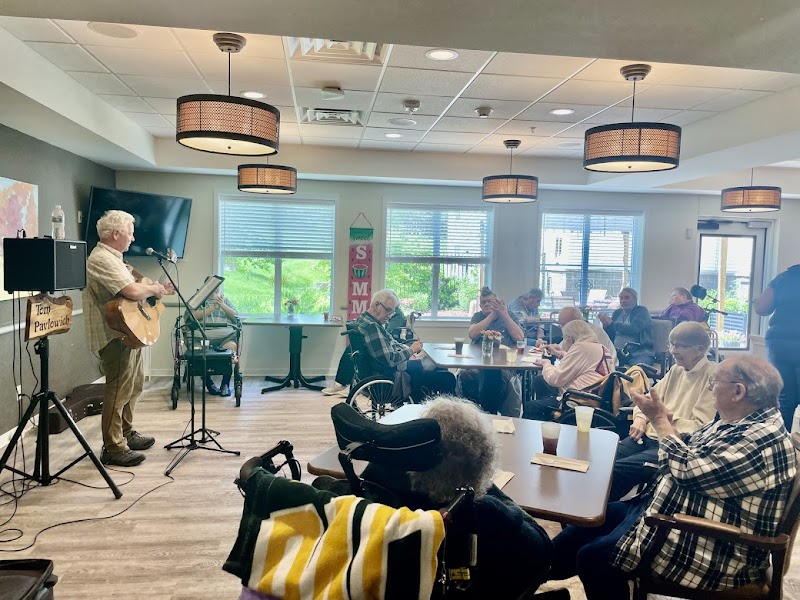
How Does St Crispin Living Community Compare to Other Minnesota Nursing Homes?

Compared to the 100 nursing homes in Minnesota, ST CRISPIN LIVING COMMUNITY's overall rating (3 stars) is below the state average of 3.2, staff turnover (40%) is near the state average of 46%, and health inspection rating (3 stars) is at the national benchmark.

What Should Families Ask When Visiting St Crispin Living Community?

Based on this facility's data, families visiting should ask: "What changes have been made since the serious inspection findings, and how are you preventing similar issues?" "Can I visit during a mealtime to observe dining assistance and food quality?" "How do you handle medical emergencies, and what is your hospital transfer rate?" "Can I speak with family members of current residents about their experience?" These questions are particularly relevant given the facility's Immediate Jeopardy citations.

Is St Crispin Living Community Safe?

Based on CMS inspection data, ST CRISPIN LIVING COMMUNITY has documented safety concerns. Inspectors have issued 1 Immediate Jeopardy citation (the most serious violation level indicating risk of serious injury or death). The facility has a 3-star overall rating and ranks #100 of 100 nursing homes in Minnesota. Families considering this facility should ask detailed questions about what corrective actions have been taken since these incidents.

Do Nurses at St Crispin Living Community Stick Around?

ST CRISPIN LIVING COMMUNITY has a staff turnover rate of 40%, which is about average for Minnesota nursing homes (state average: 46%). Moderate turnover is common in nursing homes, but families should still ask about staff tenure and how the facility maintains care continuity when employees leave.

Was St Crispin Living Community Ever Fined?

ST CRISPIN LIVING COMMUNITY has been fined $138,989 across 1 penalty action. This is 4.0x the Minnesota average of $34,469. Fines at this level are uncommon and typically indicate a pattern of serious deficiencies, repeated violations, or failure to correct problems promptly. CMS reserves penalties of this magnitude for facilities that pose significant, documented risk to resident health or safety. Families should request specific documentation of what issues led to these fines and what systemic changes have been implemented.

Is St Crispin Living Community on Any Federal Watch List?

ST CRISPIN LIVING COMMUNITY is not on any federal watch list. The most significant is the Special Focus Facility (SFF) program, which identifies the bottom 1% of nursing homes nationally based on persistent, serious quality problems. Not being on this list means the facility has avoided the pattern of deficiencies that triggers enhanced federal oversight. This is a positive indicator, though families should still review the facility's inspection history directly.