Edenbrook of St Cloud
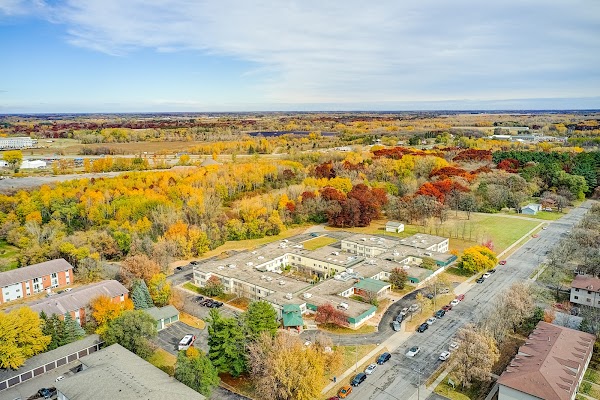
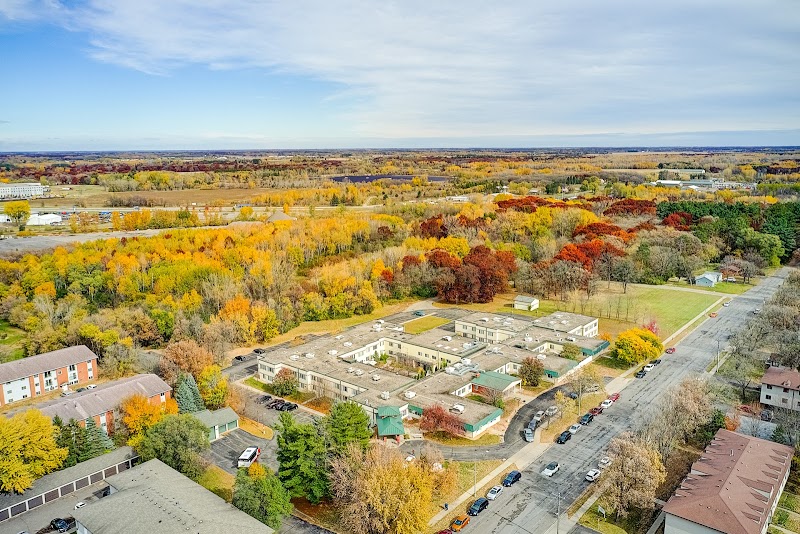
1717 UNIVERSITY DRIVE SOUTHEAST, SAINT CLOUD, MN 56304 (320) 251-9120
For profit - Corporation 77 Beds EDEN SENIOR CARE Data: November 2025 2 Immediate Jeopardy citations
Trust Grade
9/100
#288 of 337 in MN
Last Inspection: May 2024

Within standard 12-15 month inspection cycle. Federal law requires annual inspections.

Overview

Edenbrook of St. Cloud has a Trust Grade of F, which indicates significant concerns about the facility's overall quality and care. This places the nursing home at #288 out of 337 in Minnesota, meaning it is in the bottom half of facilities in the state and #9 out of 10 in Stearns County, indicating that only one local option is better. While the facility is trending towards improvement, as the number of issues decreased from 17 in 2023 to 15 in 2024, it still faces serious challenges. Staffing is rated average at 3 out of 5 stars, with a 49% turnover rate, which is concerning. Additionally, there have been critical incidents, including failures to properly test staff for COVID-19 during outbreaks, putting residents at risk, and a serious incident where a resident fell and was harmed due to inadequate supervision. Overall, while there are some strengths in quality measures, the facility has significant areas for improvement in safety and compliance.

Trust Score
F
9/100
In Minnesota
#288/337
Bottom 15%
Safety Record
High Risk
Review needed
Inspections
Getting Better
17 → 15 violations
Staff Stability
⚠ Watch
49% turnover. Above average. Higher turnover means staff may not know residents' routines.
Penalties
○ Average
$14,892 in fines. Higher than 56% of Minnesota facilities. Some compliance issues.
Skilled Nurses
⚠ Watch
Each resident gets only 26 minutes of Registered Nurse (RN) attention daily — below average for Minnesota. Fewer RN minutes means fewer trained eyes watching for problems.
Violations
⚠ Watch
41 deficiencies on record. Higher than average. Multiple issues found across inspections.
★☆☆☆☆
1.0
Overall Rating
★★★☆☆
3.0
Staff Levels
★★★★☆
4.0
Care Quality
★☆☆☆☆
1.0
Inspection Score
Stable
2023: 17 issues
2024: 15 issues

The Good

  • 4-Star Quality Measures · Strong clinical quality outcomes
  • Full Sprinkler Coverage · Fire safety systems throughout facility
  • No fines on record

Facility shows strength in quality measures, fire safety.

The Bad

1-Star Overall Rating

Below Minnesota average (3.2)

Significant quality concerns identified by CMS

Staff Turnover: 49%

Near Minnesota avg (46%)

Higher turnover may affect care consistency

Federal Fines: $14,892

Below median ($33,413)

Minor penalties assessed

Chain: EDEN SENIOR CARE

Part of a multi-facility chain

Ask about local staffing decisions and management

The Ugly 41 deficiencies on record

2 life-threatening 1 actual harm
Dec 2024 2 deficiencies
CONCERN (D) 📢 Someone Reported This

A family member, employee, or ombudsman was alarmed enough to file a formal complaint

Potential for Harm - no one hurt, but risky conditions existed

Resident Rights (Tag F0550)

Could have caused harm · This affected 1 resident

**NOTE- TERMS IN BRACKETS HAVE BEEN EDITED TO PROTECT CONFIDENTIALITY** Based on interview and record review the facility failed to ensure dignified and respectful maintain or promote their quality of...

Read full inspector narrative →
**NOTE- TERMS IN BRACKETS HAVE BEEN EDITED TO PROTECT CONFIDENTIALITY** Based on interview and record review the facility failed to ensure dignified and respectful maintain or promote their quality of life for 2 of 3 residents (R2, R4) reviewed when services were not provided to empty bedside urinals and bathing was not provided as scheduled. Findings include: R2's admission Minimum Data Set (MDS) dated [DATE], identified he had moderate impaired cognition, sometimes socially isolated himself without behaviors. R2 had impaired mobility of one lower extremity and required partial to moderate assistance of staff for roll left/right, lying to sitting, sit to stand, chair/bed/chair/toilet transfers, and toileting hygiene. R2 was occasionally incontinent of bladder and continent of bowel. R2 used a walker and wheelchair for mobility. R2 had a diagnosis of benign prostatic hyperplasia (BPH) (enlargement of the prostate found just below the bladder and can block the flow of urine), diabetes mellitus, manic depression, and schizophrenia. R2's [NAME] undated identified he required assistance with emptying urinal every shift, required assistance of one for shower every Friday evening (PM) shift, dressing and toileting. R2 required assist of one for bathing, uses urinal independently needs staff to empty. During interview/observation on 12/17/24 at 4:20 p.m. R2 stated the sign on the door leave me alone when the door was closed was the reason some staff told him they do not come into his room. R2 currently had three empty urinals located on his bedside table next to his bed. He wanted some privacy but still needed help with the urinals and staff to check on him. One week ago, a staff told him he was independent now and was able to empty his own urinals. During the night he had to urinate a lot, which was reason he had three full urinals sitting on his bedside table, the staff do not want to empty them especially during the night shift. When R2 uses his call light on to get them emptied it takes up to one hour for staff to assist him. R2 stated he was able to use the urinals himself but had to have more than one because he was afraid if one had filled up and used it again, he would spill urine on himself. During an observation on 12/18/24 at 10:47 a.m. R2's room door was open and located on his bedside table was a urinal ¾ full of yellow colored urine visible from the hallway. R2 was not in his room. R2's care plan dated 12/19/24 identified R2 had a self-care deficit related to impaired mobility and pain. Staff were directed to have assisted with cleaning post incontinence. R2 used urinal independently and needed staff to empty urinal. During an interview on 12/19/24 at 8:30 a.m. licensed practical nurse (LPN)-A stated staff were expected to go into R2's room at least every two hours and check to see if his urinal should be emptied. LPN-A stated R2 was unable to empty the urinals (had three of them) himself and required staff assistance. LPN-A stated when the urinal filled up, sat on his bedside table for a length of time would be considered an infection problem and could have spilled onto the floor. LPN-A stated every resident should be checked on at least every two hours to make sure their needs were met. LPN-A stated for R2 it was a dignity issue made him not want to be here because he was not getting the care he needed, and he felt bad about it. LPN-A stated she had talked to R2 about his lack of help he had received, and he was very frustrated about it. LPN-A stated she had planned to provide that information to the facility social worker. During an interview/observation on 12/19/24 at 8:50 a.m. R2's room door was open with television on. Three urinals were located on the bedside table visible from door. All three urinals had yellow urine in them: #1 urinal full (approximately 1000 milliliters (ml) ), #2 was ¾ full (approximately 750 ml), #3 was ½ full (approximately 500 ml). R2 was in his wheelchair and stated my urinals were not emptied on nights and that was why there are three urinals almost full on my table. R2 stated staff had not checked on him this morning, been up since 5:00 a.m. and would have expected staff to empty the urinals before the night shift left. R2 place his call light on at 8:55 a.m. R2 stated he had urinary urgency problems, staff had scanned his bladder at times, saw a urologist, scheduled to see him again on January 14th, 2025, and still unable to urinate a lot at one time. He explained it was difficult for him to empty the urinals himself, unable to walk and carry the urinals, and a tight fit to get into to bathroom with his wheelchair. He has had urinary accidents because he was unable to get into the bathroom and that was why he has used urinals instead. When the urinals filled up, he had to ask to have them emptied and felt like a burden, wished he could go home because it was hard to see people walk by and see them on the bedside table full of urine, and he felt embarrassed. R2 stated he had placed his call light on waited up to 45 minutes, went out and smoked a cigarette, returned to his room [ROOM NUMBER] minutes later, the call light was turned off and urinals remained on the table by the bed full of urine. He placed the urinals on the table next to the bed so that it would be high enough up for staff to see and they would be emptied but has not worked. R2 stated he was upset, frustrated, and no longer wanted to live at this facility and just need to move out. He had talked to the social worker and staff nurse about his concerns. At 9:05 a.m. (15 minutes later) nursing assistant (NA)-A entered the room, asked what R2 needed, applied gloves, emptied the urinals, removed gloves, washed hands, and exited the room. R4's admission MDS dated [DATE], identified intact cognition without behaviors. R4 had an impairment on upper extremity located on one side. R4 required partial to moderate assistance with personal hygiene, substantial to maximal assistance with roll left and right, sit to lying, lying to sit, sit to stand, chair/bed/chair and toilet transfers, and dependent for toileting hygiene and ambulation. R4 used a wheelchair for locomotion. R4 was frequently incontinent of bowel and bladder. R4's diagnoses included cancer, peripheral vascular disease (PVD), diabetes mellitus, and anxiety. R4's care plan dated 12/19/24 identified she had a self-care deficit, limited mobility, and directed staff to have provided assistance of one for personal hygiene and toileting, and transfers with front wheeled walker. R4 had an alternation in urinary elimination, overflow bladder incontinence, and directed staff to have provided incontinence cares after each incontinent bowel or bladder episode. R4 preferred to use bed side commode. R4's [NAME] date 12/19/24 identified she required assistance of one for bathing on Tuesday and Friday morning (a.m.), dressing, transfers, personal hygiene, and offer and assist with toileting. R4's bath schedule dated 12/16/24 identified her bath was scheduled for Tuesday morning (a.m.). R4's bath schedule undated, identified her bath times were changed to two days a week and scheduled for Tuesday and Friday a.m. R4's NA bathing documentation from 11/29/24 through 12/17/24 identified: -11/29/24 physical help required. -12/6/24 did not occur. -12/10/24 did not occur. -12/13/24 total dependence required. -12/17/24 did not occur. R4's urinary toileting record from 12/1/24 through 12/5/24 identified: 12/1/24 at 12:45 a.m. refused 12/1/24 at 1:53 p.m. continent 12/2/24 at 1:59 p.m. continent 12/2/24 at 9:59 p.m. incontinent 12/2/24 at 11:15 p.m. continent 12/3/24 at 1:59 p.m. continent 12/3/24 at 9:49 p.m. incontinent 12/4/24 at 2:56 a.m. continent 12/4/24 at 1:59 p.m. continent 12/4/24 at 8:46 p.m. incontinent 12/4/24 at 11:57 p.m. incontinent 12/5/24 at 1:55 p.m. incontinent 12/5/24 at 9:19 p.m. incontinent R4's Treatment Administration Record (TAR) for the month of November 2024, there was no order entered for bath/shower to be signed off that it was given. R4's TAR from 12/1/24 through 12/19/24, identified ensure resident received scheduled bath/shower every day shift every Tuesday and Friday. Order date 12/13/24 at 1:37 p.m. On 12/17/24 singed off No (N). During an interview on 12/18/24 at 11:19 a.m. R4 stated it was hard to get staff into her room for assistance to the bathroom and the long wait times frequently resulted in her having urinary incontinence, wetting herself in her pants. It made her feel awful, embarrassed. R4 stated she took water pills (a medication to excrete excess fluid from the body). About two weeks ago, she had to use the bathroom and could not wait any longer then had urinate in her pants. R4 stated a person should have not had to wait that long to get some help but was now able to take myself to the bathroom. There are still days when she is tired when staff need to help her to the bathroom though. R4 stated would have liked a shower twice a week but there were times when she was unable to get one shower a week. She was scheduled to have a shower yesterday; staff came and asked her if she was ready and was just going to have breakfast. She waited for someone to come after breakfast, but no one came back. She said her last shower was last Friday (5 days ago), her hair needed to be washed, and scalp felt itchy. R4's hair appeared unkept and uncombed. She was ok at times with one shower a week but then had to go two weeks without one in the past month, one of those days the facility had no hot water about two weeks ago. R4 stated her family had not assisted with her weekly bathes. During an interview on 12/18/24 at 2:16 p.m. NA-C stated he had transferred R4 on and off toilet in the a.m. and then therapy came in and worked with her around 11:00 a.m. R4 was supposed to have a assistance with bathing, did not offer to assist her with washing up, it did not get done. NA-C stated it was staff responsibility to have helped R4 and to check back with her. NA-C identified on the shower/bath schedule located on a clip board dated 12/16/24, indicated R4 was scheduled for a shower one day a week on Tuesdays. NA-C stated if R4's frequency of a bath had changed staff was not aware of it, they followed the bath schedule. During an interview on 12/19/24 at 1:38 p.m. NA-B stated staff were expected to have checked on each resident at least hourly. Resident urinals should have been emptied at least on each walk around and/or as soon as you saw urine in them. It would be important to keep them empty, and not have them sitting around for an extended amount of time because it could cause infection, and the resident might be unable to use the urinal if it is full due to spillage of urine. NA-B stated the urinals should be emptied as soon as possible after use, dumped in the bathroom toilet, and rinsed out. NA-B stated a urinal with urine in it and visible to others can affect dignity and not pleasant for others to see and could embarrass a resident. On 12/17/24 NA-B charted no bath was given to R4 and verified she had not received her bath that day due to staff called in sick and they ran behind all day. When this happens, the evening (p.m.) shift should have done R4's bath and it was missed. NA-B stated he was not aware R4's bathes had increased to two times a week the bath schedule should have been updated to reflect that. During an interview on 12/19/24 at 1:55 p.m. floor manager LPN-B stated staff were expected to offer the resident a bath/shower once a week. R4's bathes were changed from one a week to two a week and should have started on 12/13/24. LPN-B stated the bath/shower would have been important to monitor skin, general hygiene, to prevent skin breakdown and dignity in general. During an interview on 12/19/24 at 3:09 p.m. director of nursing (DON) staff was expected to complete hourly safety rounds, turn/reposition/toileting every 2 to 3 hours, and a.m. morning cares to have included: wash face/hands/all crevasses/abdominal folds, perineal cares, toileting, comb hair, and brush teeth. DON stated staff were expected to empty urinals if in the resident's room and saw it being used and for sure at the end of the shift as well. DON stated the urinals get smelly and bacteria grows when not emptied. During an interview on 12/19/24 at 3:30 p.m. administrator stated one of R2's interventions was for staff to empty his urinals but R2 was able to empty his own urinal and struggled with motivation to do it himself. The administrator stated a urinal full of urine located on the table could be a dignity issue when people walked by his room, and it was visible. Facility policy Activities of Daily Living (ADLS) dated 3/15/21, the facility must provide necessary care and services consistent to the resident's needs and choices and to maintain or improve his or his ability to carry out the activities of daily living. The facility will provide care and services such as hygiene: bathing, dressing, grooming and oral cares and elimination/toileting. Facility policy Resident Rights: Dignity dated 10/24/23, identified the facility must treat each resident with respect and dignity and care for each resident in a manner and in an environment that promotes maintenance or enhancement of their quality of life, recognizing each resident's individuality. The facility must protect and promote the rights of the residents. Federal and state laws guarantee certain basic rights to all residents of this facility. These rights include the resident's right to: a dignified existence and to be treated with respect, kindness, and dignity.
CONCERN (E) 📢 Someone Reported This

A family member, employee, or ombudsman was alarmed enough to file a formal complaint

Potential for Harm - no one hurt, but risky conditions existed

Deficiency F0804 (Tag F0804)

Could have caused harm · This affected multiple residents

**NOTE- TERMS IN BRACKETS HAVE BEEN EDITED TO PROTECT CONFIDENTIALITY** Based on observation, interview and document review, the facility failed to ensure food was served at a palatable and appetizing...

Read full inspector narrative →
**NOTE- TERMS IN BRACKETS HAVE BEEN EDITED TO PROTECT CONFIDENTIALITY** Based on observation, interview and document review, the facility failed to ensure food was served at a palatable and appetizing temperature for 6 of 6 residents (R2, R3, R4, R5, R6, R7) reviewed who had food concerns. This deficient practice had the potential to affect all 63 residents residing in this facility. Findings included: Review of November 2024 grievances identified dinner was cold 11/11/24 and 11/12/24. Review of resident council meeting minutes dated 12/2/24 at 11:00 a.m. identified three officers and seven residents in attendance. Dietary: meals were still cold. The overview of action plan included a chart: current situation, what is our goal, what do we need to get there, who will help us get there, and status (resolved, not resolved/action needed, partially resolved/further steps needed) was left blank. During an interview on 12/17/24 at 9:30 a.m. family member (FM) stated sometimes the food was undercooked, chicken was pink, overcooked vegetables such as broccoli were mushy, and cold such as pizza, toast, and eggs. FM stated there were times when the biscuits and French toast were hard, and the residents could not bite into them. FM stated she had brought in food for her family member and warmed it up in the microwave. During an interview on 12/17/24 at 3:40 p.m. R3 stated this morning the temperature of food was cold. His French toast sticks and a tiny piece of ham steak was cold, hard, and tough to bite into. On other occasions when food was cold, he would tell staff and sometimes they offered to warm up his meal but then it became hard and unable to eat. Today R3's lunch included spaghetti and meatballs, broccoli, which were cold, and the sherbet was melted. He had seen the meal cart located in the hallway up to 30 minutes before the meal was served to residents. R3 stated we have the option of going to the dining room or stay in our rooms, and he had done both. During an interview on 12/17/24 at 4:21 p.m. R2 stated meals were frequently served late and the hot food was cold and overcooked most of the time. R2 stated pancakes edges were crispy, hard to cut with a knife and eat. R2 stated the garlic bread was chewy and unsure why. R2 stated he had informed the manager of the kitchen of the concerns but was hard to talk to and things had not improved. Facility regular dinner menu dated 12/17/24, identified: Homemade vegetable beef soup Grilled cheese sandwich Marinated cucumbers Cinnamon applesauce Milk During a continuous observation on 12/17/24 at 5:16 p.m. located in main dining room [ROOM NUMBER] residents sat at tables and waited for supper to be served. At 5:20 p.m. noted from kitchen doorway two staff placed the food onto the plates with gloves on. The grilled cheese sandwiches were located in the steam table and when removed cut up in half or fourths with a large knife. The vegetable beef soup was located in a large metal pot located on the steam table and steam was seen coming from the top of the soup after it was placed into a bowl for each resident. At 5:40 p.m. R6 sat at table in dining room, yelled out twice can I get a sandwich that was not cold cannot eat this one. An unidentified staff went over to R6, removed her grilled cheese sandwich, brought it into the kitchen and at 5:42 p.m. returned with a grilled cheese sandwich. R6 stated thank you, took a bite and stated the sandwich was warm. R6 stated food was served cold frequently, wait time was long for meals to be served, and was frustrated, would have liked a hot meal once without requested to be warmed up. R6 stated the soup was too hot and blew on it until it was the temperature she wanted and ate the grilled cheese sandwich. Review of the Food Temperature Log on 12/17/24 at approximately 5:45 p.m. identified dinner food temperatures were documented once at an undetermined time: Soup 180 degrees Fahrenheit (F.) Regular meat 175 degrees F. Ground meat 175 degrees F. Vegetable 180 degrees F. Pureed vegetable 180 degrees F. Starch 185 degrees F. Alternatives 165 degrees. F Dessert 35 degrees F. Milk/juice/coffee 35 degrees F. During an observation/interview on 12/17/24 at 5:48 p.m. cook (C)-A had placed a cut grilled cheese sandwich along with a bowl of soup on a plate and it was delivered by an unidentified staff to a resident in the dining room. C-A stated the foods that remained on the steam table she had just finished serving at 5:45 p.m. to residents were grilled cheese sandwiches and vegetable beef soup. C-A stated she had checked the temperature of the hot foods prior to when she started to serve the meals and entered the temperatures onto the log sheet. C-A stated she had never checked temperatures on the food during serving. C-A stated a female resident had complained the grill cheese sandwich was cold and her sandwich was replaced three times. At 5:52 p.m. C-A was asked to check the temperature on one of the grilled cheese sandwiches that remained in the stream table. Kitchen manager (KS) walked over to steam table and placed the thermometer into the center of a sandwich while it remained in the steam table and verified it was 124 degrees F. KS stated the temperature of the grilled cheese sandwich was low, should have been above 130 degrees F. or higher, and verified the steam table remained turned on. KS stated they had been having issues with the steam table, sometimes warmed up but not hot enough, and waited on verification of a new steam table. KS stated in the meantime, staff were expected to have checked food temperatures to make sure they where they should be and served safely. KS wiped off end of thermometer and place the end of it into the large pot of vegetable soup and read 182 degrees F. stated should have been 135 to 160 degrees F. but 182 degrees F was fine. KS stated those foods were safe to have been served to the residents. Facility regular noon menu dated 12/18/24, identified: -pork chops -cream gravy -roasted butternut squash -French green beans -banana cream cheesecake -milk Facility Temperature Record for lunch dated 12/18/24, indicated all hot foods must be held at 140 degrees Fahrenheit (F) or higher. Recommended temperature for foods held on the serving line is 160 to 180 degrees F. Identified food temperatures were documented once at an undetermined time: Regular meat 180 degrees F. Ground meat 180 degrees F. Vegetable 176 degrees F. Starch 176 degrees F. Gravy 168 degrees F. Alternatives 177 degrees F. Dessert 169 degrees F. Milk/Juice/Coffee 169 degrees F. During an observation on 12/18/24 at 12:00 p.m. over 20 residents sat at tables in the large dining room while staff served them lunch. During an observation on 12/18/24 at 12:20 p.m. no residents remained in large dining room. At least 15 plates were observed on the tables with approximately up to 50 % of the food remained on the plates. During an observation on 12/18/24 at 12:25 p.m. two kitchen staff, C-B, and dietary aide (DA) prepared plates of food to be delivered to the resident rooms. The resident plates were stacked freely on the counter. C-B dished up hot foods (pork chops in sour cream gravy, squash, French green beans located in the steam table, the steel container of carrots was located outside of the steam table on top of steam table covers, placed the foods on a plate on top of a silver steel plate from a stack located on the counter. DA placed a cover that had a hole in the top of it over the plate of food and a piece of banana cream cake with whipped topping on each tray. DA placed each tray onto a shelf into a large brown colored cart. There were steel containers located on top of the steam table covers over the third and fourth well with foods in them: pureed meat, carrots, mashed potatoes, minced pork meat, squash, and boneless chicken breasts. At 12:40 p.m. all trays of food were loaded up into the brown cart and the doors were closed. C-B confirmed the stream table remained turned on (all four burners). C-B stated she had taken the temperature of all the foods when she cooked them and again prior to serving them to residents. C-B stated she had entered the temperatures into the log sheet. C-B stated the steam table was turned on hours before the food was placed in there at 6:00 a.m. C-B stated there were four knobs one for each part of the steam table to total four knobs. Four sections in the steam table were observed. C-B stated she had set the first knob and turned it one click to the right and the same with knob three and four. C-B stated there were no makings on the knobs that indicated what each one was set at. C-B stated the second knob was the only one out of the four that had a silver plate with markings on it so that she knew to set it just below high. C-B verified three of the four dials were missing the silver plate and each dial was for a separate section of the steam table. At 12:45 p.m. C-B completed a temperature check on the following foods: Pork chops in sour cream gravy (no meat remained in the large metal container located in the steam table first section) Large amount of sour cream gravy remained in the metal tray located in the steam table section one and was temped at 167 degrees F. French green beans (located in the steam table first section) 162 degrees F. Food that was located out of the steamer and on top of the metal covers that were placed on top of the steam table section three and four: Chicken boneless 127.0 degrees F. C-B stated she had placed in steamer and just removed it prior to when surveyor came into the kitchen. Sliced carrots (approx. four inches of carrots in bottom of metal container) 101.4 (stated should be at least 150 degrees F. or higher) were not located in the steam table and C-B stated they were just served to residents. C-B stated the temperature of the carrots was not up to 150 or higher and should have not been served to the residents. Pureed pork chops 92.0 degrees F. C-B stated they should have been at least 160 degrees F. and not sure why they were so cold, had not been that long since they were served, and the steam table should have kept these hot. On 12/18/24 at 12:55 p.m. kitchen manger (KM) entered the large kitchen and walked over to the steam table. Foods were not placed in the steam table and located on to top of the metal covers that were placed over the steam table. The following foods were checked by KM for temperatures: Pureed pork 101.0 degrees F. Mashed potatoes 135.0 degrees F. Minced pork meat 104.0 degrees F. Squash 90.0 degrees F. French green beans 100.0 degrees F. located in the steam table. Previous observation identified the green beans were served /delivered to more than 10 residents until 12:40 p.m. KM stated the steam table should have maintained the expected temperature for all the hot foods and where the temperatures should presently be at so that the temperatures were kept at where it would be servable. KM stated not sure why would have collected temperatures of these foods now that they were done serving. On 12/18/24 at 1:00 p.m. while steam table remained turned on surveyor requested a scoop of gravy from pork chop pan located in first section of steam table, French green beans located in the steam table and sliced carrots located in a metal container on top of the metal covers over the steam table be placed on a plate to sample. KM and surveyor sampled the carrots, and both agreed they were not hot, and KM stated just warm, and surveyor identified them as cold. Surveyor sampled the gravy and green beans and were warm. KM stated unsure why the food needed to be sampled now, the residents had already been served their meal. During the interview on 12/18/24 at 1:01 p.m. KM stated all food for the facility and assisted living was made in this large kitchen. Once the cook has made the food they are expected to check all the temperatures, divide it up and place in holding ovens set at 225 degrees F. KM stated one hour prior to serving the steam tables should have been turned on and one to two inches of water added to the bottom of each well, there were four wells in the steam table on the mainline. KM stated the mainstream table had four dials only one had numbers and the other three did not. KM stated it was an old piece of equipment and he instructed his staff to turn the unmarked dials one click to the right when there was steam it was working properly. KM stated the water in the steam table wells could have been tested for the temperature but had not been done. KM stated was not aware or been told by kitchen staff the steam table had not been working properly. KM stated when water was steaming would guarantee it was over 200 degrees F. KM verified C-B would have been expected to have used a perforated pan placed in the steamer for the pureed foods and carrots to have maintained correct temperatures. Those foods that we temped were not servable due to low temperatures that should have been maintained throughout the serving of the meal. KM stated none of the pureed food or the carrots were placed in the team table as expected. KM stated he was aware of resident complaints of cold food during the resident council meeting and completed an audit. KM stated the audit showed the food stayed hot only if the steel plate warmers and a lid were used and served in a timely manner before 12:30 p.m. (copy of two audits were received and dated 10/10/24 and 10/11/24). KM stated would have expected staff to have turned on the plate warmer and those plates used to keep the food hot. KM stated staff would be expected to re-temp foods that no longer seemed warm enough. KM stated residents could have gotten sick if the pork they served was under 165 degrees F. and should have been thrown out. KM stated the vegetables and gravy should have been maintained at to at least 165 degrees F. to have been safe to be served and eaten. KM stated he assumed the pureed meat temperature were taken to meet the requirements for safety to eat and should have been entered on the log form, but the temperatures were not on the form. KM stated all foods are to be expected to be temped and meet the recommended temperature guidelines prior to serving otherwise service would have to wait until the correct temperature has been reached. KM stated the log form required adjustments so that all foods temped were documented. On 12/18/24, DM provided surveyor an untitled dietary log form that listed all three meals (breakfast, lunch, and supper) for one week with each type of food to have been served during that meal with the acceptable temperature(s) required. DM stated this was the log form the cooks were required to use when they served meals, and they were currently using the wrong form. Each section at the top listed the day of the week with three boxes located below that labeled beginning, middle and end and included a column below each one for the meal. Lunch section identified: Meat/entrée 160 to 180 degrees F. Ground Meat/Entrée 160 to 180 degrees F. Pureed Meat/Entrée 160 to 180 degrees F. Alternative Entrée 160 to 180 degrees F. Gravy 180 degrees F. Potato/Starch 160 to 180 degrees F. Pureed Potato 160 to 180 degrees F. Main Vegetable 160 degrees F. 2nd Vegetable 160 degrees F. Pureed Vegetable 160 degrees F. Soup 170 to 190 degrees F. Alternative Soup 170 to 190 degrees F. Cold Entrée/Vegetable 40 degrees F. During a follow up interview on 12/18/24 at 10:55 a.m. R3 stated he had gone to the dining room for supper last night. R3 stated the grilled cheese sandwich was cold and hard. R3 stated was unable to eat the sandwich and had not requested anything different. During an interview on 12/18/24 at 11:15 a.m. R4 stated has had cold food and/or that was barely warm. R4 stated went to the dining room last night for supper. R4 stated the cheese on the grilled cheese sandwiches was not melted and cold. R4 stated staff offered to warm up food when requested. During an interview on 12/18/24 at 4:40 p.m. R7 stated the food during meals was occasionally cold such as sandwiches. R7 stated when she had chosen to eat in her room the food arrived lukewarm and usually colder than what she had received in the dining room. R7 stated there were many times she had made her own sandwich out of her refrigerator located in the room. R7 stated she had not told anyone but felt she should have. During an interview on 12/19/24 at 9:35 a.m. R5 stated usually went to dining room for meals. R5 stated food was good except the hot food was cold, especially the eggs. R5 stated there had been discussion at resident counsel and there were concerns about cold food. R5 stated food was cold the same for all meals, no specific one and this really should not have been happening. Facility policy titled Safe Food Temperatures dated 3/2023, identified foods are to be maintained at a safe a palatable temperature during meal service. Safe food temperatures conform to Hazard Analysis Critical Control Points (HACCP) principles (an internationally recognized method of identifying and managing food safety related to risk and can provide assurance to customers that a food safety program is well managed). All hot foods were to be held at 150 degrees F. or above. Staff were directed to have taken temperature on all foods on the steam table prior to serving and at the end of the serving. If serving had taken longer than 30 minutes, temperatures would also be expected to be taken during the middle of the serving to ensure food were at their optimum holding temperatures. Food temperatures which fail to reach or maintain acceptable minimum temperatures would be required to have received corrective action such as reheated until the acceptable temperature was reached. Completed temperature records would be kept on file.
Aug 2024 1 deficiency 1 Harm
SERIOUS (G) 📢 Someone Reported This

A family member, employee, or ombudsman was alarmed enough to file a formal complaint

Actual Harm - a resident was hurt due to facility failures

Accident Prevention (Tag F0689)

A resident was harmed · This affected 1 resident

**NOTE- TERMS IN BRACKETS HAVE BEEN EDITED TO PROTECT CONFIDENTIALITY** Based on observation, interview, and document review, the facility failed to ensure ambulation interventions were implemented fo...

Read full inspector narrative →
**NOTE- TERMS IN BRACKETS HAVE BEEN EDITED TO PROTECT CONFIDENTIALITY** Based on observation, interview, and document review, the facility failed to ensure ambulation interventions were implemented for 1 of 3 residents (R3) reviewed for falls. This resulted in actual harm for R3 who fell while ambulating in the hallway and sustained a head laceration requiring emergency medical care. The facility implemented corrective action prior to the investigation so the deficiency was issued at past noncompliance. Findings include: R3's quarterly Minimum Data Set (MDS) dated [DATE] indicated R3 had diagnoses of dementia, and had moderate cognitive impairment. The MDS also indicated R3 required supervision or touching assistance when ambulating. R3's care plan dated 4/14/23 indicated R3 required assistance of one staff and front wheeled walker. On 7/25/24 at 5:45 p.m., a progress note indicated R3 had a fall with bleeding at the back of her head. On 7/25/24, at 9:59 p.m., a progress note indicated R3 had a witnessed fall with a staff member in the hallway while walking to the dining room. R3 had shoes and a transfer belt. R3 reported weakness, lightheadedness, and feeling dizzy. The nursing assistant (NA)-A decided to get R3 her wheelchair, and saw R3 falling to the floor. R3 had laceration on the back of her head. R3 was lifted off the floor with a mechanical lift and three staff members. R3's range of motion to her extremities was normal. Staff cleansed the back of her head and began neuro checks. On 7/25/24 a note from the ER indicated R3 was treated for a 2 centimeter (cm) laceration to the posterior scalp with three staples. R3 had a head CT scan to rule out intracranial hemorrhage while in the emergency room and discharged back to the facility. Review of facility video surveillance footage on 7/25/24 showed NA-A and R3 as they walked out of room. A gait belt can be seen around R3's waist. R3 and NA-A took several steps together, then stopped. NA-A left R3 unattended in the hall and walked back into her room. R3 fell to left side to the floor in the hall as NA-A came out of the room with the wheelchair. The video did not include time stamps. On 7/29/24 a progress note indicated an interdisciplinary team (IDT ) review of the fall. Early evening 7/25/24 R3 experienced a fall during staff transfer assistance, which resulted in an injury to the back of her head. Emergency Medical Services (EMS) was contacted and R3 was brought to the emergency room (ER) for evaluation and treatment. She received three staples to the back of her head and returned to facility. On 7/31/24 at 3:03 p.m., licensed practical nurse (LPN)-A stated she was called on 7/25/24 just before 6:00 p.m. because R3 had fallen. Registered nurse (RN)-A told her the fall occurred in the hallway. Nursing assistant (NA)-A walked R3 out of her room, into the hallway with her walker. They stopped because R3 felt weak. NA-A walked away from R3 to get her wheelchair from her room, leaving her standing in the hallway with her walker. R3 then fell, NA-A should not have left R3 unattended related to her history of falls. On 8/1/24, at 9:13 a.m., NA-A stated she was working with R3 on 7/25/24, at 5:30 p.m., when R3 fell in the hallway. She was familiar with R3's care plan, and had reviewed R3's [NAME] prior to providing cares, stating the [NAME] is reflective of the resident's current care plan. The [NAME] directed ambulation assist of one staff and a walker for R3. Once R3 walked out of her room into the hallway, she began to feel weak. She asked R3 if she wanted a wheelchair, and R3 stated she did. She knew she shouldn't have left R3 alone to get her wheelchair, but her coworkers were all in the dining room at the time, did not have a walkie talkie so she went into R3's room to get her wheelchair. As she came back into the hallway, she observed R3 fall. NA-A stated she was provided with re-education on 7/25/24, explained she should have remained in attendance with R3. NA-A stated she completed the mandatory re-education required by all staff in response to this incident and understands how to respond to a resident who becomes weak while ambulating. On 8/1/24 at 9:27 a.m., RN-B stated he became aware of the fall when he heard NA-A yell. He responded to the fall and assessed R3. He sent R3 into the ER for further medical treatment due to her head laceration. R3 had a history of falls, and should not have been left unattended. RN-B stated he participated in the required re-education in response to the this incident. RN-B stated staff are expected to remain with the resident at all times and call for help. On 8/1/24 at 10:43 a.m., RN-A stated NA-A should not have left R3 unattended, she should have called for help, keeping hold of the gait belt, and safely lowered R3 to the floor if she started to fall. Education was provided to NA-A immediately following the incident. RN-A stated she completed the mandatory re-education and understood the expectations to respond to a resident who became weak while providing assistance while ambulating. On 8/1/24, at 11:28 a.m., the director of nursing (DON) stated NA-A could have tried to yell for assistance or lowered R3 to the floor. NA-A was re-educated immediately following the incident. All nursing staff were educated over the following days. The facility Activities of Daily Living (ADLs) Policy and Procedure dated 3/15/21 directed based on the comprehensive assessment of a resident and consistent with the resident's needs and choices, the facility must provide the necessary care and services to ensure that a resident's abilities in activities of daily living do not diminish unless circumstances of the individual's clinical condition demonstrate that such diminution was unavoidable. A resident will be given the appropriate treatment and services to maintain or improve his or her ability to carry out the activities of daily living. The facility will provide care and services for the following activities of daily living including mobility: transfer and ambulation, including walking. The re-education provided to all nursing staff, following the incident included the facility Procedure for Assisting a Weakening Resident During Ambulation to Prevent Falls directed: 1.Stay close and maintain support. 2. Communicate with the resident. 3. Guide to a safe position. 4. Supportive descent to the floor (if necessary). 5. Stay with the resident. 6. Call for help. 7. Document and report the incident. By following these steps, staff can help prevent injuries from fall and ensure the safety and well-being of resident during ambulation.
May 2024 9 deficiencies
CONCERN (D) 📢 Someone Reported This

A family member, employee, or ombudsman was alarmed enough to file a formal complaint

Potential for Harm - no one hurt, but risky conditions existed

Resident Rights (Tag F0550)

Could have caused harm · This affected 1 resident

Based on observation, interview, and document review, the facility failed to ensure dignity was maintained for 1 of 4 residents (R54) who had a soiled wet shirt reviewed for dignity. Findings include...

Read full inspector narrative →
Based on observation, interview, and document review, the facility failed to ensure dignity was maintained for 1 of 4 residents (R54) who had a soiled wet shirt reviewed for dignity. Findings include: R54's quarterly Minimum Data Set, dated (MDS) 4/11/24, identified R54 was cognitively intact and had diagnoses which included: quadriplegia (paralysis that affects both arms and legs) and traumatic brain injury. Identified R54 was dependent on staff for dressing, bathing and personal hygiene. R54's care plan revised 1/8/24, identified R54 had activities of daily living (ADL) self-care performance deficit related to quadriplegia, morbid obesity, weakness, and dependency on staff. Interventions included assist of one for dressing and dependence for personal hygiene. During an observation and interview on 5/14/24 at 9:17 a.m., R54 was seated in his electric wheelchair in the therapy room. R54 had an irregular shaped wet and brown soiled area on his shirt by the neckline approximately 3-4 inches in diameter. R54 used a communication board during interview, and indicated it bothered him and made him feel uncomfortable that his shirt was soiled and wet. R54 stated he used a towel at home to keep his shirt clean and dry. During an observation on 5/14/24 at 4:22 p.m., R54 continued to have the wet soiled area on his shirt, which appeared larger now, approximately 4-5 inches in diameter. At 5:57 p.m. R54 was seated in his wheelchair in the dining room, now wearing a clothing protector however, was wearing the same shirt. During an interview on 5/14/24 at 6:01 p.m., nursing assistant (NA)-H indicated she had not completed any cares for R54 yet, however, had seen him sitting in the dining room watching television. NA-H stated she had not noticed R54's shirt was soiled and wet and would check him after the supper meal was over. NA-H stated R54 drooled at times, and would have a little wetness on his shirt as a result and if it was a larger spot they would change his shirt. NA-H stated a visibly soiled shirt would affect R54's dignity. During a follow up interview on 5/15/24 at 2:04 p.m., NA-H stated R54's shirt was wet and soiled yesterday evening and it appeared to be from drool and chocolate pudding or something similar. NA-H stated she had asked R54 if he wanted his shirt changed and R54 stated he wanted his night gown put on at that time. NA-H stated if she had observed it sooner, she would have asked him if they could change his shirt. During an interview on 5/15/24 at 2:00 p.m., clinical manager registered nurse (RN)-B stated R54 had quadriplegia and communicated with a communication board. RN-B indicated R54 was cognitively intact. RN-B stated if R54's shirt became soiled, she would expect musing staff to change the shirt right away for R54's dignity and comfort. During an interview on 5/15/14 at 2:24 p.m., interim director of nursing (IDON) stated her expectations were if a resident's shirt was soiled or wet, she would expect nursing staff to change it. IDON stated it was important to complete that task in order to maintain a resident's dignity. Review of facility policy titled Resident Rights: Dignity revised 10/24/23, identified the facility must treat each resident with respect and dignity and care for each resident in a manner and in an environment that promoted maintenance or enhancement of his or her quality of life, recognizing each resident's individuality. The facility must protect and promote the rights of the residents.
CONCERN (D)

Potential for Harm - no one hurt, but risky conditions existed

Safe Environment (Tag F0584)

Could have caused harm · This affected 1 resident

**NOTE- TERMS IN BRACKETS HAVE BEEN EDITED TO PROTECT CONFIDENTIALITY** Based on observation, interview and document review, the facility failed to ensure housekeeping services were provided for a cle...

Read full inspector narrative →
**NOTE- TERMS IN BRACKETS HAVE BEEN EDITED TO PROTECT CONFIDENTIALITY** Based on observation, interview and document review, the facility failed to ensure housekeeping services were provided for a clean environment for 1 of 2 residents (R115) who had a soiled privacy curtain and floor. Findings include: R115's admission Minimum Data Set (MDS) dated [DATE], identified R115 was cognitively intact and had diagnoses which included anxiety, depression, hip and ankle replacement, and aftercare following joint replacement surgery. During an observation and interview on 5/13/24 at 6:58 p.m., R115 indicated her family was unhappy because her room was filthy. R115 pointed to the privacy curtain which had brown smears and spots covering eight to 10 inches across the bottom center of the curtain. In addition, R115 indicated the floor was not cleaned often and the cupboards needed to be wiped down. R115's floor had dust, crumbs, plastic medication cups and a wadded paper towel under her bed. A drip/spill was noted on the outside of her wardrobe closet. R115 said it had been four to five days since they mopped her floor and indicated they did not mop under the bed. During an observation on 5/14/24 at 2:32 p.m., R115 was lying in her bed, and stated her room was still dirty and the curtain was gross. Areas of dark brown spots and smears continued to be present on the bottom portion of the privacy curtain. R115's floor continued to have dust, crumbs, plastic medication cups and a wadded paper towel under the bed. During an interview on 5/14/24 at 2:37 p.m., housekeeper (HSK)-B indicated her usual practice for resident room cleaning included wiping down handles, bathroom, main area, to sweep and mop the room, including under the bed. HSK-B stated when a curtain was noted to be soiled, they would take them down and replace them. HSK-B observed R115's room, confirmed the curtain was soiled and verified the floor was not clean under the bed. HSK-B said it appeared it had been at least a couple of days since staff had swept under the bed. During an interview on 5/14/24 at 2:52 p.m., housekeeping lead (HSKL) indicated when a floor appeared to be clean then her usual practice was to sweep and mop the floor once or twice a week. HSKL indicated her expectations for cleaning the floors included to move the bed and sweep and mop under the beds as well. HSKL indicated the facility's usual practice was to remove and replace the privacy curtain once a resident moved out, during a turn over, (a deep cleaning of the room), such as when R115 would move out of her room. HSKL stated she would expect the curtain to be taken down if it became soiled. HSKL indicated she was unaware if R115's privacy curtain had been changed prior to her moving into the room. During a follow up interview on 5/15/24 at 10:09 a.m. R115 stated her curtain was soiled when she arrived at the facility, and indicated she had tried to stay away from it, yuck. R115 said she noticed her floor dirty under her bed a day or two after she arrived. R115 said she was concerned about all the dust, that it may affect her breathing. R115 said there were three to four people in her room yesterday cleaning it and her privacy curtain had been changed. The facility policy titled Cleaning A Resident Room revised 5/8/24, procedures included: wash closets/wardrobe-inside and out, thoroughly mop entire floor with approved cleaning solution (under furniture, behind doors, along baseboards). The facility form titled Deep Clean Sheet, undated, tasks included: move bed and furniture to sweep & mop underneath, wipe out nightstands, closets and dressers, and check privacy curtain for stains (remove if dirty and send to wash).
CONCERN (D) 📢 Someone Reported This

A family member, employee, or ombudsman was alarmed enough to file a formal complaint

Potential for Harm - no one hurt, but risky conditions existed

ADL Care (Tag F0677)

Could have caused harm · This affected 1 resident

**NOTE- TERMS IN BRACKETS HAVE BEEN EDITED TO PROTECT CONFIDENTIALITY** R36 R36's significant change MDS dated [DATE], identified R36 had severe cognitive impairment and had diagnoses which included h...

Read full inspector narrative →
**NOTE- TERMS IN BRACKETS HAVE BEEN EDITED TO PROTECT CONFIDENTIALITY** R36 R36's significant change MDS dated [DATE], identified R36 had severe cognitive impairment and had diagnoses which included hypertension (elevated blood pressure) Benign Prostatic Hyperplasia (condition in men where the prostate gland is enlarged), and traumatic brain injury. Identified R36 required extensive assistance with activities of daily living (ADL's) which included bed mobility, transfers, and personal hygiene. R36's current care plan last revised 8/22/23, indicated R36 had deficits with ADL's related to weakness and impaired cognition. Indicated R36 required staff assist with personal hygiene. R36's significant change Care Area Assessment (CAA) dated 3/25/24, identified R36 was dependent on staff for ADL's. During an observation on 5/13/24 at 2:30 p.m., R36 was lying in bed and had several gray one inch long facial hairs present on his cheeks, chin and above his lips. During an interview on 5/13/24 at 2:39 p.m., family member (FM)-A stated R36 preferred to have a mustache however, always shaved the rest of his face every day. FM-A stated at times someone in the family would shave R36 at the facility because his facial hair was long. During an observation on 5/14/24 at 8:03 a.m., R36 was seated in his wheelchair in the dining room. R36 continued to have several gray one inch long facial hair present on his cheeks and on his chin. During an interview on 5/14/24 at 8:16 a.m., nursing assistant (NA)-A stated R36 required staff assistance to shave facial hair. NA-A stated she had assisted R36 with cares that morning however, had not offered to assist R36 with shaving and was unsure of the last time R36 had been shaved. During an interview on 5/14/24 at 8:20 a.m., licensed practical nurse (LPN)-A stated R36 required staff assistance to shave facial hair. LPN-A verified R36 had several long facial hairs present and was unsure of when the last time R36 had been shaved. LPN-A stated her expectation was that staff would have shaved R36 daily or when facial hair was present. During an interview on 5/14/24 at 4:44 p.m., interim director of nursing (IDON) indicated R36 required staff assistance with shaving. IDON stated her expectation was R36 would have been shaved daily or when facial hair was present. During an interview on 5/15/14 at 2:24 p.m., IDON stated her expectations were if a resident's shirt was soiled or wet, staff would change it. Review of a facility policy titled Activities of Daily Living (ADL's) dated 3/15/21, indicated the facility would provide care and services such as hygiene, bathing, dressing, and grooming. Indicated ADL's would be provided based on resident preferences. Based on observation, interview and document review, the facility failed to change soiled clothing for 1 of 3 residents (R54) reviewed for activities of daily living (ADL's). In addition, the facility failed to remove facial hair for 1 of 3 residents (R36) who was dependent on staff for assistance with grooming and personal hygiene. Findings include: R54's quarterly Minimum Data Set (MDS) dated [DATE], identified R54 was cognitively intact and had diagnoses which included: quadriplegia (paralysis that affects both arms and legs) and traumatic brain injury. Indicated R54 was dependent on staff for dressing, bathing and personal hygiene. R54's care plan revised 1/8/24, identified R54 had an ADL self-care performance deficit related to quadriplegia, morbid obesity, weakness and dependency on staff. Interventions included assist of one for dressing and dependent for personal hygiene. During an observation and interview on 5/14/24 at 9:17 a.m., R54 was seated in his electric wheelchair in the therapy room. R54 had an irregular shaped wet and brown soiled area on his shirt by the neckline approximately three to four inches in diameter. R54 used a communication board during interview, and indicated it bothered him and made him feel uncomfortable that his shirt was soiled and wet. R54 stated he used a towel at home to keep his shirt clean and dry. During an observation on 5/14/24 at 4:22 p.m., R54 continued to have the wet soiled area on his shirt, which appeared larger, approximately four to five inches in diameter. At 5:57 p.m., R54 was seated in his wheelchair in the dining room, now wearing a clothing protector, however continued to wear the same shirt. During an interview on 5/14/24 at 6:01 p.m., nursing assistant (NA)-H indicated she had not completed any cares for R54 yet. NA-H stated she had not noticed R54's shirt was soiled and wet, however would check him after the supper meal was over. NA-H stated R54 drooled at times,would have a little wetness on his shirt however, if it was a larger spot they would change his shirt. During a follow up interview on 5/15/24 at 2:04 p.m.,NA-H stated R54's shirt was wet and soiled yesterday evening and it appeared to be from drool and chocolate pudding or something similar. NA-H stated she had asked R54 if he wanted his shirt changed and R54 stated he wanted his night gown put on at that time. NA-H stated if she had noticed it sooner, she would have asked him if they could change his shirt. During an interview on 5/15/24 at 2:00 p.m., clinical manager registered nurse (RN)-B stated R54 had quadriplegia and communicated with a communication board. RN-B stated R54 was cognitively intact. RN-B indicated if R54's shirt was soiled, she would expect staff to change it right away.
CONCERN (D) 📢 Someone Reported This

A family member, employee, or ombudsman was alarmed enough to file a formal complaint

Potential for Harm - no one hurt, but risky conditions existed

Pressure Ulcer Prevention (Tag F0686)

Could have caused harm · This affected 1 resident

**NOTE- TERMS IN BRACKETS HAVE BEEN EDITED TO PROTECT CONFIDENTIALITY** Based on observation, interview, and document review, the facility failed to ensure timely assistance with repositioning and fai...

Read full inspector narrative →
**NOTE- TERMS IN BRACKETS HAVE BEEN EDITED TO PROTECT CONFIDENTIALITY** Based on observation, interview, and document review, the facility failed to ensure timely assistance with repositioning and failed to implement care planned interventions for 1 of 4 resident (R26) with current pressure ulcers and at risk for further development of pressure ulcers. Findings include: R26's quarterly Minimum Data Set (MDS), dated [DATE], identified R26 had diagnoses which included cognitive impairment, hypertension,dementia and anxiety. R26 required total assistance of two staff for bed mobility and transfers. Indicated R26 was a risk for pressure ulcers, currently had an unhealed pressure ulcer in foot. R26's comprehensive Care Area Assessment (CAA), dated 2/14/24, identified R26 was at risk for skin breakdown and potential pressure ulcers due to requiring total assistance with bed mobility. R26's care plan revised on 5/15/24, identified R26 had actual complications with impaired skin integrity related to a pressure ulcer on the right heel. Indicated R26 was to have heel protectors on while in bed and staff were to reposition every two hours. R26 was dependent on staff for all cares. Special air mattress to bed to relieve pressure. Check each shift to make sure pressure was correct. During an observation on 5/14/24 at 2:43 p.m., R26 was laying in bed without heel protectors on, heels rested on the mattress and the air mattress for the bed was off. During an observation on 5/14/24 at 3:56 p.m., R26 was laying in bed without heel protectors on, heels rested on the mattress and the air mattress for the bed was off. During continuous observations on 5/15/24 from 7:04 a.m. to 10:25 a.m., revealed the following: -R26 was seated in wheelchair (Broda chair-specialized tiltable wheelchair) at area near nurses desk. -R26 was seated in the dining room being assisted with breakfast. R26's feet rested on wheelchair foot pad. - R26 continued to be in the same position. R26 was seated at the dining room table talking with other residents. - R26 was pushed back to area by nurses station. - R26 continued to sit in her wheelchair by the nurses station. - R26 continued to sit in her wheelchair in the same location by the nurses station. - R26 continued to sit in her wheelchair in the same location by the nurses station. - R26 continued the same position and in the same location. - R26 continued the same position and in the same location. - At 10:22 a.m., infection preventionist (IP) and licensed practical nurse (LPN)-D assisted R26 to lay down in bed when prompted by surveyor. R26 was covered with a blanket. R26 had not been offered to reposition every two hours as directed by her care plan. R26 had not been offered to be or repositioned for a total of three hours and 21 minutes during the entire observation. During an interview on 5/15/24 at 2:00 p.m., nursing assistant (NA)-F identified staff completed all activities of daily living (ADLs) for R26. NA-F stated R26 was to be transferred with two people and the hoyer lift. NA-F stated R26 required total assistance with turning and repositioning. NA-C indicated she was unaware of the order to place heel protectors on R26's heels while in bed. NA-F stated R26 did not have heel protectors on when NA-F assisted R26 out of bed that morning. NA-F was unaware if R26 had a special air mattress to her bed. During an interview on 5/15/24 at 10:28 a.m., IP indicated staff were expected to reposition R26 every two hours. IP reviewed and confirmed the above orders for R26. IP explained R26 had a wound on her right heel that staff were to complete dressing changes and to monitor. IP confirmed R26 was laying on her right side and did not have heel protectors on R26's heels. IP was unaware the special air mattress was not on and attempted to turn it on. The air mattress did not turn on and IP indicated she would change it out when R26 was assisted up for lunch in a few hours. IP was not aware R26 had been sitting in the same position since 7:04 a.m. IP did not place heel protectors on R26. IP indicated her expectations were staff would reposition residents every two hours and were to follow the provider's orders along with resident's care plans. During an interview on 5/15/24 at 3:41 p.m., director of nursing (DON) was not aware R26 had not been repositioned within two hours. DON confirmed the above findings and explained R26 should not have experienced prolonged sitting. DON indicated staff should have placed heel protectors on R26 while in bed. DON stated her expectations were staff would be following providers orders and if staff were unable to complete the orders they would inform the DON or charge nurse. Review of facility policy titled Turning and Repositioning dated 8/1/15, would be to provide comfort to the resident, to prevent skin irritation and breakdown, and to promote good body alignment. Indicated dependent residents would be turned every two hours. Float the heels off the bed if the resident is at risk for heel breakdown.
CONCERN (D)

Potential for Harm - no one hurt, but risky conditions existed

Deficiency F0688 (Tag F0688)

Could have caused harm · This affected 1 resident

**NOTE- TERMS IN BRACKETS HAVE BEEN EDITED TO PROTECT CONFIDENTIALITY** Based on observation, interview and document review, the facility failed to provide hand splinting and range of motion (ROM) ser...

Read full inspector narrative →
**NOTE- TERMS IN BRACKETS HAVE BEEN EDITED TO PROTECT CONFIDENTIALITY** Based on observation, interview and document review, the facility failed to provide hand splinting and range of motion (ROM) services to prevent a potential decrease in ROM for 1 of 2 residents (R11) reviewed who required hand splinting and range of motion for restorative nursing exercises. Findings include: R11's significant change Minimum Data Set (MDS) dated [DATE], identified R11 had moderate cognitive impairment and had diagnoses which included stroke, hemiplegia (paralysis on one side of body) and hemiparesis (weakness on one side of body) and aphasia (loss of ability to understand or express speech). Indicated R11 had no behaviors, no rejection of cares, and was dependent on staff for dressing, hygiene and transfers. The MDS lacked identification of R11 being on a restorative nursing program. R11's care plan revised 4/5/24, identified R11 had a self care performance deficit related to hemiplegia, impaired balance, limited mobility and contractures. R11's interventions included resting hand splint on in morning (am) and off at bedtime (HS). Identified restorative program related to right hand splint with goal to maximize ROM for quality of cares. Interventions included to apply blue palm protector to right hand in AM to be worn during day. Apply gray splint to right hand at bedtime. See instructions on closet door for step by step instructions. Nursing rehab/restorative: passive ROM program number one to right upper extremity ten reps per instructions. R11's Restorative Nursing Program form dated 11/23/23, identified the following: Details-complete passive ROM (PROM) to right hand each morning during activities of daily living (ADL) routine before donning blue palm protector. Frequency-Daily. Goal-Decrease further contractures/Improve tone. Education provided to-Staff. R11's Restorative Nursing Program dated 11/30/23, identified the following: Details-gray splint donned every bed time (QHS) Blue Palm protector every day (QD). Frequency-Gray splint-night (NOC) Blue palm protector-Day. Goal-sustain maximum (max) ROM for quality of cares and contracture management. R11's Occupational Therapy Toolkit Passive Range Of Motion form dated 11/23/23, included the following: Do the checked exercises one time per day, seven days per week. Notes: complete the checked exercises in the morning during ADL routine before donning blue palm protector. -PROM right side weakness fingers and thumb-make a fist, finger spread, thumb across, all to be repeated five times. -Wrist flexion and extension-with instructions. Review of R11's Occupational Therapy (OT) Discharge summary dated [DATE], identified the following: -R11 continued to demonstrate (demo) need for ROM daily splinting for further contraction prevention. -Restorative program established/trained=restorative ROM program, restorative splint and brace. -ROM program established/trained: Required daily ROM in UE shoulder, fingers, wrist hand. -Splint and brace program established/trained: daily, nightly. Review of R11's Occupational Therapy Treatment Encounter Notes from 11/24/23 to 12/11/23, identified the following: -11/24/23 at 8:53 a.m., -R11 demonstrated improved tolerance to all Right Upper Extremity (RUE) prolonged stretching. Plan-initiate training of staff for decreased overall flexion tone. -11/27/23 at 2:30 p.m. -plan to address staff training. -11/28/23 at 3:08 p.m., R11 demonstrated improved tone in right hand/wrist/fingers. Continue staff education. -11/29/23 at 11:43 a.m.,-staff education provided with optimal use of splints. -11/30/23 at 11:33 a.m., -staff education provided for increase success with NOC plaint and day palm protector. Updated instructions on closet to include use of palm protector during the day. -12/1/23 at 12:52 a.m., -R11 compliant with adaptations and compliant with skilled interventions. -12/4/23 at 3:43 a.m.,- R11 continued to benefit from daily PROM in RUE wrist, elbow and shoulder. R11 continued to benefit form using of splint at HS and right palm protector during day time. -12/7/23 at 4:23 p.m., -R11 demonstrated need for ongoing gains in PROM in UE plan-continue ROM retraining. -12/11/23 at 3:19 p.m., -all ROM in RUE improved from original tightness in right hand, finger, wrist and shoulder. R11 program established for ongoing ROM, splint wearing. Review of R11's OT Evaluation & Plan Of Treatment dated 11/7/23 to 12/6/23, identified the following: -Right Upper Extremity (RUE) ROM-shoulder=impaired:Elbow/Forearm=impaired: Wrist=impaired: Hand=impaired: Thumb=impaired:Index Finger=impaired: Middle Finger=impaired: Ring Finger=impaired: Little Finger=impaired. AROM-right shoulder-flexion=10 degrees, Extension=0 degrees. AROM-right elbow/forearm Flexion =30 degrees, extension =0 degrees. AROM right wrist flexion=30 degrees, extension=50 degrees. Review of R11's Occupational Therapy (OT) Discharge summary dated [DATE], identified the following: -R11 continued to demonstrate (demo) need for ROM daily splinting for further contraction prevention. -Restorative program established/trained=restorative ROM program, restorative splint and brace. -ROM program established/trained: Required daily ROM in UE shoulder, fingers, wrist hand. -Splint and brace program established/trained: daily, nightly. Review of R11's Documentation Survey Report v2 from 11/1/23 to 5/14/24, identified the following: -11/1/23 to 11/30/23: -apply blue palm protector to right hand in AM to be worn during the day, every shift (Qshift) 6 a.m. to 2 p.m.: -entries included: began on 11/30/23-A (accepted) one time -apply gray splint to right hand at bedtime. See instructions on closet door for step by step instructions, Qshift 6 a.m. to 2 p.m. and Qshift 2 p.m. to 10 p.m. : -entries included: 97 (not applicable)- three times, 98 (refused)- four times, 7 (refused)-twenty two times, 8 (activity did not occur or family or non-facility staff completed)-twenty nine times, and one entry left blank. -12/1/23 to 12/31/23: -apply blue palm protector to right hand in AM to be worn during the day, Qshift 6 a.m. to 2 p.m.: -entries included: A-fourteen times, R (removed)- two times, 97-three times, 98-ten times, and two entries left blank. -apply grey splint to right hand at bedtime. See instructions on closet door for step by step instructions, Qshift 6 a.m. to 2 p.m. and Qshift 2 p.m. to 10 p.m. : -entries included: 97-five times, 98-nine times, 7-twenty one, 8-twenty three times, and three entries left blank. -1/1/24 to 1/31/24: -apply blue palm protector to right hand in AM to be worn during the day, Qshift 6 a.m. to 2 p.m.: -entries included: A-thirteen times, R-two times, 97-two times, 98-eleven times, and three entries left blank. -apply grey splint to right hand at bedtime. See instructions on closet door for step by step instructions, Qshift 6 a.m. to 2 p.m. and Qshift 2 p.m. to 10 p.m. : -entries included: 97-three times, 98-eight times, 7-nineteen times, 8-twenty seven times, and five entries left blank. -2/1/24 to 2/29/24: -apply blue palm protector to right hand in AM to be worn during the day, Qshift 6 a.m. to 2 p.m.: -entries included: A-nineteen times, R-four times, 97-one time, 98-four times. -apply grey splint to right hand at bedtime. See instructions on closet door for step by step instructions, Qshift 6 a.m. to 2 p.m. and Qshift 2 p.m. to 10 p.m. : -entries included: 97-four times, 98-fourteen times, 7-thirteen times, 8- twenty two times, and two additional 8 entered. -3/1/24 to 3/31/24: -apply blue palm protector to right hand in AM to be worn during the day, Qshift 6 a.m. to 2 p.m.: -entries included: A- fifteen times, R -three times, 97- two times, 98- ten times -apply grey splint to right hand at bedtime. See instructions on closet door for step by step instructions, Qshift 6 a.m. to 2 p.m. and Qshift 2 p.m. to 10 p.m. : -entries included: 97-eleven times, 98-thirteen times, 7-seventeen times, 8-nineteen times. -4/1/24 to 4/30/24: -apply blue palm protector to right hand in AM to be worn during the day, Qshift 6 a.m. to 2 p.m.: -entries included: A- twenty times, R- four times, 98- three times, 97-three times. -apply grey splint to right hand at bedtime. See instructions on closet door for step by step instructions, Qshift 6 a.m. to 2 p.m. and Qshift 2 p.m. to 10 p.m. : -entries included: 97- twenty five times, 98- seven times, 7- thirteen times, 8-fifteen times. -5/1/24 to 5/14/24: -apply blue palm protector to right hand in AM to be worn during the day, Qshift 6 a.m. to 2 p.m. -entries included: A-three times, 97-three times, 98-six times, and two entries left blank -apply grey splint to right hand at bedtime. See instructions on closet door for step by step instructions, Qshift 6 a.m. to 2 p.m. and Qshift 2 p.m. to 10 p.m. : -entries included: 97-eight times, 98- seven times, 7- four times, 8- seven times, and one entry left blank. Review of R11's Documentation Survey Report v2 from 11/1/23 to 5/14/23, identified R11 approved of blue palm protector application 85 times and all other entries were identified as not applicable, refused, activity did not occur, or were left blank. R11's grey splint entries all identified the splint was not worn due to not applicable, refused, activity did not occur or were left blank. R11's Document Survey Report v2 documentation lacked documentation of the PROM restorative nursing program. Review of R11's progress notes from 11/3/23 to 5/15/24, lacked documentation of implementation of R11's restorative nursing program, R11's refusal of restorative nursing services, notification of refusals to licensed nurses/provider or re-evaluation of R11's ROM. During an observation on 5/13/24 at 3:09 p.m., R11 was seated in his wheelchair in his room, no hand splint or palm protector was worn. -A hand written note on an eight by eleven white paper was taped to R11's wardrobe cupboard. The sign read: Nighttime Splint: -Donn in bed when relaxed, approximately (aprox) 8 p.m.-8 a.m. -follow instructions on closet. -Doff in the morning. -Blue palm protector during day. Right hand. During an observation on 5/15/24 at 9:46 a.m., R11 was seated in his wheelchair in the fire place lounge. R11 was not wearing a palm protector and R11's right hand was tightly fisted. At 2:17 p.m., R11 was seated in his wheelchair in his room. R11 continued to not have his palm protector on and R11's right hand was tightly fisted. At 4:43 p.m., R11 was wheeled by registered nurse (RN)-A out to the smoking area. R11 continued to not have his blue palm protector on. At 5:07 p.m., R11 was in his wheelchair in the dining room. It was noted R11 continued to not have the blue palm protector on and R11 held his right tightly fisted hand in his left hand resting on his lap. During an observation and interview on 5/15/24 at 7:07 a.m., R11 was dressed in street clothes seated in his wheelchair near the nurses' station. R11 had no brace or palm protector on his right hand. At 7:31 a.m., licensed practical nurse (LPN)-C transported R11 down the hall to the nurses cart. At 7:45 a.m., LPN-C was in R11's room administering medications. From 8:04 a.m. to 9:02 a.m., R11 was observed to be in the dining room and at 9:02 a.m., was brought back to his room. R11 continued to not have the palm protector on, while he held his right tightly fisted hand in his left hand on his lap. At 9:29 a.m., LPN-C prepared supplies for R11's wound care, applied a gown, gloves and entered R11's room. In addition, RN-C applied gown and gloves and entered R11's room. LPN-C indicated R11 wore the splint at night and confirmed R11 did not have the blue palm protector on. LPN-C looked around and found the blue palm protector on top of R11's wardrobe cupboard, with a gray hand splint under it, and other items such as clothing and boxes. LPN-C stated R11's blue palm protector was hit or miss when asked if it ever was worn. LPN-C indicated the nursing assistants were responsible to complete R11's range of motion and apply hand splints. At 9:41 a.m., RN-B and LPN-C transferred R11 to bed using a mechanical lift, completed incontinence cares and wound cares. RN-B indicated R11 had been on hospice for about 2 months. After the interview was completed, LPN-C attempted to apply R11's blue palm protector at that time however, R11 refused. During an interview and observation on 5/15/24 at 10:39 a.m., certified occupational therapy assistant (COTA)-A reviewed R11's past ROM measurements, went to R11's room and assessed R11's ROM. COTA-A talked with R11, while moving his right wrist, then stated it seemed tighter. COTA-A moved R11's arm and stated his elbow extension appears to have decreased extension a little bit. COTA-A stated it was obvious R11 did not have as much ROM in the wrist and elbow extension now. COTA-A indicated his ROM decline could have been caused by not wearing the splint, not completing ROM exercises and inadequate positioning. COTA-A stated if R11 had worn the splint regularly and completed ROM exercise daily, there would have been a better chance R11's contractures would have been at least maintained. During an interview on 5/15/24 at 10:48 a.m., nursing assistant (NA)-G indicated R11 wore a splint, which nursing staff were expected to apply at night and was removed in the morning. NA-G stated R11 did not wear a hand brace during the day, however indicated if it was on at night, they took it off in the morning. NA-G stated R11 did not have the splint on that morning when they got him up from bed. NA-G indicated she was unaware if R11 was to receive ROM services. NA-G stated therapy performed all ROM and restorative services at the facility. NA-G stated she had never completed passive ROM for R11. During an interview on 5/15/24 at 12:59 p.m., NA-F stated restorative nursing services were provided by nursing assistants and the services to complete were usually posted on the resident's closet door. NA-F indicated nursing staff were expected to look at the pictures posted on the closet doors and read through them to know what to do for restorative nursing services. NA-F stated she was not sure who was in charge of the facility's restorative nursing program. NA-F stated she had tried to complete ROM for R11 in the past however, stated R11 became upset and was reluctant to do it. NA-F could not remember the last time she had attempted to complete ROM on R11. NA-F indicated she had documented that she was not able to complete the task. NA-F stated she could not recall if she had notified the nurse about R11's refusals. NA-F indicated R11 would not let them apply his hand braces and indicated she had never seen him wear one. NA-F stated she had never been instructed on how to apply the hand braces. During an interview on 5/15/24 at 1:05 p.m., therapy director COTA-B indicated it was possible that not completing ROM exercises could cause a decline in R11's ROM. COTA-A stated if R11 had received ROM exercises routinely, it could have assisted R11 to maintain function. COTA-B stated was unaware of who was in charge of the facility's restorative program however, indicated the therapy department provided the restorative program information to the nursing staff when therapy discontinued services. COTA-B stated the hand braces, including the blue palm protector were to keep things neutral and decrease pain and could have assisted in preventing decline. COTA-B agreed with COTA-A that R11 may have had a decline and stated his condition was also in decline. COTA-B stated would expect staff to notify the therapy department if a resident refused or if staff were not able to complete the restorative program. Once the therapy department had been notified, they could re-screen to see if was appropriate to begin therapy again or to complete re-education if needed. COTA-B stated they provided a general education on splinting to nursing during new employee orientation however, did not provide ROM education to nursing staff. COTA-B indicated when a resident was transitioning from therapy to nursing they attempted to educate two shifts on the restorative program and leave written instructions with the nursing staff. During an interview on 5/15/24 at 1:31 p.m., NA-E indicated R11 wore a brace at night and a different one during the day. NA-E stated she could not remember the last time she had seen R11 wear a brace on his right hand. NA-E stated she had tried with LPN-C earlier that day to apply R11's blue brace after LPN-C had attempted to apply brace however, he refused. NA-E stated R11's plan of care (POC) identified the braces and ROM, and indicated R11 would not let her complete passive ROM. NA-E stated if R11 refused she would have informed the nurse however, could not recall the last time she had informed a nurse of R11's refusals. During an interview on 5/15/24 at 1:35 p.m., clinical manager RN-B stated the restorative nursing program consisted of therapy writing up the resident's restorative plan once therapy discontinued services and then placing the plan in the resident's POC for nursing staff to complete and document on. RN-B stated she was not in charge of the nursing restorative program and confirmed there was no designated individual in charge of the nursing restorative program. RN-B indicated no staff had ever reported to her that R11 refused his brace or ROM exercises. RN-B stated if she had been informed, she would have evaluated why R11 refused and if he consistently refused. RN-B stated she would expect the refusals to be documented in the progress notes and therapy to be notified so they could reassess the restorative program. RN-B stated she could not remember the last time she had seen R11 wear his brace. During a telephone interview on 5/15/24 at 4:28 p.m., R11's primary care physician (PCP)-A confirmed she had not been informed by the facility ROM exercises and the braces were not being consistently implemented for R11. PCP-A indicated she would expect the nursing staff to report when R11 was not wearing the braces or ROM exercises were not being completed so they could re-assess to determine if the orders were still needed. PCP-A stated R11 was now on hospice and stated they would consider backing down on passive ROM exercises and possibly R11's braces at that time. PCP-A indicated if the brace was not worn or the ROM exercises were not completed, it could cause an increase in contractures from his stoke and tightness. During an interview on 5/15/24 at 2:29 p.m., interim director of nursing (IDON) indicated she was not aware if the facility had a restorative nursing program in place. IDON indicated she would expect staff to follow the POC and resident tasks and instructions. IDON stated when a resident refused, she would expect the resident to be re-approached, document the refusals, notify the nurse and inform therapy as well. IDON stated it was important to complete the ROM and apply the hand braces so residents did not lose their function and were able to maintain their highest level of function as possible. During an observation and interview on 5/15/24 at 4:33 p.m., COTA-B and PTA-A were in R11's room, while he sat in his wheelchair. PTA-A completed measurements on R11's right elbow flexion and noted it was 120 degrees and extension was 90 degrees. R11's right wrist flexion was 33 degrees and R11's wrist extension was lacking four degrees, which PTA-A stated meant R11 could not reach full extension. COTA-B confirmed R11 had a decline in the ROM of his right elbow and wrist. The facility policy titled Establishment Of An Individual Restorative Program dated 8/1/15, identified the facility provided treatment and services to maintain and improve functional abilities per physician orders. The policy identified restorative program may be recommended by the therapists for evaluation and establishment of a restorative program following a therapy screen. The policy indicated the residents recommended for restorative programming would be referred by the nurse in charge of restorative programming using the Restorative Assessment form. The individualized goals and interventions towards achievement would be developed by the interdisciplinary team and implemented by the restorative nurse and restorative aide with input from the therapist when applicable.
CONCERN (D)

Potential for Harm - no one hurt, but risky conditions existed

Deficiency F0883 (Tag F0883)

Could have caused harm · This affected 1 resident

**NOTE- TERMS IN BRACKETS HAVE BEEN EDITED TO PROTECT CONFIDENTIALITY** Based on interview and document review, the facility failed to ensure 2 of 5 residents (R2, R44) were offered or received pneumo...

Read full inspector narrative →
**NOTE- TERMS IN BRACKETS HAVE BEEN EDITED TO PROTECT CONFIDENTIALITY** Based on interview and document review, the facility failed to ensure 2 of 5 residents (R2, R44) were offered or received pneumococcal and/or influenza vaccinations in accordance with the Center for Disease Control (CDC) recommendations. Findings include: Review of the current CDC recommendations 3/15/2023, revealed The Center for Disease Control and Prevention (CDC) identified adults age [AGE] of age or older should receive the influenza vaccination annually and adults [AGE] years of age or older who had not previously received Pneumococcal 13-valent Conjugate Vaccine (PCV13) and who had previously received one or more doses of Pneumococcal Polysaccharide Vaccine 23 (PPSV23) should receive a dose of Pneumococcal 15-valent Conjugate Vaccine (PCV15) or one dose of Pneumococcal 20-valent Conjugate Vaccine (PVC20). The dose of PCV15 or PCV20 should be administered at least one year after the most recent PPSV23 dose. In addition, the CDC identified adults 65 and older who had previously received both PCV13 and PPSV23 was received at age [AGE] and older, based on shared clinical decision-making, one dose of PCV20 at least five years after the last pneumococcal vaccine dose. Review of R2's immunization report, R2, age [AGE], was admitted to the facility on [DATE]. Review of R2's Minnesota Immunization Information Connection (MIIC) undated, recommended R2 to receive the influenza vaccine. R2's medical record indicated R2 received the influenza vaccine 12/27/22. R2's medical record lacked documentation R2 had been offered or received the influenza vaccine for the current seasonal flu year. Review of R44's immunization report, R44, age [AGE], was admitted to the facility on [DATE]. Review of R44's MIIC undated, recommended R44 to receive the pneumococcal vaccine. R44's medical record lacked documentation R44 received the PCV15 or PCV20 vaccines based on shared clinical decision-making with the provider. During an interview on 5/15/24, at 2:10 p.m. infection preventionist (IP) confirmed her expectation was for all residents on admission to be offered the influenza and pneumococcal vaccinations if eligible. IP stated the influenza and pneumococcal vaccine was on the facility standing orders to be provided to the residents. IP verified she was unaware if R2 and R44 had been offered or received the vaccinations and the facility lacked a process to ensure immunizations were completed for residents. During an interview on 5/15/24, at 3:53 p.m. director of nursing (DON) confirmed her expectation was for all residents on admission to be offered the influenza and pneumococcal vaccinations if eligible. DON stated she would expect (IP) to follow the facility policies of vaccinations offered and to document results. DON confirmed she was unaware if R2 and R44 had been provided education or offered the vaccinations. The facility policy titled Seasonal Influenza Vaccine, revised 9/29/23, identified all residents would be offered influenza vaccines to aid in prevention of influenza infections. The policy identified residents would be assessed for eligibility to receive the influenza vaccine, and when indicated would be offered unless medically contraindicated or the resident had already been vaccinated. The policy indicated before receiving the vaccine, the resident or legal representative would receive information and education regarding the benefits and potential side effects of the vaccine. The policy identified residents had the right to refuse vaccination, and if refused, appropriate entrees would be documented in each residents' medical record indicating the date of the refusal. The facility policy titled Pneumococcal Vaccine, revised 6/28/23, identified all residents would be offered pneumococcal vaccines to aid in prevention of pneumococcal infections. The policy identified residents would be assessed for eligibility to receive the pneumococcal vaccine series, and when indicated would be offered the vaccine series unless medically contraindicated or the resident had already been vaccinated. The policy indicated before receiving the vaccine, the resident or legal representative would receive information and education regarding the benefits and potential side effects of the vaccine. The policy identified residents had the right to refuse vaccination, and if refused, appropriate entrees would be documented in each residents' medical record indicating the date of the refusal.
CONCERN (E)

Potential for Harm - no one hurt, but risky conditions existed

Accident Prevention (Tag F0689)

Could have caused harm · This affected multiple residents

**NOTE- TERMS IN BRACKETS HAVE BEEN EDITED TO PROTECT CONFIDENTIALITY** Based on observation, interview and document review, the facility failed to ensure an environment that was free of accident haza...

Read full inspector narrative →
**NOTE- TERMS IN BRACKETS HAVE BEEN EDITED TO PROTECT CONFIDENTIALITY** Based on observation, interview and document review, the facility failed to ensure an environment that was free of accident hazards, related to hot water temperatures in 5 of 5 resident bathrooms and the sink at the eye wash station tested for safe water temperatures. This deficient practice had the potential to affect 4 residents who were independent with mobility on the memory care unit and 2 residents on the main units. Findings include: On 5/13/24 at 1:30 p.m., during a resident screening the water temperature in R 29's room [ROOM NUMBER] bathroom felt very hot to the touch after running water for only a few minutes. On 5/13/24 at 1:36 p.m., the sink at the eye wash station in the memory care unit felt very hot after running the water briefly. On 5/13/24 at 1:55 p.m., maintenance director (MD) verified the water in R29's room and at the eye wash station felt too hot and used a thermometer to measure the water temperatures using the facility thermometer in several other resident bathrooms they were as follows: -Memory Care eye wash station sink was 123 degrees Fahrenheit (F) - MD verified these temperature were too hot and had the potential to cause a burn. -RB 102 was 122 degrees F. -RB 118 was 121 degrees F. -RB 119 was 122 degrees F. -RB 152 was 131 degrees F. -RB 157 was 130 degrees F. During an interview 5/13/24 at 2:05 p.m., licensed practical nurse (LPN)-A verified there were four residents who were independent with mobility on the memory care unit who had the potential to turn on the above sinks. During an interview on 5/13/24 at 2:33 p.m., MD stated he had not been checking any of the water temperatures and was not aware they were running hot. MD stated water temperatures should remain between 110 degrees F and 120 degrees F because any water temperatures above 120 degrees F had the potential to burn someone. During a resident council meeting on 5/15/24 at 10:21 a.m., R37 stated the water from her bathroom had recently felt warm when the staff were providing her personal cares. During an interview on 5/15/24 at 11:00 a.m., administrator stated his expectation was that the water temperatures would remain within the State and Federal guidelines. Review of a facility document titled Water Management Program dated 5/18/22, identified federal guidelines advise water temperatures to be kept below 120 degrees F. Indicated resident rooms at the end of wings should have been routinely checked for water temperatures as well as common area bathrooms and any other areas having sinks should have been checked and temperatures recorded.
CONCERN (E)

Potential for Harm - no one hurt, but risky conditions existed

Infection Control (Tag F0880)

Could have caused harm · This affected multiple residents

**NOTE- TERMS IN BRACKETS HAVE BEEN EDITED TO PROTECT CONFIDENTIALITY** HAND HYGIENE During an observation on 5/14/24 at 4:22 p.m., dietary aide (DA)-A passed empty drink glasses in the dining room to...

Read full inspector narrative →
**NOTE- TERMS IN BRACKETS HAVE BEEN EDITED TO PROTECT CONFIDENTIALITY** HAND HYGIENE During an observation on 5/14/24 at 4:22 p.m., dietary aide (DA)-A passed empty drink glasses in the dining room to all tables. DA-A took each glass from the dining cart and flipped them over touching the top of the glass with his bare hands and placing the glass onto each designated area for the residents at the tables. DA-A touched the top of the glasses with the palm of his hand and his fingers. During an interview on 5/14/24 at 4:31 p.m., DA-A verified he had touched the top of the glasses with his bare hands when removing them from the dining cart. DA-A stated he should have touched only the bottom area of the glasses to prevent the possible spread of germs. LAUNDRY/ HAND HYGIENE During an observation on 5/14/24 at 2:29 p.m., nursing assistant (NA)-D pushed the laundry cart down the hallway uncovered and delivered laundry to R268's room. Visitors were observed to walk past the uncovered cart. NA-D proceeded to deliver laundry to R62's room, knocked on R267's door and delivered laundry to R267. NA-D delivered laundry to R56's room and R266's room. NA-D pushed the uncovered laundry cart down the hall past visitors and staff, knocked on R265's door and delivered laundry to R265. NA-D delivered laundry to R6's room, R27's room and R40's room. NA-D knocked on R26's door, delivered laundry to R26, knocked on R12's door and delivered laundry to R12. NA-D did not sanitize her hands and the cart remain uncovered during the entire laundry pass observation. During an interview on 5/14/24 at 2:29 p.m., NA-D verified the laundry cart should have been covered to prevent cross-contamination of germs from others and stated she should have sanitized her hands in between resident rooms to prevent the spread of germs. During an observation on 5/15/24 at 8:26 a.m., housekeeper (H)-A delivered laundry to R26's room H-A exited R26's room with used hangers and hung on the laundry cart. The laundry cart was observed to be partially covered with a blanket on half of the cart. Visitors and residents were observed to go past the uncovered cart. The blanket was observed to fall onto the floor, H-A picked the blanket up and again covered half of laundry in the cart. H-A delivered laundry to R23's room, hung clothing in R23's closet and exited R23's room with used hangers and hung hangers on the laundry cart. H-A delivered laundry to R35's room. H-A knocked on R5's door, opened R5's closet door, hung clothing in closet, removed hangers and placed on cart. H-A delivered laundry to R46's room and placed in R46's closet. H-A brought laundry cart into R4's room, opened closet door and hung laundry in R4's closet, removed hangers and placed on cart. The laundry cart remained partially covered and H-A was not observed to sanitize her hands during the entire observation. During an interview on 5/15/24 at 8:34 a.m., H-A verified she did not sanitize her hands during the entire laundry pass observation. H-A stated she only touched the door handles and did not feel she needed to sanitize her hands. H-A stated she was unaware of the laundry pass policy on sanitizing hands and keeping the cart completely covered. ENHANCED BARRIER PRECAUTIONS R3 R3's significant change MDS dated [DATE], identified R3 had no cognitive impairment and had diagnoses which included type two diabetes, anxiety, chronic kidney disease, paranoid schizophrenia, obesity, non-pressure chronic ulcer of skin of other sites with fat layer exposed. Identified R3 required substantial assistance with ADL's which included bed mobility, transfers, and personal hygiene. R3's care plan revised 3/1/24, identified R3 had a moisture associated skin damage to her left thigh. Staff to administer treatments as ordered. R3's Order Summary Report dated 5/16/24, identified R3 had a left medial thigh wound. Staff were to cleanse with wound cleanser, pat dry, apply medihoney to wound bed, cover with four by four dressing with silicone border foam dressing. Change every three days and as needed if soiled or dressing fell off. During an observation on 5/13/24 at 5:45 p.m., there was no identification R3 who had a wound, was in EBP. In addition, there was no PPE located near R3's room for staff to wear when performing high contact care activities for R3. R62 R62's admission MDS dated [DATE], identified R62 had no cognitive impairment and had diagnoses which included displaced fracture of right tibia, depression, fusion of spine. Identified R62 required supervision with activities of ADL's which included bed mobility, transfers, and personal hygiene. R62's care plan revised 3/22/24, identified R62 had an alteration in skin integrity related to surgical incisions. Staff to administer treatments as ordered. R62's Order Summary Report dated 5/16/24, identified R62 had a surgical incision. Staff to monitor incisions to right ankle every day and evening shift. During an observation on 5/13/24 at 5:45 p.m., there was no identification R62 who had a surgical incision, was in EBP. In addition, there was no PPE located near R62's room for staff to wear when performing high contact care activities for R62. R115 R115's admission MDS dated [DATE], identified R115 had no cognitive impairment and had diagnoses which included aftercare following artificial hip joint replacement, bipolar disorder, chronic kidney disease, depression. Identified R115 required moderate assistance with ADL's which included bed mobility, transfers, and personal hygiene. R115's care plan revised 5/11/24, identified R115 had an alteration in skin integrity related to surgical incision to right hip and cellulitis. Staff to administer treatments as ordered. R115's Order Summary Report dated 5/16/24, identified R115 had a surgical incision to right hip. Document status in progress note every shift. During an observation on 5/13/24 at 5:45 p.m., there was no identification R115 who had a surgical incision, was in EBP. In addition, there was no PPE located near R115's room for staff to wear when performing high contact care activities for R115. R268 R268's admission MDS dated [DATE], identified R268 had no cognitive impairment and had diagnoses which included aftercare following surgical amputation of both lower extremities below the knee, type two diabetes, hypertension. Identified R268 required extensive assistance with ADL's which included bed mobility, transfers, and personal hygiene. R268's care plan revised 5/9/24, identified R268 had an alteration in skin integrity related to surgical incision to bilateral lower extremities. Staff to administer treatments as ordered. R268's Order Summary Report dated 5/16/24, identified R268 had a surgical incision to bilateral lower extremities. Monitor incisions every shift. During an observation on 5/13/24 at 5:45 p.m., there was no identification R268 who had a surgical incision, was in EBP. In addition, there was no PPE located near R268's room for staff to wear when performing high contact care activities for R268. R22 R22's admission change MDS dated [DATE], identified R22 had no cognitive impairment and had diagnoses which included depression, other symptoms and signs involving the musculoskeletal system, hallucinations, post-polio syndrome, chronic obstructive pulmonary disease. Identified R22 required total assistance with ADL's which included bed mobility, transfers, and personal hygiene. R22's care plan revised 4/4/24, identified R22 had an alteration in skin integrity related to pressure injury to right and left buttocks. Staff to administer treatments as ordered. R22's Order Summary Report dated 5/16/24 identified R22 had wound care. Apply thin layer of barrier ointment or paste to buttocks and gluteal folds twice a day. During an observation on 5/13/24 at 5:45 p.m., there was no identification R22 who had a pressure injury, was in EBP. In addition, there was no PPE located near R22's room for staff to wear when performing high contact care activities for R22. R266 R266's admission MDS dated [DATE], identified R266 had severe cognitive impairment and had diagnoses which included displaced fracture of left and right femur, hypertension, type two diabetes, dementia. Identified R266 required extensive assistance with ADL's which included bed mobility, transfers, and personal hygiene. R266's care plan revised 5/3/24, identified R266 had an alteration in skin integrity related to surgical incisions to left and right hip. Staff to administer treatments as ordered. R266's Order Summary Report dated 5/16/24, identified R266 had a surgical incision to right hip. Check on wound dressings to right and left hips every shift to ensure dressings are in place. Replace dressings as needed if dressing missing or not adhered every shift. During an observation on 5/13/24 at 5:45 p.m., there was no identification R266 who had a surgical incision, was in EBP. IN addition, there was no PPE located near R266's room for staff to wear when performing high contact care activities for R266. R116 R116's admission MDS dated [DATE], identified R116 had no cognitive impairment and had diagnoses which included infection due to internal right knee prosthesis, depression, schizoaffective disorder, non-pressure chronic ulcer of skin of other sites. Identified R116 required total assistance with ADL's which included bed mobility, transfers, and personal hygiene. R116's care plan revised 5/14/24, identified R116 had an peripherally inserted central catheter line (PICC) a long, thin tube that's inserted through a vein in the arm and passed through to the larger veins near the resident's heart. A PICC line is used to get medication treatments over a period of time. R116's care plan revised 5/8/24, identified R116 had an alteration in skin integrity related to surgical site to right knee. Staff to administer treatments as ordered. R116's Order Summary Report dated 5/16/24, identified R116 had a PICC line to be monitored for signs of infection and infiltration every shift and a surgical incision to right knee. Document status in progress note every shift. During an observation on 5/13/24 at 5:45 p.m., there was no identification R116 who had a surgical incision, was in EBP. In addition, there was no PPE located near R116's room for staff to wear when performing high contact care activities for R116. R26 R26's quarterly MDS dated [DATE], identified R26 had severe cognitive impairment and had diagnoses which included dementia, chronic kidney disease, acute kidney failure. Identified R26 required total assistance with ADL's which included bed mobility, transfers, and personal hygiene. R26's care plan revised 5/11/24, identified R26 had a urinary catheter (a medical device that helps drain urine from the bladder). Instructed staff to change urinary catheter as ordered and an alteration in skin integrity related to pressure injury. Staff to administer treatments as ordered. R26's Order Summary Report dated 5/16/24, identified R26 had a urinary catheter and directed staff to change the catheter monthly and a wound. Apply bordered foam to bilateral buttocks and left hip every three days and as needed. Wound care to right heel-cleanse with soap and water. Cover with silicone/mepilex foam dressing. Change every three days and as needed. During an observation on 5/13/24 at 5:45 p.m., there was no identification R26 who had a urinary catheter and a pressure injury, was in EBP. In addition, there was no PPE located near R26's room for staff to wear when performing high contact care activities for R26. R47 R47's quarterly MDS dated [DATE], identified R47 had severe cognitive impairment and had diagnoses which included dementia, quadriplegia, congestive heart failure. Identified R47 required total assistance with ADL's which included bed mobility, transfers, and personal hygiene. R47's care plan revised 2/26/24, identified R47 had an alteration in skin integrity related to moisture associated skin damage to sacrum and an arterial wound to right fifth toe. Staff to administer treatments as ordered. R47's Order Summary Report dated 5/16/24, identified R47 had wound care orders for left fifth toe-cleanse with soap and water. Apply skin prep to scabbed areas two time a day. Wound care orders for sacrum-cleanse with wound cleanser. Apply Calmoseptine cream to open area two times a day. During an observation on 5/13/24 at 5:45 p.m., there was no identification R47 who had a surgical incision, was in EBP. In addition, there was no PPE located near R47's room for staff to wear when performing high contact care activities for R47. R30 R30's significant change MDS dated [DATE], identified R30 had moderate cognitive impairment and had diagnoses which included dementia, muscle wasting and atrophy unspecified, adult failure to thrive, hypertension. Identified R30 required total assistance with ADL's which included bed mobility, transfers, and personal hygiene. R30's care plan revised 3/14/24, identified R30 had an alteration in skin integrity related to moisture associated skin damage to left rear thigh. Staff to administer treatments as ordered. R30's Order Summary Report dated 5/16/24, identified wound care to right and left rear thighs-cleanse with soap and water. Apply Calmoseptine cream to open areas two times a day. During an observation on 5/13/24 at 5:45 p.m., there was no identification R30 who had a surgical incision, was in EBP. In addition, there was no PPE located near R30's room for staff to wear when performing high contact care activities for R30. R38 R38's significant change MDS dated [DATE], identified R38 had moderate cognitive impairment and had diagnoses which included neuromuscular dysfunction of bladder, chronic kidney disease, type two diabetes, dementia, unspecified open wound of lower leg. Identified R38 required total assistance with ADL's which included bed mobility, transfers, and personal hygiene. R38's care plan revised 4/21/23, identified R38 had a urinary catheter (a medical device that helps drain urine from the bladder). Instructed staff to change urinary catheter as ordered. R38 had a pressure ulcer to right heal and sacrum. Staff to administer treatments as ordered. R38's Order Summary Report dated 5/16/24, identified R38 had a urinary catheter and staff to change monthly. Wound care to right heel-cleanse with wound cleanser, apply calcium Alginate with silver to wound bed. Cover with dressing and wrap with kerlix every shift. Wound care to sacrum-cleanse with soap and water, apply triad paste two times a day. During an observation on 5/13/24 at 5:45 p.m., there was no identification R38 who had a surgical incision, was in EBP. In addition, there was no PPE located near R38's room for staff to wear when performing high contact care activities for R38. R6 R6's significant change MDS dated [DATE], identified R6 had no cognitive impairment and had diagnoses which included open wound of abdominal wall, complications of amputation stump, acquired absence of right and left below knee amputation, fetal alcohol syndrome, depression. Identified R6 required extensive assistance with ADL's which included bed mobility, transfers, and personal hygiene. R6's care plan revised 4/11/24, identified R6 had an alteration in skin integrity related to left buttock pressure injury, sacrum pressure injury and gluteal fold moisture. Staff to administer treatments as ordered. R6's Order Summary Report dated 5/16/24, identified R6 had wound care to left buttock-cover with mepilex border dressing, this may stay on for one week as needed and change dressing every Monday. Wound care to sacrum-cleanse with wound cleanser, apply Calazime paste, Purscol Plus dressing, exufiber into ulcer fold and change daily and as needed. During an observation on 5/13/24 at 5:45 p.m., there was no identification R6 who had a surgical incision, was in EBP. In addition, there was no PPE located near R6's room for staff to wear when performing high contact care activities for R6. During an observation on 5/15/24 at 7:05 a.m., there were no enhanced barrier precautions in place outside of R266's room or a sign posted on the door. R18 R18's annual MDS dated [DATE], identified R18 had moderate cognitive impairment and had diagnoses which included dementia, gastrostomy status, adjustment disorder with depressed mood. Identified R18 required extensive assistance with ADL's which included bed mobility, transfers, and personal hygiene. R18's care plan revised 1/14/24, identified R18 had a gastrostomy tube (a surgically placed device in the abdomen used to give direct access to the stomach for supplemental feeding, hydration or medicine) with moisture associated skin damage to gastrostomy tube site. Staff to assess skin integrity weekly. Staff to provide tube feeding as ordered. R18's Order Summary Report dated 5/16/24, identified R18 had a gastrostomy tube feed order to administer one carton TwoCal HN three times a day and flush with water three times a day. Calmoseptine to tube site three times a day. During an observation on 5/13/24 at 5:45 p.m., there was no identification R18 who had a surgical incision, was in EBP. In addition, there was no PPE located near R18's room for staff to wear when performing high contact care activities for R18. During an interview on 5/15/24 at 3:49 p.m., director of nursing (DON) confirmed her expectation that staff would not touch the area of a drinking glass with their bare hands due to possible contamination and could result in residents becoming ill. DON verified her expectation was staff would sanitize their hands in between resident rooms to prevent the spread of germs and the laundry cart would remain covered to prevent cross-contamination. Review of a facility policy titled Handling Linens and Laundry Policy revised 1/16/23, indicated laundry should have been packaged, transported and stored in a manner that ensured cleanliness and protected the laundry from dust and soil. Clothing was to be taken out of cart and covered again while unattended in the hallways. Laundry staff were to sanitize hands on the way out of the resident room. Review of a facility policy titled Hand Hygiene Policy revised 1/16/23, indicated staff would utilize hand washing and hygiene techniques to aid in the prevention of the transmission of infections. During an interview on 5/15/24 at 2:10 p.m., infection prevention nurse (IP) stated she had not been aware CDC made recommendations for EBP. IP indicated the facility was training staff about EBP beginning that day. IP stated EBP was important to prevent the spread of infections. During a follow-up interview on 5/15/24 at 3:49 p.m., DON verified EBP had not been implemented for residents per CDC recommendations. DON stated her expectations were staff would utilize EBP and PPE per recommendations. Based on observation, interview and document review, the facility failed to ensure donning/doffing of personal protective equipment (PPE) was performed in order to prevent the spread of infection for 1 of 15 residents (R36) observed for enhanced barrier precautions (EBP) (an infection control intervention designed to reduce transmission of multidrug-resistant organisms that employs targeted gown and glove use during high contact resident care activities.) In addition, the facility failed to identify and ensure implementation of EBP for 14 of 15 residents (R3, R6, R18, R22, R26, R30, R36, R38, R47, R62, R115, R116, R266, R268) observed for EBP. Further, the facility failed to ensure personal laundry was transported and delivered in a manner that prevented risk of contamination for and hand hygiene was completed as required during observation for linen transportation for 3 of 5 hallways. Findings include: Review of Centers for Disease Control (CDC ) guidance, Appendix D - Linen and Laundry Management updated 5/4/23, identified linens must be sorted, packaged, transported, and stored in a manner that prevented risk of contamination by dust, debris, soiled linens or soiled items. Review of CDC guidance dated 4/1/24, Implementation of Personal Protective Equipment (PPE) which include a gown and gloves in Nursing Homes to Prevent Spread of Multidrug-resistant Organisms (MDROs) indicated when performing high contact resident care activities with any resident with an Infection or colonization with an MDRO when Contact Precautions do not otherwise apply or has Wounds and/or indwelling medical devices (e.g., central line, urinary catheter, feeding tube, tracheostomy/ventilator) regardless of MDRO colonization status any residents Examples of high-contact resident care activities requiring gown and glove use for EBP include: Dressing, Bathing/showering, Transferring, Providing hygiene, Changing linens, Changing briefs or assisting with toileting, device care or use: central line, urinary catheter, feeding tube, tracheostomy/ventilator and wound care: any skin opening requiring a dressing. ENHANCED BARRIER PRECAUTIONS AND PPE USE R36's R36's significant change Minimum Data Set (MDS) dated [DATE], identified R36 had severe cognitive impairment and had diagnoses which included: hypertension (elevated blood pressure) Benign Prostatic Hyperplasia (condition in men where the prostate gland is enlarged), and traumatic brain injury. Identified R36 required extensive assistance with activities of daily living (ADL's) which included bed mobility, transfers, and personal hygiene. R36's care plan revised 5/2/24, identified R36 had a urinary catheter (a medical device that helps drain urine from the bladder). Instructed staff to change urinary catheter as ordered. R36's Order Summary Report dated 5/2/24 identified R36 had a urinary catheter and directed staff to change the catheter monthly. During an observation on 5/13/24 at 5:41 p.m., there was no identification R36 who had a urinary catheter, was in EBP. In addition, there was no PPE located near R36's room for staff to wear when performing high contact care activities for R36. During an observation on 5/15/24 at 7:05 a.m., there was a small bin on the floor outside R36's room which contained hand sanitizer gloves and masks. There was also a sign on R36's door that said Enhanced Barrier Precautions; Everyone Must clean their hands, including before entering and when leaving the room. Wear gloves and gown for the following high contact resident activities: Dressing, Bathing/showering, Transferring, Providing hygiene, Changing linens, Changing briefs or assisting with toileting, device care or use: central line, urinary catheter, feeding tube, tracheostomy/ventilator and wound care: any skin opening requiring a dressing. In addition, the sign contained a picture of hand sanitizer gown, and gloves. During an observation on 5/15/24 at 7:06 a.m., R36 was lying in bed and nursing assistant (NA)-A and NA-B turned R36 back and forth to place a hoyer lift sheet under R36. NA-A wore a gown and gloves and NA-B only wore gloves during the high contact activity. NA-A and NA-B proceeded to hook R36 up to the hoyer lift and placed R36 into his wheelchair. NA-A and NA-B stood within an inch of R36 during the hoyer lift transfer. NA-A removed her gown and gloves and sanitized her hands and NA-B removed her gloves and sanitized her hands. During an interview on 5/15/24 at 7:10 a.m., NA-B verified the only PPE she had worn while transferring R36 into his wheelchair were gloves. NA-B stated she had asked a nurse for a gown since there were none in the bin however, had not received a gown prior to transferring R36 into the wheelchair. NA-B indicated she was not familiar with EBP and had not received any clear education on what PPE was required while caring for a resident on EBP.
CONCERN (F)

Potential for Harm - no one hurt, but risky conditions existed

Food Safety (Tag F0812)

Could have caused harm · This affected most or all residents

Based on observation, interview and document review, the facility failed to ensure food items were properly labeled and dated after packaging was opened. In addition, the facility failed to maintain a...

Read full inspector narrative →
Based on observation, interview and document review, the facility failed to ensure food items were properly labeled and dated after packaging was opened. In addition, the facility failed to maintain a clean and sanitary kitchen area and failed to serve food in a sanitary and clean manner. This deficient practice had the potential to affect all 65 residents residing in the facility. Findings include: During an initial tour of the kitchen on 5/13/24 at 12:37 p.m., with registered dietician (RD)-A and kitchen supervisor (KS)-A the vegetable and fruit freezer were noted to have some multicolored, irregular shaped spills and crumbs on the bottom of the freezer covering a few inches in the front bottom area. In the meat freezer, a package of chicken patties was opened and undated. There was a box of breaded steaks three quarters full opened and undated. RD-A stated foods should have been dated when opened. There were three slices of garlic bread in a bag, opened and undated and a Styrofoam covered cup with straw not labeled and undated on the top shelf. RD-A indicated dietary manager (DM)-A should have been inspecting the kitchen, including the freezers, routinely. In the chest freezer, there was a bag of garlic bread opened, undated and about 12 breadsticks in a bag opened and undated. In the dry storage area, there were four plastic covered containers of dishes stored on the floor under the shelves. KS-A and RD-A stated they should not have been stored on the floor and identified those dishes were not being used at the time. Metal steam table containers were stored upside down on a shelf and one still had water drops on the inside. RD-A said she would have it re-run through the dishwasher. In front of a shelving unit storing bread, buns, and muffins, a metal fan covered with brown fuzzy substance on two thirds of the front and back was noted. RD-A picked up the fan, took it to a storage room and confirmed that it was very dirty and should not have been stored in the kitchen. A long metal table with clean food trays was stored next to the steam table. One of the trays had drops of water on it and another one had a red food crumb item on it. RD-A confirmed they were wet and soiled and removed them from the area. In the refrigerator in the main kitchen, there was a bag of shredded carrots opened and undated, a box of orange juice open and undated, ten small covered containers of tarter sauce undated and one container of beef base opened and undated. During an observation on 5/13/24 at 5:12 p.m., cook (CO)-A moved the cart with trays on it towards the steam table. CO-A was wearing gloves and serving brats with buns and other food items. CO-A was observed to touch paper meal tickets, trays, other utensils, handle the buns from the bag, place them onto the plates repeatedly without removing gloves, washing hands, or replacing gloves. On 5/14/24 at 4:11 p.m. a voice mail was left for CO-A for interview however, no return call was received. During an interview on 5/14/24 at 3:41 p.m., dietary manager (DM)-A confirmed boxes of dishes should not have been stored on the floor. DM-A stated it was the expectation that all foods would have been labeled and dated when opened and was important for food safety. DM-A stated it was expected staff used gloves for single use only and if they had to switch from using utensils and other food items; they should change gloves, wash hands and put on new gloves before touching foods. DM-A stated he had just reviewed hand hygiene and glove use a week ago with dietary staff. DM-A stated proper infection control techniques were important for residents' health and to prevent food born illness. DM-A stated multiple people could have been touching those meal slips and the cooks should not touch them prior to touching the foods. DM-A stated dietary aides should have placed the meal slips on the trays. Review of the facility policy titled Basics For Handling Food Safety, undated, identified safe steps in food handling, cooking, and storage were essential to prevent foodborne illness. In every step of food preparation, follow the four steps of the Food Safe Families campaign to keep safe, which included: clean- wash hands and surfaces often, separate-don't cross-contaminate, cook-to the right temperature, and chill-refrigerate promptly. The facility policy titled Handwashing, undated, identified keeping hands clean through improved hand hygiene was one of the most important steps we could take to avoid getting sick and spreading germs to others. The policy included when hands were to be washed, which included: before, during and after preparing foods, before switching from one to a different food prep task, before each meal service, and before handling food for service.
Apr 2024 2 deficiencies
CONCERN (D) 📢 Someone Reported This

A family member, employee, or ombudsman was alarmed enough to file a formal complaint

Potential for Harm - no one hurt, but risky conditions existed

Deficiency F0761 (Tag F0761)

Could have caused harm · This affected 1 resident

Based on observation, interview, and document review, the facility failed to maintain safe storage of medications when the nurses left medication carts unlocked and unattended in 2 of 3 medication car...

Read full inspector narrative →
Based on observation, interview, and document review, the facility failed to maintain safe storage of medications when the nurses left medication carts unlocked and unattended in 2 of 3 medication carts. Findings: On 4/23/24 at 11:48 a.m., licensed practical nurse (LPN)-A gathered supplies to check R2's blood glucose. LPN-A pressed the north medication cart lock partially into the cart. LPN-A walked away from the medication cart in the hall and into R2's room. LPN-A closed the door for privacy. Following the procedure, LPN-A returned to the cart and pulled the medication cart lock out with his fingers, and accessed the contents of the medication cart. LPN-A did not use a key to access the medication cart. LPN-A stated the importance of locking the medication cart when not in attendance was to make sure no medications were stolen. LPN-A stated he trusted the people and the residents at the facility. LPN-A stated the lock on the medication was in working order. LPN-A stated leaving the medication cart unlocked and unattended was not a safe idea. On 4/23/24 at 12:01 p.m., LPN-B was observed from approximately 30 feet away, walking down the hall, approaching the west medication cart and pulling the lock out with her fingers to access the medication cart. LPN-B did not use a key to access the medication cart. LPN-B stated she had a key to the medication cart and the locking mechanism was in working order. LPN-B stated, I guess I just do it that way, when asked why the medication cart was not locked. On 4/23/24 at 12:34 p.m., LPN-C stated the medication carts were to be locked if the nurse was not near the cart. CM-A stated the unlocked cart posed a danger that residents, staff or family could access the cart. On 4/23/24 at 2:12 p.m., the director of nursing (DON) stated the medication carts should be locked whenever the nurse was not in direct attendance of the cart. The DON stated the medication carts should not be left unattended and unlocked as anybody could get into the medication cart. A facility document Medication Storage dated 2/12/24, directed to ensure medications and biological are stored in a safe, secure storage and safe handling. Compartments containing medications should be locked when not in use. Trays or carts used to transport such items should not be left unattended. (Note: Compartments include, but are not limited to, drawers, cabinets, rooms, refrigerators, carts, and boxes).
CONCERN (D) 📢 Someone Reported This

A family member, employee, or ombudsman was alarmed enough to file a formal complaint

Potential for Harm - no one hurt, but risky conditions existed

Infection Control (Tag F0880)

Could have caused harm · This affected 1 resident

**NOTE- TERMS IN BRACKETS HAVE BEEN EDITED TO PROTECT CONFIDENTIALITY** Based on observation, interview and document review, the facility failed to maintain infection control practices while conductin...

Read full inspector narrative →
**NOTE- TERMS IN BRACKETS HAVE BEEN EDITED TO PROTECT CONFIDENTIALITY** Based on observation, interview and document review, the facility failed to maintain infection control practices while conducting blood glucose checks for 2 of 3 residents (R2, R3) reviewed for medication administration. Findings include: R2's admission Minimum Data Set (MDS) dated [DATE] indicated R2 had a diagnosis of diabetes mellitus type 2. R2's Physician's Order dated 4/15/24, directed to check blood glucose three times daily. On 4/23/24 at 11:51 a.m., after checking R2's blood glucose, licensed practical nurse (LPN)-A was observed to place a contaminated lancet and cotton ball in the cover of the plastic container used to hold R2's glucometer, insulin pens, and blood glucose testing supplies. LPN-A carried the container to the medication cart, and placed the contaminated lancet (a pricking needle, used to obtain drops of blood for testing) in a plastic cup sitting on the top of the medication cart. There were a total of five used lancets in the cup. LPN-A closed the plastic container in the medication cart, and did not disinfecting the glucometer or the plastic container. LPN-A stated the sharps container was on the medication cart. The sharps container on the medication cart was observed to be full with lancets pressing out of the top of the container. The contents was approximately two inches above the full line. LPN-A stated glucometers were cleaned once weekly, unless they were used for another resident, then you would have to use the disinfectant wipe on it. R3's significant change MDS dated [DATE], indicated R3 had diagnosis of diabetes mellitus type 1 and end stage renal disease. R3's Physician's order dated 1/4/24, directed to check blood glucose four times per day. On 4/23/24 at 12:03 p.m., LPN-B was observed to gather supplies from the medication cart to test R3's blood glucose. LPN-A removed the plastic container from the medication cart. LPN-A inserted the test strip into the glucometer. She prepared R3's finger by wiping it, then pricked R3's finger with the lancet, and put pressure on R3's finger with both of her ungloved hands to produce a drop of blood. LPN-B stated gloves should be worn when handling bodily fluids such as vomit, urine, bowel movements, or blood. LPN-B stated she was never instructed to wear gloves when checking blood glucose. LPN-B stated glucometers were only cleaned once weekly, unless visibly dirty. LPN-B stated there was not a process for the day of the week the glucometers were cleaned. On 4/23/24 at 12:34 p.m.,LPN-C stated gloves were to be worn for all glucometer testing. LPN-C stated the sharps containers were to be changed when the contents reached the fill line. LPN-C stated the nurses working on the medication carts were responsible to replace the sharps container and properly dispose of the full ones. On 4/23/24 at 1:49 p.m., CM-A stated the glucometers were to be properly disinfected after each use. On 4/23/24 at 2:12 p.m., the director of nursing (DON) stated glucometers were expected to be cleaned after each use. The DON stated gloves should be worn with all glucometer checks. The DON stated sharps containers should be replaced when the contents reached the full line. The DON stated it was unacceptable to place five contaminated lancets on top of the medication cart in a plastic cup. She stated the lancets should be discarded promptly after each use. A facility document Care of the Diabetic Resident dated 8/22/23, directed blood glucose monitoring procedure: Wash your hands or use hand sanitizer to clean hands Put on gloves Discard test strip when finished Clean the glucometer per facility policy Remove and discard gloves; wash hands Store the glucometer in a clean and dry location A facility document Cleaning and Disinfection of a Glucometer dated 3/8/23, directed: 1. Gather necessary equipment for procedure. 2. Perform hand hygiene and apply gloves. 3. Wipe all external surfaces, including top, bottom and sides, using the approved cleaning solution or commercially prepared EPA germicidal wipe; avoid allowing the solution to penetrate the test strip and/or key code ports of the meter. 4. Ensure the meter remains wet for the time recommended by the manufacturer of the wipe and allow to air dry for an additional minute before using on the next resident. 5. If blood is visibly present on the meter, the procedure should be repeated a second time. 6. Discard soiled items in approved containers. 7. Remove gloves and perform hand hygiene.
Mar 2024 1 deficiency
CONCERN (D) 📢 Someone Reported This

A family member, employee, or ombudsman was alarmed enough to file a formal complaint

Potential for Harm - no one hurt, but risky conditions existed

Infection Control (Tag F0880)

Could have caused harm · This affected 1 resident

**NOTE- TERMS IN BRACKETS HAVE BEEN EDITED TO PROTECT CONFIDENTIALITY** Based on observation, interview, and document review, the facility failed to ensure proper glove use and hand hygiene was perfor...

Read full inspector narrative →
**NOTE- TERMS IN BRACKETS HAVE BEEN EDITED TO PROTECT CONFIDENTIALITY** Based on observation, interview, and document review, the facility failed to ensure proper glove use and hand hygiene was performed during incontinence care and wound care for 3 of 6 residents (R3, R4, R6) reviewed for infection control. Findings include: R3's significant change Minimum Data Set (MDS) dated [DATE], indicated R3 needed extensive assistance with toilet use. R4's quarterly MDS dated [DATE], indicated R4 needed extensive assistance with toilet use. R6's Order Summary dated 3/12/24, indicated R6 had orders for wound care to his right heel daily. On 3/7/24 at 4:02 p.m., nursing assistant (NA)-A and NA-B were observed in R4's room assisting with toileting needs. NA-A had 2 pairs of gloves on, NA-B placed a second glove on her right hand. NA-B removed the bed pan from under R4 which contained urine and stool. NA-B cleansed R4's buttocks with wipes that had stool on them. NA-B's right glove had stool on it. NA-B wiped the stool off of her glove with the wipe used to cleanse R4's bottom. Without changing gloves or performing hand hygiene, NA-B grabbed a clean incontinent brief, and placed it under R4. NA-B then assisted R4 to roll on to her left side, and touched R4's back with her soiled gloves. NA-A left the room to grab supplies and when she returned, she washed her hands with soap and water and applied one pair of gloves. NA-A completed peri-care on R4 while NA-B held R4's pannus (excess skin on the abdomen) up with the soiled gloves. NA-A removed her gloves after peri-care and donned new gloves on without completing hand hygiene. NA-B assisted with placing R4's pants on with soiled gloves on. NA-A and NA-B removed their gloves and sanitized hands once leaving room. On 3/7/24 at 4:29 p.m., NA-A stated, I wear [NAME] pairs of gloves because I don't want to get bowel on my nails. There was no hand sanitizer in the room when I was doing peri-care so I just made sure I changed my gloves. We would normally sanitize between glove changes. On 3/7/24 at 4:32 p.m., NA-B stated, I put an extra glove on my right had just in case the glove broke. I don't want to get anything on my hands. I double glove if I am changing any resident. I did not take off my gloves because I was dealing with bowel and didn't want to get it on me. When I am done with peri-care I usually take my gloves off and sanitize my hands. On 3/8/24 at 9:22 a.m., NA-C was observed in R3's room with gloves on removing R3's stool soiled incontinent brief and cleansed R3's buttocks with wipes. Without changing gloves and performing hand hygiene, NA-C placed a clean incontinent brief under R3. NA-C proceeded to boost R3 into bed, touched his facial hair, grabbed a brush from his nightstand and handed it to another NA, touched R3's catheter drainage bag, and placed R3's blankets back on him with the soiled gloves on. NA-C then removed her gloves, sanitized her hands, and left the room. On 3/8/24 at 9:27 a.m., NA-C stated , I forgot to take my gloves off and wash my hands. I would have normally, but I forgot this time. On 3/12/24 at 11:34 a.m., licensed practical nurse (LPN)-A went into R6's room to complete his right heel dressing change. LPN- washed her hands and applied gloves. LPN-A removed R6's dressing with a scant amount of red and yellow drainage, cleansed the wound with a spray, and wiped the wound with gauze. Without changing gloves or performing hand hygiene, LPN-A cut a dressing to fit the wound bed, applied it to the wound, painted around the wound with betadine, placed a non-adherent pad over the wound, and wrapped the wound in gauze. On 3/12/24 at 11:43 p.m., LPN-A stated she forgot to remove her gloves and wash her hands after taking the old dressing off and cleansing the wound. On 3/12/24 at 3:57 p.m., registered nurse (RN)-A stated staff were expected to complete hand hygiene before and after putting or taking off gloves, when completing cares or dressing changes, and staff should not be double gloving. On 3/12/24 at 4:00 p.m., the director of nursing (DON) stated staff were expected to take gloves off after peri-care and do hand hygiene. The DON stated the nurses should be doing hand hygiene after taking off a dressing and cleansing the wound. The DON stated staff are not to be double gloving. The facility policy Hand Hygiene dated 1/16/23, directed staff will perform hand hygiene under the following conditions: before applying gloves, after removing gloves, and before moving from a contaminated body site to a clean body site during resident care or treatment.
Oct 2023 2 deficiencies
CONCERN (D) 📢 Someone Reported This

A family member, employee, or ombudsman was alarmed enough to file a formal complaint

Potential for Harm - no one hurt, but risky conditions existed

Notification of Changes (Tag F0580)

Could have caused harm · This affected 1 resident

**NOTE- TERMS IN BRACKETS HAVE BEEN EDITED TO PROTECT CONFIDENTIALITY** Based on interview and document review, the facility failed to notify resident representative and physician timely following res...

Read full inspector narrative →
**NOTE- TERMS IN BRACKETS HAVE BEEN EDITED TO PROTECT CONFIDENTIALITY** Based on interview and document review, the facility failed to notify resident representative and physician timely following resident change of condition for 1 of 1 residents (R1) who had dehydration and was eventually was hospitalized . Findings include: R1's admission Minimum Data Set (MDS) dated [DATE], indicated R1 was severely cognitively impaired and had hip fracture, diabetes mellitus and Alzheimer's disease. MDS also identified R1 required assist of two with activities of daily living (ADL)'s and had no swallowing disorder and no weight loss or gain. The MDS indicated R1 weighed 171 pounds. R1's Care Plan dated 10/09/23, indicated to provide set up with eating, encourage resident to follow diet order, and notify MD/NP per order with significant changes. R1's Registered Dietitian-Nutrition assessment dated [DATE], indicated R1 was on a heart healthy regular cardiac diet. The assessment indicated estimated fluid requirements at 1800 milliliters (ml) and her intake was less than 1200 ml. The assessment indicated she had no symptoms of dehydration, although was at risk for dehydration. R1's intake monitoring identified between 9/27/23 through 10/9/23 identified R1 was below the dietary nutritional assessment and not evident 24-hour total intakes were continuously assessed. The intake report identified on 10/5/23-through 10/9/23 fluid intakes substantially decreased to an average of 250 cc that was documented. R1's food intake recorded also identified starting on 10/5/23 through 10/9/23, R1 had only eaten 0-25% of her meals. R1's medical record indicated her weight upon admission to the facility was 171 pounds (lbs) and on 10/09/23, her weight was 146 lbs. R1's Provider Orders for Life-Sustaining Treatament (POLST) dated 9/20/23, indicated DNR/DNI with comfort focused treatment. R1's progress note on 10/9/23 at 1:10 p.m. resident was sent to the emergency room (ER) per family request due to decreased responsiveness and unable to swallow food and drinks. R1's History and Physical (H&P) dated 10/09/23, indicated R1 had sodium level of 184 (normal range 135 to 145), was brought to emergency room secondary to generalized weakness and a diagnosis of failure to thrive and acute kidney injury. The H&P further indicated dehydration could be secondary to poor oral intake and patient to be admitted to the hospital. During interview on 10/16/23 at 9:00 a.m., family member (FM)-A stated she was the legal guardian for R1 and on 10/05/23, a Care Conference was held at the facility, no concerns were mentioned pertaining to her nutritional status. FM-A stated she was not informed of any concerns or changes and on 10/09/23, she stated one of the nurses informed her R1 had been eating, drinking or taking her medication all weekend. In addition, FM-A stated she was unresponsive, and told the facility to send her to the emergency department. FM-A stated she was admitted with severe dehydration and acute kidney injury and now they don't think she will make it through this and would be having a palliative care meeting today to discuss R1's care. During interview on 10/17/23 at 11:08 a.m. LPN-B stated she worked on 10/07/23 and 10/08/23 and she attributed the decrease intake and fatigue due to R1's roommate being up at night and was tired. LPN-B stated it wasn't until 10/9/23 she notified the physician and family she wasn't taking her medications. During interview on 10/17/23 at 12:00 p.m. R1's primary physician stated after the review of the record he would have expected to be notified of R1's change of intake on 10/7/23 or, at the latest, 10/8/23 to see what the family would have wanted to do and probably would have sent R1 to the ER for evaluation. Policy & Procedure Change in Condition revised 7/06/21 indicated to ensure prompt notification of the resident, the attending physician, and Durable Power of Attorney/Responsible Party of changes in the resident's physical, psychosocial and/or mental condition and/or status.
CONCERN (D) 📢 Someone Reported This

A family member, employee, or ombudsman was alarmed enough to file a formal complaint

Potential for Harm - no one hurt, but risky conditions existed

Quality of Care (Tag F0684)

Could have caused harm · This affected 1 resident

**NOTE- TERMS IN BRACKETS HAVE BEEN EDITED TO PROTECT CONFIDENTIALITY** Based on interview and document review the facility failed to ensure timely identification, evaluation and treatment for R1 who ...

Read full inspector narrative →
**NOTE- TERMS IN BRACKETS HAVE BEEN EDITED TO PROTECT CONFIDENTIALITY** Based on interview and document review the facility failed to ensure timely identification, evaluation and treatment for R1 who was assessed to be at risk for dehydration and had a change in condition affecting her fluid and nutritional intake and medication administration. Findings include: R1's admission Minimum Data Set (MDS) dated [DATE], indicated R1 was severely cognitively impaired and had hip fracture, diabetes mellitus and Alzheimer's disease. MDS also identified R1 required assist of two with activities of daily living (ADL)'s and had no swallowing disorder and no weight loss or gain. The MDS indicated R1 weighed 171 pounds. R1's Registered Dietitian-Nutrition assessment dated [DATE], indicated she was on a heart healthy regular cardiac diet. The assessment indicated estimated fluid requirements at 1800 milliliters (ml) and her intake was less than 1200 ml. The assessment indicated she had no symptoms of dehydration, although was at risk for dehydration. R1's malnutrition risk assessment dated [DATE], identified R1 was at risk for malnutrition. R1's Care Plan dated 10/09/23, indicated to provide set up with eating, encourage resident to follow diet order, and notify MD/NP per order with significant changes. In addition, R1's care plan indicated she was admitted due to displaced fracture of the left femur. R1's intake monitoring identified between 9/27/23 through 10/9/23 identified R1 was below the dietary nutritional assessment and no evident 24-hour total intakes were continuously assessed. The intake report identified on 10/5/23-through 10/9/23 fluid intakes substantially decreased to an average of 250 cc that was documented. R1's record identified R1 was incontinent daily however did not identify the amount and/or urine integrity that would identify symptoms of dehydration. R1's food intake recorded also identified starting on 10/5/23 through 10/9/23, R1 had only eaten 0-25% of her meals. R1's medical record indicated her weight upon admission to the facility was 171 pounds (lbs) and on 10/09/23, her weight was 146 lbs. (25lbs weight loss in 14 days) R1's Provider Orders for Life-Sustaining Treatament (POLST) dated 9/20/23, indicated DNR/DNI with comfort focused treatment. R1's Progress Note (PN) on 9/29/23 at 11:26 a.m., indicated R1 had been noted to be pocketing food, was admitted with orders for level 6 soft diet and thin liquids. The PN further indicated R1's diet was downgraded to level 5 minced and moist provider updated and orders requested for speech therapy to eval and treat. No coughing during meals. A speech therapy order dated 10/02/23, indicated diet order changed to level 4 pureed diet with mildly thick (nectar) liquids. A physician signed Malnutrition/Risk of Malnutrition dated 10/02/23, indicated according to R1's Mini Nutritional Assessment (MNA) score indicated was at risk for malnutrition. R1's PN on 10/9/23 at 1:10 p.m. resident was sent to the emergency room (ER) by family request due to decreased responsiveness and unable to swallow food and drinks. R1's medical record between 10/5/23 and 10/9/23 identified a decrease in fluid intake and food; it was not evident a comprehensive assessment and/or monitoring for dehydration was completed. Additionally, no evidence of physician notification when R1 had significant decreased of fluid intake. R1's History and Physical (H&P) dated 10/09/23, indicated R1 had sodium level of 184 (normal range 135 to 145), was brought to emergency room secondary to generalized weakness and a diagnosis of failure to thrive and acute kidney injury. The H&P further indicated dehydration could be secondary to poor oral intake and patient to be admitted to the hospital. During interview on 10/16/23 at 9:00 a.m., family member (FM)-A stated she was the legal guardian for R1 and on 10/05/23, a care conference was held at the facility, no concerns were mentioned pertaining to her nutritional status. FM-A stated she was not informed of any concerns or changes and on 10/09/23, she stated one of the nurses informed her R1 had not been eating, drinking or taking her medication all weekend. In addition, FM-A stated she was unresponsive, and told the facility to send her to the emergency department. FM-A stated she was admitted with severe dehydration and acute kidney injury and now they don't think she will make it through this and would be having a palliative care meeting today to discuss R1's care. During interview on 10/16/23 at 1:00 p.m., licensed practical nurse (LPN)-A stated they did not have a physician order to monitor 24-hour intake. LPN-A stated she did not think R1 was at risk for dehydration and they don't monitor urinary output. LPN-A stated LPN-B should have notified the physician on 10/7/23 at the latest on 10/8/23. During interview on 10/17/23 at 11:08 a.m., LPN-B stated she worked on 10/07/23 and 10/08/23 and she attributed the decrease intake and fatigue to R1's roommate being up at night and R1 being tired. LPN-B stated it wasn't until 10/9/23 that she notified the physician because R1 wasn't taking her medications. During interview on 10/17/23 at 12:00 p.m. R1's primary physician stated after the review of the record he would have expected to be notified of R1's change of intake on 10/7/23 or at the latest 10/8/23 to see what the family would have wanted to do and probably would have sent R1 to the ER for evaluation. Facilities Hydration Policy undated indicated if a resident is at elevated risk of dehydration or symptoms of fluid deficit/dehydration are present, resident will be immediately referred to the interdisplinary team and /or MD for further review and assessment.
Sept 2023 6 deficiencies
CONCERN (D) 📢 Someone Reported This

A family member, employee, or ombudsman was alarmed enough to file a formal complaint

Potential for Harm - no one hurt, but risky conditions existed

Resident Rights (Tag F0550)

Could have caused harm · This affected 1 resident

Based on interview and document review, the facility failed to ensure dignity was maintained by answering call lights in a timely manner. Findings include: On 9/20/23, at 11:40 a.m., RN-C stated, Cal...

Read full inspector narrative →
Based on interview and document review, the facility failed to ensure dignity was maintained by answering call lights in a timely manner. Findings include: On 9/20/23, at 11:40 a.m., RN-C stated, Call light times are ridiculous. On 9/20/23, at 12:18 p.m., R2 stated she had her call light on and waited over four and a half hours for her wet brief to be changed on 9/17/23. On 9/21/23, at 1:28 p.m., R7 stated, Sometimes I wait for hours. Sometimes they don't come at all, especially on the weekends. R7 stated, I'm suffering. I just cry and cry. R7 stated she continued to be frustrated. On 9/21/23, at 2:06 p.m., the director of maintenance (DOM) stated extended call wait times were not due to mechanical issues. On 9/21/23, at 3:27 p.m., nursing assistant (NA)-E stated call light wait times were extended 9/17/23 evening shift due to short-staffing and two resident falls. On 9/22/23, at 9:37 a.m., the administrator stated there was not a system in place to routinely monitor call light response times. On 9/22/23, at 11:09 a.m., R8 stated, the weekends were the worst waiting for help to go to the bathroom. The bell just goes and goes. On 9/22/23, at 11:55 a.m., family member (FM)-C stated one day he observed R5's call light on and R5 screaming for help for over three hours. Facility call light records reviewed for the last week 9/14/23 to 9/21/23, identified excessive call light wait times, with the longest response time of 413 min and 49 seconds. The review identified the following: • 95 call light times that exceeded 30 minutes. • 84 call light times that exceeded 60 minutes. • 14 call light times that exceeded 90 minutes. • 4 call light times that exceeded 120 minutes. • 3 call light times that exceeded 180 minutes. • 3 call light times that exceeded 210 minutes. • 1 call light times that exceeded 410 minutes, over 6 hours. A facility document Call Light Use and Response dated 7/18/23, directed Purpose: To respond promptly to resident's call for assistance. Procedure: All facility personnel must be aware of call lights at all times. Answer call lights promptly whether or not the staff personal is assigned to the resident or not. Answer call lights in a prompt, calm, and courteous manner, turn off the call light as you enter the room and attend to the resident needs.
CONCERN (D) 📢 Someone Reported This

A family member, employee, or ombudsman was alarmed enough to file a formal complaint

Potential for Harm - no one hurt, but risky conditions existed

Deficiency F0572 (Tag F0572)

Could have caused harm · This affected 1 resident

**NOTE- TERMS IN BRACKETS HAVE BEEN EDITED TO PROTECT CONFIDENTIALITY** Based on interview and document review, the facility failed to ensure non-English speaking residents (R1, R3, R6) and/or their f...

Read full inspector narrative →
**NOTE- TERMS IN BRACKETS HAVE BEEN EDITED TO PROTECT CONFIDENTIALITY** Based on interview and document review, the facility failed to ensure non-English speaking residents (R1, R3, R6) and/or their families were provided an interpreter, allowing them to be fully informed about their health status in a language they understood. Findings include: R1's care plan indicated he had a communication deficit due to a language barrier. The care plan directed R1 preferred to communicate in Spanish. R3's care plan indicated R3 had a communication deficit related to language barrier. The care plan directed to provide translator as necessary to communicate with the resident. Translator: Somali. R6's care plan indicated R6 had a cognitive/communication deficit due to stroke and language barrier, no longer able to speak English, speaks Somali and Arabic. The care plan directed R6 was able to communicate by: calling translator line, translating with wife or Somali speaking staff member, or communication board. On 9/19/23 at 9:03 a.m., registered nurse (RN)-F stated they have some Spanish-speaking staff and have utilized an interpreter on a few occasions. Hospice nurse stated R1 was reported to have unclear speech, according to the interpreter. The hospice nurse stated the interpreter services were helpful in communicating with FM-A. On 9/19/23 at 9:44 a.m., licensed practical nurse (LPN)-A stated he has tried using a translation application (Google Translate) to determine what R1 was saying, but it had not been effective. LPN-A stated R1's family translated for him. LPN-A stated R3 and R6 were both able to use hand gestures to communicate what they wanted or needed. LPN-A stated R3 and R6's families interpreted for them when necessary. On 9/19/23 at 9:52 a.m., nursing assistant (NA)-A stated a paper with photos was used to determine R1's needs. NA-A stated it was not effective, requiring staff to anticipate his needs. On 9/19/23 at 10:04 a.m., NA-B stated she was not able to understand R1's wants and needs. She stated yes and no were the only clear words he spoke. NA-B stated R3 could point to things and was cognitively intact. On 9/19/23 at 11:39 a.m., registered nurse (RN)-A stated R1 did not speak any English. She said she tried using the application to translate what the resident was saying, but it was ineffective. On 9/19/23 at 1:27 p.m., FM-A stated the facility had not offered interpreter services since R1's admission to the facility on 6/29/23. FM-A stated hospice had offered interpreter services on a couple of occasions, but the facility had not offered the service for her or R1. FM-A stated her son often interpreted for her and her father. FM-A stated sometimes there were words the son cannot interpret for her. FM-A stated she understood some English. FM-A stated on the first day at the facility, she told the administrator (who is no longer employed at the facility) she needed an interpreter. FM-A stated the previous administrator said the owner's spouse could interpret and they didn't have interpreters at the facility. FM-A stated she did not ever receive interpreter services from the owner's spouse. On 9/19/23 at 3:31 p.m., the director of nursing (DON) stated it was not sufficient to expect family to assume the role as the interpreter for the resident or with their family, due to a potential conflict of interest. The DON stated a communication board had been initiated for R1, but was not effective. On 9/19/23 at 4:02 p.m., FM-B stated she told the facility R3 needed an interpreter. FM-B stated R3 could communicate with yes or no only. FM-B stated she has requested an interpreter several times. FM-B stated therapy provided verbal discharge instructions for R3 in English, so R3 did not understand them. FM-B stated the facility has asked her to interpret for R3. On 9/19/23 at 4:30 p.m., LPN-B stated she did not speak Spanish. She stated she was instructed to use the translation application, but it had not been effective with R1. On 9/19/23 at 4:38 p.m., RN-B stated R1 did not speak English. RN-B stated family often interpreted for him. RN-B stated she was not sure how interpreters worked at the facility. RN-B stated interpreter services were not covered in orientation. RN-B stated it was not acceptable to expect family to interpret for the resident or other family members as they could misinterpret or change what was said. RN-B stated she believed she could typically understand what R3 and R6 needed. RN-B stated both R3 and R6's families often interpreted for them. On 9/20/23, at 11:00 a.m., R3 stated interpreter services had never been offered to her by the facility. R3 stated she felt comfortable with her family interpreting for her, but the facility had never asked her that question. On 9/20/23 at 11:40 a.m., RN-C stated staff were instructed the options for translation were to use the application on their phone for residents and family members. RN-C stated it was not effective with R1. RN-C stated gestures were sometimes effective with R1. RN-C stated she felt she could usually understand when R3 and R6 were trying to communicate. On 9/20/23 at 12:37 p.m., social worker (SW)-A stated an interpreter service should have been used for communication with residents and families who were not primarily English-speaking. SW-A stated R3 understood very little English. SW-A stated she recently utilized a phone interpreter service to complete social security paperwork. SW-A stated she was not sure if there was an interpreter service that would provide in-person interpreter services for R1. On 9/20/23 at 2:31 p.m., R6 stated he had never been offered an interpreter service. R6 stated he was comfortable with his children interpreting for him. R6 stated he typically communicated with staff by use of gestures and action. On 9/20/23 at 2:44 p.m., RN-C stated she spoke the same language as R3 and R6 so she was able to communicate effectively with both of them and their families. RN-C stated residents who speak languages other than English or Somali, she depended on gestures and body language. RN-C stated she was unsure if there was an interpreter service available. On 9/21/23 at 11:50 a.m., county worker (CW)-A stated she was at a care conference for R1 where it was apparent the facility was not trying to arrange for interpreter services for R1 or FM-A. On 9/21/23 at 12:34 p.m., case manager (CM)-B stated she could understand what R3 needed. CM-B stated she attended all care conferences for R3. CM-B stated she was unsure if R3 was invited to attend her own care conferences. CM-B stated she was aware of an instance where the interpreter service was used to assist R3 with her county worker. CM-B stated it was not sufficient to ask family to interpret for residents. CM-B stated there was a service, communication boards or the translation application. On 9/22/23 at 9:37 a.m., the administrator stated the facility lacked a policy on the use of interpreter services. The administrator stated there was a language line instruction sheet available to staff. Administrator stated training on interpreter had not been offered to staff. The facility document [NAME] Senior Care Language Hotline Form undated, provided instructions to utilize phone interpreter services. It indicated an acceptable alternative is to utilize free apps like Google Translate that can be accessed from any smart phone. This app can allow a speaker to speak into the phone in their native language and the phone will translate into any other desired language. This can allow the staff members and the residents to interact. The facility who elects this option should ensure that this app is accessible in the event they have such a need, either via a dedicated device, an employee's phone on duty, or iPad. To obtain an Interpreter please ask the receptionist or contact the Facility Administrator. The Facility will make every effort to provide Interpreter services when needed. If you feel that your Interpreter needs have not been met, you can contact the Minnesota Department of Public Health at the following number: [PHONE NUMBER]. The Facility assessment dated [DATE], indicated to overcome language barriers, communication books are created for residents who have limited use of English. Reading materials and videos in the resident's primary language are obtained through the public library as appropriate. Interpreters are brought in for assessments and individual needs. A policy on the use of interpreters was requested but not received.
CONCERN (D) 📢 Someone Reported This

A family member, employee, or ombudsman was alarmed enough to file a formal complaint

Potential for Harm - no one hurt, but risky conditions existed

Notification of Changes (Tag F0580)

Could have caused harm · This affected 1 resident

**NOTE- TERMS IN BRACKETS HAVE BEEN EDITED TO PROTECT CONFIDENTIALITY** Based on interview and document review, the facility failed to notify a family member of a fall which occurred for 1 of 2 reside...

Read full inspector narrative →
**NOTE- TERMS IN BRACKETS HAVE BEEN EDITED TO PROTECT CONFIDENTIALITY** Based on interview and document review, the facility failed to notify a family member of a fall which occurred for 1 of 2 residents (R1) reviewed. Findings include: R1's Medical Diagnoses List indicated R1's diagnoses included cerebral infarction (stroke), heart failure, and chronic pain. R1's Face Sheet indicated his emergency contact was his family member (FM)-A. R1's admission Minimum Data Set (MDS) dated [DATE] indicated R1 had severely impaired cognition, memory problems, and disorganized thinking. The MDS indicated R1 was unsteady on his feet. R1's care plan indicated he was at high risk for falls related to hemiparesis (partial paralysis on one side of the body), impaired cognition, and communication. R1's progress notes lacked an entry, at the time of the incident, for a fall which occurred on 9/13/23. On 9/14/23 a facility document Risk Management (incident report) indicated on 9/14/23 FM-A reported to a floor nurse R1 fell on 9/13/23 at 10:56 p.m. FM-A reported she had a video of the fall, and a lift was not used when the resident was moved back to the bed. On 9/15/23, at 8:42 a.m., a progress note indicated the interdisciplinary team (IDT) met to discuss R1's fall that occurred on 9/13/23. On 9/15/23, at 10:47 a.m. a progress note indicated a meeting was held with the director of nursing (DON) and hospice regarding the fall that occurred on 9/13/23, and right arm x-ray ordered. On 9/19/23, at 11:39 a.m., registered nurse (RN)-A stated nursing assistant (NA)-C informed her R1 fell around 10:30 p.m. on 9/13/23. RN-A stated when she arrived to R1's room, he was kneeling at the edge of the bed with his head on the bed. She stated R1 was lifted into bed along with NA-C. RN-A stated she did not call R1's daughter as it was the middle of the night. She said she did not inform the provider, as there were no injuries upon assessment. RN-A stated she did not complete an incident report or create a progress note detailing the incident. On 9/19/23, at 1:27 p.m., FM-A stated she informed the facility about R1's fall, which occurred on 9/13/23 in the evening, on 9/14/23. FM-A stated hospice was not made aware. FM-A stated the facility did not contact her at the time of the fall. FM-A stated she had a video recording of the incident. On 9/19/23, at 3:08 p.m., NA-C stated it was her first time working on the unit for R1 on 9/13/23. NA-C stated RN-A called her into the room for assistance with the resident. She stated R1 was found on the floor, next to his bed, on the mat. On 9/20/23, at 3:10 p.m., the administrator stated he learned of R1's fall that occurred on 9/13/23 on 9/14/23 in the evening. Administrator stated FM-A sent him a video of the incident. Administrator stated the facility policy was to report falls to the physician and family. On 9/20/23, at 3:47 p.m., the director of nursing (DON) stated she first became aware of R1's fall which occurred on 9/13/23 on 9/14/23 in the evening. The DON stated FM-A came into facility asking about his fall and why hospice was not notified. The DON reported she had viewed the video recording. The facility Fall Reduction Policy revised 5/18/22 directed: Purpose: To identify residents who are at risk for falling and to develop appropriate interventions to provide supervision and assistive devices to prevent or minimize fall related injuries. To promote a systematic approach and monitoring process for the care of residents who have fallen and/or those who are determined to be at risk: If injury is known or suspected: provide emergency first aid treatment as applicable, notify the physician of incident, assessment, and possible signs of injury, notify the responsible party. If no injury is present from fall: notify the physician, notify the resident's responsible party, document in the clinical record a summary of the fall including, but not limited to, assessment, intervention, and resident response.
CONCERN (D) 📢 Someone Reported This

A family member, employee, or ombudsman was alarmed enough to file a formal complaint

Potential for Harm - no one hurt, but risky conditions existed

Comprehensive Care Plan (Tag F0656)

Could have caused harm · This affected 1 resident

**NOTE- TERMS IN BRACKETS HAVE BEEN EDITED TO PROTECT CONFIDENTIALITY** Based on observation, interview and document review, the facility failed to develop a care plan which included cultural plans/in...

Read full inspector narrative →
**NOTE- TERMS IN BRACKETS HAVE BEEN EDITED TO PROTECT CONFIDENTIALITY** Based on observation, interview and document review, the facility failed to develop a care plan which included cultural plans/interventions for 2 of 3 residents reviewed (R1, R3). Findings include: R1's Medical Diagnoses List indicated R1 had diagnoses of cerebral infarction (stroke), neoplasm of prostate (prostate cancer), secondary malignant neoplasm of bone (bone cancer), heart failure, and chronic pain. R1's admission Minimum Data Set (MDS) dated [DATE], indicated R1's preferences were not assessed. R1's care plan dated 7/5/23, indicated he had a communication deficit related to language barrier and stroke. The care plan indicated R1's primary language was Spanish. R1's care plan indicated he had impaired cognitive function/dementia or impaired thought process related to stroke. R1's care plan lacked the development or implementation of culturally competent care plan interventions, including food and meals, activities, and interests. R1's nutrition assessment dated [DATE], failed to address dietary cultural preferences. R3's Face Sheet indicated her primary language was Somali. R3's medical diagnoses indicated R3 had diagnoses of cerebrovascular disease (condition that affects blood flow and the blood vessels in the brain), and vascular dementia (brain damage caused by multiple strokes, causing memory loss). R3's significant change MDS dated [DATE] indicated R3 had severe cognitive impairment. On 9/18/23 a Brief Interview of Mental Status (BIMS) assessment indicated moderate cognitive impairment. R3's care plan dated 5/8/23, indicated R3 had a communication deficit related to language barrier. Interventions included using alternative communication tools as needed and to provide a translator as necessary to communicate. R3's care plan indicated R3 had impaired cognitive function. Interventions included to use yes and no questions to determine her needs. R3's care plan indicated she disliked pork. R3's care plan lacked the development or implementation of culturally competent care plan interventions, including food and meals, activities, and interests. On 9/19/23 at 1:27 p.m., R1's family member (FM)-A confirmed she and R1's primary language was Spanish, as they immigrated to the United States from El [NAME]. FM-A stated she could speak and understand some English, but R1 could not. FM-A stated she had never been asked about cultural preferences for R1. FM-A stated there were several ethnic foods R1 would prefer over the general meals offered at the facility. FM-A stated she would bring R1 ethnic foods whenever she could for his comfort. On 9/19/23 at 3:31 p.m., the administrator stated the activities department was expected to complete the assessment for activities, preferences, and interests. On 9/19/23 at 4:02 p.m., R3's FM-B stated R3 did not want to be served pork for religious reasons. FM-B stated R3 had been served pork on several occasions. FM-B stated that R3 was not offered ethnic food and would likely prefer more starch-based options. FM-B stated she would occasionally bring R3 ethnic food. FM-B stated, It would be great if they could offer food of her preference. FM-B stated the facility did not feel like home for R3. On 9/19/23 at 4:30 p.m., licensed practical nurse (LPN)-B stated she knew R1 liked mashed potatoes and warm fluids. She stated R1's daughter frequently brought him ethnic food from home. On 9/19/23 at 4:38 p.m., registered nurse (RN)-B stated no cultural/ethnic food were provided by the facility. RN-B stated she had observed families bring in preferred foods from home at times. RN-B stated R3 was able to make needs known, but she could not communicate effectively with R1. On 9/20/23 at 11:00 a.m., R3 stated the facility has never asked her about her preferences. R3 stated she was not invited to attend her own care conferences. She stated she would like to be involved so she could share her preferences with them. R3 stated she has been served pork several times. On 9/20/23 at 11:40 a.m., RN-C stated she did not receive cultural competence training from the facility, but was aware of some Somali preferences, such as no male caregivers for the females and no pork. On 9/20/23 at 12:37 p.m., the social worker (SW)-A stated the activities director was expected to conduct an assessment upon admission to determine cultural preferences, activities, and interests. SW-A stated the director of dietary was expected to address dietary preferences. On 9/20/23 at 1:35 p.m., the director of dining (DOD) stated food likes and dislikes and special instructions were addressed in care conferences. The DOD stated residents could have an alternate meal choice if they did not like what was on the menu. The DOD stated the families of R1 and R3 have said the food was fine but had not been offered ethnic foods. The DOD stated it would be hard to create a custom menu for each resident at the facility. The DOD stated he was not provided cultural competence training. On 9/20/23 at 2:44 p.m., RN-D stated if R3 did not like what was being served for a meal, she usually opted for rice. She stated R3's family frequently brought in ethnic foods. On 9/21/23 at 10:46 a.m., clinical manager (CM)-A stated there were no cultural activities offered for R1 such as music, reading material, or television programs in Spanish. On 9/22/23 at 9:37 a.m., the administrator stated they have not provided any training in cultural competency. The administrator stated residents were asked what they liked and disliked, but were not asked if they have preferred ethnic food or activities. A policy on cultural care plans was requested but not provided.
CONCERN (F) 📢 Someone Reported This

A family member, employee, or ombudsman was alarmed enough to file a formal complaint

Potential for Harm - no one hurt, but risky conditions existed

Deficiency F0940 (Tag F0940)

Could have caused harm · This affected most or all residents

Based on interview and document review, the facility failed to provide all staff education on cultural competence. Findings include: On 9/19/23 at 9:52 a.m., nursing assistant (NA)-A stated she had no...

Read full inspector narrative →
Based on interview and document review, the facility failed to provide all staff education on cultural competence. Findings include: On 9/19/23 at 9:52 a.m., nursing assistant (NA)-A stated she had not received training in cultural competence. On 9/19/23 at 12:07 p.m., licensed practical nurse (LPN)-A stated he had not received cultural competence training. On 9/19/23 at 1:27 p.m., family member (FM)-A stated nobody had inquired about her R1's cultural preferences or practices since he had been at the facility. R1 moved into the facility on 6/29/23. On 9/19/23 at 4:02 p.m., FM-B stated R3 was served pork on several occasions. R3's culture directed R3 not to have any pork. On 9/19/23 at 4:38 p.m., registered nurse (RN)-B stated she had not received cultural competence training from the facility. On 9/20/23 at 11:00 a.m., R3 stated she was never asked about her cultural preferences. R3 stated that her culture prohibits pork, and she had been served pork on several occasions. On 9/20/23 at 1:35 p.m., the director of dining (DOD) stated he had not received training in cultural competence. On 9/22/23 at 9:37 a.m., the administrator stated cultural competency training had not been provided to any of the staff.
MINOR (C) 📢 Someone Reported This

A family member, employee, or ombudsman was alarmed enough to file a formal complaint

Minor Issue - procedural, no safety impact

Deficiency F0838 (Tag F0838)

Minor procedural issue · This affected most or all residents

Based on interview and document review, the facility failed to ensure the Facility Assessment was complete to help determine staffing needs based on resident acuity. This had the potential to affect a...

Read full inspector narrative →
Based on interview and document review, the facility failed to ensure the Facility Assessment was complete to help determine staffing needs based on resident acuity. This had the potential to affect all 64 residents. Findings include: The Facility Assessment (used to determine staffing needs based upon resident acuity as well as daily admission and discharge information) dated 1/10/23, failed to include current details for the resident population. A section of the form titled Special Treatments and Conditions had not been updated since 6/1/21. The section Assistance with Activities of Daily Living lacked detail to determine what resources were necessary to care for its residents competently during both day-to-day operations and emergencies lacking detail regarding the number of residents who required assistance with dressing, bathing, transfers, eating, toileting, mobility, and other care. On 9/22/23, at 9:37 a.m., the administrator stated he was unsure who was responsible to complete the Facility Assessment, how often it was to be reviewed, and what it currently directed.
Apr 2023 1 deficiency
CONCERN (D) 📢 Someone Reported This

A family member, employee, or ombudsman was alarmed enough to file a formal complaint

Potential for Harm - no one hurt, but risky conditions existed

Quality of Care (Tag F0684)

Could have caused harm · This affected 1 resident

**NOTE- TERMS IN BRACKETS HAVE BEEN EDITED TO PROTECT CONFIDENTIALITY** Based on interview and document review, the facility failed to reassess 1 of 2 residents (R1) who had suprapubic catheter which ...

Read full inspector narrative →
**NOTE- TERMS IN BRACKETS HAVE BEEN EDITED TO PROTECT CONFIDENTIALITY** Based on interview and document review, the facility failed to reassess 1 of 2 residents (R1) who had suprapubic catheter which fell out, was not replaced as ordered, was not reinserted at the hospital, and was not assessed upon her return by the facility. Findings include: R1's admission Record dated 3/16/23, indicated R1's diagnoses included of neurogenic bladder, and Stage II chronic kidney disease (CKD) with a suprapubic catheter (a urinary catheter inserted directly into the bladder). R1's admission Minimum Data Set (MDS) dated [DATE], indicated R1 was diagnosed with neurogenic bladder, required limited assistance with activities of daily living (ADLs), and had minimal cognitive impairment. R1's care plan dated 3/28/23 indicated R1 had chronic renal failure with a suprapubic catheter. Staff intervention included irrigated catheter with 60 milliliters (ml) of sterile water three times daily for urine debris as ordered by the physician and follow facility catheter care policy. Monitor change in mental status, monitor signs and symptoms of infection, urinary tract infection (UTI), and report to the medical team. R1's physician orders dated 3/17/23 included: Ciprofloxacin (antibiotic) 500 milligrams (mg) oral tablet every 12 hours Acetic acid 0.25% 50 ml solution for irrigation of the suprapubic catheter daily, plus two times a day as needed. Doxycycline (antibiotic) 50 mg capsule oral, every 12 hours. Patient to irrigate catheter with 60 ml of sterile water three times daily for urine debris. Oxybutynin (used to treat overactive bladder) 15 mg tablet oral, daily in morning. R1's progress note dated 3/26/23, at 7:00 a.m. indicated R1 had no urinary output all night, and the on-call nurse practitioner gave the order to change the suprapubic catheter, which was unsuccessful. R1's progress note dated 3/26/23, at 12:14 p.m. indicated R1's suprapubic catheter fell out completely as R1 was sitting at the side of the bed. The on-call nurse advised the nurses to change the catheter; however, they were not comfortable changing the catheter due to no training on how to insert a suprapubic catheter. R1's progress note dated 3/26/23, at 8:56 p.m. indicated R1's catheter was still out, but she had an output of 100 ml of urine. R1 denied having pain with urination. R1's progress note dated 3/27/23, at 3:31 p.m. indicated the staff nurse and the nurse practitioner (NP)-A attempted to change R1's suprapubic catheter with no result. R1 was sent to the emergency department for further evaluation. R1's progress note dated 3/27/23, at 8:03 p.m. indicated R1 returned from the hospital without any follow-up paperwork. On 3/28/23, at 5:26 p.m. a progress note indicated R1 returned from another visit at the ED to the facility with an indwelling Foley catheter instead of suprapubic catheter. R1's Patient Discharge Orders from the hospital dated 3/28/23, at 3:38 p.m. indicated R1's suprapubic catheter site was unremarkable, and the catheter was not replaced as urology had other plans at this time. Instead, a urethral Foley catheter was inserted. The orders further indicated R1 was treated for urinary tract infection (UTI) and was placed on ciprofloxacin 500 mg every 12 hours. R1's urology visit summary dated 3/31/23, indicated R1's suprapubic had been discontinued without ability to replace by her nursing home. The note further indicated R1 had a significant decrease in her quality of life requiring catheter exchanges sometimes every 10 days based upon the clogging of her catheter. On 4/4/23, at 11:57 a.m. R1 was interviewed and stated, I don't remember about her hospital visit, and added, They were trying to fix my catheter. On 4/4/23, at 12:33 p.m. R1's family member (FM)-A stated R1 called him from the hospital on 3/27/23, not knowing why she was there. FM-A stated stated he was not notified R1 was sent to the hospital. FM-A stated he transported R1 back to the facility. On 4/4/23, at 1:16 p.m. registered nurse (RN)-A was interviewed and stated she was the assistant director of nursing (ADON). RN-A stated she was made aware R1's catheter fell out on 3/27/23. RN-A stated she tried to reinsert the suprapubic catheter which was unsuccessful. RN-A stated she notified NP-A who was in the facility, and NP-A ordered to send R1 to the hospital. When asked about R1's hospital return, RN-A stated a physical assessment, including vital signs, should have been completed. RN-A stated on 3/28/23, she was made aware R1 left the hospital AMA, and without the suprapubic catheter being replaced. RN-A stated she updated NP-A who ordered R1 be sent back to the hospital for suprapubic catheter placement. RN-A stated R1 came back from the hospital this time with an indwelling Foley catheter in place of the suprapubic catheter. On 4/4/23, at 2:49 p.m. licensed practical nurse (LPN)-C stated she was aware R1 went to the hospital on 3/27/23, for a catheter issue, and came back with FM-A. LPN-C stated there was no hospital discharge paperwork sent with. LPN-C stated she notified RN-A. LPN-C stated she forgot to do R1's skin assessment and a progress note upon her return. LPN-C stated she told an overnight nurse R1 came back from the hospital for a suprapubic catheter replacement. LPN-C stated she was not aware R1 returned without the suprapubic catheter. On 4/5/23, at 9:06 a.m. NP-A was interviewed and stated R1 was sent to the hospital for a suprapubic catheter replacement while she was in the facility. NP-A stated she was made aware R1 returned from hospital without the catheter on 3/28/23, so she gave the order to resend R1 back to the hospital for suprapubic catheter placement. NP-A stated she would have expected the facility conduct an assessment on R1 when she returned from the hospital on 3/27/23. NP-A stated with R1 not having a catheter for that time period, she was at risk for urinary retention and kidney impairment. On 4/5/23, at 11:35 a.m. the director of nursing (DON) was interviewed. The DON stated on 3/26/23, at 7:00 a.m. RN-E went to irrigate R1's suprapubic catheter, and was unable to get any return. R1's medical provider was notified and gave an order to replace the suprapubic catheter. The DON stated it wasn't until 3/27/23, that she was made aware R1's suprapubic catheter had not been replaced, and she asked the ADON to replace the it. The DON stated this attempt was unsuccessful, and NA-A ordered R1 be sent to the hospital to have it replaced. The DON stated on 3/28/23, she found out R1 left the hospital AMA, and the suprapubic catheter had not been replaced. The DON stated it wasn't until 3/28/23, when R1 was sent back to the hospital and returned with a Foley catheter. The DON stated the facility failed to fully assess R1 when she came back from the hospital on 3/27/23. The DON stated this could potentially cause R1 to develop a UTI , sepsis, or pain. The DON stated she sat down with LPN-C to discuss the incident. On 4/5/23, at 12:51 p.m. the reporter stated she was notified R1 left the hospital without staff knowledge and, without signing. She stated R1 asked another person at the waiting room at the hospital to call her husband who came to bring R1 back to the facility without suprapubic catheter replacement. The reporter stated she called the nursing station at the facility and talked to a nurse who confirmed R1 left the hospital AMA without catheter. The reporter further stated R1 was neglected in the facility, they were not providing a good care to R1, and she was looking for another nursing home for R1. On 4/5/23, at 2:01 p.m. LPN-B stated when she got a report R1 suprapubic catheter just came off on 3/26/23, she called on-call provider who gave order to monitor R1. LPN-B stated the only orientation she received was to pass medication and added LPN's in the facility had no training to replace suprapubic catheter. On 4/5/23, at 3:38 p.m. the administrator stated she was made aware of R1's suprapubic catheter not in place during the nursing standup meeting on 3/28/23. The administrator stated staff should have notified R1's provider immediately when R1 returned to the facility (after leaving the hospital AMA). The facility policy Initial and On-going Nursing Assessment of Residents dated 3/21/23, directed nursing assessments are completed by a registered nurse based upon the required assessment schedule, and as needed based upon resident condition.
Feb 2023 1 deficiency
CONCERN (D) 📢 Someone Reported This

A family member, employee, or ombudsman was alarmed enough to file a formal complaint

Potential for Harm - no one hurt, but risky conditions existed

Accident Prevention (Tag F0689)

Could have caused harm · This affected 1 resident

Based on observation, interview, and record review, the facility failed to ensure mildly thick liquids were provided for 1 of 1 residents (R3) reviewed for accident hazards. Findings include: R3's fac...

Read full inspector narrative →
Based on observation, interview, and record review, the facility failed to ensure mildly thick liquids were provided for 1 of 1 residents (R3) reviewed for accident hazards. Findings include: R3's face sheet printed 2/24/23, indicated R3's diagnoses included history of cerebral infarction (stroke) and dysphagia (difficulty swallowing food or fluid). R3's care plan dated 2/16/23 indicated R3's diet with regular with mildly thick (nectar) fluids. R3 could not use straws. On 2/22/23, at 2:15 p.m. R3 was noted to have containers of nectar thickened apple juice and nectar thickened water on her bedside table. Also noted was a tall Styrofoam cup with a straw and a water jug without a straw, both contained clear, thin liquid. R3 confirmed the liquid in the Styrofoam cup and water jug was water that was not thickened. On 2/22/23, at 2:27 p.m. registered nurse (RN)-A offered R3 a small cup of a clear, thin liquid to drink with medications. R3 accepted and drank the liquid without coughing. When RN-A left R3's room, the cup of thin liquid was left in the room. On 2/23/23, at 10:49 a.m. RN-A confirmed she brought medication to R3 on 2/22/23 with thin water. RN-A was aware R3 had an order for mildly thick liquids but because bringing R3 medications and water was not her normal routine she brought in thin water instead of the thickened. RN-A acknowledged R3 was at risk for coughing or choking on thin liquids and had an order for thickened liquids. On 2/23/23, at 11:00 a.m. SLP-A confirmed she assessed R3 for swallowing on 2/16/23, the assessment included R3's ability to swallow thin liquids. The results of the assessment indicated R3 was at risk for aspiration with thin liquids, so SLP-A recommended mildly thick liquids. Although R3 did not cough during 2/22/23, observation, SLP-A stated R3 was at high risk for silent aspiration. SLP-A explained, if R3 was not able to clear liquids from her mouth, then it could be delayed initiation of swallowing which could result in liquid going into R3's lungs. On 2/24/23, at 8:00 a.m. a tall Styrofoam cup and water jug were noted with clear, thin liquid on R3's bedside table. On 2/24/23, at 8:36 a.m. director of nursing (DON) stated she reviewed facility camera and noted R3's spouse brought a Styrofoam cup into R3's room on 2/23/23. DON was not able to confirm what was in the cup but suspected it was thin water. R3's spouse was previously educated on R3's need for mildly thick liquids but continued to bring thin water into R3's room. DON expected the thin water was removed from the room when staff noticed it so it was not left for R3 to drink. R3's need for mildly thick liquid should have made it obvious to staff that R3 should not have thin liquids in her room. R3 could aspirate on thin liquids, causing her to choke. Facility policy, Diet and Diet Orders revised 5/14/21, indicated it was the responsibility of the nursing department, in cooperation with other departments to ensure appropriate diet and liquids are provided and reports any discrepancies.
Feb 2023 7 deficiencies
CONCERN (D)

Potential for Harm - no one hurt, but risky conditions existed

Notification of Changes (Tag F0580)

Could have caused harm · This affected 1 resident

**NOTE- TERMS IN BRACKETS HAVE BEEN EDITED TO PROTECT CONFIDENTIALITY** Based on record review, interviews the facility failed to notify the responsible party (RP) for 1 of 2 residents (R)18 reviewed ...

Read full inspector narrative →
**NOTE- TERMS IN BRACKETS HAVE BEEN EDITED TO PROTECT CONFIDENTIALITY** Based on record review, interviews the facility failed to notify the responsible party (RP) for 1 of 2 residents (R)18 reviewed for change in condition related to missing anti-seizure medication in December 2022 out of a total sample size of 24 residents. Findings include: Review of the facility provided Face Sheet revealed R18 was admitted to the facility on [DATE] with a diagnosis of epilepsy. Further review revealed that R18 was not his own responsible party but a family member was his RP. Review of the December 2022 Medication Administration Record (MAR), provided by the facility, revealed, Vimpat [antiseizure medication]100 mg BID was not available from the pharmacy on the following dates for the morning shift: 12/18/22, 12/27/22, and/or 12/28/22. Further review revealed that the evening dose was not available on 12/10/22, and 12/27/22. However, on 12/11/22 for the evening shift revealed that the MAR was left blank. Cross Reference: F:755 -D. Interview with R18's family member on 02/01/23 at 12:43 PM, revealed he was not notified of the medication missed in December. He confirmed that he was the RP and would be the one to be notified. Interview with the Clinical Manager A on 02/01/23 at 11:30 AM, confirmed that R18 was not his own responsible party, but a family member was his RP, and confirmed that his family member should have been informed of the missed doses of R18's medication in December 2022. Review of the facility's policy titled, Change in Condition, revised 07/06/21, revealed The physician and Durable Power of Attorney/responsible party (RP) will be notified when there has been a change that is sudden in onset, a change that is marked difference in usual sign/symptoms and/or the signs/symptoms are unrelieved by measures already prescribed.
CONCERN (D)

Potential for Harm - no one hurt, but risky conditions existed

Assessment Accuracy (Tag F0641)

Could have caused harm · This affected 1 resident

**NOTE- TERMS IN BRACKETS HAVE BEEN EDITED TO PROTECT CONFIDENTIALITY** Based on interview, observation, and record review of the Resident Assessment Instrument (RAI) Manual, the facility failed to ac...

Read full inspector narrative →
**NOTE- TERMS IN BRACKETS HAVE BEEN EDITED TO PROTECT CONFIDENTIALITY** Based on interview, observation, and record review of the Resident Assessment Instrument (RAI) Manual, the facility failed to accurately code the Minimum Data Set (MDS) for hospice services for 1 of 3 residents (R) 22 receiving hospice services out of a total sample of 24 residents. By not ensuring the accuracy of the MDS, these failures placed the resident at risk for unmet care needs of residents. Findings include: During an observation 01/30/23 at 1:34 PM, R22 was observed lying in bed. At this time when attempting to communicate, R22 was using word salad (confused random words) and would only mumble vague words and was not able to make her needs known. Review of R22's undated Face Sheet, found in R22's electronic medical record (EMR) under the Face Sheet tab, revealed R22 was admitted to the facility on [DATE]. Diagnosis included Multiple Sclerosis (progressive damage to brain and spinal cord), Malignant Neoplasm of Bladder, and Malaise. The face sheet indicated R22 was also receiving Hospice services. Review of a Hospice IDG Comprehensive Assessment and Plan of Care Update Report for R22 (with the benefit period dates of 12/02/22 to 01/30/23), dated 01/10/23 and located in a white hospice binder at the nurse's station, indicated R22's Start of Hospice Care began on 04/06/22. Hospice diagnosis related to a terminal prognosis included Multiple Sclerosis, weakness and malignant neoplasm of bladder. Further review of the document indicated, Hospice nurse to provide instructions related to nutrition/hydration status in the terminal patient, and the Hospice physician has reviewed the following on this patient and agrees with the current plan of care. Review of a Hospice Physician Order, dated 06/20/22 and located in the white hospice binder indicated, Order Date: 06/20/22. Order Type: Hospice Recertification Plan of Care Update. Order Description: Patient continues to have 6 months or less prognosis if disease runs it's normal course. Proceed with recertification of hospice services under terminal diagnosis of multiple sclerosis. Review of a Hospice Physician Verbal Order, dated 06/22/22 and located in the white hospice binder, indicated, Order Description: I certify that the patient's prognosis is six months or less if the disease runs its normal course. Review of a Hospice Physician Narrative, dated 06/30/22 and located in the white hospice binder indicated, Patient .currently being recertified for hospice with a primary diagnosis of multiple sclerosis with related functional quadriplegia and overactive bladder .This patient has end stage disease .dependent on others for assistance .Based on review and evidence of ongoing decline, I believe this patient has a terminal prognosis of six months or less as her disease state worsens as anticipated. Review of a Hospice Face-to-Face Encounter Acknowledgement Report, dated 01/05/23 and located in the white hospice binder, indicated, Patient seen at [name of facility] for completion of Hospice Face-to-Face examination to assist in determining continued hospice eligibility. Patients primary terminal diagnosis is Multiple Sclerosis .Assessment: End Stage Multiple Sclerosis with severe debility, cognitive impairment, and dysphagia .Plan: Recommend continuation of hospice services as examination reveals an estimated life expectancy of six months or less if disease runs its normal course. Review of R22's quarterly Minimum Data Set (MDS), found in the EMR under the MDS tab, with an Assessment Reference Date (ARD) of 01/05/23, revealed this MDS was completed by a corporate RN (Registered Nurse) on 01/05/23. The MDS was coded as R22 had no terminal prognosis of less than 6 months but was also coded as receiving hospice services. Review of an undated Care Plan, found in the EMR under the Care Plan tab, indicated, [name of R22] is on hospice services r/t (related to) Multiple Sclerosis. Enrolled in [name of hospice services] on 04/06/22. Goals were: Notify hospice and family if resident passes. Follow hospice instructions for release of body. Review of a Hospice Physician Verbal Order, dated 01/16/23 and located in the white hospice binder, indicated, Order Description: I certify that the patient's prognosis is six months or less if the disease runs its normal course. The document further indicated, I attest that I have completed the face-to-face encounter. The clinical findings of this encounter have been provided to the certifying physician for use in determining whether the patient continues to have a life expectancy of 6 months or less, should the illness run its normal course. During an interview on 02/01/23 at 8:45 AM, the Assistant Director of Nursing (ADON) stated, She [referring to R22] has been on hospice since 04/06/22 and yes, she has a terminal diagnosis. The ADON stated, Hospice usually sends their documentation and we upload it in our electronic charts. She has never come off hospice services. No. When reviewing the quarterly MDS dated [DATE] regarding hospice services, the ADON stated, She does have a terminal diagnosis. Yes. But I see where it is checked no. I think a corporate person filled it out. During an interview on 02/01/23 at 8:55 AM, regarding the coding of the MDS, the MDS Coordinator stated, She [referring to R22] is on hospice and has been enrolled since 04/06/22. She has never come off hospice services. Her terminal diagnosis is Multiple Sclerosis. The MDS Coordinator stated, My process when completing the MDS is to review all the hospice notes, progress notes, all documentation the three months before, MD notes, and basically the whole chart. When reviewing the 01/05/23 quarterly MDS with the MDS Coordinator, she stated, I didn't complete that section. Our corporate RN completed it. On Section J under the terminal prognosis section, I'm seeing what you're seeing, and it is not coded as her having a terminal diagnosis of less than six months. That was checked incorrectly because she does have a terminal diagnosis of less than six months. The MDS Coordinator stated, At the time, I was having her [corporate RN] help me out completing the MDS in January and I can see where its not correct. Sections J and O should match since she does have a terminal diagnosis and is receiving hospice services. During a phone interview on 02/01/23 at 9:17 AM, the Hospice Nurse of Clinical Services confirmed that R22 had been receiving hospice services since 04/06/22 and did have a terminal diagnosis. The Hospice Nurse of Clinical Services then stated, Either our hospice nurse will bring a copy of all our documentation, or we also fax it to the facility to include all of our recertifications and physician attestations of a qualifying diagnosis of less than 6 months. During an interview on 02/01/23 at 4:15 PM, regarding the coding of the MDS when a resident is receiving hospice services, the Regional Director of Clinical Services stated, It would be our expectation that both of the sections of the MDS match if a resident is receiving hospice. They should be coded the same. At the time, we had an assistant who was assisting us with the MDS. Review of the MDS-3.0 R-A-A Manual-v1.17.1 October 2019 under Section J1400 Prognosis: indicated, Definition: Condition or chronic disease that may result in a life expectancy of less than 6 months; In the physician's judgement, the resident has a diagnosis or combination of clinical conditions that have advanced or will continue to advance to a point that the average resident with that level of illness would not be expected to survive more than 6 months. This judgement should be substantiated by a physician note . Steps for Assessment: 1. Review the medical record for documentation by the physician that the resident's condition or chronic disease may results in a life expectancy of less than 6 months, or that they have a terminal illness. 2. If the physician states that the resident's life expectancy may be less than 6 months, request that he or she document this in the medical record .3. Review the medical record to determine whether the resident is receiving hospice services . Coding Instructions; Code 0, no: if the medical record does not contain physician documentation that the resident is terminally ill and the resident is not receiving hospice services. Code 1, yes: if the medical record includes physician documentation: 1) that the patient is terminally ill; or 2) the resident is receiving hospice services .'Terminally ill' means that the individual has a medical prognosis that his or her life expectancy is 6 months or less if the illness runs its normal course .Section O0100: Special Treatments, Procedures, and Programs: O0100K, Hospice care: Code residents identified as being in a hospice program for terminally ill persons .is provided .
CONCERN (D)

Potential for Harm - no one hurt, but risky conditions existed

Tube Feeding (Tag F0693)

Could have caused harm · This affected 1 resident

**NOTE- TERMS IN BRACKETS HAVE BEEN EDITED TO PROTECT CONFIDENTIALITY** Based on observations, interviews, and record review, the facility failed to ensure tube feeding equipment was maintained and st...

Read full inspector narrative →
**NOTE- TERMS IN BRACKETS HAVE BEEN EDITED TO PROTECT CONFIDENTIALITY** Based on observations, interviews, and record review, the facility failed to ensure tube feeding equipment was maintained and stored appropriately for 1 of 1 resident (R)12 reviewed for tube feeding out of a total sample of 24 residents. The facility's deficient practice increased the resident's risk of infectious complications. Findings include: Review of R12's undated admission Record, revealed he was admitted to the facility on [DATE] with diagnoses which included dysphagia (difficulty swallowing) and dementia. Review of R12's admission Minimum Data Set (MDS) dated 01/19/23, revealed a Brief Interview for Mental Status (BIMS) score of 13 out of 15 indicating R12 was cognitively intact. Continued review of the MDS revealed R12 received food via an abdominal feeding tube. Review of R12's Physician's Orders, revealed OK to slurry meds and give per J-tube [jejunostomy tube-feeding tube] .Enteral feed every night shift. Change syringe daily. Review of R12's comprehensive Care Plan revealed no intervention to maintain R12's tube feeding materials, prevent nutritional complications, or store products used for feeding in a sanitary manner. During an interview on 01/30/23 at 5:02 PM with R12, an opened undated bottle of Two Cal feeding material was sitting on his mini refrigerator. The tube feeding pole was unclean. There was a plastic syringe, dated 01/21/23, in a plastic container with powdery white liquid in the bottom sitting on a table uncovered. R12 stated those items were from when staff crush up his medicines and inject them in his tube feeding. During an interview and observation on 01/31/23 at 1:45PM, the Assistant Director of Nursing (ADON) stated she expects tube feeding bottles to be dated and refrigerated once opened. The ADON read the directions on the bottle and stated the bottle could sit out no longer than 24 hours. The ADON confirmed the bottle from yesterday should have been dated to prevent any complications with R12's tube feeding. The ADON stated it was also her expectation for any syringe used to inject medications must be changed at least weekly. The ADON also confirmed that the syringe should not be left sitting in a container with slurry remains in the bottom. She stated that it was her expectation for the syringe and tubing to be clean, lying flat to air dry, and covered to prevent infection. During an interview on 02/02/23 at 9:25 AM, Licensed Practical Nurse (LPN) C stated if R12's tube feeding nutrition is in a carton, it may be left out. She then stated if it is in a bottle, it should be refrigerated. She stated the syringe used to provide R12 his medications should be changed out every 24 hours. LPNC stated it was her expectation to store the syringe in a plastic baggie or covered during the 24-hour period.
CONCERN (D)

Potential for Harm - no one hurt, but risky conditions existed

Respiratory Care (Tag F0695)

Could have caused harm · This affected 1 resident

**NOTE- TERMS IN BRACKETS HAVE BEEN EDITED TO PROTECT CONFIDENTIALITY** Based on observations, interviews, and record review, the facility failed to ensure respiratory equipment was maintained and sto...

Read full inspector narrative →
**NOTE- TERMS IN BRACKETS HAVE BEEN EDITED TO PROTECT CONFIDENTIALITY** Based on observations, interviews, and record review, the facility failed to ensure respiratory equipment was maintained and stored appropriately for 1 of 1 residents (R) 19 reviewed for respiratory care out of a total sample of 24 residents. The facility's deficient practice increased the resident's risk of respiratory complications. Findings include: Review of R19's undated admission Record, revealed she was admitted to the facility on [DATE] with diagnoses which included respiratory failure with hypoxia (low oxygen levels). Review of R19's admission Minimum Data Set (MDS) assessment 1/18/23 revealed a Brief Interview for Mental Status (BIMS) score of 14 out of 15 indicating R19 was cognitively intact. Continued review of the MDS revealed R19 was provided oxygen therapy. Review of R19's Physician's Orders, revealed O2 [oxygen] tubing - change weekly date and initial on change, wash filter. Review of R 19's comprehensive Care Plan, revealed no intervention to maintain R19's oxygen filters or external cleaning. During an observation and interview on 01/30/23 at 7:16 PM, R19 confirmed she was administered oxygen therapy and preferred to use it only in the evenings. R19's oxygen concentrator filter on the back was unclean and covered with dust (color was gray). The front of the concentrator appeared sticky and contained pieces of hair and dust. R19 had oxygen administered via nasal cannula. The tubes were dated 01/08/23, identifying the last date they were changed. During an observation on 01/31/23 at 12:49 PM, R19's oxygen tubes had been changed and dated for 01/30/23. The oxygen concentrator was still unclean, and the external filter had not been washed. During an interview on 01/31/23 at 1:14 PM, Registered Nurse RN B was unsure exactly when R19's oxygen concentrator should be cleaned. She stated that R19 should have a schedule on her TAR (treatment administration record) when the machine should be cleaned. RN B stated staff working the cart (medication cart) that day should be the person who maintains R19's oxygen concentrator. RN B stated, I'm not sure, but I think the tubing should be changed out once a week. RN B did not know how often the filter should be cleaned. During an interview and observation of R19's oxygen concentrator on 01/31/23 at 1:20 PM with the Assistant Director of Nursing (ADON), she confirmed the facility oxygen concentrator services/maintenance were provided by an outside vendor. She stated that nursing staff oversee weekly maintenance and care of the oxygen concentrator. The ADON confirmed R19's external oxygen concentrator filter was undated (with date of change), unclean, and had dust particles on it. The ADON removed the external filter and stated, the filter could use a little cleaning. The filter was gray with clumps of lint and debris. She proceeded to hand wash the filter in the R19's bathroom sink with soap and water. She confirmed staff should have been cleaning the filter weekly when they change the tubes. The ADON observed the front of the concentrator and stated it needs cleaned.
CONCERN (D)

Potential for Harm - no one hurt, but risky conditions existed

Pharmacy Services (Tag F0755)

Could have caused harm · This affected 1 resident

**NOTE- TERMS IN BRACKETS HAVE BEEN EDITED TO PROTECT CONFIDENTIALITY** Based on observation, record review,and interviews, the facility failed to obtain medication for 1 of 1 residents (R) 18 related...

Read full inspector narrative →
**NOTE- TERMS IN BRACKETS HAVE BEEN EDITED TO PROTECT CONFIDENTIALITY** Based on observation, record review,and interviews, the facility failed to obtain medication for 1 of 1 residents (R) 18 related to the administration of a twice a day (BID) anti-seizure medication out of a total sample of 24 residents. This failure increased the risk that R18 would have seizure activity. Findings included: Review of the facility provided Face Sheet R18 was admitted to the facility on [DATE] with a diagnosis of epilepsy. Review of the Order Summary Report (facility provided), dated 01/30/23, revealed Vimpat (anti-seizure medication) 100 milligrams (mg) BID, start date 03/24/20. Review of the December 2022 Medication Administration Record (MAR), provided by the facility, revealed, Vimpat 100 mg BID was not available from the pharmacy on the following dates for the morning shift: 12/18/22, 12/27/22, and/or 12/28/22. Further review revealed that the evening dose was not available on 12/10/22, and 12/27/22. Review of the Progress Note, provided by the facility and dated 12/07/22, revealed Request sent to provider for refill for Vimpat. Requested order to be sent to VA [Veteran's Administration] pharmacy. Review of the Progress Note dated 12/10/22, revealed that VA pharmacy called for R18's Vimpat. The pharmacist stated that the medication is in process, so will be sent out on 12/12/22. Review of the Progress Note dated 12/11/22, revealed that The triage line was called to request a refill of R18's Vimpat from Omnicare Pharmacy. The Registered Nurse (RN) from triage sent the order to the Omnicare pharmacy, so the medication will be sent out today per the Pharmacist. Review of the Progress Note, dated 12/11/22, revealed that The nurse called the VA pharmacy to check when the medication can be sent out and the Pharmacist stated that the medication will be sent out via regular mail, so it will probably take a week. However, the nurse called Omnicare to request if they can refill the medication. Omnicare stated that they do not have script and if it reverses to them they would be able to refill it. The VA was called and requested to reverse the script and it went through. Medication will be delivered tonight. The evening nurse was made aware. Review of the Progress Note dated 12/14/22, revealed that The nurse called the VA pharmacy for R18's medication. The Pharmacist stated that the resident's Vimpat will be sent out on 12/22/22 and will take a week. Interview with the Clinical Manager A on 02/01/23 at 11:30 AM, she confirmed that the medication nurse is responsible for checking R18's medication twice a week due to the VA taking five to seven days to deliver R18's medication. She stated that this anti-seizure medication was not available in the facilities Omnicell (emergency supply). Interview with the Director of Nursing (DON) on 02/01/23 at 12:15 PM, she was unaware of R18 missing his medication in December 2022; however, said that the facility put in place a plan to check R18's medications twice a week back in May 2022 because it takes two to three weeks to obtain the medication from the VA. The DON stated that the facility went through their pharmacy and ordered a two-week supply of the medication. Interview with the DON on 02/02/23 at 11:30 AM, the DON confirmed that it would have been her expectation that R18 not miss his medication; however, confirmed that R18 did miss doses of his anti-seizure medication in December 2022. Further interview, she said that moving forward, she has put into place that the nurses will continue to check the need for ordering medication twice a week and the clinical manager will check R18's medication once a week. Review of facility provided policy titled, Administering Medications, revised 08/15/22 revealed To ensure safe and effective administration of medication in accordance with physician orders and state/federal regulations. Medication shall be administered in physician's written/verbal orders upon verification of the right medication, dose, route, time and positive verification of the resident's identity when no contraindications are identified, and the medication is labeled is labeled according to accepted standards. Should a drug be withheld, refused, or otherwise not given as ordered the appropriate code shall be entered into the electronic Medication Administration Record (eMAR) to indicate why it was not given . Should a medication be withheld or refused, the physician will be notified when three (3) consecutive doses or a pattern of frequent withholding or refusal is noted. Documentation identifying the explanation of withholding or reason for refusal will be documented in the medical record.
CONCERN (E)

Potential for Harm - no one hurt, but risky conditions existed

Resident Rights (Tag F0550)

Could have caused harm · This affected multiple residents

**NOTE- TERMS IN BRACKETS HAVE BEEN EDITED TO PROTECT CONFIDENTIALITY** Based on observations, interviews, and record review the facility failed to ensure 12 of 17 residents Resident (R) R6, R9, R16, ...

Read full inspector narrative →
**NOTE- TERMS IN BRACKETS HAVE BEEN EDITED TO PROTECT CONFIDENTIALITY** Based on observations, interviews, and record review the facility failed to ensure 12 of 17 residents Resident (R) R6, R9, R16, R24, R26, R29, R40, R47, R49, R54, R57 and R215, eating in the memory care dining room, were severed at the same time. In addition, the facility failed to ensure that R16 received her medication administered in a private setting. The sample size was 24 residents. Findings include: Review of the facility's policy titled, Privacy and Dignity, revised 01/10/22, revealed, It is the policy of [NAME] Senior Care to provide dignity and privacy for our residents at all times. Privacy is provided during cares. Resident is appropriately covered. 1. During dining observation in the memory care unit on 01/30/23 between 12:45 PM-1:17 PM revealed the following dignity concerns: At table two, at 12:45 PM, R26 already had her tray delivered, and was eating, but R16 did not receive their tray until 12:52 PM. At table five, R24's family member was assisting R24 with her lunch tray at 12:45 PM; however, R40 and R57 had not been served their trays. R40's tray was served at 12:50 PM, and R57's tray not delivered until 12:51 PM. At table six, at 12:45 PM, R29 was observed eating her food, along with R215; however, R47 and R49 were sitting at the table without food. R47 was not served until 12:54 PM and R49 was not served until 12:59 PM. 2. During medication observation for R16 with Licensed Practical Nurse (LPN) A on 01/31/23 between 8:43 AM-8:52 AM revealed that R16 was sitting in the dining room with 16 other residents when LPN A administered R16's 11 medications by mouth (PO), one inhaler and muscle cream that was rubbed on R16's left knee after lifting R16's pant leg. Interview with the Clinical Manager A on 02/01/23 at 11:30 AM, she confirmed that all residents sitting at the same table should be served at the same time, and that medication should not be given to residents in the dining room. Interview with the Director of Nursing (DON) on 02/01/23 at 4:45 PM, confirmed that all residents at the same table in the dining room should be served at the same time, and that medication should not be given in the dining room.
CONCERN (E)

Potential for Harm - no one hurt, but risky conditions existed

Infection Control (Tag F0880)

Could have caused harm · This affected multiple residents

Based on observations, policy review, and interviews, the facility failed to ensure that staff washed their hands between assisting residents in the dining room which affected six of 17 residents (Res...

Read full inspector narrative →
Based on observations, policy review, and interviews, the facility failed to ensure that staff washed their hands between assisting residents in the dining room which affected six of 17 residents (Resident (R) R6, R18, R29, R38, R40 and R47), to prevent possible cross contamination. In addition, the facility failed to ensure that staff washed their hands prior to administering medication and did not pour medication into bare hands during medication pass for R16. The sample size was 24 residents. Findings include: 1. Lunch observation in the memory care unit on 01/30/23 between 12:45 PM-1:17 PM revealed the following: At 12:50 PM, Licensed Practical Nurse (LPN) A went between R6 and R18 assisting these residents with cutting up their food using the same utensils that the residents used, all without washing her hands between residents. At 12:58 PM, LPNA was observed going to the medication cart, which was in the hallway on the unit, obtained two cups of med pass for R38 and R40. Upon return to the dining room, she handed R40 the cup of med pass, touching R40's hand, and then observed giving R38 his med pass, all without washing hands between residents. At 1:02 PM, LPNA washed her hands in the sink in the dining room. At 1:04 PM, LPNA was observed moving R29's water cup on her tray, then going into the unit's kitchenette, and then back out into the dining room. After returning to the dining room, LPN A started gathering the unused cups and placed them in the kitchenette, without washing her hands. LPNA then sat down at the table next to R6, observed moving a baby doll that belonged to R47, then observed picking up the utensil to assist R6 that R6 had been using, without washing her hands. LPNA then got up to move R29's water glass onto her tray, then observed turning around and wiping R18's mouth with his clothing protector, without washing her hands. LPNA then walked toward the kitchenette to obtain gloves and assist R29, who was coughing. She was observed patting R29 on the back, then at 1:17 PM, LPN A was observed washing her hands after removing her gloves. 2. During medication pass on 01/31/23 between 8:43 AM-8:52 AM with LPNA, she was observed preparing R16's morning medication, when she poured three of 11 by mouth (PO) medications in her bare hand and placed into a clear medication cup. The LPNA was observed first pouring Depakote sprinkle capsule 125 milligrams (mg) directly into her bare hand and placing it into the clear medication cup with other medications. Next, LPNA poured Cymbalta 60 mg pill directly into her bare hand and added it to the clear medication cup. Lastly, LPNA was observed pouring one folic acid 1 mg PO medication directly into her bare hand and placing it into the clear cup with the other medication. Prior to starting process of getting R16's medications together, LPNA did not wash her hands after moving her medication cart from one area of the unit to another area of the unit. Interview with the Clinical Manager A on 02/01/23 at 11:30 AM, she confirmed staff are to wash hands between residents in the dining room. Continued interview, she confirmed that medication should not be poured directly into a bare hand and that hand hygiene should be completed each medication pass. Interview with the Director of Nursing (DON) on 02/01/23 at 4:45 PM confirmed that hand hygiene should be between medications, and between residents. Also, she confirmed that medications should not be directly poured into a bare hand. Review of the facility's policy titled, Hand Hygiene, revised 01/16/23, revealed, To provide guidelines to staff for proper and appropriate hand washing and hygiene techniques that will aid in the prevention of the transmission of infections. Staff will perform hand hygiene by washing hands for at least twenty (20) seconds with antimicrobial or non-antimicrobial soap and water should be performed under the following: when hands are visibly dirty or soiled with blood or other body substances; before applying gloves and after removing gloves or other PPE; after contact with blood, body fluids, secretions, mucous membranes, or non-intact skin; after handling items potentially contaminated with blood, body fluids, or secretions; before moving from a contaminated body site to a clean body site during resident care; example after providing peri-care, before applying moisture barrier or other treatments; after providing direct resident care; before eating; after using a restroom; and/or if exposure to an infectious disease is suspected or proven. If hands are not visibly soiled, use an alcohol-based hand rub for all the following situations: when hands are not visibly soiled; .before preparing or handling medications; before applying gloves and after removing gloves or other PPE; . before eating.and after contact with inanimate objects (e.g. medical equipment) in the immediate vicinity of the resident.
Dec 2022 1 deficiency 1 IJ (1 facility-wide)
CRITICAL (L) 📢 Someone Reported This

A family member, employee, or ombudsman was alarmed enough to file a formal complaint

Immediate Jeopardy (IJ) - the most serious Medicare violation

Deficiency F0886 (Tag F0886)

Someone could have died · This affected most or all residents

⚠️ Facility-wide issue

**NOTE- TERMS IN BRACKETS HAVE BEEN EDITED TO PROTECT CONFIDENTIALITY** Based on interview and document review, the facility failed to test all employees for COVID-19 during a facility outbreak status...

Read full inspector narrative →
**NOTE- TERMS IN BRACKETS HAVE BEEN EDITED TO PROTECT CONFIDENTIALITY** Based on interview and document review, the facility failed to test all employees for COVID-19 during a facility outbreak status as directed by the Center for Disease Control (CDC). The facility failed to review employee testing logs, and as a result 12 staff members worked with residents during the outbreak without being tested every 3-7 days. Of those 12 staff that have worked with residents but not tested, 3 were not vaccinated and at higher risk of contracting COVID-19 when exposed. This deficient practice resulted in an immediate jeopardy (IJ) situation for all 66 residents residing in the facility during a COVID-19 outbreak. 7 of those residents ( R7, R8, R9, R10, R11, R12 and R13) were not vaccinated for COVID-19 and at a higher risk of contracting COVID-19 when exposed and had a higher risk of adverse outcome. 34 residents (R6, R8, R11, R13, R14, R15, R16, R17, R18, R19, R20 , R21, R22, R23, R24, R25, R26, R27, R28, R29, R30, R31, R32, R33, R34, R35, R36, R37, R38, R39, R40, R41, R42, R43) had contracted COVID-19 between 12/11/22 and 12/27/22, two of those residents were unvaccinated (R8 and R11), and (R6) was hospitalized with COVID-19. The IJ began on 12/11/22, when R13 became positive for COVID-19 and the facility failed to either conduct contact tracing, or ensure all staff were testing every 3 - 7 days during the outbreak as directed by the Center for Disease Control (CDC) and facility policy. The administrator and director of nursing (DON) were notified of the IJ on 12/29/22, at 5:15 p.m. The IJ was removed on 12/30/22, at 2:30 p.m., but noncompliance remained at the lower scope and severity level of F, widespread, which indicated no actual harm with potential for more than minimal harm that was not immediate jeopardy. Findings include: The current Center for Disease Control (CDC) guidance indicated testing with authorized nucleic acid or antigen detection assays was an important addition to other infection prevention and control (IPC) recommendations aimed to prevent COVID-19 from entering nursing homes, detecting cases quickly, and stopping transmission. Swift identification of confirmed COVID-19 cases allows the facility to take immediate action to remove exposure risks to nursing home residents and staff. When one case of COVID-19 is identified, either contact tracing or broad based outbreak testing is required. With broad based testing, all staff would need to be tested every three to seven days until there were fourteen days without a COVID-19 positive staff or resident. The facility's policy COVID-19 Testing Plan last revised 12/28/22, indicated upon identification of a single new case of COVID-19, all staff and residents would be tested regardless of vaccination status and testing would continue until there were no new cases for fourteen days. Review of the facility resident COVID-19 positive log indicated the following: On 12/11/22, one resident (R13) was positive for COVID-19. On 12/12/22, five residents (R6, R11, R14, R15, R16) were positive for COVID-19. R6 was sent to the emergency room on [DATE], and hospitalized . On 12/14/22, two residents (R17, R18) were positive for COVID+19. On 12/15/22, four residents (R19. R20, R21, R22) were positive for COVID+19 On 12/16/22, one resident (R23) was positive for COVID-19. On 12/17/22, one resident (R24) was positive for COVID-19. On 12/19/22, three residents (R34, R35, R36) were positive for COVID-19. On 12/20/22, one resident (R37) was positive for COVID-19. On 12/22/22, four residents (R38, R39, R40, R41) were positive for COVID-19. On 12/23/22, on resident (R25) was positive for COVID-19. On 12/24/22, one resident (R26) was positive for COVID-19. On 12/25/22 two residents (R27, R28) were positive for COVID-19 On 12/26/22 four residents (R8, R29, R30, R31) were positive for COVID-19. On 12/27/22 three residents (R32, R42, R43) were positive for COVID-19. The facility's Resident Vaccination log identified the following residents were not vaccinated against COVID-19, therefore at higher risk of adverse outcome if they were to contract the virus: R7, R8, R9, R10, R11, R12, and R13. Review of staff schedules and facility testing logs from 12/11/22, to 12/24/22, indicated 12 staff members had worked without being tested as required. The information about the 12 staff member is as follows: Nursing assistant (NA)-A worked 12/17/22, and 12/18/22, but did not test for COVID-19 for the weeks that began with 12/11/22, and 12/18/22. NA-B worked 12/13/22 and did not test for COVID-19 the week that began 12/11/22. NA-C worked 12/18/22 and did not test for COVID-19 the week that began 12/18/22 NA-D worked 12/12/22, 12/13/22, 12/14/22, 12/15/22, 12/17/22, 12/18/22, 12/19/22, 12/20/22, 12/21/22, 12/22/22, and 12/24/22, but failed to test for COVID-19 the weeks beginning 12/11/22, and 12/18/22. NA-E worked 12/19/22, 12/20/22, and 12/24/22 and failed to test for COVID-19 the week that began 12/11/22. NA-F worked 12/19/22, 12/20/22, 12/23/22, and 12/24/22, but failed to test for COVID-19 the week that began 12/18/22. NA-G worked 12/18/22, but failed to test for COVID-19 the week that began 12/18/22. Licensed practical nurse (LPN)-A worked 12/12/22, 12/13/22, 12/14/22, 12/15/22, 12/16/22, 12/17/22, 12/18/22, 12/19/22, 12/20/22, 12/21/22, 12/22/22, 12/23/22, 12/24/22, but failed to test for COVID-19 the weeks that began 12/11/22, and 12/18/22. LPN-B worked 12/19/22, and 12/23/22, but failed to test for COVID-19 the week that began 12/18/22. Cook (C)-A worked 12/19/22, 12/21/22, 12/22/22, 12/23/22, and 12/24/22, but failed to test for COVID-19 the week that began 12/18/22. The staff vaccination record identified had not been vaccinated for COVID-19. Dietary Aide (DA)-A worked 12/11/22, but failed to test for COVID-19 the week that began 12/11/22. The staff vaccination log identified DA-A had not been vaccinated against COVID-19. DA-B worked 12/11/22, 12/13/22, 12/15/22, 12/16/22, 12/17/22, 12/18/22, 12/19/22, 12/21/22, 12/22/22, and 12/24/22, but failed to test for COVID-19 the weeks that began 12/11/22, and 12/18/22. DA-C worked 12/11/22, 12/13/22, 12/15/22, and 12/16/22, but failed to test for COVID-19 the week that began 12/11/22. The staff vaccination log identified DA-C had not been vaccinated against COVID-19. During an interview on 12/29/2022, at 2:47 PM NA-E stated she tested twice a week until she became COVID-19 positive in August. NA-E stated she had not tested the week of 12/11/22 because she had been positive in August, 4 months prior. During an interview on 12/29/2022, at 3:59 PM NA-F stated staff tested every time they came in. NA-F stated she could not remember if she had tested the week that started 12/18/22. When explained what was on the testing log NA-F stated she could not remember why she had not tested that week. During an interview on 12/29/2022, at 4:19 PM NA-C acknowledge testing was done twice a week if you were working. NA-C acknowledge she only worked two times that week so did not test even though she was supposed to. During an interview on 12/29/2022, at 4:29 PM DA-C acknowledged staff should covid test twice a week while in outbreak. DA-C stated he forgot to test the week of 12/11/22. R6's face sheet indicated diagnoses that included Type two diabetes with ketoacidosis, peripheral vascular disease, hypertensive heart disease, and Acute kidney failure. R6's hospitalization admission history and physical (HP) dated 12/20/22, at 1:05 a.m. indicated R6 had fever of 103 degrees Fahrenheit (F), cough, headache, congestion, and generalized weakness, which contributed to a fall as part of hospitalization. The HP indicated the white blood cell count was normal but did show a left shift which indicated an infectious process occurred. R6 was started on Lovenox-injectable blood thinner, due to COVID-19 diagnosis. The hospital records identified R6 was admitted on [DATE] and returned to the facility on [DATE] with a diagnosis of COVID-19. During an interview on 12/29/22, at 12:03 p.m. the director of nursing (DON) stated she was also the infection preventionist (IP) for the facility and was in charge of COVID testing. The DON acknowledge they did not do contact tracing but started facility wide testing right away. The DON stated there was a table at the employee entrance with testing supplies, and a sign that stated all staff needed to test weekly due to facility being in outbreak status. The DON acknowledge that testing was done by staff and nobody oversaw to make sure each staff working actually got tested. There was no tracking to ensure that happened. The DON reviewed the COVID-19 testing log and the staff schedule from 12/11/22, to 12/24/22, and acknowledge that 12 staff members had worked around residents in that time period and had not tested according to policy. The DON stated all 12 staff should have tested at least weekly. During interview on 12/29/22, at 2:48 p.m. the administrator stated her expectation was that all staff tested according to facility policy while in outbreak status. The IJ which began on 12/11/22, was removed on 12/30/22, at 2:30 p.m. when it could be verified through observation, interview and document review the facility had tested all their employees to ensure all employees had a verified negative COVID-19 test result prior to the start of their shift. Administration had trained all employees on COVID-19 test requirements. Policies were reviewed and revised to reflect protocols for testing procedures and tracking to ensure all staff were tested for COVID-19 in a manner consistent with current standards of practice for conducting and tracking COVID-19 tests; Education was provided to all staff on current and updated COVID protocols for staff and would continue for continued outbreak testing; and completion of testing and training would be tracked, analyzed, and acted on to ensure compliance with routine and outbreak testing.
Oct 2021 8 deficiencies 1 IJ (1 facility-wide)
CRITICAL (L)

Immediate Jeopardy (IJ) - the most serious Medicare violation

Deficiency F0886 (Tag F0886)

Someone could have died · This affected most or all residents

⚠️ Facility-wide issue

**NOTE- TERMS IN BRACKETS HAVE BEEN EDITED TO PROTECT CONFIDENTIALITY** Based on interview and document review, the facility failed to test staff for COVID-19 according to county transmission rate, an...

Read full inspector narrative →
**NOTE- TERMS IN BRACKETS HAVE BEEN EDITED TO PROTECT CONFIDENTIALITY** Based on interview and document review, the facility failed to test staff for COVID-19 according to county transmission rate, and outbreak status as directed by the Center for Disease Control (CDC). The facility was in COVID-19 outbreak status since 9/17/21 which resulted in four staff (NA-D, NA-E, PT-A, DA-A) testing positive for COVID-19. Further, the facility failed to restrict 1 of 1 staff (DA-A) to return to work whom had COVID-19 symptoms 3 days earlier, pending the results of COVID-19 testing. This practice resulted in an immediate jeopardy (IJ) situation which had the likelihood to cause serious illness or death for all 67 residents residing in the facility. The immediate jeopardy began on 9/17/21, when the facility was notified a staff member tested positive for COVID-19. The administrator and director of nursing (DON) were notified of the immediate jeopardy on 10/7/21, at 5:57 p.m. The immediate jeopardy was removed on 10/12/21, at 10:30 a.m. but noncompliance remained at the lower scope and severity level of F, which indicated widespread scope, and no actual harm with potential for more than minimal harm that was not immediate jeopardy. Findings include: During entrance conference on 10/4/21, at 11:48 a.m. administrator and DON (Director of Nursing) stated she was the Infection Preventionist, the facility census was 67 residents, and the facility was currently testing staff twice a week because of high community transmission rate. Additionally, the DON stated there had been no active or suspected COVID-19 cases in the building for the last two weeks. The CDC Interim Infection Prevention and Control Recommendations to Prevent SARS-CoV-2 Spread in Nursing Homes updated 9/10/21, indicated a single new case of SARS-CoV-2 infection in any health care personnel (HCP) or a facility-onset SARS-CoV-2 infection in a resident should be evaluated as a potential outbreak, and the facility should perform testing for all residents and HCP on the affected unit(s), regardless of vaccination status, immediately (but not earlier than 2 days after the exposure, if known) and, if negative, again 5-7 days later. If no additional cases are identified during the broad-based testing, no further testing is indicated after 14 days. However, if additional cases are identified, testing should continue every 3-7 days until there are no new cases for 14 days. The document further indicated unvaccinated HCP should continue routine testing based on the CDC Reports of COVID-19 Community Transmission Levels, and in nursing homes located in counties with substantial to high community transmission, unvaccinated HCP should have viral testing twice a week. Additionally, anyone with even mild symptoms of COVID-19, regardless of vaccination status, should receive a viral test as soon as possible; and symptomatic HCP, regardless of vaccination status, should be restricted from work pending evaluation for SARS-CoV-2 infection. According to the CDC Reports of COVID-19 Community Transmission Levels per CDC Data Tracker for Minnesota, [NAME] County was at a High Level of Community Transmission between 8/11/21 to 10/8/21. The facility provided an untitled document, printed 10/4/21, with the handwritten text 83% COVID Vax (vaccination) on the top of the document. The document was a list of resident names and their COVID-19 vaccination record for each resident. The facility provided an untitled document, dated as of 9/20/21, with the hand written text 49% COVID Vax at the top of the document. The document identified a list of staff names, cell phone number, job title, and COVID-19 vaccination status. The DON provided in the morning on 10/5/21, several stacks of rubber-banded, untitled forms. She identified these were the facility testing forms. Each untitled form indicated the staff name, gender, date of birth , home address, contact phone number, symptoms, pregnancy status, date, time, and COVID testing results. The DON also provided in the morning on 10/5/21 an untitled, undated document with a list of staff names. The DON stated the document was, a listing of COVID positive staff for 2021. The list contained 13 staff names and the date each tested positive for COVID-19. The positive staff ranged from January to August 2021, with the last staff identified being positive was on 8/23/21. The DON identified on 10/6/21, at 1:35 p.m. the stacks of rubber-banded documents was their tracking method for COVID-19 testing of staff. Additionally, DON reported she did not have a system in place to ensure unvaccinated staff were completing COVID testing as identified by county transmission rate or that all staff were tested as required when the facility was in outbreak status. The DON was unable to determine which staff completed testing or if they tested at all. The facility's List of COVID Positive Staff for 2021 indicated the previously identified COVID-19 infection had been 8/23/21, 23 days before NA-D's positive result on 9/17/21. Review of the rubber banded documents and COVID testing (POC testing results) identified the following: NA-D NA-D's POC Testing Result Report identified she was COVID positive on 9/16/21. On 10/7/21, at 9:21 a.m. DON stated NA-D received a polymers chain reaction (PCR) test on 9/15/21, NA-D worked on 9/16/21, and the facility became aware on 9/17/21 NA-D was positive. DON further stated NA-D was asymptomatic and worked on 9/15/21, 9/16/21, and was removed from the schedule on 9/17/21 until 9/30/21. The facility's vaccination document, identified NA-D was fully vaccinated. The DON stated, because NA-D was positive the facility started testing residents and staff twice a week for outbreak testing starting on 9/17/21. NA-E DON stated on 10/7/21, at 9:21 a.m. NA-E received a COVID-19 test outside the facility on 9/22/21, 6 days after NA-D tested positive. DON stated, NA-E was asymptomatic when she last worked at the facility 9/16/21 and had not worked since, and then became symptomatic and tested positive on 9/22/21. DON further stated NA-E was removed from the schedule until 10/6/21. The 9/20/21 staff vaccination form, identified NA-E was fully vaccinated. The POC Test Result form, printed on 10/7/21 indicated that NA-E was last tested on [DATE], even though she was not required to be tested because she was fully vaccinated per CDC recommendations. PT-A PT-A's POC Test Results report, printed 10/7/21, indicated PT-A tested positive for COVID-19 on 10/1/21, and tested negative for COVID-19 on 9/29/21. The facility Labor Details Report printed 10/7/21 indicated PT-A worked on 9/18, 9/23 and 9/24/21. The facility provided no evidence PT-A was tested twice a week between 9/17/21 and 9/28/21 while the facility was in outbreak status. During interview on 10/7/21, at 9:21 a.m. the DON stated PT-A became symptomatic and did not work but was tested on [DATE]. PT-A was removed from the schedule after testing positive. Her return date was undetermined. The DON stated at 5:12 p.m. that PT-A had not been tested for COVID-19 between 9/17/21 and 9/28/21 and acknowledged PT-A should not have worked on 9/18, 9/23, and 9/24/21 without first being tested, as the facility was in outbreak status. DA-A: The DON stated on 10/7/21, at 9:21 a.m. that dietary aide (DA)-A arrived at work at 7:00 a.m. on 10/3/21 and was sent home at 7:15 a.m. after notifying her supervisor that she had a headache. DA-A was not tested for COVID-19 even though DA-A had COVID symptoms. DA-A returned to the facility on [DATE], at 2:00 p.m. and did not have any COVID symptoms. On 10/6/21, at 3:30 p.m. the DON identified DA-A has not completed any testing for the day, and had DA-A complete a test. DA-A tested positive for COVID-19. DA-A had worked for 90 minutes on 10/6/21 before she was tested. Review of a facility provided form, untitled, dated 10/6/21, indicated DA-A's name, gender, date of birth , home address, contact phone number, pregnancy status, symptoms none, dated 10/6/21 at 3:30 p.m. results positive, and the DON's initials were written on the form. The facility provided document, untitled, dated as of 9/20/21, indicated DA-A was not vaccinated for COVID-19. Review of DA-A's POC Test Results report, printed 10/7/21, indicated DA-A tested negative for COVID-19 on 9/24/21, 9/14/21, 9/8/21, 9/4/21, 9/3/21, 9/2/21, 8/30/21, 8/27/21, and 8/26/21. DA-A did not test biweekly as identified by the county transmission rate for routine testing. DA-A only tested weekly during this time. In addition, the facility provided no evidence DA-A completed outbreak testing between 9/17/21 to 9/24/21, and 9/25/21 to 10/6/21. Further, there was no indication DA-A completed testing before she worked with residents and other staff. Review of Talahi Nursing and Rehab Center Schedule, dated 9/1-9/30/21, and 10/1-10/7/21, indicated DA-A consistently worked 4-5 days a week from 9/2-10/6/21. After review of facility provided testing paperwork, there was no indication the facility implemented outbreak status testing guidelines as identified by the CDC. There was no indication the facility had completed staff testing twice a week, testing immediately (but not earlier than 2 days after the exposure, if known) and, if negative, again 5-7 days later, until there were 14 days where no staff have tested positive for COVID. On 10/7/21, at 9:21 a.m. the DON stated PCR tests were done on Tuesdays, POC tests were done on Fridays, and outbreak testing lasted until the facility had 14 days without any new positive cases. In addition, DON stated if staff missed scheduled testing dates, they were expected to complete a POC test the first date they returned to work before going on the floor stating, I encourage everyone to get tested. The DON confirmed a tracking system was not in place to monitor for staff COVID-19 testing compliance. During interview on 10/7/21, at 5:12 p.m. the DON confirmed DA-A was unvaccinated and removed from the schedule after testing positive for COVID-19 with an undetermined return date. The DON further confirmed DA-A had not completed routing testing twice a week between 9/5/21 and 9/16/21. In addition, the DON stated DA-A was not tested for COVID-19 between 9/24/21 and 10/5/21 while the facility was in outbreak status. The DON acknowledged DA-A should not have worked 10/1/21 and 10/2/21. The facility's COVID-19 Testing Plan policy revised 9/13/21, indicated the facility would test all unvaccinated staff at the frequency prescribed by the CDC based on community transmission level. The policy further indicated outbreak means there is a new COVID-19 infection in any staff, or any nursing home-onset COVID-19 resident infection. In response to an outbreak, all residents and staff would be tested regardless of vaccination status and serial testing would be completed every 3-7 days until there were no new positive cases for 14 days. In addition, the policy indicated staff with COVID-19 signs or symptoms would be tested regardless of vaccination status, and the staff member would not report to work while waiting for test results. The IJ was removed on 10/12/21, at 10:30 a.m. when it was verified through interview and document review the facility policies were reviewed and an addendum dated 10/8/21, was added to reflect protocol for outbreak testing, routine testing of unvaccinated staff, and staff that do not comply with testing requirements. The facility developed a testing plan which included daily review of staff schedules to validate testing compliance. Education to all staff was provided on updated COVID-19 testing protocols prior to scheduled shifts. Regional Director of Clinical Services provided the DON with additional education, and will continue to provide oversight, education, and support. Completion of testing and training will be tracked, analyzed, and acted upon to ensure compliance.
CONCERN (D)

Potential for Harm - no one hurt, but risky conditions existed

Deficiency F0554 (Tag F0554)

Could have caused harm · This affected 1 resident

**NOTE- TERMS IN BRACKETS HAVE BEEN EDITED TO PROTECT CONFIDENTIALITY** Based on observation, interview, and document review, the facility failed to assess the practice of self-administration of medic...

Read full inspector narrative →
**NOTE- TERMS IN BRACKETS HAVE BEEN EDITED TO PROTECT CONFIDENTIALITY** Based on observation, interview, and document review, the facility failed to assess the practice of self-administration of medications was safe for 1 of 1 resident (R38) observed to self-administer a nebulized medication. Findings included: R38's admission Minimum Data Set (MDS), dated [DATE], indicated R38's cognition was severely impaired. R38's face sheet, dated 10/7/21, noted R38's diagnoses included Alzheimer's Disease, dementia, and shortness of breath. R38's medication list signed by her provider on 10/6/21, noted R38 had an order to receive Ipratropium-Albuterol Solution inhaled by nebulizer four times a day related to shortness of breath. R38's care plan dated 9/3/21, failed to identify R38's need for assistance with administration of medications by nebulizer. On 10/6/21, at 12:03 p.m. registered nurse (RN)-A was observed setting up liquid medication for administration by nebulizer for R38. RN-A applied the face mask to R38 and reminded her to leave the mask on while receiving the medication. RN-A turned the nebulizer machine on, then walked towards R38's bedroom door. RN-A noted R38 was attempting to remove the face mask. RN-A returned to R38, reapplied the mask, reminded R38 to leave the mask in place until RN-A returned to remove, then left R38's room. After RN-A left R38's room, another surveyor observed R38 while the nebulizer was running. R38 did not make further attempts to remove the mask. On 10/6/21, at 12:15 p.m. nursing assistant (NA)-G was observed entering R38's room. NA-G turned off the nebulizer machine and removed the mask. On 10/6/21, at 1:49 p.m. RN-A confirmed she did not remove the mask or turn off the nebulizer machine, rather, she directed unlicensed staff, NA-G, to complete the task. RN-A stated self-administration of a nebulizer involved the resident placing the solution in the medication cup, applying the mask, and turning on the machine. RN-A did not consider leaving a severely cognitively impaired resident alone while receiving nebulized medication to be self-administration of medication. RN-A indicated she usually set up R38's nebulizer then left her unattended. She is really good about keeping it on. RN-A stated she would check on R38 frequently while receiving the nebulizer. RN-A confirmed she did not perform frequent checks on R38 during this observation, and had NA-G check on R38 to remove the mask after 10 minutes of nebulizing. RN-A stated self-administration of medication required a doctor's order. RN-A confirmed R38 did not have an order to self-administer medications. On 10/7/21, at 1:53 p.m. NA-G confirmed she had removed the nebulizer mask and turned off the machine and had not been trained in this process. On 10/7/21, at 4:13 p.m. director of nursing (DON) indicated administration of nebulized medication included placing the solution in the medication cup, applying the mask, turning on the machine and staying with the resident until the medication was fully administered. Removing the mask and turning off the machine were also part of the administration process. DON expected medication administration was completed by a licensed nurse or those who were trained to administer medications. DON indicated self-administration of medications, including nebulized medication, required an assessment of the resident's ability to safely self-administer medications and a doctor's order. DON confirmed, R38 had not been assessed to safely self-administer medications, nor did R38 have a doctor's order to self-administer medications. DON stated based on R38's cognitive status, she would not be appropriate for self-administration of medications. Facility policy, Self-Medication Assessment, revision date 1/2/19, noted residents shall have an assessment completed by a licensed nurse.
CONCERN (D)

Potential for Harm - no one hurt, but risky conditions existed

Deficiency F0678 (Tag F0678)

Could have caused harm · This affected 1 resident

**NOTE- TERMS IN BRACKETS HAVE BEEN EDITED TO PROTECT CONFIDENTIALITY** Based on interview and document review, the facility failed to ensure 1 of 5 residents (R53) reviewed for Advance Directives, ha...

Read full inspector narrative →
**NOTE- TERMS IN BRACKETS HAVE BEEN EDITED TO PROTECT CONFIDENTIALITY** Based on interview and document review, the facility failed to ensure 1 of 5 residents (R53) reviewed for Advance Directives, had their current health care wishes identified clearly in the medical record. Findings include: R53's admission Minimum Data Set (MDS) assessment, dated [DATE], indicated severe cognitive impairment, and required staff assistance with all activities of daily living (ADLs). R53's order summary report, printed [DATE], indicated R53 was admitted to the facility on [DATE], and had diagnoses of Alzheimer's disease, severe protein-calorie malnutrition, depression, and anxiety disorder. R53's Provider Orders for Life-Sustaining Treatment (POLST), signed by responsible party [DATE], indicated DNR (do not resuscitate), comfort-focused treatment to allow a natural death, no artificial nutrition by tube, and oral antibiotics only (no IV/IM). The POLST was signed by family member (FM)-A on [DATE], however, had not been signed by the health care professional who prepared the document. Also, there was no DNR orders found in R53's chart. R53's care plan last revised [DATE], indicated the following for advance directives: See current signed advance directive and/or POLST in resident's record. On [DATE], at 10:31 a.m. director of nursing (DON) verified the POLST indicated DNR, comfort-focused treatment, no artificial nutrition by tube, and oral antibiotics only. DON stated, I don't see a provider signature or the health care professional who prepared the document's signature. DON confirmed the POLST was not a valid DNR order, she had been unaware of the error, and she would correct it immediately. The facility's policy, Advanced Directives, revised [DATE], directed Residents without an advanced directive or DNR order, full CPR is performed unless clinically contraindicated. The policy further indicated, If a resident becomes unresponsive, either witnessed or unwitnessed, the resident's Advanced Directives/POLST will be followed.
CONCERN (D)

Potential for Harm - no one hurt, but risky conditions existed

Deficiency F0761 (Tag F0761)

Could have caused harm · This affected 1 resident

**NOTE- TERMS IN BRACKETS HAVE BEEN EDITED TO PROTECT CONFIDENTIALITY** Based on observation, interview and document review the facility failed to ensure time sensitive medications were discarded afte...

Read full inspector narrative →
**NOTE- TERMS IN BRACKETS HAVE BEEN EDITED TO PROTECT CONFIDENTIALITY** Based on observation, interview and document review the facility failed to ensure time sensitive medications were discarded after the beyond-use date had expired for 1 of 1 resident (R48) whom had eye drops in 1 of 2 medication carts reviewed for medication storage. Findings include: R48's face sheet, dated [DATE], included diagnoses of dementia and glaucoma in both eyes. R48's medication administration record (MAR) indicated R48 received eye drops, Pred Forte 1% (prednisolone acetate), one drop into both eyes two times a day for glaucoma. On [DATE], at 1:31 p.m. licensed practical nurse (LPN)-C was observed during a medication pass. R48's Pred Forte 1% eye drops had an opened date of [DATE]. LPN-C confirmed R48 did not have another bottle of Pred Forte 1% in the medication cart and this bottle was currently in use. LPN-C was not aware of the after opened expiration date for this medication, but stated the medication was probably beyond that date and should have been discarded. On [DATE], at 9:57 a.m. pharmacy consultant (PC)-A stated Pred Forte eye drops needed to be used within 28 days of the open date. The risk of using this medication beyond 28 days after the open date was increased risk for infection. On [DATE], at 1:40 p.m. director of nursing (DON) stated eye drops should be dated when opened. She expected nurses to call the pharmacy if they were not aware of how long eye drops can be used after they are opened. Facility policy regarding dating and use of eye drops was requested but not received.
CONCERN (E)

Potential for Harm - no one hurt, but risky conditions existed

Investigate Abuse (Tag F0610)

Could have caused harm · This affected multiple residents

**NOTE- TERMS IN BRACKETS HAVE BEEN EDITED TO PROTECT CONFIDENTIALITY** R2's quarterly Minimum Data Set (MDS), dated [DATE], indicated R2 did not have deficits in vision, hearing, or speech, and was u...

Read full inspector narrative →
**NOTE- TERMS IN BRACKETS HAVE BEEN EDITED TO PROTECT CONFIDENTIALITY** R2's quarterly Minimum Data Set (MDS), dated [DATE], indicated R2 did not have deficits in vision, hearing, or speech, and was understood and able to understand others. R2 had no cognitive impairment. R2's face sheet, printed 10/8/21, indicated R2's diagnoses included encephalopathy (a disease of the brain that alters brain function or structure), dementia, and depression. R2's care plan, revised 9/29/21, indicated R2 had been verbally threatening with others, and directed staff to move R2 to a quiet area, allow her to express her feelings, and ensure the safety of self and others. R16's quarterly MDS, dated [DATE], indicated R16 had severe cognitive impairment. R16 did not have vision, hearing or speech deficits, and was usually understood and usually able to understand others. R16's face sheet printed 10/8/21, indicated R16's diagnoses included dementia with behavioral disturbance, and adjustment disorder with anxiety. R16's care plan, revised 8/12/21, indicated R16 had behavior symptoms of being physically and verbally aggressive with others. Additionally, the care plan directed staff to intervene before agitation escalates, guide R16 away from source of distress, and calmly engage R16 in conversation. R16's care plan further indicated R16 had hit another resident on 6/7/21, and 7/7/21. On 10/4/21, at 6:14 p.m. R2 stated about two weeks ago, a resident hit me, and I hit them back. R2 further stated, if someone hits me, I will hit them back. An allegation of abuse regarding a resident-to-resident physical altercation between R2 and R16 was reported to Minnesota Department of Health (MDH) on 9/22/21, at 2:08 p.m. and the subsequent investigation report was submitted to MDH on 9/29/21, at 1:20 p.m. The facility's investigation documentation for the 9/22/21 allegation, included an Investigation Summary Report dated 9/29/21, which indicated podiatry staff reported R16 hit R2 to nursing assistant (NA)-H at approximately 1:07 p.m. on 9/22/21. Video footage showed NA-H was in process of escorting R16 to another location when R2 hit R16 on 9/22/21 at 1:15 p.m. Additionally, the facility investigation documentation included an undated, typed statement signed by RN-A stating she did not notice any interaction between R2 and R16 leading up to the incident while podiatry was on site. The facility's documentation did not show evidence podiatry employee(s) that reportedly witnessed R16 hit R2 was interviewed. Also, there was no indication the facility interviewed the residents involved in the incident. On 10/8/21, at 10:08 a.m. director of nursing (DON) stated R2 had not retaliated in the past. R2 was feisty, but not usually physical with other residents. The DON confirmed the residents and the podiatry staff were not interviewed as a part of the investigation. The facility Vulnerable Adult Abuse and Neglect Prevention policy revised 11/17/20, indicated upon receiving a complaint of alleged maltreatment, the Administrator must be notified immediately, and the DON or assigned designee, will coordinate an investigation, which will include completion of witness statements and all parties involved including two of the following - staff, residents or visitors, who were potentially involved, or observed the alleged incident are to be interviewed by the DON, Director of Social Services, or their designees. Based on interview and document review, the facility failed to thoroughly investigate an allegation of abuse for 1 of 1 residents (R15) who alleged physical abuse by a staff member and 2 of 2 residents (R2 and R16) reviewed for resident to resident abuse. Findings include: R15's significant change Minimum Data Set (MDS), dated [DATE], indicated R15's hearing and vision were adequate and R15 was usually able to make himself understood. R15 required physical assistance from staff for bed mobility, transfers and toilet use. R15's diagnoses included aphasia (a communication disorder that impairs a person's ability to process language but does not affect intelligence). The facility's investigation file indicated on 8/9/21, the facility filed a report of alleged abuse with the State Agency (SA). The report resulted from an allegation made by R15 towards nursing assistant (NA)-F, who was no longer employed with the facility. Documents indicated on 8/9/21 at 5:05 p.m. the Administrator interviewed the Therapy Director about a concern form that she had filled out. This form indicated R15 alleged that NA-F kicked him in the back. Facility investigation and interviews completed and submitted to the SA on 8/9/21, included interviews with staff who witnessed the incident, however, the investigation failed to include interviews from other residents who also received care provided by NA-F. On 10/7/21, at 4:18 p.m. director of nursing (DON) stated a complete investigation for allegations of abuse, included interviews with residents who also received care from NA-F. DON confirmed, the investigation into R15's allegations was not completed because it did not include interviews with other residents. DON indicated it was important to interview other residents who received care from NA-F to determine if there was a pattern of abuse and to ensure other residents felt safe when cared for by NA-F.
CONCERN (E)

Potential for Harm - no one hurt, but risky conditions existed

Pharmacy Services (Tag F0755)

Could have caused harm · This affected multiple residents

Based on observation, interview and record review the facility failed to ensure the emergency medication kit (E-Kit) was properly secured in 1 of 2 medication rooms reviewed for medication storage. Th...

Read full inspector narrative →
Based on observation, interview and record review the facility failed to ensure the emergency medication kit (E-Kit) was properly secured in 1 of 2 medication rooms reviewed for medication storage. This has the potential to effect residents whom resided on the north wing. Findings include: On 10/8/21, at 9:34 a.m. during inspection of the north medication room with registered nurse (RN)-C the E-Kit was noted to not be secured with a color-coded zip tie. RN-C confirmed the E-kit was not secured with a color-coded zip tie. Review of Talahi Care Center Fridge E-Box, [NAME] Contents identified it had the contents of Lantus (used for diabetes) pen solostar 3 ml, 1 pen; Aspart (Insulin for diabetes) 3 ml, 1 pen; Novolin (Insulin for diabetes) R 10mL, 1 vial; Novolin (Insulin for diabetic) NPH 10mL, 1 vial; and Ativan (Lorazapam)(used for anxiety) 2 mg/ml, 2 injectable. On 10/8/21, at 9:37 a.m. RN-C stated she was not aware of the process for removal of medications from the E-Kit but did not think it included securing the box with a color-coded zip tie, otherwise I think there would be one already on there. RN-C confirmed the E-Kit was delivered from pharmacy with a colored zip tie in place. The zip tie was removed when someone accessed the E-Kit. RN-C stated she was not sure how to determine who removed the original zip tie or for what reason. Retrospective Item Withdrawal Instructions, undated were adhered to the top of the E-Kit and included directions for removing medications, replacing the security seal(s) and returning the kit to the designated E-kit area. On 10/8/21, at 1:40 p.m. director of nursing (DON) stated there was a tracking book for the E-Kit. She expected the number on the zip tie removed was written in the book as well as the number on the different colored zip tie that was used to secure the E-Kit after it was opened, and a medication was removed. DON expected the E-Kit was checked each shift, by licensed nurses, to ensure it was secured.
CONCERN (E)

Potential for Harm - no one hurt, but risky conditions existed

Antibiotic Stewardship (Tag F0881)

Could have caused harm · This affected multiple residents

Based on interview and record review the facility failed to establish an antibiotic stewardship program that included consistent implementation of protocols for appropriate antibiotic use for 4 of 5 r...

Read full inspector narrative →
Based on interview and record review the facility failed to establish an antibiotic stewardship program that included consistent implementation of protocols for appropriate antibiotic use for 4 of 5 residents (R160, R26, R158, R50) reviewed for antibiotic use. Findings include: During the recertification survey, the facility's antibiotic tracking tool for September and October 2021, were reviewed. The following was identified: R160 was prescribed Doxycycline (an antibiotic) from 9/28/21 to 10/5/21, for lower respiratory tract infection. The tracking tool further indicated Criteria Met as yes, a CXR (chest x-ray) was completed on 9/28/21, and the column Symptom(s) was blank. The Loeb's Minimum Criteria for Initiating Antibiotic Therapy (LOEBS) [a professionally recognized set of criteria] to determine the presence of infection and guide appropriate antibiotic use, indicated with new infiltrate on CXR consistent with pneumonia, at least one of the following criteria was necessary for starting antibiotic therapy: 1) productive cough, 2) respiratory rate greater than (>) 25 breaths/minute, and/or 3) temperature >100 degrees Fahrenheit (F) or 2.4 degrees F above baseline. However, the facility failed to list any criteria with the CXR to determine the presence of infection. R26 was prescribed Doxycycline from 9/29/21 to 10/6/21, for lower respiratory tract infection. The tracking tool indicated Criteria Met as Yes. However, the columns Symptom(s) and Diagnostic Performed were blank. This potential infection was treated with antibiotics; however, there was no evidence any recognized set of criteria (i.e. LOEBS) was used to determine the presence of infection before the antibiotic was initiated. R158 was prescribed Ceftriaxone (an antibiotic) and Ampicillin (an antibiotic) from 10/2/21 to 10/7/21, for UTI infection. The tracking tool indicated Criteria Met as Yes for each antibiotic. However, the columns Symptom(s) and Diagnostic Performed were blank for both antibiotics. This potential infection was treated with two different antibiotics; however, there was no evidence any recognized set of criteria was used to determine the presence of infection before the antibiotics were initiated. R50 was prescribed Cefpodoxime (an antibiotic) from 10/4/21 to 10/22/21, for UTI infection. The tracking tool indicated Criteria Met as Yes. However, the columns Symptom(s) and Diagnostic Performed were blank. This potential infection was treated with antibiotics; however, there was no evidence any recognized set of criteria was used to determine the presence of infection before the antibiotic was initiated. On 10/8/21, at 10:08 a.m. the director of nursing (DON) stated the facility used LOEBS to determine if criteria were met before initiating an antibiotic. During a follow-up interview on 10/8/21, at 2:51 p.m. DON confirmed information on the tracking tool was missing for R160, R26, R158, and R50, and because no symptoms were indicated, there was no evidence any recognized set of criteria was used to determine the presence of infection before the antibiotic was initiated. Additionally, DON stated, I missed putting in the symptoms; I know it should be in there. Facility's Antibiotic Stewardship policy revised 12/20/19, indicated the purpose of the antibiotic stewardship program was to promote appropriate use of antibiotics for quality of care, successful resident outcomes and reduction of potential adverse consequences related to antibiotic use. Additionally, the policy indicated an antibiotic would be ordered based upon McGeers (LOEBS) criteria, and the Infection Preventionist would track antibiotic use and monitor adherence to evidence-based criteria.
MINOR (C)

Minor Issue - procedural, no safety impact

Deficiency F0565 (Tag F0565)

Minor procedural issue · This affected most or all residents

Based on interview and document review the facility failed to ensure residents were allowed to conduct periodic resident council meetings. This had the potential to affect all 67 residents residing in...

Read full inspector narrative →
Based on interview and document review the facility failed to ensure residents were allowed to conduct periodic resident council meetings. This had the potential to affect all 67 residents residing in the facility. Findings include: A request of the last three resident council meeting minutes revealed one resident council meeting occurred on 7/22/21. The facility was unable to provide any further meeting notes. During an interview on 10/7/21, at 8:47 a.m. the activity director (AD) stated activities focused on one to one activities for the residents. The AD stated there was no discussion of grievances or rights while doing one to one activities with residents. The AD stated since she was hired in June there was only one resident council meeting on 7/22/21. The AD stated resident council meetings should be held monthly. Due to COVID they did not have resident council, they were in lock down for the year except July when they had a resident council meeting. They were unable to find any other resident council meeting minutes for the year. During an interview on 10/8/21, at 10:14 a.m. the administrator stated ideally resident council would happen monthly. The administrator stated they were unable to locate any further resident council meeting minutes for the year. The facility's Resident Council policy, dated 2/26/20, indicated the facility would provide residents with the opportunity to air any grievances that they may have and to give suggestion on what they would like. Along with any changes they think should be made.
Understanding Severity Codes (click to expand)
Life-Threatening (Immediate Jeopardy)
J - Isolated K - Pattern L - Widespread
Actual Harm
G - Isolated H - Pattern I - Widespread
Potential for Harm
D - Isolated E - Pattern F - Widespread
No Harm (Minor)
A - Isolated B - Pattern C - Widespread

Questions to Ask on Your Visit

  • "What changes have you made since the serious inspection findings?"
  • "Can I speak with families of current residents?"
  • "What's your RN coverage like on weekends and overnight?"

Our Honest Assessment

Strengths
  • • Licensed and certified facility. Meets minimum state requirements.
Concerns
  • • Multiple safety concerns identified: 2 life-threatening violation(s), 1 harm violation(s). Review inspection reports carefully.
  • • 41 deficiencies on record, including 2 critical (life-threatening) violations. These warrant careful review before choosing this facility.
  • • $14,892 in fines. Above average for Minnesota. Some compliance problems on record.
  • • Grade F (9/100). Below average facility with significant concerns.
Bottom line: Trust Score of 9/100 indicates significant concerns. Thoroughly evaluate alternatives.

About This Facility

What is Edenbrook Of St Cloud's CMS Rating?

CMS assigns Edenbrook of St Cloud an overall rating of 1 out of 5 stars, which is considered much below average nationally. Within Minnesota, this rating places the facility higher than 0% of the state's 100 nursing homes. A rating at this level reflects concerns identified through health inspections, staffing assessments, or quality measures that families should carefully consider.
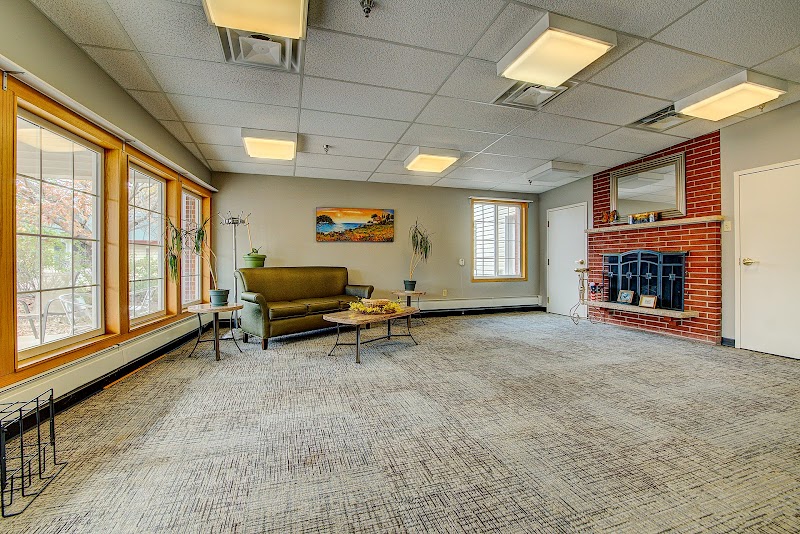
How is Edenbrook Of St Cloud Staffed?

CMS rates Edenbrook of St Cloud's staffing level at 3 out of 5 stars, which is average compared to other nursing homes. Staff turnover is 49%, compared to the Minnesota average of 46%. RN turnover specifically is 67%, which is notably high. RNs provide skilled clinical oversight, so turnover in this role can affect medical care quality.

What Have Inspectors Found at Edenbrook Of St Cloud?

State health inspectors documented 41 deficiencies at Edenbrook of St Cloud during 2021 to 2024. These included: 2 Immediate Jeopardy (the most serious level, indicating potential for serious harm or death), 1 that caused actual resident harm, 36 with potential for harm, and 2 minor or isolated issues. Immediate Jeopardy findings are rare and represent the most serious regulatory concerns. They require immediate corrective action.

Who Owns and Operates Edenbrook Of St Cloud?

Edenbrook of St Cloud is owned by a for-profit company. For-profit facilities operate as businesses with obligations to shareholders or private owners. The facility is operated by EDEN SENIOR CARE, a chain that manages multiple nursing homes. With 77 certified beds and approximately 64 residents (about 83% occupancy), it is a smaller facility located in SAINT CLOUD, Minnesota.

How Does Edenbrook Of St Cloud Compare to Other Minnesota Nursing Homes?

Compared to the 100 nursing homes in Minnesota, Edenbrook of St Cloud's overall rating (1 stars) is below the state average of 3.2, staff turnover (49%) is near the state average of 46%, and health inspection rating (1 stars) is much below the national benchmark.

What Should Families Ask When Visiting Edenbrook Of St Cloud?

Based on this facility's data, families visiting should ask: "What changes have been made since the serious inspection findings, and how are you preventing similar issues?" "Can I visit during a mealtime to observe dining assistance and food quality?" "How do you handle medical emergencies, and what is your hospital transfer rate?" "Can I speak with family members of current residents about their experience?" These questions are particularly relevant given the facility's Immediate Jeopardy citations.

Is Edenbrook Of St Cloud Safe?

Based on CMS inspection data, Edenbrook of St Cloud has documented safety concerns. Inspectors have issued 2 Immediate Jeopardy citations (the most serious violation level indicating risk of serious injury or death). The facility has a 1-star overall rating and ranks #100 of 100 nursing homes in Minnesota. Families considering this facility should ask detailed questions about what corrective actions have been taken since these incidents.

Do Nurses at Edenbrook Of St Cloud Stick Around?

Edenbrook of St Cloud has a staff turnover rate of 49%, which is about average for Minnesota nursing homes (state average: 46%). Moderate turnover is common in nursing homes, but families should still ask about staff tenure and how the facility maintains care continuity when employees leave.

Was Edenbrook Of St Cloud Ever Fined?

Edenbrook of St Cloud has been fined $14,892 across 1 penalty action. This is below the Minnesota average of $33,228. While any fine indicates a compliance issue, fines under $50,000 are relatively common and typically reflect isolated problems that were subsequently corrected. Families should ask what specific issues led to these fines and confirm they've been resolved.

Is Edenbrook Of St Cloud on Any Federal Watch List?

Edenbrook of St Cloud is not on any federal watch list. The most significant is the Special Focus Facility (SFF) program, which identifies the bottom 1% of nursing homes nationally based on persistent, serious quality problems. Not being on this list means the facility has avoided the pattern of deficiencies that triggers enhanced federal oversight. This is a positive indicator, though families should still review the facility's inspection history directly.