Country Manor Health & Rehab Ctr
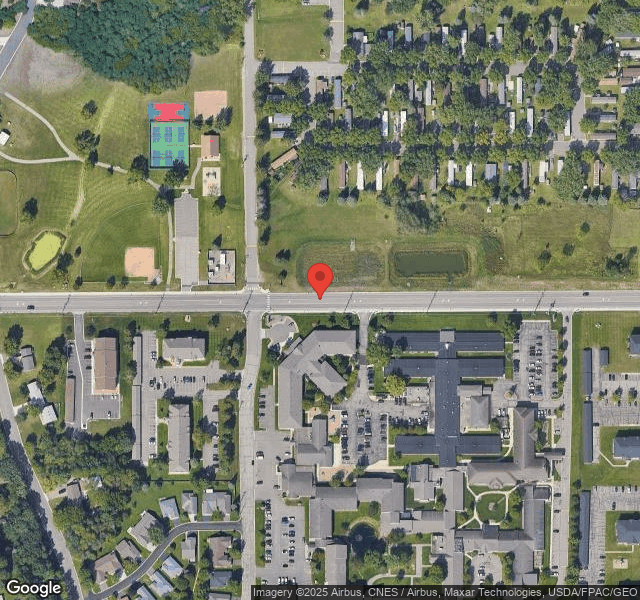
520 FIRST STREET NORTHEAST, SARTELL, MN 56377 (320) 253-1920
Non profit - Corporation 131 Beds Independent Data: November 2025
Trust Grade
90/100
#17 of 337 in MN
Last Inspection: January 2025

Within standard 12-15 month inspection cycle. Federal law requires annual inspections.

Overview

Country Manor Health & Rehab Center has received a Trust Grade of A, indicating it is excellent and highly recommended for families seeking care. It ranks #17 out of 337 facilities in Minnesota, placing it in the top half, and #2 out of 10 in Stearns County, meaning only one other local option is rated higher. The facility has shown stable performance, with two issues reported in both 2023 and 2025. Staffing is a strength, rated 5 out of 5 stars, with a turnover rate of 36%, which is lower than the state average of 42%. However, there is concerning RN coverage, as it is less than 93% of other Minnesota facilities, which could affect the quality of care. While there have been no fines, the inspection revealed several issues, including a failure to identify a gastrointestinal outbreak that could have impacted all residents and a lack of monitoring for a resident's wound care. Additionally, the facility did not fully honor a resident's preferences for care and medication administration. Overall, while the center demonstrates strengths in staffing and has no fines, families should be aware of the identified concerns with infection control and care monitoring.

Trust Score
A
90/100
In Minnesota
#17/337
Top 5%
Safety Record
Low Risk
No red flags
Inspections
Holding Steady
2 → 2 violations
Staff Stability
○ Average
36% turnover. Near Minnesota's 48% average. Typical for the industry.
Penalties
✓ Good
No fines on record. Clean compliance history, better than most Minnesota facilities.
Skilled Nurses
✓ Good
Each resident gets 50 minutes of Registered Nurse (RN) attention daily — more than average for Minnesota. RNs are trained to catch health problems early.
Violations
✓ Good
Only 4 deficiencies on record. Cleaner than most facilities. Minor issues only.
★★★★★
5.0
Overall Rating
★★★★★
5.0
Staff Levels
★★★★★
5.0
Care Quality
★★★★☆
4.0
Inspection Score
Stable
2023: 2 issues
2025: 2 issues

The Good

  • 5-Star Staffing Rating · Excellent nurse staffing levels
  • 5-Star Quality Measures · Strong clinical quality outcomes
  • Full Sprinkler Coverage · Fire safety systems throughout facility
  • No fines on record
  • Staff turnover below average (36%)

    12 points below Minnesota average of 48%

Facility shows strength in staffing levels, quality measures, fire safety.

The Bad

Staff Turnover: 36%

Near Minnesota avg (46%)

Typical for the industry

The Ugly 4 deficiencies on record

Jan 2025 2 deficiencies
CONCERN (D)

Potential for Harm - no one hurt, but risky conditions existed

Quality of Care (Tag F0684)

Could have caused harm · This affected 1 resident

**NOTE- TERMS IN BRACKETS HAVE BEEN EDITED TO PROTECT CONFIDENTIALITY** Based on observation, interview and document review, the facility failed to monitor 1 of 2 residents (R97) reviewed for wound ca...

Read full inspector narrative →
**NOTE- TERMS IN BRACKETS HAVE BEEN EDITED TO PROTECT CONFIDENTIALITY** Based on observation, interview and document review, the facility failed to monitor 1 of 2 residents (R97) reviewed for wound care. Findings include: R97's quarterly Minimum Data Set (MDS) dated [DATE], included R97 had moderate cognitive impairment. R97 had a diagnosis of dementia. R97's encounter summary dated 12/20/24 from Central MN Foot & Ankle included Staff at Country Manor are to clean the right great toe with warm water and gentle soap; gently pat dry, then apply a thin layer of triple antibiotic ointments followed by a band-aid until healed. R97's interdisciplinary notes dated 12/20/24, included right great toe bandage changed. Mild bleeding noted. Cleaned and applied abx ointments. Interdisciplinary notes failed to include additional entries describing skin impairment or treatment. During interview on 1/22/25 at 4:56 p.m., registered nurse (RN)-A stated she was unsure if R97 had a skin impairment to her right great toe. RN-A confirmed R97's electronic medical record (EMR) lacked monitoring and documentation on a skin impairment to the right great toe. RN-A confirmed there was a daily wound care order for R97 which was being documented on daily as being completed. During interview on 1/23/25 at 9:34 a.m., director of nursing (DON) stated there should be monitoring set up when a resident has a skin impairment. The DON stated wound documentation including appearance, size and drainage should have been completed at a minimum weekly. The DON confirmed there was an order for daily wound care to R97's right great toe. The DON confirmed R97's EMR failed to include any documentation of a skin impairment to R97's right great toe since 12/20/24. The DON stated it was important to have monitoring and documentation to watch for progress or changes to the skin impairment. Undated facility document titled Skin Condition Review included all nursing staff are responsible for monitoring the effectiveness of implemented interventions and in making necessary changes.
CONCERN (F)

Potential for Harm - no one hurt, but risky conditions existed

Infection Control (Tag F0880)

Could have caused harm · This affected most or all residents

Based on interview and document review, the facility failed to identify an outbreak of gastrointestinal (GI) illness, implement corrective action to reduce the spread of illness and infections in the ...

Read full inspector narrative →
Based on interview and document review, the facility failed to identify an outbreak of gastrointestinal (GI) illness, implement corrective action to reduce the spread of illness and infections in the facility and report the outbreak to the State Agency (SA). This had the potential to affect all 124 residents in the facility and facility staff. Findings include: The facility's infection/tracking and monitoring spreadsheet tracked unit name, resident name, room number, admit date , existing infection from previous month(s), infection type, body system of infection, surveillance definition met, symptom(s), onset date, and date symptoms resolved. Review of the spreadsheet from December 1, 2024, through January 21, 2025, revealed the following: Nine residents in the month of December were identified with GI concerns: -8 residents were identified to reside on the Pioneer Village unit with an infection type of gastroenteritis. The date of first onset was 12/3/24 and the date of last symptoms resolved was 12/17/24. Symptoms included emesis, loose stools, and nausea. -1 resident was identified to reside on the Rapid Recovery 2 unit with an infection type of gastroenteritis. The date of first onset was 12/12/24 and the date of last symptoms resolved was 12/17/24. Symptoms included emesis, nausea. Four residents in the month of January were identified with GI concerns: -2 residents were identified to reside on the Garden Cottage unit with an infection type of gastroenteritis. The date of first onset was 1/12/25 and the date of last symptoms resolved was 1/19/25. Symptoms included loose stools and nausea. -2 residents were identified to reside on the Rapid Response 1 unit with an infection type of gastroenteritis. The date of first onset was 1/17/25 and the date of last symptoms resolved was blank. Symptoms included loose stools and vomiting. The spreadsheet lacked identification of precautions or interventions implemented in response to the identified infections. A document titled Infection Control dated December 2024, which included analysis of facility infections, identified nine GI nososcomial (facility acquired) infections for the month of December. The section for conclusion/actions was blank. An Infection Control Analysis document was not provided for January 2025. The facility's Employee Illness Log dated December 2024 identified symptoms tracked to include vomiting only, diarrhea only, Cold or Respiratory infection, Influenza/COVID symptoms, positive for influenza, positive for COVID-19, C-Diff (Clostridiodes difficile, a bacterial infection that causes diarrhea and inflammation of the colon), pink eye, GI, skin issues, strep throat, mono (Mononucleosis-a contagious viral illness), other medical, ill child/family, and personal. The number of infections were tracked by unit or department which included Pioneer Village, Garden Cottage, Rapid Recovery 1, Rapid Recovery 2, Activities, Therapy, Dietary, Social Service, Housekeeping & Laundry, Maintenance, and On-call/Support Staff. Review of the log revealed the following: Twenty-eight staff were identified with GI concerns in the month of December: -1 staff member from Pioneer Village and 1 staff member from the Activity department were identified with diarrhea only. -11 staff from Pioneer Village, 7 staff from Garden Cottage, 6 staff from Rapid Recovery 1, 6 staff from Rapid Recovery 2, 1 staff from Housekeeping & Laundry and 2 on-call/support staff were identified with GI concerns. The Employee Illness Log for the month of January was requested but not provided. The log lacked identification of dates of illness, resolution of employee symptoms, return to work criteria met or any precautions or interventions implemented to reduce the spread of infections in the facility. Review of the Weekly Quality Council Minutes dated December 31, 2024, January 7, 2025, and January 14, 2025, indicated infection trends/patterns were reviewed and discussed and revealed the following: -12/31/24: identified eight residents with GI symptoms with 8 residing on one wing. -1/7/25: indicated GI cases stabilized. -1/14/25: nososcomial infections/rates-increase in GI infection in December. The minutes did not address employee illnesses or identify actions taken by the facility to address the outbreak or concerns. During interview on 1/23/24 at 12:00 p.m., the infection preventionist (IP) stated she obtained information for infection control surveillance from the nursing staff, case managers, and resident chart documentation to identify potential infections and look for patterns. IP reviewed the facility infection control surveillance logs and verified the resident and employee infections as listed above. She stated infection prevention information was reviewed daily at the interdisciplinary team meeting, weekly on Tuesdays during Quality council meetings and monthly during Quality Assurance and Performance Improvement meetings. She denied any recent outbreaks in the facility, however, confirmed there had been a pattern of eight residents on the Pioneer Village unit with GI symptoms beginning in December. She logged the information on her spreadsheet, made sure the residents were on droplet and contact precautions and indicated the precautions could be discontinued after the resident was asymptomatic for 72 hours. She had been concerned about the potential the GI symptoms were norovirus (a group of viruses that can cause gastroenteritis, an inflammation of the stomach and intestines) and spoke with the facility nurse practitioner regarding testing. However, the nurse practitioner (NP) had told her she didn't think the local hospital performed the test. She did not contact the hospital herself to confirm testing availability. She denied any outbreak of food-borne illness in the facility but stated food-borne illness went hand in hand with a GI outbreak. If an outbreak occurred, she would look to see if there was something in common the residents ate and talk with the dietary manager regarding dietary employee GI illness. However, she had not spoken to any of the dietary staff in December regarding GI illness and was only aware of three staff with respiratory illness. After this discussion she stated she would consider eight residents on one unit an outbreak. She denied any action was taken to prevent the spread of GI illness to other units of the facility or to employees, outside of placing the symptomatic residents under droplet and contact precautions. No testing of the resident for the infectious organism occurred, no education to staff was provided and the outbreak was not reported the state agency. During interview on 1/23/25 at 1:38 p.m., nurse practitioner (NP) stated she was aware of multiple residents and staff with reported GI symptoms in the month of December. NP stated she considered 8 residents residing on the same unit, with the same reported symptoms, as an outbreak. She was unsure of how many staff were affected with GI symptoms but that would be taken into consideration as well. Residents were placed in contact/droplet precaution and NP denied further action regarding the GI illness in the facility. During interview on 1/23/25 at 12:35 p.m., the director of nursing was unaware of the pattern of GI illness in the facility but stated eight residents on one unit would and could be looked at as an outbreak. Her expectations were for the IP to address the outbreak per the facility policy to include placing the residents in the appropriate precautions, the use of isolation bins, signs alerting staff and visitors, hand hygiene, the affected residents eating in their room and reporting the outbreak to the SA, if appropriate. She would have expected the IP follow up with the laboratory to have testing due to the potential type of infection. If the outbreak was contagious, it would be important to identify what it is to help stop the spread and determine a treatment. As well as protect the health of the other residents and make sure we are following current guidelines. The Management of Gastrointestinal Illness/Outbreak policy last reviewed 6/24, directed it was policy of this facility that once loose, watery stools have been evaluated, prevention and outbreak management measures must be followed. The policy defined Gastroenteritis as inflammation of the stomach and small and large intestines. Viral gastroenteritis (norovirus) is an infection caused by a variety of viruses that result in vomiting or diarrhea. It is often called the 'stomach flu'. The policy further defined an outbreak as three or more cases of diarrhea on one specific unit, and directed staff to discontinue group activities where sick and well residents would be together, group activities should be kept to a minimum or postponed until outbreak is over; minimize the flow of staff between sick and well residents; staff should be assigned to work with either well or sick residents, but not care for both groups; a sign will be posted at the entrances of the facility explaining to visitors/friends that the facility's residents are experiencing GI symptoms; the infection preventionist/designee will inform the medical director and request orders for cultures on 2-3 residents who are experiencing symptoms; the infection preventionist/designee will call the Department of Health and inform them of the suspected outbreak and do updates as necessary; the clinical managers/supervisors, under the direction of the director of nursing and the infection preventionist/designee, will assist with in-servicing the staff on the criteria, guidelines, and recommendations; the infection preventionist/designee will report resolution to appropriate public health agencies and gather collected data for final narrative report.
Nov 2023 2 deficiencies
CONCERN (D)

Potential for Harm - no one hurt, but risky conditions existed

Deficiency F0561 (Tag F0561)

Could have caused harm · This affected 1 resident

**NOTE- TERMS IN BRACKETS HAVE BEEN EDITED TO PROTECT CONFIDENTIALITY** Based on observation, interview, and record review the facility failed to ensure resident and family requested preferences were ...

Read full inspector narrative →
**NOTE- TERMS IN BRACKETS HAVE BEEN EDITED TO PROTECT CONFIDENTIALITY** Based on observation, interview, and record review the facility failed to ensure resident and family requested preferences were honored for 1 of 2 residents (R460) reviewed for choices. Findings include: R460 was admitted to the facility on [DATE], with diagnoses of fracture of unspecified thoracic vertebra, fracture of first lumbar vertebra, chronic respiratory failure, and pneumonia. A Minimum Data Set nursing note entry on 11/27/23, indicated R460 was cognitively intact. R460's care plan identified mouth sores, instructed oral hygiene three times a day, and to administer medications as ordered. The chart assessment Self-Administration of Respiratory Inhalants dated 11/24/23, concluded R460 was safe to administer inhalants after setup. The treatment record dated 11/2023, indicated a new entry on 11/30/23, that instructed staff to offer magic mouthwash after meals and nebulizers four times a day. The document Physician Orders For 11/30/2023, included medications ordered on: 11/24/23, Magic mouthwash swish and spit 5 ml [milliliters] by mouth every four hours prn [ as needed] for mouth sores. The order was discontinued on 11/28/23. 11/28/23, magic mouthwash swish and spit 15 ml every 4 hours prn for mouth sores. 11/28/23, Magic mouth wash swish and spit 15 ml three times a day after meals for mouth sores. Nebulizer medication orders: 11/24/34, formoterol fumarate 20 mcg [micrograms]/2 ml solution for nebulization (neb) two times a day. 11/27/23, Budesonide 1mg / 2 ml suspension for nebulization twice a day. During an interview on 11/27/23 at 1:24 p.m., R460 stated they wanted their magic mouth wash at the same time as their nebulizer treatment so they could rinse their mouth right after the it was done just like their doctor had instructed them to do when they were at home. R460 stated they had told the facility that was their preference when they arrived. Family also tried to straighten it out, but nothing had changed. During an interview on 11/28/23 12:53 p.m., R460's family member (FM-A) stated the family had communicated right away to the facility that R460 needed to have magic mouth wash after each nebulizer treatment because the treatments caused lesions and pain in R460's mouth. We had thought that was all straightened out and that she was getting the magic mouth wash with the nebulizer treatment intead of having to ask for it. During an interview on 11/29/23 at 12:02 p.m., R460 stated they had asked for their mouth wash this morning when the nurse started the nebulizer treatment, but never received it. R460 stated they needed the mouth wash to rinse right away because the nebulzer medicine caused mouth pain. R460 stated it was painful to eat, so they also needed magic mouthwash after meals. R460 stated at the care conference the day prior, they had told staff they wanted to get the magic mouthwash at the same time as the nebulizer treatment and meals, but nothing had changed. During an interview on 11/29/23 at 2:36 p.m., registered nurse (RN-B) stated the doctor ordered R460's magic mouthwash as prn [as needed] which meant R460 needed to ask for it. Reminders were in place for staff to also ask R460 if they wanted the magic mouth wash. The magic mouth wash was changed to scheduled because R460 was not remembering to ask for it each time. Further, RN-B stated during the discharge planning meeting the day prior, R460 said they had wanted the magic mouth wash scheduled. RN-B stated she had not heard this before, but they had contacted the provider and obtained an order for the magic mouth wash to be scheduled three times a day. During an interview on 11/30/23 at 12:08 p.m., the executive clinical director stated it was reasonable for a resident to request, and receive magic mouth wash with each nebulizer treatment and indicated the order had been changed to scheduled three times a day to try and accommodate R460's preferences. To ensure the new order met R460's preference of rinsing right after meals and neb treatments the nurse could have requested the provider to change R460's order to give magic mouth wash with nebulizer treatments and with meals so R460 would not have to wait or ask for the medication. The director of nursing expressed agreement.
CONCERN (D)

Potential for Harm - no one hurt, but risky conditions existed

Deficiency F0790 (Tag F0790)

Could have caused harm · This affected 1 resident

**NOTE- TERMS IN BRACKETS HAVE BEEN EDITED TO PROTECT CONFIDENTIALITY** Based on interview and observation the facility failed to ensure timely necessary dental services were received for 1 of 1 resid...

Read full inspector narrative →
**NOTE- TERMS IN BRACKETS HAVE BEEN EDITED TO PROTECT CONFIDENTIALITY** Based on interview and observation the facility failed to ensure timely necessary dental services were received for 1 of 1 resident (R54) reviewed for dental care. Findings include: R54's quarterly Minimum Data Set (MDS) dated [DATE], indicated R54 was cognitively intact and had diagnoses of heart failure, diabetes and below knee amputation. R54's care plan identified R54 had poor dentation with missing and broken teeth. The care plan instructed staff to provide set-up and assistance with oral hygiene two times a day, assess condition of oral cavity, offer dental exam yearly and as needed, and assist with setting up appointment as needed. The Treatment Record for 11/30/23 did not include assessment of R54's teeth. The MDS Oral/Dental Section L. completed on 9/25/23, indicated R54 had missing and broken teeth and indicated R54's last dental appointment had been in August 2023. No additional section L. assessments were provided for the requested time frame between 12/2022 and 11/30/23. Centrasota Oral Surgeons document signed by the Dr. [NAME] on 8/10/23, identified 15 teeth for extraction. NURSE NOTES: 8/11/23, entry reported R54 had been at the dentist on 8/10/23 for a broken tooth and needed oral surgery. Clindamycin 300 mg [milligrams] three times a day was ordered. 8/22/2023 entry reported a message was left with Centrasota Surgeons for teeth extractions. 8/30/23 Centrasota Oral Surgeons to send release of information to proceed with referral. 11/30/23 10:20 a.m., note by registered nurse (RN-A): writer had received notice on 11/27/23 that Centrasota dental could not accommodate R54, and R54 agreed with referral to in-house dental service because R54 just wanted to get their teeth out so they could get their dentures. During an interview on 11/27/23 at 2:26 p.m., R54 stated they had needed to have all their teeth pulled since August, but nothing had been done to get her an appointment. During an interview on 11/30/23 at 9:12 a.m., registered nurse RN-A stated R54 had broken and bad teeth. The facility was working on getting R54 an appointment with the in-house dentist because the outside dentist did not have the ability to accommodate R54's mobility needs. RN-A stated she would have to look to see when R54's referral was initiated, and stated she could not say what was considered a reasonable amount of time to pass for a resident waiting for dental services. During an interview on 11/30/23 at 9:42 a.m., LPN-A stated she scheduled dental appointments. They had regular non-emergent dental services at the facility every three months. The dental team was last at the facility on 11/7/23. LPN-A confirmed R54 had an outside referral sent in August for dental services. LPN-A stated the dental place had never got back to her. However, she had talked to them, and was told they had sent her 3 or 4 faxes. LPN-A stated she never received the faxes. The dental office also said they could not accommodate R54's mobility needs. LPN-A stated she talked to R54's case manager and they said R54 should be scheduled with the inhouse dentist. LPN-A stated they had just sent the needed forms for the inhouse dentist upstairs at 9:15 a.m. LPN-A stated she had not scheduled very many extractions, so she didn't know what a reasonable amount of time would be for a resident to wait to have their teeth extracted. During an interview on 11/30/23 at 11:15 a.m., R54 stated their teeth were bad when they arrived, and were getting worse. They hurt all the time. R54 stated they had wanted to get their teeth removed since August and had never refused dental care. They had even prepaid $5000 dollars into a denture fund for their dentures, so all they needed was their teeth pulled. R54 stated the nurse had been down earlier and said they were working on a new dental appointment. During an interview on 11/30/23 at 11:46 a.m., the executive clinical director confirmed the facility had in house dental services that came about every three months. The executive clinical director and the director of nursing both indicated they had not been made aware R54 needed their teeth extracted and indicated it was possible something had been canceled or R54 had refused services. It was the case manager's [nurse manager] responsibility to track resident dental needs and ensure needed treatments were received. If R54 needed to have teeth pulled back in August, dental care should have been addressed. The following documents were requested and not received: All triggered Section V - Care Area Assessment (CAA) Summary number 15. Dental Care that triggered betwen 12/2022, to present. Dental Care policies and procedures. Care conference notes. Provider progress notes related to R54's dental status.
Understanding Severity Codes (click to expand)
Life-Threatening (Immediate Jeopardy)
J - Isolated K - Pattern L - Widespread
Actual Harm
G - Isolated H - Pattern I - Widespread
Potential for Harm
D - Isolated E - Pattern F - Widespread
No Harm (Minor)
A - Isolated B - Pattern C - Widespread

Questions to Ask on Your Visit

  • "Can I speak with families of current residents?"
  • "What's your RN coverage like on weekends and overnight?"

Our Honest Assessment

Strengths
  • • Grade A (90/100). Above average facility, better than most options in Minnesota.
  • • No major safety red flags. No abuse findings, life-threatening violations, or SFF status.
  • • No fines on record. Clean compliance history, better than most Minnesota facilities.
  • • Only 4 deficiencies on record. Cleaner than most facilities. Minor issues only.
Concerns
  • • No significant concerns identified. This facility shows no red flags across CMS ratings, staff turnover, or federal penalties.
Bottom line: Generally positive indicators. Standard due diligence and a personal visit recommended.

About This Facility

What is Country Manor Health & Rehab Ctr's CMS Rating?

CMS assigns Country Manor Health & Rehab Ctr an overall rating of 5 out of 5 stars, which is considered much above average nationally. Within Minnesota, this rating places the facility higher than 99% of the state's 100 nursing homes. This rating reflects solid performance across the metrics CMS uses to evaluate nursing home quality.

How is Country Manor Health & Rehab Ctr Staffed?

CMS rates Country Manor Health & Rehab Ctr's staffing level at 5 out of 5 stars, which is much above average compared to other nursing homes. Staff turnover is 36%, compared to the Minnesota average of 46%. This relatively stable workforce can support continuity of care.

What Have Inspectors Found at Country Manor Health & Rehab Ctr?

State health inspectors documented 4 deficiencies at Country Manor Health & Rehab Ctr during 2023 to 2025. These included: 4 with potential for harm.

Who Owns and Operates Country Manor Health & Rehab Ctr?

Country Manor Health & Rehab Ctr is owned by a non-profit organization. Non-profit facilities reinvest revenue into operations rather than distributing to shareholders. The facility operates independently rather than as part of a larger chain. With 131 certified beds and approximately 115 residents (about 88% occupancy), it is a mid-sized facility located in SARTELL, Minnesota.

How Does Country Manor Health & Rehab Ctr Compare to Other Minnesota Nursing Homes?

Compared to the 100 nursing homes in Minnesota, Country Manor Health & Rehab Ctr's overall rating (5 stars) is above the state average of 3.2, staff turnover (36%) is near the state average of 46%, and health inspection rating (4 stars) is above the national benchmark.

What Should Families Ask When Visiting Country Manor Health & Rehab Ctr?

Based on this facility's data, families visiting should ask: "Can I visit during a mealtime to observe dining assistance and food quality?" "How do you handle medical emergencies, and what is your hospital transfer rate?" "Can I speak with family members of current residents about their experience?"

Is Country Manor Health & Rehab Ctr Safe?

Based on CMS inspection data, Country Manor Health & Rehab Ctr has a clean safety record: no substantiated abuse findings (meaning no confirmed cases of resident harm), no Immediate Jeopardy citations (the most serious violation level indicating risk of serious injury or death), and is not on the Special Focus Facility watch list (a federal program monitoring the lowest-performing 1% of nursing homes). The facility has a 5-star overall rating and ranks #1 of 100 nursing homes in Minnesota. While no facility is perfect, families should still ask about staff-to-resident ratios and recent inspection results during their visit.

Do Nurses at Country Manor Health & Rehab Ctr Stick Around?

Country Manor Health & Rehab Ctr has a staff turnover rate of 36%, which is about average for Minnesota nursing homes (state average: 46%). Moderate turnover is common in nursing homes, but families should still ask about staff tenure and how the facility maintains care continuity when employees leave.

Was Country Manor Health & Rehab Ctr Ever Fined?

Country Manor Health & Rehab Ctr has no federal fines on record. CMS issues fines when nursing homes fail to meet care standards or don't correct problems found during inspections. The absence of fines suggests the facility has either maintained compliance or corrected any issues before penalties were assessed. This is a positive indicator, though families should still review recent inspection reports for the full picture.

Is Country Manor Health & Rehab Ctr on Any Federal Watch List?

Country Manor Health & Rehab Ctr is not on any federal watch list. The most significant is the Special Focus Facility (SFF) program, which identifies the bottom 1% of nursing homes nationally based on persistent, serious quality problems. Not being on this list means the facility has avoided the pattern of deficiencies that triggers enhanced federal oversight. This is a positive indicator, though families should still review the facility's inspection history directly.