ESSENTIA HEALTH VIRGINIA CARE CENT

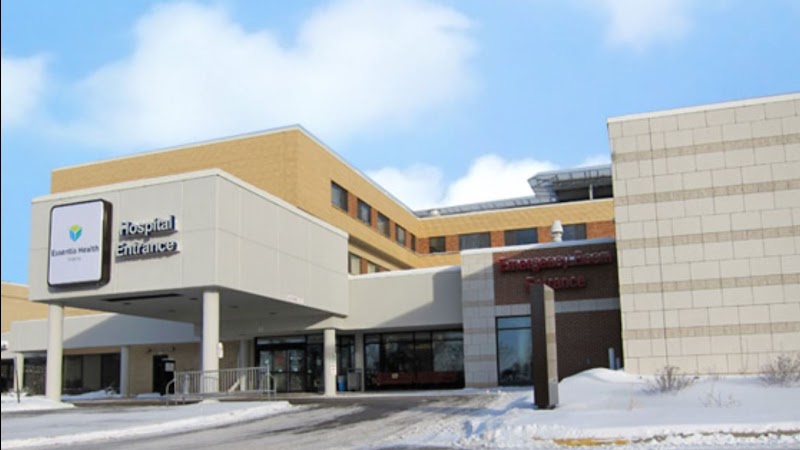
901 9TH STREET NORTH, VIRGINIA, MN 55792 (218) 749-9411
Non profit - Corporation 40 Beds Independent Data: November 2025
Trust Grade
90/100
#20 of 337 in MN
Last Inspection: January 2025

Within standard 12-15 month inspection cycle. Federal law requires annual inspections.

Overview

Essentia Health Virginia Care Center has a Trust Grade of A, indicating it is an excellent facility that is highly recommended for families seeking care. It ranks #20 out of 337 nursing homes in Minnesota, placing it in the top half of the state, and #3 out of 17 in St. Louis County, meaning only two local options are better. The facility is improving, with a decrease in reported issues from 5 in 2024 to just 1 in 2025. Staffing is a strength, with a 5-star rating and good RN coverage that surpasses 77% of facilities in Minnesota, although the turnover rate is average at 42%. Notably, there have been no fines, which is a positive sign, but families should be aware of some concerns, including incidents where residents did not have timely access to their personal funds and where nebulizer equipment was not properly cleaned, which could pose health risks.

Trust Score
A
90/100
In Minnesota
#20/337
Top 5%
Safety Record
Low Risk
No red flags
Inspections
Getting Better
5 → 1 violations
Staff Stability
○ Average
42% turnover. Near Minnesota's 48% average. Typical for the industry.
Penalties
✓ Good
No fines on record. Clean compliance history, better than most Minnesota facilities.
Skilled Nurses
✓ Good
Each resident gets 75 minutes of Registered Nurse (RN) attention daily — more than 97% of Minnesota nursing homes. RNs are the most trained staff who catch health problems before they become serious.
Violations
⚠ Watch
11 deficiencies on record. Higher than average. Multiple issues found across inspections.
★★★★★
5.0
Overall Rating
★★★★★
5.0
Staff Levels
★★★★☆
4.0
Care Quality
★★★★★
5.0
Inspection Score
Stable
2024: 5 issues
2025: 1 issues

The Good

  • 5-Star Staffing Rating · Excellent nurse staffing levels
  • 4-Star Quality Measures · Strong clinical quality outcomes
  • Full Sprinkler Coverage · Fire safety systems throughout facility
  • No fines on record
  • Staff turnover below average (42%)

    6 points below Minnesota average of 48%

Facility shows strength in staffing levels, quality measures, fire safety.

The Bad

Staff Turnover: 42%

Near Minnesota avg (46%)

Typical for the industry

The Ugly 11 deficiencies on record

Jan 2025 1 deficiency
CONCERN (D)

Potential for Harm - no one hurt, but risky conditions existed

Infection Control (Tag F0880)

Could have caused harm · This affected 1 resident

**NOTE- TERMS IN BRACKETS HAVE BEEN EDITED TO PROTECT CONFIDENTIALITY** Based on observation, interview, and document review, the facility failed to ensure nebulizer tubing/canister was cleaned and al...

Read full inspector narrative →
**NOTE- TERMS IN BRACKETS HAVE BEEN EDITED TO PROTECT CONFIDENTIALITY** Based on observation, interview, and document review, the facility failed to ensure nebulizer tubing/canister was cleaned and allowed to air dry after each use for 1 of 1 resident (R16) reviewed for oxygen therapy. Findings include: R16's quarterly Minimum Data Set (MDS) dated [DATE], identified R16 had moderate cognitive impairment and diagnoses included chronic obstructive pulmonary disease (COPD) and respiratory failure. R16's provider order dated 4/12/24, identified orders for ipratropium-albuterol solution for nebulizer: 0.5 milligram (mg) - 3mg(2.5mg) base/3mililiter (ml) every four hours as needed for shortness of breath. On 1/6/25 at 1:52 p.m., a nebulizer canister was observed in R16's room. The canister was observed to have condensation built around the inside of the canister with water drops also noted in the base of the canister. There was no date on the canister. R16 stated a nebulizer treatment had not been taken since some time on 1/5/25. On 1/7/25 at 1:42 p.m., a nebulizer canister was again observed in R16's room. The canister was dated 1/6/25, but had free standing fluid in the bottom. R16 stated the last nebulizer treatment had been given on 1/6/25, around 8:30 p.m. Review of R16's medication administration report (MAR) dated 1/1/25 to 1/9/25 indicated R16's last nebulizer treatment was given on 1/6/25 at 8:47 p.m. During interview on 1/7/25 at 1:49 p.m., registered nurse (RN)-A stated after every nebulizer treatment the canister was to be emptied of left over fluid, washed out with water and then left apart to air dry completely on a paper towel. RN-A looked at the nebulizer canister in R16's room and confirmed there was freestanding fluid in the nebulizer. R16's MAR was reviewed and confirmed that R16's last nebulizer treatment had been on 1/6/25 at 8:47p.m. RN-A stated the canister should have been cleaned after the treatment on 1/6/25, but had not been. During interview on 1/7/25 at 1:55 p.m., the infection preventionist (IP) stated if the nebulizer canister was not cleaned and left to air dry after each treatment there was an increased risk of the patient getting a respiratory infection due to the fluid harbors bacteria as it sits in the canister. During interview on 1/9/25 at 8:30 a.m. the director of nursing (DON) stated an expectation all staff would clean the nebulizer canister after each use and allow it to air dry completely before using again. Facility policy Respiratory Equipment last reviewed 4/25/24, identified after each use the nebulizer would have all excess fluid removed from the nebulizer, taken apart and parts cleaned with sterile water. All parts would then be placed on a clean washcloth or paper towel to dry.
Feb 2024 5 deficiencies
CONCERN (D)

Potential for Harm - no one hurt, but risky conditions existed

Comprehensive Assessments (Tag F0636)

Could have caused harm · This affected 1 resident

**NOTE- TERMS IN BRACKETS HAVE BEEN EDITED TO PROTECT CONFIDENTIALITY** Based on interview and document review, the facility failed to ensure timely completion of all Minimum Data Set (MDS) sections p...

Read full inspector narrative →
**NOTE- TERMS IN BRACKETS HAVE BEEN EDITED TO PROTECT CONFIDENTIALITY** Based on interview and document review, the facility failed to ensure timely completion of all Minimum Data Set (MDS) sections prior to submission, and to ensure completion of a Care Area Assessments (CAA) worksheet for a significant change in condition assessment (SCSA) for 1 of 6 (R5) residents reviewed for MDS completion. The Centers for Medicare and Medicaid Services (CMS) Resident Assessment Instrument (RAI) 3.0 User's Manual, dated October 2023, identified section C's intention was to determine the resident's attention, orientation, and ability to register and recall new information. These items were crucial factors in making care planning decisions. The Manual identified section F's intention was to obtain information regarding the resident's preferences or his or her daily routine and activities. Nursing homes should use this as a guide to create an individualized plan for the resident's preferences. Care Areas are triggered by MDS item responses that indicated the need for additional assessment based on problem identification, known as triggered care areas, which formed a critical link between the MDS and decisions about care planning. Findings include: R5's quarterly MDS dated [DATE], identified R5 was rarely, if ever, understood but did not identify a Brief Interview for Mental Status (BIMS, a cognitive assessment score) for section C. The MDS included a diagnosis of dementia. R5's SCSA MDS dated [DATE], section F was incomplete, and the activity CAA was incomplete. R5's psychosocial well-being CAA referred to the activity CAA, which was incomplete. R5's care plan dated 1/9/24 and written by RN-B, identified R5 preferred not to engage in group settings, may isolate herself, enjoyed conversation, sitting at the end of the hall to look out the window, watching television for short periods, and to propel herself around her community. During an interview on 2/28/24 at 9:16 a.m., activity personnel (AP)-A confirmed he was responsible for section F of R5's SCSA MDS, for writing the care plan for R5's interests, likes, and developing goals. AP-A stated R5 could give short answers at times but seemed to enjoy listening to conversation. Also, nursing staff would bring her to the TV room so she can watch programs or attend Bible sharing group. During an interview on 2/28/24 at 11:05 a.m., registered nurse (RN)-B, who was responsible for MDS coordination, stated social services was responsible for section C. RN-B confirmed the assessment was dashed because the assessment reference date (ARD, the date the assessment period was over) was 2/6/24 and section C wasn't completed until 2/14/24. During an interview on 2/28/24 at 12:13 p.m., the administrator stated their social service designee (SSD) was responsible for section C. That person misunderstood the timing of the ARD and completed her portion late. The SSD was not available for interview. The administrator stated the expectation would be that the person closing out the MDS would reach out to the person who did not have their section done and coordinate with them. The administrator further stated the MDS process was important for quality, would tell them what the resident actually had going on so that they know what to target, and it helped make the care individualized. During an interview on 2/28/24 at 1:55 p.m., RN-B stated he did check for completeness but thinks activities was gone at that time. The administrator added her expectation would be if SSD couldn't complete it before vacation, SSD would let someone know and have it assigned to someone else. A facility document, Minimal Data Set Assessment Completion dated 7/15/22, identified its purpose as ensuring each resident a comprehensive care plan will be developed to assist the resident in meeting their highest practical physical, mental, and psychological well-being. Quarterly updates will be completed as scheduled. The RN clinical coordinator will assist in the development of appropriate MDS schedules and completion date. The RN MDS coordinator will ensure timely completion of CAAS and the MDS and conduct or coordinate each assessment and will sign and certify the completion of the assessment.
CONCERN (D)

Potential for Harm - no one hurt, but risky conditions existed

Deficiency F0657 (Tag F0657)

Could have caused harm · This affected 1 resident

**NOTE- TERMS IN BRACKETS HAVE BEEN EDITED TO PROTECT CONFIDENTIALITY** Based on observations, interviews and record review, the facility failed to review and revise the care plan to reflect resident ...

Read full inspector narrative →
**NOTE- TERMS IN BRACKETS HAVE BEEN EDITED TO PROTECT CONFIDENTIALITY** Based on observations, interviews and record review, the facility failed to review and revise the care plan to reflect resident preferences for 1 of 2 residents (R5) reviewed for care planning. Findings include: R5's quarterly Minimum Data Set (MDS) dated [DATE], identified R5 was rarely if ever understood and had diagnoses of dementia and congestive heart failure. R5 was dependent on staff for all activities of daily living (ADLs) and was non-ambulatory. R5's care plan dated 1/9/24 identified it was important to R5 to be awake at 9 a.m. During a continuous observation on 2/27/24 starting at 8:09 a.m. to 10:42 a.m., R5 was in bed sleeping with the covers on. During this time staff were not observed to enter the room. During an observation on 2/27/24 at 10:42 a.m., nursing assistant (NA)-B and NA-A worked together to provide R5 with a bed bath, dressing and grooming. R5 was not resistive to the care throughout this observation. During an interview on 2/28/24 at 9:08 a.m., NA-A stated R5 used to have breakfast, but she had so many behaviors in the morning they decided to let her sleep in. If R5 was awake they would offer breakfast, if she was sleeping, they let her sleep and that seemed to go better for her. During an interview on 2/28/24 at 9:22 a.m., registered nurse (RN)-A stated R5 didn't typically eat breakfast, they had found she had more behaviors in the morning and during breakfast. So, if she was awake, they would offer her breakfast. During an interview on 2/28/24 at 12:20 p.m., the director of nursing (DON) stated she would expect the care plan to address resident preferences, such as breakfast. It would be important to plan for that to avoid behaviors and avoid heading toward medications for interventions. Care plans were updated with new orders, changes in condition, or new interventions. The care plans are updated by the RNs, therapy, dietary, and social services. The DON would expect the care plans got updated through the Resident Assessment Instrument (RAI) process. A facility policy, Care Conferences and Care Planning dated 3/15/23, identified the purpose was to ensure quality of care for each resident through a plan of care to receive the necessary to enable them to achieve or maintain their highest practical physical, mental, and psychological well-being. Care plan assessment and changes would be made quarterly and as needed and were reviewed with direct care staff as needed.
CONCERN (D)

Potential for Harm - no one hurt, but risky conditions existed

Pressure Ulcer Prevention (Tag F0686)

Could have caused harm · This affected 1 resident

**NOTE- TERMS IN BRACKETS HAVE BEEN EDITED TO PROTECT CONFIDENTIALITY** Based on observation, interview and record review, the facility failed to follow care plan interventions for pressure ulcer prev...

Read full inspector narrative →
**NOTE- TERMS IN BRACKETS HAVE BEEN EDITED TO PROTECT CONFIDENTIALITY** Based on observation, interview and record review, the facility failed to follow care plan interventions for pressure ulcer prevention and wheelchair positioning for 1 of 3 residents (R5) reviewed for pressure ulcer care and prevention. Findings include: R5's quarterly Minimum Data Set (MDS) dated [DATE], identified R5 was rarely if ever understood and had diagnoses of dementia, congestive heart failure (CHF), chronic peripheral vascular disease, pre-diabetes, and morbid obesity. R5 was dependent on staff for bed mobility, hygiene, incontinent care, transfers and was at risk for pressure ulcer development. R5's care plan dated 9/2/19, identified R5 was at risk for alteration in skin integrity related to her Braden (a skin risk-assessment) score, impaired mobility, and incontinence. Interventions included licensed nurses to do weekly skin assessments, to provide a foam mattress, encourage turning and repositioning, clean and dry skin promptly after incontinent episodes, perform Braden assessment quarterly, turn and reposition every two hours and as needed using bath blanket. R5's care plan also identified a high risk for falls related to poor safety awareness and dementia. Interventions included providing Dycem (a brand name for a non-skid matt) placement under R5's wheelchair cushion, to provide a proper, safe, and comfortable position while sitting, to provide with a 22-inch wedged wheelchair with foam cushion with Dycem underneath. R5's Braden Scale for Predicting Pressure Sore Risk assessment dated [DATE], identified R5 was at risk for pressure ulcer development. During observations on 2/26/24 between 1:10 p.m. and 5:04 p.m., R5 was observed sitting in her wheelchair in the television area. During a continuous observation on 2/27/24 starting at 8:09 a.m. to 10:42 a.m., R5 was sleeping in bed on her back and in the same position for the duration. During this time staff were not observed to enter R5's room. At 10:42 a.m., nursing assistant (NA)-A and NA-B went in to R5's room and provided her with a bed bath, dressing and grooming. NA-B was providing perineal hygiene and commented R5's peri-rectal area was red. R5 was observed to have had red linear strip of redness in the gluteal fold. NA-B applied barrier cream to the area. NA-A and NA-B worked together to transfer R5 into her wheelchair, which did not have a cushion or Dycem. During an interview on 2/28/24 at 9:22 a.m., registered nurse (RN)-A confirmed R5's care plan indicated repositioning every two hours and to have a 22-inch wedged wheelchair with dycem. RN-A confirmed there was no dycem on the seat or R5's wheelchair, nor in her room; a flat wheelchair cushion was found in her bathroom. RN-A stated her expectation was for residents to be repositioned every two hours if the care plan said to reposition every two hours, and she would need to ask therapy what a wedged wheelchair was. During an interview on 2/28/24 at 10:52 a.m., an occupational therapy assistant (OTA)-A stated they hadn't seen R5 for a very long time, looked back several years and did not see an evaluation or treatment for wheelchair positioning or cushions. OTA-A was not sure what a wedged wheelchair meant. During an interview on 2/28/24 at 12:20 p.m., the director of nursing (DON) stated she would expect the things in R5's care plan to be available, and for her to be repositioned according to the care plan to relieve pressure so she didn't have skin breakdown. A facility policy, Skin Care Management dated 9/20/22, identified the purpose was to provide preventative skin care measures for residents by implementing preventative measures and to provide appropriate treatment modalities according to industry standards of care.
CONCERN (D)

Potential for Harm - no one hurt, but risky conditions existed

Medication Errors (Tag F0758)

Could have caused harm · This affected 1 resident

**NOTE- TERMS IN BRACKETS HAVE BEEN EDITED TO PROTECT CONFIDENTIALITY** Based on interview and document review, the facility failed to ensure a rationale was documented for the extended order of an as...

Read full inspector narrative →
**NOTE- TERMS IN BRACKETS HAVE BEEN EDITED TO PROTECT CONFIDENTIALITY** Based on interview and document review, the facility failed to ensure a rationale was documented for the extended order of an as needed (PRN) psychotropic (effecting the chemical makeup of the brain) medication beyond 14 days for 1 of 5 residents (R19) reviewed for unnecessary medications. Findings include: R19's significant change Minimum Data Set (MDS) dated [DATE], identified R19 was severely cognitively impaired and had diagnoses of malignant neoplasm of endometrium (cancer that begins in the lining of the uterus) and glaucoma. R19's care plan last revised on 2/27/24, identified diagnoses that included type 2 diabetes mellitus, malignant neoplasm of endometrium, hyperlipidemia, depression, and glaucoma. R19's physician orders dated 1/15/24, identified lorazepam (antianxiety medication) oral tablet 0.5 milligrams (mg) 1/2 tablet dose of 0.25 mg give by mouth every 4 hours PRN anxiety. Order did not have rationale to extend beyond 14 days, nor did it have an end date from the provider. Attempted to reach consultant pharmacist for interview on 2/29/24 without success. During an interview with another pharmacist at consulting pharmacy on 2/29/24 at 12:55 p.m., pharmacist stated R19 was in hospice care and pharmacist believed that medication orders for hospice residents do not require end dates. Pharmacist further stated orders for R19 were acceptable. State Operations Manual from the Centers for Medicare & Medicaid Services dated 2/3/23, identifies §483.45(e)(4) PRN orders for psychotropic drugs are limited to 14 days . if the attending physician or prescribing practitioner believes that it is appropriate for the PRN order to be extended beyond 14 days, he or she should document their rationale in the resident's medical record and indicate the duration for the PRN order.
CONCERN (E)

Potential for Harm - no one hurt, but risky conditions existed

Assessment Accuracy (Tag F0641)

Could have caused harm · This affected multiple residents

**NOTE- TERMS IN BRACKETS HAVE BEEN EDITED TO PROTECT CONFIDENTIALITY** R19's significant change Minimum Data Set (MDS) dated [DATE], identified R19 was severely cognitively impaired and had diagnoses...

Read full inspector narrative →
**NOTE- TERMS IN BRACKETS HAVE BEEN EDITED TO PROTECT CONFIDENTIALITY** R19's significant change Minimum Data Set (MDS) dated [DATE], identified R19 was severely cognitively impaired and had diagnoses of malignant neoplasm of endometrium (cancer that begins in the lining of the uterus) and glaucoma. R19's quarterly MDS dated [DATE], identified R19 was cognitively intact and had diagnoses of type 2 diabetes mellitus, malignant neoplasm of endometrium, anemia, hypertension, hyperlipidemia, depression, and glaucoma. R19's orders dated 12/22/23, identified venlafaxine (antidepressant medication) 150 milligrams (mg) capsule given once a day by mouth. On medication order, diagnosis is listed as F32.A: Depression, unspecified. R19's care plan revised on 2/27/24, identified diagnoses that included type 2 diabetes mellitus, malignant neoplasm of endometrium, hyperlipidemia, depression, and glaucoma. R19's care plan further identified R19 as receiving antidepressant medication due to a diagnosis of depression. During interview on 2/28/24 at 10:54 a.m., MDS Coordinator (RN-B) confirmed he had completed the most recent significant change MDS for R19 and the quarterly MDS for R19. RN-B confirmed R19's diagnoses were not correct in the most recent MDS and it was an error. RN-B also identified the importance of the MDS and how the care plan was based on the MDS. During interview on 2/28/24 at 12:10 p.m., administrator confirmed the importance of the MDS for resident care and for treatment planning. Administrator expected the MDS to be correct, and to be fixed if there was an error. Administrator further confirmed that audits are done on the MDS by RN-B. Based on observation, interview and document review the facility failed to ensure the completed Minimum Data Set (MDS) was accurately coded for 4 of 6 residents (R4, R13, R16 and R19) reviewed for resident assessment. Findings include: R4's quarterly MDS dated [DATE], did not identify the following diagnoses hyperlipidemia (excess fat in blood), idiopathic gout (recurrent attacks of [NAME] arthritis in joints), esophageal mass, or atherosclerotic heart disease (narrowing of heart arteries). R4's physician order report, identified R4 was diagnosed with and receiving treatment for hyperlipidemia starting on 4/10/2023, idiopathic gout starting on 6/23/2023, esophageal mass starting on 8/10/2023, and atherosclerotic heart disease starting on 1/6/2023. R13's quarterly MDS dated [DATE], did not identify the diagnosis of atrial fibrillation (abnormal heartbeat). Additionally, R13's quarterly MDS did not indicate R13 was taking the high-risk hypoglycemic (lower's blood glucose) medication metformin or the high-risk antipsychotic medication quetiapine. R13's physician order report, identified R13 was diagnosed with and receiving treatment for atrial fibrillation starting on 1/16/2023, receiving metformin starting on 12/31/2022, and quetiapine starting on 12/11/2023. R16's quarterly MDS dated [DATE] did not identify the diagnosis of hyponatremia (low blood sodium). Additionally, R16's quarterly MDS identified the diagnosis of non-Alzheimer's dementia. R16's physician order report, identified R13 was diagnosed with and receiving treatment for hyponatremia starting on 4/3/2023 and was not diagnosed with non-Alzheimer's dementia. During interview on 2/28/2024 at 8:55 a.m., registered nurse (RN)-B confirmed he had completed the quarterly MDS's for R4, R13, and R16. RN-B stated all diagnoses a resident was receiving treatment for and all high-risk medications taken during the 7-day observation period should be included on the MDS. During the interview RN-B confirmed following: -R4's quarterly MDS should have included the diagnoses of hyperlipidemia, idiopathic gout, esophageal mass, and atherosclerotic heart disease. -R13's quarterly MDS should have included the diagnosis of atrial fibrillation and indicated R13 was receiving high risk hypoglycemic and antipsychotic medications. -R16's quarterly MDS should have included the diagnosis of hyponatremia and should not have included the diagnosis of non-Alzheimer's dementia. -It was important for the MDS to be accurate because it may affect reimbursement. A modified MDS will be submitted. The Centers for Medicare and Medicaid (CMS) Long-Term Resident Facility Assessment Instrument (RAI) 3.0 User's Manual dated 10/2023, Section I: active diagnoses, instructs to code for diseases that have a direct relationship to the resident's current functional, cognitive, mood or behavior status, medical treatments, nursing monitoring, or risk of death. Section N: medications, instructs to code all high-risk drug class medications taken during the 7-day observation period.
May 2023 5 deficiencies
CONCERN (D)

Potential for Harm - no one hurt, but risky conditions existed

Deficiency F0657 (Tag F0657)

Could have caused harm · This affected 1 resident

**NOTE- TERMS IN BRACKETS HAVE BEEN EDITED TO PROTECT CONFIDENTIALITY** Based on interview and record review, the facility failed to revise care plan to reflect new speech recommendations and provider...

Read full inspector narrative →
**NOTE- TERMS IN BRACKETS HAVE BEEN EDITED TO PROTECT CONFIDENTIALITY** Based on interview and record review, the facility failed to revise care plan to reflect new speech recommendations and provider orders for 1 of 2 residents (R7) reviewed for care planning. Findings include: R7's quarterly Minimum Data Set (MDS) assessment dated [DATE], indicated R7 had severe cognitive impairment and diagnoses included dementia with psychotic disturbance, hypertensive disorder, heart failure, nutritional anemias, and pre-diabetes. R7's orders included a low sodium minced moist diet with instruction for R7 to be upright at 90 degrees during intake and for 20 minutes after food intake. Staff to assist with meals and report difficulties with eating to registered nurse immediately. R7's provider note dated 2/17/22, requested a swallow evaluation for R7 related to weight loss and coughing with meals. R7's speech evaluation dated 2/18/22, included oropharyngeal dysphagia (A condition with difficulty in swallowing food or liquid. This may interfere in a person's ability to eat and drink). Assessment summary and recommendations were moderate oral dysphagia impacted by cognition and limited dentition (the arrangement or condition of the teeth in a particular species or individual), resident would benefit from minced moist, and a feeder to encourage intake. The observation section of the evaluation read poor dentition, no dentures, poor oral awareness with difficulty with mastication (chew) of solid food. Tolerating minced moist diet and thin liquids. During an interview on 5/23/23 at 8:31 a.m., registered nurse (RN)-C stated if a resident has new onset of issues with eating, we monitor the resident and get a speech evaluation ordered which would typically be completed the same day. R7 is a feeding assist. Nursing assistants (NA)'s can assist R7 to eat. RN-C said they do not use paid feeding assistants. The activities director and the activities aid can assist R7 with eating because both have their NA certificate, if they do not have their NA, they would not be qualified to assist R7. During an interview on 5/23/23 at 4:00 p.m., RN-B reviewed R7's care plan and stated she could not find where R7 had any special precautions or required assistance with eating. After reviewing R7's speech evaluation dated 2/18/22 and orders, RN-B stated according to the evaluation and provider orders R7 required to be on precautions, with sitting at a 90-degree angle for meals and for 20 minutes after meals, plus R7 should be offered fluids. The speech evaluation and the new orders should have triggered a care plan update. During an interview on 5/23/23 at 4:10 p.m., the director of nursing (DON) stated the speech pathology recommendations and provider orders should have been updated on the care plan and indicated staff refer to the care plan on how to care for a resident including how resident eat. The policy Comprehensive Care Plan and Care Conferences dated 1/8/18 directed each resident shall have a care plan so that he/she will receive the care necessary to enable him/her to achieve and or maintain the highest practical physical, mental and psychological well-being. The care plan should be revised by the interdisciplinary team after each assessment, including both the comprehensive and quarterly assessments and as needed.
CONCERN (D) 📢 Someone Reported This

A family member, employee, or ombudsman was alarmed enough to file a formal complaint

Potential for Harm - no one hurt, but risky conditions existed

ADL Care (Tag F0677)

Could have caused harm · This affected 1 resident

**NOTE- TERMS IN BRACKETS HAVE BEEN EDITED TO PROTECT CONFIDENTIALITY** Based on observation, interview and record review, the facility failed to provide activities of daily living (ADL) support to su...

Read full inspector narrative →
**NOTE- TERMS IN BRACKETS HAVE BEEN EDITED TO PROTECT CONFIDENTIALITY** Based on observation, interview and record review, the facility failed to provide activities of daily living (ADL) support to supervise and assist with eating and drinking to help reduce the risk for aspiration for 1 of 2 residents (R) reviewed for ADL assistance. Findings include: R8's significant change minimum data set (MDS), dated [DATE], indicated R8 was moderately cognitively intact and had diagnoses of Alzheimer's type dementia and arthritis. Further, R8's MDS indicated he needed supervision with eating and had a mechanically altered diet. R8's care area assessment (CAA), dated 4/4/23, indicated no swallowing disorders and an altered texture diet and thick liquids. R8's care plan, dated 4/5/23, indicated a problem statement for assistance with ADLs with an approach of supervision with set-up assistance for meals. Further, R8 requires pureed food, scrambled eggs and bread products and thin liquids. Sit up at 90 degrees for at least 20 minutes after oral intake. Provide oral care after all oral intake. Encourage oral intake at meals. R8's provider order summary indicated aspiration precautions dated 3/23/23 of one-to-one supervision, to be seated at 90 degrees and remain seated for 20 minutes, minced and moist foods, mildly thick nectar liquids with cyclic feeding (to provide a bite of food alternated with a drink of fluid). R8's documentation indicated: -3/22/2023 at 5:26 a.m. Resident began to cough and struggle to swallow his medications this morning while attempting to swallow two of his pills whole at 5:10 a.m. Resident had been sitting up in his bed during this event. Resident remains sitting upright, continues to have a loose occasional cough, noted crackles in right side of lungs. No shortness of breath, oxygen saturation 90 percent on room air, will continue to monitor. -3/22/2023 at 9:01a.m. Received written orders from provider for a portable chest x-ray for a diagnosis of hypoxia (deficiency in the amount of oxygen reaching the tissues.) Order faxed to x-ray. -3/22/2023 at 10:48 a.m. Verbal order received from certified nurse practitioner (CNP) for a swallow evaluation related to possible aspiration of medications this morning. Also switched med administration to crush as able. During interview and observation on 5/22/23: -8:36 a.m., R8 was seated in a wheelchair at an over-the-bed table in his room. R8's room was at the end of the hallway, away from the nurse's station, with the door closed part of the way. R8 had his head bent and eyes closed. There were scrambled eggs, hot cereal, apple juice, orange juice and silverware on the tray. The spoon was coated with scrambled egg particles, as was a space on the plate empty. There were no staff in or near R8's room. -8:52 a.m., nursing assistant (NA)-A was coming down the hall collecting breakfast trays. When NA-A approached R8's room she commented she didn't know why he had a tray in his room because R8 should be in the dining room. When interviewed, NA-A stated the care plan was where you could find information on how residents eat and what their diet type was, or you could just ask someone else. NA-A further stated she would know to bring a tray to a room if that resident didn't come to the dining room. -9:11 a.m., Activity staff (ACT)-A went into R8's room, asked if R8 was done eating, chatted with R8, left an activities flyer, and left the room. -9:18 a.m., registered nurse (RN)-A stated staff would know what type of diet a resident had by checking with dietary, looking at the care plan or asking other staff. The care plan also indicated what type of assistance the resident needed. RN-A stated he was not aware of R8 having any issues with swallowing. RN-A went into R8's room to find him sleeping, then woke him and asked R8 if he was going to eat breakfast. R8 stated he was resting his eyes. RN-A left the room without helping or removing the tray. R8 closed his eyes and bent his head. -9:29 a.m., NA-B went into R8's room and asked him if he was done with breakfast. R8 stated no. NA-B asked R8 if he wanted the eggs reheated. R8 stated no. When interviewed, NA-B stated a resident's care plan would show their diet type and how to assist them. Care plans were accessible at the computers at the nurse's station. NA-B stated she was not aware R8 had aspiration precautions but stated R8 did normally eat in the dining room. Further, NA-B stated she had heard R8 had choked before but had not witnessed that herself. NA-B left R8's room, cleaned her hands, and went to another room. -10:20 a.m., NA-A came and got R8's tray without helping eat or drink. During an observation on 5/22/23: -11:56 a.m. R8 was in the dining room at table with another resident, a plate of scrambled eggs and melted cheese, a cup of apple juice, and a box of Ensure (a protein supplement drink) R8's head is bent over with eyes closed. There were two activities staff serving and setting up trays. RN-B was preparing plates for a cart. -12:04 p.m., NA-A and NA-B came to the dining room, cleaned their hands, started loading meal trays on carts and left the dining room. -12:07 p.m., RN-B left the dining room with a cart full of trays. There were 10 residents in the dining room. Activities aide (AA)-B was seated at a table feeding a resident. -12:11 p.m., there were no nursing staff in the dining room. R8 was at a table with head bent and eyes closed. -12:13 p.m., the administrator came to the dining room, woke R8 and offered a drink of Ensure. The administrator then brought a chair to sit next to R8 and assisted him with a bite of eggs. -12:18 p.m., the administrator left R8's table. -12:24 p.m., RN-A approached and unsuccessfully attempted to wake R8. RN-A left the dining room. There were no nursing staff in the dining room. -12:27 p.m., R8 lifted his head slightly and pushed the plate away. -12:37 p.m., RN-A made another pass through the dining room, walked by R8, and stated, you're not going to wake up, are you?. RN-A left the dining room. During an interview on 5/22/2023 at 10:54 a.m., NA-A defined supervision as being there to make sure residents are eating, not sleeping, or choking. NA-A defined one-to-one supervision as when a resident needed assistance to eat. During an interview on 5/22/23 at 10:59 a.m., speech language pathologist (SLP)-A stated she performed a swallowing evaluation for R8 after an aspiration incident in March 2023. SLP-A learned R8 was consistently coughing with liquids and wasn't initiating feeding himself. Specifically, R8 needed one-to-one supervision while eating or drinking, needed to be seated at 90 degrees and have someone stay with him the whole time. During an interview on 5/22/23 at 11:14 a.m., RN-B defined one-to-one assistance as someone needed to be with the resident and supervision meant you would need to have eyes on them while they were eating. RN-B added the care plan would tell you if they needed one-to-one assistance. During an interview on 5/22/23 at 11:23 a.m., NA-B defined one-to-one as you had to sit there and feed the resident and supervision is watching over them, and coaching if needed, while they feed themself. NA-B added this information would be found in the care plan. During an interview on 5/22/23 at 2:38 p.m., licensed practical nurse (LPN)-A identified R8 as being someone who needs supervision with eating, and furthermore LPN-A was the nurse who had been assisting R8 to take his medications when he had the choking event that led to the speech evaluation. LPN-A indicated a resident's diet and assistance type was in the electronic medical record. LPN-A stated one-to-one supervision meant having your eyes on the resident. During an interview on 5/23/23 at 8:27 a.m., Certified Nurse Practitioner (CNP)-A stated not following aspiration precautions puts R8 at an increased risk for complications from aspiration and the reason R8 had an SLP evaluation and subsequent precautions was because of an aspiration incident. During an observation on 5/23/23 at 8:38 a.m., R8 was at table, with his head bent and eyes closed, in the dining room. Nursing staff prepped R8's tray but did not sit with him. During an interview on 5/23/23 at 1:28 p.m., the director of nursing (DON) stated a resident who is at risk for aspiration should be in the dining room with supervision of a nursing staff. The DON confirmed R8 had aspiration precautions; she would expect a staff member to be one-to-one with such a resident. The DON further stated supervision for residents with aspiration precautions was important in case they did have a coughing or choking event. During an interview on 5/23/23 at 1:58 p.m., the administrator stated if a resident had an order for supervision with eating, she would expect the resident is in an area that is supervised. Further, the administrator stated staff qualified to provide supervision were nursing aids or other licensed staff. The administrator further stated the expectation for a resident with a provider order for one-to-one supervision would be provided with one-to-one supervision to be there to assist and resuscitate if someone where to start choking. The administrator would anticipate the dining room was monitored by a NA or other licensed staff if there was a resident with aspiration precautions in the dining room.
CONCERN (D)

Potential for Harm - no one hurt, but risky conditions existed

Deficiency F0811 (Tag F0811)

Could have caused harm · This affected 1 resident

**NOTE- TERMS IN BRACKETS HAVE BEEN EDITED TO PROTECT CONFIDENTIALITY** Based on observation, interview and document review, the facility failed to ensure residents with difficult swallowing and or sp...

Read full inspector narrative →
**NOTE- TERMS IN BRACKETS HAVE BEEN EDITED TO PROTECT CONFIDENTIALITY** Based on observation, interview and document review, the facility failed to ensure residents with difficult swallowing and or special precautions were fed by qualified individual. This practice had the potential to affect 1 of 2 residents (R7) who was assessed at risk for complication with eating. Findings include: R7's quarterly Minimum Data Set (MDS) assessment dated [DATE], indicated R7 had severe cognitive impairment. R7's diagnoses included dementia with psychotic disturbance, hypertensive disorder, heart failure, nutritional anemias, and pre-diabetes. R7's orders included a low sodium minced moist diet with instruction for R7 to be upright at 90 degrees during intake and for 20 minutes after food intake. Staff to assist with meals and report difficulties with eating to registered nurse (RN) immediately. R7's speech evaluation dated 2/18/22, included oropharyngeal dysphagia (A condition with difficulty in swallowing food or liquid. This may interfere in a person's ability to eat and drink). Assessment summary and recommendations were moderate oral dysphagia impacted by cognition and limited dentition (the arrangement or condition of the teeth in a particular species or individual), resident would benefit from minced moist, and a feeder to encourage intake. The observation section of the evaluation read poor dentition, no dentures, poor oral awareness with difficulty with mastication (chew) of solid food. Tolerating minced moist diet and thin liquids. During an observation on 5/22/23 at 8:23 a.m., R7 was seated at a table in the dining room. Nursing assistant (NA)-G started to assist R7 with eating. At 8:56 a.m. the activities director (AD) was observed sitting beside R7, giving R7 bites of food. The AD was noted to be the only staff in the dining room at this time. When NA-G returned to the dining area, the AD reported to NA-G R7 had ate some eggs, juice, and cereal. NA-G took over feeding R7. During the following observations on 5/22/23 at: -11:47 a.m., R7 was seated at a table in the dining room. Activities aide (AA)-B went to get R7's food. -11:59 a.m. AA-B was seated at table with R7. R7's plate had ground meat, potatoes with gravy and squash on it. AA-B started to give R7 bites of food. -12:03 p.m. R7 was holding juice glass and drinking. AA-B continued to give R7 bites of food. -12:07 p.m. the RN left dining area. AA-B and dietary aid (DA)-B were the staff present in the dining room with 10 residents. -12:12 p.m. AA-B continued to feed R7 bites of food. RN-D entered dining room and was walking around dining room talking to residents. -12:19 p.m. AA-B continued to feed R7 bites of food. -12:22 p.m. AA-B left table to remove R7's lunch plate from dining table. R7 was holding a glass and drinking juice. -12:36 p.m. the RN left the dining room. AA-B remained in the dining room picking up dishes while other residents continued to eat. During an interview on 5/22/23 at 8:59 a.m., the AD stated both he and AA-B help set-up trays and feed residents whenever the NAs need to help another resident. AD stated they help R7 the most. During an interview on 5/22/23 at 12:26 p.m., AA-B stated she had been an activity aid for about 10 months and had not completed a feeding assistant education program. AA-B stated I did get some resident feeding education when I took the certified nursing class in 11/22, but I was told I would not be scheduled to test to become a certified NA because I would not be working the floor in my AA position. On 5/23/23 at 8:31 a.m., registered nurse (RN)-C stated if a resident had a new onset of issues with eating, the facility monitors the resident and would order a speech evaluation, which would typically be completed the same day. RN-C said, R7 requires assistance with eating and NAs can assist R7. RN-C was uncertain if AD and AA-B were qualified to assist R7 and indicated the facility does not use paid feeding assistants. During an interview on 5/23/23 at 1:15 p.m., the director of nursing (DON) stated the facility does not have paid feeding assistants (PFA), but our activities director is a PFA. He completed the state approved feeding assistant education, so it was okay for him to feed residents. PFAs can assist with feeding and passing trays but they are not allowed to feed anyone that is a choking risk. The DON stated only NAs, LPNs, and RNs are qualified to help residents who may have complications such as, aspiration precaution, dysphasia, and swallowing issues. The DON also stated when residents remain in the dining room supervision should be provided by the NAs, LPNs, or RNs. The DON reviewed R7's speech evaluation and verified R7 had oropharyngeal dysphasia and orders to have feeding assistance and indicated a PFA was appropriate to assist R7. During an interview on 5/23/23 at 1:58 p.m., the administrator stated paid feeding assistants can provide feeding assistance for uncomplicated residents only. Paid feeding assistants must complete an approved course before they can assist with feeding. Residents with more complex needs should only be fed by NAs or licensed staff. The administrator indicated the importance was due to risks like aspiration and choking. The facility provided skills check off list and a Ontrack Nursing Assistant Training certificate of completion for AA-B dated 11/20/22. A feeding assistant policy and a dysphasia and aspiration protocol/policy was requested. The facility provided the policy Meal and Snack Service dated 9/15/13. The policy line item 20 read Staff and families who assist residents with dining should have received approved documented training on techniques and safety issues related to assisting with meals. Residents who are not appropriate to be assisted at meals by non-nursing staff will be assisted only by nursing staff.
CONCERN (D)

Potential for Harm - no one hurt, but risky conditions existed

Food Safety (Tag F0812)

Could have caused harm · This affected 1 resident

Based on observation, interview, and document review, the facility failed to maintain a sanitary kitchen and store food properly to reduce the risk of foodborne illness. This had the potential to affe...

Read full inspector narrative →
Based on observation, interview, and document review, the facility failed to maintain a sanitary kitchen and store food properly to reduce the risk of foodborne illness. This had the potential to affect all residents who were provided meals from the kitchen. During an observation of the kitchen on 5/21/23 at 1:26 p.m., with dietary aide (DA)-A, noted the following: Opened box of beef patties, 3 boxes of juice and 10 other boxes stacked on top on the floor in the first walk-in freezer, DA-A picked up the box of patties and placed them on a shelf. DA-A stated boxes containing food should not be on the floor because of risk for possible food contamination. The walk-in refrigeration unit referred to as Cook's cooler contained the following undated food items: chopped onions covered in plastic wrap, and two shallow steam table pans, one containing beef and one containing turkey slices. DA-A stated all food items in the cooler should be dated. In the dry storage area contained a plastic container of sugar. The lid was upside down and there was a 4-inch open area between the lid and the edge of the sugar lid. DA-A stated the lid should be secured on the sugar to prevent contamination. The kitchen had a double basket oil food fryer located next to a grill top stove. The surface area of the front, both sides and the back of the fryer was covered with thick streaks of a congealed yellow to brown substance. The side of the stove next to the fryer was also covered with the same substance. The wall behind the fryer was streaked with the same substance. The back wall also had a pipe that ran along the wall. The pipe was covered with dust. The dust on the pipe directly behind the fryer was covered with drops of the same substance on the fryer. The floor and outlets behind the fryer and stoves also had areas of thick dust and dirt like debris. During a follow up observation on 5/22/23 at 9:16 a.m., the stack of boxes was still on the floor in the walk-in cooler. In addition, another open box containing food was on the floor. [NAME] (C)-A picked the box up and placed it on a shelf. C-A stated food should not be stored on the floor, all boxes of food are required to be stored 6 inches off the floor. Normally food overflow, is placed on a pallet until it fits on the shelves. During an interview on 5/22/23 at 11:22 a.m., registered dietician (RD) confirmed the back wall, pipe and floor were not clean. The RD looked at the fryer unit, touched the surface and stated the grease on the outside of the fryer and stove did not rub off, indicating it had been there for a while. The RD stated the kitchen needs to be sanitary and should not have dust and grease in the cooking area. The RD was not certain, who was responsible for cleaning the fryer and cooking area but stated it should be regularly cleaned to maintain a safe sanitary kitchen. During an interview on 5/23/23 at 8:44 a.m., DA-A stated we try to have a cleaning schedule but was not able to locate a schedule in the kitchen office files. During an interview on 5/23/23 at 8:56 a.m., dietician tech (DT)-C stated the amount of grease and dust build up along the fryer and stove/oven wall made it clear the area had not been cleaned in a while. DTC stated food storage areas should not have boxes of food directly on the floor because of the risk of food contamination and indicated this was included in education staff received. During an interview on 5/23/23 at 2:21 p.m., the administrator stated it is an expectation the kitchen would have a documented cleaning schedule to ensure the kitchen was regularly cleaned and maintained. All food should be dated and stored in proper conditions and containers on proper shelving. Kitchen cleanliness and properly stored food needs to be in place to maintain infection prevention and prevent food contamination. March, April and May cleaning documentation, and all policies related to kitchen cleaning were requested. In an email sent on 5/24/23 by the DON, the DON explained the facility was not able to find kitchen cleaning policies. The following documents were attached: a blank list of cleaning tasks entitled [NAME] End of Shift Cleaning with instructions list to be completed at the end of first and 2nd shift and a four page document titled Essentia Health Nutrition Service Department, Cleaning Checklist with instructions to Initial and date when completed. The four-page cleaning list had the following items documented as completed on 11-13-22: storeroom, dish room, all areas of tray line.
CONCERN (E)

Potential for Harm - no one hurt, but risky conditions existed

Deficiency F0567 (Tag F0567)

Could have caused harm · This affected multiple residents

**NOTE- TERMS IN BRACKETS HAVE BEEN EDITED TO PROTECT CONFIDENTIALITY** Based on observation, interview and record review, the facility failed to ensure residents had access to their personal funds up...

Read full inspector narrative →
**NOTE- TERMS IN BRACKETS HAVE BEEN EDITED TO PROTECT CONFIDENTIALITY** Based on observation, interview and record review, the facility failed to ensure residents had access to their personal funds upon request for 1 of 1 resident (R) 4. This had the potential to effect 7 residents who utilized a personal funds account. In addition, the facility failed to have a system in place to protect and manage personal funds for 5 of 5 residents (R8, R20, R17, R14 R16 ) who had given money to the facility to maintain. R4's Quarterly Minimum Data Set (MDS) assessment dated [DATE] indicated cognitively intact and diagnoses included: Alzheimer's disease late onset, type II diabetes, atrial fibrillation, hypertension, and anxiety. R4 was a Minnesota Medicaid recipient. During an interview on 5/21/23 at 2:20 p.m., R4 stated unable to get their money on a Sundays and sometime not until a day or two later after a request. R4 felt it was only when the social worker was working when resident could get their money. R4 gives plenty of notice to the staff. During an interview on 5/22/23 at 9:58 a.m., registered nurse (RN)-B stated residents can get money in the evening and weekends from the petty cash box. The box contains $15 to $20 dollars, and some residents have their own money in the petty cash box too. If a resident wants more money, we must go through the social worker during the week. During an interview and observation on 5/23/23 at 9:41 a.m., the social service designee (SSD) stated the administrator and the SSD had recently taken over some resident account responsibilities and is in transition including learning how to set up a resident account. SSD indicated for a check requests can take one to two days and for cash requests may be done on the same day. SSD said the facilities petty cash box is held at the nurses' station for off hours and weekends request of funds. SSD said there are some residents who have their own cash placed in the petty cash box and each resident's money is kept in an envelope with a paper ledger. SSD said the facility does not have a formal audit process to account for who has money or how much money each resident has in the petty cash box. The SSD stated she has counted the resident individual dollar amounts at least once in the last 6 months. During the observation with the SSD, the medication room had to be opened by a nurse, the petty cash lock box was on the counter with the key in the lock. The SSD counted the money in the petty cash box and verified the following: petty cash fund was $15.00. random resident's monies totaled $610.55 and included: R8 had loose ten-dollar bill with R8's name on it. R20 had a loose ten-dollar bill with R20's name on it. R17's envelope contained $30.00. R14's envelope had $40.00. R18's envelope contained $220.55. R16 had $300.00 dollars in a sealed envelope. After the observation the SSD stated there were 7 residents who had money in a resident trust fund account. The SSD verified R16 did not have a facility account and stated she did not know R16 had money in the petty cash box, nor did she know if a facility interest bearing account was offered to R16 at the time the $300.00 dollars was received and placed in the petty cash box. The SSD indicated the facility should have a better system set up to track resident money in the petty cash box. The SSD stated $15.00 was not an adequate amount of money for seven residents if all seven residents wanted funds during off hours and weekends. During an observation and interview on 5/23/23 at 10:59 a.m., trained medication aide (TMA)-A stated the lock box was kept in the medication room. Upon entry to the medication room the lock box was found on the counter with the key in the lock box. TMA-A stated nurses count and sign off on petty cash. The TMA-A showed a ledger where nurses were to sign off how much money was in the petty cash fund at change of shift. TMA-A verified several count entries were missing. TMA-A stated sometimes a resident will request $40.00 but the nurses cannot provide the resident with requested money because the petty cash doesn't have enough money in it. During an interview on 5/23/23 at 11:04 a.m., RN-C stated the nurses are supposed to count the petty cash at shift change. RN-C stated when we sign-off on the count we are only signing off on the petty cash. We are also supposed to count resident money, but we do not have an official document to sign off, or a formal process for resident personal funds. RN-C reviewed the count sign-off sheet and confirmed money was not always getting counted at change of shift. RN-C also confirmed the petty cash box was always stored on the counter in the medication room with the key in the lock box and stated only licensed nurses and TMAs had access to the medication room. During a phone interview on 5/23/23 at 11:18 a.m., business office representative ([NAME])-E who was off site at a different location indicated the facility was following required notices and accounting practices for interest bearing resident trust accounts managed by the facility. During an interview on 5/23/23 at 1:15 p.m., the director of nursing (DON) stated resident funds should be discussed on admission. Residents should be able to get money from petty cash during off hours and weekends. $15 dollars are not an adequate amount of money to have on hand in petty cash. The off hours petty cash should contain fifty dollars. The facility should not be holding onto cash for residents in the petty cash box. We do not have an accounting process to keep track of personal money like that, that is what the facility interest bearing accounts are for. The petty cash box should not be sitting on counter with the key in it, although behind a locked door, that does not adequately secure the funds. During an interview on 5/23/23 at 1:53 p.m., the administrator stated it was acceptable to hold on to cash for the residents in the petty cash box. Resident money should be kept in a resident trust account or when appropriate sent with a family member. It is a resident choice to keep cash and it should be secured by the resident in a locked drawer in their room. The facility should not be holding resident cash, instead offer the resident or resident representative a facility trust account. It is not acceptable to keep the petty cash key in the lock box lock. The administrator said the petty cash should have more than $15.00 dollars in it for residents to access during off hours and weekends. Review of petty cash balances for 2023 March, April, and May the petty cash balance remained between $14.93 and $15.04. The verification of petty cash change of shift count was not signed off 71 times in March, 52 times in April and 36 times in May. Resident admission packet titled, Trust accounts: a trust account is available for your convenience. Trust accounts are maintained by the business office. Hours for transactions: Monday-Friday 9 a.m. - 12 p.m. and 1p.m. to 3 p.m. Limited money requested after business hours can be obtained through the RN. Larger withdrawals must be requested at least 2 days in advance. The facility document titled Petty Cash Checklist utilized by nursing staff read as follows: Petty cash is to be counted every shift. Box should contain $50 total, if money used place note what/who money was used for in box, if under $50 cash is present, please notify the business office so money can be replaced. Sign the spaces below verifying account money is correct. Turn into the DON [director of nursing] at the end of each month. All facility polices related to resident funds/trust accounts and petty cash were requested and not received.
Understanding Severity Codes (click to expand)
Life-Threatening (Immediate Jeopardy)
J - Isolated K - Pattern L - Widespread
Actual Harm
G - Isolated H - Pattern I - Widespread
Potential for Harm
D - Isolated E - Pattern F - Widespread
No Harm (Minor)
A - Isolated B - Pattern C - Widespread

Questions to Ask on Your Visit

  • "Can I speak with families of current residents?"
  • "What's your RN coverage like on weekends and overnight?"

Our Honest Assessment

Strengths
  • • Grade A (90/100). Above average facility, better than most options in Minnesota.
  • • No major safety red flags. No abuse findings, life-threatening violations, or SFF status.
  • • No fines on record. Clean compliance history, better than most Minnesota facilities.
  • • 42% turnover. Below Minnesota's 48% average. Good staff retention means consistent care.
Concerns
  • • 11 deficiencies on record. Higher than average. Multiple issues found across inspections.
Bottom line: Generally positive indicators. Standard due diligence and a personal visit recommended.

About This Facility

What is Essentia Health Virginia Care Cent's CMS Rating?

CMS assigns ESSENTIA HEALTH VIRGINIA CARE CENT an overall rating of 5 out of 5 stars, which is considered much above average nationally. Within Minnesota, this rating places the facility higher than 99% of the state's 100 nursing homes. This rating reflects solid performance across the metrics CMS uses to evaluate nursing home quality.
How is Essentia Health Virginia Care Cent Staffed?

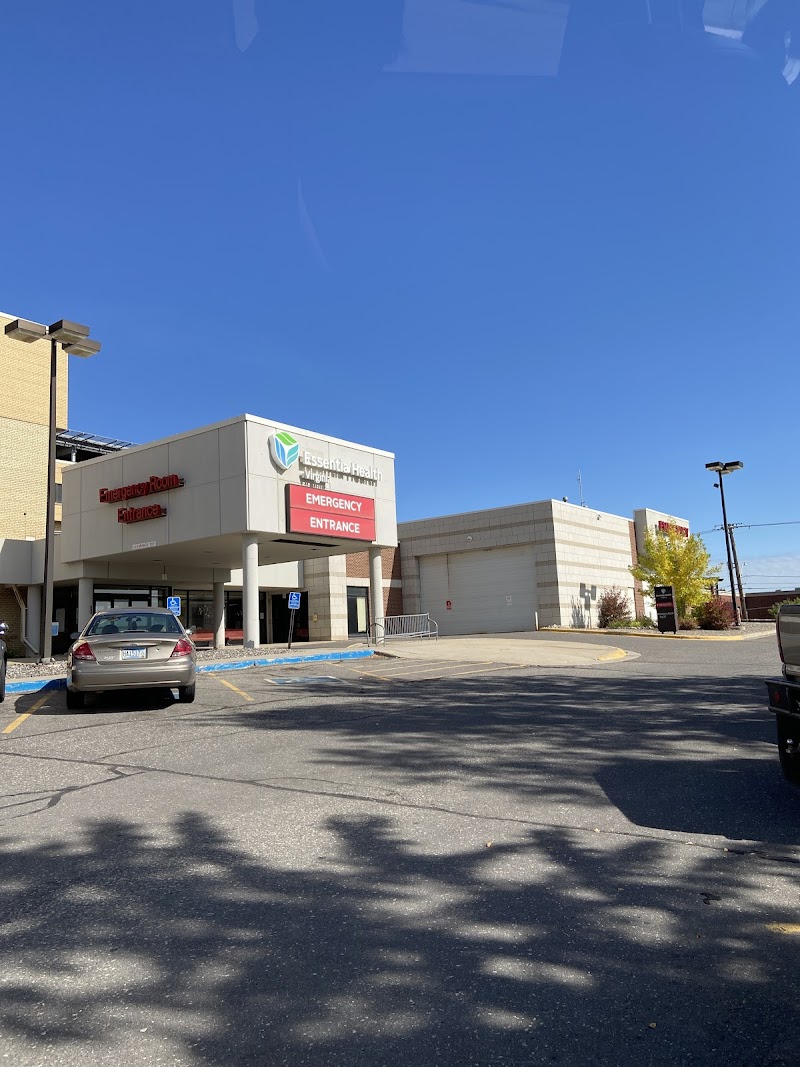
CMS rates ESSENTIA HEALTH VIRGINIA CARE CENT's staffing level at 5 out of 5 stars, which is much above average compared to other nursing homes. Staff turnover is 42%, compared to the Minnesota average of 46%. This relatively stable workforce can support continuity of care.

What Have Inspectors Found at Essentia Health Virginia Care Cent?

State health inspectors documented 11 deficiencies at ESSENTIA HEALTH VIRGINIA CARE CENT during 2023 to 2025. These included: 11 with potential for harm.
Who Owns and Operates Essentia Health Virginia Care Cent?

ESSENTIA HEALTH VIRGINIA CARE CENT is owned by a non-profit organization. Non-profit facilities reinvest revenue into operations rather than distributing to shareholders. The facility operates independently rather than as part of a larger chain. With 40 certified beds and approximately 21 residents (about 52% occupancy), it is a smaller facility located in VIRGINIA, Minnesota.

How Does Essentia Health Virginia Care Cent Compare to Other Minnesota Nursing Homes?

Compared to the 100 nursing homes in Minnesota, ESSENTIA HEALTH VIRGINIA CARE CENT's overall rating (5 stars) is above the state average of 3.2, staff turnover (42%) is near the state average of 46%, and health inspection rating (5 stars) is much above the national benchmark.

What Should Families Ask When Visiting Essentia Health Virginia Care Cent?

Based on this facility's data, families visiting should ask: "Can I visit during a mealtime to observe dining assistance and food quality?" "How do you handle medical emergencies, and what is your hospital transfer rate?" "Can I speak with family members of current residents about their experience?"

Is Essentia Health Virginia Care Cent Safe?

Based on CMS inspection data, ESSENTIA HEALTH VIRGINIA CARE CENT has a clean safety record: no substantiated abuse findings (meaning no confirmed cases of resident harm), no Immediate Jeopardy citations (the most serious violation level indicating risk of serious injury or death), and is not on the Special Focus Facility watch list (a federal program monitoring the lowest-performing 1% of nursing homes). The facility has a 5-star overall rating and ranks #1 of 100 nursing homes in Minnesota. While no facility is perfect, families should still ask about staff-to-resident ratios and recent inspection results during their visit.

Do Nurses at Essentia Health Virginia Care Cent Stick Around?

ESSENTIA HEALTH VIRGINIA CARE CENT has a staff turnover rate of 42%, which is about average for Minnesota nursing homes (state average: 46%). Moderate turnover is common in nursing homes, but families should still ask about staff tenure and how the facility maintains care continuity when employees leave.

Was Essentia Health Virginia Care Cent Ever Fined?

ESSENTIA HEALTH VIRGINIA CARE CENT has no federal fines on record. CMS issues fines when nursing homes fail to meet care standards or don't correct problems found during inspections. The absence of fines suggests the facility has either maintained compliance or corrected any issues before penalties were assessed. This is a positive indicator, though families should still review recent inspection reports for the full picture.

Is Essentia Health Virginia Care Cent on Any Federal Watch List?

ESSENTIA HEALTH VIRGINIA CARE CENT is not on any federal watch list. The most significant is the Special Focus Facility (SFF) program, which identifies the bottom 1% of nursing homes nationally based on persistent, serious quality problems. Not being on this list means the facility has avoided the pattern of deficiencies that triggers enhanced federal oversight. This is a positive indicator, though families should still review the facility's inspection history directly.