The Waterview Pines LLC
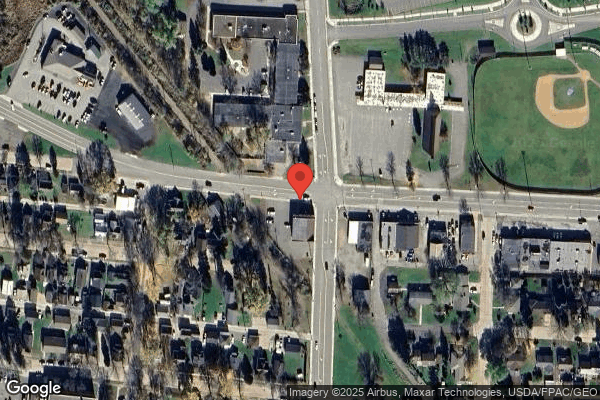
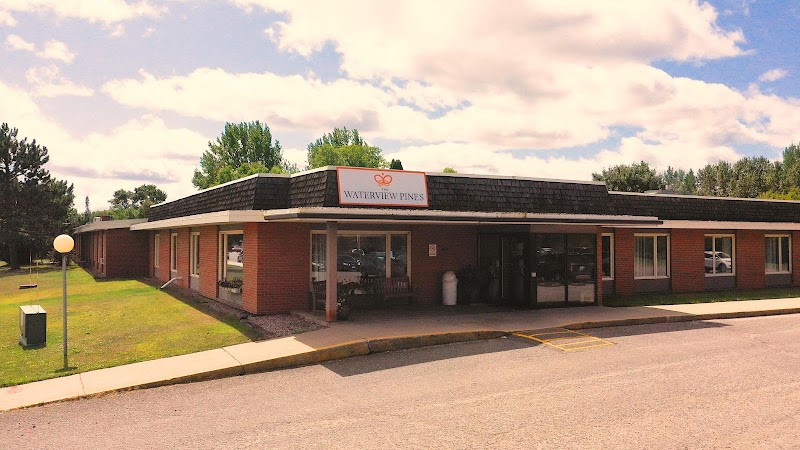
1201 8TH STREET SOUTH, VIRGINIA, MN 55792 (218) 748-7809
For profit - Partnership 83 Beds MONARCH HEALTHCARE MANAGEMENT Data: November 2025 4 Immediate Jeopardy citations
Trust Grade
0/100
#331 of 337 in MN
Last Inspection: November 2024

Within standard 12-15 month inspection cycle. Federal law requires annual inspections.

Overview

Waterview Pines LLC has a Trust Grade of F, indicating significant concerns about the quality of care provided. They rank #331 out of 337 nursing homes in Minnesota, placing them in the bottom half of facilities in the state, and #16 out of 17 in St. Louis County, meaning only one local option is better. Although the facility is showing signs of improvement in reducing issues from 17 in 2024 to 4 in 2025, the overall staffing situation remains concerning with a turnover rate of 62%, which is much higher than the state average. The facility has faced critical incidents, including failing to ensure appropriate COVID-19 testing protocols, resulting in an outbreak among residents, and inadequate supervision that allowed a resident to elope in freezing conditions. Despite these weaknesses, they do have some average quality measure ratings, but the overall picture is concerning for families considering this home.

Trust Score
F
0/100
In Minnesota
#331/337
Bottom 2%
Safety Record
High Risk
Review needed
Inspections
Getting Better
17 → 4 violations
Staff Stability
⚠ Watch
62% turnover. Above average. Higher turnover means staff may not know residents' routines.
Penalties
✓ Good
$23,433 in fines. Lower than most Minnesota facilities. Relatively clean record.
Skilled Nurses
⚠ Watch
Each resident gets only 24 minutes of Registered Nurse (RN) attention daily — below average for Minnesota. Fewer RN minutes means fewer trained eyes watching for problems.
Violations
⚠ Watch
48 deficiencies on record. Higher than average. Multiple issues found across inspections.
★☆☆☆☆
1.0
Overall Rating
★☆☆☆☆
1.0
Staff Levels
★★★☆☆
3.0
Care Quality
★☆☆☆☆
1.0
Inspection Score
Stable
2024: 17 issues
2025: 4 issues

The Good

  • Full Sprinkler Coverage · Fire safety systems throughout facility
  • No fines on record

Facility shows strength in fire safety.

The Bad

1-Star Overall Rating

Below Minnesota average (3.2)

Significant quality concerns identified by CMS

Staff Turnover: 62%

16pts above Minnesota avg (46%)

Frequent staff changes - ask about care continuity

Federal Fines: $23,433

Below median ($33,413)

Minor penalties assessed

Chain: MONARCH HEALTHCARE MANAGEMENT

Part of a multi-facility chain

Ask about local staffing decisions and management

Staff turnover is elevated (62%)

14 points above Minnesota average of 48%

The Ugly 48 deficiencies on record

4 life-threatening
Aug 2025 3 deficiencies 1 IJ
CRITICAL (J) 📢 Someone Reported This

A family member, employee, or ombudsman was alarmed enough to file a formal complaint

Immediate Jeopardy (IJ) - the most serious Medicare violation

Accident Prevention (Tag F0689)

Someone could have died · This affected 1 resident

**NOTE- TERMS IN BRACKETS HAVE BEEN EDITED TO PROTECT CONFIDENTIALITY** Based on observation, interview and document review the facility failed to develop and implement a procedure to determine approp...

Read full inspector narrative →
**NOTE- TERMS IN BRACKETS HAVE BEEN EDITED TO PROTECT CONFIDENTIALITY** Based on observation, interview and document review the facility failed to develop and implement a procedure to determine appropriate sling types for 3 residents (R1, R2, R3) assessed to require the use of mechanical lift for transfers. This resulted in a fall from a ceiling lift resulting in non-surgical fractures and a head laceration for R1 and observation of the wrong sling size, sling type in their room or being used by staff for R2 and R3. This resulted in immediate jeopardy (IJ) for R1, R2 and R3. The immediate jeopardy began on 8/1/25, when R1 fell while being transferred in a full body mechanical lift and fell out of the lift during transfer, resulting in a serious injury. The facility failed to identify if the staff were correctly using the lift per manufacturer recommendation when the incident occurred and failed to review other residents at risk to ensure proper use of mechanical lifts to prevent future falls. Additional transfer observations identified manufacturer's guidelines were not followed for safe use. The IJ was identified on 8/7/25. The administrator and director of nursing (DON) were notified of the immediate jeopardy at 2:30 p.m. on 8/7/25. The IJ was removed on 8/8/25 at 1:30 p.m., but non-compliance remained at the lower scope and severity level D, which indicated no actual harm with potential for minimal harm that is not immediate jeopardy. Findings include: R1's admission Record indicated she admitted to the facility 6/1/23. R1's diagnosis included dementia with behavioral disturbance, back pain, other chronic pain, and spinal stenosis. R1's quarterly Minimum Data Set (MDS) dated [DATE], identified severe cognitive impairment and indicated she displayed no behaviors. The care plan indicted R1 was dependent on staff for transfers and was always incontinent of bowel and bladder. R1's Lift/Mobility Status Form dated 10/7/24, indicated she was unable to bear weight, was unable to follow simple instructions and was not cooperative with transfers. The form indicated use of a ceiling lift with assistance from one staff. R1's care plan dated 6/30/25, identified an alteration in cognition and an alteration in mobility. The care plan directed staff to transfer R1 via celling lift using a toileting sling when using the toilet and a full body split leg sling for all other transfers. R1's Incident Review and Analysis dated 8/1/25, indicated staff was transferring R1 from the bathroom to the bed using a toileting sling when R1 fell out onto the floor and hit her head. R1's Progress note dated 8/1/25, indicated she was lowered to the floor by staff after assisting her from toilet to bed. During transfer R1 let go of the sling and began to slide through the sling. Correct sling, correct brand and care plan followed. R1 had a small laceration to the back of her head and was transported to the emergency department (ED) for evaluation. R1's incident report dated 8/1/25, indicated she was lowered to the floor by staff after assisting from toilet to bed. During transfer R1 let go of the sling and began to slide through the sling. Staff put her arms around R1 and lowered R1 to the floor. Correct sling, size, brand and care plan followed. R1 had small laceration to the back of her head. R1's hospital History and Physical dated 8/4/25, indicated R1 was admitted for fall, trauma, non-surgical fractures and pain control. She was brought the ED for evaluation. She had been lifted on a mechanical lift and fell 3-4 feet, falling on her head onto a hardwood floor. Discharge diagnosis included fracture of left clavicle (collarbone), scalp hematoma (localized collection of blood outside the blood vessels), fracture of one rib and concussion. During interview on 8/6/25 at 5:12 p.m., the director of nursing (DON) stated the Lift/Mobility Status form was completed upon admission, quarterly and with a change of condition. The DON stated after R1 fell they had made sure the proper sized sling had been used. The DON stated if R1 brought her arms inside the sling during the transfer, it could have caused her to fall. During interview on 8/7/25 at 8:44 a.m., the facility's ceiling lift representative (R)-A stated typically when an accident happened during transfer in a lift, something would have been wrong with the way the sling was used or applied. R-A said the toileting slings used with the ceiling lift required the resident to keep their arms outside the sling. R-A said with the toileting sling, size was a much bigger deal because there was more open area. R-A stated if a resident did not have the cognitive or physical ability to keep their arms outside the sling, the toileting sling would not be recommended. R-A said if the sling used during transfer was appropriate for the resident, a fall from the lift should not have happened. During interview on 8/7/25 at 9:00 a.m., nursing assistant (NA)-A stated she had been transferring R1 from the wheelchair to the bed, not from the toilet, and said during the transfer, R1 put her arms through the sling and had been confused and tired. NA-A said R1 had been resting her hands on her legs on her lap. NA-A said she had watched R1 put her arms inside the sling and had told her to keep her arms outside the sling. NA-A said she tried to catch R1 when she fell and they both fell. She said the wheelchair was positioned parallel to the bed with a floor mat between the bed and the chair but said R1 had landed on the floor at the end of the bed. NA-A stated she had used the correct sling size and had used the toileting sling. However, R1's care plan directed the use of a full body sling for transfers when not using the toilet. R2's admission Record indicated he admitted to the facility 1/28/20. R2's diagnosis included hemiplegia and hemiparesis, instability of left ankle, chronic pain and mild dementia. R2's quarterly MDS dated [DATE], identified moderate cognitive impairment and rejection of care behaviors 1 -3 days during the assessment period. The MDS indicated R2 was dependent on staff for transfers. R2's Lift/Mobility Status Form dated 1/30/24, indicated he could bear weight on at least one leg, was cooperative with transfers and was able to follow simple instructions. Lift to be utilized indicated a manual sit/stand lift. R2's care plan dated 8/4/25, identified an alteration in cognition with noted impairments in short term memory and an alteration in mobility related to weakness and lack of coordination. The care plan directed staff to transfer R2 using a ceiling lift and size small toileting sling or mechanical lift using a size small full body split leg sling. During observation on 8/6/25 at 4:00 p.m., R2 had a sling laying on top of his bed. The sling was yellow with black edges and was labeled size medium. During observation on 8/6/25 at 4:57 a.m., with the administrator present, R2 was observed to have a size small sling on his bed. R2 stated they just switched it. R2 said the one used previously that day had been the wrong size and said earlier he had slid through the sling and using his hands demonstrated approximately 6 -8 inches from the floor. During interview on 8/6/258 at 5:05 p.m., the administrator said R2 had been transferred earlier with the ceiling lift and the sling adjusted. The administrator said there was no concern with the lift hook up or sling size per R2. The administrator stated there had been no follow up with staff to verify if the appropriate sling had been used but said the care plan had been followed. During interview on 8/7/25 at 3:22 p.m., family member (FM)-A stated she was present when R2 slipped through the toileting sling. FM-A said she was not sure what happened but said R2 was about a foot above the bed and he slipped through and landed on his butt and back on the bed. FM-A said she thought the slings were one size fits all and said staff had used a larger sling before. R2 was present and said, I fell out the bottom, that's why they brought me a new one, referring to the sling. R3's admission Record indicated she admitted to the facility 4/16/23. R3's diagnosis included dementia, anxiety, right above knee amputation and chronic pain. R3's quarterly MDS dated [DATE], identified a memory problem and indicated she displayed physical, verbal and rejection of care behaviors 1-3 days during the assessment period. The MDS indicated R3 was dependent on staff for transfers. R3's Mobility/Lift Status Form dated 1/8/25, identified an amputation and indicated she could not bear weight and was not cooperative with transfers. The form identified the use of a ceiling lift. During observation on 8/6/25 at 4:13 p.m., NA-C and NA-D prepared to transfer R3. R3 was lying in bed and had a toileting sling underneath her. NA-C and NA-D switched the sling for a full body sling as directed in the care plan. NA-C stated the sling underneath R3 was not the correct sling. NA-D said the staff on the previous shift had used the wrong sling to transfer R3. During interview on 8/7/25 at 10:43 a.m., registered nurse (RN)-A stated slings were assessed on admission, quarterly and with a change of condition. RN-A stated sling size and type were based on height and weight of the resident and said sling type was based on whether the resident was continent or not. RN-A said a toileting sling would not be used if there were physical limitations such as an amputation or if the resident was agitated or displayed behaviors and could go through the sling. RN-A said the toileting sling was appropriate for R1 even though R1's Lift form indicated she was unable to follow simple instructions and was not cooperative with transfers, because R1 still used the toilet. Facility Policy [NAME] Patient Handling dated 3/2020, indicated safe patient handling is a key component to providing employees a safe work environment, while providing high quality resident care. Specifically, mechanical lift equipment and/or other approved patient moving aides/devices should be used in all circumstances when liftin/moving residents except when manual assistance is deemed absolutely necessary. All resident care will be provided in a safe, appropriate and timely manner in accordance with the residents plan of care. The immediate jeopardy began on 8/1/25. The immediate jeopardy was removed 8/8/25, after the facility implemented a systemic plan that included the following actions: - Developed and implemented a system to determine appropriate sling size/use based on resident need and manufacturer's guidelines for R1, R2, and R3.-Assessed all residents who required the use of an assistive device to ensure correct sling was in use.-Ensured staff were educated to that process and where to find information regarding accurate sling per resident.- Developed a procedure related to assessment of resident sling use.-Educated staff responsible for transferring residents to the above policies, procedures, and changes made prior to the beginning of their next shift.
CONCERN (D) 📢 Someone Reported This

A family member, employee, or ombudsman was alarmed enough to file a formal complaint

Potential for Harm - no one hurt, but risky conditions existed

Report Alleged Abuse (Tag F0609)

Could have caused harm · This affected 1 resident

Based on interview and document review the facility failed to report an allegation of neglect of care related to a fall from a mechanical lift to the state agency (SA) for 1 of 3 residents reviewed fo...

Read full inspector narrative →
Based on interview and document review the facility failed to report an allegation of neglect of care related to a fall from a mechanical lift to the state agency (SA) for 1 of 3 residents reviewed for use of mechanical lifts.R1's admission Record indicated she admitted to the facility 6/1/23. R1's diagnosis included dementia with behavioral disturbance, back pain, other chronic pain, and spinal stenosis. R1's care plan dated 6/30/25, identified an alteration in cognition and an alteration in mobility. The care plan directed staff to transfer R1 via celling lift using a toileting sling when using the toilet and a full body split leg sling for all other transfers. R1's Incident Review and Analysis dated 8/1/25, indicated Staff was transferring R1 from the bathroom to the bed using a toileting sling and R1 fell out onto the floor and hit her head. During interview with the administrator and DON on 8/6/25 at 4:46 p.m., the administrator stated R1 was in a toileting sling and she fell through because she placed her arms inside the sling. The administrator stated the incident had not been reported to the SA because the care plan had been followed during the transfer. During interview on 8/7/25 at 8:44 a.m., the facility's ceiling lift representative (R)-A stated typically when an accident happened during transfer in a lift, something would have been wrong with the way the sling was used or applied. R-A said the toileting slings used with the ceiling lift required the resident to keep their arms outside the sling. R-A said with the toileting sling, size was a much bigger deal because there was more open area. R-A stated if a resident did not have the cognitive or physical ability to keep their arms outside the sling, the toileting sling would not be recommended. R-A said if the sling used during transfer was appropriate for the resident, a fall from the lift should not have happened.During interview on 8/7/25 at 9:00 a.m., nursing assistant (NA)-A stated she had been transferring R1 from the wheelchair to the bed, not from the toilet, and said during the transfer, R1 put her arms through the sling and had been confused and tired. NA-A said R1 had been resting her hands on her legs on her lap. NA-A said she had watched R1 put her arms inside the sling and had told her to keep her arms outside the sling. NA-A said she tried to catch R1 when she fell and they both fell. She said the wheelchair was positioned parallel to the bed with a floor mat between the bed and the chair but said R1 had landed on the floor at the end of the bed. NA-A said she had used the correct sling size and had used the toileting sling. However, R1's care plan directed the use of a full body sling for transfers when not using the toilet.Facility policy Abuse Prohibition/Vulnerable Adult dated 4/2025, indicated all staff are responsible for reporting situation that is considered abuse or neglect, defined as the facility failure to provide goods and services to a resident that are necessary to avoid physical harm, pain, mental anguish, or emotional distress. Suspected abuse shall be reported to the SA no later than two hours after forming the suspicion of abuse.
CONCERN (D) 📢 Someone Reported This

A family member, employee, or ombudsman was alarmed enough to file a formal complaint

Potential for Harm - no one hurt, but risky conditions existed

Investigate Abuse (Tag F0610)

Could have caused harm · This affected 1 resident

**NOTE- TERMS IN BRACKETS HAVE BEEN EDITED TO PROTECT CONFIDENTIALITY** Based on interview and document review the facility failed to thoroughly investigate a fall from a lift resulting in significant...

Read full inspector narrative →
**NOTE- TERMS IN BRACKETS HAVE BEEN EDITED TO PROTECT CONFIDENTIALITY** Based on interview and document review the facility failed to thoroughly investigate a fall from a lift resulting in significant injury for 1 of 3 residents (R1) reviewed for neglect of care.R1's admission Record indicated she admitted to the facility 6/1/23. R1's diagnosis included dementia with behavioral disturbance, back pain, other chronic pain, and spinal stenosis. R1's quarterly Minimum Data Set (MDS) dated [DATE], identified severe cognitive impairment and indicated she displayed no behaviors. The care plan indicted R1 was dependent on staff for transfers and was always incontinent of bowel and bladder.R1's Lift/Mobility Status Form dated 10/7/24, indicated she was unable to bear weight, was unable to follow simple instructions and was not cooperative with transfers. The form indicated use of a ceiling lift with assistance from one staff.R1's care plan dated 6/30/25, identified an alteration in cognition and an alteration in mobility. The care plan directed staff to transfer R1 via celling lift using a toileting sling when using the toilet and a full body split leg sling for all other transfers. R1's Incident Review and Analysis dated 8/1/25, indicated Staff was transferring R1 from the bathroom to the bed using a toileting sling and R1 fell out onto the floor and hit her head. R1's Progress note dated 8/1/25, indicated she was lowered to the floor by staff after assisting her from toilet to bed. During transfer R1 let go of the sling and began to slide through the sling. Correct sling, correct brand and care plan followed. R1 had a small laceration to the back of her head and was transported to the emergency department (ED) for evaluation.R1's incident report dated 8/1/25, indicated she was lowered to the floor by staff after assisting from toilet to bed. During transfer R1 let go of the sling and began to slide through the sling. Staff put her arms around R1 and lowered R1 to the floor. Correct sling, size, brand and care plan followed. R1 had small laceration to the back of her head.R1's hospital History and Physical dated 8/4/25, indicated R1 was admitted for fall, trauma, non-surgical fractures and pain control. She was brought the ED for evaluation. She had been lifted on a mechanical lift and fell 3-4 feet, falling on her head onto a hardwood floor. Discharge diagnosis included fracture of left clavicle (collarbone), scalp hematoma (localized collection of blood outside the blood vessels), fracture of one rib and concussion. An untitled, undated facility investigation provided by the administrator indicated on 8/1/25, R1 was lowered to the floor by staff. Nursing assistant (NA) stated R1 was placed in the sling correctly, hooked to the ceiling lift, legs were crossed. As the NA lifted R1 she noticed R1's bottom was slipping down. The NA grabbed R1 around the waist. R1 had put her arms inside the sling which resulted in her sliding down in the sling further. R1's feet were still in the sling but NA lowered her to the floor. The director of nursing (DON) confirmed the care plan was followed, appropriate way to transfer, correct sling, correct brand and size and lift was in working condition. NA demonstrated how the transfer was performed from start to finish including action taken when R1 began sliding down. The investigation did not include an interview with the NA who had performed the transfer.During interview with the administrator and DON on 8/6/25 at 4:46 p.m., the administrator stated R1 was in a toileting sling and she fell through because she placed her arms inside the sling. The DON stated based on the interview with the NA, R1 had let go of the sling and put her arms inside of it resulting in the fall. The DON stated she had talked to the NA after the incident and said she and the administrator had made a follow up call with the NA but had not documented either conversation. The DON further stated the NA had completed a return demonstration of how to properly use the lift which also had not been documented.During interview on 8/7/25 at 8:44 a.m., the facility's ceiling lift representative (R)-A stated typically when an accident happened during transfer in a lift, something would have been wrong with the way the sling was used or applied. R-A said the toileting slings used with the ceiling lift required the resident to keep their arms outside the sling. R-A said with the toileting sling, size was a much bigger deal because there was more open area. R-A stated if a resident did not have the cognitive or physical ability to keep their arms outside the sling, the toileting sling would not be recommended. R-A said if the sling used during transfer was appropriate for the resident, a fall from the lift should not have happened.During interview on 8/7/25 at 9:00 a.m., nursing assistant (NA)-A stated she had been transferring R1 from the wheelchair to the bed, not from the toilet, and said during the transfer, R1 put her arms through the sling and had been confused and tired. NA-A said R1 had been resting her hands on her legs on her lap. NA-A said she had watched R1 put her arms inside the sling and had told her to keep her arms outside the sling. NA-A said she tried to catch R1 when she fell and they both fell. She said the wheelchair was positioned parallel to the bed with a floor mat between the bed and the chair but said R1 had landed on the floor at the end of the bed. NA-A said she had used the correct sling size and had used the toileting sling. However, R1's care plan directed the use of a full body sling for transfers when not using the toilet.Facility policy Abuse Prohibition/Vulnerable Adult dated 4/2025, indicated investigation shall begin immediately. Staff will take immediate action to prevent further abuse/neglect while the investigation is in process. Investigation may include interviews with staff, residents or other witnesses to the event. Corrective action based on the investigation will be completed (e,g,, change of procedure, training, discipline or discharge of staff, etc.)
Jul 2025 1 deficiency
CONCERN (D) 📢 Someone Reported This

A family member, employee, or ombudsman was alarmed enough to file a formal complaint

Potential for Harm - no one hurt, but risky conditions existed

Grievances (Tag F0585)

Could have caused harm · This affected 1 resident

**NOTE- TERMS IN BRACKETS HAVE BEEN EDITED TO PROTECT CONFIDENTIALITY** Based on interview and document review, the facility failed to ensure voiced concerns about the provision of care were acted upo...

Read full inspector narrative →
**NOTE- TERMS IN BRACKETS HAVE BEEN EDITED TO PROTECT CONFIDENTIALITY** Based on interview and document review, the facility failed to ensure voiced concerns about the provision of care were acted upon timely and resolved to help potentially prevent occurrences for 3 of 3 residents (R1, R4, R6) reviewed who had voiced concerns about care from a staff member. Findings include: A facility-reported Vulnerable Adult Maltreatment Report (i.e,, FRI) dated, 7/16/25, identified R1 reported being handled roughly by a nursing assistant (NA) the night prior. The report identified NA-A as the alleged perpetrator and outlined they had been terminated from the care center. The report continued and identified another resident (R6) had reported concerns about how NA-A had transferred them and, again, that NA-A was rough with cares.R1's admission Minimum Data Set (MDS), dated [DATE], identified R1 had moderate cognitive impairment but demonstrated no delusional thinking. On 7/24/25 at 11:27 a.m., R1 was interviewed and recalled the incident from the week prior. R1 expressed it involved a male staff member who she felt was rough when doing cares. R1 stated she was sleeping at night and then suddenly, Next thing I knew, I was against the wall. R1 stated the male staff member just rolled her over without waking her up which caused her to be startled and have some pain. R1 stated being moved by him without warning was upsetting adding aloud, It was too hard [how he moved her]. R1 stated she reported this concern to someone at the care center but was unsure whom.R1's Aeris History & Physical, dated 7/14/25, identified R1 was evaluated by the medical doctor (MD) who outlined, Patient' neurostatus [sic] has not changed but she does claim there was some roughness with her last night . claims that somebody beat her up at this time but it is vague . gave to social service director [ ] and they are going to investigate. No reported injury noted last evening but she does have palpatory tenderness . will do an x-ray at this time.When interviewed on 7/24/25 at 12:13 p.m., NA-B stated they had worked at the campus through their agency for approximately three or four months. NA-B stated they were aware R1 had reported someone had rough handled her, and verified they had worked the shift with NA-A on the date of the alleged incident. NA-B stated they had never physically seen NA-A be intentionally abusive to any residents, however, had reported some concerns prior about his care to other staff members. NA-B stated the resident's had reported concerns that NA-A would move too fast with cares and, as a result, NA-B had told NA-A he needed to slow down while providing care. At 12:52 p.m., a follow-up interview was completed with NA-B. NA-B explained they had first heard residents' concerns being expressed about NA-A as soon as I came here and started working several months prior. NA-B reiterated the comments by the residents started at the same time and expressed they felt it was already being addressed from appearances. NA-B stated several residents had complained about NA-A and his provided care and named R4. NA-B stated residents' comments were often about NA-A moving too fast and explained there had also been one incident where a resident who used a mechanical lift was left suspended up while NA-A left the room to get incontinence products which NA-B attributed to a lack of organization with cares and a need for additional training. NA-B stated NA-A could be not easy to talk to and help improve his cares as he seemed to take is sometimes personally. NA-B stated they felt the management was aware of these concerns, including from months' prior, as the charge nurse who often worked as aware of the concerns, too. NA-B stated multiple nurses who had worked with NA-A also, Say the same thing. NA-B reiterated the employee all of these concerns had been reported and/or observed with was NA-A. R4's quarterly Minimum Data Set (MDS), dated [DATE], identified R4 had moderate cognitive impairment but demonstrated no delusional thinking. On 7/24/25 at 2:20 p.m., R4 was interviewed about his services in the nursing home and responded aloud, Not great. R4 was questioned if he had any concerns about the care provided by NA-A he could recall to which R4 responded aloud, [NA-A] I had trouble with. R4 explained NA-A had never physically hurt him but rather just comes on strong and did not always explain cares or what he wanted adding, It's a demand thing by him. R4 added, I don't like that. R4 stated he had told the staff at the desk about these concerns but was dismissed with a boys will be boys response. R6 was discharged from the care center at the time of survey and unavailable for interview. During the abbreviated survey, a telephone interview was attempted with NA-A; however, they were unable to be reached. When interviewed on 7/24/25 at 1:43 p.m., licensed practical nurse (LPN)-A verified they routinely worked the overnight shift and had worked with NA-A. LPN-A stated they had never observed or had anyone report concerns about NA-A's care on the night shift prior adding, He was one of the nicest guys there ever was. The facility-provided WVP (Waterview Pines) Grievances listing, dated 1/1/25 to 7/25/25, identified all filed grievances along with each' respective incident number, category, resident involved, date reported and resolution date. The listing identified R4 had filed a grievance in April 2025 related to call light response; however, the listing outlined no grievances were filed for R1, R4, R5 related to provision of care concerns. The provided listing lacked employee name details. During the abbreviated survey, no evidence was provided to demonstrate the facility' had acted upon the concerns expressed by residents to NA-B until 7/7/25 when a FRI for R4 was submitted; despite other staff hearing concerns from the residents about NA-A's provided care for several months prior. On 7/24/25 at 3:14 p.m., the administrator, director of nursing (DON), and social worker (SW)-A were interviewed, and SW-A verified they helped address and manage grievances for the resident population. The administrator stated they were aware of the two situations which had a VA filed (i.e., R4, R1) about them and upon completing an investigation into those learned of R6 having concerns about NA-A's provided care. The administrator stated none of the staff had raised concerns about NA-A's care prior to those events adding, Nobody has brought up any concerns. The administrator stated they had an all staff meeting recently, too, and nothing was voiced or raised about the NA's care. The administrator and DON both verified they were unaware of an incident involving a resident being left suspended in the air in a mechanical lift until now with the administrator adding, This is news to me. The administrator and DON both expressed they would have immediately followed up on that concern if it had been reported to them. The management team all acknowledged they had not been told of the concerns as heard by the floor staff and were unaware of any concerns until 7/7/25, when the first FRI for R4 was submitted. The DON and administrator both acknowledged having completed no formal audits of NA-A's care including after 7/7/25, when the FRI was reported. The team all expressed a formal grievance would have likely been completed months prior if they had been told of the concerns with NA-A's care; and the administrator stated they would have acted upon it earlier (prior to 7/7/25) had the information reached them adding, I absolutely would have [followed up]. The administrator stated no formal grievances were filed on the FRI(s) as they were reportable to the State agency; however, the administrator expressed it was important to ensure concerns were addressed and resolved timely so it doesn't happen to the next person, adding further, Little concerns can turn into something big if it's not addressed. Further, the administrator stated they felt having the new management at the care center and more frequent all staff meetings would help ensure concerns get reported more timely to them from the floor staff. A facility' provided Complaint and Grievance Policy, dated 9/2023, identified any resident could file a grievance and forms were readily available within the care center adding, Any complaints, regardless of how they are received by the facility, will be investigated per the policy. The policy continued, A grievance form should be completed when a complaint has been give to any employee of the facility. This includes when a grievance has been resolved right away to show documentation that it was addressed and resolved to the satisfaction of the person submitting the concern. The policy directed an investigation would then be completed and a summary, either verbally or in-writing, would be provided to the complainant.
Nov 2024 15 deficiencies
CONCERN (D)

Potential for Harm - no one hurt, but risky conditions existed

Resident Rights (Tag F0550)

Could have caused harm · This affected 1 resident

**NOTE- TERMS IN BRACKETS HAVE BEEN EDITED TO PROTECT CONFIDENTIALITY** Based on interview, observation and document reivew, the facility failed to ensure care was provided to preserve dignity for 1 o...

Read full inspector narrative →
**NOTE- TERMS IN BRACKETS HAVE BEEN EDITED TO PROTECT CONFIDENTIALITY** Based on interview, observation and document reivew, the facility failed to ensure care was provided to preserve dignity for 1 of 3 residents (R52) that were reviewed for dignity. Findings include: R52's quarterly Minimum Data Set (MDS) dated [DATE], indicated R52 was cognitively intact with diagnoses of diabetes, depression, hemiplegia, and hemiparesis. Section GG -Functional Abilities and Goals indicated R52 required moderate assistance for personal hygiene and maximal assistance for shower/baths. R52's care plan last reviewed 10/8/24, included: -Focus area altered cognition related to anxiety - Resident will have all needs met by staff. Resident has a dx of anxiety and will not often utilize the call light or verbalize feelings or needs in fear of being a burden to staff. -Focus area altered elimination interventions identified resident is very shy and does not like to ask for help, she has a history of being very incontinent r/t not asking for assistance. -Focus area alterations in mood and behavior interventions resident is very shy and has difficult time asking for assistance. Staff to ask resident if she needs help q3-4 hours and prn and to anticipate resident needs. -Focus self-care deficit indicated R52 received a shower one time per week and required assistance with bathing and personal hygiene. During an interview on 11/18/24 at 11:45 a.m., [Monday] R52's hair appeared greasy. R52 stated their hair got greasy quickly and they only got to have a shower once a week on Thursdays. During an observation on 11/18/24 at 3:55 p.m., R52 was dressed, on her bed. R52's hair appeared greasy. During an observation on 11/19/24 at 12:13 p.m., R52's hair appeared greasy. During an interview on 11/20/24 at 9:43 a.m., R52's hair was pulled back with a hair band and appeared wet. R52 stated their hair was not wet from a shower, it was just greasy. R52 wished they could get a shower two times a week because their hair got dirty fast, and they just felt better when it was washed. They would be happy if they could even just get their hair washed, it wouldn't have to be two full showers a week. R52 stated it bothered them when their hair was greasy because they just didn't feel clean. R52 felt a little better about their hair today because one of the nursing assistants had fixed it so it wasn't in their face. During an interview at 11/20/24 at 12:25 p.m., nursing assistant (NA)-A stated the facility had kits like a shower cap for washing hair, so if they noticed a resident had greasy hair, they would wash it with a shower cap kit. It's a dignity thing people don't want to have dirty hair. During an interview on 11/20/2024 at 12:46 p.m., registered nurse (RN)-A stated if a resident had noticeably greasy hair staff should offer a shampoo or shower to the resident before their shower day, the resident should not have to ask for it. During an interview on 11/20/24 at 3:16 p.m., the director of nursing (DON) stated if a resident had greasy hair, the resident should not have to ask for their hair to be washed, they would expect staff to recognize that and offer to wash the resident's hair. It would be important for hair washing to be offered to R52 for dignity purposes. All policies related to dignity were requested. The received facility policy Activities of Daily Living (ADLs)/Maintain Abilities Policy dated 3/31/23, read Intent: it is the policy of the facility to specify the responsibility to create and sustain an environment that humanizes and individualizes each resident's quality of life by ensuring all staff, across all shifts and departments understand the principles of quality of life and honor and support these principles for each resident; and that care and services provided are person-centered, and honor and support each resident's preferences, choices, values and beliefs.
CONCERN (D)

Potential for Harm - no one hurt, but risky conditions existed

Deficiency F0561 (Tag F0561)

Could have caused harm · This affected 1 resident

**NOTE- TERMS IN BRACKETS HAVE BEEN EDITED TO PROTECT CONFIDENTIALITY** Based on observation, interview, and document review the facility failed to ensure resident preference of being dressed and eati...

Read full inspector narrative →
**NOTE- TERMS IN BRACKETS HAVE BEEN EDITED TO PROTECT CONFIDENTIALITY** Based on observation, interview, and document review the facility failed to ensure resident preference of being dressed and eating breakfast in the dining room was honored for 1 of 1 resident (R32) reviewed for resident rights. Findings include: R32's quarterly Minimum Data Set (MDS) dated [DATE], Section C - Cognitive Patterns, did not include a completed Brief Interview for Mental status. R32's quarterly MDS dated [DATE], indicated R32 had significant cognitive impairment. R32's diagnoses included neurological disorders, heart failure and non-Alzheimer's dementia with depression and anxiety. Section GG identified R32 required maximal assistance to total dependence for ADL's and was dependent for transfers. R32's careplan last reviewed 8/14/24, identified R32 preferred to dine in the main dining room and instructed staff to encourage resident to attend meals in the dining room where he could visit with others. Further, R32's care plan identified R32 required assistance with ADLS and preferred to get ready by 8:00 a.m. During an interview on 11/17/24 at 2:01 p.m., R32 was shirtless in bed with a blanket covering the waist down. R32 stated, they tell me every day they don't have enough people so here I am with just a blanket on. R32 indicated they needed help to get dressed and get out of bed so they were not able go to the dining room on their own. R32 preferred to be dressed for breakfast, but instead stated they felt like a fool in bed with just their pajama pants and blanket on. On 11/17/24 at 2:20 p.m., nursing assistant (NA)-E knocked on the door, entered R32's room and told R32 they would be back shortly with another NA to get them (R32) up for the day. After NA-E exited the room, R32 stated they would like to be dressed and out and about so they could visit with people, but instead they were stuck in bed. During an interview on 11/17/24 at 2:30 p.m., NA-E confirmed they were just now getting to R32 to get them up for the first time that day. NA-E explained when they didn't have the staff, they could only do what they could do. R32 was also a two-person transfer, so they had to find another staff who was also getting their residents up to assist them with R32's transfer. At times we are staffed so low we can't get our residents taken care of as they should be. During an interview on 11/18/24 at 4:42 p.m., R32 stated, they didn't get me up until noon today. During an interview on 11/19/24 at 10:30 a.m., R32 stated, here I am sitting in bed again still. During an interview at 11/19/24 at 12:25 p.m., NA-E stated R32 liked to go to the dining room for breakfast and they would like to get R32 up for breakfast, but because R32 was a two person transfer, it was not always possible to do on days when only one NA was scheduled until 9:30 a.m. on the Meadows unit. During an interview on 11/20/24 at 12:43 p.m., registered nurse (RN)-A stated if a resident wants to be up and dressed in the morning for breakfast then that preference should be honored. If a resident wanted to be up and dressed and instead was left in bed with just a shirt on, that would be a dignity issue. During an interview on 11/20/24 at 2:42 p.m., the director of nursing (DON) stated if it was a resident's preference to have a shirt on in bed, or to be up and dressed to have breakfast in the dining room, they would expect those preferences were met. The DON stated they knew R32 preferred to be up and out in the main area tooling around with his wife. The facility policy Activities of Daily Living (ADLs)/Maintain Abilities Policy dated 3/31/23, read Intent: it is the policy of the facility to specify the responsibility to create and sustain an environment that humanizes and individualizes each resident's quality of life by ensuring all staff, across all shifts and departments understand the principles of quality of life and honor and support these principles for each resident; and that care and services provided are person-centered, and honor and support each resident's preferences, choices, values and beliefs.
CONCERN (D)

Potential for Harm - no one hurt, but risky conditions existed

Safe Environment (Tag F0584)

Could have caused harm · This affected 1 resident

Based on observation, interview, and document review the facility failed to ensure equipment was not broken for 1 of 1 resident (R25) reviewed for environment. Findings include: On 11/17/24 at 2:03 ...

Read full inspector narrative →
Based on observation, interview, and document review the facility failed to ensure equipment was not broken for 1 of 1 resident (R25) reviewed for environment. Findings include: On 11/17/24 at 2:03 p.m., R25 stated her toilet was broken and she was concerned about it. When facing the toilet the right side of the bowel was cracked near where the seat attached. On 11/19/24 at 1:06 p.m., licensed practical nurse (LPN)-A stated nursing assistants doesn't usually fill out a Tels slip, if something is broken they tell the nurse or call maintenance. On 11/19/24 at 1:08 p.m., LPN-B stated if staff see broken equipment they fill out a maintenance slip and it goes right into the computer to be fixed. LPN-B stated she was not aware of any residents complaining about a broken toilet. On 11/19/24 at 1:24 p.m., the regional director of maintenance (RDM)-A looked at the toilet and verified it was cracked. RDM-A stated the whole bowl needs to be replaced. RDM-A verified a request slip had not been filled out and stated he would have expected housekeeping to notice the cracked toilet and report it. On 11/19/24 at 1:24 p.m., housekeeper (H)-A looked at the toilet and stated, oh it's been like that but could not say how long. She verified she did not report it and said the thought the regular housekeeper would have reported it as broken. On 11/19/24 at 1:29 p.m., the housekeeping director (HD)-B stated she would expect staff to report broken equipment to her or maintenance. If reported to her she would have filled out the Tels slip. She was not aware of any cracked toilets. On 11/19/24 at 1:33 p.m., the associate administrator stated if staff see broken equipment they should tell the nurse manager. The regional director of operations (RDO) stated staff should put a note on broken equipment, remove it from service, and fill out a Tels slip for repair. The RDO stated cracked toilets should be fixed to prevent any injuries.
CONCERN (D)

Potential for Harm - no one hurt, but risky conditions existed

Assessment Accuracy (Tag F0641)

Could have caused harm · This affected 1 resident

**NOTE- TERMS IN BRACKETS HAVE BEEN EDITED TO PROTECT CONFIDENTIALITY** Based on interview and document review, the facility failed to complete all sections on the Minimum Data Set (MDS) for 2 of 18 r...

Read full inspector narrative →
**NOTE- TERMS IN BRACKETS HAVE BEEN EDITED TO PROTECT CONFIDENTIALITY** Based on interview and document review, the facility failed to complete all sections on the Minimum Data Set (MDS) for 2 of 18 residents (R23, R14) reviewed for resident assessment. Findings include: The Centers for Medicare and Medicaid (CMS) Long-Term Resident Facility Assessment Instrument (RAI) 3.0 User's Manual dated 10/2024, identified The purpose of this manual is to offer clear guidance about how to use the Resident Assessment Instrument (RAI) correctly and effectively to help provide appropriate care. Providing care to residents with post-hospital and long-term care needs is complex and challenging work. Clinical competence, observational, interviewing and critical thinking skills, and assessment expertise from all disciplines are required to develop individualized care plans. The RAI helps nursing home staff gather definitive information on a resident's strengths and needs, which must be addressed in an individualized care plan. It also assists staff with evaluating goal achievement and revising care plans accordingly by enabling the nursing home to track changes in the resident's status. As the process of problem identification is integrated with sound clinical interventions, the care plan becomes each resident's unique path toward achieving or maintaining their highest practical level of well-being. Section C: identified cognitive patterns. Intent: The items in this section are intended to determine the resident's attention, orientation and ability to register and recall new information and whether the resident has signs and symptoms of delirium. These items are crucial factors in many care-planning decisions. Section D: mood. Intent: The items in this section address mood distress and social isolation. Mood distress is a serious condition that is underdiagnosed and undertreated in the nursing home and is associated with significant morbidity. It is particularly important to identify signs and symptoms of mood distress among nursing home residents because these signs and symptoms can be treatable. Social isolation refers to an actual or perceived lack of contact with other people and tends to increase with age. It is a risk factor for physical and mental illness, is a predictor of mortality, and is important to assess in order to identify engagement strategies. Section P: restraints and alarms. Intent: The intent of this section is to record the frequency that the resident was restrained by any of the listed devices or an alarm was used, at any time during the day or night, during the 7-day look-back period. Assessors will evaluate whether or not a device meets the definition of a physical restraint or an alarm and code only the devices that meet the definitions in the appropriate categories. R23's quarterly Minimum Data Set (MDS) dated [DATE], identified R23's diagnoses included cardiorespiratory condition, bipolar disease, and diabetes mellitus. R23's quarterly MDS dated [DATE], MDS section C - identified cognitive patterns revealed the following: C 0100- Should Brief Interview for Mental Status be conducted? yes the sections following this question were marked as not assessed R23's quarterly MDS section D - mood revealed the following: D 0100- Should Resident Mood Interview be conducted? yes the sections following this question were marked as not assessed R14's annual MDS dated [DATE], identified R14 had diagnoses which included non-traumatic brain dysfunction, dementia, and depression. R14's annual MDS dated [DATE], section P - restraints and alarms revealed the following: P 0200 alarms E. wander/elopement 0 = Not used R14's care plan dated 1/6/22, identified wanderguard placed. On 11/19/24 at 11:34 a.m., registered nurse (RN)-A reviewed P23's quarterly MDS dated [DATE], and verified sections C and D were marked as not assessed. RN-A stated the assessments should have been completed to ensure the resident was getting the right medication and as part of the care plan. On 11/20/24 at 10:57 a.m., the director of nursing (DON) reviewed R23's quarterly MDS dated [DATE], and verified sections C and D were marked as not assessed. The DON reviewed R14's annual MDS dated [DATE], and verified section P did not identify R14 had a wanderguard in use. The DON stated accurate assessments were to ensure accurate billing and payment and to make sure elopement concerns were identified. The DON stated each department was responsible to fill out their assigned sections. The DON stated she would expect the MDS coordinator to call or email if information was missing prior to uploading the data to make sure residents were receiving proper medication and receiving any needed services. A policy on filling out resident assessments was requested but not provided.
CONCERN (D)

Potential for Harm - no one hurt, but risky conditions existed

ADL Care (Tag F0677)

Could have caused harm · This affected 1 resident

**NOTE- TERMS IN BRACKETS HAVE BEEN EDITED TO PROTECT CONFIDENTIALITY** R32: R32's quarterly MDS dated [DATE], Section C - Cognitive Patterns did not include a completed Brief Interview for Mental sta...

Read full inspector narrative →
**NOTE- TERMS IN BRACKETS HAVE BEEN EDITED TO PROTECT CONFIDENTIALITY** R32: R32's quarterly MDS dated [DATE], Section C - Cognitive Patterns did not include a completed Brief Interview for Mental status. R32's diagnoses included neurological disorders, heart failure and non-Alzheimer's dementia with depression and anxiety. Section GG indicated R32 required maximal assistance to total dependance for ADL's and was dependent for transfers. R32's careplan last reviewed 8/14/24, instructed staff to encourage resident to attend meals in the dining room where he could visit with others. The plan indicated R32 required assistance with ADLS and preferred to get ready by 8:00 a.m. The focus area alterations in mobility indicated R32 was a hoyer [total body lift] transfer of two. During an interview on 11/17/24 at 2:01 p.m., R32 was shirtless in bed with a blanket covering the waist down. R32 stated they tell me every day they don't have enough people so here I am with just a blanket on. R32 indicated they needed help to get dressed and get out of bed so they couldn't just go to the dining room on their own. They preferred to be dressed for breakfast, but instead they felt like a fool in bed with just their pj pants on and a blanket. On 11/17/24 at 2:20 p.m., nursing assistant (NA)-E knocked on the door, entered R32's room and told R32 they would be back shortly with another NA to get them (R32) up for the day. After NA-E exited the room, R32 stated they would like to be dressed and out and about so they could visit with people, but instead they were stuck in bed. On 11/17/24 at 2:34 p.m., NA-E and NA-C entered R32's room and stated they were ready to get R32 up for the day. During an interview on 11/18/24 at 4:42 p.m., R32 stated they didn't get me up until noon today. During an interview on 11/19/24 at 10:30 a.m., R32 stated here I am sitting in bed again still. During an interview on 11/20/24 at 12:43 p.m., registered nurse (RN)-A stated if a resident wants to be up and dressed in the morning for breakfast then that preference should be honored. During an interview on 11/20/24 at 2:42 p.m., the director of nursing DON stated if it was a resident's preference to have a shirt on in bed, or to be up and dressed to have breakfast in the dining room, they would expect those preferences be met. Based on observation, interview, and document review the facility failed to ensure activities of daily living (ADL) were addressed for 2 of 4 residents (R4, R32) reviewed for ADLs. Findings include: R4: R4's quarterly Minimum Data Set (MDS) dated [DATE], identified R4's diagnoses included traumatic brain dysfunction, diabetes mellitus, hemiplegia/hemiparesis (a symptom that causes partial or total paralysis on one side of the body/muscle weakness or partial paralysis on one side of the body), and traumatic brain injury (TBI). R4's quarterly MDS identified R4 was severely cognitively impaired, sometimes understood and sometimes understands, had unclear speech, and was dependent on staff for ADLs. R4's care plan dated 8/21/19, identified R4 had a self care deficit with dressing, grooming, and bathing related to weakness and TBI. Interventions included nursing assistant to perform nail care for hands and feet on bath day. Weekly skin care assessments dated 11/11/24, 10/28/24, and 10/14/24, documented fingernails and toenails not addressed. Weekly skin care assessment dated [DATE], documented fingernails and toenails not necessary. On 11/17/24, R4 was lying in bed his left hand was in a fist and the fingernails on both hands were approximately 1/2 inch in length. On 11/19/24 at 2:04 p.m., licensed practical nurse (LPN)-A looked at R4's hand and stated the nails needed to be cut, she also observed a brown substance under some of the fingernails, and stated the nails were about a 1/2 in length. On 11/20/24 at 11:06 a.m., the director of nursing (DON) stated nail care should be completed by the nursing assistants on their shower day, unless the resident is diabetic then the nail care should be completed by the licensed nurse. The DON stated this should be documented on the weekly skin assessment form. The weekly skin assessments were requested but not provided.
CONCERN (D)

Potential for Harm - no one hurt, but risky conditions existed

Pressure Ulcer Prevention (Tag F0686)

Could have caused harm · This affected 1 resident

**NOTE- TERMS IN BRACKETS HAVE BEEN EDITED TO PROTECT CONFIDENTIALITY** R39's quarterly MDS dated [DATE], identified intact cognition and diagnoses of diabetes mellitus, and chronic kidney disease. R3...

Read full inspector narrative →
**NOTE- TERMS IN BRACKETS HAVE BEEN EDITED TO PROTECT CONFIDENTIALITY** R39's quarterly MDS dated [DATE], identified intact cognition and diagnoses of diabetes mellitus, and chronic kidney disease. R39 was dependent on staff for assistance with bed mobility, transfers, hygiene, and dressing the lower body. Section M identified R39 had one or more pressure ulcers acquired at the facility. R39's care plan dated 6/20/24, identified altered skin integrity related to ulcers on bilateral heels, top of right foot, and right great toe. Interventions included weekly skin inspections by a licensed nurse. The care plan didn't address nutrition needs related to wounds. R39's provider orders identified an order dated 6/19/24, for weekly skin inspections by a licensed nurse to be documented in the electronic health record (EHR). R39's diet order, dated 7/30/24, was for a consistent carbohydrate diet with soft and bite-sized texture and thin liquids. On 11/4/24, R39 had an order for liquid protein supplement of four ounces two times a day for wounds. Review of R39's Weekly Skin Inspection forms revealed gaps in inspection for the time periods of 7/1 to 7/15/24, 7/22 to 8/5/24, 9/2 to 9/23/24, 9/30 to 10/21/24, 10/21 to 11/11/24. Review of R39's EHR identified the following: -7/3/24 progress note indicated a deep tissue injury (DTI) to the right heel with interventions to apply barrier swab daily, a heel cup, to offload pressure, and no shoes. -7/15/24 the RD notes indicated a consistent carbohydrate diet with a two-gram sodium restriction, with four ounces of a house supplement four times per day. The RD estimated the daily caloric and protein content and noted a greater than five percent weight loss in one month. The RD suggested to liberalize R39's diet to remove the sodium restriction because that diet was more restrictive and had less calories and protein. The RD noted no additional nutrition concerns at the time. -7/30/24 progress note indicated a visit from a nurse practioner with Integrated Wound Care who noted wounds to be stable and to continue current treatments. -8/5/24 the RD reviewed diet type, caloric and protein content, R39's intake of meals at greater than 75 percent and recommended discontinuing the house supplement due to noted weight gain and no additional nutrition concerns at that time. -8/6/24 progress note indicated a visit from a physician's assistant with Essentia Elder Care with a referral for Essentia wound care to round on R39 for concerns related to wounds. -8/8/24 Essentia Health wound provider consulted for concerns of cellulitis in the right great toe and wound to the right heel. The provider's assessment included diagnoses of pressure injury of skin of right heel, unspecified injury stage, cellulitis of right great toe, and an area of dark red skin discoloration to the top of the right foot which appeared to be related to pressure from the bandage. -9/23/24 the RD reviewed diet type, caloric content, R39's intake of meals at greater than 75-percent, and R39's weight with insignificant fluctuations. The RD further noted identified wound notes of 9/12/24 indicated R39 had unstageable pressure wounds to the left and right heels, a suspected deep tissue injury to the top of the right foot. The RD suggested increased protein related to wound needs and an order for Prostat (protein supplement) one ounce every day. During an interview on 11/20/24 at 12:03 p.m., the DON stated she expects weekly skin inspections to be done weekly and this was important to look at the skin to make sure things were improving and not worsened. The DON further stated they typically had done a monthly meeting with the RD and would agree it was important to alert the RD to wound needs. Policies regarding RD involvement in wound care and weekly skin inspections were requested but not received. Based on observation, interview, and document review, the facility failed to educate and document the education and refusals for pressure ulcer relief for 1 of 3 (R35) residents. In addition, the facility failed to ensure weekly skin inspections were performed as ordered and timely notification of the registered dietician (RD) of a resident's new and worsening wounds for 1 of 3 (R39) residents reviewed for pressure ulcers. Finding include: R35's significant change Minimum Data Set (MDS) dated [DATE], identified R35 had diagnoses which included hemiplegia and hemiparesis (muscle weakness or partial paralysis on one side of the body) following cerebral infarction affecting left non-dominant side, dementia with behavioral disturbance, diabetes mellitus, depression, and morbid obesity due to excess calorie intake. R35's MDS identified he was severely cognitively impaired and required substantial/maximal assistance to dependent for activities of daily living. R35's care plan identified R35 had stage II pressure ulcer and vascular ulcer present on admission. Interventions included to off load heels on both feet at all times and to document any refusals initiated on 10/4/23. In addition, resident was to have blue boots on while up in wheel chair and staff were to document any refusals initiated on 3/28/24. A review of R35's November progress notes did not have any documented education on floating heels or refusals by R35 to float heels. On 11/17/24 at 5:50 p.m., R35's right heel was wrapped in a dressing and resting on the bed. On 11/18/24 at 3:57 p.m., R35 was seated in his wheelchair in his room both feet were resting on the wheelchair foot peddles. R35 was wearing non-skid slipper no heel boots on. On 11/18/24 at 4:57 p.m., R35 was seated in his wheelchair in his room both feet were resting on the wheelchair foot peddles. R35 was wearing non-skid slipper no heel boots on. On 11/18/24 at 6:48 p.m., R35 was seated in his wheelchair in his room both feet were resting on the wheelchair foot peddles. R35 was wearing non-skid slipper no heel boots on. On 11/19/24, during a continuous observation from 8:13 a.m. to 10:22 a.m., R35 was observed lying in bed, dressed, wearing non-skid slippers with both feet resting on the bed - heels were not floated. -at 8:49 a.m., staff entered to bring in breakfast tray no offer was made to float heels. -at 9:00 a.m., staff entered with medications no offer was made to float heels. On 11/19/24 at 10:44 a.m., nursing assistant (NA)-A stated each time she would go into R35's room she was supposed to try to get him to elevate his heels. NA-A stated she tried in the morning but wasn't able to get him to do it. NA-A stated they were supposed to tell the nurse about refusals. On 11/19/24 at 11:46 a.m., registered nurse (RN)-A stated she would expect staff to try every couple of hours to float R35's heels. RN-A reviewed R35's record and could not find any education given to R35 about the importance of floating/elevating his heels or any documention of R35 refusing to float his heels. RN-A stated floating/elevating his heels would be important to promote wound healing. On 11/20/24 at 11:00 a.m., the director of nursing (DON) stated she would expect staff to follow the care plan for R35, she would expect the NAs to inform the nurse about refusals, the nurse to document the refusals, and for staff to re-approach R35 to encourage him to elevate his heels.
CONCERN (D)

Potential for Harm - no one hurt, but risky conditions existed

Deficiency F0688 (Tag F0688)

Could have caused harm · This affected 1 resident

**NOTE- TERMS IN BRACKETS HAVE BEEN EDITED TO PROTECT CONFIDENTIALITY** Based on observation, interview, and document review the facility failed to ensure a palm protector was used for 1 of 1 (R4) res...

Read full inspector narrative →
**NOTE- TERMS IN BRACKETS HAVE BEEN EDITED TO PROTECT CONFIDENTIALITY** Based on observation, interview, and document review the facility failed to ensure a palm protector was used for 1 of 1 (R4) residents reviewed for range of motion. Findings include: R4's quarterly Minimum Data Set (MDS) dated [DATE], identified R4's diagnoses included traumatic brain dysfunction, hemiplegia/hemiparesis (a symptom that causes partial or total paralysis on one side of the body/muscle weakness or partial paralysis on one side of the body), and traumatic brain injury (TBI). R4's quarterly MDS identified R4 was severely cognitively impaired, sometimes understood and sometimes understands, had unclear speech, and was dependent on staff for activities of daily living (ADLs). R4's care plan dated 6/28/22, identified R4 had a self care deficit with dressing, grooming, and bathing related to weakness and TBI. Interventions included encouraging resident to wear foam built-up palm protector under left 4th and 5th digit to reduce contraction. Palm protector was to be on overnight and removed in the morning. On 11/17/24 at 6:45 p.m., R4's left hand was in a fist, he was unable to open his left hand. On 11/19/24 at 2:04 p.m., licensed practical nurse (LPN)-A checked R4's room for a palm protector and was unable to locate one. LPN-A gently opened R4's hand and noted an odor, the skin was pink with no redness or open areas. On 11/19/24 at 2:07 p.m., nursing assistant (NA)-A stated she did not remove a palm protector from R4's hand when she completed his morning cares. NA-A stated she had not seen a palm protector for R4 for a long time but couldn't say how long. On 11/19/24 at 3:12 p.m. occupational therapist (OT)-E measured R4's extension for both hands. OT-E washed R4's left hand with a warm wash cloth, the white wash cloth had yellow and brown debris on it after washing, OT-E stated it looked like food. OT-E was unable to locate a palm protector in R4's room. On 11/20/24 at 9:09 a.m., OT-E stated when she compared the measurements from yesterday's measurements and the previous measurements, they were very similar. OT-E provided a new palm protector and obtained orders for use. On 11/20/24 at 11:06 a.m., the director of nursing stated R4 should have been wearing the palm protector as outlined in the care plan and staff should have been following the care plan. This would prevent further contractures. A policy on range of motion was requested but not provided.
CONCERN (D)

Potential for Harm - no one hurt, but risky conditions existed

Medication Errors (Tag F0758)

Could have caused harm · This affected 1 resident

**NOTE- TERMS IN BRACKETS HAVE BEEN EDITED TO PROTECT CONFIDENTIALITY** Based on interview and document review the facility failed to ensure orders for the use of PRN (as needed) lorazepam, a psychotr...

Read full inspector narrative →
**NOTE- TERMS IN BRACKETS HAVE BEEN EDITED TO PROTECT CONFIDENTIALITY** Based on interview and document review the facility failed to ensure orders for the use of PRN (as needed) lorazepam, a psychotropic medication (mood altering medication) was time limited to 14 days of use with a documented associated diagnosis for 1 of 5 residents (R28) reviewed for PRN psychotropic medication use. Findings include: R28's significant change Minimum Data Set (MDS) dated [DATE], indicated R28 had severe cognitive impairment. MDS Section I - Active diagnoses listed dementia, hyperlipidemia, arthritis, low back pain, ataxia, and adult failure to thrive. There were no diagnoses selected in Section I, Psychiatric/Mood Disorder Diagnosis. R28's careplan last reviewed 10/30/24, included psychotropic drug ADR [adverse drug reaction] monitoring, identified target behaviors and provided interventions for alterations in cognition, communication, and mood. R28's Order Summary Report dated 11/5/24, signed by provider on 11/8/24, included the following orders: -Lorazepam oral tablet 0.5 mg, give 1 tablet every 4 hours as needed for anxiety for 6 months. Order Date: 10/1/24. End date: 4/1/25. -Olanzapine Oral Tablet 2.5 mg give 1 tablet by mouth in the evening related to unspecified dementia, unspecified severity, with other behavioral disturbance (F03.918) -Psychotropic Monitoring-Antianxiety Medication Order date: 7/18/24. -Psychotropic Monitoring-Antidepressant Medication Order date: 7/19/24. -Reminder to offer PRN when agitated et trying to get out of w/c. Document behaviors in progress note. Order date 7/11/24. -Target Behavior monitoring. Order date 10/1/24. The order summary lorazepam order lacked a medical diagnosis for the use of lorazepam. Consultant Pharmacy reviews were requested for the months of 5/2024, to 11/2024. The following reviews were received: -5/17/24: listed lorazepam, olanzapine, and trazadone with a notation after each medication: hospice covered. -6/29/24: listed lorazepam, olanzapine, and trazadone with a notation after each medication: hospice covered. -7/21/24: pharmacist recommend adding behaviors for olanzapine and current dose need and or consider a dose reduction. Provider responded 7/29/24: agree please write order. The facility did not provide requested reviews for 8/2024, 9/2024, or 10/2024. Provider note dated 9/17/24, identified R28 was on hospice and was receiving Ativan [lorazepam] PRN for comfort and to manage symptoms such as distress and anxiety at end of life. The note recommended continuing the PRN Ativan for a duration of 6 months with an end date of 3/17/25. Provider note dated 10/2/24, identified R28 was being seen for equipment and medication refills which needed to be sent to Polaris [pharmacy] post discharge from hospice. The noted Assessment & Plan included: -Dementia with behavioral disturbance plan: olanzapine 2.5 mg tablet. Use broda chair when out of bed. -Primary osteoarthritis of knees plan: Cymbalta 60 mg delayed release capsule. The Assessment and Plan did not identify a diagnosis for lorazepam, nor did it include rationale for an extended order duration beyond 14 days for PRN lorazepam. The note's past medical history and current visit diagnosis lists did not include an anxiety disorder diagnosis. During an interview on 11/20/24 at 12:59 p.m., registered nurse RN-A stated R28 was discharged from hospice on 10/1/24. The hospice order should have been discontinued and a new order should have been entered with an indication for PRN lorazepam and a new rationale for PRN lorazepam use beyond 14 days should have been documented. The facility's policy Psychotropic Medication Use dated 7/2021, identified psychotropic medications would be prescribed at the lowest possible dosage for the shortest period of time and were subject to gradual dose reduction. Residents would not receive PRN doses of psychotropic medications unless the medication was necessary to treat a specific condition that was documented in the clinical record. The need to continue PRN orders for psychotropic medications beyond 14 days would require the practitioner to document the rationale for the extended order and the duration of the PRN order would be indicated in the order. PRN orders for psychotropic medications would not be renewed beyond 14 days unless the healthcare practitioner has evaluated the resident for the appropriateness of the medication.
CONCERN (D)

Potential for Harm - no one hurt, but risky conditions existed

Medical Records (Tag F0842)

Could have caused harm · This affected 1 resident

**NOTE- TERMS IN BRACKETS HAVE BEEN EDITED TO PROTECT CONFIDENTIALITY** Based on interview and record review, the facility failed to ensure the security of medical records for 1 of 1 (R8) resident rev...

Read full inspector narrative →
**NOTE- TERMS IN BRACKETS HAVE BEEN EDITED TO PROTECT CONFIDENTIALITY** Based on interview and record review, the facility failed to ensure the security of medical records for 1 of 1 (R8) resident reviewed for coordination of hospice care. Findings include: R8's significant change in condition Minimum Data Set (MDS) dated [DATE], identified moderately intact cognition and diagnoses of dementia and congestive heart failure. R8 was dependent on staff for eating, bed mobility and toileting. R8's provider orders dated 9/30/24, identified hospice care through Essentia East Range Hospice with orders to call hospice first for changes in condition, need for additional services, medications, supplies, questions, concerns, and notification of death. R8's care plan dated 3/14/23, identified hospice care related to end-stage disease process with interventions to maintain communication with hospice and keep them informed of resident's condition, or changes in condition, as needed. The Essentia Hospice care plan was not part of R8's electronic health record (EHR). On 11/19/24 at 2:48 p.m., corporate nurse consultant (CNC)-A provided an email indicating the facility could not locate R8's hospice chart but would keep looking. During an interview on 11/19/24 at 3:20 p.m., hospice nurse (HN)-A stated hospice staff wrote notes about their visits on paper in a binder. The binder was stored on a shelf at the nurse's station. HN-A confirmed the hospice staff didn't record progress notes in the EHR. On 11/19/24 at 3:24 p.m., the director of nursing (DON) provided an email indicating she had spoken with facility and hospice staff and was not able to locate the hospice chart. During an interview on 11/20/24 at 9:10 a.m., the DON confirmed the facility had not been able to locate R8's hospice papers which were in the hospice binder. A Monarch Healthcare Management (MHM) document, Retention of Medical Records dated December 2006, didn't address the security of medical records.
CONCERN (E)

Potential for Harm - no one hurt, but risky conditions existed

Quality of Care (Tag F0684)

Could have caused harm · This affected multiple residents

**NOTE- TERMS IN BRACKETS HAVE BEEN EDITED TO PROTECT CONFIDENTIALITY** Based on observation, interview, and document review the facility failed to to ensure timely repositioning and coordination of c...

Read full inspector narrative →
**NOTE- TERMS IN BRACKETS HAVE BEEN EDITED TO PROTECT CONFIDENTIALITY** Based on observation, interview, and document review the facility failed to to ensure timely repositioning and coordination of care for a hospice patient with a change in condition for 1 of 5 (R8) residents; to ensure provider orders for weight monitoring were followed for 1 of 5 (R26) residents; to ensure dressing changes were completed as ordered for 1 of 5 (R40) residents; to ensure placement of ankle-foot orthosis (AFO) for 1 of 5 (R32) residents; and to ensure timely delivery of medications for 1 of 5 (R1) residents reviewed for quality of care. Findings include: R8: R8's significant change in condition Minimum Data Set (MDS) dated [DATE], identified moderately intact cognition and diagnoses of dementia and congestive heart failure. R8 was dependent on staff for eating, bed mobility and toileting. R8's provider orders dated 9/30/24, identified hospice care through Essentia East Range Hospice with orders to call hospice first for changes in condition, need for additional services, medications, supplies, questions, concerns, and notification of death. R8's care plan dated 3/14/23, identified risk for skin breakdown related to impaired mobility, decrease in range of motion to both upper and lower extremities, and need for mechanical lift. Interventions included repositioning every three hours during the day and on rounds at night as needed. R8's care plan also identified hospice care related to end-stage disease process with interventions to maintain communication with hospice and keep them informed of resident's condition, or changes in condition, as needed. Review of R8's progress notes didn't contain a progress note regarding her change in condition or notification of hospice. During an interview and observation on 11/18/24 at 4:24 p.m., family member (FM)-A stated she had been there for about an hour and a half, and FM-B had been there prior to that. FM-A and B explained they and their siblings spent most of every day at the facility to make sure R8 was taken care of. They stated the last time R8 had been repositioned was about 1:30 p.m. FM-A explained R8 had not been responsive today and hadn't taken in food or fluids. R8 was positioned in the bed on her left side with her left arm tucked under her body. During an observation on 11/18/24 at 4:59 p.m., nursing assistant (NA)-D went into R8's room, looked at her and then went to her neighbor and asked if she was ready to go to dinner. NA-D then left the room with R8's neighbor. At 5:08 p.m., NA-D walked past R8's room and to elsewhere in the building. There were no other staff present in the hall. During an observation and interview on 11/18/24 at 05:10 p.m., registered nurse (RN)-B entered R8's room with three whole pills in a cup and a glass of water. RN-B stated she was not sure the last time R8 was repositioned because her shift started at 2 p.m. today. RN-B donned gloves and approached R8's bedside with the medication. FM-A became upset and asked why RN-B would be giving R8 whole pills when she was supposed to have crushed meds in applesauce. RN-B was not able to explain adequately to calm FM-A regarding the medications and what her plan was. RN-B left the unit at 5:19 p.m. to find someone to help. At 5:20 p.m., NA-D returned to the hall and answered another resident's call light. During an interview on 11/18/24 at 5:25 p.m., NA-B stated they reposition residents every two hours. NA-B didn't recall when it was last done for R8 because he had been busy getting residents to dinner. NA-B explained he just takes care of the people on his sheet and R8 was not on his sheet, and right now there were call lights on for people who needed help going to the bathroom. NA-B stated he went around helping where he saw help was needed and didn't get report on when R8 was last repositioned because she wasn't on his list, adding there were only two people working on this hall and it was dinner time. During an interview on 11/18/24 at 5:29 p.m., RN-B stated they were short on the floor, so she was going to go join them in the dining room to feed the residents and then left the area. During an observation on 11/18/24 at 5:33 p.m., RN-B and NA-B came back to R8's room and proceeded to reposition her. R8 had two red areas on her right buttock, RN-B looked at the areas and applied barrier cream. During an interview on 11/19/24 at 3:20 p.m., hospice nurse (HN)-A stated they got a call from the facility regarding R8 at 6:45 p.m. on 11/18/24, and then made a visit to the facility to see R8 at 7:15 p.m. HN-A stated they assessed R8, showed RN-B how to crush the pain medication in a very small amount of water to be given buccally (into the inside of the cheek), and instructed on pain management. The facility notified hospice at 0345 that R8 had died. HN-A stated they wished they had known R8 was making changes that day so that hospice could have provided support to the family and the facility. During an interview on 11/20/24 at 9:10 a.m., the director of nursing (DON) stated R8 had varying abilities to swallow but would agree R8 had a change in condition on 11/18/24 and hospice should have been updated. The DON also stated it didn't meet her expectations for a resident to go four hours without repositioning with risks including skin breakdown and pressure injuries. R26: R26's quarterly MDS dated [DATE], identified moderately impaired cognition and diagnoses of congestive heart failure (CHF) and chronic kidney disease. R26's provider orders dated 8/24/23, identified weekly weight monitoring, to notify cardiology of an increase of five pounds in one week, and furosemide (a medication used to treat excess fluid) daily. R26's care plan didn't address CHF or weight monitoring. Review of R26's medical record revealed the following lapses in weekly weight monitoring: -5/18 to 6/1/24 -6/1 to 6/15/24 -9/12 to 9/28/24 -9/28 to 10/12/24 -11/2 to 11/16/24 During an interview on 11/20/24 at 12:44 p.m., the DON stated the lapses in weekly weights do not meet her expectations. The risks of not monitoring weights for R26 would be fluid overload. R40: R40's admission MDS dated [DATE], identified intact cognition and diagnosis of acquired absence of the left leg with an above-the-knee amputation (AKA). R40's MDS also identified the presence of surgical wounds. R40's provider orders dated 11/15/24, identified daily wound care to left AKA surgical wound including moistening gauze with betadine, wringing it out and leaving the gauze moist, fluffing it, and applying it over the suture line. Cover all with an abdominal pad and secure with tape. R40's care plan dated 10/1/24, identified daily wound care to surgical site, to observe for and report changes, and weekly skin inspections by a licensed nurse. R40's treatment administration record (TAR) for November 2024 did not have any initials on Sunday 11/17/24 dressing change. During an observation and interview on 11/17/24 at 6:06 p.m., R40 was observed to have an abdominal pad taped to the left AKA site. The dressing was soiled with yellowish drainage the length of the dressing and about five centimeters wide. R40 stated no one had changed her dressing today. During an interview on 11/19/24 at 1:08 p.m., licensed practical nurse (LPN)-B stated she worked day shift 11/17/24 and didn't have time to do the dressing change during her regular shift but had stayed late to get it done and must not have signed it off. LPN-B further stated the dressing change took some time because R40 needed to have pain medication prior to the dressing change, and the nurses had to remove every other staple with each dressing change. Facility records revealed LPN-B clocked out for the day at 3:01 p.m. During an interview on 11/20/24 at 12:38 p.m., the DON stated she would expect a dressing to be changed daily if that was what was ordered and confirmed the dressing change was not checked off for 11/17/24. The DON stated R40 was often non-compliant with repositioning, stayed up in her wheelchair too long, and the wound had opened up at the suture line so R40 was scheduled for another procedure to revise the wound. R32: R32's quarterly MDS dated [DATE], Section C - Cognitive Patterns did not include a completed Brief Interview for Mental status. R32's quarterly MDS dated [DATE], identified R32 had significant cognitive impairment. Diagnoses included neurological disorders, heart failure and non-Alzheimer's dementia with depression and anxiety. Section GG identified R32 required maximal assistance to total dependence for ADL's and was dependent for transfers. R32's careplan last reviewed 8/14/24, identified R32 was a hoyer transfer of two and included the following instruction: -AFO brace to the left foot/ankle - on in the a.m. and off in the p.m. -Resting splint on Left hand - on during the day and off at bedtime. During an interview on 11/17/24 at 2:01 p.m., R32 was shirtless in bed with a blanket covering the waist down. R32 did not have a splint or their left hand. During an observation on 11/19/24 at 12:50 p.m., R32 was seated in dining at a table with peers. R32's left arm was resting across their abdomen, R32 did not have a hand splint on. During an observation on 11/20/24 at 8:56 a.m., R32 was seated in dining room eating breakfast. R32's was not wearing a hand splint and their left arm/hand was resting in their lap. During an observation on 11/20/24 at 1:06 p.m., R32 did not have a hand splint on, R32's wheelchair did not have a side tray on it. R32's left arm was draped across R32's lap. During an interview on 11/20/24 at 12:43 p.m., RN-A reviewed R32's care plan and confirmed R32 was care planed for a left-hand splint however the hand splint was not ordered nor was it included in R32's tasks. There was however the use of a half arm tray included in R32's tasks. RN-A confirmed they could not find any documentation that R32 had been refusing to wear the hand splint or use the half arm tray. RN-A confirmed R32 should be wearing the hand splint and added it to R32's task list. During an interview on 11/20/24 at 2:42 p.m., the DON stated they had helped R32 get up in the morning and sometimes he refused the hand splint and other times he put it on. The DON confirmed the hand splint was in R32's care plan, but not the orders, and confirmed they were not able to find documentation of R32's refusal to wear the hand splint. The DON left the interview room and returned with R32's [NAME]. The DON pointed out the section of the [NAME] which listed the splint instructions for the NAs to follow. The DON stated normally staff would document when a splint was on or off and refusals to wear. If a resident continued to refuse, then follow-up would be done and then if a resident continued to refuse it would be evaluated for discontinuation. RN-A had added R32's hand splint to the tasks earlier that day so NA's now had a place to document the splint. R1: R1's annual MDS dated [DATE], identified R1 was cognitively intact with the diagnoses of cancer, hypertension, GERD, arthritis, anxiety, and depression. Section E- Behavior did not identify R1 as having any behavior symptoms that negatively impacted self or others. Section N - Medications indicated R1 received high risk medications in the classes of antidepressant, anticoagulant, diuretic, opioid, and hypoglycemic. Section V - Care Area Assessment Summary section V0200 did not identify pain as a care area triggered to be addressed in the care plan. R1's careplan last reviewed on 10/10/24, focus area Alteration in comfort denoted the goal for R1 to have adequate relief from pain and instructed pain medication as ordered. R1's Medication Administration recorded provided by the facility showed the following medications had been administered to R1 on 11/16/24 at 11:12 a.m.: -Gabapentin Oral Capsule 100 milligrams (mg) -Celexa 10 mg give 10 mg by mouth in the morning related to anxiety -furosemide Tablet give 20 mg by mouth in the morning - chronic atrial fibrillation, unspecified (I48.20); essential (primary) hypertension (I10) -digoxin Tablet give 62.5 mcg by mouth in the morning related to unspecified atrial fibrillation (I48.91) Hold if APICAL pulse is 60 bpm. -tramadol HCl Oral tablet 50 mg give 50 mg by mouth every morning and at bedtime for Pain -Potassium tablet give 20 mEq by mouth in the morning related to hypokalemia (E87.6) administer with or after meals with full glass 4-8oz water or juice R1' November 2024 Treatment Administration record identified to monitor for pain every shift. R1's pain levels were documented as follows: -11/4/24 night shift pain level: 4 -11/3/24 days shift pain level: 5 -11/6/24 day shift pain level: 4 -11/12/24 day shift pain level: N/A -All other pain assessments on day/eve/night shifts between the dates of 11/1/24 and 11/19 had documented pain level: 0. Assessments were not time stamped to identify the time pain assessments were completed. During an interview on 11/19/24 at 1:08 p.m., LPN-A stated they usually passed medications for about 30 residents and often they also did the dressing changes too. They had a cart nurse a couple times a week, but the facility was trying to eliminate that position. LPN-A stated today they didn't finish their morning medication pass until 11:15 a.m., and then they had to start the afternoon medication pass at 11:30 a.m. LPN-A stated they worked dressing changes in between pill passes and indicated they hardly ever got a lunch break, maybe 10 minutes. LPN-A also frequently had to stay after their shift was over to get their work done. LPN-A stated there was not enough staff and their two nursing aids were constantly running. How can you toilet twenty-two plus people every two hours and get lights and pass meals, and help in the dining too? Even the agency staff tell us we don't have enough staff. During an interview on 11/19/24 at 1:31 p.m., R1 stated they had to wait and wait for their medications on 11/16/24. They had their call light on, and they didn't get their medications until after 11:00 a.m. Someone had died, and staff were trying to do something with that, but nobody came in to tell me that was why they were not answering my call light. During an interview on 11/20/24 at 1:10 p.m., RN-A explained the window of time for morning medications was 5:30 a.m. to 10:00 a.m. If something was scheduled at 5:30 a.m., they had until 10:00 a.m. to give it unless the medication was time specified or had special instructions. Morning medications should be given by 10:00 a.m. Administration after 10:00 would be considered outside of the acceptable time frame. Administering morning medications late after 11:00 a.m. was not acceptable. RN-A confirmed the facility did have a death the morning of 11/16/24 and went on to say a death at the facility should not impact the care of other residents or their ability to get their medications. Staff should be responding to resident call lights, if R1 waited two hours, that is not acceptable. Usually, the Meadows unit is staffed with two nursing aids on the weekend. During an interview on 11/20/24 at 9:30 a.m., R1 stated they usually got their morning medications between 9:00 - 9:30 a.m., however on 11/16/24, they didn't get their mediation until after 11 a.m. and nobody went into their room. R1 reported staff were having a problem with a resident that died. R1 reported that morning they had tried everything to get someone in their room, they banged on their bedside table, put their call light on, turned the TV up, and yelled. R1 reported they had been so worked up and anxious because their pain was so bad, they had called a family member because they didn't know what else to do. R1 reported their leg, neck and back pain had been a nine out of ten. R1 pointed to their left leg and explained they had broken that leg in two places and even though it was healed, they still needed to take a heavy pill [opioid: Tramadol HCL] to reduce the leg pain. R1 stated on weekends they had one nurse and usually just one nurse aide in the morning, so nobody was really around. R1 stated it was upsetting when their medications were late because they had heart medication and pain medications they needed in the morning. During an interview on 11/20/24 at 3:06 p.m., the DON opened R1's EMR and explained when a medication is ordered every morning and bedtime it falls into the open med pass so it can be given in the facility window for med pass. Nurses should prioritize resident medication administration by who is getting up first, etcetera. The DON reviewed R1's mediation and confirmed R1 had received their morning medication after 11:00 a.m. on 11/16/24. The DON stated pain was a priority, but since they were not present on 11/16/24 they could not speak to what had occurred. The DON stated absolutely if they had a fall or an emergent situation, they expected that event to take priority over medication administration. The DON stated the facility was staffed to care for their residents and to take care of emergencies. It was unfortunate that R1 was waiting and upset and in pain while staff addressed the death of a resident on 11/16/24, however the DON felt it was an isolated incident, as they were not aware of this being an ongoing issue. The DON stated it was okay for medications to be given outside of the designated administration window if something else was pressing.
CONCERN (E)

Potential for Harm - no one hurt, but risky conditions existed

Accident Prevention (Tag F0689)

Could have caused harm · This affected multiple residents

**NOTE- TERMS IN BRACKETS HAVE BEEN EDITED TO PROTECT CONFIDENTIALITY** Based on observation, interview, and document review, the facility failed to ensure residents were supervised by nursing staff o...

Read full inspector narrative →
**NOTE- TERMS IN BRACKETS HAVE BEEN EDITED TO PROTECT CONFIDENTIALITY** Based on observation, interview, and document review, the facility failed to ensure residents were supervised by nursing staff or trained feeding staff during dining for 1 of 1 (R20) resident reviewed for dining. Findings include: R20's annual Minimum Data Set (MDS) dated [DATE], identified R20's diagnoses included, dementia, multiple sclerosis (a disease in which the immune system eats away the protective covering of nerves), depression, and dysphagia (difficulty swallowing). R20's MDS identified R20 was severely cognitively impaired and required partial to moderate assistance with eating. On 11/18/24 at 6:24 p.m., one resident (R20) remained in the dining room with one dietary staff clearing tables. R20 remained at her table eating and drinking. -at 6:35 p.m., R20 remained alone in the dining room drinking beverages. -at 6:40 p.m., the dietary manager asked R20 if she wanted a ride to her room, shortly after that a nursing assistant entered the dining room and said she would take R20 to her room. On 11/19/24 at 11:49 a.m., registered nurse (RN)-A verified nursing staff should be in the dining room at all times when residents were eating for safety. On 11/20/24 at 10:51 a.m., the director of nursing (DON) verified nursing staff should be in the dining room during meals in the event someone choked. Dining Room Supervision dated 8/26/20, identified the following A nursing assistant or other designated, trained personnel will be assigned to the dining room at all meals. They will assist the residents in food preparation such as cutting, arranging food, andopening condiments and with feeding.
CONCERN (E)

Potential for Harm - no one hurt, but risky conditions existed

Food Safety (Tag F0812)

Could have caused harm · This affected multiple residents

**NOTE- TERMS IN BRACKETS HAVE BEEN EDITED TO PROTECT CONFIDENTIALITY** Based on observation, interview and document review the facility failed to dispose of an expired bottle of half and half that wa...

Read full inspector narrative →
**NOTE- TERMS IN BRACKETS HAVE BEEN EDITED TO PROTECT CONFIDENTIALITY** Based on observation, interview and document review the facility failed to dispose of an expired bottle of half and half that was still available for residents to use. This had the ability to effect every resident who used half and half during meals. Findings included: On 11/19/24 at 1:24 p.m., an opened bottle of [NAME] half and half dairy product was noted in the refrigerator of the dinning hall dinette room. Hand written on the bottle was an open date of 11/8/24. The manufacture's expiration date was 11/14/24. During an interview on 11/19/24 at 1:30 p.m., culinary aide (CA)-A looked at the bottle and confirmed 11/8/24, was the dated the bottle was first opened. CA-A also acknowledged 11/14/24, was the manufacturer's expiration date on the bottle of half and half. CA-A stated dairy products like half and half are only good for 5 days after they are opened so this bottle of half and half should have been thrown away on 11/13/24, but for sure on 11/14/24, when the manufacturer says the dairy product is expired. she did not know why the dairy product was still accessible for residents to use. During an interview on 11/20/24 at 11:48 a.m.,the culinary director (CD) stated all dairy products are good for 5 days after being open. Dairy product should then be disposed of at that time, or the manufacturer's recommended expiration date. During an interview on 11/20/24 at 2:06 p.m., the infection preventionist (IP) stated the longer dairy products are used past the expiration date increased the risk of bacteria and food born illness occurring in residents. Facility policy Food Receiving and Storage , last revised 2017, lacked information related to monitoring of foods and liquids for expiration dates.
CONCERN (F)

Potential for Harm - no one hurt, but risky conditions existed

Deficiency F0725 (Tag F0725)

Could have caused harm · This affected most or all residents

**NOTE- TERMS IN BRACKETS HAVE BEEN EDITED TO PROTECT CONFIDENTIALITY** Based on observation, interview and document review, the facility failed to ensure there was a sufficient number of staff to ens...

Read full inspector narrative →
**NOTE- TERMS IN BRACKETS HAVE BEEN EDITED TO PROTECT CONFIDENTIALITY** Based on observation, interview and document review, the facility failed to ensure there was a sufficient number of staff to ensure all resident cares were completed timely for 9 of 9 anonymous reporters (AR-8, AR-1, AR-2, AR-3, AR-3, AR-4, AR-5, AR-6, and AR-7) interviewed. Also for family members, (FM)-L with concerns of resident (R32) being left soiled for extended periods of time, and nail care not being provided and environment being left soiled with stool, FM-K for long call light times, and FM-C for having to provide care themselves to ensure bedtime cares would be completed. In addition, residents R29 and R7 for long call light wait times, resulting in urinary incontinence for R7, R32 who was not assisted with morning cares until 2:30 in the afternoon, R4 for lack of nail care, R8 who was receiving end of life cares, but not repositioned and provided comfort cares timely, and R1 who did not receive pain medications timely due to inadequate staffing. In addition six residents (R1, R5, R21, R22, R31, and R37) who expressed ongoing concerns with not enough staff and significant wait times for cares. This had the potential to affect all 53 residents who resided in the facility. Findings include: Staff and Family Interviews: During an interview on 11/17/24 at 1:42 p.m., an anonymous reporter (AR)-8 stated they had concerns about the agency staff working at the facility without enough training, citing examples of residents being triple-briefed (layering incontinence products) and not actually being changed like they should be. Mainly the agency staff work afternoons and overnights. The reporter stated they had talked with the director of nursing (DON) and scheduler about their concerns and were told just to be nice. The reporter also stated they were short for this afternoon on the Meadows unit, so they would have to mandate someone after 8:30 p.m., someone would have to float between the two units, and tomorrow's schedule was the same. During an interview on 11/17/24 at 5:08 p.m., R29 stated they thought the facility was short staffed on weekends and reported they had witnessed very long call light times. R29 stated they had never been at risk; staff just took longer to answer lights and spent less time with them especially on nights and weekends. During an interview on 11/17/24 at 5:42 p.m., family member (FM)-L stated they had recently filed a grievance, and they had never done that before because they knew the staff really tried hard. On 10/24/24, FM-L stated they had found R32 half out of bed with a diaper full, and a scratch along their diaper line which was raw and bleeding. At that time FM-L felt the facility didn't have enough staff working. FM-L stated they filed a second grievance last week because R32's bedrails had BM on them when they arrived for a visit. Staff explained R32 had messed themselves but was now in the dining room. FM-L found R32 seated in the dining room with a staff member ready to eat. When FM-L approached R32, they smelled BM and noted there was BM under R32's fingernails. At FM-L's request staff took R32 to the shower room. When staff removed R32's diaper, R32 was still dirty, it took staff a half hour to clean R32 up. FM-L stated they did not have enough staff to take care of the residents. They stated they were at the facility daily, and R32 did get good care, but when R32 was yelling for help, there was not enough staff to hear and help R32. Maybe they need to have a staff that rounds and answers call lights. FM-L also stated they help other residents when they visit when they can. During an interview on 11/17/24 at 5:59 p.m., FM-K stated the staff here are overworked. They work so hard, it makes you want to help them. They are good about getting to you when you ask, but it can be a long wait. They just really need more staff here. During an interview on 11/17/24 at 06:02 p.m., nursing aide (NA)-C stated the agency staff were not getting the training and education that core staff did. NA-C explained when they worked with agency staff it was harder to get their tasks done because a lot of their time was spent providing direction and explanation to the agency staff. During an interview on 11/17/24 at 6:17 p.m., FM-C stated they came to the facility two to three times per day, one of those times was at bedtime, because the facility didn't have enough staff and they wanted to make sure their resident was comfortable and tucked-in for the night. FM-C stated they were hopeful things would improve once the regular staff got back from vacation. During an interview on 11/18/24 at 7:07 p.m., AR-1 stated they had 32 residents to care for that evening with only two NAs, but a third NA was called in to work from 6 p.m. to 9 p.m. because state survey was in the building and it was presumed would leave by 9 p.m. The reporter stated they tried to get their work done, but it was killing them, and management wanted the showers, activities of daily living (ADLs), feeding at meals, turning, and repositioning all done but it was too much. The reporter stated they had many conversations with management about the workload and the agency staff who came in. The reporter also stated the agency staff didn't know anything and were not being trained. They were brought in at the start of the shift and put on the floor. The reporter and the other regular NAs would have to try and help the agency staff and still do their own work. Some of the things the reporter stated they couldn't get done were showers and sometimes call lights. During an interview on 11/19/24 at 12:25 p.m., AR-2 stated sometimes there is only one NA scheduled on Meadows in the morning until 9:00 a.m. NAs must get all the residents up and ready for breakfast and lunch. Between meals some residents transferred back to bed and all residents needed toileting and repositioning between meals and throughout the day. They also usually had three showers to work into the day shift. The reporter stated it was especially difficult to get residents that required two staff for transfers and cares up because each NA had their own resident load they were responsible for. Staff don't get breaks, they have to eat while they are working. Staff usually worked through breaks so call lights got answered, but if they did, they might get in trouble for extra time. When they took their break, they would also get in trouble when call lights weren't answered while they were on break. For the most part they were able to get check and changes done but it was quick. We have to be task oriented and there was not time to support the social parts for residents. During an interview on 11/19/24 at 12:27 p.m., AR-3 stated they didn't feel they could get their work done during a shift. They used to have four aids on this hall and now they had two or three. Gardens used to have three aids and now cut down to two. AR-3 added they only had two aids again today so they would stay until 7 p.m. They tried their best not to skip showers but if there were more than two to be done in a shift, they may not get them done. Weekends were the worst. She had talked with management, and they said, what can they do. The reporter added agency staff were not helpful. During an interview on 11/19/24 at 12:32 p.m., AR-4 stated some days they could get their work done during their shift but that meant they didn't take any breaks. The reporter stated they busted their butt to make sure things got done because they don't want to leave work feeling like they couldn't get their work done. The reporter stated they had talked with management about how busy their shift was and had been clocking in early to try and get a jump-start on the day but they were told not to do that anymore. During an interview on 11/19/24 at 3:45 p.m., R7 stated they experienced some very long call light waits. R7 stated about two weeks ago they had put their call light on to go to the bathroom, and they waited so long they ended up having an accident in their pants because they couldn't hold it any longer. When staff did respond they felt so guilty and apologized, said they couldn't get to my room faster. The staff felt so guilty that it happened, they said they couldn't get in faster. R7 stated they had waited a really long time and it had been very embarrassing for them not being able to go to the bathroom on their own and having to go in their pants. During an interview on 11/20/24 at 10:23 a.m., AR-5 stated they could get their work done depending on who they were working with and whether they were short-staffed. The reporter also stated they tried to reposition residents every two to three hours, but it depended on when they could get to them. The reporter shared they worried about coming to work and being the only NA there because it had happened to other people and they didn't know what they would do in that scenario. AR-5 adds there used to be more aids on both the halls, four on one and three on the other, but now they regularly only had two aides and sometimes even one. During an interview on 11/20/24 at 10:35 a.m., AR-6 reporter stated they felt they could get their work done, but some days when they were short-staffed, they did the best they could. The reporter wasn't comfortable saying there were things they couldn't get done. During an interview on 11/20/24 at 12:27 p.m., AR-7 stated they wished they had more staffing. They were usually responsible for 10 to 11 residents. NA-A stated there were things they wished they could get done like fingernails and shaving, but staff had to cut corners on one day and hope that they could do those things the next. Self-Determination and Activities of Daily Living: See also F561 and F677 R32: R32's careplan last reviewed 8/14/24, identified R32 preferred to dine in the main dining room and instructed staff to encourage resident to attend meals in the dining room where he could visit with others. Further, R32's care plan identified R32 required assistance with ADLS and preferred to get ready by 8:00 a.m. During an interview on 11/17/24 at 2:01 p.m., R32 was shirtless in bed with a blanket covering the waist down. R32 stated, they tell me every day they don't have enough people so here I am with just a blanket on. R32 indicated they needed help to get dressed and get out of bed so they were not able go to the dining room on their own. R32 preferred to be dressed for breakfast, but instead stated they felt like a fool in bed with just their pajama pants and blanket on. On 11/17/24 at 2:20 p.m., NA-E knocked on the door, entered R32's room and told R32 they would be back shortly with another NA to get them (R32) up for the day. After NA-E exited the room, R32 stated they would like to be dressed and out and about so they could visit with people, but instead they were stuck in bed. During an interview on 11/17/24 at 2:30 p.m., NA-E confirmed they were just now getting to R32 to get them up for the first time that day. NA-E explained when they didn't have the staff, they could only do what they could do. R32 was also a two-person transfer, so they had to find another staff who was also getting their residents up to assist them with R32's transfer. At times we are staffed so low we can't get our residents taken care of as they should be. During an interview on 11/18/24 at 4:42 p.m., R32 stated, they didn't get me up until noon today. During an interview on 11/19/24 at 10:30 a.m., R32 stated, here I am sitting in bed again still. During an interview at 11/19/24 at 12:25 p.m., NA-E stated R32 liked to go to the dining room for breakfast and they would like to get R32 up for breakfast, but because R32 was a two person transfer, it was not always possible to do on days when only one NA was scheduled until 9:30 a.m. on the Meadows unit. During an interview on 11/20/24 at 12:43 p.m., registered nurse RN-A stated if a resident wants to be up and dressed in the morning for breakfast then that preference should be honored. If a resident wanted to be up and dressed and instead was left in bed with just a shirt on, that would be a dignity issue. During an interview on 11/20/24 at 2:42 p.m., the DON stated if it was a resident's preference to have a shirt on in bed, or to be up and dressed to have breakfast in the dining room, they would expect those preferences were met. The DON stated they knew R32 preferred to be up and out in the main area tooling around with his wife. The facility policy Activities of Daily Living (ADLs)/Maintain Abilities Policy dated 3/31/23, read Intent: it is the policy of the facility to specify the responsibility to create and sustain an environment that humanizes and individualizes each resident's quality of life by ensuring all staff, across all shifts and departments understand the principles of quality of life and honor and support these principles for each resident; and that care and services provided are person-centered, and honor and support each resident's preferences, choices, values and beliefs. R4: R4's quarterly Minimum Data Set (MDS) dated [DATE], identified R4's diagnoses included traumatic brain dysfunction, diabetes mellitus, hemiplegia/hemiparesis (a symptom that causes partial or total paralysis on one side of the body/muscle weakness or partial paralysis on one side of the body), and traumatic brain injury (TBI). R4's quarterly MDS identified R4 was severely cognitively impaired, sometimes understood and sometimes understands, had unclear speech, and was dependent on staff for ADLs. R4's care plan dated 8/21/19, identified R4 had a self care deficit with dressing, grooming, and bathing related to weakness and TBI. Interventions included nursing assistant to perform nail care for hands and feet on bath day. Weekly skin care assessments dated 11/11/24, 10/28/24, and 10/14/24, documented fingernails and toenails not addressed. Weekly skin care assessment dated [DATE], documented fingernails and toenails not necessary. On 11/17/24, R4 was lying in bed his left hand was in a fist and the fingernails on both hands were approximately 1/2 inch in length. On 11/19/24 at 2:04 p.m., licensed practical nurse (LPN)-A looked at R4's hand and stated the nails needed to be cut, she also observed a brown substance under some of the fingernails, and stated the nails were about a 1/2 in length. On 11/20/24 at11:06 a.m., the DON stated nail care should be completed by the nursing assistants on their shower day, unless the resident is diabetic then the nail care should be completed by the licensed nurse. The DON stated this should be documented on the weekly skin assessment form. The weekly skin assessments were requested but not provided. Quality of Care: See also F684. R8: R8's provider orders dated 9/30/24, identified hospice care through Essentia East Range Hospice with orders to call hospice first for changes in condition, need for additional services, medications, supplies, questions, concerns, and notification of death. R8's care plan dated 3/14/23, identified risk for skin breakdown related to impaired mobility, decrease in range of motion to both upper and lower extremities, and need for mechanical lift. Interventions included repositioning every three hours during the day and on rounds at night as needed. R8's care plan also identified hospice care related to end-stage disease process with interventions to maintain communication with hospice and keep them informed of resident's condition, or changes in condition, as needed. Review of R8's progress notes didn't contain a progress note regarding her change in condition or notification of hospice. During an interview and observation on 11/18/24 at 4:24 p.m., FM-A stated she had been there for about an hour and a half, and FM-B had been there prior to that. FM-A and B explained they and their siblings spent most of every day at the facility to make sure R8 was taken care of. They stated the last time R8 had been repositioned was about 1:30 p.m. FM-A explained R8 had not been responsive today and hadn't taken in food or fluids. R8 was positioned in the bed on her left side with her left arm tucked under her body. During an observation on 11/18/24 at 4:59 p.m., NA-D went into R8's room, looked at her and then went to her neighbor and asked if she was ready to go to dinner. NA-D then left the room with R8's neighbor. At 5:08 p.m., NA-D walked past R8's room and to elsewhere in the building. There were no other staff present in the hall. During an interview on 11/18/24 at 5:25 p.m., NA-B stated they reposition residents every two hours. NA-B didn't recall when it was last done for R8 because he had been busy getting residents to dinner. NA-B explained he just takes care of the people on his sheet and R8 was not on his sheet, and right now there were call lights on for people who needed help going to the bathroom. NA-B stated he went around helping where he saw help was needed and didn't get report on when R8 was last repositioned because she wasn't on his list, adding there were only two people working on this hall and it was dinner time. During an interview on 11/18/24 at 5:29 p.m., RN-B stated they were short on the floor, so she was going to go join them in the dining room to feed the residents and then left the area. During an observation on 11/18/24 at 5:33 p.m., RN-B and NA-B came back to R8's room and proceeded to reposition her. R8 had two red areas on her right buttock, RN-B looked at the areas and applied barrier cream. During an interview on 11/19/24 at 3:20 p.m., hospice nurse (HN)-A stated they got a call from the facility regarding R8 at 6:45 p.m. on 11/18/24, and then made a visit to the facility to see R8 at 7:15 p.m. HN-A stated they assessed R8, showed RN-B how to crush the pain medication in a very small amount of water to be given buccally (into the inside of the cheek), and instructed on pain management. The facility notified hospice at 0345 that R8 had died. HN-A stated they wished they had known R8 was making changes that day so that hospice could have provided support to the family and the facility. During an interview on 11/20/24 at 9:10 a.m., the DON stated R8 had varying abilities to swallow but would agree R8 had a change in condition on 11/18/24 and hospice should have been updated. The DON also stated it didn't meet her expectations for a resident to go four hours without repositioning with risks including skin breakdown and pressure injuries. R1: R1's annual MDS dated [DATE], identified R1 was cognitively intact with the diagnoses of cancer, hypertension, GERD, arthritis, anxiety, and depression. Section E- Behavior did not identify R1 as having any behavior symptoms that negatively impacted self or others. Section N - Medications indicated R1 received high risk medications in the classes of antidepressant, anticoagulant, diuretic, opioid, and hypoglycemic. Section V - Care Area Assessment Summary section V0200 did not identify pain as a care area triggered to be addressed in the care plan. R1's careplan last reviewed on 10/10/24, focus area Alteration in comfort denoted the goal for R1 to have adequate relief from pain and instructed pain medication as ordered. R1's Medication Administration recorded provided by the facility showed the following medications had been administered to R1 on 11/16/24 at 11:12 a.m.: -Gabapentin Oral Capsule 100 MG (Gabapentin). -Celexa 10 mg give 10 mg by mouth in the morning related to anxiety -furosemide Tablet give 20 mg by mouth in the morning - chronic atrial fibrillation, unspecified (I48.20); essential (primary) hypertension (I10) -digoxin Tablet give 62.5 mcg by mouth in the morning related to unspecified atrial fibrillation (I48.91) Hold if APICAL pulse is 60 bpm. -tramadol HCl Oral tablet 50 mg give 50 mg by mouth every morning and at bedtime for Pain -Potassium tablet give 20 mEq by mouth in the morning related to hypokalemia (E87.6) administer with or after meals with full glass 4-8 oz water or juice R1' November 2024 Treatment Administration record identified to monitor for pain every shift. R1's pain levels were documented as follows: -11/4/24 night shift pain level: 4 -11/3/24 days shift pain level: 5 -11/6/24 day shift pain level: 4 -11/12/24 day shift pain level: N/A -All other pain assessments on day/eve/night shifts between the dates of 11/1/24 and 11/19 had documented pain level: 0. Assessments were not time stamped to identify the time pain assessments were completed. During an interview on 11/19/24 at 1:08 p.m., LPN-A stated they usually passed medications for about 30 residents and often they also did the dressing changes too. They had a cart nurse a couple times a week, but the facility was trying to eliminate that position. LPN-A stated today they didn't finish their morning medication pass until 11:15 a.m., and then they had to start the afternoon medication pass at 11:30 a.m. LPN-A stated they worked dressing changes in between pill passes and indicated they hardly ever got a lunch break, maybe 10 minutes. LPN-A also frequently had to stay after their shift was over to get their work done. LPN-A stated there was not enough staff and their two nursing aids were constantly running. How can you toilet twenty-two plus people every two hours and get lights and pass meals, and help in the dining too? Even the agency staff tell us we don't have enough staff. During an interview on 11/19/24 at 1:31 p.m., R1 stated they had to wait and wait for their medications on 11/16/24. They had their call light on, and they didn't get their medications until after 11:00 a.m. Someone had died, and staff were trying to do something with that, but nobody came in to tell me that was why they were not answering my call light. During an interview on 11/20/24 at 1:10 p.m., RN-A explained the window of time for morning medications was 5:30 a.m. to 10:00 a.m. If something was scheduled at 5:30 a.m., they had until 10:00 a.m. to give it unless the medication was time specified or had special instructions. Morning medications should be given by 10:00 a.m. Administration after 10:00 would be considered outside of the acceptable time frame. Administering morning medications late after 11:00 a.m. was not acceptable. RN-A confirmed the facility did have a death the morning of 11/16/24 and went on to say a death at the facility should not impact the care of other residents or their ability to get their medications. Staff should be responding to resident call lights, if R1 waited two hours, that is not acceptable. Usually, the Meadows unit is staffed with two nursing aids on the weekend. During an interview on 11/20/24 at 9:30 a.m., R1 stated they usually got their morning medications between 9:00 - 9:30 a.m., however on 11/16/24, they didn't get their mediation until after 11 a.m. and nobody went into their room. R1 reported staff were having a problem with a resident that died. R1 reported that morning they had tried everything to get someone in their room, they banged on their bedside table, put their call light on, turned the TV up, and yelled. R1 reported they had been so worked up and anxious because their pain was so bad, they had called a family member because they didn't know what else to do. R1 reported their leg, neck and back pain had been a nine out of ten. R1 pointed to their left leg and explained they had broken that leg in two places and even though it was healed, they still needed to take a heavy pill [opioid: Tramadol HCL] to reduce the leg pain. R1 stated on weekends they had one nurse and usually just one nurse aide in the morning, so nobody was really around. R1 stated it was upsetting when their medications were late because they had heart medication and pain medications they needed in the morning. During an interview on 11/20/24 at 3:06 p.m., the DON opened R1's EMR and explained when a medication is ordered every morning and bedtime it falls into the open med pass so it can be given in the facility window for med pass. Nurses should prioritize resident medication administration by who is getting up first, etcetera. The DON reviewed R1's mediation and confirmed R1 had received their morning medication after 11:00 a.m. on 11/16/24. The DON stated pain was a priority, but since they were not present on 11/16/24 they could not speak to what had occurred. The DON stated absolutely if they had a fall or an emergent situation, they expected that event to take priority over medication administration. The DON stated the facility was staffed to care for their residents and to take care of emergencies. It was unfortunate that R1 was waiting and upset and in pain while staff addressed the death of a resident on 11/16/24, however the DON felt it was an isolated incident, as they were not aware of this being an ongoing issue. The DON stated it was okay for medications to be given outside of the designated administration window if something else was pressing. Facility Assessment: The Facility assessment dated [DATE], identified a need for nurse (RN/LPN) to resident ratio of 1:25 to 1:30 for day and evening shift and 1:59 for overnight shift. The assessment also identified a need for NA to resident ratio of 1:10 to 1:12 for day shift, 1:10 to 1:14 for evening shift, and 1:25 for overnight shift or 2.8 to 3.2 hours per resident days. Review of facility-submitted schedules, daily posted staffing, and payroll data for the time period of 11/2/24 to 11/18/24 revealed hours of care (calculated with the actual number of NA hours worked and the daily resident census) ranging from 1.6 to 2.2 hours per resident per day. On 11/5, 11/6, 11/7, 11/15, 11/16/24 the actual total NA hours worked was eight or more hours less than the total NA hours on the posted facility staffing. Of note, on Sunday 11/17/24 the actual NA hours worked was 20 hours more than the posted facility staffing, despite one NA working the Garden unit alone from a little before 7:30 a.m. until about 9 a.m. Surveyor: [NAME]-[NAME], Tr Resident Council: Six residents (R1, R5, R21, R22, R31, and R37) and the ombudsman attended a meeting with resident council members on 11/19/24 at 1:31 p.m. The residents agreed that staffing was an issue that came up at all their resident meetings. They stated call light response times was a big issue. Discussion included: -Multiple members expressed most staff worked really hard, and they just couldn't do it all. -One of the residents stated call lights were good now because the survey team was in the building. -Another resident shared sometimes when they put their call light on staff would turn it off and say they would be right back but then they never came back. Then staff got mad if you turned it back on again after waiting an hour for someone one to help. Other residents confirmed their call light had been turned off and forgot too. -Others shared of call light waits as long as one to three hours and one resident shared they had had an accident in their pant because staff didn't answer their call light in time. -Members stated that administration had come to some of their meetings in the past and they had talked to them about concerns. One of the old administrators said the facility was monitoring call light logs, but residents stated they didn't really know what that meant. Members indicated when it came to staffing, the facility response had not really been much. They hadn't really had a good reply about staffing concerns. Members were not sure if administration was made aware of the concerns they discussed. The members indicated they knew how to file a grievance as an individual, but they were not sure about resident council filing a collective grievance. Administration Interviews: During an interview on 11/20/24 at 3:49 p.m., the administrator, the associate administrator, the DON, and the regional nurse consultant were all present. The administrator stated some of the things they took into consideration for staffing were metrics based on hours per patient day (PPD) and accounting for the level of care and the number of residents in house. The administrators, DON and nurse managers met every weekday morning to review the staffing plan and provide feedback based on what else was going on in the building. They also made rounds and checked in with the staff. The associate administrator stated they gave staff empathy when they were short-staffed and would look at the numbers on each of the wings and made sure they were within that. The administrator stated in addition to staffing ratios and calculations, they also looked at resident needs and what equipment was needed to support staffing levels. Unit meetings and Labor Management Committee were opportunities for staff input on staffing. The DON stated within the past month there were concerns with shifts in census within the building so they had changed work assignments around based on staff input to balance workload. When asked if the facility was adequately staffed to continue caring for residents in the event of a death or emergency, the administrator stated emergencies and events like deaths were planned for in their staffing ratios. Daily staffing plans factored in unexpected events and included an on-call staff that could come in to assist with an emergency or something the on-site staff could not handle. The administrator also indicated there may be some variances on other priority items during an unplanned event, but they believed the staffing ratios supported the care that was being provided. When asked how agency staff were trained and oriented, the administrator stated they had agency staff come in a half-hour prior to the start of their shift and complete the competencies and emergency preparedness information, to get acquainted to the units and introduce them to other staff. When they receive complaints regarding agency staff, they follow up with the staff to better understand what the issues were so they could help.
CONCERN (F)

Potential for Harm - no one hurt, but risky conditions existed

Infection Control (Tag F0880)

Could have caused harm · This affected most or all residents

**NOTE- TERMS IN BRACKETS HAVE BEEN EDITED TO PROTECT CONFIDENTIALITY** Based on observation, interview and document review, the facility failed to ensure orders for respiratory care were implemented ...

Read full inspector narrative →
**NOTE- TERMS IN BRACKETS HAVE BEEN EDITED TO PROTECT CONFIDENTIALITY** Based on observation, interview and document review, the facility failed to ensure orders for respiratory care were implemented for 1 of 1 (R23) resident reviewed for respiratory care. Findings include: On 11/17/24 at 5:29 p.m., R23 was in her room lying in bed wearing oxygen per nasal cannula at 2 liters per minute. R23's oxygen was humidified and the bottle was dated 10/16/24. R23's quarterly Minimum Data Set (MDS) dated [DATE], identified R23 had diagnoses which included centrilobular emphysema (a form of chronic lung disease), chronic obstructive pulmonary disease (a group of lung diseases that block airflow and make it difficult to breathe), pulmonary fibrosis (a condition in which the lungs become scarred over time. Symptoms include shortness of breath, a dry cough), atherosclerosis of aorta (a condition where plaque builds up in the walls of the aorta), morbid obesity with alveolar hypoventilation (insufficient ventilation), and chronic respiratory failure with hypoxia (an absence of enough oxygen in the tissues to sustain bodily functions). R23's order summary dated 11/20/24, included orders to Fill concentrator bubbler every evening shift dated 10/24/22. The orders did not include changing the concentrator bubbler. R23's electronic medical record (EMR) did not include evidence of oxygen bubbler being changed on any schedule. On 11/19/24 at 11:34 a.m., regisetered nurse (RN)-A reviewed R23's EMR and verified there was not any documentation for changing the oxygen bubbler. RN-A stated she would expect the oxygen bubbler to be changed monthly per the policy and should be changed regularly for infection control purposes. RN-A verified the date on the oxygen bubbler as 10/16/24. On 11/20/24 at 10:53 a.m., the director of nursing (DON) stated she would expect oxygen bubblers to be changed per the policy for infection control purposes. Policies on respiratory care practices were requested but not provided.
MINOR (C)

Minor Issue - procedural, no safety impact

Staffing Information (Tag F0732)

Minor procedural issue · This affected most or all residents

Based on observation, document review, and interview the facility failed to ensure required nurse staffing information was posted daily over the weekend, this deficient practice had the potential to i...

Read full inspector narrative →
Based on observation, document review, and interview the facility failed to ensure required nurse staffing information was posted daily over the weekend, this deficient practice had the potential to impact all 53 residents residing at the facility and visitors who may wish to review this information. Findings include: During an observation on Sunday, 11/17/24 at 6:32 p.m., the posted staffing sheet was dated Friday 11/15/24. For the remainder of the survey, Monday 11/18/24, to Wednesday 11/20/24, the daily staffing information sheets were updated and posted each day. During an interview on 11/20/24 at 3:49 p.m., the administrator stated the staffing hours should be updated and posted daily including weekend days. The charge nurse is given staffing sheets, and they are responsible to update and get the staffing hours posted on Saturdays and Sundays. The charge nurse should have posted a new staffing sheet each day this past weekend.
Mar 2024 2 deficiencies 1 IJ
CRITICAL (J) 📢 Someone Reported This

A family member, employee, or ombudsman was alarmed enough to file a formal complaint

Immediate Jeopardy (IJ) - the most serious Medicare violation

Accident Prevention (Tag F0689)

Someone could have died · This affected 1 resident

**NOTE- TERMS IN BRACKETS HAVE BEEN EDITED TO PROTECT CONFIDENTIALITY** Based on interview and document review, the facility failed to provide adequate supervision for 1 of 3 residents (R1) who was at...

Read full inspector narrative →
**NOTE- TERMS IN BRACKETS HAVE BEEN EDITED TO PROTECT CONFIDENTIALITY** Based on interview and document review, the facility failed to provide adequate supervision for 1 of 3 residents (R1) who was at risk for elopement. This resulted in an immediate jeopardy (IJ) for R1 when she eloped from the facility, and was found outside after an indeterminable amount of time. The facility implemented corrective action prior to the investigation so the deficiency was issued at Past Noncompliance. The IJ began on 3/10/24 at 11:00 a.m. when dietary aide (DA)-A discovered R1 outside of the facility on the sidewalk, approximately 30 feet from the door. Weather Underground identified the temperature in Virginia, MN was 19 degrees Fahrenheit (F) at 10:53 a.m. The administrator and director of nursing (DON) were informed of the IJ on 3/20/24 at 4:10 p.m. The facility had implemented corrective action on 3/14/24, prior to the start of the survey and was therefore Past Noncompliance. Findings include: R1's face sheet dated 3/19/24 indicated R1 had diagnoses of schizophrenia, borderline personality disorder and bipolar disorder. R1's significant change Minimum Data Set (MDS) dated [DATE] indicated R1 had delusions, and severe cognitive impairment. The MDS also identified R1 wandered which placed her at significant risk of getting to a potentially dangerous situation. R1's Elopement Risk assessment dated [DATE] indicated R1 had a history of wandering or attempts to leave the building, and was able to self-propel her wheelchair. The assessment also identified R1 exhibited pacing or agitated behavior, and had been asking to go home. R1's family had voiced concerns she may have a tendency to wander or elope, and she was taking medications which may cause confusion. R1's care plan dated 11/23/23 indicated R1 was at risk for elopement due to her cognitive deficit and utilized a Code Alert wander management system (used to trigger alarms to alert staff when a resident wearing a Code Alert bracelet is near a door). Interventions indicated to monitor the Code Alert for proper functioning, and door alarms would be answered promptly. On 3/11/24, an Incident Review and Analysis form indicated R1 had an elopement on 3/10/24 at approximately 11:00 a.m., when a culinary staff member saw R1 on the sidewalk on 12th Avenue, self-propelling in her wheelchair toward 8th Street. The staff member walked with R1 to the back door near the kitchen, and brought her back to her unit. R1 did not recall how she got out of the building or where she was going. The report indicated cognitive function and awareness may have contributed to the incident. On 3/11/24 at 1:33 p.m., a progress note indicated R1's Code Alert was functioning properly at the time of the incident. Facility internal investigation notes indicated the staff working on 3/10/24 did not hear an alarm sound. Investigation notes indicated two nursing assistants (NAs) were on break at the time of the elopement. On 3/19/24 at 1:34 p.m., licensed practical nurse (LPN)-B stated she did not recall hearing an alarm on 3/10/24. On 3/19/24 at 2:27 p.m., nursing assistant (NA)-C stated she did not recall hearing an alarm on 3/10/24. On 3/20/24 at 8:14 a.m., DA-A stated on 3/10/24 at approximately 11:00 a.m. she was returning to the facility from her break, and she saw R1 on the sidewalk. DA-A stated she assisted R1 back into the building. DA-A stated the Code Alert alarm did go off when she brought R1 back into the building. On 3/20/24 at 8:18 a.m., the director of nursing (DON) stated she was called and informed R1 had eloped out of the facility. The DON stated at the time, she thought R1 had only went through the door, and did not realize R1 had left the facility. On 3/20/24 at 9:01 a.m., the director of maintenance (DM)-A stated he checked the Code Alert door systems weekly. DM-A stated there had been no failures with the system, or with the alarms sounding. DM-A stated the facility Code Alert system was older, and did not track the time an alarm goes off, or when it was reset. DM-A stated in order for a resident to leave the facility wearing a Code Alert braclet, someone had to manually reset the alarm to stop if from sounding. On 3/20/24 at 9:24 a.m., LPN-A stated she did not realize R1 was missing at the time. LPN-A stated when she found out R1 had eloped from the facilty, she called the DON and informed her of the elopement. On 3/20/24 at 9:47 a.m., the Code Alert company representative stated the door alarms will sound indefinitely until the alarms have been manually reset. On 3/20/24 at 12:06 p.m., the DON stated she could not understand how this would have happened because either the door alarm did not sound, or a staff person shut the alarm off and was afraid to tell her. The DON stated some residents wore the Code Alert bracelet on their person, while others residents had the bracelet attached to their wheelchair. The DON stated the night shift nurse was responsible for checking the function of the Code Alert bracelets every night. The DON stated this was done either by bringing the device to a door to hear the alarm, or by bringing a test box to the bracelet, where a green light indicated the bracelet was working. The DON stated all facility staff have the ability de-activate the Code Alert system on the door by punching in a code. This incuded dietary staff, housekeeping staff, maintianence staff, activiy staff and all nursing staff. On 3/20/24 at 12:28 p.m., cook (C)-A stated she assisted R1 to return to her wing of the nursing home after D-A brought her inside on 3/10/24. C-A stated R1 was wearing sweatpants, a t-shirt, a fleece top, and a ball cap as she re-entered the building. C-A stated the alarm sounded as R1 re-entered the building. On 3/20/24 at 2:02 p.m., NA-A stated R1 was last seen inside the facility around 9:30 a.m., when he redirected her back to her wing of the facility. On 3/20/24 at 2:11 p.m., NA-B stated she did not hear an alarm on 3/10/24. On 3/20/24 at 2:18 p.m., therapy recreation aide (TR)-A stated she did not hear an alarm on 3/10/24. The facility Elopement Policy dated 6/23, directed to assure each resident is assessed on an ongoing basis and has appropriate safety precautions in place. The past noncompliance immediate jeopardy began on 3/10/24. The immediate jeopardy was removed and the deficient practice was corrected by 3/14/24, after the facility implemented a systemic plan that included the following actions: Elopement policy and Code Alert Wander Management system education, audits of all Code Alert Wander Management sensors in use, and audits of elopement risk assessments. The facility consulted with a contractor to extend the time with the magnetic locking system for the doors, and is waiting for permission from the State Fire Marshal. Audits have been conducted on all exit door alarms, and on all resident personal Code Alert alarm devices. Verification of corrective action was confirmed by observation, interview, and document review on 3/19/24 and 3/20/24.
CONCERN (D) 📢 Someone Reported This

A family member, employee, or ombudsman was alarmed enough to file a formal complaint

Potential for Harm - no one hurt, but risky conditions existed

Report Alleged Abuse (Tag F0609)

Could have caused harm · This affected 1 resident

**NOTE- TERMS IN BRACKETS HAVE BEEN EDITED TO PROTECT CONFIDENTIALITY** Based on interview and document review, the facility failed to ensure an elopement incident was reported to the State Agency (SA...

Read full inspector narrative →
**NOTE- TERMS IN BRACKETS HAVE BEEN EDITED TO PROTECT CONFIDENTIALITY** Based on interview and document review, the facility failed to ensure an elopement incident was reported to the State Agency (SA) not later than 24 hours for 1 of 3 residents (R1) reviewed for elopement. Findings include: A facility reported incident (FRI) submitted to the SA on 3/11/24 at 4:35 p.m. indicated R1 was found outside in her wheelchair, around 11:00 a.m. on 3/10/24. After further investigation, it was discovered the Code Alert Wander Management System sensor (a system that alerts staff when residents nears or exits an area of the building) had gone off for some time and when staff checked the door, they didn't see anyone and cleared the alarm. Upon staff clearing the alarm, R1 was found on the sidewalk next to the building. When bringing R1 back into the building, the alarm went off again. R1's significant change Minimum Data Set (MDS) dated [DATE] indicated R1 had delusions, severe cognitive impairment, and wandering that placed R1 at significant risk of getting to a potentially dangerous place. R1's Face Sheet date 3/19/24 indicated R1 had diagnoses of schizophrenia, borderline personality disorder and bipolar disorder. R1's Elopement Risk assessment dated [DATE] indicated R1 had a history of wandering or attempts to leave the building, R1 was ambulatory or able to self-propel wheelchair and exhibited pacing or agitated behavior. The assessment further identified R1 had a cognitive deficit, had been asking to go home, and R1's family had voiced concerns she may have a tendency to wander or elope. The assessment also indicated R1 was taking medications which may cause confusion. R1's care plan dated 11/23/23 indicated R1 was at risk for elopement due to her cognitive deficit and utilized a Code Alert wander management system (used to trigger alarms to alert staff when the resident is near a door). Interventions directed to monitor the Code Alert for proper functioning, and door alarms will be answered promptly. On 3/11/24 at 12:29 a.m., a progress note indicated R1 was wandering and was found outside earlier in day by kitchen staff. At 1:33 p.m., a progress note indicated R1's Code Alert sensor was functioning properly at the time of the incident. Reeducation was provided to staff on proper procedure when an alarm was going off. On 3/11/24 an Incident Review and Analysis form indicated R1 had an elopement on 3/10/24 at approximately 11:00 a.m., when a culinary staff member saw R1 on the sidewalk on 12th Avenue, wheeling toward 8th Street. The staff member walker with her to the back door near the kitchen and brought her back to her unit. R1 did not recall how she got out of the building or where she was going. The report indicated cognitive function and awareness may have contributed to the incident. On 3/20/24 at 8:14 a.m., dietary aide (DA)-A stated on 3/10/24 at approximately 11:00 a.m. she was returning to the facility from her break, and she saw R1 out of the building on the sidewalk. DA-A stated she assisted R1 back into the building. On 3/20/24 at 8:18 a.m., the director of nursing (DON) stated she was called on 3/10/24, at 11:22 a.m. and informed R1 had eloped out of the facility. The DON stated at the time, she thought R1 had only went through the door, and did not realize R1 had left the facility. The DON stated she did not notify the SA until 3/11/24 at 4:35 p.m. The DON stated she was aware that the incident should have been reported to the SA. The facility Abuse Prohibition/Vulnerable Adult Policy dated 3/24 directed incidents to be reported included neglect and elopement. The policy also directed suspicion of neglect, exploitation, or misappropriation of resident property must be reported online reporting process not later than 2 hours if the incident resulted in serious bodily injury and if the suspected neglect, exploitation, or misappropriation of resident property did not result in serious bodily injury, the reports must be made within 24 hours.
Oct 2023 6 deficiencies
CONCERN (D)

Potential for Harm - no one hurt, but risky conditions existed

Deficiency F0582 (Tag F0582)

Could have caused harm · This affected 1 resident

Based on interview and document review, the facility failed to provide the required liability and appeal rights notice two days or more prior to discharge from Medicare A services for 1 of 3 residents...

Read full inspector narrative →
Based on interview and document review, the facility failed to provide the required liability and appeal rights notice two days or more prior to discharge from Medicare A services for 1 of 3 residents (R260) reviewed for beneficiary protection notification. Findings include: R260's last day of covered Medicare Part A Skilled Services was 6/20/23, as identified on the Notice of Medicare Non-Coverage (form CMS-10123). Form CMS-10123 was signed by R260 on 6/19/23. During an interview on 10/03/23 at 4:48 p.m., social services consultant stated she was unsure why form CMS-10123 wasn't done timely and should have been completed on 6/18/23. A progress note from 6/16/23, identified a last Medicare part A coverage date of 6/20/23, so the facility had time to issue form CMS-10123 prior to 6/19/23. The facility ABN/NOMNC Policy and Procedure dated 2/20/23, identified the business office manager as the primary person responsible for completing the Notice of Medicare Non-Coverage and it must be completed within 48 hours of being notified of a last covered day for a Medicare/Managed Care primary resident. If the business office manager is not available, it was the responsibility of the social worker or MDS staff.
CONCERN (D)

Potential for Harm - no one hurt, but risky conditions existed

Quality of Care (Tag F0684)

Could have caused harm · This affected 1 resident

**NOTE- TERMS IN BRACKETS HAVE BEEN EDITED TO PROTECT CONFIDENTIALITY** Based on observation, interview and document review, the facility failed to provide sufficient bowel tracking and notification t...

Read full inspector narrative →
**NOTE- TERMS IN BRACKETS HAVE BEEN EDITED TO PROTECT CONFIDENTIALITY** Based on observation, interview and document review, the facility failed to provide sufficient bowel tracking and notification to nursing of bowel movements for 1 of 2 residents (R9) reviewed for constipation. Findings include: R9's admission Minimum Data Set (MDS), dated [DATE], identified R9 had intact cognition and a diagnosis of colitis. R9's physician orders dated 8/4/23, directed staff to give docusate sodium 100 milligrams (mg) every morning and at bedtime for constipation; and sennosides-docusate sodium 8.6-50 grams every morning and at bedtime for constipation. R9's care plan dated 8/21/23, failed to address bowel tracking or identify issues with R9's bowel movements or constipation. R9's nursing progress note dated 8/23/23, identified R9 was constipated and was given milk of magnesia. The medical record lacked further notes regarding constipation and further treatments after 8/23/23. R9's physician orders dated 9/1/23, identified bisacodyl rectal suppository 10 mg for constipation as needed for constipation and polyethylene glycol 3350, 17 grams oral packet mixed into liquid each morning for constipation. R9's physician orders dated 9/27/23, identified bowel movements to be tracked two times per day. During an interview on 10/2/23 at 3:05 p.m., R9 stated that she was constipated and was asking for a suppository, but had yet to get one. During an interview on 10/3/23 at 5:27 p.m., nursing assistant (NA)-B stated there was a tracking book at the nursing desk to track bowel movements and that information is input to their electronic medical record. On 10/4/23 at 12:34 p.m., registered nurse (RN)-A stated there was a bowel tracking book at the nursing station and that information was kept for a prolonged period. RN-A printed R9's bowel tracking sheet from the electronic medical record that identified lack of bowel tracking going back to 9/21/23. RN-A stated staff needed to be education. If a resident had not had a bowel movement for three days, protocols and standing orders should be followed. Staff should have made RN-A aware R9 hadn't had a recent bowel movement. RN-A then checked the bowel tracking sheet at the nursing desk that indicated R9 had not had a bowel movement since 9/27/23. Text at the bottom of the tracking sheet instructed staff to report no bowel movements after three days. During an interview on 10/4/23 at 1:23 p.m., licensed practical nurse (LPN)-A stated she tracked bowel movements as well, but wasn't always perfect. LPN-A tried to look at the tracking book daily and if someone hasn't had a bowel movement in three days, LPN-A would notify the nurse manager. LPN-A was unsure about R9's recent lack of bowel movement tracking. When R9 had COVID-19 R9 had a lot of diarrhea. R9 had not complained of consitipation to LPN-A's knowledge. LPN-A thought it had been a week or so since she last gave R9 milk of magnesia. During an interview on 10/4/23 at 1:32 p.m., RN-A stated she completed a bowel assessment on R9 and offered R9 a suppository. R9 had present bowel sounds and R9's provider was going to be updated. If someone hadn't had a bowel movement for a week, they were at risk for complications of a bowel obstruction. During an interview on 10/4/23 at 1:06 p.m., trained medication aide (TMA)-A tracked resident bowel movements in the folder at the nurses desk and then uploads to the electronic medical record. Bowel movements were supposed to be tracked every shift, but this could be overlooked. R9 tends to have daily bowel movements. The nurse manager should be notified after three days without a bowel movement, and at five days, a suppository should be given. During an interview on 10/4/23 at 1:10 p.m., NA-A stated that bowel movements were tracked twice. Once in the tracking book at the nursing desk and then in the electronic medical record. R9 had recent bowel movements and had many loose stools when she had COVID-19. When staff was busy, they could forget to track bowel movements. R9 has not asked her about getting a suppository. On 10/4/23 at 4:10 p.m., RN-B, who was the facility consultant, stated R9 had bowel tracking in the electronic medical record on 9/30/23 and 10/3/23. RB-B reviewed the list printed on 10/4/23 at 12:34 p.m., by RN-A that identified R9 had no bowel movements tracked going back to 9/21/23. RN-B stated the information must have been placed in the electronic medical record at a later time as this had not been identified earlier in the day. The undated facility Bowel Management facility policy identified the following: 1. If the resident has not had a bowel movement in the last 24 hours they may receive dietary interventions, such as prune juice or fiber, (if no results in 24 hours, go to 2) 2. Senna 2 tabs or milk of magnesia 30 milliliters (Do not use milk of magnesia in stage 3 or 4 renal disease residents. If no results in 24 hours, go to 3) 3. Dulcolax suppository 1 rectally for constipation (If no result in 24 hours, go to 4) 4. Fleets enema 1 rectally - If unable to tolerate, repeat number 3. (If no results within 2 hours after enema, notify the physician) 5. If PRN bowel meds are used more than twice in one week, assess for routine bowel regimen need. 6. Diarrhea-loose stools a. Hold bowel constipation meds and notify the physician if condition persists greater than 48 hours. b. Immodium 4 milligrams for initial dose for each loose stool. Do not exceed over 16 milligrams in 24 hours.
CONCERN (D)

Potential for Harm - no one hurt, but risky conditions existed

Pressure Ulcer Prevention (Tag F0686)

Could have caused harm · This affected 1 resident

**NOTE- TERMS IN BRACKETS HAVE BEEN EDITED TO PROTECT CONFIDENTIALITY** Based on observation, interview and document review, the facility failed to ensure interventions were implemented to promote hea...

Read full inspector narrative →
**NOTE- TERMS IN BRACKETS HAVE BEEN EDITED TO PROTECT CONFIDENTIALITY** Based on observation, interview and document review, the facility failed to ensure interventions were implemented to promote healing and prevent pressure ulcer deterioration for 1 of 4 residents (R47) reviewed for pressure ulcers. Findings include: R47's quarterly Minimum Data Set (MDS), dated [DATE], identified R47 was cognitively intact and had diagnoses of left-sided hemiplegia (loss of motor function on one side of the body) and hemiparesis (one-sided weakness), venous insufficiency, diabetes mellitus with foot ulcer, non-pressure chronic ulcer right heel and midfoot, and noncompliance with medical treatment. R47 needed extensive assistance with bed mobility, was at risk for developing pressure ulcers, and had stage two and three pressure ulcers. R47's pressure ulcer Care Area Assessment (CAA) dated 7/14/23, identified R47 had two stage three pressure ulcers and made note of the wound care provider documenting the wounds as pressure ulcers. MDS coding followed provider documentation. Care plan considerations included wound improvement, avoidance of complication, and to minimize risks. R47's care plan dated 7/12/23, included interventions to follow wound care provider orders and to provide pressure relieving devices to both bed and wheelchair. R47's electronic health record (EHR) contained a banner statement inlcluding special instructions to float both of R47's heels at all times. R47's provider orders dated 9/21/23, included weekly skin inspection, wound care to the right heel included cleaning it with wound cleanser, applying Silvadene, covering with an abdominal pad and wrapping with gauze. Change dressings two times per day until bleeding stops, then can adjust order to change daily. During an observation on 10/2/23 at 7:15 p.m., R47 had white gauze wrapped around both heels and the heals were not floated and directly on the bed. During an observation on 10/3/23 at 12:00 p.m., R47 was in bed with both heels wrapped in white gauze and not floated off the bed. During an observation on 10/4/23 at 8:48 a.m., R47 was in bed watching TV with both heels wrapped in white dressings and setting on the mattress. During an interview on 10/4/23 at 3:15 p.m., registered nurse (RN)-A stated R47 often refused to float his heels, but staff should still have offered to float them and charted the refusals. RN-A confirmed the electronic health record (EHR) banner identified R47 was to float both heels at all times, the progress notes lacked incidences of R47's refusals and the care plan lacked identification of, or direction for, R47's refusals. RN-A stated the wounds were originally diabetic wounds, but pressure was now the problem. During an interview on 10/4/23 at 3:38 p.m., nursing assistant (NA)-C stated R47 refused a lot of things, and floating his heels was one of them. R47 would swear and yell at them when they tried. NA-C added the nurse asked her to go float R47's heels now. During an observation on 10/4/23 at 3:42 p.m., NA-C greeted R47 and asked if they could put his heels up for a while. R47 started laughing. NA-C asked what was funny and R47 didn't reply. NA-C got a pillow, wrapped a disposable, waterproof pad around it and placed it under the right and left heels on the pillow. R47 did not complain initially, NA-C adjusted the pillow and made sure the heels were floating off of it. R47 then said fuck and asked why he needed to do that. NA-C explained the nurse wanted them to do that to take the pressure off for a while. R47 didn't say anything else and NA-C left the room. During an interview on 10/5/23 at 8:25 a.m., the director of nursing (DON) stated the expectation was for staff to continue to offer to float R47's heels, even though he often refused. Staff should continue to explain the risks of not floating his heels, what the consequences may be, and then document refusals. She would expect the heels to be floated to help promote wound healing. The facility Skin Assessment and Wound Management policy, dated 2/10/23, identified the purpose was to provide guidelines for assessing and managing wounds, including implementation of appropriate preventative skin measures.
CONCERN (D)

Potential for Harm - no one hurt, but risky conditions existed

Drug Regimen Review (Tag F0756)

Could have caused harm · This affected 1 resident

**NOTE- TERMS IN BRACKETS HAVE BEEN EDITED TO PROTECT CONFIDENTIALITY** Based on interview and document review, the facility failed to act upon consultant pharmacist's recommendation for 1 of 5 reside...

Read full inspector narrative →
**NOTE- TERMS IN BRACKETS HAVE BEEN EDITED TO PROTECT CONFIDENTIALITY** Based on interview and document review, the facility failed to act upon consultant pharmacist's recommendation for 1 of 5 residents (R47) reviewed for unnecessary medications. Findings include: R47's quarterly Minimum Data Set (MDS) dated [DATE], identified R47 was cognitively intact and had diagnoses of diabetes mellitus with foot ulcer and non-pressure, chronic ulcers of the right heel. R47's provider orders dated 5/18/23, identified saccharomyces boulardii (a pro-biotic supplement) one capsule daily to be given for gut health during antibiotic therapy, but did not include an order for an antibiotic. A Consultant Pharmacist Medication Regimen Review form dated 7/20/23, identified a concern with the medication saccharomyces boulardii to be given for gut health during antibiotic therapy. The pharmacist's recommendation was to consider stopping the medication or updating the directions as R47 was no longer taking oral antibiotics. During an interview on 10/4/23 at 3:00 p.m., the director of nursing (DON) confirmed the pharmacist's review from 7/20/23, identified a concern about saccharomyces boulardii but didn't see a response. The DON contacted the nurse manager for R47 who reported she didn't think it had gotten taken care of. During an interview on 10/4/23 at 3:15 p.m., registered nurse (RN)-A confirmed she had not sent the pharmacy review to the provider but had done so now today. RN-A was not sure how that was missed. During an interview on 10/5/23 at 8:22 a.m., the DON stated her expectation was that pharmacy recommendations would get faxed to the provider or to have them review it on rounds within the time specified. A policy regarding unnecessary medications was requested but not received.
CONCERN (E)

Potential for Harm - no one hurt, but risky conditions existed

Deficiency F0883 (Tag F0883)

Could have caused harm · This affected multiple residents

**NOTE- TERMS IN BRACKETS HAVE BEEN EDITED TO PROTECT CONFIDENTIALITY** Based on interview and document review, the facility failed to provide pneumococcal conjugate vaccine 20 variant (PVC20) educati...

Read full inspector narrative →
**NOTE- TERMS IN BRACKETS HAVE BEEN EDITED TO PROTECT CONFIDENTIALITY** Based on interview and document review, the facility failed to provide pneumococcal conjugate vaccine 20 variant (PVC20) education as directed by the Centers for Disease Control (CDC) for 4 of 5 residents (R32, R34, R40, R57) reviewed for immunizations. Findings include: R32's undated, facesheet identified R32 admitted to the facility on [DATE], and was [AGE] years old. R32's undated, Minnesota Immunization Report, identified R32 received the pneumococcal polysaccharide (PPSV23) on 4/25/91 and 10/17/97. R32 received the pneumococcal conjugate vaccine (PCV-13) on 6/13/17 and 6/16/17. R32's electronic health record (EHR) did not include evidence R32 or R32's representative received education regarding pneumococcal vaccine booster and there was no indication R32 was offered the pneumococcal vaccine per CDC guidance. R34's undated, facesheet identified R34 admitted to the facility on [DATE], and was [AGE] years old. R34's undated, Minnesota Immunization Report, failed to identify a history of pneumococcal vaccination. R34's EHR did not include evidence R34 or R34's representative received education regarding pneumococcal vaccine booster and there was no indication R34 was offered the pneumococcal vaccine per CDC guidance. R40's undated, facesheet identified R40 admitted to the facility on [DATE], and was [AGE] years old. R40's undated, Minnesota Immunization Report, identified R40 received the PPSV23 on 12/1/97 and 11/23/11, and the PCV-13 on 10/20/15. R40's EHR did not include evidence R40 or R40's representative received education regarding pneumococcal vaccine booster and there was no indication R40 was offered the pneumococcal vaccine per CDC guidance. R57's undated, facesheet identified R57 admitted to the facility on [DATE], and was [AGE] years old. R57's undated, Minnesota Immunization Report, identified R57 received the PPSV23 on 12/13/05 and the PCV-13 on 5/11/15. R57's EHR did not include evidence R57 or R57's representative received education regarding pneumococcal vaccine booster and there was no indication R37 was offered the pneumococcal vaccine per CDC guidance. During an interview on 10/5/23 at 10:08 a.m., director of nursing (DON) stated the resident's primary provider would be the one to notify them when a resident was due for pneumococcal vaccines. DON wasn't sure if the facility had the newest CDC recommendations for pneumococcal vaccinations and would check with their corporate office. The facility Pneumococcal Policy dated 4/6/22, identified all residents were to be assessed for current immunization status and eligibility to receive the pneumococcal vaccine prior to or upon admission to the facility. Within 30 days of admission, residens would be offered the vaccine, when indicated, unless the resident has already been vaccinated or the vaccine is medically contraindicated. If the resident's immunization status was unknown, facility staff would contact the resident's physician to determine record of immunization status from resident's permanent clinic record. The facility will refer to the current CDC Recommended Adult Immunization Schedule to determine recommended vaccines. If the vaccine was medically contraindicated this would be documented in the resident's medical record. Before receiving a pneumococcal vaccine, the resident or resident representative would receive information and education regarding the benefits and possible side effects of the pneumococcal vaccine. This education would be documented in the resident's medical record. Documentation would include the date of the vaccination, lot number, expiration date, person administering, and the site of the vaccination.
CONCERN (F)

Potential for Harm - no one hurt, but risky conditions existed

Deficiency F0727 (Tag F0727)

Could have caused harm · This affected most or all residents

Based on interview and document review, the facility failed to ensure a registered nurse (RN) was scheduled for a minimum of eight consecutive hours a day. This had the potential to affect all 54 resi...

Read full inspector narrative →
Based on interview and document review, the facility failed to ensure a registered nurse (RN) was scheduled for a minimum of eight consecutive hours a day. This had the potential to affect all 54 residents who resided at the facility. Findings include: The last two quarters of facility PBJ Staffing Data Reports, dated 1/1/23 through 3/31/23 and 4/1/23 through 6/30/23, identified the facility failed to have RN coverage for the dates of 3/11/23, 3/26/23, 5/21/23, 6/3/23, 6/4/23, and 6/24/23. The undated, facility payroll reports confirmed the facility did not have RN coverage for the specific dates listed on the PBJ Staffing Data Reports. During an interview on 10/3/23 at 5:45 p.m., administrator stated he knew why the specific payroll dates were requested as he was aware of no RN coverage on those dates. During an interview on 10/4/23 at 3:28 p.m., scheduling coordinator identified they are a union building and they must go through a seniority process. They have one RN in their float pool and if they aren't available, they attempt to use two different staffing agencies. It is often that they don't have RN coverage. During an interview on 10/4/23 at 3:48 p.m., director of nursing (DON) and administrator identified they do not have issues with weekday RN coverage but realize weekend RN coverage was an issue. There was always an RN on call when there is not an RN in the facility, and they would not admit any residents that required cares that can only be provided by an RN. A facility policy on RN coverage was requested, but not provided, as it was identified that the facility follows the federal requirements.
Sept 2023 1 deficiency
CONCERN (D) 📢 Someone Reported This

A family member, employee, or ombudsman was alarmed enough to file a formal complaint

Potential for Harm - no one hurt, but risky conditions existed

Deficiency F0558 (Tag F0558)

Could have caused harm · This affected 1 resident

**NOTE- TERMS IN BRACKETS HAVE BEEN EDITED TO PROTECT CONFIDENTIALITY** Based on observation, interview and document review, the facility failed to accommodate resident needs by ensuring the call ligh...

Read full inspector narrative →
**NOTE- TERMS IN BRACKETS HAVE BEEN EDITED TO PROTECT CONFIDENTIALITY** Based on observation, interview and document review, the facility failed to accommodate resident needs by ensuring the call light was within reach for 3 of 3 residents (R1, R2, R3) reviewed for call light usage. R1's quarterly Minimum Data Set (MDS) dated [DATE] indicated R1 had severely impaired cognition with a diagnosis of stroke. R1's care plan dated 7/12/23 indicated R1 was at risk for falls with an intervention of Keep call light within reach. On 9/20/23 at 12:37 p.m., R1 was observed sitting in a wheelchair. R1's call light was attached to the bed behind R1. R1 was able to answer questions with either yes/no or other one-word answers. R1 answered no when asked if he was able to reach the call light. R1 answered holler when asked what he would do if staff assistance was needed. R2's quarterly MDS dated [DATE] indicated R2 had intact cognition with a diagnosis of congestive heart disease. R2's care plan dated 7/19/23 indicated R2 was at risk for falls with interventions of Call, don't fall sign in room and 2-way call light (2 call light buttons that activated the residents call light). On 9/20/23 at 12:16 p.m., R2 was observed sitting in a wheelchair. R2's call light was attached to the wall side of the bed out of R2's reach. R2 was interviewed and stated the call light was out of reach. When questioned on how she would alert staff if assistance was needed, R2 responded, I have to crawl on the bed to reach it. R3's Medicare 5-day MDS dated [DATE] indicated R3 had moderately impaired cognition with a diagnosis of acute cholecystitis. R3's care plan dated 5/30/23 indicated R3 was at risk for falls. R3's care plan lacked call light interventions. On 9/20/23 at 12:07 p.m., R3 was observed sitting in a wheelchair. R3's call light was attached to the nightstand with the over-the-bed table in front of the nightstand. R3 was interviewed and stated the call light was out of reach. When questioned on how she would alert staff if assistance was needed, R3 responded, I would call out the door. On 9/20/23 at 12:27 p.m., nursing assistant (NA)-A stated before leaving a resident's room, staff should be sure the resident's call light was within reach. On 9/20/23 at 12:29 p.m., licensed practical nurse (LPN)-A confirmed R1 and R3's call lights were attached to their respective beds out of reach. LPN-A also confirmed R2's call light was attached to the nightstand out of reach. LPN-A stated a resident couldn't get help or could fall if they couldn't reach their call light button. On 9/20/23 at 2:29 p.m., registered nurse (RN)-A stated the expectation was resident's call lights were always within the resident's reach. If a resident could not reach the call light they couldn't get help, especially if they were immobile. On 9/20/23 at 2:50 p.m., the director of nursing (DON) stated resident call lights should always be within reach. Risks of call lights being out of reach included the inability to have their needs met, and could result in falls, and injuries. The facility Call Light policy dated 5/16/23 directed call cords, buttons, or other communication devices must be placed where they are within reach of each resident.
May 2023 1 deficiency
CONCERN (E) 📢 Someone Reported This

A family member, employee, or ombudsman was alarmed enough to file a formal complaint

Potential for Harm - no one hurt, but risky conditions existed

Pharmacy Services (Tag F0755)

Could have caused harm · This affected multiple residents

**NOTE- TERMS IN BRACKETS HAVE BEEN EDITED TO PROTECT CONFIDENTIALITY** Based on observation, interview, and document review, the facility failed to ensure medications were administered as ordered by ...

Read full inspector narrative →
**NOTE- TERMS IN BRACKETS HAVE BEEN EDITED TO PROTECT CONFIDENTIALITY** Based on observation, interview, and document review, the facility failed to ensure medications were administered as ordered by the physician for 1 of 3 residents (R1) reviewed for medication errors. Findings include: R1's admission Record dated 5/2/23, indicated R1 diagnoses included chronic diastolic (congestive) heart failure, type 2 diabetes, severe chronic kidney disease, anemia in chronic kidney disease and hypertension. R1's significant change Minimum Data Set (MDS) dated [DATE], indicated R1 did not walk. R1 had shortness of breath or trouble breathing with exertion, when sitting at rest and when lying flat. R1 received insulin injections, diuretic, antipsychotic and antidepressant medications on 7 of 7 days during the assessment period. R1 used oxygen. A Brief Interview for Mental Status assessment dated [DATE], indicated R1 was cognitively intact. R1's Order Summary Report dated 4/7/23, indicated R1 had allergies included lisinopril. A report submitted to the State Agency (SA) on 4/20/23, indicated R1 had accidentally received another resident's 9:00 a.m. medications which included a once daily multivitamin, 1000 units of vitamin D supplement, Flexeril (a muscle relaxant), duloxetine (a medication used to manage major depressive disorder, generalized anxiety disorder, fibromyalgia, diabetic peripheral neuropathy, and chronic musculoskeletal pain) 30 milligrams (mg), tramadol (a medication used to relieve moderate to moderately severe pain) 50 mg, lisinopril (a medication used to treat high blood pressure) 40 mg, Metformin (used to control blood sugars) 500 mg, senna (a laxative) 8.6-50 mg and Tylenol 1000 mg. Per the director of nursing (DON) the medication nurse prepared medications before giving to the trained medication aide (TMA) who mistakenly gave R1 another resident's medication. A facility Medication Error Reconciliation Form indicated on 4/20/23, at 10:30 a.m. licensed practical nurse (LPN)-A and TMA-A gave R1 the wrong medication. The medication given to R1 included Cholecalciferol (vitamin D3) 25 micrograms (mcg), Cyclobenzaprine (Flexeril) 10 mg, duloxetine 30 mg, lisinopril 40 mg, Metformin 500 mg, senna 8.6-50 mg, tramadol 50 mg, Tylenol 1000 mg and a multivitamin. The was no outcome noted to R1. R1's blood pressure, blood sugars and other potential adverse effects such as serotonin syndrome and tongue swelling were being monitored. R1's medical provider was notified on 4/20/23, at 11:00 a.m. Orders received from physician's assistant (PA)-A were to monitor for signs and symptoms of hypoglycemia (low blood sugar), monitor for serotonin syndrome, monitor for tongue swelling due to an allergic reaction to lisinopril, check resident hourly for swelling and monitor blood pressures until bedtime, if allergic reaction occurs, administer Benadryl 25 mg immediately with additional doses every 4 to 6 hours as needed. The investigation summary indicated LPN-A was training TMA-A in medication administration. Licensed practical nurse (LPN)-A prepped medications for R2 and instructed TMA-A to administer the medications. TMA-A thought the medications were for R1 and administered the medications to R1. The error was a category B error which was an error that required medication discontinuation or dose modification or the need for treatment or intervention. The error form indicated this was a significant medication error and was reported to the SA. Education follow up actions included all TMAs and licensed nurses were observed doing medication administration competencies. All were assigned modules regarding medication administration on proper training techniques. A telephone encounter note signed by PA-A on 4/20/23, indicated R1 had accidentally received another resident's nine morning medication which included lisinopril 40 mg. Per the registered nurse (RN) manager R1 was not currently having any tongue swelling. R1 had not received any of her scheduled morning medications. PA-A called the facility's pharmacy for recommendations. Per the pharmacist R1 could have all of her scheduled daily medications. Recommendations were to monitor for hypoglycemia with the additional 500 mg of Metformin to the medication regimen. No additional blood glucose checks were needed since R1's blood glucose was checked four times a day and with snacks. Monitor for serotonin syndrome with the administration of Effexor and Cymbalta and for tongue swelling due to the lisinopril allergy. After a discussion with the RN manager, staff will check on R1 hourly until bedtime to ensure no tongue swelling or additional allergic reaction. If allergic reaction occurred give Benadryl 25 mg immediately with additional doses every 4 to 6 hours as needed. Perform hourly blood pressure checks until bedtime to monitor for hypotension (low blood pressure). Monitor for hypoglycemia (dizziness, shaking, lethargy) and monitor for serotonin syndrome (confusion, diaphoresis/excessive sweating, tremor) with each interaction. Contact the Elder care team or send to the emergency room with concerns. R1's April 2023 medication administration record indicated on 4/20/23, in the morning R1 should have received the following medications: Ascorbic Acid (vitamin C) 500 mg every day shift. Documented as given on the MAR. Ferrous Sulfate (iron) 325 mg every day shift related to anemia in chronic kidney disease. Documented as given on the MAR. Polyethylene Glycol powder (Miralax) 17 grams (gm) every day shift for constipation. Documented as given on the MAR. Sodium Zirconium Cyclosilicate (used to treat high blood potassium) one packet by mouth in the morning every other day related to severe chronic kidney disease. Documented as held and to see the nurses notes. Venlafaxine extended release 75 mg, give three tablets by mouth every day related to major depressive disorder. Documented as held and to see the nurses notes. Bumetanide 1 mg by mouth two times a day related to essential primary hypertension (high blood pressure). Documented as held and to see the nurses notes. Metoprolol Tartrate 25 mg, give one tablet by mouth every morning and at bedtime related to essential hypertension. Documented as held and to see the nurses notes. Omeprazole (Prilosec) 20 mg by mouth twice a day related to gastro esophageal reflux. Documented as held and to see the nurses notes. Risperdal 0.5 mg (risperidone) give one tablet by mouth two times a day related to anxiety disorder. Documented as held and to see the nurses notes. Senna-Docusate Sodium 8.6-50 mg, give two tablets by mouth two times a day related to constipation. Documented as held and to see the nurses notes. Tylenol Extra Strength 500 mg, give two capsules by mouth three times a day for pain. Documented as held and to see the nurses notes. Ipratropium-Albuterol Solution 0.5-2.5 (3 mg/3 ml), inhale 3 milliliters (ml) orally four times a day for shortness of breath. Documented as held and to see the nurses notes. In addition, R1's April MAR indicated R1 was to receive on 4/6/23, Aranesp (albumin free) injection solution (Darbepoetin Alfa), inject 0.3 ml intramuscularly in the morning every four weeks on Thursday related to severe chronic kidney disease. Obtain vital signs prior to injection. Hold if systolic blood pressure (top number) is less than 180 or diastolic blood pressure (bottom number) is less than 105. If so alert the physician or the nurse practitioner. Monitor site for 20 minutes. The MAR indicated the medication was not given and to see the nurse's progress notes. The progress notes lacked documentation on why the medication was not given and if the physician, nurse practitioner or the pharmacy had been notified. On 5/1/23, at 11:03 a.m. TMA-A stated it was her first day of TMA training. LPN-A was setting up the medications. They discussed giving R1 her medications but were unable due to R1 having cares done. LPN-A set up R2's medications and handed them to TMA-A. Later LPN-A handed TMA-A a cup of medications and told her to give them to R1. TMA-A told LPN-A she had already given R1 her medications. TMA-A said she knows the residents due to working as a nursing assistant (NA). TMA-A further stated she was given wrong directions. On 5/1/23, at 12:23 p.m. PA-A stated R1 had other medication errors in addition to receiving another resident's medications on 4/20/23. Pa-A stated on 4/20/23, it was the TMA's first day of training. The nurse training the TMA set up R2's medication and the TMA gave R1 R2's medication. PA-A contacted the pharmacist for direction as R1 received lisinopril which she was allergic to. PA-A gave orders to give R1 her morning medications as ordered. R1 did not receive her morning medication which indicated another medication error. PA-A stated the nurse stated she used her nursing judgement and did not give R1 her morning medications. PA-A stated on 4/25/23 R1 was seen by endocrinology. During the visit it was discovered R1 had been receiving double insulin. The pharmacy had done an interchange from Humalog insulin to Novolog insulin (rapid-acting insulins that are used to treat Type 1 and Type 2 diabetes) and the orders were not transcribed correctly. In addition, R1 did not receive an injection ordered by nephrology on 4/6/23, of Aranesp injection solution. The medication was out and not ordered from the pharmacy. PA-A stated potential outcomes from the errors could have been a severe allergic reaction, respiratory distress, hypoglycemia and possible death. During an interview on 5/1/23, at 2:09 p.m. with the director of nursing (DON) and the nurse consultant (NC), the DON stated the facility only had one medication error in the past three months which was on 4/20/23, when R1 received the incorrect medications. When asked about R1 not receiving her scheduled morning medications on 4/20/23, the DON stated R1 was supposed to receive her morning medication. The DON stated LPN-A could not remember RN-A telling her to give R1 her scheduled morning medications. When asked about R1 receiving double insulin the DON stated the pharmacy did a therapeutic interchange where R1's Humalog insulin was changed to Novolog insulin due to the lower cost of Novolog insulin. During the process of the interchange not all of R1's Humalog insulin was discontinued which caused R1 to receive more insulin than she should have. The NC stated the therapeutic interchange occurred on 4/1/23. NC provided a summary of R1's insulin error which consisted of the following: R1's current insulin orders with a start date of 4/25/23: Humalog insulin according to carbohydrate count for snacks at 3:00 p.m. and 8:00 p.m. Humalog insulin according to carbohydrate count before meals. Humalog insulin according to sliding scale at 2:00 a.m. and 8:00 p.m. Humalog insulin sliding scale before meals. From 4/1/23 to 4/25/23, R1's insulin orders consisted of the following: Humalog insulin 15 units at 2:00 a.m. and 8:00 p.m. R1 refused multiple doses. Humalog insulin 10 units before meals. R1 refused the supper doses multiple times. Novolog insulin according to carbohydrate count after meals. Novolog insulin according to carbohydrate count for snacks at 3:00 p.m. and 8:00 p.m. Novolog insulin according to carbohydrate count if having snack at bedtime. Novolog insulin according to sliding scale after meals. R1 did not consistently receive this. Per NC's calculations with R1's refusals at times, R1 received 735 units of scheduled Humalog insulin in error between 4/1/23, and 4/25/23. When asked about R1 not receiving her Aranesp in the morning on Thursday 4/6/23, for severe chronic kidney disease the DON stated LPN-A documented as not given on the MAR, and the progress notes lacked documentation of why the medication was not given. The DON stated Aranesp was an expensive medication and required prior authorization each month before the pharmacy would send the medication. NC verified this was a medication error, and the provider should have been notified. On 5/1/23, at 3:00 p.m. RN-A stated R1's April Aranesp injection was not given. The Aranesp injection was on the April MAR to be given, and was not communicated it had not been given. RN-A spoke with PA-A and nephrology. R1 did not need any further blood work as it was done last on 5/9/23. The PA and nephrology did not specify if to give the Aranesp or not. RN-A stated she would call to clarify. On 5/1/23, at 3:15 p.m. LPN-A stated she had worked at the facility for three years. LPN-A stated she was training TMA-A wanted to get R1's medications ready, but R1 was getting a bath. Later, LPN-A then got R1's medications ready, and told TMA-A to give the medications to R1. TMA-A said she had already given R1 her medications. LPN-A stated she would set up medications for someone else to give again. R1 was allergic to Lisinopril, required monitoring but was okay. R1 did not have any tongue swelling and remained at baseline. LPN-A further stated she asked if she should give R1 her medications and was told they would let her know. LPN-A stated she may have told RN-A but did not remember. LPN-A held R1's morning medication except the insulin because she felt nervous about what reaction R1 would have from R2's medications. Regarding R1's Aranesp injection, LPN-A stated the Aranesp was not available. LPN-A called the pharmacy and was told it was a specialty medication. The pharmacy gave LPN-A the telephone number for the specialty pharmacy. LPN-A did not know how that worked. LPN-A gave information to RN-A at end of the day. LPN-A was off the next day. On 5/1/23, at 3:26 p.m. R1 was interviewed. R1 stated there was one time when she received the wrong medications and was given lisinopril which she was allergic to. R1 did not have any reaction. However, when she took lisinopril before half of her tongue swelled up. R1 did not have any other adverse reactions and nothing out of the ordinary happened. R1 further stated her blood sugars had been running low quite a bit and did not know why. R1 thought it was because she had been eating less than usual. R1 stated she would trust the staff would give her the right medications as per what the doctor had ordered. R1 sated it made her nervous, she was leery now, and wondered how often the medication errors were not caught. On 5/2/23, at 1:22 p.m. the consultant pharmacist (CP)-A was interviewed and stated the facility made her aware of R1's receiving extra insulin and of receiving R2's medications in error. CP-A was able to log into the facility's electronic medical record and review R1's blood glucose levels and any adverse reactions such as tongue swelling. CP-A stated she was not contacted regarding the missed Aranesp injection. CP-A directed to send R1 to the emergency room if she had any tongue swelling, as there could have been bad consequences. CP-A stated many of the facility's medication errors included high alert medications, and were treated as not high alert medications by the facility. CP-A stated this was scary as the errors had repeatedly occurred this past quarter. CP-A stated she attended the quality assurance and performance improvement (QAPI) meetings and medication errors were discussed during the meetings. CP-A stated the adverse effects of receiving 735 units of Humalog insulin in error could have been R1 being sent to the emergency room or even death. CP-A further stated she would be reaching out to the facility to help them find a solution to reduce or eliminate medication errors. The facility's Administering Medications policy dated 4/2019, directed medications were administered in a safe and timely manner and as prescribed. Medications were administered in accordance with prescribed orders including any required time frame. Medication errors were documented, reported and reviewed by the QAPI committee to inform process changes and the need for additional staff training. The individual administering the medications were to verify the resident's identity before giving the resident the medications. Allergies to medications were checked and verified for each resident prior to administering medications. New personnel authorized to administer medications are not permitted to prepare or administer medications until they have been orientated to the medication administration system by the facility. The charge nurse must accompany new nursing personnel on their medication rounds for a minimum of three days to ensure established procedures were followed and proper resident identification methods are learned.
Jan 2023 1 deficiency
CONCERN (D) 📢 Someone Reported This

A family member, employee, or ombudsman was alarmed enough to file a formal complaint

Potential for Harm - no one hurt, but risky conditions existed

Report Alleged Abuse (Tag F0609)

Could have caused harm · This affected 1 resident

**NOTE- TERMS IN BRACKETS HAVE BEEN EDITED TO PROTECT CONFIDENTIALITY** Based on interview and document review, the facility failed to ensure significant medication errors (an error of which causes th...

Read full inspector narrative →
**NOTE- TERMS IN BRACKETS HAVE BEEN EDITED TO PROTECT CONFIDENTIALITY** Based on interview and document review, the facility failed to ensure significant medication errors (an error of which causes the resident discomfort or jeopardizes the resident's health and safety) were reported to the State Agency (SA) for 1 of 3 residents (R1) reviewed for significant medication errors. Findings include: R1's admission Record dated 1/26/23, indicated R1's diagnoses included diabetes, long term insulin use, aphasia (loss of ability to understand or express speech, caused by brain damage) following a stroke, and dementia. R1's quarterly Minimum Data Set, dated [DATE], indicated R1 was cognitively intact and was insulin dependent. A Medication Error Reconciliation Form dated 1/20/23, indicated on 1/20/23, at 9:00 a.m. registered nurse (RN)-A gave R1 36 units (u) of Novolog insulin (a rapid-acting insulin that helps lower mealtime blood sugar spikes) and 90 u of Toujeo insulin (a long-acting insulin that helps control high blood sugar levels) of which was intended for another resident. The form indicated R1 received the wrong drug or dosage and an extra dosage was given. The outcome to R1 was to continue to monitor blood glucose levels every hour. The error was categorized as a category B error described as one that required medication discontinuation or dose modification or the need for treatment or intervention. The form indicated this was not a significant medication error with the rationale of R1's provider was notified as soon as the error was discovered. Appropriate interventions were initiated, R1 was monitored hourly and all insulins were held for the remainder of the day. The form's investigation summary indicated RN-A was still completing training. The error was made when RN-A did not ask R1 for her name. The medication error was reviewed with RN-A, and moving forward RN-A would ask who a resident is and ensure it was the correct resident prior to administering medications. The form further indicated RN-A reviewed the medication error policy and procedure. A progress note dated 1/20/23, at 9:30 a.m. indicated R1's blood glucose was 141. R1 received Novolog insulin 36 u and 90 u of Toujeo insulin that morning. The physician assistant (PA) was updated and received the following orders: 1. Check blood glucose every hour 2. Give 15 grams (gm) glucose gel now. 3. Monitor for signs and symptoms of hypoglycemia. 4. If the bedtime blood glucose is less than 150, give 15 gm glucose gel. 5. If bedtime blood glucose is greater than 180, it was okay to decrease the blood glucose checks to every two to three hours. 6. Hold all insulin today. 7. Return to normal insulin usage on 1/21/23. During an interview on 1/26/23, at 8:34 a.m. the PA stated the significant medication error was a large error and should not have happened. The adverse effects to R1 could have been hypoglycemia (low blood glucose) leading to hospitalization and even death. During an interview on 1/26/23, at 10:36 a.m. the director of nursing (DON) stated the medication error was not significant and not reported to the SA. The DON did not feel the medication error was significant and did not report to the SA because the PA and physician were notified and orders were received. R1 was monitored for the rest of the day and her blood sugars were fine. The DON stated the medication error would have been reported to the SA if R1's blood sugars were dropping or if R1 was sent to the hospital. The facility's Abuse Prohibition/Vulnerable Adult policy dated 4/11/22, indicated directed suspicion of neglect, exploitation, or misappropriation of resident property must be reported to the SA not later than 2 hours if the incident resulted in serious bodily injury. If the suspected neglect, exploitation, or misappropriation of resident property did not result in serious bodily injury, the report must be made within 24 hours. The policy further included medication errors with adverse effects or had the potential for adverse effects.
Jan 2023 2 deficiencies
CONCERN (D) 📢 Someone Reported This

A family member, employee, or ombudsman was alarmed enough to file a formal complaint

Potential for Harm - no one hurt, but risky conditions existed

Deficiency F0565 (Tag F0565)

Could have caused harm · This affected 1 resident

Based on interview and document review, the facility failed act upon grievances regarding care light response times aired during 4 of 5 resident council meetings reviewed. Findings include: Review o...

Read full inspector narrative →
Based on interview and document review, the facility failed act upon grievances regarding care light response times aired during 4 of 5 resident council meetings reviewed. Findings include: Review of the Resident Council Meeting Minutes from 9/26/22, through 12/27/22, indicated the following: On 9/26/22, resident concerns included residents had to wait for over an hour for their call lights to be answered. This would be forwarded to the director of nursing (DON). On 10/31/22, concerns from the last meeting included call lights were not answered in a timely manner. The administrator would look into it as the DON was out on leave. On 12/5/22, resident concerns included call lights were still taking a long time to be answered. Residents had to wait for over an hour to go to the bathroom. The social service director (SSD) let the resident council know call light audits were being done, and the administrator reinforced the importance of timely answering of call light at the staff meetings. The concern would be referred to the DON. On 12/27/22, resident concerns from the last meeting included call lights were not answered in a timely manner. The DON let the council know the audits were still being done on call light response times, and there was still an issue of which the residents confirmed. The DON would continue to address the issue with the staff. On 1/10/23, at 1:34 p.m. the administrator and DON were interviewed. The administrator stated the call light system did not have the capabilities to provide a call light log for review. The DON stated call light monitoring was done when a resident or family reported long call light times. The DON stated no call light time audits or monitoring audits were completed. During an interview with a resident council member (R3) on 1/11/23, at 12:15 p.m. R3 stated there were a lot of complaints during the resident council meetings regarding having to wait a long time after putting the call light on, a half an hour or longer. 1/11/23, at 1:33 p.m. call light audits were requested as stated in the resident council minutes. The administrator stated it was on his list of things to do, but other things came up and they were not done. The administrator stated he had a plan to get them done, and would make it a priority. The facility's Resident Council policy dated 4/17, directed a Resident Council Response form would be utilized to track issues and their resolution. The Quality Assurance and Performance Improvement (QAPI) committee would review information and feedback from the resident council as part of their quality review.
CONCERN (D) 📢 Someone Reported This

A family member, employee, or ombudsman was alarmed enough to file a formal complaint

Potential for Harm - no one hurt, but risky conditions existed

Grievances (Tag F0585)

Could have caused harm · This affected 1 resident

**NOTE- TERMS IN BRACKETS HAVE BEEN EDITED TO PROTECT CONFIDENTIALITY** Based on interview and document review, the facility failed to ensure voiced grievances concerning call lights were addressed an...

Read full inspector narrative →
**NOTE- TERMS IN BRACKETS HAVE BEEN EDITED TO PROTECT CONFIDENTIALITY** Based on interview and document review, the facility failed to ensure voiced grievances concerning call lights were addressed and resolved to satisfaction for 2 of 3 residents (R1, R2) who reported dissatisfaction with extended wait times for call lights to be answered. Findings include: R1's admission Record printed 1/11/23, indicated R1's diagnoses included chronic kidney disease, chronic pain, urinary tract infection (UTI), anxiety and depression. R1's quarterly Minimum Data Set (MDS) dated [DATE], indicated R1 was cognitively intact and did not have behaviors. R1 needed the extensive assistance of one staff for activities of daily living (ADLs), was occasionally incontinent of urine and was always continent of bowel. R1's care plan dated 10/19/20, indicated R1 was incontinent of bladder, wore an incontinent brief, and was able to make her needs known. R2's admission Record printed 1/11/23, indicated R2's diagnoses included depression, panic disorder, anxiety, post-traumatic stress disorder, neuropathy and left foot drop. R2's care plan dated 11/23/22, indicated R2 needed the extensive assistance of one staff to transfer to and from the toilet, wheelchair, or recliner. R2 will call for assistance as needed. Two Minnesota Adult Abuse Reporting Center (MAARC) reports filed with the State Agency (SA) on 1/1/23, indicated on 1/1/23, R1 had not been getting the assistance she needed and had been sitting in her own excrement for some time. R1 had turned on her call light at approximately 8:45 p.m. and staff did not respond until approximately 9:30 p.m. During this time R1 had wet herself. R1 stated the entire situation was humiliating and caused her anxiety and discomfort. A progress note dated 1/2/23, indicated R1's family member (FM)-A called and was concerned R1 was not feeling well. FM-A was worried R1 had a UTI because R1 had urinated in her incontinent brief yesterday and was not changed immediately. FM-A was also concerned about R1's mental health and mood. The social services director (SSD) assured FM-A she would speak with R1 to see if she had any concerns. When SSD spoke with R1, R1 stated she was feeling well and that things were good. SSD visited with R1 for about 20 minutes. Review of the facility Grievance Summaries from 10/12/22, through 12/22/22, indicated the following: On 10/21/22, R1 reported long call light wait times on 10/21/22. A summary of the investigation and findings indicated the night nurse was in another resident room completing medication administration when R1 put the call light on. The nursing assistant (NA) was busy in another room and the other two NAs were busy in a room on the other unit. R1's call light was answered as soon as staff were available. The action taken was the administrator was to complete call light audits. The grievance was resolved on 10/24/22, by the SSD. On 12/2/22, R2 reported he waited one and a half hours for his call light to be answered to get onto the toilet, and one hour for his call light to get answered to get off the toilet. A summary of the investigation and findings indicated on 12/1/22, the SSD spoke with R2 regarding call light times. R2 reported the staff caring for him was not available, and after an hour a different staff helped him onto the toilet. That staff was going to let the assigned staff know R2 was on the toilet. The assigned staff did not come and help R1 off the toilet. R2 reported this happened between 6:30 p.m. and 8:30 p.m. The action taken was intermittent call light audits were being completed, staff was reminded to communicate with each other about breaks, extensive cares, and to answer unassigned resident call lights if assigned staff was not available. The grievance was resolved on 12/2/22, by the SSD. On 1/10/23, at 1:34 p.m. the administrator and DON were interviewed. The administrator stated the call light system did not have the capabilities to provide a call light log for review. The DON stated call light monitoring was done when a resident or family reported long call light times. The DON stated no call light time audits or monitoring audits were completed. During an interview on 1/10/23, at 2:35 p.m. R1 stated long call light times occurred on all shifts. R1 stated on the weekend of New Year's, she had to wait at least an hour to get changed. R1 stated she was worried about getting a UTI as she gets UTIs easily. R1 stated she tried like heck to stay dry, but when her call light was not answered timely, she was incontinent. R1 further stated she was more susceptible to UTIs if she was incontinent of stool, and she has had to sit in stool for one and a half hours. During an interview on 1/10/23, at 3:15 p.m. FM-A stated R1 was upset because R1 suspected she had a UTI. FM-A stated long call light times were the worst on weekends and holidays. FM-A stated R1 would sit in her incontinent brief soiled with urine and bowel movement and get an infection. FM-A stated R1 and herself had complained in the past and nothing was done. FM-A further stated ethically, this was not a good way to treat a human being. FM-A stated concern about residents who don't have a voice or someone to speak for them During an interview on 1/11/23, at 1:00 p.m. SSD stated she talked with FM-A often. SSD stated when R1 was lonely, she would make complaints which were difficult to prove. The SSD stated the facility was in the process of doing call light audits. During an interview with registered nurse (RN)-A on 1/11/23, at 12:35 p.m. RN-A stated R1 was typically continent, but could be incontinent if the urge came on quick. RN-A stated R1 knew when she has to use the bathroom and would put on the call light. RN-A stated R1 was usually continent of bowel if her call light was answered timely. During an interview with R2 on 1/11/23, at 12:45 p.m. R2 stated since filing the grievance, the call light response has been a little quicker with response time now a half an hour. 1/11/23, at 1:33 p.m. call light audits were requested as stated in the resident grievances. The administrator stated it was on his list of things to do, but other things came up and they were not done. The administrator stated he had a plan to get them done, and would make it a priority. The facility's Complaint and Grievance Procedure policy dated 12/22, directed the administrator or designee would conduct an investigation of the grievance to determine its validity. The administrator or designee will issue a verbal or written summary to the complainant of the proposed action. If the administrator or designee does not resolve the grievance, the administrator must send the grievance to the corporate grievance office.
Dec 2022 3 deficiencies 1 IJ
CRITICAL (J) 📢 Someone Reported This

A family member, employee, or ombudsman was alarmed enough to file a formal complaint

Immediate Jeopardy (IJ) - the most serious Medicare violation

Accident Prevention (Tag F0689)

Someone could have died · This affected 1 resident

Based on interview, and document review, the facility failed to provide a proper fitting transfer sling which resulted in a fall from the overhead mechanical lift for 1 of 3 residents (R1) reviewed fo...

Read full inspector narrative →
Based on interview, and document review, the facility failed to provide a proper fitting transfer sling which resulted in a fall from the overhead mechanical lift for 1 of 3 residents (R1) reviewed for accidents. This resulted in an immediate jeopardy (IJ) for R1, when she slid through ceiling lift sling and fell and sustained a hip fracture and swelling to the top of her head. The immediate jeopardy (IJ) began on 11/22/22, at 4:10 p.m. when R1 had a fall from the ceiling lift. The fall resulted in R1 incurring a fractured hip and swelling to the top of her head. The administrator, the director of nursing (DON), the regional director of operations (DOO)-A and the nurse consultant (RN)-C were notified of the IJ on 12/6/22, at 3:36 p.m. The IJ was removed on 12/7/22, at 10:50 a.m. but non-compliance remained at the lower scope and severity of D, which indicated no actual harm with potential for more than minimal harm that is not immediate jeopardy. Findings include: R1's Diagnosis Report printed on 12/8/22, indicated R1's diagnoses included Alzheimer's disease, depression, osteoarthritis, weakness and pain. R1's care plan dated 8/6/19, indicated R1 was limited in ability to independently complete activities of daily living (ADLs) related to dementia. R1 required the total assistance of one staff for all ADLs. The care plan directed R1 transferred with the ceiling lift using a small full sit-on sling and the assistance of one staff. If the ceiling lift was unavailable, R1 was to be transferred with the floor mechanical lift using the small full body split-leg sling with the assistance of two staff. It was okay for R1's daughter to be the second assist. On 12/2/22, at 1:25 p.m. R1's family member (FM)-A reported to the surveyor on 11/22/22, R1 fell out of the ceiling lift during a transfer. R1 received a hip fracture from the fall. FM-A stated she was wondering if the fall had been reported because the only way to fall out of a ceiling lift was when a resident was not hooked up correctly. A facility incident report dated 11/22/22, indicated on 11/22/22, at 4:10 p.m. R1 fell out of a transfer sling. R1 was unable to tell what happened. R1 had swelling to the top of her scalp. R1 was not sent to the hospital. R1 was being transferred from the bed to the recliner using a small full split-leg (sit-on) sling with the assistance of one staff. R1 fell through the sling and onto the floor. Immediate interventions were R1's sling was changed to a full sling. An x-ray report dated 11/23/22, indicated the reason for the x-ray was pain post-fall. The report indicated R1 had an acute comminuted (the bone was broken or crushed into three or more pieces) intertrochanter right femur fracture. During an interview on 12/5/22, at 10:46 a.m. with the administrator, DON, director of operations (COO)-A and RN-C, the DON stated immediately after the fall RN-A inspected R1's sling and found the sling used was the correct size. The DON stated R1 had a change in condition, did not have core strength and slid out of the sling. The DON stated RN-A had watched R1 transfer that morning by a different nursing assistant (NA) and R1 did fine in the sling. The sling was still hanging from the ceiling lift and was connected correctly. The DON stated it was not staff error. During an interview on 12/5/22, at 1:35 p.m. NA-A stated she was using the split-leg sling when transferring R1, and she connected the sling with the gray straps. NA-A stated she had never had a problem before. NA-A stated R1's care plan directed what size of sling to use. NA-A stated she did not look at the sling size and assumed it was the correct size. NA-A stated R1 had a shower and it was possible someone else brought the incorrect sling into R1's room. NA-A stated she was not sure but it was a possibility. NA-A stated R1 slid out of the bottom of the sling. NA-A tried to stop R1 from falling but it happened so fast. NA-A stated NA-B was in the room but did not help hook up the lift sling. NA-A stated R1 was transferred with the ceiling lift and one assist. NA-B was behind the chair to push the chair under R1. NA-A stated NA-B did not have a chance to put chair under R1 because R1 fell so quickly. NA-A stated NA-B left the room to get RN-A, and RN-A was in R1's room within five minutes. NA-A stated the sling material was shiny and slippery, and R1's hands were on her chest. NA-A stated after the fall, leadership did not observe her providing transfers to any other resident. On 12/5/22, at 2:49 p.m. NA-A stated the only way a resident could slip out of a sling was if the sling was positioned incorrectly or if the sling was the wrong size. During an interview on 12/5/22, at 2:40 p.m. NA-B stated she was on the other side of R1's bed and about to leave the room. NA-B stated NA-A was transferring R1 with the ceiling lift as NA-B was going out the door. NA-B heard NA-A yell. When NA-B turned around R1 was falling from the lift sling and NA-A was trying to catch R1. The sling was the full body sling of which had an open bottom. NA-B stated the sling appeared to be hooked up properly. During an interview with RN-A on 12/5/22, at 2:20 p.m. RN-A stated upon entering R1's room after the fall from the ceiling lift, R1 was on the floor on her left side parallel to bed. A small sized split-leg sling was used during the fall, and was attached at all four points of the lift. RN-A assessed R1 who stated R1 winced with leg movement. After the fall from the lift, RN-A changed R1's sling from the small sized split-leg sling to the full-body sling. RN-A stated she checked the sling condition after the fall, and it was in good condition. RN-A further stated R1 sustained a right hip fracture from the fall. On 12/6/22, at 8:10 a.m. RN-A was interviewed again and stated R1 could have become limp and slid through the sling. RN-A stated therefore, R1's lift sling was changed to the full body sling with no opening. On 12/6/22, 8:51 a.m. the DON and RN-C were interviewed. When questioned, the DON stated a resident could fall from a mechanical lift if the sling was not the appropriate size, or if the staff were not utilizing the lift or the sling correctly, or if the lift malfunctioned. The DON stated R1 was using a split-leg sling when she slid through the bottom of the sling. The straps were crossed and R1's legs should have gotten caught in the crossed straps. During an interview on 12/6/22, 10:15 a.m. with the Guldman's ceiling lift manufacturer chief operating officer (COO)-B, the COO-B stated residents do not fall from a lift sling if the sling is applied properly and the caregiver had been trained. If a resident slid out the bottom opening of a sling, the sling was not applied correctly. COO-B stated if a resident had poor core strength and slid out of a sling, then the sling was too big for the resident. The facility's Safe Lifting and Movement of Residents policy dated 7/17, directed the nursing staff and the rehabilitation staff would assess the residents need for transfer assistance on an ongoing basis. The resident would be assessed for preference, mobility, size, weight bearing ability, cognitive status, cooperation, and rehabilitation goals. The facility's Abuse Prohibition Vulnerable Adult policy dated 4/11/22, included the purpose of the policy implementation was to prevent injuries. The policy further directed avoidable accidents described as an accident of which occurred because the facility failed to evaluate or analyze the hazards and risks and eliminate them if possible. If not possible, identify and implement measures to reduce the hazards or risks as much as possible. The IJ was removed on 12/7/22, at 10:50 a.m. when the facility verbally educated all nurses and nursing assistants on the need to use the appropriate size and type of sling as identified on the resident's care plan and competencies were redone in regard to ceiling lifts and use and on how to utilize the slings. Staff that did not receive the verbal training would be notified and removed from the schedule until education could be completed. Any newly hired nurses and nursing assistants would receive ceiling lift and sling education and competency completed before their first working shift. All residents that use ceiling lifts were assessed to ensure they were care planned for the appropriate ceiling lift sling as directed in the sling style and size guide in the manufactures lift manual. All residents that require a ceiling lift for transfers would be assessed by the RN managers or DON on admission or when a significant change was identified to ensure the resident was care planned for the appropriate sling. The Safe Lifting and Movement policy was reviewed and remained current.
CONCERN (D) 📢 Someone Reported This

A family member, employee, or ombudsman was alarmed enough to file a formal complaint

Potential for Harm - no one hurt, but risky conditions existed

Report Alleged Abuse (Tag F0609)

Could have caused harm · This affected 1 resident

Based on interview and document review, the facility failed to ensure incidents of potential neglect were reported immediately, within two hours, to the State Agency (SA) for 1 of 3 residents (R1) rev...

Read full inspector narrative →
Based on interview and document review, the facility failed to ensure incidents of potential neglect were reported immediately, within two hours, to the State Agency (SA) for 1 of 3 residents (R1) reviewed for accidents. Findings include: R1's Diagnosis Report printed on 12/8/22, indicated R1's diagnoses included Alzheimer's disease, depression, osteoarthritis, weakness and pain. R1's care plan dated 8/6/19, indicated R1 was limited in ability to independently complete activities of daily living (ADLs) related to dementia. R1 required the total assistance of one staff for all ADLs. The care plan directed R1 transferred with the ceiling lift using a small full sit-on sling and the assistance of one staff. If the ceiling lift was unavailable, R1 was to be transferred with the floor mechanical lift using the small full body split-leg sling with the assistance of two staff. It was okay for R1's daughter to be the second assist. On 12/2/22, at 1:25 p.m. R1's family member (FM)-A reported to the surveyor on 11/22/22, R1 fell out of the ceiling lift during a transfer. R1 received a hip fracture from the fall. FM-A stated she was wondering if the fall had been reported because the only way to fall out of a ceiling lift was when a resident was not hooked up correctly. A facility incident report dated 11/22/22, indicated on 11/22/22, at 4:10 p.m. R1 fell out of a transfer sling. R1 was unable to tell what happened. R1 had swelling to the top of her scalp. R1 was not sent to the hospital. R1 was being transferred from the bed to the recliner using a small full split-leg (sit-on) sling with the assistance of one staff. R1 fell through the sling and onto the floor. Immediate interventions were R1's sling was changed to a full sling. An x-ray report dated 11/23/22, indicated the reason for the x-ray was pain post-fall. The report indicated R1 had an acute comminuted (the bone was broken or crushed into three or more pieces) intertrochanter right femur fracture. During an interview on 12/5/22, at 10:46 a.m. with the administrator, the director of nursing (DON), the regional director of operations (DOO)-A and the nurse consultant (RN)-C, the DON stated immediately after the fall RN-A inspected R1's sling and found the sling used was the correct size. The DON stated R1 had a change in condition, did not have core strength and slid out of the sling. The DON stated RN-A had watched R1 transfer that morning by a different nursing assistant (NA) and R1 did fine in the sling. The sling was still hanging from the ceiling lift and was connected correctly. The DON stated it was not staff error, and that is why they did not report the incident to the SA. The facility's Abuse Prohibition Vulnerable Adult policy dated 4/11/22, directed the purpose of the policy implementation was to prevent injuries. The policy further directed avoidable accidents described as an accident of which occurred because the facility failed to evaluate or analyze the hazards and risks and eliminate them if possible. If not possible, identify and implement measures to reduce the hazards or risks as much as possible. The policy further directed suspicion of neglect, exploitation, or misappropriation of resident property must be reported to the SA not later than 2 hours if the incident resulted in serious bodily injury.
CONCERN (D) 📢 Someone Reported This

A family member, employee, or ombudsman was alarmed enough to file a formal complaint

Potential for Harm - no one hurt, but risky conditions existed

Investigate Abuse (Tag F0610)

Could have caused harm · This affected 1 resident

Based on interview and document review, the facility failed to thoroughly investigate a fall from the overhead mechanical lift for 1 of 3 residents (R1) reviewed for accidents. Findings include: R1's...

Read full inspector narrative →
Based on interview and document review, the facility failed to thoroughly investigate a fall from the overhead mechanical lift for 1 of 3 residents (R1) reviewed for accidents. Findings include: R1's Diagnosis Report printed on 12/8/22, indicated R1's diagnoses included Alzheimer's disease, depression, osteoarthritis, weakness and pain. R1's care plan dated 8/6/19, indicated R1 was limited in ability to independently complete activities of daily living (ADLs) related to dementia. R1 required the total assistance of one staff for all ADLs. The care plan directed R1 transferred with the ceiling lift using a small full sit-on sling and the assistance of one staff. If the ceiling lift was unavailable, R1 was to be transferred with the floor mechanical lift using the small full body split-leg sling with the assistance of two staff. It was okay for R1's daughter to be the second assist. On 12/2/22, at 1:25 p.m. R1's family member (FM)-A reported to the surveyor on 11/22/22, R1 fell out of the ceiling lift during a transfer. R1 received a hip fracture from the fall. FM-A stated she was wondering if the fall had been reported because the only way to fall out of a ceiling lift was when a resident was not hooked up correctly. A facility incident report dated 11/22/22, indicated on 11/22/22, at 4:10 p.m. R1 fell out of a transfer sling. R1 was unable to tell what happened. R1 had swelling to the top of her scalp. R1 was not sent to the hospital. R1 was being transferred from the bed to the recliner using a small full split-leg (sit-on) sling with the assistance of one staff. R1 fell through the sling and onto the floor. Immediate interventions were R1's sling was changed to a full sling. An x-ray report dated 11/23/22, indicated the reason for the x-ray was pain post-fall. The report indicated R1 had an acute comminuted (the bone was broken or crushed into three or more pieces) intertrochanter right femur fracture. During an interview on 12/5/22, at 10:46 a.m. with the administrator, the director of nursing (DON), the regional director of operations (DOO)-A and the nurse consultant (RN)-C, the DON stated immediately after the fall RN-A inspected R1's sling and found the sling used was the correct size. The DON stated R1 had a change in condition, did not have core strength and slid out of the sling. The DON stated RN-A had watched R1 transfer that morning by a different nursing assistant (NA) and R1 did fine in the sling. The sling was still hanging from the ceiling lift and was connected correctly. The DON stated it was not staff error, and there was no further investigation of what happened On 12/6/22, at 8:10 a.m. RN-A was interviewed again and stated R1 could have become limp and slid through the sling. RN-A stated therefore, R1's lift sling was changed to the full body sling with no opening. The facility's Abuse Prohibition Vulnerable Adult policy dated 4/11/22, directed the purpose of the policy implementation was to prevent injuries. The policy further directed avoidable accidents described as an accident of which occurred because the facility failed to evaluate or analyze the hazards and risks and eliminate them if possible. If not possible, identify and implement measures to reduce the hazards or risks as much as possible. The policy further directed the investigation team (including, but not limited to the administrator, DON, nurse manager, and social worker) would review all Incident Reports regarding residents including those that indicate an injury of unknown origin, abuse, neglect, misappropriation of resident property, or involuntary seclusion no later than the next working day following the incident. Investigation would begin immediately.
Sept 2022 13 deficiencies 1 IJ (1 facility-wide)
CRITICAL (L)

Immediate Jeopardy (IJ) - the most serious Medicare violation

Deficiency F0886 (Tag F0886)

Someone could have died · This affected most or all residents

⚠️ Facility-wide issue

**NOTE- TERMS IN BRACKETS HAVE BEEN EDITED TO PROTECT CONFIDENTIALITY** Based on interview and document review, the facility failed to test employees for COVID-19 according to county transmission rate...

Read full inspector narrative →
**NOTE- TERMS IN BRACKETS HAVE BEEN EDITED TO PROTECT CONFIDENTIALITY** Based on interview and document review, the facility failed to test employees for COVID-19 according to county transmission rate, and outbreak status as directed by Centers for Disease Control (CDC). The facility did not have a system to track employee testing, and as a result 4 of 7 nursing assistants not up to date with vaccine status (NA)-A, NA-F, NA-E and NA-G) were reviewed and not testing according to the county transmission rate. In addition, the facility did not implement outbreak testing when NA-N tested positive for COVID-19 on 6/25/22. This deficient practice resulted in an immediate jeopardy (IJ) situation for all 58 residents residing in the facility during a COVID-19 outbreak with 16 residents (R7, R9, R19, R21, R29, R31, R32, R33, R34, R37, R38, R39, R44. R45, R46, R208) who contracted COVID-19, and (R209) who was hospitalized with COVID-19. The IJ began on 6/25/22, when nursing assistant (NA)-N tested positive for COVID-19 but the facility did not begin outbreak testing until 7/6/22, did not ensure all staff were testing, and did not track testing. The IJ was removed on 9/2/22, at 10:38 a.m. but noncompliance remained at the lower scope and severity level of F, widespread, which indicated no actual harm with potential for more than minimal harm that was not immediate jeopardy. Findings include: The CDC guidance Interim Infection Prevention and Control (IPC) Recommendations to Prevent SARS-CoV-2 Spread in Nursing Homes dated 2/2/22, nursing homes must sustain core IPC practices and remain vigilant for SARS-CoV-2 infection among residents and health care personnel (HCP) to prevent spread and protect residents and HCP from severe infections, hospitalizations, and death. In nursing homes, HCP who are not up to date with all recommended COVID-19 vaccine doses should continue expanded screening testing based on the level of community transmission as follows: -In nursing homes located in counties with substantial to high community transmission, these HCP should have a viral test twice a week. -If these HCP work infrequently at these facilities, they should ideally be tested within the 3 days before their shift (including the day of the shift). Per recommendations above, these facilities should prioritize resources to test symptomatic people and all close contacts, as well as be prepared to initiate outbreak response immediately if a nursing home-onset infection is identified among residents or HCP. On 8/30/22, at 11:27 a.m. the infection preventionist (IP) nurse stated the county in which the facility was located had been in high community transmission rates for all of June, July and August 2022. The facility required all not up-to-date employees to test two times per week. During routine testing a not up-to-date staff tested positive for COVID-19 on 6/25/22, and six others tested positive between 6/25/22, and 7/5/22. The IP stated the facility's COVID-19 outbreak started on 7/6/22 and six residents tested positive on 7/6/22. The IP stated all employees were trained to perform self testing using the Binax Rapid Testing, complete a sign in sheet and individual testing form that identified the results of the test. The IP nurse tried to check who had tested on each required test date at least weekly, but did not have a tracking system to ensure these were consistently completed and, as a result, would not be able to know if not up-to-date employees who were asymptomatic but still COVID-19 positive were working. The IP stated she was unable to track the employee testing on a daily basis to see if an not up-to-date employee had tested. She indicated this information was important to stop the spread of COVID-19. Review of seven not up-to-date employee individual COVID-19 test results for June and July, who had tested positive during the facility identified COVID-19 outbreak beginning 7/6/22, indicated the following: -NA-A was unvaccinated and had worked 12 of 30 days in June 2022. NA-A had not tested the week of 6/26/22, despite having worked three shifts during the week: 6/27/222, 6/29/22, and 6/30/22. NA-A had worked 7/1/22, 7/2/22, 7/3/22, 7/4/22 and 7/5/22. NA-A tested negative on 7/2/22, with a rapid antigen test, however reported symptoms of fatigue and fever and tested positive on 7/5/22. -NA-F was not up-to-date on vaccinations and had worked 12 of 30 days in June 2022. NA-F had not tested any of the two tests required the week of 6/19/22 or one of the two tests required the week of 6/26/22, prior to the shifts she worked on 6/26/22, 6/28/22 and 6/29/22. NA-F had worked 7/1/22, 7/2/22, 7/3/22, 7/4/22, 7/5/22, and 7/6/22, however had not tested on any days in July before testing positive on 7/7/22. No exhibited symptoms had been recorded at the time of NA-F's positive test result. -NA-E was not up-to-date on vaccinations and had worked 16 of 30 days in June 2022. NA-E had tested on [DATE], however no other required two times a week COVID-19 testing had been documented, despite having worked three to four times per week in June 2022. NA-E worked 7/1/22, 7/2/22, 7/3/22, and 7/4/22, however, only tested on [DATE], with a positive result with reported symptoms of fatigue, fever, chills, congestion and headache. NA-E had not tested the required two times per week prior to working her July shifts. NA-E worked 17 of 30 days in August. -NA-G was not up-to-date on vaccinations and had worked 5 of 30 days in June 2022. NA-G had worked 6/25/22, and 6/26/22, however had not completed the required COVID-19 testing two times weekly for the week of 6/26/22. No required testing results were recorded for NA-G for the entire month of June. NA-G had tested prior to each of the July shifts she worked until testing positive on 7/13/22, with reported symptoms of congestion, dizzy, headache and a cough. Review of five not up-to-date employees for the required two times per week testing requirement for August from 8/1/22, through 8/30/22, indicated the following: -NA-B was not up-to-date and had worked 7 of 30 days in August 2022. NA-B did not have any COVID-19 test results documented the month of August 2022. -NA-C was not up-to-date and had worked 14 of 30 days in August 2022. NA-C had tested on e of two required COVID-19 tests the week of 8/1/22, two of the required two tests for week of 8/7/22, one of the two required tests the week of 8/14/22, and had not tested either of the two required tests the week of 8/21/22. -Auxiliary staff (AS)-F was not up-to-date and worked in common areas of the facility during the work week. AS-F had tested on e of the two required COVID-19 tests the week of 8/1/22, one of the two required tests the week of 8/7/22, two of two required tests the week of 8/14/22, and one of the required two tests the week of 8/21/22. Residents medical records, who had tested positive for COVID-19 during the facility's identified COVID-19 outbreak beginning 7/6/22, identified the following: -R209's undated admission Report and Medical Diagnoses Report identified R209 had diagnoses that included diabetes and acute respiratory failure with COVID-19. R209's progress notes (PN) dated 7/5/22, indicated R209 tested positive for COVID-19 on 7/5/22, and exhibited symptoms of increase confusion, not feeling well, lethargy and headache. R209 was sent to the emergency room and admitted to the hospital on [DATE]. PN dated 7/7/22, indicated R209 had returned to the facility on 7/7/22, with a diagnosis of COVID-19 pneumonia. -R9's undated admission Record and Medical Diagnoses Report indicated R9 was not up-to-date on vaccinations, and had diagnoses that included peripheral vascular disease and hypertension. R9's PN dated 7/12/22, indicated R9 tested positive for COVID-19 on 7/12/22 and had symptoms of diarrhea. R9's PN 7/13/22, indicated R9 developed additional symptoms of lethargy and treatment with Paxlovid (an oral antiviral medication) two times (BID) per day for five days was initiated. -R7's undated admission Record and Medical Diagnoses Report indicated R7 had diagnoses that included emphysema, diabetes, respiratory failure, and hypertension. R7's PN dated 7/6/22, indicated R7 tested positive for COVID-19 on 7/6/22. R7's PN dated 7/7/22 indicated treatment with Paxlovid two times per day for five days was initiated and a PN dated 7/9/22, indicated R7 exhibited symptoms of not feeling well. -R19's undated admission Record and Medical Diagnoses Report indicated R19 had diagnoses that included peripheral vascular disease, hemiplegia, morbid obesity, and diabetes. R19's PN dated 7/8/22, indicated R19 tested positive for COVID-19 on 7/8/22 and R19 appeared flushed and fatigued. PN dated 7/12/22, indicated R19 was tired and sleeping a lot. -R21's undated admission Record and Medical Diagnoses Report indicated R21 had diagnoses that included Parkinson's, heart failure, hypertension and metabolic encephalopathy. R21's PN dated 7/6/22, indicated R21 tested positive for COVID-19 on 7/6/22. PN dated 7/9/22, indicated confusion and PN dated 7/10/22, indicated R21 developed symptoms of fatigue and congestion. -R29's undated admission Record and Medical Diagnoses Report indicated R29 had diagnoses that included dementia and hypertension. R29's PN dated 7/8/22, indicated R29 developed symptoms of congestion and tested positive for COVID-19 on 7/8/22. -R31's undated admission Record and Medical Diagnoses Report indicated R31 had diagnoses that included heart failure, kidney disease and diabetes. R31's PN dated 7/21/22, indicated R31 tested positive for COVID-19 on 7/21/22. R31's PN dated 7/22/22, indicated R31 developed symptoms of a non productive cough and treatment with Paxlovid BID for five days was initiated. -R32's undated admission Record and Medical Diagnoses Report indicated R32 had diagnoses that included intracranial injury and kidney disease. R32's PN dated 7/6/22, indicated R32 tested positive for COVID-19 on 7/6/22. R32's PN dated 7/9/22, indicated R32 developed symptoms of wheezing and not feeling well. -R33's undated admission Record and Medical Diagnoses Report indicated R33 had diagnoses that included kidney disease, and hypertension. R33's PN dated 7/6/22, indicated R33 tested positive for COVID-19 on 7/6/22. R33's PN dated 7/7/22, indicated R33 developed symptoms of cough and head congestion. -R34's undated admission Record and Medical Diagnoses Report indicated R34 had diagnoses that included Parkinson's, and hypertension. R34's PN dated 7/8/22, indicated R34 tested positive for COVID-19 on 7/8/22, and developed symptoms of nasal drainage and treatment with Paxlovid BID for five days was initiated. -R37's undated admission Record and Medical Diagnoses Report indicated R37 had diagnoses that included hemiplegia and atrial fibrillation. R37's PN dated 7/6/22, indicated R37 tested positive for COVID-19 on 7/6/22. R37's PN dated 7/9/22, indicated R37 developed symptoms of wheezing and not feeling well. -R38's undated admission Record and Medical Diagnoses Report indicated R38 had diagnoses that included hemiplegia, failure to thrive and hypertension. R38's PN dated 7/12/22, indicated R38 tested positive for COVID-19 on 7/19/22, and had not exhibited any symptoms of COVID-19. -R39's undated admission Record and Medical Diagnoses Report indicated R39 had diagnoses that included dementia, hypertension, heart failure, and kidney disease. R39's PN dated 7/6/22, indicated R39 tested positive for COVID-19 on 7/6/22. PN dated 7/10/22 indicated R39 exhibited symptoms of a cough. -R44's undated admission Record and Medical Diagnoses Report indicated R44 had diagnoses that included kidney disease, peripheral vascular disease, heart failure and diabetes. R44's PN dated 7/8/22, indicated R44 tested positive for COVID-19 on 7/8/22, and developed symptoms of low energy, coughing and congestion. -R45's undated admission Record and Medical Diagnoses Report indicated R45 had diagnoses that included hemiplegia, dysphagia, hypertension, aphasia and cerebrovascular disease. R45's PN dated 7/27/22, indicated R45 tested positive for COVID-29 on 7/27/22, and developed symptoms of lethargy. -R46's undated admission Record and Medical Diagnoses Report indicated R46 had diagnoses that included multiple sclerosis and hypothyroid. R46's PN dated 7/8/22, indicated R46 had refused testing for COVID-19, however, developed symptoms of flush and fatigue and was placed in droplet precautions as a result of symptoms. -R208's undated admission Record and Medical Diagnoses Report indicated R208 had diagnoses that included joint replacement, osteoporosis, and polyneuropathy. R208's PN dated 7/8/22, indicated R208 tested positive for COVID-19 on 7/8/22. R208's PN dated 7/9/22, identified R208 developed symptoms of congestion and PN dated 7/10/22, indicated R208 also developed fatigue. During joint interview with the director of nursing (DON), administrator and nurse consultant (NC) on 8/31/22, at 11:50 a.m. the DON stated the only requirement for not up-to-date employees was to test two times per week. All employees had to wear the same personal protective equipment (PPE) of surgical mask covering nose and mouth and eye protection when in patient care areas, regardless of vaccination status. The facility tracked testing using the testing log signature sheets which included the dates the employees tested and their assertion they completed the required test. The administrator stated they had identified a problem yesterday, 8/30/22, during the health department survey with employees testing. They were just starting to work on a process. The DON also stated if she had known an employee worked without performing the required test they would not have been allowed to work. All of the not up-to-date employees had been granted exemptions from having to receive the COVID-19 vaccination series. None of the employees were refusing to test for COVID-19. Although the first staff person tested positive for COVID-19 on 6/25/22, with six other staff testing positive between 6/25/22, until 7/5/22, the facility did not begin outbreak testings until 7/6/22, at which time six residents tested positive. In addition to the late determination of outbreak status, the facility did not ensure compliance with the required COVID-19 testing and tracking of employees based on the county positivity rate and during the facility outbreak. This system failure continued through the month of August 2022 until the health department survey. For the outbreak period, the last employee positive was 7/19/22, and the last positive resident was 7/26/22; the facility considered the outbreak to be done on 8/2/22. However, staff did test positive on 8/8/22 and 8/24/22. According to CDC guidance, if additional cases are identified, testing should continue on affected unit(s) or facility-wide every 3-7 days in addition to room restriction and full PPE use for care of residents who are not up to date with all recommended COVID-19 vaccine doses, until there are no new cases for 14 days. As a result of the failed test tracking system staff who were COVID-19 positive could have been working with residents. The facility's policy COVID-19 Testing Policy with revision date 3/11/22, indicated in an effort to reduce COVID-19 transmission throughout the facility, the facility would test residents and staff based on parameters and frequency set forth by the Department of Health, Centers for Medicare and Medicaid Services and Centers for Disease Control and Prevention. A new facility onset of COVID-19 infection in any staff or resident would trigger an outbreak investigation. All health care workers, regardless of vaccination status, should be tested for COVID-19 when working in a facility experiencing an outbreak. Routine testing of employees whose vaccination status was not up to date, should be based on the extent of the virus in the community. Employees whose vaccination status was up to date would not have to be routinely tested. If the level of COVID-19 community transmission was high, minimum testing frequency of staff who were not up to date with COVID-19 vaccination would be two times per week. The facility must demonstrate compliance with the testing requirements, among which included the facility's procedures for addressing residents and staff that refused testing or are unable to be tested and how the facility would address those cases. The IJ which began on 6/25/22, was removed on 9/2/22, at 10:38 a.m. when it could be verified through observation, interview and document review the facility had tested all their employees to ensure all employees had a verified negative COVID-19 test result prior to the start of their shift. Administration had trained all employees on COVID-19 test requirements. Policies were reviewed and revised to reflect protocols for testing procedures and tracking to ensure all staff were tested for COVID-19 in a manner consistent with current standards of practice for conducting and tracking COVID-19 tests; Education was provided to all staff on current and updated COVID protocols for staff and would continue for continued outbreak testing; and completion of testing and training would be tracked, analyzed, and acted on to ensure compliance with routine and outbreak testing.
CONCERN (D)

Potential for Harm - no one hurt, but risky conditions existed

Resident Rights (Tag F0550)

Could have caused harm · This affected 1 resident

**NOTE- TERMS IN BRACKETS HAVE BEEN EDITED TO PROTECT CONFIDENTIALITY** Based on observation, interview, and document review the facility failed to ensure a resident was toileted timely to prevent an ...

Read full inspector narrative →
**NOTE- TERMS IN BRACKETS HAVE BEEN EDITED TO PROTECT CONFIDENTIALITY** Based on observation, interview, and document review the facility failed to ensure a resident was toileted timely to prevent an incontinence accident for 1 of 1 resident (R13). In addition, the facility failed to ensure a resident was provided cares with two staff to prevent pain with turning for 1 of 1 resident (R54) reviewed for dignity. Findings include: R13's admission Record printed 9/1/22, indicated R13's diagnoses included rheumatoid arthritis, morbid obesity, chronic pain syndrome, fibromyalgia, depression, anxiety, and spondylosis lumbar region (age related degeneration of the vertebrae and disks of the lower back). R13's quarterly Minimum Data Set (MDS) dated [DATE], indicated R13 was cognitively intact and had no behaviors of rejection of cares. In addition, R13 required total dependence for transfers and extensive assistance with toilet use. R13's MDS indicated she was occasionally incontinent of urine and always continent of bowel. R13's care plan review date of 8/17/22, indicated R13 had an alteration in mobility related to weakness. Interventions included transfers using a ceiling lift (mounted device on a track movement system to transfer residents from the bed into a wheelchair and/or from a wheelchair to the toilet in the bathroom). In addition, R13's care plan indicated an alteration in elimination due to bladder incontinence. Interventions included to offer the toilet between 5:00 a.m. and 6:00 a.m. daily, and to check for elimination needs on the night shift. The care plan indicated R13 could make her needs known while awake. R13's Care Area Assessment (CAA) with an assessment review date of 9/6/21, indicated urinary continence was a potential problem/need. The CAA indicated R13 was at risk for urinary tract infection and developing skin breakdown. The CAA also indicated there was potential to impact dignity related to urinary incontinence. The CAA directed staff to assist with peri-care, changing brief as needed, and to check on rounds at night. During an interview on 8/29/22, at 2:02 p.m. R13 stated that on the past weekend she had to sit in her poop for an hour because no one came. R13 stated daily she will sit in a wet brief for up to two hours. On 8/31/22, at 6:15 a.m. R13 put her call light on. On 8/31/22, at 6:17 a.m. nursing assistant (NA)-F answered R13's call light. R13 was lying in bed and asked to use the toilet. NA-F stated she was unable to use the ceiling lift, she told R13 she would get NA-D to assist her. On 8/31/22, at 6:18 a.m. NA-F told NA-I that R13 needed to use the toilet. On 8/31/22, at 7:46 a.m. R13's call light went on again (one hour and 31 minutes later), NA-I went into R13's room, R13 was still in bed and was very upset, she stated she was now wet because no one came back to take her to the toilet. R13 jerked her brief back to show she had a rash because she was often not taken to the bathroom timely. R13 told NA-I to leave and go do the bath she needed to do, NA-I stated it could wait and she would stay to help her. R13 stated yesterday she struggled for 45 minutes trying to get dressed for her medical appointment before someone came to help her. R13 was talking about her frustrations about getting timely help in an angry, loud, voice while crying. Her eyes were red from crying and she needed to blow her nose. She stated she had been told in the past she would need to wait to use the toilet if she asked during meal times. R13 stated I can hardly wait until I can walk again and go home and get out of this place. R13 again pulled her brief away showing skin in her groin area that was red and raised. R13 stated she had needed to use the toilet since the night nurse, registered nurse (RN)-A gave her her early morning medications. When asked if she told him she needed to use the toilet her reply was, nurses don't take you to the bathroom. R13 stated this was often what occurred, she would put her call light on, wait, no one would come and she would end up having an accident in her brief when she could no longer hold her urine. During an interview on 8/31/22, at 8:00 a.m. NA-I stated NA-F told her R13 needed to use the toilet, NA-I told NA-J but NA-J didn't ever go in and help R13 to the toilet. NA-I stated she thought the rash was from not being washed good enough with brief changes and from being left wet. NA-I stated she would need to let the nurse on the cart know about R13's skin. On 8/31/22, at 8:21 a.m. licensed practical nurse (LPN)-A was called to the room to look at the rash. LPN-A verified the groin area had a red, raised rash and stated she would need to ask RN-A for direction on what to do about R13's skin. On 8/31/22, at 8:24 a.m. LPN-A asked RN-A about getting some cornstarch and an order for nystatin. On 8/31/22, at 8:26 a.m. RN-A looked at R13's skin and verified the area was red and raised. On 8/31/22, at 8:27 a.m. NA-I stated there was not enough help to get all the residents checked and changed or to take care of all their needs. On 8/31/22, at 8:31 a.m. RN-A stated there was diffuse redness across the pannus, it's from heat and moisture. RN-A stated she did not think it was related to being left in a wet brief. During an interview on 8/31/22, at 8:33 a.m. NA-J stated she did not think she was assigned to R13's care, she didn't understand why NA-I told her R13 needed to use the toilet. NA-J stated she wasn't even clocked in yet. After she clocked in she went to another unit and did not take R13 to the toilet first or tell anyone she was going to another unit. After about 10 minutes she returned to R13's unit but did not check to see if someone had assisted R13 to the toilet. During an interview on 9/1/22, at 10:14 a.m. nurse practitioner (NP)-E stated she did not think the rash in R13's groin was from incontinence, she stated it was from her folds. NP-E stated she had tried in the past to talk to R13 about prompted voiding but she was not interested. NP-E stated staffing is a problem. NP-E verified it was a dignity concern when staff kept giving the duty to take R13 to the toilet to someone else and R13 was ultimately incontinent of urine. During an interview on 9/1/22, at 10:37 a.m. RN-A verified it was a dignity concern when a resident was not taken to the toilet timely and finally was incontinent of urine because the task kept being given to someone else. During an interview on 9/1/22, at 1:10 p.m. the director of nursing (DON) verified it was a dignity concern when a resident was put off and not taken to the toilet when she rang and had to call again after no one came and she became incontinent. R54's admission Record printed 9/1/22, indicated R54's diagnoses included morbid obesity, anxiety, depressive disorder, dementia, panic disorder, and sprain of tibofibular ligament of right ankle sequela. R54's quarterly MDS dated [DATE], indicated R54 was cognitively intact and had no behaviors or rejection of care. R54's MDS indicated R54 required extensive assistance with bed mobility, dressing, and personal hygiene. R54's care plan review date 8/17/22, indicated R54 had an alteration in mobility related to weakness. Interventions included an assist of one to two for bed mobility, one to two for toileting, and one to two upon resident request to aid in transfer, hygiene, and clothing adjustment. R54's care plan indicated R54 had an alteration in comfort related to a history of right ankle fracture and injury to right wrist. Interventions included to encourage resident to verbalize discomfort. In addition, R54's care plan indicated she had a potential for alteration in mood and behavior related to diagnoses of major depression, psychosis, and panic disorder. Interventions included to encourage her to verbalize her feelings, emotions, and to vent feelings. R54's care plan included risk for abuse and or neglect. Interventions included ensuring care was provide in an unrushed, gentle, and thorough manner. On 8/30/22, at 10:11 a.m. R54 gave permission to observe cares. NA-K turned on the water in the bathroom, gave R4 and wash cloth to wash her face and asked R54 what she wanted to wear. On 8/30/22, at 10:29 a.m. NA-K turned R54 without a second staff. NA-K braced her feet in a wide stance and rolled R54 onto her left side. R54 had to grab/hold with her right hand. NA-K had her feet braced and was holding R54 in place with one hand while NA-K pushed the lift sling into place, pulled up R54's pants and adjusted the sling. R54 was raised up using the ceiling lift and lowered into her wheelchair. During an interview on 8/31/22, at 12:29 p.m. R54 stated she would prefer for two staff to do cares because it hurts her when they turn her side to side with one person. When asked if she has asked them to provide cares with two people her response was no because she knows how short they are. During an interview on 9/1/22, at 1:02 p.m. NA-I stated she would never turn R54 by herself, she stated needed to have two staff to turn R54. During an interview on 9/1/22, at 1:05 p.m. NA-K stated she braced herself on the morning of 8/30/22, because she is short not because it was hard to turn R54. NA-K stated she had never asked R54 if it bothers or hurts her to be turned by only one staff. NA-K also stated she doesn't ask for help because there isn't anyone to help. During an interview on 9/1/22, at 1:10 p.m. the DON stated it was a dignity issue when one staff was turning and changing a resident that would require two people to change them and when it was hurting the resident and the staff was having to brace themselves to hold the person on their side so they could do cares. The facility policy titled Dignity revised 2/2021, indicated each resident would be cared for in a manner that promoted and enhanced his or her sense of well-being, level of satisfaction with life, and feeling of self-worth and self-esteem. Interventions included promptly responding to a resident's request for toileting assistance.
CONCERN (D)

Potential for Harm - no one hurt, but risky conditions existed

Deficiency F0554 (Tag F0554)

Could have caused harm · This affected 1 resident

**NOTE- TERMS IN BRACKETS HAVE BEEN EDITED TO PROTECT CONFIDENTIALITY** Based on observation, interview and document review, the facility failed to determine if the practice of self-administration of ...

Read full inspector narrative →
**NOTE- TERMS IN BRACKETS HAVE BEEN EDITED TO PROTECT CONFIDENTIALITY** Based on observation, interview and document review, the facility failed to determine if the practice of self-administration of medications (SAM) was safe for 1 of 1 resident (R109) who was observed to be self-administering a nebulizer (medication that is a liquid form that is turned into a mist and inhaled through a mask) treatment. Findings include: R109 diagnoses included chronic kidney disease, hypertension (high blood pressure), congestive heart disease , emphysema (a lung condition that causes shortness of breath), chronic obstructive pulmonary disease, (COPD) (a condition involving constriction of the airways and difficulty or discomfort in breathing), obtained from the initial Minimum Data Set (MDS) dated [DATE]. In addition, the MDS indicated R109 had mild impaired cognition. R109's Physician Order dated 8/22/22, indicated R109 received Ipratropium-Albuterol Solution 0.5-2.5 mg/3 ml, one vial via nebulizer every four hours while awake, related to chronic obstructive pulmonary disease with acute exacerbation. The medical record lacked documentation of R109 having an order to self administer the medication. R109's care plan dated 8/23/22, did not include a self administration of medication goal. On 8/31/22, from 8:47 a.m. through 8:50 a.m. R109 was observed receiving nebulizer treatment with no staff present in the area. At 8:50 a.m. R109 removed the mask and set it on the over the bed table. Staff returned at 9:20 a.m. to shut the nebulizer machine off. On 8/31/22 from 11:54 a.m. through 12:21 R109 was observed receiving nebulizer treatment with no staff present. At 12:21 p.m., R109 removed the mask and set it on the over the bed table. At 12:22 p.m. licensed practical nurse (LPN)-A returned and shut the nebulizer machine off. At 12:28 p.m. registered nurse (RN)-A stated any resident who does their own neb needs a self administration of medications assessment. and it would be on their care plan. RN-A verified that R109 did not have a self administration of medication assessment, and it was not on the care plan. On 08/31/22 at 12:31 PM LPN-A stated if a resident uses a mask with their nebulizer, he/she would leave them alone with it. LPN -A verified R109 was left alone with the nebulizer on. The facility Self-Administration of Medications policy revised February 2021, indicated Residents have the right to self-administer medications if the interdisciplinary team has determined that it is clinically appropriate and safe for the resident to do so. The policy also indicated If it is deemed safe and appropriate for a resident to self-administer medication, this is documented in the medical record and the care plan.
CONCERN (D)

Potential for Harm - no one hurt, but risky conditions existed

Deficiency F0561 (Tag F0561)

Could have caused harm · This affected 1 resident

**NOTE- TERMS IN BRACKETS HAVE BEEN EDITED TO PROTECT CONFIDENTIALITY** Based on observation, interview and document review, the facility failed to ensure identified preferences for rising were honore...

Read full inspector narrative →
**NOTE- TERMS IN BRACKETS HAVE BEEN EDITED TO PROTECT CONFIDENTIALITY** Based on observation, interview and document review, the facility failed to ensure identified preferences for rising were honored and implemented for 1 of 1 resident (R2) reviewed for choices. Findings include: R2's quarterly Minimum Data Set (MDS) dated [DATE], indicated R2 had severe cognitive impairment and demonstrated no physical, verbal or other behavioral symptoms during the review period. R2 required extensive assistance with all activities of daily living (ADLs) including dressing, grooming, toileting and transfers. R2's care plan with review date 6/22/22, indicated R2 had flucuationg alteration in cognition and communication due to advancing Parkinson's and directed staff to ask simple yes or no questions, allow adequate time to process information and respond. In addition, due to R2's declining status to anticipate and meet her needs. R2 had a self care deficit, required assistance with all ADLs and listed a goal R2 would be dressed, groomed and bathed per her preferences. Interventions listed included to assist R2 with ADL's and informed staff R2 liked to get up around 7:00 or 8:00 a.m. and liked to go to bed between 9:00 or 10:00 p.m. On 8/31/22, at 6:05 a.m. R2 was observed lying in her bed on her back, covered with a blanket, sleeping. Nursing assistant (NA)-D entered the room to check if R2 needed to be changed. NA-D greeted R2 and explained she wanted to check R2's brief for incontinence. NA-D pulled back the covers. R2 was observed to be fully dressed in a blouse, pants and socks. NA-D stated R2 was one of the night shifts early partials, so they had gotten her washed and dressed on one of their rounds earlier in the night. She was not sure what time that was and would need to check with NA-A who she had been working with. On 8/31/22, at 6:10 a.m. NA-A stated they had assisted R2 to the bathroom at midnight and so they had washed her up and got her dressed for the day at that time. They assisted her back to bed after dressing her and when they checked on her at 3:30 a.m. she was sound asleep and dry so they had just tucked her in. On 8/31/22, at 10:00 a.m. R2 was observed sitting in her wheel chair in the common area. She was fully dressed in the same clothing observed on her at 6:00 a.m. During interview on 8/31/22, at 1:50 p.m the director of nursing (DON) stated it was not at all appropriate for staff to wash and dress residents for the day at midnight. The facility policy Dignity dated February 2021, indicated individual needs and preferences of the resident were identified through the assessment process. When assisting with care, residents were supported in exercising their rights. Examples listed included residents would be allowed to choose when to sleep, eat and conduct activities of daily living.
CONCERN (D)

Potential for Harm - no one hurt, but risky conditions existed

ADL Care (Tag F0677)

Could have caused harm · This affected 1 resident

**NOTE- TERMS IN BRACKETS HAVE BEEN EDITED TO PROTECT CONFIDENTIALITY** Based on observation, interview and record review, the facility failed to ensure routine oral care and assistance with eating an...

Read full inspector narrative →
**NOTE- TERMS IN BRACKETS HAVE BEEN EDITED TO PROTECT CONFIDENTIALITY** Based on observation, interview and record review, the facility failed to ensure routine oral care and assistance with eating and drinking was offered and/or provided for 1 of 2 residents (R31) reviewed for activities of daily living (ADLs) and who was dependent on staff for care. Findings include: R31's quarterly Minimum Data Set (MDS) dated [DATE], identified R31 had moderate cognitive impairment and was totally dependent with grooming, personal hygiene and eating. No behaviors of refusal or resistive to care were indicated. On 8/30/22, at 9:13 a.m. registered nurse (RN)-A, RN-C, and nursing assistant (NA)-I were observed assisting R31 with morning cares. R31 was lying on her back in bed and RN-A assisted to turn R31 from side to side as NA-I assisted R31 with a partial bed bath. RN-A asked R31 if she were thirsty. R31 replied yes and RN-A stated she would assist her with a drink when care was completed. Morning care was observed until completion and RN-A, and RN-B exited the room. NA-I remained and began to gather up dirty linen and bag the garbage and exited the room. NA-I stated R31 was no longer eating or drinking anything. NA-I did not offer or provide oral care to R31. R31's care plan with revision date 8/18/22, indicated R31 was receiving hospice care due to end stage disease process and directed staff maintain communication with hospice and inform them of R31's condition as needed, to offer medication as needed and to follow direction from hospice as needed. The care plan indicated a potential for alteration in nutrition and identified R31's food and fluid preferences as well as directed staff to assist R31 with meals and observe for issues with chewing or swallowing and update culinary as needed. The care plan further indicated an alteration in dental care and directed staff to monitor if R31 was tolerating her current diet and to provide oral cares morning and evenings and per resident request. R31's Clinical Nutrition Evaluation dated 8/23/22, indicated R31's food intake was less than 25% and she consumed 1500 to 2000 cc (in liquid measurement a cubic centimeter) daily. The note indicated R31 required total assist at meals and ate most of her meals in the dining room. Food preferences were identified and R31 had been mostly drinking liquids. R31's Clinical Nutrition Note dated 8/23/22, indicated the registered dietician identified R31 was refusing most meals and deferred to hospice services for the plan of care, including nutrition with goal of resident would remain as nourished and hydrated as possible within disease progression. The note also indicated it was okay for diet liberalization due to focus for comfort with hospice status. R31's Oral and Dental Evaluation dated 8/18/22, indicated R31 had no issues with chewing or swallowing. R31's Essentia Health Elder Care Progress Note dated 8/15/22, indicated R31 had been seen by her primary care provider on 8/15/22. The provider had indicated R31 was eating and sleeping well. Medications, intake, and insulin use was not documented and no concerns were noted by the patient or staff. R31's Order Summary Report with active orders as of 8/31/22, indicated a dietary order of a regular diet as tolerated. Review of R31's progress notes 8/1/22 through 8/25/22, indicated the following: -On 8/11/22, R31 was enrolled in hospice program. Symptom management medications were ordered. Diet as tolerated and desired and to continue all current medications. -On 8/11/22, family requested R31 receive soft foods, supplements and fluids. -On 8/17/22, hospice nurse visited. Noted appetite was poor. Did take some fluid when offered. -On 8/19/22, R31 took four ounces of fluid when offered. -On 8/23/22, dietary noted R31 would like a boiled egg and sausage at breakfast, a normal lunch and apple juice, yogurt and ice cream for supper. Intakes had not been very good lately. R31 was recently enrolled in hospice and had mostly been drinking fluids. -On 8/24/22, hospice nurse visited. It was noted an aide came in at lunch time and wheeled R31 to the dining room for her meal. When interviewed on 8/30/22, at 9:45 a.m. RN-A stated she thought R31 had received a breakfast tray but she was unsure and would have to check. An unidentified dietary aide stated R31 no longer took any food but she had sent a glass of apple juice and a mighty shake out to her. On 8/30/22, at 9:57 a.m. NA-L was observed wheeling a cart of breakfast trays back to the kitchen and had neared the end of the hall, several doors past R31's room. An untouched breakfast tray was observed on the cart with R31's name card. The tray had a small glass of apple juice that was covered with a paper cover and a napkin. No food or utensils were observed on the tray. NA-L verified the tray was for R31 and stated she was going to stop and offer the juice to her. NA-L removed the small glass of juice from the tray and walked back to R31's room. After a few attempts to verbally arouse R31, NA-L was able to gain a response by putting the straw to her lips. R31 was observed to drink the entire glass of juice without pause. No choking, difficult swallow or coughing was noted. NA-L left the room taking the empty juice glass. NA-L did not offer or provide oral care to R31. When interviewed on 8/30/22, at 10:11 a.m. NA-I verified she had not offered or attempted to assist R31 with oral care during her morning cares. NA-I stated she had not offered R31 breakfast and did not know if anyone else had either. R31 did not eat any food and she did not think R31 was able to drink any liquids either. NA-I stated R31 would just choke if she were to offer her any liquid. During interview on 8/30/22, at 12:42 p.m. the hospice registered nurse (HN)-G stated she came to see R31 two times weekly. R31 was not eating any solid foods at this time. Up until last week the facility had communicated R31's intake was her normal and when she had visited R31, if she was awake enough, she was always thirsty. The facility nurse would be the one who needed to update R31's primary provider that she was not taking any food or drink orally and the need to review her medications and insulin orders. The hospice medical director focused on hospice and the comfort medications. When interviewed on 8/30/22, at 1:12 p.m. RN-A stated before R31 declined, she would eat and drink and was able to communicate what she wanted. R31 had a urinary tract infection and had never improved. The family wanted her to remain in bed and they would offer her food and fluids and R31 was accepting it less and less. She was drinking her apple juice at every meal and then stopped taking that and would only take sips here and there. The family had said she was not swallowing and did not want them to offer her anything anymore. RN-A stated she did not know when they had quit offering R31 food and fluids. RN-A verified R31 had indicated she was thirsty that morning with cares and they had not provided her with anything to drink and they should have. R31 was not having any difficulty with swallowing and continued to take her oral medications morning and night without problem. RN-A again stated the family had asked the facility to quit feeding R31. She was sure she had asked hospice about R31's insulin and if they needed to do anything with it. If a resident was no longer eating or drinking it would be important to review their insulin and blood sugars. She thought it had been discussed with the primary physician during rounding but did not have any documentation regarding if it was addressed. When interviewed on 8/30/22, at 1:27 p.m. assistant dietary manager and cook (CK)-A stated R31 was not doing very well and family had requested to offer liquids only. R31 had always drank apple juice and the dietary staff had made sure she always had her juice. R31 had been very specific with what she wanted when she was first admitted in April. R31 had been enrolled in hospice, however, no dietary assessment had been done. She had been getting a breakfast and lunch tray and at night would get ice cream and yogurt, then the family had asked to only give her liquids and so they had just honored what the family wanted. They had quit offering food a couple of weeks ago. Dietary did not have a physician order but family had come to them and requested it. There had been no reason to stop offering food other than the family had requested them to stop. They had been offering ice cream for a little while again at some point, in the evenings but then had been told to stop that as well. When interviewed on 8/30/22, at 2:00 p.m. the nurse consultant (NC)-D stated she had just telephoned R31's family and confirmed the family had approached the facility on 8/11/22, and requested to withhold food and only offer liquids. NC-D did not know if the family had been instructed on different alternative diet types that could be offered such as puree diet or if the continued use of insulin and oral hyperglycemic medications had been discussed. NC-D stated she did not know if any dietary or nutritional assessment or medication review had been done prior to stopping all offers of food intake. During joint interview on 8/30/22, at 2:10 p.m. with the director of nursing (DON) and RN-A, RN-A stated she communicated with the hospice nurse via email or a patient binder at the nursing station. The DON stated the family had requested soft food like ice cream and potatoes and things like that. She had just telephoned the family and verified with the family, they wanted to continue to offer soft foods at the evening meal. CK-A had told her the family had requested to stop offering food about a week after R31 had enrolled in hospice. She was not aware if any education regarding resident intake and medications at the end of life had been offered to the family. The DON stated she did not know if the primary physician had been updated on R31's oral intake and continued use of insulin and oral diabetic medications, as the hospice nurse would be responsible to communicate that with the physician. The DON stated care coordination and collaboration with hospice could be improved upon. The DON indicated she would expect all residents to have oral care provided with morning and evening cares and the staff were doing the best that they could. The facility's policy Care Planning with revision date 1/6/22, indicated each resident would have a person-centered care plan to meet the resident's individual medical, physical, psychosocial and functional needs. The care plan would be used to develop the resident's daily care routines and be utilized by staff for the purpose of providing care or services to the resident. The plan of care would be utilized to provide care to the resident.
CONCERN (D)

Potential for Harm - no one hurt, but risky conditions existed

Quality of Care (Tag F0684)

Could have caused harm · This affected 1 resident

**NOTE- TERMS IN BRACKETS HAVE BEEN EDITED TO PROTECT CONFIDENTIALITY** Based on observation, interview, and document review, the facility failed to communicate with hospice or the primary care physic...

Read full inspector narrative →
**NOTE- TERMS IN BRACKETS HAVE BEEN EDITED TO PROTECT CONFIDENTIALITY** Based on observation, interview, and document review, the facility failed to communicate with hospice or the primary care physician regarding the intense dietary changes and the potential impact of diabetic medications for 1 of 1 residents (R31) reviewed for hospice. Findings include: R31's quarterly Minimum Data Set (MDS) dated [DATE], indicated R31 had moderate cognitive impairment and was totally dependent with all activities of daily living, including assistance with eating. No behaviors of refusal or resistive to care were identified. R31's care plan with revision date 8/18/22, indicated R31 was receiving hospice care due to end stage disease process and directed staff maintain communication with hospice and inform them of resident condition as needed, to offer medication as needed and to follow direction from hospice as needed. The care plan indicated a potential for alteration in nutrition and identified R31's food and fluid preferences as well as directed staff to assist R31 with meals and observe for issues with chewing or swallowing and update culinary as needed. The care plan further indicated an alteration in dental care and directed staff to monitor if resident was tolerating her current diet and to provide oral cares morning and evenings and per resident request. R31's Hospice Comprehensive Assessment and Plan of Care Update Report dated 8/22/22, indicated the hospice nurse would visit R31 one visit per week for one week, two visits per week for twelve weeks and one visit per week for one week plus three as needed (PRN) for symptom management. Orders included for the hospice nurse (HN) to evaluate R31 and develop a plan of care, observe and assess R31's nutrition and hydration status, observe and assess for signs and symptoms of declining status and/or imminent death, instruct patient and family on signs and symptoms of dying and plan for managing symptoms, assess knowledge base to identify knowledge deficits for early intervention of complications and coordinate plan of care with the facility staff. The meeting summary note identified R31 required total assist to eat and was currently eating only small bites and drinking minimal sips of liquid, which had changed in the last three to four weeks. R31 was receiving a 2 gram sodium diet and regular thin liquids. R31 received 26 units of insulin every night and it would be ok to stop the blood glucose monitoring that was being done weekly. The note indicated medications and proposed plan of care had been reviewed with the patient, family and facility staff RN-A and all were in agreement. R31's Oral and Dental Evaluation dated 8/18/22, indicated R31 had no issues with chewing or swallowing. On 8/30/22, at 8:40 a.m. during observation of cares, R31 was observed to communicate she was not hungry. R31 did not recieve any food intake for breakfast. During interview on 8/30/22, at 10:11 a.m. nursing assistant (NA)-I stated she did not offer R31 breakfast as she was no longer eating food, just liquids. Review of R31's undated Order Summary Report included Lantus insulin (a long acting insulin used to treat high blood sugars) inject 26 units subcutaneously (SQ) every evening with start date 4/13/22, Invokana (used to control high blood sugars) 100 milligrams (mg) by mouth every day with start date 4/13/22, blood sugars were to be monitored every Monday morning with start date 6/13/22, and 2 gram (gm) sodium diet with regular texture with start date 4/12/22. R31's Essentia Health Elder Care Progress Note dated 8/15/22, indicated R31 had been seen by her primary care provider on 8/15/22. The provider had indicated R31 was eating and sleeping well. Medications, intake and insulin use was not documented and no concerns were noted. When interviewed on 8/30/22, at 12:45 a.m. the hospice registered nurse (HN)-G stated R31 had been eating when first admitted to hospice but was not eating solid food now. The family were okay with initiating comfort medications, however did not want any medication adjustments or medications stopped. She did not document if the medications risk versus benefits was discussed with the family. She had visited R31 several times since her admission to hospice but had forgotten to copy and paste her notes into R31's facility medical record the way she was suppose to. The facility charge nurse would need to bring R31's continued daily use of insulin and oral diabetic medications to the primary providers attention to address if changes were needed due to R31 was no longer eating any food. The hospice medical director only focused on the hospice and comfort medications and the insulin and diabetic medications were not covered by hospice. HN-G indicated she communicated with the facility staff through email or nurse notations in the resident's facility chart. She stated hospice would never write orders to stop food and fluids, as they would always want to encourage them. During interview on 8/30/22, at 1:15 p.m. registered nurse (RN)-A stated before R31 had declined, she would eat and drink and could tell the staff what she wanted. R31 had developed a urinary tract infection and had never really improved from it. The family wanted her to remain in bed and they would offer her foods, but she was accepting it less and less. She would drink her apple juice at every meal but the was not taking that either and would only take sips here and there. She thought she had notified the primary care provider but did not document it and hospice was obviously always aware. Hospice typically would review her medications. RN-A was sure she had asked hospice about checking R31's blood sugars or if there was anything more that they would need to do when she was not eating. It would be important to review insulin use and blood sugars when a patient was on hospice and no longer eating. The family had told the facility R31 was no longer swallowing or eating anymore and they did not want us to offer her anything anymore. RN-A was not sure when the facility had quit offering R31 food. R31 was not having any difficulty taking her scheduled oral medications and took them daily. RN-A stated again it was the family who had asked the facility to quit feeding R31. When interviewed on 8/30/22, at 1:30 p.m. the dietary cook (CK)-A stated R31 was not doing well and was on hospice. She was only taking liquids and was no longer eating food. During joint interview with the director of nursing (DON) and RN-A on 8/30/22, at 2:10 p.m. the DON indicated dietary had told her they had quit sending out food to R31 on the family's request. She was not aware if any education had been provided to the family regarding R31's intake or her continued use of insulin and oral diabetic medications daily and was not aware if the primary provider had been updated either. The hospice nurse would be the one to communicate and update the provider. RN-A indicated she had become aware of the insulin use when she tried to order a refill and called hospice regarding the medication. She was told hospice did not cover the medication, so she refilled it using the resident's usual billing method. There had been no discussion of care with the hospice nurse. She had asked the hospice nurse to let her know when she visited and to come talk with her regarding R31's care, but it was not being done. RN-A stated there was no clear delegation of duties or who would be providing which medications and which medications would not be covered by hospice. Her collaboration with hospice could definitely be improved. The DON stated care coordination and collaboration with hospice care could be improved upon and she would have to meet with hospice regarding it. The facility's Hospice-Nursing Facility Services Agreement dated 12/31/19, indicated it was the facility's responsibility to provide facility services that meet the personal care and nursing needs that would have been provided by a hospice primary caregiver at home in coordination with hospice, and the facility should perform facility services at the same level of care provided to each hospice patient before hospice care was elected. Hospice and facility would communicate with one another regularly and as needed for reach particular hospice patient. Each party is responsible for documenting such communications in its respective clinical records to ensure that the needs of hospice patients are met 24 hours per day. The hospice plan of care will identify which provider is responsible for performing the respective functions that have been agreed upon and included in the hospice plan of care. The facility would ensure that facility's care plan reflects both the most recent hospice plan of care and a description of the facility services furnished by the facility. The facility would assist with periodic review and modification of the hospice plan of care and would not make any changes without first consulting with hospice. The facility would immediately inform hospice of any changes in the condition of a hospice patient. Hospice would retain professional management responsibility to ensure hospice services are furnished in a safe and effective manner and hospice services would be provided in a timely manner that met applicable professional standards.
CONCERN (D)

Potential for Harm - no one hurt, but risky conditions existed

Deficiency F0688 (Tag F0688)

Could have caused harm · This affected 1 resident

**NOTE- TERMS IN BRACKETS HAVE BEEN EDITED TO PROTECT CONFIDENTIALITY** R26's admission Record printed 9/1/22, indicated R26's diagnoses included intervertebral disc degeneration (cervical, thoracic, ...

Read full inspector narrative →
**NOTE- TERMS IN BRACKETS HAVE BEEN EDITED TO PROTECT CONFIDENTIALITY** R26's admission Record printed 9/1/22, indicated R26's diagnoses included intervertebral disc degeneration (cervical, thoracic, lumbar regions), myalgia (muscle pain), paraplegia, and fibromyalgia. R26's quarterly Minimum Data Set (MDS) dated [DATE], indicated R26 was cognitively intact and had no behaviors or rejection of cares. In addition R26's MDS indicated she required extensive assistance with bed mobility, dressing, toilet use, and personal hygiene. R26's care plan indicated R26 received services from the functional maintenance program. R26's interventions were listed as bilateral lower extremity active range of motion/passive range of motion three times per week. The facility document titled Nursing Rehab printed 9/1/22, indicated passive range of motion, bilateral calf stretches at least four times per week for R26. The document indicated R26 received restorative therapy three times during the time period 7/1/22, through 7/31/22: -On 7/6/22, 10 minutes. -On 7/21/22, eight minutes. -On 7/22/22, six minutes. The facility document titled Nursing Rehab printed 9/1/22, passive range of motion, bilateral calf stretches at least four times per week for R26. The document indicated R26 received restorative therapy two times during the time period 8/1/22, through 8/31/22: -On 8/2/22, 10 minutes. -On 8/22/22, 10 minutes. During an interview on 8/29/22, at 2:36 p.m. R26 stated she was not getting restorative therapy because the restorative aide had been pulled to work on the floor. R26 thought it had been about two weeks since she'd had any restorative therapy. R13's admission Record printed 9/1/22, indicated R13's diagnoses included rheumatoid arthritis, morbid obesity, chronic pain syndrome, fibromyalgia, and spondylosis lumbar region (age related degeneration of the vertebrae and disks of the lower back). R13's quarterly Minimum Data Set (MDS) dated [DATE], indicated R13 was cognitively intact and had no behaviors or rejection of cares. In addition, R13 required total dependence for transfers and extensive assistance with toilet use. R13's MDS indicated she was not receiving any therapies. R13's care plan review date of 8/17/22, indicated R13 had a fall risk related to weakness. Interventions included to follow physical therapy and occupational therapy instructions for mobility function. On 8/26/22, per therapy note, She is participating with restorative program and feels she is not ready to begin physical therapy at this time. She would prefer to continue with restorative program. No further skilled PT warranted at this time. The facility document titled Nursing Rehab printed 9/1/22, cervical spine and scapula, lateral flex rotation for back, flex and elevation/depression, protraction/retractions, shoulder circles. The document included documentation for 7/1/22, through 7/31/22. There were no restorative therapy minutes documented. The facility document titled Nursing Rehab printed 9/1/22, cervical spine and scapula, lateral flex rotation for back, flex and elevation/depression, protraction/retraction, shoulder circles. The document included documentation for 8/1/22, through 8/31/22: -On 8/3/22, eight minutes were documented. -On 8/7/22, 12 minutes were documented. -On 8/9/22, 10 minutes were documented. -On 8/17/22, 10 minutes were documented. -On 8/22/22, eight minutes were documented. -On 8/24/22, three minutes were documented. During an interview on 8/29/22, at 1:58 p.m. R13 stated she was not getting therapy because she was not making progress. R13 stated she was supposed to be getting restorative therapy three times per week but that was not occurring because the restorative aide was being pulled to work on the units to provide cares. During an interview on 9/1/22, at 12:33 p.m. restorative aide (NA)-M stated she was not able to get the restorative therapy completed because she was pulled to the floor for cares when the facility was short staffed. NA-M stated R26 and R13 did not refuse therapy. During an interview on 9/1/22, at 1:10 p.m. the director of nursing (DON) verified the restorative aide would be pulled for cares if they were short of staff. The DON was unsure if any of the other nursing assistants had been trained to perform restorative therapy. The facility policy titled Restorative Nursing Services dated 7/2021, indicated residents would receive restorative nursing care as needed to help promote optimal safety and independence. Based on observation, interview and document review, the facility failed to ensure range of motion (ROM) was consistently completed in accordance with therapy recommendations to prevent loss of mobility for 3 of 4 residents (R49, R13, R26) reviewed for ROM and mobility. Findings include: R49's annual Minimum Data Set (MDS) dated [DATE], indicated R49 had moderate cognitive impairment and was totally dependent on staff for activities of daily living (ADLs) and was unable to ambulate. Diagnoses included dementia, hemiplegia (paralysis on one side of body), contracture of the left hand (a permanent tightening of the muscles, tendons, skin, and surrounding tissues that causes the joints to shorten and stiffen), and neurologic neglect syndrome On 8/29/22, at 3:27 p.m. R49 was lying in bed in his room. R49 had visible contractures of both hands with his fingers bent inward toward his palms. R49 stated he was unable to move his fingers very well and denied pain or discomfort with movement. R49 had no positioning devices on his hands to attempt to loosen his contractures. R49's care plan with last review date 5/2/22, indicated R49 had impaired mobility due to hemiplegia and directed staff to apply a left hand palm protector, to be off only for cares, use a Broda chair (a type of reclining wheelchair) for proper wheelchair positioning, ceiling lift for all transfers and to maintain body in functional alignment when at rest. The care plan failed to identify a restorative or range of motion (ROM) focus or program. R49's Physical Therapy Note dated 5/12/22, indicated R49 had impaired lower extremity ROM that impaired his posture in a wheel chair. Skilled physical therapy services were not warranted at the time and R49 had a restorative exercise program in place. Occupational therapy would work with R49 to obtain a better fitting wheelchair. R49's restorative nursing program dated 8/16/21, directed staff to provide active ROM to R49's right upper extremity and both lower extremities at least three times per week. Review of R49's restorative monthly logs revealed the following: -R49 received restorative nursing two days in August, the remaining restorative days scheduled were marked 0. -R49 received restorative nursing one day in July, the remaining restorative days scheduled were marked 0. -R49 received no restorative nursing services in June, the restorative days scheduled were marked 0. On 9/1/22, at 12:30 p.m. the restorative aide, nursing assistant (NA)-M indicated she worked 56 hours per pay period. When she recorded NA on the restorative logs for a resident, that meant she was unable to find the resident. A recorded 0 on the log indicated it was not offered or done, as she was frequently pulled off the restorative program to work as a nursing assistant on the floor because of short staffing. During interview on 9/1/22, at 9:45 a.m. nursing assistant (NA)-A stated he had never assisted R49 with ROM exercises. There was a restorative NA who assisted all the residents with their exercises and ROM was not assigned as a nursing assistant duty. During interview on 9/1/11 at 10:30 a.m. physical therapist assistant (PTA)-A stated he did physical therapy only. There was an aide assigned to the restorative program. When a patient was discharged from physical therapy, he would typically set up a restorative program for them, which consisted of exercises to perform as well as how often it was required. A copy of the exercise program was given to the restorative aide and the director of nursing (DON). R49 was set up to have bilateral hips, knees and ankle stretching three to five times per week. When interviewed on 9/1/22, at 11:32 a.m. the administrator indicated when a resident was receiving restorative nursing, it would be important to have that included in the residents care plan. She was not sure why R49 did not have his restorative exercises included in his plan of care. R49 had not been seen by restorative nursing three to five times per week as directed. The restorative aide was also a certified nursing assistant and the facility felt seeing a resident's basic needs were being met was more of a priority than ROM exercises. They had been discussing the lack of restorative nursing and were trying to develop a plan. The facility's policy Restorative Nursing Services revised July 2017, indicated residents would receive restorative nursing care as needed to help promote optimal safety and independence. Restorative nursing care consisted of nursing interventions that may or may not be accompanied by formalized rehabilitative services. Restorative goals and objectives were individualized and resident centered and were outlined in the resident's plan of care. The facility's Therapy Services policy revised December 2009, indicated once a resident met their therapy goals, a licensed professional would either discontinue treatment or initiate a maintenance program which either nursing or restorative aides would implement to assure that the resident maintained their functional and physical status.
CONCERN (D)

Potential for Harm - no one hurt, but risky conditions existed

Accident Prevention (Tag F0689)

Could have caused harm · This affected 1 resident

**NOTE- TERMS IN BRACKETS HAVE BEEN EDITED TO PROTECT CONFIDENTIALITY** Based on observation, interview and document review, the facility failed to ensure assessed and care planned interventions to pr...

Read full inspector narrative →
**NOTE- TERMS IN BRACKETS HAVE BEEN EDITED TO PROTECT CONFIDENTIALITY** Based on observation, interview and document review, the facility failed to ensure assessed and care planned interventions to prevent falls were implemented for 1 of 3 residents (R2) reviewed for falls. Findings include: R2's quarterly Minimum Data Set (MDS) dated [DATE], indicated R2 had severe cognitive impairment and demonstrated no physical, verbal or other behavioral symptoms during the review period. R2 required extensive assistance with all activities of daily living (ADLs) including dressing, grooming, toileting and transfers. R2's care plan with review date 6/22/22, indicated R2 had fluctuating alteration in cognition and communication due to advancing Parkinson's and directed staff to ask simple yes or no questions, allow adequate time to process information and respond; and, due to R2's declining status, to anticipate and meet her needs. R2 had a self care deficit and required assistance with all ADLs. R2 had an identified fall risk related to her cognition and safety awareness with a goal to be safe and free from falls. Several interventions were indicated to help R2 meet this goal, including direction to staff to keep R2's bed lowered to the floor, place a mat on the floor next to the low bed and to monitor and document on her safety. On 8/31/22, at 5:12 a.m. R2 was observed lying on her back in bed sleeping. The door to her room was open and a small light dimly lit the room. R2's bed was raised to waist height, not to the lowest position, and a mat was on the floor beside her bed. On 8/31/22, at 6:05 a.m. nursing assistant (NA)-D was observed to enter R2's room with the intention of checking her for incontinence. R2 was not incontinent and NA-D recovered R2 with her blankets, lowered the bed to the lowest position and exited the room. During joint interview on 8/31/22, at 6:10 a.m. with NA-A and NA-D, NA-A stated they had checked on R2 at midnight, 3:30 a.m. and 6:00 a.m. NA-D stated she had just lowered R2's bed to its low position to the floor on her 6:00 a.m. rounds. NA-D indicated the bed had been at a waist high position prior to that and had been positioned that way when they had started their shift at 10:00 p.m. NA-D was unsure if her bed was suppose to be lowered to the floor but had done so at 6:00 a.m. because she saw the mat on the floor and always lowered the bed when she saw a mat on the floor next to it. NA-A stated he did not remember if the bed had been in the waist high position when they came on their shift or if it had remained that way for the majority of the night, but it should be lowered to the lowest position to the floor. NA-A stated when there was a mat on the floor, the bed should be lowered as there would be the danger R2 could injure herself falling out of bed. NA-A stated he would need to check R2's care plan to be sure if R2's bed was suppose to be in lowest position or not. When interviewed on 8/31/22, at 1:50 p.m. the director of nursing (DON) stated keeping R2's bed in the lowest position was part of her fall interventions and she would expect R2's bed to remain in it lowest position to prevent injury from falls. The facility's policy Care Planning with revision date 1/6/22, indicated each resident would have a person-centered care plan to meet the resident's individual medical, physical, psychosocial and functional needs. The care plan would be used to develop the resident's daily care routines and be utilized by staff for the purpose of providing care or services to the resident. The plan of care would be utilized to provide care to the resident. A fall prevention policy was requested, but not received.
CONCERN (D)

Potential for Harm - no one hurt, but risky conditions existed

Incontinence Care (Tag F0690)

Could have caused harm · This affected 1 resident

**NOTE- TERMS IN BRACKETS HAVE BEEN EDITED TO PROTECT CONFIDENTIALITY** Based on observation, interview, and document review the facility failed to ensure a resident was toileted timely to prevent an ...

Read full inspector narrative →
**NOTE- TERMS IN BRACKETS HAVE BEEN EDITED TO PROTECT CONFIDENTIALITY** Based on observation, interview, and document review the facility failed to ensure a resident was toileted timely to prevent an incontinence accident for 1 of 1 resident (R13) reviewed for bowel and bladder. Findings include: R13's admission Record printed 9/1/22, indicated R13's diagnoses included rheumatoid arthritis, morbid obesity, chronic pain syndrome, fibromyalgia, depression, anxiety, and spondylosis lumbar region (age related degeneration of the vertebrae and disks of the lower back). R13's quarterly Minimum Data Set (MDS) dated [DATE], indicated R13 was cognitively intact and had no behaviors of rejection of cares. In addition, R13 required total dependence for transfers and extensive assistance with toilet use. R13's MDS indicated she was occasionally incontinent of urine and always continent of bowel. R13's care plan indicated an alteration in elimination due to bladder incontinence. Interventions included to offer the toilet between 5:00 a.m. and 6:00 a.m. daily, and to check for elimination needs on the night shift. The care plan indicated R13 could make her needs known while awake. R13's Care Area Assessment (CAA) with an assessment review date of 9/6/21, indicated urinary continence was a potential problem/need. The CAA indicated R13 was at risk for urinary tract infection and developing skin breakdown. The CAA directed staff to assist with peri-care, changing brief as needed, and to check on rounds at night. During an interview on 8/29/22, at 2:02 p.m. R13 stated that on the past weekend she had to sit in her poop for an hour because no one came. R13 stated daily she would sit in a wet brief for up to two hours. On 8/31/22, at 6:15 a.m. R13 put her call light on. On 8/31/22, at 6:17 a.m. nursing assistant (NA)-F answered R13's call light. R13 was lying in bed and asked to use the toilet. NA-F stated she was unable to use the ceiling lift, she told R13 she would get NA-D to assist her. On 8/31/22, at 6:18 a.m. NA-F told NA-I that R13 needed to use the toilet. On 8/31/22, at 7:46 a.m. R13's call light went on again (one hour and 31 minutes later), NA-I went into R13's room, R13 was still in bed and was very upset, she stated she was now wet because no one came back to take her to the toilet. R13 jerked her brief back to show she had a rash because she was often not taken to the bathroom timely. R13 told NA-I to leave and go do the bath she needed to do, NA-I stated it could wait and she would stay to help her. R13 stated yesterday she struggled for 45 minutes trying to get dressed for her medical appointment before someone came to help her. R13 was talking about her frustrations about getting timely help in an angry, loud, voice while crying. Her eyes were red from crying and she needed to blow her nose. She stated she had been told in the past she would need to wait to use the toilet if she asked during meal times. R13 stated I can hardly wait until I can walk again and go home and get out of this place. R13 again pulled her brief away showing skin in her groin area that was red and raised. R13 stated she had needed to use the toilet since the night nurse, registered nurse (RN)-A gave her her early morning medications. When asked if she told him she needed to use the toilet her reply was, nurses don't take you to the bathroom. R13 stated this was often what occurred, she would put her call light on, wait, no one would come and she would end up having an accident in her brief when she could no longer hold her urine. During an interview on 8/31/22, at 8:00 a.m. NA-I stated NA-F told her R13 needed to use the toilet, NA-I told NA-J but NA-J didn't ever go in and help R13 to the toilet. NA-I stated she thought the rash was from not being washed good enough with brief changes and from being left wet. NA-I stated she would need to let the nurse on the cart know about R13's skin. On 8/31/22, at 8:21 a.m. licensed practical nurse (LPN)-A was called to the room to look at the rash. LPN-A verified the groin area had a red, raised rash and stated she would need to ask RN-A for direction on what to do about R13's skin. On 8/31/22, at 8:24 a.m. LPN-A asked RN-A about getting some cornstarch and an order for nystatin. On 8/31/22, at 8:26 a.m. RN-A looked at R13's skin and verified the area was red and raised. On 8/31/22, at 8:27 a.m. NA-I stated there was not enough help to get all the residents checked and changed or to take care of all their needs. On 8/31/22, at 8:31 a.m. RN-A stated there was diffuse redness across the pannus, it's from heat and moisture on R13's skin. RN-A stated she did not think it was related to being left in a wet brief. During an interview on 8/31/22, at 8:33 a.m. NA-J stated she did not think she was assigned to R13's care, she didn't understand why NA-I told her R13 needed to use the toilet. NA-J stated she wasn't even clocked in yet. After she clocked in she went to another unit and did not take R13 to the toilet first or tell anyone she was going to another unit. After about 10 minutes she returned to R13's unit but did not check to see if someone had assisted R13 to the toilet. During an interview on 9/1/22, at 10:14 a.m. nurse practitioner (NP)-E stated she did not think the rash in R13's groin was from incontinence, she stated it was from her folds. NP-E stated she had tried in the past to talk to R13 about prompted voiding but she was not interested. NP-E stated staffing is a problem. NP-E verified it was a concern when staff kept giving the duty to take R13 to the toilet to someone else and R13 was ultimately incontinent of urine. During an interview on 9/1/22, at 10:37 a.m. RN-A verified it was a concern when a resident was not taken to the toilet timely and finally was incontinent of urine because the task kept being given to someone else. During an interview on 9/1/22, at 1:10 p.m. the director of nursing (DON) verified it was a concern when a resident was put off and not taken to the toilet when she rang and had to call again after no one came and she became incontinent. The facility policy titled Dignity revised 2/2021, indicated each resident would be cared for in a manner that promoted and enhanced his or her sense of well-being, level of satisfaction with life, and feeling of self-worth and self-esteem. Interventions included promptly responding to a resident's request for toileting assistance.
CONCERN (D)

Potential for Harm - no one hurt, but risky conditions existed

Drug Regimen Review (Tag F0756)

Could have caused harm · This affected 1 resident

**NOTE- TERMS IN BRACKETS HAVE BEEN EDITED TO PROTECT CONFIDENTIALITY** Based on observation, interview, and document review, the faciltiy failed to ensure the consulting pharmacist identified and rep...

Read full inspector narrative →
**NOTE- TERMS IN BRACKETS HAVE BEEN EDITED TO PROTECT CONFIDENTIALITY** Based on observation, interview, and document review, the faciltiy failed to ensure the consulting pharmacist identified and reported irregularities related to the indication for use of antipsychotic medication (quetiapine) for 1 of 5 residents (R2) reviewed for unnecessary medications. Findings include: R2's quarterly Minimum Data Set (MDS) dated [DATE], identified R2 had severe cognitive impairment and demonstrated no physical, verbal or other behavioral symptoms during the review period. R2 had received antipsychotic medication daily and as needed (PRN). The MDS further indicated a gradual dose reduction had occurred 7/27/22. R2's Care Area Assessment (CAA) for psychotropic medications dated 5/17/22, indicated medications were primarily managed by hospice. Staff were to administer treatments as ordered, update hospice as needed on adverse effects. The physician and pharmacist would routinely review medications and potential gradual dose reductions would be monitored. R2's care plan with review date 6/22/22, indicated R2 had fluctuating alteration in cognition and communication d/t advancing Parkinson's and directed staff to ask simple yes or no questions, allow adequate time to process information and respond. In addition, due to R2's declining status, to anticipate and meet her needs. R2 had potential for alteration in mood and behaviors due to depression and anxiety disorders and received psychotropic medications. Staff were directed to be alert to mood and behavioral changes, monitor and document mood state and behaviors when they occurred, administer medications as ordered and monitor for side effects, redirect when needed and update physician of changes in mood state. R2's Order Summary Report dated 8/31/22, included orders for quetiapine 25 milligrams (mg) two times per day for agitation as well as quetiapine 25 mg one tablet daily PRN for agitation. On 8/30/22, at 8:25 a.m. R2 was observed seated in the dining room drinking coffee. R2 began to eat her breakfast with staff verbal prompts. On 8/31/22, at 6:05 a.m. R2 was observed resting quietly in bed. Nursing assistant (NA)-D stated R2 had been sitting on edge of bed during their midnight rounds and trying to get out of bed, so they had assisted her to the bathroom at that time. R2 had rested quietly the remainder of the night. Review of R2's progress notes from 5/1/22, to 8/30/22, indicated R2 had two incidental behavior charting documented. R2 had been noted to be wandering on 5/20/22, and was combative with care on 5/26/22. No other incidental behaviors were documented. Review of R2's August 2022, Medication Administration Record (MAR) identified quetiapine 25 mg had been administered scheduled two times per day every day in August and the PRN quetiapine 25 mg had been administered one time on 8/25/22. R2's Physician Regulatory Visit dated 7/8/22, identified R2 had Parkinson's, anxiety disorder and was enrolled in hospice care. The note indicated a sleep disturbance under the psychiatric and behavioral section, but did not identify an indication for the continued use of the PRN quetiapine. Review of R2's Consulting Pharmacist reviews dated 3/25/22, through 7/21/22, indicated R2's medication regimen was reviewed by a pharmacist monthly. On 6/19/22, the use of PRN antianxiety medication was addressed, however no recommendations were made regarding the indication for R2's use of the antipsychotic medication, PRN quetiapine. During a joint interview on 8/31/22, at 1:49 p.m. with the director of nursing (DON) and nurse consultant (NC)-D. the DON stated if a PRN psychotropic medication was ordered, the facility typically emailed hospice to have them request a rationale and specific time frame from the provider. She was aware there needed to be a rationale and duration by fourteen days of the order. NC-D indicated the facility would prefer all PRN antipsychotic orders be stopped. If a nurse felt there was a need that would warrant the use of a PRN antipsychotic medication they should call the provider each time it was needed. R2 was already receiving quetiapine scheduled two times per day and there should not be a need for the PRN order. It had been been brought up in the past the consulting pharmacist (CP) had missed medications like that and the facility was in the process of switching their CP. During telephone interview on 9/1/22, at 11:00 a.m. the CP-I stated he pulled the list from the pharmacy filling a resident medications and compared that to the MAR. He did now notice the PRN quetiapine was listed on R2's July 2022 MAR and that it had been ordered as of 5/10/22. CP-I stated he should have addressed the use of the PRN medication but must have missed it. CP-I verified it should have been brought to the primary providers attention that a rationale and duration of use needed to be addressed. The facility's policy Psychotropic Medication Use dated 7/8/21, indicated psychotropic medications would be prescribed at the lowest possible dosage for the shortest period of time. Residents would not receive PRN doses of psychotropic medications unless that medication was necessary to treat a specific condition that was documented in the clinical record. The need to continue PRN orders for psychotropic medications beyond 14 days would require the practitioner to document the rationale for the extended order. The duration of the PRN order would be indicated. PRN order orders for psychotropic medications would not be renewed beyond 14 days unless the healthcare practitioner had evaluated the resident for the appropriateness of that medication. The facility's policy Pharmacy Services dated April 2019, indicated the CP would provide specific activities related to medication regimen review including: appropriate communication of information to prescribers and facility leadership about potential or actual problems related to any aspect of medications and pharmacy services, including medication irregularities and pertinent residnet specific documentation in the medicaal record as indicated.
CONCERN (D)

Potential for Harm - no one hurt, but risky conditions existed

Medication Errors (Tag F0758)

Could have caused harm · This affected 1 resident

**NOTE- TERMS IN BRACKETS HAVE BEEN EDITED TO PROTECT CONFIDENTIALITY** Based on observation, interview and document review, the facility failed to ensure as needed (PRN) antipsychotic medications wer...

Read full inspector narrative →
**NOTE- TERMS IN BRACKETS HAVE BEEN EDITED TO PROTECT CONFIDENTIALITY** Based on observation, interview and document review, the facility failed to ensure as needed (PRN) antipsychotic medications were limited to 14 days of use or re-evaluated by the medical provider to ensure necessity and reduce the risk of complication for 1 of 5 residents (R2) reviewed for unnecessary medication use. Findings include: R2's quarterly Minimum Data Set (MDS) dated [DATE], indicated R2 had severe cognitive impairment and demonstrated no physical, verbal or other behavioral symptoms during the review period. The MDS outlined R2 had consumed antipsychotic medication on a daily basis during the review period. R2's care plan with review date 6/22/22, identified R2 was at risk for potential adverse drug reactions related to daily use of psychotropic medications and listed a goal to not experience any adverse reactions to her current psychotropic drug medication. The care plan listed several interventions to help R2 meet this goal including administering medications as ordered, monitor for side effects, pharmacy or physician review of medications, and update of the physician regarding the efficiency of the medication and adverse drug reactions as needed. R2's Order Summary Report with active orders as of 8/31/22, directed staff to give quetiapine (an antipsychotic medication used to treat mental and mood disorders) 25 milligrams (mg) one time a day as needed (PRN). A start date for the medication was listed 5/10/22. The completed orders did not list a stop date for the PRN dosing of the antipsychotic. R2's Medication Administration Records (MAR) dated 8/1/22 to 8/31/22, identified R2 continued to have an active, current orders for the PRN quetiapine and the medication had been administered on 8/25/22. Review of R2's Pharmacy Summary Report dated June 19, 2022 indicated a risk vs benefit analysis and documentation was needed to warrant continuation of the PRN medication lorazepam (an anxiety) and requested the physician to provide clinical documentation for continuing the medication and a stop date. The physician did provide the requested documentation for the continued use of the PRN lorazepam and listed a stop date 12/1/22. The pharmacy report failed to address the continued PRN use of the antipsychotic medication quetiapine. Review of R2's Pharmacy Summary Report dated July 21, 2022, indicated no irregularities were identified and failed to identify the continued PRN use of the antipsychotic medication quetiapine. When interviewed on 9/1/22, at 11:00 a.m. the consultant pharmacist (CP) stated he usually pulled the resident's pharmacy list and compared it to the resident's MAR. He did see the PRN quetiapine was listed on R2's July MAR now and that it was ordered on 5/10/22. He must have missed that the medication was being used PRN as well as scheduled when he reviewed R2's medications and he should have requested documentation and a stop date regarding the use of an antipsychotic PRN medication from the primary provider. During joint interview with the director of nursing (DON) and the nurse consultant (NC) on 8/31/22, at 1:50 p.m. the DON stated if a resident had a PRN psychotropic medication ordered they would email the hospice nurse and request them to get a rationale and specific time frame from the provider for the medication. She was aware PRN psychotropic medications needed to be re-evaluated every 14 days but had just noticed R2 had an order for the PRN antipsychotic medication yesterday. NC stated the facility preferred not to have any antipsychotic medications to be ordered PRN. If a medication like that were needed for a resident to control symptoms, the facility preferred the provider be contacted for a single order each time it was needed. The facility's policy Psychotropic Medication Use dated 7/8/21, indicated psychotropic medications would be prescribed at the lowest possible dosage for the shortest period of time. Residents would not receive PRN doses of psychotropic medications unless the medication was necessary to treat a specific condition that was documented in the clinical record. The need to continue PRN orders for psychotropic medications beyond 14 days would require the practitioner to document the rationale for the extended order and the duration of the PRN order would be indicated in the order. PRN orders for psychotropic medications would not be renewed beyond 14 days unless the healthcare practitioner has evaluated the resident for the appropriateness of the medication.
CONCERN (E)

Potential for Harm - no one hurt, but risky conditions existed

Food Safety (Tag F0812)

Could have caused harm · This affected multiple residents

Based on observation, interview, and document review, the facility failed to clean and maintain an ice machine used to supply ice to residents. Findings include: During an observation on 8/31/22, at 1...

Read full inspector narrative →
Based on observation, interview, and document review, the facility failed to clean and maintain an ice machine used to supply ice to residents. Findings include: During an observation on 8/31/22, at 11:30 a.m. in the basement where the ice machine was kept dietary aide (DA)-A was scooping ice from the ice machine into beverage bins for the lunch service. The lid to the ice machine was in the open position. A black substance was noted all across the inside top of the ice machine. Cook-A wiped some of it off with her finger, the black substance came off easily. Cook-A stated she was not sure what it was but said maybe it was black mold. On 8/31/22, at 12:49 p.m. environmental service director (EVS)-H looked at the ice machine and verified there was a black substance all along the inside of the lid. EVS-H wiped it with a finger, it came off easily, he stated he thought maybe it was mildew. EVS-H stated he had never received a request to clean the machine and said keeping it clean would be the responsibility of the kitchen staff. On 9/1/22, at 9:15 a.m. the administrator stated she would expect maintenance to ensure the ice machine was kept clean. The administrator also stated she would expect the dietary staff to either clean the machine or notify maintenance if they noticed the black substance across the inside of the lid. A Work History report printed 9/1/22, indicated the ice machine was cleaned on 4/1/22, this included filter check, clean coils, sanitize interior, and delime as necessary. The previous work history was done on 10/4/21, with all of the same tasks. A facility policy titled Ice Machines and Ice Storage Chests dated 1/2012, indicated ice machines would be maintained to ensure a safe and sanitary supply. The policy indicated the facility had established procedures for cleaning and disinfecting ice machines which adhered to the manufacturer's instructions.
CONCERN (F)

Potential for Harm - no one hurt, but risky conditions existed

Infection Control (Tag F0880)

Could have caused harm · This affected most or all residents

**NOTE- TERMS IN BRACKETS HAVE BEEN EDITED TO PROTECT CONFIDENTIALITY** R54's admission Record printed 9/1/22, indicated R54's diagnoses included heart failure (a chronic condition in which the heart ...

Read full inspector narrative →
**NOTE- TERMS IN BRACKETS HAVE BEEN EDITED TO PROTECT CONFIDENTIALITY** R54's admission Record printed 9/1/22, indicated R54's diagnoses included heart failure (a chronic condition in which the heart does not pump blood as well as it should), chronic obstructive pulmonary disease (a group of lung diseases that block airflow and make it difficult to breathe), obstructive sleep apnea (intermittent airflow blockage during sleep), morbid obesity with alveolar hypoventilation (a respiratory consequence of morbid obesity that is characterized by hypoventilation [breathing at an abnormally slow rate, resulting in an increased amount of carbon dioxide in the blood]), pulmonary hypertension (a type of high blood pressure that affects arteries in the lungs and in the heart), insomnia, and panic disorder. R54's quarterly MDS dated [DATE], indicated R54 was cognitively intact and had no behaviors or rejection of care. R54's MDS indicated R54 required extensive assistance with bed mobility, dressing, and personal hygiene. R54's MDS indicated she was receiving oxygen therapy. R54's care plan review date 8/17/22, indicated R54 had an alteration in oxygen/gas exchange. Interventions included to administer oxygen as ordered. R54's Order Summary Report printed 9/1/22, indicated staff should encourage R54 to use her continuous positive airway pressure machine (C-PAP) at night, if not wearing apply 1.5 liters of oxygen via nasal cannula every night shift. On 8/30/22, at 10:36 a.m. R54's nasal cannula oxygen tubing was on the floor. The tubing was dated 7/12. On 8/30/22, at 4:02 p.m. staff had just exited R54's room, the nasal cannula oxygen tubing remained on the floor with the 7/12 date. On 8/31/22, at 1:42 p.m. licensed practical nurse (LPN)-A verified R54's oxygen tubing remained on the floor and was dated for 7/12. LPN-A immediately removed the tubing from the room and stated the nasal cannula should never be found on the floor. On 9/1/22, at 1:47 p.m. the director of nursing (DON) stated she would expect staff to throw away any nasal cannula tubing that was found on the floor. The facility policy titled Departmental (Respiratory Therapy) - Prevention of Infection revised 11/2011, indicated the purpose of the procedure was to guide prevention of infection associated with respiratory therapy tasks and equipment. Interventions included to change the oxygen cannula and tubing every seven days and as needed and to keep the oxygen cannula and tubing in a plastic bag when not in use. Based on observation, interview and document review the facility failed to ensure direct care staff wore personal protective equipment (PPE) in a manner to reduce the risk of spread of COVID-19 virus to others. This had the potential to affect all 58 residents, staff and visitors in the facility. In addition, the facility failed to ensure oxygen tubing was changed timely and kept off of the floor for 1 of 1 resident (R54) reviewed for oxygen therapy. Findings include: When interviewed on 8/30/22, at 11:00 a.m. the infection preventionist (IP) nurse stated all staff were to wear face masks and eye protection when in patient care areas. Employees who were not up to date with vaccinations did not have any requirements for increase PPE, but they were required to have enhanced testing and were to maintain social distancing. On 8/31/22, at 6:03 a.m. nursing assistant (NA)-A, who was not up to date with vaccinations, was observed answering resident call lights and going from resident room to resident room to check for incontinence and assist to turn and reposition. NA-A was wearing a surgical face mask and eye protection; however, the surgical face mask rested under his nose and frequently slid down below his upper lip as he talked or moved while providing care to residents. NA-Astated he was unable to wear his face mask over his nose as he felt he could not breathe with the mask positioned that way. NA-A agreed wearing the mask under his nose was not an effective way to prevent the spread of COVID-19. He indicated he had been wearing his mask under his nose for months because he felt he was unable to breathe with it over his nose and the facility was aware of his problems. NA-A stated they had told him to take frequent breaks to take the mask off for a little while, but he was not able to wear the mask over his nose at all. During continuous observation on 8/31/22, 6:00 a.m. through 7:00 a.m. NA-A continued to assist residents with care with his mask positioned below his nose. NA-A made no attempt to reposition his mask to cover his nose. During joint interview with the director of nursing (DON) and the nurse consultant (NC)-D on 8/31/22, at 11:50 a.m. the DON stated employees who were not up to date with vaccinations wore the same PPE as all other employees, which was a surgical mask and eye protection. A mask was required at all times, but employees were able to remove their eye protection when out of the patient care areas. The facility did do random audits to monitor employee use of PPE, but the audits were done informally, such as when the professional and administrative staff were working on the floor. The DON stated she had not been aware NA-A was having difficulty wearing his PPE appropriately but had been notified he had not worn his face mask appropriately during his shift last night. She had talked with him regarding the proper use of PPE and NA-A had read and signed the facility's policy regarding the use of PPE. NA-A had been sent home and the facility was working on getting him a different mask to wear. The facility policy Coronavirus (COVID-19) with revision date 4/7/22, indicated the facility had initiated reasonable steps to minimize exposure to respiratory pathogens, promptly identify resident with clinical features and a risk for COVID-19, and to adhere to appropriate infection control practices. All healthcare workers would wear a facemask at all times, regardless of vaccination status, while they were in the facility.
Understanding Severity Codes (click to expand)
Life-Threatening (Immediate Jeopardy)
J - Isolated K - Pattern L - Widespread
Actual Harm
G - Isolated H - Pattern I - Widespread
Potential for Harm
D - Isolated E - Pattern F - Widespread
No Harm (Minor)
A - Isolated B - Pattern C - Widespread

Questions to Ask on Your Visit

  • "What changes have you made since the serious inspection findings?"
  • "Why is there high staff turnover? How do you retain staff?"
  • "Can I speak with families of current residents?"
  • "What's your RN coverage like on weekends and overnight?"

Our Honest Assessment

Strengths
  • • Licensed and certified facility. Meets minimum state requirements.
Concerns
  • • Multiple safety concerns identified: 4 life-threatening violation(s), Special Focus Facility. Review inspection reports carefully.
  • • 48 deficiencies on record, including 4 critical (life-threatening) violations. These warrant careful review before choosing this facility.
  • • $23,433 in fines. Higher than 94% of Minnesota facilities, suggesting repeated compliance issues.
  • • Grade F (0/100). Below average facility with significant concerns.
Bottom line: This facility is on CMS's Special Focus list for poor performance. Consider alternatives strongly.

About This Facility

What is The Waterview Pines Llc's CMS Rating?

CMS assigns The Waterview Pines LLC an overall rating of 1 out of 5 stars, which is considered much below average nationally. Within Minnesota, this rating places the facility higher than 0% of the state's 100 nursing homes. A rating at this level reflects concerns identified through health inspections, staffing assessments, or quality measures that families should carefully consider.
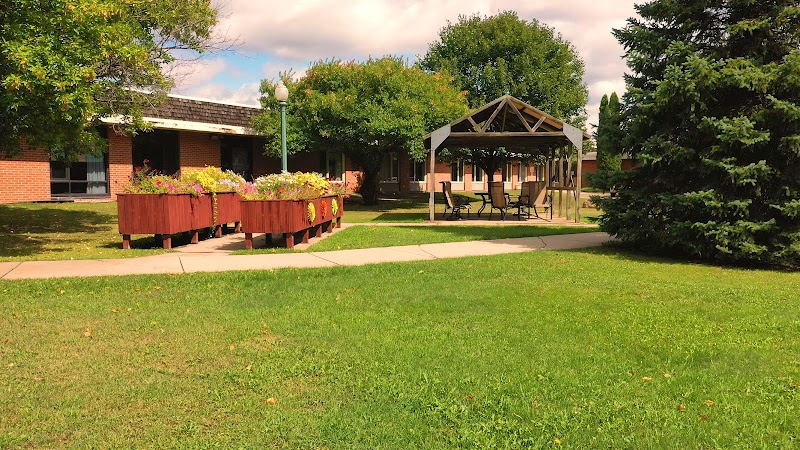
How is The Waterview Pines Llc Staffed?

CMS rates The Waterview Pines LLC's staffing level at 1 out of 5 stars, which is much below average compared to other nursing homes. Staff turnover is 62%, which is 16 percentage points above the Minnesota average of 46%. High turnover can affect care consistency as new staff learn residents' individual needs. RN turnover specifically is 56%, which is notably high. RNs provide skilled clinical oversight, so turnover in this role can affect medical care quality.

What Have Inspectors Found at The Waterview Pines Llc?

State health inspectors documented 48 deficiencies at The Waterview Pines LLC during 2022 to 2025. These included: 4 Immediate Jeopardy (the most serious level, indicating potential for serious harm or death), 43 with potential for harm, and 1 minor or isolated issues. Immediate Jeopardy findings are rare and represent the most serious regulatory concerns. They require immediate corrective action.

Who Owns and Operates The Waterview Pines Llc?

The Waterview Pines LLC is owned by a for-profit company. For-profit facilities operate as businesses with obligations to shareholders or private owners. The facility is operated by MONARCH HEALTHCARE MANAGEMENT, a chain that manages multiple nursing homes. With 83 certified beds and approximately 53 residents (about 64% occupancy), it is a smaller facility located in VIRGINIA, Minnesota.
How Does The Waterview Pines Llc Compare to Other Minnesota Nursing Homes?

Compared to the 100 nursing homes in Minnesota, The Waterview Pines LLC's overall rating (1 stars) is below the state average of 3.2, staff turnover (62%) is significantly higher than the state average of 46%, and health inspection rating (1 stars) is much below the national benchmark.

What Should Families Ask When Visiting The Waterview Pines Llc?

Based on this facility's data, families visiting should ask: "What changes have been made since the serious inspection findings, and how are you preventing similar issues?" "How do you ensure continuity of care given staff turnover, and what is your staff retention strategy?" "Can you walk me through typical staffing levels on day, evening, and night shifts?" "Can I visit during a mealtime to observe dining assistance and food quality?" These questions are particularly relevant given the facility's Immediate Jeopardy citations, the facility's high staff turnover rate, and the below-average staffing rating.

Is The Waterview Pines Llc Safe?

Based on CMS inspection data, The Waterview Pines LLC has documented safety concerns. Inspectors have issued 4 Immediate Jeopardy citations (the most serious violation level indicating risk of serious injury or death). The facility is currently on the Special Focus Facility watch list (a federal program monitoring the lowest-performing 1% of nursing homes nationwide). The facility has a 1-star overall rating and ranks #100 of 100 nursing homes in Minnesota. Families considering this facility should ask detailed questions about what corrective actions have been taken since these incidents.

Do Nurses at The Waterview Pines Llc Stick Around?

Staff turnover at The Waterview Pines LLC is high. At 62%, the facility is 16 percentage points above the Minnesota average of 46%. Registered Nurse turnover is particularly concerning at 56%. RNs handle complex medical decisions and coordinate care — frequent RN changes can directly impact care quality. High turnover means new staff may not know residents' individual needs, medications, or preferences. It can also be disorienting for residents, especially those with dementia who rely on familiar faces. Families should ask: What is causing the turnover? What retention programs are in place? How do you ensure care continuity during staff transitions?

Was The Waterview Pines Llc Ever Fined?

The Waterview Pines LLC has been fined $23,433 across 2 penalty actions. This is below the Minnesota average of $33,313. While any fine indicates a compliance issue, fines under $50,000 are relatively common and typically reflect isolated problems that were subsequently corrected. Families should ask what specific issues led to these fines and confirm they've been resolved.

Is The Waterview Pines Llc on Any Federal Watch List?

The Waterview Pines LLC is currently an SFF Candidate, meaning CMS has identified it as potentially qualifying for the Special Focus Facility watch list. SFF Candidates have a history of serious deficiencies but haven't yet reached the threshold for full SFF designation. The facility is being monitored more closely — if problems continue, it may be added to the official watch list. Families should ask what the facility is doing to address the issues that led to this status.