STERLING PARK HEALTH CARE CENTER
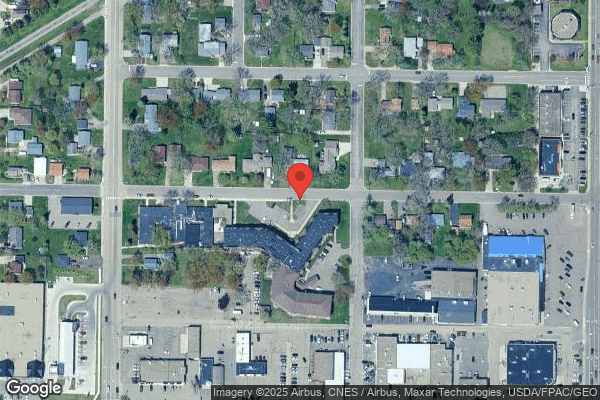
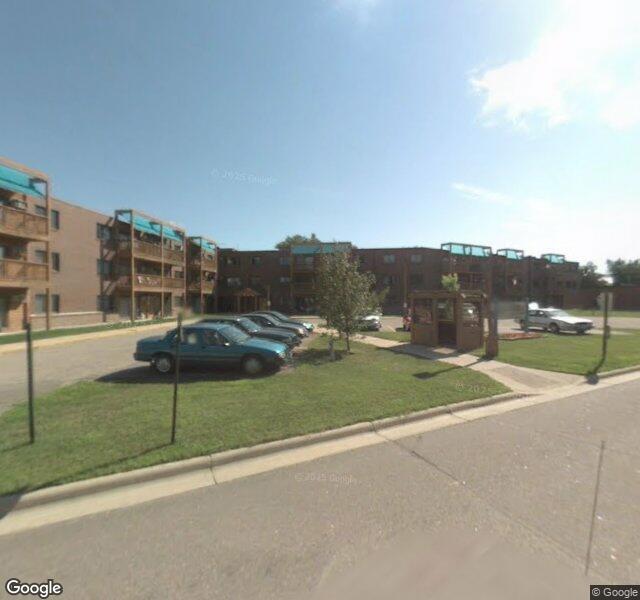
142 NORTH FIRST STREET, WAITE PARK, MN 56387 (320) 252-9595
For profit - Partnership 40 Beds Independent Data: November 2025 1 Immediate Jeopardy citation
Trust Grade
33/100
#262 of 337 in MN
Last Inspection: August 2025

Inspected within the last 6 months. Data reflects current conditions.

Overview

Sterling Park Health Care Center has received a Trust Grade of F, which indicates significant concerns regarding the quality of care provided. Ranking #262 out of 337 facilities in Minnesota places it in the bottom half, and it is #8 out of 10 in Stearns County, suggesting limited better options nearby. The facility is trending worse, with issues increasing from 7 in 2024 to 10 in 2025. Staffing is average with a 3/5 rating, but a concerning 55% turnover rate is higher than the state average, which may affect continuity of care. While the center has not incurred any fines, there are critical incidents noted, such as failing to accurately document advance directives for residents, which could impact their medical care, and not ensuring adequate RN coverage for resident safety. Additionally, there were concerns about food safety practices in the kitchen, which could pose a risk of foodborne illness. Overall, while there are some strengths, many serious weaknesses should be considered.

Trust Score
F
33/100
In Minnesota
#262/337
Bottom 23%
Safety Record
High Risk
Review needed
Inspections
Getting Worse
7 → 10 violations
Staff Stability
⚠ Watch
55% turnover. Above average. Higher turnover means staff may not know residents' routines.
Penalties
✓ Good
No fines on record. Clean compliance history, better than most Minnesota facilities.
Skilled Nurses
✓ Good
Each resident gets 53 minutes of Registered Nurse (RN) attention daily — more than average for Minnesota. RNs are trained to catch health problems early.
Violations
⚠ Watch
21 deficiencies on record. Higher than average. Multiple issues found across inspections.
★★☆☆☆
2.0
Overall Rating
★★★☆☆
3.0
Staff Levels
★★★☆☆
3.0
Care Quality
★★☆☆☆
2.0
Inspection Score
Stable
2024: 7 issues
2025: 10 issues

The Good

  • Full Sprinkler Coverage · Fire safety systems throughout facility
  • No fines on record

Facility shows strength in fire safety.

The Bad

2-Star Overall Rating

Below Minnesota average (3.2)

Below average - review inspection findings carefully

Staff Turnover: 55%

Near Minnesota avg (46%)

Frequent staff changes - ask about care continuity

Staff turnover is elevated (55%)

7 points above Minnesota average of 48%

The Ugly 21 deficiencies on record

1 life-threatening
Aug 2025 8 deficiencies 1 IJ
CRITICAL (J)

Immediate Jeopardy (IJ) - the most serious Medicare violation

Deficiency F0578 (Tag F0578)

Someone could have died · This affected 1 resident

**NOTE- TERMS IN BRACKETS HAVE BEEN EDITED TO PROTECT CONFIDENTIALITY** Based on interview and document review, the facility failed to follow process to ensure advanced directives were accurately docu...

Read full inspector narrative →
**NOTE- TERMS IN BRACKETS HAVE BEEN EDITED TO PROTECT CONFIDENTIALITY** Based on interview and document review, the facility failed to follow process to ensure advanced directives were accurately documented and updated on the resident's electronic health record (EHR) banner, physician orders and Physician's Orders for Life Saving Treatment (POLST) which affected 2 of 16 residents (R35 and R19) reviewed for advance directives. These findings constituted an immediate jeopardy (IJ) situation for R35 and R19 who would not have received cardiopulmonary resuscitation measures (CPR) according to their wishes. The IJ began on [DATE], when R35's POLST, indicating R35's wishes for resuscitation was signed by the medical provider and it was not changed within the facility's EHR to reflect R35's wishes. This error was not identified despite multiple opportunities; and a series of interviews with direct care staff outlined they would implement the incorrect directions and not perform CPR which was against R35's wishes due to this error. The director of nursing (DON) was notified of the IJ on [DATE] at 5:55 p.m. The IJ was removed on [DATE] at 10:56 a.m., but non-compliance remained at the lower scope and severity level of D, isolated with no actual harm but potential to cause more than minimal harm. The director of nursing (DON) was notified of the IJ on [DATE] at 5:55 p.m. The IJ was removed on [DATE] at 10:56 a.m., but non-compliance remained at the lower scope and severity level of D, isolated with no actual harm but potential to cause more than minimal harm.Findings include: R35's quarterly Minimum Data Set (MDS) dated [DATE], identified R35 had intact cognition and required assistance with all activities of daily living (ADL)'s. R35's diagnoses included acute on chronic systolic (congestive) heart failure, hypertension, renal failure, diabetes mellitus, and chronic respiratory failure with hypoxia. R35's electronic health record (EHR) banner reviewed on [DATE] at 4:18 p.m., identified R35 was do not resuscitate/do not intubate (DNR/DNI). R35's Order Summary report dated [DATE], indicated DNR/DNI status. R35's most current Physician's Orders for Life Sustaining Treatment (POLST) located in the emergency binder in the nurse’s station, signed by R35 and medical doctor (MD)-A on [DATE] indicated full code status. During interview on [DATE] at 3:02 p.m., trained medication aide (TMA)-A stated she would refer to the banner in the EHR, in the event of an emergency, regarding resident’s code status. TMA-A confirmed R35’s code status stated DNR/DNI. TMA-A stated they would take no action, except to notify the nurse, in the event R35 was without breath or heartbeat. According to information noted in R35's EHR, TMA-A stated they would alert the nurse R35 was do not resuscitate/do not intubate. During interview on [DATE] at 3:04 p.m., nursing assistant (NA)-A stated she would refer to the banner on the computer or tablet regarding resident’s code status. During interview on [DATE] at 4:29 p.m., R35 stated if her heart stopped, she would want cardiopulmonary resuscitation (CPR) to resuscitate her. During interview on [DATE] at 4:31 p.m., director of nursing (DON) stated her expectations would be for staff to look at the emergency red binder located in the nurse’s station in the event of an emergency at the actual signed POLST for code status. If code status orders do not match, there would be a high risk of initiating the wrong life-saving treatments. DON looked at POLST that was in the emergency red binder and confirmed code status was changed to full code on [DATE] and was signed by both R35 and the provider. DON then confirmed the banner and order in the EHR stated code status as DNR/DNI and the order date on it was [DATE]. DON confirmed the providers order from [DATE] had gotten missed and that R35 would not have received CPR in the event of an emergency. R19’s R19's admission Minimum Data Set (MDS) dated [DATE], identified R19 had intact cognition and required assistance with all activities of daily living (ADL)'s. R19's diagnoses included type II diabetes mellitus (DM) with polyneuropathy, hypothyroidism, hypertension, and chronic kidney disease stage 3. R19's electronic health record (EHR) banner reviewed on [DATE] at 3:20 p.m., identified R19 was do not resuscitate (DNR). R19's Order Summary report dated [DATE], indicated DNR status. R19's most current Physician's Orders for Life Sustaining Treatment (POLST) located in the emergency binder in the nurse’s station, signed by R19 on [DATE] indicated full code status. R19’s Directives to Define Scope of Medical Care form, signed by R19 and dated [DATE], indicated TO RESUSCITATE. Both forms were signed by certified nurse practitioner (CNP)-A on [DATE] and were scanned into R19’s EHR. During interview on [DATE] at 3:00 p.m., R19 stated she wanted cardiopulmonary resuscitation (CPR) to be performed if necessary, but she did not “want all the tubes and stuff. During interview on [DATE] at 3:03 p.m., licensed practical nurse (LPN)-B stated she would refer to the banner in the EHR, in the event of an emergency. If she did not have access, she would look in the binder kept in the nurses charting room. LPN-B accessed PCC and confirmed R19’s banner indicated DNR. LPN-B stated if there was a discrepancy she would call the residents family member or power of attorney if they had one to determine the residents wishes. LPN-B stated, if R19's heart stopped or R19 stopped breathing, she would not initiated CPR as directions in PCC were DNR. During interview on [DATE] at 3:57 p.m., Director of Nursing (DON) stated during the admission process they completed an initial form named Directives to Define Scope of Medical Care, indicating the residents wishes and code status. That form was temporary, until the medical provider comes in and the completes the POLST form with the resident and/or Power of Attorney (POA). Once the POLST was completed it was scanned into the EHR and then placed in the red binders at the nurse’s station. The Case Manager was responsible for obtaining orders signed by the medical provider and entering the order into the residents EHR which pulled into the banner. DON stated if there were a discrepancy the care staff know to use the POLST/binder. DON stated she felt the orders should be double checked by another nurse. DON stated CNP-A was usually good about telling them if there was a change, and the residents code status was also supposed to be reviewed with the resident and/or family during care conferences quarterly and annually and this was handled by the social worker. DON stated her expectation in the event of a medical emergency, was for staff to go directly to the red POLST binder, rather than trying to log in to the EHR. If there were a discrepancy there would not have been time to call a POA for clarification. DON stated if they found a discrepancy while performing chart audits, they would have followed up with the resident/POA to determine their wishes and then make sure it is reflected in the banner and the POLST. During interview on [DATE] at 4:30 p.m., social services (SS)-A stated she pulled the code status off the EHR and checked the advanced directives documents such as POLST, to verify accuracy as well as any POA or legal guardianship paperwork when she prepared for resident’s care conferences. SS-A stated she verbalized the current code status, and asked the resident and/or POA if that is still their wishes. If resident or POA had not agreed, she would have corrected this with them. During interview on [DATE] at 10:51 a.m., trained medication aide (TMA)-C- stated she recently received education regarding resident POLST’s. TMA-C stated in the event of a medical emergency, she would look in the red binder, which is alphabetized by residents last name, to locate the necessary residents' POLST. TMA-C stated the training entailed reading the information provided, followed by a verbal quiz on the information. During interview on [DATE] at 10:55 a.m., nursing assistant (NA)-D stated he received training last night about CPR and code statuses. He stated they are to look in the red binders at the nurses’ station. NA-D stated he was told how he was to determine code status, and that the nurse was to make the call. In the event of an emergency someone checked the POLST kept at the nurses’ station in two red binders filed alphabetically. NA-D stated the DON spoke with him and signed off on his retraining. The facility policy Cardiopulmonary Resuscitation (CPR) dated [DATE], identified it was the policy of the facility to adhere to resident’s rights to formulate advance directives. Advance Directives to define the scope of medical care will be discussed with the potential resident and/or resident representatives at the time of admission. The facility will review decisions about a resident’s CPR status at each initial care conference, at quarterly care conferences, at resident and/or resident representative request as well as at the time of any permanent, significant change in the resident’s status that results in the development of a new care plan. The IJ was removed on [DATE] at 10:56 a.m., when the facility developed and implemented a systematic removal plan which was verified by interview and document review. On [DATE], the facility completed an audit of all residents' code status, reviewed the process to ensure the entered POLST information into the EMR was accurate and updated. On [DATE] licensed staff were educated regarding the updated POLST procedure and where to find a residents' code status. and continued for staff prior to their next shift. During interview on [DATE] at 11:45 a.m., director of operations (DOO) stated the facility did not have an advance directive policy. DOO stated the POLST should have been processed and entered in the EHR as any other provider order.
CONCERN (D)

Potential for Harm - no one hurt, but risky conditions existed

Deficiency F0604 (Tag F0604)

Could have caused harm · This affected 1 resident

**NOTE- TERMS IN BRACKETS HAVE BEEN EDITED TO PROTECT CONFIDENTIALITY** Based on observation, interview and document review, the facility failed to ensure parameter mattress (a type of mattress cover,...

Read full inspector narrative →
**NOTE- TERMS IN BRACKETS HAVE BEEN EDITED TO PROTECT CONFIDENTIALITY** Based on observation, interview and document review, the facility failed to ensure parameter mattress (a type of mattress cover, or encasement designed to create a gentle barrier around the edge of the bed, preventing falls) was not used in a manner to restrain resident while in bed for 1 of 1 resident (R21) reviewed for restraints.Findings include: R21's annual Minimum Data Set (MDS) dated [DATE], identified R21 had moderate cognitive impairment and required assistance with all activities of daily living (ADL)'s. R21's diagnoses included unspecified dementia with anxiety, atrial fibrillation, anemia, hypertension, peripheral vascular disease, hyperlipidemia, arthritis, non-Alzheimer's dementia, anxiety disorder, depression, hypomagnesemia, hypokalemia, and chronic venous hypertension with ulcer of left lower extremity. MDS did not indicate R21 utilized restraints. R21's care plan reviewed 7/31/25, identified R21 had limited physical mobility with fall risk related to weakness and limited mobility and had no recent history of falls. Care plan indicated R21 had a lipped mattress initiated on 6/21/23, to decrease the risk of falls when sitting on edge of bed and low bed to limit injuries from falls. Care plan indicated R21 was non-ambulatory and needed assistance from two staff for bed mobility and transfers. During review of R21's electronic health record (EHR), Physical Device assessment completed on 6/9/25 indicated R21 utilized grab bars that were on bed and a wheelchair. Physical device assessment did not identify the parameter mattress was assessed or utilized by R21. During observation and interview on 7/28/25 at 1:48 p.m., R21's bed had a parameter mattress in place. R21 stated she was not sure why she had the parameter mattress on the bed and she does not attempt to get out of bed by herself as she knows she is not strong enough and she waits for staff for assistance. During interview on 7/31/25 at 3:22 p.m., licensed practical nurse (LPN)-A confirmed R21 had a parameter mattress present on bed. LPN-A stated R21 was not able to get out of bed by herself and has not tried to get out of bed by herself for some time. During interview on 8/1/25 at 10:39 a.m., nursing assistant (NA)-A stated R21 had a parameter mattress in place that has been there for several years to assist R21 with not falling out of bed. NA-A stated R21 was not able to reposition herself and was not able to get out of bed by herself for approximately the past year. During interview on 8/1/25 at 10:46 a.m., NA-B stated R21 had a parameter mattress present to assist R21 with not falling out of bed. NA-B stated R21 no longer attempts to get out of her bed independently and has not for quite a while. During interview on 8/1/25 at 11:32 a.m., registered nurse clinical coordinator (RN)-A, registered nurse clinical coordinator (RN)-B and director of nursing (DON) stated R21 needed assistance to get out of bed, was a fall risk and confirmed R21 had a parameter mattress in place. Parameter mattresses were assessed through the physical device assessment and should be assessed quarterly or with a change in condition. DON stated parameter mattresses helped resident identify the edge of the bed. The mattress could be considered a restraint when it was used to prevent the resident from getting out of bed or if resident was immobile. DON confirmed R21's parameter mattress was not assessed or mentioned on the physical device assessment and should have been. RN-A, RN-B and DON stated they are not sure why R21 still had the parameter mattress in place. The facility Restraint Free Environment policy, dated 2/23/25, indicated it was the policy of the facility that each resident shall attain and maintain his/her highest practicable well-being in an environment that prohibits the use of physical or chemical restraints for discipline or convenience and limits restraint use to circumstances in which the resident has medical symptoms that warrant the use of such restraints. Physical Restraint refers to any manual method or physical or mechanical device, material, or equipment attached or adjacent tot eh resident's body that the individual cannot removed easily which restricts freedom of movement or normal access to one's body. Physical restraints may include but are not limited to placing a resident on a concave mattress so that the resident cannot independently get out of bed. The resident has the right to be treated with respect and dignity, including the right to be free from any physical or chemical restraint imposed for the purpose of discipline or staff convenience, and not required to treat the resident's medical symptoms. Physical restrains may e used in emergency care situations for brief periods to permit medically necessary treatment that has been ordered by a practitioner, unless the resident has previously made a valid refusal of the treatment in question. Falls do not constitute self-injurious behavior or a medical symptom that warrants the use of a physical restraint.
CONCERN (D)

Potential for Harm - no one hurt, but risky conditions existed

Deficiency F0628 (Tag F0628)

Could have caused harm · This affected 1 resident

**NOTE- TERMS IN BRACKETS HAVE BEEN EDITED TO PROTECT CONFIDENTIALITY** Based on interviews and document review, the facility failed to ensure that a safe and orderly discharge was arranged for 1 of 2...

Read full inspector narrative →
**NOTE- TERMS IN BRACKETS HAVE BEEN EDITED TO PROTECT CONFIDENTIALITY** Based on interviews and document review, the facility failed to ensure that a safe and orderly discharge was arranged for 1 of 2 residents (R40) who was discharged against medical advice (AMA). The facility did not complete a comprehensive discharge plan, or adequate documentation of efforts to educate the resident about the risks of leaving AMA. Findings Include: R40's quarterly Minimum Data Set (MDS) dated [DATE], identified R40 had intact cognition and required minimal or limited assistance with activities of daily living (ADL)'s. R40's diagnoses included type II diabetes mellitus (DM) with other specified complication, major depressive disorder, hypertension, bilateral primary osteoarthritis of knee, postprocedural; hypothyroidism, and hyperlipidemia. R40's quarterly care conference dated 6/10/25 noted resident plan to discharge to assisted living (AL) facility once medical assistance (MA) was open. R40 would need outpatient therapy, assistance with medication management, and a commode with bars that goes over the toilet. R40's order summary report dated 6/30/25 noted discharge plan as home, alone. R40's Notice of Medicare Non-Coverage (NOMNC) listed last covered date (LCD) as 2/6/25. Review of R40's progress notes dated 7/18/25, indicated R40 left the facility with her daughter for an appointment and expressed intent to leave the facility AMA on 7/18/25. R40's daughter informed the facility of intent to return to gather resident's belongings and noted R40's refusal to enter the building. An AMA form was taken out to resident in a vehicle to sign. AMA form dated 7/18/25 at 12p, was signed by R40 as well as social worker (SS)-A was scanned into R40's EHR. No documentation of recapitulation of stay or discharge summary was noted in R40's electronic health record (EHR). R40's discharge summary and recapitulation of stay was requested 7/29/25 and provided 7/30/29. The discharge summary progress note dated 7/18/25 12:37 p.m., noted as late entry indicated the director of nursing (DON) created the entry on 7/29/25 at 8:52 p.m., and noted resident left AMA and both resident and daughter were made aware by SS-A, facility would not be responsible to arrange home services. During interview on 7/31/25 at 3:30 p.m., registered nurse (RN)-A, case manager, stated discharge planning is discussed during the care conference. During the discharge process the discharge assessment was completed in the computer, this was reviewed and signed with the resident upon completion. If the resident was going home, they also reviewed the discharge instructions. RN-A stated for a resident who voiced intent to leave the facility AMA they would get ahold of the family and resident and ensure they understood and wanted to proceed. RN-A stated they would have filed a MAARC if the discharge was unsafe. RN-A stated when discharging AMA SS-A completed the paperwork, and entered the discharge progress note which included the recapitulation of stay. RN-A stated R40 had planned to discharge to the AL facility, her daughter had called and spoke to the business office, daughter had stated she was on her way to the facility, while there she voiced financial concerns, staff from the AL came over to speak with them and explain options available, and they still decided R40 would discharge home with her daughter. RN-A stated R40 and daughter were informed facility is not responsible when discharging AMA. During interview on 7/31/25 at 3:35 p.m., DON confirmed she did go back into R40's EHR and enter a discharge summary after requested by surveyor, as it had been missed. DON stated daughter had contacted facility when they were out of facility, DON stated SS-A completed AMA form with R40 while R40 was in a vehicle. DON stated when discharging a resident, they usually gave a summary to the resident that included: medications, recent labs, and follow up appointments. DON stated R40's daughter made it very clear that they would follow up with their own provider and not to worry about it. During interview on 8/01/25 at 11:38 a.m., director of operations (DOO) stated if they were made aware of resident's intent to discharge AMA, SS-A would meet with the resident and provide education as well as inform of risks. SS-A would also encourage resident to see their primary care provider, as the facility was unable to provide additional services or arrangements for services outside of the facility such as home care. DOO stated medical provider was notified of the AMA discharge. There should have been some sort of documentation, normal things but they were not required to provide much info, and no medication information was provided for AMA discharges. Facility discharge policy requested and not received.
CONCERN (D)

Potential for Harm - no one hurt, but risky conditions existed

Comprehensive Care Plan (Tag F0656)

Could have caused harm · This affected 1 resident

**NOTE- TERMS IN BRACKETS HAVE BEEN EDITED TO PROTECT CONFIDENTIALITY** Based on interview and record review the facility failed to develop a person-centered care plan for 1 of 2 residents (R25) revie...

Read full inspector narrative →
**NOTE- TERMS IN BRACKETS HAVE BEEN EDITED TO PROTECT CONFIDENTIALITY** Based on interview and record review the facility failed to develop a person-centered care plan for 1 of 2 residents (R25) reviewed for care planning.Findings include: R25's annual Minimum Data Set (MDS) dated [DATE], identified R25 had intact cognition and required moderate assistance with activities of daily living (ADL)'s. R25's diagnoses included acute respiratory failure with hypoxia, atrial fibrillation, hypertension, benign prostatic hyperplasia, diabetes mellitus, hyperkalemia, depression, respiratory failure, obstructive sleep apnea, and mild cognitive impairment of uncertain or unknown etiology. R35's care plan included: (Preferred Name) has an ADL Self Care Performance Deficit r/t (related to). dated 5/16/25 and lacked goals and interventions. (Preferred Name) has (SPECIFY: Diabetes Mellitus, hyperglycemia, hypoglycemia) dated 5/16/25 and lacked goals and interventions. (Preferred Name) has altered cardiovascular status R/T (SPECIFYCARDIAC DX) (SPECIFY: With / without potential for bleeding/bruising R/T aspirin use, anticoagulant therapy, Lovenox, heparin, Plavix) dated 5/16/25 and lacked goals and interventions. (Preferred Name) has an alteration in hematological status R/T dated 5/16/25 and lacked goals and interventions. (Preferred Name) uses Antidepressant Medication due to (SPECIFY: feelings of sadness, low self-esteem, tearfulness, withdrawal from cares/activity, ineffective coping) R/T dated 5/16/25 and lacked goals and interventions. (Preferred Name) has actual/potential for (SPECIFY: Chronic, Acute, Neuropathic) Pain with need for medication management R/T (SPECIFY) dated 5/16/25 and lacked goals and interventions. (Preferred Name) is considered a vulnerable adult R/T dated 5/16/25 and lacked goals and interventions. (Preferred Name) has altered respiratory status/difficulty breathing (SPECIFY: shortness of breath) R/T (SPECIFY: Requires oxygen therapy) dated 5/16/25 and lacked goals and interventions. (Preferred Name) wishes to return to the community (SPECIFY: goals for admission and desired outcome) dated 5/16/25 and lacked goals and interventions. R25's physician orders included amlodipine and metoprolol for hypertension; Xarelto for atrial fibrillation; duloxetine for depression and anxiety; menthol-methyl salicylate cream, acetaminophen, pregabalin and tramadol for pain; and Baqsimi, Lantus and Mounjaro insulin injections for diabetes. During interview on 8/1/25 at 11:37 a.m. director of nursing (DON) and registered nurse clinical coordinators (RN)-A and RN-B stated the MDS coordinator was responsible for entering and revising resident care plans and that she left the facility in February 2025. DON confirmed R25's was not completed nor individualized. DON stated person-centered care plans are important, so staff are aware of how to care for the resident and that the care is individualized. The facility Comprehensive Care Plan policy, dated 4/25, indicated facility would develop and implement a comprehensive person-centered care plan for each resident, consistent with resident rights, that includes measurable objectives and timeframes to meet a resident's medical, nursing, and mental and psychosocial needs and ALL services that are identified in the resident's comprehensive assessment and meet professional standards of quality.
CONCERN (D)

Potential for Harm - no one hurt, but risky conditions existed

Quality of Care (Tag F0684)

Could have caused harm · This affected 1 resident

**NOTE- TERMS IN BRACKETS HAVE BEEN EDITED TO PROTECT CONFIDENTIALITY** Based on observation, interview, and document review, the facility failed to comprehensively assess and implement interventions ...

Read full inspector narrative →
**NOTE- TERMS IN BRACKETS HAVE BEEN EDITED TO PROTECT CONFIDENTIALITY** Based on observation, interview, and document review, the facility failed to comprehensively assess and implement interventions to ensure proper wheelchair positioning and prevent potential complications for 1 of 1 resident (R21) reviewed for wheelchair usage. Further, the facility failed to ensure medications were administered per physician's order for 1 of 1 resident (R25) reviewed for assessment prior to medication administration. Findings include: R21 R21's annual Minimum Data Set (MDS) dated [DATE], identified R21 had moderate cognitive impairment and required assistance with all activities of daily living (ADL)'s. R21's diagnoses included unspecified dementia with anxiety, atrial fibrillation, anemia, hypertension, peripheral vascular disease, hyperlipidemia, arthritis, non-Alzheimer's dementia, anxiety disorder, depression, hypomagnesemia, hypokalemia, and chronic venous hypertension with ulcer of left lower extremity. R21's care plan identified R21 had a self-care deficit and required assistance with transfers and locomotion in a wheelchair to reach desired destinations and utilized a wheelchair. Care plan also indicated on 7/21/25 R21 received hard back and seat custom wheelchair with foot pedals. During observation on 7/28/25 at 11:34 a.m., R21 was being pushed down hallway in her wheelchair with no foot pedals on. R21's feet were sliding on floor and feet bounced off the floor approximately four times. Staff did not provide reminders to R21 to hold her feet up. During observation and interview on 7/28/25 at 1:55 p.m., R21's foot pedals for her wheelchair were sitting in a basket that was placed on the left side of her recliner up against the wall. R21 stated staff assist her to the dining room for all meals. She had foot pedals for her wheelchair but were only used when she goes out to an appointment. R21 stated it was sometimes hard to keep her feet up when staff are pushing her down the hallway in her wheelchair. During observation on 7/30/25 at 11:41 a.m., R21 was being pushed down hallway in her wheelchair with no foot pedals on. R21's feet were sliding and bouncing on floor. Staff did not provide reminders to R21 to hold her feet up. During observation on 7/30/25 at 12:31 p.m., R21 was being pushed down hallway in her wheelchair with no foot pedals on. R21's feet were sliding on floor and feet bounced off the floor approximately four times. R21 was unable to hold her feet up off ground nor did staff provide reminders to R21 to hold her feet up. During observation on 7/31/25 at 7:42 a.m., R21 was being pushed down hallway in her wheelchair with no foot pedals on. Foot pedals were attached to wheelchair but were folded up and pushed under the seat of the wheelchair. R21's feet were sliding on floor and feet bounced off the floor approximately three times. R21 was unable to hold her feet up off ground nor did staff provide reminders to R21 to hold her feet up. During observation on 7/31/25 at 8:24 a.m., R21 was assisted out of the dining room and was brought to the medication cart with her feet sliding on floor. During observation on 7/31/25 at 8:24 a.m., R21 was being pushed down hallway in her wheelchair with no foot pedals on. R21's feet were sliding on floor and feet bounced off the floor several times. R21 was unable to hold her feet up off ground nor did staff provide reminders to R21 to hold her feet up. During interview on 07/31/25 at 3:22 p.m., licensed practical nurse (LPN)-A stated foot pedals are used when the resident is not about to pick up their feet or needed assistant with keeping their feet off the floor. LPN-A stated foot pedals should be used for residents who are not able to keep their feet up when staff pushed the wheelchair to and from destinations. LPN-A stated R21 should use foot pedals when staff are assisting her in her wheelchair to and from destinations. LPN-A stated it was important for foot pedals to be used for safety when escorting residents in a wheelchair to and from destinations and to prevent injuries. During interview on 8/1/25 at 10:39 a.m., nursing assistant (NA)-A stated foot pedals are used as needed. NA-B stated R21 has foot pedals that should be used if staff are assisting her with propelling wheelchair. NA-A stated R21 does not use foot pedals often. During interview on 8/1/25 at 10:46 a.m., trained medication aide (TMA)-B stated foot pedals should be used for any resident who had them and needed staff assistance transporting to and from any destination. TMA-A stated R21 does have foot pedals. During interview on 8/1/25 at 11:32 a.m., director of nursing (DON) stated foot pedals are not always on the wheelchair but are stored in resident's room to be used as needed. When a resident was exhibiting signs of not being able to keep feet held off floor when being transported to and from destinations, DON expected foot pedals be placed on wheelchair and used. She expected staff to use foot pedals in all observations noted above. DON stated it was important to use foot pedals on wheelchair during transport to prevent injury and that it was best practice. A wheelchair positioning policy was requested but was not provided. R25 R25's annual MDS dated [DATE], identified R25 had intact cognition and required moderate assistance with ADL's. R25's diagnoses included acute respiratory failure with hypoxia, atrial fibrillation, hypertension, benign prostatic hyperplasia, diabetes mellitus, hyperkalemia, depression, respiratory failure, obstructive sleep apnea, and mild cognitive impairment of uncertain or unknown etiology. During review of R25's electronic health record (EHR), signed physician's orders, print date of 7/30/25, indicated an order for the following medications with parameters for when medication should be held: Metoprolol Tartrate 100 mg (milligram) to be given by mouth two times a day for essential hypertension and to hold for heart rate less than 5 and systolic blood pressure less than 90. Amlodipine Besylate 10 mg to be given by mouth once daily in the morning for type II diabetes mellitus with diabetic polyneuropathy and to hold for heart rate less than 5 and systolic blood pressure less than 90. Medication Administration Record (MAR) and Treatment Administration Record (TAR) reviewed from 6/1/25 to 8/1/25, lacked documentation of obtaining and monitoring blood pressure and pulse prior to administration of medication from 6/1/25 to 8/1/25. Instructions with parameters were noted on the MAR. During interview on 8/1/25 at 10:53 a.m., TMA-B stated R25 had special monitoring for medication administration. TMA-B confirmed R25 should have blood pressure and pulse checked prior to administration of Metoprolol and Amlodipine. TMA-B stated she was aware of the parameters and stated she takes R25's blood pressure or pulse, prior to administering metoprolol to R25, and documented the results in the EHR. During interview on 8/1/25 at 11:16 a.m., TMA-A stated R25 should have blood pressure checked prior to administration of his Metoprolol and Amlodipine. If the blood pressure is too low, then the Metoprolol and Amlodipine were held. TMA-A stated she documented the blood pressure in the HER when she obtained it. During interview on 8/1/25 at 11:20 a.m., DON stated she expected provider's orders to be followed, including parameters of medication administration. DON confirmed R25's blood pressure and pulse should have been obtained prior to administration of the Metoprolol and Amlodipine. DON stated following these parameters were important as it was an order from the provider and so the resident does not have any bad outcomes of the medication if it was administered when it was not supposed to be. On 8/1/25 at 11:05 a.m., Attempted to reach out to consultant pharmacist and left message with no return call back. A Medication Management - Medication Administration policy, dated 4/16/24, indicated staff were to obtain and record any vital signs as necessary prior to medication administration.
CONCERN (D)

Potential for Harm - no one hurt, but risky conditions existed

Accident Prevention (Tag F0689)

Could have caused harm · This affected 1 resident

**NOTE- TERMS IN BRACKETS HAVE BEEN EDITED TO PROTECT CONFIDENTIALITY** Based on observation, interview and document review, the facility failed to comprehensively assess a resident for safe electric ...

Read full inspector narrative →
**NOTE- TERMS IN BRACKETS HAVE BEEN EDITED TO PROTECT CONFIDENTIALITY** Based on observation, interview and document review, the facility failed to comprehensively assess a resident for safe electric recliner usage for 1 of 1 resident (R21) reviewed for accidents.Findings include: R21's annual Minimum Data Set (MDS) dated [DATE], identified R21 had moderate cognitive impairment and required assistance with all activities of daily living (ADL)'s. R21's diagnoses included unspecified dementia with anxiety, atrial fibrillation, anemia, hypertension, peripheral vascular disease, hyperlipidemia, arthritis, non-Alzheimer's dementia, anxiety disorder, depression, hypomagnesemia, hypokalemia, and chronic venous hypertension with ulcer of left lower extremity. R21's care plan, print date of 7/31/25, indicated staff were to encourage R21 to elevate legs in recliner. R21's care plan reviewed 7/31/25, identified R21 had limited physical mobility with fall risk related to weakness and limited mobility and had no recent history of falls. Care plan indicated R21 was non-ambulatory and needed assistance from two staff for bed mobility and transfers. During review of R21's electronic health record (EHR), Physical Device assessment completed on 6/9/25 indicated R21 utilized grab bars that were on bed and a wheelchair. Physical device assessment did not identify the electric recliner was assessed or utilized by R21. During observation and interview on 7/28/25 at 1:43 p.m., R21 was sitting in her electric recliner in her room with her legs elevated. R21 stated she was able to control the remote for the electric recliner and reached for the remote to demonstrate. R21 started to push buttons on the remote and then stopped and put the remote on the arm of the recliner. During observation on 7/28/25 at 1:55 p.m., staff rushed into R21's room as R21 had gotten her electric recliner elevated all the way up and was about to slide to the floor. Staff intervened and safely lowered the recliner without further incident. During interview on 7/28/25 at 1:58 p.m., nursing assistant (NA)-C confirmed R21 had gotten electric recliner raised up, so R21 almost slid out of the recliner onto the floor. During observation on 7/30/25 at 9:49 a.m., R21 was sitting in her electric recliner in her room with her legs elevated. Electric recliner remote was within R21's reach. During observation on 7/30/25 at 3:50 p.m., R21 was sitting in her electric recliner in her room with her feet placed on the floor. Electric recliner remote was within R21's reach. During interview on 8/1/25 at 10:39 a.m., NA-A stated R21 could not function the remote on the electric recliner and had confusion occasionally on what she is supposed to do or be doing. NA-A stated R21 sat in her recliner in the morning after breakfast with her legs elevated to help with swelling in her legs. During interview on 8/1/25 at 10:46 a.m., NA-B stated R21 does not usually attempt to get out of her recliner. NA-B stated R21 can function the remote of the electric recliner and uses the remote all the time. During interview on 8/1/25 at 11:15 a.m., trained medication aide (TMA)-A stated R21 will play/fidget with the remote of her electric recliner. During interview on 8/1/25 at 11:32 a.m., registered nurse clinical coordinator (RN)-A, registered nurse clinical coordinator (RN)-B and director of nursing (DON) stated R21 needed assistance to get out of chair, was a fall risk and confirmed R21 utilized the electric recliner in her room. Stated electric recliner should be assessed through the physical device assessment and should be assessed quarterly or with a change in condition. DON confirmed electric recliner was not assessed or mentioned on the physical device assessment and should have been. DON stated it was important for the electric recliner to be assessed to ensure the resident can use the recliner safely. An assistive device and assessment of physical devices policies were requested but was not received.
CONCERN (D)

Potential for Harm - no one hurt, but risky conditions existed

Infection Control (Tag F0880)

Could have caused harm · This affected 1 resident

Based on observation, interview, and record review, the facility failed to implement appropriate infection prevention and control practices during meal service for 3 of 3 dining observations. Specific...

Read full inspector narrative →
Based on observation, interview, and record review, the facility failed to implement appropriate infection prevention and control practices during meal service for 3 of 3 dining observations. Specifically, staff failed to intervene when a resident (R25) was observed touching the tops of other residents' coffee cups during meal service, creating a risk for cross-contamination and transmission of communicable diseases.Findings include: During observation on 7/28/25 at 11:38 a.m., during a lunch observation in the main dining room, R25 was observed walking around the dining room and stopping at multiple tables. R25 was observed touching the tops/rims of coffee cups, that were placed on the seat of his walker, when handing them out to other residents. Staff present in the dining area did not redirect or intervene to prevent R25 from touching the drinkware of other residents. During observation on 7/30/25 at 11:39 a.m., during a lunch observation in the main dining room, R25 was observed walking around the dining room and stopping at multiple tables to pick up coffee cups. R25 was observed touching the tops/rims of coffee cups when handing them out to other residents. Staff present in the dining area did not redirect or intervene to prevent R25 from touching the drinkware of other residents. During observation on 7/31/25 at 8:06 a.m., during a breakfast observation in the main dining room, R25 was observed walking to a co-resident and asking if she would like more coffee. Co-resident was holding onto handle of coffee cup and handed it to R25 who gripped the coffee cup around the top/rim of coffee cup. Staff present in the dining area did not redirect or intervene to prevent R25 from touching the drinkware of other residents. During interview on 8/1/25 at 10:53 a.m., nursing assistant (NA)-B stated R25 liked to get coffee for other residents in the dining room and did so at every meal. During interview on 7/31/25 at 3:37 p.m., Infection Preventionist (IP) acknowledged that residents should not be touching the food or drink items of others, and staff should intervene to prevent such contact to avoid possible transmission of infectious agents. The IP further stated that this behavior was not in accordance with the facility's infection control protocols. A copy of the facility's Infection Prevention and Control policy related to dining services was requested on 8/1/25 but was not received by the time of the survey.
CONCERN (F) 📢 Someone Reported This

A family member, employee, or ombudsman was alarmed enough to file a formal complaint

Potential for Harm - no one hurt, but risky conditions existed

Deficiency F0727 (Tag F0727)

Could have caused harm · This affected most or all residents

**NOTE- TERMS IN BRACKETS HAVE BEEN EDITED TO PROTECT CONFIDENTIALITY** Based on interview and record review, the facility failed to ensure that a Registered Nurse (RN) was on-site for at least 8 cons...

Read full inspector narrative →
**NOTE- TERMS IN BRACKETS HAVE BEEN EDITED TO PROTECT CONFIDENTIALITY** Based on interview and record review, the facility failed to ensure that a Registered Nurse (RN) was on-site for at least 8 consecutive hours on a daily basis. Lack of consistent RN coverage may result in delayed assessment, clinical decision-making, or care interventions, potentially jeopardizing resident health and safety. This failure had the potential to negatively impact resident care and oversight.Findings include: Facility payroll based journal (PBJ) staffing data report for fiscal year 2025, quarter 2 (January 1- March 31) triggered excessively low weekend staffing. Facility assessment dated [DATE]- indicated facility need for 1 RN for 40 residents. Facility staffing schedules indicated RNs were scheduled for 12-hour shifts (6am-6:30pm, and 6pm-6:30am). Review of facility staffing data submitted for PBJ report, for weekends 1/1/25-3/31/25, revealed no RN coverage for Sunday 2/23/25.During interview on 7/30/25 at 2:39 p.m., director of operations (DOO) stated the facility had a contingency plan in place for RN coverage. If the need did not meet the level to activate that plan, they would mandate overtime and activate their call tree to the director of nursing (DON) and DOO for emergency staffing needs, which included calling in qualified leadership team members, as needed (PRN) and agency staff. During interview on 7/31/25 at 8:18 a.m., staffing coordinator (SC) stated on weekends the nurse in charge would contact SC and DON if nursing staff called in. DON and SC then would look for someone to cover the open shift. DON used OnShift app (an application used to post open shifts) to post the open shift. SC stated if facility did not have a RN in the building, they would have one come in. The DON and RN case managers had an on-call rotation and were expected to come in if needed. SC stated she was trained the facility was allowed a maximum of three days per quarter with no RN coverage, but the goal was to have zero days, and to avoid using days. The facility had four PRN nurses. SC stated the facility utilized a block schedule rotation which auto populated into the monthly calendar, she then reviewed the vacation time to determine open shifts needing to be filled. The monthly schedule was published by the second week of the previous month. During interview on 7/31/25 at 1:37 p.m., human resources (HR) stated they used OnShift for scheduling and time keeping which was reviewed by the corporate HR consultant and leadership team. HR facilitated newly hired personnel, which included full-time, part-time, and PRN. HR confirmed they used a rotating two-week block schedule and strived for zero days with no RN coverage. During interview on 7/31/25 at 1:51 p.m., DOO stated when staff called in, they required a minimum of two hours prior to their scheduled shift, the charge nurse filled out a call off slip for tracking. They had contracts with agencies, and an RN on-call rotation to ensure RN coverage. DOO expected the nurse on-call to address the need accordingly. DOO stated her expectation for the on-call nurse on the weekend, was to be within one hour of the facility and able to come in if needed, at any time. During follow-up interview on 7/31/25 at 2:30 p.m., DOO explained on 2/23/25 there had been an open RN shift posted to OnShift, which had been picked up by a licensed practical nurse (LPN). DOO believed SC had accepted, and this had not been recognized as an error.
Mar 2025 1 deficiency
CONCERN (D) 📢 Someone Reported This

A family member, employee, or ombudsman was alarmed enough to file a formal complaint

Potential for Harm - no one hurt, but risky conditions existed

Notification of Changes (Tag F0580)

Could have caused harm · This affected 1 resident

**NOTE- TERMS IN BRACKETS HAVE BEEN EDITED TO PROTECT CONFIDENTIALITY** Based on interview and document review, the facility failed to promptly notify a physician of a change in condition for 1 of 3 r...

Read full inspector narrative →
**NOTE- TERMS IN BRACKETS HAVE BEEN EDITED TO PROTECT CONFIDENTIALITY** Based on interview and document review, the facility failed to promptly notify a physician of a change in condition for 1 of 3 residents (R1) reviewed when a right lower leg abscess worsened and required hospitalization. Findings include: R1's admission Minimum Data Set, dated [DATE], identified intact cognition without behaviors. He had a functional impairment of the upper extremities located on one side, used a walker, and a motorized wheelchair for mobility. He required substantial/maximal assistance for personal/toilet hygiene, dressing, bathing, partial/moderate assistance lying to sit, sit to stand, and all transfers. Ambulation was not attempted due to medical conditions or safety concerns. Medical diagnoses included peripheral vascular disease (PVD) (arteries became narrowed or blocked, reduced blood flow to extremities, most often feet and legs), cerebrovascular accident (CVA) (stroke), hemiplegia/hemiparesis (significant weakness or paralysis in one half of the body), and at risk for pressure ulcers. R1's care plan dated 3/6/25, identified he had an activities of daily living (ADL) self-care performance deficit related to CVA and weakness from acute illness. Staff were directed to report any changes in skin such as redness and bruising to nurse and observe/document/report to medical practitioner as needed (PRN) any changes in medical status, reasons for self-care deficit, expected course, and decline in function. He had potential for pressure injury development related to Braden scale (a tool used to assess the risk for developing pressure ulcers) score 13-14 (moderate risk) and surgical incision to right lower extremity (RLE). Staff were directed to administer treatments as ordered and observe for effectiveness, observe dressing to ensure it was intact, properly placed, report loose dressing to the nurse, stress the importance of frequent repositioning, and notification to family and medical provider of any new area of skin breakdown or worsening in status of current area. R1's progress notes from 3/1/25 through 3/4/25, identified: -3/1/25 at 5:54 p.m. Skilled Charting -Skin/wound integrity alterations: yes and no, moisture associated skin damage on buttocks. Treatments: application of ointments/creams/medications. No edema or pain. -3/2/25 at 11:31 a.m. Complained of right lower extremity pain 7 out of 10, refused Tylenol. -3/2/25 at 12:36 p.m. Received acetaminophen 500 milligrams (mg) orally for generalized pain in right leg. -3/2/25 at 1:22 p.m. Acetaminophen was effective. -3/2/25 at 1:50 p.m. Skilled Charting -Skin/wound integrity alterations: none. No edema or pain. -3/3/25 at 8:08 a.m. physical therapy (PT) service notes: R1 began therapy session via exercises on lower extremities. He was asked to complete the right lower extremity exercises, he stated he was unable to, due to pain 7 out of 10. PT assistant lifted his pant leg and saw a softball sized pocket of swelling on the mid-calf. PT brought him to director of nursing (DON) for assessment and requested no further lower extremity exercise or mobility until further assessed. -3/3/25 at 10:42 a.m. Right lower leg: pain 7/10, very tender and hot to touch, taut, 22 centimeters (cm) x 11 cm x 4 cm of a bulge coming out of the lower right side of leg, unable to move his leg or walk, winces and groans/moans when he tried to move his leg. Pain radiated up leg to top of knee. Provider notified phone call (PC), spoke to nurse, she was going to notify nurse practitioner (NP) and return PC back with direction/orders. -3/3/25 at 11:13 a.m. New orders per NP: ultrasound (US) RLE diagnosis (DX) swelling and rule out (r/o) deep vein thrombosis (DVT) (blood clot) and doxycycline 100 mg by mouth (po) two times a day (BID) times seven days. DON was aware. -3/3/25 at 12:24 p.m. Phone call to schedule US per order, they will call with estimated time of arrival to complete US. -3/3/25 at 5:48 p.m. Orders- administration note: Initial that pain was observed every shift. Document any verbal and/or non-verbal indicators of pain and interventions, including non pharmalogical interventions in pain progress note, two times a day. Severe pain noted, right lower edema, provider notified, US on RLE this evening at 5:00 p.m. -3/4/25 at 9:11 a.m. Electronic medication administration record (EMAR): Resident received Tylenol 500 mg orally for pain rated 7 out of 10. -3/4/25 at 12:32 p.m. Per NP, send R1 to emergency room (ER) for RLE. He agreed, consent for bed hold received. He signed form and emergency medical system (EMS) transported to local hospital at 12:50 p.m. -3/4/25 at 12:49 p.m. R1 was sent to ER due to suspected infection of the lower extremity. -3/4/25 at 3:39 p.m. PT service notes: He reported high pain in the right lower extremity with softball sized swelling on the mid-calf. Nursing updated and NP here to see pt today. R1's ER/hospital after visit summary dated 3/4/25, Reason for visit: cellulitis. Diagnoses: Hematoma and cellulitis of the right lower extremity. Instructions: The large lump on the outside of the right leg is a hematoma. We have concerned [sic] that hematoma which is a collection of old blood likely previous trauma is may [sic] infected. Please take the antibiotics as prescribed and return if you are having increasing right leg pain, swelling, fevers. Call your doctor now or seek immediate medical care if: you have signs your infection is getting worse such as: increased pain, new or worse swelling, warmth, or redness, red streaks leading from the area, pus draining from the area, a fever, or you get a rash. R1's progress notes from 3/5/25 through 3/11/25, identified: -3/5/25 at 7:47 a.m. Per ER visit with a diagnosis of hematoma (a collection of blood outside of blood vessels that can form in any part of the body from ruptured blood vessels that cause symptoms such as swelling, bruising, and pain)/cellulitis (a common bacterial infection of the skin and underlying tissue and causes redness, swelling, pain and warmth in the affected area) of the right lower extremity. Labs basic metabolic panel (BMP) (measures several key substances in the body including electrolytes, blood sugar, kidney function, and liver function), c-reactive protein (a protein produced by the liver in response to inflammation), an incision and drain was performed. Dressing clean, dry, and intact (CDI). -3/5/25 at 4:24 p.m. Non-pressure Ulcer/injury assessment: initial assessment completed on new area a surgical wound, measured length 0.7 cm, width 0.2 cm, and depth 0. Peri wound: bloody drainage noted surrounding skin warm and pink hued, no odor present. Doctor was notified of new skin condition on 3/4/25. New wound, seen in ER on [DATE] and area was lanced to allow for drainage. -3/5/25 at 6:41 p.m. Skilled Charting -Skin/wound integrity alterations: yes, hematoma to right leg. Treatment: non-sterile dressing changes. No edema or pain. -3/6/25 at 8:09 a.m. PT service notes: he continued to have pain in RLE which limited his range of motion (ROM), standing, and ambulation. Nursing was aware of RLE pain. -3/6/25 at 10:04 a.m. Acetaminophen 500 mg administered for complaints of mild pain in right leg and rated pain at 6 out of 10. -3/6/25 at 11:55 a.m. Administration of acetaminophen was effective pain at 3 out of 10. -3/6/25 at 3:05 p.m. Skilled Charting -Skin/wound integrity alterations: yes, hematoma to right leg. Treatments: non-sterile dressing changes. No edema or pain. -3/6/25 at 3:07 p.m. Body audit completed. Alternations in skin integrity identified: Right lower leg (front) hematoma and small incision was drained at local hospital. Fingernails and toenails clean and trimmed. Inspection of heels indicated firm. Edema in lower extremities noted. -3/7/25 at 11:59 a.m. he was hesitant to work on standing, declined attempts to walk, refused to bear full weight on RLE, and had increased soreness during weight shifting, and remained limited by the pain. Nursing was aware of his RLE pain and monitored the swelling. -3/7/25 at 12:00 a.m. Regulatory visit by medical doctor (MD): . musculoskeletal exam: right lower leg showed a firm mass about 3 cm in diameter with a central incision which was clean, dry and no drainage. Lesion was not fluctuant (did not feel soft or squishy like a fluid-filled area but instead felt firm/solid), was not warm, red, or tender. -3/7/25 at 5:01 p.m. Skilled Charting -Skin/wound integrity alterations: pressure ulcer on buttocks. Treatments: cream. No edema or pain. -3/7/25 at 8:42 a.m. Acetaminophen 500 mg administered for pain 5 out of 10. -3/7/25 at 11:25 a.m. Follow up pain 6/10, administration of acetaminophen: ineffective. -3/7/25 at 5:21 p.m. Administration of acetaminophen 500 mg for pain 7 out of 10. -3/7/25 at 8:30 p.m. Follow up pain 0/0, was effective. -3/8/25 at 7:18 a.m. Skilled Charting -Skin wound integrity alterations: yes, pressure ulcer, location unidentified. Treatments: cream. Edema, yes, 2 plus (+) moderate pitting, indentation subsided rapidly. No pain. -3/8/25 at 7:21 a.m. He had a boil or cysts looking mass to the right lower leg and left elbow. It was warm to touch and looked as though it was forming pus. He complained of moderate to no pain in both right leg and left elbow. He had sat for house on wheelchair without elevating his legs. The resident was encouraged to ask for help in elevating his feet. -3/8/25 at 8:23 a.m. Acetaminophen 500 mg administered for pain 7 out of 10. -3/8/35 at 9:24 a.m. Follow up pain 7 out of 10, was ineffective. -3/8/25 at 12:21 p.m. Skilled Charting -Skin wound integrity alterations: no. Edema, yes, 1+ mild pitting, slight indention, no perceptible swelling of the leg. No pain. -3/8/25 at 4:43 p.m. Acetaminophen 500 mg administered for pain 7 out of 10. -3/8/25 at 7:36 p.m. Follow up pain 0 out of 10, was effective. -3/9/25 at 5:41 a.m. Skilled Charting -Skin wound integrity alterations: yes, pressure ulcer. Treatments: cream. Edema, yes, 2+ moderate pitting, indentation subsided rapidly. -3/9/25 at 8:36 a.m. Acetaminophen 500 mg administered for pain 7 out of 10. -3/9/25 at 11:24 a.m. Follow up pain 5 out of 10, was effective. -3/9/25 at 12:25 p.m. Skilled Charting -Skin wound integrity alterations: yes, other, right leg swollen. Treatments, none. Edema, yes, 1+ mild pitting, slight indentation, no perceptible swelling of the leg. -3/9/25 at 4:36 p.m. Acetaminophen 500 mg administered for pain for pain 7 out of 10. -3/9/25 at 8:41 p.m. Follow up pain: unknown. -3/10/25 at 3:33 a.m. Skilled Charting -Skin wound integrity alterations: yes, pressure ulcer. Treatments: cream. Edema, yes, 2+ moderate pitting, indentation subsided rapidly. No pain. -3/10/25 at 10:12 p.m. Acetaminophen 500 mg administered for pain 7 out of 10. -3/10/25 at 1:37 p.m. Follow up pain 0 out of 10, was effective. -3/10/25 at 5:26 p.m. Skilled Charting -Skin/wound integrity alterations: yes, pressure ulcers/buttocks, and hematoma to right calf. Treatments cream and non-surgical dressing changes. No edema or pain. -3/11/25 at 12:00 a.m. Provider update/visit: re-evaluation of his right lower leg. Appeared worse than visit one week ago when he was set to ER, incision and drainage (I & D) was attempted for abscess. Doxycycline and Cephalexin for seven days. Today right lower leg increased in size, warm, and redness. Denies fever or chills. Continues to appear a pocket of fluid collection left lateral aspect of leg down to ankle. Therapy reporting difficulty standing, weight bearing which is new for him. He is agreeable to ER evaluation for worsening abscess related to (r/o) osteomyelitis (infection of the bone). Signed by NP on 3/11/25 at 12:18 p.m. -3/11/25 at 6:03 a.m. Skilled Charting -Skin/wound integrity alterations: yes, hematoma to right leg. Treatments: non-surgical dressing change. Edema, yes, 2+ moderate pitting, indentation subsided rapidly. No pain. -3/11/25 at 7:39 a.m. Acetaminophen 500 mg administered . resident complained of severe moderate pain on his right leg, rated his pain at 7 out of 10. -3/11/25 at 9:21 a.m. Follow up pain 4 out of 10, was effective. -3/11/25 at 11:38 a.m. Occupational therapy (OT) notes: he stood for two minutes times three then declined working on any functional reaching tasks due to RLE pain 5 out of 10. -3/11/25 at 2:58 p.m. NP looked at resident's wound and was warm to touch . he was sent to ER for evaluation. -3/11/25 at 5:12 p.m. Skilled Charting -Skin/wound integrity alterations, yes hematoma to right leg, warm to touch, increased swelling. Sent to ER for evaluation. Treatments: non-surgical dressing change. Edema present 2+ moderate, pitting, indentation subsides rapidly. No pain. -3/11/25 at 6:59 p.m. Resident's right lower leg assessed by NP today at on-site visit. His wound was warm to touch and had increased swelling. Pain to touch and with movement on 4 to 6/10. No drainage noted. NP recommended resident be sent to ER for evaluation. Resident went to ER via non-emergent transport around 12:00 p.m. -3/11/25 at 11:56 p.m. Nurse called local hospital for follow-up; resident was admitted with cellulitis. Emergency department (ED) to hospital admission 3/11/25 through 3/14/25, identified discharge diagnoses: right distal lower extremity hematoma. Hospital course: presented to ER on [DATE] with right leg discomfort and swelling. He had been recently seen in ER on [DATE] with right leg pain and swelling and at that time had an elevated leukocytosis (white blood cells indicated infection). An incision and drainage (I&D) were performed for suspicion of abscess and infected hematoma of the right leg but appeared to be more of an old hematoma. There was some concern for cellulitis so was placed on a course of two antibiotics, Doxycycline and Keflex then discharged . He reported right leg pain and enlargement for one week. A magnetic resource imaging (MRI) of right calf was completed and showed heterogeneous (appeared uniformity in texture or composition) mass in the subcutaneous aspect of the lateral calf which appeared most consistent with hematoma. Ultimately was felt that it was a hematoma and there was no infection. Orthopedics recommended a heat and ice compression. Physical exam identified a 5 cm by 4 cm area of swelling and fluctuance (subject to change, variable, or capable of being moved or compressed) in the lateral aspect of his distal right lower extremity. No warm or redness noted. R1's progress notes from 3/14/25 through 3/15/25, identified: -3/14/25 at 3:23 p.m. Resident readmitted to facility after being hospitalized . diagnosis: hematoma of the right calf. -3/15/25 at 12:29 p.m. Skilled Charting -Skin wound integrity alterations: yes, hematoma to right leg, warm to touch, increased swelling resolving. Treatments: non-surgical dressing changes. Edema, yes, 2+ moderate pitting, indentation subsided rapidly. No pain. During an interview on 3/20/25 at 10:18 a.m. registered nurse (RN)-A stated R1 was admitted to the facility beginning of February 2025 with respiratory and cardiac issues. She saw him on 2/26/25 and 2/27/25 and was not aware of any skin concerns at that time. On 3/5/25 he returned from the hospital, staff would be expected to assess his right lower leg wound and dressing, complete daily dressing changes, assessments, and document. On 3/8/25 the staff nurse should have contacted the provider and updated them regarding a change in condition. He was already on an antibiotic but may had needed to go to ER and could have possibly avoided another visit. During an interview on 3/20/25 at 11:21 a.m. RN-B started she had seen R1 on 3/5/25 when he returned to facility from the hospital. She removed the dressing located on his right lower leg and noted bloody drainage without odor. She cleaned the wound with normal saline, completed the weekly non-pressure ulcer/injury assessment and applied a dressing. The floor nurses were responsible to monitor it and update her if there were changes. On 3/8/25 the staff nurse charted there was a change in condition and a provider should have been notified and updated to see what steps should have been taken next. R1 did not have a pressure ulcer but had been documented by staff nurses he did. The skilled assessments were completed and used to show a change in condition. A provider could have reached 24/7 and communicated with via email. During an interview on 3/20/25 at 11:57 p.m. nurse practitioner (NP) stated R1 was sent to ER on [DATE] and diagnosed with cellulitis and started on antibiotics. MD saw him on 3/7/25. She saw him on 3/11/25, and his right lower leg was much redder, swollen, hot to the touch, and did not look any better than when she saw him on 3/4/25. There was fluid collection noted and she would empower the nursing staff to have updated and let the provider know. She had not been contacted from 3/5/25 to 3/11/25 with any concerns or change in condition. Staff would have been expected to complete a daily dressing change, skin assessments/monitoring of the wound, and error on the side of caution. He could have had osteomyelitis and possible sepsis, had taken antibiotics for two days with no improvement, should have been sent in right away instead. We maxed out for the facility management and may have not been able to meet his needs. During an interview on 3/20/25 at 1:14 p.m. medical doctor (MD) stated she had seen R1 at the facility during rounds on 3/7/25, and documented under the musculoskeletal section his right lower leg was clean, dry, no redness, swelling, approximately 3 cm in diameter, no tenderness, and no pus forming. He was placed on two antibiotics Doxycycline and Cephalexin, generally within 48 to 72 hours things should have started to improve. The nurse's documentation on 3/8/25 indicated a change in condition and she would have expected the nurse to have contacted a provider. R1 would have most likely been sent to ED sooner to determine if it were infected, and what to do next. During an interview on 3/20/25 at 2:09 p.m. RN-C stated she had documented on 3/8/25 at 12:21 p.m. a skilled assessment in R1's progress notes. She had too much in her head and forgot to click yes on skin alterations and entered no instead. R1 had refused to have his legs looked at on 3/8/25, and the night staff nurse had told her his right lower leg looked swollen on the outer side. Staff nurses would be expected to contact the provider if there was a concern and/or abnormal assessment regarding his right lower leg. During an interview on 3/20/25 at 2:33 p.m. licensed practical nurse (LPN)-A stated she had documented on 3/7/25 at 5:01 a.m. a skilled assessment on R1 which identified a pressure ulcer on his buttocks and had not included the right lower leg wound. On 3/8/25, a nursing assistant (NA) informed me his right lower leg did not look good. He had an area that was blistered, refused to off load, and encouraged to elevate his legs and was new to her. She stated on 3/8/25 at 7:31 a.m. she had written a progress note: R1 had a boil or cysts looking mass to right lower leg and left elbow. It was warm to touch and looked as though it was forming pus. He had no to moderate complaints of pain in both right lower leg and left elbow. She was not sure if that would have been considered a change in condition for R1, vital signs were normal and not much pain. She stated she had gotten off track at times, had forgotten things, and should have contacted a provider when he had a change in condition, and made aware of what was going on with him. The skin on his right lower leg was tight, looked as though something was going to pop open, puffy like it was swollen, without pain. She was not aware he had a surgical wound but saw there was a dressing over it. Nursing staff were expected to have completed a skilled nursing assessment every shift and included a skin assessment. She had entered R1 had a pressure ulcer in the clinical assessment and unsure if he had one. During an interview on 3/20/25 at 4:07 p.m. DON stated on 3/4/25, R1 was sent to ER, had fluid drained off his right lower leg, started on two antibiotics, a diagnosis of cellulitis, and sent back to facility on 3/5/25. On 3/8/25, the staff nurse should have called the provider when she noticed a change in R1's condition. Would have been important to get further direction and orders regarding sending him into ER. Mostly likely would have sent him in earlier. During an interview on 3/21/25 at 8:42 a.m. rehab director (PT) stated she had reported to nursing R1 complained of soreness in the right lower leg that was ongoing. On 3/3/25, his right lower extremity had a softball sized pocket of swelling, and she had taken him to the DON to have it assessed. Between 3/3/25 and 3/11/25, he had refused to walk due to pain in his right lower leg. On 3/11/25, she had reported he had refused to walk again. During an interview on 3/21/25 at 3:52 p.m. RN-D stated staff nurses were expected to complete a skilled assessment on R1 two times in a 24-hour period. She collected the information for the skilled assessment while in the room with the resident through observation/assessment, and vital signs. She documented a skill nursing assessment on 3/2/25, no pain, no skin issues. She had not recalled any skin issues. He had pain in the right lower leg and documented in error no pain. She was unable to recall if she had physically assessed/observed him during the 3/2/25, assessment. He returned from the hospital on 3/5/25, she completed a skilled assessment and documented no edema or pain. She stated R1 had a hematoma, a localized bump, pain in right leg when touched or moved. Pain was not documented in her assessment. She documented a skilled nursing assessment on 3/10/25, no pain, no edema, and pressure ulcer buttocks. She stated it was a documentation error, no pressure ulcer identified. She had completed a skill nursing assessment earlier in the day on 3/11/25, and he had increased swelling in his right lower leg later that day when dressing was changed, and NP had seen him. Staff were expected to notify a provider as soon as possible if there was a change in condition so that the resident would have received the treatment they needed. Facility policy Weekly Skin Assessment and Documentation Process dated 1/20/23, identified skin ulcers and non-ulcers will be assessed and documented weekly by the facility wound nurse. When the nurse on the floor observes a new skin/wound alteration they should utilize the fax forms to notify the physician/nurse practitioner or call and put the new order in point click care (PCC). If a skin/wound alteration exhibits any decline or non-healing when the floor nurse is completing treatment or wound nurse is assessing, that nurse will notify the physician, document the decline and notification on the assessment form, and in the nurse's notes. The hot chart and care plan will be updated as appropriate. The nurse will notify the DON for further support and guidance. Facility policy Notification of Change in Resident Health Status dated 2/8/23, identified resident's physician and resident's legal representative will be notified of a change in resident status when the following occur: a. A significant change in the resident's physical, mental, or psychosocial status for example, a deterioration in health, mental or psychosocial status in either life threatening conditions or clinical complications b. A need to alter treatment significantly, for example a need to discontinue an existing treatment due to adverse consequences, or to begin a new form of treatment, c. A decision to transfer or discharge the resident from the nursing home.
Feb 2025 1 deficiency
CONCERN (D) 📢 Someone Reported This

A family member, employee, or ombudsman was alarmed enough to file a formal complaint

Potential for Harm - no one hurt, but risky conditions existed

Quality of Care (Tag F0684)

Could have caused harm · This affected 1 resident

**NOTE- TERMS IN BRACKETS HAVE BEEN EDITED TO PROTECT CONFIDENTIALITY** Based on interview and document review, the facility failed to implement treatment consistent to the resident's physician's orde...

Read full inspector narrative →
**NOTE- TERMS IN BRACKETS HAVE BEEN EDITED TO PROTECT CONFIDENTIALITY** Based on interview and document review, the facility failed to implement treatment consistent to the resident's physician's orders and professional standards of practice, and revise interventions as appropriate for 1 of 3 residents (R1) when R1 was not sent sustenance with to his appointment. Findings include: R1's admission Minimal Data Set (MDS) dated [DATE], indicated R1 was admitted to the facility on [DATE], and R1 had diagnoses which included acute respiratory failure, pneumonia, and adult failure to thrive. Further, MDS identified R1 required substantial/maximal assistance with toileting hygiene and lower body dressing and R1 required supervision assistance with ambulation. R1's February 2025 Medication Administration Record (MAR) indicated R1 had an order for Osmolite (formula high in calories and protein to help patients gain and/or maintain healthy weight) 1.5 or equivalent formula, administer by Gtube (gastrostomy tube) with gravity flow four times a day related to malignant neoplasm of tongue. This administration was scheduled for 6:00 a.m., 11:00 a.m., 4:00 p.m., and 8:00 p.m. On 2/13/24 at 4:00 p.m., there was no evidence R1 received Osmolite as scheduled. On 2/20/25 at 11:00 a.m., R1's was documented as out of the facility without medications. R1's medical record lacked evidence of facility staff notifying R1's physician regarding the scheduled Osmolite when R1 had an appointment at the cancer center. R1's care plan as of 2/25/25, revealed R1 had an activities of daily living (ADL) self-care deficit and required staff assistance to use the toilet and with dressing. R1's care plan indicated R1 required tube feeding related to tongue cancer and need for supplemental tube feeding to meet nutritional needs and directed staff to administer tube feedings as ordered. R1's Progress Note dated 2/13/25, indicated registered nurse (RN)-A received a telephone call from R1's cancer center and the center reported R1 was incontinent at the center today and requested a bag be sent with R1 on infusion visits along with a change of clothes. In the future, facility will send clothes. R1's Nursing Note from the cancer center dated 2/20/25, indicated R1 presented to the cancer center as a two person assist (one to keep balance, one to clean resident) as resident was incontinent of urine four times and bowel once. R1 was unsteady on his feet throughout the day. Four new pairs of pants were given to R1 as well as one new shirt. R1 was not sent with any tube feedings or supplies to a 6-hour appointment. On 2/26/25 at 9:32 a.m., R1 was sitting in a recliner chair in his room watching television. R1 appeared to be comfortable and well groomed. R1 stated at times he was incontinent of urine and would notify staff to assist with changing brief and clothing. R1 stated he had appointments at the cancer center that lasted approximately 4 hours or longer each appointment, and R1 stated he does not get his tube feeding while at the appointments. On 9/26/25 at 10:36 a.m. RN-B stated R1 was independent with most of his ADLs like transferring and ambulation however R1 did require staff assistance for incontinence episodes. RN-B stated R1 had weekly appointments at the cancer center which required R1 to be out of the facility for most of the day, and RN-B stated she does not adjust his Osmolite administration times and RN-B had not consulted with R1's physician regarding adjusting the administration times for the days he was at the appointments. RN-B also confirmed she had never packed a bag for R1 to bring with his appointments with incontinent products or extra clothing. On 2/26/25 at 11:28 a.m., RN-A stated R1 required a tube feeding to ensure he was getting adequate nutrition and calorie intake due to being NPO (nothing by mouth). RN-A stated R1 had appointments at the cancer center that would take approximately 4 hours, and the facility was unable to send R1's Osmolite with to the appoint as the center can not manage the tube feeding. RN-A state the nurse from the cancer center had called her to report R1 had some incontinence episodes while at the appointment and had requested the facility pack a bag with incontinent products and extra clothes when R1 comes to future appointments. RN-A stated she had documented the request in R1's progress notes but was not sure if the information was communicated to other staff. On 2/26/25 at 12:04 p.m. nursing assistant (NA)-A stated R1 was independent with ADLs and would require minimal assistance by staff if R1 had an incontinent episode. NA-A was not aware of packing a bag for R1 when he would go out for appointments. On 2/26/25 at 12:46 p.m., an anonymous reporter (AR) stated R1 had appointments at the cancer center and at his appointment on 2/20/25, R1 was going to be at the center for over 6 hours and the facility staff did not send incontinence supplies, extra clothes, or administer his tube feeding. (AR) stated at the appointment R1 required the center's staff assistance with five incontinent episodes during his appointment. Further, AR was unsure how the cancer center was coordinating R1's care with the facility at this time, but stated communication occurred verbally by telephone with the facility most times. The cancer center had been in contact with facility staff prior to 2/20/25, regarding concerns they were having related to incontinent care and requesting staff to send R1 was the proper products to the appointments, however facility staff had not been following through. On 2/26/25 at 1:10 p.m., RN-C stated R1 was independent with ADLs and had incontinent episodes that may require staff assistance. RN-C stated R1 had appointment at the cancer center but was unsure how often his appointments were. RN-C stated the cancer center staff were not able to administer R1's tube feeding while at the appointment, so R1 would skip the tube feeding scheduled during the appointment and resume as scheduled when returning to the facility. RN-C confirmed she had not consulted with R1's physician about different options for the tube feeding schedule while R1 was at his appointment. Further, RN-C stated the cancer center was requesting facility staff to send extra incontinence products and clothes with R1 to his appointments, however RN-C did not revise R1's care plan or the nursing assistant's care guide sheets to include this. On 2/26/25 at 2:14 p.m., director of nursing (DON) stated R1 would leave the facility approximately around 9:30 a.m. for his appointments at the cancer center and return to the facility at approximately 2:00 p.m. DON stated she would expect staff to consult with R1's provider and attempt to stagger the tube feedings to ensure R1 received the ordered amount. The DON confirmed R1 had not received Osmolite on 2/13/25 or 2/20/25, but could not find a progress note as to why R1 did not receive the feeding or any notes consulting with R1's physician regarding not administering the Osmolite. The DON stated ensuring R1 received the ordered amount of Osmolite was important as this was R1's only nutrition right now. Staff were expected to send incontinent products and change of clothes with R1 to his appointment at the cancer center, and this was communicated to all staff on 2/13/24, by the 24-hour report. Care plans were expected to be revised by herself or RN-C, and DON confirmed R1's care plan lacked interventions and coordination of care for R1's chemotherapy appointments. In addition, staff were expected to coordinate resident's care with outside services by verbal updates. On 2/26/25 at 3:10 p.m., attempted interview with nurse practitioner (NP) -A was unsuccessful. On 2/26/25 at 4:06 p.m., DON stated she had not reviewed R1's Nursing Note from the cancer center dated 2/20/25,. The DON confirmed facility staff had not addressed the concerns from the cancer center. Requested facility policy for comprehensive care plans was requested but facility did not provide.
May 2024 7 deficiencies
CONCERN (D)

Potential for Harm - no one hurt, but risky conditions existed

Deficiency F0554 (Tag F0554)

Could have caused harm · This affected 1 resident

**NOTE- TERMS IN BRACKETS HAVE BEEN EDITED TO PROTECT CONFIDENTIALITY** Based on observation, interview and document review, the facility failed to assess residents for the ability to self-administer ...

Read full inspector narrative →
**NOTE- TERMS IN BRACKETS HAVE BEEN EDITED TO PROTECT CONFIDENTIALITY** Based on observation, interview and document review, the facility failed to assess residents for the ability to self-administer medications after staff set up, or obtain order for medication self-administration for 1 of 1 (R27) residents observed self-administering medication. Findings include: R27's significant change of condition Minimum Data Set (MDS) dated [DATE], indicated R27's brief interview for mental status (BIMS) revealed a score of 15 indicating R27 was cognitively intact. The MDS indicated R27 took high risk medications which included opioids (strong pain-relieving medicines) and anti-platelet medications (medications that prevent blood clots from forming). R27's diagnoses included atrial fibrillation (irregular heartbeat), hypertension (high blood pressure), peripheral vascular disease (PVD-a blood circulation disorder) and renal insufficiency, renal failure, or end stage renal disease (poor function of the kidneys). R27's order summary report for active orders as of 5/1/24 lacked an order to self-administer medication after staff set up. During observation on 4/29/24 at 06:07 p.m., R27 was seated in his room eating. R27 reached behind him to the nightstand and picked up a white medication cup with an undisclosed number of pills in it and proceeded to dump pills into his mouth, took several sips of water and then continued to eat his meal. R27 could not identify the pills he had taken, nor how long they had been on the bedside table. R27 stated staff brought pills in and left them on the bedside table all the time. R27 denied staff stayed to verify he had taken the medications. During interview on 4/29/24 at 07:45 p.m., trained medication aide (TMA)-A stated R27 had three medications scheduled at 5 p.m. which included a vitamin, acetaminophen and Vascepa (a medication that reduces the risk of heart attack, stroke and other heart problems). TMA-A stated staff would sometimes leave the meds in the room with R27 because 'we know he is really good about taking them'. TMA-A stated R27 would require an order to self-administer medications that are set up by staff and left at the bedside to take independently. TMA-A acknowledged that R27 did not have an order to self-administer medication. During interview 5/1/24 at 12:28 p.m., registered nurse charge nurse (RN)-CN stated a medication self-administration assessment would need to be completed if a resident was requesting meds to be left at bedside to be taken independently after staff set up. RN-CN confirmed there was not a medication self-administration assessment completed for R27. During interview on 5/1/24, at 01:10 p.m., registered nurse case manager (RN)-CM stated all residents needed a self-administration assessment before staff can leave meds at the bedside to have resident self-administer. RN-CM acknowledged R27 did not have a self-administration assessment, or an order from the physician to self-administer medications. Director of nursing (DON) was not available for interview. Facility document medication administration-general guidelines, section B -Administration indicated medications are administered in accordance with written orders of the prescriber; medications are administered at the time they are prepared; medications are not pre-poured either in advance of the med pass; the person who prepares the dose for administration is the person who administers the dose; and , residents are allowed to self-administer medications when specifically authorized by the attending physician and in accordance with procedures for self-administration of medications. Facility document preparation and general guidelines with subtitle of self- administration of medications, indicated if a resident desired to self-administer medications, an assessment is conducted by the interdisciplinary team of the residents cognitive (including orientation of time), physical, and visual ability to carry out this responsibility during the care planning process.
CONCERN (D)

Potential for Harm - no one hurt, but risky conditions existed

Transfer Requirements (Tag F0622)

Could have caused harm · This affected 1 resident

**NOTE- TERMS IN BRACKETS HAVE BEEN EDITED TO PROTECT CONFIDENTIALITY** Based on interview and document review the facility failed to ensure adequate and required information was documented and commun...

Read full inspector narrative →
**NOTE- TERMS IN BRACKETS HAVE BEEN EDITED TO PROTECT CONFIDENTIALITY** Based on interview and document review the facility failed to ensure adequate and required information was documented and communicated to a receiving healthcare facility to ensure continuity of care when transferred emergently to a hospital setting for 1 of 1 residents (R38) reviewed for hospitalizations. Findings include: R38 was admitted to the facility on [DATE] after a brief hospitalization. R38's care plan included diagnoses of essential hypertension (high blood pressure), hyperlipidemia (too many fats in your blood), chronic kidney disease stage 3, major depressive disorder, anxiety, and type 1 diabetes mellitus. Additionally, R38 required assistance with dressing, set up for eating, assist of two with toileting, assistance of one staff for bed mobility, required pressure relieving support in bed and in wheelchair, and used a mechanical lift with assistance of two staff for all transfers. R38's minimum data set (MDS) 5-day assessment dated [DATE] indicated R38 had intact cognition, adequate hearing with use of hearing aids, was dependent on staff for toileting needs, bathing and dressing, was dependent for all bed mobility and transfers, was dependent on staff for ambulation with wheelchair, and was incontinent of bowel and bladder. Nursing progress notes dated 2/25/24 between 21:22 p.m. and 22:04 p.m., indicated R38 reported feeling nauseous, did not eat supper and was not drinking fluids. R38 was given four mg Zofran (a medication used to prevent nausea and vomiting) per standing orders. Progress notes also indicated R38 had one episode of vomiting. Progress note dated 2/26/24 at 01:59 a.m. indicated R38 was noted to have moist non-productive cough and was placed on supplemental oxygen of 1 liter per minute via nasal cannula. Progress note with same date at 17:28 p.m. labeled as late entry indicated R38 was sent to emergency room. Review of the medical record lacked sufficient documentation that a notice of transfer had been provided and/or communication to receiving hospital including physician caring for R38, emergency contact information, and relevant information including (usual physical/mental functioning, advance directive, diagnosis, allergies, medication administration record (MAR), treatment administration record (TAR), care plan, discharge summary, and any special instructions). During interview on 5/1/24 at 11:30 a.m. trained medication aide (TMA)-B stated the process for sending a resident to the emergency room would include getting an order from the provider, updating the family and document in the electronic medical record (EMR) the reason a resident is sent out. During interview on 5/2/24 at 11:48 a.m., registered nurse case manager (RN)-CM stated she could not locate any information in R38's EMR the reason why R38 was transferred to emergency room, nor any documentation of communication with provider and receiving hospital. (RN)-CM stated there should be more information available in the EMR. During interview on 5/2/24 at 12:01 p.m. registered nurse clinical reimbursement specialist (RN)-CRS stated there wasn't enough documentation in the EMR to say why R38 had been sent to the emergency room. (RN)-CRS stated staff didn't follow the process to transfer someone out and 'it leaves a lot of questions unanswered'. Document titled Notice of Transfer/Discharge Process with updated date of 10/22/20201 indicated residents and the resident's representative would be given a Notice of Transfer for any transfer to acute care, an emergency department (ED), or involuntary transfer or discharge from the community. The notice would be given prior to or within 48 hours of discharge or transfer from the community. Furthermore, the process included the notice would be in writing, provided on a facility approved form and would include reason for transfer and effective date and time of transfer or discharge, and a copy placed in resident's medical record. Additionally, an accompanying bed hold should go along with the resident at time of discharge or transfer. Review of residents electronic and paper medical record lacked any documentation of notice of transfer had been completed or given to R38.
CONCERN (D)

Potential for Harm - no one hurt, but risky conditions existed

Deficiency F0625 (Tag F0625)

Could have caused harm · This affected 1 resident

**NOTE- TERMS IN BRACKETS HAVE BEEN EDITED TO PROTECT CONFIDENTIALITY** Based on interview and document review, the facility failed to ensure 1 of 1 residents (R38), or legal representative had been i...

Read full inspector narrative →
**NOTE- TERMS IN BRACKETS HAVE BEEN EDITED TO PROTECT CONFIDENTIALITY** Based on interview and document review, the facility failed to ensure 1 of 1 residents (R38), or legal representative had been informed of bed hold rights at the time of hospitalization. Findings include: R38's minimum data set (MDS) 5-day assessment dated [DATE] indicated R38 had intact cognition. R38's progress note dated 2/26/24 at 17:28 p.m. indicated R38 was sent to emergency room. Review of R38's medical record identified no documentation of a bed hold notification had been provided to R38 or her son who was her emergency contact. Progress note dated 2/27/24 at 09:20 a.m. indicated R38's son was notified R38 had been sent to the emergency room the prior evening. No mention of a bed hold was documented. During interview on 5/2/24 at 11:48 a.m. registered nurse case manager (RN)-CM stated a bed hold form should be sent with residents at time of transfer or family should be notified and advised of the bed hold. (RN)-CM indicated she could not locate any documentation in R38's medical record that a bed hold had been completed for R38. During interview on 5/2/24 at 12:01 p.m. registered nurse clinical reimbursement specialist (RN)-CRS stated R38's medical record lacked documentation regarding a bed hold. (RN)-CRS stated staff didn't follow the process to transfer someone out and 'it leaves a lot of questions unanswered' and the medical was missing some key information and paperwork. Document titled Notice of Transfer/Discharge Process with updated date of 10/22/2021 indicated residents and the resident's representative would be given a Notice of Transfer for any transfer to acute care, an emergency department (ED), or involuntary transfer or discharge from the community. The notice would be given prior to or within 48 hours of discharge or transfer from the community. Furthermore, the process included the notice would be in writing, provided on a facility approved form and would include reason for transfer and effective date and time of transfer or discharge, and a copy placed in resident's medical record. Additionally, an accompanying bed hold should go along with the resident at time of discharge or transfer. Review of residents electronic and paper medical record lacked any documentation of notice of transfer had been completed or given to R38.
CONCERN (D)

Potential for Harm - no one hurt, but risky conditions existed

Deficiency F0698 (Tag F0698)

Could have caused harm · This affected 1 resident

**NOTE- TERMS IN BRACKETS HAVE BEEN EDITED TO PROTECT CONFIDENTIALITY** Based on observation, interview, and documentation review the facility failed to ensure coordination of care and communication b...

Read full inspector narrative →
**NOTE- TERMS IN BRACKETS HAVE BEEN EDITED TO PROTECT CONFIDENTIALITY** Based on observation, interview, and documentation review the facility failed to ensure coordination of care and communication between the facility and the dialysis center for 1 of 1 resident (R27) receiving hemodialysis. Findings include: R27's quarterly Minimum Data Set (MDS) dated [DATE], indicated R27 diagnoses included atrial fibrillation (irregular heartbeat), hypertension (high blood pressure), peripheral vascular disease (PVD-a blood circulation disorder) and renal insufficiency, renal failure, or end stage renal disease (ESRD) (poor function of the kidneys), and dependence on renal dialysis. Additionally, the MDS indicated R27's brief interview of mental status (BIMS) score was 15 indicating R27 was cognitively intact. During interview on 4/29/24, at 05:57 p.m., R27 stated he attended dialysis three times per week 'somewhere in St Cloud'. R27's order summary report with an active orders as of 05/01/24, indicated R27 had dialysis scheduled every Tuesday, Thursday, and Saturday at dialysis center. R27's treatment sheet schedule for April 2024 indicated R27 received dialysis every Tuesday, Thursday and Saturday; had pre/post assessments completed by facility staff documented in R27's electronic medical record (EMR); instructions to notify director of nursing (DON) if no paperwork was received from dialysis center upon R27's return. Pre and post assessments were documented in EMR as completed for entire month of April 2024. Review of R27's record lacked a dialysis care plan, nor did it include the name, address, and phone number of the dialysis center where R27 was receiving dialysis. During interview on 05/01/24, at 08:00 a.m., with dialysis center registered nurse (RN)-DC, stated the dialysis center did not send paperwork back with patients if they did not come with paperwork and R27 'never has any paperwork'. RN-DC stated if a resident received new orders from a dialysis physician, they would fax the order to the resident's facility. Additionally, if a provider from a facility wrote new orders, 'it would be nice to see that for our providers' but dialysis RN-DC again stated R27 never arrived with paperwork from his facility. During interview on 5/1/24, at 01:10 p.m., registered nurse case manager (RN)-CM confirmed R27 was currently receiving dialysis at an outside facility. RN-CM stated she did not see any dialysis communication documents either scanned nor in R27's hard chart. RN-CM stated this should be obtained by the floor nurses when R27 returns from dialysis. During interview on 5/1/24 at 11:30 a.m., trained medication aide (TMA)-B stated papers were never sent with R27 or received from the dialysis facility when he went to and returned from dialysis. During interview on 5/1/2024, at 04:22 p.m., registered nurse clinical reimbursement specialist (RN)-CRS confirmed R27 was listed as receiving dialysis three times per week. RN-CRS clinical reimbursement specialist could not locate any clinical communication either to or from the dialysis center. DON was not available for interview. Facility document with subject of Dialysis care plan and treatment sheet with an effective date of 2/2019 indicated dialysis patients should have a dialysis care plan that included the name of the dialysis location with the phone number, and the days the resident is scheduled to receive dialysis. A request for a copy of contract with the dialysis center was requested but was not provided.
CONCERN (D)

Potential for Harm - no one hurt, but risky conditions existed

Pharmacy Services (Tag F0755)

Could have caused harm · This affected 1 resident

Based on observation, interview and record review, the facility failed to ensure medications were available to be administered as prescribed by the physician, for 1 of 1 residents (R27) reviewed for m...

Read full inspector narrative →
Based on observation, interview and record review, the facility failed to ensure medications were available to be administered as prescribed by the physician, for 1 of 1 residents (R27) reviewed for medication. Findings include: Physician progress note dated 4/16/24 indicated R27's diagnoses included atherosclerotic heart disease of native coronary artery (a condition where arteries become narrowed and hardened), diabetes mellitus type II, chronic A-fib (irregular heart rate), and end stage renal failure. Additionally it indicated R27 had orders to take Vascepa (a medication that is used to reduce the risk of heart attack or stroke) oral capsule one Gm (lcosapent Ethyl) give two capsules by mouth two times a day for hypertriglyceridemia. R27's progress notes and medication administration record revealed the following missed doses of Vascepa: 4/21/24 PM dose, 4/22/24 AM and PM dose, 4/23/24 AM and PM dose, 4/24/24 AM and PM dose, 4/25/24 AM and PM dose, 4/26/24 AM and PM dose, 4/27/24 AM and PM dose, 4/28/24 AM and PM dose, 4/29/24 AM and PM dose, 4/30/24 AM and PM dose totaling 19 doses in April 2024. During interview on 5/1/24 at 08:17 a.m., pharmacy technician (PHT)-A reviewed pharmacy documentation for the month of April and reported no documentation of communication via fax or calls from the facility regarding the missing medication. PHT-A stated R27 received all of his medications via this pharmacy. During interview on 05/01/24 at 11:30 a.m., with trained medication aide (TMA)-B stated when medications needed to be ordered a sticker is removed from the medication card and placed on a pharmacy order form and faxed to the pharmacy. TMA-B stated if the medication was not available for multiple days it should be documented in the electronic medical record (EMR), the med room would be checked, the registered nurse charge nurse (RN)-CN updated to reorder it, the pharmacy would be called, and the resident would be updated. If the medication continued to be unavailable for multiple shifts TMA-B stated she would ask RN-CN to contact pharmacy and to notify the physician. TMA-B stated sometimes the RN-CN would let staff know why the med wasn't available, and typically the RN-CN would update the director of nursing (DON). TMA-B stated she did not know why R27's medication had not been delivered. During interview on 5/1/24 at 12:28 p.m., (RN)-CN stated medications were ordered using a requisition form from the pharmacy and placing a sticker with the requested medication on the form to be faxed to the pharmacy. RN-CN stated sometimes it would be faxed multiple times a day for several days and would frequently get an error message on the fax machine indicating a busy line. RN-CN stated she did not update the provider if a medication was unavailable but rather updated the registered nurse case manager. RN-CN stated she thought the provider would be notified after three days. RN-CN stated ordering medications was completed as a team effort. During interview on 5/1/24 at 01:10 p.m., registered nurse case manager (RN)-CM stated if a mediation was unavailable, she would check to see if a request had been faxed or if the pharmacy had been contacted. RN-CM stated the provider should have been notified early in the process when R27 was missing medication doses, as early as one day of missed doses. During interview on 5/1/24 at 01:23 p.m. and 02:00 p.m., administrator stated if there was issues with pharmacy, she would contact the head of the pharmacy directly. Administrator stated she was unaware R27 had missed medication doses. After this surveyor informed administrator about the missing medication, administrator indicated she had instructed staff to go back into the electronic medical record and document every attempt made to reach the pharmacy. Additionally, administrator stated a change in payer source for the resident was a primary reason why a medication wasn't sent. Administrator reported a call back from pharmacy that indicated R27 had a payer change, and this subsequently disrupted the cycle of medication being filled by the pharmacy. Administrator stated she expected the provider, as well as herself, to be notified if pharmacy issues had occurred. During interview on 5/1/24 at 02:33 p.m., R27 nurse practitioner (NP)-1 stated she had been in frequent contact with the facility and had been in the facility on three separate occasions since the first missed dose on 4/21/24 but was not notified R27 had missed doses or medication was unavailable. NP-1 stated her expectation was to be notified after the first missed dose, or the first day if the medication is taken twice per day so she could assist in resolving the missed medication issues. Document titled Medication Ordering and Receiving From Pharmacy, subtitled ordering and receiving non-controlled medications from the dispensing pharmacy with a revision date of 11/18 indicated the following: If not automatically refilled by pharmacy, repeat medications (refills) are ordered as follows-reordering of medications is done in accordance with the order and delivery schedule developed by the pharmacy provider. Quantities of medications sent from the pharmacy may vary in accordance with payer status, insurance plan, or law. Reorder medication several days in advance of need, as directed by the pharmacy order and delivery schedule, to assure an adequate supply is on hand.
CONCERN (F)

Potential for Harm - no one hurt, but risky conditions existed

Food Safety (Tag F0812)

Could have caused harm · This affected most or all residents

Base on observation, interview, and document review, the facility failed to store and label food properly, dispose of undated and expired food items, to reduce the risk of food borne illness. This def...

Read full inspector narrative →
Base on observation, interview, and document review, the facility failed to store and label food properly, dispose of undated and expired food items, to reduce the risk of food borne illness. This deficient practice had the potential to affect 34 residents who were provided meals from the kitchen. Findings include: During initial tour of kitchen on 4/29/24, at 11:33 a.m., with dietary manager (DM) the following was observed: - in the room with the serving window, on the back wall was a three door free standing cooler. Behind the first door was two plastic serving cups of jello uncovered/undated, three plastic serving cups of fruit cocktail uncovered/undated. Behind the third door a meal that had been saved had no label of when it was placed in the cooler. - in the room with the serving window, next to the three door cooler stacked on the floor were three racks of hamburger and hotdog buns. DM stated these were outdated and needed to be returned to the bread company. There was no signage indicating to staff to not use the bread products and return to the bread company. - in the middle sink of a three-sink system, two bags of frozen fish which had been cut or torn open across the top were placed in a large metal steam dish, set in sink and had water running over and into the plastic bag containing the fish.Water was observed splashing against the sink, and back into the open containers of fish. - in dry storage area, a large open bag of breadcrumbs was noted. DM stated these were not to be used and acknowledged lacked signage directing staff to not use them. Two bags of dark chocolate chips were open, and the open end loosely rolled down and placed on shelf. There was no label indicating when opened, and bag was not adequately sealed. - in walk in cooler one open box of grated parmesan cheese was held closed with a black clip. No label indicating date opened. One large box labeled as Activities held strawberries, cheese and other covered items. No items in the box were labeled with date opened or use by dates. On the top left shelf closest to the walk-in freezer door, three apple pies were loosely covered with plastic wrap but lacked a label indicating date put in cooler and use by date. Three- and one-half logs of hamburger were observed in an uncovered plastic bin. DM stated she was unclear how long they had been there and indicated they had completely thawed out. The hamburger logs had no opened date and no use by date was noted. - in walk-in freezer, ice was built up around the door and across the threshold and three-fourths of the way up the right side of the door. Upon opening the door, DM looked inside the freezer, observed the items on the floor and open items frozen to the shelf and stated, 'this is really bad'. Just inside the door on the top shelf was a pile of light colored food in open bags that could not be identified. The items had frozen to the shelf and could not be easily removed. One case of chopped spinach, one case of hamburger patties, one case of french fries, one case of salisbury steak, two cases of country veggie blend and one case of biscuit dough were located directly on the floor of the walk-in freezer. - in the food preparation area, a roll out cart containing three bins: the front bin had a sealed plastic cover and labeled as flour; the second bin was loosely covered with plastic wrap but was not securely attached leaving an open area on the back approximately one inch. DM identified this as sugar and stated we have to get a new cover that fits. The third bin had a sealed plastic cover and was labeled flour. During second tour of kitchen on 4/30/24, at 05:02 p.m., the following observations were made: - in the three-door cooler, behind first door four cups of fruit cocktail with no label identifying open date or use by date were observed. - walk-cooler ice/frost was observed across threshold and up the right side of the freezer door approximately 12 inches. Inside freezer placed directly on the floor were the following: one case broccoli, one case white shrimp, two cases pumpkin pies, one case breaded chicken pieces, and two cases beef sirloin. During interview on 4/29/24, at 12:27 p.m., DM stated all food in any cooler or refrigerator must be covered and labeled with date opened to avoid potential food borne illnesses. DM acknowledged that staff was not labeling food appropriately, if at all and stated staff had been trained on the proper way to store food in the coolers and freezer to include rotating stock to use oldest items first, labeling any open products with date opened, no items stored directly on the floor, checking dates on open products and removing outdated items from coolers and freezers daily. During interview with administrator on 5/1/24 at 01:23 administrator stated the kitchen staff was contracted staff and not regular employees. Additionally, administrator stated she expected the DM to keep things running smoothly in the kitchen. A policy regarding food storage was requested but not provided.
MINOR (C)

Minor Issue - procedural, no safety impact

Deficiency F0883 (Tag F0883)

Minor procedural issue · This affected most or all residents

**NOTE- TERMS IN BRACKETS HAVE BEEN EDITED TO PROTECT CONFIDENTIALITY** Based on interview and document review, the facility failed to offer or provide the pneumococcal vaccine for 1 of 5 (R26) reside...

Read full inspector narrative →
**NOTE- TERMS IN BRACKETS HAVE BEEN EDITED TO PROTECT CONFIDENTIALITY** Based on interview and document review, the facility failed to offer or provide the pneumococcal vaccine for 1 of 5 (R26) residents reviewed for immunizations. Findings include: The CDC Pneumococcal Vaccine Timing for Adults dated 3/15/23, indicated adults aged 65 years and older who have had no prior pneumococcal vaccinations could either have option A which indicated PCV20, or option B, give PCV15 and follow with PPSV23 after at least one year of giving PCV15. If only the PPSV23 vaccination was administered prior at any age, option A indicated PCV20 could be administered after 1 year or option B indicated PCV15 could be administered after 1 year. If only the PCV13 vaccination was administered at any age, option A indicated PCV20 could be administered after 1 year, or PPSV23. If PCV13 was administered at any age, and PPSV23 was administered prior to [AGE] years of age, option A indicated PCV20 could be administered after five years, or option B indicated PPSV23 could be administered after 5 years. Additionally, for those who already completed PCV13 at any age, and PPSV23 at age [AGE] or greater, together, with the patient, vaccine providers may choose to administer PCV20 to adults greater than [AGE] years old who have already received PCV13 (but not PCV15 or PCV20) at any age and PPSV23 at or after the age of [AGE] years old. R26's admission Minimum Data set (MDS), dated [DATE], indicated intact cognition, had a diagnoses to included congestive heart failure, diabetes, and hypertension. R26's face sheet indicated R26 birthday was 7/4/1949 R26's immunization form in the electronic medical record (EMR) indicated R26 received Prevnar 13 on 12/514, Pneumo-PPSV23 on 10/28/02, 10/18/13 and 12/7/18. Additionally, the EMR indicated R26 wasn't eligible to receive the PCV20 vaccine until 12/2024. This was outside the CDC recommendation of five years after last dose of Pneumo-PPSV23. Based on CDC guidance R26 had been eligible to receive PCV20 vaccine beginning 12/7/23. Furthermore, R26's EMR lacked evidence that R26 was provided education, offered, or received the PCV20 vaccination. During interview on 4/30/24, at 03:39 p.m., with director of nursing who was also the infection preventionist (DON) stated upon acceptance of a referral to the facility, a central admissions nurse uploaded all pertinent information into the facilities EMR, including immunization records obtained from hospital records or Minnesota immunization information connection (MIIC). DON stated the facility followed CDC recommendations for pneumococcal vaccinations and utilized a CDC based tool that would track eligible residents and indicated the date they were eligible to receive recommended vaccines. DON stated ideally a newly admitted resident who was eligible to receive a vaccine would see the provider on the next rounding date and the facility would request orders to administer the vaccine at that visit. Additionally, DON stated that monthly audits were performed to catch eligible residents. DON stated based on review of R26's EMR and facility policy which reportedly followed CDC guidance and recommendations, R26 was not eligible to receive the PCV20 until 12/2024. A policy, Pneumococcal Vaccinations, with updated date of 4/1/2024 indicated all residents will be provided with the opportunity and encouraged to receive pneumococcal vaccinations; and revaccination of pneumococcal vaccine will be re-evaluated every six years.
Aug 2023 2 deficiencies
CONCERN (D)

Potential for Harm - no one hurt, but risky conditions existed

Infection Control (Tag F0880)

Could have caused harm · This affected 1 resident

**NOTE- TERMS IN BRACKETS HAVE BEEN EDITED TO PROTECT CONFIDENTIALITY** Based on observation, interview, and record review, the facility failed to implement appropriate infection prevention and contro...

Read full inspector narrative →
**NOTE- TERMS IN BRACKETS HAVE BEEN EDITED TO PROTECT CONFIDENTIALITY** Based on observation, interview, and record review, the facility failed to implement appropriate infection prevention and control practices regarding disinfection of mechanical Hoyer lifts for 3 of 6 residents (R10, R12 and R22) who utilized a multiple-resident use lift. R10's quarterly Minimum Data Set (MDS) dated [DATE], identified that R10 was a total assist of two staff with transfers and required the use of a total body mechanical lift. R12's quarterly MDS dated [DATE], identified that R12 was an extensive assist of two staff with transfers and required the use of a total body mechanical lift. R22's quarterly MDS dated [DATE], identified that R22 was an extensive assist of two staff with transfers and required the use of a total body mechanical lift. During observation on 8/8/23 at 10:47 a.m., nursing assistant (NA)-A brought a mechanical Hoyer lift into R22's room to transfer R22 from wheelchair to commode. After assisting R22, NA-A brought mechanical Hoyer lift out into hallway and failed to disinfect the lift. NA-A then took lift into R10 and R12's room. R10 and R12 were assisted from their beds to their wheelchairs with assistance of the mechanical Hoyer lift. NA-A brought lift out to the hallway and failed to once again disinfect the mechanical Hoyer lift with sanitizing wipes before leaving hallway. On 8/8/23, at 10:57 a.m., the container of gray Sani-wipes, that was located on mechanical Hoyer lift, was found to have the cover off the container and the wipes that were present in the container were completely dry. When interviewed on 8/8/23 at 11:08 a.m., NA-A stated that the mechanical Hoyer lifts are disinfected every night with a cloth and a spray, but that there are also wipes available. NA-A then stated that they use the gray top Sani-wipes to wipe down the lift in-between residents. NA-A stated that she did not use the wipes, located on the lift, to disinfect lift in between the three residents. NA-A confirmed that the container of wipes, located on lift, were dry. NA-A took the container of dry wipes off the lift and stated that she was going to go and get more before they transfer anyone else. When interviewed on 8/8/23 at 11:35 a.m., assistant director of nursing (ADON) stated the process and expectation is to disinfect the mechanical lifts between each resident use. Staff are to use the Sani-wipes, that are present on each lift, to disinfect lift. ADON stated that the disinfection of the lifts is important for standard and transmission-based precautions and primarily infection control, to prevent the spread of infection. The Infection Control Equipment Cleaning/Disinfecting policy dated 10/19/22, identified the multiple us items will be cleaned and disinfected between each resident use: mechanical lifts.
CONCERN (D)

Potential for Harm - no one hurt, but risky conditions existed

Deficiency F0883 (Tag F0883)

Could have caused harm · This affected 1 resident

**NOTE- TERMS IN BRACKETS HAVE BEEN EDITED TO PROTECT CONFIDENTIALITY** Based on interview and document review, the facility failed to ensure 3 of 5 residents (R13, R24 and R31) were offered or receiv...

Read full inspector narrative →
**NOTE- TERMS IN BRACKETS HAVE BEEN EDITED TO PROTECT CONFIDENTIALITY** Based on interview and document review, the facility failed to ensure 3 of 5 residents (R13, R24 and R31) were offered or received the pneumococcal vaccine (PCV20) in accordance with the Center for Disease Control (CDC) recommendations. Findings include: The CDC's PneumoRecs VaxAdvisor identified: -based on shared clinical decision-making, decide whether to administer one dose of PCV20 at least 5 years after the last pneumococcal vaccine dose. Regardless of whether PCV20 is administered, their pneumococcal vaccinations are complete. The CDC's Pneumococcal vaccine timing for adults identified: -together, with the patient, vaccine providers may choose to administer PCV20 to adults 65 years and older who have already received PCV13 (but not PCV15 or PCV20) at any age and PPSC23 at or after the age of [AGE] years old. R13's face sheet, identified she was [AGE] years old and admitted in August 2021. R13 had no allergies to vaccines or contraindications to vaccine listed. R13's immunization report, identified R13 had previously received the PCV23 on 10/3/2018 and the PCV13 on 1/2/2018. R13's medical record lacked evidence the recommended pneumococcal (PCV20) vaccination was offered or received. R24's face sheet, identified she was [AGE] years old and admitted in August 2022. R24 had no allergies to vaccines or contraindications to vaccine listed. R24's immunization report, identified R24 had previously received the PCV23 on 9/15/2010 and the PCV13 on 11/18/2015. R24's medical record lacked evidence the recommended pneumococcal (PCV20) vaccination was offered or received. R31's face sheet, identified she was [AGE] years old and admitted in July 2023. R31 had no allergies to vaccines or contraindications to vaccine listed. R31's immunization report, identified R31 had previously received the PCV23 on 12/3/2012 and the PCV13 on 8/2/2018. R31's medical record lacked evidence the recommended pneumococcal (PCV20) vaccination was offered or received. When interviewed on 8/9/23 at 11:36 a.m., infection preventionist (IP) stated when a resident is admitted to the facility, they go through an admission event, where the immunization record is reviewed. If resident is eligible for a vaccine, the physician would be notified to get an order and once order is received, order would be entered into the electronic health record. IP stated R4, R17, R24 and R35 were not offered the PCV20. The Pneumococcal vaccine policy dated 10/19/2022, identified that all resident's will be provided the opportunity and encourage to receive the pneumococcal vaccinations. On admission each resident will be questions regarding history of receiving the pneumococcal vaccinations. Each resident will be educated and offered the pneumococcal vaccine if they have never had the vaccine.
Jan 2023 1 deficiency
CONCERN (D) 📢 Someone Reported This

A family member, employee, or ombudsman was alarmed enough to file a formal complaint

Potential for Harm - no one hurt, but risky conditions existed

Investigate Abuse (Tag F0610)

Could have caused harm · This affected 1 resident

**NOTE- TERMS IN BRACKETS HAVE BEEN EDITED TO PROTECT CONFIDENTIALITY** Based on interview and document review, the facility failed to ensure adequate resident protection was provided for voiced compl...

Read full inspector narrative →
**NOTE- TERMS IN BRACKETS HAVE BEEN EDITED TO PROTECT CONFIDENTIALITY** Based on interview and document review, the facility failed to ensure adequate resident protection was provided for voiced complaints of potential abuse for 1 of 3 residents (R1) whose allegations were reviewed. Findings include: R1's significant change Minimal Data Set (MDS) dated [DATE], indicated R1 had a diagnosis of dementia and had severely impaired cognition. Further MDS revealed R1 did not exhibit any behaviors, delusions, or hallucinations. R1 required extensive staff assistance for activities of daily living such as bed mobility, transfers, dressing and toileting. Facility report number 350586 to the State Agency (SA) dated 12/26/22, indicated R1 had reported nursing assistant (NA)-A was a little rough moving her legs back into bed on the night shift on 12/22/22. R1 was interviewed by assistant director of nursing (ADON) on 12/26/22, and R1 reported NA-A was being mean and R1 told NA-A too, in which NA-A replied oh, I'm being mean, am I? and proceeded to grab R1's right leg with both hands and squeezed. Further facility report revealed, facility pursuing neuropsychological evaluation due to visual hallucinations and no evidence of allegation occurring and previous repeated false allegations. In addition, facility report indicated facility was going to implement the following for R1's protection: -Daily skin monitoring for three days to monitor for any new skin concerns -Updated R1's care plan to have two staff members present with all interactions/cares/treatments -R1 to meet weekly with Social Services (SS) weekly for four weeks and then as needed -Continue discharge planning for memory care unit -NA-A could return to work at the facility after visualizing pattern of false allegations and potential delusions/hallucinations and story changing however NA-A would be assigned to alternate wing than R1 to prevent any interactions. Facility's five-day investigation submitted to the SA dated 12/28/22, revealed R1's allegation as inconclusive as NA-A stated he does have to assist R1 during the overnight with placing her legs back into bed when she attempts to self-transfer however, NA-A denied assisting R1 without another staff member due to R1's history of past allegations. NA-A stated on the night of 12/22/22, he assisted R1 three times and requested assistance from NA-B or registered nurse (RN)-A however, nether NA-B or RN-A could confirm they assisted NA-A on the night of 12/22/22. Further review of investigation, indicated action taken to prevent reoccurrence to R1 included: -R1 will have two staff assistance for all cares/treatments (which was already implemented since 12/12/22) due to history of false allegations and safety -Social Services Representative to meet with R1 once a week for four weeks -NA-A was suspended on 12/26/22, but able to also return on 12/26/22, after facility completed investigation -NA-A was assigned education related to communication with dementia residents -R1's primary physician was updated and an order for neuropsychological evaluation was requested R1's care plan as of 1/5/23, indicated R1 exhibited behaviors such as self-transferring, new delusions, and hallucinations, and making false statements about staff and care. Further, R1's care plan dated 12/12/22, indicated R1 required assistance of two staff for all cares to maintain safety due to R1 exhibiting physical aggression towards staff. On 12/26/22, R1's care plan was revised to include R1 always requires assistance of two staff due to false allegations. R1's Body Audit dated 12/26/22, indicated R1 did not have any new skin impairments. R1 did not have any additional Body Audits completed until 1/1/23 (6 days later), which revealed no new skin impairments as well. R1's medication administration record (MAR) and treatment administration record (TAR) for December 2022 were reviewed and revealed no additional orders for monitoring R1's skin for three days beginning on 12/26/22, when the allegation was made. On 1/5/23, at 12:51 p.m. During interview, R1 was observed in her room sitting in her wheelchair. R1 stated NA-A entered R1's room alone, with no other staff member, when NA-A grabbed R1's leg with both hands and twisted and squeezed, which caused R1 to feel threatened. R1 stated NA-A told her she needed to listen otherwise she would fall due to R1 attempting to stand up independently. R1 stated NA-A has not assisted her since the allegation was reported and two staff members have been coming into her room to assist with all her needs now. On 1/5/23, at 1:04 p.m. trained medication assistant (TMA)-A stated R1 reported to her NA-A was rough the previous night while assisting with placing R1's legs into bed, causing her pain. TMA-A stated she reported this concern to the director of nursing (DON) and TMA-A was directed to complete a grievance form. On 1/5/23, at 1:22 p.m. NA-B stated the night of the allegation 12/22/22, NA-B did not assist NA-A with R1. On 1/5/23, at 1:32 a.m. RN-B stated R1 does have some confusion but stated R1 does not have a history of making false statements related to staff that RN-B was aware of. On 1/5/23, at 2:03 p.m. RN-C stated she was not aware of a previous false statements or allegations by R1. On 1/5/23, at 2:11 p.m. NA-A stated on 12/12/22, R1's care plan was revised to add assist of two staff for all cares due to physically aggressive behaviors towards staff. Further, NA-A stated RN-A was with NA-A during the overnight on 12/22/22, but R1 did not require any assistance during the night. Further, NA-A stated they were placed on suspension pending the investigation on 12/26/22, however ADON reported R1 changed her story and NA-A could return to work at the facility on 12/26/22, but was not allowed to assist R1 with any cares and an online education related to communication with dementia residents. In addition, NA-A stated the online education course had not been assigned to NA-A yet and NA-A could continue to work in the facility with residents prior to completing the education. On 1/6/23, at 9:22 a.m. social services designee (SSD) indicated R1 did not have a history of making allegations regarding staff. Further, SSD stated she was aware R1 reported a concern related to a staff member however, SSD was not a part of the investigation and did not know any further details about the incident. SSD confirmed since R1's allegation on 12/26/22, SSD had not met with R1 and was not aware of any 1-1 meetings SSD had to complete with R1 but stated corporate usually puts that in place and I didn't get any follow-up on that referring to scheduled 1-1 meetings with R1. On 1/6/23, at 10:36 a.m. ADON stated R1 had one previous incident related to an allegation of another resident slapping R1, however the alleged incident was inconclusive. ADON indicated there were no previous allegations made by R1 related to staff. Further, ADON indicated upon notification of R1's allegation, NA-A was suspended on 12/26/22, however ADON sent a preliminary investigation to corporate and was given permission to allow NA-A to return to work for NA-A's shift on 12/26/22. ADON indicated NA-A was now assigned to complete an online education module by the end of next week and could work in the facility with residents prior to completing the course. When asked what additional interventions were taken to protect R1, ADON stated SSD was assigned to complete 1-1's with R1 to ensure R1 does not have additional concerns following the allegation. ADON was not aware SSD had not been notified or completing the 1-1 meetings with R1. In addition, ADON confirmed R1 had not had skin audits completed for 3 days following 12/26/22, as ADON had not added the order into R1's MAR/TAR to ensure staff were aware and know to complete the assessments. On 1/6/23, at 12:18 p.m. administrator indicated following R1's allegation NA-A had been assigned extra training as a precaution and more proactive and confirmed NA-A had not yet completed the online education. Administrator indicated NA-A was not removed from the schedule as corporate decided that was not necessary due to the allegation determined to be unsubstantiated. Further, administrator indicated SSD was scheduled to meet weekly with R1 due to R1's decline and false allegations to give her an outlet for talking about things, however confirmed SSD was not aware she had to complete 1-1 meetings until now. Administrator also confirmed R1 had not had body audits completed for 3 days following the allegation as the order was not entered into R1's MAR/TAR. In addition, administrator stated for residents' safety it was important to implement interventions timely. On 1/6/23, at 12:25 p.m. director of operations indicated the facility did not indicate NA-A had to have the online education course completed prior to returning to work at the facility with residents because the education was assigned as a precaution not because NA-A had done something wrong. Review of facility policy titled Vulnerable Adult dated 10/19/22, indicated protection following an abuse allegation includes: if the identified suspect is an employee, they will be suspended pending the completion and outcome of the investigation, psychiatric services for residents will be consulted as needed for assessment, intervention, and management, and the inter-disciplinary team will address a plan of care to help prevent further behavioral problems.
Nov 2022 1 deficiency
CONCERN (D) 📢 Someone Reported This

A family member, employee, or ombudsman was alarmed enough to file a formal complaint

Potential for Harm - no one hurt, but risky conditions existed

Investigate Abuse (Tag F0610)

Could have caused harm · This affected 1 resident

**NOTE- TERMS IN BRACKETS HAVE BEEN EDITED TO PROTECT CONFIDENTIALITY** Based on interview and document review, the facility failed to complete a thorough investigation for an abuse allegation for 1 o...

Read full inspector narrative →
**NOTE- TERMS IN BRACKETS HAVE BEEN EDITED TO PROTECT CONFIDENTIALITY** Based on interview and document review, the facility failed to complete a thorough investigation for an abuse allegation for 1 of 1 residents (R1) reviewed, who alleged verbal abuse by a staff member. Findings include: R1's admission minimal data set (MDS) dated [DATE], indicated R1 was cognitively intact and did not exhibit any behaviors. Further, MDS indicated R1 required extensive assist by staff for activities of daily living such ass dressing, toileting, and personal hygiene. Review of facility report number 350099 to the State Agency (SA) dated 11/18/22, indicated R1 reported nursing assistant (NA)-C stated If you do it again, you'll have to clean it up yourself and they don't pay me to do that after R1 had an emesis incident. On 11/29/22, at 10:29 a.m. director of nursing (DON) indicated she completed the facility's internal investigation for R1's alleged abuse incident and submitted the report to the SA. DON indicated R1 reported NA-C was being mean to R1. Further, DON indicated during her investigation of the alleged incident she interview R1, staff who worked the night of the incident, and R1's spouse however DON indicated she did not interview other residents who NA-C had provided cares to the night of the alleged incident. DON indicated other residents were not interviewed due to no residents were witnesses to the alleged incident and were sleeping at the time. DON was not aware if interviewing other residents was part of the facility's process in their policy or procedure on investigating an abuse allegation against a staff member. In addition, DON confirmed interviewing other residents would have been important to ensure there were no other concerns with NA-C providing cares on the night of the alleged incident. Review of facility policy titled Vulnerable Adult dated 10/19/22, did not include facility process for investigating resident and staff abuse allegations including interviewing other residents who could have had the potential to be affected by the alleged perpetrator.
Understanding Severity Codes (click to expand)
Life-Threatening (Immediate Jeopardy)
J - Isolated K - Pattern L - Widespread
Actual Harm
G - Isolated H - Pattern I - Widespread
Potential for Harm
D - Isolated E - Pattern F - Widespread
No Harm (Minor)
A - Isolated B - Pattern C - Widespread

Questions to Ask on Your Visit

  • "What changes have you made since the serious inspection findings?"
  • "Why is there high staff turnover? How do you retain staff?"
  • "Can I speak with families of current residents?"
  • "What's your RN coverage like on weekends and overnight?"

Our Honest Assessment

Strengths
  • • No fines on record. Clean compliance history, better than most Minnesota facilities.
Concerns
  • • Multiple safety concerns identified: 1 life-threatening violation(s). Review inspection reports carefully.
  • • 21 deficiencies on record, including 1 critical (life-threatening) violation. These warrant careful review before choosing this facility.
  • • Grade F (33/100). Below average facility with significant concerns.
  • • 55% turnover. Above average. Higher turnover means staff may not know residents' routines.
Bottom line: Trust Score of 33/100 indicates significant concerns. Thoroughly evaluate alternatives.

About This Facility

What is Sterling Park Health's CMS Rating?

CMS assigns STERLING PARK HEALTH CARE CENTER an overall rating of 2 out of 5 stars, which is considered below average nationally. Within Minnesota, this rating places the facility higher than 0% of the state's 100 nursing homes. A rating at this level reflects concerns identified through health inspections, staffing assessments, or quality measures that families should carefully consider.

How is Sterling Park Health Staffed?

CMS rates STERLING PARK HEALTH CARE CENTER's staffing level at 3 out of 5 stars, which is average compared to other nursing homes. Staff turnover is 55%, which is 9 percentage points above the Minnesota average of 46%. High turnover can affect care consistency as new staff learn residents' individual needs. RN turnover specifically is 78%, which is notably high. RNs provide skilled clinical oversight, so turnover in this role can affect medical care quality.

What Have Inspectors Found at Sterling Park Health?

State health inspectors documented 21 deficiencies at STERLING PARK HEALTH CARE CENTER during 2022 to 2025. These included: 1 Immediate Jeopardy (the most serious level, indicating potential for serious harm or death), 19 with potential for harm, and 1 minor or isolated issues. Immediate Jeopardy findings are rare and represent the most serious regulatory concerns. They require immediate corrective action.

Who Owns and Operates Sterling Park Health?

STERLING PARK HEALTH CARE CENTER is owned by a for-profit company. For-profit facilities operate as businesses with obligations to shareholders or private owners. The facility operates independently rather than as part of a larger chain. With 40 certified beds and approximately 36 residents (about 90% occupancy), it is a smaller facility located in WAITE PARK, Minnesota.

How Does Sterling Park Health Compare to Other Minnesota Nursing Homes?

Compared to the 100 nursing homes in Minnesota, STERLING PARK HEALTH CARE CENTER's overall rating (2 stars) is below the state average of 3.2, staff turnover (55%) is near the state average of 46%, and health inspection rating (2 stars) is below the national benchmark.

What Should Families Ask When Visiting Sterling Park Health?

Based on this facility's data, families visiting should ask: "What changes have been made since the serious inspection findings, and how are you preventing similar issues?" "How do you ensure continuity of care given staff turnover, and what is your staff retention strategy?" "Can I visit during a mealtime to observe dining assistance and food quality?" "How do you handle medical emergencies, and what is your hospital transfer rate?" These questions are particularly relevant given the facility's Immediate Jeopardy citations and the facility's high staff turnover rate.

Is Sterling Park Health Safe?

Based on CMS inspection data, STERLING PARK HEALTH CARE CENTER has documented safety concerns. Inspectors have issued 1 Immediate Jeopardy citation (the most serious violation level indicating risk of serious injury or death). The facility has a 2-star overall rating and ranks #100 of 100 nursing homes in Minnesota. Families considering this facility should ask detailed questions about what corrective actions have been taken since these incidents.

Do Nurses at Sterling Park Health Stick Around?

Staff turnover at STERLING PARK HEALTH CARE CENTER is high. At 55%, the facility is 9 percentage points above the Minnesota average of 46%. Registered Nurse turnover is particularly concerning at 78%. RNs handle complex medical decisions and coordinate care — frequent RN changes can directly impact care quality. High turnover means new staff may not know residents' individual needs, medications, or preferences. It can also be disorienting for residents, especially those with dementia who rely on familiar faces. Families should ask: What is causing the turnover? What retention programs are in place? How do you ensure care continuity during staff transitions?

Was Sterling Park Health Ever Fined?

STERLING PARK HEALTH CARE CENTER has no federal fines on record. CMS issues fines when nursing homes fail to meet care standards or don't correct problems found during inspections. The absence of fines suggests the facility has either maintained compliance or corrected any issues before penalties were assessed. This is a positive indicator, though families should still review recent inspection reports for the full picture.

Is Sterling Park Health on Any Federal Watch List?

STERLING PARK HEALTH CARE CENTER is not on any federal watch list. The most significant is the Special Focus Facility (SFF) program, which identifies the bottom 1% of nursing homes nationally based on persistent, serious quality problems. Not being on this list means the facility has avoided the pattern of deficiencies that triggers enhanced federal oversight. This is a positive indicator, though families should still review the facility's inspection history directly.