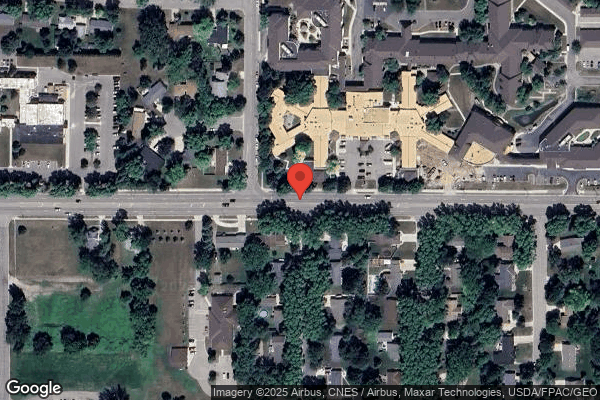
Bethesda

901 SOUTHEAST WILLMAR AVENUE, WILLMAR, MN 56201 (320) 262-5376
Non profit - Church related 248 Beds Independent Data: November 2025
Trust Grade
70/100
#97 of 337 in MN
Last Inspection: October 2024

Within standard 12-15 month inspection cycle. Federal law requires annual inspections.

Overview

Bethesda nursing home has a Trust Grade of B, indicating it is a good choice among facilities, with a solid overall performance. It ranks #97 out of 337 in Minnesota, placing it in the top half of state facilities, and is the top option in Kandiyohi County. The facility is newly inspected, so there is no trend data, but it has a concerning issue with RN coverage that is less than 90% of other facilities in Minnesota. Staffing is a strong point, with a 5-star rating and a turnover rate of 39%, which is better than the state average. On the downside, there have been serious incidents, including a failure to properly monitor a resident for dehydration and significant weight loss, which led to hospitalization and ultimately contributed to the resident's death. Additionally, the facility did not accurately report staffing data to the Centers for Medicare and Medicaid Services, and there were concerns about maintaining a safe and sanitary kitchen environment with grease buildup observed. Overall, while Bethesda has some strengths, families should be aware of these significant weaknesses when considering care for their loved ones.

Trust Score
B
70/100
In Minnesota
#97/337
Top 28%
Safety Record
Moderate
Needs review
Inspections
Too New
0 → 14 violations
Staff Stability
○ Average
39% turnover. Near Minnesota's 48% average. Typical for the industry.
Penalties
✓ Good
No fines on record. Clean compliance history, better than most Minnesota facilities.
Skilled Nurses
✓ Good
Each resident gets 47 minutes of Registered Nurse (RN) attention daily — more than average for Minnesota. RNs are trained to catch health problems early.
Violations
⚠ Watch
14 deficiencies on record. Higher than average. Multiple issues found across inspections.
★★★★☆
4.0
Overall Rating
★★★★★
5.0
Staff Levels
★★★☆☆
3.0
Care Quality
★★★☆☆
3.0
Inspection Score
Stable
: 0 issues
2024: 14 issues

The Good

  • 5-Star Staffing Rating · Excellent nurse staffing levels
  • Full Sprinkler Coverage · Fire safety systems throughout facility
  • No fines on record
  • Staff turnover below average (39%)

    9 points below Minnesota average of 48%

Facility shows strength in staffing levels, fire safety.

The Bad

Staff Turnover: 39%

Near Minnesota avg (46%)

Typical for the industry

The Ugly 14 deficiencies on record

1 actual harm
Nov 2024 3 deficiencies 1 Harm
SERIOUS (G) 📢 Someone Reported This

A family member, employee, or ombudsman was alarmed enough to file a formal complaint

Actual Harm - a resident was hurt due to facility failures

Quality of Care (Tag F0684)

A resident was harmed · This affected 1 resident

**NOTE- TERMS IN BRACKETS HAVE BEEN EDITED TO PROTECT CONFIDENTIALITY** Based on interview and document review, the facility failed to identify, monitor, and comprehensively assess for dehydration and...

Read full inspector narrative →
**NOTE- TERMS IN BRACKETS HAVE BEEN EDITED TO PROTECT CONFIDENTIALITY** Based on interview and document review, the facility failed to identify, monitor, and comprehensively assess for dehydration and significant weight loss for 1of 3 residents (R1) reviewed for change of condition. The facility's failures resulted in harm for R1 who had a 20 pound weight loss in 18 days and was subsequently admitted to the hospital for dehydration, acute renal failure, and later died. Findings include: R1's admission minimum data set (MDS) dated [DATE], indicated R1 had severe cognitive impairment and was dependent on staff for all activities of daily living (ADL)'s. Further identified R1 had diagnoses that included cerebral vascular accident (CVA), heart failure, chronic kidney disease, diabetes mellitus (inability to regulate blood sugars), aphasia (difficulty speaking), hemiparesis (one sided paralysis), history of urinary tract infections (UTI)s. The MDS also identified R1 was at risk for pressure ulcers, had a history of falls, was on a texture modified diabetic diet, and had unclear speech. The MDS further identified high risk medications as antianxiety, antidepressant, diuretic, and antiplatelet medications. R1's baseline care plan dated 9/26/24 identified R1 was at risk for dehydration. The care plan did not identify associated interventions. R1's nutritional care plan dated 10/2/2024, identified R1 was at nutritional risk related to diagnosis of diabetes with a goal of R1 will maintain weight at 177 pounds or gradual weight loss and would not show signs/symptoms of dehydration. Will meet nutritional needs through oral intake of >50% of most meals. Interventions included: diet and supplements per doctor order, honor food choices, hydration per facility protocol, record food and fluid intake, and obtain weights per facility policy. R1's physician orders included the following -Spironolactone (medication to remove excess fluid) 25 milligrams (mg) tablet daily for heart failure (start date 9/27/24) -Torsemide (medication to remove excess fluid) 20mg tablet; take ½ tablet by mouth in the morning for heart failure May take additional tablets as directed by the HF [heart failure] clinic (start date 9/27/24) -Weigh daily and report change of three (3) pounds overnight or five (5) pounds in a week (start date 9/27/24). R1's admission Note dated 9/26/24, identified R1 was admitted following hospitalization for a short-term rehabilitation stay. Further identified R1 had demonstrated decision-making capacity and participated in admission decisions. R1 had a goal to return home. R1's Progress Note dated 10/1/24, indicated R1 was alert and able to answer writer with short words. R1's Nutrition assessment dated [DATE], indicated R1's weight (wt) was 177 pounds (lbs) and was close to reported usual body weight. The assessment identified R1 was at risk for dehydration due to required staff assist with eating; diagnosis of diabetes, dementia, renal disease; diuretic and psychotropic medications; dysphagia (difficulty swallowing), thickened liquids, and modified texture diet. The assessment indicated R1's required an estimated 1500-1800 Kcals daily and required 1500-1800 milliliters (ml) of fluid daily. Interventions identified noted in the section Additional Nutritional Comments included but were not limited to: fluids offered and encouraged through the day. Water mug available at bedside. R1's weights recorded on the October 2024 treatment administration record (TAR) identified the following: On 10/1/24 wt. was 177.2 lbs. On 10/2/24 wt. was 175.6 lbs. On 10/3/24 wt. was 170.9 lbs. On 10/4/24 wt. was 170.7 lbs. On 10/5/24 wt. was 171.3 lbs. On 10/6/24 wt. was 170.1 lbs. On 10/7/24 wt. was 169.9 lbs., which identified R1 had 7.3 lb weight loss since 10/1/24. R1's meal and fluid intake sheet for October 2024 included the direction; if a resident shows sign of decrease in appetite, let the supervisor know. R1's food and fluid consumption's between 10/1/24 through 10/7/24 identified the following: -10/1/24 through 10/4/24 there was no recorded entries for food and fluid intake. -10/5/24 total fluid intake 240 ml, a deficit of at least 1260 ml. Food intake: 25% for lunch. -10/6/24 total fluid intake possibly 60-100 ml for breakfast (entry was not legible), a deficit of at least 1400 ml. Food intake: for 25% breakfast. -10/7/24 total fluid intake 380 ml, a deficit of at least 1120 ml. Food intake: breakfast bites, 100% lunch and dinner. R1's Physician Visit Note dated 10/7/24, indicated R1 was seen by her primary care physician via video visit for hospital follow-up. R1 received a change in antidepressant medication with no other orders. The note did not address R1's fluid or nutritional status In review of R1's record between 10/2/24 through 10/7/24, it was not evident R1's physician and/or heart failure clinic had been notified of the 7.3 lb. weight loss. Although, it was identified R1 was at risk for dehydration and weight loss, the record did not identify a comprehensive hydration and nutritional assessment was completed to determine if the weight loss was contributed to nutrition or as a result of fluid loss secondary to diuretic medications and low fluid intake. Additionally, after the nutritional assessment was completed on 10/2/24, there was no indication interventions were implemented nor evident R1's fluid and food deficits were comprehensively assessed to determine appropriate interventions. R1's daily Focus Charting dated 10/8/24 to10/13/24 did not indicate any concerns and noted R1 to be alert. The documentation did not address R1's low food or fluid consumption. R1's Skilled Note on 10/15/24, noted R1 to be alert on and off, no facial grimacing, smiled on and off, pleasant mood, no behaviors, no vision, or hearing concerns. The documentation did not address R1's low food or fluid consumption. R1's Focus Charting Note dated 10/16/24, noted R1 to be alert. The documentation did not address R1's low food or fluid consumption. R1's weights recorded on the October 2024 TAR identified the following On 10/8/24 wt. was 166.9 lbs; wt loss of 3 lbs from 10/7/24 On 10/9/24 wt. was 167.6 lbs On 10/10/24 wt. was 164.8 lbs On 10/11/24 wt. was 164.9 lbs. On 10/12/24 wt. was 162.9 lbs. On 10/13/24 wt. was 161.2 lbs. On 10/14/24 wt. was 160.1 lbs. On 10/15/24 wt. was 160.1 lbs. On 10/16/24 wt. was 158.6 lbs. On 10/18/24 wt. was 157.2 lbs.; identifying a total weight loss of 20.0 lbs in 18 days since 10/1/24. R1's meal and fluid intake sheet for October 2024 included the direction; if a resident shows sign of decrease in appetite, let the supervisor know. R1's food and fluid consumption's between 10/8/24 and 10/17/24 identified the following: -10/8/24, total fluid and food intake could not be calculated; no documentation was recorded for the evening meal. However the record identified for breakfast and lunch R1 did not have any fluid or food intake. -10/9/24, total fluid and food intake could not be calculated; no recorded entries for lunch and evening meal. However, the record identified for breakfast R1 consumed 180 ml of fluid and 75% of her meal. -10/10/24, total fluid and food intake could not be calculated; no recorded entries for evening meal. However, the record identified R1 consumed 240 ml of fluid and ate 25% of lunch and 25% of evening meal. -10/11/24, total fluid intake 520 ml; a deficit of 980 ml. Food intake breakfast 3/3 [sic], lunch-75%, and 100% for the evening meal. -10/12/24, total fluid and food intake could not be calculated; no recorded entries for evening meal. However the record identified total fluid for breakfast and lunch was 600 ml. Food intake for breakfast 50% and lunch 100% was consumed. -10/13/24, total fluid and food intake could not be calculated; no recorded entries for evening meal. However the record identified total fluid for lunch was 200 ml. Food intake for breakfast was 25% and zero (0) for lunch. -10/14/24, total fluid and food intake could not be calculated; no recorded entries for evening meal. However, the recorded entries identified R1 did not consume any food or fluids for breakfast and lunch. -10/15/24, total fluid and food intake could not be calculated; no recorded entries for the evening meal. However,the record identified R1 had zero (0) fluid intake for breakfast and zero (0) for lunch, R1 consumed 25% of lunch meal. -10/16/24, total fluid intake 520 ml, a deficit of 980 ml. Food intake for breakfast was not legible, R1 ate 100% of her lunch and dinner. -10/17/24, total fluid intake 520 ml, a deficit of 980 ml. Food intake recorded breakfast 75%, lunch 75%, and evening meal 100%. In review of R1's record between 10/8/2024 through 10/17/24 revealed no indication the physician or the congestive heart failure clinic were notified of R1's continued weight loss and overall weight loss of 20 lbs in 18 days. Additionally, the record continued to not identify comprehensive assessments for fluid balance, dehydration, or nutrition nor evident the care plan was revised. R1's Focus Charting Note dated 10/17/24, noted R1 to be alert. R1's General Note dated 10/17/24 at 5:27 p.m., indicated a meeting was held with R1's family, nursing, and therapies to discuss R1's increased lethargy and weakness the past several days with minimal verbal responses. R1's family requested a urinary analysis (UA) to rule out urinary tract infection. R1's family reported R1 was uncomfortable, facial grimacing, restlessness. R1 was reported to not be progressing in therapies and discussed further options. R1's Focus Charting Note dated 10/18/24 at 1:58 p.m. noted R1 to be sleepy, less responsive, and not swallowing medications. Urine specimen obtained and sent to lab at 1:45 p.m. R1's urine was noted to be dark amber in color. R1's Speech Therapy discharge note dated 10/18/24, identified R1 participated and was demonstrating progress with improved efficiency of swallow phases and using left hand for drinking and eating at time but recently R1 had overall decline, decreased participation in therapies, lethargic. R1's Discharge Record dated 10/18/24 at 6:15 p.m. indicated R1 was transferred to the hospital and her condition was unstable. Resident sent to ER due to decline in condition. Decreased oral intake, sleeping more. admitted to the hospital for multiple conditions. R1's hospital emergency room note dated 10/18/24, indicated R1 presents with generalized weakness/ and fatigue secondary to dehydration. R1's family reported R1 had become weaker and not participating as much in the past week since 10/11/24. R1's urine is dark and foul smelling and appears dehydrated upon arrival. R1's critical condition was renal failure (acute) and hypernatremia (critical high sodium levels in the blood) and required fluid resuscitation. Sodium level was 169 (normal range 136-146), Creatinine 4.54 (normal range 0.57-1.11), and BUN was 157.0 (normal range 7.0-20.1) R1 was also noted to have a blood sugar of 659 (normal is approximately 80-130 according to www.cdc.gov) and urinalysis positive for an acute urinary tract infection (UTI). R1's death certificate indicated R1 died on [DATE] in the hospital. During an interview on 10/31/24 at 10:32 a.m., family member (FM-A) indicated around 10/11/24, R1 was less alert and appeared more depressed. On 10/13/24, R1 was not participating in therapy as much, had decreased fluid intake, and was not eating as well. FM-A stated on 10/16/24, R1's eyes were sunken in, mouth was dry, and lips were chapped and requested a urinary analysis (UA) as R1 had a history of UTI's. FM-A attended the care conference and indicated therapies reported that R1 was participating and improving until there was a shift on Monday (10/14/24). During an interview on 11/4/24 at 4:40 p.m., nursing assistant (NA)-A indicated R1 was alert during the first part of her stay and then a couple of weeks before R1 was hospitalized she would not eat much, slept more, stopped answering questions, and her urine would have a strong odor sometimes. NA-A reported telling the charge nurse about her increased sleepiness and not eating but was not sure what they did with that information. During an interview on 11/4/24 at 5:15 p.m., NA-B indicated R1 was alert and bubbly when she first arrived and communicated mostly with her facial expressions. NA-B indicated about a week before R1 went to the hospital things got weird and clarified R1 got super tired, would drop her head back and be difficult to arouse during meals, and just stopped eating. NA-A indicated the nurse was notified and they were directed to lay her down and monitor it for a few days. NA-A further explained R1 would let fluids run out of her mouth and not swallow anything and R1's family was concerned about a UTI and then R1 went to the hospital. During an interview on 11/4/24 at 5:50 p.m., licensed practical nurse (LPN)-A indicated she worked as a charge nurse on all facility units and described R1 as making some overall progress and then started to decline and was more tired. LPN-A said the expectation was that NAs were to notify the charge nurse with any change of resident condition and the charge nurse was to assess the resident and their actions were dependent on their findings. LPN-A further explained if a resident's weight was three (3) pounds different from the previous one, the resident would be reweighed and if it was accurate, the nurse should notify the case manager, the doctor, and interdisciplinary team (IDT). LPN-A identified she was not aware if R1 was ordered to have daily weights or aware of R1's weight loss. During an interview on 10/31/24 at 2:15 p.m., registered nurse (RN)-B indicated the case manager for R1's unit was no longer employed at the facility and was assisting on R1's unit the day that R1's daughter brought up concerns about a possible UTI and requested an order. RN-B further indicated she was not aware of R1's weight loss or overall decline. During an interview on 11/5/24 at 11:20 a.m., the dietary manager (DM) stated the dietary staff was responsible for monitoring food and fluid intakes during mealtimes and were to document on the intake sheet. The DM verified that 21 meal and fluid intakes had not been documented during the period of 10/1/24 to 10/18/24 and stated, they were blank because someone was not doing their job. During an interview on 11/5/24 at 11:30 a.m., the registered dietician (RD) indicated she could not remember if she was notified of R1's weight loss. The RD further identified the nurses were to review the weights and report any weight changes to her. The RD indicated a weight loss of 20 pounds in 18 days was a significant weight loss and should have been reported to her. During an interview on 10/31/24 at 2:00 p.m., therapist (OT)-A indicated R1 initially was bright and alert and would answer yes and no questions but started to decline about a week prior to hospitalization. OT-A verified R1's decline was reported to nursing during that week but was unsure what additional assessment or follow up was done. During an interview on 10/31/24 at 2:05 p.m., physical therapy (PT)-A indicated R1 was more responsive and had a sense of humor but then started to decline, was refusing therapy, not tolerating sitting up, not eating as much. PT-A indicated their department was in constant communication with nursing and the decline was reported to nursing as it was occurring. During an interview on 11/4/24 at 3:30 p.m., the speech language pathologist (SLP) indicated R1 was initially participating and about a week before R1's hospitalization, R1 had a notable decline in her overall condition and was not participating in therapies, had a poor intake, and would not take medications during the final days before hospitalization. The SLP further indicated she told RN-A and the charge nurse about the decline. During an interview on 10/31/24 at 2:35 p.m., the assistant director of nursing (ADON) indicated the protocol for recognizing a change in condition is the nursing assistants (NA)'s or the med nurses bring their concern to the charge nurse, or the RN case manager and the resident would further be evaluated by a RN, then they would notify the physician and the family. The ADON indicated she was filling in as RN case manage on R1's unit during that time. ADON further identified during R1's last week in the facility, R1's intake decreased but denied any other possible changes of condition were reported to nursing until 10/16/24. During an interview on 11/5/24 at 11:05 a.m., the heart failure clinic RN indicated she reviewed R1's record and their clinic was not notified of R1's weight losses. The RN further stated, it would be important to know there was a weight loss because it would need to be evaluated and depending on what she [R1] was on for a diuretic, they [heart failure clinic] may want to change that. During an interview on 11/5/24 at 9:15 a.m., the director of nursing (DON) verified R1's weight changes should have been reported to the medical provider but were not reported as ordered. During an interview on 11/5/24 at 10:00 a.m., R1's primary care physician (PCP) reported conducting a video visit with R1 on 10/7/24 and changed some depression medication with hopes R1 would have a mood boost that would also increase her appetite. R1's PCP indicated he was not notified of R1's weight loss, decreased oral intake, or change of condition after that 10/7/24 visit. The PCP also indicated it would be an expectation that a significant change in condition would be reported to a physician Further indicated R1's weights should have been reported to the heart failure clinic to adequately manage R1's diuretic and heart failure. During an interview on 11/5/24 at 9:30 a.m., the medical director identified R1's primary drivers of the significant weight loss as dehydration, poor oral intake, and continued use of diuretics which should have been reported to R1's primary doctor. The medical director also stated, the facility should have intervened a few days earlier which would not have changed R1's demise but the clinical course would have been extended if R1's family wanted to do a feeding tube or constant intravenous (IV) fluids. The undated facility document titled Communication indicates NAs are trained to report any concerns or changes with residents directly to the nurse on duty, while nurses are instructed to report to their supervisor if there are any concerns or changes that need higher-level attention. This reporting structure ensures that issues are address in a timely and coordinated manner to promote resident safety and well-being. The facility policy titled Food and Fluid Intake Documentation last reviewed 11/2024, indicated the facility will document the resident's food and fluid intake to assist in assessing the resident's current nutritional status. Food and fluid intake will be completed daily by nursing or culinary team members for all three meals, as assigned. It is the responsibility of the dietitian/culinary director to audit the intake documentation to assure that they are accurately and properly completed by staff. The facility policy titled Change in Condition Policy and Procedure last reviewed 11/2024, indicated it is the policy of the facility to immediate inform the resident; consult with the resident's physician; and notify the resident's legal representative or emergency contact when there is: A significant change in the resident physical, mental, or psychosocial status (i.e., a deterioration in health, mental or psychosocial status in either life-threatening conditions or clinical complications). A need to alter treatment significantly (i.e., a need to discontinue an existing form of treatment due to adverse consequences, or to commence a new form of treatment). The policy further lists the procedure as follow: Assess any changes noted through direct observation or through others' observations. Obtain any other data necessary for a complete assessment (blood sugar check, neurocheck, vitals, etc.) and as ordered by the physician. Notify the physician or nurse practitioner of the change. If unable to reach the physician, follow-up with another message. If unable to contact the physician, contact a MD (medical doctor) on-call at their clinic or call the hospital and/or 911 as appropriate. Notify the resident's legal representative or emergency contact of the change and actions taken. Notify the administrator, director of nursing, designed or building supervisor of the change as appropriate. Chart in electronic health record the assessment data, observations, discussions with the resident, physician notification (include the number of attempts made and when), any new orders, interventions, and family notifications. Follow up should continue as ordered by the physician or until the resident has stabilized. Continue to update the resident, physician, and resident legal representative of any deterioration or improvement.
CONCERN (D) 📢 Someone Reported This

A family member, employee, or ombudsman was alarmed enough to file a formal complaint

Potential for Harm - no one hurt, but risky conditions existed

Notification of Changes (Tag F0580)

Could have caused harm · This affected 1 resident

**NOTE- TERMS IN BRACKETS HAVE BEEN EDITED TO PROTECT CONFIDENTIALITY** Based on interview and document review the facility failed to follow the physician order to notify the medical provider of weigh...

Read full inspector narrative →
**NOTE- TERMS IN BRACKETS HAVE BEEN EDITED TO PROTECT CONFIDENTIALITY** Based on interview and document review the facility failed to follow the physician order to notify the medical provider of weight changes for 1 of 3 (R1) residents reviewed for change of condition. Findings include: R1's admission minimum data set (MDS) dated [DATE], indicated R1 had severe cognitive impairment and was dependent on staff for all activities of daily living (ADL)'s. Further identified R1 had diagnoses that included cerebral vascular accident (CVA), heart failure, chronic kidney disease, diabetes mellitus (inability to regulate blood sugars), aphasia (difficulty speaking), hemiparesis (one sided paralysis), history of urinary tract infections (UTI)s. R1's medications included a diuretic (medication to get rid of excess fluid). R1's Nutrition assessment dated [DATE], identified R1's admission weight was 177 pounds with usual body weight of 180 pounds. The assessment further identified R1's dehydration risk factors were use of a diuretic, thickened liquids/modified diet, total feeding assistance, dysphagia (difficulty swallowing), renal disease, and incontinence. R1's Orders Discharge Report dated 9/26/24, included the following orders: spironolactone 25 milligrams (mg) tablet daily for heart failure. (medication to remove excess fluid) torsemide 20mg tablet; take ½ tablet by mouth in the morning for heart failure May take additional tablets as directed by the HF [heart failure] clinic. (medication to remove excess fluid). Weigh daily and report change of three (3) pounds overnight or five (5) pounds in a week. R1's Treatment Administration Record (TAR) dated 10/1/24 to 10/31/24 indicated to weigh daily every day shift related to chronic systolic (congestive) heart failure and to report change of three (3) lbs. [pounds] overnight or 5 lbs. [pounds] in a week per heart failure clinic with a start day of 9/27/24. Weights were completed 10/1/24 to 10/18/24 and identified the following: 10/1/24 weight was 177.2 and 10/7/24 weight was 169.9 to reflect a 7.3-pound weight loss in a week. 10/7/24 weight was 169.9 and 10/8/24 weight was 166.9 to reflect a 3-pound weight loss overnight. 10/8/24 weight was 166.9 and 10/15/24 weight was 160.1 to reflect a 6.8-pound weight loss in a week. R1's clinical record lacked notification to the physician or the heart failure clinic for the weight fluctuations as ordered. During an nterview on 11/5/24 at 9:15 a.m., the director of nursing (DON) verified R1's weight changes should have been reported to the medical provider but were not reported as ordered. During an interview on 11/5/24 at 10:00 a.m., R1's primary care physician (PCP) indicated he was not notified of R1's weight loss and usually would be notified of a significant weight loss. Further indicated R1's weights should have been reported to the heart failure clinic to adequately manage R1's diuretic and heart failure. During an interview on 11/5/24 at 10:28 a.m., registered nurse (RN) from the heart failure clinic verified they had not been notified of the weight fluctuations and should have been. The RN further indicated any weight fluctuations of three pounds in one day and five pounds in one week would require an evaluation and possible changes in medications to prevent fluid overload or too much fluid loss.
CONCERN (D) 📢 Someone Reported This

A family member, employee, or ombudsman was alarmed enough to file a formal complaint

Potential for Harm - no one hurt, but risky conditions existed

Comprehensive Care Plan (Tag F0656)

Could have caused harm · This affected 1 resident

**NOTE- TERMS IN BRACKETS HAVE BEEN EDITED TO PROTECT CONFIDENTIALITY** Based on interview and document review the facility failed to ensure a comprehensive care plan was developed within the required...

Read full inspector narrative →
**NOTE- TERMS IN BRACKETS HAVE BEEN EDITED TO PROTECT CONFIDENTIALITY** Based on interview and document review the facility failed to ensure a comprehensive care plan was developed within the required timeline for 1 of 3 residents (R1) reviewed for change of condition. Findings include: R1's admission minimum data set (MDS) dated [DATE], indicated R1 had severe cognitive impairment and was dependent on staff for all activities of daily living (ADL)'s. Further identified R1 had diagnoses that included cerebral vascular accident (CVA), heart failure, chronic kidney disease, diabetes mellitus (inability to regulate blood sugars), aphasia (difficulty speaking), hemiparesis (one sided paralysis), history of urinary tract infections (UTI)s. The MDS also identified R1 was at risk for pressure ulcers, had a history of falls, was on a texture modified diabetic diet, and had unclear speech. The MDS further identified high risk medications as antianxiety, antidepressant, diuretic, and antiplatelet medications. R1's Communication Care Area Assessment (CAA) dated 10/8/24, identified R1 had expressive aphasia and unclear speech and was only able to answer yes or no questions and had attempted to use a whiteboard for making needs known. Also identified R1 was working with speech therapy (ST) and would proceed with care planning for continuity of care. R1's Cognitive Loss/Dementia CAA dated 10/7/24, identified R1 was not able to complete the brief interview for mental status (BIMS) because of R1's communication deficit. The CAA also indicated would proceed with care planning for continuity of care. R1's Visual Function CAA dated 10/8/24, identified R1 wore reading glasses and a possible right field vision cut related to cerebral vascular accident (CVA) and would proceed with care planning for continuity of care. R1's Urinary Incontinence CAA dated 10/8/24, identified R1 had bladder incontinence and needs were anticipated 24 hours a day. Further indicated R1 would have a routine toileting schedule to minimize incontinence and would proceed with care planning for continuity of care. R1's Falls CAA dated 10/8/24, identified R1 had right sided hemiplegia, was total assist with all activities of daily living (ADL)s, has difficulty verbalizing needs, and required assistance of a Hoyer (full body mechanical lift). The CAA also indicated the goal was to minimize the risk of falls and would proceed with care planning for continuity of care. R1's Pressure Ulcer CAA dated 10/8/24, identified R1 did not have any pressure ulcers but was at risk for developing pressure ulcers due to R1's impaired mobility, incontinence, and total assist of staff for transfers. The CAA indicated the goal was to minimize the risk and would proceed with care planning for continuity of care. R1's Psychotropic Drug Use CAA dated 10/8/24, identified R1 received antidepressant medications with new medications started during hospitalization. The CAA further identified R1 had a risk of complications related to medication use and would proceed with care planning for continuity of care. R1's baseline Individual Resident Care Plan developed on 9/26/24, identified R1 was a fall risk, had a wound on the inner right bicep, was on an anticoagulant, was at risk for dehydration, and was on a diabetic pureed diet. R1's nutrition care plan dated 10/2/24, identified R1 had a nutritional risk related to diagnosis diabetic diet with interventions identified. The care plan also identified R1 was independent in planning her leisure time with interventions identified. The care plan did not include any of the other potential or actual risk areas identified on the comprehensive assessments or the CAAs. The care plan did not identify any goals or interventions to mitigate the risks of the identified risk care areas. During an interview on 10/31/24 at 2:35 p.m., registered nurse (RN)-A indicated she was filling in as t R1's case manager and was not aware R1's care plan had not been completed but verified it was not comprehensive or complete. During an interview on 11/5/24 at 9:15 a.m., the director of nursing (DON) indicated a baseline care plan was completed but verified the comprehensive care plan was not comprehensive or complete. The DON indicated their team thought they had 21 days from admission and was not aware of the seven (7) day after CAAs were completed timeline. The facility policy titled, Care Planning dated 2/2024, indicated the purpose was to provide an individualized and comprehensive interdisciplinary plan of care for each individual that promote quality of care and lift. The policy identified the comprehensive care plan is developed with in 21 days of the admission date.
Oct 2024 6 deficiencies
CONCERN (D)

Potential for Harm - no one hurt, but risky conditions existed

Safe Environment (Tag F0584)

Could have caused harm · This affected 1 resident

Based on observation, interview and document review, the facility failed to ensure resident wheelchairs were kept in a clean and sanitary manner to promote resident well-being for 1 of 2 residents, (R...

Read full inspector narrative →
Based on observation, interview and document review, the facility failed to ensure resident wheelchairs were kept in a clean and sanitary manner to promote resident well-being for 1 of 2 residents, (R17), observed for positioning. Findings include: R17's annual Minimum Data Set (MDS) of 5/24/24 identified R17 was dependent on staff to move from lying to sitting, sitting to standing, and chair/bed to chair transfer. The MDS indicated R17 no longer walked. R17's medical diagnoses included progressive neurological conditions, Parkinson's (a movement disorder of the the nervous system that impacts physical movement, which worsens over time), polyneuropathy (a disease that causes damage to multiple nerves in different areas of the body which impacts communication between the central nervous system, which included the brain and the spinal cord, and the rest of the body), low back pain, and repeated falls. R17's care plan, last revised 6/21/24, indicated R17's mode of locomotion (mobility) was a wheelchair. R17 had a potential for impaired skin Integrity related to uncontrolled movements of Parkinson's disease. R17 used a gel cushion in his rock-n-go wheelchair (a wheelchair which allowed a rocking type movement while wheelchair remains in a stationary position). R17's care plan identified R17 received altered texture diet with soft and bite size food. The care plan indicated R17 liked finger food snacks. On 10/21/24, at 1:50 p.m. R17 was observed seated in his wheelchair in the day room. On R17's wheelchair, on the fabric of outer aspect of the right side of the wheelchair, there was a worn area measuring 1/6 of the wheel (approximately 12 inches in an curved pattern) observed on the chair corresponding to the wheel of the wheelchair. The width of this area was noted to be 1/2 to one inche in width. In this worn area, approximately eight inches of the curve was noted to be no longer intact and shredded in appearance, with the fabric split and open areas present. On the left side of the wheelchair, a wear pattern of approximately eight inches in a curved pattern was noted, however, the fabric remained intact. On 10/22/24, at 6:44 p.m., interview was held with registered nurse (RN)-E following observation of cares. During the observation of cares, RN-E was observed removing a napkin of soft food from the seat of the wheelchair prior to attempting transfer with R17. Upon review of the physical appearance of the wheelchair, RN-E identified the wheelchair had wear on both sides of the wheelchair and identified the right side was worse than the left. RN-E identified there was potential for impact of the wheelchair function, as well as potential injury to R17 on the shredded fabric. Upon review of the fabric, RN-E acknowledged the area not being intact limited the capability for cleaning well. RN-E acknowledged R17 fed him self independently at times, with food going onto the chair and the fabric not being intact posed a difficulty to maintain cleanliness. RN-E stated she was unaware of specific cleaning or maintenance schedule for wheelchairs. On 10/23/24, at 3:34 p.m. R17 was noted to remain in the same wheelchair previously viewed, which lacked repair to the impaired area. On 10/24/24, at 10:20 a.m., the director of nursing stated the wear on the wheelchair R17 posed a potential for injury to resident. DON also identified a concern regarding the ability to clean the wheelchair adequately, as cleaning of the fabric where it was no longer intact would be difficult. DON stated there were no current policies for routine cleaning and maintenance of wheelchairs. A review of an undated document, titled CNA (Certified Nursing Assitant) Day Shift Duties, directed staff to Clean wheelchairs after meals if needed. A second undated document, titled CNA Evening Shift Duties, also directed staff to Clean wheelchairs after meals if needed. A document, titled Bethesda Housekeeper Job Description, revised 9/01 indicated the housekeeping staff was to wash resident wheelchairs. All documents reviewed lacked indication as to ongoing maintenance and repair of wheelchairs in regards to physical structure.
CONCERN (D)

Potential for Harm - no one hurt, but risky conditions existed

Comprehensive Care Plan (Tag F0656)

Could have caused harm · This affected 1 resident

**NOTE- TERMS IN BRACKETS HAVE BEEN EDITED TO PROTECT CONFIDENTIALITY** Based on interview and document review, the facility failed to ensure a comprehensive, person-centered care plan was developed a...

Read full inspector narrative →
**NOTE- TERMS IN BRACKETS HAVE BEEN EDITED TO PROTECT CONFIDENTIALITY** Based on interview and document review, the facility failed to ensure a comprehensive, person-centered care plan was developed and readily available to promote acceptable pain management for 1 of 4 residents (R199) reviewed for care planning. Findings include: R199's quarterly Minimum Data Set (MDS), dated [DATE], identified R199 had intact cognition and was admitted to the care center on 6/10/24 from the acute care hospital. The MDS outlined R199 was independent to setup assistance for most activities of daily living (ADLs) and had multiple medical conditions including malignant neoplasm of the left lower lung lobe, repeated falls, essential hypertension and bilateral primary osteoporosis of the knees. On 10/24/24 at 1:07 p.m., R199 was interviewed. R199 explained she admitted to the care center after being treated in the hospital for severe chest pain, and was diagnosed with the left lower lobe lung mass. R199 was noted to have tubes of Voltaren Gel (a nonsteroidal anti-inflammatory gel) on her bedside stand. R199 stated she had pain in both her knees, which she had been treating with the creams prior to her Hospitalization. R199 stated she has been self-administering the creams, however, has the nurses apply it to areas when she is unable to reach them. R199 further stated she has had increasing pain in her left chest and shoulder due to her lung mass, and is receiving tylenol and tramadol, which helps. R199's initial Nursing admission Assessment - Day 1 Club, dated 6/10/24, identified R199 had voice her pain level at a 0 on a scale of 0 - 10 (0 being no pain, 10 being excruciating pain. This assessment further documented resident reports occasional bilateral knee pain, recent cortisone injections [a synthetic hormone injected into the body to reduce pain, inflammation, and swelling] to knees. This assessment was supplemented with the Nursing admission Assessment - Day 2 Club, also dated 6/10/24, due to R199 reporting history of pain. R199 reported her pain to be chronic and intermittent. In review of R199's significant change MDS (dated 6/28/24), the facility completed a Annual & Significant Change Assessment - 3.0 (dated 6/27/24, which indicated no change is pain reported. However, in review of R199's Quarterly Nursing Assessment - 2.0 (dated 9/19/24), the registered nurse (RN) Analysis for pain documented the following: resident did state that she has had occasional back pain, in the middle of her left side, over the past 5 days. The worst her pain has been is a 8 on a scale of 1-10. Does receive scheduled Tylenol as orders. Has also received Tramadol (a combination of a synthetic opioid and monoamine re-uptake inhibitors used to relieve moderate to moderately severe pain) PRN (as needed) as ordered. Both of them have been effective for her. A review of R199's current physician ordered medication listing (print date of 10/24/24) documented the following pain medication interventions: 8/08/24 - Diclofenac Sodium (Voltaren) External Gel 1% (Topical) - apply to left and or right knee topically as needed for pain. Apply 4 grams (g) up to 4 times a day. 8/08/24 - Diclofenac Sodium (Voltaren) External Gel 1% (Topical) - apply to left wrist topically as needed for pain. Apply 2g up to 4 times a day. 9/24/24 - traMADOL HCL oral table 25 milligrams (mg) - give 25 mg by mouth every 6 hours as needed for pain rated 6-10. Max Daily Amt: 100 mg. 9/27/24 - Acetaminophen 8 hour Oral Tablet Extended Release - give 1300 mg by mouth two times a day related to malignant neoplasm of lower lobe, left bronchus or lung. Maximum acetaminophen dosing of 4000 mg / day. 9/27/24 - Acetaminophen 8 hour Oral Tablet Extended Release - give 650 mg by mouth as needed for pain related to malignant neoplasm of lower lobe, left bronchus or lung. Maximum acetaminophen dosing of 4000 mg / day. BID (twice a day), PRN. In review of R199's Care Plan (print date of 9/24/24), noted the facility failed to identify R199's pain issues and interventions to assist in reducing pain. In an interview on 10/24/24 at 10:14 a.m., registered nurse / case manager (CM)-A reviewed R199's careplan and verified R199's pain issues had not been addressed on her care plan. CM-A stated it would be important to have R199's pain address on the care plan for continuity of care. During an interview on 10/24/24 at 10:21 a.m., assistant director of nursing for R199's unit (ADON)-A reviewed R199's physician's orders and care plan. ADON-A stated R199's pain issues should have been addressed on her care plan due to the diagnoses listed. In a further interview on 10/25/24 at 11:38 a.m., the director of nursing (DON) stated it would be her expectation that any resident with pain issues with interventions, be addressed in the care plan. DON further stated this was important so that the care plan and care sheets educate the direct care staff to the issues of pain and interventions prescribed. In review of the facility's policy, entitled: Bethesda Care Planning (dated 2/2024) documented the following: Purpose: To provide an individualized and comprehensive interdiction plan of care for each individual, that promotes quality of care and life. Responsibility: Interdisciplinary care team including: resident, family, physician and other appropriate medical professionals, nursing, social services, culinary, recreation, therapy and hospice when appropriate. Policy: > A plan of care is initiated for all residents within 48 hours of admission > A comprehensive care plan is developed within 21 days of admission date. > A registered nurse develops and oversees the resident's care plan. > The plan of care is discussed during the resident's initial care conference, quarterly and with significant changes. >Each discipline is responsible for the following and established format for care planning. > Care plan reviews completed with OBRA [Omnibus Budget Reconciliation Act] assessments. > The initial 48 hour care plans are on paper. The comprehensive 21 day care plans are kept in the electronic record.
CONCERN (D)

Potential for Harm - no one hurt, but risky conditions existed

Quality of Care (Tag F0684)

Could have caused harm · This affected 1 resident

**NOTE- TERMS IN BRACKETS HAVE BEEN EDITED TO PROTECT CONFIDENTIALITY** R480's quarterly Minimum Data Set (MDS) dated [DATE], identified R480 had severe cognitive impairment and required assistance wi...

Read full inspector narrative →
**NOTE- TERMS IN BRACKETS HAVE BEEN EDITED TO PROTECT CONFIDENTIALITY** R480's quarterly Minimum Data Set (MDS) dated [DATE], identified R480 had severe cognitive impairment and required assistance with all activities of daily living (ADL)'s. R480's diagnoses included non-traumatic brain dysfunction, vascular dementia, hypertension, septicemia, non-Alzheimer's dementia, depression, psychotic disorder (other than schizophrenia), asthma (COPD) or chronic lung disease, insomnia, auditory and visual hallucinations, myalgia, and hypothyroidism. During review of R480's electronic health record (EHR), signed physician's order indicated an order for Advair HFA inhalation aerosol 115-21 mcg (microgram) two puffs inhale orally two times a day related to chronic obstructive pulmonary disease in the morning and in the evening. Medication Administration Record (MAR) and Treatment Administration Record (TAR), dated 10/22/24, indicated seven doses were documented as drug/item unavailable and four doses were documented as administered from 10/19/24 to 10/24/24. During interview on 10/24/24 at 7:37 a.m., trained medication aide (TMA)-A stated 480's Advair was not available as it had not been delivered from pharmacy yet. TMA-A stated she had faxed the pharmacy and ordered R480's Advair four times in the past several days and that she was going to place a call to the pharmacy today to see why medication had not been delivered. TMA-A stated she probably should have called pharmacy to follow up on it sooner and notified nurse. TMA-A confirmed she had documented on R480's MAR as not administered due to medication not being available. TMA-A stated it was important for R480 to receive medication to help her with breathing. During interview on 10/24/24 at 2:08 p.m., registered nurse (RN)-E stated TMA-A had updated her about R480's missing Advair inhaler, that it was unavailable however pharmacy is stating that it was delivered. During interview proceeded to check on available supply in medication and RN-E confirmed Advair inhaler was delivered by pharmacy and was available in medication cart. RN-E stated inhaler was the generic brand, so it had looked different than the previous inhaler. RN-E stated if a medication was unavailable, she would expect staff to fax the refill request to pharmacy and then would follow up with pharmacy to see if medication was available. If TMA was on the medication cart and medication was unavailable, RN-E would expect the TMA to update the nurse on duty and/or come and update the case manager. RN-E confirmed medication was signed off in MAR as administered three times, confirmed inhaler was dispensed from pharmacy on 10/10/24, and confirmed that cannister had not been used/medication administered since arrival from pharmacy RN-E viewed the cannister outside of the delivery system, which indicated there were 121 actuations available and the label stated 120 actuations were dispensed. RN-E stated this was a medication error as it had not been administered. During interview on 10/24/24 at 2:33 p.m., director of nursing (DON) stated if medication was not available, she would first expect staff to check facility's supply to see if it is available in house and then would expect staff to call the pharmacy to order a refill of medication. DON confirmed documentation in the MAR was inaccurate and would be a medication error. The facility's Medication Administration policy and procedure was requested but was not received. The facility's Pharmacy Services policy, dated 10/22, indicated medications and related products are received from the dispensing pharmacy on a timely basis. The facility maintains accurate records of medication order and receipt. During regular pharmacy hours, nursing will fax the emergency or stat order to the pharmacy and then call to alert the pharmacy that a stat order was just faxed. Such medications are delivered as soon as possible. Based on observation, interview and document review, the facility failed to provide adaptive supports or assistive devices to ensure upright positioning for 1 of 2 residents, (R17), reviewed for positioning. In addition, the facility failed to ensure medications were administered per physician's order for 1 of 2 residents (R480) reviewed for respiratory care. Findings include: R17's annual Minimum Data Set (MDS) of 5/24/24 identified R17 had moderate cognitive impairment. The MDS identified R17 received substantial to maximum assistance with dressing, grooming, and bathing. R17 was dependent on staff to move from lying to sitting, sitting to standing, and chair/bed to chair transfer. The MDS indicated R17 no longer walked. R17's medical diagnoses included progressive neurological conditions, Parkinson's (a movement disorder of the the nervous system that impacts physical movement, which worsens over time), polyneuropathy (a disease that causes damage to multiple nerves in different areas of the body which impacts communication between the central nervous system, which included the brain and the spinal cord, and the rest of the body), low back pain, and repeated falls. R17's care plan, last revised 6/21/24, indicated R17 functional abilities varied, and at times, required assistance not at their usual level of performance. The care plan indicated R17's mode of locomotion (mobility) was a wheelchair. R17 had a potential for impaired skin Integrity related to uncontrolled movements of Parkinson's disease. R17 used a Gel cushion in his rock-n-go wheelchair (a wheelchair which allowed a rocking type movement while wheelchair remains in a stationary position). The care plan failed to identify positioning concerns while seated in the rock-n-go wheelchair, or potential positioning aides to be implemented. On 10/21/24, at 1:50 p.m. R17 was observed seated in a wheelchair in the day room area. R17 was leaning to the left side of the wheelchair, with his head resting on the arm rest. R17's eyes were closed, and R17 was not interacting with others. The wheelchair lacked lateral (side) support to maintain upright position, or to support R17's head, neck, and upper body. R17's wheelchair was tilted back at approximately a 45 degree angle, but lacked support of upper body, head and neck. On 10/22/24, at 10:06 a.m. R17 was observed to be seated in his wheelchair and was leaning to the left side of the chair, with no visible lateral support observed. R17 had his eyes closed, and was not interacting with others around him. During interview on 10/22/24, at 6:44 p.m., registered nurse (RN)-E stated R17 had been fitted with this rock-n-go wheelchair for a while. RN-E commented with R17's increased ataxic (poor muscle control that causes clumsy movements) the chair allowed R17 the opportunity for safe movement. When viewing R17 in the chair, RN-E acknowledged the potential need for lateral support, and identified there was no lateral support available for use. On 10/23/24, at 11:49 a.m., R17 was observed seated in his rock-n-go wheelchair, with a pillow placed on his left side to help maintain R17 in an upright position. On 10/24/24, at 8:28 a.m. RN-E stated a referral had been sent for a therapy screen for positioning. On 10/24/24, at 10:20 a.m., the director of nursing (DON) stated it was her expectation for residents to be positioned in an upright position to promote comfort. If indicated, it was her expectation for a therapy referral to be submitted. The facility policy, titled Wheelchair Positioning Policy and Procedure, revised 1/24, indicated residents were to be positioned in good body alignment. The policy identified it was the responsibility of nursing staff to ensure resident was positioned properly. A Therapy screen was to be completed as needed to ensure proper wheelchair positioning.
CONCERN (D)

Potential for Harm - no one hurt, but risky conditions existed

Deficiency F0698 (Tag F0698)

Could have caused harm · This affected 1 resident

**NOTE- TERMS IN BRACKETS HAVE BEEN EDITED TO PROTECT CONFIDENTIALITY** Based on observations, interviews and document review, the facility failed to coordinate with dialysis, the nephrologist, and th...

Read full inspector narrative →
**NOTE- TERMS IN BRACKETS HAVE BEEN EDITED TO PROTECT CONFIDENTIALITY** Based on observations, interviews and document review, the facility failed to coordinate with dialysis, the nephrologist, and the primary physician when dialysis was discontinued for 1 of 1 resident (R102). This resulted in the potential for complications when R102 continued to maintain his dialysis central line with no routine dressing changes to prevent infection and continued on phosphorus binding medication, renal diet, and fluid restrictions. Findings include: R102's admission Minimum Data Set (MDS) dated [DATE], identified R102 had intact cognition and diagnoses of anemia, atrial fibrillation, hypertension, renal insufficiency, and depression. MDS also indicated R102 was receiving hemodialysis. R102's Physician's Order Sheet, print date of 10/22/24, included the following physician's orders: -Renal (dialysis) diet which consisted of regular texture, regular/thin consistency, low phosphorus, low potassium, and no added salt. -Dialysis: Check site - central line right (R) upper chest for bleeding and signs and symptoms of infection every shift -Fluid restriction (2000 mL (milliliter/day) Document all fluid intake from meals and what is given from nursing. -Sevelamer Carbonate (phosphorus binding medication) oral tablet 800 mg (milligram) two tablets by mouth with meals related to acute kidney injury. R102's mediation administration record (MAR) and treatment administration record (TAR) indicated all above orders and treatments were signed off as completed from 10/9/24 to 10/24/24. R102's progress note, dated 10/4/24, indicated facility received call from the dialysis clinic and was informed R102's kidney function had returned, and he would not need a dialysis treatment on 10/5/24 and 10/8/24. R102 would need lab work completed on 10/8/24 and pending those results may be able to discontinue port and dialysis. R102's progress note, dated 10/9/24, indicated facility received call from the dialysis clinic and was informed R102 was discharged from dialysis and would need to follow up in the clinic in three months. During interview on 10/21/24 at 4:05 p.m., R102 stated he had stopped dialysis about a month ago. During interview on 10/21/24 at 4:06 p.m., registered nurse (RN)-G stated R102's dialysis treatments had ended approximately one to two weeks ago and stated the droplet magnet on R102's door indicated R102 was on fluid restrictions. During interview on 10/23/24 at 8:58 a.m., nursing assistant (NA)-A stated she thought R102 had quit dialysis so she would have to check with the nurse. NA-A stated R102 was currently on fluid restrictions where he was only able to have a certain number of fluids each day. During interview on 10/23/24 at 12:02 p.m., dialysis registered nurse (DRN)-A stated R102 was not receiving dialysis any longer as R102 had recovered. DRN-A stated R102 ended dialysis on 10/3/24 and a referral for the surgeon was sent for the removal of the central line and port. During interview on 10/23/24 at 4:42 p.m., R102 stated the central line and port was still in place and he thought it was getting removed on 10/24/24 or 10/25/24. During interview on 10/24/24 at 8:20 a.m., RN-A stated when dialysis gets discontinued for a resident the facility gets the okay from the dialysis clinic and lab work would be completed to confirm that discontinuation of dialysis could still occur. The facility would need to then set up appointment for resident's central line and port to be removed. RN-A stated R102's central line and port is scheduled to be removed on 10/29/24. RN-A could not think of anything else that would need to be done. When surveyor asked about the care plan and care sheet, RN-A stated she should probably check R102's and make changes on them. RN-A stated it would be important for the information on the care sheets was accurate for communication purposes with the staff. The nurses continue to check the central line site for signs and symptoms of infection. RN-A stated R102 is probably still on fluid restrictions and a renal diet, and he may not need to be. She would have to check with the dialysis center and provider about his fluid restrictions, renal diet orders and dressing change orders. She confirmed these should have been addressed by now, should have been addressed immediately after discontinuation of dialysis. RN-A stated R102 was the only resident that she had come off of dialysis and was not aware of the process. During interview on 10/24/24 at 8:36 a.m., assistant director of nursing (ADON)-A stated when dialysis is discontinued it is initiated by the provider/nephrologist. The dialysis clinic contacted the facility to make aware resident's dialysis was discontinued. That was taken as an order. Follow-up labs were done determine if port could be removed. ADON-A stated she was not sure of anything else that would need to be done as she has never had anyone come off of dialysis. The port should have been removed as soon as possible to minimize risk of complications and infections. ADON-A stated nephrologist should have been notified immediately following discontinuation of dialysis for medication orders, clarification of fluid restriction and renal diet orders. During interview on 10/24/24 at 9:16 a.m., director of nursing (DON) stated when a resident's dialysis is discontinued, communication should be done with the provider, resident, and family. She expected case managers to follow through with recommendations for follow-up. Case manager should have reached out to dialysis for any changes in orders at the end of dialysis such as port removal and site care, fluid restrictions, diet, and medication orders. DON stated removal of the port should be as soon as possible as it is an infection source and with the port not being used regularly, it could have caused complications and/or infections. During interview on 10/24/24 at 10:06 a.m., RN-A stated she received the referral for the port to be removed on the day R102 was discharged from dialysis. RN-A confirmed R102 was discharged from dialysis on 10/9/24. RN-A stated she was not sure if the facility called to set up the appointment or if the surgeon's office called as she handed it off to the medical secretary who scheduled all appointments. During interview on 10/24/24 at 10:18 a.m. medical secretary (MS) stated she was responsible for scheduling appointments for the transitional care unit (TCU). On 10/17/24 she received an email from RN-A stating, RN-A called the dialysis center in regard to removal of the port. RN-A informed her the order for the referral was in EPIC (medical software) and asked MS to call and schedule appointment. MS stated she called to make appointment and the soonest appointment available was on 10/29/24. During interview on 10/24/24 at 11:10 a.m., DRN-A stated Sevelamer should have been discontinued at the end of dialysis as it helps control calcium levels and could cause R102's calcium to become too low. When a resident came off dialysis, the resident no longer needed to be on fluid restrictions, renal diet and medications relating to dialysis. DRN-A stated a follow-up appointment at the dialysis clinic with the nephrologist is determined and nephrologist stated he would like to see R102 in three months. DRN-A confirmed R102 was discharged from dialysis on 10/9/24 and the removal of the port is scheduled for 10/29/24. During interview on 10/24/24 at 12:01 p.m., nephrologist stated orders that go with dialysis should be discontinued at the time of discontinuation of dialysis such as fluid restriction, renal diet, and medications. Sevelamer should have been discontinued when R102 was discharged from dialysis and would recommend that it be discontinued now if it had not been. Nephrologist stated R102 should be seen by provider (emergency room or urgent care), if R102 had not been eating a lot of protein, that could cause low albumin, and if R102's phosphorus level was low and he continued to not have adequate intake, medication could cause serious harm to R102. During interview on 10/24/24 at 12:15 p.m., RN-H stated R102's primary provider was contacted and informed facility that R102 should be sent to urgent care. RN-H stated family was transporting R102 to urgent care. When R102 was discontinued from dialysis, orders were not received to discontinue medications, change in diet or to stop fluid restrictions. RN-H stated on 10/18/24, R102 blood pressures started dropping and the physician discontinued amlodipine and ordered blood pressure monitoring, however, did not order any other medications to be held or discontinued. RN-H stated orders were received this morning from Nephrology to hold the Sevelamer. During interview on 10/24/24 at 12:36 p.m. consultant pharmacist (CP) stated side effects from the Sevelamer are usually stomach related. It would be important to monitor potassium and phosphate levels. Sevelamer was usually discontinued with discontinuation of dialysis. Symptoms depended on what R102's phosphorus level was, the medication binds the phosphorus. CP expected the provider to do labs to check level. During interview on 10/24/24 at 12:58 p.m. DRN-A stated site care of the port should be changed weekly and cleansed with betadine or chlorhexidine and then left to dry before recovering it with a sterile dressing. If dressing changes were not being done, an infection could occur. No treatment was required for the port, such as flushing, as it did not need to remain patent as it was no longer going to be used. During interview on 10/24/24 at 1:44 p.m., medical director (MD)-A stated he expected the facility to follow up with the provider via fax with any clarification of orders such as port removal, changes in medication, when to check labs. He expected follow-up occurred within a few days of dialysis discontinuation and confirmed approximately four weeks would be too long to wait. He would not be concerned with treatment to the port but expected site cares to be completed until port is removed. If site cares were not completed, concern would be local infection risk. As long as there is a port, there is a theoretical entry point for bacteria. MD-A stated there was a risk medically if dialysis medications were received when not receiving dialysis, but it should be caught on rounds. MD-A stated he needed to refer to his nephrology colleagues for further side effects from Sevelamer. During interview on 10/24/24 at 1:45 p.m., CNA-D stated R102's appetite was poor when he first was admitted . However, since admission, R102 ate most of breakfast and 50% of most lunch and supper and that R102 did not drink many fluids. During interview on 10/24/24 at 2:03 p.m., RN-A confirmed there was no discussion with the dialysis clinic and/or the nephrologist in regard to site care/catheter care when R102's dialysis was discontinued. RN-A did not think about the site care as the facility was not supposed to touch it when R102 was receiving dialysis. When RN-A was asked what the facility does for other central lines, RN-A stated they changed the dressing as ordered. The orders for site care should have been clarified and/or addressed with dialysis clinic and/or provider but things fell through the cracks. Received additional information from nephrologist on 10/29/24 at 4:02 p.m., the letter included the following: this letter is to amend an earlier conversation I had last week in regard to R102's medication and clinical status. In our discussion, I mentioned that there was a potential harm for R102 to be receiving the medication Sevelamer while not eating. I would like to amend my assessment. Upon further investigation, two factors have come up that makes this medication prescription safe and appropriate. 1) R102 has been consistently eating his meals, When I first discussed this with the Department of Health, I had incorrectly received information that he was not eating. However, I was able to verify with the nursing staff at Bethesda that he is eating. 2) The medication is ordered appropriately to be given with meals. This is the appropriate way to order the prescriptions to avoid complications and time with meals. Received additional information from medical director on 10/29/24 at 4:02 p.m., the letter included the following: this letter is generated to further amend and/or clarify our previous conversation. I have had a chance to speak with our local (Willmar-based) nephrologist this weekend, to get his impression of this specific situation (understanding that we both had limited details) and on the standard management of patients coming off hemodialysis or peritoneal dialysis. We agreed that it is the responsibility of the clinician/nephrologist that discontinues the dialysis to manage and/or direct the care of those orders that are bundled with dialysis. If the nephrologist or nephrology APP does not communicate transitional orders directly to the care facility, they should communicate to the primary care physician to manage those medical orders based on the clinical situation and communicate/document those changes. In the interval, the preceding or previous orders would be expected to be followed. From what you told me during our conversation, these included a renal diet (which would likely be continued, as the patient remains a renal patient), a fluid restriction (which may be continued or discontinued based on objective medical assessment of fluid status renal/cardiac output), the monitoring of the access catheter (which is the primary means to detect a skin or soft tissue infection which should prevent the risk of a systemic infection), and the management of phosphate binders to protect against hyperphosphatemia & secondary hyperparathyroidism. As you may know, these would be a very low risk medicines to continue as long as the patient is eating and drinking. Certainly, a laboratory evaluation of calcium/phosphate homeostasis could direct the continuation or discontinuation (more likely) of this non-absorbed medication. Other medication changes could also be indicated based on goals of care & nephrology opinion. Again, these would not be based on nursing assessment but on clinical status (medical) & nephrology opinion. From the information that has been given to you and others, the patient was NOT placed at significant risk of harm through this process. The facility's Dialysis policy, dated 2/24, indicated hemodialysis is performed to remove toxic wastes from the blood of residents in renal failure. Residents requiring hemodialysis may be admitted to Bethesda with the hemodialysis being done at Fresenius Kidney Care Outpatient Hemodialysis Unit. A copy of the agreement with is maintained in the administrator's office. A physician's order is required for hemodialysis. A plan of care will be developed and implemented on all residents receiving hemodialysis. 1. Dialysis schedule will be up with the dialysis unit. Every effort will be made to utilize Bethesda Transportation to and from dialysis appointment. 2. Each resident on hemodialysis has a communication book. This book is used to communicate between the facility and the Hemodialysis Unit. 4. Most hemodialysis residents are on a fluid restriction. The physician in conjunction with the hemodialysis dietician determines the amount of restriction. These guidelines will be on the eMAR. 5. Notify the Dialysis Unit of all medication changes. This can be done in the communication book.
CONCERN (D)

Potential for Harm - no one hurt, but risky conditions existed

Medication Errors (Tag F0758)

Could have caused harm · This affected 1 resident

**NOTE- TERMS IN BRACKETS HAVE BEEN EDITED TO PROTECT CONFIDENTIALITY** Based on observation, interview, and document review, the facility failed to monitor orthostatic blood pressures with the use of...

Read full inspector narrative →
**NOTE- TERMS IN BRACKETS HAVE BEEN EDITED TO PROTECT CONFIDENTIALITY** Based on observation, interview, and document review, the facility failed to monitor orthostatic blood pressures with the use of an antipsychotic medication for 1 of 5 residents (R134) reviewed for antipsychotic medications. Findings include: R134's quarterly Minimum Data Set (MDS) dated [DATE], identified R134 had severe cognitive impairment and required supervision/assistance with all activities of daily living (ADL)'s. R134's diagnoses included cancer, hypertension, non-Alzheimer's dementia, psychotic disorder (other than schizophrenia) and delusional disorders. MDS indicated R134 needed supervision with transfers and ambulation. R134's physician orders included orders for Quetiapine Fumarate (antipsychotic) 25 milligram (MG) by mouth in the morning and 50 mg by mouth in the afternoon and at bedtime for delusional disorders. R134's medical record was reviewed and lacked any evidence orthostatic blood pressures had been obtained for R134 in the past six months. During observation on 10/22/24 at 4:36 p.m., R134 was independently ambulating around her room, hanging clothing on the back of her recliner. No staff present in room. During observation on 10/24/24 at 7:34 a.m., R134 was independently ambulating around her room fidgeting with different items. No staff present in room. During interview on 10/24/24 at 12:36 p.m., consultant pharmacist (CP) stated any resident on an antipsychotic medication should have orthostatic blood pressures obtained monthly. Pharmacist stated orthostatic blood pressures were important to monitor due to postural hypotension being one of the major side effects, especially in an older person, and would put the resident at a higher risk for falls when taking these medications. During interview on 10/24/24 at 2:08 p.m., registered nurse (RN)-E stated orthostatic blood pressures are to be obtained monthly for use of antipsychotic medications. RN-E stated R134's Quetiapine was started on 7/26/24 and confirmed orthostatic blood pressures had not been obtained for R134. RN-E stated it was important to monitor orthostatic blood pressures for side effects that could affect mobility. During interview on 10/24/24 at 2:33 p.m., director of nursing (DON) stated antipsychotic medications could cause side effects such as sleepiness, dizziness, and orthostatic hypotension. DON stated orthostatic blood pressures are to be done monthly to monitor for side effects. DON stated it should have be identified by the consulting pharmacist and/or the nurse manager. A facility Antipsychotic Medications policy, dated 4/2024, indicated all resident has the right to be free from unnecessary medications. Residents have the right to be from antipsychotic medications used for purposed of discipline or convenience and not require to treat medical symptoms.
CONCERN (D)

Potential for Harm - no one hurt, but risky conditions existed

Deficiency F0883 (Tag F0883)

Could have caused harm · This affected 1 resident

**NOTE- TERMS IN BRACKETS HAVE BEEN EDITED TO PROTECT CONFIDENTIALITY** Based on interview and document review, the facility failed to ensure 1 of 5 residents (R88) reviewed for immunizations was prov...

Read full inspector narrative →
**NOTE- TERMS IN BRACKETS HAVE BEEN EDITED TO PROTECT CONFIDENTIALITY** Based on interview and document review, the facility failed to ensure 1 of 5 residents (R88) reviewed for immunizations was provided the pneumococcal vaccine series as recommended by the Centers for Disease Control (CDC) to help reduce the risk of associated infection(s). Findings include: A CDC Pneumococcal Vaccine Timing for Adults feature, dated 3/15/2023, identified various tables when each (or all) of the pneumococcal vaccinations should be obtained. This identified when an adult over [AGE] years old had received the complete series (i.e., PPSV23 and PCV13; see below) then the patient and provider may choose to administer Pneumococcal 20-valent Conjugate Vaccine (PCV20) for patients who had received Pneumococcal 13-valent Conjugate Vaccine (PCV13) at any age and Pneumococcal Polysaccharide Vaccine 23 (PPSV23) at or after [AGE] years old. R88's face sheet, print date 10/24/24, indicated she was [AGE] years old. The immunization record, print date 10/24/24, indicated she received a PCV13 on 4/21/15 followed by the PPSV23 on 12/12/18 and that R88 refused the PCV20 on 12/20/23. During record review, vaccination consent form, signed on 8/19/24, indicated R88 gave consent to receive the PCV20 as she became eligible or was advised, however the record lacked evidence that R88 received PCV20. During interview on 10/24/2024 at 9:28 a.m., infection preventionist (IP) indicated immunizations are reviewed upon admission. IP stated she reviewed immunization record and eligible immunizations with resident upon admission and would administer any wanted vaccines/immunizations once reviewed with the provider. IP stated R88 had refused the PCV20 on 12/20/23 and during the facilities annual fall immunization fair, R88 must have changed her mind and now consented for the PCV20. IP stated RN case managers obtained the consent forms and notified her regarding the influenza and COVID-19 booster consent, but IP stated she was not notified of the updated consent for the PCV20. IP stated it was important to ensure residents are offered and provided all available and requested vaccinations to prevent hospitalization and the risk of developing symptoms to lead to acute illness as R88 is at a high risk. During interview on 10/25/24 at 11:38 a.m., director of nursing (DON) stated her expectation was that when RN case managers completed the annual vaccination consents with residents, all vaccination requests should be relayed to the IP. DON stated it was important for residents to receive the requested vaccinations as they are important for their health and to follow their request. The Pneumococcal Vaccination policy, dated 9/24, indicated all residents will be offered the Pneumococcal conjugate vaccines (PCV12, PCV15, or PCV30) and/or the pneumococcal polysaccharide vaccine (PPSV23), to aid in preventing pneumococcal infections (e.g. pneumonia). This will be a shared clinical decision between the resident and the resident's medical provider.
May 2024 1 deficiency
CONCERN (D) 📢 Someone Reported This

A family member, employee, or ombudsman was alarmed enough to file a formal complaint

Potential for Harm - no one hurt, but risky conditions existed

Deficiency F0760 (Tag F0760)

Could have caused harm · This affected 1 resident

**NOTE- TERMS IN BRACKETS HAVE BEEN EDITED TO PROTECT CONFIDENTIALITY** Based on interview and document review, the facility failed to administer insulin according to the physician's orders for 1 of 3...

Read full inspector narrative →
**NOTE- TERMS IN BRACKETS HAVE BEEN EDITED TO PROTECT CONFIDENTIALITY** Based on interview and document review, the facility failed to administer insulin according to the physician's orders for 1 of 3 residents (R1) reviewed for insulin administration. Findings include: R1's Medicare 5 day Minimum Data Set (MDS) dated [DATE], indicated R1 had a diagnosis of Type 1 Diabetes Mellitus and received daily insulin injections. R1's Physician Orders dated 4/23/24 directed to administer: 1 unit of Novolog insulin per gram (carbohydrate): Breakfast 1 unit/10gram Lunch 1 unit/10gram Supper 1 unit/10gram Sliding scale insulin (SSI)/Correction: (Novolog insulin) For blood sugar of 151-200, give 1 unit For blood sugar of 201 - 250 = 2 units For blood sugar of 251 - 300 = 3 units For blood sugar of 301 - 350 = 4 units For blood sugar of 351- 400 = 5 units For blood sugar of Over 400 = 6 units Diet & Dosing Carbohydrates (carbs) per meal 1. Do not use correction scale if your blood sugar was taken after you have eaten or received correction scale within the last 3 hours. Can use carb coverage. 2. If calculated dose includes a half amt, round down to the nearest whole number. R1's insulin administration record indicated R1 received 2 units of Novolog insulin at 5:30 p.m., for a blood sugar of 204. Additionally, R1 received 30 units Novolog insulin for carbohydrate intake at supper meal, for a total of 32 units Novolog insulin. R1's record of blood sugar readings indicated her blood sugar indicated: 204 at 6:27 p.m. on 4/25/24 63 at 11:36 p.m. on 4/25/24 61 at 11:40 p.m., on 4/25/24 52 at 11:58 p.m., on 4/25/24 57 at 12:33 a.m., on 4/26/24 62 at 12:45 a.m., on 4/26/24 On 4/25/24, at 11:52 p.m. a progress note indicated R1's blood sugar was 204 before supper. Insulin was self-administered by the resident with the staff present. Blood sugar 70 and dropped to 61. Resident given 120 milliliters (ml) of orange juice. It was passed on to the night nurse to monitor the resident's blood sugar. On 4/26/24, at 2:28 a.m. a progress note indicated R1 was fighting low blood sugar episode. R1 was found to be sitting on the floor in front of her wheelchair just outside her bathroom door. No injuries were noted and she denied pain. Medical doctor (MD) notified. On 5/3/24, at 9:38 a.m. the director of nursing (DON) stated the insulin dosing was ordered to be based off the carbohydrate grams. R1 should have had 3 units regular insulin on 4/25/24 with her supper meal. She stated this was a significant medication error. On 5/3/24, at 11:03 a.m. licensed practical nurse (LPN)-A stated she discovered the medication error on 4/26/24 as she was documenting R1's medication administration at 7:30 a.m. She informed registered nurse (RN)-A of the error immediately. On 5/3/24, at 11:13 a.m. RN-A stated LPN-A brought the medication error to her attention on 4/26/24. The directions for determining the amount of insulin to administer were made clear following the discovery of the error involving insulin. She reviewed the menu for the supper meal on 4/25/24, determining R1 should have received a total of 5 units of Novolog insulin on 4/25/24 at 5:30 p.m. On 5/3/24, at 12:16 p.m. the assistant director of nursing (ADON) stated R1 should have received 2 units of Novolog insulin for her blood sugar of 204, plus 3 units Novolog insulin for her carbohydrates she ate for supper, for a total of 5 units Novolog insulin. The nursing staff was familiar with carb counting, but not counting the grams of carbohydrates. The directions for the order were clarified following the medication error. On 5/3/24, at 12:48 p.m. pharmacist (P)-A stated when R1 received 32 units of Novolog insulin, instead of 5 units, this was considered a significant medication error. On 5/3/24, at 1:18 p.m. LPN-B stated she dosed the Novolog insulin pen to 32 units on 4/25/24 at suppertime for R1 to self-administer. she misread the directions for dosing as they related to counting carbohydrate grams. On 5/3/24, at 2:13 p.m. the DON stated R1's insulin dose of 32 units on 4/25/24 was a major medication error. The facility Administration of Medications Policy dated 2/2024 directed all medication is to be given as prescribed by the doctor/nurse practitioner. The facility Treatment for Diabetic Residents Policy and Procedure dated 2023 directed always follow physician standing orders.
Jan 2024 4 deficiencies
CONCERN (D)

Potential for Harm - no one hurt, but risky conditions existed

ADL Care (Tag F0677)

Could have caused harm · This affected 1 resident

**NOTE- TERMS IN BRACKETS HAVE BEEN EDITED TO PROTECT CONFIDENTIALITY** Based on observation, interview, and document review, the facility failed to ensure routine personal hygiene care (i.e., nail ca...

Read full inspector narrative →
**NOTE- TERMS IN BRACKETS HAVE BEEN EDITED TO PROTECT CONFIDENTIALITY** Based on observation, interview, and document review, the facility failed to ensure routine personal hygiene care (i.e., nail care, shaving) was provided for 2 of 3 residents (R55 and R101) reviewed for activities of daily living (ADLs) and who was dependent on staff for their daily care and grooming needs. Findings include: R55's significant change Minimum Data Set (MDS) dated [DATE], identified R55 was cognitively intact, and was independent with activities of daily living (i.e., nail care). R55's admission Record (face sheet) listed primary diagnosis of hepatic encephalopathy (advanced liver dysfunction) and malignant neoplasm of right breast. R55's last documented ADLs Care Area Assessment (CAA) dated 11/13/23, documented only the following: Maintain current level of functioning. R55's care plan last revised 12/28/23, identified R55 had an ADL self-care deficit due to weakness, liver cirrhosis, and cancer. R55's care plan further documented under the approach of Grooming, R55 was independent and prefers to have beautician/barber to maintain facial hair. During observation and interview of R55 on 1/22/24 at 3:19 p.m., resident was lying in bed watching TV. R55 was noted to have a full beard from ear to ear and down his neck. It was also noted R55's finger nails on both hands / all fingers were long. R55's finger nails appeared to be between 1/8 inches (in) to approximately 1/4 in on residents thumbs and index fingers. R55 stated he has a barber keep his beard trimmed when he has his hair cut. R55 stated he used to keep his own nails trimmed, however does not have nail trimmers to do so. When asked if staff have offered to trim them for him, R55 stated no. During multiple observations on 1/23/24 from 8:00 a.m. through 5:00 p.m. and 1/24/24 from 8:00 a.m. though 1:30 p.m., R55 was observed in his room with nails the same length, still uncut. During observation and interview on 1/24/24 at 1:24 p.m. registered nurse (RN)-A asked R55 what he felt about his finger nails, to which R55 stated yeah, they are pretty long. I normally have them cut a lot shorter than they are now. RN-A informed R55 she would have one of the nursing assistants come down clip and file his nails. RN-A stated the facility staff should be performing nail care after a resident's shower or bath. R101's admission Minimum Data Set (MDS) dated [DATE], identified R101 was severely cognitively impaired, and required partial to moderate assistance with activities of daily living. R101 had the primary diagnosis of cerebral infarction due to embolism of the left cerebral artery (stroke). R101's last documented ADLs Care Area Assessment (CAA) dated 1/05/24, documented R101 had concerns with a change in cognitive status, communication issues, a decline in mood and vision problems. These included physical coordination, balance and visual impairments. R101's care plan last revised 1/15/24, identified R101 had an ADL self-care deficit due to functional mobility, At times, resident may require assistance that is not at their usual performance. R101's care plan further documented, under the approach of Personal Hygiene, R55 was partial/moderate assist. During observation and interview on 1/22/24 at 3:34 p.m., R101 was observed to have an unkept/untrimmed beard, from ear to ear and down all sides of his neck. When R101 was asked if he preferred his facial hair long and down his neck, R101 stated No. When asked if he had been offered to have it shaved, R101 stated No. Although R 101 answered surveyor's interview questions reasonably appropriately, due to the facility's assessment of R101 being severely cognitively impaired, and telephone interview was performed on 1/22/24 at 5:40 p.m. During the telephone interview family member (FAM)-A stated R101 was admitted to the facility on [DATE] after being hospitalized for stroke. FAM-A stated while R101 was in the hospital, staff there did not shave resident. FAM-A stated during the nursing home admission process, life preferences were asked, however, not in regards to shaving. FAM-A stated, R101 would not be upset/embarrassed, however R101 has never had more that a 2-3 day facial stubble before shaving. FAM-A stated no one from the facility had reached out to him in regards to R101's facial hair preference. FAM-A is unaware if family had brought a shaver in for R101's use. During morning care observation on 1/24/24 at 7:42 a.m., nursing assistant (NA)-A was setting R101 up with a prepared wash cloth and towel, with which R101 was able to wash and dry face with verbal cueing. Once dressed, NA-A transferred R101 from bed to wheel chair (wc) with use of a transfer belt and standard walker. NA-A informed resident she would be setting him up in the bathroom to brush his teeth. After R101 finished brushing his teeth, resident looked in the mirror and stated, are you going to shave me? NA-A stated, I didn't know you wanted to be shaved. Do you want it trimmed? R101 stated, It just looks wrong. NA-A stated they would look at that after breakfast, and then wheeled R101 from his room to the dining area. During an interview on 1/24/24 at 8:02 a.m., NA-A was asked about the conversation she and R101 had in regards to shaving. NA-A stated, No, he has never asked me that before. He has been here for several weeks and this is the first time I have heard him asked to be shaved. When asked if she would be shaving R101 after breakfast, NA-A stated, I don't think I will, until I ask his family first. In an observation and interview on 1/24/24 at 1:35 p.m., registered nurse (RN)-A asked R101 about the facial hair and how he feels about it. R101 stated are you going to shave it? RN asked [R101], what is your preference on your beard and mustache? R101 responded, I really only want stubble. RN informed R101 she would have someone to help him. After leaving the room, RN-A stated social services covers life preferences (i.e.: grooming preferences) at the time of admission. During an interview on 1/24/24 at 2:52 p.m., social services representative (SS)-A stated they normally do not bring up the shaving during admission process, stating If we see they have a toiletry bag, we will asked. Sometime we will bring it up on women, but rarely the men, or if family brings it up. SS-A further stated with R101's cognitive status at the time of admission, the facility maybe should have covered with family or when the family brought it up. In review of the facility's policy, entitled: Morning and Evening Cares Policy and Procedure (last revised 2/2020), instructed facility direct care staff, under Morning cares: 8. Assist resident with shaving as needed. Performed with an electric razor, shaving is part of the male's usual daily care and female's care as needed if applicable. Besides reducing bacterial growth on the face, shaving promotes resident comfort by removing whiskers that can itch and irritate the skin and produces an unkempt appearance. This policy did not mention or document the frequency of providing resident nailcare.
CONCERN (D)

Potential for Harm - no one hurt, but risky conditions existed

Deficiency F0761 (Tag F0761)

Could have caused harm · This affected 1 resident

Based on oberservation, interview and document review, the facility failed to ensure medication carts were properly secured for 2 of 4 medication carts located outside of the locked unit. Findings in...

Read full inspector narrative →
Based on oberservation, interview and document review, the facility failed to ensure medication carts were properly secured for 2 of 4 medication carts located outside of the locked unit. Findings include: On 1/22/24, at 6:50 p.m. D hall medication cart was observed sitting across from nursing office unlocked with keys hanging from second drawer on left side of cart. No staff member was located in the area. On 1/22/24, at 6:53 p.m. trained medication aide (TMA)-A returned to the cart. When interviewed TMA-A stated he had left the keys in the lock, he should have locked the cart and taken the keys with so nobody could get into the narcotic drawer. On 1/23/24 at 2:58 p.m. observed G/H hall cart unattended and unlcoked. Five residents went past cart but did not attempt to open the cart. At 1/23/24, 3:08 p.m. a unidentified male staff member approached cart, obtained straw from top of cart, cart remained unlocked. At 1/23/24, at 3:11 p.m. regisetered nurse (RN)-B approached medication cart, moved down the hallway. When interviewed RN-B stated he was not aware the cart was unlocked, stated there was a good policy on locking the carts and he tried to do good. During interview on 1/24/24, at 2:06 p.m. director of nursing (DON) stated expectation was to lock medication carts when walking away from the cart or going out of view to prevent potential of others getting in to the cart. Facility policy Administration of Medications dated 4/23 indicated all drugs must be stored in locked compartments. Facility policy Pharmacy Services dated 9/21 indicated Controlled medications are stored under double lock. The medication nurse maintains posession of the key.
CONCERN (F)

Potential for Harm - no one hurt, but risky conditions existed

Staffing Data (Tag F0851)

Could have caused harm · This affected most or all residents

Based on interview and document review, the facility failed to submit accurate and/or complete data for staffing information based on payroll and other verifiable and auditable data during 1 of 1 quar...

Read full inspector narrative →
Based on interview and document review, the facility failed to submit accurate and/or complete data for staffing information based on payroll and other verifiable and auditable data during 1 of 1 quarter reviewed (Quarter 4), to the Centers for Medicare and Medicaid Services (CMS), according to specifications established by CMS. Findings include: Payroll Based Journal (PBJ) [NAME] Report 1705 identified the following dates triggered: 9/2/23, 9/3/23, 9/4/23, 9/9/23, 9/10/23, 9/15/23, 9/16/23, 9/17/23, 9/23/23, 9/24/23 and 9/30/23 for failure to have licensed nurse coverage 24 hours per day. Daily staff schedules on the above-mentioned dates identified licensed nursing staff including registered nurses had worked and therefore the data submitted in the PBJ to CMS was inaccurate. During interview on 1/23/23 at 12:23 p.m., administrator stated financial director submits the information for the PBJ reporting. Administrator stated the financial director, who was responsible for submitting data, was not available for interview on this date. Administrator confirmed that the information that was submitted for fiscal year Quarter 4 2023 was inaccurate. A facility policy was requested and was not received.
CONCERN (F)

Potential for Harm - no one hurt, but risky conditions existed

Safe Environment (Tag F0921)

Could have caused harm · This affected most or all residents

Based on observation, interview and document review, the facility failed to provide a safe and sanitary environment. This had the potential to affect all 186 residents. During observations in the faci...

Read full inspector narrative →
Based on observation, interview and document review, the facility failed to provide a safe and sanitary environment. This had the potential to affect all 186 residents. During observations in the facility kitchen on 01/22/24 at 11:18 a.m., seven of fourteen exhaust hood filter panels were noted to have areas of one quarter to one-inch-thick grease imbedded with dust hanging over a double convection oven, a stationary kettle filled with water and no lid as well as a 2-burner natural gas stock pot range. When interviewed on 1/22/24 at 11:30 a.m., the dietary manager (DM) stated cleaning of the exhaust hood filter panels was done monthly or when needed by maintenance and provided a document entitled Main Kitchen Hood Cleaning 2023 with staff initials and last dated 12/19/23. When interviewed on 01/22/24 at 1:40 p.m., the maintenance director (MD) stated the exhaust hood filter panels looked hairy and had last been cleaned 12/19/23. The MD stated normally maintenance would remove the panels, degrease, and run them through the dishwasher The MD agreed they should have been cleaned sooner but the maintenance department had been busy with the facility new construction. When interviewed on 1/24/24 at 9:30 a.m., the DM stated the panels had been looking pretty bad a couple of weeks ago and had verbally communicated the need for cleaning to the MD because sometimes the panels get greasy and dusty more quickly requiring more frequent cleaning than monthly. The DM stated it was important to keep the exhaust hood filter panels clean to prevent fires, and to keep dust from falling into food during preparation. The facility policy Cleaning Guidelines dated 7/2023, identified The hood filters are a part of the maintenance asset maintenance schedule and outlined the procedure for cleaning them.
Understanding Severity Codes (click to expand)
Life-Threatening (Immediate Jeopardy)
J - Isolated K - Pattern L - Widespread
Actual Harm
G - Isolated H - Pattern I - Widespread
Potential for Harm
D - Isolated E - Pattern F - Widespread
No Harm (Minor)
A - Isolated B - Pattern C - Widespread

Questions to Ask on Your Visit

  • "Can I speak with families of current residents?"
  • "What's your RN coverage like on weekends and overnight?"

Our Honest Assessment

Strengths
  • • No fines on record. Clean compliance history, better than most Minnesota facilities.
  • • 39% turnover. Below Minnesota's 48% average. Good staff retention means consistent care.
Concerns
  • • 14 deficiencies on record, including 1 serious (caused harm) violation. Ask about corrective actions taken.
Bottom line: Mixed indicators with Trust Score of 70/100. Visit in person and ask pointed questions.

About This Facility

What is Bethesda's CMS Rating?

CMS assigns Bethesda an overall rating of 4 out of 5 stars, which is considered above average nationally. Within Minnesota, this rating places the facility higher than 99% of the state's 100 nursing homes. This rating reflects solid performance across the metrics CMS uses to evaluate nursing home quality.

How is Bethesda Staffed?

CMS rates Bethesda's staffing level at 5 out of 5 stars, which is much above average compared to other nursing homes. Staff turnover is 39%, compared to the Minnesota average of 46%. This relatively stable workforce can support continuity of care.

What Have Inspectors Found at Bethesda?

State health inspectors documented 14 deficiencies at Bethesda during 2024. These included: 1 that caused actual resident harm and 13 with potential for harm. Deficiencies causing actual harm indicate documented cases where residents experienced negative health consequences.

Who Owns and Operates Bethesda?

Bethesda is owned by a non-profit organization. Non-profit facilities reinvest revenue into operations rather than distributing to shareholders. The facility operates independently rather than as part of a larger chain. With 248 certified beds and approximately 216 residents (about 87% occupancy), it is a large facility located in WILLMAR, Minnesota.

How Does Bethesda Compare to Other Minnesota Nursing Homes?

Compared to the 100 nursing homes in Minnesota, Bethesda's overall rating (4 stars) is above the state average of 3.2, staff turnover (39%) is near the state average of 46%, and health inspection rating (3 stars) is at the national benchmark.

What Should Families Ask When Visiting Bethesda?

Based on this facility's data, families visiting should ask: "Can I visit during a mealtime to observe dining assistance and food quality?" "How do you handle medical emergencies, and what is your hospital transfer rate?" "Can I speak with family members of current residents about their experience?"

Is Bethesda Safe?

Based on CMS inspection data, Bethesda has a clean safety record: no substantiated abuse findings (meaning no confirmed cases of resident harm), no Immediate Jeopardy citations (the most serious violation level indicating risk of serious injury or death), and is not on the Special Focus Facility watch list (a federal program monitoring the lowest-performing 1% of nursing homes). The facility has a 4-star overall rating and ranks #1 of 100 nursing homes in Minnesota. While no facility is perfect, families should still ask about staff-to-resident ratios and recent inspection results during their visit.

Do Nurses at Bethesda Stick Around?

Bethesda has a staff turnover rate of 39%, which is about average for Minnesota nursing homes (state average: 46%). Moderate turnover is common in nursing homes, but families should still ask about staff tenure and how the facility maintains care continuity when employees leave.

Was Bethesda Ever Fined?

Bethesda has no federal fines on record. CMS issues fines when nursing homes fail to meet care standards or don't correct problems found during inspections. The absence of fines suggests the facility has either maintained compliance or corrected any issues before penalties were assessed. This is a positive indicator, though families should still review recent inspection reports for the full picture.

Is Bethesda on Any Federal Watch List?

Bethesda is not on any federal watch list. The most significant is the Special Focus Facility (SFF) program, which identifies the bottom 1% of nursing homes nationally based on persistent, serious quality problems. Not being on this list means the facility has avoided the pattern of deficiencies that triggers enhanced federal oversight. This is a positive indicator, though families should still review the facility's inspection history directly.