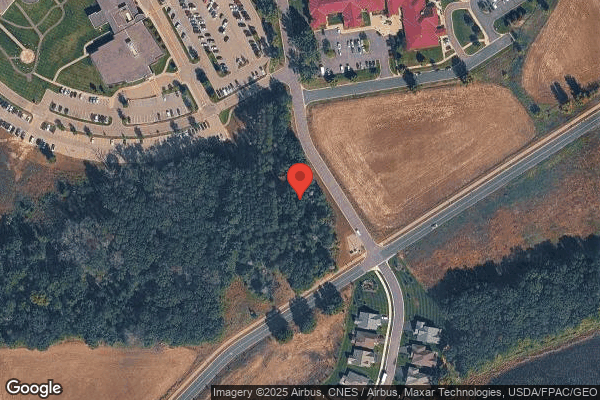




MEADOWS ON FAIRVIEW

25565 FAIRVIEW AVENUE, WYOMING, MN 55092 (651) 466-1300
Non profit - Corporation 14 Beds EBENEZER SENIOR LIVING Data: November 2025
Trust Grade
90/100
#54 of 337 in MN
Last Inspection: April 2025

Within standard 12-15 month inspection cycle. Federal law requires annual inspections.

Overview

Meadows on Fairview has received a Trust Grade of A, indicating it is an excellent choice for care, highly recommended for families seeking a nursing home. It ranks #54 out of 337 facilities in Minnesota, placing it in the top half, and is the best option among the four nursing homes in Chisago County. However, the facility is experiencing a worsening trend, with the number of issues increasing from 1 in 2024 to 2 in 2025. Staffing is a strong point, boasting a perfect 5/5 rating and a turnover rate of 34%, which is better than the state average of 42%. Notably, there have been no fines, and the facility offers more RN coverage than 98% of Minnesota facilities, ensuring that residents receive attentive care. On the downside, there are some concerns highlighted in recent inspections, including failures to implement proper precautions for a resident tested for a contagious infection and a lack of comprehensive assessment for another resident's diabetic foot ulcer. These incidents indicate areas where the facility needs to improve to ensure the safety and well-being of its residents. Overall, while there are strengths in staffing and care quality, these recent findings warrant careful consideration for families.

Trust Score
A
90/100
In Minnesota
#54/337
Top 16%
Safety Record
Low Risk
No red flags
Inspections
Getting Worse
1 → 2 violations
Staff Stability
○ Average
34% turnover. Near Minnesota's 48% average. Typical for the industry.
Penalties
✓ Good
No fines on record. Clean compliance history, better than most Minnesota facilities.
Skilled Nurses
✓ Good
Each resident gets 192 minutes of Registered Nurse (RN) attention daily — more than 97% of Minnesota nursing homes. RNs are the most trained staff who catch health problems before they become serious.
Violations
✓ Good
Only 3 deficiencies on record. Cleaner than most facilities. Minor issues only.
★★★★★
5.0
Overall Rating
★★★★★
5.0
Staff Levels
★★★★★
5.0
Care Quality
★★★★☆
4.0
Inspection Score
Stable
2024: 1 issues
2025: 2 issues

The Good

  • 5-Star Staffing Rating · Excellent nurse staffing levels
  • 5-Star Quality Measures · Strong clinical quality outcomes
  • Full Sprinkler Coverage · Fire safety systems throughout facility
  • No fines on record
  • Staff turnover below average (34%)

    14 points below Minnesota average of 48%

Facility shows strength in staffing levels, quality measures, fire safety.

The Bad

Staff Turnover: 34%

11pts below Minnesota avg (46%)

Typical for the industry

Chain: EBENEZER SENIOR LIVING

Part of a multi-facility chain

Ask about local staffing decisions and management

The Ugly 3 deficiencies on record

Apr 2025 2 deficiencies
CONCERN (D)

Potential for Harm - no one hurt, but risky conditions existed

Quality of Care (Tag F0684)

Could have caused harm · This affected 1 resident

**NOTE- TERMS IN BRACKETS HAVE BEEN EDITED TO PROTECT CONFIDENTIALITY** Based on interview and record review, the facility failed to ensure a non-pressure wound was comprehensively assessed for 1 of 2...

Read full inspector narrative →
**NOTE- TERMS IN BRACKETS HAVE BEEN EDITED TO PROTECT CONFIDENTIALITY** Based on interview and record review, the facility failed to ensure a non-pressure wound was comprehensively assessed for 1 of 2 (R12) residents reviewed for non-pressure skin concerns. Findings include: R12's admission Minimum Data Set (MDS) dated [DATE], indicated R12 had cognitive impairment and diagnoses of diabetes. Furthermore, R12 had a diabetic foot ulcer. R12's provider and nursing orders dated 3/10/25, directed staff to change R70's wound vac (device that provides negative pressure to wound to promote healing) on Mondays and Thursdays. R12's care plan dated 3/18/25, indicated R12 was at risk for pressure injuries due to presence of wound vac, neuropathy and diabetes with diabetic foot ulcer. Interventions included for staff to assess/record/monitor wound healing with wound vac dressing changes, obtain measurements, document status of wound perimeter, wound bed healing progress and report declines to the provider. R12's skin and wound evaluation assessment dated [DATE], was in progress and included wound measurements. However, the remainder of the assessment was blank. R12's skin and wound evaluation assessment dated [DATE], was in progress and included wound measurements and identified R12's wound to be a pressure wound present on admission. R12's electronic medical record lacked indication R12's wound had been assessed or measured other than 3/6/25 and 4/3/25. An interview on 4/15/25 at 1:06 p.m., registered nurse (RN)-A stated R12 had bone infection on the left foot and has had the wound vac in place since admission. RN-A stated the wound vac was changed on Monday and Thursdays and may need to get a wound picture updated. RN-A further stated there was no weekly documentation or measurements needed and had not been told that was needed. RN-A further stated documentation of it occurred in progress notes. When interviewed on 4/15/25 at 4:11 p.m., the Director of Nursing (DON) stated R12 had a diabetic ulcer and there had been some confusion with it being a pressure ulcer. DON further stated the facility did the wound cares and the podiatrist followed the wound. DON verified R12 did not have wound assessments or measurements completed weekly and would expect nurses to do that even with podiatry following. A facility assessment titled Management of Skin Alterations revised 9/11/24, directed residents with wounds will have weekly monitoring for appropriateness of treatment, signs of infection, pain or discomfort, and signs of healing.
CONCERN (F)

Potential for Harm - no one hurt, but risky conditions existed

Infection Control (Tag F0880)

Could have caused harm · This affected most or all residents

**NOTE- TERMS IN BRACKETS HAVE BEEN EDITED TO PROTECT CONFIDENTIALITY** Based on observation, interview and record review the facility failed to ensure tracking and surveillance was initiated and tran...

Read full inspector narrative →
**NOTE- TERMS IN BRACKETS HAVE BEEN EDITED TO PROTECT CONFIDENTIALITY** Based on observation, interview and record review the facility failed to ensure tracking and surveillance was initiated and transmission-based precautions (TBP) implemented for 1 of 1 residents (R70) who was tested for clostridioides difficile, a highly contagious infection (C. Diff). The facility also failed to ensure proper hand hygiene was performed for 1 of 1 residents (R70) who was assisted with personal cares. Findings include: R70's admission Minimum Data Set (MDS) dated [DATE], indicated R70 was cognitively intact and had diagnoses of a femur fracture and heart failure. Furthermore, R70 required assistance of staff for toileting and was frequently incontinent of bowel and bladder. R70's provider order dated 4/14/25 at 7:00 a.m., instructed staff to send a stool sample for C. Diff. R70's bowel movement task sheet dated 4/2025, indicated R70 had diarrhea and watery stools mixed with soft stools. From 4/13/25- 4/14/25, R70 had only diarrhea. R70's care plan dated 3/29/25, indicated R70 required enhanced barrier precautions until incisions are fully closed and healed and instructed staff to gown and gloves during high contact care activity. Furthermore, R70's care plan indicated R70 required extensive assist with one staff for toilet transfers. R70's electronic medical record lacked indication R70 required TBP during the time R70 was tested for C. Diff. A facility document titled Infection Surveillance Monthly Report, dated 2/2025- 4/2025, lacked indication R70 was included for their loose stools and C. Diff testing. An observation on 4/14/25 at 12:05p.m., R70's door was open and R70 was laying in bed. Outside the door was a sign that stated Enhanced barrier precautions and directed staff to wear a gown and gloves with high contact cares. When interviewed on 4/14/25 at 12:05 p.m., R70 stated they were not feeling the best and their stomach was a little uneasy. R70 further stated the diarrhea had come back. R70 stated it was pretty bad when they first admitted , then seemed a little better, but now was back. An observation on 4/14/25 at 5:09 p.m., nursing assistant (NA)-A entered R70's room without donning a gown or gloves to deliver R70's dinner tray. NA-A then exited R70's room with a pink water cup and brought to a dirty dish area. An observation on 4/14/25 at 7:20 p.m., without donning gown or gloves, NA-A entered R70's room with a vital sign machine. NA-A did not don a gown or gloves. NA-A obtained R70's vital signs and then took their order for breakfast and lunch for the following day. NA-A then brought the vital machine out of the room and proceed back into R70's room. NA-A assisted R70 to their wheelchair. NA-A obtained gown and gloves before assisting R70 into the bathroom. NA-A told R70 the container in the toilet was for a stool sample and R70 can just go as she normally did. At 7:37 p.m., NA-A performed hand hygiene donned a gown and gloves before entering R70's bathroom. NA-A removed R70's pants and placed them in a laundry basket. NA-A then placed a clean brief around R70's feet and assisted R70 to change into a gown for bed. R70 stood up with assistance and NA-A used several wipes to clean R70's bottom as R70 had a bowel movement. Without glove change or hand hygiene, NA-A pulled R70's brief up and assisted R70 back into the wheelchair. NA-A then removed gloves and without hand hygiene donned new gloves. NA-A then assisted R70 back to bed and removed 70's compression socks. The call light was placed near R70 before NA-A rinsed out the compression socks in the sink and hung on the grab bar in the bathroom to dry. NA-A removed gown and gloves and performed hand hygiene with hand sanitizer before exiting the room. When interviewed on 4/14/25 at 8:03 p.m., NA-A stated R70 was having loose bowel movements, and they were odorous. A sample would be sent to test for C. Diff. NA-A verified R70 was on EBP because of their surgical incision. Furthermore, NA-A verified they did not perform hand hygiene or exchange gloves after assisting with wiping and before donning new gloves. An observation on 4/15/25 at 7:27 a.m., R70's door had a sign that stated Enhanced Barrier Precautions and instructed staff to don a gown and gloves for high contact cares. Without gowning and gloving, NA-B entered R70's room and assisted to the bathroom. When in the bathroom, NA-B donned gloves and then assisted pulling R70's soiled brief down before R70 sat on the toilet. NA-B removed their gloves, gave privacy and closed the bathroom door. Without hand hygiene, R70 began to straighten out the pad, sheets and blanket of R70's bed. NA-B went into check on R70 in the bathroom. NA-B then knelt down near R70's feet and without gloves or gown, removed R70's soiled brief and placed in the garbage. Without hand hygiene, NA-B donned gloves and assisted with putting a clean brief and pants around R70's ankles and placed clean socks. R70 requested more time. NA-A removed gloves, performed hand hygiene with hand sanitizer and told R70 to put their light on before leaving the room. At 7:50 a.m., NA-B performed hand hygiene, donned a gown and gloves and entered R70's room. NA-B assisted R70 to stand and used a wet washcloth to clean R70's bottom. The washcloth was then placed on the counter next to R70's sink and a towel was obtained to dry. Without hand hygiene or glove exchange, NA-B pulled up R70's clean brief and pants before assisting to the wheelchair. NA-B moved R70 up to the sink to wash up. R70 initially grabbed the soiled washcloth and towel used to clean their bottom, however NA-B interjected and gave R70 a clean washcloth to use. NA-B finished up with morning cares and performed hand hygiene with hand sanitizer before exiting R70's room. When interviewed on 4/15/25 at 8:05 a.m., NA-B verified gloves and gown were not worn during all cares provided for R70. NA-B further verified no gloves were worn when removing the soiled brief and hand hygiene should have been completed after removing gloves and when moving from soiled to clean area. When interviewed on 4/15/25 at 1:17 p.m., registered nurse (RN)-A stated R70 had issues with diarrhea and had been given a supplement to try and bulk them up. After having the supplement for a few days, R70 continued to have loose stools on Sunday. RN-A left a message for the provider who ordered a stool sample to be checked for C. Diff on Monday. RN-A stated it was collected yesterday, but there had been no results yet. RN-A further stated R70 did not require any additional precautions right now because the test was not back yet. If R70's C. Diff test came back positive, R70 would need contact precautions which meant a gown and gloves were to be always worn when in the room and hand washing was needed instead of hand sanitizer. When interviewed on 4/15/25 at 3:37 p.m., the infection preventionist (IP) who was also the Director of Nursing Information was gathered from resident admission information, progress reports and other reports in the EMR. The IP further explained any resident who was started on an antibiotic had a case or line opened for them. This included their name, kind of infection, the antibiotic they were on, any symptoms, labs, and if TBP needed. IP stated only infections that were on antibiotics were included in the tracking system. Any potential infections were monitored by the nurses who would update the providers as needed. The IP expected TBP to be implemented when any resident had a pending test for a communicable disease such as C. Diff. IP verified there was a communication breakdown and had not been aware R70 had continued diarrhea and had been tested for C. Diff until the negative results came through today. IP further stated R70 should have been placed on contact precautions and staff should have used soap and water for hand hygiene once the C. Diff test was ordered. Furthermore, the IP expected staff to perform hand hygiene between each glove exchange and when moving from clean to dirty areas during resident cares. A facility policy titled Hand hygiene revised 4/2024, directed staff to utilize soap and water after known or suspected exposure to C. Diff. The policy further directed staff to change gloves during patient care when moving from a contaminated body site to a clean body site and to performed hand hygiene between any glove changes. A facility policy titled Transmission/Isolation Precautions revised 1/22/25, directed staff to review needs for precautions/isolation with IP or supervisor.
Jul 2024 1 deficiency
CONCERN (D)

Potential for Harm - no one hurt, but risky conditions existed

Transfer Notice (Tag F0623)

Could have caused harm · This affected 1 resident

**NOTE- TERMS IN BRACKETS HAVE BEEN EDITED TO PROTECT CONFIDENTIALITY** Based on document review and interview the facility failed to ensure a written notification of transfer was sent to the office o...

Read full inspector narrative →
**NOTE- TERMS IN BRACKETS HAVE BEEN EDITED TO PROTECT CONFIDENTIALITY** Based on document review and interview the facility failed to ensure a written notification of transfer was sent to the office of the Ombudsman for long term care for 2 of 2 residents (R1, R13) with the potential to affect all residents transferred to the hospital. Findings include: R1's face sheet dated 7/24/24 listed the following diagnoses: chronic respiratory failure with hypoxia (long term breathing issues with low blood oxygen), chronic obstructive pulmonary disease (long term narrowing of the breathing passages), diabetes, obesity, congestive heart failure (the heart was unable to pump efficiently), dysphagia (difficulty swallowing), atrial fibrillation (top two chamber of the heart beat erratically), coronary artery disease (narrowing of the veins/arteries in the heart), dependence on supplemental oxygen, obstructive sleep apnea (stops breathing for spells of time while sleeping), and peripheral vascular disease (the body struggles to return blood from its extremities). Progress notes indicated R1 was hospitalized twice on the following dates: 4/10/24 through 4/12/24 5/14/24 through 5/28/24 and went to the emergency department of 6/5/24, and R1's medical record lacked evidence a written notification of transfer was sent to the Ombudsman for long term care. R13's face sheet dated 7/24/2024, listed the following diagnoses: hypertension (high blood pressure), unspecified dislocation of right hip (right hip our of hip socket), restless leg syndrome (restless legs), presence of right artificial joint (surgical joint replacement) and major depressive disorder (Feeling sad). Progress notes indicated R13 went to an emergency department on 4/29/24 and was hospitalized on [DATE]. R13's medical record lacked evidence a written notification of transfer was sent to the ombudsman for long term care. Facility provided document, referred to as, Hospital Transfer List, indicated list of resident transfers over the last six months, and included R1 and R13. During an interview on 7/23/24 at 1:06 p.m., director of nursing (DON) stated the facility transfer list document included the residents R1 and R13. DON stated she did not believe the ombudsman had been notified of R1 and R13's transfer to the hospital and she was reviewing the facility policy. During an interview on 7/23/24 at 2:04 p.m., DON stated the notice of transfer to ombudsman for R1 and R13 had not been done but should have During an interview on 7/23/24 at 2:25 p.m., licenses social worker (LSW) stated she had not notified the ombudsman for the transfer and hospitalization of R1 and R13. LSW stated the transfers should have been sent to the ombudsman upon review of the facility policy. Facility provided document, titled, Transfer and Discharge from the facility indicated, copies of notices for emergency transfer must also be sent to the ombudsman, and can be done monthly.
Understanding Severity Codes (click to expand)
Life-Threatening (Immediate Jeopardy)
J - Isolated K - Pattern L - Widespread
Actual Harm
G - Isolated H - Pattern I - Widespread
Potential for Harm
D - Isolated E - Pattern F - Widespread
No Harm (Minor)
A - Isolated B - Pattern C - Widespread

Questions to Ask on Your Visit

  • "Can I speak with families of current residents?"
  • "What's your RN coverage like on weekends and overnight?"

Our Honest Assessment

Strengths
  • • Grade A (90/100). Above average facility, better than most options in Minnesota.
  • • No major safety red flags. No abuse findings, life-threatening violations, or SFF status.
  • • No fines on record. Clean compliance history, better than most Minnesota facilities.
  • • Only 3 deficiencies on record. Cleaner than most facilities. Minor issues only.
Concerns
  • • No significant concerns identified. This facility shows no red flags across CMS ratings, staff turnover, or federal penalties.
Bottom line: Generally positive indicators. Standard due diligence and a personal visit recommended.

About This Facility

What is Meadows On Fairview's CMS Rating?

CMS assigns MEADOWS ON FAIRVIEW an overall rating of 5 out of 5 stars, which is considered much above average nationally. Within Minnesota, this rating places the facility higher than 99% of the state's 100 nursing homes. This rating reflects solid performance across the metrics CMS uses to evaluate nursing home quality.

How is Meadows On Fairview Staffed?

CMS rates MEADOWS ON FAIRVIEW's staffing level at 5 out of 5 stars, which is much above average compared to other nursing homes. Staff turnover is 34%, compared to the Minnesota average of 46%. This relatively stable workforce can support continuity of care.

What Have Inspectors Found at Meadows On Fairview?

State health inspectors documented 3 deficiencies at MEADOWS ON FAIRVIEW during 2024 to 2025. These included: 3 with potential for harm.

Who Owns and Operates Meadows On Fairview?

MEADOWS ON FAIRVIEW is owned by a non-profit organization. Non-profit facilities reinvest revenue into operations rather than distributing to shareholders. The facility is operated by EBENEZER SENIOR LIVING, a chain that manages multiple nursing homes. With 14 certified beds and approximately 12 residents (about 86% occupancy), it is a smaller facility located in WYOMING, Minnesota.

How Does Meadows On Fairview Compare to Other Minnesota Nursing Homes?

Compared to the 100 nursing homes in Minnesota, MEADOWS ON FAIRVIEW's overall rating (5 stars) is above the state average of 3.2, staff turnover (34%) is significantly lower than the state average of 46%, and health inspection rating (4 stars) is above the national benchmark.

What Should Families Ask When Visiting Meadows On Fairview?

Based on this facility's data, families visiting should ask: "Can I visit during a mealtime to observe dining assistance and food quality?" "How do you handle medical emergencies, and what is your hospital transfer rate?" "Can I speak with family members of current residents about their experience?"

Is Meadows On Fairview Safe?

Based on CMS inspection data, MEADOWS ON FAIRVIEW has a clean safety record: no substantiated abuse findings (meaning no confirmed cases of resident harm), no Immediate Jeopardy citations (the most serious violation level indicating risk of serious injury or death), and is not on the Special Focus Facility watch list (a federal program monitoring the lowest-performing 1% of nursing homes). The facility has a 5-star overall rating and ranks #1 of 100 nursing homes in Minnesota. While no facility is perfect, families should still ask about staff-to-resident ratios and recent inspection results during their visit.

Do Nurses at Meadows On Fairview Stick Around?

MEADOWS ON FAIRVIEW has a staff turnover rate of 34%, which is about average for Minnesota nursing homes (state average: 46%). Moderate turnover is common in nursing homes, but families should still ask about staff tenure and how the facility maintains care continuity when employees leave.

Was Meadows On Fairview Ever Fined?

MEADOWS ON FAIRVIEW has no federal fines on record. CMS issues fines when nursing homes fail to meet care standards or don't correct problems found during inspections. The absence of fines suggests the facility has either maintained compliance or corrected any issues before penalties were assessed. This is a positive indicator, though families should still review recent inspection reports for the full picture.

Is Meadows On Fairview on Any Federal Watch List?

MEADOWS ON FAIRVIEW is not on any federal watch list. The most significant is the Special Focus Facility (SFF) program, which identifies the bottom 1% of nursing homes nationally based on persistent, serious quality problems. Not being on this list means the facility has avoided the pattern of deficiencies that triggers enhanced federal oversight. This is a positive indicator, though families should still review the facility's inspection history directly.