GREENBRIAR NURSING CENTER


4347 WEST GAY ROAD, DIBERVILLE, MS 39540 (228) 392-8484
For profit - Corporation 103 Beds Independent Data: November 2025
Trust Grade
60/100
#68 of 200 in MS
Last Inspection: June 2025

Inspected within the last 6 months. Data reflects current conditions.

Overview

Greenbriar Nursing Center has a Trust Grade of C+, indicating it is slightly above average among nursing homes, but not outstanding. It ranks #68 out of 200 facilities in Mississippi, placing it in the top half, and is the best option among the six facilities in Harrison County. While the facility has maintained a stable trend with 4 issues reported in both 2024 and 2025, it faces significant staffing challenges, receiving a poor rating of 1 out of 5 stars, with a concerning turnover rate of 67%. Importantly, the center has no fines on record, which is a positive sign. However, specific incidents noted by inspectors include failures in hand hygiene during resident care, which poses infection risks, and a lack of privacy during perineal care, highlighting areas where improvement is needed. Overall, while there are strengths in its ranking and absence of fines, families should be mindful of the staffing issues and care practices that require attention.

Trust Score
C+
60/100
In Mississippi
#68/200
Top 34%
Safety Record
Low Risk
No red flags
Inspections
Holding Steady
4 → 4 violations
Staff Stability
⚠ Watch
67% turnover. Above average. Higher turnover means staff may not know residents' routines.
Penalties
✓ Good
No fines on record. Clean compliance history, better than most Mississippi facilities.
Skilled Nurses
⚠ Watch
Each resident gets only 22 minutes of Registered Nurse (RN) attention daily — below average for Mississippi. Fewer RN minutes means fewer trained eyes watching for problems.
Violations
⚠ Watch
13 deficiencies on record. Higher than average. Multiple issues found across inspections.
★★★☆☆
3.0
Overall Rating
★☆☆☆☆
1.0
Staff Levels
★★☆☆☆
2.0
Care Quality
★★★★☆
4.0
Inspection Score
Stable
2024: 4 issues
2025: 4 issues

The Good

  • Full Sprinkler Coverage · Fire safety systems throughout facility
  • No fines on record

Facility shows strength in fire safety.

The Bad

3-Star Overall Rating

Near Mississippi average (2.6)

Meets federal standards, typical of most facilities

Staff Turnover: 67%

21pts above Mississippi avg (46%)

Frequent staff changes - ask about care continuity

Staff turnover is elevated (67%)

19 points above Mississippi average of 48%

The Ugly 13 deficiencies on record

Jun 2025 4 deficiencies
CONCERN (D)

Potential for Harm - no one hurt, but risky conditions existed

Resident Rights (Tag F0550)

Could have caused harm · This affected 1 resident

Based on observation, interview, record review, and facility policy review, the facility failed to maintain privacy during the provision of perineal care for one (1) of four (4) residents observed for...

Read full inspector narrative →
Based on observation, interview, record review, and facility policy review, the facility failed to maintain privacy during the provision of perineal care for one (1) of four (4) residents observed for care, Resident #22. Findings included: A review of the facility's policy titled Resident Rights, dated 2/2023, revealed, The resident has the right to a dignified existence .7. Privacy and confidentiality. The resident has a right to personal privacy . On 6/12/25 at 10:34 AM, during an observation of perineal care provided by Certified Nurse Aide (CNA) #2, the CNA left the resident exposed while she exited the room to get assistance. Resident #22 remained exposed and was pulling at her shirt in an attempt to cover her private area. CNA #2 returned with CNA #1, then later left the room again to retrieve additional towels, once again leaving Resident #22 exposed. The resident continued to pull her shirt down while waiting. On 6/12/25 at 10:59 AM, during an interview with lead CNA #1, she confirmed Resident #22 was left exposed and stated it was a dignity issue. She noted that the resident appeared embarrassed by being exposed. On 6/12/25 at 11:21 AM, during an interview with CNA #2, she confirmed she left the resident exposed twice when she exited the room. She acknowledged that she should have covered the resident and stated it was a dignity issue. On 6/12/25 at 12:57 PM, during an interview with the Director of Nursing (DON), she stated CNA #2 should have covered Resident #22 as much as possible during perineal care and when leaving the room to retrieve supplies. She confirmed it was a dignity issue to leave a resident exposed. A record review of Resident #22's admission Record revealed the facility admitted her on 6/25/19 with diagnoses including Unspecified Dementia. A record review of Resident #22's Quarterly Minimum Data Set (MDS) with an Assessment Reference Date (ARD) of 5/6/25 revealed her cognition was severely impaired.
CONCERN (D)

Potential for Harm - no one hurt, but risky conditions existed

Deficiency F0583 (Tag F0583)

Could have caused harm · This affected 1 resident

Based on observation, interview, and record review, and facility policy review the facility failed to ensure the protection of privacy and confidentiality of resident care information when clinical in...

Read full inspector narrative →
Based on observation, interview, and record review, and facility policy review the facility failed to ensure the protection of privacy and confidentiality of resident care information when clinical instructions were posted in public view without safeguards for one (1) of eighteen (18) sampled residents, Resident #78. Findings included: A review of the facility's policy Resident Rights, dated 02/2023, revealed, .7. Privacy and confidentiality. The resident has the right to personal privacy and confidentiality of his or her . medical records .a. Personal privacy includes .medical treatment .b. The resident has a right to secure and confidential personal and medical records . On 6/10/25 at 12:32 PM, during an observation, a sign indicating NPO (Nothing by Mouth) was observed posted on the outside of Resident #78's door, in plain view from the hallway. On 6/12/25 at 8:45 AM, during an interview with the Director of Nursing (DON), she stated the signage was posted so staff would know the resident was not to be given anything by mouth. She also stated she was unsure if the resident's family was aware that the sign had been placed on the door. On 6/12/25 at 8:49 AM, during an interview with Resident #78, she stated she had not been asked for permission for the sign to be posted and did not recall being asked about placing the sign on the door. On 6/12/25 at 9:09 AM, during an interview with Certified Nurse Aide (CNA) #1, she stated that CNAs could access residents' care information, including NPO status, via the Kardex and through documentation in the electronic health records system. On 6/12/25 at 10:45 AM, during a follow-up interview with the DON, she acknowledged that staff members from departments such as Physical Therapy and Dietary sometimes answer call lights. She stated all staff have access to residents' chart information. She also acknowledged that visitors and family members walking through the hallway could see the NPO sign posted on Resident #78's door, which contained care information that should have remained confidential. On 6/12/25 at 11:32 AM, during a phone interview with Resident #78's Resident Representative (RR), he stated no one asked him for permission to place a sign on the resident's door. He stated the resident had been transferred from another facility with an NPO order, and everyone understood that she should not be fed anything by mouth. A record review of the Profile revealed the facility admitted Resident #78 on 4/17/25 with diagnoses including Hemiplegia and Hemiparesis following Cerebral Infarction affecting the left non-dominant side. A record review of the Order Details revealed a physician's order, dated 6/4/25, which indicated Resident #78 received enteral feedings. A record review of the Minimum Data Set (MDS) with an Assessment Reference Date (ARD) of 4/24/25 revealed Resident #78 had a Brief Interview for Mental Status (BIMS) score of 12, which indicated her cognition was moderately impaired.
CONCERN (D)

Potential for Harm - no one hurt, but risky conditions existed

QAPI Program (Tag F0867)

Could have caused harm · This affected 1 resident

Based on record review, staff interview, and facility policy review, the facility's Quality Assurance and Performance Improvement (QAPI) Committee failed to sustain corrective actions to prevent recur...

Read full inspector narrative →
Based on record review, staff interview, and facility policy review, the facility's Quality Assurance and Performance Improvement (QAPI) Committee failed to sustain corrective actions to prevent recurrence of a previously cited deficiency, specifically, the facility was cited for failing to provide Percutaneous Endoscopic Gastrostomy (PEG) care in a manner to prevent the possible spread of infection during an annual recertification survey on 2/8/24 and was cited again for the same deficiency during the current survey, demonstrating that QAPI failed to sustain ongoing monitoring and oversight to prevent recurrence for one (1) of four deficiencies cited. F880. Findings include: Record review of the facility's QAPI Change Process Policy (undated) revealed, .The facility has established and utilized a systematic approach to performance improvement activities to ensure changes are effective and improvements are sustained or modified as needed . Record review of the Provider History Profile revealed the facility received a citation for F880-Infection Control. Record review of the CMS-2567 (a record that identifies the federal regulation in violation and describes the findings of noncompliance and the facility's plan of correction), with a survey date of 2/8/2024, revealed the facility received a citation for F880, .Based on observation, staff interview, record review, and facility policy review, the facility failed to provide peg tube care and catheter care in a manner to prevent the possible spread of infection . During the current recertification survey, the facility failed to ensure perineal care was provided in a manner to prevent the possible spread of infection. On June 12, 2025, at 4:15 PM in an interview, the Administrator stated that corrective actions taken after the survey on 2/8/24 included in-service training for staff on the care and cleaning of catheter sites and PEG tube feeding sites.
CONCERN (E)

Potential for Harm - no one hurt, but risky conditions existed

Infection Control (Tag F0880)

Could have caused harm · This affected multiple residents

Based on observation, interview, record review, and facility policy review, the facility failed to ensure perineal care was provided in a manner to prevent the possible spread of infection when a Cert...

Read full inspector narrative →
Based on observation, interview, record review, and facility policy review, the facility failed to ensure perineal care was provided in a manner to prevent the possible spread of infection when a Certified Nurse Aide (CNA) failed to perform hand hygiene during care for one (1) of four (4) residents observed for care, Resident #22. Findings included: A review of the facility's Hand Hygiene Policy, dated 8/23, revealed, .The facility considers hand hygiene the primary means to prevent the spread of infections. All staff will perform proper hand hygiene procedures to prevent the spread of infection .Policy Guidelines .6. Additional considerations: a. The use of gloves does not replace hand hygiene. If your task requires gloves, perform hand hygiene prior to donning gloves and immediately after removing gloves . On 6/12/25 at 10:34 AM, during an observation of perineal care provided by Certified Nurse Aide (CNA) #2, she began to assist Resident #22 and then stated, I need some help. She removed her gloves and exited the room without performing hand hygiene. She returned, did not perform hand hygiene but applied gloves and continued care. After completing care, she removed her gloves and applied a new pair before applying a clean brief, but did not perform hand hygiene before donning (putting on) the gloves. On 6/12/25 at 10:59 AM, during an interview with lead CNA #1, she confirmed CNA #2 did not perform hand hygiene several times after removing gloves and that hand hygiene should be performed each time staff enter or exit a room and between glove changes during perineal care. On 6/12/25 at 11:21 AM, during an interview with CNA #2, she admitted she did not perform hand hygiene each time she removed gloves or reentered the room. On 6/12/25 at 12:57 PM, during an interview with the Director of Nursing (DON), she stated CNA #2 should have performed hand hygiene when entering and exiting the room and between glove changes. On 6/12/25 at 3:29 PM, during an interview with Registered Nurse (RN) #1, the facility's Infection Preventionist, she stated CNA #2 should have washed her hands and donned clean gloves each time she entered or exited the room. She confirmed that Resident #22 could develop an infection from lapses in hand hygiene. A record review of Resident #22's admission Record revealed the facility admitted her on 6/25/19 with diagnoses including Unspecified Dementia. A record review of Resident #22's Quarterly Minimum Data Set (MDS) with an Assessment Reference Date (ARD) of 5/6/25 revealed her cognition was severely impaired.
Nov 2024 1 deficiency
CONCERN (D) 📢 Someone Reported This

A family member, employee, or ombudsman was alarmed enough to file a formal complaint

Potential for Harm - no one hurt, but risky conditions existed

Report Alleged Abuse (Tag F0609)

Could have caused harm · This affected 1 resident

Based on staff interview, record review, and facility policy review, the facility failed to report an allegation of sexual abuse within two (2) hours, as required, when Resident #1 verbalized she was ...

Read full inspector narrative →
Based on staff interview, record review, and facility policy review, the facility failed to report an allegation of sexual abuse within two (2) hours, as required, when Resident #1 verbalized she was sexually abused for one (1) of three (3) sampled residents. Findings included: A review of the facility's, Compliance with Reporting Allegations of Abuse/Neglect/Exploitation Policy, revised in August 2023, revealed, It is the policy of this facility to report all allegations of abuse/neglect/exploitation or mistreatment .immediately to the Administrator of the facility and to other appropriate agencies in accordance with current state and federal regulations with prescribed timeframes . Procedure for Response and Reporting Allegations of Abuse/Neglect/Exploitation . Any owner, operator, employee, manager, agent, or contractor of the facility can report an allegation of abuse/neglect/exploitation to the abuse agency hotline . A record review of the admission Record revealed the facility admitted Resident #1 on 09/13/2024 with diagnoses including Dementia and Alzheimer's Disease. A record review of the admission Minimum Data Set (MDS) with an Assessment Reference Date (ARD) of 9/23/24, revealed Resident #1 had a Brief Interview for Mental Status (BIMS) score of 03, which indicated her cognition was severely impaired. A record review of the facility's investigation of the alleged sexual abuse revealed that on 11/01/2024 at approximately 11:50 PM, Resident #1 exited her room with a bowel movement on her body and stated, There is so much blood, she raped me, there is so much blood. A record review of the local hospital admission Note dated 11/02/2024 at 9:07 AM revealed, .she was yelling she was raped. On 11/12/2024 at 10:25 AM, during an interview, the Administrator stated that on 11/02/2024 at 1:18 AM, Resident #1 complained of rectal bleeding and was sent to the local emergency department. On 11/06/2024, the Administrator received a call from the case manager at the hospital reporting that a complaint would be submitted to the State Agency (SA) and the Attorney General regarding an allegation of rape at the facility. Upon receiving this information, the Administrator initiated an investigation and discovered that on 11/02/2024 at approximately 1:18 AM, Resident #1 walked out of her room with feces and blood and stated she must have been raped. The investigation revealed that Licensed Practical Nurse (LPN) #1 and Certified Nurse Assistants (CNAs) #1 and #2 were aware of the allegation on 11/02/2024 but did not report it to the Administrator or Director of Nursing (DON). The facility began their investigation on 11/06/2024 and was unable to substantiate that abuse occurred. The Administrator confirmed the facility's policy requires reporting allegations of rape to the SA, local police, and Attorney General within two (2) hours of the allegation. The facility's administration did not report the allegation on 11/02/2024 because they were unaware of the situation until 11/06/2024. On 11/12/2024 at 1:21 PM, during an interview, the DON confirmed that during the facility's investigation, there were three (3) staff members who stated that Resident #1, following a bowel movement with bleeding on 11/2/24, felt as if she was raped. The DON stated the facility was not aware of the allegation on 11/02/2024 because none of the staff informed the administration. The DON emphasized that staff should have notified her or the Administrator immediately to ensure reporting to the SA, local police, and Attorney General within two (2) hours. On 11/12/2024 at 2:20 PM, during an interview, LPN #1 confirmed that on 11/02/2024 at approximately 1:30 AM, Resident #1 appeared confused, walked out of her room with bowel and blood observed, and stated, with all this blood, I must have been raped. LPN #1 confirmed the Nurse Practitioner was notified about the bleeding, but admitted the Administrator or DON was not notified that Resident #1 said she had been raped because LPN #1 believed there was no basis for the allegation. A record review of CNA #1's witness statement revealed, .resident did not want anyone to touch her and stated rape. A record review of CNA #2's witness statement revealed, .she was saying it was so much blood and something about rape.
Feb 2024 3 deficiencies
CONCERN (D)

Potential for Harm - no one hurt, but risky conditions existed

Safe Environment (Tag F0584)

Could have caused harm · This affected 1 resident

**NOTE- TERMS IN BRACKETS HAVE BEEN EDITED TO PROTECT CONFIDENTIALITY** Based on observation, interview and record review, the facility failed to maintain a comfortable room temperature levels of 71 d...

Read full inspector narrative →
**NOTE- TERMS IN BRACKETS HAVE BEEN EDITED TO PROTECT CONFIDENTIALITY** Based on observation, interview and record review, the facility failed to maintain a comfortable room temperature levels of 71 degrees to 81 degrees Fahrenheit (F) for two (2) of 18 sampled residents. Resident #13 and Resident #9 Findings include: A review of the facility's Safe and Homelike Environment Policy dated Apr (April) 23 revealed Policy: In accordance with residents' rights, the facility will provide a safe, clean, comfortable, and homelike environment . Policy Guidelines: 7. The facility will maintain comfortable and safe temperature levels . Resident #13 On 02/05/24 at 12:53 PM, during an observation and interview with Resident #13, the resident complained the room temperature was too cold for him. He stated had had complained to all the staff about the room temperature, but nothing had been done. There was no unit or thermostat in the room for the resident to be able to adjust the temperature. On 02/08/24 at 9:52 AM, during a phone interview with Resident #13's wife, she explained the resident had complained about the room temperature being cold. She stated that she made staff aware, including the Administrator and the owner, and was told the system was being worked on. A record review of the admission Record revealed the facility admitted Resident #13 on 05/28/21 with current diagnoses including Heart Failure. A record review of the Quarterly Minimum Data Set (MDS) with an Assessment Reference Date (ARD) of 12/14/23, revealed Resident #13 had a Brief Interview for Mental Status (BIMS) score of 12, which indicated his cognition was moderately impaired. Resident #9 On 02/06/24 at 9:35 AM, during Resident Council Meeting, Resident #9 reported her room stays cold all the time, and that her hallway was also cold. A record review of the admission Record revealed the facility admitted Resident #9 on 02/14/17 with the current diagnoses including Hemiplegia and Hemiparesis Following Unspecified Cerebrovascular Disease Affecting Left Non-Dominant Side. Record review of the Annual MDS with an ARD of 11/09/23 revealed Resident #9 had a BIMS score of 13, which indicated she was cognitively intact. At 4:35 PM on 02/07/24, during an interview with the Administrator, she explained some residents had requested the facility to turn up the thermostat in the building and in their rooms. She reported the heating units are in the attic and the thermostat controls are located throughout the facility. She confirmed that there were some thermostats located in resident rooms and all thermostats were set on 72 degrees or higher. On 02/08/24 at 10:20 AM, during an observation and interview with Maintenance #1, he explained that Resident #9 and Resident #13's room temperature were controlled by a thermostat located in another resident's room (room [ROOM NUMBER]). Upon entering room [ROOM NUMBER], the thermostat was set on 68 degrees F and was on cool. The resident in room [ROOM NUMBER] stated that she had gotten hot during the night and had to turn on the air conditioner. She confirmed she adjusted the thermostat as she needed. Maintenance #1 confirmed residents have complained about being cold and that the thermostat in room [ROOM NUMBER] was not locked to prevent the resident from adjusting the temperature that affected other resident rooms. At 10:30 AM on 02/08/24, an observation of Resident #13's room (room [ROOM NUMBER]) with Maintenance #1, revealed the room temperature was 68 degrees when measured using a thermometer. Resident #9's room (room [ROOM NUMBER]) was 66 degrees initially, but when the thermometer was held near the vent in the ceiling, the thermometer reading increased to 69.4 degrees F. On 02/08/24 1:40 PM, during an interview with Administrator, she confirmed the thermostat in room [ROOM NUMBER] controls the temperatures for Rooms #16 through #21. She stated that she locked the thermostat in room [ROOM NUMBER] and turned the unit to auto, so it would turn off and on. She explained the owner had been working on the thermostats since June 2023 to remove thermostats from resident rooms. She explained that she expected all resident rooms to have a comfortable temperature from 71 degrees F and higher.
CONCERN (D)

Potential for Harm - no one hurt, but risky conditions existed

Assessment Accuracy (Tag F0641)

Could have caused harm · This affected 1 resident

Based on observation, interviews, record review, and the facility policy review, the facility failed to accurately code the Minimum Data Set (MDS) related to restraints for two (2) of 18 sampled resid...

Read full inspector narrative →
Based on observation, interviews, record review, and the facility policy review, the facility failed to accurately code the Minimum Data Set (MDS) related to restraints for two (2) of 18 sampled residents. Resident #30 and Resident #36 Findings Include: A review of the facility's MDS 3.0 Completion Policy, dated October 2023, revealed, Policy Statement: Residents are assessed, using a comprehensive assessment process, in order to identify care needs and to develop an interdisciplinary care plan .Policy Guidelines .4. Care Plan Team Responsibility for Completion go MDS Sections .a. ii. Persons completing .the assessment must attest to the accuracy of the section they completed . Resident #30 During an observation on 2/5/24 at 1:35 PM, Resident #30 was observed to have one full length bedrail on one side of the bed and 1/4 (quarter) length side rail on the other. He stated that he requested the long bedrail to be up at night, and he kept it down during the day to make it easier to get out of the bed. A record review of the admission Record revealed the facility admitted Resident #30 on 10/11/2023 and he had current diagnoses including Chronic obstructive pulmonary disease (COPD) and Type 2 Diabetes Mellitus A record review of the Quarterly MDS with an Assessment Reference Date (ARD) of 11/30/23 revealed Resident #30 had a Brief Interview for Mental Status (BIMS) score of 15, which indicated he was cognitively intact. Review of Section P - Restraints revealed Resident #30 had bed rails coded as Used Daily. Resident #36 During an observation on 2/5/24 at 1:00 PM, Resident #36 was not in his room, however, there were 1/4 length side rails observed to both sides of the bed. A review of the admission Record revealed the facility admitted Resident #36 on 1/6/2021 and he had current diagnoses including Hemiplegia and Hemiparesis Following Cerebral Infarction Affecting Right Dominant Side. A record review of the Comprehensive MDS with an ARD of 11/30/23 revealed Resident #36 had a BIMS score of 6, which indicated severe cognitive impairment. A review of Section P - Restraints revealed Resident #36 had bed rails codes as Used Daily. During an interview on 02/08/24 at 3:00 PM, with Licensed Practical Nurse (LPN) #2/ MDS nurse revealed that the 1/4 length bedrail on Resident #30 and Resident #36 were coded as a restraint on the MDS because she was trained that if a resident cannot lower the bedrail on their own, then it was to be coded as a restraint. LPN #2 revealed the 1/4 length bedrails are used as an enabler for Resident #30 and Resident #36. On 02/08/2024 at 3:50 PM, an interview with the Director of Nursing (DON) and Administrator revealed she was aware there was an MDS discrepancy regarding restraints and acknowledged the siderails for Resident #30 and Resident #36 were not a restraint but were used as an enabler. She stated that she had a meeting with the MDS nurse and the Administrator regarding bed rails and coding the MDS. The Administrator stated that she expected the MDS to be coded accurately.
CONCERN (E)

Potential for Harm - no one hurt, but risky conditions existed

Infection Control (Tag F0880)

Could have caused harm · This affected multiple residents

Based on observation, staff interview, record review, and facility policy review, the facility failed to provide peg tube care (Resident #29) and catheter care (Resident #61) in a manner to prevent th...

Read full inspector narrative →
Based on observation, staff interview, record review, and facility policy review, the facility failed to provide peg tube care (Resident #29) and catheter care (Resident #61) in a manner to prevent the possible spread of infection for two (2) of five (5) resident care observations. Findings Include: Review of the facility's Gastrostomy Site Care Policy, dated 10/23, revealed, Policy: It is the policy of this facility to perform gastrostomy site care as ordered. Policy Guidelines .14. Using soap and water/wound cleanser gently clean the area around the tube and continue in an outward circular fashion, ensuring that under the bolster is cleaned . Review of the facility's Hand Hygiene Policy, dated 8/23, revealed, Policy: This facility considers hand hygiene the primary means to prevent the spread of infections. All staff will perform proper hand hygiene procedures to prevent the spread of infection to .residents .Policy Guidelines .6. Additional considerations: 1. The use of gloves does not replace hand hygiene. If your task requires gloves, perform hand hygiene prior to donning (putting on) gloves, and immediately after removing gloves . Resident #29 On 02/07/24 at 3:02 PM, during an observation of Percutaneous Endoscopic Gastrostomy (peg) tube care by Licensed Practical Nurse (LPN) #1 for Resident #29, she cleaned the peg tube insertion site using one (1) gauze, circling the site three (3) times. She did not rotate the gauze or use a new gauze with each circle around the peg tube insertion site. On 02/07/24 at 3:14 PM, in an interview with LPN #1, she confirmed she should have rotated the gauze or changed the gauze with each circle and her actions could have caused the resident to acquire an infection. Record review of the admission Record revealed the facility admitted Resident #29 on 12/09/23 with current diagnoses including Aphasia following Cerebral Infarction. Record review of the Order Summary Report revealed Resident #29 had a Physician's Order, dated 12/11/23, to .Complete tube site care q (every) day and PRN (as needed). Record review of the Comprehensive Minimum Data Set (MDS) with an Assessment Reference Date (ARD) of 12/20/23 revealed Resident #29 had a Brief Interview for Mental Status (BIMS) score of 5, which indicated the resident was severely cognitive impaired. Resident #61 On 2/08/24 at 8:33 AM, an observation of catheter care for Resident #61 completed by Certified Nursing Aide (CNA) #1 revealed CNA #1 washed her hands and applied clean gloves. She filled the wash basin with water and turned the water off while wearing the same gloves. CNA #1 touched the water faucet handle, doorknobs, and the resident's bed linen while wearing the same gloves and did not discard and apply a new clean pair of gloves before providing catheter care. On 02/08/24 at 8:55 AM, in an interview with CNA #1, she stated she should have changed her gloves and applied a new pair of clean gloves before beginning catheter care because the resident could acquire an infection. Record review of the admission Record revealed the facility admitted Resident #61 on 3/20/23 with current diagnoses including Retention of Urine and Benign Prostatic Hyperplasia. Record review of the Order Summary Report, revealed Resident #61 had a Physician's Order, dated 3/20/23, for Foley cath (catheter) care every shift. Review of the Quarterly MDS with an ARD of 12/5/24 revealed Resident #61 had a BIMS score of 5 which indicated he was severely cognitively Impaired. On 02/08/24 at 10:56 AM, in an interview with the DON, she confirmed CNA #1 should have prepared the wash basin and gathered supplies first and washed her hands and applied clean gloves before initiating catheter care for Resident #61. She stated there was a potential to introduce bacteria to the resident by not conducting catheter care with clean gloves. The DON stated LPN #1 should have gone around the peg tube site once per gauze or swab for Resident #29. She should have discarded it and got a new one to clean the site.
Nov 2021 5 deficiencies
CONCERN (D)

Potential for Harm - no one hurt, but risky conditions existed

Transfer Notice (Tag F0623)

Could have caused harm · This affected 1 resident

**NOTE- TERMS IN BRACKETS HAVE BEEN EDITED TO PROTECT CONFIDENTIALITY** Based on staff interviews and record review, the facility failed to ensure two (2) of two (2) sampled residents received written...

Read full inspector narrative →
**NOTE- TERMS IN BRACKETS HAVE BEEN EDITED TO PROTECT CONFIDENTIALITY** Based on staff interviews and record review, the facility failed to ensure two (2) of two (2) sampled residents received written notice of transfer to the hospital. Resident # 23 and Resident # 67. Findings include: Resident #23 During an interview on 11/03/21 at 08:50 AM, with the Administrator, stated on admission the family signs a bed hold policy and when a resident is transferred to the hospital the nurse will fill out the form. The form is sent with the resident to the hospital. The family gets the sheet when the resident arrives at the hospital. The Administrator confirmed the facility does not mail letters to the family/representatives explaining why the resident was transferred to the hospital. The Administrator said the facility emails the resident representative when the resident is sent to the hospital. The Administrator also confirmed the facility did not have a Transfer Policy. On 11/03/21 at 4:00 PM, during a phone interview with Resident #23's Representative, she explained at the time her mother was transferred to the hospital in August, the facility did call to inform her of the transfer, but the facility did not send her a letter or email regarding transfer. Record review of Progress Notes revealed Resident #23 was sent to hospital on August 10, 2021. Record review of Resident #23's Discharge Minimum Data Set (MDS) with an Assessment Reference Date (ARD) of 08/10/2021 revealed Resident #23 was discharged with return anticipated and the type of discharge was unplanned to an acute hospital. Section C of the MDS for staff assessment of cognitive patterns revealed Resident #23 had memory problems and cognitive skills are severely impaired and at the time of the discharge Resident #23 had altered level of consciousness. Record review of Resident #23's admission Record revealed the facility admitted Resident #23 on 03/03/2021 with the diagnoses of Acute Kidney Failure, Diabetes Mellitus, Dementia, and Seizures. Resident #67 During an interview on 11/04/21 at 10:41 AM, with Registered Nurse (RN) #3 confirmed the resident was sent to the hospital on 7/9/21. RN #3 revealed Resident #67 was discharged home on 8/7/21 with (Name of Local Hospice). Record review of the admission Record revealed Resident #67 was admitted to the facility on [DATE] with diagnoses that included Urinary Tract Infections, Anxiety and Neuromuscular dysfunction of bladder. Record review of the discharge Minimum Data Set (MDS) with an Assessment Reference Date (ARD) of 07//09/21 revealed Resident #67 had a Brief Interview for Mental Status (BIMS) of 3 that indicted #67 has severe cognitive impairment.
CONCERN (D)

Potential for Harm - no one hurt, but risky conditions existed

Comprehensive Care Plan (Tag F0656)

Could have caused harm · This affected 1 resident

**NOTE- TERMS IN BRACKETS HAVE BEEN EDITED TO PROTECT CONFIDENTIALITY** Findings Include: Record review of the facility's policy, Comprehensive Care Plans, dated September 2018, it is the policy of th...

Read full inspector narrative →
**NOTE- TERMS IN BRACKETS HAVE BEEN EDITED TO PROTECT CONFIDENTIALITY** Findings Include: Record review of the facility's policy, Comprehensive Care Plans, dated September 2018, it is the policy of this facility to develop and implement a comprehensive person-centered care plan for each resident, consistent with resident's rights, that includes measurable objectives and timeframes to meet a resident's medical, nursing, and mental and psychosocial needs that are identified assessment in the resident's comprehensive assessment. Resident #35 On 11/3/21 at 9:55 AM. an observation of catheter care by Certified Nursing Assistant #3 (CNA) and assisted by CNA #4 revealed CNA #3 did not change gloves after setting up supplies. She used gloved hands to close the curtain and did not change gloves and continued with care. CNA #3 did peri care before starting catheter care. She began care by cleaning the right groin, the left groin and then labia without folding the towel or using a clean towel. She then dried the groin areas and labia without clean towel or rotating the towel. CNA #3 did not change gloves throughout the care. She wiped the catheter tubing from insertion to the bag without folding the towel. On 11/4/21 at 9:16 AM, an in interview with CNA #4 stated that she assisted CNA #3. She stated that CNA #3 did not rotate the towels during care. She stated that CNA #3's actions could cause the resident to get a urinary tract infection. She stated she observed CNA #3 not changing gloves and rotating towels during care. On 11/4/21 at 10:00 AM, in a phone interview with CNA #4, stated her actions could have caused the resident to get sick. She stated the resident could have gotten a bacterial infection. She stated that she should have changed gloves and that the gloves had germs on them. She stated she spread germs by not changing gloves. She stated she was trying to make sure the whole thing was clean. She stated she started orientation and did a check off sheet on care. She stated she could not remember if the check off sheet had catheter care or peri care on it. She stated she was trying to make sure the whole tubing was clean. On 11/4/21 at 11:45 AM, in an interview with Director of Nursing (DON) stated CNA #3 should have never wiped the resident without folding the towel. She stated CNA #3 should have used a clean area of the towel for each area cleaned. She stated she should have changed her gloves. She stated CNA #3 could have caused Resident #35 to have a Urinary Tract Infection. On 11/4/21 at 2:10 PM, in an interview with Registered Nurse #1 (RN)/ Infection Control Nurse stated CNA #3 should not have completed care without changing gloves. She stated the resident can get a Urinary Tract Infection. She stated the resident can get any kind of infection. She stated it could make the resident sick. She stated sometimes an infection is not noticed until resident gets septic, especially the elderly. She stated if a resident gets septic, they could die. Record review of Resident #35 Comprehensive Care Plan dated 5/6/21, revealed, Focus: High risk for infection r/t (related to) F/C (foley catheter) .Intervention: .Clean foley with soap and water qs (every shift). Record review of In-service Sign-In Sheet on hand hygiene dated 5/24/21 and 10/22/21, revealed the signature of CNA #4. Resident #117 Record Review of Resident #117 Comprehensive Care Plan, dated 10/26/21, revealed Focus: High risk for infection r/t (related to) F/C (Foley Catheter). The Care plan does not address the securing device to prevent tension/trauma to the meatus and or infection. During an observation on 11/03/21 at 11:14 AM of incontinent care with Certified Nursing Assistant (CNA) #1 and (CNA) #2 revealed the CNA's Resident #117 had a securing device that was dislodged and was not secured to the residents leg to prevent trauma. No one addressed the securing device that was not connected to the residents leg. Licensed Practical Nurse (LPN) #1 and Registered Nurse (RN) #1 were also present. During an observation on 11/3/21 at 2:30 PM reveal Resident #117 was sitting up in wheelchair without a securing device connected to the residents leg to prevent tugging on the meatus. The catheter tubing was dangling. The catheter bag was connected to the right side of the wheelchair. During an interview on 11/03/21 at 02:47 PM, with CNA #1 confirmed the resident's catheter was not secured to the resident's leg. CNA #1 said this could cause trauma to the meatus and cause the catheter to come out or infection. CNA #1 said it is the CNA's responsibility to tell the nurse if the resident's leg strap or securing device has come off the Resident's leg. CNA #1 said she didn't realize the securing device was not connected to the resident. CNA #1 confirmed the resident has been sitting in the wheelchair all day with the catheter unsecured to the residents leg. During an interview on 11/03/21 at 03:11 PM, with CNA #2 confirmed she failed to notify the nurse that Resident #117's catheter tubing was not secured while she was providing care. CNA #2 confirmed by pulling on the catheter could cause trauma to the meatus/bladder and or urinary tract infections (UTI). During an interview on 11/3/21 at 3:15 PM, with LPN #1 confirmed she failed to secure Resident #117 catheter tubing. LPN #1 confirmed that pulling on the catheter could cause trauma to the meatus and can cause infections. During an interview on 11/3/21 at 3:20 PM with RN #1 confirm she failed to secure Resident #117 catheter tubing while providing care and did not notice the resident's catheter was not secured to her leg. RN #1 said if the tubing is not secure it could cause trauma to the meatus, and or infection. RN #1 confirmed the resident has been sitting in wheelchair all day with the catheter tubing unsecured. During an interview on 11/04/21 at 2:30 PM, with the Director of Nursing (DON) said the CNAs are trained to notify the nurse and the nurses are trained to secure the tubing to prevent tension. The DON confirmed CNA #1, CNA #2, LPN #1 and RN #1 could have caused trauma to the meatus/urethra and/or infections. Record review of the admission Record revealed Resident #117 was admitted to the facility on [DATE] with diagnoses that included Hemiplegia, Hemiparesis, Osteoarthritis and Neuromuscular dysfunction of bladder. Record review of the admission Minimum Data Set (MDS) with an Assessment Reference Date (ARD) of 10/28/21 revealed Resident#117 had a Brief Interview for Mental Status (BIMS) of 15 that indicted #117 is cognitively intact. On 11/4/21 at 2:25 PM in an interview with RN #3/ Care Plan nurse stated she expects the staff to follow the care plan. She stated by them not following the care plan the resident can get an infection. Review of the facility, CNA Competency Based Orientation, dated 9/10/21 revealed Certified Nursing Assistant (CNA) #2 was educated on the care of residents with catheters. Review of the facility, CNA Competency Based Orientation, dated 4/16//21 revealed Certified Nursing Assistant (CNA) #1 was educated on the care of residents with catheters. Review of the facility, Nursing Competency Based Orientation, dated 9/11/21 revealed Licensed Practical Nurse (LPN) #1 was educated on the care of residents with catheters. Review of the facility checklist, dated 10/25/21 revealed Registered Nurse #1 was educated on the care of residents with catheters. Based on observation, staff interviews, record review and facility policy review the facility failed to follow the care plan related to catheter/incontinent care and failed to develop an approach for securing a catheter tube for two (2) of 19 care plans reviewed, Resident #35 and Resident #117.
CONCERN (D)

Potential for Harm - no one hurt, but risky conditions existed

Incontinence Care (Tag F0690)

Could have caused harm · This affected 1 resident

**NOTE- TERMS IN BRACKETS HAVE BEEN EDITED TO PROTECT CONFIDENTIALITY** Based on observation, staff interviews, record review and facility policy review the facility failed to provide catheter/inconti...

Read full inspector narrative →
**NOTE- TERMS IN BRACKETS HAVE BEEN EDITED TO PROTECT CONFIDENTIALITY** Based on observation, staff interviews, record review and facility policy review the facility failed to provide catheter/incontinent care in a manner to prevent infection and trauma to the meatus during catheter/incontinent care for two (2) of three (3) catheter care observations Resident #35 and Resident #117. Findings include: The facility policy, Catheter Care Policy, dated October 2018 revealed, Policy: The purpose of this procedure is to prevent catheter-associated urinary tract infections .Policy Explanation and Compliance Guidelines: 9 .Wipe from front to back with a clean cloth moistened with water and perineal cleanser (soap). Use a new part of the cloth or different cloth for each side. With a new moistened cloth, starting at the urinary meatus moving out, wipe the catheter making sure to hold the catheter in place so as to not pull on the catheter . The facility policy, Perineal Care Policy, dated October 2018 revealed, Policy: It is the practice of the facility to provide perineal care to all incontinent residents during routine baths and as needed in order to promote cleanliness and comfort, prevent infections to the extent possible, and prevent and assess for skin breakdown .13. Females: d. Cleanse perineum by wiping in direction from front to back and repeat on opposite side using separate section of washcloth or new disposable wipe. c. Cleanse the labia folds by gently separating labia and wiping in a downward direction from pubic area toward rectum. Clean urethral meatus and vaginal orifice using clean portion of washcloth or new disposable wipe with each stroke . Resident #35 On 11/3/21 at 9:55 AM, an observation of catheter care being completed by Certified Nursing Assistant #3 (CNA) and assisted by CNA #4. During incontinent care CNA #3 cleaned the groin area and labia using the same area of the towel without rotationg sites on the towel. She wiped the catheter tubing from the insertion site to the drainage bag without rotating or folding the towel to a different area. On 11/4/21 at 9:16 AM, in an interview with CNA #4, she stated that she assisted CNA #3. She stated that CNA #3 did not rotate the towels during care. She stated that CNA #3's actions could cause the resident to get a urinary tract infection (UTI). On 11/4/21 at 10:00 AM, in a phone interview with CNA #3, stated her actions could have caused the resident to get sick. She stated the resident could have gotten a bacterial infection. She stated she was trying to make sure the whole thing was clean. She stated she started orientation and did a check off sheet on resident care. She stated she could not remember if the check off sheet had catheter care or peri care on it. On 11/4/21 at 11:45 AM, in an interview with Director of Nursing (DON) stated CNA #3 should have never wiped the resident without folding the towel. She stated CNA #3 should have used the towel in a different area. She stated the resident can get UTI or skin infection. She stated the CNA should have folded towel or changed the towel. She stated CNA #3 spread germs by cleaning the catheter tubing from the insertion site to the drainage bag. On 11/4/21 at 2:10 PM, in an interview with Registered Nurse #1 (RN)/ Infection Control Nurse, she stated the resident can get a Urinary Tract Infection. She stated the CNA's actions can cause all kinds of harm and the resident can get any kind of infection. She stated it could make the resident sick. She stated sometimes an infection is not noticed until a resident gets septic, especially the elderly. She stated if a resident gets septic, they could die. Record review of the admission Record revealed Resident #35 was admitted to the facility on [DATE] with diagnoses that included Chronic Obstructive Pulmonary Disease and Congestive Heart Failure. Record review of Resident #35's Order Summary Report for active orders as of 11/4/21 revealed foley catheter care using soap and water every shift. Record review of Resident #35 discharge Minimum Data Set (MDS) with and Assessment Reference Date (ARD) of 10/24/21 revealed a Brief Interview of Mental Status (BIMS) score of 99 which indicated the resident was unable to complete interview. Record review of Resident #35 Comprehensive Care Plan dated 5/6/21, revealed, Focus: High risk for infection r/t (related to) F/C (foley catheter) .Intervention: .Clean foley with soap and water qs (every shift). Record review of CNA #3 Competency Based Orientation, start date of 10/22/21 and end date of 10/25/21, revealed CNA #3's signature on orientation and CNA #3's initials on competency for care of resident with a catheter and hand hygiene. Resident #117 During an observation on 11/03/21 at 11:14 AM, of incontinent care with CNA #1 and CNA #2 revealed Resident #117 had a catheter securing device that was not secure to her leg. The securing device was dislodged and was not secured to the residents leg to prevent possible trauma. No one addressed the securing device that was not connected to the residents leg. Licensed Practical Nurse (LPN) #1 and Registered Nurse (RN) #1 were present. During an observation on 11/3/21 at 2:30 PM, revealed Resident #117 was sitting up in her wheelchair without a catheter securing device connected to the resident's leg to prevent tugging on the meatus. The catheter tubing was dangling. The catheter bag was connected to the right side of the wheelchair. During an interview on 11/03/21 at 02:47 PM, with CNA #1 confirmed the resident's catheter was not secured to the resident's leg. CNA #1 said this could cause trauma to the meatus and cause the catheter to come out or infection. CNA #1 said it is the CNA's responsibility to tell the nurse if the resident's leg strap or securing device has come off the Resident's leg. CNA #1 said she didn't realize the securing device was not connected to the resident. CNA #1 confirmed the resident has been sitting in the wheelchair all day with the catheter unsecured to the her leg. During an interview on 11/03/21 at 03:11 PM, with CNA #2 confirmed she failed to notify the nurse that Resident #117's catheter tubing was not secured while she was providing care. CNA #2 confirmed by pulling on the catheter could cause trauma to the meatus/bladder and or urinary tract infections (UTI). During an interview on 11/3/21 at 3:15 PM, with LPN #1 confirmed she failed to secure Resident #117 catheter tubing. LPN #1 confirmed that pulling on the catheter could cause trauma to the meatus and can cause infections. During an interview on 11/3/21 at 3:20 PM, with RN #1 confirmed she failed to secure Resident #117's catheter tubing while providing care and did not notice the resident's catheter was not secured to her leg. RN #1 said if the tubing is not secure it could cause trauma to the meatus and/or infection. RN #1 confirmed the resident has been sitting in the wheelchair all day with the catheter tubing unsecured. During an interview on 11/04/21 at 2:30 PM, with the Director of Nursing (DON) said the CNAs are trained to notify the nurse and the nurses are trained to secure the tubing to prevent tension. The DON confirmed CNA #1, CNA #2, LPN #1 and RN #1 could have caused trauma to the meatus/urethra and/or infections. Record review of the admission Record revealed Resident #117 was admitted to the facility on [DATE] with diagnoses that included Hemiplegia, Hemiparesis, Osteoarthritis and Neuromuscular dysfunction of bladder. Record review of the admission Minimum Data Set (MDS) with an Assessment Reference Date (ARD) of 10/28/21 revealed Resident#117 had a Brief Interview for Mental Status (BIMS) of 15 that indicted she is cognitively intact. Review of the facility, CNA Competency Based Orientation, dated 9/10/21 revealed Certified Nursing Assistant (CNA) #2 was educated on the care of residents with catheters. Review of the facility, CNA Competency Based Orientation, dated 4/16/21 revealed Certified Nursing Assistant (CNA) #1 was educated on the care of residents with catheters. Review of the facility, Nursing Competency Based Orientation, dated 9/11/21, revealed Licensed Practical Nurse (LPN) #1 was educated on the care of residents with catheters. Review of the facility checklist, dated 10/25/21 revealed Registered Nurse #1 was educated on the care of residents with catheters.
CONCERN (D)

Potential for Harm - no one hurt, but risky conditions existed

Deficiency F0804 (Tag F0804)

Could have caused harm · This affected 1 resident

**NOTE- TERMS IN BRACKETS HAVE BEEN EDITED TO PROTECT CONFIDENTIALITY** Based on observation, staff and resident interviews, the facility failed to ensure food was served at a palatable and satisfacto...

Read full inspector narrative →
**NOTE- TERMS IN BRACKETS HAVE BEEN EDITED TO PROTECT CONFIDENTIALITY** Based on observation, staff and resident interviews, the facility failed to ensure food was served at a palatable and satisfactory temperature for five (5) of twelve (12) residents interviewed in Resident Council. (Residents #16, #26, #38, #42, and #53) Finding Include: On 11/02/21 at 2:00 PM, during Resident Council meeting, residents complained of receiving cold food if they decide to eat in their rooms and not in the dining area. The residents explained that all three meals have been served cold in their rooms. Residents explained they have talked about food being cold in previous resident council meetings and have made the Social Worker aware of the cold food. At 3:00 PM on 11/02/21, during an interview with Social Worker, she explained she does attend the resident council meetings monthly at the request of the residents and takes the meeting minutes. She confirmed the residents did have complaints about the food being served cold. On 11/03/21 12:00 PM State Survey Agency (SSA) observed Dietary #2 and Dietary #3 preparing hall lunch trays for the residents in the rooms. Dietary #2 explained the second cart is the cart that goes to the last hall and the last residents to be served in their room. SSA requested a tray to be fixed for SSA and placed on the last cart as the last tray served. SSA tray completed at 12:10 PM by Dietary #3 and the tray was placed in the insulated delivery cart which trays are placed inside the cart, with the doors closed, and await to be taken to the residents. At 12:15 PM, the insulated tray delivery carts leave the kitchen and go to the dining area and are left. SSA ask dietary #2 after cart leaves the kitchen who transports the carts with trays to the hall and the residents, she explained the aides from the hall will pick up the delivery carts and then takes the cart and delivers the trays to the residents in their room. At 12:20 PM no aides noticed to pick up delivery carts from the dining area. SSA observed Registered Dietician (RD) started to push the delivery cart down the hallway toward rooms. SSA asked the RD does she normally push the carts to the floor, she explained she always tries to help, but mostly does the dining observations in the dining room. The last tray off the delivery cart was delivered to room [ROOM NUMBER] and then the SSA tray was handed to the SSA at 12:30 PM. Two SSA tasted all food items on the tray, including rice, chicken teriyaki, oriental mixed vegetables, and vegetable egg roll. The oriental mixed vegetables were lukewarm, and the white rice and chicken teriyaki were cold to the taste and cold to the touch. On 11/03/2 at12:35 PM the Administrator was notified of the cold food served on the tray. The Administrator explained she is sorry for the cold food and will notify the Dietary Manager. On 11/03/21 at 12:45 PM, in an interview with the Dietary Manager, she explained she is sorry about the lunch tray. On 11/03/21 at 1:00 PM during an interview with Dietary #2, she explained she knew the food would be cold due to it took too long for Dietary #3 to serve the trays, close the door on the insulated tray delivery cart, and get the cart out of the kitchen. She explained this does happen frequently. At 2:30 PM on 11/04/21 interview with Resident #16, she explained her breakfast is served cold. On 11/04/21 interview with Resident #26 at 2:40 PM, she explained she tries to eat in the dining room for all meals now due to meals were always cold when served in her room. At 2:50 PM on 11/04/2021 during an interview with Resident #38, she explained all three meals have been served cold to her in her room. At 3:00 PM during an interview with Resident # 42 on 11/04/21, she explained her meals have been served cold to her in her room, so she tries to eat lunch in the dining room but does eat dinner in her room at times. On 11/04/21 at 3:10 PM during an interview with Resident #53, he explained is always served cold for all meals. On 11/04/21 at 3:30 PM during an interview with the Administrator, when ask for a food policy on serving food, she explained the facility does not have a policy regarding the temperature of food when served to residents. Resident #16 Record review of Resident #16's admission Record revealed the facility admitted Resident #16 on 02/17/2020 with the diagnosis of Type 2 diabetes mellitus. Record review of Resident #16's Quarterly Minimum Data Set (MDS) with Assessment Reference Date (ARD) of 08/02/221 revealed Resident #16 had a Brief Interview for Mental Status (BIMS) score of 8, which indicated moderate cognitive impairment. Resident #26 Record review of Resident #26's admission Record revealed the facility admitted Resident #26 on 09/05/2019 with the diagnosis of Type 2 Diabetes mellitus. Record review of Resident #26's Annual MDS 08/17/2021 revealed Resident #26 had a BIMS score of 15, which indicated cognitively intact. Resident #38 Record review of Resident #38's admission Record revealed the facility admitted Resident #38 on 03/05/21 with the diagnosis of Fracture of second vertebra with delayed healing. Record review of Resident #38's Quarterly MDS with ARD of 09/08/2021 revealed Resident #38 had a BIMS score of 15, which indicated cognitively intact. Resident #42 Record review of Resident #42's admission Record revealed the facility admitted Resident #42 on 03/19/2015 with the diagnosis of Chronic Obstructive Pulmonary Disease. Record review of Resident #42's Quarterly MDS with ARD of 09/14/2021 revealed Resident #42 had a BIMS score of 15, which indicated cognitively intact. Resident #53 Record review of Resident #53's admission Record revealed the facility admitted Resident #53 on 10/07/2020 with the diagnosis of Atherosclerotic Heart Disease of native artery. Record review of Resident #53's Annual MDS with ARD of 09/28/2021 revealed Resident #53 had a BIMS score of 15, which indicated Resident #53 is cognitively intact.
CONCERN (D)

Potential for Harm - no one hurt, but risky conditions existed

Infection Control (Tag F0880)

Could have caused harm · This affected 1 resident

**NOTE- TERMS IN BRACKETS HAVE BEEN EDITED TO PROTECT CONFIDENTIALITY** Based on observations, interviews, record reviews, and facility policy review, the facility failed to prevent the possible sprea...

Read full inspector narrative →
**NOTE- TERMS IN BRACKETS HAVE BEEN EDITED TO PROTECT CONFIDENTIALITY** Based on observations, interviews, record reviews, and facility policy review, the facility failed to prevent the possible spread of infection while providing incontinent care for two (2) of three (3) observations. Resident #35 and Resident #45. Findings Include: Record review of the facility's policy, Hand Hygiene Policy, dated March 2020, revealed, Policy: The purpose of this policy is to provide guidelines for proper hand hygiene to prevent spread of infection to other personnel, residents, and visitors. Policy Guidelines: All facility personnel must perform hand hygiene for at least 20 seconds under the following conditions: .8. Before handling clean or soiled dressings/linens/etc. 9. Before performing resident care procedures .11. After handling soiled dressings/linen, contaminated equipment, etc. 12. After contact with blood, body fluids, excretions, secretions, mucous membranes, or non-intact skin. 13. After handling items potentially contaminated with blood, body fluids, secretions, or excretions. Record review of the facility's, Standard Precaution Policy, dated March 2020, revealed, Policy: Standard precautions will be used in the care of all residents regardless of their diagnosis, or suspected or confirmed infection status .Gloves: j. Change gloves, as necessary, during the care of a resident to prevent cross contamination from one body site to another (when moving from a dirty site to a clean one) .l. Remove gloves promptly after use, before touching non-contaminated items and environmental surfaces, .wash hands immediately to avoid transfer of microorganisms to other residents or environments. The facility policy, Perineal Care Policy, dated October 2018 revealed, Policy: It is the practice of the facility to provide perineal care to all incontinent residents during routine baths and as needed in order to promote cleanliness and comfort, prevent infections to the extent possible, and prevent and assess for skin breakdown .13. Females: d. Cleanse perineum by wiping in direction from front to back and repeat on opposite side using separate section of washcloth or new disposable wipe. c. Cleanse the labia folds by gently separating labia and wiping in a downward direction from pubic area toward rectum. Clean urethral meatus and vaginal orifice using clean portion of washcloth or new disposable wipe with each stroke . Resident #35 On 11/3/21 at 9:55 AM, an observation of peri care/catheter care with Certified Nursing Assistant (CNA) #3 and assisted by CNA #4 revealed CNA #3 did not change gloves after setting up supplies. She closed the privacy curtain and did not change her gloves. She continued care with the same gloves. CNA #3 did peri care before starting catheter care. She began the care by cleaning the right groin, the left groin and then the labia without rotating the towel to a different area or using a clean towel. She then dried the groin areas and labia with a clean towel. She did not rotate the drying towel to a different area between sites. CNA #3 did not change gloves throughout the care. She wiped the catheter tubing from the insertion site to the drainage bag without rotating or folding the towel to a different area. On 11/4/21 at 9;16 AM, interview with CNA #4 stated that she assisted CNA #3. She stated that CNA #3 did not rotate the towels during care. She stated that CNA #3 actions could cause the resident to get a Urinary Tract Infection. She stated she observed CNA #3 not changing gloves and contaminating the catheter tubing by wiping from the insertion site to the drainage bag. On 11/4/21 at 10:00 AM, in a phone interview with CNA #3 she stated her actions could have caused the resident to get sick. She stated the resident could have gotten a bacterial infection. She stated that she should have changed gloves because the gloves had germs on them. She stated she spread germs by not changing gloves. She stated she wiped all the way to the drainage bag because she was trying to make sure the whole thing was clean. She stated she started orientation and did a check off sheet on care. She stated she could not remember if the check off sheet had catheter care or peri care on it. She stated she was trying to make sure the whole tubing was clean. On 11/4/21 at 11:45 AM, in an interview with the Director of Nursing (DON) stated CNA #3 should have never wiped the resident without folding the towel. She stated CNA #3 should have folded the towel or used a clean towel between sites and should have changed her gloves. She stated the resident can get a UTI or skin infection. She stated CNA #3 spread germs by cleaning the tubing from the insertion site to the drainage bag. On 11/4/21 at 2:10 PM, in an interview with Registered Nurse #1 (RN)/ Infection Control Nurse stated CNA #3 should have not completed care without changing her gloves. She stated the resident could get a Urinary Tract Infection. She stated it could make the resident sick. She stated sometimes an infection is not noticed until the resident gets septic. especially with the elderly. She stated if a resident gets septic, they could die. Record review of the admission Record revealed Resident #35 was admitted to the facility on [DATE] with diagnoses that included Chronic Obstructive Pulmonary Disease and Congestive Heart Failure. Record review of Resident #35's Order Summary Report for active orders as of 11/4/21 revealed foley catheter care using soap and water every shift. Record review of Resident #35's discharge Minimum Data Set (MDS) with an Assessment Reference Date (ARD) of 10/24/21 revealed a Brief Interview of Mental Status (BIMS) score of 99 indicating Resident #35 was unable to complete the interview. Record review of CNA #3's Competency Based Orientation, with a start date of 10/22/21 and end date of 10/25/21, revealed CNA #3's signature was on the orientation form. CNA #3 initials were noted on the competency for care of resident with a catheter and hand hygiene. Resident #44 On 11/3/21 at 2:22 PM, during an observation of peri care by Certified Nursing Assistant #4 (CNA) and assisted by CNA #5 revealed CNA #4 opened a drawer in Resident #44's room with gloves on to get briefs. She did not change gloves after getting a brief out of the drawer. CNA#4 raised the head of the bed using the remote and provided peri care for Resident #44 without changing gloves. She removed the gloves and sanitized her hands. CNA #4 applied clean gloves and opened a drawer to get out skin protectant. She applied protectant to the resident's buttocks. CNA #4 picked up two clear bags off the resident's bed. One bag contained dirty towels. The second bag contained a soiled incontinent pad and a soiled brief and placed them on the floor. She then picked the bags up off the floor and placed them on the resident's bed. On 11/4/21 at 9:16 AM, in an interview with CNA #4 revealed by putting the bags on the floor then placing the bags on the resident's bed, she cross contaminated the resident's bed. She stated the resident can get sick. She stated she should not have opened the drawer with gloved hands and continued care without changing gloves. She stated she should have made sure she had all supplies before beginning care. She stated her actions can cause the resident to get an infection. On 11/4/21 at 11:55 AM, in an interview with the Director of Nursing (DON), she stated CNA #4 should have never placed any items on the floor. She stated she should have not placed the items on the bed after placing them on the floor. She stated by the CNA placing items from the floor to the bed everything that was on the floor was put on the resident's bed. She stated she could introduce the resident to bacteria and spread it all over. She stated by CNA #4 not changing gloves and sanitizing her hands she spread germs from the gloves to the Resident. She stated it is a possibility the resident could get an infection. Record review of the admission Record revealed Resident #44 was admitted to the facility on [DATE] with diagnoses which included Dementia in other diseases classified elsewhere with Behavioral disturbance. Record review of the MDS with an ARD of 9/17/21, revealed that the resident required extensive assistance with toileting and Section C revealed a BIMS score of 00 section indicating severe cognitive impairment. Record review of CNA #4's signature on the In-service Records dated 10/22/21 and 5/24/21 on the topic of hand hygiene.
Understanding Severity Codes (click to expand)
Life-Threatening (Immediate Jeopardy)
J - Isolated K - Pattern L - Widespread
Actual Harm
G - Isolated H - Pattern I - Widespread
Potential for Harm
D - Isolated E - Pattern F - Widespread
No Harm (Minor)
A - Isolated B - Pattern C - Widespread

Questions to Ask on Your Visit

  • "Why is there high staff turnover? How do you retain staff?"
  • "Can I speak with families of current residents?"
  • "What's your RN coverage like on weekends and overnight?"

Our Honest Assessment

Strengths
  • • No major safety red flags. No abuse findings, life-threatening violations, or SFF status.
  • • No fines on record. Clean compliance history, better than most Mississippi facilities.
Concerns
  • • 13 deficiencies on record. Higher than average. Multiple issues found across inspections.
  • • 67% turnover. Above average. Higher turnover means staff may not know residents' routines.
Bottom line: Mixed indicators with Trust Score of 60/100. Visit in person and ask pointed questions.

About This Facility

What is Greenbriar Nursing Center's CMS Rating?

CMS assigns GREENBRIAR NURSING CENTER an overall rating of 3 out of 5 stars, which is considered average nationally. Within Mississippi, this rating places the facility higher than 99% of the state's 100 nursing homes. This mid-range rating indicates the facility meets federal standards but may have areas for improvement.
How is Greenbriar Nursing Center Staffed?

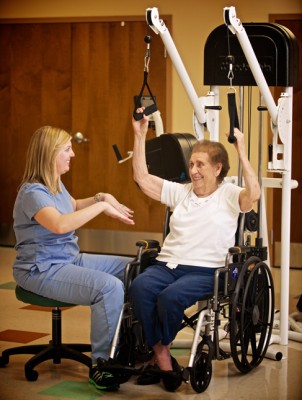
CMS rates GREENBRIAR NURSING CENTER's staffing level at 1 out of 5 stars, which is much below average compared to other nursing homes. Staff turnover is 67%, which is 21 percentage points above the Mississippi average of 46%. High turnover can affect care consistency as new staff learn residents' individual needs. RN turnover specifically is 77%, which is notably high. RNs provide skilled clinical oversight, so turnover in this role can affect medical care quality.

What Have Inspectors Found at Greenbriar Nursing Center?

State health inspectors documented 13 deficiencies at GREENBRIAR NURSING CENTER during 2021 to 2025. These included: 13 with potential for harm.

Who Owns and Operates Greenbriar Nursing Center?

GREENBRIAR NURSING CENTER is owned by a for-profit company. For-profit facilities operate as businesses with obligations to shareholders or private owners. The facility operates independently rather than as part of a larger chain. With 103 certified beds and approximately 82 residents (about 80% occupancy), it is a mid-sized facility located in DIBERVILLE, Mississippi.

How Does Greenbriar Nursing Center Compare to Other Mississippi Nursing Homes?

Compared to the 100 nursing homes in Mississippi, GREENBRIAR NURSING CENTER's overall rating (3 stars) is above the state average of 2.6, staff turnover (67%) is significantly higher than the state average of 46%, and health inspection rating (4 stars) is above the national benchmark.

What Should Families Ask When Visiting Greenbriar Nursing Center?

Based on this facility's data, families visiting should ask: "How do you ensure continuity of care given staff turnover, and what is your staff retention strategy?" "Can you walk me through typical staffing levels on day, evening, and night shifts?" "Can I visit during a mealtime to observe dining assistance and food quality?" "How do you handle medical emergencies, and what is your hospital transfer rate?" These questions are particularly relevant given the facility's high staff turnover rate and the below-average staffing rating.

Is Greenbriar Nursing Center Safe?

Based on CMS inspection data, GREENBRIAR NURSING CENTER has a clean safety record: no substantiated abuse findings (meaning no confirmed cases of resident harm), no Immediate Jeopardy citations (the most serious violation level indicating risk of serious injury or death), and is not on the Special Focus Facility watch list (a federal program monitoring the lowest-performing 1% of nursing homes). The facility has a 3-star overall rating and ranks #1 of 100 nursing homes in Mississippi. While no facility is perfect, families should still ask about staff-to-resident ratios and recent inspection results during their visit.

Do Nurses at Greenbriar Nursing Center Stick Around?

Staff turnover at GREENBRIAR NURSING CENTER is high. At 67%, the facility is 21 percentage points above the Mississippi average of 46%. Registered Nurse turnover is particularly concerning at 77%. RNs handle complex medical decisions and coordinate care — frequent RN changes can directly impact care quality. High turnover means new staff may not know residents' individual needs, medications, or preferences. It can also be disorienting for residents, especially those with dementia who rely on familiar faces. Families should ask: What is causing the turnover? What retention programs are in place? How do you ensure care continuity during staff transitions?

Was Greenbriar Nursing Center Ever Fined?

GREENBRIAR NURSING CENTER has no federal fines on record. CMS issues fines when nursing homes fail to meet care standards or don't correct problems found during inspections. The absence of fines suggests the facility has either maintained compliance or corrected any issues before penalties were assessed. This is a positive indicator, though families should still review recent inspection reports for the full picture.

Is Greenbriar Nursing Center on Any Federal Watch List?

GREENBRIAR NURSING CENTER is not on any federal watch list. The most significant is the Special Focus Facility (SFF) program, which identifies the bottom 1% of nursing homes nationally based on persistent, serious quality problems. Not being on this list means the facility has avoided the pattern of deficiencies that triggers enhanced federal oversight. This is a positive indicator, though families should still review the facility's inspection history directly.