BRIAR HILL REST HOME
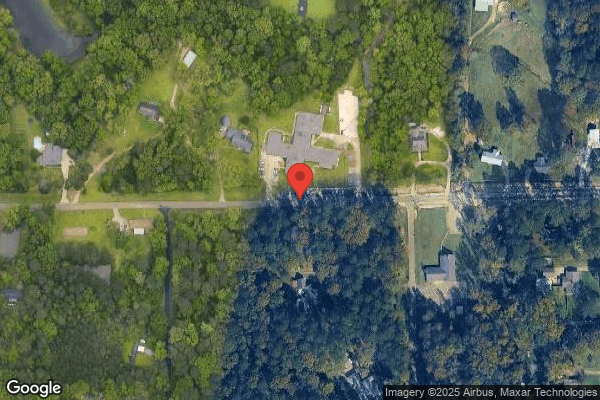
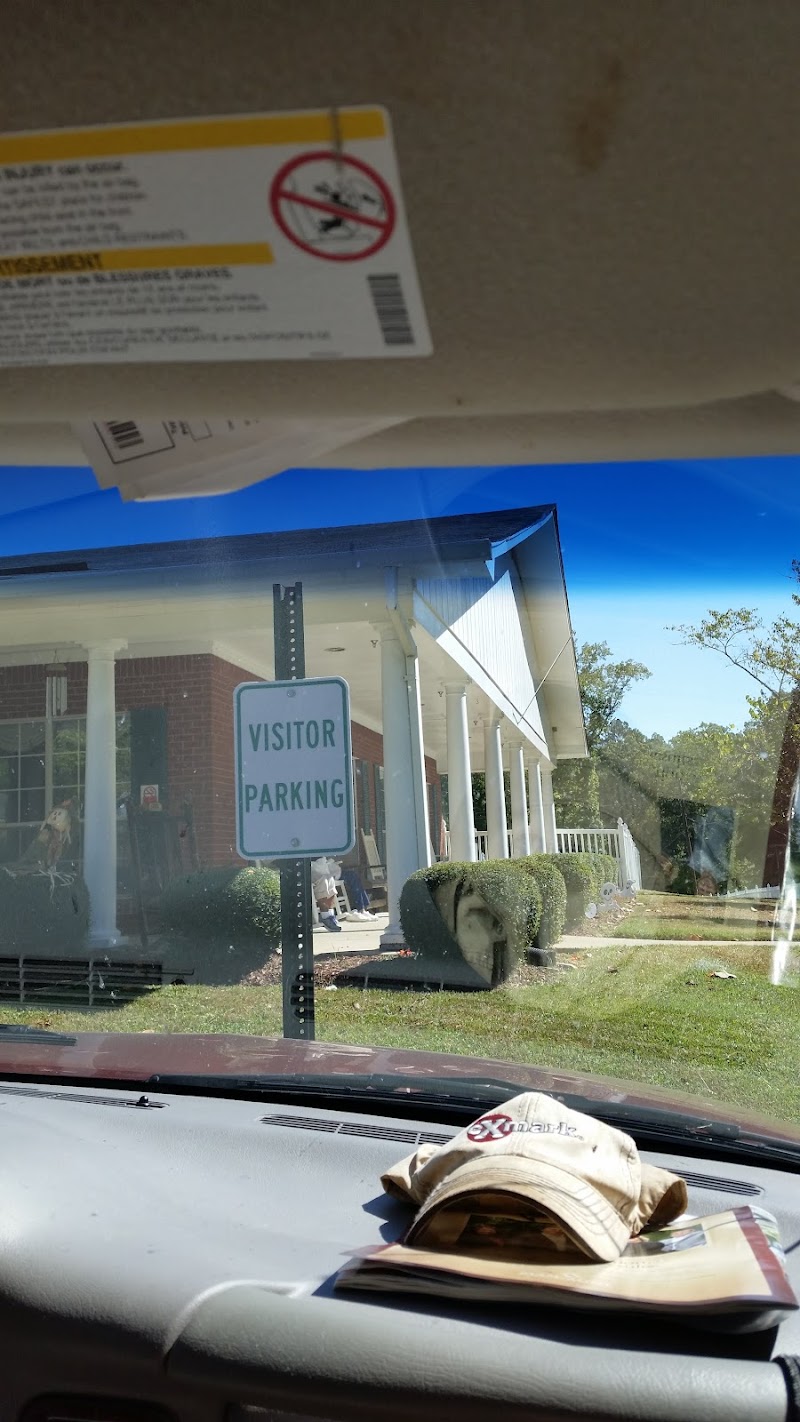
1201 GUNTER ROAD, FLORENCE, MS 39073 (601) 939-6371
For profit - Limited Liability company 60 Beds BRIAR HILL MANAGEMENT Data: November 2025
Trust Grade
28/100
#99 of 200 in MS
Last Inspection: August 2024

Within standard 12-15 month inspection cycle. Federal law requires annual inspections.

Overview

Briar Hill Rest Home has received a Trust Grade of F, indicating significant concerns about the quality of care provided. It ranks #99 out of 200 facilities in Mississippi, placing it in the top half, but its county rank of #8 out of 9 suggests that there is only one other local option that is better. The facility is improving in recent years, with issues decreasing from 7 in 2024 to just 1 in 2025. Staffing is rated average with a 3/5 star rating, and the turnover rate is 58%, which is aligned with the state average. However, the facility has incurred $13,520 in fines, which is concerning and indicates potential compliance issues. While there are some strengths, such as the improving trend, there are notable weaknesses as well. For instance, a serious incident occurred where a resident was injured during a transfer due to staff failing to provide the necessary assistance, and the facility also had issues with food safety, including unlabeled and overly ripe foods. Additionally, there were concerns about communication, as the facility failed to notify family representatives of residents' hospital transfers as required. Overall, families should weigh these factors carefully when considering Briar Hill Rest Home for their loved ones.

Trust Score
F
28/100
In Mississippi
#99/200
Top 49%
Safety Record
High Risk
Review needed
Inspections
Getting Better
7 → 1 violations
Staff Stability
⚠ Watch
58% turnover. Above average. Higher turnover means staff may not know residents' routines.
Penalties
○ Average
$13,520 in fines. Higher than 69% of Mississippi facilities. Some compliance issues.
Skilled Nurses
○ Average
Each resident gets 35 minutes of Registered Nurse (RN) attention daily — about average for Mississippi. RNs are the most trained staff who monitor for health changes.
Violations
⚠ Watch
15 deficiencies on record. Higher than average. Multiple issues found across inspections.
★★☆☆☆
2.0
Overall Rating
★★★☆☆
3.0
Staff Levels
★★☆☆☆
2.0
Care Quality
★★☆☆☆
2.0
Inspection Score
Stable
2024: 7 issues
2025: 1 issues

The Good

  • Full Sprinkler Coverage · Fire safety systems throughout facility
  • No fines on record

Facility shows strength in fire safety.

The Bad

2-Star Overall Rating

Below Mississippi average (2.6)

Below average - review inspection findings carefully

Staff Turnover: 58%

12pts above Mississippi avg (46%)

Frequent staff changes - ask about care continuity

Federal Fines: $13,520

Below median ($33,413)

Minor penalties assessed

Chain: BRIAR HILL MANAGEMENT

Part of a multi-facility chain

Ask about local staffing decisions and management

Staff turnover is elevated (58%)

10 points above Mississippi average of 48%

The Ugly 15 deficiencies on record

1 actual harm
Apr 2025 1 deficiency 1 Harm
SERIOUS (G) 📢 Someone Reported This

A family member, employee, or ombudsman was alarmed enough to file a formal complaint

Actual Harm - a resident was hurt due to facility failures

Free from Abuse/Neglect (Tag F0600)

A resident was harmed · This affected 1 resident

Based on interview, record review, and policy review, the facility failed to ensure the resident's right to be free from neglect when staff failed to both assist during use of a full body lift to tran...

Read full inspector narrative →
Based on interview, record review, and policy review, the facility failed to ensure the resident's right to be free from neglect when staff failed to both assist during use of a full body lift to transfer a resident from bed to the geriatric chair, which resulted in the resident being transferred to the hospital with injuries for one (1) of (30) residents who are assessed to use a full body lift. Resident #1 Findings include: A review of the facility policy titled Modified Lifting Policy, updated 2/3/23, reveals, Facility will provide a safe work environment for patient care areas by providing and requiring the use of safety materials, equipment and training designed to prevent personnel and patient injury .Procedure.1. Staff will follow the documented lifting protocol deemed appropriate for each resident. A review of the facility policy titled Total Lift Vanderlift II, updated 2/3/23, revealed, .Responsibility: Two people are required to operate the Total Lift. On 4/9/25 at 10:04 AM, the State Agency (SA) conducted a phone interview with Certified Nursing Assistant (CNA) #1. During the interview, she recalled that she was asked by CNA #2 to spot her with a resident transfer to the geri-chair on 4/7/25. Upon entering Resident #1's room, she noted the resident was already attached to the total body lift. She further stated that facility policy allows CNAs to attach a resident to the lift independently; however, the actual transfer necessitates a second person present in the room only. Therefore, as CNA #2 operated the lift, she turned her back to them to retrieve the geri-chair. At that point, she heard a loud pop followed by CNA #2's exclamation of, Oh my god, she is sliding! CNA #1 stated that she initially suspected a sling malfunction but observed it remained intact. Upon turning, she saw the resident's head resting at the foot end of the sling while her feet remained elevated within it, and there was blood near the resident's head. She reported that CNA #2 instructed her to get Licensed Practical Nurse (LPN) #1, who then directed her to notify the Director of Nursing (DON). Subsequently, she lowered the lift to remove the sling from under the resident's shoulders, with nurses assisting in its complete removal. She noted blood on CNA #2's hand, which was supporting the resident's head. Initially, the resident was unresponsive but later began yelling for help and continued to do so until paramedics arrived. She believed all actions taken were consistent with her training; however, CNA #2 reported that the resident began sliding after pushing back against the lift with her foot. On 4/9/25 at 10:38 AM, in a phone interview with CNA #2, stated that she entered Resident # 1's room to assist with dressing for therapy on 4/7/25. She reported placing the sling under the resident before CNA #1 entered the room, noting a dot on the lift that indicates the sling size (small, medium, or large). A medium sling was used. She then lowered the lift to the resident, attached the four hooks, and began to move the resident backward. She confirmed the lift legs were open and all four sling hooks were attached. While waiting for CNA #1 to position the geri-chair, she heard two loud boom sounds. She stated the resident was pushing against the lift, subsequently slid, and she was unsuccessful in catching her. The resident's head struck the lift. She went to secure the resident's head with her hands as she observed bleeding. CNA #1, who by this time was standing beside her, was instructed to get help. CNA #2 stated she does not recall everyone who responded due to being in shock. She estimated the resident lost consciousness for approximately one minute before regaining it and beginning to scream for help. CNA #2 reassured the resident. She expressed that she was still processing the incident, as nothing similar had ever occurred. She indicated that the resident is designated as a two-person assist according to the facility kiosk. She understood this to mean that two CNAs must be present in the room before connecting the resident to the lift and denied connecting the resident prior to CNA #1's arrival. She suggested that the only potential for a different outcome could be if CNA #1 had been standing directly beside her to maybe help catch the resident before she slid out. She confirmed the sling did not break. She also stated that the Administrator had her perform a reenactment using the same sling, which showed no signs of damage. On 4/9/25 at 11:02 AM, in an interview with Lift Trainer, who conducts lift transfer training for CNAs, revealed the standard procedure for transferring a resident using the total body lift. While one CNA supports the resident's head with a hand on the lift, the second CNA guides the resident into the geri-chair. The Trainer emphasized that this is the method she uses for all CNA training and, based on her experience, considers it the safest approach to resident transfers, minimizing the risk of injury. She reiterated the importance of both CNAs being strategically positioned at the lift throughout the transfer to ensure the resident's safety. During the interview on 4/9/25 at 11:27 AM, with Licensed Practical Nurse (LPN) #1, she explained to SA that two-person assist to her does require two CNAs positioned on the lift to attach the resident. She said once the resident is attached, one person maneuvers the lift while the other stands at the bottom with hands on, holding the resident in place to ensure the resident does not swing or sway and to keep them in a safe position during transfer. During the interview with the DON on 4/9/25 at 11:41 AM, she said a two-person assist using the total body lift means the CNAs must first enter the room together and collaboratively initiate the process. Working as a team, they then position the sling under the resident. During the lift, one CNA guides the equipment while both CNAs secure the lift straps on either side of the resident; one CNA stays with the resident, and the other operates the remote to elevate them. Once lifted, one CNA controls the remote while the other physically supports the resident as they are moved towards the chair. Both CNAs then carefully guide the resident into the chair, maintaining contact with the sling for safety, before jointly removing it. A record review of the admission Record reveals the facility admitted Resident # 1 on 3/26/25 with diagnoses including Other Fracture of Left Lower Leg, Subsequent Encounter for Closed Fracture with Routine Healing. A record review of Resident # 1's Minimum Data Set (MDS) with Assessment Reference Date (ARD) of 4/1/25 reveals a Brief Interview for Mental Status (BIMS) score of five (5), indicating the resident could not fully participate in the interview. A record review of the CT (Computed Tomography) Head revealed IMPRESSION: Interval scattered small volume bifrontial subarachnoid hemorrhage (bleeding in the space around the brain). This was after the fall from the lift on 4/7/25. A record review of the Lift Transer Eval (Evaluation) dated 3/26/25 revealed a two-person assist during transfer.
Aug 2024 7 deficiencies
CONCERN (D) 📢 Someone Reported This

A family member, employee, or ombudsman was alarmed enough to file a formal complaint

Potential for Harm - no one hurt, but risky conditions existed

Deficiency F0602 (Tag F0602)

Could have caused harm · This affected 1 resident

**NOTE- TERMS IN BRACKETS HAVE BEEN EDITED TO PROTECT CONFIDENTIALITY** Based on observation, interviews, record review, and facility policy review, the facility failed to ensure a resident was free f...

Read full inspector narrative →
**NOTE- TERMS IN BRACKETS HAVE BEEN EDITED TO PROTECT CONFIDENTIALITY** Based on observation, interviews, record review, and facility policy review, the facility failed to ensure a resident was free from exploitation for one (1) of 16 sampled residents. Resident #12. Findings Include: A review of the facility's policy, Resident Rights, dated 2018, revealed: 1. Resident Rights. The resident has the right to a dignified existence, self-determination .5. Respect and Dignity. The resident has a right to be treated with respect and dignity . A review of the facility's policy, Abuse, Neglect and Exploitation, reviewed/revised 5/25/24, revealed: Policy: It is the policy of this facility to provide protection for the health, welfare and rights of each resident by developing and implementing written policies and procedures that prohibit and prevent abuse, neglect, exploitation and misappropriation of resident property . Definitions: Exploitation means taking advantage of a resident for personal gain .Mistreatment means inappropriate treatment or exploitation of a resident . IV. Identification of Abuse, Neglect and Exploitation . B. Possible indicators of abuse include, but are not limited to: 9. Evidence of photographs or videos of a resident that are demeaning or humiliating in nature, regardless of whether the resident provided consent and regardless of the resident's cognitive status . A record review of the Facesheet revealed that the facility admitted Resident #12 to the facility on [DATE]. The resident had diagnoses that included Unspecified Dementia and Cognitive Communication Deficits A record review of the quarterly Minimum Data Set (MDS) with an Assessment Reference Date (ARD) of 7/12/24 revealed Resident #12 had a Brief Interview for Mental Status (BIMS) score of 99, indicating that the resident was unable to participate in the interview. A record review of the facility's Reportable Incident Form, dated 7/19/24, revealed on 7/15/24 at 8:45 AM, two (2) Certified Nurse Aides (CNAs) reported to the Administrator that CNA #1 had made a video in which she forcefully and manually transferred Resident #1 to a Geri (geriatric) chair from her bed. Resident #1's extremities and lower body were exposed during the video, but her private lower body parts could not be seen. Upon receiving the information, the Administrator reported the incident to the state agency, AGO's office, local police, the Resident Representative (RR), the Medical Director, and the resident's Hospice agency. At 1:05 PM on 8/13/24, during an interview, CNA #2 stated she did not know CNA #1 personally because their work schedules differed. She reported that a former coworker called her on the evening of 7/14/24 and told her to watch a live video on social media involving CNA #1 and Resident #12. CNA #2 logged onto the social media account and saw the live video of CNA #1 in the resident's room dancing. She observed CNA #1 put the Geri (Geriatric) chair in front of the resident's bed and then grab the resident under the arms and manually transferred her to the Geri chair. CNA #2 stated that the transfer was unsafe because the resident should have been lifted by two people. She recalled that people watching the video made comments praising CNA #1 and called her CNA of the year, and CNA #1 showed her thanks by clapping, which made it appear that she enjoyed the attention. The resident stayed seated in the chair, and while her body was visible in the background, she was not naked. The video ended when CNA #1 looked toward the door, as if she thought someone was coming into the room. CNA #2 stated that she reported the video that she had watched to the Administrator on the morning of 7/15/24. On 8/13/24 at 1:16 PM during an observation of the social media video footage, which was filmed live and posted online, CNA #1, who posted the video using another name, was observed lifting Resident #12 from her bed into the Geri chair. The resident's thighs, legs, and feet were visible to viewers, but her face was not disclosed. Once Resident #12 was seated in her geriatric chair, CNA #1 turned to the camera, clapped her hands, smiled, and shook her buttocks while the audience praised her. CNA #1 then moved in the video, exposing the resident's face and bottom half of her body. As she continued communicating with the audience, CNA #1 waved her hand in front of her face, indicating that Resident #12 had an odor coming from her body. The audience responded with obscenities, and CNA #1 laughed. In response to viewer comments, CNA #1 said, Lord forgive me, and the video ended. The live video lasted one minute and seven seconds. On 8/13/24 at 2:36 PM, during an interview with the Administrator, he reported that a 7/15/24 at approximately 8:45 AM, CNA #2 informed him of a video posting from a current CNA on social media. He stated that he watched the video that morning. He further stated that he personally conducted the investigation, as the current Director of Nurses (DON) was not a part of the investigation. He continued by saying that CNA #1 was scheduled to come in that afternoon to work, so he let her come in and that is when he told her that he had seen the video and that he was terminating her employment at the facility and that she needed to leave the building. At 8:32 AM on 8/15/24, during a telephone interview with CNA #1, she revealed she had been a licensed CNA for about three years and had worked at the facility where Resident #12 lives for about two months. She vehemently denied appearing in the social media video with Resident #12 in the background. She claimed the Administrator called her into the building and told her about a video, but he never allowed her to watch it to ensure it was her. In the interview, she explained that she would not do such a thing because she knew it was wrong to video residents. Since CNA #1 denied it was her in the video, she was asked to explain why it would be wrong for residents to be posted on social media by any staff in general. CNA#1 said it would violate the resident's rights and patient confidentiality. She said it would be wrong since she understood that to video a resident, you must first have the resident's or the responsible party's consent first. At 8:54 AM on 8/15/24, in a follow-up interview with CNA #1, she was informed that according to the picture of the driver's license in her personnel file, it was her on the live social media. CNA #1 got quiet and responded, I did not do a video on that particular social media site live. I just want to make sure you do not put that on your paper. On 8/15/24 at 11:40 AM, during an interview with Resident #12's family, the family member stated that the resident was very private and would not have wanted or allowed someone to make such a video of her. He stated that she would have been offended.
CONCERN (D) 📢 Someone Reported This

A family member, employee, or ombudsman was alarmed enough to file a formal complaint

Potential for Harm - no one hurt, but risky conditions existed

Comprehensive Care Plan (Tag F0656)

Could have caused harm · This affected 1 resident

Based on interviews, record reviews, and facility policy reviews, the facility failed to implement/follow the care plan for three (3) of sixteen (16) sampled residents. Resident #12, Resident #13, Res...

Read full inspector narrative →
Based on interviews, record reviews, and facility policy reviews, the facility failed to implement/follow the care plan for three (3) of sixteen (16) sampled residents. Resident #12, Resident #13, Resident #48 Findings Include: A review of the facility policy titled Care Plans, updated 2/3/23 revealed, Policy: Each resident will have a person-centered plan of care to identify problems, needs and strengths that will identify how the interdisciplinary team will provide care .Resident Care Summary-part of the Comprehensive Care Plan is used as the tool to make staff aware of the resident's daily care needs . Resident #12 A record review of the ADL (Activities of Daily Living) comprehensive Care Plan dated 1/29/24, revealed an intervention related to transfers as Transfers: Extensive Two Person Assist At 1:05 PM on August 13, 2024, as Certified Nursing Assistant (CNA) #2 recapped what she saw in the social media video, she specifically pointed out that she saw CNA #1 grab the resident under the arm and move her to the geriatric chair without assistance. She stated the transfer was unsafe because the resident should have been lifted by two people. On 8/14/24 at 9:28 AM, in an interview with Minimum Data Set (MDS) Nurse, she reviews and confirms with that the care plan for Resident #12 states that for transfers, the resident is an extensive two person assist. She said this intervention was put into place to ensure the safety of the resident. The MDS Nurse further added that care written and available on the kiosk (interactive computer terminal) of the wall in the hall of resident care areas, so that CNAs (Certified Nurse Aides) will know how to care for residents. Resident #13 A record review of Resident #13's comprehensive Care Plan dated 2/23/23 revealed At risk for Dyspnea/Shortness of Breath/Difficulty Breathing related to COPD and Respiratory Failure with Hypoxia .Interventions .Fluticasone Prop (Propionate) 50 mcg (micrograms) Spray, spray two (2) sprays in each nostril daily .Nasal Spray (sodium chloride), spray one (1) spray intranasally twice daily every day in each nostril . At 8:35 AM on 08/14/23, during an observation of medication administration with an observation and interview of medication administration with Licensed Practical Nurse (LPN) #2 reported and confirmed Fluticasone Propionate nasal spray and Saline nasal spray was out of stock. Therefore, Resident #13 was unable to receive the ordered medications. A record review of Resident #13's admission Record revealed that the facility admitted the resident on 2/15/23, with diagnoses that included Chronic Obstructive Pulmonary Disease and Acute and Chronic Respiratory Failure with Hypoxia. A record review of Resident #13's Order Summary Report, with active orders as of 8/15/24, revealed a physician's order, with an order date of 4/2/24, for Nasal Spray (sodium chloride) 0.65% aerosol: one (1) spray in each nostril twice a day, every day, related to Chronic Respiratory Failure with Hypoxia and an order, with an order date of 2/15/23, for Fluticasone Propionate 50 MCG (microgram) Spray for two (2) sprays in each nostril daily, related to Chronic Obstructive Pulmonary Disease. Record review of the August 2024 Electronic Medication Administration Record (eMAR) documentation revealed Resident #13 had not received the Saline Nasal Spray at 9 PM on 8/13/24 and the 9 AM dose on 8/14/24. Fluticasone Propionate nasal spray was not documented as received at 8 AM on 8/14/24. Resident #48 A record review of Resident #48's comprehensive Care Plan dated 4/18/24 revealed Hypertension, controlled .Care Plan Goal . Reduce complications from Hypertensive symptoms .Bethanechol Chloride 25 mg tablet: Give 1 tablet via peg (Percutaneous Endoscopic Gastrostomy) tube before meals every day . On 8/14/24 at 2:46 PM, during an observation and interview with LPN #2 administering medications via PEG tube to Resident #48, his medications included Bethanechol Chloride. LPN #2 stated the Bethanechol Chloride was not available on her medication cart. The nurse checked her medication cart twice and checked the Omnicell (an automated medication dispensing cabinet) in the medication room, however, the medication was not available. Review of Resident #48's admission Record revealed an admission date of 4/2/24 with diagnosis of Essential (Primary) Hypertension and Chronic Systolic (Congestive) Heart Failure. Record review of Resident #48's Order Summary Report with active orders as of 8/15/24 revealed an order dated 4/19/24 for Bethanechol Chloride Tab 25 mg Give 1 tablet via PEG-tube three times a day related to Essential (primary) hypertension. A record review of Resident #48's August 2024 Electronic Medication Administration Record (eMAR) documentation revealed Bethanechol Chloride was documented as unavailable for two doses on 8/13/24 and the morning dose on 8/14/24. On 8/14/24 at 1:52 PM, in an interview with Assistant Director of Nursing (ADON) stated they should reorder medications when it gets down to five (5) days left. She confirmed the residents' medications are listed on the care plans and the care plan is not followed if the medications are not given. On 08/14/24 at 4:03 PM, during an interview with the Director of Nurses (DON), she explained her expectations of nurses are to give medications per physician orders and follow care plans. She stated residents should receive medications as prescribed for their health conditions.
CONCERN (D) 📢 Someone Reported This

A family member, employee, or ombudsman was alarmed enough to file a formal complaint

Potential for Harm - no one hurt, but risky conditions existed

Accident Prevention (Tag F0689)

Could have caused harm · This affected 1 resident

**NOTE- TERMS IN BRACKETS HAVE BEEN EDITED TO PROTECT CONFIDENTIALITY** Based on observation, interview, record review, and policy review the facility failed to ensure a two-person transfer, as eviden...

Read full inspector narrative →
**NOTE- TERMS IN BRACKETS HAVE BEEN EDITED TO PROTECT CONFIDENTIALITY** Based on observation, interview, record review, and policy review the facility failed to ensure a two-person transfer, as evidenced by video evidence of a Certified Nursing Assistant (CNA) transferring a resident from the bed to the geriatric chair by herself. The resident required a 2-person transfer. This was for one (1) of 16 sampled residents. Resident # 12. Findings Include: A review of the facility policy titled Modified Lifting Policy, no date, reveals, .Facility will provide a safe work environment for patient care areas by providing and requiring the use of safety materials, equipment and training designed to prevent personnel and patient injury .It is crucial that health care professionals practice safe lifting, transporting . At 1:05 PM on 8/13/24, as Certified Nursing Aide (CNA) #2 recapped what she saw in the social media video, she specifically pointed out that she saw CNA #1 put the geriatric chair in front of the resident's bed. She remembers seeing CNA #1 grab the resident under the arms and move her to the geriatric chair by hand. She stated the transfer was unsafe because the resident should have been transferred by two people, as the resident was an extensive two person assist for transfer. On 8/13/24 at 1:16 PM during an observation of the social media video footage, which was filmed live and posted online, CNA #1, lifted the resident without assistance and transferred her to a geriatric chair. On 8/13/24 at 2:36 PM, during an interview with the Administrator, he confirmed that on 7/15/24 at approximately 8:45 AM, CNA #2 informed him of a video posting from a current CNA on social media. He stated that he watched the video that morning. He continued by saying that CNA #1 was scheduled to come in that afternoon to work, so he let her come in he explained to her that he had seen the video that she had posted that involved the care of Resident #12. At time, her reported that he told CNA #1 that he was terminating her employment and that she needed to leave the building. On 8/14/24 at 9:28 AM, in an interview with Minimum Data Set (MDS) Nurse, she confirmed that for transfers, Resident #12 is care planned as an extensive two person assist. She stated this was put into place to ensure the safety of the resident to prevent the resident from falling and having any injuries. She added that the CNAs can use the kiosk (interactive computer terminal) on the wall to identify the plan of care for residents. Therefore, with this resident they should never attempt to lift or transfer the resident by themselves. On 8/14/24 at 2:01 PM in an interview with CNA #3, she confirmed that Resident #12 is one her residents that she is assigned to from time-to-time. She explained that this resident is a total body lift and requires an extensive two person transfer when moving her out of the bed. A record review of the Facesheet revealed Resident #12 was admitted on [DATE] by the facility. Her diagnosis includes Cognitive Communication Deficit and Unspecified Dementia. A record review of the quarterly Minimum Data Set (MDS) with Assessment Reference Date (ARD) of 7/12/24 revealed a Brief Interview Mental Status (BIMS) score of 99, which indicated that the resident was unable to participate in the interview.
CONCERN (D)

Potential for Harm - no one hurt, but risky conditions existed

Staffing Information (Tag F0732)

Could have caused harm · This affected 1 resident

Based on observation, staff interview, and facility policy review, the facility failed to post the direct care daily staffing numbers in a location accessible to residents and visitors for two (2) of ...

Read full inspector narrative →
Based on observation, staff interview, and facility policy review, the facility failed to post the direct care daily staffing numbers in a location accessible to residents and visitors for two (2) of three (3) days of survey. Findings Include: Review of the facility ' s policy, Nurse Staffing Posting Information, revised 2/3/2023, revealed, .It is the policy of this facility to make staffing information readily available in a readable format to residents and visitors at any given time. Policy Explanation and Compliance Guidelines: 1. The nurse staffing information will be posted on a daily basis .2. The facility will post the nursing staffing data at the beginning of each shift . On 8/13/24 at 9:30 AM, there were no direct care daily staffing numbers posted in the facility. On 8/14/24 at 8:30 AM, there were no direct care daily staffing numbers posted in the facility. On 8/15/24 at 10:15 AM, in an interview with the Director of Nursing, she stated she was aware the nursing staffing had to posted in a prominent place that was readily accessible to residents and visitors at the beginning of the shift. On 8/13/24 at 2:45 PM, in an interview with Licensed Practical Nurse (LPN) #1, she revealed she was aware that staffing should be posted and stated that it was usually posted at the front desk. She stated that on Tuesday and Wednesday of this week there must have been a breakdown in communication since the staffing numbers did not get posted. On 08/15/24 at 10:34 AM, an interview with the Administrator revealed it was the policy of the facility to post the facility staffing information to ensure it was readily available in a manner that was readable by residents and visitors at any given time. The Administrator was unsure why the staffing information was not posted on the first and second day of the survey and he commented that it was normally posted at the nursing station for visitors and residents and that it was an important aspect of resident care and customer service.
CONCERN (D)

Potential for Harm - no one hurt, but risky conditions existed

Unnecessary Medications (Tag F0759)

Could have caused harm · This affected 1 resident

Based on observation, interview, record review, and facility policy review, the facility failed to ensure their medication error rate was less than five percent as evidenced by three (3) errors were o...

Read full inspector narrative →
Based on observation, interview, record review, and facility policy review, the facility failed to ensure their medication error rate was less than five percent as evidenced by three (3) errors were observed out of twenty-six (26) medication administration opportunities. This affected two (2) of seven (7) residents observed during medication pass, resulting in a medication error rate of 11.54%. (Residents #48 and #13) Findings include: A review of the facility's policy titled, Medication Administration General Guidelines, (undated) revealed, Medications are to be administered as prescribed in accordance with good nursing principles and practices .Procedure .2. Medications are to be administered in accordance with the written orders of attending physicians, taking into consideration manufacturer's specifications, and professional standards of practice . A review of the facility's policy titled, Ordering and Receiving Medications from Pharmacy, (undated) revealed, Medications are ordered and received from the pharmacy in a timely manner .Procedure . 2. A. Re-order medication in advance of need to ensure an adequate supply is on hand . Resident #48 On 8/13/24 at 2:46 PM, during an observation with Licensed Practical Nurse (LPN) #2 as she administered medications to Resident #48 via PEG(Percutaneous Endoscopic Gastrostomy) tube, it was noted the medications due at that time were Gabapentin 400 milligrams (mg) capsule (three times a day) and Bethanechol Chloride 25 mg tablet (three times a day) via PEG tube. LPN #2 stated that the Bethanechol Chloride was not in the medication cart. The nurse checked her cart twice and checked the Omnicell (an automated medication dispensing cabinet) in the medication room, but the medication was unavailable. Record review of Resident #48's Order Summary Report with active orders as of 8/15/24 revealed an order dated 4/19/24 for Bethanechol Chloride Tab 25 mg Give 1 tablet via PEG-tube three times a day related to Essential (primary) hypertension. A record review of Resident #48's admission Record revealed that the facility admitted the resident on 4/2/24, with diagnoses that included Essential Hypertension and Chronic Systolic Heart Failure. A record review of Resident #48's August 2024 Electronic Medication Administration Record (eMAR) documentation revealed Bethanechol Chloride was documented as unavailable for two doses on 8/13/24 and the morning dose on 8/14/24. On 8/14/24 at 9:07 AM, during an interview, LPN #2 stated it was the responsibility of the Director of Nursing (DON), Assistant Director of Nursing (ADON), and the cart nurses to ensure that medications were available for residents. She stated that if a resident was out of medications, the nurses must report it. She usually ordered medications when she noticed the supply was down to five (5) days. She emphasized the importance of residents receiving medications as ordered by the physician. She also stated that she usually ordered medications stat (meaning that the pharmacy was to deliver them the same day), but admitted she forgot to order Resident #48's blood pressure medication stat, which should have been done. Resident #13 At 8:35 AM on 08/14/23, during medication administration an observation and interview with Licensed Practical Nurse (LPN) #2 revealed that (LPN) #2 reported and confirmed Fluticasone Propionate nasal spray and Saline nasal spray was out of stock. Therefore, Resident #13 was unable to receive the ordered medications. On 8/14/24 at 9:05 AM, during an observation of Resident #13 receiving his inhaler medication, the resident asked LPN #2 if they had found his nasal spray. The nurse stated, No, and the resident commented that the last time he had received it was yesterday. A record review of Resident #13's admission Record revealed that the facility admitted the resident on 2/15/23, with diagnoses that included Chronic Obstructive Pulmonary Disease and Acute and Chronic Respiratory Failure with Hypoxia. A record review of Resident #13's Order Summary Report, with active orders as of 8/15/24, revealed a physician's order, with an order date of 4/2/24, for Nasal Spray (sodium chloride) 0.65% aerosol: one (1) spray in each nostril twice a day, every day, related to Chronic Respiratory Failure with Hypoxia and an order, with an order date of 2/15/23, for Fluticasone Propionate 50 MCG (microgram) Spray for two (2) sprays in each nostril daily, related to Chronic Obstructive Pulmonary Disease. Record review of the August 2024 eMAR documentation revealed Resident #13 had not received the Saline Nasal Spray at 9 PM on 8/13/24 and the 9 AM dose on 8/14/24. Fluticasone Propionate nasal spray was not documented as received at 8 AM on 8/14/24. A record review of Resident #13's eMAR revealed that this was the second (2nd) dose of saline nasal spray and first (1st) dose of Fluticasone Propionate nasal spray that the resident had missed. On 8/14/24 at 1:52 PM, during an interview with the ADON, it was confirmed that medications should be reordered when the supply reached five (5) days. On 8/14/24 at 2:56 PM, in a phone interview, LPN #2 confirmed that she did not administer Resident #48's Bethanechol Chloride medication the previous day. However, she also added that she had spoken to the NP (Nurse Practitioner) and the NP clarified the order was for urine retention and not blood pressure. She stated she informed the Administrator, DON, and ADON about Resident #48's medication and Resident #13's medications being out of stock. She mentioned that she was unaware of the backup pharmacy and had charted it as a 9 on the eMAR because the medication was not in stock. On 08/14/24 at 4:03 PM, during an interview with the DON, it was confirmed that cart nurses were responsible for informing her and the ADON when medications were out of stock. The DON stated that cart nurses should ensure that medications are in stock for residents to receive their medications as scheduled. She expressed uncertainty about why the nurses ran out of medications but confirmed that nurses were supposed to order medications when the supply was down to a five-day supply to avoid running out. She also stated that nurses were expected to follow physician orders. The DON mentioned she was unaware of a backup pharmacy but stated that medications should arrive the day they are ordered unless they are special-order medications. She emphasized that the out-of-stock medications were not special-order medications and reiterated her expectation that nurses administer medications per physician orders, as not receiving medications as prescribed could harm residents due to their health conditions.
CONCERN (D)

Potential for Harm - no one hurt, but risky conditions existed

Menu Adequacy (Tag F0803)

Could have caused harm · This affected 1 resident

Based on observation, interviews, record review, and facility policy review, the facility failed to serve therapeutic portion sizes of foods as planned per the facility's menu for one (1) of seven (7)...

Read full inspector narrative →
Based on observation, interviews, record review, and facility policy review, the facility failed to serve therapeutic portion sizes of foods as planned per the facility's menu for one (1) of seven (7) food items requiring specific portions on the lunch meal tray line. Resident #40 Findings Include: A review of the facility's policy, Tray Assembly, revised 6/17, revealed, .Prepared foods are portioned and assembled for individual meals in the food and nutrition services department. Procedure .6. Menu items and equipment are positioned in reach of the food service employees. These items include .c. Serving utensils as specified on the menu and equipment needed for correct portions .10. Portions are .weighed on portion scales . A record review of the facility's Menu Guide Report for Spring/Summer 2024 revealed the following portion sizes to be served at lunch: 3 ounces of country meatloaf, 1/3 cup of mashed potatoes,1-ounce brown gravy, 1/3 cup of buttered green peas, one (1) fresh baked roll, one (1) piece of confetti cake with icing, and one (1) cup of iced tea. On 08/13/24 at 10:51 AM, during an interview, Resident #40 complained her meals had inconsistent portion sizes and stated she had mentioned this concern to the facility staff. On 08/13/24 at 12:35 PM, an observation of two (2) sampled meal trays with the Certified Dietary Manager (CDM) revealed the meal consisted of meatloaf, mashed potatoes, green peas, roll, cake and tea. The portion sizes for the meatloaf were notably different. On 08/13/24 at 12:50 PM, during an interview, Dietary Staff #1 acknowledged that she sliced the meatloaf freehand, resulting in each slice being visibly different in size. The cook confirmed that a serving of meatloaf should be 3 ounces and reported that the facility had not provided any means for her to measure a serving of meatloaf. On 08/13/24 at 1:00 PM, during an interview with the Certified Dietary Manager (CDM), he stated that he was unaware the meatloaf was not evenly sliced. The CDM confirmed that a serving of meatloaf should be 3 ounces and reported that the facility had a scale available to measure portions of meatloaf. However, he confirmed that no scale was present during the serving of that day's meatloaf. On 08/15/24 at 10:34 AM, during an interview with the Administrator, it was confirmed that he had already been made aware of the inconsistent portions of food served during lunch on 08/13/24. The Administrator stated that he expected the dietary staff to follow the portion sizes identified on the menu. A record review of the Quarterly Minimum Data Set (MDS) with an Assessment Reference Date (ARD) of 06/01/2024 revealed Resident #40 had a Brief Interview for Mental Status (BIMS) score of 15, indicating the resident was cognitively intact. Record review of the Care Profile revealed a physician order that Resident #40 was to receive a Regular diet, Regular texture, and Large portions.
CONCERN (E)

Potential for Harm - no one hurt, but risky conditions existed

Food Safety (Tag F0812)

Could have caused harm · This affected multiple residents

**NOTE- TERMS IN BRACKETS HAVE BEEN EDITED TO PROTECT CONFIDENTIALITY** Based on observation, interviews, and facility policy review, the facility failed to store food and maintain sanitary practices ...

Read full inspector narrative →
**NOTE- TERMS IN BRACKETS HAVE BEEN EDITED TO PROTECT CONFIDENTIALITY** Based on observation, interviews, and facility policy review, the facility failed to store food and maintain sanitary practices in accordance with professional standards for food safety related to unlabeled foods, foods without identified dates, exposed foods, and overly ripe produce for one (1) of two (2) kitchen observations. Findings Include: A review of the facility's policy, Storage of Refrigerated Food, revised 10/17, revealed, The facility ensures the quality and safety and sanitation of refrigerated foods through accepted storage practices. Procedure .4. No food is left uncovered. 5. All opened foods are labeled with common name of food, date stored, and use-by date . On 08/13/24 at 9:19 AM, during an observation of the kitchen and interview with the Certified Dietary Manager (CDM), Refrigerator #1 had nine (9) overly ripe tomatoes containing white biological growth on each tomato. There was (1) unopened bag of salad mix with a facility received sticker of 8/7/24, with no manufacturer's date, and a brown discolored liquid inside the bag. There was (1) opened block of cream cheese inside a plastic food storage bag with a written-on date of 6/30/24. The CDM explained that this was the date it came in and most likely the date it was opened. Additionally, there was (1) plastic storage bag of sliced ham with a handwritten date of 7/28, (1) plastic storage bag of bologna dated 8/12/24, (1) plastic storage bag of bologna with a date of 8/7/24, and (1) plastic storage bag of bologna dated 7/8/24. The CDM stated these were the dates the sliced ham and bologna were opened and placed in the bags. An observation of Refrigerator #3 revealed four (4) eight (8) ounce containers of chocolate milk wrapped in plastic wrap with a manufacturer's date of [DATE] and a received-on date of 7/31. An observation of the freezer revealed (1) bag of shrimp that was opened, and the shrimp was exposed. On 08/13/24 at 01:00 PM, during an interview, the CDM acknowledged the overly ripe produce, outdated milk, and unlabeled food items in the kitchen. The CDM stated it was his responsibility to check for outdated foods and to insure proper labeling. He expressed that food should be checked daily and confirmed that he in-serviced the staff monthly on food safety. On 08/15/24 at 12:20 PM, an interview with the Administrator revealed he was aware of the findings during the kitchen observations regarding unlabeled and out of date food items, as well as expired and exposed foods. The Administrator stated he expected the kitchen staff to monitor the foods daily for expired items and to inspect the produce daily.
Jan 2023 1 deficiency
CONCERN (D)

Potential for Harm - no one hurt, but risky conditions existed

Incontinence Care (Tag F0690)

Could have caused harm · This affected 1 resident

Based on observation, interviews, record reviews, and facility policy review,the facility failed to provide incontinent care in a manner to prevent possible urinary tract infections for one (1) of fiv...

Read full inspector narrative →
Based on observation, interviews, record reviews, and facility policy review,the facility failed to provide incontinent care in a manner to prevent possible urinary tract infections for one (1) of five (5) observations of incontinent care. Resident #49. Findings include: Review of the facility's policy, Incontinent Care, undated, revealed, To provide routine, preventative skin, perineal care to residents after an incontinent episode .When washing perineal area, wash the perineal area from front to back. For the male resident retract the foreskin while using clean area of the washcloth or adult wipes for each stroke . During an observation of incontinent care on 1/17/23, at 11:33 AM, Certified Nurse Aide (CNA) #1 failed to use a clean area of the adult wipe while cleaning the penis of Resident #49. CNA #1 cleansed the resident's scrotum with an adult wipe by wiping several times with the same wipe, then used the same wipe and same area of the wipe to cleanse the head of Resident #49's penis. During an interview on 1/19/23, at 11:00 AM, CNA #1 confirmed while providing perineal care to Resident #49, she failed to change the area of the adult wipe to clean the resident's penis after cleansing his scrotum. CNA #1 confirmed this could cause Resident #49 to get an infection. Review of the facility's checkoff, Incontinent & or Catheter Care of Observation dated 11/17/22, revealed CNA #1 was trained to change area of wash cloth or wipe for each stroke when providing incontinent care. Record review of the medical records for Resident #49 on 1/17/23, revealed the resident did not have an infection and was not receiving an antibiotic at that time. During an interview on 1/19/23 at 12:29 PM, the Director of Nursing (DON) confirmed CNA #1 should have changed the adult wipe after cleansing the scrotum, before cleaning the head of the penis of Residents # 49. The DON confirmed that this action could possibly cause a urinary tract infection. During an interview on 1/19/23 at 2:47 PM, License Practical Nurse (LPN) #2 confirmed CNA #1 should have changed the wipe after cleansing the scrotum of Resident #49, as cleansing the penis with the same wipe could cause urinary tract infections. During an interview on 1/19/23 at 2:53 PM, LPN #1 confirmed she expected the staff to cleanse Resident #49's perineal area in a manner to prevent infection. LPN #1 confirmed Resident #49 is high risk for infection due to his diagnosis of Diabetes Mellitus and End Stage Renal Disease (ESRD). Record review of the facility Face Sheet revealed the facility admitted Resident #49 on 12/13/22, with the diagnoses that included End Stage Renal Disease (ESRD) and Diabetes Mellitus (DM). Record review of the admission Minimum Data Set (MDS) with the Assessment Reference Date (ARD) of 12/19/22, revealed Resident #49 had a Brief Interview for Mental Status (BIMS) score of 11, which indicated Resident #49 had moderate cognitive impairment. Section H revealed Resident #49 is always incontinent of bowel and bladder.
Aug 2019 6 deficiencies
CONCERN (D)

Potential for Harm - no one hurt, but risky conditions existed

Comprehensive Care Plan (Tag F0656)

Could have caused harm · This affected 1 resident

Based on observation, record review, staff interview and facility policy review, the facility failed to implement Resident #33's Care Plan related to incontinent care, and Resident #38's Care Plan rel...

Read full inspector narrative →
Based on observation, record review, staff interview and facility policy review, the facility failed to implement Resident #33's Care Plan related to incontinent care, and Resident #38's Care Plan related to Percutaneous Endoscopic Gastrostomy (PEG) tube site care. This concern was identified for two (2) of 23 resident care plans reviewed. Findings include: A review of the facility's policy titled, Care Plans, with a revision date of 3/28/18, revealed each resident will have a person centered plan of care to identify problems and identify how the team will provide care. A review of Resident #33's Comprehensive Care Plan revealed the resident had a concern, dated 12/19/18, with bowel and bladder incontinence, and needed assist with perineal cleansing as needed. An observation, on 8/26/19 at 9:18 AM, revealed a strong urine smell in Resident #33's room. An observation, on 8/28/19 at 4:51 PM, revealed with Certified Nursing Assistant (CNA) provided Resident #33's perineal care. CNA #1 used peri-wipes and wiped front to back once and threw the wipe away. CNA #1 turned the resident over and wiped over the buttocks and sacrum without changing gloves. CNA #1 then removed her gloves and put on a new pair of gloves without performing hand hygiene. CNA #1 applied a on Resident #33, repositioned the resident in the bed. CNA #1 removed her gloves and performed hand hygiene. An interview, on 8/28/19 at 4:53 PM, with CNA #1 revealed she had just been hired two weeks ago and had completed a competency skills check off during orientation that included perineal care. CNA #1 said the policy of the facility was to wash hands between going from dirty to clean, and she should have washed her hands. CNA #1 said the concern was cross contamination. An interview, on 8/29/19 at 9:52 AM, with Licensed Practical Nurse (LPN) #2/MDS nurse, revealed the expectation with the care plan was for the staff to follow the care plan and to follow the facility policies for peri care. An interview, on 8/28/19 at 5:30 PM, with the Director of Nursing (DON) revealed the policy of the facility was to perform the hand hygiene between dirty and clean to prevent the possible spread of infection. A review of Resident #33's Minimum Data Set (MDS), with an Assessment Reference Date (ARD) of 7/15/19, revealed the resident was always incontinent. Resident #38 Review of Resident #38's Care Plan, revealed the concern, Inadequate nutritional intake; PEG tube for supplemental nutrition, dated 3/7/19. The Interventions included clean gastrostomy and periostomal area with normal saline. Pat dry. Cover with a clean drain sponge and secure with tape. Change every day (QD), and as needed (PRN) if dressing becomes soiled, wet or dislodged. An observation, on 08/28/19 at 2:25 PM, revealed Registered Nurse (RN) #1 entered Resident #38's room to provide Enteral Feeding Care and stoma (site) care. RN #1 put gloves on as she was standing in the hall at the wound care cart. RN #1 wiped the tray with Sani-cloth bleach wipes. RN #1 removed her gloves and entered Resident #38's room. Licensed Practical Nurse (LPN) #1 entered the room to assist RN #1 in positioning the resident. RN #1 placed a red bag inside the garbage can by the Resident #38's bed. RN #1 placed a paper towel on the over bed table and placed the tray containing the supplies on the paper towel. RN #1 washed her hands and dried her hands with a paper towel and then used the same paper towel to turn the faucet off. RN #1 pulled the divider curtains between Resident #38's bed and her roommate's bed. RN #1 gloved and stated, I should have washed my hands again after touching the curtains and gloving. RN #1 kept the gloves on and continued to provide care. RN #1 removed the soiled dressing from around the PEG tube stoma and placed it in the red biohazard bag. RN #1 removed her gloves, washed her hands and dried them with a paper towel and then used the same paper towel to turn the faucet off. RN #1 gloved, opened a pack of gauze, and took the gauze from the packet holding the gauze in her gloved hand. RN #1 poured normal saline onto the gauze she was holding in her hand. RN #1 took the gauze and wiped around the stoma, holding the tubing in the left hand, in a dabbing motion from one side of the stoma to the other side. RN #1 turned the gauze over and continued to wipe the stoma again. RN #1 took the gauze and rubbed an area on each side of the stoma trying to get dried exudate removed from the skin using the same gauze. RN #1 discarded the gauze in the red biohazard bag. RN #1 opened another pack of gauze, holding it in her gloved hand, and poured normal saline onto the gauze. RN #1 wiped the tubing in a circular motion, using the same spot on the gauze, around the tubing from the point of entry into the stoma continuing all the way up the tubing. RN #1 removed her gloves, washed her hands, dried her hands with a paper towel and used the same paper towel to turn the faucet off. RN #1 gloved, opened a sponge gauze and applied the gauze around the tubing and stoma site. RN #1 put a piece of tape onto the sponge to secure the dressing to the skin. RN #1 did not date or initial the dressing. RN #1 picked up Resident #38's covers and placed them back over her. RN #1, using the same gloves, attempted to roll Resident #38 over in the bed with the assistance of LPN #1. RN #1 loosened the tape on Resident #38's brief to begin wound care to her coccyx. RN #1 realized she needed to go to the other side of the bed to assist Resident #38 over on to her left side so she could see the coccyx better from the right side. RN #1 moved the bed and went to the other side of the bed handling the brakes on the bed with her gloved hands and then handling the linens on the bed. RN #1 started back around the bed and she picked up trash on the floor at the foot of the bed. RN #1 threw the trash away and continued care with the same gloves on. RN #1 returned to the right side of Resident #38 pulling up on Resident #38's hip to view the coccyx. RN #1 kneeled down to view the coccyx taking her gloved hands and touching the hips and buttocks. RN #1 stated the wound is closed so I want to use a different treatment on the wound. I need to go call the Nurse Practitioner and get a new order for a different treatment. RN #1 removed her gloves, washed her hands, dried her hands with a paper towel and turned the faucet off with the same gloves. RN #1 gathered trash and placed it in the red biohazard bag and exited the room placing the red biohazard bag into another red biohazard bag on her wound care cart. RN #1 pushed the wound care cart down the hall toward the nursing station stating, I'm going to call the Nurse Practitioner now. RN #1 did not wash her hands after handling the trash and red biohazard bag. An interview, on 8/29/19 at 8:30 AM, revealed RN #1 stated, I didn't realize I touched the faucet with the same paper towel until you told me. I did realize I touched the curtain and should have rewashed my hands. I do remember picking the trash up and continuing care with my gloves, but I didn't think about it until now. I remember rubbing the area around the stoma several times with the same gauze and I remember turning it over. I did turn the gauze around and around on the tubing. I was just so nervous. I stayed up last night remembering things I should have done better. I don't think I followed the care plan because I didn't do the care correctly. An interview, on 8/29/19 at 10:30 AM, with Licensed Practical Nurse (LPN) #2/ Minimum Data Set (MDS) Care Plan Nurse revealed my expectations is for the staff to follow a care plan and to follow it correctly. An interview, on 08/29/19 at 11:15 PM, with the Director of Nursing (DON) revealed, the care plan is the plan of care for each resident. Anything put in place on a care plan should be followed in the care of the resident. RN #1 did not follow the care plan with Enteral Feeding/Stoma Care.
CONCERN (D)

Potential for Harm - no one hurt, but risky conditions existed

Incontinence Care (Tag F0690)

Could have caused harm · This affected 1 resident

Based on observation, staff interview, record review and facility policy review, the facility failed to provide incontinent care to prevent the possibility of cross contamination and/or a Urinary Trac...

Read full inspector narrative →
Based on observation, staff interview, record review and facility policy review, the facility failed to provide incontinent care to prevent the possibility of cross contamination and/or a Urinary Tract Infection (UTI), for one (1) of two (2) residents observed for incontinent care, Resident #33 Findings include: A review of the facility's policy titled, Incontinent Care, without a date, revealed it was the policy of the facility to provide routine preventive skin and perineal care to residents after incontinent episode. The policy listed in the steps to remove gloves and discard, wash hands and apply clean gloves after discarding soiled towels and linen. An observation on 08/26/19 at 9:18 AM revealed a strong urine smell in Resident #33's room. An observation on 08/28/19 at 04:51 PM with Certified Nursing Assistant (CNA) #1 revealed that during perineal care for Resident #33 used peri-wipes wiping front to back once and threw away. CNA #1 turned resident over and wiped over the buttocks and sacrum without changing gloves. CNA #1 then removed her gloves and put on a new pair of gloves without performing hand hygiene. A new brief was put on Resident #33 by CNA #1 and repositioned resident. CNA #1 removed her gloves and performed hand hygiene. An interview on 08/28/19 at 4:53 PM with CNA #1 revealed she had just been hired two weeks ago and had completed a competency skills check off during orientation that included perineal care. CNA #1 said the policy of the facility was to wash hands between going from dirty to clean and said she should have washed her hands. CNA #1 said the concern was cross contamination. An interview on 8/28/19 at 5:30 PM with Director of Nursing (DON) revealed the policy of the facility was to perform the hand hygiene between dirty and clean to prevent the possible spread of infection. A review of Resident # 33's comprehensive care plan revealed the resident had a problem with bowel and bladder incontinence and needed assist with perineal cleansing as needed. A review of Resident # 33's Minimum Data Set with an Assessment Reference Date of 7/15/19 revealed resident was always incontinent.
CONCERN (D)

Potential for Harm - no one hurt, but risky conditions existed

Tube Feeding (Tag F0693)

Could have caused harm · This affected 1 resident

Based on observation, staff interview, record review and facility policy review, the facility failed to provide Resident #38's Percutaneous Endoscopic Gastrostomy (PEG) tube site care in a manner to p...

Read full inspector narrative →
Based on observation, staff interview, record review and facility policy review, the facility failed to provide Resident #38's Percutaneous Endoscopic Gastrostomy (PEG) tube site care in a manner to prevent the possibility for cross contamination and/or infection. This concern was identified for one (1) resident observed for PEG tube site care out of a total of four (4) wound care observations. Findings Include: Review of a typed statement on the facility's letterhead, dated August 25, 2019, and signed by the Director of Nurses (DON), revealed the facility did not have a policy for stoma site care. A review of facility's policy titled, Dressing Change not dated, revealed, A dressing change will be done to promote wound healing, prevent infection and to provide an opportunity for wound healing. An observation, on 08/28/19 at 2:25 PM, revealed Registered Nurse (RN) #1 entered Resident #38's room to provide Enteral Feeding Care and stoma (site) care. RN #1 put gloves on as she was standing in the hall at the wound care cart. RN #1 wiped the tray with Sani-cloth bleach wipes. RN #1 removed her gloves and entered Resident #38's room. Licensed Practical Nurse (LPN) #1 entered the room to assist RN #1 in positioning the resident. RN #1 placed a red bag inside the garbage can by the Resident #38's bed. RN #1 placed a paper towel on the over bed table and placed the tray containing the supplies on the paper towel. RN #1 washed her hands and dried her hands with a paper towel and then used the same paper towel to turn the faucet off. RN #1 pulled the divider curtains between Resident #38's bed and her roommate's bed. RN #1 gloved and stated, I should have washed my hands again after touching the curtains and gloving. RN #1 kept the gloves on and continued to provide care. RN #1 removed the soiled dressing from around the PEG tube stoma and placed it in the red biohazard bag. RN #1 removed her gloves, washed her hands and dried them with a paper towel and then used the same paper towel to turn the faucet off. RN #1 gloved, opened a pack of gauze, and took the gauze from the packet holding the gauze in her gloved hand. RN #1 poured normal saline onto the gauze she was holding in her hand. RN #1 took the gauze and wiped around the stoma, holding the tubing in the left hand, in a dabbing motion from one side of the stoma to the other side. RN #1 turned the gauze over and continued to wipe the stoma again. RN #1 took the gauze and rubbed an area on each side of the stoma trying to get dried exudate removed from the skin using the same gauze. RN #1 discarded the gauze in the red biohazard bag. RN #1 opened another pack of gauze, holding it in her gloved hand, and poured normal saline onto the gauze. RN #1 wiped the tubing in a circular motion, using the same spot on the gauze, around the tubing from the point of entry into the stoma continuing all the way up the tubing. RN #1 removed her gloves, washed her hands, dried her hands with a paper towel and used the same paper towel to turn the faucet off. RN #1 gloved, opened a sponge gauze and applied the gauze around the tubing and stoma site. RN #1 put a piece of tape onto the sponge to secure the dressing to the skin. RN #1 did not date or initial the dressing. RN #1 picked up Resident #38's covers and placed them back over her. RN #1, using the same gloves, attempted to roll Resident #38 over in the bed with the assistance of LPN #1. RN #1 loosened the tape on Resident #38's brief to begin wound care to her coccyx. RN #1 realized she needed to go to the other side of the bed to assist Resident #38 over on to her left side so she could see the coccyx better from the right side. RN #1 moved the bed and went to the other side of the bed handling the brakes on the bed with her gloved hands and then handling the linens on the bed. RN #1 started back around the bed and she picked up trash on the floor at the foot of the bed. RN #1 threw the trash away and continued care with the same gloves on. RN #1 returned to the right side of Resident #38 pulling up on Resident #38's hip to view the coccyx. RN #1 kneeled down to view the coccyx taking her gloved hands and touching the hips and buttocks. RN #1 stated the wound is closed so I want to use a different treatment on the wound. I need to go call the Nurse Practitioner and get a new order for a different treatment. RN #1 removed her gloves, washed her hands, dried her hands with a paper towel and turned the faucet off with the same gloves. RN #1 gathered trash and placed it in the red biohazard bag and exited the room placing the red biohazard bag into another red biohazard bag on her wound care cart. RN #1 pushed the wound care cart down the hall toward the nursing station stating, I'm going to call the Nurse Practitioner now. RN #1 did not wash her hands after handling the trash and red biohazard bag. An interview, on 8/29/19 at 8:30 AM, with RN #1 revealed, I didn't realize I touched the faucet with the same paper towel until you told me. I did realize I touched the curtain and should have rewashed my hands. I do remember picking the trash up and continuing care with my gloves, but I didn't think about it until now. I remember rubbing the area around the stoma several times with the same gauze and I remember turning it over. I did turn the gauze around and around on the tubing. I was just so nervous. I stayed up last night remembering things I should have done better. I guess all of this would be an infection control issue. An interview, on 8/29/19 at 11:13 AM, revealed the Director of Nursing (DON) stated, RN #1 not performing Percutaneous Endoscopic Gastrostomy (PEG) stoma care properly was improper technique according to our policy. RN #1 should have used one gauze for each wipe made around the stoma and with the tubing. It could have caused the spread of infection with her using one gauze for multiple wipes. Review of the facility's Education Training In-service, dated 4/19/19, revealed RN #1 attended an in-service on infection control, handwashing, universal precautions, and contaminated clothing policy. Review of the facility's Education Training In-service, dated 8/23/19, revealed RN #1 attended an in-service on Handwashing practices and infection control. An interview, on 8/29/19 at 1:13 PM, revealed the DON reported she cannot find a check-off competency for RN #1 regarding PEG tube care including stoma care.
CONCERN (D)

Potential for Harm - no one hurt, but risky conditions existed

Medication Errors (Tag F0758)

Could have caused harm · This affected 1 resident

Based on record review, staff interview, and facility policy review, the facility failed to provide a Gradual Dose Reduction for (2) of five (5) Residents reviewed for Psychotropic medication use, Res...

Read full inspector narrative →
Based on record review, staff interview, and facility policy review, the facility failed to provide a Gradual Dose Reduction for (2) of five (5) Residents reviewed for Psychotropic medication use, Residents #51, and #23. Findings include: A Review of the facility policy titled Gradual Dose Reduction of Psychotropic Drugs dated 5/3/18 revealed, Residents who use psychotropic drugs receive gradual dose reductions and behavioral interventions, unless clinically contraindicated, in an effort to discontinue these drugs. Definitions: Gradual Dose Reductions (GDR) is the stepwise tapering of a dose to determine if symptoms, conditions, or risks can be managed by a lower dose or if the dose or medication can be discontinued. Psychotropic Drug is defined as any drug than affects brain activities associated with mental processes and behavior. Psychotropic drugs include but are not limited to the following categories: antipsychotics, antidepressants, antianxiety, and hypnotics. Resident #51 Review of the Physician Telephone Orders, revealed an order, dated 6/5/18 for Abilify 2 milligrams (mg) daily. Further review of the orders, revealed an order, dated 4/6/18, for Lexapro 10mg daily. Review of the August 2019 Physician's Orders revealed the orders for Lexapro 10mg by mouth daily and Abilify 2mg tab by mouth every other day. Both medications were ordered for Major Depressive Disorder. The facility failed to produce a Gradual Dose Reduction (GDR) for either Psychotropic medication. An interview, on 8/29/19 at 11:10 AM, with the Director of Nursing (DON) revealed, There should be a GDR on all Psychotropic medications. The consultant pharmacy recommends GDRs and we are supposed to follow through with them. We could not find the GDRs on the Lexapro or the Abilify. There were none available in Resident #51's medical record. Resident #23 Review of the August 2019 Physician Orders revealed the included diagnoses: Dementia, Major Depressive Disorder, and Anxiety Disorder. Review of the August 2019 Physician's Orders revealed Resident # 23 was on the following medications: Memantine HCL 10 mg tablet give by mouth twice daily for Dementia, Alprazolam 0.25 mg give on (1) tablet by mouth once daily at bedtime for Anxiety, and Paroxetine HCL 30 mg give one (1) tablet by mouth once daily for anxiety. Review of the Minimum Data Sheet (MDS) revealed the following diagnosis: Non-Alzheimer's Dementia, Anxiety Disorder, and Dementia in other diseases classified elsewhere with behavioral disturbances. On 08/29/19 at 10:30 AM, an interview with the Director of Nursing (DON) revealed she was unable to find the Gradual Dose Reduction (GDR) for Resident # 23.
CONCERN (D)

Potential for Harm - no one hurt, but risky conditions existed

Menu Adequacy (Tag F0803)

Could have caused harm · This affected 1 resident

Based on observation, record review, staff interview, resident interview and facility policy review, the facility failed to honor Resident #44's food preferences, for one (1) of 19 resident dining obs...

Read full inspector narrative →
Based on observation, record review, staff interview, resident interview and facility policy review, the facility failed to honor Resident #44's food preferences, for one (1) of 19 resident dining observations. Findings include: A review of the facility's policy titled, Alternate Foods for Food Preferences, with a revised date of 8/17, revealed the facility would serve food or beverages to meet individual resident food allergies, intolerance's, preferences or requests. An interview and observation, on 8/26/19 at 11:51 AM, revealed Resident #44 stated she told the staff last week she didn't like broccoli and then pointed to it on her plate. Resident #44 said she didn't usually like spaghetti, but they didn't offer an alternative. A review of Resident #44's tray card revealed the card did not list any likes or dislikes. A review of Resident #44's current Comprehensive Care Plan revealed an intervention to offer food alternatives when appropriate for any meal and to maintain a list of food likes and dislikes. A review of the August 2019 Physician's Orders revealed an order for a Low Concentrated Sweets (LCS) diet. An interview, on 8/28/19 at 2:16 PM, with the Dietary Manager (DM) revealed she completed the initial assessment on Resident #44. The DM said the preferences and dislikes would be entered by her into the computer. The DM said when she is notified after she has completed the assessments, she would enter those in the computer as soon as she knew about it. The DM also said the tray cards would have the dislikes listed with a (D) beside the food item. The DM confirmed Resident #44 did not have any listed on her tray cards. The DM said the server and the dietary aide would see the tray card during the tray line. The DM said she was not aware Resident # 44 did not like broccoli. The DM also confirmed the care plan said to follow the resident's preferences and agreed the resident has the right to her preferences. A review of Resident #44's Minimum Data Set, with an Assessment Reference Date of 8/14/19, revealed her Brief Interview for Mental Status (BIMS) was 15, which indicated the resident was cognitively intact.
CONCERN (E)

Potential for Harm - no one hurt, but risky conditions existed

Transfer Notice (Tag F0623)

Could have caused harm · This affected multiple residents

Based on record review, staff interview and facility policy review, the facility failed to notify the Resident Representative of a transfer in writing to a hospital for (4) of four (4) residents revie...

Read full inspector narrative →
Based on record review, staff interview and facility policy review, the facility failed to notify the Resident Representative of a transfer in writing to a hospital for (4) of four (4) residents reviewed for hospitalization Residents #8, #35, #17, and #44. Findings include: A review of the facility's policy titled, Transfer and Discharge, dated 5/03/18, revealed for Emergency Transfers/Discharges, the facility will provide notice of the resident's bed hold policy to the resident and representative at the time of transfer, as possible, but no later than 24 hours. The facility will provide transfer notice as soon as practicable to resident and representatives. According to the Policy and Procedure, Transfer and or Discharge (Including AMA-Against Medical Advice), the policy revealed: It is the policy of this facility to permit each resident to remain in the facility, and not transfer or discharge the resident from the facility except in limited situations when the health and safety of the individual or other residents are endangered. Definitions: Transfer and discharge included movement of a resident to a bed outside of the certified facility whether that bed is in the same physical place or not. Transfer refers to the movement of a resident from a bed in once certified facility to a bed in another certified facility when the resident expects to return to the original facility. Resident #44 Review of Resident #44's, Transfer Summary, dated 8/3/19 at 12:37 AM, revealed the resident was transferred to the hospital for Hypotension and Dizziness. Review of Resident #44's medical record revealed a Bed Hold Form was signed by the resident. The facility was not able to provide, and/or find a written transfer notification to the resident or her representative. On 8/28/19 at 9:32 AM, an interview with the Director of Nurses (DON), revealed the facility notified the family verbally over the phone when they were transferred from the facility. Review of the Departmental Note, dated 8/3/19 at 3:08 AM, revealed the nurse called and left a message for Resident #44's son about the transfer. Resident #17 Review of Resident #17's Physician's Order List, dated 6/18/19, revealed an order to refer Resident #17 to a Geri Psych Unit for evaluation and treatment of behaviors. Review a document provided by the facility titled, Notice of Resident Transfer or Discharge, revealed the document was signed by Resident #17, but there was no Transfer/Discharge letter or Bed Hold notice sent to the Resident Representative regarding a transfer to the hospital on 5/06/19. An interview, on 8/28/19 at 9:33 AM, with Resident #17 revealed when he was asked if he knew why he was sent to the hospital on 5/6/19, Resident #17 smiled and said your hands are cold. Resident could not answer the question. An interview, on 8/29/19 at 11:02 AM, with Social Services Director revealed, The Transfer/Discharge letter nor the Bed Hold notice was not sent out to the Resident Representative. An interview, on 8/29/19 at 11:03 AM, with the Director of Nursing (DON) revealed, The Transfer/Discharge letter and Bed Hold notice should have been mailed to the Resident Representative and it was not. Resident #35 Review of Resident #35's medical record revealed the resident was sent to the hospital on 7/27/19, and the facility failed to produce a Transfer/Discharge letter or Bed Hold notice that was mailed to the Resident Representative. Review of Resident #35's Physician Telephone Order, 7/27/19, revealed an order to transfer Resident #35 to the emergency room for Evaluation/Tachycardia. An interview, on 8/29/19 at 11:02 AM, with the Social Services Director revealed, The Transfer/Discharge letter nor the bed hold notice was sent out to the Resident's Representative. An interview, on 08/29/19 at 11:03 AM, with the Director of Nursing (DON) revealed, The Transfer/Discharge and bed hold notice letter should have been mailed to the family and it was not. Resident # 8. In an Interview, on 8/26/19 at 10:42 AM, Resident # 8 revealed he was recently discharged from the hospital. Review of Resident # 8's Physician Telephone Orders revealed an order dated 8/07/2019 at 10:05 PM, to send the resident (Name of Hospital) for further evaluation. The physician orders revealed Resident # 8 returned to the facility on 8/13/2019. Review on Resident #8's Departmental Notes, dated 8/7/19 at 10:26 PM, revealed, Resident did not eat dinner and had very little urine output in drainage (bag) and very dark in color. (Name of Physician) called and stated to send resident to (Name of Hospital) for further evaluation. Resident Responsible Party (RP) his wife notified and notified of new order. (Name of Ambulance Service) notified and arrived in building at 10:34 PM to transport resident to hospital. Review of the Minimum Data Set (MDS), revealed Resident #8 was admitted to an Acute Hospital, and returned to the facility on 8/12/19. On 8/29/2019 at 12:15 PM, an interview conducted with the Director of Nursing (DON), revealed the facility did not mail the notification of transfer to the Responsible Party (RP).
Understanding Severity Codes (click to expand)
Life-Threatening (Immediate Jeopardy)
J - Isolated K - Pattern L - Widespread
Actual Harm
G - Isolated H - Pattern I - Widespread
Potential for Harm
D - Isolated E - Pattern F - Widespread
No Harm (Minor)
A - Isolated B - Pattern C - Widespread

Questions to Ask on Your Visit

  • "What safeguards are in place to prevent abuse and neglect?"
  • "Why is there high staff turnover? How do you retain staff?"
  • "Can I speak with families of current residents?"
  • "What's your RN coverage like on weekends and overnight?"

Our Honest Assessment

Strengths
  • • Licensed and certified facility. Meets minimum state requirements.
Concerns
  • • Multiple safety concerns identified: Federal abuse finding, 1 harm violation(s). Review inspection reports carefully.
  • • 15 deficiencies on record, including 1 serious (caused harm) violation. Ask about corrective actions taken.
  • • $13,520 in fines. Above average for Mississippi. Some compliance problems on record.
  • • Grade F (28/100). Below average facility with significant concerns.
Bottom line: This facility has a substantiated abuse finding. Extreme caution advised. Explore alternatives.

About This Facility

What is Briar Hill Rest Home's CMS Rating?

CMS assigns BRIAR HILL REST HOME an overall rating of 2 out of 5 stars, which is considered below average nationally. Within Mississippi, this rating places the facility higher than 0% of the state's 100 nursing homes. A rating at this level reflects concerns identified through health inspections, staffing assessments, or quality measures that families should carefully consider.

How is Briar Hill Rest Home Staffed?

CMS rates BRIAR HILL REST HOME's staffing level at 3 out of 5 stars, which is average compared to other nursing homes. Staff turnover is 58%, which is 12 percentage points above the Mississippi average of 46%. High turnover can affect care consistency as new staff learn residents' individual needs.

What Have Inspectors Found at Briar Hill Rest Home?

State health inspectors documented 15 deficiencies at BRIAR HILL REST HOME during 2019 to 2025. These included: 1 that caused actual resident harm and 14 with potential for harm. Deficiencies causing actual harm indicate documented cases where residents experienced negative health consequences.

Who Owns and Operates Briar Hill Rest Home?

BRIAR HILL REST HOME is owned by a for-profit company. For-profit facilities operate as businesses with obligations to shareholders or private owners. The facility is operated by BRIAR HILL MANAGEMENT, a chain that manages multiple nursing homes. With 60 certified beds and approximately 47 residents (about 78% occupancy), it is a smaller facility located in FLORENCE, Mississippi.

How Does Briar Hill Rest Home Compare to Other Mississippi Nursing Homes?

Compared to the 100 nursing homes in Mississippi, BRIAR HILL REST HOME's overall rating (2 stars) is below the state average of 2.6, staff turnover (58%) is significantly higher than the state average of 46%, and health inspection rating (2 stars) is below the national benchmark.

What Should Families Ask When Visiting Briar Hill Rest Home?

Based on this facility's data, families visiting should ask: "What safeguards and monitoring systems are in place to protect residents from abuse or neglect?" "How do you ensure continuity of care given staff turnover, and what is your staff retention strategy?" "Can I visit during a mealtime to observe dining assistance and food quality?" "How do you handle medical emergencies, and what is your hospital transfer rate?" These questions are particularly relevant given the substantiated abuse finding on record and the facility's high staff turnover rate.

Is Briar Hill Rest Home Safe?

Based on CMS inspection data, BRIAR HILL REST HOME has documented safety concerns. The facility has 1 substantiated abuse finding (meaning confirmed case of resident harm by staff or other residents). The facility has a 2-star overall rating and ranks #100 of 100 nursing homes in Mississippi. Families considering this facility should ask detailed questions about what corrective actions have been taken since these incidents.

Do Nurses at Briar Hill Rest Home Stick Around?

Staff turnover at BRIAR HILL REST HOME is high. At 58%, the facility is 12 percentage points above the Mississippi average of 46%. High turnover means new staff may not know residents' individual needs, medications, or preferences. It can also be disorienting for residents, especially those with dementia who rely on familiar faces. Families should ask: What is causing the turnover? What retention programs are in place? How do you ensure care continuity during staff transitions?

Was Briar Hill Rest Home Ever Fined?

BRIAR HILL REST HOME has been fined $13,520 across 1 penalty action. This is below the Mississippi average of $33,214. While any fine indicates a compliance issue, fines under $50,000 are relatively common and typically reflect isolated problems that were subsequently corrected. Families should ask what specific issues led to these fines and confirm they've been resolved.

Is Briar Hill Rest Home on Any Federal Watch List?

BRIAR HILL REST HOME is not on any federal watch list. The most significant is the Special Focus Facility (SFF) program, which identifies the bottom 1% of nursing homes nationally based on persistent, serious quality problems. Not being on this list means the facility has avoided the pattern of deficiencies that triggers enhanced federal oversight. This is a positive indicator, though families should still review the facility's inspection history directly.