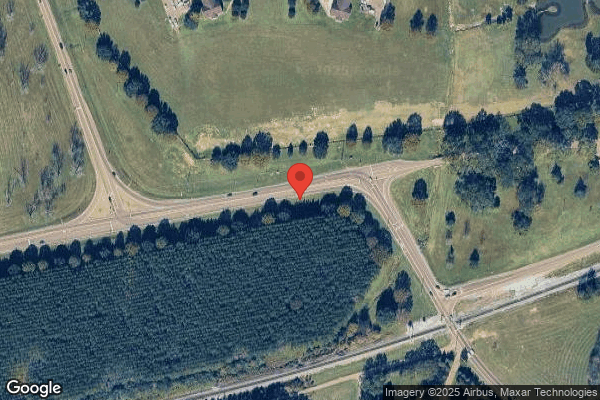
JNH-JEFFERSON INN

3550 HWY 468 WEST, WHITFIELD, MS 39193 (601) 351-8015
Government - State 90 Beds Independent Data: November 2025
Trust Grade
85/100
#13 of 200 in MS
Last Inspection: August 2024

Within standard 12-15 month inspection cycle. Federal law requires annual inspections.

Overview

JNH-Jefferson Inn has a Trust Grade of B+, indicating it is above average and recommended for families considering care options. Ranked #13 out of 200 facilities in Mississippi, it sits in the top half, and is #3 out of 9 in Rankin County, suggesting limited local competition for quality care. The facility is showing improvement, with the number of reported issues decreasing from 4 in 2024 to just 1 in 2025. Staffing is also a strong point, rated 5 out of 5 stars with turnover at 39%, which is better than the state average, indicating that caregivers are likely to be familiar with the residents. However, there are some concerns, such as incidents where residents did not receive meals at the proper temperature, and a failure to ensure privacy during personal care, which could affect residents' dignity. Overall, while there are areas for improvement, the facility's strengths in staffing and overall care quality make it a solid choice for families.

Trust Score
B+
85/100
In Mississippi
#13/200
Top 6%
Safety Record
Low Risk
No red flags
Inspections
Getting Better
4 → 1 violations
Staff Stability
○ Average
39% turnover. Near Mississippi's 48% average. Typical for the industry.
Penalties
✓ Good
No fines on record. Clean compliance history, better than most Mississippi facilities.
Skilled Nurses
○ Average
Each resident gets 34 minutes of Registered Nurse (RN) attention daily — about average for Mississippi. RNs are the most trained staff who monitor for health changes.
Violations
⚠ Watch
13 deficiencies on record. Higher than average. Multiple issues found across inspections.
★★★★★
5.0
Overall Rating
★★★★★
5.0
Staff Levels
★★★★★
5.0
Care Quality
★★★★☆
4.0
Inspection Score
Stable
2024: 4 issues
2025: 1 issues

The Good

  • 5-Star Staffing Rating · Excellent nurse staffing levels
  • 5-Star Quality Measures · Strong clinical quality outcomes
  • Full Sprinkler Coverage · Fire safety systems throughout facility
  • No fines on record
  • Staff turnover below average (39%)

    9 points below Mississippi average of 48%

Facility shows strength in staffing levels, quality measures, fire safety.

The Bad

Staff Turnover: 39%

Near Mississippi avg (46%)

Typical for the industry

The Ugly 13 deficiencies on record

Aug 2025 1 deficiency
CONCERN (D) 📢 Someone Reported This

A family member, employee, or ombudsman was alarmed enough to file a formal complaint

Potential for Harm - no one hurt, but risky conditions existed

Resident Rights (Tag F0550)

Could have caused harm · This affected 1 resident

Based on observation, record review, interview, and facility policy review, the facility failed to ensure the residents' right to be treated with dignity and respect, as evidenced by staff provided in...

Read full inspector narrative →
Based on observation, record review, interview, and facility policy review, the facility failed to ensure the residents' right to be treated with dignity and respect, as evidenced by staff provided incontinent care without providing privacy for two (2) of four (4) sampled residents. Resident #1 and Resident #2. Findings include:Record review of the facility policy titled, RIGHTS OF RESIDENTS, dated July 2023, revealed .All persons admitted to (Proper name of facility) will be assured that their legal rights will be protected and promoted. The resident will receive care consistent with basic human dignity.The resident has the right to a dignified existence .On 7/30/25 at 9:39 AM, during a pre-survey interview with the Complainant who is the facility Ombudsman stated that during a routine visit at this facility on 6/10/25, she walked down the hallway and noticed two aides with Resident #1 in the hallway and there was something going on that was not right. She stated that it appeared the staff were attempting to provide care for the resident in the hallway and that they put the resident into a Geri-recliner and took her into her room when they noticed her approach. On 7/31/25 at 2:48 PM, observation revealed that Certified Nursing Assistant (CNA) #3 was providing incontinent care for Resident #2 in the resident's room with the door open. There was no privacy curtain in use and the resident's perineal area was exposed. CNA # 3, the CNA Supervisor joined CNA #4 without providing instruction or correction on provision of privacy for incontinent care.On 7/31/25 at 3:00 PM, during an interview CNA #4 confirmed that it was not the correct procedure to provide incontinent care in the hallway and that privacy should be provided to maintain residents' dignity and ensure their rights. She confirmed that the facility provided in-service training regarding residents' rights, including the right to receive care in a dignified manner and incontinent care, including provision of privacy for care.On 7/31/25 at 3:10 PM, during an interview CNA #3 confirmed that she had the authority to provide instruction and correction to CNAs if she observed any problem with care. She said that it was not the correct procedure to provide incontinent care in the hallway and that privacy should be provided to maintain residents' dignity and ensure their rights. She confirmed that the facility provided in-service training regarding residents' rights, including the right to receive care in a dignified manner and incontinent care, including provision of privacy for care. On 7/31/25 at 6:22 PM, during a telephone interview, CNA #1 stated that she and CNA #2 were providing incontinent care for Resident #1 in the hallway outside the doorway of her room on 6/10/25 when the ombudsman came around the corner in the hallway and they took the resident into her room and provided incontinent care. She confirmed that it was not the correct procedure to provide incontinent care in the hallway and that privacy should be provided to maintain residents' dignity and ensure their rights. She confirmed that the facility provided in-service training regarding residents' rights, including the right to receive care in a dignified manner and incontinent care, including provision of privacy for care.On 8/01/25 at 9:20 AM, during an interview the Administrator confirmed that she was notified by a visitor to the facility on 6/10/25 that they had seen something that did not look right. She stated that she had interviewed the two staff involved, CNA #1 and CNA # 2, and that they had denied anything out of the ordinary. She stated she had interviewed Resident #1 and noted no change from baseline and nothing unusual. She said she saw Resident #1 daily and had not noted any change in condition, function or behavior since 6/10/25. She stated that it was not the correct procedure to provide incontinent care in the hallway and that privacy should be provided to maintain residents' dignity and ensure their rights. She confirmed that the facility provided in-service training regarding residents' rights, including the right to receive care in a dignified manner and incontinent care, including provision of privacy for care.On 8/01/25 at 10:15 AM, during an interview Licensed Practical Nurse (LPN) #1 revealed she was the Infection Preventionist (IP) for the facility. She stated that she provided in-service training for nursing staff including incontinent care. She stated she utilized direct observation of incontinent care and other tasks and competency checkoffs for CNA s and nurses. She stated that nursing staff are to take residents to the resident's room, shower room or bathroom to provide incontinent care and that was a big part of treating residents with respect and dignity and an infection control issue. It is not best practice to provide Activities of Daily Living (ADL) care in the hallway, especially incontinent care.On 8/01/25 at 11:32 AM, during a telephone interview, CNA #2 confirmed that Resident #1's incontinent brief was down, and her perineal area was exposed in the hallway when the ombudsman came down the hallway on 6/10/25. She confirmed that it was not the correct procedure to provide incontinent care in the hallway and that privacy should be provided to maintain residents' dignity and ensure their rights. She confirmed that the facility provided in-service training regarding residents' rights, including the right to receive care in a dignified manner and incontinent care, including provision of privacy for care. On 8/01/25 at 12:21 PM, during an interview the DON revealed that she and the IP and the Staffing Department Head of Nursing Services provided in-service training regarding Residents' Rights, including but not limited to the right of each resident to be treated with respect and dignity and provision of privacy for any care that included uncovering residents' bodies. She stated that she was unaware CNAs were providing incontinent care for residents in the hallways or without provision of privacy for the residents. On 8/01/25 at 1:30 PM, during an interview LPN #2 revealed that she was part of a program to train CNAs prior to certification for employment at the facility. She confirmed that the program provided instruction in incontinent care, and that the incontinent care training included assisting residents into their bed, not conducting the care in the hallway.Record review of the Identification and Summary Sheet for Resident #1 revealed the facility admitted the resident on 10/21/15 with diagnoses that included Schizoaffective disorder (bipolar type), Histrionic personality disorder and Chronic obstructive pulmonary disease (COPD).Record review of the Quarterly Minimum Data Set (MDS) for Resident #1 with an Assessment Reference Date (ARD) of 4/09/25 revealed the resident had no Brief Interview for Mental Status (BIMS) score with documentation that the resident was not able to participate in the interview because she rarely/never understood and she was dependent for toileting hygiene and all activities of daily living and was always incontinent of bowel and bladder.Resident #2Record review of the Identification and Summary Sheet for Resident #2 revealed the facility admitted the resident on 4/01/2019 with diagnoses that included Schizophrenia, Mood disorder and Dementia.Record review of the Quarterly MDS for Resident #2 with an ARD 2/05/25 revealed the resident had no BIMS score with documentation that the resident was not able to participate in the interview because she rarely/never understood and she was dependent for toileting hygiene and all activities of daily living and was always incontinent of bowel and bladder.
Aug 2024 2 deficiencies
CONCERN (D)

Potential for Harm - no one hurt, but risky conditions existed

Deficiency F0692 (Tag F0692)

Could have caused harm · This affected 1 resident

Based on observations, interviews, and record reviews the facility failed to follow physician orders for dietary supplements for one (1) of two (2) residents reviewed for nutrition. Resident #68 Find...

Read full inspector narrative →
Based on observations, interviews, and record reviews the facility failed to follow physician orders for dietary supplements for one (1) of two (2) residents reviewed for nutrition. Resident #68 Findings Include: On 08/05/24 at 1:25 PM, an observation of Resident #68 eating lunch in the dining room revealed the resident could feed himself, using his left hand, after staff set up his tray. The resident consumed 100% of his meal, but there was no dietary supplement on his lunch tray. On 08/06/24 at 1:20 PM, an observation of Resident #68 eating lunch in the dining room revealed that Certified Nursing Assistant (CNA) #1 noted that there was no Boost on his tray, so she left the dining area and returned with the Boost in hand. The resident immediately picked it up and began to consume it. On 08/07/24 at 10:10 AM, in an interview with the Registered Dietitian (RD), she stated she expected the staff to honor residents' preferences and encourage them to eat. She mentioned she expected the staff to offer the Boost and noted the resident had gained some weight over the past couple of months. On 08/07/24 at 1:00 PM, an observation of Resident #68 eating in the dining room revealed Boost was not on the lunch tray. On 08/07/24 at 3:25 PM, in an interview, CNA #1 stated when a resident has an order for a supplement, it is usually placed on the resident's meal tray. On 08/07/24 at 4:15 PM, during an interview, the Director of Nursing (DON) stated when there is a nutritional change, the order form goes to the pantry so they will be informed of the changes. She stated the Registered Dietitian (RD), pantry person, nurse, and CNAs are all informed about it. She confirmed it was the nurse's responsibility to give the resident a supplement as ordered by the physician and to make sure that it is charted accurately. On 08/08/24 at 10:15 AM, during an interview, the RD stated she reviewed Resident #68's chart and had recently changed the order to double portion meals and Boost four (4) times a day (QID). She confirmed the resident should receive Boost four (4) times a day. On 08/08/24 at 10:32 AM, in an interview, CNA #2 stated she did not have access to get the supplement from the medication room. She stated Resident #68 was supposed to get Boost with every meal and emphasized it was the nurse's responsibility to give the resident his Boost. She noted she had observed it not being on the tray at times, but when she was there, she would ask the nurse for the Boost. A record review of Resident #68's Identification and Summary Sheet revealed an admission date of 3/18/24 with diagnoses of Huntington's Disease, Depression, and Gastric Esophageal Reflux Disease. A record review of Resident #68's Physician Orders, dated 6/26/24 revealed an order for pureed diet x 2 (double portions) with Boost QID (four times a day) and when requested.
CONCERN (D)

Potential for Harm - no one hurt, but risky conditions existed

Deficiency F0761 (Tag F0761)

Could have caused harm · This affected 1 resident

Based on observations, staff interviews record review and facility policy review, the facility failed to date medications that were opened and stored in two (2) of four (4) medication refrigerators in...

Read full inspector narrative →
Based on observations, staff interviews record review and facility policy review, the facility failed to date medications that were opened and stored in two (2) of four (4) medication refrigerators in medication storage rooms. Findings Include: A record review of the facility policy titled MultiDose Vials, dated 11/21, revealed 1.This policy establishes the requirements to regulate the use of multidose vials to ensure stability and prevent contamination . 2. POLICY: The pharmacy attempts to supply injectable drugs in unit of use vials when practical, but many items are only available in multidose vials. 3. PROCEDURE: A. All multi-dose vials must be dated with a 28-day expiration date from the time of initial puncture . On 08/07/24 at 08:30 AM, during an observation of the medication room in Building 33 on the second floor with Licensed Practical Nurse (LPN) #1, the medication refrigerators were found to contain Novolin R vials that had been opened and not dated. On 08/07/24 at 08:35 AM, an interview with LPN #1 revealed that nurses were trained during orientation and at least yearly on medication labeling and storage, especially insulin. It was the responsibility of the nurse who opened the vial to date it. On 08/07/24 at 08:45 AM, during an observation of the medication room in Building 33 on the first floor with Registered Nurse (RN) #2, the medication refrigerators were found to contain vials of Novolin R and Levemir that had been opened and not dated. On 08/07/24 at 08:50 AM, an interview with RN #2 revealed it was the responsibility of the nurse to date the vial when it was opened. On 08/07/24 at 11:19 AM, an interview with the Director of Nursing (DON) of the facility, confirmed that nurses have received training regarding the importance of dating multidose vials when they are opened. The DON stated the nurses are to follow facility policy and date the vials as they are opened.
Mar 2024 2 deficiencies
CONCERN (D) 📢 Someone Reported This

A family member, employee, or ombudsman was alarmed enough to file a formal complaint

Potential for Harm - no one hurt, but risky conditions existed

Comprehensive Care Plan (Tag F0656)

Could have caused harm · This affected 1 resident

Based on interviews and record review, the facility failed to ensure a Certified Nurse Aide (CNA) followed the resident's care plan, which resulted in an unwitnessed fall from the bed for one (1) of t...

Read full inspector narrative →
Based on interviews and record review, the facility failed to ensure a Certified Nurse Aide (CNA) followed the resident's care plan, which resulted in an unwitnessed fall from the bed for one (1) of three (3) the residents reviewed for accidents. Resident #1 Findings include: Record review of Care Plan, with a problem onset date of 5/10/2023 revealed : Requires the use of Siderails x 2 in bed r/t (related to) Profound IDD (Intellectual and Developmental Disability), Delusional Disorder, and Unaware of Safety Hazards .Approaches .Siderails up x 2 when in bed . On 3/20/24 at 11:02 AM, in an interview with the Administrator, she revealed CNA #1 did not follow Resident #1's care plan. The Administrator confirmed that she expects all staff to adhere to physician orders and to follow the resident's care plan, as the care plan is a guideline for how staff are to care for the residents and not following it puts the resident at harm. On 3/20/24 11:27 AM, in an interview with the Director of Nursing (DON), she revealed she has educated the CNA's on following the plan of care for resident care. She stated the ADL (Activities of Daily Living) guidebook, which is an extension of the care plan is specific to each resident's needs and is for CNAs to use while caring for their residents. She confirmed the siderail requirements, for Resident #1, were reflected in the guidebook, but CNA #1 did not follow the guidelines for the care of Resident #1. On 3/20/24 at 1:38 PM during the interview with CNA#1, she confirmed she uses the ADL guidebook to care for her residents and acknowledges the bedrail requirement for Resident #1 was in the guidebook. CNA #1 stated the night Resident #1 fell, she had decided to let the siderails down to prevent the resident from becoming agitated. On 3/20/24 at 2:13 PM, during a phone interview with Licensed Practical Nurse (LPN) #1, confirmed that she knows they must always follow the care plan. She said she assessed Resident #1 after the fall as per protocol, which included such as vital signs and neuro checks. During her assessment she stated she noticed the siderails were down. A record review of the Identification and Summary Sheet revealed Resident #1 was admitted by the facility on 4/27/23. Her diagnoses included Delusional Disorder, Atrial Fibrillation and Hypertension.
CONCERN (D) 📢 Someone Reported This

A family member, employee, or ombudsman was alarmed enough to file a formal complaint

Potential for Harm - no one hurt, but risky conditions existed

Accident Prevention (Tag F0689)

Could have caused harm · This affected 1 resident

Based on interviews, record review, facility investigation, and facility policy review, the facility failed to ensure a dependent resident was supervised and physician ordered assistive devices were i...

Read full inspector narrative →
Based on interviews, record review, facility investigation, and facility policy review, the facility failed to ensure a dependent resident was supervised and physician ordered assistive devices were implemented to prevent an unwitnessed fall from bed for one (1) of three (3) the residents reviewed for accidents. Resident #1 Findings include: Record review of the facility's policy titled, Standards of Care, dated May 2022, revealed, 1. PURPOSE AND APPLICABILITY This policy identifies the designated nursing reference manual for licensed and unlicensed nursing staff . in all programs . 2. POLICY: .The certified nursing assistant textbook currently in use by Staff Education is the designated reference manual for unlicensed nursing staff 3. PROCEDURE . D. Prior to executing any clinical procedure, all nursing staff will: (1) Verify physician/nurse practitioner order for patient/resident . Record review of the Investigative Findings, dated March 8, 2024, revealed the investigation of a fall involving Resident #1. The initial concern identified in the investigation was that the fall of Resident #1 may have been related to the resident's unexpected death, due to the close proximity of the two (2) events. However, through the facility's investigation, the facility determined that the death of Resident #1 was unrelated to the fall. Further review of the facility's investigation revealed that on February 23, 2024, the Certified Nurse Aide (CNA) assigned to her care, failed to follow the physician's orders related to the use of siderails when the resident was in bed. Record review of RCA (Root Cause Analysis) Review dated February 26,2024 revealed .Concerns .2. There was a physician's order for the bed's side rails to be up, but they were not .Root Causes A. Fall The root cause for the resident's fall was the side rails of the bed were not raised in accordance with the physician's order . Record review of a handwritten Physicians Orders dated 2/9/24 revealed Siderails x 2 when in bed R/T (related to) Profound IDD (Intellectual and Developmental Disability), Delusional Disorder, Does not foresee potential hazards x 30 days . On 3/20/24 at 11:02 AM, in an interview with the Administrator she revealed that during their morning meeting, it was discovered that the CNA #1 put the siderails down while Resident #1 was in bed, which could have led to the fall of Resident #1. The Administrator revealed CNA #1 did not follow the physician orders and plan of care regarding the care of Resident #1. The Administrator stated she expects all staff to adhere to the physician orders. On 3/20/24 at 11:27 AM, in an interview with the Director of Nursing (DON), she revealed she has educated the CNA's on following the plan of care for residents. She stated the ADL (Activities of Daily Living) guidebook is specific to each resident's needs. The DON confirmed the CNAs are to use the guidebook, while caring for their residents. She confirmed that the siderail requirements for Resident #1 were reflected in the guidebook, however, CNA #1 did not follow the guidebook. On 3/20/24 at 1:38 PM during the interview with CNA#1, she confirmed she has been caring for Resident #1 since she was admitted a year ago by the facility as well as the night the resident fell out of bed. She indicated she uses the ADL guidebook to care for her residents and acknowledges the bedrail requirement for Resident #1 was in the guidebook. However, she explains that the resident was the type of resident who would do whatever she wanted, regardless of trying to redirect her. The CNA stated that when the siderails were up, the resident would kick, hit, or spit or just try to climb over the rails altogether. So, the night she fell, the CNA had decided to let them down to prevent the resident from becoming agitated. CNA# 1 revealed she had not notified the nurse on duty about the resident's behaviors or that she had let the siderails down for Resident#1. On 3/20/24 at 2:13 PM, during a phone interview with Licensed Practical Nurse (LPN) #1, she confirmed she was working the night Resident #1 fell. She revealed CNA #1 had reported to her that she had found the resident sitting up on the floor with the sheets around her feet. She said she assessed the resident as per protocol, which included such as vital signs and neuro checks. During this time, she noticed the siderails were down but when questioning the CNA #1, she never got a clear answer about how the siderails got down. LPN#1 admits that she knows they must always follow the physician orders and that nurses must contact the physician before making any changes to the resident's care. A record review of the Identification and Summary Sheet, revealed the facility admitted Resident #1 on 4/27/23. Her diagnoses included Delusional Disorder, Atrial Fibrillation, and Hypertension. A record review of the Minimum Date Set (MDS), for Resident #1, with an Assessment Reference Date (ARD) of 1/25/24, revealed a Brief Interview for Mental Status (BIMS) score of 00, which indicated the resident had severe cognitive impairment.
Jan 2023 3 deficiencies
CONCERN (D)

Potential for Harm - no one hurt, but risky conditions existed

Deficiency F0679 (Tag F0679)

Could have caused harm · This affected 1 resident

Based observations, interviews, record review, and facility policy review, the facility failed to implement an ongoing resident-centered activities program that incorporates the resident's interests f...

Read full inspector narrative →
Based observations, interviews, record review, and facility policy review, the facility failed to implement an ongoing resident-centered activities program that incorporates the resident's interests for two (2) of 35 residents in building #31. Resident # 51, Resident # 64 Findings Include: Review of the facility's policy, Residents Rights, dated May 2021, revealed, The resident has the right to a dignified existence, self-determination, and communication with and access to persons and services inside and outside the facility . The resident has the right to choose activities, schedules (including sleeping and waking times), health care and providers of health care services consistent with his or her interest, assessment, and plan of care. The resident has the right to interact with members of the community and participate in community activities both inside and outside the facility . The resident has the right to organize and participate in resident groups in the facility . The resident has the right to participate in other activities, including social, religious, and community activities that do not interfere with the rights of other residents in the facility . Review of the facility's Recreational Therapy guidelines, Procedure Guide, undated, revealed Recreational Therapy is a treatment service designed to restore, remediate and rehabilitate a person's level of functioning and independence in life activities, to promote health and wellness as well as reduce or eliminate the activity limitations and restrictions to participation in life situations caused by illness or disabling condition . A recreational therapist utilizes a wide range activity and community based interventions and techniques to improve the physical, cognitive, emotional, social, and leisure needs of their clients. Recreational therapists assist clients to develop skills, knowledge, and behaviors for daily living and community involvement. The therapist works with the client and their family to incorporate specific interests and community resources into therapy to achieve optimal outcome that transfer to their real life situation . Engaging in meaningful, purposeful activities, with roles and routines eliminate boredom, loneliness, improves self-esteem, independence and gives people something to look forward to every day. Resident # 51 A record review of the Resident Care Plan Update, for Resident #51, revealed a problem related to poor decision-making skills. The goals to address this identified problem was for the resident to improve his cognitive level and decision-making skills by participating in outdoor activities, board games, group therapy and a one-on-one weekly therapy session one (1) time a week for 30-45 minutes. A record review of the facility's, Quarterly Recreation Note, dated 12/8/22, revealed, The resident has made slight progress towards his care plan goal . The resident has been more active in activity group attending 2x (times) to 3x weekly for 25-30 minutes. The resident participates in chapel, art and crafts, special events and socials. The resident also enjoys being outside for leisure time. RT (Recreational Therapy) will continue to provide activities for leisure interests and socialization so that the resident won't become isolated. RT will continue to offer praise and encouragement for active participation in group activity . A record review of the facility's, Recreation Assessment, dated 12/8/22, revealed Resident #51's activity preference is church activities, small groups, music, one on one, large groups, watching TV and outdoor outings. Review of the facility's posted Activity Calendar, dated 1/23/23, revealed the Computer Lab was scheduled for 10:30 AM. During a general observation on 1/23/23, at 10:31 AM, several residents, including Resident #51 were observed propelling themselves in their wheelchairs up and down the hallway. Three (3) residents were observed coloring in the dining room. Several residents were observed lying in bed, with no activities noted. There were no other resident activities observed in progress. During an interview on 1/23/23, at 10:59 AM with Resident #51, he complained of boredom with nothing to do. Resident #51 revealed that he enjoyed cooking, listening to music, watching movies, reading newspapers, and going outside. Review of the Activity Calendar, dated 1/23/23, revealed popcorn/movies were scheduled for 2:00 PM. An observation on 1/23/23, at 2:00 PM, revealed Resident #51 propelling himself in his wheelchair up and down the hallway. There were no activities observed in the dining room. Review of the Activity Calendar, dated 1/23/23, revealed one on one bed visits were scheduled for 3:30 PM. There were no visits or activities observed at that time. An observation on 1/23/23, at 3:30 PM, revealed Resident #51 propelling himself up and down the hallway. Resident #51 was not observed interacting with peers. Review of the Activity Calendar, dated 1/24/23, revealed Art Therapy was scheduled for 10:30 AM. There were three (3) residents observed coloring in the dining room. An observation on 1/24/23, at 10:34 AM, revealed Resident #51 in the hallway, propelling himself in his wheelchair up and down the hallway. Review of the Activity Calendar, dated 1/24/23, revealed board games were scheduled for 2:00 PM. An observation on 1/24/23, at 2:15 PM, revealed Resident #51 propelling himself in his wheelchair up and down the hallway. Resident #51 was not observed interacting with his peers. Review of the Activity Calendar, dated 1/24/23, revealed card/table games were scheduled for 3:00 PM. An observation on 1/24/23, at 3:39 PM, revealed Resident #51 sitting in the hallway, not interacting with his peers. There were no activities observed taking place in the dining room. Review of the Activity Calendar,' dated 1/25/23, revealed a van ride was scheduled for 10:00 AM, and Computer Lab was scheduled for 10:30 AM. An observation on 1/25/23, at 10:30 AM, revealed Resident #51 propelling himself in his wheelchair up and down the hallway. There were no activities going on in the dining room. Review of the Activity Calendar, dated 1/25/23, reveal Crash/Cards were scheduled for 2:00 PM. An observation on 1/25/23, at 2:00 PM, revealed Resident #51 propelling himself in his wheelchair up and down the hallway. There were no activities observed taking place in the dining room. During an interview on 1/25/23, at 2:10 PM with the Director of Nursing (DON) and the Clinical Nursing Administrator, they confirmed Resident #51 had been propelling himself up and down the hallway all week. The Clinical Nursing Administrator said she didn't know why the Recreational Therapist had not been providing therapeutic activities, because she had the resources and special software to assist in selecting appropriate activities based on the resident's interest. Review of the Activity Calendar, dated 1/25/23, revealed Trivia/Crafts were scheduled for 3:00 PM. An observation on 1/25/23, at 3:40 PM, revealed Resident #51 propelling himself in his wheelchair up and down the hallway. There were no activities observed in the dining room. A record review of the Identification Summary Sheet, revealed the facility admitted Resident #51 to the facility on 3/24/2021, with diagnoses that included Coronary Artery Disease, Advanced Dementia, and Hypertension. A record review of the Annual Minimum Data Set (MDS) with the Assessment Reference Date (ARD) of 3/10/22, revealed Resident #51 had a Brief Interview for Mental Status (BIMS) score of 9, that indicated Resident #51 had moderate cognitive impairment. Review of Section F, revealed it is very important for Resident #51 to have books, newspapers, and magazines to read, that he is able to listen to music, do group activity, go outside, and participate in religious services. Resident #64 A record review of the Resident Care Plan Update, for Resident #64 revealed a problem of low cognition functioning. The identified goal to address this problem included attending and participating in activities to improve his cognitive functioning. The activities identified to assist with reaching this goal included reminiscing, memory games, reality orientation, chapel, word trivia, music therapy, and word search twice weekly for 15- 35 minutes. A record review of the facility's, Quarterly Recreation Note, dated 12/12/22, revealed, . RT (Recreational Therapy) will continue to provide activities 2x to 3X weekly for 20-25 minutes for resident leisure interest and socialization. RT will continue to offer chapel, music therapy, arts and crafts, table games, card games (Crash), special events, and socials to help keep the resident engaged, and not become isolated . Review of the Activity Calendar, dated 1/23/23, revealed the Computer Lab was scheduled for 10:30 AM, however, there were no activities in progress at that time. During an interview on 1/23/23, at 11:19 AM, Resident #64 complained he was bored with nothing to do. Resident #64 said he sits in the dining room every day and watches the staff come in and out. The resident revealed he doesn't care for coloring, but he enjoys church services, music, arts and crafts, and card games. Review of the Activity Calendar, dated 1/23/23, revealed popcorn/movies were scheduled for 2:00 PM. An observation on 1/23/23, at 2:00 PM, revealed Resident #64 propelling himself in his wheelchair up and down the hallway. There were no activities observed in progress at this time. Review of the Activity Calendar, dated 1/23/23, revealed one on one bed visits were scheduled for 3:30 PM, however, there were no visits or activities observed at that time. An observation on 1/23/23, at 3:30 PM, revealed Resident #64 propelling himself in his wheelchair up and down the hallway. Review of the Activity Calendar, dated 1/24/23, revealed Art Therapy were scheduled for 10:30 AM. An observation on 1/24/23, at 10:34 AM, revealed Resident #64 sitting in dayroom. There were three (3) residents observed coloring in the dining room. Review of the Activity Calendar, dated 1/24/23, revealed board games were scheduled for 2:00 PM. An observation on 1/24/23, at 2:15 PM, revealed Resident #64 propelling himself in his wheelchair up and down the hallway. The resident was not observed interacting with his peers. Review of the Activity Calendar, dated 1/24/23, revealed card/table games were scheduled for 3:00 PM. An observation on 1/24/23, at 3:39 PM, revealed Resident #64 sitting in the hallway. There were no activities observed in progress. Review of the Activity Calendar, dated 1/25/23, revealed a van ride was scheduled for 10:00 AM, and Computer Lab at 10:30 AM. An observation on 1/25/23, at 10:30 AM, Resident #64 was observed sitting in his room. There were no activities observed in progress at this time. Review of the Activity Calendar, dated 1/25/23, revealed Crash/cards were scheduled for 2:00 PM. An observation on 1/25/23, at 2:00 PM, revealed Resident #64 propelling himself in his wheelchair up and down the hallway. There were no activities observed in progress at this time. Review of the Activity Calendar, dated 1/25/23, revealed Trivia/crafts were scheduled for 3:00 PM. An observation on 1/25/23, at 3:40 PM, revealed Resident #64 propelling himself in his wheelchair up and down the hallway. There were no activities observed at this time. A record review of the Identification and Summary Sheet, Resident #64 was admitted by the facility on 3/26/21, with diagnoses that included Alzheimer's Dementia, Schizoaffective Disorder, and Depression. A record review of the Annual MDS, with the ARD of 3/31/22, revealed Resident #64 had a BIMS score of 7, that indicated Resident #64 had severe cognitive impairment. Review of section F revealed it is very important for Resident #64 to have books, newspapers, and magazines to read, the ability to listen to music, be around pets and animals, do group activity, go outside, and participate in religious services. During an interview on 1/25/23, at 3:44 PM with the Recreational Therapist, she revealed she had included the van ride on the calendar. The Therapist stated it took two recreational employees to take one (1) resident around town, so no other residents received activities that day. However, she revealed that when the activity department is out of the building with residents, the Certified Nurse Aides (CNAs) are responsible for providing activities for the other residents. The Therapist also revealed that she only receives a budget of $140.00 a year for activities. As far as the one-on-one bed visits scheduled on the calendar for today, the Therapist confirmed she had other things to do and was unable to provide those visits today. The Therapist also revealed that if the residents don't come to the dining room, they don't get to participate in the activities that are done. In an interview on 1/25/23, at 3:55 PM with CNA #1, she confirmed she has not provided activities for residents, because she doesn't have time. CNA #1 said she has to bathe her residents, feed them, make beds, and keep them clean. During an interview on 1/25/23, at 4:04 PM with CNA #2, she said she turns the television on in the resident's room to provide activities. CNA #2 revealed she's busy most of the day providing Activities of Daily Living (ADL) care. The CNA stated the activity department needs to provide more activities for the residents. During an interview on 1/25/23, at 4:15 PM, the Administrator revealed the Recreational Therapist is supposed to provide a list of things needed for activities to the Administrator for approval. Once purchases are approved, the Administrator gives the recreational department a facility credit card to make the purchases. The Administrator said the Recreational Therapist is not limited to a yearly budget of $140.00 and has resources, but is not utilizing them. During an interview on 1/26/23, at 1:10 PM with the Director of Recreation and the Recreation Supervisor, they confirmed that calendars are done by each building Therapist and should be done according to each resident's interests. The Director revealed she doesn't know why the Therapists have not provided activities in building #31 because she has not been making rounds. The Director confirmed the yearly budget is not limited to $140.00. The Recreation Supervisor said she thought the therapist was following the calendar and providing activities for all the residents. Both the Recreational Director and the Supervisor confirmed all the residents in the facility should be provided activities of interests, even on days that the therapists take other residents on a ride in the van.
CONCERN (D)

Potential for Harm - no one hurt, but risky conditions existed

Deficiency F0849 (Tag F0849)

Could have caused harm · This affected 1 resident

Based on interviews, record review, and facility's policy review, the facility failed to designate a staff member of the interdisciplinary team responsible for working with the hospice representative ...

Read full inspector narrative →
Based on interviews, record review, and facility's policy review, the facility failed to designate a staff member of the interdisciplinary team responsible for working with the hospice representative to coordinate care provided by the hospice service and the facility for one (1) of one (1) sampled residents receiving hospice care. Resident #63 Findings include: A record review of the facility's policy, Routine Hospice Home Care Services, undated, revealed Based upon the needs of the Resident and family as determined and prior approved by Hospice, . services related to the management of the terminal illness will be provided to eligible Residents by Hospice . IV. Cooperation in Professional Management . 4.3 . d. Designate a member of the Nursing Home's interdisciplinary group to be responsible for working with Hospice representatives to coordinate care to the Resident provided by the Nursing Home and Hospice Staff . The designated interdisciplinary team member is responsible for the following: i. Collaborating with Hospice representatives and coordinated Nursing Home staff participation in the hospice care planning process for those residents receiving these services; ii. Communicating with Hospice representatives and other healthcare providers . to ensure quality of care for the patient and family; iii. Ensuring that the Nursing Home communicates with the Hospice medical director, the patient's attending physician, and other practitioners participating in the provision of care to the patient as needed to coordinate the hospice care with the medical care provided by other physicians . On 01/23/23 at 03:17 PM, during an interview with the Resident Representative (RR) of Resident #63, she explained Resident #63 has been receiving hospice services for several months. The RR revealed that although there are times that hospice and the facility correspond with her regarding the resident's care, it's not very often. On 01/24/23 at 09:15 AM, during an interview with Licensed Practical Nurse (LPN) #1, she explained that she has worked at the facility through a contract agency for one (1) year. LPN #1 revealed that the hospice nurse comes and visits the resident regularly and informs the nurse who is working of the findings before leaving. On 01/25/23 at 10:10 AM, during an interview with LPN #2, she explained the Hospice nurse comes once a week and a certified nurse aide (CNA) comes three (3) times a week. Hospice also has a Chaplin and a Social Worker that come once a month. The nurse explained when the Hospice nurse and CNAs come and visit with Resident #63, they report to the nurse on duty. On 01/25/23, at 11:00 AM, during an interview with the Administrator, she revealed the facility does not have a Hospice Coordinator that coordinates the resident's care with hospice. The Administrator explained the doctor is the staff member who determines if hospice is appropriate for a resident and discusses his recommendations with the family. If the family decides that they are interested in hospice, a consult is sent to the hospice of the family's choice. The Administrator confirmed that the facility nurses working with the resident consult with the hospice nurse, aides, and physicians as needed. On 01/25/23, at 11:50 AM, during a phone interview with Registered Nurse (RN) #1/Hospice Nurse, she explained this has been her first week seeing Resident #63, but the resident has been on Hospice services since August 2021. She explained the resident is seen by a RN once a week and by a CNA three times a week. After each visit, RN #1 stated the hospice nurse should call family members and report any findings or changes. The hospice staff report to Resident #63's facility nurse after each visit. RN #1 revealed the facility has their own care plan meetings, with the Hospice staff attending when possible. She confirmed (Proper Name) Hospice has its own care plan meetings every two weeks and reports any changes to the facility nurse on their next visit. On 1/25/23 at 11:57 AM, during an interview with the facility's Director of Nursing (DON), she reported to her knowledge the facility does not have a staff member that is the facility's Hospice Coordinator. On 1/25/23 at 12:03 PM during an interview, the Administer revealed the hospice nurses do not attend the facility's care plan meetings for Resident #63. On 1/25/23 1:20 PM, during an interview with Social Services #1, she explained she sets up Resident #63's care plan meetings quarterly, and as needed. She explained (Proper Name) Hospice is invited to all the care plan meetings, but she doesn't recall that they have attended any of the meetings. She revealed that Resident #63's RR is invited and attends per telephone. Record review of Resident #63's Identification and Summary Sheet, revealed the facility admitted the resident to the facility on 4/01/2019. The resident's diagnoses included Advanced Huntington Disease, Depression, Psychosis, and Debility due to Chronic Disease. Record review of Resident #63's Significant Change Minimum Data Set (MDS), with an Assessment Reference Date (ARD) of 11/16/22, revealed . Section C Staff Assessment for Mental Status revealed short-term and long-term memory problems . moderately impaired cognitive skills . Section O . resident received hospice care . Record review of Physician Orders revealed orders for DNR (Do Not Resuscitate), no hospitalization, comfort care only at nursing home, and (Proper Name) Hospice.
CONCERN (F)

Potential for Harm - no one hurt, but risky conditions existed

Deficiency F0804 (Tag F0804)

Could have caused harm · This affected most or all residents

**NOTE- TERMS IN BRACKETS HAVE BEEN EDITED TO PROTECT CONFIDENTIALITY** Based on observations, interviews, record review, and facility policy review, the facility failed to ensure the resident's meals...

Read full inspector narrative →
**NOTE- TERMS IN BRACKETS HAVE BEEN EDITED TO PROTECT CONFIDENTIALITY** Based on observations, interviews, record review, and facility policy review, the facility failed to ensure the resident's meals maintained a palatable temperature. This had the potential to affect 34 of the 34 residents receiving meals in building 31. Findings include: Review of the facility's policy, Isolation Meals, Food Storage and Service, dated June 2021, revealed . This policy establishes procedures for the safe handling of meals during isolation and during food storage and service. It applies to all [NAME] Nursing Home (JNH) employees . Food delivered for meal service: .Length of time, rather than temperature levels, will be used to control, ready-to eat food from the resident pantries . Immediately on receipt of hot food in resident care buildings the temperature will be taken using the bimetallic stem thermometer and recorded on the MSH Food Temperature Log (MSH 51). The food will be placed in the pre-heated stem table to maintain a palatable temperature. The temperature should be at or above 135 degrees F (Fahrenheit). If the food is received below 135 degrees, reheat in microwave to 165 degrees F for 15 seconds or contact the Food Services Contractor to request additional food . An observation on 1/23/23 at 12:51 PM, revealed residents eating lunch that was served in individual Styrofoam plates. The SA was informed that the food was being transported on a cart from the main campus. The residents were served sloppy joe's, potato chips, squash casserole, coleslaw, and marble cake. During interviews with Resident #44 and Resident #38 on 1/23/23, at 12:53 PM, both residents complained that their food was cold. The residents revealed that their food had been cold for the last six (6) days. During an observation with the Director of Nursing (DON) on 1/24/23, at 12:54 PM, the food was observed being brought in from the main campus on individual Styrofoam plates. The residents were received popcorn shrimp, oven fried crinkle cut fries, Capri vegetables, corn salad, rolls, and lemon shortbread bars. During an interview with residents in the dining room on 01/24/23, at 12:54 PM, they confirmed the food was cold when served. The Director of Nursing (DON) was present during the interviews. Resident # 38 gave the State Agency (SA) and the DON a piece of zucchini to touch. The zucchini felt cold to the touch. During an interview on 1/24/23 at 2:00 PM, with the DON and the Clinical Nursing Administrator, the DON confirmed the lunch was cold. The Clinical Nursing Administrator said maintenance was working on the pantry in this building (Building #31), which probably required the foods to be served in Styrofoam plates. The Clinical Nursing Administrator stated she was going to notify the Administrators. During an interview on 1/24/23 at 2:30 PM, with the Pantry Food Service Tech she stated did not know the food was cold. The Pantry Tech said she doesn't temp the food when it's sent to the building in individual Styrofoam trays. The Pantry Tech said it's the responsibility of the Certified Nursing Assistants (CNAs) to let her know the residents complained of cold food. During an interview on 1/24/23 at 3:00 PM, with the Administrator and the Director of the Nursing Home Administrator, they revealed the maintenance Department has been working on the pantry for the last 2 weeks. The Administrator said the resident's food is normally sent in steam pans and served by the pantry workers on regular plates. The Administrator stated that she was unaware the food was being served cold and will have the pantry workers warm the resident's food in the microwave until the pantry maintenance is completed. During an interview on 01/25/23 at 3:55 PM, CNA #1 confirmed the residents have complained about the food being cold and that she had previously reported the complaints to the pantry worker. A record review of the facility's Identification Summary Sheet, revealed, the facility admitted Resident #38 to the facility on 3/18/2021, with diagnoses that included Arthritis and Hypothyroidism. A record review of the Quarterly Minimum Data Set (MDS) with the Assessment Reference Date (ARD) of 11/10/22, for Resident #38 revealed, a Brief Interview for Mental Status (BIMS) score of 15, which indicated Resident #38 was cognitively intact. A record review of the facility's Identification Summary Sheet, revealed, the facility admitted Resident #44 to the facility on 3/18/2021, with diagnoses that included Diabetes Mellitus, Dementia and Hypertension. A record review of the Quarterly MDS, with the Assessment Reference Date (ARD) of 11/03/22, revealed Resident #44 had a BIMS score of 11, which indicated Resident #44 had moderate cognitive impairment.
Jul 2019 5 deficiencies
CONCERN (D)

Potential for Harm - no one hurt, but risky conditions existed

Transfer Notice (Tag F0623)

Could have caused harm · This affected 1 resident

**NOTE- TERMS IN BRACKETS HAVE BEEN EDITED TO PROTECT CONFIDENTIALITY** Based on staff interview, record review, and facility policy review, the facility failed to notify a Resident Representative, in...

Read full inspector narrative →
**NOTE- TERMS IN BRACKETS HAVE BEEN EDITED TO PROTECT CONFIDENTIALITY** Based on staff interview, record review, and facility policy review, the facility failed to notify a Resident Representative, in writing, of a transfer to the hospital for one (1) of two (2) residents reviewed for transfers, Resident #69. Findings include: Review of facility policy titled Hospital or Therapeutic Leave Bed Hold Policy, dated April 2018, revealed: Before transfer of a resident from (the facility name) to a medical/care facility, the facility must notify the resident and, if known, the representative of the resident, of the transfer in writing and in a language and manner they understand. Record review of a Physician's Order revealed Resident #69 was sent to the hospital on 6/28/19, and returned to the facility on 7/1/19. Record review of Resident #69's chart revealed there was no transfer letter/notice provided to Resident #69 or to their Resident Representative at the time of transfer to the hospital. An interview on 07/25/19 at 10:45 AM, with Resident #69's Resident Representative and next of kin, revealed, My sister (Resident #69's mother), passed away more than a year ago. I'm [AGE] years old but stepped in and have tried to help with my niece. The Social Worker has been great to call and tell me when she has gone out but I never received a letter from anyone about her going to the hospital. Now, they called me and told me, but I never got a written letter. An interview on 07/25/19 at 11:53 AM, with the Social Worker, revealed she did not send the family a letter stating that Resident #69 went out to the hospital, nor did she notify the Ombudsman. An interview on 07/25/19 at 03:45 PM, with the facility Administrator, revealed, We basically call the family when a resident leaves the facility for the hospital. We don't send a letter to anyone. To my knowledge, we don't send a letter to notify the Resident Representative of a bed hold if a resident goes to the hospital.
CONCERN (D)

Potential for Harm - no one hurt, but risky conditions existed

Deficiency F0625 (Tag F0625)

Could have caused harm · This affected 1 resident

Based on staff interview, record review, and facility policy review, the facility failed to notify the Resident Representative of the facility bed hold policy following transfer to the hospital for on...

Read full inspector narrative →
Based on staff interview, record review, and facility policy review, the facility failed to notify the Resident Representative of the facility bed hold policy following transfer to the hospital for one (1) of two (2) residents reviewed, Resident #69. Findings include: Review of facility policy titled Hospital or Therapeutic Leave Bed Hold Policy dated April 2018, revealed the facility will provide each resident and his/her resident representative notice of the facility's policy regarding the holding of a resident's bed at the time of admission and when he/she goes on leave from the facility. This policy applied to all residents of the facility. Record review of a Physician's Order revealed Resident #69 was sent to the hospital on 6/28/19, and returned to the facility on 7/1/19. Record Review of Resident #69's chart revealed there was no bed hold policy/letter provided to Resident #69 or their Resident Representative at the time Resident #69 was transferred to the hospital. An interview on 07/25/19 at 10:45 AM, with Resident #69's next of kin, revealed the Social Worker had been great to call and tell her when Resident #69 has gone out, but she had never received a letter from anyone about her going to the hospital, nor received a letter about the bed hold. She stated, I certainly would have remembered that because I would be afraid they were not going to let my niece go back there. I would have called them quick and ask about what they were talking about. An interview on 07/25/19 at 11:53 AM, with the Social Worker revealed she did not send Resident #69's Resident Representative a bed hold letter when she was transferred to the hospital. An interview on 07/25/19 at 03:45 PM, with the facility Administrator, revealed To my knowledge, we don't send a letter to notify the Resident Representative of a bed hold if a resident goes to the hospital.
CONCERN (D)

Potential for Harm - no one hurt, but risky conditions existed

Deficiency F0657 (Tag F0657)

Could have caused harm · This affected 1 resident

**NOTE- TERMS IN BRACKETS HAVE BEEN EDITED TO PROTECT CONFIDENTIALITY** Based on staff interview, record review, and facility policy review, the facility failed to revise the Percutaneous Endoscopic G...

Read full inspector narrative →
**NOTE- TERMS IN BRACKETS HAVE BEEN EDITED TO PROTECT CONFIDENTIALITY** Based on staff interview, record review, and facility policy review, the facility failed to revise the Percutaneous Endoscopic Gastrostomy (PEG) Care Plan to reflect the resident frequently slumps in the bed and required more frequent checks for positioning to help prevent aspiration and other complications related to continuous PEG tube feeding for one (1) of three (3) Care Plans reviewed, Resident #9. Findings include: A review of a document provided by the facility Administrator revealed the facility does not have a policy regarding care plans, enteral feedings, and positioning body alignment. The document noted that Nursing staff refer to the Lippincot Manual of Nursing Procedures (Seventh Edition) for procedural steps for the following: Care Plans, Enteral Feeding, and Positioning Body Alignment. This was signed by the Administrator and dated 7/25/19. A review of the document provided by facility Administrator, who stated that the document was pages from the Lippincot [NAME] and were used as guidelines in Percutaneous Endoscopic Gastrostomy (PEG) care and creating Care Plans, revealed, A care plan directs the patient's nursing care from admission to discharge. This written action plan is based on nursing diagnosis that have been formulated after reviewing assessment findings. Update and revise the plan throughout the patient's stay based on the patient's response. The document noted, Have the patient sit or maintain the head of the bed at an elevation of at least 30 degrees (45 degrees is preferred) unless contraindicated by the patient's condition to prevent esophageal reflux and pulmonary aspiration of the feeding formula. The document also revealed to elevate the head of the bed a minimum of 30 degrees, preferably 45 degrees, to manage enteral tube feeding problems. The document also revealed various assistive devices can be used to maintain correct body alignment and to help prevent complications that commonly arise when a patient must be on prolonged bed rest. A review of the article titled Nutrition and Huntington's Disease dated 2010, released by the Huntington's Disease society of America revealed, to position the person so that he/she is sitting up, or at least so the upper body is above the level of the stomach. Record Review of the current Care Plan revealed Resident #9 was admitted to Hospice for a diagnosis of Huntington's disease. Resident #9's care plan documented a problem of totally dependent x two (2) persons for bed mobility, and a high risk for aspiration and choking related to PEG tube placement, and Huntington's disease. The Care Plan documented to reposition every two (2) hours and as needed. The Care plan did not document any interventions or frequent checks related to Resident #9's frequent repositioning ability to get herself flat in the bed. Observations on 07/23/19 at 09:55 AM, 7/24/19 at 8:21 AM, and 7/24/19 at 3:15 PM, revealed Resident #9 lying in bed. Two Cal 2.0 feeding formula was infusing at 45 cubic centimeters per hour (cc/hr) via feeding pump. The head of Resident #9's bed frame was elevated at approximately 20 degrees and 45 degrees. There was a wide wedge at the head of the bed located under the sheet with a pillow on top of the wedge on the outside of the sheet. Resident #9's body was slumped down in the bed at a flat angle on all three (3) occasions and/or with the upper body at the same angle as the stomach. An observation on 07/25/19 at 06:55 AM, revealed Resident #9 was lying in bed with her head towards the right side of the bed railing and off the pillow and wedge. Two Cal 2.0 was infusing continuously at 45 cc/hr via feeding pump. Resident #9's legs were lying towards the left side of the bed railing with the head of bed (HOB) at approximately 45 degrees. Resident #9's body was slumped down in the bed with her left shoulder slightly elevated with edge of the pillow with the upper body at the same angle of the stomach. Licensed Practical Nurse (LPN) #1 entered Resident #9's room and the feeding pump was beeping. LPN #1 stated that Resident #9 was always slumped to the right side of the bed because the resident had End Stage Huntington's Disease and that was how she always lay in bed. LPN #1 stated that Resident #9 always moved around in bed as part of her Huntington's. During an interview on 07/25/19 at 03:15 PM, the Director of Nursing (DON) stated, The Care Plan is an on-going plan of care for a resident. You should be able to read the care plan and know what to do for a resident. We are supposed to do everything for our residents. I can't say yes or no that positioning of Resident #9 should be revised on the care plan. We can straighten Resident #9 up in bed and she gets into positions herself. I'll see what therapy can offer for her. During an interview on 07/25/19 at 04:15 PM, RN #3, Care Plan Nurse, revealed that a care plan is a plan to be able to care for a resident. RN #3 stated that Resident #9 positioning down in the bed makes the resident a high risk for aspiration with continuous tube feeding. She stated, The Care Plan should be revised to add positioning issues and interventions to help with positioning. RN #3 stated that Resident #9 also has End Stage Huntington's Disease and that too would make her a high risk for aspiration. RN #3 stated that she felt the Enteral Feeding Care Plan should be revised for maybe 15 minute checks because of the Huntington's disease and the spasmodic movements caused by that disease. RN #3 revealed that Any nurse who takes care of a resident should be able to look at a care plan and know exactly what a resident needs. The Care Plan just should have been revised. I will contact the physician and see what he thinks about therapy.
CONCERN (D)

Potential for Harm - no one hurt, but risky conditions existed

Tube Feeding (Tag F0693)

Could have caused harm · This affected 1 resident

**NOTE- TERMS IN BRACKETS HAVE BEEN EDITED TO PROTECT CONFIDENTIALITY** Based on staff interview, record review, and facility policy review, the facility failed to position a resident who received Per...

Read full inspector narrative →
**NOTE- TERMS IN BRACKETS HAVE BEEN EDITED TO PROTECT CONFIDENTIALITY** Based on staff interview, record review, and facility policy review, the facility failed to position a resident who received Percutaneous Endoscopic Gastrostomy (PEG) tube feedings to help prevent complications such as aspiration for one (1) of three (3) residents reviewed for positioning, Resident #9. Findings include: A review of a document provided by the facility Administrator revealed the facility does not have a policy regarding enteral feedings and positioning body alignment. The document noted that Nursing staff refer to the Lippincot Manual of Nursing Procedures (Seventh Edition) for procedural steps for Enteral Feeding and Positioning Body Alignment. This was signed by the Administrator and dated 7/25/19. A review of a document, provided by the Administrator, revealed the document was pages from the Lippincot [NAME] and were used as guidelines in Percutaneous Endoscopic Gastrostomy (PEG) care. The document noted, Have the patient sit or maintain the head of the bed at an elevation of at least 30 degrees (45 degrees is preferred) unless contraindicated by the patient's condition to prevent esophageal reflux and pulmonary aspiration of the feeding formula. The document also revealed to elevate the head of the bed a minimum of 30 degrees, preferably 45 degrees, to manage enteral tube feeding problems. The document also revealed various assistive devices can be used to maintain correct body alignment and to help prevent complications that commonly arise when a patient must be on prolonged bed rest. A review of the article titled Nutrition and Huntington's Disease, dated 2010, released by the Huntington's Disease society of America revealed, to position the person so that he/she is sitting up, or at least so the upper body is above the level of the stomach. A review of the article titled Oral feeding in Huntington's Disease: a guideline document for speech and language therapists dated 2012, revealed, Involuntary movements create increasing difficulties in Late stage Huntington's Disease. Dietary modifications, the use of compensatory swallowing techniques, the manipulation of head or body postures and maneuvers to support safe and efficient swallowing should continue. All caregivers should be in receipt of specific instructions on positioning and postures. Regular monitoring of the individual with Huntington's Disease weight, hydration, nutrition and occurrence of aspiration pneumonia is a key at this stage in the disease. An observation on 07/23/19 at 09:55 AM, revealed Resident #9 lying in bed. Two Cal 2.0 feeding formula was infusing at 45 cubic centimeters (cc) per (/) hour (hr) via feeding pump. The head of Resident #9's bed frame was elevated at approximately 20 degrees. There was a wide wedge at the head of the bed located under the sheet with a pillow on top of the wedge on the outside of the sheet. The Resident's head was lying off of the pillow and wedge against the right side rails of the bed. Resident #9's body was slumped down in the bed at a flat angle. An observation on 07/24/19 at 08:21 AM, revealed Resident #9 was lying in the bed with her head off the pillow and wedge. Resident #9 body was slumped down in the bed with her left shoulder slightly elevated in the bed by the edge of the pillow with the upper body at the same angle as to stomach. Two Cal 2.0 feeding was continuously infusing at 45 cc/hr via feeding pump. The head of bed (HOB) was approximately 45 degrees. An observation at 7/24/19 at 03:15 PM, revealed Resident #9 was lying in bed. The HOB was elevated at 45 degrees. There was a wide wedge at the head of the bed located under the sheet with a pillow on top of the wedge on the outside of the sheet. Resident #9's body was slumped down in the bed with her head at the right side of the bed against the side rails. Resident #9's head was off the pillow and the wedge and her body was at a flat angle in bed. Two Cal was continuously infusing at 45 cc/hr via PEG tube. An observation on 07/25/19 at 06:55 AM, revealed Resident #9 was lying in bed with her head towards the right side of the bed railing and off of the pillow and wedge, with Two Cal 2.0 infusing continuously at 45 cc/hr via feeding pump. Resident #9's legs were lying towards the left side of the bed railing with the head of bed (HOB) at approximately 45 degrees. Resident #9's body was slumped down in the bed with her left shoulder slightly elevated with the edge of the pillow with the upper body at the same angle of the stomach. Licensed Practical Nurse (LPN) #1 entered Resident #9's room and the feeding pump was beeping. LPN #1 stated that Resident #9 is always slumped to the right side of the bed. LPN #1 stated that Resident #9 had End Stage Huntington's Disease and that was how she always lay in bed. LPN #1 stated that Resident #9 always moves around in bed. That's part of her Huntington's. An interview on 07/25/19 at 03:15 PM, with the Director of Nursing (DON), revealed We are supposed to do everything for our residents .We can straighten Resident #9 up in bed and she gets into positions herself. I'll see what therapy can offer for her. An interview on 07/25/19 at 04:15 PM, with RN #3, Care Plan Nurse, revealed that Resident #9 positioning down in the bed makes her a high risk for aspiration with the continuous formula feeding. RN #3 stated that Resident #9 also has End Stage Huntington's Disease and that too would make her a high risk for aspiration.
CONCERN (D)

Potential for Harm - no one hurt, but risky conditions existed

Infection Control (Tag F0880)

Could have caused harm · This affected 1 resident

Based on observation, staff interview, record review, and facility policy review, the facility failed to prevent the possible spread of infection by not washing hands and changing gloves during Percut...

Read full inspector narrative →
Based on observation, staff interview, record review, and facility policy review, the facility failed to prevent the possible spread of infection by not washing hands and changing gloves during Percutaneous Endoscopic Gastrostomy (PEG) care for two (2) of three (3) resident observations for PEG care, Resident #9 and Resident #22. Findings include: A review of facility policy titled Infection Prevention Policies, Procedures and Protocol dated August 2018, revealed policy, procedures, and protocols will be based on state and federal statutes, recommendations from the Center of Disease Control (CDC), the Joint Commission and Association for Professionals in Infection Control and on acceptable standards of medical care. A review of facility policy titled HandHygiene, dated April 2019, revealed: The policy provides guidelines and procedures to prevent the direct or indirect spread of infection. Hand hygiene is the single most important factor for preventing the spread of healthcare associated infections. This policy applies to all programs of the facility. It is the policy that all employees will use proper hand hygiene techniques to prevent the spread of infectious disease. Personnel should always cleanse/sanitize their hands; before and after touching wounds, before and between each patient/resident, after removing gloves, after touching objects that may be contaminated with disease causing microorganisms, when moving from a contaminated body site to a clean body site on the same patient/resident, before caring for patients/residents with neutropenia or other immune suppressions and after contact with inanimate objects in the vicinity of the patient/resident. An observation on 07/25/19 at 6:55 AM, revealed Licensed Practical Nurse (LPN) #1 entered Resident #9's room and the feeding pump was beeping. Resident #9 was slumped to the right side of the bed. LPN #1 put on gloves, without washing her hands, and checked the feeding pump. LPN #1 touched the pump and the Percutaneous Endoscopic Gastrostomy (PEG) tubing at Resident #9's stoma site. LPN #1 picked the garbage can up and placed it by Resident #9's bedside. LPN #1 removed her gloves and washed her hands. LPN #1 had set her tote containing her supplies (gauze, normal saline, hand sanitizer, drain gauze, disposable bed pad, tape and box of gloves) on the over-bed table when she entered the room earlier. LPN #1 accidentally bumped the over-bed table and the box of gloves fell out of the tote onto the floor. LPN #1 reached down and picked up the box of gloves and placed them back into the tote with the other clean supplies. LPN #1 gloved, without washing her hands, picked up the tote that she had her supplies in, and wiped Resident #9's over-bed table with disinfectant wipes. LPN #1 allowed the area to dry approximately one (1) minute still holding the tote in her hand. LPN #1, still wearing the gloves, reached into the tote and moved the box of gloves that she had picked up off the floor, around in the tote. LPN #1 picked up a blue disposable bed pad out of the tote and laid it on the over-bed table as a barrier. LPN #1 removed her gloves and used hand sanitizer to clean her hands. LPN #1 gloved and opened four (4) gauze packages and laid them on the barrier in the packaging. LPN #1 reached over into the tote and moved the contaminated box of gloves around in the tote. LPN #1 removed the dirty dressing from Resident #9's stoma and discarded the dressing into a red biohazard bag along with her gloves. LPN #1 washed her hands, dried her hands with a paper towel and laid paper towel on the sink. LPN #1 took another paper towel, turned the faucet off, and then picked up dirty paper towel in clean hands and discarded them into the garbage can at the bedside. LPN #1 gloved, obtained the bottle of normal saline out of the tote and poured the normal saline onto the gauze in the paper containers. LPN #1 used one (1) gauze, while holding the tubing at the stoma site, and wiped in a circular motion around stoma folding the gauze over at one point double wiping the stoma site. LPN #1 discarded the dirty gauze into the red bag. After completing the care, LPN #1 dried the area around the stoma. LPN #1 removed her gloves and without washing or sanitizing her hands, applied another pair of gloves. LPN #1 opened a split drain dressing packet and applied the clean dressing to the stoma. LPN #1 secured the dressing to the stoma site with one piece of tape. An interview on 07/25/19 at 7:27 AM, with LPN #1, revealed, I didn't realize I folded the gauze over. I was nervous. I remember not washing my hands between cleaning the stoma site and applying a clean dressing clean. I changed my gloves but didn't wash my hands before applying gloves. I remember dropping the box of gloves on the floor. I should have discarded them and not used them. They would be considered contaminated. I should have went and got another box. An interview on 07/25/19 at 3:00 PM, with RN #2, Infection Control Nurse, revealed, Improper hand hygiene is an infection control issue. We do teach hand hygiene here. We show two (2) videos from the Center for Disease Control (CDC) in orientation. We teach to wash your hands before and after care is provided. We have in-services monthly. The box of gloves falling onto the floor is considered as contaminated. The nurse should have got another box of gloves and not used those. That is an infection control issue as well. An interview on 07/25/19 at 3:15 PM, with the Director of Nursing (DON), revealed, Anytime you remove your gloves you should wash your hands or use sanitizer. Anytime you go from dirty to clean you should do hand hygiene of some sort. But, definitely any time you remove gloves, you need to perform hand hygiene. Not performing proper hand hygiene when providing care is an infection control issue. When the LPN dropped the gloves on the floor, she should have left them on the floor and went and got some more. Review of a Continuing Education sign-in-sheet titled Hand Hygiene; Wearing gloves and changing and sanitation in between resident to resident revealed LPN #1 was in attendance on 9/27/18, for the inservice on Hand Hygiene. Resident #22 An observation on 07/24/19 at 9:20 AM, revealed Registered Nurse (RN) #1 entered Resident #22's room with clean supplies in a tote. RN #1 sat the tote with the supplies in it on the over-bed table. RN #1 washed her hands and applied gloves and used sanitizing wipes to clean the top of the over bed table. RN #1 allowed the over bed table to dry for approximately three (3) minutes. RN #1 removed her gloves, washed her hands, and removed Resident #22's blanket with clean hands. RN #1 gloved, without washing her hands, and laid a disposable blue pad on the over-bed table as a barrier, removed the supplies from the tote, and laid them onto the barrier. RN #1 opened the normal saline and sit the open bottle on the barrier with lid off. RN #1 re-gloved and took out a red biohazard bag, opened the bag, and put it on the end of the over-bed table. RN #1 took her gloves off and applied tape to the red bag securing it to the over bed table. RN #1 opened the gauze packets with her bare hands touching the gauze with her fingers. RN #1 reached and picked up the bottle of normal saline with her bare hands and poured it over opened gauze lying in packets on the over bed table. RN #1 gloved, removed the dirty dressing from the stoma site, and discarded the dressing in the biohazard bag. RN #1 removed her gloves and donned new gloves, picked up the gauze with normal saline on it, and wiped in a circular motion around the stoma site. RN #1 discarded the dirty gauze in the biohazard bag. RN #1 removed her gloves and gloved again without washing hands. RN #1 repeated the procedure using a second gauze covered with normal saline. RN #1 obtained a dry gauze and dried the area in a circular motion and then discarded the gauze in the biohazard bag. RN #1 removed her gloves and applied new gloves without washing her hands. RN #1 opened the drain sponge dressing package and applied the clean dressing to the stoma. RN #1 secured the tubing at the stoma site with her hand, obtained a gauze that had normal saline on it, and wiped the tubing from the stoma towards the pump. RN #1 discarded the dirty gauze and without washing her hands and changing her gloves, RN #1 picked up a dry gauze, secured the tubing with her hand and wiped the tubing upwards toward the pump. RN #1 discarded supplies and washed hands. An interview on 07/24/19 at 10:00 AM, with RN #1, revealed that she should have washed her hands after cleaning the stoma and before applying a new dressing. RN #1 stated that she should have washed her hands after cleaning the PEG tubing and before drying the tubing. RN #1 stated that just changing gloves would not necessary prevent an infection and you never know when there might be a pin hole in the gloves. I guess I did leave the normal saline open. I didn't realize it, I was so nervous. An interview on 07/25/19 at 3:00 PM, with RN #2, Infection Control Nurse, revealed, Improper hand hygiene is an infection control issue. We do teach hand hygiene here. We show two (2) videos from the Center for Disease Control (CDC) in orientation. We teach to wash your hands before and after care is provided. We have in-services monthly. An interview on 07/25/19 at 3:15 PM, with the Director of Nursing (DON), revealed, Anytime you remove your gloves you should wash your hands or use sanitizer. Anytime you go from dirty to clean you should do hand hygiene of some sort. But, definitely after removing any gloves you need to perform hand hygiene. Not performing proper hand hygiene when providing care is an infection control issue. A Review of the document dated 7/26/19, provided by RN #2, revealed RN #1 was in attendance for the Infection Prevention (IP) inservice on 2/6/19.
Understanding Severity Codes (click to expand)
Life-Threatening (Immediate Jeopardy)
J - Isolated K - Pattern L - Widespread
Actual Harm
G - Isolated H - Pattern I - Widespread
Potential for Harm
D - Isolated E - Pattern F - Widespread
No Harm (Minor)
A - Isolated B - Pattern C - Widespread

Questions to Ask on Your Visit

  • "Can I speak with families of current residents?"
  • "What's your RN coverage like on weekends and overnight?"

Our Honest Assessment

Strengths
  • • Grade B+ (85/100). Above average facility, better than most options in Mississippi.
  • • No major safety red flags. No abuse findings, life-threatening violations, or SFF status.
  • • No fines on record. Clean compliance history, better than most Mississippi facilities.
  • • 39% turnover. Below Mississippi's 48% average. Good staff retention means consistent care.
Concerns
  • • 13 deficiencies on record. Higher than average. Multiple issues found across inspections.
Bottom line: Generally positive indicators. Standard due diligence and a personal visit recommended.

About This Facility

What is Jnh-Jefferson Inn's CMS Rating?

CMS assigns JNH-JEFFERSON INN an overall rating of 5 out of 5 stars, which is considered much above average nationally. Within Mississippi, this rating places the facility higher than 99% of the state's 100 nursing homes. This rating reflects solid performance across the metrics CMS uses to evaluate nursing home quality.

How is Jnh-Jefferson Inn Staffed?

CMS rates JNH-JEFFERSON INN's staffing level at 5 out of 5 stars, which is much above average compared to other nursing homes. Staff turnover is 39%, compared to the Mississippi average of 46%. This relatively stable workforce can support continuity of care.

What Have Inspectors Found at Jnh-Jefferson Inn?

State health inspectors documented 13 deficiencies at JNH-JEFFERSON INN during 2019 to 2025. These included: 13 with potential for harm.

Who Owns and Operates Jnh-Jefferson Inn?

JNH-JEFFERSON INN is owned by a government entity. Government-operated facilities are typically run by state, county, or municipal agencies. The facility operates independently rather than as part of a larger chain. With 90 certified beds and approximately 76 residents (about 84% occupancy), it is a smaller facility located in WHITFIELD, Mississippi.

How Does Jnh-Jefferson Inn Compare to Other Mississippi Nursing Homes?

Compared to the 100 nursing homes in Mississippi, JNH-JEFFERSON INN's overall rating (5 stars) is above the state average of 2.6, staff turnover (39%) is near the state average of 46%, and health inspection rating (4 stars) is above the national benchmark.

What Should Families Ask When Visiting Jnh-Jefferson Inn?

Based on this facility's data, families visiting should ask: "Can I visit during a mealtime to observe dining assistance and food quality?" "How do you handle medical emergencies, and what is your hospital transfer rate?" "Can I speak with family members of current residents about their experience?"

Is Jnh-Jefferson Inn Safe?

Based on CMS inspection data, JNH-JEFFERSON INN has a clean safety record: no substantiated abuse findings (meaning no confirmed cases of resident harm), no Immediate Jeopardy citations (the most serious violation level indicating risk of serious injury or death), and is not on the Special Focus Facility watch list (a federal program monitoring the lowest-performing 1% of nursing homes). The facility has a 5-star overall rating and ranks #1 of 100 nursing homes in Mississippi. While no facility is perfect, families should still ask about staff-to-resident ratios and recent inspection results during their visit.

Do Nurses at Jnh-Jefferson Inn Stick Around?

JNH-JEFFERSON INN has a staff turnover rate of 39%, which is about average for Mississippi nursing homes (state average: 46%). Moderate turnover is common in nursing homes, but families should still ask about staff tenure and how the facility maintains care continuity when employees leave.

Was Jnh-Jefferson Inn Ever Fined?

JNH-JEFFERSON INN has no federal fines on record. CMS issues fines when nursing homes fail to meet care standards or don't correct problems found during inspections. The absence of fines suggests the facility has either maintained compliance or corrected any issues before penalties were assessed. This is a positive indicator, though families should still review recent inspection reports for the full picture.

Is Jnh-Jefferson Inn on Any Federal Watch List?

JNH-JEFFERSON INN is not on any federal watch list. The most significant is the Special Focus Facility (SFF) program, which identifies the bottom 1% of nursing homes nationally based on persistent, serious quality problems. Not being on this list means the facility has avoided the pattern of deficiencies that triggers enhanced federal oversight. This is a positive indicator, though families should still review the facility's inspection history directly.