ASPIRE SENIOR LIVING ADVANCE
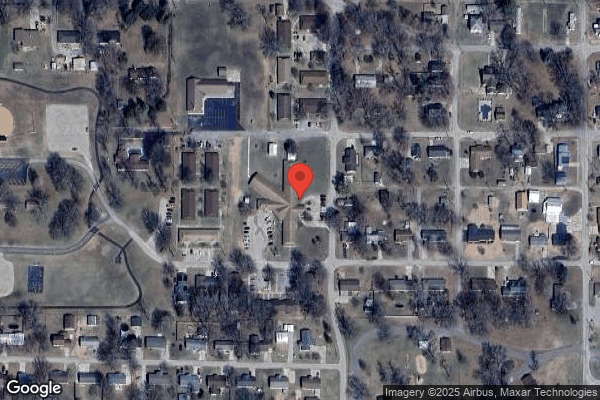
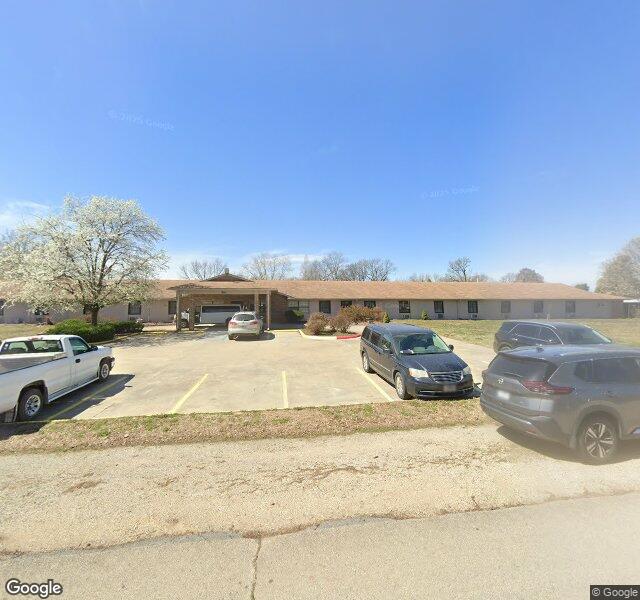
315 SOUTH TILLEY STREET, ADVANCE, MO 63730 (573) 722-3440
For profit - Limited Liability company 55 Beds ASPIRE SENIOR LIVING Data: November 2025
Trust Grade
55/100
#133 of 479 in MO
Last Inspection: November 2024

Within standard 12-15 month inspection cycle. Federal law requires annual inspections.

Overview

Aspire Senior Living Advance has a Trust Grade of C, which means it is average and sits in the middle of the pack for nursing homes. It ranks #133 out of 479 facilities in Missouri, placing it in the top half, and #3 out of 7 in Stoddard County, indicating only two options nearby are better. The facility shows an improving trend, with issues decreasing from 15 in 2023 to 11 in 2024. However, staffing is a weakness, rated only 1 out of 5 stars, and has a turnover rate of 63%, which is higher than the state average. There are no fines recorded, which is a positive sign, but there are concerns regarding the lack of a Quality Assurance and Performance Improvement program, which could affect all residents, and issues with residents not having timely access to their personal funds, highlighting areas that need attention.

Trust Score
C
55/100
In Missouri
#133/479
Top 27%
Safety Record
Low Risk
No red flags
Inspections
Getting Better
15 → 11 violations
Staff Stability
⚠ Watch
63% turnover. Above average. Higher turnover means staff may not know residents' routines.
Penalties
✓ Good
No fines on record. Clean compliance history, better than most Missouri facilities.
Skilled Nurses
⚠ Watch
Each resident gets only 24 minutes of Registered Nurse (RN) attention daily — below average for Missouri. Fewer RN minutes means fewer trained eyes watching for problems.
Violations
⚠ Watch
39 deficiencies on record. Higher than average. Multiple issues found across inspections.
★★★☆☆
3.0
Overall Rating
★☆☆☆☆
1.0
Staff Levels
★★☆☆☆
2.0
Care Quality
★★★★☆
4.0
Inspection Score
Stable
2023: 15 issues
2024: 11 issues

The Good

  • Full Sprinkler Coverage · Fire safety systems throughout facility
  • No fines on record

Facility shows strength in fire safety.

The Bad

3-Star Overall Rating

Above Missouri average (2.5)

Meets federal standards, typical of most facilities

Staff Turnover: 63%

17pts above Missouri avg (46%)

Frequent staff changes - ask about care continuity

Chain: ASPIRE SENIOR LIVING

Part of a multi-facility chain

Ask about local staffing decisions and management

Staff turnover is elevated (63%)

15 points above Missouri average of 48%

The Ugly 39 deficiencies on record

Nov 2024 11 deficiencies
CONCERN (D)

Potential for Harm - no one hurt, but risky conditions existed

Transfer Notice (Tag F0623)

Could have caused harm · This affected 1 resident

**NOTE- TERMS IN BRACKETS HAVE BEEN EDITED TO PROTECT CONFIDENTIALITY** Based on interview and record review, the facility failed to notify the resident and/or the resident's representative in writin...

Read full inspector narrative →
**NOTE- TERMS IN BRACKETS HAVE BEEN EDITED TO PROTECT CONFIDENTIALITY** Based on interview and record review, the facility failed to notify the resident and/or the resident's representative in writing of a transfer/discharge to a hospital, including the reasons for transfer, for three residents (Residents #1, #28 and #32) out of 12 sampled residents. The facility's census was 34. Review of the facility's policy titled, Discharge-Transfer of Resident, dated 03/2015, showed: - Explain transfer and reason to the resident and/or representative and give copy of signed transfer or discharge notice to the resident and/or representative or person responsible for care. If an emergency transfer, transfer or discharge notice form may be completed later, but as soon as possible. 1. Review of Resident #1's medical record showed: - The resident transferred to the hospital on [DATE], and readmitted to the facility on [DATE]; - The resident transferred to the hospital on [DATE], and readmitted to the facility on [DATE]; - The resident transferred to the hospital on [DATE], and readmitted to the facility on [DATE]; - The resident transferred to the hospital on [DATE], and readmitted to the facility on [DATE]; - The resident transferred to the hospital on [DATE], and readmitted to the facility on [DATE]; - The resident transferred to the hospital on [DATE], and readmitted to the facility on [DATE]; - The resident transferred to the hospital on [DATE], and readmitted to the facility on [DATE]; - No documentation the resident or resident representative was informed in writing of the transfer/discharge to a hospital at the time of the the transfers. 2. Review of Resident #28's medical record showed: - The resident transferred to the hospital on [DATE], and readmitted to the facility on [DATE]; - No documentation the resident or resident representative was informed in writing of the transfer/discharge to a hospital at the time of the transfer. 3. Review of Resident #32's medical record showed: - The resident transferred to the hospital on [DATE], and readmitted to the facility on [DATE]; - The resident transferred to the hospital on [DATE], and readmitted to the facility on [DATE]; - The resident transferred to the hospital on [DATE], and readmitted to the facility on [DATE]; - The resident transferred to the hospital on [DATE], and readmitted to the facility on [DATE]; - No documentation the resident or resident representative was informed in writing of the transfer/discharge to a hospital at the time of the transfers. During an interview on 11/22/24 at 1:05 P.M., the Social Services Director (SSD) said he/she would fill out the transfer/discharge paperwork but not give it to the resident until he/she knew the resident would be admitted to the hospital. He/She would leave the paperwork in the resident's room for them for when the resident returned. During an interview on 11/22/24 at 3:18 P.M., the Administrator said she expected the notice of a resident's transfer to the hospital to be given to the resident and/or their representative in writing.
CONCERN (D)

Potential for Harm - no one hurt, but risky conditions existed

Deficiency F0625 (Tag F0625)

Could have caused harm · This affected 1 resident

**NOTE- TERMS IN BRACKETS HAVE BEEN EDITED TO PROTECT CONFIDENTIALITY** Based on interview and record review, the facility failed to inform the resident and/or the legal representative of their bed ho...

Read full inspector narrative →
**NOTE- TERMS IN BRACKETS HAVE BEEN EDITED TO PROTECT CONFIDENTIALITY** Based on interview and record review, the facility failed to inform the resident and/or the legal representative of their bed hold policy at the time of transfer to the hospital for three residents (Residents #1, #28 and #32) out of 12 sampled residents. The facility's census was 34. Review of the facility's policy titled, Bed Hold, undated, showed: - The facility will notify the resident at the time of admission and again prior to a hospital transfer or therapeutic leave of its bed-hold and return policies; - Before any transfer, advance notice of the policy is given, usually at the time of admission and also included in the admission packet. Re-issuance of the first notice is not required unless the facility's policy changes; - In cases of emergency transfer, notice at the time of transfer means that the resident, family, or representative is provided with written notification within 24 hours of the transfer. 1. Review of Resident #1's medical record showed: - The resident transferred to the hospital on [DATE], and readmitted to the facility on [DATE]; - The resident transferred to the hospital on [DATE], and readmitted to the facility on [DATE]; - The resident transferred to the hospital on [DATE], and readmitted to the facility on [DATE]; - The resident transferred to the hospital on [DATE], and readmitted to the facility on [DATE]; - The resident transferred to the hospital on [DATE], and readmitted to the facility on [DATE]; - The resident transferred to the hospital on [DATE], and readmitted to the facility on [DATE]; - The resident transferred to the hospital on [DATE], and readmitted to the facility on [DATE]; - No documentation the resident or resident representative was informed in writing of the facility bed hold policy at the time of the transfers. 2. Review of Resident #28's medical record showed: - The resident transferred to the hospital on [DATE], and readmitted to the facility on [DATE]; - No documentation the resident or resident representative was informed in writing of the facility bed hold policy at the time of the transfer. 3. Review of Resident #32's medical record showed: - The resident transferred to the hospital on [DATE], and readmitted to the facility on [DATE]; - The resident transferred to the hospital on [DATE], and readmitted to the facility on [DATE]; - The resident transferred to the hospital on [DATE], and readmitted to the facility on [DATE]; - The resident transferred to the hospital on [DATE], and readmitted to the facility on [DATE]; - No documentation the resident or resident representative was informed in writing of the facility bed hold policy at the time of the transfers. During an interview on 11/22/24 at 1:05 P.M., the Social Services Director (SSD) said he/she would fill out the facility bed hold policy paperwork but not give it to the resident until he/she knew the resident would be admitted to the hospital. He/She would leave the paperwork in the resident's room for them for when the resident returned. During an interview on 11/22/24 at 3: 19 P.M., the Administrator said she expected the bed hold notice to be given to the resident and/or their representative at the time of the resident's transfer to the hospital.
CONCERN (D)

Potential for Harm - no one hurt, but risky conditions existed

Assessment Accuracy (Tag F0641)

Could have caused harm · This affected 1 resident

**NOTE- TERMS IN BRACKETS HAVE BEEN EDITED TO PROTECT CONFIDENTIALITY** Based on interview and record review, the facility failed to accurately code the Minimum Data Set (MDS), a federally mandated as...

Read full inspector narrative →
**NOTE- TERMS IN BRACKETS HAVE BEEN EDITED TO PROTECT CONFIDENTIALITY** Based on interview and record review, the facility failed to accurately code the Minimum Data Set (MDS), a federally mandated assessment instrument completed by facility staff, for three residents (Residents #6, #11, and #32) out of 12 sampled residents. The facility census was 34. The facility did not provide a policy regarding MDS accuracy. 1. Review of Resident #6's medical record showed: - An admission date of 08/21/24; - Diagnoses of hypertension (high blood pressure), diabetes mellitus (DM - a condition that affects the way the body processes blood sugar), convulsions (seizures - a burst of uncontrolled electrical activity between brain cells that causes temporary abnormalities in muscle tone or movements like stiffness, twitching or limpness, behaviors, sensations, or states of awareness), and hypothyroidism (abnormal thyroid producing wrong amount of hormones); - An order for lisinopril (blood pressure medication) 20 milligrams (mg) oral once a day for essential hypertension, dated 08/21/24; - An order for labetalol (blood pressure medication)100 mg oral twice a day for essential hypertension, dated 08/21/24; - An order for Jardiance (used for abnormal glucose levels)10 mg oral once a day for type 2 DM, dated 08/21/24; - An order for Cardizem (blood pressure medication)120 mg extended release 24 hour oral once a day for essential hypertension, dated 08/21/24; - An order for levothyroxine (thyroid medication) 50 micrograms (mcg) oral once a day for hypothyroidism, dated 08/21/24; Review of the resident's admission MDS, dated [DATE], showed: - Hypertension, hypothyroidism, and seizure disorder diagnoses not documented; - Hypoglycemic medication not documented. 2. Review of Resident #11's medical record showed: - An admission date of 11/18/23; - An order to discontinue Eliquis (an anticoagulant medication), dated 07/09/24; - No current order for an anticoagulant medication. Review of Resident #11's quarterly MDS, dated [DATE], showed: - The resident received an anticoagulant. 3. Review of Resident #32's medical record showed: - An admission date of 10/19/23; - Diagnoses of cerebral infarction (stroke), hemiplegia and hemiparesis (paralysis affecting one side of the body) of left side, gastroesophageal reflux disease (GERD - stomach acid being forced back into the throat region), and venous thrombosis/embolism (blood clot); - A fall on 09/12/24; - An order for pantoprazole (helps protect the stomach from ulcers and indigestion) 40 mg oral once a day for GERD, dated 05/18/24; - An order for Eliquis 5 mg tablet oral two times a day for hemiplegia and hemiparesis following cerebral infarction, dated 05/19/24. Review of the resident's annual MDS, dated [DATE], showed: - GERD and cerebral infarction diagnoses not documented; - The fall on 09/12/24, not documented. During an interview on 11/22/24 at 3:25 P.M., the Administrator said she expected the MDS to accurately reflect the resident's current condition. During an interview on 11/22/24 at 3:35 P.M., the MDS Coordinator said he/she would expect the MDS to accurately reflect the resident's current condition.
CONCERN (D)

Potential for Harm - no one hurt, but risky conditions existed

Deficiency F0700 (Tag F0700)

Could have caused harm · This affected 1 resident

**NOTE- TERMS IN BRACKETS HAVE BEEN EDITED TO PROTECT CONFIDENTIALITY** Based on observation, interview and record review, the facility failed to appropriately assess the use of bed rails for four res...

Read full inspector narrative →
**NOTE- TERMS IN BRACKETS HAVE BEEN EDITED TO PROTECT CONFIDENTIALITY** Based on observation, interview and record review, the facility failed to appropriately assess the use of bed rails for four residents (Residents #1, #2, #7 and #28) out of 10 sampled residents and one resident (Resident #3) outside the sample. The facility census was 34. The facility did not provide a policy regarding bed rails. 1. Review of Resident #1's quarterly Minimum Data Set (MDS - a federally mandated assessment completed by the facility), dated 11/01/24, showed: - Cognitively intact; - Required supervision with bed mobility; - The MDS did not indicate bed rail use. Review of the resident's care plan, revised 11/05/24, showed: - A risk of falls; - Addressed the resident's use of the bed rails. Review of the resident's medical record showed: - No documentation of bed rail assessments; - No documentation of informed consent for the use of the bed rails explaining the risks and benefits. Observation of the resident on 11/20/24 at 2:25 P.M., showed the resident lay in bed with 1/4 bed rails on both sides of the bed in the upright position. During an interview on 11/20/24 at 2:30 P.M., Resident #1 said he/she used the bed rails to turn and reposition in bed. 2. Review of Resident #2's quarterly MDS, dated [DATE], showed: - Cognitively intact; - Independent with bed mobility; - Diagnoses of dementia (the impaired ability to remember, think, or make decisions that interferes with doing everyday activities), pain, and repeated falls. Review of the resident's care plan, revised 10/31/24, showed: - A risk of falls; - Did not address the resident's use of the bed rails. Review of the resident's medical record showed: - No documentation of bed rail assessments; - No documentation of informed consent for the use of the bed rails explaining the risks and benefits. Observations on 11/19/24 at 8:53 A.M., and 11/21/24 at 12:26 P.M., showed: - The resident lay in bed with U shaped bed rails on both sides of the bed in the upright position. During on an interview on 11/21/24 at 12:27 P.M., Resident #2 said he/she used the left bed rail to get out of bed. 3. Review of Resident #3's quarterly MDS, dated [DATE], showed: - Cognition intact; - Roll in bed needed partial to moderate assistance, sit to lying needed substantial assistance, and dependent on staff for other bed mobility; - Diagnosis of left below the knee amputation; - The MDS did not indicate bed rail use. Review of the resident's care plan, revised 11/12/24, showed: - At risk for falls due to mobility issues; - Assistance with one or two staff with bed mobility due to the left below the knee amputation; - Have a halo bar (type of bed rail) on the bed to help with mobility. Review of the resident's medical record showed: - No documentation of bed rail assessments; - No documentation of informed consent for the use of the bed rails explaining the risks and benefits. Observations of the resident showed: - On 11/19/24 at 9:45 A.M., the resident sat in a chair next to the bed with the upper left 1/4 square-shaped bed rail attached in the upright position; - On 11/21/24 at 2:25 P.M., the resident lay in bed with the upper left 1/4 square-shaped bed rail attached in the upright position. During an interview on 11/20/24 at 2:56 P.M., Resident #3 said he/she used the bed rail all the time to position him/herself in bed. 4. Review of Resident #7's medical record showed: - admitted on [DATE]; - An order for bed rails, dated 03/24/23; - No documentation of bed rail assessments; - No documentation of informed consent for the use of the bed rails explaining the risks and benefits. Review of the resident's significant MDS, dated [DATE], showed: - Cognition intact; - Did not use bed rails. Review of the resident's care plan, revised on 11/12/24, showed: - At risk for falls; - Required significant assistance with activities of daily living (ADLs); - Required a bed rail to promote independence with bed mobility. Observation on 11/21/24 at 11:21 A.M., showed the resident lay in bed with the upper 1/4 bed rails on both sides of the bed in the upright position. 5. Review of Resident #28's quarterly MDS, dated [DATE], showed: - Cognition intact; - Dependent with bed mobility; - Diagnoses of stroke (damage to the brain from interrupted blood supply), hemiplegia and hemiparesis (paralysis or inability to move one side of body) affecting left side, pain, morbid obesity (overweight), weakness. Review of the resident's medical record showed: - No documentation of bed rail assessments; - No documentation of informed consent for the use of the bed rails explaining the risks and benefits. Review of the resident's care plan, revised 11/07/24, showed: - At risk of falls due to limited mobility;. - Had grab bars on the bed to assist with independence in bed mobility. Observations on 11/19/24 at 9:45 A.M and 11/22/24 at 2:45 P.M., showed the resident lay in bed with the upper 1/4 circular-shaped bed rails on both sides of the bed in the upright position. During an interview on 11/22/24 at 3:10 P.M., the Director of Nursing (DON) said she would expect residents with any bed rails to have an assessment for use of the bed rails and informed consents. During an interview on 11/22/24 at 3:10 P.M., the Administrator said she would expect residents with any bed rails to have an assessment for use of the bed rails and informed consents.
CONCERN (D)

Potential for Harm - no one hurt, but risky conditions existed

Deficiency F0744 (Tag F0744)

Could have caused harm · This affected 1 resident

Based on observation, interview, and record review, the facility failed to ensure residents diagnosed with dementia (a decline in memory or other thinking skills severe enough to reduce a person's abi...

Read full inspector narrative →
Based on observation, interview, and record review, the facility failed to ensure residents diagnosed with dementia (a decline in memory or other thinking skills severe enough to reduce a person's ability to perform everyday activities) had a personalized plan of care to ensure appropriate services to promote the resident's highest level of functioning and psychosocial needs were provided for one resident (Residents #9) out of three sampled residents. The facility census was 34. The facility did not provide a policy regarding dementia care. 1. Review of Resident #9's medical record showed: - An admission date of 09/12/24; - Diagnoses of unspecified dementia (a condition characterized by progressive or persistent loss of intellectual functioning, especially with impairment of memory and abstract thinking) and cognitive communication deficit (difficulty communicating). Review of the resident's admission Minimum Data Set (MDS), a federally mandated assessment instrument completed by the facility staff, dated 09/16/24, showed: - Able to understand others and to be understood; - Diagnosis of dementia. Review of the resident's care plan, dated 09/22/24, showed: - Did not address dementia; - Did not address specific problems, interventions, or goals for dementia care; - Did not address specific problems, interventions, or goals for activities for a resident diagnosed with dementia. Observations of the resident showed: - On 11/21/24 at 11:10 A.M., the resident self propelled wheelchair around dining room and nurse's station; - On 11/22/24 at 9:05 A.M., the resident sat in the wheelchair in the dining room. During an interview on 11/22/24 at 3:10 P.M., the Director of Nursing (DON) and the Administrator said dementia should be addressed on the care plan. During an interview on 11/22/24 at 3:20 P.M., the MDS coordinator said dementia should be addressed on the care plan.
CONCERN (D)

Potential for Harm - no one hurt, but risky conditions existed

Medication Errors (Tag F0758)

Could have caused harm · This affected 1 resident

**NOTE- TERMS IN BRACKETS HAVE BEEN EDITED TO PROTECT CONFIDENTIALITY** Based on interview and record review, the facility failed to ensure an appropriate diagnosis for the use of a psychotropic (a dr...

Read full inspector narrative →
**NOTE- TERMS IN BRACKETS HAVE BEEN EDITED TO PROTECT CONFIDENTIALITY** Based on interview and record review, the facility failed to ensure an appropriate diagnosis for the use of a psychotropic (a drug that affects the brain activities associated with mental processes and behavior) medication for two residents (Residents #9 and #11) out of 12 sampled residents and one resident (Resident #15) outside the sample. The facility census was 34. The facility did not provide a policy regarding appropriate diagnosis of a psychotropic medication. Review of AstraZeneca's Product Monograph for quetiapine, revised 11/29/21, showed: - Quetiapine is indicated for schizophrenia (a long term mental disorder that affects a person's ability to think, feel, or behave clearly, sometimes including delusions or hallucinations) and bipolar disorder (a mental disorder that causes unusual shifts in mood); - Quetiapine is not indicated in elderly patients with dementia (a condition characterized by progressive or persistent loss of intellectual functioning, especially with impairment of memory and abstract thinking); - Elderly patients with dementia treated with atypical antipsychotic (a drug that affects the brain activities associated with mental processes and behavior) drugs are at an increased risk of death compared to placebo. 1. Review of Resident #9's medical record showed: - An admission date of 09/12/24; - Diagnoses of unspecified dementia (a condition characterized by progressive or persistent loss of intellectual functioning, especially with impairment of memory and abstract thinking) without behavioral disturbance and anxiety disorder (disorder characterized by feelings of worry or fear that are strong enough to interfere with one's daily activities); - An order for quetiapine (an antipsychotic (a drug that affects the brain activities associated with mental processes and behavior) medication) 25 milligram (mg) at bed time, dated 09/12/24; - No documentation of an appropriate diagnosis for the quetiapine. 2. Review of Resident #11's medical record showed: - admitted on [DATE]; - Diagnosis of dementia; - An order for quetiapine 200 mg by mouth at bedtime for a diagnosis of unspecified dementia without behaviors, dated 05/15/24; - No documentation of an appropriate diagnosis for the quetiapine; - A pharmacy recommendation, dated 03/28/24, noted the diagnosis of unspecified dementia without behaviors for quetiapine was not appropriate. On 04/10/24, the resident's physician documented the quetiapine couldn't be decreased; - The physician failed to address a correct diagnosis for quetiapine. 3. Review of Resident #15's medical record showed: - An admission date of 03/23/23; - Diagnoses of parkinsonism (brain conditions that cause slowed movements, stiffness and tremors), neurocognitive disorder (a mental health condition that affects cognitive abilities like learning, memory, problem-solving, and perception), hallucinations (a sensory experience that seems real but is not), repeated falls, major depressive disorder, generalized anxiety disorder, and epilepsy (a chronic brain disorder that causes seizures, which are episodes of abnormal electrical activity in the brain); - An order for haloperidol (an antipsychotic medication), 0.5 mg every four hours as needed, dated 08/26/24 to 02/23/25; - A pharmacy recommendation, dated 08/27/24, noted the haloperidol must be renewed every 14 days by a physician with documentation for the reason to continue. On 09/27/24, the resident's physician documented to continue the resident's haloperidol for hallucinations and paranoia (a state of mind where a person has an irrational and persistent fear of being harmed or deceived by others). During an interview on 11/22/24 at 3:13 P.M., the Director of Nursing (DON) said unspecified dementia without behaviors was not an appropriate diagnosis for an antipsychotic medication. During an interview on 11/22/24 at 3:12 P.M., the Administrator said she expected orders for an antipsychotic medication to have an appropriate diagnosis. During an interview on 12/02/24 at 11:58 A.M., Physician K said that unspecified dementia without behaviors was not an appropriate indication for antipsychotic medication. He/She said that according to his/her records Resident #11 had a diagnosis of unspecified dementia with behavioral disturbance, which would be an appropriate diagnosis, and that when the nurse was entering the order into the electronic medical record, they must have entered the wrong diagnosis.
CONCERN (D)

Potential for Harm - no one hurt, but risky conditions existed

Unnecessary Medications (Tag F0759)

Could have caused harm · This affected 1 resident

Based on observation, interview and record review, the facility failed to maintain a medication error rate of less than five percent (%). There were 27 opportunities with three errors made, resulting ...

Read full inspector narrative →
Based on observation, interview and record review, the facility failed to maintain a medication error rate of less than five percent (%). There were 27 opportunities with three errors made, resulting in an error rate of 11.11% for three residents (Residents #1, #8 and #32) out of 12 sampled residents. The facility's census was 34. Review of the facility policy titled, Insulin Pen Injections, undated, showed: - Attach safety needle, turn dose selector to two units and perform airshot (priming), then turn dose selector to required units for injection. 1. Review of Resident #1's medical record showed: - Diagnosis of type 2 diabetes mellitus (a condition in which the body has trouble controlling blood sugar and using it for energy); - An order for insulin lispro pen to be given with meals according to sliding scale, dated 05/22/24. Observation on 11/21/24 at 11:08 A.M., showed: - Certified Medication Technician (CMT) D obtained a blood glucose check for Resident #1; - CMT D administered the insulin lispro dosage as ordered; - CMT D failed to prime the insulin pen with two units prior to dosing and administering the insulin. 2. Review of Resident #8's medical record showed: - Diagnosis of type 2 diabetes mellitus; - An order for Humalog (insulin) Kwik Pen to be given with meals according to sliding scale, dated 06/07/24; - An order for Humalog (insulin) Kwik Pen 3 units to be given with meals, dated 06/28/24. Observation on 11/21/24 at 11:15 A.M., showed: - CMT D obtained a blood glucose check for Resident #8; - CMT D administered the Humalog dosage as ordered; - CMT D failed to prime the insulin pen with two units prior to dosing and administering the insulin. 3. Review of Resident #32's medical record showed: - Diagnosis of type 2 diabetes mellitus; - An order for Novolog (insulin) FlexPen 10 units to be given with meals, dated 08/28/24. Observation on 11/21/24 at 11:08 A.M., showed: - CMT D obtained a blood glucose check for Resident #32; - CMT D administered the Novolog dosage as ordered; - CMT D failed to prime the insulin pen with two units prior to dosing and administering the insulin. During an interview on 11/22/24 at 9:36 A.M., CMT D said he/she had never primed insulin pens before. During an interview on 11/22/24 at 9:45 A.M., Licensed Practical Nurse (LPN) E said he/she primed insulin pens prior to administering the prescribed dose. During an interview on 11/22/24 at 3:10 P.M., the Director of Nursing (DON) said she would expect insulin pens to be primed prior to dialing up the dose and administering. During an interview on 11/22/24 at 3:10 P.M., the Administrator said she would expect insulin pens to be primed prior to administration.
CONCERN (D)

Potential for Harm - no one hurt, but risky conditions existed

Deficiency F0761 (Tag F0761)

Could have caused harm · This affected 1 resident

Based on observation, interview, and record review, the facility failed to label and store medications in a safe and effective manner. This had the potential to affect all residents. The facility cens...

Read full inspector narrative →
Based on observation, interview, and record review, the facility failed to label and store medications in a safe and effective manner. This had the potential to affect all residents. The facility census was 34. Review of the facility policy titled, Storage of Medications, undated, showed: - No discontinued or outdated medications are to be used and all such medications are destroyed; - Multi-dose vials that have been opened or accessed should be dated and discarded within 28 days of opening unless manufacturer specified a shorter or longer date. Review of the manufacturer's recommendations for Tubersol (a solution used for a tuberculosis (TB - a contagious lung disease) testing showed the medication was to be discarded 30 days after opening. Observation on 11/21/24 at 3:25 P.M., of the medication room refrigerator showed: - Two opened vials of Tubersol with no opened date. Observation on 11/21/24 at 3:25 P.M., of the medication room STAT safe showed: - Two unopened vials of nafcillin (an antibiotic) with an expiration date of 12/2023. Observation on 11/22/24 at 8:58 A.M., of the medication cart showed: - Two labeled and opened Lantus (a type of insulin) pens not dated when opened; - One labeled and opened insulin lispro (a type of insulin) pen not dated when opened; - One labeled and opened insulin aspart (a type of insulin) pen not dated when opened; - Two labeled and opened basaglar (a type of insulin) pens not dated when opened. During an interview on 11/22/24 at 9:36 A.M., Certified Medication Technician (CMT) D said insulin pens were to be dated when opened. He/She checked the dates of medications as they were used and then weekly. During an interview on 11/22/24 at 9:45 A.M., Licensed Practical Nurse (LPN) E said multi-use vials and insulin pens should be dated when they were opened. Medication expiration dates were checked at the end of the month and as they were administered. During an interview on 11/22/24 at 3:10 P.M., the Director of Nursing (DON) said she would expect multi-dose vials and insulin pens to be dated when they were opened and medications to be check for expiration dates at least monthly. During an interview on 11/22/24 at 3:10 P.M., the Administrator said she would expect medication expiration dates to be checked at least monthly.
CONCERN (D)

Potential for Harm - no one hurt, but risky conditions existed

Infection Control (Tag F0880)

Could have caused harm · This affected 1 resident

Based on observation, interview, and record review, the facility failed to maintain proper infection control practices while providing incontinent care, medication administration/tube feeding (a tube ...

Read full inspector narrative →
Based on observation, interview, and record review, the facility failed to maintain proper infection control practices while providing incontinent care, medication administration/tube feeding (a tube inserted into the abdomen to provide nutrition into the stomach), catheter (a tube inserted into the bladder to drain urine) care, and wound care for three residents (Resident #3, #16, and #237) out of four sampled residents and for one resident (Resident #17) outside the sample. The facility failed to ensure proper Tuberculosis (TB - a communicable disease that affects the lungs, characterized by fever, cough and difficulty breathing) screening of three residents (Residents #6, #12, and #16) out of five sampled residents. The facility's census was 34. Review of the facility's policy titled, Gloves, dated 03/2015, showed: - Wear gloves when it can be reasonably anticipated that hands will be in contact with mucous membranes, nonintact skin, any moist body substances (blood, urine, feces, wound drainage, oral secretions, sputum, vomitus, or items/surfaces soiled with these substances) and/or persons with a rash; - Change gloves between contacts with different residents or with different body sites of the same resident. Review of the facility's policy titled, Enhanced Barrier Precautions, undated, showed: - Gown and gloves are to be worn during high-contact activities to all residents with wounds or indwelling medical devices; - High-contact activities includes dressing, bathing, transferring, providing hygiene, changing linens, changing briefs, assisting with toileting, device care, use of device, and wound care. Review of the facility's policy titled, Mantoux (Tuberculosis Screening) Testing- Residents, undated, showed: - Residents will be screened for tuberculosis infections upon their admission to the facility and at intervals appropriate for the regional prevalence of tuberculosis, with screening performed at least annually; - Upon admission to the facility, the resident will be screened for tuberculosis; - A chest x-ray will be obtained within 72 hours if signs of tuberculosis are present, regardless of previous x-ray results or the skin test reaction (if performed); - If the PPD status is unknown or is known to have been negative in the past, the two-step Mantoux test will be administered. 1. Observation on 11/21/24 at 2:25 P.M., of the wound care dressing change for Resident #3 showed: - Signage for EPB precautions; - Certified Nurse Assistant (CNA) J did not put on a gown, entered the room, and assisted with the dressing change. 2. Review of Resident #6's medical record showed: - admission date of 08/21/24; - No documentation of the two step TB testing. Observation on 11/20/24 at 2:31 P.M., of suprapubic (a flexible tube inserted into the lower abdomen to drain urine from the bladder) catheter care for Resident #6 showed: - Signage for EPB precautions; - CNA G did not put on a gown, entered the room, and performed performed suprapubic catheter care. 3. Review of Resident #12's medical record showed: - admission date of 04/26/24; - No documentation of the two step TB testing. 4. Review of Resident #16's medical record showed: - admission date of 10/22/24; - No documentation of the two step TB testing. Observation on 11/20/24 at 8:39 A.M. of Resident #16's incontinent care showed: - CNA A cleaned the resident while CNA C positioned the resident on his/her side; - CNA A removed gloves, did not wash hands, and fastened a clean brief on the resident with his/her bare hands; - CNA C did not change gloves or perform hand hygiene, and touched the sheet and pulled it over the resident; - CNA A, with his/her bare hands, touched the sheet and adjusted it over the resident. During an interview on 11/20/24 at 2:01 P.M., CNA A said gloves should be changed when going from dirty to clean care and hands should be washed after incontinent care had been completed. During an interview on 11/22/24 at 10:30 A.M., CNA C said hand washing should be done before and after incontinent care and gloves should be changed before putting a clean brief on a resident. 5. Observation on 11/19/24 at 2:03 P.M. of incontinence care for Resident #17 showed: - CNA I and CNA J performed hand hygiene and put on gloves; - CNA I and CNA J performed incontinent care; - CNA I and CNA J did not change gloves, did not perform hand hygiene, touched the resident's thighs, lower legs, and feet when rolling the resident to the sides; - CNA I and CNA J did not change gloves, did not perform hand hygiene, and placed a clean brief on the resident; - CNA I and CNA J did not change gloves, did not perform hand hygiene, and put pants on the resident. During an interview on 11/20/24 at 12:50 P.M., CNA I said to change gloves when going from front to back peri care during incontinence care and to wash hands between glove changes and when finished with care. 6. Observation on 11/21/24 at 3:45 P.M., of Resident #237's feeding tube medication administration showed: - Signage for EPB precautions; - Licensed Practical Nurse (LPN) F did not put on a gown, entered the resident's room, and administered medications through the resident's feeding tube. During an interview on 11/20/24 at 2:00 P.M., the Administrator said some residents did not receive their two step TB testing. Observation on 11/22/24 at 12:10 P.M., of Resident #237's tube feeding administration showed: - Signage for EPB precautions; - LPN E did not put on a gown, entered the resident's room, and administered the resident's feeding through the resident's feeding tube. During an interview on 11/22/24 at 9:45 A.M., LPN E said gloves and gowns should be used during care on residents with catheters, wounds, and feeding tubes. During an interview on 11/22/24 at 3:10 P.M., the Administrator and Director of Nursing (DON) said they would expect staff to follow guidelines for enhanced barrier precautions. During an interview on 11/22/24 at 3:22 P.M., the DON said she expected staff should wash hands before and after care, and wash hands and change gloves when when going from dirty to clean care during incontinent care.
MINOR (C)

Minor Issue - procedural, no safety impact

Deficiency F0575 (Tag F0575)

Minor procedural issue · This affected most or all residents

Based on observation, interview, and record review, facility staff failed to post, in a form and manner accessible to the residents and resident representatives, the required telephone number to the D...

Read full inspector narrative →
Based on observation, interview, and record review, facility staff failed to post, in a form and manner accessible to the residents and resident representatives, the required telephone number to the Department of Health and Senior Services (DHSS) hotline (to report allegations of abuse and neglect), or a list of names, addresses, and phone numbers of the State Survey Agency (SSA). The census was 34. The facility did not provide a policy. Observation of the facility on 11/19/24 through 11/21/24, showed the facility did not post the name, address and toll free telephone number for the DHSS Abuse and Neglect Hotline or the SSA information in a form and manner accessible to residents or visitors. During a group interview on 11/21/24 at 9:35 A.M., six residents (Residents #3, #6, #8, #20, #21, and #237) said they did not how to find the state hotline number and had not seen it posted. During an interview on 11/21/24 at 9:49 A.M., Licensed Practical Nurse (LPN) E said if a resident wanted the state hotline number, he/she could look it up for them. During an interview on 11/21/24 at 9:51 A.M., Certified Nursing Assistant (CNA) G said he/she did not know if the abuse and neglect hotline number was posted anywhere. During an interview on 11/21/24 at 9:55 A.M., the Social Services Designee (SSD) said residents were given the DHSS hotline number when they were admitted and thought the number was on the resident rights poster. During an interview on 11/21/24 at 9:58 A.M., the Administrator said the DHSS Abuse and Neglect Hotline number should be posted.
MINOR (C)

Minor Issue - procedural, no safety impact

Deficiency F0947 (Tag F0947)

Minor procedural issue · This affected most or all residents

Based on interview and record review, the facility failed to conduct at least twelve hours of nurse aide in-service education per year. This affected one out of two sampled Certified Nurse Assistants ...

Read full inspector narrative →
Based on interview and record review, the facility failed to conduct at least twelve hours of nurse aide in-service education per year. This affected one out of two sampled Certified Nurse Assistants (CNA) (CNA B). The facility's census was 34. The facility did not provide a policy regarding in-service training. 1. Record review of CNA B's in-service record showed: - A hire date of 09/01/21; - A total of eight hours of annual in-service training for November 2023 through November 2024; - Less than twelve hours of in-service education for November 2023 through November 2024. During an interview on 11/21/24 at 8:30 A.M., the Director of Nursing (DON) said in-service training was conducted on a monthly basis and all CNA's were expected to attend at least 12 hours of in-service training annually. During an interview on 11/22/24 at 3:20 P.M., the Administrator said she expected CNA's to have at least 12 hours of in-service training annually.
Aug 2023 15 deficiencies
CONCERN (D)

Potential for Harm - no one hurt, but risky conditions existed

Deficiency F0582 (Tag F0582)

Could have caused harm · This affected 1 resident

Based on interview and record review, the facility failed to provide a Notice of Medicare Non-Coverage (NOMNC) at least two days before the end of Medicare benefits and a Skilled Nursing Facility Adva...

Read full inspector narrative →
Based on interview and record review, the facility failed to provide a Notice of Medicare Non-Coverage (NOMNC) at least two days before the end of Medicare benefits and a Skilled Nursing Facility Advanced Beneficiary Notice (SNF ABN) to the resident's representative in writing. This notification informs the beneficiary about potential non-coverage and the option to continue services with the beneficiary accepting financial liability for those services. This practice affected one resident (Resident #15) out of three sampled residents. The facility census was 33. Review of the facility's policy titled, Medicare Beneficiary Notices, undated, showed an advance written notice of non-coverage should be signed and dated by the beneficiary or their representative. 1. Review of Resident #15's NOMNC form showed: - The resident discharged from skilled services on 06/27/23; - The resident's representative verbally notified by phone by the facility staff on 06/27/23; - No signature by the resident's representative on the NOMNC. Review of Resident #15's SNF ABN form showed: - The resident discharged from skilled services on 06/27/23 and the resident remained in the facility; - The resident's representative verbally notified by phone by the facility staff on 06/27/23; - No signature by the resident's representative on the SNF ABN form. During an interview on 08/17/23 at 2:30 p.m., the Social Services Director said he/she had placed a typed summary of his/her phone notification to Resident #15's representative in the chart and thought that no signature was required on the SNF ABN and/or NOMNC forms because he/she had given the notifications over the phone. During an interview on 8/18/23 at 12:25 P.M., the Director of Nursing (DON) said that she would expect the SNF ABN and the NOMNC forms to be completed and signed appropriately by the resident or the resident's representative.
CONCERN (D)

Potential for Harm - no one hurt, but risky conditions existed

Deficiency F0637 (Tag F0637)

Could have caused harm · This affected 1 resident

**NOTE- TERMS IN BRACKETS HAVE BEEN EDITED TO PROTECT CONFIDENTIALITY** Based on interview and record review, the facility failed to complete a significant change Minimum Data Set (MDS), a federally m...

Read full inspector narrative →
**NOTE- TERMS IN BRACKETS HAVE BEEN EDITED TO PROTECT CONFIDENTIALITY** Based on interview and record review, the facility failed to complete a significant change Minimum Data Set (MDS), a federally mandated assessment to be filled out by the facility staff, within 14 days of a resident admitted to hospice. This affected one resident (Resident #15) out of two sampled residents. The facility census was 33. The facility did not provide a policy in regards to completion of a significant change MDS upon admission to hospice. 1. Review of Resident #15's medical record showed the resident admitted to hospice on 7/7/23. Review of the resident's MDS's showed: - A quarterly MDS, dated [DATE], with no hospice services received; - No significant change MDS dated within 14 days of the admission to hospice services on 07/07/23; - The facility failed to complete a significant change MDS after the resident admitted to hospice. During an interview on 08/18/23 at 08:25 A.M., the MDS Coordinator said she would expect a significant change MDS to be completed within the seven day lookback period for a resident admitted to hospice. During an interview on 08/18/23 at 12:24 P.M., the Director of Nursing (DON) said she would expect a significant change MDS to be completed within seven days of a resident's admission to hospice.
CONCERN (D)

Potential for Harm - no one hurt, but risky conditions existed

Deficiency F0655 (Tag F0655)

Could have caused harm · This affected 1 resident

Based on interview and record review, the facility failed to implement a baseline care plan (the minimum healthcare information necessary to properly care for a resident) upon admission with specific ...

Read full inspector narrative →
Based on interview and record review, the facility failed to implement a baseline care plan (the minimum healthcare information necessary to properly care for a resident) upon admission with specific interventions for three residents (Residents #9, #34 and #189) out of seven sampled residents. The facility census was 33. Review of the facility's policy, titled, Baseline Care Plan/Summary, undated, showed: - A Baseline Care Plan for each resident will be developed within 48 hours of the resident's admission to the facility; - The Baseline Care Plan will be based on information available from the transferring provider as well as discussions with the resident/representative. 1. Review of Resident #9's medical record showed: - An admission date of 06/01/23; - No documentation of a baseline care plan with specified interventions. During an interview on 08/17/23 at 9:15 A.M., the Minimum Data Set (MDS) Coordinator said every new admit should have a baseline care plan completed upon admission with specific interventions. He/She did not know why Resident #9 did not have a completed baseline care plan. Review of Resident #34's medical record showed: - An admission date of 05/19/23; - A baseline care plan completed on 06/08/23; - The facility failed to complete a baseline care plan within 48 hours of admission. During an interview on 08/18/23 at 8:25 A.M , the MDS Coordinator said that every newly admitted resident should have a baseline care plan completed within 48 hours of admission and did not know why the baseline care plan was not completed within 48 hours. Review of Resident #189's medical record showed: - An admission date of 08/10/23; - A baseline care plan completed on 08/16/23; - The facility failed to complete a baseline care plan within 48 hours of admission. During an interview on 08/18/23 at 12:12 P.M , the Director of Nursing said he/she would expect a baseline care plan to be completed within 48 hours of a resident's admission. During an interview on 08/18/23 at 12:14 P.M., the Administrator said he would expect the baseline care plans to be completed within the correct timeframe.
CONCERN (D)

Potential for Harm - no one hurt, but risky conditions existed

Deficiency F0657 (Tag F0657)

Could have caused harm · This affected 1 resident

Based on observation, interview and record review, the facility failed to update and revise care plans with specific interventions tailored to meet individual needs for one resident (Resident #4) out ...

Read full inspector narrative →
Based on observation, interview and record review, the facility failed to update and revise care plans with specific interventions tailored to meet individual needs for one resident (Resident #4) out of 12 sampled residents. The facility census was 33. Review of the facility's policy titled, Resident Smoking Policy, not dated, showed: - All residents must be in direct supervision while smoking per the above schedule; - All cigarettes and lighters will be stored at the nurse's station; - Department Managers are responsible for insuring that someone is assigned from their department at the designated smoking time. 1. Review of the Resident #4's medical record showed a Smoking Assessment, dated 05/05/23, the resident was a safe smoker. Review of the resident's care plan, revised on 08/15/23, showed: - The resident chose to smoke independently knowing he/she was at risk of injury or fire; - Interventions of the resident would smoke in the designated smoking area and at the designated smoking times, staff assigned to assist with the residents that smoke, and cigarettes and lighters were kept at the nursing station; - No updated interventions tailored to meet the individual needs of the resident who smoked independently. Observation on 08/17/23 at 9:25 A.M., showed Resident #4 smoked outside on the patio with another independent smoker and with no facility staff present. During an interview on 08/17/23 at 9:25 A.M., the resident said he/she was an independent smoker and kept his/her cigarettes and lighter with him/her and could smoke anytime he/she wanted to. During an interview on 08/18/23 at 12:10 P.M., the Director of Nursing said residents that pass the Independent Smoking Assessment are allowed to smoke unsupervised, can keep their own cigarettes and lighter, and can smoke as often as they like. He/She did not realize the facility's smoking policy did not address independent smokers, but they will revise that policy immediately, and the independent smokers care plan should address the proper interventions for them. During an interview on 08/18/23 at 12:10 P.M., the Administrator said he would expect the facility policy to address independent smokers and their care plan to show the proper interventions.
CONCERN (D)

Potential for Harm - no one hurt, but risky conditions existed

Deficiency F0658 (Tag F0658)

Could have caused harm · This affected 1 resident

Based on observation, interview, and record review, the facility failed to obtain a physician's order for a Foley catheter (a flexible tube placed in the bladder to drain and collect urine) for one re...

Read full inspector narrative →
Based on observation, interview, and record review, the facility failed to obtain a physician's order for a Foley catheter (a flexible tube placed in the bladder to drain and collect urine) for one resident (Resident #189) out of three sampled residents. The facility census was 33. The facility did not provide a policy regarding physician orders. 1. Observations on 08/15/23 at 2:34 P.M., and 08/16/23 at 8:30 A.M., showed Resident #189 lay in bed with a Foley catheter in place with a drainage bag attached to the bed frame. Review of the resident's nursing notes showed: - Resident with a Foley catheter, intact and patent, dated 08/11/23; - Foley catheter draining dark amber urine, dated 08/12/23; - Foley catheter intact and draining cloudy amber urine, dated 08/13/23. Review of the resident's Physician Order Sheet (POS), dated August 2023, showed no order for a Foley catheter. During an interview on 08/18/23 at 11:03 A.M., the Director of Nursing said she would expect a physician's order to be obtained for a resident with a Foley catheter and that an order for catheter care to be in place. During an interview on 08/18/23 at 11:03 A.M., the Administrator said he would expect the nurse to obtain a physician's order for any resident with a Foley catheter.
CONCERN (D)

Potential for Harm - no one hurt, but risky conditions existed

Accident Prevention (Tag F0689)

Could have caused harm · This affected 1 resident

**NOTE- TERMS IN BRACKETS HAVE BEEN EDITED TO PROTECT CONFIDENTIALITY** Based on observation, interview, and record review, the facility failed to ensure the safety of a smoking resident (Resident #14...

Read full inspector narrative →
**NOTE- TERMS IN BRACKETS HAVE BEEN EDITED TO PROTECT CONFIDENTIALITY** Based on observation, interview, and record review, the facility failed to ensure the safety of a smoking resident (Resident #14) out of two sampled residents. The facility census was 33. Review of facility's policy titled, Resident Smoking Policy, not dated showed: - All residents must be in direct supervision while smoking per the smoking schedule; - The designated smoking area is located at the end of 200 Hall; - All cigarettes and lighters will be stored at the nurse's station. 1. Review of Resident #14's medical record showed: - admitted on [DATE]; - Diagnoses included chronic obstructive pulmonary disease (COPD) (a group of lung diseases that block air flow and make it difficult to breathe) and hypertension (high blood pressure); - A completed smoking assessment upon admission; - Smoking assessment showed to return all smoking materials to the nurses station after independently smoking. Review of the resident's care plan, dated 07/17/23, showed all smoking materials were to be returned to the nurse's station. During an interview on 08/16/23 at 11:07 A.M., the resident said he/she kept their cigarettes and lighter in his/her pocket at all times. Staff did not go out with him/her to smoke because he/she smoked independently. Observations of the resident showed: - On 08/15/23 at 10:25 A.M., the resident sat on the patio and smoked with no staff present; - On 08/16/23 at 3:30 P.M., the resident sat on the patio and smoked with other smoking residents and no staff present. During an interview on 08/18/23 at 12:10 P.M., the Director of Nursing said residents that pass the Independent Smoking Assessment were allowed to smoke unsupervised, could keep their own cigarettes and lighter, and could smoke as often as they liked. She did not realize the facility's smoking policy did not address independent smokers. During an interview on 08/18/23 at 12:10 P.M., the Administrator said he would expect the facility policy to address independent smokers.
CONCERN (D)

Potential for Harm - no one hurt, but risky conditions existed

Deficiency F0744 (Tag F0744)

Could have caused harm · This affected 1 resident

Based on observation, interview, and record review, the facility failed to ensure residents diagnosed with dementia (a decline in memory or other thinking skills severe enough to reduce a person's abi...

Read full inspector narrative →
Based on observation, interview, and record review, the facility failed to ensure residents diagnosed with dementia (a decline in memory or other thinking skills severe enough to reduce a person's ability to perform everyday activities) had a personalized plan of care to ensure appropriate services to promote the resident's highest level of functioning and psychosocial needs were provided for one resident (Residents #9) out of two sampled residents. The facility census was 33. The facility did not provide a policy in regards to dementia care. 1. Review of Resident #9's admission Minimum Data Set (MDS), a federally mandated assessment instrument completed by the facility staff, dated 06/08/23, showed: - Able to understand others and to be understood; - Diagnoses of bipolar (a disorder associated with episodes of mood swings), depression (common and serious medical illness associated with elevation or lowering of a person's mood) and anxiety (a feeling of worry, nervousness or unease). Review of the resident's Physician Order Sheet (POS), dated 08/01/23, showed: - Diagnosis of vascular dementia (type of dementia that causes decline in cognitive skills, causes confusion, problems with memory, difficulty concentrating, caused by conditions that damage blood vessels and block blood flow to the brain). Review of the resident's admission care plan, reviewed on 06/19/23, showed: - Did not address specific interventions for dementia care; - Did not address specific interventions for activities for a resident diagnosed with dementia. Observations on 08/15/23, showed: - At 10:50 A.M., the resident sat on his/her bed talking with the spouse; - At 4:15 P.M., the resident returned to the facility with the spouse. Observations on 08/17/23 showed: - At 10:25 A.M., the resident lay in his/her bed quietly; - At 2:10 P.M., the resident sat a quietly at a table by his/herself in the dining room. During an interview on 08/18/23 at 12:04 P.M., the MDS Coordinator said if a resident had a diagnosis of dementia, then it should be addressed on the resident's care plan. During an interview on 08/18/23 at 12:15 P.M., the Director of Nursing (DON) said if a resident had a diagnosis of dementia, she would expect dementia to be addressed as part of the resident's care plan with interventions in place.
CONCERN (D)

Potential for Harm - no one hurt, but risky conditions existed

Deficiency F0761 (Tag F0761)

Could have caused harm · This affected 1 resident

Based on observation, interview and record review the facility failed to properly monitor the refrigerator temperatures in which stored medications, including insulin (medication used to treat diabete...

Read full inspector narrative →
Based on observation, interview and record review the facility failed to properly monitor the refrigerator temperatures in which stored medications, including insulin (medication used to treat diabetes), were kept. This had the potential to affect all residents. The facility census was 33. Observation and record review on 08/17/23 at 2:47 p.m., of the Refrigerator Temperature Logs, dated 07/01/23 through 08/17/23, showed: - No documentation of the refrigerator temperatures for 07/03/23 - 07/05/23, and 07/07/23 - 07/31/23; - No documentation of the refrigerator temperatures for 08/01/23 - 08/16/23; - There were 43 missed opportunities out of 47 opportunities to record the refrigerator temperature on the Refrigerator Temperature Logs. During an interview on 8/18/23 at 10:27 A.M., the Administrator said he expected the refrigerator temperatures to be checked and recorded every day.
CONCERN (D)

Potential for Harm - no one hurt, but risky conditions existed

Antibiotic Stewardship (Tag F0881)

Could have caused harm · This affected 1 resident

Based on interview and record review, the facility failed to maintain an Antibiotic Stewardship Program that included antibiotic use protocols and a system to monitor antibiotic use. This deficient pr...

Read full inspector narrative →
Based on interview and record review, the facility failed to maintain an Antibiotic Stewardship Program that included antibiotic use protocols and a system to monitor antibiotic use. This deficient practice had the potential to affect all residents in the facility. The facility census was 33. Review of the facility's policy titled, Antibiotic Stewardship, showed: - The core elements for antibiotic stewardship in this facility include: facility leadership commitment to safe and appropriate antibiotic use; track measures of antibiotic use in the facility; regular reporting on antibiotic use and resistance to relevant staff such as prescribing clinicians and nursing staff; - The antibiotic stewardship program protocols describe how the program will be implemented and antibiotic use will be monitored, consequently protocols must: incorporate monitoring of antibiotic use, including the frequency of monitoring/review; and monitor/review when the resident is new to the facility, when a prior resident returns or is transferred from a hospital or other facility, during each monthly medication regimen review when the resident has been prescribed or is taking an antibiotic, or any antibiotic regimen review as requested by the Quality Assessment and Assurance (QAA) Committee. 1. Review of the facility's Antibiotic Stewardship Program binder showed: - No documentation of the antibiotic stewardship tracking completed 10/2022 - 08/2023. Review of the facility's Matrix, dated 8/16/23, showed: - Three residents currently received antibiotics. During an interview on 8/17/23 at 3:22 P.M., the Director of Nursing (DON) said she was in the process of taking over the Antibiotic Stewardship Program and she was aware that it had not been kept up to date. During an interview on 8/18/23 at 10:27 A.M., the Administrator said that he would expect the Antibiotic Stewardship Program to be kept current.
CONCERN (D)

Potential for Harm - no one hurt, but risky conditions existed

Safe Environment (Tag F0921)

Could have caused harm · This affected 1 resident

**NOTE- TERMS IN BRACKETS HAVE BEEN EDITED TO PROTECT CONFIDENTIALITY** Based on observation, interview, and record review, the facility failed to provide a safe environment for the residents and staf...

Read full inspector narrative →
**NOTE- TERMS IN BRACKETS HAVE BEEN EDITED TO PROTECT CONFIDENTIALITY** Based on observation, interview, and record review, the facility failed to provide a safe environment for the residents and staff by not removing miscellaneous items on top of the light fixtures. The deficient practice had the potential to affect all residents and staff in the facility. The facility census was 33. Review of the facility's policy titled, Physical Environment, not dated, showed: - Purpose is to provide a safe, functional, sanitary, and comfortable environment for residents, staff, and the public; - Maintain all mechanical, electrical, and patient care equipment in safe operating condition; - Did not address displaying decorative items on top of the overbed lighting. 1. Observation on 08/15/23 at 10:20 A.M., of room [ROOM NUMBER] showed: - A 2 foot (ft.) x 4 ft. glass picture frame hung above the light fixture and the bottom of it rested on top of the light fixture above the bed near the door; - Several items displayed on top of the light fixture above the head of the resident's bed near the window. Observation on 08/15/23 at 10:26 A.M., of room [ROOM NUMBER] showed three ceramic figurines and two small stuffed animals displayed on top of the light fixture above the head of the resident's bed. Observation on 08/15/23 at 10:35 A.M., of room [ROOM NUMBER] showed: - An 8 inch (in.) by 10 in. picture sat on top of the light fixture above the head of the resident's bed near the door; - Five ceramic figurines displayed on top of the light fixture above the head of the resident's bed near the window. Observation on 08/15/23 at 11:32 A.M., of room [ROOM NUMBER] showed: - Two glass picture frames displayed on top of the light fixture above the head of the resident bed near the door; - Two glass picture frames displayed on top of the light fixture above the head of the resident's bed near the window. Observation on 08/15/23 at 2:42 P.M., of room [ROOM NUMBER] showed one poster size picture frame displayed on top of the light fixture above the head of the resident's bed near the door. Observation on 8/16/23 at 11:20 A.M., of room [ROOM NUMBER] showed one ceramic trinket and one small bunch of artificial flowers displayed on top of the light fixture above the head of the resident's bed. During an interview on 08/18/23 at 10:20 A.M., the Maintenance Supervisor said he/she was not aware that items could not be placed on top of the overbed lights, but he/she understood why that would be a safety issue and would work on getting those items moved. During an interview on 08/18/23 at 10:25 A.M., the Administrator said he was not aware that items could not be placed on top of the overbed lights, but he understood why that would be a safety issue and would ask the staff to start getting those items moved to another location in the residents' rooms.
CONCERN (D)

Potential for Harm - no one hurt, but risky conditions existed

Deficiency F0925 (Tag F0925)

Could have caused harm · This affected 1 resident

**NOTE- TERMS IN BRACKETS HAVE BEEN EDITED TO PROTECT CONFIDENTIALITY** Based on observation, interview and record review, the facility failed to maintain an effective pest control program to control ...

Read full inspector narrative →
**NOTE- TERMS IN BRACKETS HAVE BEEN EDITED TO PROTECT CONFIDENTIALITY** Based on observation, interview and record review, the facility failed to maintain an effective pest control program to control the fly population in the facility. This deficient practice had the potential to affect all residents. The facility census was 33. Review of the facility's policy titled, Physical Environment, not dated, showed: - Purpose is to provide a safe, functional, sanitary, and comfortable environment for residents, staff, and the public; - The facility must maintain an effective pest control program so that the facility is free of pests and rodents. 1. Observation on 08/15/23 showed: - At 11:07 A.M., two flies crawled on the unmade bed next to the window in room [ROOM NUMBER]; - At 11:32 A.M., a fly flew around the bedside table next to the resident in room [ROOM NUMBER]; - At 11:35 A.M., a resident sat at a dining room table and actively killed flies at the table. Multiple flies flew around in the kitchen/dining area; - At 12:01 P.M., a fly buzzed around a resident that sat at a dining room table and then landed on the sweetener packets in a bowl on the table; - At 12:15 P.M., several flies flew throughout the dining room, landed, and then crawled on the dining room tables while staff served the residents' lunch; - At 12:17 P.M., several flies crawled on a resident's table and the resident attempted to kill a fly nearest to him/her with his/her hands. During an interview on 08/15/23 at 12:20 P.M., Resident #18 said he/she had a fly swatter in his/her room, and probably killed 100 flies the other day. He/she said it got hot in the kitchen, the staff open the doors during the daytime, and then the flies got in. Observation on 08/16/23 at 8:11 A.M., showed a door in the main dining room open to the outside, propped open by a chair that sat in front of the door. Observation on 08/17/23 at 08:50 A.M., showed a resident sat in a wheelchair and read a book while he/she swatted at flies with a fly swatter in room [ROOM NUMBER]. Five dead flies lay on the floor and two dead flies lay on the bed. Observations on 08/15/23, 08/16/23, 08/17/23, and 08/18/23, of the pest control light at the end of the 200 Hall showed it plugged into the outlet but did not work. Review of the Resident Council Meeting minutes showed: - During the 06/28/23 meeting, under new business discussion, the residents complained the flies were out of control in the building; - During the 07/27/23 meeting, under new business discussion, the residents complained the flies were worse and it was unhealthy. During an interview on 08/18/23 at 8:45 A.M., Resident #3 said he/she was not sure what the problem was with he flies, but they were all over the place and bad. He/she said people went in and out of the door at the end of the 200 Hall to smoke and the flies came in. During an interview on 08/18/23 at 9:28 A.M., the Maintenance Supervisor said he/she did not have pest control logs. He/She was aware of the pest control light at the end of the 200 Hall (smoking entrance/exit for the residents) did not work. The light had been out for approximately two weeks and the pest control company was supposed to bring a new one on the next visit. The flies had really been bad lately. During an interview on 08/18/23 at 10:25 A.M., the Administrator said the previous pest control service has been replaced by a new company. The new company was there last week to make an initial visit and assessment and would bring new equipment in as soon as the previous company came in and collected their devices.
CONCERN (D)

Potential for Harm - no one hurt, but risky conditions existed

Deficiency F0947 (Tag F0947)

Could have caused harm · This affected 1 resident

Based on interview and record review, the facility failed to provide the required annual competency of Dementia Care (care of a resident with an impaired ability to remember, think, or make decisions)...

Read full inspector narrative →
Based on interview and record review, the facility failed to provide the required annual competency of Dementia Care (care of a resident with an impaired ability to remember, think, or make decisions) to one Certified Nurse Aide (CNA) (CNA E) out of two sampled CNAs and had the potential to affect all residents diagnosed with dementia. The facility's census was 33. The facility did not provide a policy in regards to the required annual Dementia Care competencies. 1. Review of CNA E's in-service record showed: - A hire date of 03/25/22; - No documentaion of the annual Dementia Care training provided for March 2022 through March 2023. During an interview on 08/18/23 at 9:45 A.M., the Director of Nursing said he/she was new to his/her position and was still learning what all was required for the nursing staff. Moving forward, he/she would make sure the CNA's were provided with the required annual training/competencies. During an interview on 08/18/23 at 12:10 P.M., the Administrator said he would expect the CNAs to receive any annual training that was required and they would start make sure that happened moving forward.
CONCERN (E)

Potential for Harm - no one hurt, but risky conditions existed

Deficiency F0567 (Tag F0567)

Could have caused harm · This affected multiple residents

Based on interview and record review, the facility failed to allow resident access to personal funds on an ongoing basis. This practice affected 24 residents with personal funds accounts out of a cens...

Read full inspector narrative →
Based on interview and record review, the facility failed to allow resident access to personal funds on an ongoing basis. This practice affected 24 residents with personal funds accounts out of a census of 33. Review of the facility's policy titled, Petty Cash, undated, showed: - Ensure accountability for use of petty cash funds; - The only employee permitted access to petty cash is the bookkeeper. In his/her absence, another designated employee shall be permitted access. During the resident council group meeting on 08/16/23 at 9:16 A.M., Residents #3, #4, and #25 said they did not have access to funds after Friday afternoon until the following Monday morning due to the business office was closed. During an interview on 08/18/23 at 8:30 A.M., Resident #3 said the Business Office Manager (BOM) did not work on the weekends. He/she tried to get money on Thursday or Friday, because he/she knew they can't get any money on the weekends. During an interview on 08/18/23 at 8:40 A.M., Resident #18 said he/she had to plan ahead to get money from the business office since they were closed on the weekends. The resident said if something comes up unexpectedly on the weekend, he/she had no access to his/her cash. During an interview on 08/18/23 at 12:07 P.M., the Administrator said there was no staff member that had access to the resident funds on the weekends except the BOM. He said he would put a system in place, if a resident had a request for cash, then the manager on duty would have access to some cash.
CONCERN (F)

Potential for Harm - no one hurt, but risky conditions existed

Deficiency F0865 (Tag F0865)

Could have caused harm · This affected most or all residents

Based on interview and record review, the facility failed to have a Quality Assurance and Performance Improvement (QAPI) (a program to improve the processes for the delivery of health care and quality...

Read full inspector narrative →
Based on interview and record review, the facility failed to have a Quality Assurance and Performance Improvement (QAPI) (a program to improve the processes for the delivery of health care and quality of life for the residents) program in place with policies and protocols describing how the facility will identify and correct its own quality deficiencies. This deficient practice had the potential to affect all residents in the facility. The facility's census was 33. The facility did not provide a policy in regards to the QAPI program. Review showed the facility did not have a QAPI plan that contained the necessary policies and protocols describing how they would identify and correct their quality deficiencies, track and measure performance, and establish goals and thresholds for performance measurement. During an interview on 08/18/23 at 11:45 A.M., the Administrator and the Director of Nursing said they had not held any QAPI meetings since they went to work in February 2023, but felt that they were finally at a point they could start holding QAPI meetings beginning next week.
MINOR (C)

Minor Issue - procedural, no safety impact

Deficiency F0577 (Tag F0577)

Minor procedural issue · This affected most or all residents

Based on observation and interview, the facility failed to notify residents of the availability and location of the most recent survey results in an accessible location to the residents. This practice...

Read full inspector narrative →
Based on observation and interview, the facility failed to notify residents of the availability and location of the most recent survey results in an accessible location to the residents. This practice affected one resident (Resident #4) out of 12 sampled residents and three residents (Resident #3, #25 and #31) outside the sample and had the potential to affect all residents and visitors. The facility's census was 33 . The facility did not provide a policy in regards to the availability and location of the facility's most recent survey results. Observations on 08/15/23 at 10:30 A.M., and on 08/16/23 9:00 A.M., showed the most recent survey results were not posted in an easily observable place, and could not be found posted anywhere in the facility. During a resident council meeting on 08/17/23 at 9:17 A.M., Residents #3, #4, #25 and #31 collectively said they were not aware of where the survey results are posted in the facility. During an interview on 08/17/23 at 9:40 A.M., the Administrator said there had been some painting done and he did not think the survey book had been put back out for visitors or residents.
Oct 2021 13 deficiencies
CONCERN (D)

Potential for Harm - no one hurt, but risky conditions existed

Deficiency F0578 (Tag F0578)

Could have caused harm · This affected 1 resident

**NOTE- TERMS IN BRACKETS HAVE BEEN EDITED TO PROTECT CONFIDENTIALITY** Based on interview and record review, the facility failed to ensure the accuracy of the advance directive (a written statement o...

Read full inspector narrative →
**NOTE- TERMS IN BRACKETS HAVE BEEN EDITED TO PROTECT CONFIDENTIALITY** Based on interview and record review, the facility failed to ensure the accuracy of the advance directive (a written statement of a person's wishes regarding medical treatment) regarding the resuscitation status (lifesaving technique that's useful in many emergencies, such as a heart attack in which someone's breathing or heartbeat has stopped) for four residents (Resident #3, #17, #18, and #119) out of 12 sampled residents. The facility's census was 20. 1. Record review of the facility's policy titled, Advance Directive, dated [DATE], showed: - The facility will respect advance directives in accordance with state law; - Upon admission of a resident to the facility, the social services designee will provide written information to the resident concerning his/her right to make decisions concern his/her right to make decisions concerning medical care, including the right to accept or refuse medical or surgical treatment, and the right to formulate an advance directive; - Information about whether or not the resident has executed an advance directive shall be displayed prominently in the medical record under the advance directive tab. 2. Record review of Resident #3's medical record showed: - An admission face sheet with an admission date of [DATE]; - Diagnoses included vascular dementia with behavioral disturbance (disorder marked by memory disorders, personality changes, and impaired reasoning that interferes with daily functioning), schizoaffective disorder (a condition characterized by abnormal thought processes and deregulated emotions), major depressive disorder (long term loss of pleasure or interest in life), essential hypertension (high blood pressure), Type II Diabetes (a chronic condition that affects the way the body processes blood sugar) and hyperlipidemia (high blood cholesterol); - Physician's Order Sheet (POS) dated [DATE], showed an order for Full Code Status (the type of emergent treatment a person would or would not receive if their heart or breathing were to stop); - An Outside the Hospital (a form used to indicate code status) Do-not-resuscitate order (DNR: an order to not perform life saving measures) dated [DATE], signed by the resident and the resident's spouse. Record review of the resident's comprehensive care plan, dated [DATE], last revised [DATE], and in use during the survey showed: - Problem: I have chosen to be a DNR; - Goal Target date [DATE]: I will have wishes followed; - Approach: No Cardio-Pulmonary Resuscitation (CPR: life saving measures)/No 911 for cardiac arrest/review quarterly and as needed to ensure patient's wishes are as he/she chooses. During an interview on [DATE] at 2:34 P.M. the resident said he/she makes his/her own decisions. The resident stated adamantly that he/she does not want to have CPR under any circumstances. The resident stated he/she signed the DNR sheet with his/ her spouse and agrees that it is correct. 3. Record review of Resident #17's medical record showed: - Face Sheet with an admission date of [DATE], diagnoses of chronic obstructive pulmonary disease (COPD: a chronic inflammatory lung disease that causes obstructed airflow from the lungs), chronic kidney disease stage II (kidney damage), history of falling, acute myocardial infarction (heart attack, the loss of living heart muscle as a result of coronary artery blockage), depression, anemia (low blood levels of iron), Type II diabetes mellitus, hyperlipidemia, anxiety disorder (persistent worry and fear about everyday situations), hypertension; and congestive heart failure (CHF: an inability of the heart to pump sufficient blood flow to meet the body's needs), and Advanced Directive Full Code; - POS, dated [DATE] through [DATE], Code Status DNR; - Social Services Progress Note, dated [DATE], resident admitted on [DATE]. He/she is DNR; - No Outside the Hospital Do-not-resuscitate order. Record review of the resident's comprehensive care plan, dated [DATE], last revised [DATE], and in use during the survey showed: - Problem: Resident chooses to be a Full Code; - Goal Target date [DATE]: Resident will have wishes followed; - Approach: In case of no pulse, no respirations, start CPR and call 911. Review quarterly with resident/responsible party and with significant changes to ensure wishes remain the same. 4. Record review of Resident #18's medical record showed: - [NAME] Sheet in the front of the resident's medical chart which said Full Code; - Face Sheet with an admission date of [DATE], diagnoses of Parkinson's disease (a disease of the central nervous system that affects movement, often including tremors), diabetes mellitus with diabetic neuropathy (nerve damage causing loss of sensation or unpleasant sensations), hyperlipidemia, hypertension, weakness, and chronic kidney disease stage III, and Advanced Directive DNR; - POS, dated [DATE] through [DATE], showed Code Status Full Code; - No Outside the Hospital Do-not-resuscitate order. Record review of the resident's comprehensive care plan, dated [DATE], last revised [DATE], and in use during the survey showed: - Problem: I have chosen to be a DNR; - Goal Target date [DATE]: My wishes will be followed; - Approach: No CPR/No 911 for cardiac arrest/review quarterly and as needed to ensure patient's wishes are as he/she chooses. 5. Record review of Resident #119's medical record showed: - An admission face sheet with an admission date of [DATE]; - Diagnoses included Non-covid acute respiratory disease (an infection of the respiratory system), Type II Diabetes (a chronic condition that affects the way the body processes blood sugar) and acute kidney failure (A condition in which the kidneys suddenly can't filter waste from the blood); - POS, dated [DATE] through [DATE], showed an order dated [DATE] for Full Code Status; - An Outside the Hospital Do-not-resuscitate order, dated [DATE], signed by the resident and the resident's representative. Record review of the resident's comprehensive care plan, dated [DATE], and in use during the survey showed: - Problem : Psychosocial Well-Being; - Goal Target date [DATE]: I will have wishes followed; - Approach: In case of no pulse, no respirations start CPR and call 911. Review quarterly with resident, responsible party and with significant changes to ensure wishes remain the same. During an interview on [DATE] at 11:23 A.M. the resident said he/she makes his/her own decisions. One of the family members does too and the family member has Power Of Attorney (POA: a legal document giving one person the power to act for, or make decisions for another person). The resident stated adamantly that he/she does not want to have CPR under any circumstances. He/she said there is no need to ask the family member about that but it is okay to do so. When shown the DNR sheet the resident said that he/she had signed it and the family member also signed it. The resident agreed that it is correct. During an interview on [DATE] at 11:38 A.M., Licensed Practical Nurse (LPN) B said Resident #119 is a full code. LPN B knows because someone told him/her and it says so on the report sheet that they use and pass from shift to shift. Record review of the report sheet provided by LPN B and in use during the survey showed Resident #119 to be full code. During an interview on [DATE] at 3:17 P.M., LPN A said he/she looks in the paper chart or on the face sheet for code status. The report sheet should match what is in the chart. During an interview on [DATE] at 10:58 A.M., the Director of Nursing and Administrator said they would expect each resident's code status to be shown on the face sheet, the POS, and the care plan, and that each document should match what the resident's wishes are known to be.
CONCERN (D)

Potential for Harm - no one hurt, but risky conditions existed

Notification of Changes (Tag F0580)

Could have caused harm · This affected 1 resident

**NOTE- TERMS IN BRACKETS HAVE BEEN EDITED TO PROTECT CONFIDENTIALITY** Based on interview and record review, the facility failed to notify the physician and responsible party of a change in condition...

Read full inspector narrative →
**NOTE- TERMS IN BRACKETS HAVE BEEN EDITED TO PROTECT CONFIDENTIALITY** Based on interview and record review, the facility failed to notify the physician and responsible party of a change in condition for one resident (Resident #6) out of 12 sampled residents. The facility's census was 20. Record review of the facility's policy titled, Condition Change, Resident (Observing, Recording and Reporting) (Includes fall or injury), dated March 2015, showed: - To observe, record and report any condition change to the attending physician so that proper treatment can be implemented; - After all resident falls, injuries or changed in physical or mental function; - Have someone stay with the resident while the nurse is calling the attending physician, if necessary; - If unable to reach the attending physician or the physician on call, call the facility medical director for emergency situations; - Complete an incident, accident or risk management report per facility guidelines; - Notify the resident's responsible party; - Monitor the resident's condition frequently until stable; - Notify physician of condition change, need for treatment orders and/or medication order changes. Record review of Resident #6's medical record showed: - admitted on [DATE], most recent return 8/22/21; - Resident has a responsible party; - Diagnoses include atrial fibrillation (an irregular, often rapid heart rate that commonly causes poor blood flow), non-covid acute respiratory disease (a sudden condition in which breathing is difficult and the oxygen levels in the blood abruptly drop lower than normal, not caused by Covid-19), cellulitis of left lower limb (a common and potentially serious bacterial skin infection), and diabetes Type II, (condition that affects the way the body processes blood sugar); - admitted to hospice care on 9/9/21; - Minimum Data Set (MDS-a federally mandated assessment, required to be completed by the facility) dated 8/29/21 for a significant change in status showed the resident to require extensive assistance with all activities of daily living (ADLs). Record review of the resident's nurse progress notes showed: - Dated 9/11/21 at 12:54 A.M., titled Fall note: Resident found laying on back beside bed on floor. Patient said he/she slid off bed. Nurse asked patient if he/she hurt anywhere-patient stated no. Head to toe assessment completed with no visible apparent injuries noted at this time. Post fall 72-hour monitoring report completed at this time-neuro checks initiated and in progress. Bed placed in lowest position, call light in reach; - Dated 9/11/21 at 3:45 P.M., titled Fall note: Responsible Party (RP) came into the facility stating how upset he/she was that he/she was not informed of the fall until 5:30 A.M.; - The facility staff did not document the physician or RP as being notified of fall. During an interview on 10/22/21 at 10:58 A.M., the Director of Nursing (DON) and the Administrator said they would expect the physician and the RP to be notified of every fall, with or without injury.
CONCERN (D)

Potential for Harm - no one hurt, but risky conditions existed

Transfer Notice (Tag F0623)

Could have caused harm · This affected 1 resident

**NOTE- TERMS IN BRACKETS HAVE BEEN EDITED TO PROTECT CONFIDENTIALITY** Based on interview and record review, the facility failed to document notification in writing to the resident and/or responsible...

Read full inspector narrative →
**NOTE- TERMS IN BRACKETS HAVE BEEN EDITED TO PROTECT CONFIDENTIALITY** Based on interview and record review, the facility failed to document notification in writing to the resident and/or responsible party of the reason for transfer to the hospital for one resident (Resident #17) out of 12 sampled residents. The facility's census was 20. Record review of Resident #17's medical record showed: - The resident transferred to the hospital on [DATE] and readmitted to the facility on [DATE]; - No written documentation of notification with the reason for transfer to the hospital sent to the responsible party. During an interview on 10/22/21 at 10:58 A.M., the Director of Nursing and Administrator said they would expect a transfer form to be completed with the reason for transfer to be provided to the resident and/or responsible party when a resident is transferred to the hospital. Record review of the facility's policy titled, Discharge/Transfer of Resident, dated March 2012, showed: - Explain transfer and reason to the resident and/or representative and give copy of signed transfer or discharge notice to the resident and/or representative or person responsible for care; - Explain and give copy of bed hold form to the resident and/or representative; - Prepare resident emotionally for discharge.
CONCERN (D)

Potential for Harm - no one hurt, but risky conditions existed

Deficiency F0624 (Tag F0624)

Could have caused harm · This affected 1 resident

**NOTE- TERMS IN BRACKETS HAVE BEEN EDITED TO PROTECT CONFIDENTIALITY** Based on interview and record review, the facility failed to document preparation and orientation for transfer to the hospital f...

Read full inspector narrative →
**NOTE- TERMS IN BRACKETS HAVE BEEN EDITED TO PROTECT CONFIDENTIALITY** Based on interview and record review, the facility failed to document preparation and orientation for transfer to the hospital for one resident (Resident #17) out of 12 sampled residents. The facility's census was 20. Record review of Resident #17's medical record showed: - The resident transferred to the hospital on [DATE] and readmitted to the facility on [DATE]; - Did not contain documentation which showed the resident was prepped and oriented for transfer out of the facility. During an interview on 10/22/21 at 10:58 A.M., the Director of Nursing and Administrator said they would expect a resident to be prepared and oriented prior to a transfer to the hospital and for it to be documented. Record review of the facility's policy titled, Discharge/Transfer of Resident, dated March 2012, showed: - Explain transfer and reason to the resident and/or representative and give copy of signed transfer or discharge notice to the resident and/or representative or person responsible for care; - Explain and give copy of bed hold form to the resident and/or representative; - Prepare resident emotionally for discharge.
CONCERN (D)

Potential for Harm - no one hurt, but risky conditions existed

Deficiency F0625 (Tag F0625)

Could have caused harm · This affected 1 resident

**NOTE- TERMS IN BRACKETS HAVE BEEN EDITED TO PROTECT CONFIDENTIALITY** Based on interview and record review, the facility failed to provide written information to the resident and/or the resident's r...

Read full inspector narrative →
**NOTE- TERMS IN BRACKETS HAVE BEEN EDITED TO PROTECT CONFIDENTIALITY** Based on interview and record review, the facility failed to provide written information to the resident and/or the resident's representative of their bed hold policy at the time of transfer to the hospital for one resident (Resident #17) out of 12 sampled residents. The facility's census was 20. Record review of Resident #17's medical record showed: - The resident transferred to the hospital on [DATE] and readmitted to the facility on [DATE]; - No written documentation of notification for bed hold provided to resident and/or responsible party. During an interview on 10/22/21 at 10:58 A.M., the Director of Nursing (DON) and Administrator said they would expect the bed hold policy to be provided to the resident/responsible party when a resident is transferred to the hospital. Record review of the facility's policy titled, Discharge/Transfer of Resident, dated March 2012, showed: - Explain transfer and reason to the resident and/or representative and give copy of signed transfer or discharge notice to the resident and/or representative or person responsible for care; - Explain and give copy of bed hold form to the resident and/or representative; - Prepare resident emotionally for discharge.
CONCERN (D)

Potential for Harm - no one hurt, but risky conditions existed

Comprehensive Assessments (Tag F0636)

Could have caused harm · This affected 1 resident

**NOTE- TERMS IN BRACKETS HAVE BEEN EDITED TO PROTECT CONFIDENTIALITY** Based on interview and record review, the facility failed to complete an admission Minimum Data Set (MDS; a federally mandated a...

Read full inspector narrative →
**NOTE- TERMS IN BRACKETS HAVE BEEN EDITED TO PROTECT CONFIDENTIALITY** Based on interview and record review, the facility failed to complete an admission Minimum Data Set (MDS; a federally mandated assessment instrument to be completed by facility staff) in a timely manner and in accordance to guidelines for one resident (Resident #119) out of 12 sampled residents. The facility's census was 20. Record review of Resident #119's medical record on 10/21/21 at 9:00 A.M., showed: - admitted on [DATE]; - The facility staff did not complete the admission MDS. During an interview on 10/21/21 at 9:00 A.M., the Director of Nursing (DON) and the MDS Coordinator said that the MDS assessments have been completed by a corporate nurse who resides in another state and they are behind. The facility follows the Resident Assessment Instrument (RAI: the standardized assessment tool for admission, quarterly, significant change in health status and annual assessments for each resident) instructions for MDS, the care plan completion and submission.
CONCERN (D)

Potential for Harm - no one hurt, but risky conditions existed

Deficiency F0637 (Tag F0637)

Could have caused harm · This affected 1 resident

**NOTE- TERMS IN BRACKETS HAVE BEEN EDITED TO PROTECT CONFIDENTIALITY** Based on interview and record review, the facility failed to complete a significant change assessment for one resident (Resident...

Read full inspector narrative →
**NOTE- TERMS IN BRACKETS HAVE BEEN EDITED TO PROTECT CONFIDENTIALITY** Based on interview and record review, the facility failed to complete a significant change assessment for one resident (Resident #6) out of 12 sampled residents. The facility's census was 20. Record review of Resident #6's annual Minimum Data Set (MDS: a federally mandated assessment completed by the facility), dated 5/30/21, showed no documentation for the need of hospice services. Record review of the resident's medical record showed: - The facility documented a significant change MDS dated [DATE] related to activities of daily living (ADLs) and marked the resident received hospice services; - The Physician's Order Sheet (POS), dated 9/20/21 - 10/20/21, to show an order dated 9/9/21 to admit to hospice care; - The Hospice Care Plan to show admitted to hospice care on 9/9/21 with diagnosis of atherosclerotic heart disease (a build up of cholesterol plaque in the walls of arteries causing obstruction of blood flow). Record review of the resident's significant change MDS dated [DATE] showed the section for hospice contained a notation the resident on hospice services, 12 days before a physician's order was obtained. During an interview on 10/21/21 at 2:00 P.M. the DON and MDS Coordinator said the facility follows the Resident Assessment Instrument (RAI: the standardized assessment tool for admission, quarterly, significant change in health status and annual assessments for each resident.) guidelines for MDS completion. During an interview on 10/22/21 at 10:58 A.M., the DON and MDS Coordinator said they would expect a significant change MDS to be completed within 14 days of admission to hospice care.
CONCERN (D)

Potential for Harm - no one hurt, but risky conditions existed

Assessment Accuracy (Tag F0641)

Could have caused harm · This affected 1 resident

**NOTE- TERMS IN BRACKETS HAVE BEEN EDITED TO PROTECT CONFIDENTIALITY** Based on interview and record review, the facility failed to document a complete and accurate Minimum Data Set (MDS: a federally...

Read full inspector narrative →
**NOTE- TERMS IN BRACKETS HAVE BEEN EDITED TO PROTECT CONFIDENTIALITY** Based on interview and record review, the facility failed to document a complete and accurate Minimum Data Set (MDS: a federally mandated assessment to be completed by the facility), for two residents (Residents #6, and #7) out of 12 sampled residents. The facility's census was 20. 1. During an interview on 10/21/21 at 9:00 A.M., the Director of Nursing (DON) and MDS Coordinator said the current MDS and care plans for each resident have been completed by a corporate nurse located in another state. The local MDS Coordinator has recently been hired and is learning the process. During an interview on 10/21/21 at 2:00 P.M., the DON and MDS Coordinator said the facility follows Resident Assessment Instrument (RAI: the standardized assessment tool for admission, quarterly, significant change in health status and annual assessments for each resident) guidelines for MDS and care plan completion. 2. Record review of Resident #6's medical record showed: - admitted on [DATE], most recent return 8/22/21; - Diagnoses include atrial fibrillation (an irregular, often rapid heart rate that commonly causes poor blood flow), non-covid acute respiratory disease (a sudden condition in which breathing is difficult and the oxygen levels in the blood abruptly drop lower than normal, not caused by Covid-19), cellulitis of left lower limb (a common and potentially serious bacterial skin infection), and diabetes Type II, (condition that affects the way the body processes blood sugar); - admitted to hospice care on 9/9/21; Record review of the resident's medical record showed: - The Physician's Order Sheet (POS), dated 9/20/21 - 10/20/21, to show an order dated 9/9/21 to admit to hospice care; - The Hospice Care Plan to show admitted to hospice care on 9/9/21 with diagnosis of atherosclerotic heart disease (a build up of cholesterol plaque in the walls of arteries causing obstruction of blood flow). Record review of the resident's significant change MDS, dated [DATE], showed the facility staff documented the resident as a recipient of hospice services, 12 days before a physician's order had been obtained. 3. Record review of Resident #7 's medical record showed: - admitted on [DATE]; - Diagnoses of schizoaffective disorder of bipolar type (a condition characterized by abnormal thought processes and deregulated emotions), personal history of other mental and behavioral disturbances, Wernicke's encephalopathy (neurological condition characterized by weakness or paralysis of eye muscles, impaired coordination and confusion caused by thiamine deficiency), alcohol dependence with withdrawal delirium, bipolar disorder (mental disorder that causes unusual shifts in mood), anxiety disorder (persistent worry and fear about everyday situations), pneumonia (an infection that inflames the air sacs in one or both lungs), and family history of alcohol abuse and dependence. Record review of the resident's MDS, dated [DATE], section NO300 and NO350 (medications) showed insulin injections were received 7 times during the last 7 days or since admission/reentry. MDS section I2900 (active diagnoses) showed no diagnosis for diabetes mellitus (a chronic metabolic disorder affecting blood sugar). Record review of the resident's POS, dated 8/25/21, showed no orders for insulin. Record review of the resident's POS, dated 10/1/21, showed no orders for insulin. Record review of resident's care plan, dated 8/25/21 and last revised 9/29/21, showed no care plan for diabetes or insulin.
CONCERN (D)

Potential for Harm - no one hurt, but risky conditions existed

Comprehensive Care Plan (Tag F0656)

Could have caused harm · This affected 1 resident

**NOTE- TERMS IN BRACKETS HAVE BEEN EDITED TO PROTECT CONFIDENTIALITY** Based on interview and record review, the facility failed to develop and implement an individualized comprehensive care plan for...

Read full inspector narrative →
**NOTE- TERMS IN BRACKETS HAVE BEEN EDITED TO PROTECT CONFIDENTIALITY** Based on interview and record review, the facility failed to develop and implement an individualized comprehensive care plan for three residents (Residents #6, #8, and #17) out of 12 sampled residents. The facility's census was 20. 1. Record review of Resident #6's medical record showed: - admitted on [DATE], most recent return 8/22/21; - Resident has a responsible party; - Diagnoses include atrial fibrillation (an irregular, often rapid heart rate that commonly causes poor blood flow), non-covid acute respiratory disease (a sudden condition in which breathing is difficult and the oxygen levels in the blood abruptly drop lower than normal, not caused by Covid-19), cellulitis of left lower limb (a common and potentially serious bacterial skin infection), and diabetes mellitus Type II, (condition that affects the way the body processes blood sugar). Record review of the resident's Physician's Order Sheet (POS), dated 9/20/21 - 10/20/21, showed: - An order, dated 9/2/21 for Hydrogel (a medication used to treat skin irritations) to right buttock as needed; - An order, dated 9/9/21 for a Foley catheter (a tube inserted to drain urine from the bladder); Record review of the resident's comprehensive care plan, initiated 6/8/21 with a target date of 9/8/21 and in use during the survey, did not address skin or catheter care. 2. Record review of Resident #8's Face Sheet showed: - admitted on [DATE]; - Diagnoses of major depressive disorder (long-term loss of pleasure or interest in life), diabetes mellitus (a condition that affects the way the body processes blood sugar), hypertension (high blood pressure), and alcohol abuse. Record review of the resident's nurse's notes showed on 9/26/21 the resident was outside during a supervised smoke break and started walking toward the gate. Staff told resident he/she couldn't go outside the gate. Resident said I'm getting out of here and took off towards the road. He/she was visualized by staff and the nurse went after him/her. Police notified for assistance. The nurse and resident returned to the facility but the resident refused to come inside. Nurse said the resident was upset and having a bad day due to the recent death of his/her family member and the resident's other family member was currently in the hospital and the resident feels like he/she is in jail here. Nurse sat outside with the resident for one hour until he/she agreed to come back inside. Physician notified and new order received for Ativan (an anti-anxiety medication) 0.5 milligram (mg) three times daily for 14 days for anxiety. Placed on 15 minute checks. Door codes were changed as well. Will closely monitor resident. PRN Ativan given at this time. Record review of the resident's comprehensive care plan, dated 8/3/21, last revised on 10/8/21 and in use during the survey, did not address behaviors or elopement attempts. 3. Record review of Resident #17's Physician's Order Sheet (POS), dated 9/16/21 through 10/20/21, showed: - admitted on [DATE]; - Diagnoses of chronic obstructive pulmonary disease (COPD: a chronic inflammatory lung disease that causes obstructed airflow from the lungs), chronic kidney disease stage II (kidney damage), history of falling, acute myocardial infarction (heart attack, the loss of living heart muscle as a result of coronary artery blockage); depression, anemia (low blood levels of iron), Type II diabetes mellitus, hyperlipidemia, anxiety disorder (persistent worry and fear about everyday situations), hypertension; and congestive heart failure (CHF: an inability of the heart to pump sufficient blood flow to meet the body's needs); - An order, dated 9/20/21, to cleanse area to left buttock with wound cleanser, apply Hydrogel border gauze daily until healed. Record review of the resident's nurse's notes showed: - On 9/16/21, resident arrived to facility. Incontinent of bowel and bladder most of the time but will use urinal at times. Resident has open area to buttocks that has foam dressing in place; - On 9/21/21, resident awake all night, used call light 40-50 times. When staff don't respond immediately, he/she begins to yell loudly and frequently says he/she didn't need anything. Lab tech unable to do blood draw due to the resident's agitated behavior. The resident had a bowel movement and before staff could get in his/her room, he/she was yelling and had smeared feces over multiple surfaces; - On 9/26/21, night shift reported that resident had increased confusion, delusions, and hallucinations last night. Resident had room door barricaded with a wheelchair and bedside table; - On 9/27/21, resident refused lab draw as well as bandage change to buttocks; - On 9/29/21, resident often refuses care; - On 9/30/21, resident is uncooperative with care at times, frequently refusing; - On 10/5/21, resident refuses to put clothes on or allow staff to do wound care; - On 10/6/21, wound noted to right heel. Physician notified and wound care consult ordered; - On 10/9/21, resident refused shower; - On 10/12/21, wound care company to be here today to evaluate resident; - On 10/13/21 and 10/14/21, wound to right heel healing and approximating well, no signs or symptoms of infection; - On 10/15/21, resident often refuses care. He/she declined to let me assess his/her buttocks for wound care; - On 10/18/21, refused dressing change to arms and buttocks, yelling, verbally abusive toward staff, jerked water pitcher out of nurse's hands. Record review of the resident's comprehensive care plan, dated 9/16/21, last revised on 10/5/21 and in use during the survey, did not address wounds, behaviors, incontinence, or activities of daily living (ADLs) such as transfers, dressing, or bathing. 4. During an interview on 10/22/21 at 10:58 A.M., the Director of Nursing and Administrator said they would expect the care plan to address ADLs, wounds, an elopement attempt, and behaviors. 5. Record review of the facility's policy titled, Care Planning - Interdisciplinary Team, dated March 2015, showed: - The facility Care Planning/Interdisciplinary Team is responsible for the development of an individualized comprehensive care plan for each resident; - A comprehensive care plan for each resident is to be developed within seven days of completion of the resident assessment (MDS); - The care plan is based on the resident's comprehensive assessment and is developed by a Care Planning/Interdisciplinary Team; - The resident, the resident's family and/or legal representative/guardian or surrogate are encouraged to participate in the development of and revisions to the resident's care plan. Record review of the facility's policy titled, Care Plan Comprehensive, dated March 2015, showed: - An individualized comprehensive care plan that includes measurable goals and time frames will be developed to meet the resident's highest practicable physical, mental, and psychosocial well-being; - The interdisciplinary care plan team with input from the resident, family, and/or legal representative will develop and maintain a comprehensive care plan for each resident that identifies the highest level of functioning the resident may be expected to attain; - The comprehensive care plan will be based on a thorough assessment that includes, but is not limited to, the MDS; - Assessment of each resident is ongoing process and the care plan will be revised as changes occur in the resident's condition; - The interdisciplinary care plan team is responsible for the periodic review and updating of care plans when a significant change in the resident's condition has occurred, at least quarterly and when changes occur that impact the resident's care (change in diet, discontinuation of therapy, changes in care areas that do not require a significant change assessment).
CONCERN (D)

Potential for Harm - no one hurt, but risky conditions existed

Deficiency F0657 (Tag F0657)

Could have caused harm · This affected 1 resident

**NOTE- TERMS IN BRACKETS HAVE BEEN EDITED TO PROTECT CONFIDENTIALITY** Based on interview and record review, the facility failed to revise and update the comprehensive care plan for three residents (...

Read full inspector narrative →
**NOTE- TERMS IN BRACKETS HAVE BEEN EDITED TO PROTECT CONFIDENTIALITY** Based on interview and record review, the facility failed to revise and update the comprehensive care plan for three residents (Resident #2, #6, and #13) out of 12 sampled residents. The facility's census was 20. 1. Record review of the facility's policy titled, Care Planning - Interdisciplinary Team, dated March 2015, showed: - The facility Care Planning/Interdisciplinary Team is responsible for the development of an individualized comprehensive care plan for each resident; - A comprehensive care plan for each resident is to be developed within seven days of completion of the resident assessment (MDS: a federally mandated assessment completed by the facility staff); - The care plan is based on the resident's comprehensive assessment and is developed by a Care Planning/Interdisciplinary Team; - The resident, the resident's family and/or legal representative/guardian or surrogate are encouraged to participate in the development of and revisions to the resident's care plan. Record review of the facility's policy titled, Care Plan Comprehensive, dated March 2015, showed: - An individualized comprehensive care plan that includes measurable goals and time frames will be developed to meet the resident's highest practicable physical, mental, and psychosocial well-being; - The interdisciplinary care plan team with input from the resident, family, and/or legal representative will develop and maintain a comprehensive care plan for each resident that identifies the highest level of functioning the resident may be expected to attain; - The comprehensive care plan will be based on a thorough assessment that includes, but is not limited to, the MDS; - Assessment of each resident is ongoing process and the care plan will be revised as changes occur in the resident's condition; - The interdisciplinary care plan team is responsible for the periodic review and updating of care plans when a significant change in the resident's condition has occurred, at least quarterly and when changes occur that impact the resident's care (change in diet, discontinuation of therapy, changes in care areas that do not require a significant change assessment). 2. During an interview on 10/21/21 at 9:00 A.M., the Director of Nursing (DON) and MDS Coordinator said the current MDS and care plans for each resident have been completed by a corporate nurse located in another state. The local MDS Coordinator has recently been hired and is learning the process. During an interview on 10/21/21 at 2:00 P.M., the DON and MDS Coordinator said the facility follows Resident Assessment Instrument (RAI: the standardized assessment tool for admission, quarterly, significant change in health status and annual assessments for each resident) guidelines for MDS and care plan completion. 3. Record review of Resident #2's medical record showed: - admitted on [DATE], current readmission date of 6/1/21; - Diagnoses included displaced fracture of unspecified femur (large bone in the thigh area), osteoarthritis (a type of arthritis marked by cartilage deterioration of joints and vertebrae), pain in right shoulder, and major depressive disorder (long-term loss of pleasure or interest in life). Record review of the resident's Physician's Order Sheet (POS), dated 9/15/21 through 10/21/21, showed: - An order, dated 10/12/21, for norco (pain medication) 5/325 milligram (mg) every six hours as needed; - An order, dated 5/17/21, for sertraline (an antidepressant medication) 50 mg once daily. Record review of the resident's comprehensive care plan, dated 4/30/21, showed: - Problem start date: 4/30/21 chronic pain related to arthritis. He/she receives as needed (prn) narcotic pain medication and is at risk for constipation related to use. Goal target date: 7/30/21; - Problem start date: 4/30/21 at risk for adverse side effects related to use of antidepressant medication for treatment of depression. Goal target date: 7/30/21; - The care plan not updated since 4/30/21. 4. Record review of Resident #6's medical record showed: - admitted on [DATE], most recent return 8/22/21; - Resident has a responsible party; - Diagnoses include atrial fibrillation (an irregular, often rapid heart rate that commonly causes poor blood flow), non-covid acute respiratory disease (a sudden condition in which breathing is difficult and the oxygen levels in the blood abruptly drop lower than normal, not caused by Covid-19), cellulitis of left lower limb (a common and potentially serious bacterial skin infection), and diabetes Type II, (condition that affects the way the body processes blood sugar); - admitted to hospice care on 9/9/21; - MDS dated [DATE] for a significant change in status showed the resident to require extensive assistance with all activities of daily living (ADLs). Record review of the resident's comprehensive care plan for ADLs, initiated 6/8/21 and reviewed on 9/8/21, and in use during the survey, showed: - Problem 6/8/21; Resident is independent with most ADLs, requires limited assist with hygiene and bathing, uses walker for mobility, will only take shower/bath one time per week per his/her request, resident has halo bar to assist with independence with bed mobility; - Goal target date 9/8/21; Resident will maintain current level of function with ADLs during this review period; - Approach 6/8/21; Document and report any deterioration in status to physician, provide adequate rest periods between activities, provide needed assistance for ADLs; - The care plan not updated to address the significant change in ADLs and goal target dates. Record review of the resident's nurse progress notes showed: - A fall on 8/15/21; - A fall on 8/16/21; - A fall on 9/11/21; Record review of the Comprehensive care plan for falls, initiated 6/8/21 and reviewed on 9/8/21 and in use during the survey, showed: - Problem 6/8/21: Resident is at risk for fall due to weakness, poor coordination and impaired balance. - Goal target date 9/8/21: Resident will remain free from fall related injury during this review period. - Approach: Keep call light in reach, keep personal items and frequent used items within reach, provide proper, well-maintained footwear, Provide resident an environment free of clutter; - The care plan not updated to address new interventions after falls and goal target dates. Record review of the facility's Fall Prevention Manual, provided as the policy in use during survey, dated June 2006 showed: - Care planning: Research shows that care planning by an interdisciplinary team soon after admission-with revisions as conditions change-is the most effective way to provide individualized care; - Risk factors identified in the risk assessment should be the basis for an individualized care plan; - Individualized care planning is effective in preventing falls. 5. Record review of Resident #13's medical record showed: - admitted on [DATE], most recent return 12/31/19; - Resident has a responsible party; - Diagnoses include dementia (disorder marked by memory disorders, personality changes, and impaired reasoning that interferes with daily functioning), history of falling, dysphasia (difficulty swallowing), voice disorder, multiple bone fractures; - Annual MDS completed on 8/21/21. Record review of the resident's comprehensive care plan, initiated 6/8/21 with target date of 9/8/21 and in use during the survey, showed care plan not updated at the time of the annual MDS or anytime after the identified target date .
CONCERN (E)

Potential for Harm - no one hurt, but risky conditions existed

Deficiency F0655 (Tag F0655)

Could have caused harm · This affected multiple residents

**NOTE- TERMS IN BRACKETS HAVE BEEN EDITED TO PROTECT CONFIDENTIALITY** Based on interview and record review, the facility failed to develop and implement a baseline care plan consistent with the resi...

Read full inspector narrative →
**NOTE- TERMS IN BRACKETS HAVE BEEN EDITED TO PROTECT CONFIDENTIALITY** Based on interview and record review, the facility failed to develop and implement a baseline care plan consistent with the resident's specific conditions, needs, and risks within 48 hours of admission which included the minimum healthcare information necessary to provide care for 8 residents (Residents #3, #6, #7, #8, #10, #16, #17, and #18) out of 12 sampled residents. The facility's census was 20. 1. Record review of the facility's policy titled Care Plan Temporary, dated December 2016, showed: - A temporary care plan will be implemented to meet the new resident's immediate needs, as related the instruction need to provide effective and person-centered care meeting professional standards of quality care; - To assure that the resident's immediate care needs are met and maintained, a hand written temporary care plan will be implemented for the resident following the admission assessments and interviews with the resident. This handwritten care plan will be started by the admission nurse and updated by nurses of each shift for the first 24 hours; - The temporary/handwritten care plan will be completed by 48 hours of the admission and will include instructions needed to provide effective and person-centered care that meets professional standards of quality care. The temporary/handwritten care plan will include, but not limited quality of care problems, quality of life problems, diagnosis, medications and treatments ordered. The care plans will include problems, goals, time frames and interventions related the immediate care needs; - The interdisciplinary care plan team and/or admitting nurse will review the physician orders and implement a nursing care plan to meet the immediate care needs of the resident. The nurse/team will review the medications for treatment needs, side-affects and contraindication as they determine interventions of quality care; - The temporary/handwritten care plan will be used until the comprehensive assessment has been completed and an interdisciplinary care plan has been developed according to the Resident Assessment Instrument (RAI) process. Generally, the comprehensive care plan is maintained electronically. 2. Record review of Resident #3's medical record showed: - admitted on [DATE]; - Diagnoses included vascular dementia with behavioral disturbance (disorder marked by memory disorders, personality changes, and impaired reasoning that interferes with daily functioning), schizoaffective disorder (a condition characterized by abnormal thought processes and deregulated emotions), major depressive disorder (long term loss of pleasure or interest in life), essential hypertension (high blood pressure), Type II diabetes mellitus (a chronic condition that affects the way the body processes blood sugar) and hyperlipidemia (high blood cholesterol). Record review of the resident's admission Minimum Data Set (MDS: a federally mandated assessment completed by the facility), dated 7/31/21, showed diagnoses of vascular dementia with behavior disturbance, anxiety disorder, depression, bipolar disorder, schizoaffective disorder and psychotic disorder other than schizophrenia. Record review of the resident's medical record on 10/21/21 at 10:30 A.M. showed the facility staff did not complete a baseline care plan. 3. Record review of Resident #6's medical record showed: - admitted on [DATE], most recent return 8/22/21; - Resident to have a responsible party (RP); - Diagnoses include atrial fibrillation (an irregular, often rapid heart rate that commonly causes poor blood flow), non-covid acute respiratory disease (a sudden condition in which breathing is difficult and the oxygen levels in the blood abruptly drop lower than normal, not caused by Covid-19), cellulitis of left lower limb (a common and potentially serious bacterial skin infection), and diabetes mellitus Type II, (condition that affects the way the body processes blood sugar). Record review of the resident's medical record on 10/19/21 at 11:43 A.M. showed the facility staff did not complete a baseline care plan. 4. Record review of Resident #7 's medical record showed: - admitted on [DATE]; - Diagnoses of schizoaffective disorder of bipolar type (a condition characterized by abnormal thought processes and deregulated emotions), personal history of other mental and behavioral disturbances, Wernicke's encephalopathy (neurological condition characterized by weakness or paralysis of eye muscles, impaired coordination and confusion caused by thiamine deficiency), alcohol dependence with withdrawal delirium, bipolar disorder (mental disorder that causes unusual shifts in mood), anxiety disorder (persistent worry and fear about everyday situations), pneumonia (an infection that inflames the air sacs in one or both lungs), and family history of alcohol abuse and dependence. Record review of the resident's MDS, dated [DATE], showed diagnoses of Wernicke's encephalopathy, bipolar disorder, schizoaffective disorder. Section KO510 (nutrition) of the MDS showed the resident had a feeding tube (a tube placed into the stomach surgically and the tube used to administer nutrition and medications). Record review of the resident's medical record on 10/21/21 at 10:45 A.M. showed the facility staff did not complete a baseline care plan. 5. Record review of Resident #8's medical record showed: - admitted on [DATE]; - Diagnoses of major depressive disorder, hypertension, hyperlipidemia, diabetes mellitus, and alcohol abuse. Record review of the resident's medical record on 10/20/21 at 3:01 P.M. showed the facility staff did not complete a baseline care plan. 6. Review of Resident #10's medical record showed: - admitted on [DATE]; - Resident to have a RP; - Diagnoses of chronic obstructive pulmonary disease (COPD: a chronic inflammatory lung disease that causes obstructed airflow from the lungs), convulsions (a burst of uncontrolled electrical activity between brain cells that causes temporary abnormalities in muscle tone or movements like stiffness, twitching or limpness, behaviors, sensations or states of awareness), reduced mobility, and muscle weakness. Record review of the resident's medical record on 10/20/21 at 9:55 A.M. showed the facility staff did not complete a baseline care plan. 7. Review of Resident #16's medical record showed: -admitted on [DATE]; -Diagnoses of Parkinson's disease (a progressive disease of the central nervous system affecting movement), insomnia (difficulty sleeping), hypertension, vascular dementia, major depressive disorder, dysphagia (difficulty swallowing), history of falling, coronary artery disease (CAD: a condition causing damage to the major blood vessels that supply the heart with blood, oxygen and nutrients), atrial fibrillation (heart dysrhythmia), diabetes mellitus, hypothyroidism (a decreased level of thyroid hormone) and benign prostatic hypertrophy (BPH: enlargement of the prostate causing difficulty in urination). Record review of the resident's medical record on 10/21/21 at 10:52 A.M. showed the facility staff did not complete a baseline care plan. 8. Record review of Resident #17's medical record showed: - admitted on [DATE]; - Diagnoses of COPD, chronic kidney disease stage II (kidney damage), history of falling, acute myocardial infarction (heart attack, the loss of living heart muscle as a result of coronary artery blockage); depression, anemia (low blood levels of iron), Type II diabetes mellitus, hyperlipidemia, anxiety disorder (persistent worry and fear about everyday situations), hypertension; and congestive heart failure (CHF: an inability of the heart to pump sufficient blood flow to meet the body's needs. Record review of the resident's medical record on 10/20/21 at 3:50 P.M. showed the facility staff did not complete a baseline care plan. 9. Record review of Resident #18's medical record showed: - admitted on [DATE]; - Diagnoses of Parkinson's disease (a disease of the central nervous system that affects movement, often including tremors), diabetes mellitus with diabetic neuropathy (nerve damage causing loss of sensation or unpleasant sensations), hyperlipidemia, hypertension, weakness, and chronic kidney disease stage III. Record review of the resident's medical record on 10/22/21 at 9:12 A.M. showed the facility staff did not complete a baseline care plan. 10. During an interview on 10/22/21 at 10:58 A.M., the Director of Nursing (DON) and Administrator said a baseline (temporary) care plan should be completed for each resident within 48 hours of admission and a copy provided to the resident and/or RP. Since there has not been an on-site MDS Coordinator until recently, the baseline care plans probably have been missed.
CONCERN (E)

Potential for Harm - no one hurt, but risky conditions existed

Deficiency F0883 (Tag F0883)

Could have caused harm · This affected multiple residents

**NOTE- TERMS IN BRACKETS HAVE BEEN EDITED TO PROTECT CONFIDENTIALITY** Based on interview and record review, the facility failed to document accurate immunization status, provide information and educ...

Read full inspector narrative →
**NOTE- TERMS IN BRACKETS HAVE BEEN EDITED TO PROTECT CONFIDENTIALITY** Based on interview and record review, the facility failed to document accurate immunization status, provide information and education to each resident or the resident's representative of the influenza vaccine (a vaccine used to protect against influenza), pneumococcal vaccines (a vaccine used to protect against pneumonia bacteria), and covid-19 vaccine (a vaccine used to protect against covid-19) for five residents (Residents #2, #3, #8, #10, and #119 ) out of five sampled residents. The facility's census was 20. 1. Record review of the facility policy titled Immunizations: Immunization Recommendations for Resident of Long Term Care Facilities, dated May, 2015 showed: - Influenza, recommend annually for all residents; - Pneumococcal, recommended for resident 65 years and older. A repeat dose after six years may be given to those at highest risk. Record review of the facility immunization manual titled Immunization Recommendations for Resident of Long-Term Care Facilities, undated, showed: - Influenza, recommended annually for all residents; - Pneumococcal: PCV 13 and PPSV23 in persons 65 and older years, unless contraindicated will be administered according to the facility guidelines when determining the vaccination status. Record review of the Centers of Disease Control (CDC: government agency setup as the nation's health protection agency) Pneumococcal Vaccine Timing for Adults, dated 6/25/20, showed: - CDC recommends two pneumococcal vaccines for adults: 13-valent pneumococcal conjugate vaccine (PCV13, Prevnar13) and the 23-valent pneumococcal polysaccharide vaccine (PPSV23, Pneumovax23); - CDC recommends one dose of the PCV13 vaccination for all adults 65 years or older and adults 19 through [AGE] years old with certain medical conditions who have not previously received PCV13; - CDC recommends one dose of PPSV23 vaccination for all adults 65 years or older, regardless of previous history of vaccination with pneumococcal vaccines, and adults 19 through [AGE] years old with certain medical conditions with an indication of a second dose depending on the medical condition; - Once a dose of PPSV23 given at age [AGE] years or older, no additional doses of PPSV23 should be administered. 2. Record review of Resident #2's medical record showed: - admitted on [DATE]; - The resident [AGE] years old; - Diagnoses included chronic obstructive pulmonary disease (COPD: a chronic inflammatory lung disease that causes obstructed airflow from the lungs), dementia (a disorder marked by memory loss, personality changes, and impaired reasoning that interferes with daily functioning) without behavioral disturbance, acute respiratory failure with hypoxia (oxygen deficiency), hyperlipidemia (high blood cholesterol), hypertension (high blood pressure), and dysphagia (difficulty swallowing); - admission note does not contain documentation of immunization status. - Preventive Health Care record showed: - Pneumonia PPSV23- unknown, family member says it was given but unknown when/where; - Pneumonia PCV13-- unknown; - No documentation of education provided to the resident or the representative for PCV13 and PPSV23; - No documentation of a consent/refusal form signed by the resident or the representative for PCV13 and PPSV23. 3. Record review of Resident #3's medical record showed: - admitted on [DATE]; - The resident [AGE] years old; - Diagnoses included vascular dementia with behavioral disturbance, schizoaffective disorder (a condition characterized by abnormal thought processes and deregulated emotions), major depressive disorder (long term loss of pleasure or interest in life), hypertension,Type II diabetes mellitus (a chronic condition that affects the way the body processes blood sugar) and hyperlipidemia; - admission note does not contain documentation of immunization status. - Preventive Health Care record showed: - Influenza - 7/24/21, outside of facility, source not documented; - Pneumonia PPSV23- unknown, outside of facility 7/24/21, source not documented; - Pneumonia PCV13-- unknown, outside of facility 7/24/21, source not documented; - No documentation of education provided to the resident or the representative for PCV13 and PPSV23; - No documentation of a consent/refusal form signed by the resident or the representative for PCV13 and PPSV23. 4. Record review of Resident #8's medical record showed: - admitted on [DATE]; - The resident [AGE] years old; - Diagnoses included major depressive disorder, hypertension, hyperlipidemia, diabetes mellitus, and alcohol abuse; - admission note does not contain documentation of immunization status. - Preventive Health Care record showed: - Influenza - 8/21/21, refused, conscientious objection; - No documentation of education provided to the resident or the representative for influenza vaccine; - Pneumonia PPSV23- refused, conscientious objection, undated; - Pneumonia PCV13-- refused, conscientious objection, undated; - No documentation of education provided to the resident or the representative for PCV13 and PPSV23; - No documentation of a consent/refusal form signed by the resident or the representative for PCV13 and PPSV23. 5. Record review of Resident 10's medical record showed: - admitted on [DATE]; - The resident [AGE] years old; - Diagnoses included COPD, convulsions (a burst of uncontrolled electrical activity between brain cells that causes temporary abnormalities in muscle tone or movements like stiffness, twitching or limpness, behaviors, sensations or states of awareness), heart failure (chronic condition in which the heart doesn't pump blood as well as it should), and Non-covid acute respiratory disease (an infection of the respiratory system); - admission note does not contain documentation of immunization status. - Preventive Health Care record showed: - Influenza - 8/21/21, no administration details; - Pneumonia PPSV23- refused, conscientious objection, undated; - Pneumonia PCV13-- refused, conscientious objection, undated; - No documentation of education provided to the resident or the representative for PCV13 and PPSV23; - No documentation of a consent/refusal form signed by the resident or the representative for PCV13 and PPSV23. 6. Record review of Resident #119's medical record showed: - admitted on [DATE]; - The resident [AGE] years old; - Diagnoses included Non-covid acute respiratory disease, Type II diabetes mellitus, and acute kidney failure (a condition in which the kidneys suddenly can't filter waste from the blood); - admission note does not contain documentation of immunization status - Preventive Health Care record showed: - Pneumonia PPSV23- refused, conscientious objection, undated; - Pneumonia PCV13-- refused, conscientious objection, undated; - No documentation of education provided to the resident or the representative for PCV13 and PPSV23; - No documentation of a consent/refusal form signed by the resident or the representative for PCV13 and PPSV23; - No documentation of Covid-19 immunization status. 7. During an interview on 10/21/21 at 10:38 A.M., the Director of Nursing (DON) said the facility just received the influenza vaccine a few weeks ago and plans to administer all influenza immunizations next week. The facility staff ask if the resident knows if they received a pneumonia vaccine upon admission. It is the social worker's (SW) responsibility to check documentation of immunization status but the facility has not had a SW for quite some time so there may be some missing. The current SW started employment about two weeks ago. The SW would also be the one to provide the education information and obtain consent for immunizations. Immunization status should be documented upon admission. During an interview on 10/21/21 at 10:45 A.M., the SW said she just started about two weeks ago. When a resident is admitted the facility staff ask about immunization status and verify with the source when possible. The education and information sheet is provided to each resident prior to vaccine administration. During an interview on 10/22/21 at 10:58 A.M., the DON and Administrator said they would expect immunization status to be determined upon admission and for the dates to be verified. They would expect missing immunizations to be offered upon admission and education to be documented.
MINOR (C)

Minor Issue - procedural, no safety impact

Deficiency F0582 (Tag F0582)

Minor procedural issue · This affected most or all residents

**NOTE- TERMS IN BRACKETS HAVE BEEN EDITED TO PROTECT CONFIDENTIALITY** Based on interview and record review, the facility failed to issue a Centers for Medicare and Medicaid Services (CMS) Notice of ...

Read full inspector narrative →
**NOTE- TERMS IN BRACKETS HAVE BEEN EDITED TO PROTECT CONFIDENTIALITY** Based on interview and record review, the facility failed to issue a Centers for Medicare and Medicaid Services (CMS) Notice of Medicare Non-Coverage (NOMNC) Form 10123 and a CMS Skilled Nursing Facility Advance Beneficiary Notice (SNFABN: Medicare requires SNFs to issue the SNFABN to beneficiaries prior to providing care that Medicare usually covers, but may not pay for because the care is not medically reasonable and necessary or considered custodial) Form 10055 for two residents (Resident #6 and #71) who remained in the facility when benefits were not exhausted and failed to issue a CMS NOMNC Form 10123 at least two days before coverage ended for one resident (Resident #69) out of three sampled residents. The facility's census was 20. 1. Record review of the facility's undated policy titled, Form Instructions for the NOMNC CMS 10123, showed the NOMNC must be delivered at least two calendar days before Medicare covered services end or the second to last day of service if care is not being provided daily. Record review of the facility's policy titled, Form Instructions for SNFABN Form CMS 10055, dated 2018, showed the SNFABN provides information to the beneficiary so that he/she can decide whether or not to get the care that may not be paid for by Medicare and assume financial responsibility. 2. Record review of Resident #6's medical record showed he/she admitted to the facility on [DATE]. Medicare Part A Services began on 8/22/21, ended on 9/8/21, and the resident remained in the facility. The facility did not issue a CMS SNF ABN Form 10055 or a CMS NOMNC Form 10123. 3. Record review of Resident #69's medical record showed the he/she admitted to the facility on [DATE] and Medicare Part A Services ended on 6/22/21. The facility issued a NOMNC CMS Form 10123 to the resident's responsible party on 6/22/21, two days late. 4. Record review of Resident #71's medical record showed he/she admitted to the facility on [DATE], Medicare Part A Services ended on 9/2/21, and the resident remained in the facility. The facility did not issue a CMS SNF ABN Form 10055 or a CMS NOMNC Form 10123. 5. During an interview on 10/21/21 at 3:01 P.M., the Business Office Manager said she didn't realize the forms should be provided when a resident remains in the facility if they went on hospice. The facility will usually provide the form a week ahead of time. The Office Manager can't remember what happened with Resident #69 and why the form was signed late. During an interview on 10/22/21 at 10:58 A.M., the Director of Nursing (DON) and Administrator said they would expect the NOMNC and SNF ABN forms to be provided as required.
Understanding Severity Codes (click to expand)
Life-Threatening (Immediate Jeopardy)
J - Isolated K - Pattern L - Widespread
Actual Harm
G - Isolated H - Pattern I - Widespread
Potential for Harm
D - Isolated E - Pattern F - Widespread
No Harm (Minor)
A - Isolated B - Pattern C - Widespread

Questions to Ask on Your Visit

  • "Why is there high staff turnover? How do you retain staff?"
  • "Can I speak with families of current residents?"
  • "What's your RN coverage like on weekends and overnight?"

Our Honest Assessment

Strengths
  • • No major safety red flags. No abuse findings, life-threatening violations, or SFF status.
  • • No fines on record. Clean compliance history, better than most Missouri facilities.
Concerns
  • • 39 deficiencies on record. Higher than average. Multiple issues found across inspections.
  • • Grade C (55/100). Below average facility with significant concerns.
  • • 63% turnover. Above average. Higher turnover means staff may not know residents' routines.
Bottom line: Mixed indicators with Trust Score of 55/100. Visit in person and ask pointed questions.

About This Facility

What is Aspire Senior Living Advance's CMS Rating?

CMS assigns ASPIRE SENIOR LIVING ADVANCE an overall rating of 3 out of 5 stars, which is considered average nationally. Within Missouri, this rating places the facility higher than 99% of the state's 100 nursing homes. This mid-range rating indicates the facility meets federal standards but may have areas for improvement.

How is Aspire Senior Living Advance Staffed?

CMS rates ASPIRE SENIOR LIVING ADVANCE's staffing level at 1 out of 5 stars, which is much below average compared to other nursing homes. Staff turnover is 63%, which is 17 percentage points above the Missouri average of 46%. High turnover can affect care consistency as new staff learn residents' individual needs. RN turnover specifically is 71%, which is notably high. RNs provide skilled clinical oversight, so turnover in this role can affect medical care quality.

What Have Inspectors Found at Aspire Senior Living Advance?

State health inspectors documented 39 deficiencies at ASPIRE SENIOR LIVING ADVANCE during 2021 to 2024. These included: 35 with potential for harm and 4 minor or isolated issues.

Who Owns and Operates Aspire Senior Living Advance?

ASPIRE SENIOR LIVING ADVANCE is owned by a for-profit company. For-profit facilities operate as businesses with obligations to shareholders or private owners. The facility is operated by ASPIRE SENIOR LIVING, a chain that manages multiple nursing homes. With 55 certified beds and approximately 28 residents (about 51% occupancy), it is a smaller facility located in ADVANCE, Missouri.

How Does Aspire Senior Living Advance Compare to Other Missouri Nursing Homes?

Compared to the 100 nursing homes in Missouri, ASPIRE SENIOR LIVING ADVANCE's overall rating (3 stars) is above the state average of 2.5, staff turnover (63%) is significantly higher than the state average of 46%, and health inspection rating (4 stars) is above the national benchmark.

What Should Families Ask When Visiting Aspire Senior Living Advance?

Based on this facility's data, families visiting should ask: "How do you ensure continuity of care given staff turnover, and what is your staff retention strategy?" "Can you walk me through typical staffing levels on day, evening, and night shifts?" "Can I visit during a mealtime to observe dining assistance and food quality?" "How do you handle medical emergencies, and what is your hospital transfer rate?" These questions are particularly relevant given the facility's high staff turnover rate and the below-average staffing rating.

Is Aspire Senior Living Advance Safe?

Based on CMS inspection data, ASPIRE SENIOR LIVING ADVANCE has a clean safety record: no substantiated abuse findings (meaning no confirmed cases of resident harm), no Immediate Jeopardy citations (the most serious violation level indicating risk of serious injury or death), and is not on the Special Focus Facility watch list (a federal program monitoring the lowest-performing 1% of nursing homes). The facility has a 3-star overall rating and ranks #1 of 100 nursing homes in Missouri. While no facility is perfect, families should still ask about staff-to-resident ratios and recent inspection results during their visit.

Do Nurses at Aspire Senior Living Advance Stick Around?

Staff turnover at ASPIRE SENIOR LIVING ADVANCE is high. At 63%, the facility is 17 percentage points above the Missouri average of 46%. Registered Nurse turnover is particularly concerning at 71%. RNs handle complex medical decisions and coordinate care — frequent RN changes can directly impact care quality. High turnover means new staff may not know residents' individual needs, medications, or preferences. It can also be disorienting for residents, especially those with dementia who rely on familiar faces. Families should ask: What is causing the turnover? What retention programs are in place? How do you ensure care continuity during staff transitions?

Was Aspire Senior Living Advance Ever Fined?

ASPIRE SENIOR LIVING ADVANCE has no federal fines on record. CMS issues fines when nursing homes fail to meet care standards or don't correct problems found during inspections. The absence of fines suggests the facility has either maintained compliance or corrected any issues before penalties were assessed. This is a positive indicator, though families should still review recent inspection reports for the full picture.

Is Aspire Senior Living Advance on Any Federal Watch List?

ASPIRE SENIOR LIVING ADVANCE is not on any federal watch list. The most significant is the Special Focus Facility (SFF) program, which identifies the bottom 1% of nursing homes nationally based on persistent, serious quality problems. Not being on this list means the facility has avoided the pattern of deficiencies that triggers enhanced federal oversight. This is a positive indicator, though families should still review the facility's inspection history directly.