HILLCREST CARE CENTER INC
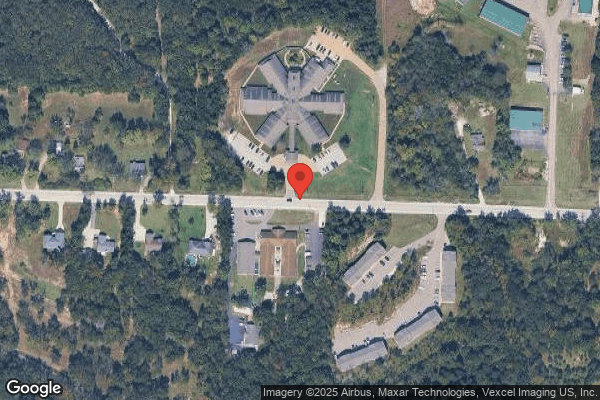
1108 CLARKE STREET, DE SOTO, MO 63020 (636) 586-3022
For profit - Corporation 120 Beds JAMES & JUDY LINCOLN Data: November 2025 1 Immediate Jeopardy citation
Trust Grade
56/100
#86 of 479 in MO
Last Inspection: October 2024

Within standard 12-15 month inspection cycle. Federal law requires annual inspections.

Overview

Hillcrest Care Center Inc has received a Trust Grade of C, which means it is average and falls in the middle of the pack among nursing homes. In Missouri, it ranks #86 out of 479 facilities, placing it in the top half, and #3 out of 11 in Jefferson County, indicating only two local options are better. The facility is improving, with a reduction in issues from 7 in 2024 to just 1 in 2025. Staffing is rated average with a turnover rate of 39%, which is better than the state average of 57%, but there are still concerns about resident care. Specific incidents include a resident being found outside after not being searched for promptly when they went missing, and a staff member misusing resident funds totaling over $20,000, which raises red flags about oversight and management. While the nursing home has a good overall star rating of 4 out of 5, these incidents highlight some significant weaknesses that families should consider.

Trust Score
C
56/100
In Missouri
#86/479
Top 17%
Safety Record
High Risk
Review needed
Inspections
Getting Better
7 → 1 violations
Staff Stability
○ Average
39% turnover. Near Missouri's 48% average. Typical for the industry.
Penalties
○ Average
$10,845 in fines. Higher than 55% of Missouri facilities. Some compliance issues.
Skilled Nurses
⚠ Watch
Each resident gets only 17 minutes of Registered Nurse (RN) attention daily — below average for Missouri. Fewer RN minutes means fewer trained eyes watching for problems.
Violations
⚠ Watch
24 deficiencies on record. Higher than average. Multiple issues found across inspections.
★★★★☆
4.0
Overall Rating
★★★☆☆
3.0
Staff Levels
★★★★☆
4.0
Care Quality
★★★★☆
4.0
Inspection Score
Stable
2024: 7 issues
2025: 1 issues

The Good

  • 4-Star Quality Measures · Strong clinical quality outcomes
  • Full Sprinkler Coverage · Fire safety systems throughout facility
  • No fines on record
  • Staff turnover below average (39%)

    9 points below Missouri average of 48%

Facility shows strength in quality measures, fire safety.

The Bad

Staff Turnover: 39%

Near Missouri avg (46%)

Typical for the industry

Federal Fines: $10,845

Below median ($33,413)

Minor penalties assessed

Chain: JAMES & JUDY LINCOLN

Part of a multi-facility chain

Ask about local staffing decisions and management

The Ugly 24 deficiencies on record

1 life-threatening
Mar 2025 1 deficiency
CONCERN (E) 📢 Someone Reported This

A family member, employee, or ombudsman was alarmed enough to file a formal complaint

Potential for Harm - no one hurt, but risky conditions existed

Deficiency F0602 (Tag F0602)

Could have caused harm · This affected multiple residents

**NOTE- TERMS IN BRACKETS HAVE BEEN EDITED TO PROTECT CONFIDENTIALITY** Based on interview and record review, the facility failed to ensure 26 residents out of 27 sampled residents (Residents #1, #2, ...

Read full inspector narrative →
**NOTE- TERMS IN BRACKETS HAVE BEEN EDITED TO PROTECT CONFIDENTIALITY** Based on interview and record review, the facility failed to ensure 26 residents out of 27 sampled residents (Residents #1, #2, #3, #4, #5, #6, #7, #8, #9, #10, #11, #12, #13, #14, #15, #16, #17, #18, #19, #20, #21, #22, #23, #24, #25 and #26) were free of misappropriation of their property when Bookkeeper A utilized resident trust accounts and resident cash for his/her own personal use totaling $20,110. The facility census was 84. The administration was notified on 03/28/25 of the Past Non-Compliance which occurred between 02/06/25 through 02/10/25. On 02/06/25, upon notification, the facility administrator started an investigation, notified the police department and the Department of Health and Senior Services of the misappropriation. The non-compliance was corrected on 02/10/25, as the facility completed disciplinary action for Bookkeeper A, in-serviced staff on the facility's policy and procedure on misappropriation and refunded residents' the amounts misappropriated. Review of the facility's policy entitled, Abuse Prohibition Protocol Manual, dated November 2016, showed: -Misappropriation of resident property defined as deliberate misplacement, exploitation, or wrongful temporary or permanent use of a resident's belongings or money with the resident's consent; -Employees are educated on Abuse Protocol upon hire and annually. Review of facility policy entitled, Instructions for Daily Cash Box Duties and Reconciliation, undated, showed: -Cash box is for residents' personal use and facility shopping for residents only and cash is not to be used to pay bills or reimburse family members; -Cash box reconciliations must be turned in by 4:00 P.M. each day; -Each cash withdrawal must be listed on the reconciliation report; -Three signatures are required on the reconciliation report (Business Office Manager, Administrator or designee and a witness); -A completed and signed disbursement log with a reason for the cash request must be listed; -A yes or no must be entered if the facility shopped for the resident or not. If cash was used by the facility to shop for the resident, the resident or legal representative must sign the disbursement logt to give consent to shop for the resident. Signed receipts must be attached; -If cash is given directly to the resident, the resident must sign the disbursement log. If the resident makes a mark or the signature is not legible, two witness signatures are required; -Do not enter personal spending as the reason for cash disbursement. Must have more detail like shopping at Walmart, vending machine cash or snacks, etcetera; -Cash tickets must be entered in the computer system for each cash withdrawal before sending in the reconciliation form. Review of the facility's investigation summary dated, 02/25/25, showed: -On 02/06/25, Social Services Assistant (SSA) B notified Resident #1's family of the resident's trust account (RTA) getting low on money. Resident #1's family said there was no way this was possible as Bookkeeper A said in January 2024 the RTA had thousands of dollars in it. Resident #1's family said the resident had no concept of money and he/she always takes the resident to the store to buy what the resident needs and the resident's craft items. SSA B said he/she would inform the Administrator so the account could be looked into; -On 02/06/25, Administrator contacted the facility's Financial Consultant (FC) regarding the concern and an audit was started. In-Service was also started regarding Abuse/Neglect Protocol. Bookkeeper A had been out of the facility on leave since 01/17/25. All staff informed Bookkeeper A was not to be in the building pending the investigation. Locks on the bookkeeping office and front office doors were changed; -On 02/10/25, the audit by FC identified seven possible RTAs for misappropriation. Reports were made to Department of Health and Senior Services (DHSS), law enforcement, the local ombudsman and family representatives regarding the possible misappropriation; -On 02/11/25, RTA audits completed and identified five resident RTAs affected (Residents #1, #2, #3, #4 and #5), who had no previous cash withdrawals until after Bookkeeper A took over. Bookkeeper A took the position in 05/2023. Bookkeeper A failed to respond to multiple facility attempts for a statement and termination process was started; -On 02/12/25, Bookkeeper A notified by voicemail employment had been terminated. The five affected residents' family representatives were notified funds were reimbursed; -On 02/13/25, Resident #6 was reimbursed due to facility being unable to determine if there resident requested money, as the request was not signed off per facility policy; -On 02/18/25, facility informed by Resident #8's family to move his/her funds into Resident #7's RTA as Resident #8 had passed. Investigation revealed Resident #7 and Resident #8 did not have RTAs set up. Family member informed facility he/she had given $100 to Bookkeeper A to put $50 in Resident #7's RTA and $50 in Resident #8 RTA. Receipt was found for the $100 but funds were not deposited into the petty cash account in order for a check to be written to the RTA. A second family member of Resident #7 and Resident #8 said he/she had also given $100 to Bookkeeper A and was not given a receipt as he/she met Bookkeeper A in the hallway. 1: Review of Resident #1's face sheet showed: -admitted [DATE]; -Diagnoses of intellectual disabilities, dementia, depression and insomnia; -Review of the resident's annual Minimum Data Set (MDS-a federally mandated assessment instrument completed by the staff), dated 01/20/25, showed moderate cognitive impairment. Review of Resident #1's RTA statement from 01/01/23 through 02/10/25 in conjunction with facility cash box disbursement logs showed: - Resident #1 had multiple cash withdrawals labeled personal spending starting 12/13/23 and ending 11/11/24 totaling $1346; -Cash box disbursement log signed by resident and Bookkeeper A; - No witness signature as per the facility policy. 2: Review of Resident #2's face sheet showed: -admitted [DATE]; -Diagnoses of cerebral infarction (stroke), major depressive disorder, epilepsy (seizure disorder), dementia and anxiety. -Significant change MDS, dated [DATE], showed moderate cognitive impairment. Review of Resident #2's RTA account statement from 01/01/23 through 02/10/25 in conjunction with facility cash box disbursement logs showed: - Resident #2 had multiple cash withdraws labeled personal spending starting 01/24/24 and ending 01/15/25 totaling $1254; -Cash box disbursement log signed by resident and Bookkeeper A; - No witness signature as per the facility policy. 3: Review of Resident #3's face sheet showed: -admitted [DATE]; -Diagnoses of paranoid schizophrenia (disorder characterized by persistent delusions of persecution, distrust and hallucinations), depression and dementia; -Quarterly MDS, dated [DATE], showed moderate cognitive impairment. Review of Resident #3's RTA account statement from 01/01/23 through 02/10/25 in conjunction with facility cash box disbursement logs showed: - Resident #3 had multiple cash withdraws labeled personal spending starting 01/23/24 and ending 01/10/25 totaling $899; -Cash box disbursement log signed by resident and Bookkeeper A; - No witness signature as per the facility policy. 4: Review of Resident #4's face sheet showed: -admitted [DATE]; -Diagnoses of chronic obstructive pulmonary disease (COPD-lung disease that blocks air flow making it difficult to breath), dementia, personality disorder, depressive episodes, hallucinations and paranoid schizophrenia; -Quarterly MDS, dated [DATE], showed moderate cognitive impairment. Review of Resident #4's RTA account statement from 01/01/23 through 02/10/25 in conjunction with facility cash box disbursement logs showed: - Resident #4 had multiple cash withdraws labeled personal spending starting 10/19/23 and ending 01/09/25 totaling $1436; -Cash box disbursement log signed by resident and Bookkeeper A; - No witness signature as per the facility policy. 5: Review of Resident #5's face sheet showed: -admitted [DATE]; -Diagnoses of hypertension (high blood pressure), major depressive disorder, and dementia; -Quarterly MDS, dated [DATE], showed severe cognitive impairment. Review of Resident #5's RTA account statement from 01/01/23 through 02/10/25 in conjunction with facility cash box disbursement logs showed: - Resident #5 had multiple cash withdraws labeled personal spending starting 12/11/23 and ending 01/15/25 totaling $430; -Cash box disbursement log signed by resident and Bookkeeper A; - No witness signature as per the facility policy. 6: Review of Resident #6's face sheet showed; -admitted [DATE]; -Diagnoses of schizophrenia, Parkinsonism (condition causing slowed movements, rigidity and stiffness), depressive episodes, dementia, and anxiety' -Significant change MDS, dated [DATE], showed moderate cognitive impairment. Review of Resident #6's RTA account statement from 01/01/23 through 02/28/25 in conjunction with facility cash box disbursement logs showed: - Resident #6 had multiple cash withdraws labeled personal spending starting 01/08/24 and ending 01/10/25 totaling $420; -Cash box disbursement log signed by resident and Bookkeeper A; - No witness signature as per the facility policy. 7: Review of Resident #7's face sheet showed: -admitted [DATE]; -Diagnoses of hypertension, dementia, anxiety disorder, restlessness and agitation; -Significant change MDS, dated [DATE], showed severe cognitive impairment. Review of Resident #7's RTA showed account created on 02/20/25 after the discovery of the misappropriation. 8: Review of Resident #8's face sheet showed: -admitted [DATE]; -date of death [DATE]; -Diagnoses of atrial fibrillation (irregular, rapid heart rate), femur fracture, hearing loss, major depressive disorder and anxiety disorder. Review of Resident #8's RTA showed account created on 02/20/25 after the discovery of the misappropriation. Review of facility cash receipt book audits, dated 03/03/25 through 03/07/25, where Bookkeeper A signed the receipts, showed: -On 03/03/25, Resident #9's room and board paid by the resident's representative with funds not deposited for the receipts given and no receipts for deposits from September 2024 through January 2025 with a total of $12885; - A receipt for Resident #10 of $50 but no RTA account, no petty cash deposit and no RTA deposit record; - A receipt for Resident #11 of $30 but no RTA account, no petty cash deposit and no RTA deposit record; -Receipts for Resident #12 totaling $160 but no RTA account, no petty cash deposit and no RTA deposit record; -Receipts for Resident #13 totaling $260 with no petty cash deposit and no RTA deposit; -Receipts for Resident #14 totaling $200 with no RTA account, no petty cash deposit and no RTA deposit record; -Receipts for Resident #15 totaling $100 with no petty cash deposit and no RTA deposit; -Receipt for Resident #16 of $20 but no RTA account, no petty cash deposit and no RTA deposit record; -Receipt for Resident #17 of $50 with no petty cash deposit and no RTA deposit and resident; -Receipt for Resident #18 of $100 with no RTA account, no petty cash deposit and no RTA deposit record; -Receipts for Resident #19 totaling $60 with no RTA account, no petty cash deposit and no RTA deposit record; -Receipt for Resident #20 of $20 with no RTA account, no petty cash deposit and no RTA deposit record: -Receipt for Resident #21 of $60 with no RTA account, no petty cash deposit and no RTA deposit record; -Receipt for Resident #22 of $40 with no RTA account, no petty cash deposit and no RTA deposit record; -Receipt for Resident #23 of $20 with no RTA account, no petty cash deposit and no RTA deposit record; -Receipt for Resident #24 of $20 with no RTA account, no petty cash deposit and no RTA deposit record; -Receipt for Resident #25 of $50 with no RTA account, no petty cash deposit and no RTA deposit record; -Receipt for Resident #26 of $30 with no RTA account, no petty cash deposit and no RTA deposit record. 9: Review of Resident #9's face sheet showed: -admitted [DATE]; -Diagnoses of intellectual disabilities, schizoaffective disorder (a condition characterized by abnormal thought processes and deregulated emotions), parkinsonism, and depression; -Significant change MDS, dated [DATE], showed severe cognitive impairment. 10: Review of Resident #10's face sheet showed: -admitted [DATE]; -date of death [DATE]; -Diagnoses of vascular dementia (decline in thinking due to decreased blood flow to areas of the brain), malignant neoplasm of the liver (liver cancer), pain and type 2 diabetes mellitus (high blood sugars). 11: Review of Resident #11's face sheet showed: -admitted [DATE]; -date of death [DATE]; -Diagnoses of lung cancer, liver cancer and bone cancer. 12: Review of Resident #12's face sheet showed: -admitted [DATE]; -date of death [DATE]; -Diagnoses of hypertension, chronic kidney disease requiring dialysis, hypertension, diabetes and atrial fibrillation; -Significant change MDS, dated [DATE] showed moderate cognitive impairment. 13: Review of Resident #13's face sheet showed: -admitted [DATE]; -Diagnoses of Brown-Sequard syndrome (lesion in one (lateral) half of the spinal cord resulting in a specific pattern of symptoms on one side of the body), hypertension, congestive heart failure (heart doesn't pump blood as well as it should) and major depressive disorder; -Significant change MDS, dated [DATE], showed cognitively intact. 14: Review of Resident #14's face sheet showed: -admitted [DATE]; -date of death [DATE]; -Diagnoses of schizophrenia, vision loss, anxiety disorder, COPD and depression. 15: Review of Resident #15's face sheet showed: -admitted [DATE]; -date of death [DATE]; -Diagnoses of hypertension, dementia, chronic kidney disease and major depressive disorder; -Significant change MDS, dated [DATE], showed moderate cognitive impairment. 16: Review of Resident #16's face sheet showed: -admitted [DATE]; -Diagnoses of heart failure, posterior displaced type II dens fracture (a break through a specific part of C2, the second bone in the neck), restlessness and agitation, chronic kidney disease and Parkinson's. 17: Review of Resident #17's face sheet showed: -admitted [DATE]; -date of death [DATE]; -Diagnoses of cerebral infarction (stroke), anxiety disorder, fracture of part of the neck of the femur (break in neck of femur bone, the long bone of the leg), depression, hypertension, atrial fibrillation and chronic kidney disease. 18: Review of Resident #18's face sheet showed: -admitted [DATE]; -discharged [DATE]; -Diagnoses of intellectual disabilities, chronic kidney disease, depression, schizoaffective disorder and anxiety. 19: Review of Resident #19's face sheet showed: -admitted [DATE]; -Diagnoses of chronic lymphocytic leukemia of B-cell type (blood cancer affecting white blood cells), anxiety disorder, insomnia and pain; -Quarterly MDS, dated [DATE], showed severe cognitive impairment. 20: Review of Resident #20's face sheet showed: -admitted [DATE]; -Diagnoses of Alzheimer's dementia, depression, anxiety disorder and hypertension; -Quarterly MDS, dated [DATE], showed severe cognitive impairment. 21: Review of Resident #21's face sheet showed: -admitted [DATE]; -Diagnoses of Parkinson's, dementia, schizoaffective disorder, major depressive disorder and anxiety disorder; -Significant change MDS, dated [DATE], showed severe cognitive impairment. 22: Review of Resident #22's face sheet showed: -admitted [DATE]; -date of death [DATE]; -Diagnoses of stroke, amyotrophic lateral sclerosis(Lou Gehrigsdisease, weaknes muscles and impacts physical function), chronic kidney disease, diabetes and depression. 23: Review of Resident #23's face sheet showed: -admitted [DATE]; -date of death [DATE]; -Diagnoses of COPD, depression, supraventricular tachycardia (rapid heart rate), dependence on oxygen and hypertension. 24: Review of Resident #24's face sheet showed: -admitted [DATE]; -discharged [DATE]; -Diagnoses of hypertension, history of breast cancer and overactive bladder. 25: Review of Resident #25's face sheet showed: -admitted [DATE]; -date of death [DATE]' -Diagnoses of COPD, atrial fibrillation, difficulty swallowing, anxiety, hypertension with heart failure and stroke; -Significant change MDS, dated [DATE], showed moderate cognitive impairment. 26: Review of Resident #26's face sheet showed: -admitted [DATE]; -Diagnoses of Parkinson's, dementia, anxiety and schizoaffective disorder; -Significant change MDS, dated [DATE], showed moderate cognitive impairment. During an interview on 02/25/25 at 11:00 A.M., Resident #1 said he/she never gets money from the facility. The resident said his/her family takes him/her shopping or they buy and bring him/her what she needs. Resident said Bookkeeper A has had him/her sign forms before but he/she was not sure what they were for. Resident said he/she did not receive any money from Bookkeeper A. During an interview on 02/25/25 at 11:10 A.M., Resident #2 said he/she has not gotten any cash from the facility and mainly stays in bed in his/her room. Resident #2 said Bookkeeper A has come to his/her room and had him/her sign forms at different times but never received any cash. The resident said he/she was not sure what the forms were for. During an interview on 02/25/25 at 11:19 A.M., Resident #3 said he/she has never asked for or received any money from the facility since he/she has been there. Bookkeeper A comes in at times and has him/her sign a form but he/she was not sure what it was for and did not receive money. During an interview on 02/25/25 at 11:27 A.M., Resident #4 said the facility does shop for him/her. The resident said he/she never asks for money other than for a few dollars occasionally to get a soda or candy bar. Resident #4 said Bookkeeper A has come to his/her room to have him/her sign a form but has not received any money after signing the form. During an interview on 02/25/25 at 11:38 A.M., Resident #5 said he/she never requests money out of his/her account and has never received any money from Bookkeeper A. Resident said Bookkeeper A has come to his/her room and had him/her sign a form, but he/she was not sure what it was and received no money after signing it. During an interview on 02/25/25 at 11:49 A.M., Resident #6 said he/she is able to go to the office to get money if he/she needs it. Resident #6 said Bookkeeper A has come to his/her room before and had him/her sign a form but did not receive any money after signing the form. During an interview 02/25/25 at 1:45 P.M., SSA said he/she had not seen Resident #1, Resident #2, Resident #3, Resident #4 or Resident #5 in the business office requesting money and is not sure they would even know how. SSA said he/she had not seen these residents ever having money on them. During and interview on 02/25/25, FA said Bookkeeper A received the appropriate training in regards to how RTAs are to be handled. Facility policy requires two witness signatures any time cash is given out of the cash box. When cash is received in the office for a resident account, a receipt should be given and the money should be deposited and the residents' RTA updated with the deposited amount. During an interview on 02/25/25 the Administrator said when a resident receives cash, the resident is to sign the log, as well as the person handing out the money, as well as a witness. The Administrator said it is never okay for an employee to take funds from a resident. Review of Bookkeeper A's employee filed showed he/she completed the facility bookkeeping training on 05/31/23. During an interview on 03/25/25 at 2:00 P.M., the Police Department said multiple attempts have been made to get an interview with Bookkeeper A before presenting the evidence to the prosecuting attorney. Bookkeeper A has not cooperated in speaking with the police department and has hired an attorney. Complaint# MO00249344
Oct 2024 6 deficiencies
CONCERN (D)

Potential for Harm - no one hurt, but risky conditions existed

Safe Environment (Tag F0584)

Could have caused harm · This affected 1 resident

**NOTE- TERMS IN BRACKETS HAVE BEEN EDITED TO PROTECT CONFIDENTIALITY** Based on observation, interview, and record review, the facility failed to provide a safe, clean and comfortable homelike enviro...

Read full inspector narrative →
**NOTE- TERMS IN BRACKETS HAVE BEEN EDITED TO PROTECT CONFIDENTIALITY** Based on observation, interview, and record review, the facility failed to provide a safe, clean and comfortable homelike environment. This deficient practice had the potential to affect all residents in the facility. The facility census was 80. The facility did not provide a homelike environment policy. 1. Observations on 10/21/24 at 12:11 P.M.,10/22/24 at 10:41 A.M., and 10/23/24 at 10:54 A.M., of the screened-in designated smoking area showed: - Several dead insects and bird droppings lay on top of several two-by-four wood shelf supports; - A buildup of cigarette ashes in the cracks and crevices on the floor; - Scattered cigarette butts, leaves, and dirt lay on the floor; - A N95 (respiratory protective device) mask lay on the floor; - A broom lay against the brick column near the smoking receptacle. 2. Observations on 10/21/24 at 12:18 P.M., 10/22/24 at 10:53 A.M., and 10/23/24 at 10:59 A.M., showed several cigarettes butts lay on the ground located on the outside sitting area of the courtyard. 3. Observations on 10/21/24 at 12:46 P.M., and 10/22/24 at 10:59 A.M., of the 500 Hall showed: - Several areas of peeled wallpaper with exposed sheetrock on the right-side wall by the bed located near the window in room [ROOM NUMBER]; - A missing protective outlet covering with two cords plugged into an electric receptacle located on the left-side of the bed near the door located in room [ROOM NUMBER]; - Several areas of peeled paint and exposed sheetrock behind the headboard of the bed near the door and the bed near the window located in room [ROOM NUMBER]; - A three foot (ft.) area of peeled paint and exposed sheetrock located on the left-side of the heating/cooling unit by the bed located near the window in room [ROOM NUMBER]; - Several areas of peeled paint and exposed sheetrock located on the left-side wall beside the brown recliner located in room [ROOM NUMBER]; - Several areas of peeled paint and exposed sheetrock located on the right-side walls next to a flat screen television and near the bathroom door located in room [ROOM NUMBER]; - A large hole in the wall located behind the door upon the entrance of room [ROOM NUMBER]; - Several areas of peeled paint and exposed sheetrock located behind the headboard of the bed located near the window in room [ROOM NUMBER]. 4. Observations on 10/21/24 at 12:58 P.M., and 10/22/24 at 12:06 P.M., of the left-side of the Dining Room showed: - Several areas of dark scuff marks at the bottom and middle section of the wall located near the wall-mounted electric fly/insect trap; - Several areas of dark scuff marks on the bottom and middle section of the left-side wall located near the two wooden double doors; - Several areas of dark scuff marks on the bottom section of the right-side wall located near the two wooden double doors and the window facing the courtyard; - A large area of dark scuff marks on the bottom and middle section of the wall located below the thermostat; - A missing corner piece of trim with exposed discolored areas on the wall located near the thermostat and a facility layout sign. 5. Observations on 10/21/24 at 1:08 P.M., and 10/22/24 at 12:26 P.M., of the kitchen's Dish Return door showed a large hole with missing sheetrock and trim on the bottom left-side of the door frame. 6. Observations on 10/23/24 at 1:06 P.M., and 10/24/24 at 10:08 P.M., of the 300 hallway showed a build-up of 15 shoe-shaped black grime markings on a 20 ft. section of the tiled floor located between room [ROOM NUMBER] and the dining room entrance. 7. Observations on 10/24/24 at 9:17 A.M., of the Laundry Room, showed: - Several articles of cluttered and piled-up miscellaneous clothing; - A build-up of lint, grime, dirt and dust located behind the washing machine bay; - A large area of missing dry wall and peeled paint from water damage within the wall located behind the washers; - One yellow mop bucket filled with stagnant (inactive) dirty water located by the sink; - One five-gallon white bucket filled with soiled linens and dirty water located by the sink; - Miscellaneous trash located in the drainage basin (sink) area of the eye wash station. Review of the Maintenance Work Order Form binder, dated 08/23/24 - 10/22/24, showed no documentation of areas of concern addressed. During an interview on 10/23/24 at 2:42 P.M., Housekeeper A said he/she verbally told the maintenance person if there were any environmental issues in the facility. There was also a maintenance book at the nurse's station for staff to write down any issues found during rounds. He/She did not know who was responsible for cleaning and sweeping the designated smoke area and/or picking up the cigarette butts on the floor and the outside grounds. During an interview on 10/23/24 at 2:42 P.M., Kitchen Employee B said he/she would let the Dietary Manager know if there were any issues that needed to be addressed to maintenance for repair. He/She has not noticed any environmental issues such as scuff marks or holes on the dining room/kitchen walls to be reported or addressed. During an interview on 10/24/24 at 8:53 A.M., the Administrator said she would expect staff to write down any environmental concerns on the maintenance log to be addressed in a timely manner by the maintenance department. She would expect the designated smoke area to be free of cigarette butts and ashes, dead insects, bird droppings and other debris. She would also expect the outside sitting area in the courtyard be free of cigarette butts and debris. During an interview on 10/24/24 at 10:44 A.M., the Maintenance Supervisor (MS) said he/she would expect staff to write down any environmental issues on the maintenance log to be addressed in a timely manner. The floor technician was responsible for cleaning the screened-in designated smoke area, picking up cigarette butts, and maintaining the outside grounds to be free of debris once a week. During an interview on 10/24/24 at 12:02 P.M., Housekeeper E said there was a floor technician for the facility and he/she had been covering in the laundry department this week. Spot mopping was done sometimes.
CONCERN (D)

Potential for Harm - no one hurt, but risky conditions existed

Transfer Notice (Tag F0623)

Could have caused harm · This affected 1 resident

**NOTE- TERMS IN BRACKETS HAVE BEEN EDITED TO PROTECT CONFIDENTIALITY** Based on interview and record review, the facility failed to notify the resident and/or the resident's representative in writing...

Read full inspector narrative →
**NOTE- TERMS IN BRACKETS HAVE BEEN EDITED TO PROTECT CONFIDENTIALITY** Based on interview and record review, the facility failed to notify the resident and/or the resident's representative in writing of a transfer or discharge to a hospital, including the reasons for transfer for four residents (Residents #7, #20, # 46 and #279) out of four sampled residents. The facility's census was 80. The facility did not provide a transfer/discharge policy. 1. Review of Resident #7's medical record showed: - The resident transferred to the hospital on [DATE], and was readmitted to the facility on [DATE]; - The resident transferred to the hospital on [DATE], and was readmitted to the facility on [DATE]; - No documentation of written notification to the resident and/or the resident's representative of the resident's transfer to the hospital on [DATE] and 08/17/24. 2. Review of Resident #20's medical record showed: - The resident transferred to the hospital on [DATE], and readmitted to the facility on [DATE]; - The resident transferred to the hospital on [DATE], and readmitted to the facility on [DATE]; - No documentation of written notification to the resident and/or the resident's representative of the resident's transfers to the hospital on [DATE] and 09/10/24. 3. Review of Resident #46's medical record showed: - The resident transferred to the hospital on [DATE], and readmitted to the facility on [DATE]; - The resident transferred to the hospital on [DATE], and readmitted to the facility on [DATE]; - The resident transferred to the hospital on [DATE], and readmitted to the facility on [DATE]; - No documentation of written notification to the resident and/or the resident's representative of the resident's transfers to the hospital on [DATE], 08/19/24 and 09/20/24. 4. Review of Resident #279's medical record showed: - The resident transferred to the hospital on [DATE], and was readmitted to the facility on [DATE]; - The resident transferred to the hospital on [DATE], and was readmitted to the facility on [DATE]; - No documentation of written notification to the resident and/or the resident's representative of the resident's transfer to the hospital on [DATE] and 10/06/24. During an interview on 10/23/24 at 8:43 A.M., the Assistant Director of Nursing (ADON) said nursing should fill out a transfer/discharge form prior to a resident going to the hospital. A copy of the transfer/discharge form should be given to the Social Service Designee (SSD) and kept for documentation purposes. During an interview on 10/23/24 at 8:45 A.M., the Administrator said transfer/discharge forms were not completed and/or kept for documentation purposes. The SSD was responsible for keeping up with the transfer/discharge forms. During an interview on 10/23/24 at 3:00 P.M., the SSD said he/she had not been following up with the transfer/discharge forms for residents that were sent to the hospital and admitted .
CONCERN (D)

Potential for Harm - no one hurt, but risky conditions existed

Deficiency F0625 (Tag F0625)

Could have caused harm · This affected 1 resident

**NOTE- TERMS IN BRACKETS HAVE BEEN EDITED TO PROTECT CONFIDENTIALITY** Based on interview and record review, the facility failed to notify the resident and/or the resident's representative in writing...

Read full inspector narrative →
**NOTE- TERMS IN BRACKETS HAVE BEEN EDITED TO PROTECT CONFIDENTIALITY** Based on interview and record review, the facility failed to notify the resident and/or the resident's representative in writing of their bed hold policy at the time of transfer to the hospital for four residents (Residents #7, #20, #46, and #279) out of four sampled residents. The facility census was 80. The facility did not provide a bed hold policy. 1. Review of Resident #7's medical record showed: - The resident transferred to the hospital on [DATE], and readmitted to the facility on [DATE]; - The resident transferred to the hospital on [DATE], and readmitted to the facility on [DATE]; - No documentation the resident and/or the resident's representative was informed in writing of the facility's bed hold policy at the time of the transfers. 2. Review of Resident #20's medical record showed: - The resident transferred to the hospital on [DATE], and readmitted to the facility on [DATE]; - The resident transferred to the hospital on [DATE], and readmitted to the facility on [DATE]; - No documentation the resident and/or the resident's representative was informed in writing of the facility's bed hold policy at the time of the transfers. 3. Review of Resident #46's medical record showed: - The resident transferred to the hospital on [DATE], and readmitted to the facility on [DATE]; - The resident transferred to the hospital on [DATE], and readmitted to the facility on [DATE]; - The resident transferred to the hospital on [DATE], and readmitted to the facility on [DATE]; - No documentation the resident and/or the resident's representative was informed in writing of the facility's bed hold policy at the time of the transfers. 4. Review of Resident #279's medical record showed: - The resident transferred to the hospital on [DATE], and readmitted to the facility on [DATE]; - The resident transferred to the hospital on [DATE], and readmitted to the facility on [DATE]; - No documentation the resident and/or the resident's representative was informed in writing of the facility's bed hold policy at the time of the transfers. During an interview on 10/23/24 8:43 A.M., the Assistant Director of Nursing (ADON) said nursing should be filling out a bed-hold policy form prior to a resident going to the hospital. A copy of the bed hold form should be given to the Social Service Designee (SSD) and kept for documentation purposes. During an interview on 10/23/24 8:45 A.M., the Administrator said the bed hold policy forms were not being completed by nursing and/or kept for documentation purposes. The SSD was responsible for keeping up with the bed hold policy forms. During an interview on 10/23/24 at 3:00 P.M., the SSD said he/she had not been following up with the bed hold policy forms for residents that were sent to the hospital.
CONCERN (D)

Potential for Harm - no one hurt, but risky conditions existed

Pressure Ulcer Prevention (Tag F0686)

Could have caused harm · This affected 1 resident

**NOTE- TERMS IN BRACKETS HAVE BEEN EDITED TO PROTECT CONFIDENTIALITY** Based on observation, interview and record review, the facility failed to document the type, the stage, the measurements, and th...

Read full inspector narrative →
**NOTE- TERMS IN BRACKETS HAVE BEEN EDITED TO PROTECT CONFIDENTIALITY** Based on observation, interview and record review, the facility failed to document the type, the stage, the measurements, and the characteristics of the facility acquired injury for two residents (Residents #38 and #46) out of two sampled residents. The facility census was 80. Review of the policy titled, Pressure Ulcer, Care and Prevention of, undated, showed: - The purpose of this policy is to prevent and treat further breakdown of pressure sores; - The nurse is responsible for carrying out the treatment as ordered by the attending physician and for implementing measure to prevent pressure ulcers; - Observe skin. Any persistent reddened area that remains after pressure is relieved is a high risk area to a pressure ulcer to begin. 1. Review of Resident #38's significant change Minimum Data Set (MDS), a federally mandated assessment instrument required to be completed by the facility staff, dated 08/24/24, showed: - admitted to the facility on [DATE]; - Severely impaired cognitive skills; - Impaired on one side on upper and lower extremity; - Dependent on staff for bathing, toileting and personal hygiene; - Required substantial to maximal assistance of staff for bed mobility; - Incontinent of bowel and bladder; - At risk for pressure ulcers; - Pressure reducing mattress for bed; - Pressure reducing cushion for chair; - Pressure ulcer care. Review of the resident's medical chart showed: - Diagnoses of atrial fibrillation (an irregular, often rapid heart rate that causes poor blood flow), hypertension (high blood pressure), cerebral vascular accident (CVA - stroke), and depression (a mental health condition that involves a prolonged low mood or loss of interest in activities). Review of the resident's Physician Order Sheets (POS), dated October 2024, showed: - No orders for skin care related to the resident's left buttock. Review of the resident's Braden (a tool used to assess a patient's risk of developing pressure ulcers) Scale, dated 8/28/24, showed: - The resident at moderate risk for skin breakdown. Review of the resident's care plan, dated 08/28/24, showed: - At risk for altered skin integrity related to limited mobility and incontinence. Review of the resident's nurses notes, dated 10/21/24 - 10/24/24, showed: - On 10/23/24, a skin assessment was done this afternoon with an open area to the left buttock, the physician's office notified, and a new order for skin prep (a procedure that involves cleansing the skin with an antiseptic to reduce the risk of infection) to the area twice daily until healed; - No documentation of the type, the stage, the measurements, and the characteristics of the injury to the resident's left buttock. Review of the resident's Weekly Skin Assessments showed: - On 10/02/24, the skin intact; - On 10/06/24, the skin intact; - On 10/14/24, redness to the buttock with barrier cream to the buttock; - On 10/14/24, skin intact with redness to the buttock; - On 10/23/24, skin prep to the left buttock twice daily to the small open area. Observation of the resident on 10/23/24 at 1:25 P.M., showed: - The resident had a small open injury to his/her left buttock. During an interview on 10/23/24 at 1:27 P.M., Certified Nurse Assistant (CNA) G and CNA I said the nurses applied some cream to the resident's bottom. CNA G and CNA I said today was the first time they had seen the injury to the resident's left buttock. During an interview on 10/23/24 at 1:30 P.M., Licensed Practical Nurse (LPN) F said the resident did not have a treatment to his/her bottom. LPN F said she did not know the resident had any open areas to his/her bottom until this afternoon. During an interview on 10/23/24 at 1:38 P.M., the Director of Nursing (DON) said the resident did not have a topical treatment to his/her buttocks. She had not assessed the resident's skin. During an interview on 10/23/24 at 2:35 P.M., the DON said the resident had an open area the size of a pencil eraser and she just now put an order in for skin prep to that area. During an interview on 10/24/24 at 8:40 A.M., the Assistant Director of Nursing (ADON) said the nurses were responsible for the weekly skin assessments. The nurses should be including the measurements when they complete the skin assessment. The CNA's should report anything unusual with the skin at the time they see it on any resident. The CNA's reported the resident's skin issue on 10/23/24. 2. Review of Resident #46's quarterly MDS, dated [DATE], showed: - admitted to the facility on [DATE]; - Severely impaired cognitive skills; - Dependent on staff for bathing, dressing, toileting, personal hygiene and bed mobility; - At risk for pressure ulcers; - Pressure reducing mattress for bed; - Pressure reducing cushion for chair; - No pressure ulcer and or other skin impairments. Review of the resident's medical record showed: - Diagnoses of anemia (lack of healthy red blood cells), coronary artery disease (CAD - damage or disease of the heart's major blood vessels), heart failure (when the heart muscle does not pump blood as well as it should), peripheral vascular disease (circulation disorder that affects blood vessels outside of the heart and brain, often those that supply the arms and legs) and hypertension. Review of the resident's POS, dated October 2024, showed: - An order to skin prep the bilateral heels and float, dated 07/31/24. Review of the resident's care plan, last updated 10/08/24, showed: - At risk for altered skin integrity related to limited mobility. Review of the resident's nurses' notes, dated 10/21/24 - 10/24/24, showed: - No documentation of any skin conditions with the type, the stage, the measurements, and the characteristics of an injury. Review of the resident's Braden Scale, dated 8/24/24, showed: - The resident at mild risk for skin breakdown. Review of the resident's Weekly Skin Assessments showed: - On 10/03/24, the left heel was soft and the right heel had an unstageable wound; - On 10/11/24, heels soft and skin prep to the bilateral heels for protection; - On 10/18/24, firm heels. Observation of the resident on 10/24/24 at 9:45 A.M., showed: - The resident lay in his/her bed and his/her heels lay directly on the mattress; - The left heel with no skin issues. The right heel with an approximate nickel size eschar (dead tissue that forms over healthy skin) injury with peeling dry skin on the peri-wound (the skin surrounding a wound); - LPN C applied skin prep to both heels and did not float the heels; - Three blue heel protectors (pressure relieving, heel protective devices) and two small purple heel protectors lay in a chair in the resident's room. During an interview on 10/24/24 at 12:10 P.M., LPN F said he/she had been applying skin prep to the resident's heels for awhile, however he/she had not put the heel protectors on the resident's feet. During an interview on 10/24/24 at 12:17 P.M., Certified Medication Technician (CMT) J said he/she thought the heel protectors were the resident's. During an interview on 10/24/24 at 12:19 P.M., CNA K said the resident did not ever have the heel protectors on when staff got him/her up in the mornings, and staff did not put them on the resident when he/she was up out of the bed. During an interview on 10/24/24 at 1:19 P.M., the ADON said skin assessments should be completed weekly with measuring, staging, and descriptions to be included. During an interview on 10/24/23 at 1:22 P.M., the DON said the nurses, herself, and the ADON were responsible for the skin assessment to be completed and to be accurate. When the assessments were completed, they should be documented by the nurse with measurements and staging as well of any wounds.
CONCERN (D)

Potential for Harm - no one hurt, but risky conditions existed

Deficiency F0698 (Tag F0698)

Could have caused harm · This affected 1 resident

Based on interview and record review, the facility failed to provide documentation of communication between the facility and the dialysis (a process for removing waste and excess water from the blood)...

Read full inspector narrative →
Based on interview and record review, the facility failed to provide documentation of communication between the facility and the dialysis (a process for removing waste and excess water from the blood) center for two residents (Residents #6 and #32) out of two sampled residents and one resident (Resident #11) outside the sample. The facility census was 80. Review of the facility's policy titled, Dialysis, Care of a Resident Receiving, undated, showed: - Care of the arteriovenous (AV) shunt/fistula/graft (a surgically created connection between an artery and a vein used for hemodialysis): keep the area clean and dry; feel for the thrill (a palpable murmur that feels like a ringing phone) sensation daily; inspect the access site for redness, swelling, or warmth; watch for bleeding after dialysis; monitor signs of infection; checking the thrill sensation; nurses will check the thrill daily and document daily, this will be documented on the resident's treatment record; at the AV site, feel for a pulse. The pulse is the blood flow through the access; if no thrill sensation is felt, notify the physician; - Communication between the facility and the dialysis unit: the Dialysis Communication Record will be sent with the resident on each dialysis visit; all care concerns in the last 24 hours will be addressed, including last medications given and facility contact person; the dialysis unit will complete the lower portion of the report to include weight prior to and after dialysis, any labs completed, medication given, follow up information and any new physicians' orders; the lower portion will be signed by the dialysis nurse and returned to the facility; these records will be maintained in the medical record. 1. Review of Resident #6's Physician's Order Sheet (POS), dated October 2024, showed: - admission date of 11/26/18; - An order for dialysis Tuesday, Thursday and Saturday, dated 03/11/19; - An order to check the shunt to the left upper extremity (LUE) for bruit (an audible vascular sound associated with turbulent blood flow) and thrill every shift, dated 11/27/18. Review of the resident's medical record showed: - Diagnoses of end stage renal disease (ESRD - when the kidneys are no longer able to work at a level needed for day-to-day life), dependence on renal dialysis, hypertension (high blood pressure), and anemia. Review of the resident's care plan, revised 03/07/24, showed: - The resident required dialysis; - At risk for complications related to renal failure (the kidneys lose the ability to remove waste and balance fluids); - Palpate for the thrill over the shunt site per order; - Dialysis Communication form on dialysis days. Dialysis nurses to fill out the bottom section and send back to the facility for review by the nurse; - Resident received dialysis every Tuesday, Thursday and Saturday. Review of the Dialysis Communication log, dated July 2024-October 2024, showed: - For July 2024, 13 missed out of 13 opportunities for the completion of the Dialysis Communication forms; - For August 2024, 14 missed out of 14 opportunities for the completion of the Dialysis Communication forms; - For September 2024, 12 missed out of 12 opportunities for the completion of the Dialysis Communication forms; - For October 2024, 10 missed out of 11 opportunities for the completion of the Dialysis Communication forms. 2. Review of Resident #11's POS, dated October 2024, showed: - admission date of 10/05/22; - An order for dialysis on Monday, Wednesday, and Friday, dated 10/05/22; - An order to check the AV fistula every shift, dated 10/05/22. Review of the resident's medical record showed: - Diagnoses of chronic kidney disease stage 3 (mild to moderate kidney damage), dependence on renal dialysis, hypertension, atherosclerotic heart disease of native coronary artery without angina (hardening of the arteries), atrial fibrillation (irregular heartbeat when the upper chambers beat too fast), and presence of cardiac pacemaker (an implanted device to monitor and regulate heart rate). Review of the resident's care plan, revised 10/16/24, showed: - The resident needed dialysis; - Feel for the thrill over the shunt site; - Listen for the bruit over the shunt site; - Communication form sent to dialysis. Dialysis nurses to fill out the bottom section and send back to the facility for review by the nurse; - Resident received dialysis every Monday, Wednesday and Friday. Review of the Dialysis Communication log, dated July 2024-October 2024, showed: - For July 2024, 14 missed out of 14 opportunities for the completion of the Dialysis Communication forms; - For August 2024, 12 missed out of 12 opportunities for the completion of the Dialysis Communication forms; - For September 2024, 13 missed out of 13 opportunities for the completion of the Dialysis Communication forms; - For October 2024, 9 missed out of 10 opportunities for the completion of the Dialysis Communication forms. 3. Review of Resident #32's POS, dated October 2024, showed: - admission date of 05/10/19; - An order for dialysis Tuesday, Thursday and Saturday, dated 07/19/22; - An order to check the shunt to the LUE for the bruit and thrill every shift, dated 05/13/24. Review of the resident's medical record showed: - Diagnoses of chronic kidney disease, stage 4 (severe kidney damage) with ESRD dependence on renal dialysis, hypertension, and other acute kidney failure. Review of the resident's care plan, revised 08/09/24, showed: - The resident required dialysis; - All routine and baseline lab work will be drawn and monitored by the facility, any nonroutine lab work will be monitored by dialysis; - Communication form sent to dialysis with the resident. Dialysis to fill out the bottom section and send back to the facility for review by the nurse; - Monitor and report signs of localized infection; - Monitor and report signs of systemic infection. Review of the Dialysis Communication log, dated July 2024-October 2024, showed: - For July 2024, 13 missed out of 13 opportunities for the completion of the Dialysis Communication forms; - For August 2024, 14 missed out of 14 opportunities for the completion of the Dialysis Communication forms; - For September 2024, 12 missed out of 12 opportunities for the completion of the Dialysis Communication forms; - For October 2024, 8 missed out of 11 opportunities for the completion of the Dialysis Communication forms. During an interview on 10/22/24 at 4:17 P.M., Licensed Practical Nurse (LPN) F said the facility just started doing the dialysis communication logs again. During an interview on 10/22/24 at 4:20 P.M., the Assistant Director of Nursing (ADON) said all the dialysis communication documents were scanned into the residents' electronic medical records (EMR) when completed. The facility noticed they were not getting done and they were still not scanned into the EMR. During an interview on 10/22/24 at 4:24 P.M., the Director of Nursing (DON) said she was not aware of the time frame of when they noticed the dialysis communication logs were not being completed to when the new forms were implemented. During an interview on 10/23/24 at 2:01 P.M., Resident #32 said he/she went to dialysis and was there yesterday. The dialysis communication log was not sent with him/her to dialysis. He/she didn't remember the nursing staff at the facility checking for the thrill and bruit or checking the dressing when he/she returned from dialysis. During an interview on 10/23/24 at 4:01 P.M., Resident #6 said the facility did send a piece of paper for him/her to take to dialysis. The facility did not check for the thrill and bruit, but the staff did check the dressing. During an interview on 10/24/24 at 12:22 P.M., LPN F said the dialysis communication log was normally faxed to the front office when Resident #32 came back from dialysis. Resident #32 had bandages to be removed from the dialysis shunt site the next day. Nursing should check for the bruit and thrill every day. A nurse checked the dressing when Resident #32 came back from dialysis.
CONCERN (D)

Potential for Harm - no one hurt, but risky conditions existed

Deficiency F0947 (Tag F0947)

Could have caused harm · This affected 1 resident

Based on interview and record review, the facility failed to conduct at least twelve hours of nurse aide in-service education per year and failed to provide the required annual competencies of Dementi...

Read full inspector narrative →
Based on interview and record review, the facility failed to conduct at least twelve hours of nurse aide in-service education per year and failed to provide the required annual competencies of Dementia Care (care of a resident with an impaired ability to remember, think, or make decisions) of two nurse aides sampled. The facility census was 80. The facility did not provide a nurse aide in-service education policy. Review of the facility assessment, revised September 2024, showed: - Required in-service training for nurse's aides: 1. Be sufficient to ensure the continuing competence of nurse aides, but must be no less than 12 hours per year; 2. Include dementia management training and resident abuse preventions training; 3. Address areas of weakness as determined by the facility assessment and address the special needs of residents to as determined by the facility staff; 4. For nurse aides providing services to individuals with cognitive impairments, also address the care of the cognitively impaired. 1. Review of the facility's June 2023 through June 2024 in-service records, showed: - Certified Nurse Aide (CNA) C's hire date of 06/23/23; - CNA C attended nine hours and 30 minutes of in-services; - CNA C did not attend an annual competency in-service on Dementia Care. 2. Review of the facility's July 2023 through July 2024 in-service records, showed: - CNA D's hire date of 07/11/23; - CNA D attended seven hours of in-services; - CNA D did not attend an annual competency in-service on Dementia Care. During an interview on 10/24/2024 at 8:54 A.M., the Director of Nursing (DON) said nurse aid education training should include Dementia Care. Nurse aides should have 12 hours of education training to meet the annual in-service requirement. During an interview on 10/24/2024 at 8:56 A.M., the Administrator said nurse aid education training should include Dementia Care. Nurse aides should have 12 hours of education training to meet the annual in-service requirement.
Aug 2024 1 deficiency 1 IJ
CRITICAL (J) 📢 Someone Reported This

A family member, employee, or ombudsman was alarmed enough to file a formal complaint

Immediate Jeopardy (IJ) - the most serious Medicare violation

Accident Prevention (Tag F0689)

Someone could have died · This affected 1 resident

**NOTE- TERMS IN BRACKETS HAVE BEEN EDITED TO PROTECT CONFIDENTIALITY** Based on observation, interview and record review, the facility failed to provide adequate supervision to ensure the safety of o...

Read full inspector narrative →
**NOTE- TERMS IN BRACKETS HAVE BEEN EDITED TO PROTECT CONFIDENTIALITY** Based on observation, interview and record review, the facility failed to provide adequate supervision to ensure the safety of one resident (Resident #1). On 08/01/24 at 3:00 A.M., the facility failed to initiate a search for Resident #1 and implement the facility policy for missing residents when staff noticed the resident's call light on, but the room was empty. On 08/01/24 at 6:45 A.M., during morning medication pass, staff noted Resident #1 was not in his/her room. The staff finished the medication pass and reported to the charge nurse. On 08/01/24 at 8:00 A.M., the staff began searching for the resident and found the resident outside lying on the ground in the courtyard. The resident fell down outside in the late evening on 07/31/24, and lay on the ground until 08/01/24 at 8:15 A.M. The facility census was 84. On 08/08/24 at 4:00 P.M., the Administrator was notified of the past non-compliance immediate jeopardy (IJ) which began on 08/01/24. The facility immediately conducted an investigation and inserviced staff on the Elopement-Missing Resident policy. The IJ was corrected on 08/01/24. Review of the facility's undated policy, Elopement-Missing Resident, directed staff to: - Determine when resident was last seen, description of clothing, and where last seen; - Notify all departments and begin a thorough search of the facility and grounds, including bathrooms, closets, storage areas, and crawl spaces; - Search streets and neighborhood adjacent to the facility; - Notify the Director of Nursing and the Administrator; - Notify the physician; - Notify the responsible party and request notification if the resident makes contact with them; - If absence exceeds 30 minutes, notify local law enforcement, give dispatcher the following information, name, age, sex, description of the resident and clothing description, time discovered missing, last seen, physical or mental impairments, if harmful to self and/or others, home address, address of relatives and/or friends, and photograph of resident; - When located, notify all appropriate people/agencies; - Assess for injuries. Review of Resident #1's medical record showed admission to the facility on [DATE] with diagnoses of amyotrophic lateral sclerosis (a neurological disorder that affects motor neurons, the nerve cells in the brain and spinal cord that control voluntary muscle movement and breathing), transient ischemic attack (TIA, a mini stroke), depression, chronic kidney disease stage 2 (develops when the kidneys become less effective over time due to damage), high blood pressure, and diabetes mellitus type 2 (a condition that affects the way the body processes blood sugar). Review of the resident's admission Minimum Data Set (MDS), a federally mandated assessment instrument required to be completed by the facility staff, dated 06/17/2024 showed: - Cognition intact; - Minimum difficulty with hearing, no hearing aides; - No speech, absence of spoken words; - Impaired vision, corrected with glasses; - Usually understands and is understood; - Independent with personal hygiene, toileting, feeding self, bed mobility, transfer, ambulation with use of walker; - Continent of bowel and bladder. Review of the resident's care plan, dated 06/19/24, showed: - Resident has difficulty making self understood, no speech. Has electronic communication device for expressing self. Gestures with thumbs up and thumbs down; - At risk for falls; - Independent with dressing, toileting, and personal hygiene; - Assist of one staff for bathing; - Continent of bowel and bladder; - Resident walks with the assistance of a walker with assist one staff member to stand at times. Review of the resident's progress notes showed; - On 08/01/24 at 8:15 A.M., the resident was found in the courtyard laying on his/her back on the sidewalk; - Abrasions to left great toe, right foot on hallux (the joint where the big toe meets the foot), right outer knee, right knee cap, right inner knee area, to both right and left elbows, and an approximately 3 centimeters (cm) x 3 cm abrasion to crown of head; - Notified physician and family. Physician order received to send to emergency room (ER). Review of the ER visit, dated 08/01/24, showed: - Presents to ER after a fall at the facility in which he/she resides; - Resident reports hitting his/her head with no loss of consciousness; - Complains of right arm and right leg pain, small abrasion to scalp, no visible laceration; - X-ray of both hips, tibia (bone between knee and ankle), fibula (bone located with tibia between knee and ankle), knee, and chest showed no abnormalities. Observations on 08/08/24 at 11:30 A.M. showed: - A double glass door to the courtyard; - The sidewalk paved with concrete extending all the way around the courtyard in a circle pattern; - A bench in the back side of the yard with multiple bushes and trees obstructing the view of the entry door; - The entire sidewalk circling the courtyard with cracks and rough spots. During an interview on 08/08/24 at 12:30 P.M., Resident #1 said on 08/01/24 at 10:00 P.M. he/she went outside into the courtyard to pray the Rosary. He/she fell over a crack in the sidewalk and laid on the ground for eleven hours. He/she said it was hot when the sun started coming up and the bugs were really bad. The resident said he/she had not seen staff at 11:30 P.M., he/she was not in the facility at that time. During an interview on 08/08/24 at 12:05 P.M., Certified Medication Technician (CMT) C said he/she had arrived to work at approximately 1:40 A.M. (on 08/01/24). He/she had not seen the resident upon arrival. CMT C said he/she told the Director of Nurses (DON), who was working the night shift, that Resident #1's door was open, with the light on and the resident was not in the bed. He/she asked the DON if the resident was on leave of absence (LOA). The DON informed him/her no, the resident had returned to the facility earlier that evening. At approximately 6:00 A.M., CMT C reported to Licensed Practical Nurse (LPN) D that he/she was starting to pass medications and noted Resident #1's bed was still untouched and the resident's breakfast tray was in his/her room untouched. Later in the shift, CMT C said he/she saw other staff members bring the resident in from the courtyard stating the resident had fallen. During an interview on 08/08/24 at 11:15 A.M., the DON said he/she last saw Resident #1 at approximately 11:30 P.M., walking towards his/her room, but did not see him/her leave the room after that time. The DON said CMT C questioned him/her if the resident was on LOA around 3:00 A.M., and he/she told CMT C no, the resident had been out on LOA earlier in the day, but had returned. The CMT did not ask where the resident was or report at that time he/she had not seen the resident since arrival to work. The DON said if she had known at that time the resident had not been seen in the facility, she would have immediately taken action and began a search. The DON said at the end of his/her shift, he/she was still not aware the resident had not been seen. During an interview on 08/08/24 at 11:20 A.M., LPN B said he/she had last seen Resident #1 between 11:30-11:45 P.M. During an interview on 08/08/24 at 12:20 P.M., LPN D said he/she arrived to work at approximately 6:45 A.M. to 7:00 A.M. While in another resident's room, CMT C informed LPN D that he/she had not seen Resident #1 since his/her shift started. He/she then left the other resident's room and checked Resident #1's bathroom, checked the log out record for the resident and saw the resident had been signed back in from LOA the previous night at 8:00 P.M. At that time, he/she called the resident's family and asked if the resident was with them. The family said they brought him/her back the previous evening. LPN D immediately alerted other staff the resident had not been seen for several hours. Shortly after, the Medical Records staff found the resident laying out in the courtyard on his/her back. LPN D said the resident was laying in the back of the courtyard on his/her back in the grass with knees bent and barefoot. The resident was alert with scrapes noted on his/her right great toe, right foot, both knees and elbows, and an abrasion to the back of the head. The left side of the resident's shirt and pants were wet. After he/she assessed the resident, staff assisted to a standing position and ambulated the resident to his/her room. LPN D then notified the physician and received orders to send the resident to the hospital for an evaluation. The resident's family was notified and transported the resident to the ER. During an interview on 08/08/24 at 1:55 P.M., the Medical Records staff said he/she came to work on 08/01/24 at 6:45 A.M. LPN D asked if he/she had seen Resident #1. He/She went to the resident's room and saw the light on his/her computer and the bed pulled back. The Medical Records staff went to the courtyard because the resident likes to go out there. The staff found the resident laying on his/her back wearing shorts and a t-shirt. The staff called for the nurse and LPN D assessed the resident and assisted to ambulate back into the facility. The resident's head was red and his/her shirt was wet, not sure if it was urine or sweat. During an interview on 08/08/24 at 11:10 A.M., the Administrator said the facility does not have a policy addressing a specific time each resident should be accounted for, monitoring is based upon need. During the investigation, it was discovered the resident had been on a leave of absence and returned to the facility on [DATE] at 8:00 P.M. The resident was last seen on 07/31/24 at 11:30 P.M. at the nurses station. CMT C told the DON that the resident was not in his/her room and asked if he/she was on LOA. The DON said he/she was not on LOA and had returned the previous evening. No one actually went to look for him/her at that time. She said she would have expected the staff to search for the resident at 3:00 A.M. when the resident was not seen or in his/her room. Complaint #MO239905
Aug 2023 8 deficiencies
CONCERN (D)

Potential for Harm - no one hurt, but risky conditions existed

Safe Environment (Tag F0584)

Could have caused harm · This affected 1 resident

**NOTE- TERMS IN BRACKETS HAVE BEEN EDITED TO PROTECT CONFIDENTIALITY** Based on observation, interview, and record review, the facility failed to provide a safe, clean and comfortable homelike enviro...

Read full inspector narrative →
**NOTE- TERMS IN BRACKETS HAVE BEEN EDITED TO PROTECT CONFIDENTIALITY** Based on observation, interview, and record review, the facility failed to provide a safe, clean and comfortable homelike environment. This had the potential to affect all residents. The facility's census was 75. The facility did not provide a policy. Observation on 08/23/23 at 09:58 A.M. showed missing corner bead from the floor to the ceiling in room [ROOM NUMBER] near bed one. Observation on 08/23/23 at 10:05 A.M. showed the privacy curtain between the residents' beds in room [ROOM NUMBER] with patches of light brown colored soiling along with dark brown splatter-like soiling at the bottom of the curtain. Observation of room [ROOM NUMBER] on 08/24/23 at 12:24 P.M. showed: - Corner bead and corner bead trim missing from floor to ceiling near bed one; - Approximately four feet of cove base missing from the interior wall. During an interview on 08/24/23 at 12:24 P.M., the resident in room [ROOM NUMBER] said it had been like that for a very long time. During an interview on 08/24/23 at 1:27 P.M., the Maintenance Supervisor said that the maintenance/pest control log is checked every morning so that issues can be addressed. The staff record any issues in the log, but at times just pass issues along by word of mouth. The log upon observation only contained one issue for August and the Maintenance Supervisor said when a page gets full, he/she just gets rid of that page. He/she does not keep the pages to show what work was reported and that it has been completed. Observation on 08/25/23 at 09:10 A.M. showed exposed metal corner bead on approximately the lower two foot of corner in room [ROOM NUMBER] near bed one. During an interview on 08/25/23 at 09:11 A.M., the resident in room [ROOM NUMBER] said the exposed metal had been there since before he/she moved into the room in March of this year. During an interview on 08/25/23 at 10:05 A.M., Registered Nurse (RN) H said any work orders or pest issues are to be recorded in the log book. The maintenance supervisor then checks the book each morning to address any issues. Review on 08/25/23 at 10:10 A.M. of the maintenance log book showed no reports of the missing corner bead or corner bead trim, no reports of the missing cove base or loose cove base and no reports of the soiled privacy curtain. Observation on 08/25/23 at 12:57 P.M. showed a wavy, unsecured four foot section of cove base on the wall next to the mechanic room by the dining room. During an interview on 08/25/23 at 1:20 P.M., the Administrator said she would expect corner bead, corner bead trim, and cove base to be in place and replaced if missing.
CONCERN (D)

Potential for Harm - no one hurt, but risky conditions existed

Transfer Notice (Tag F0623)

Could have caused harm · This affected 1 resident

**NOTE- TERMS IN BRACKETS HAVE BEEN EDITED TO PROTECT CONFIDENTIALITY** Based on interview and record review, the facility failed to notify the resident and/or the resident's representative in writing...

Read full inspector narrative →
**NOTE- TERMS IN BRACKETS HAVE BEEN EDITED TO PROTECT CONFIDENTIALITY** Based on interview and record review, the facility failed to notify the resident and/or the resident's representative in writing of a transfer or discharge to a hospital, including the reasons for transfer for three residents (Resident #7, #24, and #71) out of 18 sampled residents. The facility's census was 75. Review of the facility's policy titled, Discharge/Transfer of Resident, undated, showed: - Purpose is to provide safe departure from the facility and to provide sufficient information for aftercare of the resident; - Notice of transfer or discharge to be provided as necessary; - Bed hold forms to be provided as necessary. 1. Review of Resident #7's medical record showed: - Transferred and admitted to the hospital on [DATE] and readmitted to the facility on [DATE]; - No documentation that the resident's representative was informed in writing of the transfer/discharge to a hospital at the time of transfer. 2. Review of Resident #24's medical record showed: - Transferred and admitted to the hospital on [DATE] and readmitted to the facility on [DATE]; - No documentation that the resident's representative was informed in writing of the transfer/discharge to a hospital at the time of transfer. 3. Review of Resident #71's medical record showed: - Transferred and admitted to the hospital on [DATE] and readmitted to the facility on [DATE]; - Transferred and admitted to the hospital on [DATE] and readmitted to the facility on [DATE]; - Transferred and admitted to the hospital on [DATE] and readmitted to the facility on [DATE]; - No documentation that the resident's representative was informed in writing of the transfer/discharge to a hospital at the time of transfer. During an interview on 08/23/23 at 10:06 A.M., the Social Services Designee (SSD) said he/she has a log of the transfers/discharges, but the forms are not being filled out. During an interview on 08/25/23 at 01:04 P.M., Registered Nurse (RN) A said he/she does not do anything as far as a transfer/bed hold form when someone goes out to the hospital. If there are forms that are supposed to be filled out, he/she is uneducated about that. During an interview on 08/25/23 at 1:20 P.M., the Administrator said she would expect transfer/discharge forms to be issued and signed when a resident transfers out to the hospital.
CONCERN (D)

Potential for Harm - no one hurt, but risky conditions existed

Deficiency F0625 (Tag F0625)

Could have caused harm · This affected 1 resident

**NOTE- TERMS IN BRACKETS HAVE BEEN EDITED TO PROTECT CONFIDENTIALITY** Based on interview and record review, the facility failed to inform the resident and family or legal representative of their bed...

Read full inspector narrative →
**NOTE- TERMS IN BRACKETS HAVE BEEN EDITED TO PROTECT CONFIDENTIALITY** Based on interview and record review, the facility failed to inform the resident and family or legal representative of their bed hold policy at the time of transfer to the hospital for three residents (Resident #7, #24, and #71) out of 18 sampled residents. The facility's census was 75. Review of the facility's policy titled, Discharge/Transfer of Resident, undated, showed: - Purpose is to provide safe departure from the facility and to provide sufficient information for aftercare of the resident; - Notice of transfer or discharge to be provided as necessary; - Bed hold forms to be provided as necessary. 1. Review of Resident #7's medical record showed: - Transferred and admitted to the hospital on [DATE] and readmitted to the facility on [DATE]; - No documentation that the resident's representative was informed in writing of the facility bed hold policy at the time of transfer. 2. Review of Resident #24's medical record showed: - Transferred and admitted to the hospital on [DATE] and readmitted to the facility on [DATE]; - No documentation that the resident's representative was informed in writing of the facility bed hold policy at the time of transfer. 3. Review of Resident #71's medical record showed: - Transferred and admitted to the hospital on [DATE] and readmitted to the facility on [DATE]; - Transferred and admitted to the hospital on [DATE] and readmitted to the facility on [DATE]; - Transferred and admitted to the hospital on [DATE] and readmitted to the facility on [DATE]; - No documentation that the resident's representative was informed in writing of the facility bed hold policy at the time of transfer. During an interview on 08/23/23 at 10:06 A.M., the Social Services Designee (SSD) said he/she has a log of the transfers/discharges, but the bed hold notice forms are not being filled out. During an interview on 08/25/23 at 01:04 P.M., Registered Nurse (RN) A said he/she does not do anything as far as a transfer/bed hold form when someone goes out to the hospital. If there are forms that are supposed to be filled out, he/she is uneducated about that. During an interview on 08/25/23 at 1:20 P.M., the Administrator said she would expect bed hold notices to be issued and signed when a resident transfers out to the hospital.
CONCERN (D)

Potential for Harm - no one hurt, but risky conditions existed

Comprehensive Care Plan (Tag F0656)

Could have caused harm · This affected 1 resident

**NOTE- TERMS IN BRACKETS HAVE BEEN EDITED TO PROTECT CONFIDENTIALITY** Based on interview and record review, the facility failed to implement a care plan with specific interventions to meet individua...

Read full inspector narrative →
**NOTE- TERMS IN BRACKETS HAVE BEEN EDITED TO PROTECT CONFIDENTIALITY** Based on interview and record review, the facility failed to implement a care plan with specific interventions to meet individual needs for two residents (Resident #23 and #71) out of 18 sampled residents. The facility's census was 75. Review of the facility's policy titled, Care Plan Comprehensive, undated, showed: - An individualized comprehensive care plan that includes measurable goals and timeframes will be developed to meet the resident's highest practicable physical, mental, and psychosocial well-being; - The comprehensive care plan will be based on a thorough assessment that includes, but is not limited to, the MDS (Minimum Data Set - a federally mandated assessment completed by the facility); - The interdisciplinary care plan team is responsible for the periodic review and updating of care plans when a significant change in the resident's condition has occurred; at least quarterly; and when changes occur that impact the resident's care (i.e., change in diet, discontinuation of therapy, changes in care areas that do not require a significant change assessment.) 1. Review of Resident #23's face sheet showed: - admitted on [DATE]; - Diagnoses of dementia (group of thinking and social symptoms that interferes with daily functioning) with behavioral disturbance, psychosis (mental disorder characterized by a disconnection from reality), moderate intellectual disabilities (slower in social and daily living skills), and shortness of breath. Review of the resident's quarterly MDS assessment, dated 05/30/23, showed: - Primary Medical Condition in Section I (I0020B) coded as dementia with behavioral disturbance; - Oxygen therapy in Section O (O0100C) coded as being in use in the seven-day look back period. Review of the resident's physician's orders showed an order to wear oxygen during the day to maintain oxygen saturation (level of oxygen in the blood) greater than 91%. Continuous oxygen at three liters at night, dated 10/09/19. Review of the resident's care plan showed it did not address: - Dementia problems, interventions, and goals; - Shortness of breath or oxygen use. 2. Review of Resident #71's medical record showed: - admitted on [DATE]; - Diagnoses of intellectual disabilities, edema (swelling caused by too much fluid trapped in the body's tissues), chronic kidney disease (CKD - a condition characterized by a gradual loss of kidney function over time), and renal agenesis (a condition that is present at birth that is an absence of one or both kidneys.) Review of the resident's physician's orders showed: - An order for a 1500 milliliter (ml) fluid restriction daily as needed, dated 06/22/23 and discontinued on 08/24/23; - A new order for a 1500 ml fluid restriction per day, 320 ml with each meal, 100 ml with each med pass, and 220 ml during the day, dated 08/24/23. Review of the resident's progress notes, dated 07/07/2023 at 03:04 PM., showed a telephone call placed to emergency room and spoke with staff who stated resident was being admitted with diagnoses of dehydration and chronic kidney failure (occurs when the kidneys suddenly fail due to an injury, medication, or illness in someone with chronic kidney disease). Review of the resident's care plan showed it did not address: - CKD problems, interventions, and goals; - Fluid restriction. During an interview on 08/24/23 at 04:55 P.M., Registered Nurse (RN) D said he/she doesn't know why Resident #71 has a PRN (as needed) fluid restriction order and doesn't know what the parameters would be. He/She could not find an order for fluid restriction in the hospital discharge summary, but assumes it is because Resident #71 was hospitalized with chronic CKD. During an interview on 08/25/23 at 01:20 P.M., the Administrator, Director of Nursing (DON), Assistant Director of Nursing (ADON), and MDS Coordinator said they would expect chronic kidney disease with a fluid restriction, dementia, and oxygen use to be addressed on the care plan. The MDS Coordinator said usually the nurses or the ADON will give him/her resident updates, so he/she can update their care plans.
CONCERN (D)

Potential for Harm - no one hurt, but risky conditions existed

Deficiency F0761 (Tag F0761)

Could have caused harm · This affected 1 resident

**NOTE- TERMS IN BRACKETS HAVE BEEN EDITED TO PROTECT CONFIDENTIALITY** Based on observation, interview, and record review, the facility failed to label and store medications in a safe and effective m...

Read full inspector narrative →
**NOTE- TERMS IN BRACKETS HAVE BEEN EDITED TO PROTECT CONFIDENTIALITY** Based on observation, interview, and record review, the facility failed to label and store medications in a safe and effective manner. This had the potential to affect all residents, including Resident #25, #28, #30, #31, #44, #52, #69, and #100. The facility's census was 75. Review of the facility's policy titled, Medications, Storage Of, undated, showed: - Drugs must be stored at appropriate temperature levels. Drugs stored in a refrigerator must be stored between 36 and 46 degrees Fahrenheit (F); - No discontinued, outdated, or deteriorated drugs or biologicals may be retained for use. All such drugs must be returned to the issuing pharmacy or destroyed in accordance with established guidelines; - All controlled substances must be stored under double lock and key. Review of the Ativan vial package insert showed the medication should be refrigerated and kept at a temperature between 36-46 degrees Fahrenheit. Review of the Novolog insulin FlexPen (medication to improve blood sugar control with diabetes) package insert, revised 11/19, showed: - Store the FlexPen currently being used out of the refrigerator at room temperature below 86 degrees F for up to 28 days; - Should be thrown away after 28 days, even it it still has insulin left in it. 1. Review of the medication room temperature log showed: - Sensor offline from [DATE] at 02:08 A.M. until [DATE] at 12:03 A.M.; - Temperatures out of range from [DATE] at 6:12 P.M. until [DATE] at 10:30 A.M.; - Temperatures out of range from [DATE] at 09:40 P.M. until [DATE] at 03:16 A.M.; - Sensor offline from [DATE] at 10:45 A.M. until [DATE] at 12:00 A.M.; - Temperatures out of range from [DATE] at 08:53 P.M. until [DATE] at 02:05 P.M.; - Temperatures out of range from [DATE] at 03:54 P.M. until [DATE] at 08:59 P.M.; - No manual temperatures were recorded when the sensor was offline or the temperatures were out of range. Observation of the medication room refrigerator showed: - On [DATE] at 10:58 A.M., a bluetooth thermometer on the right side of the refrigerator, no manual thermometer visualized and no refrigerator temperature logs present; - On [DATE] at 10:58 A.M. and [DATE] at 12:30 P.M., the lock box inside the medication room refrigerator containing Ativan vials for Resident #25, #30, #31, #44, #69 and #100, unlocked; - The facility failed to store controlled substances under double lock and key and dispose of an expired resident's controlled medication. During an interview on [DATE] at 10:58 A.M., the Director of Nursing (DON) said they periodically check medications for expiration dates. The lock box in the refrigerator containing Ativan is supposed to be locked. The refrigerator has a bluetooth thermometer and notifications that go directly to corporate if out of range. They do not have a temperature log that gets filled out. She is unsure of the disposal procedure as she is new to her role. 2. Observation on [DATE] at 11:06 A.M. of the certified medication technician (CMT) medication cart showed: - Resident #28's Clonazepam (anticonvulsant medication) 0.5 mg as having four tablets left on the narcotic count sheet and the medication card with three Clonazepam; - Resident #28's Tramadol (pain medication) 50 mg as having 26 tablets left on the narcotic count sheet and the medication card with 25 Tramadol. During an interview on [DATE] at 11:06 A.M., CMT E said medications should be signed out when a pill is given and the narcotic book updated. He/She says they were given at 6:04 A.M., but he/she forgot to sign them out. During an interview on [DATE] at 11:06 A.M., the DON said she would expect medications to be signed out when given. 3. Observation on [DATE] at 11:59 A.M. showed the nurses' medication cart with Resident #52's Novolog 100 units/ml opened [DATE] and was the only insulin pen in the medication cart for the resident. Review of Resident #52's Medication Administration Record (MAR), dated [DATE]-25, 2023, showed: - On [DATE], received two units of Novolog for a blood sugar of 166; - On [DATE], received 10 units of Novolog for a blood sugar of 387; - On [DATE], received two units of Novolog for a blood sugar of 180; - On [DATE], received two units of Novolog for a blood sugar of 183; - On [DATE], received four units of Novolog for a blood sugar of 202; - On [DATE], received two units of Novolog for a blood sugar of 152 and two units for a blood sugar of 183; - The facility continued to use the insulin pen for the resident after it had been opened more than 28 days. During an interview on [DATE] at 11:59 A.M., Registered Nurse (RN) D said Resident #52 receives sliding scale insulin and this is the only Novolog insulin pen for this resident. Staff checks expiration dates periodically and puts discontinued medications like insulin pens in the sharps container. Discontinued medications that aren't narcotics go in the medication room for pharmacy to pick up whenever they're here for delivery. Narcotics go to the DON and Assistant Director of Nursing (ADON) for disposal. During an interview on [DATE] at 12:14 P.M., the ADON said the new temperature sensor senses the medication refrigerator temperature every 15 minutes and she gets notified if the temperature is out of range. Any refrigerator temperatures that are out of range are only out for a little bit because the nurses left the door open too long. For medication destruction with the pharmacy, they go to the portal online and scan the medication's bar code and type in how much is left. Other pharmacies have a destruction sheet that they use. The last documented destruction was [DATE]. Medications to be destroyed go under lock and key in the filing cabinet until destroyed. During an interview on [DATE] at 01:20 P.M., the Administrator and ADON said the DON and/or ADON call the facility if the refrigerator sensor alerts so nurses can check and then adjust the temperature. The sensor will continue to send out of range notices until back in normal range. The ADON and DON are both alerted on their phones regarding out of range temperatures. If it is offline, that is why there is a regular thermometer in the fridge to be able to manually read it. They would expect controlled substances to be under double lock per the facility's policy. They would expect insulin pens to be discarded after 28 days and no insulin to be given from a pen that has been opened for longer than 28 days. Observation on [DATE] at 01:40 P.M. of the medication room refrigerator showed: - A manual thermometer present on the right side of the refrigerator; - No temperature logs present. During an interview on [DATE] at 01:40 P.M., the ADON said there was no process in place and no temperature logs were filled out when the temperature was out of range in the past. The policy did not address the frequency at which the refrigerator temperature should be taken.
CONCERN (D)

Potential for Harm - no one hurt, but risky conditions existed

Deficiency F0883 (Tag F0883)

Could have caused harm · This affected 1 resident

**NOTE- TERMS IN BRACKETS HAVE BEEN EDITED TO PROTECT CONFIDENTIALITY** Based on interview and record review, the facility failed to provide and document that residents received or declined appropriat...

Read full inspector narrative →
**NOTE- TERMS IN BRACKETS HAVE BEEN EDITED TO PROTECT CONFIDENTIALITY** Based on interview and record review, the facility failed to provide and document that residents received or declined appropriate immunizations and failed to provide and document pertinent education to residents or residents' representative regarding benefits, side effects or warnings of those immunizations for two residents (Resident #57 and #61) out of five sampled residents. The facility's census was 75. The facility did not provide a policy on immunizations. 1. Review of Resident #57's medical record showed: - admission date of 01/27/21; - Diagnoses of Type ll Diabetes Mellitus (a chronic condition that affects the way the body processes sugar), Congestive Heart Failure (CHF, a chronic condition in which the heart doesn't pump blood as well as it should) and Chronic Obstructive Pulmonary Disease (COPD, a group of lung diseases that block airflow and make it difficult to breathe); - No documentation of administration, refusal or education on the influenza vaccination since admission; - No documentation of administration, refusal or education for the pneumococcal vaccination since admission. 2. Review of Resident #61's medical record showed: - admission date of 01/01/23; - Resident over [AGE] years of age; - No documentation of administration, refusal or education on the influenza vaccination; - No documentation of administration, refusal or education for the pneumococcal vaccination. During an interview on 08/25/23 at 08:33 A.M., the Assistant Director of Nursing (ADON) said she did not know the refusal of vaccinations was supposed to have been entered into the system, but thought she had made a note and would look for it. During an interview on 08/25/23 at 1:20 P.M., the Administrator, Director of Nursing (DON) and ADON said they would expect flu and pneumonia vaccines to be offered to all residents and if refused, a declination signed along with education provided.
CONCERN (E)

Potential for Harm - no one hurt, but risky conditions existed

ADL Care (Tag F0677)

Could have caused harm · This affected multiple residents

**NOTE- TERMS IN BRACKETS HAVE BEEN EDITED TO PROTECT CONFIDENTIALITY** Based on observation, interview, and record review, the facility failed to provide resident care for activities of daily living ...

Read full inspector narrative →
**NOTE- TERMS IN BRACKETS HAVE BEEN EDITED TO PROTECT CONFIDENTIALITY** Based on observation, interview, and record review, the facility failed to provide resident care for activities of daily living (ADLs) when the residents did not receive a minimum of two showers per week for six residents (Resident #7, #26, #33, #48, #57, and #65) out of 18 sampled residents. The facility's census was 75. The facility did not provide a policy related to shower frequency. 1. Review of Resident #7's medical record showed: - An admission date of 04/30/22; - Diagnoses of hypertension (high blood pressure), multiple rib fractures on the right side, lumbar spinal stenosis (narrowing of the spinal cord), essential tremor (disorder that causes rhythmic shaking), low back pain, dementia (impaired ability to remember, think, or make decisions that interferes with doing everyday activities) and psychotic disorder (mental disorder characterized by a disconnection from reality) with hallucinations. Review of the resident's significant change Minimum Data Set (MDS, a federally mandated assessment to be completed by the facility), dated 07/04/23, showed: - Cognitive status moderately impaired; - Limited assistance of one staff for dressing; - Supervision for personal hygiene; - Physical assistance of one staff for part of bathing. Review of the resident's shower sheets for June 2023 through August 25, 2023 showed: - In June, no shower sheets provided; - In July, resident received a shower on 07/14/23 and refused a shower on 07/28/23; - In August, resident received a shower on 08/18/23; - Shower sheets showed two showers documented and one documented refusal out of 24 opportunities, a total of 21 opportunities for showers missed. Observation on 08/23/23 at 8:37 A.M. and 08/24/23 at 01:30 P.M. showed resident lying in bed with eyes closed and hair appeared unkempt and greasy. During an interview on 08/25/23 at 8:19 A.M., the resident said he/she does not receive showers twice a week. The resident said he/she tries to bathe as much as possible in the sink due to requiring assistance with showers, but not receiving them. 2. Review of Resident #26's medical record showed: - An admission date of 02/12/18; - Diagnoses of unspecified dementia, cognitive communication deficit, general anxiety disorder (severe, ongoing anxiety that interferes with daily activities), major depressive disorder (MDD, a mental health disorder characterized by persistently depressed mood or loss of interest in activities, causing significant impairment in daily life), Diabetes Mellitus (DM) (a condition that affects the way the body processes blood sugar), and muscle weakness. Review of the resident's quarterly MDS, dated [DATE], showed: - Cognitive status not intact; - Limited assistance of one staff for dressing; - Extensive assistance of one staff for personal hygiene; - Bathing did not occur during review period. Review of the resident's shower sheets for June 2023 through August 25, 2023 showed; - In June, no shower sheets provided; - In July, resident received a bed bath on 07/05/23 and a shower on 07/11/23; - In August, resident received showers on 08/01/23, 08/07/23, 08/10/23, 08/14/23, and 08/21/23. - Shower sheets showed seven showers documented out of 24 opportunities, a total of 18 opportunities for showers missed. 3. Review of Resident #33's medical record showed: - An admission date of 03/28/23; - Diagnoses of dementia, diabetes, diabetic neuropathy (nerve damage causing pain that can occur from diabetes), major depressive disorder and peripheral vascular disease (narrowed blood vessels reduce blood flow to the limbs). Review of the resident's quarterly MDS, dated [DATE], showed: - Cognitively intact; - Independent with set up for dressing; - Supervision for personal hygiene; - Independent with set up for showers; Review of the resident's care plan, last revised 07/07/23, showed: - Resident at risk for falls due to unsteady gait; - Resident requires limited assistance with bathing. Review of the resident's shower sheets for June 2023 through August 25, 2023 showed: - In June, resident received a shower on 06/08/23; - In July, resident received a shower on 07/02/23, 07/10/23, 07/20/23 , 07/27/23, and 07/31/23; - In August, resident received a shower on 08/03/23, 08/14/23, and 08/23/23; - Shower sheets showed nine showers documented out of 24 opportunities, a total of 15 opportunities for showers missed. During observation and interview on 08/23/23 at 9:47 A.M., resident lay in bed and hair appeared greasy. The resident said he/she does not get showered twice a week but that would be nice. The resident said look how greasy my hair is. During an interview on 08/24/23 at 11:51 A.M., the resident said he/she got a shower on 8/23/23, but prior to that it had been at least a week. The resident said he/she does not get showered twice a week, but that would be nice. 4. Review of Resident #48's medical record showed: - An admission date of 01/20/23; - Diagnoses of unspecified dementia, adult failure to thrive, hypertension (HTN, high blood pressure), chronic kidney disease (disease of the kidneys leading to kidney failure), pressure ulcer of unspecified buttock, and polyosteoarthritis (pain, stiffness, or swelling in multiple joints). Review of the resident's quarterly MDS, dated [DATE], showed: - Cognitive status not intact; - Extensive assistance of two staff for dressing; - Extensive assistance of two staff for personal hygiene; - Physical help in part of two staff for bathing. Review of the resident's shower sheets for June 2023 through August 25, 2023 showed: - In June, no shower sheets provided; - In July, resident received a shower on 07/06/23 and bed baths on 07/10/23, 07/25/23, and 07/31/23; - In August, resident received showers on 08/07/23, 08/10/23, 08/21/23, and bed baths on 08/14/23 and 08/17/23; - Shower sheets showed nine showers documented out of 24 opportunities, a total of 15 opportunities for showers missed. During an interview on 08/25/23 at 10:55 A.M., the resident's Power of Attorney said he/she was unsure of when or if the resident receives showers. 5. Review of Resident #57's medical record showed: - admitted on [DATE]; - Diagnoses of intracerebral hemorrhage (stroke), osteoarthritis (flexible tissue at end of bones wear down) in left shoulder and dermatophytosis (highly contagious fungal infection of the skin). Review of Resident #57's quarterly MDS, dated [DATE], showed: - Cognitive status intact; - Independent for dressing; - Physical assist of one staff member for hygiene; - Physical assist of one staff member for bathing. Review of the resident's shower sheets for June 2023 through August 25, 2023 showed: - In June, Resident received a shower on 06/01/23, 06/08/23, 06/14/23, 06/16/23, 06/21/23, and 06/28/23; - In July, Resident received a shower on 07/05/23, 07/19/23, 07/22/23, and 07/26/23 and one documented refusal on 07/30/23; - In August, Resident received showers on 08/02/23, 08/09/23, and 08/16/23; - Shower sheets showed 14 showers documented out of 24 opportunities, a total of 10 opportunities for showers missed. Review of the resident's care plan showed: - Resident had resisted care and showers; - All refusals should be documented. During an interview on 08/24/23 at 12:35 P.M., Resident #57 said at one time, he/she had gone weeks without getting a shower. Observation on 08/24/23 at 12:35 P.M., showed the resident's hair was greasy. During an interview on 08/25/23 11:52 A.M., Resident #57 said that he/she had not had a shower since 08/16/23. Resident said he/she wished to receive two showers a week. Observation on 08/25/23 at 11:52 A.M. showed the resident's hair was greasy. 6. Review of Resident #65's medical record showed: - An admission date of 10/05/21; - Diagnoses of mild intellectual disability (deficient in intellectual function), chronic pain, abnormalities of gait and mobility, osteoporosis (weak and brittle bones), rheumatoid arthritis (inflammatory disorder affecting many joints) and major depressive disorder. Review of the resident's significant change MDS, dated [DATE], showed: - Cognitively intact; - Limited assistance of one staff for dressing; - Limited assistance of one staff for personal hygiene; - Bathing did not occur during review period. Review of the resident's shower sheets for June 2023 through August 25, 2023 showed: - In June, resident received showers on 06/03/23, 06/07/23, 06/10/23, 06/14/23, and 06/17/23; - In July, resident received showers on 07/02/23, 07/11/23, 07/12/23, and refused on 07/14/23. Resident received showers on 07/15/23, 07/17/23, 07/21/23, 07/25/23, and 07/28/23; - In August, resident received showers on 08/01/23, 08/05/23, 08/08/23, 08/15/23, and 08/18/23. - Shower sheets showed 18 showers documented and one shower refusal out of 24 opportunities, a total of 5 opportunities for showers missed. During an interview on 08/25/23 at 11:22 A.M., the resident said he/she gets showers, but maybe not always twice a week. The resident said the staff help change clothes at times and he/she requires assistance for showers. Observation on 08/25/23 at 11:22 A.M. showed the resident wore the same clothes from 08/23/23 through 08/25/23. The resident's hair was greasy. During an interview on 08/24/23 at 2:10 P.M., Licensed Practical Nurse (LPN) F said residents should be getting two showers a week and they have scheduled days in the shower book. The certified nursing assistant (CNA) fills out a shower sheet for the resident when showered and the nurse must sign off on it. The shower sheets are then put into the basket and picked up by the Director of Nursing (DON). If a resident refused a shower, there should still be a shower sheet filled out for the refusal and it should be signed off by the resident, the CNA and a nurse. During an interview on 08/24/23 at 2:12 P.M., CNA G said residents should get two showers a week and shower days are noted in the shower book. A shower sheet should be filled out and turned into the nurse to be signed off. If a resident refuses a shower, then they attempt 2-3 times to get the resident to shower. If the resident continues to refuse, then the charge nurse and DON are notified of the refusal. The resident should sign off on the shower sheet that they refused. The shower sheets are turned into nursing to sign off on. During an interview on 08/25/23 at 1:20 P.M., the Assistant Director of Nursing (ADON) said he/she would expect showers to be given at least twice a week. The showers should be documented on the shower sheet and signed off by the nurse and turned in. Shower refusals should also be documented and turned in as well.
CONCERN (E)

Potential for Harm - no one hurt, but risky conditions existed

Deficiency F0925 (Tag F0925)

Could have caused harm · This affected multiple residents

**NOTE- TERMS IN BRACKETS HAVE BEEN EDITED TO PROTECT CONFIDENTIALITY** Based on observation, interview, and record review, the facility failed to maintain an effective pest control program to control...

Read full inspector narrative →
**NOTE- TERMS IN BRACKETS HAVE BEEN EDITED TO PROTECT CONFIDENTIALITY** Based on observation, interview, and record review, the facility failed to maintain an effective pest control program to control the fly population in the facility. This affected four residents (Resident #21, #24, #39, and #48) out of 18 sampled residents and two residents (Resident #55 and #76) outside the sample. The facility's census was 75. Review of the facility's undated Pest Control policy showed: - The facility will have a pest control contract which provides frequency treatment of the environment for pests and allow for additional visits when problem is detected; - Monitoring the environment will be done by the facility staff; - Pest control problems will be reported promptly. 1. Review of Resident #21's medical record showed: - admitted on [DATE]; - Diagnoses of traumatic brain injury, gastrostomy (a surgical opening into the wall of the stomach to allow tube feeding), Parkinson's disease (a disorder of the central nervous system that affects movement and causing tremors) and cerebral Infarction (stroke). Observations of Resident #21 showed: - On 8/23/23 at 9:30 A.M., six flies observed on the resident's pant leg and shirt; - On 8/24/23 at 12:33 P.M., two flies observed on the resident's pant leg; - On 8/25/23 at 9:30 A.M., four flies observed on the resident's pant leg; - On 8/25/23 at 9:38 A.M., three flies on divider curtain of the resident's room; - On 08/25/23 at 9:38 A.M., Registered Nurse (RN) A waved hand over the resident to prevent flies from landing on the resident's abdomen during care of gastrostomy tube. 2. Review of Resident #24's medical record showed: - admitted on [DATE]; - Diagnoses of weakness, major depressive disorder (a mood disorder that causes a persistent feeling of sadness and loss of interest), and neurocognitive disorder with Lewy bodies (type of progressive dementia that leads to a decline in thinking, reasoning and independent function). Observations of Resident #24 showed: - On 08/23/23 at 10:03 A.M., one fly crawling on the resident's left arm and three flies on the resident's blanket; - On 08/23/23 at 02:14 P.M., three flies buzzing the resident's body; - On 08/24/23 at 10:35 A.M., three flies on the resident's blanket. 3. Review of Resident #39's medical record showed: - admitted on [DATE]; - Diagnoses of hemiplegia (paralysis of partial or total body function on one side of the body) and hemiparesis (one-sided weakness, but without complete paralysis) following cerebral infarction (stroke) affecting left side, muscle weakness, and shortness of breath. Observation of Resident #39 showed on 08/23/23 at 01:48 PM, a fly buzzing the resident's face. 4. Review of Resident #48's medical record showed: - An admission date of 01/20/23; - Diagnoses of unspecified dementia, adult failure to thrive, hypertension (HTN, high blood pressure), chronic kidney disease (disease of the kidneys leading to kidney failure), pressure ulcer of unspecified buttock, and polyosteoarthritis (pain, stiffness, or swelling in multiple joints). Observation on 08/25/23 at 10:15 A.M. showed Resident #48 with one fly flying around and landing on the resident's face twice. Certified Nursing Assistant (CNA) B used hand to wave fly away. 5. Review of Resident #55's medical record showed: - admitted on [DATE]; - Diagnoses of paranoid schizophrenia (serious mental disorder in which people interpret reality abnormally), diabetes mellitus (group of diseases that result in too much sugar in the blood), and dementia (group of thinking and social symptoms that interferes with daily functioning). Observation of Resident #55 showed on 08/24/23 at 12:25 P.M., a fly crawled on the resident's napkin in the dining room while the resident was eating. 6. Review of Resident #76's medical record showed: - admitted on [DATE]; - Diagnoses of heart failure (chronic condition in which the heart doesn't pump blood as well as it should) and hypertension (high blood pressure). Observation of Resident #76 showed: - On 08/23/23 at 10:30 A.M., one fly crawling on the resident's face; - On 08/24/23 at 10:37 A.M., one fly crawling on the resident's blanket. During an interview on 08/24/24 at 1:27 P.M., the Maintenance Supervisor said that the maintenance/pest control log is checked every morning so that issues can be addressed. The staff record any issues in the log, but at times just pass issues along by word of mouth. The log upon observation only contained one issue for August and the Maintenance Supervisor said when a page gets full, he/she just gets rid of that page. He/she does not keep the pages to show what work was reported and that it has been completed. During an interview on 8/25/23 at 9:36 A.M., RN A said even though the exterminator had been there, the flies were terrible, especially with residents that eat in their own rooms or have feeding tubes. During an interview on 08/25/23 at 10:05 A.M., RN H said any work orders or pest issues are to be recorded in the log book. The maintenance supervisor then checks the book each morning to address any issues. Observation on 08/25/23 at 10:10 A.M. of the maintenance log book did not show any reports of pest concerns regarding flies. During an interview on 08/25/23 at 10:20 A.M., CNA C said the flies have been bad for the last month and Resident #48 is unable to keep them from landing on his/her face due to range of motion limitations. Observation on 08/25/23 at 10:58 A.M. showed an unknown visitor swatting flies with a fly swatter in the common area on 200 hall. During an interview on 08/25/23 at 1:20 P.M., the Administrator said she would expect the facility to have an effective pest control practice with regard to flies and felt like it had been addressed by use of lights, keeping doors closed, picking up trash, staff with fly swatters and having the exterminator come more frequently.
Dec 2022 1 deficiency
CONCERN (D) 📢 Someone Reported This

A family member, employee, or ombudsman was alarmed enough to file a formal complaint

Potential for Harm - no one hurt, but risky conditions existed

ADL Care (Tag F0677)

Could have caused harm · This affected 1 resident

Based on interview and record review, the facility failed to provide consistent resident care for activities of daily living (ADLs) when the residents went an extended amount of time without showers f...

Read full inspector narrative →
Based on interview and record review, the facility failed to provide consistent resident care for activities of daily living (ADLs) when the residents went an extended amount of time without showers for seven residents (Residents #1, #2, #3, #4, #5, #6, and #7) out of seven sampled residents. The facility census was 72. Record review of the facility's September, October, and November 2022 Resident Council Meeting minutes showed: - Care concerns of residents not getting showers documented for the 9/27/22 and 10/25/22 meetings. 1. Record review of Resident #1's medical record showed: - admission date of 2/3/22; - Diagnoses of repeated falls, pain, muscle weakness, abnormalities of gait and mobility, osteoarthritis (a type of arthritis that occurs when flexible tissue at the ends of bones wears down), and need for assistance with personal care. Record review of the resident's quarterly Minimum Data Set (MDS), a federally mandated assessment to be completed by the facility) assessment, dated 10/26/22, showed: - Moderately impaired cognitive status; - Set up of staff for dressing; - Supervision of one staff for personal hygiene; - Physical help of one staff for bathing. Record review of the resident's care plan, reviewed 11/2/22, showed: - Resident required assist with showering. Record review of the resident's shower sheets for November 1-30 and December 1-28, 2022 showed: - In November 2022, the resident received a shower on 11/3/22, 11/10/22, 11/16/22, 11/21/22, 11/22/22, 11/25/22; - In December 2022, the resident received a shower on 12/6/22, 12/9/22, 12/14/22, and 12/17/22; - The resident did not receive a shower for 11 days between 11/25/22 and 12/6/22; - The resident did not receive a shower for 11 days between 12/17/22 and 12/28/22; - Shower sheets showed ten showers documented out of 16 opportunities with a total of six opportunities for showers missed. During an interview on 12/28/22 at 12:36 P.M., Resident #1 said he/she received a shower about every two weeks, and weekly if he/she was lucky. He/she believed the last one received was the Monday before Christmas. Staff did not offer to clean the resident up in between showers. He/she used a washcloth to try to clean him/herself. 2. Record review of Resident #2's medical record showed: - admission date of 11/18/22; - Diagnoses of chronic pain, muscle weakness, difficulty in walking, unsteadiness on feet, lack of coordination, weakness, and fatigue. Record review of the resident's comprehensive admission MDS assessment, dated 11/25/22, showed: - Cognitively intact; - Extensive assist of one staff with dressing; - Extensive assist of two staff with toileting; - Limited assist of one staff with personal hygiene; - Bathing did not occur during the seven day lookback period. Record review of the resident's care plan, reviewed 12/1/22, showed: - Resident required limited assist of staff for bathing. Record review of the resident's shower sheets for November 1-30 and December 1-28, 2022 showed: - In November 2022, the resident received a shower on 11/21/22 and 11/28/22; - In December 2022, the resident received a shower on 12/1/22, 12/9/22, 12/13/22, 12/15/22, and 12/26/22; - The resident did not receive a shower for seven days between 11/21/22 and 11/28/22; - The resident did not receive a shower for eight days between 12/1/22 and 12/9/22; - The resident did not receive a shower for 11 days between 12/15/22 and 12/26/22; - Shower sheets showed seven showers documented out of 11 opportunities with a total of four opportunities for showers missed. During an interview on 12/28/22 at 11:16 A.M., Resident #2 said he/she had not had a shower since last Thursday, 12/22/22. 3. Record review of Resident #3's medical record showed: - admission date of 3/3/17; - Diagnoses of Parkinson's disease (a progressive disorder that affects the nervous system and the parts of the body controlled by the nerves), hemiplegia (paralysis of one side of the body) and hemiparesis (muscle weakness or partial paralysis on one side of the body that can affect the arms, legs, and facial muscles) following cerebrovascular disease (conditions that affect blood flow to the brain), pain in the left elbow, pain in the left hip, pain in the left knee, and pain in the left ankle and joints of the left foot. Record review of the resident's comprehensive significant change MDS assessment, dated 11/22/22, showed: - Severe cognitive impairment; - Setup and supervision of staff for dressing; - Limited assist of one staff for personal hygiene; - Physical help of one staff for bathing. Record review of the resident's care plan, reviewed 11/28/22, showed: - Resident preferred to receive two showers per week; - Resident required assistance for bathing. Staff to set up supplies. Resident able to wash hair and upper body, and required assistance with washing the back and lower body. Record review of the resident's shower sheets for November 1-30 and December 1-28, 2022 showed: - In November 2022, the resident received a shower on 11/2/22; - In December 2022, the resident received a shower on 12/7/22; - Resident offered and refused a shower on 11/9/22 and 12/21/22; - Resident did not receive a shower for 35 days with one refusal documented in that time period; - Shower sheets showed two showers documented out of 17 opportunities, with two refusals, a total of 13 opportunities for showers missed. During an interview on 12/28/22 at 12:52 P.M., Resident #3 said he/she was not receiving showers the way he/she should and received a shower an average of every two weeks. He/she said the last shower received was two weeks ago. 4. Record review of Resident #4's medical record showed: - admission date of 1/21/20; - Diagnoses of paraplegia (paralysis that affects the legs and sometimes the lower half of the body), difficulty in walking, lack of coordination, fatigue, need for assistance with personal care, and muscle weakness. Record review of the resident's quarterly MDS assessment, dated 11/22/22, showed: - Cognitively intact; - Extensive assist of two staff for dressing; - Total dependence of two staff for toileting; - Extensive assist of two staff for personal hygiene; - Bathing did not occur during the seven day lookback period. Record review of the resident's care plan, reviewed 12/5/22, showed: - Resident required extensive assist with dressing, bathing, and hygiene care. Record review of the resident's shower sheets for November 1-30 and December 1-28, 2022 showed: - In November 2022, the resident received a shower on 11/8/22, 11/10/22, and 11/14/22; - In December 2022, the resident received a shower on 12/6/22, 12/8/22, 12/15/22, and 12/19/22; - Resident refused a shower due to feeling weak on 12/22/22; - Resident did not receive a shower until 11/8/22 in the month of November; - Resident did not receive a shower for 22 days between 11/14/22 and 12/6/22; - Resident did not receive a shower for seven days between 12/8/22 and 12/15/22; - Resident did not receive a shower for eight days between 12/19/22 and 12/28/22 with one refusal documented in that time period. - Shower sheets showed seven showers documented out of 17 opportunities, with one refusal, a total of nine opportunities for showers missed. During an interview on 12/28/22 at 11:10 A.M., Resident #4 said he/she was not getting showers like he/she should and that it had been over a week since he/she had a shower. He/she said staff did provided peri-care for bowel movements, but didn't provide a bed bath or an alternative way to bathe. 5. Record review of Resident #5's medical record showed: - admission date of 11/10/22; - Diagnoses of hemiplegia and hemiparesis following cerebrovascular disease, ataxia (impaired balance or coordination, can be due to damage to brain, nerves, or muscles), repeated falls, muscle weakness, and malignant neoplasm (cancerous tumor) of the brain. Record review of the resident's quarterly MDS assessment, dated 11/7/22, showed: - Severe cognitive impairment; - Limited assist of one staff for dressing; - Extensive assist of two staff for toileting; - Extensive assist of one staff for personal hygiene; - Bathing did not occur during the seven day lookback period. Record review of the resident's care plan, reviewed 12/5/22, showed: - Resident required extensive assist for bathing. Record review of the resident's shower sheets for November 1-30 and December 1-28, 2022 showed: - In November 2022, the resident received a shower on 11/2/22, 11/11/22, 11/16/22, and 11/30/22; - In December 2022, the resident received a shower on 12/5/22, 12/7/22, and 12/9/22; - Resident did not receive a shower for nine days between 11/2/22 and 11/11/22; - Resident did not receive a shower for 14 days between 11/16/22 and 11/30/22; - Resident did not receive a shower for 19 days between 12/9/22 and 12/28/22; - Showers sheets showed seven showers documented out of 17 opportunities, a total of 10 opportunities for showers missed. During an interview on 12/28/22 at 12:34 P.M., Resident #5 said he/she was not getting showers. 6. Record review of Resident #6's medical record showed: - admission date of 10/31/22; - Diagnoses of dementia (impaired ability to remember, think, or make decisions that interferes with doing everyday activities), arthritis (Inflammation of one or more joints, causing pain and stiffness that can worsen with age), fracture of upper end of left tibia (shin bone), and history of falling. Record review of the resident's comprehensive admission MDS assessment, dated 11/7/22, showed: - Severe cognitive impairment; - Limited assist of one staff for dressing; - Extensive assist of one staff for toileting and personal hygiene; - Total dependence of one staff for bathing. Record review of the resident's care plan, reviewed 12/16/22, showed: - Resident required assist with bathing. Record review of the resident's shower sheets for November 1-30 and December 1-28, 2022 showed: - In November 2022, the resident received a shower on 11/3/22, 11/14/22, and 11/28/22; - In December 2022, the resident received a shower on 12/5/22, 12/12/22, 12/19/22, and 12/26/22; - Resident did not receive a shower for 11 days between 11/3/22 and 11/14/22; - A completed shower sheet for 11/21/22 when the resident not in the facility but in the hospital; - Resident did not receive a shower for seven days between 11/28/22 and 12/5/22; - Resident did not receive a shower for seven days between 12/5/22 and 12/12/22; - Resident did not receive a shower for seven days between 12/12/22 and 12/19/22; - Resident did not receive a shower for seven days between 12/19/22 and 12/26/22; - Shower sheets showed seven showers documented out of 17 opportunities with a total of 10 opportunities for showers missed. 7. Record review of Resident #7's medical record showed: - admission date of 1/27/21; - Diagnoses of nontraumatic intracerebral hemorrhage in hemisphere (bleeding into the substance of the brain in the absence of trauma or surgery), epilepsy (group of disorders marked by problems in the normal functioning of the brain), muscle weakness, repeated falls, abnormalities of gait and mobility, dizziness and giddiness (the feeling of being unbalanced and lightheaded). Record review of the resident's comprehensive significant change MDS assessment, dated 11/1/22, showed: - Cognitively intact; - Supervision of one staff for dressing, toileting, and personal hygiene; - Bathing did not occur during the seven day lookback period. Record review of the resident's care plan, reviewed 12/5/22, showed: - Resident with right sided weakness and required assist with bathing. Resident made false accusations, refusing showers and saying staff did not offer. Record review of the resident's shower sheets for November 1-30 and December 1-28, 2022 showed: - In November 2022, the resident received a shower on 11/2/22, 11/16/22, 11/23/22, and 11/30/22; - In December 2022, the resident received a shower on 12/14/22, 12/17/22, and 12/21/22; - Resident did not receive a shower for 14 days between 11/2/22 and 11/16/22; - Resident did not receive a shower for seven days between 11/16/22 and 11/23/22; - Resident did not receive a shower for seven days between 11/23/22 and 11/30/22; - Resident did not receive a shower for 14 days between 11/30/22 and 12/14/22; - Resident did not receive a shower for seven days between 12/21/22 and 12/28/22; - No documentation of resident refusals of showers on the shower sheets or progress notes; - Shower sheets showed seven showers documented out of 17 opportunities with a total of ten opportunities for showers missed. During an interview on 12/28/22 at 12:47 P.M., Resident #7 said he/she was getting showered an average of every two weeks. He/she was hopeful that would change with the new staff that had been working on the hall. During an interview on 12/28/22 at 2:29 P.M., the Assistant Director of Nursing (ADON) said the facility's standard was twice a week showers and as needed, or if the family requested. Staff try to shower the resident that morning or the night prior when the resident was going out. He/she was not aware of any problems or issues with residents getting showers the way they should. Some residents forgot they had a shower and some refuse. Refusals should be documented. The facility had an ongoing complaint about residents not getting showers. Staff should be offering them twice a week. During an interview on 12/28/22 at 2:40 P.M., the Administrator said the facility did not have a policy on resident showers, but showers should be offered twice a week and also for special occasions, such as doctor appointments or when residents were going out of the facility with family. The facility did not provide a policy for resident showers. Complaint #MO00211188
Apr 2021 7 deficiencies
CONCERN (D)

Potential for Harm - no one hurt, but risky conditions existed

Deficiency F0582 (Tag F0582)

Could have caused harm · This affected 1 resident

Based on interview and record review, the facility failed to issue a Centers for Medicare and Medicaid Services (CMS) Skilled Nursing Facility Advance Beneficiary Notice (SNF ABN: a SNF will issue you...

Read full inspector narrative →
Based on interview and record review, the facility failed to issue a Centers for Medicare and Medicaid Services (CMS) Skilled Nursing Facility Advance Beneficiary Notice (SNF ABN: a SNF will issue you a SNFABN if there's a reason to believe that Part A may not cover or continue to cover your care or stay because it isn't reasonable or necessary, or is considered Custodial care) Form 10055 for one resident (Resident #57) out of three closed residents' records. The facility's census was 76. Record review of Resident #57's medical record showed: - Medicare Part A skilled services start date of 3/4/21 and end date of 3/26/21; - The facility initiated a discharge from Medicare Part A services on 3/22/21 when benefit days were not exhausted; - The facility did not issue a CMS SNF ABN Form 10055. During an interview on 4/15/21 at 11:05 A.M., the Social Services Director (SSD) said she usually provides residents with a copy of the CMS SNF ABN Form 10055 when they remain in the facility, but must have missed it on this one. During an interview on 4/16/21 at 9:28 A.M., the Administrator said she talked to the SSD and she doesn't understand which forms should be given. The SSD had been giving the residents, the CMS Notice of Medicare Non-Coverage (NOMNC: informs beneficiaries on how to request an expedited determination from their Beneficiary and Family Centered Care Quality Improvement Organization (BFCC-QIO) and gives beneficiaries the opportunity to request an expedited determination from a BFCC-QIO) Form 10123, but not the CMS SNF ABN Form 10055. They will start doing that. The facility did not provide a policy for beneficiary notices.
CONCERN (D)

Potential for Harm - no one hurt, but risky conditions existed

Drug Regimen Review (Tag F0756)

Could have caused harm · This affected 1 resident

Based on interview and record review, the facility failed to ensure the attending physician reviewed the Consultant Pharmacist's Gradual Dose Reduction (GDR) recommendations and document the action ta...

Read full inspector narrative →
Based on interview and record review, the facility failed to ensure the attending physician reviewed the Consultant Pharmacist's Gradual Dose Reduction (GDR) recommendations and document the action taken to address the GDR for one resident (Resident #50) out of five sampled residents for GDR. The facility's census was 76. 1. Record review of the facility's policy titled, Drug Regimen Review, dated October 2017, showed: - The pharmacist will document any irregularities noted during the drug regimen review (DRR) to be sent to the attending physician, medical director, and director of nursing (DON); - The attending physician must respond to DRR recommendations in a timely manner; - Timely is defined within 30 days of the date of the DRR; - Requires the attending physician document in the patients' medical records that the identified irregularity has been reviewed and what, if any, action has been taken. Irregularities include unnecessary drugs. Record review of the facility's policy titled, Drug Review, dated March 2012, showed: - All medication given to each resident will be reviewed on a monthly basis in order to: - Review drug interactions; - Insure adherence to stop orders; - Insure accuracy in administration; - Evaluate medications appropriate to diagnosis; - The pharmacist reviews all federal indicators, and a monthly report form is filled out to show any problem areas, the report lists any problems noted, the date and signature of reporter; - Medication should not show unnecessary or excessive use and should have a diagnosis to support them; - Problems identified shall be addressed according to need in consultation with physician; - Follow up on problems needs either the DON or pharmacist's signature to show that the problem has been addressed; - Any order changes are handled in the proper manner and changes conveyed to Pharmacy. Record review of the facility's policy titled Medications: Pharmacy Services, dated December 2016, showed: - It is the purpose of the facility to receive physician ordered medications, under the review by the pharmacist for side effects, contraindications, length of administration of medication, allergy, reactions with other medications, food or time of day and allergic response; - The pharmacist will review all resident's medical records/charts during each monthly drug regimen review, the monthly review will determine medication concerns; - The pharmacist will notify the doctor and the facility of a resident's medication concerns in writing following each drug review visit; - The nursing staff will monitor the pharmacist concerns and forward them to the doctor's review and follow up on orders, orders received will be addressed as any other physician orders; - The pharmacy will provide the facility with updates pharmacy information, to include, but not limited to antipsychotic reduction, ways to reduce the number of medications each resident is receiving; - The pharmacist will work with the nursing department on care plan interventions and /or Quality Assurance Process Improvement (QAPI) to reduce antipsychotic medications. 2. Record review of Resident #50's Consultant Pharmacist Recommendations to Physician showed: - Dated 6/18/20, recommendation to review Olanzapine (used to treat the symptoms of schizophrenia (a mental illness that causes disturbed or unusual thinking, loss of interest in life, and strong or inappropriate emotions) 5 milligrams (mg) at bedtime every night (QHS); - No documentation by the attending physician of the rationale as to why the GDR was not attempted, no physician signature; - Dated 7/15/20, recommendation to review Mirtazapine (used to treat depression and sometimes obsessive compulsive disorder and anxiety disorders)15 mg QHS: - No documentation by the attending physician of the rationale as to why the GDR was not attempted, no physician signature; - Dated 9/11/20, resident's last vitamin D level in optimum range, consider reducing supplement from 50,000 units weekly to 50,000 units every 14 days; - No documentation by the attending physician of the rationale as to why the GDR was not attempted, no physician signature; - Dated 2/9/21, request to review Lorazepam (used to treat anxiety) 1 mg every day (QD), Olanzapine 5 mg QHS, and Mirtazapine 15 mg QHS; - No documentation by the attending physician of the rationale as to why the GDR was not attempted, no physician signature. During an interview on 4/15/21 at 9:35 A.M., the DON said the physician said he/she was not going to make any changes to medication during the pandemic. During an interview on 4/16/21 at 11:51 A.M. the Administrator said she would expect the physician to respond to all GDRs, even if no changes are being made.
CONCERN (D)

Potential for Harm - no one hurt, but risky conditions existed

Deficiency F0883 (Tag F0883)

Could have caused harm · This affected 1 resident

**NOTE- TERMS IN BRACKETS HAVE BEEN EDITED TO PROTECT CONFIDENTIALITY** Based on interview and record review, the facility failed to provide information and education to each resident or the resident'...

Read full inspector narrative →
**NOTE- TERMS IN BRACKETS HAVE BEEN EDITED TO PROTECT CONFIDENTIALITY** Based on interview and record review, the facility failed to provide information and education to each resident or the resident's representative of the two types of pneumococcal vaccine (a method of preventing a specific type of lung infection (pneumonia) that is caused by the pneumococcus bacterium), and offer both pneumococcal vaccines upon admission to two residents (Resident #61 and #71) out of six residents sampled for pneumococcal vaccine. The facility's census was 76. 1. Record review of the facility's policy titled, Immunizations, dated May 2015, showed: - Influenza recommended annually for all residents; - Pneumococcal recommended for residents 65 years and older, a repeat dose after six years may be given to those at highest risk. Record review of the U.S. Department of Health and Human Services Centers for Disease Control (CDC) Pneumococcal Vaccine Timing for Adults, dated 11/30/15, showed the following: - CDC recommends two pneumococcal vaccines for adults: 13-valent pneumococcal conjugate vaccine (PCV 13, Prevnar 13) and 23-valent pneumococcal polysaccharide vaccine (PPSV 23, Pneumovax 23); - CDC recommends vaccination with PCV 13 for all adults 65 years or older and adults 19 through [AGE] years old with certain medical conditions (such as chronic heart or lung disorders, including congestive heart failure, diabetes mellitus (a chronic health condition which increases blood sugars which leads to dangerous complications), chronic obstructive pulmonary disease (COPD :a condition involving constriction of the airway and difficulty or discomfort in breathing); - CDC recommends vaccination with PPSV 23 for all adults 65 years or older and adults 19 through [AGE] years old with certain medical conditions. 2. During an interview on 4/15/21 at 4:02 P.M. the Assistant Director of Nursing (ADON) said the nurse who admits a resident should be offering pneumonia vaccine if no records can be verified. 3. Record review of Resident #61's medical record showed: - The resident admitted on [DATE]; - The resident [AGE] years old; - Diagnoses of heart failure, pulmonary edema (accumulation of fluid in the lungs), metabolic encephalopathy (alteration of brain function that results from failure of other internal organs), COPD, asthma (a disease which results in narrowing and inflammation of the airway), cardiac arrhythmia (abnormal heart rhythm), hypertension (high blood pressure), and kidney failure; - Staff did not document the resident's pneumococcal vaccine history; - Staff did not document education provided to the resident or representative regarding the benefits and potential side effects of the pneumococcal vaccines; - Staff did not document PCV 13 and PPSV 23 offered to the resident or representative; - Resident's admission Minimum Data Set (MDS; a federally mandated assessment instrument required to be completed by the facility's staff), dated 1/21/21, Section O, showed pneumococcal vaccine not offered. 4. Review of Resident #71's medical record showed: - The resident admitted on [DATE]; - The resident [AGE] years old; - Diagnoses of diabetes mellitus, chronic pain, heart failure, COPD, and acute respiratory failure; - Staff did not document the resident's pneumococcal vaccine history; - Staff did not document education provided to the resident or representative regarding the benefits and potential side effects of the pneumococcal vaccines; - Staff did not document PCV 13 and PPSV 23 offered to the resident or representative; - Resident's admission MDS dated [DATE], Section O, showed pneumococcal vaccine not offered.
CONCERN (E)

Potential for Harm - no one hurt, but risky conditions existed

Abuse Prevention Policies (Tag F0607)

Could have caused harm · This affected multiple residents

Based on interview and record review, the facility failed to perform periodic checks of the Employee Disqualification List (EDL: a listing maintained by the Department of Health and Senior Services (D...

Read full inspector narrative →
Based on interview and record review, the facility failed to perform periodic checks of the Employee Disqualification List (EDL: a listing maintained by the Department of Health and Senior Services (DHSS) of individuals who have been determined to have abused or neglected a resident, patient, client, or consumer or misappropriated funds or property belonging to a resident, patient, client, or consumer) for nine out of ten sampled current employees. This deficient practice had the potential to affect all residents in the facility. The facility's census was 76. Record review of the facility's current employee files showed the following staff did not have documentation of quarterly or random EDL checks since their hire date: - Housekeeper A with a hire date of 1/8/20; - Certified Nurse Aide (CNA) B with a hire date of 2/26/20; - Dietary Aide C with a hire date of 2/26/20; - CNA D with a hire date of 3/12/20; - CNA E with a hire date of 4/2/20; - CNA F with a hire date of 5/21/20; - CNA G with a hire date of 6/10/20; - CNA H with a hire date of 7/2/20; - Housekeeper I with a hire date of 8/27/20. During an interview on 4/16/21 at 9:20 A.M., the Administrator said she has always done quarterly EDL checks on all employees. The last one she did was on 1/1/20 and the next one due would have been 4/1/20 and that was right after the pandemic started, and she failed to do them after that. She will start doing them regularly again. Record review of the facility's policy titled, Abuse Prohibition Protocol Manual Background Checks, dated August 2017, showed in addition to the pre-employment EDL checks, nursing homes must also check each quarterly EDL update to ensure that no one employed, in any capacity, has been added to the EDL since the initial EDL check.
CONCERN (E)

Potential for Harm - no one hurt, but risky conditions existed

Deficiency F0760 (Tag F0760)

Could have caused harm · This affected multiple residents

Based on observation, record review and interview, the facility failed to ensure that five residents (Resident #20, #32, #40, #67, and #71) out of 18 sampled residents and four residents (Resident #18...

Read full inspector narrative →
Based on observation, record review and interview, the facility failed to ensure that five residents (Resident #20, #32, #40, #67, and #71) out of 18 sampled residents and four residents (Resident #18, #30, #38 and #57) outside the sample were free from significant medication error when the medication refrigerator temperatures were below freezing, less than 32 degrees Fahrenheit (°F) which had the potential to affect the chemical properties of the medications stored in the refrigerator. The facility's census was 76. 1. Record review of the facility's policy titled, Medication Storage, dated March 2015, showed: - Drugs must be stored at appropriate temperature levels; - Drugs stored in a refrigerator must be stored between 36-46 °F; - No discontinued, outdated or deteriorated drugs or biologicals may be retained for use. Record review of the medication refrigerator temperature log showed the following: - The temperature log's suggested temperature be between 34-40 °F; - The temperature log with the following documented temperatures-all below freezing and all below the suggested temperature: - On 4/1/21, 20°F; - On 4/2/21, 22°F; - On 4/3/21, 28°F: - On 4/4/21, 22°F; - On 4/5/21, 28°F; - On 4/6/21, 26°F; - On 4/7/21, 20°F; - On 4/8/21, 24°F; - On 4/9/21, 22°F; - On 4/10/21, 23°F; - On 4/11/21, 22°F; - On 4/12/21, 22°F; - On 4/13/21, 20°F; - On 4/14/21, 26°F; - On 4/15/21, 28°F. Record review of the following medications showed the manufacturer information/recommendations for refrigeration storage to be: - Lantus (insulin): Unopened vial: Unopened Lantus vials should be stored in a refrigerator at 36-46°F. Lantus should not be stored in the freezer and should not be allowed to freeze. The vial should be discarded if the contents are frozen; - Novolog Flex Pen (insulin): Keep unused bottles, cartridges, and pens of insulin in the refrigerator (between 36°F and 46°F). If stored properly, these will be good until the expiration date listed on the insulin. Keep insulin cartridges and pens that you're currently using at room temperature (between 56°F and 80°F); - Insulin Aspart (also know as Novolog): Unused vials of Insulin Aspart should be stored under refrigeration between 36 and 46°F. The formulation must not be frozen; - Humalog (also known as insulin lispro): Unopened Humalog should be stored in a refrigerator 36° to 46°F and can be used until the expiration date on the carton or label. Do not freeze and do not use Humalog if it has been frozen. Opened prefilled pens should be kept at room temperature, below 86°F; - Novolin R (insulin): Unopened Novolin R vials should be stored in the refrigerator 36° -46°F. If carried as a spare or if refrigeration is not possible, unopened Novolin R vials can be kept at room temperature provided they are kept as cool as possible not above 77°F; - Tresiba (insulin): Opened (in-use) Tresiba should be refrigerated 36°F to 46°F or kept at room temperature (below 86°F), away from direct heat and light; 2. Observation on 4/15/21 at 11:15 A.M. showed the medication refrigerator had temperatures below freezing (20-30 °F) from 4/1/21 through 4/15/21. The following insulins were removed from the medication refrigerator and placed into the medication cart for administration: - Lantus pen with a documented pulled/used date of 4/11/21 for Resident #18; - Lantus pen with a documented pulled/used date of 4/9/21, Lantus Solostar pen with a documented pulled/used date 4/11/21 for Resident #20; - Novolog Flex Pen with a documented pulled/use date of 4/11/21 and Lantus pulled/use 4/11/21 for Resident #30; - Insulin Aspart with a documented pulled/used date of 4/13/21 for Resident #32; - Lantus with a documented pulled/used date of 4/12/21 for Resident #38; - Lantus with a documented pulled/used date of 4/11/21 and Insulin Aspart pulled/used 4/13/21 for Resident #40; - Lantus with a documented pulled/used date of 4/11/21 and Humalog Kwikpen (insulin lispro) pulled/used 4/11/21 for Resident #57; - Tresiba with a documented pulled/used date of 4/4/21 and 4/8/21 for Resident #67; - Insulin Aspart with a documented pull/used date of 4/4/21 and Lantus with a documented pulled/used date of 4/11/21 for Resident #71. 3. Record review of Resident #18's Physician Order Sheet (POS), dated 4/01/21-4/15/21, showed an order for Lantus Solostar Insulin, 20 units subcutaneous (SQ) at bedtime. Record review of the resident's Medication Administration Record (MAR), dated 4/01/21-4/15/21, showed the resident had 14 doses of insulin administered during this time frame. 4. Record review of Resident #20's POS, dated 4/01/21-4/15/21, showed an order for Lantus Solostar 25 units SQ daily. Record review of the resident's MAR, dated 4/01/21-4/15/21, showed the resident had 15 doses of insulin administered during this time frame. 5. Record review of Resident #30's POS, dated 4/01/21-4/15/21, showed: - An order for Lantus Solostar 40 units SQ, daily; - An order for Novolog Flexpen per sliding scale orders (the progressive increase in the pre-meal or nighttime insulin dose, based on pre-defined blood glucose ranges), twice daily. Record review of the resident's MAR, dated 4/01/21-4/15/21, showed the resident had 15 doses of Lantus and nine doses of Novolog administered during this time frame. 6. Record review of Resident #32's POS, dated 4/01/21-4/15/21, showed an order for Novolog Flexpen per sliding scale. Record review of the resident's MAR, dated 4/01/21-4/15/21, showed the resident had 11 doses of insulin administered during this time frame. 7. Record review of Resident #38's POS, dated 4/01/15-4/15/21, showed: - An order for Novolin Regular Insulin, 30 units, three times daily; - An order for Lantus Solostar 60 units SQ in the morning and 40 units SQ every evening. Record review of the resident's MAR, dated 4/01/21-4/15/21, showed the resident had 39 doses of Novolin and 14 doses of Lantus administered during this time frame. 8. Record review of Resident #40's POS, dated 4/01/21-4/15/21, showed: - An order for Novolog Flexpen per sliding scale; - An order for Lantus Solostar, 24 units SQ, at bedtime and 20 units SQ every morning. Record review of the resident's MAR, dated 4/01/21-4/15/21, showed the resident had 14 doses of Lantus at bedtime, 15 doses of morning Lantus and 34 doses of Novolog administered per sliding scale during this time frame. 9. Record review of Resident #57's POS, dated 4/01/21-4/15/21 showed: - An order for Lantus Solostar, 10 units SQ, at bedtime; - An order for Humalog Kwikpen per sliding scale. Record review of the resident's MAR, dated 4/01/21-4/15/21, showed the resident had 14 doses of Lantus and 47 doses of Humalog administered per sliding scale during this time frame. 10. Record review of Resident #67's POS, dated 4/01/21-4/15/21, showed an order for Tresiba Flextouch, 35 units SQ at bedtime. Record review of the resident's MAR, dated 4/01/21-4/15/21, showed the resident had 13 doses of Tresiba administered during this time frame. 11. Record review of Resident #71's POS, dated 4/01/21-4/15/21, showed: - An order for Lantus Solostar, 12 units SQ twice daily; - Novolog Flexpen, 12 units SQ per sliding scale. Record review of the resident's MAR, dated 4/01/21-4/15/21, showed the resident had 28 doses of Lantus and 32 doses of Novolog administered per sliding scale during this time frame. 12. During an interview on 4/16/21 at 11:51 A.M., the Administrator and Director of Nursing (DON) said they would not expect medication that had been improperly stored to be given to residents.
CONCERN (E)

Potential for Harm - no one hurt, but risky conditions existed

Deficiency F0761 (Tag F0761)

Could have caused harm · This affected multiple residents

Based on observation and interview, the facility failed to store drugs in accordance with currently accepted professional standards for five residents (Resident #20, #32, #40, #67, and #71) out of 18 ...

Read full inspector narrative →
Based on observation and interview, the facility failed to store drugs in accordance with currently accepted professional standards for five residents (Resident #20, #32, #40, #67, and #71) out of 18 sampled residents and four residents (Resident #18, #30, #38, and #57) outside the sample. The facility's census was 76. Record review of the facility's policy titled, Storage of Medication, dated March 2015, showed: - Drugs must be stored at appropriate temperature levels; - Drugs stored in refrigerator must be stored between 36 and 46 degrees Fahrenheit (°F); - No discontinued, outdated or deteriorated drugs or biologicals may be retained for use. Record review of the medication refrigerator temperature log showed the following: - The temperature log's suggested temperature was between 34-40 °F; - The temperature log with the following documented temperatures-all below freezing and all below the suggested temperature: - On 4/1/21, 20°F; - On 4/2/21, 22°F; - On 4/3/21, 28°F: - On 4/4/21, 22°F; - On 4/5/21, 28°F; - On 4/6/21, 26°F; - On 4/7/21, 20°F; - On 4/8/21, 24°F; - On 4/9/21, 22°F; - On 4/10/21, 23°F; - On 4/11/21, 22°F; - On 4/12/21, 22°F; - On 4/13/21, 20°F; - On 4/14/21, 26°F; - On 4/15/21, 28°F. Observation on 4/15/21 at 10:30 A.M. showed: - The medication refrigerator temperature log with temperatures ranging from 20-30 °F (below freezing) from 4/1/21 through 4/15/21; - The temperature log's suggested temperature was between 34-40 °F; - The refrigerated contents contained the labels DO NOT FREEZE and recommended storage temperatures of 36-46 °F; - Refrigerated contents included: - Two Lantus (insulin) 10 milliliter (ml) vials; - 30 Lantus Solostar (insulin) 3 ml syringes; - 21 Levemir Flex Touch Pen (insulin) 3 ml each; - 18 Lispro Insulin Pen 3 ml each; - 10 Tresiba Flex Touch Pen (insulin); - Two Novolin R (insulin)10 ml vials each; - Six Fiasp Flextouch Pen (insulin) 3 ml each; - One Levemir (insulin) 10 ml vial; - 16 Aspart Flex Pen (insulin) 3 ml each; - Four Novolog Flex Pens (insulin) 3 ml each; - Three Novolog 70/30 Pens (insulin) 3 ml each; - Five Lorazepam (medication used to treat anxiety) 30 ml vials; - One Prolia (a medication to treat bone health) 60 ml vial; - Five Victoza Pens (an anti-diabetic medication) 3 ml each; - 161 Bisacodyl (laxative) suppositories (medication placed into the rectum) 10 milligrams (mg)each; - 11 acetaminophen (pain or fever reducer) suppositories 650 mg each; - Two tuberculin (a skin test to help diagnose tuberculosis infection) 1 ml vials; - Eight pnemococcal vaccine (Pneumo 23) single dose syringes; - Six (pneumococcal vaccine( Prevnar 13 ) single dose syringes. During an interview on 4/16/21 at 9:14 A.M., the Director of Nursing (DON) said the thermometer was found to be broken but the staff should have notified her of the discrepancy immediately. During an interview on 4/16/21 at 11:51 A.M., the Administrator and DON said they would expect the refrigerator temperatures to be within an acceptable range everyday.
MINOR (C)

Minor Issue - procedural, no safety impact

Deficiency F0577 (Tag F0577)

Minor procedural issue · This affected most or all residents

Based on observation and interview, the facility failed to notify residents of the availability and location of the most recent survey results in an accessible location to the residents. This practice...

Read full inspector narrative →
Based on observation and interview, the facility failed to notify residents of the availability and location of the most recent survey results in an accessible location to the residents. This practice affected two residents (Resident #8 and #71) out of the 18 sampled residents, and five residents outside the sample (Resident #1, #14, 24, #51, and #74) and had the potential to affect all residents and visitors. The facility's census was 76. During a resident council meeting on 4/14/21 at 2:00 P.M., Resident's #1, #8, #14, #24, #51, #71 and #74 collectively said they were not aware of the survey results availability. Observations on 4/13/21 at 3:00 P.M. and 4/14/21 at 10:00 A.M. showed no previous survey results posted in the facility. During an interview on 4/14/21 at 2:45 P.M., the Social Services Director said the survey results are kept in a binder in the front lobby. Observation on 4/14/21 at 2:46 P.M., showed the survey results to be on a table in the front lobby that is not accessible to residents. During an interview on 4/16/21 at 9:30 A.M., the Administrator said she didn't realize it is a federal regulation for the survey results to be accessible to residents, she has always kept it in the lobby in the front but residents are discouraged from going in that area. She will move it to an area where they can see it today and it will be reviewed at the next Resident Council meeting. The facility did not provide a policy for posted survey results.
Understanding Severity Codes (click to expand)
Life-Threatening (Immediate Jeopardy)
J - Isolated K - Pattern L - Widespread
Actual Harm
G - Isolated H - Pattern I - Widespread
Potential for Harm
D - Isolated E - Pattern F - Widespread
No Harm (Minor)
A - Isolated B - Pattern C - Widespread

Questions to Ask on Your Visit

  • "What changes have you made since the serious inspection findings?"
  • "Can I speak with families of current residents?"
  • "What's your RN coverage like on weekends and overnight?"

Our Honest Assessment

Strengths
  • • 39% turnover. Below Missouri's 48% average. Good staff retention means consistent care.
Concerns
  • • Multiple safety concerns identified: 1 life-threatening violation(s). Review inspection reports carefully.
  • • 24 deficiencies on record, including 1 critical (life-threatening) violation. These warrant careful review before choosing this facility.
  • • $10,845 in fines. Above average for Missouri. Some compliance problems on record.
  • • Grade C (56/100). Below average facility with significant concerns.
Bottom line: Mixed indicators with Trust Score of 56/100. Visit in person and ask pointed questions.

About This Facility

What is Hillcrest Inc's CMS Rating?

CMS assigns HILLCREST CARE CENTER INC an overall rating of 4 out of 5 stars, which is considered above average nationally. Within Missouri, this rating places the facility higher than 99% of the state's 100 nursing homes. This rating reflects solid performance across the metrics CMS uses to evaluate nursing home quality.

How is Hillcrest Inc Staffed?

CMS rates HILLCREST CARE CENTER INC's staffing level at 3 out of 5 stars, which is average compared to other nursing homes. Staff turnover is 39%, compared to the Missouri average of 46%. This relatively stable workforce can support continuity of care.

What Have Inspectors Found at Hillcrest Inc?

State health inspectors documented 24 deficiencies at HILLCREST CARE CENTER INC during 2021 to 2025. These included: 1 Immediate Jeopardy (the most serious level, indicating potential for serious harm or death), 22 with potential for harm, and 1 minor or isolated issues. Immediate Jeopardy findings are rare and represent the most serious regulatory concerns. They require immediate corrective action.

Who Owns and Operates Hillcrest Inc?

HILLCREST CARE CENTER INC is owned by a for-profit company. For-profit facilities operate as businesses with obligations to shareholders or private owners. The facility is operated by JAMES & JUDY LINCOLN, a chain that manages multiple nursing homes. With 120 certified beds and approximately 87 residents (about 72% occupancy), it is a mid-sized facility located in DE SOTO, Missouri.

How Does Hillcrest Inc Compare to Other Missouri Nursing Homes?

Compared to the 100 nursing homes in Missouri, HILLCREST CARE CENTER INC's overall rating (4 stars) is above the state average of 2.5, staff turnover (39%) is near the state average of 46%, and health inspection rating (4 stars) is above the national benchmark.

What Should Families Ask When Visiting Hillcrest Inc?

Based on this facility's data, families visiting should ask: "What changes have been made since the serious inspection findings, and how are you preventing similar issues?" "Can I visit during a mealtime to observe dining assistance and food quality?" "How do you handle medical emergencies, and what is your hospital transfer rate?" "Can I speak with family members of current residents about their experience?" These questions are particularly relevant given the facility's Immediate Jeopardy citations.

Is Hillcrest Inc Safe?

Based on CMS inspection data, HILLCREST CARE CENTER INC has documented safety concerns. Inspectors have issued 1 Immediate Jeopardy citation (the most serious violation level indicating risk of serious injury or death). The facility has a 4-star overall rating and ranks #1 of 100 nursing homes in Missouri. Families considering this facility should ask detailed questions about what corrective actions have been taken since these incidents.

Do Nurses at Hillcrest Inc Stick Around?

HILLCREST CARE CENTER INC has a staff turnover rate of 39%, which is about average for Missouri nursing homes (state average: 46%). Moderate turnover is common in nursing homes, but families should still ask about staff tenure and how the facility maintains care continuity when employees leave.

Was Hillcrest Inc Ever Fined?

HILLCREST CARE CENTER INC has been fined $10,845 across 1 penalty action. This is below the Missouri average of $33,187. While any fine indicates a compliance issue, fines under $50,000 are relatively common and typically reflect isolated problems that were subsequently corrected. Families should ask what specific issues led to these fines and confirm they've been resolved.

Is Hillcrest Inc on Any Federal Watch List?

HILLCREST CARE CENTER INC is not on any federal watch list. The most significant is the Special Focus Facility (SFF) program, which identifies the bottom 1% of nursing homes nationally based on persistent, serious quality problems. Not being on this list means the facility has avoided the pattern of deficiencies that triggers enhanced federal oversight. This is a positive indicator, though families should still review the facility's inspection history directly.