SCENIC WELLNESS & REHABILITATION LLC
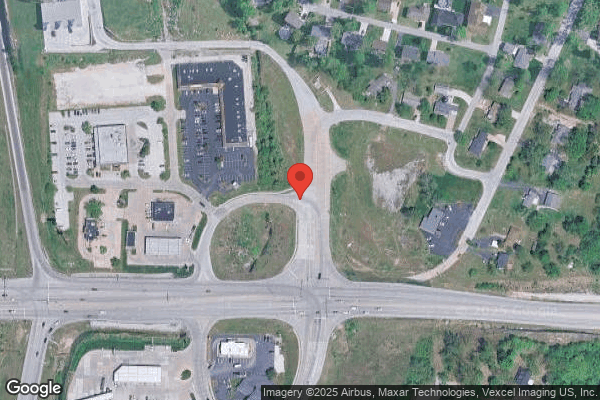
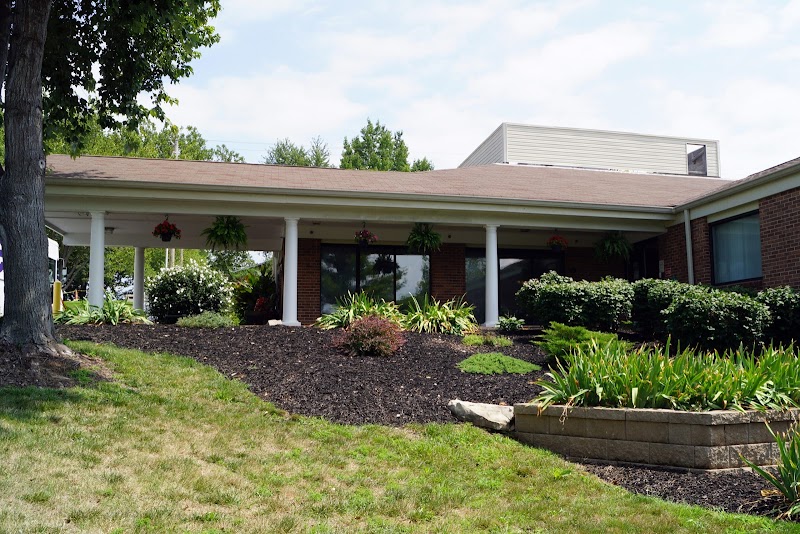
1333 SCENIC DRIVE, HERCULANEUM, MO 63048 (636) 931-2995
For profit - Limited Liability company 189 Beds NORBERT BENNETT & DONALD DENZ Data: November 2025
Trust Grade
80/100
#43 of 479 in MO
Last Inspection: April 2025

Within standard 12-15 month inspection cycle. Federal law requires annual inspections.

Overview

Scenic Wellness & Rehabilitation LLC has a Trust Grade of B+, which indicates it is above average and recommended for consideration. It ranks #43 out of 479 facilities in Missouri, placing it in the top half, and is the best option among 11 facilities in Jefferson County. The facility's performance has been stable, with three issues reported consistently over the last two years. While staffing is a weakness with a rating of 2 out of 5 stars and a turnover rate of 46%, it is still below the state average. Notably, there have been no fines issued, which is a positive sign. However, there have been critical incidents, including a serious medication error where a resident received the wrong medications, which underscores the need for improved medication management practices. Additionally, there were concerns regarding the handling of resident funds and maintaining safe water temperatures, which could pose risks to resident safety. Overall, while there are strengths in the facility's health inspections and no fines, families should weigh these against the staffing and safety concerns.

Trust Score
B+
80/100
In Missouri
#43/479
Top 8%
Safety Record
Moderate
Needs review
Inspections
Holding Steady
3 → 3 violations
Staff Stability
⚠ Watch
46% turnover. Above average. Higher turnover means staff may not know residents' routines.
Penalties
✓ Good
No fines on record. Clean compliance history, better than most Missouri facilities.
Skilled Nurses
⚠ Watch
Each resident gets only 17 minutes of Registered Nurse (RN) attention daily — below average for Missouri. Fewer RN minutes means fewer trained eyes watching for problems.
Violations
⚠ Watch
15 deficiencies on record. Higher than average. Multiple issues found across inspections.
★★★★★
5.0
Overall Rating
★★☆☆☆
2.0
Staff Levels
★★★★★
5.0
Care Quality
★★★★★
5.0
Inspection Score
Stable
2024: 3 issues
2025: 3 issues

The Good

  • 5-Star Quality Measures · Strong clinical quality outcomes
  • Full Sprinkler Coverage · Fire safety systems throughout facility
  • No fines on record

Facility shows strength in quality measures, fire safety.

The Bad

Staff Turnover: 46%

Near Missouri avg (46%)

Higher turnover may affect care consistency

Chain: NORBERT BENNETT & DONALD DENZ

Part of a multi-facility chain

Ask about local staffing decisions and management

The Ugly 15 deficiencies on record

1 actual harm
Apr 2025 3 deficiencies
CONCERN (D)

Potential for Harm - no one hurt, but risky conditions existed

Deficiency F0655 (Tag F0655)

Could have caused harm · This affected 1 resident

**NOTE- TERMS IN BRACKETS HAVE BEEN EDITED TO PROTECT CONFIDENTIALITY** Based on interview and record review, the facility failed to implement a baseline care plan (the minimum healthcare information ...

Read full inspector narrative →
**NOTE- TERMS IN BRACKETS HAVE BEEN EDITED TO PROTECT CONFIDENTIALITY** Based on interview and record review, the facility failed to implement a baseline care plan (the minimum healthcare information necessary to properly care for the resident) upon admission with specific interventions needed to care for resident, and failed to assure the resident and/or guardian received a written summary of the baseline care plan for two residents (Resident #151 and #261) out of 32 sampled residents. The facility's census was 161. Review of the facility's policy, Care Plans, dated 01/15, showed: - Each resident will have a plan of care to identify problems, needs, and strengths that will identify how the team will provide care; - Responsibility of the nurse monitored by the Executive Director; - The Care Plan will be developed within two days; - The team along with the resident and/or family members will identify services needed, preferences, and ability and care level guidelines. 1. Review of Resident #151's medical record showed: - admitted on [DATE]; - Diagnoses of congenital malformation of the brain (a birth defect that occurs during development in the womb resulting in abnormal brain structure), borderline intellectual functioning (functioning on the border between normal intellectual functioning and intellectual disability), epilepsy (seizures) and hypothyroidism (when the thyroid gland does not make enough thyroid hormone). Review of the baseline care plan showed: - Not completed until 03/14/25; - No documentation that the care plan had been reviewed with the resident and/or resident's representative. 2. Review of Resident #261's medical record showed: - admitted on [DATE]; - Diagnoses of adult failure to thrive (a syndrome of global decline in older adults, characterized by frailty, weight loss, decreased appetite, and a decline in functional abilities), protein calorie malnutrition (a condition resulting from inadequate intake of protein and/or calories, leading to a deficiency in these essential nutrients), and depression. Review of the baseline care plan showed: - No completion date documented; - No documentation that the care plan had been reviewed with the resident and/or resident's representative. During an interview on 04/11/25 at 4:35 P.M., the Administrator and Director of Nursing (DON) said they would expect the baseline care plan to be completed within 48 hours of admission and a summary of the baseline care plan to be provided to the resident and/or resident's representative.
CONCERN (D)

Potential for Harm - no one hurt, but risky conditions existed

Deficiency F0700 (Tag F0700)

Could have caused harm · This affected 1 resident

**NOTE- TERMS IN BRACKETS HAVE BEEN EDITED TO PROTECT CONFIDENTIALITY** Based on observation, interview, and record review, the facility failed to appropriately assess the use of bed rails for three r...

Read full inspector narrative →
**NOTE- TERMS IN BRACKETS HAVE BEEN EDITED TO PROTECT CONFIDENTIALITY** Based on observation, interview, and record review, the facility failed to appropriately assess the use of bed rails for three residents (Resident #107, #133, and #462) of 32 sampled residents. The facility's census was 161. Review of the facility's policy titled, Side Rail Use Evaluation, dated 02/25, showed: - The resident's risk for entrapment should be assessed prior to installation of bed rails; - Complete the Side Rail Evaluation form; - Documentation should contain alternatives prior to implementation of any type of rail(s), risk and benefits reviewed with the resident or resident representative, and informed consent obtained from the resident or resident representative. 1. Review of Resident #107's medical record showed: - admitted on [DATE]; - Diagnoses of displaced fracture (two or more portions of broken bone come out of proper alignment) of second cervical (neck) vertebra (series of small bones forming the backbone), burst fracture (a serious spinal injury where the vertebra shatters and breaks in multiple directions) of fourth thoracic (the middle section of the spine starting at the base of the neck and ending at the bottom of the ribs) vertebra, hemiplegia (paralysis of the muscles of the lower face, arm, and leg on one side of the body) and hemiparesis (one-sided muscle weakness) following cerebral infarction (a condition where a part of the brain is damaged or dies due to a lack of blood supply), dementia (a group of symptoms affecting memory, thinking and social abilities), metabolic encephalopathy (brain dysfunction caused by a chemical imbalance in the blood), type 2 diabetes (when the body cannot use insulin correctly and sugar builds up in the blood), hypertension (high blood pressure), and heart failure ( when the heart can't pump enough blood to meet the body's needs, leading to organs not working properly); - An order for assist rails on both sides of the bed, dated 03/28/25; - No side rail evaluation completed for the resident; - No documentation of an informed consent signed explaining the risks and benefits. Review of the resident's significant change Minimum Data Set (MDS, a federally mandated assessment completed by the facility), dated 04/04/25, showed: - Moderate cognitive impairment; - Maximum assist from staff for bed mobility. Observation on 04/09/25 at 1:13 P.M. showed the resident eating lunch in bed with head of bed elevated and assist bars on both sides of the bed. During an interview on 04/11/25 at 11:30 A.M., the resident said he/she uses the assist bars to turn in bed. 2. Review of Resident #133's medical record showed: - admitted on [DATE]; - Diagnoses of multiple sclerosis (a disease in which the immune system eats away at the protective covering of nerves), heart failure, and hypertension. Review of the resident's quarterly MDS, dated [DATE], showed: - No cognitive impairment; - Independent for bed mobility. Review of the resident's Side Rail Evaluation, dated 01/14/25, showed: - Resident using assist rails on both sides; - No resident or family request to use side rails while in bed; - No interventions trialed before considering use; - No cause/medical symptom justifying use; - No benefits or risks listed; - No documented consent. Review of the facility's entrapment assessment binder showed an entrapment assessment not completed until 03/20/25. Observation on 04/08/25 at 12:12 P.M. and on 04/09/25 at 10:43 A.M. showed the resident up in a wheelchair and the bed with quarter rails on both sides in the up position. 3. Review of Resident #462's medical record showed: - admitted on [DATE]; - Diagnoses of nontraumatic intracerebral hemorrhage (bleeding within the brain that occurs without any prior trauma or injury), cerebral ischemia (a condition where the brain does not receive enough blood flow, resulting in a lack of oxygen and nutrients), hemiplegia and hemiparesis following cerebral infarction, atrial fibrillation (a common heart rhythm disorder characterized by rapid, irregular beating of the heart's upper chambers), general anxiety disorder (a mental health condition characterized by persistent and excessive worry about various aspects of life, often about things that are not likely to happen), senile degeneration of brain (a progressive decline in cognitive function, impacting memory, reasoning, and the ability to perform everyday activities), and chronic kidney disease (a progressive condition where the kidneys are damaged and can't filter waste and fluid from the blood effectively); - An order for assist rails on both sides of the bed, dated 03/22/25. Review of the resident's significant change MDS, dated [DATE], showed: - Moderate cognitive impairment; - Dependent on staff for bed mobility. Review of the resident's Side Rail Evaluation, dated 03/22/25, showed no other interventions had been trialed before considering the use of side rails. Observation on 04/10/25 at 7:46 A.M. showed the resident lying in bed with half bed rails up on both sides of the bed. Observation on 04/11/25 at 10:15 A.M. showed the resident holding the left side rail while being held onto his/her left side during wound care. During an interview on 04/11/25 at 11:31 A.M., the resident said he/she uses the side rails when staff reposition him/her in bed. During an interview on 04/11/25 at 4:35 P.M., the Administrator and Director of Nursing said they would expect staff to try alternatives before installing side rails, side rail assessments to be completed on all side rails and assess for entrapment risk prior to installation, and the risk/benefits of side rails to be explained to the resident and informed consent obtained before installation.
CONCERN (D)

Potential for Harm - no one hurt, but risky conditions existed

Infection Control (Tag F0880)

Could have caused harm · This affected 1 resident

Based on observation, interview, and record review, the facility failed to maintain infection control practices to prevent the development and transmission of infection during tracheostomy (surgical o...

Read full inspector narrative →
Based on observation, interview, and record review, the facility failed to maintain infection control practices to prevent the development and transmission of infection during tracheostomy (surgical opening in the neck used to provide airway for breathing) care and g-tube (a medical device that delivers liquid nutrition directly to the stomach or small intestine through a flexible tube) medication administration for one resident (Resident #20) out of 32 sampled residents. The facility failed to maintain infection control practices when staff failed to wear proper personal protective equipment (PPE) for enhanced barrier precautions (EBP) for two residents (Resident #20 and #97) out of 32 sampled residents. The facility's census was 161. Review of the facility's policy, Enhanced Barrier Precautions, dated 04/24, showed: - EBP are indicated for residents with infections or colonization with a CDC-targeted MDRO when contact precautions do not apply or for resident with wounds and/or indwelling medical devices without secretions/excretions that are unable to be covered/contained and are not known to be infected/colonized with any MDRO during high-contact resident care activities as these residents are at an increased risk of being infected; - EBP involve gown and glove use during high-contact resident care activities for residents known to be colonized or infected with a MDRO as well as those at increased risk of MDRO acquisition (e.g. residents with wounds or indwelling medical devices); - EBP only requires use of gown/gloves when performing high contact resident activities: Device care or use: central line, urinary catheter, feeding tube, tracheostomy, or ventilator; - Duration: EBP are intended to remain in effect for the duration of the resident stay or until the wound is closed/medical device removed. Review of the facility's policy, Enteral Tube Medication Administration Procedures, dated 06/23, showed: - Check medication administration record (MAR)/electronic medication administration record (eMAR) for the prescribed medication, amount, and time of administration; - Verify type of enteral tube in place and select appropriate syringe for administration; - Prepare medications for administration, crush tablet and dissolve/mix in a small amount of water or other appropriate liquid; - Provide privacy and place resident in proper position; if in bed, elevate the head of bed; - Wash hands and apply gloves; - Verify tube placement per tube feeding policy, stop enteral feeding and flush tube with an approximate 15 milliliters (ml) of water prior to medication administration, administer each medication separately, flushing tube with approximately 15 ml of water after each dose unless fluid restricted; - Place the first medication into the syringe, allow flushes and medication to flow down tube via gravity, flush the tube with approximately 15 ml of water and clamp to prevent medication from clogging tube lumen (space within a tube); - Clean feeding syringe and return to bedside stand; syringes are replaced every 24 hours or as required by state regulation; - Restart enteral feeding; - Wash hands as per facility policy; - Document medication administration and chart water intake, if appropriate. 1. Observation on 04/09/24 at 11:30 A.M. of Resident #20's tracheostomy collar/mask, oxygen support system showed: - An EBP sign above the resident's bed and EBP supplies available in a hanging bin located on the resident's bathroom door; - Oxygen support tubing disconnected from trach collar and lying on the resident's floor in his/her room; - Trach collar shifted to the right side of the resident's neck and not centered over tracheostomy; - Licensed Practical Nursing (LPN) B entered the resident's room and donned a mask and gloves; - LPN B did not don a gown; - LPN B did not wash his/her hands; - LPN B picked up the oxygen tubing from the floor and reconnected the tubing between the resident's tracheostomy collar and the oxygen support system; - LPN B removed gloves and mask and exited the resident's room; - LPN B re-entered the resident's room, did not wash or sanitize hands and donned a mask and gloves; - LPN B opened a package with new oxygen support tubing; - LPN B replaced the part of the oxygen support tubing that had been previously on the floor; - LPN B removed gloves and mask and washed hands; - LPN B exited the resident's room. During an interview on 04/09/25 at 3:48 P.M., LPN B said he/she checked on the resident about an hour ago. Sometimes the oxygen tubing comes off when the aides move the resident around. Tubing should never be reconnected if it has been lying on the floor. He/She should have worn a gown, gloves, and mask and should have washed his/her hands when going to and from the resident's room. EBP should be worn when a resident has a urinary catheter, tracheostomy, feeding tube, bacteria in their urine, or open wounds. 2. Observation on 04/10/25 at 1:33 P.M. of Resident #20's medication administration via feeding tube showed: - LPN A did not wash or sanitize hands; - LPN A removed a pill from the nurse's medication cart and placed the pill in his/her bare hand; - LPN A placed the pill in a plastic sleeve and crushed the pill; - LPN A placed the medication in a small, plastic cup; - LPN A entered the resident's room; - LPN A obtained and opened a new syringe package; - LPN A placed syringe and plastic cup containing the medication beside the sink without a barrier; - LPN A donned gloves and gown; - LPN A filled cup containing the medication with water from the sink; - LPN A pulled the privacy curtain and lifted the resident's gown to access g-tube/feeding tube site; - LPN A removed cap to g-tube and pulled syringe back, no residual was noted; - LPN A removed the plunger from the syringe and emptied water containing the medication into the syringe, residual medication was noted in the cup; - LPN A placed the cup on the bedside table without a barrier; - LPN A closed the g-tube cap; - LPN A picked up the cup off of the bedside table and took it to the sink to obtain more water for the residual medication; - LPN A removed the cap to the g-tube, and administered the remaining water and medication; - LPN A reconnected the feeding tube into the g-tube and turned feeding tube pump on; - LPN A lowered the resident's gown and pulled covers up around resident's arms; - LPN A removed gown and gloves and washed his/her hands. During an interview on 04/10/25 at 1:45 P.M., LPN A said he/she should have washed or sanitized his/her hands prior to getting the medication out of the medication cart, and before he/she started administering the medication. He/She should absolutely not touch a pill barehanded. 3. Observation on 04/11/25 at 10:00 A.M. of Resident #97's wound care showed: - Signage hanging above the head of the bed showed the resident required EBP for care; - Registered Nurse (RN) C sanitized hands and gathered gauze, skin prep (a topical solution used as a barrier to protect skin), medication cup with gauze moistened by wound cleanser inside, and gloves from the treatment cart placed at the resident's doorway; - RN C entered the room without donning a gown and laid supplies on gloves on the bed as a barrier; - RN C donned gloves; - RN C positioned the resident's leg, and leaned against the bed without a gown as a barrier; - RN C removed the dressing from the left calf; - RN C wiped the wound with the wound cleanser moistened gauze; - RN C removed gloves, sanitized hands, and donned new gloves; - RN C wiped the wound with skin prep: - RN C removed gloves, sanitized, and obtained Mepilex border (an absorbent foam dressing) from the treatment cart; - RN C failed to don gloves and applied the Mepilex dressing with bare hands, touching the resident's leg and bed with his/her bare hands; - RN C sanitized hands and gathered gauze, skin prep, medication cup with gauze moistened by wound cleanser inside, and gloves from the treatment cart; - RN C donned gloves and removed dressing from the resident's left heel, - RN C removed gloves and repositioned the resident's foot with his/her bare hands; - RN C sanitized hands and donned gloves; - RN C wiped the wound with wound cleanser dampened gauze; - RN C removed gloves and sanitized hands; - RN C wiped the wound with skin prep; - RN C removed gloves and applied Mepilex dressing to the resident's heel with his/her bare hands, touching the resident and the resident's bed. During an interview on 04/09/25 at 3:25 P.M., the resident said staff occasionally wear a gown when performing care for him/her. During an interview on 04/10/25 at 12:30 P.M., RN C said he/she should have used EBP and worn a gown when performing a dressing change on a resident who required EBP. During an interview on 04/11/25 at 4:35 P.M., the Administrator and Director of Nursing (DON) said they would expect nurses not to handle medications with their bare hands and would expect nurses to replace tubing that has been lying on the floor and not to reconnect the tubing back to a machine. They said they would expect staff to wear gowns and gloves for residents on EBP.
Mar 2024 3 deficiencies
CONCERN (D)

Potential for Harm - no one hurt, but risky conditions existed

Assessment Accuracy (Tag F0641)

Could have caused harm · This affected 1 resident

**NOTE- TERMS IN BRACKETS HAVE BEEN EDITED TO PROTECT CONFIDENTIALITY** Based on interview, and record review, the facility failed to accurately code the Minimum Data Set (MDS, a federally mandated as...

Read full inspector narrative →
**NOTE- TERMS IN BRACKETS HAVE BEEN EDITED TO PROTECT CONFIDENTIALITY** Based on interview, and record review, the facility failed to accurately code the Minimum Data Set (MDS, a federally mandated assessment instrument completed by the facility staff) for three residents (Resident #16, #30, and #56) out of 32 sampled residents. The facility census was 159. Review of the facility's policy, MDS Assessment, revised June 2023, showed: - The facility shall conduct interdisciplinary assessments using the MDS item sets as defined by Federal/State regulations; - These regulations provide information on the resident's condition to facilitate development of an individualized plan of care as a means by which the facility can track changes in a resident's status; - The interdisciplinary team as designated will complete specific portions of the MDS. The registered nurse (RN) designated by the facility will assure that all disciplines have completed their portion of the MDS; - The interdisciplinary team member's signatures in Z0400 will attest to completion/accuracy of the assessment. 1. Review of Resident #16's medical record showed: - An admission date of 02/08/10; - Diagnoses of traumatic brain injury (TBI, injury that affects how the brain works), gastroesophageal reflux disease (GERD - digestive disease in which stomach acid or bile irritates the food pipe lining), hypothyroidism (condition in which the thyroid gland doesn't produce enough thyroid hormone), bipolar disorder (a mental disorder that causes unusual shifts in mood), dementia (group of thinking and social symptoms that interferes with daily functioning), hypertension (high blood pressure), anxiety (intense, excessive, and persistent worry and fear about everyday situations), and coronary atherosclerosis (damage or disease in the heart's major blood vessels). Review of the resident's quarterly MDS, dated [DATE], showed TBI, GERD, and hypothyroidism not marked under Section I as diagnoses for the resident. 2. Review of Resident #30's medical record showed: - An admission date of 08/31/18; - Diagnoses of diabetes mellitus (disease that results in too much sugar in the blood), hypertension, GERD, anxiety, bipolar disorder, schizoaffective disorder (a condition characterized by abnormal thought processes and deregulated emotions), hypothyroidism, heart failure (chronic condition where heart does not pump blood as well it should), insomnia (difficulty sleeping), and major depressive disorder (mental health disorder characterized by persistently depressed mood or loss of interest in activities, causing significant impairment in daily life). Review of the resident's Physician's Order Sheet (POS), dated February 2024, showed an order for zaleplon (a hypnotic medication) 10 milligrams (mg) by mouth at bedtime for insomnia, dated 03/20/19. Review of the resident's quarterly MDS, dated [DATE], showed: - Heart failure, GERD, and hypothyroidism not marked under Section I as diagnoses for the resident; - Hypnotic (sleeping pill) not marked under Section O. 3. Review of Resident #56's medical record showed: - An admission date of 07/20/15; - Diagnoses of anxiety, GERD, chronic obstructive pulmonary disease (COPD - a chronic inflammatory lung disease that causes obstructed airflow from the lungs), diabetes mellitus, hypothyroidism, dementia, coronary atherosclerosis, convulsions (irregular involuntary body movements), cerebrovascular disease (condition that affects blood flow and blood vessels in the brain), human immunodeficiency virus (HIV, chronic immune disease that interferes with the body's ability to fight infection), atrial fibrillation (abnormal heart beat), osteoporosis (a condition causing loss of bone mass, predisposing a person to fractures), major depressive disorder, polyneuropathy (malfunction of many peripheral nerves throughout the body), and hypertension. Review of the resident's quarterly MDS, dated [DATE], showed atrial fibrillation, osteoporosis, hypothyroidism, and GERD not documented under Section I as diagnoses for the resident. During an interview on 03/01/24 at 10:28 A.M., the MDS coordinator said the MDS should accurately reflect the resident's current condition. If a resident had a diagnosis that could require medication but actively does not, then it would still be marked on the MDS unless a doctor says the diagnosis can come off. Most diagnoses that drop off are things like a urinary tract infection or something that requires an antibiotic. Once the antibiotic is done then the diagnosis would be taken off as an active diagnosis. During an interview on 03/01/24 at 3:45 P.M., the Administrator said he would expect the MDS assessment to accurately reflect the status of the resident.
CONCERN (D)

Potential for Harm - no one hurt, but risky conditions existed

Medication Errors (Tag F0758)

Could have caused harm · This affected 1 resident

Based on interview and record review, the facility failed to attempt a gradual dose reduction (GDR) for three residents (Resident #30, #48, and #55) out of 32 sampled residents. This failure had the p...

Read full inspector narrative →
Based on interview and record review, the facility failed to attempt a gradual dose reduction (GDR) for three residents (Resident #30, #48, and #55) out of 32 sampled residents. This failure had the potential to keep any resident on a psychoactive medication from receiving the lowest possible dosage of medication due to not monitoring if a medication is treating the target symptom. The facility census was 159. Review of the facility's policy titled, Behavior Management and Psychopharmacological Medication Monitoring Protocol, revised March 2018, showed: - Residents who receive antipsychotic, anti-depressant, sedative/hypnotic, or anti-anxiety medications are to be maintained at the safest, lowest dosage necessary to manage the resident's condition; - Residents will be reviewed routinely for effectiveness and monitored for side effects of these medications and will receive gradual dose reductions, unless clinically contraindicated, in an effort to discontinue these drugs; - There will be an established Behavior Management Committee that will meet routinely to review all residents mentioned above and others as the Committee deems appropriate; - Residents with behaviors that are displayed routinely, that affect the resident's psychosocial well-being or that of other residents, or behaviors that can have potential for harm to self or others will be assessed with the development of a behavior program; - During the monthly medication regimen review, the pharmacist evaluates resident-related information for dose, duration, continued need, and the emergence of adverse consequences for all medications; - When evaluating the resident's progress, the practitioner reviews the total plan of care, orders, the resident's response to medications, and determines whether to continue, modify, or stop a medication; - During the quarterly MDS review, the facility evaluates mood, function, behavior, and other domains that may be affected by medications; - The time frames and duration of attempts to taper any medication depend on the coexisting medication regimen, the underlying cause of symptoms, individual risk factors, and pharmacological characteristics of the medications. Some medications require more gradual tapering so as to minimize or prevent withdrawal symptoms or other adverse consequences; - Within the first year in which a resident is admitted on an psychotropic medication or after the prescribing practitioner has initiated a psychotropic medication, the facility must attempt a GDR in two separate quarters, unless clinically contradicted; - After the first year, a GDR must be attempted annually, unless clinically contradicted; - For any individual receiving a psychotropic medication to treat a disorder other than expressions or indicators of distress related to dementia (schizophrenia, bipolar mania, or depression with psychotic features), the GDR may be considered clinically contraindicated if the continued use is in accordance with relevant current standards of practice and the physician has documented the clinical rationale for why any attempted dose reduction would be likely to impair the resident's function or cause psychiatric instability or be exacerbating an underlying psychiatric disorder or the residents target symptoms returned or worsened after the most recent attempt at a GDR within the facility and the physician has documented the clinical rationale; - Before initiating or increasing an antipsychotic medication for enduring conditions (non-acute, chronic, or prolonged), the resident's symptoms and therapeutic goals must be clearly and specifically identified and documented; - The facility is to ensure the resident's expressions or indicators of distress are persistent and not due to medical conditions, environmental stressors, or psychological stressors. 1. Review of Resident #30's medical record showed: - admission Date of 08/31/18; - Diagnoses of chronic pain, anxiety (persistent worry and fear about everyday situations), bipolar disorder (a mental disorder that causes unusual shifts in mood), schizoaffective disorder (a condition characterized by abnormal thought processes and deregulated emotions), insomnia (difficulty sleeping), drug induced secondary parkinsonism (brain disorder that causes unintended and uncontrollable movements), and major depressive disorder (long-term loss of pleasure or interest in life); - An order for zaleplon (sleeping medication) 10 milligrams (mg) by mouth at bedtime for insomnia, dated 03/20/19; - An order for alprazolam (anxiety medication) 1 mg by mouth daily at 1600 for anxiety, dated 03/11/21; - An order for melatonin (sleeping medication) 5 mg one tablet by mouth at bedtime for insomnia, dated 05/15/19; - An order for hydrocodone-acetaminophen (pain medication) 7.5-325 mg tablet by mouth three times a day (TID) for chronic pain, dated 06/20/23; - An order for Invega trinza (antipsychotic medication) 819 mg/2.625 milliliters (mL) inject intramuscular (IM) every three months for schizoaffective disorder, dated 05/07/18; - An order for fluoxetine (antidepressant medication) 60 mg by mouth every day, dated 05/18/22; - An order for fluoxetine 20 mg by mouth at noon daily for other recurrent depressive disorders, dated 08/31/18; - An order for carbidopa-levodopa (medication to ease Parkinson symptoms) 25-100 mg tablet by mouth TID for drug induced secondary parkinsonism, dated 07/18/23; - An order for Mirapex (medication to ease Parkinson symptoms) 0.5 mg tablet by mouth TID for drug-induced secondary parkinsonism, dated 07/18/23; - No documentation of GDRs attempted; - No documentation of contraindications of medication adjustments. 2. Review of Resident #48's medical record showed: - admission date of 05/22/15; - Diagnoses of psychosis (a mental disorder characterized by a disconnection from reality), anxiety disorder (a mental health disorder characterized by feelings of worry, anxiety or fear that are strong enough to interfere with one's daily activities), depressive disorder with psychotic symptoms (depressive illness in which mood disturbance is accompanied by either delusions, hallucinations or both) and schizoaffective disorder, and mood disorder symptoms; - An order for Risperodone (antipsychotic medication) 3 mg, one tablet by mouth, daily, with an original start date of 12/29/20; - An order for Effexor (antidepressant medication) extended release (ER), 150 mg, one capsule, by mouth, daily, with an original start date of 01/13/21; - No documentation of GDRs attempted since 09/20/22; - No documentation of contraindications of medication adjustments. During an interview on 03/01/24 at 2:46 P.M., the Pharmacist said the last GDR attempt for Resident #48 was in 2022. 3. Review of Resident #55's medical record showed: - admission date of 06/10/15; - Diagnoses of bipolar disorder, schizoaffective disorder, and major depressive disorder; - An order for Abilify (antipsychotic medication) 10 mg daily, dated 06/01/17; - An order for Duloxetine (antidepressant medication) 30 mg daily, dated 06/01/17 and discontinued 03/02/22; - An order for Duloxetine 40 mg daily, dated 03/02/22 and discontinued 06/13/22; - An order for Duloxetine 60 mg daily, dated 06/13/22 and discontinued 06/22/23; - An order for Duloxetine 30 mg in the morning (A.M.) and 60 mg in the evening (P.M.), dated 06/22/23; - An order for Lorazepam (anti-anxiety medication) 0.25 mg TID, dated 11/17/21; - No documentation of GDRs attempted; - No documentation of contraindications of medication adjustments. During an interview on 03/01/24 at 12:00 P.M., the MDS Coordinator said for the GDR date on Section N on the MDS, she will look in the paper chart under the tab with the Monthly Pharmacy Review and if there isn't a physician form there, she will look under the psychiatric tab to see when their last psychiatric visit was, and if it says the resident was stable on those meds, that is the date she will use for the last GDR. Not everyone's chart has a form signed by the physician on whether they agree or disagree with the pharmacist recommendation. She sees where there isn't really a good process in place for GDRs. During an interview on 03/01/24 at 12:42 P.M., the Infection Preventionist said she will sometimes GDR meds herself if she knows a resident needs it even without the pharmacist recommendation. She feels like the facility has a good system in place, but understands maybe they need better processes in place. The pharmacy will discontinue and restart meds for every resident annually and she sees how that could cause some confusion. She said the pharmacist keeps track of GDR recommendations, then the doctor should address them on whether to do a GDR on the medication, or if a GDR is contraindicated and the rationale for that decision. During an interview on 03/01/24 at 2:46 P.M., the Pharmacist said when GDRs are done, there is a review of the POS, psychotropic medications, and original order dates. If there were no changes or behaviors, a GDR letter would be sent. The GDR attempt is made with one drug at a time, if possible, to assess how that affected the resident. If a resident had a diagnosis of schizophrenia (a disorder that affects a person's ability to think, feel and behave clearly), schizoaffective disorder, Tourette Syndrome (a nervous system disorder involving repetitive movements or unwanted sounds) or Huntington's disease (an inherited condition in which nerve cells in the brain break down over time), he/she does not attempt a GDR as it is standard practice. During an interview on 03/01/24 at 3:45 P.M., the Director of Nursing (DON) said she would expect GDRs to be done per regulation.
CONCERN (D)

Potential for Harm - no one hurt, but risky conditions existed

Garbage Disposal (Tag F0814)

Could have caused harm · This affected 1 resident

Based on observation and interview, the facility failed to ensure the dumpsters were closed at all times and maintained to keep pests out and/or to keep the garbage contained in the dumpster. The faci...

Read full inspector narrative →
Based on observation and interview, the facility failed to ensure the dumpsters were closed at all times and maintained to keep pests out and/or to keep the garbage contained in the dumpster. The facility census was 159. The facility did not provide a policy regarding the dumpsters. Observations of two dumpsters, both with two lids, at the right side of the front entrance showed: - On 02/27/24 at 9:30 A.M., the dumpster on the left had both lids opened with visible trash bags, cardboard boxes, and other miscellaneous items; - On 02/28/24 at 4:00 P.M., the dumpster on the left had one lid opened with visible trash bags and other miscellaneous items; - On 02/29/24 at 8:10 A.M., the dumpster on the right had one lid opened. During an interview on 02/29/24 at 12:25 P.M., the Director of Nursing (DON) said housekeeping, dietary staff, and the night shift Certified Nursing Assistants (CNAs) are the people responsible for taking garbage out to the dumpsters and the dumpsters are emptied six days a week. During an interview on 02/29/24 at 2:45 P.M., the Dietary Manager said trash dumpster lids should be closed after staff discard trash and other miscellaneous items. During an interview on 03/1/24 at 10:09 A.M., the Housekeeping Supervisor said housekeeping empties trash each day and she would expect them to keep the lids closed on the dumpsters. During an interview on 03/01/24 at 3:45 P.M., the Administrator said he would expect the dumpster lids to be closed at all times.
Jul 2023 1 deficiency 1 Harm
SERIOUS (G) 📢 Someone Reported This

A family member, employee, or ombudsman was alarmed enough to file a formal complaint

Actual Harm - a resident was hurt due to facility failures

Quality of Care (Tag F0684)

A resident was harmed · This affected 1 resident

**NOTE- TERMS IN BRACKETS HAVE BEEN EDITED TO PROTECT CONFIDENTIALITY** Based on interview and record review, the facility failed to follow professional standards of practice and the facility's medica...

Read full inspector narrative →
**NOTE- TERMS IN BRACKETS HAVE BEEN EDITED TO PROTECT CONFIDENTIALITY** Based on interview and record review, the facility failed to follow professional standards of practice and the facility's medication administration policy when Certified Medication Technician (CMT) A pre-poured (medications prepared in advance and stored until time for administration) evening medications for all residents residing on the 500 Hall. CMT A failed to administer the correct medications to one resident (Resident #1) when Resident #2's medications were administered to Resident #1. The facility census was 160. The Administration was notified on 07/28/23 of the Past Non-Compliance citation on 07/14/23. At the time of the event on 07/14/23, facility staff took appropriate corrective actions as confirmed by survey staff during the onsite visit. The facility completed a hall audit to ensure no other medication errors occurred, started an investigation, and assessed and sent Resident #1 for evaluation and treatment on 07/14/23. The facility started an in-service that covered pre-pouring medications and identifying the correct resident. The facility initiated a monitoring system to ensure staff did not pre-pour medications and were following the five rights of medication administration (the right patient, the right drug, the right time, the right dose, and the right route). The CMT received a written warning and was retrained on medication administration. The deficiency was corrected on 07/14/23. Review of the facility's policy titled, Medication Administration - General Guidelines, undated, showed: - Medications are administered in accordance with written orders of attending physicians, taking into consideration the manufacturer's specifications, and professional standards of practice; - Medications are administered at the time they are prepared for each resident. Medications are not pre-poured; - Residents are identified before medication is administered. 1. Review of Resident #1's Physician's Order Sheet (POS), dated July 2023, showed: -admitted on [DATE]; -Diagnoses of hypothyroidism (a decreased level of thyroid hormone), depression (a serious medical illness that negatively affects how you feel, the way you think and how you act), personal history of traumatic brain injury, hyperlipidemia (high blood level of cholesterol), convulsions (a burst of uncontrolled electrical activity between the brain cells that causes temporary abnormalities in muscle tone or movements like stiffness, twitching or limpness, behaviors, sensations, or states of awareness), angina pectoris (chest pain or discomfort that keeps coming back), chronic obstructive pulmonary disease (COPD) (a chronic inflammatory lung disease that causes obstructed airflow from the lungs), other specified inflammatory liver diseases, post-traumatic stress disorder (PTSD) (a mental health condition triggered by a terrifying event), hypertension (high blood pressure), diabetes (DM) (a condition that affects the way the body processes blood sugar), mood disorder (a mental health problem that primarily affects a person's emotional state), allergic rhinitis (inflammation of the nose from allergies), insomnia (difficulty sleeping), mild cognitive impairment, dementia (a disorder marked by memory loss, personality changes, and impaired reasoning that interferes with daily functioning), and quadriplegia (paralysis caused by illness or injury that results in the loss of use of all limbs and torso). Review of the resident's progress notes, dated 07/14/23, showed, at 7:34 P.M.: - The nurse received a report of Resident #1 had been administered the wrong medications; - Upon entering the resident's room the nurse noticed the resident drooling, called the resident's name and received no response, provided a sternal (center of the chest) rub (vigorously with the knuckles of a closed fist to create pain stimulus) to the resident with no response; - Vital signs were taken and results included a blood pressure 61/38, a pulse of 78 beats per minute, respirations of 17 breaths per minute, and an oxygen level of 97% on room air; - Staff left a message with on the call physician with a new order received to send the resident to the emergency room for an evaluation and treatment; - Emergency services were called and the resident was transferred. Review of the resident's hospital discharge papers, dated 07/18/23, showed: -Resident admitted to the hospital on [DATE] after being provided medications that were not prescribed to the patient on accident; -The accidental medications administered to the patient included clozapine (an antipsychotic medication used to treat schizophrenia); -Admitting diagnosis of poisoning by parasympatholytic drugs (drugs that block the effects of the parasympathetic nervous system (a network of nerves that relaxes your body after periods of stress or danger) through anticholinergic action (block the action of the neurotransmitter called acetylcholine) with signs and symptoms of sinus tachycardia (a regular heart rhythm in which the heart beats faster than normal), bilious (bile) vomiting with nausea, lactic acidosis (lactic acid build up in the bloodstream); -Likely clozapine toxicity with signs and symptoms of anticholinergic toxidrome (a syndrome caused by a dangerous level of toxins in the body) as evidenced by the patient presented with long QT syndrome (a heart rhythm disorder that can cause fast, chaotic heartbeats), sinus tachycardia, vomiting, encephalopathy (a decrease in blood flow or oxygen to the brain) and hypertension during his/her hospitalization; -Resident discharged at his/her baseline condition on 07/18/23. Review of the facility's Medication Error Report, dated 07/14/23, showed: - The medication errors occurred on 07/14/23 at 5:30 P.M.; - The CMT (CMT A) administered Resident #2's medications to Resident #1; - The physician was notified on 07/14/23, with orders to send Resident #1 to the emergency room for an evaluation; - Medications involved were Allegra (antihistamine medication) 60 milligram (mg), glycopyrrolate (an anticholinergic drug used to decrease drooling) 1 mg, metoprolol (used to treat hypertension) 50 mg, montelukast (anti-inflammatory used to treat allergies and prevent asthma attacks) 10 mg, simvastatin (used to treat hyperlipidemia) 20 mg, tamsulosin (medication for benign prostatic hyperplasia) 0.4 mg, trazodone (an antidepressant and sedative) 50 mg, acidophilus (a probiotic) 250 mg, risperidone (antipsychotic medication used to treat schizophrenia) 4 mg, benztropine (an anticholinergic medication used to treat extrapyramidal and movement disorder) 2 mg, and clozapine 500 mg; - This event resulted in Resident #1 sent to the hospital for evaluation and treatment . Review of the facility's Category One Violation Employee Corrective Counseling Memorandum, dated 07/17/23, showed CMT A failed to follow the five rights of medication administration. During an interview on 07/28/23 at 11:10 A.M., with the Director of Nursing (DON) and Resident #1, the resident said he/she had to go to the hospital because CMT A gave him/her the wrong medications. During an interview on 07/28/23 at 1:07 P.M., the DON said staff notified her that CMT A administered Resident #2's medication to Resident #1 on 07/14/23. The CMT had pre-poured the medications and Resident #1's medications had been moved to a different section of the cart drawer. The CMT grabbed Resident #2's medications at the time of Resident #1's medication administration. He/she realized what happened upon returning to the cart to administer more medications and immediately told the charge nurse. Resident #1 quickly became symptomatic and was sent out to the hospital. The DON said staff should not pre-pour medications and should identify the resident prior to administering the medications. During an interview on 07/28/23 at 1:09 P.M., the Administrator said he would expect staff to follow the facility policy on safe medication administration. During an interview on 07/28/23 at 4:30 P.M., CMT A said he/she usually works in a completely different department, but, on 07/14/23, had stayed over to help pass medication on the 500 hall. CMT A said he/she pre-measured out each resident's medications for that pass and put them in the medication cart. Once he/she began passing medications, he/she would just reach in and get the cup of ready to give medications. CMT A said when it came time to administer Resident #1's medications, he/she grabbed the cups he/she thought belonged to that resident. When he/she got back to the medication cart for the next resident, CMT A realized he/she had given Resident #1 the medications belonging to Resident #2 and reported the error immediately. CMT A said he/she was aware pre-pouring medications prior to starting a medication pass was not a good practice. During a phone interview on 08/09/23 at 2:30 P.M., the Nurse Practitioner (NP) said he/she was aware of the medication error that occurred on 07/14/23. The facility immediately called 911, reacted in regards to the errors and made sure it wouldn't happen again. The NP was unaware of the facility's protocol with administering medications, but he/she would expect the staff to follow their policy and procedures. He/She would hope the facility did not prepare multiple residents' medications at the same time. Complaint MO#00221633
Sept 2022 8 deficiencies
CONCERN (D)

Potential for Harm - no one hurt, but risky conditions existed

Safe Environment (Tag F0584)

Could have caused harm · This affected 1 resident

**NOTE- TERMS IN BRACKETS HAVE BEEN EDITED TO PROTECT CONFIDENTIALITY** Based on observation, interview and record review, the facility failed to provide a safe, clean, comfortable, and homelike envir...

Read full inspector narrative →
**NOTE- TERMS IN BRACKETS HAVE BEEN EDITED TO PROTECT CONFIDENTIALITY** Based on observation, interview and record review, the facility failed to provide a safe, clean, comfortable, and homelike environment. This deficient practice had the potential to affect all residents in the facility. The facility census was 168. Observation on 9/20/22 at 11:05 A.M., 9/21/22 at 11:00 A.M. and 9/22/22 at 11:46 A.M., of the 400 hallway showed: - An 18-inch area of ceiling had peeled from the boarding above the door to room [ROOM NUMBER]; - Dark brown and black stains on the ceiling near room [ROOM NUMBER]; - A small brown ring area around a sprinkler head on the ceiling near room [ROOM NUMBER]; - Dark brown and black stains on the ceiling near room [ROOM NUMBER]. Review on 9/22/22 at 2:01 P.M., of the Departmental Work Orders, located at 100, 200 and 400 Hall nurse's station, showed no work orders regarding the ceiling on the 400 hall. During an interview on 9/22/22 at 11:11 A.M., the Maintenance Director (MD) said he/she would expect staff to write down any areas of concern for maintenance to be addressed in a timely manner. The MD said routine rounds and work orders should be put in place, but have not been done. The MD said this was his/her third day on the job and still getting familiar where everything is located at the facility. During an interview on 9/22/22 at 11:24 A.M., the Administrator said he/she would expect staff to write down any areas of concern for maintenance to address in a timely manner. The Administrator said staff should notify maintenance through a process other than verbal communication to ensure areas of concern are addressed and repaired as needed. The facility did not provide a policy related to environment.
CONCERN (D)

Potential for Harm - no one hurt, but risky conditions existed

Abuse Prevention Policies (Tag F0607)

Could have caused harm · This affected 1 resident

Based on interview and record review, the facility failed to ensure the Employee Disqualification List (EDL), Criminal Background Checks (CBC) and Nurse Aide (NA) Registry were completed prior to the ...

Read full inspector narrative →
Based on interview and record review, the facility failed to ensure the Employee Disqualification List (EDL), Criminal Background Checks (CBC) and Nurse Aide (NA) Registry were completed prior to the employment start date for three employees out of a sample of 10 employees. The facility census was 168. Record review of the facility's Human Resources Policies and Procedures Manual, effective date 5/1/14 showed: - It is the Facility's policy to verify possible criminal backgrounds of pending new hires prior to the commencement of employment; - A background check must be completed through an authorized vendor or state agency (vendor) for all pending new hires, including rehires and reinstated employees. 1. Record review of Certified Nurse Assistant (CNA) S's personnel file showed: - The employee was hired on 7/13/22; - The facility failed to check the CBC, EDL and NA Registry for CNA S. 2. Record review of CNA T's personnel file showed: - The employee was hired on 7/8/22; - The facility failed to check the CBC, EDL and NA Registry for CNA T. 3. Record review of Dietary Aide U's personnel file showed: - The employee was hired on 8/29/22; - The facility failed to check the CBC and EDL for Dietary Aide U. During an interview on 9/22/22 at 12:00 P.M., the Administrator said she would expect new or rehired employees to have completed CBC, NA Registry and EDL checks before they are employed.
CONCERN (D)

Potential for Harm - no one hurt, but risky conditions existed

Assessment Accuracy (Tag F0641)

Could have caused harm · This affected 1 resident

**NOTE- TERMS IN BRACKETS HAVE BEEN EDITED TO PROTECT CONFIDENTIALITY** Based on observation, interview, and record review, the facility failed to document a complete and accurate Minimum Data Set (MD...

Read full inspector narrative →
**NOTE- TERMS IN BRACKETS HAVE BEEN EDITED TO PROTECT CONFIDENTIALITY** Based on observation, interview, and record review, the facility failed to document a complete and accurate Minimum Data Set (MDS), a federally mandated assessment to be completed by the facility, for four residents (Resident #68, #89, #95 and #137) out of 33 sampled residents. The facility's census was 168. Record review of the facility's MDS Assessment Policy, dated 11/2017, showed: - The facility shall conduct interdisciplinary assessments using the MDS item sets as defined by Federal/State regulations; - These assessments provide information on the resident's condition to facilitate development of an individualized plan of care as a means by which the facility can track changes in a resident's status. 1. Record review of Resident #68's medical record showed: - An admission date of 1/9/21; - Diagnosis of cerebral infarction (damage of tissues in the brain due to a loss of blood). Record review of the resident's Physician's Order Sheet (POS), dated September 2022, showed: - An order for Plavix (an antiplatelet medication used to prevent platelets in the blood from sticking together to form blood clots) 75 milligrams (mg) tablet by mouth once daily for cerebral infarction, dated 5/31/22; - No order for an anticoagulant (medication that delays or prevents blood clotting.) Record review of the resident's quarterly MDS, dated [DATE], showed: - Resident received anticoagulant medication; - The resident's MDS did not reflect an accurate assessment of the medications. 2. Record review of Resident #89's medical record showed: - An admission date of 9/18/20; - Diagnoses of cerebral infarction and diabetes type II (a condition that affects the way the body processes blood sugar). Record review of of the resident's Physician's Order Sheet (POS), dated September 2022, showed: - An order for Plavix 75 milligrams (mg) tablet by mouth once daily for cerebral infarction, dated 8/23/21; - No order for an anticoagulant medication. Record review of the resident's quarterly MDS, dated [DATE], showed: - Resident received anticoagulant medication; - The resident's MDS did not reflect an accurate assessment of the medications. 3. Record review of Resident #95's medical record showed: - An admission date of 1/3/22; - Diagnoses of dementia (a disorder marked by memory loss, personality changes, and impaired reasoning that interferes with daily functioning), osteoporosis (a condition in which bones become weak and brittle), atherosclerosis heart disease (a build up of plaque in the walls of arteries causing obstruction of blood flow), and fracture of left femur (bone of the thigh or upper hind limb); - Fall with fracture to the left neck on 6/13/22. Record review of the resident's quarterly MDS, dated [DATE], showed: - Falls since admission or prior assessment marked no; - Number of falls since admission or prior assessment with major injury, not marked; - The facility failed to mark the MDS for a fall with a major injury. 4. Record review of Resident #137's medical record showed: - An admission date of 2/6/2017; - Diagnoses of bipolar disorder (disorder associated with episodes of mood swings ranging from depressive lows to manic highs), schizoaffective disorder (combination of symptoms of schizophrenia-a disorder that affects a person's ability to think, feel and behave clearly, and mood disorder symptoms), agoraphobia with panic disorder (fear of places and situations that may cause panic, helplessness or embarrassment) and intellectual disabilities (below average intelligence and set of life skills present before the age of 18); - A Preadmission Screening and Resident Review (PASRR) Level II evaluation completed in 2016. Record review of the resident's annual MDS, dated [DATE], Section A1500 PASRR - Has the resident been evaluated by a Level II PASRR and determined to have a serious mental illness or related condition? marked no. During an interview on 9/21/22 at 12:28 P.M., the MDS Coordinator said he/she would not expect a resident with a physician's order for Plavix to be coded as an anticoagulant on the MDS, and the MDS should be marked yes for fall with major injury when a resident has had a fall with a fracture. During an interview on 9/22/22 at 4:50 P.M., the MDS Coordinator said he/she would expect a resident with a Level II PASRR to be reflected on the MDS in Section A1500. The facility had a traveling MDS person that traveled within the facilities for a while. During an interview on 9/22/22 at 5:33 P.M., the Director of Nursing said Plavix should not be coded as an anticoagulant on a resident's MDS and he/she would expect the MDS to reflect the resident's condition.
CONCERN (D)

Potential for Harm - no one hurt, but risky conditions existed

Medication Errors (Tag F0758)

Could have caused harm · This affected 1 resident

Based on observation, interview, and record review, the facility failed to ensure a proper diagnosis for an antipsychotic (a medication that affects brain activities associated with mental processes a...

Read full inspector narrative →
Based on observation, interview, and record review, the facility failed to ensure a proper diagnosis for an antipsychotic (a medication that affects brain activities associated with mental processes and behavior) medication for one resident (Resident #40) out of 33 sampled residents. The facility census was 168. Record review of Drugs.com, dated April 18, 2022, for olanzapine (an antipsychotic medication) showed: -Used to treat psychotic conditions such as schizophrenia (a long-term mental disorder that affects a person's ability to think, feel or behave clearly), bipolar disorder (mental disorder that causes unusual shifts in mood) and manic depression; -Drug not approved for use in older adults with dementia-related psychosis; -May increase the risk of death in older adults with dementia-related psychosis; -Watch for extrapyramidal (nerves associated with motor activity) effects; The facility failed to provide an Antipsychotic Medication Use policy. 1. Record review of Resident #40's Physician's Order Sheet (POS), dated 9/2022, showed: -An admit date of 9/15/21; -An order for olanzapine 2.5 milligrams (mg) one tablet by mouth once daily at bedtime for dementia. Record review of the resident's medical record showed no documentation of specific, targeted behaviors. Record review of the resident's comprehensive care plan, dated 9/2022, showed: -Takes daily psychotropic medications and has poor safety awareness due to diagnosis of Alzheimer's disease (a condition with progressive mental deterioration); -No identification of specific, targeted behaviors with interventions; -No specific adverse effects of medications to monitor. Record review of the pharmacist recommendations, dated 3/22/22, showed: -The pharmacist asked for the physician to assess risk versus benefit and if the patient would benefit from a dose reduction of the following psychotropic medications: Olanzapine 2.5 mg daily, Lexapro 20 mg daily, and trazodone 50 mg ½ tablet three times daily; -No documentation of the diagnosis for usage of the olanzapine by the physician on the recommendation report and/or in the medical record. The physician disagreed with the pharmacy recommendation due to the resident's severe anxiety. Observations of the resident from 9/19/22 through 9/22/22 showed: -On 9/19/22 at 9:30 P.M., the resident lay quietly in his/her bed; -On 9/20/22 at 12:00 P.M., the resident up in the dining room eating lunch; -On 9/20/22 at 4:45 P.M., the resident up in wheelchair and asking staff about going back to his/her home. Resident easily redirected by staff when staff speak about the resident's daughter coming to visit; -On 9/21/22 at 1:35 P.M., the resident lying in bed after the lunch meal and difficult to arouse for medication administration; -On 9/21/22 at 10:30 P.M., the resident up in the dining room lying on the couch watching television. During an interview on 9/22/22 at 3:00 P.M., Registered Nurse (RN) R said he/she thought the resident was on olanzapine due to behaviors. RN R said the resident does not have an appropriate diagnosis for the medication and the nurse practitioner does not feel comfortable giving the resident a diagnosis just for the medication. During an interview on 9/22/22 at 5:15 P.M., the Administrator and Director of Nursing (DON) said they would expect all medications to have a proper diagnosis for use.
CONCERN (D)

Potential for Harm - no one hurt, but risky conditions existed

Safe Environment (Tag F0921)

Could have caused harm · This affected 1 resident

**NOTE- TERMS IN BRACKETS HAVE BEEN EDITED TO PROTECT CONFIDENTIALITY** Based on observation, interview, and record review, the facility failed to provide a safe environment for the residents and staf...

Read full inspector narrative →
**NOTE- TERMS IN BRACKETS HAVE BEEN EDITED TO PROTECT CONFIDENTIALITY** Based on observation, interview, and record review, the facility failed to provide a safe environment for the residents and staff by not removing miscellaneous items placed on top of light fixtures. Using the light fixture as a shelf is not the intended use and items could fall on a resident which could be a hazard by items falling on resident, or additional fire load. This deficient practice had the potential to affect all residents and staff in the facility. The facility census was 168. Observations on 9/20/22 at 9:05 A.M., 9/21/22 at 9:43 A.M., and 9/22/22 at 9:51 A.M., showed: - room [ROOM NUMBER] with a large wooden picture frame on top of a light fixture above Bed 2. Observation on 9/20/22 at 9:07 A.M., 9/21/22 at 9:47 A.M., and 9/22/22 at 9:54 A.M., showed: - room [ROOM NUMBER] with eight stuffed animals on top of a light fixture above the bed. Observation on 9/20/22 at 9:15 A.M., 9/21/22 at 9:54 A.M., and 9/22/22 at 9:58 A.M., showed: - room [ROOM NUMBER] with a stuffed animal and clothed ceramic doll on top of a light fixture above Bed 1. Observation on 9/20/22 at 9:24 A.M., 9/21/22 at 10:04 A.M., and 9/22/22 at 10:06 A.M., showed: - room [ROOM NUMBER] with a large decorative item placed on top of a light fixture above Bed 2. Observation on 9/20/22 at 9:31 A.M., 9/21/22 at 10:15 A.M., and 9/22/22 at 10:12 A.M., showed: - room [ROOM NUMBER] with three wooden decorative items, two wooden picture frames, and six feet of leaf [NAME] hanging on top of a light fixture above Bed 2. Record review on 9/22/22 at 2:06 P.M. of the Departmental Work Orders located at the 300 and 400 Hall nurse's station showed: - One work order dated 9/2/22; - Areas of concern not addressed. During an interview on 9/22/22 at 11:11 A.M., the Maintenance Director (MD) said he/she would expect staff to notify maintenance, department supervisor or administration immediately if there was a concern with a potential hazard. MD said routine rounds and work orders should be put in place but have not been done. MD said this was his/her third day on the job and still getting familiar where everything is located at the facility. During an interview on 9/22/22 at 11:24 A.M., the Administrator said he/she would expect life safety and fire hazard reporting to be part of the orientation process for new employees. The Administrator said he/she would expect staff to report any hazard immediately and addressed in a timely manner. The facility did not provide a policy related to environment.
CONCERN (E)

Potential for Harm - no one hurt, but risky conditions existed

Deficiency F0567 (Tag F0567)

Could have caused harm · This affected multiple residents

**NOTE- TERMS IN BRACKETS HAVE BEEN EDITED TO PROTECT CONFIDENTIALITY** Based on record review and interview, the facility staff failed to ensure resident funds were placed in an account separate from...

Read full inspector narrative →
**NOTE- TERMS IN BRACKETS HAVE BEEN EDITED TO PROTECT CONFIDENTIALITY** Based on record review and interview, the facility staff failed to ensure resident funds were placed in an account separate from the facility operating account. The facility did not provide residents refunds of their personal funds from the operating account in a timely manner for five residents (Resident #47, #50, #51, #52 and #53). Additionally, the facility staff failed to obtain written authorization from the resident and/or financial guardian for money withdrawn for nine residents (Resident #6, #7, #9, #10, #11, #13, #18, #21 and #22) out of a sample of 22. Lastly, the facility failed to withdraw the correct monthly surplus for room and board which did not allow the resident/financial guardian the right to manage all of his/her financial affairs for 12 residents (Resident #1, #3, #9, #11, #12, #13, #16, #18, #19, #20, #21 and #22) out of a sample of 12. The facility census was 168. 1. Record review of the facility's maintained Accounts Receivable Report for the period 09/01/21 through 09/20/22, showed the following residents with personal funds held in the facility operating account. Resident Amount Held in Operating Account #47 $ 182.70 #50 $ 161.00 #51 $1,723.00 #52 $ 719.85 #53 $ 171.10 Total $2,957.65 During an interview on 09/20/22 at 11:42 A.M., the Business Office Manager said he/she was waiting for insurance to pay for Residents #50, #51 and #52 before issuing the refund and that all residents should be refunded. 2. Record review of the facility maintained Resident Trust Fund Statement for the period 09/01/21 through 09/20/22, showed the following withdrawals from Resident #6's account. Date Amount Description 04/26/22 $24.00 Cigarettes 08/31/22 $24.00 Cigarettes Record review on 09/21/22 of the facility maintained paperwork for Resident #6's Resident Trust Transactions, showed no written authorization by Resident #6 and/or financial guardian for the withdrawals. 3. Record review of the facility maintained Resident Trust Fund Statement for the period 09/01/21 through 09/20/22, showed the following withdrawal from Resident #7's account. Date Amount Description 07/10/22 $30.00 Cigarettes Record review on 09/21/22 of the facility maintained paperwork for Resident #7's Resident Trust Transactions, showed no written authorization by Resident #7 and/or financial guardian for the withdrawal. 4. Record review of the facility maintained Resident Trust Fund Statement for the period 09/01/21 through 09/20/22, showed the following withdrawals from Resident #9's account. Date Amount Description 12/22/21 $212.91 Guardian Receipts 06/16/22 $ 82.92 Guardian Receipt Record review on 09/21/22 of the facility maintained paperwork for Resident #9's Resident Trust Transactions, showed no written authorization by Resident #9 and/or financial guardian for the withdrawals. 5. Record review of the facility maintained Resident Trust Fund Statement for the period 09/01/21 through 09/20/22, showed the following withdrawals from Resident #10's account. Date Amount Description 06/16/22 $50.00 Cigarettes 08/09/22 $80.00 Cigarettes Record review on 09/21/22 of the facility maintained paperwork for Resident #10's Resident Trust Transactions, showed no written authorization by Resident #10 and/or financial guardian for the withdrawals. 6. Record review of the facility maintained Resident Trust Fund Statement for the period 09/01/21 through 09/20/22, showed the following withdrawal from Resident #11's account. Date Amount Description 05/06/22 $5,536.32 Mo Resource Payments Record review on 09/21/22 of the facility maintained paperwork for Resident #11's Resident Trust Transactions, showed no written authorization by Resident #11 and/or financial guardian for the withdrawal. 7. Record review of the facility maintained Resident Trust Fund Statement for the period 09/01/21 through 09/20/22, showed the following withdrawals from Resident #13's account. Date Amount Description 12/13/21 $3,745.96 Preferred Credit Bill 04/13/22 $ 48.12 Consumer Cellular 06/16/22 $ 49.08 Consumer Cellular Record review on 09/21/22 of the facility maintained paperwork for Resident #13's Resident Trust Transactions, showed no written authorization by Resident #13 and/or financial guardian for the withdrawals. 8. Record review of the facility maintained Resident Trust Fund Statement for the period 09/01/21 through 09/20/22, showed the following withdrawal from Resident #18's account. Date Amount Description 12/10/21 $3,382.20 NuMotion Custom Wheelchair Record review on 09/22/22 of the facility maintained paperwork for Resident #18's Resident Trust Transactions, showed no written authorization by Resident #18 and/or financial guardian for the withdrawal. 9. Record review of the facility maintained Resident Trust Fund Statement for the period 09/01/21 through 09/20/22, showed the following withdrawal from Resident #21's account. Date Amount Description 09/07/22 $24.00 Cigarettes Record review on 09/21/22 of the facility maintained paperwork for Resident #21's Resident Trust Transactions, showed no written authorization by Resident #21 and/or financial guardian for the withdrawal. 10. Record review of the facility maintained Resident Trust Fund Statement for the period 09/01/21 through 09/20/22, showed the following withdrawals from Resident #22's account. Date Amount Description 04/13/22 $ 44.43 Micro-Dr [NAME] 08/16/22 $1,106.00 Resident Essentials Record review on 09/21/22 of the facility maintained paperwork for Resident #22's Resident Trust Transactions, showed no written authorization by Resident #22 and/or financial guardian for the withdrawals. 11. During an interview on 09/21/22 at 9:41 A.M., the Business Office Manager said online purchases and/or bills are paid from the residents trust account without written authorization from the residents and/or financial guardians. The only withdrawals with written authorization are for petty cash withdrawals. 12. During an interview on 09/21/22 at 9:42 A.M., the Business Office Assistant said only verbal authorization is obtained from the residents and/or financial guardians for the online purchases. 13. During an interview on 09/21/22 at 12:35 P.M., the Social Services Director said receipts are obtained for cigarette purchases but written authorization from the residents and/or financial guardians are not obtained. 14. Record review of the facility maintained Resident Trust Fund Statement for the period 09/01/21 through 09/20/22, showed the incorrect withdrawals from Resident #1's account for room & board. Month Amount Withdrawn 09/2021 $1,621.50 10/2021 $1,621.50 11/2021 $1,621.50 12/2021 $1,621.50 01/2022 $1,699.50 02/2022 $1,699.50 03/2022 $1,699.50 04/2022 $1,699.50 05/2022 $1,699.50 06/2022 $1,699.50 07/2022 $1,699.50 08/2022 $1,699.50 09/2022 $1,699.50 Record review on 09/21/22 of the Cost Summary Settlement Report provided by Missouri HealthNet Division on 09/21/22, showed Resident #1's Care Cost Surplus amount for room & board should be $1,512.90 from 01/01/20 through 08/31/22 for all months, except for the period 10/01/20 through 11/30/20. 15. Record review of the facility maintained Resident Trust Fund Statement for the period 09/01/21 through 09/20/22, showed the incorrect withdrawals from Resident #3's account for room & board. Month Amount Withdrawn 09/2021 $794.52 10/2021 $794.52 11/2021 $794.52 12/2021 $794.52 01/2022 $859.52 02/2022 $850.81 03/2022 $850.81 04/2022 $850.81 05/2022 $850.81 06/2022 $850.81 07/2022 $850.81 08/2022 $850.81 09/2022 $850.81 Record review on 09/21/22 of the Cost Summary Settlement Report provided by Missouri HealthNet Division on 09/21/22, showed Resident #3's Care Cost Surplus amount for room & board should be $695.53 from 01/01/21 through 08/31/22 for each month. 16. Record review of the facility maintained Resident Trust Fund Statement for the period 09/01/21 through 09/20/22, showed the incorrect withdrawals from Resident #9's account for room & board. Month Amount Withdrawn 09/2021 $750.00 10/2021 $750.00 11/2021 $750.00 12/2021 $750.00 01/2022 $797.00 02/2022 $797.00 03/2022 $797.00 04/2022 $797.00 05/2022 $797.00 06/2022 $797.00 07/2022 $797.00 08/2022 $797.00 09/2022 $797.00 Record review on 09/21/22 of the Cost Summary Settlement Report provided by Missouri HealthNet Division on 09/21/22, showed Resident #9's Care Cost Surplus amount for room & board should be $649.01 from 01/01/20 through 08/31/22 for each month, except for the period 11/30/20. 17. Record review of the facility maintained Resident Trust Fund Statement for the period 09/01/21 through 09/20/22, showed the incorrect withdrawals from Resident #11's account for room & board. Month Amount Withdrawn 11/2021 $2,332.16 12/2021 $2,332.16 01/2022 $2,332.16 02/2022 $2,332.16 03/2022 $2,332.16 04/2022 $2,332.16 Record review on 09/21/22 of the Cost Summary Settlement Report provided by Missouri HealthNet Division on 09/21/22, showed Resident #11's Care Cost Surplus amount for room & board should be $1,881.32 from 08/01/20 through 08/31/22 for each month. Record review on 09/21/22 of Resident #11's Resident Trust Fund Statement also shows a withdrawal on 05/06/22 in the amount of $5,536.32 to be applied to monthly resource payments, but does not indicate which months the withdrawal applied to. 18. Record review of the facility maintained Resident Trust Fund Statement for the period 09/01/21 through 09/20/22, showed the incorrect withdrawals from Resident #12's account for room & board. Month Amount Withdrawn 09/2021 $1,153.00 10/2021 $1,153.00 11/2021 $1,153.00 12/2021 $1,153.00 01/2022 $1,224.00 02/2022 $1,224.00 03/2022 $1,224.00 04/2022 $1,224.00 05/2022 $1,224.00 06/2022 $1,224.00 07/2022 $1,224.00 08/2022 $1,224.00 09/2022 $1,224.00 Record review on 09/21/22 of the Cost Summary Settlement Report provided by Missouri HealthNet Division on 09/21/22, showed Resident #12's Care Cost Surplus amount for room & board should be $1,138.01 from 02/01/20 through 08/31/22 for each month. 19. Record review of the facility maintained Resident Trust Fund Statement for the period 09/01/21 through 09/20/22, showed the incorrect withdrawals from Resident #13's account for room & board. Month Amount Withdrawn 09/2021 $2,090.72 10/2021 $2,090.72 11/2021 $1,999.00 12/2021 $2,090.72 01/2022 $2,162.72 02/2022 $2,162.72 03/2022 $2,162.72 04/2022 $2,162.72 05/2022 $2,162.72 06/2022 $2,162.72 07/2022 $2,162.72 08/2022 $2,162.72 09/2022 $2,162.72 Record review on 09/21/22 of the Cost Summary Settlement Report provided by Missouri HealthNet Division on 09/21/22, showed Resident #13's Care Cost Surplus amount for room & board should be $1,943.76 from 02/01/20 through 08/31/22 for each month. 20. Record review of the facility maintained Resident Trust Fund Statement for the period 09/01/21 through 09/20/22, showed the incorrect withdrawals from Resident #16's account for room & board. Month Amount Withdrawn 09/2021 $1,815.43 10/2021 $1,815.43 11/2021 $1,815.43 12/2021 $1,815.43 01/2022 $1,880.43 02/2022 $1,880.43 03/2022 $1,880.43 04/2022 $1,880.43 05/2022 $1,880.43 06/2022 $1,880.43 07/2022 $1,880.43 08/2022 $1,880.43 09/2022 $1,880.43 Record review on 09/21/22 of the Cost Summary Settlement Report provided by Missouri HealthNet Division on 09/21/22, showed Resident #16's Care Cost Surplus amount for room & board should be $1,669.83 from 01/01/20 through 08/31/22 for each month. 21. Record review of the facility maintained Resident Trust Fund Statement for the period 09/01/21 through 09/20/22, showed the incorrect withdrawals from Resident #18's account for room & board. Month Amount Withdrawn 12/2021 $1,433.00 01/2022 $1,508.00 02/2022 $1,508.00 03/2022 $1,508.00 04/2022 $1,508.00 05/2022 $1,508.00 06/2022 $1,508.00 07/2022 $1,508.00 08/2022 $1,508.00 09/2022 $1,508.00 Record review on 09/21/22 of the Cost Summary Settlement Report provided by Missouri HealthNet Division on 09/21/22, showed Resident #18's Care Cost Surplus amount for room & board should be $1,154.00 from 05/01/21 through 08/31/22 for each month. 22. Record review of the facility maintained Resident Trust Fund Statement for the period 09/01/21 through 09/20/22, showed the incorrect withdrawals from Resident #19's account for room & board. Month Amount Withdrawn 09/2021 $1,982.15 10/2021 $1,982.15 11/2021 $1,982.15 12/2021 $1,982.15 01/2022 $2,099.10 02/2022 $2,099.10 03/2022 $2,099.10 04/2022 $2,099.10 05/2022 $2,099.10 06/2022 $2,099.10 07/2022 $2,099.10 08/2022 $2,099.10 09/2022 $2,099.10 Record review on 09/21/22 of the Cost Summary Settlement Report provided by Missouri HealthNet Division on 09/21/22, showed Resident #19's Care Cost Surplus amount for room & board should be $1,801.00 from 06/01/21 through 08/31/22 for each month. 23. Record review of the facility maintained Resident Trust Fund Statement for the period 09/01/21 through 09/20/22, showed the incorrect withdrawals from Resident #20's account for room & board. Month Amount Withdrawn 09/2021 $893.00 10/2021 $893.00 11/2021 $893.00 12/2021 $893.00 01/2022 $948.00 02/2022 $948.00 03/2022 $948.00 04/2022 $948.00 05/2022 $948.00 06/2022 $948.00 07/2022 $948.00 08/2022 $948.00 09/2022 $948.00 Record review on 09/21/22 of the Cost Summary Settlement Report provided by Missouri HealthNet Division on 09/21/22, showed Resident #20's Care Cost Surplus amount for room & board should be $805.00 from 01/01/20 through 08/31/22 for each month. 24. Record review of the facility maintained Resident Trust Fund Statement for the period 09/01/21 through 09/20/22, showed the incorrect withdrawals from Resident #21's account for room & board. Month Amount Withdrawn 09/2021 $400.00 10/2021 $424.00 11/2021 $424.00 12/2021 $424.00 01/2022 $452.00 02/2022 $452.00 03/2022 $452.00 04/2022 $452.00 05/2022 $452.00 06/2022 $452.00 07/2022 $452.00 08/2022 $452.00 09/2022 $452.00 Record review on 09/21/22 of the Cost Summary Settlement Report provided by Missouri HealthNet Division on 09/21/22, showed Resident #21's Care Cost Surplus amount for room & board should be $287.00 from 01/01/20 through 08/31/22 for each month. 25. Record review of the facility maintained Resident Trust Fund Statement for the period 09/01/21 through 09/20/22, showed the incorrect withdrawals from Resident #22's account for room & board. Month Amount Withdrawn 09/2021 $766.00 10/2021 $766.00 11/2021 $766.00 12/2021 $766.00 01/2022 $814.00 02/2022 $814.00 03/2022 $814.00 04/2022 $814.00 05/2022 $814.00 06/2022 $814.00 07/2022 $814.00 08/2022 $814.00 09/2022 $814.00 Record review on 09/21/22 of the Cost Summary Settlement Report provided by Missouri HealthNet Division on 09/21/22, showed Resident #22's Care Cost Surplus amount for room & board should be $670.02 for the period 01/01/20 through 02/28/22 and $655.02 for the period 04/08/22 through 08/31/22 for each month. 26. During an interview on 09/21/22 at 10:16 A.M., the Business Office Manager said he/she knew the Medicaid surplus amount stopped increasing annually but was waiting for Medicaid to start increasing the surplus again and was continuing to deduct all monthly incoming Social Security and pension money minus the $50 monthly allowance.
CONCERN (E)

Potential for Harm - no one hurt, but risky conditions existed

Accident Prevention (Tag F0689)

Could have caused harm · This affected multiple residents

**NOTE- TERMS IN BRACKETS HAVE BEEN EDITED TO PROTECT CONFIDENTIALITY** Based on observation and interview, the facility failed to ensure the residents' environment was free of accident hazards by not...

Read full inspector narrative →
**NOTE- TERMS IN BRACKETS HAVE BEEN EDITED TO PROTECT CONFIDENTIALITY** Based on observation and interview, the facility failed to ensure the residents' environment was free of accident hazards by not maintaining water temperatures between 105 degrees Fahrenheit (F) to 120 degrees F in occupied resident room sinks and a community shower, which put residents at increased risk for burns caused by scalding water. This practice affected three residents (Residents #47, #68 and #86) out of 33 sampled residents and one resident (Resident #56) outside of the sample. This practice could have potentially affected all residents. The facility census was 168. Record review of the Burn Foundation website showed hot water causes third degree burns (full thickness burns which go through the skin and affect deeper tissue resulting in white or blackened, charred skin) at the following temperatures and time parameters: -In 1 second at 156 degrees F; -In 2 seconds at 149 degrees F; -In 5 seconds at 140 degrees F; -In 15 seconds at 133 degrees F. Observation on 9/21/22 at 11:25 A.M., Licensed Practical Nurse (LPN) M said that water is hotas he/she was washing his/her hands between changing gloves. 1. Observations of water temperatures on 9/21/22 from 4:59 P.M. through 6:30 P.M. taken with a digital thermometer showed: - room [ROOM NUMBER] water temperature recorded at 125° at the sink; - room [ROOM NUMBER] water temperature recorded at 133° at the sink; - room [ROOM NUMBER] water temperature recorded at 132.8° at the sink; - room [ROOM NUMBER] water temperature recorded at 124° at the sink; - room [ROOM NUMBER] water temperature recorded at 133° at the sink; - room [ROOM NUMBER] water temperature recorded at 132.6° at the sink; - room [ROOM NUMBER] water temperature recorded at 128.6° at the sink; - All the rooms tested were occupied and sinks were for resident use; - The 500 hall women's shower room water temperature recorded 125°. Interviews with Residents #47, #68, #86 and #56 showed they did think their water got a little hot, but none had ever been burned or injured from using their sink. None of the residents had mentioned the hot water to any staff. During an interview on 9/21/22 at 5:24 P.M., the Maintenance Director (MD) said the water temperatures are to be maintained between 115° and 118°. He said the water temperatures are checked daily in two to three areas on each hall and in common areas. Temperatures were checked earlier today by the maintenance assistant. The MD said there has been no reports of hot water effecting resident or staff. Record review of the daily temperature check log, dated 9/21/22, showed fourteen resident rooms and the shop had water temperatures checked and all were within acceptable range from 110-115 degrees. During an interview and observation on 9/21/22 at 5:40 P.M. of the maintenance assistant checking water temperatures in room [ROOM NUMBER] showed: - The maintenance assistant turned the hot water on and set a timer for three minutes; - Using a digital thermometer, the thermometer placed under the running water, temperature recorded at 116°; - The maintenance assistant said the thermometer is the same thermometer he/she used today to check the water temperatures; - The MD and the surveyor used their own separate thermometers, MD recorded 126.3°, the surveyor recorded 126.3°. - The MD said the thermometer previously used would be discarded. During an interview on 9/22/22 at 5:15 P.M., the Administrator said the water temperatures were remaining consistent after being monitored and adjusting the mixing valve. The plumber came today and checked out the system. The facility will continue daily water temperature monitoring and nursing will be in-serviced on how to check water temperatures as well. The staff will be educated to call the Administrator immediately should water temperatures be below 105 degrees or if temperatures are 120 degrees or above. The facility did not provide a policy related to maintaining appropriate water temperatures.
MINOR (C)

Minor Issue - procedural, no safety impact

Deficiency F0569 (Tag F0569)

Minor procedural issue · This affected most or all residents

**NOTE- TERMS IN BRACKETS HAVE BEEN EDITED TO PROTECT CONFIDENTIALITY** Based on record review and interview, the facility failed to provide a final accounting of resident fund balances within thirty ...

Read full inspector narrative →
**NOTE- TERMS IN BRACKETS HAVE BEEN EDITED TO PROTECT CONFIDENTIALITY** Based on record review and interview, the facility failed to provide a final accounting of resident fund balances within thirty days to the individual or probate jurisdiction administering the resident's estate for two residents (Resident #45 and #48) out of a sample of 10. The facility census was 168. 1. Record review of the facility Discharge List for the period [DATE] through [DATE], showed Resident #48 expired on [DATE]. Record review of the facility maintained Resident Trust Statement for the period [DATE] through [DATE], showed the facility did not submit Resident #48's funds or a Personal Funds Account Balance Report (TPL) for the amount of $738.45 until [DATE] (156 days after Resident #48 expired). 2. Record review of the facility Discharge List for the period [DATE] through [DATE], showed Resident #45 expired on [DATE]. Record review of the facility maintained Resident Trust Statement for the period [DATE] through [DATE], showed the facility did not submit Resident #45's funds or a Personal Funds Account Balance Report (TPL) for the amount of $816.43 until [DATE] (44 days after Resident #45 expired). 3. During an interview on [DATE] at 5:17 P.M., the Business Office Manager said the Personal Funds Balance Report was not completed within 30 days and was unsure of why.
Understanding Severity Codes (click to expand)
Life-Threatening (Immediate Jeopardy)
J - Isolated K - Pattern L - Widespread
Actual Harm
G - Isolated H - Pattern I - Widespread
Potential for Harm
D - Isolated E - Pattern F - Widespread
No Harm (Minor)
A - Isolated B - Pattern C - Widespread

Questions to Ask on Your Visit

  • "Can I speak with families of current residents?"
  • "What's your RN coverage like on weekends and overnight?"

Our Honest Assessment

Strengths
  • • Grade B+ (80/100). Above average facility, better than most options in Missouri.
  • • No fines on record. Clean compliance history, better than most Missouri facilities.
Concerns
  • • 15 deficiencies on record, including 1 serious (caused harm) violation. Ask about corrective actions taken.
Bottom line: Generally positive indicators. Standard due diligence and a personal visit recommended.

About This Facility

What is Scenic Wellness & Rehabilitation Llc's CMS Rating?

CMS assigns SCENIC WELLNESS & REHABILITATION LLC an overall rating of 5 out of 5 stars, which is considered much above average nationally. Within Missouri, this rating places the facility higher than 99% of the state's 100 nursing homes. This rating reflects solid performance across the metrics CMS uses to evaluate nursing home quality.
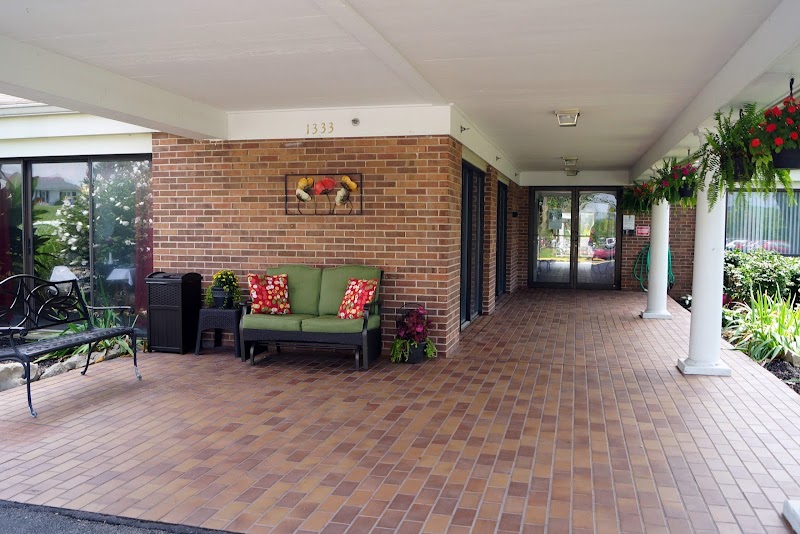
How is Scenic Wellness & Rehabilitation Llc Staffed?

CMS rates SCENIC WELLNESS & REHABILITATION LLC's staffing level at 2 out of 5 stars, which is below average compared to other nursing homes. Staff turnover is 46%, compared to the Missouri average of 46%.

What Have Inspectors Found at Scenic Wellness & Rehabilitation Llc?

State health inspectors documented 15 deficiencies at SCENIC WELLNESS & REHABILITATION LLC during 2022 to 2025. These included: 1 that caused actual resident harm, 13 with potential for harm, and 1 minor or isolated issues. Deficiencies causing actual harm indicate documented cases where residents experienced negative health consequences.
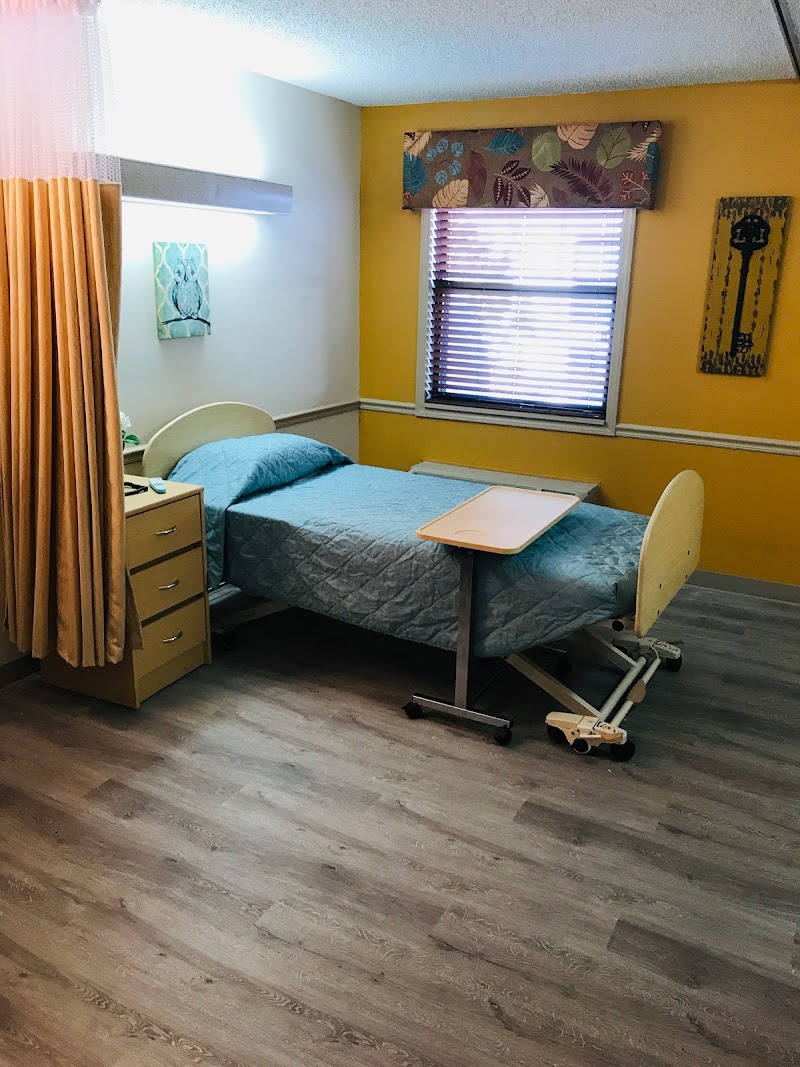
Who Owns and Operates Scenic Wellness & Rehabilitation Llc?

SCENIC WELLNESS & REHABILITATION LLC is owned by a for-profit company. For-profit facilities operate as businesses with obligations to shareholders or private owners. The facility is operated by NORBERT BENNETT & DONALD DENZ, a chain that manages multiple nursing homes. With 189 certified beds and approximately 159 residents (about 84% occupancy), it is a mid-sized facility located in HERCULANEUM, Missouri.
How Does Scenic Wellness & Rehabilitation Llc Compare to Other Missouri Nursing Homes?

Compared to the 100 nursing homes in Missouri, SCENIC WELLNESS & REHABILITATION LLC's overall rating (5 stars) is above the state average of 2.5, staff turnover (46%) is near the state average of 46%, and health inspection rating (5 stars) is much above the national benchmark.

What Should Families Ask When Visiting Scenic Wellness & Rehabilitation Llc?

Based on this facility's data, families visiting should ask: "Can you walk me through typical staffing levels on day, evening, and night shifts?" "Can I visit during a mealtime to observe dining assistance and food quality?" "How do you handle medical emergencies, and what is your hospital transfer rate?" "Can I speak with family members of current residents about their experience?" These questions are particularly relevant given the below-average staffing rating.

Is Scenic Wellness & Rehabilitation Llc Safe?

Based on CMS inspection data, SCENIC WELLNESS & REHABILITATION LLC has a clean safety record: no substantiated abuse findings (meaning no confirmed cases of resident harm), no Immediate Jeopardy citations (the most serious violation level indicating risk of serious injury or death), and is not on the Special Focus Facility watch list (a federal program monitoring the lowest-performing 1% of nursing homes). The facility has a 5-star overall rating and ranks #1 of 100 nursing homes in Missouri. While no facility is perfect, families should still ask about staff-to-resident ratios and recent inspection results during their visit.

Do Nurses at Scenic Wellness & Rehabilitation Llc Stick Around?

SCENIC WELLNESS & REHABILITATION LLC has a staff turnover rate of 46%, which is about average for Missouri nursing homes (state average: 46%). Moderate turnover is common in nursing homes, but families should still ask about staff tenure and how the facility maintains care continuity when employees leave.

Was Scenic Wellness & Rehabilitation Llc Ever Fined?

SCENIC WELLNESS & REHABILITATION LLC has no federal fines on record. CMS issues fines when nursing homes fail to meet care standards or don't correct problems found during inspections. The absence of fines suggests the facility has either maintained compliance or corrected any issues before penalties were assessed. This is a positive indicator, though families should still review recent inspection reports for the full picture.

Is Scenic Wellness & Rehabilitation Llc on Any Federal Watch List?

SCENIC WELLNESS & REHABILITATION LLC is not on any federal watch list. The most significant is the Special Focus Facility (SFF) program, which identifies the bottom 1% of nursing homes nationally based on persistent, serious quality problems. Not being on this list means the facility has avoided the pattern of deficiencies that triggers enhanced federal oversight. This is a positive indicator, though families should still review the facility's inspection history directly.