CYPRESS POINT-SKILLED NURSING BY AMERICARE
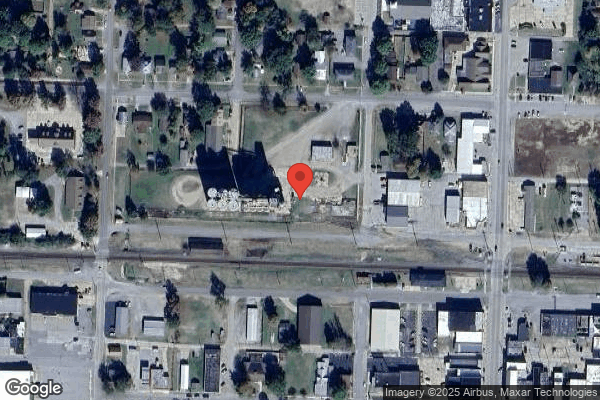
801 BALIFF DRIVE, DEXTER, MO 63841 (573) 624-8908
For profit - Corporation 79 Beds AMERICARE SENIOR LIVING Data: November 2025 1 Immediate Jeopardy citation
Trust Grade
43/100
#143 of 479 in MO
Last Inspection: September 2024

Within standard 12-15 month inspection cycle. Federal law requires annual inspections.

Overview

Cypress Point-Skilled Nursing by Americare has a Trust Grade of D, indicating below-average quality and raising some concerns for families considering this facility. In terms of rankings, it is #143 out of 479 facilities in Missouri, placing it in the top half, and #4 out of 7 in Stoddard County, meaning there are only three local options that are better. The facility is showing signs of improvement, with issues decreasing from 5 in 2024 to 2 in 2025, which is encouraging. Staffing is a strength, with a rating of 4 out of 5 stars and a turnover rate of 48%, which is below the state average of 57%, indicating staff stability. However, the facility has incurred $73,743 in fines, which is concerning and suggests ongoing compliance issues. There were critical incidents reported, including one where a resident was left unattended for nine hours and found seriously injured on the bathroom floor. Additionally, there were concerns about cleanliness and safety, with observations of cobwebs and debris in common areas, and failures to develop individualized care plans for some residents. Overall, while there are strengths in staffing and some improvement in issues, the serious incidents and high fines should be carefully considered by families.

Trust Score
D
43/100
In Missouri
#143/479
Top 29%
Safety Record
High Risk
Review needed
Inspections
Getting Better
5 → 2 violations
Staff Stability
⚠ Watch
48% turnover. Above average. Higher turnover means staff may not know residents' routines.
Penalties
✓ Good
$73,743 in fines. Lower than most Missouri facilities. Relatively clean record.
Skilled Nurses
○ Average
Each resident gets 39 minutes of Registered Nurse (RN) attention daily — about average for Missouri. RNs are the most trained staff who monitor for health changes.
Violations
⚠ Watch
13 deficiencies on record. Higher than average. Multiple issues found across inspections.
★★★☆☆
3.0
Overall Rating
★★★★☆
4.0
Staff Levels
★★★★☆
4.0
Care Quality
★★★☆☆
3.0
Inspection Score
Stable
2024: 5 issues
2025: 2 issues

The Good

  • 4-Star Staffing Rating · Above-average nurse staffing levels
  • 4-Star Quality Measures · Strong clinical quality outcomes
  • Full Sprinkler Coverage · Fire safety systems throughout facility
  • No fines on record

Facility shows strength in staffing levels, quality measures, fire safety.

The Bad

3-Star Overall Rating

Above Missouri average (2.5)

Meets federal standards, typical of most facilities

Staff Turnover: 48%

Near Missouri avg (46%)

Higher turnover may affect care consistency

Federal Fines: $73,743

Well above median ($33,413)

Moderate penalties - review what triggered them

Chain: AMERICARE SENIOR LIVING

Part of a multi-facility chain

Ask about local staffing decisions and management

The Ugly 13 deficiencies on record

1 life-threatening
Sept 2025 1 deficiency
CONCERN (E) 📢 Someone Reported This

A family member, employee, or ombudsman was alarmed enough to file a formal complaint

Potential for Harm - no one hurt, but risky conditions existed

Safe Environment (Tag F0584)

Could have caused harm · This affected multiple residents

**NOTE- TERMS IN BRACKETS HAVE BEEN EDITED TO PROTECT CONFIDENTIALITY** Based on observation, interview, and record review, the facility failed to provide a safe, clean and comfortable homelike enviro...

Read full inspector narrative →
**NOTE- TERMS IN BRACKETS HAVE BEEN EDITED TO PROTECT CONFIDENTIALITY** Based on observation, interview, and record review, the facility failed to provide a safe, clean and comfortable homelike environment. This deficient practice had the potential to affect all residents in the facility. The facility census was 65. The facility did not provide a policy for a homelike environment.1. Observations on 09/15/25 at 9:34 A.M., and 2:20 P.M., 09/16/25 at 2:10 P.M., 09/17/25 at 3:24 P.M., and 09/18/25 at 9:02 A.M., of the kitchen's ice machine area showed: - A strip of baseboard trim unattached from the wall on the bottom right side near the ice machine. 2. Observations on 09/15/25 at 3:11 P.M., 09/16/25 at 2:56 P.M., and 09/17/25 at 3:06 P.M., showed:- Visible cobwebs on a sprinkler head located in the TV room near the nurses station;- Several light fixtures with insects, dirt, and debris around the nurses station;- Cobwebs on a light fixture in front of the therapy room near room [ROOM NUMBER];- Two missing light fixture protective covers near the laundry room and room [ROOM NUMBER];- An eight-foot (ft) area of missing wall trim behind the linen cart area near the nurses station;- Privacy curtains with several stains and dark scuffs in room [ROOM NUMBER], room [ROOM NUMBER], room [ROOM NUMBER] and room [ROOM NUMBER].During an interview on 09/16/25 at 1:57 P.M., the resident in room [ROOM NUMBER] said he/she would like the privacy curtain at the foot of his/her bed replaced because it was dirty. During an interview on 09/16/25 at 2:15 P.M., the resident in room [ROOM NUMBER] said he/she would like the privacy curtain changed because it had two large brown stains on it. He/She lived at the facility for five years and his/her privacy curtains had never been changed.3. Observation on 09/16/25 at 3:09 P.M., of the bath/shower room next to room [ROOM NUMBER] showed:- A plastic container filled with a dark liquid lay on top of the sink;- A plastic container filled with a white liquid and a straw, a disposable razor, a wet washcloth, a black hair pick, and paper lay inside the sink basin;- Dirty gloves lay on the floor by the sink;- A shower chair and a wheelchair sat in front of the sink and toilet;- A trash can with exposed empty boxes, dirty gloves and gowns, and toilet paper with no lid:- A saturated towel and a box of medium gloves lay on the shower room floor;- A yellow tumbler, a plastic container filled with a dark liquid and a straw, a bag of cough drops, and a bag of opened chips lay on top of the shower cart next to the whirlpool;- A strong smell of urine;- The bath/shower room not in use.Review of the Maintenance Repair Log, dated 02/21/25 - 07/21/25, showed:- No areas of concern addressed.During an interview on 09/18/25 at 8:37 A.M., Shower Aide A said the shower room should always be cleaned prior to and after residents' shower had been completed. There should be no foul odors, trash, wet towels, supplies left on the floor, food, beverages, and equipment stored and/or left in the shower room. He/She locked the shower room when finished.During an interview on 09/18/25 at 8:47 A.M., Shower Aide B said the shower room should be cleaned and sanitized after giving resident showers. There should be no foul odors, trash, wet towels, supplies on the floor, food, beverages, and equipment stored and/or left in the shower room. He/She locked the shower when finished.During an interview on 09/18/25 at 10:32 A.M., Housekeeper C said if he/she saw something that needed to be fixed or repaired, he/she verbally told maintenance or would inform the housekeeping supervisor of the needed repair. During an interview on 09/18/25 at 11:37 A.M., the Dietary Manager (DM) said the Maintenance Supervisor (MS) and the Administrator were made aware of the baseboard trim coming off the wall in June 2025.During an interview on 09/18/25 at 1:48 P.M., the MS said light fixtures should have covers, be clean, and free of cobwebs, dirt, and debris on a regular basis. He/She was aware of the baseboard trim needing replaced by the ice machine but not sure how to replace the missing trim behind the linen cart area near the nurse's station. During an interview on 09/18/25 at 2:35 P.M., the Administrator said light fixtures should have covers, be clean and free of cobwebs, dirt, and debris. The wall trim should be repaired when reported in a timely manner. He was aware of the baseboard needing to be replaced by the ice machine. The MS told him verbally what he/she would be doing daily but did not document daily tasks completed. Staff used the showers sometimes during shifts when showers weren't being given but should be clean and tidy.
Mar 2025 1 deficiency 1 IJ
CRITICAL (J) 📢 Someone Reported This

A family member, employee, or ombudsman was alarmed enough to file a formal complaint

Immediate Jeopardy (IJ) - the most serious Medicare violation

Accident Prevention (Tag F0689)

Someone could have died · This affected 1 resident

**NOTE- TERMS IN BRACKETS HAVE BEEN EDITED TO PROTECT CONFIDENTIALITY** Based on interview and record review, the facility failed to provide adequate supervision to ensure the safety of one resident (...

Read full inspector narrative →
**NOTE- TERMS IN BRACKETS HAVE BEEN EDITED TO PROTECT CONFIDENTIALITY** Based on interview and record review, the facility failed to provide adequate supervision to ensure the safety of one resident (Resident #1), when staff assisted the resident to the toilet and did not check on the resident for approximately nine hours. Staff found the resident lying on the bathroom floor on top of his/her wheelchair cushion with his/her hand completely de-gloved (stripped of the skin), an open fractured wrist (bone broken and protruding through the skin), and a laceration to his/her forehead. The facility census was 60. The Administrator was notified on 03/03/25 at 1:55 P.M. of an Immediate Jeopardy (IJ) which began on 02/21/25. The IJ was removed on 03/03/25 as confirmed by surveyor onsite verification. Record review of the facility policy titled Restorative Sleep Program, dated 09/05/2018, showed: - To ensure adequate procedures have been taken to provide the appropriate opportunities and facilities to rest and sleep according to a resident's individual needs and requirements; - Residents that are assessed as needing briefs will wear overnight, superabsorbent briefs; - Residents will be assessed during the shift for incontinence and if needed, peri care will be provided; - Facility will provide quiet times from 9:00 P.M. through 7:00 A.M.; - This program is in the beginning stages of the Quality Assurance Program (QAPI) program and will be reviewed monthly and as needed to ensure the best quality of care for the residents. Record review of the facility undated Natural Wakening policy, showed: - It is the policy of this facility to be sensitive and flexible through culture change to residents' individual needs and preferences while providing standard care. The facility did not provide a policy on monitoring residents throughout the night or the expectation of the frequency of monitoring residents during any shift. 1. Review of Resident #1's annual Minimum Data Set (MDS), a federally mandated assessment instrument required to be completed by the facility staff, dated 01/16/2025 showed: - Diagnoses of coronary artery disease (a condition where the arteries that supply blood to the heart become narrowed or blocked), heart failure (occurs when the heart muscle doesn't pump blood as well as it should), chronic kidney disease, stage 3 (a moderate level of kidney damage, where the kidneys are not filtering waste effectively, resulting in mild to moderate loss of kidney function), atherosclerotic heart disease (a buildup of plaque in the arteries that can lead to heart disease), benign prostatic hyperplasia (causes your prostate to grow causing difficulty peeing and sudden urges to pee), and hypertension (high blood pressure); - Cognition intact; - Requires supervision or touch assistance of one staff with verbal cueing for transfers, bed mobility, dressing, toileting, and bathing; - Ambulatory with supervision or touch assistance of one staff; - Continent of bowel and bladder. Review of the resident's Care Plan, dated 12/11/2024, showed: - At risk for falls due to weakness and unsteady gait with interventions including staff to check on Resident #1 frequently and anticipate needs when possible. Nursing to provide supervision and set up with transfers; - Supervision set up with activities of daily living (ADLs) and transfers except dressing, limited assist of one staff; -Continent of bowel and bladder with nursing to provide supervision/set up with frequent toileting and peri care as needed; - Resident #1 received routine diuretic (medications that promote urine production by increasing the excretion of water and electrolytes) therapy for high blood pressure which may cause dizziness, postural hypotension (blood pressure dropping with position changes), fatigue, and increased risk for falls. Observe for possible side effects every shift; - No documentation of a request not to be bothered unless call light was on. Review of the resident's Progress Notes showed: - On 02/21/2025 10:13 A.M., at 8:45 A.M. Licensed Practical Nurse (LPN) F was called to Resident #1's room. Upon entering the bathroom area, the resident was lying on his/her left side in front of the sink and toilet, dried blood had run down the wall. Resident #1's head was lying in a pool of blood with the right arm out in front of him/her covered with blood, visible bone and ligaments (a band of tissue that connects bones, joints or organs) exposed. LPN F placed a pressure dressing on the right wrist, wrapped with Kling dressing to stabilize the wrist. The wrist appeared broken. Resident #1 alert and oriented to person, place and time. The resident said he/she tried to get off the toilet and his/her hand slipped down the safety bar on the wall and his/her wrist got stuck and could not get loose, so he/she tried to get his/her wheelchair and fell to the floor. Informed nurse he/she did not turn on the call light in the bathroom stating he/she yelled for help instead. Staff notified emergency medical system for transport to the emergency room; - On 02/21/2025 entry made at 10:48 A.M., Resident #1 requires supervision/set up with bed mobility, and transfers. Limited assist with 1-person with dressing, ambulates as tolerated via wheelchair, able to propel self. One fall, continent of bowel and bladder, no shortness of breath noted, head of bed elevated, pressure reducing device in wheelchair. Resident plans his/her own daily activities; - On 02/21/2025 entry made at 10:48 A.M., Resident #1 stated he/she was put on the toilet and when he/she went to get off the toilet his/her hand slid down the rail and got his/her wrist stuck, was yelling for help, when no one came he/she tried to transfer self without assist. Resident sent via emergency medical services to emergency room. Resident is to be checked on frequently and encourage to use call light for assist, staff to assist resident to toilet more frequently. Review of Resident #1's hospital record, dated 02/21/2025, showed: -Arrival via emergency medical services (EMS) for fall with right arm pain and possible de-gloving of skin on right hand/arm. Resident alert and oriented to time person and place, reported he/she was in floor for around seven hours; - Examination showed very deformed wrist, significant laceration of the skin with skin edges significantly separated. No radial pulse (pulse found at the wrist) and Doppler (an instrument used to locate a pulse) does not reveal any pulse on right radial area. Right hand very cold, inability to flex and extend fingers, sensations intact (feeling). An area with a 3-centimeter (cm) laceration on the volar surface (inside of the arm) of the distal right forearm (the lower portion of the forearm, specifically the area closest to the wrist); -Resident #1 to be transferred to trauma center with open fracture of right wrist in guarded condition. Review of the trauma center record, dated 02/21/2025, showed: - Resident found to have an open distal both bone forearm fracture with soft tissue degloving - Right [NAME] (an open fractures based on the severity of the soft tissue injury, the amount of energy involved, and the extent of contamination) type II (a wound that is 1-10 cm in length and has moderate soft tissue injury) with soft tissue degloving; - Resident admitted to intensive care unit (ICU) in preparation for operative interventions for debridement (a surgical procedure used to clean and remove infected or dead tissue from wounds) and irrigation, will require repeat debridement and surgical stabilization of this injury at separate operative setting as well as separate operative setting needed for soft tissue coverage. Record review of the facility investigation, dated 02/21/2025, showed: - Certified Nurse Aide (CNA) A said he/she checked on Resident #1 at approximately 8:00-9:00 P.M., and the resident was on the toilet at that time. He/she did not go back and check on the resident. - Licensed Practical Nurse (LPN) B said he/she remembered Resident #1's room door was shut at approximately 10:30 P.M. to 10:45 P.M. LPN B said Resident #1 usually turns his/her call light on for assistance and does not get up unassisted. LPN B could not recall if Resident #1 used his/her call light the night of 02/21/25; - CNA E said he/she responded to Resident #1's call light at around 8:00 P.M. to 9:00 P.M. and assisted the resident to his/her wheelchair, when he/she left the resident was washing his/her hands in the bathroom; - LPN D said he/she witnessed Resident #1 on the toilet at approximately 10:00 P.M. to 10:05 P.M. LPN D did not observe the resident again. Review of the facility call light record showed: - On 02/20/2025 Resident #1's bathroom call light activated at 8:40 P.M., 8:41 P.M., and 8:42 P.M.; - On 02/21/2025 at 8:13 A.M., bathroom call light tested and worked properly. During an interview on 03/03/2025 at 10:35 A.M., LPN F said on the morning of 02/21/25, when he/she entered Resident #1's bathroom, the call light was not on, the resident was lying on the floor partially clothed in daytime clothing, with TED hose (compression socks that are specifically designed for those who are unable to walk for extended periods of time or have limited range of motion) on the lower extremities, shoes, socks still on, and the bed had not been slept in. Resident #1 was profusely bleeding, with his/her right wrist appearing as floppy. Resident #1 told LPN F that he/she had been placed on the toilet by a staff member. When he/she had finished, Resident #1 went to get up from the toilet and his/her hand slipped through the handrail. Resident #1 said the wheelchair was beside him/her, but when he/she went to reach for it he/she fell. LPN F said he/she observed imprints to the resident's left hip from lying on the wheelchair cushion. LPN F said Resident #1 is a loner and stays in his/her room, uses the call light for meals or if staff are needed for any task. Staff do not enter the resident's room unless he/she uses the call light. He/she is a very quiet spoken person. During an interview on 03/03/2025 at 10:50 A.M., CNA H said Resident #1 used the call light to get assistance to and from the toilet on a regular basis. The resident was not able to put pants on or take pants off independently. CNA H said the resident is very soft spoken, and it is likely if he/she did yell for help, and no one heard. CNA H said Resident #1 typically put on his/her call light at 7:30 A.M.- 8:00 A.M. every morning to get up, so when Resident #1 had not used the call light the morning of 02/21/25, he/she went in to check to see if the resident was still sleeping. CNA H said, on entering the room he/she noted the resident's wheelchair in the room, and the resident lying on his/her left side on the bathroom floor in a pool of blood. CNA H said blood was on the wall and on handrail next to the toilet, and the resident's pants were half way up. Resident #1 was responsive and said a staff member put him/her on the toilet last night. Resident #1 is very private. He/she uses the call for meals and any other needs, but at most times uses the call light for toileting. During an interview on 03/03/2025 at 12:15 P.M., the Director of Nursing (DON) and the Assistant Director of Nursing (ADON) said the 10:00 P.M. to 6:00 A.M. shift works together as a group, there are no specific assignments for individual staff. The DON said on the same night of the incident, Resident #1's neighbor passed away, which created a lot of activity on the hall and near Resident #1's room. They said their investigation showed LPN B remembered seeing Resident #1 on the toilet right around 10 PM on 02/20/25, but did not see him/her again, only that his/her room door was shut. They were unable to determine how the resident got on the toilet as none of the staff admitted to assisting the resident. The DON and ADON said the resident did need assistance with ADLs and should have had assistance with toileting. The DON and ADON said the resident is a private person which should have been on his/her care plan. Their expectation is for staff to provide care based on each individual's preferences, but every resident should be checked on every shift. During an interview on 03/03/2025 at 9:55 A.M., the Administrator (ADM) said Resident #1 was a private person and used his/her call light when he/she needed assistance. The ADM said he was not aware if the resident's request for privacy was on the care plan or not. The ADM said he did watch the hall camera footage for the dates 02/20/25 and 02/21/25 and saw lots of staff activity near Resident #1's room on the night of 02/20/25, from around 9 P.M. through 11:30 P.M. The ADM said it did not appear any staff went into the resident's room but could not say for certain due to the time period when Resident #1's neighbor passed away and the things that went along with that. The ADM said staff should have checked on Resident #1 at some point during the night. MO249909 NOTE: At the time of the abbreviated survey, the violation was determined to be at the immediate and serious jeopardy level J. Based on observation, interview and record review completed during the onsite visit, it was determined the facility had implemented corrective action to address and lower the violation at the time. A final revisit will be conducted to determine if the facility is in substantial compliance with participation requirements. At the time of exit, the severity of the deficiency was lowered to the G level. This statement does not denote that the facility has complied with State law (Section 198.026.1 RSMo.) requiring that prompt remedial action be taken to address Class I violation(s).
Sept 2024 5 deficiencies
CONCERN (D)

Potential for Harm - no one hurt, but risky conditions existed

Comprehensive Care Plan (Tag F0656)

Could have caused harm · This affected 1 resident

Based on observation, interview, and record review, the facility failed to develop, implement and follow an individualized comprehensive care plan with specific interventions for two residents (Reside...

Read full inspector narrative →
Based on observation, interview, and record review, the facility failed to develop, implement and follow an individualized comprehensive care plan with specific interventions for two residents (Resident #12 and #63) out of 17 sampled residents. The facility's census was 68. Review of the facility's policy titled, Care Plan Policy, undated, showed: - The purpose of the policy is to set out the values and framework within which the individuals care plan is completed and updated; - Care planning is critical to the quality of service in any care home. It is the means by which the values of the home are translated into specific objectives for each individual who live there; - The care plan should be the means by which the identified needs and wishes of the individual are recorded. It ensures that care is offered consistently by well-informed staff, aware of the individual care needs. 1. Review of Resident 12's medical record showed: - An admission date of 05/21/24; - Diagnoses of occlusion of bilateral carotid arteries (a condition when both carotid arteries become completely blocked, preventing blood flow to the brain) and basal cell carcinoma of the skin (a type of cancer that originates in the basal cells of the outermost layer of the skin). Observations on 09/24/24 at 10:59 A.M., showed Resident #12 with a large bandage covering his/her nose. Review of the resident's care plan, revised on 09/03/24, showed wound care with interventions not addressed. 2. Review of Resident #63's medical record showed: - An admission date of 05/06/23; - Diagnosis of dementia (a condition characterized by progressive loss of intellectual functioning). Review of the resident's care plan, revised on 08/29/24, showed dementia with interventions not addressed. During an interview on 09/26/24 at 8:23 A.M., Licensed Practical Nurse (LPN) C said the resident had an opening by the lower eyelid the size of a dime and LPN C was able to stick his/her pinky in the opening. During an interview on 09/27/24 at 10:00 A.M., the Assistant Director of Nursing (ADON) said if a resident had a wound, it should be addressed on the care plan along with interventions and treatment. During an interview on 09/27/24 at 12:20 P.M., the Minimum Data Set (MDS - a federally mandated assessment instrument required to be completed by facility staff) Coordinator said if the resident had a diagnosis of dementia, then it should be on the care plan. During an interview on 09/27/24 at 12:30 P.M., the Director of Nursing (DON) said a wound was any opening of the skin and should be addressed on the care plan. During an interview on 09/27/24 at 12:33 P.M., the ADON said if the resident had a diagnosis of dementia, then it should be on the care plan with interventions in place.
CONCERN (D)

Potential for Harm - no one hurt, but risky conditions existed

Deficiency F0658 (Tag F0658)

Could have caused harm · This affected 1 resident

Based on observation, interview, and record review, the facility failed to accurately assess and document a wound for one resident (Resident #12) out of two sampled residents. The facility's census wa...

Read full inspector narrative →
Based on observation, interview, and record review, the facility failed to accurately assess and document a wound for one resident (Resident #12) out of two sampled residents. The facility's census was 68. Review of the facility policy titled, Skin Assessment, not dated, showed: - A full body, or head to toe, skin assessment will be conducted by a licensed or registered nurse upon admission/re-admission, daily for three days, and as needed by a nurse/certified nurse assistant (CNA) while performing personal care/shower. Any changes in skin assessment will be reported to the charge nurse for further evaluation. The assessment may also be performed after a change of condition or after any newly identified pressure injury; - Documentation of skin assessment: include date and time of the assessment, your name, and position title; document observations (e.g. skin conditions, how the resident tolerated the procedure, etc.); document the type of wound; describe the wound (measurements, color, type of tissue in wound bed, drainage, odor, pain); document if the resident refused assessment and why; and document other information as indicated or appropriate. 1. Review of Resident 12's medical record showed: - An admission date of 05/21/24; - Diagnoses of occlusion of bilateral carotid arteries (a condition when both carotid arteries become completely blocked, preventing blood flow to the brain) and basal cell carcinoma of the skin(a type of cancer that originates in the basal cells of the outermost layer of the skin) - No documentation of skin assessments related to the wound, including the type of wound, the measurements, characteristics, color, and odor. Review of the resident's Physicians Order Sheet (POS), dated September 2024, showed: - An order for a treatment to the nose of Mupirocin (an antibiotic) ointment apply to the nose topically every 12 hours as needed for drainage, dated, 09/04/24. Review of the resident's care plan, revised on 09/03/24 showed: - Wound care with interventions not addressed. Observation on 09/24/24 at 10:59 A.M., showed the resident with a large bandage covering his/her nose. During an interview on 09/26/24 at 8:23 A.M., Licensed Practical Nurse (LPN) C said the resident had an opening by the lower eyelid the size of a dime and LPN C was able to stick his/her pinky finger in the opening. During an interview on 09/27/24 at 10:00 A.M., the Assistant Director of Nursing (ADON) said if a resident had a wound, weekly assessments should be completed. During an interview on 09/27/24 at 12:30 P.M., the Director of Nursing (DON) said that a wound was any opening of the skin. The DON said wound assessments should be completed weekly on active wounds.
CONCERN (D)

Potential for Harm - no one hurt, but risky conditions existed

Food Safety (Tag F0812)

Could have caused harm · This affected 1 resident

Based on interview and record review, the facility failed to store and distribute food under sanitary conditions, increasing the risk of cross-contamination and food-borne illness. These deficient pra...

Read full inspector narrative →
Based on interview and record review, the facility failed to store and distribute food under sanitary conditions, increasing the risk of cross-contamination and food-borne illness. These deficient practices had the potential to affect all residents. The facility census was 68. Review of the facility's policy titled, Refrigerator/Freezer Temperatures, dated 2011, showed: - In order to ensure all perishable food stuff stays fresh and palatable, temperatures will be recorded on all refrigerators and freezers in use, including unit refrigerators in nourishment rooms; - Dining Services will be responsible for taking temperatures on all kitchen and nourishment room refrigerators and freezers, and recording temperature report logs daily, during each shift. Review of the facility's policy titled, Dishwashing: Machine, dated 2011, showed: - The Dining Services staff shall maintain the operation of the dish machine according to established procedure and manufacturer guidelines posted or contained in this guideline to ensure effective cleaning and sanitizing of all tableware and equipment used in the preparation and service of food; - Check the machine for cleanliness at least once a day, cleaning it as necessary; - Monitor that the machine is maintaining operating guidelines for wash, rinse and final rinse temperatures. Review of the facility's policy titled, Sanitizing and Disinfectant Solutions, dated 2020, showed: - Employees shall refer to the manufacturer's guidelines for the proper use of sanitizer and disinfectant solutions; - If a dispensing system is used, appropriate concentration level will be tested at least daily. 1. Review of the August and September 2024 kitchen dishwasher temperature sheet logs showed: - No documentation for 08/10/24-8/11/24, 08/27/24-08/30/24; - No documentation for 09/02/24-09/03/24, 09/06/24-09/08/24, 09/10/24-09/13/24, 09/16/24-09/17/24, and 09/21/24; - 18 missed out of 57 opportunities. 2. Review of the August and September 2024 kitchen refrigeration unit temperature sheet logs, showed: - No documentation for 08/13/24, 08/15/24, 08/17/24-08/30/24; - No documentation for 09/02/24-09/03/24, 09/06/24-09/13/24, 09/16/24-09/17/24, and 09/21/24; - 29 missed out of 57 opportunities. 3. Review of the August and September 2024 kitchen triple sink sanitizer daily check sheet logs, showed: - No documentation for 08/10/24-8/11/24, 08/27/24-08/30/24; - No documentation for 09/02/24-09/03/24 and 09/06/24-09/013/24, - 16 missed out of 57 opportunities. During an interview, 09/24/24 at 2:17 P.M., Dietary Aide A said dishwasher temperatures, refrigerator temperatures, and triple sink sanitization checks should be checked daily and initialed upon task completion by staff. During an interview on 09/25/24 at 9:40 A.M., the Dietary Manager (DM) said refrigerator temperatures, dishwasher temperatures, and triple sink sanitization checks should be checked daily and initialed upon completion by staff. He/She had hired new staff and had to remind them to complete daily tasks and checks. During an interview on 09/27/24 at 9:37 A.M., the Administrator said he would expect dietary staff to write down refrigerator temperatures, dishwasher temperatures, and triple sink sanitization checks on a daily basis. He would expect staff to sign off or initial once a kitchen task had been completed.
CONCERN (D)

Potential for Harm - no one hurt, but risky conditions existed

Infection Control (Tag F0880)

Could have caused harm · This affected 1 resident

Based on observation, interview, and record review, the facility failed to implement and follow enhanced barrier precautions (EBP) for four residents (Residents #12, #13, #35 and #56) out of four samp...

Read full inspector narrative →
Based on observation, interview, and record review, the facility failed to implement and follow enhanced barrier precautions (EBP) for four residents (Residents #12, #13, #35 and #56) out of four sampled residents during care. The facility census was 68. Review of the facility's policy titled, EBP, undated, showed: - An order for enhanced barrier precautions will be obtained for residents with any of the following: wounds (e.g. chronic wounds such as pressure ulcers, diabetic foot ulcers, unhealed surgical wounds and chronic venous stasis ulcers) and/or indwelling medical devices (e.g., central lines, urinary catheters (a tube inserted into the bladder to drain urine), feeding tubes, tracheostomy/ventilator tubes) even if the resident is not known to be infected or colonized with multi-drug resistant organism (MDRO); - High-contact resident care activities include: dressing, bathing, transferring, providing hygiene, changing linens, changing briefs or assisting with toileting, device care or use: central lines, urinary catheters, feeding tubes, tracheostomy/ventilator tubes, wound care: any skin opening requiring a dressing. 1. Observation of Resident #12's wound care on 09/26/24 at 8:40 A.M., showed: - EBP signage on the resident door; - Personal protective equipment (PPE) stored close to the resident room; - Licensed Practical Nurse (LPN) C performed hand hygiene, put on gloves, and an isolation gown that fit improperly; - During the wound treatment, the isolation gown fell to the elbows of LPN C. 2. Observation of Resident #13's wound care on 09/26/24 at 8:59 A.M., showed: - EBP signage on the resident door; - PPE stored in clear drawers outside the resident room; performed hand hygiene, put on gloves, and put on an isolation gown that fit improperly; - During the wound treatment, the isolation gown fell to the elbows of LPN C. 3. Observation of Resident #35's suprapubic (a type of urinary catheter) catheter care on 09/25/24 at 1:17 P.M., showed: - EBP signage on the resident door; performed hand hygiene, put on gloves, and put on an isolation gown that fit improperly; - During the suprapubic catheter care, LPN C cleaned around the catheter insertion site with one hand, while holding the resident's brief and pants down with the other hand; - While cleaning the insertion site, LPN C allowed the brief and pants to lay back on top of the catheter insertion site three different times; - During the catheter care, the isolation gown fell to the elbows of LPN C. 4. Observation of Resident #56's gastrostomy (G-tube- a tube inserted into the stomach to deliver nutrition) care on 09/23/24 at 2:12 P.M., showed: - EBP signage on the resident door; - LPN D did not put on an isolation gown; - LPN D checked the residual (the amount of gastric fluid drained from the stomach after a G-tube feeding) and the placement of the G-tube. During an interview on 09/24/24 at 8:30 A.M., LPN C said he/she knew the isolation gowns did not fit him/her. They were too small and did not fit around his/her shoulders so they slid off and stayed around his/her elbows while providing care to the residents. During an interview on 09/24/24 at 9:14 A.M., the Infection Preventionist (IP) said he/she was unaware of the isolation gowns not fitting some of the staff. Larger gowns will be ordered. Cloth gowns were also available for a one-time use. During an interview on 09/25/24 at 10:00 A.M., Registered Nurse (RN) E said since Resident #56 had an open area that could leak body fluids, anyone who provided any type of care should put a gown on before entering the room. During an interview on 09/27/24 at 10:15 A.M., the Assistant Director of Nursing (ADON) said the facility had just started implementing the EBP. When a nurse checked the residual on a G-tube, a gown should be worn. During an interview on 09/27/24 at 10:16 A.M., the IP said if staff was providing resident care, such as assisting with toileting, hygiene or accessing the G-tube, then gowns were required. He/She was unsure if staff should wear PPE if staff were assisting residents in the shower. If a nurse was checking residual on a G-tube, a gown should be put on. During an interview on 09/27/24 at 12:39 P.M., the Director of Nursing (DON) said the facility started implementing the EBP for residents on 09/23/24. Gowns should be worn during wound care and G-tube care. During an interview on 09/27/24 at 12:40 P.M., the Administrator said the facility was still coordinating with the Medical Director to get further clarification on how to implement the EBP.
MINOR (C)

Minor Issue - procedural, no safety impact

Safe Environment (Tag F0584)

Minor procedural issue · This affected most or all residents

**NOTE- TERMS IN BRACKETS HAVE BEEN EDITED TO PROTECT CONFIDENTIALITY** Based on observation, interview, and record review, the facility failed to provide a safe, clean and comfortable homelike enviro...

Read full inspector narrative →
**NOTE- TERMS IN BRACKETS HAVE BEEN EDITED TO PROTECT CONFIDENTIALITY** Based on observation, interview, and record review, the facility failed to provide a safe, clean and comfortable homelike environment. This deficient practice had the potential to affect all residents in the facility. The facility census was 68. Review of the facility's policy titled, Resident Environmental Quality, revised February 2023, showed: - It is the policy of the facility to be designed, constructed, equipped and maintained to provide a safe, functional, sanitary and comfortable environment for residents, staff and the public; - Preventative maintenance schedules, for the maintenance of the building and equipment, should be followed to maintain a safe environment. 1. Observations on 09/24/24 at 10:21 A.M., 09/25/24 at 3:43 P.M., and 09/26/24 at 9:29 A.M., showed a buildup of cobwebs and dirt on the vinyl ceiling, including the light fixture, located outside the exit door near room [ROOM NUMBER]. 2. Observations on 09/24/24 at 10:27 A.M., 09/25/24 at 3:49 P.M., and 09/26/24 at 9:34 A.M., showed a buildup of cobwebs and dirt on the vinyl ceiling, including the light fixture, located outside the exit door near room [ROOM NUMBER] and room [ROOM NUMBER]. 3. Observations on 09/24/24 at 10:36 A.M., 09/25/24 at 3:58 P.M., and 09/26/24 at 9:51 A.M., showed a buildup of cobwebs and dirt on the vinyl ceiling, including the light fixtures, located outside the exit door near the laundry door. 4. Observations on 09/24/24 at 10:42 A.M., 09/25/24 at 4:08 P.M., and 09/26/24 at 10:04 A.M., showed a buildup of cobwebs and dirt on the vinyl ceiling, including the light fixtures, located outside the exit door by the tv/living room. 5. Observations on 09/24/24 at 10:43 A.M., 09/25/24 at 4:09 P.M., and 09/26/24 at 10:06 A.M., showed a buildup of cobwebs and dirt on the vinyl ceiling, including the light fixtures, located outside the exit door near the bird aviary room. 6. Observations on 09/25/24 at 4:09 P.M., and 09/26/24 at 8:04 A.M., showed a buildup of cobwebs and dirt on the vinyl ceiling including the light fixtures, located outside the front entrance/exit of the Rehab-to-Home wing. 7. Observations on 09/25/24 at 4:27 P.M., and 09/26/24 at 8:01 A.M., showed a buildup of cobwebs and dirt on the vinyl ceiling, including the light fixtures, located outside the main entrance/exit door of the facility. During an interview on 09/24/24 at 10:21 A.M., Resident #27 said he/she noticed a bunch of cobwebs on the outside ceiling when he/she looked out his/her exit door. The ceiling needed to be cleaned off with a broom. During an interview on 09/24/24 at 2:21 P.M., Resident #48 said the outside exit door ceiling on his/her hall had a lot of cobwebs. It had been like that for a while. There was another hall with a lot of cobwebs on the ceiling outside the exit door. During an interview on 09/27/2024 at 8:14 A.M., Housekeeper B said he/she cleaned the inside of the building and did not do any duties outside. The maintenance department was responsible for things on the outside of facility. During an interview on 09/27/24 at 10:21 A.M., the Maintenance Supervisor (MS) said it was his/her responsibility to maintain the outside environment. During an interview on 09/27/24 at 9:37 A.M., the Administrator said he would expect all outside entrance/exit doors ceilings to be free of cobwebs, dirt and cleaned on a regular basis or as needed.
Jun 2023 4 deficiencies
CONCERN (D)

Potential for Harm - no one hurt, but risky conditions existed

Resident Rights (Tag F0550)

Could have caused harm · This affected 1 resident

Based on observation, interview, and record review, the facility failed to ensure the dignity of two residents (Resident #36 and #55) out of two sampled residents with a properly covered urinary cathe...

Read full inspector narrative →
Based on observation, interview, and record review, the facility failed to ensure the dignity of two residents (Resident #36 and #55) out of two sampled residents with a properly covered urinary catheter bag (a bag for collecting urine from a tube in the bladder). The facility census was 63. Review of the facility's policy titled, Resident Rights, not dated, showed: - The facility will ensure that all direct care and indirect care staff members, including contractors and volunteers, are educated on the rights and the responsibility of the facility to properly care for its residents; - The resident has the right to a dignified existence, self-determination, and communications with and access to persons and services inside and outside the facility; - The resident has a right to personal privacy which includes accommodations, medical treatment, written and telephone communications, personal care, visits, and meetings of family and resident groups. Review of the facility's Suprapubic Catheter (a urinary catheter inserted through a hole in the abdomen and then directly into the bladder) Care policy, revised September 2005, showed: - Place drainage bag in a privacy bag at the bedside or the wheelchair. 1. Review of Resident #36's medical record showed: - admission date of 03/17/23; - Diagnosis of benign prostatic hyperplasia (enlarged prostate); - A physician order, dated 05/04/23, to clean the area around the indwelling catheter and apply a split drainage dressing two times a day. Observations of the resident showed: - On 06/26/23 at 2:20 P.M., the resident lay in bed with the uncovered and partially full urinary drainage collection bag that hung on the side of the bedframe that faced the open doorway; - On 06/27/23 at 9:34 A.M., the resident sat in a wheelchair in the living room commons area with the uncovered and partially full urinary drainage collection bag that hung under the seat; - On 06/29/23 at 9:10 A.M., the resident lay in bed with the uncovered and partially full urinary drainage collection bag that hung on the side of the bedframe that faced the open doorway. Review of Resident #55's medical record showed: - admission date of 06/02/23; - Diagnoses of benign prostatic hyperplasia, malignant neoplasm of the prostate (prostate cancer), and malignant neoplasm of the bladder (bladder cancer); - A physician order, dated 06/23/23, to replace the Foley catheter (an indwelling catheter) one time a day every two weeks on Saturdays related to benign prostatic hyperplasia and per the urologist to be replaced every two weeks. Observations of the resident showed: - On 06/27/23 at 3:00 P.M., the resident sat in bed with the uncovered and partially full urinary drainage collection bag that hung on the side of the bedframe that faced the open doorway; - On 06/28/23 at 2:52 P.M., the resident sat in a wheelchair in his/her room with the uncovered and partially full urinary drainage collection bag that hung under the seat; - On 06/29/23 at 9:20 A.M., the resident lay in bed with the uncovered and partially full urinary drainage collection bag that hung on the side of the bedframe that faced the open doorway. During an interview on 06/29/23 at 9:10 A.M., Licensed Practical Nurse (LPN) E said the Foley catheter drainage bag should be covered with a dignity bag at all times. During an interview on 06/29/23 at 9:50 A.M., Certified Nurse Aide (CNA) F said the Foley catheter bag should be covered with a dignity bag when transferring the resident in the wheelchair into the hallway and public areas of the facility and in their room if it can be seen from the open doorway. During an interview on 06/29/23 at 11:15 A.M., the Director of Nursing (DON) said he would expect the nursing staff to keep a resident's foley catheter bag covered at all times for the dignity of the resident.
CONCERN (D)

Potential for Harm - no one hurt, but risky conditions existed

Deficiency F0655 (Tag F0655)

Could have caused harm · This affected 1 resident

Based on interview and record review, the facility failed to implement a baseline care plan upon admission with specific interventions for one sampled resident (Resident #167) out of 5 sampled residen...

Read full inspector narrative →
Based on interview and record review, the facility failed to implement a baseline care plan upon admission with specific interventions for one sampled resident (Resident #167) out of 5 sampled residents. The facility census was 63. Review of the facility's policy titled, Baseline Care Plan, not dated, showed: - The facility will develop and implement a baseline care plan for each resident that includes the instructions needed to provide effective and person-centered care of the resident that meet professional standards of quality care; - The baseline care plan will be developed within 48 hours of a resident's admission and include the healthcare information necessary to properly care for a resident; - The baseline care plan will be placed in the resident's closet door. Review of Resident #167's medical record showed: - An admission date of 06/12/23; - No documentation of a baseline care plan with specific interventions completed. Observations on 06/27/23 at 11:16 A.M., and 06/28/23 at 9:25 A.M., of the resident's closet door showed no documentation of a baseline care plan with specific interventions placed inside for reference. During an interview on 06/27/23 at 10:46 A.M., Registered Nurse (RN) D said all new admissions should have a baseline care plan completed within 48 hours. The baseline care plan was placed inside the resident's closet door for referencing specific interventions upon completion. During an interview on 06/27/23 at 11:27 A.M., Resident #167 said when he/she was admitted , there was an empty sleeve on the inside of his/her closet door with nothing placed in it. He/she said even after the room change was made, he/she never saw a piece of paper with any care plan information placed inside his/her closet door for staff to reference. During an interview on 06/27/23 at 11:43 A.M., the Assistant Director of Nursing (ADON) said the baseline care plan should be completed within 48 hours upon admission. The baseline care plan should be placed inside the resident's closet door for referencing after completion for specific interventions. During an interview on 06/27/23 at 11:45 A.M., the Director of Nursing (DON) said the baseline care plan should be placed inside the resident's closet door for referencing and should be completed within 48 hours after admission. The facility's system was to place the baseline care plan inside the resident's closet door had worked, but it might be a good idea to upload it into the resident's electronic medical record for referencing. During an interview on 06/29/23 at 9:28 A.M., the Administrator said a baseline care plan should be completed within 48 hours upon admission with specific interventions in place. The baseline care plan should be placed in the resident's closet door upon completion for referencing.
CONCERN (D)

Potential for Harm - no one hurt, but risky conditions existed

Infection Control (Tag F0880)

Could have caused harm · This affected 1 resident

Based on observation, interview and record review, the facility failed to implement an infection control program and a risk management process specific to Legionella disease (a serious type of pneumon...

Read full inspector narrative →
Based on observation, interview and record review, the facility failed to implement an infection control program and a risk management process specific to Legionella disease (a serious type of pneumonia caused by legionella bacteria) which had the potential to affect all residents, staff, and the public. The facility also failed to maintain adequate infection control practices to prevent the transmission of infection when staff demonstrated poor hand hygiene for four residents (Resident #12, #14, #24, and #216) out of 4 sampled residents. The facility's census was 63. 1. Review of the facility's policy titled, Legionella Risk Management, undated, showed: - The purpose of this policy is to ensure that as far as possible, all users of this facility are protected from the incidence of Legionnaire's disease; - The Director of Environmental Services is responsible for all relevant details regarding roles and responsibilities and testing regimes contained in this policy and procedure; - All results will be reported to the Quality Assessment Performance Improvement Committee on a quarterly basis and the Administrator of the facility is responsible for reporting all results and findings to the Board of Governance on an annual basis; - It is the policy of the facility to ensure that appropriate precautions for the control of Legionella bacteria are identified through a Legionella risk assessment process and appropriate control measures implemented to ensure, so far as is reasonably practicable, the health, safety and welfare of residents, visitors, staff members and volunteers. During an interview on 06/29/23 at 11:10 A.M., the Maintenance Supervisor (MS) said he/she had worked at the facility for 17 years and did not know about any documentation related to waterborne pathogens or Legionella disease nor were routine checks being performed. He/She said the facility was on city water. During an interview on 06/29/23 at 12:33 P.M., the Administrator said the facility was in the process of getting an infection control risk management process in place for Legionella disease but they do not have one completed at this time. 2. Review of the facility's policy titled, Medication Administration, not dated, showed: - Wash hands prior to administering medication per the facility protocol and product; - After the consumption of medications, wash hands using the facility protocol and product. Review of the facility's policy titled, Handwashing and Hand Hygiene,not dated, showed: - Employees must wash their hands for 10 to 15 seconds using antimicrobial or non-antimicrobial soap and water, before and after direct contact with residents; - In most situations, the preferred method of hand hygiene is with an alcohol-based hand rub; - If hands are not visibly soiled, use an alcohol-based hand rub containing 60-95% ethanol or isopropanol alcohol for all the following situations: before and after direct contact with a resident and before preparing or handling medications. Review of the facility's policy titled, Infection Control, dated May 2023, showed: - Staff will use the following procedure for washing hands: when they will be in direct contact with a resident and prior to and after all procedures; - Except for situations where hand washing is specifically required, antimicrobial agents, such an alcohol based hand rub are also appropriate for cleaning hands, can be used for direct resident care; - Recommended techniques for performing hand hygiene with an alcohol based hand rub include applying the product to the palm of one hand and rubbing hands together, covering all surfaces of the hands and fingers until the hands are dry. Observation of the medication administration on 06/28/23 at 8:43 A.M., showed: - Licensed Practical Nurse (LPN) G did not perform hand hygiene prior to or after medication administration to Resident #216; - LPN G did not perform hand hygiene prior to or after medication administration to Resident #14; - LPN G did not perform hand hygiene prior to or after medication administration to Resident #12; - LPN G did not perform hand hygiene prior to or after medication administration to Resident #24. During an interview on 06/28/23 at 10:51 A.M., Certified Medication Technician (CMT) H said he/she would perform hand hygiene before and after giving a medication. During an interview on 06/28/23 at 1:37 P.M., LPN G said he/she would use hand sanitizer before and after each resident contact. During an interview on 06/28/23 at 2:27 P.M., the Assistant Director of Nursing (ADON) said he/she would expect hand hygiene to be done directly before medication was given and between each resident.
CONCERN (D)

Potential for Harm - no one hurt, but risky conditions existed

Safe Environment (Tag F0921)

Could have caused harm · This affected 1 resident

**NOTE- TERMS IN BRACKETS HAVE BEEN EDITED TO PROTECT CONFIDENTIALITY** Based on observation, interview, and record review, the facility failed to provide a safe environment for the residents and staf...

Read full inspector narrative →
**NOTE- TERMS IN BRACKETS HAVE BEEN EDITED TO PROTECT CONFIDENTIALITY** Based on observation, interview, and record review, the facility failed to provide a safe environment for the residents and staff by not removing miscellaneous items on top of light fixtures. The deficient practice had the potential to affect all residents and staff in the facility. The facility census was 63. Review of the facility's policy titled, Resident Rights, not dated, showed: - The facility will ensure that all direct care and indirect care staff members, including contractors and volunteers, are educated on the rights of residents and the responsibility of the facility to properly care for its residents; - The resident has the right to retain and use personal possessions, including furnishings, and clothing, as space permits, unless to do so would infringe upon the rights or health and safety of other residents. Review of the facility's policy titled, Resident Environmental Quality, revised February 2023, showed: - It is the policy of the facility to be designed, constructed, equipped, and maintained to provide a safe, functional, sanitary and comfortable environment for residents, staff and the public; - Preventative maintenance schedules, for the maintenance of the building and equipment, should be followed to maintain a safe environment. 1. Observations on 06/26/23 at 2:07 P.M., 06/27/23 at 8:12 A.M., and 06/28/23 at 11:26 A.M., showed: - room [ROOM NUMBER] with three multi-colored glass candle holders, a decorative glass flower, a small wooden easel, and a decorative bird's nest on top of a light fixture above the head of the bed located by the window. Observations on 06/26/23 at 2:09 P.M., 06/27/23 at 8:13 A.M., and 06/28/23 at 11:27 A.M., of room [ROOM NUMBER] showed: - A decorative plaque and a large figurine on top of a light fixture located above the head of the bed located by the room door; - A ceramic plate on a stand, a decorative book with a small picture frame inside, a wooden plaque and a bird house on top of a light fixture above the head of the bed located by the window. Observations on 06/26/23 at 2:15 P.M., 06/27/23 at 8:18 A.M., and 06/28/23 at 11:29 A.M., showed: - room [ROOM NUMBER] with seven various sized glass picture frames displayed on top of a light fixture above the head of the bed located by the window. Observations made on 06/27/23 at 8:06 A.M., and 06/28/23 at 11:24 A.M., showed: - room [ROOM NUMBER] with three ceramic figurines, a ceramic cup, a small snow globe, a large snow globe, a flower pot, a basket with a stuffed animal, and a ceramic cup with a stuffed animal on top of a light fixture above the head of the bed located by the window. Observations on 06/27/23 at 8:08 A.M., and 06/28/23 at 11:25 A.M., showed: - room [ROOM NUMBER] with a glass picture frame and a figurine on top of a light fixture above the head of the bed located by the room door. Observation on 06/27/23 at 4:00 P.M., of room [ROOM NUMBER] showed: - An eight inch (8 in.) by ten in. glass picture frame, four small glass vases, and two large ceramic coffee mugs with artificial flowers in them, all displayed on top of a light fixture above the head of the bed located by the window; - Two small decorative word boards, three small glass vases, one small metal bucket, and two small stuffed cloth decorations, all displayed on top of a light fixture above the head of the bed located by the room door. Review of the Maintenance Work Order log, dated 6/5/23 through 6/27/23, showed no current requests for areas of concern documented. During an interview on 06/28/23 at 10:11 A.M., Housekeeper A said he/she did not clean items placed on top of the light fixtures. He/she had never been told that items placed on top of light fixtures could be a fire hazard or could cause potential injury. He/she said it could be a safety concern. During an interview on 06/28/23 at 11:10 A.M., Housekeeper B said he/she cleaned the items on top of the light fixtures if they appeared dusty. He/she had never been told that items placed on top of light fixtures could be a fire hazard or could cause potential injury. He/she said it could be a safety concern such as a snow globe falling off a light fixture on a resident while lying in the bed. During an interview on 06/29/23 at 8:35 A.M., Housekeeper C said he/she had never been told that items placed on top of light fixtures could be a fire hazard or could cause potential injury. He/she said it could be a safety concern. During an interview on 06/29/23 at 10:15 A.M., the Maintenance Supervisor (MS) said he/she did not like items placed on top of the light fixtures due to the potential of something falling on a resident while lying in bed. Items placed on top of light fixtures also darkens the lighting in the room making it a safety concern. During an interview on 06/29/23 at 11:15 A.M., the Administrator said he felt it was a resident's right to have personal items on top of a light fixture over his/her bed to make it homelike. He said items could be secured down if needed to prevent falling and potential injury. He said it could be a fire hazard if there was a stuffed animal placed on top of a light fixture.
Sept 2021 2 deficiencies
CONCERN (D)

Potential for Harm - no one hurt, but risky conditions existed

Deficiency F0578 (Tag F0578)

Could have caused harm · This affected 1 resident

Based on interview and record review, the facility failed to ensure the accuracy of the Advance Directive regarding the resuscitation status for one resident (Resident #53) out of 16 sampled residents...

Read full inspector narrative →
Based on interview and record review, the facility failed to ensure the accuracy of the Advance Directive regarding the resuscitation status for one resident (Resident #53) out of 16 sampled residents. The facility's census was 65. 1. Record review of Resident #53's Physician Order Sheet (POS), dated 9/24/21, showed an order for Do Not Resuscitate (DNR), starting 6/17/21. Record review of the resident's medical record showed: - Outside of Hospital Do-Not-Resuscitate (OHDNR) Order signed on 12/29/20 by the resident, not signed by the physician; - Electronic Face Sheet on 9/24/21, with Advance Directive of DNR under Resident's identification photo; - Printed Face Sheet on 9/24/21, Code Status area marked Full Code (will allow all interventions needed to restart heart); - Binder stem on the outside of Resident's paper chart with a blue colored sticker indicating Full Code Status; - Care Sheet, located inside Resident's closet door, marked DNR code status; - Comprehensive Care Plan, last reviewed on 9/01/21, did not address Resident's advance directive. During an interview on 9/23/21 at 2:40 P.M., Registered Nurse (RN) A said if a resident is found unresponsive and not breathing, the first place he/she would look for their code status is at the color of the round sticker on the outside of their chart at the nurse's station. If the sticker is a blue color, then the resident is Full Code, if the sticker is a red color, then the resident is DNR. He/she said he/she can also look on the computer at the resident's face sheet for their code status, or inside the resident's closet door is a care sheet posted with the resident's code status. During an interview on 9/24/21 at 7:47 A.M., Licensed Practical Nurse (LPN) B said he/she can check several places for a resident's code status. He/She can look for the blue or red colored dot/sticker on the resident's paper chart at the nurse's station, at their face sheet on the computer, on the POS, or on the care sheet posted inside the resident's closet door. He/She said the OHDNR Order should be signed by both the resident or their representative, and the physician. The resident was a Full Code status when he/she first came to the facility, but later changed it to DNR, the sticker on the outside of his/her chart did not get switched to a red colored dot when he/she changed his/her code status. During an interview on 9/24/21 at 11:40 A.M., the Assistant Director of Nursing said the resident's code status should be consistent in all areas of their medical chart. Review of the facility's Advanced Directives Policy, undated, showed: - This facility is committed to the preservation of life and alleviation of suffering as directed by residents medical orders and individualized plan of care; - Social Services and Nursing in collaboration with facility administration are responsible for honoring Healthcare Advance Directives; - Further, it is the policy of this facility to comply with applicable law and to promote the right of self-determination by encouraging the use of Advance Directives and honoring treatment preferences expressed by the elder and/or representative and their advance directives as long as those preferences are allowed by law; - The facility's policy did not address accuracy of Advance Directives or where it should be documented in the medical records.
CONCERN (D)

Potential for Harm - no one hurt, but risky conditions existed

Accident Prevention (Tag F0689)

Could have caused harm · This affected 1 resident

Based on observation, interview, and record review, the facility failed to ensure proper transfer technique for one resident (Resident #9) out of 7 sampled residents. The facility census was 65. Recor...

Read full inspector narrative →
Based on observation, interview, and record review, the facility failed to ensure proper transfer technique for one resident (Resident #9) out of 7 sampled residents. The facility census was 65. Record review of the facility's Resident Transfer Policy, not dated, showed: - To transfer a resident safely according to the plan of care; - Apply brakes to the wheelchair or bed; - A gait belt is a special belt that is placed around the resident's waist and provides the staff with a handle to hold onto for those that require assistance with transfers; - The purpose of the gait belt is to ensure optimum safety and comfort for the resident; - To minimize the risk of injury to the resident and/or staff; - It allows better control of the resident while transferring; - The staff should not transfer a resident by grasping their upper arms or under their arms; - The gait belt increases comfort and safety of the resident during transfer and prevents possible injury caused by pulling on his/her arms, shoulders or wrist. 1. Record review of Resident #9's significant change Minimum Data Set (MDS), a federally mandated assessment instrument completed by staff, completed 9/12/21 showed: - Extensive two person assist for transfers. Observation on 9/22/21 at 9:57 A.M., showed: - The resident sat in his/her unlocked wheelchair; - Certified Nursing Assistant (CNA) C placed a gait belt (assistive devise used to safely transfer a resident) on the resident; - CNA C placed both hands on the gait belt; - CNA D placed his/her left hand on the gait belt and his/her right arm under the residents right arm, stood the resident up, and pivoted the resident to sit on the bed; - CNA C and CNA D failed to lock the wheelchair; - CNA D placed his/her arm under the residents arm. Observation on 9/24/21 at 10:48 A.M., showed: - The resident sat in his/her wheelchair; - CNA C placed a gait belt on the resident; - CNA C placed both hands on the gait belt; - CNA E placed his/her right hand on the gait belt and his/her left arm under the residents left arm, stood the resident up, and pivoted the resident to sit on the bed; - CNA E placed his/her arm under the residents arm. During an interview on 9/24/21 at 11:05 A.M., CNA C said hands should be placed on the gait belt and not under the resident's arms when assisting with transfer and the wheelchair should be locked. During an interview on 9/24/21 at 11:10 A.M., CNA D said both hands should be on the gait belt when transferring, staffs hand or arm should not be placed under the resident's arm, and the wheelchair should be locked when transferring. During an interview on 9/24/21 at 11:40 A.M., the Assistant Director of Nursing (ADON) said staff should lock the wheelchair when transferring residents and she would expect both hands to be placed on the gait belt not under the resident's arms.
Understanding Severity Codes (click to expand)
Life-Threatening (Immediate Jeopardy)
J - Isolated K - Pattern L - Widespread
Actual Harm
G - Isolated H - Pattern I - Widespread
Potential for Harm
D - Isolated E - Pattern F - Widespread
No Harm (Minor)
A - Isolated B - Pattern C - Widespread

Questions to Ask on Your Visit

  • "What changes have you made since the serious inspection findings?"
  • "Can I speak with families of current residents?"
  • "What's your RN coverage like on weekends and overnight?"

Our Honest Assessment

Strengths
  • • Licensed and certified facility. Meets minimum state requirements.
Concerns
  • • Multiple safety concerns identified: 1 life-threatening violation(s), $73,743 in fines. Review inspection reports carefully.
  • • 13 deficiencies on record, including 1 critical (life-threatening) violation. These warrant careful review before choosing this facility.
  • • $73,743 in fines. Extremely high, among the most fined facilities in Missouri. Major compliance failures.
  • • Grade D (43/100). Below average facility with significant concerns.
Bottom line: Trust Score of 43/100 indicates significant concerns. Thoroughly evaluate alternatives.

About This Facility

What is Cypress Point-Skilled Nursing By Americare's CMS Rating?

CMS assigns CYPRESS POINT-SKILLED NURSING BY AMERICARE an overall rating of 3 out of 5 stars, which is considered average nationally. Within Missouri, this rating places the facility higher than 99% of the state's 100 nursing homes. This mid-range rating indicates the facility meets federal standards but may have areas for improvement.
How is Cypress Point-Skilled Nursing By Americare Staffed?

CMS rates CYPRESS POINT-SKILLED NURSING BY AMERICARE's staffing level at 4 out of 5 stars, which is above average compared to other nursing homes. Staff turnover is 48%, compared to the Missouri average of 46%.

What Have Inspectors Found at Cypress Point-Skilled Nursing By Americare?

State health inspectors documented 13 deficiencies at CYPRESS POINT-SKILLED NURSING BY AMERICARE during 2021 to 2025. These included: 1 Immediate Jeopardy (the most serious level, indicating potential for serious harm or death), 11 with potential for harm, and 1 minor or isolated issues. Immediate Jeopardy findings are rare and represent the most serious regulatory concerns. They require immediate corrective action.

Who Owns and Operates Cypress Point-Skilled Nursing By Americare?

CYPRESS POINT-SKILLED NURSING BY AMERICARE is owned by a for-profit company. For-profit facilities operate as businesses with obligations to shareholders or private owners. The facility is operated by AMERICARE SENIOR LIVING, a chain that manages multiple nursing homes. With 79 certified beds and approximately 65 residents (about 82% occupancy), it is a smaller facility located in DEXTER, Missouri.
How Does Cypress Point-Skilled Nursing By Americare Compare to Other Missouri Nursing Homes?

Compared to the 100 nursing homes in Missouri, CYPRESS POINT-SKILLED NURSING BY AMERICARE's overall rating (3 stars) is above the state average of 2.5, staff turnover (48%) is near the state average of 46%, and health inspection rating (3 stars) is at the national benchmark.

What Should Families Ask When Visiting Cypress Point-Skilled Nursing By Americare?

Based on this facility's data, families visiting should ask: "What changes have been made since the serious inspection findings, and how are you preventing similar issues?" "Can I visit during a mealtime to observe dining assistance and food quality?" "How do you handle medical emergencies, and what is your hospital transfer rate?" "Can I speak with family members of current residents about their experience?" These questions are particularly relevant given the facility's Immediate Jeopardy citations.

Is Cypress Point-Skilled Nursing By Americare Safe?

Based on CMS inspection data, CYPRESS POINT-SKILLED NURSING BY AMERICARE has documented safety concerns. Inspectors have issued 1 Immediate Jeopardy citation (the most serious violation level indicating risk of serious injury or death). The facility has a 3-star overall rating and ranks #1 of 100 nursing homes in Missouri. Families considering this facility should ask detailed questions about what corrective actions have been taken since these incidents.

Do Nurses at Cypress Point-Skilled Nursing By Americare Stick Around?

CYPRESS POINT-SKILLED NURSING BY AMERICARE has a staff turnover rate of 48%, which is about average for Missouri nursing homes (state average: 46%). Moderate turnover is common in nursing homes, but families should still ask about staff tenure and how the facility maintains care continuity when employees leave.

Was Cypress Point-Skilled Nursing By Americare Ever Fined?

CYPRESS POINT-SKILLED NURSING BY AMERICARE has been fined $73,743 across 1 penalty action. This is above the Missouri average of $33,816. Fines in this range indicate compliance issues significant enough for CMS to impose meaningful financial consequences. Common causes include delayed correction of deficiencies, repeat violations, or care failures affecting resident safety. Families should ask facility leadership what changes have been made since these penalties.

Is Cypress Point-Skilled Nursing By Americare on Any Federal Watch List?

CYPRESS POINT-SKILLED NURSING BY AMERICARE is not on any federal watch list. The most significant is the Special Focus Facility (SFF) program, which identifies the bottom 1% of nursing homes nationally based on persistent, serious quality problems. Not being on this list means the facility has avoided the pattern of deficiencies that triggers enhanced federal oversight. This is a positive indicator, though families should still review the facility's inspection history directly.