MEMORY LANE OF DEXTER
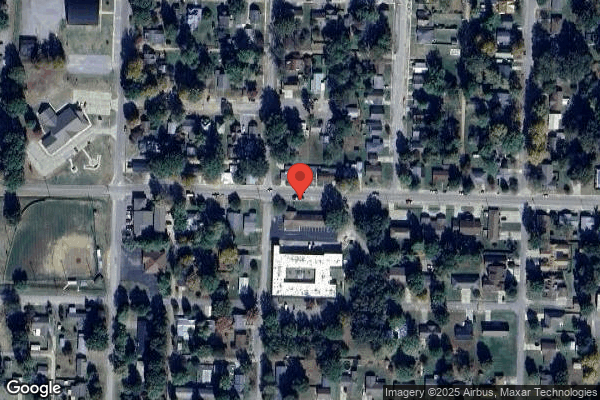
415 S CATALPA STREET, DEXTER, MO 63841 (573) 624-7491
For profit - Limited Liability company 73 Beds PARADIGM SENIOR MANAGEMENT Data: November 2025
Trust Grade
55/100
#272 of 479 in MO
Last Inspection: January 2025

Within standard 12-15 month inspection cycle. Federal law requires annual inspections.

Overview

Memory Lane of Dexter has received a Trust Grade of C, which means it is average and sits in the middle of the pack among nursing homes. It ranks #272 out of 479 facilities in Missouri, placing it in the bottom half, and is the lowest-ranked option in Stoddard County at #7 out of 7. The facility's overall performance is stable, with 4 issues noted consistently in both 2023 and 2025. Staffing is a weak point, earning only 1 out of 5 stars, but with a turnover rate of 0%, which is significantly better than the state average. While the facility has not incurred any fines, it also has less RN coverage than 80% of Missouri facilities, which raises concerns about the quality of care. Specific incidents include the failure to store and distribute food under sanitary conditions, increasing the risk of food-borne illnesses, and the lack of a designated Registered Nurse to oversee nursing operations, which could negatively impact resident care. Overall, while there are some strengths, such as no fines and stable staffing, the facility has significant areas needing improvement.

Trust Score
C
55/100
In Missouri
#272/479
Bottom 44%
Safety Record
Low Risk
No red flags
Inspections
Holding Steady
4 → 4 violations
Staff Stability
○ Average
Turnover data not reported for this facility.
Penalties
✓ Good
No fines on record. Clean compliance history, better than most Missouri facilities.
Skilled Nurses
⚠ Watch
Each resident gets only 15 minutes of Registered Nurse (RN) attention daily — below average for Missouri. Fewer RN minutes means fewer trained eyes watching for problems.
Violations
⚠ Watch
18 deficiencies on record. Higher than average. Multiple issues found across inspections.
★★☆☆☆
2.0
Overall Rating
★☆☆☆☆
1.0
Staff Levels
★☆☆☆☆
1.0
Care Quality
★★★★☆
4.0
Inspection Score
Stable
2023: 4 issues
2025: 4 issues

The Good

  • Full Sprinkler Coverage · Fire safety systems throughout facility
  • No fines on record

Facility shows strength in fire safety.

The Bad

2-Star Overall Rating

Near Missouri average (2.5)

Below average - review inspection findings carefully

Chain: PARADIGM SENIOR MANAGEMENT

Part of a multi-facility chain

Ask about local staffing decisions and management

The Ugly 18 deficiencies on record

Jan 2025 4 deficiencies
CONCERN (D)

Potential for Harm - no one hurt, but risky conditions existed

Medication Errors (Tag F0758)

Could have caused harm · This affected 1 resident

Based on interview and record review, the facility failed to attempt a gradual dose reduction (GDR) for four residents (Residents #2, #3, #30, and #33) out of five sampled residents. The facility's ce...

Read full inspector narrative →
Based on interview and record review, the facility failed to attempt a gradual dose reduction (GDR) for four residents (Residents #2, #3, #30, and #33) out of five sampled residents. The facility's census was 64. Review of the facility's policy titled, Tapering Medications and Gradual Dose Reduction, revised July 2022, showed: - After medications are ordered for a resident, the staff and practitioner shall seek an appropriate dose and duration for each medication that also minimizes the risk of adverse consequences; - Residents who use psychotropic (medications that affect the mind, emotions, and behavior) medications shall receive gradual dose reductions and behavioral interventions, unless clinically contraindicated, in an effort to discontinue these drugs; - The staff and practitioner will consider tapering of medications as one approach to finding an optimal dose or determining whether continued use of a medication is benefiting the resident; - The physician will review periodically whether current medications are still necessary in their current doses. For example, whether an individual's conditions or risk factors are sufficiently prominent or enduring that they require medication therapy to continue in the current dose, or whether those conditions and risks could potentially be equally well managed or controlled without certain medications, or with a lower dose; - Residents who use psychotropic medications shall receive gradual dose reductions, unless clinically contraindicated, in an effort to discontinue the use of such drugs. Pertinent behavioral interventions (non-pharmacological attempts to influence an individual's behavior, including environmental alterations and staff approaches to care) will also be attempted; - Within the first year after a resident is admitted on a psychotropic medication or after the resident has been started on a psychotropic medication, the staff and practitioner shall attempt a GDR in two separate quarters (with at least one month between the attempts), unless clinically contraindicated. After the first year, the facility shall attempt a GDR at least annually, unless clinically contraindicated; - For any individual who is receiving a psychotropic medication to treat a psychiatric disorder other than behavioral symptoms related to dementia (for example, schizophrenia, bipolar mania, or depression with psychotic features), the GDR may be considered contraindicated, if: the continued use is in accordance with relevant current standards of practice and the physician has documented the clinical rationale for why any attempted dose reduction would be likely to impair the resident's function or cause psychiatric instability by exacerbating an underlying psychiatric disorder; or the resident's target symptoms returned or worsened after the most recent attempt at a GDR within the facility and the physician has documented the clinical rationale for why any additional attempted dose reduction at that time would be likely to impair the resident's function or cause psychiatric instability by exacerbating an underlying medical or psychiatric disorder. 1. Review of Resident #2's medical record showed: - admission date of 03/22/24; - Diagnoses of unspecified dementia (dementia without a specific cause, a person's mild cognitive impairment has yet to be diagnosed as a specific type of dementia), psychotic disturbance (a mental disorder characterized by a disconnection from reality), psychosis (a collection of symptoms that affect the mind, where there has been some loss of contact with reality), Alzheimer's disease (a progressive disease that destroys memory and mental function) and major depressive disorder (a mental illness that causes a persistent low mood and loss of interest in activities); - An order for quetiapine (an antipsychotic medication that treats symptoms of psychosis, such as hallucinations and delusions) 25 milligrams (mg) by mouth at bedtime daily, dated 04/01/24; - An order for mirtazapine (an antidepressant medication) 15 mg by mouth at bedtime daily for anxiety disorder, dated 03/23/24; - No documentation of attempted GDRs for quetiapine, or mirtazapine; - No documentation of contraindications of medication adjustments for quetiapine, or mirtazapine. 2. Review of Resident #3's medical record showed: - admission date of 04/10/23; - Diagnoses of unspecified dementia, psychosis, anxiety (intense, excessive, and persistent worry and fear about everyday situations), and cognitive communication deficit (difficulty with communication caused by impairment in cognitive process); - An order for risperidone (an antipsychotic medication) 0.25 mg, one tablet by mouth at bedtime, dated 04/27/23; - No documentation of attempted GDRs for risperidone; - No documentation of contraindications of medication adjustments for risperidone. 3. Review of Resident #30's medical record showed: - admission date of 03/07/24; - Diagnoses of Alzheimer's disease, repeated falls, cognitive communication deficit, and hallucinations (seeing, hearing, tasting, smelling, or feeling something that isn't there); - An order for quetiapine 25 mg daily in the evening, dated 03/07/24; - No documentation of attempted GDRs for quetiapine; - No documentation of contraindications of medication adjustments for quetiapine. 4. Review of Resident #33's medical record showed: - admission date of 01/10/24; - Diagnoses of unspecified psychosis, Alzheimer's disease, and unspecified dementia; - An order for quetiapine (an antipsychotic medication) 100 mg, give one tablet by mouth at bedtime, dated 01/10/24; - An order for quetiapine (an antipsychotic medication) 25 mg, give one tablet by mouth two times a day, dated 10/09/24; - No documentation of attempted GDRs for quetiapine; - No documentation of contraindications of medication adjustments for quetiapine. During an interview on 01/23/25 at 11:45 A.M., Pharmacist E said he/she initiates GDRs on medications quarterly, last done in October 2024. He/she said they are getting ready to start on the January GDRs. Pharmacist E said he/she works closely with the facility psychiatrist when it comes to the dosing of the medication. During an interview on 01/17/25 at 6:30 P.M., the Administrator and the Director of Nursing said they both expected GDRs to be done for all residents on any psychotropic medications. The GDRs should be completed per the facility's policy.
CONCERN (D)

Potential for Harm - no one hurt, but risky conditions existed

Unnecessary Medications (Tag F0759)

Could have caused harm · This affected 1 resident

Based on observation, interview, and record review, the facility failed to maintain an error rate of less than five percent (%) during medication administration. There were 29 opportunities with two e...

Read full inspector narrative →
Based on observation, interview, and record review, the facility failed to maintain an error rate of less than five percent (%) during medication administration. There were 29 opportunities with two errors made, for an error rate of 6.9%, which affected two residents (Resident #30 and #267) out of two sampled residents. The facility's census was 64. Review of the facility's policy titled, Insulin Administration, revised September 2014, showed: - The type of insulin, dosage requirements, strength, and method of administration must be verified before administration; - The nursing staff will have access to specific instructions (from the manufacturer if appropriate) on all forms of insulin delivery systems prior to their use. Review of the lispro KwikPen (insulin in a pen-type device) manufacturer instructions for use, revised July 2023, showed: - Priming the pen means removing the air from the needle and cartridge that may collect during normal use and ensures that the pen is working correctly; - Not priming before each injection may result in too much or too little insulin; - Turn the dose knob to select two units; - Hold the pen with the needle pointing up, tap the cartridge holder gently to collect air bubbles at the top; - With the needle pointing up, push the dose knob until it stops and zero is seen in the dose window, hold and count to five slowly; - There should be insulin at the tip of the needle, if not, repeat no more than four times. Review of the Fiasp Flex Touch Pen (insulin in a pen-type device) instructions, revised July 2023, showed: - To prime the pen, turn the dose selector to select two units; - Hold the pen with the needle pointing up; - Tap the cartridge gently with your finger a few times to make any air bubbles collect at the top of the cartridge; - Keep the needle pointing upwards, press the push-button all the way in; - The dose selector returns to zero; - A drop of insulin should appear at the needle tip. If not, change the needle and repeat the procedure no more than six times; - Select your dose; - Give injection. 1. Review of Resident #30's Physician's Order Sheet (POS), dated January 2025, showed: - An order for insulin lispro per sliding scale (progressive increase in the pre-meal or nighttime insulin dose based on pre-defined blood glucose ranges) for a blood sugar of 251-300, give seven units, dated 05/07/24. Observation of the resident's medication administration on 01/15/25 at 11:29 A.M. showed: - Certified Medication Technician (CMT) D administered insulin lispro seven units subcutaneously (an injection just beneath the skin) to the resident per sliding scale for a blood sugar of 280; - CMT D failed to prime the insulin pen prior to the administration of the insulin. 2. Review of Resident #267's POS, dated January 2025, showed: - An order for Fiasp, inject per sliding scale for a blood sugar of 301-350, give eight units, dated 12/19/2024. Observation of the resident's medication administration on 01/15/25 at 11:10 A.M. showed: - CMT D administered Fiasp eight units subcutaneously to the resident per sliding scale for a blood sugar of 311; - CMT D failed to prime the Fiasp pen prior to the administration of the insulin. During an interview on 01/15/25 at 11:45 A.M., CMT D said he/she was told to prime the pen when first opened, not with each injection. During an interview on 01/17/25 at 8:07 A.M., the Administrator and the Director of Nursing said they would expect staff to prime the insulin pen prior to each injection.
CONCERN (D)

Potential for Harm - no one hurt, but risky conditions existed

Deficiency F0925 (Tag F0925)

Could have caused harm · This affected 1 resident

Based on observation, interview, and record review, the facility failed to maintain an effective pest control program. This had the potential to affect all residents in the facility. The facility's ce...

Read full inspector narrative →
Based on observation, interview, and record review, the facility failed to maintain an effective pest control program. This had the potential to affect all residents in the facility. The facility's census was 64. Review of the facility's policy titled, Pest Control, revised May 2008, showed: - Our facility shall maintain an effective pest control program; - This facility maintains an on-going pest control program to ensure that the building is kept free of insects. Observation on 01/15/25 at 9:15 A.M. of the dry goods storage room showed: - Multiple gnats crawling on the floor between the kitchen and dry goods storage room; - Numerous gnats flying around the dry goods storage room and crawling on the floor; - Numerous gnats flying above onions stored in an open plastic bin and over a 1 inch () x 2 puddle of a brown sticky substance under the right rear plastic shelving unit and a 3 x 3 area of a light colored sticky residue on the floor in front of the right rear plastic shelving unit; - Three gnats crawling on plastic resealable bags of spaghetti and rotini pasta noodles. Observation on 01/17/25 at 10:50 A.M. of the dry goods storage room showed: - A gnat on a plastic bag containing angel food cake, dated 12/21/24; - A 25 pound (lb) box of powdered sugar, dated 9/8/23, with the lid opened and the inner plastic bag opened and unsealed, with two gnats flying around it; - Numerous dead gnats in the floor in front of a crate holding a plastic tote containing a 25 lb bag of hushpuppy mix; - A gnat crawling on the plastic wrapper of a loaf of sandwich bread on a shelf next to the door; - Two live gnats crawling on the floor and numerous dead gnats on the floor in front of the open plastic bin of onions; - A gnat crawling on a cardboard tray containing seven 50 oz cans of tomato soup; - A gnat crawling on a cardboard tray containing four 7.25 oz cans of tomato soup and three 7.25 oz cans of chicken noodle soup. During an interview on 01/15/25 at 10:15 a.m., the Dietary Manager (DM) said he/she thought the gnats were coming from the floor drain and they had previously poured a mixture of cider vinegar and dishwashing liquid down the drain to try to get rid of them. During an interview on 01/17/25 at 6:20 P.M., the Administrator said she would expect the kitchen and food storage areas to be free from pests. She said the pest control company came to the facility yesterday to spray for the gnats.
CONCERN (F)

Potential for Harm - no one hurt, but risky conditions existed

Food Safety (Tag F0812)

Could have caused harm · This affected most or all residents

Based on observation, interview, and record review, the facility failed to store and distribute food under sanitary conditions, increasing the risk of cross-contamination and food-borne illness. These...

Read full inspector narrative →
Based on observation, interview, and record review, the facility failed to store and distribute food under sanitary conditions, increasing the risk of cross-contamination and food-borne illness. These practices had the potential to affect all residents who are served food from the kitchen. The facility's census was 64. Review of the facility's policy titled, Refrigerators and Freezers, revised November 2022, showed: - This facility will ensure safe refrigerator and freezer maintenance, temperatures, and sanitation, and will observe food expiration guidelines; - Supervisors are responsible for ensuring food items in pantry, refrigerators, and freezers are not past use by or expiration dates. Supervisors should contact vendors or manufacturers when expiration dates are in question or to decipher codes on packaging. Review of the facility's policy titled, Food Receiving and Storage, revised November 2022, showed: - Foods shall be received and stored in a manner that complies with safe food handling practices; - Food services, or other designated staff, maintain clean and temperature/humidity-appropriate food storage areas at all times; - Dry foods and goods are handled and stored in a manner that maintains the integrity of the packaging until they are ready to use; - Dry foods that are stored in bins are removed from original packaging, labeled and dated (use by date); - Refrigerated foods are labeled, dated and monitored so they are used by their use by date, frozen, or discarded. Review of the facility's Daily Cleaning Schedule for the kitchen, dated January 2025, showed floors are to swept and mopped daily by the afternoon staff. Observation on 01/15/25 at 9:15 A.M. of the dry goods storage room showed: - Four 46 ounce (oz) unopened containers of prune juice with an expiration date of 05/17/24; - Two 16 oz unopened containers of beef base with an expiration date of 07/12/24; - Three 28 oz unopened packages of vanilla instant pudding and pie filling mix and one, opened on 01/13/25, all with an expiration date of 09/06/24; - Nine 28 oz unopened packages of chocolate instant pudding and pie filling mix and one, opened on 12/24/24, all with an expiration date of 09/06/24. Observation on 01/15/25 at 9:15 A.M. and 01/17/25 at 10:45 A.M. of the dry goods storage room showed: - Onion peelings and a 1 inch () x 2 puddle of a brown sticky substance under the right rear plastic shelving unit; - A 3 x 3 area of a light colored sticky residue on the floor in front of the right rear plastic shelving unit; - A cardboard box of graham cracker crumbs, dated 10/10/24, with the lid opened and the inner plastic bag opened and unsealed; - A cardboard box of puree bread mix, dated 12/26/24, with the lid opened and the inner plastic bag opened and unsealed; - A cardboard box of panko bread crumbs, dated 11/21/24, with the lid opened and the inner plastic bag opened and unsealed; - Food crumbs and debris in three plastic storage bins containing brown gravy mix, chicken gravy mix, and biscuit gravy mix. Observation on 01/17/25 at 10:45 A.M. of the kitchen showed: - A gallon of chocolate milk, half full, with an expiration date of 1/16/25 in the refrigerator on the right side of the kitchen; - A five pound (lb) container of cottage cheese, opened on 12/19/24 with a best by date of 12/29/24, in the refrigerator on the left side of the kitchen. Observation on 01/17/25 at 10:50 A.M. of the dry goods storage room showed: - A 25 lb box of powdered sugar, dated 9/8/23, with the lid opened and the inner plastic bag opened and unsealed; - A 25 lb box of long grain rice, dated 6/8 with no year, with the lid opened and the inner plastic bag opened and unsealed; - A 25 lb bag of yellow self rising cornmeal mix, dated 11/2/23, opened, inside a plastic tote with the lid on, and the outside of the tote dated 1/9/25; - A 25 lb bag of hushpuppy mix, delivered date 9/7/23, expiration date of 11/9/24, opened, inside a plastic tote with the lid on; - A two gallon plastic resealable bag of rotini pasta, opened 11/20/24, unsealed with two drips of dark colored liquid on the outside of the bag. During an interview on 01/15/25 at 10:15 a.m., the Dietary Manager (DM) said the expired foods would be thrown out immediately. He/she said the sticky residue on the floor of the dry goods storage room looked like syrup and the dietary staff would clean it up. During an interview on 01/17/25 at 11:20 A.M., the DM said the dietary staff was supposed to have cleaned the floor in the dry goods storage room, but obviously it wasn't done. He/she took over as the DM in October 2023 and inherited some of the expired food and they hadn't been using it, but it would be discarded immediately. During an interview on 01/17/25 at 6:20 P.M., the Administrator said she would expect expired food items to be thrown away on or at their expiration dates.
Aug 2023 4 deficiencies
CONCERN (D)

Potential for Harm - no one hurt, but risky conditions existed

Deficiency F0655 (Tag F0655)

Could have caused harm · This affected 1 resident

Based on interview and record review, the facility failed to ensure the resident and/or representative received a written summary of the baseline care plan for three sampled residents (Resident #47, #...

Read full inspector narrative →
Based on interview and record review, the facility failed to ensure the resident and/or representative received a written summary of the baseline care plan for three sampled residents (Resident #47, #100, and #201) out of three sampled residents. The facility census was 47. Review of the facility's policy titled, Baseline Care Plan, dated March 2022, showed: - A baseline plan of care is to meet the resident's immediate health and safety needs and is developed for each resident within 48 hours of admission; - The baseline care plan includes instructions needed to provide effective, person-centered care of the resident; - The baseline care plan is used until the staff can conduct the comprehensive assessment and develop an interdisciplinary person-centered comprehensive care plan (no later than 21 days after admission); - The resident and/or representative are provided a written summary of the baseline care plan; - Provision of the summary to the resident and/or resident representative is documented in the medical record. 1. Review of Resident #47's medical record showed: - An admission date of 07/20/23; - No documentation the resident and/or the representative received a written summary of the baseline care plan. Review of the resident's baseline care plan, dated 07/20/23, showed: - The resident required assistance with activities of daily living (ADL's); - The resident an elopement risk and confused; - No documentation the resident and/or the representative received a written summary of the baseline care plan. 2. Review of Resident #100's medical record showed: - An admission date of 07/28/23; - No documentation the resident and/or the representative received a written summary of the baseline care plan. Review of the resident's baseline care plan, dated 07/28/23, showed: - The resident required oxygen at 2 liters per minute continuously; - The resident with a history of falls and required assistance with ADL's; - The resident with a pressure ulcer (damage to the skin and/or underlying tissue as a result of pressure) on the buttocks; - No documentation the resident and/or the representative received a written summary of the baseline care plan. 3. Review of Resident #201's medical record showed: - An admission date of 08/01/23; - No documentation the resident and/or the representative received a written summary of the baseline care plan. Review of the resident's baseline care plan, dated 08/01/23, showed: - The resident required assistance with dressing, hygiene and bathing; - The resident an elopement risk and confused; - No documentation the resident and/or the representative received a written summary of the baseline care plan. During an interview on 08/16/23 at 2:07 P.M. the Minimum Data Set (MDS) (a federally mandated assessment to be completed by the facility staff) Coordinator said he/she was responsible for the baseline care plan. A copy was not given to the resident or family representative unless they asked for it, and it was not signed. He/She did not know this should be done but it will be done in the future. During an interview on 08/17/23 at 1:07 P.M. the Administrator said baseline care plans should be completed and signed by the resident or resident representatives within 48 hours of admission. Once completed, it should have been signed and delivered to Resident #47. The facility's policy covered comprehensive care plans.
CONCERN (D)

Potential for Harm - no one hurt, but risky conditions existed

Infection Control (Tag F0880)

Could have caused harm · This affected 1 resident

Based on observation, interview and record review, the facility failed to maintain infection control practices during medication administration for one resident (Resident #3) out of six sampled reside...

Read full inspector narrative →
Based on observation, interview and record review, the facility failed to maintain infection control practices during medication administration for one resident (Resident #3) out of six sampled residents, while passing cups during the meal time, and during incontinent care for one resident (Resident #29) out of three sampled residents. The facility failed to implement a risk management process specific to Legionella disease (a serious type of pneumonia caused by Legionella bacteria) which had the potential to affect all residents, staff, and the public. The facility's census was 47. Review of the facility's policy titled, Administering Medication, dated April 2019, showed: - Medications are administered in a safe and timely manner, and as prescribed; - Staff follows established facility infection control procedures for the administration of medications, as applicable. 1. Observation on 08/16/23 at 8:24 A.M., showed: - Registered Nurse (RN) A sanitized hands; - RN A prepared medications for Resident #3; - RN A poured two capsules of docusate sodium (a stool softener) into the lid of the bottle; - RN A put his/her bare index finger on one capsule while turning the lid to drop the other capsule into the medication cup; - RN A poured the contaminated capsule into the bottle of docusate sodium; - RN A popped omeprazole (a medication that decreases the amount of stomach acid) for Resident #3 and flipped the card facing down; - RN A picked up the omeprazole capsule from the popped medication card and placed it into the medication cup with his/her bare hand; - RN A administered the medications to Resident #3. During an interview on 08/16/23 at 8:24 A.M., RN A said the medication gets stuck in the bubble packs at times. During an interview on 08/17/23 at 11:44 A.M., RN A said that medications should not be touched with staff's bare hands. During an interview on 08/17/23 at 12:30 P.M., the Administrator and the Director of Nursing (DON) said staff should not touch medications with their bare hands. Review of the facility's policy titled, Preventing Foodborne Illness - Employee Hygiene and Sanitary Practices, dated November 2022 ,showed: - Food and nutrition service employees follow appropriate hygiene and sanitary procedures to prevent the spread of foodborne illness; - All employees who handle, prepare or serve food are trained in the practices of safe food handling and preventing foodborne illness; - Employees must wash their hands after engaging in other activities that contaminate the hands. Review of the facility's policy titled, Handwashing/Hand Hygiene, revised August 2019, showed: - This facility considers hand hygiene the primary means to prevent the spread of infections; - Use an alcohol-based hand rub containing at least 62 percent (% ) alcohol; or alternatively soap (antimicrobial or non-antimicrobial) and water for the following situations: before and after direct contact with residents; before preparing or handling medications; before moving from a contaminated body site to a clean body site during resident care; after contact with a resident's intact skin; after contact with blood or bodily fluids; after handling used dressings, contaminated equipment, etc.; after removing gloves; and before and after assisting a resident with meals. 2. Observation on 08/14/23 of the lunch meal in the men's dining room showed: - At 12:10 P.M., Certified Nursing Assistant (CNA) B carried drinking glasses into the men's dining room on a tray to a table with gloved hands; - CNA B touched the top rim of the drinking glasses for three different residents; - At 12:13 P.M., CNA B assisted a resident to transfer from the wheelchair to the dining room chair with the same gloved hands and touched the wheelchair and the resident's lower back; - CNA B carried one glass by the top rim for another resident with the same soiled gloves; - CNA B walked down the hall to the nurse's station and removed the soiled gloves; - CNA B sanitized hands with hand sanitizer and picked up a new pair of gloves; - At 12:15 P.M., CNA B stood against the wall holding the pair of gloves, rubbing his/her fingers along the outside of the fingers of the gloves; - At 12:25 P.M., CNA B put the gloves on, handed out trays to three residents, and touched the tray cart door. During an interview on 08/17/23 at 12:30 P.M., the Administrator and DON said staff should not wear gloves continuously during meal time. Review of the facility's, Perineal Care Policy, dated February 2018, showed: - The purpose is to provide cleanliness and comfort to the resident, to prevent infections and skin irritation; - Assemble the equipment, wash hands, expose the resident, put on gloves, wash perineal area wiping front to back, wash buttocks, rinse and dry, discard disposable items, remove gloves, wash hands, position resident for comfort, clean basin, wash and dry hands. 3. Observation of peri care provided for Resident #29 on 08/16/23 at 9:02 A.M., showed: - The resident lay in bed; - CNA C and CNA D sanitized hands and donned gloves; - CNA C moved the resident's fall mat away from the floor at the bedside and removed the top sheet with a large circle area soiled with urine from the bed. Wearing the same soiled gloves, CNA C retrieved a clean wet washcloth and cleaned the resident's back with the washcloth; - Wearing the same soiled gloves, CNA C retrieved a clean shirt from the nightstand, placed it on the resident, and placed clean socks on the resident; - Wearing the same soiled gloves, CNA C placed a gait belt around the resident's waist. CNA C and CNA D assisted the resident to stand, lowered the resident's pants soiled with urine, and lowered the resident's urine saturated brief; - Wearing the same soiled gloves, CNA C retrieved a clean wet washcloth, performed peri care, and retrieved a clean brief from the nightstand. Wearing the same soiled gloves, CNA D put the clean brief on the resident. CNA C and CNA D assisted the resident to the wheelchair; - Wearing the same soiled gloves, CNA C took a bag from the roll of trash bags, placed the soiled brief in the bag, removed the gloves, failed to perform hand hygiene, and donned gloves; - Wearing the same soiled gloves, CNA D removed the resident's urine soaked pants, removed the gloves, failed to perform hand hygiene, donned gloves, and placed clean pants on the resident; - CNA C and CNA D assisted the resident to stand using the gait belt, pulled the pants up, assisted the resident to sit in the wheelchair, and removed the gait belt; - Wearing the same soiled gloves, CNA D propelled the resident to the bathroom in the wheelchair, applied toothpaste to the toothbrush, lay down two paper towels on the sink, and brushed the resident's teeth. CNA D assisted the resident to drink from a cup to rinse his/her mouth, rinsed the toothbrush, assisted the resident to wipe his/her mouth with the paper towels from the sink, propelled the resident's wheelchair out of the bathroom, removed the gloves, and failed to perform hand hygiene. CNA D exited the room to take items to the spa room. CNA D returned to the room, failed to perform hand hygiene, donned gloves, and sprayed cologne/deodorant on the front of the resident's shirt. CNA D took trash bags with soiled linens and trash to the soiled utility room, removed the gloves, and sanitized hands; - CNA C removed the gloves, failed to perform hand hygiene and donned gloves. CNA C removed the bottom sheet, with middle area noted wet with urine, placed it in a trash bag, cleaned the mattress with a wipe and placed the bed blanket in a trash bag. CNA C removed the gloves, failed to perform hand hygiene, moved the resident's glasses from the nightstand to the dresser, combed the resident's hair, failed to perform hand hygiene, exited the resident's room, propelled the resident in the wheelchair to the common area near the nurse's station, went into the medication room, touched the counter, and walked back down the hallway. During an interview on 08/17/23 at 1:33 P.M., CNA D said he/she should gather supplies, shut the door, wash his/her hands, put on gloves, provide resident care, perform peri care front to back, use a dirty and clean bag, take the soiled gloves off, and wash his/her hands after he/she was finished. During an interview on 08/17/23 at 1:40 P.M., CNA C said he/she would wash hands, put on gloves, provide peri care front to back, put a new brief on, and wash his/her hands. During an interview on 8/17/23 at 1:43 P.M., the DON said she would expect staff to go into the resident's room, perform hand hygiene, put gloves on, provide peri care, perform hand hygiene, place the clean brief on the resident, bag the dirty stuff up, remove the soiled gloves, and perform hand hygiene before leaving the room. If the resident had a bowel movement, she would expect extra hand hygiene, and hand hygiene between every glove change. Review of the facility's policy titled, Legionella Water Management Program, revised September 2022, showed: - Our facility is committed to the prevention, detection and control of water-borne contaminants, including Legionella; - As part of the infection prevention and control program, our facility has a water management program, which is overseen by the water management team; - The water management team consists of at least the following personnel: The Infection Preventionist; the Administrator; the Medical Director (or designee); the Director of Maintenance; and the Director of Environmental Services; - The purposes of the water management program are to identify areas in the water system where Legionella bacteria can grow and spread, and to reduce the risk of Legionnaire's disease; - The water management program includes the following elements: an interdisciplinary water management team; a detailed description and diagram of the water system in the facility; the identification of areas in the water system that could encourage the growth and spread of Legionella or other waterborne bacteria; the identification of situations that can lead to Legionella growth; specific measures used to control the introduction and or spread of Legionella (e.g., temperature, disinfectants); the control limits or parameters that are acceptable and that are monitored; a system to monitor control limits and the effectiveness of control measures; a plan for when control limits are not met and/or control measures are not effective; and documentation of the program; - The water management program is reviewed at least once a year, or sooner if any of the following occur: the control limits are consistently not met; there is a major maintenance or water service change; there are any disease cases associated with the water system; or there are changes in laws, regulations, standards or guidelines. 4. The facility did not provide Legionella Maintenance/Surveillance documentation. During an interview on 08/16/23 at 2:50 P.M., the Maintenance Supervisor (MS) said he/she didn't know about any measures in place to prevent the growth of Legionella, documentation related to it, or any routine checks being done. He/She had worked here since March 2023, and they opened in April 2023. He/She did go to the showers and rooms to run the water and flush the toilets, but was not aware he/she needed to document those things. During an interview on 08/17/23 at 1:35 P.M., the Administrator said she would expect Legionella prevention to be completed and documented.
CONCERN (E)

Potential for Harm - no one hurt, but risky conditions existed

Accident Prevention (Tag F0689)

Could have caused harm · This affected multiple residents

**NOTE- TERMS IN BRACKETS HAVE BEEN EDITED TO PROTECT CONFIDENTIALITY** Based on observation, interview, and record review, the facility failed to ensure the environment remained free of accident haza...

Read full inspector narrative →
**NOTE- TERMS IN BRACKETS HAVE BEEN EDITED TO PROTECT CONFIDENTIALITY** Based on observation, interview, and record review, the facility failed to ensure the environment remained free of accident hazards by not maintaining water temperatures between 105 degrees Fahrenheit (F) to 120 degrees F in nine occupied resident room sinks which put 19 residents on the male memory care unit at an increased risk of injuries from exposure to the hot water. The facility census was 47. Review of the facility's, Safety of Water Temperature Policy, dated 2009, showed: - Tap water in the facility shall be kept within a temperature range to prevent scalding of residents; - Water heaters that service resident rooms, bathrooms, common areas, and tub/shower areas shall be set to temperatures of no more than blank degrees F, or the maximum allowable temperature per state regulation; - Maintenance staff is responsible for checking thermostats and temperature controls in the facility and recording these checks in a maintenance log; - Maintenance staff shall conduct periodic tap water temperature checks and record the water temperatures in a safety log. Review of the facility's, Weekly Water Temperature Log, showed: - Check two random rooms per wing for proper water temperatures; - Resident rooms should reach temperatures of 105-120 degrees, maximum; - If a resident's room water temperature is below 105 degrees look for a cold water mix at a fixture such as a whirlpool, shower faucet, or chemical additive machine - turn cold side off. If too low of temperature still occurs, call for service; - If a resident room's water temperature is above 120 degrees: adjust the water heater, look for a hot water leak, or check mixing valves. If too high of temperature still occurs, call for service. Review of the Burn Foundation website showed hot water caused third degree burns (full thickness burns which go through the skin and affect deeper tissue resulting in white or blackened, charred skin) at the following temperatures and time parameters: - In one second at 156 degrees F; - In two seconds at 149 degrees F; - In five seconds at 140 degrees F; - In 15 seconds at 133 degrees F; - In one minute at 127 degrees F. 1. Observation on 08/16/23 between 9:11 A.M., to 10:18 A.M., of the water temperature taken at 30 and 60 seconds with a digital thermometer showed: - room [ROOM NUMBER] water temperature recorded at 132 degrees F at the sink with steam; - room [ROOM NUMBER] water temperature recorded at 130.5 degrees F at the sink for one minute; - room [ROOM NUMBER] water temperature recorded at 134.5 degrees F at the sink for one minute; - Shared bathroom for two residents between rooms 16/18 water temperature recorded 135.7 degrees F at the sink for one minute; - Shared bathroom for two residents between rooms 19/21 water temperature recorded 135 degrees F at the sink; - Shared bathroom for two residents between rooms 20/22 water temperature recorded 136 degrees F at the sink with steam; - Locked north shower room water temperature in the shower recorded at 135.1 degrees F for one minute; - Locked north shower room water temperature recorded at 134.5 degrees F at the sink for one minute. 2. Observation on 08/16/23 at 10:18 A.M., showed the Maintenance Supervisor to attempt to obtain a water temperature reading in room [ROOM NUMBER] with a thermometer from the kitchen. - The thermometer did not read over 100 degrees F; - The water had steam rolling out of the sink; - Water hot to touch. 3. Observation on 08/16/23 at 10:22 A.M., of the hot water heater room in the basement showed: - Hot water heater for the men's unit set at 110; - No cold water mixer valve; - Maintenance Supervisor turned the water heater temperature down to 104 degrees F; - Maintenance Supervisor drained the water heater tank. 4. Observation on 08/16/23 at 11:30 A.M., showed water temperatures on the men's unit to be back in the 105 to 120 degree range. During an interview on 08/16/23 at 9:35 A.M., the Housekeeping Supervisor said the north shower and spa room is used often to provide bathing for the residents. During an interview on 08/16/23 at 10:23 A.M., the Maintenance Supervisor said the water was hotter than 100 degrees F and needed a new thermometer. It was the thermometer he always used and never had a reading over 108 degrees F. The men's unit water heater could use a mixer valve on it as some rooms water takes a long time to warm up. He/she checked the water temperature weekly. During an interview on 08/17/23 at 11:05 A.M., the Administrator said he/she had been in communication with the plumber and it was decided a mixer valve would take care of the problem and prevent it from happening again. The valve has been ordered and will be installed. There had been no injuries to any residents due to hot water.
CONCERN (F)

Potential for Harm - no one hurt, but risky conditions existed

Food Safety (Tag F0812)

Could have caused harm · This affected most or all residents

Based on observation, interview, and record review, the facility failed to store and distribute food under sanitary conditions, increasing the risk of cross-contamination and food-borne illness. This ...

Read full inspector narrative →
Based on observation, interview, and record review, the facility failed to store and distribute food under sanitary conditions, increasing the risk of cross-contamination and food-borne illness. This has the potential to affect all residents. The facility census was 47. Review of the facility's policy titled, Deep Cleaning Schedule, undated, showed: - Deep clean the stove/oven including grease trap on Monday; - Deep clean the convection oven on Tuesday; - Deep clean the refrigerator/freezers, wipe out/ throw expired food out on Wednesday; - Deep clean the toaster on Thursday; - Deep clean the counters (all counters need to be cleared wipe down and cookware replaced inverted) on Friday; - Deep clean the coffee maker on Saturday; - Deep clean the sinks and throw expired food out Sunday; - The policy did not address cleaning of the floors. Review of the facility's policy titled, Food Receiving and Storage, dated November 2022, showed: - Foods shall be received and stored in a manner that complies with safe food handling practices; - Food services, or other designated staff, maintain clean and temperature/humidity-appropriate food storage areas at all times; - When food is delivered to the facility, it is inspected for safe transport and quality before being accepted; - The food and nutrition services manager verifies the latest approved inspection and also monitors the food quality of the supplier; - Dry Food Storage, non-refrigerated foods, disposable dishware and napkins are stored in a designated dry storage unit which is temperature and humidity controlled, free of insects and rodents, and kept clean; - Dry storage may be in a room or area designated for the storage of dry goods, such as single service items, canned goods, and packaged or containerized bulk food; - Dry foods and goods are handled and stored in a manner that maintains the integrity of the packaging until they are ready to use; - Dry foods that are stored in bins are removed from original packaging, labeled and dated (use by date), such foods are rotated using a first in - first out system; - Food in designated dry storage areas are kept at least six inches (in.) off the floor (unless packaged for case lot handling, for example, dollies, pallets, racks and skids) and clear of sprinkler heads, sewage/waste disposal pipes and vents; - Food may not be stored in locker rooms, toilet rooms, dressing rooms, garbage rooms, in mechanical rooms, under sewer lines that are not shielded to intercept potential drips, under leaking water lines, including leaking automatic fire sprinkler heads, or under lines on which water has condensed, under open stairwells, or under other sources of contamination; - Refrigerated/frozen storage, all foods stored in the refrigerator or freezer are covered, labeled and dated; - Functioning of the refrigeration and food temperatures are monitored daily and at designated intervals throughout the day by the food and nutrition services manager or designee and documented according to state-specific requirements; - Refrigerated foods are labeled, dated and monitored so they are used by their use-by date, frozen, or discarded; - Frozen foods are maintained at a temperature to keep the food frozen solid, wrappers of frozen foods must stay intact until thawing; - Uncooked and raw animal products and fish are stored separately in drip-proof containers and below fruits, vegetables and other ready-to-eat foods to prevent meat juices from dripping onto these foods. 1. Observation on 08/14/23 at 8:47 A.M., of the north dietary storage showed: - A chest type freezer with a one in. thick layer of ice along the interior walls. The freezer also included an undated, unsealed clear plastic sack with thirty breadsticks and an undated, opened 10 pound (lb.) box of fish fillets; - A window mounted air-conditioner above the freezer with black dust and grime covered louvers and grill. 2. Observation on 08/14/23 at 8:50 A.M., of the kitchen showed: - The left side commercial type reach-in freezer had a damaged gasket near the top right door section with one in. frost build-up and heavy condensation on the exterior door surface - The right side commercial type reach-in refrigerator with frost-covered ceiling ventilation louvers frozen and an unlabeled egg tray with two cracked eggs; - Debris on the floor below the four refrigeration units. 3. Observation on 08/14/23 at 8:55 A.M., of the dry food storage room showed: - One 6 lb. 15 ounce (oz.) dented can of Mexican style chili beans and one 7 lb. 8 oz. dented can with strawberry glaze on the canned food rack; - One 7 lb. dented can with sliced apples on the floor; - Two 46 fluid oz. tomato juice cans dented sat on the left side of the food shelves; - Two pickle jars covered with brown sugar on the lid's exteriors sat on the left side of the food shelves; - Four cardboard boxes with disposable cups, lids and plates sat on the floor; - One opened 80 count box with one oz. individually wrapped cookies, dated 08/10/23, sat two in. above the floor on the low food rack; - Three individually wrapped crackers and food debris lay on the floor below the stairs. 4. Observation on 08/15/23 at 10:20 A.M., of the kitchen showed: - The commercial style can opener with black grime build-up, and base edges with a chipped finish that peeled; - Seven ceiling diffusers (one of the few visible parts of an air conditioning system) with brown grime build-up on the front exterior surfaces and between the ventilation louvers; - Scattered debris below the commercial range, refrigeration equipment and food prep counter; - The left side commercial type reach-in freezer with a damaged gasket near the top right door section with one in. frost build-up and heavy condensation on the exterior door surface; - The right side commercial type reach-in refrigerator with frost-covered ceiling ventilation louvers frozen. 5. Observation on 08/17/23 at 11:46 A.M., of the kitchen showed six, 16 in. x 24 in. x 1 in. deep baking pans with black grime build-up on the inside corners, on the cooking surface and the outer surfaces. During an interview on 08/16/23 at 12:11 P.M., the Registered Dietician said the reach-in refrigerator must be malfunctioning because the fan should not be frozen in top of the freezer. The Administrator will be notified. The seal must be damaged in the reach-in freezer because it has condensation outside the door. The freezer seal should be intact and ice should not be formed around the door seal and in the top corner of the freezer. The air conditioner above the chest type freezer should not be coated with dust and grime. The chest type freezer should not have ice formations along the inside walls. The breadsticks should not be left in an open plastic bag and the fish should be dated when it was opened but it was not. The front of the reach-in refrigerator should be clean but had some grime build up. The appliances had debris on the floor below but should be clean underneath. The food and food service items should be kept at least six in. off the floor in the dry storage. There should not be dented cans in the dry food storage. The Administrator will be made aware of the issues in the kitchen. During an interview on 08/16/23 at 4:54 P.M., the Administrator said the facility had a new refrigerator coming. The refrigeration should have been working properly and the fan should not be frozen. She was aware of the food storage issues and cleaning concerns in the kitchen. The problems will be corrected. During an interview on 08/17/23 at 11:35 A.M., Dietary Aide E said he/she did most of the cleaning but the floor could use more attention and sweeping. During an interview on 08/17/23 at 11:38 A.M., the Dietary Manager said the chest type freezer shouldn't have been under an air conditioner with dust build up in the back room. The chest type deep freezer had been moved into the kitchen area. An open bag of undated breadsticks shouldn't be inside and had been thrown out along with the opened and undated box of fish that was inside. The freezers shouldn't have frost build up and will be defrosted and cleaned. The dented cans shouldn't be put on the shelves in the dry storage and were normally sent back with the delivery driver. The main refrigerator with a broken fan will be replaced with one from another facility in a few days. The main reach-in freezer needs a new door seal and one has been ordered and will be replaced by maintenance. The vents should be clean in the ceiling over the food areas and maintenance will be asked to complete the task. The kitchen appliances should be clean. The floors should be clean under the appliances and food prep areas, they should be swept twice daily. Appliances had been pulled out this morning and some cleaning had been finished. The range vent hood should be clean and filters will be removed and cleaned. The dry food storage area should not have food boxes or canned foods stored on the floor and it had been removed. New shelves had been installed that were above the floor at least six inches. There were six baking pans that will be replaced due to the black grime build-up that was difficult to remove.
Jul 2021 10 deficiencies
CONCERN (D)

Potential for Harm - no one hurt, but risky conditions existed

Comprehensive Care Plan (Tag F0656)

Could have caused harm · This affected 1 resident

Based on observation, interview, and record review, the facility failed to implement care plans with specific interventions tailored to meet individual needs for two residents (Resident #5 and #18) ou...

Read full inspector narrative →
Based on observation, interview, and record review, the facility failed to implement care plans with specific interventions tailored to meet individual needs for two residents (Resident #5 and #18) out of 12 sampled residents. The facility census was 21. 1. Record review of Resident #5's progress notes showed: - On 5/30/21, he/she started an antibiotic for a urinary tract infection (UTI) (bladder infection); - On 6/23/21, he/she incontinent of bladder more frequently; - On 6/30/21, he/she started another antibiotic for a UTI. During an interview on 6/29/21 at 8:45 A.M., Resident #5 said he/she can no longer hold his/her bladder and had requested to wear pull ups at all times. During an interview on 6/30/21 at 9:44 A.M., the Minimum Data Set (MDS) (a federally mandated assessment instrument completed by the facility staff) Coordinator said he/she wasn't aware the resident had episodes of incontinence of the bladder and wore pull ups. During an interview on 6/30/21 at 12:19 P.M., Certified Nurse Assistant (CNA) A said the resident had become incontinent of his/her bladder at times during the last month. The resident had a UTI and just started a second round of antibiotics. He/she can't get to the bathroom in time and had a couple of incontinent episodes during activities. This embarrassed the resident and he/she requested to wear pull ups at all times. Record review of the resident's care plan, revised on 6/18/21, showed: - No care plan for the UTI or individualized interventions; - No care plan for antibiotic treatments for the UTI; - No care plan for bladder incontinence or individualized interventions. 2. Observation of Resident #18 on 6/30/21 at 11:31 A.M., showed: - The resident's left leg crossed over the right leg with left foot rested against his/her right outer leg below the knee; - Certified Nurse Aide (CNA) B uncrossed the resident's legs; - Approximately a five centimeter (cm) red, open area to his/her right outer leg below the knee where his/her left foot rested; - CNA B pointed out the red, open area to the resident's right outer leg below the knee to Licensed Practical Nurse (LPN) D; - LPN D said he/she saw the red, open area to the resident's right outer leg below the knee. Observation of the resident on 7/1/21 at 11:12 A.M., showed: - Approximately a five cm red, scabbed area to his/her right outer leg below the knee. Record review of the resident's weekly skin assessment, dated 6/11/21, showed: - Area to right outer leg below the knee appeared to be a burst blister; - Not a new area; - Dry bandage covered the area for protection. Record review of the resident's weekly skin assessment, dated 6/18/21, showed: - Old healed small scabbed area to right outer leg near knee. Record review of the resident's care plan, revised on 6/17/21, showed: - No care plan for the area to right outer leg below the knee or individualized interventions. During an interview on 6/30/21 at 3:56 P.M., the MDS Coordinator said he/she wasn't aware of the resident's area to his/her right outer leg below the knee and any new incontinence of bladder, use of pull ups, and open areas should be care planned. During an interview on 7/1/21 at 2:36 P.M., the Administrator said he would expect a resident with any new incontinence of bladder, a UTI, use of pull ups, and open areas to be care planned. Record review of the facility's Care Plan Comprehensive policy, dated March 2015, showed: - The interdisciplinary care plan team with input from the resident, family, and/or legal representative, will develop and maintain a comprehensive care plan for each resident that identifies the highest level of functioning the resident may be expected to attain; - The comprehensive care plan will be based on a thorough assessment; - Assessment of each resident will be an ongoing process and the care plan will be revised as changes occur in the resident's condition.
CONCERN (D)

Potential for Harm - no one hurt, but risky conditions existed

Deficiency F0658 (Tag F0658)

Could have caused harm · This affected 1 resident

Based on observation, interview and record review, the facility failed to ensure care and treatment of an opened skin area for one resident (Resident #10) out of two sampled residents. The facility ce...

Read full inspector narrative →
Based on observation, interview and record review, the facility failed to ensure care and treatment of an opened skin area for one resident (Resident #10) out of two sampled residents. The facility census was 21. 1. Record review of Resident #10's quarterly Minimum Data Set (MDS) (a federally mandated assessment to be filled out by the facility staff), dated 4/10/21, showed: - At risk for developing pressure areas; - A Brief Interview for Mental Status of 00, not interviewable; - Totally dependent on staff for bed mobility, dressing, toileting, personal hygiene and feeding. Record review of the resident's care plan, last updated 10/14/20, showed: - Resident at risk for skin breakdown; - Monitor resident's skin during daily care and activities of daily living for any signs or symptoms of redness or breakdown and report to the charge nurse; - Charge nurse to assess resident and report to physician as needed. Record review of the resident's medical record showed: - No documentation of any concerns with the resident's skin on his/her left knee. Record review of the resident's Physician Order Sheet, dated 6/1/21 - 7/1/21, showed: - No order for treatment of opened area on left inner knee. Observation of the resident on 6/30/21 at 2:00 P.M., showed: - The resident had an opened area on left, inner knee, approximately two inches (in) by one in. oval in shape. During an interview on 6/30/21 at 2:00 P.M., Certified Nursing Assistant (CNA) B said the resident had been wearing boots on his/her feet to protect his/her heels and the resident had scratched his/her left knee with the boot on his/her right foot. Observation of the resident on 7/1/21 at 10:57 A.M., showed: - The resident had an opened area on his/her left inner knee, approximately two in. by one in., oval in shape and with a blister over the opened area. During an interview on 7/1/21 at 10:57 A.M., Registered Nurse (RN) C said he/she had not seen that area before and did not know what it was. During an interview on 7/1/21 at 11:15 A.M., Licensed Practical Nurse (LPN) D said he/she looked at the resident's left inner knee and it looked like he/she had scratched it. The area looked worse than when he/she last saw it. LPN D said he/she could not find any documentation on the opened area and could not find any treatment orders for the opened area. The doctor should have been notified of the opened area and treatment orders obtained when the area was found. LPN D said he/she did not notify the doctor when he/she originally saw the area. During an interview on 7/1/21 at 2:40 P.M., the Administrator said he would expect if staff found a new opened area on a resident's skin to notify the doctor and obtain treatment orders for the area. Record review of the facility's Wound Care and Treatment policy, dated 3/2015, showed: - On-going skin assessment with weekly documentation of status; - Minimize dry skin; - Apply moisturizer to areas of dry skin; - Avoid massage over bony prominence's; - Minimize friction and sheer through proper positioning, transferring and turning.
CONCERN (D)

Potential for Harm - no one hurt, but risky conditions existed

Pressure Ulcer Prevention (Tag F0686)

Could have caused harm · This affected 1 resident

**NOTE- TERMS IN BRACKETS HAVE BEEN EDITED TO PROTECT CONFIDENTIALITY** Based on observation, interview, and record review, the facility failed to report, assess, and treat an open wound for two resid...

Read full inspector narrative →
**NOTE- TERMS IN BRACKETS HAVE BEEN EDITED TO PROTECT CONFIDENTIALITY** Based on observation, interview, and record review, the facility failed to report, assess, and treat an open wound for two residents (Resident #11 and #18) out of three sampled residents. The facility's census was 21. Record review of the facility's Wound Care and Treatment policy, dated March 2015, showed: - The purpose to prevent and treat all wounds; - Must be a specific order for the treatment; - Documentation of the treatment should be done immediately after the treatment; - The care plan should reflect the current status of the wound and appropriate goals and approaches; - On-going skin assessment with weekly documentation of status. Record review of the facility's Physician Orders policy, undated, showed: - Current lists of orders must be maintained in the clinical record of each resident; - Treatment orders: Specify what will be done, location, frequency, and duration of the treatment. 1. Record review of Resident #11's annual Minimum Data Set (MDS), a federally mandated assessment instrument required to be completed by the facility staff, dated 3/8/21, showed: - Cognition severely impaired; - Requires total assistance of one to two staff for most activities of daily living (ADL's); - Always incontinent of bowel and bladder; - At risk to develop pressure ulcers. Observation of Resident #11 on 6/30/21 at 3:45 P.M., showed: - Approximately 0.5 centimeter (cm) by 0.5 cm open wound to his/her coccyx; - Barrier cream on the open area. Record review of the resident's weekly skin assessments, dated 6/16/21, 6/23/21, and 6/30/21, showed: - Coccyx with open area; - Cream applied. Record review of the resident's progress note, dated 6/17/21, showed: - Small open area 0.1 cm by 0.1 cm on coccyx; - Cleaned area and barrier cream applied. Record review of the resident's care plan, reviewed on 6/11/21, showed: - At risk for skin breakdown/pressure ulcers due to decreased mobility and cognition, and incontinence; - Open area to buttocks. Record review of the resident's 6/1/21 - 7/1/21 Physician Order Sheet (POS) showed: - No treatment order for the open wound to the resident's coccyx; Record review of the resident's 5/1/21 - 7/1/21 Treatment Administration Record (TAR) showed: - No treatment order for the open wound to the resident's coccyx. Record review of the resident's medical record showed: - No documentation the facility notified the physician of the resident's open wound to his/her coccyx. During an interview on 6/30/21 at 9:23 A.M., Licensed Practical Nurse (LPN) D said there is no one in the facility that is responsible for the wounds. The charge nurse does the assessments and treatments. The consultant wound company comes in once a week to measure the wounds and see the residents that has an order for them. Resident #11 doesn't have an order for the consultant wound company to treat the open wound to his/her coccyx. During an interview on 6/30/21 at 9:32 A.M., the MDS Coordinator said the Administrator told him/her that Registered Nurse (RN) H was the designated skin nurse. During an interview on 6/30/21 at 3:53 P.M., LPN D said they are applying barrier cream to Resident #11's open wound on coccyx. There is no order for the barrier cream and there probably should be an order but he/she isn't sure. RN H had written a progress note on 6/17/21 regarding this new open wound, but it appears he/she didn't notify the resident's physician regarding the open wound. During an interview on 6/30/21 at 3:56 P.M., the MDS Coordinator said he/she wasn't aware of the open wound to the resident's coccyx. During an interview on 7/1/21 at 10:32 A.M., RN H said he/she just came back to work at the facility at the end of May 2021. RN H isn't the designated skin/wound nurse due to he/she only works on Mondays and Fridays and that wasn't enough time to be responsible for the skin and wound assessments. When RN H assessed Resident #11's open wound to his/her coccyx on 6/17/21, it wasn't staged because the open was a small shearing wound, not a pressure ulcer. That was why the barrier cream was applied and no treatment was ordered. RN H didn't notify the resident's physician due to this being a reoccurring open wound. RN H looked for the weekly wound reports but couldn't find any. At one time, a wound book was kept with the weekly wound assessments. 2. Record review of Resident #18's quarterly MDS, dated [DATE], showed: - Cognition moderately impaired; - Requires total assistance of one to two staff for ADL's; - Always incontinent of bowel and bladder; - At risk for developing pressure ulcers. Observation of Resident #18 on 6/30/21 at 11:31 A.M., showed: - The resident's left leg crossed over his/her right leg with left foot rested against right outer leg below the knee; - Certified Nurse Aide (CNA) B uncrossed the resident's legs; - Approximately a 5 cm by 1 cm red, open wound to his/her right outer leg below the knee where his/her left foot rested; - CNA B pointed out the red, open wound to the resident's right outer leg below the knee to LPN D; - LPN D said he/she saw the red, open wound to the resident's right outer leg below the knee. Observation of the resident on 7/1/21 at 11:12 A.M., showed: - Approximately a 5 cm red, scabbed wound to his/her right outer leg below the knee. Record review of the resident's weekly skin assessment, dated 6/11/21, showed: - Area to right outer leg below the knee appeared to be a burst blister; - Not a new area; - Dry bandage covered the area for protection. Record review of the resident's weekly skin assessment, dated 6/18/21, showed: - Old healed small scabbed area to right outer leg near knee. Record review of the resident's 6/1/21 - 7/1/21 POS showed: - No treatment order for the wound to the resident's right outer leg below the knee; Record review of the resident's 5/1/21 - 7/1/21 TAR showed: - No treatment order for the wound to the resident's right outer leg below the knee. Record review of the resident's medical record showed: - No documentation the facility notified the physician of the resident's open wound to his/her right outer leg below the knee. During an interview on 7/1/21 at 11:12 A.M., LPN D saw the wound yesterday during incontinent care, but didn't notify the resident's physician, didn't get a treatment order, and didn't document the wound. He/she should have notified the resident's physician, gotten a treatment order, and documented the wound. LPN D would consider the wound to be related to pressure due to the resident has a new wheelchair where his/her outer leg lays against the bar. The resident crosses his/her left foot over his/her right outer leg below the knee that causes pressure. During an interview on 7/1/21 at 2:41 P.M., the Administrator said he would expect the staff to notify the charge nurse of a resident with a new wound and would expect the wound to be measured when it was found. He would expect the wound to be assessed and documented routinely. He would expect the physician to be notified of a new wound so a new treatment order could be received and implemented. He would also expect an order for barrier cream when it's being used for an actual treatment order for a wound.
CONCERN (D)

Potential for Harm - no one hurt, but risky conditions existed

Accident Prevention (Tag F0689)

Could have caused harm · This affected 1 resident

Based on observation, interview, and record review, the facility failed to ensure safe transfer techniques for one resident (Resident #4) out of a sample of one. The facility census was 21. 1. Observa...

Read full inspector narrative →
Based on observation, interview, and record review, the facility failed to ensure safe transfer techniques for one resident (Resident #4) out of a sample of one. The facility census was 21. 1. Observation on 6/28/21 at 3:00 P.M., of Resident #4, showed: - The resident sat in wheelchair in his/her room; - Nursing Assistant (NA) E used a sit to stand lift to transfer the resident from the wheelchair to the bedside commode (BSC); - NA E placed the sit to stand belt around the resident's abdomen; - NA E did not tighten the straps of the belt on the resident, the straps hung loosely around the resident's abdomen; - NA E did not place the leg straps around the back of the resident's legs on the foot pedals of the sit to stand; - The straps of the belt for the sit to stand dug into the resident's axilla area as the sit to stand lifted the resident from the wheelchair. During an interview on 6/30/21 at 4:30 P.M., NA E said no one had shown him/her how to use the sit to stand machine. The resident had showed NA E how to use the the sit to stand machine. NA E did not know if the sit to stand had any leg straps for the resident's legs or not. During an interview on 7/1/21 at 2:40 P.M., the Administrator said he would expect staff to know how to properly use equipment when transferring a resident. He had shown NA E how to use the sit - stand when he/she was first hired. The sit to stand lift does have leg straps for the resident's legs. Resident #4 had been evaluated after he/she had returned from the hospital earlier this year and at that time the sit to stand lift was the best way to transfer the resident. The facility did not provide a policy on how to use the sit to stand lift.
CONCERN (D)

Potential for Harm - no one hurt, but risky conditions existed

Deficiency F0761 (Tag F0761)

Could have caused harm · This affected 1 resident

Based on observation, interview, and record review, the facility failed to date multi-dose vials after opened, failed to discard medications past their expiration date, and failed to dispose of discon...

Read full inspector narrative →
Based on observation, interview, and record review, the facility failed to date multi-dose vials after opened, failed to discard medications past their expiration date, and failed to dispose of discontinued medications. This affected one resident (Resident #16) out of a sample of 12. The facility census was 21. 1. Observation on 6/29/21 at 11:42 A.M., showed: - Licensed Practical Nurse (LPN) I checked Resident #16's blood sugar level and administered six units (u) of Lantus Solostar insulin (a long acting insulin medication used to lower blood glucose levels) from a multi-dose flex pen; - The Lantus Solostar insulin flex pen opened and not dated. Review of www.drugs.com showed the following: -Store opened Lantus insulin in a refrigerator or at room temperature and use within 28 days. 2. Observation on 6/29/21 at 4:00 P.M., of the Certified Medication Technician's (CMT) medication cart showed: - A stock bottle of meclizine (a medication used for dizziness) 12.5 milligram (mg), opened, with an expiration date of 3/2021. 3. Observation on 6/29/21 at 2:00 P.M., of the facility's medication storage room showed: - One bottle of Vitamin C 500 mg with an expiration date of 1/2021; - One bottle of Milk of Magnesia (a laxative), with an expiration date of 4/2021; 4. Observation on 6/29/21 at 2:15 P.M., of the medication storage refrigerator, showed: - One opened multi-dose bottle of flu vaccine, five milliliter (ml), with an expiration date of 6/14/21; - Two, unopened, multi-dose bottles of flu vaccine, five ml., with an expiration date of 6/14/21. 5. Observation on 6/29/21 at 2:30 P.M., of the facility's medication storage room showed a large plastic bin of the following discontinued medications: - One Novolog (a type of insulin) flexpen; - Two Levimeir (a type of insulin) flexpens; - One Lispro (a type of insulin) flexpen; - One tube of Bacitracin ointment (oint.); - Three tubes of Santyl oint. (a medication used for opened pressure wounds); - One tube of Mupriocin oint. (an antibiotic oint.); - Two bottles of Tobramycin (an antibiotic) eye drops; - Two Vancomycin vials (an antibiotic); - 13 vials of Epogen (used for anemia); - One tube of Medihoney (a medication used in the treatment of wounds); - One tub of triamclinoline cream (a medication used to treat skin conditions); - One bottle of Nystop powder (a medication used to treat skin conditions); - Two tubes of skintegrity (a medication used to keep a wound bed moist); - One bottle of Nystatin powder (a medication used to treat fungal skin infections). During an interview on 6/29/21 at 3:30 P.M., LPN I said expired medications should be removed from stock and all insulin flexpens should be dated when opened. LPN I did not know why the plastic tub of medications were in the medication storage room. The medications in the tub were discontinued medications or had belonged to residents who had expired or discharged from the facility. LPN I said when the facility had a Director of Nursing (DON), the DON would make sure expired medications were removed and discontinued medications were destroyed. During an interview on 7/1/21 at 2:30 P.M., the Administrator said he would expect expired and/or discontinued medications to be removed from the medication room and destroyed. Record review of the facility's Destruction of Medication policy, dated 3/2015, showed: - All medication not returned to the issuing pharmacy will be destroyed. Record review of the facility's Storage of Medication policy, undated, showed: - No discontinued outdated or deteriorated drugs or biologicals may be retained for use; - All such drugs must be returned to the issuing pharmacy or destroyed in accordance with established guidelines.
CONCERN (D)

Potential for Harm - no one hurt, but risky conditions existed

Infection Control (Tag F0880)

Could have caused harm · This affected 1 resident

Based on observation, interview, and record review, the facility failed to provide care in a manner to prevent infection or the possibility of infection when staff failed to change gloves and wash/san...

Read full inspector narrative →
Based on observation, interview, and record review, the facility failed to provide care in a manner to prevent infection or the possibility of infection when staff failed to change gloves and wash/sanitize hands between clean and dirty tasks during incontinence care for two residents (Resident #18 and #21) out of 12 sampled residents. The facility census was 21. Record review of the facility's Perineal Care policy, undated, showed: - The purpose to prevent infection and odor; - During perineal care, put on disposable gloves; - Remove gloves and wash hands. 1. Observation of Resident #18 on 6/30/21 at 11:31 A.M., showed: - The resident lay in bed on an incontinent brief soiled with fecal material; - Certified Nurse Assistant (CNA) B put on gloves and provided incontinence care for the resident; - CNA B cleaned the back perineal area of fecal material with perineal cleaner and wipes; - Wearing the same gloves, CNA B picked up the perineal cleaner bottle and applied the cleaner to clean wipes, touched the resident's clean shirt and both uncovered knees and picked up the package of wipes from the resident's bedside table and placed them on top of the bottom sheet on the resident's bed; - CNA B changed gloves after completing the back perineal care, but did not wash or sanitize hands between dirty and clean glove change; - CNA B cleaned the front perineal area; - Wearing the same gloves, CNA B picked up the perineal cleaner bottle and applied the cleaner to clean wipes; - CNA B changed gloves after completing front perineal care, but did not wash or sanitize hands between dirty and clean glove change; - The resident had a second episode of fecal material; - CNA B cleaned the back perineal area of fecal material; - Wearing the same gloves, CNA B picked up the perineal cleaner bottle and applied the cleaner to clean wipes; - After completing the incontinence care, CNA B picked up the perineal cleaner bottle and package of wipes with clean, bare hands and took them into another resident's room. During an interview on 6/30/21 at 3:48 P.M., CNA B said he/she should change gloves between dirty & clean care and should have washed or sanitized his/her hands between each glove change. He/she shouldn't have touched the package of wipes, perineal cleaner bottle, the resident's clean shirt and the resident's knees with dirty gloves. 2. Observation of Resident #21 on 6/28/21 at 3:50 P.M., showed: - CNA F transferred the resident from his/her wheelchair to the bed with a gait belt (a device used to assist the resident with transfers and ambulation); - The resident's pants and wheelchair were soaked with urine; - CNA F provided front and back perineal care for the resident; - Wearing the same gloves, CNA F removed the gait belt from the resident, put a clean brief and pants on the resident, and covered the resident with bed covers; - CNA F did not change gloves or wash hands after care. During an interview on 7/1/21 at 2:21 P.M., CNA F said when they clean one area he/she changes gloves. If he/she moves from a dirty area to a clean area, he/she changes gloves. CNA F said one should not touch anything clean with dirty gloves. During an interview on 7/1/21 at 2:43 P.M., the Administrator said he expected staff to change gloves between dirty and clean care, not touch clean surfaces with dirty gloves, to wash or sanitize hands between dirty and clean glove changes, and to not remove a contaminated package of wipes and perineal cleaner bottle from the resident's room and take to another resident's room.
CONCERN (D)

Potential for Harm - no one hurt, but risky conditions existed

Deficiency F0883 (Tag F0883)

Could have caused harm · This affected 1 resident

**NOTE- TERMS IN BRACKETS HAVE BEEN EDITED TO PROTECT CONFIDENTIALITY** Based on interview and record review, the facility failed to provide and document the pneumococcal vaccinations for one resident...

Read full inspector narrative →
**NOTE- TERMS IN BRACKETS HAVE BEEN EDITED TO PROTECT CONFIDENTIALITY** Based on interview and record review, the facility failed to provide and document the pneumococcal vaccinations for one resident (Resident #16) out of five sampled residents after consent given upon admission. The facility census was 21. Review of the facility's Immunization Recommendations for Residents of Long Term Care Facilities, dated May 2015, showed: - Pneumococcal vaccine recommended for residents 65 years and older; - A repeat dose after six years may be given to those at a higher risk; - Consult the resident's physician to determine the level of risk and need for this vaccine. Review of the United States Department of Health and Human Services Centers for Disease Control (CDC) Pneumococcal Vaccine Timing for Adults, dated 6/25/20, showed: - CDC recommends two pneumococcal vaccines for adults: 13-valent pneumococcal conjugate vaccine (PCV13, Prevnar13) and the 23-valent pneumococcal polysaccharide vaccine (PPSV23, Pneumovax23); - CDC recommends one dose of the PCV13 vaccination for all adults 65 years or older and adults 19 through [AGE] years old with certain medical conditions; - CDC recommends one dose of PPSV23 vaccination for all adults 65 years or older, regardless of previous history of vaccination with pneumococcal vaccines, and adults 19 through [AGE] years old with certain medical conditions with an indication of a second dose depending on the medical condition. 1. Review of Resident #16's medical record showed: - admitted to the facility on [DATE]; - The resident [AGE] years old; - Diagnoses of diabetes mellitus (DM) (an inability of the body to produce or respond to insulin which causes elevated levels of glucose in the blood and urine), cerebrovascular accident (CVA) (damage to the brain from the interruption of its blood supply), and congestive heart failure (CHF) (a weakness of the heart that leads to a buildup of fluid in the lungs and surrounding body tissues); - Immunization: Consent or Refusal form, dated 8/5/19, with consent given by the resident for the PPSV23 and the PCV13 pneumococcal vaccinations; - No documentation the resident received the PPSV23 and the PCV13 pneumococcal vaccinations. During an interview on 7/1/21 at 1:05 P.M., the resident didn't remember if he/she had received the two pneumococcal vaccinations. During an interview on 7/1/21 at 2:47 P.M., the Administrator said he would expect a resident that consented to receive the PPSV23 and the PCV13 pneumococcal vaccinations would have received them and the administered vaccinations would be documented in the resident's medical record.
CONCERN (E)

Potential for Harm - no one hurt, but risky conditions existed

Food Safety (Tag F0812)

Could have caused harm · This affected multiple residents

**NOTE- TERMS IN BRACKETS HAVE BEEN EDITED TO PROTECT CONFIDENTIALITY** Based on observation, interview, and record review, the facility failed to store and distribute food under sanitary conditions, ...

Read full inspector narrative →
**NOTE- TERMS IN BRACKETS HAVE BEEN EDITED TO PROTECT CONFIDENTIALITY** Based on observation, interview, and record review, the facility failed to store and distribute food under sanitary conditions, increasing the risk of cross-contamination and food-borne illness. This practice affected two residents (Resident #8 and #15) with the potential to affect all residents. The facility census was 21. 1. Observation of the kitchen on 6/28/21 at 9:45 A.M., showed: - Grease buildup on the griddle and burners on the stove. Observation of the Arctic refrigerator on 6/28/21 at 10:00 A.M. showed: - A gallon sized bag of lettuce not dated when opened; - A large bag of mixed salad, wilted and brown in color, not sealed or dated when opened; - A gallon sized bag with a greenish liquid and 3 boiled eggs, dated 6/10/21; - An opened five pound bag of shredded mozzarella cheese not dated when opened. Observation of the dry storage area on 6/28/21 at 10:15 A.M., showed: - A 16 ounce (oz.) bag of classic Lays chips not dated when opened; - A five pound bag of elbow pasta not dated when opened; - A large storage bin with a white powder, not labeled or dated. Record review of the daily food temperature logs for May 2021 and June 2021, showed out of 61 daily opportunities, daily food temperatures only recorded for 12 days. During an interview on 6/30/21 at 10:46 A.M., [NAME] G said he/she always checks the temperature of the food and records it if he/she remembers. Record review of the dishwasher temperature/sanitization logs for June 2021, showed out of 30 opportunities for the sanitizer to be tested, the sanitizer was not tested any in June. Observations of the noon meal on 6/28/21 at 12:00 P.M., showed: - Certified Nursing Assistant (CNA) F touched his/her hair to move it from around his/her shoulders to his/her back; - With the same soiled hands, CNA F removed a clean clothing protector from the storage area, then touched Resident #15's plate and placed it on a serving tray; - After serving Resident #15, CNA F touched his/her clothing and with the same soiled hands grabbed a cup of coffee by the top two inches and carried it to Resident #8's room; - With the same soiled hands, CNA F touched the top two inches of Resident #8's tea and house supplement glasses; - CNA F gave Resident #8 a drink from the house supplement glass; - CNA F did not wash or sanitize his/her hands after he/she touched his/her hair and clothing and before he/she touched the clothing protector, the resident's plate, coffee cup and glasses. Observations of the delivery of the noon meal hall trays on 6/28/21 at 11:53 A.M., showed: - Nurse Aide (NA) E passed meal trays to rooms 105, 106, 108, 109, 114 and 120 with his/her bare hands; - NA E entered each room and set up meal trays, adjusted the heights of the bedside tables, and moved items on the bedside tables to make room for the trays with his/her bare hands; - NA E did not sanitize or wash his/her hands between each resident's meal tray passed; - NA E entered room [ROOM NUMBER] to deliver the meal tray and bent down to remove a fall mat from the floor with his/her bare hands; - NA E exited room [ROOM NUMBER] to get sweetener from the kitchen and did not wash or sanitize his/her hands; - NA E entered into the kitchen, got sweetener with his/her bare hands, and did not wash or sanitize his/her hands; - NA E re-entered room [ROOM NUMBER] and gave the resident the requested sweetener with his/her bare hands; - NA E did not wash or sanitized his/her hands. During an interview 6/28/21 at 12:27 P.M., NA E said he/she should wash or sanitize his/her hands before and after each tray pass. During an interview on 7/1/21 at 9:36 A.M., the Dietary Manager, (DM) said staff serving trays should wash or sanitize their hands after every tray is delivered. Staff should wash or sanitize their hands after they pick something up off the floor. During an interview on 7/1/21 at 2:20 P.M., CNA F said if you touch your hair or clothing, you should wash your hands or use sanitizer before you touch a resident's food, plates or cups. You also should not hold the resident's cup or glass by the top and then give the resident a drink. During an interview on 7/1/21 at 9:36 A.M., the DM said if staff touch their hair or clothing, they should wash or sanitize their hands before touching or serving a resident their food or drink. The DM said things in the refrigerator should be labeled and dated when opened, bags should be sealed and if items are expired, they should be removed from the refrigerator. He/she said they have a low temperature dishwasher and it uses sanitizer. The sanitizer level in the dishwasher should be checked daily and recorded. The DM said the food temperatures should always be checked and recorded. Record review of the facility's Safe Food Handling policy, dated 5/2015, showed: - All food items, including bulk items, should be tightly sealed with an identifying label and date. Record review of the facility's Glove Use policy, dated 5/2015, showed hands should be washed: - After picking up anything from the floor; - When changing tasks; - Any other time deemed necessary.
CONCERN (F)

Potential for Harm - no one hurt, but risky conditions existed

Deficiency F0727 (Tag F0727)

Could have caused harm · This affected most or all residents

Based on observation, interview and record review, the facility failed to designate a Registered Nurse (RN) to serve as the Director of Nursing (DON) on a full-time basis. This deficient practice had ...

Read full inspector narrative →
Based on observation, interview and record review, the facility failed to designate a Registered Nurse (RN) to serve as the Director of Nursing (DON) on a full-time basis. This deficient practice had the potential to affect all residents residing in the facility. The facility census was 21. The facility Staffing Policy was requested but not received from the facility at the time of exit. Observation of the facility's onsite staffing from 6/28/21 until 7/1/21 showed the facility did not have a designated DON currently employed at the facility. During an interview on 6/28/21 at 9:35 A.M., the Administrator said: -The facility had not had a designated DON assigned to the facility since April 26, 2021; -The Infection Preventionist Nurse has been helping with the DON duties.
MINOR (C)

Minor Issue - procedural, no safety impact

Deficiency F0680 (Tag F0680)

Minor procedural issue · This affected most or all residents

Based on interview and record review, the facility failed to have a qualified activities professional to direct activities to the residents. This had the potential to affect all residents. The facilit...

Read full inspector narrative →
Based on interview and record review, the facility failed to have a qualified activities professional to direct activities to the residents. This had the potential to affect all residents. The facility census was 21. Record review of the facility's Activity/Recreational Services policy, dated 3/2012, showed: - The facility provides an ongoing program of activities designed to meet, in accordance with the comprehensive assessment, the interests and the physical, mental and psychosocial well-being of each resident; -The activity program must be directed by a qualified professional, who will be directly responsible to the Administrator. During an interview on 6/30/21 at 2:00 P.M., Certified Nursing Assistant (CNA) A said he/she took over activities last October when the previous Activity Director (AD) left. The CNA is also a Certified Medication Technician (CMT) and a Restorative Nursing Aide (RNA) but has not had any training to be an AD. During an interview on 7/1/21 at 1:00 P.M., the Administrator said he would expect the staff in charge of activities to have been trained for activities.
Understanding Severity Codes (click to expand)
Life-Threatening (Immediate Jeopardy)
J - Isolated K - Pattern L - Widespread
Actual Harm
G - Isolated H - Pattern I - Widespread
Potential for Harm
D - Isolated E - Pattern F - Widespread
No Harm (Minor)
A - Isolated B - Pattern C - Widespread

Questions to Ask on Your Visit

  • "Can I speak with families of current residents?"
  • "What's your RN coverage like on weekends and overnight?"

Our Honest Assessment

Strengths
  • • No major safety red flags. No abuse findings, life-threatening violations, or SFF status.
  • • No fines on record. Clean compliance history, better than most Missouri facilities.
Concerns
  • • 18 deficiencies on record. Higher than average. Multiple issues found across inspections.
  • • Grade C (55/100). Below average facility with significant concerns.
Bottom line: Mixed indicators with Trust Score of 55/100. Visit in person and ask pointed questions.

About This Facility

What is Memory Lane Of Dexter's CMS Rating?

CMS assigns MEMORY LANE OF DEXTER an overall rating of 2 out of 5 stars, which is considered below average nationally. Within Missouri, this rating places the facility higher than 0% of the state's 100 nursing homes. A rating at this level reflects concerns identified through health inspections, staffing assessments, or quality measures that families should carefully consider.

How is Memory Lane Of Dexter Staffed?

CMS rates MEMORY LANE OF DEXTER's staffing level at 1 out of 5 stars, which is much below average compared to other nursing homes.

What Have Inspectors Found at Memory Lane Of Dexter?

State health inspectors documented 18 deficiencies at MEMORY LANE OF DEXTER during 2021 to 2025. These included: 17 with potential for harm and 1 minor or isolated issues.

Who Owns and Operates Memory Lane Of Dexter?

MEMORY LANE OF DEXTER is owned by a for-profit company. For-profit facilities operate as businesses with obligations to shareholders or private owners. The facility is operated by PARADIGM SENIOR MANAGEMENT, a chain that manages multiple nursing homes. With 73 certified beds and approximately 65 residents (about 89% occupancy), it is a smaller facility located in DEXTER, Missouri.
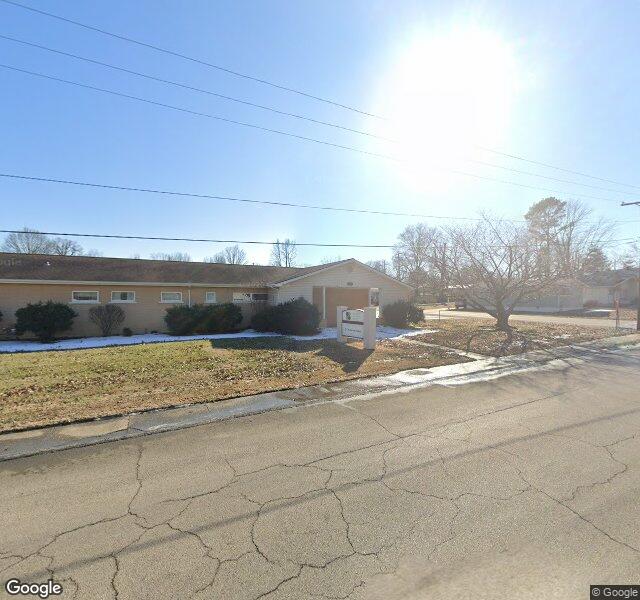
How Does Memory Lane Of Dexter Compare to Other Missouri Nursing Homes?

Compared to the 100 nursing homes in Missouri, MEMORY LANE OF DEXTER's overall rating (2 stars) is below the state average of 2.5 and health inspection rating (4 stars) is above the national benchmark.

What Should Families Ask When Visiting Memory Lane Of Dexter?

Based on this facility's data, families visiting should ask: "Can you walk me through typical staffing levels on day, evening, and night shifts?" "Can I visit during a mealtime to observe dining assistance and food quality?" "How do you handle medical emergencies, and what is your hospital transfer rate?" "Can I speak with family members of current residents about their experience?" These questions are particularly relevant given the below-average staffing rating.

Is Memory Lane Of Dexter Safe?

Based on CMS inspection data, MEMORY LANE OF DEXTER has a clean safety record: no substantiated abuse findings (meaning no confirmed cases of resident harm), no Immediate Jeopardy citations (the most serious violation level indicating risk of serious injury or death), and is not on the Special Focus Facility watch list (a federal program monitoring the lowest-performing 1% of nursing homes). The facility has a 2-star overall rating and ranks #100 of 100 nursing homes in Missouri. While no facility is perfect, families should still ask about staff-to-resident ratios and recent inspection results during their visit.

Do Nurses at Memory Lane Of Dexter Stick Around?

MEMORY LANE OF DEXTER has not reported staff turnover data to CMS. Staff turnover matters because consistent caregivers learn residents' individual needs, medications, and preferences. When staff frequently change, this institutional knowledge is lost. Families should ask the facility directly about their staff retention rates and average employee tenure.

Was Memory Lane Of Dexter Ever Fined?

MEMORY LANE OF DEXTER has no federal fines on record. CMS issues fines when nursing homes fail to meet care standards or don't correct problems found during inspections. The absence of fines suggests the facility has either maintained compliance or corrected any issues before penalties were assessed. This is a positive indicator, though families should still review recent inspection reports for the full picture.

Is Memory Lane Of Dexter on Any Federal Watch List?

MEMORY LANE OF DEXTER is not on any federal watch list. The most significant is the Special Focus Facility (SFF) program, which identifies the bottom 1% of nursing homes nationally based on persistent, serious quality problems. Not being on this list means the facility has avoided the pattern of deficiencies that triggers enhanced federal oversight. This is a positive indicator, though families should still review the facility's inspection history directly.