ELDON NURSING & REHAB
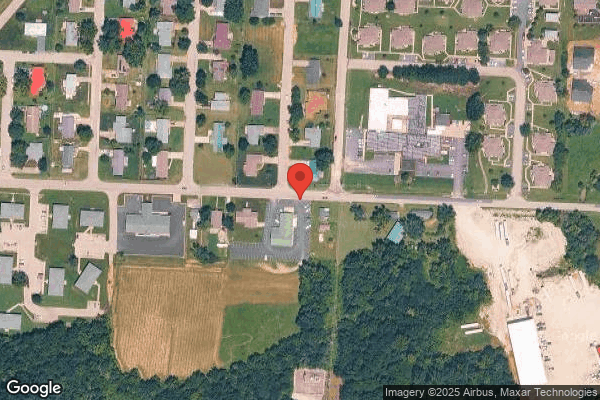
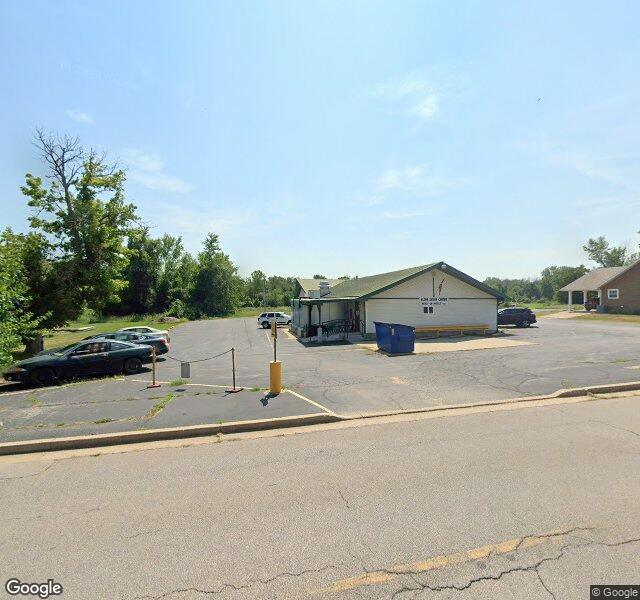
1001 EAST NORTH STREET, ELDON, MO 65026 (573) 392-3164
For profit - Individual 90 Beds JAMES & JUDY LINCOLN Data: November 2025 1 Immediate Jeopardy citation
Trust Grade
0/100
#245 of 479 in MO
Last Inspection: July 2024

Within standard 12-15 month inspection cycle. Federal law requires annual inspections.

Overview

Eldon Nursing & Rehab has received a Trust Grade of F, indicating significant concerns about the facility's care and operations. With a state rank of #245 out of 479, they are in the bottom half of Missouri nursing homes, and they rank #3 out of 4 in Miller County, suggesting only one local option is better. The trend is currently stable, with 6 issues reported in both 2024 and 2025, but staffing poses a major concern, as they have a high turnover rate of 71%, well above the state average of 57%. The facility has accumulated $103,277 in fines, which is higher than 90% of Missouri facilities, indicating repeated compliance issues. While RN coverage is average, there have been some serious incidents reported, including a resident who was able to drive away from the facility unsupervised and two separate instances of physical and sexual abuse occurring between residents, highlighting significant weaknesses in oversight and safety measures. Overall, families should weigh these concerning factors against any potential benefits when considering this nursing home for their loved ones.

Trust Score
F
0/100
In Missouri
#245/479
Bottom 49%
Safety Record
High Risk
Review needed
Inspections
Holding Steady
6 → 6 violations
Staff Stability
⚠ Watch
71% turnover. Very high, 23 points above average. Constant new faces learning your loved one's needs.
Penalties
✓ Good
$103,277 in fines. Lower than most Missouri facilities. Relatively clean record.
Skilled Nurses
⚠ Watch
Each resident gets only 21 minutes of Registered Nurse (RN) attention daily — below average for Missouri. Fewer RN minutes means fewer trained eyes watching for problems.
Violations
⚠ Watch
27 deficiencies on record. Higher than average. Multiple issues found across inspections.
★★☆☆☆
2.0
Overall Rating
★★☆☆☆
2.0
Staff Levels
★★★☆☆
3.0
Care Quality
★★☆☆☆
2.0
Inspection Score
Stable
2024: 6 issues
2025: 6 issues

The Good

  • Full Sprinkler Coverage · Fire safety systems throughout facility
  • No fines on record

Facility shows strength in fire safety.

The Bad

2-Star Overall Rating

Near Missouri average (2.5)

Below average - review inspection findings carefully

Staff Turnover: 71%

25pts above Missouri avg (46%)

Frequent staff changes - ask about care continuity

Federal Fines: $103,277

Well above median ($33,413)

Significant penalties indicating serious issues

Chain: JAMES & JUDY LINCOLN

Part of a multi-facility chain

Ask about local staffing decisions and management

Staff turnover is very high (71%)

23 points above Missouri average of 48%

The Ugly 27 deficiencies on record

1 life-threatening 3 actual harm
Jul 2025 4 deficiencies 1 Harm
SERIOUS (G) 📢 Someone Reported This

A family member, employee, or ombudsman was alarmed enough to file a formal complaint

Actual Harm - a resident was hurt due to facility failures

Free from Abuse/Neglect (Tag F0600)

A resident was harmed · This affected 1 resident

**NOTE- TERMS IN BRACKETS HAVE BEEN EDITED TO PROTECT CONFIDENTIALITY** Based on observation, interview, and record review, facility staff failed to ensure one resident (Resident #1) remained free fro...

Read full inspector narrative →
**NOTE- TERMS IN BRACKETS HAVE BEEN EDITED TO PROTECT CONFIDENTIALITY** Based on observation, interview, and record review, facility staff failed to ensure one resident (Resident #1) remained free from physical abuse when Resident #2 with a history of physical aggression punched Resident #1 in the face which resulted in bruising to his/her eye. The facility census was 65.Review of the facility's abuse and neglect policy, undated, showed staff are directed that each resident will be free from Abuse. Abuse can include verbal, mental, sexual, or physical abuse, misappropriation of resident property and exploitation, corporal punishment or involuntary seclusion. Residents will be protected from abuse, neglect, and harm while they are residing at the facility. No abuse or harm of any type will be tolerated, and residents and staff will be monitored for Protection.1. Review of Resident #1's Quarterly Minimum Data Set (MDS), a federally mandated assessment tool used to plan care, dated 04/04/25, showed staff assessed the resident with severe cognitive impairment.Review of the resident's nurse's notes, 04/17/25 at 04:16 A.M., showed staff documented Resident #1 reported he/she was shoved by Resident #2.Review of the resident's nurse's notes, 05/03/25 at 1:28 P.M., showed staff documented a yelling altercation occurred between Resident #1 and Resident #2 over a chair in the day room.Review of the resident's plan of care, dated 5/12/25, showed staff assessed the resident with behavior disturbances due to intellectual disabilities. Review showed staff did not document the altercations with Resident #2 or interventions to direct staff on how to handle them and did not contain information to direct staff related to abuse.Review of the resident's nurse's notes, 05/27/25 at 12:27 A.M., showed staff documented Resident #2 entered Resident #1's room and Resident #1 started screaming he/she choked me, he/she hit me. Nurse assessment of Resident #1's skin showed red mark on side of neck. Resident #1 cried throughout assessment. Review of the resident's nurse's notes, 06/26/25 at 6:07 A.M., showed staff documented Resident #1 with a black eye and bruising to his/her shoulders. Physician and DON notified. Staff documented Resident #1 said Resident #2 hit him/her. Observation on 6/30/25 at 2:00 P.M., showed the resident in his/her room, his/her left eye had black discoloration around the eye and the white of the eye was red. 2. Review of Resident #2's MDS, dated [DATE], showed staff assessed the resident as moderate cognitive impairment.Review of the resident's plan of care, dated 1/20/25, showed staff did not document the altercations with Resident #1 and did not contain anything to direct staff on abuse.Review of the resident's nurse's notes, dated 04/17/25, showed staff documented Resident #2 shoved Resident #1. Review of the resident's nurse's notes, dated 05/15/25, showed staff documented Resident #2 told Resident #1, Don't yell at me I'll drag your ass outside, you loud son of a bitch.Review of the resident's nurse's notes, dated 05/27/25, showed staff documented Resident #2 was physically aggressive with Resident #1, because he/she stated he/she was trying to get Resident #1 out of his/her room.Review of the resident's nurse's notes, dated 05/27/25, showed staff documented at 12:20 A.M. Resident #2 entered Resident #1's room and nurse heard Resident #1 scream out he/she is choking me and hitting me.Review of the resident's nurse's notes, dated 06/29/25, showed staff documented Resident #1 was at the nurse's desk tearful and calling out wanting copies. Resident #2 comes up toward the desk and said, I'm going to beat the fuck out of him/her.During an interview on 06/30/25 at 2:07 P.M., Resident #2 said he/she had an altercation with Resident #1, due to Resident #1's mouth. Resident #2 said it was two or three in the morning. Resident #2 said he/she knocked on Resident #1's door and told Resident #1 to knock it off. Resident #2 said then Resident #1 threw a fit and Resident #2 said he/she hit Resident #1. 3. During an interview on 06/30/25 at 3:30 P.M, the Nurse Practitioner (NP) said on 06/27/25 he/she voiced concern Resident #1 was potentially hit by Resident #2The NP said what Resident #2 has done to Resident #1, he/she would consider abuse. During an interview on 06/30/25 at 5:22 P.M., Registered Nurse (RN) B said when he/she came in on 6/27/25 at 7:00 A.M. Resident #1 had a black eye, the resident reported yes to someone hitting him/her the night prior. The RN said knowing the previous altercations between the two residents, he/she would say it is not safe for the two resident's rooms to be next to each other. The RN said he/she would consider hitting abuse. During an interview on 07/02/25 at 8:32 A.M., the administrator said when Resident #2 said he/she hit Resident #1 he did not necessarily believe it. During an interview on 07/02/25 at 9:17 A.M. the DON said he/she does not remember anything being reported to him/her, about Resident #2 hitting Resident# 1. The DON said that would have been a big deal. The DON said staff did call him/her when he she pulled into the facility on [DATE] about Resident #1's black eye and he/she immediately went back on the unit and Resident #1 was sitting on his/her bed. The DON said there had been with multiple incidents between the two residents A resident saying another resident hit them, is an allegation of abuse. complaint #1579387
CONCERN (D) 📢 Someone Reported This

A family member, employee, or ombudsman was alarmed enough to file a formal complaint

Potential for Harm - no one hurt, but risky conditions existed

Report Alleged Abuse (Tag F0609)

Could have caused harm · This affected 1 resident

Based on interview, and record review, the facility staff failed to report an allegation of abuse for one resident (Resident #1) out of four sampled residents within in two hours to the administrator ...

Read full inspector narrative →
Based on interview, and record review, the facility staff failed to report an allegation of abuse for one resident (Resident #1) out of four sampled residents within in two hours to the administrator and the Department of Health and Senior Services (DHSS). The facility census was 65.1. Review of the facility's Abuse and Neglect policy, undated, showed all allegations of abuse will be reported no later than two hours to the State Survey Agency and if applicable law enforcement.2. Review of Resident #1's Quarterly Minimum Data Set (MDS), a federally mandated assessment tool used to plan care, dated 04/04/25, showed staff assessed the resident with severe cognitive impairment.Review of the resident's nurse's notes, 06/26/25 at 6:07 A.M., showed staff documented Resident #1 with a black eye and bruising to his/her shoulders. Review showed staff documented the resident said someone hit him/her. Physician and DON notified.Review of the resident's nurse's notes, dated 6/26/25 to 07/09/25, did not contain documentation staff notified DHSS of the allegation of abuse within the required two hours.During an interview on 07/02/25 at 10:44 A.M., Licensed Practical Nurse (LPN) E said he/she called the Director of Nursing (DON) and told the DON about the resident's black eye and told the DON he/she could not make out what happened to the resident. The LPN said told DON the resident said someone hit him/her. The LPN said he/she even asked the DON if this is reportable to the state and the DON said No, he/she will come in and talk to the resident.During an interview on 07/09/25 at 10:45 A.M., Registered Nurse (RN) D said if staff hear an allegation of abuse, or see it, staff will investigate and report it if the investigation comes back there is actual abuse. The RN said the facility has two hours to report abuse to state health agency. During an interview on 07/10/25 at 10:57 A.M., the Director of Nursing (DON) said he/she has two hours to report abuse, or allegations of abuse to state health agency. The DON said he/she was not told about the allegations of abuses in the nurse's notes, so he/she did not report the allegation to the state agency. During an interview on 07/09/25 at 11:08 A.M., the administrator said the facility has two hours to report abuse, or allegations of abuse to state health agency. The administrator said staff should report allegations of abuse or abuse to their immediate supervisor and then it is forwarded up the chain to him/her. The administrator said the allegation of abuse were not reported to state, because the allegations had not been reported to the DON or himself/herself. The administrator said if he/she had been made aware, he/she would have reported to state.Complaint #1579387
CONCERN (D) 📢 Someone Reported This

A family member, employee, or ombudsman was alarmed enough to file a formal complaint

Potential for Harm - no one hurt, but risky conditions existed

Investigate Abuse (Tag F0610)

Could have caused harm · This affected 1 resident

Based on interviews and record reviews, facility staff failed to initiate and complete a thorough investigation of alleged resident to resident abuse for one resident (Resident #1). The facility censu...

Read full inspector narrative →
Based on interviews and record reviews, facility staff failed to initiate and complete a thorough investigation of alleged resident to resident abuse for one resident (Resident #1). The facility census was 65.1. Review of the facility's Abuse and Neglect policy, undated, showed when an incident of abuse is reported the administrator or designee will investigate the incident with the assistance of appropriate personnel. The investigation will include: Who was involved; Resident's statements; Resident roommates' statements; Interviews obtained from 3-4 three to four residents; Involved staff and witness statements of events; A description of the resident's behavior and environment at the time of the incident; Injuries present including a resident assessment; Observation of resident and staff behaviors during the investigation and environmental considerations. The designated personnel will begin the investigation immediately.2. Review of Resident #1's Quarterly Minimum Data Set (MDS), a federally mandated assessment tool used to plan care, dated 04/04/25, showed staff assessed the resident with severe cognitive impairment.Review of the resident's nurse's notes, 06/26/25 at 6:07 A.M., showed staff documented the resident had a black eye and bruising to his/her shoulders. Review showed staff documented the resident said someone hit him/her. The nurse's note did not contain documentation staff investigate the black eye and bruising. Review of the resident's nurse's notes, dated 6/26/25 to 07/09/25, did not contain documentation the facility completed an investigation. During an interview on 07/02/25 at 10:44 A.M., Licensed Practical Nurse (LPN) E said he/she called the Director of Nursing (DON) to inform of the resident's black eye and told the DON he/she could not make out what happened to the resident. The LPN said he/she did tell the DON the resident said someone hit him/her. LPN E said he/she does not do investigations the DON is responsible to start them once they report to his/her. During an interview on 07/02/25 at 9:17 A.M. the DON said staff did call him/her when he/she pulled into the facility about the resident's black eye and he/she immediately went back on the unit. He/She said the resident was sitting on his/her bed. The DON said he/she asked what happened, and he/said he/she did it. The DON said he/she did not do a formal investigation with all the paperwork, because the resident hits himself/herself all the time, he/she would be filling out paperwork all day. During an interview on 07/09/25 at 11:08 A.M., the administrator said if a resident says another resident hit them, it's an allegation. The administrator said staff should report allegations of abuse or abuse to their immediate supervisor and then it is forwarded up the chain to him/her. The administrator said abuse investigations should be taken care of as soon as the abuse is reported but depends on if you're talking about abuse or an allegation of abuse. The administrator said the allegations of abuse were not investigated or reported to state, because the allegations had not been reported to the DON or himself/herself. incident #1579387
CONCERN (D) 📢 Someone Reported This

A family member, employee, or ombudsman was alarmed enough to file a formal complaint

Potential for Harm - no one hurt, but risky conditions existed

Deficiency F0657 (Tag F0657)

Could have caused harm · This affected 1 resident

**NOTE- TERMS IN BRACKETS HAVE BEEN EDITED TO PROTECT CONFIDENTIALITY** Based on observation, interview, and record review, facility staff failed to update the plan of care with changes in the residen...

Read full inspector narrative →
**NOTE- TERMS IN BRACKETS HAVE BEEN EDITED TO PROTECT CONFIDENTIALITY** Based on observation, interview, and record review, facility staff failed to update the plan of care with changes in the resident's behaviors and measurable interventions for one resident (Resident #2) out of four sampled residents. The facility census was 65.1. Review of the facility's Comprehensive Care Plan policy, dated March 2015, showed an individualized comprehensive care plan that includes measurable goals and time frames will be developed to meet the resident's highest practicable physical, mental, and psychosocial well-being. The comprehensive care plan will be based on a thorough assessment that includes, but is not limited to, the Minimum Data Set (MDS), a federally mandated assessment tool. Assessment of each resident is an ongoing process, and the care plan will be revised as changes occur in the resident's condition. The interdisciplinary care plan team is responsible for the periodic review and updating of care plans when changes occur that impact the resident's care. 2. Review of Resident #2's MDS, dated [DATE], showed staff assessed the resident as moderate cognitive impairment. Review of the resident's care plan, dated 01/20/25, showed staff did not assess the resident with behaviors and did not document interventions to direct staff on how to handle them. Review of the resident's nurse's notes, showed staff documented the following: -04/17/25: The resident shoved another resident;-05/15/25: The resident told another resident, Don't yell at me I'll drag your ass outside, you loud son of a bitch.;-05/27/25: The resident had been physically aggressive with another resident; had been physically aggressive with another resident.-05/27/25: The resident entered another resident's room, and the nurse heard the other resident scream out he/she is choking me and hitting me. -06/29/25: The resident told another resident I ' m going to beat the fuck out of him/her. During an interview on 06/30/25 at 2:07 P.M., the resident said he/she had an altercation with another resident, and he/she hit the other resident. During an interview on 07/09/25 at 10:40 A.M., Certified Nurse Aide (CNA) K said if a resident has verbal or physical behaviors directed at others it should be in the resident's care plans. During an interview on 07/09/25 at 10:45 A.M., Registered Nurse (RN) D said if a resident has physical or verbal behaviors directed towards others it should be care planned. During an interview on 07/09/25 at 10:51 A.M., The MDS Coordinator said if a resident has behaviors, the behaviors should be coded on the MDS, so all the staff know. The MDS Coordinator said besides nurses' notes, he/she is not sure where staff documents the behaviors. The MDS Coordinator said if he is told about the behaviors, he/she will ensure it is on the care plan. Care plans should highlight the type of behavior, so staff know what they are monitoring for. The care plan should have interventions for the behaviors and be updated with new behaviors and new interventions for staff. The MDS Coordinator said he/she does not know why the resident's care plan did not have behaviors listed with interventions, it should have. The MDS Coordinator said he/she is responsible for updating the care plans. During an interview on 07/10/25 at 10:57 A.M., the Director of Nursing (DON) said a resident's physical and verbal behaviors should be on the care plan. The DON said behavioral interventions should be on the resident's care plan. The DON said he/she doesn't know why the resident's behaviors and interventions had not been care planned, unless the MDS Coordinator was not notified. The DON said the behaviors and interventions should have been care planned for the resident's behaviors. During an interview on 07/09/25 at 11:08 A.M., the administrator said resident behaviors should be care planned and there should be interventions for the behaviors. The administrator said he/she did not specifically know why the resident's behaviors and interventions had not been care planned, but assumed it was because it had not been reported. Complaint #1579387
Jan 2025 2 deficiencies 1 IJ
CRITICAL (J) 📢 Someone Reported This

A family member, employee, or ombudsman was alarmed enough to file a formal complaint

Immediate Jeopardy (IJ) - the most serious Medicare violation

Accident Prevention (Tag F0689)

Someone could have died · This affected 1 resident

Based on observation, interview, and record review, facility staff failed to provide protective oversight for one cognitively impaired resident (Resident #1) with a history of elopement, when facility...

Read full inspector narrative →
Based on observation, interview, and record review, facility staff failed to provide protective oversight for one cognitively impaired resident (Resident #1) with a history of elopement, when facility staff left the transport van keys in the vehicle and the resident with a history of exit seeking, wandering and elopement attempts eloped from the facility, got into the facility van, and drove nine miles. Facility staff were not aware the resident was missing. The facility census was 63. The administrator was notified on 1/22/25 at 3:17 P.M., of an Immediate Jeopardy (IJ) which began on 1/18/25. The IJ was removed on 1/22/25, as confirmed by surveyor onsite verification. Review of the Facility's Elopement Policy, undated, showed staff are directed as follows: -Determine when resident was last seen and by whom, description of their clothing, and where last seen; -Notify all departments and begin a thorough search of the facility and grounds, including bathroom storage areas, and crawl spaces; -Search streets and neighborhoods adjacent to facility; -Notify Director of Nursing and Administrator; -Notify attending physician; -Notify responsible party, and request notification if resident makes contact with them; -If absence exceeds 30 minutes, notify law enforcement agency and give dispatch all the residents identifying information. Review of the resident's Minimum Data Set (MDS), a federally mandated assessment tool, dated 10/08/24, showed staff assessed the resident as follows: -Cognitively impaired; -Suffers from delirium (a temporary state of mental confusion and disorientation that can cause significant changes in behavior, thinking, and perception); -Wanders daily; -Inattention and disorganized thinking that comes and goes. Review of the resident's elopement/wandering assessment form, dated 06/26/24, showed staff documented the resident as a one, a low elopement risk. Review of the resident's nurses notes, dated 8/8/24, showed staff documented the resident activated the fire alarm system and exited the dining room door, resident brought back into the facility without incident. Review of the resident's nurses notes, dated 9/30/24, showed staff documented the resident tried to get out the hall door and did exit the 400 hall door and was returned to the center. Review of the resident's care plan, dated 12/18/24, showed no interventions were put into place for the resident's elopement and exit seeking behavior after the 8/8/24 and 9/30/24 incidents. Review of the resident's elopement/wandering assessment form, dated 10/04/24, showed staff did not complete the assessment form. Review of the resident's elopement/wandering assessment form, dated 01/07/25, showed staff did not complete the assessment form. Review of resident's nurses notes, dated 1/8/25 at 2:12 P.M., showed staff documented the resident wanders about the facility and at times trying to get out the doors. Review of resident's nurses notes, dated 1/13/25 at 9:44 A.M., showed staff documented the resident up wandering around facility today. Review of resident's nurses notes, dated 1/14/25 at 12:26 P.M., showed staff documented the resident wandered around door to door and looking out windows. Review of resident's nurses notes, dated 1/16/25 at 4:02 A.M., showed staff documented the resident does wander the hallways, going to the exit doors, and looks out and at times will push on the doors. Review of the resident's care plan, dated 12/18/24, showed no documented interventions for elopements or the resident's exit seeking behaviors. Review of the resident's nurses notes, dated 1/18/25, showed staff documented Certified Nursing Assistant (CNA) B reported the local Sheriff on the phone, the officer reported being at a residential house on Highway 52 and evaluating the safety of Resident #1. Will return call and discuss safety. Spoke with resident's family on the phone about coming to facility for the resident's return. Officer returned call to come get the resident. Sent CNA B and van driver to return resident to facility. He/She arrived safely without injury. Physical and mental assessment within normal limits. Review of the facility's investigation, dated 1/18/25, showed Resident #1 exited the facility and drove the facility van to a residential area where a homeowner contacted the local Sheriffs office. The resident was picked up by facility staff. Did not have injuries. During an interview on 1/22/25 at 9:39 A.M., the administrator said the resident was exit seeking and did go to doors often. Staff know to redirect the resident. The resident had eloped once, but did not make it off the property. The resident often talks about going home to be with his/her brother and dog. The administrator said on 1/18/25 he/she did not know how the resident got out of the building, if an alarm was set off, or if the resident was let out by a guest. The administrator said he/she did not know how the resident drove the company van, because he/she had delusions and was not of sound mind. He/She said the keys were left in the van the previous day by the transport driver. During an interview on 1/22/25 at 10:07 A.M., the transport driver said he/she takes full responsibility for leaving the keys in the van. He/She was in a hurry and did not realize they were left in there. He/She does not know how the resident drove the van because he/she is not cognitive to do so. He/she does not know how the staff at the facility did not catch the resident leaving, because everyone knows to watch him/her, because he/she was constantly exit seeking and wanting to go home. During an interview on 1/22/25 at 10:43 A.M., CNA B said he/she gave the resident a shower and took him/her to the dining room for lunch, unsure of the exact time. He/She then left for his/her own lunch break, and was not sure what time it was. He/She came back from his/her lunch break after 25-30 minutes on 1/18/25 through the employee entrance and heard a faint door alarm. CNA B said he/she started to check doors for residents and found the door alarm at the end of the 100 hall was tripped. He/She said Resident #2 was by the door, but he/she checked outside and did not see any other residents. CNA B said CNA C told him/her to check for the resident because he/she is always exit seeking, CNA B said he/she turned off the alarm and went to the nurses station to look for the resident and that is when the sheriff's office called that they had the resident. He/She said the resident was known for trying to leave the building. During an interview on 1/22/25 at 10:25 A.M., Registered Nurse (RN) A said he/she was on the unit when CNA B came to him/her and said the sheriff's department was on the phone and the resident was missing. RN A said he/she could not say how long the resident was gone or if the alarm went off when he/she left. He/She said the resident was not cognitively intact to operate a vehicle and often had delusions. He/She said the resident had eloped before and had exit seeking behaviors and was very fixated about what was outside. NOTE: At the time of the survey, the violation was determined to be at the immediate and serious jeopardy level J. Based on observation, interview and record review completed during the onsite visit, it was determined the facility had implemented corrective action to remove the IJ violation at the time. A final revisit will be conducted to determine if the facility is in substantial compliance with participation requirements. At the time of exit, the severity of the deficiency was lowered to the D level. This statement does not denote the facility has complied with State law (Section 198.026.1 RSMo.) requiring prompt remedial action to be taken to address Class I violation(s). MO00248228 / MO00248234
CONCERN (D) 📢 Someone Reported This

A family member, employee, or ombudsman was alarmed enough to file a formal complaint

Potential for Harm - no one hurt, but risky conditions existed

Deficiency F0658 (Tag F0658)

Could have caused harm · This affected 1 resident

Based on interview and record review, facility staff failed to accurately complete elopement assessments for one resident (Resident #1), who staff identified as a resident who wanders daily. The facil...

Read full inspector narrative →
Based on interview and record review, facility staff failed to accurately complete elopement assessments for one resident (Resident #1), who staff identified as a resident who wanders daily. The facility census was 63. Review showed the Facility's Elopement Policy, undated, did not direct staff on how to complete an elopement assessment. Review of Resident #1's Minimum Data Set (MDS), a federally mandated assessment tool used to assess resident, dated 10/08/24, showed staff assessed the resident as follows: -Cognitively impaired; -Suffers from delirium (a temporary state of mental confusion and disorientation that can cause significant changes in behavior, thinking, and perception); -Wanders daily; -Inattention and disorganized thinking that comes and goes. Review of the resident's elopement/wandering assessment form, dated 06/26/24, showed staff documented the resident as a one, a low elopement risk. Review of the resident's elopement/wandering assessment form, dated 10/04/24, showed staff did not complete the assessment form. Review of the resident's elopement/wandering assessment form, dated 01/07/25, showed staff did not complete the assessment form. Review of resident's nurses notes, dated 1/8/25 at 2:12 P.M., showed staff documented the resident wanders about the facility and at times trying to get out the doors. Review of resident's nurses notes, dated 1/13/25 at 9:44 A.M., showed staff documented the resident up wandering around facility today. Review of resident's nurses notes, dated 1/14/25 at 12:26 P.M., showed staff documented the resident wandered around door to door and looking out windows. Review of resident's nurses notes, dated 1/16/25 at 4:02 A.M., showed staff documented the resident wanders the hallways, going to the exit doors, and looks out, and at times will push on the doors. During an interview on 1/22/25 at 11:30 A.M., the Director of Nursing (DON) said the resident has had three incomplete or incorrect elopement assessments since he/she has been here. The first elopement assessment, dated 6/24/24, showed the resident scored a one, a low elopement risk, which is inaccurate. The DON said he/she expected for an assessment to be redone if it was inaccurate, because from day one the resident showed signs of elopement and exit seeking behavior. The resident has had two more elopement assessments, dated 10/4/24 and 01/07/25, and both were not completed. He/She said the MDS/Assessment coordinator is responsible for all elopement assessments and does not know why they were not completed as required. During an interview on 1/29/25 at 9:34 A.M., the MDS/Assessment coordinator said he/she has only been at the facility for five months and was instructed to open the assessments. He/She said the nurses fill out the elopement assessments and then he/she or the DON goes in and completes them. He/She said the resident's elopement assessments must have fallen through the cracks. During an interview on 2/3/25 at 10:53 A.M., the DON said the nurses are only responsible for filling out and completing the resident's first admission elopement assessment, the MDS/Assessment coordinator is responsible for quarterly and annual assessments. He/She said the admission assessment is filled out with the knowledge the facility received upon admission and fourteen days later when the care plan is completed. The admission assessment should be redone if not accurate when there is a clearer picture of the resident's behavior. The DON said he/she does not know why the MDS/ assessment coordinator believed the nurses were in charge of all the elopement assessments. He/She said corporate runs reports and alerts the facility if they are behind on assessments and he/she does not know why they were not alerted for the resident's elopement assessments that were not completed. MO00248228 / MO00248234
Jul 2024 4 deficiencies
CONCERN (D)

Potential for Harm - no one hurt, but risky conditions existed

Deficiency F0692 (Tag F0692)

Could have caused harm · This affected 1 resident

**NOTE- TERMS IN BRACKETS HAVE BEEN EDITED TO PROTECT CONFIDENTIALITY** Based on interview, and record review, facility staff failed to monitor weights, notify the physician of the Registered Dieticia...

Read full inspector narrative →
**NOTE- TERMS IN BRACKETS HAVE BEEN EDITED TO PROTECT CONFIDENTIALITY** Based on interview, and record review, facility staff failed to monitor weights, notify the physician of the Registered Dietician's (RD) recommendations and of the resident's significant weight loss of 8.97% in three months and 12.68 % in six months for one resident (Resident #21) out of three sampled residents. The facility failed to monitor weights and notify the physician of the RD's recommendations for one resident (Resident #61) out of three sampled residents. The facility census was 63. 1. Review of the facility's Diet Orders policy, undated, showed the policy did not address recommendations of the RD nor monitoring of residents' weight loss. Review of the facility's policies showed staff did not provide a policy for weight loss, or RD recommendations. 2. Review of Resident #21's Quarterly Minimum Data Set (MDS), a federally mandated assessment, dated 05/25/24, showed staff assessed the resident as: -Severely cognitively impaired; -Staff provide partial to moderate assistance with meals; -Weight: 159 pounds (lbs); -Loss or gain of 5 percent (%) to 10 % in the last six months: no or unknown; -No special diet; -Diagnoses of anemia, and diabetes. Review of the resident's care plan, reviewed/revised on 05/31/24, showed staff assessed the resident required assist of one with eating. The resident will be able to eat meals without difficulty and will maintain his/her weight within 5% by next review. The resident on a regular diet, regular liquids, nursing staff to encourage fluid/food intake as needed. Review of the resident's weight record, dated January 2024 - July 2024, showed staff documented the resident weight as follows: -01/01/24, weighed 178.2 lbs; -02/01/24, weighed 169.8 lbs; -03/01/24, weighed 172.4 lbs; -04/01/24, weighed 162.2 lbs (a 8.97% weight loss in three month); -05/01/24, weighed 159.2 lbs; -06/01/24, weighed 157.6 lbs; -07/01/24, weighed 155.6 lbs (a 12.68% loss over in six months). Review of the resident's RD notes, dated April 2024 - July 2024, showed the RD documented: -On 04/02/24, Weekly weights for four weeks to monitor weight. Add super cereal with breakfast. Add house supplement two times a day; -On 05/02/24, 19 lbs. 10.7% weight loss in 121 days. Recommend add house supplement three times a day to maintain weight; -On 07/02/24, 22 lbs. 12.7% weight loss over the last six months. Recommend add Vitamin D supplement. Review of the resident's weight monitoring form did not contain documentation of the residents weekly weights as recommended by the RD on 04/02/24. Review of the resident's physician orders sheets (POS), dated April 2024 through July 2024, did not contain an order for super cereal, house supplements, or vitamin D. Review of the resident's medical record did not contain documentation staff notified the resident's physician of the residents weight loss or the RD recommendations. Review of the resident's dietary card showed the dietary card did not contain the RD recommendations. During an interview on 07/24/24 at 8:56 A.M., Certified Nursing Assistant (CNA) E said the resident is served larger portions. He/She was not aware of any supplements needed and the intake of meals was not monitored. During an interview on 07/24/24 at 9:40 A.M., Registered Nurse (RN B) said the resident looked like he/she had lost weight. RN B said he/she did not think the resident received any supplements. RN B said the Director of Nursing (DON) would normally enter orders for the physician if the RD recommended any supplements for the resident. During an interview on 07/24/24 at 10:04 A.M., the physician said he/she was not aware of RD recommendations for the resident. 3. Review of Resident #61's admission MDS, dated [DATE] showed staff assessed the resident as: -admitted [DATE]; -Severely cognitively impaired; -Staff provide setup or clean up for meals; -Weight: 136 pounds; -Loss or gain of 5% to 10% in the last six months: no or unknown; -No special diet; -Diagnoses of cancer, Alzheimer's Disease, stroke, and depression. Review of the resident's Care Plan, reviewed/revised on 07/22/24, showed the resident will be able to eat meals without difficulty and will maintain weight within 5% by next review. The resident is on a regular diet, regular liquids, nursing staff to encourage fluid/food intake as needed. The resident requires set up but able to feed self. Review of the resident's weight record, dated June 2024 - July 2024, showed staff documented the resident weight as follows: -06/10/24, weighed 136.2 lbs; -06/17/24, weighed 136 lbs; -06/24/24,weighed 132.6 lbs; -07/01/24, weighed 126 lbs; -07/04/24, weighed 126 lbs; -07/16/24, weighed 131.6 lbs; -07/20/24, weighed 131.6 lbs. Review of the RD progress note, dated 07/01/24, showed: -Current weight 132.6 lbs; -Inadequate food intake related to decreased appetite with dementia as evidenced by weight loss; -New admit, diagnosis dementia. Weight trending down since prior admit. Receives regular diet, eats independently with good appetite. Now resides on the unit; -Recommended to add house supplement two times a day. Review of the resident's POS, dated July 2024, showed the POS did not contain an order for a house supplement two times a day or dietary supplement. Review of the resident's medical record did not contain documentation staff notified the resident's physician of the residents weight loss or the RD recommendations. During an interview on 07/24/24 at 08:56 A.M., CNA E said the resident does not eat very much and required staff assist by feeding the resident to increase the volume he/she will consume. Staff place food on the fork and assist with feeding, and the resident will then eat what he/she initially refuses. CNA E said he/she was not aware of any supplements used to increase intake. CNA E said intake of meals was not monitored. During an interview on 07/24/24 at 9:40 A.M., RN B said the resident ate finger foods and required encouragement to eat. He/She was not aware of any issues with weight loss and did not think the resident received any supplements. RN B said the DON would normally enter orders for the physician if the RD recommended any supplements for the resident. During an interview on 07/24/24 at 10:04 A.M., the physician said he/she was not aware of RD recommendations for the resident. 4. During an interview on 07/24/24 at 9:29 A.M., the MDS Coordinator said he/she was new to the position and did not know Resident #21 had a significant weight loss during the first admission. With any significant weight loss during the prior admission, the MDS should have indicated the loss, and the weight loss would also be included in the updated care plan, and he/she would assume that dietary supplements would be a part of the care plan and the CNA's would be aware of the weight loss strategies. During an interview on 07/24/24 at 10:04 A.M., the physician said he/she is made aware of any recommendations by the nursing staff who call and request the order. The physician said if staff report recommendations by the RD, he/she usually approves and orders a supplement or dietary change as recommended. He/She said staff are to report significant weight losses, so action is taken, and supplements or protein shakes are ordered. During an interview on 07/24/24 at 10:53 A.M., the DON said residents' weights are monitored with monthly weights, and staff reports if the resident is not eating well. If a significant amount of weight is lost, the RD or the physician may order supplements. The nursing staff does not calculate weight percentages lost or gained. If the RD recommends a supplement, the RD sends an email or reports it by mouth to the nursing staff. The DON did not know why the RD recommendations were not implemented by the physician, as the physician will follow the recommendations unless there is a specific reason not to make the change. The DON did not know why the RD recommendations were not followed through by the physician, or how the breakdown in communication occurred. During an interview on 07/24/24 at 11:37 A.M., the RD said he/she makes recommendations and emails or talks to the DON about the recommendations. The RD did not know why the recommendations were not followed through by the physician. During an interview on 07/24/24 at 11:51 A.M., the Dietician Manager said the RD will discuss strategies to use if a resident is losing weight. The Dietician Manager is not aware of individual weight losses of residents, and only is made aware if new orders are put in by the physician. During an interview on 07/24/24 at 12:20 P.M., the administrator said any resident with significant weight loss is brought to the attention of the physician. The RD makes recommendations which are routed by nursing to contact the physician and enter orders. The administrator said the recommendations were missed probably due to human error.
CONCERN (D)

Potential for Harm - no one hurt, but risky conditions existed

Deficiency F0698 (Tag F0698)

Could have caused harm · This affected 1 resident

**NOTE- TERMS IN BRACKETS HAVE BEEN EDITED TO PROTECT CONFIDENTIALITY** Based on observation, interview and record review, facility staff failed to obtain and maintain an agreement and ongoing communi...

Read full inspector narrative →
**NOTE- TERMS IN BRACKETS HAVE BEEN EDITED TO PROTECT CONFIDENTIALITY** Based on observation, interview and record review, facility staff failed to obtain and maintain an agreement and ongoing communication with the dialysis (the clinical purification of blood by dialysis, as a substitute for the normal function of the kidney) facility for one of one resident who received dialysis services at a dialysis facility and provide staff training on dialysis and/or renal disease. The census was 63. 1. Review of the facility's dialysis policy, dated March 2015, showed communication between the facility and dialysis unit as follows: -The Dialysis Communication record will be sent with the resident on each dialysis visit; -All care concerns in the last 24 hours will be addressed, including the last medications given and facility contact person; -The dialysis unit will complete the lower portion of the report to include weight prior to and after dialysis, any labs completed, and medications given, follow up information and any new physician orders; -The lower portion will be signed by the dialysis nurse and returned to the facility; -These records will be maintained in the medical record. Review of the Facility Assessment, dated December 2023, showed the facility is able to accept residents with end stage renal disease (ESRD) that require dialysis. Staff to identify a resident change in condition, including how to identify medical issues appropriately, how to determine if symptoms represent problems in need of intervention, how to identify when medical interventions are causing rather than helping relieve suffering and improve quality of life and specialized care to include dialysis. Review of the facility agreements showed staff did not provide a dialysis agreement. Review of a handwritten list of dialysis responsibilities provided by the Director of Nursing (DON), on 07/21/24 at 3:23 P.M., showed Resident #55 goes to an outside provider for dialysis treatments and no agreement listed at the bottom. 2. Review of Resident #55's admission Minimum Data Set (MDS), a federally mandated assessment tool, showed staff assessed the resident as: -admitted on [DATE]; -Cognitively intact; -Received dialysis; -Diagnosis of ESRD. Review of the resident's physician order sheet (POS), dated July 2024, showed an order for dialysis three times a week on Tuesday, Thursday and Saturday at an outside facility. Review of the resident's care plan, dated 06/25/24 showed the plan did not contain guidance on when to communicate with the dialysis facility. Review of the resident's medical record showed the record did not contain a communication record used on dialysis days. During an interview on 07/22/24 at 01:38 P.M., the resident said the facility does not send any paperwork with him/her when he/she goes or returns from the dialysis facility. During an interview on 07/22/24 at 03:50 P.M., the administrator said the facility did not have an agreement with the dialysis facility. During an interview on 07/23/24 at 10:56 A.M., the dialysis center Nurse Manager said there was not an agreement with the facility and would fax one over for them to review and sign. The center said facilities normally send a communication report when the resident comes on dialysis days but could not remember if they were doing that process. He/She said that communication helps the dialysis center and the physician better care for the residents. During an interview on 07/23/24 at 01:20 P.M., Registered Nurse (RN) B said the staff do not send any communication paperwork along with the resident on dialysis days. He/She said the facility has not provided any training specific to dialysis or renal disease. During an interview on 07/24/25 at 10:52 A.M., the DON said the facility has not provided any training on dialysis but would expect staff to report any changes of any kind with residents to the charge nurse. He/She said that he/she is not aware of who is responsible to obtain an agreement with the dialysis facility. The facility does not use a communication tool with the dialysis facility but utilizes the phone if there are communication needs with the dialysis facility. During an interview on 07/24/24 at 12:19 P.M., the administrator said he was not aware an agreement was required. He/She said it is his/her responsibility to ensure agreements are in place for the facility.
CONCERN (E)

Potential for Harm - no one hurt, but risky conditions existed

Deficiency F0761 (Tag F0761)

Could have caused harm · This affected multiple residents

Based on observation, interviews, and record review, facility staff failed to safely store and label medication in one out of two medication storage rooms, and two out of three medication storage cart...

Read full inspector narrative →
Based on observation, interviews, and record review, facility staff failed to safely store and label medication in one out of two medication storage rooms, and two out of three medication storage carts. The facility census was 63. 1. Review of the facility's Medication, Storage of policy, dated March, 2015, showed no discontinued, outdated, or deteriorated drugs or biologicals may be retained for use. All such drugs must be returned to the issuing Pharmacy or destroyed in accordance with established guidelines. Drugs must be stored in an orderly manner in cabinets, drawers, or carts. 2. Observation on 07/23/24 at 2:22 P.M., showed the 300/400 hall medication storage room contained: -Four intravenous caps with an expiration date of 06/26/24; -One 30 Oz. bottle of Liquid Protein with an expiration date of 01/19/24. Observation on 07/23/24 at 2:45 P.M., showed the 300/400 hall medication cart contained one loose white oval tablet. 3. Observation on 07/23/24 at 2:58 P.M., showed the 100 hall medication cart contained: -Three loose white oval tablets; -One loose brown and tan capsule; -Five loose white tablets; -Three loose brown round tablets; -One loose oval shaped orange tablet. 4. During an interview on 07/23/24 at 3:00 P.M., Certified Medication Technician (CMT) A said any out of date or loose medications should be destroyed or returned to the Pharmacy. He/She said they normally check the carts daily but just returned from vacation so it was not done. During and interview on 07/24/24 at 8:49 A.M., Registered Nurse (RN) B said the medication rooms and medication carts should be checked for damaged or out of date medications at least monthly. It is the CMT's responsible for the carts, and if they find any out of date or loose medications they should destroy them or return them to the Pharmacy. During an interview on 07/24/24 at 10:53 A.M., the Director of Nursing said staff should throw away loose or out of date medications. He/She said CMT's are directly responsible for out of date or loose medication daily but ultimately he/she said they are responsible to make sure this is finished. During an interview on 07/24/24 at 12:19 P.M., the administrator said all out of date or loose medications should be destroyed in the correct manner. The medication carts and storage rooms are done as a part of a daily routine. Nursing staff are responsible for making sure this is done but ultimately he/she said they were responsible.
CONCERN (E)

Potential for Harm - no one hurt, but risky conditions existed

Infection Control (Tag F0880)

Could have caused harm · This affected multiple residents

**NOTE- TERMS IN BRACKETS HAVE BEEN EDITED TO PROTECT CONFIDENTIALITY** Based on observation, interview and record review the facility failed to implement the enhanced barrier precautions (EBP) polic...

Read full inspector narrative →
**NOTE- TERMS IN BRACKETS HAVE BEEN EDITED TO PROTECT CONFIDENTIALITY** Based on observation, interview and record review the facility failed to implement the enhanced barrier precautions (EBP) policy developed and educated on at the facility when facility staff failed to post signage or other system to alert staff of resident's who required EBP and place appropriate personal protective equipment (PPE) in close proximity for two (Resident #13 and #52) of two sampled residents with wounds and one (Resident #60) of one sampled resident with an indwelling gastrostomy tube ((g-tube) surgically placed tube that inters the stomach to deliver fluids and nutrition, that required EBP). The facility census was 63. 1.Review of the facility's EBP to infection Control Guidance policy dated March 2024 showed: -To prevent broader transmission or multidrug-resistance organisms (MDRO), bacteria resistant to antibiotics and/or antifungals, and to help protect residents with chronic wounds and indwelling devices. EBP should be implemented for the period of the stay or until wounds have been resolved or indwelling medical devices have been removed; -Residents that require EBP are those with an indwelling medical device including a feeding tube (g-tube) regardless of their MDRO status and residents with a wound, regardless of their MDRO status; -Staff should use EBP when providing high contact resident care activities such as: bathing/showering, transferring residents from one position to another, providing hygiene, changing briefs or toileting, caring for or using an indwelling medical device, and performing wound care; -EBP includes the use of gloves and a gown; -Residents that are placed on EBP should have personal protective equipment (PPE) in close proximity outside the door and a trash can in the resident's room for disposal prior to leaving the room; -The policy did not contain direction on who is responsible to implement and/or monitor the policy, nor did the policy contain direction on how to notify staff of residents who needed to have EBP in place. Review of the Centers for Disease Control (CDC) website https://www.cdc.gov/hicpac/workgroup/EnhancedBarrierPrecautions.html article, Consideration for Use of Enhanced Barrier Precautions in Skilled Nursing Facilities, dated June 2021, showed: -Facilities should develop a method to identify residents with wounds or indwelling medical devices, and post clear signage outside of resident rooms indicating the type of PPE required and defining high risk resident care activities; -Gowns and gloves should be available outside of each resident room, and alcohol-based hand rub should be available for every resident room (ideally both inside and outside of the room). 2. Review of Resident #13's Quarterly Minimum Data Set (MDS), a federally mandated assessment tool, dated 05/17/24, showed staff assessed the resident as: -Cognitively intact; -One unhealed stage III (injury extends to the tissue under the skin) and one unhealed stage IV pressure (loss of skin and tissue exposing bone, cartilage, and/or tendon) wound present on admission; -Received pressure ulcer care that included ointment or medications other than to feet; -Diagnosis of diabetes. Observation on 07/21/24 at 12:35 P.M., showed the resident room did not contain a EBP sign or PPE located outside the resident room. Observation on 07/22/24 at 8:54 A.M., showed the resident room did not contain a EBP sign or PPE located outside the resident room. Observation on 07/22/24 at 3:36 P.M., showed the resident room did not contain a EBP sign or PPE located outside the resident room. Observation on 07/23/24 at 8:08 A.M., showed the resident room did not contain a EBP sign or PPE located outside the resident room. Registered Nurse (RN) B entered the room, applied a medicated soaked gauze to a wound and did not wear a gown. Observation on 07/23/24 at 8:45 A.M., showed RN B provided wound care to the resident. RN B did not wear a gown. The door to the room did not contain a EBP sign or PPE located outside the resident room. During an interview on 07/23/24 at 1:20 P.M., RN B said staff only have to wear the gown when residents have wounds infected with multidrug-resistant staphylococcus aureas (a bacteria that does not get better with use of an antibiotic that usually will cure it). He/She said the facility has no residents at this time that required use of EBP. 3. Review of Resident #52's Quarterly MDS, dated [DATE], showed staff assessed the resident as: -Cognitively impaired; -Diabetic ulcer to the foot with or without topical medication; -Diagnosis of diabetes and vascular disease. Observation on 07/22/24 at 3:42 P.M., showed the resident room did not contain a EBP sign or PPE located outside the resident room. Observation on 07/23/24 at 8:29 A.M., showed RN B provided wound care to the resident amd did not wear a gown. The door to the room did not contain a EBP sign or PPE located outside the resident room. 4. Review of Resident #60's admission MDS, dated [DATE], showed staff assessed the resident as: -Cognitively intact; -Use of a feeding tube. Observation on 07/22/24 at 3:44 P.M., showed the resident room did not contain a EBP sign or PPE located outside the resident room. Observation on 07/23/24 at 3:25 P.M., showed Certified Nurse Aide (CNA) C provide toileting assistance to the resident. He/She did not wear a gown and the room did not contain an EBP sign or PPE located outside the room. Observation on 07/24/24 at 8:57 A.M., showed RN B administer medication and fluids to the resident via g-tube. RN attached the resident g-tube to a feeding pump after administration of medication. RN B did not wear a gown and the resident room did not contain an EBP sign or PPE located outside the resident room. During an interview on 07/23/24 at 3:42 P.M., CNA C said he/she has been educated on when to use a gown and would wear one for things like c-diff. He/She was not aware to wear a gown or EBP for resident's that had a feeding tube but are supposed to wear EBP if the resident has a wound, like cellulitis. He/She said off-going staff report on who is on EBP, if they forget, then there should be isolation gear outside of the resident room. The CNA said the facility does not use signs for isolation to notify staff of any needed PPE and does not believe there are any residents right now that use EBP. During an interview on 07/24/24 at 9:08 A.M., RN B said he/she does not wear a gown to provide care or work with a resident with a g-tube. He/She said he/she did not think the EBP rules were in place yet. 5. During an interview on 07/24/24 at 10:52 A.M., the DON said staff had the training for EBP, but it is still new to the facility. He/She said he/she was told to hold off on implementing the policy due to concerns for dignity issues. The DON said EBP should be used for open gaping wounds with drainage and not a chronic wounds and should be used for residents with a g-tube. CNA's do not do anything with the g-tubes or wounds, so CNA's should not have to wear EBP for care of those residents. A sign is not placed to maintain a resident dignity but staff are informed by the nurse of any changes with a resident. The decision to place a resident on precautions is done by the charge nurse during the admission process or with any changes that would require EBP. He/She is not sure who is ultimately responsible for oversight that EBP are followed for residents who require EBP. During an interview on 07/24/24 at 12:19 A.M., the administrator said the last directive he/her received was discretionary if the resident wanted the precautions due to dignity concerns. He/She said the nursing staff are responsible to ensure the direct care staff are informed of residents who require EBP but do not utilize signage to maintain the resident's dignity.
May 2024 1 deficiency 1 Harm
SERIOUS (G) 📢 Someone Reported This

A family member, employee, or ombudsman was alarmed enough to file a formal complaint

Actual Harm - a resident was hurt due to facility failures

Free from Abuse/Neglect (Tag F0600)

A resident was harmed · This affected 1 resident

**NOTE- TERMS IN BRACKETS HAVE BEEN EDITED TO PROTECT CONFIDENTIALITY** Based on interview and record review, facility staff failed to implement interventions for one resident (Resident #2), with a hi...

Read full inspector narrative →
**NOTE- TERMS IN BRACKETS HAVE BEEN EDITED TO PROTECT CONFIDENTIALITY** Based on interview and record review, facility staff failed to implement interventions for one resident (Resident #2), with a history of similar behaviors, which failed to ensure one resident (Resident #1) remained free from sexual abuse, when Resident #2 put his/her hand down Resident #1's pants without Resident #1's consent. The facility census was 65. 1. Review of the facility's abuse and neglect policy, undated, showed it is the policy of this facility that each resident will be free from Abuse. Abuse can include verbal, mental, sexual, or physical abuse, misappropriation of resident property and exploitation, corporal punishment or involuntary seclusion. Additionally, residents will be protected from abuse, neglect, and harm while they are residing at the facility. No abuse or harm of any type will be tolerated, and residents and staff will be monitored for Protection. 2. Review of Resident #1's Quarterly Minimum Data Set (MDS), a federally mandated assessment tool used to plan care, dated 5/5/24, showed staff assessed as: -Severely cognitively impaired; -Diagnoses of Dementia, Multiple Sclerosis (disease of the central nervous system); -Impairment on both sides of body; -Used wheelchair; -Total dependence on staff for eating, toileting, transferring, bed mobility and hygiene. Review of the resident's plan of care, dated 5/29/2020, showed staff are directed to keep resident free from harm. Review of the residents nurse's notes, dated 5/19/24 at 4:47 P.M., showed staff documented Resident #2's family member reported around 2:00 P.M. when they came in to visit with Resident #2 they witnessed him/her in the main dining room in a chair by Resident #1 in his/her wheelchair. Resident #2's family observed Resident #2's hand down Resident #1's pants. The incident was immediately reported to the Director of Nursing (DON) and Administrator at 2:10 P.M. The physician was notifed of the incident at 2:12 P.M. Resident #1's Durable Power of Attorney (DPOA) was notified of the incident. Incident paperwork was filled out. Safety plan in place. Resident said he/she did not know Resident #2's hands were down his/her pants. When asked if he/she was hurt,the resident said no. Staff documented the resident did not have an injury upon assessment. During an interview on 5/20/24 at 12:05 P.M., the resident's spouse said he/she was notified of the incident and was told the other resident would be moved to a different unit. He/She said if his/her spouse was in his/her right mind he/she would not have liked anyone putting their hands down his/her pants in a public place. During an interview on 5/20/24 at 12:47 P.M., the resident said he/she does not remember an incident with another resident but he/she would not like it if someone put their hands down his/her pants. 3. Review of Resident #2's admission MDS, dated [DATE], showed staff assessed the resident as follows: -Moderately cognitively intact; -Diagnoses of Dementia, Alzheimer's Disease and Depression; -Required minimal or no supervision for eating, toileting, transferring, bed mobility and hygiene. Review of the residents plan of care, dated 5/8/24, showed staff assessed the residents at risk for behavioral episodes due to cognitive changes related to diagnoses. Review showed plan of care, updated 5/20/24, to address the resident's sexual behavior toward another resident and intervention to redirect resident if behaviors occurs, rearrange seating to avoid provocation, attempt to engage resident in activities as often as possible. Review of the residents nurses notes, dated 5/19/24 at 4:21 P.M., showed the DON documented It was reported by the resident's family that around 2:00 P.M., when they came into visit with the resident, they witnessed him/her in the main dining room sitting in a chair by Resident #1 in his/her wheelchair. The family observed the resident with his/her hand down Resident #1's pants. Family quickly pulled his/her hand out of Resident #1's pants. The incident was immediately reported to the DON and Administration at 2:10 P.M., the physician was notified of the incident at 2:12 P.M., and new orders were given to place the resident on 15 minute checks for the next 24 hours. Incident paperwork was filled out. Safety plan in place. The resident remained on 15 minute checks at this time. During an interview on 5/20/24 at 11:44 A.M., the resident's DPOA said he/she stopped by to see the resident in the main dining room. He/She said when he/she approached the resident, he/she saw the residents hands were down Resident #1's pants. He/She said Resident #1 was turned away from Resident #2 in his/her wheelchair and it was hard to see if he/she was awake. He/She said a nurse was at the nurses station but the incident was out of his/her line of sight. He/She said he/she let the nurse know what happened because he/she wanted to make sure the other resident was okay. During an interview on 5/20/24 at 11:57 A.M., Registered Nurse (RN) A said on 5/19/24 around 2:00 P.M., the residents family member let him/her know the resident's hand was down Resident #1's pants. He/She said the family immediately stopped the resident. He/She said the Resident #2 did not remembered the incident and he/she has never seen Resident #2 show sexual behaviors previously. 4. Review of the facilities investigation, dated 5/19/24, showed Resident #2's DPOA reported to RN A he/she witnessed the resident's hands down Resident #1's pants. The DPOA had already removed Resident #2 from the dining room away from Resident #1. Review showed staff documented neither resident could recall the incident. 5. During an interview on 5/20/24 at 12:50 P.M., the DON said he/she was not aware Resident #2 had sexual behaviors prior to admittance and has not shown signs of sexual behaviors. Resident #2 was placed here because of wandering and needed a locked unit. He/She said the resident was not on the locked unit now because he/she has had no issues. During an interview on 5/20/24 at 1:01 P.M., the administrator said his/her staff handled the incident per his/her expectation, they contacted him/her and the DON. The physician and the family were notified and a safety watch was put into effect to make sure Resident #1 was not around Resident #2. He/She said he/she was aware that a similar allegation had been made at his/her previous skilled nursing facility but he/she does not know the outcome. MO00236354
Mar 2024 1 deficiency 1 Harm
SERIOUS (G) 📢 Someone Reported This

A family member, employee, or ombudsman was alarmed enough to file a formal complaint

Actual Harm - a resident was hurt due to facility failures

Notification of Changes (Tag F0580)

A resident was harmed · This affected 1 resident

Based on interview and record review, facility staff failed to notify one resident's (Resident #1's) out of three sampled residents physician of the resident's blood glucose (the main sugar found in y...

Read full inspector narrative →
Based on interview and record review, facility staff failed to notify one resident's (Resident #1's) out of three sampled residents physician of the resident's blood glucose (the main sugar found in your blood) results over 400 milligrams (mg) per deciliter (dL) results in a timely manner which resulted in the resident being admitted to the local hospital for diabetic ketoacidosis (a complication of diabetes in which acids build up in the blood to levels that can be life-threatening). The census was 57. 1. Review of the facility's policies showed the facility did not have a policy to direct staff on when to notify the physician for changes in resident conditions. 2. Review of Resident #1's quarterly Minimum Data Set (MDS), a federally mandated assessment tool, dated 2/01/24, showed staff assessed the resident as follows: -Severely cognitively impaired; -Complete dependence on staff for eating, personal hygiene, toileting, locomotion and mobility; -Diagnoses of Diabetes Mellitus (a metabolic disease, involving inappropriately elevated blood glucose levels); -Insulin injections given seven of seven days in the lookback period. Review of the resident's Physician Order Sheet (POS), dated 2/1/24 to 2/29/24, showed a physician order directing staff to administer Novolog Flexpen U-100 (insulin) four times per day per sliding scale of one unit for every twenty (20) untis over a glucose result of 150. Review of the resident's electronic health record under the results tab, showed blood glucose test results, dated 2/29/24 to 3/29/24 as follows: -3/4/24 at 11:31 A.M., 430 milligrams (mg) per deciliter (dL); -3/6/24 at 11:02 A.M., 470 mg/dL; -3/12/24 at 11:10 A.M., 441 mg/dL; -3/14/24 at 4:21 P.M., 407 mg/dL; -3/22/24 at 5:38 A.M., 478 mg/dL, -3/22/24 at 10:49 A.M., 556 mg/dL, -3/22/24 at 3:44 P.M., 422 mg/dL; -3/23/24 at 5:27 A.M., too high for glucometer to provide results. Review of the resident's progress notes, dated 3/1/24-3/23/24, showed staff did not document they notified the residents physician of the resident high blood glucose results. Review of the resident's progress notes, dated 3/23/24, showed staff documented around 5:30 A.M., resident blood glucose test results HI over 600 hundred on the facilities gluocmeter, two types if insulin adminstered with results still HI. Resident phyicians notified, resident to be sent to hospital. Review of the resident's hospital records, dated 3/23/24, showed the resident was admitted for decreased level of consciousness and, reportedly exhibiting decreased levels of consciousness on 3/22/24 and found essentially unresponsive on the morning of 3/23/24. Resident admitted to the intensive care unit with insulin infusion for profound diabetic ketoacidosis. During an interview on 3/29/24 at 11:12 A.M., the physician said he/she expects to be contacted if the resident's blood sugar is over 400 mg/dL or is under 60 mg/dL, he/she said he/she was contacted about sending the resident out due to high blood sugar but was not notified before that. During an interview on 3/29/24 at 11:53 A.M., the Director of Nursing (DON) said the expectation is any blood sugar reading over 400 mg/dL would be reported to the physician. During an interview on 3/29/24 at 1:39 P.M., Certified Medication Techniican (CMT) A said he/she would contact the physician or have the charge nurse contact the physician for any blood sugar reading over 400 mg/dL. He/She does not know why this was not done for the resident. During an interview on 3/29/24 at 1:40 P.M., Licensed Practical Nurse (LPN) B said he/she would contact the physician for high blood sugar between 300 and 400 mg/dL, he/she said it depends on the resident. He/She said it is the responsibility of the nurse or the CMT on duty and to chart the physician's response. LPN B said he/she assumed the physician was getting notified. During an interview on 3/29/24 at 1:47 P.M., the DON said the charge nurse is responsible for reporting high blood sugars to the physician, but the CMT is responsible for telling the charge nurse if the resident's glucose reading is high. He/She said if staff speak to the physician regarding resident care, it is to be documented in the progress notes. He/She does not know why the physician was not contacted, especially on 3/22/24 when the resident had multiple high readings in one day. During an interview on 3/29/24 at 1:59 P.M., the administrator said his/her expectation is facility staff notify the resident's physician with any significant change. He/She does not know why the resident's physician was not notified. During a phone interview on 4/11/24 at 3:09 P.M., CMT C said he/she alerts the charge nurse if a resident's blood glucose test results are under 60 or over 400 mg/dL because it is the professional standard. He/She said he/she does not know why the nurses on duty the days of 3/4/24, 3/6/24, 3/12/24, and 3/14/24, when the resident had over 400 results, did not contact the physician. MO00233892
Nov 2023 1 deficiency
CONCERN (E) 📢 Someone Reported This

A family member, employee, or ombudsman was alarmed enough to file a formal complaint

Potential for Harm - no one hurt, but risky conditions existed

Deficiency F0725 (Tag F0725)

Could have caused harm · This affected multiple residents

**NOTE- TERMS IN BRACKETS HAVE BEEN EDITED TO PROTECT CONFIDENTIALITY** Based on observation, interview, and record review, the facility failed to provide staff in accordance with their Facility Asses...

Read full inspector narrative →
**NOTE- TERMS IN BRACKETS HAVE BEEN EDITED TO PROTECT CONFIDENTIALITY** Based on observation, interview, and record review, the facility failed to provide staff in accordance with their Facility Assessment based on the care needs of their residents. Facility staff failed to assist five residents (Resident #1, #2, #3, #4, and #5) with showers, and assist one resident (Resident #1) with toileting. The facility census was 70. 1. Review of the Facility Assessment, dated 11/22/22, showed facility staff documented the staffing requirements needed on a 24 hour basis to meet the needs of their residents for an average census of 55-65 are as follows: -Registered Nurse (RN): 1; -Licensed Practical Nurses (LPN): 4-8; (minimum 1 LPN/RN charge nurse per shift); -Certified Nursing Assistant (CNA): 20-25; (1-10 on day shift, 1:15 on evening shift, and 1:20 on night shift); -Addition to nursing staff needed for behavioral healthcare: 1-3. 2. Review of the night shift staff schedule, dated 11/20/23 through 12/3/23, showed: -11/20/23: RN-0, LPN-1, CNA-2; -11/21/23: RN-0, LPN-1, CNA-2; -11/22/23: RN-0, LPN-1, CNA-2 -11/24/23: RN-0, LPN-1, CNA-1; -11/25/23: RN-0, LPN-1, CNA-2; -11/26/23: RN-0, LPN-1, CNA-2; -11/27/23: RN-0, LPN-1, CNA-2; -11/28/23: RN-0, LPN-1, CNA-2; -11/29/23: RN-0, LPN-1, CNA-2; -11/30/23: RN-0, LPN-1, CNA-2. 3. Review of the policies provided by the facility showed the policies did not include a bathing or shower policy. 4. Review of Resident #1's Quarterly Minimum Data Set (MDS), dated [DATE], showed staff assessed the resident as: -Cognitively Intact; -Diagnoses of Peripheral Vascular Disease (PVD) (a circulatory condition in which narrowed blood vessels reduce blood flow to limbs), Hypertension (a condition in which the force of the blood against the artery walls is too high), and heart failure (a chronic condition in which the heart doesn't pump blood as well as it should); -Required maximum assistance from staff for toileting and bathing. Review of the resident's shower sheets, dated 11/1/23 through 11/30/23, showed staff documented one shower completed on 11/14/23. Review showed the sheets did not contain documentation of any additional showers completed. Observation on 11/28/23 at 10:38 A.M., showed the resident in his/her bed and he/she had greasy unkempt hair. During an interview on 11/28/23 at 10:40 A.M., the resident said, Baths?, ha, we are lucky to get help going to the bathroom. The resident said he/she has had one bath in the past month, because staff say they are short staffed. He/She said staff come in and shut off his/her call light and say they will be back but no one ever comes back. The resident said so I put it back on and it will happen again. He/She said it is not uncommon to wait a few hours to the point he/she eventually is incontinent by the time staff finally come to assist him/her. Observation on 11/28/23 at 12:01 P.M., showed the resident had his/her call light on. Further observation showed CNA A went into his/her room and said he/she would have to get assist to change the resident, turned off the light, and said he/she would be back. Observation on 11/28/23 at 12:55 P.M., showed the call light was turned back on by the resident and CNA B answered it, shut it off, and told the resident he/she would let CNA A know he/she needed assistance. Observation on 11/28/23 at 1:14 P.M., showed the resident had turned his/her call light on again as several staff walked up and down the halls and passed the light. Observation on 11/28/23 at 1:34 P.M., showed the resident's call light back on and the Director of Nursing (DON) answered the light, turned it off and said he/she would let CNA A know the resident needed toileting assistance. During an interview on 11/28/23 at 1:55 P.M., CNA A said that he/she had went into the room and shut off the resident's light around noon and he/she had every intention of returning. He/She said first someone else needed help, then he/she was called by the nurse to assist with a resident so he/she could do the residents treatments, and then the DON needed him/her in the office to deal with staffing. CNA A said honestly they need more staff and he/she is constantly getting pulled away to do other things which leaves only one person on the hall. He/She said that they do have a hospitality aid to help answer lights but that he/she can't assist with toileting or anything like that and will often shut those residents' call lights off so they don't know someone needs to go. 5. Review of Resident #2's Quarterly MDS, dated [DATE], showed staff assessed the resident as: -Moderate cognitive impairment; -Diagnoses of PVD, HTN, Diabetes Mellitus (DM) ( a group of diseases that result in too much sugar in the blood), and Coronary Artery Disease (CAD) (damage or disease in the heart's major blood vessels); -Required maximum assistance from staff for toileting and bathing. -Frequently incontinent of bowel and bladder. Review of the resident's shower sheets, dated 11/1/23 through 11/30/23, showed staff documented three showers completed on 11/3/23, 11/16/23, and 11/23/23. Review showed the sheets did not contain documentation of any additional showers completed. Observation on 11/28/23 at 1:35 P.M., showed the resident in his/her wheelchair (w/c) as CNA A wheeled Resident #2 into his/her room. Observation showed the resident had unkempt hair. The resident said, they tell me I do this all the time but I don't. Observation showed the resident had soiled in his/her clothes. During an interview on 11/28/23 at 1:55 P.M., CNA A said that the resident is continent and gets upset when he/she soils himself/herself. CNA A said the resident was one that was waiting to use the restroom for a while and that he/she just can't get to everyone in time so the resident couldn't wait and soiled himself/herself. 6. Review of Resident #3's admission MDS, dated [DATE], showed staff assessed the resident as: -Severe cognitive impairment; -Diagnoses of HTN, DM, CAD, and heart failure; -Dependent on staff for bathing. Review of the resident's shower sheets, dated 11/1/23 through 11/30/23, showed staff documented one shower completed on 11/23/23. Review showed the shower sheet did not contain additional documentation of showers. Observation on 11/28/23 at 1:35 P.M., showed the resident in his/her w/c near the nurses station with unkempt facial hair and long uncut fingernails. 7. Review of Resident #4's Quarterly MDS, dated [DATE], showed staff assessed the resident as: -Cognitive intact; -Diagnoses of HTN, Multiple Sclerosis (MS) (a disease in which the immune system eats away at the protective covering of the nerves), and neurogenic bladder (when a person lacks bladder control due to brain, spinal card, or nerve problems); -Dependent on staff for toileting and is maximum assistance from staff for bathing. Review of the resident's shower sheets, dated 11/1/23 through 11/30/23, showed staff documented one shower completed on 11/14/23. Review showed the shower sheet did not contain additional documentation of showers. Observation on 11/28/23 at 12:35 P.M., showed the resident in his/her w/c in his/her room with family visiting. The resident had greasy, disheveled, unkempt hair. During an interview on 11/28/23 at 12:36 P.M., the resident said he/she has had two showers this month because he/she is completely dependent on staff to provide him/her with showers. The resident said he/she would like additional showers but when he/she asks the staff say they are understaffed for the day or the shower aid has been pulled to the floor. During an interview on 11/28/23 at 12:38 P.M., Resident 8. Review of Resident #5's Quarterly MDS, dated [DATE], showed staff assessed the resident as: -Cognitive intact; -Diagnoses of DM, heart failure, and seizure disorder (a disorder of the brain that results in intermittent convulsions); -Maximum assistance from staff for bathing. Review of the resident's shower sheets, dated 11/1/23 through 11/30/23, showed staff documented one shower completed on 11/8/23. Review showed the shower sheets did not contain additional documentation of showers. 9. During an interview on 11/29/23 at 8:11 P.M., CNA D said they schedule CNA A on the floor but then he/she is always pulled into the office to work on the schedule so it only leaves one aid on the floor. He/She said nights from 11 P.M. to 7 A.M., is worse because there is often times only one aide per hall and he/she feels that is not enough and the resident care has suffered by having to wait to toilet and receive care timely. During an interview on 11/29/23 at 11:35 P.M., Licensed Practical Nurse (LPN) E said he/she is the charge nurse for the night shift. He/She said it is him/her and one CNA on the front with a CNA on the unit. LPN E said there are 70 residents in the building and no other staff on duty from 11 P.M. to 7 A.M. He/She said, I am new so I don't know what the staff ratio is supposed to be according to the facility assessment. LPN E said he/she is not able to assist the staff on the floor with Hoyers (mechanical lift used to transfer residents), sit to stands (mechanical lift used to transfer residents), or transfers. During an interview on 11/29/23 at 12:00 A.M., CNA F said he/she is assigned the unit tonight by himself/herself. If he/she has to transfer a resident with a Hoyer he/she can call the other side, however, the nurse is unable to help so if the other CNA scheduled is busy then he/she completes the transfer alone. CNA F said it is a risk for the resident but they have to get care so what choice do they have? He/She said that is how he/she was trained and staff told him/her they are on the unit alone and are expected to provide the care independently. During an interview on 11/30/23 at 1:30 P.M., CNA G said He/She said there are no staff to take care of the residents and when it is short no one comes in especially on the night shift. CNA G said showers are done on days but often the shower aid gets pulled to the floor an d the residents aren't bathed. During an interview on 11/30/23 at 2:25 P.M., LPN H said there are always two aides plus himself/herself for the night shift. He/She said no one has ever told him/her the actual number of staff they are supposed to have but that he/she feels that what they have is insufficient for safety of the residents. If the staff member is in with a resident on the unit there is no one watching the floor. During an interview on 11/30/23 at 2:45 P.M., CNA A said he/she is in charge of completing the nursing schedules but that he/she is unaware of the staffing ratios on their facility assessment, but is very aware they don't have enough. He/She said, I was just told we should have a minimum of one aide in back, one aide and a nurse in front. During an interview on 11/30/23 at 3:00 P.M., the Director of Nursing (DON) said he/she did answer Resident #1's call light and shut it off because he/she went to tell CNA A the resident needed cleaned up. He/She said the expectation is staff will answer the light and shut it off before leaving the room even if they can't help them and then go tell the appropriate staff member what the resident needs. The DON said if they can get what the resident needs like ice water then he/she expects the staff member to get the ice water. He/She said the expectation for someone to use the toilet or be cleaned up would be an average of 15-20 minutes and said an hour and 46 minutes was not an acceptable time for a resident to wait. The DON said they are having staffing issues but that they were supposed to have an aide come in from 11 P.M. to 3 A.M. and then the Dietary Supervisor who is a CNA would come in at 3 A.M. to cover as the third person. He/She said he/she did not know why that was not being done. During an interview on 11/30/23 at 3:30 P.M., The administrator said that when he/she came in on the night shift when the investigator was there he/she was surprised to only see 2 CNA's scheduled for nights because he/she thought there was supposed to be a third CNA that was scheduled half the shift and then another one who came in early and did the other half to make the third CNA. He/She said, I was not aware that had changed. The administrator said he/she has had a talk with CNA A numerous times about time management and feels this citation is related to that if he/she had better time management then the toileting and baths would be completed. MO00227973, MO00227979, MO00227685
Jun 2023 9 deficiencies
CONCERN (D)

Potential for Harm - no one hurt, but risky conditions existed

Deficiency F0645 (Tag F0645)

Could have caused harm · This affected 1 resident

**NOTE- TERMS IN BRACKETS HAVE BEEN EDITED TO PROTECT CONFIDENTIALITY** Based on interview and record review, facility staff failed to ensure one resident (Resident #31) with a mental disorder had a L...

Read full inspector narrative →
**NOTE- TERMS IN BRACKETS HAVE BEEN EDITED TO PROTECT CONFIDENTIALITY** Based on interview and record review, facility staff failed to ensure one resident (Resident #31) with a mental disorder had a Level I Pre-admission Screening (used to evaluate for the presence of psychiatric conditions to determine if a Pre-admission Screening and Resident Review (PASARR) level II screen is required) as required. The facility census was 57. Review of policies provided by the facility showed no PASARR policy. 1. Review of Resident #31's admission Minimum Data Set (MDS), a federally mandated assessment tool, dated 11/10/22, showed the following: -admitted on [DATE]; -Unit is Medicare and/or Medicaid Certified; -Evaluated by Level II PASARR and determined to have a serious mental illness and/or mental retardation or a related condition; -Serious Mental Illness; -Entered from Psychiatric hospital; -Cognitively Impaired; -Diagnoses of Depression other than Bipolar, Alcohol Dependence with withdrawal, drug induced Akathisia (a feeling of muscle quivering, restlessness, and inability to sit still, sometimes a side effect of antipsychotic or antidepressant medication), initial manifestation of Multiple Sclerosis (MS) (potentially disabling disease of the brain and spinal cord); -Received an anti-depressant seven out of seven days in the look back period (period of time used to complete assessment). Review of the resident's medical record showed the record did not contain a level Pre-admission Screening or PASARR level II screen. During an interview on 06/2/23 at 11:00 A.M., the Social Services Designee (SSD) said he/she doesn't know why the resident doesn't have a Pre-admission screening in his/her medical record. The SSD said he/she knows one was completed, but doesn't know where it is. The SSD said they contacted the Central Office Medical Review Unit (COMRU) to see if one had been completed. During an interview on 06/02/23 at 3:41 P.M., the Director of Nursing (DON) & Administrator said Level I screenings and if required PASARRs should be completed per regulations. They said the SSD is responsible for ensuring the required documents are complete and in the medical record.
CONCERN (D)

Potential for Harm - no one hurt, but risky conditions existed

Deficiency F0655 (Tag F0655)

Could have caused harm · This affected 1 resident

**NOTE- TERMS IN BRACKETS HAVE BEEN EDITED TO PROTECT CONFIDENTIALITY** Based on record review and interview, facility staff failed to complete a baseline care plan within 48 hours of admission for tw...

Read full inspector narrative →
**NOTE- TERMS IN BRACKETS HAVE BEEN EDITED TO PROTECT CONFIDENTIALITY** Based on record review and interview, facility staff failed to complete a baseline care plan within 48 hours of admission for two residents (Resident #11 and #15). The facility census was 57. 1. Review of the facility's policy titled, Care Plan, Temporary, undated, showed staff were directed to do the following: -A temporary care plan will be implemented to meet the new resident's immediate needs; -To assure that the resident's immediate care needs are met and maintained, a temporary care plan will be implemented for the resident within twenty-four hours of admission; -The temporary care plan will be used until the comprehensive assessment has been completed and an interdisciplinary care plan has been developed according to the Resident Assessment Instrument (RAI) process. Review of the baseline care plan template, undated, showed the baseline care plan should be completed within 48 hours of admission. After completion, print and file following community protocols. 2. Review of Resident #11's medical record showed staff documented the resident was admitted to the facility on [DATE]. Additional review showed the record did not contain a baseline care plan. 3. Review of Resident #15's medical record showed staff documented the resident was initially admitted to the facility on [DATE]. Further review showed the resident was readmitted on [DATE], after Against Medical Advice (AMA) Discharge. Additional review showed the medical record did not contain a baseline care plan for either admission. 4. During an interview on 06/02/23 at 9:23 A.M., the Minimum Data Set (MDS-a federally mandated assessment) coordinator said baseline care plans were not completed for the two residents. He/she said the admitting nurse was responsible for completing the baseline care plan using the checklist. The MDS coordinator said the baseline care plans should be completed within 48 hours of admission. During an interview on 06/02/23 at 9:25 A.M., the Infection Preventionist (IP) said the charge nurse was responsible for completing the baseline care plans within 48 hours of the resident's admission. He/She said staff conduct audits of care plans and let staff know if they are not done. The IP said he/she doesn't know why baseline care plans were not completed for resident #11 and #15. During an interview on 06/02/23 at 11:00 A.M., Charge Nurse/Registered Nurse (RN) K said the admitting nurse was responsible for completing the baseline care plans and they should be done within 48 hours. The RN said he/she doesn't know why Resident #11 and #15's baseline care plans were not completed. During an interview on 06/02/23 at 3:41 P.M., the Administrator and Director of Nursing (DON) said baseline care plans should be completed by the MDS Coordinator within 48 hours of admission.
CONCERN (E)

Potential for Harm - no one hurt, but risky conditions existed

Safe Environment (Tag F0584)

Could have caused harm · This affected multiple residents

Based on observation, interview, and record review, facility staff failed to provide a comfortable and homelike environment for three residents (Resident #47, #38 & #5) when staff failed to clean and ...

Read full inspector narrative →
Based on observation, interview, and record review, facility staff failed to provide a comfortable and homelike environment for three residents (Resident #47, #38 & #5) when staff failed to clean and maintain wheelchairs. The facility census was 57. Review of policies provided by the facility showed no policy on the cleaning and maintenance of the resident's wheelchairs. 1. Observation on 05/30/23 at 11:43 A.M., showed Resident #47 sat in his/her wheelchair in the dining room. Further observation showed the resident's wheelchair had white drops splattered on the wheels and dried food debris on the seat and back of the chair. Additional observation showed the vinyl on the left armrest cracked, while the the front of the right armrest, had no vinyl on it. 2. Observation on 05/31/23 at 8:14 A.M. showed Resident #38 sat in his/her Broda chair in the community television room, by the nurse's station. The chairs right armrest, frame and cushion had visible dried food debris. Observation on 06/01/23 at 8:48 A.M., showed #38 sat in his/her Broda chair in the community television room. Further observation showed dried food debris smeared on the armrest and footrest of his/her Broda chair. 3. Observation on 05/31/23 at 8:33 A.M., showed Resident #47 sat in his/her wheelchair at a dining room table. The resident no longer had food sat in front of him/her, but had dried food debris on the frame and wheels of his/her wheelchair. Further observation showed the vinyl cover on the armrest of the wheelchair continued to be cracked and torn. 4. Observation from 05/31/23 at 9:05 A.M. through 06/02/23 at 2:07 P.M., showed Resident #5's wheelchair had a torn arm rest. During an interview on 06/02/23 at 10:26 A.M., Certified Nurse Aide (CNA) N said medical equipment issues should be documented in the maintenance log. During an interview on 06/02/23 at 10:45 A.M., Nurse Aide (NA) J said if wheelchair issues that require fixing should be documented in the maintenance book at the nurse's station. The NA said maintenance looks at the book daily. The NA said overnight staff are supposed to clean the wheelchairs every night, but if they are really dirty staff should do it right away. During an interview on 06/02/23 at 1:23 P.M., Registered Nurse (RN) K said all staff can clean wheelchairs. The RN said he/she would expect staff to clean the wheelchairs if they are dirty, and usually the night shift cleans the chairs. The RN said staff should write in the maintenance log at the front desk if something needs repaired. During an interview on 06/02/23 at 2:43 P.M., the Maintenance Supervisor said staff should report all maintenance issues in the maintenance logs. He/She said the nursing staff is responsible for maintaining the residents' medical equipment. He/She said the nursing staff orders parts to repair medical equipment and he/she installs the parts. During an interview on 06/02/23 at 3:41 P.M., the Administrator and Director of Nursing (DON) said the wheelchairs are cleaned by the overnight staff and housekeeping. The Administrator said there is a schedule the staff follows but cleaning is not completed nightly. The Administrator said the DON is responsible for ensuring the wheelchairs are cleaned. They said if staff notice an issue with a wheelchair it should be reported to maintenance, the DON or the Administrator depending on when it was discovered. They said staff should report the issues verbally or or in writing via the maintenance log.
CONCERN (E)

Potential for Harm - no one hurt, but risky conditions existed

Abuse Prevention Policies (Tag F0607)

Could have caused harm · This affected multiple residents

Based on interview and record review, facility staff failed to check the Employee Disqualification List (EDL) (a list of individuals who have been determined to have abused or neglected a resident or ...

Read full inspector narrative →
Based on interview and record review, facility staff failed to check the Employee Disqualification List (EDL) (a list of individuals who have been determined to have abused or neglected a resident or misappropriated funds or property belonging to a resident) or the Certified Nurse Aide (CNA) Registry in accordance with their facility policy for eight out of nine sampled staff. The facility census was 57. 1. Review of the facility's policy titled, Abuse Prohibition Protocol Manual, dated August 2017, showed staff were directed to do the following: -It is the policy of the facility to screen employees and volunteers prior to working with residents. Screening components include verification of references, certification and verification of license and criminal background check (CBC); -In addition to the pre-employment EDL checks, the nursing home must also check each quarterly EDL update to ensure that no one employed, in any capacity, has been added to the EDL since the initial EDL check; -Facilities are required to check the CNA Registry before hiring any individual. Staff must check the CNA Registry for every applicant for every position, not just CNAs. 2. Review of CNA Y's personnel record, showed the CNA with a hire date of 12/06/21. Further review showed the personnel record did not contain documentation the facility had completed a CNA Registry check prior to the CNA's hire date, or an EDL check since his/her hire date. 3. Review of Licensed Practical Nurse (LPN) Z's personnel record, showed the LPN with a hire date of 01/11/22. Further review showed the personnel record did not contain documentation the facility had completed a CNA Registry check prior to the LPN's hire date, or an EDL check since his/her hire date. 4. Review of Nurse Aide (NA) AA's personnel record, showed the NA with a hire date of 03/08/22. Further review showed the personnel record did not contain documentation the facility had completed a CNA Registry check prior to the NA's hire date, or an EDL check since his/her hire date. 5. Review of Dietary Aide (DA) BB's personnel record, showed the DA with a hire date of 07/28/22. Further review showed the personnel record did not contain documentation the facility had completed a CNA Registry check prior to the DA's hire date, or an EDL check since his/her hire date. 6. Review of Housekeeper CC's personnel record, showed the Housekeeper with a hire date of 08/09/22. Further review showed the personnel record did not contain documentation the facility had completed a CNA Registry check prior to the Housekeeper's hire date, or an EDL check since his/her hire date. 7. Review of Certified Medical Technician (CMT) DD's personnel record, showed the CMT with a hire date of 08/31/22. Further review showed the personnel record did not contain documentation the facility had completed a CNA Registry check prior to the CMT's hire date, or an EDL check since his/her hire date. 8. Review of Business Office Manager's (BOM) personnel record, showed the BOM with a hire date of 11/01/22. Further review showed the personnel record did not contain documentation the facility had completed a CNA Registry check prior to the BOM's hire date, or an EDL check since his/her hire date. 9. Review of Maintenance Worker EE's personnel record, showed the Maintenance Worker with a hire date of 05/16/23. Further review showed the personnel record did not contain documentation the facility had completed a CNA Registry check prior to the Maintenance Worker's hire date. During an interview on 06/01/23 at 8:48 A.M., the Administrator said the BOM is responsible for checking the EDL and CNA Registry prior to the new employees start date. The Administrator said after the initial EDL check it should be checked quarterly. He/She said he/she doesn't know why the EDL and CNA Registry was not checked. During an interview on 06/02/23 at 9:59 A.M., the BOM said the EDL is checked prior to the employees' start date and quarterly, and the CNA Registry is checked prior to the start date. He/She said the EDL has not been checked since December. He/She said he/she is new to the position and overlooked running the required reports. He/She said he/she runs the CNA Registry prior to the start date for all new employees and he/she does not know why the CNA Registry was not checked for the employees hired prior to him/her starting.
CONCERN (E)

Potential for Harm - no one hurt, but risky conditions existed

Deficiency F0657 (Tag F0657)

Could have caused harm · This affected multiple residents

**NOTE- TERMS IN BRACKETS HAVE BEEN EDITED TO PROTECT CONFIDENTIALITY** Based on observation, interview, and record review, facility staff failed to review and revise the plan of care with changes in ...

Read full inspector narrative →
**NOTE- TERMS IN BRACKETS HAVE BEEN EDITED TO PROTECT CONFIDENTIALITY** Based on observation, interview, and record review, facility staff failed to review and revise the plan of care with changes in the resident's needs for five residents (Resident #2, #5, #30, #47, and #56). The facility census was 57. 1. Review of the facility's policy titled, Care Planning/Interdisciplinary Team, undated, showed staff were directed to develop an individualized comprehensive care plan for each resident. Review of the facility's policy titled, Care Plan Comprehensive, undated, showed staff were directed to do the following: -An individualized comprehensive care plan that includes measurable goals and time frames will be developed to meet the resident's highest practicable physical, mental, and psychosocial well-being; -The interdisciplinary care plan team with input from the resident, family, and/or legal representative will develop and maintain a comprehensive care plan for each resident that identifies the highest level of functioning the resident may be expected to attain; -The comprehensive care plan will be based on a thorough assessment that includes, but is not limited to, the MDS; -Assessment of each resident is ongoing process and the care plan will be revised as changes occur in the resident's condition; -A well-developed care plan will be oriented to address ways to try to preserve and build upon resident strengths, assessing and planning for care to meet the resident's medical, nursing, mental and psychosocial needs and addressing additional care planning areas that are relevant to meeting the resident's needs in the long-term care setting; -The interdisciplinary care plan team is responsible for the periodic review and updating of care plans when a significant change in the resident's condition has occurred, at least quarterly, and when changes occur that impact the resident's care. 2. Review of Resident #2's Quarterly Minimum Data Set (MDS) a federally mandated assessment tool, dated 05/18/23, showed staff assessed the resident as: -Severe Cognitive Impairment; -No behaviors; -Diagnosis of Traumatic Brain Injury (TBI); -Received an anti-depressant medication seven out of seven days in the look back period (period of time used to complete assessment). Review of the resident's Physician Order Summary (POS) showed an order dated 02/13/23 for Prozac (anti-depressant) 20 milligrams daily for severe intellectual disabilities. Review of the resident's care plan, revised 05/25/23, showed no direction for staff in regard to anti-depressant use or inappropriate behaviors. Observation on 05/30/23 at 11:26 A.M., showed the resident sat alone in the dining room in front of a television with a bedside table over his/her lap. Further observation showed the resident touched his/her genitalia and repeated the word baby. During an interview on 06/02/23 at 8:58 A.M., Certified Nurse Aide (CNA)/Certified Medication Technician (CMT) M said the resident started Prozac because he/she would touch himself/herself in the dining room while sitting with other residents. The CNA/CMT said it has not been an issue since the resident started Prozac. During an interview on 06/02/23 at 9:02 A.M., Registered Nurse (RN) K said the resident cusses and flips people off. The RN said the resident started Prozac because he/she touches himself/herself. The RN said the behavior has improved but the resident continues to sit by himself/herself in the dining room because if he/she sits with other residents he/she will touch himself/herself inappropriately. The RN said the resident's behaviors should be in the care plan. During an interview on 06/02/23 at 9:45 A.M., MDS Coordinator said the resident has a history of touching himself/herself while watching TV and staff are directed to change the channel if they notice the resident doing it. He/She said behaviors should be addressed in the care plan. 3. Review of Resident #5's admission MDS, dated [DATE], showed staff assessed the resident as: -Severe cognitive impairment; -Did not wander. Review of the resident's medical record, dated 03/16/2023 at 2:56 P.M., showed staff documented the resident wandered each hall in his/her wheelchair. Review of the resident's care plan, revised 05/24/23, showed it did not contain direction for staff in regard to wandering. Observation on 05/30/23 at 11:02 A.M., showed the resident wandered in his/her wheelchair around the dining room. Observation on 05/30/23 at 11:43 A.M., showed the resident wandered in his/her wheelchair down the 400 hall and knocked on a closed door. Observation on 05/31/23 at 9:05 A.M., showed the resident wandered in his/her wheelchair down the 400 hall. Observation on 06/01/23 3:09 PM., showed the resident wandered in his/her wheelchair down the 400 hall. During an interview on 06/02/23 at 10:26 A.M., Certified Nurse Aide (CNA) N said Resident #5 has a history of wandering around the facility, including going into other resident's rooms. The CNA said staff redirects the resident when they see him/her wandering into other rooms. The CNA said wandering should be addressed in the care plan otherwise new staff does not know how to care for the residents. During an interview on 06/02/23 at 9:45 A.M., MDS Coordinator said the resident has a history of wandering. He/She said behaviors should be addressed in the care plan. 4. Review of Resident #30's Quarterly MDS, dated [DATE], showed staff assessed the resident as follows: -Severely Impaired Cognition; -Required extensive assistance from two staff members for bed mobility; -Totally dependent on two or more staff members for transfers. Review of the resident's Side Rail Assessment & Consent, dated 03/5/23, showed staff documented the resident is to use a side rail for bed mobility. Review of the resident's care plan, revised 05/18/23, showed no direction for staff in regard to side rail use. Observation on 05/31/23 at 8:37 A.M., showed the resident in bed with a grab bar in an upright position. During an interview on 5/31/23 at 10:13 A.M., the resident said the grab bar is used to hold his/her Ipad and other personal items. 5. Review of Resident #47's Quarterly MDS, dated [DATE], showed staff assessed the resident as: -Severe cognitive impairment; -Required extensive assistance from one staff member for bed mobility, eating and personal hygiene; -Required extensive assistance from two staff members for transfers, walking in room and corridor, locomotion on and off unit, dressing, toilet use and bathing. Review of the resident's care plan, revised 05/31/23, showed: -Independent with bed mobility, locomotion on and off unit, toileting, transfers and walking in room and corridor; -Required assistance of one staff member for showers; -Needed setup and sometimes verbal cues from staff for personal hygiene. During an interview on 06/02/23 at 10:45 A.M., Nurse Aide (NA) J said the resident required assistance from one to two people to get out of the bed or wheelchair. The NA said the resident did not ambulate on his/her own, and staff had to propel the resident in his/her wheelchair. The NA said the resident did not take himself/herself to the bathroom, and really could not do any Activities of Daily Living (ADLs) on his/her own. The NA said the resident's care plan is not accurate. During an interview on 06/02/23 at 1:23 P.M., Registered Nurse (RN) K said it takes two staff members to transfer the resident, and the resident did not walk on their own anymore. The RN said if the care plan says the resident was independent with bed mobility and ambulation it was not accurate. During an interview on 06/02/23 at 2:26 P.M., the MDS Coordinator said when he/she completed the resident's care plan he/she had the resident mixed up with another resident with same first name. The MDS Coordinator said the care plan for the resident is not accurate. 6. Review of Resident #56's admission MDS, dated [DATE], showed staff assessed the resident as follows: -Cognitively Intact; -Required extensive assistance from two or more staff members for bed mobility and transfers. Review of the resident's care plan, revised 05/30/23, showed no direction for staff in regard to side rail use. Observation on 05/30/23 at 10:45 A.M., showed the resident's bed with a grab bar in an upright position. During an interview on 05/30/23 at 10:45 A.M., the resident said he/she used the grab bar to reposition in bed, but because he/she only has one it is difficult to move from side to side. Observation on 05/30/2023 at 1:15 P.M., showed the resident in bed with a grab bar in an upright position. 7. During an interview on 06/02/23 at 9:45 A.M., MDS Coordinator said the purpose of the care plan was to provide direction for staff on how to care for a resident. He/She said he/she is responsible for updating some sections of the care plan. During an interview on 06/02/23 at 2:26 P.M., the MDS Coordinator said anytime there is a change in a resident's care the care plan should be updated. During an interview on 06/02/23 at 3:41 P.M., the Administrator and Director of Nursing (DON) said the care plan should be revised within 28 days of a change. They said the care plan should include behaviors. They said staff verbally reports changes in care to each other and it's documented in the resident's medical records.
CONCERN (E)

Potential for Harm - no one hurt, but risky conditions existed

Accident Prevention (Tag F0689)

Could have caused harm · This affected multiple residents

**NOTE- TERMS IN BRACKETS HAVE BEEN EDITED TO PROTECT CONFIDENTIALITY** Based on observation, interview, and record review, facility staff failed to propel three residents (Residents #31, #47, and #62...

Read full inspector narrative →
**NOTE- TERMS IN BRACKETS HAVE BEEN EDITED TO PROTECT CONFIDENTIALITY** Based on observation, interview, and record review, facility staff failed to propel three residents (Residents #31, #47, and #62) in wheelchairs in a manner to prevent accidents. The facility census was 57. 1. Review of policies provided by the facility showed no policy on how staff are to properly propel residents in wheelchairs. 2. Review of Resident #31's Quarterly Minimum Data Set (MDS), a federally mandated assessment tool, dated 05/12/23, showed staff assessed the resident as: -Severe cognitive impairment; -Used a wheelchair for mobility. Observation on 05/30/23 at 3:47 P.M., showed an unknown staff member propelled the resident down the 400 hall to the dining room table in a wheelchair without the use of foot pedals. 3. Review of Resident #47's Quarterly MDS, dated [DATE], showed staff assessed the resident as: -Severe Cognitive Impairment; -Uses a wheelchair for mobility. Observation on 05/31/23 at 8:33 A.M., showed Nurse Aide (NA) G approached the resident in the dining room. The resident sat in a wheelchair without foot pedals. The NA attempted to place the foot pedals on the resident's wheelchair and could not get the pedals attached. The NA then pulled the resident backwards in the wheelchair approximately 15 feet and propelled the resident forward in his/her wheelchair from the dining room to the community room by the Nurse's station without the use of foot pedals. The resident's legs were not supported and dangled from the chair. 4. Review of Resident #62's care plan, revised 5/13/23, showed: -Confused and delusional; -Used a wheelchair for mobility. Observation on 05/31/23 at 9:01 A.M., showed NA G asked the resident to pick his/her feet up as the NA propelled the resident in his/her wheelchair from the nurse's station to the resident's room at the end of the hall without the use of foot pedals. Further observation at 9:09 A.M., showed the NA propelled the resident again, without the use of foot pedals from the resident's room at the end of the hall, back to the nurse's station. 5. During an interview on 06/02/23 at 10:24 A.M., NA S said staff are supposed to use foot pedals when propelling residents in their wheelchairs. During an interview on 06/02/23 at 10:45 A.M., NA J said staff are supposed use foot pedals and ensure the resident's feet are secured on the foot pedals before propelling residents in their wheelchairs. He/She said foot pedals should be used so the resident's feet don't get stuck under the wheelchair and get broken, or so they don't fall forward out of their chair. During an interview on 06/02/23 at 1:23 P.M., Registered Nurse (RN) K said he/she expects staff to ensure foot pedals are placed on the wheelchair and the resident's feet are secured before staff propel the residents. The RN said residents can't pick their feet up all the time, and they could be injured if they put their feet down. During an interview on 06/02/23 at 3:41 P.M., the Administrator and Director of Nursing (DON) said staff should never propel a resident in a wheelchair without foot pedals to avoid potential injury.
CONCERN (E)

Potential for Harm - no one hurt, but risky conditions existed

Deficiency F0728 (Tag F0728)

Could have caused harm · This affected multiple residents

Based on interview and record review, facility staff failed to ensure eleven Nurse Aides (NAs) (NA V, NA X, NA T, NA P, NA W, NA B, NA U, NA R, NA J, NA Q, & NA S) completed the nurse aide training pr...

Read full inspector narrative →
Based on interview and record review, facility staff failed to ensure eleven Nurse Aides (NAs) (NA V, NA X, NA T, NA P, NA W, NA B, NA U, NA R, NA J, NA Q, & NA S) completed the nurse aide training program within four months of their employment in the facility. The facility census was 57. 1. Review of the policies provided by the facility showed no policy for Nurse Aide training and requirements. 2. Review of NA V's personnel file showed a hire date of 06/30/20. Further review showed the file did not contain documentation the NA completed a nurse aide training program. 3. Review of NA X's personnel file showed a hire date of 11/16/21. Further review showed the file did not contain documentation the NA completed a nurse aide training program. 4. Review of NA T's personnel file showed a hire date of 06/28/22. Further review showed the file did not contain documentation the NA completed a nurse aide training program. 5. Review of NA P's personnel file showed a hire date of 08/04/22. Further review showed the file did not contain documentation the NA completed a nurse aide training program. 6. Review of NA W's personnel file showed a hire date of 08/17/22. Further review showed the file did not contain documentation the NA completed a nurse aide training program. 7. Review of NA B's personnel file showed a hire date of 08/17/22. Further review showed the file did not contain documentation the NA completed a nurse aide training program. 8. Review of NA U's personnel file showed a hire date of 08/25/22. Further review showed the file did not contain documentation the NA completed a nurse aide training program. 9. Review of NA R's personnel file showed a hire date of 10/24/22. Further review showed the file did not contain documentation the NA completed a nurse aide training program. 10. Review of NA J's personnel file showed a hire date of 11/01/22. Further review showed the file did not contain documentation the NA completed a nurse aide training program. During an interview on 06/02/23 at 11:15 A.M., NA J said he/she has worked as an NA since November 2022 and is currently taking classes for certification. The NA said there is a certain amount of time allowed to complete classes and thought it was six months. 11. Review of NA Q's personnel file showed a hired date of 11/01/22. Further review showed the file did not contain documentation the NA completed a nurse aide training program. 12. Review of NA S's personnel file showed a hire date of 01/16/23. Further review showed the file did not contain documentation the NA completed a nurse aide training program. 13. During an interview on 06/02/23 at 11:33 A.M., the Administrator said nurse aides should be certified within four months after their hire date per the regulations. The facility does not have a policy; the regulations are what is followed. The Administrator was not aware that NA J was not certified, and did not know there were other NAs that were not certified within the required time frame. The Administrator said the previous Director of Nursing (DON) was responsible for tracking NAs and ensuring they were certified in the required time frame, and he/she did not follow up. During an interview on 06/02/23 at 11:47 A.M., the DON said nurse aides should be certified 120 days from their initial date of employment. He/she did not know there were NAs working that had not been certified. He/she has only worked in the facility for two days.
CONCERN (E)

Potential for Harm - no one hurt, but risky conditions existed

Deficiency F0909 (Tag F0909)

Could have caused harm · This affected multiple residents

**NOTE- TERMS IN BRACKETS HAVE BEEN EDITED TO PROTECT CONFIDENTIALITY** Based on observation, interview and record review, facility staff failed to conduct inspections of bed rails as part of a regula...

Read full inspector narrative →
**NOTE- TERMS IN BRACKETS HAVE BEEN EDITED TO PROTECT CONFIDENTIALITY** Based on observation, interview and record review, facility staff failed to conduct inspections of bed rails as part of a regular maintenance program for three residents (Resident #30, #55 and #56) to identify areas of possible entrapment. The facility census was 57. 1. Review of the United States Food and Drug Administration (FDA) document entitled, Hospital Bed System Dimensional and Assessment Guidance to Reduce Entrapment, dated March 10, 2006, showed 413 people died as a result of entrapment events in the United States. Further review showed those among the most vulnerable for these entrapment type events are elderly patients and residents, especially those who are frail, confused, restless, or who have uncontrolled body movement. Review of the FDA document entitled, Practice Hospital Bed Safety, dated February 2013 identifies seven different potential, zones of entrapment. This guidance characterizes the head, neck, and chest as key body parts that are at risk of entrapment. Review of the FDA document entitled, Guide to Bed Safety Rails in Hospitals, Nursing Homes and Home Health Care: The Facts shows the potential risk of bed rails may include: -Strangling, suffocating, bodily injury or death when patients or part of their body are caught between rails or between the bed rails and mattress; -More serious injuries from falls when patient climb over rails; -Skin bruising, cuts and scrapes; -Inducing agitated behavior when bed rails are used as a restraint; -Feeling isolated or unnecessarily restricted; -And preventing patients, who are able to get out of bed, from performing routine activities such as going to the bathroom, or retrieving something from a closet. 2. Review of the facility's policy titled, Bed Rails, undated, showed staff are directed to do the following: -Bed rails (also referred to as side rails, mobility bars, etc.) are constructed of metal or plastic and are available in various sizes; -The bed rail use policy is to determine if the residents use is safe and appropriate; -Overview of FDA potential zones of entrapment with FDA dimension recommendations: -Zone 1: Within the rail, any open space between the perimeter of the rail can present a risk of head entrapment, the FDA recommends a space less than 4 3/4 inches; -Zone 2: Under the rail, the gap under the rail between the mattress, may allow for dangerous head entrapment, the FDA recommends a space less than 4 3/4 inches; -Zone 3: Between the rail and the mattress, this area is the space between the inside surface of the bed rail and the mattress and if too big it can cause a risk of head entrapment, the FDA recommends a space less than 4 3/4 inches; -Zone 4: Under the rail and the end of the rail, gap between the mattress and the lowermost portion of the rail poses a risk of neck entrapment, the FDA recommends a space less than 2 3/8 inches; -The FDA has not provided dimension recommendations for Zones 5-7. These zones should be assessed for entrapment risk. The facility should refer to manufacturer guidelines for the bed rails, mattresses, and beds; -Prior to use of bed rails the facility should complete an assessment of potential entrapment zones; -Staff will conduct regular inspections of all bedframes, mattresses, and bed rails, to identify areas of possible entrapment. 3. Review of Resident #30's Quarterly Minimum Data Set (MDS), a federally mandated assessment tool, dated 05/11/23, showed staff assessed the resident as follows: -Severe Cognitive Impairment; -Required extensive assistance from two staff members for bed mobility; -Totally dependent on two or more staff members for transfers. Review of the resident's Side Rail Assessment & Consent form, dated 3/5/23, showed staff documented the resident had an alteration in safety awareness due to cognitive decline, a history of falls, and difficulty with balance and poor trunk control. Further review showed staff documented the resident is to use a side rail for bed mobility. Additional review showed the assessment did not contain possible entrapment zones or measurements. Observation on 05/31/23 at 8:37 A.M., showed the resident in bed with a grab bar in an upright position. During an interview on 05/31/23 at 10:13 A.M., the resident said the grab bar is used to hold his/her Ipad and other personal items. 4. Review of Resident #55's admission MDS, dated [DATE], showed staff assessed the resident as follows: -Severe Cognitive Impairment; -Required limited assistance from one staff member for bed mobility and transfers. Review of the resident's Side Rail Assessment and Consent form, dated 4/20/23, showed staff documented the resident used side rails for bed mobility. Further review showed the assessment did not contain possible entrapment zones or measurements. Observation on 05/30/23 at 10:49 A.M., showed the resident's bed with a grab bar in an upright position. 5. Review of Resident #56's admission MDS, dated [DATE], showed staff assessed the resident as follows: -Cognitively Intact; -Required extensive assistance from two or more staff members for bed mobility and transfers. Review of the resident's medical record showed staff did not assess the resident's use of bed rails, or potential zones of entrapment. Observation on 05/30/23 at 10:45 A.M., showed the resident's bed with a grab bar in an upright position. During an interview on 05/30/23 at 10:45 A.M., the resident said he/she uses the grab bar to reposition in bed, but because he/she only has one it is difficult to move from side to side. Observation on 05/30/2023 at 1:15 P.M., showed the resident in bed with a grab bar in an upright position. During an interview on 06/02/23 at 2:43 P.M., the Maintenance Supervisor said he/she doesn't know who is responsible for completing bed rail entrapment assessments. He/She said he/she has not completed assessments since starting this position. During an interview on 06/02/23 at 3:41 P.M., the Administrator and the Director of Nursing (DON) said the bed rail entrapment assessments are not completed on a regular basis.
CONCERN (F)

Potential for Harm - no one hurt, but risky conditions existed

Food Safety (Tag F0812)

Could have caused harm · This affected most or all residents

Based on observation, interview and record review, the facility staff failed to store food in a manner to prevent potential contamination and outdated use. The facility census was 57. 1. Review of th...

Read full inspector narrative →
Based on observation, interview and record review, the facility staff failed to store food in a manner to prevent potential contamination and outdated use. The facility census was 57. 1. Review of the facility's Basics for Handling Food Safely policy, dated August 2013, showed the policy directed staff to: -not cross-contaminate; -refrigerate perishable food within two hours or within one hour when the temperature is above 90 degrees Fahrenheit; -wrap perishable food, such as meat and poultry, securely to maintain quality and to prevent meat juices from getting onto other food; -place leftover food into shallow containers and immediately put in the refrigerator or freezer for rapid cooling; -use cooked leftovers within four days. Review showed the policy did not direct staff to label or date food items when opened to maintain the products identity and timeline for use. Review showed the policy also did not contain direction to store raw foods which required cooking to be stored below ready-to-eat foods to prevent cross-contamination. Observation on 05/30/23 at 9:53 A.M., showed the walk-in refrigerator contained: -three blocks of yellow cheese slices wrapped in plastic and undated; -an opened and undated container of factory prepared hard boiled eggs; -an undated plastic resealable bag of ham slices opened to the air; -an opened and undated five pound bag of shredded cheddar cheese stored inside an undated plastic resealable bag; -an opened and undated one gallon container of salsa; -an opened and undated one gallon container of Italian dressing. Observation on 05/30/23 at 9:57 A.M., showed the walk-in freezer contained: -an undated 40 ounce (oz.) bag of onion rings opened to the air; -an undated plastic bag of seasoned potato wedges opened to the air; -an undated plastic bag of tater tots opened to the air; -and undated bag of breaded okra opened to the air; -an opened and undated bag of frozen peas; -an opened and undated plastic bag of diced ham stored inside an undated two gallon plastic resealable bag; -previously prepared roasted brussel sprouts stored in an undated two gallon plastic resealable bag; -egg rolls stored in an undated plastic resealable bag; -diced green peppers stored in an undated plastic resealable bag; -an undated case of bread roll dough opened to the air. During an interview on 05/30/23 at 10:06 A.M., the Dietary Manger (DM) said staff should seal, date and label opened food items. The DM said the cooks are responsible to make sure they put the items away correctly and then he/she checks the food storage every Tuesday on truck day, but had not been able to do so that day because he/she had to cook. Observation on 06/01/23 at 7:50 A.M., showed the walk-in refrigerator contained: -a block of yellow cheese slices wrapped in plastic wrap and undated; -an undated five pound bag of shredded cheddar cheese stored opened to the air in an undated plastic resealable bag; -a flat of raw eggs stored over a box of cucumbers; -an opened and undated carton of liquid egg; -an opened and undated five pound container of cottage cheese; -a cut onion stored in an undated plastic resealable bag. During an interview on 06/01/23 at 8:00 A.M., the DM said eggs should be stored on the bottom shelf below ready-to-eat food items. The DM said he/she has had problems with staff storing food items correctly even though they had been trained on food storage procedures. Observation on 06/01/23 at 8:13 A.M., showed the walk-in freezer contained: -an undated 40 ounce (oz.) bag of onion rings opened to the air; -an undated plastic bag of french fries opened to the air; -an undated plastic bag of tater tots opened to the air; -and undated bag of breaded okra opened to the air; -an undated case of hamburger patties opened to the air; -an undated case of southern biscuit dough opened to the air; -two undated cases of garlic bread opened to the air. During an interview on 06/01/23 at 8:21 A.M., the administrator said staff should store opened food items in accordance with the policy. The administrator said he/she would expect staff to seal, label and date opened food items and store raw food products beneath ready-to-eat foods.
Dec 2021 5 deficiencies
CONCERN (D)

Potential for Harm - no one hurt, but risky conditions existed

Deficiency F0625 (Tag F0625)

Could have caused harm · This affected 1 resident

Based on interview and record review, facility staff failed to provide written information to the resident and/or the resident's representative of their bed hold policy at the time of transfer to the ...

Read full inspector narrative →
Based on interview and record review, facility staff failed to provide written information to the resident and/or the resident's representative of their bed hold policy at the time of transfer to the hospital for two residents (Resident #11 and #57) out of two sampled residents. The facility's census was 56. 1. Review of the facility's Bed Hold Policy Guidelines, undated, showed: -The facility will notify all residents, and/or their representative of the bed hold policy guidelines. This notice will be given: 1. Upon admission to the facility, 2. At the time of transfer to the hospital or leave; and 3. At the time of non-covered therapeutic leave; -If the resident or resident representative wants to hold the bed, a signed authorization of the Bed Hold Selection Notice must be obtained with each physician approved hospitalization or therapeutic leave of absence. Signed authorization must be received within 48 hours of the transfer or leave, if it occurs during the week. Signed authorization must be received by they first business day following the transfer or leave it if occurs on weekend or holiday. 2. Review of Resident #11's medical record showed, staff assessed the resident with a mild cognitive impairment. Further review showed the resident discharged from the facility on 12/9/2021. Review of the resident's medical record showed, the record did not contain written documentation staff notified the resident or the resident's responsible party of the facility's bed hold selection notice. 3. Review of Resident #57's medical record showed, staff did not assess the resident cognition. Further review showed the resident discharged from the facility on 11/30/2021. Review of the resident's medical record showed, the record did not contain written documentation staff notified the resident or the resident's responsible party of the facility's bed hold selection policy. 4. During an interview on 12/17/21 at 09:48 A.M., Registered Nurse (RN) A said, bed holds are not completed on residents and taking everyone back from the hospital. In addition he/she said, residents are notified of the bed hold policy on admission and may not get the same room upon return from the hospital. During an interview on 12/17/21 at 10:07 A.M., the social service director said, bed holds are reviewed with residents on admission and 99 percent of them do not sign. In addition, he/she said upon discharge to the hospital he/she follows up via phone with the families and hospital but nothing is provided in writing for the resident or responsible party. Furthermore, said he/she is responsible for the bed holds. During an interview on 12/17/21 at 8:45 A.M., the Administrator said, responsible parties are notified of bed hold details in the admission packet. The facility not remove a resident from a room upon discharge. The Social service director is responsible for the bed holds.
CONCERN (E)

Potential for Harm - no one hurt, but risky conditions existed

Deficiency F0761 (Tag F0761)

Could have caused harm · This affected multiple residents

**NOTE- TERMS IN BRACKETS HAVE BEEN EDITED TO PROTECT CONFIDENTIALITY** Based on observation, interview, and record review, facility staff failed to store and label medication in a safe and effective ...

Read full inspector narrative →
**NOTE- TERMS IN BRACKETS HAVE BEEN EDITED TO PROTECT CONFIDENTIALITY** Based on observation, interview, and record review, facility staff failed to store and label medication in a safe and effective manner in one sampled medication storage room, and one medication cart. The facility census was 56. 1. Review of the facility's Medications, storage of policy, dated March, 2015, showed staff were directed as follows: -Medications must be stored in the container in which they were received; -No discontinued, outdated, or deteriorated drugs or biological's may be retained for use. All such drugs must be returned to the issuing pharmacy and destroyed in accordance with established guidelines. 2. Observation on 12/16/21 at 10:30 A.M., showed the 100 hall medication storage room contained: -1 Geri Care Aspirin 325 mg, 100 tablets with an expiration date of September 2021; -1,350 sure prep wipes with an expiration date of May 2021. Observation on 12/16/21 at 11:00 A.M., showed the 100 hall medication cart contained: - 1 loose speckled brown tablet with 6087 stamped on it; - 1 loose white capsule with T101 stamped on it; - 1 loose orange tablet with 2003 TEVA stamped on it; - 1 loose white tablet with Y16 [NAME] stamped on it. 3. During an interview on 12/16/21 at 2:00 P.M., Certified Medication Technician (CMT) E said out of date medication is pulled out of medication carts or a storage room and with the Director of Nursing (DON) the medication is destroyed and replaced if needed. Medication carts are checked every shift change for loose or damaged medications and if found the medication is destroyed. During and interview on 12/16/21 at 2:18 P.M., CMT H said we are to destroy out of date or damaged medication. We destroy loose medications found in medication carts. Medication carts are checked for this at every shift change between the on coming or leaving CMT. During an interview on 12/16/21 the Director of Nursing (DON) said expired medications are destroyed in medication storage rooms or medication carts. He/she is ultimately responsible for ensuring this process is successful.
CONCERN (E)

Potential for Harm - no one hurt, but risky conditions existed

Menu Adequacy (Tag F0803)

Could have caused harm · This affected multiple residents

Based on observation, interview and record review, facility staff failed to serve food items in accordance with the nutritionally calculated recipes and menus to six of six residents (Residents #2, #3...

Read full inspector narrative →
Based on observation, interview and record review, facility staff failed to serve food items in accordance with the nutritionally calculated recipes and menus to six of six residents (Residents #2, #3, #5, #22, #39 and #51) who received pureed diets. The facility census was 56. 1. Review of the facility's Menus policy dated May 2015, showed When substitutions are made, changes are posted on the menu or substitution sheet. If an entire meal is substituted, for instance for a special function, the meal should be posted on the menu. 2. Review of the dining tray cards for Residents #2, #3, #5, #22, #39 and #51, showed the cards directed staff to provide the residents with a pureed diet. 3. During an interview on 12/14/21 at 9:52 A.M., the Dietary Manager (DM) said they had to substitute the menu for lunch and would be using the lunch menu for Week 1, Day 1 from the pre-planned menus. Review of the facility's Week 1, Day 1 lunch menu, showed the menu directed staff to provide the residents on pureed diets with a #16 (two ounce) scoop of pureed italian vegetable blend. Observation on 12/14/21 at 10:55 A.M., showed Dietary Aide (DA) O placed a #8 (four ounce) scoop into the pan of pureed italian vegetable blend held in the steamtable. Observation on 12/14/21 during the lunch meal service which began at 11:04 A.M., the DA and DM served the residents on pureed diets the #8 scoop of pureed italian vegetable blend (twice the amount directed by the menu). During an interview on 12/14/21 at 12:17 P.M. the DM said the cook is usually responsible to put the scoops out for use at the meals, but he/she put the scoops out today and he/she did not realize he/she had the wrong scoop for the pureed vegetables. 4. During an interview on 12/14/21 at 9:52 A.M., DM said they had to substitute the menu for the evening meal and he/she had written out the menus for the staff. Review of the handwritten menu, dated 12/14/21 and placed on top of the menu binder, showed the menu directed staff to provide the residents on pureed diets with a #12 (2.6 ounce) scoop of pureed peaches at the evening meal. Review of the recipe for pureed chilled peaches dated 08/19/21, showed the recipe instructed staff to use a #12 scoop to serve the pureed product. Observation on 12/14/21 at 2:05 P.M., showed [NAME] N placed canned peaches into the food processor and blended into a puree. Further observation showed the cook poured unmeasured amounts of the pureed peaches into three four ounce bowls and three eight ounce bowls to serve to the residents on pureed diets at the evening meal. During an interview on 12/14/21 at 2:06 P.M., the cook said he/she used the bigger bowls because he/she did not have enough of the smaller bowls. The cook said the portion of pureed peaches in the bigger bowl would not be the same as the smaller bowls. Observation on 12/14/21 at 4:18 P.M., showed dietary staff served the bowls of pureed peaches to the residents on pureed diets at the evening meal. 5. During an interview on 12/14/21 at 4:18 P.M., the DM said staff are expected to serve food in accordance with the menus. The DM said if staff portion pureed foods from the food processor they should use the scoop that is shown on the menus. The DM said the handwritten menu replaced the preplanned menus and staff were directed to follow the handwritten menu for that evening. During an interview on 12/15/21 at 9:21 A.M., the administrator said staff should serve food in accordance with the menus which would include the portion sizes on the menus. The administrator said if a whole meal is substituted and staff write a menu with portion sizes for different diet types and place with the pre-planned menus, staff should follow the substitute menu.
CONCERN (E)

Potential for Harm - no one hurt, but risky conditions existed

Infection Control (Tag F0880)

Could have caused harm · This affected multiple residents

**NOTE- TERMS IN BRACKETS HAVE BEEN EDITED TO PROTECT CONFIDENTIALITY** Based on observation, interview, and record review, facility staff failed to use appropriate infection control procedures to pre...

Read full inspector narrative →
**NOTE- TERMS IN BRACKETS HAVE BEEN EDITED TO PROTECT CONFIDENTIALITY** Based on observation, interview, and record review, facility staff failed to use appropriate infection control procedures to prevent or reduce the risk of spreading bacteria, when staff failed to wash or sanitize their hands in between glove changes during perineal care or after staff provided perineal care for five residents (Resident #2, #3, #27, #34 and #158), failed to clean a nasal cannula before use for a resident (Resident #27), and failed to monitor residents for fever, respiratory illness, or other signs/symptoms of COVID-19 at least daily for four residents (Resident #5, #31, #42, and #158). The facility census was 56. 1. Review of the facility's Handwashing policy, undated, directed staff to: -Moments for hand hygiene include: before touching the patient, before clean or aseptic procedures, after body fluid exposure risk such as cleaning urine or feces, after touching a patient, and after touching patient surroundings such as changing linens; -Soap and water should be used if visibly soiled hands and glove removal of certain patient care (exhibiting vomiting, blood, bodily fluids or undiagnosed diarrhea). 2. Review of Resident #2's quarterly Minimum Data Set (MDS), a federally mandated assessment completed by staff, dated 9/28/21, showed staff assessed the resident as follows: -Cognitively impaired; -Required assistance of two or more for toileting; -Incontinent of bowel and bladder. Observation on 12/16/21 at 8:37 A.M., showed Certified Medication Technician (CMT) H and CMT I did not sanitize or wash their hands in between soiled glove changes or after they provided perineal care for the resident. Observation on 12/16/21 at 8:46 A.M., showed CMT H did not sanitize or wash his/her hands after he/she provided resident care or before he/she exited the resident's room. 3. Review of Resident #3's quarterly MDS, dated [DATE], showed the resident as follows: -Cognitively impaired; -Required assistance of two for toileting; -Frequently incontinent of bowel and bladder. Observation on 12/15/21 at 10:06 A.M., showed Licensed Practical Nurse (LPN) K did not sanitize, wash his/her hands or don (apply) gloves before he/she performed the resident assessment or sanitize or wash his/her hands before he/she exited the resident's room. Observation on 12/15/21 at 10:54 A.M., showed LPN J entered the resident room to perform perineal care. LPN J did not sanitize or wash his/her hands after he/she removed the resident's soiled brief or between glove changes before he/she touched the resident's clean brief. Observation on 12/16/21 at 8:59 A.M., showed CMT I removed the resident's soiled bed pad and soiled brief, removed his/her gloves, then positioned and covered the resident and placed the call light within reach. CMT I did not sanitize or wash his/her hands after he/she removed his/her gloves or before he/she touched the resident's bedding and call light. During an interview on 12/15/21 at 10:21 A.M., LPN K said he/she comes to the facility regularly and hands should be washed prior to touching a resident and after skin or fluid contact with a resident. 4. Review of Resident #27's quarterly MDS, dated [DATE], showed the resident as follows: -Cognitively impaired; -Required assistance of two for toileting; -Incontinent of bowel and bladder; -Diagnosed with atrial fibrillation, heart failure, hypertension, benign prostatic hyperplasia, arthritis, dementia, seizure disorder, anxiety disorder, depression, post-traumatic stress disorder, and pulmonary conditions. Observation on 12/15/21 at 8:23 A.M., showed CMT I removed the resident's soiled brief, removed his/her gloves, and put on new gloves. CMT I did not wash or sanitize his/her hands between the glove change. Further observation showed CMT I picked the resident's nasal cannula up off the floor and handed it to the resident for continued use. CMT I did not wash or sanitize the nasal cannula before he/she gave it to the resident. Observation on 12/15/21 at 8:27 A.M., showed LPN J did not wash his/her hands after he/she removed the resident's soiled brief, or before he/she donned clean gloves during perineal care for the resident. 5. Review of Resident #34's quarterly MDS, dated [DATE], showed the resident as follows: -Cognitively impaired; -Required assistance of two for toileting; -Incontinent of bowel and bladder. Observation on 12/15/21 at 8:46 A.M., showed LPN J removed the soiled brief from under the resident and placed the brief in a bag with ungloved hands. LPN J did not wash or sanitize his/her hands after he/she touched the soiled brief or before he/she touched the resident's bedside stand and wipe container. LPN J did not wash or sanitize his/her hands before he/she exited the resident's room. Observation on 12/15/21 at 8:51 A.M., CMT I did not wash or sanitize his/her hands after he/she removed the resident's soiled brief or between glove changes during perineal care, or after he/she removed his/her gloves and exited the room. During an interview on 12/17/21 at 9:15 A.M., LPN J said when doing perineal care, hands should be washed and gloves put on, and all equipment should be gathered. If a resident was cleaned with a wipe in a new area, gloves should be removed, hands washed, and new gloves put on. 6. Review of Resident #158's baseline care plan, dated 11/29/21, showed the resident as follows: -Cognitively intact; -Requiring two assistance for toileting; -Incontinent of bowel and bladder; -Diagnosed with vertebral fractures, kidney failure, urinary tract infection, pain, weakness and COVID. Observation on 12/14/21 at 03:15 P.M., showed NA (Nursing Assistant) F entered the resident's room with gloves on, pulled down blankets, placed gloved hand on soiled bed linens, and gathered clean linens. He/She wiped the resident's buttocks, turned resident, wiped between resident's legs, rolled up old linens and placed them in a bag, adjusted the resident's gown, pulled the blanket up over the resident, emptied the trash, moved the over-bed table, and returned to the hallway without removing his/her gloves and washing or sanitizing his/her hands. During an interview on 12/14/21 at 03:32 P.M., NA F said he/she normally would wash hands when entering a room, provide care, remove his/her gloves and wash hands again before applying clean linens and new brief. He/she usually kept sanitizer in his/her pocket, but didn't have a spare pocket on his/her uniform. He/she said they forgot to wash their hands. 7. During an interview on 12/17/21 at 08:45 A.M., Certified Nurse Assistant (CNA) D, said he/she would wash his/her hands when entering a room, after washing the resident's frontal area, after cleansing the back area, and before leaving the room. During an interview on 12/17/21 at 09:02 A.M., CNA C said he/she would wash his/her hands before providing care, after washing the front of the resident, after washing the back, legs, and butt of the resident, and a final time before leaving the room. During an interview on 12/17/21 at 9:06 A.M., CNA Q said prior to perineal care hands should be washed, equipment gathered, and residents should be cleaned front to back after which gloves should be removed, hands washed, and new gloves put on. Hands should be washed prior to leaving the resident's room. During an interview on 12/17/21 at 08:45 A.M., the administrator said nursing staff should follow guidelines from federal and state for hand hygiene during care, but should change gloves between dirty to clean tasks. 8. Review of the facility's Outbreak Management policy, dated 11/15/21, showed: -The strategies CDC (Centers for Disease Control) recommends to prevent the spread of COVID-19 in long term care communities are the same strategies used every day to detect and prevent the spread of other respiratory viruses like influenza; -Potential symptoms of COVID-19 can include fever, chills, cough, shortness of breath, sore throat, diarrhea, nausea and vomiting, headache and loss of sense of taste or smell; -Prevention includes - monitor residents' temperature and for respiratory symptoms at least daily; -Identify the symptomatic residents and begin line-listing cases, including resident identifiers, room, wing, onset date, and symptoms. 9. Review of Resident #5's quarterly MDS, dated [DATE], showed staff assessed the resident as follows: -Unclear speech, slurred or mumbles words; -Rarely/never understood; -Rarely/never understands; -Brief Interview for Mental Status (BIMS) not completed due to resident rarely/never understood; -Required total assistance for bed mobility, transfers, locomotion on and off unit, dressing, eating, toilet use, personal hygiene, and bathing; -Diagnoses of Down syndrome, high blood pressure, non-pressure chronic ulcer of right ankle, peripheral vascular disease (PVD). Review of the resident's care plan, reviewed 12/01/21, showed: -Resident is at risk for infection, or experiencing signs and symptoms of COVID-19; -Resident will not exhibit signs and symptoms of COVID-19 or respiratory illness through next review; -Follow facility protocol for COVID-19 screening/precautions; -Observe for signs and symptoms of COVID-19. Document and promptly report sign and symptoms: fever, cough, sore throat, shortness of breath, etc. Review of the resident's medical record showed the daily COVID-19 screening, temperature checks were not completed on 11/4/21, 11/6/21, 11/7/21, 11/26/21, 11/28/21, 11/29/21, 11/30/21, 12/01/21, 12/02/21, 12/05/21, 12/10/21, 12/11/21, and 12/12/21. 10. Review of Resident #31's quarterly MDS, dated [DATE], showed staff assessed the resident as follows: -admitted [DATE]; -BIM score of 13 indicating cognitively intact; -Required oxygen; -Diagnosis of COPD (Chronic Obstructive Pulmonary Disease - inflammation that obstructs airflow in the lungs) and Diabetes. Review of the resident's care plan, reviewed 10/27/21, showed: -Resident will not exhibit signs/symptoms of COVID-19 or respiratory illness; -Staff are to observe for signs/symptoms of COVID-19. Document and promptly report signs/symptoms fever, cough, sore throat, shortness of breath, etc; -Staff are to follow facility protocol for COVID-19 screening/precautions; -Resident was at risk for infection, or experiencing signs and symptoms of COVID-19. Review of the residents medical record showed the daily COVID-19 screening, temperature checks and respiratory symptoms were not completed on 12/01/21, 12/02/21, 12/03/21, 12/04/21, 12/05/21, 12/10/21, 12/11/21, or 12/12/21. 11. Review of Resident #42's quarterly MDS, dated [DATE], showed staff assessed the resident as follows: -admitted to 8/9/21; -BIMs of 13; -Diagnosed with Coronary Artery Disease (CAD), Diabetes, and Seizures. Review of the residents care plan, revised 12/20/21, showed: -On 12/8/2021 had a positive test result for COVID-19 and required contact and droplet isolation precautions and other monitoring related to actual or possible COVID-19 infection; -Staff are to observe for signs/symptoms of COVID-19. Document and promptly report signs/symptoms fever, cough, sore throat, shortness of breath, etc; -Staff are to follow facility protocol for COVID-19 screening/precautions; -Resident was at risk for infection, or experiencing signs and symptoms of COVID-19. Review of the resident's medical record showed the daily COVID-19 screening temperature checks and respiratory symptoms were not completed on 12/01/21, 12/02/21, 12/03/21, 12/04/21, 12/05/21, 12/09/21, 12/10/21, 12/11/21, or 12/12/21. 12. Review of Resident #158's 5-day MDS, dated [DATE], showed staff assessed the resident as follows: -admitted on [DATE]; -BIMs 13; -Diagnosis of Vertebrae Fractures, Dementia, Pain and Weakness. Review of the resident's care plan, dated 12/15/21, showed: -On 12/8/21 had a inconclusive test result for COVID-19 and required contact and droplet isolation precautions and other monitoring related to actual or possible COVID-19 infection; - Staff are to observe for signs/symptoms of COVID-19. Document and promptly report signs/symptoms: fever, cough, sore throat, shortness of breath, etc; - Staff are to follow facility protocol for COVID-19 screening/precautions; - Resident was at risk for infection, or experiencing signs and symptoms of COVID-19.; - Resident will not exhibit signs/symptoms of COVID-19 or respiratory illness;. Review of the resident's medical record showed the daily COVID-19 screening temperature check and respiratory symptoms were not completed on 12/01/21, 12/02/21, 12/03/21, 12/04/21, 12/05/21, 12/09/21, 12/1021, 12/11/21 or 12/12/21. During an interview on 12/17/21 at 09:48 A.M., RN (Registered Nurse) A said COVID-19 screenings are completed daily on all residents by the charge nurses that includes temperature and respiratory assessments. In addition, he/she said he/she completed them, but had been behind on putting them in the computer. During an interview on 12/17/21 at 8:45 A.M., the administrator said residents are screened daily for COVID and it was documented in the Residents Documents. The nurses look at vital signs and signs and symptoms.
CONCERN (F)

Potential for Harm - no one hurt, but risky conditions existed

Food Safety (Tag F0812)

Could have caused harm · This affected most or all residents

Based on observation, interview and record review, facility staff failed to to ensure kitchen waste containers were covered when not in actual use. Facility staff failed to store personal items away f...

Read full inspector narrative →
Based on observation, interview and record review, facility staff failed to to ensure kitchen waste containers were covered when not in actual use. Facility staff failed to store personal items away from food and food contact surfaces to prevent cross-contamination. Facility staff failed to appropriately sanitize and air dry mechanically washed kitchenware to prevent cross-contamination. Facility staff also failed to reheat mechanically processed foods to an internal temperature of 165 degrees Fahrenheit (° F) prior to service to prevent the growth of food-borne pathogens that can lead to food-borne illness. The facility census was 56. 1. Observation on 12/14/21 at 9:27 A.M., showed the waste container in the mechanical dishwashing station, which contained food waste, uncovered and the area unattended by staff. Further observation showed the area did not contain a lid for the waste container. Observation on 12/14/21 at 2:33 P.M., showed the waste container in the mechanical dishwashing station, which contained paper trash and food waste, uncovered and the area unattended by staff. Further observation showed the area did not contain a lid for the waste container. During an interview on 12/14/21 at 2:35 P.M., [NAME] N said there had not been a lid for the waste container during his/her employment at the facility which had been for three years. During an interview on 12/14/21 at 2:36 P.M., Dietary Aide (DA) P said there had not been a lid for the waste container during his/her employment at the facility which had been for five years. During an interview on 12/15/21 at 8:52 A.M., the administrator said he/she did not have a policy for kitchen waste containers. The administrator said the big waste containers in the kitchen should be covered when not in actual use and he/she did not know the waste container in the dishroom did not have a lid. 2. Observation on 12/14/21 at 9:27 A.M. to 10:48 A.M., showed a coat and cup which contained an unidentified liquid on the bottom shelf of the aide's food preparation counter next to styrofoam cups, styrofoam bowls, resealable bags of chips and sandwich bags. During an interview on 12/14/21 at 10:48 A.M., the DM said the coat and cup belonged to DA O and staff should store their personal belongings in the breakroom. During an interview on 12/15/21 at 8:56 A.M., the administrator said he/she did not have a policy regarding where staff should store their personal items, but staff personal items should be kept in the locker room and never stored near food. 3. Review of the facility's Dish Machine Temperature policy dated May 2015, showed the policy directed staff to check the sanitizer in chemical sanitizing machines daily with a test strip and document the results on a log. Review also showed the policy directed the desired sanitizer reading as 50 to 100 parts per million (PPM). Review of the facility's dishwasher monitoring log dated December 2021, showed staff documented three times a day for the dates of 12/01/21 through 12/13/21 the concentration of the sanitizer in the mechanical dishwasher measured 100 PPM. Further review showed the log did not contain documentation of the sanitizer's PPM concentration measured by staff for 12/14/21. Observation on 12/14/21 at 10:05 A.M., showed a sodium hypochlorite sanitizer used in mechanical dishwasher and two bottles of test strips available by the log. Further observation showed the PPM concentration of the sanitizer after six run cycles of the dishwasher did not register when measured with both sets of test strips available and a test strip from a new bottle from the DM's office when the surveyor notified the DM that the sanitizer did not register when measured with the test strips. Observation on 12/14/21 at 10:25 A.M., showed [NAME] M washed the food processor in the mechanical dishwasher. Further observation showed the PPM concentration of the sanitizer after two run cycles of the dishwasher did not register when measured with the test strips available. Observation showed the surveyor notified the DM at this time that the sanitizer in the dishwasher still did not register. Observation on 12/14/21 at 10:32 A.M., showed the DM removed the food processor from the clean side of the dishwashing station and returned it to its base. Observation showed [NAME] M then pureed prepared vegetables in the unsanitized food processor. Observation on 12/14/21 at 12:05 P.M., showed the DM washed dishes in the mechanical dishwasher. Observation showed the PPM concentration of the sanitizer after two run cycles of the dishwasher did not register when measured with the facility test strips and the surveyor's chlorine test strips. Observation showed the surveyor notified the DM that the sanitizer in the dishwasher still did not register. During an interview on 12:05 P.M., the DM said he/she did not recheck the PPM concentration of the sanitizer before he/she washed the dishes in the dishwasher. Observation on 12/14/21 at 12:17 P.M., showed the DM continued to wash dishes in the dishwasher. During an interview on 12/14/21 at 12:17 P.M., the DM said if the sanitizer in the dishwasher does not have the appropriate PPM, staff should notify the Maintenance Director and not use the machine to wash dishes until it is fixed. The DM said he/she did not have a good reason as to why he/she continued to wash dishes in the dishwasher after being notified by the surveyor multiple times the sanitizer did not register when tested with multiple test kits. During an interview on 12/14/21 at 1:46 P.M., the DM and Maintenance Director said the technician from the facility's chemical service provider came to check the dishwasher and the technician said the available test strips were bad. The DM and Maintenance Director said the tech replaced two different buckets of sanitizer before he/she determined that the test strips were the issue and he/she provided them with new test strips. During an interview on 12/14/21 at 2:00 P.M., the DM said the technician from the chemical service provider did not test the sanitizer before he/she changed the tube to the sanitizer and replaced the bucket of sanitizer. The DM said prior to the technician's notification that the test strips were bad, he/she did not know that the test strips were the problem and staff should not have continued to use the dishwasher until the problem had been identified. The DM said staff are supposed to check the sanitizer each shift and documented the concentration on the log. The DM said, after review of the log, he/she believed staff just documented on the log to fill in the holes and not actually testing the machine. During an interview on 12/15/21 at 9:00 A.M., the administrator said staff should check the sanitizer in the dishwasher when they change the chemical and notify the chemical representative if there is any issue. The administrator said staff should not continue to use the dishwasher if they are notified it is not functioning appropriately and should notify the appropriate people for evaluation and repair. 4. Observation on 12/14/21 at 10:32 A.M., showed the DM removed the food processor, while wet, from the clean side of the dishwashing station and returned it to its base. Observation showed [NAME] M then pureed prepared vegetables in the wet food processor. Observation showed the cook placed the pureed vegetables into a small metal pan and placed the pan on the steamtable for service to residents at the noon. Observation on 12/14/21 at 2:05 P.M., showed the DA P removed the food processor, while wet, from the clean side of the mechanical dishwashing station and placed it on its base. Observation showed [NAME] N then added canned diced peaches to the food processor, while wet, and processed into a puree. Observation showed the cook poured the pureed peaches into bowls for service at the evening meal. During an interview on 12/14/21 at 2:06 P.M. , the cook said the food processor was not dry when he/she put the peaches in it to puree them. The cook said the food processor should be dry before food is put in it and he/she did not know why he/she pureed the peaches in the food processor when he/she knew it was wet. Observation on 12/14/21 at 2:21 P.M., showed DA P removed the food processor, while wet, from the clean side of the dishwasher and put it on its base. Observation showed the DA added cooked chopped chicken to the food processor, while wet, and blended into a puree. Observation showed the DA placed the pureed chicken into a small metal pan for service to residents at the evening meal. Observation on 12/14/21 at 2:42 P.M., showed [NAME] N removed the food processor, while wet, from the clean side of the mechanical dishwashing station and returned it to its base. Observation showed the cook then placed cooked chicken into the food processor, while wet, and ground. Observation showed the cook put the ground chicken into a small metal pan for service to residents at the evening meal. During an interview on 12/14/21 at 2:48 P.M., the cook said the food processor was not dry when he/she placed the cooked chicken in it and he/she did not know why he/she used the food processor while wet when he/she knew it should be dry. During an interview on 12/14/21 at 3:03 P.M., the DM said staff are supposed to the let dishes air dry before they are put away or used and staff had been trained on that requirement. During an interview on 12/15/21 at 9:00 A.M., the administrator said he/she did not have a dishwashing process policy. The administrator said staff should allow dishes to dry before put away or put in use. The administrator said staff should not use kitchenware for food if it is still wet. 5. Review of the facility's Food Temperatures policy dated May 2015, showed the policy directed that the dietary services manager or designee is responsible for seeing that all food is the proper serving temperature before trays are assembled. Review also showed the policy directed staff not to cook or heat food in the steamtable because it fosters bacteriological growth and is detrimental to product quality. Review showed the policy directed staff to heat food to the proper temperature by direct heat and then transfer food to the preheated steamtable no more than 30 minutes before meal services. Review of the facility's recipe for pureed spaghetti, showed the recipe directed staff to reheat the pureed spaghetti to an internal temperature of at least 165° F for at least 15 seconds. Observation on 12/14/21 at 10:20 A.M., showed [NAME] M placed prepared spaghetti with pasta sauce in the food processor and blended into a puree. Observation showed the cook poured the pureed into a small metal pan, wrapped the pan with plastic cling wrap and placed the pan on steamtable without checking the temperature of the pureed product. Further observation showed the internal temperature of the pureed spaghetti when placed on the steamtable measured 152° F when tested with a calibrated metal stem-type thermometer. Review of the facility's recipe for pureed italian vegetable blend, showed the recipe directed staff to reheat the pureed vegetables to an internal temperature of at least 165° F for at least 15 seconds. Observation on 12/14/21 at 10:32 A.M., showed [NAME] M placed prepared italian vegetable blend into the food processor and blended into a puree. Observation showed the cook then poured the pureed vegetables into a small metal pan and placed the pan on the steamtable without checking the temperature of the pureed product. Further observation showed the internal temperature of the pureed vegetables when placed on the steamtable measured 141° F when tested with a calibrated metal stem-type thermometer. Observation on 12/14/21 at 11:02 A.M., showed the DM checked the internal temperature of foods hot held on the steamtable. Observation showed the internal temperature of the pureed spaghetti and pureed vegetables measured 153° F. During an interview on 12/14/21 at 11:02 A.M., the DM said the internal temperature of hot foods should be 165° F before it is placed on steamtable and at least 148° F while on steamtable. Observation on 12/14/21 during the noon meal service which began at 11:04 A.M. (44 minutes after staff placed the pureed spaghetti on the steamtable), showed the DA and DM served the residents on pureed diets the pureed spaghetti and pureed italian vegetable blend. Observation showed the internal temperature of the pureed spaghetti measured 162° F when served from the steamtable. Observation also showed the internal temperature of the pureed italian vegetable blend measured 146° F when served from the steamtable. During an interview on 12/14/21 at 12:09 P.M., the cook said the temperature of hot foods should be 165° F when placed on the steamtable. The cook said the temperature of pureed food should be checked before it is placed on the steamtable and he/she just forgot to check the temperature of the pureed foods. The cook said he/she did read the recipes for the pureed foods and the recipes said to reheat the products to at least 165° F before serving. During an interview on 12/15/21 at 9:15 A.M., the administrator said staff should follow the recipes when they prepare food for the residents and food should be reheated in accordance with the policy. The administrator said staff should check the temperature of pureed foods after they are processed and, if not within policy guidelines, they should reheat the food. The administrator said staff should not reheat food items on the steamtable.
Understanding Severity Codes (click to expand)
Life-Threatening (Immediate Jeopardy)
J - Isolated K - Pattern L - Widespread
Actual Harm
G - Isolated H - Pattern I - Widespread
Potential for Harm
D - Isolated E - Pattern F - Widespread
No Harm (Minor)
A - Isolated B - Pattern C - Widespread

Questions to Ask on Your Visit

  • "What changes have you made since the serious inspection findings?"
  • "What safeguards are in place to prevent abuse and neglect?"
  • "Why is there high staff turnover? How do you retain staff?"
  • "Can I speak with families of current residents?"
  • "What's your RN coverage like on weekends and overnight?"

Our Honest Assessment

Strengths
  • • Licensed and certified facility. Meets minimum state requirements.
Concerns
  • • Multiple safety concerns identified: Federal abuse finding, 1 life-threatening violation(s), 3 harm violation(s), $103,277 in fines. Review inspection reports carefully.
  • • 27 deficiencies on record, including 1 critical (life-threatening) violation. These warrant careful review before choosing this facility.
  • • $103,277 in fines. Extremely high, among the most fined facilities in Missouri. Major compliance failures.
  • • Grade F (0/100). Below average facility with significant concerns.
Bottom line: This facility has a substantiated abuse finding. Extreme caution advised. Explore alternatives.

About This Facility

What is Eldon Nursing & Rehab's CMS Rating?

CMS assigns ELDON NURSING & REHAB an overall rating of 2 out of 5 stars, which is considered below average nationally. Within Missouri, this rating places the facility higher than 0% of the state's 100 nursing homes. A rating at this level reflects concerns identified through health inspections, staffing assessments, or quality measures that families should carefully consider.

How is Eldon Nursing & Rehab Staffed?

CMS rates ELDON NURSING & REHAB's staffing level at 2 out of 5 stars, which is below average compared to other nursing homes. Staff turnover is 71%, which is 25 percentage points above the Missouri average of 46%. High turnover can affect care consistency as new staff learn residents' individual needs. RN turnover specifically is 71%, which is notably high. RNs provide skilled clinical oversight, so turnover in this role can affect medical care quality.

What Have Inspectors Found at Eldon Nursing & Rehab?

State health inspectors documented 27 deficiencies at ELDON NURSING & REHAB during 2021 to 2025. These included: 1 Immediate Jeopardy (the most serious level, indicating potential for serious harm or death), 3 that caused actual resident harm, and 23 with potential for harm. Immediate Jeopardy findings are rare and represent the most serious regulatory concerns. They require immediate corrective action.

Who Owns and Operates Eldon Nursing & Rehab?

ELDON NURSING & REHAB is owned by a for-profit company. For-profit facilities operate as businesses with obligations to shareholders or private owners. The facility is operated by JAMES & JUDY LINCOLN, a chain that manages multiple nursing homes. With 90 certified beds and approximately 65 residents (about 72% occupancy), it is a smaller facility located in ELDON, Missouri.

How Does Eldon Nursing & Rehab Compare to Other Missouri Nursing Homes?

Compared to the 100 nursing homes in Missouri, ELDON NURSING & REHAB's overall rating (2 stars) is below the state average of 2.5, staff turnover (71%) is significantly higher than the state average of 46%, and health inspection rating (2 stars) is below the national benchmark.

What Should Families Ask When Visiting Eldon Nursing & Rehab?

Based on this facility's data, families visiting should ask: "What changes have been made since the serious inspection findings, and how are you preventing similar issues?" "What safeguards and monitoring systems are in place to protect residents from abuse or neglect?" "How do you ensure continuity of care given staff turnover, and what is your staff retention strategy?" "Can you walk me through typical staffing levels on day, evening, and night shifts?" These questions are particularly relevant given the facility's Immediate Jeopardy citations, the substantiated abuse finding on record, the facility's high staff turnover rate, and the below-average staffing rating.

Is Eldon Nursing & Rehab Safe?

Based on CMS inspection data, ELDON NURSING & REHAB has documented safety concerns. The facility has 1 substantiated abuse finding (meaning confirmed case of resident harm by staff or other residents). Inspectors have issued 1 Immediate Jeopardy citation (the most serious violation level indicating risk of serious injury or death). The facility has a 2-star overall rating and ranks #100 of 100 nursing homes in Missouri. Families considering this facility should ask detailed questions about what corrective actions have been taken since these incidents.

Do Nurses at Eldon Nursing & Rehab Stick Around?

Staff turnover at ELDON NURSING & REHAB is high. At 71%, the facility is 25 percentage points above the Missouri average of 46%. Registered Nurse turnover is particularly concerning at 71%. RNs handle complex medical decisions and coordinate care — frequent RN changes can directly impact care quality. High turnover means new staff may not know residents' individual needs, medications, or preferences. It can also be disorienting for residents, especially those with dementia who rely on familiar faces. Families should ask: What is causing the turnover? What retention programs are in place? How do you ensure care continuity during staff transitions?

Was Eldon Nursing & Rehab Ever Fined?

ELDON NURSING & REHAB has been fined $103,277 across 3 penalty actions. This is 3.0x the Missouri average of $34,112. Fines at this level are uncommon and typically indicate a pattern of serious deficiencies, repeated violations, or failure to correct problems promptly. CMS reserves penalties of this magnitude for facilities that pose significant, documented risk to resident health or safety. Families should request specific documentation of what issues led to these fines and what systemic changes have been implemented.

Is Eldon Nursing & Rehab on Any Federal Watch List?

ELDON NURSING & REHAB is not on any federal watch list. The most significant is the Special Focus Facility (SFF) program, which identifies the bottom 1% of nursing homes nationally based on persistent, serious quality problems. Not being on this list means the facility has avoided the pattern of deficiencies that triggers enhanced federal oversight. This is a positive indicator, though families should still review the facility's inspection history directly.