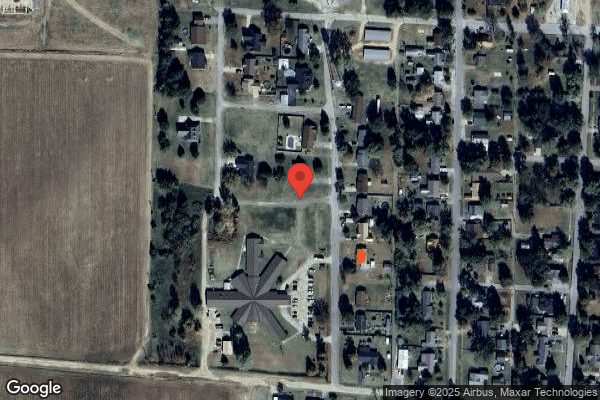
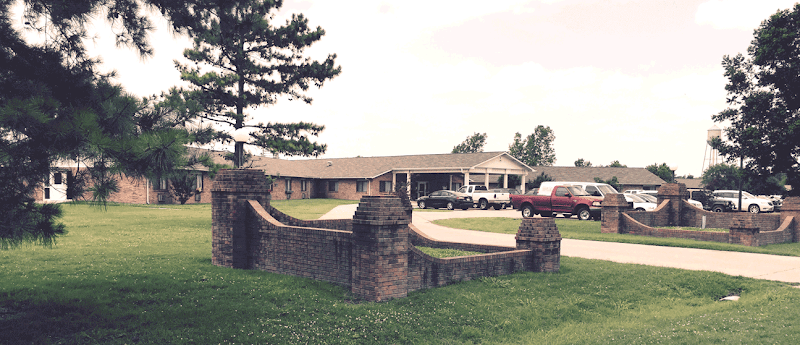
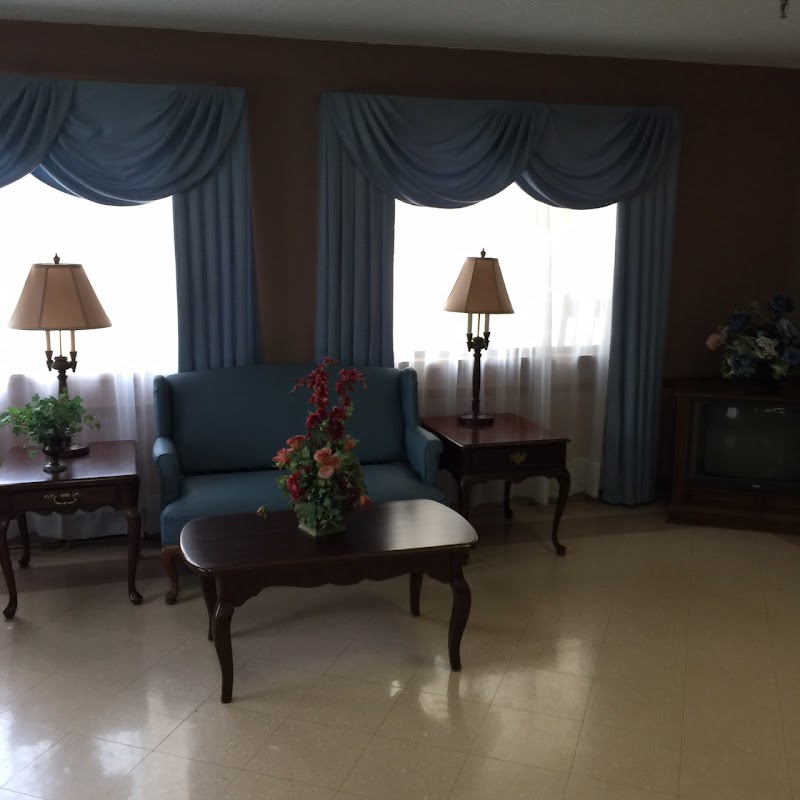

GIDEON CARE CENTER

300 LUNBECK, GIDEON, MO 63848 (573) 448-3505
For profit - Corporation 72 Beds PARADIGM SENIOR MANAGEMENT Data: November 2025
Trust Grade
53/100
#247 of 479 in MO
Last Inspection: December 2024

Within standard 12-15 month inspection cycle. Federal law requires annual inspections.

Overview

Gideon Care Center has a Trust Grade of C, indicating it is average and positioned in the middle of the pack in terms of quality. It ranks #247 out of 479 facilities in Missouri, placing it in the bottom half, and #3 out of 5 in New Madrid County, meaning there are only two local options that are better. The facility is experiencing a worsening trend, with issues increasing from 6 in 2023 to 8 in 2024. Staffing is a weakness, rated at only 1 out of 5 stars, which reflects poor conditions despite a low turnover rate of 0%. Additionally, the facility has faced $5,283 in fines, which is average compared to other facilities. Strengths include a good health inspection rating of 4 out of 5 stars, and the facility has more registered nurse (RN) coverage than the average in the state, which is crucial for catching potential problems. However, specific incidents raised concerns, such as the failure to provide a safe and clean environment, highlighted by peeling paint and exposed sheetrock, and inadequate activity programs that did not meet the needs of residents. Another significant issue involved improper documentation of a resident's do-not-resuscitate order, which could have serious implications for emergency care. Overall, while there are some strengths, families should be aware of the facility's notable weaknesses.

Trust Score
C
53/100
In Missouri
#247/479
Bottom 49%
Safety Record
Low Risk
No red flags
Inspections
Getting Worse
6 → 8 violations
Staff Stability
○ Average
Turnover data not reported for this facility.
Penalties
✓ Good
$5,283 in fines. Lower than most Missouri facilities. Relatively clean record.
Skilled Nurses
⚠ Watch
Each resident gets only 17 minutes of Registered Nurse (RN) attention daily — below average for Missouri. Fewer RN minutes means fewer trained eyes watching for problems.
Violations
⚠ Watch
17 deficiencies on record. Higher than average. Multiple issues found across inspections.
★★☆☆☆
2.0
Overall Rating
★☆☆☆☆
1.0
Staff Levels
★☆☆☆☆
1.0
Care Quality
★★★★☆
4.0
Inspection Score
Stable
2023: 6 issues
2024: 8 issues

The Good

  • Full Sprinkler Coverage · Fire safety systems throughout facility
  • No fines on record

Facility shows strength in fire safety.

The Bad

2-Star Overall Rating

Near Missouri average (2.5)

Below average - review inspection findings carefully

Federal Fines: $5,283

Below median ($33,413)

Minor penalties assessed

Chain: PARADIGM SENIOR MANAGEMENT

Part of a multi-facility chain

Ask about local staffing decisions and management

The Ugly 17 deficiencies on record

Dec 2024 8 deficiencies
CONCERN (D)

Potential for Harm - no one hurt, but risky conditions existed

Deficiency F0578 (Tag F0578)

Could have caused harm · This affected 1 resident

**NOTE- TERMS IN BRACKETS HAVE BEEN EDITED TO PROTECT CONFIDENTIALITY** Based on observation, interview and record review, the facility failed obtain a physician's order for code status and to consist...

Read full inspector narrative →
**NOTE- TERMS IN BRACKETS HAVE BEEN EDITED TO PROTECT CONFIDENTIALITY** Based on observation, interview and record review, the facility failed obtain a physician's order for code status and to consistently document a resident's code status with Cardiopulmonary Resuscitation (CPR- an emergency procedure consisting of chest compressions if the heart stops beating or the person stops breathing) or Do Not Resuscitate (DNR - does not want CPR) for one resident (Resident #31) out of 15 sampled residents. The facility census was 60. Review of the facility's policy titled, Do Not Resuscitate Order, last revised, [DATE], showed: - DNR orders must be signed by the resident's attending physician on the physicians' order sheet maintained in the resident's medical record; - A DNR order form must be completed and signed by the attending physician and resident (or resident's legal surrogate, as permitted by state law) and placed in the front of the resident's medical record; - Use only state-approved DNR forms; - If no state form is required, use facility-approved form; - DNR orders will remain in effect until the resident (or legal surrogate) provides the facility with a signed and dated request to end the DNR order; - Verbal orders to cease the DNR will be permitted when two staff members witness such request; - Both witnesses must have heard the request and both individuals must document such information on the physician's order sheet; - The attending physician must be informed of the resident's request to cease the DNR order; - The interdisciplinary care planning team will review the advance directive with the resident during quarterly care planning sessions to determine if the resident wishes to make changes in such directives. 1. Review of Resident #31's medical record showed: - admission date of [DATE]; - Facesheet with a CPR code status; - A red dot which represented a DNR status on the spine of the hard chart; - A red sheet in the front of the hard chart labeled DNR; - Outside the Hospital Do Not Resuscitate Order (OHDNR), signed by the resident and the attending physician, dated [DATE]. Review of the resident's [DATE] Physician Order Sheet (POS) showed: - An order for CPR status, dated [DATE]. During an interview on [DATE] at 9:17 A.M., Resident #31 said he/she wished to have a DNR status and signed a piece of paper that should be in the chart. During an interview on [DATE] at 11:54 A.M., Registered Nurse (RN) D said he/she would look at the resident's face sheet in the electronic medical record for the resident's code status. During an interview on [DATE] at 3:40 P.M., the Director of Nursing (DON) said a resident's code status should be consistent throughout the medical record. During an interview on [DATE] at 3:40 P.M., the Administrator said the resident's code status should be the same in the electronic medical record and the hard chart.
CONCERN (D)

Potential for Harm - no one hurt, but risky conditions existed

Safe Environment (Tag F0584)

Could have caused harm · This affected 1 resident

**NOTE- TERMS IN BRACKETS HAVE BEEN EDITED TO PROTECT CONFIDENTIALITY** Based on observation, interview, and record review, the facility failed to provide a safe, clean and comfortable homelike enviro...

Read full inspector narrative →
**NOTE- TERMS IN BRACKETS HAVE BEEN EDITED TO PROTECT CONFIDENTIALITY** Based on observation, interview, and record review, the facility failed to provide a safe, clean and comfortable homelike environment. This deficient practice had the potential to affect all residents in the facility. The facility census was 60. Review of the facility's policy titled, Homelike Environment, February 2021, showed: - Residents are provided a safe, clean, comfortable and homelike environment and encouraged to use their personal belongings to the extent possible; - The facility staff and management maximizes, to the extent possible, the characteristics of the facility that reflect a personalized, homelike setting which include clean, sanitary, and orderly environment; - Comfortable and adequate lighting is provided in all areas of the facility to promote a safe, comfortable and homelike environment such as sufficient lighting in resident-use areas. Observations on 12/16/24 at 2:12 P.M., 12/17/24 at 11:18 A.M., and 1:18 P.M., of the 100 Hall showed: - Multiple areas of peeled paint and exposed sheetrock on the wall behind and above bed by the door in room [ROOM NUMBER]; - A large area of peeled paint on the bottom right side corner of the wall next to the sliding door closet in room [ROOM NUMBER]; - A large area of peeled paint and exposed sheetrock on the wall below the light fixture of of the bed near the door in room [ROOM NUMBER]; - Multiple small areas of peeled paint and exposed sheetrock on the wall next to the bed by the window in room [ROOM NUMBER]; - Two ceiling light fixtures not working in the women's bath area. Observations on 12/16/24 at 2:25 P.M., 12/17/24 at 11:22 A.M., and 1:33 P.M., of the 300 Hall showed: - Multiple long areas of peeled paint and exposed sheetrock on the right-side wall next to the bed by the window in room [ROOM NUMBER]; - A 24 inch (in.) long area of peeled paint and dark scuffed marks on top of the decorative trim on the wall next to the window in room [ROOM NUMBER]. Observations on 12/15/24 at 9:02 A.M., 12/16/24 at 2:12 P.M., and 12/17/24 at 2:29 P.M., showed: - A buildup of dirt and debris inside a light fixture cover on the ceiling inside the double-glassed door area at the front entrance of the facility; - A buildup of spider webs on the outside ceiling of the awning at the main entrance of the facility; - A buildup of spider webs on the outside ceiling of the awning at the entrance/exit wooden doors of the secured unit; - A buildup of spider webs on the outside ceiling of the awning at the exit door of the 300 Hall; - A buildup of spider webs on the outside ceiling of the awning at the exit door of the 400 Hall. Review of the maintenance log, dated 11/25/24 - 12/18/24, showed no areas of concern documented. During an interview on 12/18/24 at 9:52 A.M., Housekeeper A said he/she wrote down any environmental concerns on the maintenance log located at the nurse's station. He/She had written down environmental concerns recently on the maintenance log such as the toilet not working. The Maintenance Supervisor (MS) was responsible for the outside cleaning of the facility. During an interview on 12/18/24 at 10:29 A.M., Housekeeper B said he/she wrote down environmental concerns on the maintenance log and verbally told the MS. He/She hadn't seen anything recently to report to the maintenance department. The MS was responsible for checking the outside environment for any areas needing to be cleaned. During an interview on 12/18/24 at 10:40 A.M., Housekeeper C said he/she wrote down environmental concerns on the maintenance log and verbally told the MS. He/She hadn't seen anything recently to report to the maintenance department. It was the responsibility of the MS to clean the outside of the facility. During an interview on 12/18/24 at 12:21 P.M., the MS said he/she would expect staff to write down any environmental concerns on the maintenance log to be addressed in a timely manner. The MS was responsible for cleaning the outside of the facility. During an interview on 12/18/24 at 3:47 P.M., the Administrator said she would expect staff to write down any environmental concerns down on the maintenance log in addition to verbally telling the MS. The MS was responsible for the maintaining the outside of the facility and the grounds area.
CONCERN (D)

Potential for Harm - no one hurt, but risky conditions existed

Comprehensive Care Plan (Tag F0656)

Could have caused harm · This affected 1 resident

**NOTE- TERMS IN BRACKETS HAVE BEEN EDITED TO PROTECT CONFIDENTIALITY** Surveyor: Levart, [NAME] Based on observation, interview, and record review, the facility failed to implement a care plan with s...

Read full inspector narrative →
**NOTE- TERMS IN BRACKETS HAVE BEEN EDITED TO PROTECT CONFIDENTIALITY** Surveyor: Levart, [NAME] Based on observation, interview, and record review, the facility failed to implement a care plan with specific interventions to meet individual needs for five residents (Residents #36, #38, #41, #48 and #56) out of 15 sampled residents. The facility census was 60. Review of the facility's policy titled,Comprehensive Person-Centered Care Plans, dated March 2022, showed: - A comprehensive, person-centered care plan that includes measurable objectives and timetables to meet the resident's physical, psychosocial and functional needs is developed and implemented for each resident; - The interdisciplinary team (IDT), in conjunction with the resident and or his/her family or legal representative, develops and implements a comprehensive, person-centered care plan for each resident; - The care plan interventions are derived from a thorough analysis of the information gathered as part of the comprehensive assessment; - The comprehensive person-centered care plan describes the services that are to be furnished to attain or maintain the resident's highest practicable physical, mental, and psychosocial well-being; - The IDT reviews and updated the care plan: 1. When there has been a significant change in the resident's condition; 2. When the resident has been readmitted to the facility from a hospital stay and; 3. At least quarterly, in conjunction with the required quarterly Minimum Data Set (MDS -a federally mandated assessment completed by facility staff) assessment. 1. Review of Resident #36's medical record showed: - admission date of 09/17/24; - Diagnoses of muscle weakness, chronic obstructive pulmonary disease (COPD - a lung disease which the lungs are damaged), pressure ulcer stage 2 (partial thickness loss of the skin) and a pressure ulcer stage 3 (full-thickness tissue loss where subcutaneous fat is visible within the wound). Review of the resident's care plan, dated 12/12/24, showed: - Did not address the pressure ulcers with interventions. 2. Review of Resident #38's medical record showed: - admission date of 04/20/21; - admission to hospice on 10/07/24; - Diagnoses of Alzheimer's disease (disease that destroys memory and other mental function), major depressive disorder (persistent depressed mood & loss of interest), hypertension (high blood pressure), hypothyroidism (condition where thyroid does not produce enough thyroid hormones), and diabetes mellitus (DM - a condition where the blood sugar gets too high). Review of the resident's care plan, dated 10/21/24, showed: - Did not address the hospice admission with interventions. 3. Review of Resident #41's medical record showed: - admission date of 08/07/23; - admission to hospice on 10/04/24; - Diagnoses of Alzheimer's disease, hyperlipidemia (high cholesterol), generalized anxiety (excessive and persistent worry), psychosis (disorder where you disconnect from reality), hypertension, and hypothyroidism. Review of the resident's care plan, dated 10/11/24, showed: - Did not address the hospice admission with interventions. 4. Review of Resident #48's medical record showed: - admission date of 09/22/23; - admission to hospice on 11/02/24; - Diagnoses of cerebral infarction (disrupted blood flow to the brain), major depressive disorder, hypothyroidism, vascular dementia (disrupted blood flow to brain causes memory problems), atrial fibrillation (irregular heart beat), hemiplegia left side (paralysis), and dysphagia (difficulty swallowing). Review of the resident's care plan, dated 11/08/24, showed: - Did not address the hospice admission with interventions. 5. Review of Resident #56's medical record showed: - admission date of 06/19/24; - Diagnoses of COPD, DM, Parkinsonism (condition that causes slowed movements, stiffness, tremors, difficulty with balance and walking), hypertension (persistent elevated blood pressure); Review of the resident's Smoking Assessment, dated 09/25/24, showed: - IDT determined the resident was safe to smoke without supervision. Review of the resident's admission MDS, dated [DATE], showed the resident smoked. Review of the resident's care plan, last reviewed on 07/10/24, showed: - Resident required supervision while smoking. During an interview on 12/18/24 at 3:48 P.M., the Administrator said she would expect the care plan to reflect the resident and the care of the resident. She would expect the hospice admission to be reflected on a resident's care plan.
CONCERN (D)

Potential for Harm - no one hurt, but risky conditions existed

Deficiency F0658 (Tag F0658)

Could have caused harm · This affected 1 resident

Based on interview and record review, the facility failed to obtain a physician order for one hospice (healthcare focused on the quality of life of a terminally ill person) resident (Resident #20) out...

Read full inspector narrative →
Based on interview and record review, the facility failed to obtain a physician order for one hospice (healthcare focused on the quality of life of a terminally ill person) resident (Resident #20) out of three sampled residents and failed to follow insulin (a hormone that helps regulate blood sugar levels by moving glucose from the bloodstream into cells for energy) administration order times for one resident (Resident #31) out of one sampled resident and two residents (Residents #10 and #15 ) outside the sample. The facility census was 60. Review of the facility's policy titled, Hospice Program, revised 2017, showed: - Hospice services are available to residents at end of life; - The resident may choose to specify his/her attending physician, or another physician/practitioner, as the hospice attending physician; - Physician certification and recertification of the terminal illness specific to each resident; - Hospice medication information specific to each resident; - Hospice physician and attending physician (if any) orders specific to each resident. Review of the facility's policy titled, Insulin Administration, dated September 2014, showed: - Three characteristics of insulin are: onset of action-how quickly the insulin reaches the bloodstream and begins to lower blood glucose; peak effects- the time when the insulin is at its maximum effectiveness; duration of effects- the length of time during which the insulin is effective; - Types of Insulin: rapid acting-onset of 10-15 minutes with a peak time of 30 minutes-3 hours (hrs.) and a duration of 3-6 hrs.; regular/short-acting-onset of 30 minutes-1 hr with a peak time of 2.5-5 hrs and a duration of 8-12 hrs.; intermediate acting-onset: 1-1.5 hrs. with a peak time of 4-12 hrs. and a duration of 24 hrs.; long acting-onset of 1-2 hrs., with a peak time of up to 8 hrs. and a duration of up to 24 hrs. 1. Review of Resident #10's medical record showed: - admission date of 03/02/23; - Diagnoses of systolic congestive heart failure (CHF - an inability of the heart to pump sufficient blood flow to meet the body's needs) and diabetes mellitus (DM - a chronic disease that causes high blood sugar levels); - An order for Novolin R (a short acting insulin) FlexPen 20 unit subcutaneously (injection beneath the skin) before meals, dated 06/27/24. Review of the resident's Medication Administration Records (MAR), dated December 2024, showed: - On 12/15/24, Novolin R insulin ordered for 7:00 A.M., and administered at 9:22 A.M.; - On 12/15/24, Novolin R insulin ordered for 11:00 A.M., and administered at 12:43 P.M.; - On 12/16/24, Novolin R insulin ordered for 4:00 P.M., and administered at 9:20 P.M.; - On 12/17/24, Novolin R insulin ordered for 11:00 A.M., and administered at 12:30 P.M., - On 12/17/24, Novolin R insulin ordered for 4:00 P.M., and administered at 8:57 P.M. 2. Review of Resident #15's medical record showed: - admission date of 09/06/24; - Diagnoses of dementia (gradual decline of cognitive function), dysphagia (difficulty swallowing) and DM; - An order for Fiasp (a rapid acting insulin) FlexTouch Pen inject as per sliding scale: if BS 151 - 200=4 units, 201-250=6 units, 251-300=8 units; 301-350=10 units; 351-400=12 units, call the physician if BS is over 400, subcutaneously before meals and at bedtime for DM, dated 10/14/24. Review of the resident's MAR, dated December 2024, showed: - On 12/15/24, Fiasp insulin ordered for 7:00 A.M., and administered at 9:23 A.M.; - On 12/15/24, Fiasp insulin ordered at 11:00 A.M., and administered at 12:43 P.M.; - On 12/16/24, Fiasp insulin ordered for 4:00 P.M., and administered at 9:20 P.M.; - On 12/17/24, Fiasp insulin ordered for 11:00 A.M., and administered at 1:10 P.M.; - On 12/17/24, Fiasp insulin ordered for 4:00 P.M., and administered at 8:58 P.M. 3. Review of Resident #20's medical record showed: - admission date of 10/07/23; - Diagnoses of Parkinson's Disease (a disease of the central nervous system that affects movement, often including tremors), hypertension (high blood pressure) and osteoarthritis (a type of arthritis marked by cartilage deterioration of the joints and vertebrae); - admitted to hospice on 03/10/24. Review of the resident's December 2024 Physician Order Sheet (POS), showed: - No physician order for hospice services. Review of the resident's Hospice Physician's Order, dated 03/10/24, showed: - An order to admit to hospice, not signed and dated by the physician; - The hospice Registered Nurse (RN) signed and dated on 03/10/24. Review of the resident's significant change Minimum Data Set (MDS - a federally mandated assessment instrument completed by the facility staff), dated 03/17/24, showed the resident received hospice services. Review of the resident's care plan, dated 10/03/24, showed: - The resident received hospice services. 4. Review of Resident #31's medical record showed: - admission date of 07/22/23; - Diagnoses of hypertensive heart (a heart that has been damaged or weakened over time due to high blood pressure), chronic kidney disease (gradually declining kidney function) and DM; - An order for Fiasp FlexTouch Pen inject as per the sliding scale: if BS 131-180=4 units, 181-240=6 units, 241-300=8 units, 301-350=10 units, 351-400=12 units, if over 400 give 12 units and call the physician, subcutaneously two times a day, dated 4/1/24. Review of the resident's MAR, dated December 2024, showed: - On 12/15/24, Fiasp insulin ordered for 7:00 A.M., and administered at 9:21 A.M.; - On 12/16/24, Fiasp insulin ordered for 4:00 P.M., and administered at 9:16 P.M.; - On 12/17/24, Fiasp insulin ordered for 4:00 P.M., and administered at 8:39 P.M. During an interview on 12/18/24 at 3:40 P.M., the Director of Nursing (DON) said insulin should be administered right before a resident eats a meal. During an interview on 12/18/24 at 3:40 P.M., the Administrator said medications, such as insulin, should be administered 10-15 minutes prior to a resident eating. During an interview on 12/18/24 at 3:47 P.M., the DON said she would expect a resident receiving hospice care to have a physician order for the hospice services. During an interview on 12/18/24 at 3:49 P.M., the Administrator said she would expect a resident to have a physician order for hospice services if a resident was receiving hospice care.
CONCERN (D)

Potential for Harm - no one hurt, but risky conditions existed

Deficiency F0688 (Tag F0688)

Could have caused harm · This affected 1 resident

**NOTE- TERMS IN BRACKETS HAVE BEEN EDITED TO PROTECT CONFIDENTIALITY** Based on observation, interview, and record review, the facility staff failed to ensure residents with limited range of motion (...

Read full inspector narrative →
**NOTE- TERMS IN BRACKETS HAVE BEEN EDITED TO PROTECT CONFIDENTIALITY** Based on observation, interview, and record review, the facility staff failed to ensure residents with limited range of motion (ROM) received appropriate treatment and services to increase their ROM and/or prevent a further decrease in their ROM when facility staff failed to perform restorative services as ordered for three residents (Residents #23, #30 and #35) out of four sampled residents. The facility census was 60. Review of the facility's policy titled, Restorative Nursing Services, dated July 2017 showed: - Residents will receive restorative nursing care as needed to help promote optimal safety and independence; - Restorative nursing care consists of nursing interventions that may or may not be accompanied by formalized rehabilitative services; - Residents may be started on a restorative nursing program upon admission, during the course of stay or when discharge rehabilitative care; - Restorative goals and objectives are individualized and resident-centered, and are outlined in the resident's plan of care; - Restorative goals may include, but are not limited to supporting and assisting the resident in: a. adjusting or adapting to changing abilities; b. developing, maintaining or strengthening his/her physiological and psychological resources; c. maintaining his/her dignity, independence and self-esteem; d. participating in the development and implementation of his/her plan of care. 1. Review of Resident #23's medical record showed: - admission date of 01/13/19; - Diagnoses of generalized muscle weakness, abnormalities of gait and mobility, chronic obstructive pulmonary disease (COPD - a group of lung diseases that causes difficulty breathing, due to damage to the lungs), and low back pain. Review of the resident's quarterly Minimum Data Set (MDS - a federally mandated comprehensive assessment instrument completed by facility staff), dated 12/04/24, showed: - Supervision with self care; - Substantial to maximal assistance with showers; - Impairment to both lower extremities. Review of the resident's care plan, dated 12/04/24, showed: - The resident with weakness and gait/balance impairment, needs help at times to complete care; - Restorative nursing to see the resident three times a week for functional maintenance. Review of the resident's Physician's Order Sheet (POS), dated December 2024, showed: - An order for restorative nursing services to be provided three times weekly for functional maintenance, dated 05/13/24. Review of the resident's restorative nursing documentation, dated 10/01/24 - 12/17/24 , showed: - Restorative nursing three times weekly for functional maintenance; - October 2024 with 10 missed opportunities out of 12 opportunities for restorative services; - November 2024 with six missed opportunities out of 12 opportunities for restorative services; - December 1- 17, 2024 with four missed opportunities out of six opportunities for restorative services. 2. Review of Resident #30's medical record showed: - admission date of 04/13/22; - Diagnoses of osteoarthritis, generalized muscle weakness, respiratory failure, and chronic kidney disease (progressive loss of kidney function). Review of the resident's quarterly MDS, dated [DATE], showed: - Dependent for all activities daily living (ADL's) and self care; - Impairment to both sides both upper and lower extremities. Review of the resident's care plan, dated 11/27/24, showed: - Restorative nursing to see the resident three times a week for functional maintenance. Review of the residents POS, dated December 2024, showed: - An order for restorative nursing to be provided three times weekly for functional maintenance, dated 06/14/24. Review of the resident's restorative nursing documentation, dated 09/12/24 - 12/17/24 , showed: - Restorative nursing three times weekly for functional maintenance; - October 2024 with nine missed opportunities out of 12 opportunities for restorative services; - November 2024 with five missed opportunities out of 12 opportunities for restorative services; - December 1-17, 2024 with four missed opportunities out of six opportunities for restorative services. 3. Review of Resident 35's medical record showed: - admission date of 02/22/21; - Diagnoses of dementia (a disorder marked by memory loss, personality changes, and impaired reasoning that interferes with daily functioning), type II diabetes mellitus (DM - a condition that affects the way the body processes blood sugar) and cerebral infarction (stroke). Review of the resident's quarterly MDS, dated [DATE], showed: - Dependent for all ADL's and self care; - Impairment to both lower extremities. Review of the resident's care plan, dated 11/12/24, showed: - Restorative nursing to see the resident three times a week for functional maintenance. Review of the resident's POS, dated December 2024, showed an order for restorative nursing to see the resident three times weekly for functional maintenance, dated 6/13/24. Review of the resident's restorative nursing documentation, dated 10/01/24 - 12/17/24, showed: - Restorative nursing three times weekly for functional maintenance; - October 2024 with six missed opportunities out of 15 opportunities for restorative services; - November 2024 with three missed opportunities out of 12 opportunities for restorative services; - December 1-17, 2024 with four missed opportunities out of six opportunities for restorative services. During an interview on 12/17/24 at 11:15 A.M., Restorative Nurse Aide (RNA) E said he/she was on transports at times when the transported residents required a two-person assist. The RNA said he/she was pulled to do showers and work the floor at times also, During an interview of 12/18/24 at 3:45 P.M., the Director of Nursing (DON) said she would expect the residents that have orders for restorative nursing to receive what was ordered. During an interview on 12/18/24 at 3:46 P.M., the Administrator said she would expect restorative services to be completed. She thought the RNA did restorative services when he/she was pulled to do showers but didn't know if it was documented or not.
CONCERN (D)

Potential for Harm - no one hurt, but risky conditions existed

Food Safety (Tag F0812)

Could have caused harm · This affected 1 resident

Based on observation, interview, and record review, the facility failed to label and date food, follow use by dates and record daily freezer temperatures, increasing the risk of cross-contamination an...

Read full inspector narrative →
Based on observation, interview, and record review, the facility failed to label and date food, follow use by dates and record daily freezer temperatures, increasing the risk of cross-contamination and food-borne illness. These deficient practices had the potential to affect all residents. The facility census was 60. Review of the facility's policy titled, Refrigerators and Freezers, revised November 2022, showed; - Monthly tracking sheets for all refrigerators and freezers are posted to record temperatures; - Tracking sheets include time, temperature, initials, and action taken if needed; - Food service supervisors or designated employees check and record temperatures daily with first opening and at closing in the evening; - All food is appropriately dated to ensure proper rotation by expiration date. Use by dates are completed with expiration dates on all prepared food in refrigerators. Expiration dates on unopened food are observed and use by dates are indicated once food is opened; - Supervisors are responsible for ensuring food items in pantry, refrigerators, and freezers are not past the use by or expiration dates. Supervisors should contact vendors or manufacturers when expiration dates are in question. 1. Observation of the stand-up refrigerator on 12/15/24 at 9:33 A.M., showed: - Two sausage biscuits wrapped in plastic wrap with no label or date; - A plastic container of soup with no label and dated 12/08/24. 2. Observation of the walk-in refrigerator on 12/15/24 at 9:39 A.M., showed: - A plastic bag of ham with no label or date. 3. Observation of the walk-in freezer on 12/15/24 at 9:43 A.M., showed: - A bag of opened sausage patties in an open box exposed to the air, with no label or date. 4. Observation of the back storage room on 12/15/24 at 10:06 A.M., showed: - Two bags of opened riblet patties in the bottom drawer with no label or date; - The chest freezer temperature log with no documented temperatures for 12/13/24-12/15/24. 5. Observation of the triple sink in the kitchen on 12/15/24 at 10:15 A.M., showed: - A large metal baking pan sat on the floor catching the dripping water from the pipes under the triple sink. 6. Observation of the chest freezer in the kitchen on 12/15/24 at 10:06 A.M., showed; - A bag of frozen biscuits opened and exposed to the air, with no label and no date; - An opened bag of frozen okra with no label and no date; - The chest freezer temperature log with no documented temperatures for 12/08/24-12/15/24. 7. Observation of the walk-in refrigerator on 12/16/24 at 8:48 A.M., showed; - A large storage container labeled weenies and with a use by date of 12/15/24. During an interview on 12/16/24 at 8:58 A.M., the Dietary Manager (DM) said he/she expected staff to check the temperatures every shift and he/she checked them daily. The DM was aware there were some temperatures missing. When food was opened, it should be labeled and dated with a use by date. The pan under the triple sink holding the leaking water had been there since he/she started around March 2024. Maintenance had tried to correct it but it continued to leak. During an interview on 12/18/24 at 2:35 P.M., Dietary Staff A said when food was opened it should be labeled and dated with a use by date. All staff was responsible for checking the food to make sure the food was dated and temperature logs were completed. The metal pan under the triple sink had been there holding water for at least four months. During an interview on 12/18/24 at 2:38 P.M., Dietary Staff B said when food was opened, staff should write the date, a use by date, and label what the food was. The dietary aides were responsible for checking the temperature logs for the chest freezer in the kitchen and the freezers in the back storage room. He/She was unsure about the metal pan holding water under the sink. During an interview on 12/18/24 at 3:44 P.M., the Administrator said she would expect staff to be labeling food items when opened and checking the expiration dates. The temperature logs should be filled out daily according to the policy. She was unsure about the metal pan being used to catch the leaking water.
CONCERN (D)

Potential for Harm - no one hurt, but risky conditions existed

Infection Control (Tag F0880)

Could have caused harm · This affected 1 resident

Based on observation, interview, and record review, the facility failed to implement proper infection control practices when staff were accessing and administering medications through a peripherally i...

Read full inspector narrative →
Based on observation, interview, and record review, the facility failed to implement proper infection control practices when staff were accessing and administering medications through a peripherally inserted central catheter (PICC - a thin, soft, flexible tube that is placed in a vein that leads to the heart) for one resident (Resident #36) out of one sampled resident. The facility failed to implement enhanced barrier precautions (EBP) and failed to use proper hand hygiene during incontinent care and catheter (a flexible tube placed in the bladder to drain urine) care for two residents (Residents #38 and #48) out of four sampled residents. The facility also failed to store biohazard waste properly when the red biohazard a biological substance that poses a threat to the health of living organisms, primarily that of humans) bags sat on the resident's room floor and trash protruded out of the barrels. This deficient practice had the potential to affect all residents in the facility. The facility census was 60. Review of the facility's policy titled, Peripheral and Midline Intravenous (IV) Catheter Flushing and Locking, dated October 2024, showed: - Flushing to maintain patency of the catheter: 1. Assemble supplies, which includes 10 milliliter (ml) barrel syringe with preservative, medication to be administered, disinfecting wipes, and non-sterile gloves; 2. Perform hand antisepsis. Put on non-sterile gloves; 3. Disinfect needleless access device (end cap, access port) with disinfecting wipe for at least 15 seconds. Allow to air dry completely; 4. Attach prefilled saline syringe to the needleless access device. Review of the facility's policy titled, Enhanced Barrier Precautions, dated August 2022, showed: - Enhanced barrier precautions are used as an infection prevention and control intervention to reduce the spread of multi-drug resistant organisms to the residents; - EBPs employ target gown and glove use during high contact resident care activities when contact precautions do not otherwise apply; - Gloves and gowns are applied prior to performing the high contact resident care activities (as opposed to before entering the room); - Examples of high-contact care activities requiring the use of gown and gloves for EBPs include: 1. Changing briefs or assisting with toileting; 2. Device care or use (central line, urinary catheter) and wound care (any skin opening requiring a dressing); - EBPs are indicated for residents with wounds and/or indwelling medical devices regardless of colonization; - Signs are posted on the door or wall outside the resident's room indicating the type of precautions and personal protective equipment (PPE) required; - PPE is available outside of the resident rooms. 1. Observation on 12/15/24 at 10:35 A.M., of Resident #36's room showed: - EBP signage on the resident's door; - A red biohazard bags sat in the floor, an IV pole sat in the room, and a urinary catheter drainage bag hung on the side of the bed; - No EBP supplies. Observation of the resident's room on 12/15/24 at 12:20 P.M., showed: - The red biohazard bags were placed in a covered upright barrel. During an interview on 12/18/24 at 3:50 P.M., the Administrator said she would expect the biohazard bags to be in a barrel. During an interview on 12/24/24 at 9:08 A.M., Registered Nurse (RN) D said staff should empty the biohazard barrels when they were two-thirds full. The trash should not have been out of the barrel. When accessing a PICC line, he/she would remove the cap, scrub the hub for 15 seconds with an antiseptic, and let the hub air dry before connecting anything to the PICC line. When disconnecting the tubing from the PICC line, he/she would scrub the hub again and place a cap on the end. 2. Observation on 12/17/24 at 9:06 A.M., of Resident #36's PICC line access care showed: - EBP signage on the resident's door; - RN D put on a gown, performed hand hygiene, and put on gloves; - RN D disconnected the IV tubing from the PICC line access; - The male end of the PICC line hub lay on the resident's gown sleeve; - RN D attached the syringe to the hub without using an antiseptic agent before placing the lock cap; - The biohazard barrels were full and trash hung outside the barrel and the lid did not close. 3. Observation of Resident #38's incontinent care on 12/17/24 at 3:31 P.M., showed; - Certified Nurse Assistant (CNA) F and CNA G entered the resident's room; - CNA F and CNA G did not perform hand hygiene and applied gloves; - CNA G removed the trash can from the resident's floor and placed it on the resident's bed during incontinent care; - CNA G cleaned the resident's peri area, did not perform hand hygiene, did not change gloves, and touched the resident's bed linens; - CNA F completed the incontinent care, changed gloves, and did not perform hand hygiene; - CNA G did not change gloves, did not perform hand hygiene, and adjusted the resident's head; - CNA F and CNA G removed the gloves, did not perform hand hygiene, picked up the trash from the incontient care, and exited the room. 4. Observation of Resident #48's catheter care on 12/17/24 at 3:42 P.M., showed; - EBP signage and personal protective equipment (PPE) hung on the outside of the room door; - CNA F entered the the resident's room and did not perform hand hygiene, did not put on gloves, did not put on a gown, and entered the resident's room; - CNA F did not perform hand hygiene and put on gloves; - CNA F removed the residents bedding and brief, changed gloves, and did not perform hand hygiene; - CNA F performed catheter care, did not change gloves, did not perform hand hygiene, pulled the resident's pants up, and adjusted the resident's bed linens and the resident's head; - CNA F removed the gloves and did not perform hand hygiene. During an interview on 12/27/24 at 2:31 P.M., CNA F said he/she did not normally do hand hygiene in between glove changes during incontinent care or catheter care. Gloves should be removed after care and before touching a resident or the bed linens. At no time during care should the trash can be placed on a resident's bed. CNA F was not familiar with EBP and did not normally wear a gown when providing catheter care. During an interview on 12/27/24 at 2:35 P.M., CNA G said he/she would normally change gloves after care and before touching a resident or the bed linens. He/She did normally do hand hygiene before care and in between glove changes, and he/she would not normally set the trash can on a resident's bed. During an interview on 12/18/24 at 3:44 P.M., the Director of Nursing (DON) said she would expect staff to perform hand hygiene before care, after glove changes, and after care. She would not expect staff to place the trash can on the bed during incontinent care. All staff should be following BP. During an interview on 12/18/24 at 3:50 P.M., the Administrator said she expected staff to wash hands before care, after glove changes, and after care. She would not expect the trash can to be placed on the bed during care, and all staff should follow EBP. During an interview on 12/27/24 at 10:32 A.M., the Administrator said she would expect staff to follow the facility policy in regards to medications being administered by the PICC line.
CONCERN (D)

Potential for Harm - no one hurt, but risky conditions existed

Deficiency F0883 (Tag F0883)

Could have caused harm · This affected 1 resident

Based on interview and record review, the facility failed to document pertinent education provided to the residents or the resident's representative regarding benefits, side effects or warnings of the...

Read full inspector narrative →
Based on interview and record review, the facility failed to document pertinent education provided to the residents or the resident's representative regarding benefits, side effects or warnings of the influenza (a viral respiratory infection) and/or the pneumococcal (an infectious lung disease) vaccine for four residents (Residents #7, #21, #30, and #56) out of five sampled residents. The facility's census was 60. Review of the facility's policy titled, Vaccination of Resident, revised October 2019, showed: - Prior to the vaccination, the resident (or resident's legal representative) will be provided information and education regarding the benefits and potential side effects of the vaccinations. Provision of such education shall be documented in the resident's medical record; - If vaccines are refused, the refusal shall be documented in the resident's medical record. 1. Review of Resident #7's medical record showed: - admission date of 03/23/21; - Influenza vaccine administered on 10/04/24; - No documentation the facility provided information and education to the resident or the resident's representative of the influenza vaccine. 2. Review of Resident #21's medical record showed: - admission date of 03/15/18; - Influenza vaccine refused on 10/04/24; - No documentation the facility provided information and education to the resident or the resident's representative of the influenza vaccine. 3. Review of Resident #30's medical record showed: - admission date of 04/13/22; - Influenza vaccine administered on 10/04/24; - No documentation the facility provided information and education to the resident or the resident's representative of the influenza vaccine. 4. Review of Resident #56's medical record showed: - admission date of 06/19/24; - Influenza vaccine administered on 10/04/24; - No documentation the facility provided information and education to the resident or the resident's representative of the influenza vaccine. During an interview on 12/18/24 at 9:53 A.M., the Assistant Director of Nursing (ADON) said the facility did not document in the medical record of providing the education on vaccines to the residents or the resident's representative. During an interview on 12/18/24 at 3:40 P.M., the Director of Nursing (DON) said the facility should be educating the resident and/or resident's representative of risks and benefits of vaccines prior to administering.
Nov 2023 6 deficiencies
CONCERN (D)

Potential for Harm - no one hurt, but risky conditions existed

Deficiency F0577 (Tag F0577)

Could have caused harm · This affected 1 resident

Based on interview and record review, the facility failed to notify residents of the availability and location of the most recent survey results in an accessible location to the residents. This defici...

Read full inspector narrative →
Based on interview and record review, the facility failed to notify residents of the availability and location of the most recent survey results in an accessible location to the residents. This deficient practice affected one resident (Resident #41) out of 16 sampled residents and three residents (Resident #5, #19 and #34) outside the sample and had the potential to affect all residents and visitors. The facility census was 64. Review of the facility's policy titled, Resident Rights, revised February 2021, showed: - Employees shall treat all residents with kindness, respect and dignity; - Federal and state laws guarantee certain basic rights to all residents of this facility; - These rights include be free of abuse, neglect misappropriation of property, exploitation, voice grievances to the facility and examine survey results. During a resident council meeting on 11/08/23 at 11:38 A.M., Residents #5, #19, #34 and #41 collectively said they were not aware of the location the survey results were posted in the facility. During an interview on 11/08/23 at 11:38 A.M., Resident #5 said he/she had been a resident at the facility for almost five years and was not aware of a survey results binder or the designated location. He/she thought the survey results were kept private and not for residents or visitors to have access to. During an interview on 11/08/23 at 11:39 A.M., Resident #19 said he/she had been a resident at the facility for one year and was not aware of of a survey results binder or the designated location. During an interview on 11/08/23 at 11:40 A.M., Resident #34 said he/she had been a resident at the facility since May 2023 and was not aware of a survey results binder or the designated location. During an interview on 11/08/23 at 11:41 A.M., Resident #41 said he/she had been a resident at the facility for one year and was not aware of a survey results binder or the designated location. He/she was the resident council president and thought the survey results were only for the facility to review and did not know it was posted in the facility. Review of the facility's Resident Council Meeting Audits, dated August 2023 through October 2023, showed survey results not addressed. During an interview on 11/08/23 at 1:41 PM, the Activities Director (AD) said there is a question on the resident council meeting audit that addressed the facility's survey results. He/She did not know when the last time the information had given regarding the facility survey results and had been the AD for about a year and a half. During an interview on 11/09/23 at 4:18 P.M., the Administrator said he would not expect residents to know where the survey results were located. During the resident council meetings, issues and concerns are addressed from the residents in attendance.
CONCERN (D)

Potential for Harm - no one hurt, but risky conditions existed

Deficiency F0657 (Tag F0657)

Could have caused harm · This affected 1 resident

Based on interview and record review, the facility failed to ensure care plan conferences were conducted and care plans reviewed by the interdisciplinary team (IDT) (team members from different discip...

Read full inspector narrative →
Based on interview and record review, the facility failed to ensure care plan conferences were conducted and care plans reviewed by the interdisciplinary team (IDT) (team members from different disciplines working together with a common purpose) at least quarterly for 11 residents (Resident #2, #6, #13, #17, #22, #27, #33, #38, #40, #53, and #114) out of 16 sampled residents. This deficient practice had the potential to affect all residents at the facility. The facility census was 64. Review of the facility's policy titled,Care Plan-Interdisciplinary Team, dated March 2022 showed: - The IDT is responsible for the development of resident care plans; - Resident care plans are developed according to the timeframes and criteria established by Omnibus Budget Reconciliation Act (OBRA), also known as the Nursing Home Reform Act of 1987, Regulatory reference number 483.21(b). 1. Review of Resident #2's medical record showed: - An admission date of 10/21/11; - Diagnoses of non-ST elevation myocardial infarction (a blockage of blood flow to the heart (heart attack)), pain, urinary tract infection (UTI) (an infection anywhere in the urinary system), chronic kidney disease stage 3 (gradual loss of kidney function), and type 2 diabetes mellitus (a chronic condition that affects the way the body processes glucose). Review of the resident's care plan, last reviewed on 06/21/23, showed: - The care plan not reviewed and/or revised since 06/21/23, 113 days late; - No documentation an IDT approach used for the resident's care plan reviews. 2. Review of Resident #6's medical record showed: - An admission date of 07/09/20; - Diagnoses of congestive heart failure (CHF) (a chronic condition in which the heart doesn't pump blood as well as it should), vascular dementia (a common form of dementia caused by an impaired supply of blood to the brain), chronic obstructive pulmonary disease (COPD) (a chronic inflammatory lung disease that causes obstructed airflow from the lungs), and Parkinson's disease (a progressive disease of the nervous system marked by tremor, muscular rigidity, and slow, imprecise movement). Review of the resident's care plan, last reviewed on 09/28/22, showed: - The care plan not reviewed and/or revised since 09/28/22, 317 days late; - No documentation an IDT approach used for the resident's care plan reviews. 3. Review of Resident #13's medical record showed: - An admission date of 02/24/16; - Diagnoses of COPD), pneumonia (an infection that inflames the air sacs in one or both lungs), UTI, and chronic kidney disease. Review of the resident's care plan, last reviewed on 10/12/22, showed: - The care plan not reviewed and/or revised since 10/12/22, 303 days late; - No documentation an IDT approach used for the resident's care plan reviews. 4. Review of Resident #17's medical record showed: - An admission date of 12/30/19; - Diagnoses of anxiety disorder (a feeling of worry, nervousness, or unease typically about an imminent event) CHF, high blood pressure major depressive disorder (MDD) (when an individual has a persistently low or depressed mood, feelings of worthlessness or guilt), and post traumatic stress disorder (PTSD)(a disorder in which a person has difficulty recovering after experiencing or witnessing a terrifying event). Review of the resident's care plan, last reviewed on 06/28/23, showed: - The care plan not reviewed and/or revised since 06/28/23, 99 days late; - No documentation an IDT approach used for the resident's care plan reviews. 5. Review of Resident #22's medical record showed: - An admission date of 04/23/21; - Diagnoses of cerebral vascular accident (CVA) (stroke), atrial fibrillation (an irregular and often very rapid heart rhythm), and vascular dementia. Review of the resident's care plan, last reviewed on 09/01/23, showed: - The care plan not reviewed and/or revised since 09/01/23, 68 days late; - No documentation an IDT approach used for the resident's care plan reviews. 6. Review of Resident #27's medical record showed: - An admission date of 05/13/19; - Diagnoses of dementia (a disorder marked by memory loss, personality changes impaired reasoning that interferes with daily functioning), Parkinson's, CHF, MDD, psychosis (a severe mental condition in which thought and emotions are so affected that contact is lost with external reality) and anxiety disorder. Review of the resident's care plan, last reviewed on 02/23/23, showed: - The care plan not reviewed and/or revised since 02/23/23, 279 days late; - No documentation an IDT approach used for the resident's care plan reviews. 7. Review of Resident #33's medical record showed: - An admission date of 04/13/22; - Diagnoses of CHF and respiratory failure (a condition where a person does not have enough oxygen in the tissues of the body). Review of the resident's care plan, last reviewed on 12/27/22, showed: - The care plan not reviewed and/or revised since 12/27/22, 316 days late; - No documentation an IDT approach used for the resident's care plan reviews. 8. Review of Resident #38's medical record showed: - An admission date of 09/15/21; - Diagnoses of dysphasia (speech impairment), cerebral vascular disease (affects blood flow to the brain), anxiety, high blood pressure, and type II DM. Review of the resident's care plan, last reviewed on 10/28/22, showed: - The care plan not reviewed and/or revised since 10/28/22, 287 days late; - No documentation an IDT approach used for the resident's care plan reviews. 9. Review of Resident #40's medical record showed: - An admission date of 02/21/21; - Diagnoses of Alzheimer's disease (progressive mental deterioration), stroke, anxiety, high blood pressure, and type 2 diabetes mellitus. Review of the resident's care plan, last reviewed on 08/23/22, showed: - The care plan not reviewed and/or revised since 08/23/22, 353 days late; - No documentation an IDT approach used for the resident's care plan reviews. 10. Review of Resident #53's medical record showed: - An admission date of 01/12/23; - Diagnoses of dementia, Parkinson's, psychotic disorder, and anxiety disorder. Review of the resident's care plan, last reviewed on 08/06/23, showed: - The care plan not reviewed and/or 08/06/23, 94 days late; - No documentation an IDT approach used for the resident's care plan reviews. 11. Review of Resident #114's medical record showed: - An admission date of 06/03/21; - Diagnoses of COPD, atrial fibrillation, CHF, blood pressure, and type 2 diabetes mellitus. Review of the resident's care plan, last reviewed on 06/29/23, showed: - The care plan not reviewed and/or 06/29/23, 133 days late; - No documentation an IDT approach used for the resident's care plan reviews. During an interview on 11/08/23 at 4:29 P.M., the MDS (Minimum Data Set) (a federally mandated assessment completed the facility) Coordinator said he/she knew the care plans. During an interview on 11/08/23 at 4:31 P.M., the Resident Assessment Instrument (RAI) Coordinator said he/she knew the care plans. During an interview on 11/09/23 at 4:20 P.M., the Administrator said he would expect the care plans to be up to date.
CONCERN (D)

Potential for Harm - no one hurt, but risky conditions existed

Unnecessary Medications (Tag F0759)

Could have caused harm · This affected 1 resident

Based on observation, interview, and record review, the facility failed to maintain an error rate of less than five percent (%) when medications were administered. There were 33 opportunities with fou...

Read full inspector narrative →
Based on observation, interview, and record review, the facility failed to maintain an error rate of less than five percent (%) when medications were administered. There were 33 opportunities with four errors made, for an error rate of 12%. Out of six residents observed, this affected two sampled residents (Resident #10 and #40) and two residents outside the sample (Resident #7 and #26). The facility census was 64. The facility did not provide a medication error policy. Review of the Insulin Flexpens manufacturer's instructions for use, revised 09/11/15, showed - Priming the pen means removing the air from the needle and cartridge that may collect during normal use and ensures that the pen is working correctly; - If not primed before each injection, the pen may inject the person with too much or too little insulin. 1. Review of Resident 40's Physician Order Sheet (POS), dated November 2023, showed: - An order for Humalog (a rapid acting insulin injected just below the skin that helps lower mealtime blood sugar spikes) inject as per sliding scale (progressive increase in the pre-meal or nighttime insulin dose based on pre-defined blood glucose ranges) for a blood sugar of six units for a blood sugar of 241-300, dated 07/26/22. Observation of the resident on 11/08/23 at 4:33 P.M., showed: - Licensed Practical Nurse (LPN) C administered Humalog Flexpen six units subcutaneously (an injection just beneath the skin) to the resident per sliding scale for a blood sugar of 249; - LPN C failed to prime the Humalog Flexpen prior to the administration of the insulin to the resident per the manufacturer's instructions for use. 2. Review of Resident #26's POS, dated November 2023, showed: - An order for lispro (a rapid acting insulin) inject two units as per the sliding scale for a blood sugar of 170-199, dated 10/24/23. Observation of the resident on 11/08/23 at 4:38 P.M., showed: - LPN C administered lispro Flexpen two units subcutaneously to the resident per sliding scale for a blood sugar of 181; - LPN C failed to prime the Lispro Flexpen prior to the administration of the insulin to the resident per the manufacturer's instructions for use. During an interview on 11/09/23 at 2:30 P.M., LPN C said he/she had never been taught to prime the insulin flexpens. He/She just dialed the required insulin on the flexpen and gave it to the residents. 3. Review of Resident #10's POS, dated November 2023, showed: - An order for Novolog (a rapid acting insulin) inject 14 units as per the sliding scale for a blood sugar of 351-400, dated 06/26/23. Observation on 11/09/23 at 11:15 A.M., showed: - LPN D administered Novolog Flexpen 14 units to the resident per sliding scale for a blood sugar of 378; - LPN D failed to prime the Novolog Flexpen prior to the administration of the insulin to the resident per the manufacturer's instructions for use. 4. Review of Resident #7's POS, dated November 2023, showed: - An order for Novolog Flexpen per sliding scale inject four units for a blood sugar of 181-240, dated 02/17/23. Observation on 11/09/23 at 11:26 A.M., showed: - LPN D administered Novolog Flexpen four units to the resident per sliding scale for a blood sugar of 209; - LPN D failed to prime the Novolog Flexpen prior to the administration of the insulin to the resident per the manufacturer's instructions for use. During an interview on 11/09/23 at 2:00 P.M., LPN D said he/she had never primed an insulin flexpen and had never been told to prime the pen prior to use. During an interview on 11/09/23 at 3:00 P.M., the Director of Nursing (DON) said she was not aware an insulin pen needed to be primed prior to using it. She had never been taught to prime an insulin pen and had never instructed her staff to do so.
CONCERN (D)

Potential for Harm - no one hurt, but risky conditions existed

Deficiency F0761 (Tag F0761)

Could have caused harm · This affected 1 resident

Based on observation, interview and record review, the facility failed to properly monitor the refrigerator temperatures in which medications, including insulin (medication used to treat diabetes), we...

Read full inspector narrative →
Based on observation, interview and record review, the facility failed to properly monitor the refrigerator temperatures in which medications, including insulin (medication used to treat diabetes), were stored. This had the potential to affect all residents. The facility census was 64. Review of the facility's policy, titled Medication Labeling and Storage, dated February 2023 showed: - The facility stores all mediations and biologicals in locked compartments under proper temperature, humidity and light controls. Only authorized personnel have access to keys; - The nursing staff is responsible for maintaining medication storage and preparation areas in a clean, safe, and sanitary manner; - Medications requiring refrigeration are stored in a refrigerator located in the medication room at the nurses' station or other secured location. Observation on 11/09/23 at 1:30 P.M., showed no documentation of the refrigerator temperatures for 11/01/23 - 11/09/23 with nine out of nine opportunities missed. During an interview on 11/09/23 at 2:00 P.M., Licensed Practical Nurse (LPN) D said it was the housekeeping department's responsibility to put the temperature log in the medication room and check the temperatures daily. There was not a temperature log in the medication room for the nurses' medications refrigerator and did not know why there wasn't one. During an interview on 11/09/23 at 2:18 P.M., Housekeeper G and Housekeeper H said the housekeeping staff check the refrigerator temperatures in accessible areas such as the residents' rooms and offices. They did not have access to the medication rooms. During an interview on 11/09/23 at 2:30 P.M., LPN C said housekeeping had always placed the logs in the medication room and checked the temperatures. He/She knew there had not been a temperature log on the refrigerator for a long time. During an interview on 11/09/23 at 2:45 P.M., the Director of Nursing (DON) said she would expect the night nurse to be responsible for the temperatures and the logs for the medication refrigerator in the medication room. She was not aware the temperatures had not been completed and it had been a while since she had been in the medication room.
CONCERN (D)

Potential for Harm - no one hurt, but risky conditions existed

Deficiency F0947 (Tag F0947)

Could have caused harm · This affected 1 resident

Based on interview and record review, the facility failed to provide the required annual competency of Abuse Prevention to one Certified Nurse Aide (CNA) (CNA A) out of two sampled CNAs and had the po...

Read full inspector narrative →
Based on interview and record review, the facility failed to provide the required annual competency of Abuse Prevention to one Certified Nurse Aide (CNA) (CNA A) out of two sampled CNAs and had the potential to affect all residents. The facility's census was 64. Review of the facility's policy titled, In- Service Training, Nurse Aide, revised August 2022, showed: - The facility completes a performance review of nurse aides at least every 12 months; - In-service training is based on the outcome of the annual performance reviews; - Annual in-services ensure the continuing competence of nurse aides and include training in dementia management and resident abuse prevention; - Required training topics for all staff include: abuse, neglect, and exploitation. 1. Review of CNA A's in-service record showed: - A hire date of 05/15/18; - Abuse prevention training program completed on 09/14/22; - No documentation of the annual abuse prevention training program provided for October 2022 through November 2023. During an interview on 11/09/23 at 1:45 P.M., the Assistant Administrator said the facility used a training program. The program assigned the required training automatically. They did not know why the abuse orientation training was not assigned to CNA A, but that she would expect the required training to be completed by all CNA's. During an interview on 11/09/23 at 3:50 P.M., the Administrator said he would expect the CNAs to receive any annual training that was required.
CONCERN (E)

Potential for Harm - no one hurt, but risky conditions existed

Safe Environment (Tag F0584)

Could have caused harm · This affected multiple residents

**NOTE- TERMS IN BRACKETS HAVE BEEN EDITED TO PROTECT CONFIDENTIALITY** Based on observation, interview, and record review, the facility failed to provide a safe, clean and comfortable homelike enviro...

Read full inspector narrative →
**NOTE- TERMS IN BRACKETS HAVE BEEN EDITED TO PROTECT CONFIDENTIALITY** Based on observation, interview, and record review, the facility failed to provide a safe, clean and comfortable homelike environment. This deficient practice had the potential to affect all residents in the facility. The facility census was 64. Review of the facility's policy titled, Homelike Environment, revised February 2021, showed: - Residents are provided with a safe, clean, comfortable and homelike environment and encouraged to use their personal belongings to the extent possible; - Clean, sanitary and orderly environment; - Comfortable and adequate lighting is provided in all areas of the facility to promote a safe, comfortable and homelike environment. Observations made on 11/07/23 at 10:09 A.M., and 11/08/23 at 10:35 A.M., of the 100 Hall showed: - A two inch (in.) X 24 in. area of exposed sheetrock and peeled paint on the left-side of the air unit located in room [ROOM NUMBER]; - A section of the wall with peeled paint coming off the bottom right-side of the air unit located in room [ROOM NUMBER]; - A missing piece of wall trim approximately five feet (ft.) located by the bed near the door located in room [ROOM NUMBER]; - A missing piece of wall trim approximately three ft. with exposed sheetrock on the left-side of the bed near the window in room [ROOM NUMBER]; - Two ceiling light fixtures with no lighting near a privacy curtain located in the Women's Bath. Observations made on 11/07/23 at 10:32 A.M., and 11/08/23 at 10:54 A.M., of the 200 Hall showed: - The door did not open with ease and made indentations (dents and markings) on the floor surface located in room [ROOM NUMBER]; - Miscellaneous clutter and debris visible from the window located outside and around the air unit in room [ROOM NUMBER]; - A missing mini blind on the left-side of the window located in room [ROOM NUMBER]; - A ceiling light fixture with dim lighting in the lobby area located near an eye wash station across from the shower room; - A ceiling light fixture with no lighting near the whirlpool tub located in the shower room; - Peeled paint on the ceiling over the shower area located in the shower room. Observations made on 11/08/23 at 11:39 A.M., and 11/09/23 at 9:10 A.M., of the 300 Hall showed: - A ceiling light fixture with no lighting near the sink and toilet located in the Men's Bath; - A ceiling light fixture with dim lighting located in the hallway near the exit sign and the Men's Bath entrance. Observations on 11/08/23 at 10:35 A.M., and 11/09/23 at 9:10 A.M., showed a ceiling light fixture with dim lighting in the Nourishment room that contained resident's medical records on two carts and a counter located on the 600 Hall. Observation on 11/09/23 at 9:10 A.M., showed a ceiling light fixture with no lighting near a loveseat by the window located on the right-side of the front lobby entrance. Review of the Repair Sheet log, dated 08/14/23 through 11/06/23, showed no current requests for areas of concern documented. During an interview on 11/08/23 at 3:38 P.M., Certified Nurse Assistant (CNA) E said if there was anything that needed to be repaired or addressed, it was reported to his/her supervisor. The supervisor is supposed to write down the request on the maintenance log. He/She reported the wall trim needed to be repaired, but it had been a while back. During an interview on 11/09/23 at 9:18 A.M., Certified Medication Technician (CMT) F said there was a repair log that staff was supposed to write down any concerns or issues that needed to be repaired. He/She had not reported anything recently or found any concerns. If something was an emergency, he/she would immediately report the issue to maintenance. During an interview on 11/09/23 at 9:25 A.M., Housekeeper G said there was a repair log located at the nurse's station to write down things needed to be repaired or addressed and verbally told maintenance as well. He/She had not written anything down recently that needed to be addressed. During an interview on 11/09/23 at 2:18 P.M., Housekeeper H said there was a repair log located at the nurse's station to write down things needed to be repaired or addressed. He/She verbally told maintenance as well. During an interview on 11/09/23 at 3:38 P.M., the Maintenance Supervisor said he/she would expect staff to write any repairs needed or any other environmental concerns in a timely manner. During an interview on 11/09/23 at 4:22 P.M., the Administrator said he would expect staff to write down any issues, concerns or repairs needed which related to the facility environment on the maintenance request log.
Apr 2022 3 deficiencies
CONCERN (D)

Potential for Harm - no one hurt, but risky conditions existed

Drug Regimen Review (Tag F0756)

Could have caused harm · This affected 1 resident

Based on interview and record review, the facility failed to ensure the pharmacy consultant identified an appropriate diagnosis for the use of an antipsychotic (a major tranquilizer) medication during...

Read full inspector narrative →
Based on interview and record review, the facility failed to ensure the pharmacy consultant identified an appropriate diagnosis for the use of an antipsychotic (a major tranquilizer) medication during the pharmacist's monthly Medication Regimen Review (MRR) for one resident (Resident #11) out of two sampled residents. The facility's census was 56. Record review of the facility's Antipsychotic Medication Use policy, revised December 2016, showed: - Antipsychotic medications may be considered for residents with dementia but only after medical, physical, functional, psychological, emotional, psychiatric, social, and environmental causes of behavioral symptoms identified and addressed; - Antipsychotic medications will be prescribed at the lowest possible dosage for the shortest period of time and will be subject to gradual dose reduction (GDR) and re-review; - Residents will only receive antipsychotic medications when necessary to treat specific conditions when indicated and effective; - The attending physician and other staff will gather and document information to clarify a resident's behavior mood, function, medical condition, specific symptoms, and risks to the resident and others; - The attending physician will identify, evaluate and document, with input from other disciplines and consultants as needed, symptoms that may warrant the use of antipsychotic medications; - Diagnosis of a specific condition for which antipsychotic medications will be necessary to treat, will be based on a comprehensive assessment of the resident. Record review of the facility's MRR policy, revised May 2019, showed: - The MRR involves a thorough review of the resident's medical record to prevent, identify, report, and resolve medication related problems, medication errors, and other irregularities. 1. Record review of Resident #11's medical record, showed: - Diagnoses of Alzheimer's disease (a progressive disease that destroys memory and other important mental functions) and anxiety; - A discontinued order for Zyprexa 5 milligram (mg) by mouth in the afternoon for anxiety, started on 9/15/21 and ended on 12/13/21; - A current order for Zyprexa 2.5 mg by mouth one time a day for behaviors, dated 12/13/21. Record review of the pharmacist's MRR, dated 10/15/21, 11/16/21, 12/7/21, 1/7/22, 2/9/22, 3/3/22, and 4/8/22, showed: - No requests made by the pharmacist to the physician for an appropriate diagnosis for the Zyprexa; - The pharmacist failed to request an appropriate diagnosis for the Zyprexa from the physician. During an interview on 4/28/22 at 2:41 P.M., Licensed Practical Nurse (LPN) A said the resident came to the facility due to he/she had been eloping from his/her home. The resident's physician ordered Zyprexa because of the resident's potential to elope and his/her crying a lot and anxious from being admitted to the facility. The resident had stabilized now. During an interview on 4/28/22 at 5:39 P.M., the Director of Nursing (DON) said she would expect the pharmacist to request from the resident's physician an appropriate diagnosis for antipsychotic medication usage. During a phone interview on 5/4/22 at 9:54 A.M., Pharmacist B said the resident did not have an appropriate diagnosis for the Zyprexa usage. He/she made sure the resident had received a GDR of the Zyprexa.
CONCERN (D)

Potential for Harm - no one hurt, but risky conditions existed

Medication Errors (Tag F0758)

Could have caused harm · This affected 1 resident

Based on observation, interview, and record review, the facility failed to ensure a proper diagnosis for an antipsychotic (a major tranquilizer) medication for one resident (Resident #11) out of two s...

Read full inspector narrative →
Based on observation, interview, and record review, the facility failed to ensure a proper diagnosis for an antipsychotic (a major tranquilizer) medication for one resident (Resident #11) out of two sampled residents. The facility's census was 56. 1. Record review of Resident #11's medical record, showed: - Diagnoses of Alzheimer's disease (a progressive disease that destroys memory and other important mental functions) and anxiety; - A discontinued order for Zyprexa 5 milligram (mg) by mouth in the afternoon for anxiety, started on 9/15/21 and ended on 12/13/21; - A current order for Zyprexa 2.5 mg by mouth one time a day for behaviors, dated 12/13/21. Record review of the pharmacist's Medication Regimen Review (MRR), dated 10/15/21, 11/16/21, 12/7/21, 1/7/22, 2/9/22, 3/3/22, and 4/8/22, showed: - No requests made by the pharmacist to the physician for an appropriate diagnosis for the Zyprexa. Record review of Mosby's 2021 Drug Reference for Zyprexa showed: - Contraindications for geriatric patients; - Black box warning increased mortality in elderly patients with dementia-related psychosis. Record review of the resident's care plan, revised on 1/27/22, showed: - The resident can be resistive to care at times; - He/she can be short-tempered and easily annoyed; - He/she has the potential to have verbal and physically abusive behaviors towards staff; - A decrease in behaviors and none noted in the past week, dated 1/27/22. Observations of the resident showed: - On 4/25/22 at 10:12 A.M. and 3:33 P.M., the resident lay in bed quietly with his/her eyes closed; - On 4/25/22 at 2:01 P.M., the resident walked quietly up the hall to the nurses' station; - On 4/26/22 at 8:12 A.M., 10:24 A.M., and 3:08 P.M., the resident lay in bed quietly with his/her eyes closed; - On 4/26/22 at 11:57 A.M., the resident sat quietly in a chair by the nurses' station; - On 4/27/22 at 8:29 A.M. and 2:12 P.M., the resident lay in bed quietly with his/her eyes closed; - On 4/27/22 at 4:18 P.M., the resident sat quietly in a chair by the nurses' station; - On 4/28/22 at 8:16 A.M., and 4:34 P.M., the resident lay in bed quietly with his/her eyes closed; - On 4/28/22 at 5:18 P.M., the resident sat quietly in the dining room and eating his/her meal without assistance. During an interview on 4/28/22 at 2:41 P.M., Licensed Practical Nurse (LPN) A said the resident came to the facility due to he/she had been eloping from his/her home. The resident's physician ordered Zyprexa because of the resident's potential to elope and his/her crying a lot and anxious from being admitted to the facility. The resident had stabilized now. During an interview on 4/28/22 at 5:39 P.M., the Director of Nursing (DON) said she would expect the resident to have an appropriate diagnosis for antipsychotic medication usage.
CONCERN (E)

Potential for Harm - no one hurt, but risky conditions existed

Deficiency F0679 (Tag F0679)

Could have caused harm · This affected multiple residents

**NOTE- TERMS IN BRACKETS HAVE BEEN EDITED TO PROTECT CONFIDENTIALITY** Based on interview and record review, the facility failed to provide an ongoing program of activities to meet the interests and ...

Read full inspector narrative →
**NOTE- TERMS IN BRACKETS HAVE BEEN EDITED TO PROTECT CONFIDENTIALITY** Based on interview and record review, the facility failed to provide an ongoing program of activities to meet the interests and physical, mental, and psychosocial well being of each resident. This practice affected three residents (Resident #5, #11, and #32) out of 14 sampled residents, and three residents (Resident #1, #26, and #55) outside the sample, and had the potential to affect all residents in the facility. The facility's census was 56. 1. Record review of the facility's policy titled, Activity Programs, revised June 2018, showed: - Activities programs designed to meet the interests of and support the physical, mental and psychosocial well-being of each resident; - The Activities Program will be ongoing and includes facility-organized group activities, independent individual activities and assisted individual activities; - Activities will be scheduled seven days a week and residents will be given an opportunity to contribute to the planning, preparation, conducting, cleanup and critique of the programs. 2. Record review of the facility's Activities Calendars showed: - April 2022: No activities scheduled on Saturdays 4/2/22, 4/9/22, 4/16/22, 4/23/22, and 4/30/22. No activities scheduled on Sundays 4/3/22, 4/10/22. 4/17/22, and 4/24/22; - March 2022: No activities scheduled on Saturdays 3/5/22, 3/12/22, 3/19/22, and 3/26/22. On Sundays, 3/6/22 [NAME] General Baptist Church, 3/13/22 Assembly of God Church, 3/20/22 First Southern Baptist Church, and 3/27/22 First Baptist Church; - February 2022: No activities scheduled on Saturdays 2/5/22, 2/12/22, 2/19/22, and 2/26/22. On Sundays, 2/6/22 [NAME] General Baptist Church, 2/13/22 Assembly of God Church, 2/20/22 First Southern Baptist Church, and 2/27/22 First Baptist Church. 3. During an interview on 4/26/22 at 1:45 P.M., Resident #1 said he/she attended some of the activities but there's not much that he/she was interested in. Resident #1 might attend more if the facility had any he/she liked. Record review of the resident's admission Minimum Data Set (MDS, a federally mandated assessment instrument completed by the facility), dated 6/14/21, showed: - Mild cognitive impairment; - Very important activities included outdoor activities; - Somewhat important activities included groups of people and religious activities. 4. During an interview on 4/26/22 at 1:13 P.M., Resident #5 said there's not a lot to do on the weekends and evenings and gets bored. Record review of the resident's significant change MDS, dated [DATE], showed: - No cognitive impairment; - Very important activities included listen to music, to read, be around animals/pets, the news, groups of people, outdoor activities, and religious activities. 5. During an interview on 4/25/22 at 12:00 P.M., Resident #11 said there are no activities on the weekends and wished they would offer something. Record review of the resident's significant change MDS, dated [DATE], showed: - Moderate cognitive impairment; - Prefers to participate in religious actives and listen to music. 6. During an interview on 4/25/22 at 12:30 P.M., Resident #26 said there is nothing to do on weekends, they just lay in the bed. Record review of the resident's annual MDS, dated [DATE], showed: - No cognitive impairment; - Very important activities included outdoor activities the news; - Somewhat important activities included religious activities. 7. During an interview on 4/26/22 at 9:37 A.M., Resident #32 said he/she had health issues and didn't feel like attending bingo all the time. He/she did get bored on the weekends at times since there's not much to do. Record review of the resident's annual MDS, dated [DATE], showed: - Mild cognitive impairment; - Very important activities included the news and groups of people; - Somewhat important activities included listen to music and religious activities. 8. During an interview on 4/26/22 at 1:02 P.M., Resident #55 said he/she didn't have a lot of things to do and gets bored in the evenings and on the weekends. Record review of the resident's annual MDS, dated [DATE], showed: - No cognitive impairment; - Very important activities included outdoors activities; - Somewhat important activities included groups of people and religious activities. 9. During an interview on 4/28/22 at 5:45 P.M., the the Administrator, Assistant Administrator, Director of Nursing, and Corporate Nurse said the Activities Director (AD) just finished her certification and they had just talked about needing to do activities on the weekends. The AD will start taking time off during the week in order to do some activities on Saturday. They stopped church services on Sunday during the pandemic, and just haven't got it started back all the time.
Understanding Severity Codes (click to expand)
Life-Threatening (Immediate Jeopardy)
J - Isolated K - Pattern L - Widespread
Actual Harm
G - Isolated H - Pattern I - Widespread
Potential for Harm
D - Isolated E - Pattern F - Widespread
No Harm (Minor)
A - Isolated B - Pattern C - Widespread

Questions to Ask on Your Visit

  • "Can I speak with families of current residents?"
  • "What's your RN coverage like on weekends and overnight?"

Our Honest Assessment

Strengths
  • • No major safety red flags. No abuse findings, life-threatening violations, or SFF status.
Concerns
  • • 17 deficiencies on record. Higher than average. Multiple issues found across inspections.
  • • Grade C (53/100). Below average facility with significant concerns.
Bottom line: Mixed indicators with Trust Score of 53/100. Visit in person and ask pointed questions.

About This Facility

What is Gideon's CMS Rating?

CMS assigns GIDEON CARE CENTER an overall rating of 2 out of 5 stars, which is considered below average nationally. Within Missouri, this rating places the facility higher than 0% of the state's 100 nursing homes. A rating at this level reflects concerns identified through health inspections, staffing assessments, or quality measures that families should carefully consider.

How is Gideon Staffed?

CMS rates GIDEON CARE CENTER's staffing level at 1 out of 5 stars, which is much below average compared to other nursing homes.

What Have Inspectors Found at Gideon?

State health inspectors documented 17 deficiencies at GIDEON CARE CENTER during 2022 to 2024. These included: 17 with potential for harm.

Who Owns and Operates Gideon?

GIDEON CARE CENTER is owned by a for-profit company. For-profit facilities operate as businesses with obligations to shareholders or private owners. The facility is operated by PARADIGM SENIOR MANAGEMENT, a chain that manages multiple nursing homes. With 72 certified beds and approximately 60 residents (about 83% occupancy), it is a smaller facility located in GIDEON, Missouri.

How Does Gideon Compare to Other Missouri Nursing Homes?

Compared to the 100 nursing homes in Missouri, GIDEON CARE CENTER's overall rating (2 stars) is below the state average of 2.5 and health inspection rating (4 stars) is above the national benchmark.

What Should Families Ask When Visiting Gideon?

Based on this facility's data, families visiting should ask: "Can you walk me through typical staffing levels on day, evening, and night shifts?" "Can I visit during a mealtime to observe dining assistance and food quality?" "How do you handle medical emergencies, and what is your hospital transfer rate?" "Can I speak with family members of current residents about their experience?" These questions are particularly relevant given the below-average staffing rating.

Is Gideon Safe?

Based on CMS inspection data, GIDEON CARE CENTER has a clean safety record: no substantiated abuse findings (meaning no confirmed cases of resident harm), no Immediate Jeopardy citations (the most serious violation level indicating risk of serious injury or death), and is not on the Special Focus Facility watch list (a federal program monitoring the lowest-performing 1% of nursing homes). The facility has a 2-star overall rating and ranks #100 of 100 nursing homes in Missouri. While no facility is perfect, families should still ask about staff-to-resident ratios and recent inspection results during their visit.

Do Nurses at Gideon Stick Around?

GIDEON CARE CENTER has not reported staff turnover data to CMS. Staff turnover matters because consistent caregivers learn residents' individual needs, medications, and preferences. When staff frequently change, this institutional knowledge is lost. Families should ask the facility directly about their staff retention rates and average employee tenure.

Was Gideon Ever Fined?

GIDEON CARE CENTER has been fined $5,283 across 1 penalty action. This is below the Missouri average of $33,132. While any fine indicates a compliance issue, fines under $50,000 are relatively common and typically reflect isolated problems that were subsequently corrected. Families should ask what specific issues led to these fines and confirm they've been resolved.

Is Gideon on Any Federal Watch List?

GIDEON CARE CENTER is not on any federal watch list. The most significant is the Special Focus Facility (SFF) program, which identifies the bottom 1% of nursing homes nationally based on persistent, serious quality problems. Not being on this list means the facility has avoided the pattern of deficiencies that triggers enhanced federal oversight. This is a positive indicator, though families should still review the facility's inspection history directly.