DELTA SOUTH NURSING & REHABILITATION
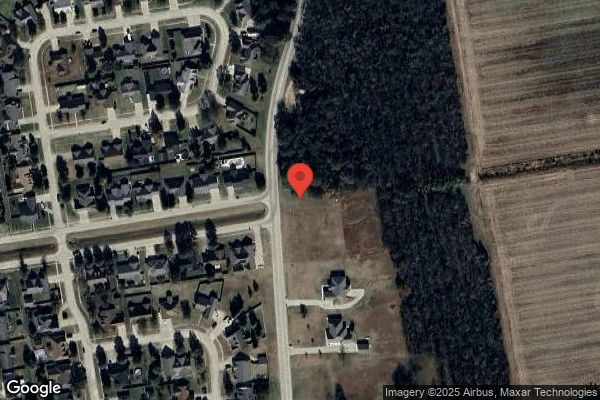
640 COLONEL GEORGE E DAY PARKWAY, SIKESTON, MO 63801 (573) 471-3400
For profit - Limited Liability company 60 Beds Independent Data: November 2025
Trust Grade
65/100
#67 of 479 in MO
Last Inspection: November 2024

Within standard 12-15 month inspection cycle. Federal law requires annual inspections.

Overview

Delta South Nursing & Rehabilitation has a Trust Grade of C+, which indicates that it is slightly above average in quality but not exceptional. It ranks #67 out of 479 nursing homes in Missouri, placing it in the top half of facilities in the state, and #2 out of 5 in New Madrid County, meaning only one local option is better. The facility is improving, with the number of issues decreasing from 10 in 2023 to 9 in 2024. Staffing is rated at 2 out of 5 stars, which is below average, and the turnover rate is 67%, close to the state average, indicating some instability among staff. There have been no fines reported, which is a positive sign, and the facility has average RN coverage, providing a decent level of nursing oversight. However, several concerning incidents were noted during inspections: staff failed to obtain necessary orders for catheter use for some residents, did not reconcile narcotics properly during shift changes, and neglected to perform hand hygiene between glove changes, which could increase infection risks. While there are strengths in the facility's overall rating and lack of fines, these specific concerns highlight areas that need attention.

Trust Score
C+
65/100
In Missouri
#67/479
Top 13%
Safety Record
Low Risk
No red flags
Inspections
Getting Better
10 → 9 violations
Staff Stability
⚠ Watch
67% turnover. Above average. Higher turnover means staff may not know residents' routines.
Penalties
✓ Good
No fines on record. Clean compliance history, better than most Missouri facilities.
Skilled Nurses
⚠ Watch
Each resident gets only 24 minutes of Registered Nurse (RN) attention daily — below average for Missouri. Fewer RN minutes means fewer trained eyes watching for problems.
Violations
⚠ Watch
34 deficiencies on record. Higher than average. Multiple issues found across inspections.
★★★★☆
4.0
Overall Rating
★★☆☆☆
2.0
Staff Levels
★★★★☆
4.0
Care Quality
★★★★☆
4.0
Inspection Score
Stable
2023: 10 issues
2024: 9 issues

The Good

  • 4-Star Quality Measures · Strong clinical quality outcomes
  • Full Sprinkler Coverage · Fire safety systems throughout facility
  • No fines on record

Facility shows strength in quality measures, fire safety.

The Bad

Staff Turnover: 67%

20pts above Missouri avg (46%)

Frequent staff changes - ask about care continuity

Staff turnover is elevated (67%)

19 points above Missouri average of 48%

The Ugly 34 deficiencies on record

Nov 2024 9 deficiencies
CONCERN (D)

Potential for Harm - no one hurt, but risky conditions existed

Deficiency F0578 (Tag F0578)

Could have caused harm · This affected 1 resident

**NOTE- TERMS IN BRACKETS HAVE BEEN EDITED TO PROTECT CONFIDENTIALITY** Based on interview and record review, the facility failed to consistently document a code status for one resident (Resident #101...

Read full inspector narrative →
**NOTE- TERMS IN BRACKETS HAVE BEEN EDITED TO PROTECT CONFIDENTIALITY** Based on interview and record review, the facility failed to consistently document a code status for one resident (Resident #101) out of 14 sampled residents. The facility census was 53. Review of the facility's policy titled, Advanced Directives, dated 2001, showed: - The resident has the right to formulate an advance directive, including the right to accept or refuse medical or surgical treatment. Advance directives are honored in accordance with state law and facility policy; - The facility defines the Do Not Resuscitate (DNR - in case of respiratory cardiac failure, the resident, legal guardian, health care proxy, or representative has directed that no cardiopulmonary resuscitation (CPR - an emergency life-saving procedure done when someone's breathing or heartbeat has stopped)) or other life-sustaining treatments or methods are to be used; - Prior to or upon admission of a resident, the Social Services Director or designee inquires of the resident, his/her family members and/or his/her legal representative, about the existence of any written advance directives. 1, Review of the Resident #101's medical record showed: - An admission date of [DATE]; - The face sheet, dated [DATE], showed a full code status; - A DNR status indicated by a red dot on the outside spine of the resident's hard chart; - The Physician's Order Sheet (POS), dated [DATE], showed a full code status; - A DNR form signed by the resident and the physician on [DATE]. During an interview on [DATE] at 9:25 A.M., Medical Records Staff E said green dots indicated a full code status and the red dots indicated a DNR. During an interview on [DATE] at 9:30 A.M., the Director of Nursing (DON) said he did not have an explanation for the code status being different. During an interview on [DATE] at 9:45 A.M., the Social Services Director (SSD) said he/she did not know how the DNR sheet got in the resident's chart, due to it being dated on [DATE]. The resident had been admitted and discharged previously. The form was in the admission packet and when someone was admitted , he/she and the resident or resident representative discussed the code status. The resident was considered a full code status. The SSD remembered the resident and a family member being in his/her office at the time of admission and no one signed a DNR form. During an interview on [DATE] at 10:20 A.M., the resident said he/she wanted to be a full code. During an interview on [DATE] at 1:00 P.M., the Administrator said she would expect the code status to be documented accurately and consistently throughout the resident's medical record.
CONCERN (D)

Potential for Harm - no one hurt, but risky conditions existed

Safe Environment (Tag F0584)

Could have caused harm · This affected 1 resident

**NOTE- TERMS IN BRACKETS HAVE BEEN EDITED TO PROTECT CONFIDENTIALITY** Based on observation and interview, the facility failed to provide a safe, clean, and comfortable homelike environment. This def...

Read full inspector narrative →
**NOTE- TERMS IN BRACKETS HAVE BEEN EDITED TO PROTECT CONFIDENTIALITY** Based on observation and interview, the facility failed to provide a safe, clean, and comfortable homelike environment. This deficient practice had the potential to affect all residents in the facility. The facility census was 26. The facility did not provide a homelike environment policy. 1. Observations on 11/04/24 at 1:41 P.M., 11/05/24 at 8:47 A.M., 11/06/24 at 3:22 P.M. and 11/07/24 at 8:06 A.M., showed an unhung shower curtain lay on top of a shower chair in the shower area located in room [ROOM NUMBER]. 2. Observations on 11/04/24 at 1:55 at P.M., 11/05/24 at 3:22 P.M., 11/06/24 at 3:02 P.M., and 11/07/24 at 11:06 A.M., of the 200 Hall showed several small dried dark areas on the floor in front of the decorative table and the beside recliner located in front of the window in room [ROOM NUMBER]. 3. Observation on 11/04/24 at 2:46 P.M., of the 400 Hall showed a large hole and missing sheetrock on the resident closet door located in room [ROOM NUMBER]. 4. Observations on 11/06/24 9:58 A.M., 11/07/24 at 11:50 A.M., of the 300 Hall showed: - Six medium-sized stuffed animals on top of the over-the-bed light located in room [ROOM NUMBER]; - A six inch (in.) x one foot (ft.) ceiling tile with a large brown stain near room [ROOM NUMBER]. 5. Observation on 11/06/24 at 1:20 P.M., of the 100 and 200 Hall nurses' station showed: - Several areas of exposed sheetrock located on the front side panel; - Several long black lines and scraped areas located on the the side panel near the 200 Hall entrance. During an interview on 11/07/24 at 9:04 A.M., Housekeeper A said if there was anything that needed to be fixed in the facility, he/she told the Maintenance Supervisor. There was also a daily rounds sheet that could be filled out and given to his/her supervisor. He/She had not seen anything during rounds that needed to be addressed in terms of the environment. During an interview on 11/07/24 at 9:14 A.M., Housekeeper B said if there was anything that needed to be fixed in the facility, he/she told the Maintenance Supervisor. There was also a daily rounds sheet kept on the housekeeping cart that could be filled out if there was a repair needed. He/She had not seen any environmental issues during his/her rounds that needed to be addressed. During an interview on 11/07/24 at 11:34 A.M., the Maintenance Supervisor said staff normally told him/her when something needed repaired or fixed. There used to be a maintenance log for staff to write down issues or concerns but was no longer used. He/She did not keep copies of the housekeeping sheets with environmental concerns made during daily rounds for documentation. During an interview on 11/07/24 at 12:46 P.M., the Administrator said she would expect department heads to address any environmental concerns during the morning meetings. She would expect housekeeping to address and document any environmental concerns as well as line staff so the Maintenance Supervisor could address the issues in a timely manner.
CONCERN (D)

Potential for Harm - no one hurt, but risky conditions existed

Deficiency F0638 (Tag F0638)

Could have caused harm · This affected 1 resident

**NOTE- TERMS IN BRACKETS HAVE BEEN EDITED TO PROTECT CONFIDENTIALITY** Based on interview and record review, the facility failed to electronically transmit quarterly Minimum Data Set (MDS) assessment...

Read full inspector narrative →
**NOTE- TERMS IN BRACKETS HAVE BEEN EDITED TO PROTECT CONFIDENTIALITY** Based on interview and record review, the facility failed to electronically transmit quarterly Minimum Data Set (MDS) assessments, a federally mandated assessment instrument completed by the facility, in a timely manner and in accordance with the guidelines for four residents (Residents #7, #19, #28 and #35) outside of the 14 sampled residents. The facility's census was 53. Review of the facility's policy titled, MDS Completion and Submission Timeframes, dated July 2017, showed: - The facility will conduct and submit resident assessments in accordance with current federal and state submission timeframes; - The assessment coordinator or designee is responsible for ensuring that resident assessments are submitted to Centers of Medicare and Medicaid Services (CMS) Quality Improvement and Evaluation System (QIES) Assessment Submission and Processing (ASAP) system in accordance with current federal and state guidelines; - Timeframes for completion and submission of assessments is based on the current requirements published in the Resident Assessment Instrument (RAI) Manual. 1. Review of Resident #7's medical record showed: - admitted to the facility on [DATE]; - An admission MDS, dated [DATE], completed and submitted; - The next scheduled quarterly MDS, not submitted (49 days late), and over 120 days from the last MDS, dated [DATE]. 2. Review of Resident #19's medical record showed: - admitted to the facility on [DATE]; - A quarterly MDS, dated [DATE], completed and submitted; - The next scheduled quarterly MDS, not submitted (43 days late), and over 120 days from the last MDS, dated [DATE]. 3. Review of Resident #28's medical record showed: - admitted to the facility on [DATE]; - An annual MDS, dated [DATE], completed and submitted; - The next scheduled quarterly MDS, not submitted (33 days late), and over 120 days from the last MDS, dated [DATE]. 4. Review of Resident #35's medical record showed: - admitted to the facility on [DATE]; - An annual MDS, dated [DATE], completed and submitted; - The next quarterly MDS, dated [DATE], not submitted (35 days late), and over 120 days from the last MDS, dated [DATE]. During an interview on 11/07/24 at 10:20 A.M., the Social Service Director (SSD) said he/she was a Licensed Practical Nurse (LPN) and completed what he/she could on the MDS's. The Registered Nurse (RN) reviewed, completed, and submitted the MDS's. During an interview on 11/07/24 at 12:50 P.M., the Administrator said she did not know much about the MDS's and the facility had an off-site MDS Coordinator. During an interview on 11/15/24 at 9:20 A.M., the Director of Nursing (DON) said he does not know anything about the MDS's and when they should be submitted.
CONCERN (D) 📢 Someone Reported This

A family member, employee, or ombudsman was alarmed enough to file a formal complaint

Potential for Harm - no one hurt, but risky conditions existed

ADL Care (Tag F0677)

Could have caused harm · This affected 1 resident

**NOTE- TERMS IN BRACKETS HAVE BEEN EDITED TO PROTECT CONFIDENTIALITY** Based on observation, interview, and record review the facility failed to provide proper incontinent care for two residents (Res...

Read full inspector narrative →
**NOTE- TERMS IN BRACKETS HAVE BEEN EDITED TO PROTECT CONFIDENTIALITY** Based on observation, interview, and record review the facility failed to provide proper incontinent care for two residents (Residents #1 and #19) and failed to provide scheduled showers for one resident (Resident #37) for activities of daily living (ADLs) outside the 14 sampled residents. The facility census was 53. Review of the facility's policy titled, Activities of Daily Living, revised March 2018, showed: - Residents will be provided with care, treatment and services as appropriate to maintain or improve their ability to carry out ADLs; - Residents who are unable to carry out ADLs independently will receive the services necessary to maintain good nutrition, grooming and personal and oral hygiene; - The policy did not address incontinent care and showers. Review of the Perineal Care Return Demonstration check sheet, undated, showed: - Clean the front peri area; - Proceed to clean the rectal and buttocks area. Review of the facility's policy titled, Bath, Shower/Tub, revised February 2018, showed: - Documentation: the date and time the shower/tub bath was performed; the name and title of the individual(s) who assisted the resident with the shower/tub bath; all assessment data (e.g., any reddened areas, sores, etc., on the resident's skin) obtained during the shower/tub bath; if the resident refused the shower/tub bath, the reason(s); - Reporting: notify the supervisor if the resident refused the shower/tub bath; notify the physician of any skin areas that may need to be treated; report other information in accordance with facility policy and professional standards of practice. 1. Review of Resident #1's admission Minimum Data Set (MDS - a federally mandated assessment completed by the facility), dated 08/05/24, showed: - Impairment on one side of the upper and lower extremity; - Always incontinent of bowel and bladder; - Required partial to moderate assist of staff for toileting and personal hygiene. Observation on 11/07/24 at 11:42 A.M., of the resident's incontinent care showed: - Certified Nurse Assistant (CNA) D cleaned the resident's front peri area; - CNA D rolled the resident to his/her right side and removed the urine soaked brief; - CNA D cleaned the resident's rectal area, left buttock and left hip; - CNA D failed to clean the resident's right hip or right buttock. 2. Review of Resident #19's annual MDS, dated [DATE], showed: - Always incontinent of bowel and bladder; - Required maximum assist of staff for toileting and personal hygiene. Observation on 11/06/24 at 9:58 A.M., of the resident's incontinent care showed: - CNA M clean resident's rectal area, buttocks, and hips of fecal material; - CNA M applied barrier cream to the resident's buttocks; - CNA M placed a clean brief on the resident; - CNA M failed to clean the resident's front peri area. During an interview on 11/06/24 at 10:07 A.M., CNA M said when providing peri care, should clean from front to back. During an interview on 11/07/24 at 12:45 P.M., CNA D said he/she was nervous and knew he/she had not provided appropriate incontinent care to the resident. During an interview on 11/07/24 at 12:56 P.M., the Administrator said any skin that was dirty should be washed. The resident's peri area should be washed from front to back when providing incontinent care for the resident. 3. Review of Resident #37's medical record showed: - An admission date of 11/04/22; - Diagnoses of congestive heart failure (an inability of the heart to pump sufficient blood flow to meet the body's needs), urinary tract infection, acute kidney failure (the kidneys suddenly stop working properly), anemia (low blood levels of iron) and dislocations (separation of two bones) of unspecified parts of the left shoulder girdle (shoulder blade, upper arm and collar bone). Review of the resident's quarterly MDS, dated [DATE], showed: - Partial/moderate assistance for shower/bathing; - Supervision or touching assistance for tub/shower transfer. Review of the resident's care plan, revised 06/13/24, showed: - Did not address showers/bathing frequency; - Did not address assistance required. Review of the shower schedule, dated November 2024, showed the resident received showers on Wednesdays and Saturdays. Review of the resident's shower sheets, dated 10/02/24 through 11/02/24, showed: - No documentation of scheduled showers on 10/12/24, 10/16/24, 10/19/24, 10/23/24 and 11/02/24; - Five missed out of 10 opportunities for scheduled showers. During an interview on 11/04/24 at 2:18 P.M., and 11/06/24 at 3:40 P.M., the resident said he/she was supposed to get showers on Wednesdays and Saturdays. He/She did not always get showers on Saturdays and was sometimes not asked if he/she would like a shower. A CNA told him/her this past Saturday there was not enough staff to give him/her a shower, but he/she knew other residents had received a shower. His/Her family came to visit on Sunday and gave him/her a shower. During an interview on 11/07/24 at 10:27 A.M., CNA C said on the days a resident was scheduled to receive a bath/shower, a shower sheet should be completed to show the resident received a shower or if the resident refused. There should be a shower sheet for every time a resident was scheduled a shower. During an interview on 11/07/24 at 10:29 A.M., CNA D said on the days a resident was scheduled to receive a bath/shower, a shower sheet should be completed to show the resident received a shower or if the resident refused. If a resident refused a shower, he/she would go back and ask the resident again later. During an interview on 11/07/24 at 10:44 A.M., the Assistant Director of Nursing (ADON) said showers should be documented. There should be documentation that showers had been given and/or if a resident had refused a bath/shower. Staff should be asking residents if he/she wanted a shower and if refused, another attempt should be made and documented. During an interview on 11/06/24 at 11:15 A.M., the Director of Nursing (DON) said he would expect a shower sheet to be filled out for each resident who received a bath/shower by the person who gave the shower. It should also be documented when a resident refused a shower. Residents should be given bath/showers on the days scheduled. During an interview on 11/06/24 at 12:24 P.M., the Administrator said residents should be given a bath/shower on the days scheduled. She would expect a shower sheet to be filled out for each resident who received a bath/shower by the person who gave the shower. If a resident refused a shower, staff should be going back and asking the resident again if he/she wanted a bath/shower. It should also be documented when a resident refused a shower. Complaint #MO00243948
CONCERN (D)

Potential for Harm - no one hurt, but risky conditions existed

Pharmacy Services (Tag F0755)

Could have caused harm · This affected 1 resident

Based on observation, interview, and record review, the facility failed to implement procedures to ensure medications were accurately administered, documented, disposed of, and reconciled for one resi...

Read full inspector narrative →
Based on observation, interview, and record review, the facility failed to implement procedures to ensure medications were accurately administered, documented, disposed of, and reconciled for one resident (Resident #8) outside of the seven sampled residents. The facility census was 53. Review of the facility's policy titled, Controlled Substances, revised November 2022, showed: - Controlled substance inventory is monitored and reconciled to identify loss or potential diversion in a manner that minimizes the time between loss/diversion and detection/follow-up; - Nursing staff count controlled medication inventory at the end of each shift, using these records to reconcile the inventory count; - The nurse coming on duty and the nurse going off duty make the count together and document and report any discrepancies to the director of nursing services; - The Director of Nursing (DON) services documents irreconcilable discrepancies in a report to the administrator; - Controlled substances remaining in the facility after the order has been discontinued or the resident has been discharged are securely locked in an area with restricted access until destroyed; - Accountability records for discontinued controlled substances are kept with the unused supply until it is destroyed or disposed of as required by applicable law or regulation. 1. Review of Resident #8's medical record showed: - An admission date of 09/30/21; - An order for lorazepam (a controlled medication used to treat anxiety) 0.5 milliliter (ml) every hour for terminal restlessness and shortness of breath, dated 12/07/23, with a stop date of 02/02/24. Review of the Controlled Substance Record Book showed no individual controlled substance records for Resident #8's lorazepam 0.5 ml every hour for terminal restlessness/shortness of breath. Observation on 11/06/24 at 4:27 P.M., of the locked refrigerator in the main medication room showed one bottle of opened liquid lorazepam 2 milligram (mg) per ml with 28 ml left in the 30 ml bottle for Resident #8. During an interview on 11/06/24 at 4:33 P.M., Licensed Practical Nurse (LPN) F said there should have been dates with the doses and a signature of the nurse administering the medication written in the narcotic count book for Resident #8's lorazepam. When residents were discharged , the unused controlled medications were given to the DON. During an interview on 11/06/24 at 4:40 P.M., the DON said he was unsure why the doses for Resident #8's lorazepam were not documented when they were given. The DON did not know why the lorazepam had not been brought to him for destruction. During an interview on 11/07/24 at 12:35 P.M., the Administrator said the nurse who received the order to discontinue the medication should remove the medication from the cart. Two nurses should witness the destruction of the medications and document. She was unsure why the medication was still being counted and in the facility.
CONCERN (D)

Potential for Harm - no one hurt, but risky conditions existed

Medication Errors (Tag F0758)

Could have caused harm · This affected 1 resident

Based on interview and record review, the facility failed to ensure an appropriate diagnosis and to identify specific behaviors and monitor the behaviors for the use of a psychotropic (drugs that can ...

Read full inspector narrative →
Based on interview and record review, the facility failed to ensure an appropriate diagnosis and to identify specific behaviors and monitor the behaviors for the use of a psychotropic (drugs that can affect mood or mental state) medications for two residents (Residents #2 and #14) out of five sampled residents. The facility census was 53. Review of the facility policy titled, Antipsychotic Medication Use, revised on July 2022, showed: - Residents will only receive antipsychotics medications when necessary to treat specific conditions for which they are indicated and effective; - Antipsychotic (medications used to treat psychosis-related conditions and symptoms) medications may be considered for residents with dementia but only after medical, physical, functional, psychological, emotional psychiatric, social and environmental causes of behavioral symptoms have been identified and addressed. Review of the facility policy titled, Behavioral Assessment, Intervention and Monitoring, revised March 2019, showed: - Behavioral or psychological symptoms of dementia (BPSD) describes behavioral symptoms in individuals with dementia that cannot be attribute to a specific medical or psychiatric cause. Appropriate assessment and treatment of behavioral symptoms requires differentiating between behavioral symptoms that can be managed by treating underlying factors and those that cannot; - Current guidelines recommend the use of non-pharmacological interventions for BPSD; - New onset or changes in behavior will be documented regardless of the degree of risk to the resident or others. 1. Review of Resident #2's medical record showed: - An admission date of 10/29/19; - Diagnoses of Alzheimer's (a progressive disease that destroys memory and other mental function) and dementia (memory loss that interferes with daily functioning) severe with agitation; - An order for risperidone (an antipsychotic medication) 0.5 milligram (mg) once a day for behaviors, dated; - No documentation of an appropriate diagnosis for the risperidone; - No documentation of any identified specific behaviors and monitoring of the behaviors for the use of the risperidone. 2. Review of Resident #14's medical record showed: - An admission date of 01/19/21; - Diagnoses of major depressive disorder (a mental disorder having persistent depressed mood or loss of interest) with psychotic features and Alzheimer's; - An order for Abilify (an antipsychotic medication) 5 mg once a day for depression, dated 08/06/24; - An order for sertraline (an antidepressant medication) 200 mg once a day for depression, dated 07/09/24; - An order for mirtazipine (an antidepressant medication) 15 mg at bedtime, dated 10/02/24; for diagnosis of dementia; - No documentation of an appropriate diagnosis or behaviors for the Abilify; - No documentation of any identified specific behaviors and monitoring of the behaviors for the use of the Abilify, sertraline, and mirtazipine. Review of the manufacturer recommendations for Abilify state drug is not approved for the treatment of patients with dementia-related psychosis and review of the manufacturer recommendations for Risdperidone (Risperdal) state drug is not approved for treatment of patients with dementia-related psychosis. During an interview on 11/06/24 at 10:01 A.M., Certified Medication Technician (CMT) G said he/she was unsure why Resident #2 received risperidone because the resident didn't have behaviors. During an interview on 11/06/24 at 1:50 P.M., the Director of Nursing (DON) said Resident #2's behaviors were yelling out at times. He said there was no documentation of the behaviors or any pharmacological or non-pharmacological routes taken for Resident #2. The facility didn't have any kind of monitoring process in place for the residents taking psychotropic medications. Resident #14's behaviors were confusion and yelling out on occasions. He would expect an appropriate diagnosis for a resident to be on an antipsychotic medication but he was new and was under the impression that the residents did have appropriate diagnoses. During an interview on 11/07/24 at 12:26 P.M., the Administrator said she would expect residents taking an antipsychotic medication to have an appropriate diagnosis supporting the medication. She would expect there to be some kind of monitoring system in place for residents that were taking an antipsychotic medication and appropriate charting of the behaviors.
CONCERN (D)

Potential for Harm - no one hurt, but risky conditions existed

Unnecessary Medications (Tag F0759)

Could have caused harm · This affected 1 resident

Based on observation, interview and record review, the facility failed to maintain an error rate of less than five percent (%) when medications were given. There were 30 opportunities with four errors...

Read full inspector narrative →
Based on observation, interview and record review, the facility failed to maintain an error rate of less than five percent (%) when medications were given. There were 30 opportunities with four errors made, for an error rate of 13.33%. This affected two residents (Residents #10 and #45) out of six sampled residents and had the potential to affect all residents. The facility census was 53. Review of the facility's policy titled, Documentation of Medication Administration, revised November 2022, showed: - A nurse of certified medication technician (CMT), where applicable, documents all medications administered to each resident on the resident's Medication Administration Record (MAR); - Administration of medication is documented immediately after it is given. Review of the facility's policy titled, Administering Oral Medications, revised October 2010, showed: - Verify that there is a physician's medication order for this procedure; - Place the MAR within easy viewing distance; - Check the label on the medication and confirm the medication name and dose with the MAR. 1. Review of Resident #10's Physician Order Sheet (POS), dated November 2024, showed: - An order for Macrobid (an antibiotic medication) 100 milligrams (mg) by mouth two times daily for 10 days, dated 11/03/24, with a discontinue date of 11/04/24; - An order for Refresh Plus Ophthalmic Solution (a medication used for itchy, burnings eyes) instill one drop in the right eye three times a day, dated 09/18/24; - An order for Flonase Allergy Relief Nasal Suspension (a medication used for seasonal allergies) 50 microgram (mcg) one spray in both nostrils two times a day for allergy relief, dated 09/18/24. Review of the resident's MAR, dated November 2024, showed: - Macrobid documented not administered on 11/06/24; - Refresh Plus documented administered on 11/06/24; - Flonase Nasal spray documented administered on 11/06/24. Observation of Resident #10's medication administration on 11/06/24 at 9:10 A.M., showed: - CMT G administered Macrobid; - CMT G did not administer the Refresh eye drops; - CMT G did not administer the Flonase nasal spray. During an interview on 11/06/24 at 10:46 A.M., Resident #10 said he/she was not on an antibiotic anymore and he/she usually got the eye drops and nasal spray with the morning medication pass. During an interview on 11/06/24 at 11:51 A.M., CMT G said he/she was nervous and administered the Macrobid by mistake. During an interview on 11/07/24 at 12:45 P.M., the Director of Nursing (DON) said he would expect staff to only administer medications as ordered. During an interview on 11/07/24 at 12:35 P.M., the Administrator said it was expected the staff not to chart medications that had not been administered. 2. Review of Resident #45's POS, dated November 2024, showed: - An order for Prevagen (a dietary supplement that aids in mild memory loss) 10 mg by mouth daily, dated 05/18/24. Observation of Resident #45's medication administration on 11/06/24 at 8:51 A.M., showed: - CMT G did not administer the Prevagen medication. During an interview on 11/06/24 at 9:00 A.M., CMT G said the family provided the medication. The medication wasn't in the medication cart to give. When medications were not in the medication cart, the charge nurse was notified. During an interview on 11/06/24 at 11:15 A.M., Licensed Practical Nurse (LPN) F said CMT G had not informed him/her of any medications not being in the medication cart. During an interview on 11/07/24 at 12:45 P.M., the DON said she expected staff to follow physician's orders for medication administration.
CONCERN (D)

Potential for Harm - no one hurt, but risky conditions existed

Food Safety (Tag F0812)

Could have caused harm · This affected 1 resident

Based on observation, interview, and record review, the facility failed to store and distribute food under sanitary conditions, increasing the risk of cross-contamination and food-borne illness. These...

Read full inspector narrative →
Based on observation, interview, and record review, the facility failed to store and distribute food under sanitary conditions, increasing the risk of cross-contamination and food-borne illness. These deficient practices had the potential to affect all residents. The facility census was 53. Review of the facility's policy titled, Sanitation, revised November 2022, showed; - Kitchen areas are kept clean, free from garbage and debris; - All kitchen equipment is kept clean. Review of the facility's policy titled, Food Receiving and Storage, undated, showed; - All foods stored in the refrigerator or freezer are covered, labeled and dated; - Refrigerated foods are labeled, dated and monitored so they are used by their use-by date; - Partially eaten food is not kept in the refrigerator. 1. Observations on 11/04/24 at 10:33 A.M., and 11/05/24 at 8:48 A.M., of the right side walk-in freezer showed; - An opened box of frozen and exposed catfish undated located on the left side; - An opened bag of frozen dinner rolls with no label and undated located on the left side; - An opened bag of frozen hushpuppies with no label and undated located on the left side; - A box of miscellaneous and unidentified frozen food items located on the bottom left shelf with no label and undated; - Five frozen corn dogs not in a sealed container with a buildup of frost lay on top of a box of miscellaneous food items with no label and undated. 2. Observations on 11/04/24 at 10:36 A.M., and 11/05/24 at 8:51 A.M., of the left side standup refrigerator showed; - Two sponge cakes with no label and undated; - A chocolate dessert in a styrofoam to-go container with no label and undated; - A half-eaten hot fudge sundae in an opened plastic container with a spoon inside with no label and undated. 3. Observations on 11/04/24 at 10:43 A.M., and 11/05/24 at 8:54 A.M., of the dishwashing room showed; - An empty paper towel dispenser located at the hand washing sink; - An empty soap dispenser located at the handwashing sink; - A storage crate with several dishes, a bottle of grease spray, a large drink dispenser, and grease wipes lay cluttered and stacked up between a metal shelf and the handwashing sink; - A buildup of dirt and debris on a beverage dispenser lay on a cart located under the three compartment-sink; - A buildup of a hard white substance located on the top and side surfaces of the dish machine; - Miscellaneous glass tumblers and a squeegee lay on top of the dish machine. 4. Observations on 11/04/24 at 10:57 A.M., and 11/05/24 at 8:59 A.M., of the kitchen equipment showed; - A buildup of grime located on the side surfaces of the plate warmer cart; - A buildup of grease and grime located on the stove/oven; - A buildup of grease located on the side surfaces of the double-fryer; - A buildup of grease and dirt located on the floor between the double fryer and the oven. During an interview on 11/04/24 at 11:02 A.M., Kitchen Employee I said he/she would expect open items in the freezers and/or refrigerators to be labeled and dated. There was no daily check off for cleaning in the kitchen and all the kitchen staff just looked around and do what needed to be done. The equipment should be free of grease, grime, be free of clutter, and organized. During an interview on 11/06/24 at 2:09 P.M., the Dietary Manager said he/she would expect clutter to be sorted and put away. There was a cleaning schedule that was hung up, but staff did not sign off daily because they all just knew what they should be doing and work together. He/She would not expect equipment to be greasy and grimey. He/She would expect any food items placed in the freezers and/or refrigerators that had been opened to be labeled, dated and in a sealed container. During an interview on 11/07/24 at 11:09 A.M., the Administrator said she would expect the kitchen staff to clean on a daily basis and the kitchen to be free of grease and grime on the the equipment and floors. She would expect the kitchen to have the paper towel and soap dispenser refilled as needed, be free of clutter. All foods once opened, should be labeled, dated, in a sealed container, and placed into the freezers and/or refrigerators.
CONCERN (D) 📢 Someone Reported This

A family member, employee, or ombudsman was alarmed enough to file a formal complaint

Potential for Harm - no one hurt, but risky conditions existed

Infection Control (Tag F0880)

Could have caused harm · This affected 1 resident

Based on observation, interview, and record review, the facility failed to perform hand hygiene and glove changes during incontinent care for three residents (Residents #1, #19 and #251) outside the s...

Read full inspector narrative →
Based on observation, interview, and record review, the facility failed to perform hand hygiene and glove changes during incontinent care for three residents (Residents #1, #19 and #251) outside the six sampled residents. The facility census was 53. Review of the facility's policy titled, Handwashing/Hand Hygiene, dated 2001, showed: - The facility considers hand hygiene the primary means to prevent the spread of healthcare-associated infections; - All personnel are trained and regularly in-serviced on the importance of hand hygiene in preventing the transmission of healthcare-associated infections; - All personnel are expected to adhere to hand hygiene policies and practices to help prevent the spread of infections to other personnel, residents, and visitors; - Hand hygiene is indicated: immediately before touching a resident; after contact with blood, body fluids, or contaminated surfaces; after touching a resident; after touching the resident's environment; before moving from work on a soiled body site to a clean body site on the same resident; and immediately after glove removal; - The use of gloves does not replace hand washing/hand hygiene; Applying and Removing Gloves: Perform hand hygiene before applying gloves; when gloves are removed, then perform hand hygiene. 1. Observation on 11/07/24 at 11:42 A.M., of Resident #1's incontinent care showed: - Certified Nursing Assistant (CNA) D entered the resident's room; - CNA D performed hand hygiene and put on gloves; - CNA D cleaned the resident's front peri area; - CNA D did not change gloves, did not perform hand hygiene, rolled the resident to his/her right side, and removed the urine soaked brief; - CNA D did not change gloves, did not perform hand hygiene, touched the peri wash bottle, and sprayed the peri wash on the resident's back peri area; - CNA D did not change gloves, did not perform hand hygiene, and cleaned the resident's rectal area, the buttock, and the left hip; - CNA D did not change gloves, did not perform hand hygiene, and placed a clean brief under the resident; - CNA D did not change gloves, did not perform hand hygiene, rolled the resident to his/her back and fastened the brief; - CNA D did not change gloves, did not perform hand hygiene, touched the resident linens, and the over the bed table. 2. Observation on 11/06/24 at 9:58 A.M., of Resident #19's incontinent care showed: - CNA M entered the resident's room; - CNA M performed hand hygiene and put on gloves; - CNA M clean the resident's rectal area, buttocks, and hips of fecal material; - CNA M did not change gloves, did not perform hand hygiene, and applied barrier cream to the rectal area and buttocks; - CNA M did not change gloves, did not perform hand hygiene, and placed a clean brief on the resident; - CNA M did not change gloves, did not perform hand hygiene, rolled the resident to his/her back, and fastened the brief; - CNA M did not change gloves, did not perform hand hygiene, and pulled the resident's pants up. 3. Observation on 11/07/24 at 11:45 A.M., of Resident #251's incontinent care showed: - CNA C entered the resident's room; - CNA C did not perform hand hygiene and put on gloves; - CNA C cleaned the resident's front peri area; - CNA C did not perform hand hygiene and changed gloves; - CNA C rolled the resident and cleaned the rectal area and buttocks; - CNA C did not change gloves, did not perform hand hygiene, and applied a new brief; - CNA C pulled the resident's pants back up. During an interview on 11/06/24 at 10:07 A.M., CNA M said he/she should've changed gloves between dirty and clean care. During an interview on 11/07/24 at 12:45 P.M., CNA D said he/she was nervous and knew he/she had messed up by not changing his/her gloves. During an interview on 11/07/24 at 12:55 P.M., the Director of Nursing (DON) said he expected staff, while performing incontinent care, to change gloves when going from dirty to clean care and to clean from front to back when cleansing the peri area of a resident. During an interview on 11/07/24 at 12:56 P.M., the Administrator said any skin that was dirty should be washed. The resident's peri area should be washed from front to back when providing incontinent care for the resident. The gloves should be changed between dirty and clean tasks. During an interview on 11/07/24 at 1:09 P.M., CNA C said that he/she should have washed hands before starting peri care and should have changed gloves before applying a clean brief.
Aug 2023 10 deficiencies
CONCERN (D)

Potential for Harm - no one hurt, but risky conditions existed

Deficiency F0637 (Tag F0637)

Could have caused harm · This affected 1 resident

Based on interview and record review, the facility failed to complete a significant change Minimum Data Set (MDS), a federally mandated assessment to be completed by the facility staff, within 14 days...

Read full inspector narrative →
Based on interview and record review, the facility failed to complete a significant change Minimum Data Set (MDS), a federally mandated assessment to be completed by the facility staff, within 14 days of an admission to hospice (health care focused on the quality of life of a terminally ill person) for one resident (Resident #21) out of four sampled residents. The facility's census was 45. Review of the facility's policy titled, Resident Assessments, revised March 2022, showed: - The resident assessment coordinator is responsible for ensuring that the appropriate resident assessments and reviews are completed; - The Resident Assessment Instrument (RAI) (the manual used to help staff gather definitive information on the resident's strengths and needs which must be addressed on the MDS and care plans) provides detailed information on timing and submission of the MDS assessments. 1. Review of Resident #21's medical record showed: - An admission date of 02/06/18; - admitted to hospice care on 05/22/23; - No significant change MDS dated on or after 05/22/23; - The facility failed to complete a significant change MDS within 14 days of the resident's admission to hospice. During an interview on 08/31/23 at 3:00 P.M., the Director of Operations (DOP) said a significant change MDS should be completed within 14 days after a significant change in the resident's condition, such as being admitted to hospice services. During an interview on 08/31/23 at 3:05 P.M., the Administrator said she would expect a significant change MDS to be completed during the appropriate timeframe.
CONCERN (D)

Potential for Harm - no one hurt, but risky conditions existed

Assessment Accuracy (Tag F0641)

Could have caused harm · This affected 1 resident

**NOTE- TERMS IN BRACKETS HAVE BEEN EDITED TO PROTECT CONFIDENTIALITY** Based on observation, interview, and record review, the facility failed to ensure the accuracy of the Minimum Data Set (MDS), a ...

Read full inspector narrative →
**NOTE- TERMS IN BRACKETS HAVE BEEN EDITED TO PROTECT CONFIDENTIALITY** Based on observation, interview, and record review, the facility failed to ensure the accuracy of the Minimum Data Set (MDS), a federally mandated assessment to be completed by the facility staff, for one resident (Resident #16) out of 12 sampled residents and one resident (Resident #44) out of three closed record reviews. The facility census was 45. Review of the facility's policy titled, Resident Assessments, revised March 2022, showed: - The resident assessment coordinator is responsible for ensuring the appropriate resident assessments and reviews are completed; - The Resident Assessment Instrument (RAI) (the manual used to help staff gather definitive information on the resident's strengths and needs which must be addressed on the MDS and care plans) provides detailed information on timing and submission of the MDS assessments. 1. Review of Resident #16's quarterly MDS, dated [DATE], showed the resident did not smoke. Review of the Residents' Smoking List, dated 08/28/23, showed Resident #16 smoked. Review of the resident's smoking assessment, dated 08/29/23, showed: - Resident to be a high risk of injury; - Resident not to keep lighter or cigarettes; - Resident required supervision during smoking; - Resident required a smoking apron. Observations on 08/28/23 at 11:43 A.M., and 08/29/23 at 10:00 A.M., showed Resident #16 sat outside smoking with staff with a smoking apron on. During an interview on 08/29/23 at 2:27 P.M., the Administrator said Resident #16 smoked and required a smoking apron, supervised smoking, and cigarettes and lighters were kept by the facility. The MDS should have indicated the resident smoked. 2. Review of Resident #44's discharge MDS, dated [DATE], showed the resident discharged to the hospital. Review of the resident's medical record showed: - A nurse's note, dated 06/23/23, showed the the resident to be discharged to another long term care facility on 06/24/23, per the resident's request; - A nurses's note, dated 06/24/23, showed the resident discharged to another long term care facility; - discharge instructions, dated [DATE], showed the resident discharged to another long term care facility. During an interview on 08/31/23 at 10:00 A.M., the Administrator said the resident discharged to another long term care facility on 06/24/23, per the resident's request on short notice. During an interview on 08/31/23 at 2:30 P.M., the Director of Operations said the MDS should reflect accurate information.
CONCERN (D)

Potential for Harm - no one hurt, but risky conditions existed

Comprehensive Care Plan (Tag F0656)

Could have caused harm · This affected 1 resident

**NOTE- TERMS IN BRACKETS HAVE BEEN EDITED TO PROTECT CONFIDENTIALITY** Based on observation, interview and record review, the facility failed to implement a care plan with specific interventions tail...

Read full inspector narrative →
**NOTE- TERMS IN BRACKETS HAVE BEEN EDITED TO PROTECT CONFIDENTIALITY** Based on observation, interview and record review, the facility failed to implement a care plan with specific interventions tailored to meet individual needs for five residents (Residents #3, #9, #16, #29, and #34) out of 12 sampled residents. The facility census was 45. Review of the facility's policy titled, Comprehensive Person-Centered Care Plans, revised December 2016, showed: - A comprehensive, person-centered care plan that includes measurable objectives and timetables to meet the resident's physical, psychosocial, and functional needs will be developed and implemented for each resident; - The interdisciplinary team, in conjunction with the resident and his/her family or legal representative, develops and implements a comprehensive, person-centered care plan for each resident; - The comprehensive, person-centered care plan will incorporate identified problem areas and risk factors associated with the identified problems, aid in prevention or reduction of a decline in the resident's functional status and/or functional levels, and enhance the optimal function of the resident; - The comprehensive, person-centered care plan will be developed within seven days of the completion of the required comprehensive Minimum Data Set (MDS), a federally mandated assessment to be completed by the facility staff. 1. Review or Resident #3's medical record showed: - An admission date of 12/24/22; - Diagnoses of pain in the right shoulder and generalized osteoarthritis (a type of arthritis marked by cartilage deterioration of joints and vertebrae); - The quarterly MDS, dated [DATE], showed the resident received opioid (medications prescribed by physicians to treat persistent or severe pain) medications. Review of the resident's Physician Order Sheet (POS), dated 08/31/23, showed: - Oxycodone (an opioid medication) 7.5 milligram (mg) by mouth every six hours as needed for pain, dated 07/07/23; - Oxycodone 7.5 mg. by mouth at bedtime for pain, dated 07-27-23; - Fentanyl patch (an opioid medication) 25 microgram 1 patch transdermally (a medication in a form for absorption through the skin into the bloodstream) every 72 hours for pain and apply with 12 mcg patch every 72 hours to equal 37 mcg, dated 08/04/21; - Fentanyl patch 12 mcg/hr 1 patch transdermally every 72 hours for pain and apply with 25 mcg patch to equal 37 mcg, dated 08/04/21. Review of the resident's Medication Administration Record (MAR), dated August 2023, showed: - Resident received Oxycodone Tablet 7.5 mg routinely at bedtime as ordered - Resident received Fentanyl patch 72 hour 12 mcg routinely every 72 hours as ordered; - Resident received Fentanyl patch 72 hour 25 mcg routinely every 72 hours as ordered; - Resident received Fentanyl patch checked daily for placement routinely one time daily as ordered. Review of the resident's care plan, last reviewed on 08/17/23, showed it did not address opioid use or pain management. Review of Resident #9's August 2023 POS showed: - admitted to the facility on [DATE]; - Diagnosis of end stage renal disease (chronic irreversible kidney failure); - Dialysis on Tuesday, Thursday, and Saturday. Review of the resident's care plan, last revised on 08/16/23, showed did not address the resident's dialysis treatments with individualized interventions. Review of Resident #16's medical record showed: - An admission date of 10/25/22; - A smoking assessment, dated 08/29/23, showed the resident required a smoking apron. Observations of the resident on 08/28/23 at 11:43 A.M., and on 08/29/23 at 10:00 A.M., showed the resident sat outside and smoked with supervision of staff with a smoking apron on. Review of the resident's care plan, revised on 01/13/23, showed it did not address the individualized intervention of requiring an apron to be worn while smoking. Review of Resident #29's medical record showed: - An admission date of 06/28/22; - Diagnoses of Parkinson's disease (a disease of the central nervous system that affects movement, often including tremors), and Alzheimer's (a brain disorder that slowly destroys the memory and thinking skills) disease; - The POS, dated 08/28/23, showed an order for hydrocodone (an opioid medication) 10/325 mg every six hours for pain, dated 09/08/22; - The MAR, dated August 2023, showed the resident received Hydrocodone 10/325 mg routinely every six hours as ordered; - The annual MDS, dated [DATE], showed the resident received opioid medications. Review of the resident's care plan, last revised on 08/14/23, showed it did not address the individualized interventions for opioid use or pain management. Review of Resident #34's medical record showed: - An admission date of 01/18/22; - Diagnoses of acute kidney failure (a condition in which the kidneys suddenly can't filter waste from the blood) and chronic pain (persistent pain that lasts weeks to years); - The quarterly MDS, dated [DATE], showed an indwelling catheter (a flexible tube inserted into the bladder to drain the urine); - The POS, dated August 2023, showed an order for hydrocodone 7.5/325 mg every six hours as needed for pain, dated 08/04/23; - The MAR, dated August 2023, showed the hydrocodone was given eight times. Observations of the resident on 08/28/23 at 10:29 A.M., 08/29/23 at 2:55 P.M., 08/30/23 at 7:55 A.M., and 08/30/23 at 1:25 P.M., showed the resident with an indwelling catheter. Review of the resident's care plan, last revised on 06/21/23, showed: - Did not address the indwelling catheter with individualized interventions; - Did not address the use of an opioid or pain management with individualized interventions. During an interview on 08/31/23 at 2:20 P.M., the Director of Operations (DOP) said care plans should reflect the care required by the residents, should be accurate, and should be updated as needed. During an interview on 08/31/23 at 2:30 P.M., the Administrator said she expects the MDS Coordinator and the nurses to keep the care plan up to date and accurate. They have daily meetings to discuss changes and that should easily be carried over to care plans.
CONCERN (D)

Potential for Harm - no one hurt, but risky conditions existed

Deficiency F0661 (Tag F0661)

Could have caused harm · This affected 1 resident

**NOTE- TERMS IN BRACKETS HAVE BEEN EDITED TO PROTECT CONFIDENTIALITY** Based on interview and record review, the facility failed to complete a comprehensive discharge summary for two residents (Resid...

Read full inspector narrative →
**NOTE- TERMS IN BRACKETS HAVE BEEN EDITED TO PROTECT CONFIDENTIALITY** Based on interview and record review, the facility failed to complete a comprehensive discharge summary for two residents (Resident #44 and #46) out of two sampled discharged residents. The facility census was 45. Review of the facility's policy titled, Discharge Summary and Plan, dated December 2016, showed: - When the facility anticipates a resident's discharge to a private residence or another nursing care facility, a discharge summary and a post-discharge plan will be developed which will assist the resident to adjust to his or her new living environment; - The discharge summary will include a recapitulation of the resident's stay at this facility and a final summary of the resident's status at the time of discharge in accordance with established regulations governing release of resident information and as permitted by the resident. 1. Review of Resident #46's closed medical record showed: - The resident discharged on 06/17/23 to home; - The discharge instructions, dated [DATE], showed no documentation of a recapitulation of the resident's stay; - No documentation of a comprehensive discharge summary. 2. Review of Resident #44's closed medical record showed: - The resident discharged on 06/24/23 to another long term care facility; - The discharge instructions, dated [DATE], showed no documentation of a recapitulation of the resident's stay; - No documentation of a comprehensive discharge summary. During an interview on 08/31/23 at 10:45 A.M., the Director of Operations and Administrator said the facility or nursing department should complete a comprehensive discharge summary, including a recapitulation of a resident's stay, prior to the discharge of the resident.
CONCERN (D)

Potential for Harm - no one hurt, but risky conditions existed

Deficiency F0698 (Tag F0698)

Could have caused harm · This affected 1 resident

**NOTE- TERMS IN BRACKETS HAVE BEEN EDITED TO PROTECT CONFIDENTIALITY** Based on interview and record review, the facility failed to provide documentation of ongoing assessments, monitoring, and commu...

Read full inspector narrative →
**NOTE- TERMS IN BRACKETS HAVE BEEN EDITED TO PROTECT CONFIDENTIALITY** Based on interview and record review, the facility failed to provide documentation of ongoing assessments, monitoring, and communication between the facility and the dialysis (a type of treatment that helps remove extra fluid and waste products from the blood when the kidneys are not able to) center for one resident (Resident #9) out of one sampled resident receiving dialysis (the process for removal of waste and excess fluid from the blood due to kidney failure). The facility census was 45. Review of the facility's policy titled, Dialysis, undated, showed: - Will coordinate and collaborate with local dialysis facilities to meet the resident's nutrition and hydration needs; - Will provide ongoing monitoring and care of the resident's vascular access; - Will provide ongoing monitoring for dialysis related complications such as bleeding, access site infection, or hypotension (low blood pressure). Review of Resident #9's August 2023 Physician Order Sheet (POS) showed: - admitted to the facility on [DATE]; - Diagnosis of end stage renal disease (chronic irreversible kidney failure); - Dialysis on Tuesday, Thursday, and Saturday; - No orders to assess and monitor the dialysis access site; - No orders to assess and monitor the resident before and after a dialysis treatment. Review of the resident's medical record showed: - No documentation to assess and monitor the resident's condition before and after dialysis treatments; - No documentation to assess and monitor the resident's dialysis access site; - No documentation of communications between the facility and the dialysis staff. Review of the resident's care plan, last revised on 08/16/23, showed it did not address the resident's dialysis treatments with individualized interventions. During an interview on 08/29/23 at 11:45 A.M., Registered Nurse (RN) C said staff had not completed a communication record to be sent with the resident when he/she went to dialysis. During an interview on 08/30/23 at 3:00 P.M., the Director of Operations (DOP) said the staff should monitor the resident before and after dialysis treatments, daily monitoring of the fistula, and communication between the facility and the dialysis staff on days the resident went to dialysis.
CONCERN (D)

Potential for Harm - no one hurt, but risky conditions existed

Deficiency F0730 (Tag F0730)

Could have caused harm · This affected 1 resident

Based on interview and record review, the facility failed to provide the nurse aide's annual individual performance review or evaluation and failed to provide regular in-service education based on the...

Read full inspector narrative →
Based on interview and record review, the facility failed to provide the nurse aide's annual individual performance review or evaluation and failed to provide regular in-service education based on these reviews for two certified nursing assistants (CNAs) (CNA D and CNA H) out of two sampled CNAs. The facility census was 45. The facility did not provide a policy for nurse aide annual individual performance review or evaluations. Review of the facility's in-service records showed: - CNA D with a hire date of 12/22/17; - No documentation CNA D received any in-service education for 2022; - No documentation CNA D received an annual individual performance review or evaluation for 2022; - CNA H with a hire date of 8/9/20; - No documentation CNA D received any in-service education for 2022; - No documentation CNA H received an annual individual performance review or evaluation for 2022. During an interview on 08/31/23 at 1:10 P.M., the Administrator said they did not do performance reviews at this time. During an interview on 08/31/23 at 2:16 P.M., CNA D said he/she had worked at the facility for 5 years and had not received annual performance reviews. During an interview on 08/31/23 at 3:00 P.M., the Director of Operations said the CNA evaluations had fallen to the side.
CONCERN (D)

Potential for Harm - no one hurt, but risky conditions existed

Deficiency F0947 (Tag F0947)

Could have caused harm · This affected 1 resident

Based on interview and record review, the facility failed to conduct at least 12 hours of nurse aide in-service education per year. This affected certified nursing assistants (CNAs) (CNA D and CNA H) ...

Read full inspector narrative →
Based on interview and record review, the facility failed to conduct at least 12 hours of nurse aide in-service education per year. This affected certified nursing assistants (CNAs) (CNA D and CNA H) out of two sampled CNAs. The facility's census was 45. Review of the facility policy titled, On-the-Job Training, revised January 2008, showed: - On-the-job training programs will be conducted when necessary to assist employees in performing their assigned task; - Department Directors will be responsible for on-the-job training to assure that the established training schedules are followed; - Each employee is required to participate in the on-the-job training program, and attend a minimum of 12 hours annually on-the-job training. 1. Review of the facility's in-service records showed: - CNA D with a hire date of 12/22/17; - No documentation CNA D received at least 12 hours of annual in-service education for 2022; - CNA H with a hire date of 8/9/20; - No documentation CNA H received at least 12 hours of annual in-service education for 2022. During interview on 8/31/23 at 1:10 P.M., the Administrator said there should be a minimum of 12 hours of in-services completed annually.
CONCERN (E)

Potential for Harm - no one hurt, but risky conditions existed

Incontinence Care (Tag F0690)

Could have caused harm · This affected multiple residents

Based on observation, interview and record review, the facility failed to obtain an order for a Foley catheter (a flexible tube inserted into the bladder to drain urine), catheter care and provide a d...

Read full inspector narrative →
Based on observation, interview and record review, the facility failed to obtain an order for a Foley catheter (a flexible tube inserted into the bladder to drain urine), catheter care and provide a diagnosis for the use of a catheter for two residents (Resident #34 and #42) out of two sampled residents and one resident (#197) outside the sample. The facility failed to ensure placement of the catheter tubing and drainage bags for one resident (Resident #42) out of two sampled residents and one resident (Resident #197) outside the sample. The facility census was 45. Review of the facility's policy titled, Catheters Insertion and Care, revised on 05/2017, showed: - The resident with a urinary catheter will be provided services in a safe and appropriate manner in order to minimize the risks of urinary tract complications; - Catheters will not be used unless the resident's clinical condition demonstrates that catheterization is necessary and a physician's order is obtained; - Properly position the bag below the level of the bladder (must not touch floor) and secure to the bed frame (never to the side rail); - Place the catheter bag in a cover to preserve the dignity of the resident. 1. Review of Resident #34's medical record showed: - admission date of 01/18/22; - No diagnoses for a Foley catheter; - The August 2023 Physician's Order Sheet, (POS) showed no order for the Foley catheter or for catheter care; - The facility failed to obtain a diagnosis, an order for the catheter placement, and for catheter care. Observations of the resident on 08/28/23 at 10:29 A.M., 08/29/23 at 2:55 P.M., 08/30/23 at 7:55 A.M., and 08/30/23 at 1:25 P.M., showed the resident with an indwelling catheter. Review of Resident #42's medical record showed: - admission date of 07/07/23; - No diagnosis for Foley catheter; - The August 2023 POS showed an order for the Foley catheter to drain at the bedside, dated 07/19/23; to flush the Foley catheter with 50 milliliters (ml) of sterile water daily in the morning for sediment (material that settles at the bottom of liquid), dated 07/19/23; and monitor urine output every shift, for anuria (no urine output), dated 07/19/23; - The facility failed to obtain a diagnosis, an order for catheter placement, and catheter care. Observations of the resident showed: - On 08/28/23 at 10:12 A.M., and 08/29/23 at 11:15 A.M., the resident sat in a Geri chair (a reclining chair on wheels), with the uncovered catheter drainage bag hung under the chair; - On 08/30/23 at 8:46 A.M., and 9:35 A.M., and on 08/31/23 at 1:30 P.M., the resident lay in bed with the bed in the lowest position and the uncovered Foley catheter draining bag hung on the bed frame with the bottom of the bag touched the floor and the spout not capped; - On 08/30/23 at 9:15 A.M., Certified Nursing Assistant (CNA) B in the resident's room and the bottom of the uncovered catheter drainage bag touched the floor with the spout uncapped. CNA B exited the resident's room; - On 08/30/23 at 9:45 A.M., Registered Nurse (RN) C entered the resident's room and the bottom of the catheter drainage bag touching the floor with the spout uncapped; - On 08/31/23 at 11:31 A.M., the resident lay in bed with the bed in the lowest position and the uncovered Foley catheter draining bag hung on the bed frame with half of the bag touching the floor; - On 08/31/23 at 2:22 P.M., the resident lay in bed with the catheter drainage bag lay uncovered on the floor at the end of the bed and not attached to the bed frame. Review of Resident #197's medical record showed: - admission date of 08/13/23; - No diagnosis for a Foley catheter; - The August 2023 POS showed no order for the Foley catheter or for catheter care. Observations on 08/30/23 at 8:01 A.M., showed the resident lay in bed with the Foley catheter drainage bag lay uncovered and touched the floor. Observations on 08/31/23 at 2:20 P.M., showed the resident sat in a reclining chair with the uncovered catheter drainage bag lay on the floor. During an interview on 08/31/23 at 3:00 P.M., the Assistant Director of Nursing (ADON) said a diagnosis, orders for catheters, and the care of catheters should be on the resident's POS. The drainage bag should never touch the floor. During an interview on 08/31/23 at 3:05 P.M., the Director of Operations (DOP) said she would expect catheters to have an order on the POS, along with a diagnosis and the required care. Anchors for the catheter tubing should be on the resident's thigh and the drainage bag should never touch the floor. During an interview on 08/31/23 at 3:10 P.M., the Administrator said orders for catheters, a diagnosis, and catheter care should be on the resident's POS. Anchors for the catheter tubing should be on the resident's thigh if they would allow it and the drainage bag should not touch the floor.
CONCERN (E)

Potential for Harm - no one hurt, but risky conditions existed

Pharmacy Services (Tag F0755)

Could have caused harm · This affected multiple residents

Based on interview and record review, the facility failed to ensure staff reconciled narcotics (a process that allows one staff to reconcile the exact narcotic inventory on hand with another staff) at...

Read full inspector narrative →
Based on interview and record review, the facility failed to ensure staff reconciled narcotics (a process that allows one staff to reconcile the exact narcotic inventory on hand with another staff) at each shift change for two out of two medication carts and one medication storage room. This had the potential to affect all residents. The facility census was 45. Review of the facility's policy titled, Controlled Substances, dated April 2019, showed: - The facility will follow all laws, regulations, and other requirements related to handling, storage, disposal, and documentation of controlled substances; - Controlled substances are reconciled upon receipt, administration, disposition, and at the end of each shift; - Controlled medications are counted at the end of each shift. The nurse coming on duty and the nurse going off duty determine the count together; - Policies and procedure for monitoring controlled medications to prevent loss, diversion or accidental exposure are periodically reviewed and updated by the director of nursing services and the consultant pharmacist. 1. Review of the 100/200 hall nurse narcotic count log for the controlled substances showed: - For 06/01/23 - 06/30/23, the staff missed 18 out of 90 opportunities; - For 07/0/123 - 07/31/23, the staff missed 21 out of 93 opportunities; - For 08/01/23 - 08/30/23, the staff missed 24 out of 90 opportunities. Review of the 300/400 hall nurse narcotic count log for the controlled substances showed: - For 06/01/23 - 06/30/23, the staff missed 22 out of 90 opportunities; - For 07/01/23 - 07/31/23, the staff missed 37 out of 93 opportunities; - For 08/01/23 - 08/30/23, the staff missed 24 out of 90 opportunities. Review of the medication storage room narcotic count log for the controlled substances showed: - For 06/01/23 - 06/30/23, the staff missed 45 out of 90 opportunities; - For 07/01/23 - 07/31/23, the staff missed 33 out of 93 opportunities; - For 08/01/23 - 08/30/23, the staff missed 30 out of 90 opportunities. During an interview on 08/31/23 at 10:46 A.M., Certified Medication Technician (CMT) D said the narcotics were supposed to be counted at each shift change by two staff and the log signed. During an interview on 08/31/23 at 11:55 A.M., the Assistant Director of Nursing (ADON) said the narcotics should be counted and logged by two staff with every shift change. It should be done by the oncoming and off going nurse or CMT. During an interview on 08/31/23 at 3:00 P.M., the Director of Operations said she would expect the narcotic count to be done by the on coming and off going nurse or CMT at each shift change.
CONCERN (E)

Potential for Harm - no one hurt, but risky conditions existed

Infection Control (Tag F0880)

Could have caused harm · This affected multiple residents

Based on observation, interview and record review, the facility failed to perform hand hygiene between glove changes during incontinent care for two residents (Residents #18 and #21) out of four sampl...

Read full inspector narrative →
Based on observation, interview and record review, the facility failed to perform hand hygiene between glove changes during incontinent care for two residents (Residents #18 and #21) out of four sampled residents and one resident (Resident #4) outside the sample. The facility failed to perform hand hygiene between residents when medications were administered for three residents (Residents #33, #197, and #198) out of three sampled residents. The facility failed to ensure in the prevention of communicable disease in regards to Tuberculosis (TB) (a communicable disease that affects the lungs characterized by fever, cough and difficulty breathing) by not completing the admission TB screening and/or a yearly risk assessment for symptoms for five residents (Residents #3, #7, #12, #18, and #34) out of five sampled residents. The facility census was 45. Review of the facility's policy titled, Perineal Care, revised 02/2018, showed: - Assemble the equipment and supplies as needed; - Wash and dry hands thoroughly; - Put on gloves; - Provide pericare; - Remove gloves and discard into designated area; - Wash and dry hands thoroughly. Review of the facility's policy titled, Handwashing/Hand Hygiene, revised 08/2019, showed: - All personnel shall follow the handwashing/hand hygiene procedures to help prevent the spread of infections to other personnel, residents, and visitors; - Use an alcohol-based hand rub containing at least 62 percent (%) alcohol; or, alternatively, soap (antimicrobial or non-antimicrobial) and water for the following situations: before and after direct contact with residents; before preparing or handling medications; before handling clean or soiled dressings, gauze pads, etc.; before moving from a contaminated body site to a clean body site during resident care; and perform hand hygiene before applying non-sterile gloves. 1. Observation of Resident #4 on 08/30/23 at 1:45 P.M., showed: - Certified Nurse Assistant (CNA) F and Nurse Assistant (NA) G removed the resident's urine soiled brief, performed hand hygiene, and donned clean gloves; - CNA F provided incontinent care and placed a clean brief with the same soiled gloves; - CNA F, with the same soiled gloves, used the sit to stand (a mechanical lift designed to assist persons who have some mobility but need help to rise from a sitting position) lift to lower the resident to his/her wheelchair and touched the resident's right shoe and pant leg; - CNA F, with the same soiled gloves, reached in his/her pocket for a plastic bag for the resident's dirty clothing, opened the closet door to get clean pants, and moved the bedside table; - CNA F failed to remove soiled gloves and perform hand hygiene between dirty and clean care. During an interview on 08/30/23 at 1:55 P.M., CNA F said his/her hands should've been sanitized and clean gloves put on between dirty and clean care. Observation of Resident #18 on 08/30/23 at 9:55 A.M., showed: - CNA E and CNA H entered the resident's room, failed to perform hand hygiene, and put on gloves; - CNA E and CNA H provided incontinent care; - CNA E and CNA H removed the soiled gloves, failed to perform hand hygiene, and put on new gloves; - CNA H touched the resident's bedding to pull up the blanket; - CNA H removed the gloves, did not perform hand hygiene, and exited the room; - CNA H re-entered the resident's room and did not perform hand hygiene and put on new gloves; - CNA H, with new gloves on, and CNA E, with the same soiled gloves, touched the resident's bare arms and back to remove the resident's shirt; - CNA E and CNA H removed the soiled gloves, did not perform hand hygiene, and exited the room; - CNA E and CNA H failed to perform hand hygiene between dirty and clean care. Observation of Resident #21 on 08/30/23 at 11:15 A.M., showed: - CNA E entered the resident's room, did not perform hand hygiene, put on gloves, and closed the resident's window; - CNA E provided incontinent care to the resident; - CNA E removed the gloves, failed to perform hand hygiene, and put on new gloves; - CNA E touched the resident's right hip and shoulder; - CNA E removed the resident's dirty brief; - CNA E removed the gloves, failed to perform hand hygiene, and put on new gloves; - CNA E applied a new brief, pulled the resident's pants back up, touched the resident to assist him/her into a comfortable position, and touched the resident's pillow; - CNA E removed the gloves, did not perform hand hygiene, and exited the room; - CNA E failed to perform hand hygiene between dirty and clean care. During an interview on 08/30/23 at 11:30 A.M., CNA E said hand hygiene should be performed between glove changes. 2. Observation of the medication pass on 08/30/23, showed: - At 7:52 A.M., Certified Medication Technician(CMT) A did not perform hand hygiene prior to or after the medication administration to Resident #198; - At 8:01 A.M., CMT A did not perform hand hygiene prior to or after the medication administration to Resident #197; - At 8:11 A.M., CMT A did not perform hand hygiene to his/her hands prior to the medication administration to Resident #33. During an interview on 08/30/23 at 9:25 P.M., CMT A said his/her hands should be washed or sanitized prior to administering medication, and between every resident. During an interview on 08/31/23 at 3:00 P.M., the Director of Operations (DOP) said she would expect staff to sanitize their hands and change gloves when going from dirty to clean care. She would also expect staff to use hand sanitizer between each resident when passing medications and to wash his/her hands with soap and water after every third resident. 3. Review of the facility's policy titled, Testing for Latent Tuberculosis Infection (LTBI), revised May 2020, showed: - The control and prevention of TB in the elderly must be accomplished in order to eliminate TB as a public health problem; - All residents new to long-term care who do not have documentation of a previous skin test reaction or disease, should have the initial test of Mantoux (a TB skin test) two-step test to rule out TB within one month prior to or one week after admission; - If the initial result is 0-9 millimeter (mm), the second test, which can be given after admission, should be given at least one week and no more than three weeks after the first test; - Once TB disease is ruled out, it is important to record the results of the skin test in mm; - The policy did not address the annual TB evaluation of the residents. General requirements for TB testing for residents in Long Term Care Facilities, 19 CSR 20-20.100, reads as follows: - Long-term care facilities shall screen their residents for tuberculosis. Each facility shall be responsible for ensuring that all test results are completed and that documentation is maintained; - Within one month prior to or one week after admission, all residents new to long-term care are required to have the initial test of a two-step TB test; - If the resident's initial test is negative, the second test should be given one to three weeks later. The Centers for Disease Control (CDC) states TB tests should be read 48 to 72 hours after administration; - All long-term care facility residents shall have a documented annual evaluation to rule out signs and symptoms of TB disease; - All positive findings shall require a chest x-ray to rule out active pulmonary disease; - Individuals with a positive finding need not have repeat annual chest X-rays. They shall have a documented annual evaluation to rule out signs and symptoms of tuberculosis disease. Review of Resident #3's medical record showed: - An admission date of 01/24/20; - An annual TB skin test (TST) administered on 11/08/22; - A result of negative with no results in mm documented; - No read date documented; - No documentation the resident received an annual TB screen or annual evaluation to rule out signs and symptoms of TB. Review of Resident #7's medical record showed: - An admission date of 01/07/20; - An annual TST administered on 11/08/22; - A result of negative with no results in mm documented; - No read date; - No documentation the resident received an annual TB screen or annual evaluation to rule out signs and symptoms of TB. Review of Resident #12's medical record showed: - An admission date of 01/19/21; - An annual TST administered on 11/8/22; - A result of negative with no documentation of results in mm; - No read date documented; - No documentation the resident received an annual TB screen or annual evaluation to rule out signs and symptoms of TB. Review of Resident #18's medical record showed: - An admission date of 02/03/20; - An annual TST administered on 03/29/23; - No read date or results documented; - No documentation the resident received an annual TB screen or annual evaluation to rule out signs and symptoms of TB. Review of Resident #34's medical record showed: - An admission date of 01/18/22; - A first step TST administered on 01/28/22; - A result of negative with 0 mm induration; - No read date documented; - No documentation the resident received the second step TST. During an interview on 08/31/23 at 12:20 P.M., the Assistant Director of Nursing (ADON) said the facility's electronic health record system did not reflect the date the TB tests were read. Therefore, they could not prove if the tests were read in the correct timeframe. All administered tests should be read within 48 to 72 hours after administered. During an interview on 08/31/23 at 2:00 P.M., the DOP said the electronic health record system did not allow the date the TB tests were read to be entered for any residents. Tests should be read 48 to 72 hours after administration. Residents should have an annual TB test or annual evaluation for TB symptoms.
Jul 2021 15 deficiencies
CONCERN (D)

Potential for Harm - no one hurt, but risky conditions existed

Deficiency F0578 (Tag F0578)

Could have caused harm · This affected 1 resident

**NOTE- TERMS IN BRACKETS HAVE BEEN EDITED TO PROTECT CONFIDENTIALITY** Based on observation, interview, and record review, the facility failed to ensure the accuracy of a resident's advance directive...

Read full inspector narrative →
**NOTE- TERMS IN BRACKETS HAVE BEEN EDITED TO PROTECT CONFIDENTIALITY** Based on observation, interview, and record review, the facility failed to ensure the accuracy of a resident's advance directive regarding resuscitation code status for two residents (Resident #13 and #26) out of four sampled residents. The facility census was 50. Record review of the facility's Advance Directives policy, revised [DATE], showed: - Upon admission, the resident will be provided with written information with the right to refuse or accept medical or surgical treatment and to formulate an advance directive if he/she chooses to do so; - Prior to or upon admission of a resident, the Social Services Director (SSD) or designee will inquire of the resident, his/her family members, and/or his/her legal representative, about the existence of any written advance directives; - Information about whether or not the resident executed an advance directive shall be displayed prominently in the medical record; - The plan of care for each resident will be consistent with his/her documented treatment preferences and/or advance directive; - Do not resuscitate (DNR) indicates in case of respiratory or cardiac failure, the resident, legal guardian, health care proxy, or representative directed no cardiopulmonary resuscitation (CPR) or other life-sustaining treatments or methods will be used; - The interdisciplinary team will review annually with the resident his/her advance directives to ensure such directives still the wishes of the resident. - Changes or revocations of a directive must be submitted in writing to the Administrator. The Administrator may require new documents if changes will be extensive; - The Director of Nursing (DON) or designee will notify the attending physician of advance directives so the appropriate orders can be documented in the resident's medical record and plan of care. 1. Record review of Resident #13's quarterly Minimum Data Set (MDS), a federally mandated assessment tool required to be completed by facility staff, dated [DATE], showed: - Moderately impaired cognitive status. Record review of the resident's [DATE] Physician Order Sheet (POS), showed: - Diagnoses of Parkinson's disease (a disorder of the central nervous system that affects movement, often includes tremors), major depressive disorder (a mental disorder characterized by a persistently depressed mood), dysphagia (difficulty to swallow), and hypertension (high blood pressure); - Code status as a full code (CPR to be provided), dated [DATE]. Record review of the resident's face sheet showed: - admitted to the facility on [DATE]; - Code status as a full code. Record review of the resident's electronic medical record (EMR) showed: - Code status as a DNR. Record review of the resident's Outside the Hospital Do Not Resuscitate (OHDNR) form, dated [DATE], showed: - Resident wanted a DNR code status. Record review of the resident's medical record showed: - A red STOP (do not perform CPR) (DNR) form in the front of the chart; - A red dot (DNR code status) on the spine of the chart. Observation on [DATE] at 1:41 P.M., of the resident's mailbox outside of his/her door showed: - A red dot (DNR code status) on it. Record review of the resident's care plan, updated [DATE], did not address the code status. During an interview on [DATE] at 10:46 A.M., Certified Nurse Aide (CNA) A said the red STOP form means DNR and the green GO forms mean full code in the front of the residents' charts. The red dots mean DNR and the green dots mean full code on the spine of the residents' charts. Outside of the residents' rooms, on their mailbox, they have their code status of a red or green dot on it too. He/she looks at the dots on the spine of the chart and on the residents' mailboxes to determine their code status. During an interview on [DATE] at 1:01 P.M., the DON said the resident's code status is a DNR. She doesn't know where the code status of full code came from. 2. Record review of Resident #26's paper chart, showed: - A diagnosis of cerebral infarction (damage to tissues in the brain due to a loss of oxygen to the area); - POS dated, [DATE], an order for Full Code status, dated [DATE]; - Face Sheet with NO CODE hand written under Code Status; - Outside Of Hospital Do-Not-Resuscitate order sheet signed by the Guardian on [DATE], and signed by Physician on [DATE]; - A red STOP (do not perform CPR) (DNR) form in the front of the chart; - A red dot (DNR code status) on the spine of the chart. Review of Resident #26's EMR on [DATE] showed: - POS for the month of [DATE], an order for Full Code status, dated [DATE]; - Face Sheet code status as Full Code; - EMR and paper chart Advanced Directive instructions do not match. During an interview on [DATE] at 11:25 A.M., Licensed Practical Nurse (LPN) F said if a resident is found unresponsive and not breathing, he/she would first look for a resident's code status in the front of the paper chart on the Face Sheet and whether or not the resident had a DNR order sheet. He/she said the paper chart and the EMR should match. During an interview on [DATE] at 11:30 A.M., the DON said the code status should be the same on the Resident's EMR and paper chart, and she will fix that immediately.
CONCERN (D)

Potential for Harm - no one hurt, but risky conditions existed

Deficiency F0582 (Tag F0582)

Could have caused harm · This affected 1 resident

Based on interview and record review, the facility failed to issue Notice of Medicare Non-Coverage (NOMNC) forms with the required information of the telephone number and name of the local Quality Imp...

Read full inspector narrative →
Based on interview and record review, the facility failed to issue Notice of Medicare Non-Coverage (NOMNC) forms with the required information of the telephone number and name of the local Quality Improvement Organization (QIO), to document the resident's choice to have continuation of the Medicare covered services on the Skilled Nursing Facility Advanced Beneficiary Notice (SNF ABN) forms, and to complete and notify in the proper time frame of at least two calendar days before services were to end for the NOMNC and the SNF ABN forms for three residents (Resident #14, #26, and #149) out of three sampled residents. The facility census was 50. 1. Record review of Resident #14's medical record showed: - Skilled Medicare services started on 1/27/21; - The resident remained in the facility after the skilled Medicare services ended on 4/12/21. Record review of the resident's NOMNC form showed: - The resident discharged from skilled Medicare services on 4/12/21; - No QIO name and number; - The facility failed to provide the QIO's name and number to the resident. Record review of the resident's SNF ABN form showed: - The resident discharged from skilled Medicare services on 4/12/21; - The resident signed the form on 4/9/21; - No documentation of the resident's choice to have continuation of Medicare covered services; - The facility failed to document the resident's choice to have continuation of Medicare services. 2. Record review of Resident #26's medical record showed: - Skilled Medicare services started on 5/28/21; - The resident remained in the facility after the skilled Medicare services ended on 7/1/21. Record review of the resident's NOMNC form showed: - The resident discharged from skilled Medicare services on 7/1/21; - No QIO name and number; - The resident's representative signed the form on 4/12/21; - The facility failed to provide the QIO's name and number to the resident's representative; - The facility failed to provide the NOMNC to the resident's representative at least two calendar days before the skilled Medicare services ended for the skilled time period of 5/28/21 - 7/1/21. During an interview on 7/30/21 at 1:15 P.M., the Social Service Designee (SSD) was unsure how the SNF ABN form for Resident #26 dated 7/1/21, was signed by the resident's representative on 4/12/21. Record review of the resident's SNF ABN showed: - The resident discharged from skilled Medicare services on 7/1/21; - No documentation of the resident representative's choice to have continuation of Medicare covered services; - The resident's representative notified by phone on 7/1/21 by staff; - No resident's representative signature; - The facility failed to document the resident representative's choice to have continuation of Medicare services; - The facility failed to provide the SNF ABN to the resident's representative at least two calendar days before the skilled Medicare services ended for the skilled time period of 5/28/21 - 7/1/21; - The facility failed to get the resident representative's signature on the form. 3. Record review of Resident #149's medical record showed: - Skilled Medicare services started on 6/3/21; - The resident discharged to the community on 7/16/21. Record review of the resident's NOMNC form showed: - The resident discharged from skilled Medicare services on 7/14/21; - No QIO name and number; - The resident signed the form on 7/14/21; - The facility failed to provide the QIO's name and number to the resident; - The facility failed to provide the NOMNC to the resident at least two calendar days before the skilled Medicare services ended for the skilled time period of 6/3/21 - 7/14/21. During an interview on 7/30/21 at 1:20 P.M., the SSD is responsible for providing the residents and/or their representatives with the NOMNC and SNF ABN forms. He/she didn't realize the QIO wasn't saved on the form when it is printed out for the residents or the resident's representatives. He/she had previously been the SSD, but had quit and just returned in June 2021. The previous SSD completed most of the NOMNC and SNF ABN forms. The SSD didn't know the resident or the resident's representative must choose an option for the skilled Medicare services on the SNF ABN forms and to show documentation of when they were contacted by phone. He/she didn't know the NOMNC and SNF ABN forms still needed the resident representative's signature on them after being notified by phone. During an interview on 7/30/21 at 1:39 P.M., the Director of Nursing (DON) said she would expect the NOMNC and the SNF ABN forms to be completed accurately and in a timely manner. The necessary information of the phone notification should be documented and the forms should be signed by the resident's representative. The facility did not provide a policy.
CONCERN (D)

Potential for Harm - no one hurt, but risky conditions existed

Deficiency F0604 (Tag F0604)

Could have caused harm · This affected 1 resident

Based on observation, interview, and record review, the facility failed to assess the use of a chair alarm (an alarm attached to a chair to alert staff when a resident starts to stand) to determine if...

Read full inspector narrative →
Based on observation, interview, and record review, the facility failed to assess the use of a chair alarm (an alarm attached to a chair to alert staff when a resident starts to stand) to determine if it was a restraint (a devise to prevent movement by a resident), failed to document the alarm on the care plan, failed to document the least restrictive use for the alarm, and failed to document an ongoing re-evaluation for the use of the alarm for one resident (Resident #2) out of two sampled residents. The facility census was 50. Record review of the facility's Use of Restraint policy, dated 5/2017, showed: - An assessment will be completed, a physician's order and informed consent will be obtained, as well as an evaluation for the least restrictive device prior to the use of any restraint on a resident; - A licensed nurse will implement restraints only after assessment and evaluation for the least restrictive measure; - Restraints may only be used for a the resident with a specific medical symptoms that cannot be addressed by another less restrictive intervention and a restraint will be required to treat the medical symptom, protect the resident's safety and help the resident obtain the highest level of his/her physical or psychological well being; -A pre-restraining assessment (safety assessment) and review will be completed to determine the need for restraints. 1. Record review of Resident #2's July 2021 Physician Order Sheet (POS) showed: - No order for a chair alarm. Record review of the resident's medical record showed: - No assessment for the chair alarm to determine if used as a restraint; - No documentation of the least restrictive use of the chair alarm; - No documentation of ongoing re-evaluation for the use of the chair alarm; - No plan in place to reduce the need for a chair alarm. Observations of the resident showed: - On 7/27/21 at 3:35 P.M., the resident sat in his/her wheelchair in the common area with a chair alarm in place; - On 7/28/21 at 9:03 A.M. and 4:00 P.M., the resident sat in his/her wheelchair in the common area with a chair alarm in place; - On 7/28/21 at 1:15 P.M. and 7/29/21 at 10:00 A.M. the resident lay in bed with the chair alarm on the bed; - On 7/29/21 at 3:08 P.M., the resident sat in the common area in his/her wheelchair with the chair alarm in place. Record review of the resident's care plan, last updated 4/29/21, showed: - To ensure the resident's alarm to be in place, with a date of 6/21/20; - The care plan did not have the chair alarm care planned as a problem with interventions in place. During an interview on 7/29/21 at 2:11 P.M., the Director of Nursing (DON) said the resident had several falls in the past. They had tried to do hourly checks on the resident and one on one with the resident, but those interventions had not seemed to work. It was after those interventions didn't work, the chair alarm had been placed. The DON said the chair alarm was not assessed to see if it was a restraint and it had not been reassessed since it had been placed. The DON said they should have an order for the chair alarm.
CONCERN (D)

Potential for Harm - no one hurt, but risky conditions existed

Employment Screening (Tag F0606)

Could have caused harm · This affected 1 resident

Based on interview and record review, the facility failed to check the Certified Nurse Aide (CNA) Registry prior to the employment start date for newly hired staff to ensure they did not have a Federa...

Read full inspector narrative →
Based on interview and record review, the facility failed to check the Certified Nurse Aide (CNA) Registry prior to the employment start date for newly hired staff to ensure they did not have a Federal Indicator (a marker given by the federal government to individuals who have committed abuse, neglect, or misappropriation of property) for one out of six new employees. The facility's census was 50. 1. Record review of Registered Nurse (RN) E's employee folder, showed: - Employee had a hire date of 6/14/21; - No documentation the CNA registry had been checked before the employee started employment. During an interview on 7/30/21 at 10:00 A.M., the Administrator said the CNA registry should have been checked before employee had started to work for the facility. The Administrator thought it had been checked. Record review of the facility's Resident Abuse, Neglect or Mistreatment policy, last updated 8/2020, showed: - The facility shall not employ individuals and will pre-screen employees, volunteers and residents, for a history of abusive behavior. Record review of the facility's Background Screening Investigations policy, revised 3/2019, showed: - For any individual applying for employment, the state nurse aide registry is contacted to determine if any findings of abuse, neglect, and mistreatment of individuals and/or theft of property have been entered into the applicant's file.
CONCERN (D)

Potential for Harm - no one hurt, but risky conditions existed

Comprehensive Assessments (Tag F0636)

Could have caused harm · This affected 1 resident

**NOTE- TERMS IN BRACKETS HAVE BEEN EDITED TO PROTECT CONFIDENTIALITY** Based on interview and record review, the facility failed to complete an admission Minimum Data Set (MDS), a federally mandated ...

Read full inspector narrative →
**NOTE- TERMS IN BRACKETS HAVE BEEN EDITED TO PROTECT CONFIDENTIALITY** Based on interview and record review, the facility failed to complete an admission Minimum Data Set (MDS), a federally mandated assessment instrument completed by the facility staff, within 14 days of admission for one resident (Resident #37) out of four sampled residents. The facility census was 50. Record review of the MDS Completion and Submission Timeframes policy, revised July 2017, showed: - The facility will conduct and submit resident assessments in accordance with current federal and state submission timeframes; - The Assessment Coordinator or designee will be responsible for ensuring resident assessments will be submitted in accordance with current federal and state guidelines; - Timeframes for completion and submission of assessments will be based on the current requirements published in the Resident Assessment Instrument Manual. 1. Record review of Resident #37's medical record showed: - The resident admitted to the facility on [DATE]. Record review of the resident's MDS records showed: - No admission MDS; - The facility failed to complete an admission MDS within 14 days of the resident's admission. During an interview on 7/27/21 at 11:00 A.M., the Administrator said their MDS Coordinator has been out of the facility for most of the month of July 2021. They have staff from their corporate offices that are trying to get the MDS's caught up because they are behind. During an interview on 7/30/21 at 1:28 P.M., the Director of Nursing (DON) said they have hired a MDS Coordinator to replace the old one. The new MDS Coordinator isn't scheduled to start until August 2021. They are behind in getting their MDS completed in the appropriate timeframes. Their corporate staff are doing the MDS's at this time to help them get caught up. She would expect the admission MDS's to be completed in the appropriate timeframe.
CONCERN (D)

Potential for Harm - no one hurt, but risky conditions existed

Deficiency F0637 (Tag F0637)

Could have caused harm · This affected 1 resident

Based on interview and record review, the facility failed to complete a significant change Minimum Data Set (MDS), a federally mandated assessment to be completed by the facility staff, within 14 days...

Read full inspector narrative →
Based on interview and record review, the facility failed to complete a significant change Minimum Data Set (MDS), a federally mandated assessment to be completed by the facility staff, within 14 days of an admission to hospice for one resident (Resident #15) out of one sampled resident. The facility census was 50. Record review of the MDS Completion and Submission Timeframes policy, revised July 2017, showed: - The facility will conduct and submit resident assessments in accordance with current federal and state submission timeframes; - The Assessment Coordinator or designee will be responsible for ensuring resident assessments will be submitted in accordance with current federal and state guidelines; - Timeframes for completion and submission of assessments will be based on the current requirements published in the Resident Assessment Instrument Manual. 1. Record review of Resident #15's Physician Order Sheet (POS), dated July 2021, showed: - admitted to hospice order, dated 7/9/21. Record review of the resident's MDS records showed: - No significant change MDS dated on or after 7/9/21; - The facility failed to complete an significant change MDS within 14 days of the resident's admission to hospice. During an interview on 7/27/21 at 11:00 A.M., the Administrator said their MDS Coordinator has been out of the facility for most of the month of July 2021. They have staff from their corporate offices that are trying to get the MDS's caught up because they are behind. During an interview on 7/30/21 at 1:30 P.M., the Director of Nursing (DON) said they have hired a MDS Coordinator to replace the old one. The new MDS Coordinator isn't scheduled to start until August 2021. They are behind in getting their MDS completed in the appropriate timeframes. Their corporate staff are doing the MDS's at this time to help them get caught up. She would expect the significant change MDS's to be completed in the appropriate time frame.
CONCERN (D)

Potential for Harm - no one hurt, but risky conditions existed

Deficiency F0655 (Tag F0655)

Could have caused harm · This affected 1 resident

**NOTE- TERMS IN BRACKETS HAVE BEEN EDITED TO PROTECT CONFIDENTIALITY** Based on observation, interview, and record review, the facility failed to ensure the baseline care plan (initial plan for deli...

Read full inspector narrative →
**NOTE- TERMS IN BRACKETS HAVE BEEN EDITED TO PROTECT CONFIDENTIALITY** Based on observation, interview, and record review, the facility failed to ensure the baseline care plan (initial plan for delivery of care and services) included specific interventions and the resident and/or the representative received a written summary of the baseline care plan for three residents (Resident #37, #49, and #248) out of six sampled residents. The facility census was 50. Record review of the facility's Care Plans - Baseline policy, revised December 2016, showed: - A baseline plan of care to meet the resident's immediate needs shall be developed for each resident within 48 hours of admission; - The interdisciplinary team will review the healthcare practitioner's orders and implement a baseline care plan to meet the resident's immediate care needs; - The baseline care plan will be used until the staff can conduct the comprehensive assessment and develop an interdisciplinary person-centered care plan; - The resident and their representative will be provided a summary of the baseline care plan. 1. Record review of Resident #37's Physician Order Sheet (POS), dated July 2021, showed: - admitted to the facility on [DATE]; - Diagnoses of chronic generalized pain, acute low back pain, spinal stenosis of lumbarsacral region (a narrowing of the spinal canal in the lower part of the back), shoulder pain, chronic nonmalignant pain (pain persisting beyond the time of expected healing), and degenerative disc disease (osteoarthritis of the spine, usually in the neck or lower back), depression, pulmonary embolism (a blood clot lodged in an artery in the lung), post-traumatic stress disorder (PTSD) (a disorder in which a person has difficulty recovering after experiencing or witnessing a terrifying event), and bilateral lower extremities deep vein thrombosis (DVT) (a blood clot in a deep vein, usually in the legs); - An order for Voltaren (a nonsteriodal anti-inflammatory medication used to treat pain) gel one percent (%) to apply to both shoulders every day shift for pain, dated 7/9/21; - Tylenol (used to relieve mild or chronic pain) tablet 325 milligram (mg) two tablets by mouth (PO) every four hours as needed for pain, 7/9/21; - Zoloft (an antidepressant) 25 mg PO one time a day, 7/9/21. - Torsemide (a diuretic used to treat swelling caused by excess fluid trapped in body tissues) 20 mg PO one time a day, 7/9/21; - Eliquis (an anticoagulant used to reduces the risk of blood clots) 5 mg PO two times a day, 7/9/21. Record review of the resident's interim plan of care (baseline care plan), dated 7/9/21, showed: - No interventions for the resident's pain; - No interventions for PTSD; - No interventions for diuretic use or anticoagulant. Record review showed no documentation the resident received a written summary of the baseline care plan. During an interview on 7/27/21 at 3:09 P.M., the resident said he/she is in pain and had asked for a pain pill. He/she has had chronic pain for years. He/she didn't receive a copy or a written summary of his/her baseline care plan. 2. Record review of Resident #49's medical record showed: - The resident admitted on [DATE] on hospice care; - The baseline care plan completed on 7/16/21. Record review showed no documentation the resident received a written summary of the baseline care plan. 3. Record review of Resident #248's medical record shows: - An admission date of 7/19/21; - Diagnoses of bilateral non-displaced malleolar (ankle) fracture of the left lower leg, chronic obstructive pulmonary disease (COPD, lung condition that causes breathing difficulties), and a fracture of unspecified right metatarsal (a long bone in the foot), Diabetes Insipidus (a condition characterized by large amounts of dilute urine and increased thirst); - Baseline care plan completed 7/19/21. Record review showed no documentation the facility reviewed or provided a written summary of the baseline care plan to the resident or the resident's representative. During an interview on 7/27/21 at 3:48 P.M., Resident #248 said he/she does not recall anyone reviewing the baseline care plan and did not receive a written summary. During an interview on 7/30/21 at 8:28 A.M. with the Director of Nursing (DON) said he/she would expect the baseline care plan to be reviewed with the resident or the resident's representative and a written summary to be give to the resident or the resident's representative. The DON said he/she did not think the baseline care plans had been reviewed with the resident or their representative, nor were they given a written summary of the baseline care plan. During an interview on 7/30/21 at 1:30 P.M., the DON said she would expect the baseline care plans to address all areas of a resident's care with individualized interventions.
CONCERN (D)

Potential for Harm - no one hurt, but risky conditions existed

Comprehensive Care Plan (Tag F0656)

Could have caused harm · This affected 1 resident

**NOTE- TERMS IN BRACKETS HAVE BEEN EDITED TO PROTECT CONFIDENTIALITY** Based on observation, interview, and record review, the facility failed to implement an individualized comprehensive care plan t...

Read full inspector narrative →
**NOTE- TERMS IN BRACKETS HAVE BEEN EDITED TO PROTECT CONFIDENTIALITY** Based on observation, interview, and record review, the facility failed to implement an individualized comprehensive care plan to meet the highest practicable physical, mental, and psychosocial well-being for four residents (Resident #2, #37, #39, and #47) out of 13 sampled residents. The facility's census was 50. Record review of the facility's Comprehensive Person-Centered Care Plans policy, revised December 2016, showed: - A comprehensive, person-centered care plan that includes measurable objectives and timetables to meet the resident's physical, psychosocial, and functional needs will be developed and implemented for each resident; - The interdisciplinary team, in conjunction with the resident and his/her family or legal representative, develops and implements a comprehensive, person-centered care plan for each resident; - The comprehensive, person-centered care plan will incorporate identified problem areas and risk factors associated with the identified problems, aid in prevention or reduction of a decline in the resident's functional status and/or functional levels, and enhance the optimal function of the resident; - The comprehensive, person-centered care plan will be developed within seven days of the completion of the required comprehensive Minimum Data Set (MDS), a federally mandated assessment to be completed by the facility staff. 1. Record review of Resident's #2's medical record showed: - The resident had been diagnosed with and treated for urinary tract infections (UTI's) on 3/11/21, 4/9/21, 5/31/21, and 7/3/21. During an interview on 7/27/21 at 3:19 P.M., Resident #2 said he/she had started having a little trouble holding his/her urine. Record review of the resident's care plan, last updated 4/29/21, showed: - No focus area of concern with interventions for the resident's UTI's. 2. Record review of Resident #37's Physician Order Sheet (POS), dated July 2021, showed: - admitted to the facility on [DATE]; - Diagnoses of chronic generalized pain, acute low back pain, spinal stenosis of lumbosacral region (a narrowing of the spinal canal in the lower part of the back), shoulder pain, chronic nonmalignant pain (pain persisting beyond the time of expected healing), and degenerative disc disease (osteoarthritis of the spine, usually in the neck or lower back); - An order for Voltaren (a nonsteriodal anti-inflammatory medication used to treat pain) gel one percent (%) to apply to both shoulders every day shift for pain, dated 7/9/21; - Tylenol (used to relieve mild or chronic pain) tablet 325 milligram (mg) two tablets by mouth (PO) every four hours as needed for pain, 7/9/21; - An order to refer to a pain clinic for back pain, dated 7/23/21; - An order for Aspercreme lidocaine patch (an over-the-counter pain patch) four % to apply to the lower back one time a day for pain, dated 7/16/21; - An order for Norco (a pain medication) 5-325 mg PO every six hours as needed for pain for five days, dated 7/24/21. Record review of the resident's care plan, dated 7/13/21, showed: - Did not address the resident's pain with individualized interventions; - The facility failed to address the resident's pain with individuated interventions on the care plan. During an interview on 7/27/21 at 3:09 P.M., the resident said he/she has had chronic pain for years and is in pain and has asked staff for a pain pill. 3. Observations of Resident #39 showed: - On 07/27/21 at 12:27 P.M., while in the main dining room, a chair alarm (a loud beeping sound device used to alert staff the resident moved away from their wheelchair) clipped to the resident's shirt on the left shoulder and the alarm speaker attached to the back of his/her wheelchair; - On 7/28/21 at 8:57 A.M., the chair alarm clipped to the resident's left shoulder while he/she slept in the recliner in his/her room; - On 7/30/21 at 12:38 A.M., the chair alarm clipped to the back of the resident's sweater while he/she sat in his/her wheelchair in the main dining room. Review of the resident's medical record showed: - Resident admitted to the facility on [DATE]. Record review of the resident's POS, dated July 2021, showed: - An order for a bed/chair alarm on at all times every shift for fall prevention, dated 7/6/21. Record review of resident's admission MDS, dated [DATE], showed: - Section P100 Restraints did not address the chair alarm. Record review of the resident's care plan, last revised on 7/28/21, did not address the resident's use of a chair alarm. During an interview on 7/30/21 at 11:30, the Director of Nursing (DON) said he/she would expect that any restraint to have a doctor's order, be assessed for the need, coded correctly on the resident's MDS, and should be included in their care plan. 4. Record review of Resident #47's medical record showed: - The resident admitted to the facility on [DATE]; - Had diagnoses of tear of medial meniscus (a torn ligament of the knee) left knee, muscle weakness, urinary tract infection (UTI), abnormality of gait and mobility (trouble walking), and type 2 diabetes mellitus (high blood sugar); - A baseline care completed and dated 7/6/21; - The resident to receive physical therapy; - The resident scheduled to be a short stay, rehab to home resident. Record review of the resident's admission MDS, dated [DATE], showed: - Completed on 7/13/21; - Resident needed extensive assist with bed mobility, transfers, locomotion in the facility, with personal hygiene, toileting, and bathing; - Frequently incontinent of urine and occasionally incontinent of stool; - Had a fall prior to admission to the facility; - Received speech, occupational and physical therapy. Record review of the resident's comprehensive care plan showed: - No comprehensive care plan for the resident; - The facility failed to complete the resident's comprehensive care plan in the appropriate timeframe. During an interview on 7/30/21 at 1:31 P.M., the DON would expect the comprehensive care plans to address all of areas of a resident's needs and care. The care plans should be completed in the appropriate timeframe.
CONCERN (D)

Potential for Harm - no one hurt, but risky conditions existed

Deficiency F0657 (Tag F0657)

Could have caused harm · This affected 1 resident

Based on interview and record review, the facility failed to update and revise care plans with specific interventions tailored to meet individual needs and failed to include the residents and/or the r...

Read full inspector narrative →
Based on interview and record review, the facility failed to update and revise care plans with specific interventions tailored to meet individual needs and failed to include the residents and/or the resident representatives during care plan meetings for three residents (Resident #13, #15, and #18) out of 13 sampled residents. The facility census was 50. Record review of the facility's Comprehensive Person-Centered Care Plans, revised December 2016, showed: - A comprehensive, person-centered care plan that includes measurable objectives and timetables to meet the resident's physical, psychosocial, and functional needs will be developed and implemented for each resident; - The interdisciplinary team, in conjunction with the resident and his/her family or legal representative, develops and implements a comprehensive, person-centered care plan for each resident; - The comprehensive, person-centered care plan will incorporate identified problem areas and risk factors associated with the identified problems, aid in prevention or reduction of a decline in the resident's functional status and/or functional levels, and enhance the optimal function of the resident; - Each resident's comprehensive person-centered care plan will be consistent with the resident's rights to participate in the development and implementation of his/her care plan which includes to participate in the care plan process, identify individuals to be included, and to see the care plan and sign it after significant changes made; - Assessments of residents will be on-going and care plans will be revised as information about the residents and the resident's conditions change. 1. Record review of the Resident #13's medical record showed: - The resident fell on 6/9/21; - The resident developed a Stage 3 pressure ulcer (a full thickness tissue loss with possible subcutaneous fat visible but bone, tendon, or muscle not exposed) to his/her left ischium (the large bone in the lower part of the hip) on 6/2/21; - No documentation of the resident and/or the representative invited to a care plan meeting. Record review of the resident's care plan, revised on 3/19/21, showed: - No fall on 6/9/21 or individualized interventions; - No Stage 3 pressure ulcer to resident's left ischium or individualized interventions. The facility failed to update the resident's care plan for a fall and a Stage 3 pressure ulcer with individualized interventions and failed to invite the resident and/or the representative to attend a care plan meeting. 2. Record review of Resident #15's medical record showed: - The resident fell on 3/16/21, 6/5/21, and 7/21/21; - No documentation of the resident and/or the representative invited to a care plan meeting. Record review of the resident's care plan, revised 6/30/20, showed: - No falls on 3/16/21, 6/5/21, and 7/21/21 with individualized interventions. The facility failed to update the resident's care plan with the his/her last three falls with individualized interventions and failed to invite the resident and/or the representative to attend a care plan meeting. During an interview on 7/28/21 at 11:06 A.M., the resident's representative said he/she hasn't been invited or attended a care plan meeting. 3. Record review of Resident #18's medical record showed: - No documentation of the resident and/or the representative invited to a care plan meeting; - The facility failed to invite the resident and/or the representative to attend a care plan meeting. During an interview on 7/27/21 at 9:34 A.M., Resident #18 said he/she doesn't remember being invited or having a care plan meeting. During an interview on 7/30/21 at 8:25 A.M., the Director of Nursing said they haven't been having care plan meetings like they should with the residents and/or the families. They haven't been sending out the letters informing the residents and/or families of the scheduled care plan meetings. The Minimum Data Set (MDS) (a federally mandated assessment instrument completed by the facility staff)Coordinator was responsible for this but he/she wasn't doing it. She would expect the care plans to be updated as the resident's care changes.
CONCERN (D)

Potential for Harm - no one hurt, but risky conditions existed

Deficiency F0660 (Tag F0660)

Could have caused harm · This affected 1 resident

**NOTE- TERMS IN BRACKETS HAVE BEEN EDITED TO PROTECT CONFIDENTIALITY** Based on interview and record review, the facility failed to ensure a discharge plan which focused on the resident's discharge g...

Read full inspector narrative →
**NOTE- TERMS IN BRACKETS HAVE BEEN EDITED TO PROTECT CONFIDENTIALITY** Based on interview and record review, the facility failed to ensure a discharge plan which focused on the resident's discharge goals and effective transition to post-discharge care for one resident (Resident #47) out of the 13 sampled residents. The facility's census was 50. 1. Record review of Resident #47's admission Minimum Data Set (MDS) (a federally mandated assessment to be completed by the facility staff), dated 7/13/21, showed: - The resident had a Brief Interview for Mental Status (BIMS) of 13, cognitively intact. Record review of the resident's baseline care plan, dated 7/6/21, showed: - The resident admitted on [DATE]; - The resident to be a rehab to home resident. Record review of the resident's medical record, showed: - A comprehensive care plan had not been developed. During an interview on 7/29/21 at 8:49 A.M., the resident said his/her plan has been to return home when he/she is done with therapy. The resident stated he/she does not remember having any conversations with anyone about his/her plans to return home. The resident stated he/she has questions about what services may be available for him/her and his/her family upon discharge and if any finances are available upon discharge. During an interview on 7/29/21 at 3:22 P.M., the Social Service Designee (SSD) said Resident #47 is to be a short stay resident at this time. The SSD said they usually don't start any discharge planning until about two weeks before the resident is ready to go home. They wait on therapy to let them know the resident is starting to plateau and then they have a care plan meeting and discuss what the resident is going to need upon discharge. The SSD said he/she was unaware if discharge planning should start when the resident was admitted . During an interview on 7/29/21 at 3:45 P.M., the Director of Operations said when a resident is admitted , the interim care plan should indicate the resident is to be short stay. Then when the comprehensive care plan is developed, the short stay status should be carried over to the comprehensive care plan and discharge planning started. Then as the resident starts to plateau, therapy will initiate a care plan meeting and final details are discussed. Record review of the facility's Discharge Summary and Plan, revised 12/2016, showed: - The post-discharge plan will be developed by the Care Planning/Interdisciplinary Team (IDT) with the assistance of the resident and his/her family and will include-where the resident will reside, arrangements for follow-up care and services, a statement of the resident's discharge goals, the degree of caregiver/support person availability, capacity and capability to perform required care, how the IDT will support the resident or representative in the transition to post-discharge care; - The discharge plan will be re-evaluated based on changes in the resident's condition or needs prior to discharge; - The resident/representative will be involved in the post-discharge plan; - Resident's will be asked about their interest in returning to the community.
CONCERN (D)

Potential for Harm - no one hurt, but risky conditions existed

Drug Regimen Review (Tag F0756)

Could have caused harm · This affected 1 resident

**NOTE- TERMS IN BRACKETS HAVE BEEN EDITED TO PROTECT CONFIDENTIALITY** Based on interview and record review, the facility failed to ensure the pharmacy consultant identified and recommended gradual d...

Read full inspector narrative →
**NOTE- TERMS IN BRACKETS HAVE BEEN EDITED TO PROTECT CONFIDENTIALITY** Based on interview and record review, the facility failed to ensure the pharmacy consultant identified and recommended gradual dose reductions (GDR) for an antipsychotic medication and failed to ensure the pharmacist identified an appropriate diagnosis for the use of the antipsychotic medication during the pharmacist's monthly Medication Regimen Review (MRR) for two residents (Resident #2 and #34) out of five sampled residents. The facility census was 50. Record review of the facility's Gradual Dose Reduction/Tapering in the Nursing Facility policy, undated, showed: - Guidelines state that an antipsychotic medication should be used only for the following conditions/diagnoses: schizophrenia (a serious mental disorder where people interpret reality differently), schizo-affective disorder (a chronic mental health disorder characterized by symptoms of schizophrenia, delusional disorder, mood disorder, schizophreniform (a type of psychotic disorder similar to schizophrenia), psychosis, dementing illnesses with associated behavioral symptoms, medical illness or delirium with manic symptoms; - GDR's should be attempted within the first year in which a resident admitted on an antipsychotic medication or after the facility initiated an antipsychotic medication, GDR twice in two separate quarters with one month between attempts, after the first year, then once a year. 1. Record review of Resident #2's medical record, showed: - An order for Quetiapine Fumarate (an antipsychotic) 25 milligrams (mg), 0.5 tablet by mouth at bedtime, with a start date of 1/28/20, ordered by the resident's physician; - A diagnosis of Major Depression Disorder (mental disorder characterized by a persistently depressed mood) for the use of Quetiapine Fumarate. Record review of the pharmacist's monthly medication review (MMR) 8/1/2020 - 7/31/2021, showed: - No request from the pharmacist for a GDR of the Quetiapine Fumarate; - No request from the pharmacist for further documentation from the physician in regards to an appropriate diagnosis for the use of the Quetiapine Furmarate. 2 Record review of Resident #34's medical record showed: - admitted to the facility on [DATE]; - readmitted to the facility on [DATE] with a physician order for Quetiapine 25 mg by mouth twice daily; - No behavior documentation. Record review Physician Order sheet (POS) for 7/20/21 showed: - A diagnoses of Alzheimer's disease (progressive mental deterioration due to generalized degeneration of the brain) and major depressive disorder, recurrent, mild; - An order dated 7/16/20 for Quetiapine 25 mg by mouth twice a day; - An order dated 7/16/20 for Steralizine (an antidepressant) 25 mg by mouth at bedtime. Record review of Psychiatric Periodic Evaluation, dated 3/28/21 showed: - Current medications include Quetiapine 25 mg by mouth twice daily, and Sertralizine 25 mg by mouth daily; - Diagnoses of dementia and major depressive disorder; Record review of the pharmacist's monthly medication review of pharmacy consultant progress notes from January through July 2021 showed: - No request from the pharmacist for further documentation from the physician in regards to an appropriate diagnosis for the use of the Quetiapine; - The pharmacist did not make any recommendation for a GDR of Quetiapine or Sertralazine. During an interview on 7/29/21 at 10:45 A.M., the Director of Nursing (DON) said she had just become the DON in June of this year. The DON said she was not aware the pharmacist had not been making GDR requests or not asking for more documentation about diagnoses for antipsychotic's. The DON said she called and talked with the consultant pharmacist. The consultant pharmacist said he did not make recommendations for GDR's if the resident had been seen by a psychiatrist in the last six months, as they did not need a GDR. During an interview on 7/29/21 at 2:10 P.M., the DON said the consultant pharmacist had called her and told the DON, he/she should have been making GDR recommendations and asking for more documentation for diagnoses for antipsychotic's. During at telephone interview on 8/5/21 at 9:07 A.M., the Consultant Pharmacist said: - Gradual dose reduction (GDR) of antipsychotic medications should happen twice during the first year if a resident is admitted on an antipsychotic, or the facility initiates an antipsychotic, in two separate quarters at least one month apart, and annually thereafter; - Antipsychotic medication must have a appropriate diagnosis such as schizophrenia, schizo-affective disorder, tourette syndrome (neurodevelopmental disorder characterized by multiple repetitive movement or vocalization), or dementia with behavioral disturbances. - He/she would request an appropriate diagnosis from the attending physician for an antipsychotic medication if he/she did not find one in the medical record; - A diagnosis of major depression/depressive disorder is not an appropriate diagnosis for antipsychotic use; - A diagnosis of Alzheimer's disease is not an appropriate diagnosis for antipsychotic use; - He/she must have missed the GDR and appropriate diagnosis for Resident # 34; - He/she planned to request a GDR for Resident #2 in August 2021 since a psychiatric consult was completed in January 2021 for this resident.
CONCERN (D)

Potential for Harm - no one hurt, but risky conditions existed

Medication Errors (Tag F0758)

Could have caused harm · This affected 1 resident

Based on observation, interview, and record review, the facility failed to ensure a proper diagnosis for an antipsychotic (a medication used to treat symptoms of psychosis (a severe mental disorder) m...

Read full inspector narrative →
Based on observation, interview, and record review, the facility failed to ensure a proper diagnosis for an antipsychotic (a medication used to treat symptoms of psychosis (a severe mental disorder) medication for two residents (Resident #2 and #34) out of five sampled residents. The facility census was 50. Record review of Mosby's 2019 Nursing Drug Reference for Quetiapine Fumarate (an antipsychotic medication used to treat schizophrenia), showed: - Drug not indicated for use in elderly patients with dementia-related psychosis; - Watch for extrapyramidal (nerves associated with motor activity) effects; - May have a drug-to-drug interaction with QTs (the time it takes the ventricles of the heart to contract and relax) medications. Review of an undated facility policy on Gradual Dose Reduction/Tapering in the Nursing Facility under antipsychotics shows: - Antipsychotic medication should be used only for conditions/diagnoses as documented in the record and as meets the definition(s) in the Diagnostic and Statistical Manual of Mental Disorders; - Within the first year a resident is admitted on an antipsychotic medication or after the facility has initiated an antipsychotic medication, a gradual dose reduction (GDR) is attempted twice in two separate quarters with a least one month between attempts and after the first year, once a year. 1. Record review of Resident #2's Physician Order Sheet (POS), dated July 2021, showed: - An order for Quetiapine Fumarate 25 milligrams (mg), give 0.5 tablet by mouth at bedtime related to major depressive disorder, recurrent, mild; - An order to monitor for negative behaviors, resident currently on an antipsychotic medication. Record review of the resident's medical record showed: - No documentation of specific, targeted behaviors; - No documentation by the physician as to why the resident to be on Quetiapine Furmarate with a diagnosis of depressive disorder, recurrent mild. Record review of the pharmacist's monthly Medication Regimen Review (MMR) log, from 8/2020 - 7/2021, showed: - No request from the pharmacist as to why Quetiapine Fumarate was prescribed for the resident for depression. Record review of the resident's care plan, last updated 4/29/21, showed: - No antipsychotic medication use with interventions; - No identification of specific, targeted behaviors with interventions. Observations of the resident showed: - On 7/27/21 at 3:35 P.M., the resident sat quietly in his/her wheelchair in the common area; - On 7/28/21 at 9:03 A.M. and 4:00 P.M., the resident sat quietly in his/her wheelchair in the common area; - On 7/28/21 at 1:15 P.M. and 7/29/21 at 10:00 A.M. the resident lay quietly in bed; - On 7/29/21 at 3:08 P.M., the resident sat quietly in the common area in his/her wheelchair. 2. Record review of Resident #34's Physician Order Sheet dated July 2021 showed: - An order dated 7/16/20 for Quetiapine 25 mg by mouth twice daily. Record review of Resident #34's medical record shows: - Diagnoses include Alzheimer's disease (progressive mental deterioration due to generalized degeneration of the brain), and major depressive disorder (mental disorder characterized by a persistently depressed mood) recurrent, mild; - No documentation of specific targeted behaviors. Record review of Resident #34's Care plan last undated 6/11/21 shows: - No identification of specific, targeted behavior with interventions; - No antipsychotic medication use with appropriate diagnosis. Record review of Pharmacist monthly consultant progress notes January 2021 through July 2021 showed: - No pharmacist recommendations for a gradual dose reduction (GDR) of Quetiapine; - No request for a diagnosis to substantiate the use of an antipsychotic medicine. Observations of Resident #34 shows: - On 7/27/21 at 10:40 A. M., the resident sat in the recliner in his/her room with eyes closed; - On 7/27/21 at 12:20 P.M., the resident sat in his/her wheelchair in the main dining room feeding self; - On 7/28/21 at 3:20 P. M., the resident self propelled his/her wheelchair into the Resident Council Meeting, and quietly listened during the meeting; - On 7/29/21 at 08:29 A.M., the resident sat in the recliner quietly in his/her room with his/her eyes closed During an interview on 7/29/21 at 3:46 P.M., Director of Nursing (DON ) said there were no behavior monitoring sheets or nurse's notes that identified target behaviors or behavior issues with Resident #34. During an interview on 7/30/21 at 1:08 P.M., Licensed Practical Nurse (LPN) D said he/she is aware Resident #34 is on an antipsychotic but thought it was for depression. The resident does not have any behaviors he/she has witnessed. During an interview on 7/30/21 at 1:12 P.M., Certified Nursing Assistant A said he/she has not noticed any behaviors with Resident # 34. During an interview on 7/29/21 at 10:45 A.M., the DON had not been aware major depressive disorder was not an appropriate diagnosis for the use of antipsychotic medications. The DON had had talked with the pharmacist, the pharmacist did not realize major depressive order was not a proper diagnosis for the use of an antipsychotic and the pharmacist did not realize further documentation was needed from the doctor when a diagnosis of major depression disorder was used with an antipsychotic.
CONCERN (D)

Potential for Harm - no one hurt, but risky conditions existed

Deficiency F0883 (Tag F0883)

Could have caused harm · This affected 1 resident

**NOTE- TERMS IN BRACKETS HAVE BEEN EDITED TO PROTECT CONFIDENTIALITY** Based on interview and record review, the facility failed to provide information and education to each resident or the resident'...

Read full inspector narrative →
**NOTE- TERMS IN BRACKETS HAVE BEEN EDITED TO PROTECT CONFIDENTIALITY** Based on interview and record review, the facility failed to provide information and education to each resident or the resident's representative of the pneumococcal vaccines for four residents (Resident #13, #14, #15, and #34) out of five sampled residents. The facility census was 50. Record review of the facility's Pneumococcal Vaccine policy, undated, showed: - All residents will be offered the Pneumovax (pneumococcal vaccine) to aide in prevention of pneumococcal infections (pneumonia) (lung inflammation caused by bacterial or viral infection) in accordance with current Centers of Disease Control and Prevention (CDC) recommendations at the time of the vaccination; - The facility shall provide pertinent information about the significant risks and benefits of vaccines to the residents or resident's legal representatives; - Prior to or upon admission, residents will be assessed for eligibility to receive the Pneumovax; - When indicated, the vaccine will be offered within 30 days of admission to the the facility unless medically contraindicated or the resident already received the vaccination; - Assessments of pneumococcal vaccination status will be conducted within five working days of the resident's admission if not conducted prior to admission; - Pneumococcal vaccinations will be administered to residents (unless medically contraindicated, already given, or refused) per the facility's physician-approved pneumococcal vaccination protocol; - Residents/legal representatives have the right to refuse the vaccination; - If refused, appropriate entries will be documented in each resident's medical record with the date of the refusal of the pneumococcal vaccination and the reason for the refusal or decline; - For residents who receive the vaccine, the date of vaccination, lot number, expiration date, person administered, and the site of vaccination will be documented in the resident's medical record. Review of the CDC Pneumococcal Vaccine Timing for Adults, dated 6/25/20, showed: - CDC recommends two pneumococcal vaccines for adults: 13-valent pneumococcal conjugate vaccine (PCV13, Prevnar13) and the 23-valent pneumococcal polysaccharide vaccine (PPSV23, Pneumovax23); - CDC recommends one dose of the PCV13 vaccination for all adults 65 years or older and adults 19 through [AGE] years old with certain medical conditions who have not previously received PCV13; - CDC recommends one dose of PPSV23 vaccination for all adults 65 years or older, regardless of previous history of vaccination with pneumococcal vaccines, and adults 19 through [AGE] years old with certain medical conditions with an indication of a second dose depending on the medical condition; - Once a dose of PPSV23 given at age [AGE] years or older, no additional doses of PPSV23 should be administered. 1. Record review of Resident #13's medical record showed: - admitted to the facility on [DATE]; - The resident is [AGE] years old; - Diagnoses of hypertension (HTN) (high blood pressure) and Parkinson's disease (a disorder of the central nervous system that affects movement, often with tremors); - No documentation of the residents's PCV13 and PPSV23 history; - No documentation of education provided to the resident or the representative for PCV13 and PPSV23; - No documentation of a consent/refusal form signed by the resident or the representative for PCV13 and PPSV23. 2. Record review of Resident #14's medical record showed: - admitted to the facility on [DATE]; - The resident is [AGE] years old; - Diagnoses of HTN, pneumonia, diabetes mellitus (DM) (an inability of the body to produce or respond to insulin which causes elevated levels of glucose in the blood and urine), chronic obstructive pulmonary disease (COPD) (a group of lung diseases that block airflow and make it difficult to breathe); - No documentation of the residents's PCV13 and PPSV23 history; - No documentation of education provided to the resident or the representative for PCV13 and PPSV23; - No documentation of a consent/refusal form signed by the resident or the representative for PCV13 and PPSV23. 3. Record review of Resident #15's medical record showed: - admitted to the facility on [DATE]; - The resident is [AGE] years old; - Diagnoses of HTN, Alzheimer's disease (a progressive disease that destroys memory and other important mental functions), and congestive heart failure (CHF) (a weakness of the heart that leads to a buildup of fluid in the lungs and surrounding body tissues); - No documentation of the residents's PCV13 and PPSV23 history; - No documentation of education provided to the resident or the representative for PCV13 and PPSV23; - No documentation of a consent/refusal form signed by the resident or the representative for PCV13 and PPSV23. 4. Record review of Resident #34's medical record showed: - admitted to the facility on [DATE]; - The resident is [AGE] years old; - Diagnoses of anemia (a condition marked by a deficiency of red blood cells or of hemoglobin in the blood), HTN, Alzheimer's disease, and cerebrovascular accident (CVA) (damage to the brain from interruption of its blood supply); - No documentation of the residents's PCV13 and PPSV23 history; - No documentation of education provided to the resident or the representative for PCV13 and PPSV23; - No documentation of a consent/refusal form signed by the resident or the representative for PCV13 and PPSV23. During an interview on 7/30/21 at 11:26 A.M., the Director of Nursing (DON) said the residents are to be offered the pneumococcal vaccines on admission. The facility does not have documentation to prove pneumococcal vaccines were offered. She would expect the residents' pneumococcal vaccination histories to be completed by the staff. If a resident is assessed to be eligible for the pneumococcal vaccinations, their physician gives an order, and the resident or the representative gives permission, then the staff should administer the vaccination(s) and document it in the medical record.
CONCERN (E)

Potential for Harm - no one hurt, but risky conditions existed

Assessment Accuracy (Tag F0641)

Could have caused harm · This affected multiple residents

**NOTE- TERMS IN BRACKETS HAVE BEEN EDITED TO PROTECT CONFIDENTIALITY** Based on observation, interview, and record review, the facility failed to accurately code the Minimum Data Set (MDS), a federal...

Read full inspector narrative →
**NOTE- TERMS IN BRACKETS HAVE BEEN EDITED TO PROTECT CONFIDENTIALITY** Based on observation, interview, and record review, the facility failed to accurately code the Minimum Data Set (MDS), a federally mandated assessment instrument completed by facility staff, for three residents (Resident #17, #18, and #39) and five residents (Resident #3, #7, #24, #32, and #38) outside the 13 sampled residents. The facility census was 50. 1. Observation of Resident #3 on 7/28/21 at 1:48 P.M., showed two quarter sized bedrails (one-quarter the length of a full size bedrail, not considered a restraint (a device used to restrict movement), up on both sides of the bed. Record review of quarterly MDS, dated [DATE], showed: - Section P 100, restraints, marked physical restraints, bed rails, used daily by the resident; - The facility incorrectly coded the one-quarter size bedrail as a physical restraint; - The facility failed to correctly code the resident's quarterly MDS for the daily use of a physical restraint. 2. Observation on 7/27/21 at 9:38 A.M., of Resident #7's bed showed: - A one-quarter size bedrail attached to the right side, near the head of the bed. During an interview on 7/28/21 at 8:49 A.M., the resident said he/she has the little grab bar on the right side the bed that he/she uses to help move around in the bed. Record review of the resident's quarterly MDS, dated [DATE], showed: - Section P 100, restraints, marked physical restraints, bed rails, used daily by the resident; - The facility incorrectly coded the one-quarter size bedrail as a physical restraint; - The facility failed to correctly code the resident's quarterly MDS for the daily use of a physical restraint. 3. Observation on 7/27/21 at 10:49 A.M. of Resident #17's bed showed a one-quarter size bedrail attached to the left side and right side near the head of the bed. Review of Resident's quarterly MDS, dated [DATE] showed: - Section P 100, restraints, marked physical restraints, bed rails, used daily by the resident; - The facility incorrectly coded the one-quarter size bedrail as a physical restraint; - The facility failed to correctly code the resident's quarterly MDS for the daily use of a physical restraint. 4. Observation of Resident #18 on 7/27/21 at 3:44 P.M., showed: - A one-quarter size bedrail attached to the right side, near the head of the bed. During an interview on 7/27/21 at 3:45 P.M., the resident said he/she is glad to have the small rail so he/she can get up out of the bed and it helps him/her with moving around in the bed. Record review of the resident's quarterly MDS, dated [DATE], showed: - Section P 100, restraints, marked physical restraints, bed rails, used daily by the resident; - The facility incorrectly coded the one-quarter size bedrail as a physical restraint; - The facility failed to correctly code the resident's quarterly MDS for the daily use of a physical restraint. 5. Observation on 7/27/21 at 10:35 A.M., of Resident #24's bed showed a one-quarter size bedrail attached to the left side and right side near the head of the bed. Record review of Resident's quarterly MDS, dated [DATE] showed: - Section P 100, restraints, marked physical restraints, other, used daily by the resident; - The facility incorrectly coded the one-quarter size bedrail as a physical restraint; - The facility failed to correctly code the resident's quarterly MDS for the daily use of a physical restraint. 6. Observation on 7/28/21 at 9:01 A.M. of Resident #32's bed showed no bedrails of any size attached to the bed. Record review of the resident's quarterly MDS, dated [DATE] showed: - Section P 100, restraints, marked physical restraints, bed rails, used daily by the resident; - The facility incorrectly coded the one-quarter size bedrail as a physical restraint; - The facility failed to correctly code the resident's quarterly MDS for the daily use of a physical restraint. 7. Record review of Resident #38's medical record showed: - No order for the resident to receive dialysis. During an interview on 7/27/21 at 10:08 A.M., Resident #38 said he/she does not receive dialysis. Record review of significant change MDS dated [DATE] showed: - Section O Item J marked for received dialysis while a resident; - The facility incorrectly coded the resident received dialysis. 8. Observations of Resident #39 showed: - On 07/27/21 at 12:27 P.M., the resident sat in the main dining area with a chair alarm (an alarm attached to a chair to alert staff when a resident starts to stand) clipped to the resident's shirt with the alarm speaker attached to the back of his/her wheelchair; - On 7/28/21 at 8:57 A.M., chair alarm clipped to the resident's left shoulder while he/she slept in a recliner in his/her room; - On 7/30/21 at 12:38 P.M., chair alarm clipped to back of the resident's sweater while he/she sat in his/her wheelchair in the main dining room. Review of Resident #39's medical record showed: - Resident admitted to facility on 7/2/21; - Resident's admission MDS, dated [DATE], shows area Restraint P 100 not marked for chair alarm. During an interview on 7/30/21 at 11:30, the Director of Nursing (DON) said he/she would expect that the MDS should be coded correctly. The DON also said the quarter-sized handrails are not considered restraints and should not be coded as restraints.
CONCERN (E)

Potential for Harm - no one hurt, but risky conditions existed

Food Safety (Tag F0812)

Could have caused harm · This affected multiple residents

**NOTE- TERMS IN BRACKETS HAVE BEEN EDITED TO PROTECT CONFIDENTIALITY** Based on observation, interview, and record review the facility failed to store and distribute food under sanitary conditions, i...

Read full inspector narrative →
**NOTE- TERMS IN BRACKETS HAVE BEEN EDITED TO PROTECT CONFIDENTIALITY** Based on observation, interview, and record review the facility failed to store and distribute food under sanitary conditions, increasing the risk of cross-contamination and food-borne illness. These practices affected one resident (Resident #40) outside the sample and had the potential to affect all residents. The facility census was 50. Observation of the bread storage rack, on 7/27/21 at 9:30 A.M., showed: - One package of [NAME] Spunkmeyer banana muffins, opened and not dated when opened; - One loaf of [NAME] cinnamon bread opened and not dated when opened. Observation of the walk-in refrigerator on 7/27/21 at 9:40 A.M., showed: - One package of [NAME] sliced ham opened and not dated when opened; - One package of deli meat for Resident #40, opened, not dated when opened and not labeled; - One package of LA Banderita flour tortillas opened, not sealed closed, or dated when opened; - One five pound (lb.) container of Glenview Farms pimento cheese spread, opened and not dated when opened; - One five lb. container of Molly's tuna salad opened and not dated when opened; - One eight lb. container of Molly's potato salad, opened and not dated when opened. Observation on 7/27/21 at 10:50 A.M., of the M3 refrigerator, showed: - One 32 ounce (oz.) package of pasteurized eggs, dated 7/21/21, opened, not sealed closed. Record review on 7/29/21 at 11:17 A.M., of the sanitation logs for the low-temperature dishwasher, showed: - For 6/2021, out of 90 opportunities, 88 opportunities missed to record the temperatures; - For 7/2021, out of 93 opportunities, 82 opportunities missed to record the temperatures. During an interview on 7/29/21 at 3:00 P.M., the Dietary Manager (DM) said all items, whether in dry storage or in the refrigerators, should be labeled and dated and sealed properly. The sanitizer levels in the dishwasher should be checked and recorded 3 times a day. Record review of the facility's Food Receiving and Storage, revised 10/2017, showed: - All foods stored in the refrigerator or freezer will be covered, labeled and dated; - A supervisor will check the dishwashing machine for proper concentrations of sanitizer solution after filling the dishwashing machine, Concentrations will be recorded in a facility approved log; - Corrective action will be taken immediately if sanitizer concentrations are too low; - If chemical sanitation concentrations do not meet requirement, cease use of the dishwashing machine immediately until the parts-per million of the sanitizer solution are adjusted.
Understanding Severity Codes (click to expand)
Life-Threatening (Immediate Jeopardy)
J - Isolated K - Pattern L - Widespread
Actual Harm
G - Isolated H - Pattern I - Widespread
Potential for Harm
D - Isolated E - Pattern F - Widespread
No Harm (Minor)
A - Isolated B - Pattern C - Widespread

Questions to Ask on Your Visit

  • "Why is there high staff turnover? How do you retain staff?"
  • "Can I speak with families of current residents?"
  • "What's your RN coverage like on weekends and overnight?"

Our Honest Assessment

Strengths
  • • No major safety red flags. No abuse findings, life-threatening violations, or SFF status.
  • • No fines on record. Clean compliance history, better than most Missouri facilities.
Concerns
  • • 34 deficiencies on record. Higher than average. Multiple issues found across inspections.
  • • 67% turnover. Above average. Higher turnover means staff may not know residents' routines.
Bottom line: Mixed indicators with Trust Score of 65/100. Visit in person and ask pointed questions.

About This Facility

What is Delta South Nursing & Rehabilitation's CMS Rating?

CMS assigns DELTA SOUTH NURSING & REHABILITATION an overall rating of 4 out of 5 stars, which is considered above average nationally. Within Missouri, this rating places the facility higher than 99% of the state's 100 nursing homes. This rating reflects solid performance across the metrics CMS uses to evaluate nursing home quality.

How is Delta South Nursing & Rehabilitation Staffed?

CMS rates DELTA SOUTH NURSING & REHABILITATION's staffing level at 2 out of 5 stars, which is below average compared to other nursing homes. Staff turnover is 67%, which is 20 percentage points above the Missouri average of 46%. High turnover can affect care consistency as new staff learn residents' individual needs. RN turnover specifically is 83%, which is notably high. RNs provide skilled clinical oversight, so turnover in this role can affect medical care quality.

What Have Inspectors Found at Delta South Nursing & Rehabilitation?

State health inspectors documented 34 deficiencies at DELTA SOUTH NURSING & REHABILITATION during 2021 to 2024. These included: 34 with potential for harm.

Who Owns and Operates Delta South Nursing & Rehabilitation?

DELTA SOUTH NURSING & REHABILITATION is owned by a for-profit company. For-profit facilities operate as businesses with obligations to shareholders or private owners. The facility operates independently rather than as part of a larger chain. With 60 certified beds and approximately 47 residents (about 78% occupancy), it is a smaller facility located in SIKESTON, Missouri.

How Does Delta South Nursing & Rehabilitation Compare to Other Missouri Nursing Homes?

Compared to the 100 nursing homes in Missouri, DELTA SOUTH NURSING & REHABILITATION's overall rating (4 stars) is above the state average of 2.5, staff turnover (67%) is significantly higher than the state average of 46%, and health inspection rating (4 stars) is above the national benchmark.

What Should Families Ask When Visiting Delta South Nursing & Rehabilitation?

Based on this facility's data, families visiting should ask: "How do you ensure continuity of care given staff turnover, and what is your staff retention strategy?" "Can you walk me through typical staffing levels on day, evening, and night shifts?" "Can I visit during a mealtime to observe dining assistance and food quality?" "How do you handle medical emergencies, and what is your hospital transfer rate?" These questions are particularly relevant given the facility's high staff turnover rate and the below-average staffing rating.

Is Delta South Nursing & Rehabilitation Safe?

Based on CMS inspection data, DELTA SOUTH NURSING & REHABILITATION has a clean safety record: no substantiated abuse findings (meaning no confirmed cases of resident harm), no Immediate Jeopardy citations (the most serious violation level indicating risk of serious injury or death), and is not on the Special Focus Facility watch list (a federal program monitoring the lowest-performing 1% of nursing homes). The facility has a 4-star overall rating and ranks #1 of 100 nursing homes in Missouri. While no facility is perfect, families should still ask about staff-to-resident ratios and recent inspection results during their visit.

Do Nurses at Delta South Nursing & Rehabilitation Stick Around?

Staff turnover at DELTA SOUTH NURSING & REHABILITATION is high. At 67%, the facility is 20 percentage points above the Missouri average of 46%. Registered Nurse turnover is particularly concerning at 83%. RNs handle complex medical decisions and coordinate care — frequent RN changes can directly impact care quality. High turnover means new staff may not know residents' individual needs, medications, or preferences. It can also be disorienting for residents, especially those with dementia who rely on familiar faces. Families should ask: What is causing the turnover? What retention programs are in place? How do you ensure care continuity during staff transitions?

Was Delta South Nursing & Rehabilitation Ever Fined?

DELTA SOUTH NURSING & REHABILITATION has no federal fines on record. CMS issues fines when nursing homes fail to meet care standards or don't correct problems found during inspections. The absence of fines suggests the facility has either maintained compliance or corrected any issues before penalties were assessed. This is a positive indicator, though families should still review recent inspection reports for the full picture.

Is Delta South Nursing & Rehabilitation on Any Federal Watch List?

DELTA SOUTH NURSING & REHABILITATION is not on any federal watch list. The most significant is the Special Focus Facility (SFF) program, which identifies the bottom 1% of nursing homes nationally based on persistent, serious quality problems. Not being on this list means the facility has avoided the pattern of deficiencies that triggers enhanced federal oversight. This is a positive indicator, though families should still review the facility's inspection history directly.